Loading Events

« All Events

  • This event has passed.

Birthday of GM Keith Arkell (08-i-1961)

January 8, 2023
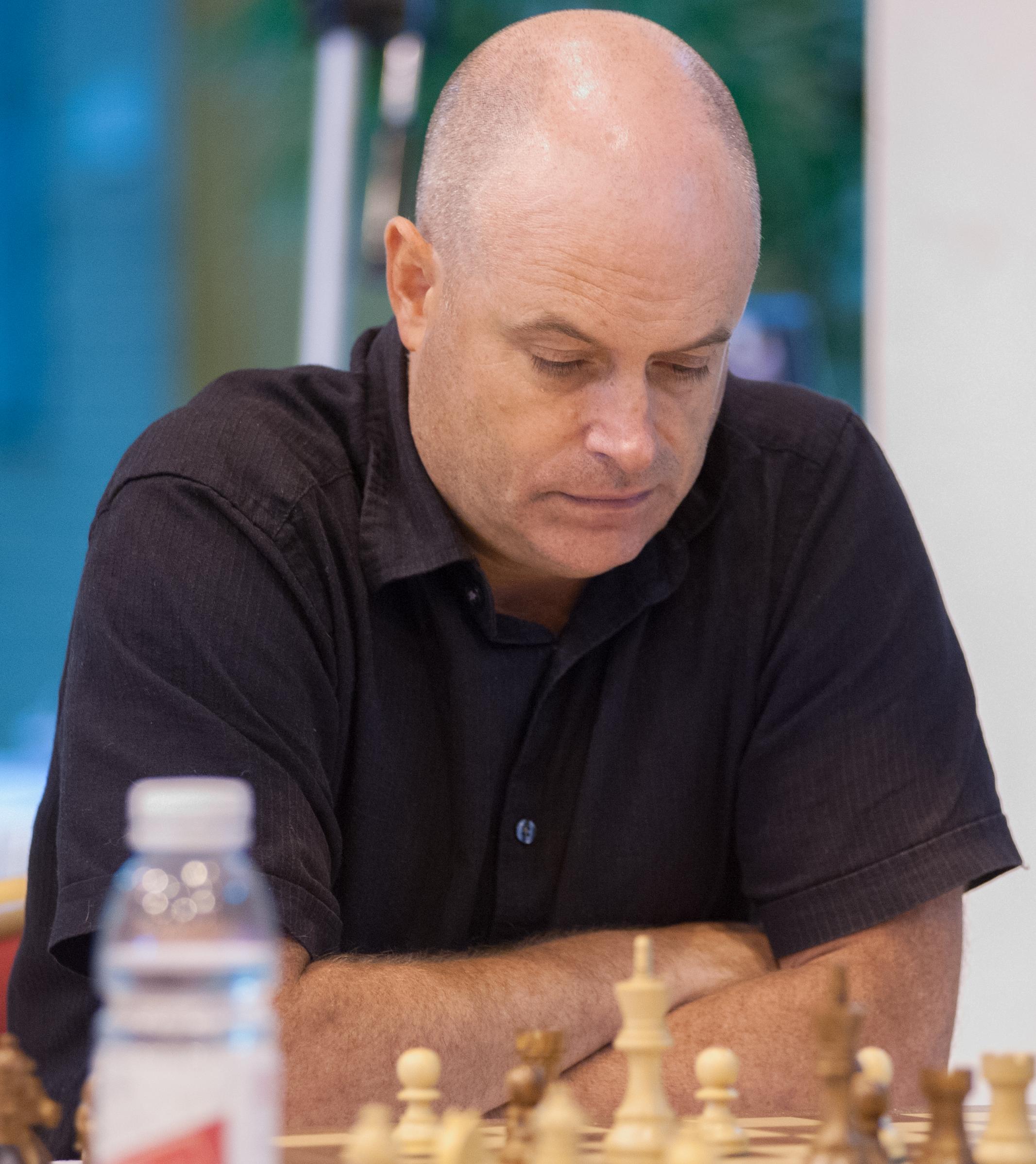
GM Keith Charles Arkell

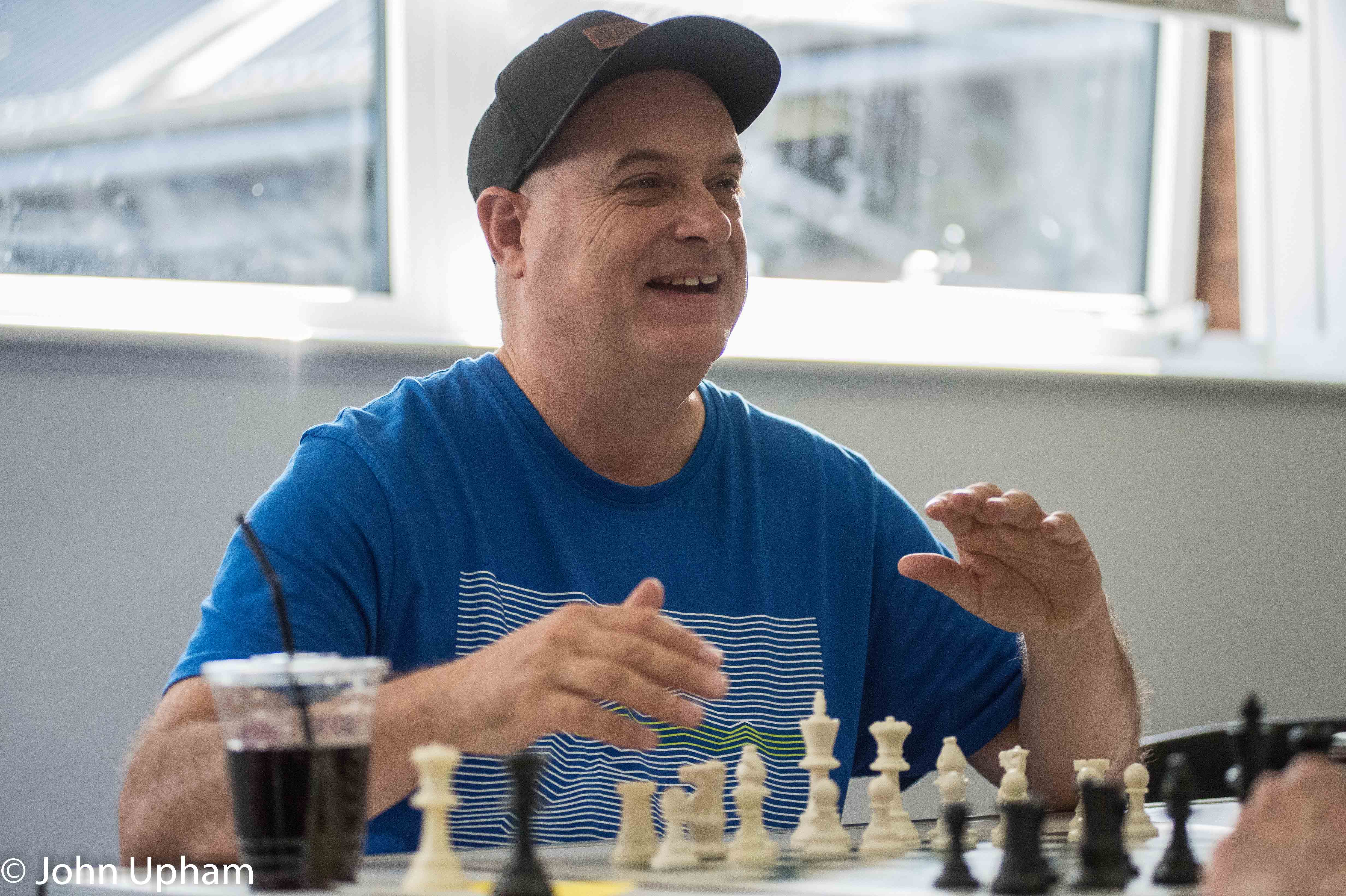
We send birthday wishes to GM Keith Arkell, born this day (January 8th) in 1961.
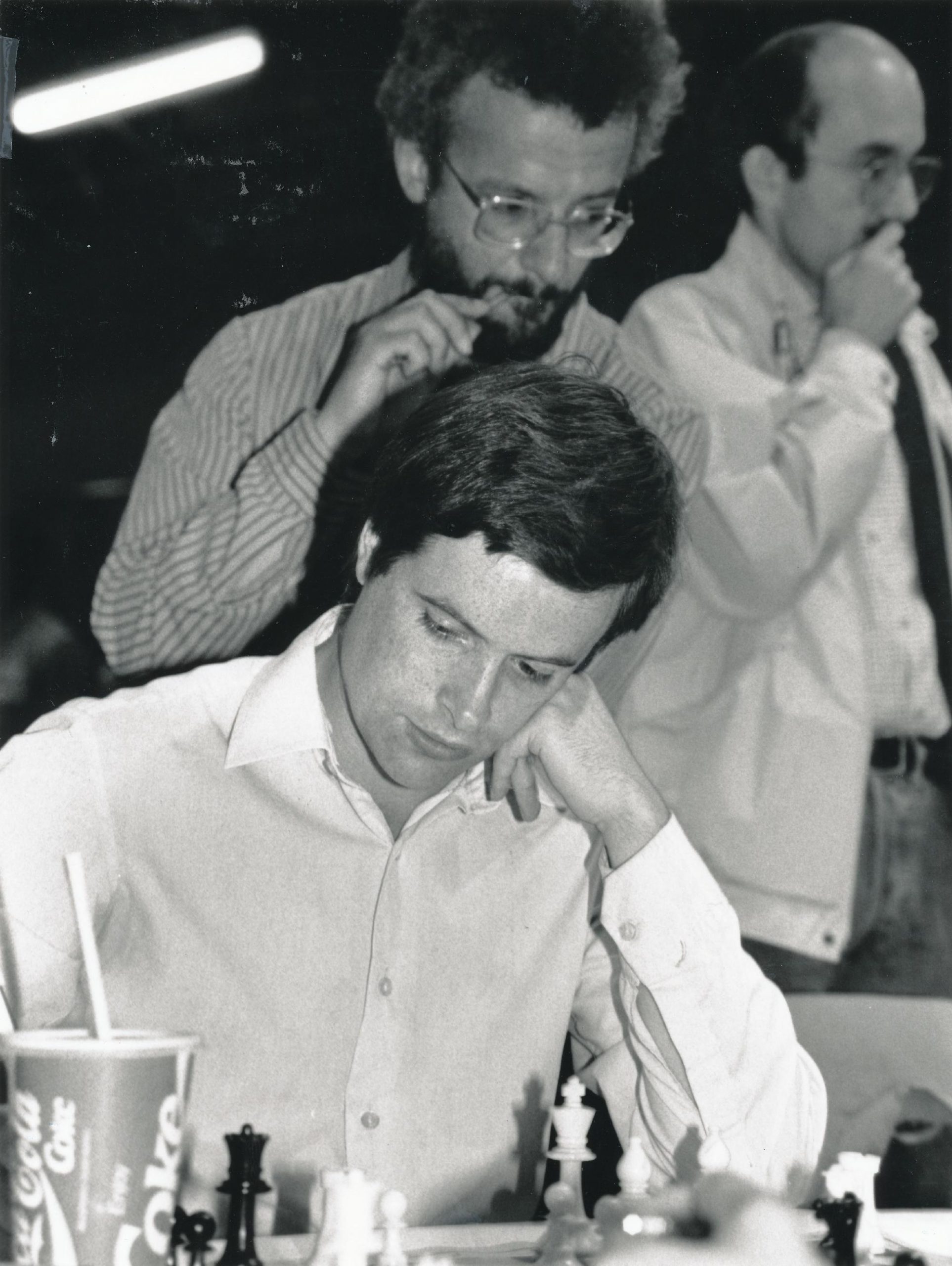
Keith Arkell
Keith Arkell

Here is Keith’s Wikipedia entry

GM Keith Arkell (ENG)

This was written about Keith aged 18 prior to the 1979 Spassky vs the BCF Junior Squad simultaneous display :

“Rednal, Birmingham. Rating 188. 2nd Lloyds Bank junior international, 1979.”

Keith was Southern Counties (SCCU) champion for the 2014-15 season sharing with Jonathan Hawkins

Here is an interview with ChessBase from 2016.

GM Keith Arkell
GM Keith Arkell

[pgn]
[Event “BCF-chT 1415 (4NCL)”]
[Site “England”]
[Date “2015.02.14”]
[Round “5.164”]
[White “Rogers, Jonathan”]
[Black “Arkell, Keith C”]
[Result “1/2-1/2”]
[ECO “B12”]
[WhiteElo “2277”]
[BlackElo “2497”]
[Annotator “Saunders,J/Arkell”]
[PlyCount “82”]
[EventDate “2014.11.15”]
[EventType “team-swiss”]
[EventRounds “11”]
[EventCountry “ENG”]
[SourceTitle “EXT 2016”]
[Source “ChessBase”]
[SourceDate “2015.10.08”]
[SourceVersion “1”]
[SourceVersionDate “2015.10.08”]
[SourceQuality “1”]
[WhiteTeam “Barbican II”]
[BlackTeam “Cheddleton”]
[WhiteTeamCountry “ENG”]
[BlackTeamCountry “ENG”]

{[%evp 0,82,19,38,72,69,71,77,64,2,30,17,14,9,29,24,35,-30,-50,-74,-74,-75,-88,
-128,-3,-16,-56,-32,-43,-43,10,5,20,16,16,-4,5,-3,-68,-61,-45,-40,-37,-1273,68,
-201,-202,-210,-197,-207,-208,-228,-194,-183,-149,-150,-148,-143,-143,-141,138,
141,141,150,138,140,138,173,201,198,198,210,213,236,232,190,225,138,142,100,
114,95,114,95,92]} 1. e4 c6 2. d4 d5 3. e5 c5 4. c4 e6 5. Nf3 cxd4 6. Nxd4 Bb4+
$5 ({Databases are peppered with games where Keith has played} 6… Nc6 {
but perhaps he wanted to keep his opponent guessing.}) 7. Nc3 Ne7 8. h4 Nbc6 9.
a3 $5 {Jonathan, perhaps with the far-sighted plan of not being strangled
slowly in a rook and pawn endgame, wants to provoke something sharp.} Bxc3+ 10.
bxc3 Nxe5 11. Bf4 N5g6 (11… Nxc4 12. Bxc4 dxc4 {is tempting but maybe} 13.
Nb5 O-O 14. Qxd8 Rxd8 15. Nc7 Nd5 16. O-O-O $5 {gives White a bit of
compensation. Instead, Black gives back material to get some pressure on the
e-file.}) 12. Bg3 e5 13. h5 exd4 14. hxg6 Nxg6 15. Qxd4 O-O 16. cxd5 Re8+ 17.
Be2 Ne7 18. Rd1 Nf5 19. Qd3 {[diag]} Qg5 (19… Qg5 {We haven’t quite got
there yet, but we’re coming up to a spectacular mutual oversight which needs
explaining. Seeking enlightenment (and also wanting to be sure that the moves
were correctly recorded – mix-ups do happen), I got in touch with Keith on
FaceBook to ask what happened. Keith responded at some length, centring on his
thoughts as he planned the move 19…Qg5. What followed are his own words,
lightly edited by me: “It’s impossible to fully explain how such a thing can
happen, but let me try anyway. So, I’m sitting there analysing the move I want
to play in principle – which at the time was 19…Qd8-g5. I know that my
advantage increases if I can make the move, but obviously I am concerned about
his possible reply} 20. Qb5 {So I analyse} Re4 {(other moves didn’t look very
good to me)} 21. d6 {- the only move that could give me any problem, as it
threatens to win a piece. Visualising the position, I then hoped that} Be6 {
would be strong, as it threatened the winning 22…Bc4. Of course, the main
potential drawback to this is that he can then fork my rooks with} 22. Qxb7 {
I would then need} Rxe2+ {to work or I would be lost! So – and don’t forget,
all this is before playing 19…Qg5 – I set about analysing 22…Rxe2+ as I
(wrongly!) believed that 19…Qg5 hinged on this. So, 22…Rxe2+} 23. Kxe2 Bc4+
24. Kf3 {(obviously forced) and then, I thought, ”please let 24…Re8 be a
winning move”! It certainly looked winning. It was obvious he had to either
put a rook on e1 or his bishop on e5 to stop …Be2 mate. I didn’t look beyond}
Re8 {[diag]} 25. Rde1 ({I saw a pretty mate against} 25. Rhe1 {which was} Qh5+
26. Kf4 g5+ {(my favourite move!)} 27. Kxf5 Qg6+ 28. Kg4 f5+ 29. Kh3 Qh5+ 30.
Bh4 Qxh4#) ({so that just left the irritating} 25. Be5 {to deal with. Find a
good move there and I could play 19…Qg5. I decided that 25…h5 must be
winning and anyway certainly left him in trouble.}) 25… Bd5+ 26. Qxd5 Nh4+ {
So I analysed no more and plunged in with 19…Qg5. He quickly replied 20 Qb5
and, after briefly running through all those nice lines again, I confidently
played 20…Re4. He continued following my analysis, with 21 d6?? and I had 21.
..Be6?? ready for him. So there you have it. The explanation is that we were
playing out a variation I had analysed way ahead, and I didn’t stop properly
to check if there might be something else going on!”}) 20. Qb5 Re4 21. d6 $4 (
21. O-O Nxg3 22. fxg3 Re5 $5 {seems to be broadly equal.}) 21… Be6 $4 ({
What Keith had missed in his move 19 analysis, and what Jonathan also missed
when playing 21.d6, was the bone-crushing} 21… Nxg3 $3 {, which is game over
as} 22. Qxg5 {allows} Rxe2# {mate, while a capture on g3 loses the queen to 22.
..Qxb5 as the e2 bishop is pinned.}) 22. Qd3 $4 (22. O-O $1 Rd8 23. Bd3 {
and White is well in the game.}) 22… Nxg3 {This time Black doesn’t fluff his
lines.} 23. fxg3 Qe5 $1 24. Rh4 (24. d7 Rd8 {makes no material difference,
while a king move such as}) (24. Kf1 {loses to} Bc4 {.}) 24… Bg4 25. Qxe4 $1
({A much better bet than} 25. Rxg4 Rxg4 {, which looks pretty hopeless for
White.}) 25… Qxe4 26. Rxg4 Qe5 $6 ({There seems to be no reason not to
snatch a pawn with} 26… Qxg2 27. d7 Rd8 {, with very reasonable winning
chances.}) 27. d7 Qxc3+ $2 ({After this, Black’s winning chances evaporate.}
27… Rd8 {keeps the Black flag flying, though it’s by no means obvious how he
can go about winning.}) 28. Kf1 Rd8 29. Re4 $1 {White’s firm control of the
e-file is his salvation.} Qc6 ({Possibly another oversight, but it turns out
to be non-critical as the following tactical sequence doesn’t leave Black too
much to do to save the game. After} 29… Kf8 30. Bb5 Qf6+ 31. Ke1 g6 32. Re8+
Kg7 33. Rxd8 Qxd8 34. Rc1 {, the game peters out to a draw.}) 30. Re8+ Rxe8 31.
d8=Q g6 32. Qd5 Qc3 33. Bc4 Qf6+ 34. Kg1 Re7 35. Rf1 Qb6+ 36. Kh1 Qc7 {The
zenith of White’s game – Houdini scores it at +2.13 – but it is hard to see
how White can bring any more pressure to bear on Black’s position or make
meaningful progress. Maybe Magnus Carlsen would have found a way.} 37. Qd4 a6
38. Rd1 b5 39. Bf1 Re8 40. Kh2 Qc2 41. Qd3 Qc5 1/2-1/2

[/pgn]

[pgn]
[Event “Crawley e2e4 Gatwick op 10”]
[Site “Crawley”]
[Date “2016.10.26”]
[Round “1”]
[White “Arkell, Keith C”]
[Black “Wadsworth, Matthew J”]
[Result “1-0”]
[ECO “D23”]
[WhiteElo “2450”]
[BlackElo “2290”]
[Annotator “Keith Arkell”]
[PlyCount “159”]
[EventDate “2016.10.26”]
[EventType “swiss”]
[EventRounds “9”]
[EventCountry “ENG”]
[SourceTitle “Arkell’s Endings : Game 1”]
[Source “ChessBase”]
[SourceDate “2017.10.13”]
[SourceVersion “1”]
[SourceVersionDate “2017.10.13”]
[SourceQuality “1”]

{[%evp 0,159,19,29,23,-4,25,20,30,-2,20,22,9,-6,15,-19,-25,-6,-8,-13,6,-4,-3,
-3,6,-21,-8,-11,22,0,7,1,14,1,3,11,8,0,5,5,29,50,52,22,21,24,45,27,63,69,55,70,
72,80,74,14,33,25,26,42,34,44,48,48,68,63,89,99,98,92,126,116,115,116,116,122,
128,113,128,129,132,133,135,151,158,147,151,136,137,132,142,134,152,152,156,
152,162,164,163,152,152,152,163,153,153,161,157,136,153,153,153,161,157,157,
162,157,157,157,157,157,158,134,158,134,208,189,189,189,189,141,189,165,182,
160,177,156,202,184,193,202,210,195,208,221,276,293,377,373,545,373,639,373,
373,367,365,381,371,480,537,732,1259,28004]} {Taken from Arkell’s Endings,
Game 14, pp 68-71} 1. Nf3 d5 2. c4 c6 3. d4 Nf6 4. Qc2 dxc4 5. Qxc4 Bg4 6. Nbd2
Nbd7 7. g3 e6 8. Bg2 Be7 9. O-O Bh5 10. a4 $1 $146 (10. b3) 10… a5 11. Qb3
Qb6 12. Qxb6 Nxb6 13. b3 Nfd5 14. Bb2 O-O 15. Nc4 Nxc4 {This capture gave me
some encouragement as my pawn will gain in stature, and I will have long-term
prospects on the b-file.} 16. bxc4 Nb4 17. Rfd1 Rfd8 18. c5 Bf6 19. e3 b6 {
Against a waiting move I planned Rab1 and Ba3} 20. cxb6 Rab8 21. Rac1 Rxb6 22.
Rd2 Bg6 23. Bc3 Be4 {[#]} {I think this was an oversight and he had missed my
25th move.} 24. Ne5 Bxg2 25. Nc4 Ra6 26. Kxg2 {Now I have the kind of position
I like: no weaknesses and a guarantee of permanent pressure against his
queenside pawns.} Rda8 27. Nxa5 {It was hard to resist playing in this
straightforward manner. It will now be a very tough task for Wadsworth to hang
on to his backward c-pawn.} (27. Rb1 {runs into} c5) ({and} 27. Rb2 {allows}
Nd3) 27… Nd5 28. Nb7 Rxa4 29. Rdc2 Ra2 30. Be1 g6 31. Kf3 {[%csl Gc6] With
e3 defended I’m now threatening to capture his pawn.} Rxc2 32. Rxc2 Ne7 33.
Bb4 Ra6 34. Nc5 Ra7 {The c-pawn is lost whatever he does} ({For example} 34…
Rb6 35. Ba5 Rb5 36. Bd8 {with Nd3 or Ne4 to follow}) 35. Ne4 Kg7 {[#]} 36. Bxe7
{I could have exchanged both minor pieces, but felt that the subsequent ending
would be more favourable if I kept the knight, which tends to be more
effective than a bishop at close quarters.} Bxe7 37. Rxc6 h5 38. h3 {[#]} {
How do you set about winning such a position? Clearly not with the pieces
alone, but using pawns will unavoidably involve exchanges, and you don’t
want too many swaps as rook, knight and pawn versus rook and bishop is usually
a simple draw. The answer is somewhere in-between. Ideally you would like to
fix the kingside with g4-g5, and then organise e3-e4 and d4-d5.} Rb7 39. g4
hxg4+ 40. hxg4 Ra7 {[#]} {I was pleased to see this and thought he should
prefer 40…g5, but I guess he was reluctant to put a pawn on the same colour
as his bishop. 40…f5 was also interesting, but I didn’t expect him to
weaken his pawns in such a cavalier manner.} 41. g5 {Now I have a free hand to
slowly improve my position because …f6 will always leave Black with too many
weaknesses. So many times this is what we strive for in chess – leaving the
opponent without any real counterplay is often half the battle.} Ra5 42. Kf4
Ra7 43. Rb6 Bd8 44. Rb5 Rd7 45. Kg4 Be7 46. Ra5 Bd8 47. Ra8 {[#]} {If you
study the great endgame players such as Magnus Carlsen and Anatoly Karpov, you
cannot fail to observe their endless patience. Maintaining the tension rather
than committing oneself to immediate action tends to have a wearisome effect
on the opponent, as well as forcing them to defend accurately to avoid further
damage.} Be7 48. Rc8 Rb7 49. Re8 Rc7 50. Rb8 Rd7 51. f4 Rc7 52. Kf3 Ra7 53. Nc5
Rc7 54. Nd3 Ra7 55. Rc8 Bd6 56. Ke4 Rb7 57. Nf2 {From g4 the knight will have
a choice of entry points into the heart of Black’s position.} Be7 58. Ng4 Ra7
59. Rb8 Bd6 60. Rb5 Be7 61. Ke5 Ra3 {Spooked by my intention to make progress
with e3-e4 and d4-d5, combined with Nf6 and Rb8, Matthew gives some ground.}
62. Rb7 Ra5+ 63. Ke4 Kf8 64. Nf6 Ra8 65. Ke5 Rd8 66. Nh7+ Ke8 67. e4 Ra8 68.
Nf6+ Kf8 69. d5 exd5 70. exd5 Rd8 71. Rb6 {[#]} {Threatening to win on the
spot with 72 d6.} Bc5 72. Rc6 Ba3 73. d6 {Inch by inch I’ve brought about a
winning position. The rest is relatively straightforward.} Kg7 74. Kd5 Bb2 75.
Ng4 Ba3 76. Ne5 f6 77. Rc7+ Kg8 78. Nf7 Bxd6 79. Nxd6 fxg5 80. fxg5 1-0
[/pgn]

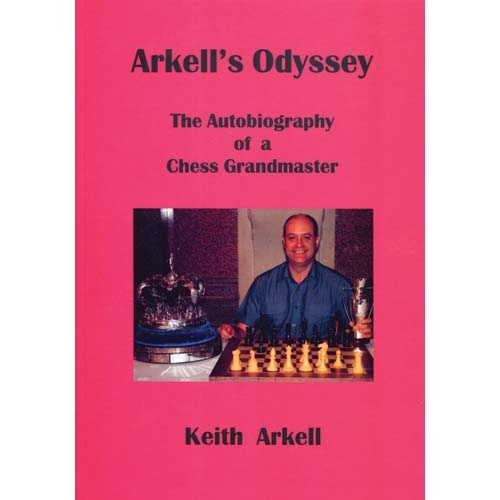
Arkell's Odyssey
Arkell’s Odyssey
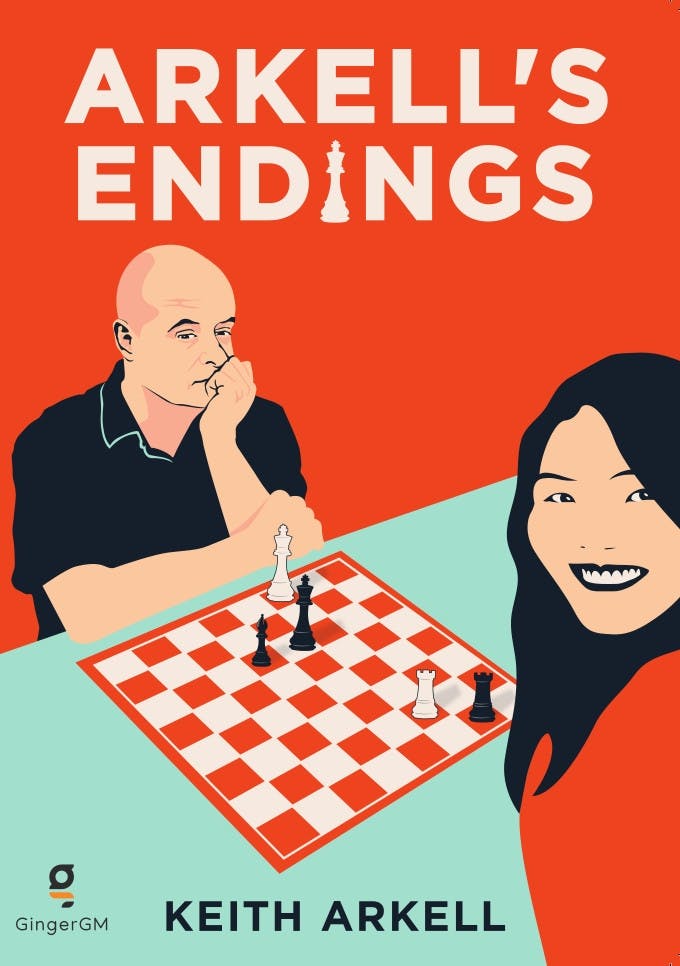
Arkell's Endings, Keith Arkell, GingerGM, 2020, ISBN-10 : 1527265595
Arkell’s Endings, Keith Arkell, GingerGM, 2020, ISBN-10 : 1527265595

BCN has reviewed Arkell’s Endings in depth

 Save as PDF

Details

Leave a Reply

Your email address will not be published. Required fields are marked *

This site uses Akismet to reduce spam. Learn how your comment data is processed.