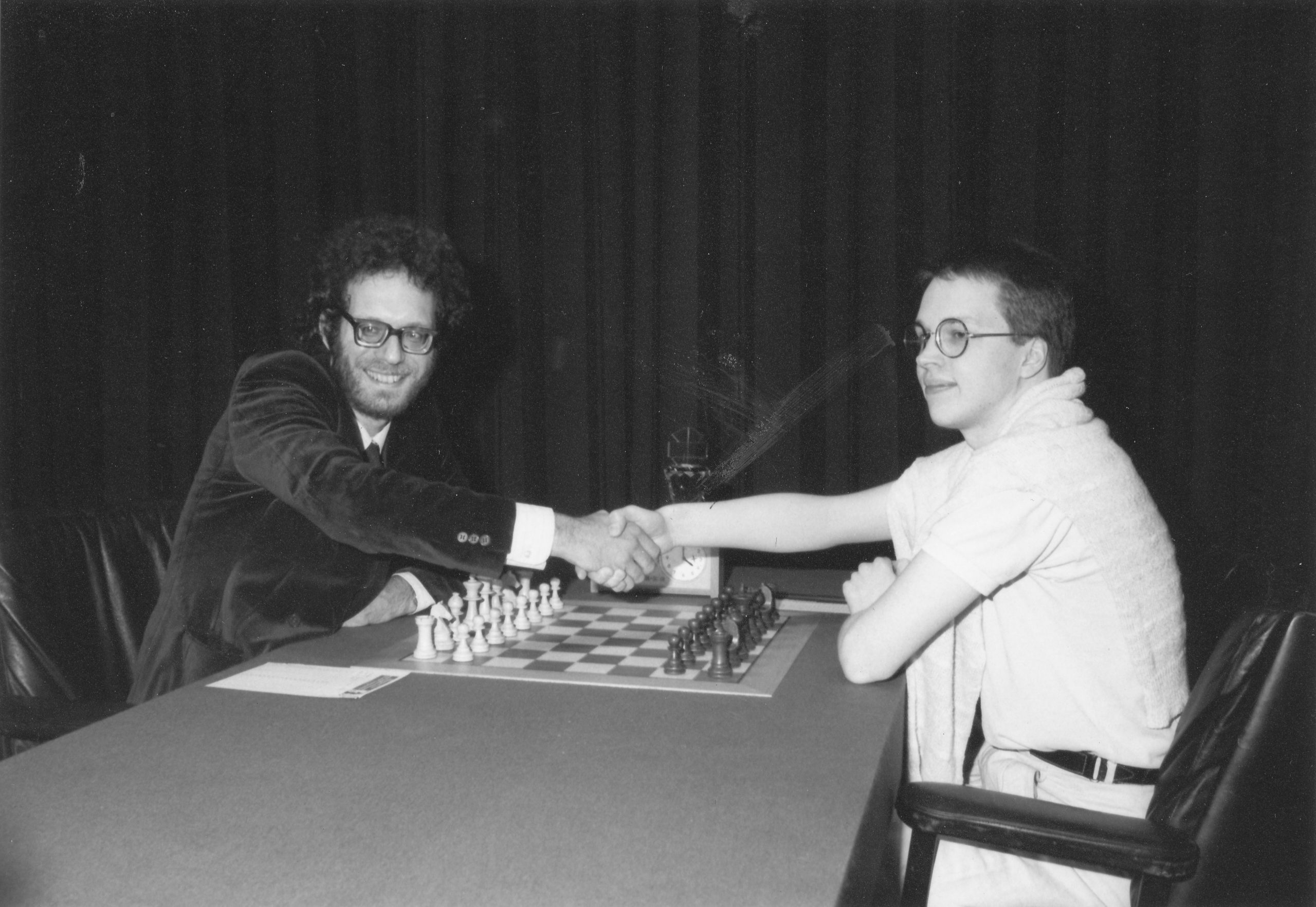
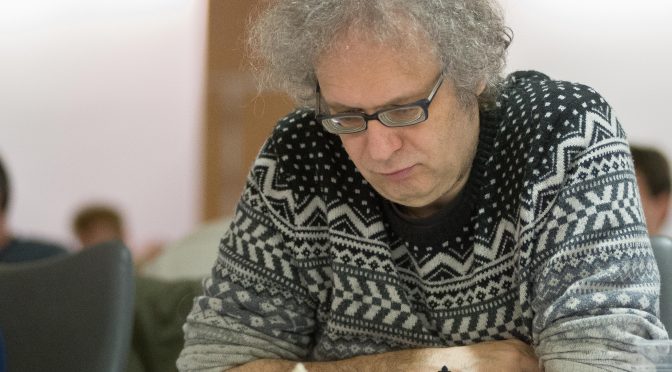
We wish GM Jonathan Speelman all the best on his birthday.
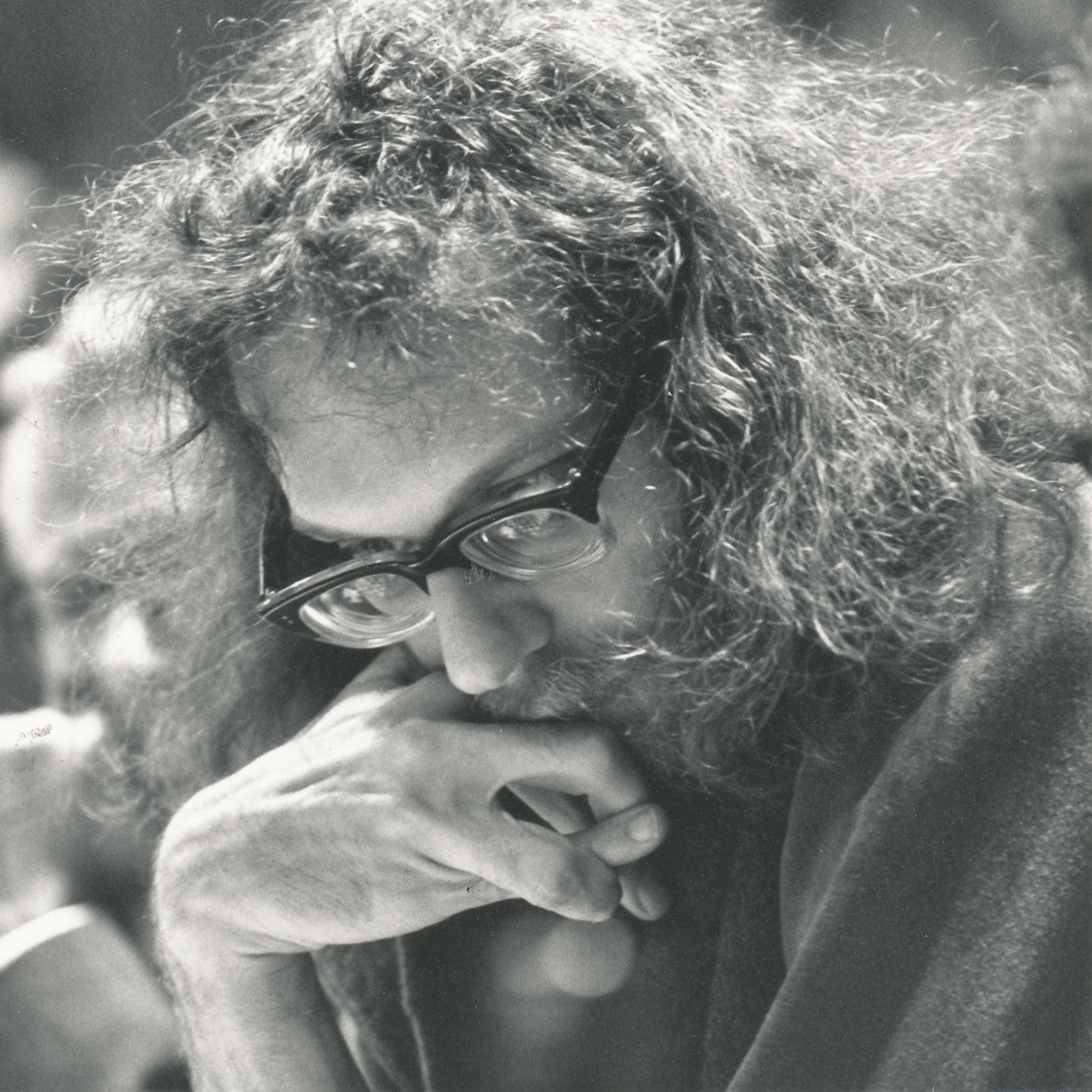
Jonathan Simon Speelman was born on Tuesday, October 2nd, 1956 in Marylebone, London. His mother’s maiden name was Freeman. In March 2002 Jon and Lindsey Thomas were married in Camden, Greater London. They have a non-chess playing son, Lawrence who studied Ancient Languages at The University of Chicago.
Jonathan attended St. Paul’s School, London and then Worcester College, Oxford and read mathematics.
He became an International Master in 1978 (England’s tenth) and a Grandmaster in 1980 (England’s fifth) and achieved a peak FIDE rating of 2645 at the age of 32 in July 1988.
Jon is a Life Member of King’s Head Chess Club and has helped them organise a number of tournaments including the NatWest Young Masters where he has adjudicated the winner of the Best Game Prize.
Currently, Jon plays for Wood Green in Four Nations Chess League and in the London League and maintains an ECF grade of 245.
Jon is the chess correspondent for The Observer and The Independent.
With the white pieces Jon prefers 1.Nf3 and against 1…Nf6 to follow with c4 and d4. Interestingly, if black plays 1…d5 then Jon plays an early king-side fianchetto.
As the second player Jon prefers the Smyslov Caro-Kann, the Nimzo-Indian and Queen’s Indian defences.
His record against contemporary players is impressive :
Nigel Short : +5
Murray Chandler : +4
Jonathan Mestel : +4
John Nunn : +3
James Plaskett : +4
Mark Hebden : +7
Tony Miles : +1
Tony Kosten : +3
Daniel King : +2

From British Chess (Pergamon Press, 1983) by Botterill, Levy, Rice and Richardson :
“Having been asked to contribute an article on myself to this book I have decided to concentrate almost exclusively on my ‘relationship with chess’, but first quickly summarize my life.
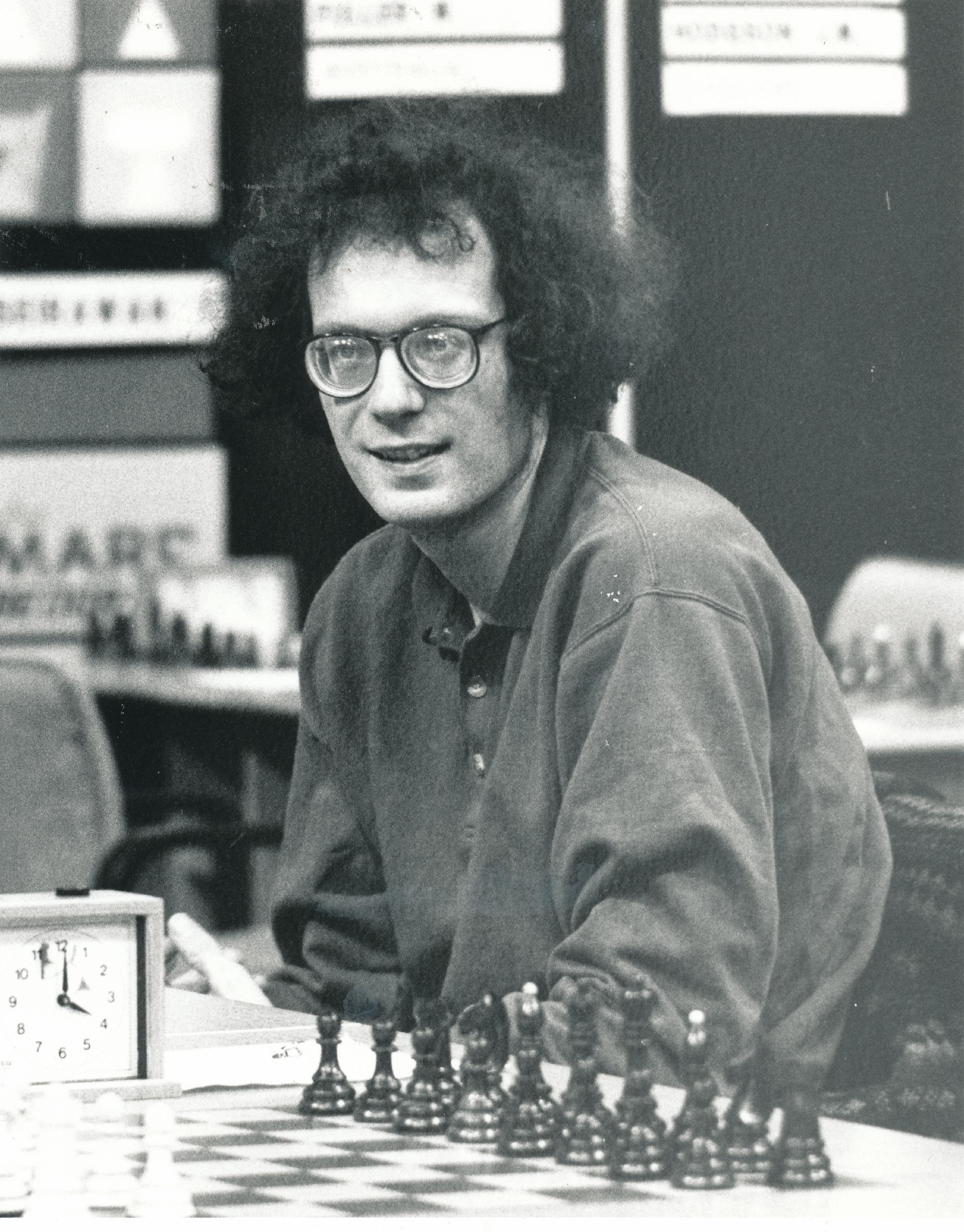
Born on 2nd October 1956 I went to a ‘Nursery School’ whose name I forget. Then to Arnold House School followed by St. Paul’s School. I had a ‘Year off’ from January to October, 1976, when I went up to Worcester College, Oxford, where I studied mathematics. In 1977 I left Oxford with a 2nd degree. Since then I have been a professional chess player.
I was taught chess at the age of 6 by my cousin on Boxing Day, 1962. Then as now, I was an inquisitive person and the idea of a ‘complicated and difficult game’ interested me. Sadly my first game of chess ended in checkmate in four moves; but I persevered and soon became more competent.
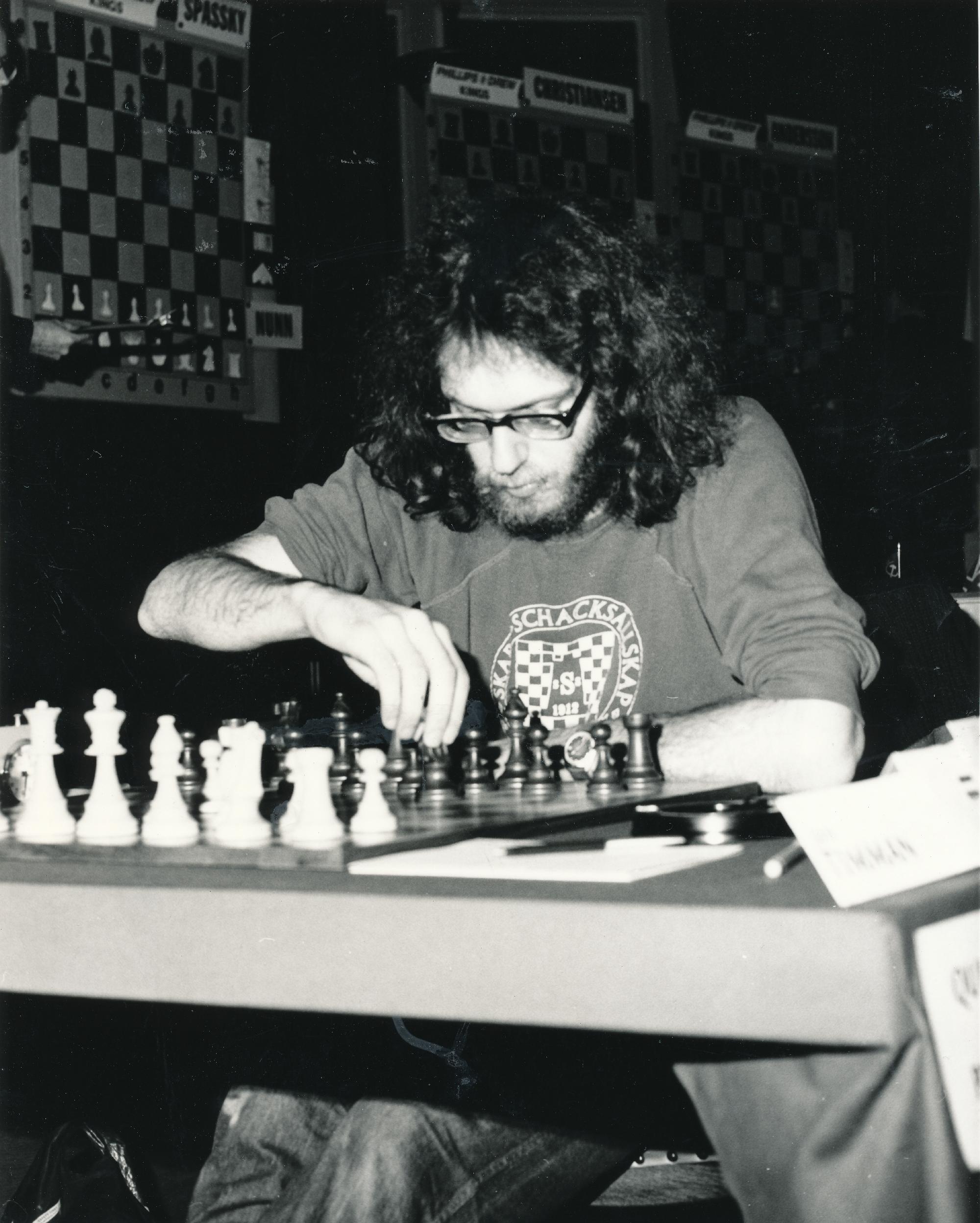
I have always seen life to some in terms of barriers. There are things which one can do easily and which one finds difficult or almost impossible. For any given task the transition from one state to the other is not as smooth. One builds up energy and finally is able to succeed for the first time. After that the task becomes successively easier: Partly because one is aware that one can succeed.
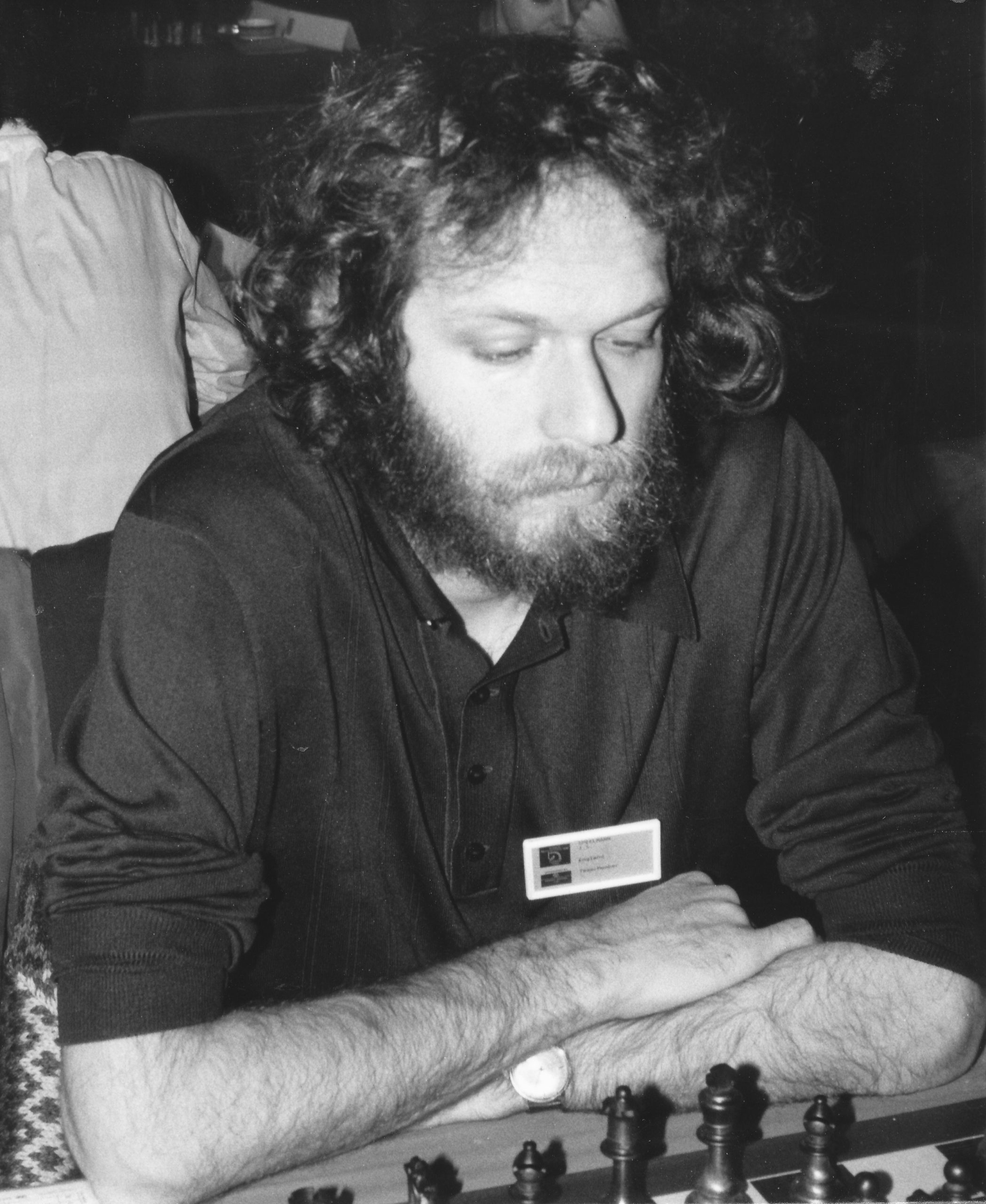
ln order to illustrate my chess career to date, I shall therefore pick out examples of barriers which I managed to break through.
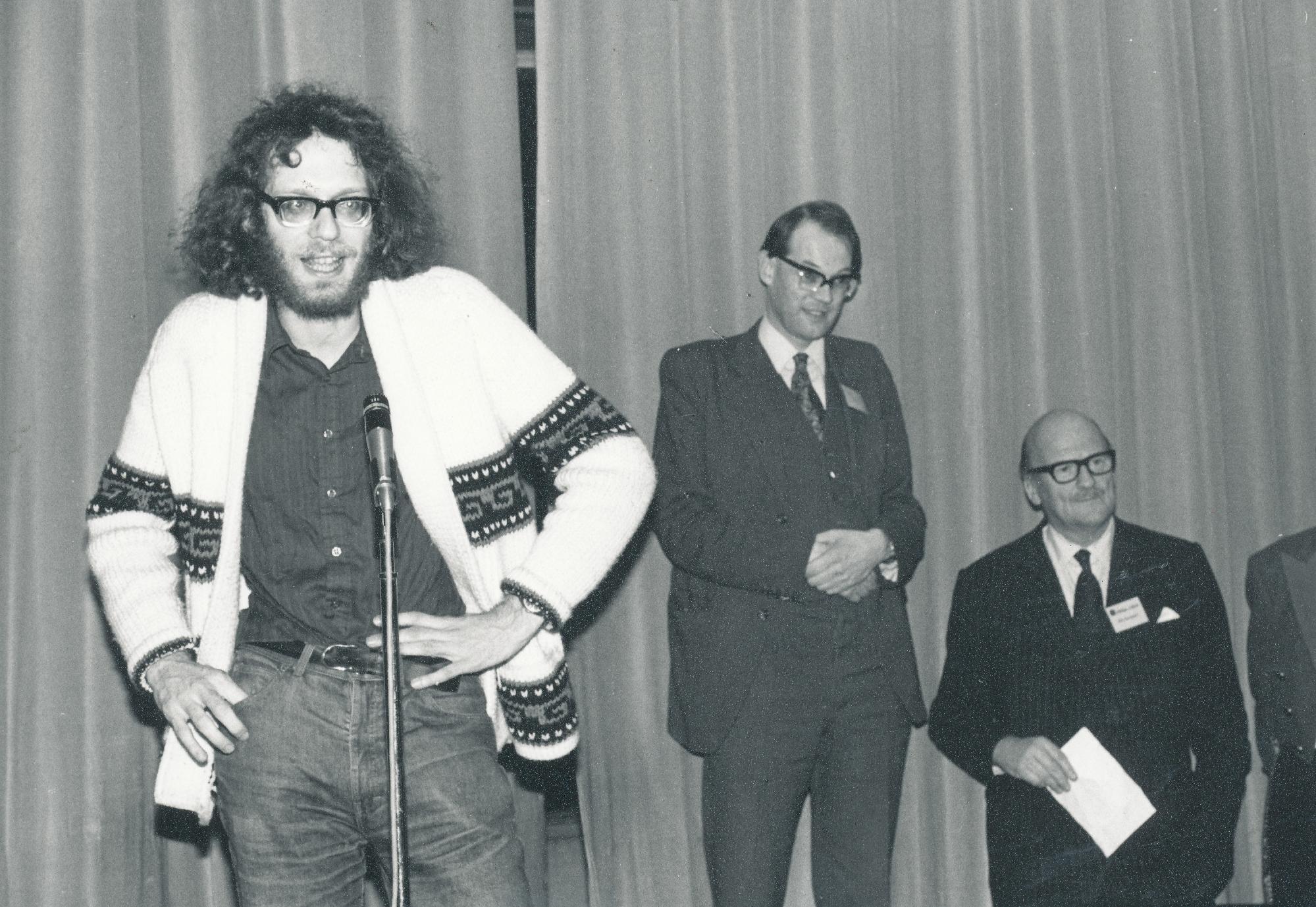
Until a few Years ago there were few titled players in Great Britain. But recently, thanks largely to a change of emphasis in organisation, several players have broken through to obtain international titles. This is not only because British players have become stronger – which they undoubtedly have – but also because they have received opportunities which were previously denied them.
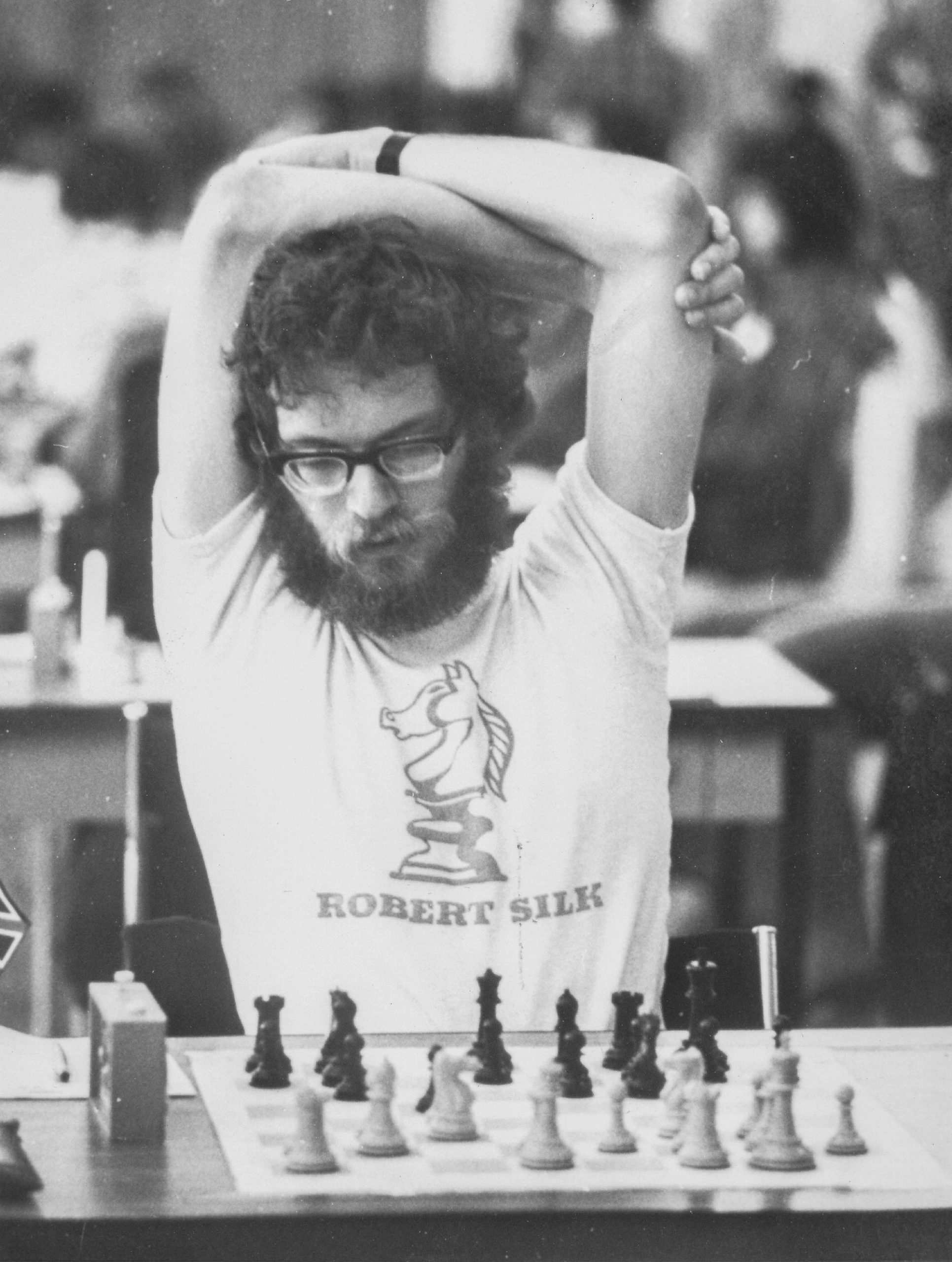
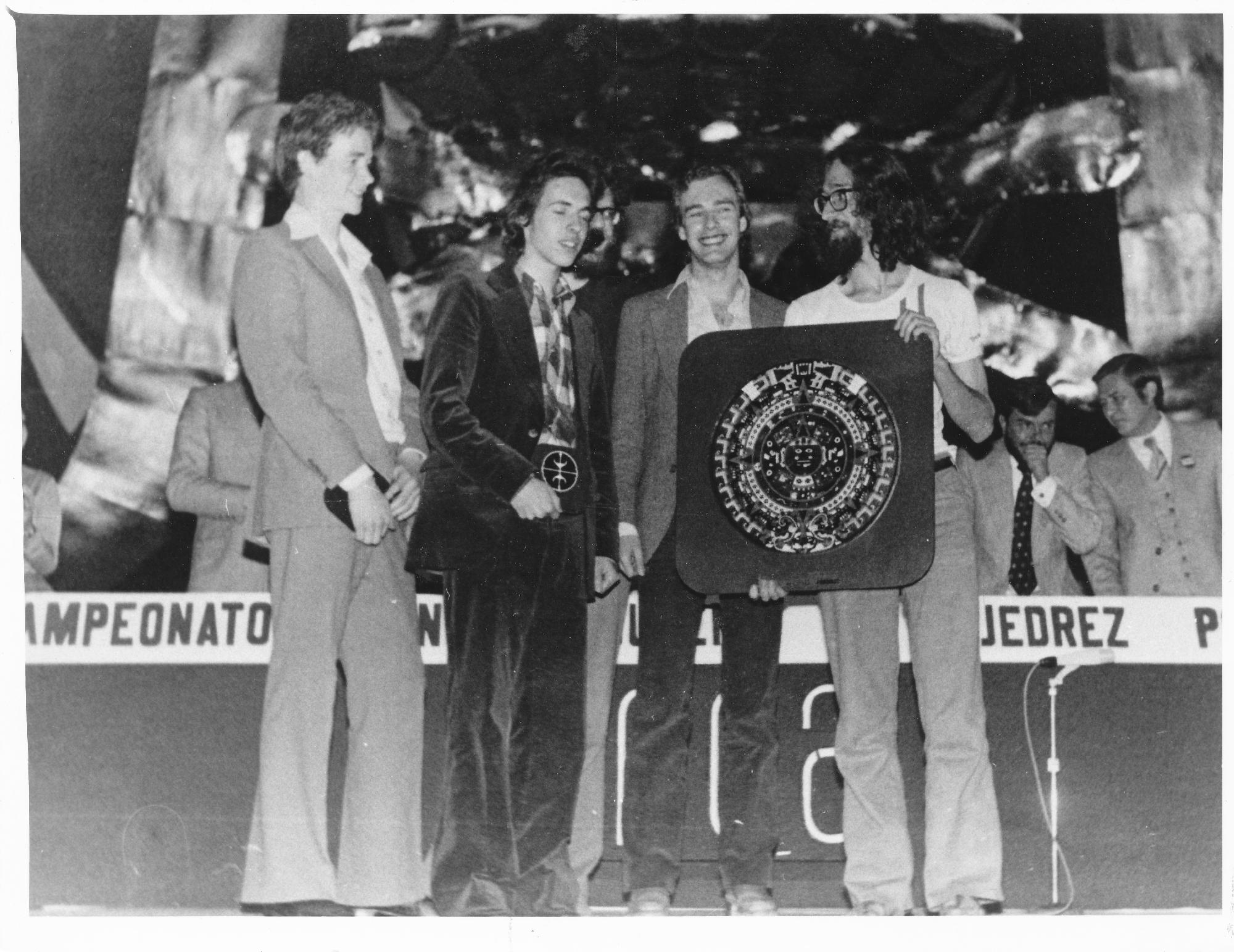
I first started seriously to contemplate becoming an international master in 1977. Previously, I had of course aspired to this but without really investigating the mechanics of obtaining norms. In August, 1977 England sent a team to the World Student Team Championships in Mexico City. We came third: a year later we were to win the event (though on that occasion it was a World Under 26 Team Championship). On our return there was an invitation tournament in London: the ‘Lloyds Bank Silver Jubilee’. Although I was rather tired after Mexico I decided to play and to my surprise, I obtained an IM norm with a round to spare. It all seemed rather easy. I drew with six strong players including GM Torre and four IM’s and beat three weaker ones.
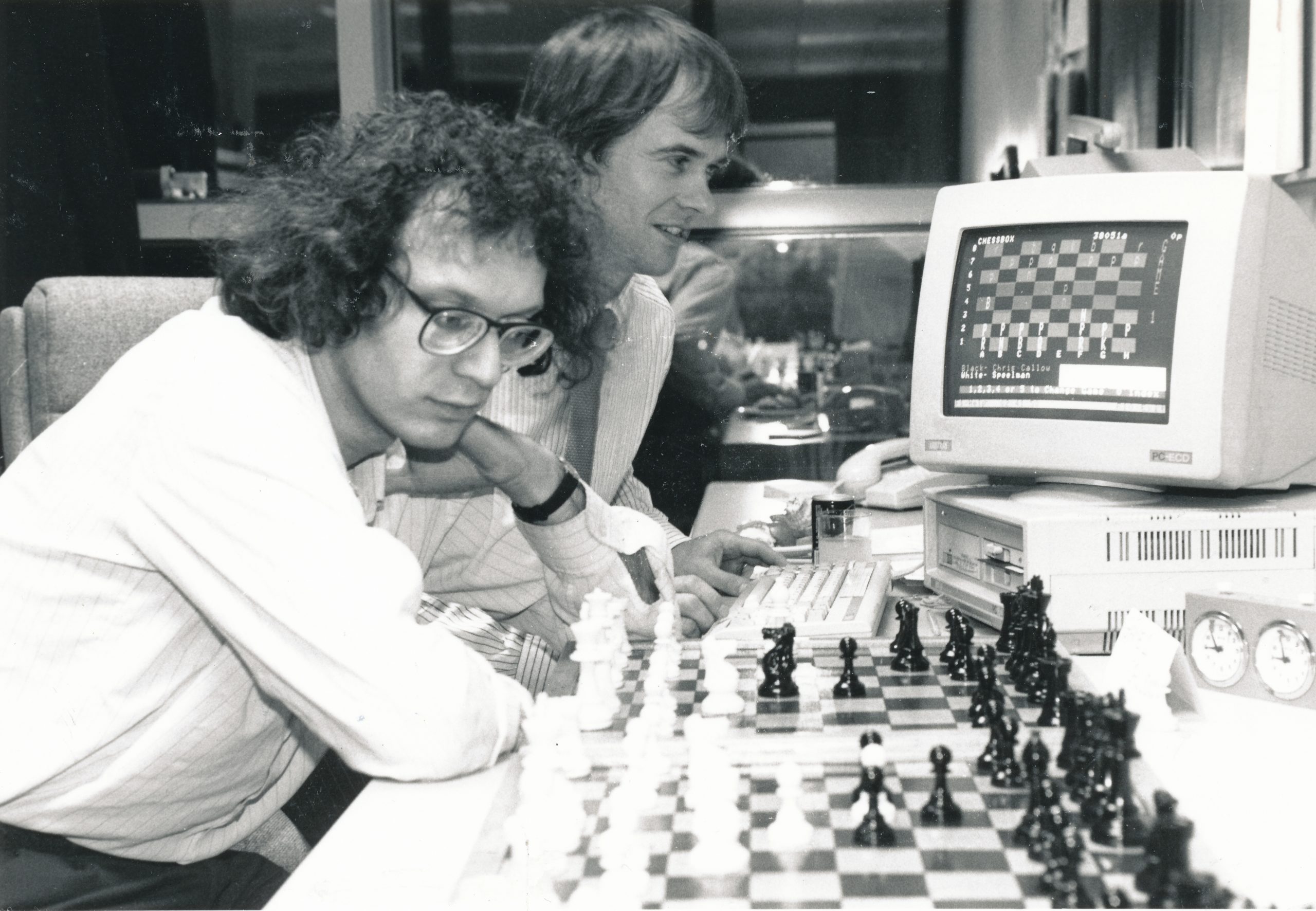
In December, 1977 I played for the first time in the Annual Grandmaster Tournament at Hastings. I was very pleased to ‘shut up shop’, abandoning any pretensions to an exciting style to score one win, one loss and – wait for it – twelve draws; but 7/14 was sufficient for another international master norm.
These two events left me with twenty three games of norm, one less than the required minimum. Early in 1978 I played in a tournament in London but failed to get my final leg. It was in April that year that I had my next chance at the famous Lone Pine Tournament in California. I have already stressed the importance of barriers. It was in round one of the Lone Pine tournament that I broke through another important one – that of beating a grandmaster.
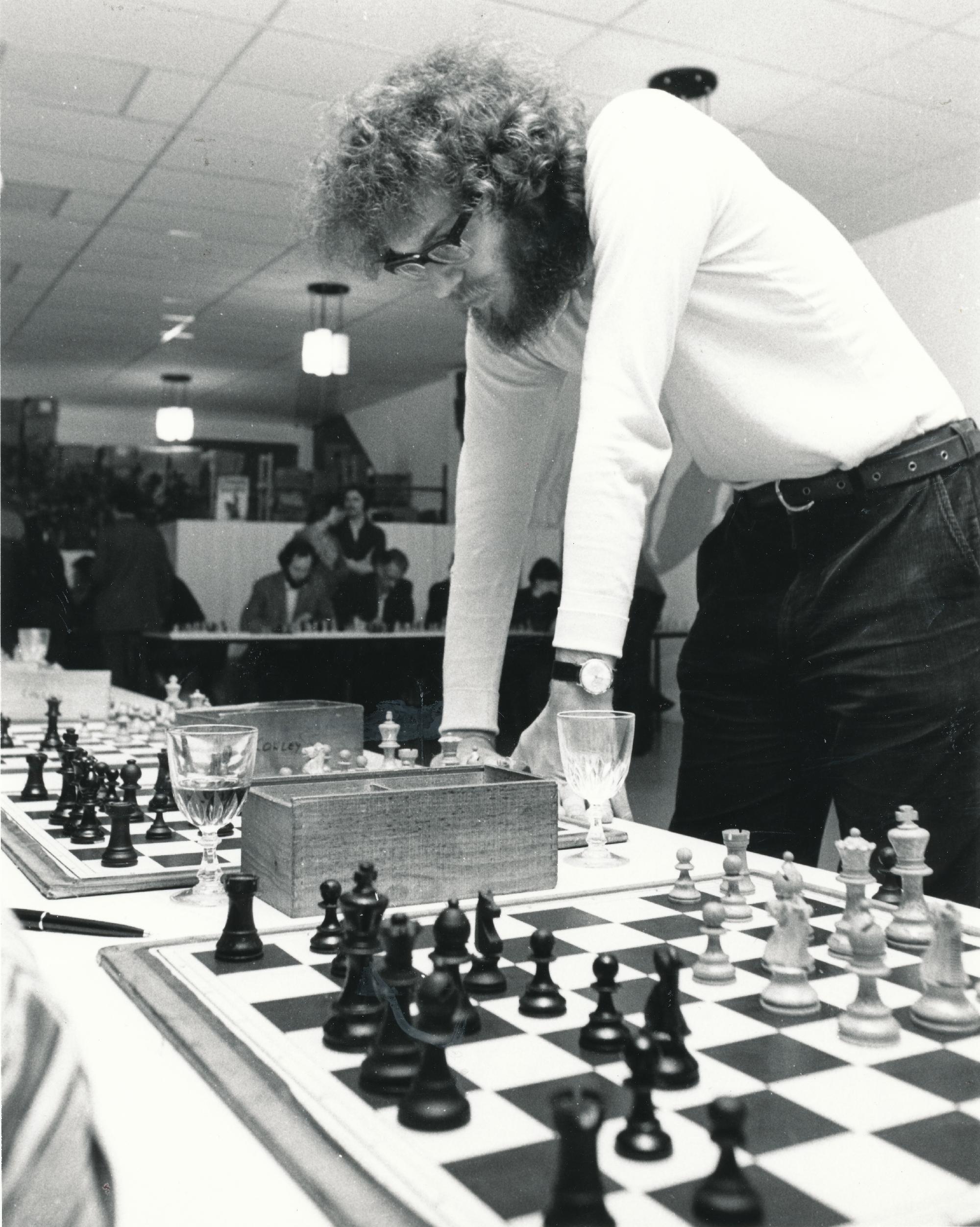
Nowadays (and here I hear myself sounding like an old man!) the strongest young players (under twenty-six) beat international masters quite regularly and indeed grandmasters from time to time. ‘In my day’ this was not so much the case. Titled foreign players could still come over to pillage weekend tournaments; and succeed much of the time! When one of them lost to homegrown talent it was news.
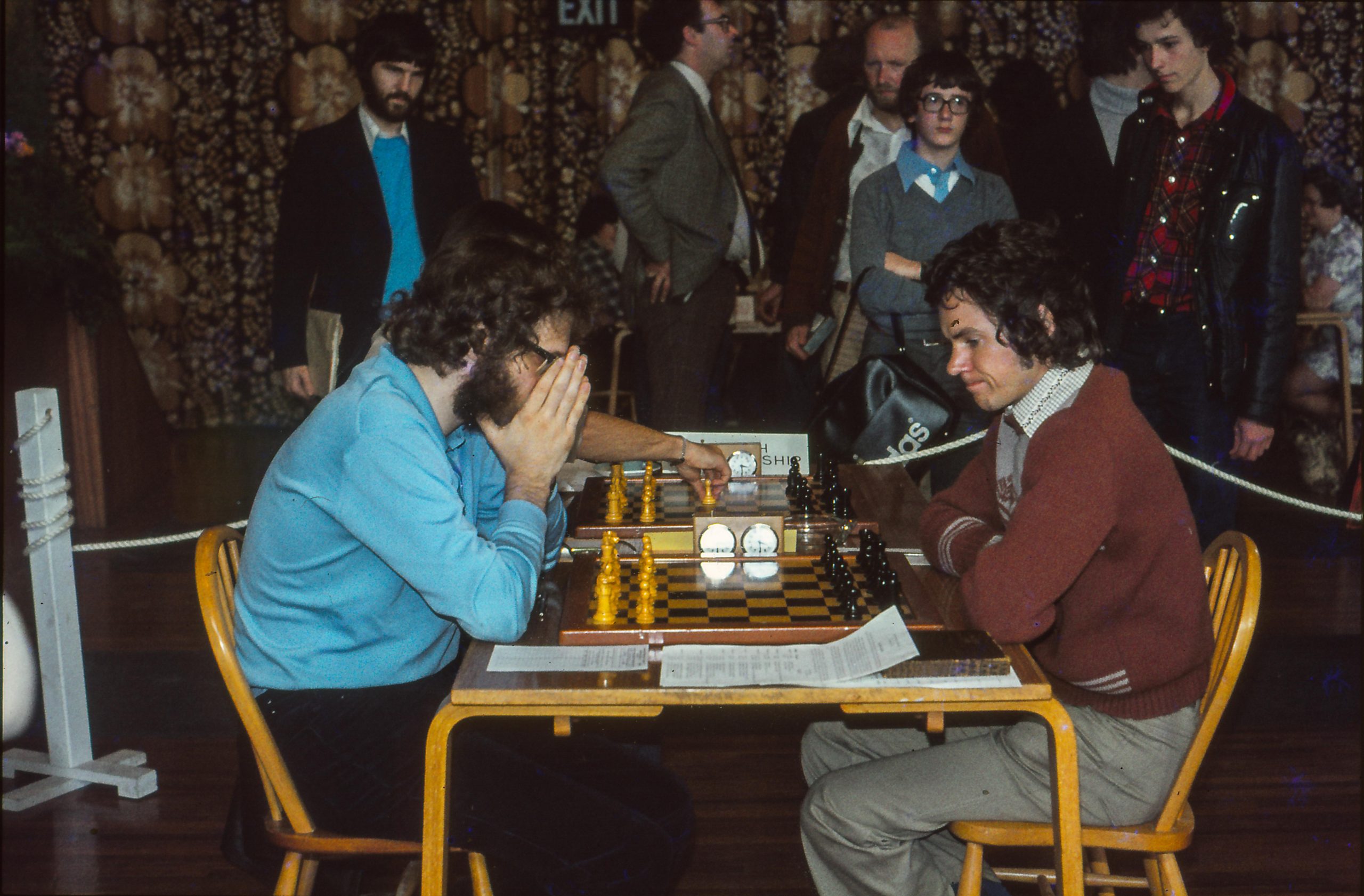
I first started to play regularly against grandmasters in my first Hastings tournament, which I mentioned previously. Of course, I had played grandmasters before, but at Hastings seven of the fourteen games were against them. I scored there six draws and a loss to the tournament winner, Dzindzihashvili.
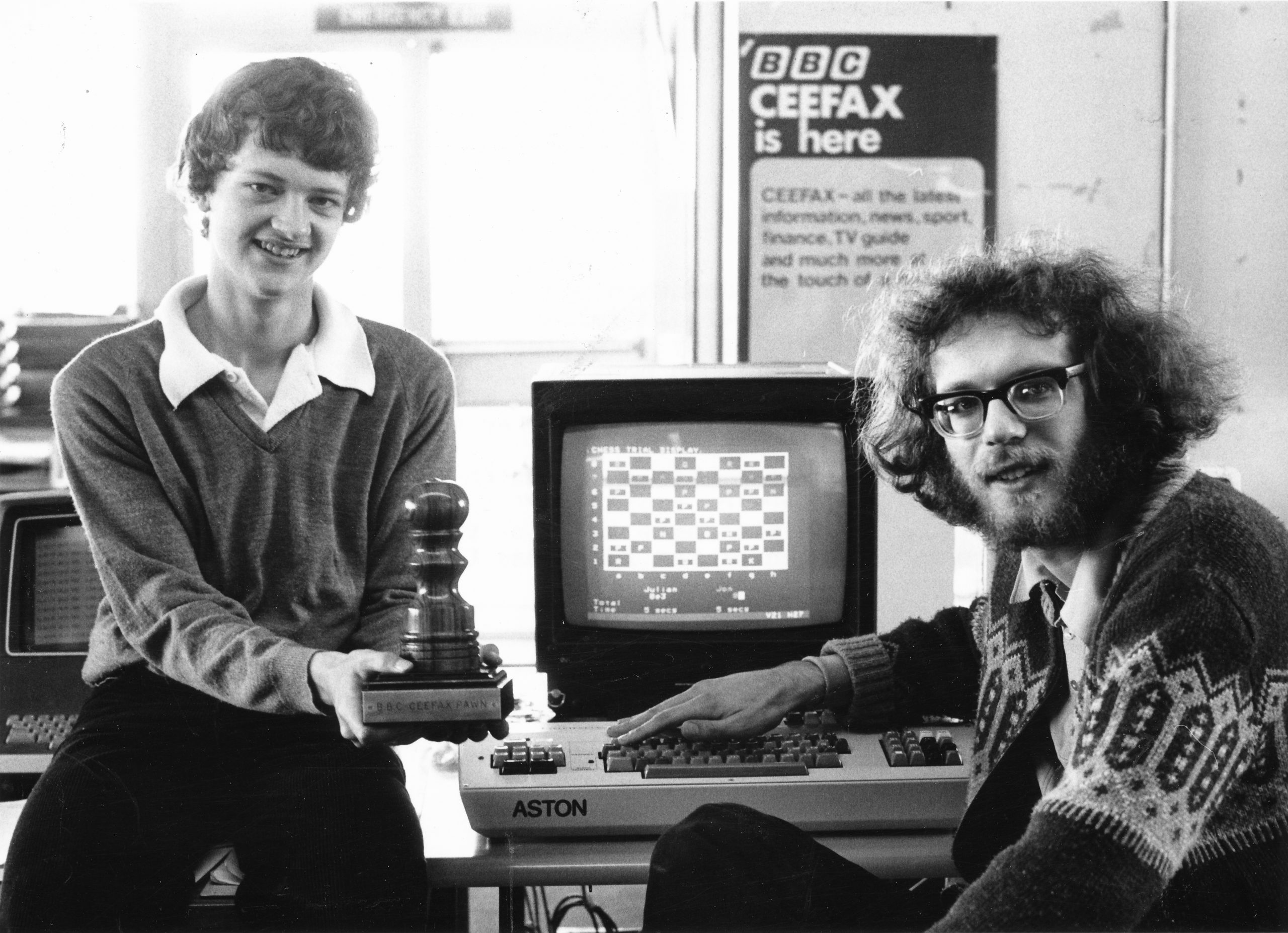
In round one of Lone pine I was White against Bent Larsen of Denmark. Given that one is going to beat a strong grandmaster (l hadn’t even beaten a weak one) then White against Larsen is quite a good chance. Although he is an extremely strong player, Larsen loses quite a lot of games to much weaker opponents and wins an enormous number against them as well, with not many draws. I was fortunate in obtaining a nice position from the opening and won a good game. That is one of the games I have chosen.
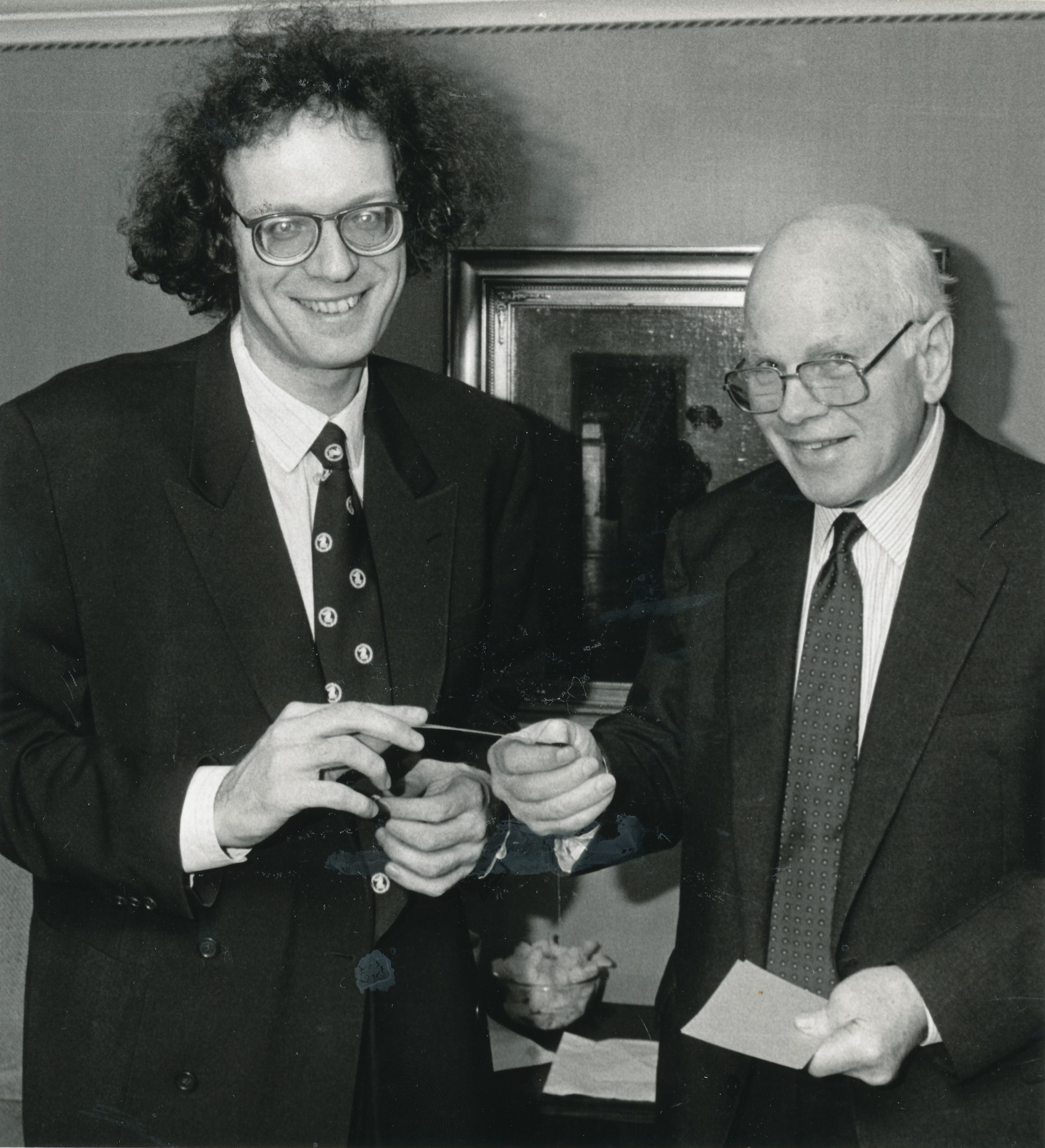
After beating Larsen the rest of the tournament was rather an anti-climax for me. I drew some games, then lost in successive rounds to Browne and Biyiasas. Needing a win to reach fifty per cent the chance of my final norm, I clawed my way to victory in a dreadful game against a young American P. Whitehead. Two short draws in the final two rounds brought me the title.
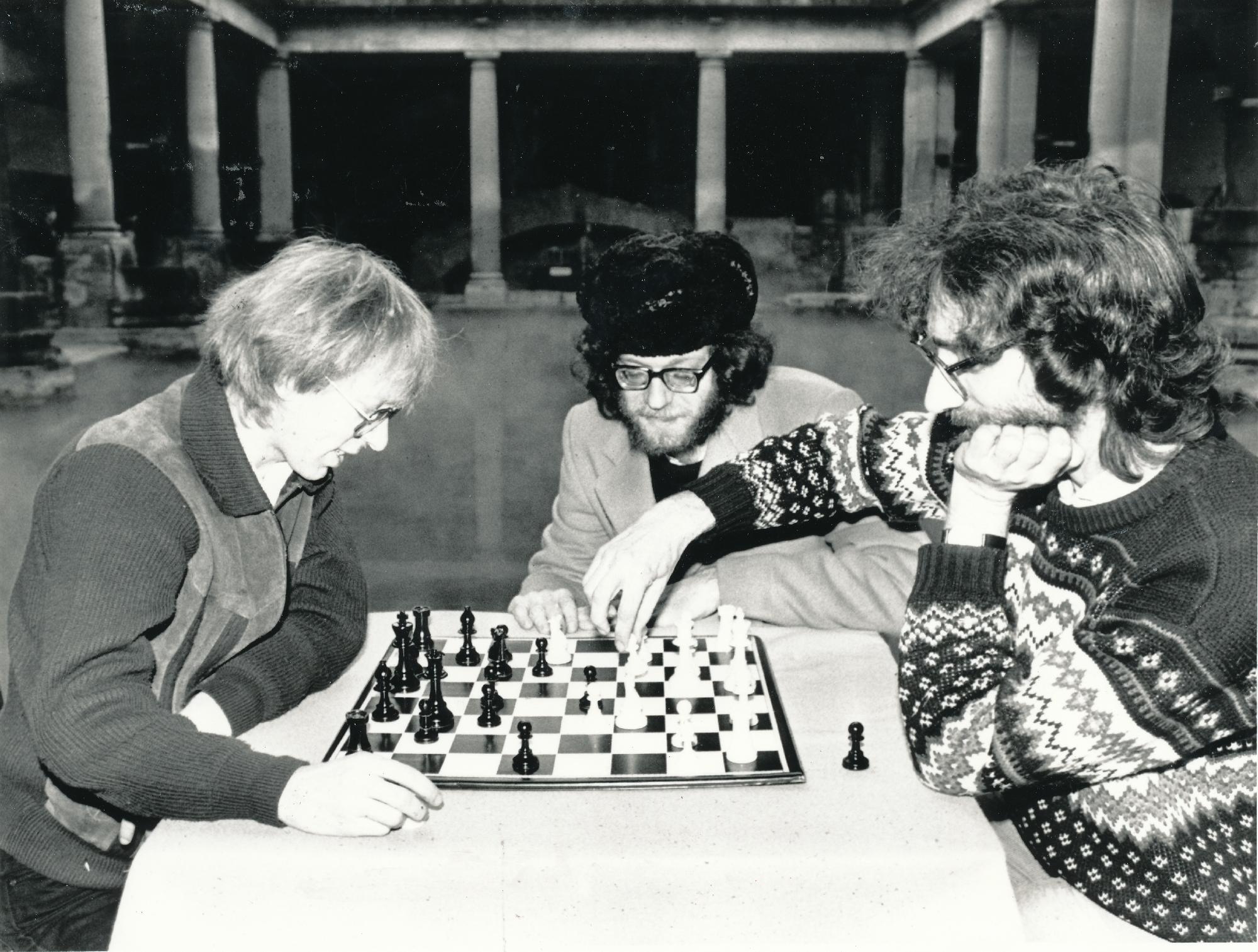
Some years ago the British Championship really was the Championship of Britain. But in the early seventies there was a decline as several of the strongest players did not enter. In the last two years the decline has been halted and then reversed by the sponsorship of stockbrokers Grievson Grant. In 1979 two of our four Grandmasters, Miles and Nunn, competed in the British Championship at Chester and there were no fewer than six International Masters; indeed Nigel Short succeeded in obtaining his first IM norm there.
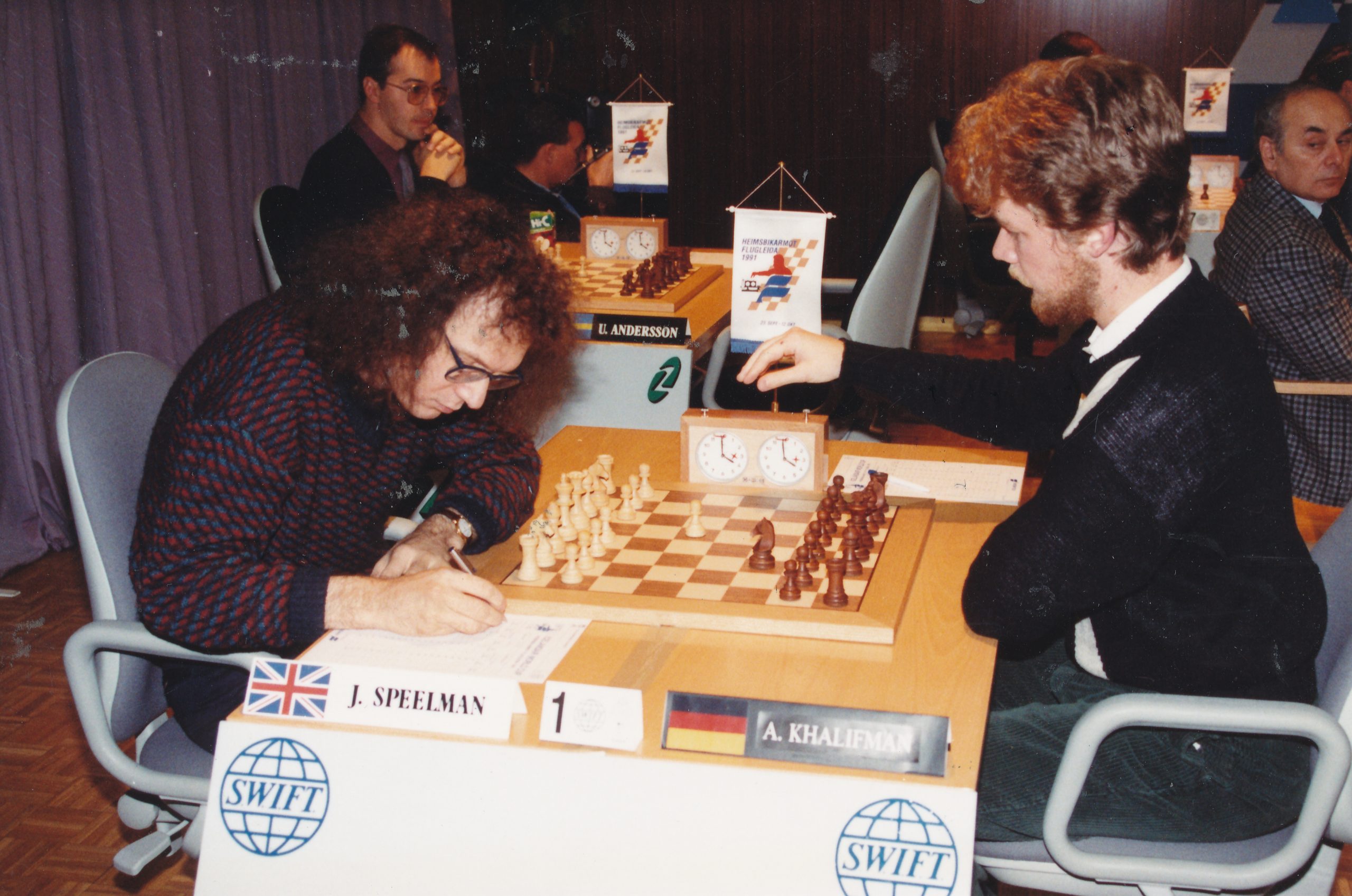
I first competed in the British Championship at Brighton in 1972. After a good start, beating Michael Basman in the first round and drawing with Craig Pritchett in the second, I lost to Haygarth in round three. Thereafter, I found it incredibly difficult to win games. My old British Chess Magazine reminds me that I succeeded in winning in round nine, but that was the only one after round one. I finished with 4.5/11.
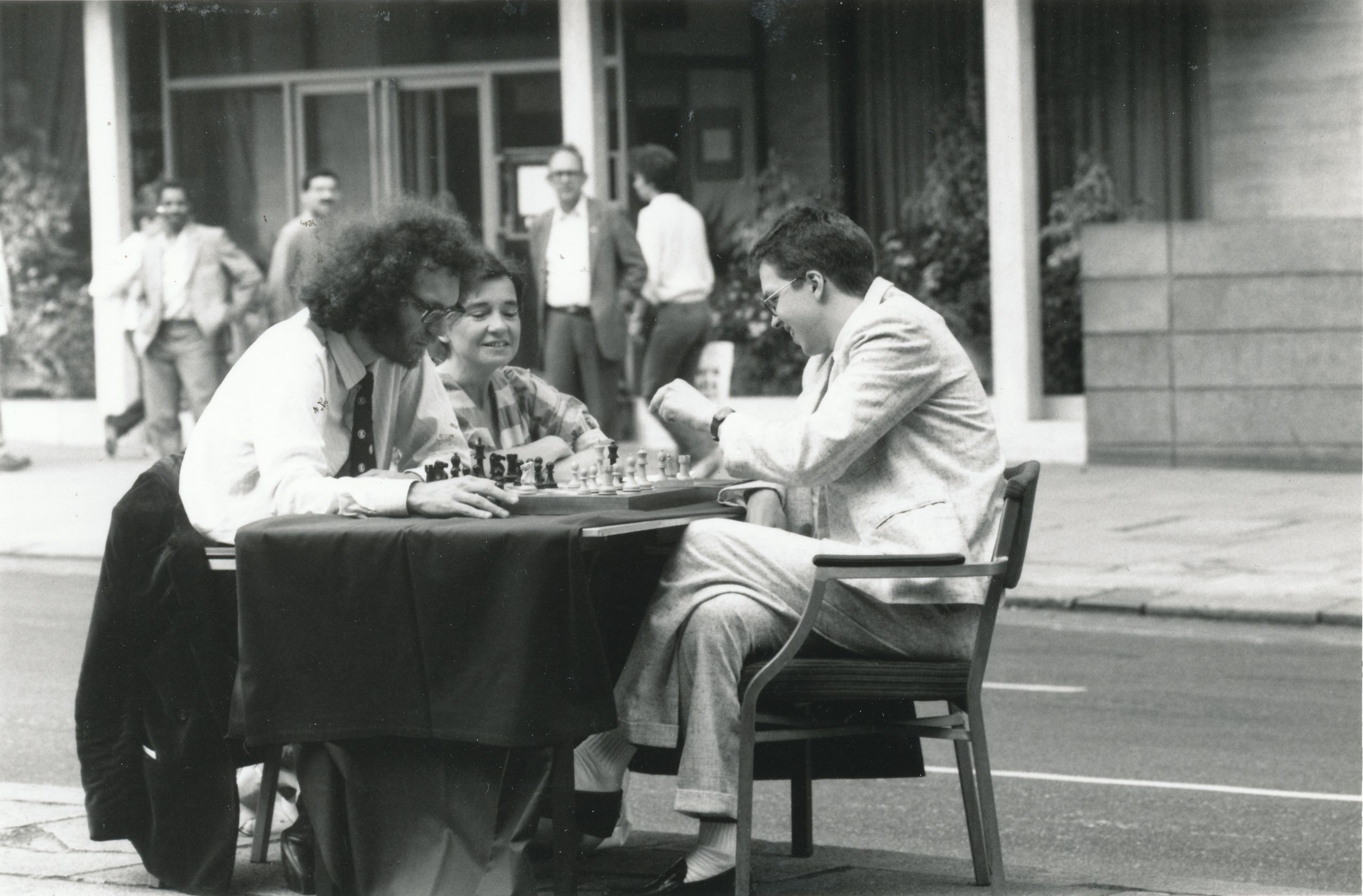
A year later at Eastbourne I was still finding it hard to win games. Again I finished with 4.5/11. By Clacton, 1974 I had improved. A loss in the last round to the eventual winner Botterill left me a point behind the seven (!) who had to play off for the title.
[embedyt] https://www.youtube.com/watch?v=vWgtaqLhA34[/embedyt]
I competed at Morecambe, 1975 and Portsmouth, 1976, missing only Brighton, 1977 when the students team was in Mexico. By Ayr, 1978 I was probably one of the favourites along with Jonathan Mestel, who ran away with the tournament in Portsmouth,
1976, George Botterill, the defending champion, and some others.
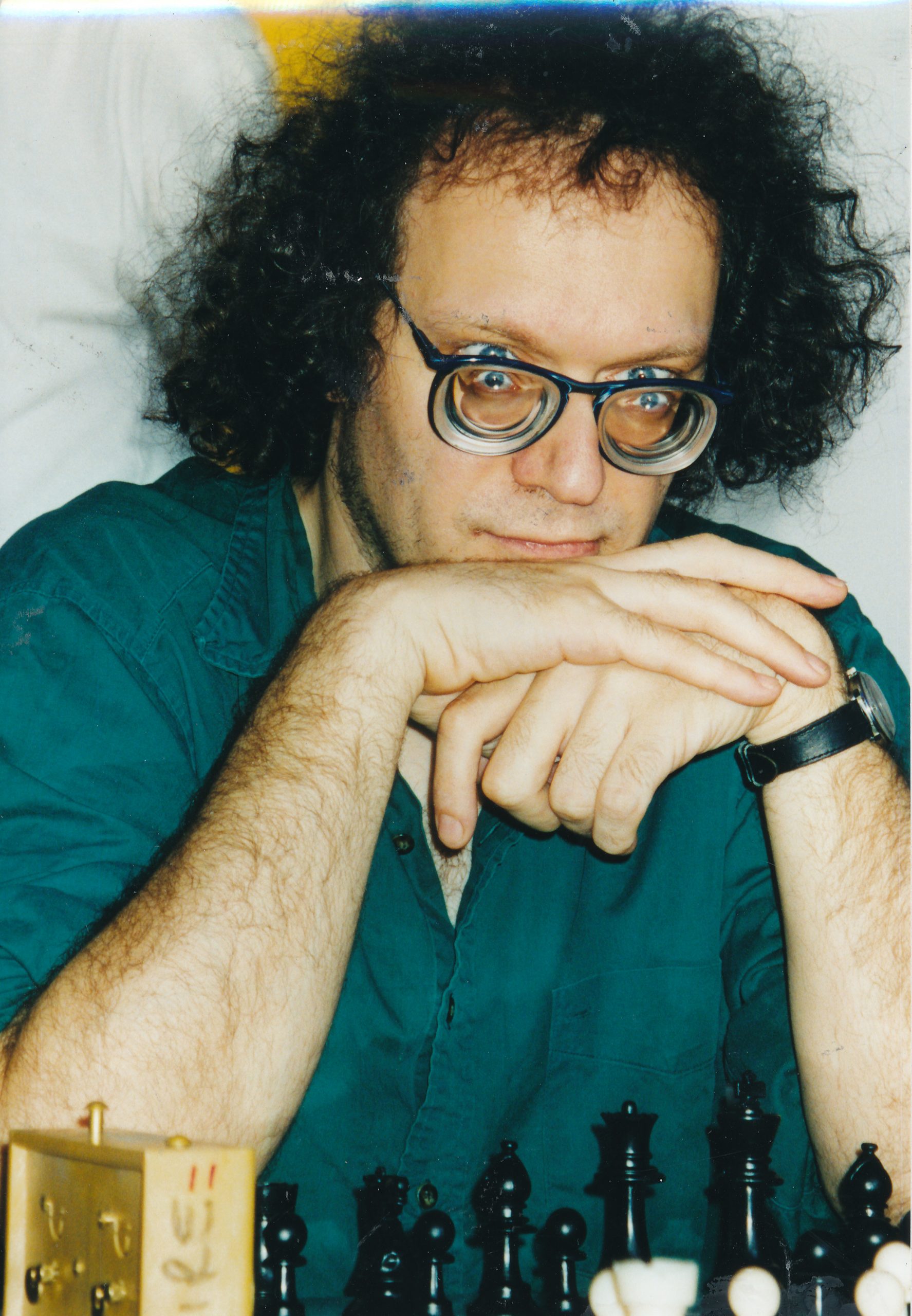
In fact I won at Ayr. I played quite well throughout. ln the last round half a point ahead of Mestel I played a quick draw with Webb but was lucky when Mestel could only draw with Clarke. Of course winning the British was a big breakthrough for me. But I feel that the most important psychological change came in 1974 when I started to discover that it is possible to win games in the British Championship.
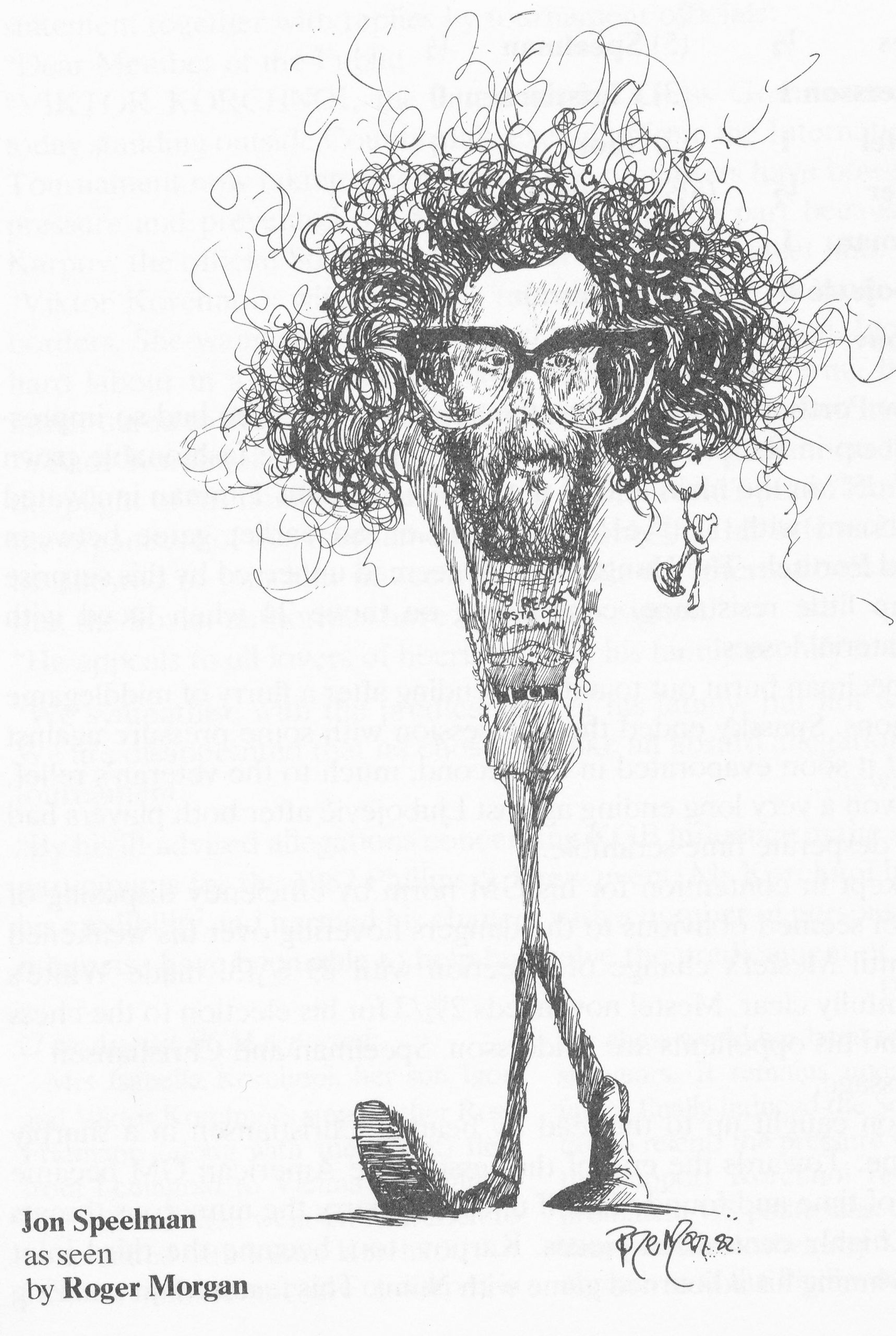
Since late 1978 I have made no dramatic breakthrough but have, I believe, almost imperceptibly made the change from a ‘medium’ to a ‘strong’ international master.
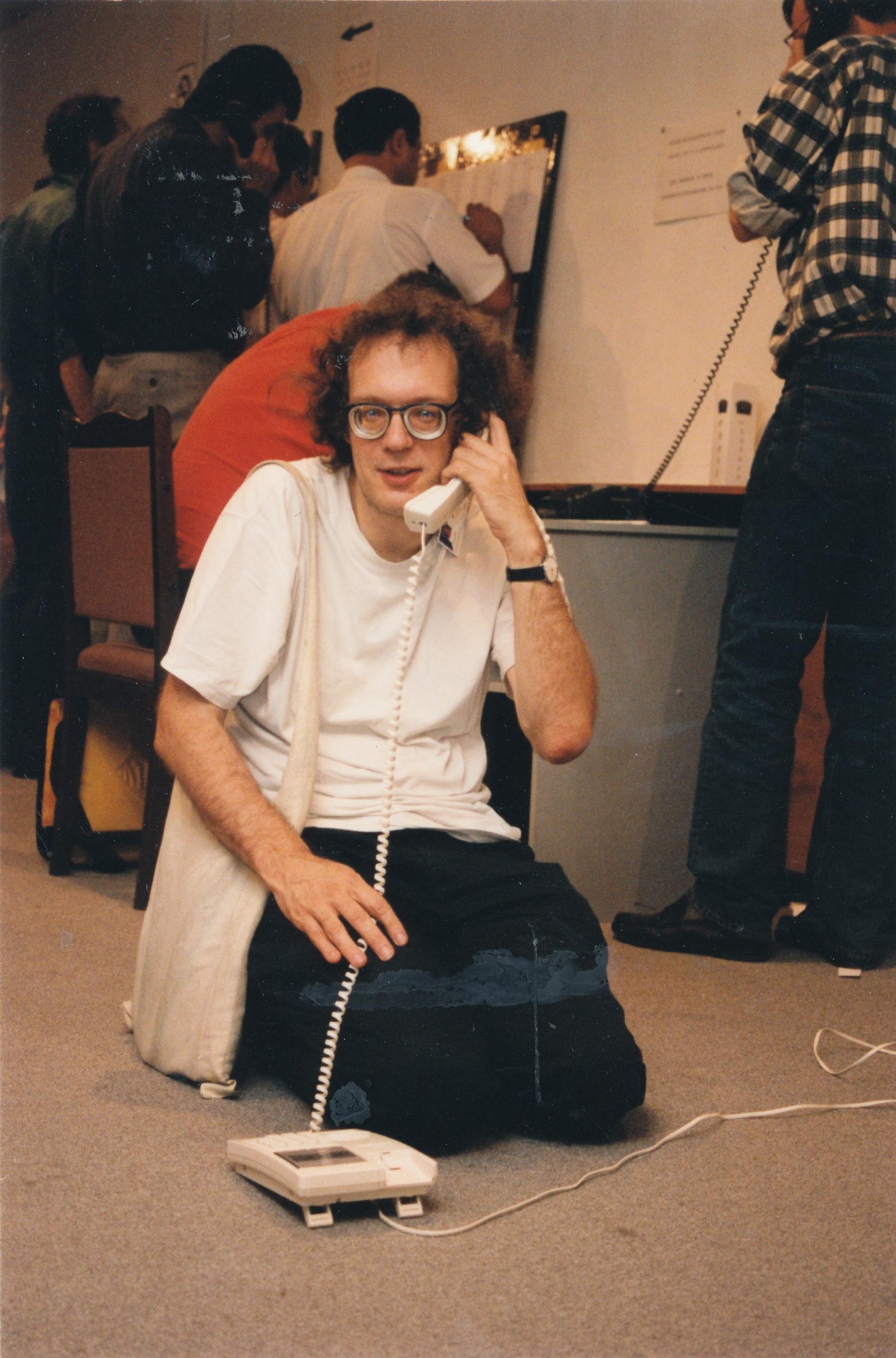
I’ve selected three games to go with this article. The one with Larsen I’ve already mentioned. Mihaljcisin-Speelman I like as a game in which I played very actively as Black.
[pgn]
[Event “Frunze”]
[Site “Frunze”]
[Date “1979.??.??”]
[Round “?”]
[White “Mikhalchishin, Adrian”]
[Black “Speelman, Jonathan Simon”]
[Result “0-1”]
[ECO “B16”]
[WhiteElo “2480”]
[BlackElo “2470”]
[Annotator “Jonathan Speelman and Murray Chandler”]
[PlyCount “84”]
[EventDate “1979.??.??”]
[EventType “tourn”]
[EventRounds “15”]
[EventCountry “URS”]
[EventCategory “9”]
[SourceTitle “British Chess & TECE”]
[Source “ChessBase”]
[SourceDate “2001.11.25”]
[SourceVersion “1”]
[SourceVersionDate “2001.11.25”]
[SourceQuality “1”]
{[%evp 0,84,15,10,81,81,81,41,41,33,28,44,44,19,67,21,52,8,17,0,11,-5,-5,4,-2,
-65,-68,-120,-122,-141,-134,-147,-149,-183,-180,-185,-179,-185,-136,-206,-199,
-189,-178,-154,-179,-169,-169,-162,-118,-118,-99,-108,-101,-107,-104,-134,-124,
-120,-130,-179,-184,-184,-112,-131,-112,-98,-46,-84,-119,-207,-218,-210,-218,
-225,-225,-244,-250,-250,-250,-278,-279,-365,-374,-374,-374,-1014,-1014]} 1. e4
{JS : Mr. Mihaljcisin of Yugoslavia had a very bad tournament at Frunze :
after an early win against the Mongolian Miagmasuren he failed to win another
game and lost many! When I played him , having not yet discovered that the GM
norm was 13/17 (I thought it was about 12) I was very anxious to win. At the
beginning of the tournament I played Sicilian against 1.e4 but without
reaching very good positions though I drew them all. As Black against
Miagmasuren I played a French Defence; he played 2.Nf3 and I very quickly
reached a won position ! In this game I decided to avoid 2.c3 against the
Sicilian which is what we would have had otherwise and to try for the first
time in my tournament career a Caro-Kann Defence – I am often lucky in my
first adoption of an opening variation !} c6 2. d4 d5 3. Nc3 dxe4 4. Nxe4 Nf6
5. Nxf6+ gxf6 6. Ne2 {My opponent played this move almost instantly. This
rather disconcerted me since I had expected that he would have a reasonably
long think.} (6. c3 Bf5 7. Nf3 e6) {So….} 6… h5 $5 ({JS : If now} 6… Bf5
7. Ng3 Bg6 8. h4 h5 9. Be2 {and White can prepare for Bxh5 with c3 : this is
perfectly playable for Black but why follow your opponent’s theory especially
when you don’t know it properly?}) 7. h4 $6 {JS : This seems very dubious to
me.} ({JS : Surely} 7. Qd3 {is better.}) 7… Bg4 8. Qd3 ({JS :
Yanofsky-Larsen, Dallas, 1957 went} 8. c3 Nd7 9. Qb3 Nb6 10. Bf4 Qd7 11. O-O-O
Be6 12. Qc2 a5 13. Ng3 Qd5 14. a3 Qa2 15. Qb1 Qxb1+ 16. Kxb1 Nd5 {given as =+
by Larsen in ECO.}) 8… e5 9. Be3 ({Perhaps White should play} 9. c3 {I
intended} Nd7 ({but perhaps Black should play} 9… Na6) 10. Ng3 exd4 {at the
time}) 9… Na6 10. a3 ({White would like to play} 10. O-O-O {but this seems
to fail tactically , viz} Nb4 11. Qb3 Be6 $1 12. c4 (12. d5 $2 cxd5 {gives
White nothing}) 12… Bf5 13. Rd2 a5 $1 {, when White should play} 14. Nc3 ({
If instead} 14. dxe5 {but} a4 $1 {which wins. I’m afraid that I hadn’t noticed
that 14…Nd3+ is bad and 14…a4! superb, but my position was, I think,
already good enough for one to expect that there would be in a reasonable line
a tactical mêlée.} ({not} 14… Nd3+ {when} 15. Kd1 {is very strong})) 14…
a4 $1 15. Nxa4 Qa5 $17 {which is excellent for Black}) ({White should have
played} 10. c3 {when} Nc5 {is conceivable} ({After} 10… Qa5 {Black is
already better.})) 10… Qa5+ $1 11. Bd2 Qb6 {Black has got a clear advantage.}
{So, White feels obliged to try} 12. dxe5 ({If now} 12. O-O-O O-O-O {the white
d-pawn is dreadfully weak}) 12… Nc5 13. Qe3 O-O-O 14. b4 {This is a
desperate move to force the queens off.} ({If} 14. O-O-O Bh6 15. f4 fxe5 {
and White’s position collapses.}) {but…} 14… Bh6 $1 15. f4 {[#]} Rxd2 $1
16. Qxd2 ({if} 16. bxc5 Qb2) ({If} 16. Kxd2 Rd8+ 17. Ke1 Nd3+ $1) 16… Ne4 17.
Qd4 Qxd4 18. Nxd4 Bxf4 19. Nf3 ({If} 19. Be2 Bd2+ 20. Kd1 Bc3 {and White loses
a vast amount of material.}) (19. Bd3 {is best} {but after} Bd2+ 20. Kf1 Ng3+
21. Kf2 Nxh1+ 22. Rxh1 Bc3 {Black is, of course, winning.}) 19… Ng3 {the
simplest} 20. Rh3 $1 ({If} 20. Rg1 Be3 {and White cannot prevent …Bxf3 and ..
.Bxg1 winning a whole rook to come out a piece up.}) 20… Bxh3 {Maybe I could
have found something better here but this is perfectly effective so I didn’t
look further.} 21. gxh3 Nxf1 22. Kxf1 fxe5 {Black is effectively two pawns up.}
23. Ng5 {[#]} Rg8 $4 {Here I had a complete hallucination.} (23… Kd7 $1 {
would have won easily} {for if} 24. Nxf7 Rf8 25. Rd1+ Kc7 $1 26. Nd6 Rd8 {
and Black wins a piece.}) 24. Nxf7 e4 25. Ng5 {This is move I had missed.} Bxg5
26. hxg5 Rxg5 $17 {It is now touch and go whether the position is won (for
Black) any more.} 27. Re1 ({White could also try} 27. Kf2 {with the idea} Rf5+
({Black could also try} 27… h4 28. Re1 Rf5+ 29. Kg2 Rf3 30. Rxe4 Rg3+ 31. Kh2
Rxa3 {which must be winning I imagine,} {though after} 32. c4 $19 {must be
worse it would be pretty close.} (32. Rxh4 Rc3)) 28. Ke3 Rf3+ 29. Kxe4 Rxh3 (
29… Rc3 $1) 30. Kd4 {and 31.c3 which is not too bad for White.}) 27… Rg3
28. Rxe4 Rxh3 29. Ke2 Rxa3 30. Rh4 {[#]} Ra4 $4 {This is stupid. My opponent
was now in time-trouble.} ({I had intended} 30… a5 {but now panicked about}
31. Rxh5 ({White might try} 31. b5 cxb5 32. Rxh5 b4 {is easily winning for
Black.}) 31… axb4 32. Rh4 {Of course} Rc3 33. Kd2 c5 {would win easily for
Black.}) 31. Kd3 b6 ({if} 31… a5 $2 32. Rxh5 axb4 ({BCN : but} 32… Ra3+ 33.
Kd2 axb4 {is winning}) 33. Kc4 {and White can draw}) 32. c3 a5 33. Kc4 {
In time trouble Mihaljcisin fails to find the defence – I also did not see it
until nearly a month later !} ({After} 33. Rxh5 $1 axb4 34. Rh4 {Black cannot
play} c5 ({So} 34… Kb7 35. cxb4 ({not} 35. Rxb4 Rxb4 36. cxb4 Kc7 $19 {
winning}) 35… Ka6 36. Rd4 $1 ({also} 36. Rh6 Kb5 37. Kc3 $1 $11) 36… Kb5
37. Kc3 $11 {seems to be a draw.}) {since} 35. cxb4 cxb4 (35… Rxb4 36. Rxb4
cxb4 37. Kc4 {is a drawn pawn ending.})) 33… axb4 34. Kb3 ({Or} 34. cxb4 c5
$19) 34… Ra5 $1 ({not} 34… b5 {(BCN : actually, this is winning for Black!)
} 35. cxb4 c5 36. Rxh5 Rxb4+ 37. Ka3 Rc4 38. Rh7 $19) 35. Kxb4 (35. cxb4 {
also loses of course}) 35… Rg5 36. c4 Kb7 37. Rf4 Rg4 38. Rf7+ Ka6 39. Kb3 ({
or} 39. Rf6 c5+ 40. Kb3 Ka5 $1 {etc} ({but not} 40… Rg3+ 41. Ka4 Rc3 $4 (
41… Rg4 42. Kb3 h4) (41… Rg1 $1) 42. Rxb6+ $1 $11)) 39… Rg3+ 40. Kb4 $2 (
40. Ka4 c5 41. Rf6 Rg4 42. Kb3 Ka5 {etc}) 40… c5+ 41. Ka4 Rc3 42. Rf4 Rxc4+
$1 {and white resigns.} 0-1
[/pgn]
The game against Biyiasis is a good ‘rough and tumble’ not free from errors of course – but wouldn’t that be boring?
[pgn]
[Event “Christmas Congress 1978/79-54 Premier”]
[Site “Hastings”]
[Date “1979.01.04”]
[Round “7”]
[White “Speelman, Jonathan Simon”]
[Black “Biyiasas, Peter”]
[Result “1/2-1/2”]
[ECO “E97”]
[WhiteElo “2470”]
[BlackElo “2485”]
[Annotator “Jon Speelman”]
[PlyCount “81”]
[EventDate “1978.12.28”]
[EventType “tourn”]
[EventRounds “15”]
[EventCountry “ENG”]
[EventCategory “9”]
[SourceTitle “MCD”]
[Source “ChessBase”]
[SourceDate “1999.07.01”]
[SourceVersion “1”]
[SourceVersionDate “1999.07.01”]
[SourceQuality “1”]
{[%evp 0,81,19,-12,51,17,33,22,32,56,38,50,39,35,41,29,62,58,58,40,36,36,33,43,
23,20,75,64,57,57,53,39,48,49,19,5,6,95,76,76,76,110,104,0,119,66,138,74,73,84,
90,90,128,68,116,140,157,146,140,169,156,103,103,101,79,93,88,89,75,100,113,97,
218,271,256,160,180,32,34,35,35,0,0,0]} 1. c4 g6 2. e4 Bg7 3. d4 d6 4. Nc3 Nf6
5. Nf3 O-O 6. Be2 e5 7. O-O Nc6 8. d5 Ne7 9. b4 $5 {This move has been revived
over the last couple of years with the idea} Nh5 10. c5 (10. g3 {was the old
move.}) 10… Nf4 11. Bxf4 exf4 12. Rc1 {White has given-up the bishop pair
and opened upa beautiful diagonal for Black’s bishop in order to gain lead in
development.} Bg4 $5 {[#] This may be a theoretical novelty: Black returns
some of his positional advantage in order to decongest his position.} ({
Relevant:} 12… a5 13. cxd6 cxd6 14. Qd2 axb4 15. Nb5 Bg4 16. Rc7 Nc8 17. Nfd4
Bxe2 18. Nxe2 {1/2-1/2 (18) Grigorian,K-Geller,E Leningrad 1971}) ({The usual
move is} 12… h6 {preparing g5.}) 13. Nd2 $146 {This is the natural move; but
White must carefully consider the consequences of Black’s kingside expansion.:
it cost me a rather excessive 23 minutes.} ({Predecessor:} 13. Nd4 Bd7 14. Bb5
a5 15. cxd6 cxd6 16. Bxd7 Qxd7 17. b5 Rac8 18. Nce2 f3 19. Nxf3 Rxc1 20. Qxc1
Qxb5 21. Nfd4 Qb6 22. Qe3 Rc8 23. Nf5 Qxe3 24. Nxe7+ Kf8 25. fxe3 Kxe7 26. Rb1
Be5 27. Rxb7+ Kf6 28. Kf2 Rc2 29. Kf3 Rxa2 30. Nd4 g5 31. h3 h5 32. Nf5 a4 33.
Rb6 a3 34. Ra6 Ra1 35. Nxd6 Bxd6 36. Rxd6+ Ke5 37. Ra6 a2 38. Kf2 Kxe4 39. d6
Rd1 40. Ra4+ Ke5 41. Rxa2 Rxd6 42. Ra4 Rd2+ {Grigoriou,M-Trikaliotis,G (2245)
Kallithea 1978 1/2-1/2}) 13… Bxe2 14. Qxe2 g5 {This move weakens f5, of
course. But the paramount cosideration for Black is to get complete control of
e5.} 15. Qh5 Ng6 16. Nf3 h6 17. Nb5 a5 18. Nbd4 axb4 19. cxd6 cxd6 20. Nf5 Qf6
21. Rc7 Rfc8 22. Rd7 b3 23. Rxd6 Qxd6 24. Nxd6 bxa2 25. Nxc8 a1=Q 26. Nd6 Qb2
27. h4 Ra1 28. Rxa1 Qxa1+ 29. Kh2 Qf6 30. Ne8 Qe7 31. Nxg7 Kxg7 32. hxg5 hxg5
33. Nxg5 b5 34. Nf3 Qxe4 35. d6 Qb7 36. Qf5 Kf8 37. Qf6 Ke8 38. Ne5 Nxe5 39.
Qxe5+ Kd7 40. Qe7+ Kc6 41. Qe4+ 1/2-1/2
[/pgn]
To find out more about JSs chess career we suggest you read his autobiography :
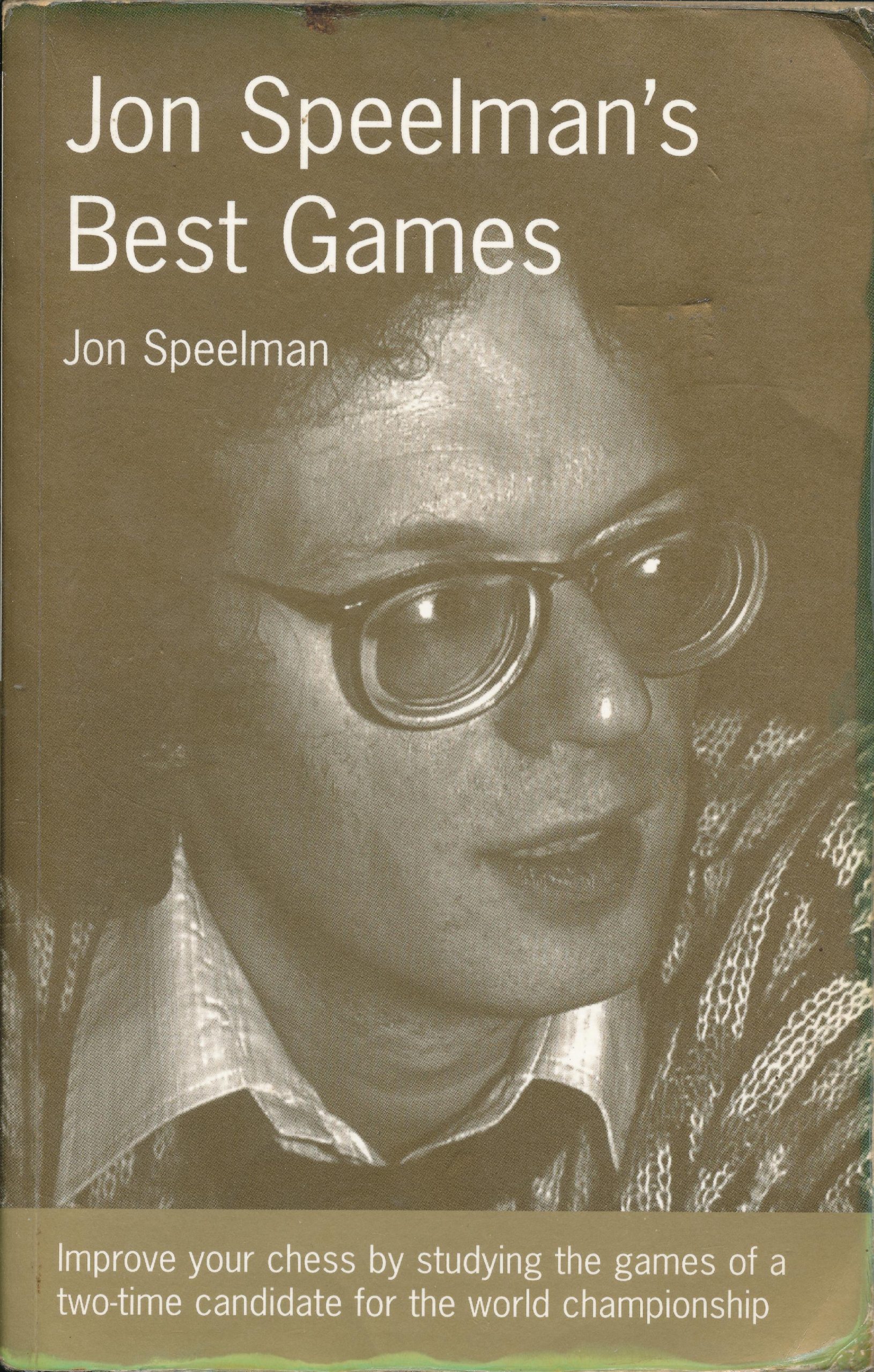
which contains many heavily annotated games.
[pgn]
[Event “Lone Pine op Louis D. Statham Masters”]
[Site “Lone Pine”]
[Date “1978.04.02”]
[Round “1”]
[White “Speelman, Jonathan Simon”]
[Black “Larsen, Bent”]
[Result “1-0”]
[ECO “A53”]
[WhiteElo “2410”]
[BlackElo “2620”]
[Annotator “British Chess News”]
[PlyCount “71”]
[EventDate “1978.04.02”]
[EventType “swiss”]
[EventRounds “9”]
[EventCountry “USA”]
[SourceTitle “MCL”]
[Source “ChessBase”]
[SourceDate “1999.07.01”]
[SourceVersion “1”]
[SourceVersionDate “1999.07.01”]
[SourceQuality “1”]
{[%evp 0,71,39,37,77,29,41,43,51,47,59,35,48,50,43,36,36,34,41,20,29,36,31,9,
26,24,38,27,62,51,64,51,56,51,53,67,54,50,67,74,79,71,109,97,159,167,162,179,
192,196,226,291,299,232,239,239,307,292,304,195,254,254,412,285,303,313,329,
377,395,365,541,541,462,619]} 1. e4 c6 2. c4 e5 3. Nf3 d6 (3… Nf6 4. Nc3 Bb4
$13 (4… Qa5 $6)) 4. d4 Bg4 5. Be2 (5. dxe5 $6 Bxf3 6. Qxf3 dxe5 {><d4}) 5… Nd7 6. Nc3 Be7 7. O-O Ngf6 {[#] Oldindian} 8. Rb1 $146 {/\b4} (8. Be3) ({ Relevant:} 8. Be3 O-O 9. d5 Qc7 10. h3 Bxf3 11. Bxf3 cxd5 12. cxd5 Rfc8 13. Rc1 Qb8 14. Qe2 Bd8 15. Nb5 Rxc1 16. Rxc1 a6 17. Ba7 Rxa7 18. Nxa7 Qxa7 19. Rc8 Qb6 20. Qe3 Nf8 21. Qxb6 Bxb6 22. Rb8 Bd4 23. Rxb7 g5 24. b4 h5 25. g4 Ng6 26. gxh5 Nh4 27. Bh1 Nxh5 28. a4 Nf4 29. Kh2 Bxf2 30. b5 axb5 31. axb5 Ne2 32. Bg2 Nf4 33. Bh1 Ne2 34. Bg2 Nf4 {1/2-1/2 (34) Balashov,Y (2545)-Malich,B (2530) Halle/ Saale 1976}) 8… O-O 9. Re1 Re8 10. Be3 {/\Nd2} Bh5 {Black intends to avoid the exchange of bishops after 11.Nd2. /\11…Ng4} 11. Nd2 Bg6 (11… Bxe2 12. Qxe2 $14) 12. d5 $1 (12. f4 exf4 13. Bxf4 Bf8 14. Bf3 c5 $13) 12… a6 13. b4 h5 $5 14. a4 {><g4} h4 $2 15. h3 Qc7 16. Rb3 {To defend Nc3.} a5 $6 (16… Rab8
) 17. b5 cxd5 $6 (17… c5 18. Bg5 Nh7 $2 19. Bxe7 Rxe7 20. Nf3 $18) (17…
cxb5) (17… Nc5 $5) 18. Nxd5 $1 Nxd5 19. cxd5 Rec8 $2 20. Bg4 $1 {Larsen had
missed this move.} Rf8 (20… Nc5 $2 21. Bxc5 Qxc5 22. Bxc8 $18) 21. Qc1 Nc5 (
21… Rac8 $2 22. Qxc7 $1 Rxc7 23. b6 $18) 22. Bxc5 dxc5 23. b6 (23. Nc4 b6)
23… Qd8 24. Nc4 Bxe4 $6 25. Rxe4 f5 26. Bxf5 $1 (26. d6 $1 Bg5 27. Qd1 fxe4
28. Qd5+ Kh8 29. Nxe5 $1 $18 {Seirawan}) 26… Rxf5 27. d6 Bf6 28. Qd1 $1 {
Great play on the white squares.} Qd7 29. Qg4 Rd8 (29… Qxa4 30. Ra3 Qd7 31.
Ne3 $18) 30. Rb5 Qc8 31. Rxa5 Rf4 32. Qxc8 Rxc8 33. Rxf4 exf4 34. Ra7 Re8 (
34… Rb8 35. a5 {/\36.Rb7 Rb7 37.a6}) 35. Rxb7 Kh7 {/\Re1+,Bd4-f2-g3.} 36. Re7
$1 (36. Re7 Bxe7 37. dxe7 Rxe7 38. a5 $18 {White queens.}) 1-0
[/pgn]
From The Oxford Companion to Chess (OUP, 1984) by Hooper & Whyld :
“British Champion in 1978, Speelman played at Mexico City later that year in the English team that won (ahead of the USSR) the world’s first youth teams (under-26) championship.
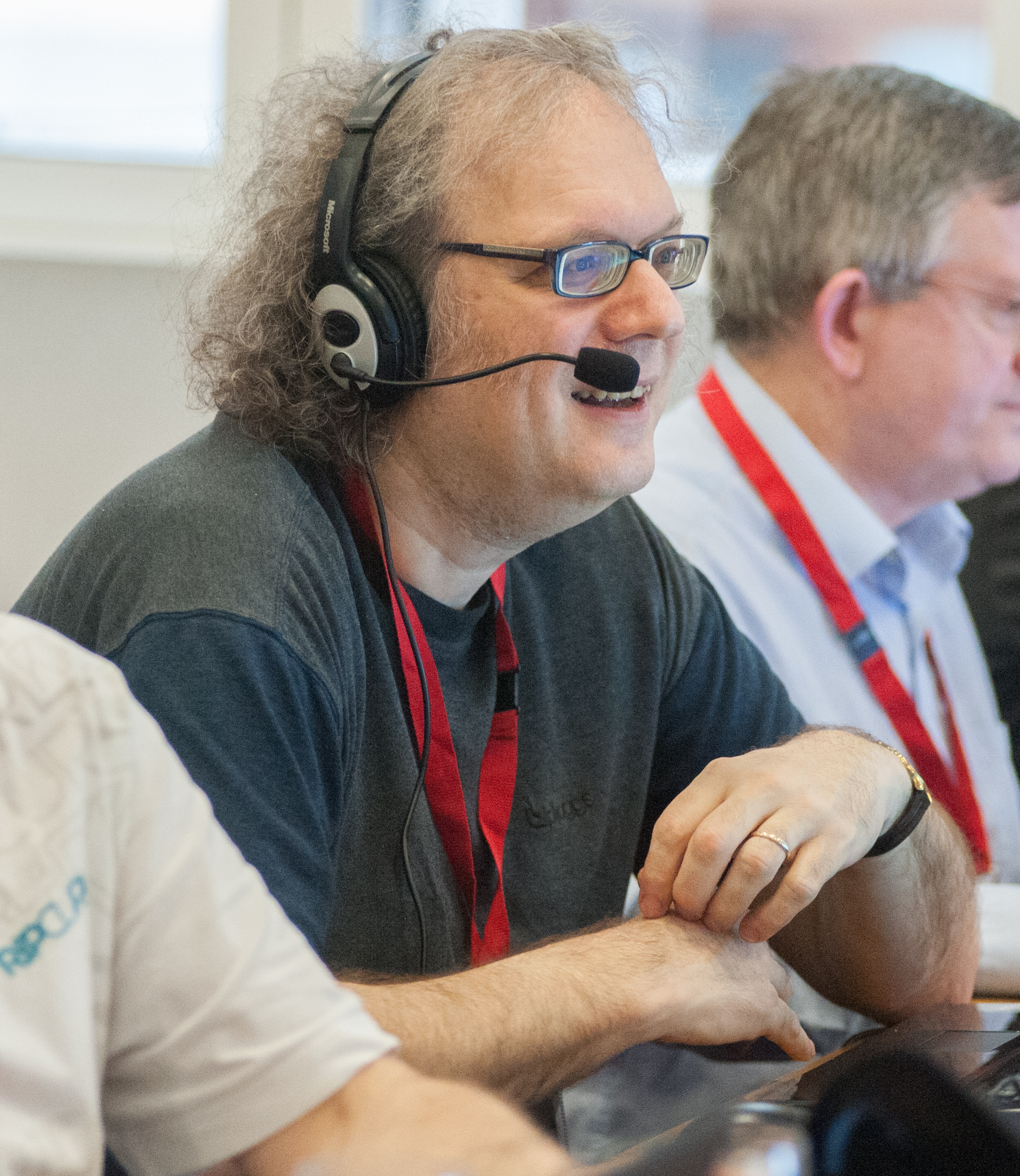
Two good performances in 1980, as score of +5=5-3 to share fourth place in the category 13 London tournament and a second place (+6=7) at Maribor, brought him the title of International Grandmaster (1980). His subsequent achievements include : Dortmund 1981, first (+5=6) equal with Ftacnik and Kuzmin; Hastings 1981-2, second equal with Smyslov after Kupreichik; and London 1982, category 14, +2=10-1 to share fourth place. An excellent analyst, Speelman has written several books, among them Best Chess Games 1970-1980 (1982).”
[pgn]
[Event “British CF-72 Championship”]
[Site “Edinburgh”]
[Date “1985.08.02”]
[Round “5”]
[White “Chandler, Murray G”]
[Black “Speelman, Jonathan S”]
[Result “0-1”]
[ECO “B12”]
[WhiteElo “2525”]
[BlackElo “2530”]
[Annotator “Keene/Speelman”]
[PlyCount “60”]
[EventDate “1985.07.29”]
[EventType “swiss”]
[EventRounds “11”]
[EventCountry “SCO”]
[SourceTitle “EXT 1999”]
[Source “ChessBase”]
[SourceDate “1998.11.16”]
[SourceVersion “1”]
[SourceVersionDate “1998.11.16”]
[SourceQuality “1”]
{[%evp 0,60,22,14,73,68,74,74,57,50,50,-12,38,38,31,35,31,9,25,26,26,-10,22,
-70,-47,-62,-61,-78,-73,-73,-82,-83,-88,-89,-82,-99,-118,-138,-45,-81,-45,-45,
-45,-90,-118,-114,-90,-139,-117,-234,-606,-606,-675,-802,-785,-944,-927,-921,
-964,-910,-955,-955,-977]} 1. e4 c6 2. d4 d5 3. e5 Bf5 4. h4 h5 5. c4 dxc4 6.
Bxc4 e6 7. Nc3 Nd7 8. Nge2 $5 Be7 9. Ng3 Bg6 10. Nce4 (10. Be2 $5) 10… Nh6 $1
11. Ng5 $6 (11. Bg5 Bxe4 12. Nxe4 Nf5) (11. Be3 $5) 11… Qa5+ $15 12. Bd2 (12.
Kf1 O-O-O {d4,e5}) 12… Bb4 13. N3e4 Bxe4 14. Nxe4 Nf5 15. Bc3 $5 Bxc3+ $1 (
15… Nb6 16. Bb3 Nd5 17. Bxd5 cxd5 18. Qd2 $1 Bxc3 19. Nxc3 $15) 16. bxc3 Rd8
$1 $17 {( Nxe5)} 17. Bd3 Nxd4 18. Nd6+ Ke7 19. O-O Nf3+ $3 20. gxf3 (20. Qxf3
Nxe5 21. Nf5+ $1 exf5 22. Rfe1 Rhe8 $17) 20… Nxe5 21. Nxb7 Qc7 $5 (21… Qxc3
$17) 22. Nxd8 (22. Nc5 Rd5 23. f4 Nxd3 24. Nxd3 Rhd8) 22… Rxd8 23. f4 Rxd3
24. Qxh5 Nf3+ 25. Kg2 Qxf4 26. Rfd1 (26. Rh1 Qe4 27. Kf1 (27. Qc5+ Kf6) 27…
Rd5 28. Qh8 Rd2 $1) 26… Rxc3 $1 27. Rab1 Qh2+ 28. Kf1 Qh3+ 29. Ke2 Rc2+ 30.
Ke3 Nxh4+ 0-1[/pgn]
From Wikipedia :
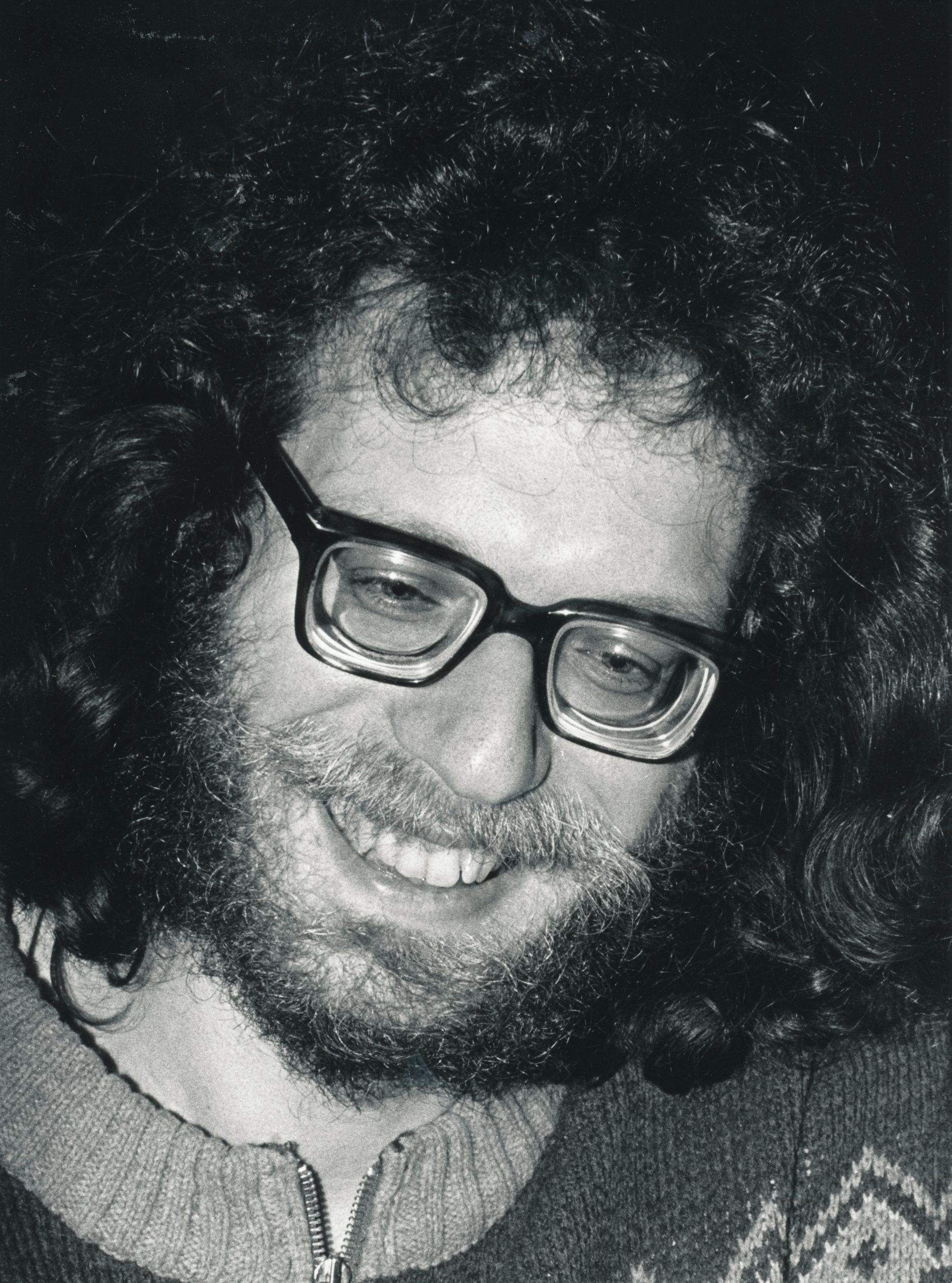
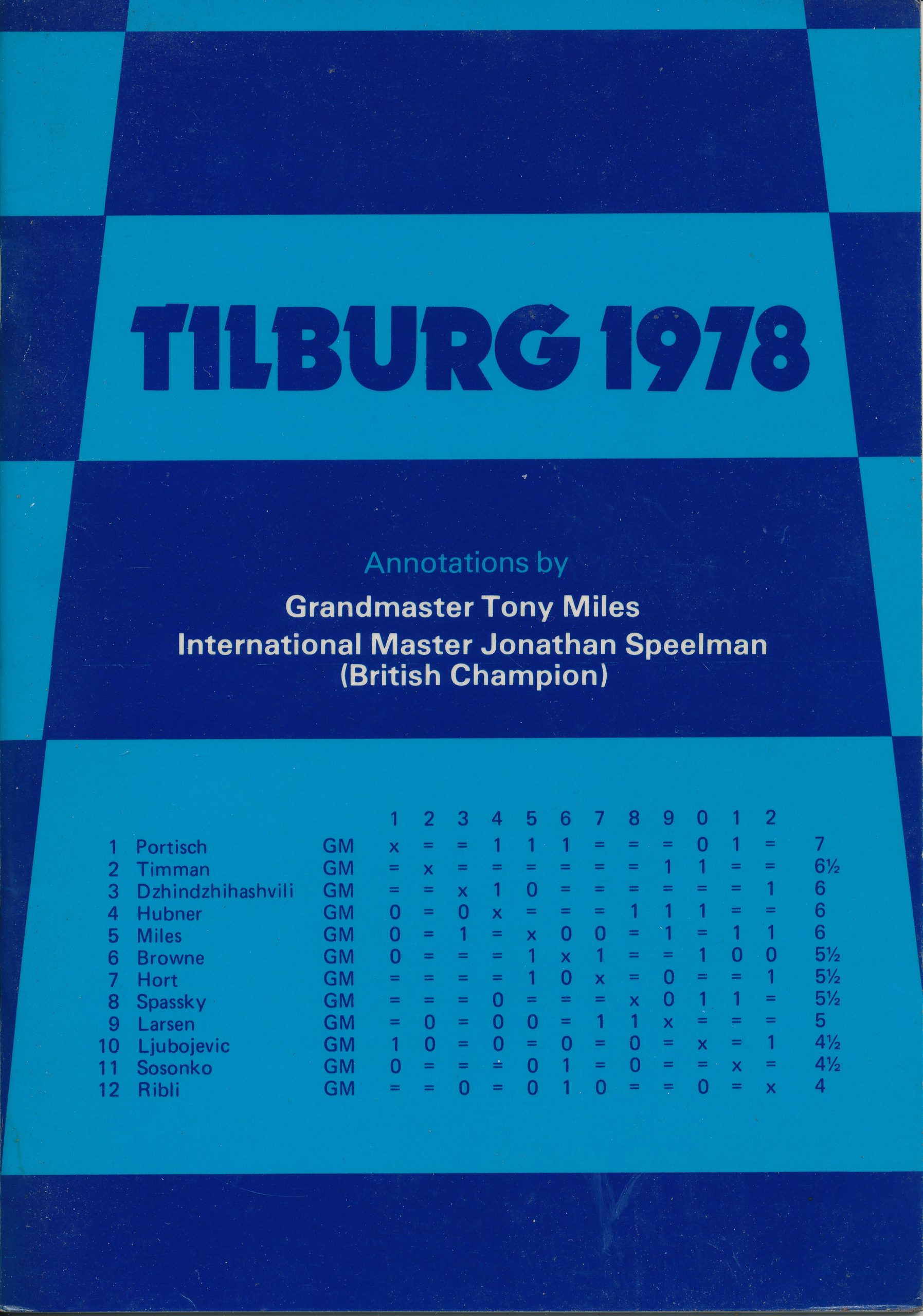
A winner of the British Chess Championship in 1978, 1985 and 1986, Speelman has been a regular member of the English team for the Chess Olympiad, an international biennial chess tournament organised by FIDE, the World Chess Federation.
In 1989, he beat Kasparov in a televised speed tournament, and then went on to win the event.
In the April 2007 FIDE list, Speelman had an Elo rating of 2518, making him England’s twelfth-highest-rated active player.
[embedyt] https://www.youtube.com/watch?v=YxIHnnC0UJQ[/embedyt]
He qualified for two Candidates Tournaments:
In the 1989–1990 cycle, Speelman qualified by placing third in the 1987 interzonal tournament held in Subotica, Yugoslavia. After beating Yasser Seirawan in his first round 4–1, and Nigel Short in the second round 3½–1½, he lost to Jan Timman at the semi-final stage 4½–3½.
In the following 1990–93 championship cycle, he lost 5½–4½ in the first round to Short, the eventual challenger for Garry Kasparov’s crown.
Speelman’s highest ranking in the FIDE Elo rating list was fourth in the world, in January 1989.
[pgn]
[Event “Clare Benedict Cup-23”]
[Site “Cleveland”]
[Date “1979.07.18”]
[Round “5.2”]
[White “Speelman, Jonathan Simon”]
[Black “Van Dop, Arend J”]
[Result “1-0”]
[ECO “B96”]
[WhiteElo “2470”]
[BlackElo “2300”]
[Annotator “Murray Chandler”]
[PlyCount “81”]
[EventDate “1979.07.14”]
[EventType “team-tourn”]
[EventRounds “7”]
[EventCountry “ENG”]
[SourceTitle “EXT 2004”]
[Source “ChessBase”]
[SourceDate “2003.11.25”]
[SourceVersion “1”]
[SourceVersionDate “2003.11.25”]
[SourceQuality “1”]
[WhiteTeam “England”]
[BlackTeam “Netherlands”]
[WhiteTeamCountry “ENG”]
[BlackTeamCountry “NED”]
{[%evp 0,75,37,17,47,46,80,54,58,28,28,28,55,55,68,26,46,51,10,9,24,10,8,6,6,
-10,9,8,-84,-60,-51,-72,-72,-220,-7,-7,141,144,250,329,329,261,261,233,334,334,
288,237,241,218,211,242,234,203,215,175,191,175,185,198,317,272,279,284,295,
295,299,273,266,276,280,280,276,328,308,355,405,412]} 1. e4 c5 2. Nf3 d6 3. d4
cxd4 4. Nxd4 Nf6 5. Nc3 a6 {Sicilian Najdorf} 6. Bg5 e6 7. f4 b5 $5 {MC: An
idea of Polugaevsky The variations It leads to insanely sharp positions and
looks rather unsound, but no one has refuted it definatively.} (7… Be7 8. Qf3
({Whereas} 8. e5 $6 {here} dxe5 9. fxe5 Nfd7 10. Bxe7 Qxe7 $15 {does not
achieve very much for White.}) 8… Qc7 9. O-O-O Nbd7 10. g4 b5 11. Bxf6 Nxf6
12. g5 Nd7 13. f5 Bxg5+ 14. Kb1 Ne5 15. Qh5 Qd8 16. Nxe6 Bxe6 17. fxe6 g6 18.
exf7+ Kxf7 {is the main line in 2020.}) 8. e5 {is critical} dxe5 9. fxe5 Qc7 {
[%cal Gc7e5]} 10. Qe2 (10. exf6 Qe5+ {regains the piece.}) 10… Nfd7 11. O-O-O
Bb7 12. Qg4 ({An alternative here is} 12. Nxe6 fxe6 13. Qh5+ g6 14. Qg4 Nc5 15.
Bxb5+ Nc6 (15… axb5 16. Nxb5 {is too dangerous for Black to contemplate.} Qc8
17. b4 Nc6 $13) 16. Ne4 $5 axb5 (16… Nxe4 17. Qxe6+ Be7 18. Bxe7 Qxe7 19.
Bxc6+ $18) 17. Nf6+ Kf7 18. Rhf1 Kg7 19. Rd7+ Nxd7 20. Nh5+ gxh5 21. Bf6+ {
with a strong attack. Fritz 17 asseses it as = !}) 12… Qxe5 {[#]} 13. Bxb5 {
A regulation sacrifice to clear lines for an attack against Black’s uncastled
king.} axb5 14. Rhe1 h5 15. Qh4 Qc5 16. Qg3 {[#]} Be7 {A critical moment.} ({
After the game} 16… h4 {was suggested as an improvement, but there are
pitfalls here too.} {One possible line is} 17. Bxh4 g5 18. Bxg5 Qxg5+ 19. Qxg5
Bh6 20. Nxe6 fxe6 (20… Bxg5+ 21. Nxg5+ {favours white.}) 21. Rxe6+ Kf7 22.
Re7+ Kf8 23. Rf1+ {and white wins.}) 17. Bxe7 Qxe7 18. Nf5 {Now Black has to
give up his queen. Although he retains more than a nominal material equivalent,
the mobility of White’s queen soon reduces his position to a shambles.} exf5
19. Rxe7+ Kxe7 20. Qd6+ Kd8 21. Nxb5 $18 Bxg2 22. Qg3 Bc6 23. Qxg7 Re8 24. Qg5+
f6 25. Qxf6+ Re7 26. Nc7 Kxc7 27. Qxe7 Rxa2 28. Rd4 Ra1+ 29. Kd2 Rf1 30. Qd6+
Kb7 31. Rb4+ Kc8 32. Rc4 Kd8 33. Rxc6 Nxc6 34. Qxc6 Rf2+ 35. Kc3 Rxh2 36. Qf3
h4 37. Qxf5 h3 38. Qg5+ Kc8 39. Qg8+ Kb7 40. Qg3 Rg2 41. Qxh3 {and Black
resigned.} 1-0[/pgn]

Writing
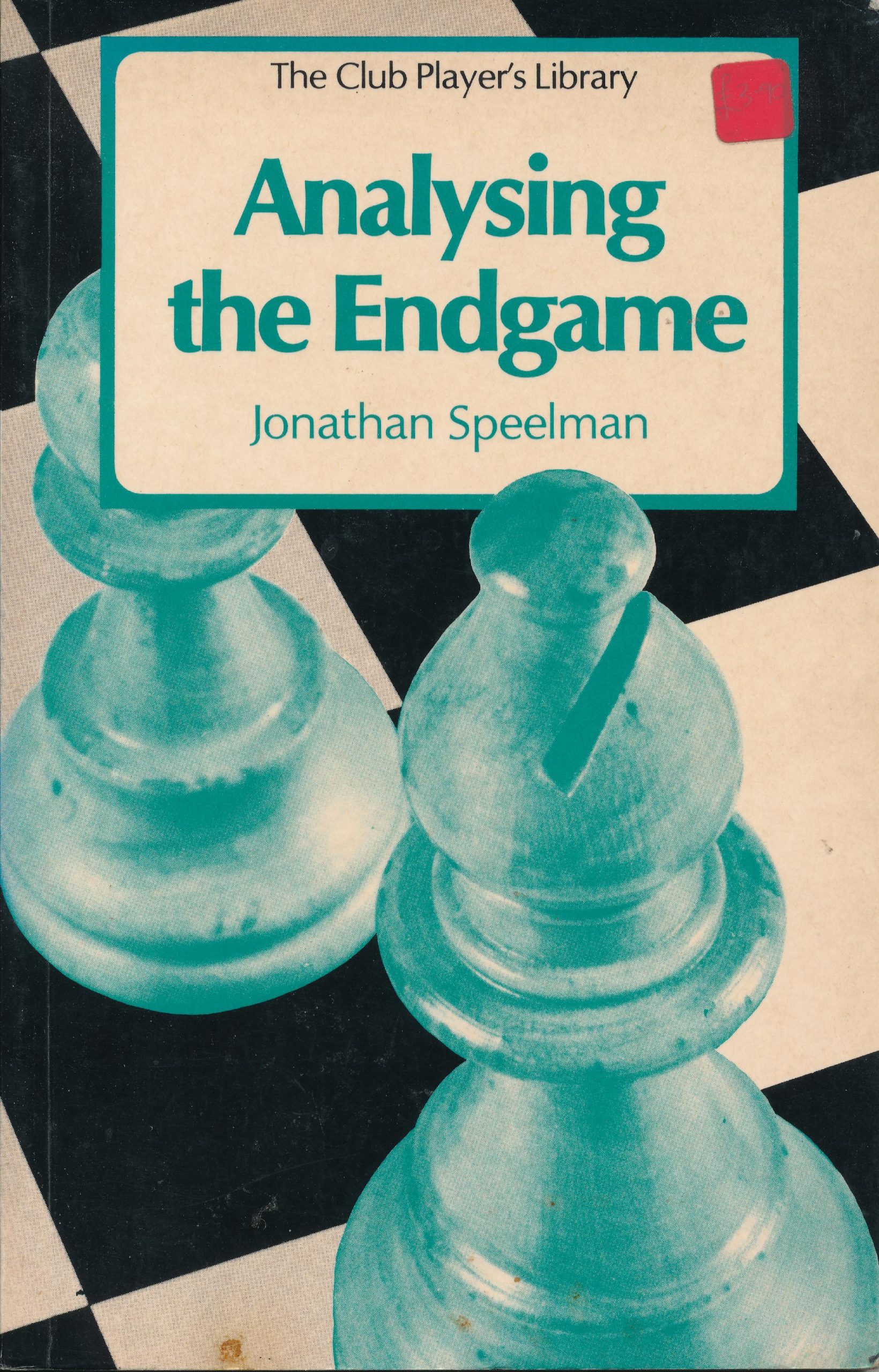
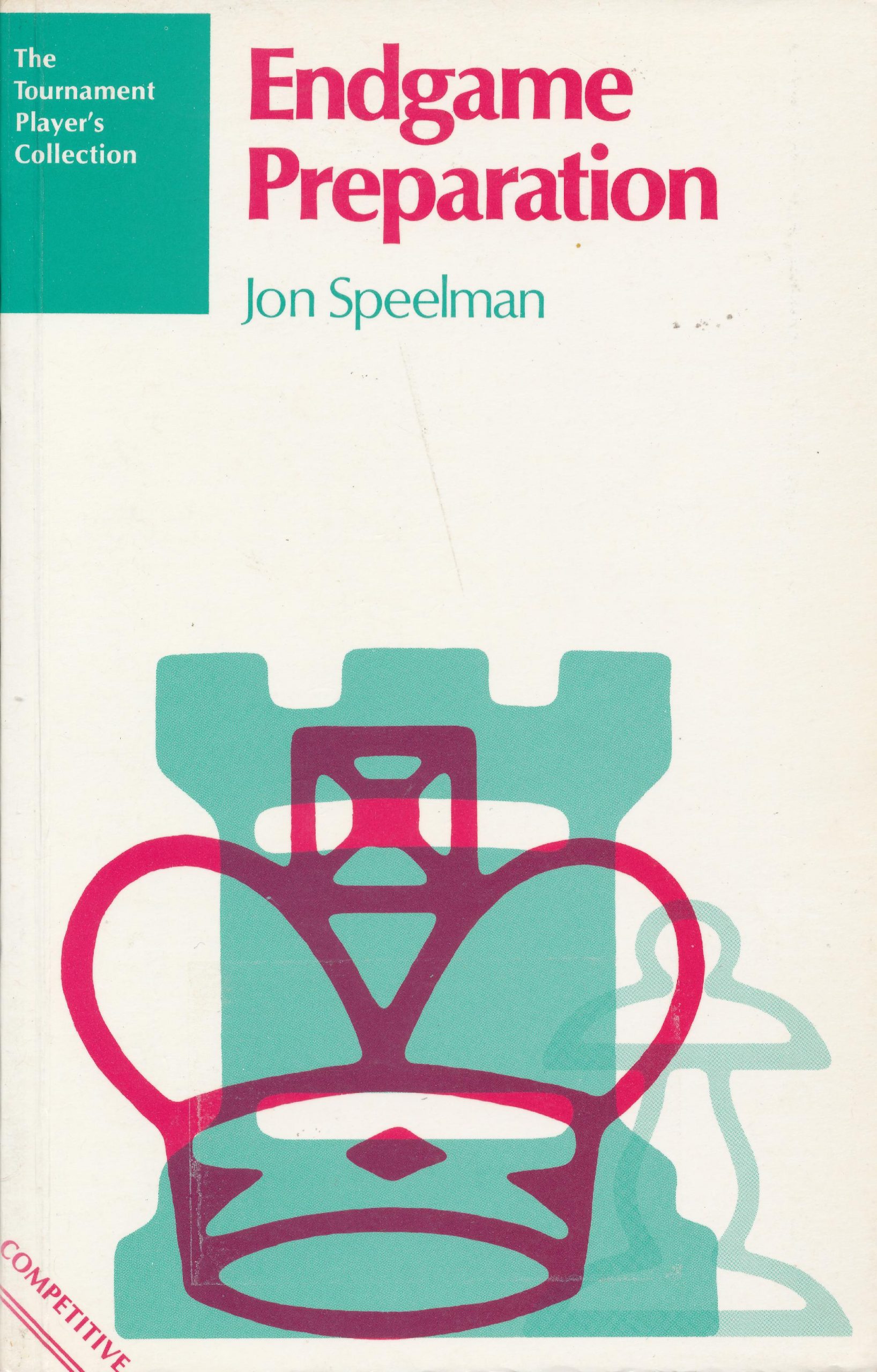
He has written a number of books on chess, including several on the endgame, among them Analysing the Endgame (1981), Endgame Preparation (1981) and Batsford Chess Endings (co-author, 1993).
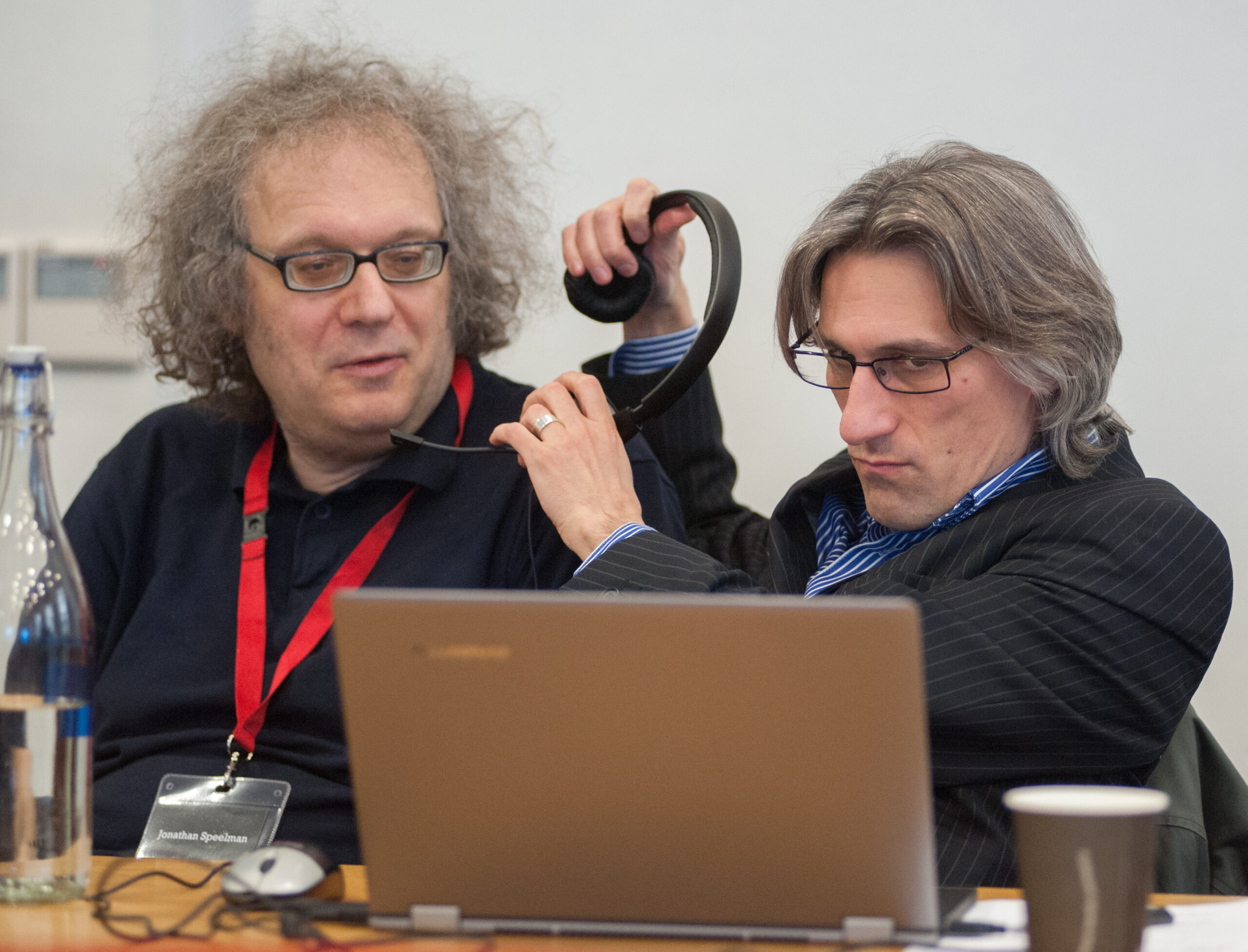
Among his other books are Best Games 1970–1980 (1982), an analysis of nearly fifty of the best games by top players from that decade, and Jon Speelman’s Best Games (1997). Today he is primarily a chess journalist and commentator, being the chess correspondent for The Observer and The Independent and sometimes providing commentary for games on the Internet Chess Club.
Speelman, Jonathan (1981). Analysing the Endgame. Batsford (London, England). 142 pages. ISBN 978-0-7134-1909-2.
Speelman, Jonathan (1981). Endgame Preparation. B.T. Batsford (London, England). 177 pages. ISBN 978-0-7134-4000-3.
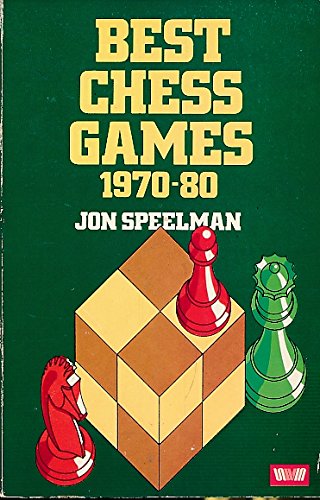
Speelman, Jon (1982). Best Chess Games, 1970-80. Allen & Unwin (London, England; Boston, Massachusetts). 328 pages. ISBN 978-0-04-794015-6.
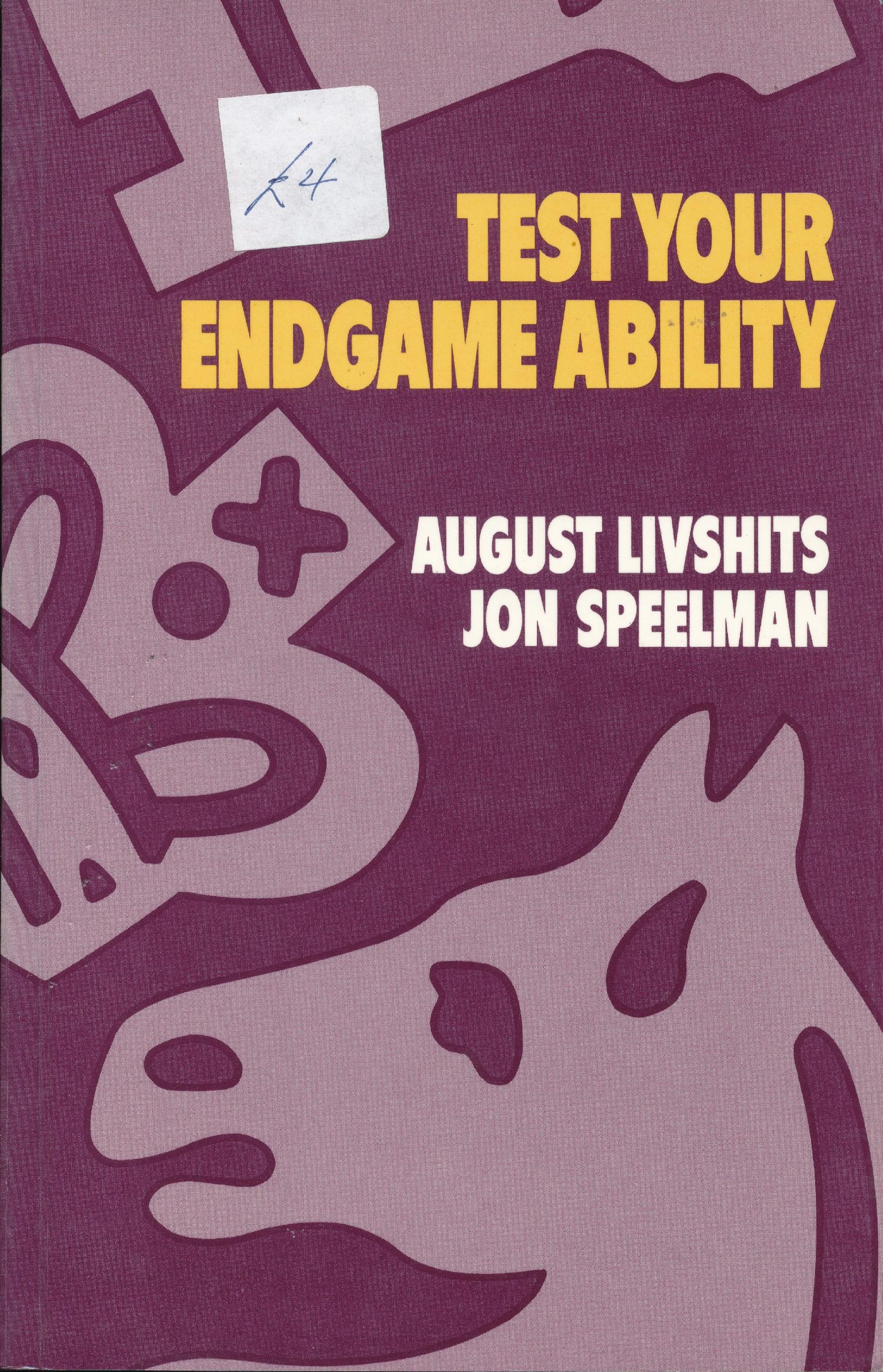
Speelman, Jon; Livshits, August (1988). Test Your Endgame Ability. BT Batsford (London, England). 201 pages. ISBN 0-7134-5567-5
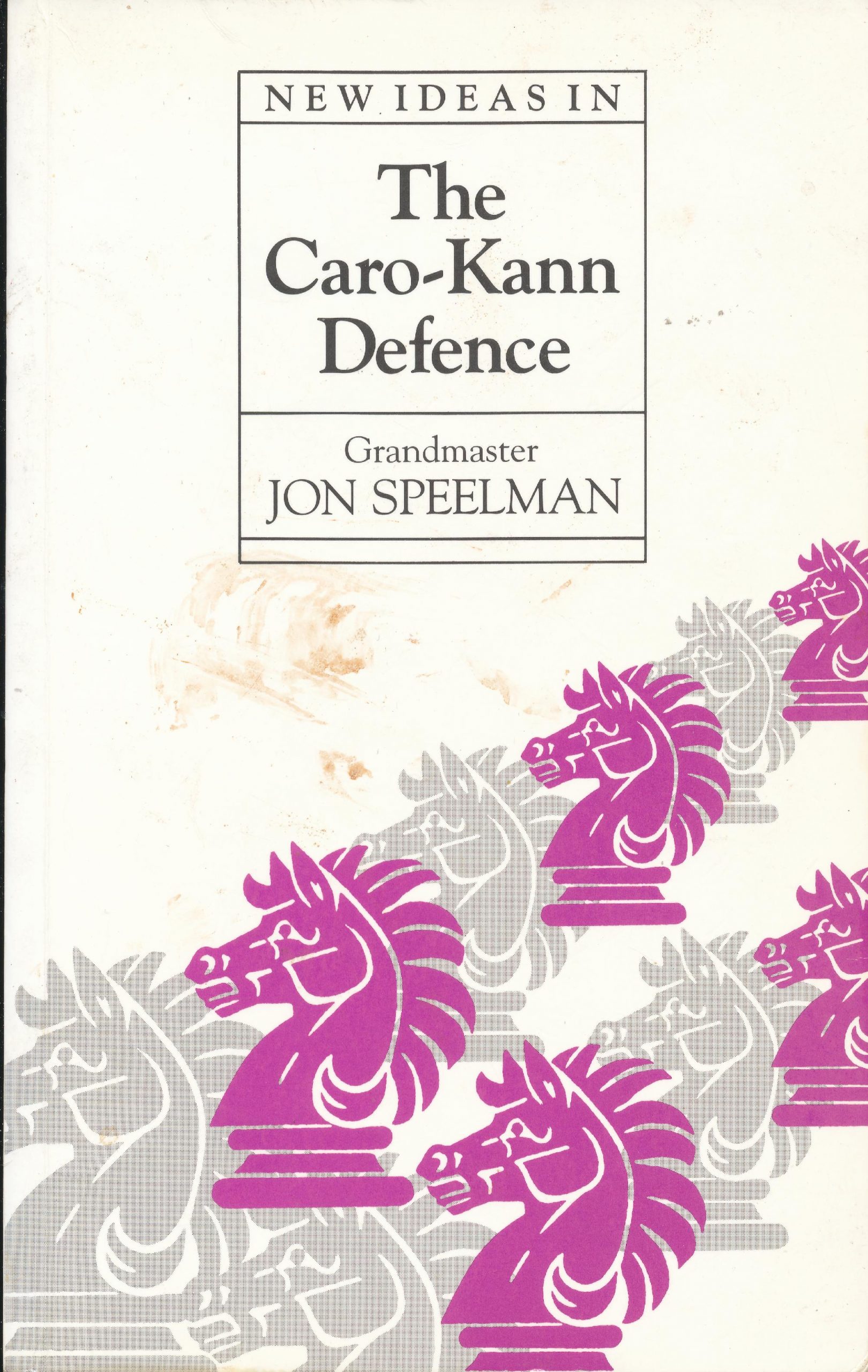
Speelman, Jon (1992). New Ideas in the Caro-Kann Defence. BT Batsford (London, England). 155 pages. ISBN 0-7134-6915-3.
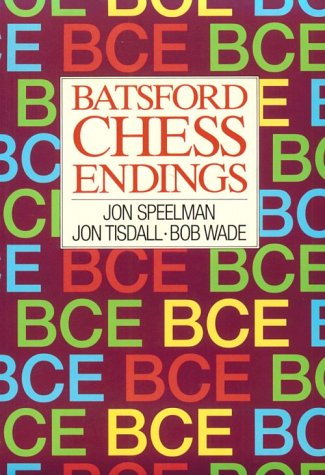
Speelman, Jonathan; Tisdall, Jon; Wade, Bob. (1993). Batsford Chess Endings. B.T. Batsford (London, England). 448 pages. ISBN 978-0-7134-4420-9.
Speelman, Jon (1997). Jon Speelman’s Best Games. B.T. Batsford (London, England). 240 pages. ISBN 978-0-7134-6477-1.
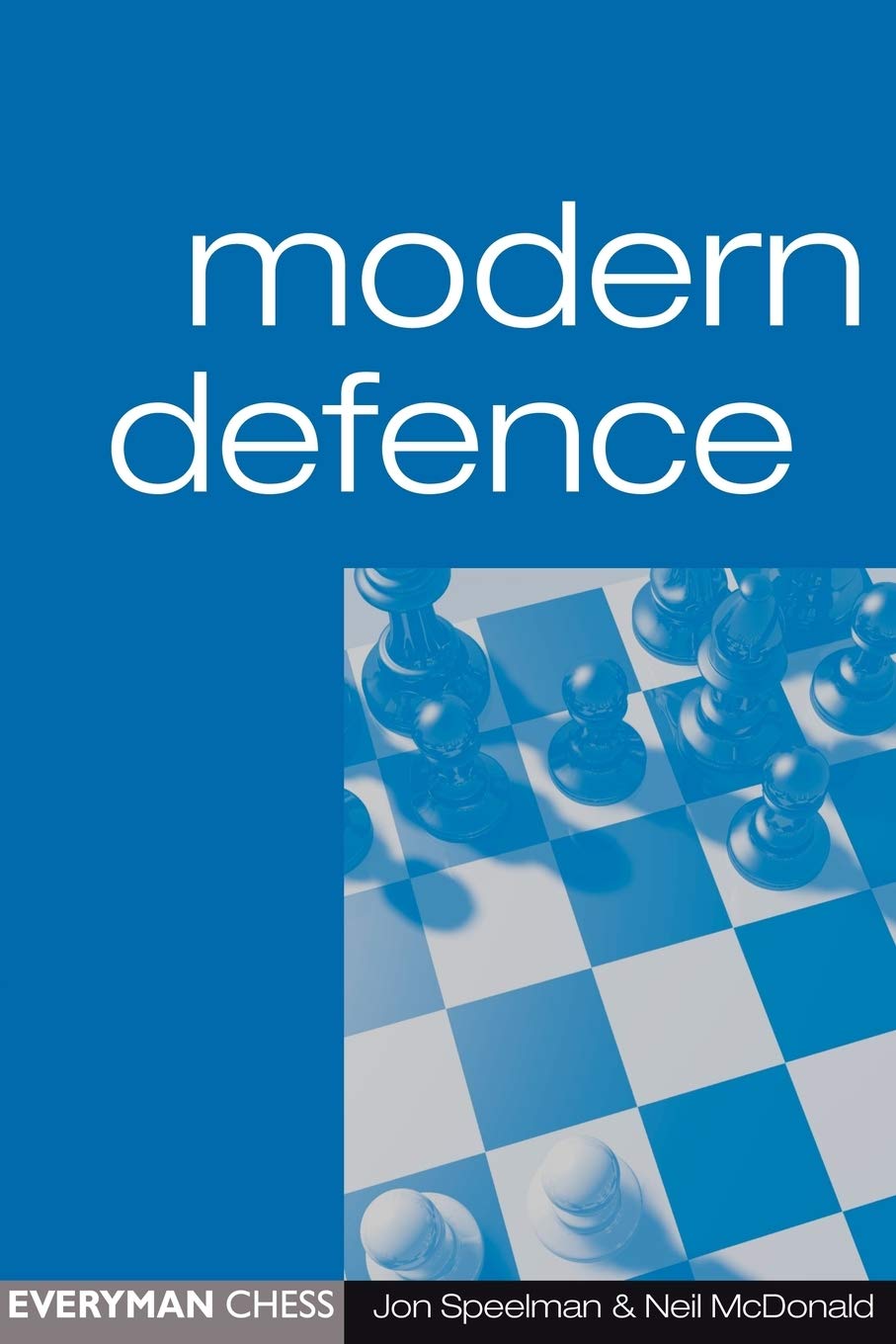
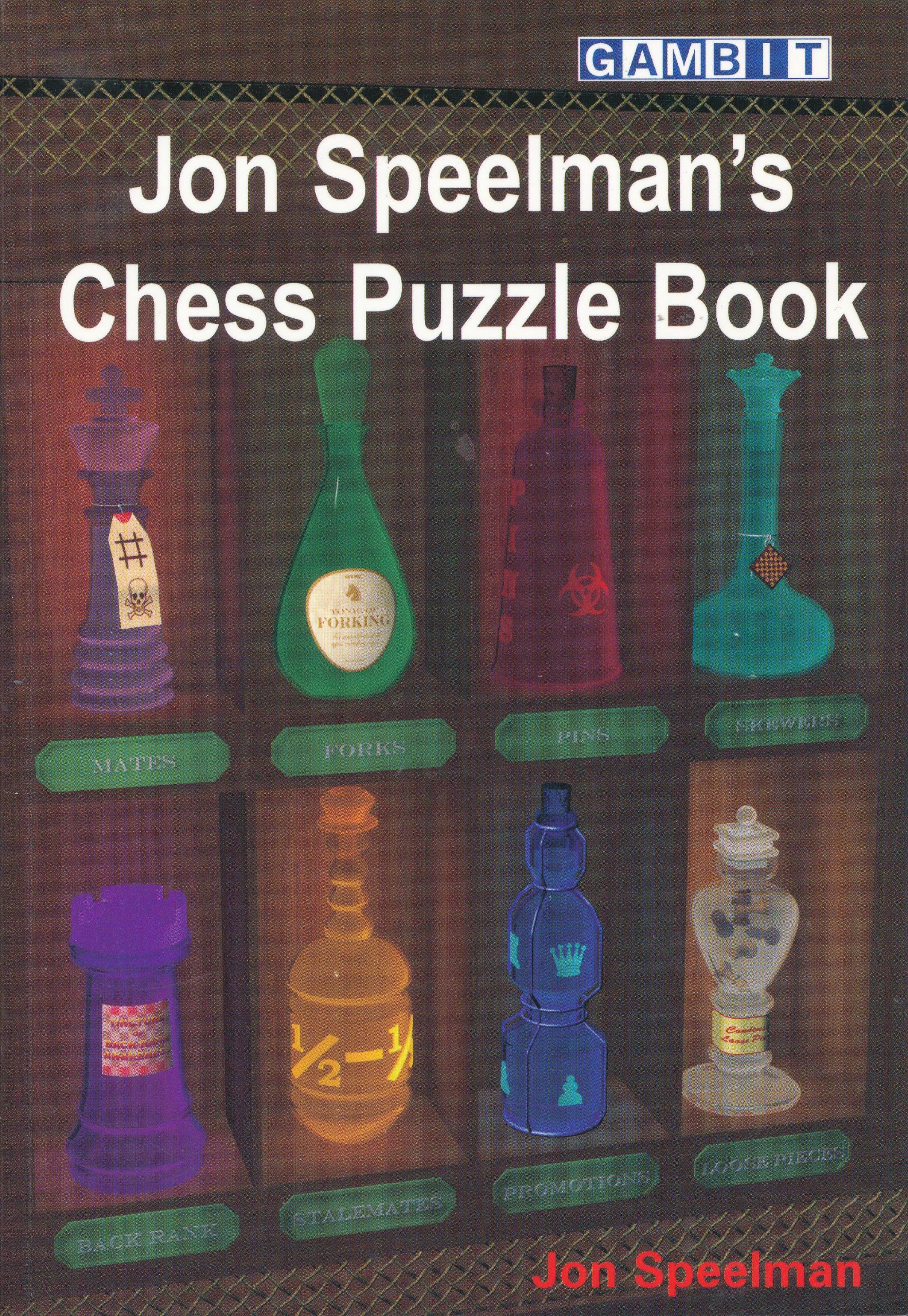
Speelman, Jon (2008). Jon Speelman’s Chess Puzzle Book. Gambit Publications Ltd. 143 pages. ISBN 978-1-904600-96-1.
reading this was a delight for me.. I’ve enjoyed it very much.. J. Speelman is my chess idol!! thanks a lot for this article!!