Category Archives: 4NCL

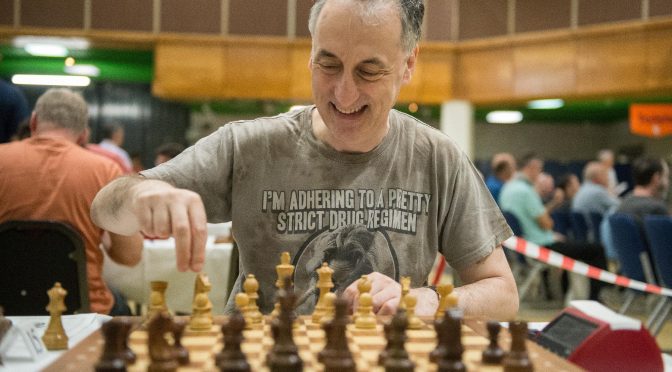
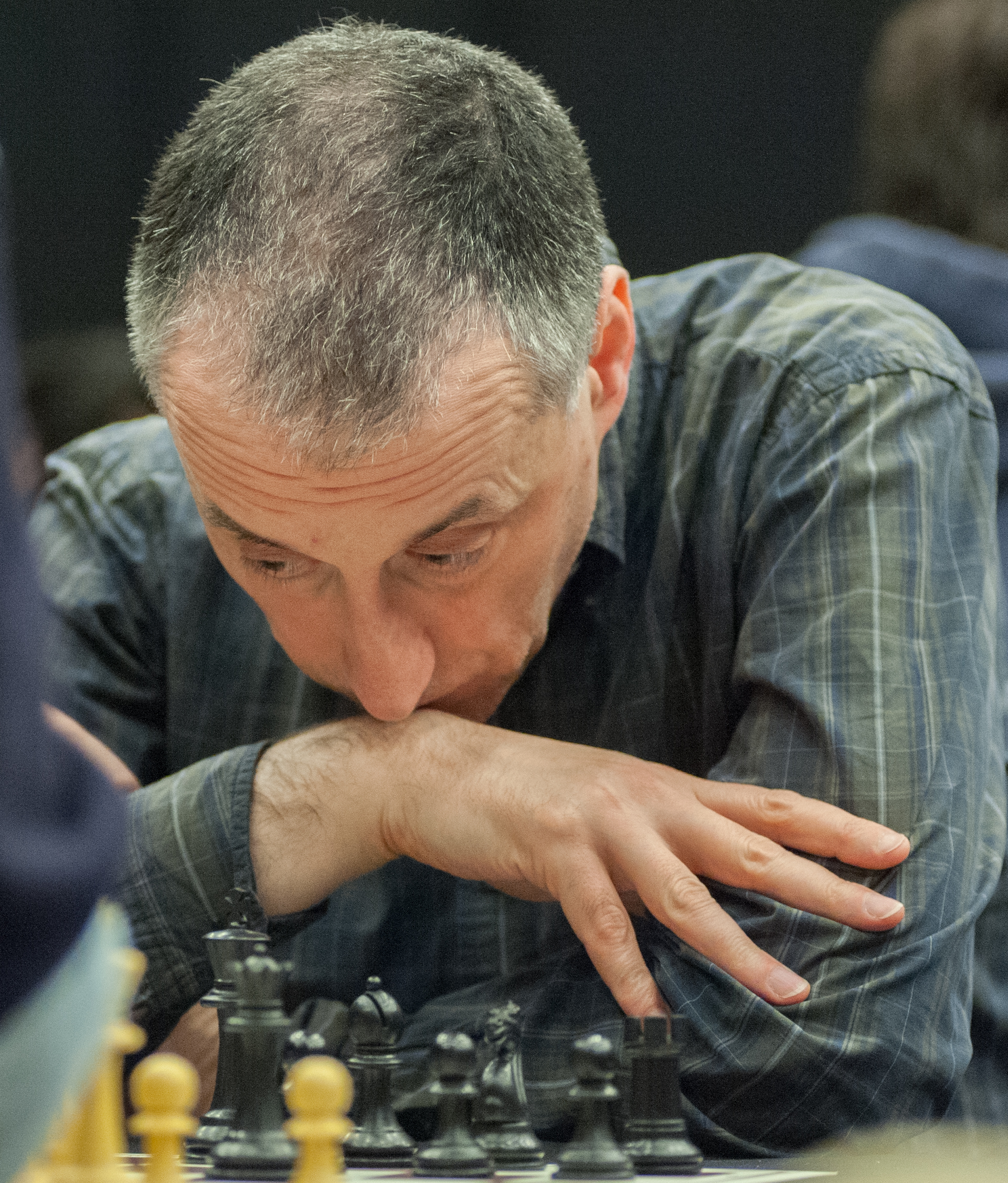
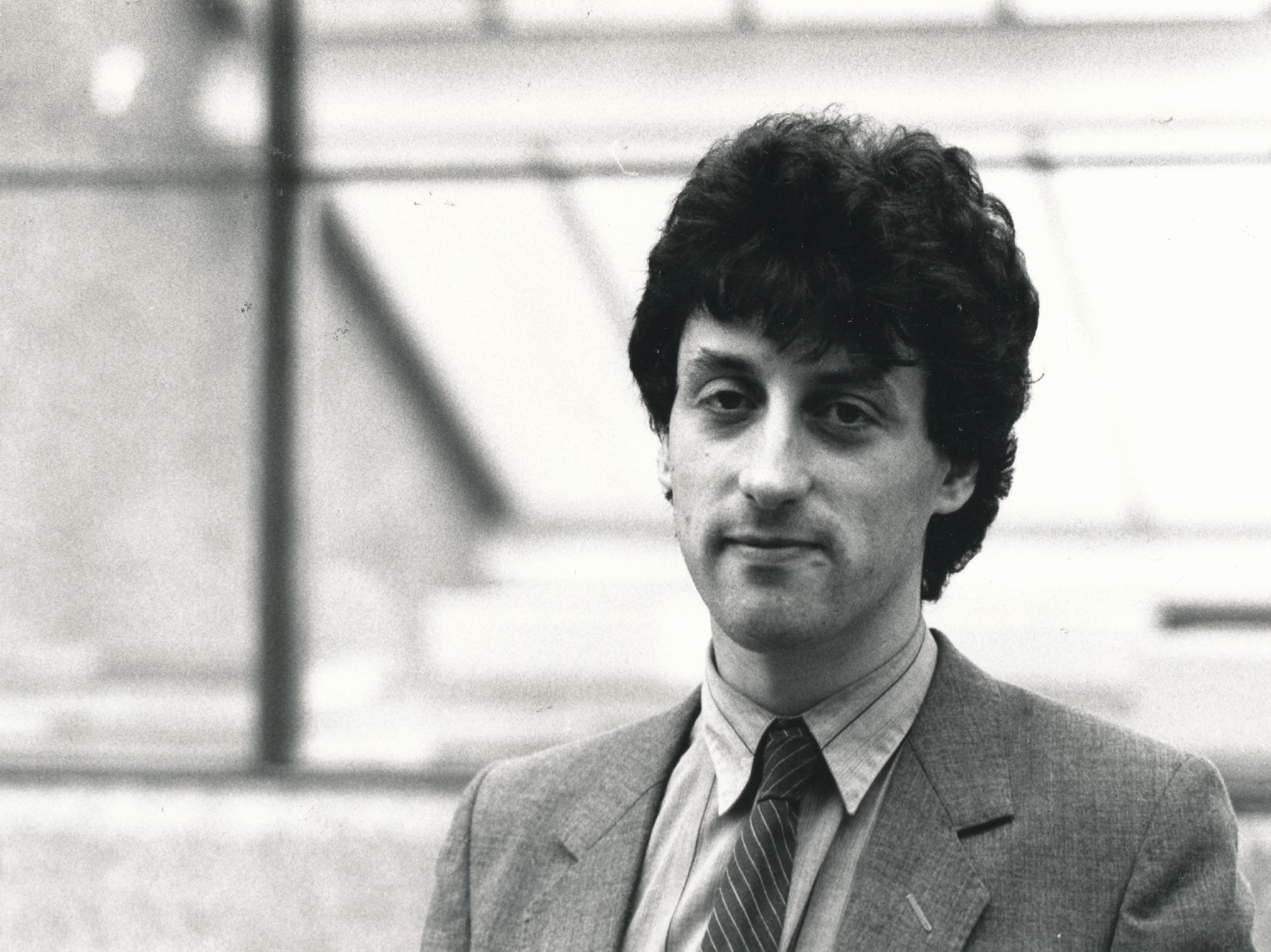
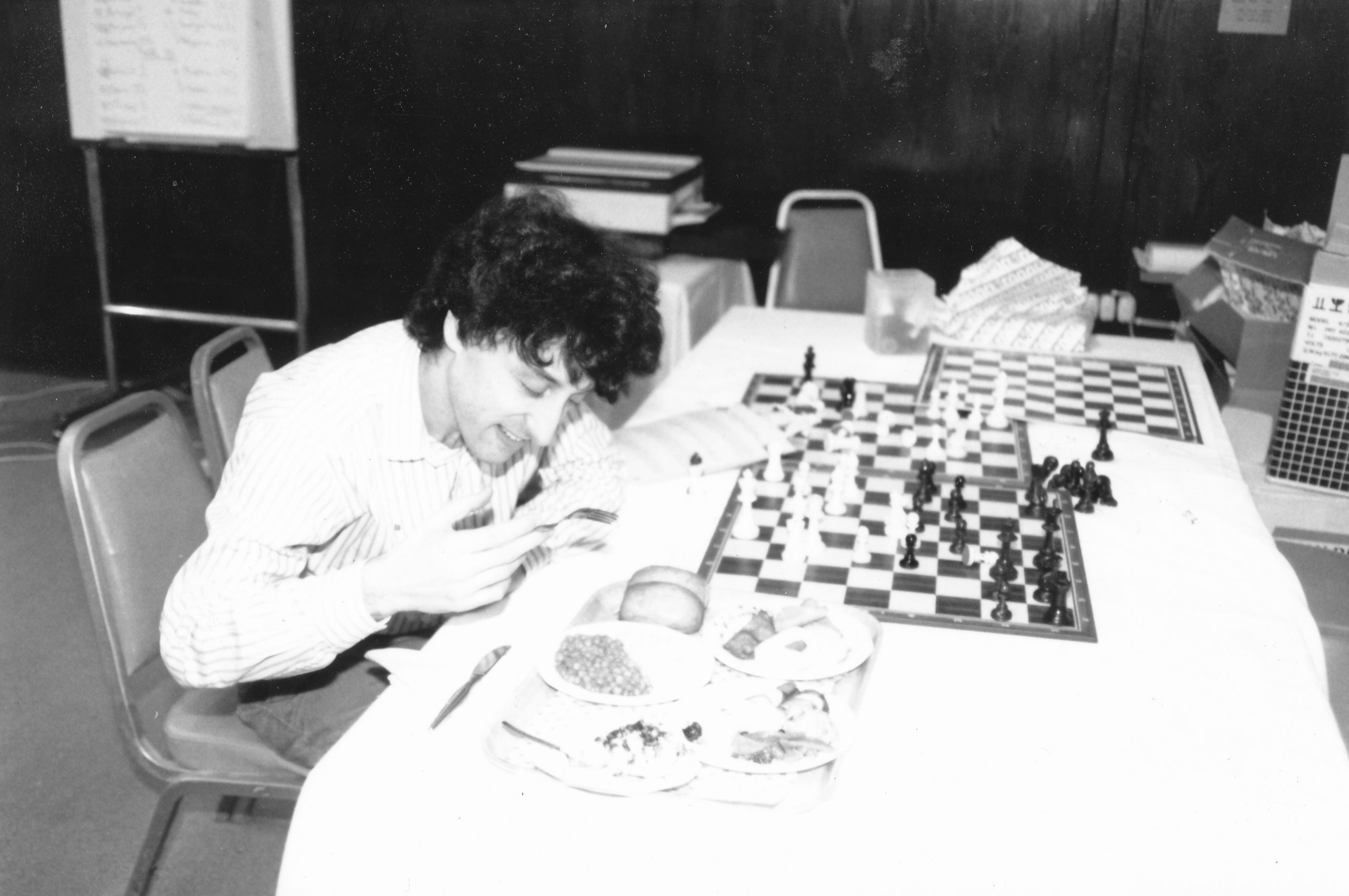
70th Birthday Greetings GM Jonathan Speelman (02-x-1956)

We wish GM Jonathan Speelman all the best on his 70th birthday.

Jonathan Simon Speelman was born on Tuesday, October 2nd, 1956 in Marylebone, London. His mother’s maiden name was Freeman. In March 2002 Jon and Lindsey Thomas were married in Camden, Greater London. They have a non-chess playing son, Lawrence who studied Ancient Languages at The University of Chicago.

Jonathan attended St. Paul’s School, London and then Worcester College, Oxford and read mathematics.

He became an International Master in 1978 (England’s tenth) and a Grandmaster in 1980 (England’s fifth) and achieved a peak FIDE rating of 2645 at the age of 32 in July 1988.

Jon is a Life Member of King’s Head Chess Club and has helped them organise a number of tournaments including the NatWest Young Masters where he has adjudicated the winner of the Best Game Prize.

Currently, Jon plays for Wood Green in Four Nations Chess League and in the London League and maintains an ECF grade of 245.

Jon is the chess correspondent for The Observer and The Independent.

With the white pieces Jon prefers 1.Nf3 and against 1…Nf6 to follow with c4 and d4. Interestingly, if black plays 1…d5 then Jon plays an early king-side fianchetto.

As the second player Jon prefers the Smyslov Caro-Kann, the Nimzo-Indian and Queen’s Indian defences.

His record against contemporary players is impressive:

Nigel Short: +5
Murray Chandler: +4
Jonathan Mestel: +4
John Nunn: +3
James Plaskett: +4
Mark Hebden: +7
Tony Miles: +1
Tony Kosten: +3
Daniel King: +2
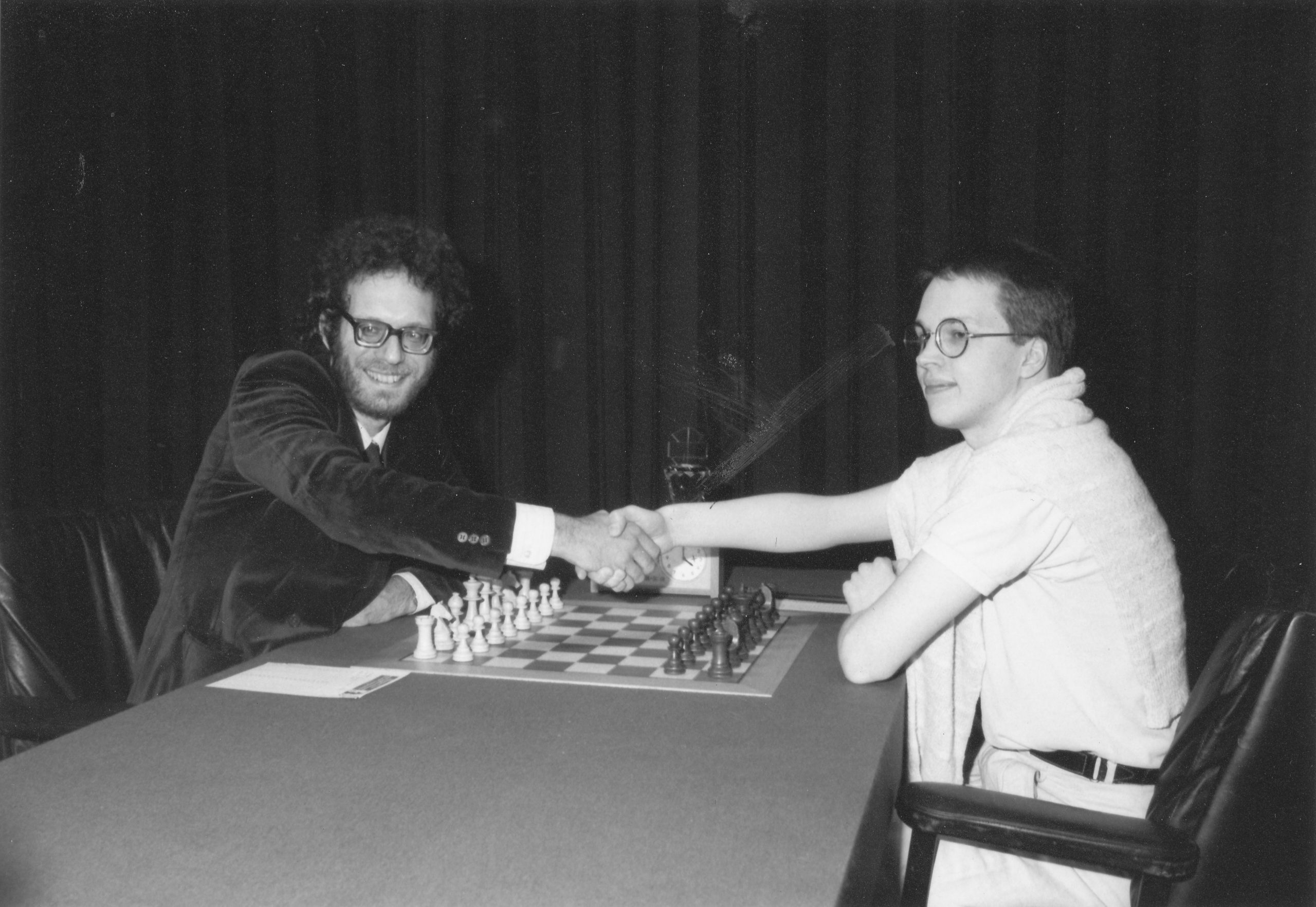
Jon Speelman and Nigel Short at the start of their 1989 Candidates match. Jon won 3.5 - 1.5
Jon Speelman and Nigel Short at the start of their 1989 Candidates match. Jon won 3.5 – 1.5

From British Chess (Pergamon Press, 1983) by Botterill, Levy, Rice and Richardson :

“Having been asked to contribute an article on myself to this book I have decided to concentrate almost exclusively on my ‘relationship with chess’, but first quickly summarize my life.
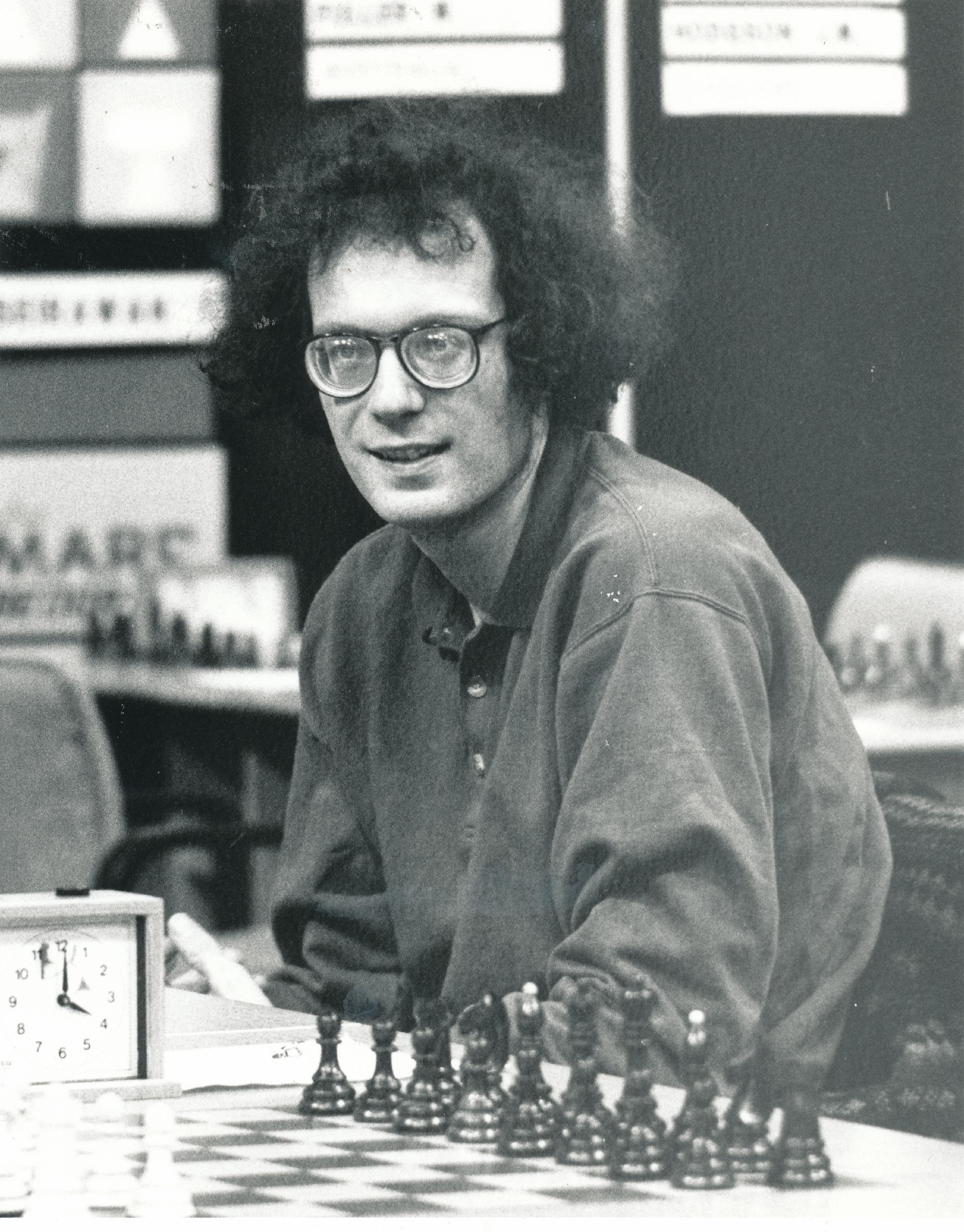
JS
JS

Born on 2nd October 1956 I went to a ‘Nursery School’ whose name I forget. Then to Arnold House School followed by St. Paul’s School. I had a ‘Year off’ from January to October, 1976, when I went up to Worcester College, Oxford, where I studied mathematics. In 1977 I left Oxford with a 2nd degree. Since then I have been a professional chess player.

I was taught chess at the age of 6 by my cousin on Boxing Day, 1962. Then as now, I was an inquisitive person and the idea of a ‘complicated and difficult game’ interested me. Sadly my first game of chess ended in checkmate in four moves; but I persevered and soon became more competent.
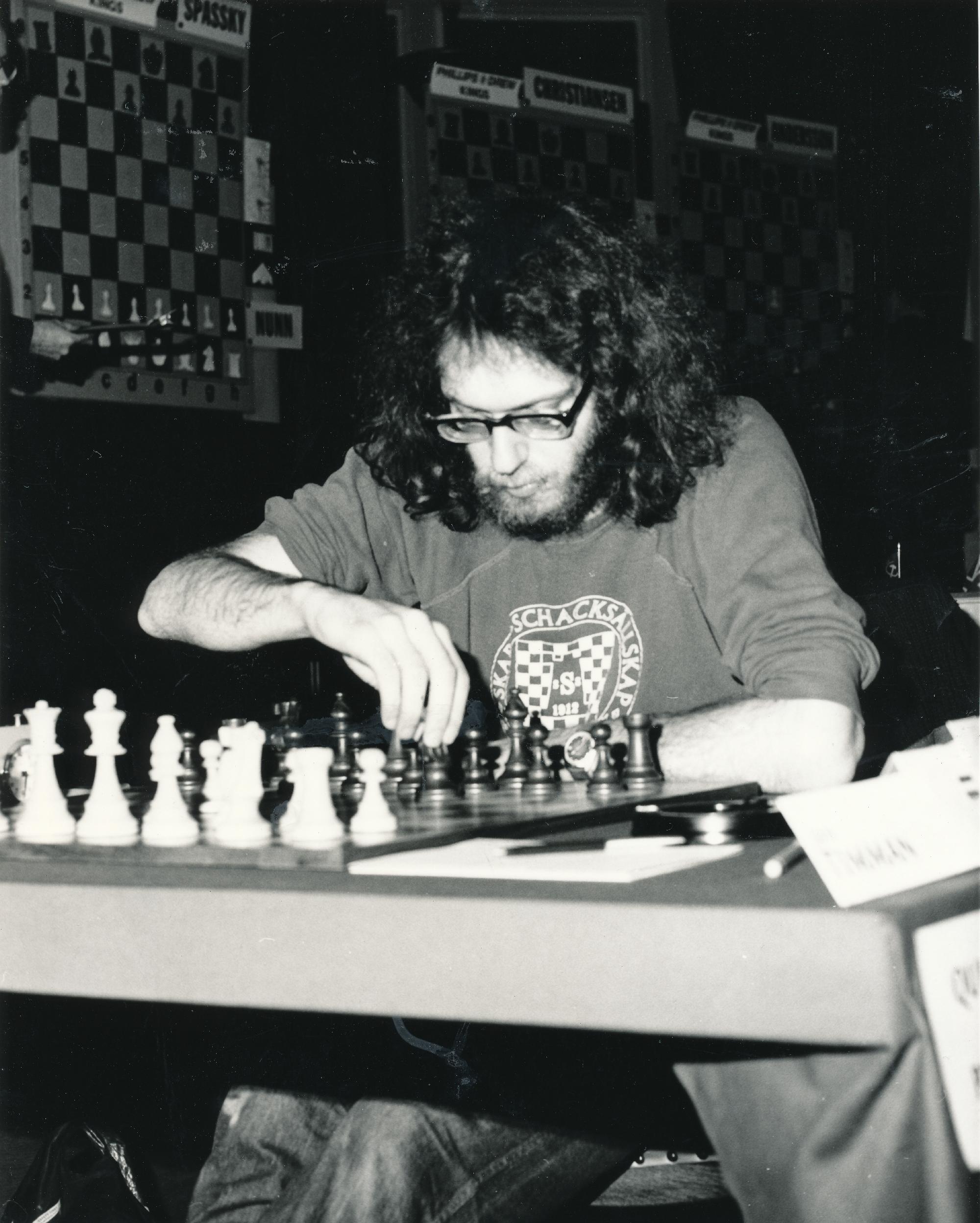
JS at the London based Philips & Drew Kings tournament

I have always seen life to some in terms of barriers. There are things which one can do easily and which one finds difficult or almost impossible. For any given task the transition from one state to the other is not as smooth. One builds up energy and finally is able to succeed for the first time. After that the task becomes successively easier: Partly because one is aware that one can succeed.
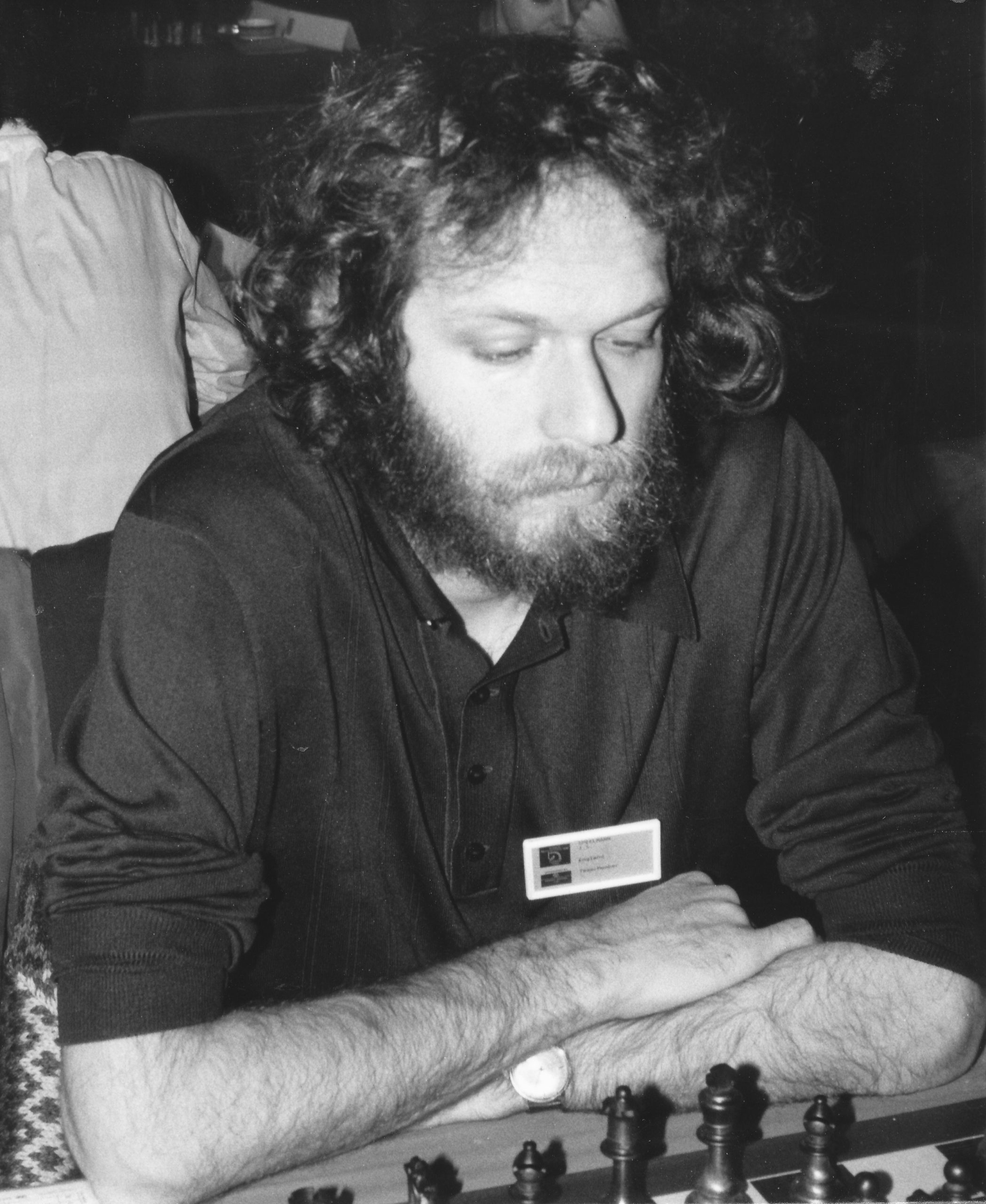
Jonathan Speelman without glasses

ln order to illustrate my chess career to date, I shall therefore pick out examples of barriers which I managed to break through.
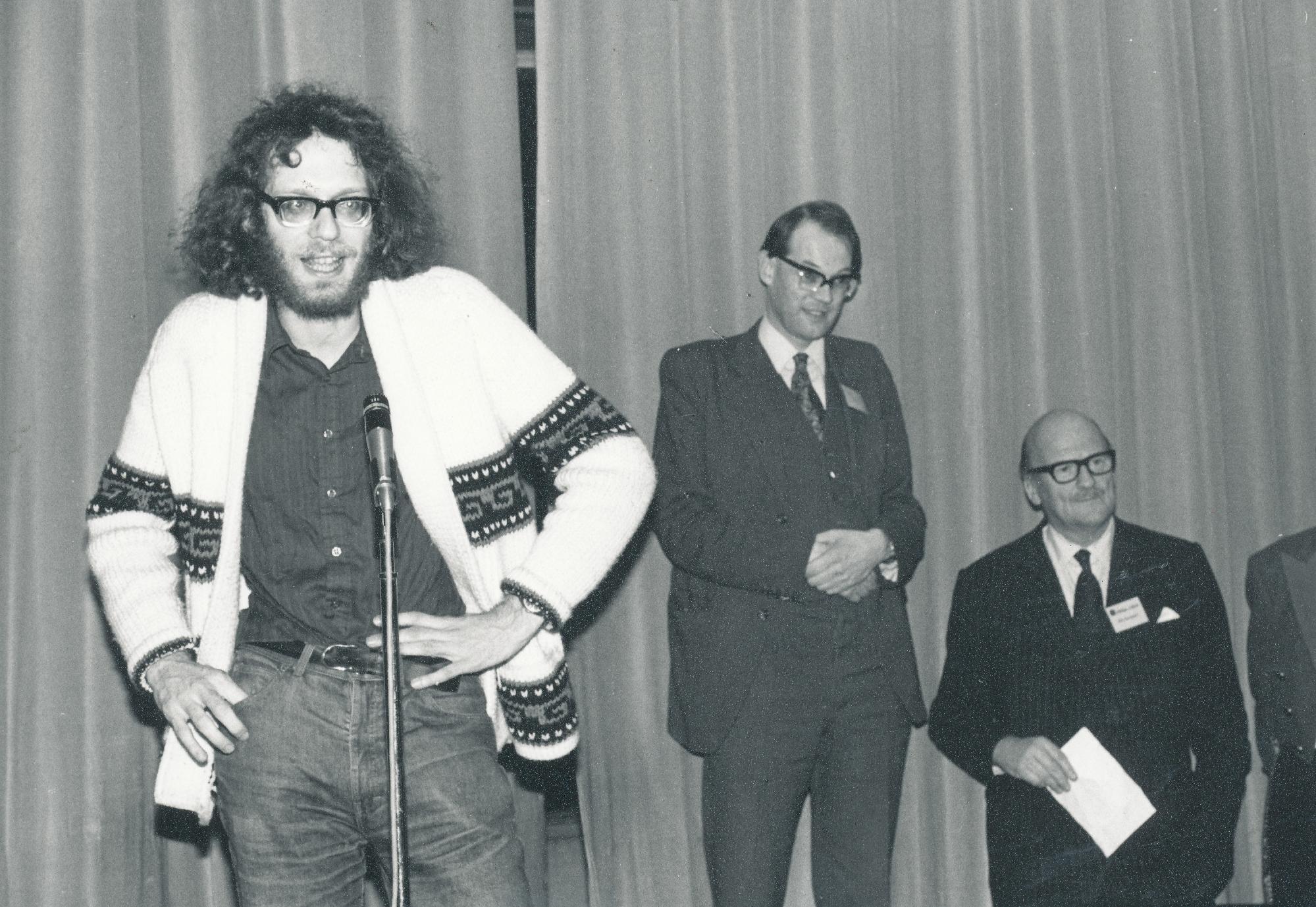
Jonathan was an early follower of fashion

Until a few Years ago there were few titled players in Great Britain. But recently, thanks largely to a change of emphasis in organisation, several players have broken through to obtain international titles. This is not only because British players have become stronger – which they undoubtedly have – but also because they have received opportunities which were previously denied them.
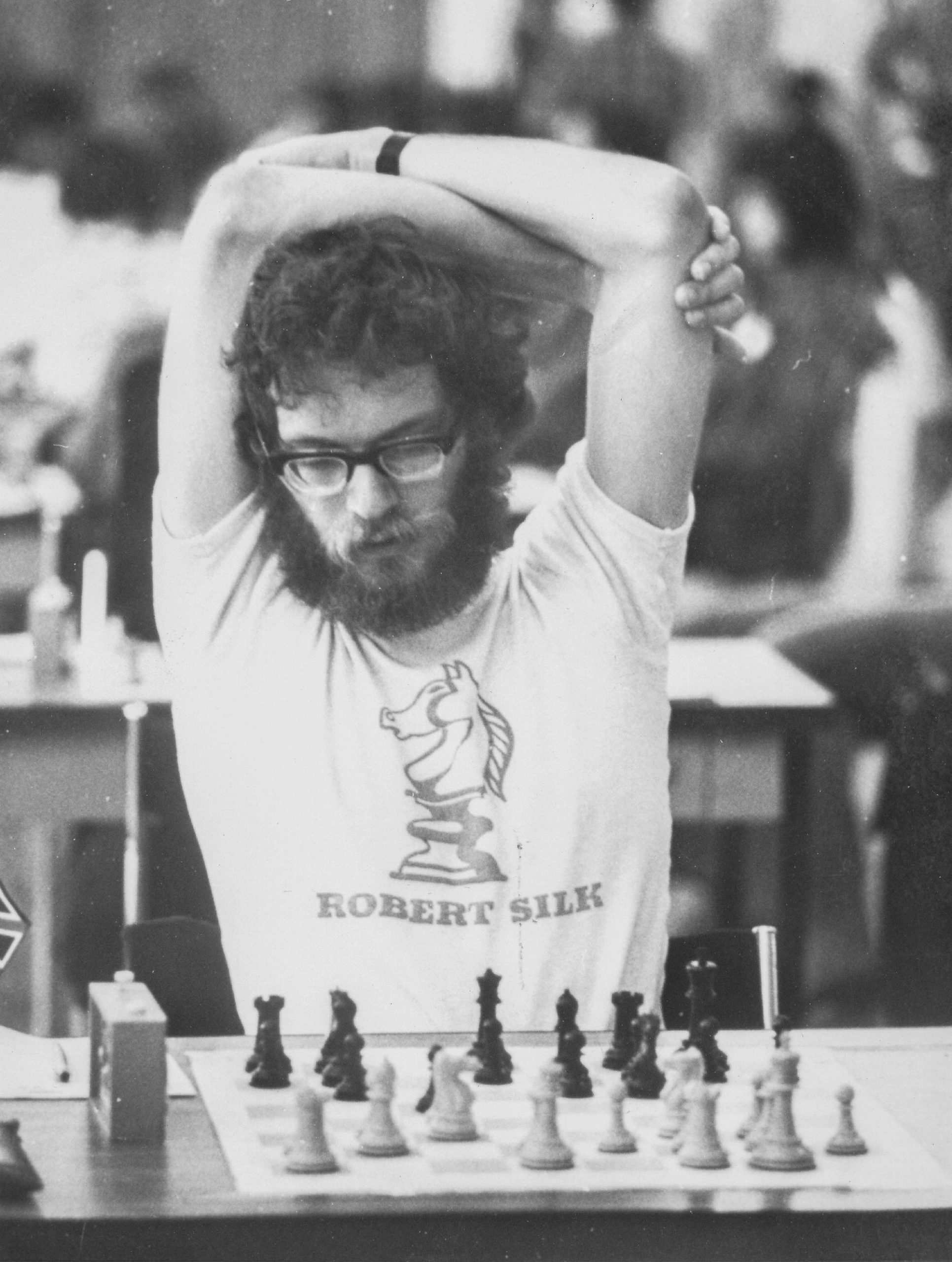
JS at the London Robert Silk Fellowship invitational tournament

I first started seriously to contemplate becoming an international master in 1977. Previously, I had of course aspired to this but without really investigating the mechanics of obtaining norms. In August, 1977 England sent a team to the World Student Team Championships in Mexico City. We came third: a year later we were to win the event (though on that occasion it was a World Under 26 Team Championship). On our return there was an invitation tournament in London: the ‘Lloyds Bank Silver Jubilee’. Although I was rather tired after Mexico I decided to play and to my surprise, I obtained an IM norm with a round to spare. It all seemed rather easy. I drew with six strong players including GM Torre and four IM’s and beat three weaker ones.
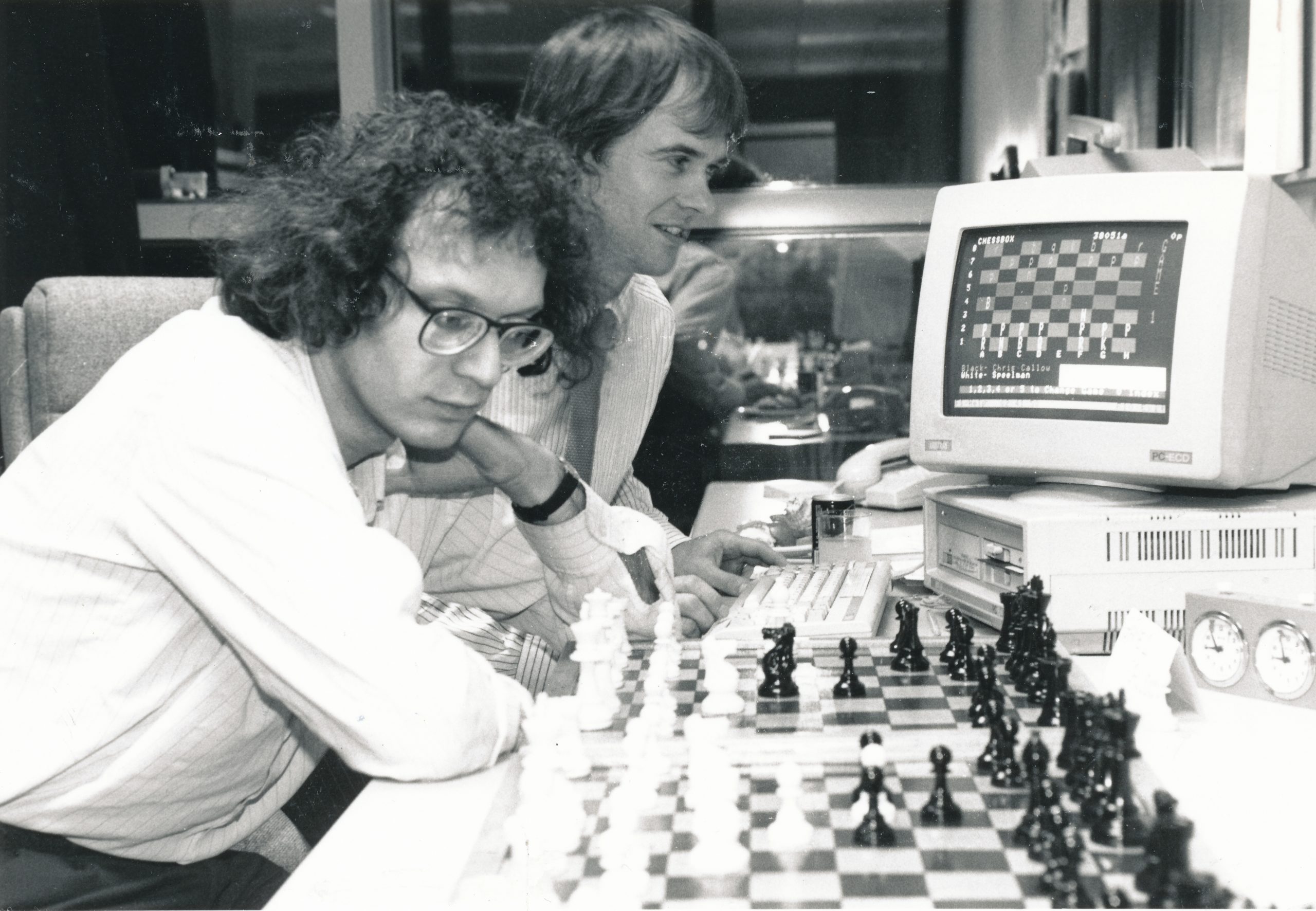
Grandmaster Uses PressTel Chessbox to Play Long Distance Chess. Jonathan Speelman the UK Grandmaster is pictured here deciding his next move in a computer chess game against five simultaneous opponents. Players exchanged moves online via the ChessBox club on PressTel, BTs videotex service.

In December, 1977 I played for the first time in the Annual Grandmaster Tournament at Hastings. I was very pleased to ‘shut up shop’, abandoning any pretensions to an exciting style to score one win, one loss and – wait for it – twelve draws; but 7/14 was sufficient for another international master norm.

These two events left me with twenty three games of norm, one less than the required minimum. Early in 1978 I played in a tournament in London but failed to get my final leg. It was in April that year that I had my next chance at the famous Lone Pine Tournament in California. I have already stressed the importance of barriers. It was in round one of the Lone Pine tournament that I broke through another important one – that of beating a grandmaster.
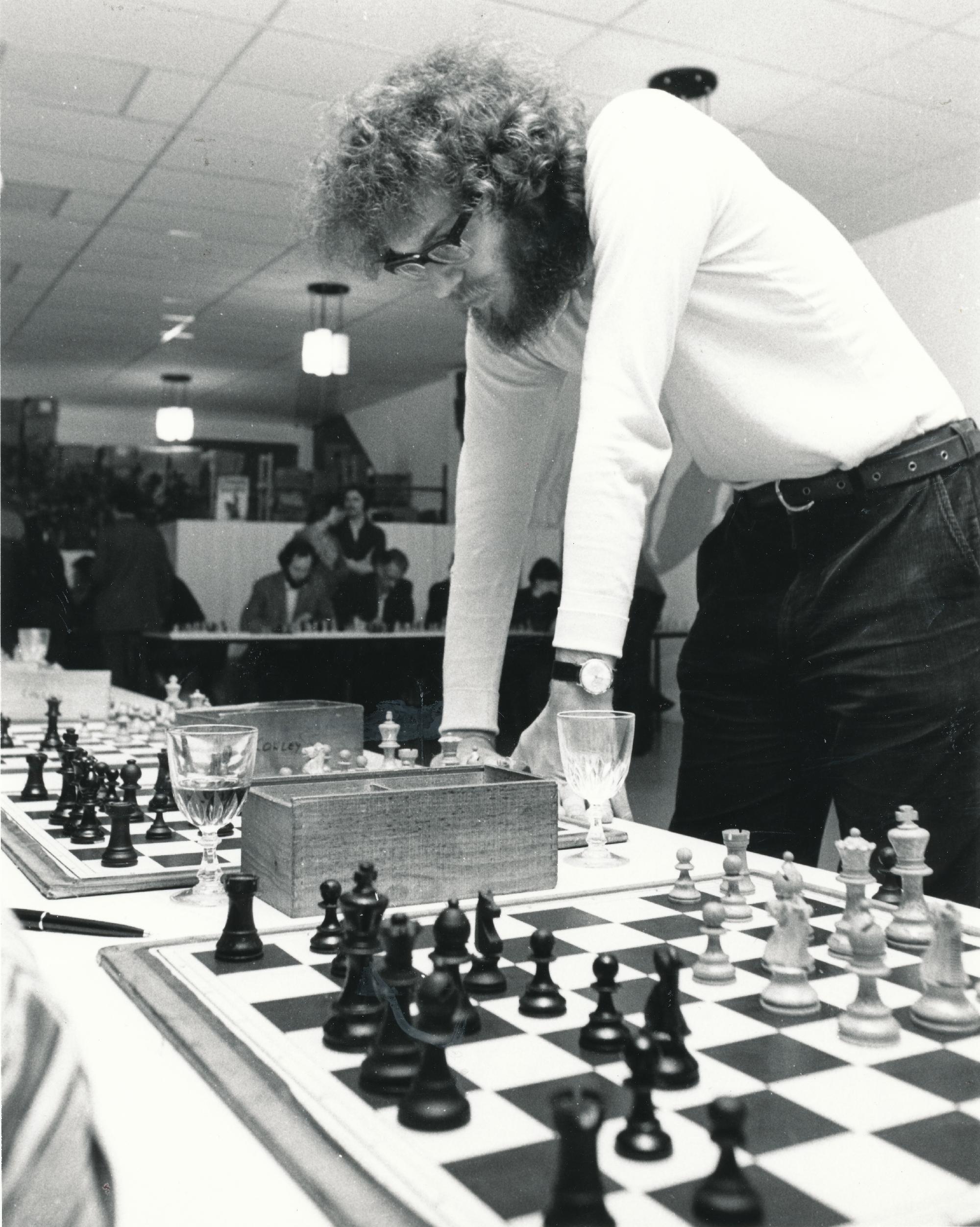
JS was a frequent giver of simultaneous displays

Nowadays (and here I hear myself sounding like an old man!) the strongest young players (under twenty-six) beat international masters quite regularly and indeed grandmasters from time to time. ‘In my day’ this was not so much the case. Titled foreign players could still come over to pillage weekend tournaments; and succeed much of the time! When one of them lost to homegrown talent it was news.
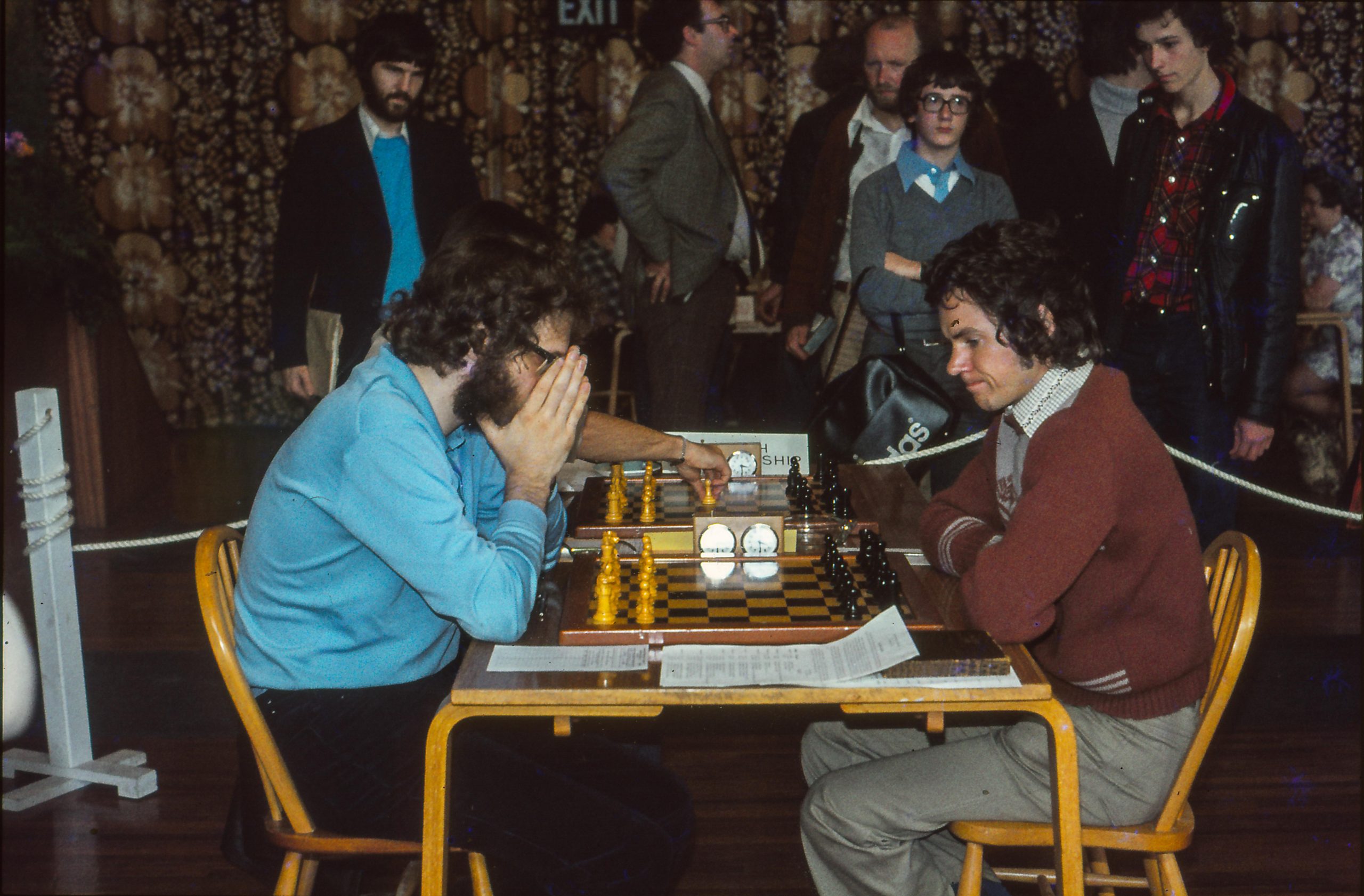
IM Jonathan Speelman vs IM Simon Webb at the 1978 British Championships in Ayr, Courtesy of John Upham

I first started to play regularly against grandmasters in my first Hastings tournament, which I mentioned previously. Of course, I had played grandmasters before, but at Hastings seven of the fourteen games were against them. I scored there six draws and a loss to the tournament winner, Dzindzihashvili.
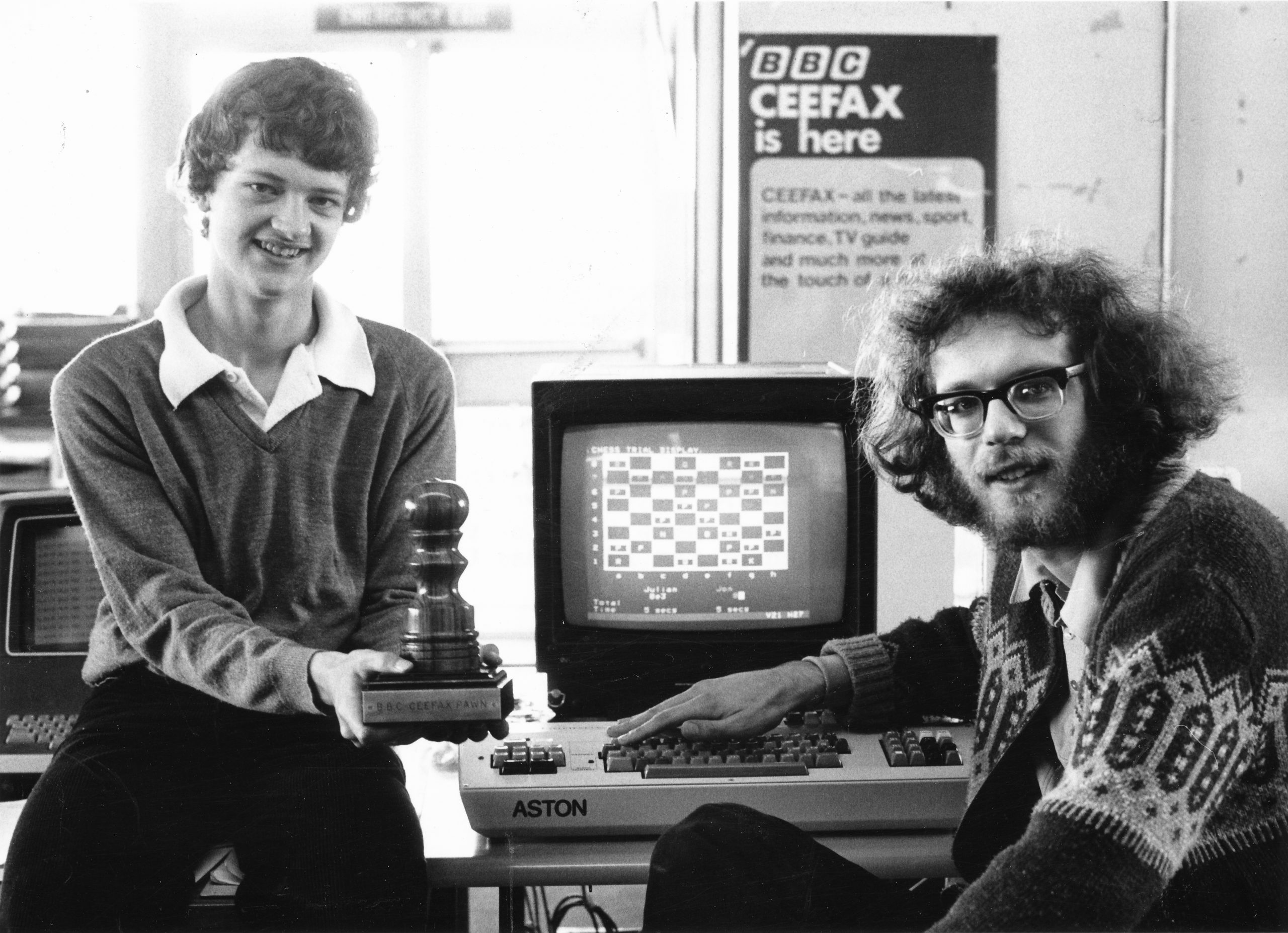
Julian Hodgson and Jonathan Speelman prepare to play each other at their own home via CEEEFAX. This was organised by Peter Andrews of BBC Chess Club and was the first match of its kind.

In round one of Lone pine I was White against Bent Larsen of Denmark. Given that one is going to beat a strong grandmaster (l hadn’t even beaten a weak one) then White against Larsen is quite a good chance. Although he is an extremely strong player, Larsen loses quite a lot of games to much weaker opponents and wins an enormous number against them as well, with not many draws. I was fortunate in obtaining a nice position from the opening and won a good game. That is one of the games I have chosen.
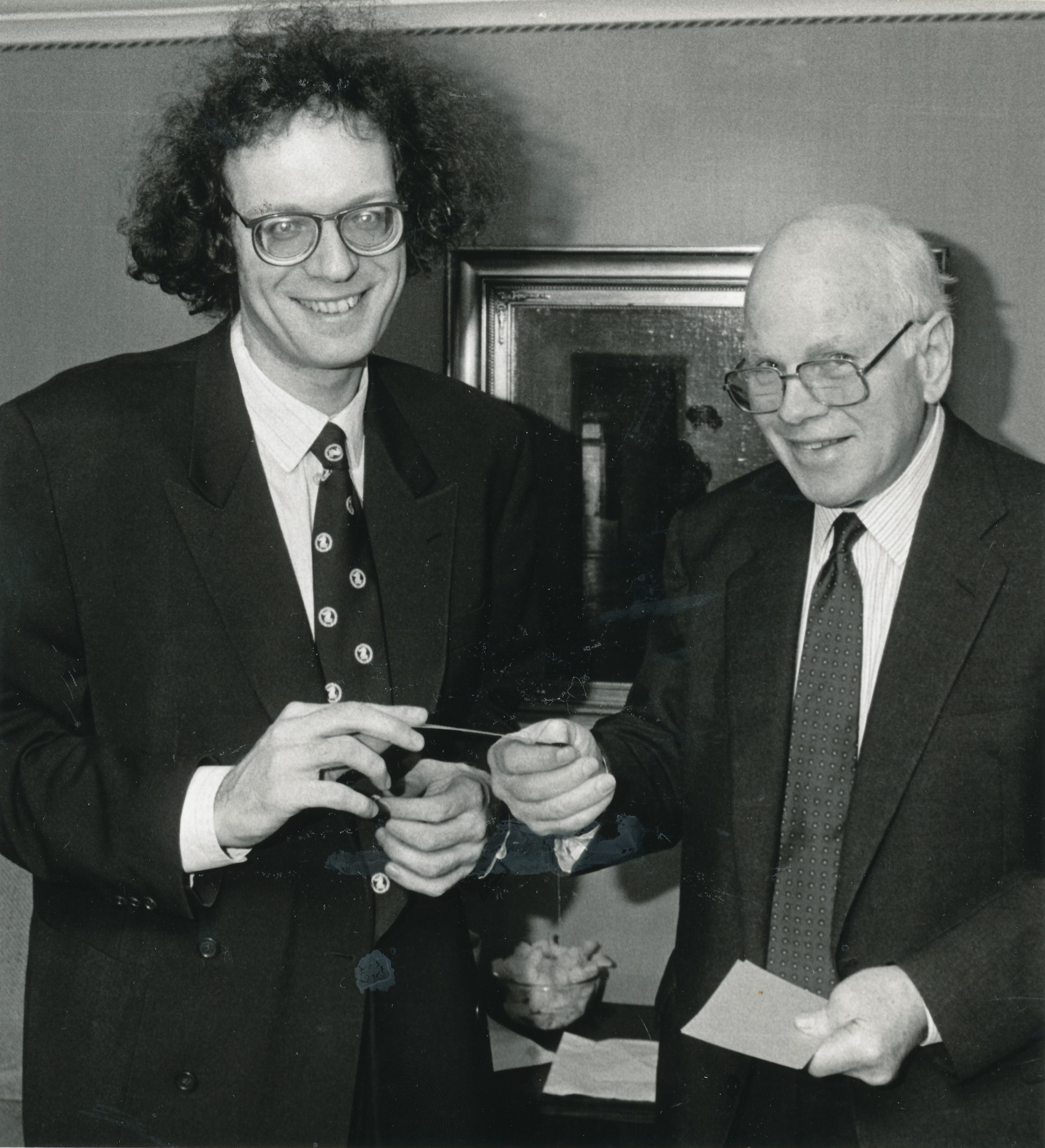
JS receives one of many awards

After beating Larsen the rest of the tournament was rather an anti-climax for me. I drew some games, then lost in successive rounds to Browne and Biyiasas. Needing a win to reach fifty per cent the chance of my final norm, I clawed my way to victory in a dreadful game against a young American P. Whitehead. Two short draws in the final two rounds brought me the title.
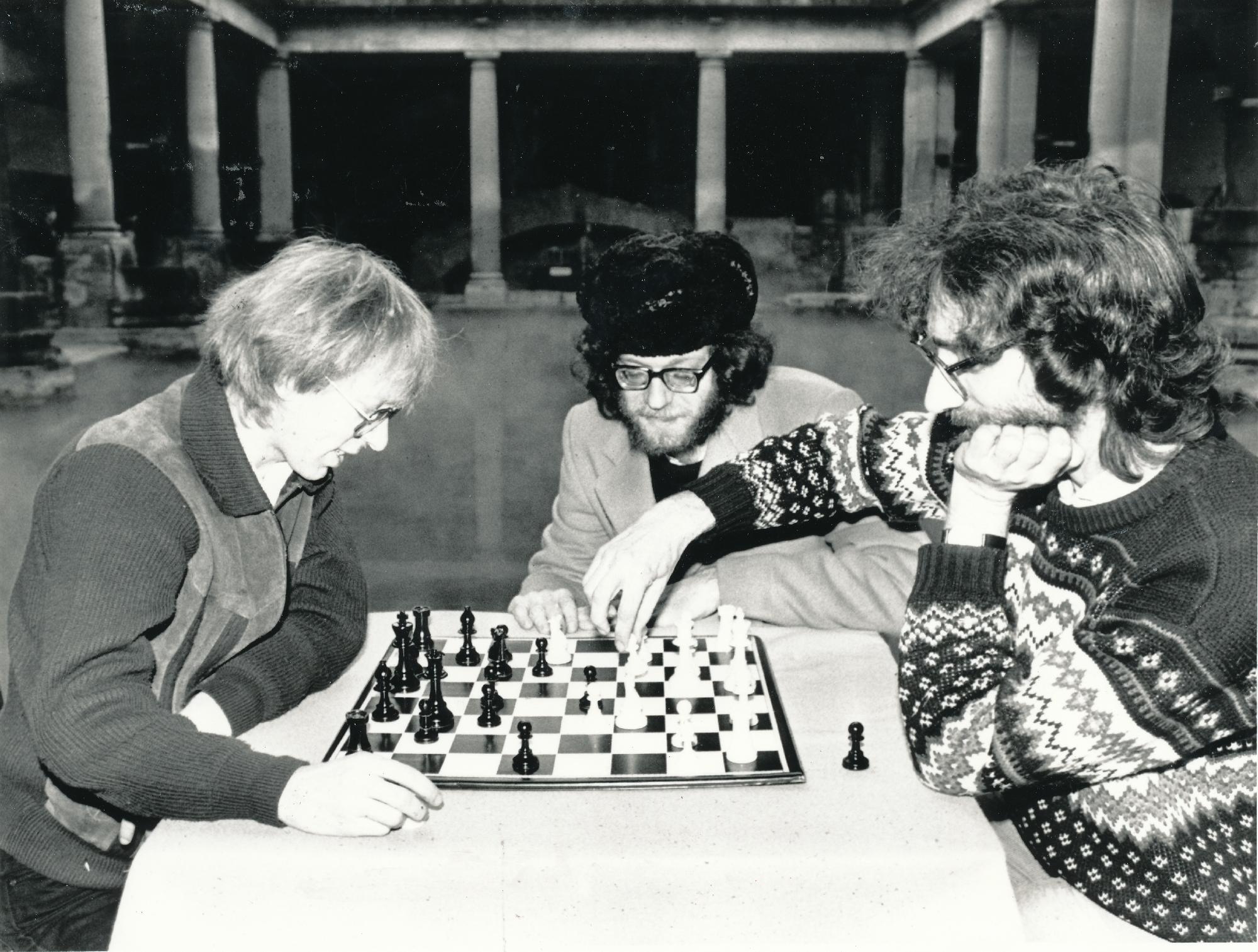
At the Praxis British Zonal in February 1987 here at the roman baths. Murray Chandler, Jonathan Speelman, and Jonathan Mestel

Some years ago the British Championship really was the Championship of Britain. But in the early seventies there was a decline as several of the strongest players did not enter. In the last two years the decline has been halted and then reversed by the sponsorship of stockbrokers Grievson Grant. In 1979 two of our four Grandmasters, Miles and Nunn, competed in the British Championship at Chester and there were no fewer than six International Masters; indeed Nigel Short succeeded in obtaining his first IM norm there.
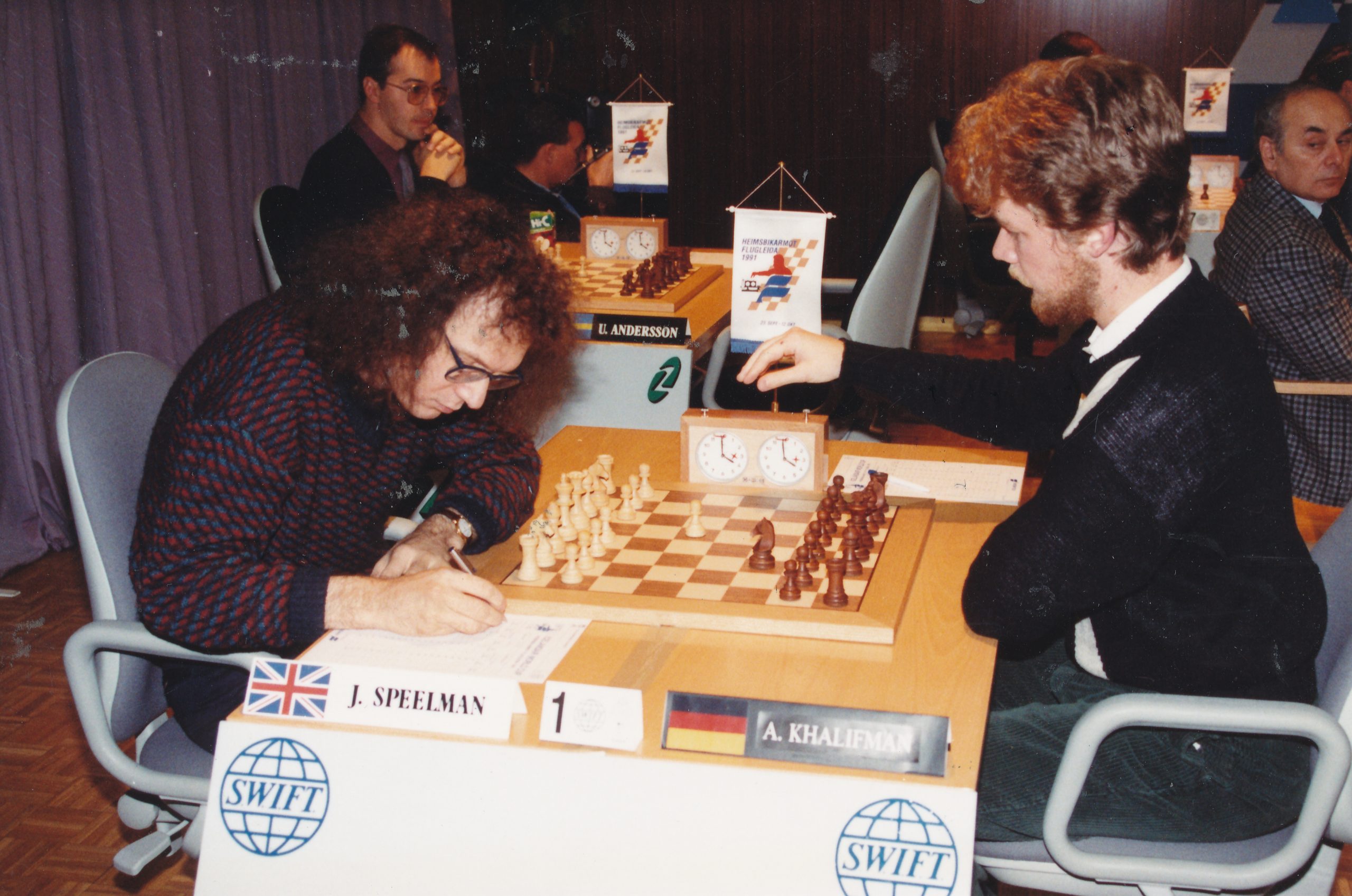
JS plays Alexander Khalifman during the SWIFT World Cup in Reykjavik, 1991. The game was drawn

I first competed in the British Championship at Brighton in 1972. After a good start, beating Michael Basman in the first round and drawing with Craig Pritchett in the second, I lost to Haygarth in round three. Thereafter, I found it incredibly difficult to win games. My old British Chess Magazine reminds me that I succeeded in winning in round nine, but that was the only one after round one. I finished with 4.5/11.
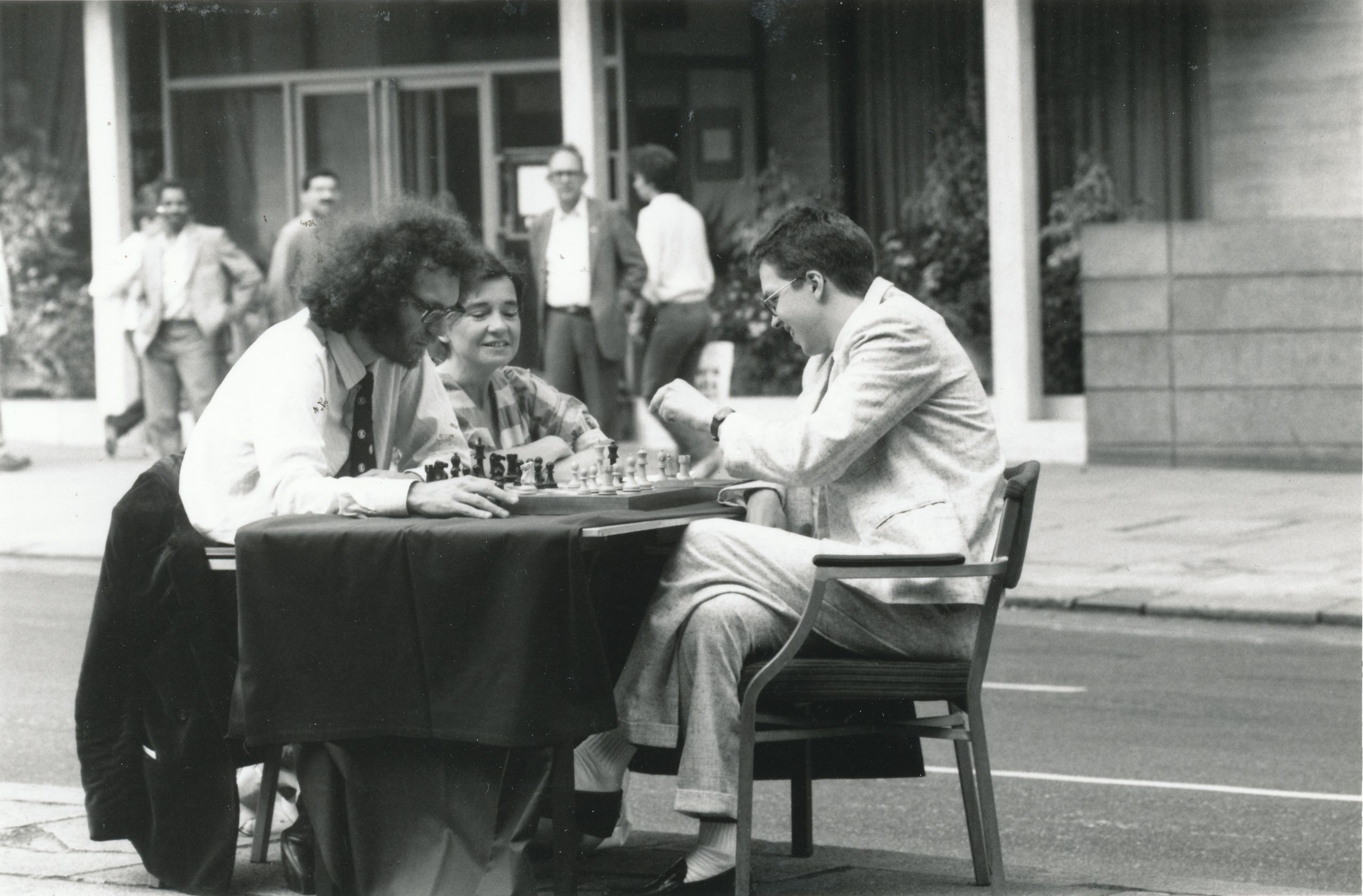
JS, Jana Bellin and Nigel Short in a publicity shoot outside Simpsons in the Strand

A year later at Eastbourne I was still finding it hard to win games. Again I finished with 4.5/11. By Clacton, 1974 I had improved. A loss in the last round to the eventual winner Botterill left me a point behind the seven (!) who had to play off for the title.

I competed at Morecambe, 1975 and Portsmouth, 1976, missing only Brighton, 1977 when the students team was in Mexico. By Ayr, 1978 I was probably one of the favourites along with Jonathan Mestel, who ran away with the tournament in Portsmouth,
1976, George Botterill, the defending champion, and some others.
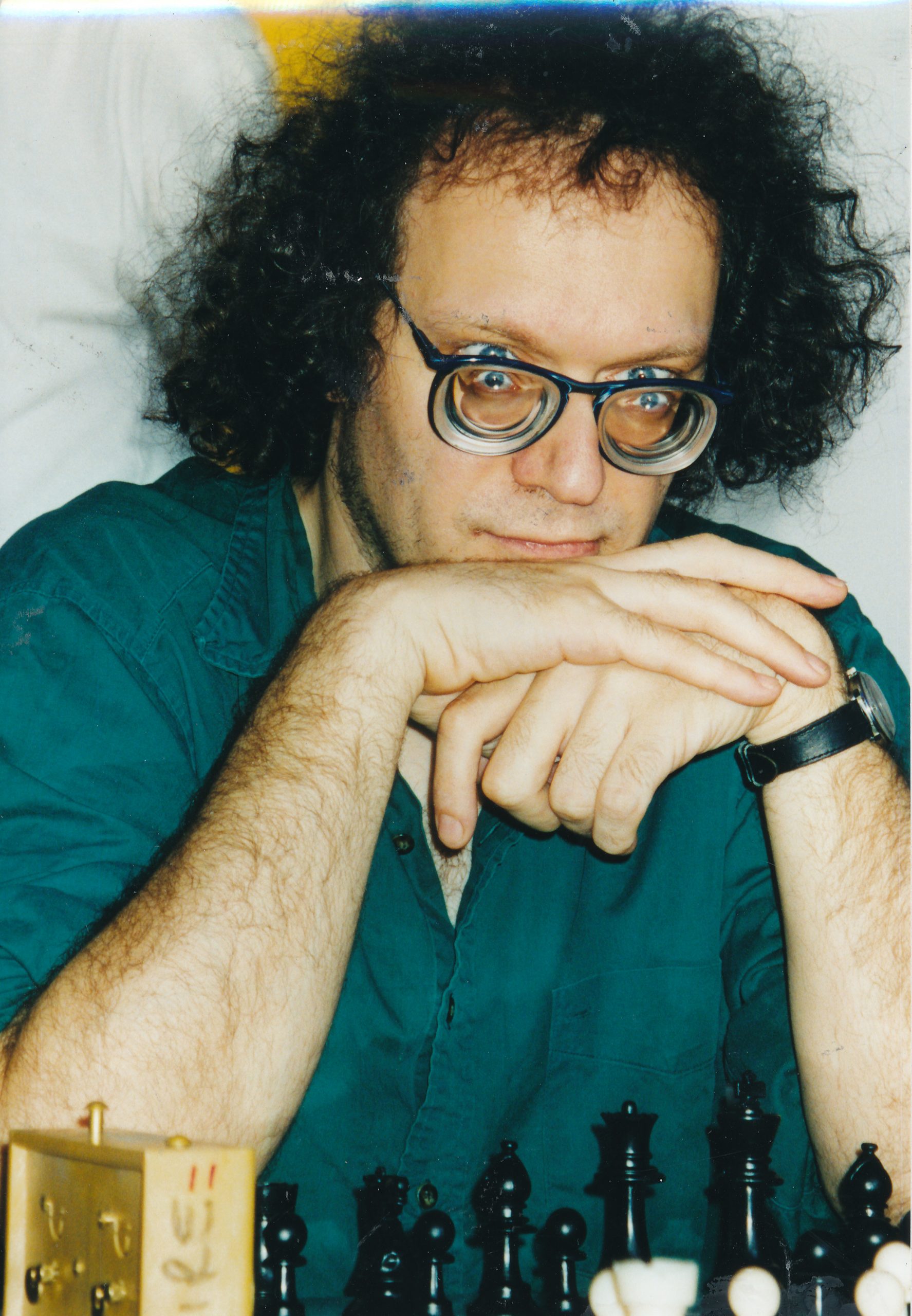
Jonathan shows off his all seeing four eyes

In fact I won at Ayr. I played quite well throughout. ln the last round half a point ahead of Mestel I played a quick draw with Webb but was lucky when Mestel could only draw with Clarke. Of course winning the British was a big breakthrough for me. But I feel that the most important psychological change came in 1974 when I started to discover that it is possible to win games in the British Championship.
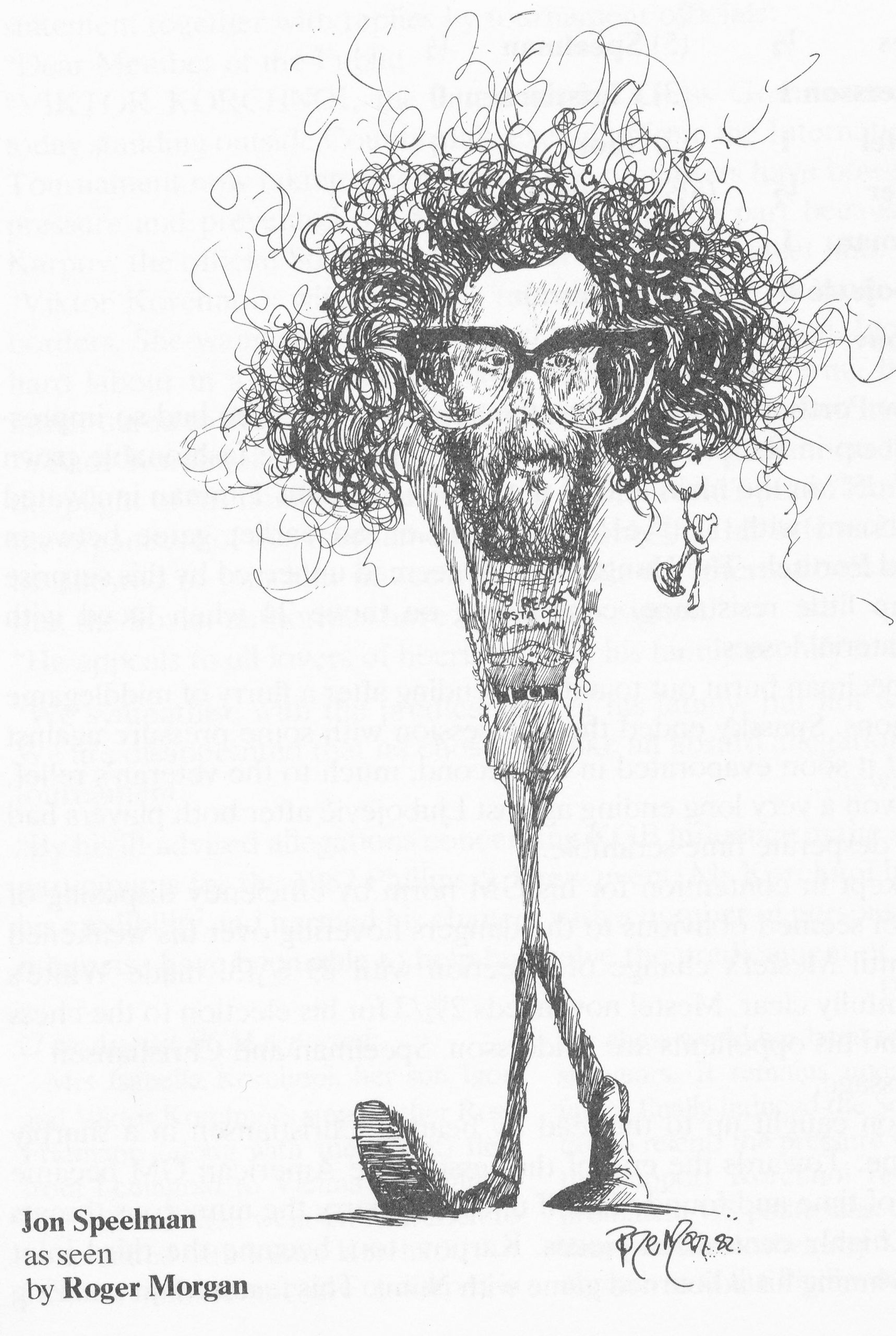
Jonathan Simon Speelman (02-x-1956) as imagined by Roger Morgan, 1982

Since late 1978 I have made no dramatic breakthrough but have, I believe, almost imperceptibly made the change from a ‘medium’ to a ‘strong’ international master.
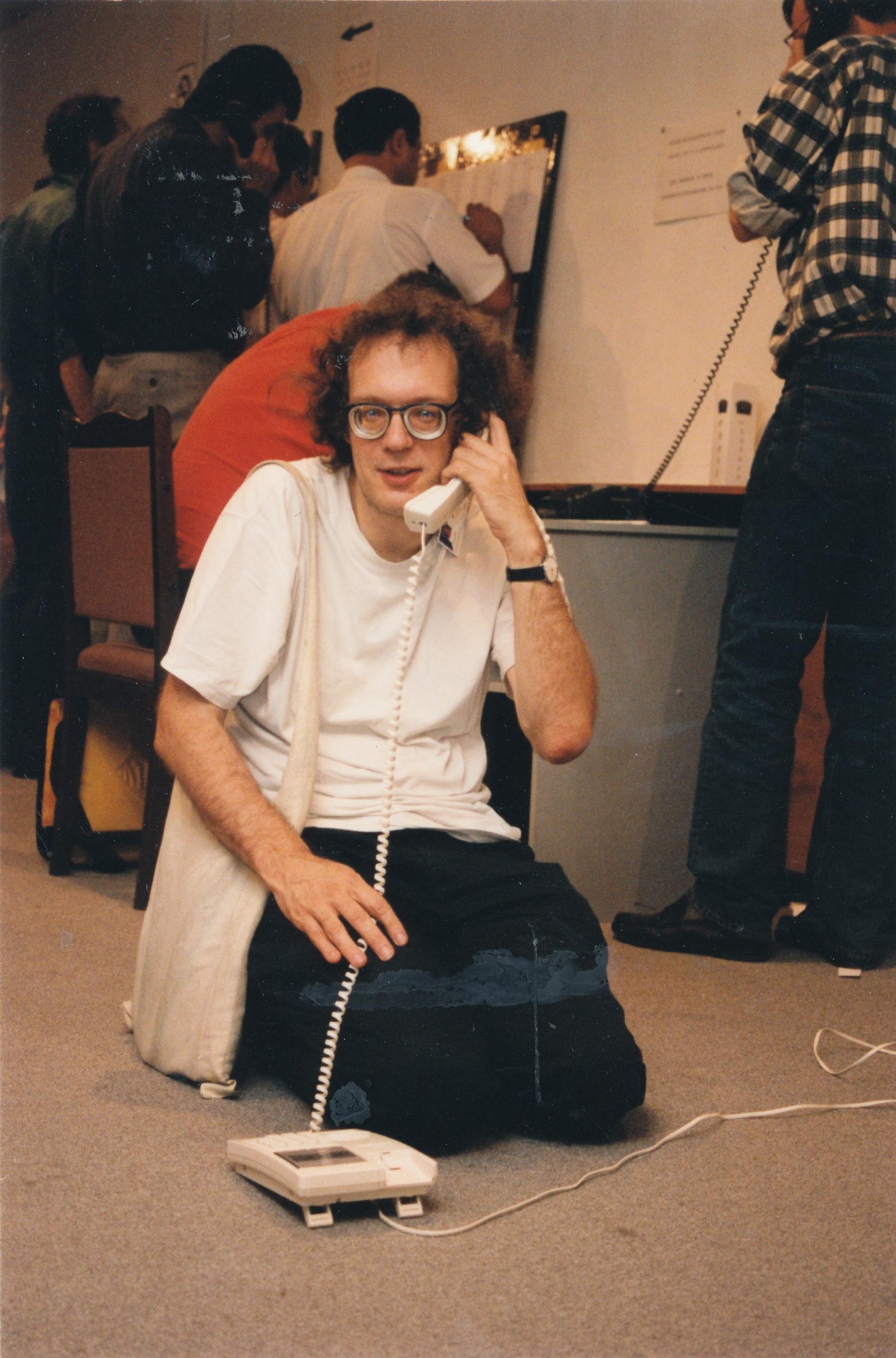
Jonathan Speelman telephones good news

I’ve selected three games to go with this article. The one with Larsen I’ve already mentioned. Mihaljcisin-Speelman I like as a game in which I played very actively as Black.

The game against Biyiasis is a good ‘rough and tumble’ not free from errors of course – but wouldn’t that be boring?

To find out more about JSs chess career we suggest you read his autobiography :
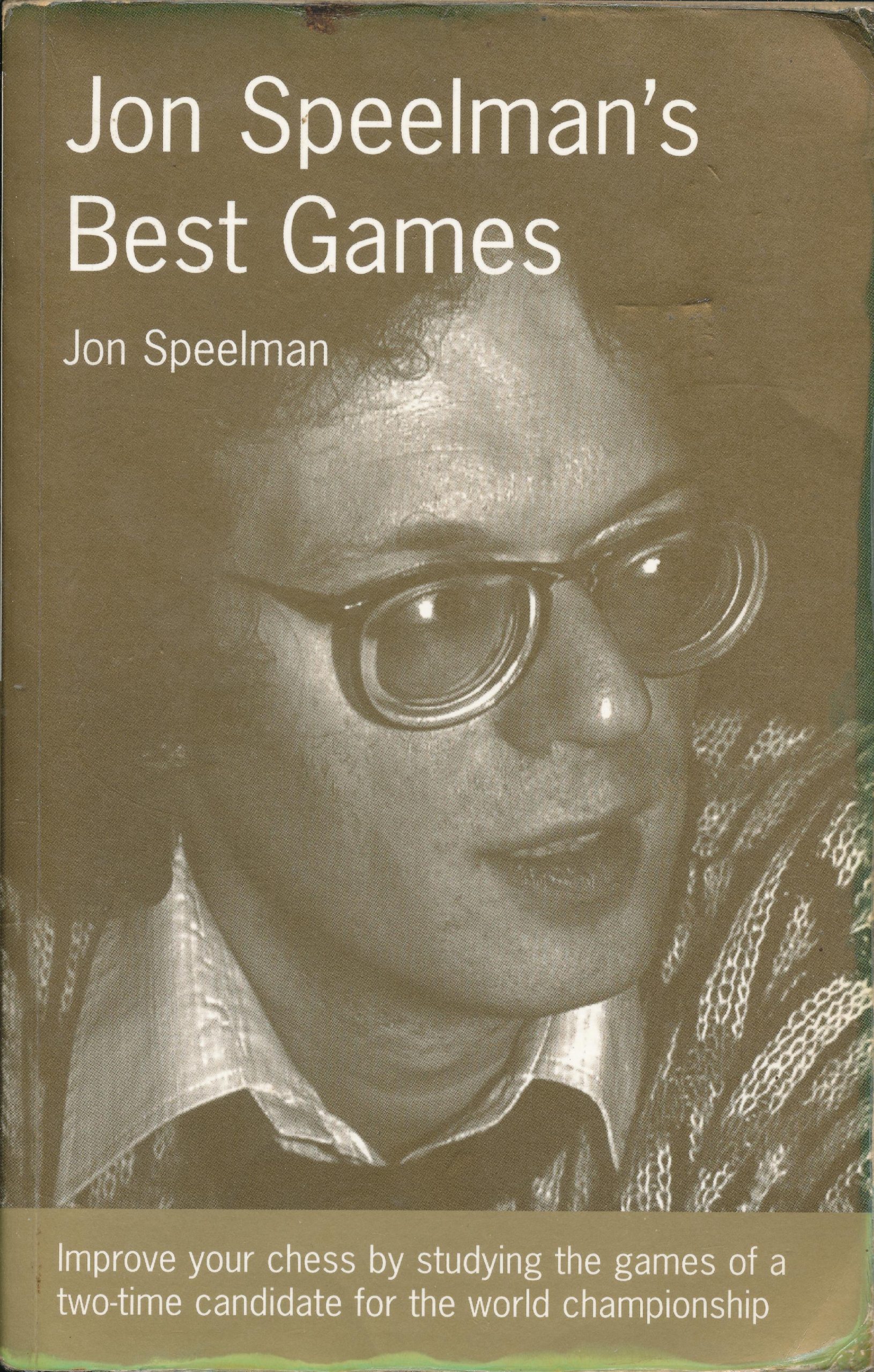
Speelman, Jon (1997). Jon Speelman's Best Games. B.T. Batsford (London, England). 240 pages. ISBN 978-0-7134-6477-1.
Speelman, Jon (1997). Jon Speelman’s Best Games. B.T. Batsford (London, England). 240 pages. ISBN 978-0-7134-6477-1.

which contains many heavily annotated games.


From The Oxford Companion to Chess (OUP, 1984) by Hooper & Whyld :

“British Champion in 1978, Speelman played at Mexico City later that year in the English team that won (ahead of the USSR) the world’s first youth teams (under-26) championship.
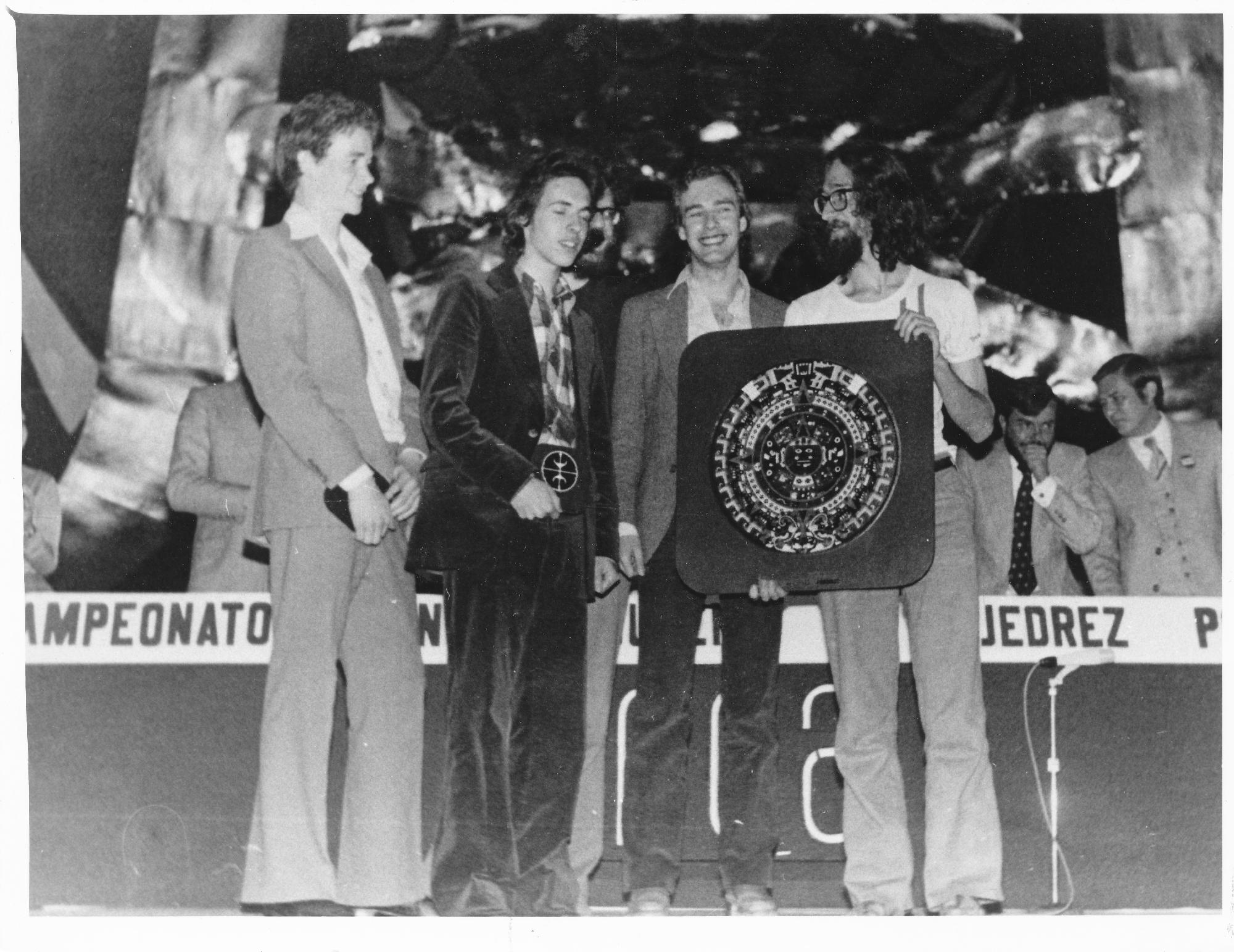
(from l-r) Jonathan Kinlay, Shaun Taulbut, Jonathan Speelman, David Goodman and Jonathan Mestel accepting 1st prize at the 1978 World U26 Student Olympiad in Mexico City

Two good performances in 1980, as score of +5=5-3 to share fourth place in the category 13 London tournament and a second place (+6=7) at Maribor, brought him the title of International Grandmaster (1980). His subsequent achievements include : Dortmund 1981, first (+5=6) equal with Ftacnik and Kuzmin; Hastings 1981-2, second equal with Smyslov after Kupreichik; and London 1982, category 14, +2=10-1 to share fourth place. An excellent analyst, Speelman has written several books, among them Best Chess Games 1970-1980 (1982).”
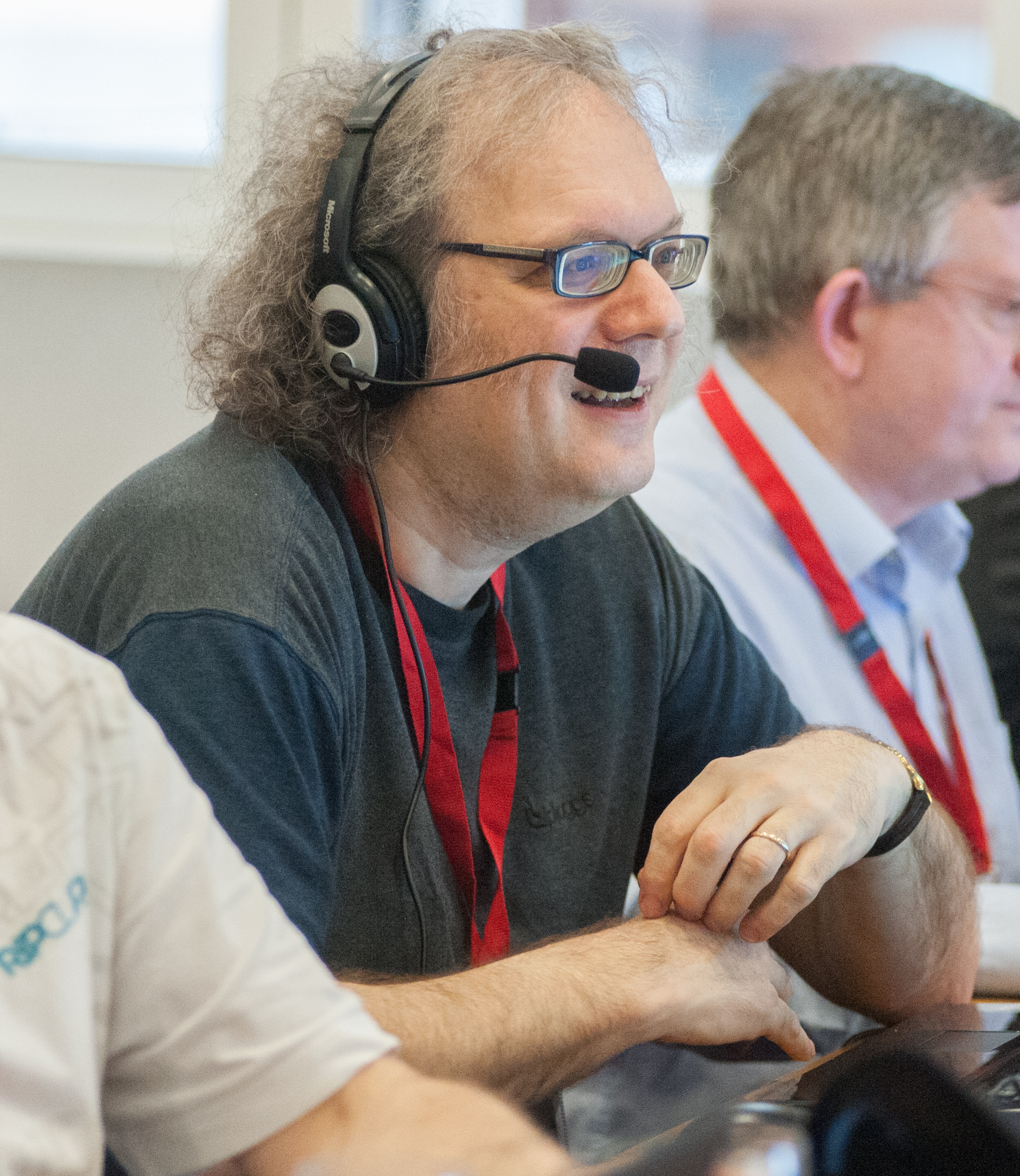
GM Jonathan Speelman

From Wikipedia :
A winner of the British Chess Championship in 1978, 1985 and 1986, Speelman has been a regular member of the English team for the Chess Olympiad, an international biennial chess tournament organised by FIDE, the World Chess Federation.

In 1989, he beat Kasparov in a televised speed tournament, and then went on to win the event.

In the April 2007 FIDE list, Speelman had an Elo rating of 2518, making him England’s twelfth-highest-rated active player.

He qualified for two Candidates Tournaments:

In the 1989–1990 cycle, Speelman qualified by placing third in the 1987 interzonal tournament held in Subotica, Yugoslavia. After beating Yasser Seirawan in his first round 4–1, and Nigel Short in the second round 3½–1½, he lost to Jan Timman at the semi-final stage 4½–3½.
In the following 1990–93 championship cycle, he lost 5½–4½ in the first round to Short, the eventual challenger for Garry Kasparov’s crown.
Speelman’s highest ranking in the FIDE Elo rating list was fourth in the world, in January 1989.
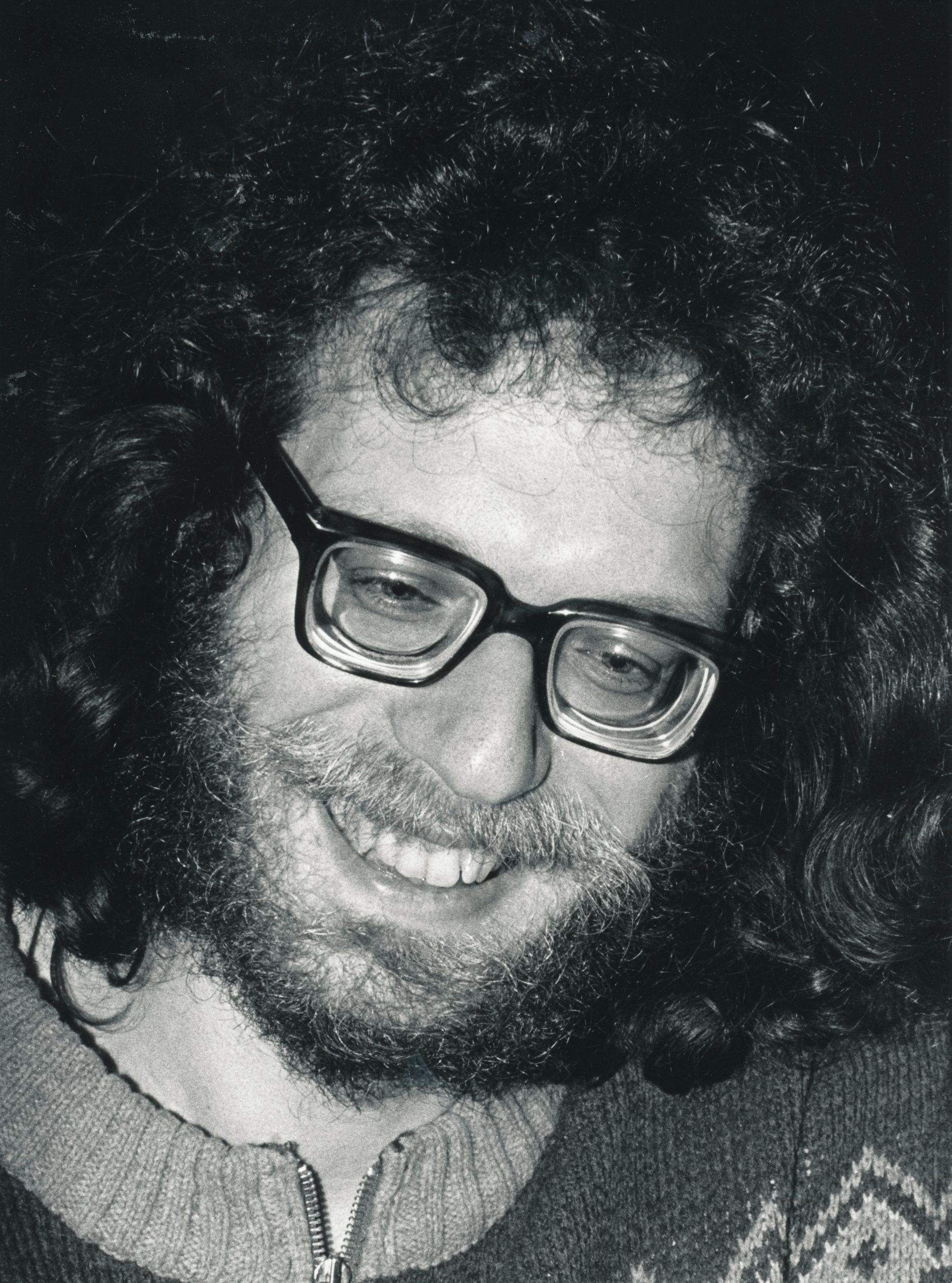
Jonathan Speelman in happy mood

Writing
He has written a number of books on chess, including several on the endgame, among them Analysing the Endgame (1981), Endgame Preparation (1981) and Batsford Chess Endings (co-author, 1993).

Among his other books are Best Games 1970–1980 (1982), an analysis of nearly fifty of the best games by top players from that decade, and Jon Speelman’s Best Games (1997). Today he is primarily a chess journalist and commentator, being the chess correspondent for The Observer and The Independent and sometimes providing commentary for games on the Internet Chess Club.
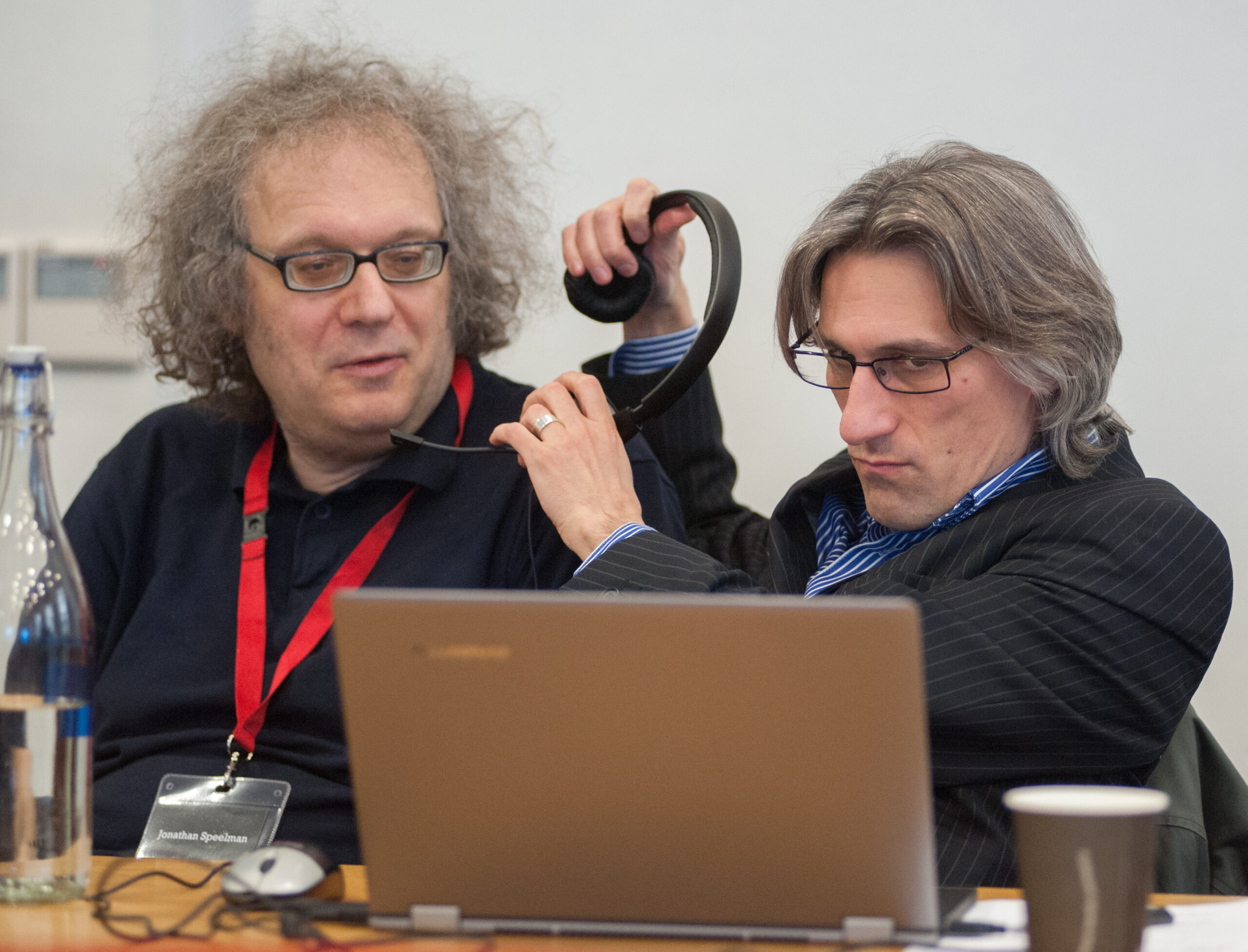
Jonathan Speelman and Daniel King share headphones at the 2013 FIDE Candidates event in London
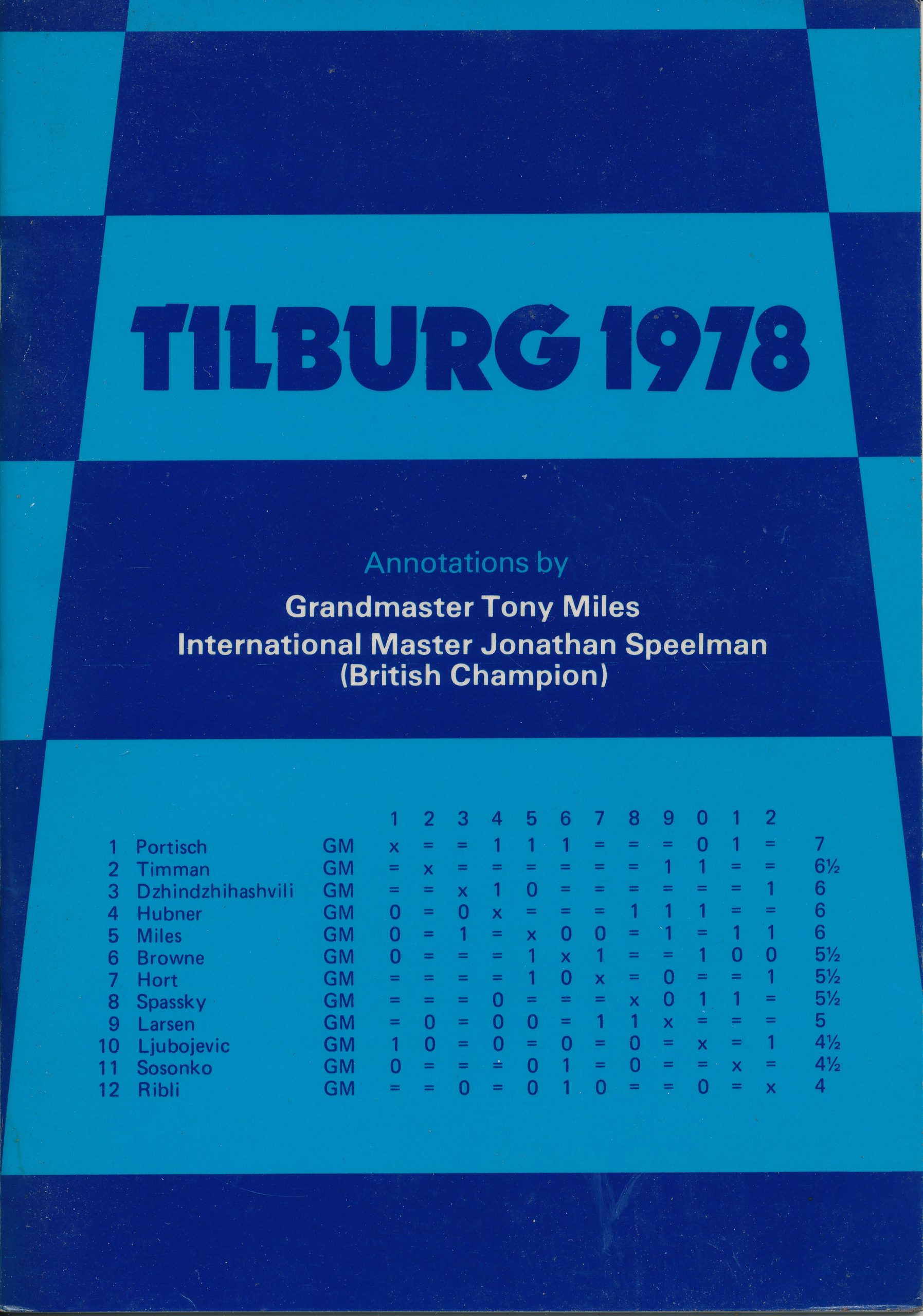
Tilburg 1978, Tony Miles & Jonathan Speelman, Master Chess Publications, 1978
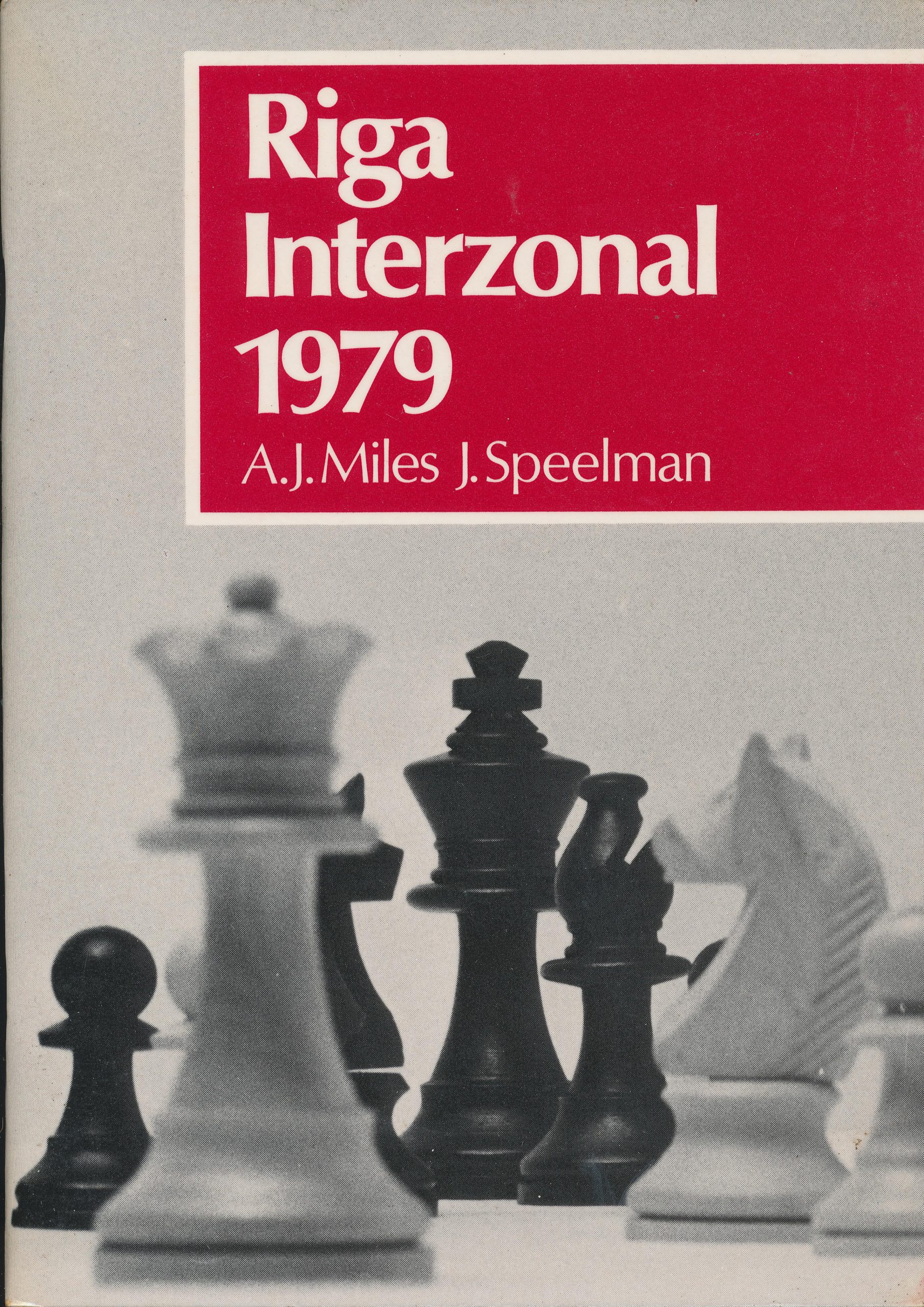
Riga Interzonal 1979, AJ Miles & J Speelman, Batsford, 1979, ISBN 0 7134 3429 5

Speelman, Jonathan (1981). Analysing the Endgame. Batsford (London, England). 142 pages. ISBN 978-0-7134-1909-2.
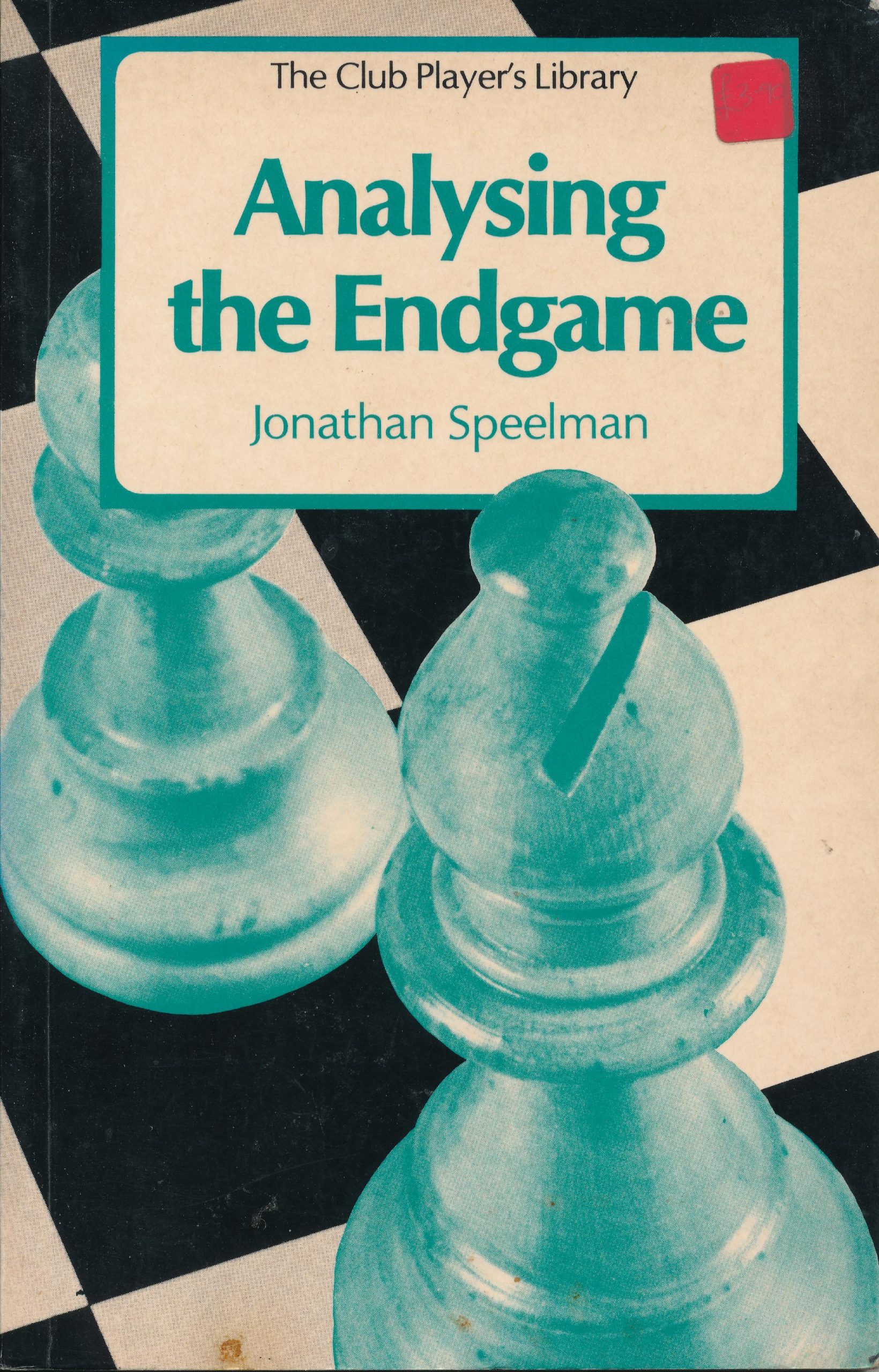
Speelman, Jonathan (1981). Analysing the Endgame. Batsford (London, England). 142 pages. ISBN 978-0-7134-1909-2.

Speelman, Jonathan (1981). Endgame Preparation. B.T. Batsford (London, England). 177 pages. ISBN 978-0-7134-4000-3.
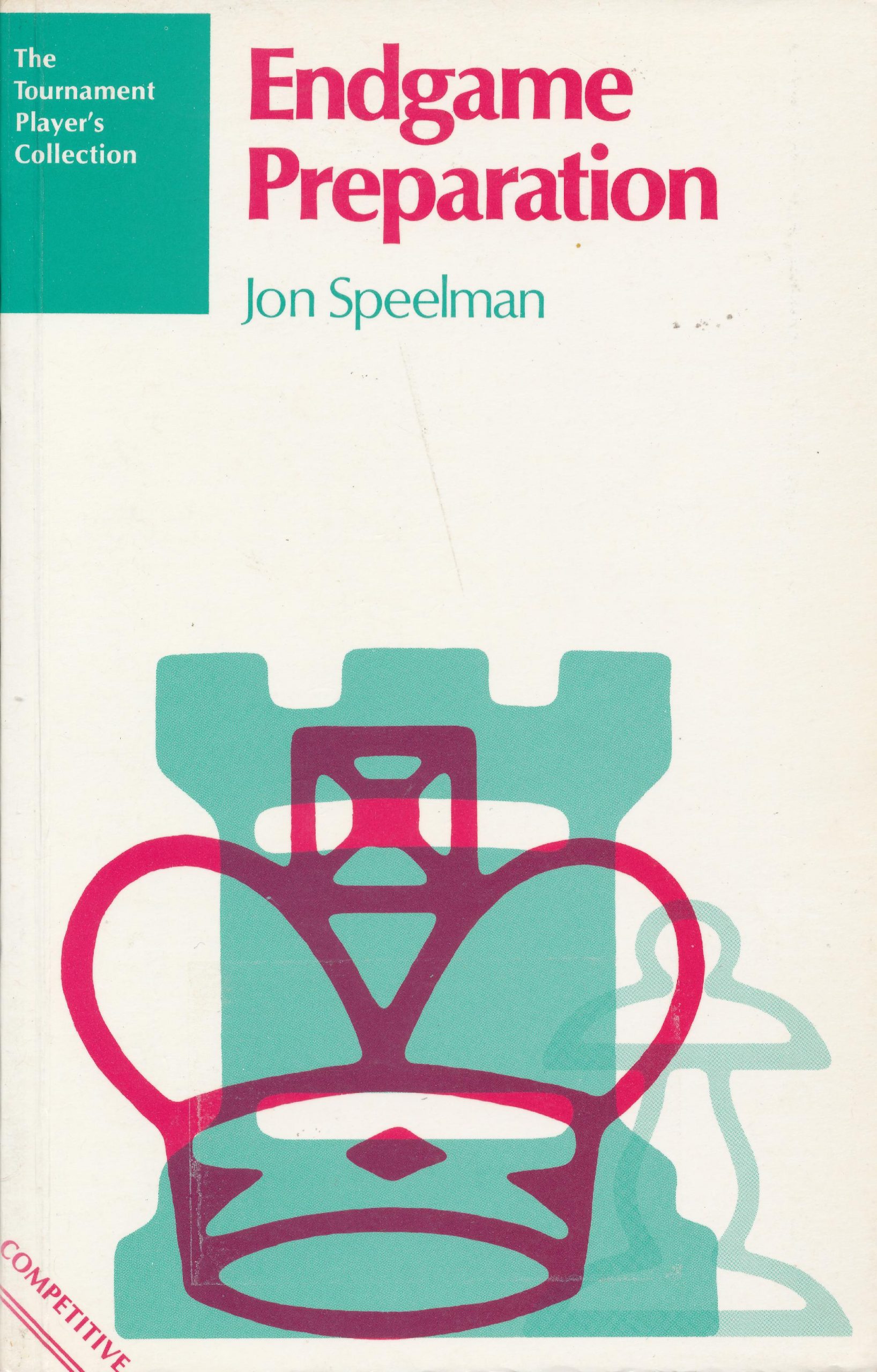
Speelman, Jonathan (1981). Endgame Preparation. B.T. Batsford (London, England). 177 pages. ISBN 978-0-7134-4000-3.

Speelman, Jon (1982). Best Chess Games, 1970-80. Allen & Unwin (London, England; Boston, Massachusetts). 328 pages. ISBN 978-0-04-794015-6.
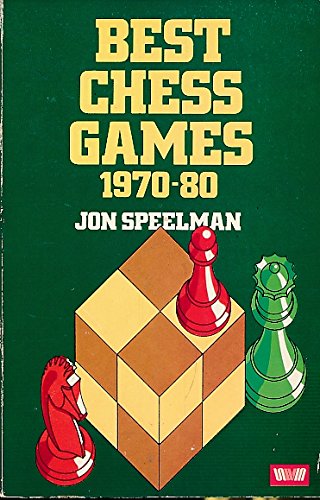
Speelman, Jon (1982). Best Chess Games, 1970-80. Allen & Unwin (London, England; Boston, Massachusetts). 328 pages. ISBN 978-0-04-794015-6.

Speelman, Jon; Livshits, August (1988). Test Your Endgame Ability. BT Batsford (London, England). 201 pages. ISBN 0-7134-5567-5
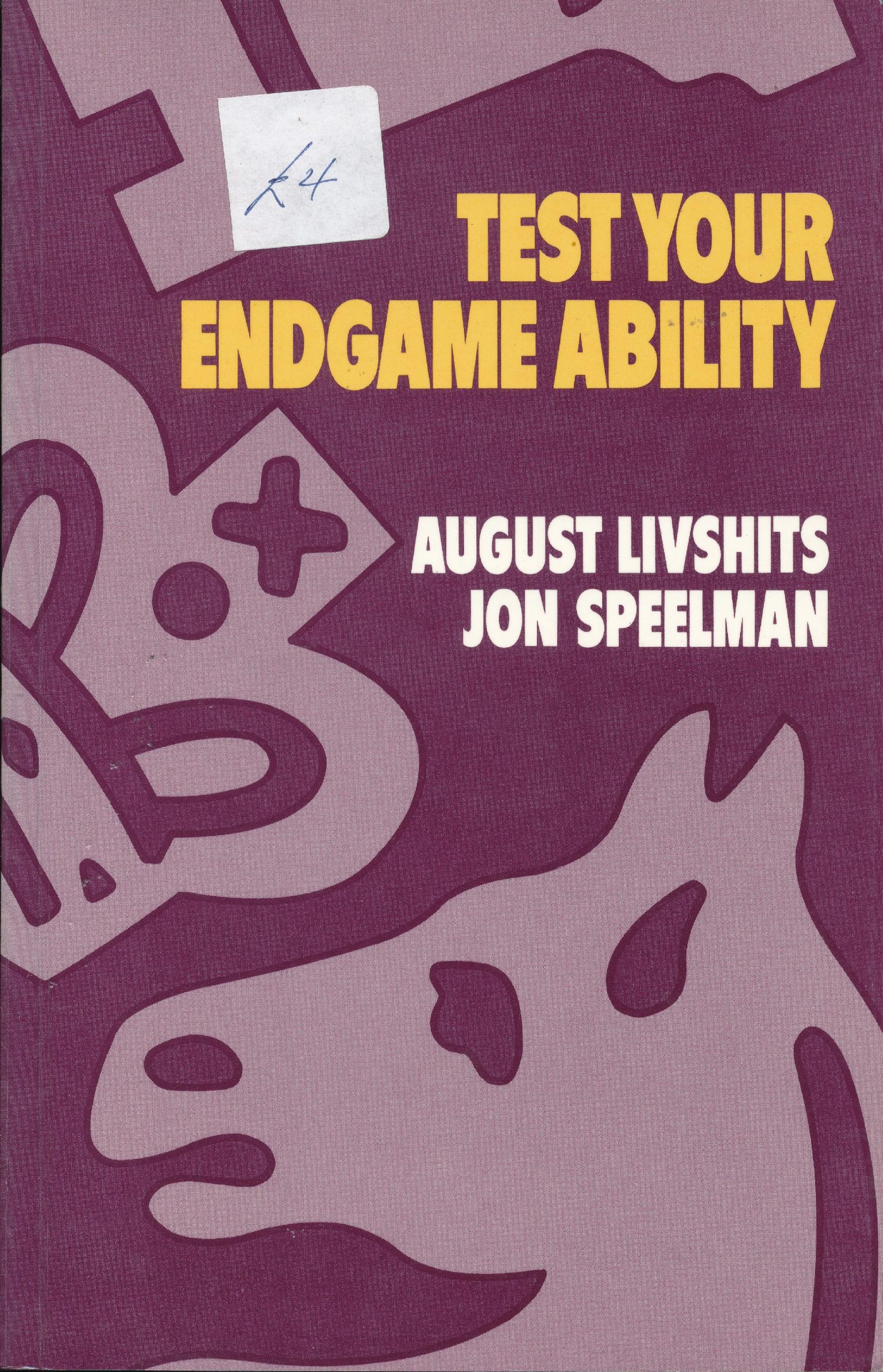
Speelman, Jon; Livshits, August (1988). Test Your Endgame Ability. BT Batsford (London, England). 201 pages. ISBN 0-7134-5567-5

Speelman, Jon (1992). New Ideas in the Caro-Kann Defence. BT Batsford (London, England). 155 pages. ISBN 0-7134-6915-3.
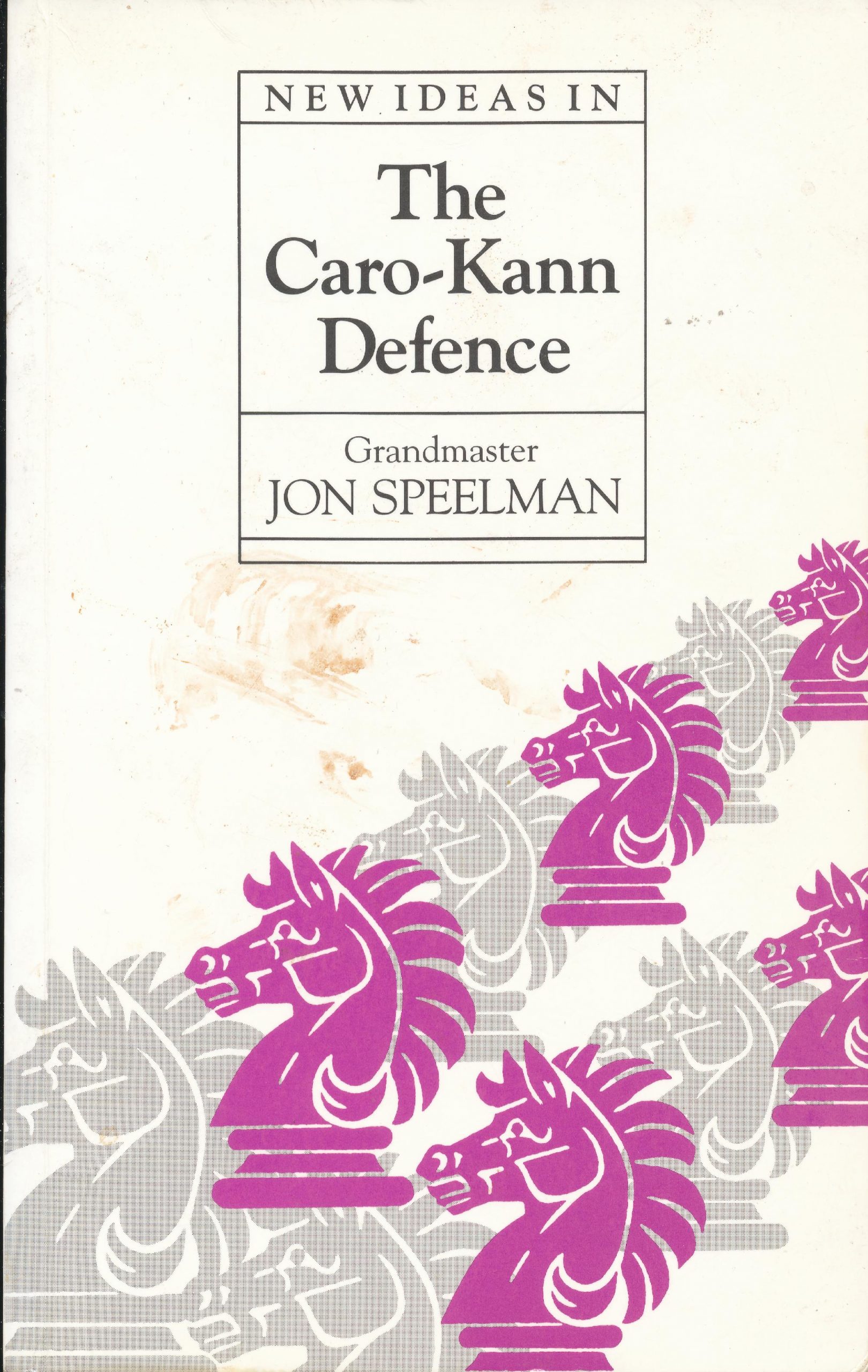
Speelman, Jon (1992). New Ideas in the Caro-Kann Defence. BT Batsford (London, England). 155 pages. ISBN 0-7134-6915-3.

Speelman, Jonathan; Tisdall, Jon; Wade, Bob. (1993). Batsford Chess Endings. B.T. Batsford (London, England). 448 pages. ISBN 978-0-7134-4420-9.
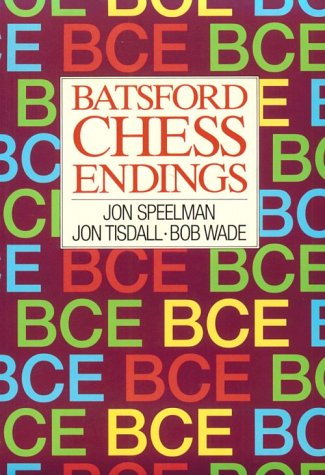
Speelman, Jonathan; Tisdall, Jon; Wade, Bob. (1993). Batsford Chess Endings. B.T. Batsford (London, England). 448 pages. ISBN 978-0-7134-4420-9.

Speelman, Jon (1997). Jon Speelman’s Best Games. B.T. Batsford (London, England). 240 pages. ISBN 978-0-7134-6477-1.
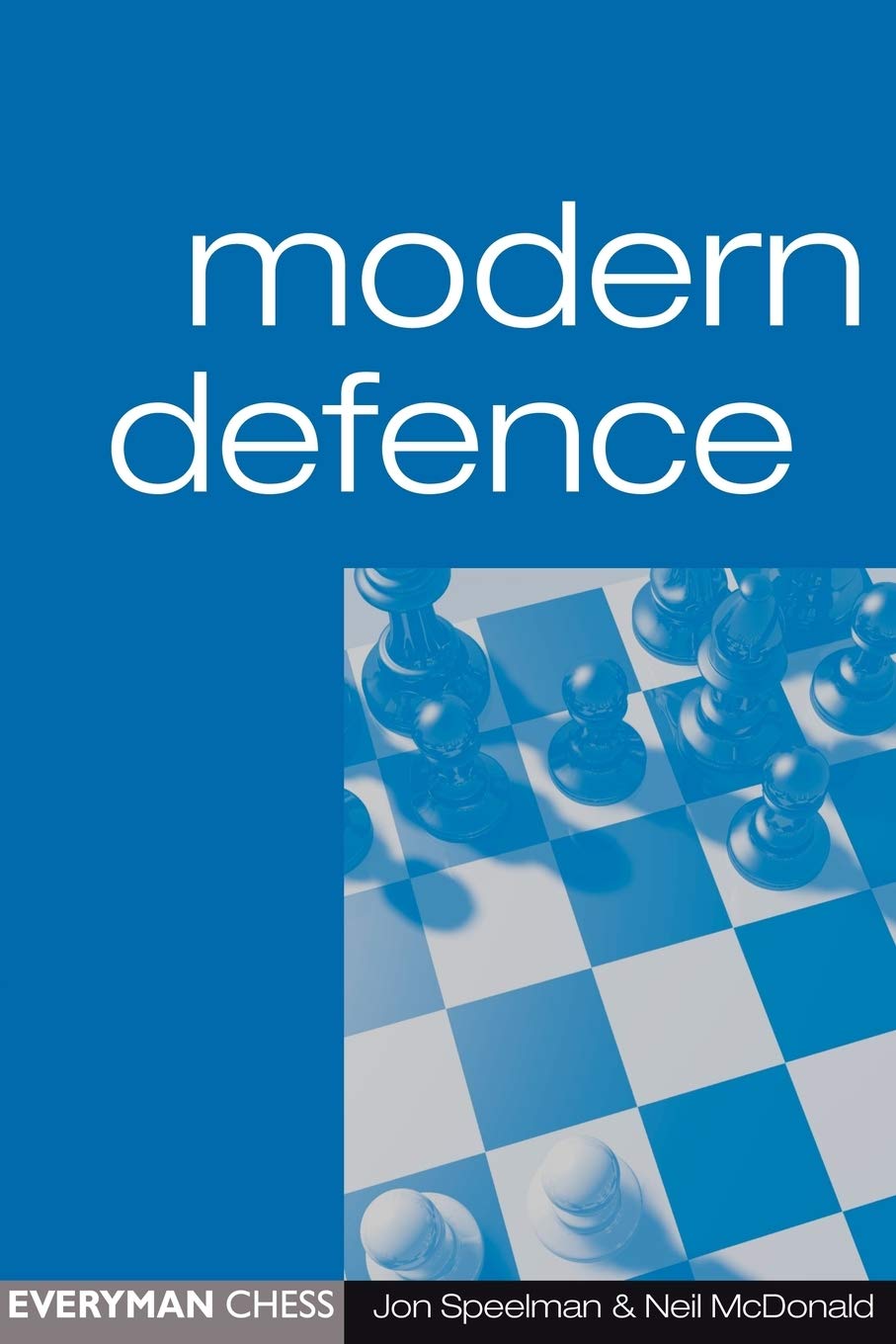
Modern Defence. Everyman, 2000

Speelman, Jon (2008). Jon Speelman’s Chess Puzzle Book. Gambit Publications Ltd. 143 pages. ISBN 978-1-904600-96-1.
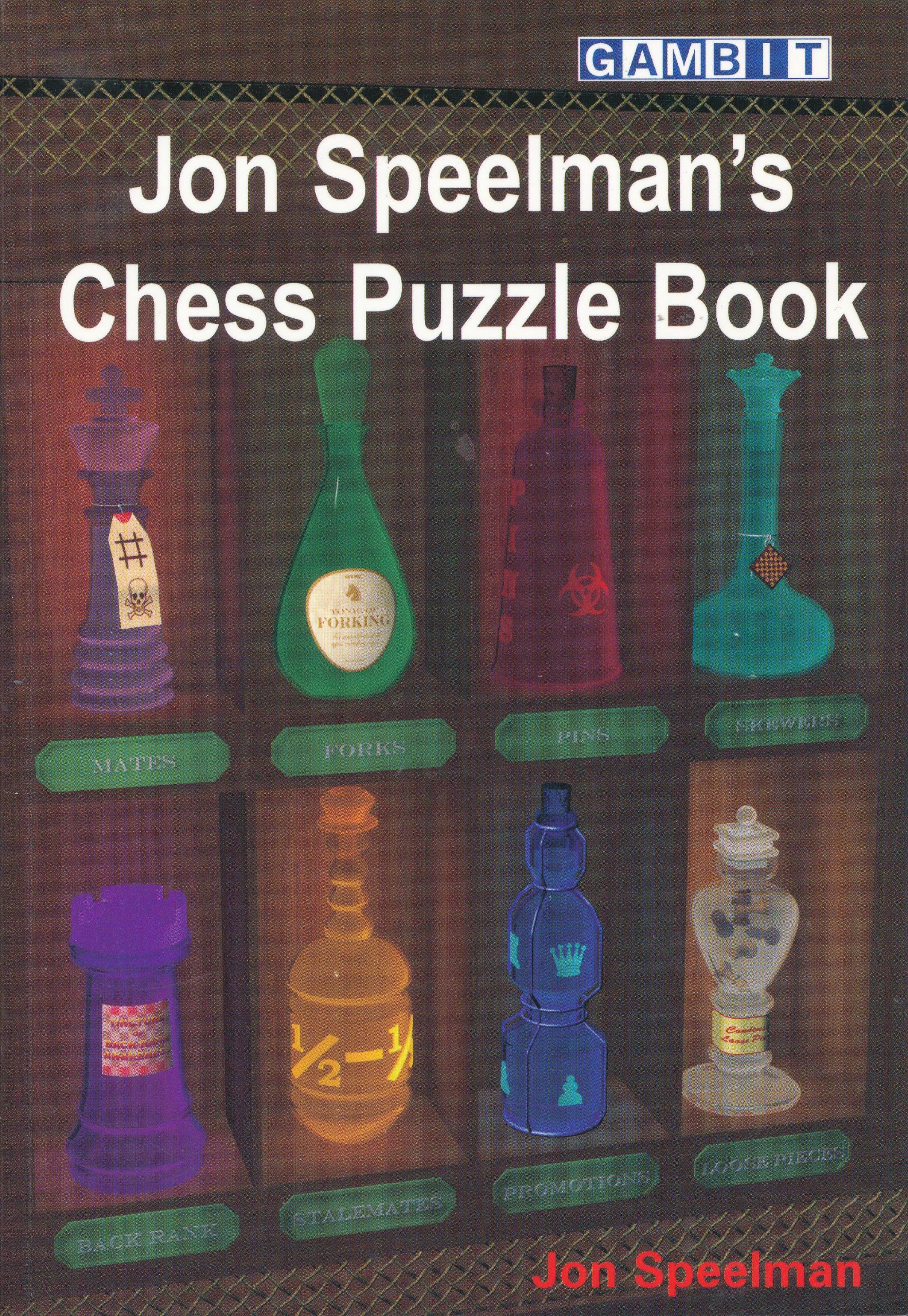
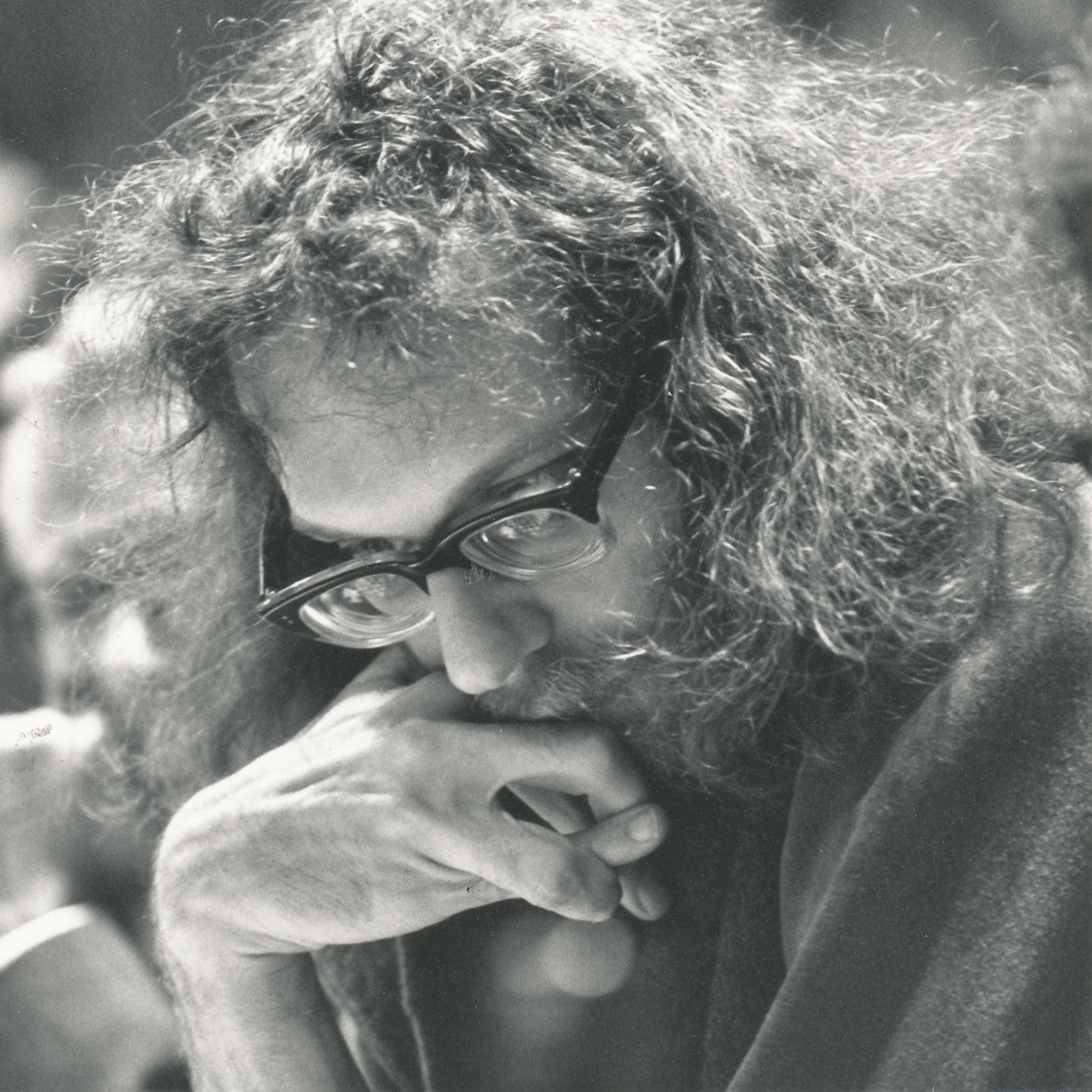
Speelman, Jon (2008). Jon Speelman's Chess Puzzle Book. Gambit Publications Ltd. 143 pages. ISBN 978-1-904600-96-1.
Speelman, Jon (2008). Jon Speelman’s Chess Puzzle Book. Gambit Publications Ltd. 143 pages. ISBN 978-1-904600-96-1.
Jonathan Speelman
Jonathan Speelman
 Save as PDF

Happy 80th Birthday WCM Dinah Norman (21-viii-1946)

BCN wishes Happy Birthday to Dinah Norman on August 21st

Dinah Margaret Dobson was born on Wednesday, August 21st 1946 in Exeter, Devon. Her parents were Leslie and Barbara Dobson (née Hayward).

She was taught to play Chess by her late father at the age of 9. Started playing seriously when she attended Rickmansworth Grammar School and Watford Chess Club. Her first tournament was the London Girls Championship which she won in 1962. Dinah was coached by Leonard Barden and Bob Wade.

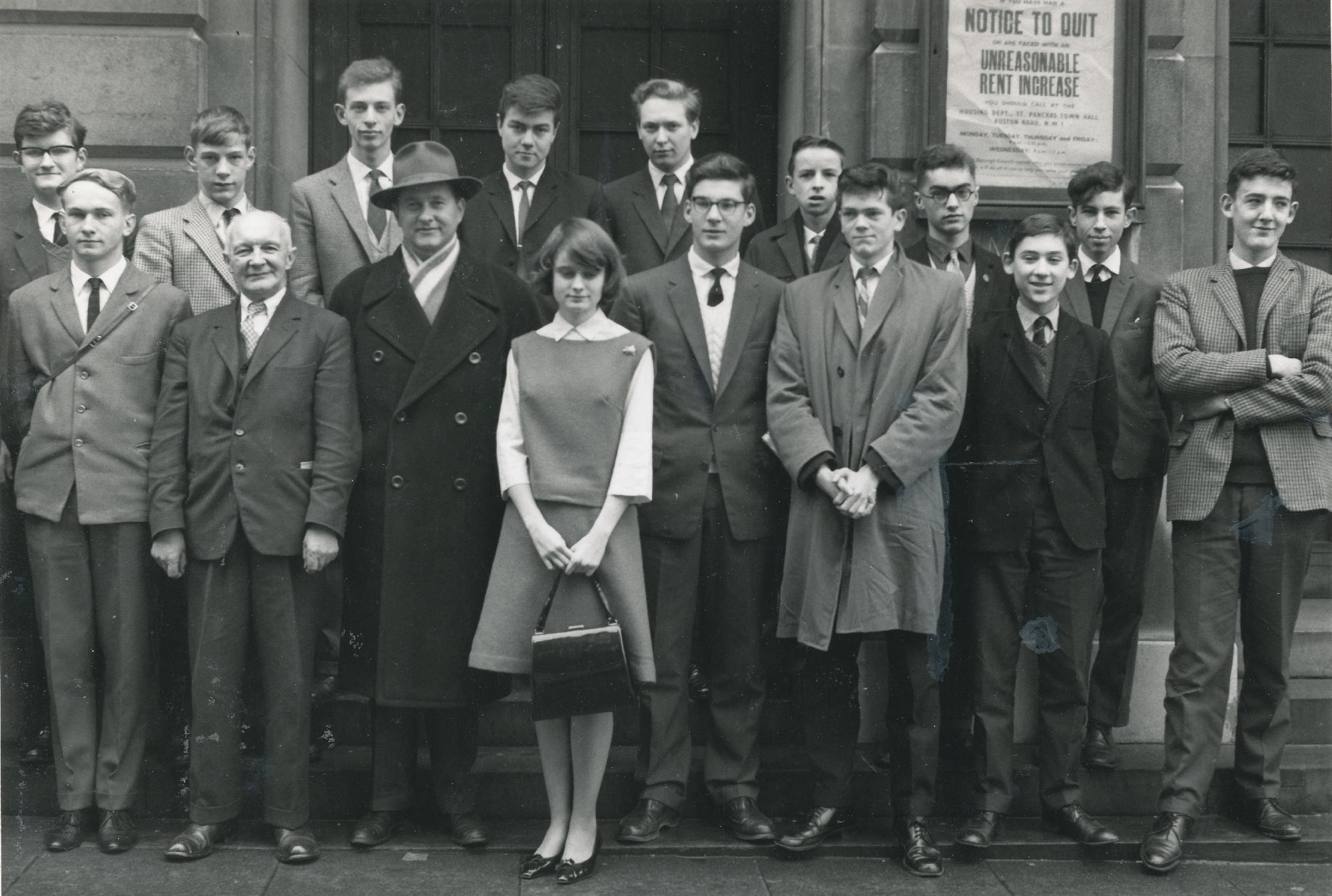
Some of the participants in the Paul Keres display on November 25th, 1962, at St Pancras Town Hall, London WC1. Back row : AJ. Whiteley, D. Floyer, PJ Collins, PJ Adams, RC Vaughan, KB Harman, D. Parr, DNL Levy, Front row : MV Lambshire, AE Hopkins (selector) Paul Keres, Miss D. Dobson, RE Hartley, BC Gillman, WR Hartston and PN Lee. Photograph by AM Reilly. Source : BCM, 1963, page 13

Dinah’s tournament successes were as follows :

1962 London Girls’ Champion
1963 Southern Counties (SCCU) Girls Champion
1963 Southern Counties (SCCU) Ladies’ Champion
1964 Joint British Girls Champion (three way tie with Gillian Moore and Marcia Syme)

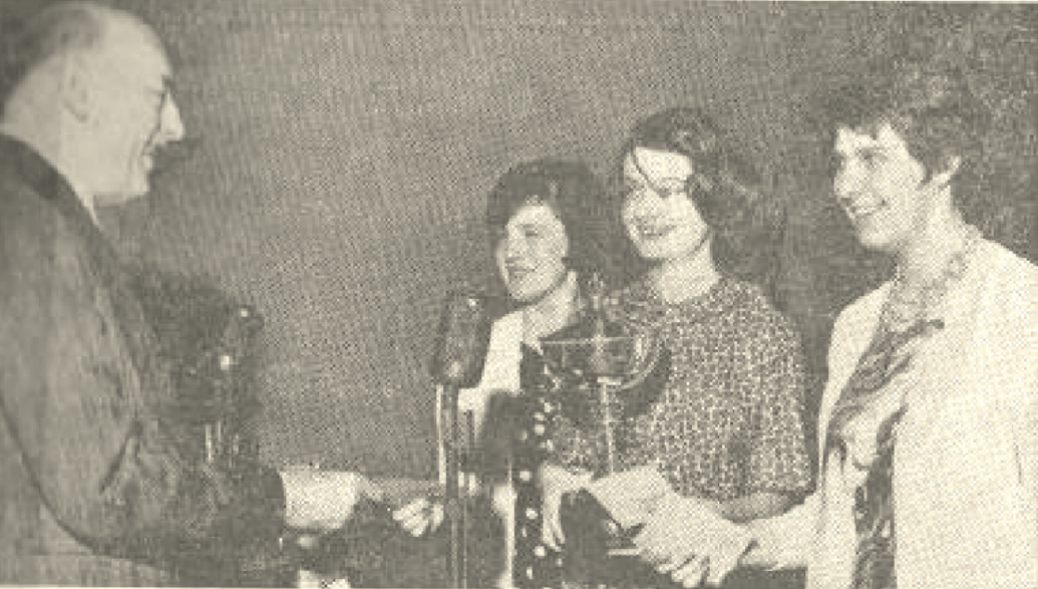
Marcia Syme, Dinah Dobson and Gillian Moore : 1964 joint British Girls's Champions
Marcia Syme, Dinah Dobson and Gillian Moore : 1964 joint British Girls’s Champions

Dinah played as 1st reserve for England in the third FIDE Women’s Olympiad in Oberhausen, Germany in 1966 and in 1969 she played board 1 in Lublin, Poland.

1967 and 1969 Joint British Lady Champion shared with Rowena Bruce after a 4 game playoff

1968 British Lady Champion
1970 American Open Ladies Champion
1975 Winner of first ever Female Grand Prix (as Dinah Wright)
1976 Winner of second Female Grand Prix
Dinah became a WCM in 2002.
She was 9th in the World Over 65 Ladies Championship held in Bled in November 2018.
She is current holder of the Gibraltar Cup.

According to chessgames.com : “Dinah Margaret Norman Dobson is a WCM. She was British champion (w) in 1967 (=Rowena Mary Bruce, Oxford), 1968 (Bristol) and 1969 (=Rowena Mary Bruce, Rhyl).”

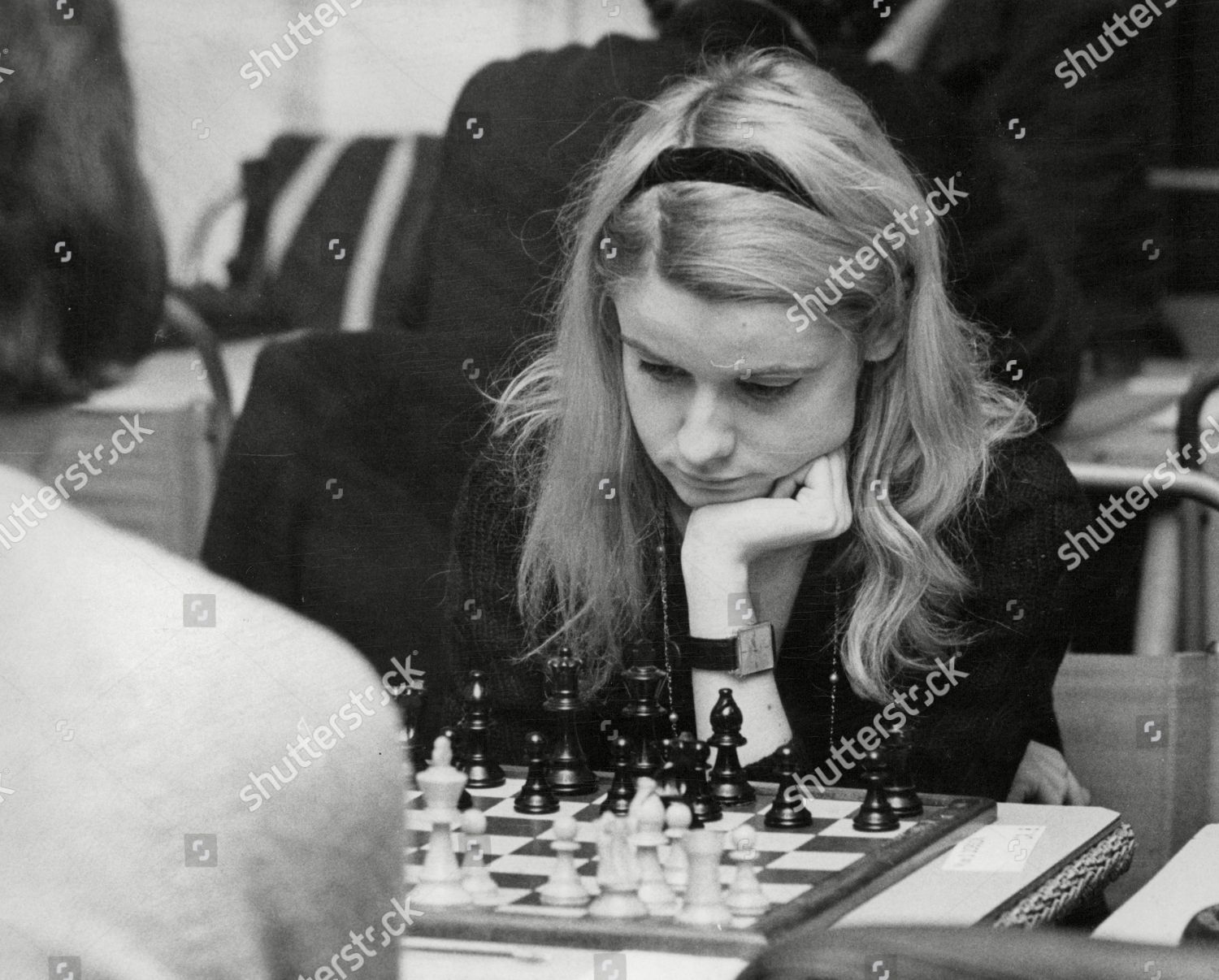
Dinah Dobson 22-year-old Champion British Chess Player Deep In Thought During Chess Competition In Hastings. Mandatory Credit: Photo by ANL/Shutterstock

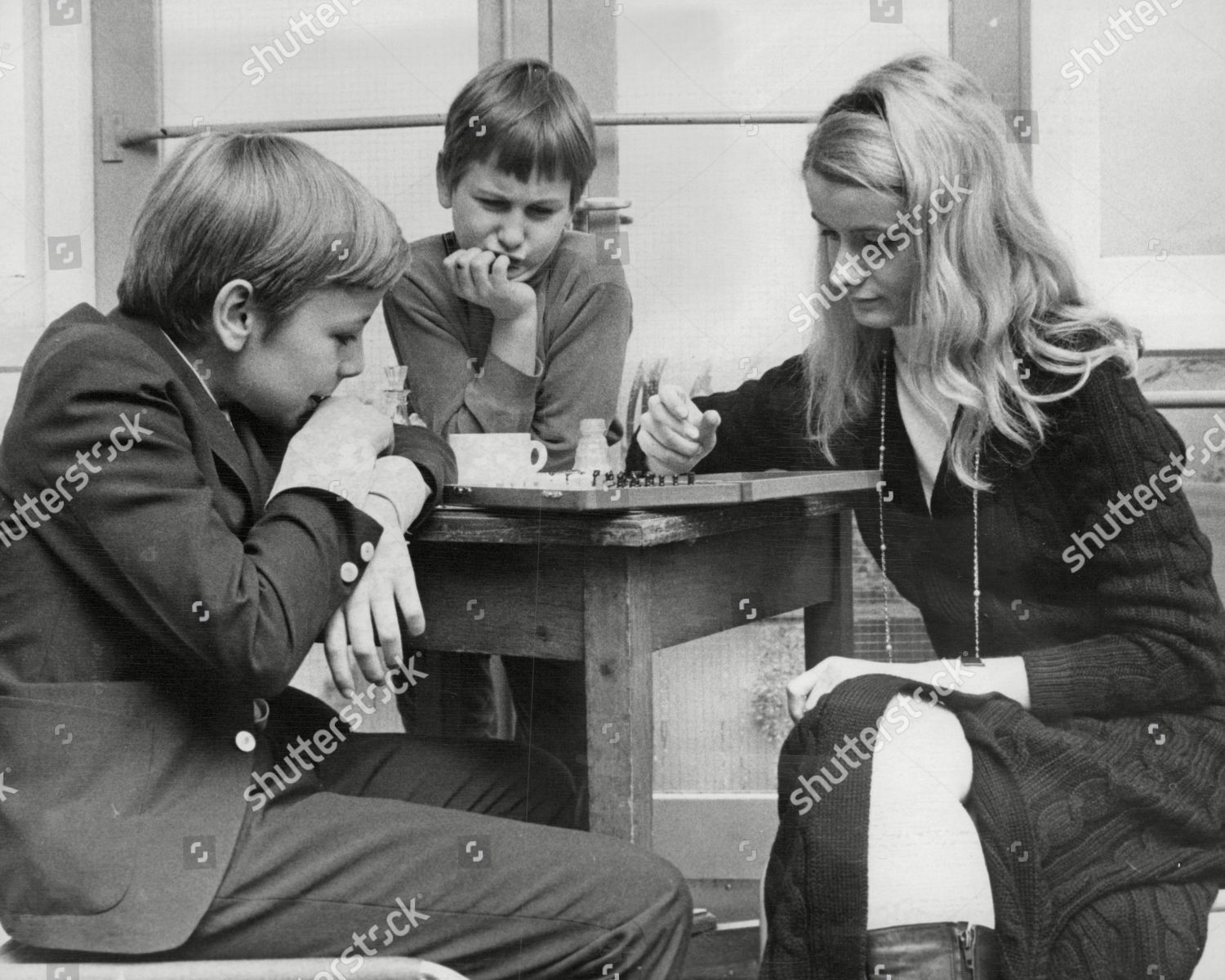
English Chess Champion Dinah Dobson Playing Against Two German Boys During Lunch-break At Chess Competition In Hastings. Box 658 221121512 A.jpg. English Chess Champion Dinah Dobson Playing Against Two German Boys During Lunch-break At Chess Competition In Hastings. Mandatory Credit: Photo by ANL/Shutterstock
English Chess Champion Dinah Dobson Playing Against Two German Boys During Lunch-break At Chess Competition In Hastings. Box 658 221121512 A.jpg.
English Chess Champion Dinah Dobson Playing Against Two German Boys During Lunch-break At Chess Competition In Hastings. Mandatory Credit: Photo by ANL/Shutterstock

She played in the 1968 Anglo-Dutch match on the Ladies board, which, at that time, did not count in the overall match result.

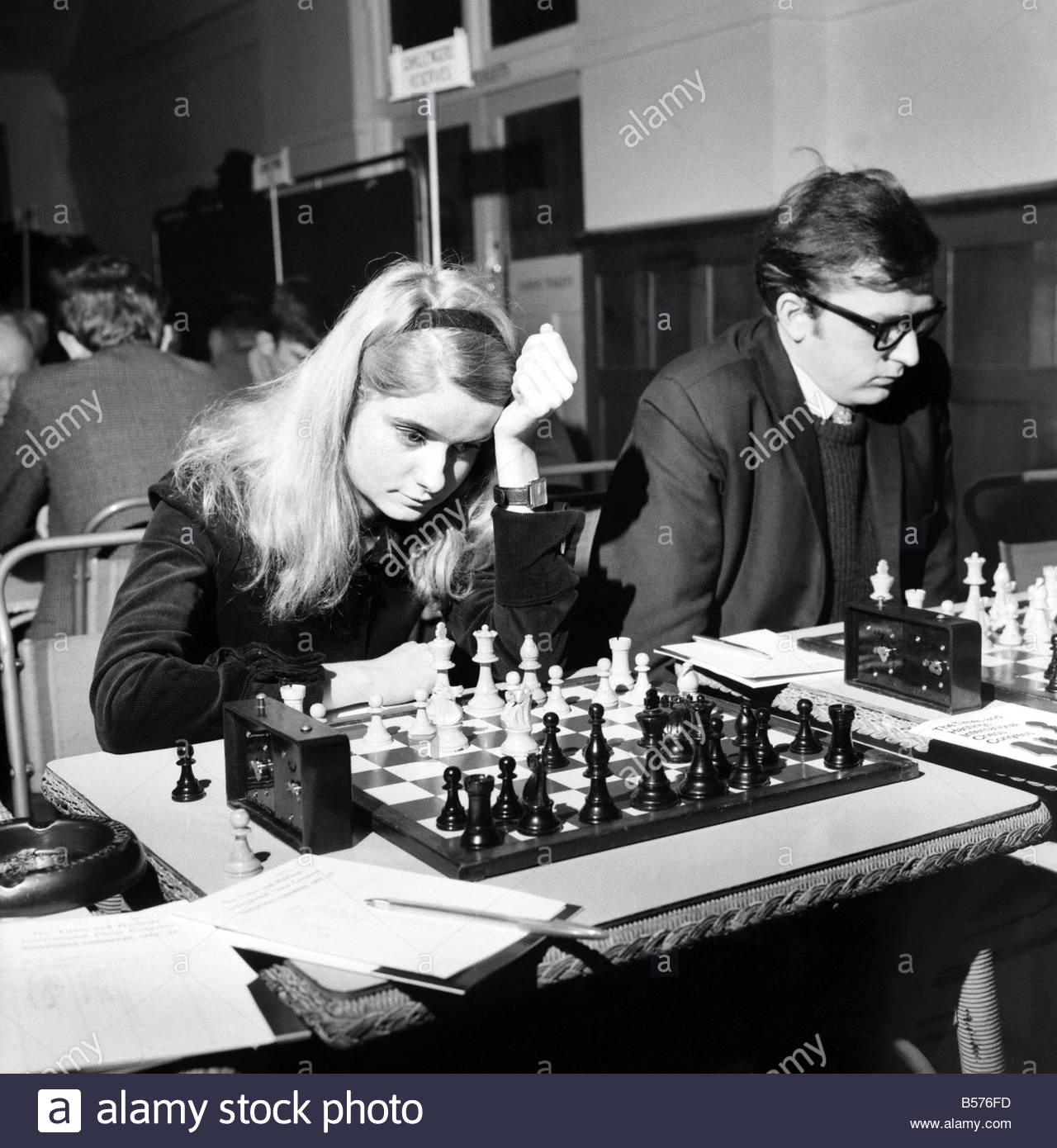
The Annual International Chess Championship opened today at Hasting. Dinah "Dobson," "23," of Northwood Middlesex. December 1969
The Annual International Chess Championship opened today at Hasting. Dinah “Dobson,” “23,” of Northwood Middlesex. December 1969

Now (1971) living in Northwood, Middlesex, she married Danny Wright in Westminster and in 1983 she married Ken Norman in Richmond.

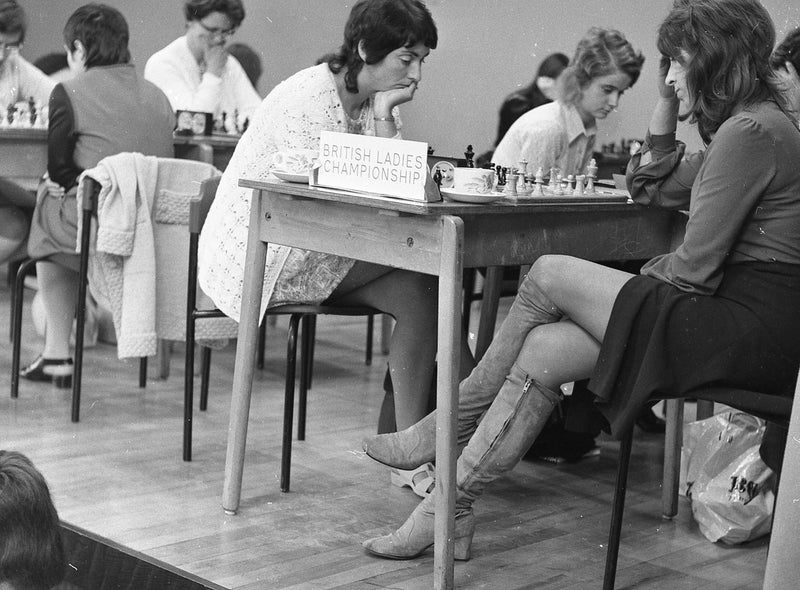
Dinah Wright (third from right) playing in the 1971 British Ladies Championship in Palatine School, Blackpool. Courtesy of Lancashire Evening Post.

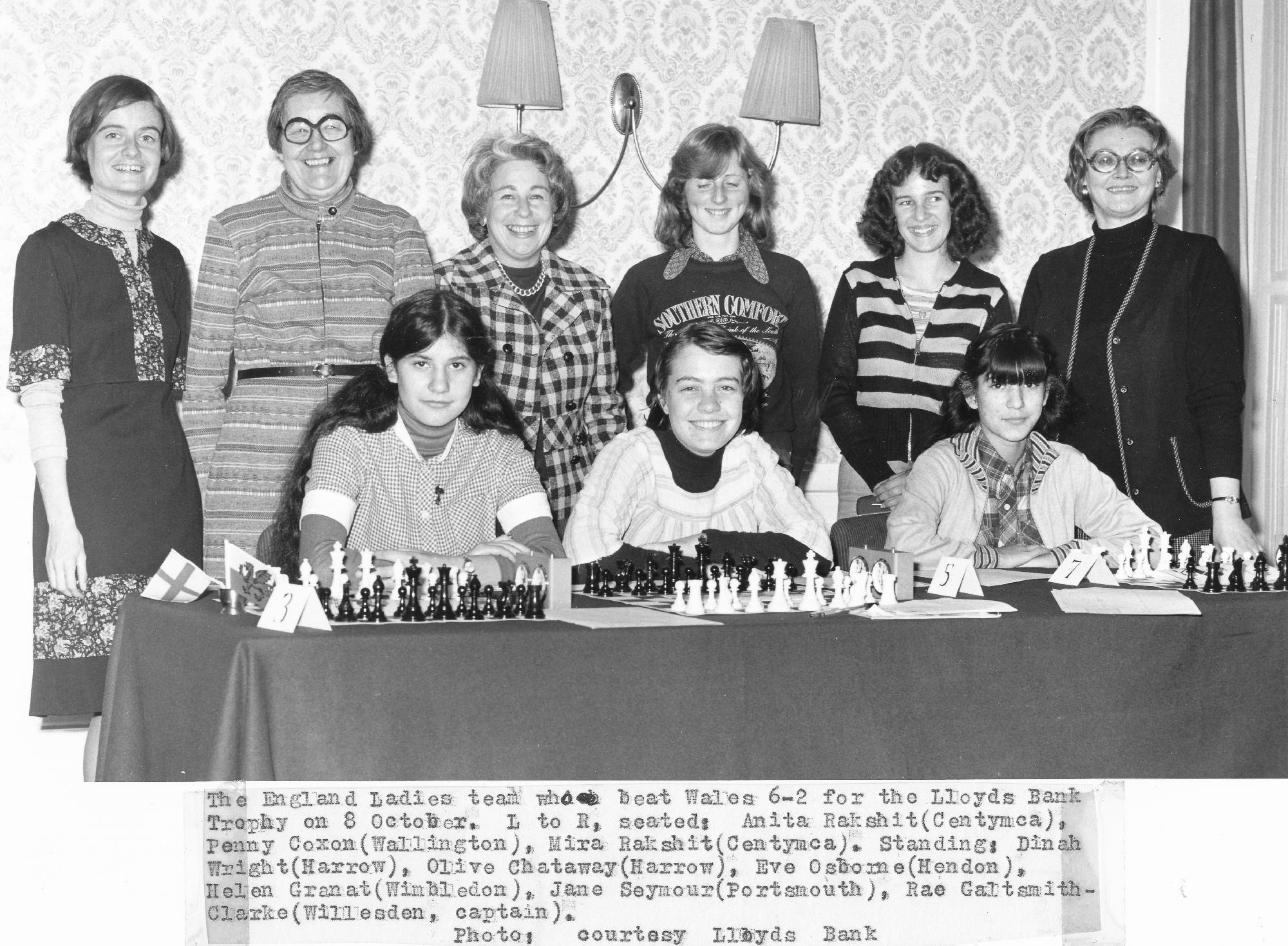
Dinah Wright (far left, standing) with her England team mates (see caption) for a Lloyds Bank sponsored match with Wales

Dinah has been a member of Crowthorne Chess Club and has played in the Berkshire League. She has represented 4NCL Iceni and Guildford in other competitions.

According to Megabase 2020 her highest FIDE rating was 2085 in July 1990 at the age of 44. However, it would have been higher than this in the late 1960s and 1970s had ratings been established then.

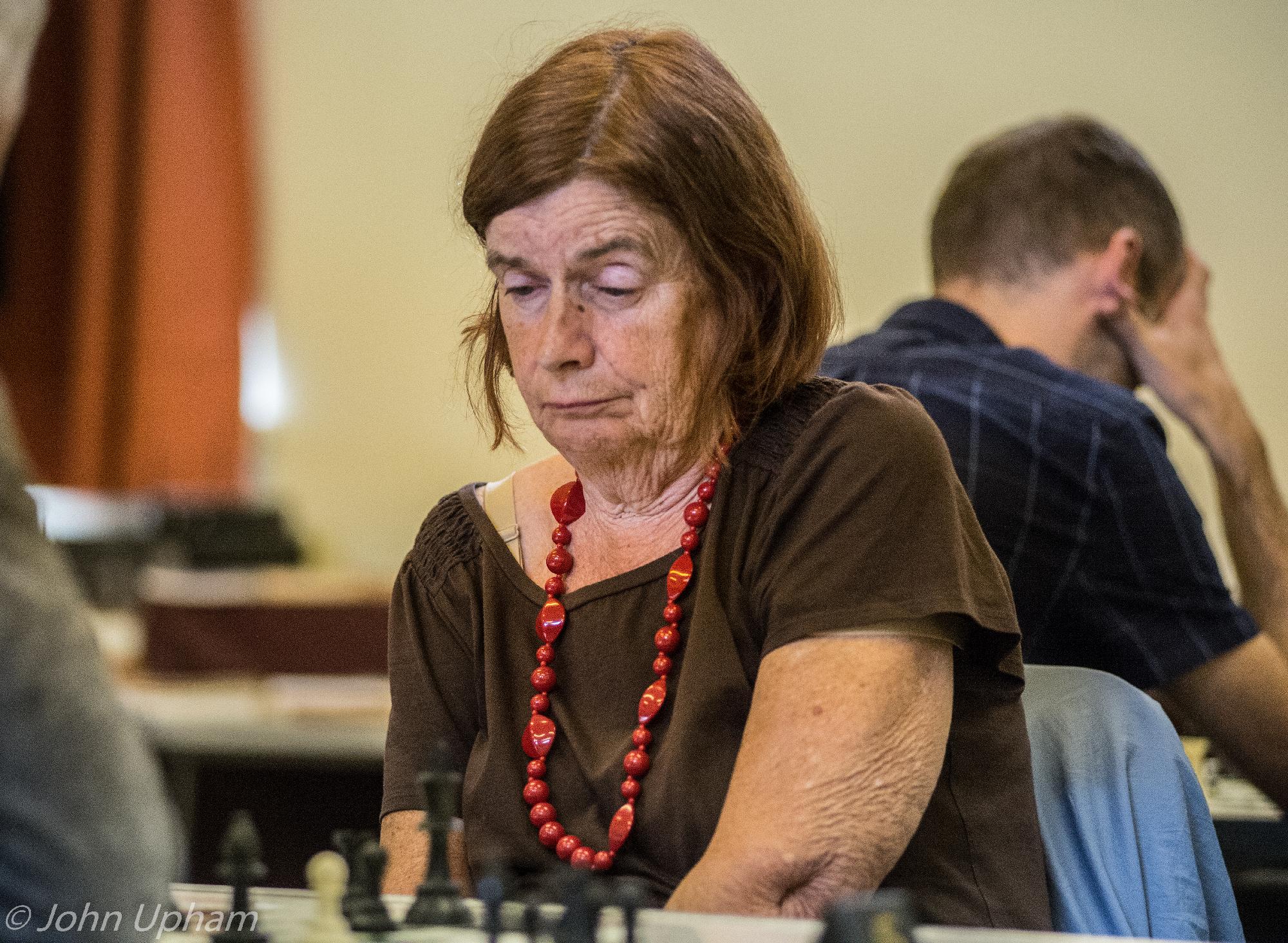
Dinah Norman at the 2017 Keith Richardson Memorial organised by Camberley Chess Club. Courtesy of John Upham Photographic

With the white pieces she has essayed the Colle-Koltanowki Opening for many years and as the second player she has played the Caro-Kann, Smyslov Variation and the Semi-Slav Defence.

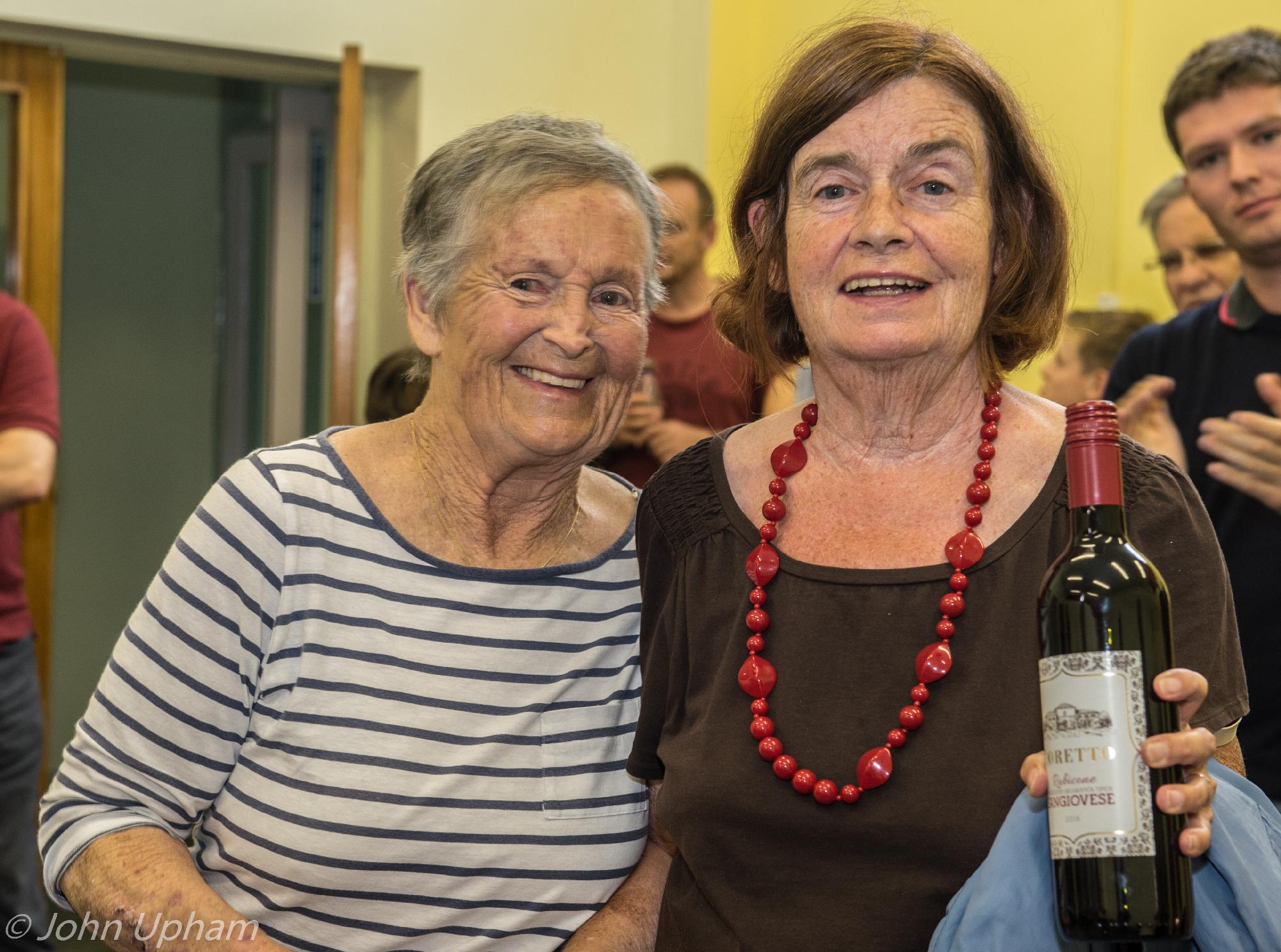
Dinah Norman with Sandra Richardson at the 2017 Keith Richardson Memorial organised by Camberley Chess Club
 Save as PDF

Happy Birthday to FM Andrew Smith (15-viii-1959)

BCN wishes Happy Birthday to FM Andrew Smith (15-viii-1959)

Andrew Philip Smith became a FIDE Master in 1994 and is registered with the Irish Chess Union.

His highest FIDE rating was 2310 in July 1994 at the age of 35.

FM Andrew Smith, photographer unknown

He plays for Bourne End Chess Club in the Buckinghamshire League and in the Berkshire League.

Andrew also plays for 4NCL Barnet Knights (he has played for Atticus), Buckinghamshire CCA in the Chiltern League and Hon Members LCCL.

Andrew started his chess aged 6 when his Mother taught him and he joined Lewisham Chess Club aged 13 and then Slough Chess Club (Thames Valley League and 4NCL) in 1988.

He has won the Berks & Bucks Congress in 2018 and 2016 (joint) and he became Berkshire Individual Champion as a direct consequence winning the Cadogan Cup.

With the white pieces Andrew is (almost) exclusively a 1.e4 player favouring the Centre Game

and as the second player Andrew plays the Philidor Defence and the Benoni.

He is known to favour “enterprising” variations such as the Mason Variation of the Philidor, the Haldane Attack versus the French and other such exotica.

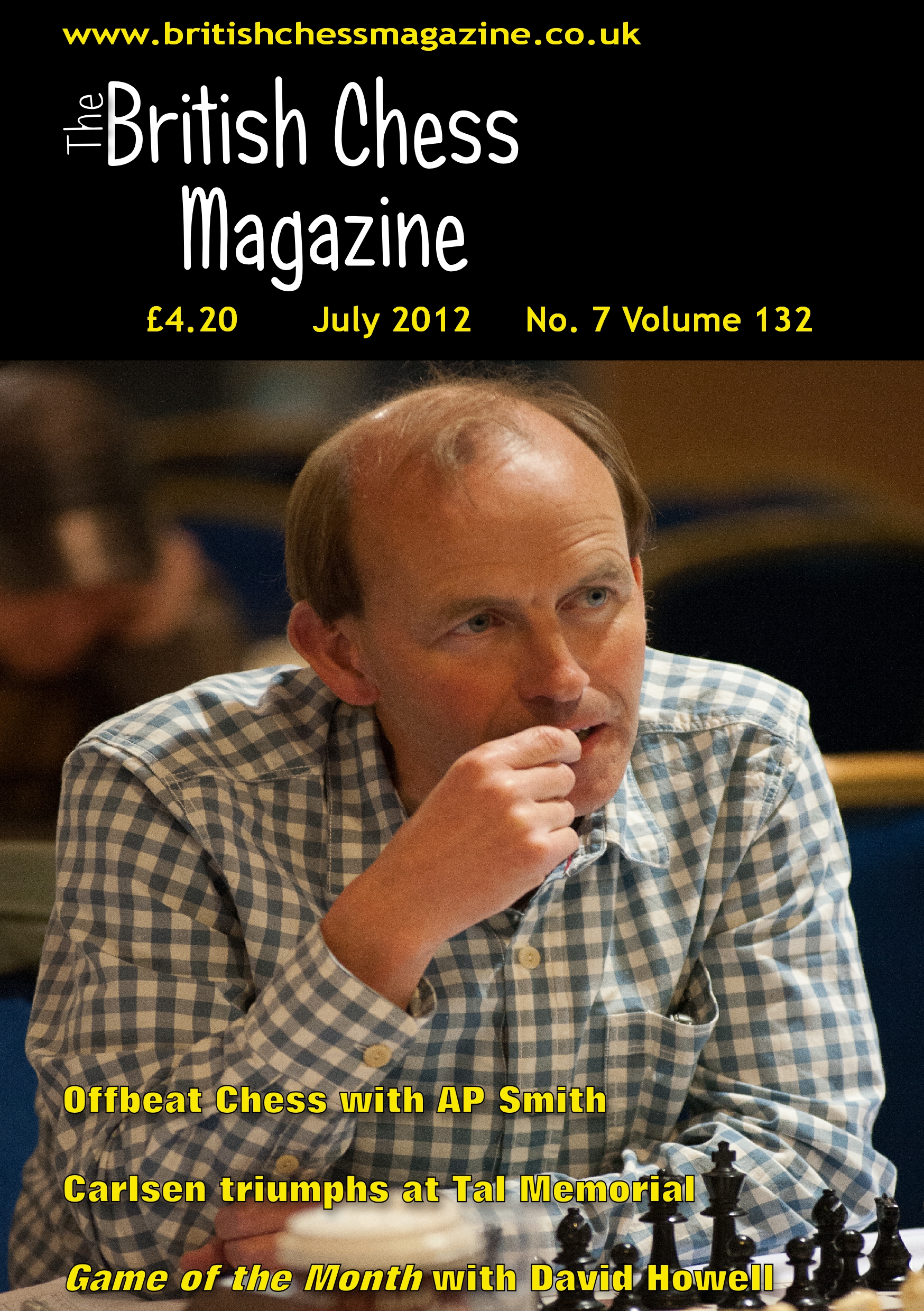
British Chess Magazine, Volume CXXXII (132), Number 7 (July) front cover features FM Andrew Smith from the final 4NCL weekend of the 2011-2012 season, courtesy of John Upham Photography

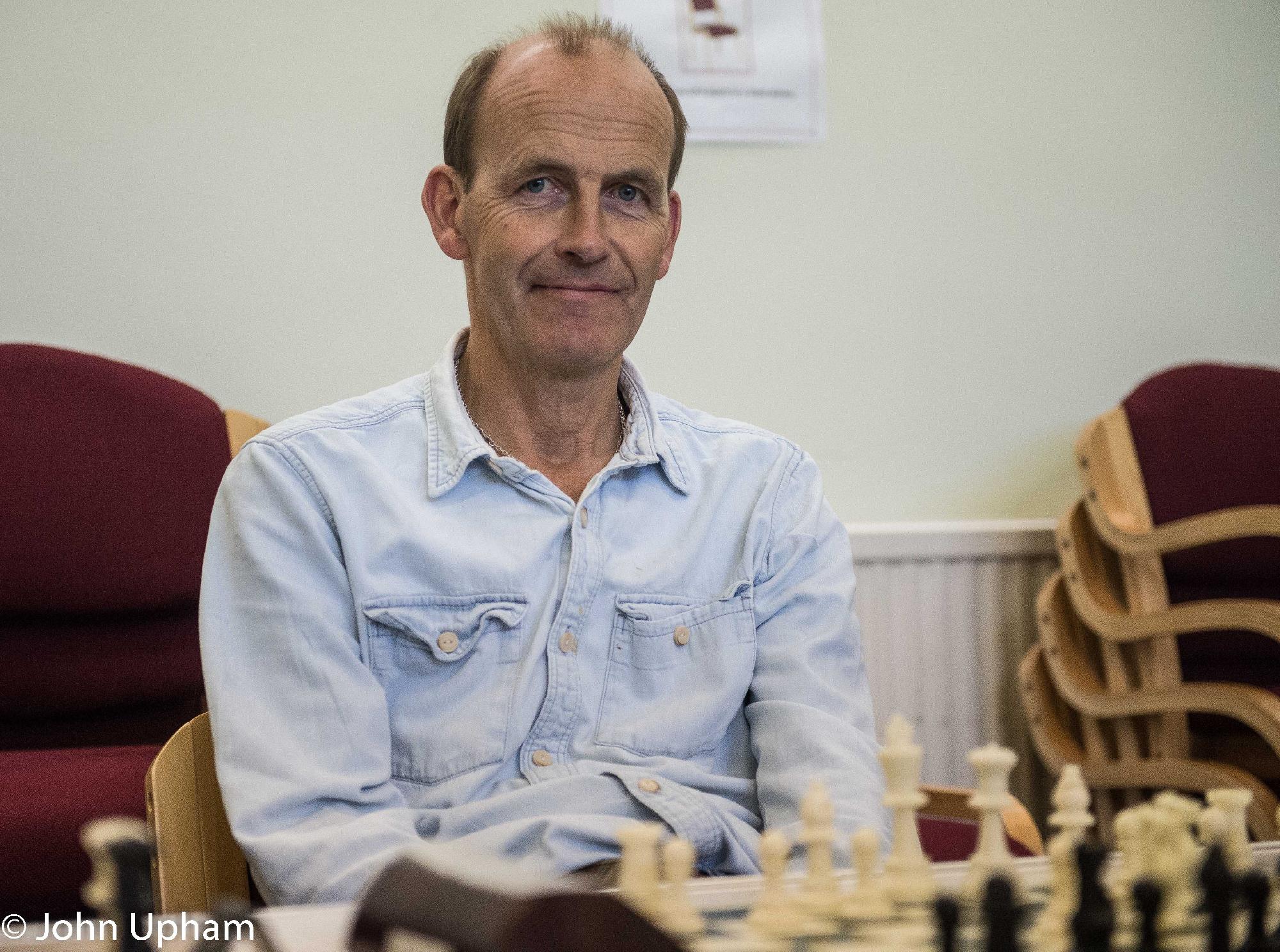
FM Andrew Smith at the 2019 Keith Richardson Memorial, courtesy of John Upham Photography

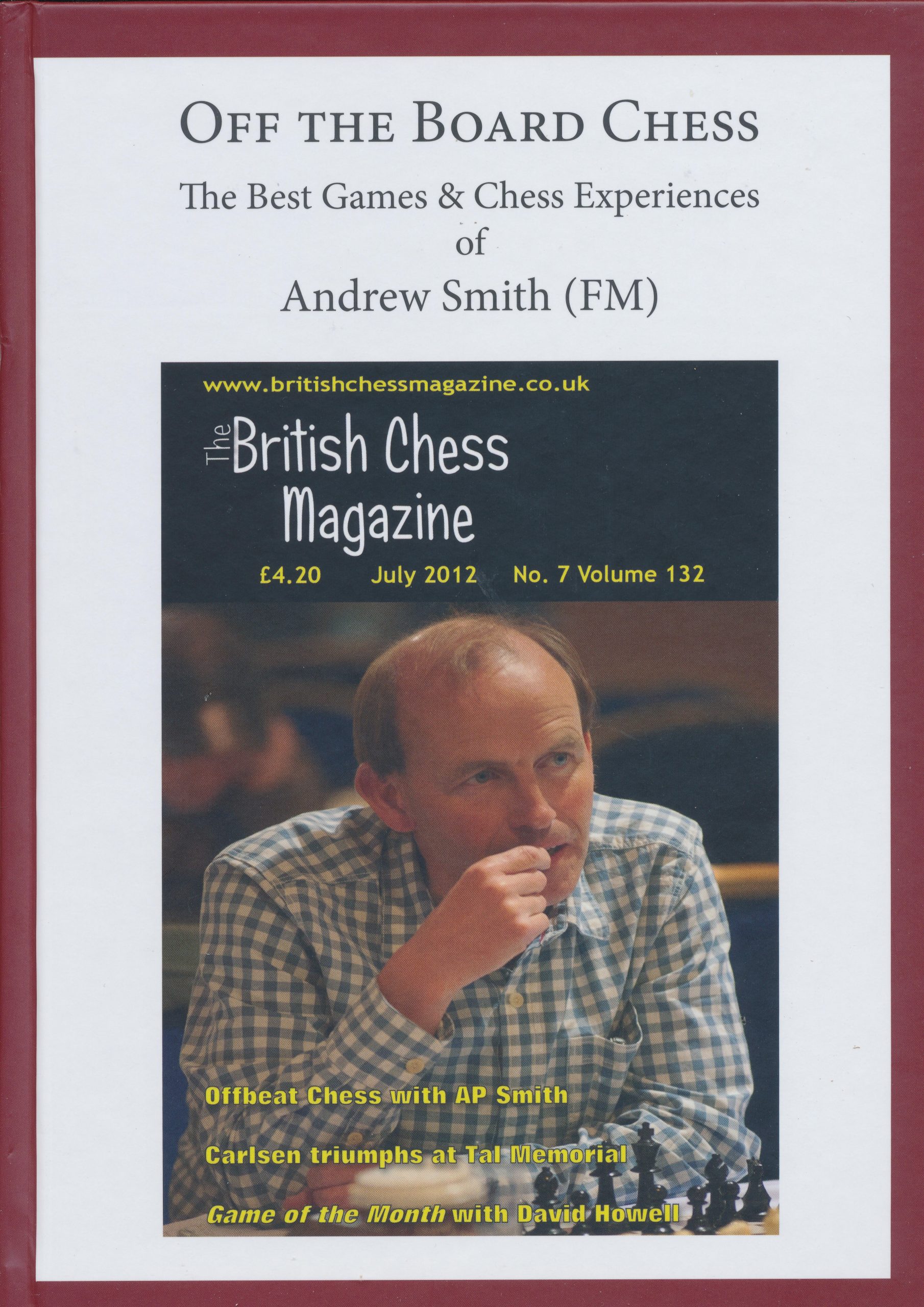
In 2021 Andrew self-published “Off the Board Chess, The Best Games and Chess Experiences of Andrew Smith (FM)” which has received popular acclaim.

Off the Board Chess, The Best Games and Chess Experiences of Andrew Smith (FM), FM Andrew Smith, Self published, 2021, ISBN 978-1-5272-8572-9
 Save as PDF

Happy Birthday IM Malcolm Pein (14-viii-1960)

Malcolm Pein signature

BCN sends IM Malcolm Pein best wishes on his 61st birthday.

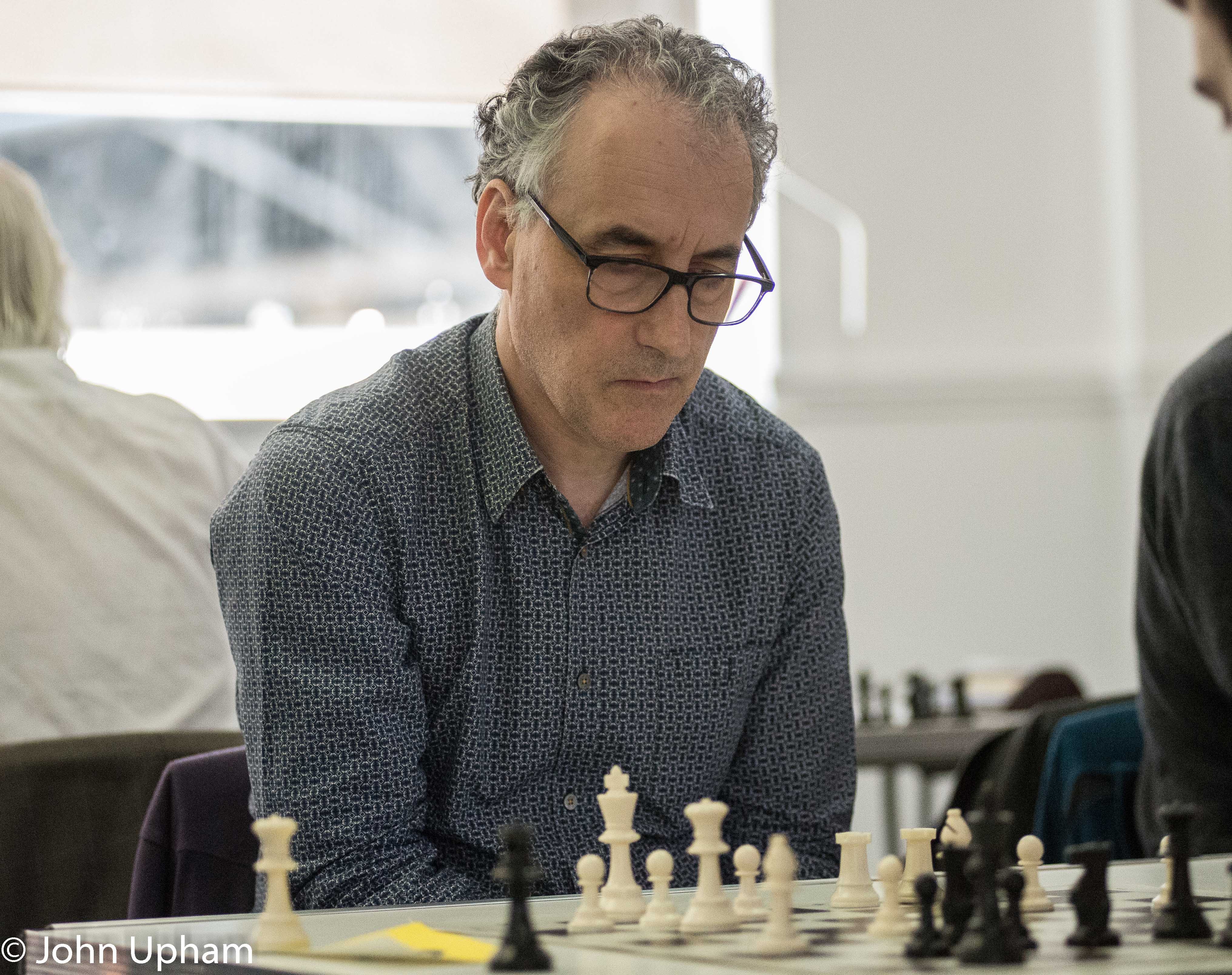
IM Malcolm Pein at the King's Place Rapidplay 2013, photograph courtesy of John Upham
IM Malcolm Pein at the King’s Place Rapidplay 2013, photograph courtesy of John Upham

Malcolm Bernard Pein was born in Liverpool (South). South Lancashire and his mother’s maiden name is Max. (Gaige, Felice and chessgames.com all incorrectly have Malcolm L. Pein).

Malcolm Pein
Malcolm Pein

This was written about Malcolm aged 19 just prior to the 1979 Spassky vs the BCF Junior Squad simultaneous display :

” London University and Liverpool, Rating 199. British under-18 co-champion, 1977. Currently No.1 player for London University.”

Malcolm hard at work

Malcolm studied Chemical Engineering at University College, London entering in September 1978. He won The University of London championship in February 1979. The runner-up was John Upham also from UCL.

He became an International Master in 1986 and is a FIDE Delegate (for England) and an International Director.

Malcolm’s peak rating was 2450 in January 1992 at the age of 32.

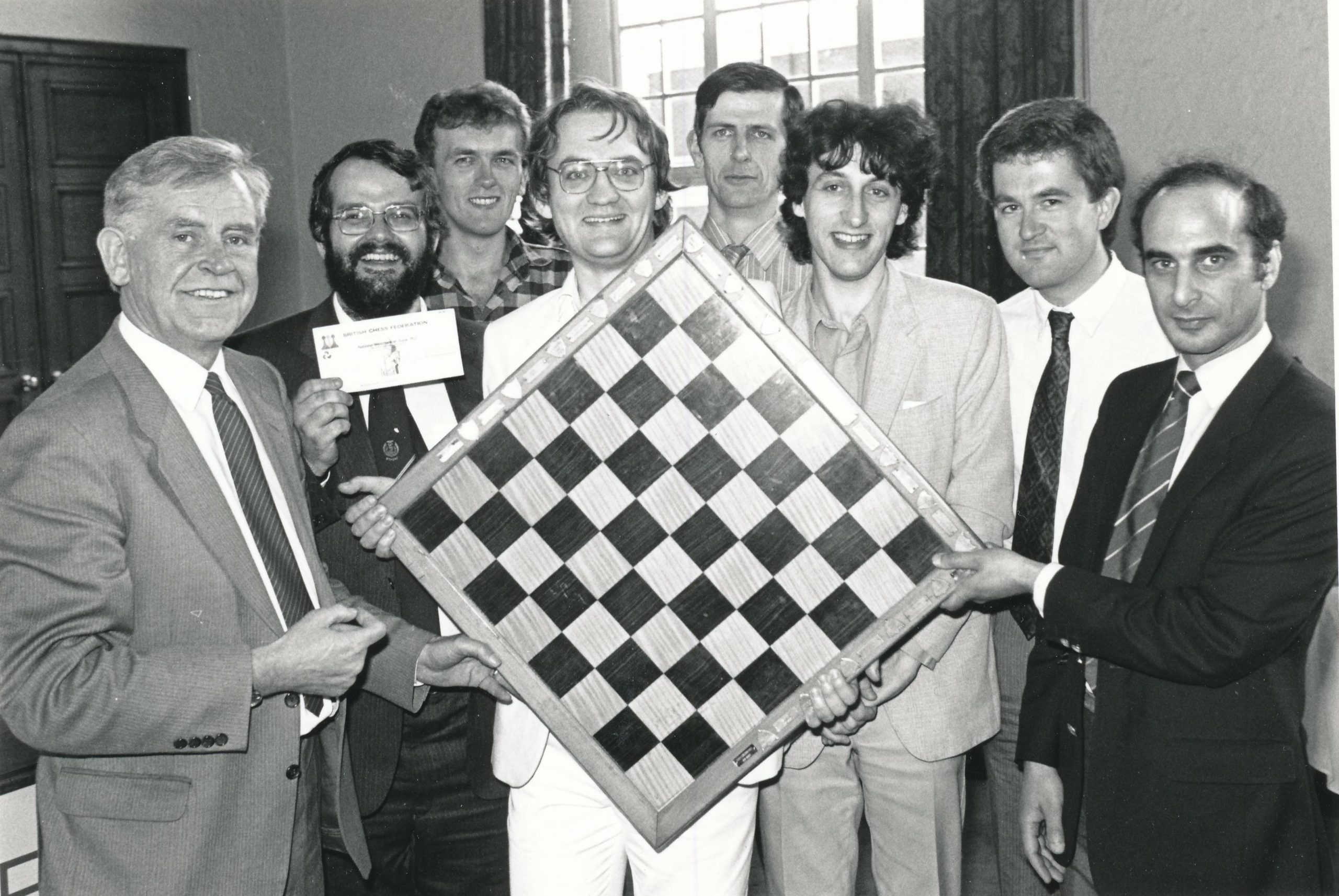
Malcolm Pein (third from right) and a victorious Wood Green team. Trophy presented by Magnus Magnusson

With the white pieces Malcolm prefers the Queen’s Gambit almost exclusively with 1.e4 rarely seeing the light of day scoring 62%

As the second player, Malcolm champions the Pirc, Modern and Grunfeld defences scoring 49% which MegaBase 2020 claims is “above average”.

Malcolm plays for 4NCL Wood Green and Liverpool.

IM Malcolm Pein at the Bristol heat of the British Blitz Qualification event in 2019

In addition to his newspaper column and magazine editorial, Malcolm has written a number of chess books and booklets, including :

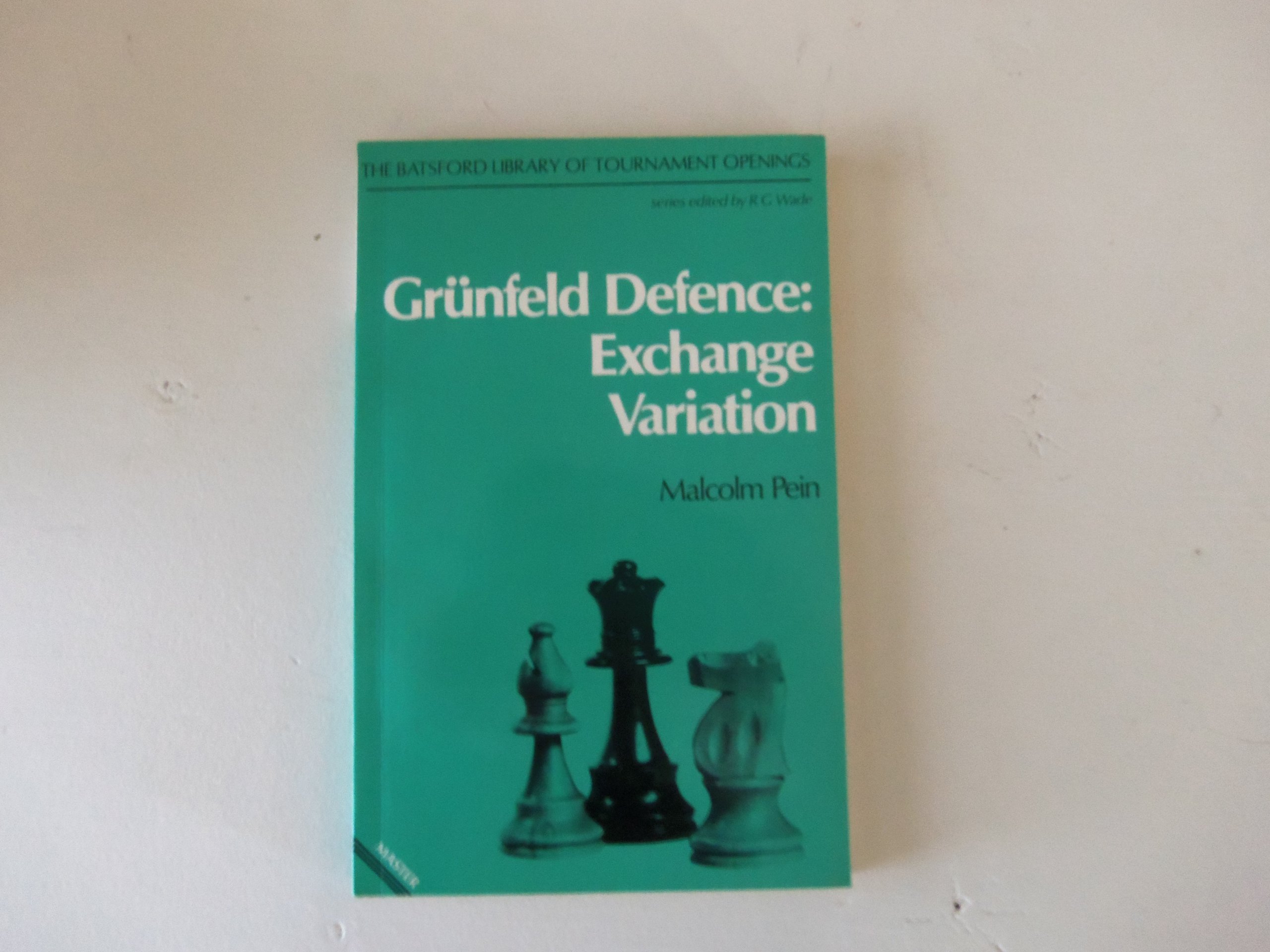
Grunfeld Defence (Batsford, 1981) – ISBN 978-0713435948
Blumenfeld Defence [with Jan Przewoznik] (Everyman, 1991) – ISBN 978-0080371337
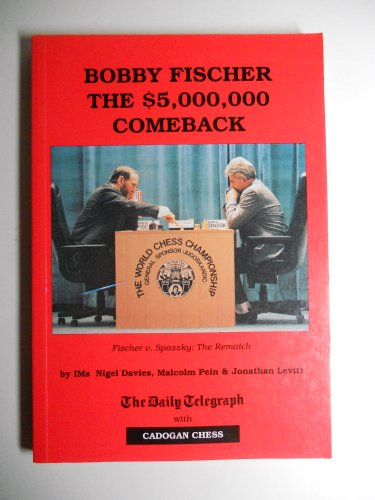
Bobby Fischer: The $5,000,000 Comeback, Nigel Davies, Malcolm Pein & Jonathan Levitt, Cadogan Chess, 1992, ISBN 10: 1857440420
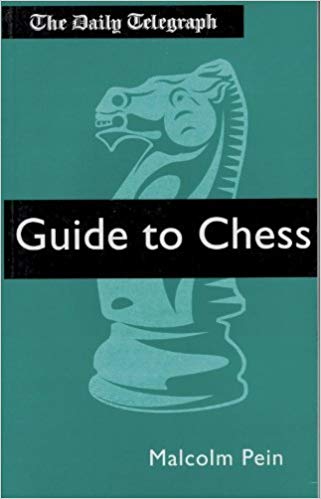
Daily Telegraph Guide to Chess (Batsford, 1995) – ISBN 978-0713478143

The Exchange Grunfeld [with Adrian Mikhalchishin] (Everyman, 1996) – ISBN 978-1857440560]

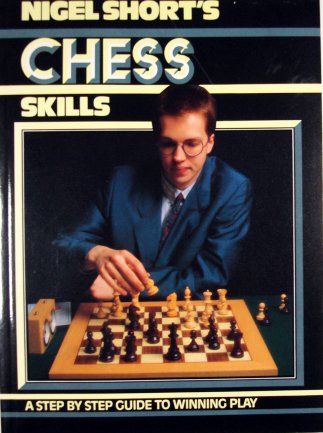
Nigel Short's Chess Skills (1989) (was ghost written by Malcolm)
Nigel Short’s Chess Skills (1989)(was ghost written by Malcolm)

Malcolm won the ECF President’s Award in 2017:

“Malcolm Pein’s contribution to English Chess is well known. He is CEO of Chess in Schools and Communities, has been largely involved in the organisation of the London Chess Classic and is currently the ECF’s Delegate to FIDE and International Director. On top of all that he is also an IM, writes the ‘Daily Telegraph’ Chess Column, and edits CHESS Magazine.”

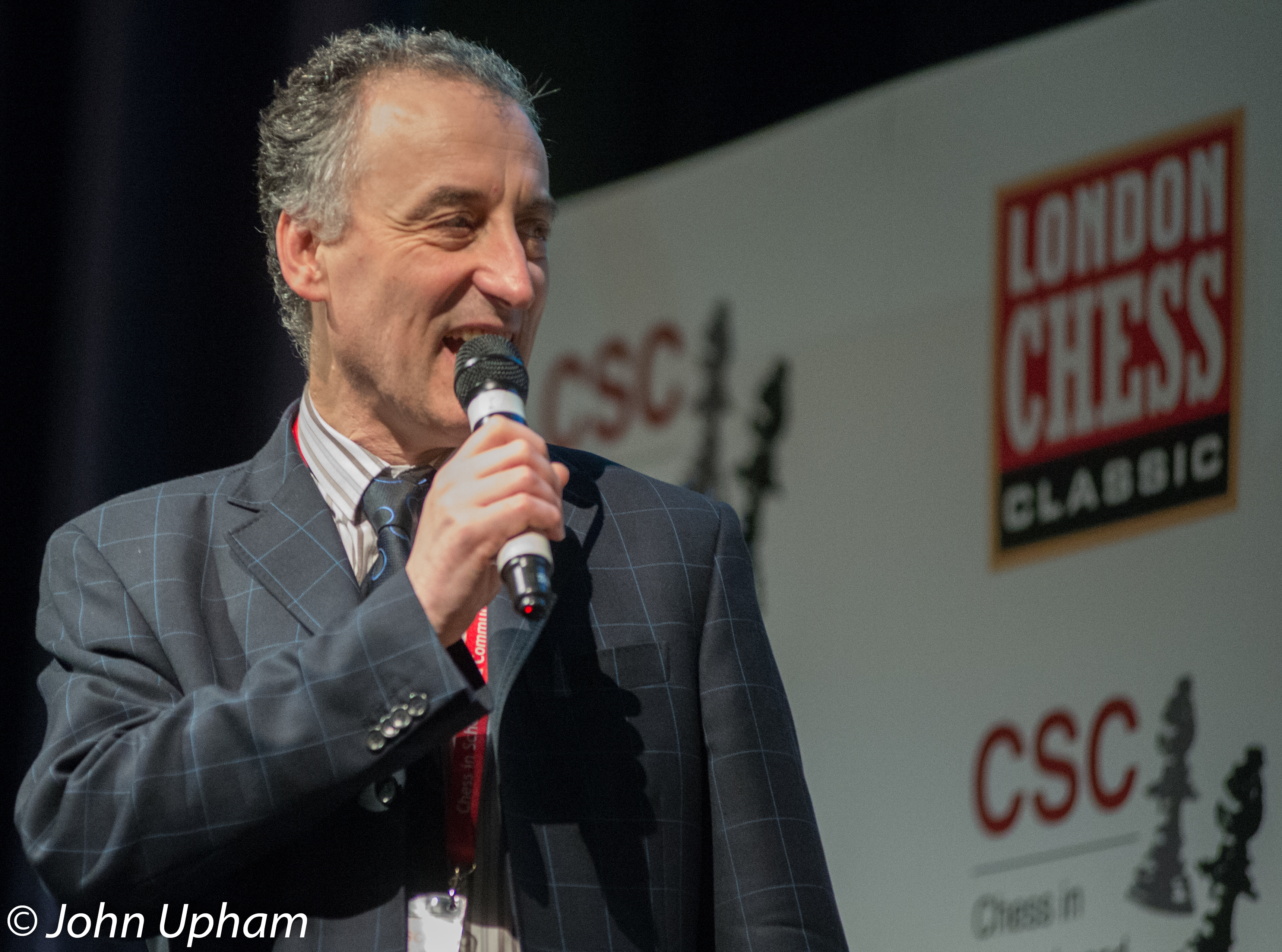
IM Malcolm Pein at the London Chess Classic 2013, photograph courtesy of John Upham

Malcolm is also owner (and a director) of the London Chess Centre (a company incorporated on May 1st 1997) which has relocated to 44, Baker Street, former home of the British Chess Magazine retail premises. This was purchased from Stephen Lowe and Shaun Taulbut in 2010 when the leasehold on the Euston Road premises expired. Another director is Henry Gerald Mutkin who is the main organiser of the annual Varsity match.

Here is his Wikipedia entry

Malcolm has a son, Jonathan who is a strong player and he resides in London, NW7.

In 2021 Malcolm stood as an alternative to Mike Truran in the contested election for CEO. On October 9th 2021 following “detailed and amicable discussions”  with Mike a away forward was agreed and Malcolm agreed to remain as International Director of the ECF and Mike remained as CEO.

Here is his Developing Chess web site.

Jonathan and Malcolm Pein at the 2016 Michael Uriely Memorial Tournament
Malcolm Pein & Dominic Lawson
 Save as PDF

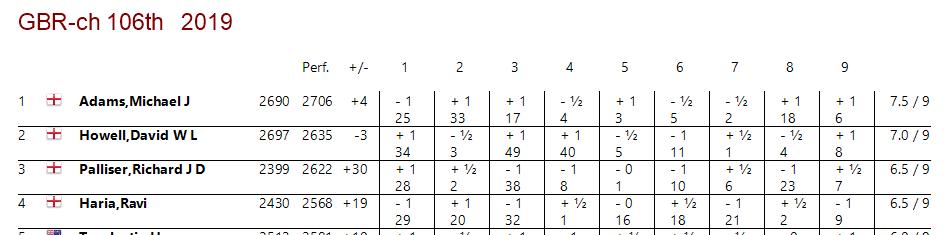
Congratulations to GM Shreyas Royal: 2026 British Champion

BCN sends  warmest congratulations to GM Shreyas (known as “Shrey” by his friends) Royal on becoming 2026 British Champion with a score of 7.5/9.

Shreyas was born on Friday, January 9th, 2009. “Hallelujah” by Alexandra Burke was number one in the UK hit parade.

Shreyas attended The Pointer School in Blackheath, London, SE3 whose motto is “The Lord is my Shepherd”. Currently Shreyas is home schooled.

In October 2021 BCN secured an interview with Shreyas via his father Jitendra and below is mostly from that interview:

BCN: What caused his initial interest in chess and at what age?

His initial interest in chess was capturing or as he used to call it ‘eating’ pieces but as he grew more mature, he loved that there were so many possibilities in chess, so much still left to explore! At the Age of 6 he learnt and got an interest in chess.

BCN: Has Shreyas had any chess teachers or coaches?

  1. Jyothi Lal N. with a peak of 2250 FIDE but is very knowledgeable and helped from just above beginner to 1800. He was Shreyas’s first coach.
  2. Meszaros Gyula (Julian) who was an IM with a peak of 2465 FIDE and was an endgame master which helped him from 1800-2100.
  3. His Current Coach is GM John Emms with a peak of around 2600 FIDE, he is an expert in many fields such as Positional Play, Openings, Strategic chess etc and has also made a big impact on how to prepare against opponents. He had helped him from 2100-2300 so far in just under a year!

BCN: Which chess clubs and/ or Teams does Shreyas represent?

He represents SV Erkenschwick from Germany and Wasa SK from Sweden for online events as he has joined them during the pandemic. He started his 4NCL career with KJCA Kings in January 2019 but now mainly represents Wood Green which he has played for in online events in and will also represent them in the upcoming 4NCL weekends.

His first appearance in Megabase 2022 comes from the 2015 British Under-8 Championship in Coventry, the eventual winner being Dhruv Radhakrishnan.

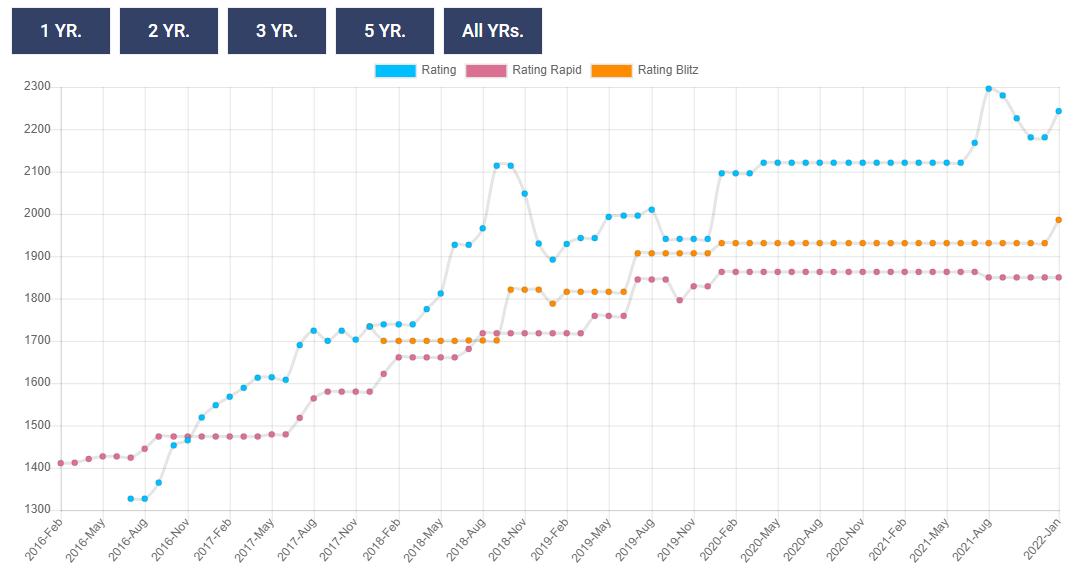
Progress from those early days has only been interrupted by school examination breaks and the Covid pandemic:

FIDE Rating progress chart for FM Shreyas Royal

In August 2016 in Bournemouth Shreyas scored an impressive 6/6 to win the British Under-8 Championship.

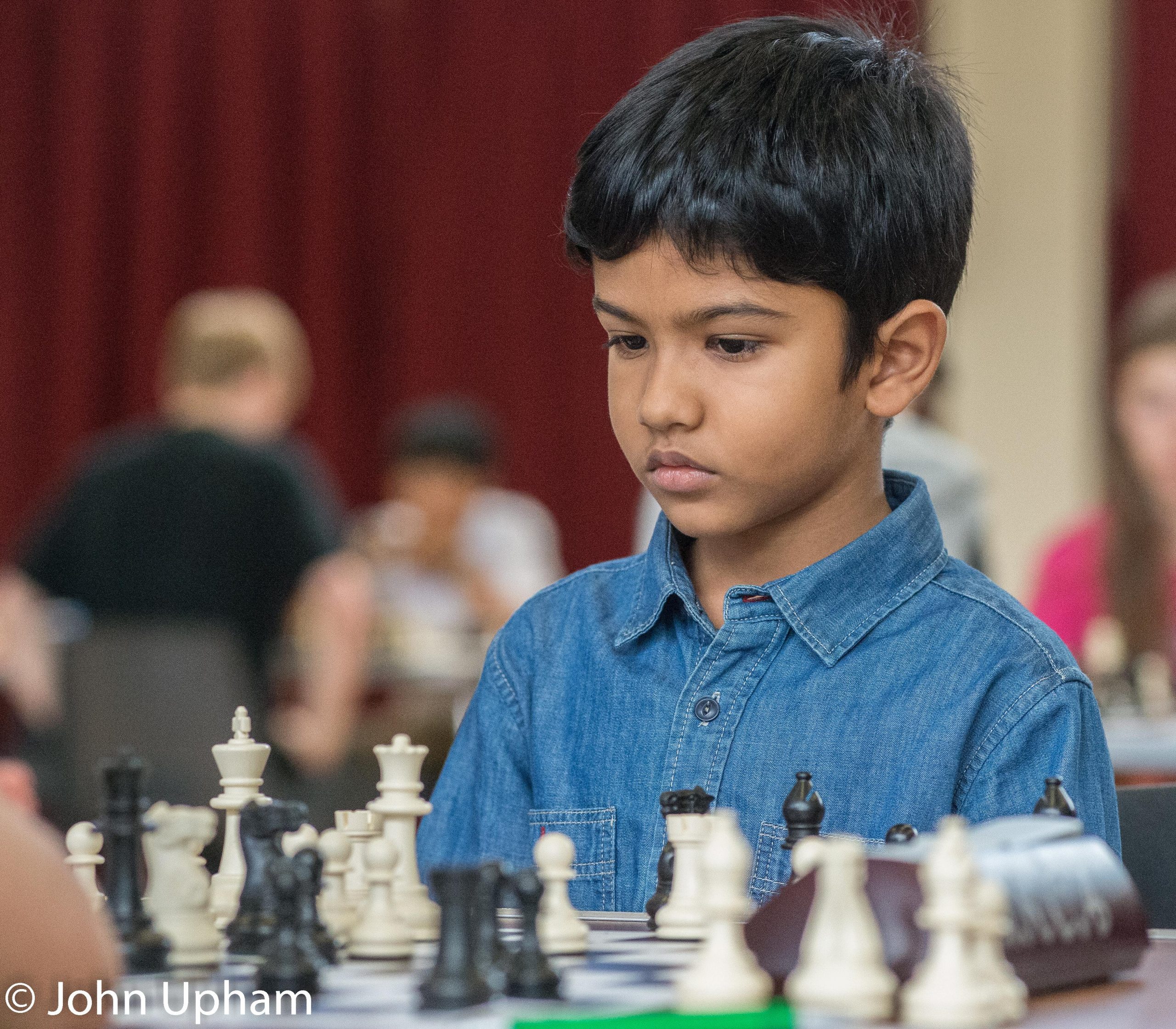
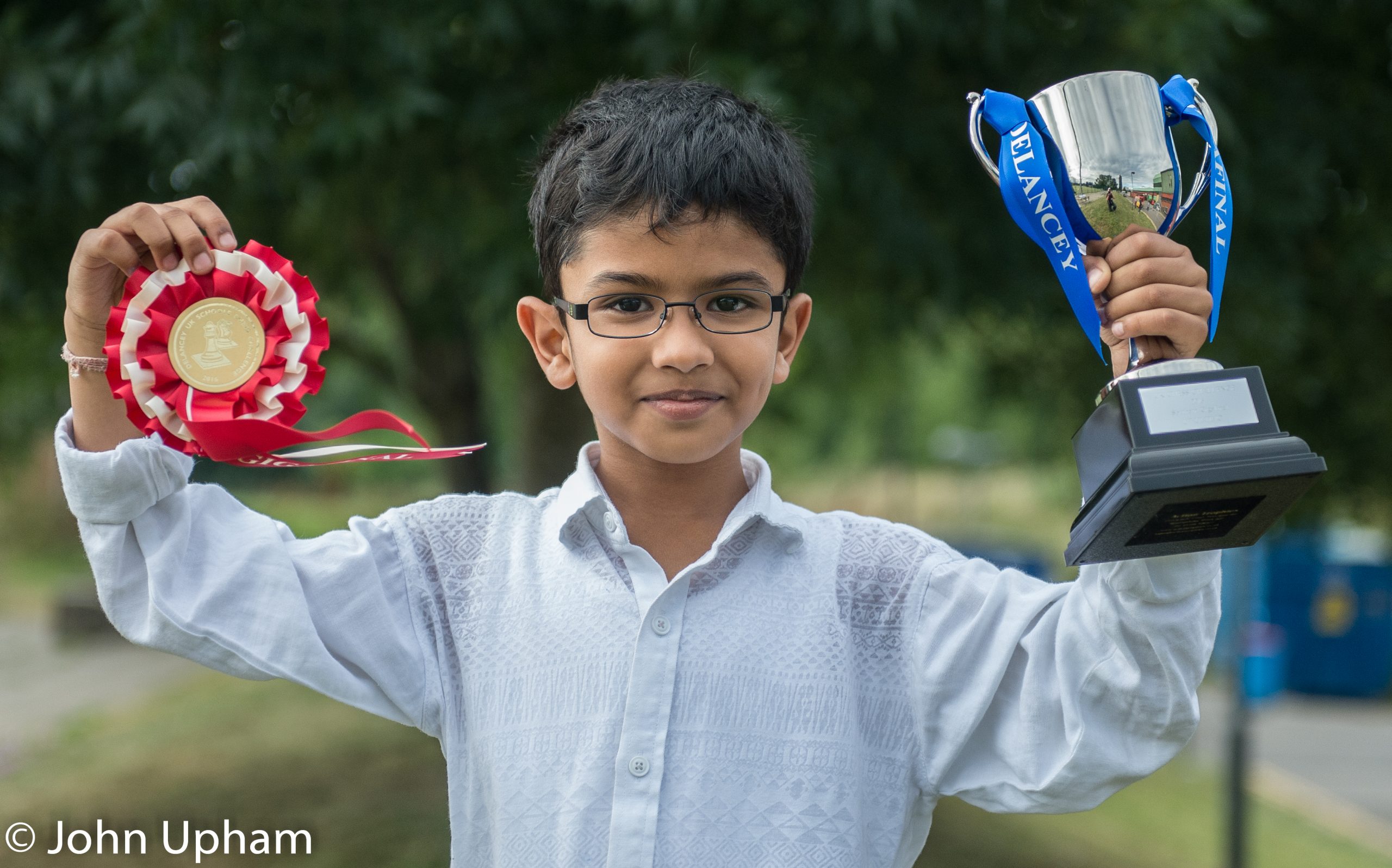
Shreyas Royal at the 2016 UKCC Delancey Terafinal in Loughborough courtesy of John Upham Photography

BCN: What was his first memorable tournament success?

This was the 2016 European Schools Under-7 championship where he was runner-up without any preparation or work on chess!

Shreyas Royal at the 2016 UKCC Delancey Southern Gigafinal in Reading courtesy of John Upham Photography

In September 2017 Shreyas travelled to Mamaia in Romania and after nine hard fought rounds tied for first place with 8/9 in the European Youth Chess Championship, Under-8 with Giang Tran Nam (HUN, 1561).

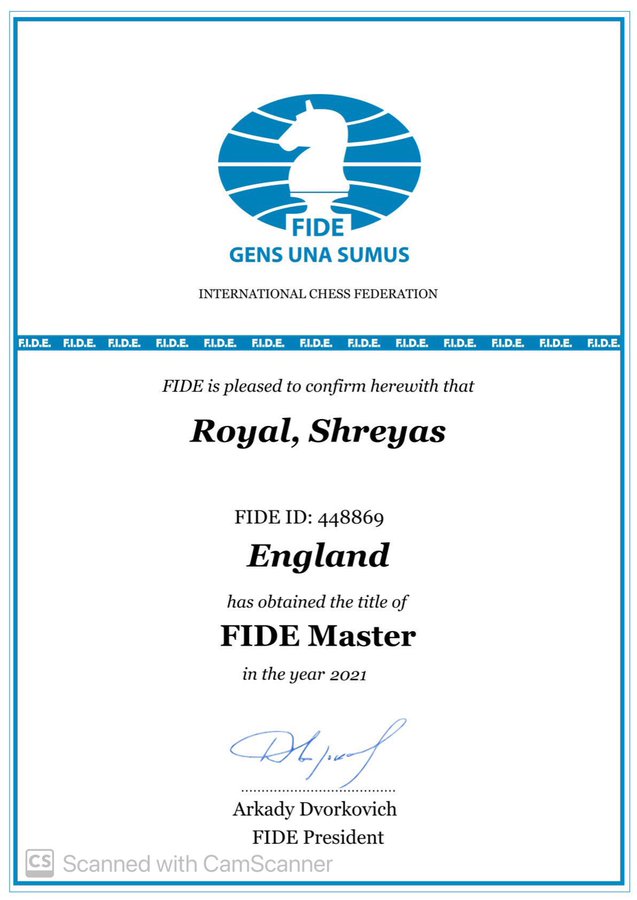
In 2021 Shreyas was awarded the FM title by FIDE:

FIDE FM Certificate for Shreyas Royal

BCN: Which chess players past & present are inspirational for him?

  1. Magnus Carlsen, world champion and broke many FIDE records also is an inspiration for most of this generation. He likes his slow grinding and almost winning from any opening or ending. This is his favourite player of all time.
  2. Garry Kasparov played brilliant attacking chess and calculated like a machine.
  3. Bobby Fischer played a similar style to Kasparov but was more talented than both Magnus and Kasparov in his opinion as he worked all by himself at a time in the USA when chess was not so popular while for the Russians, they had brilliant coaches and had one good player after the other. He rates him a bit lower because Fischer quit competitive chess a bit too early and could not reach the heights he was worthy of.
  4. Alireza Firouzja
  5. Fabiano Caruana

BCN: What are his favourite openings with the White pieces?

He plays 1.d4 pretty much all the time.

MegaBase 2020 has 294 games with 1.d4 and one solitary 1.g3 from March 2021. The 1.d4 games feature main line Queen’s Gambit / Catalan type positions championing 5.Nge2 against the King’s Indian Defence and the exchange variation against the Grunfeld.

BCN: and what are his preferred defences as the second player?

Really depends on what they play, against every opening he has got one or two lines which he enjoys equally.

Megabase 2022 informs us that Shreyas defends the main line Closed Variation of the Ruy Lopez and main line Giuoco Piano. Previously he essayed the Sicilian Najdorf.

BCN: Does he have any favourite chess books?

Not really as he is not such a big fan of chess books, but he likes My 60 Memorable Games by Bobby Fischer. Fundamental Chess Endings and Encyclopedia of Chess Combinations.

BCN: Which tournaments are planned for 2022?

We have pencilled in a couple of norm and Open (France, Spain, Germany etc.) tournaments in European countries.

BCN: What are his favourite subjects outside of chess?

His favourite subjects outside chess are Science, History, Maths with Science as his favourite, History as his second favourite and Maths as his third favourite.

BCN: Does Shreyas play any physical sports?

He does Football, Cricket and a bit of Lawn Tennis.

BCN: What are his plans and aspirations for the future?

To become a world chess champion one day, but it’s very expensive to even get to the level of IM! Currently we are looking for sponsors who can help support Shreyas to get there.

Here is his personal website.

In late December 2021 Camberley Chess Club had Shreyas as their weekly Zoom meeting guest speaker.

and finally three of SRs favourite games:

and from more recent times:

and finally:

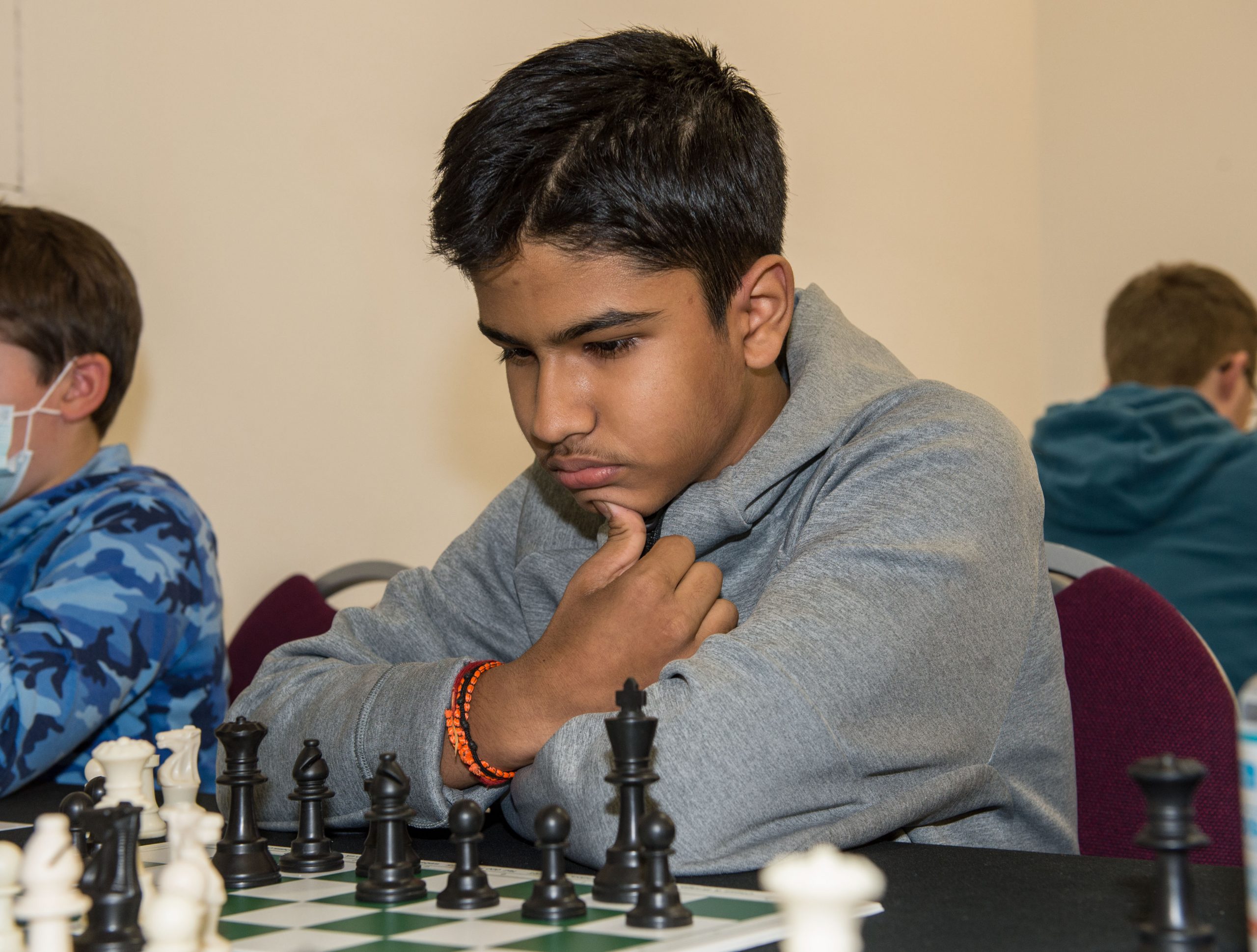
FM Shreyas Royal at the London Chess Classic, 2021 courtesy of John Upham Photography

From September 9-14, 2022, Shreyas achieved his first IM norm at the Mindsports GM Tournament in London and earned his second norm, along with a joint 3rd, at the Hit-A-Open Tournament in Slovenia between September 16-22, 2022

At the 4th FIDE Congress of 2022 Shreyas was awarded the IM title and his FIDE standard play rating stands at 2456.

Most recently he has achieved his first GM norm.

On September 18th 2024 at the 94th FIDE Congress in Budapest  the GM title was awarded.

Further background here from Leonard Barden.

Here is his Wikipedia entry.

 Save as PDF

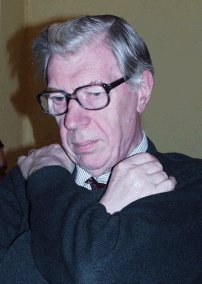
Remembering FM Michael Franklin (02-ii-1931 25-iv-2023)

BCN is sorry to report the passing of FM Mike Franklin on Tuesday April 25th 2023: one of England’s most respected and well regarded players.

Growing Up

Michael John Franklin was born on Monday, February 2nd, 1931 in Battersea, London to Albert George (27 ix 1906, Dover – ? iii 1983, Wandsworth) and Helen Ann Franklin (née Colson, 1908-2003) who married in the third quarter of 1928 in Wandsworth.  Albert was a clerk as was his father.

FM Michael Franklin, Photo by Cathy Rogers

At the commencement of the Second World War, when eight years old, Michael was evacuated to Frome in Somerset. As a consequence Michael would delight in playing in the Frome Congress whenever possible. He played in the first event in 1990 organised by Leon York  (whose name is the memorial trophy for the Major section).  The story of Michael’s return to Frome made its’ way in to the local newspaper and was reported by Gary Lane as follows :

From British Chess Magazine, Volume CX (110, 1990), Number 7 (July), page 296 :

“A special presentation by the sponsor, Mrs. Jean Mackereth, Managing Director of Keyford Frames, was made to Londoner Michael Franklin, who was returning for the first time in 51 years to the town to which he was evacuated during the war. His final appearance at Frome was in the 2010 event.

The Early Years

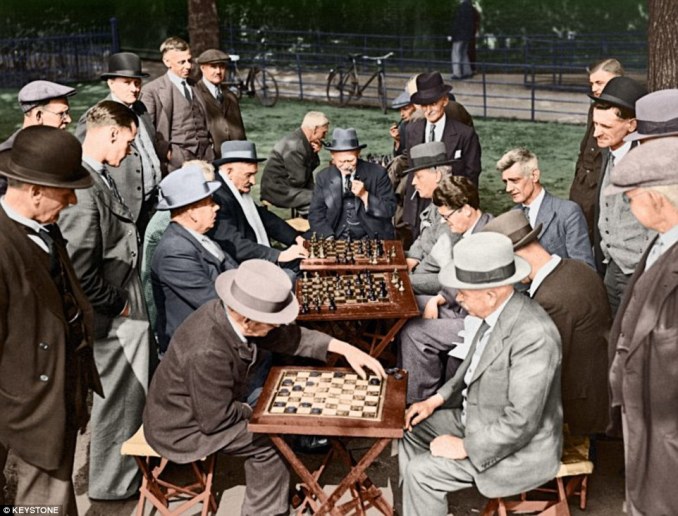
Michaels interest in chess started in 1944 aged 13 when he witnessed games being played on Clapham Common. He was fascinated by the pieces and taught himself to play, never receiving  any formal coaching. He joined the Clapham Common Chess Club in 1944. (CCCC became incorporated into Battersea Chess Club some time later).

CHECK MATES: Elderly members of the Clapham Common Open Air Chess and Draughts Club, circa 1920. The club met regularly during the afternoons to play on Clapham Common in south London. Copyright : Keystone

Apart from summer events such as the above the club had a Winter Section that played matches in the London League. The club won the first division (now known as the Brian Smith Trophy) of the London League in the 1946-47 and 1947-48 seasons. Michael played his final game in the London Chess League for Richmond & Twickenham on April 14th 2010 drawing with John Hodgson,  giving a sixty year span.

In his formative years he played at the Gambit Chess Café, Budge Row,  Cannon Street, London, EC4N. Many strong players regularly visited the Gambit to play skittles, blitz and the frequently held lightning tournaments hosted by the proprietor Mr GH White.

Events such as these enabled Michael to develop his quick sight of the board and his flair for tactical play.

Leonard Barden added :

“Michael made his name as a young player first by his successes in the Saturday evening Gambit Guinea speed events at the Gambit Chess Café in Cannon Street which he often won ahead of master level rivals. He remained a strong speed player all his life.”

In the early 1950s Michael was persuaded by his friends Aird Thomson (who was Scottish Boys’ Champion in 1932, and 1933 ( equal-first). In 1951 he was Scottish Champion. In 1954 he moved to London. He married Susan Mary Hamilton in 1961 who went on to become Scottish Ladies’ Champion in 1965.) and oriental carpet expert Robert Pinner to join the Richmond and Twickenham Chess Club  playing for the club in the London League, Surrey Trophy  and National Club Championship until he retired from competitive play 2010.

Making Progress

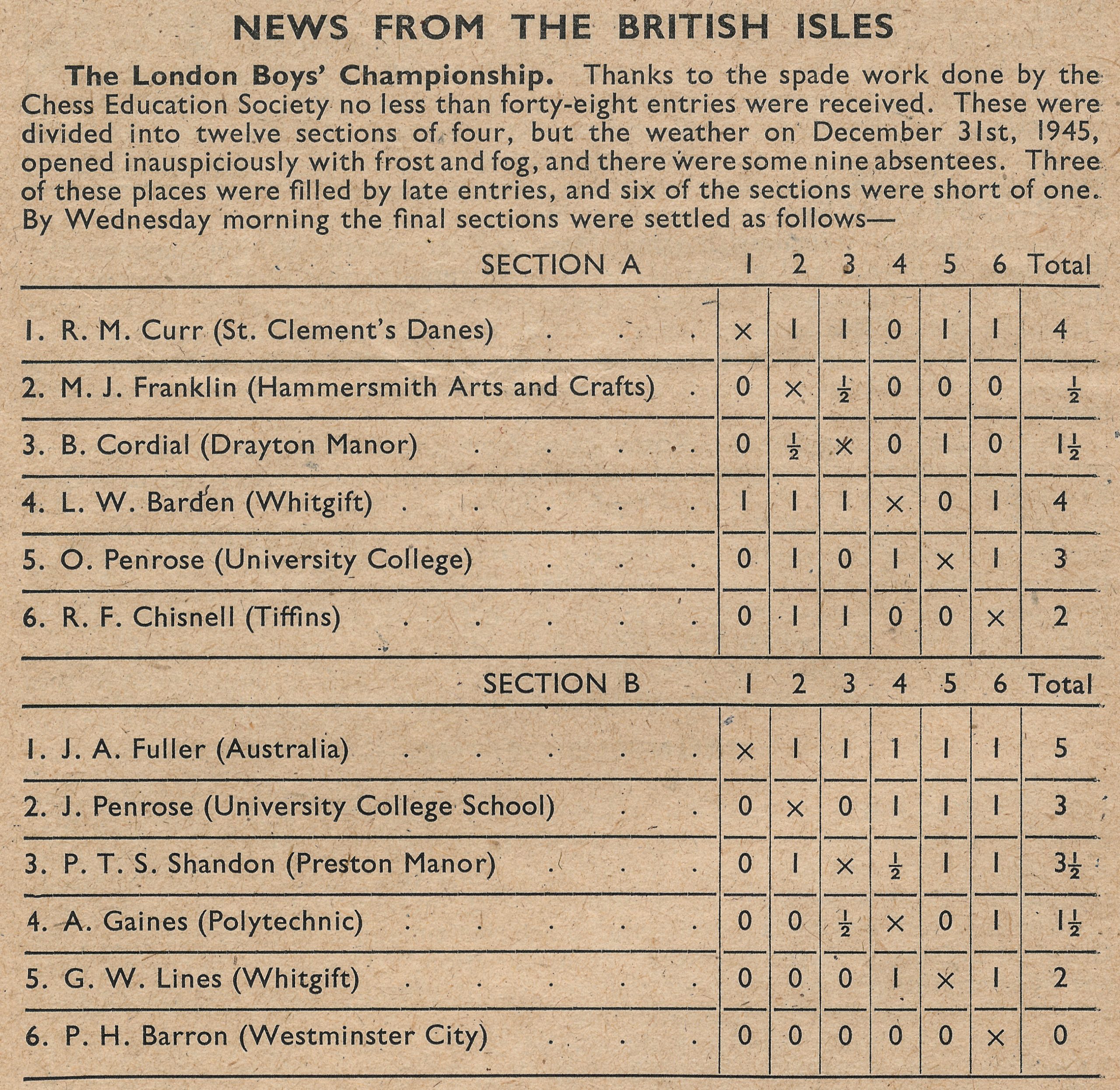
Michael’s first appearance in British Chess Magazine was in Volume LXVI (66, 1946), Number 2 (February). Page 52 contained this report of the 1945 London Boy’s Championship in which Michael reached the final A section :

British Chess Magazine, Volume LXVI (66, 1946), Number 2 (February), page 52

Michael’s club (for this event) is recorded as Hammersmith Arts and Crafts School.

On leaving school  Michael joined a firm of Patent Agents remaining in their employ in the accounts department for around forty years before retiring in the late 1980s. His retirement was prompted by the firm’s adoption of electronic computers. When he retired he was Chief Cashier.

On June 18th 1960 Michael’s happiest day was when he married Jean Fey. They celebrated  their diamond anniversary in 2020.

To the present day Michael has maintained an aversion toward modern technology. He did, however, concede to the ownership of a mobile telephone. This was for the specific purpose of updating Jean on his days progress in any chess tournaments where he was away from home.

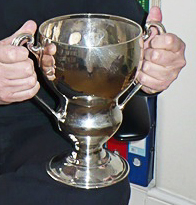
In 1946 (aged 15) Michael won the Felce Cup awarded by the Surrey County Chess Association. A result indicating rapid improvement since Michael had only started playing competitively in 1944.

The Felce Cup held by the hands of Stephen Moss in 2014

In 1951 Michael finished third in the Surrey Championships behind the winner Frank Parr and runner-up David Hooper. In 1961, 1966, 1968, 1969 and 1970 Michael won the Surrey Championship outright and made many appearences in county matches for Surrey from 1950 onwards until 2010.

Unfortunately Michael’s rapid progress was threatened by two bouts of ill health. In 1948 aged 17 Michael was diagnosed with Tuberculosis which lasted for eighteen months including a twelve month stay in the Royal National Hospital for Diseases of the Chest in Ventnor on the Isle of Wight. Aged twenty the TB returned leading to yet another twelve months illness.

Michael has suffered from ill health all of his life interrupting his chess career at various times. Fortunately the TB has not returned.

Michael won the National Chess Centre Championship in 1953 and 1955 being runner-up in 1954. The venue was Hill’s Restaurant, 158 Bishopsgate, London, EC2 opposite Liverpool Street Station since the original John Lewis department store venue was bombed in 1940.

Results from the 1955 event:

1-2 Franklin, Fazekas 3.5/5
3 Fuller 3/5
4 Barden 2.5/5
5 Parr 1/5
6 Green 0.5/5

Michael won the play-off 2-0.

The British Chess Federation first published a National Grading list in 1953 (using the Richard Clarke system). In the 1954 list MF appeared with a grade of 2A (225-232) and from then on with a grade of either 2A or 2B. In 1964 a numeric system had him at 225 ranking Michael 4th in England behind Penrose 244, Kottnauer 238 and Clarke 231.

Michael played many times in the annual Battle of Britain Tournament organised by Squadron Leader David Pritchard and his committee. He won it four times : 1959, 1960, 1961 and 1962.

The Ilford Whitsun Congress

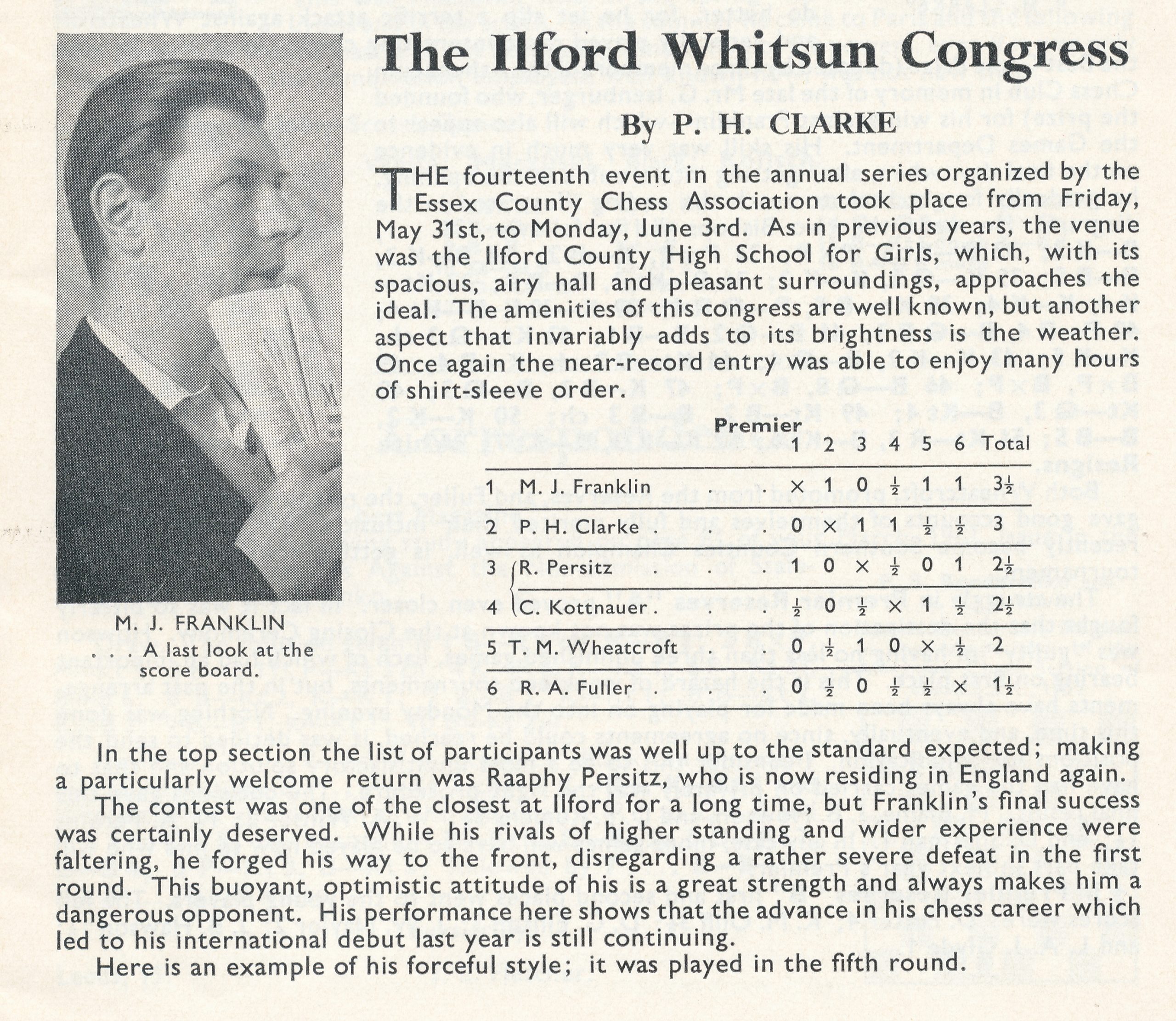
The Ilford Whitsun Congress was a regular part of Michael’s season throughout the sixties. He won the Premier Reserves in 1961 ahead of Hilton, Hindle, Howson, Sales and Blaine and was runner-up to Kottnauer in 1962.  In 1963 he went one step better by winning the Premier :

A report of Mike Franklin's success at the 1963 Ilford Whitsun Congress by Peter Clarke. Source : British Chess Magazine, Volume LXXXIII, Number 7 (July), page 193
A report of Mike Franklin’s success at the 1963 Ilford Whitsun Congress by Peter Clarke. Source : British Chess Magazine, Volume LXXXIII, Number 7 (July), page 193

and here is the fifth round game :

In his tournament report PH Clarke wrote :

This buoyant, optimistic attitude of his is a great strength and always makes him a dangerous opponent.

Away from Home : International Progress

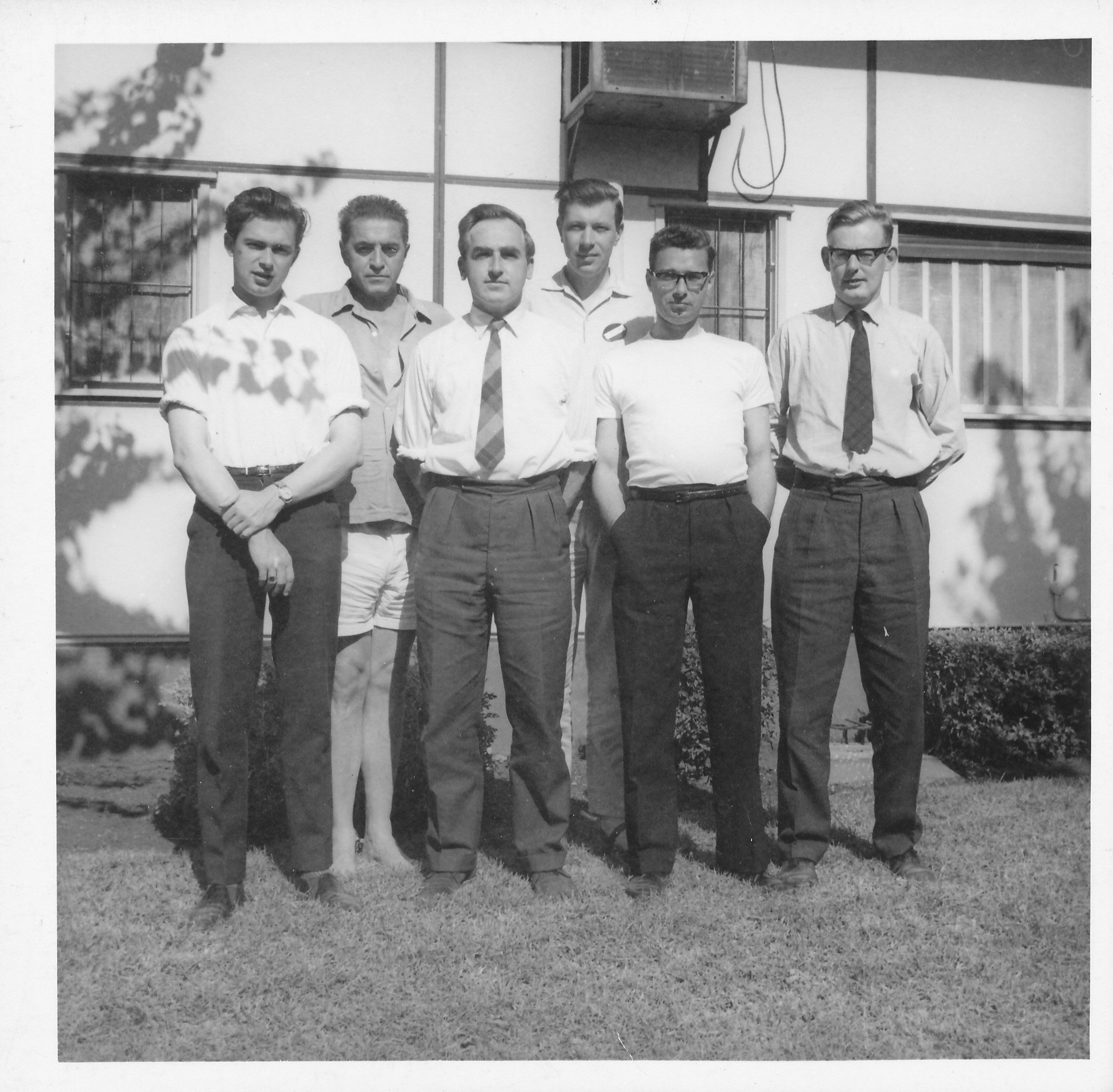
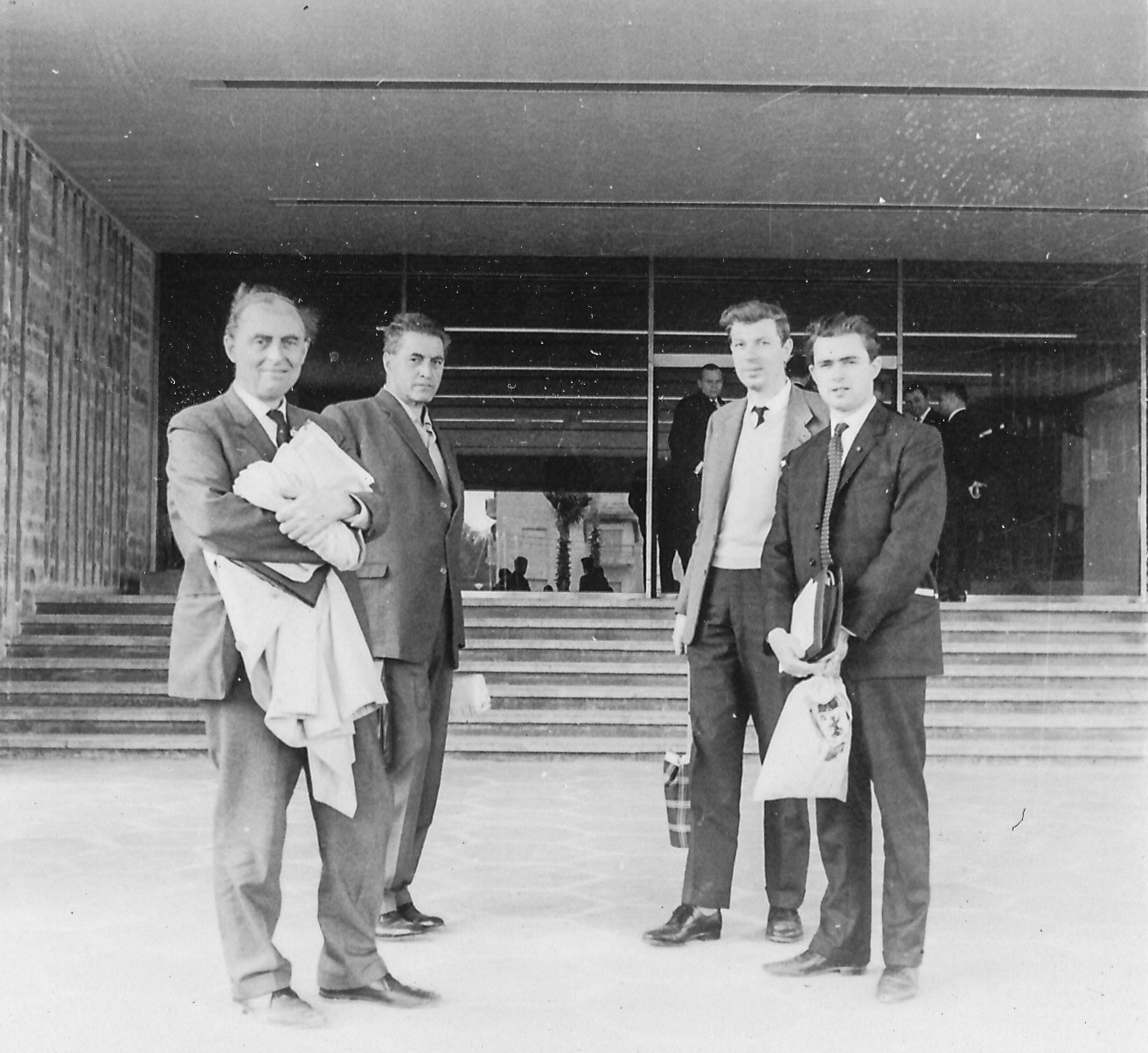
1964 saw selection by the BCF to play in the Tel Aviv Olympiad :

The 1964 England Olympiad (Tel Aviv) Team : Owen Hindle, Čeněk Kottnauer, Peter Clarke, Michael Franklin, Norman Littlewood & Michael Haygarth

and scored a creditable 4/6.  This was followed in 1965 with 3/5 in Clare Benedict tournament held in Berlin.

He played in the annual Anglo-Dutch match on no less than six occasions in 1962, 1963, 1964, 1965, 1968 and finally in 1969. His aggregate score was an impressive 8/12.

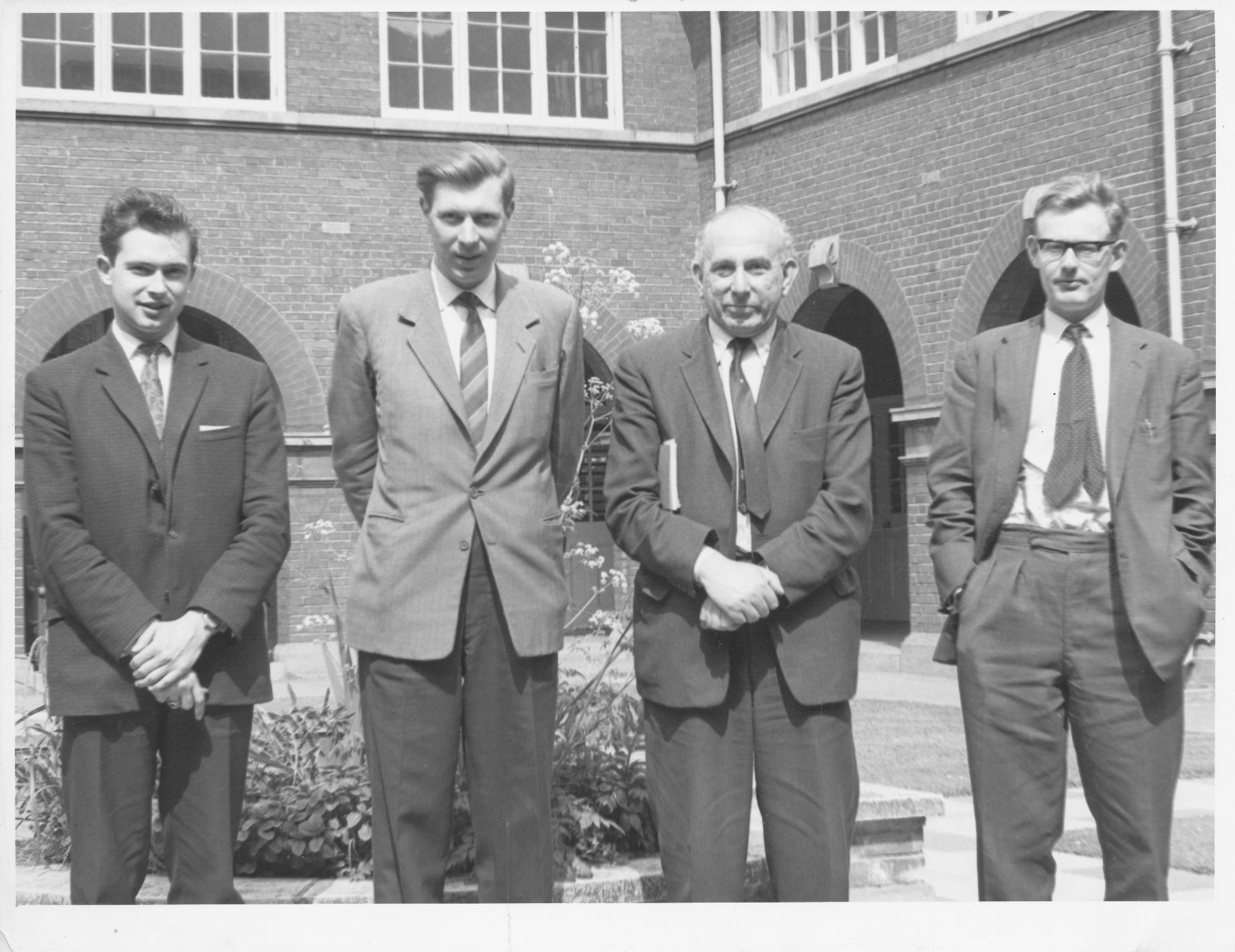
Hugh Alexander, Čeněk Kottnauer, Michael Franklin and Owen Hindle

On the national scene Michael repeated his 1963 victory at the 1969 Ilford Premier with a clear first place : Franklin 4; RG Wade and D Wright 3; JB Howson 2.5; BH Wood 2; PH Clarke 0.5.

In 1970 Michael won the London Championship which was also known as the Budget Cup which had last been held in 1956 .  He followed this in 1972 by rightly earning the (now defunct) title of British Master.

Michael’s final appearance for England was in 1971 in the Cheltenham based Anglo-German match with a somewhat disappointing 0.5/2 against Juergen Dueball.

Owen Hindle, Michael Franklin, Harry Golombek and Michael Haygarth

Michael played board two for London in a Telex match versus Belgrade playing Marjanovic.  The game was drawn.

Michael Franklin playing board two in the London - Belgrade Telex Match on April 3rd, 1976 from the St. James Hotel, Buckingham Gate. Sourced from BCM, Volume XCVI (96), Number 5, page 192. Photographer probably Freddy Reilly.
Michael Franklin playing board two in the London – Belgrade Telex Match on April 3rd, 1976 from the St. James Hotel, Buckingham Gate. Sourced from BCM, Volume XCVI (96), Number 5, page 192. Photographer probably Freddy Reilly.

The Ultimate Prize : The Aaronson Masters

The Aaronson Masters at  *Imperial Hotel, Russell Square, Bloomsbury, London, 1978 brought his best individual success at the age of 47, sharing first place with IM Aldo Haik of France and to boot, earning  an IM norm.

(*Venue location thanks to Ken Norman)

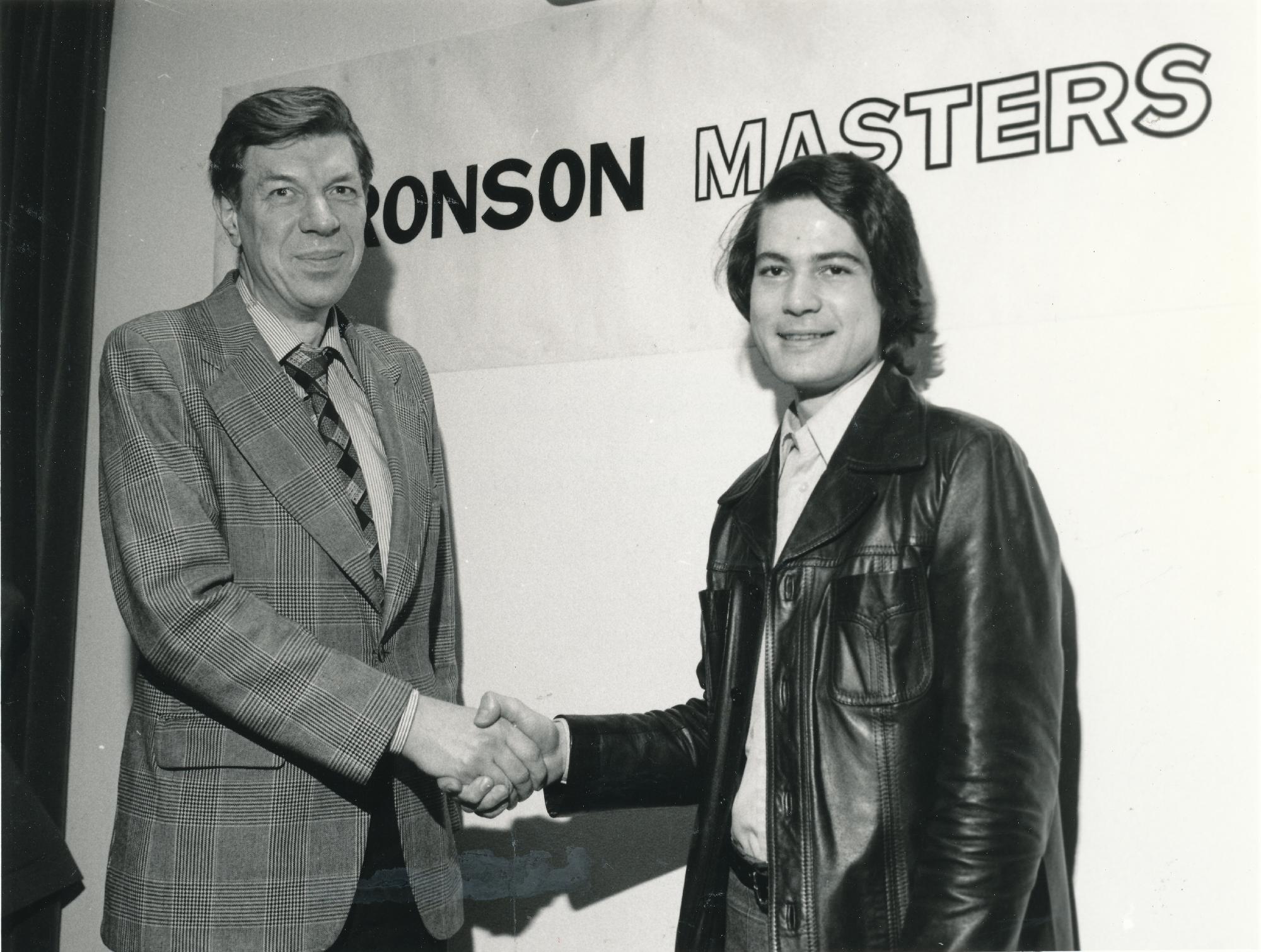
Joint winners of the 1978 Aaronson Masters : Michael Franklin and IM Aldo Haik

Michael scored an undefeated 7.5/10 and finished ahead of Short, Speelman, Nunn, Hartston, Mestel, Webb, Basman, Botterill and numerous other illustrious players.  Michael remarked of his lifetime best result that it was

just one of those occasions when everything went right!

But he scored 3.5/5 against the IMs, was alert to every opportunity, and the games show he owed little to luck.

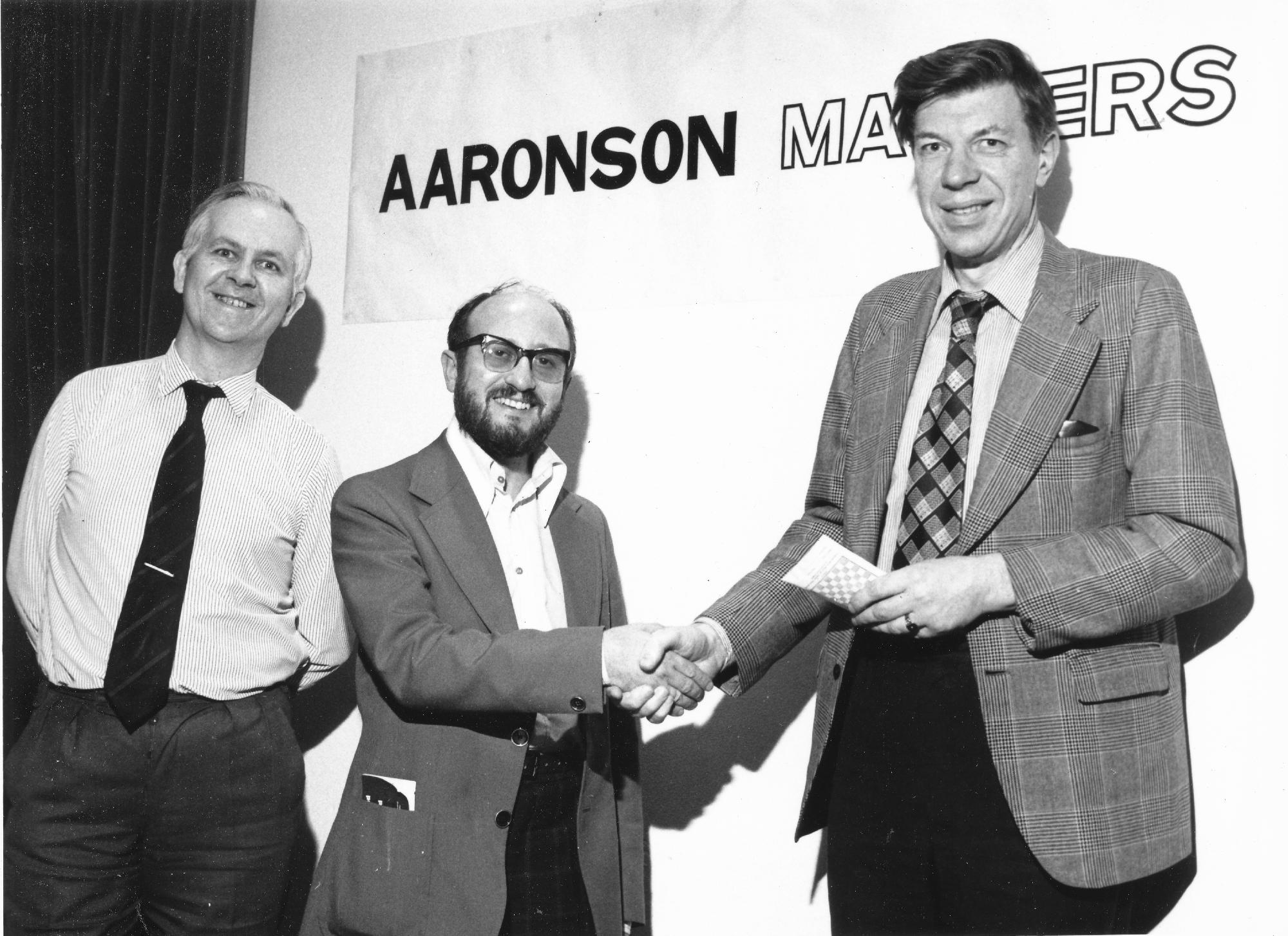
Leonard Barden, Stewart Reuben and Michael Franklin at the 1978 Aaronson Masters

Like many others Michael made appearences in Lloyds Bank events of 1977, 1978, 1984, 1989, 1991, 1993 and 1994.

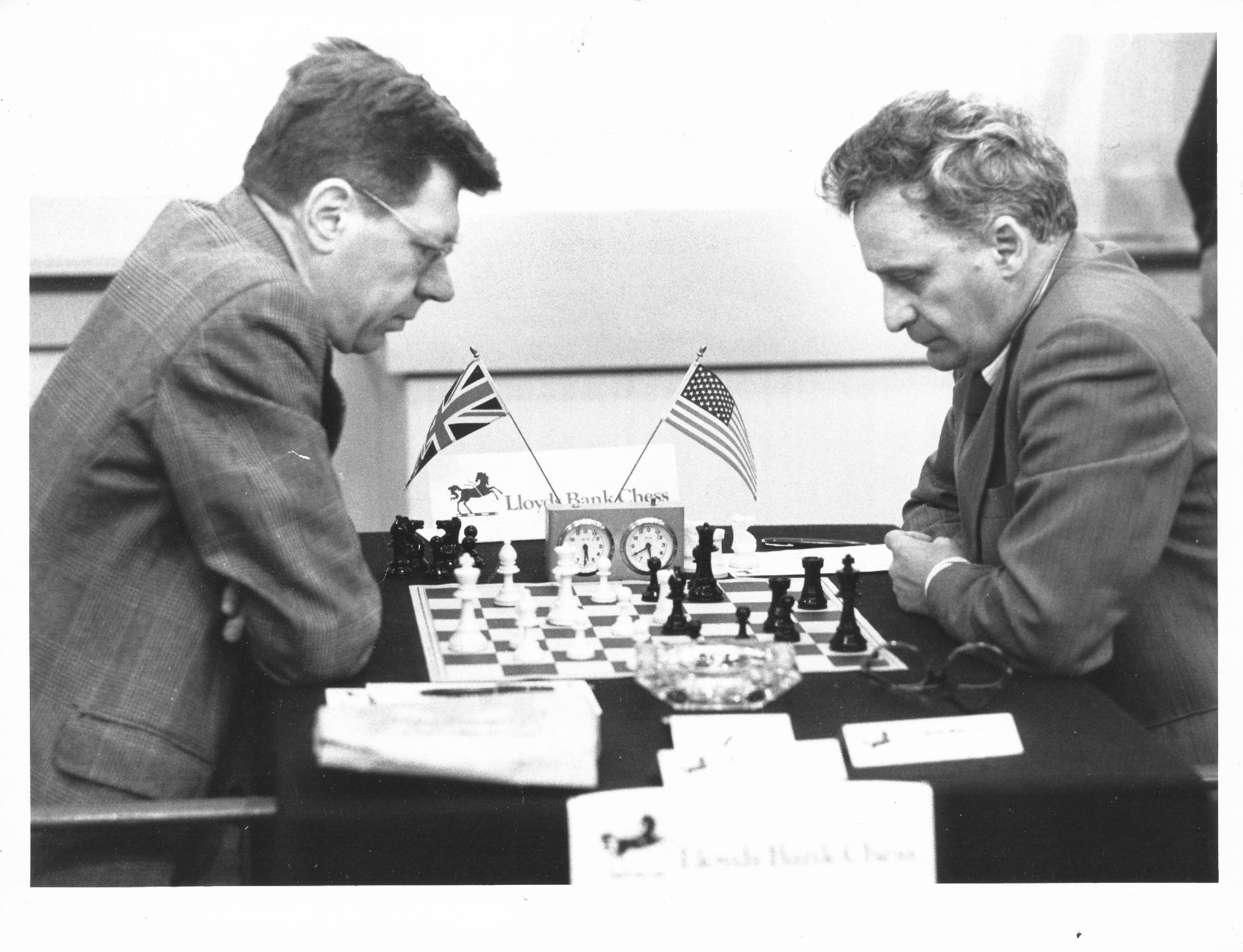
Michael Franklin (left) at the Lloyds Bank Masters playing IGM Leonid Shamkovich
Michael Franklin (left) at the 1978 Lloyds Bank Masters playing IGM Leonid Shamkovich
Michael and friends during the 1978 Lloyds Bank Masters

The Hastings Years

Michael first played at Hastings in 1964 when he was invited to play in the Premier Tournament. The tournament was won by Mikhail Tal and Michael finished in last place.

Undaunted he returned to Hastings in 1968 to play in the Challengers tournament. One of the attractions of playing in the Challengers was that the winner received a place the following years Premier. Frustratingly Michael finished second three years in a row! In 1968 the Challengers was won by Danny Wright, in 1969 by Martyn Corden and in 1970 by Peter Markland. Finally, in 1971 his patience was rewarded and he won the Challengers and qualified to the following years Premier.

The 47th Hastings Premier of 1971-72 had been changed from the traditional 10 player all-play-all to a 16 player tournament. Also, having obtained sponsorship from various organisations the committee were able to invite some of the top names of the day. The sponsors were:

  • Jim Slater
  • The Friends of Chess
  • The British Chess Federation
  • Bovis Holdings Ltd
  • Hastings County Borough Council

So, the entry included Karpov, Korchnoi, Andersson, Najdorf, Mecking, Gligoric, Unzicker and Robert Byrne to name but a few. This was undoubtedly the strongest Hastings Premier since World War Two and possibly the strongest Hastings Tournament since 1895.

Michael started well with a draw against the Rumanian GM Ciocaltea followed by a draw in with the Brazilian prodigy Mecking. In round three he surprised everyone by beating Ray Keene. With 2/3 things were looking promising. However, after this bright start Michael only managed a draw against Unzicker and a draw with Hartston finishing in a disappointing last place with a score of 3/15.

In the tournament report Peter Clarke opined

Franklin suffered the usual fate of the gifted amateur in a professional field of simply not being accustomed to this kind of chess.

Despite this Michael continued to play in the Hastings Challengers. He played in nineteen out of the next twenty-five years! He came close to winning the tournament in 1982: he was leading the tournament with a score of 7/8 when he was informed that Jean’s Father had passed away. Having drawn his ninth round game and needing only a draw in the last round to ensure at least a tie for first place he withdrew from the tournament and immediately left for home.

The Weekend Scene

Like all players with a full time job Michael had to play most of his chess at the weekend so the explosion of weekends tournaments in the early 1970’s gave him ample opportunities. His habit of playing quickly was ideally suited to the fast time limits of the weekend tournament. During the 1970 and 1980’s he was very successful. He won numerous events and was more often than not in the prize list.

FM Michael Franklin, Photo by Cathy Rogers

In later years he restricted himself to London based tournaments and those in the West Country. His regular tournaments being Exeter, Torquay and old favourite, Frome. Michael at the age of 78 shared first place at Frome 2009. Frome 2010 was his farewell appearance.

FM Michael Franklin
FM Michael Franklin

Michael played for a number of clubs viz : Richmond & Twickenham, Coulsdon CF, Surrey CCA, 4NCL Richmond, 4NCL Bristol and Richards Butler to name but a few.

Finally, in 1980,  Michael was awarded the FIDE Master title and achieved his highest rating (in the Elo era) of 2345 in January 1979. It is most likely that his highest ever rating would have been more like 2450.

FM Michael Franklin vs Paul Helbig

Appropriately enough Michael was the inaugural winner of the BCF/ECF Senior Prix in 2000 and won it again in 2002 and 2003. The event last ran in 2006.

When Surrey won the counties championship a few years back the team took the trophy around to Michael’s home in Norbury, such was their regard for his contributions.

The London System

Any currently active club player cannot have missed the explosive rise to prominence of the system for White he developed :

The London System and Accelerated London System has acquired a huge cohort of followers in recent times probably not realising the debt they (and many authors, book and DVD publishers!) owe to Michael. If only he could have earnt a royalty every time it was played!

Also Michael had notable success as Black with the O’Kelly Sicilian 1.e4 c5 2.Nf3 a6.

Life Outside of Chess

Michael had many interests apart from Chess. He was for many years a member of the Surrey County Cricket Club. After he retired he would arrange to meet fellow Surrey Member Frank Parr at the Oval and after lunch in the Pavilion they would spend the day enjoying the Cricket. Tennis was another sport that Michael followed. Michael was also interested in horseracing. Several players were surprised when visiting one of the racetracks around London to find Michael also attending the race meeting.

Michael was the typical “natural” player. He never studied the game and his only sources of opening information were the British Chess Magazine and the chess columns in The Times and the Guardian. He never kept the scores of his games. Once the game was finished it was time to move on. One of Michael’s greatest strengths was his optimistic attitude at the chessboard. No matter how bad the position he was confident of ultimate success.

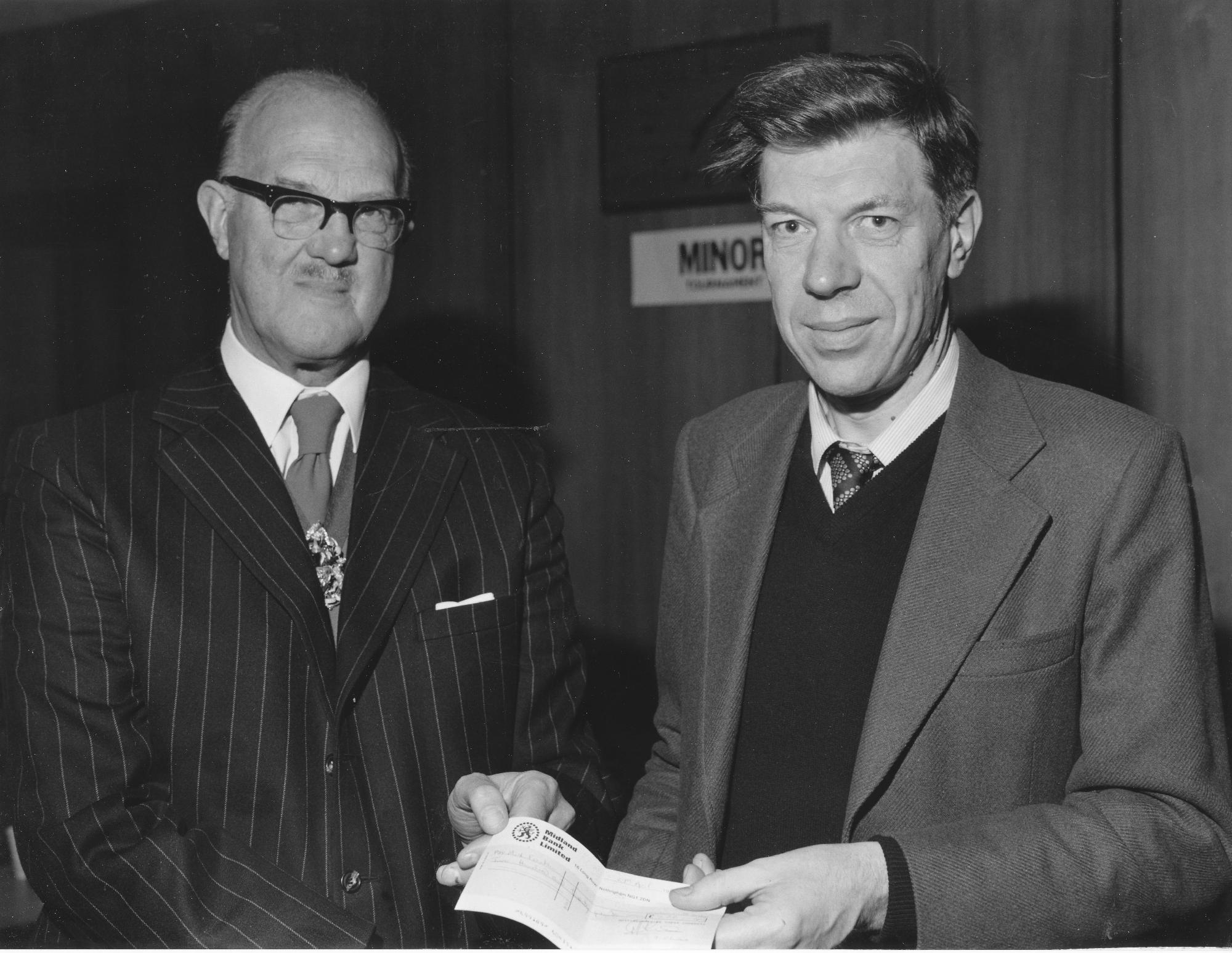
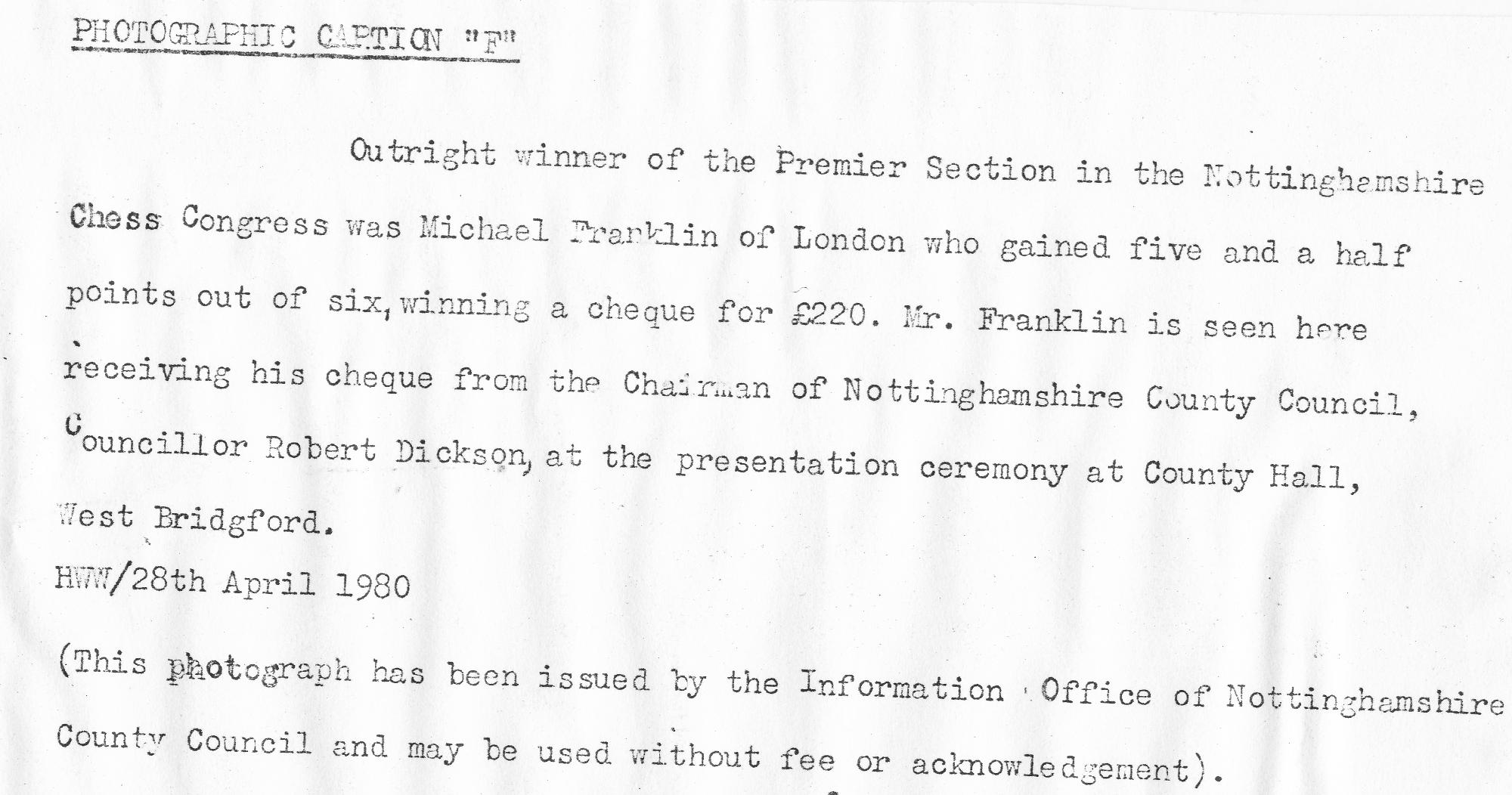
Michael Franklin receives £220 from Councillor Robert Dickson at the 1980 Nottinghamshire Congress
Caption for above photograph
 Save as PDF

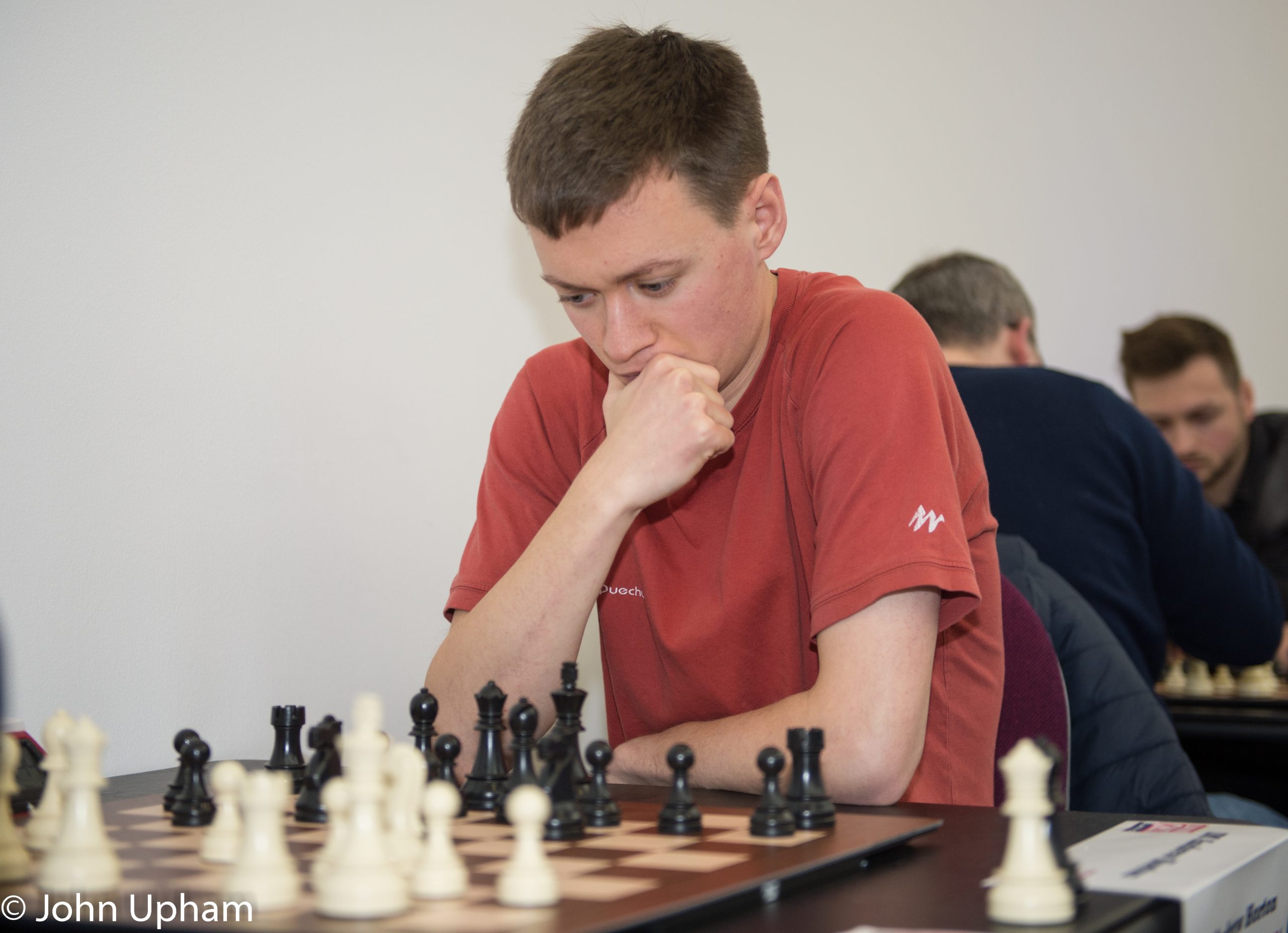
Happy Birthday IM Andrew Horton (15-i-1998)

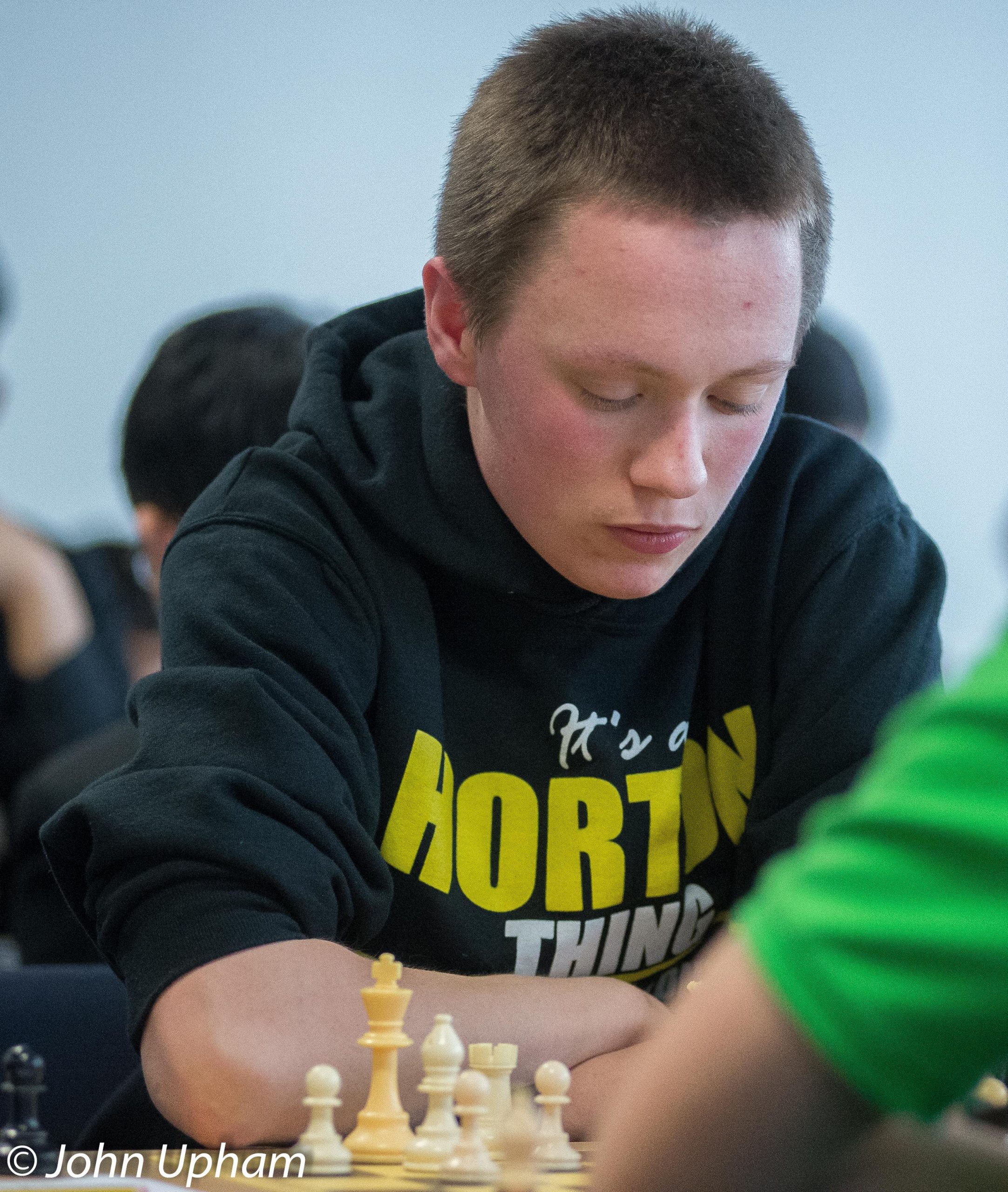
Andrew Horton at the 2014 Team Chess Challenge at Imperial College. Courtesy of John Upham Photography

BCN wishes Happy Birthday to IM Andrew P Horton (15-i-1998)

Andrew became a FIDE Master in 2015 and an International Master in 2018 following the 89th FIDE Congress 2018, 26 Sep – 6 Oct, Batumi, Georgia.

Andrew represents the 3Cs club in the Manchester League and in the Four Nations Chess League (4NCL) (as well as Wood Green) and, in addition, Wotton Hall, Durham City (during his University years) and Northumberland CA for county matches.

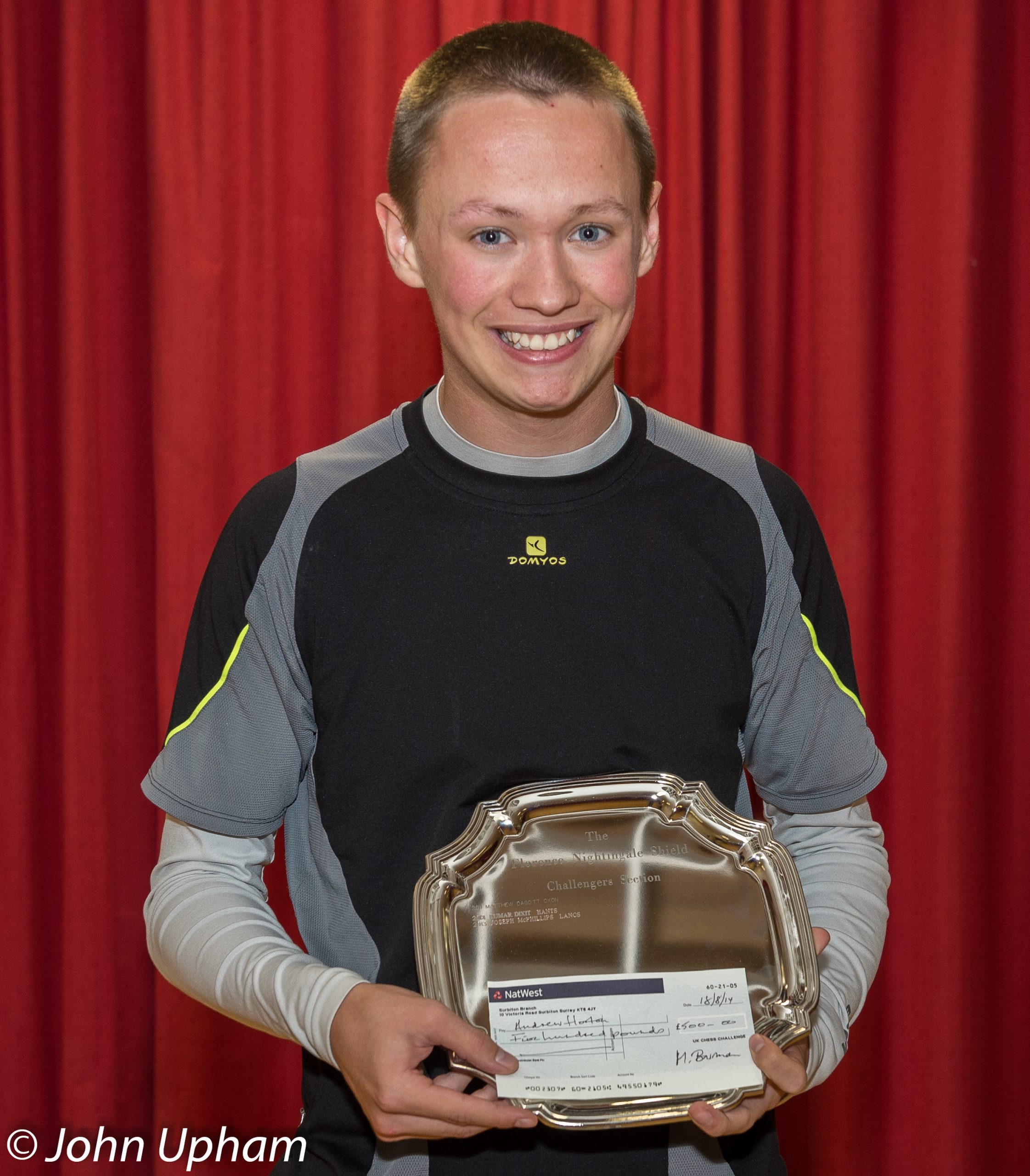
Andrew made regular appearences at the Delancey UK Chess Challenge and was placed 1st in the 2014 Terafinal, Challengers section.

Andrew Horton, Challengers C, 1st, 2014, UKCC Terafinal

In 2021 Andrew was invited and played in the London Chess Classic at the Cavendish Conference Centre.

IM Andrew Horton at the London Chess Classic, 2021

Andrew’s ECF standard play rating at January 2023 is 2452K.

 Save as PDF

Happy Birthday GM Daniel Fernandez (05-iii-1995)

BCN wishes Happy Birthday to GM Daniel Fernandez who at 26 is currently England’s youngest Grandmaster. The previous GM title holder was Jonathan Hawkins in 2014 making two in seven years.

Daniel Howard Fernandez was born in Stockport, Manchester on Sunday, March 5th 1995.  “Think Twice” by Celine Dion was top of the UK hit parade.

Daniel started playing chess at the age of seven (after his father taught him the rules) and at this time attended King’s School, Harpenden.  His first chess club was Little Heath which became the ECF Small Club of the Year in 2015. They play in the Potter’s Bar area and include IM John Pigott in their membership.

At Little Heath Chess Club Daniel was coached by Mark Uniacke (who worked extensively on the early chess engine HIARCS).

Daniel went up to Queen’s College, Cambridge to read mathematics and left to become a Data Analyst at Mu Sigma Inc. He can speak several languages (including Serbian!) and works as a translator when opportunities arise.

He currently lives in Australia offering coaching and writing chess books (for Thinkers Publishing) and columns for Chessbase. In his spare time (!) Daniel is studying for The Master of Complex Systems degree at The University of Sydney.

Daniel’s first ECF graded game was rapidplay on July 5th 2003 in the SCCU Junior Under-14 Final.

His first standard play game was in August 2003 at the Edinburgh based British Under-8 Championship.

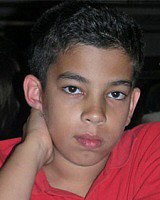
Daniel Fernandez
Daniel Fernandez

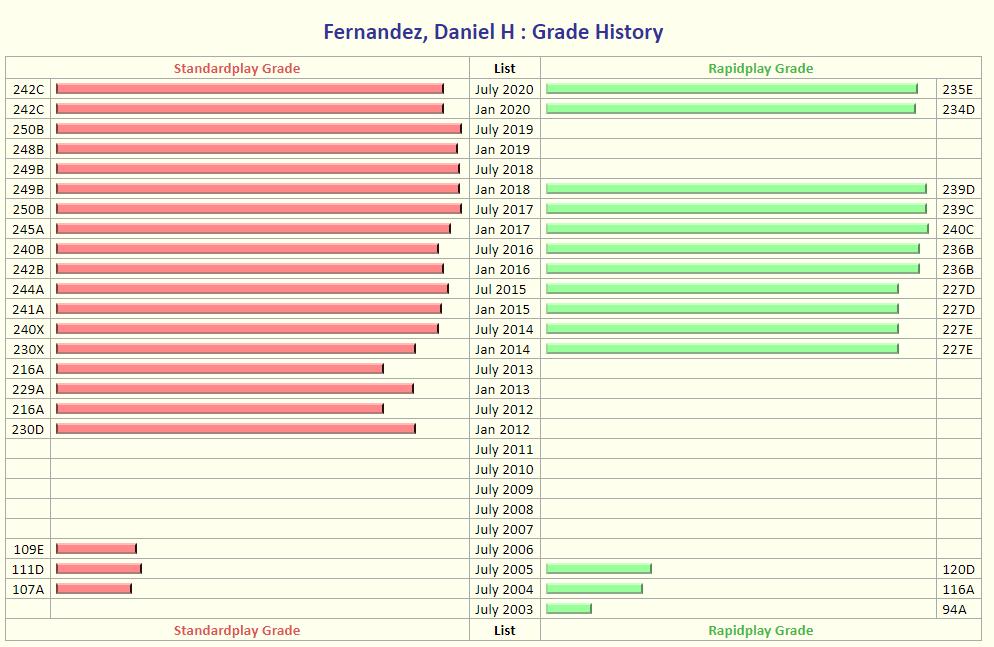
Daniels ECF grading profile demonstrated rapid improvement :

ECF grading profile for Daniel Fernandez

On August 13th 2004 in Scarborough Daniel became British Under-9 Champion sharing the title with Daniel Hunt & Saravanan Sathyanandha.

The Fernandez family relocated to Singapore in August, Daniel attending the Anglo-Chinese School in Singapore. He was swiftly recruited into the Singapore Chess Federation’s (SCF) National Junior Squad. Also in that squad were Danielle Ho and Howard Chiu (remember this for later!).

Barely three weeks after his Scarborough triumph on September 4th 2004 Daniel played his first FIDE rated game in the 5th Asian Under-10 Championship organised by the ASEAN Chess Confederation. His performance in this event was rewarded with a FIDE Master title in 2005. Because he was no longer active in English events the ECF had the unusual scenario of having a ten year old FIDE Master with a published grade of ~120!

In typically modest fashion Daniel confesses  that he did not “deserve” the FM title at this time and that it was the consequence of the strong position of the ASEAN and SCF organisations  within world chess. At the same event Wesley So gained his FM title in the Under-12 section.

FM Daniel Fernandez
FM Daniel Fernandez

Another interesting consequence of the relocation was that when Daniel returned to England in 2012 his last published grading went from ~ 120 to ~230!

One of the motivations of  returning to England was to obtain the necessary entrance requirement to study mathematics at Cambridge. This he did by studying for A-levels at Manchester Grammar School.

Daniel with IM Jovan Petronic during the 2010 world juniors in Chotowa, Poland | Photo: Diana Mihajlova

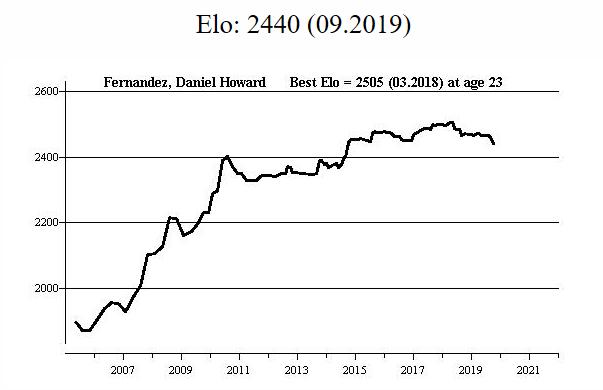
Consequently Daniel’s FIDE rating profile also showed a fast pace of development:

FIDE rating profile for Daniel Fernandez

Sydney 2009 and Sydney 2010 both provided IM norms with the third one coming from Kuala Lumpar 2010 and with these Daniel became an International Master in 2010 the title being confirmed at the 3rd quarter Presidential Board Meeting 2010, 24-25 July 2010, Tromso in Norway.

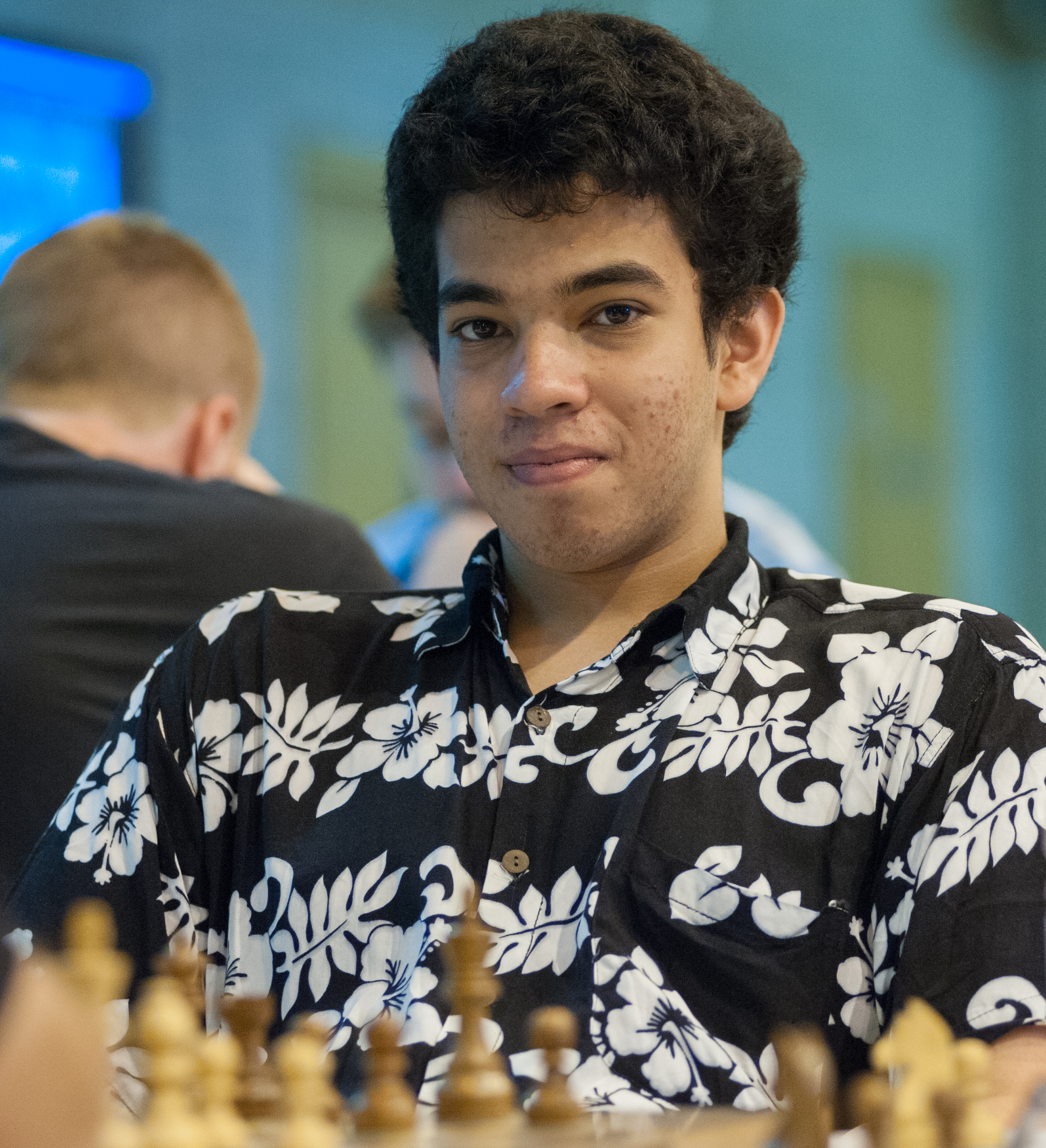
IM Daniel Fernandez, 100th British Championships, Round 5, Torquay. Courtesy of John Upham Photography

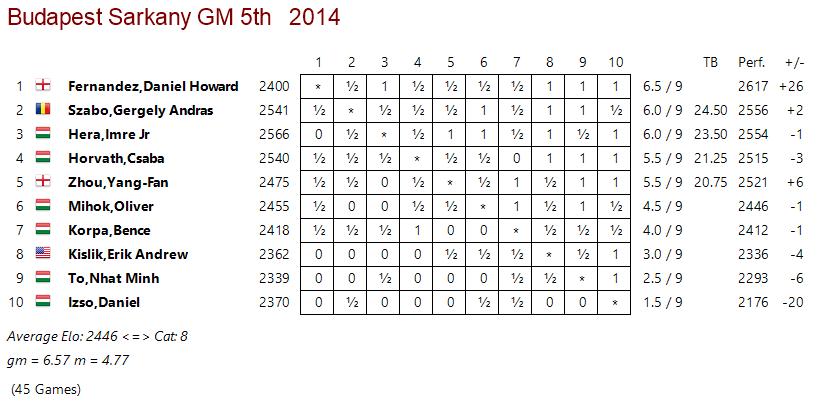
He won the Budapest Sarkany Tournament in 2014 as follows:

Full Crosstable from Budapest Sarkany Tournament, 2014.

earning his first GM norm in the process.

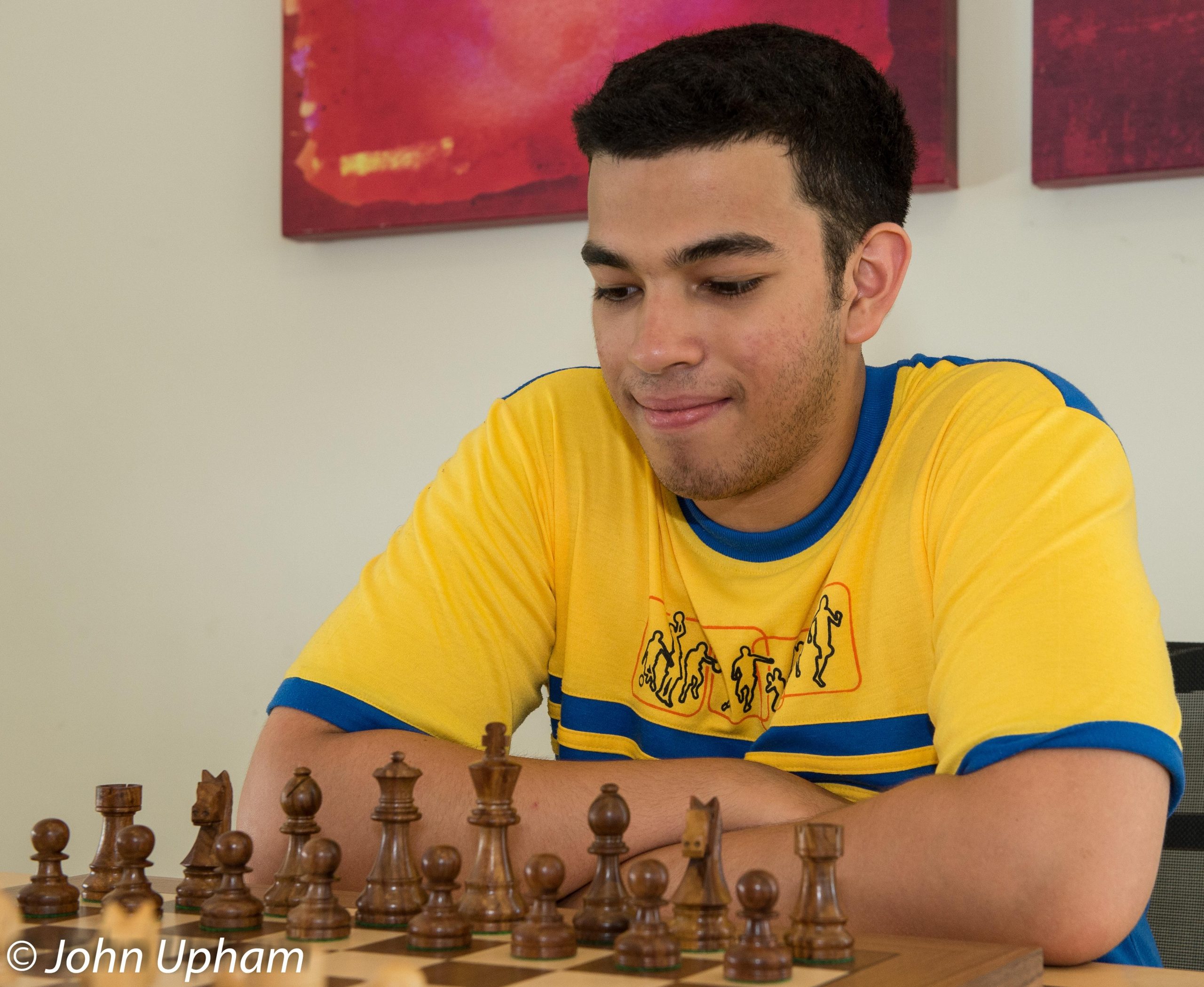
IM Daniel Fernandez, 101st British Championships, Aberystwyth. Courtesy of John Upham Photography

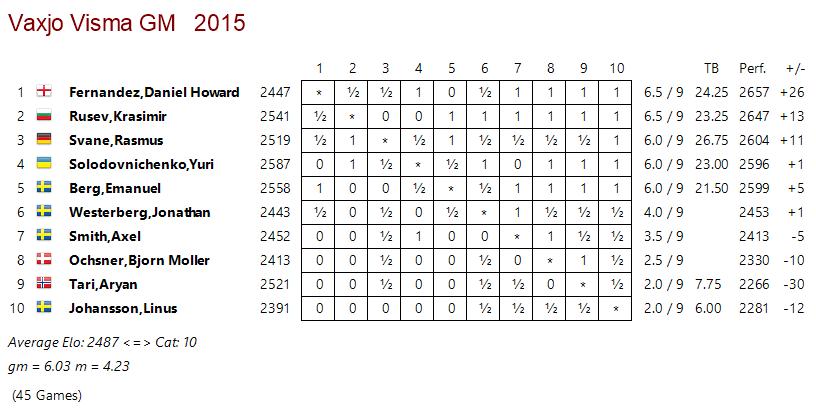
BCN asked Daniel for three of his favourite games. The first one is this Polish Defence game from 2015 played at the Visma Arena in Vaxjo, Sweden. First we have the crosstable showing that Daniel earnt his second GM norm from this event.

Full Crosstable for Vaxjo, Visma tournament in Sweden, 2015.

and here is the game:

and during the 2015/15 4NCL season Daniel obtained his final GM norm playing for Wood Green.

In March 2015 he made his first of three Varsity match appearences for Cambridge re-uniting with Danielle Ho and Howard Chiu (remember those names from earlier?).

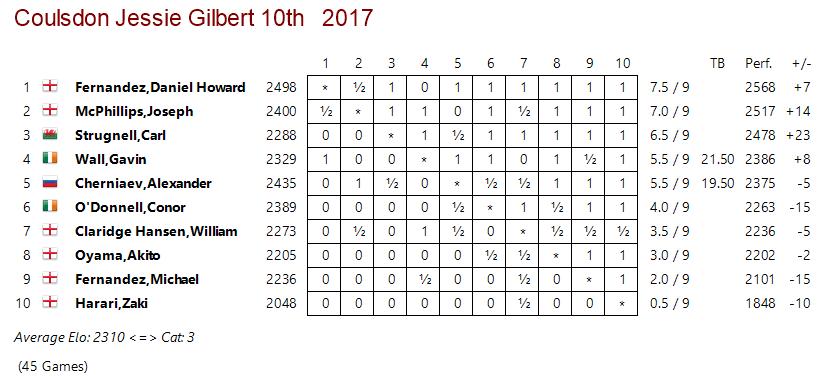
Daniel won the 10th Jessie Gilbert Memorial in 2017:

Full Crosstable from the 2017 10th Jessie Gilbert Memorial

and also in 2017 Daniel was awarded the Grandmaster title at the 88th FIDE Congress 2017, 7-15 October, Goynuk, Antalya, Turkey.

On March 11th Daniel represented Cambridge in the 135th Varsity Match at the RAC Club in Pall Mall.  According to chess24.com ‘IM Daniel Fernandez, playing board 2 for Cambridge, was awarded the Brilliancy Prize by GM Ray Keene in consultation with McShane and Speelman, for his “high-class swindle” after recovering from a bad blunder.’ See here for details.

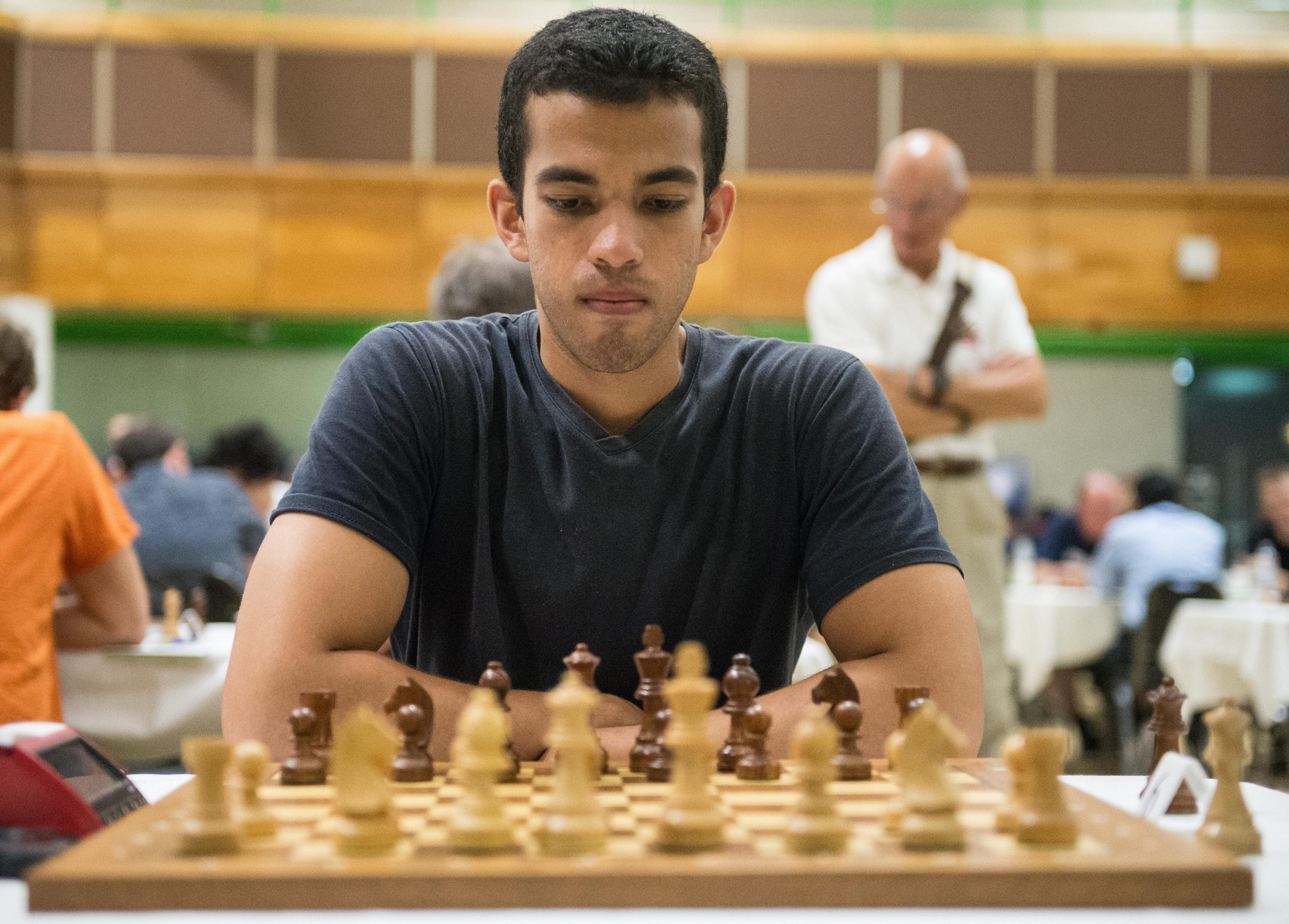
GM Daniel Fernandez, 2019 British Championships, Torquay. Courtesy of John Upham Photography

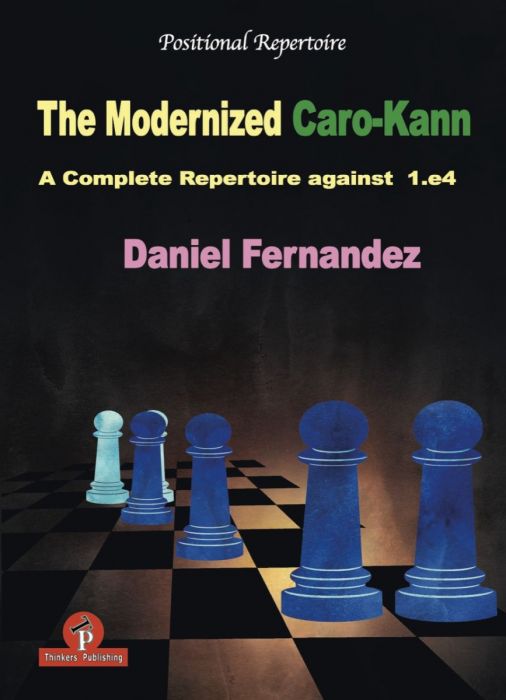
In 2018 Daniel ventured into the world of book writing when Thinker’s Publishing released The Modernized Caro-Kann on September 8th 2018.  This was a repertoire book for Black based around the Smyslov Variation :

and was reviewed in this place favourably and quickly established Daniel as a significant author.

The Modernized Caro-Kann, Daniel Fernandez, Thinkers Publishing, 2018

From the rear cover we have:

“GM Daniel Fernandez (born 1995) has been an active and accomplished player for several years. He represented his native Singapore twice at Olympiads (2010 and 2012) before transferring to the English chess federation. There, he won the national classical titles at U-18 and U-21 levels and worked to become a Grandmaster while simultaneously studying at Cambridge. The Caro-Kann was instrumental in his quest for that title. Currently, Daniel is known in the chess scene not only as a solid player, but also as a mentor figure to younger English players, as a producer of well-received commentary and analysis, and as a multilingual chess coach. This is his first book.”

From January 2019 we have this interesting encounter between Gawain Jones and Daniel from the annual 4NCL meeting of Guildford and Wood Green:

With the White pieces Daniel has played  a wide range of first moves but the majority move by far is 1.e4. His choice versus the Najdorf is some eclectic : sometime ago 6. Rg1 was the favourite and now 6.a4 is preferred.

Against 1…e5 Daniel offers a main line Ruy Lopez.

What does a Caro-Kann expert play against the Caro-Kann? Nowadays the Two Knights Variation is employed!

As the second player he plays the Sicilian Najdorf as well as the Caro-Kann plus an equal mixture of the Grünfeld and King’s Indian Defences.

In 2019 Daniel was interviewed by Edwin Lam on behalf of ChessBase : fascinating reading!

In the same year Daniel joined IM Adam Taylor’s venture Making Grandmasters.

Our final games is from July 2019 :

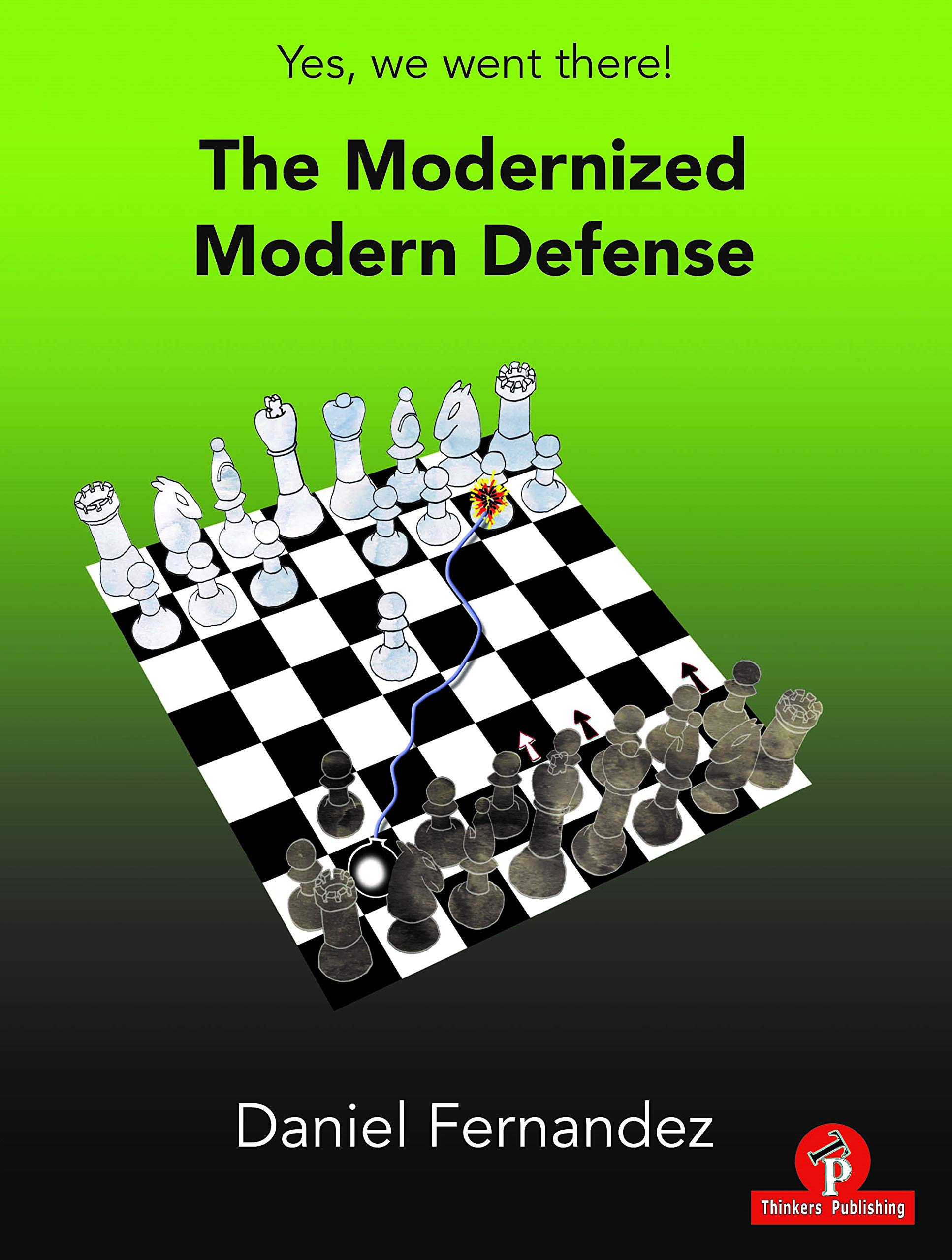
Daniel’s most recent publication is The Modernized Modern Defence from Thinker’s Publishing:

The Modernized Modern Defence, Daniel Fernandez, Thinker's Publishing, 2021
The Modernized Modern Defence, Daniel Fernandez, Thinker’s Publishing, 2021

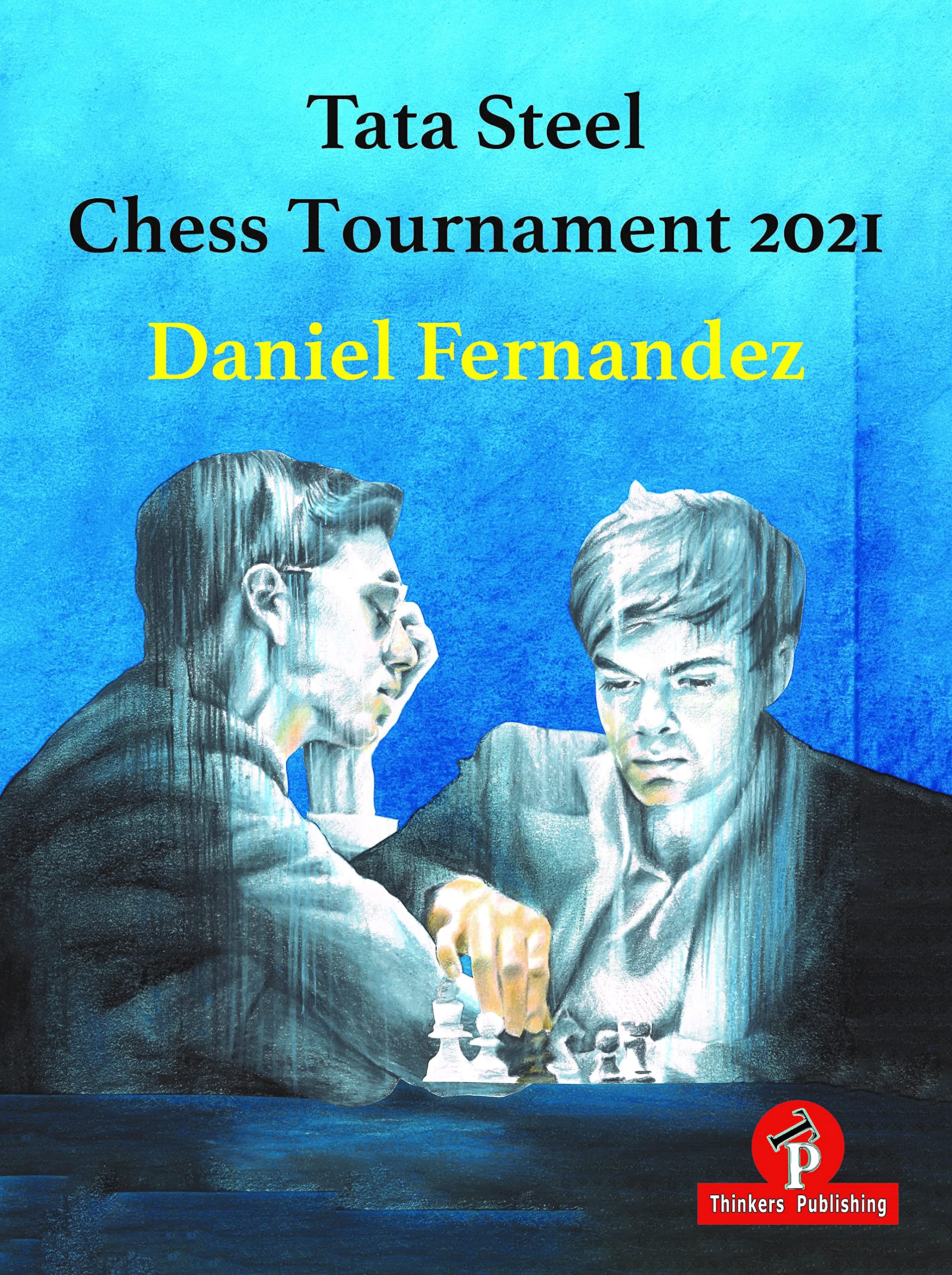
and BCN has been told that Daniel has a book in the pipeline about the Tata Steel 2021 tournament at Wijk aan Zee.

And here it that book!

Tata Steel Chess Tournament 2021, Daniel Fernandez, Thinker's Publishing, 14 Feb. 2022, ISBN-13 ‏ : ‎ 978-9464201420
Tata Steel Chess Tournament 2021, Daniel Fernandez, Thinker’s Publishing, 14 Feb. 2022, ISBN-13 ‏ : ‎ 978-9464201420
 Save as PDF

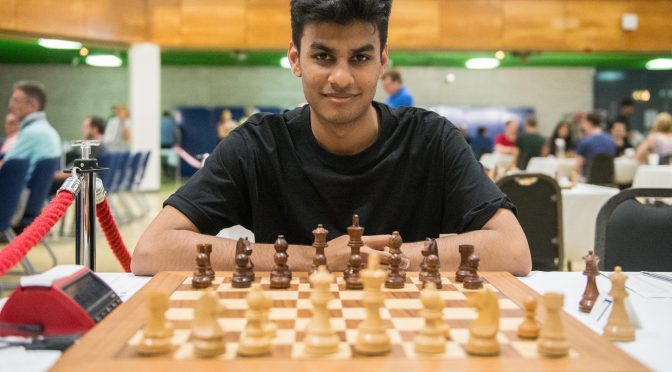
Happy Birthday GM Ravi Haria (07-ii-1999)

BCN sends birthday wishes to GM Ravi Haria.

Ravi Haria was born Sunday, February 7th, 1999  in Elstree, Hertfordshire. “Maria” by Blondie was top of the hit parade. Ravi currently resides in London.

Ravi attended Lyonsdown School in Barnet and then The Haberdashers’ Aske’s Boys’ School and now reads History at University College, London.

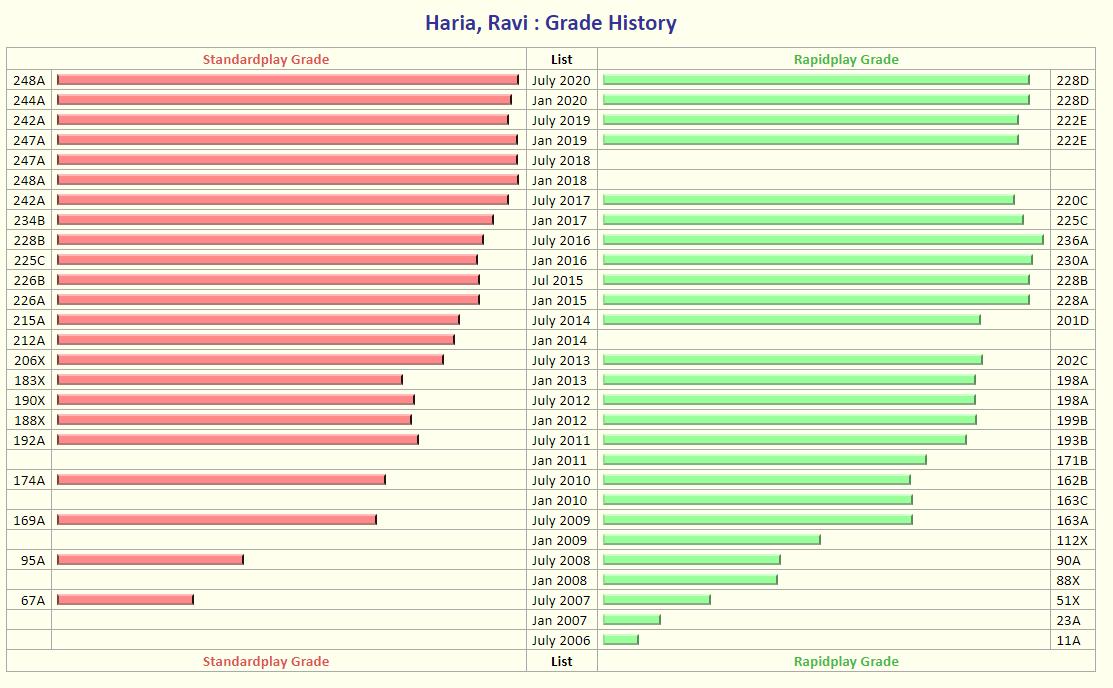
ECF grading profiles for Ravi Haria

Ravi learnt at the age of 6 and joined Barnet Knights Chess Club in 2005.   His first chess teacher was Angela Eyton who taught him the moves and Angela was followed by Tony Niccoli and then Julian Meszoras on his ascent of the chess ladder.

Ravi’s first recorded tournament was the 35th Barnet Knights Under-8  rapidplay on September 25th 2005. Also playing of note were Jonathan Pein and Isaac Sanders.

His first recorded standard play game  was in the London Junior Under-10 Championships on December 9th 2006.

By the time he was eight he had attracted the attention of the England selectors and played in the 2008 Commonwealth Championships in New Delhi coming home with a bronze medal.

Ravi aged 8 photographed by The Borehamwood and Elstree Times in January 2008
Ravi aged 9 photographed by The Borehamwood and Elstree Times in August 2008

In 2008 Ravi won the British Under-9 title in Liverpool. He said afterwards:

It was quite nice to be leading everyone and I felt proud of myself. I’m not sure how I control my nerves but it feels really good to win.

His mother Sona said:

It’s a bit overwhelming but we just support him. It means you have to give up a lot of time for him but it’s really nice to see that he’s getting somewhere.

This was followed in 2014 by winning the British Under-18 championship in Aberystwyth aged 15 and then the same title in 2017 in Llandudno.

Ravi Haria, UKCC Southern Gigafinal, 2013

In 2016 Ravi was equal 2nd to Deep Sengupta at the Hastings Masters Open with an impressive 6/9 and a TPR of 2563.  This performance secured his second IM norm.

The IM title was conferred at the 88th FIDE Congress 2017, 7-15 October, Goynuk, Antalya, Turkey.

He scored six points after 11 rounds at the 2017 World Junior championship in Italy and 5.5 points at the 2017 WYCC U-18 group in Uruguay.

Ravi completed his British junior titles run by becoming the current (no OTB event in 2020) British Under-21 champion in 2019 in Torquay scoring an emphatic 6.5/9 securing a share of third place.

Partial crosstable for the 2019 British Championships in Torquay

Ravi became a FIDE Master in 2015 at the age of 16 and and International Master two years later making him England’s second youngest IM after Matthew Wadsworth.

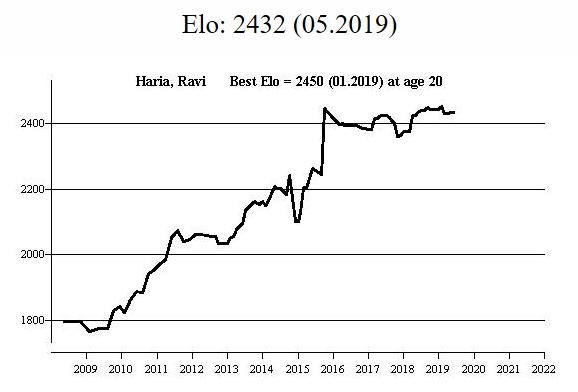
OTB Elo rating profile for IM Ravi Haria according to MegaBase 2020

His peak FIDE rating was 2497 in October 2021 and currently (February  2022) is 2490.

In 2019 Ravi teamed up with IM Adam C. Taylor to join Adam’s Making Grandmasters training venture.

FM Ravi Haria, ECF Secondary Schools Rapidplay, 2016

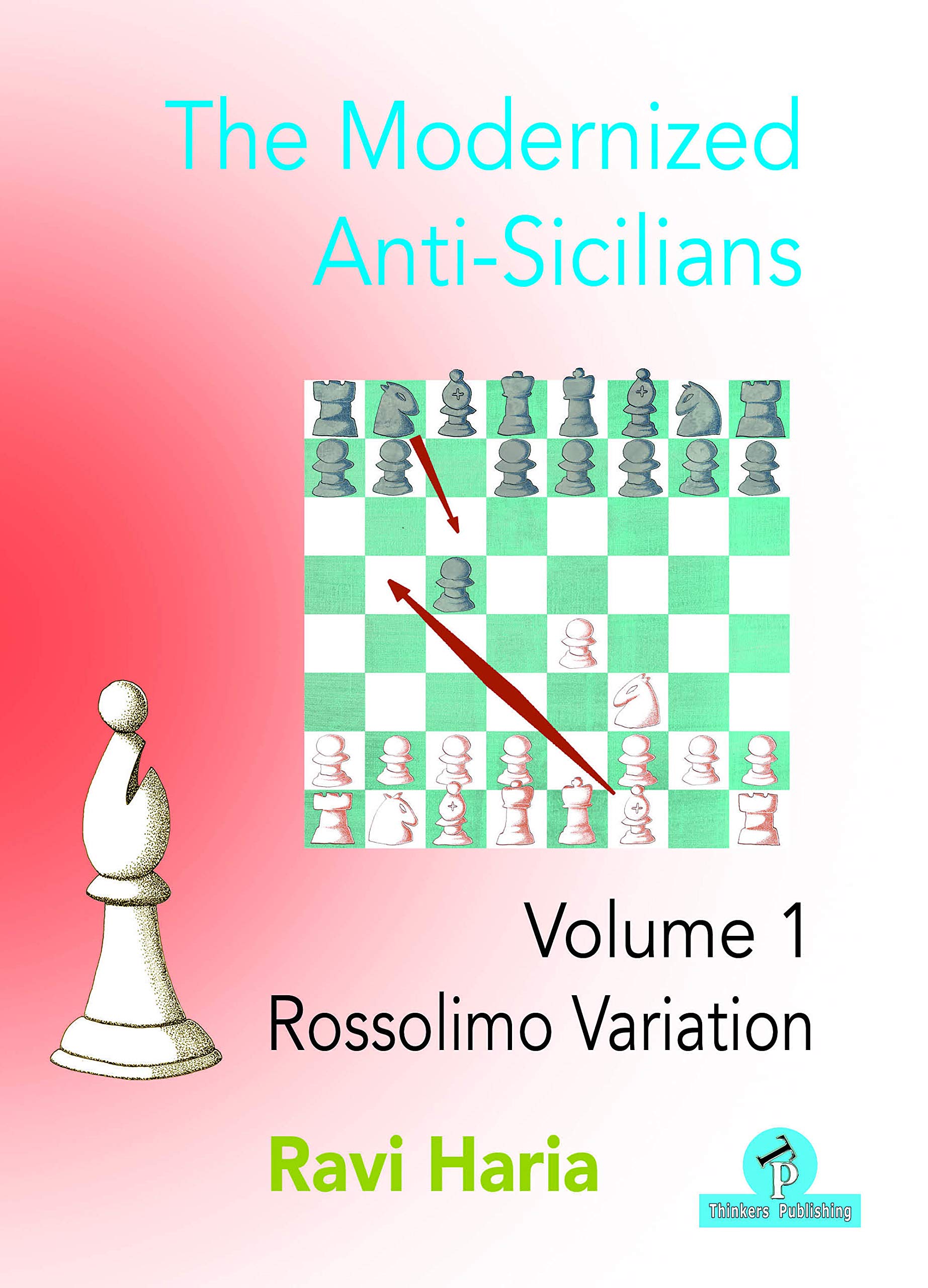
On January 28th 2021 Thinker’s Publishing released The Modernised Anti-Sicilians, Volume 1, Rossolimo Variation which is a massive 520 page tome on the following position :

which was reviewed by FM Richard Webb.

which we hope will be followed by at least Volume 2!

The Modernized Anti-Sicilians - Volume 1: Rossolimo Variation, Ravi Haria, Thinker's Publishing, 2021
The Modernized Anti-Sicilians – Volume 1: Rossolimo Variation, Ravi Haria, Thinker’s Publishing, 2021

Ravi has plus scores against : Matthew Turner, Simon Williams, William Claridge Hansen, Bob Eames, David Eggleston and Arul Gupta to name but a few.

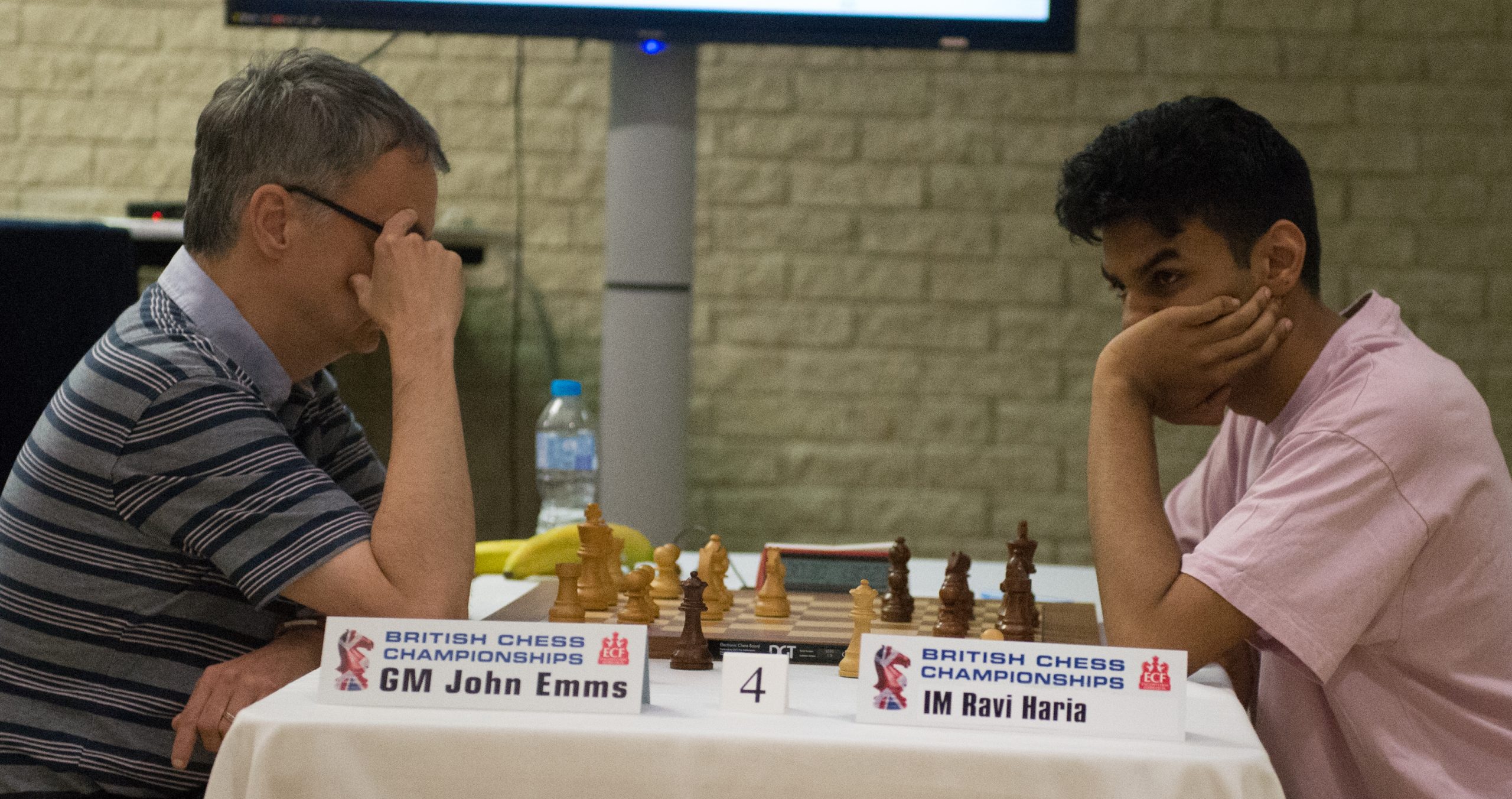
GM John Emms plays IM Ravi Haria in the final round of the 2019 British Championships in Torquay

With the white pieces Ravi unsurprisingly plays the Moscow and Rossolimo variations against the Sicilian,  the Ruy Lopez and, in recent years, he has adopted the Reti/English complex.

As the second player he plays the French Winawer and (refreshingly) the Abrahams-Noteboom Variation of the Semi-Slav.

For your entertainment we have these two  brevities :

and

Ravi has played for University College London. Hendon and Cavendish in the London and other leagues and in 4NCL he started with Kings Head, transferring to Cambridge in 2014 and finally moving in 2016 to Wood Green.

In this game Ravi punishes IM Malcolm Pein who has a bad day at the office :

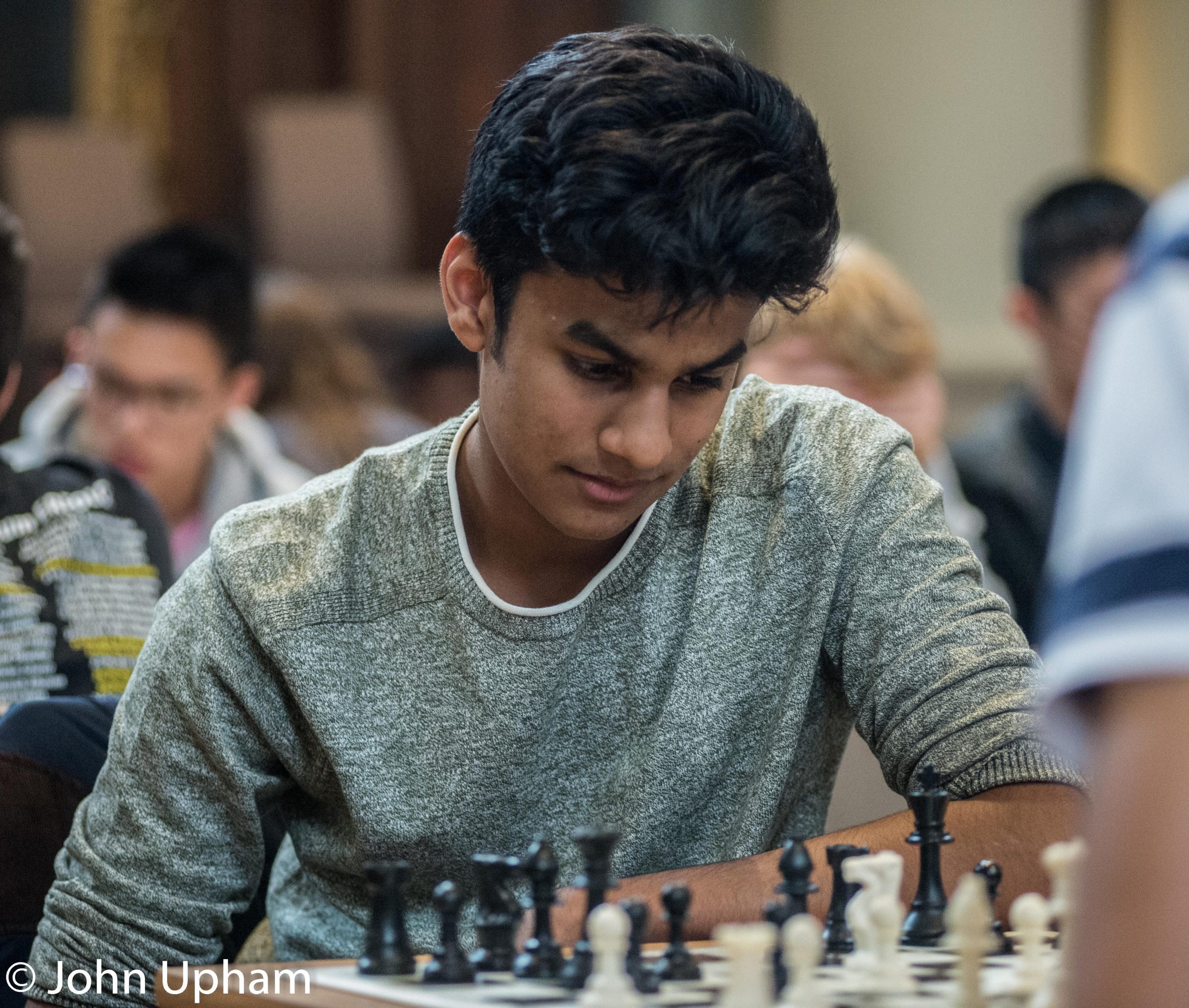
Ravi Haria, British Championships, 2014, Aberystwyth

Ravi is Mesutgm on chess.com and lichess

Over the 19th – 23rd August  2021 Ravi played in the Wood Green Invitational round-robin event at Oddfellows Hall, Stafford.

Ravi scored 7.5/10 and secured his second Grandmaster Norm and  a TPR of 2680.

Wood Green Invitational Round-Robin event at Oddfellows Hall, Stafford. August Bank Holiday Weekend, 2021

Over the August Bank Holiday weekend of 2021 Ravi played in the Northumbrian Masters  GM Tournament at the splendid Marriott MetroCentre, Gateshead winning jointly with Conor Murphy scoring 6.5/9 with a TPR of 2600. This gave Ravi his third and final GM norm.

The norm was ratified at a recent FIDE Congress. As of February 2022 Ravi stood at 2490 for standard-play.

 Save as PDF