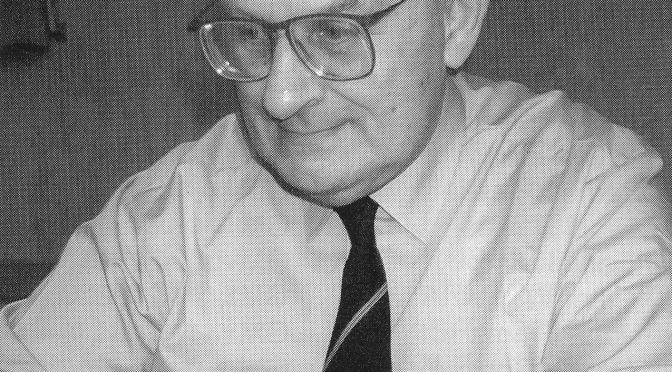
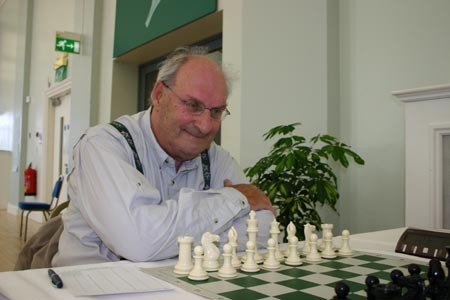
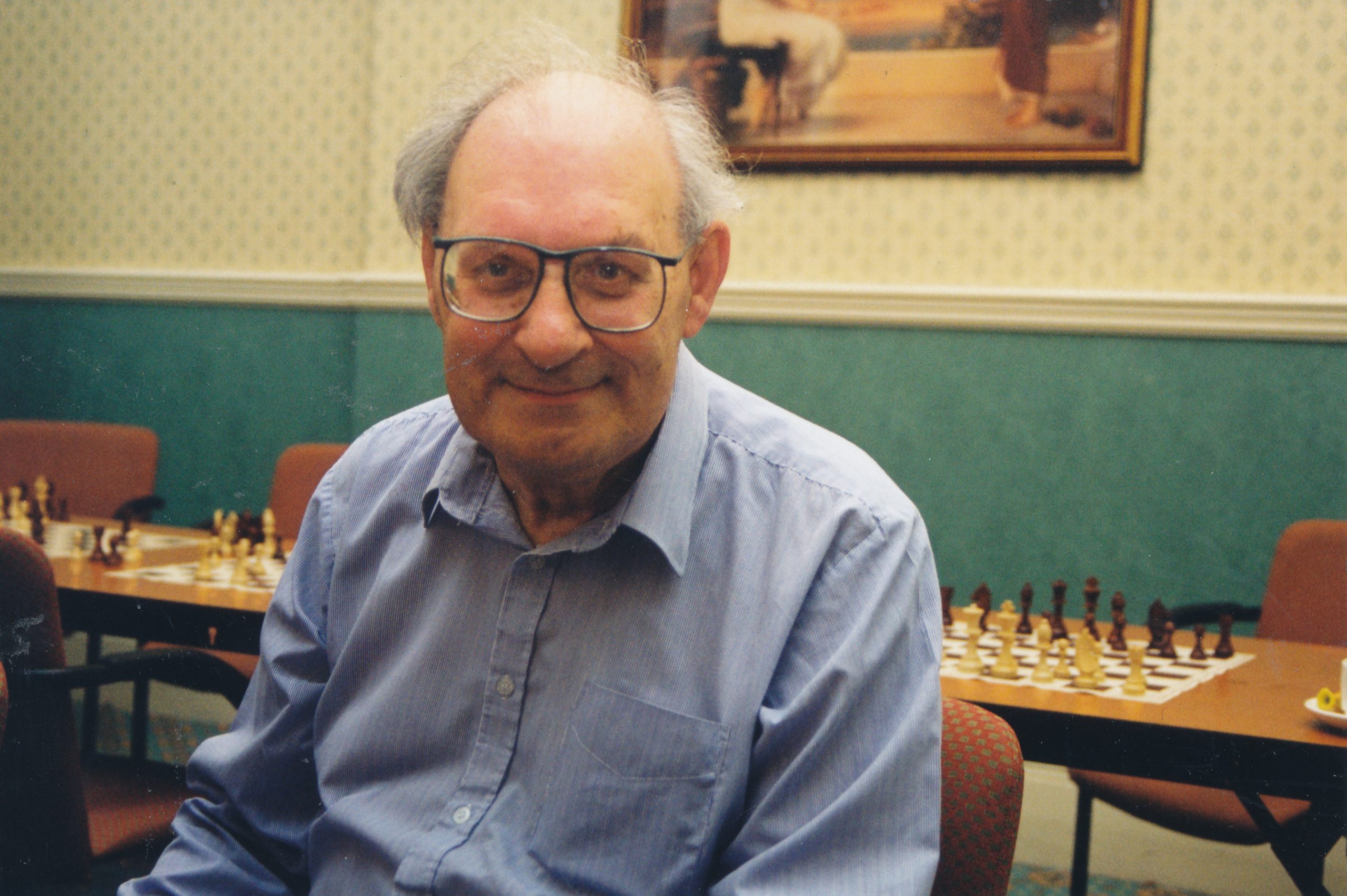
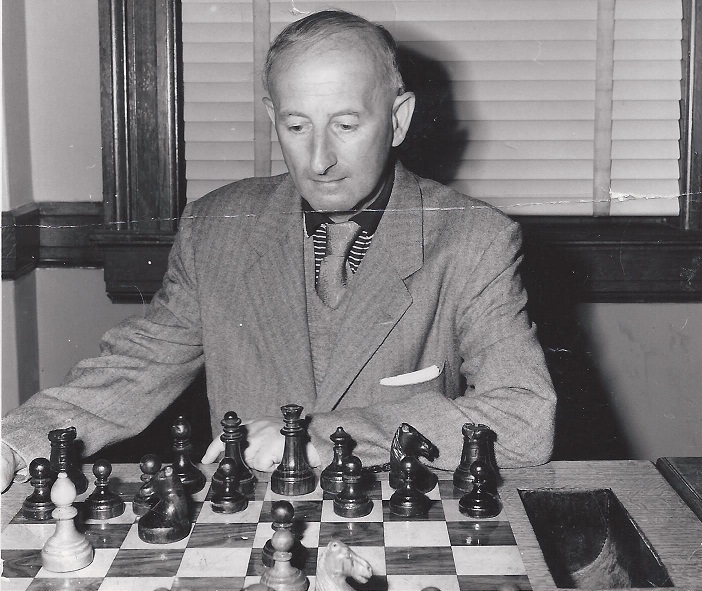
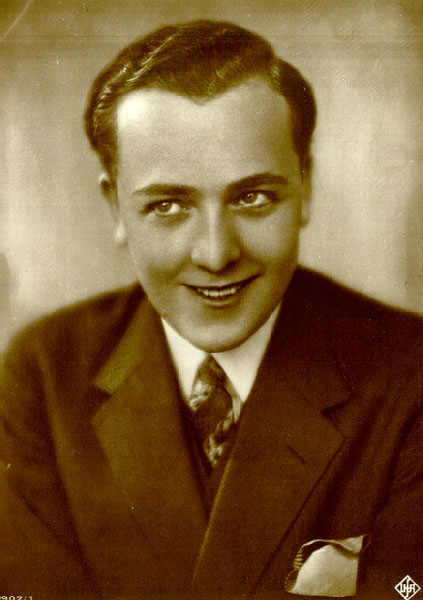
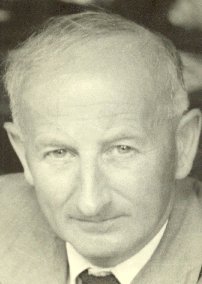
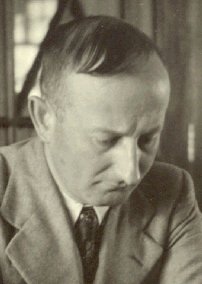
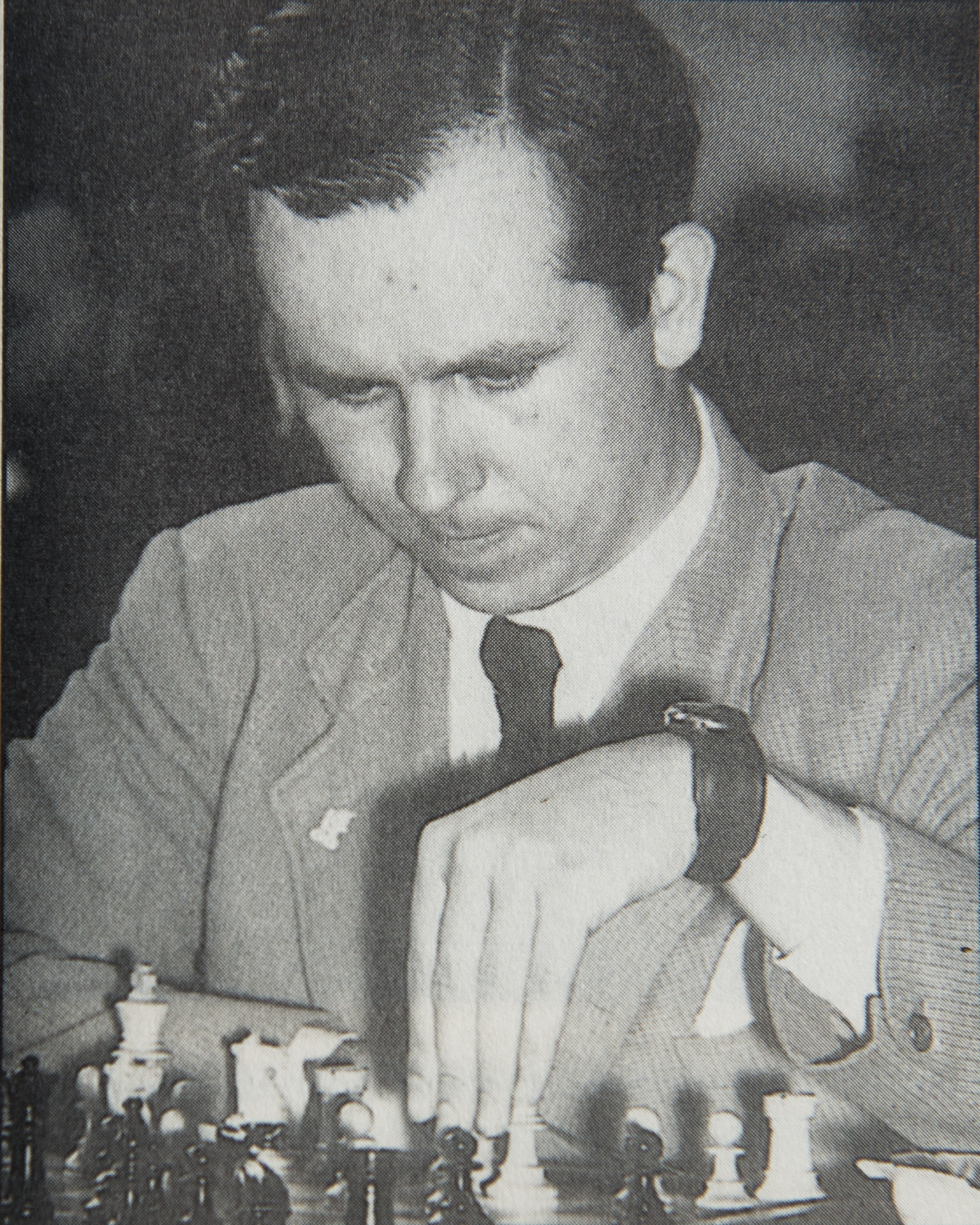
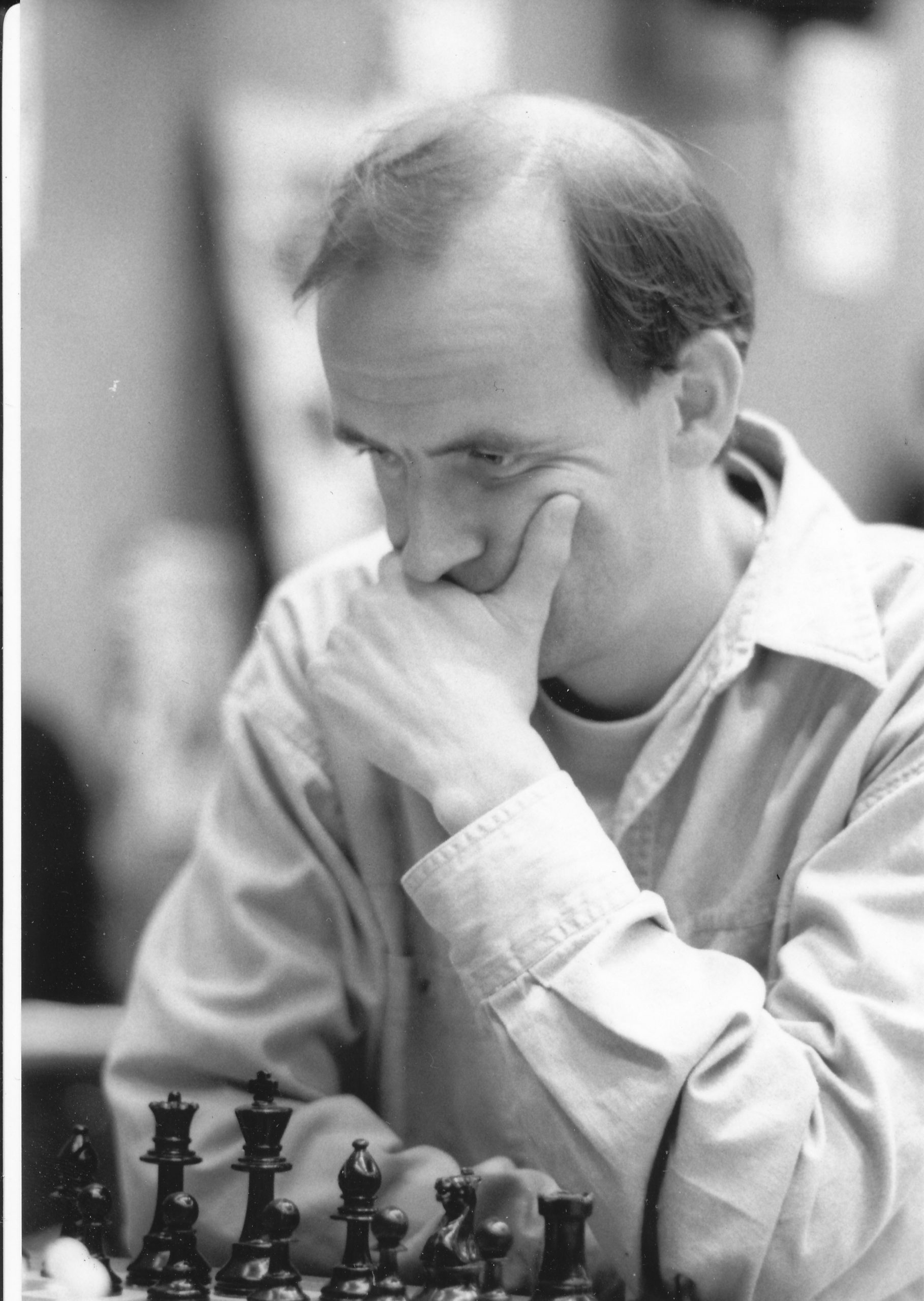
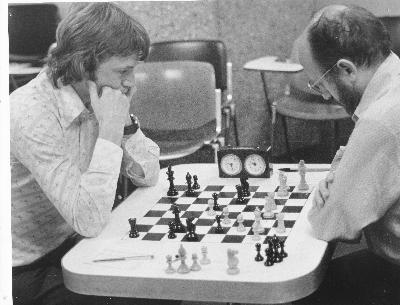
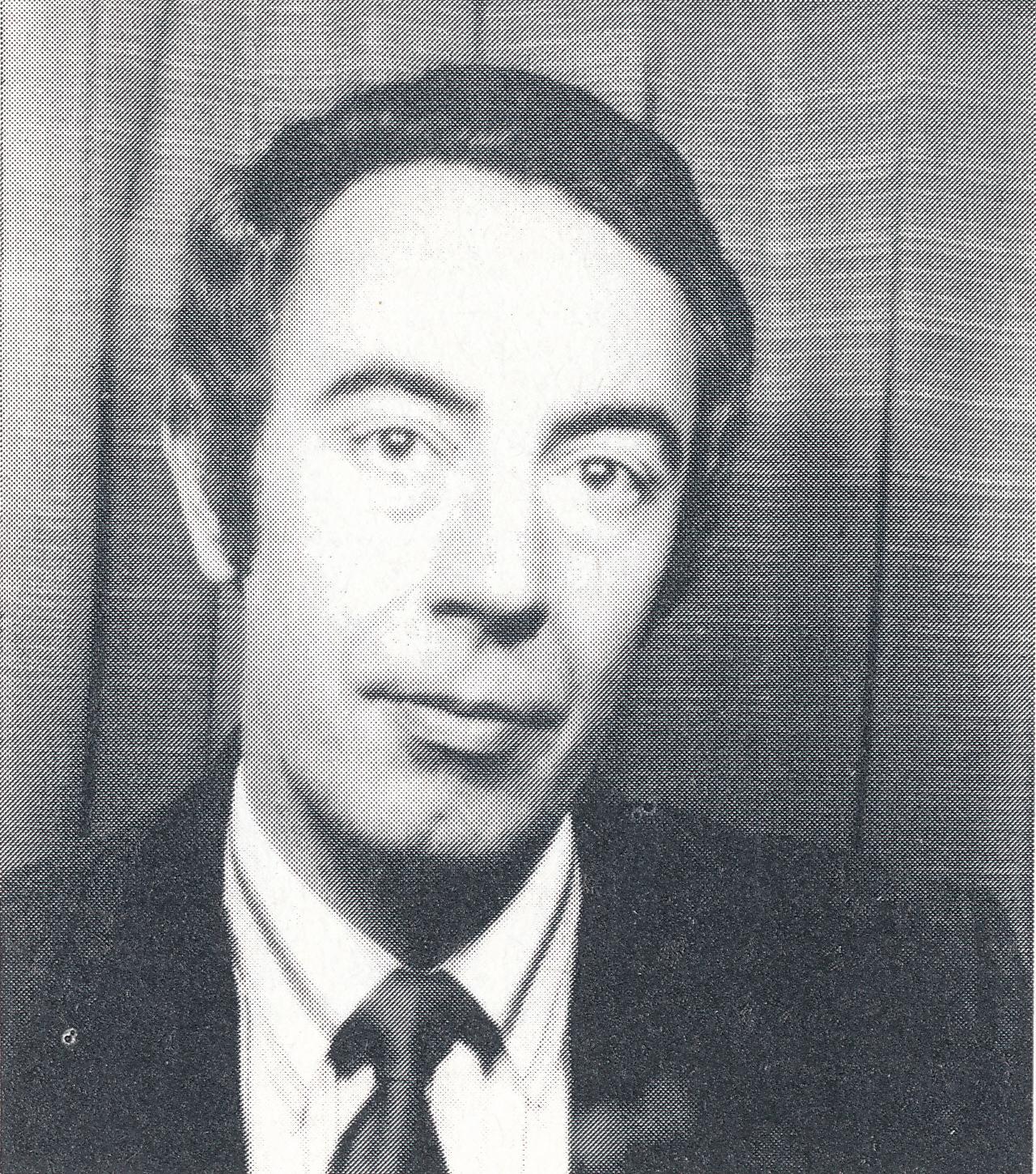
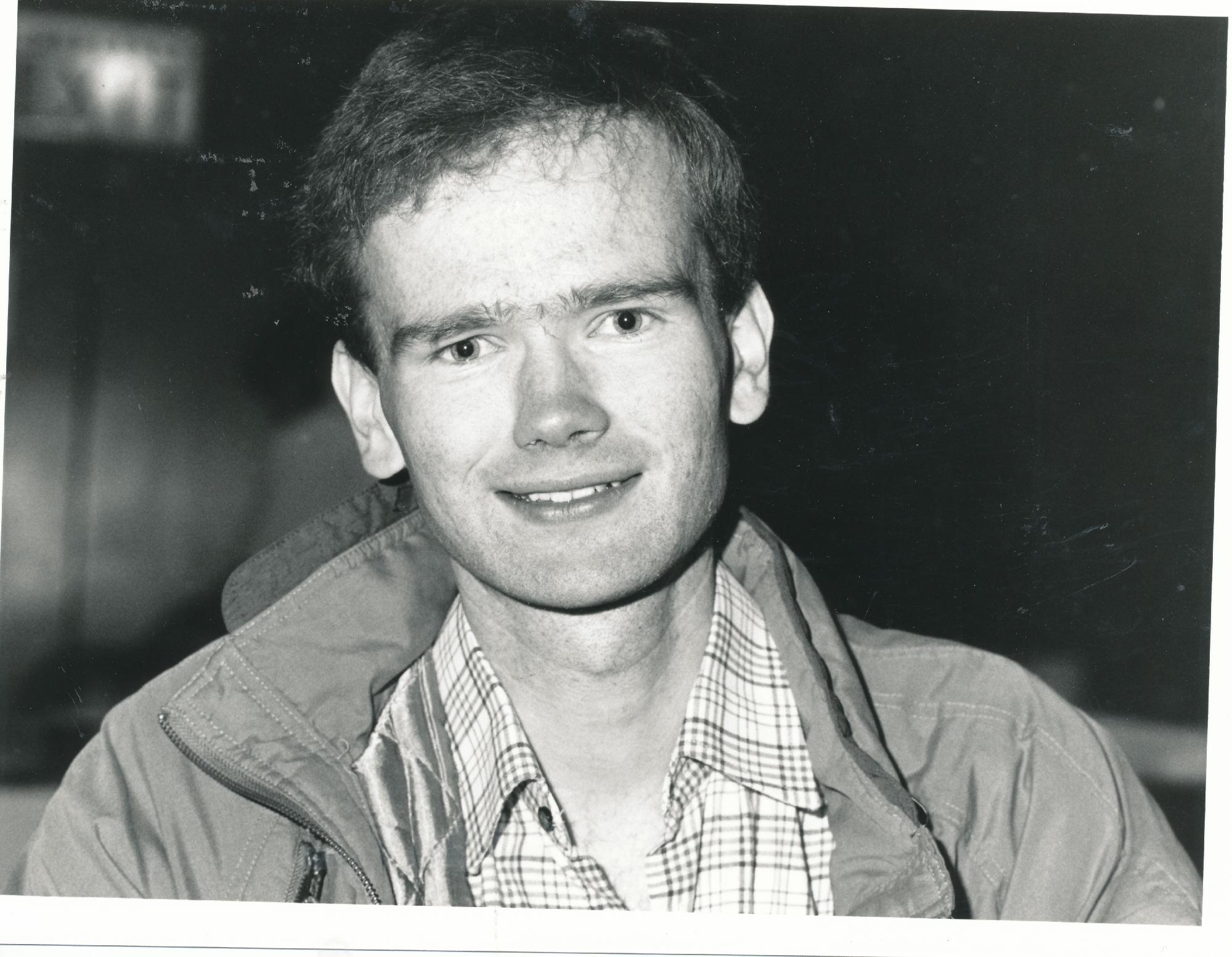
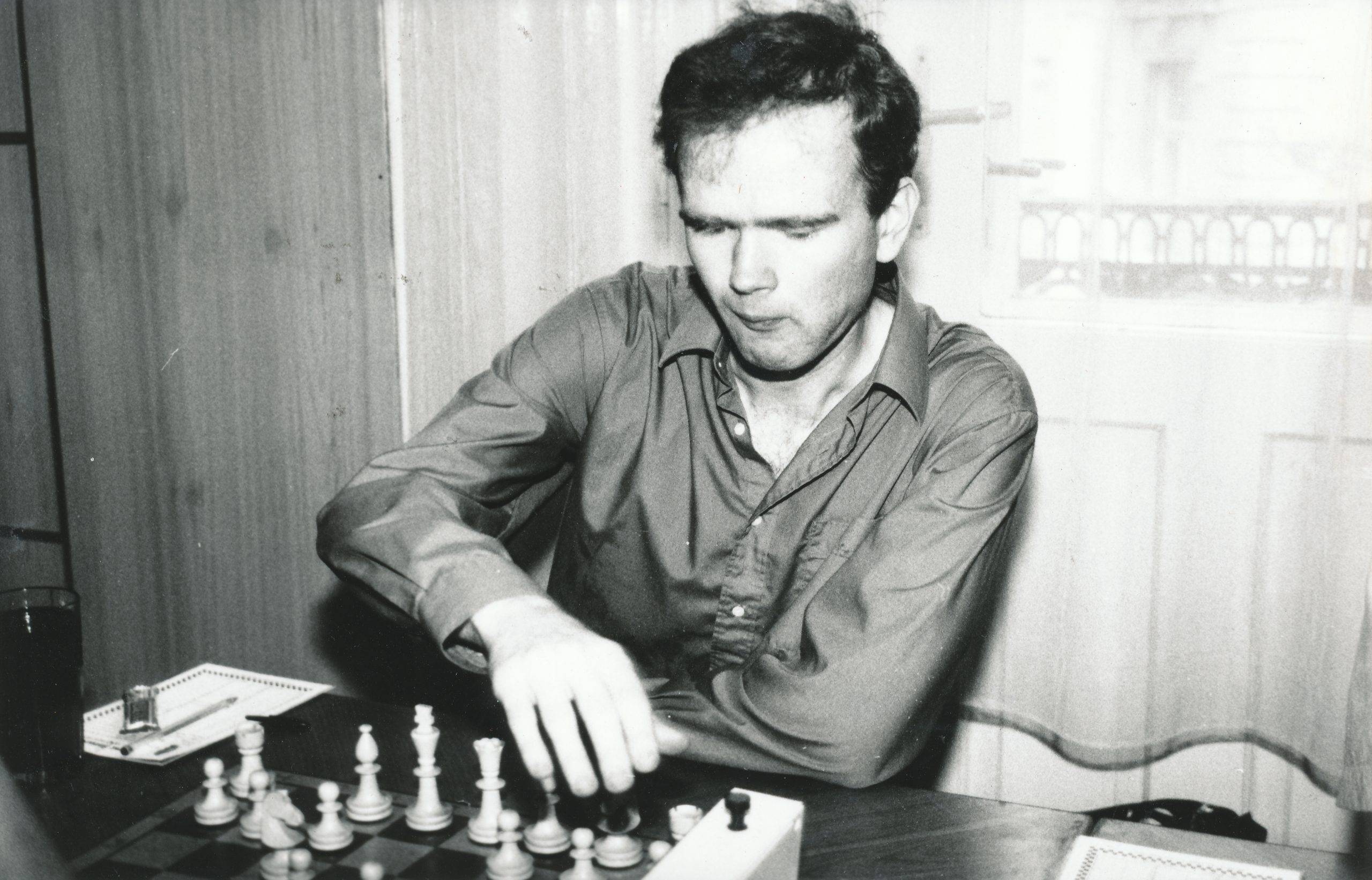
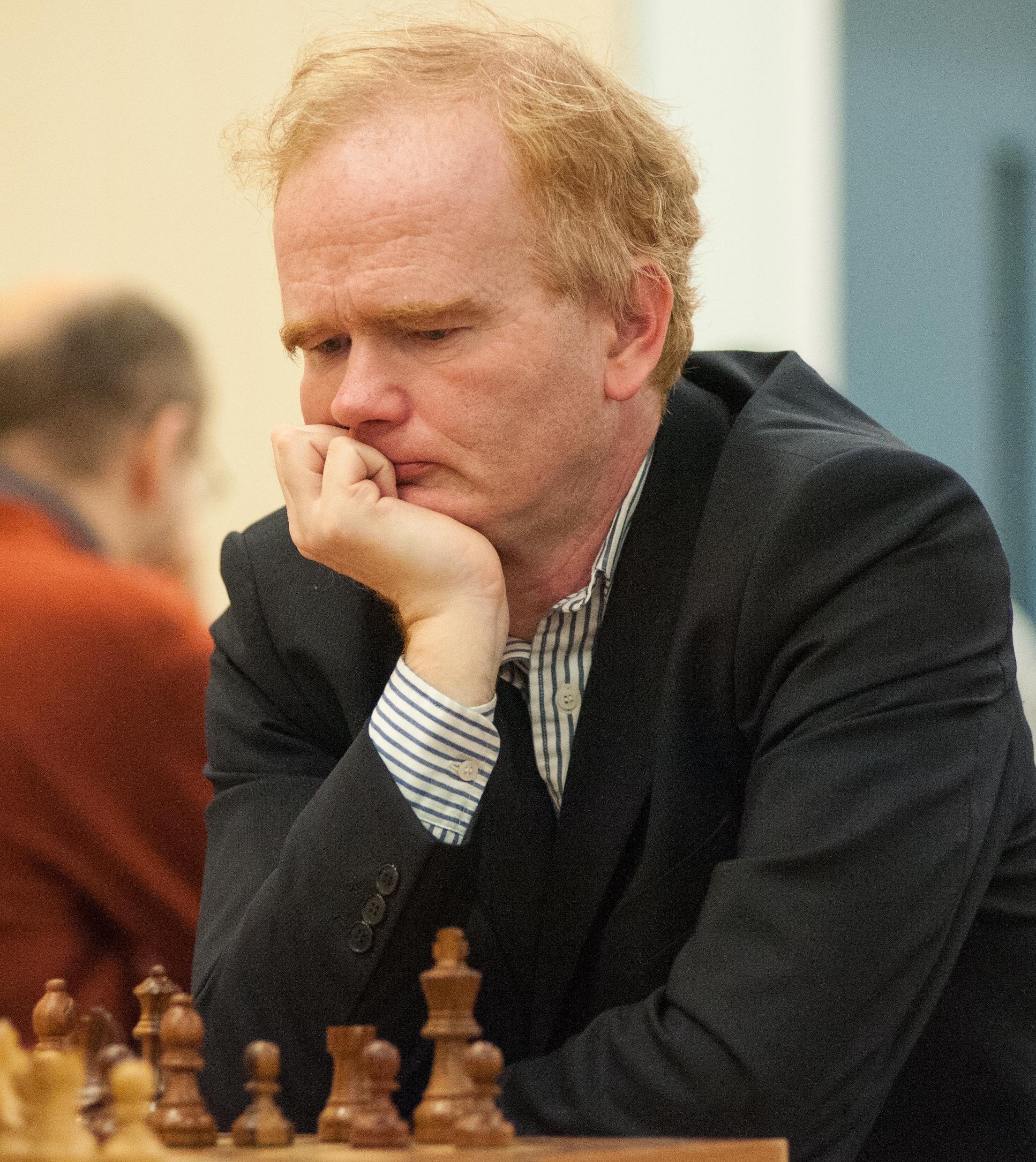
John Eric Littlewood was born in Sheffield on Monday, May 25th 1931. His mother’s maiden name was Wheeldon. He last resided in the WN8 postal area of Skelmersdale, West Lancashire.
He became a FIDE Master in 1989 at the age of 58. According to Felice (and ChessBase) his peak FIDE rating was 2395 in January 1980. However, it is certain that it would have been higher than that, in the 1960s and 1970s : more likely 2450 or possibly higher.
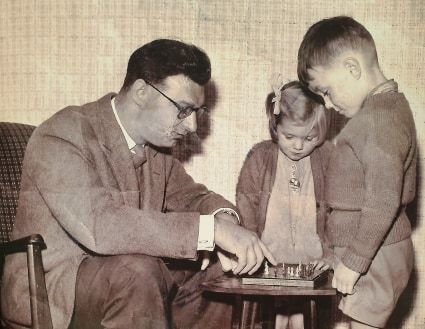
John, Jenny and Paul Littlewood, circa 1962. Kindly supplied by Paul Littlewood.
He coached his son Paul who became British Champion in 1981. His brother Norman was also a very strong player.
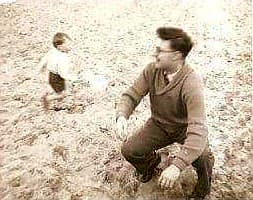
John and Paul on Skegness beach circa 1958. Kindly supplied by Paul Littlewood. George and Ringo are out of shot !
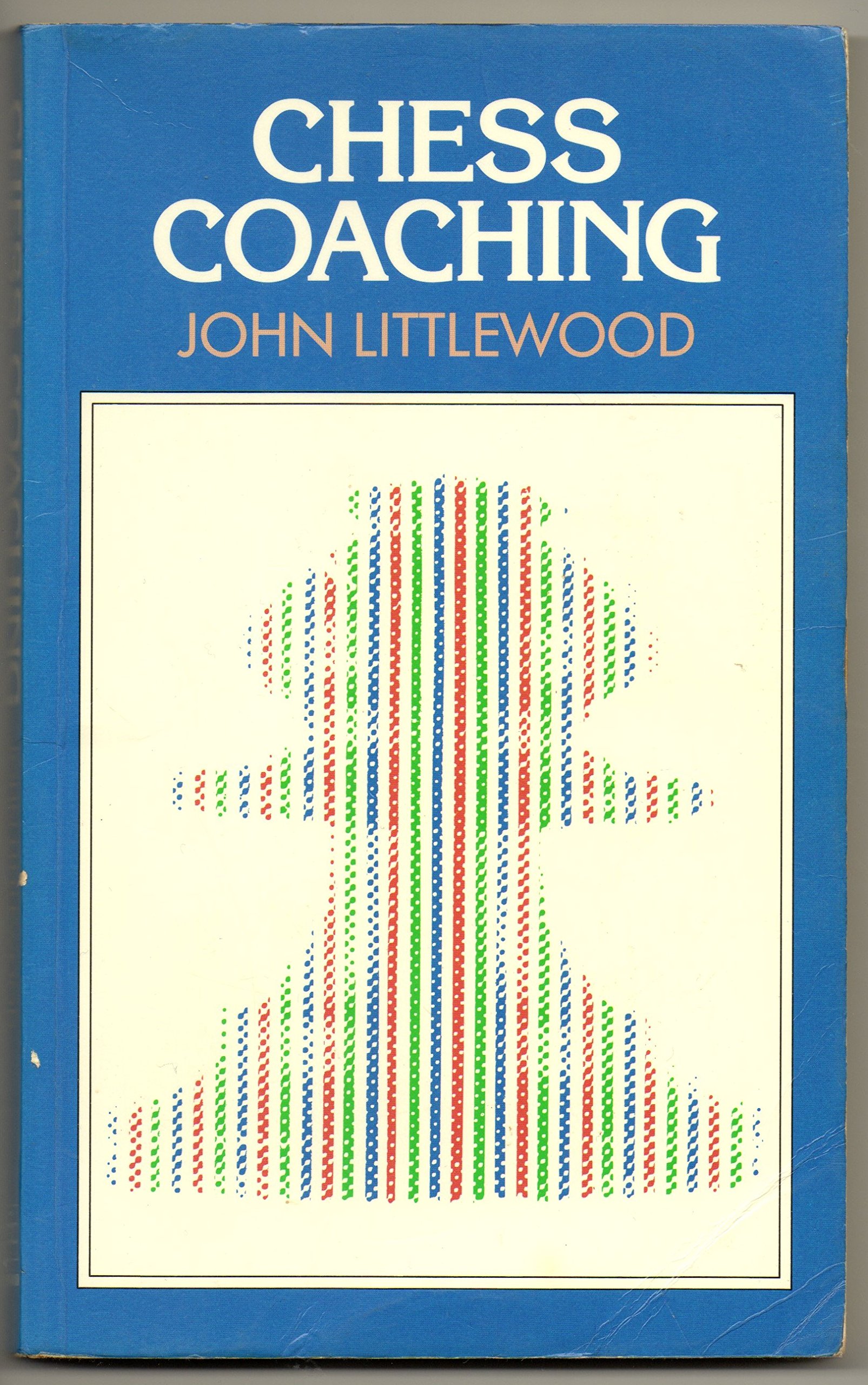
From “Chess Coaching” :
John Littlewood is a National Coach and the Director of Junior Chess to the British Chess Federation. He is a FIDE Master with national and international playing experience, and is an established chess writer, translator and journalist.
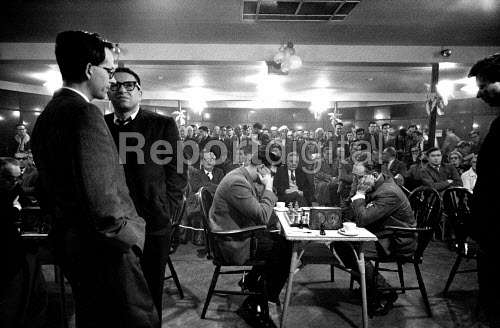
03-01-1962 37th Hastings International Chess Congress, 1962. World Champion Mikhail Botvinnik (R) playing against John Littlewood of England
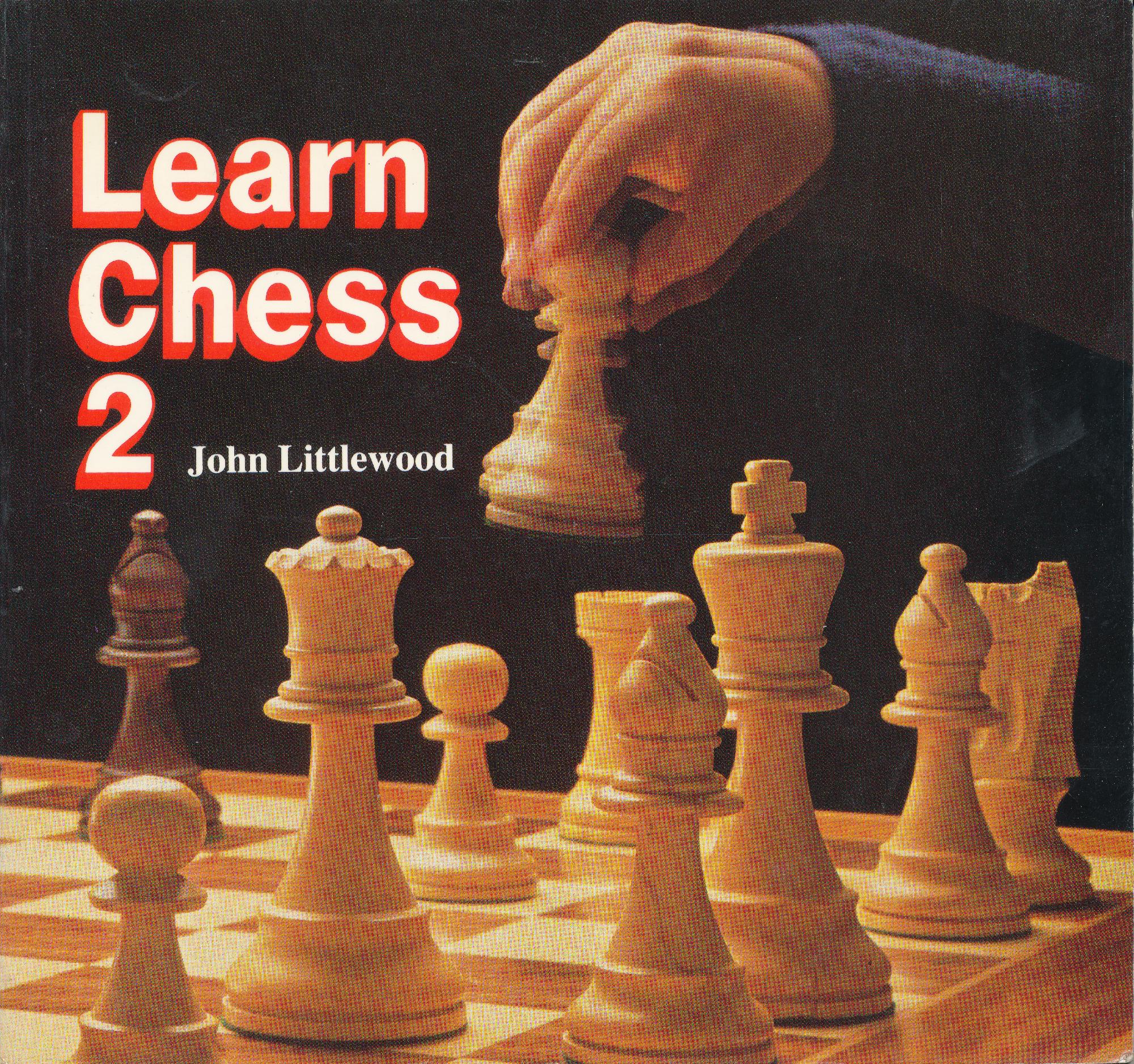
From “Learn Chess 2”
“A British Master, formerly Northern Counties Champion and currently (1984) a National Coach for the British Chess Federation. John Littlewood has played for England in several international tournaments, including two Olympiads”
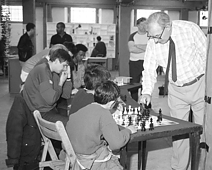
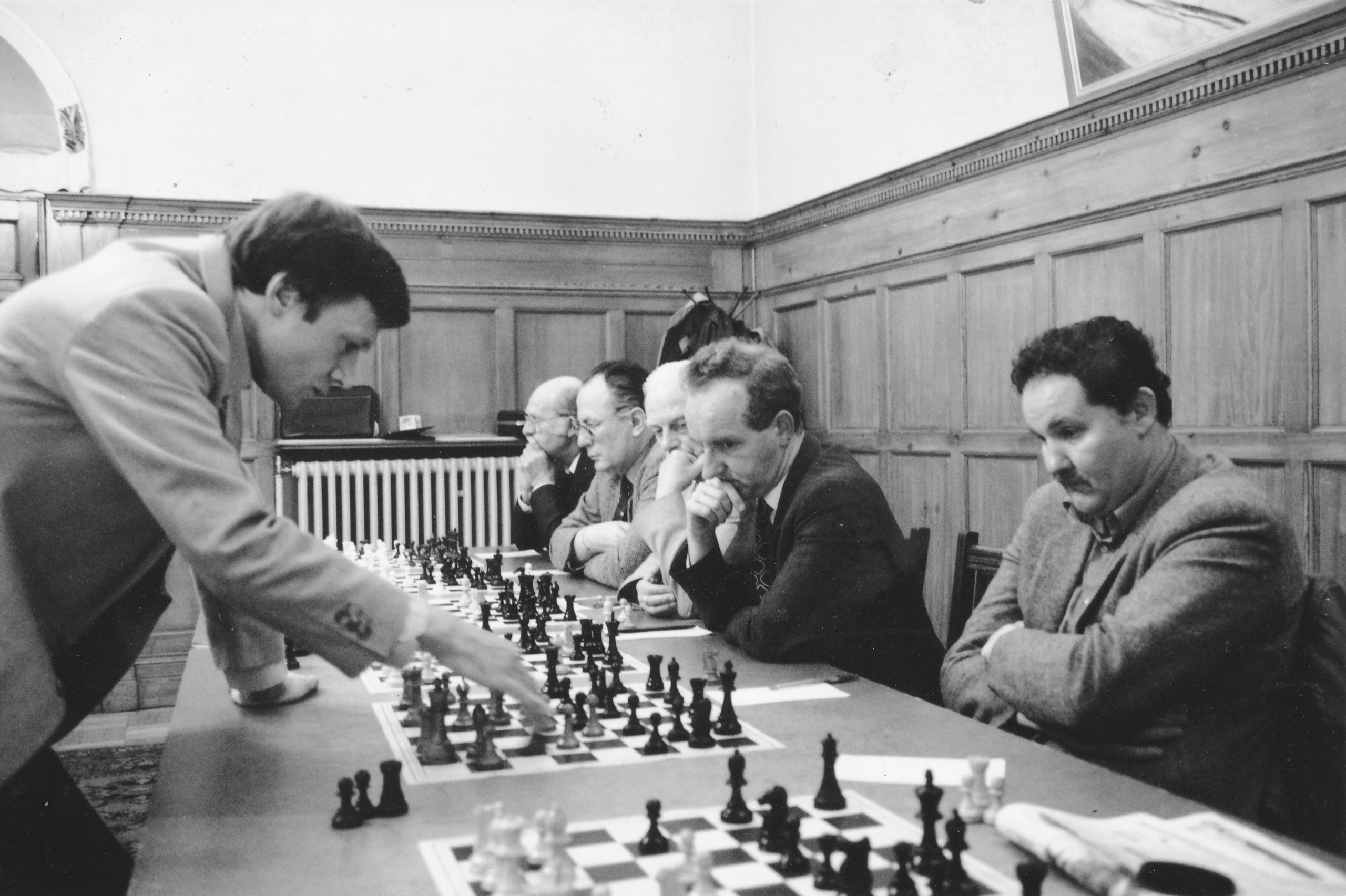
John Littlewood giving a simultaneous display
John wrote the “Test Your Chess” column in British Chess Magazine under the editorship of Murray Chandler
John Was Northern Counties Chess Union (NCCU) Champion in 1971, 1972, 1977, 1978, 1979, 1980 and 1981 : a record seven times !
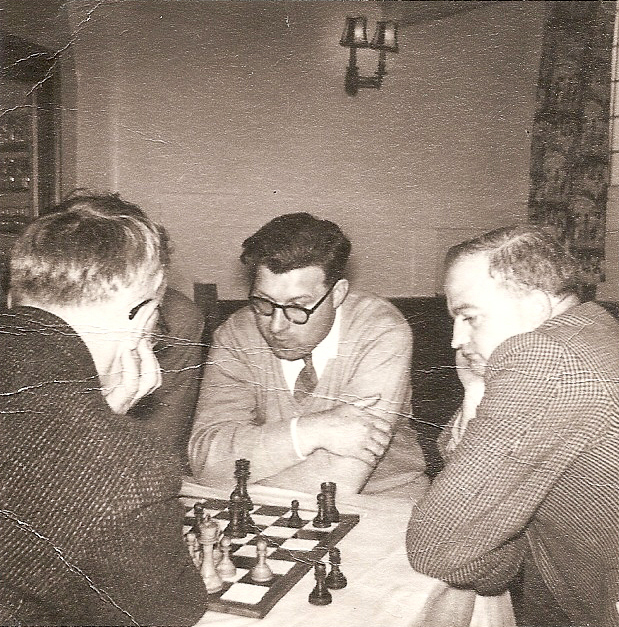
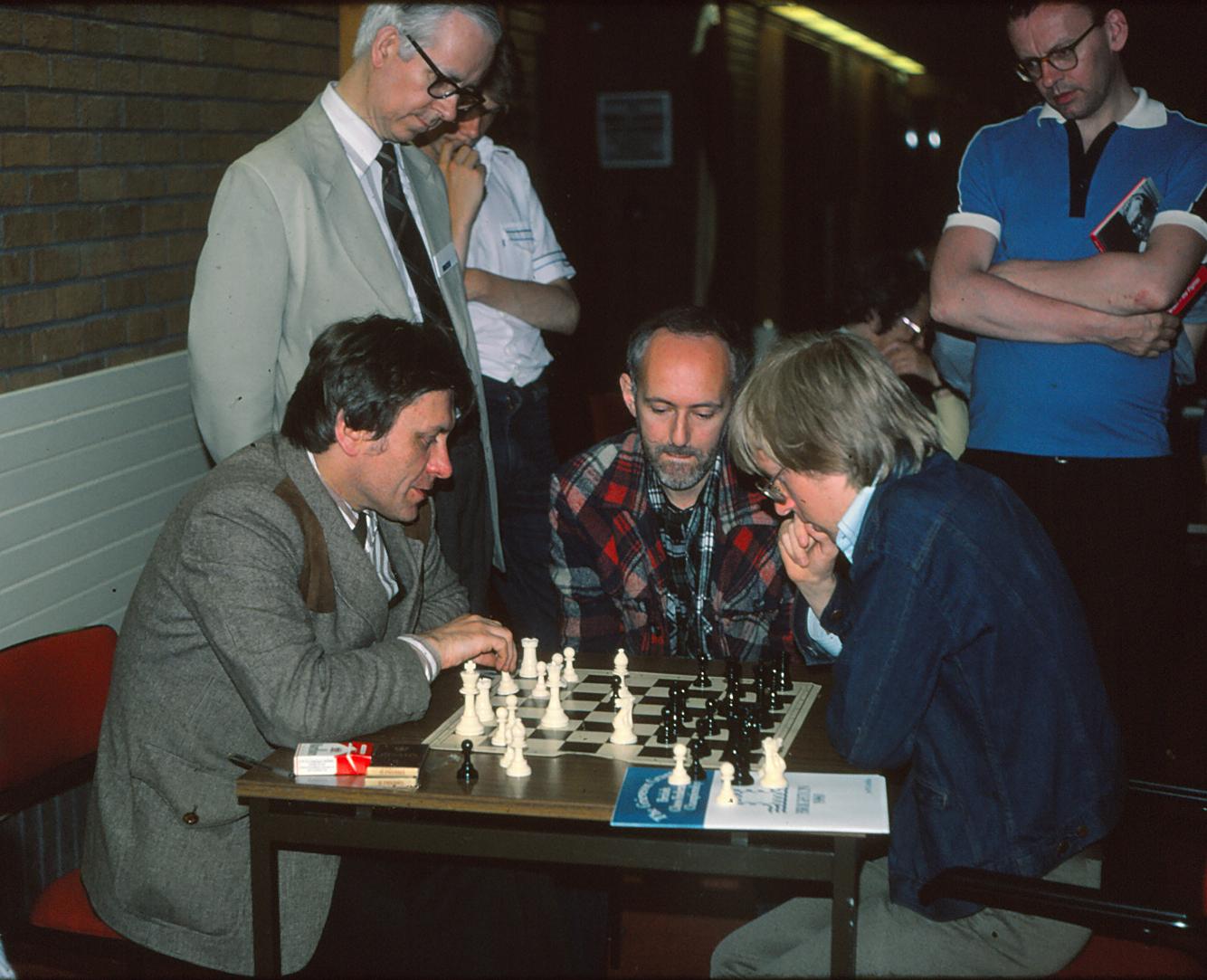
John with chess friends
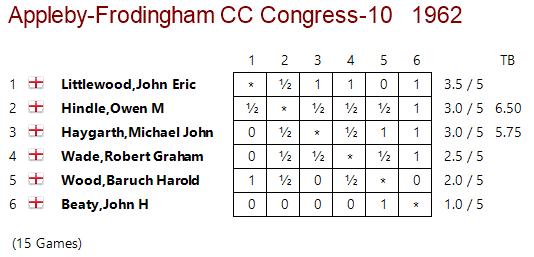
John won the Appleby-Frodingham Chess Club tournament in 1962 with 3.5/5 :
Appleby-Frodingham Tournament of 1962 crosstable
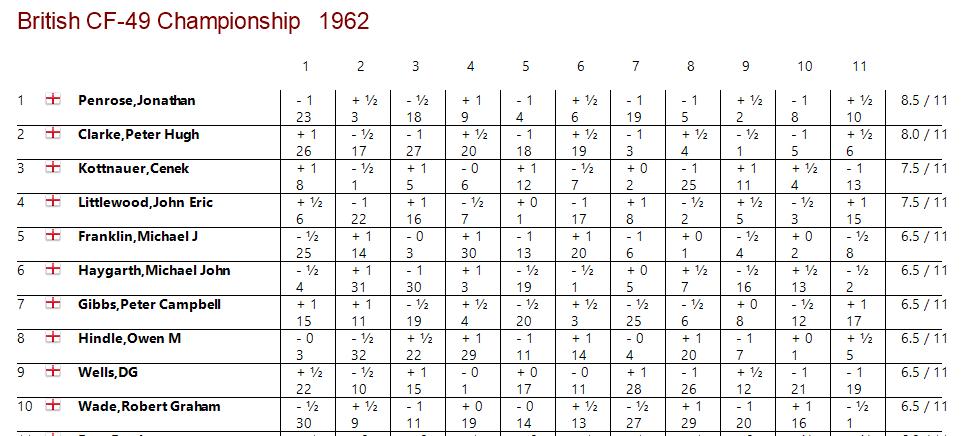
and then, in the same year came 3= in the British Championships with 7.5/11 :
Truncated crosstable from the 1962 British Championship in Whitby
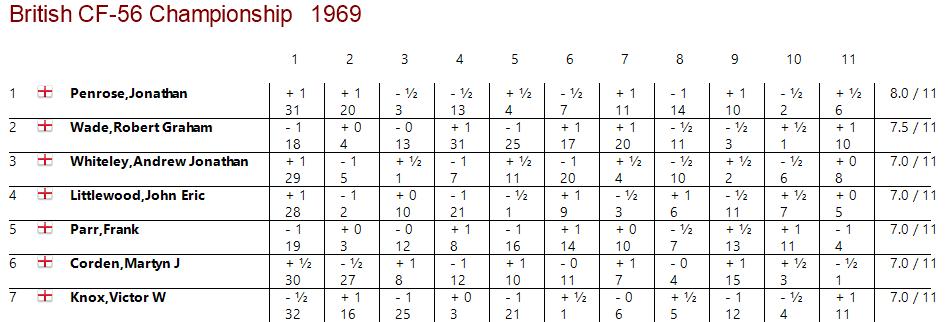
and in 1969 in Rhyl John was unfortunate not to share the title with Dr. Jonathan Penrose after losing to Frank Parr in the final round :
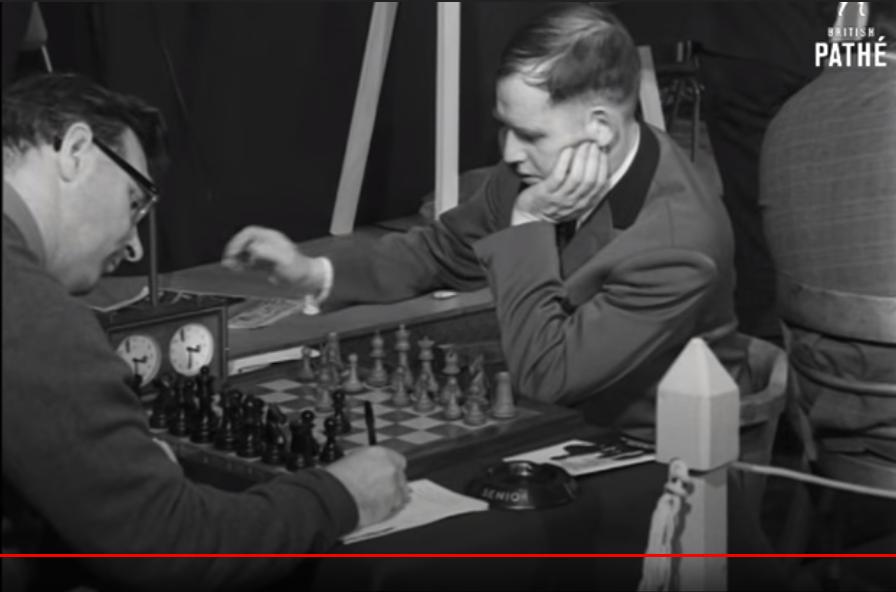
Truncated crosstable of the British Championships of Rhyl 1969John Littlewood at Hastings 1963-4. Still taken from Pathe news reel footageJohn Littlewood playing Wolfgang Unzicker in round one of the 1969-70 Hastings International Congress
John won the Southport Open in 1972 and the picture below was taken shortly afterwards :
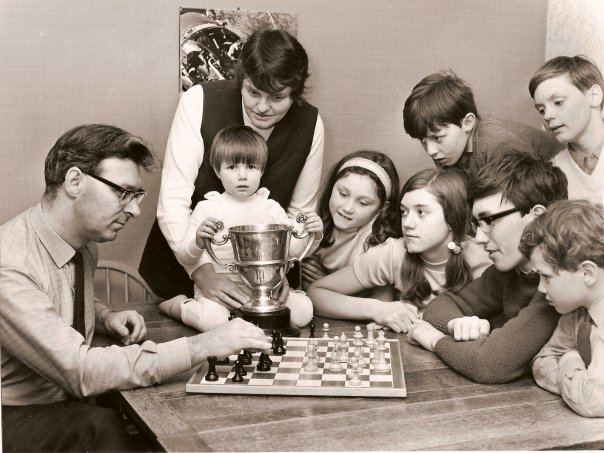
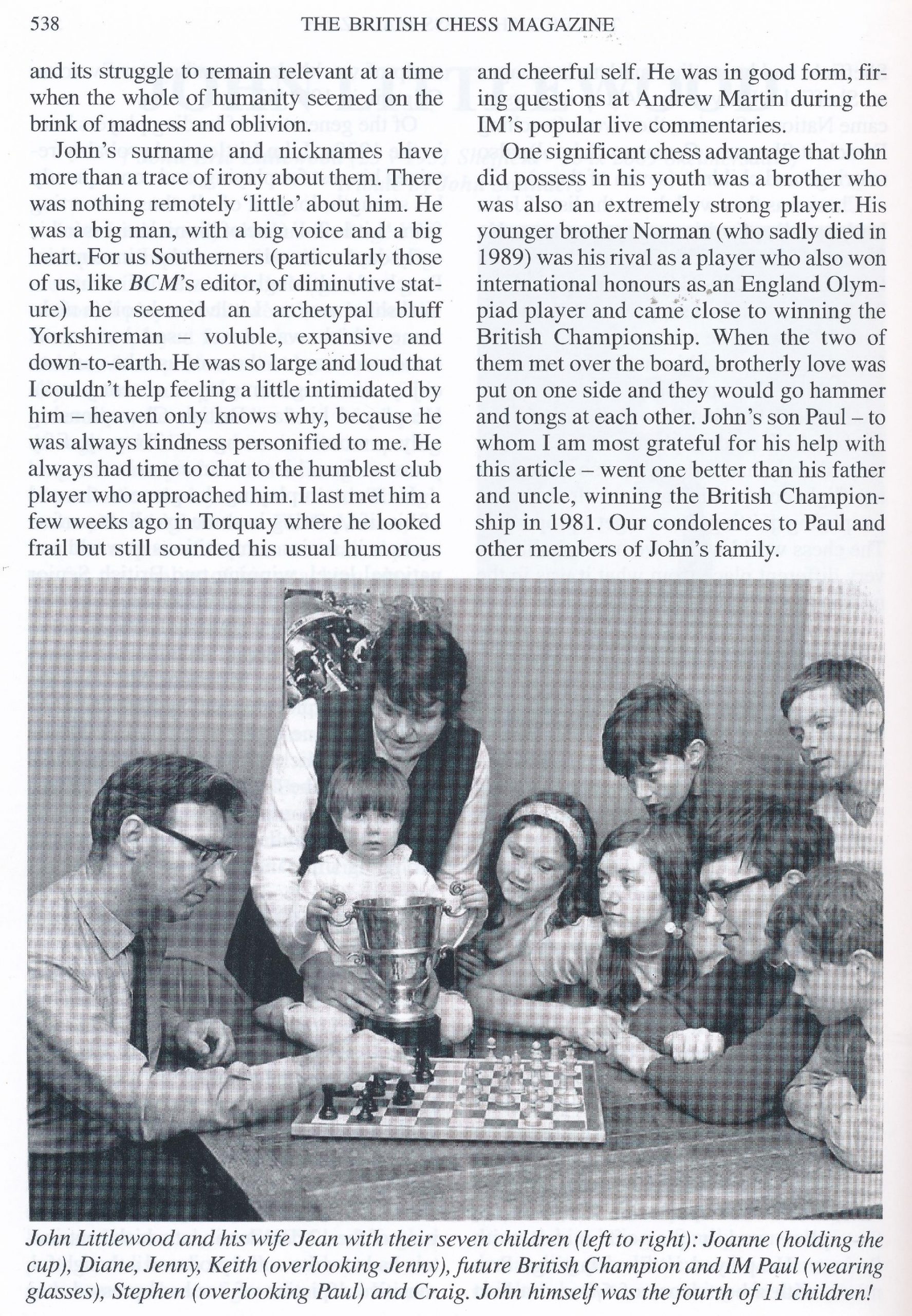
John and family following winning the 1972 Southport Open. See the BCM article below for a full caption
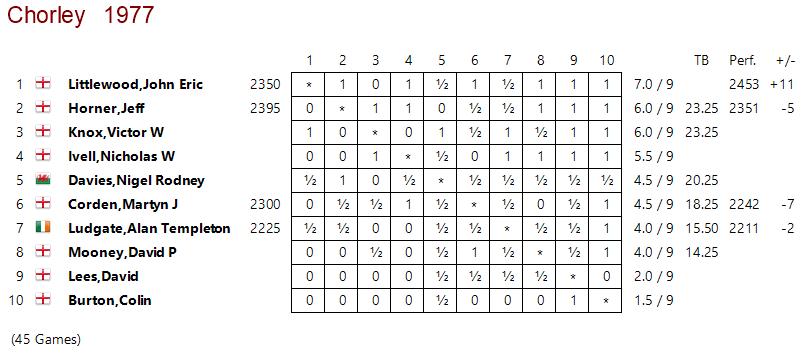
John won the Chorley tournament of 1977 with 7/9
Chorley 1977 tournament crosstable
JEL won the British Chess Federation’s President’s Award in 2000.
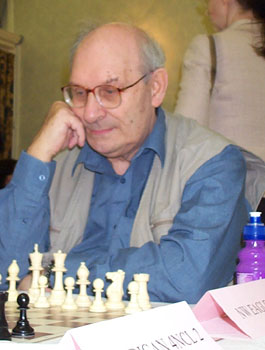
FM John Littlewood at 4NCL courtesy of Helen Milligan
In 2006 John won the BCF Veterans / Seniors title for the first time repeating the feat in 2008 sharing with George Dickson.
With the White pieces John almost exclusively played 1.e4 favouring the Wormald Attack, Open Sicilians and the Rossolimo variation.
As the second player John played the Closed Ruy Lopez, the Sicilian Dragon and the Grünfeld defence.
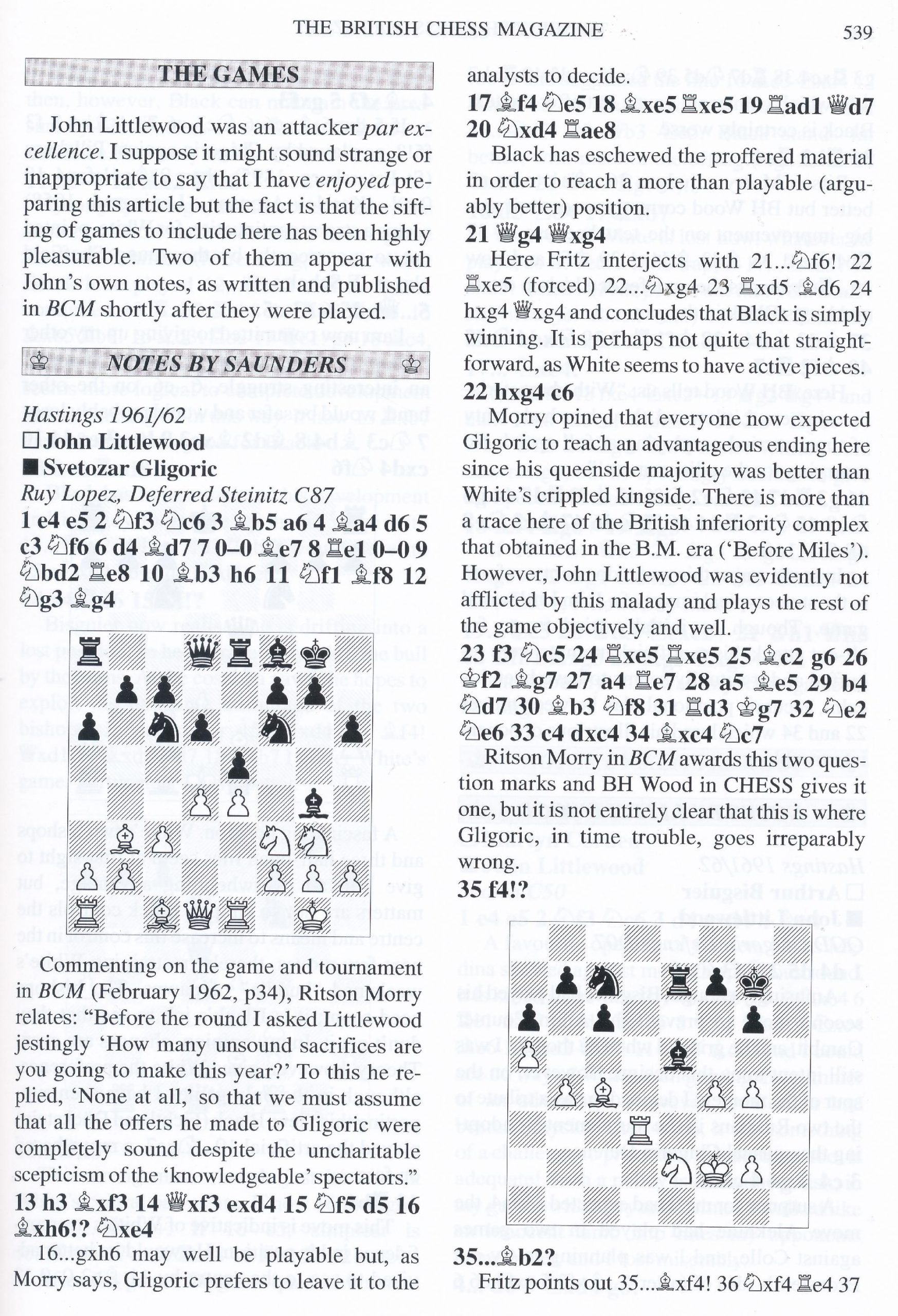
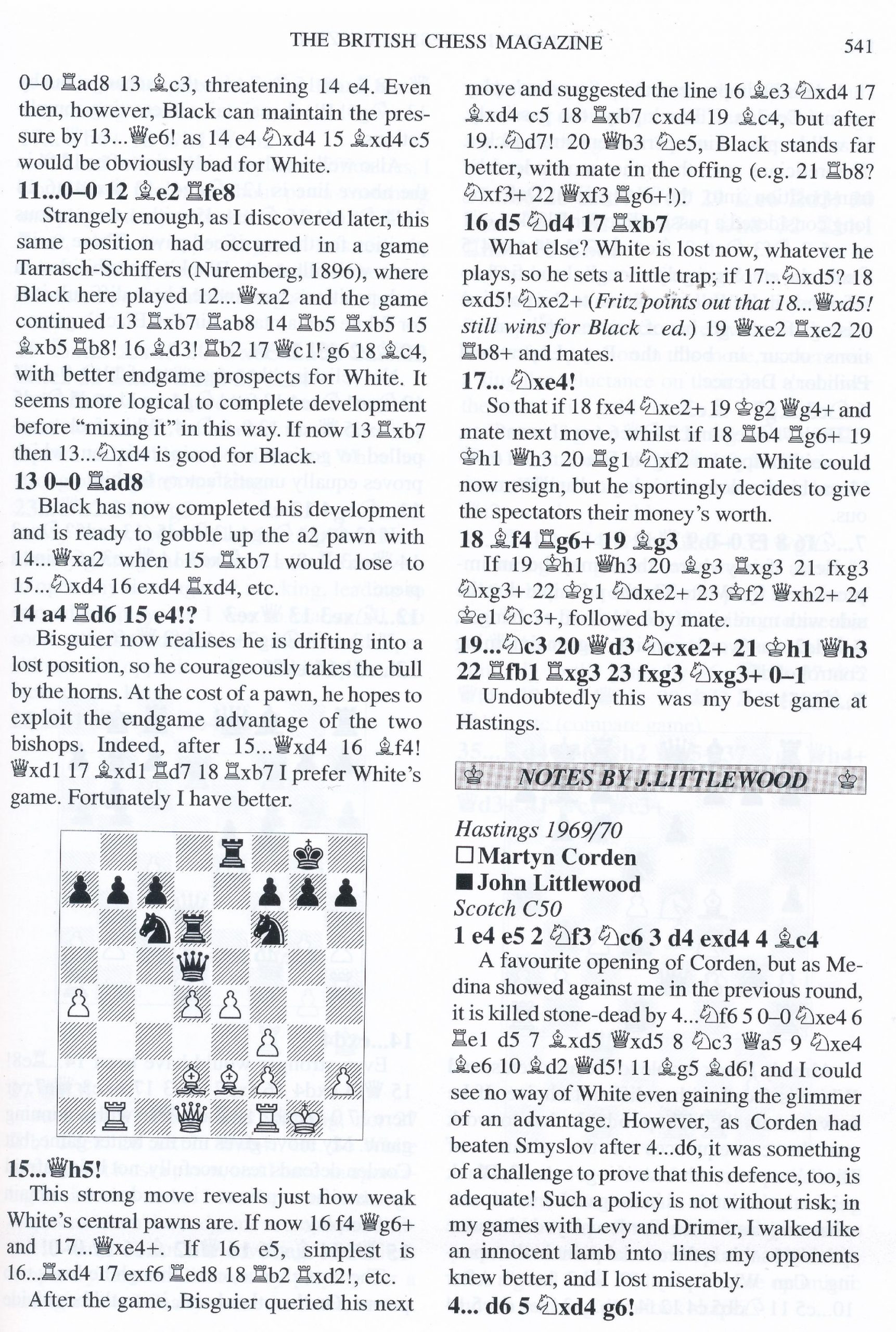
In the following video IM Andrew Martin discusses the game Bisguier – Littlewood, 1962.
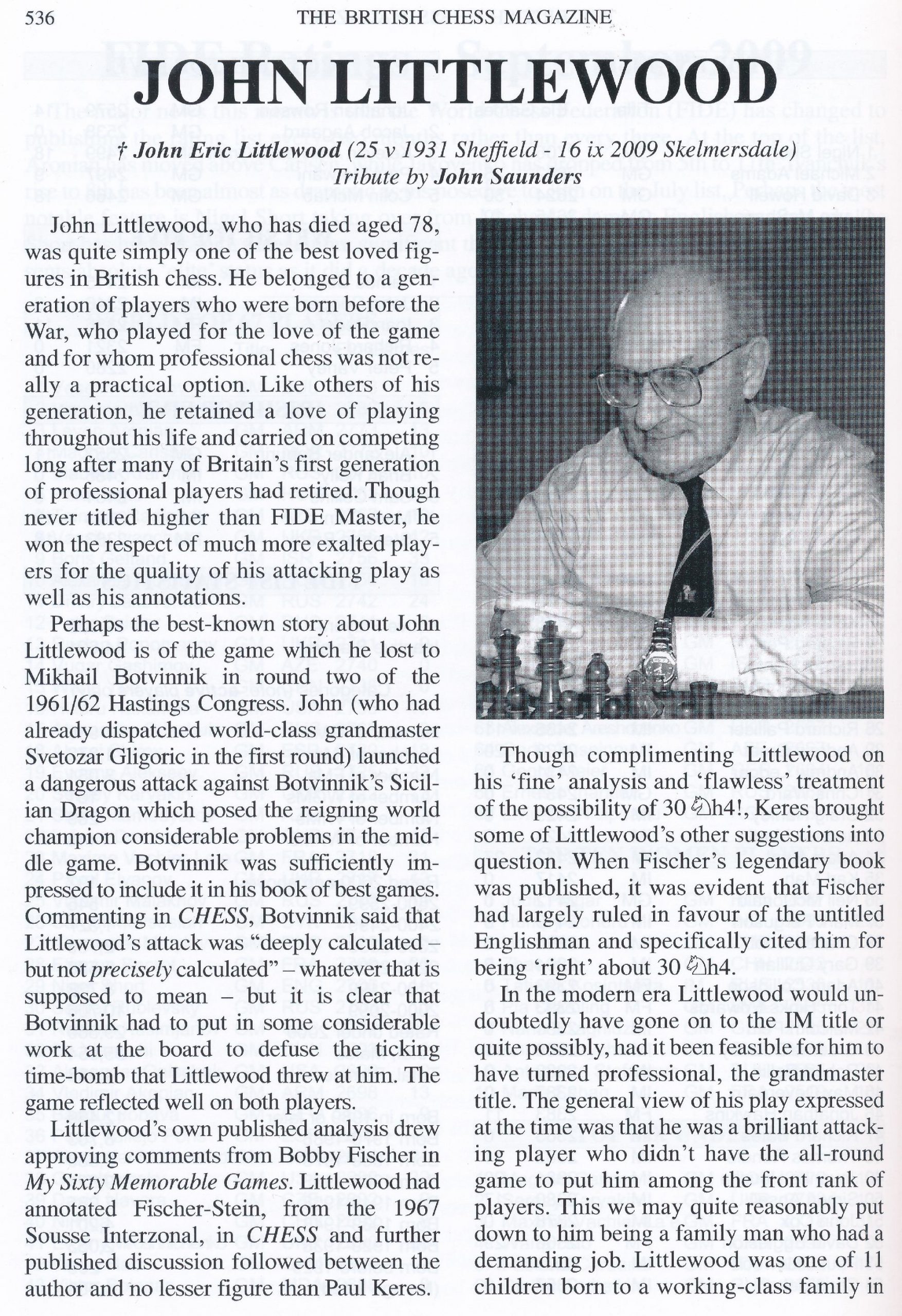
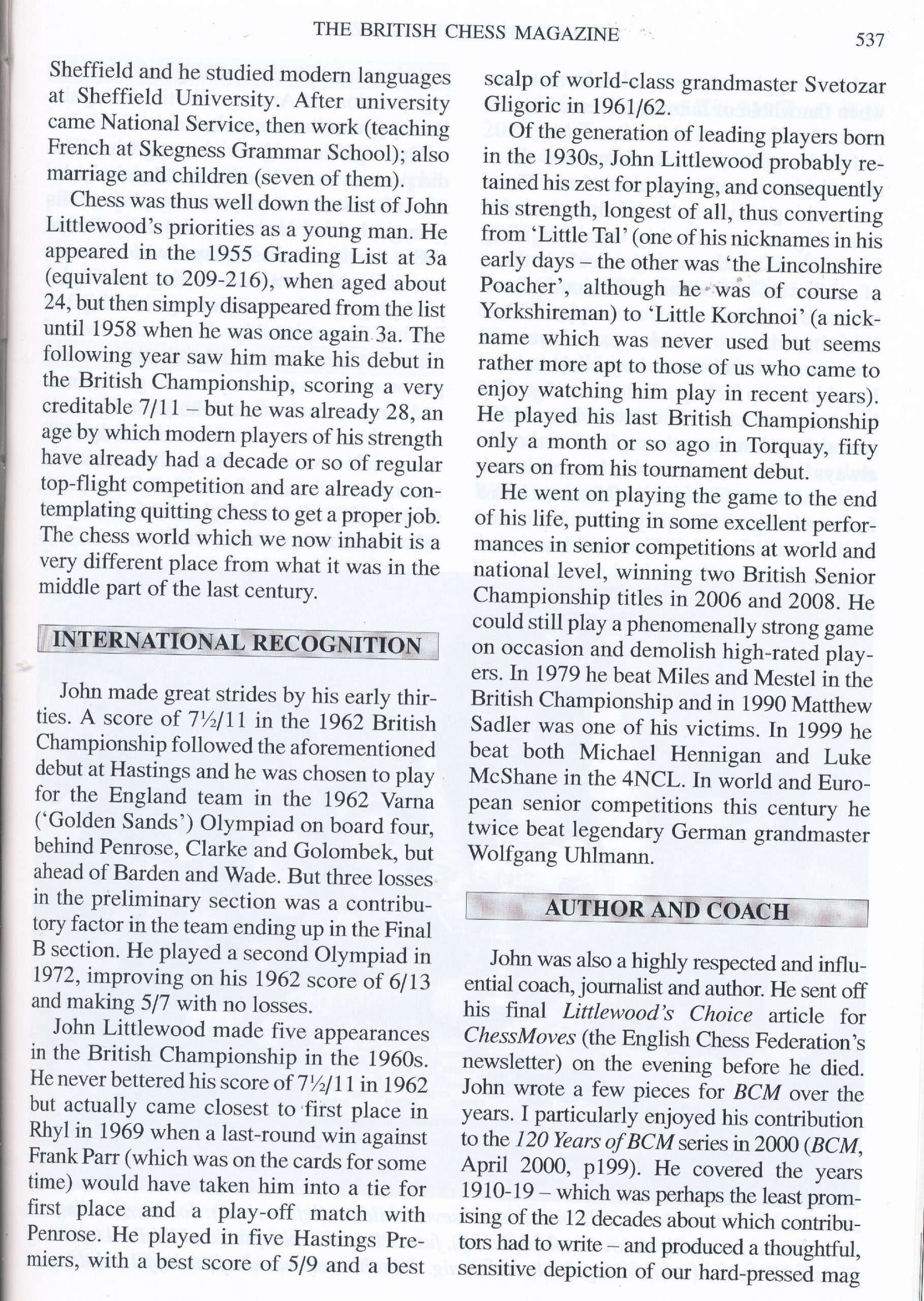
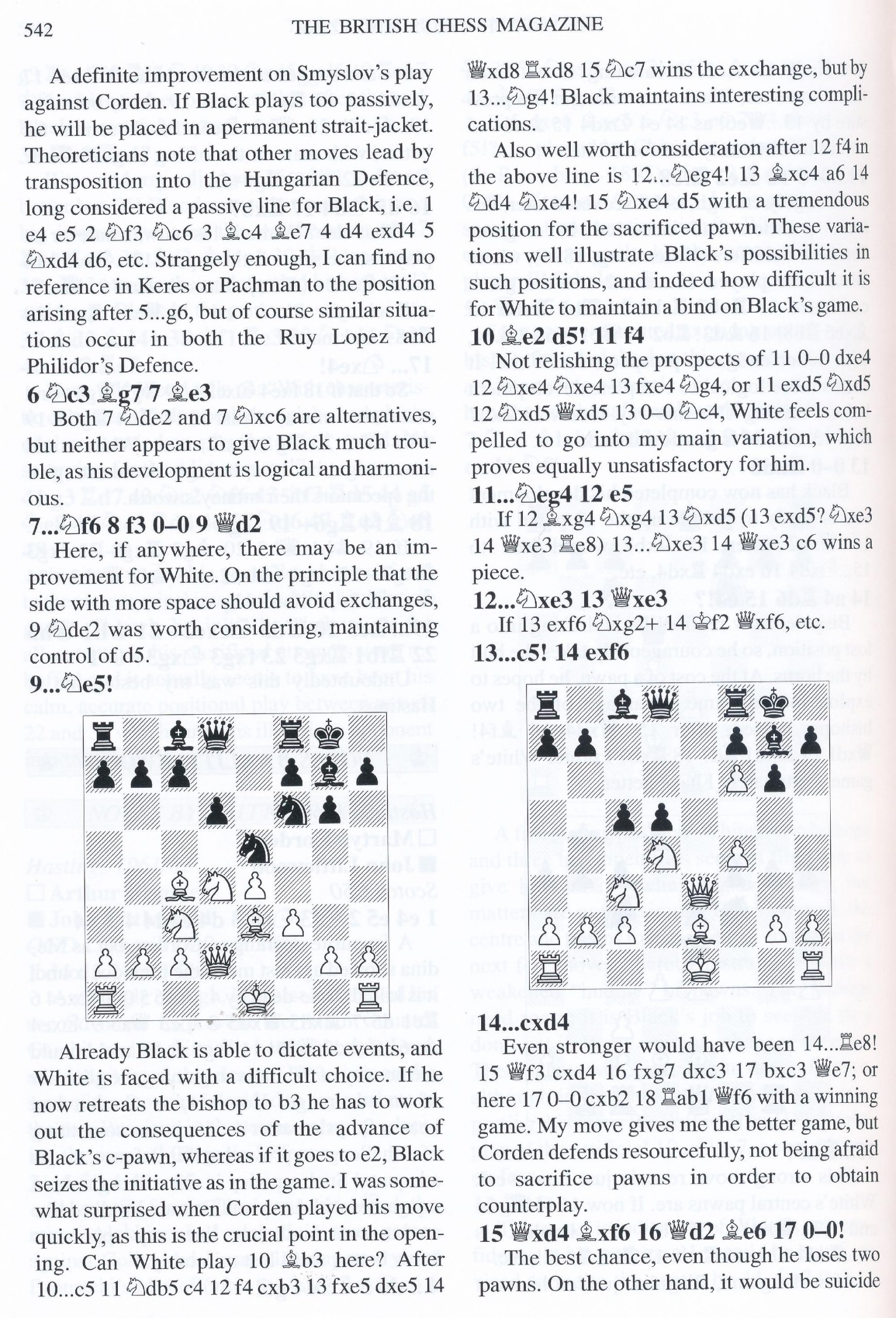
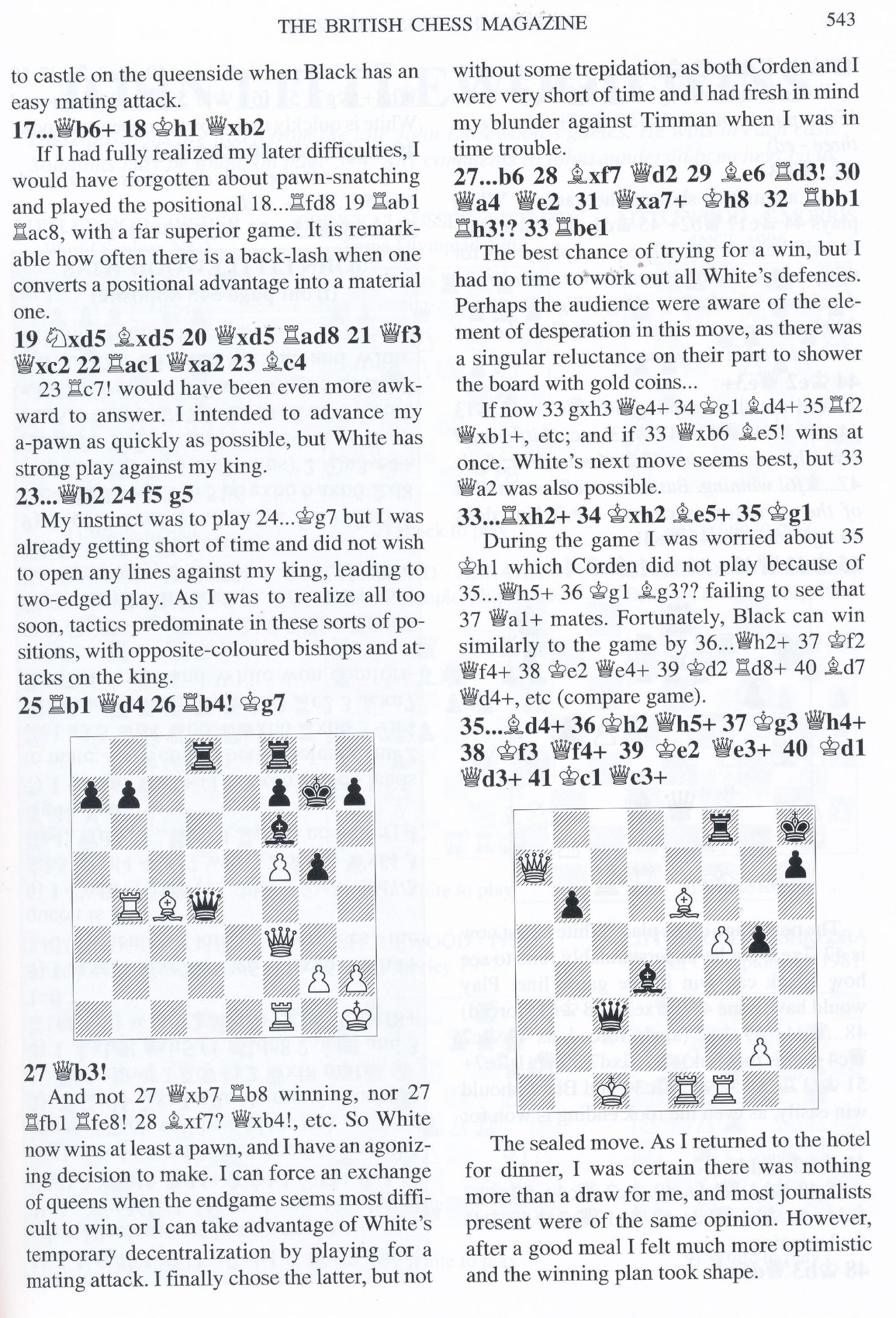
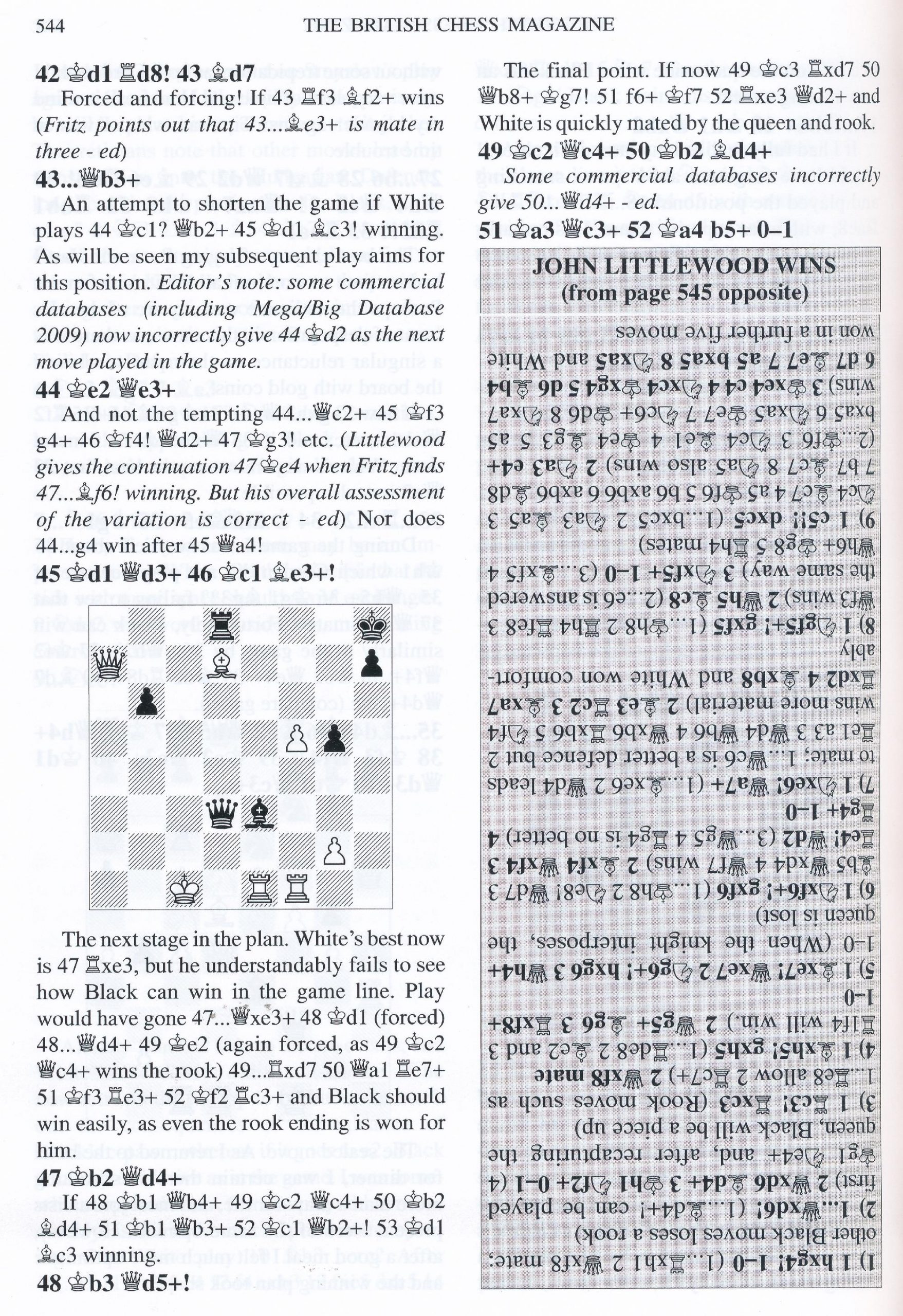
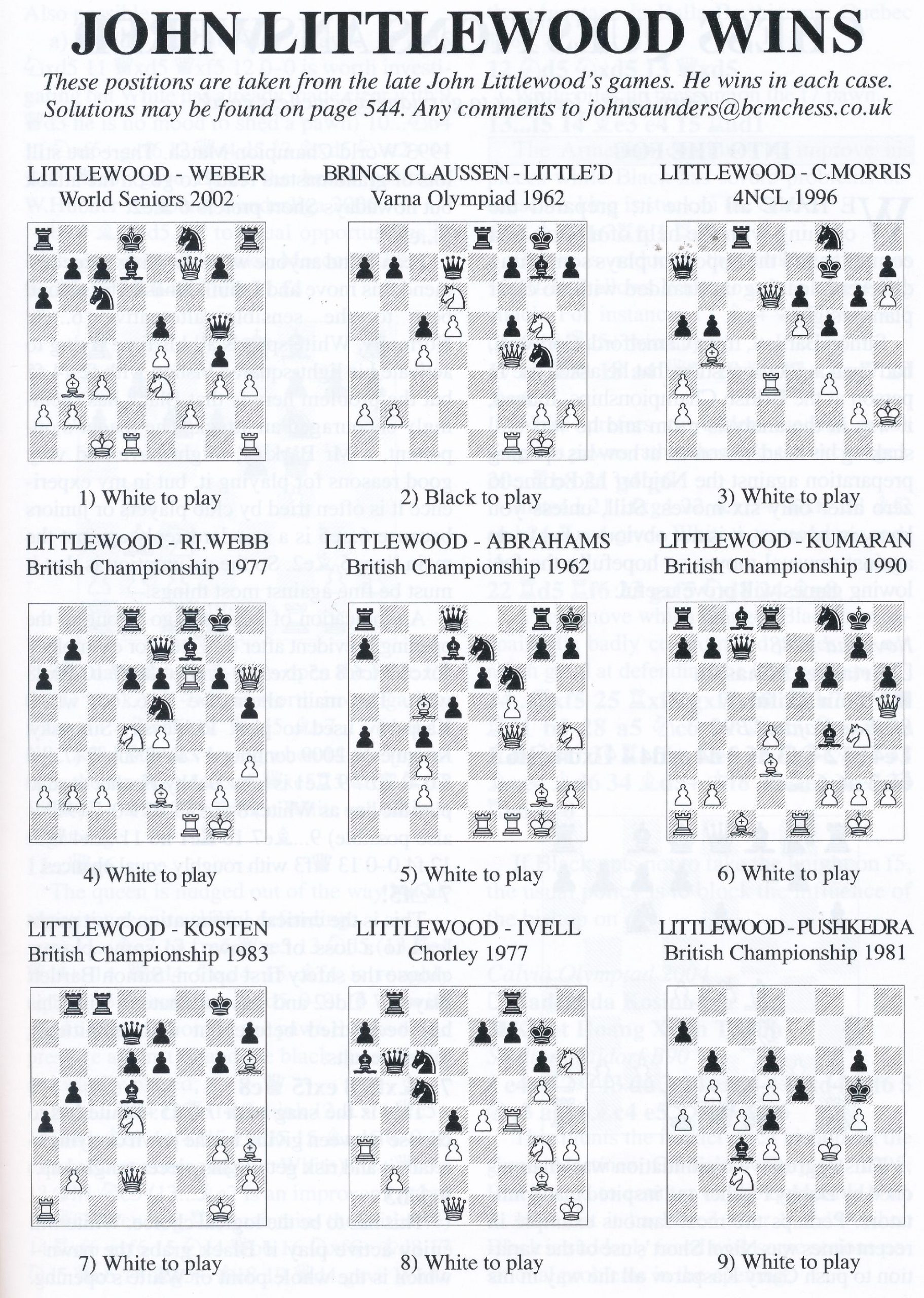
Rather than reinventing an already round wheel we reproduce the following ten page tribute in the October 2009 issue of British Chess Magazine. The tribute is by John Saunders :
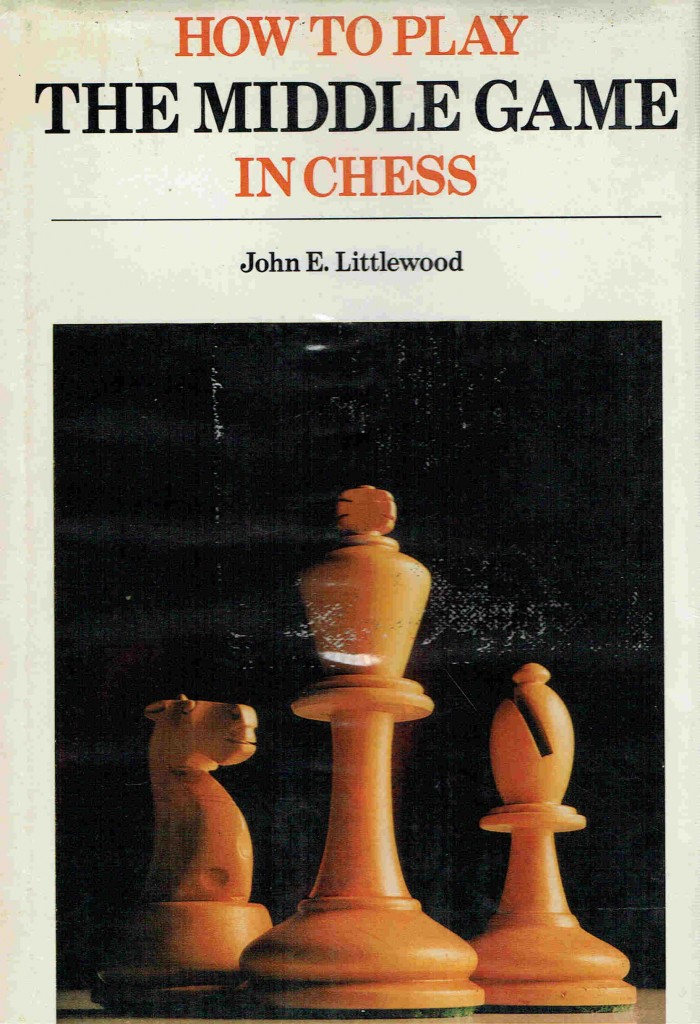
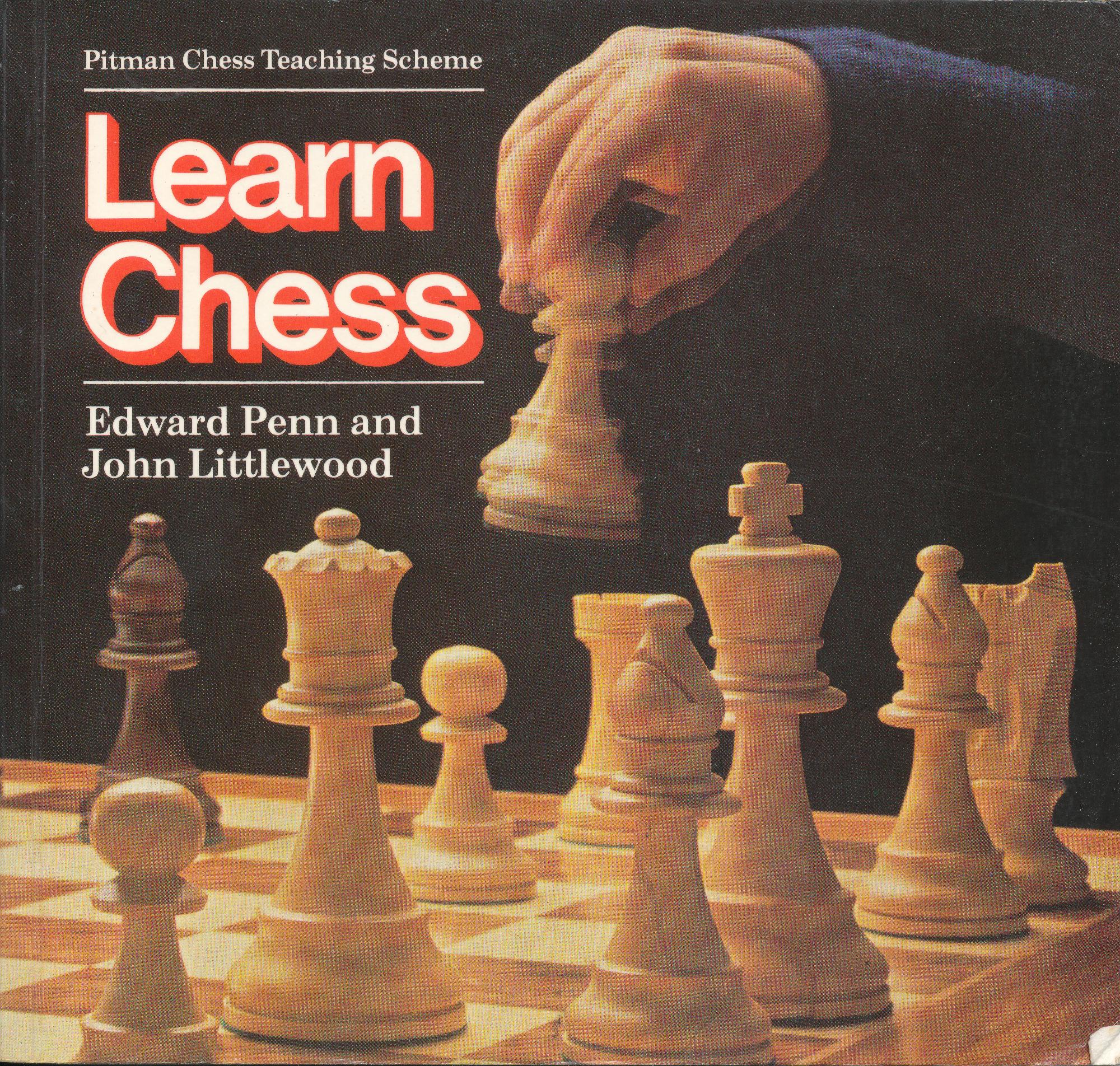
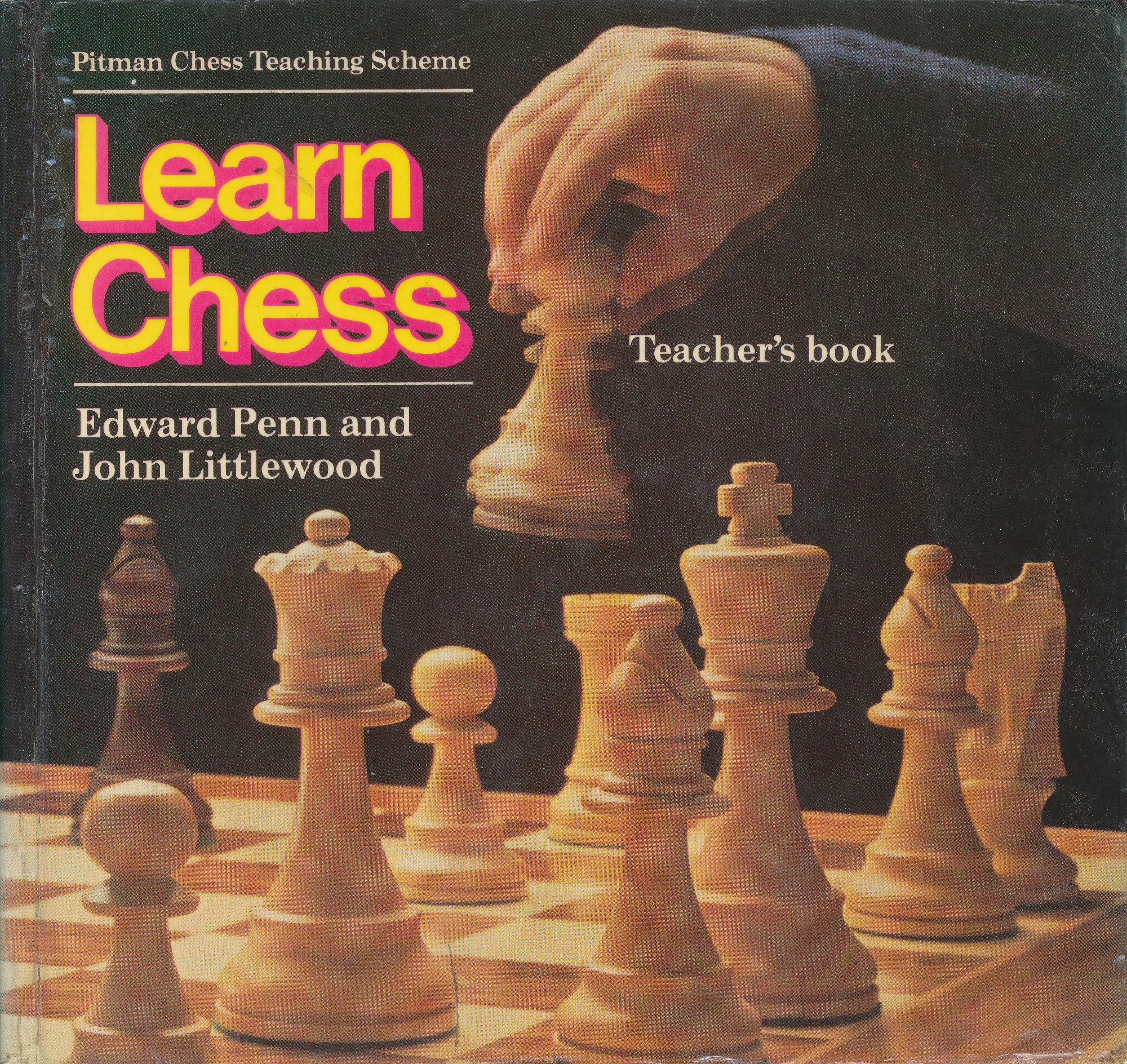
How to Play the Middle Game in Chess by John Littlewood, Collins, 1974Chess Coaching by John Littlewood, The Crowood Press, 1991Learn Chess by Edward Penn and John Littlewood, Pitman House, 1980Learn Chess : Teacher’s Book, by Edward Penn & John Littlewood, Pitman House, 1980Learn Chess 2 by John Littlewood, Adam & Charles Black, 1984FM John Littlewood (25-v-1931 16-ix-2009)
We remember IM Imre (Mirko) König on the anniversary of his death, this day (September 9th) in 1992.
His “obituary” in British Chess Magazine, Volume 112 (1992), Number 11 (November), page 542 was disappointingly brief:
“RIP Imre König: The great veteran died on 9 September at his home in California. Our last link with the Hypermoderns is broken – he associated with Réti in the 1920s.” There was no detailed follow-up as you might expect. Can you imagine Brian Reilly publishing this?
From The Anglo-Soviet Radio Chess Match by E.Klein and W.Winter :
“Born in 1901 in Hungary when it still belonged to the old pre-World War I Austria, spent most of his life in Vienna, where he became a promising player at an early age. After World War I and the various geographical adjustments in the map of Europe, he became Yugoslav by nationality and represented that country three times in international team tournaments.
Imre Konig at the Mechanics’ Institute in the 1950s (Photo: Mechanics’ Chess Club Archives)
He has competed in a great number of international tournaments, some of them in this country, where he has lived since 1938. He won the Premier Reserves at Hastings, 1938, in a strong international field, finished fourth and fifth with the late Landau at Bournemouth, 1939, and shared first and second prizes with Milner-Barry in the National Chess Centre tournament, 1939. His last performance was in the London International Tournament, 1946, where he shared fourth, fifth and sixth places with Sir George Thomas and Gerald Abrahams. He is now a professional player.
König’s special strength lies in the openings, of which he has a deep knowledge.”
Imre König
From The Encyclopedia of Chess (Robert Hale, 1970 & 1976) by Anne Sunnucks :
“International Master (1951). Born in Kula, Hungary (now Serbia). König became a Yugoslav citizen when the territory in which he lived was ceded to Yugoslavia after the First World War. In 1938 he emigrated to England and became a naturalised British subject in 1949. He found that the English climate affected his health and in 1953 went to live in the USA.
König learnt to play chess when he was 10. In 1920, while studying at Vienna University, he met Spielmann, Tartakover and Réti, and became became interested in the hypermodern school of chess, which they represented.
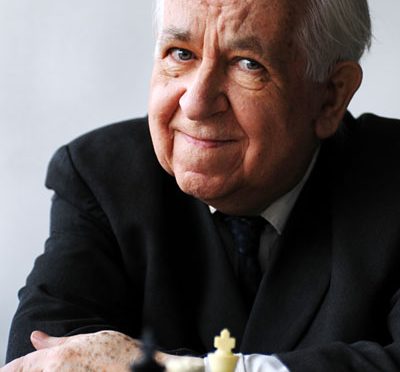
IM Imre (Mirko) König (2-ix-1901 9-ix-1992)
He played for Yugoslavia in the chess Olympiads of 1931 and 1935 and came 2nd in the Yugoslav national tournament of 1922. His results in international tournaments include =4th at Bournemouth 1939; =4th at London 1946 and 2nd at Hastings 1948-49. These results do not do justice to his strength as a player. He was handicapped by a poor temperament for tournament chess, which prevented him from achieving greater success in the international field.
IM Imre (Mirko) König (2-ix-1901 9-ix-1992)
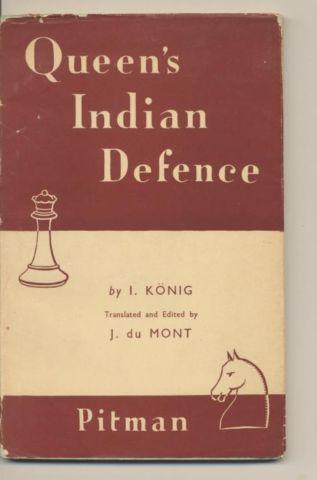
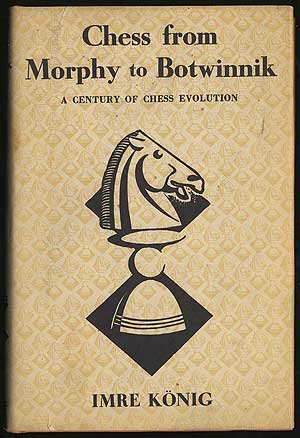
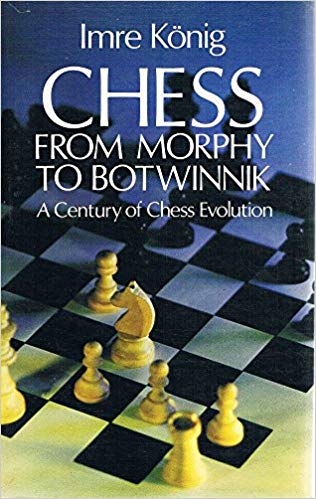
A chess professional, König was a first-class teacher of the game (Anne was a student of his), as well as being a leading theoretician. He is author of The Queen’s Indian Defence (Pitman, 1947) and Chess from Morphy to Botvinnik (Bell, 1951).”
From The Encyclopedia of Chess (Batsford, 1977) by Harry Golombek:
“An international master since 1951, born at Gyula in Austro-Hungary. After the first world war König became a Yugoslav citizen and represented that country in the Olympiads of 1931 and 1935. He emigrated to England in 1938 and was naturalised in 1949. Since 1953 he has resided in the USA. Tournament results include 2nd prize at Hastings 1948/9. His publications include a monograph on the Queen’s Indian Defence, London 1947, and a longer work, Chess from Morphy to Botvinnik, London, 1951 ”
Hooper & Whyld are silent on König for some strange reason.
From Wikipedia:
“Imre König (Koenig) aka Mirko Kenig (Sept 2, 1901, Gyula, Hungary – 1992, Santa Monica, California) was a Hungarian chess master.
He was born in Gyula, Hungary, and also lived in Austria, England and the USA during the troubled times between the two world wars.
In 1921, he took 2nd in Celje. In 1920s König played in several tournaments in Vienna; he was 3rd in 1921, 14th in 1922 (Akiba Rubinstein won), 3rd-4th in 1925, 4-5th in 1926 (Rudolf Spielmann won), and 3rd-5th in 1926. He took 12th in Rogaška Slatina (Rohitsch-Sauerbrunn) in 1929. The event was won by Rubinstein. In 1929/30, he took 7th in Vienna (Hans Kmoch and Spielmann won). In 1931, he took 4th in Vienna (Albert Becker won). In 1936, he tied for 6-7th in Novi Sad (Vasja Pirc won). In 1937, he tied for 2nd-4th in Belgrade (Vasilije Tomović won).
Mirko Kenig represented Yugoslavia in the 4th Chess Olympiad at Prague 1931 (+5 –1 =2), the 6th Chess Olympiad at Warsaw 1935 (+5 –2 =8),[2] and in 3rd unofficial Chess Olympiad at Munich 1936 (+7 –4 =7).”
“In 1938, Imre König emigrated to England. In 1939, he tied for 4-5th in Bournemouth (Max Euwe won), and shared 1st with Philip Stuart Milner-Barry in Hampstead. In 1946, he took 4th in London. In 1948/49, he took 2nd, behind Nicolas Rossolimo, in the Hastings International Chess Congress.
In 1949, he became a naturalized British citizen. However, in 1953 he moved to the United States.
König was awarded the International Master title in 1951.”
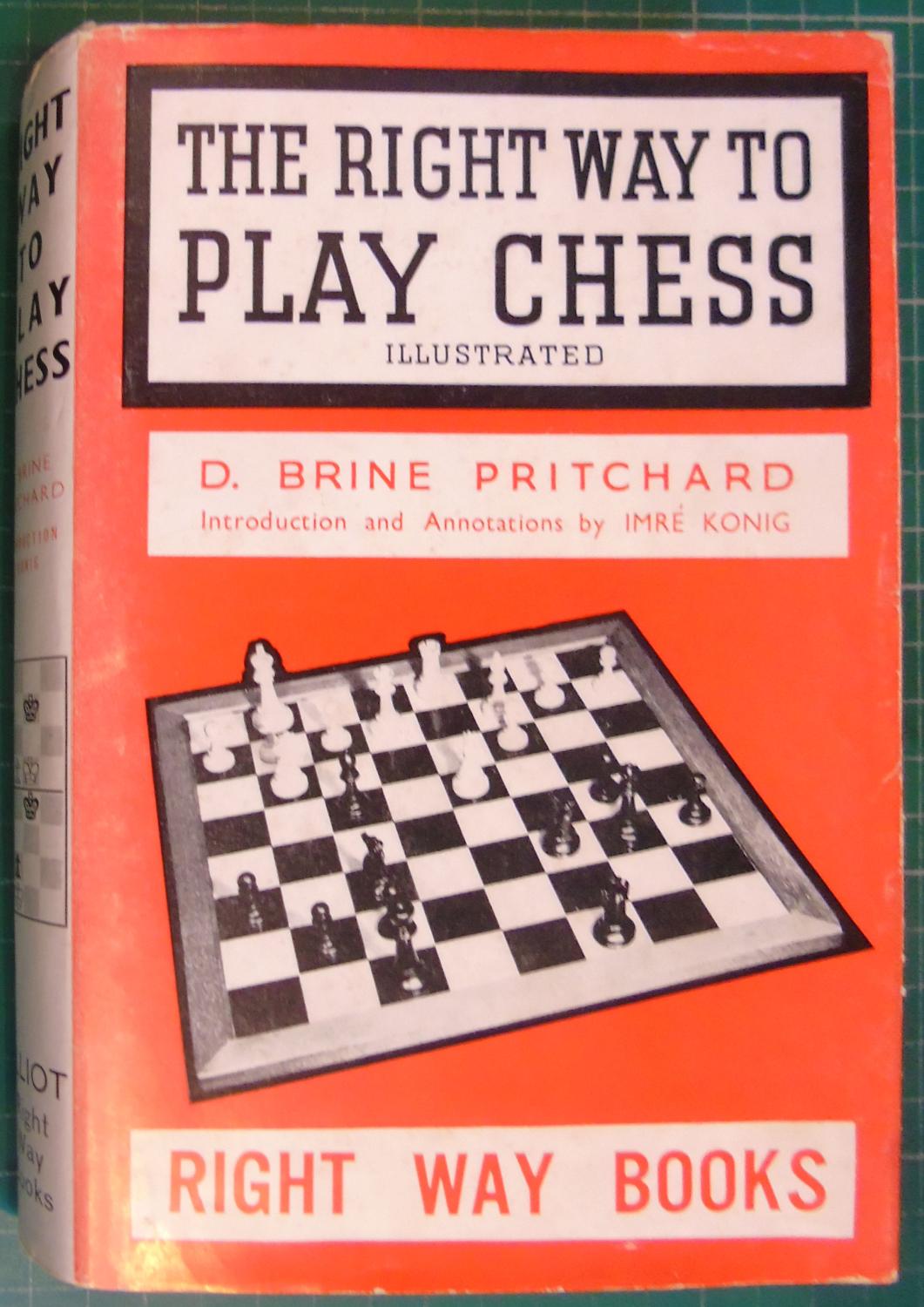
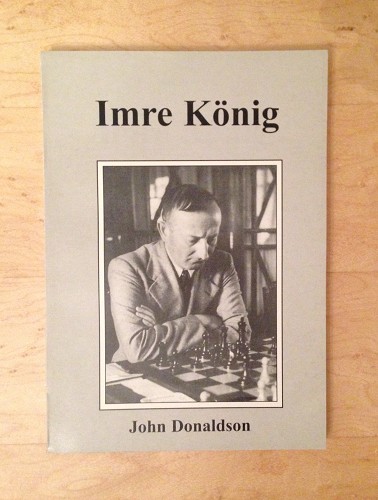
Queen’s Indian Defence, König, Pitman, 1947Chess from Morphy to Botwinnik by Imre KönigChess from Morphy to Botwinnik by Imre KönigThe Right Way to Play ChessImre König by John Donaldson
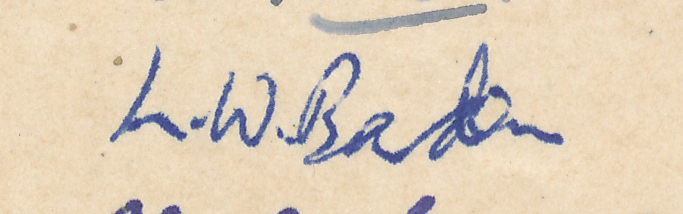
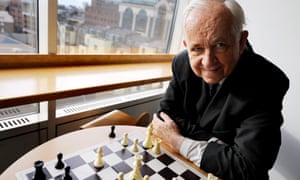
Ninety-seven today is Leonard William Barden, born Tuesday, August 20th, 1929.
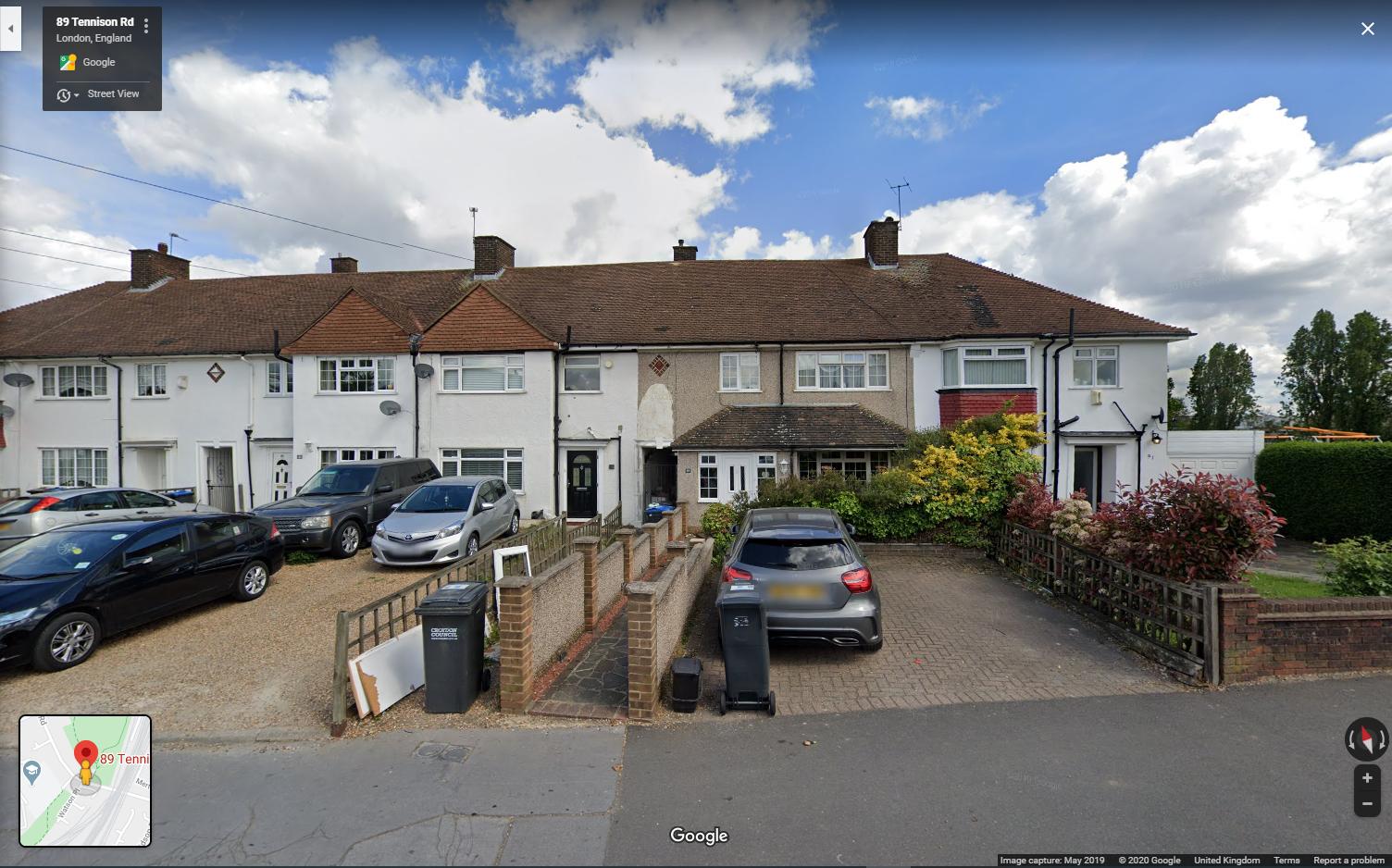
His mother’s maiden was Bartholomew and she became Elise EM Barden when she married Leonard’s father who was William C Barden (a dustman) and in 1939 they lived at 89, Tennison Road, Croydon.
89, Tennison Road, Croydon
From The Encyclopedia of Chess (Batsford, 1977) by Harry Golombek OBE:
“British Master and joint British Champion 1954. Barden was born in Croydon and learned to play at his school, Whitgift, which became a frequent producer of fine players.
In 1946 he tied for first place in the London Boys Championship and in the following year he tied with Jonathan Penrose for first place in the British Boys Championship, but lost the play-off.
In 1952 he came first at Paignton ahead of the Canadian Grandmaster Yanofsky and he reached his peak in 1954 when , after tieing for first place with the Belgian Grandmaster O’Kelly de Galway at Bognor, he tied for for first place in the British Championship at Nottingham with A. Phillips. The play-off was drawn and so the players became joint champions.
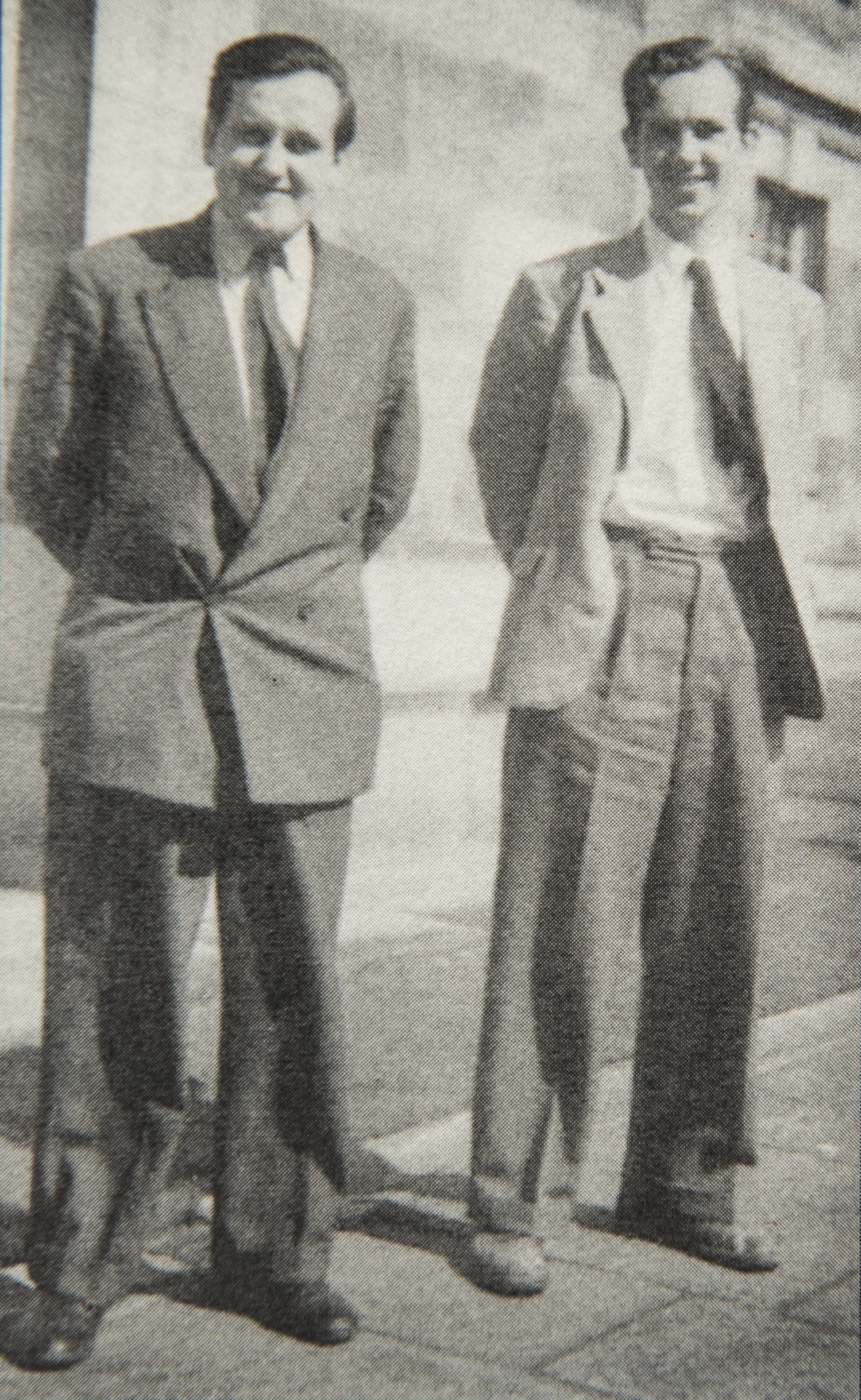
Alan Phillips and Leonard Barden are joint British Champions of 1954 in Nottingham, photographer unknown
He played for the BCF in four Olympiads from 1952 to 1962 and then abandoned competitive chess, applying all his energies to writing (he is chess correspondent of the Guardian, the Financial Times, the Evening Standard and the Field, and has written many books on the game.
He has also developed two special interests, in junior chess and in grading, working with utmost persistence and energy in both of these fields.
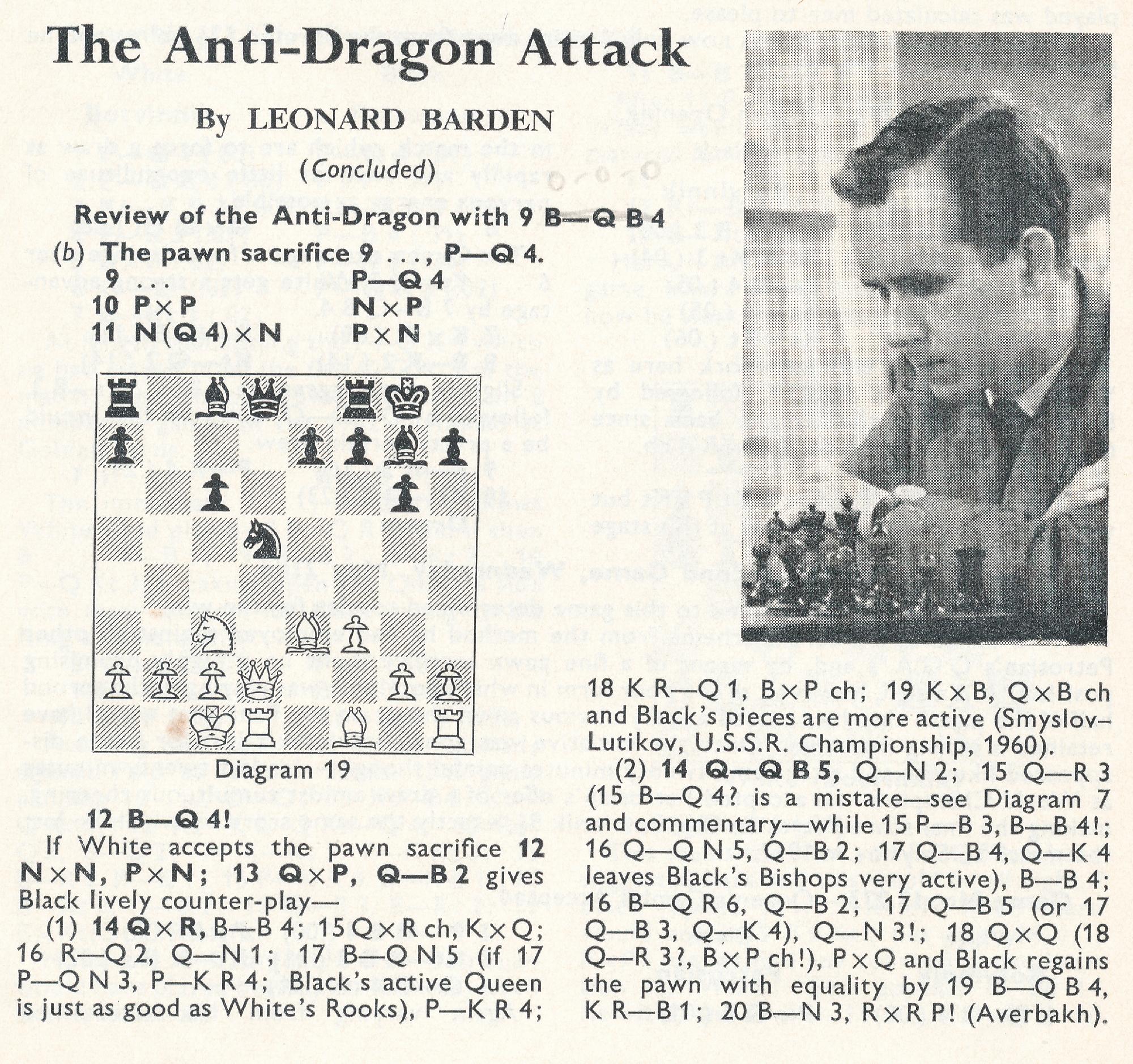
Leonard authored a series of articles on what was to become the Yugoslav Attack versus the Sicilian Dragon. Source : British Chess Magazine, Volume LXXXIII, Number 7 (July), page 208
Amongst his best works are : a A Guide to Chess Openings, London, 1957; The Ruy Lopez, Oxford, 1963; The King’s Indian Defence, London, 1968.”
Disappointingly Sunnucks Encyclopedia does not mention Barden at all and and surprisingly Hooper and Whyld’s usually excellent Oxford Companion only from a connection with Jim Slater.
“Leonard William Barden (born 20 August 1929, in Croydon, London) is an English chess master, writer, broadcaster, organizer and promoter. The son of a dustman, he was educated at Whitgift School, South Croydon, and Balliol College, Oxford, where he read Modern History.
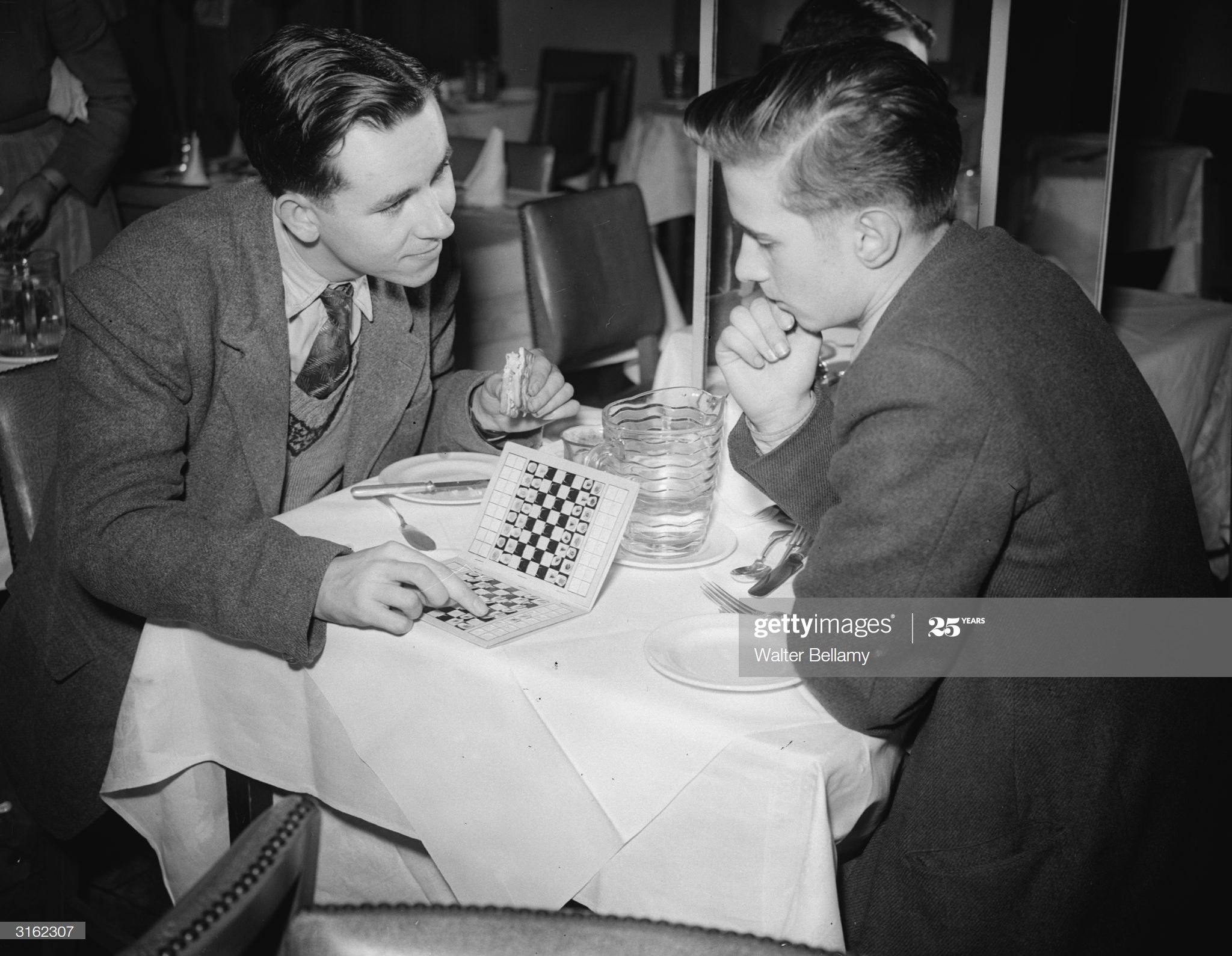
Travel Chess 2nd January 1951: British chess champions Jonathan Penrose and Leonard Barden prepare their openings over breakfast in the Yelton Hotel before the 9.30 am round start at Hastings 1950-51. (Photo by Walter Bellamy/Express/Getty Images)
He learned to play chess at age 13 while in a school shelter during a World War II German air raid. Within a few years he became one of the country’s leading juniors.[1] He represented England in four Chess Olympiads. Barden played a major role in the rise of English chess from the 1970s. As a chess columnist for various newspapers, his column in London’s Evening Standard is the world’s longest-standing chess column.
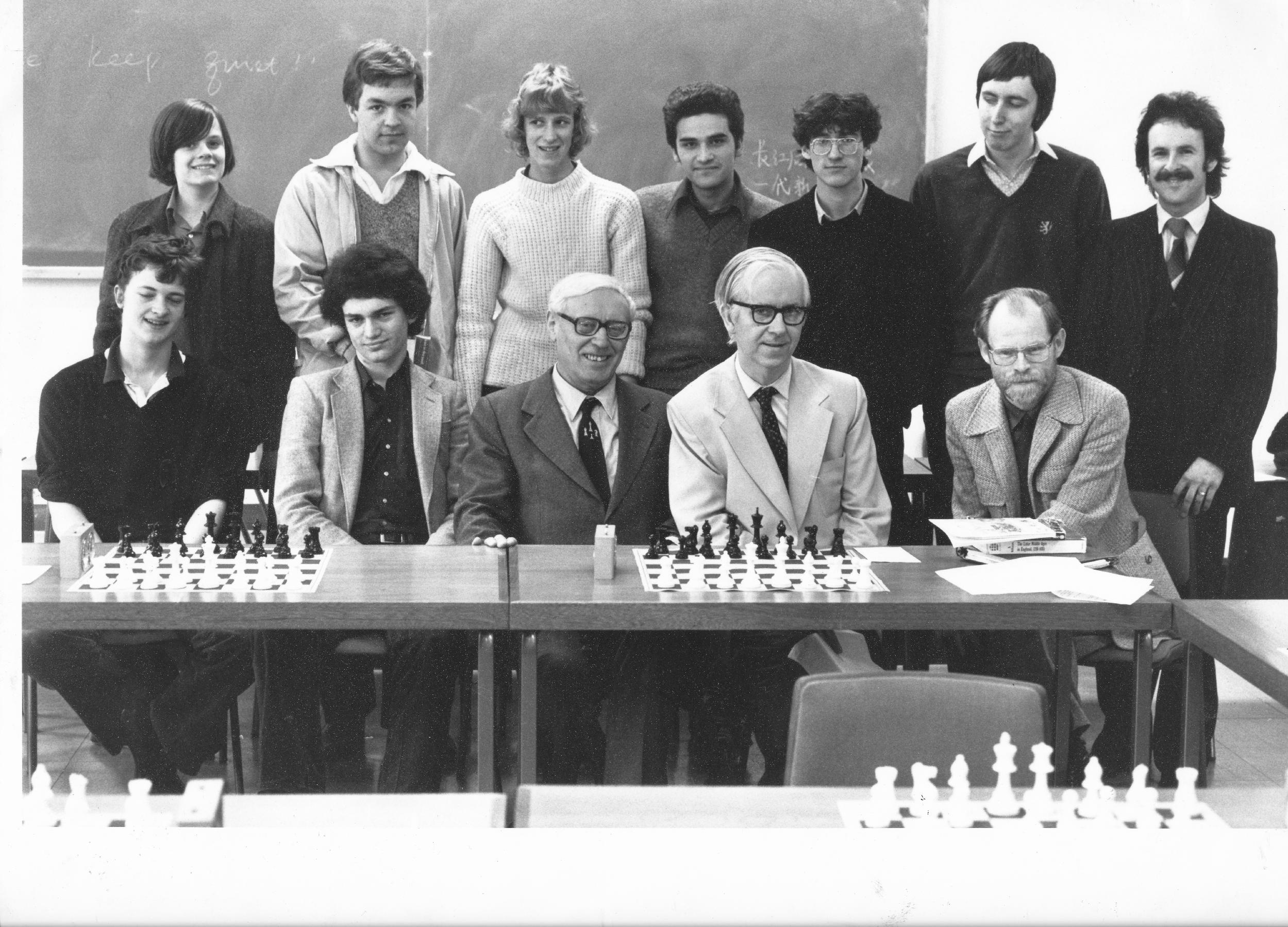
Leonard Barden (seated, second from right) Before Botvinnik’s 1981 Pergamon Press clock simul against England juniors, the final competitive event of the Patriarch’s career. Standing: Stuart Conquest, Neil Dickenson. Gary Lane, Alan Byron, Daniel King, John Hawksworth, Pergamon editor. Seated: Julian Hodgson, Byron Jacobs, Mikhail Botvinnik, Leonard Barden, Bernard Cafferty.
In 1946, Barden won the British Junior Correspondence Chess Championship, and tied for first place in the London Boys’ Championship. The following year he tied for first with Jonathan Penrose in the British Boys’ Championship, but lost the playoff.
Barden finished fourth at Hastings in 1951–52. In 1952, he won the Paignton tournament ahead of the Canadian future grandmaster Daniel Yanofsky. He captained the Oxfordshire team which won the English Counties championship in 1951 and 1952.
Barden making a move at Southend 1955.
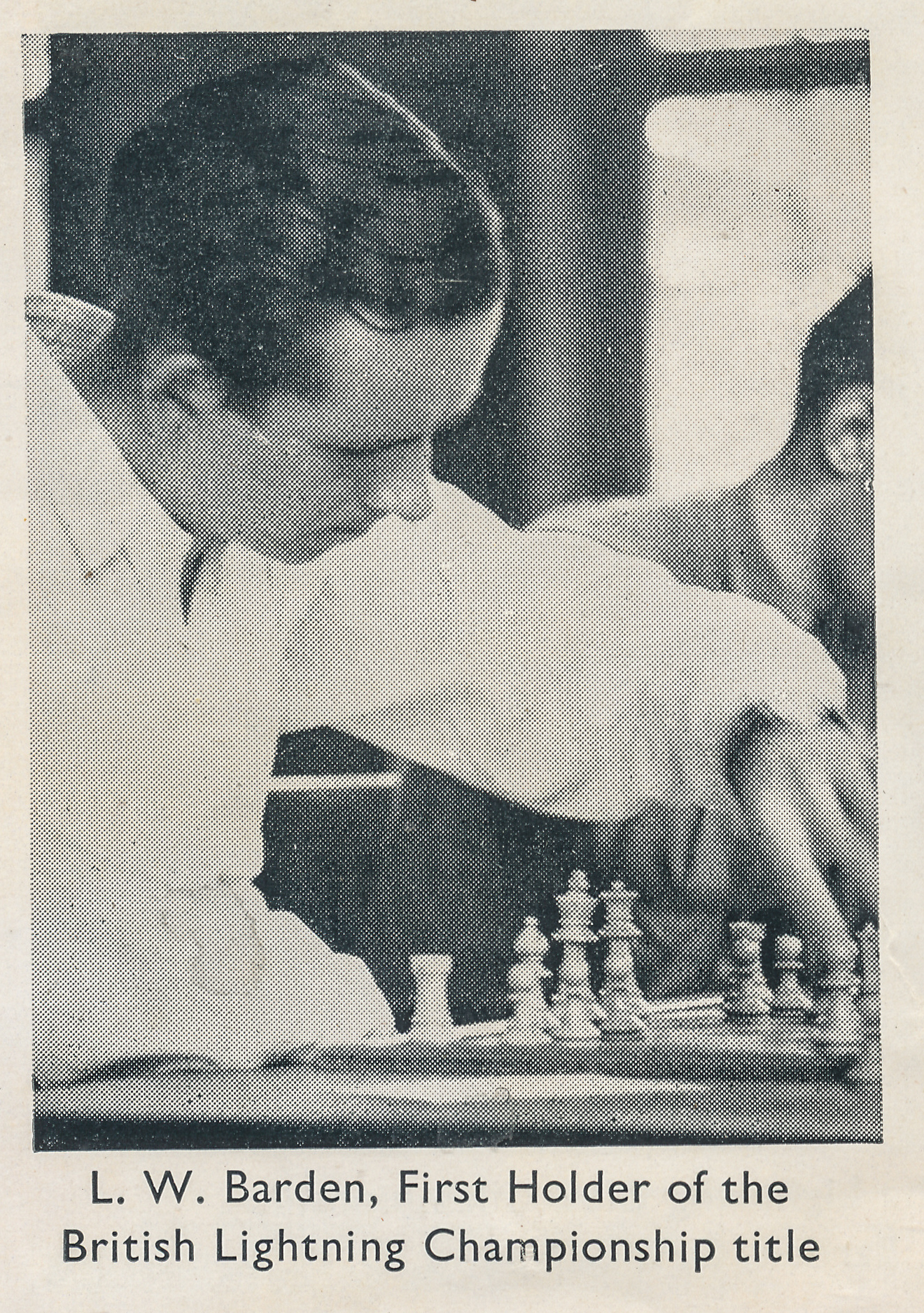
In the latter year he captained the University of Oxford team which won the National Club Championship, and he represented the university in the annual team match against the University of Cambridge during his years there. In 1953, he won the individual British Lightning Championship (ten seconds a move).
Leonard Barden, First Holder of the British Lightning Championship title played at the Ilford Congress between May 22nd and May 25th, 1953
(ed: the above event was “won” by Dr. PM List with 15.5/18 but he was not allowed the title. Leonard together with AY Green and KR Smith scored 13/18 and won the play-off).
The following year, he tied for first with the Belgian grandmaster Albéric O’Kelly de Galway at Bognor Regis, was joint British champion, with Alan Phillips, and won the Southern Counties Championship.
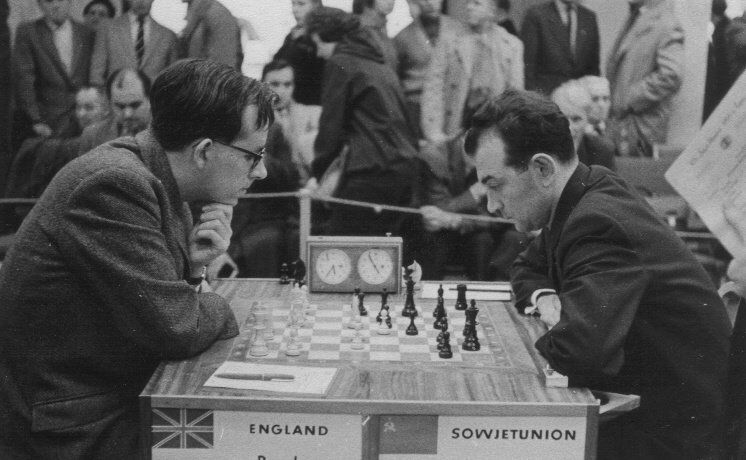
Leonard Barden vs Victor Korchnoi, Leipzig Olympiad, 1960
He finished fourth at Hastings 1957–58, ranked by chessmetrics as his best statistical performance. In the 1958 British Chess Championship, Barden again tied for first, but lost the playoff match to Penrose 1½–3½.
Leonard Barden (centre) with Raaphi Persitz, JB Sykes, OI Galvenius and DM Armstrong, Ilford, May, 1953
LWB observes analysis between David Rumens and Murray Chandler from Brighton 1980. Photograph courtesy of John Upham.
He represented England in the Chess Olympiads at Helsinki 1952 (playing fourth board, scoring 2 wins, 5 draws, and 4 losses), Amsterdam 1954 (playing first reserve, scoring 1 win, 2 draws, and 4 losses), Leipzig 1960 (first reserve; 4 wins, 4 draws, 2 losses) and Varna 1962 (first reserve; 7 wins, 2 draws, 3 losses). The latter was his best performance by far.
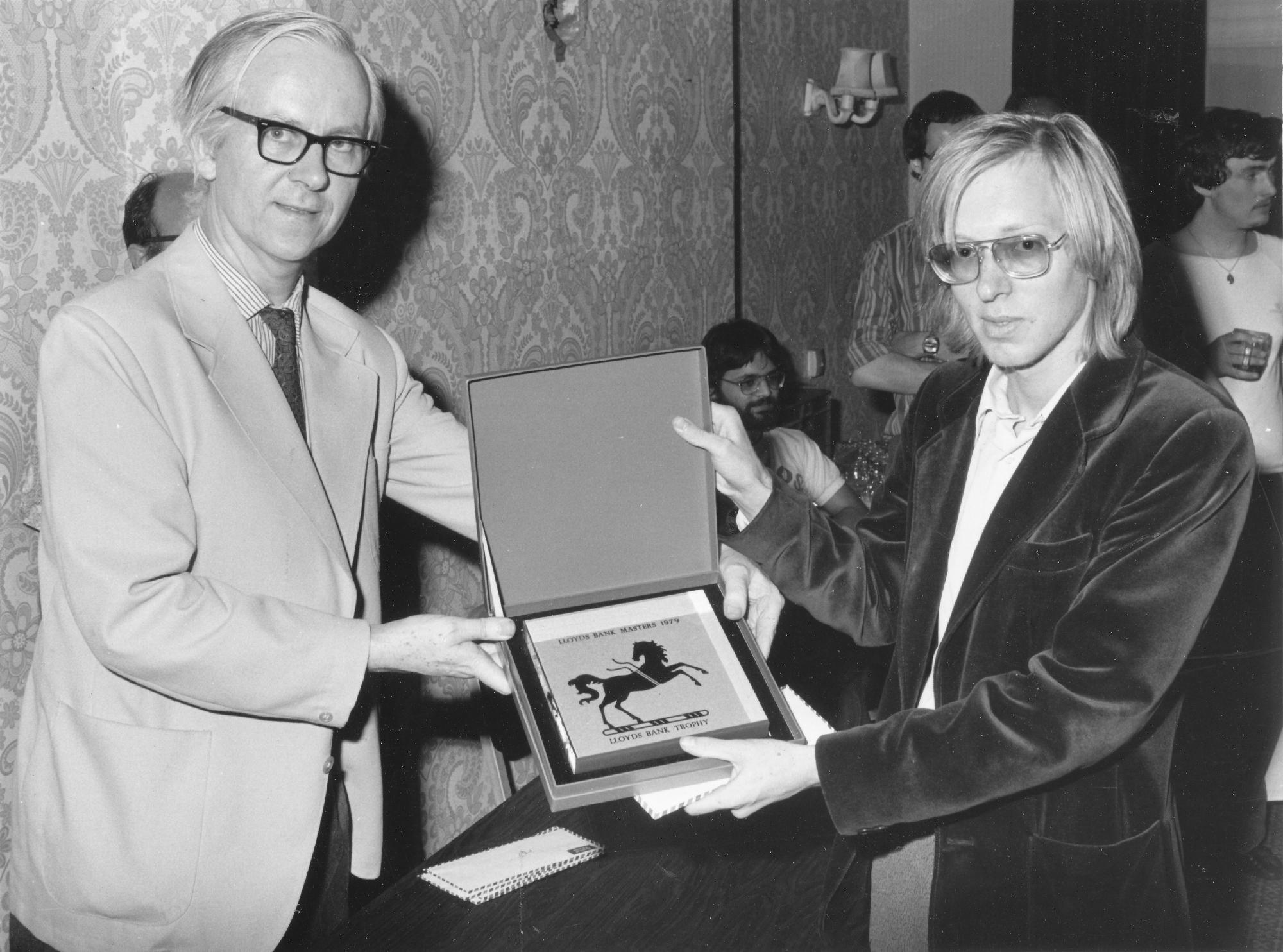
Leonard Barden (left) and Murray Chandler display the Lloyds Bank Trophy which the 19-year old New Zealander won ahead of 3 Grandmasters and 10 International Masters for his finest international success up to 1979. in the Lloyds Bank Masters
Barden has a Morphy number of 3, having drawn with Jacques Mieses in the Premier Reserves at Hastings 1948–49. Mieses drew with Henry Bird in the last round of Hastings 1895, and Bird played a number of games with Paul Morphy in 1858 and 1859.
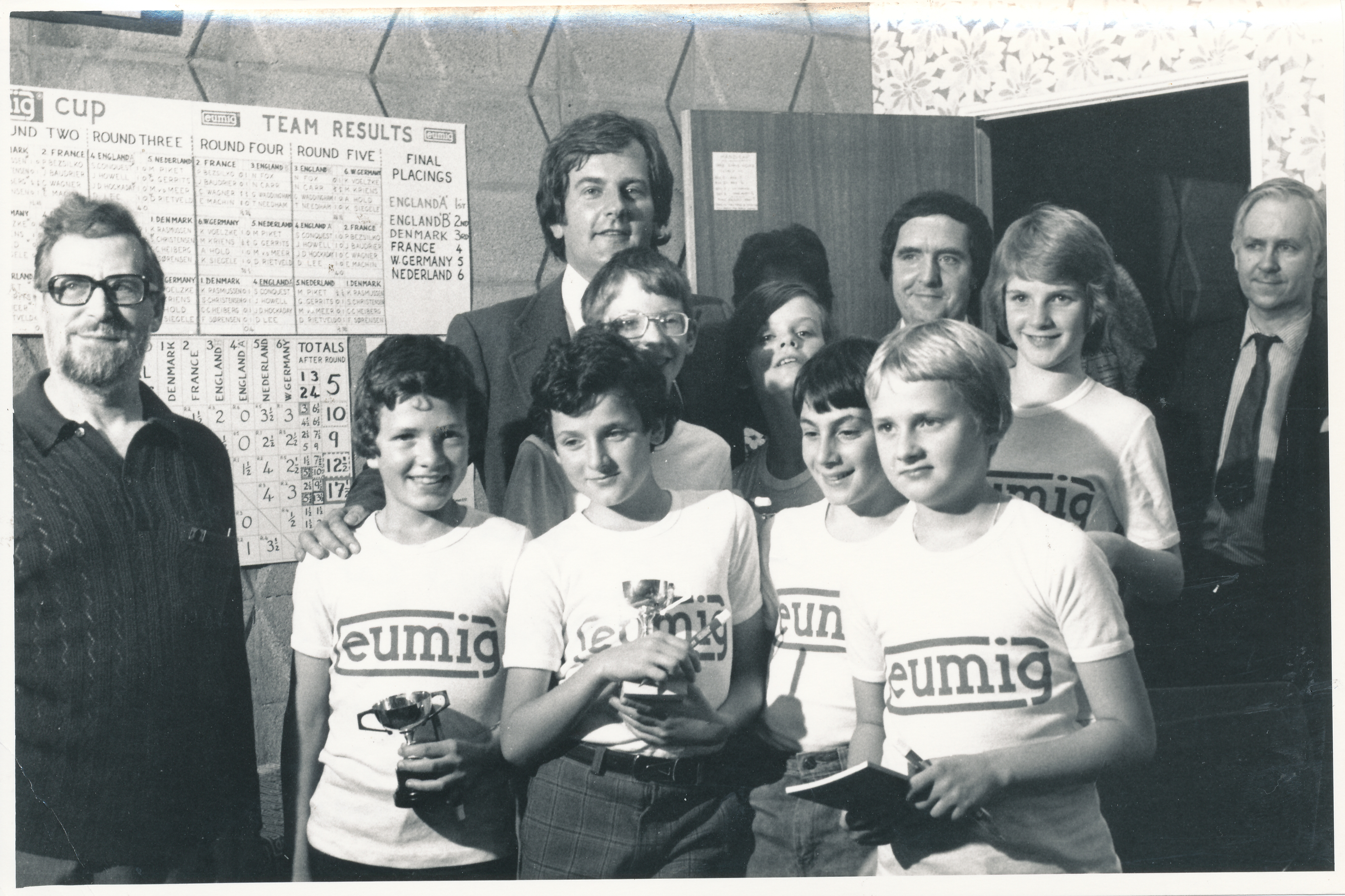
England’s under-12 junior teams finished first and second in the international Eumig Cup, 1981. Front row: Peter Morrish (organiser), Jimmy Hockaday, Darren Lee, Neil Fox, Neil Carr. Second row: James Howell, Stuart Conquest, Teresa Needham. Far right: LB.
In 1964, Barden gave up most competitive chess to devote his time to chess organisation, broadcasting, and writing about the game. He has made invaluable contributions to English chess as a populariser, writer, organiser, fundraiser, and broadcaster.
Leonard Barden at Bob Wade’s 80th birthday party, 2001.
He was controller of the British Chess Federation Grand Prix for many years, having found its first sponsor, Cutty Sark. He was a regular contributor to the BBC’s Network Three weekly radio chess programme from 1958 to 1963. His best-known contribution was a consultation game, recorded in 1960 and broadcast in 1961, where he partnered Bobby Fischer against the English masters Jonathan Penrose and Peter Clarke. This was the only recorded consultation game of Fischer’s career. The game, unfinished after eight hours of play, was adjudicated a draw by former world champion Max Euwe. Barden gave BBC television commentaries on all the games in the 1972 world championship. From 1973 to 1978 he was co-presenter of BBC2’s annual Master Game televised programme.
Julian and Nigel Short play Korchnoi in the Evening Standard 1976 simul. Leonard Barden observes.
As of 2021, his weekly columns have been published in The Guardian for 65 years and in The Financial Times for 46 years. A typical Barden column not only contains a readable tournament report, but is geared toward promoting the game. His London Evening Standard column, begun in summer 1956, is now the world’s longest running daily chess column by the same author, breaking the previous record set by George Koltanowski in the San Francisco Chronicle. Koltanowski’s column ran for 51 years, 9 months, and 18 days, including posthumous articles.”
Leonard Barden (Linda Nylind of the Guardian)
Leonard wrote this on the English Chess Forum in 2021 :
“I retired after Ilford 1964 when I finished a poor last in the England Olympiad team qualifier, returned at Hammersmith 1969 (equal 2nd behind Keene) and then played around 6-8 weekenders a year until 1972. My overall performance level between early 60s and early 70s dropped from around 225 to 215 BCF, so I wasn’t encouraged to pursue the comeback further.”
Leonard was Southern Counties (SCCU) champion in the 1953-54 season.
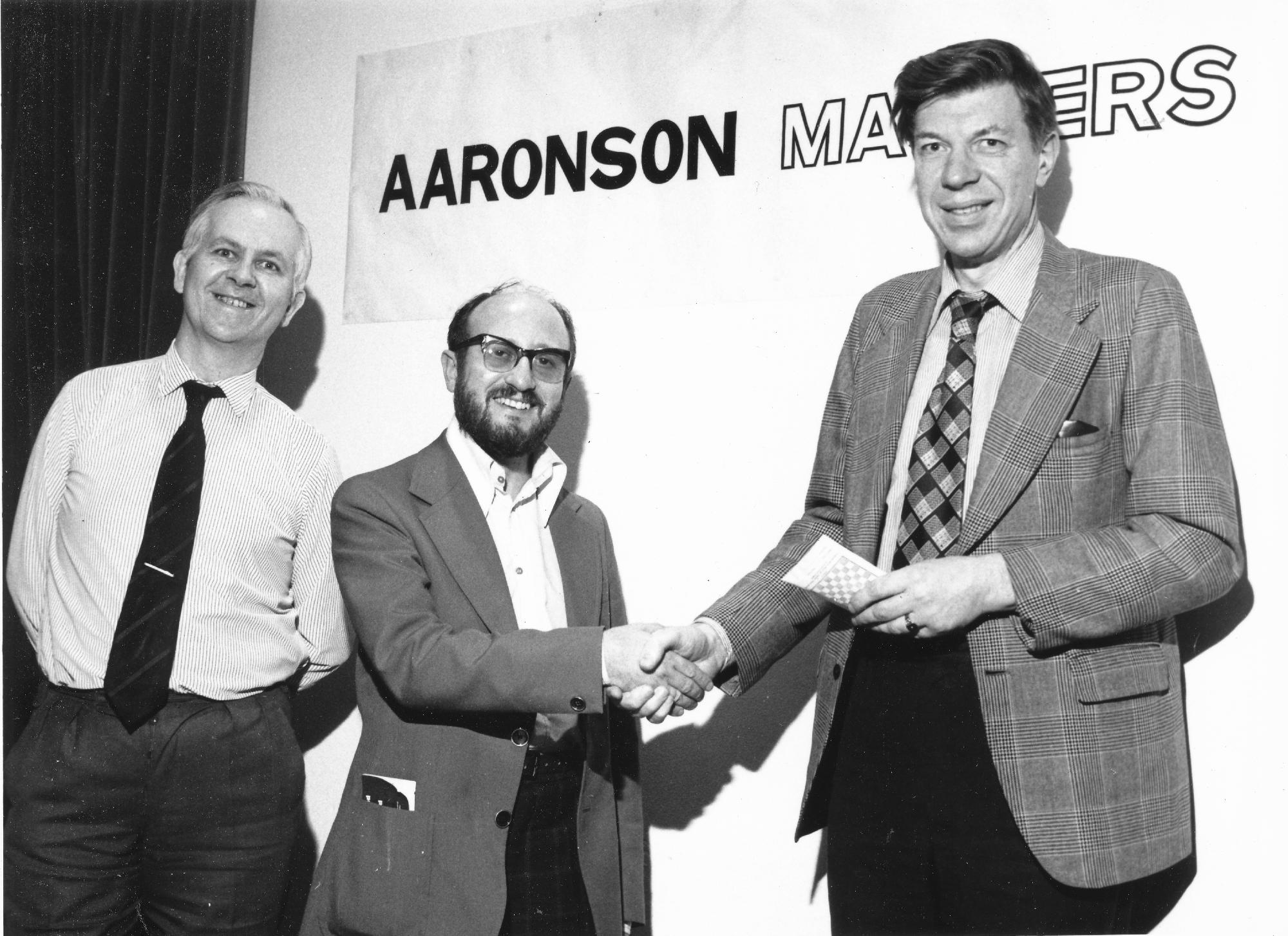
Leonard Barden, Stewart Reuben and Michael Franklin at the 1978 Aaronson Masters
Leonard reveals this as his best game :
Leonard has authored or co-authored a number of highly regarded books, most of which are highly instructional to this day:
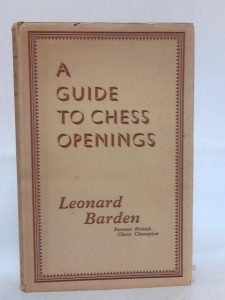
A Guide to Chess Openings (1957),
A Guide to Chess Openings
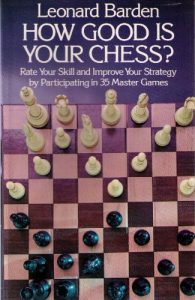
How Good Is Your Chess? (1957),
How Good is Your Chess ?
Chess (1959),
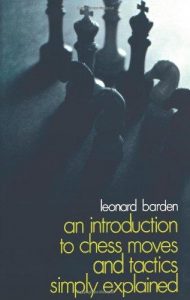
Introduction to Chess Moves and Tactics Simply Explained (1959),
An Introduction to Chess Moves and Tactics Simply Explained
Modern Chess Miniatures (with Wolfgang Heidenfeld, 1960),
Erevan 1962 (1963),
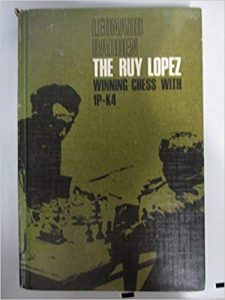
The Ruy Lopez (1963),
The Ruy Lopez
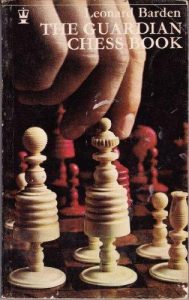
The Guardian Chess Book (1967),
The Guardian Chess Book
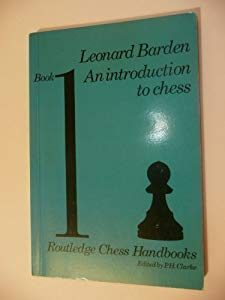
An Introduction to Chess (1967),
An Introduction to Chess
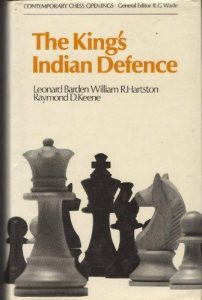
The King’s Indian Defence (1969),
The King’s Indian Defence
Chess: Master the Moves (1977),
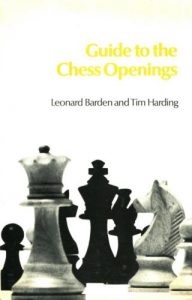
Guide to the Chess Openings (with Tim Harding, 1977),
Guide to the Chess Openings
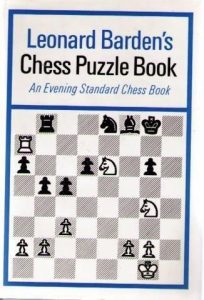
Leonard Barden’s Chess Puzzle Book (1977) (a collection of his Evening Standard columns),
Leonard Barden’s Chess Puzzle Book
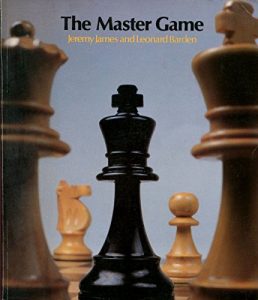
The Master Game (with Jeremy James, 1979),
The Master Game
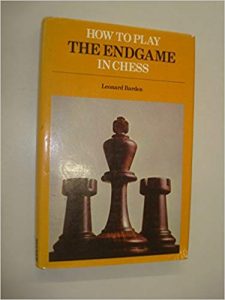
How to Play the Endgame in Chess (1979),
How to Play The Endgame in Chess
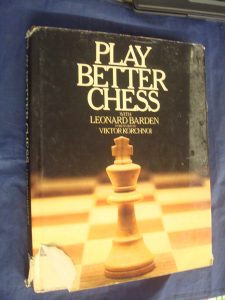
Play Better Chess (1980),
Play Better Chess
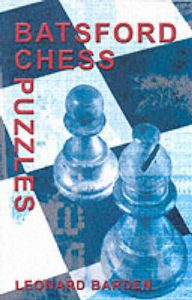
Batsford Chess Puzzles (2002),
Batsford Chess Puzzles
One Move and You’re Dead (with Erwin Brecher, 2007) : Can you supply an image?
BCN sends Happy birthday wishes to Peter Griffiths
Peter Charles Griffiths was born on Thursday, August 15th, in 1946 in Birmingham, Warwickshire. His mother’s maiden name was Ward.
Peter was a strong player active from the 1960s until 1989. He played in the British Championships more than once and was a professional coach and writer. He wrote the column “Practical Chess Endings” which appeared in the British Chess Magazine. The column commenced in the December 1972 issue and columns became less frequent until around 1991.
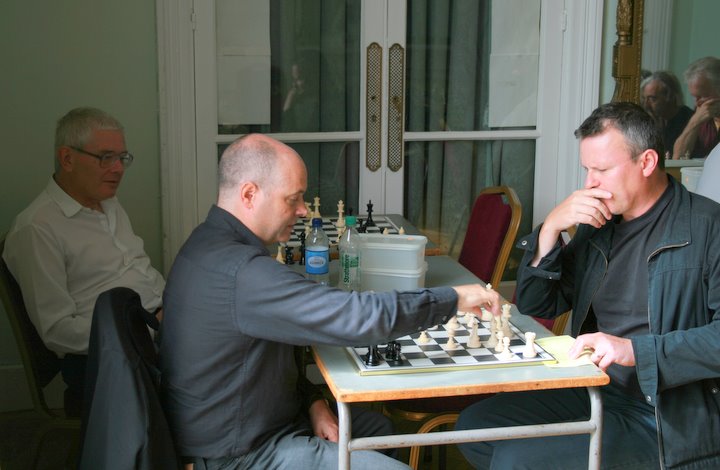
Peter Griffiths (far left)
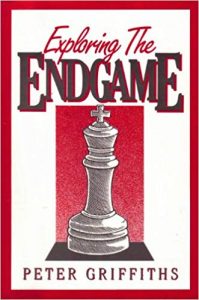
He wrote Exploring the Endgame
Exploring the Endgame
and
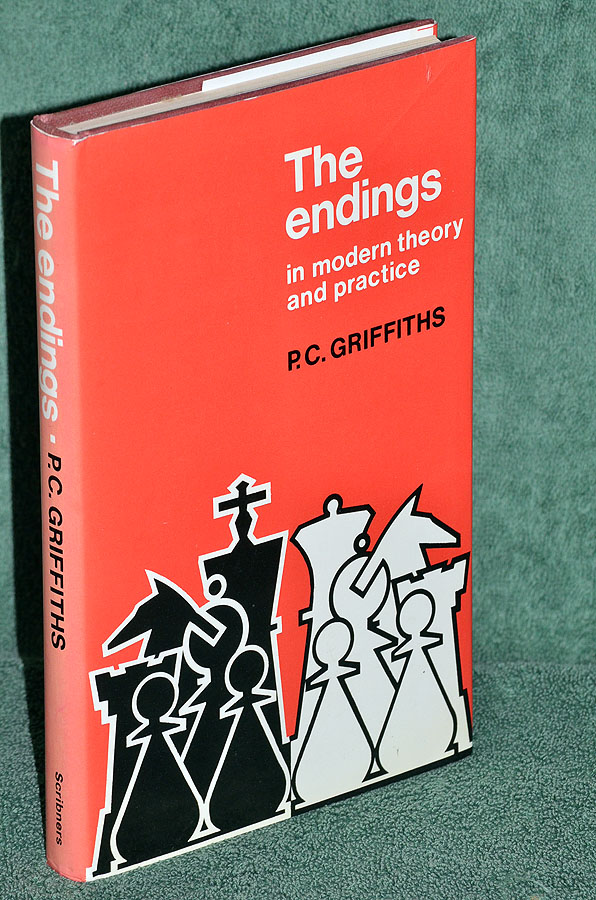
The Endings: In Modern Theory and Practice, PC Griffiths, G. Bell & Sons Ltd, 1976, ISBN 0 7135 1953 3
and co-authored Secrets of Grandmaster Play with John Nunn.
Secrets of Grandmaster Play
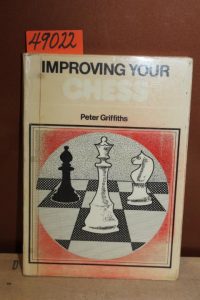
and wrote Improving Your Chess
Improving Your Chess
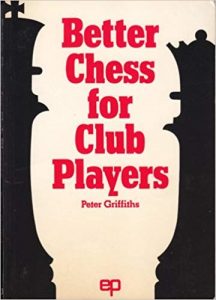
and Better Chess for Club Players
Better Chess for Club PlayersPeter Griffiths (far left)
BCN wishes Happy Birthday to FM Andrew Smith (15-viii-1959)
Andrew Philip Smith became a FIDE Master in 1994 and is registered with the Irish Chess Union.
His highest FIDE rating was 2310 in July 1994 at the age of 35.
FM Andrew Smith, photographer unknown
He plays for Bourne End Chess Club in the Buckinghamshire League and in the Berkshire League.
Andrew also plays for 4NCL Barnet Knights (he has played for Atticus), Buckinghamshire CCA in the Chiltern League and Hon Members LCCL.
Andrew started his chess aged 6 when his Mother taught him and he joined Lewisham Chess Club aged 13 and then Slough Chess Club (Thames Valley League and 4NCL) in 1988.
He has won the Berks & Bucks Congress in 2018 and 2016 (joint) and he became Berkshire Individual Champion as a direct consequence winning the Cadogan Cup.
With the white pieces Andrew is (almost) exclusively a 1.e4 player favouring the Centre Game
and as the second player Andrew plays the Philidor Defence and the Benoni.
He is known to favour “enterprising” variations such as the Mason Variation of the Philidor, the Haldane Attack versus the French and other such exotica.
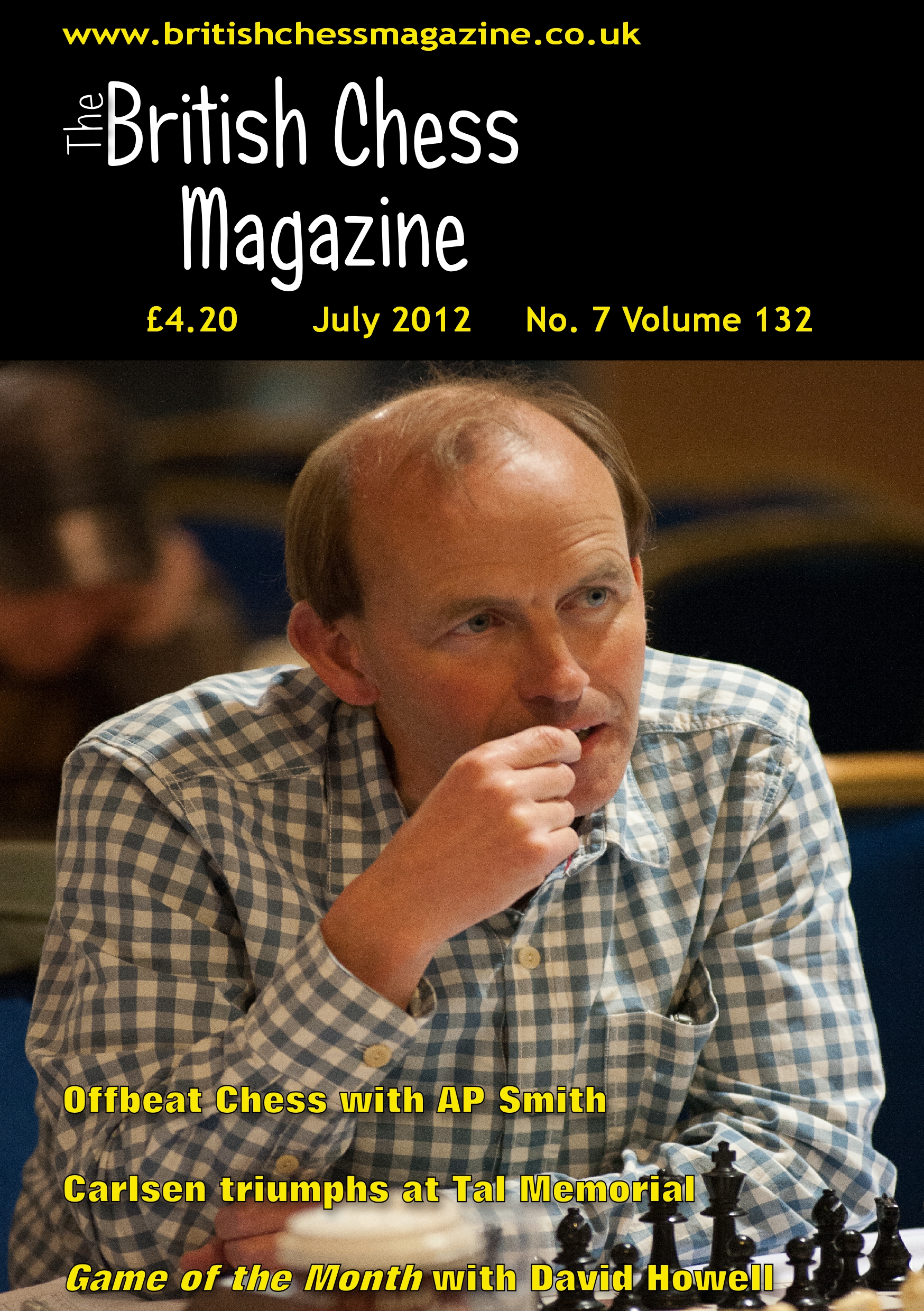
British Chess Magazine, Volume CXXXII (132), Number 7 (July) front cover features FM Andrew Smith from the final 4NCL weekend of the 2011-2012 season, courtesy of John Upham Photography
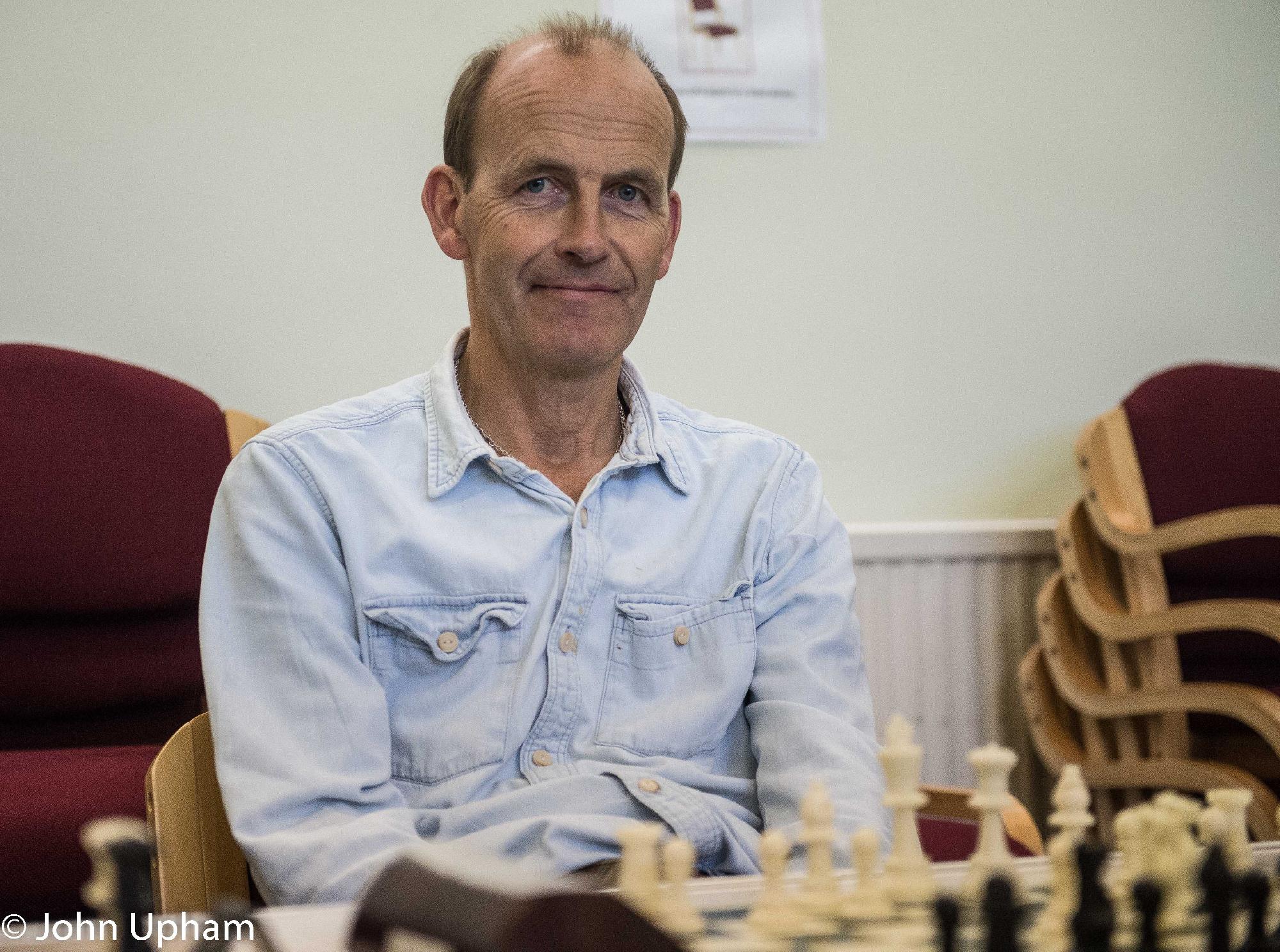
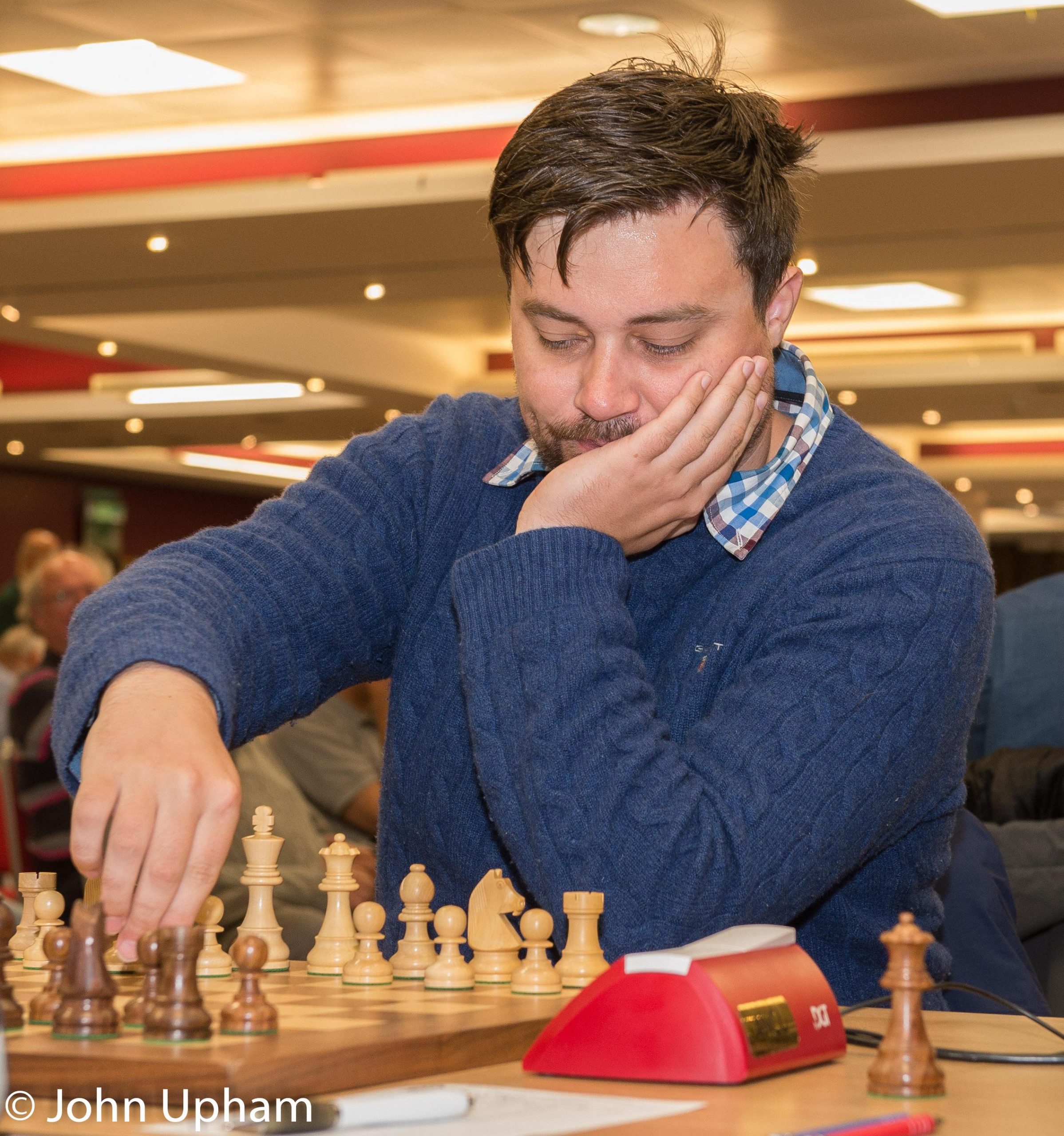
FM Andrew Smith at the 2019 Keith Richardson Memorial, courtesy of John Upham Photography
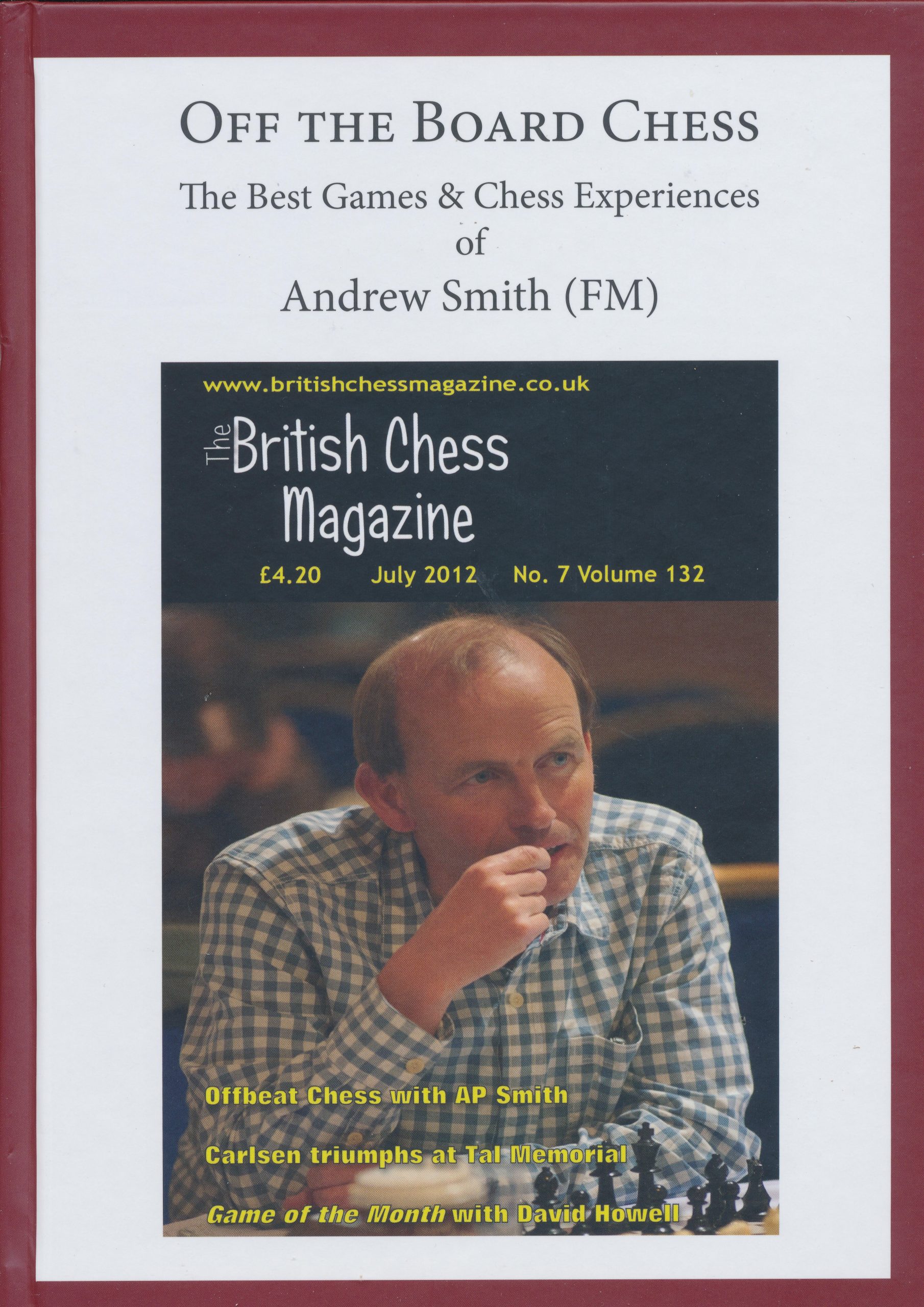
In 2021 Andrew self-published “Off the Board Chess, The Best Games and Chess Experiences of Andrew Smith (FM)” which has received popular acclaim.
Off the Board Chess, The Best Games and Chess Experiences of Andrew Smith (FM), FM Andrew Smith, Self published, 2021, ISBN 978-1-5272-8572-9
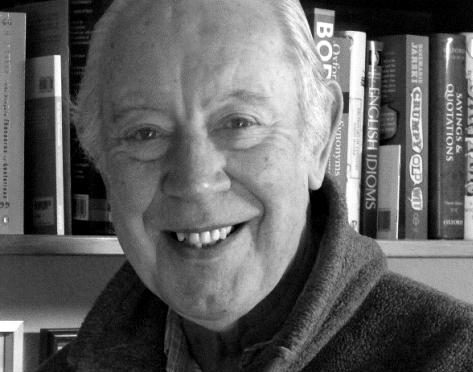
We remember FM Jimmy Adams who passed away on Saturday, June 6th 2026 in London. His funeral was in Hoddesdon, Hertfordshire on 20th July. Here is the online tribute page that you are welcome to contribute to.
Jimmy was married to Sharon and they have a daughter, Charlotte.
In 1958 Jimmy at the age of 11 joined his local Islington Chess Club (at the time Islington & North London Chess Club) and soon afterwards became a London Junior Champion. Following this Jimmy played little chess and was working for John Lewis (echoes of CHO’D Alexander and Leonard Barden). Following John Lewis Jimmy worked as a Health and Safety Officer for Islington Council.
At this time Islington Chess Club was one of the strongest in England and included such members as Kenny Harman, Ron Harman, Danny Wright, Stewart Reuben and others. Its most famous member was probably IM Simon Webb
The Spassky-Fischer match of 1972 re-kindled his lapsed interest and he won with a 100% score the London Amateur Championship.
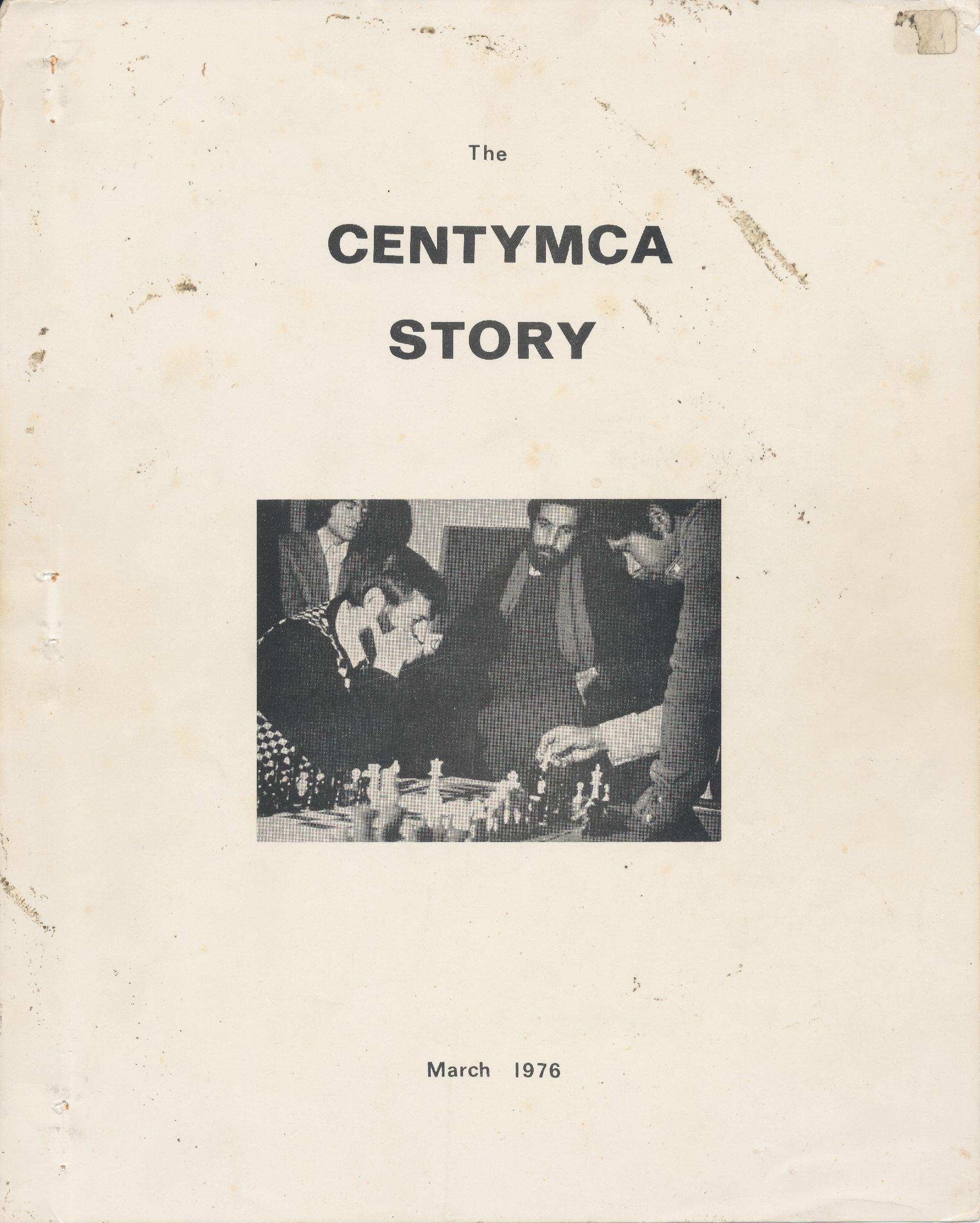
He joined and was a staunch member of London Central YMCA (CENTYMCA) chess club and he wrote a privately published history of the club entitled The CENTYMCA Story. This is now a much sought after publication. His membership continued during the 1970s until around 1979.
The CentYMCA Story by Jimmy Adams, 1976The CentYMCA Story by Jimmy Adams, 1976
During this period Jimmy was extremely active at the Endell Street premises.
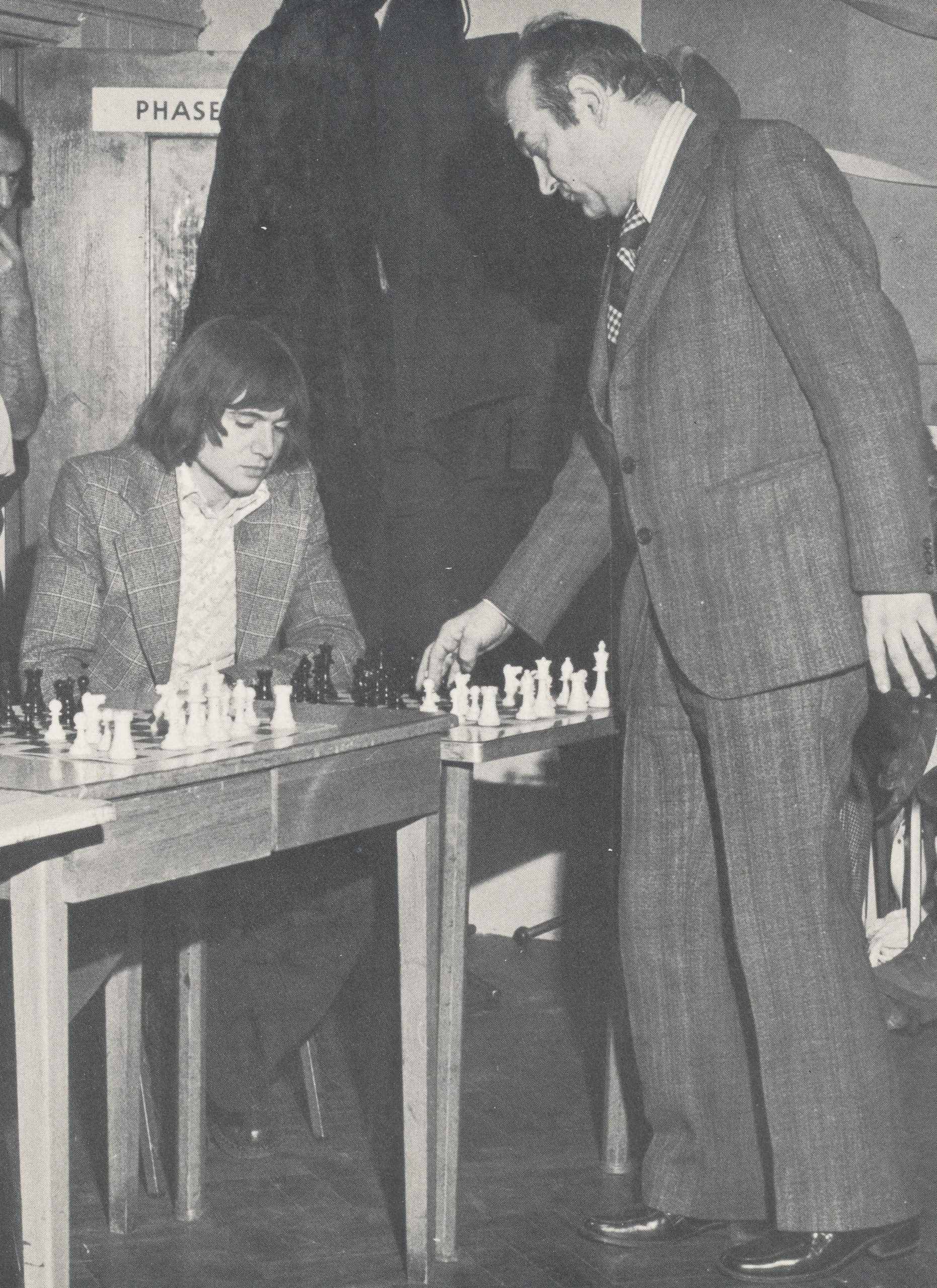
Here is Jimmy playing Viktor Korchnoi at Endell Street (in the Phase Two classrooms) :
Jimmy plays Viktor Korchnoi at the Endell Street premises of London Central YMCA on January 18th, 1976. Photographer potentially John Yeo
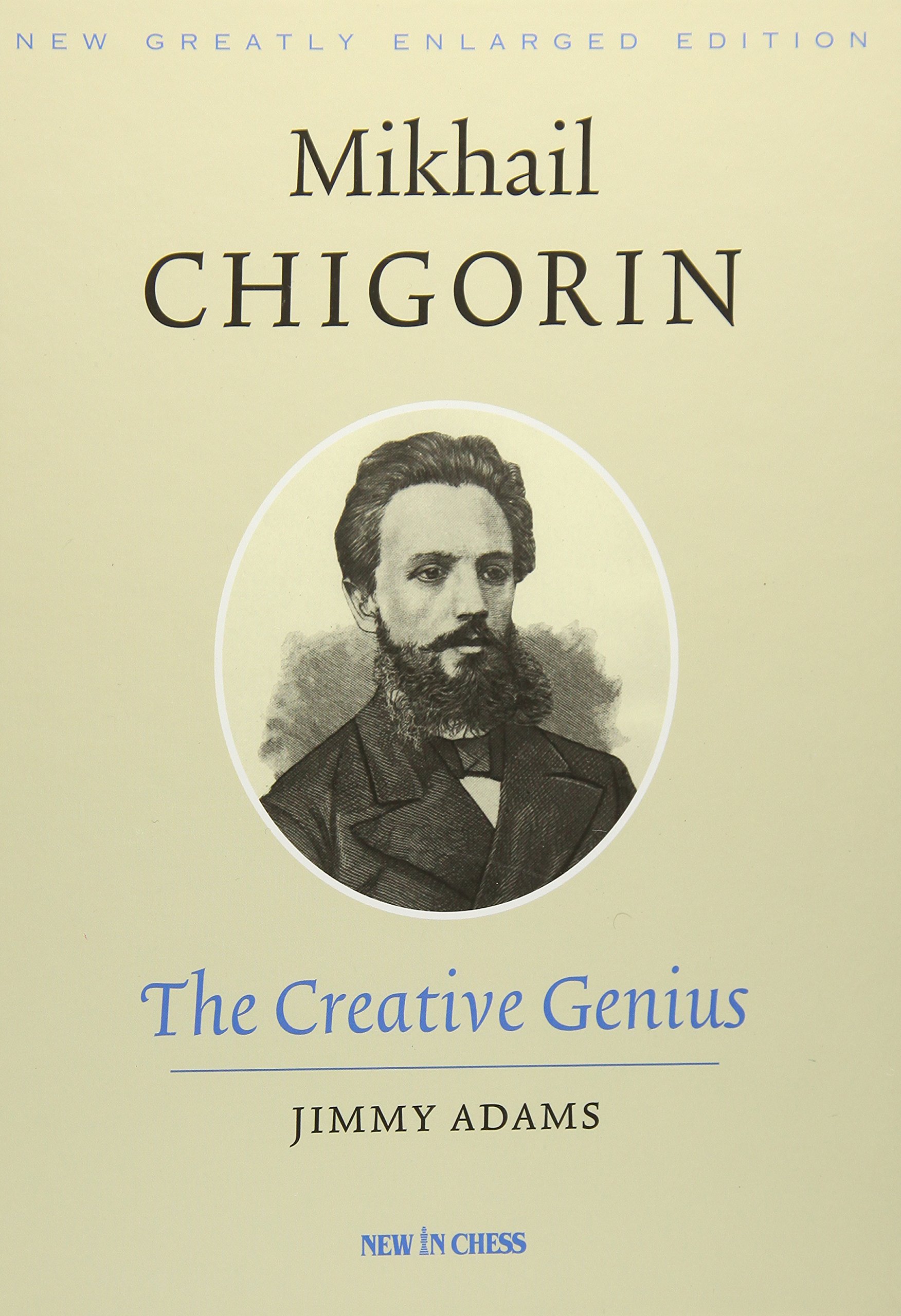
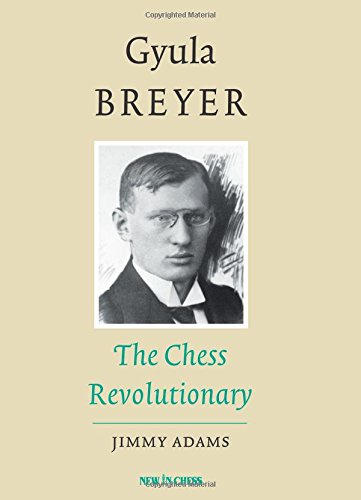
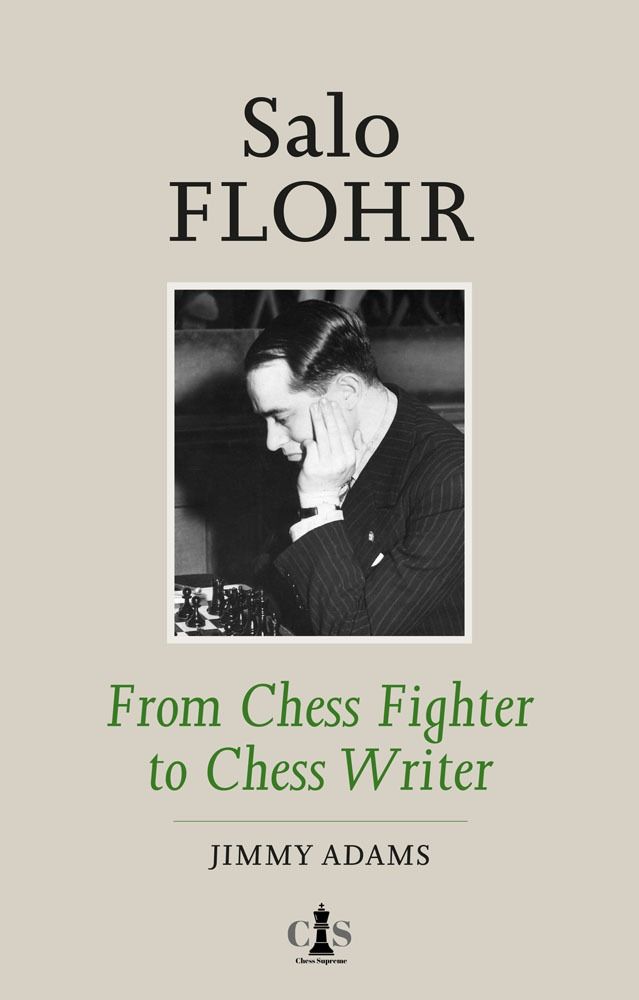
In 1974 Jimmy embarked on a highly successful career as a writer and journalist. He contributed articles to both CHESS and the British Chess Magazine and authored a number of acclaimed books for Batsford, The Chess Player, Caissa Books and latterly, New in Chess. He also self-published the first book on Bobby Fischer’s successor entitled K is for Karpov! His books on Chigorin, Zukertort and Breyer are universally regarded as some of the finest chess biographies published.
In 1979 Jimmy joined Metropolitan Chess Club to play in the London League A Division. He played top board and scored very highly with many significant scalps.
Jimmy gained his FM title in 2014 (at the age of 67!). 67 must be one of the most advanced ages to acquire an FM title. According to Felice his peak rating was 2300 in January 1981 aged 34.
Jimmy giving a simultaneous display
He joined Metropolitan Chess Club. He joined Barbican, as did many other CENTYMCA players, following the hiatus over their Tottenham Court Road venue loss.
Jimmy records a game between David Howell and Andrew Whiteley in 2000.
In December 2009 Jimmy visited the London Chess Classic and was photographed with VIP guest Viktor Korchnoi :
Viktor Korchnoi in conversation with Jimmy Adams at the 2009 London Chess Classic. Photograph by Mark Huba
Jimmy was Editor of Middlesex Chessletter and Bayswater Chess in the early 1970s and produced major bulletins on the hugely successful Islington Congresses of the same period. He then worked for Pergamon Chess Books which led to his editorship of CHESS / CHESS Monthly magazine from until 2010 although his name remained on the masthead until February 2012.
In 2012 Jimmy and Ray Cannon attended a meeting of the Ken Whyld Association in Norwich :
Jimmy Adams and Michael Negele at the 2012 meeting of the Ken Whyld AssociationJimmy and Ray Cannon at a 2012 meeting in Norwich of the Ken Whyld Association
In January 2016 Jimmy (together with Josip Asik) became co-editors of British Chess Magazine taking over from James Pratt and John Upham.
Jimmy also jointly edited Chess Informants 109-132 up to 2017 before taking on the role of Deputy Editor of the newly created American Chess Magazine whilst continuing to work as editor for Batsford Chess which had changed ownership over the years and had now been taken under the umbrella of Pavillion Books.
In 2014 Jimmy and Ray attended an event organised by the father of Emma Bentley
Jimmy Adams and Ray Cannon at an event organised by Emma Bentley’s father.
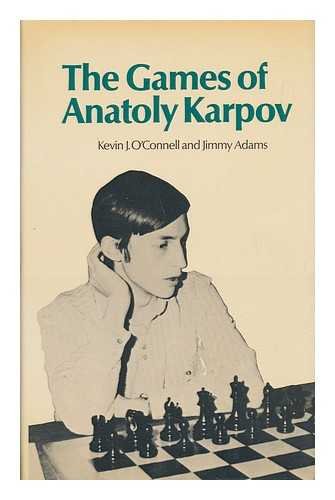
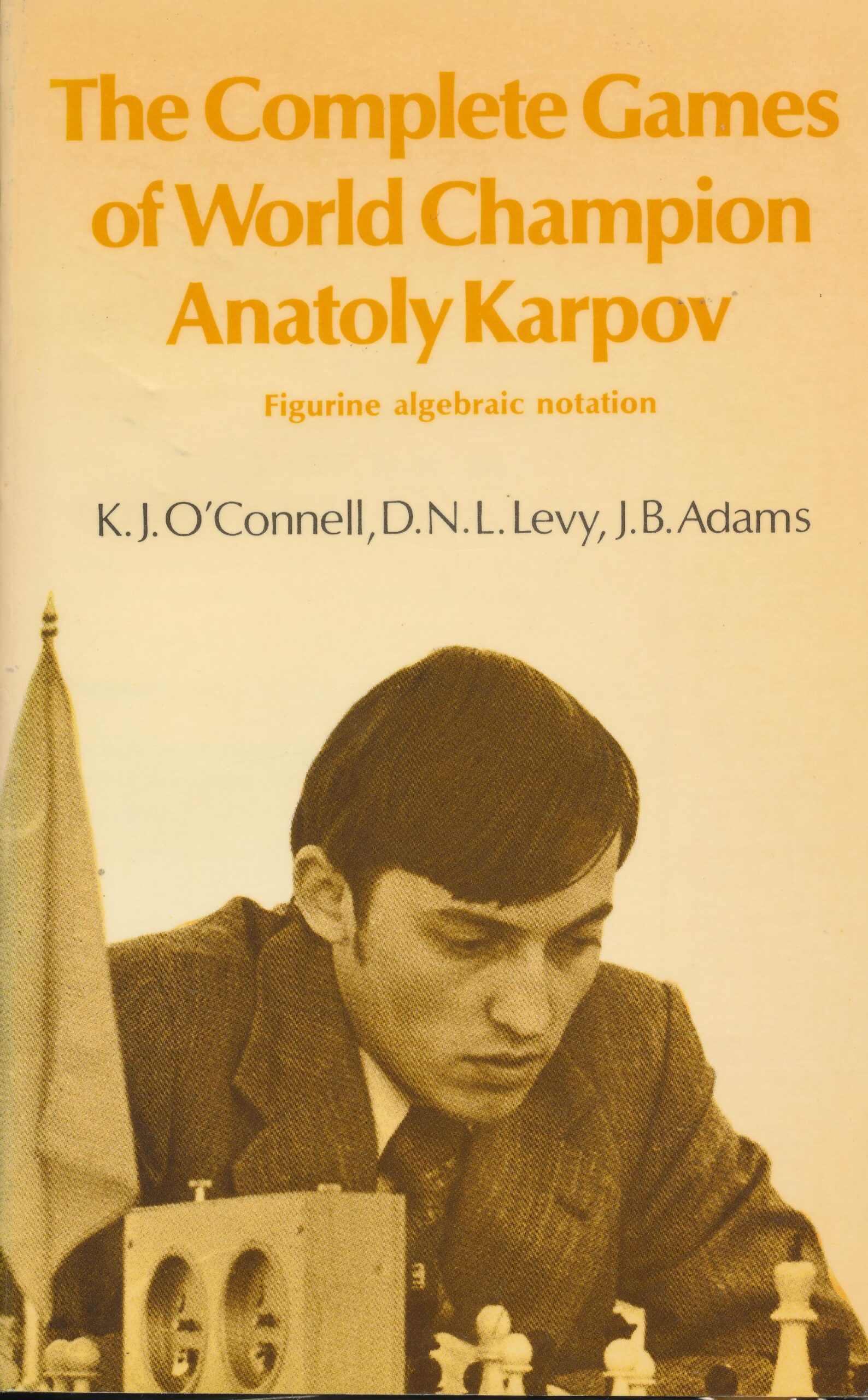
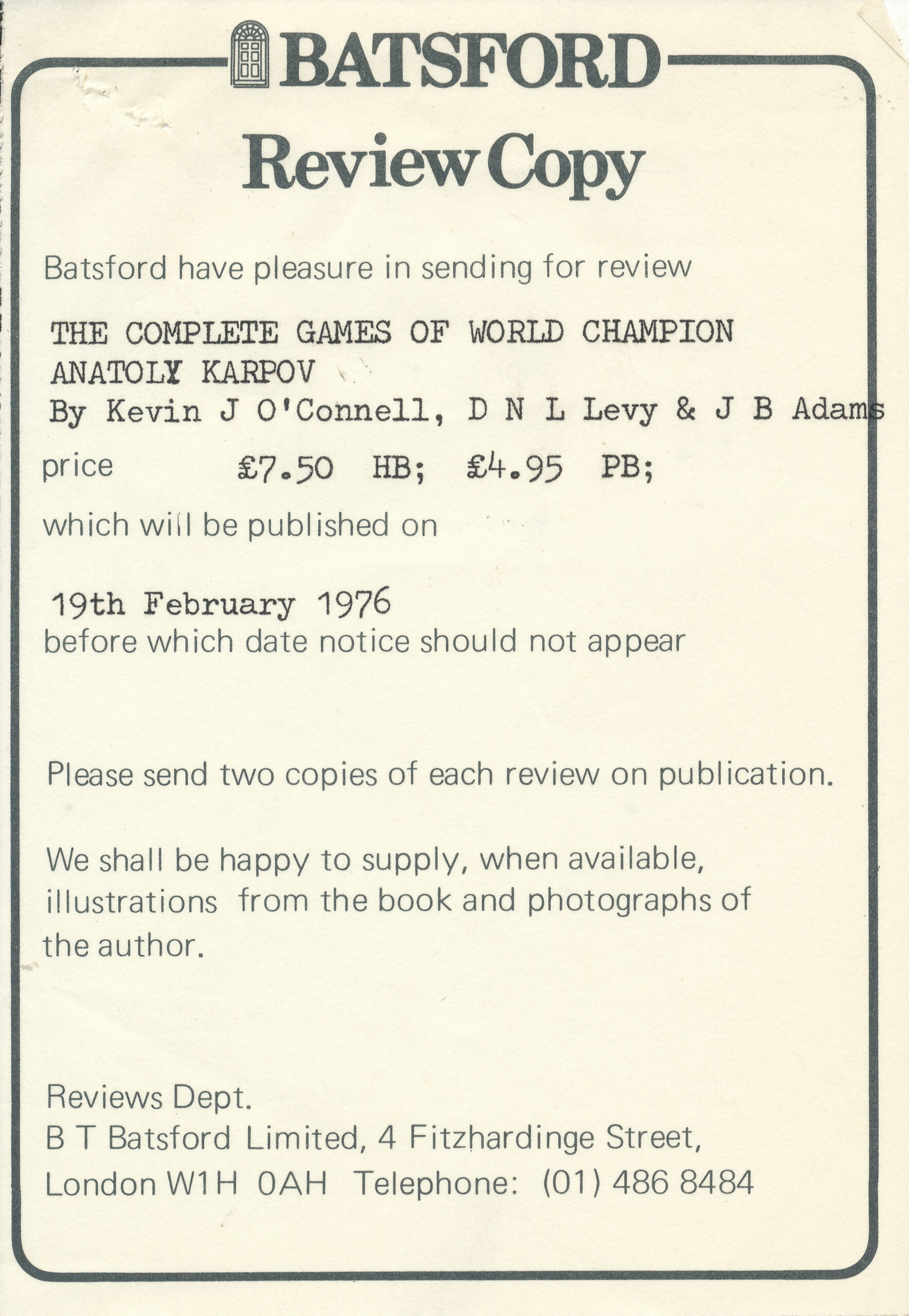
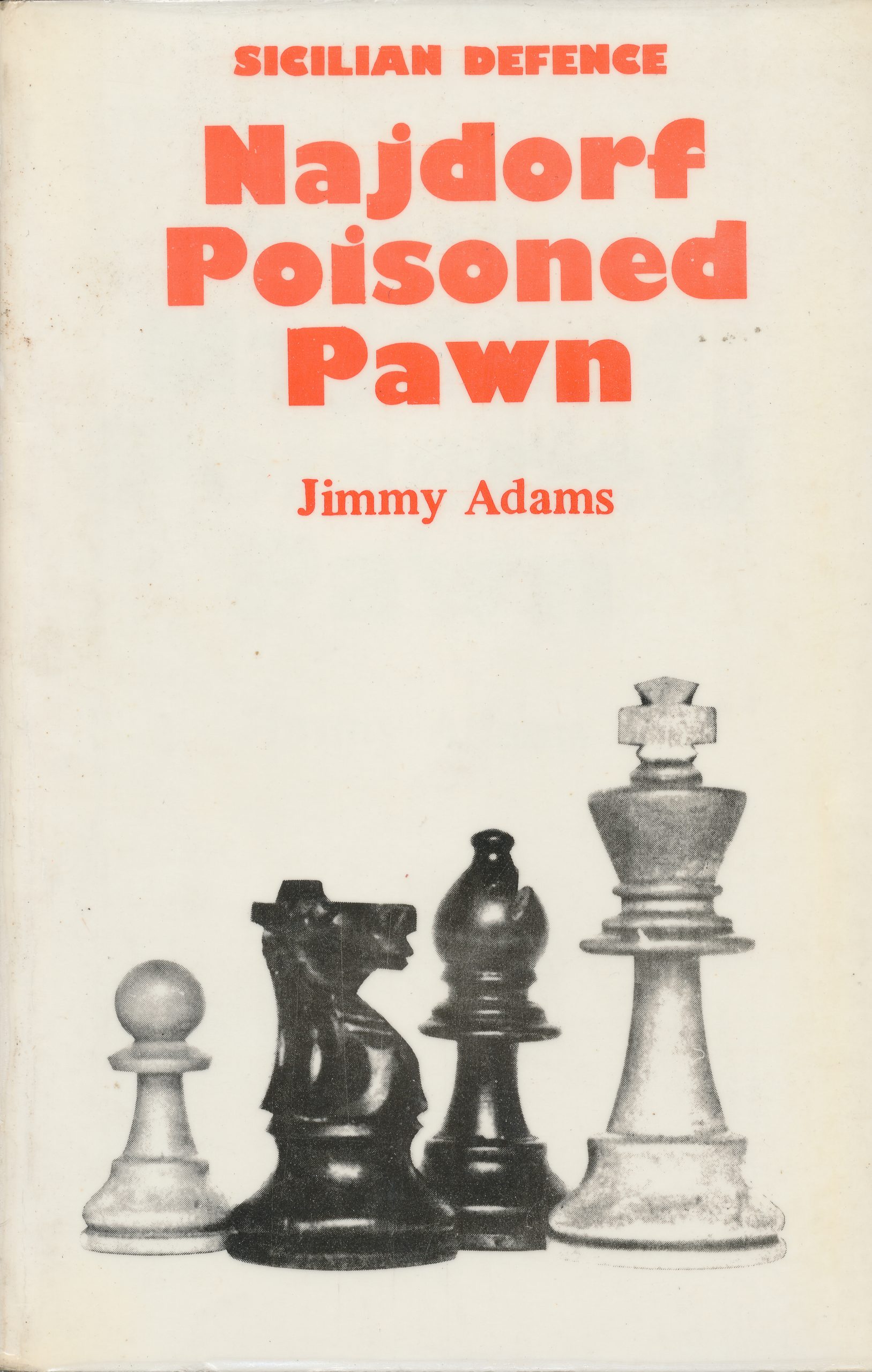
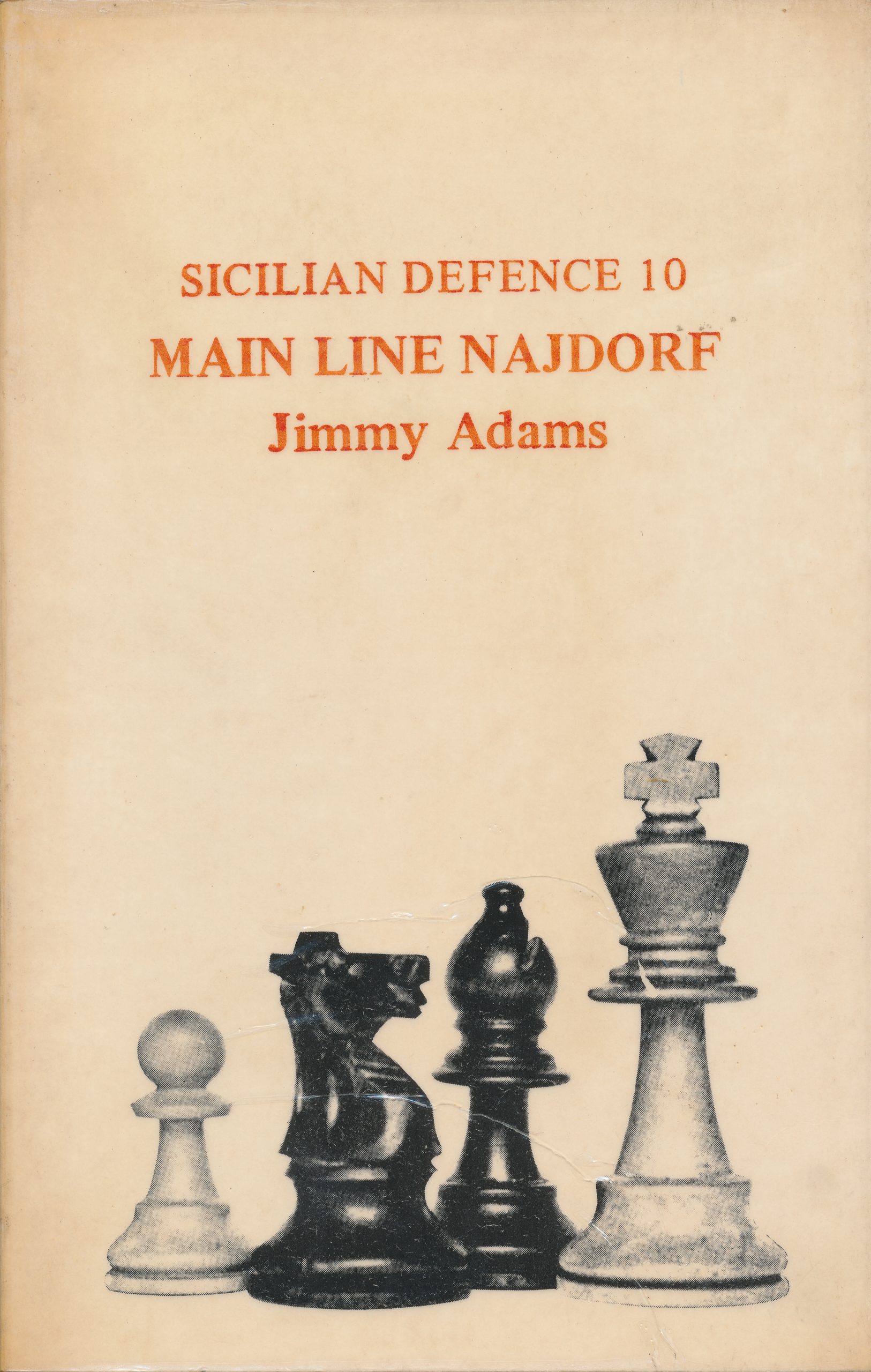
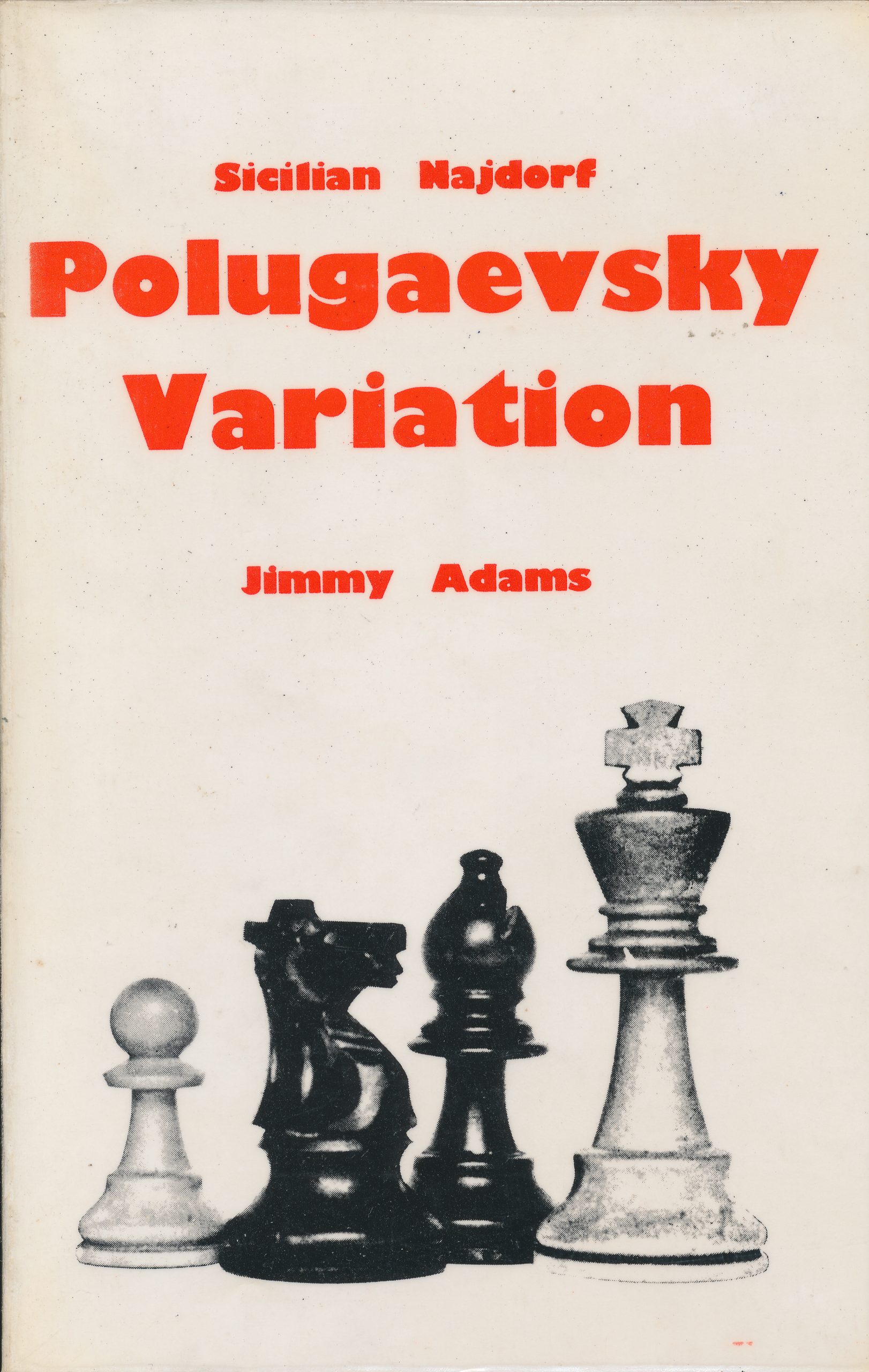
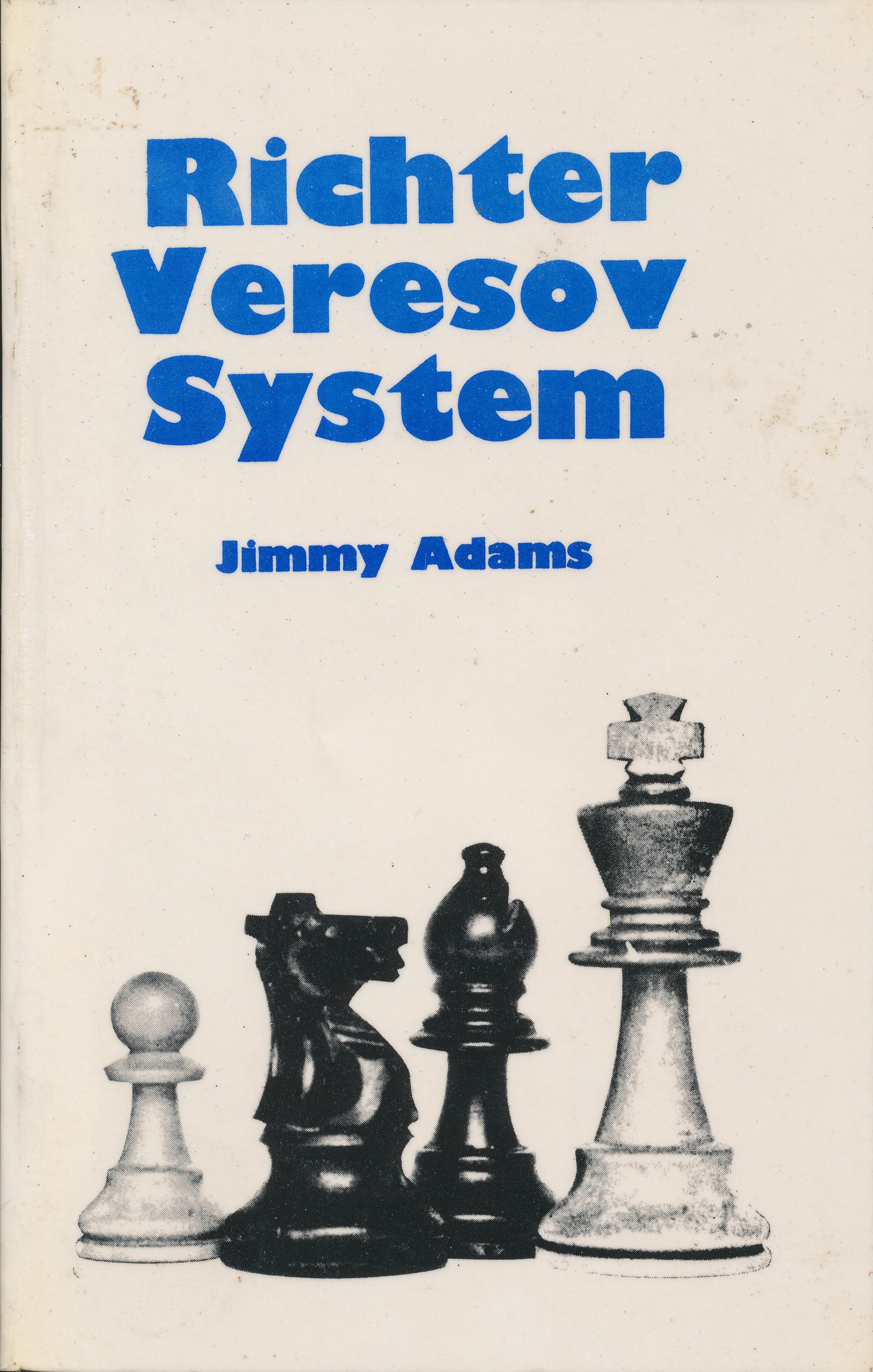
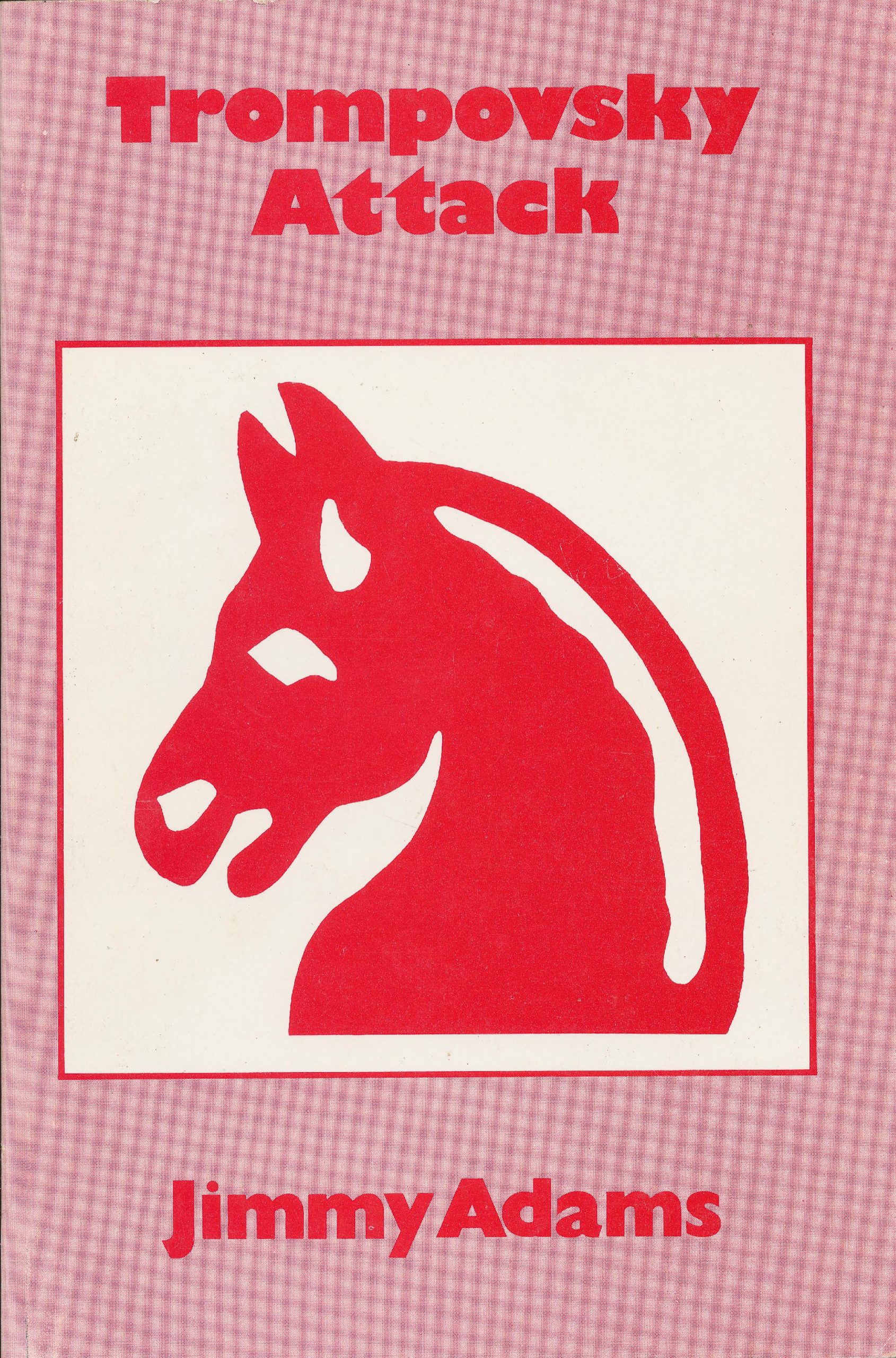
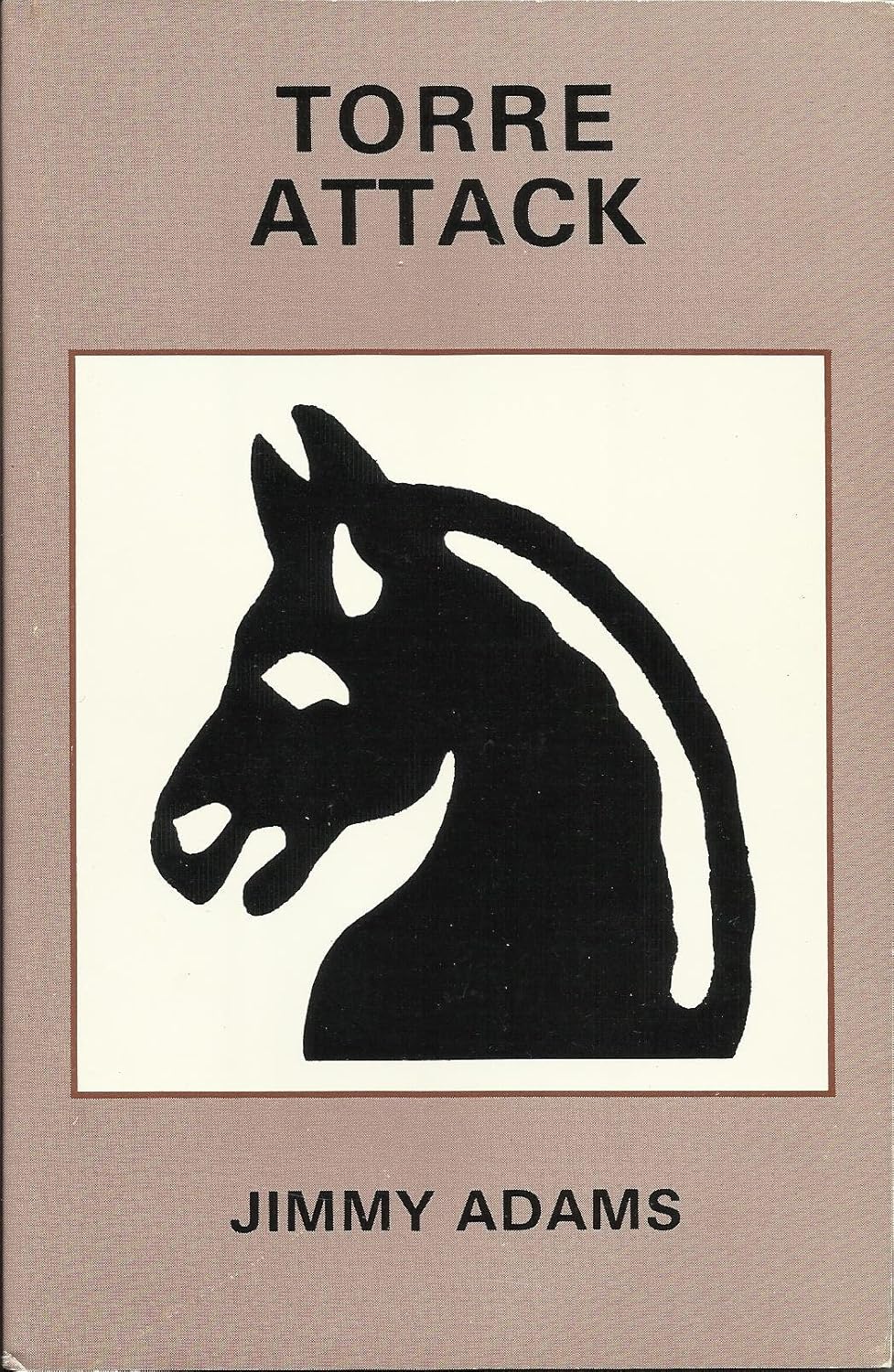
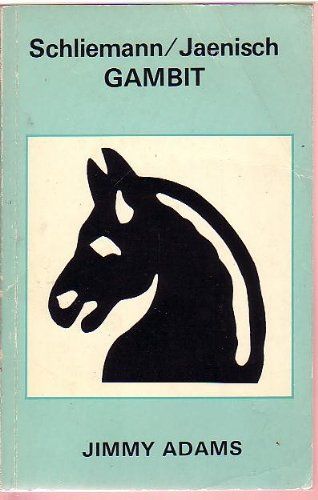
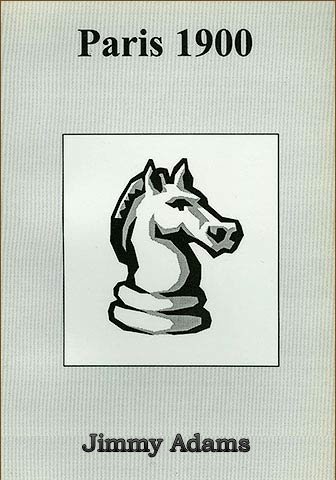
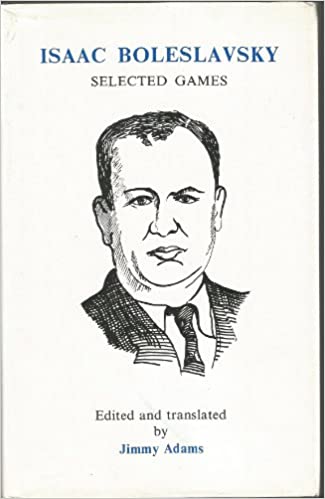
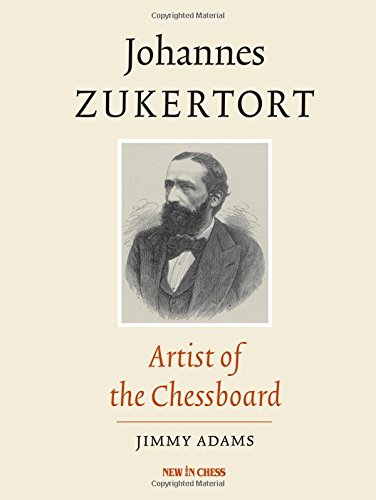
The Games of Anatoly Karpov, Batsford, Jimmy Adams, 1974The Complete Games of World Champion Anatoly Karpov, Jimmy Adams, 1976The Complete Games of World Champion Anatoly Karpov, Jimmy Adams, 1976Sicilian Defence Najdorf Poisoned Pawn, Jimmy Adams, The Chess Player, 1977Sicilian Defence 10 : Main Line Najdorf, Jimmy Adams, The Chess Player, 1977Sicilian Najdorf Polugaevsky Variation, Jimmy Adams, The Chess Player, 1978The Richter Veresov System, The Chess Player, Jimmy Adams, 1978Trompovsky Attack, The Chess Player, Jimmy Adams, 1979Torre Attack, Jimmy Adams, The Chess Player, July 1981Schliemann/Jaenisch Gambit, The Chess Player, Jimmy Adams, 1982Paris 1900, The Chess Player, Jimmy Adams, 1986ISAAC BOLESLAVSKY Selected Games, Caissa Books, Jimmy Adams, 1988Johannes Zukertort: Artist of the Chessboard, New in Chess, Jimmy Adams, 2014Mikhail Chigorin, the Creative Genius: New in Chess, Jimmy Adams, 2016Gyula Breyer : The Chess Revolutionary, Jimmy Adams, New in Chess, 2017Salo Flohr: From Chess Fighter to Chess Writer, Jimmy Adams, New in Chess, 2026
BCN remembers IMCC Barry Barnes who passed away on Tuesday, January 14th 2025 aged 87.Barry Peter Barnes was born in Brighton and his mother’s maiden name was Simpole. (Barry is a cousin of Julian Ivan Peter Simpole, who was a Brighton school teacher and who taught Edward Gerard Winter to play chess).
Barry most recently lived in Halling, Rochester, Kent with his wife Jean.
From The Encyclopedia of Chess (Robert Hale, 1970 & 1976) by Anne Sunnucks :
“International Master of FIDE for Chess Compositions (1967) and International Judge of FIDE for Chess Compositions (1967).
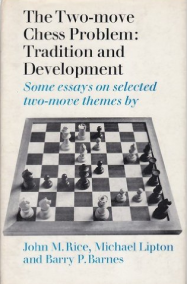
Born on 1st August 1937, Barnes works in transport advertising. He has composed about 250 two-move problems. With Lipton and Rice, he has contributed to the advance of the modern two-mover. Problem Editor of Two-Move and Twin sections of The Problemist. Co-author with M.Lipton and JM Rice of The Two-Move Chess Problem : Tradition and Development (Faber and Faber 1966).
“A promising career as a county chess player came to an end when I was given Brian Harley’s classic book Mate in Two Moves in the belief that it would help my chess, but it had quite the opposite effect. My interest in competitive chess waned, and I was on the road to an an International Master title for problems!
Early influences in my problem career were the weekly chess problem solving competition in The Observer (my first problem published there was in 1955), a teenage friendship with J. M. Rice and M. Lipton (both now lnternational Masters), Herbert Grasemann’s book Problem Schach / with its near revolutionary post-war German problem ideas, and the expert British problemist, A. R. Gooderson who had I but known it only a few years earlier was the officiating master when my Hove Grammar School played Steyning Grammar at chess.
In the late 1950s and early 1960s, the genuinely original problems I was making in cooperation and in competition with Rice and Lipton were being published mostly abroad in such specialist problem magazines as Die Schwatbe (with its inspired two-move editor, Hermann Albrecht) where I gained the epithet the English prize-snatcher’! It was also written that the work of the avant-garde composers, Rice, Lipton and Barnes, was like a fresh two-move wind blowing from our island. It was sad but true at that time that the specialist magazine of the British Chess problem Society (founded 1918), The problemist, was unreceptive to change and our often bizarre ideas.
A milestone of sorts was reached when I won lst prize for problem I in 1958, a prize for the best new problem by a member of the British Commonwealth aged under 21. In 1966, I was invited by problemist Grandmaster Comins Mansfield, who was President of the FIDE Problem Commission, to act as Secretary at the Barcelona meeting. With Mr. Mansfield’s retirement, I became the British Member to the Commission, and at the Wiesbaden meeting, 1974, I was elected 2nd Vice-President. (1st Vice-President from 1982)
The FIDE Problem Commission meets annually to discuss matters relating to all branches of problem chess, to organize the World Chess Composing Tournament (WCCT), the World Chess Solving Competition (WCSC), and to publish FIDE Album anthologies of the best problems. It was on the strength of my success in these FIDE Albums that the Commission granted me the titles in 1967 of ‘lnternational Master of the FIDE for Chess Composition’ and ‘lnternational Judge of the FIDE for Chess Composition’. Since 1974, I have been Chairman of the Titles Sub-Committee of the Commission.
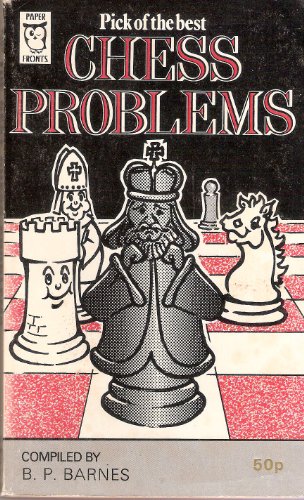
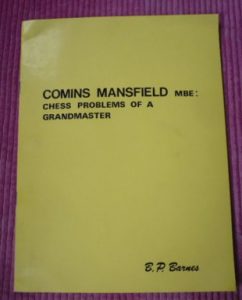
Since 1965, I have been the two-move editor of The Problemist and have served almost without break on the BCPS Committee. I have contributed to The Encyclopaedia of Chess by Anne Sunnucks (Robert Hale, 1970), I am co-author, with J. M. Rice and M. Lipton, of The Two-Move Chess Problem: Tradition & Development‘ (Faber A Faber, 1966), and I am the sole author of Comins Mansfield MBE: Chess Problems of a Grandmaster: (British Chess Problem Society, 1976) and Pick of the Best Chess Problems (Elliot Right Way Books, 1976)
To date I have made just over 300 two-movers and some helpmates.”
From The Encyclopaedia of Chess (Batsford, 1977), Harry Golombek OBE, John Rice writes:
“British problem composer, output about 400, nearly all modern style two-movers. Two-move sub-editor of The Problemist. Secretary of the FIDE Problem Commission during C. Mansfield’s Presidency. Co-author of The Two-Move Chess Problem: Tradition and Development (1966).”
The Two Move Chess Problem : Tradition and Development
Author of Pick of the Best Chess Problems (1976)
Pick of the best Chess Problems
Comins Mansfield MBE : Chess Problems of a Grandmaster (1976).
Comins Mansfield MBE: Chess Problems of a Grandmaster, BP Barnes, 1976
International Judge (1967); international master (1967).
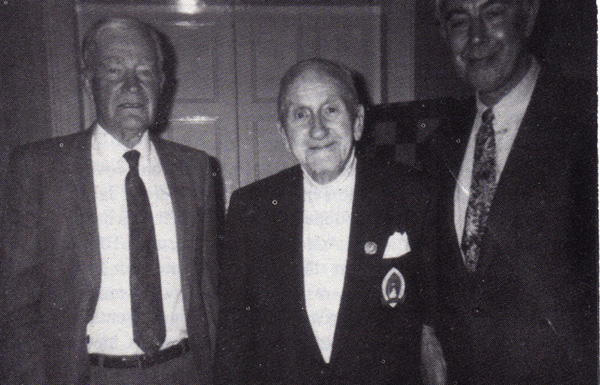
Source: The Problemist, May 1996. Photo taken March 1996 at the Mansfield Centenary Meeting at Paisley, when Barry Barnes delivered a lecture on Comins Mansfield. Left to right: Geoffrey Mansfield (son of Comins), Robert Gray and Barry Barnes, International Master of Chess Composition.
He was British Correspondence Champion in 1972 and awarded the IMC title in 1981.
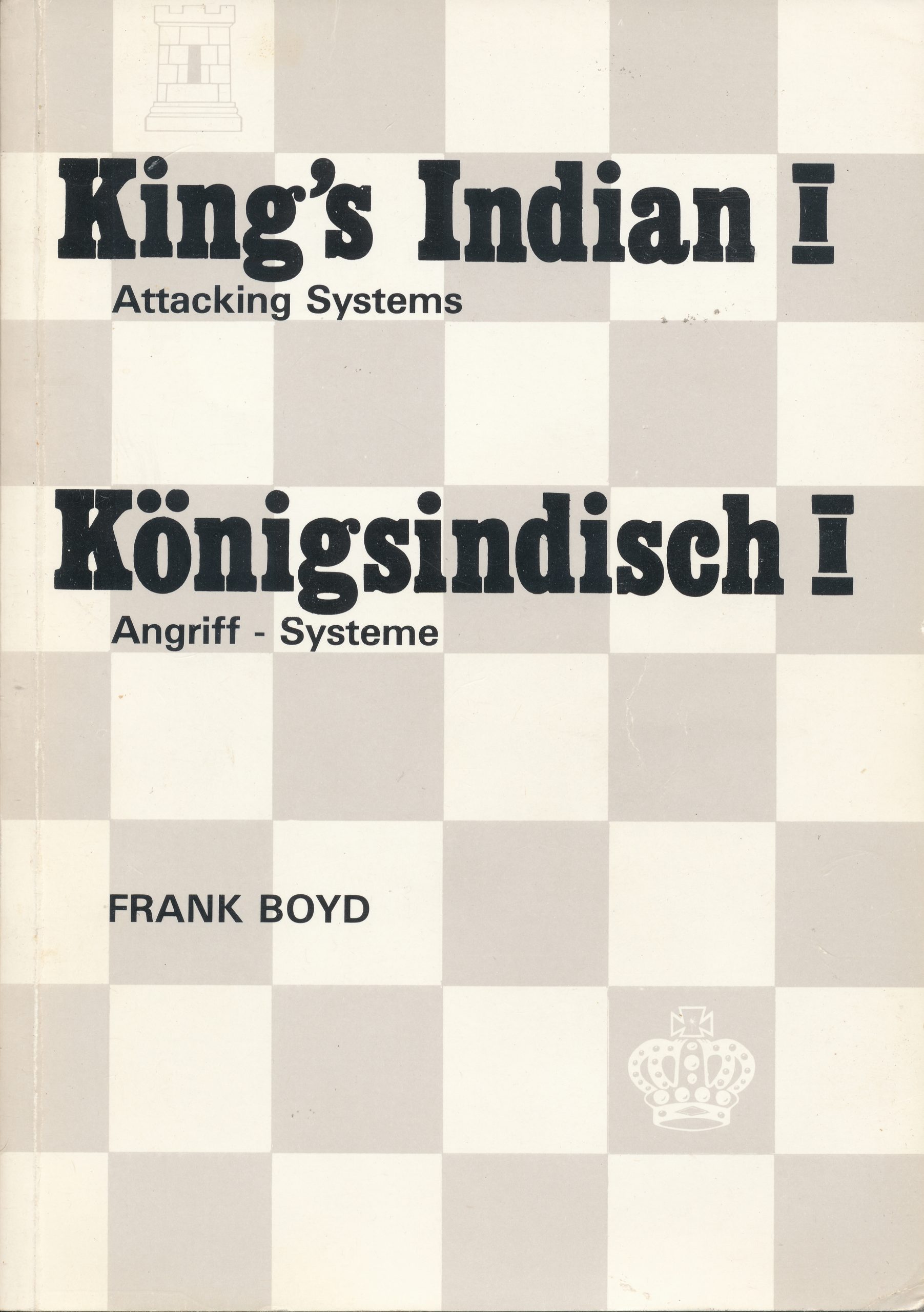
According to Kings Indian I Attacking Systems:
“British Correspondence Champions 1971/72. Placed second in an ICCF master tourney 1973/76. A member of the British team in the 9th Olympiad 1977/80. Gained the IMC title in the European Team Championship 1978/81.”
According to Chessbase Correspondence Database 2020 Frank achieved his highest (ICCF) rating in January 1991 of 2410.
Incomplete crosstable from the European Championship, 1973.
As White Frank would play the Queen’s Gambit via a 1.Nf3 move order. He did not play 1.e4
As the second player he would defend the closed Ruy Lopez and the Nimzo-Indian Defence.
Neil McDonald (born 21 January 1967) is an English chess grandmaster and a player on the international chess circuit. He is an English Chess Federation coach,[1] who has trained many of the country’s strongest junior players. McDonald is a regular coach of the English junior team and was Head Coach of the English Chess Federation team at the Greece World Schools Championship in 2013.[2] He regularly escorts blind and partially sighted chess players to international World Championship events and is also a chess writer.
McDonald authored the French Defence monthly updates on chesspublishing.com from October 1999 until March 2009,[3] 1 e4 … updates from November 2009 until January 2010,[4] 1 e4 … from June 2014 until February 2015[5] and returned to 1 e4 … in March 2017 until January 2018.[6]
Neil shared first place in the 1986 GLC Masters with Jonathan Levitt, was outright first at the Elekes Memorial, 1995, first at The Leinster IM Tournament in Dublin, 1997, and other tournaments since. Neil plays for Wood Green in the Four Nations Chess League (4NCL).
He became an International Master in 1986 and was awarded the Grandmaster title in 1996.
McDonald obtained his FIDE Trainer qualification in 2016.[7]
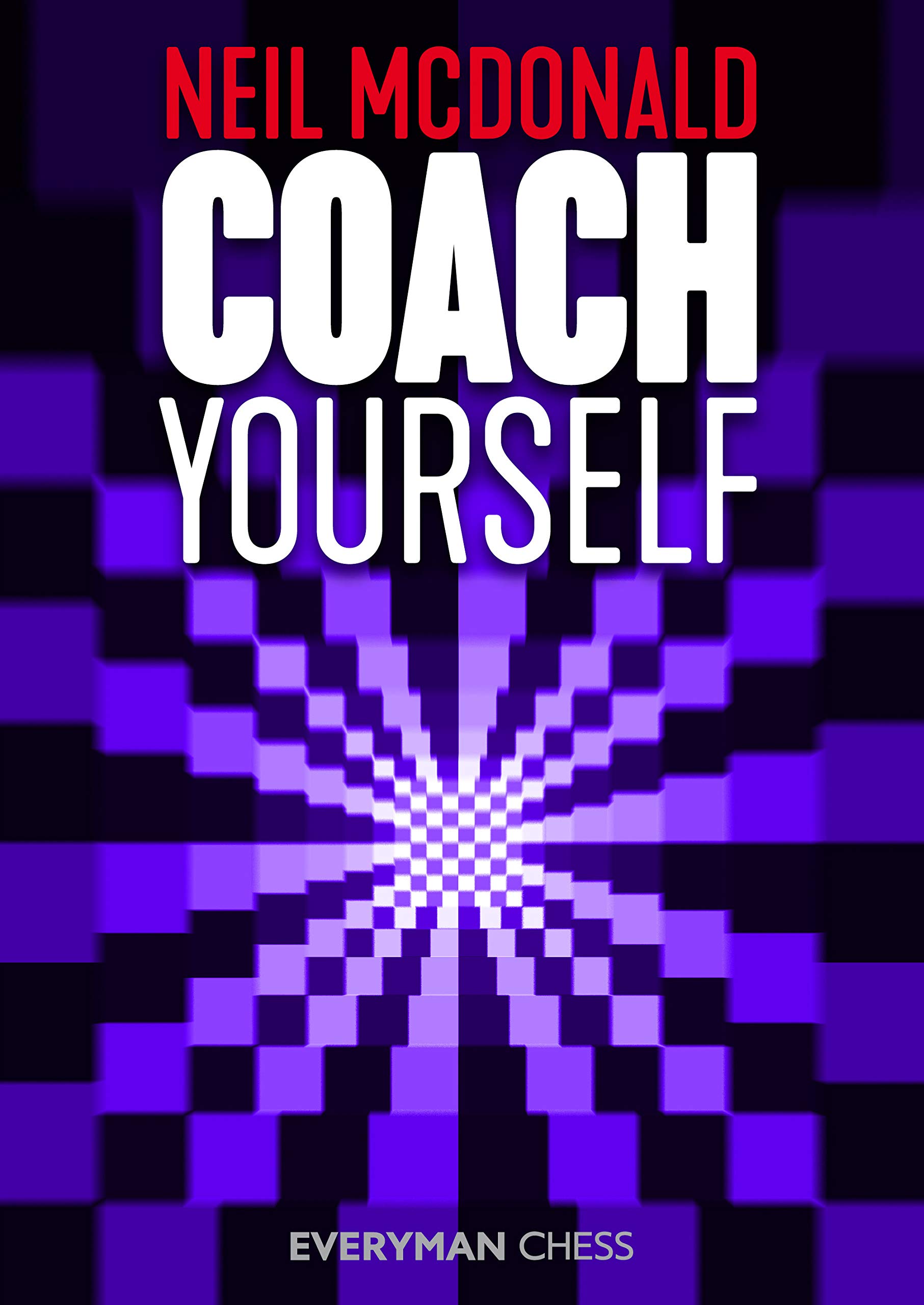
Neil is a prolific and successful author, most recently with “Coach Yourself”
Coach Yourself : A Complete Guide to Self Improvement at Chess
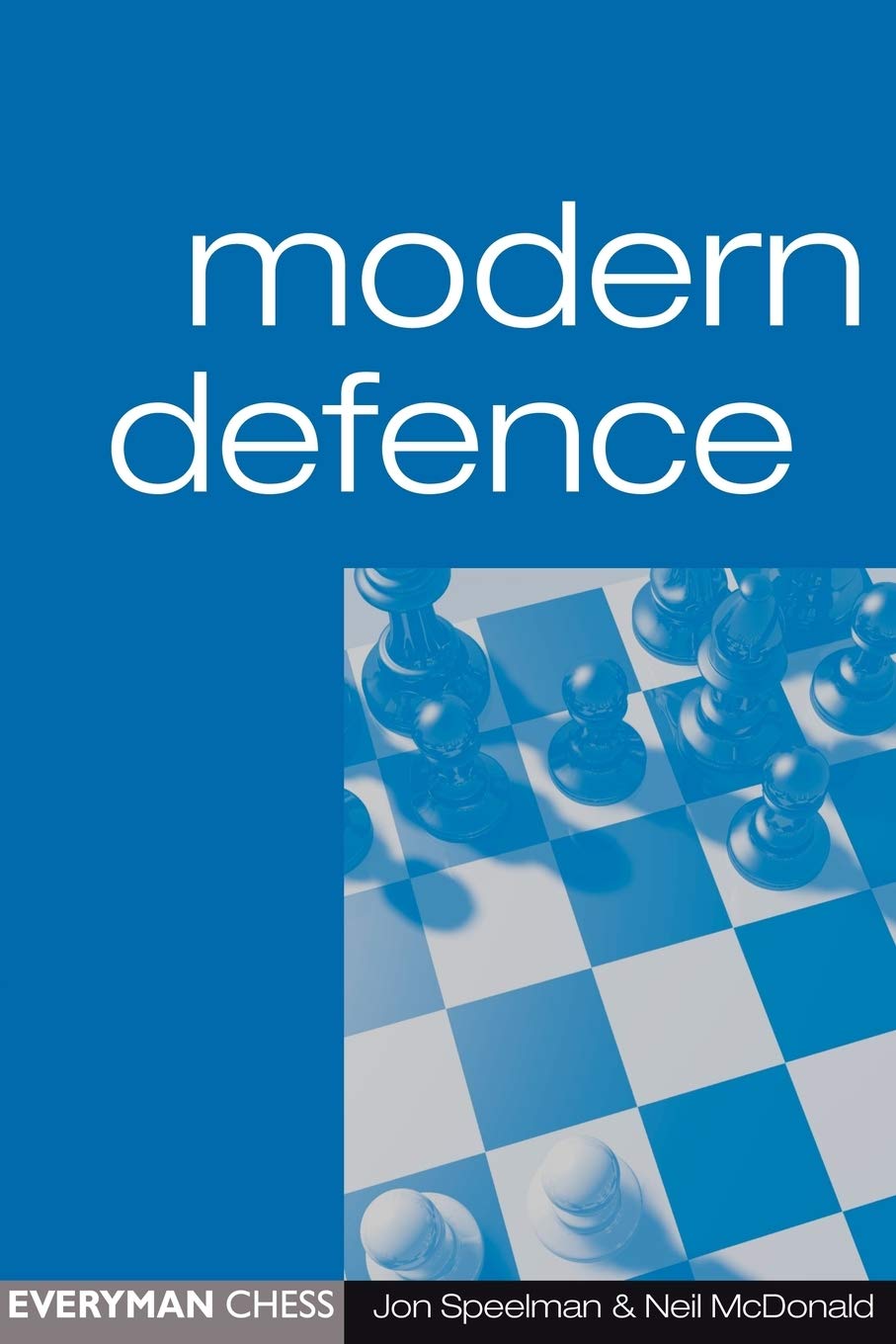
but also thirty eight titles for Chess Press, BT Batsford Ltd. and Everyman Chess Books.
We focus on the British Chess Scene Past & Present!
This website uses cookies to improve your experience. We'll assume you're ok with this, but you can opt-out if you wish. Cookie settingsACCEPT
Privacy & Cookies Policy
Privacy Overview
This website uses cookies to improve your experience while you navigate through the website. Out of these cookies, the cookies that are categorized as necessary are stored on your browser as they are as essential for the working of basic functionalities of the website. We also use third-party cookies that help us analyze and understand how you use this website. These cookies will be stored in your browser only with your consent. You also have the option to opt-out of these cookies. But opting out of some of these cookies may have an effect on your browsing experience.
Necessary cookies are absolutely essential for the website to function properly. This category only includes cookies that ensures basic functionalities and security features of the website. These cookies do not store any personal information.