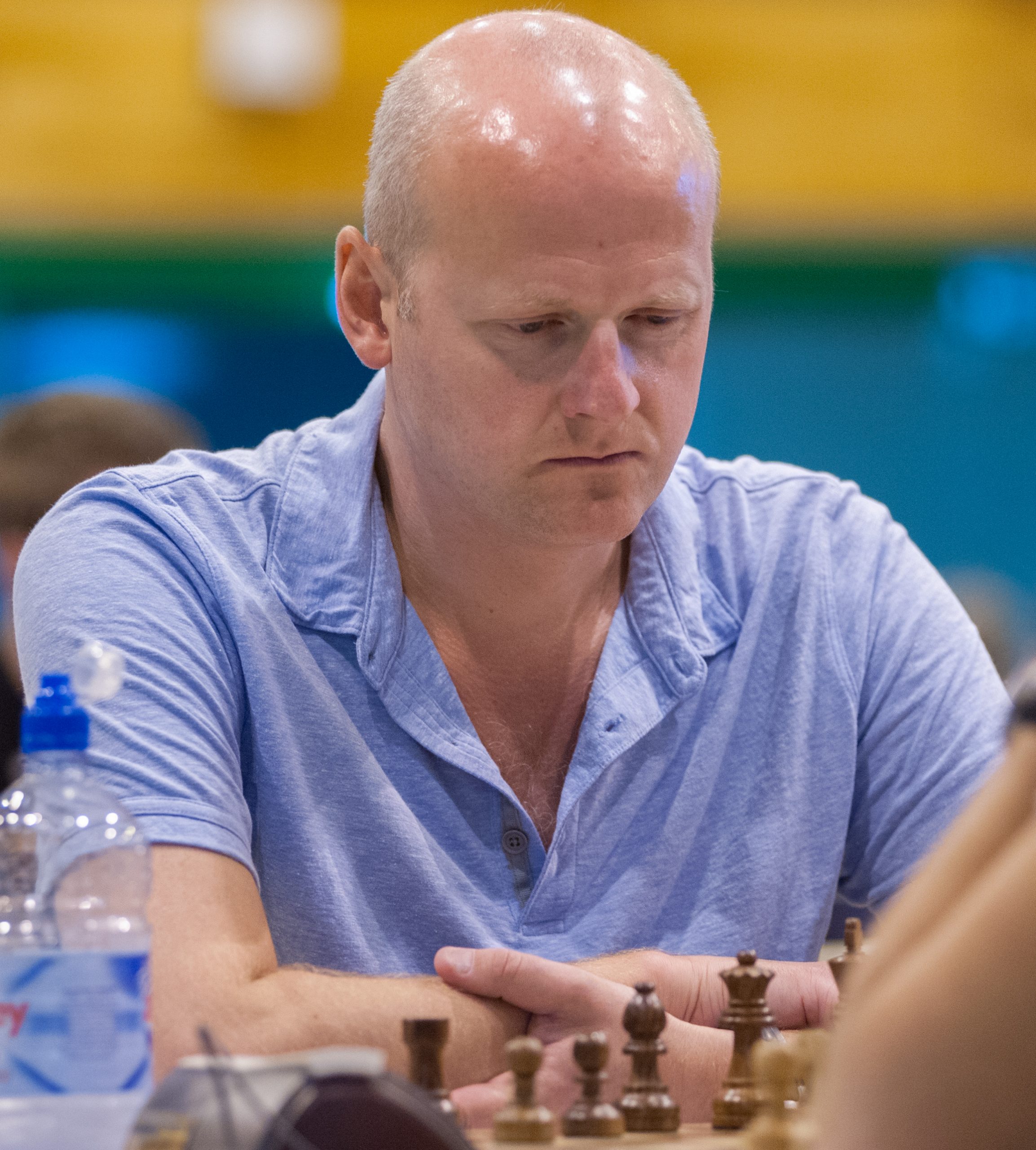
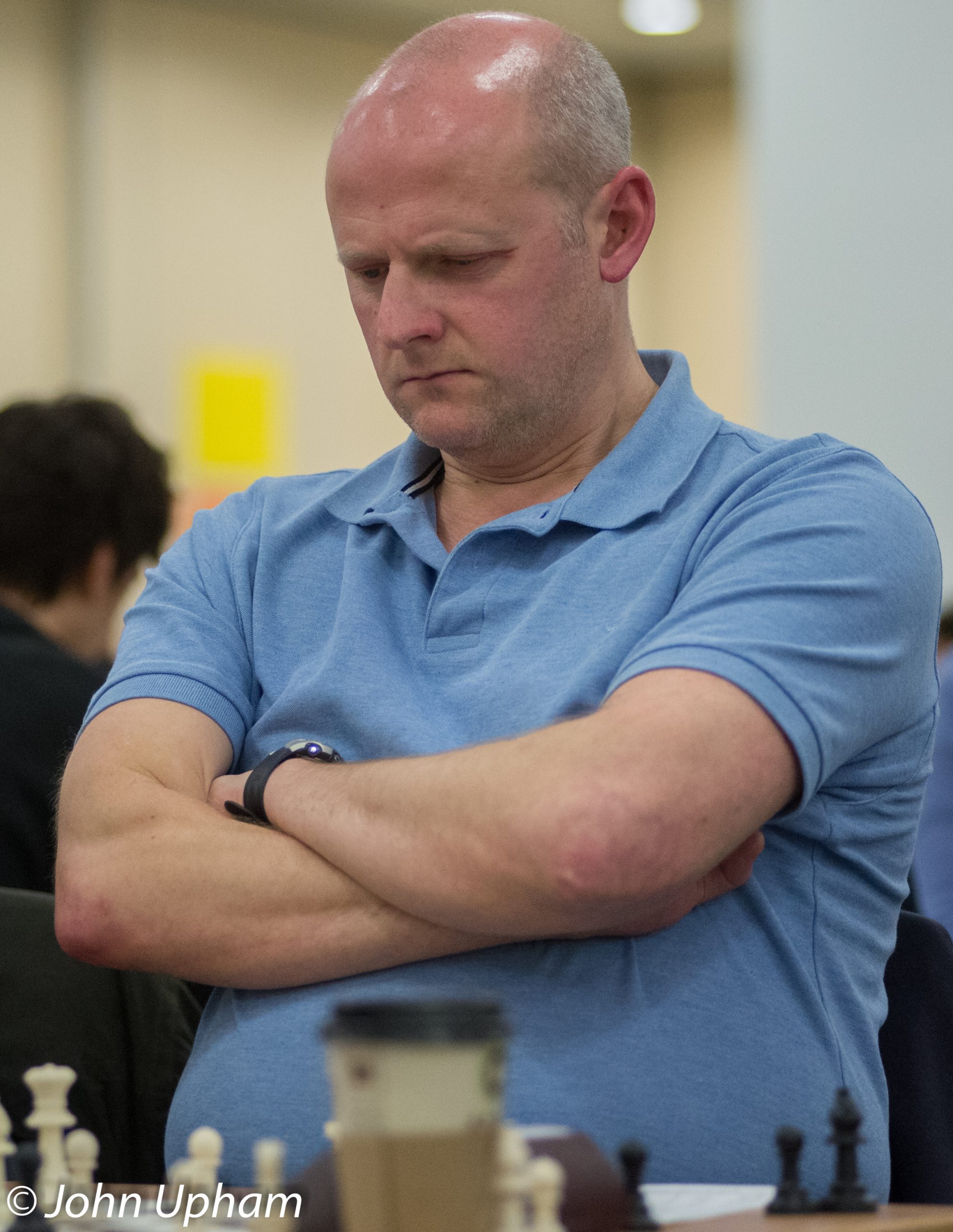
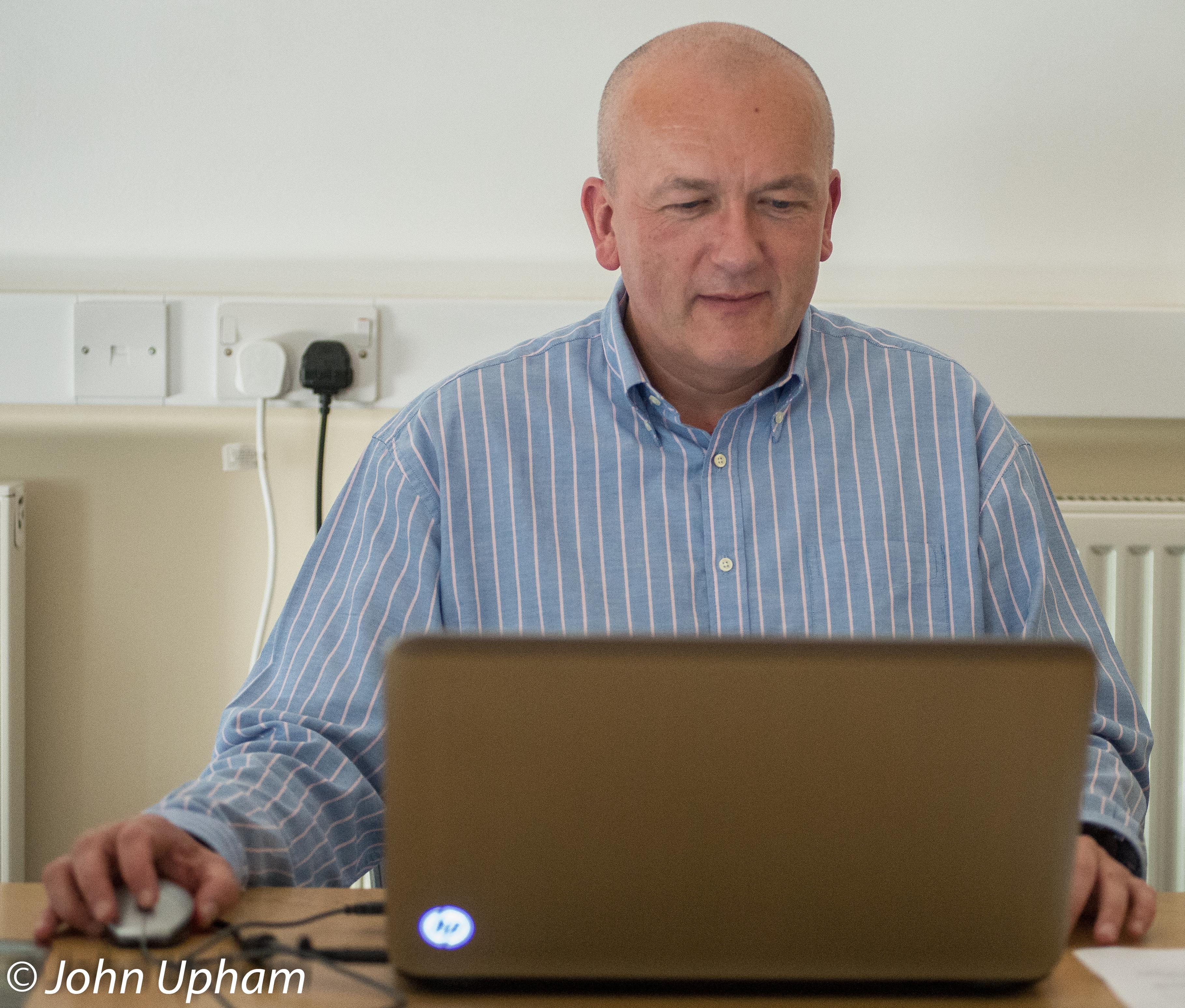
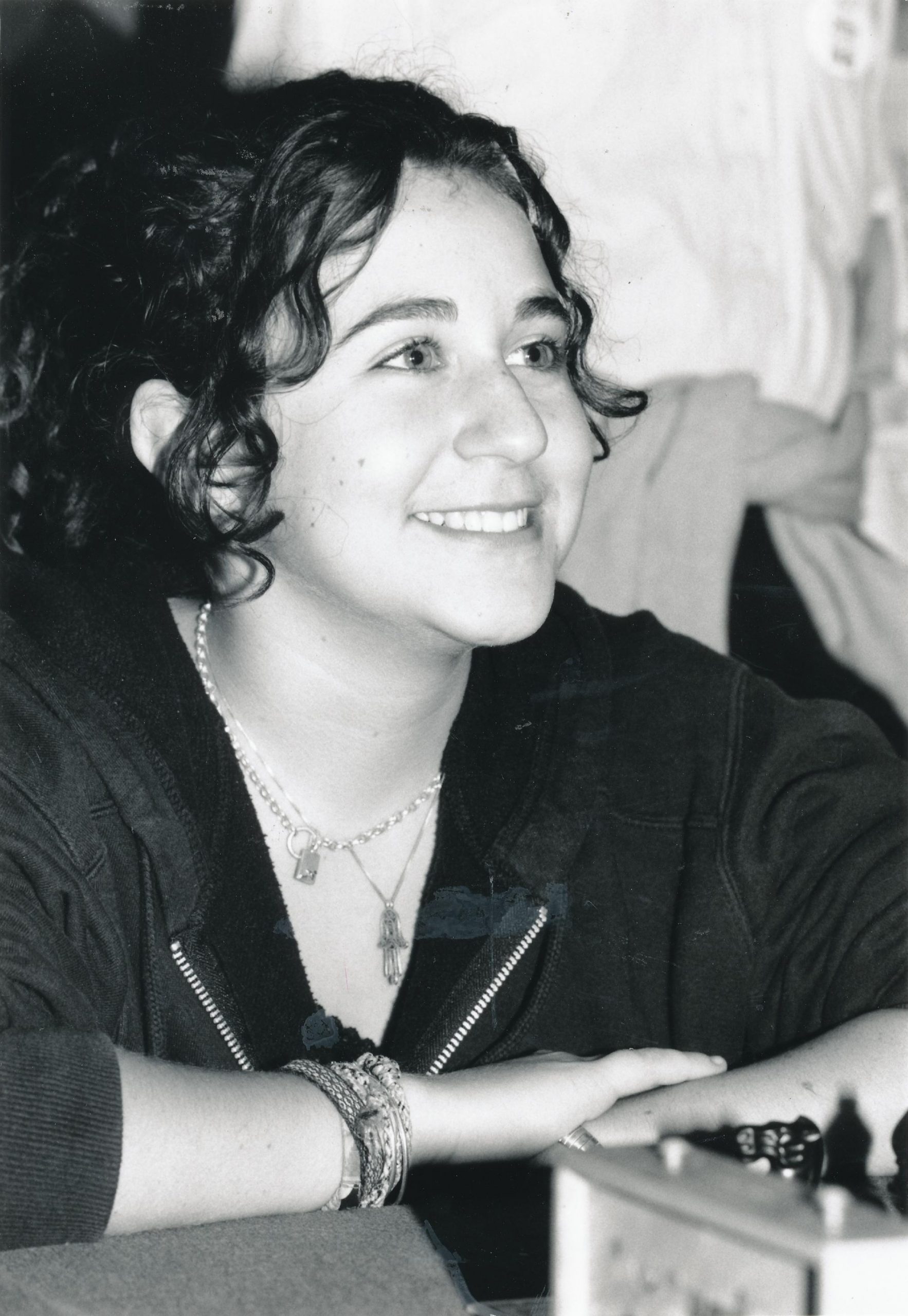
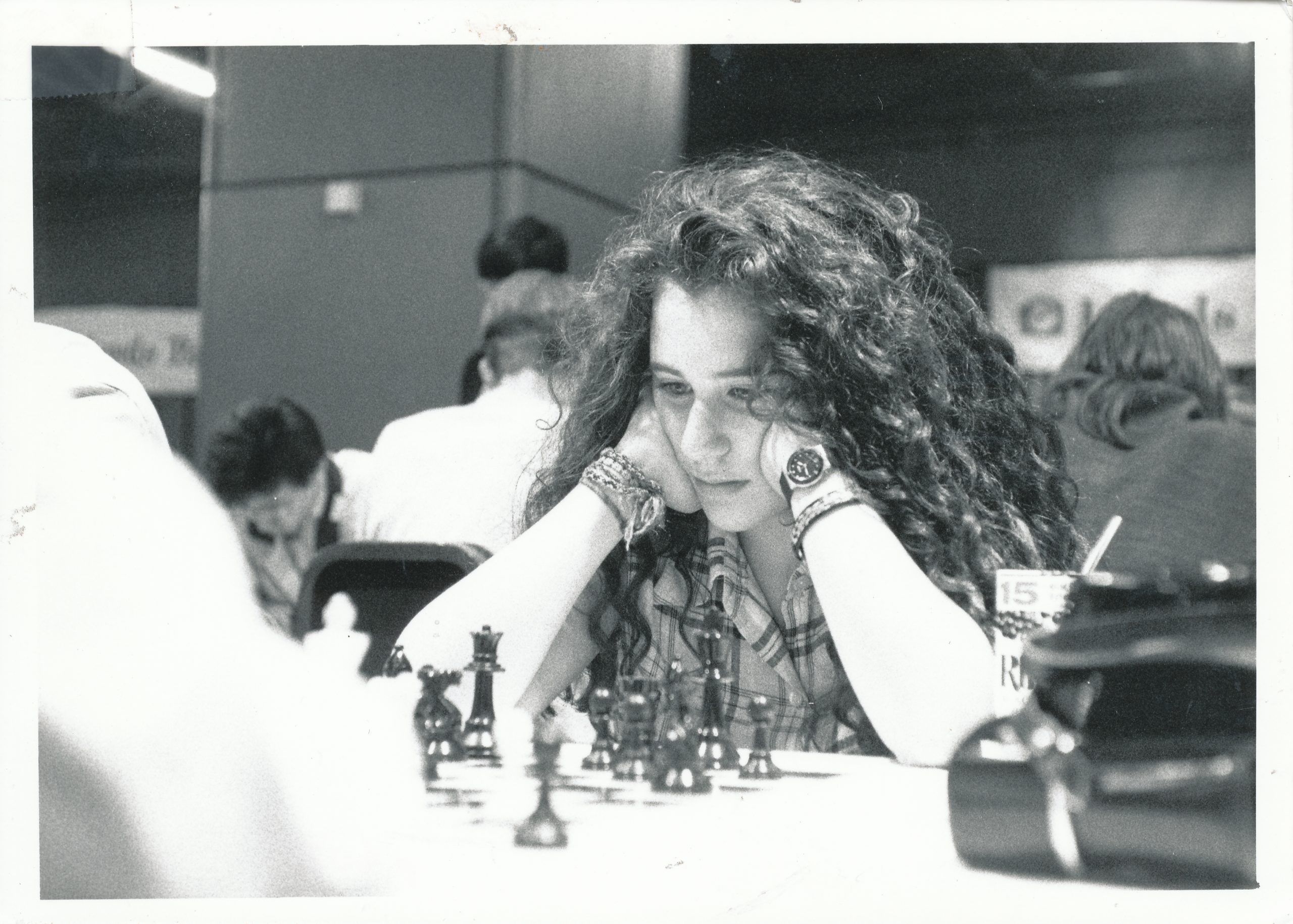
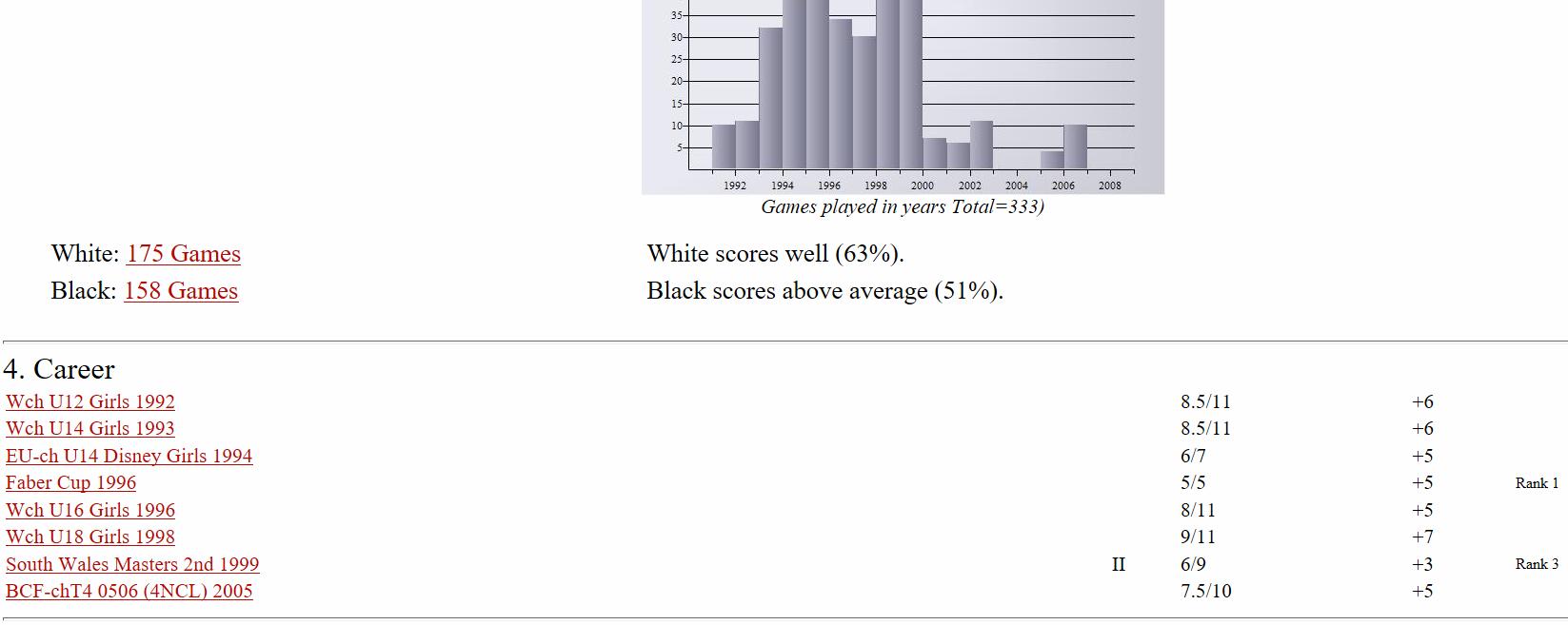
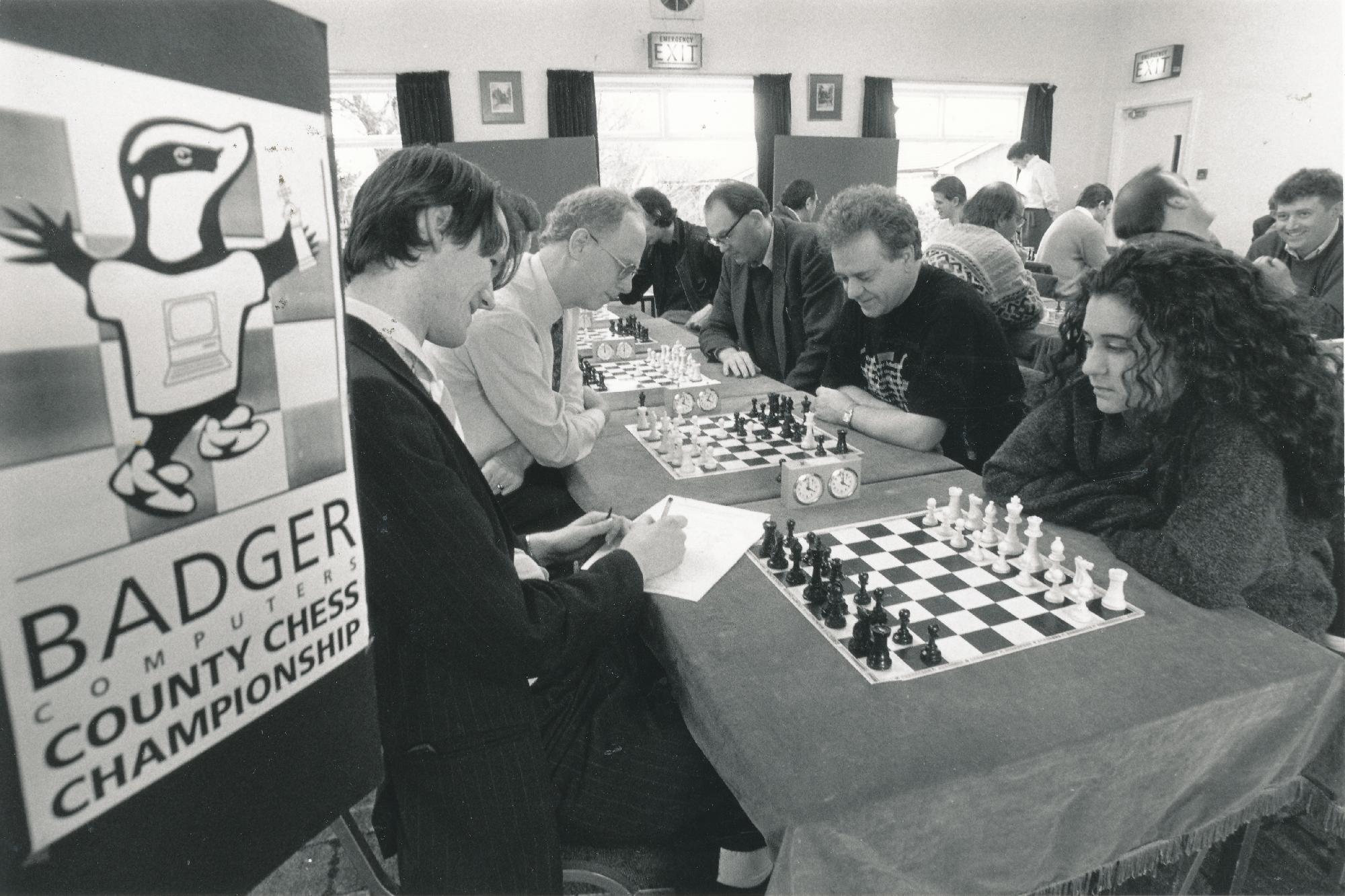
BCN wishes Happy Birthday to IM Christopher Wallace Baker (29-v-1958)
Chris was born in Coventry, West Midlands and played in the Staffordshire Open in 1975 (the earliest games held in MegaBase 2020).
Chris has played for Guildford in Four Nations Chess League (4NCL).
Currently Chris plays for 4NCL The ADs, Coventry Chess Academy and Battersea Chess Club.
He has been the trainer of the Welsh junior team and is a fully-qualified arbiter.
He has taught chess in many schools in the Farnham area of Surrey.
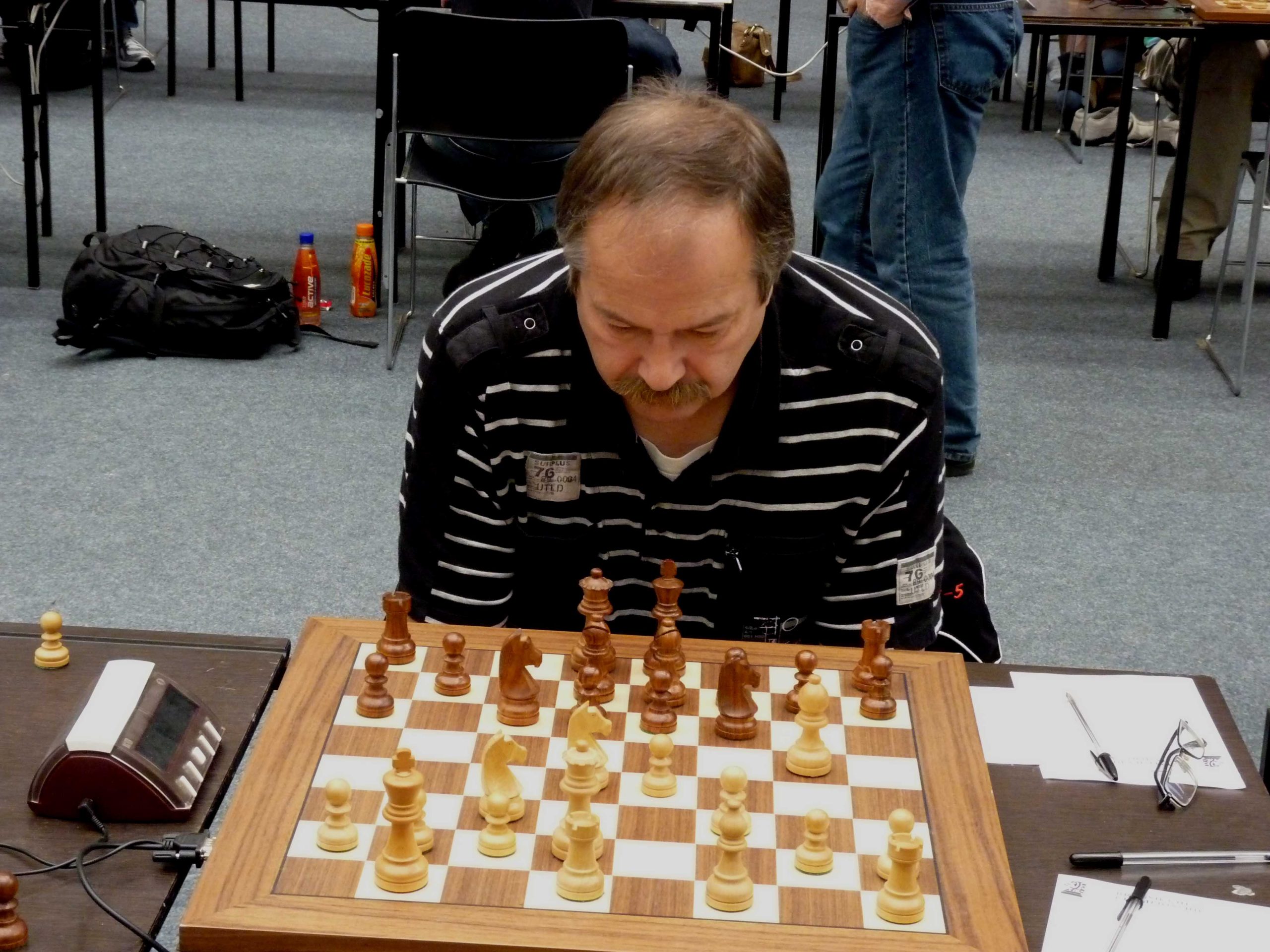
IM Chris Baker
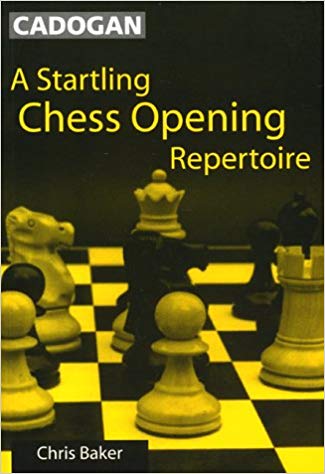
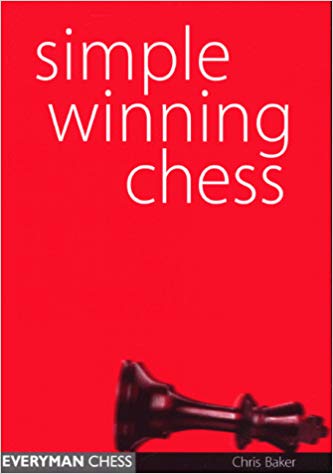
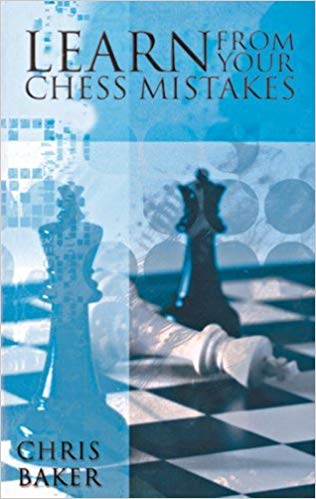
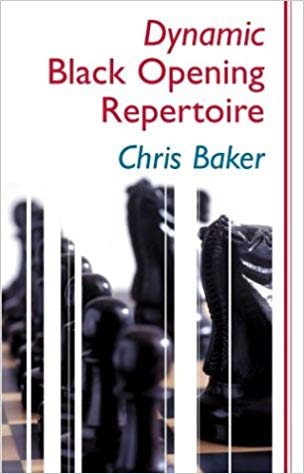
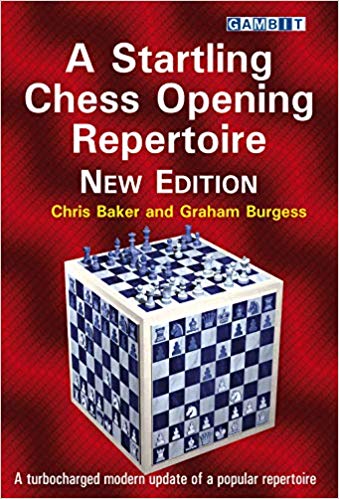
He has authored and co-authored a number of books including the following :
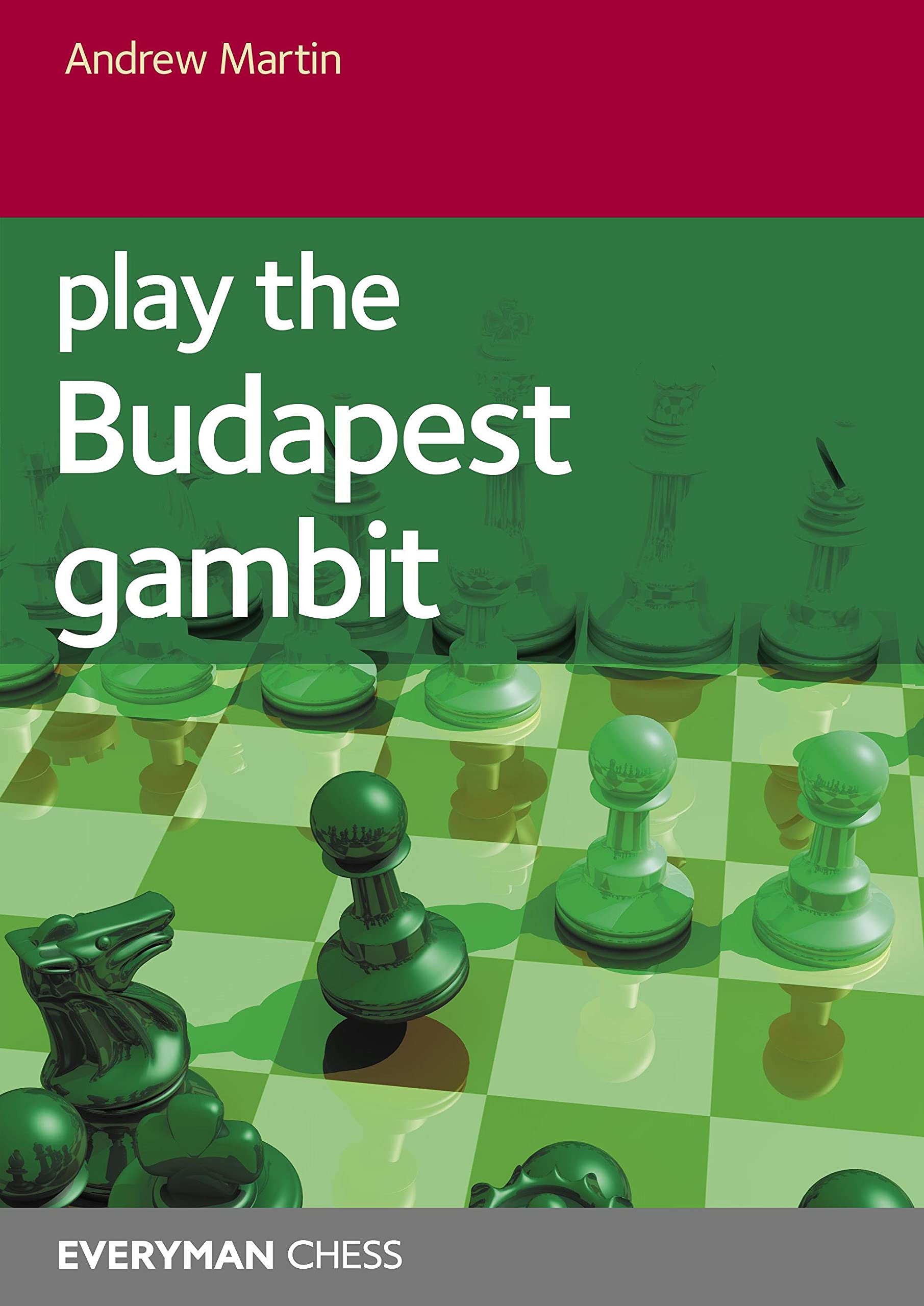
A Startling Chess Opening RepertoireSimple Winning ChessLearn From Your Chess MistakesDynamic Black Opening RepertoireA Startling Chess Opening Repertoire
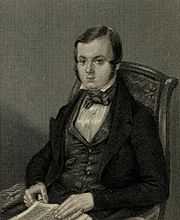
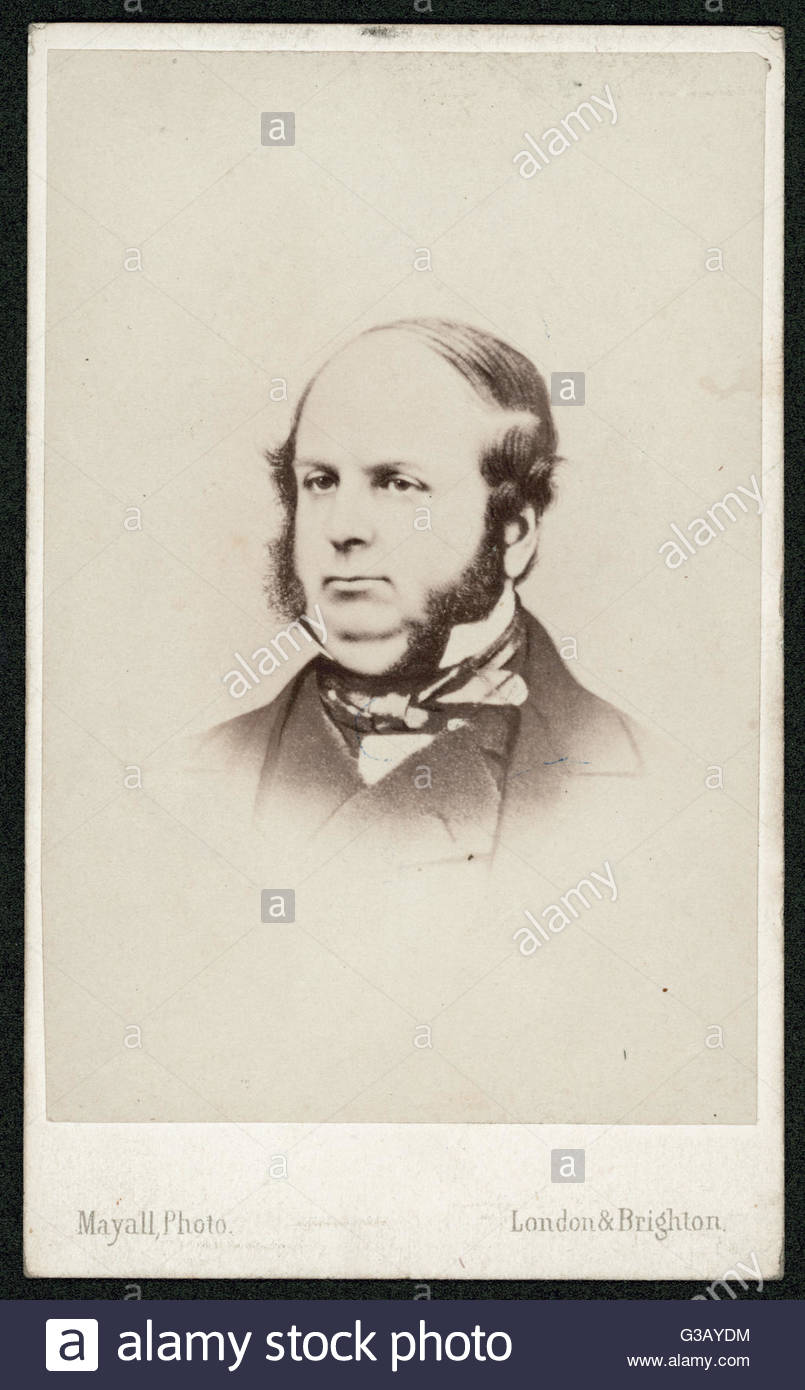
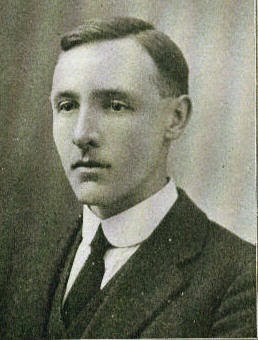
“One of the leading British players of his day and an eminent historian. Buckle was born in Lee, Kent on 11th November 1821., the son of a shipowner. From birth he was extremely delicate and his health prevented him from having a normal education. He was taken away from school at the age of 14 and three years later went into his father’s business. His father’s death in 1840 made Buckle independent and he gave up his business career and visited the continent for about a year, playing chess in Paris and Berlin. Going abroad again in 1843, Buckle spent most of his time studying languages and within seven years had learned to speak seven languages and to read 12 others.
Henry Thomas Buckle
Buckle rarely played chess matches, because of the intense dislike of the slow rate at which they were played in those days. However, he played a match against Kieseritzky in 1848, which he won+4 -3 =1/ After this victory, he realised that his health would not stand up to serious play and he never again attempted it. In 1851, he played a number of games with Anderssen, who considered that he was one of the strongest players he had ever met. Buckle was a regular visitor to “The Divan”, where he delighted in his favourite form of the game, giving heavy odds.
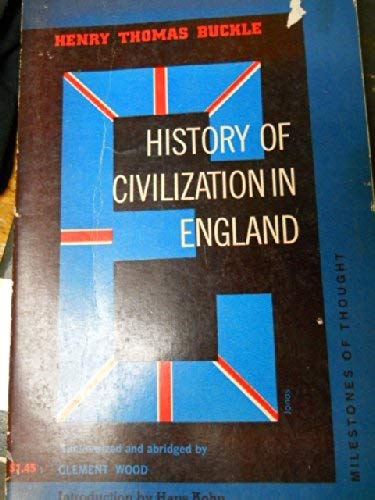
After his match with Lowenthal, Buckle turned his attention to his History of Civilisation. The first section of this work started to appear in 1857 but the major portion was published posthumously.
Buckle died of typhoid fever in Damascus on 29th May 1862.”
Henry Thomas Buckle
and from The Oxford Companion to Chess by Hooper & Whyld :
“English player, historian. He is usually regarded as second among English players only to Staunton during the 1840s; Steinitz , however, regarded Buckle as the better player. In 1843 Buckle won a match against Staunton, who conceded pawn and move ( + 6=1), and in 1848 he defeated Kieserltzky ( + 3=3—2). He won a knock-out tournament in London 1849, defeating Williams (+2) in the second round. In 1851 Buckle defeated Lowenthal (+4=3 — 1) and held his own in a series of friendly games against Anderssen who declared him to be the strongest player he had ever met.
Henry Thomas Buckle
In his youth Buckle suffered ill-health which interfered with his schooling, and on account of which he was often sent abroad to fairer climates. Nevertheless he read widely, successfully educating himself and learning to speak seven languages. His father, a merchant, died in 1840 leaving him an ample fortune. In the 1850s Buckle largely gave up serious chess in favour of literary pursuits and began his great work, for which he is still remembered, A History of Civilization in England, the first two volumes of which were published in 1857 and 1861. At Damascus, on one of his many trips abroad, he contracted a fatal illness, allegedly crying as he died “My book! I haven’t finished my
book.”
FM Neil Carr, British Championships 2013, Torquay, courtesu pf John Upham Photography
BCN remembers FM Neil Leslie Carr (10-iii-1968 25-v-2015)
This was written about Neil aged 10 prior to the Spassky vs the BCF Junior Squad simultaneous display in 1979 :
“Manor Junior and Barking. Rating 152. World’s best 10 year old. Standard under-10 champion, 1977 and 1978. British under-11 champion, 1978. Defeated Russian grandmaster Kotov in clock match, 1978.”
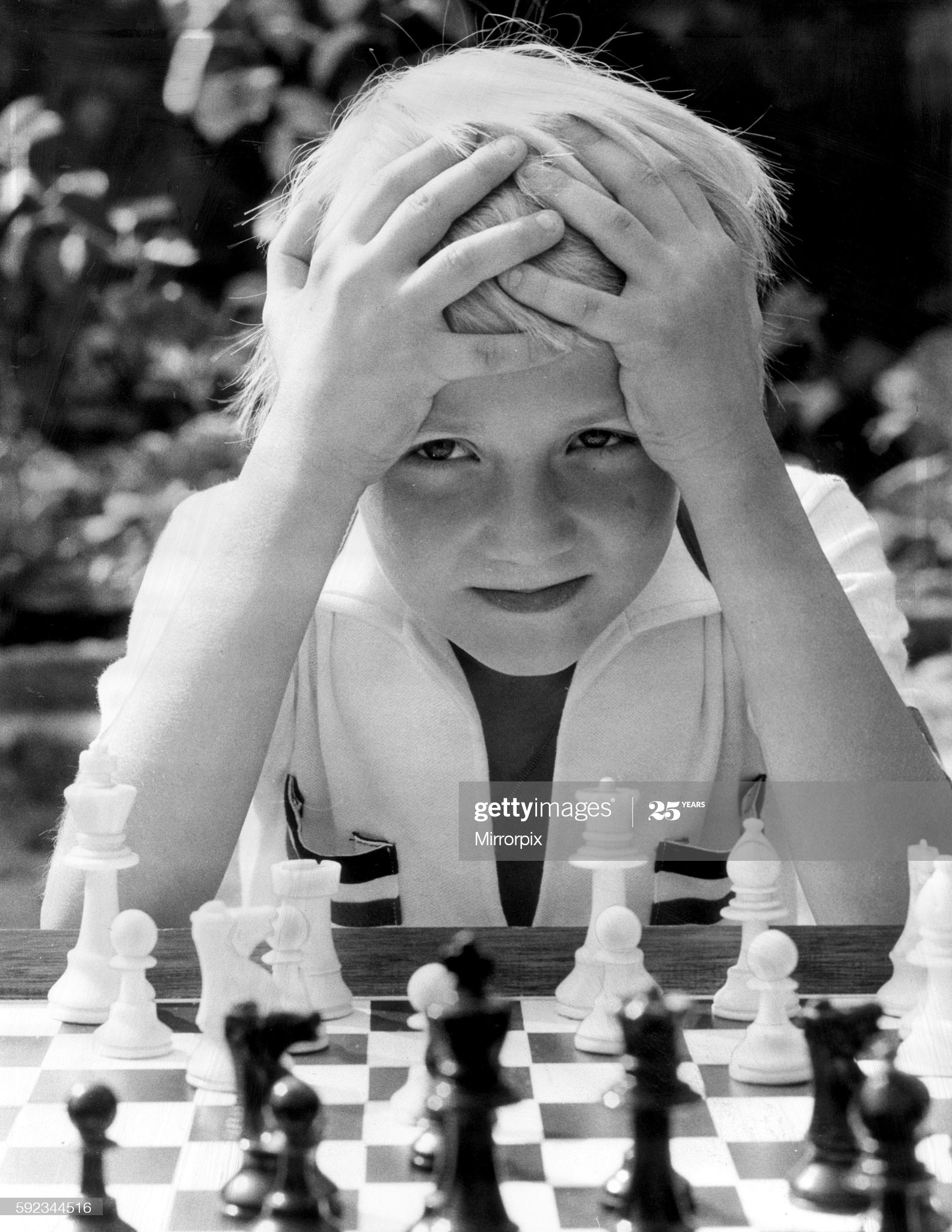
Eight year old Neil Carr of Barking, soon to become England’s youngest ever chess international. 26th August 1976. (Photo by Daily Mirror/Mirrorpix/Mirrorpix via Getty Images)
Neil played for East Ham, Ilford and then London Central YMCA (CentYMCA) chess clubs.
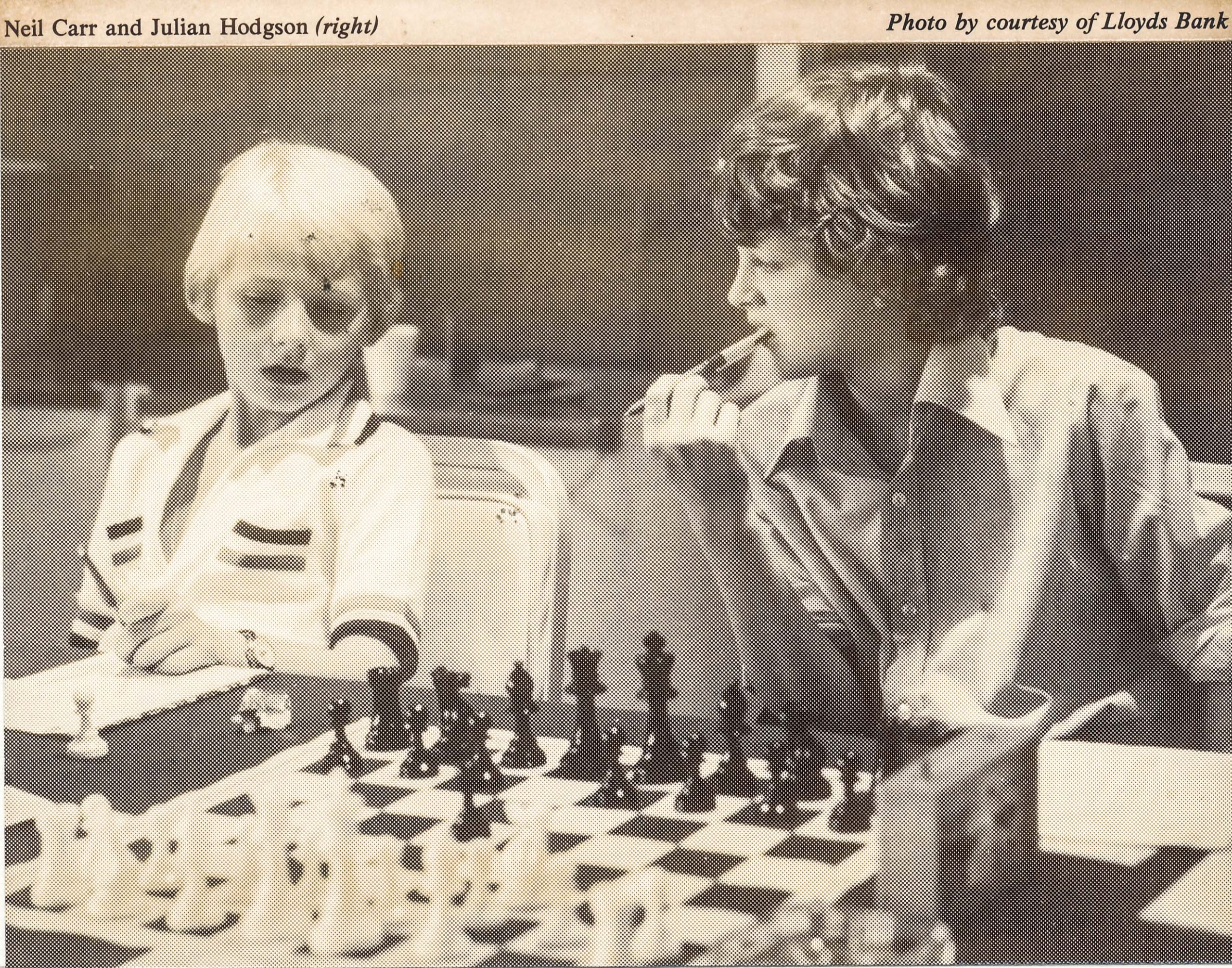
Neil Carr and Julian Hodgson at the 1976 Lloyds Bank Match by Telex, London – New York. From BCM, volume XCVI (96) Number 11 (August), Page 494. The venue was the Bloomsbury Hotel, London. Photo courtesy of Lloyds Bank.
Here is a game courtesy of Kingpin (Jon Manley) & the Ilford Recorder
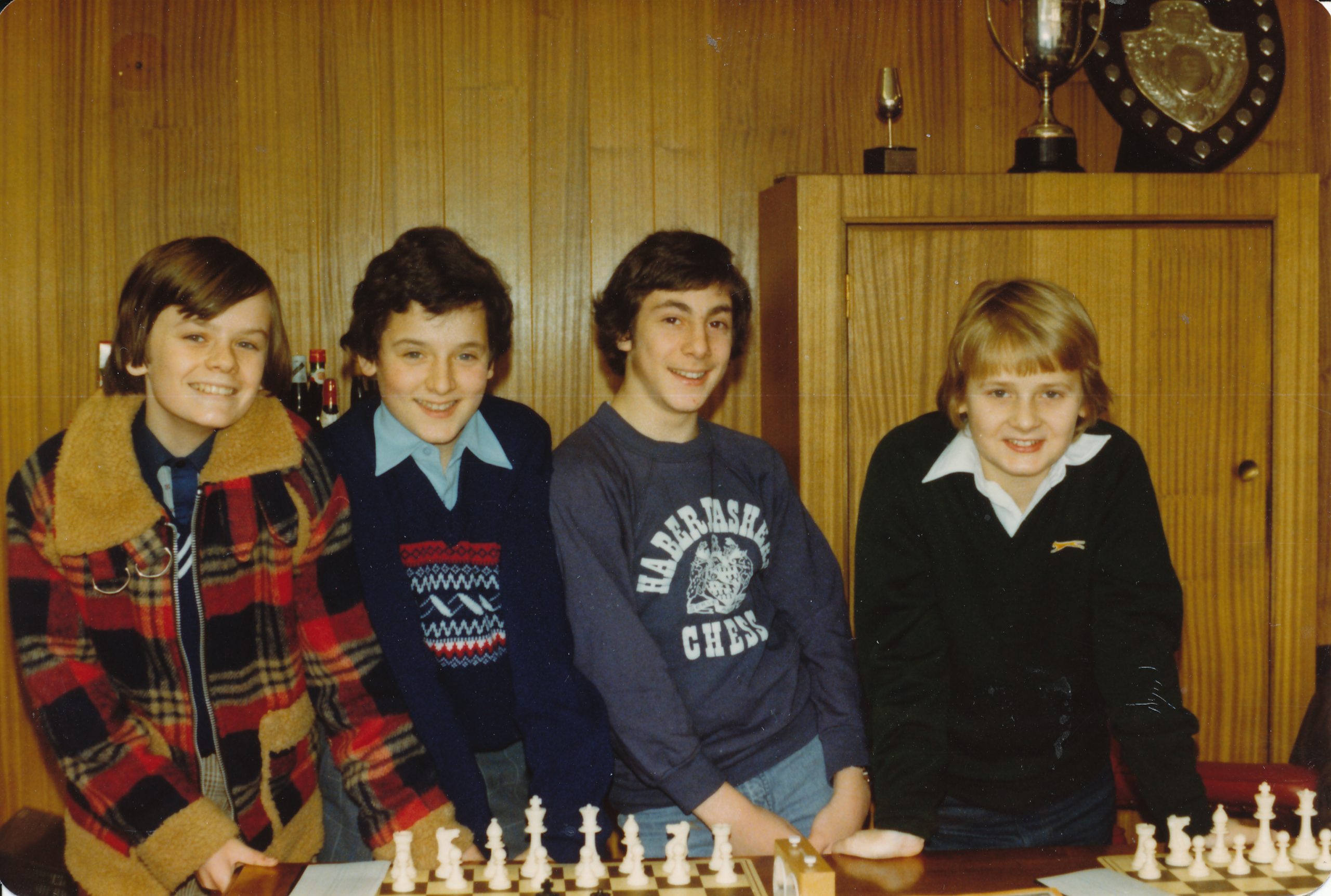
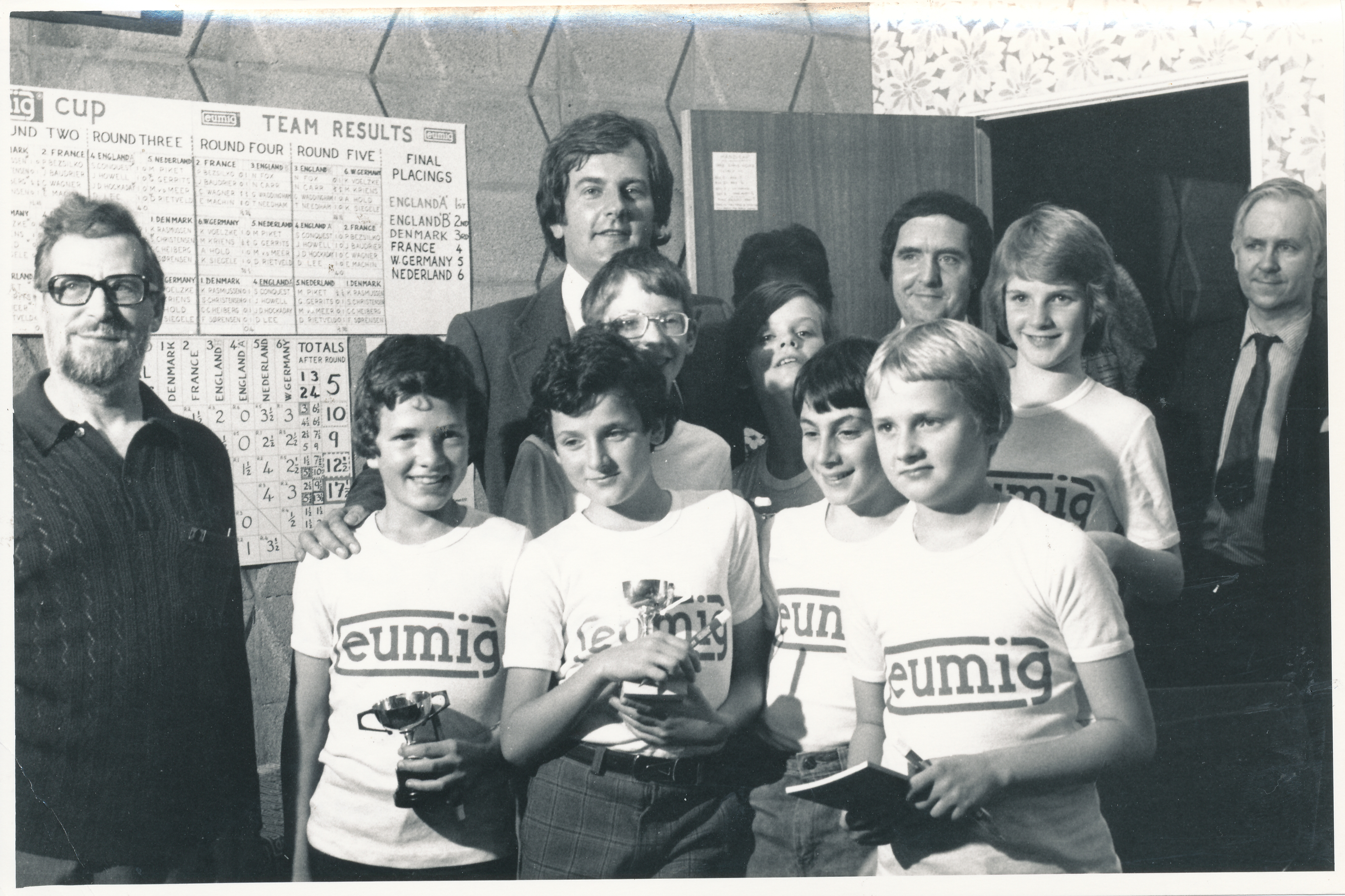
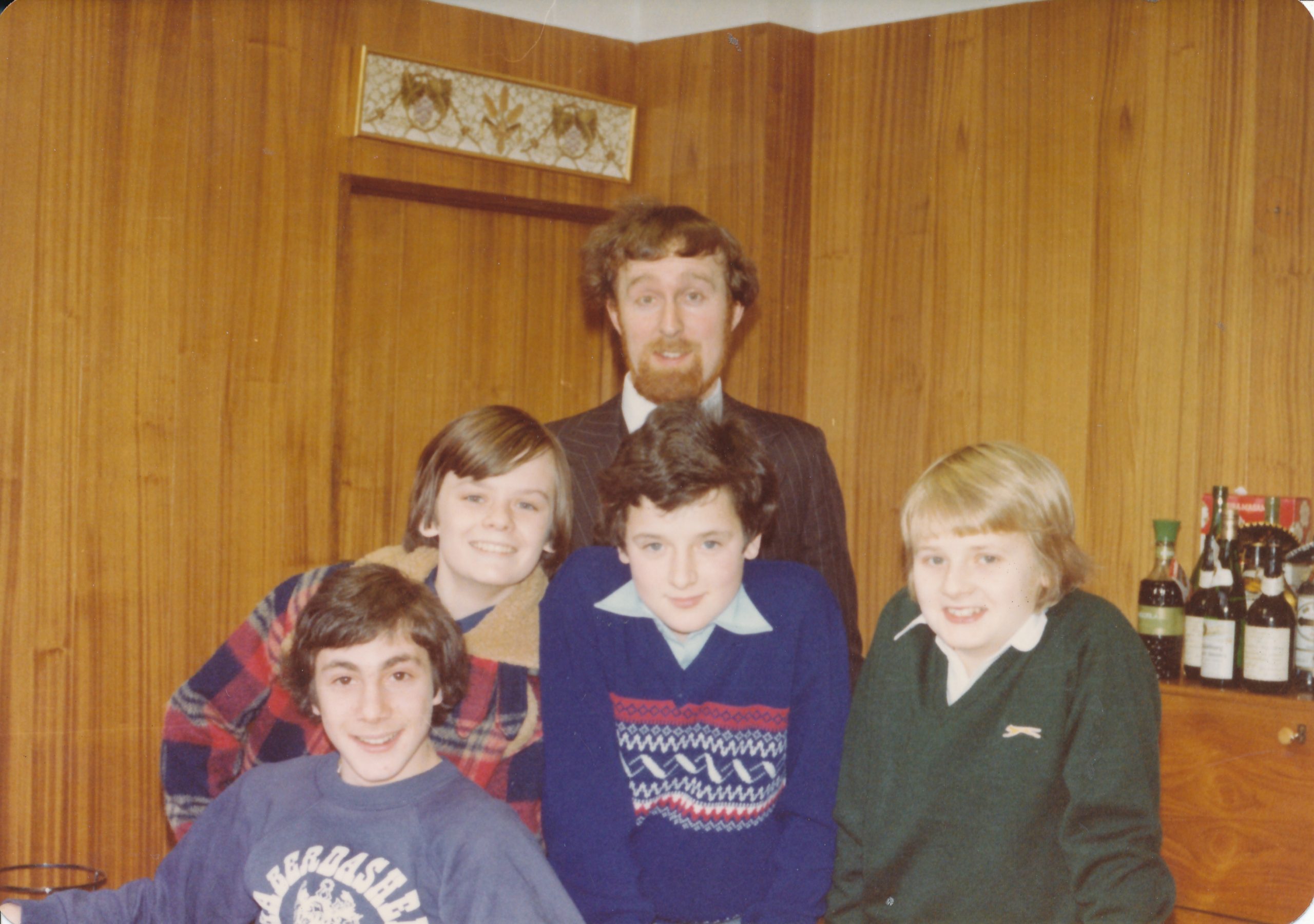
Neil Carr (far right) at Paul Buswell’s house
Here is a tribute from long time friend and London Central YMCA fellow club member, IM Andrew Martin :
Neil Carr (front right)Neil Carr (right) with Neil Fox, Stuart Conquest, Paul Buswell and ?Neil Carr (rear right) at a BCF National Club Final (1992)Neil Carr, (foreground, right) at London’s South Bank, Peter Sowray in the background.. Photo by Clive Field, London Chess AssociationFM Neil Carr, London Chess Classic 2013, courtesy pf John Upham Photography
“International Judge of FIDE for Chess Compositions, Chandler, who was born on 21st August 1889, has composed about 125 two and three-move problems, all in traditional style. Some 30 have gained tourney honours. He was the chess editor of the Hampshire Telegraph and Post from 1911-1921 and he was a founder member of the British Chess Problem Society, Its Hon. Secretary from 1919 – 1925 and Hon. Secretary and Treasurer since 1951.
G.W.Chandler
Commended “The Problemist” 1960
White to play and mate in two moves
From The Encyclopaedia of Chess (Batsford, 1977), Harry Golombek OBE, John Rice writes:
“British problemist, active as a composer mainly during the 1920 and 1930s, specialising in model-mate three-movers. Best known for his work as Secretary of the British Chess Problem Society 1919-25 and as Secretary and Treasurer from 1952. International Judge (1957). “
BCN wishes IM Andrew Martin many happy returns on his birthday (18-v-1957)
From ChessBase :
Andrew David Martin (born 18th May 1957 in West Ham, London) is an English chess player with the title of international master. Martin has won various national and international tournaments. He has been playing for years in the Four Nations Chess League, at present (July 2009) for Wood Green Hilsmark Kingfisher, previously for the Camberley Chess Club. Martin received his title as international master in 1984. He earned his first grandmaster norm in the British Championship of 1997 in Brighton. Martin was a commentator on the chess world championship between Kasparov and Kramnik in 2000.
On the 21st February 2004 Martin set a new world record for simultaneous chess.
He faced 321 chess players at the same time. His result was: 294 wins, 26 draws and only one loss. Martin is known as a professional chess teacher and head trainer of the English youth team. He trains eight schools (Yateley Manor, Aldro, Millfield, Sunningdale, Waverley School, St Michael’s Sandhurst, Wellington College, Salesian College). Martin is a chess columnist, an author of chess books and the author of various instructional videos. He was the publisher of the series Trends Publications. Martin lives in Sandhurst, England, is married and the father of two daughters and two sons. His present Elo rating is 2423 (as of July 2009).
Andrew coaching students
The above is somewhat inaccurate and out of date. Andrew came from East Ham rather than West Ham. He was the editor rather than the publisher of Trends Publications and he lives in Bramley, Surrey with his partner Naomi.
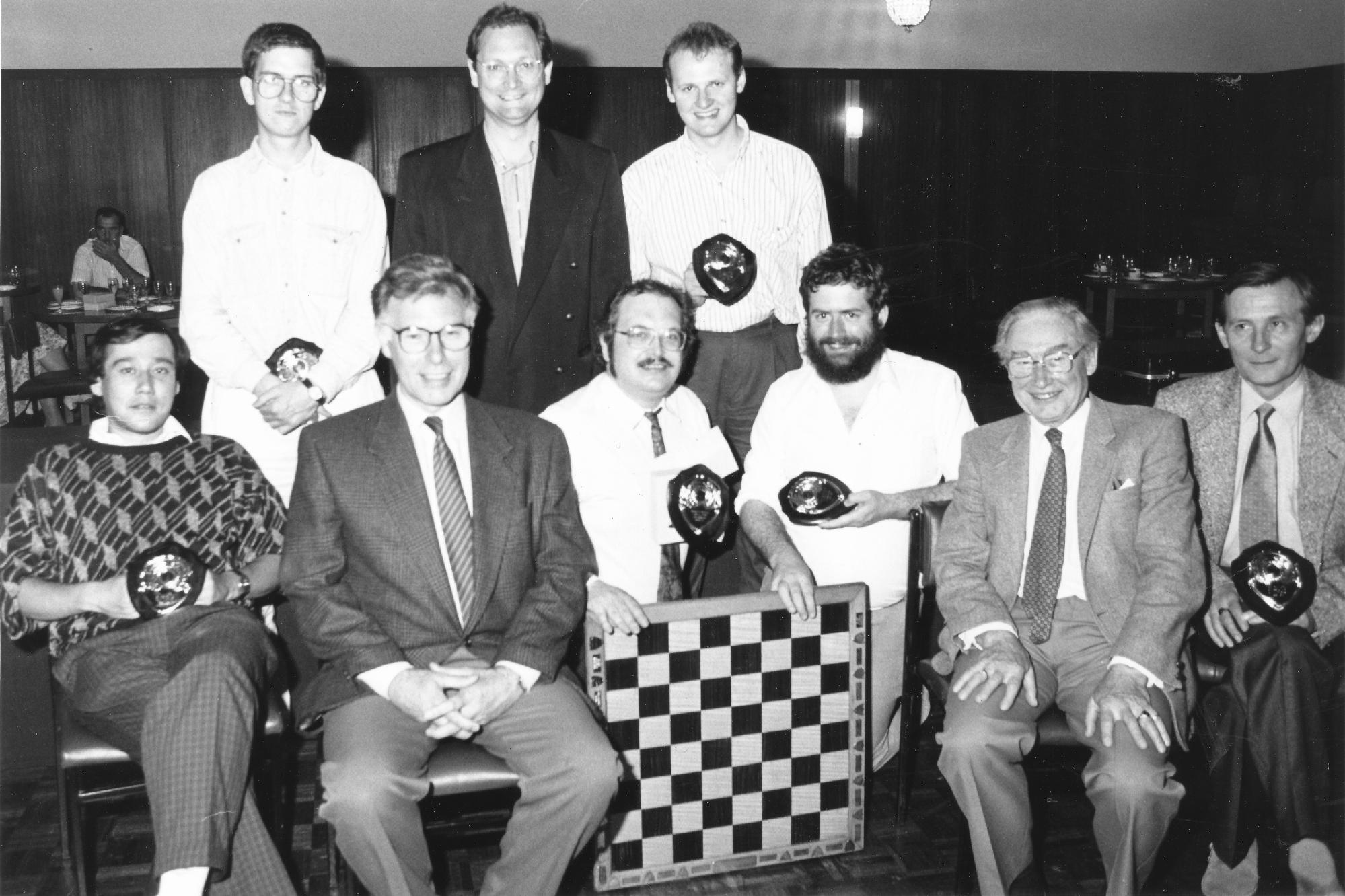
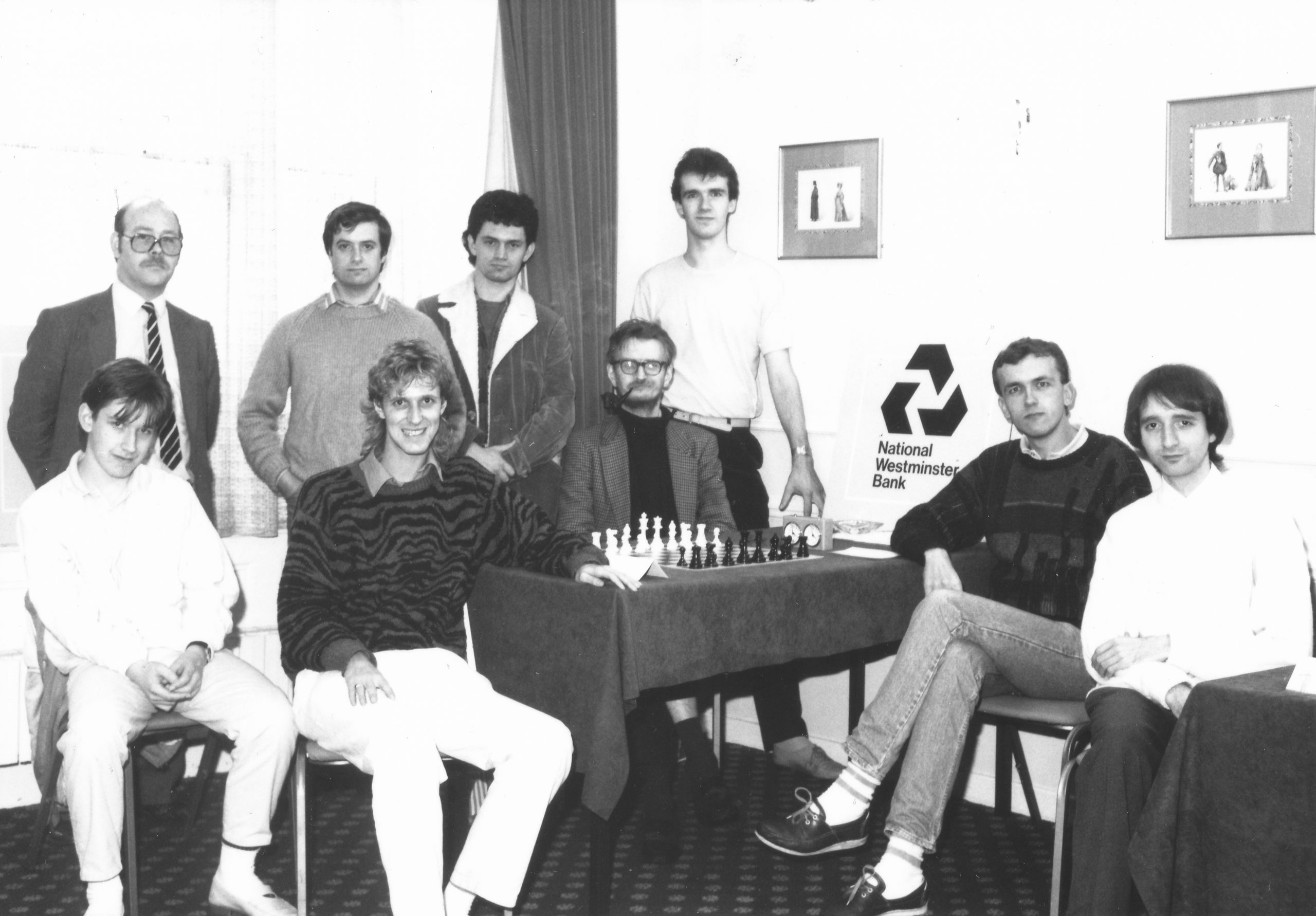
Andrew and friends at the NatWest Bank Young Masters
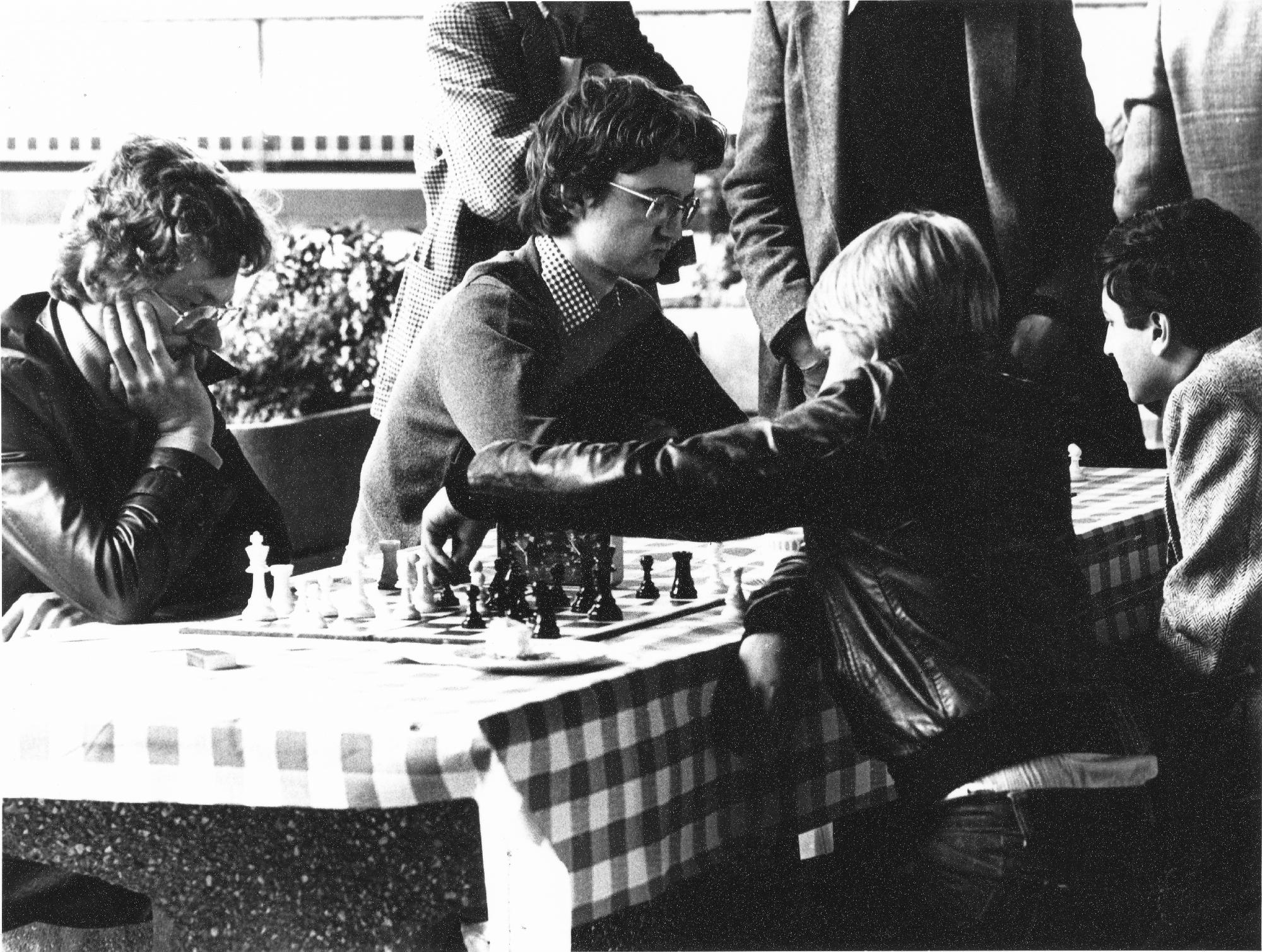
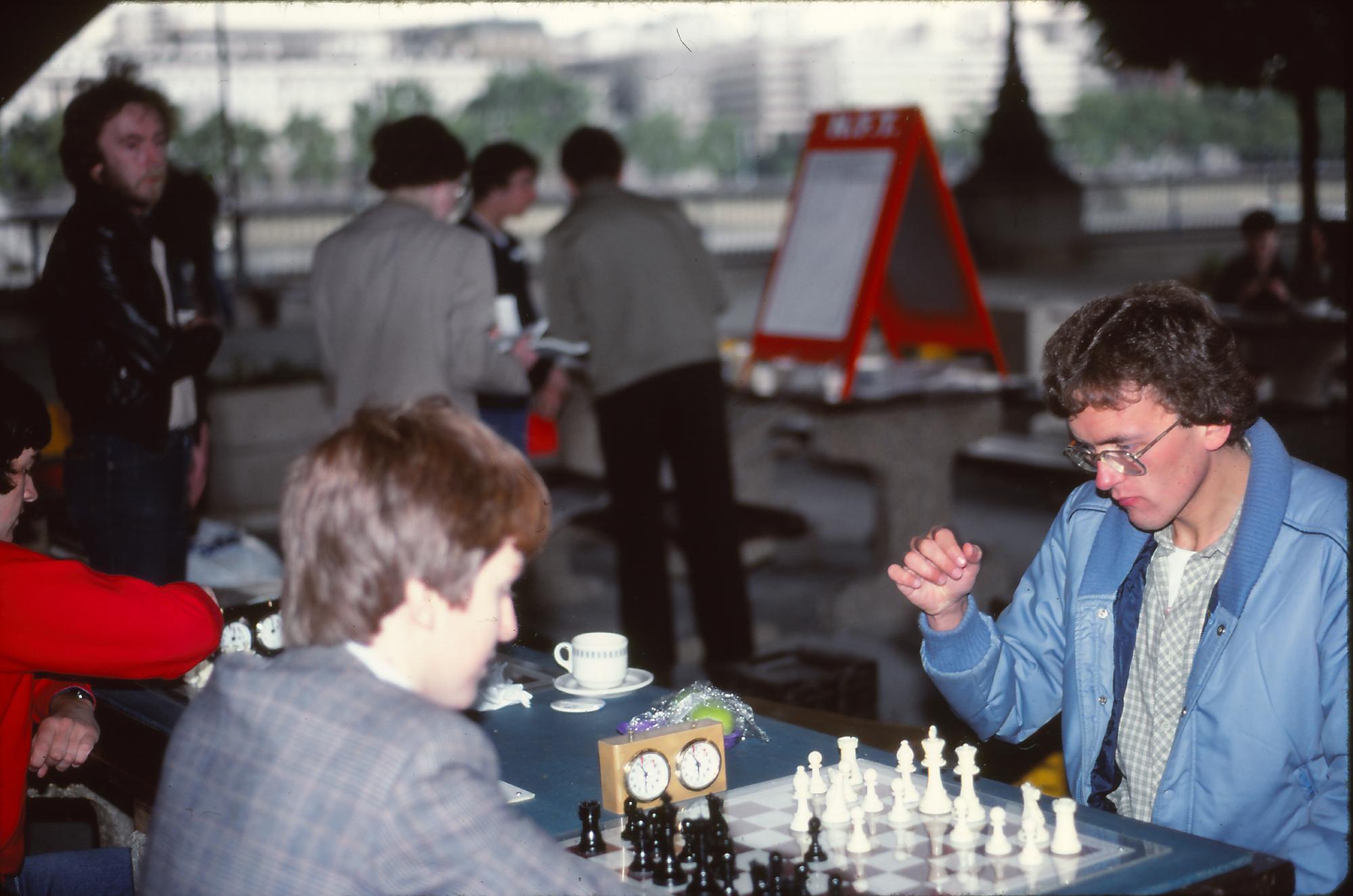
On July 23rd 1981 a world record attempt of continuous blitz games was undertaken at the National Film Theatre in London with much support of the membership of London Central YMCA.
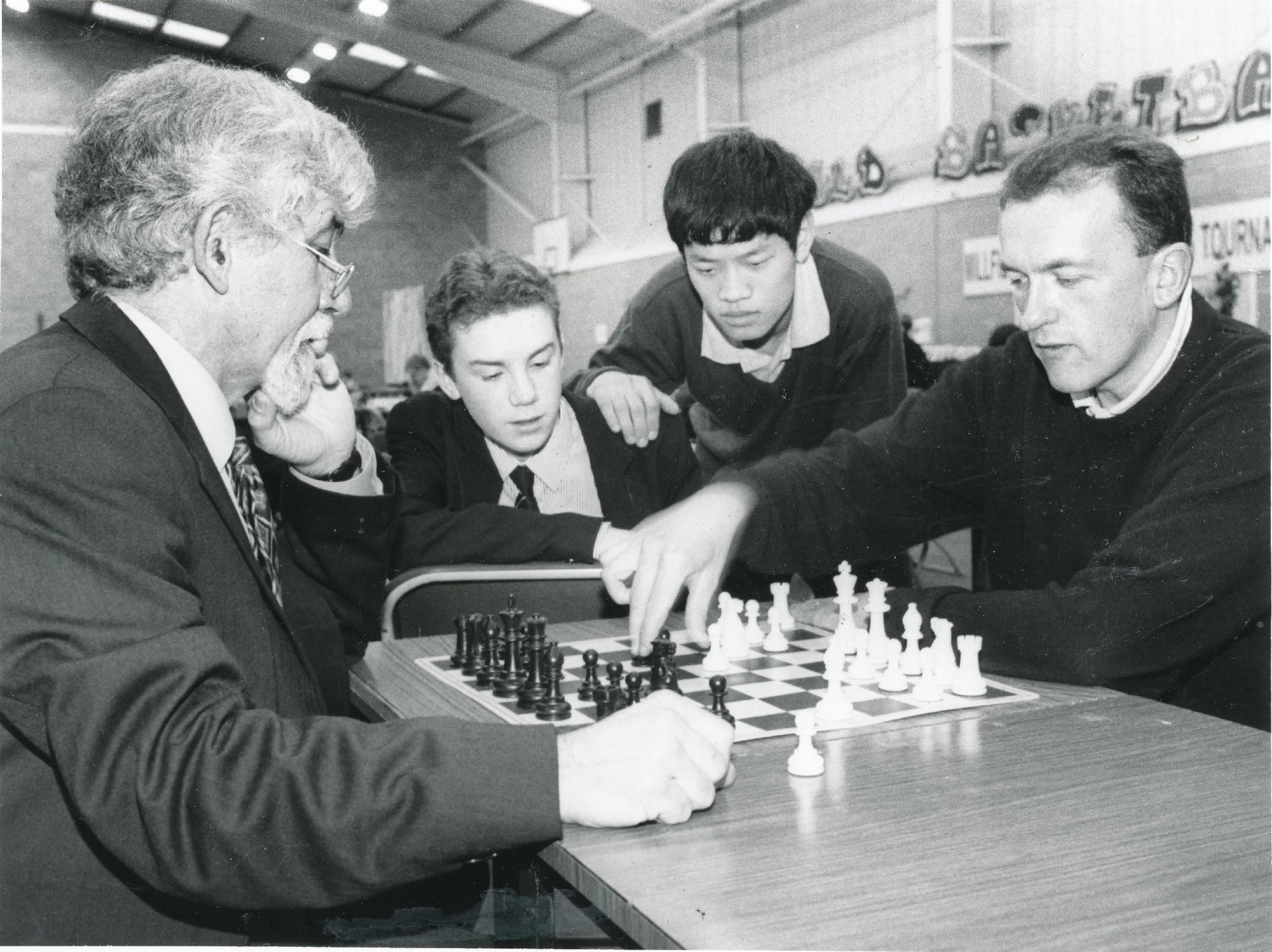
Yours Truly (John Upham) plays Andrew Martin at the NFT
Andrew now plays for Camberley and Guildford clubs in the Berkshire and Surrey Border Leagues and is former member of East Ham, Ilford, London Central YMCA (CentYMCA), Wood Green and Barbican clubs.
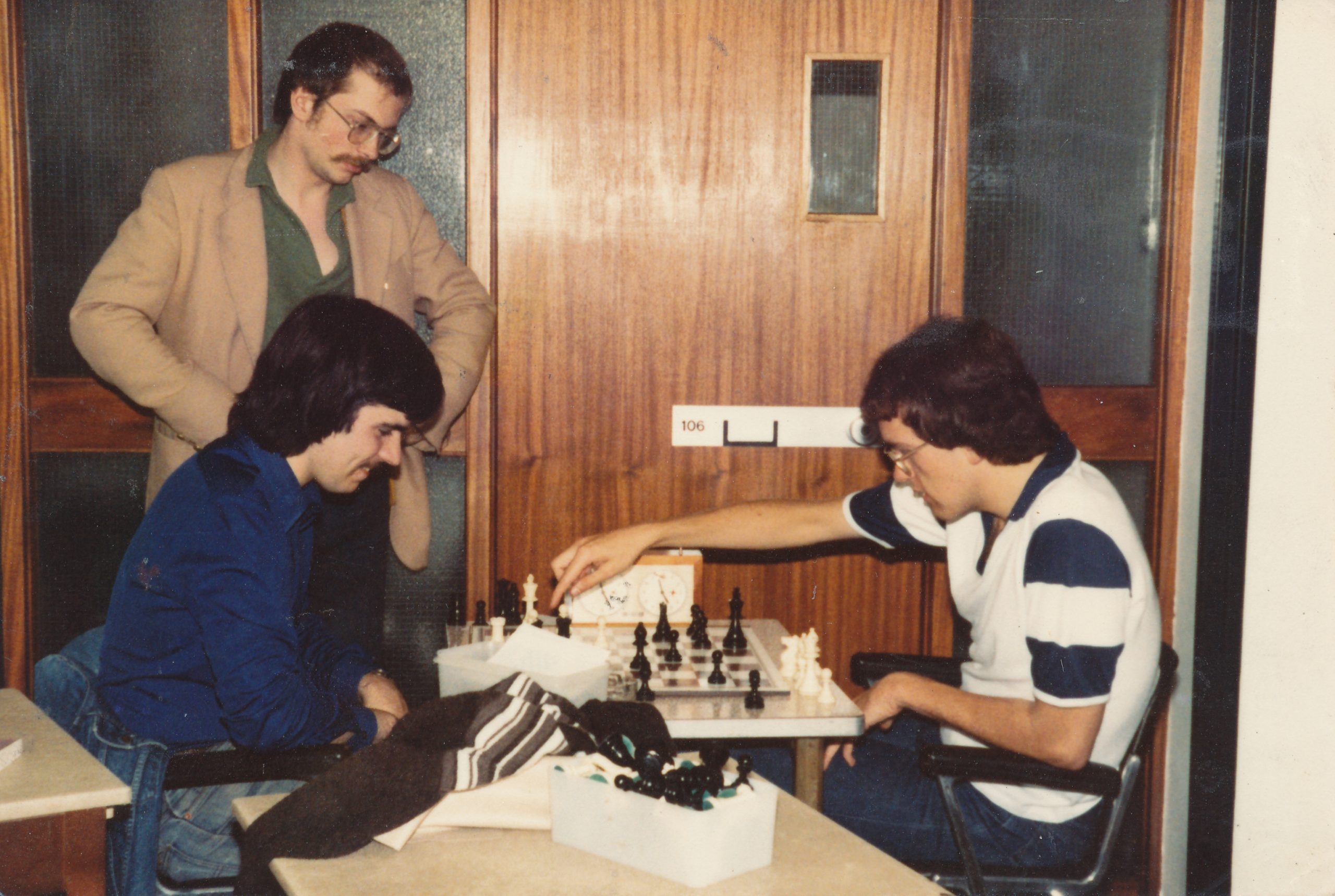
Andrew plays JJ Ady whilst Simon LeBlanq observes at the London Central YMCA
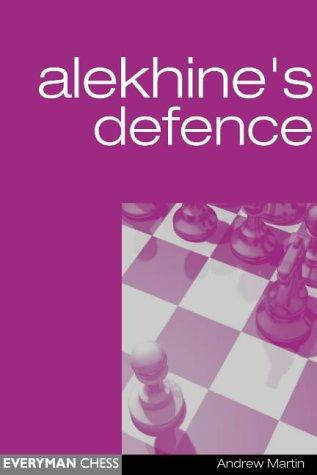
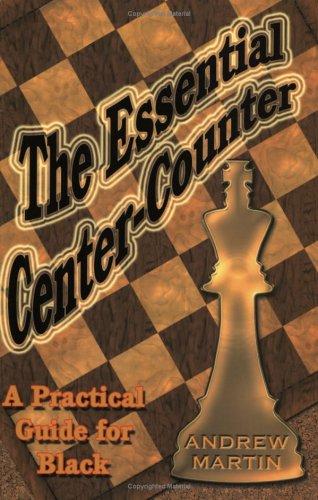
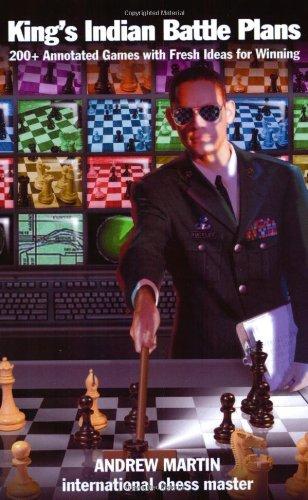
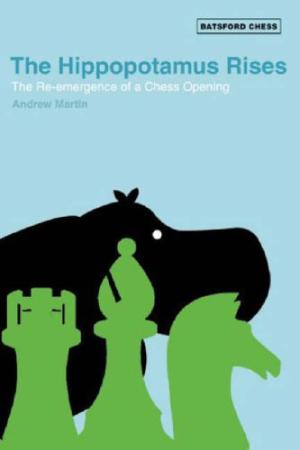
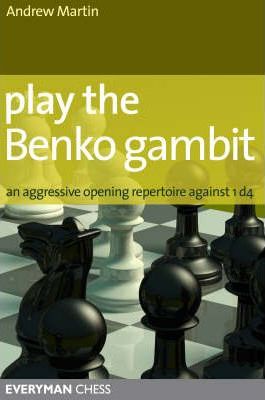
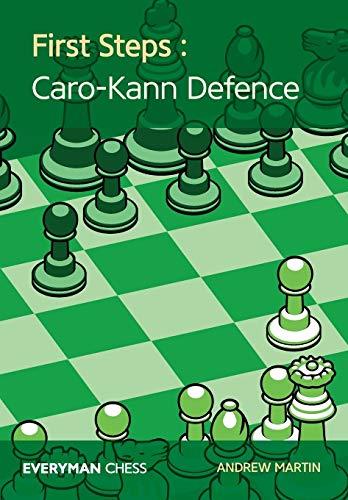
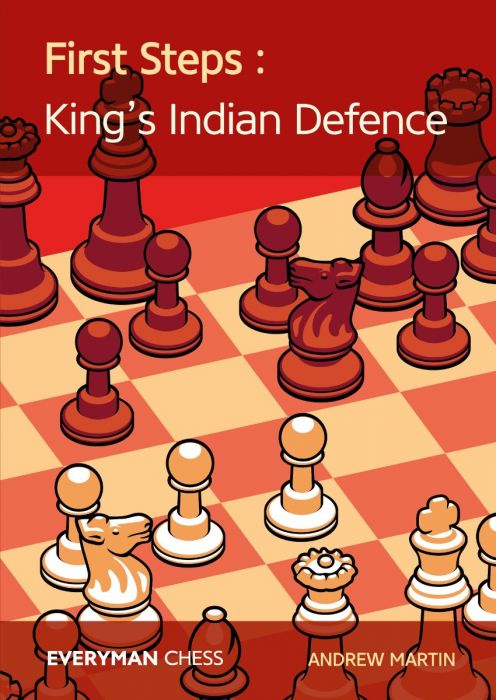
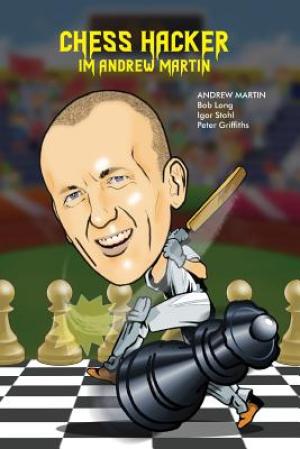
Andrew has written many books starting as Editor of the “Trends Series” for Tournament Chess owned by Richard W. O’Brien (Not of The Crystal Maze). He has authored numerous DVDs for Foxy Videos and ChessBase and has a YouTube Channel focused on young and improving players called “Andrew Martin – Chess Explorations“.
Below Andrew annotates his game (with black) versus GM Stephen Gordon from 4NCL in 2005 :
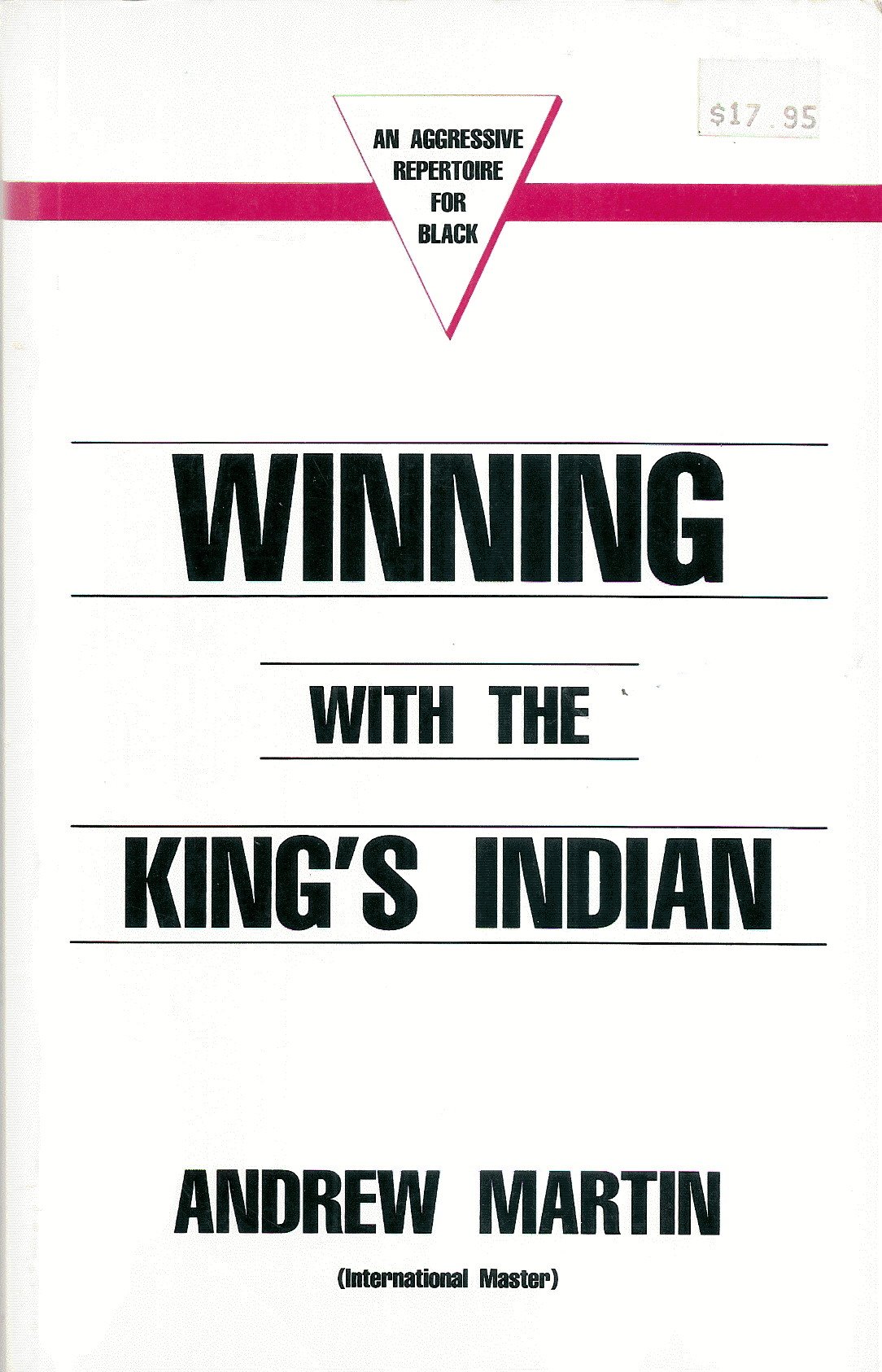
Andrew’s first book as author was this one :
Winning With the King’s Indian, Caissa Publishing, Andrew Martin, 1989
Here is one his favourite games :
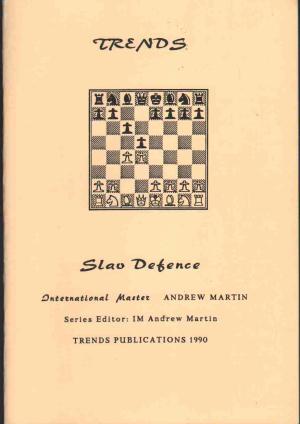
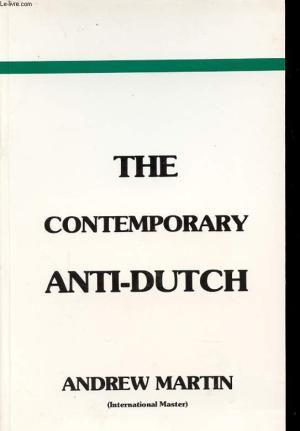
Trends in the Slav Defence, Tournament Chess, Andrew Martin, 1990The Contemporary Anti-Dutch, 1990
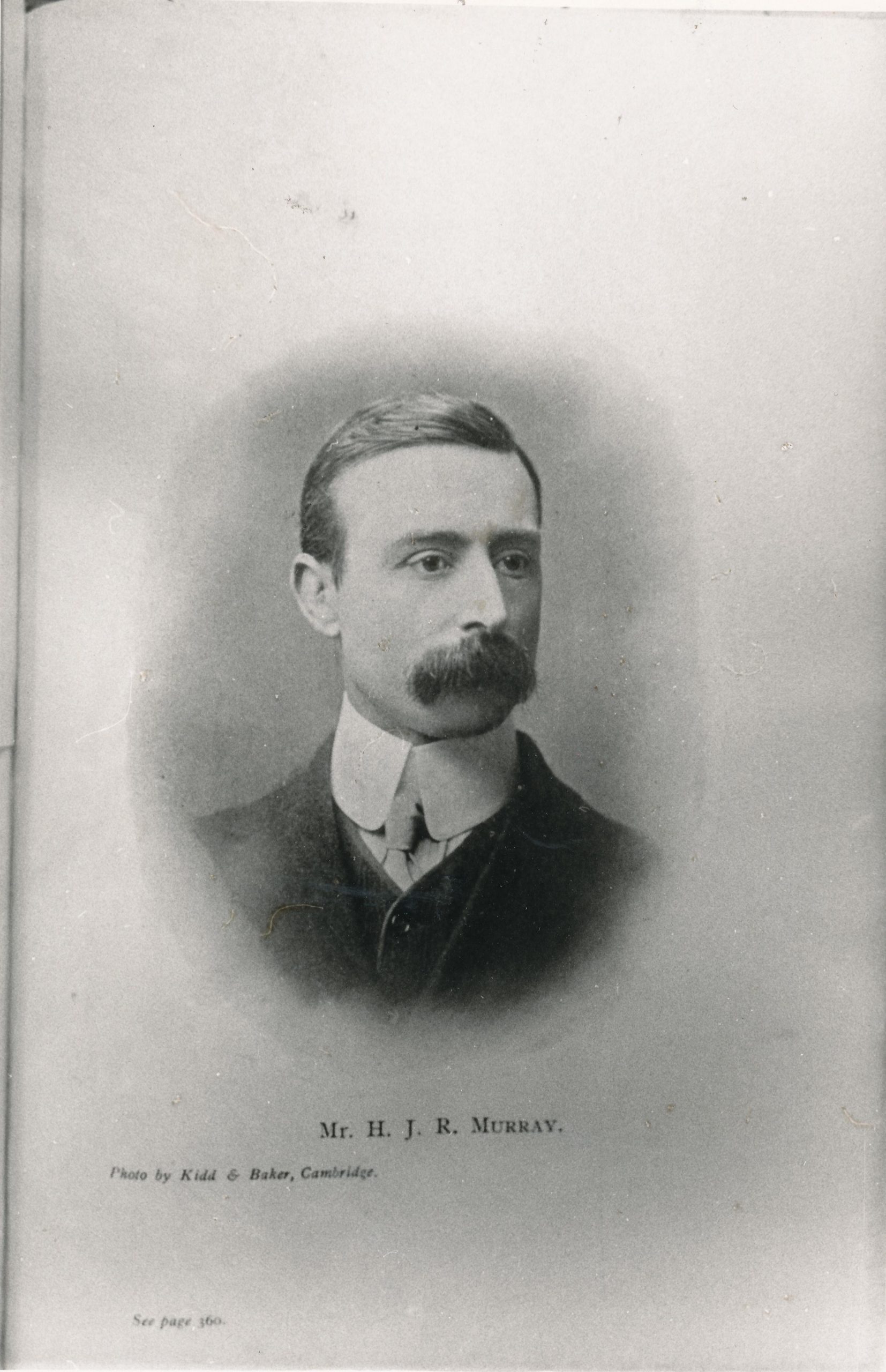
Harold James Ruthven Murray (24-vi-1868 16-v-1955)
BCN remembers Harold Murray who passed away on Monday, May 16th, 1955.
Harold James Ruthven Murray was born on Wednesday, 24th June 1868 in Camberwell, London. He was the eldest son of Sir James Augustus Henry Murray 1837–1915 and Ada Agnes Ruthven 1845–1936. Sir James was famously the first editor of the Oxford English Dictionary.
From British Chess Magazine, Volume LXXV (125, 1955), Number 8 (August), pp. 233-4 we have this obituary from DJ Morgan:
“The great historian of chess died in May last, at the age of eighty-six. Some of the early results of his researches into the origins of the game were published in this magazine, and a reference to the “B.C.M.” volumes for the first fifteen years of this century will reveal a wealth of articles of permanent value. A tribute to our late and
distinguished contributor has been unavoidably delayed.
Murray was the eldest son of Sir James A. H. Murray, the pioneering editor of the great Oxford English Dictionary, and was born in Camberwell on June 24th, 1868. He went to Mill Hill School, took an Open Mathematical Exhibition to Balliol College, Oxford, and left the University, in 1890, with a First Class in the Final Mathematical School. Subsequently, teaching engagements took him to Taunton, Carlisle, and Ormskirk. From 1891 to 1900 he was Headmaster of Ormskirk Grammar School, which he left to become a Board of Education Inspector of Schools.
Taunton gave him an enthusiasm for chess. At Ormskirk he helped to found a club, which he captained from 1896 to 1900. His interest in the history of the game had been aroused in 1893, and when, in 1897, he received encouragement from such a notable authority as Baron von der Lasa, historical research became his ruling passion. In his own words his aim was to trace the development of the modern European game from the first appearance of its ancestor, the Indian chaturanga, in the beginning of the seventh century of our era.
Many books had been written on the history of chess, but none had covered exactly the whole story as he envisaged it. Hyde, in 1694, and another Englishman, Forbes, in 1860, had in the main confined their attention to Oriental chess. Other investigators, such as Sir William Jones on Indian chess (1790), Cox on Burma chess (1803 and 1807), and Bland on Persian chess (1852), had published their conclusions in journals of Asiatic studies. The great German writer, von der Lasa, in 1897, treated almost exclusively of the European game. Van der Linde alone had dealt with both Oriental and European chess, but it was in three distinct works (1874-81).
Van der Linde was able to incorporate the results of Weber’s examination of the early references to chess in Sanskrit literature, and to show that Forbes’s History was both inaccurate and misleading.
Since the publication of Linde’s Geschichte there had been many additions to our knowledge of various aspects of chess history, mostly scattered in isolated papers. So, continues Murray, he set about collecting and collating all available material and making it easily accessible to English readers.
Murray was able to call on the help of acknowledged scholars in the many languages, obsolete and obsolescent, into which his researches led him. Above all, his work was largely based upon his own studies of original materials. The manuscripts and rare books in the unrivalled collections of J. G. White, of Cleveland, Ohio, and of J. W. Rimington Wilson in this country, were placed unreservedly at his disposal, as were the resources of other collectors and libraries.
As an example of his devotion to his work, he made a thorough study of Arabic, and it was his knowledge of this language which enabled him to make his remarkable discovery of the chess-work of Allajlaj, a Mohammedan chess master of the tenth century. The fascinating story of the recovery of these oldest recorded games is told in the “British Chess Magazine” of November, 1903.
Murray thus brought a fine scholarship to his immense task. He had, in addition, the true historian’s gifts of meticulous research, of grasp of detail, of the critical sifting of evidence; to this scientific technique was added the art of lucid exposition.
In his hands, it can be said, the chess-player’s elements of time, space, and material were used to range through most of the centuries of the Christian era.
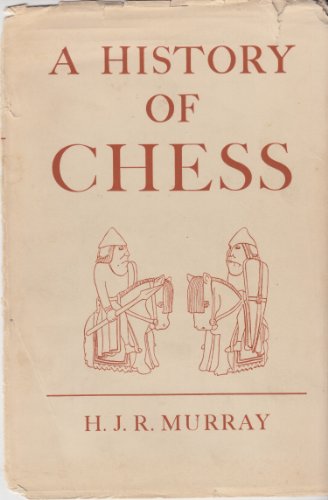
A History of Chess
The History appeared in 1913, from the same University Press, he was proud to think which, more than 200 years before, had published Thomas Hyde’s Mondragorios seu Historia Shohiludii. The huge volume of 900 pages, lavishly illustrated and with scores of chess diagrams, was received with world-wide acclamation. From ancient “Indian Board-games” to “Steinitz and his School,” the vast field had been covered with great authority. The book is in two parts, “Chess in Asia” and “Chess in Europe,” but through it all runs the absorbing story of how the game, in play and in problem, in its practice and in its laws, has developed and spread. From India to Persia, to Islam as a result of the Mohammedan conquest of Persia, from Islam to Spain, and thence to Christian Europe, chess has followed the great political and religious movements. It is very improbable that chess was played in England before the Norman Conquest. That it was familiar to the Norman Kings in the eleventh century is certain from the evidence of the word exchequer, which was applied to the table “upon which the accounts were worked out by means of a cloth divided into strips about a footwide, on which counters, representing the moneys, were placed and moved.”
This must suffice. The work is one to browse in and to dip into through the years. Murray has left an enduring monument, the greatest book ever written on the game. We can but touch briefly on other aspects of his varied and active life. Following his retirement from the Board of Education, in 1928, he took an active interest in Local Government work. He became Chairman of the Fernhurst Parish Council, and was a member of the Midhurst R.D.C., 1931-55, being Chairmain of its Housing
Committee from 1938 to 1948.
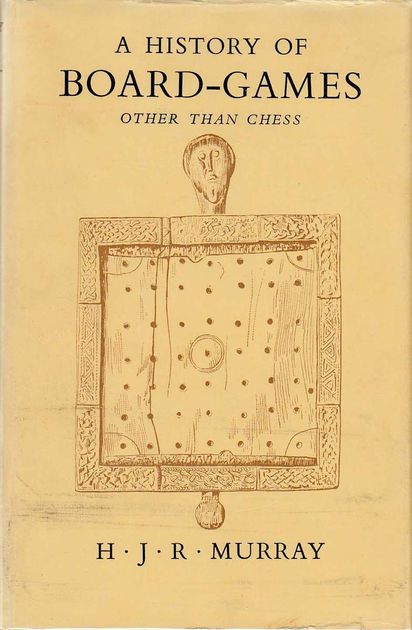
In 1952 he published A History of Board Gomes Other Than Chess.
A History of Board Games other than Chess
He also wrote a Shorter History of Chessand a History of Draughts (both unpublished), and spent much time working on mathematical problems connected with Knights’ Tours and Magic Tours. His work on these investigations is also unpublished, but a good deal remains in typescript in fairly complete form.
Apart from his interest in board games and mathematics, he was interested in genealogy, and did research on his own and his wife’s families. Up to his death he was working on local history and was writing a history of Heyshott, the village to which he retired. Walking, in his younger days, and bird-watching in his middle years, were amongst his otter recreations.
A game of chess he. always enjoyed, but not under the rigorous conditions of matches and tournaments.
His son, Major D. M. J. Murray, Royal Engineers, was killed in Hong Kong in 1941. The chess world’s sympathy with his second son Mr. K.C. Murray of the Antiquities Service, Nigeria, and with his daughter, Miss K. M. E. Murray, M.A., Principal of the Bishop
Otter College, Chichester, is but a small expression of its sense of indebtedness to their distinguished father.-D. J. M.”
Following this obituary a letter from Alex Hammond appeared in British Chess Magazine, Volume LXXV (125, 1955), Number 9 (September), page 270 as follows:
“Dear Mr. Reilly,
Murray was, indeed a very great man, though a few of us were privileged to know him intimately, as his nature was shy and retiring.
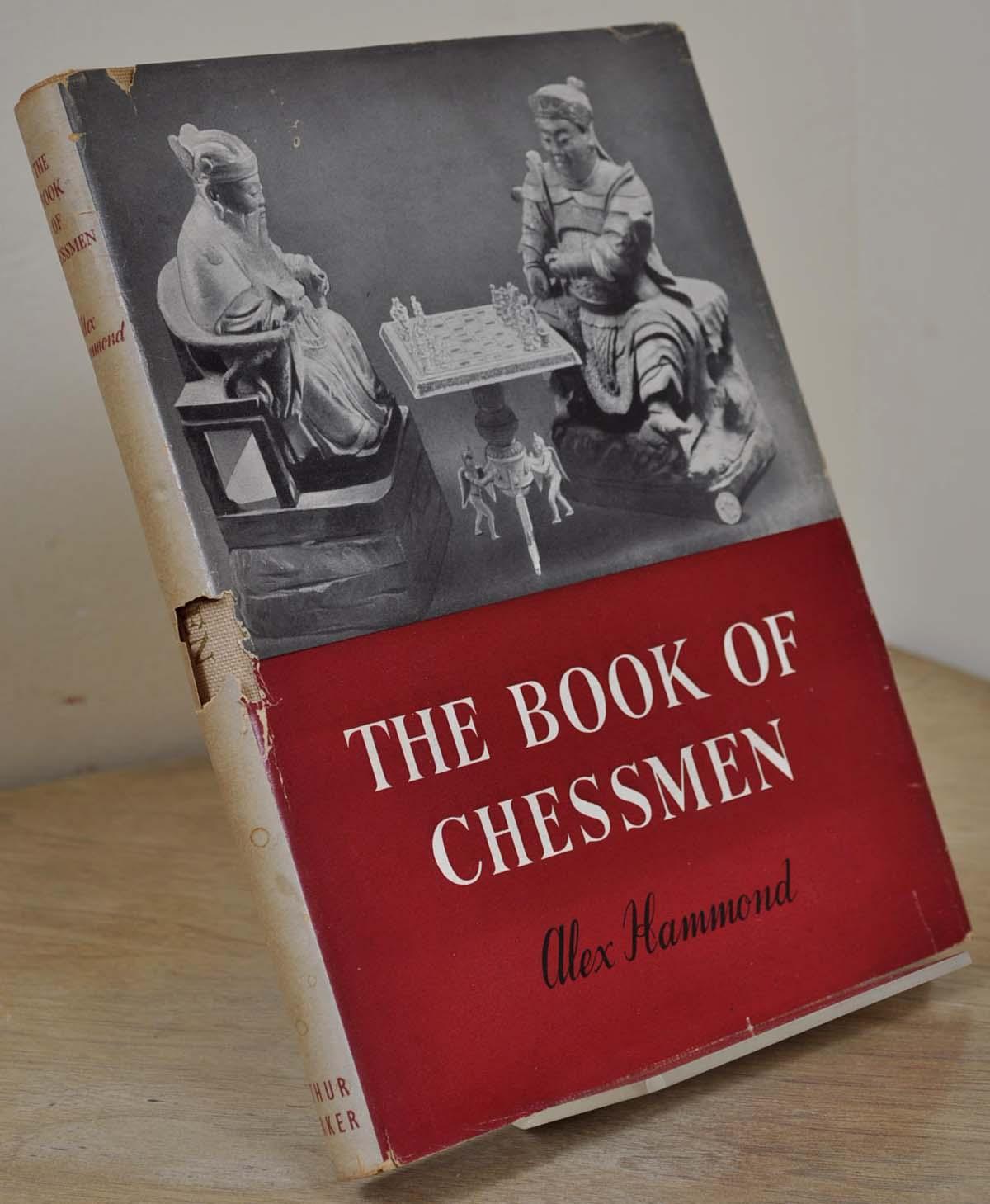
For myself, I shall always treasure his memory, as when I wrote my The Book of Chessmen he gave me freely of his knowledge, and saved me from many errors.
Any person who attempts to write on chess history will always find real difficulty in discovering anything of interest which does not appear in his monumental “History.”
Probably his like will not be seen again, as such patient industry, deep knowledge, and tremendous perseverance are unlikely to be combined in a single personage again.
Yours sincerely,
Alex Hammond
16 Burlington Arcade, London, W1
The Book of Chessmen, Alexander Hammond, Arthur Barker Ltd., London, 1950
From The Oxford Companion to Chess (Oxford University Press, 1984 & 1996) by Hooper & Whyld:
“Foremost chess historian, school inspector. His A History of Chess (1913), perhaps the most important chess book in English, was the result of about 14 years of research inspired by Lasa, and grounded on van der Linde’s work. During that period Murray contributed 35 articles to the British Chess Magazine , some of which outlined his discoveries. Most of the 900-page History is concerned with the evolution of modern chess from its oriental precursor up to the 17th century. He learned Arabic so that he could read important manuscripts, and in addition to his own circle he was able to solicit help from colleagues of his father Sir James A. H. Murray, editor-in-chief of the Oxford English Dictionary; who was also aided by J. G. White, with both advice and the loan of rare books from the Cleveland collection, and by many others. His book includes an authoritative account of both Mansubat and medieval problems. (See also history of chess.) In 1952 he published a companion volume, A History of Board Games other than Chess.
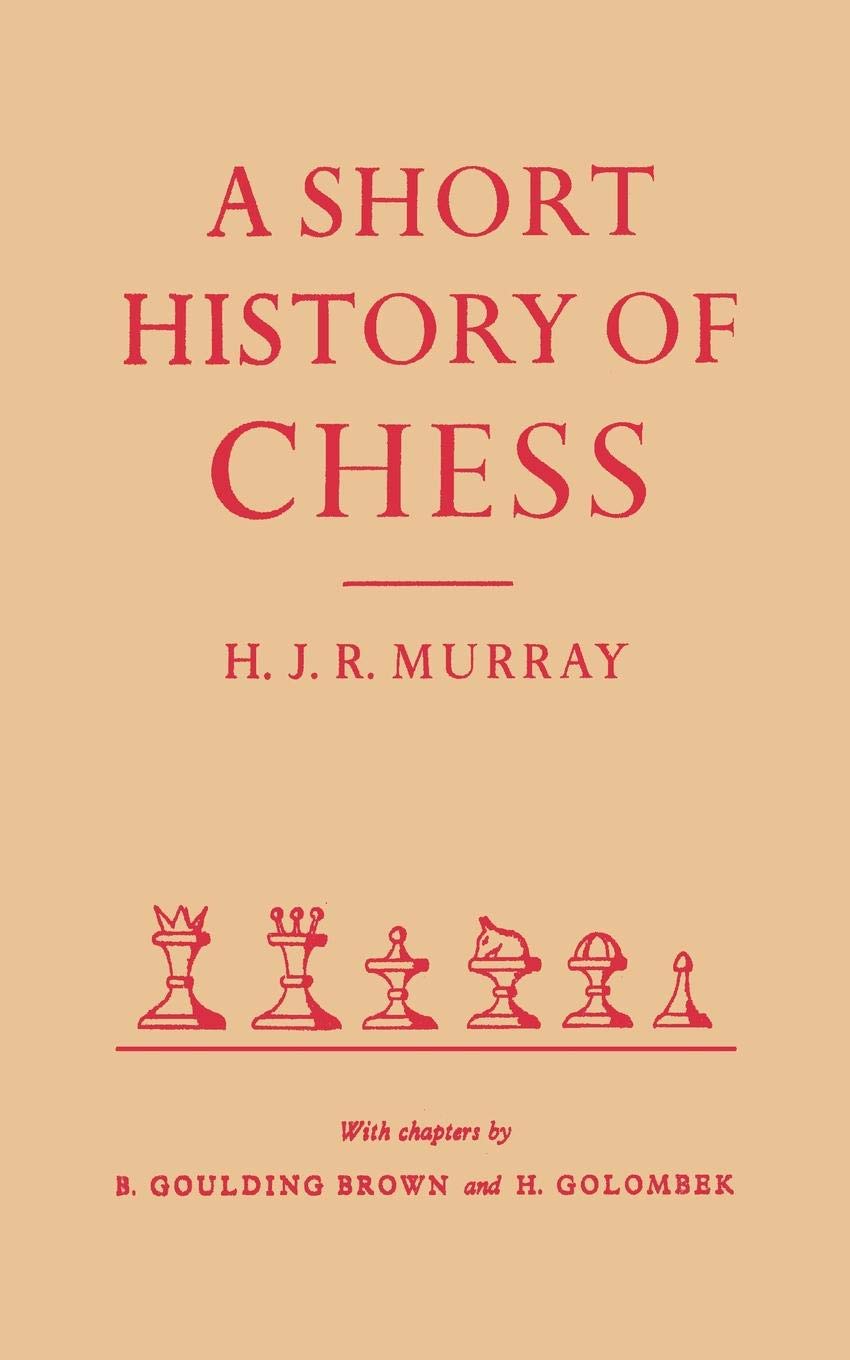
While the scholarship of his chess book has never been questioned it is too detailed for the average chess-player. Aware of this problem, Murray wrote a briefer work approaching the topic in a more popular way. The manuscript, unfinished at his death, was completed and published in 1963 as A Short History of Chess. (See Civis Bononiae.)
“Chess historian and a Board of Education Inspector of Schools. Appropriately enough, a son of the pioneering editor of the great Oxford English Dictionary, he became interested in the history of chess in the early 1890s. Up to this time the historical writings on chess in English had been unhistorical. In order to fit himself for the task Murray learned several languages including Arabic and he also studied the true historians of chess, the German writers, Van der Linde and Von der Lassa.
In his own words his aim was to trace the development of the modern European game from the first appearance of its ancestor, the Indian chaturanga, in the beginning of the seventh century of our era. This he did in a vast work of some 900 pages published in Oxford in 1913. An immense amount of painstaking research had gone into the work and only a man of Murray’s great learning could have attempted it.
It at once became the standard book on the subject and has remained so ever since. Murray left behind among his papers an unfinished work A Short History of Chess which took the history of the game up to 1866 which gave a clearer and more readable account of the history of the game than his main work. This was brought up to date by Goulding-Brown and Golombek and published in Oxford in 1963.”
From The Encyclopaedia of Chess (Robert Hale, 1970 &1976), Anne Sunnucks :
“The chess historian who wrote the History of Chess, published by Oxford University Press in 1913. Murray was born in Camberwell on 24th June, 1868, the eldest son of Sir James Murray, the first editor of the Oxford English Dictionary. After graduating from Balliol College, Oxford, with a First Class in the Final Mathematical School, in 1890 Murray became a master at Queen’s College, Taunton, where he learned to play chess. He later taught at Carlisle Grammar School and in 1896 became the headmaster of Ormskirk Grammar School. About 1893 his interest in the history of the game was aroused, and four years later, encouraged by the great German writer and authority on the game, Baron Von der Lasa, his historical researches began.
From 1901-1928 he was a Board of Education Inspector of Schools, an appointment which made it difficult for him to play much chess. He began to turn his attention more and more to the history of the game, contributing articles to The British Chess Magazine and Deutsches Wochenschach. He made the acquaintance of J. J. White of Cleveland, Ohio, owner of the largest chess library in the world, and was given access to this collection, as well as one owned by J. W. Rimington Wilson in England. White’s library contained a number of Arabic manuscripts, and, in order to be able to study them, Murray learned Arabic. The History of Chess took him 13 years to complete.
On his retirement from the Board of Education, Murray served as Chairman of Fernhurst Parish Council and was a member of Midhurst R.D.C. from 1931-1955 and was Chairman of its Housing Committee from 1938-1948. His other interests, apart from chess, were genealogy, local history, walking and bird watching. In 1952 he published A History of Board Games Other than Chess.
After his death A Short History of Chess was found uncompleted among his papers. Additional chapters were added by B. Goulding Brown and H. Golombek, and it was published in 1963.”
(Bertram Goulding Brown was a tournament chess player and a contributor to British Chess Magazine. He was born 5 July 1881 and died 22 August 1965 in the United Kingdom.)
“Harold James Ruthven Murray was born on 24 June 1868. His first book A History of Chess was published by Oxford University Press in 1913. Murray covered the first 1,400 years of the game’s history in definitive detail. He died on 16 May 1955. He left several more manuscripts which are being held by Oxford University.”
According to Edward Winter in Chess Notes HJRM lived 53 Hagley Road, Edgbaston, Birmingham, England (Ranneforths Schach-Kalender, 1915, page 71).
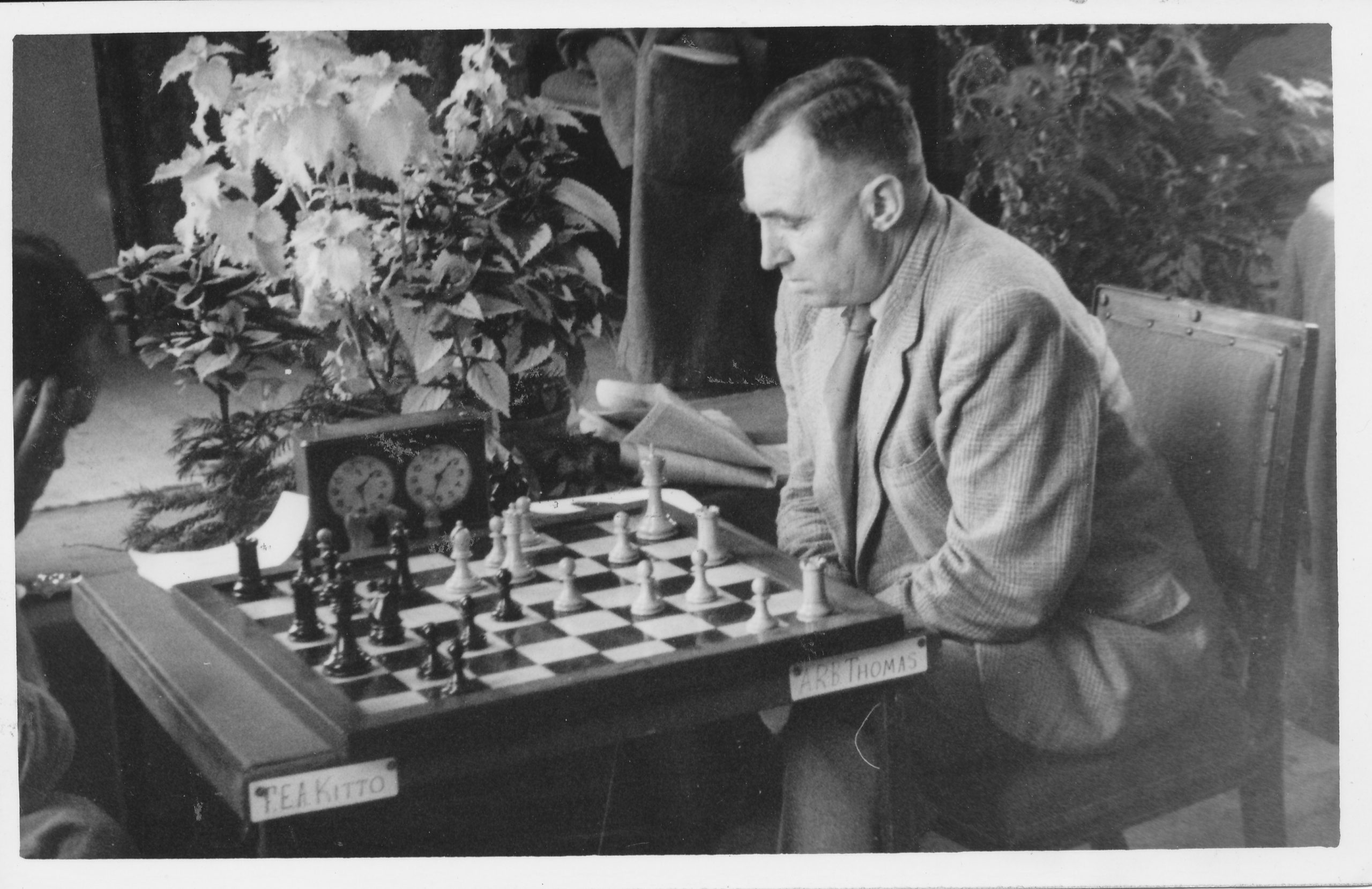
BCN remembers Andrew Rowland Benedick Thomas (11-x-1904 16-v-1985)
We cannot improve on this excellent article about ARBT on the Chess Devon web site
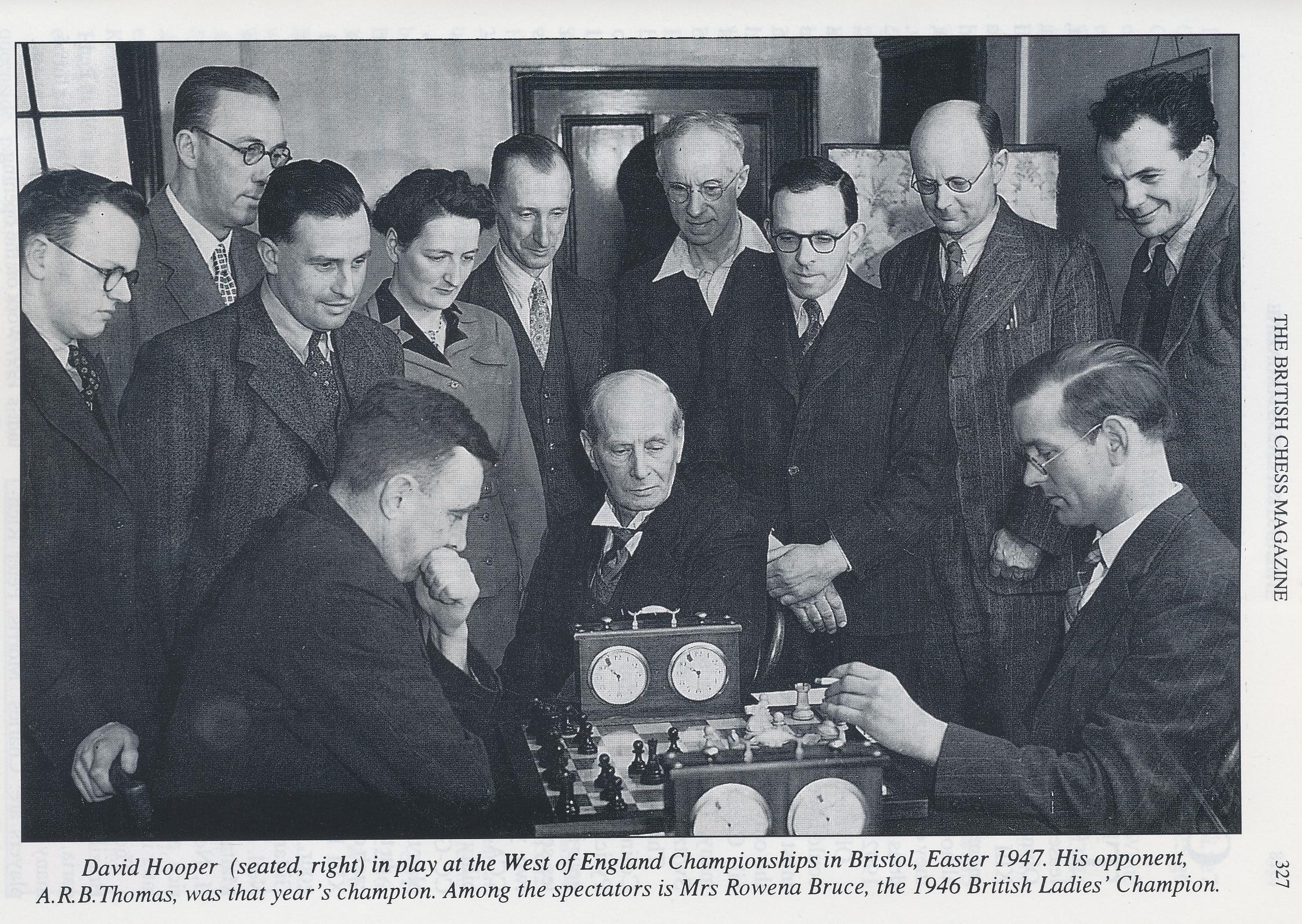
David Hooper (seated right) in play at the West of England Championships in Bristol, Easter, 1947. His opponent , ARB Thomas , was that year’s champion. Among the spectators is Mrs. Rowena Bruce, the 1946 British Ladies’ Champion. BCM, Volume 118, #6, p.327. The others in the photo are L – R: H. V. Trevenen; H. Wilson-Osborne (WECU President); R. A. (Ron) Slade; Rowena Bruce; Ron Bruce; H. V. (Harry) Mallison; Chris Sullivan; C. Welch (Controller); F. E. A. (Frank) Kitto.
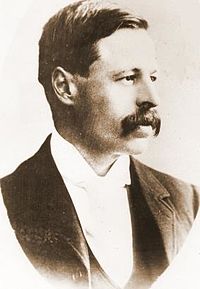
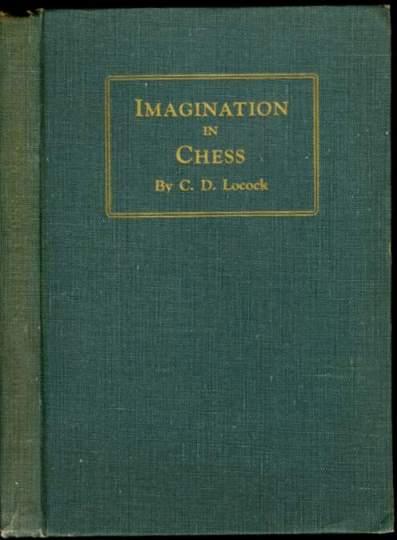
“Charles Dealtry Locock (1862 – 1946) was a British literary scholar, editor and translator, who wrote on a wide array of subjects, including chess, billiards and croquet.[1]”
From The Oxford Companion to Chess by Hooper & Whyld :
The Locock Gambit is in the Philidor Defence, named after the English player Charles Dealtry Locock (1862 – 1946). The gambit is probably sound; Black should play 4…Be7 instead of 4…h6
James Pratt informs BCN that CDL was an early trainer of Elaine Saunders. See here for more.
From The Chess Bouquet, (1897), page 212 : (taken from chessgames.com)
“Perhaps many players who are inclined to pooh, pooh the efficacy of problem training will be surprised to find that such an expert player, as Mr. Locock has proved himself to be, is equally at home in the sister art. Yet such is the case, and although his fame rests chiefly upon his many brilliant victories in cross-board encounters, the strategetic qualities of his compositions, and the ease and facility with which he penetrates the inmost recesses of problem, have secured him place in the foremost ranks of British problemists. Born in 1862, and educated at Winchester College and University College, Oxford, Mr. Locock early displayed fondness for chess, and for five years he played for Oxford v. Cambridge.
In 1887 he won the amateur championship tournament of the British Chess Association without losing game. In the Masters’ International Tournament, held at Bradford in 1888, he scored seven antl half games against very powerful array of talent. The Masters’ International Tournament, held at Manchester, in 1890, found him somewhat below par, but in 1801 he won the British Chess Club Handicap without losing game. In 1892 he tied with Bird for fourth prize in the National Masters’ Tournament. Emanuel Lasker (then rapidly forcing his way to the throne, so long and honourably held by Wilhelm Steinitz) won the first prize, with score of nine James Mason second, seven and half; Rudolph Loman third, seven and Messrs. Bird and Locock six and half each. Seven others competing.
During the past four years Mr. Locock has played some twenty-six match games without losing one. In team matches he has only lost one since 1886. These include the two telephone matches, British Chess Club v. Liverpool and also the cable match, British Chess Club v. Manhattan Club, 1895, when Mr. Locock, at board three, drew with Mr. A. B. Hodges; and the cable match, British Isles v. United States, March, 1896, when Mr. Locock again drew his game with Mr. E. mes on board five.
Partially owing to want of practice, Mr. Locock is gradually retiring from serious chess, although we trust many years will elapse ere he finally says good-bye to the scene of his triumphs. Life is generali) voted too short for chess, yet, in addition to the sterling work already alluded to, Mr. Locock has found time to edit the well-known excellent chess column in Knowledge, and enrich the already huge store ot problems with many stategetical positions. His “Miraculous Adjudicator” and Three Pawns ending, published in the B.C.M., having been greatly admired by connoisseurs.
Mr. Locock has favoured us with few humorous remarks on what he terms the vice of problemmaking,” and with these we conclude our sketch of perhaps the strongest living amateur player-problemist ”
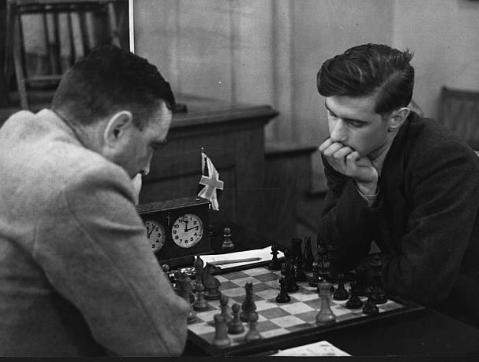
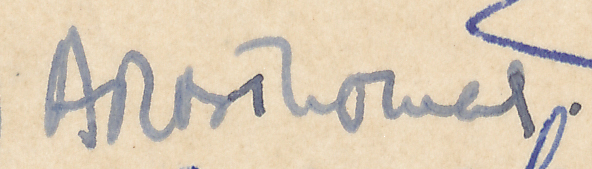
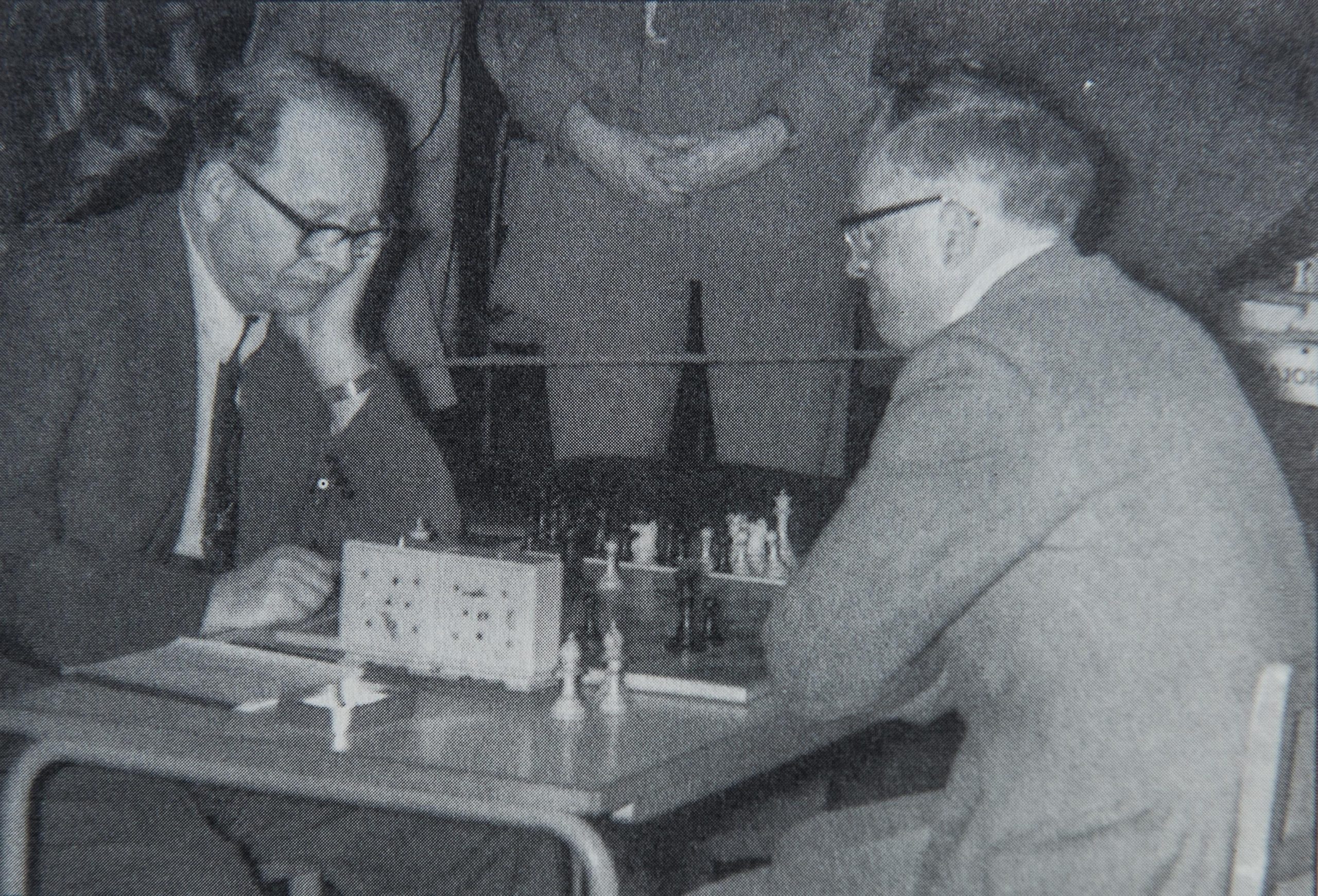
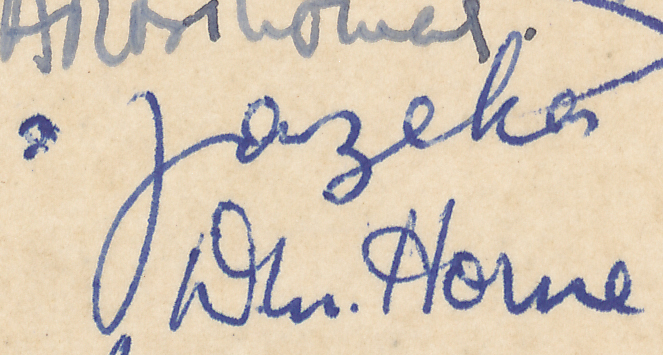
Dr. Fazekas (left) playing Bob Wade at an Ilford Congress, photographer unknownSignature of S Fazekas from a Brian Reilly “after dinner” postcard from Southsea 1951.
BCN remembers Dr. IM István (Stefan) Fazekas who passed away in Buckhurst Hill, Essex on Wednesday, May 3rd, 1967 and the death was recorded in the district of Redbridge.
The probate record of June 7th, 1967 is thus:
June 7th 1967 probate record for Dr. Stefan Fazekas
István Fazekas was born in Satoraljaujhely, Hungary on Wednesday, March 23rd 1898. He adopted the name Stefan subsequently. Satoraljaujhely is very much on the Hungary – Czechoslovakian border and records for Fazekas variously show both countries as his country of birth.
The September 1939 register records Stephen Fazekas as being married, a refugee, and a general practitioner living with his wife Helen (born 17th July 1900) at 21, Old Gloucester Street, Bloomsbury, Camden, London WC1. The “household” had a total of fourteen residents and this building in 2021 appears to be part of the Mary Ward Centre and presumably was providing temporary accommodation.
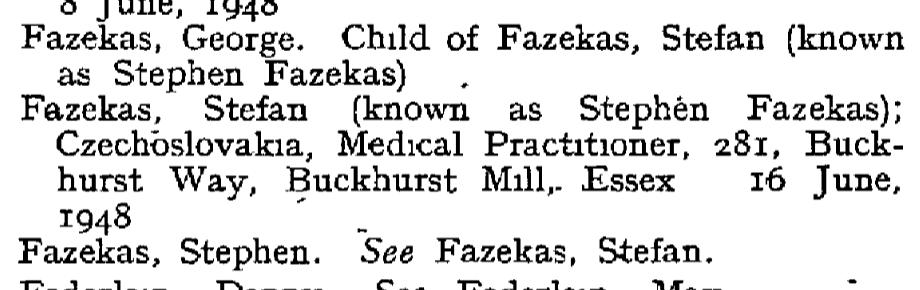
The 1948 London Gazette records that on June 16th he lived at 281 Buckhurst Way, Buckhurst Hill, Essex and that he and Helen had a son, George. On this day Stefan was granted UK naturalisation following the swearing of an oath of allegiance:
The London Gazette, 1948
The above notice is further validated by the official record stored at The National Archive, Kew, reference HO 334/234/4061.
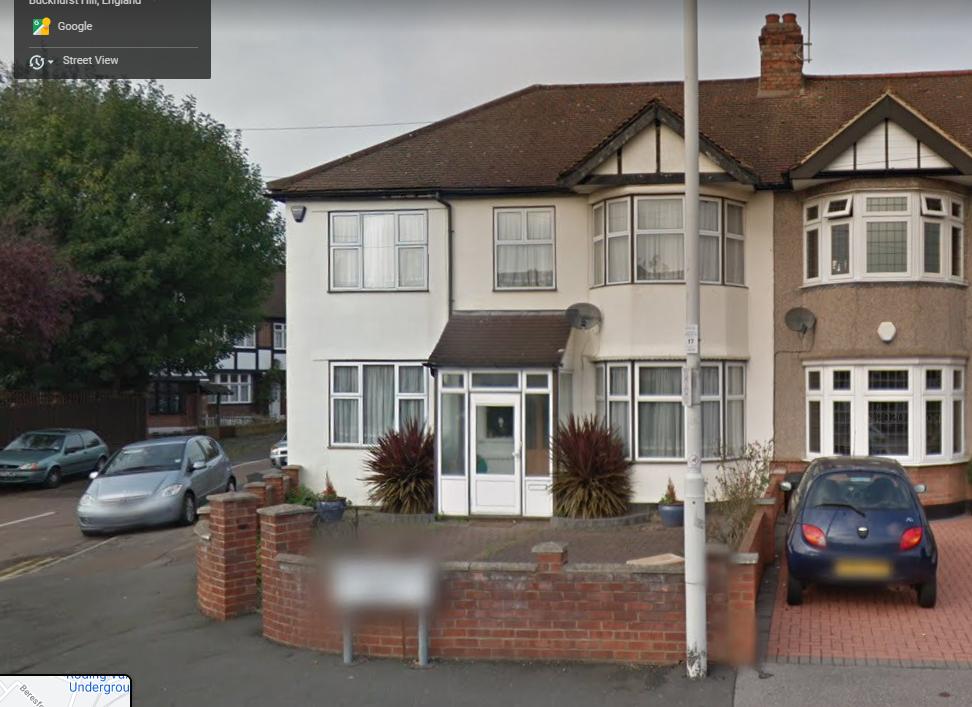
281, Buckhurst Way, Buckhurst Hill, Redbridge, Essex, IG9 6JB
From British Chess Magazine, Volume LXXXVII, Number 7 (July), pages 195-6 we have an obituary written by Peter Clarke :
The death of Dr. Fazekas on May 3rd has deprived British chess of one of its leading and most colourful figures. Ever since he came to this country nearly thirty years ago he took an active part, in the game at all levels, from club to international, rarely missing the chance – even when not in the best of health- to test his strength in competition and express his ideas afresh.
Stefan Fazekas was born on March 23rd, 1898, at Sitoraljaujhely on the Hungarian-Czechoslovak border, but it was not until a few years after the Great War, in which he served and was wounded, that he got the opportunity to play serious tournament chess. By present-day standards, however, events were few and far between, and the game always had to take second place to his medical work.
The Doctor’s best international performances, for which he was later awarded the master title by F.I.D.E., came in the ‘thirties. In 1931, for instance, he was 2nd at Kosice, 3rd at Brno and 3rd at Prague. As it remained throughout his career, his play was excessively variable: fine conceptions were always liable to be ruined by blunders or impetuosity. The following game, played at Munchentratz in 1933, shows all going well; it earned inclusion in Le Lionnais’ anthology Les Prix de beauté aux échecs.
In 1939 Dr. Fazekas brought his family to England and established himself as a successful and much loved G.P. at Buckhurst Hill, Essex. He soon took a dominating part in county chess and went on to win the championship eleven times. In national events his inconsistency seemed too great a handicap, but at Plymouth in 1957, after so many tries, he astounded everyone by winning the British Championship in front of, among others, Alexander and Penrose.
(Ed. He was the oldest person to win the British Championship at 59 years of age.)
The next year fate struck him a cruel blow when he was left out of the B.C.F. team for the Munich Olympiad. Yet after returning the trophy in protest he overcame his bitterness and took his place once more in the championship tournament-he could not resist the thrill of the struggle.
Knowing that his best over-the-board days were behind him, the Doctor decided to go in for correspondence chess in 1959, and he at once found himself surprisingly at home in it. Here his old weaknesses could be set aside and his vast experience put to good use. Moreover, his great love for chess enabled him to devote hours of work to the analysis of a single move if necessary.
His rapid successes in this field won him a place in the Semi-Finals of the 5th World Correspondence Championship (where he finished 4th out of 14) and led to his being chosen as Board 1 for the British team in the 5th Olympiad. On the results of these events he was awarded the title of international C.C. master. That he deserved it may be judged from this fine strategic win against a grandmaster (C.C.) opponent in the individual tournament.
At the time of his death Dr. Fazekas had made a score of 5 out of 7 in the Olympiad Final and was still engaged with Zagorovsky of the U.S.S.R., a performance which showed his correspondence play to be close to grandmaster standard. And to end one’s days actually playing a World Champion is a distinction which I am sure would have appealed to this Doctor’s rich sense of humour.
While Dr. Fazekas’ social work as a humanist was for the peace of the world, in chess he was noted as a great fighter, in some ways reminiscent of Lasker. There was no retirement for him.
At Ilford in 1965 and 1966 he eagerly took on and held his own with a generation fifty years his junior, and this year he had once again qualified to play in the British Championship. The tournament at Oxford will not seem quite the same without him. I and his many friends will miss his wit and ebullience, his generosity, his love of life and chess.-P. H. C.
From The Encyclopaedia of Chess (Batsford, 1977), Harry Golombek OBE:
“International Master and British Champion 1957. A dangerous attacking player but weak in positional play. Fazekas was born at Satoraljaujhely on the Hungarian-Czechoslovakian border. In the earlier part of his career he was Czechoslovak. This period comprised his international career and he was awarded the title of international master many years later after he had emigrated to England in 1939.
It was his results in 1931 that gained him the title: 2nd at Kosice, 3rd at Prague and 3rd at Brno ahead of Honlinger, Mikenas, Noteboom and Rellstab.
In England he became much-respected general medical practitioner, and was therefore really an amateur at chess since he devoted himself to his profession. But he played much club and county chess and was eleven times champion of his county, Essex.
In 1957, almost out of the blue, he won the British Championship in a strong year that included Penrose and Alexander.
He played a number of times in the championship after that, but never looked like gaining the title since increasing years took their toll. He was in fact the oldest player ever to have won the British Championship.
In 1959 he took up correspondence chess and became an international correspondence chess master.”
From The Encyclopaedia of Chess (Robert Hale, 1970 & 1976), Anne Sunnucks:
“International Master (1953), International Correspondence Chess Master and British Chess Champion in 1957.
Fazekas was born in Satoraljaujhely on the Hungarian-Czechoslovakian border, on 23rd March 1898. He was awarded the title of International Master for his performances in the 1930s, which included 2nd at Kosice 1931; 3rd at Brno 1931 and 3rd at Prague 1931.
In 1939 he emigrated to England, where he practised as a general medical practitioner at Buckhurst Hill in Essex. Chess always took second place to his profession, and his tournament appearences were limited. He played regularly in county and club events and was 11 times champion of Essex.
In 1957, to everyone’s surprise, he won the British Championship, ahead of such players as Penrose, Alexander, Clarke, Wade and Milner-Barry. Shortly after this victory came a bitter blow to Fazekas when he was not selected as a member of the British Chess Federation team for the 1958 chess Olympiad at Munich.
Fazekas returned the championship trophy in protest at his exclusion and the controversy over whether he should or should not have been selected raged for many months.
Dr. Fazekas’s love of chess eventually overcame his resentment and he continued to appear regularly in the British Championship, but never again repeated his success.
In 1959, he took up correspondence chess and reached the semi-finals of the fifth World Correspondence Chess Championship and was selected to play on top board for the British team in the Fifth Correspondence Chess Olympiad. This event was still in progress at the time of this death. He died on 3rd May 1967, at his home in Buckhurst Hill.”
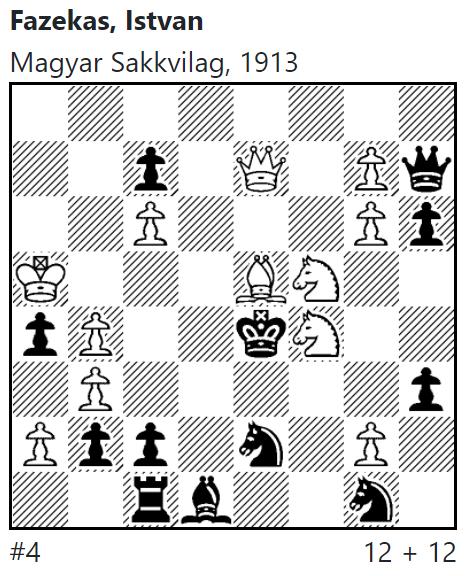
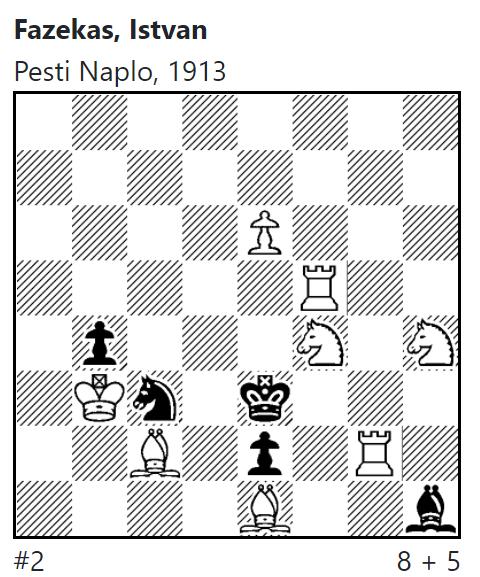
In his early days he was a successful composer of problems:
Fazekas, Istvan Magyar Sakkvilag, 191, Meson database PID: 191037Fazekas, Istvan Pesti Naplo, 1913, Meson database PID: 190116
From Chessgames.com :
“Dr Stefan (ne Istvan) Fazekas was born in Satoraljaujhely, Hungary. Awarded the IM title in 1953 and the IMC title in 1964, he was British Champion in 1957 and is the oldest player ever to have won the title. He passed away in 1967 in Buckhurst Hill, Essex, England.”
We focus on the British Chess Scene Past & Present!
This website uses cookies to improve your experience. We'll assume you're ok with this, but you can opt-out if you wish. Cookie settingsACCEPT
Privacy & Cookies Policy
Privacy Overview
This website uses cookies to improve your experience while you navigate through the website. Out of these cookies, the cookies that are categorized as necessary are stored on your browser as they are as essential for the working of basic functionalities of the website. We also use third-party cookies that help us analyze and understand how you use this website. These cookies will be stored in your browser only with your consent. You also have the option to opt-out of these cookies. But opting out of some of these cookies may have an effect on your browsing experience.
Necessary cookies are absolutely essential for the website to function properly. This category only includes cookies that ensures basic functionalities and security features of the website. These cookies do not store any personal information.
 Save as PDF