Category Archives: 4NCL

Remembering CGM Keith Richardson (02-iv-1942 10-iv-2017)

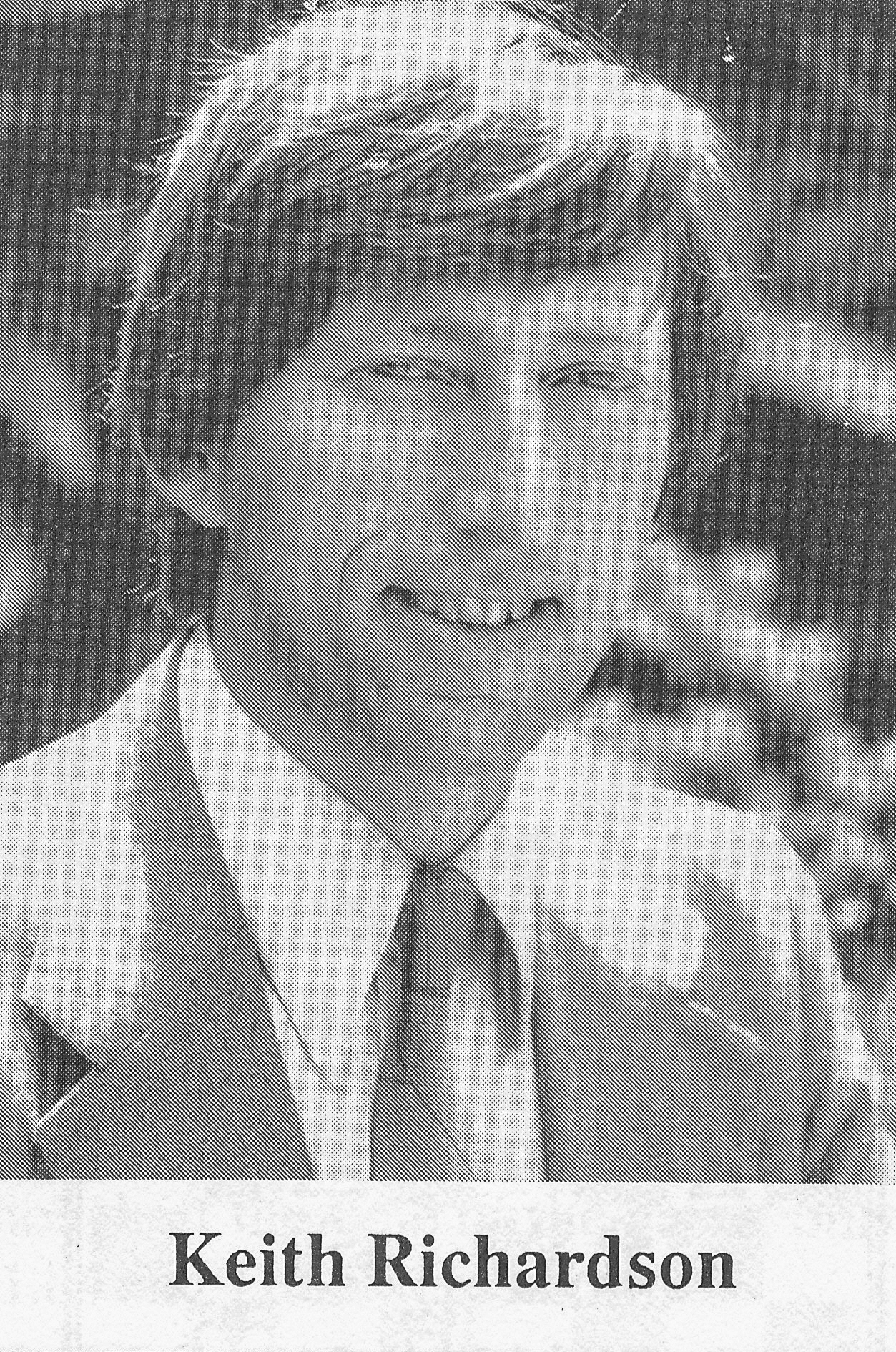
CGM Keith Richardson

BCN remembers CGM Keith Richardson who passed away on Monday, April 10th, 2017.

Keith Bevan Richardson was born in Nottingham, on Thursday ,April 2nd 1942. On this day : The comedy film My Favourite Blonde starring Bob Hope and Madeleine Carroll was released.

Keith’s parents were Arthur (30) and Hilda May (née Nicholls, 25). He married Sandra Sowter on the 11th of September 1971 in Sutton Coldfield, Warwickshire. They had two children, Neil and Ian. They lived at 19, The Ridings in Camberley, Surrey.

Sadly, Keith was diagnosed in the 1990s with Parkinson’s disease and became unwell whilst playing in a chess tournament in Cannes in April 2017 and passed away on the 10th of May 2017. Keith was 75. He continued to actively play chess into his final year.

CGM Keith Richardson

Keith was the Treasurer of the Friends of Chess during the period known the English Chess Explosion (late 1970s and 1980s).

Keith received the ECF President’s Award in 2015 for services to the management of the BCF Permanent Invested Fund (PIF) together with Dr. Julian Farrand and Ray Edwards.

From CHESS, Volume 41 (1975), Numbers 729-730 (September), pp. 380 the news of Keith’s success was initially reported:

“BRITAINS’ FIRST CHESS GRAND MASTER

The first grand master title to be won by a British player has been achieved in the field of correspondence chess by Keith B. Richardson, aged 33, of Camberley.

The title of Correspondence Chess grand master is awarded by the lnternational correspondence Chess Federation. Keith Richardson fulfilled the norm by sharing third place in the final of the 7th World Correspondence Chess Championship with a score of 11 points from 16 games. The tournament began in February 1972 and results of the last adjudicated games were recently announced making J. V. Estrin U.S.S.R. first with l2 points; J. Boey Belgium scored 11.5; K. B. Richardson G.B. and Dr. V. Zagorovski U.S.S.R. 11.

There are only 25 Correspondence Chess Grand masters throughout the world.”

This was followed in the next month’s issue by a correction and more depth in CHESS, Volume 41 (1975), Numbers 731-732 (October), pp. 30-31:

“K. B. Richardson, though the first Britain to become a grand master by play was preceded by Comins Mansfield as grandmaster of problem composition, a title he gained in 1972. Our report last month did not make this clear.

Keith B. Richardson was born 2 April 1942 and was educated at Nottingham High School. At 16, he passed Grade 8 in Royal
Schools of Music at pianoforte. At Durham University, he obtained a B.A. in French and German and was awarded the University Palatinate (equal to a ‘blue’) in cricket and fives. He could have become a professional cricketer or a concert pianist but
made his career instead with Barclays Bank which brought him to London and a home in Camberley, Surrey, where he has settled down with his wife, Sandra (from Sutton Coldfield!). They now have two baby sons, Neil aged three years and Ian who is only two months old – both born since the final of the 7th World Correspondence Chess Championship began.
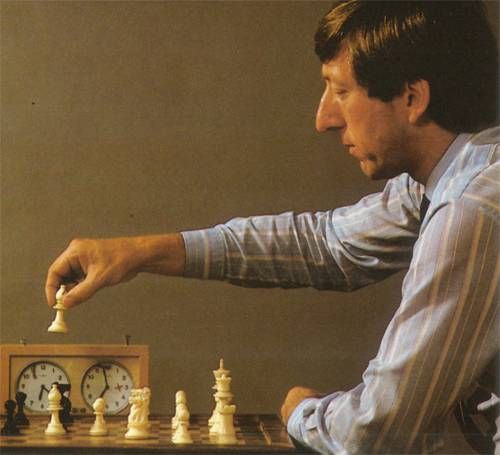
CGM Keith Richardson (from a Barclays Bank publicity article)
CGM Keith Bevan Richardson (from a Barclays publicity article)

Keith’s other interests include bridge and squash. He plays squash for his bank and is Secretary of the London Squash League. As a young chess player, Keith won the Notts. under l4 Championship, held the Notts. under l8 Championship for four years and the Notts. Championship for two years and was British Junior Champion in 1962. In 1963, he was Durham County Champion and joint winner of the British Universities’ Championship which he won outright the following year. He was twice captain of the British Universities Students’ Olympiad team. He held the Midlands Championship (Forrest Cup) for three years and was joint London Champion and London Banks’ Champion in 1970 but has been content to hold the latter title since then and concentrate on correspondence chess.
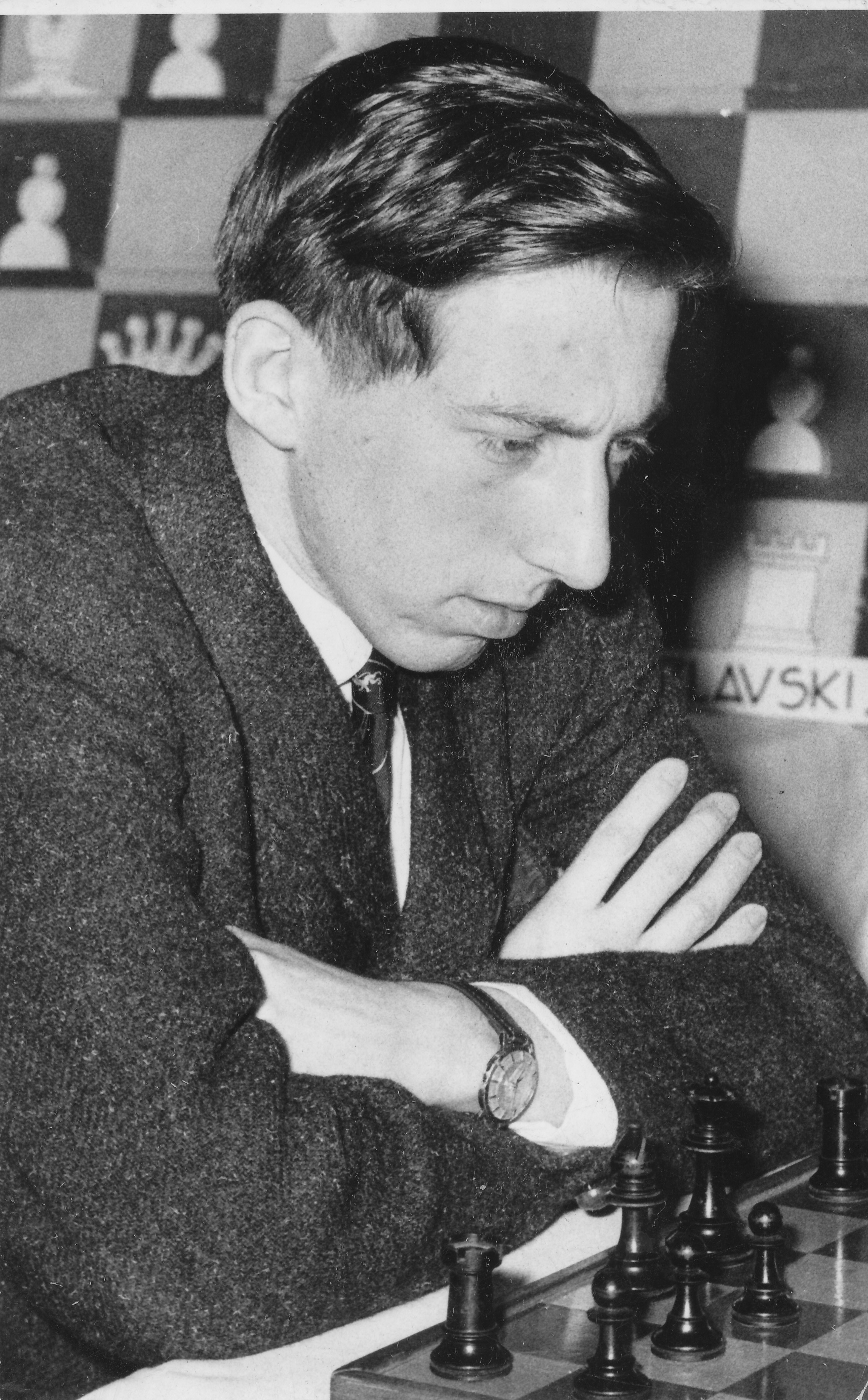
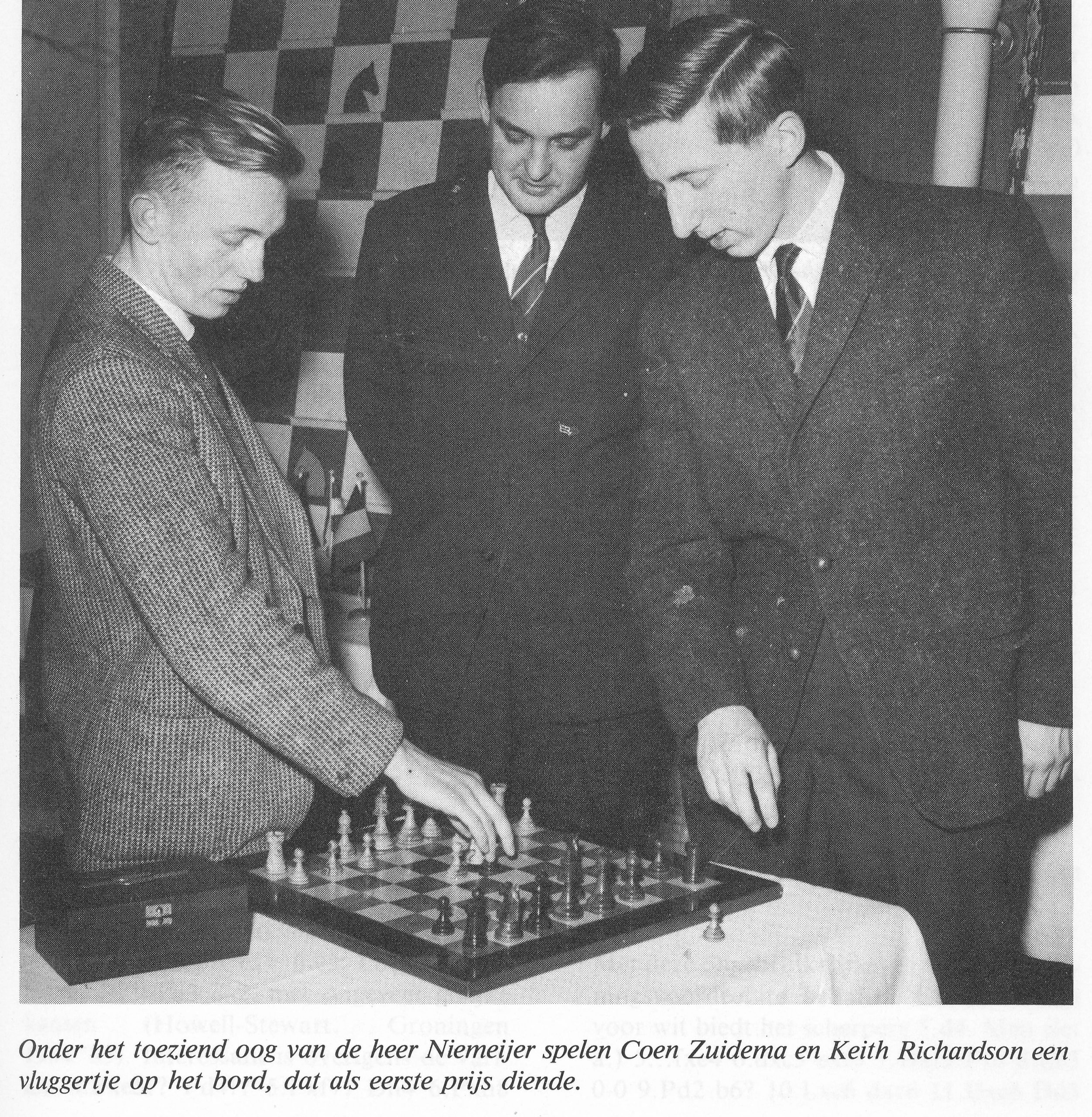
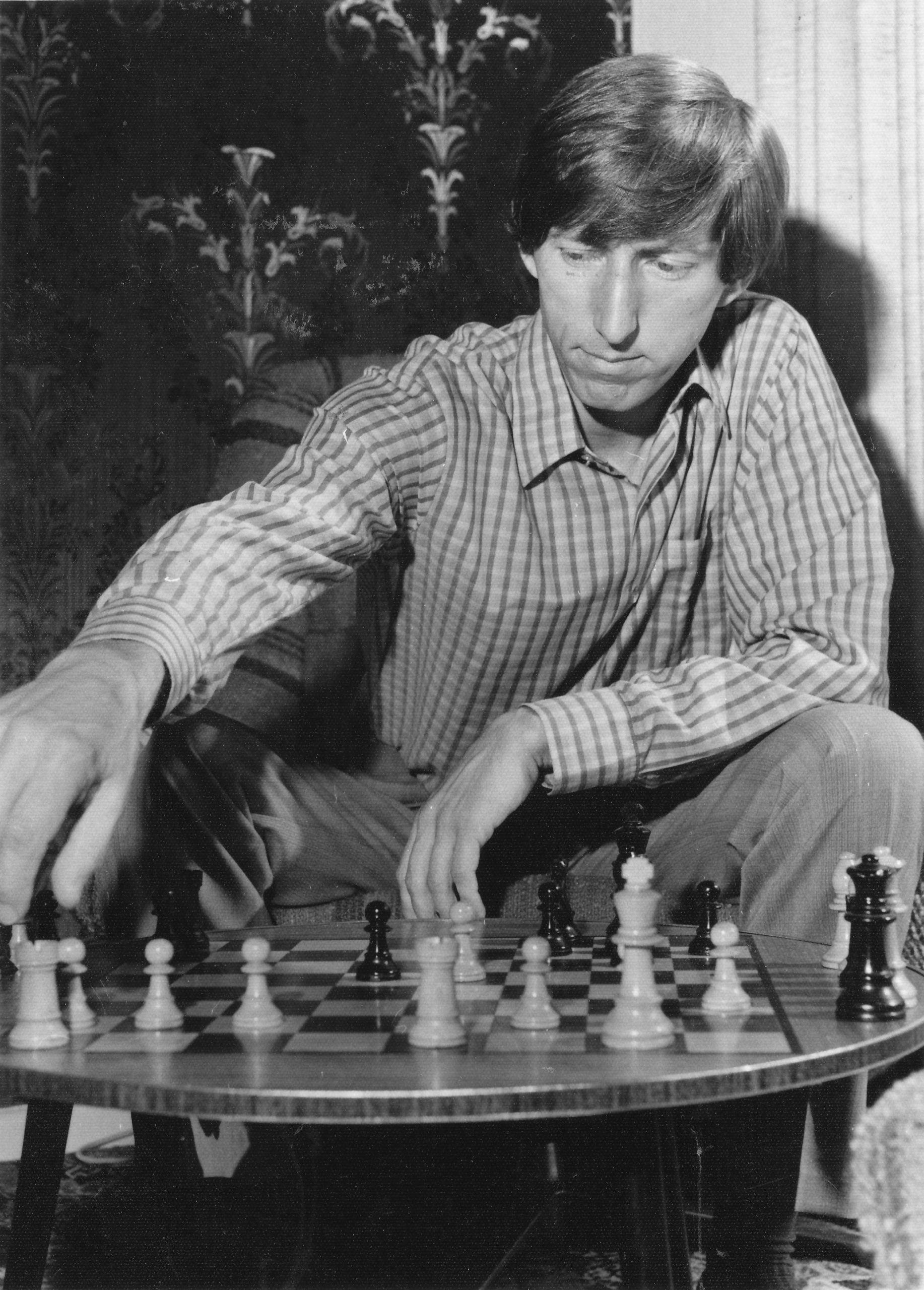
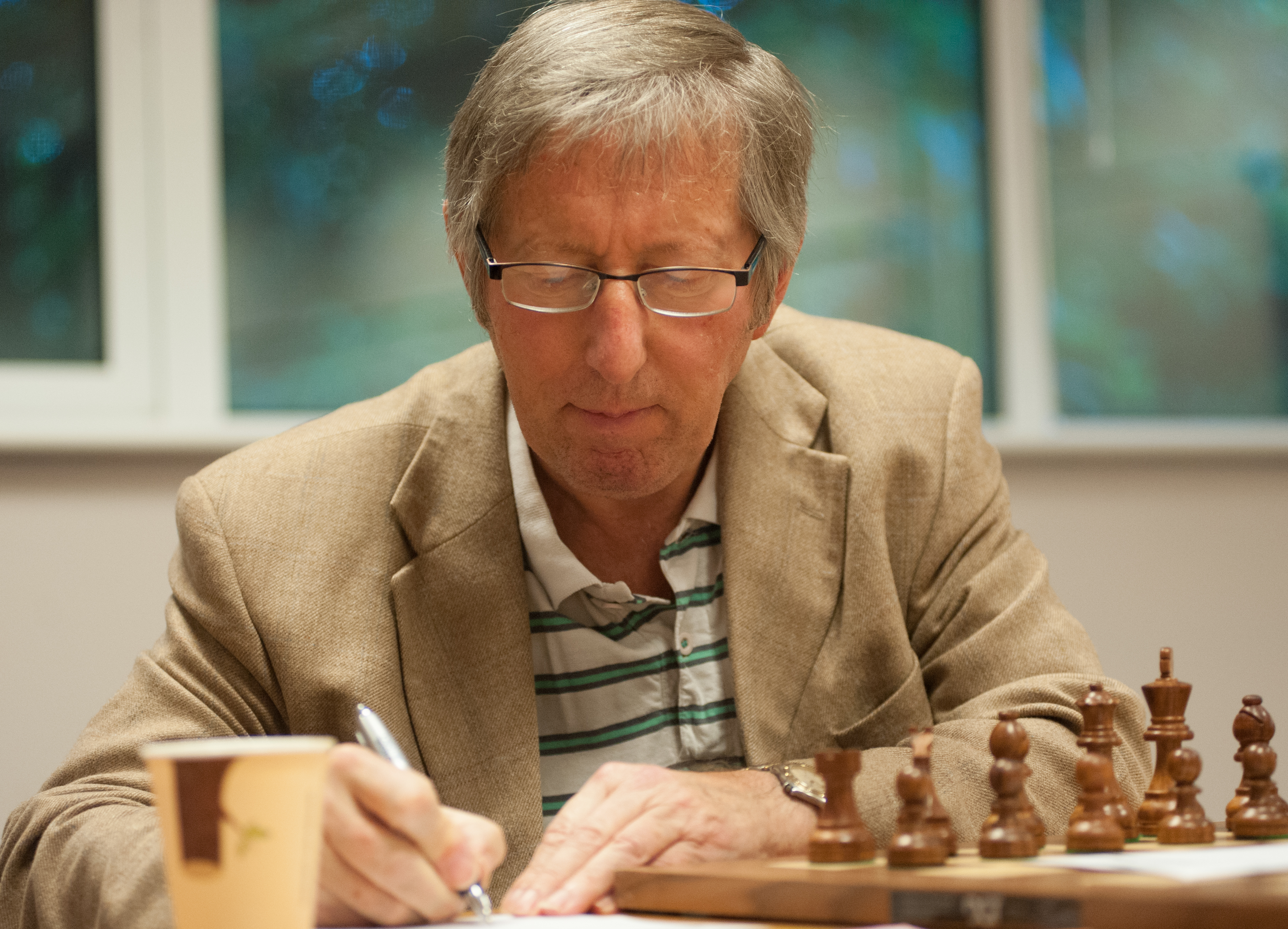
Keith Richardson at the 1963 Niemeyer Under-21 Tournament in Groningen. The forerunner of the European Junior Championship
Keith Richardson aged 20 at the 1963 Niemeyer Under-21 Tournament in Groningen. The forerunner of the European Junior Championship
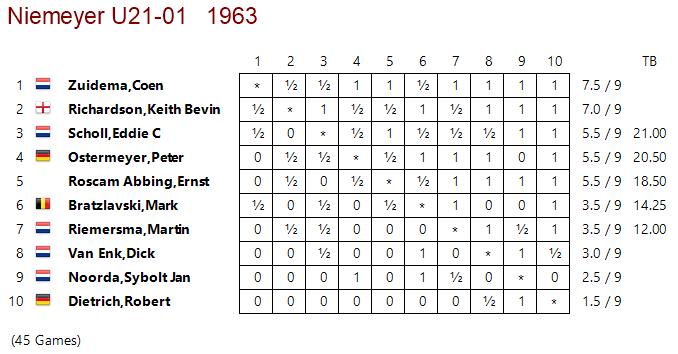
Niemeyer Under-21 Tournament, Groningen 1963. The forerunner of the European Junior Championship.
Under the watchful eye of Mr. Niemeijer, Coen Zuidema and Keith Richardson play a quickie on the board, which served as an honorary prize. Source : Groningen 25 Jaar Europees Schaak Internationale Toernooien 1963 -1987, ISBN 90 9001 500 0

In 1964, Keith Richardson was runner up for the British Correspondence Chess Championship and at the same time won a Master Class tournament of the lnternational Correspondence Chess Federation (I.C.C.F.) which qualified for a place in the World C.C. Championship semi-final. He came second in the 1965-67 semi-final and tried again in the 1968-71 event which he won. At the same time, he was representing Great Britain on Board 5 in the 1965-67 I.C.C.F. Olympiad Preliminary and on Board 4 in the 1968-71 event. His score of 5 points from 7 games helped the British team to win its section in the 1968-71 Preliminary and qualify for a place in the I.C.C.F. Olympiad Final which started in 1972. When Keith began play in the World C.C. Championship Final involving l6 tames, he was also asked to take Board 3 in the Olympiad Final involving another 9 games.

He accepted – a mistake which might possibly have cost him the World C.C. Championship! His next assault on the World title will be in 1979 and in the meantime he plans to play in the next I.C.C.F. Olympiad Preliminary and write a book on the 7th World C.C. Championship.

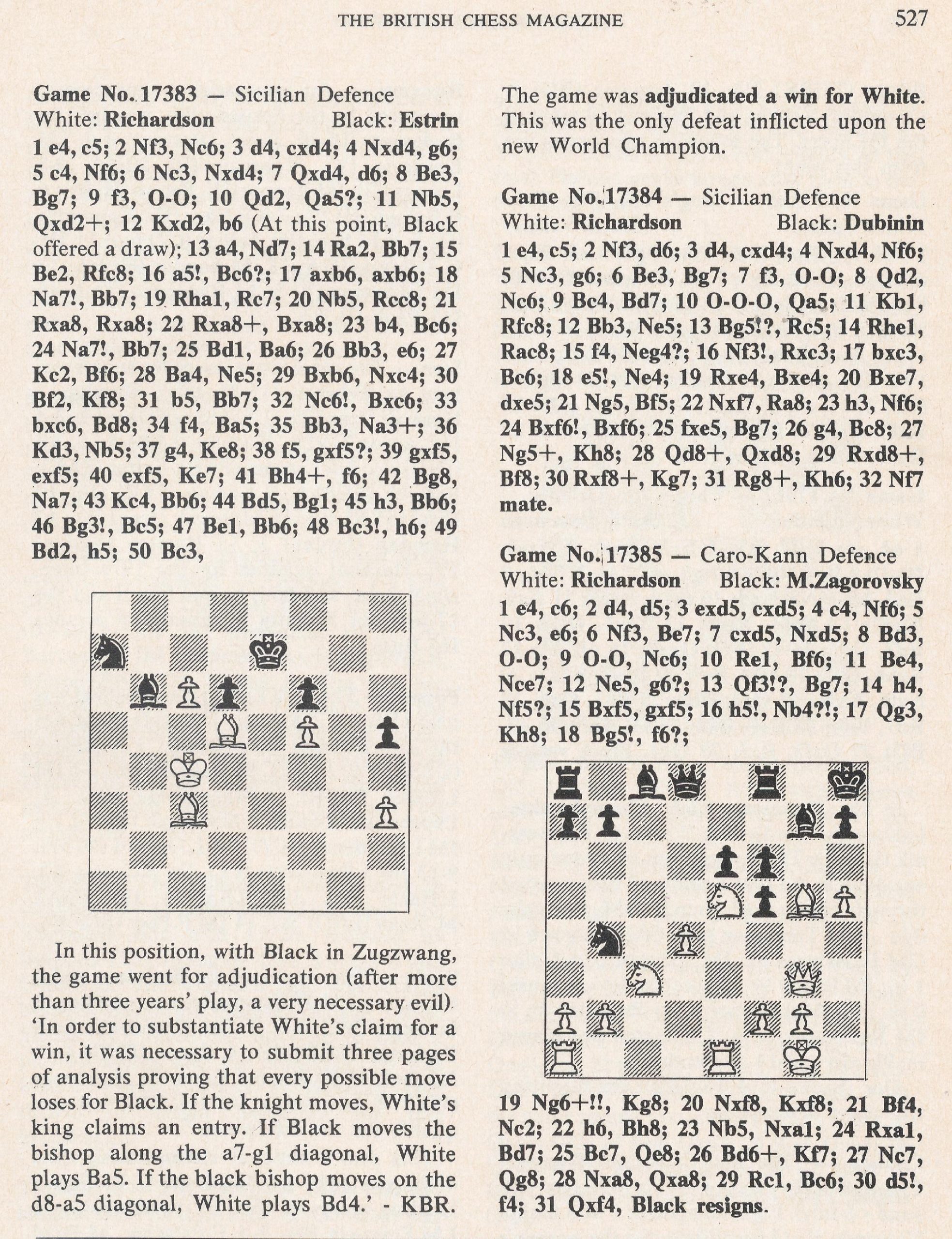
In this position, with Black in Zugzwang, the game went for adjudication (after more than three years’ play, a very necessary evil):

“In order to substantiate White’s claim for a win, it was necessary to submit three pages of analysis proving that every possible move loses for Black. If the knight moves, White’s king claims an entry. If Black moves the bishop along the a7-g1 diagonal, White plays Ba5. If the Black bishop moves on the d8-a5 diagonal, White plays Bd4 : KBR”

The game was adjudicated a win for White. This was only defeat inflicted upon the new World Champion.
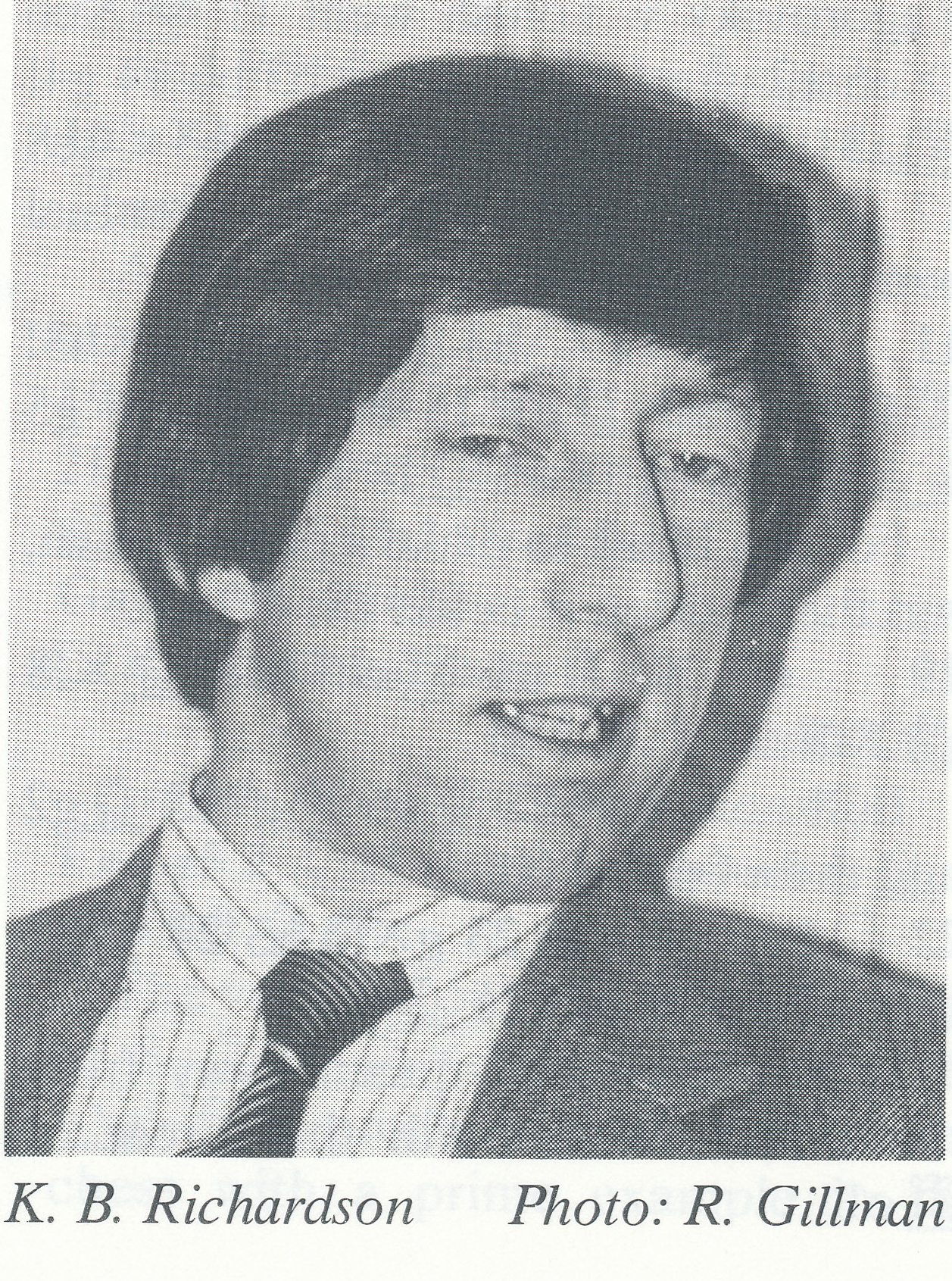
CGM Keith Richardson in 1975

This article was followed (with some glee no doubt) by an article in  British Chess Magazine, Volume LIXIV (95, 1975), Number 12 (December), page 526 as follows:

“Keith B. Richardson recently became the third British player to receive a grandmaster title (the other two both in 1972, are Comins Mansfield for chess composition’ and R.W. Bonham’ correspondence grandmaster of the blind). The title of Correspondence Chess Grandmaster is awarded by the International Correspondence  Chess Federation  (ICCF) and Keith Richardson fulfilled the norm by sharing third place in the final of the 7th World Correspondence Championship. Leading scores in the tournament (February 1972 – Summer 1975): 1. Y. Estrin (USSR) 12/16; J.Boey (B) 11.5; 3-4 K.B. Richardson (ENG), V. Zagorovsky (USSR) 11; etc.

Keith, born 2nd April1942, was educated at Nottingham High School and Durham University-. He won the Nottinghamshire U-14 Championship, held the Notts U-18 championship for four years, the senior Notts  Championship for two years and was British Junior Champion in 1962. In 1963, he was  Durham County Champion and joint winner of the British Universities Championship  which he won outright the following year. He was twice captain of the British team in Students Olympiads.
Keith Richardson from BCM, 1984, page 545

In 1964 Keith left university to make a career with Barclays Bank.  In the same year he was runner-up in the British Correspondence Championship and won an ICCF master tournament which qualified him for a place in the World Championship final. He came second in the 1965-7 semi-final, tried again, and won the 1968-71 event thus gaining entry to the 7th final.

Keith Richardson lives in Surrey at Camberley. He is married and has two baby sons – both born since the final of the 7th World Correspondence Championship began. At present he is writing a book on the 7th Championship and, for a change playing some OTB (over-the-board) chess in the London League for the Athenaeum club, to which he makes a great contribution – it is a marvellous feeling to know  that the player next to you (on your side!) is a grandmaster.
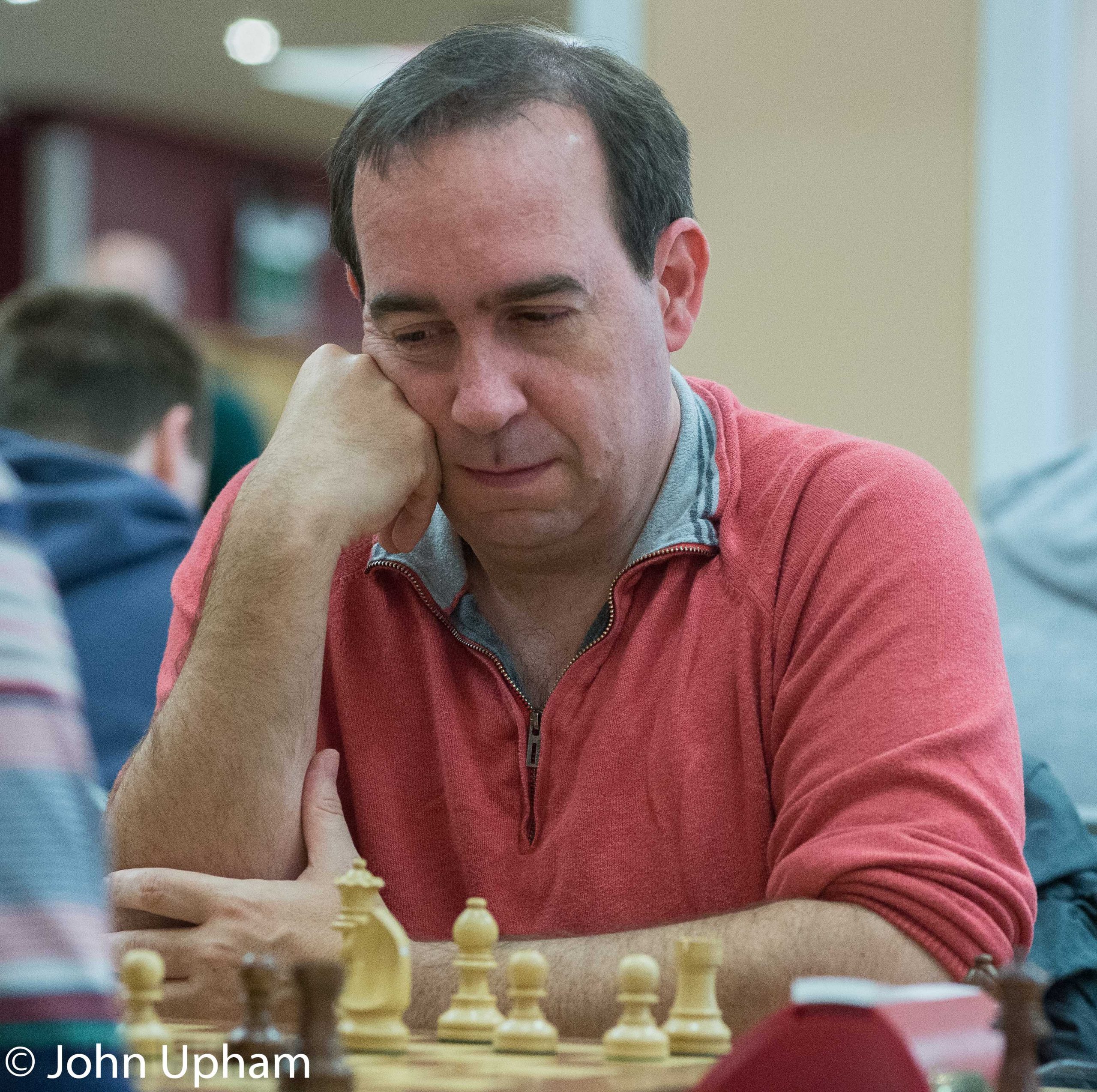
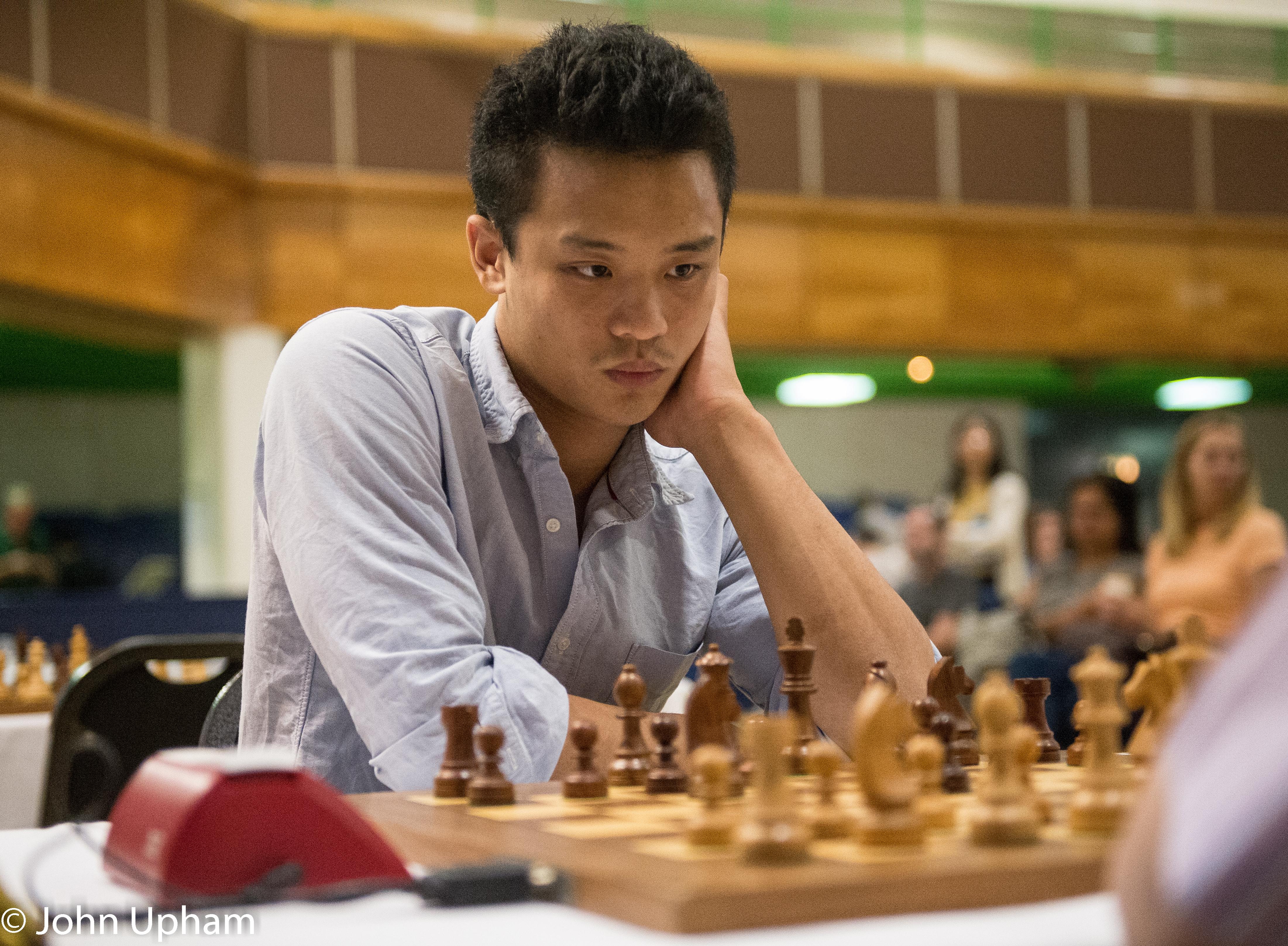
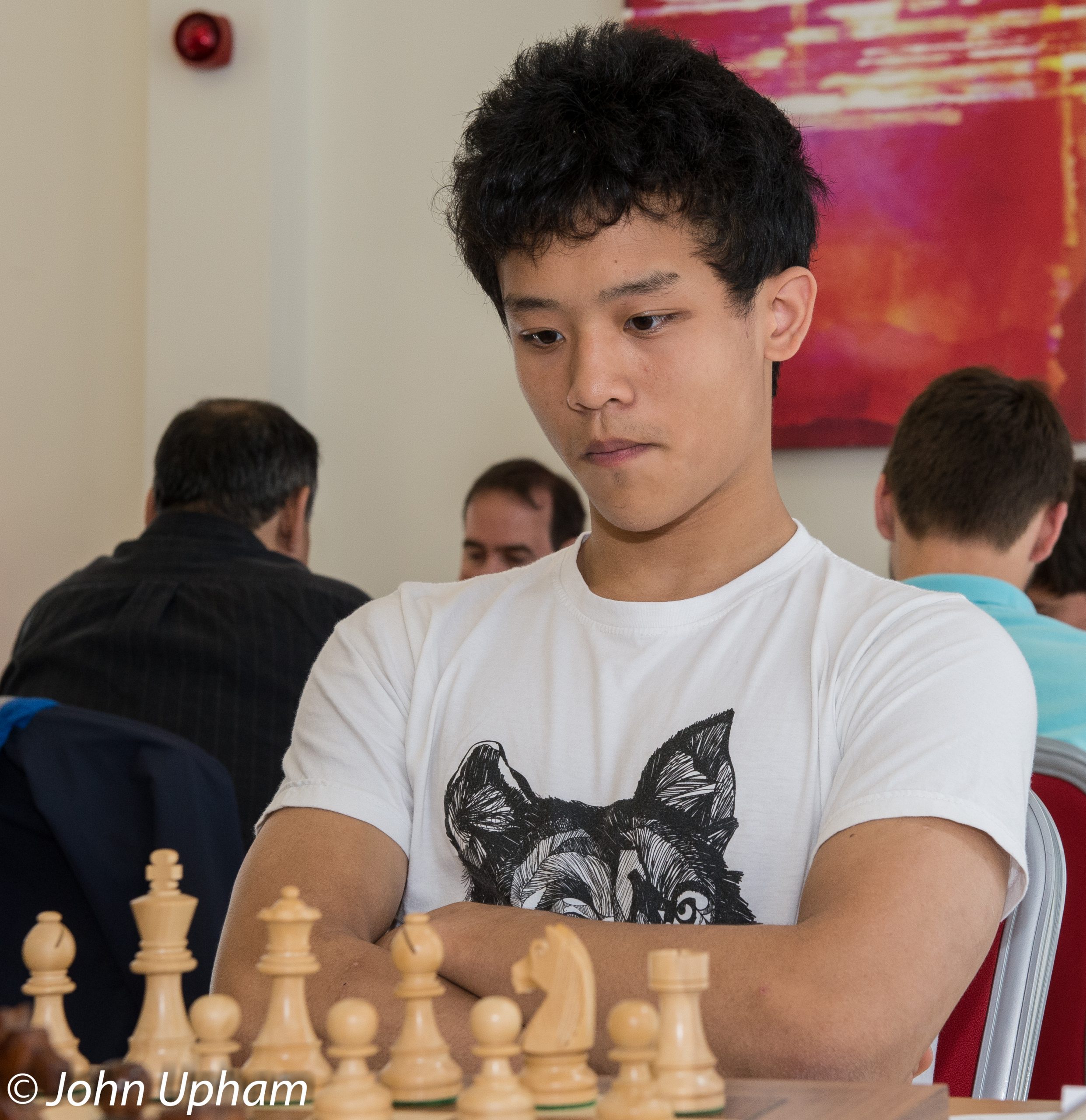
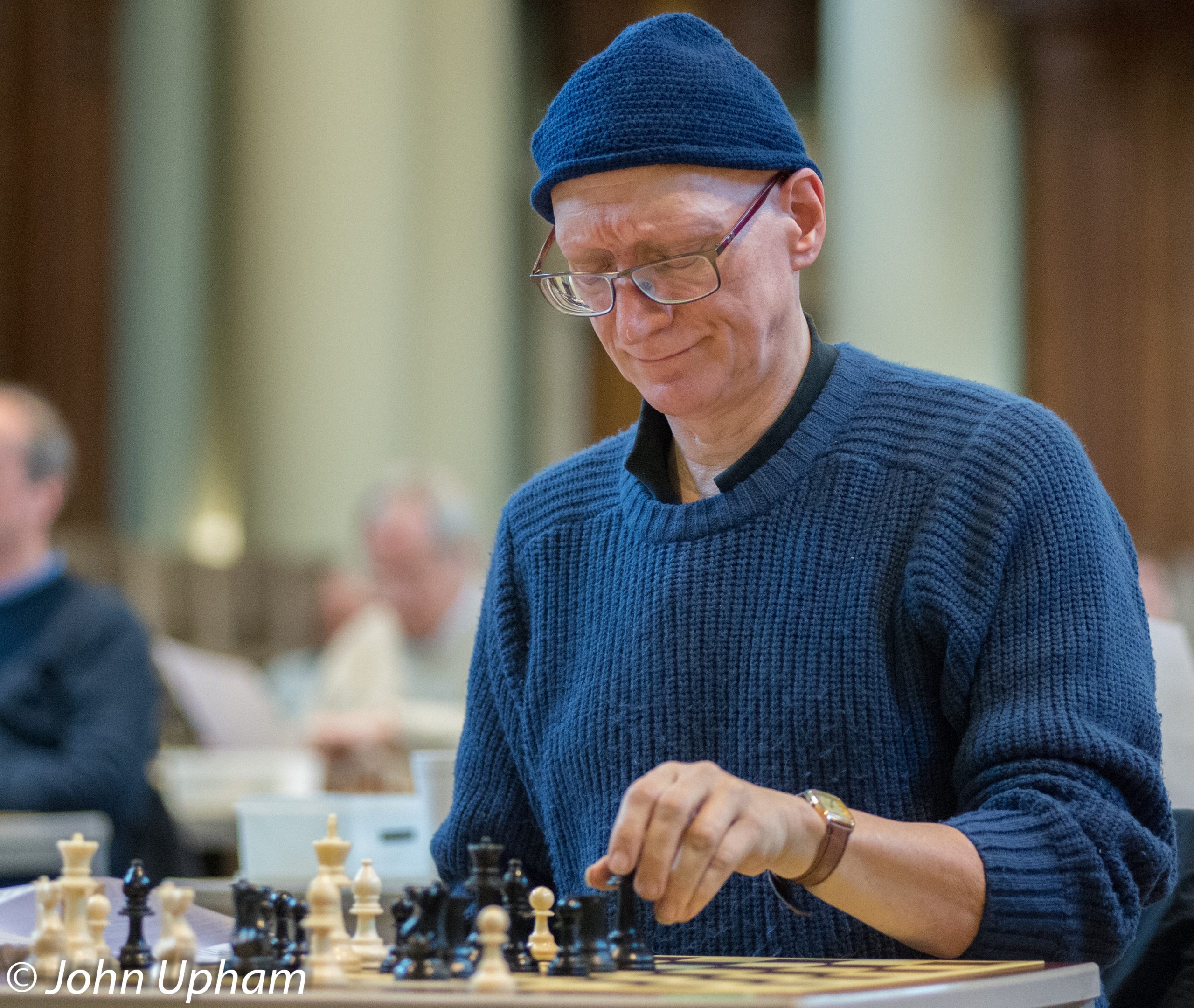
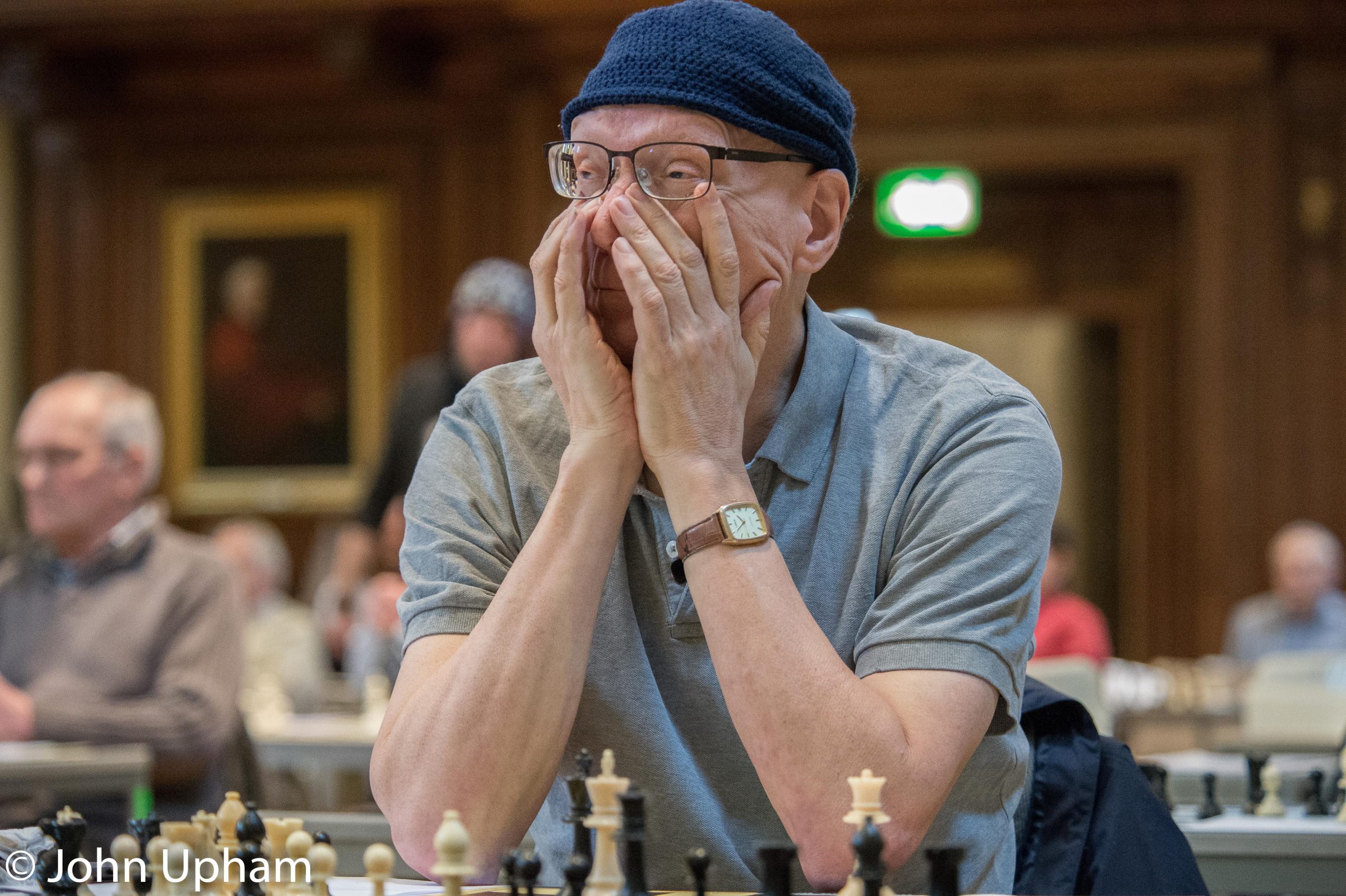
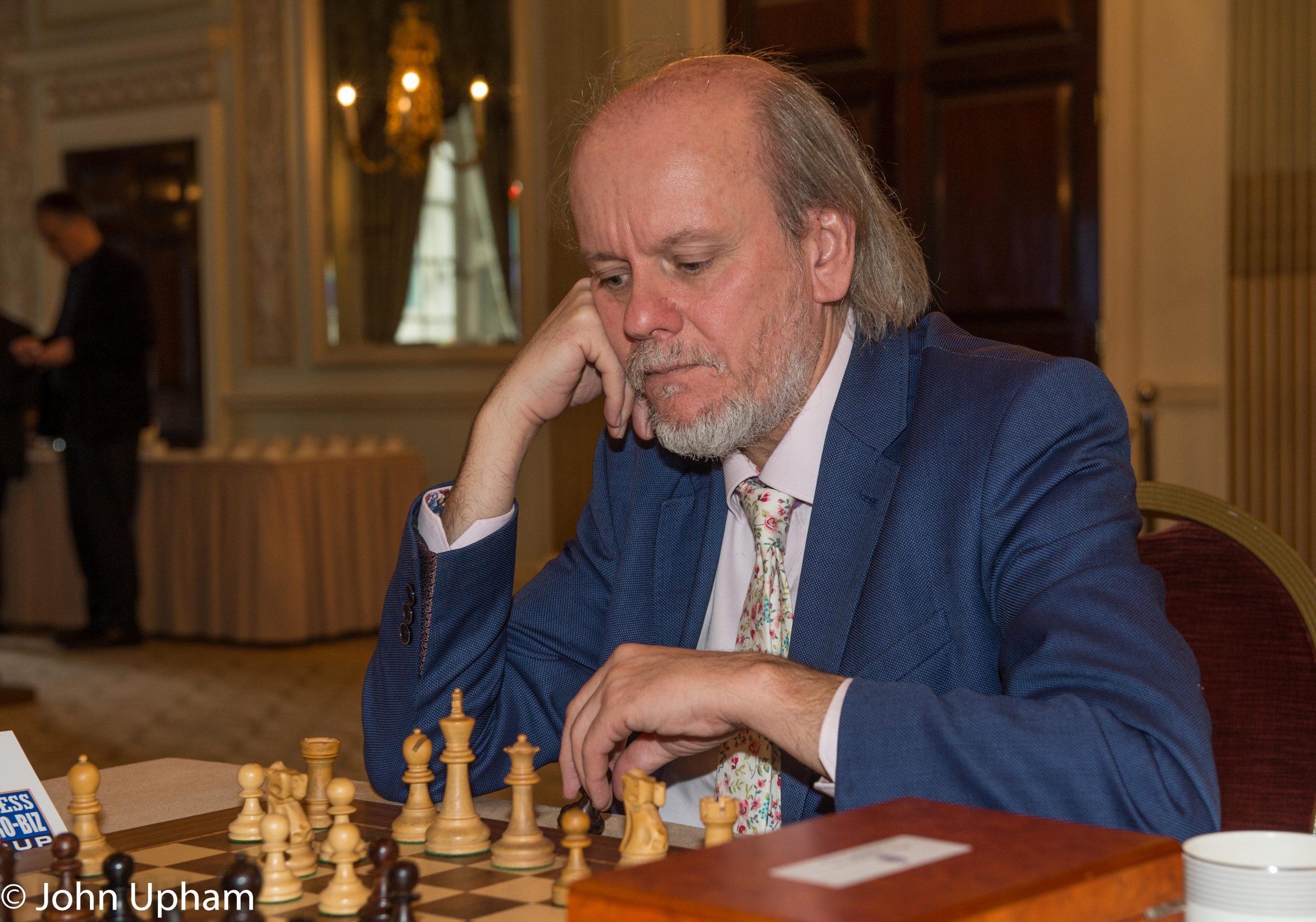
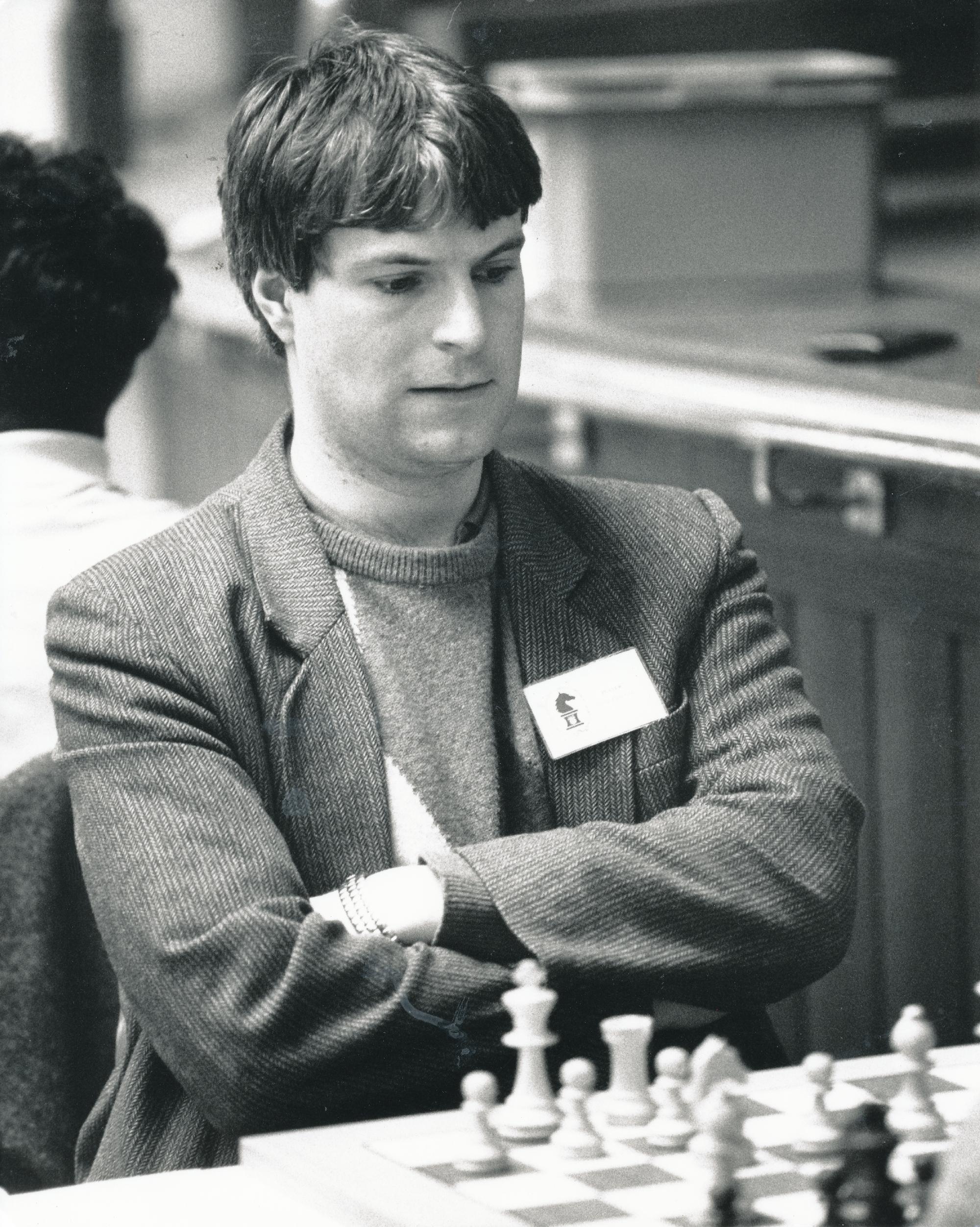
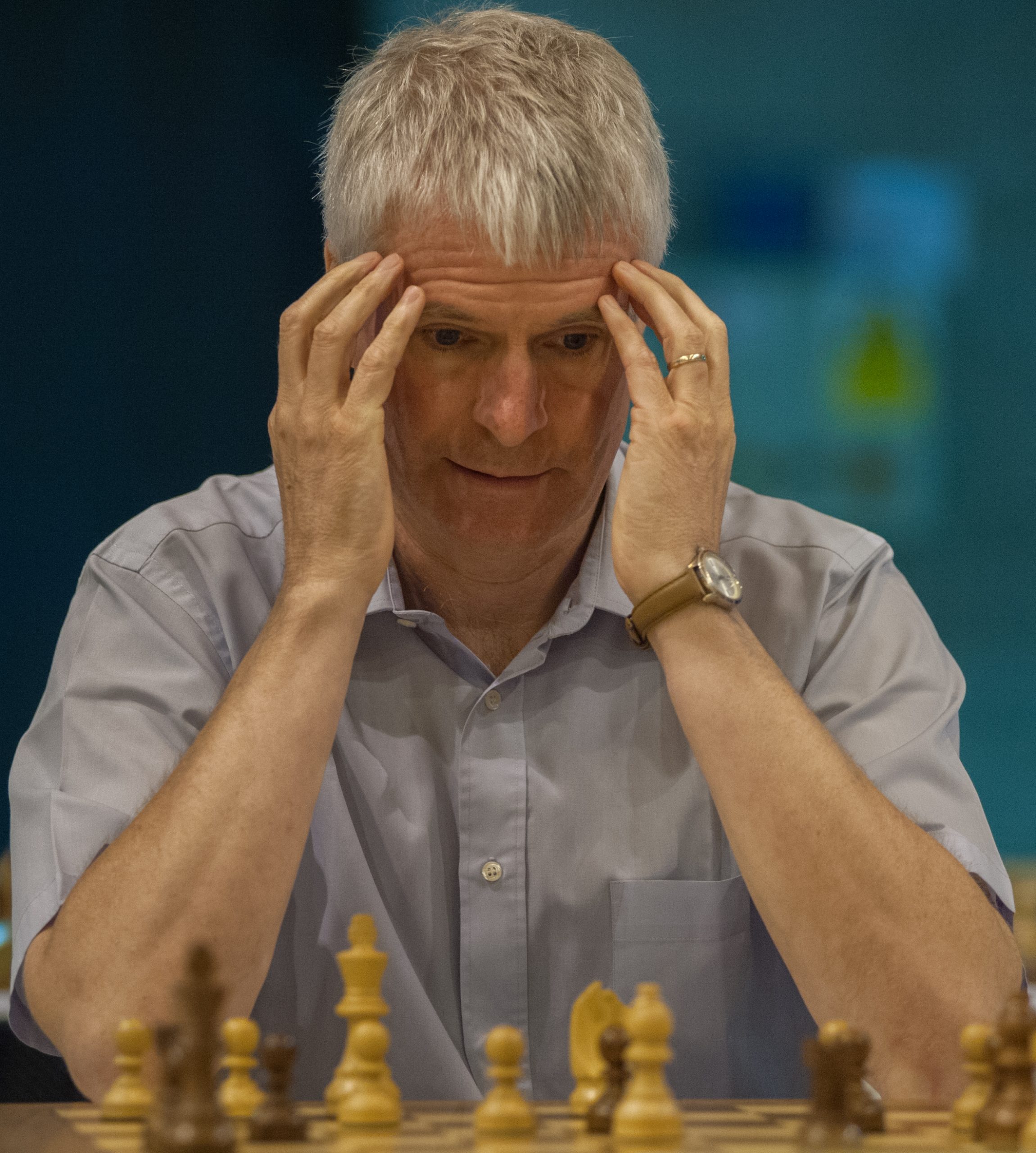
Keith Richardson playing for BCM Dragons in the Four Nations Chess League (4NCL, courtesy of John Upham Photography.

The following three games are – Keith’s best from  the -championship. In them he defeats three of the five Russians in the
tournament (his overall score against the Russians was 3.5/5 – a wonderful achievement.”

and here is the printed version of the above report:
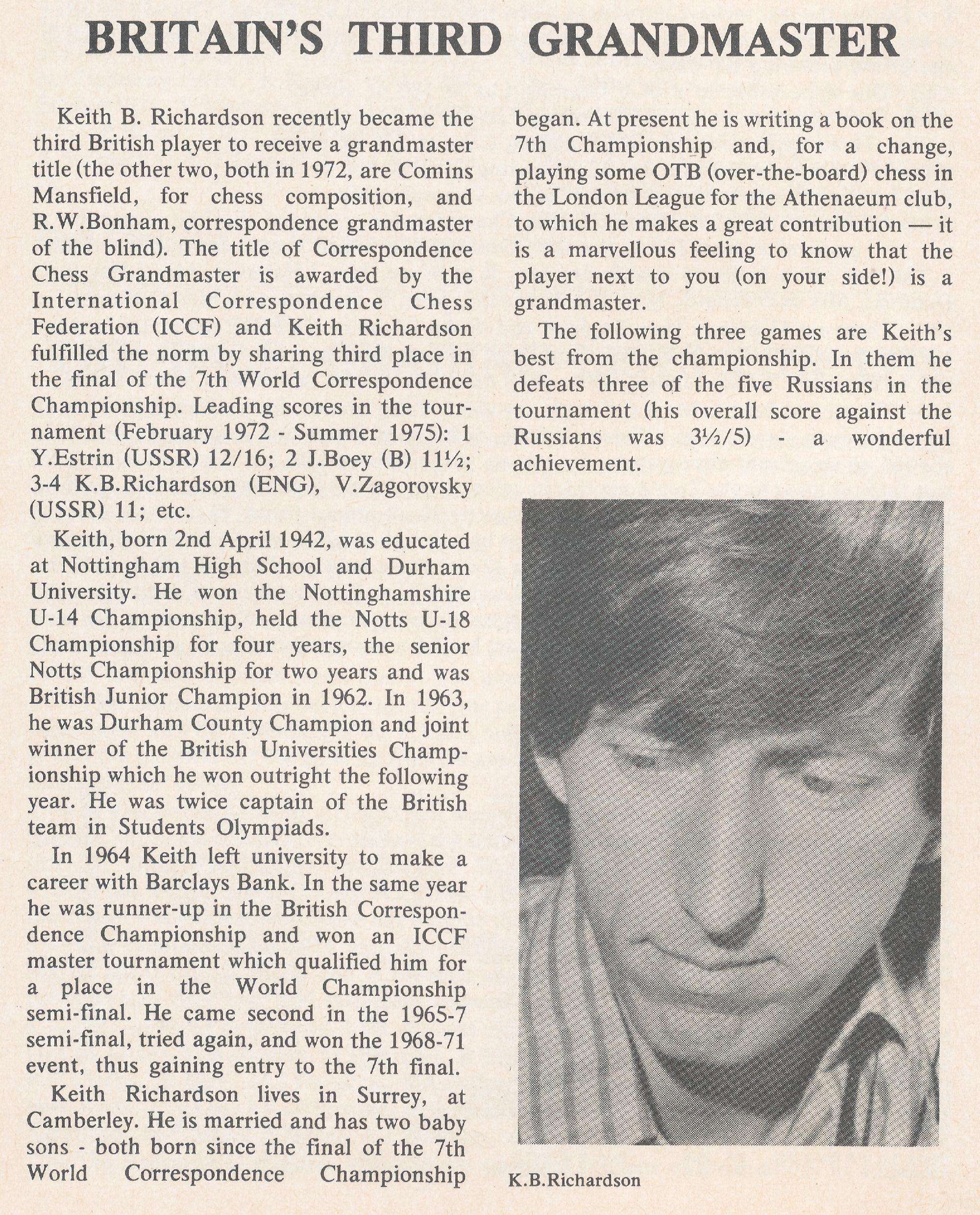
British Chess Magazine, Volume LIXIV (95, 1975), Number 12 (December), page 526
British Chess Magazine, Volume LIXIV (95, 1975), Number 12 (December), page 527

From The Encyclopaedia of Chess by Hooper & Whyld :

“English player. International Correspondence Chess Grandmaster (1975), bank manager. Around 1961 Richardson decided that over-the- board play, which had brought him some successes as a. junior, would interfere with his professional career and he took to postal chess instead. His best performance in this field was his sharing of third place with Zagorovsky after Estrin and Boey in the 7th World Correspondence Championship, 1968-71. ”

In October 1984 Keith took part in the A. E. Axelson Memorial tournament organised by the Swedish CC Committee and with fifteen grandmasters was one of the strongest CC tournaments in history.  Keith finished in 11th place ahead of Boey.

In 1991 Jonathan Berry wrote a potted biography in  Diamond Dust, International Chess Enterprises, ISBN 1-879479-00-1 as follows :

“Camberley, Surrey, England. Born 2 April 1942. Married with two sons. Bank Manager.

He was British Under-21 Champion in 1962. At Groningen 1962/63, he was placed 2nd in the European Junior Championship. At Bristol 1967 he was equal 5th in the British Championship.

In CC, he gained the IMC in 1968, GMC in 1975. In CC WCh VII, he won the semi-final with 9.5/12, and placed =3rd in the final, 11/16. In CC WCh X, he again tied for third in the final with 10/15. Playing board 3 for Britain in OL-VIII, finals, 1972-76, he scored 7.5/9, the highest score on any board. He won the Prefors Memorial, 1976-1980, 9.5.12”
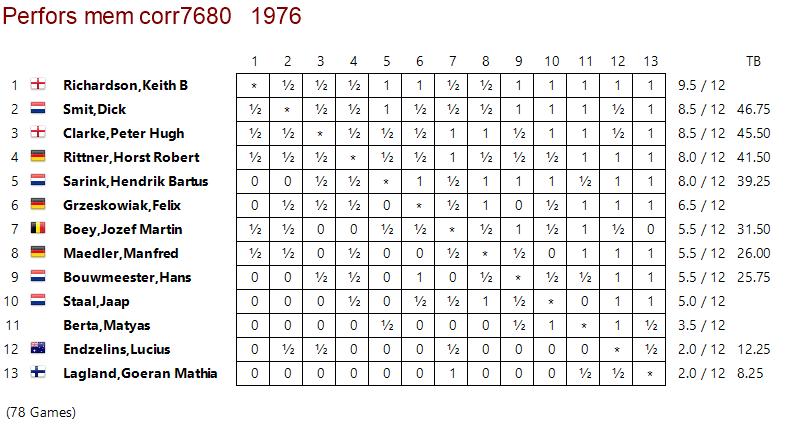
1976-1980 Prefors Memorial

Keith was a founding member of Camberley Chess Club in 1972.

A one-day tournament (The Keith Richardson Memorial) in memory of Keith was started in 2017 and has been held four times in total being played on-line for the first time in 2021.
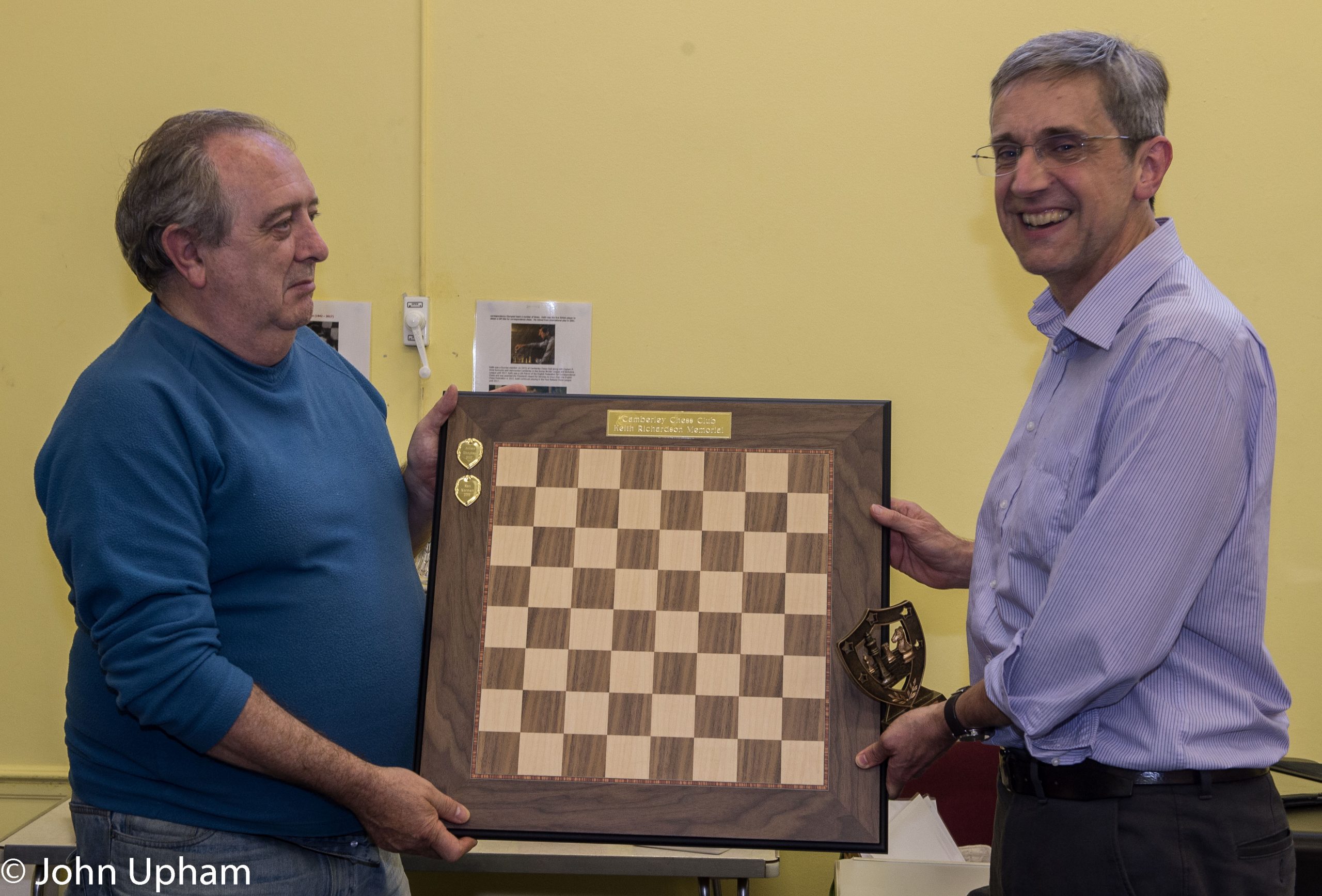
Ken Coates presents Clive Frostick with the trophy for the 2019 Keith Richardson Memorial Tournament.

From Chessgames.com :

“Keith Bevan Richardson was born in Nottingham, England. Awarded the IMC title in 1968 and the GMC title in 1975, he finished 3rd= in the World Correspondence Championships of 1975 and 1984.”

Here are his games from chessgames.com

An obituary from Ray Edwards / ECF.

Here is an excellent biography by Peter Rust from the web site of the Hamilton Russell Cup

Barclay’s Bank pay tribute to Keith on the corporate site.

Here is an entry from the Belgian chess history web site.

 Save as PDF
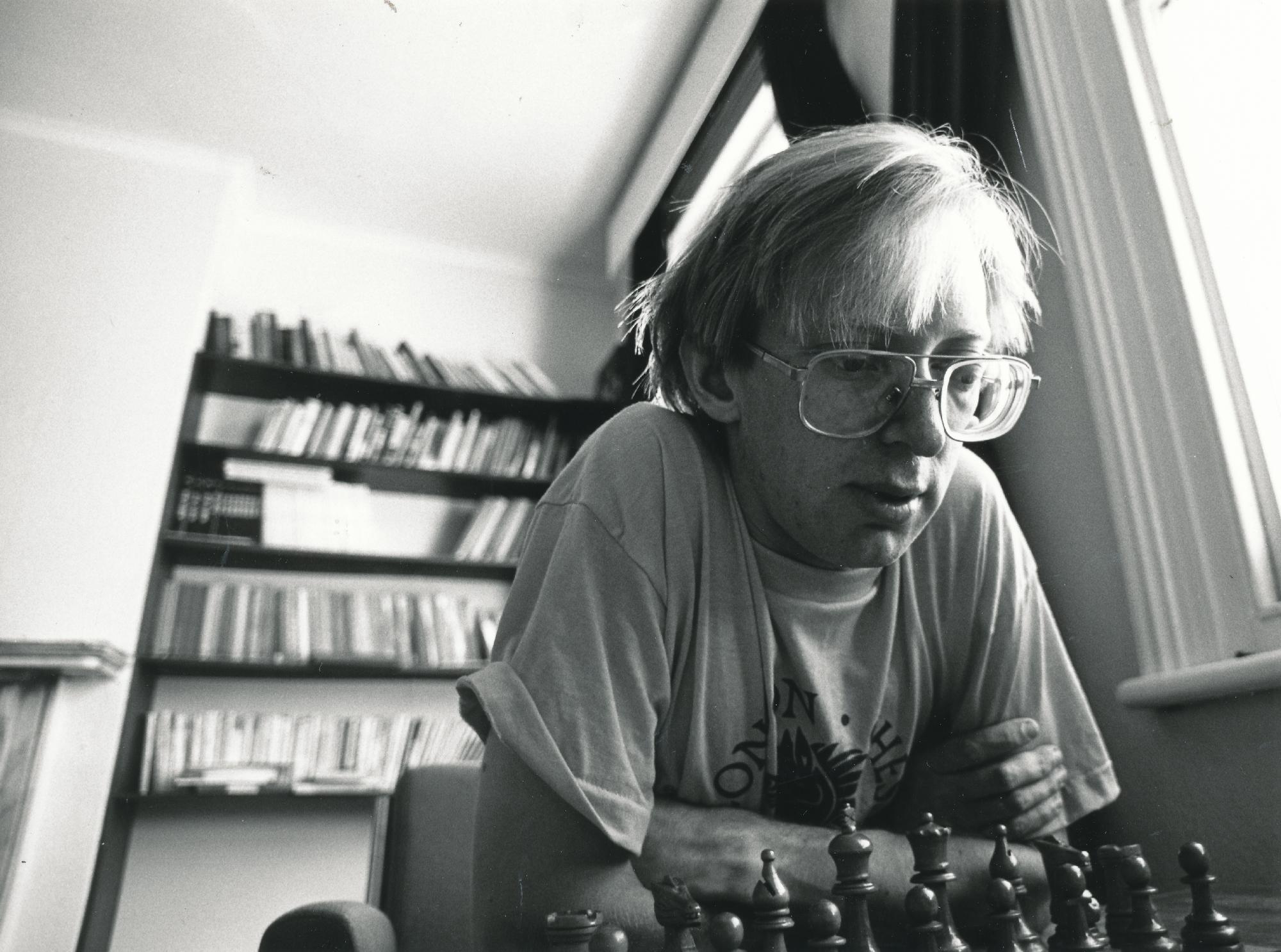
Happy Birthday GM Murray Chandler MNZM (04-iv-1960)

GM Murray Chandler
GM Murray Chandler

Happy Birthday GM Murray Graham Chandler MNZM (04-iv-1960)

From The Oxford Companion to Chess by Hooper & Whyld :

“International Grandmaster (1983), a New Zealander who settled in England at the age of 15. subsequently playing for his adopted country in the Lucerne Olympiad, 1982. He scored +4=6 to share first prize at New York 1980, came second (+5=5 — 1) equal with Hort at Dortmund 1983, and scored +5 = 6 (a GM norm) to share first prize at Amsterdam 1983, a Swiss systemtournament. Chandler has edited the magazine Tournament Chess since its inception in 1982.”

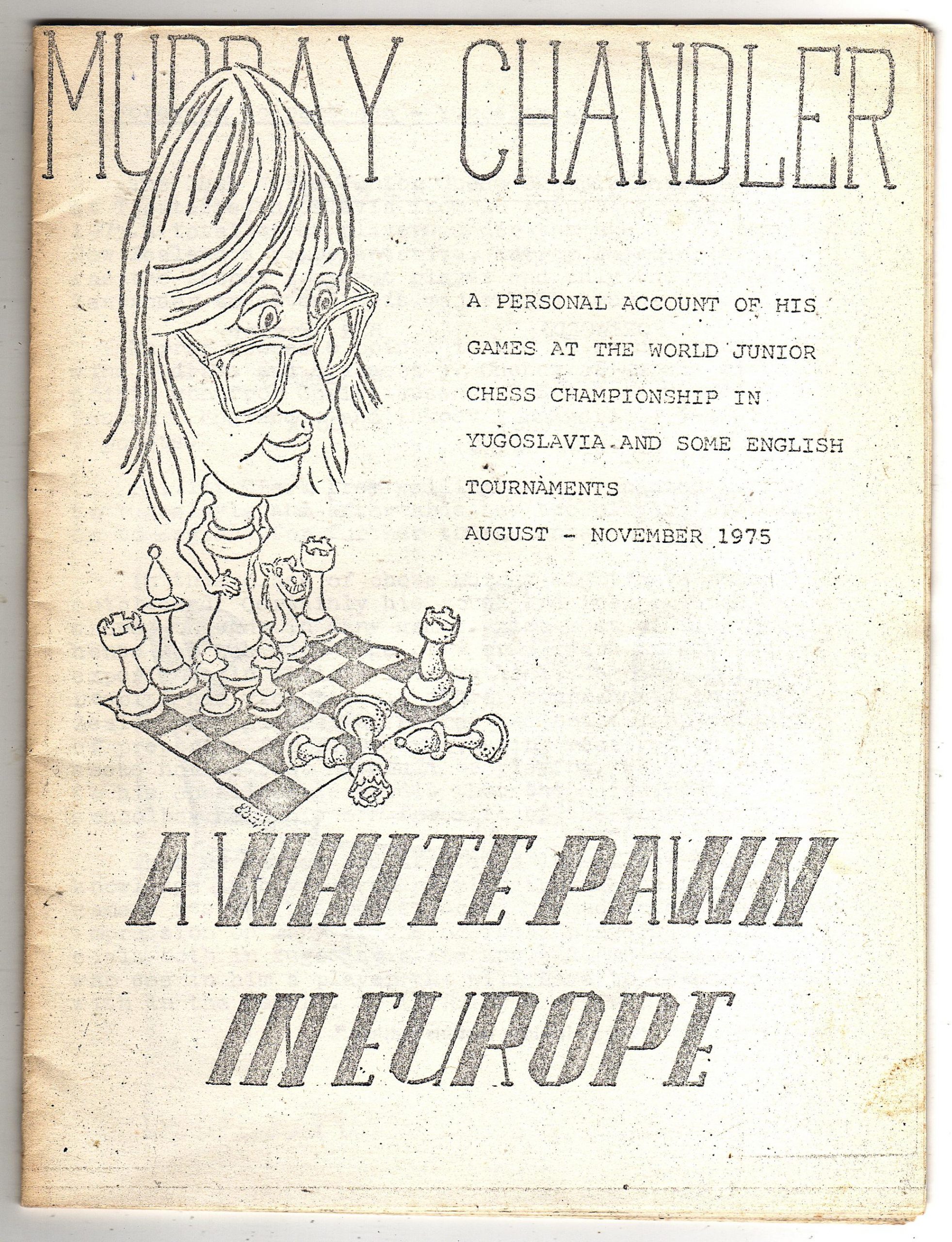
A White Pawn in Europe, Murray Chandler, 1975

Here is his Wikipedia entry

Murray Chandler, Ray Keene and Miguel Najdorf

From Chessgames.com :

“Murray Graham Chandler was born in Wellington, New Zealand. He was awarded the IM title in 1977 and the GM title in 1982. He was joint New Zealand Champion in 1975-76 (shared with Lev Isaakovich Aptekar and Ortvin Sarapu) and joint Commonwealth Champion in 1984. His best tournament results were 2nds at London 1984, London 1986 and Amsterdam 1987 and he has played both for New Zealand (1976-1980) and England (1982-86) in the Olympiads. He edited Tournament Chess for a time from 1981 onwards and as well as writing he became the managing director of Gambit Publications.

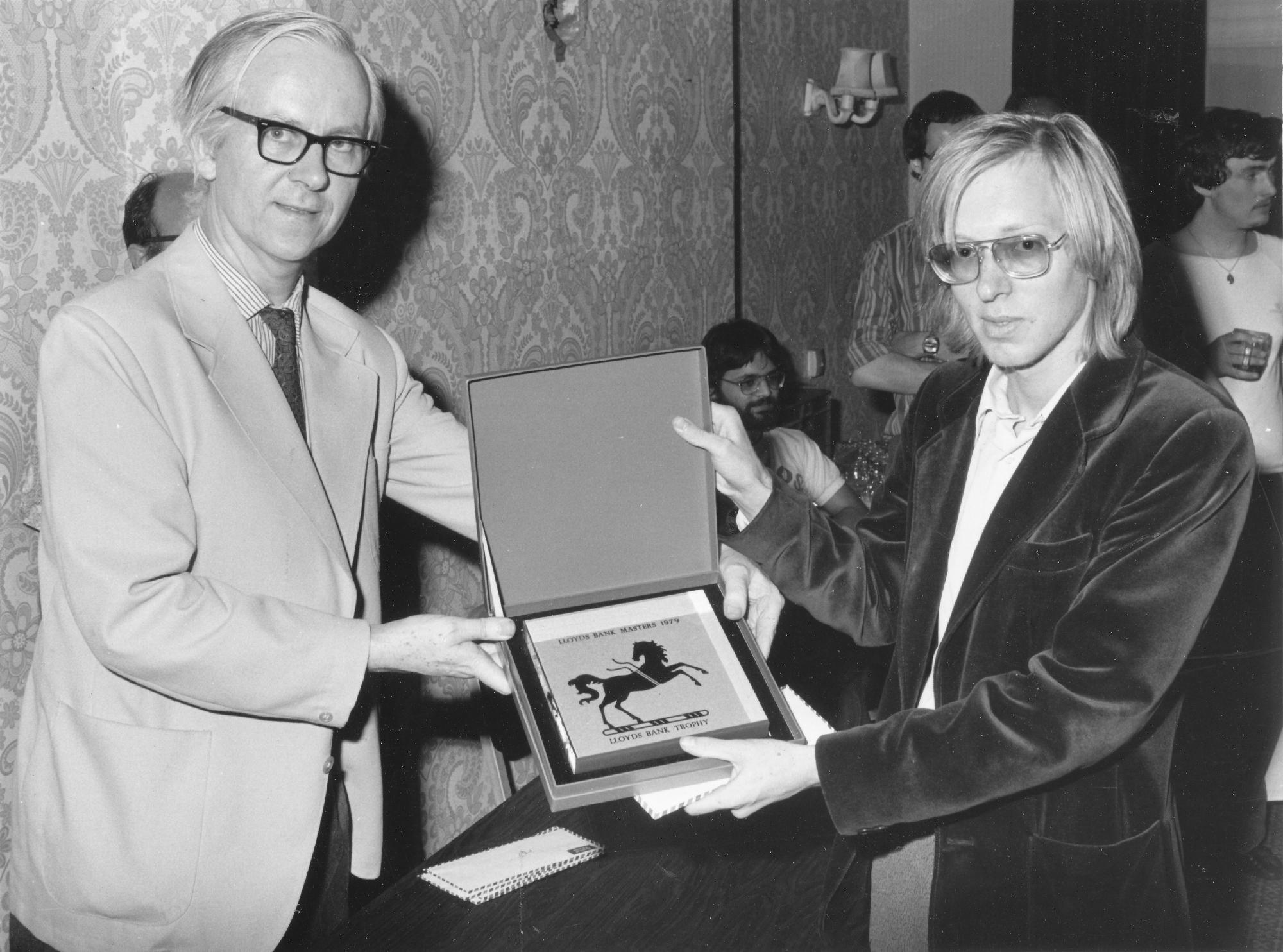
Leonard Barden (left) and Murray Chandler display the Lloyds Bank Trophy which the 19-year old New Zealander won ahead of 3 Grandmasters and 10 International Masters for his finest international success up to 1979. in the Lloyds Bank Masters

He was the organiser and winner of a large tournament, the Queenstown Classic in New Zealand in January 2006 and this tournament also incorporated the 113th New Zealand Championship making Chandler the New Zealand Champion for the second time. He won his third New Zealand title at the 115th New Zealand Championship (2008) which was held in Auckland where he currently resides.”

Murray Graham Chanler
Murray Graham Chandler

Murray Graham Chandler

Murray Graham Chandler
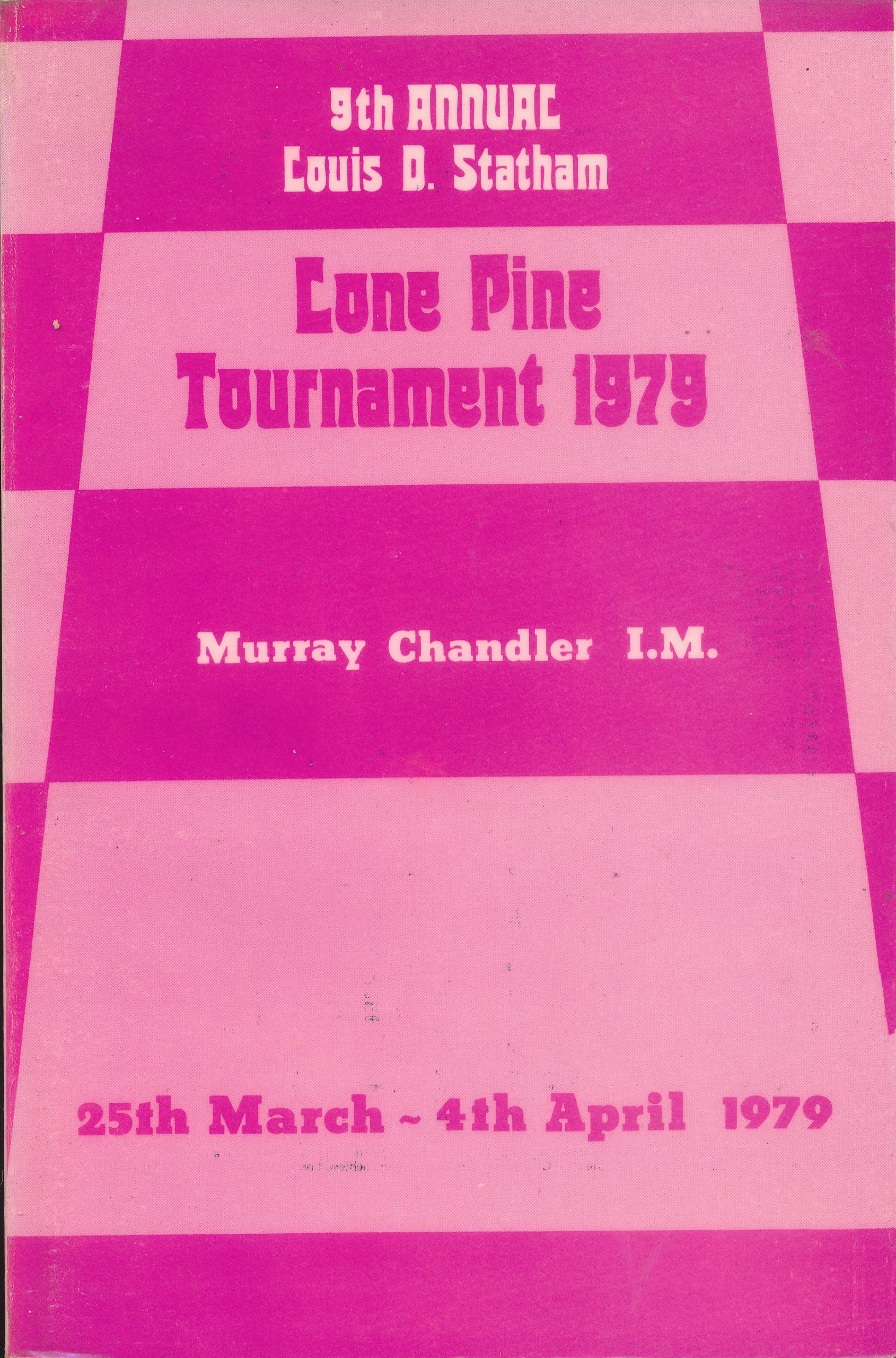
Lone Pine Tournament 1979, Murray Chandler, Master Chess Publications, 1979
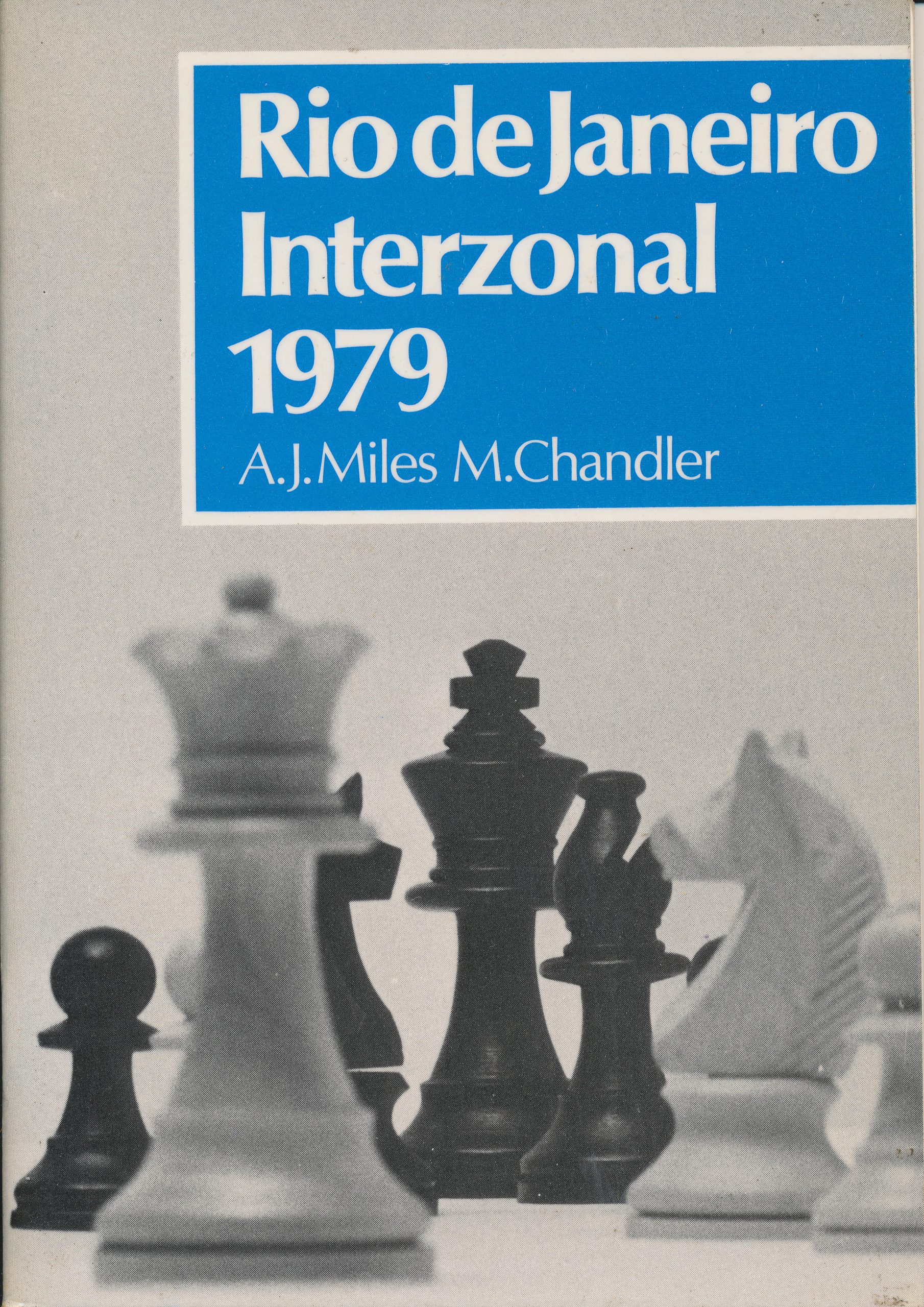
Rio de Janeiro Interzonal 1979, AJ Miles & M.Chandler, Batsford, 1979
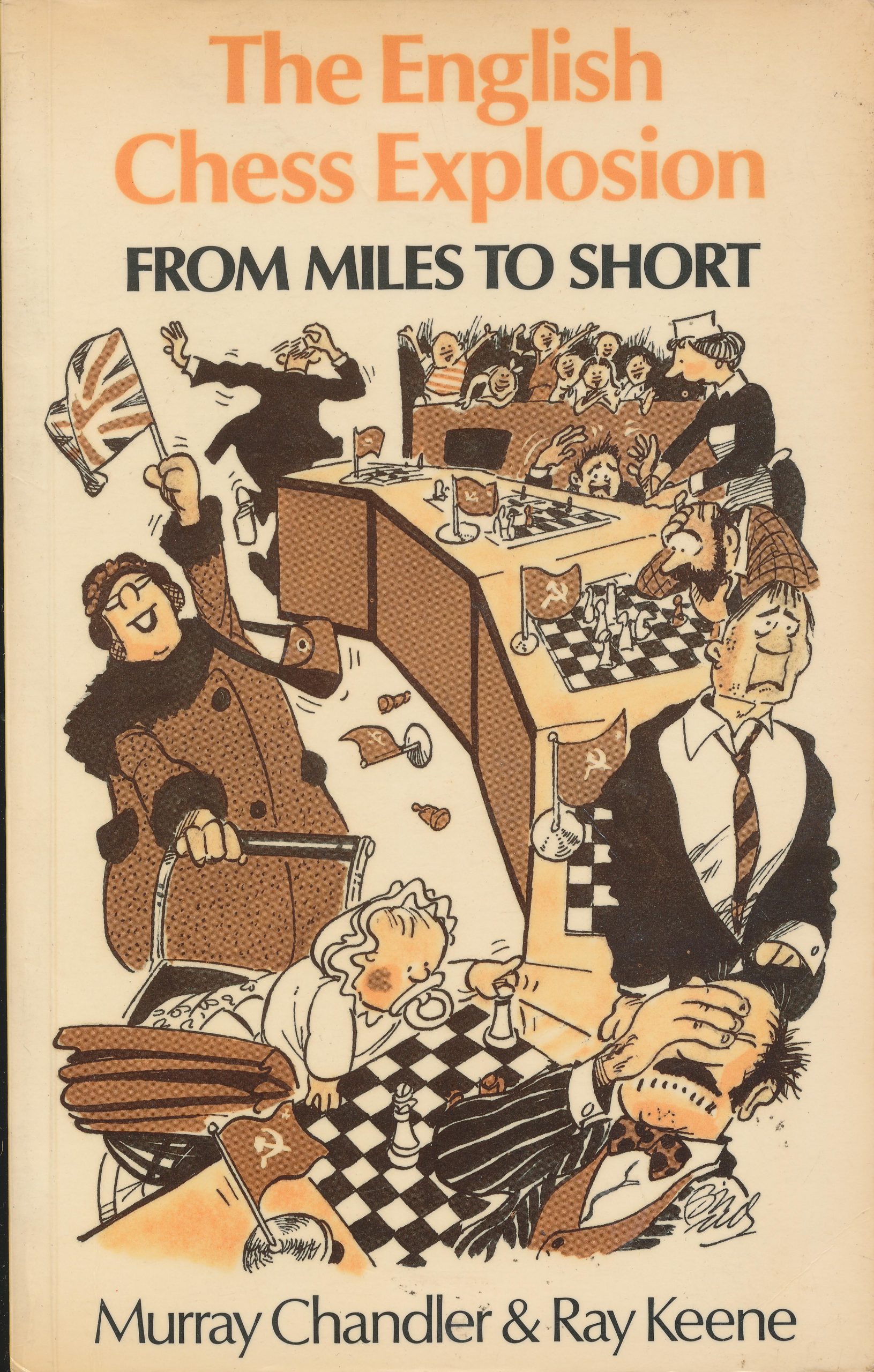
The English Chess Explosion (from Miles to Short), Murray Chandler & Ray Keene, Batsford, 1981, ISBN 0 7134 4009 0
Sicilian 2.c3
Sicilian 2.c3
The Complete c3 Sicilian
Tournament Chess
Tournament Chess
How to Beat Your Dad at Chess
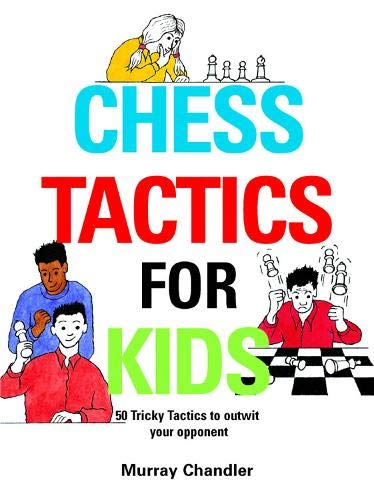
Chess Tactics for Kids
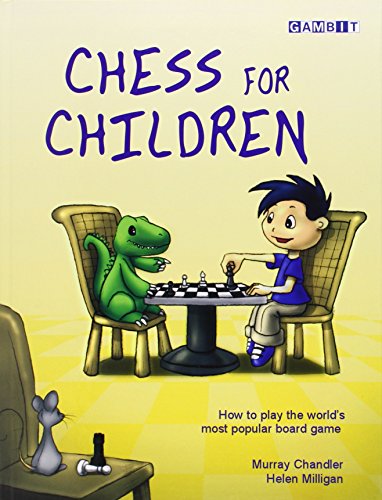
Chess for Children
Chess for Children
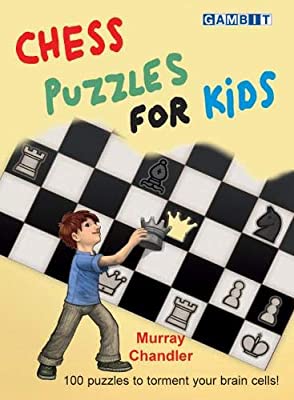
Chess Puzzles for Kids
 Save as PDF
Happy Birthday GM Chris Ward (26-iii-1968)

GM Chris Ward
GM Chris Ward

Happy Birthday GM Christopher Geoffrey Ward (26-iii-1968)

Chris was Southern Counties (SCCU) champion for the 2013-14 season.

Here is his Wikipedia entry

GM Chris Ward
GM Chris Ward

From Chessgames.com :

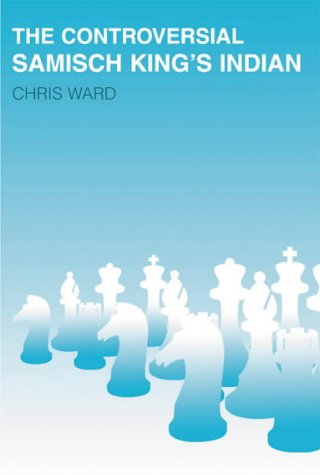
“Grandmaster and British Chess Champion in 1996. He is the author of several chess books, among them Winning With the Sicilian Dragon 2 (2001), Winning with the Dragon (2003) and The Controversial Samisch King’s Indian (2004).”

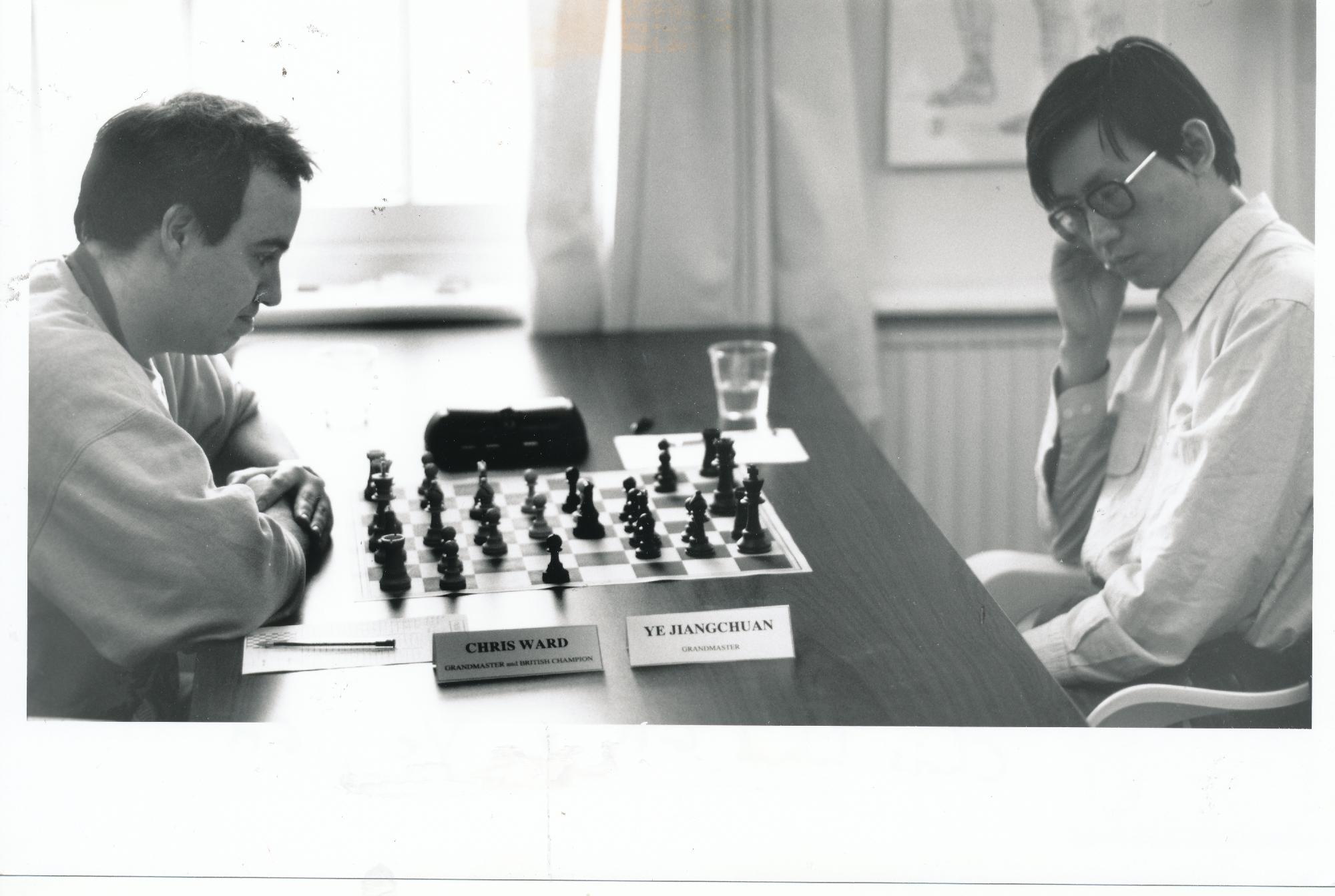
Chris plays Jiang Chuan Ye at the 1997 England - China match
Chris plays Jiang Chuan Ye at the 1997 England – China match

Here are his games

Chris Ward commentating during the Hastings Congress

Chris earned his IM title in 1990 and his GM title in 1996. According to Chessbase and Felice his peak rating was 2531 in July 2003 when he was 35.

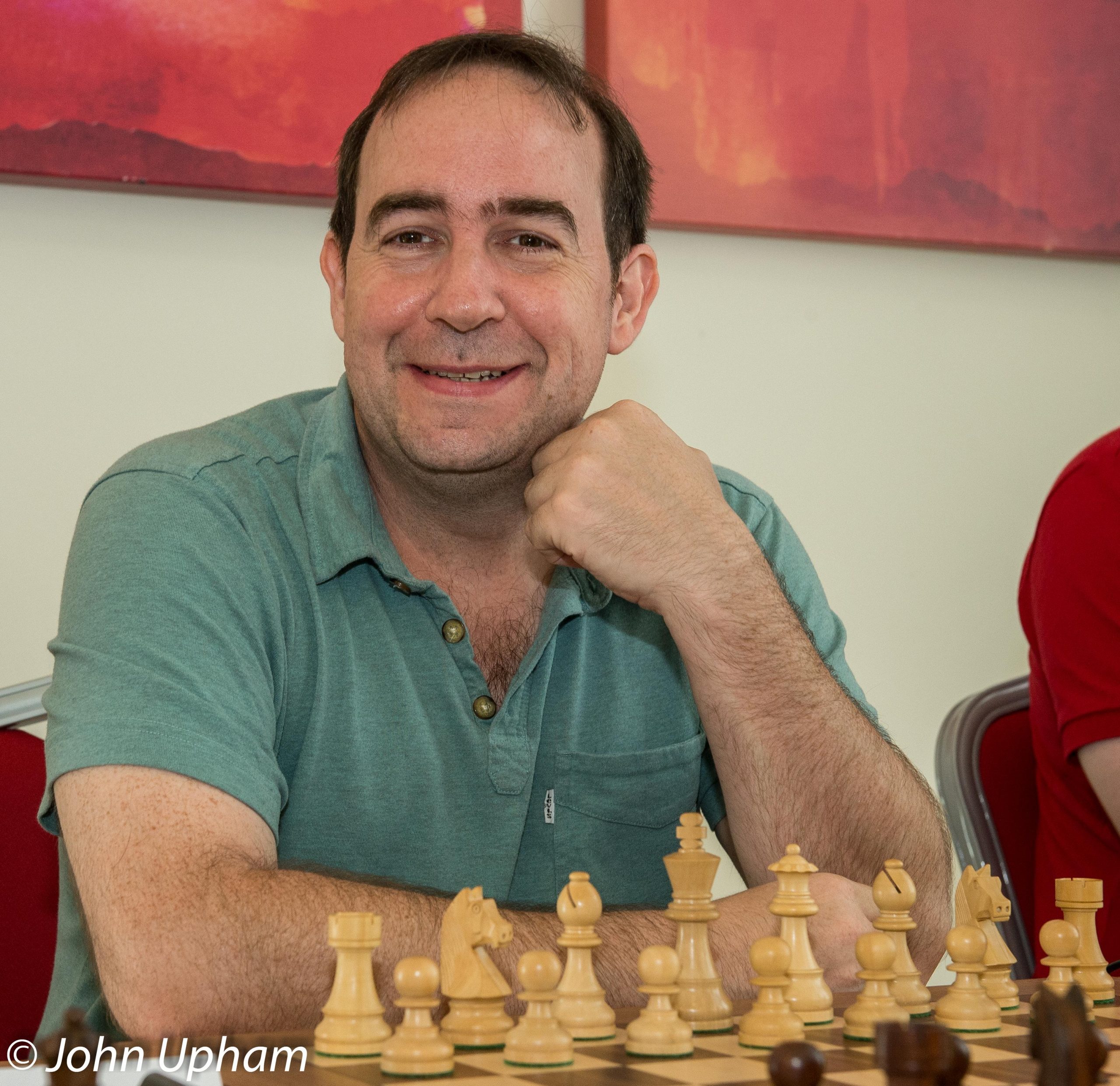
Chris is President of the English Primary Schools Chess Association (EPSCA), Chris is the Chief Coach of the Kent Junior Chess Association (KJCA). Chris plays for KJCA Kings in the Four Nations Chess League (4NCL).

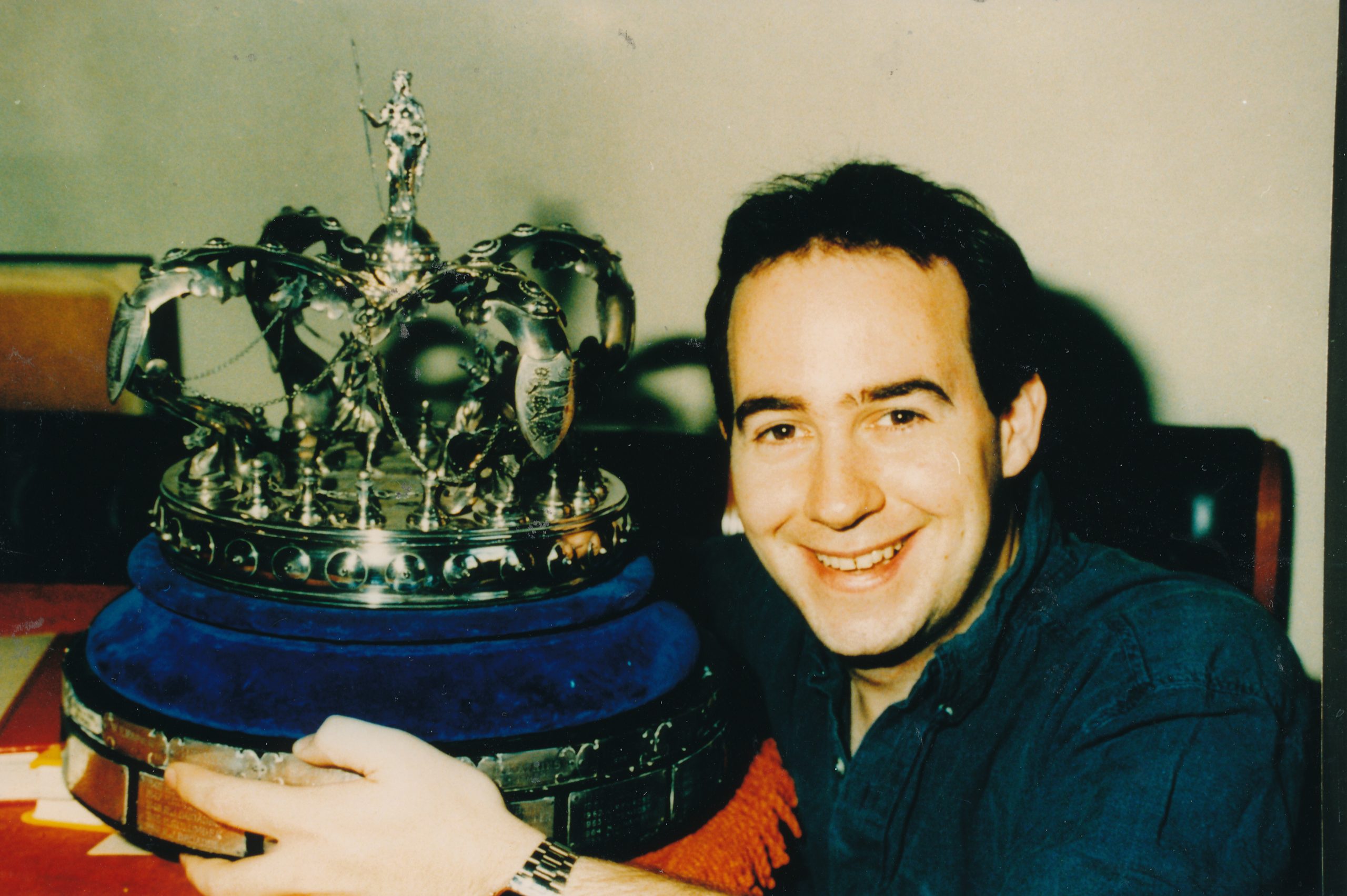
Chris with the British Championship Trophy from 1996 (Nottingham)

“Not sure about best, but 18.Qxf8+ against Summerscale en route to winning the 1996 British Championship will be forever ingrained in my mind. Sorry, Aaron!”
– GM Chris Ward (when asked for his best move)

Source: Chess Monthly 2017 December

GM Chris Ward
GM Chris Ward
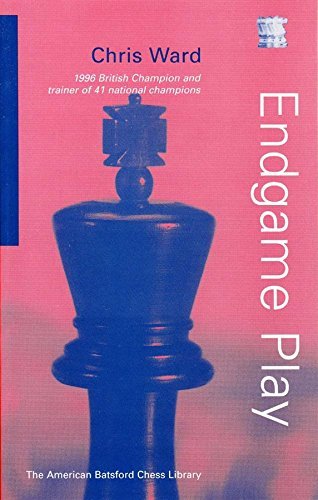
Endgame Play
Endgame Play
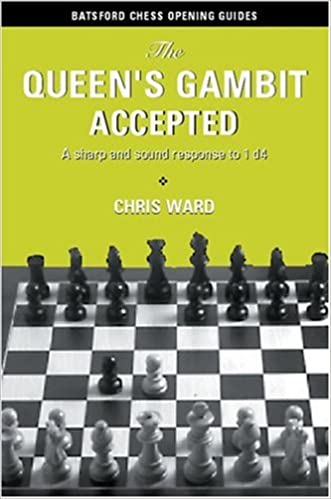
 The Queen's Gambit Accepted
The Queen’s Gambit Accepted
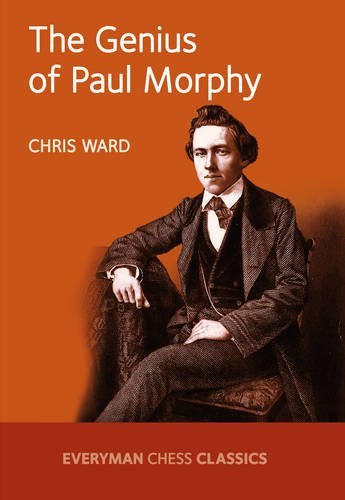
The Genius of Paul Morphy
Improve your Opening Play
Winning With the Sicilian Dragon 2
Starting Out: The Nimzo-Indian
It's Your Move: Improvers
It’s Your Move: Improvers
Unusual Queen's Gambit Declined
Unusual Queen’s Gambit Declined
Winning with the Dragon
It's Your Move: Tough Puzzles
It’s Your Move: Tough Puzzles
Starting Out: Rook Endgames
The Controversial Samisch King's Indian
The Controversial Samisch King’s Indian
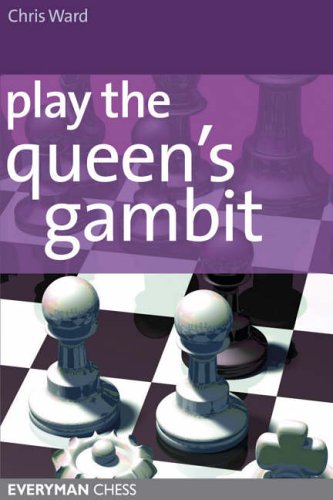
Play the Queen's Gambit
Play the Queen’s Gambit
Starting Out: Chess Tactics and Checkmates
 Save as PDF
Happy Birthday GM Justin Tan (19-iii-1997)

GM Justin Tan
GM Justin Tan

Birthday of GM Justin Hsien Y Tan (19-iii-1997)

GM Justin Tan
GM Justin Tan

From Chessgames.com :

“Grandmaster (2018).

FM (2013); IM (2015).

Justin Tan is one of Australia’s promising juniors, and is one of two juniors amongst Australia’s top ten players.

International Master Norms

Tan won his first IM norm during the 2013-14 NCL. His 2nd IM norm came at the Caissa GM tournament held in Kecskemet in Hungary in February 2014, and he secured his 3rd IM norm , and the IM title, at the Bunratty Classic 2015 in Ireland on 22 February 2015.

Championships

Tan scored his first positive result against an accredited Master when he drew with WIM Narelle Szuveges in the Noble Park Club Championship in February 2008. Six months later he scored his first win against a master at the Noble Park Grade A Championship when he defeated FM Al-Rashid Abdul Wahab of Iraq. At the age of 12, he competed in the World U16 Championship 2009 that was held in Antalya in Turkey, scoring a solid rating-enhancing 5.5/11. He scored 5.5/9 in the 2011 U14 World Championship, beating the eventual winner FM (and now GM) Kirill Alekseenko in their individual encounter. He first played in the Oceania Zonal 3.6 in 2011 and scored 6.5/9 in the Zonal 3.6 tournament in 2013, earning his FM title under the 50% rule. He placed second to Alastair Cameron in the 2012 Australian U18 Open with 7.5/9 and did well in scoring 6/11 in the 2012 Australian Championship. He was equal second at the Victorian Championship in 2013. In September 2015, he was equal first at the Illinois Open State Chess Championship.

In October and November 2015, Tan contested the World U18 Championship staged in Greece, and placed =4th with 8/11.

Tournaments

<2007-2009> Tan’s first FIDE-rated event was the Arthur Tan Malaysian Open Championship in 2007. His first significant result at the sharp end of the leader board was equal first at the Noble Park Chess Club Open in Melbourne in May 2009.

<2010-2012> In May 2010, he scored his first win against an International Master when he defeated Mirko Rujevic at the City of Melbourne Open. He was equal first at the MCC ANZAC Day Weekender in 2010 alongside Erik O M C Teichmann and Mirko Rujevic, and won the same event in 2012 in Melbourne with 6.5/7. He won the Noble Park Grade A event in 2011, was equal first (second on tiebreak) at the 2011 Noble Park Club Championship, placed fourth in the Noble Park Club Championship 2012, and was equal first at the Noble Park Masters 2012. He finished 2012 by winning the Bob Brooking Round Robin ahead of IMs James Morris and Rujevic.

<2013-2015> 2013 started with equal first at the Noble Park Club Championship. He was equal first at the Canterbury Summer Swiss 2013 held in December 2013 in Melbourne. He chanced his arm at the powerful Isle of Man Masters (2015) held in October 2015, and scored a rating-neutral 4.5/9.

Team Events

6/10 on board 2 at the 2012 World Youth U16 Chess Olympiad, helping the Australia “A” team to 8th place. Tan played board 2 for Oxford 1 in the 2013-14 4NCL, winning his first IM norm during that event.

Rating and Ranking

Tan’s initial rating was 1802 in April 2008. His highest rating and ranking to date is 2446 and Australian #6 in November 2015.”

GM Justin Tan
GM Justin Tan
 Save as PDF
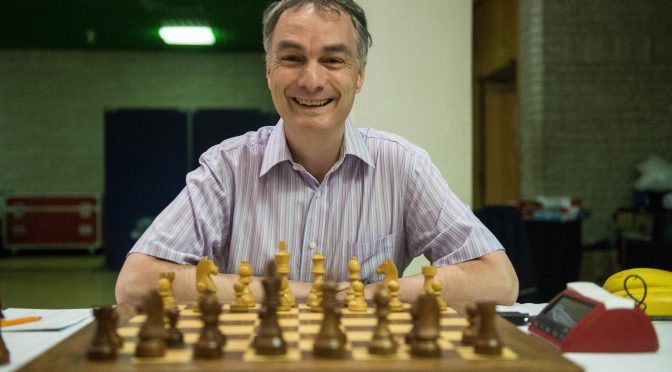
Happy Birthday GM Jim Plaskett (18-iii-1960)

Happy Birthday GM Harold James Plaskett born on this day (March 18th) in 1960

GM Harold James Plaskett

Here is his Wikipedia entry

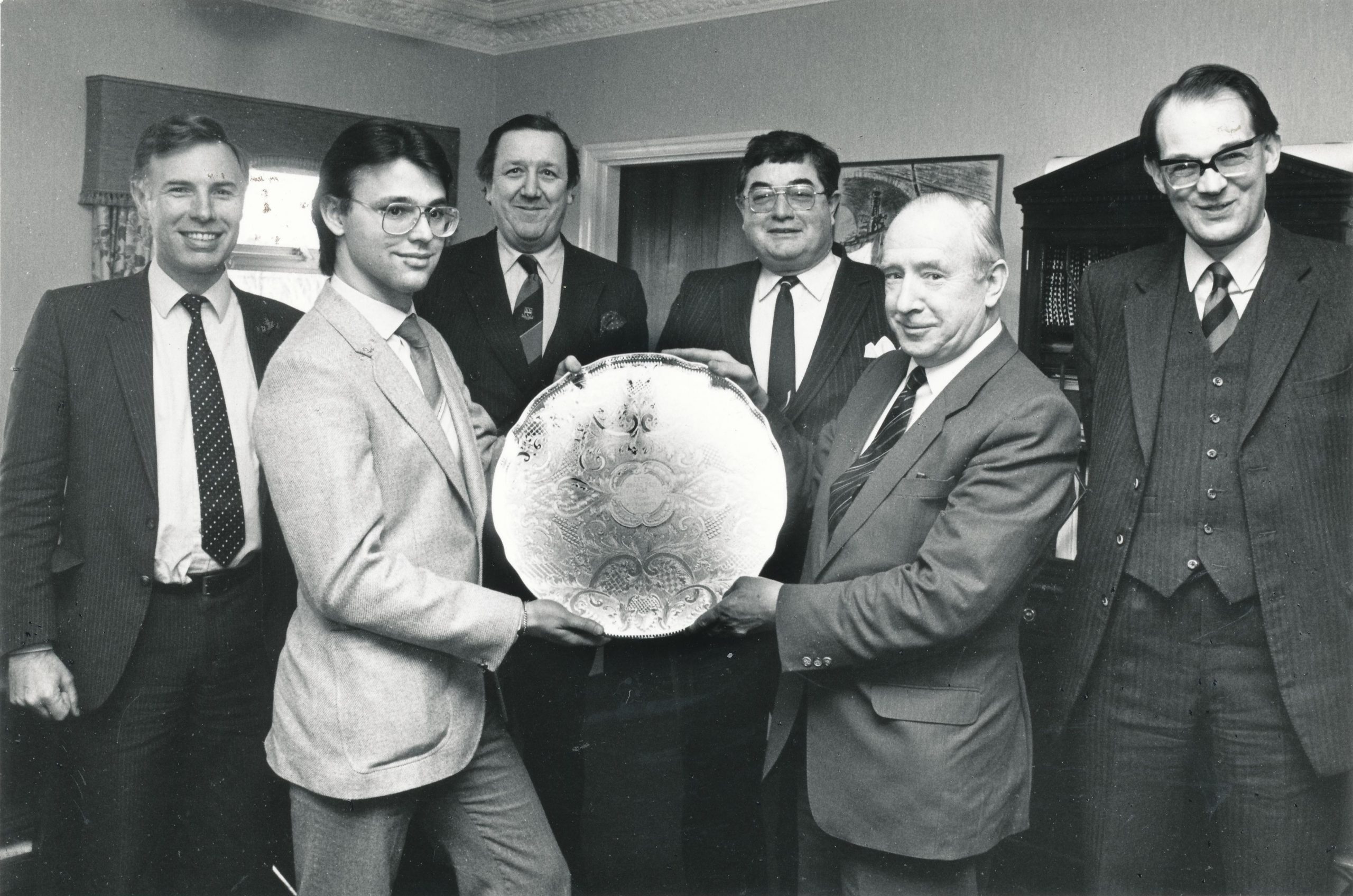
Jim accepts the 1981 Grand Prix shield from ?

Here are his games

Jim obtained his FM norm in 1980 according to Gino de Felice.

From Chessgames.com :

“Harold James (Jim) Plaskett was born in Dkeliha, Cyprus. He was awarded the IM title in 1981 and became a GM in 1985. Plaskett’s tournament results include first place at Plovdiv 1984 and a tie for second at Hastings 1984-85. He was British champion in 1990.”

In December of 2021 Camberley Chess Club (ECF Club of the Year for 2021) had Jim as an invited guest to one of their Tuesday evening Zoom calls. Here is a taster of the full video:

Jim with David Anderton OBE at the 1983 Benedictine International (Manchester)

James Plaskett almost became a millionaire

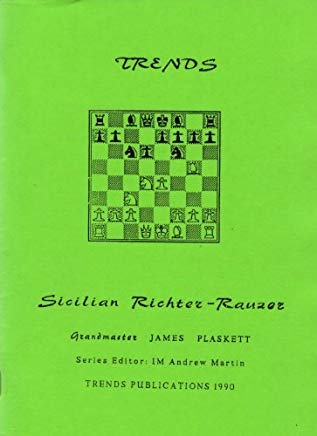
Trends in the Sicilian Richter Rauzer
Trends in the Sicilian Sozin
Trends in the Gruenfeld without cd5
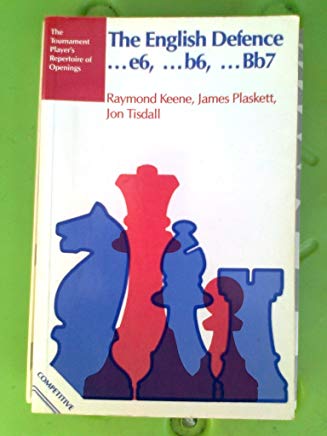
The English Defence
The English Defence
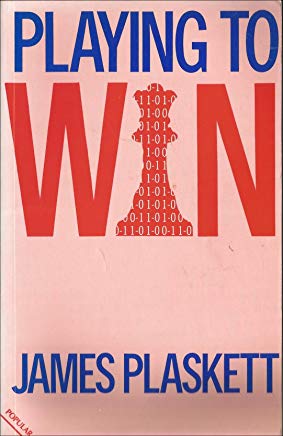
Playing to Win
Playing to Win
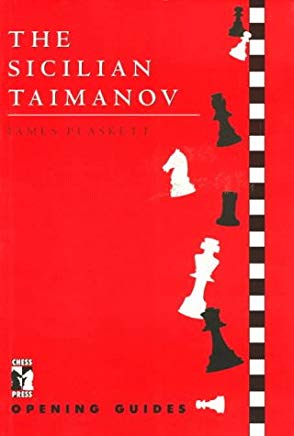
The Sicilian Taimanov
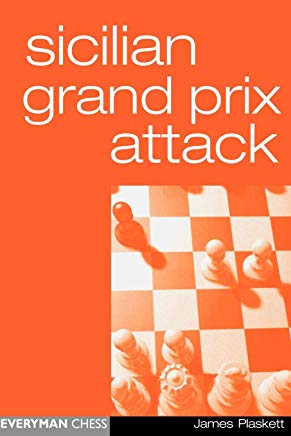
The Sicilian Grand Prix
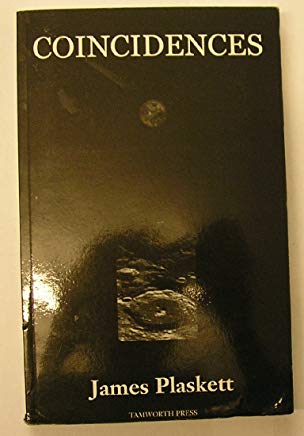
Coincidences
Coincidences
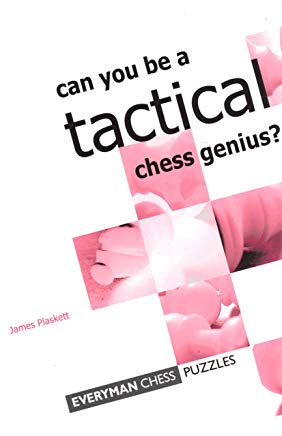
 Can You Be a Tactical Chess Genius?
Can You Be a Tactical Chess Genius?
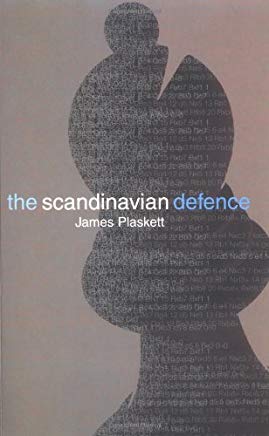
The Scandinavian Defence
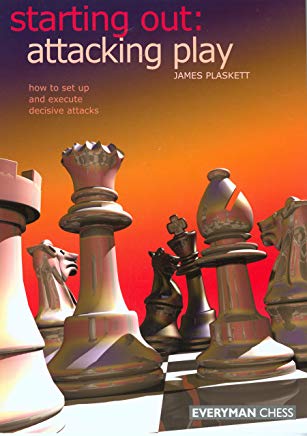
Starting Out: Attacking Play
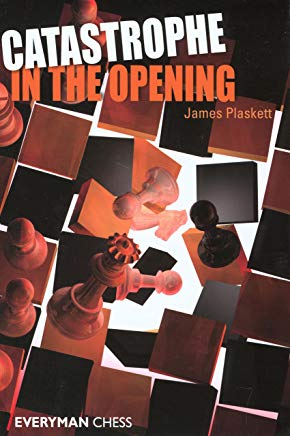
Catastrophe In The Opening
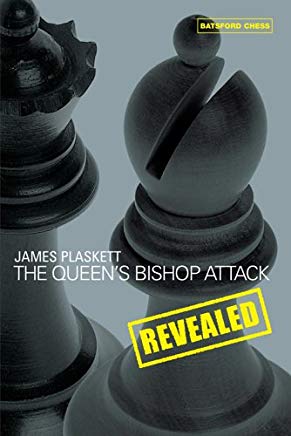
The Queen's Bishop Attack Revealed.
The Queen’s Bishop Attack Revealed.
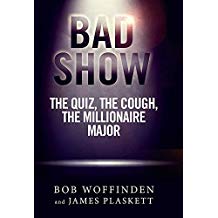
Bad Show
Bad Show
Bread and the Circus, James Plaskett, Amazon Kindle, ASIN ‏ : ‎ B09N9SJLWG
 Save as PDF
Best Wishes GM Dr. Jonathan Mestel (13-iii-1957)

Best wishes to GM Dr. Jonathan Mestel on his birthday

Early Years

A(ndrew) Jonathan Mestel was born in Cambridge on Wednesday, March 13th 1957. On this day the Presidential Palace in Havana was attacked with the object of killing Fulgencio Batista, the incumbent President.

Jonathan’s parents were Leon and Sylvia Louise Mestel (née Cole) who were married in 1951. Leon was a world-class astronomer and astrophysicist whose PhD supervisor was Fred Hoyle. Jonathan has a brother Ben and sisters Rosie and Leo.

Growing Up

Living in Cambridge he attended Newnham Croft Primary School and at the age six was taught chess by his father Leon. By the age of seven Jonathan was matching his father and not long afterwards he was beating him consistently. East Cheshire Chess Club was his first club and therefore the opportunity to play adults other than his father.

MGS and Beards

The Mestel family moved to Manchester in around 1967 and Jonathan attended Manchester Grammar School along with chess players Emmanuel Rayner and Ian Watson. Famously he grew a substantial beard and moustache and apparently “they (MGS) disapproved of it” resulting in a ban until the beard was removed. Jonathan duly obliged and returned to school but was sent home once more since he had retained the moustache: “They did not mention the moustache!” we are told. A further ban was resolved when the offending item was also removed.

Mathematics

Jonathan obtained a PhD in mathematics from Trinity College, Cambridge and the associated thesis was entitled “Magnetic Levitation of Liquid Metals”.

Jonathan is Professor of Applied Mathematics at Imperial College London. As well as teaching, his research interests include magnetohydrodynamics and biological fluid dynamics.

Marriage

In the third quarter of 1982 Jonathan married Anna O’Donovan in Cambridge and they soon settled in the central Cambridge area where they remain to this day. They have a son, David. Sadly, it was reported in The Problemist that Anna passed had away on December 26th, 2022.

Bridge

Jonathan has represented England at bridge joining a group of English players such as Peter Lee and John Cox who also represented their country at bridge. Paul Littlewood, Paul Lamford and Natasha Regan are amongst many others who have combined bridge and chess to a high level . Here is Jonathan’s English Bridge Union page. He remains highly ranked in the bridge world to this day.

Jonathan noted:

I should mention that all my hair fell out for no obvious nor serious reason – neither my bidding nor partner’s dummies are responsible. Few would argue with that last statement.

Serious Chess & Prize Money

His earliest recorded appearance in chess databases is from the Rhyl based British Under-14 championship in 1969 where he beat DA Winter. The eventual winner of that event was  Jonathan Speelman. Jonathan M. recounts that he shared 3rd place with two others and that the prize allotted to the three of them was a whopping £2 10s to be divided equally. This amounted to 16s 8p each. Since the entry fee was 15s it meant he had cleared a notable profit of 1s and 8 pence!

The following year all British Championships competitors were sent to Coventry and Jonathan and Jonathan shared the Under-16 title whilst Bob Wade won the main event with 8/11.

1971 was no less successful and Jonathan travelled to the location of England’s Eiffel Tower (Blackpool) returning home with the British Under-18 title. Jonathan mentioned that he should have entered the Under-21 event instead.

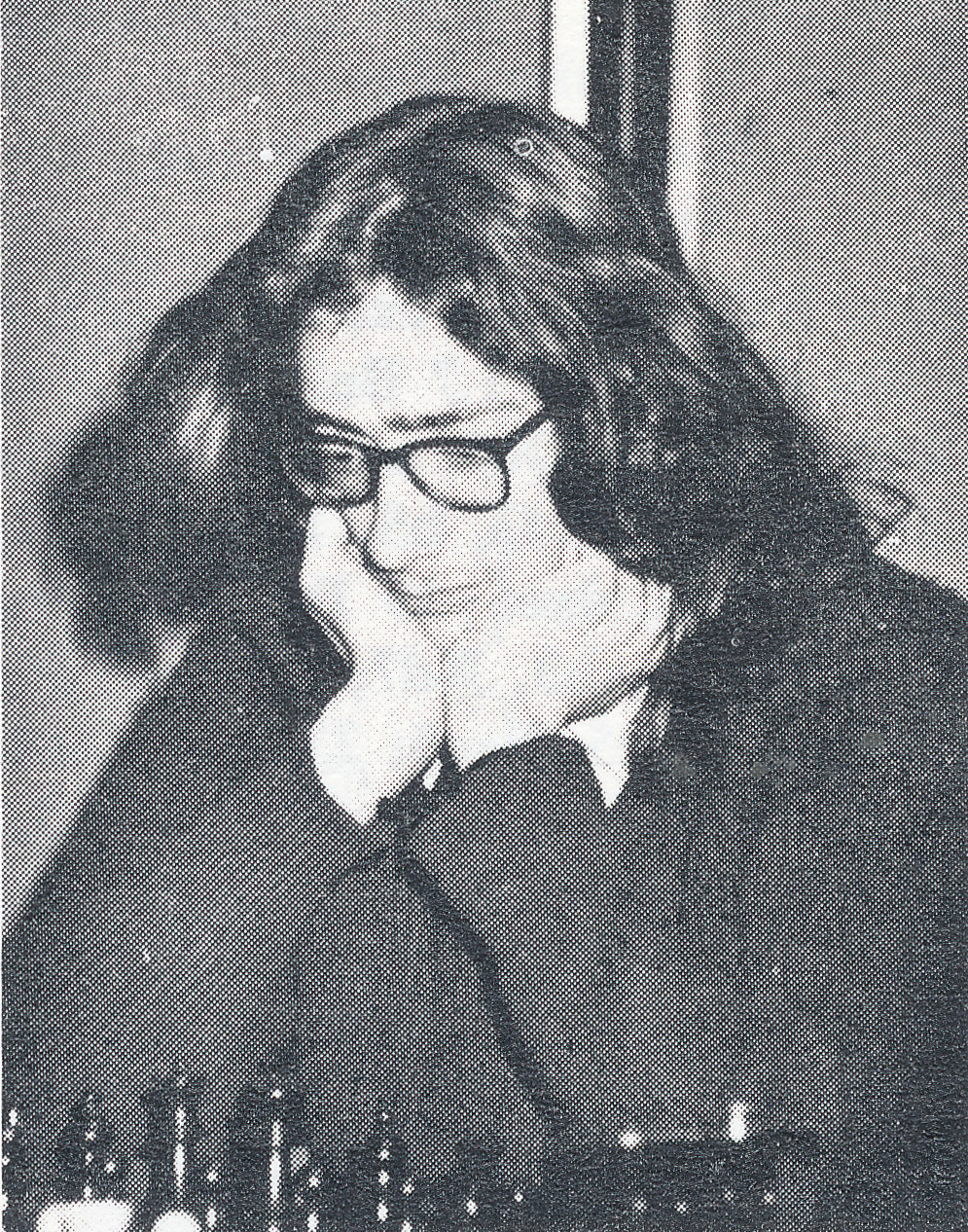
Jonathan Mestel during the 1972-73 Hastings Premier. Source : BCM, page 56.
Jonathan Mestel during the 1972-73 Hastings Premier. Source : BCM, 1973, page 56.

First British Championship

Brighton 1972 was Jonathan’s first appearance in the “main event” having  broken the record for the youngest qualifier. This record was later broken by Richard Webb and then by Nigel Short. His final score was a creditable 6.5/11 giving him =5th overall aged 15 years and seven months. In 1972 this was an incredible achievement. Regrettably, these days achievements such as this appear to pass unreported.

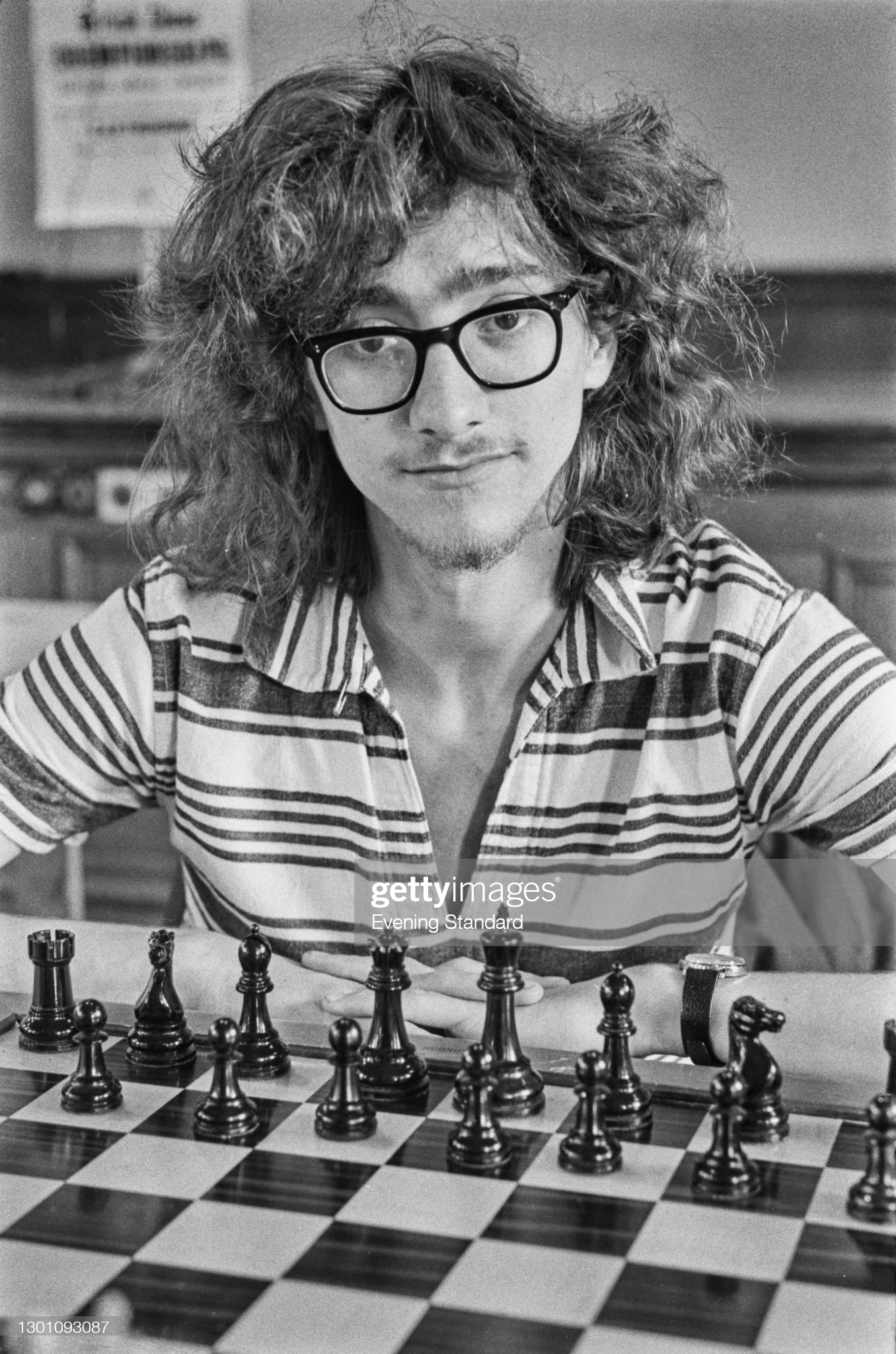
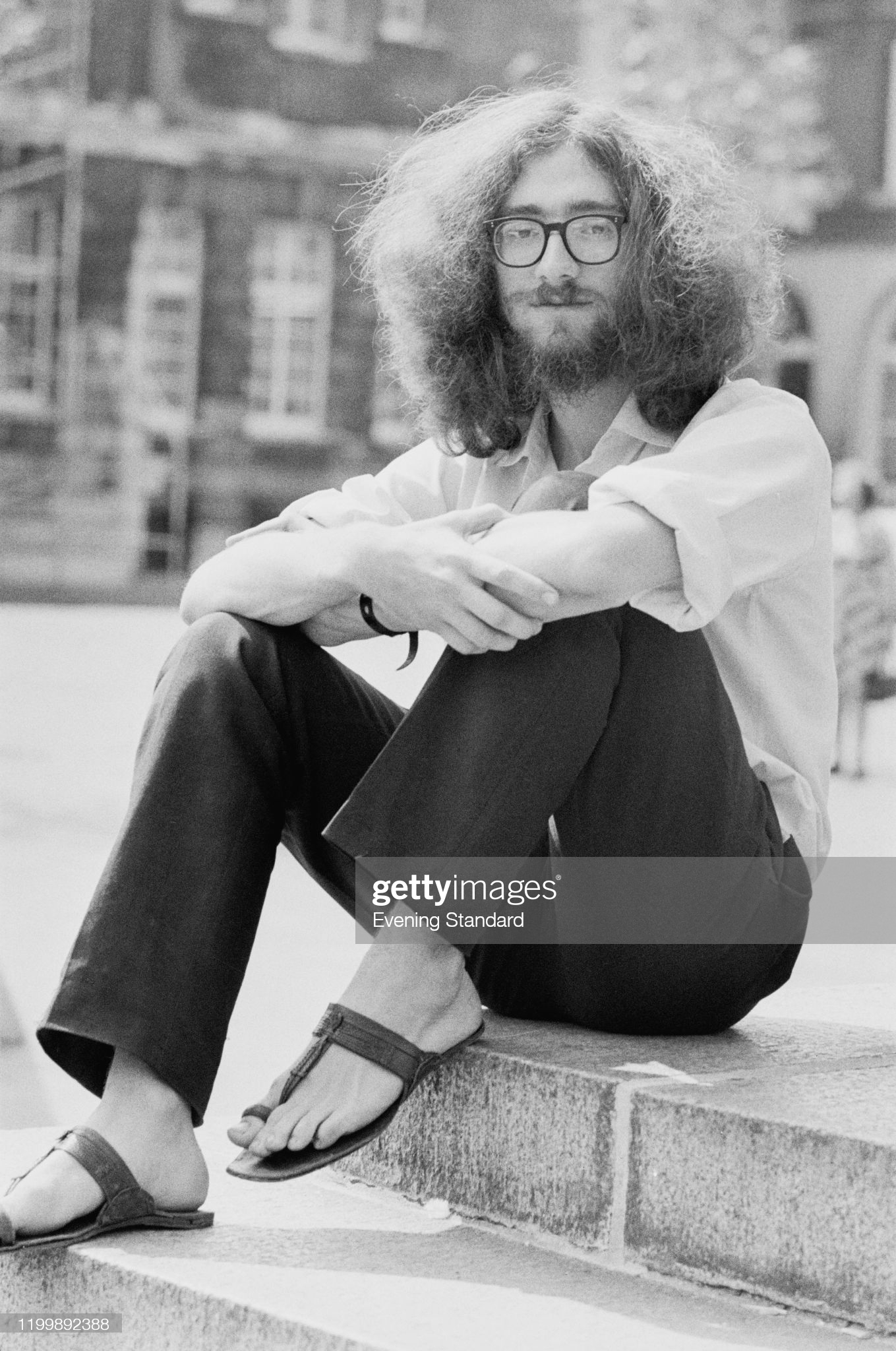
At Eastbourne 1973 he was =7th with possibly the best hair cut of anyone:

English chess player and mathematician Jonathan Mestel during the British Chess Championships at Eastbourne, East Sussex, UK, 14th August 1973. (Photo by Evening Standard/Hulton Archive/Getty Images)

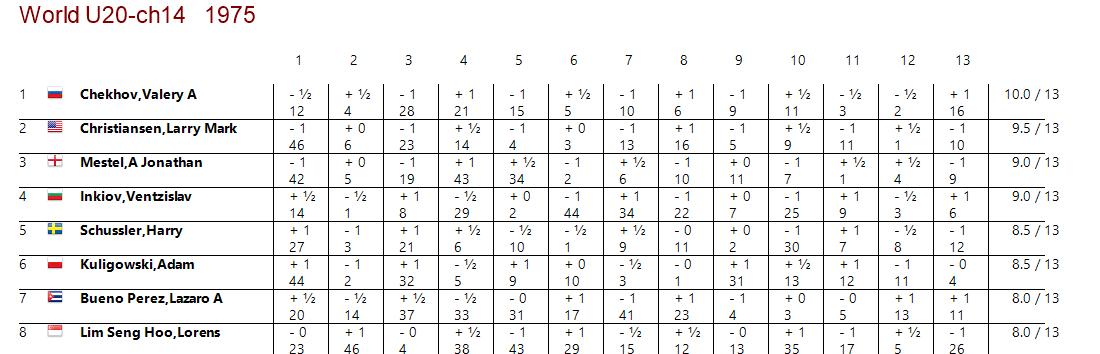
International Events

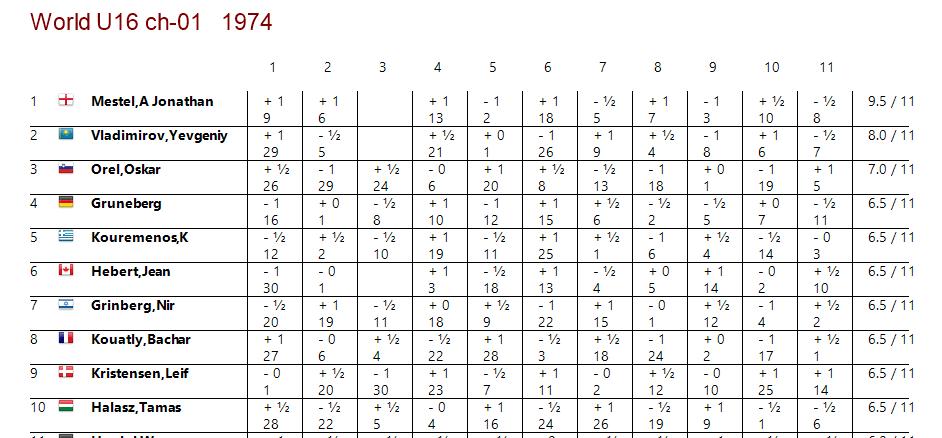
1974 was a breakthrough year internationally as Jonathan won the (unofficial) World Cadet Championship in Pont Sainte Maxence in southern France. The following year IM David Goodman followed up by winning the same title.

Partial Crosstable for the 1974 (unofficial) World Cadet Championship.

Interestingly travel arrangements for the above event were not so smooth as was the crossing of the English Channel. The hovercraft broke down; Jonathan arrived much later than anticipated and unable to find civilised accommodation leading to an Orwellian style “Down and Out in Paris” sleeping arrangement in a Paris gutter.

At Clacton 1974 Jonathan was one of seven who finished on 7/11, the title going to George Botterill after an all-play-all play-off in Wales.

1975 started well with a bronze medal in Tjentiste (former Yugoslavia now Bosnia Herzegovina) for the World Junior Championship (happening at the same as the British in Morecambe preventing a 1975 British Championship appearance).

Partial Crosstable for the 1975 World Junior Championship in Tjentiste

First IM Norm

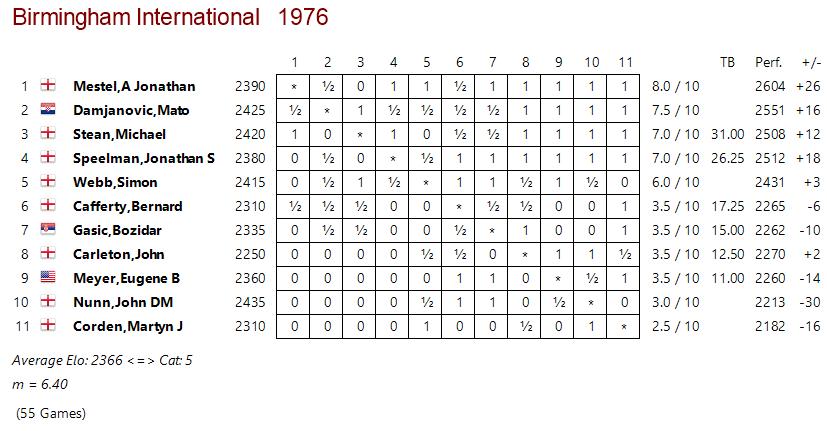
1976 brought further success at Portland School, Edgbaston with a first place scoring 8/10 and an IM norm in the Birmingham International tournament:

Full Crosstable for the 1976 Birmingham International

and here is a sparkling game from the 1976 Robert Silk Fellowship Tournament:

British Champion

Jonathan followed this at the Portsmouth 1976 British Championships with a splendid outright first place with 9.5/11 , the highest score since Malik Mir Sultan Khan in 1933. Also, nine consecutive wins from the starting gun  was most definitely a record!

British chess player and mathematician Jonathan Mestel, August 1976. (Photo by Fresco/Evening Standard/Hulton Archive/Getty Images)

Leonard Barden assessed Mestel’s performance this in the Guardian:

“Jonathan Mestel’s reaction at Portsmouth to become British Champion at age 19, the youngest ever, and with a record series of nine wins, was characteristically low-key. He declined an interview with BBC’s World at One in favour of a continued sojourn on the beach, declined an invitation to the Chorley Congress (where the inducements for him to play were rumoured to include a chauffeured Rolls-Royce from station to town hall, and where the points might well have enabled him to overhaul the leader in the £1,000 Cutty Sark Grand Prix) in favour of a holiday in France, and even ‘declined’ the chance of a record total in the final round when he gifted a pawn in the opening to Whiteley in simple fashion”

Barden went on to praise Mestel as, along with Miles, one of the two young players ‘with genuine promise of ultimately reaching the world super-class.’

1977 led to the International Master title and in 1982 the Grandmaster title. In reality, the GM title should  have been awarded two years earlier from Esberg 1979 but more on this FIDE blunder later.

In the 1979 Dataday Chess Diary Harry Golombek OBE wrote this:

“I wrote in last years diary that I doubted whether Jonathan would ever change his variability, adding ‘Probably there will always recur this rise to the heights and fall to lower levels.’

To some extent this is still true. But his play in 1977 and 1978 has shown a greater firmness of purpose and revealed more powers of endurance and stamina than I had realised he possessed earlier on. Thus, for instance, in the last round of the European Team Championship finals at Moscow in 1977, playing the black pieces against the West German master Kestler, he was the last to finish and he defeated his opponent after nearly 12 hours play and some 105 moves.

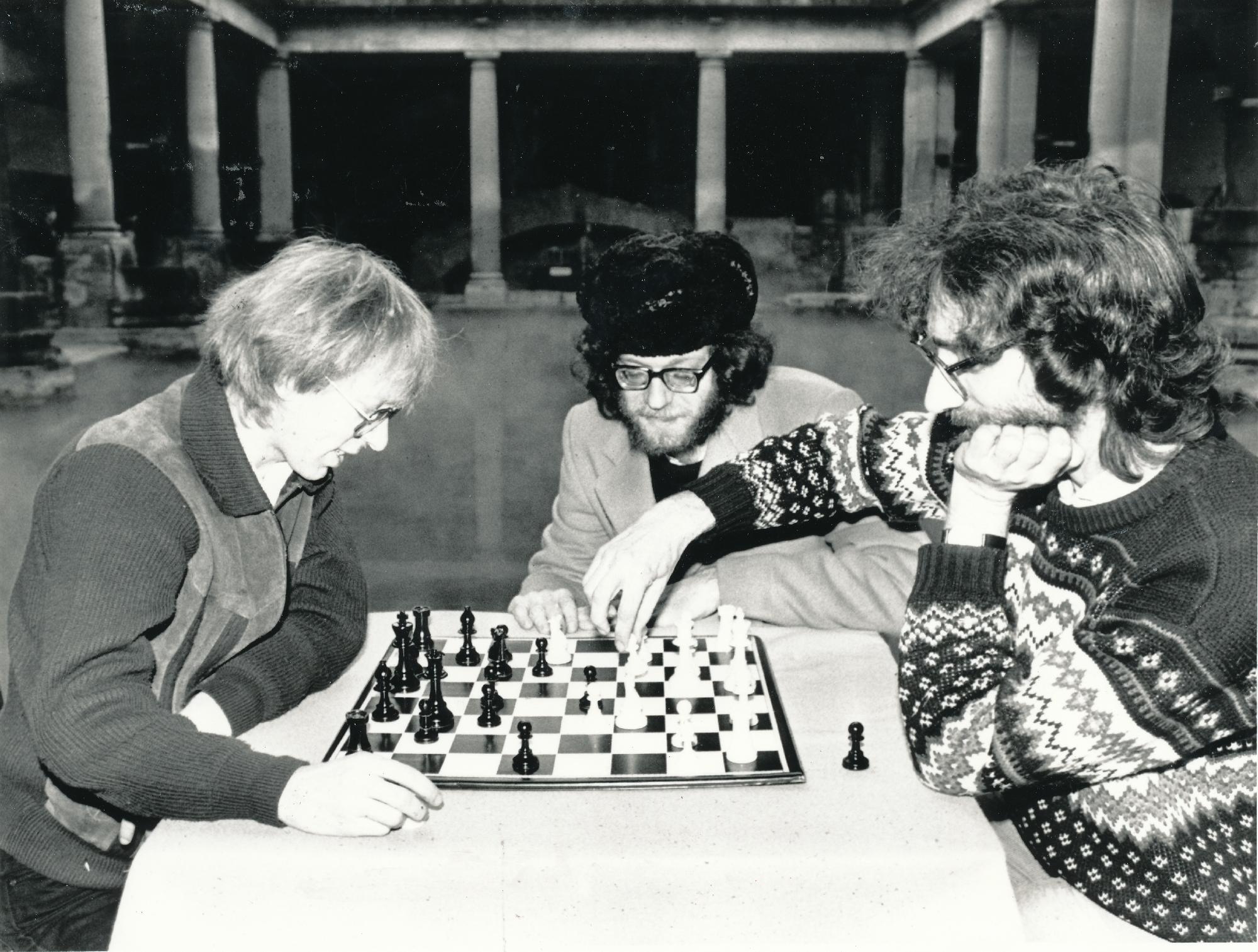
At the Praxis British Zonal in February 1987 here at the roman baths. Murray Chandler, Jonathan Speelman, and Jonathan Mestel

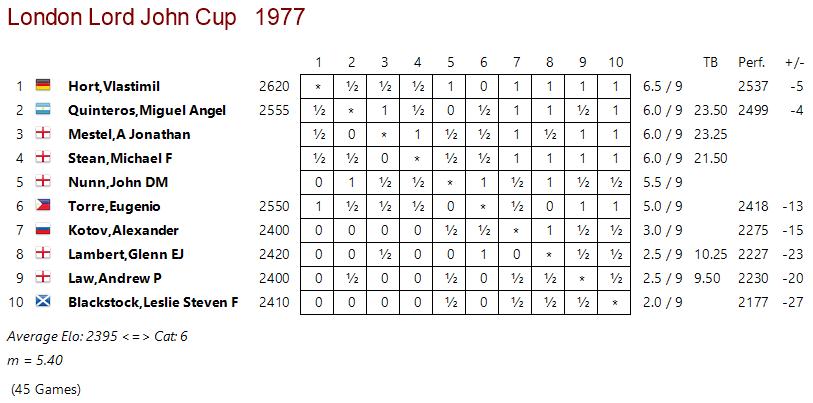
He is one of our players who is nearing the grandmaster title, both in play and, as it were, in figures. At the Lord John Cup Tournament in London, September 1977, he obtained the g.m. norm by coming equal 2nd with Quinteros and Stean below Hort. He did this with a score of 6 when 5.5 would have been sufficient for the norm.

Full crosstable from the Lord John Cup 1977

To my mind he is the ideal tournament competitor since he can always be relied upon to delight the onlooker with some fresh and original piece of chess. It is this talent which makes me think there is practically no limit to the heights he may attain as a player.

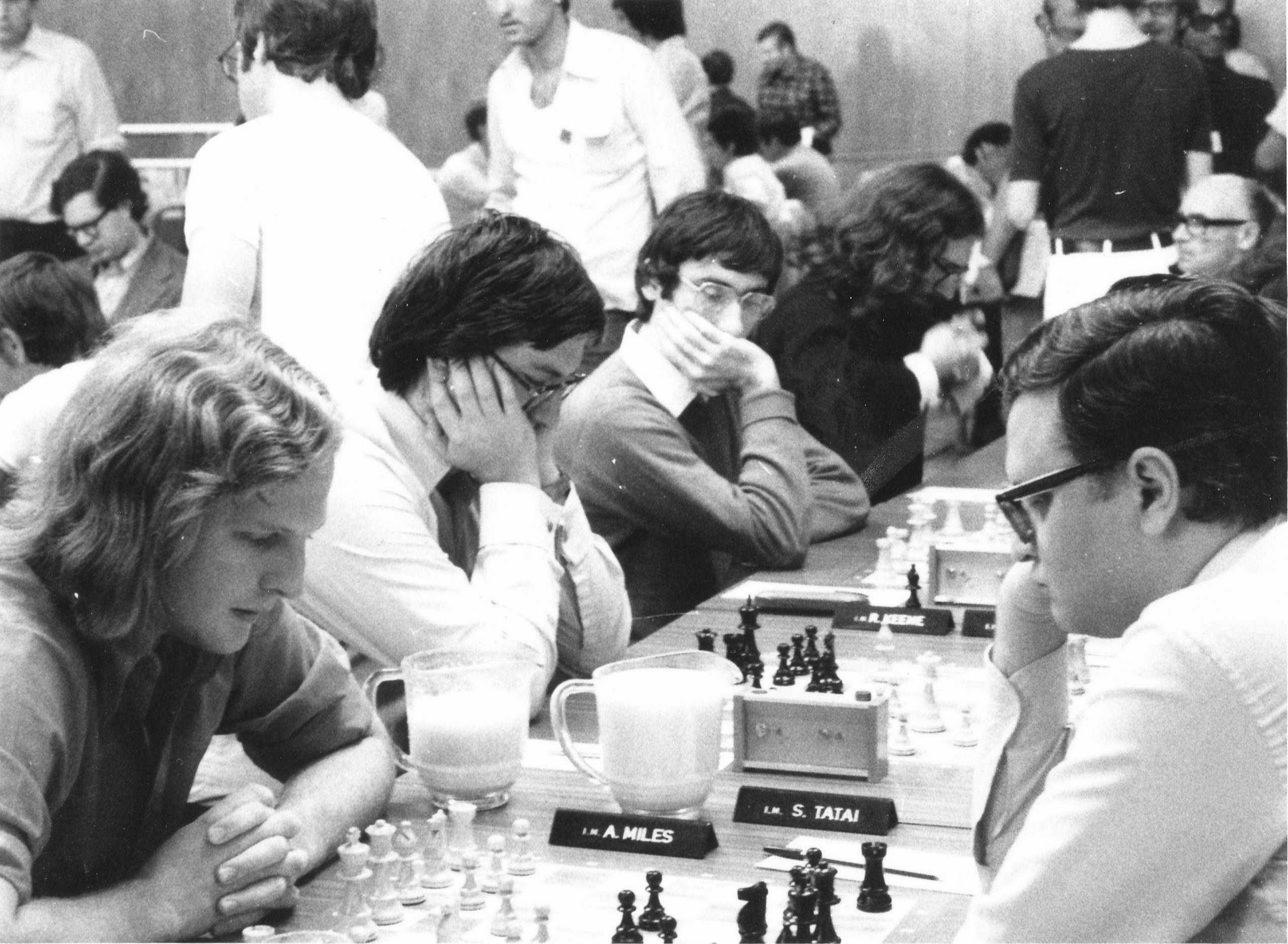
England plays Italy at Haifa 1976. Miles played Tatai, Keene played Toth, Hartston played Grinza and Mestel played Micheli

In the following game, played at the European Team Championships at Moscow 1977, Mestel gives signs of a new and mature sureness of purpose, whilst retaining all his incisive and ambitious qualities.

Beating the Russians

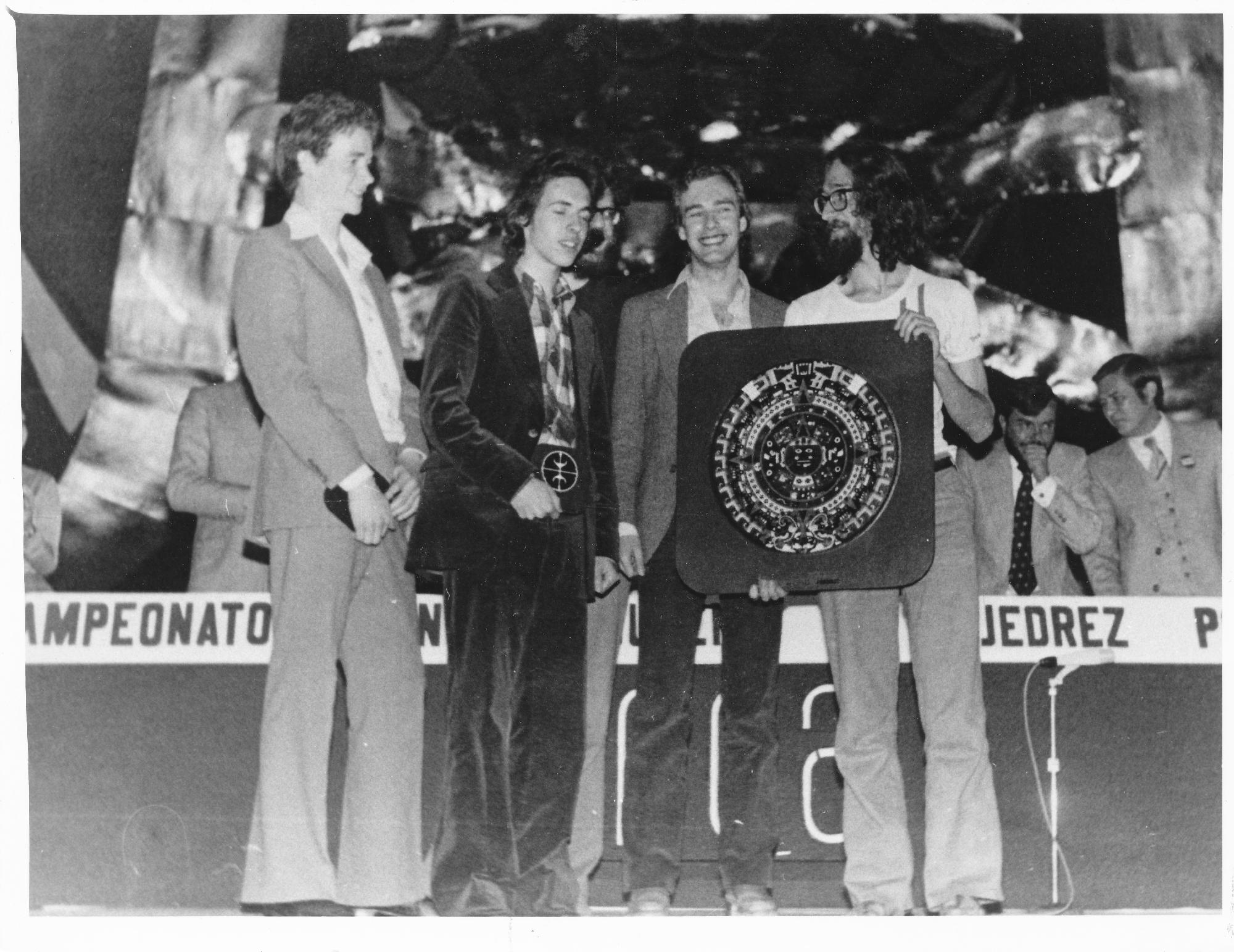
In 1978 Jonathan was part of the English team of Mestel, Speelman Taulbut, Goodman and Jonathan Kinlay that travelled to Mexico and won  the World Under-26 Student Team Championships. This was a huge achievement as beating the USSR in a chess team event simply did not happen. It is not clear even that the Russian team were all bona fide students: some looking decidedly unstudent like!

(from l-r) Jonathan Kinlay, Shaun Taulbut, Jonathan Speelman, David Goodman and Jonathan Mestel accepting 1st prize at the 1978 World U26 Student Olympiad in Mexico City

The splendid Aztec calendar trophy you can see Jonathan clutching above was taken back to England and generously donated to Bob Wade who, in turn, wrote in his will that it should be returned to Jonathan. To this day this wonderful trophy proudly lives with Jonathan and Anna in their house in Cambridge.

When is a Norm not a Norm?

From British Chess (Pergamon Press, 1983), Botterill, Levy, Rice and Richardson we have this appreciation by George Botterill:

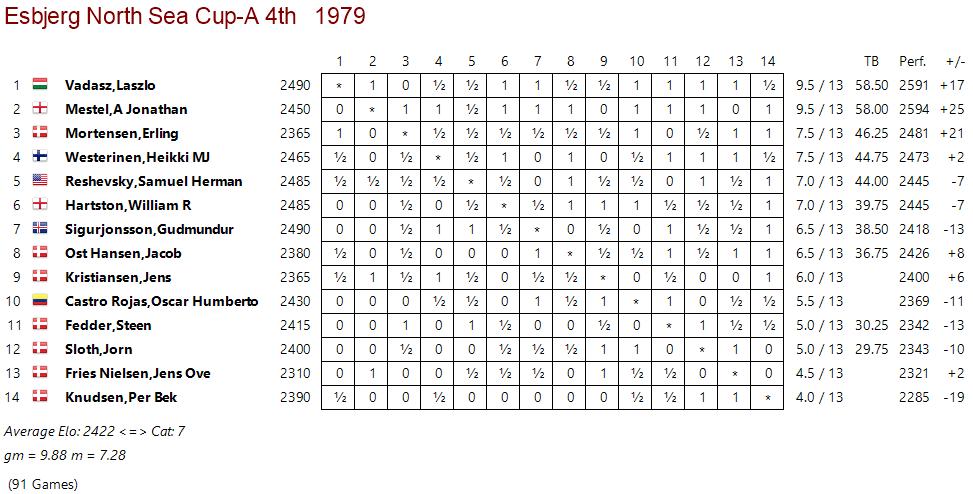
“The tournament at Esbjerg in 1979 was a bitter-sweet experience for Mestel. He won many fine games on the way to sharing first place with the hefty score of 9.5 out of 13.

Full Crosstable for 4th (1979) Esbjerg North Sea Cup

But the real prize for which he was competing was the final norm that would have completed his qualification for the title of grandmaster. In the last round a draw would have been sufficient, but it was not day for peaceful negotiation since his adversary was also his nearest rival, Vadasz, who needed to win in order to tie for first place.

The nervous strain of having two aims in sight, first place and the coveted norm, told on Mestel who played rather beneath himself to lose. It was some consolation that the following victory over Finland’s leading player was hailed as the best game of the tournament.”

If the previous game gives you the idea that Mestel is especially skilled in the handling of an attacking phalanx of pawns, just take a look at this contribution to England’s bronze-medal result in the 1980 European Team Championship.

It is nice to be able to conclude that since the above was written Mestel’s chess status has changed and the story of his near miss at Esbjerg in 1979 turns out to have a happy ending. His GM title was ratified by the FIDE Congress at Lucerne 1982*.”

*It transpired that the initial norm calculation in 1979 was incorrect and it should have been awarded after all. Better late than never!

Quite a good day!

Jonathan recounts that on St. George’s Day (April 23rd) 1982 he had an important interview in the morning in Cambridge which went very well followed by round eight of the Phillips and Drew Masters at the GLC in London against Lajos Portisch. Here is that game:

So quite a good day all in all!

From The Oxford Companion to Chess (OUP,  second edition, 1996) by Hooper & Whyld:

“English player, British Champion 1976, 1983 and 1988, World Under-18 Champion 1974, International] Grandmaster (1982). In the 1976 British Championship he made a record by winning 9 successive games. Mestel’s opportunities for master play are infrequent – he is a lecturer at a University; he scored perhaps his best at London 1977 when he was second ( +4=4—1) equal with Quinteros and Stean after Hort, and he has played several times in the English Olympiad team since 1976. Mestel also an outstanding solver of chess problems, has represented his country in world team solving championships, and was awarded the title of International Solving Master in 1986”

Jonathan Mestel flanked by John Nunn and Ray Keene

From The Encyclopaedia of Chess (Batsford, 1977), Harry Golombek wrote :

“British Master and British Champion 1976, who was born in Cambridge and packed into the three years 1974-6, in the period of time when he grew from seventeen to nineteen, more chess and more success than most people achieve in a long lifetime.

He first made his presence felt in the international field when he won the cadet championship at Pont Sainte–Maxene in France in 1974. This was an unofficial world under-18 championship and he confirmed this good impression by very nearly winning the British Championship in Clacton in the same year. He figured in a seven-way tie for first place but failed to win the play-off for the title.

Jonathan Mestel
Jonathan Mestel

The next he gained his first international master norm at the Birmingham international tournament where he finished equal second with Matera (USA) and Miles (England), a point below Matulovic of Yugoslavia whom he beat in their individual game.

He was little disappointing in the World Junior Championship at Tjentiste in Yugoslavia in 1975 in which he came third below the Russian Chekov and the US player Larry Christiansen. It was thought that, talented though he was, Mestel lacked stability and was too variable in his form to achieve the highest honours.

But the next year, 1976, was to show that was quite a false appreciation of his talents and character. First in April he won and international tournament which, if not as strong a the previous Birmingham, was still touch event to win ahead of the Yugoslav Grandmaster Damjanovic.

Jonathan Mestel
Jonathan Mestel

Then came a most remarkable achievement in the British Championship at Portsmouth where he won his first nine games in succession thereby winning the title and establishing a record for the British Championship with his run of victories.”

A. Howard Williams, Martyn J. Corden, Paul E. Littlewood and A. Jonathan Mestel

Mestel has his own named variation in the Giuoco Piano first played in Mestel-Doyle, Dublin 1975:

Olympiads and Team Events

According to Wikipedia : “Between 1976 and 1988, he was a frequent member of the English Chess Olympiad squad, winning three team medals (two silver and one bronze). In 1984, he earned an individual gold medal for an outstanding (7/9, 78%) performance on his board. Other notable results for English teams occurred in 1978 at the World Student Olympiad in Mexico and at the 1983 European Team Chess Championship in Plovdiv. Both of these events yielded gold-medal winning performances, the latter being exceptional for the highest percentage score (6/7, 85%) on any board. As a player of league chess, he has been a patron of the 4NCL since its earliest days and represented The Gambit ADs in the 2008/9 season.” Jonathan revealed that his most pleasing OTB performance ever was that of Plovdiv.

Solving and Composition

Jonathan has maintained a long time interest in problems and studies, both solving them and composing them.  In 1986 he was awarded the International Master title for solving and in 1997 the International Grandmaster title for solving and in the same year he won the World Chess Solving Championship.

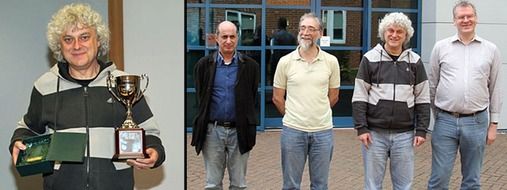
Jonathan Mestel at the 2014 Winton Capital British Solving Championships at Eton College, Courtesy of John Upham Photography

He has represented England in the World Team Solving Championships on many occasions winning in 1986, 1990 (shared with USSR), and then a run of 2005, 2006 and 2007.

The successful 2010 England team in the World Solving Championships of David Friedgood, John Nunn, Jonathan Mestel and Colin McNab

He has played many times in the Lloyds Bank and (now) Winton Capital sponsored British Solving Championships (quite often located at Eton College, Berkshire). He has won the individual title firstly in 1982-83 and then a further 17 times not to mention many times as runner-up.

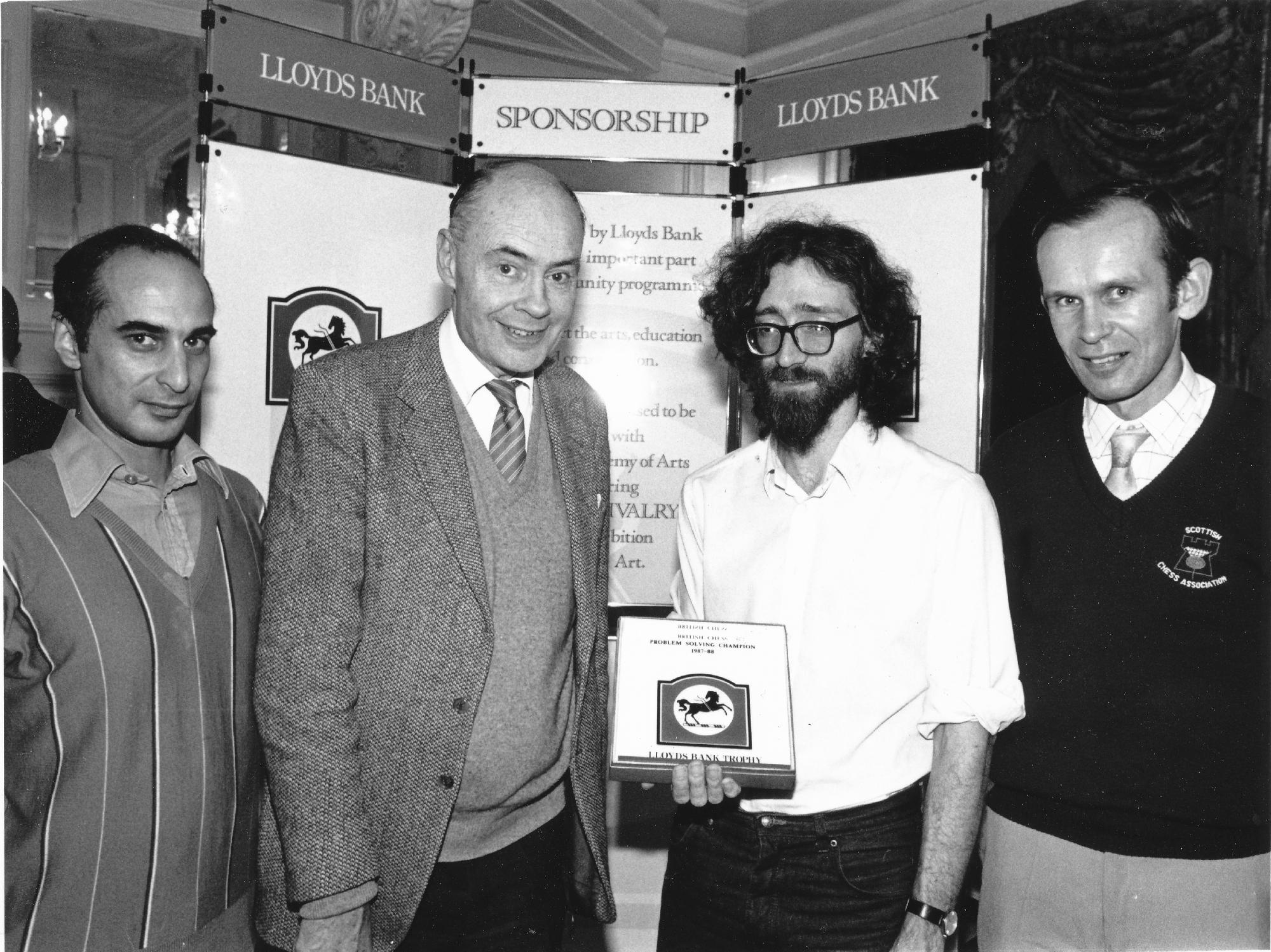
Winners of the Lloyds Bank 1987-8 British Solving Championships: (l-r) David Friedgood (runner-up), Sir Jeremy Morse, Jonathan Mestel (winner) and Jonathan Lennox (third-place)

Here are a few examples:

Firstly a prize winning study…

J. Mestel
1.p Niekarker Kruujebitter Ty (tt), 2006

[FEN “8/4pP1k/5q1p/4p3/ppQpP3/3K1pp1/2P5/6R1 w – – 0 1”]

White to Play
and Draw

SOLUTION

1.Qe6! [1.Qc8? Qxf7] 1…Qxe6 2.f8Q [2.f8N+? Kh8! (2…Kg8? 3.Nxe6 g2 4.Nxd4 exd4 5.Kxd4) 3.Nxe6 g2] 2…f2 [2…Qa6+ 3.Kd2 Qe2+ 4.Kc1 Qe3+ 5.Kb2] 3.Rxg3 f1Q+ [3…Qa6+ 4.Kd2 f1N+ 5.Kc1 Nxg3 6.Qf7+] 4.Qxf1 Qa6+ 5.c4! bxc3+ [5…dxc3+ 6.Ke3! (6.Kc2? b3+!) 6…Qxf1 7.Rg7+ Kh8 8.Rg8+ Kh7 9.Rg7+ Kxg7] 6.Kc2 Qxf1 7.Rg7+ Kh8 8.Rg8+ Kh7 9.Rg7+ Kxg7 ½-½

and another study:

and another:

and

and

and now a problem:

Jonathan Mestel
British Chess Magazine, 2007

#3, 7+6

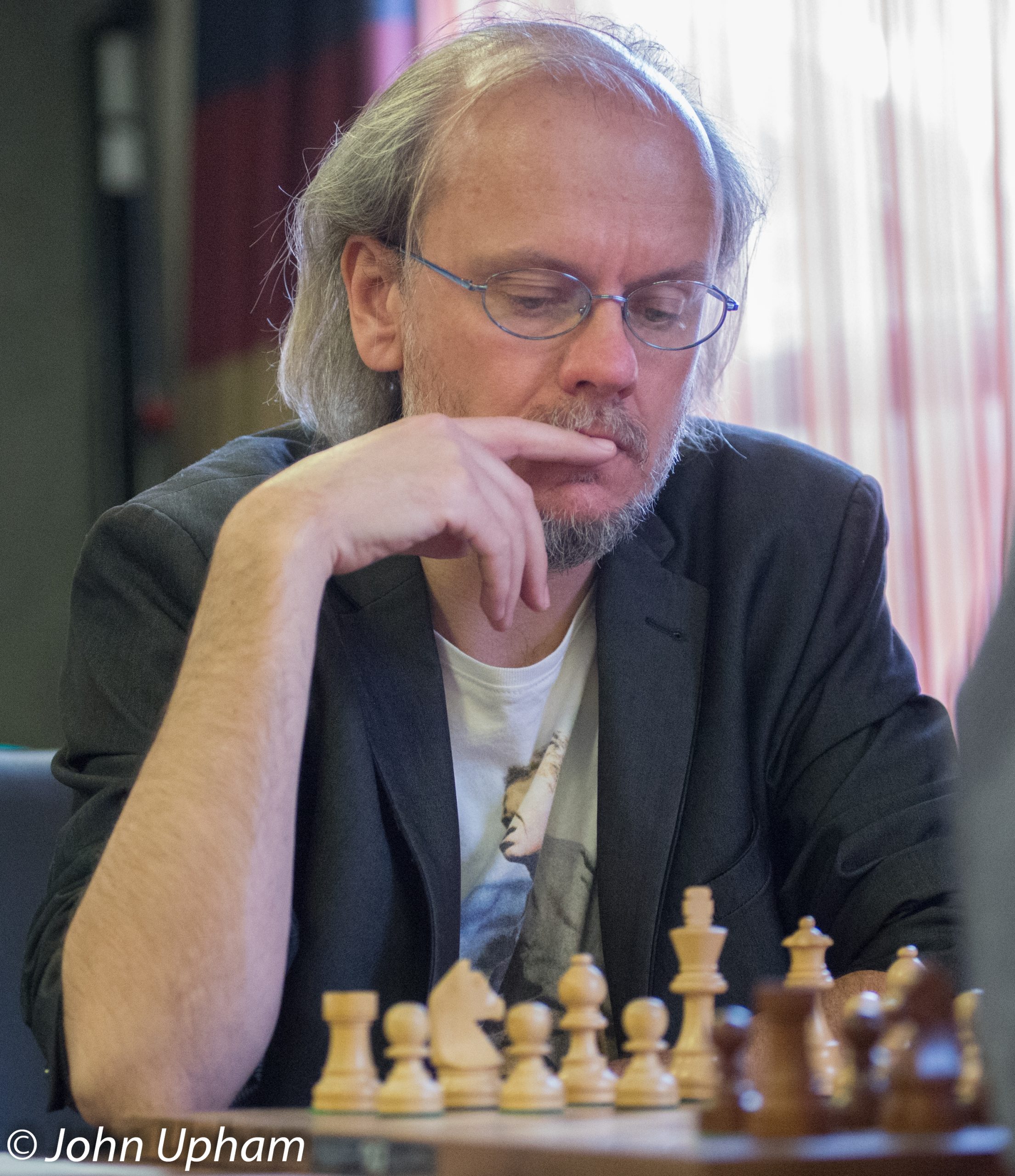
GM Jonathan Mestel at the 2016 Winton Capital British Solving Championships at Eton College, Courtesy of John Upham Photography

Here is his staff page from Imperial College, London

and his personal page may be found here

A.J.Mestel. Not Your Ordinary Grandmaster. by Neil Blackburn (aka Simaginfan).

Here is his Wikipedia entry

 Save as PDF

Happy Birthday GM Stuart Conquest (01-iii-1967)

GM Stuart Conquest
GM Stuart Conquest

BCN sends Birthday wishes to GM Stuart Conquest on his birthday this day in 1967.

Stuart was born in Ilford and this is where he spent his early years playing starting at the age of 8.

Since 2011 has taken the role as Director of the Gibraltar International Chess Festival, and has  returned to the UK this summer.

GM Stuart Conquest at the 2021 Pro-Biz Cup, RAC Club, Pal Mall, London. Courtesy of John Upham Photography

Here is his Wikipedia entry

This was written about Stuart aged 11 prior to the Spassky vs the BCF Junior Squad simultaneous display :

“Hastings. Rating 178. World’s best 11 year old. 100% on board 1 for England, Eumig European children’s cup, 1978.”

Neil Carr (front right)
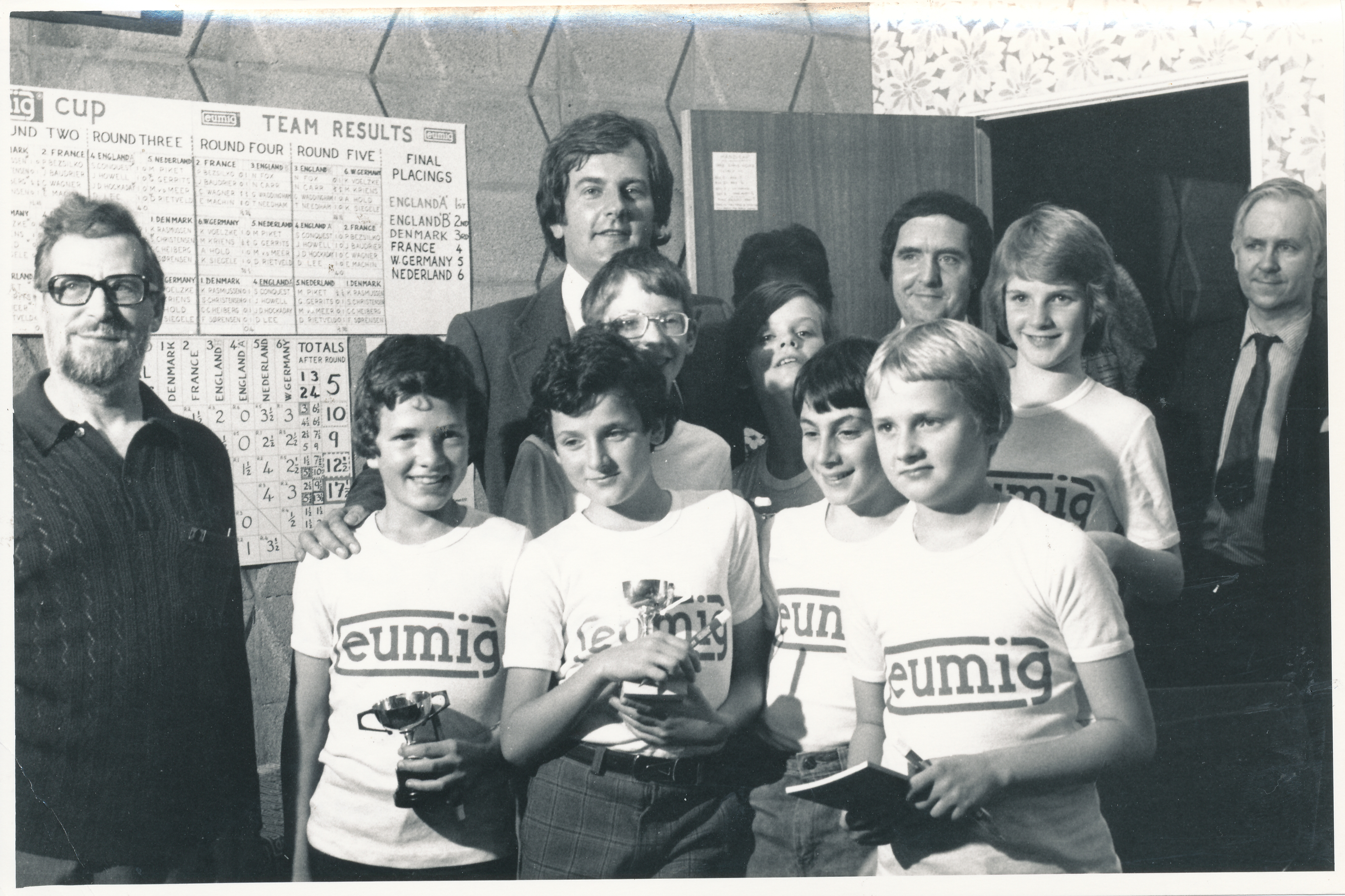
England’s under-12 junior teams finished first and second in the international Eumig Cup, 1981.
Front row: Peter Morrish (organiser), Jimmy Hockaday, Darren Lee, Neil Fox, Neil Carr. Second row: James Howell, Stuart Conquest, Teresa Needham. Far right: LB.
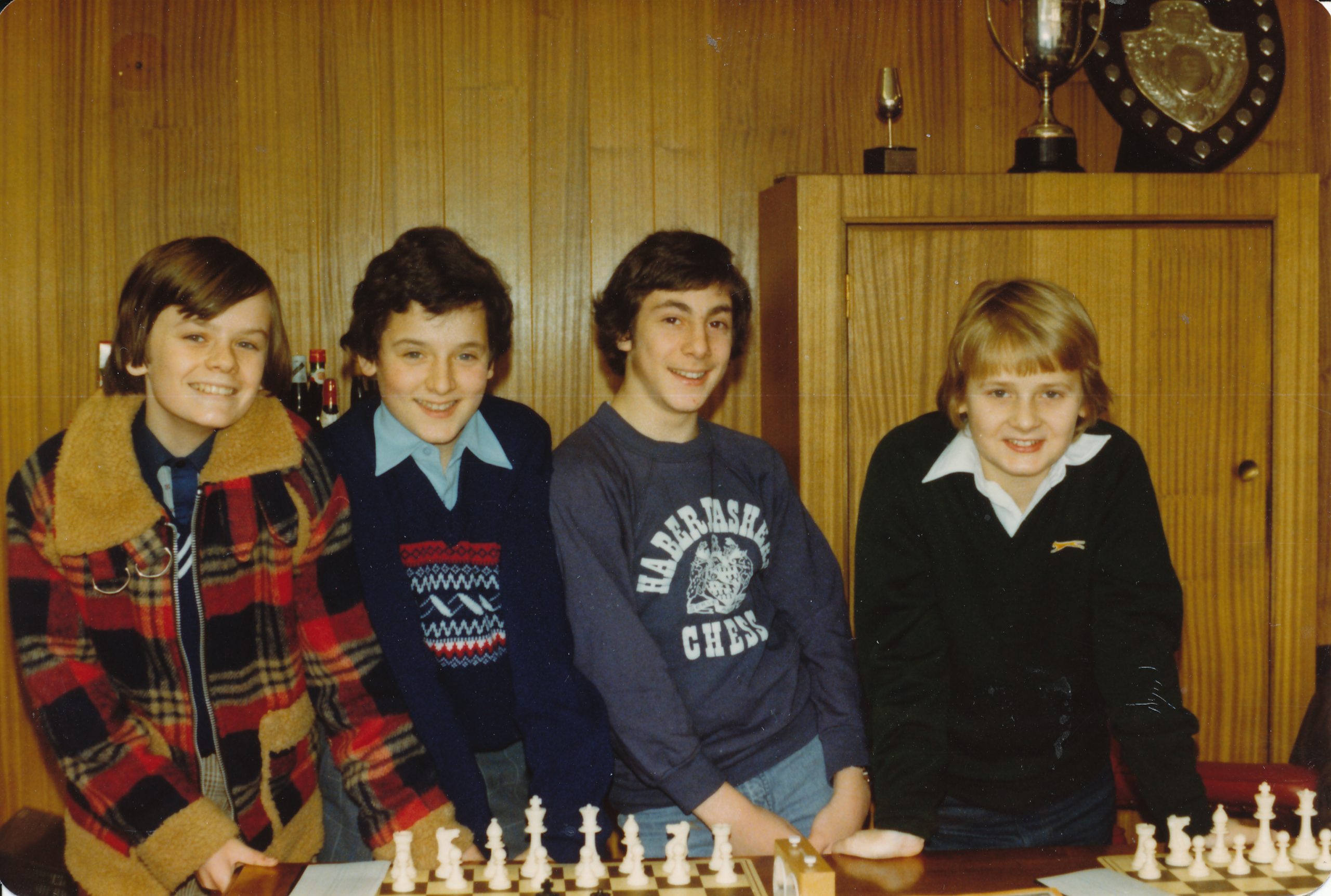
Stuart Conquest (far left) at Paul Buswell's house
Stuart Conquest (far left) then Darren Lee, Neil Fox and Neil Carr.

Stuart won the inaugural World Under 16 championship in Embalse, Córdoba, Argentina under the tutelage of IM Čeněk Kottnauer

Stuart Conquest
Stuart Conquest
 Save as PDF
Happy Birthday GM Glenn Flear (12-ii-1959)

Glenn Curtis Flear
Glenn Curtis Flear

BCN wishes Happy Birthday to GM Glenn Flear (12-ii-1959)

From Chessgames.com :

“Glenn Curtis Flear was born in Leicester, England. He was awarded the IM title in 1983 and GM title in 1987. While still an IM, he shocked the chess world by winning the GLC Chess Challenge (1986) ahead of a field that included Short, Chandler, Nunn, Portisch, Polugaevsky, Spassky and Larsen. He married Christine Flear during that tournament. He represented England at the Dubai Olympiad in 1986.”

Here is his Wikipedia entry

This was written about Glenn prior to the 1979 Spassky vs the BCF Junior Squad simultaneous display : “Surrey University and Leicester.
Rating 208. Twice British men’s championship finalist. Captain England juniors, 1977. Former Leicestershire men’s champion.”

GM Glenn Curtis Flear

GM Glenn Curtis Flear
 Save as PDF
Happy Birthday WIM Cathy Warwick (06-ii-1968)

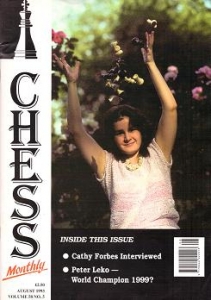
Birthday of WIM Cathy Warwick (06-ii-1968)

WIM Cathy Warwick (née Forbes)

Here is her Wikipedia entry

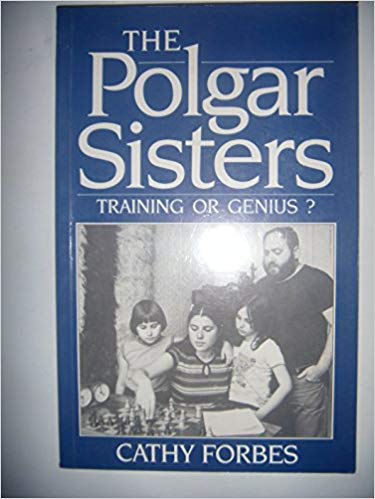
The Polgar Sisters : Training or Genius ?

Bobby Fischer, the Holy Grail – A Balkan Odyssey

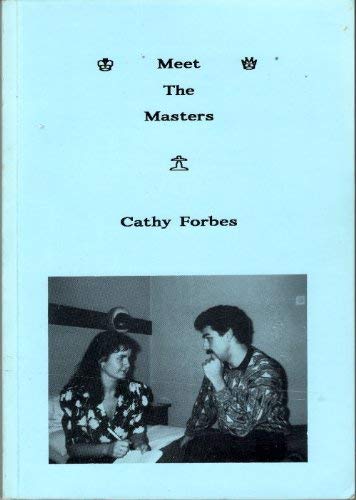
Meet The Masters : Cathy Forbes
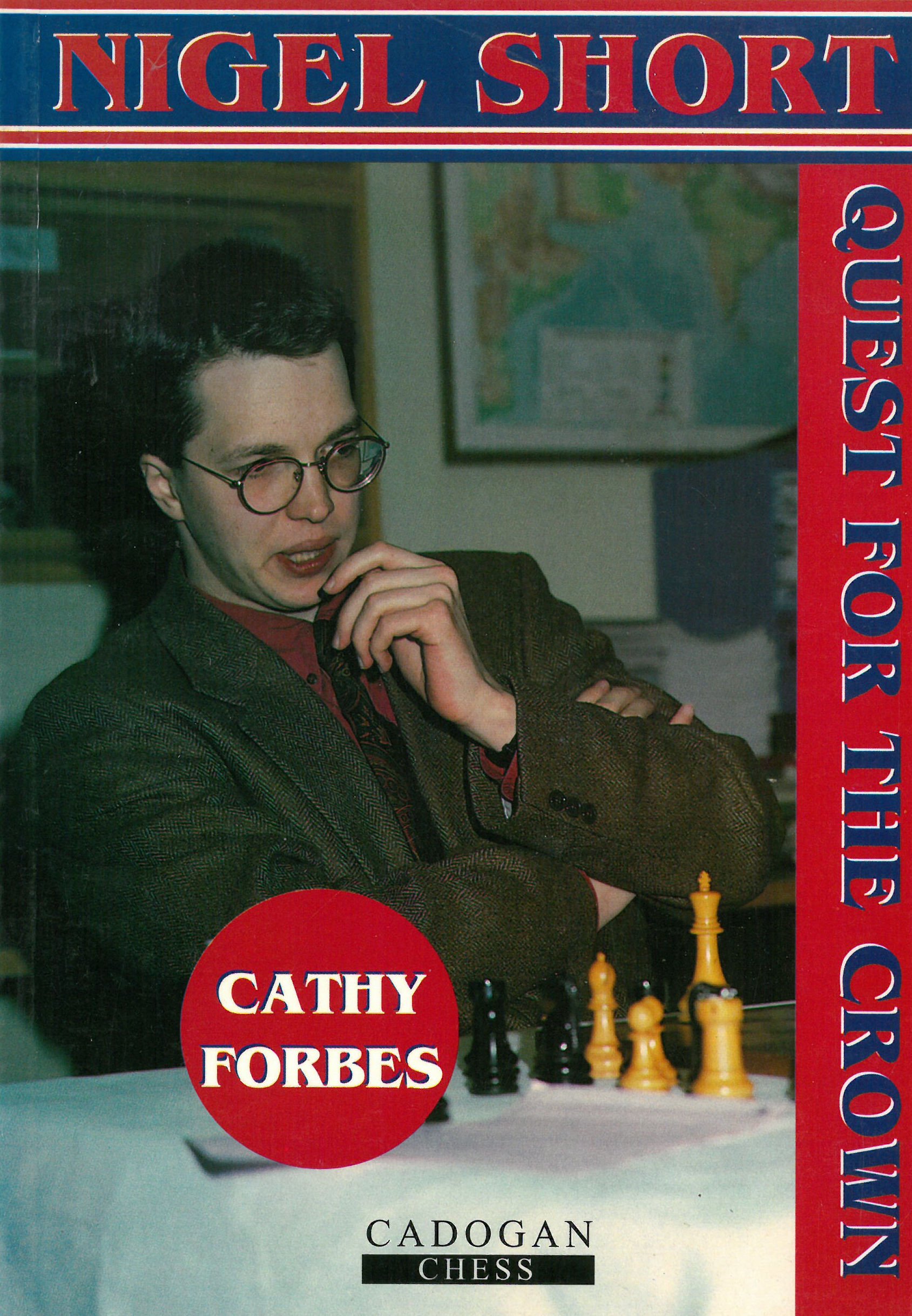
Nigel Short: Quest for the Crown
 Save as PDF