We remember Horatio Caro who passed away on Wednesday, December 15th, 1920.
Horatio Caro was born on Saturday, July 5th 1862. On the same day Heinrich Georg Bronn, German geologist and paleontologist passed away.
His parents were (in the 1861 census) Jacob and Mathilda Caro (née Lüpschütz, possibly Lipschütz) living at 4, Warwick Place, Jesmond, Newcastle upon Tyne.
Horatio’s birth was recorded at Lombard Street, Newcastle upon Tyne.
Jacob and Horatio moved to Berlin to live at 2, Winterfeld Strasse. They both had joint German/British citizenship.
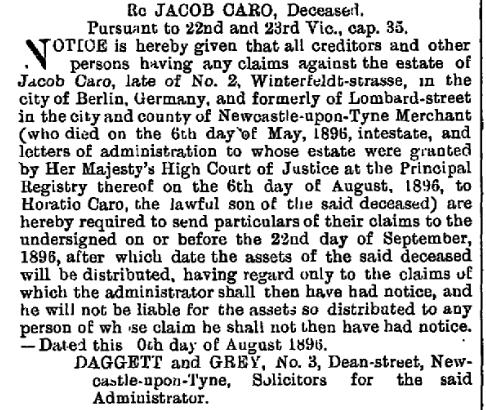
In 1896 Jacob passed away and his affairs were handled by family solicitors, Daggett and Grey of 3 Dean Street, Newcastle-upon-Tyne:
The London Gazette, 1896
On December 15th 1920 JHD Reid, Master of the Institution of South Grove (a workhouse) recorded the discharge of Horatio. The reason stated was “dead”.
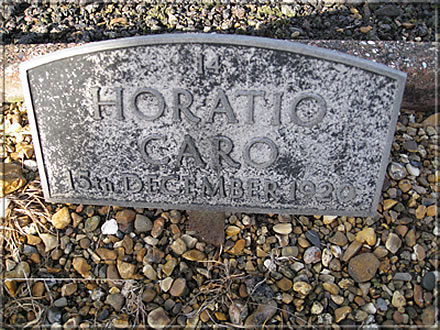
His death was registered in Mile End Old Town and he is buried in the East Ham Jewish cemetery, London Borough of Newham, Greater London located at Section E Row 18 Plot 14.
Grave marker for Horatio Caro. Photograph from Gordon Cadden to Ken Whyld Assocation
According to Wolfgang Heidenfeld in The Encyclopedia of Chess (Batsford, 1977), Harry Golombek OBE :
“A minor English master who spent most of his chess life in Berlin. Though he had indifferent tournament not much better match results (he lost to Mieses, and Winawer, drew twice with Von Bardeleben and beat Lewitt), his name has become immortal through the Caro-Kann Defence, which he expounded in his own journal, Brüderschaft, in 1886.”
The Caro-Kann Defence is characterised by
(as an alternative to the French Defence) in which the c8 bishop may be active from an early stage.
Caro famously was able to overcome Emanuel Lasker in just 14 moves in 1890 :
There is also the Caro Variation of the Ponziani Defence which was known since the 1850s and recommended by Caro in Deutsches Wochenschach, 1893:
From Chess, Facts and Fables (McFarland and Company, Inc., 2006), page 12, Chess Note 3096, Edward Winter :
“We can now add a tenth specimen to the collection (of ‘Rare queen sacrifices’), having noted the following position on page 81 of Brüderschaft, 10 March 1888 :
The magazine (see also page 155 of the 12 May 1888 issue) stated that in this game, played in February 1888 (in Berlin?), Horatio Caro mated his unidentified opponent in five moves as above.”
In another place we are grateful to Brian Denman who mentioned that Caro made an appearance for the Great Britain team in the 1898 cable match against America. He lost on board 3 against John Barry.
Richard James replied : “He also represented Berlin in a cable match against New York in 1905. EdoChess has his highest rating as 2545 (11th in the world) in 1892.”
In a Comment to this post Tim Harding asks : “Caro was one of the British invitees to the London 1899 international but he withdrew before the start because of illness. Does anyone know what was wrong with him?”
“He spent most of his life in Germany. Page 353 of the Jubiläums-Ausgabe (1926) of Kagans Neueste Schachnachrichten (yes, I also read Edward Winter’s Chess Notes) claims that he lived in Frankfurt up to his 22nd year and in Berlin from 1882 onwards (arithmetic fail). Some sources claim, incorrectly, that he died in Berlin.
His death was registered in Mile End Old Town. In the 1911 census there are a lot of Caros in St George in the East, just the other side of the Commercial Road from Mile End Old Town, from their first names clearly Jewish. There’s also Blanche Caro, a 65-year-old Polish born widow, described as a furrier, in hospital in Mile End Old Town.”
There is extensive discussion from the same above source.
From Wikipedia :
“Horatio Caro (5 July 1862 – 15 December 1920) was an English chess master.
Caro was born in Newcastle upon Tyne, England,[1] but spent most of his chess career in Berlin, Germany. He played several matches. In 1892, he drew with Curt von Bardeleben (+2 –2 =2), lost to Szymon Winawer (+2 –3 =1). In 1897, he lost to Jacques Mieses (+3 –4 =3). In 1903, he drew with Bardeleben (+4 –4 =0). In 1905, he won against Moritz Lewitt (+4 –3 =5).
In tournaments, he won in Berlin (1888, 1891, 1894, 1898 (jointly), and 1903). He also took 10th at Berlin 1883, took 4th at Berlin 1887, tied for 2nd-3rd at Nuremberg 1888, took 3rd at Berlin 1889, took 2nd at Berlin 1890.
He took 3rd at Berlin 1894, took 9th at Berlin 1897, took 17th at Vienna 1898, took 4th at Berlin 1899, tied for 6-7th at Berlin 1902, tied for 11-12th at Coburg 1904, tied for 7-8th at Barmen 1905, took 9th at Berlin 1907, tied for 3-5th at Berlin 1908, and took 4th at Berlin 1911.
Caro died in London at age 58.
His claim to fame is linked to the opening Caro-Kann Defence (B12), which he analysed along with Marcus Kann and jointly published about on the German journal Bruederschaft in 1886.”
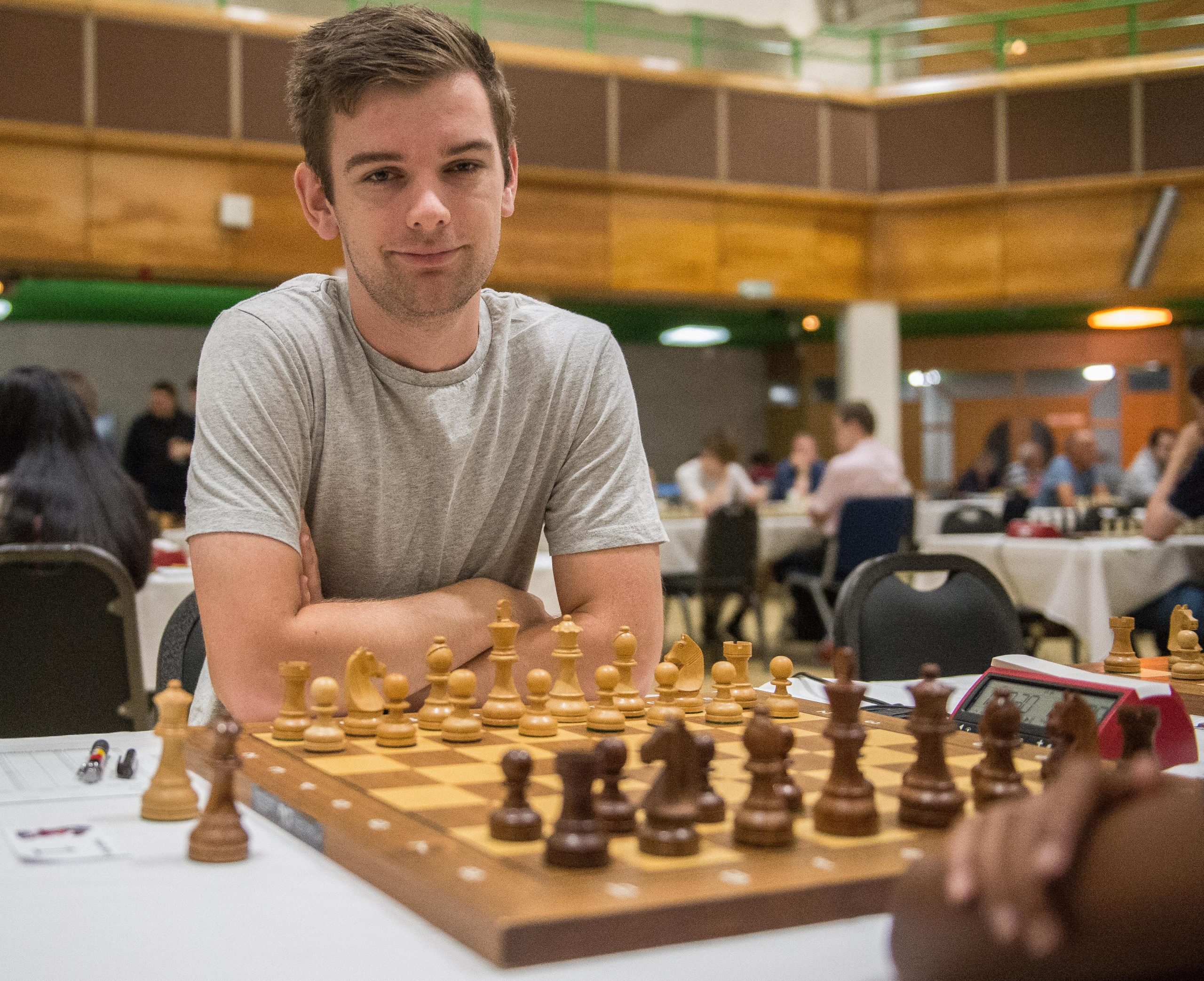
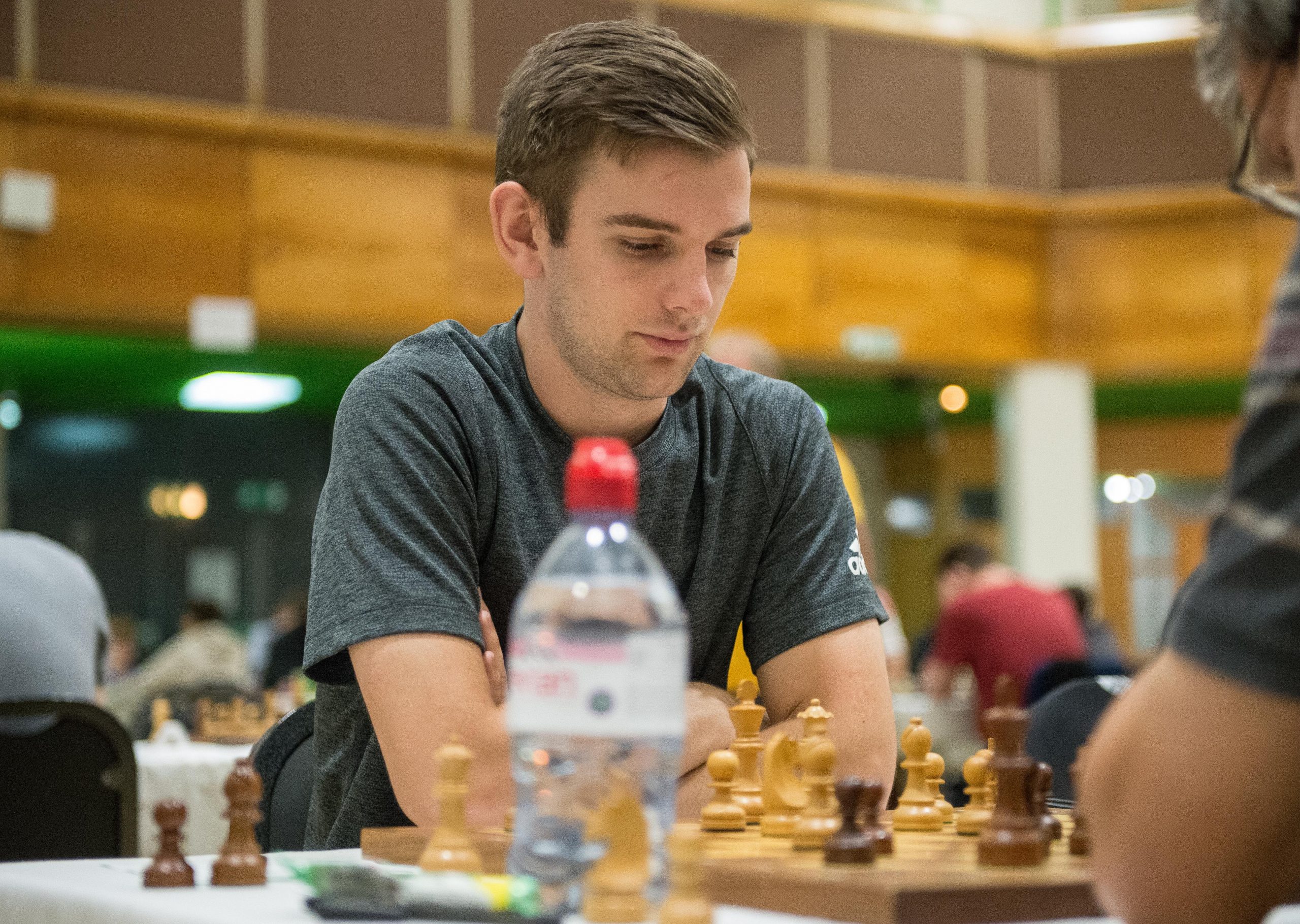
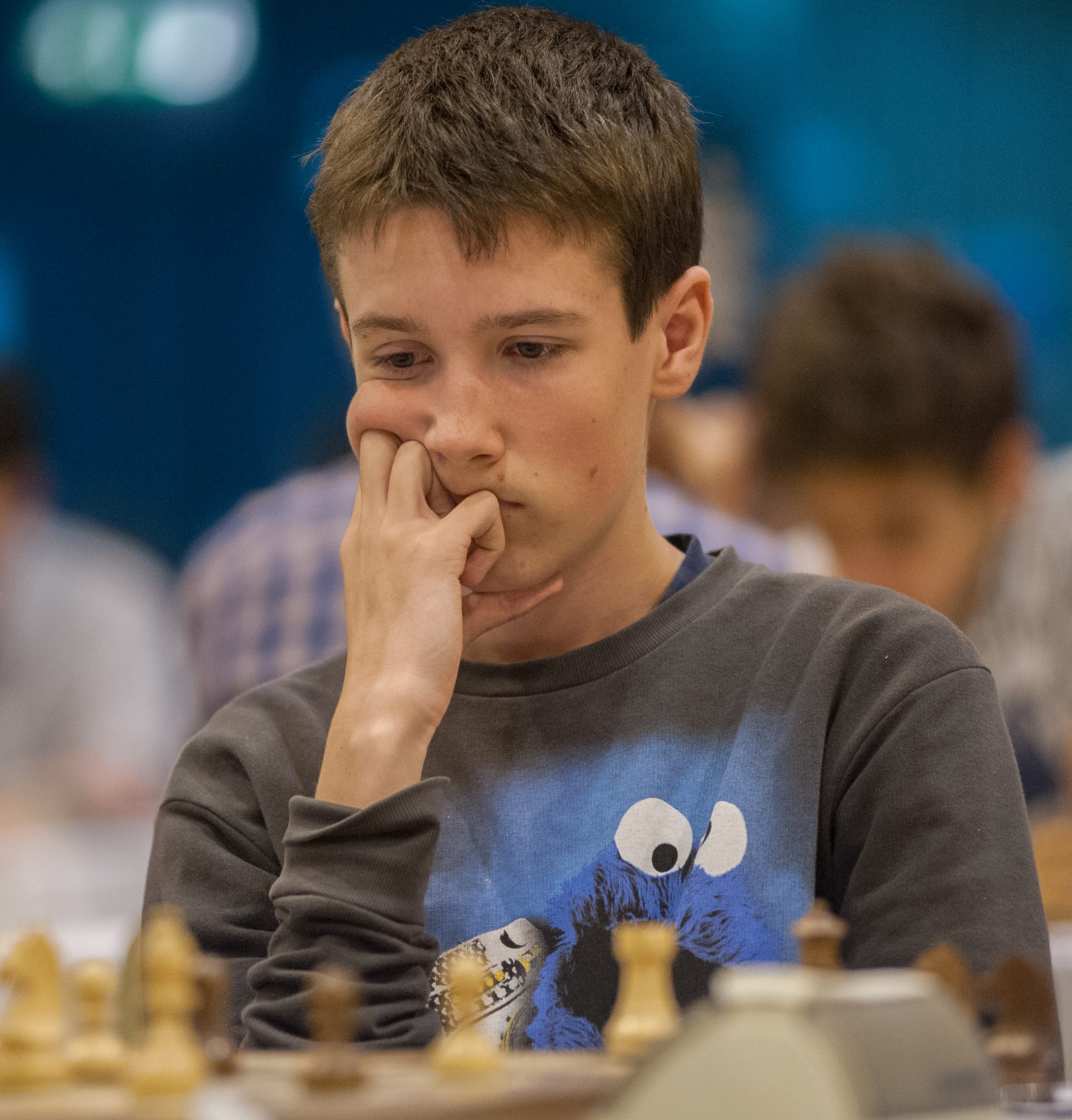
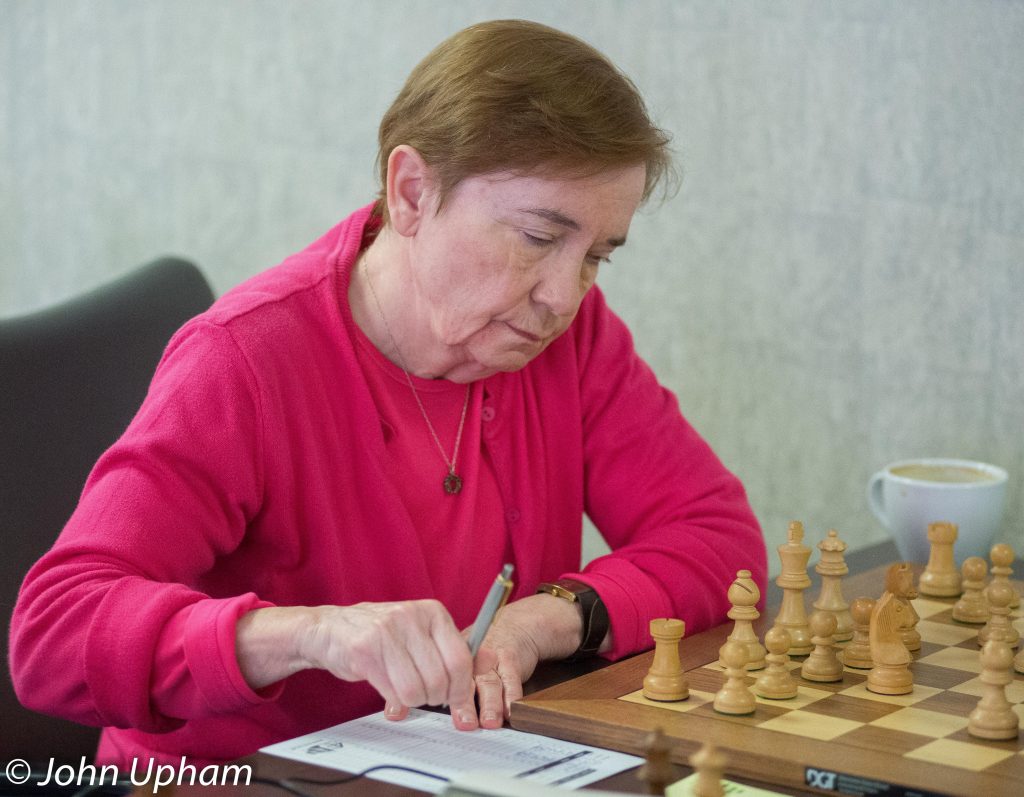
IM Brandon Clarke, British Championships (Major Open), Torquay 2019, Courtesy of John Upham Photography
Happy Birthday Wishes to IM Brandon Clarke born on this day (December 14th), 1995. “Earth Song” by Michael Jackson was the UK Number One single.
Brandon George I Clarke was born in Leicester and now resides in Woodstock, Oxfordshire. He was a chess scholar at Wellington College, Berkshire and studied accounting at BPP. Upon leaving Wellington he relocated to California and became a chess coach in Orange County. A further relocation to Sydney, Australia allowed Brandon to become a coach at the Sydney Academy of Chess.
His chess career started modestly but progress rapidly accelerated.
In the 2003 London Junior Championships he was =13 with 4/7
In July 2004 he secured his first published standard play grading of 84D and 62D for rapid play. His first recorded rapid play tournament was on the 4th of October 2003 being the Mini Squad Under 8s. In this event he beat a certain Jamie Horton who had a grading of 45D at the time.
In 2006 Brandon won outright the London Under 12 title with 7.5/9. Marcus Harvey was a runner-up. This situation was repeated one year later.
In 2009 Brandon won the LJCC Under-16 title this time with Akash Jain as runner-up. His TPR for a score of 5/6 was 199.
2010 saw the sharing of the British Under-15 Championship with Gordon Scott in Canterbury.
Brandon was a chess scholar at Wellington College, Berkshire and was part of the strongest school / college team to play in the National Schools competition for many years that included James Holland, Felix Jose Ynojosa-Aponte, Alexander Galliano, Latefah Meesam-Sparkes, Akash Jain, Adrian Archer-Lock and latterly William Foo and Richard Zhu. Despite being easily the strongest team they were denied the title by the antiquated age handicapping rules.
In 2016 Brandon became a FIDE Master.
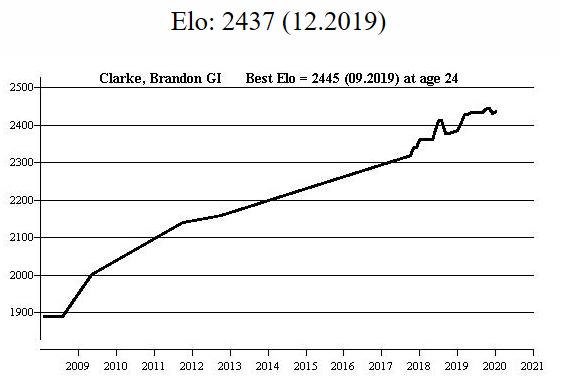
FIDE rating profile for Brandon Clarke according to MegaBase 2020
He became an International Master in early 2019 and plays much chess in Australia, New Zealand and England having lived in the USA for some time after leaving Wellington College.
Aged 24 Brandon has achieved his highest FIDE rating of 2445 and it shows every sign of increasing.
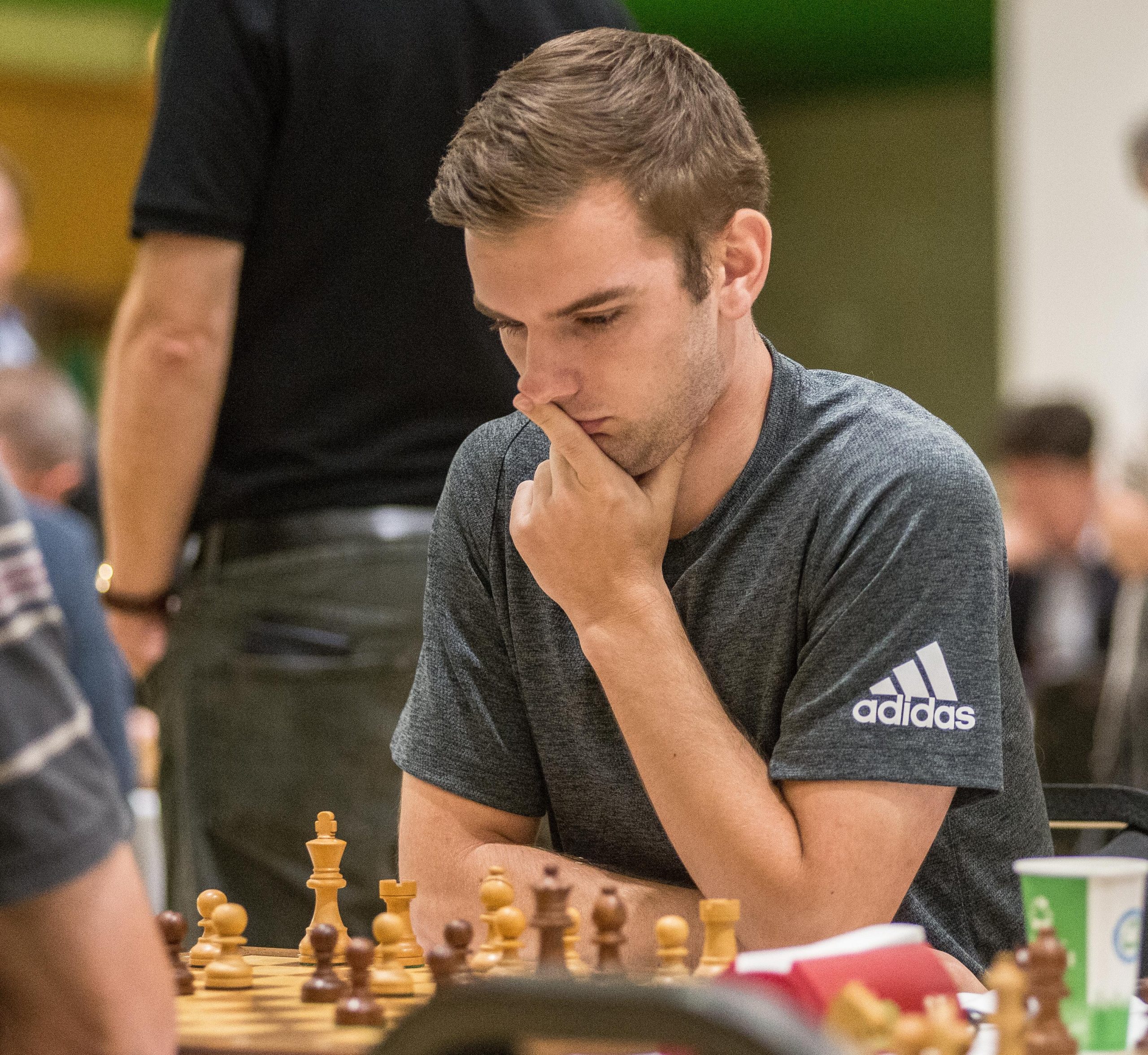
IM Brandon Clarke, British Championships (Major Open), Torquay 2019, Courtesy of John Upham Photography
With the White pieces Brandon is almost exclusively an e4 player with occasional forays with the Queen’s pawn. Against the Najdorf he prefers 6.Bg5 and allows the Marshall against the Ruy Lopez.
As the second player he plays the Najdorf and the King’s Indian Defence most of the time.
On Chess.com he plays under the handle of Biranidun with a blitz rating of 2847.
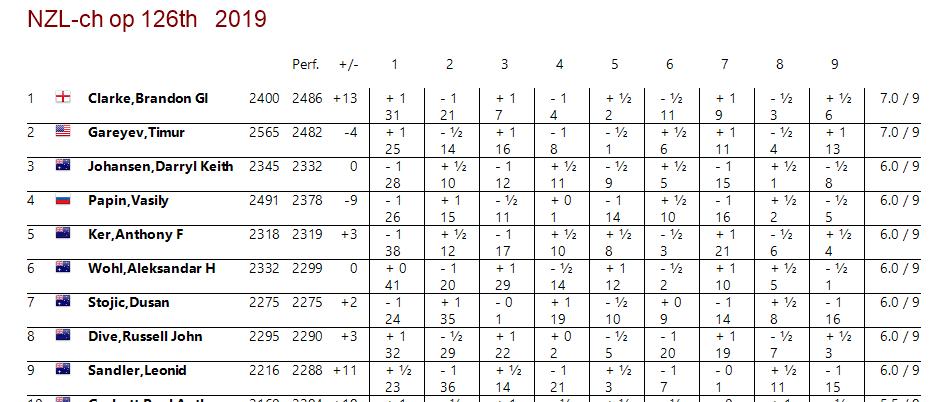
In January 2019 Brandon scored a very impressive victory in the 126th (!) New Zealand Open. “The 2019 126th New Zealand Open is part of the 126th New Zealand Congress and is a 9-round Swiss event being held at the Waipuna Conference Centre in Auckland from 14-22 January 2019.”
Cross table from the 126h New Zealand Open
Brandon made a welcome return to the UK and comfortably won the 2019 Major Open in Torquay with 8.5/9 as an IM.
Brandon plays for Australia Kangaroos in the Pro Chess League.
The ECF grading web site shows his only club to be Littlethorpe (in Leicestershire) although Brandon played for Warwickshire Select in the Four Nations Chess League (4NCL).
IM Brandon Clarke, British Championships (Major Open), Torquay 2019, Courtesy of John Upham Photography
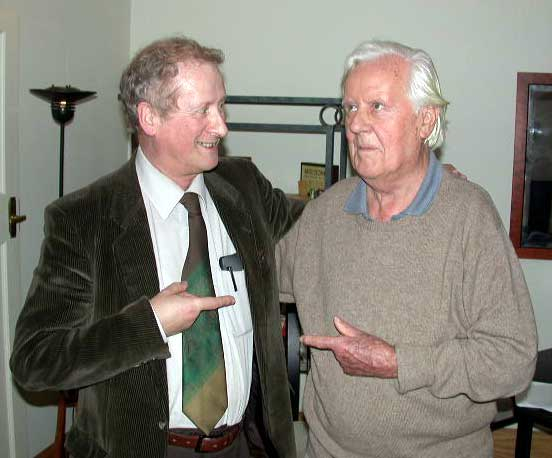
David Parlett (lhs) & David Pritchard (rhs) in 2005. Editors of Games & Puzzles magazine
We remember David Pritchard who passed away on Monday, December 12th, 2005.
David Brine Pritchard was born on Sunday, October 19th, 1919. On this day the first US Distinguished Service Medal was awarded to a living female recipient, Anna Howard Shaw.
He was born in Wandsworth taking his mothers’ Winifred maiden name of Brine (as was customary in those days). His father was Arthur Pritchard (DoB : 4th January 1890) and he was the managing director of an Engineering Company. Arthur and Winifred married in Maidenhead, Berkshire in 1917.
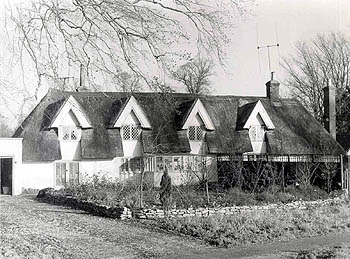
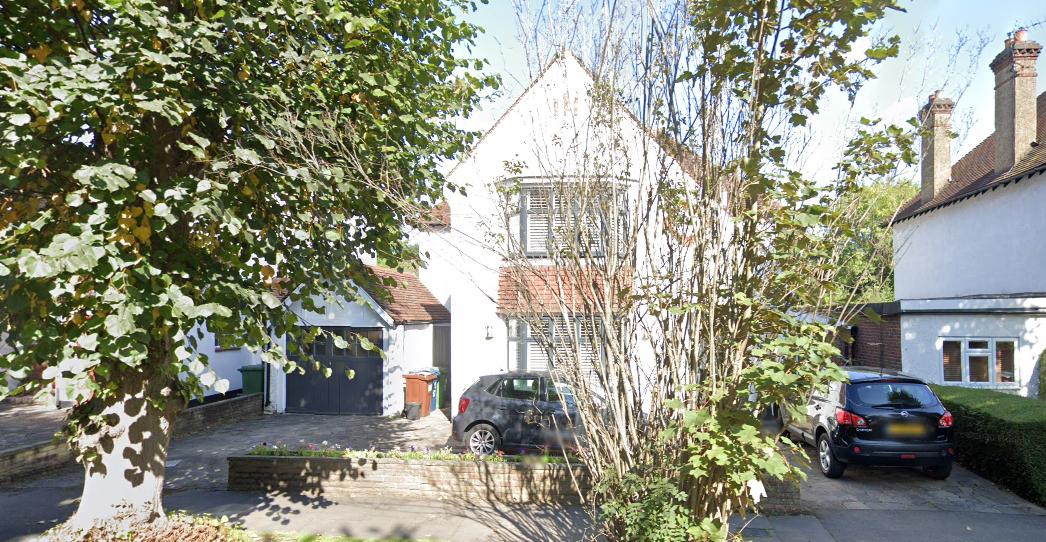
At the time of the 1939 census David was a chiropodist and recorded as single and living in Munee Cottage, Main Street, Bedford. Main Street appears to have been renamed to Main Road which is in Biddenham. It is likely DBPs cottage was something like :
48 and 50 Main Road Biddenham, Bedford, Hertfordshire
During the second world War David joined the Royal Air Force and was stationed in the Far East and following the war, he switched to intelligence work also for the RAF. He attained the rank of Squadron Leader and played much chess during this period of his life.
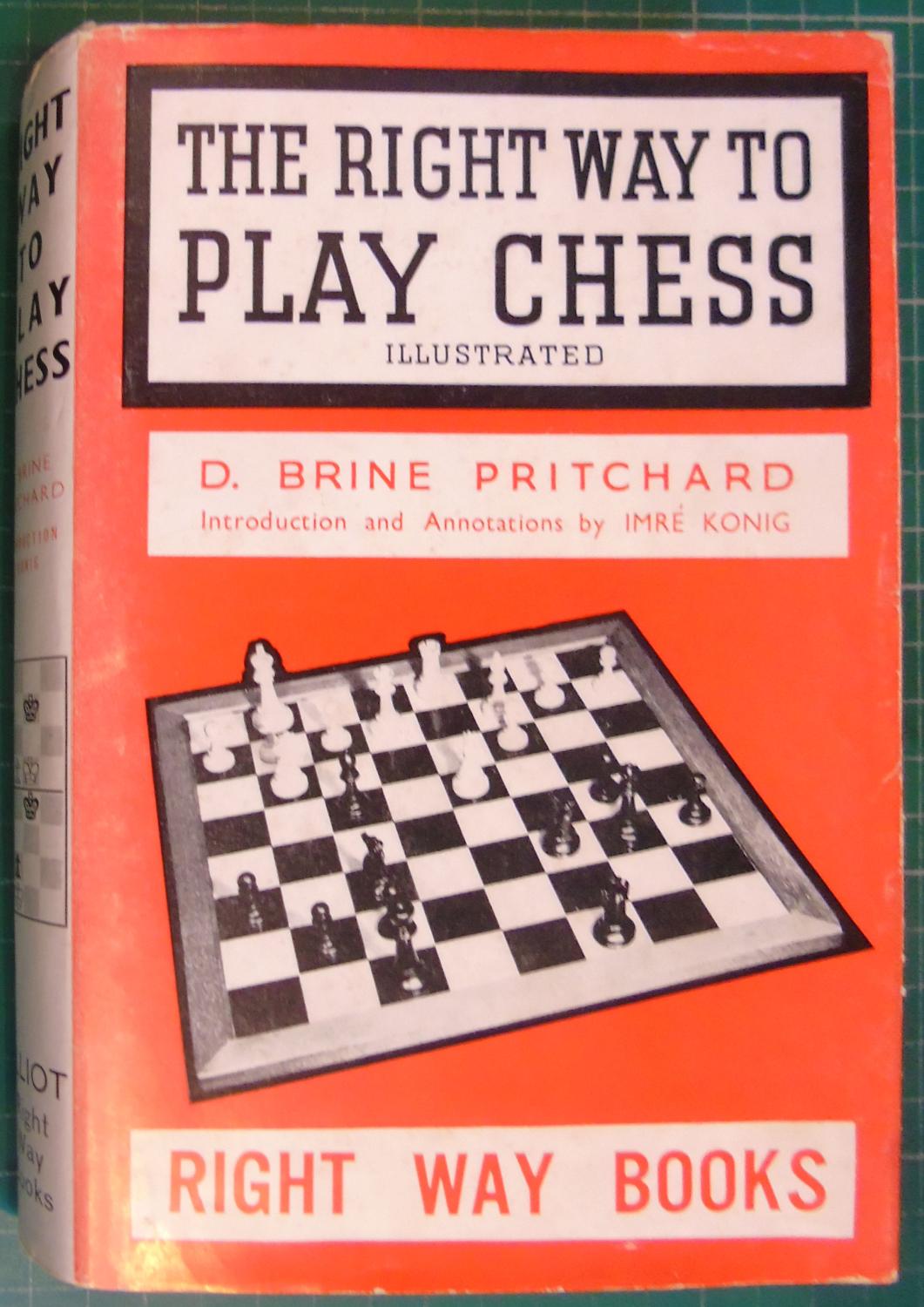
In 1950 David completed his first book : The Right Way to Play Chess, Elliot Right Way Books, 1950, ISBN1-58574-046-2
The Right Way to Play Chess, Elliot Right Way Books, DB Pritchard, 1950.
(Ed : This was the first chess book of this article’s author and was thoroughly consumed!)
On page 224 of said book David wrote :
Chessplayers – and this must be whispered – are generally an egotistical, ill-mannered crowd. If they conformed to common rules of decorum these words would not have to be written
followed by
I once carried out a private survey at a well-known chess restaurant where a large number of ‘friendly’ games are always in progress. In less than 30 per cent of those observed was resignation made with a good grace. In two-thirds of the games the loser either knocked his king over, abruptly pushed the pieces into the centre of the board, started to set up the men for a fresh game, or got up and walked away without saying a word to his opponent.
He married Elaine Saunders in between January and March of 1952 in the Cheslsea Registry Office.
Elliot Right Way Books was an excellent choice of publisher for David and only 36 minutes by car from his new home in Godalming.
He won the Singapore Championship in 1954 and the Malaysian Championship in 1955.
David and Elaine had a daughter, Wanda on March 21st 1958. She became Wanda Dakin who was also a successful chess player. Wanda attended Guildford High School for Girls and then Royal Holloway College, Egham.
David was Southern Counties (SCCU) champion for the 1958-59 and 1965-66 seasons.
From the British Championships, 1959 in York we have this sparkling game with Frank Parr :
By now David had developed an interest in chess variants and board games in general.
David was the Chairman of the organising committee for the Battle of Britain Chess Tournament : he was runner-up in the first year to RF Boxall.
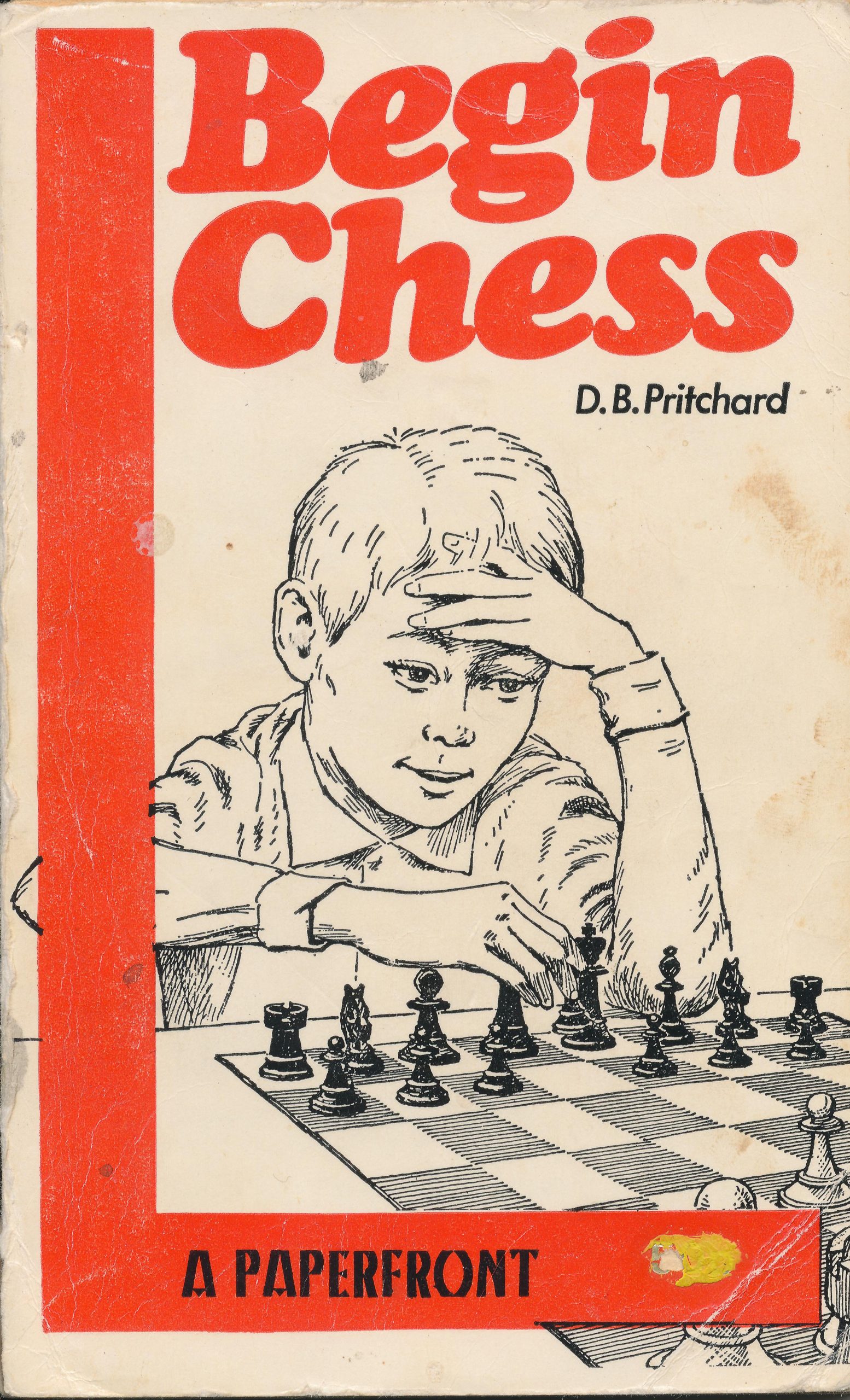
In 1970 he brought out his third book : Begin Chess, David Pritchard, Elliot Right Way Books, 1952
Begin Chess by David Brine Pritchard, Elliot Right Way Books, 1970Begin Chess by David Brine Pritchard, Elliot Right Way Books, 1970
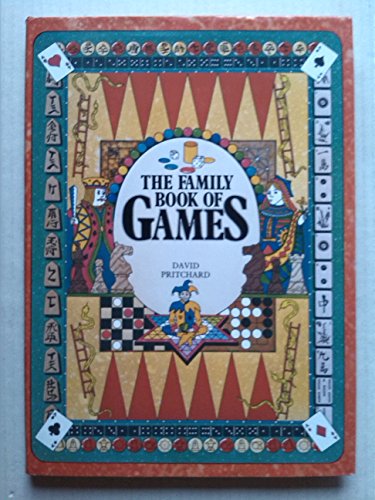
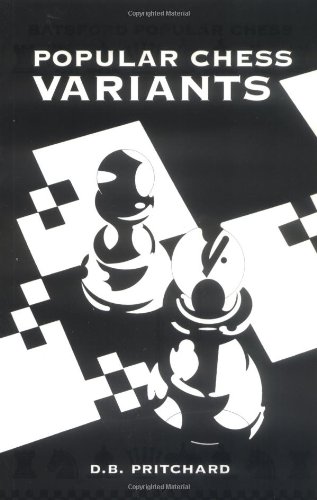
David became President of British Chess Variants Society and wrote many books on variants and indoor games.
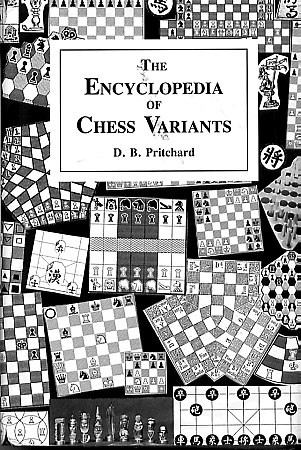
Here is an interview compiled by Hans Bodlaender about David’s Encyclopedia of Chess Variants :
Encyclopedia of Chess Variants, DB Pritchard, GAMES & PUZZLES PUBLICATIONS, 1994
Particularly interesting was this Q&A :
Do you think computers and the Internet will have effect on chess and on chess variants? If so, in what way?
I think that the Internet will inevitably introduce chess to more players but I forsee chess variants, because of their novelty, benefitting in particular from publicity on the net. I expect variants to gain more and more adherents in the future.
David was preparing a second edition before he passed away. This was completed and made available on-line by John Beasley.
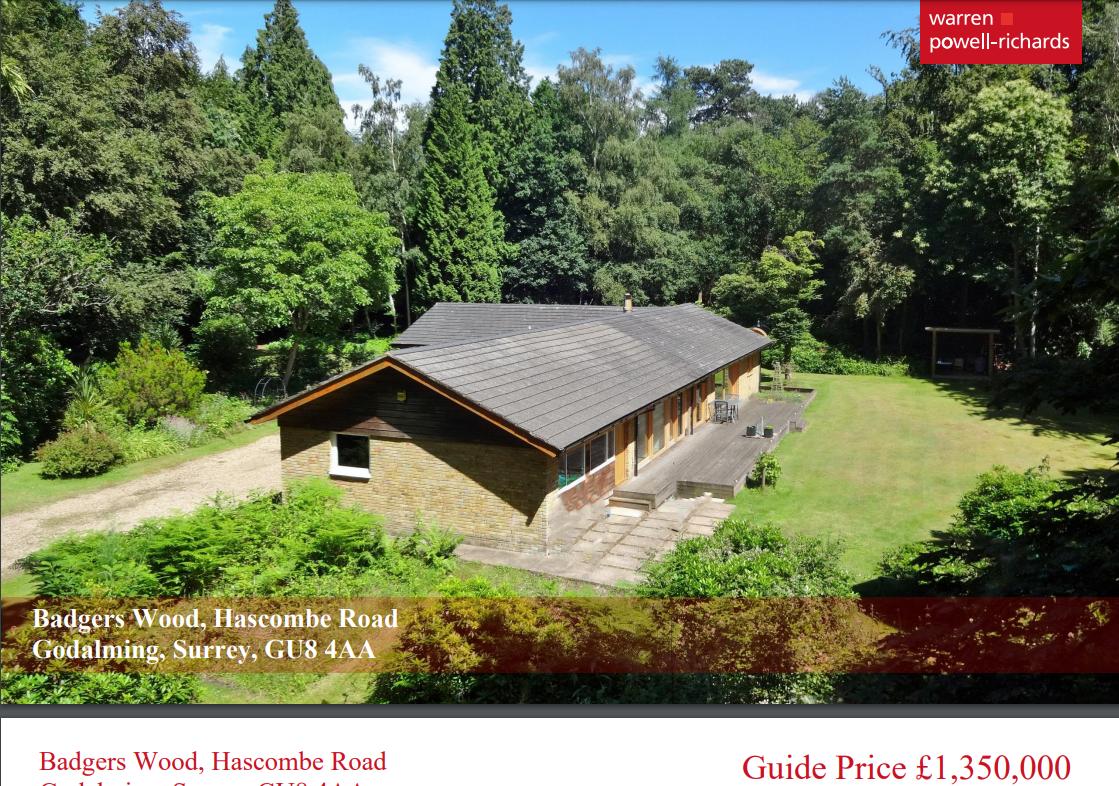
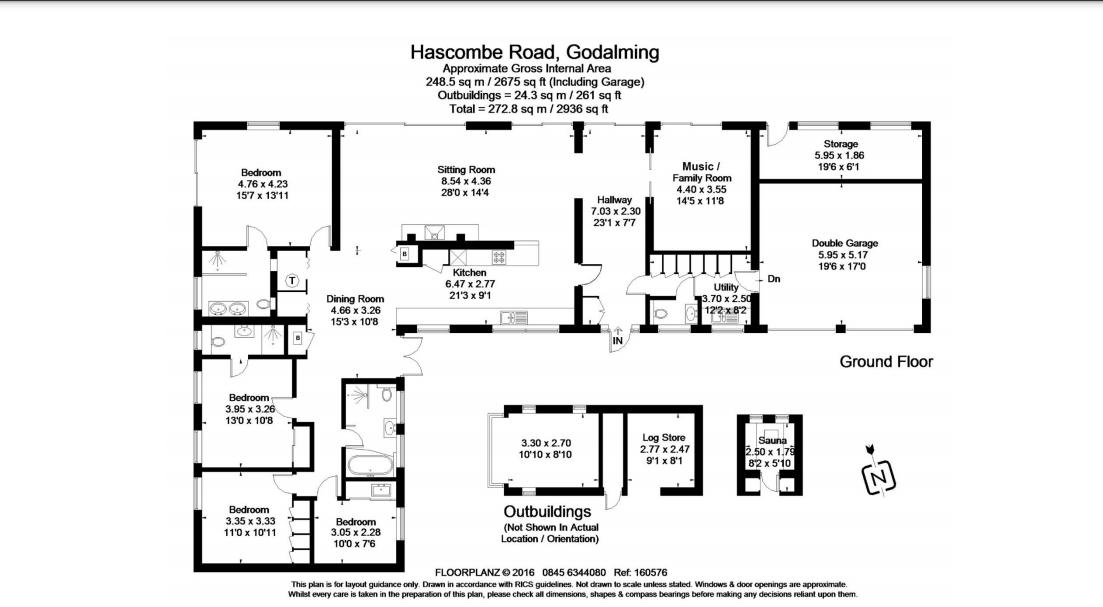
The Pritchard family lived at Badgers Wood, Hascombe Road, Godalming, Surrey, GU8 4AA in an idyllic location :
At the time of his passing he had five grand children.
From British Chess Magazine, Volume CXXVI (126, 2006), Number 2 (February), page 76 :
“David Brine Pritchard (19 x 1919 Streatham, London – 12 xiii 2005, London) has died following a fall . He was a strong amateur player and a successful author of books on chess and other games.
David Pritchard was a Squadron Leader in the RAF during the war and later rejoined it to work in intelligence. Whilst serving with the RAF he won the Malayan Chess Championships in 195, and he was also instrumental in the running the UK event known as the Battle of Britain Tournament which attracted a strong field in its heyday and generated revenue for the RAF Benevolent Fund.
He was a dangerous attacking played who scored a number of notable scalps in the British Championship including Penrose and Miles, without ever achieving the consistency required to challenge for the leading positions. He won the Southern Counties championships in 1959 and 1966.
As an author, Pritchard’s most successful book was The Right Way to Play Chess (Elliott, 1950, with numerous reprints), which is still to be found for sale in many British bookshops.
He will also be remembered as a leading authority on chess variants: he was reported to be in the process of preparing a second edition of The Encyclopedia of Chess Variants (1994) at the time of his death. He was also a very good correspondence player, an inventor composer of chess puzzles of all sorts (some of which appeared in BCM) and his interest in Fairy chess dated back to the 1940s.
His wife Elaine Pritchard, the leading woman player of the 1950s and 1960s, and their daughter Wanda (who also played competitive chess) survive him. We send them our condolences on behalf of BCM and its readers.”
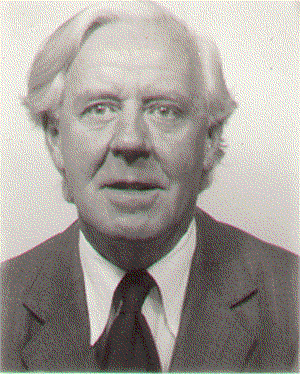
David Pritchard (19-x-1919 12-xii-2005), Passport photograph
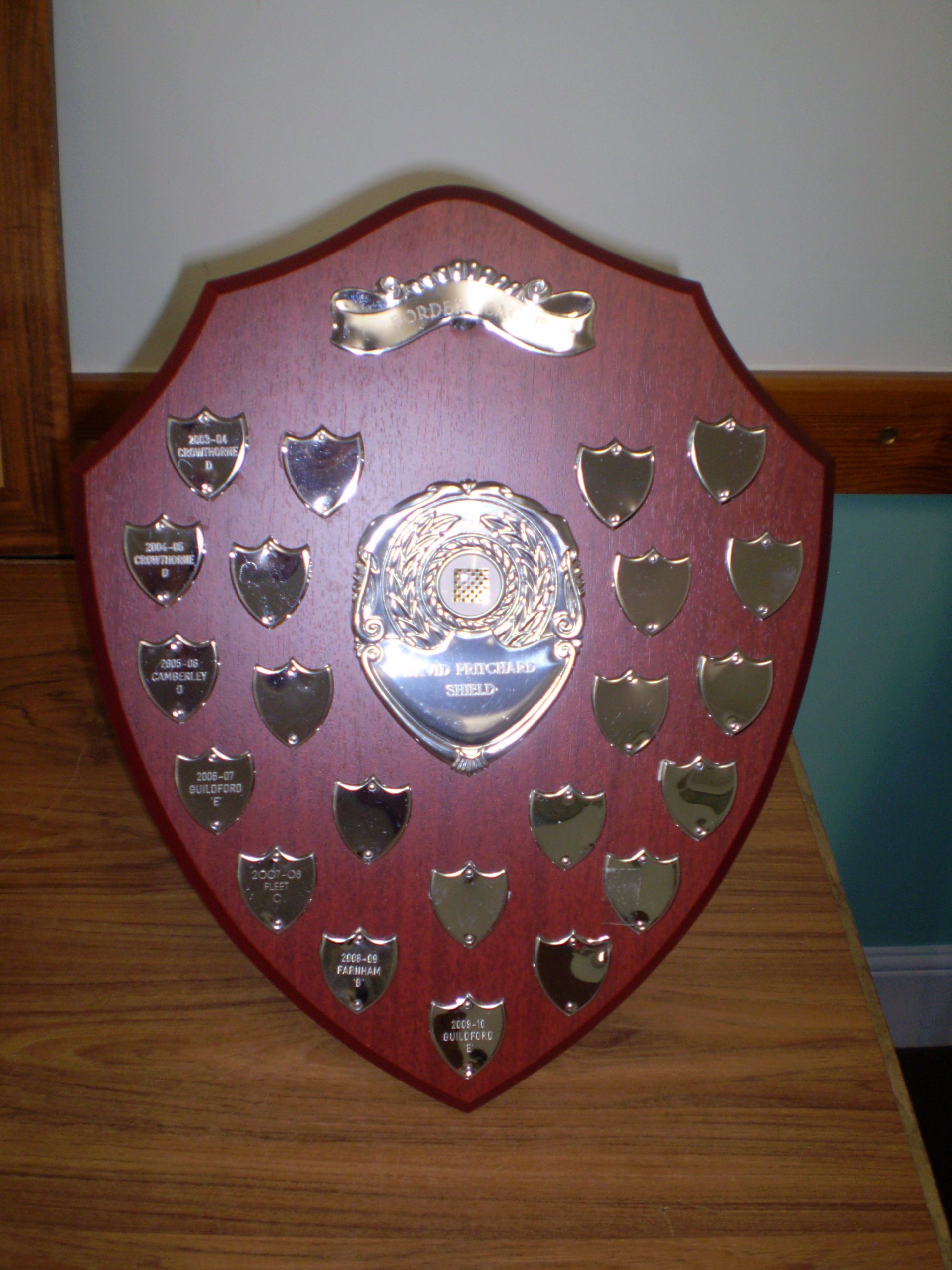
He was a leading member of Godalming Chess Club and played in the Surrey Border League. The David Pritchard Shield was presented in his memory.
The David Pritchard Shield from the Surrey Border League
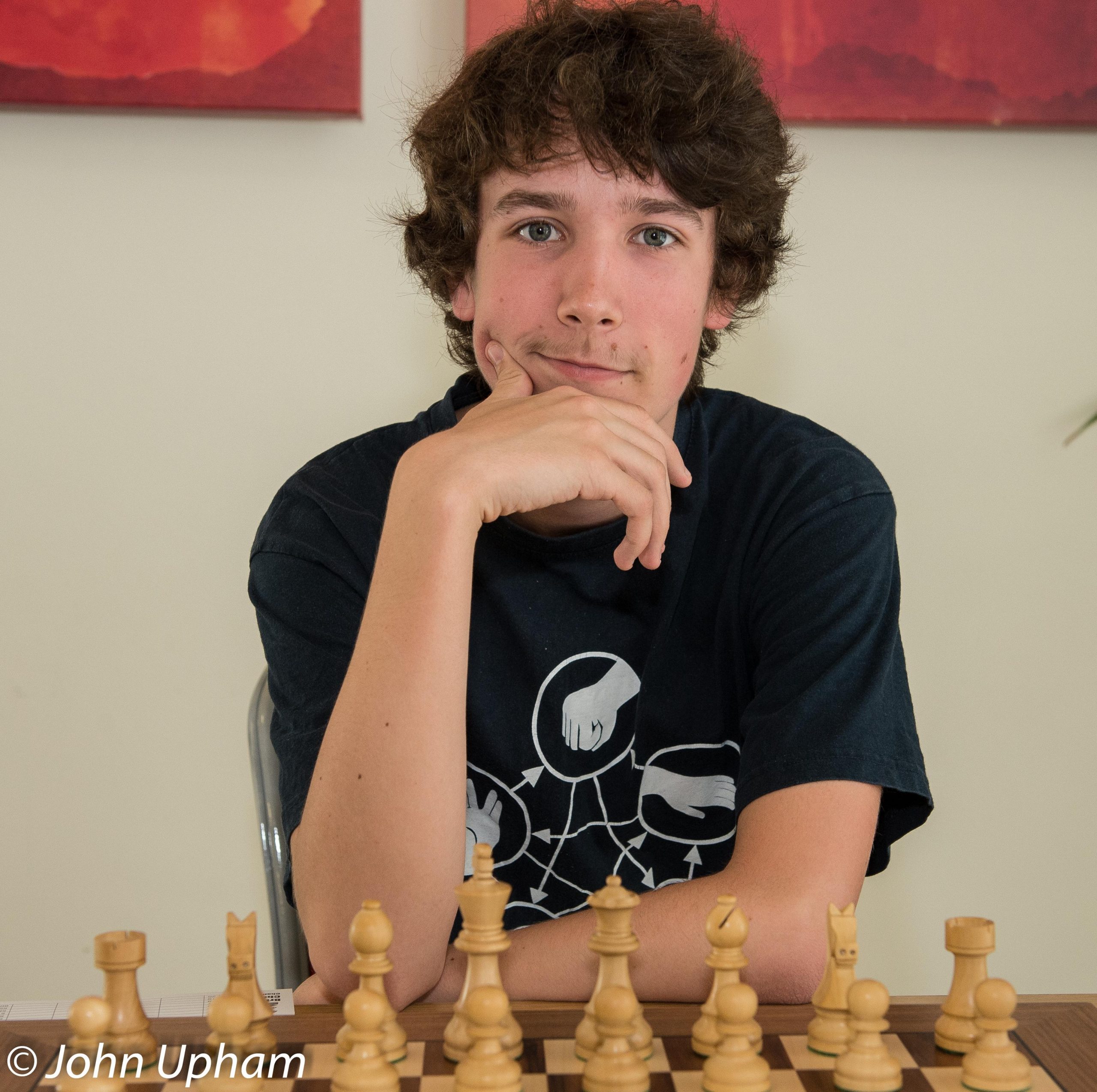
FM Peter Batchelor at the 2014 British Championships, Courtesy of John Upham Photography
Best wishes to FM Peter Batchelor on his birthday.
Peter J Batchelor was born on Tuesday, December 10th, 1996. “Breath” by The Prodigy was the UK Number One Single. His father is the player Guy Batchelor.
Peter’s first recorded rapidplay event was on the 17th of July 2005 in the Barnet Knights Under-9 tournament where he scored 4/6 and his first (!) standard play event was on August 20th 2005 being the British Land UK Terafinal which was not such a happy result.
His first published ECF grading was 56E in July 2006 at the age of ten with a rapidplay grading of 57A.
Peter played league chess in the Middlesex and London Leagues playing initially for Willesden & Brent and then with Wanstead & Woodford both with his father Guy.
Peter attended the Capital City Academy which is a “specialist sports and arts Academy in Willesden, North West London, in the borough of Brent.” He has returned there post-graduation to teach chess and run the school chess club.
Peter studied mathematics at the University of Warwick and now lives in London.
According to Ben Purton : “I captain Peter in the 4NCL chess league, he is one of the most professional and talented players on my squad. He is extremely smart and nice to be around. Peter would be an asset to any organisation in the future and any graduate scheme would be foolish not to take such a person on.
I have seen him grow in to one of the best U21 chess players in the UK and hope to see him gain his IM title soon.”
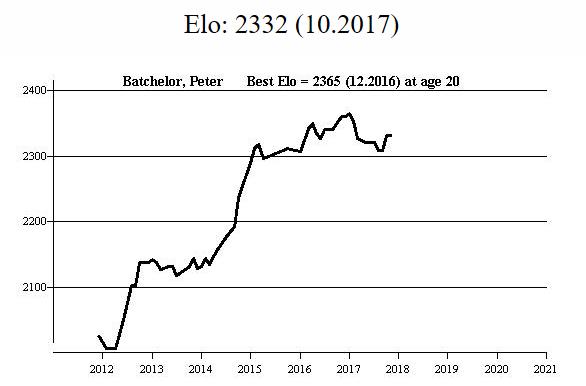
Peter became a FIDE Master in 2015 and, according to Felice and Megabase 2020 his peak FIDE rating was 2365 in December 2016.
FIDE rating profile for Peter Batchelor according to Megabase 2020
Peter plays for Grantham Sharks in the Four Nations Chess League (4NCL).
With the white pieces Peter plays the Queen’s Gambit and the Trompowsky Attack.
As the second player Peter plays the Classical variation of the Caro-Kann and the Alartortsev Variation.
On chess.com Peter plays under the nom de plume of Pbatch.
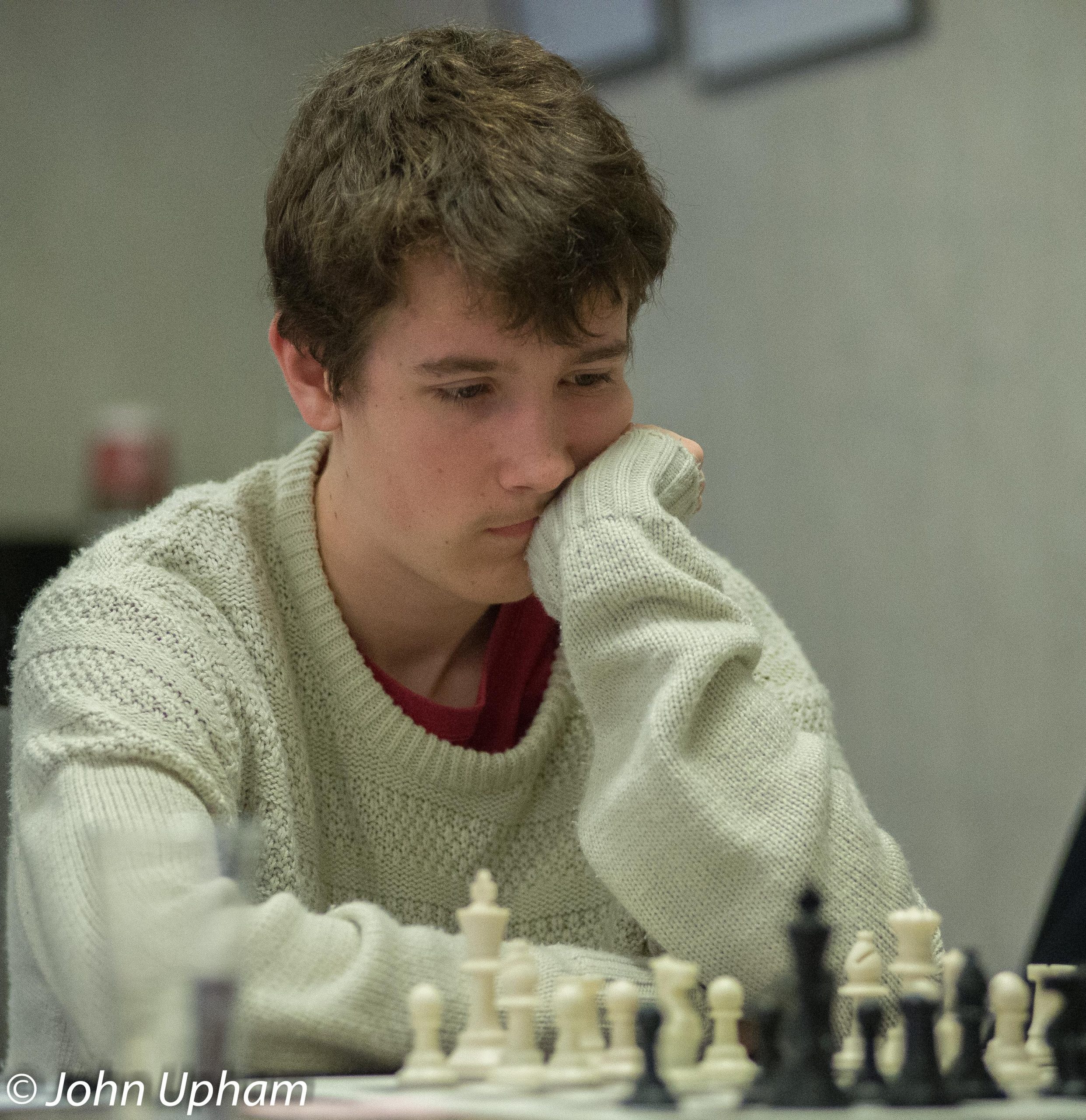
Peter Batchelor, 4NCL Final weekend, 2014, Courtesy of John Upham Photography
FM Peter Batchelor at the 2013 British Championships, Courtesy of John Upham Photography
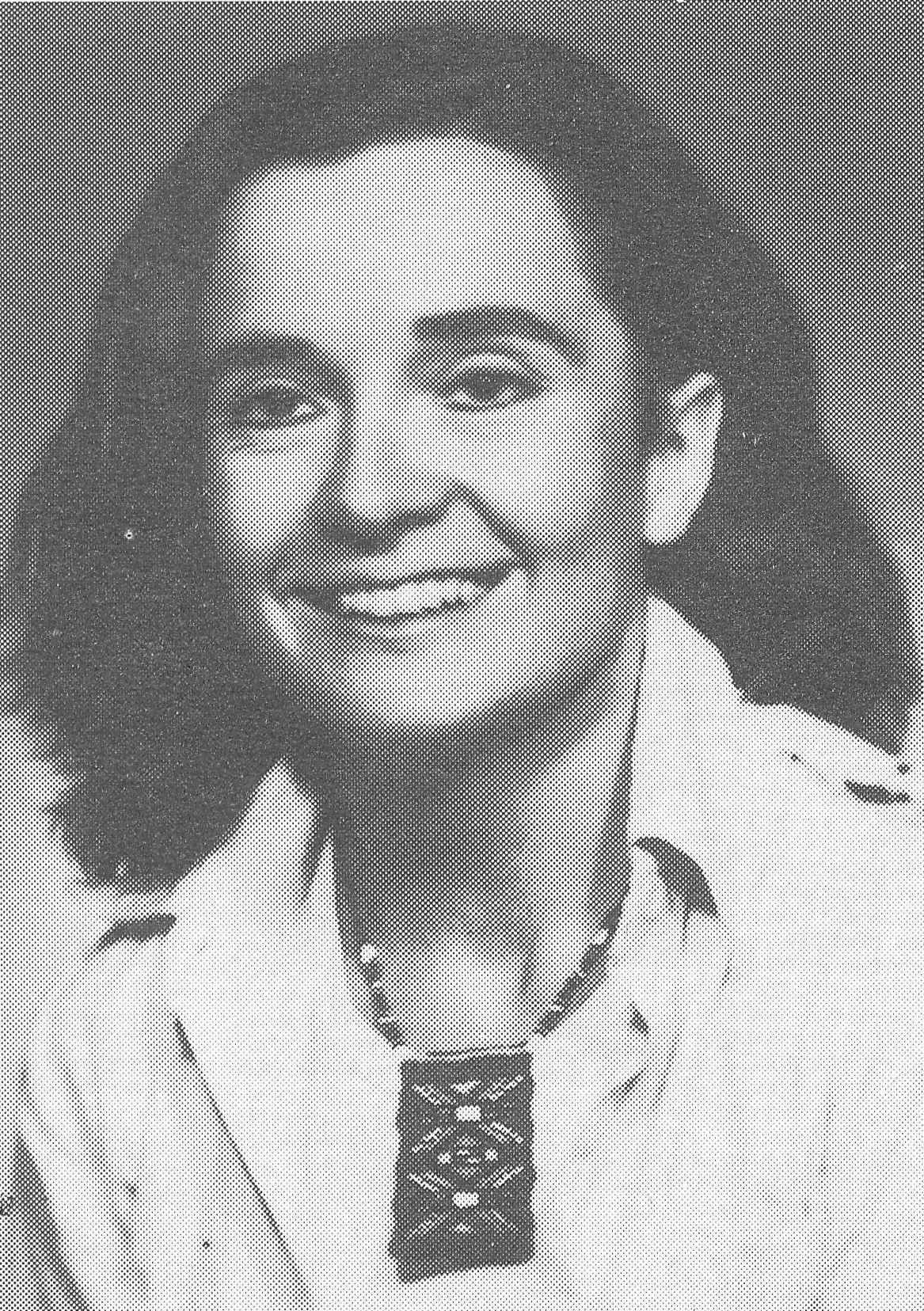
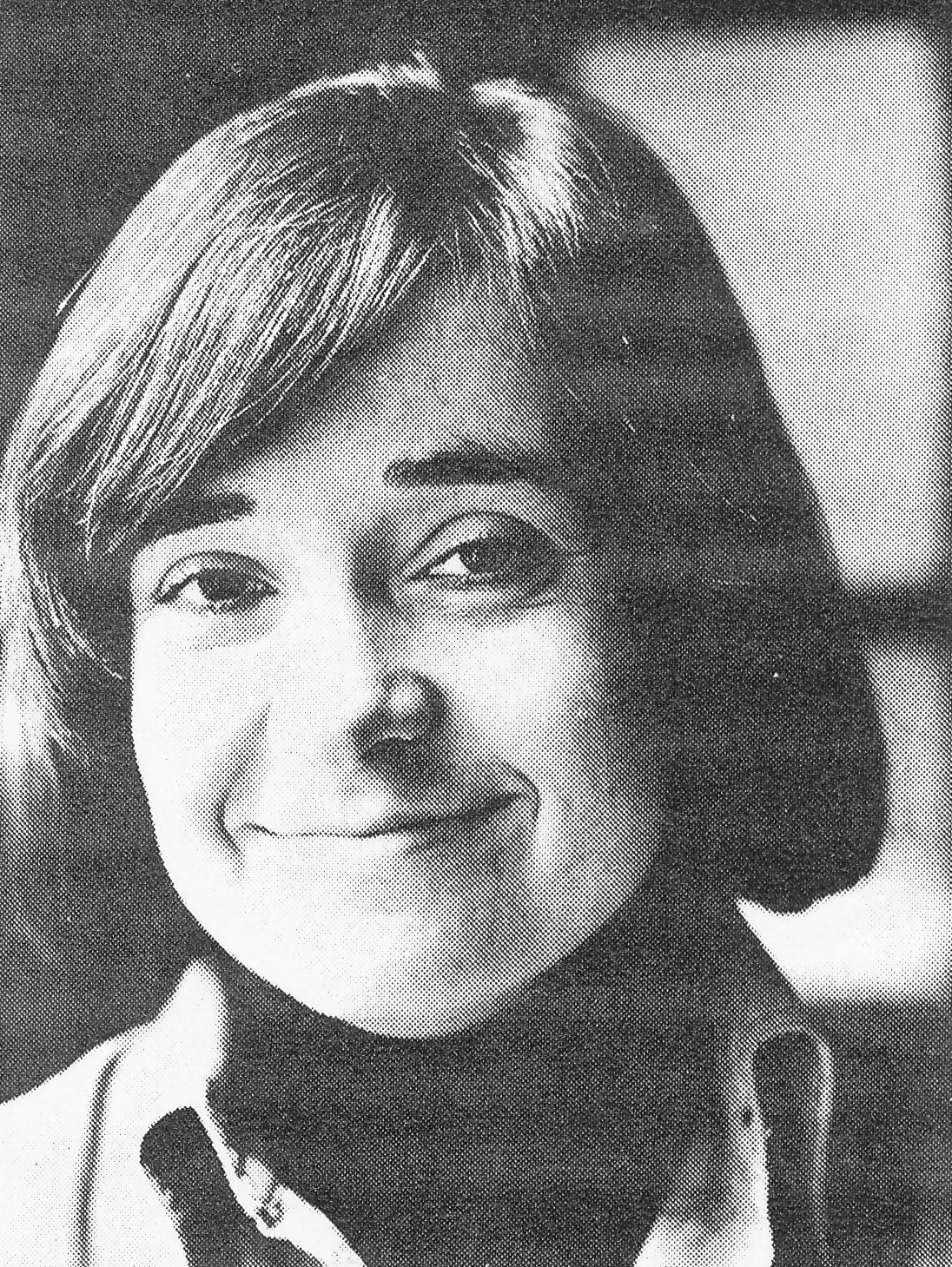
WGM Dr. Jana Bellin, Courtesy of John Upham Photography
Happy birthday WGM Dr. Jana Bellin on this day (December 9th) in 1947.
Jana Malypetrova
From The Encyclopedia of Chess (Robert Hale, 1970 & 1976), Anne Sunnucks :
“International Woman Master (1969), Czech Woman Champion in 1965 and 1967 and British Woman Champion since 1970.
Jana Malypetrova
Jana was born in Prague on the 9th December 1947 and learned to play chess at the age of eleven. She made her first appearance in the international field when she played 2nd board for Czechoslovakia in Women’s Chess Olympiad in Oberhausen in 1966.
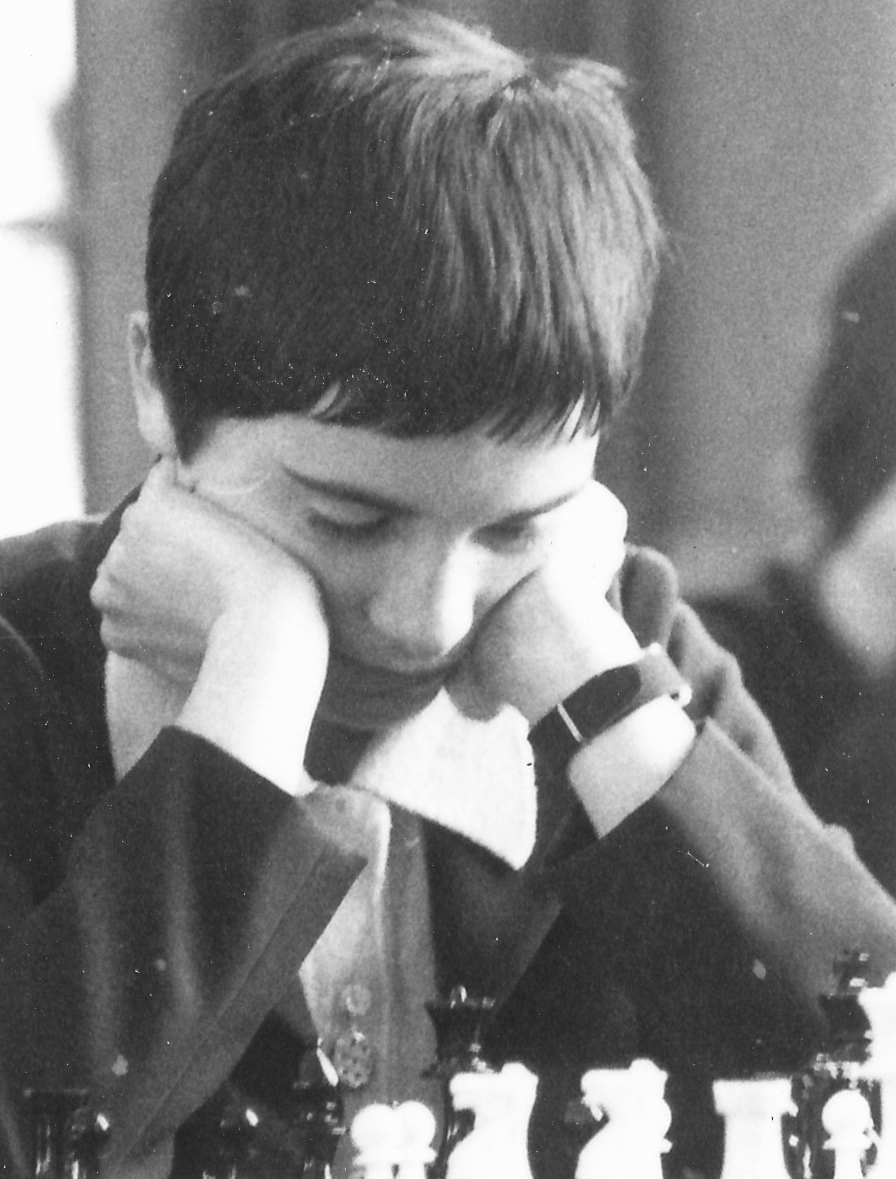
Jana Malypetrova and Inna Vesela, Harrachov 1963
In the same year she represented Czechoslovakia in the Zonal tournament at Varna and came 11th.
Jana Malypetrova
She is now married to the British International Master, William Hartston, and played 1st board for England in the Women’s Chess Olympiad in Skopje in 1972 and represented England in the Zonal tournament in Wijk aan Zee in 1973 in which she tied for 1st place. In the same year she came =6th in the Interzonal Tournament. She is a doctor.”
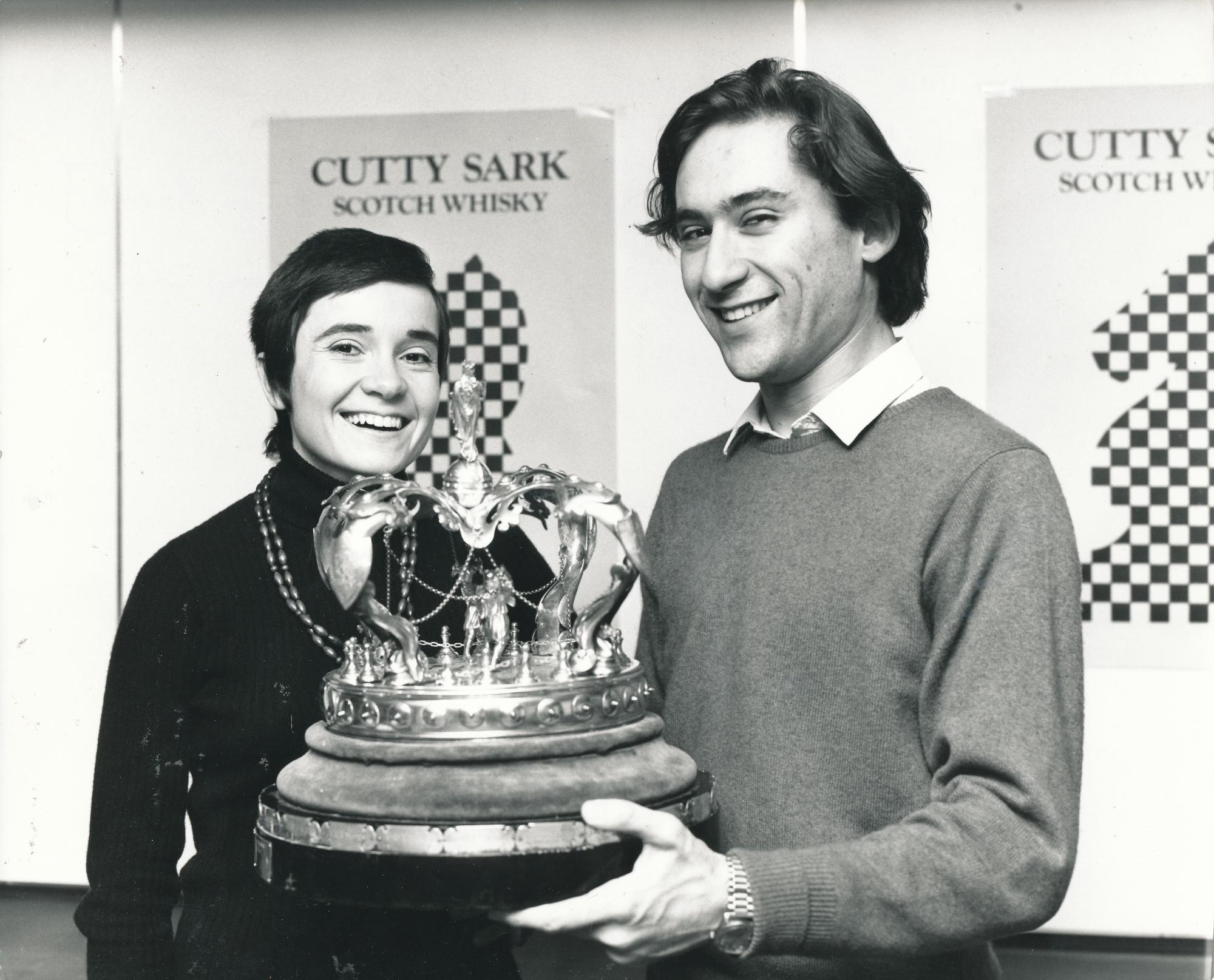
Jana & Bill Hartston celebrate a family double at the British Championships in 1973 at Eastbourne
From The Encyclopedia of Chess (Batsford, 1977), Harry Golombek OBE :
“Born in Prague, Czechoslovakia, but moved to England in 1970 after her marriage to WR Hartston. Czechoslovak Woman champion in 1965 and 1967 (under her maiden name of Malypetrova) and British Ladies champion in the five years 1970 to 1974. International Woman master since 1969.”
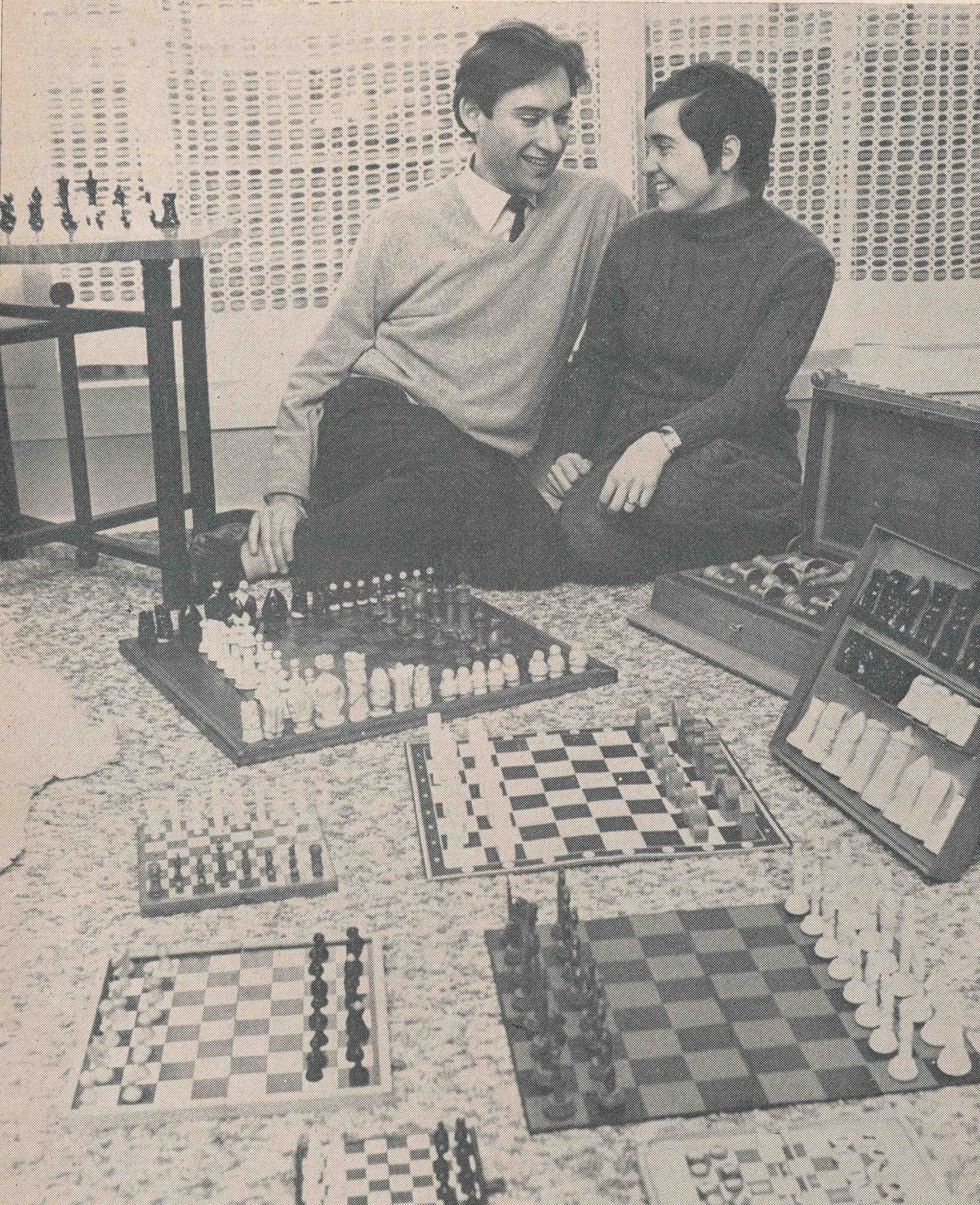
Bill and Jana Hartston are shown with some of their many chess sets. CHESS, August 1973, page 323
From British Chess (Pergamon Press, 1983) Botterill, Levy, Rice and Richardson :
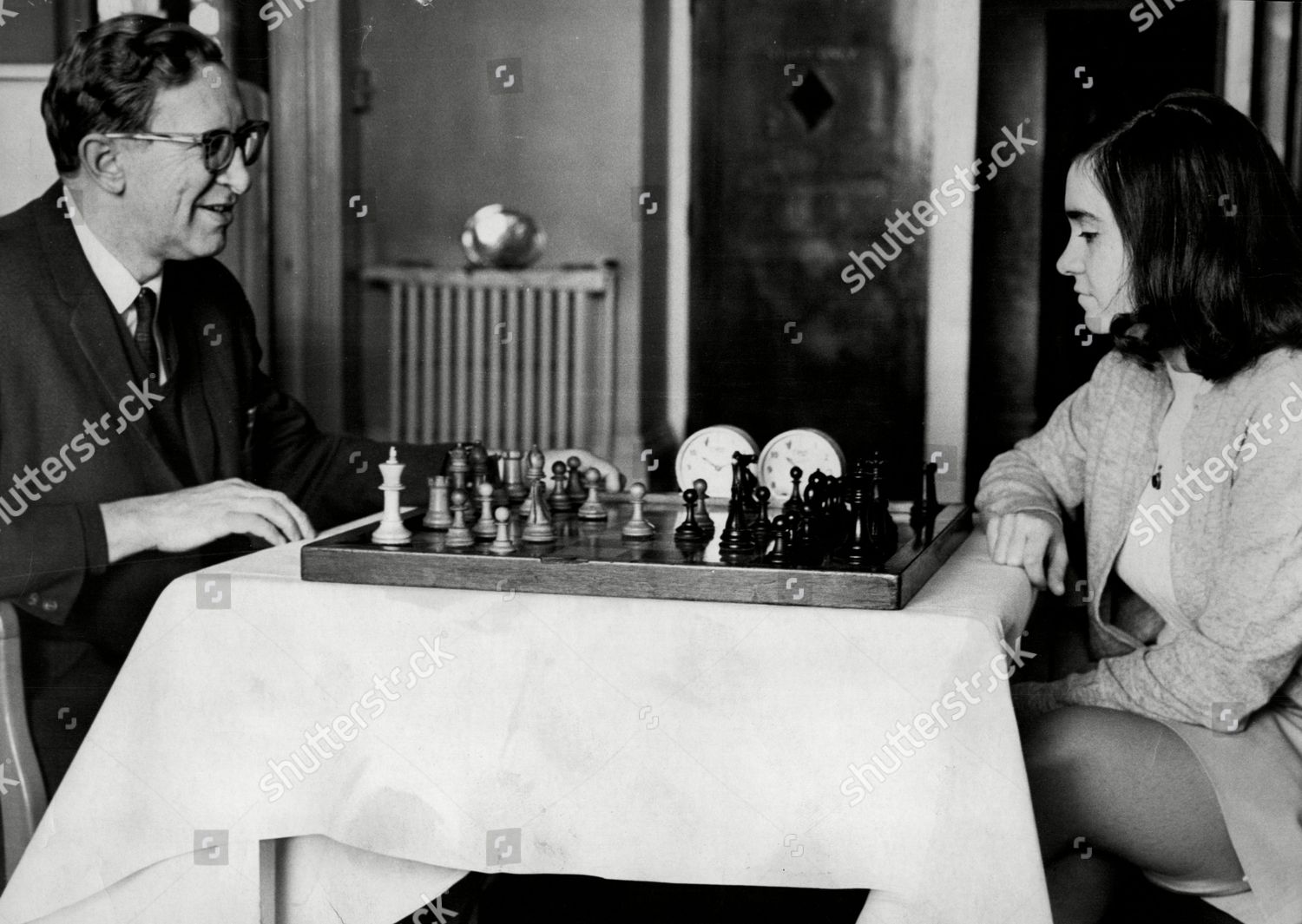
Hastings International Chess Congress 21 year old Jana Malypetrova From Czechoslovakia And Vassily Smyslov From Russia. Mandatory Credit: Photo by Michael Fresco/ANL/Shutterstock (1876232a)
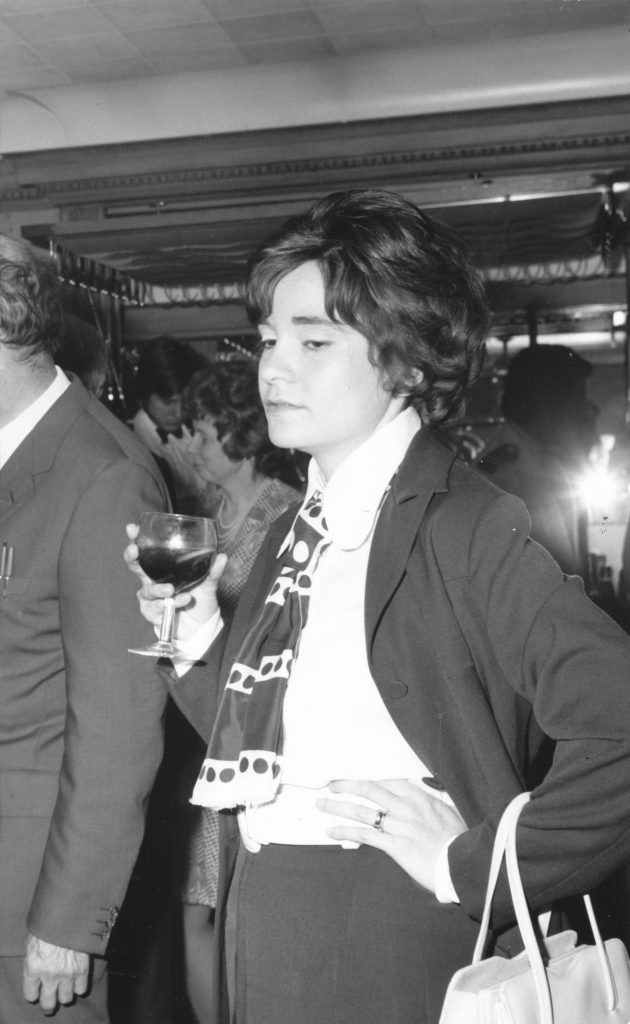
“Jana Miles was born 9 December 1947 in Prague, Czechoslovakia. She moved to England when she married Bill Hartston. Divorced from Hartston in 1978, she subsequently married Tony Miles.
Hastings International Chess Congress 21 year old Jana Malypetrova From Czechoslovakia And Vassily Smyslov From Russia. Mandatory Credit: Photo by Michael Fresco/ANL/Shutterstock (1876232a)
She was Czech woman champion in 1965 and 1967 and has regularly been the British Ladies Champion since moving to this country. She is a doctor of medicine.”
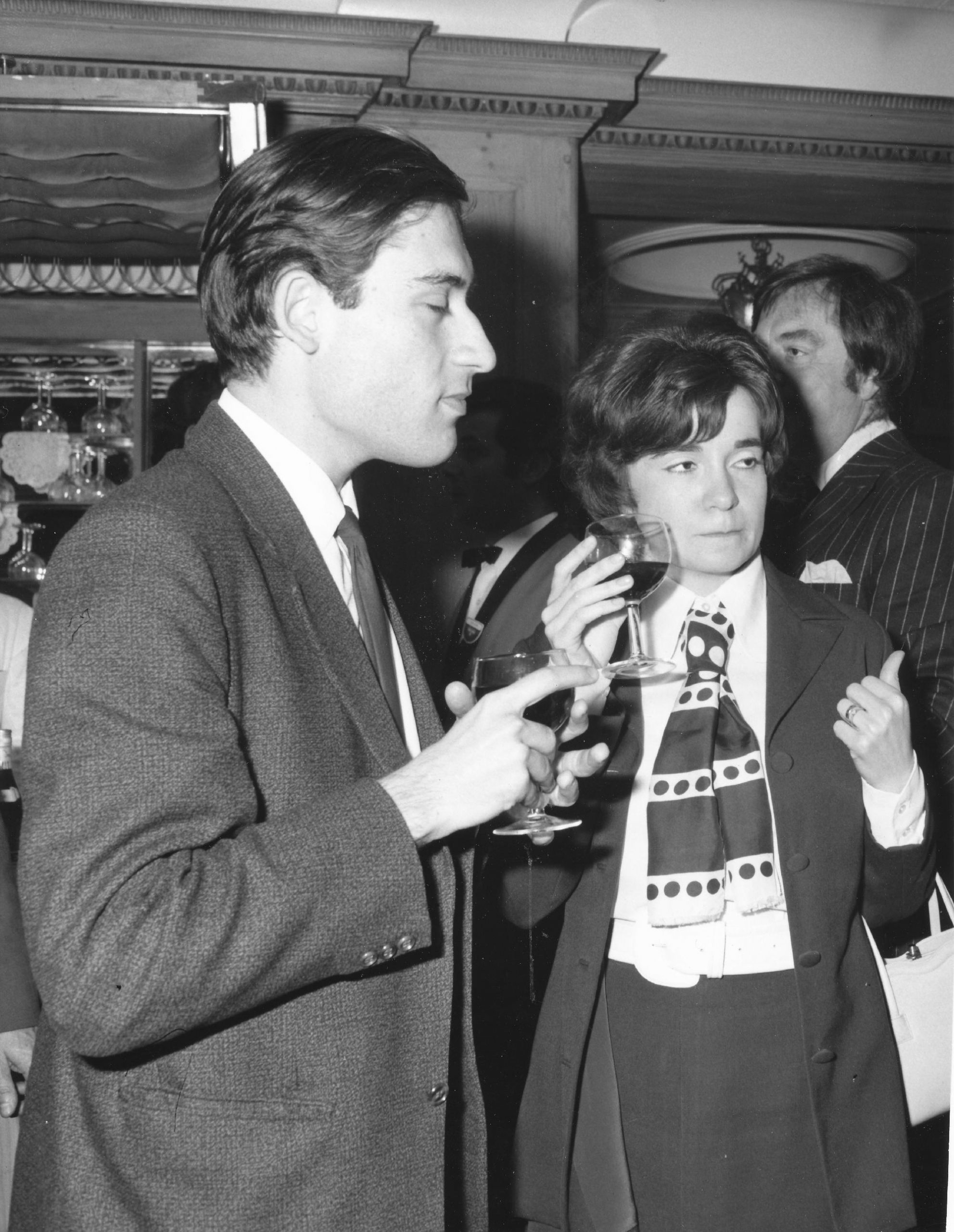
Bill and Dr, Jana Hartston (née Malypetrova)
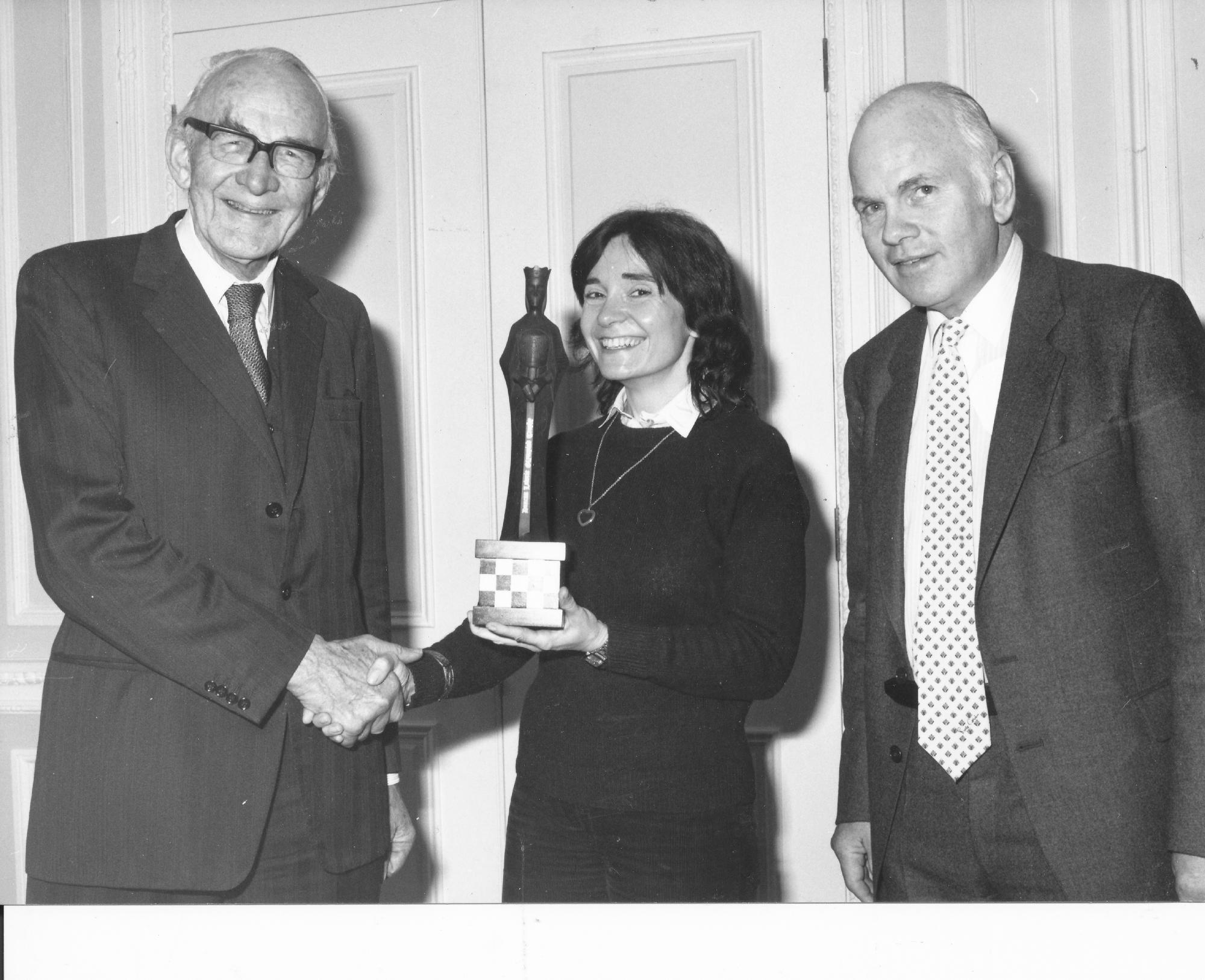
Sir Philip Stuart Milner-Barry OBE presents Dr. Jana Hartston with the ? prize
“Jana Bellin (née Malypetrová; born 9 December 1947) is a British, formerly Czechoslovak chess player. She was awarded the Woman International Master chess title in 1969 and the Woman Grandmaster title in 1982.
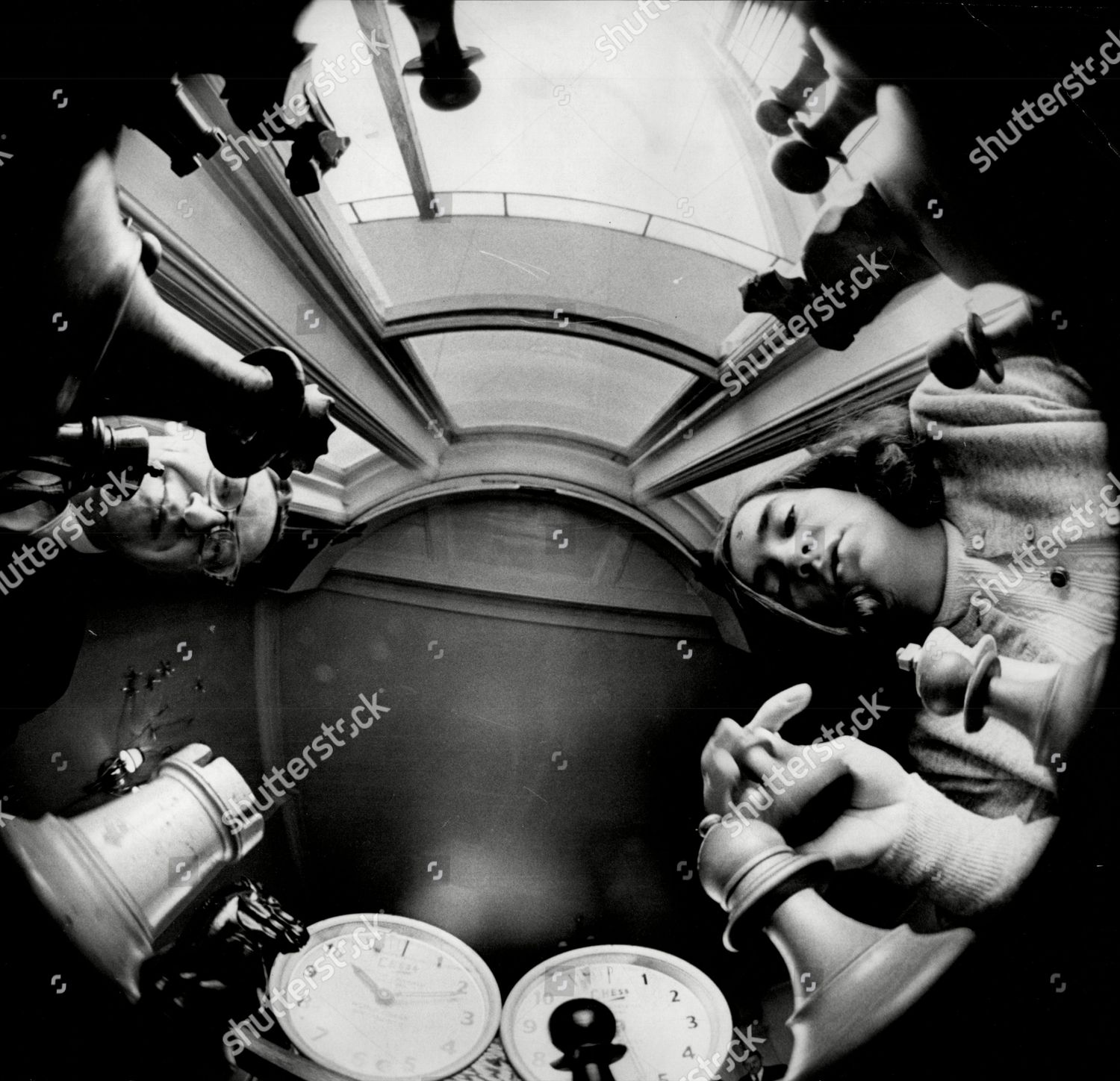
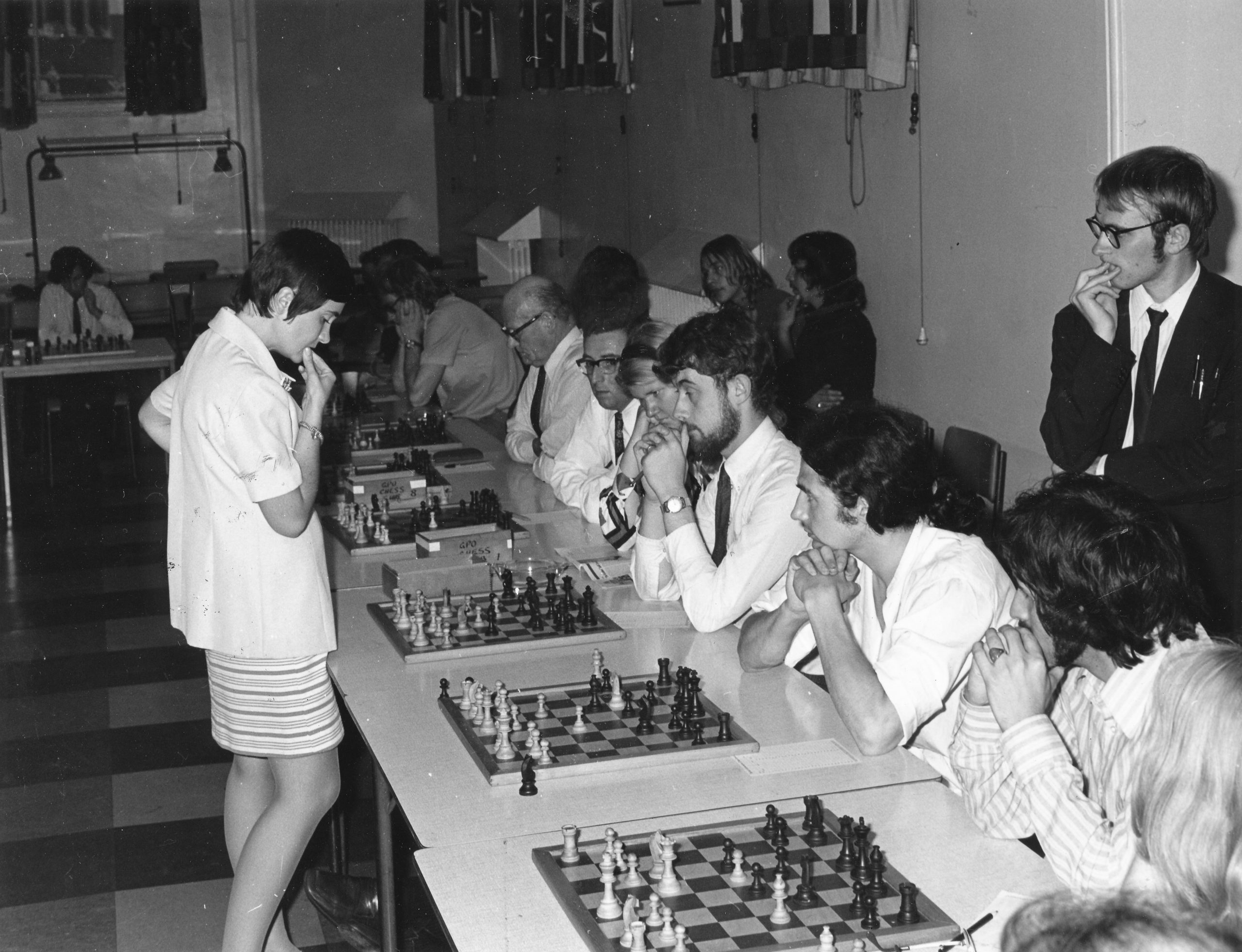
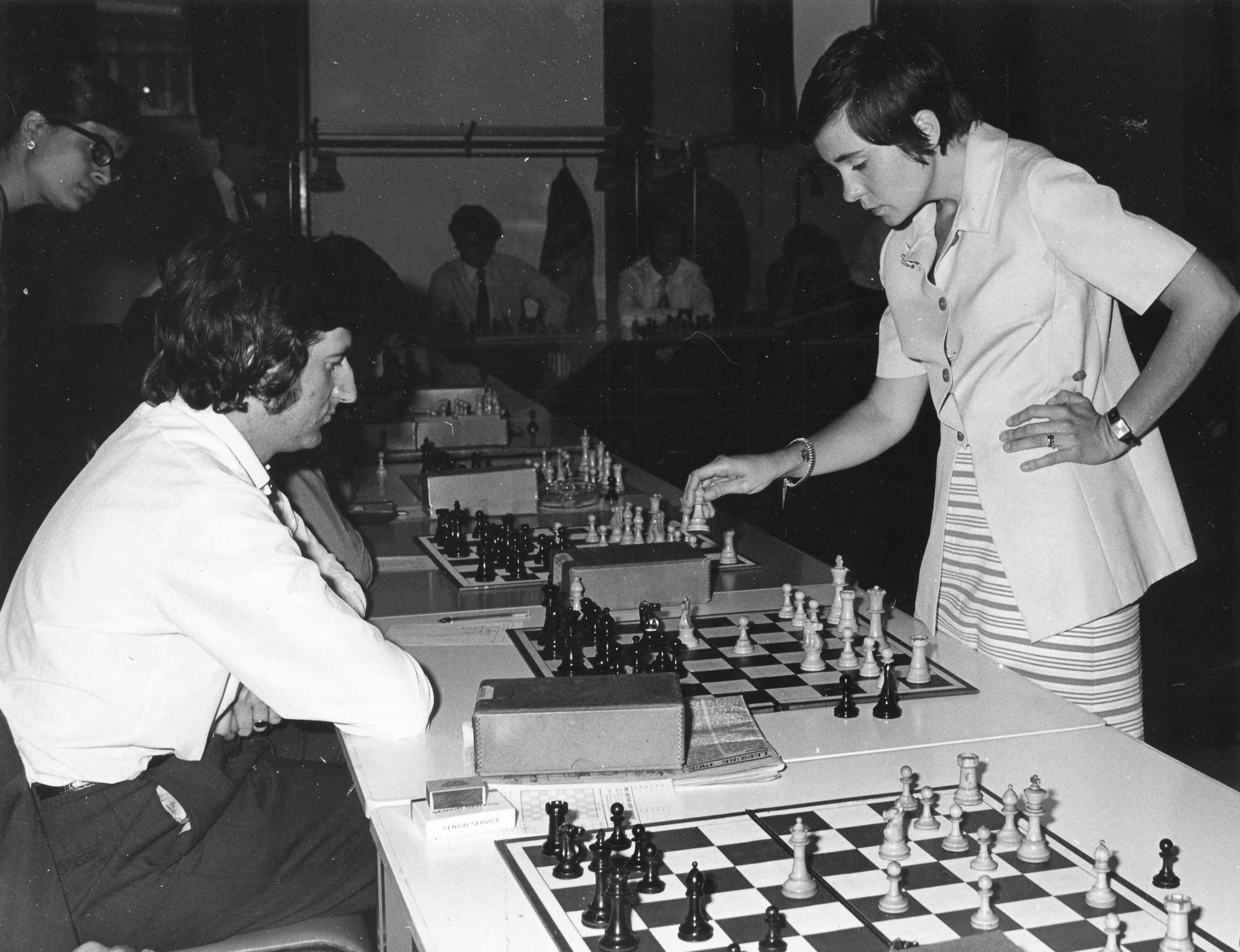
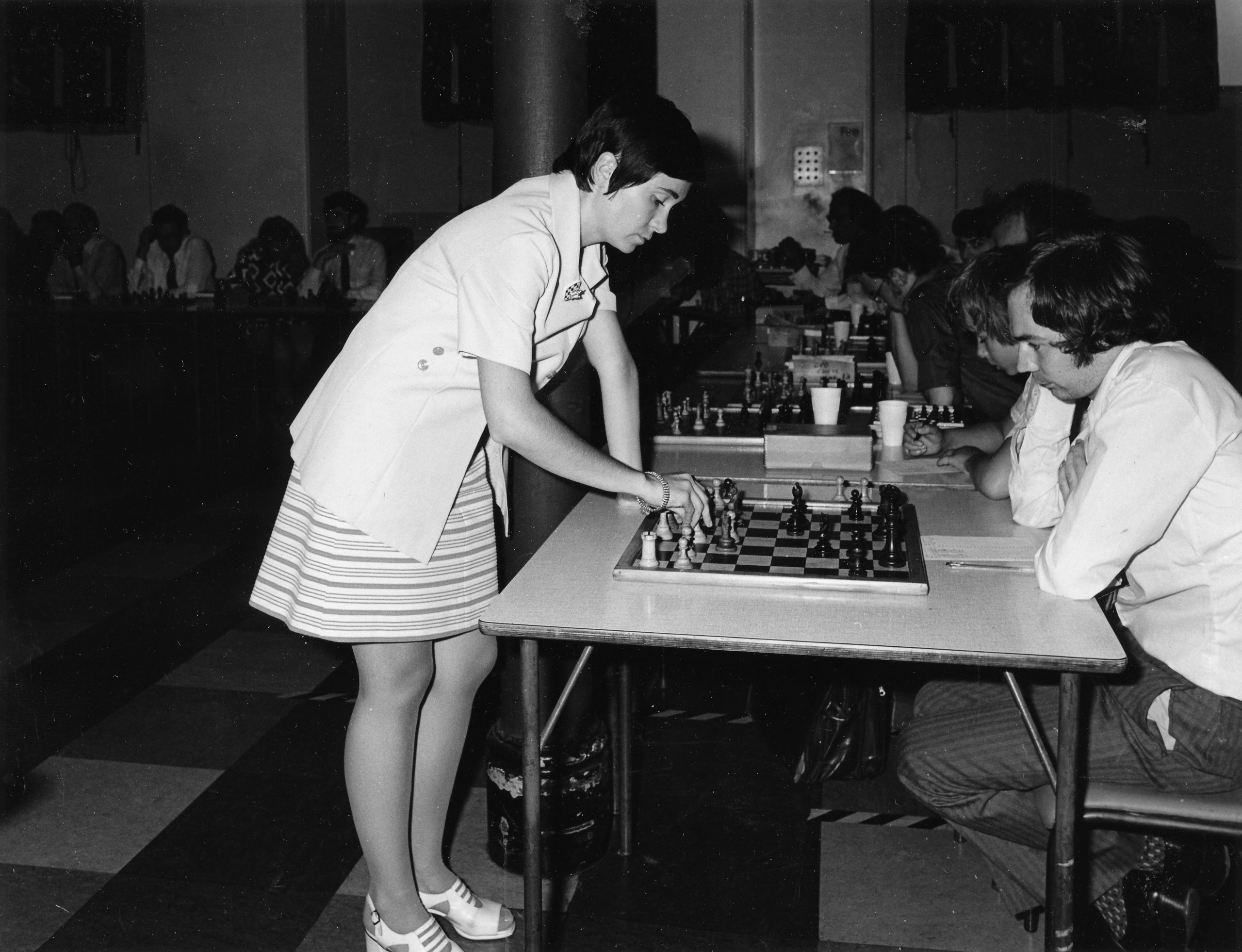
Moment of concentration for reigning women’s champion of Great Britain Jana Hartston and some of the 30 Post Officer players – all men who challenged her at postal headquarters London on September 6. Jana beat seven, drew with sixteen and lost to seven.
Bellin was born in Prague, Czechoslovakia. She was the Czech Women’s Champion in 1965 and 1967 under her maiden name of Malypetrová. After her marriage to William Hartston she moved to England in 1970 and won the British Women’s Championship in 1970, 1971, 1972, 1973, 1974, 1976, 1977 (after a play-off), and 1979.
Moment of concentration for reigning women’s champion of Great Britain Jana Hartston and some of the 30 Post Officer players – all men who challenged her at postal headquarters London on September 6. Jana beat seven, drew with sixteen and lost to seven.
She has fifteen appearances in the Women’s Chess Olympiads, representing Czechoslovakia in 1966 and 1969 and England thirteen times from 1972 through 2006, seven times on first board.
Moment of concentration for reigning women’s champion of Great Britain Jana Hartston and some of the 30 Post Officer players – all men who challenged her at postal headquarters London on September 6. Jana beat seven, drew with sixteen and lost to seven.
At the Olympiad she earned individual silver medals in 1966 and 1976, a team bronze medal in 1968 with the Czechoslovakian team, and a team silver in 1976 with England.
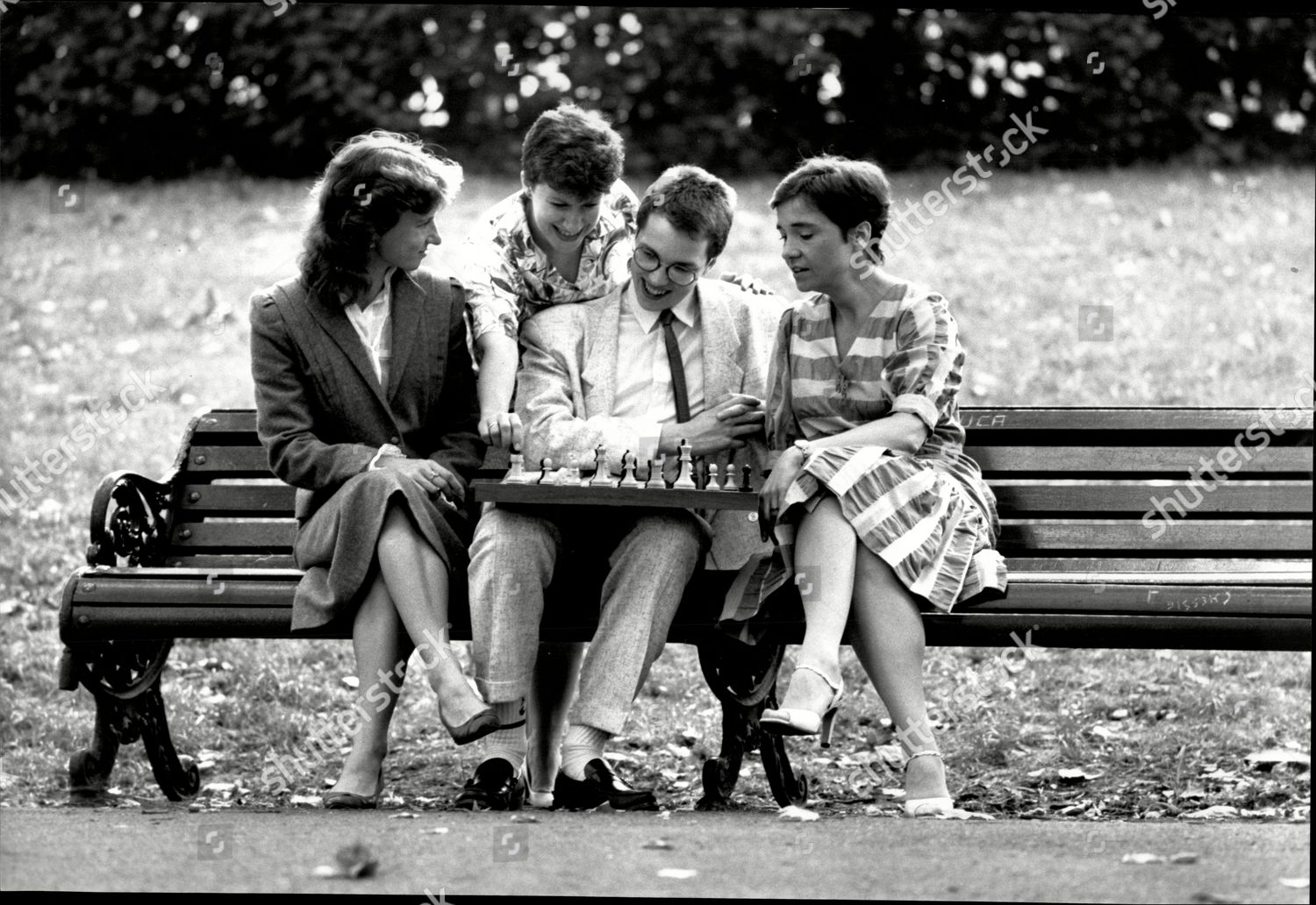
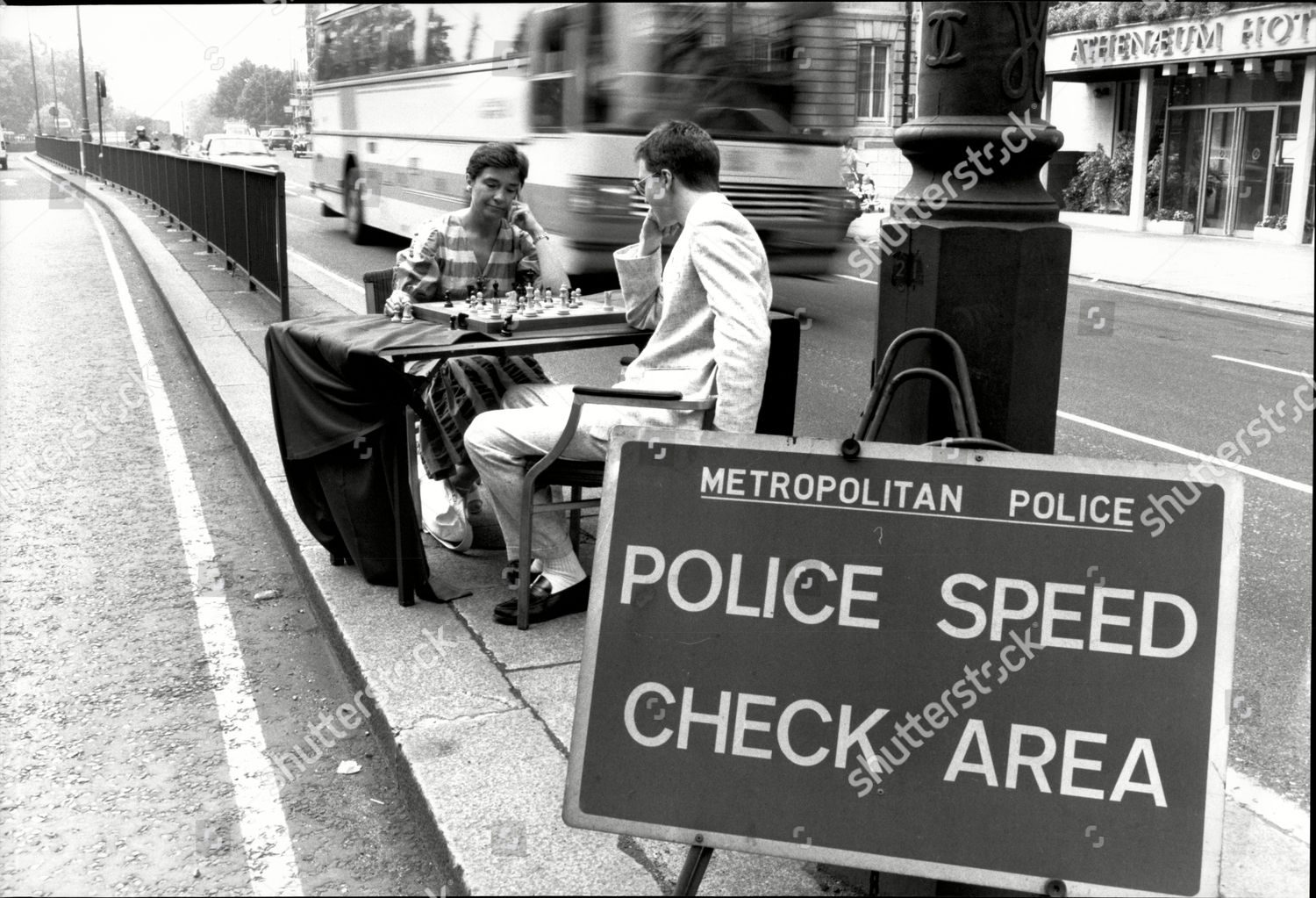
British Speed Chess Championship Grandmaster Nigel Short Playing Chess In The Park With L-r Susan Arkell Sheila Jackson And Dr Jana Miles. Courtesy of Shutterstock
“Bellin is a medical doctor specialising in anaesthetics, and works in intensive care at Sandwell General Hospital, West Bromwich, England.
Jana with Sheila Jackson to her left
She is also Chairman of the FIDE Medical Commission, which supervises drug testing of chess players.
British Speed Chess Championship Grandmaster Nigel Short Playing Chess In The Street With Woman Grandmaster Dr Jana Miles : Credit : Shutterstock
Bellin was married first to International Master William Hartston, then to Grandmaster Tony Miles, and after that to International Master Robert Bellin. She and Bellin have two sons: Robert (born 1988) and Christopher (born 1991).”
Dr. Jana Bellin
She is the granddaughter of thrice Prime Minister of Czechoslovakia, Jan Malypetr. and cousin of author and human rights campaigner Jiří Stránský.
WGM Dr. Jana Bellin, Courtesy of John Upham Photography
We remember John Fuller who passed away aged 76 on Wednesday, December 8th 2004. His death was recorded in the district of Lancaster. At the end of his life he lived in Carnforth, in Lancashire.
John Arthur Fuller was born in Hendon, Middlesex on Saturday, May 12th 1928. His parents were Horace Arthur Fuller (a Bank Officer) and Phyllis Fuller (née Gooch).
John had three brothers: Julian Frederick who was two years older, Nigel Anthony who was three years younger and Adrian Easterbrook who was six years younger.
They lived at 12, High View, Pinner in Middlesex.
12, High View, Pinner, Middlesex, HA5 3PA
On August 26th 1939, aged eleven, John (described as a scholar) departed from Liverpool on board the SS Ceramic (part of the Shaw Savill & Albion Company shipping line) and duly arrived one hundred and twenty days later in Sydney, New South Wales.
The family returned to Liverpool in March 1945 on board the Athlone Castle which was of the Union-Castle Mail Steamship Company Ltd. John was now sixteen years old.
According to ancestry.co.uk he is survived by a son, Robin. The family tree indicates that John had two sons and two daughters but his wife is marked as Private and so her name is not visible. We speculate that it may be Ann Fuller (née ?) but this is awaiting confirmation.
From The Encyclopedia of Chess (Robert Hale, 1972 & 1976) by Anne Sunnucks :
“British Master, British Boy Champion in 1946 and British Correspondence Champion from 1953-1955. Born on 12th May 1928 Fuller learned to play chess when he was 11. In 1946 , the year in which he won the British Boys Championship, he also tied for the London Boys Championship. He went on to win the Middlesex Championship three times and the Warwickshire Championship twice. Fuller played for England in matches between Scotland and the Netherlands and in the Clare Benedict International Team Tournament. He also had the best British score in the Premier Tournament at Hastings in 1949 and 1955.
He was a design engineer.”
From The Encyclopedia of Chess (Batsfords, 1977) by Harry Golombek:
“British master and design engineer by profession. British Boy Champion in 1946. Fuller was a player of great promise with a fine understanding of the game. But a serious illness disturbed the even flow of his chess career and, though he recovered and made some more appearences in the chess world, he eventually withdrew from chess on an international and national level.
Fuller played twice in the Hastings Premier tournament: =5th 1949/50 and 6th in 1955/6.”
BCN would like to acknowledge help received from Richard James, Leonard Barden, Rob Fuller and John Upham in putting this article together.
Subsequent to this post being originally published in 2020 our attention was kindly drawn by John Saunders to the obituary in BCM, Volume 125 (2005), #5 (May), page 247. Here is the article:
John Fuller (12 v 1928 – 8 xii 2004, Carnforth) was a British Master and British correspondence champion in 1954 and 1955. Having spent some of the war years in Australia, he quickly made his mark in junior chess on his return to Britain. He shared first place with Leonard Barden in the 1946 London Boys’ Championship and went on to win the British Boys’ Championship in 1946 with 5/5 in the final section, ahead of Gordon Crown and Leonard Barden. He beat an off-form Crown in nine moves in the last round (see game above) He played a number of correspondence games with Crown, himself a richly gifted player, who w0as to die tragically young in 1947, and it was reported that Fuller had the better of these encounters.
Fuller became a design engineer, but his business and chess careers were both affected by a serious bout of tuberculosis when he was a young man. He won the Hastings Premier Reserves ‘B’ with 8/9 in 1947/48 ahead of Alan Phillips and Arthur Winser, and in 1949 Leonard Barden remembers playing off with him for a place in the 1949/50 Hastings premier after the two of them had made similar scores at the 1949 British Championship.
“We played the match at Sir George Thomas’s flat in autumn 1949… and John crushed me in that. Not sure of the score, I think it was 2.5- 0.5.”
He played in the Hastings Premier in 1949/50 and again in 1955/56,and made the best British scores on both occasions – 4/9 and 3.5/9 respectively. He also represented England in matches against Scotland and the Netherlands, and in the Clare Benedict team tournament. He only appeared three times in British Championships, scoring 6.5 in 1949, 5.5 in 1950 and 6.5 in 1958. He ranked in the top ten of the British Chess Federation Grading List on six occasions, with a best place of third equal in 1958. He seems to have dropped out of over the board competition chess shortly after being awarded the (now defunct) British Master title in 1963/64.
Harry Golombek referred to Fuller in The Encyclopaedia of Chess (1977) as a player of great promise with a fine understanding of the game”. Alan Phillips told BCM that he was “one of the most promising players of his generation… he slaughtered me three times”.
Leonard Barden had the following memories of John Fuller: “He was a member of West London Chess Club, which was historically significant as his good friend and fellow member (both living in Harrow) was Jim Slater, who 25 years later told me that knowing John was one of the factors which kept his interest in chess up to the point where he became our Maecenas… John was a tall redhead, outgoing and friendly, and a natural talent who also worked on theory. With the better opportunities available to later generations I’m sure he would have reached IM strength.”
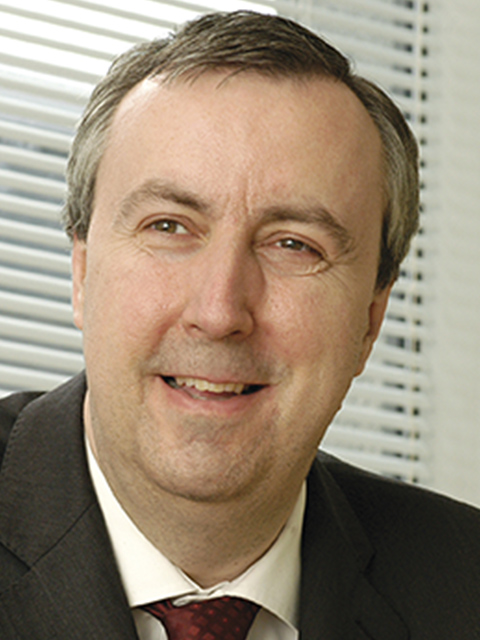
We wish happy birthday to IM John Hawksworth born on Friday, December 6th, 1963.
John Crofton Hawksworth was born in Brighton, England, in December 1963 to Robert Marshall Hawksworth and Norah Connor Hawksworth née Crofton. He was baptised at St Saviour’s Church of England church in Pimlico, London, in 1964.
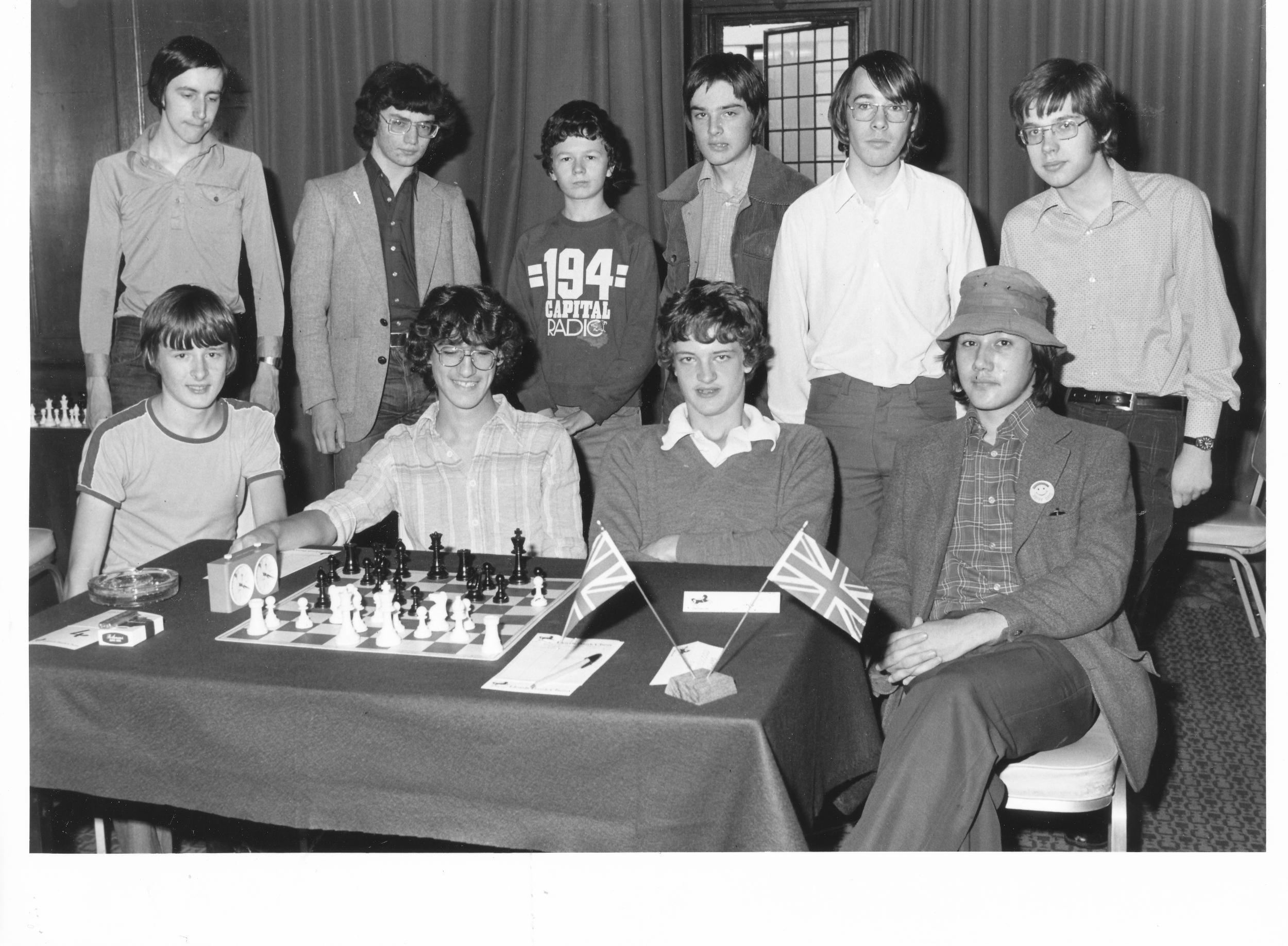
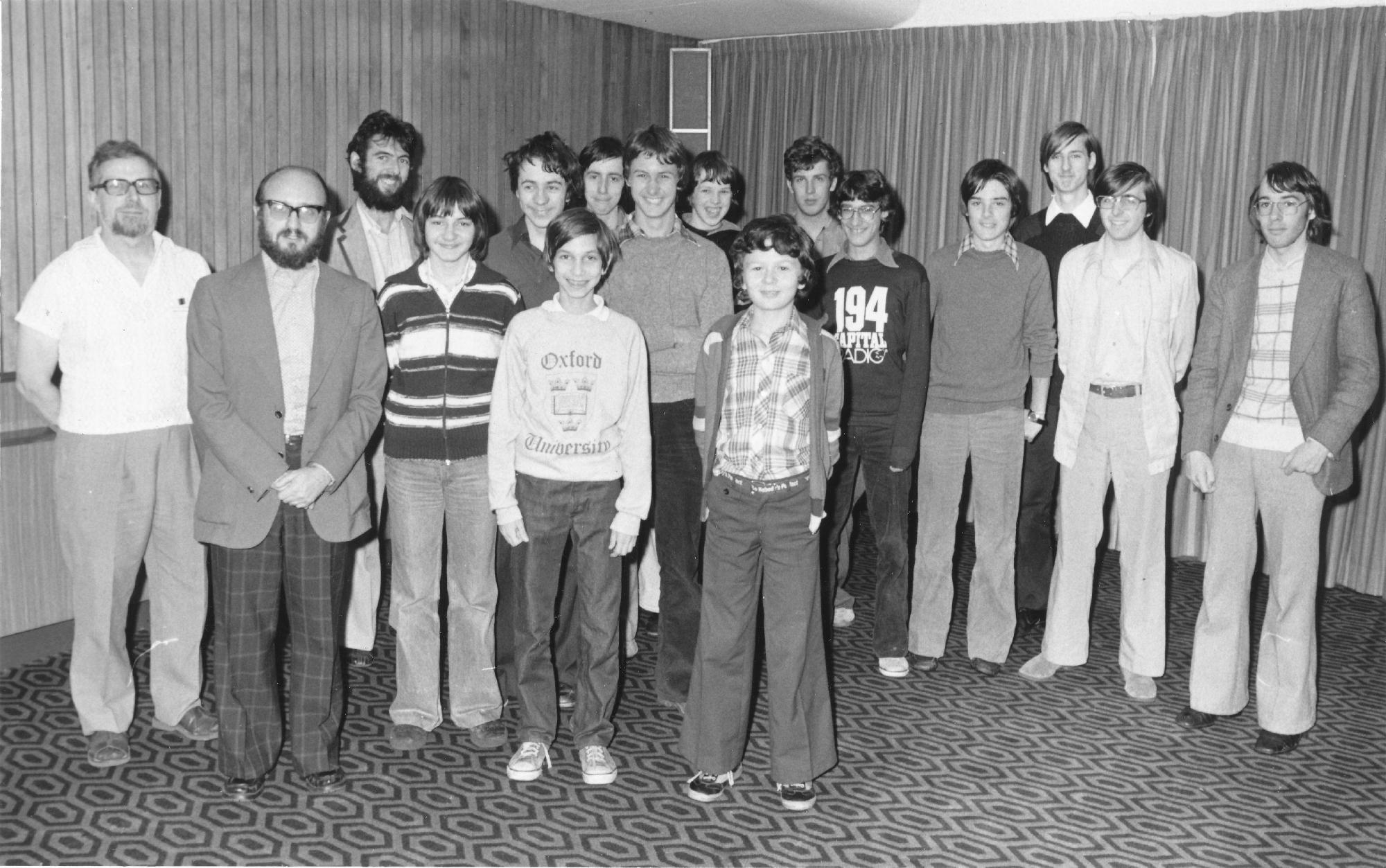
The following was written (presumably by LWB) about John who was 15 just prior to the Spassky vs the BCF Junior Squad simultaneous display in 1979 :
“Bradford Grammar and Bradford. Rating 194. Yorkshire under-18 champion.”
He was awarded the IM title in 1986.
According to ChessBase his highest FIDE rating was 2370 in January, 1990 aged 27 which was the last year of serious competition at the 77th British Championships in Eastbourne.
IM John Crofton Hawksworth (standing, second from right)At the Lloyds Bank Masters : Front (l-r) : Joel Benjamin, Ian Wells, Rear : Peter Morrish, Stewart Reuben, Richard Beville, Gary Senior, Richard Webb, John Hawksworth, Andrew King, Nigel Short, Mark Ginsburg, Daniel King, David Cummings, Erik Teichmann, John Brandford and Micheal Pagden
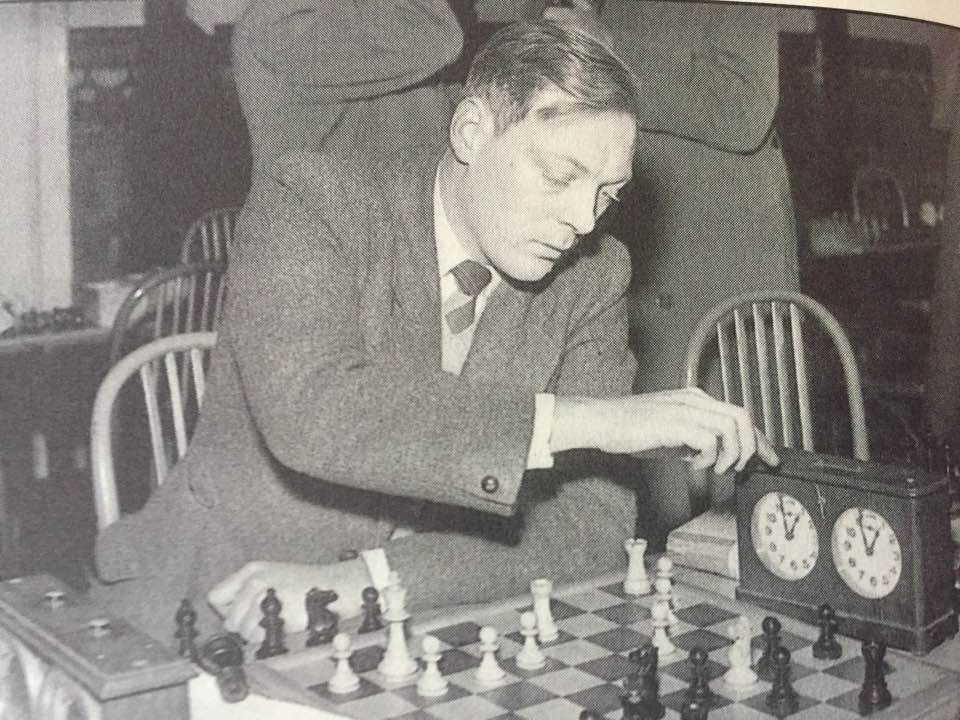
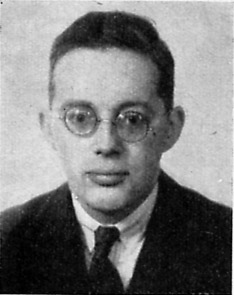
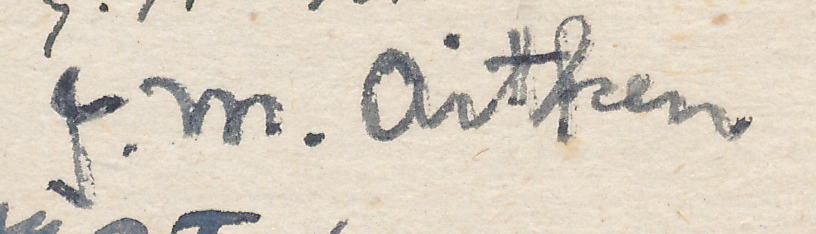
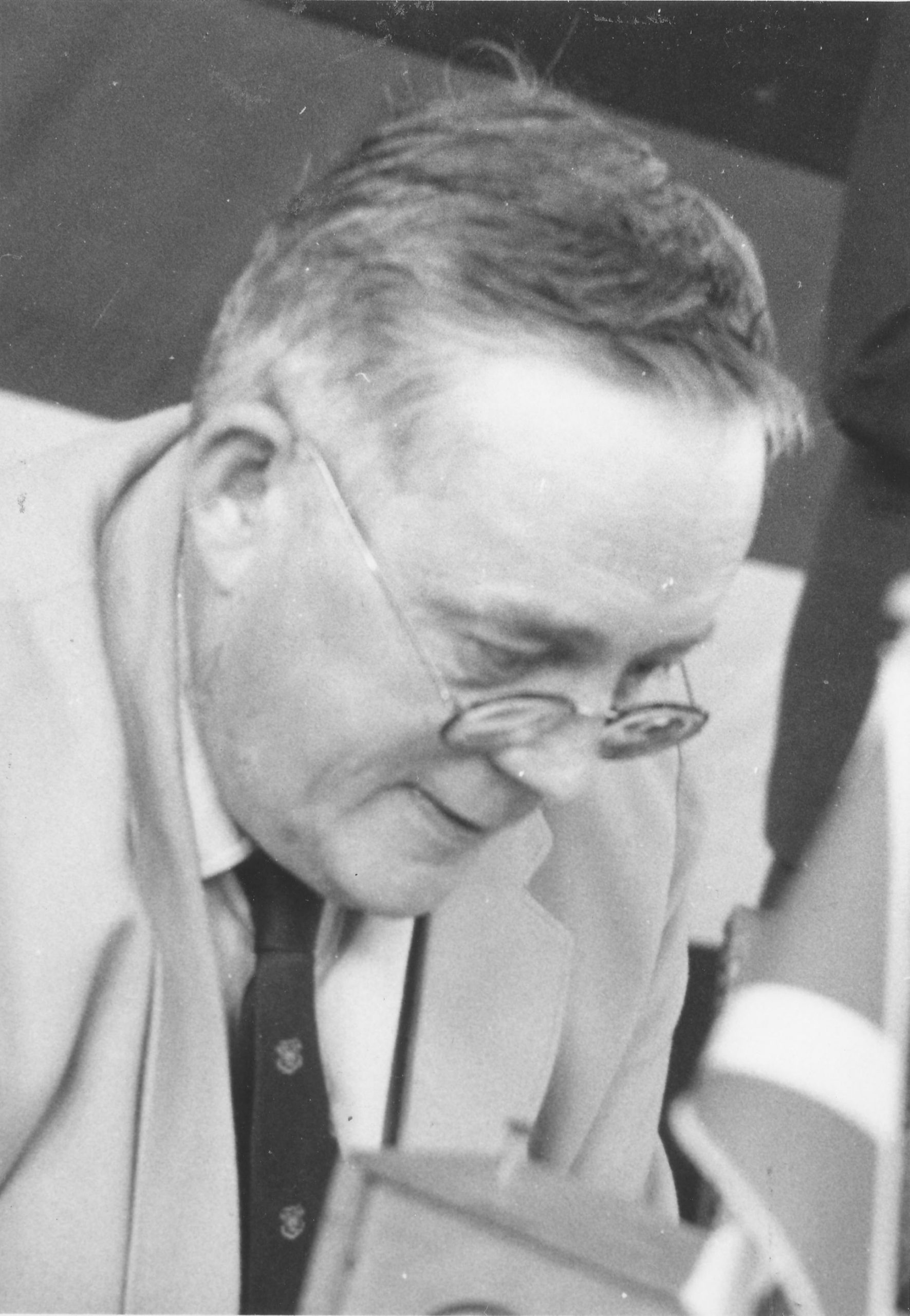
James Macrae AitkenSignature of JM Aitken from a Brian Reilly “after dinner” postcard from Hastings Christmas Congress, 1945-1946
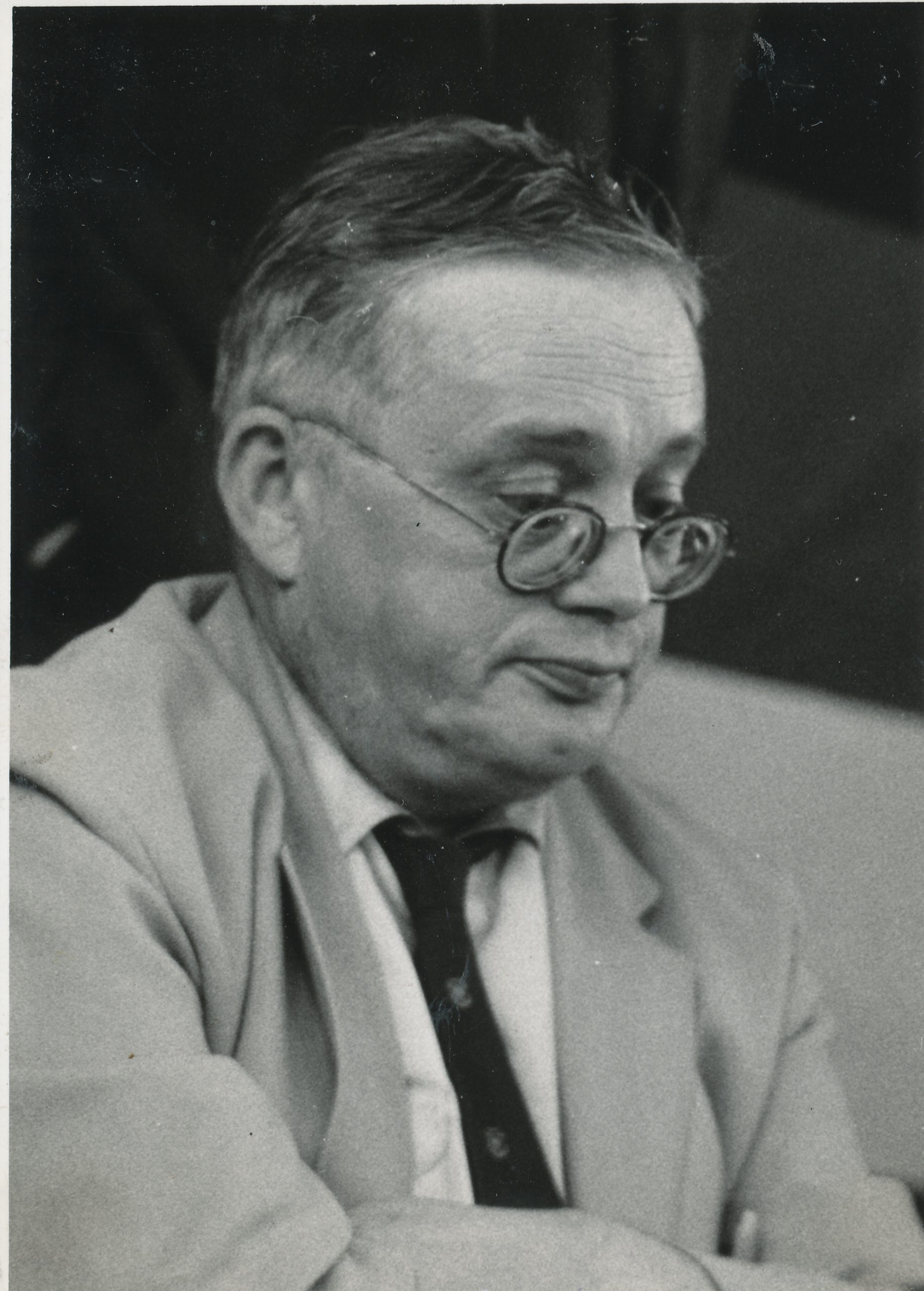
We remember Dr. James Aitken who passed away on Saturday, December 3rd, 1983.
James Macrae Aitken was born on Tuesday, October 28th 1908 in Calderbank, Lanarkshire, Scotland. His parents were David Aitken and Mary Ann Parlane Baird.
His very early history is best recorded here at the wonderful Chess Scotland web site.
He attended Balliol College, Oxford.
Luckily for all of us Scottish chess enthusiast Geoff Chandler is transcribing JMAs games from the players personal scorebooks. We hope to see these games appearing in Britbase and other locations in the near future.
From The Anglo-Soviet Radio Chess Match by Klein and Winter :
“JM Aitken was born in 1908 in Scotland, and learned chess at the age of eight. He played several times in the Scottish Championship, and won it in 1935. In the Stockholm international team tournament, 1937, he played for Scotland. His best performance in international chess was at Hastings, 1945, when he scored 6 points and did best among the British contingent.
James Aitken Enschede Zonal 1963
He is a graduate of both Oxford and Edinburgh, and a Ph.D. At the beginning of the war he joined the Foreign Office. ”
The Aitken Variation is a line recommended in the British Chess Magazine of 1937 of the Giuocco Piano as follows :
From British Chess Magazine, Volume CIV (104, 1984), Number 1 (January), page 65 :
“Dr. James Macrae Aiken (27 October 1908 – 3 December 1983) died at his home in Cheltenham on the Saturday morning when he was due to turn out in a county match that afternoon. Sh he was active to the end, since he played in the veterans’ competition in both at the Southport BCF Congress and at the Guernsey tournament in October.
Ten times Scottish Champion, the worthy doctor represented Scotland at Olympiads both pre- and post-war. At the 1937 Stockholm Olympiad he beat Ståhlberg, while later on he also had the grandmaster scalps of Bogoljubow and Tartakower to his credit.
He retired from his work at the Foreign Office some ten years ago, and continued playing in West Country chess, always taking a high board for Gloucestershire. At the BCM we have a particular cause to remember him with gratitude since he was both a book reviewer and occasional annotator for two decades, and a life-long subscriber.
As a person he was always friendly and objective in his judgements both of chess positions and personalities. Your editor recalls many interesting conversations with him at BCF Congresses. The loss is greatest, of course. for Scottish Chess.
Perhaps we may close on a lighter note, since the following anecdote reminds one that Dr Aitken also turned out for Great Britain in matches just after the war. At an early FIDE Congress after the war the first official FIDE list of masters and grandmasters was being drawn up. The BCF made application for recognising the mastership of HE Atkins. The Soviet delegate, Kotov, objected since he thought he heard the name of Aitken, whom he knew had lost both games to Bondaresvky on board eight of the 1946 GB-USSR Radio Match. It was gently pointed out that the application concerned a player who had come ahead of no less than Chigorin at Hannover 1902. End of objection!
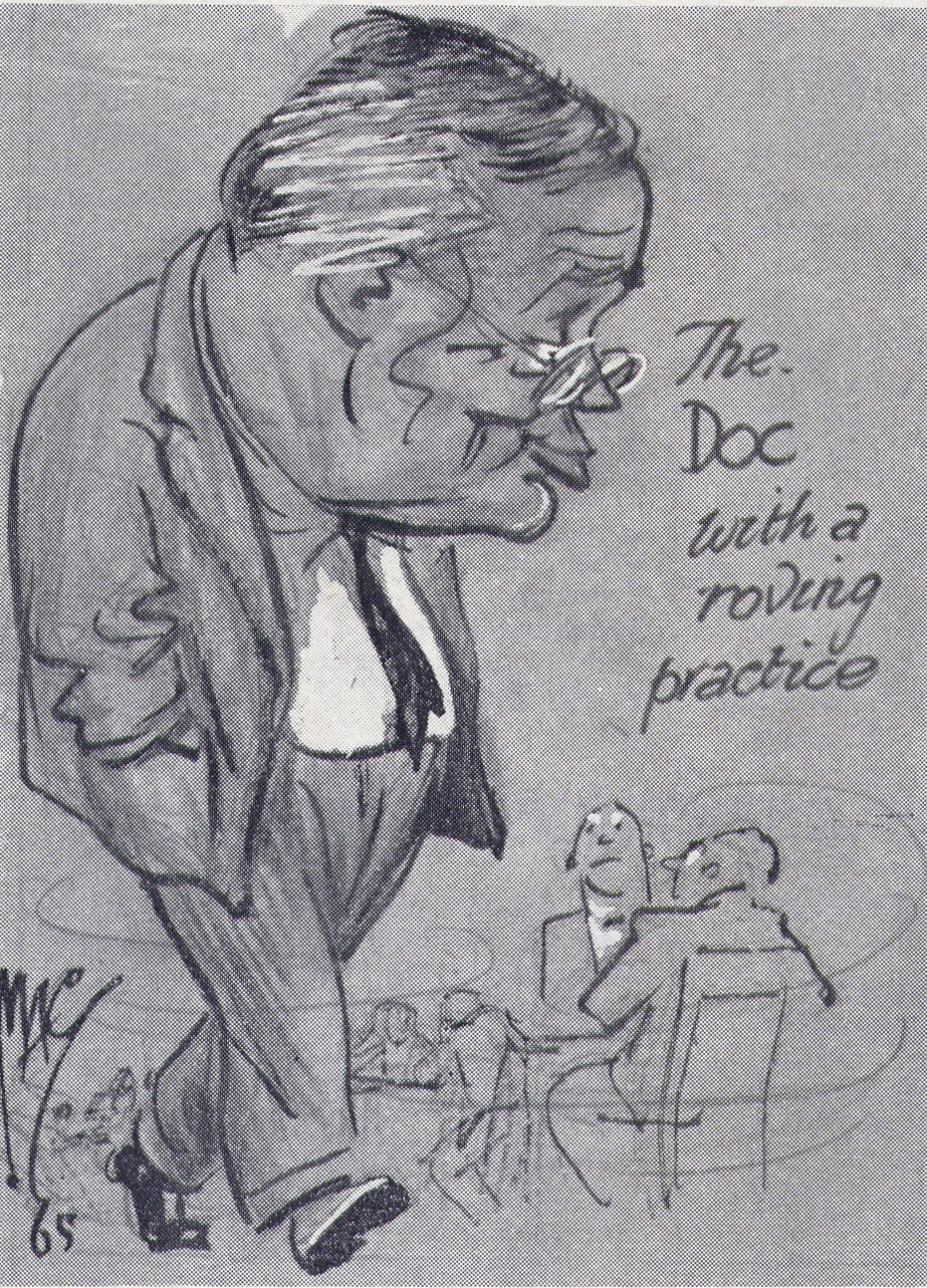
James Macrae Aitken in 1965 by “Mac”
We take this game from the Bournemouth tournament played on the eve of the Second World War.
From The Encyclopedia of Chess (Batsford, 1977), Harry Golombek OBE :
“Talented Scottish amateur who won the Scottish championship ten times, Dr. Aitken’s chief international activity was representing Scotland in the Olympiads.
At Stockholm 1937 he scored 32.4% on top board but he had the distinction of beating the Swedish grandmaster Ståhlberg. At Munich 1958 he scored 67.6% on 2nd board; at Tel Aviv 1964, 28.1% on 2nd board; at Skopje 1972, 38.9% on 6th board.”
Both Sunnucks and Hooper & Whyld are silent on Aitken.
“James Macrae Aitken (27 October 1908 – 3 December 1983) was a Scottish chess player.[1][2] Aitken was born in Calderbank, Lanarkshire, Scotland. In 1938 he received a PhD from Edinburgh University on the topic of ‘The Trial of George Buchanan Before the Lisbon Inquisition’.[3]
Aitken learned chess from his father at age 10.[4] He was Scottish champion in 1935, 1952, 1953, 1955, 1956, 1957, 1958, 1960, 1961 and 1965, the latter jointly with PM Jamieson.[1] He was also London Champion in 1950.[1] In 1959 he had his best result in the British Championship, finishing tied for seventh place.[4] Aitken represented Scotland in four Chess Olympiads. He played top board at Stockholm 1937, scoring only 32.4% but he did defeat Swedish GM Gideon Ståhlberg[4][5] and draw with American GM Samuel Reshevsky.[4] He played second board at Munich 1958 and Tel Aviv 1964, scoring 67.6% and 28.1% respectively. Aitken played sixth board at Skopje 1972, scoring 38.9%.”
“Aitken represented Great Britain in matches against the USSR and Yugoslavia.[4] In the 1946 radio match between the United Kingdom and the USSR he lost his match with Igor Bondarevsky on board 8.[6] Aitken defeated GM Savielly Tartakower at Southsea 1949[4][7] and GM Efim Bogoljubow at Bad Pyrmont 1951.[4][8]
During World War II, Aitken worked in Hut 6 at Bletchley Park on solving German Enigma machines.[9] On 2 December 1944 Bletchley Park played a 12-board team match against the Oxford University Chess Club. Bletchley Park won the match 8–4 with C.H.O’D. Alexander, Harry Golombek, and Aitken on the top three boards.[10] Aitken wrote many book reviews for the British Chess Magazine.[11] Aside from chess his hobbies included golf, philately, bridge, and watching cricket.[4] He died in Cheltenham in 1983, aged 75.[2]”
We remember Amos Burn who passed away on November 25th, 1925.
Amos Burn was born in Kingston-Upon-Hull on Sunday, December 31st 1848 to Amos and Mary Burn (née Webster). His father is recorded as a merchant. Amos and Mary were residents of Bourne Street at the time of the birth.
On February 15th 1849 Amos was baptized in All Saints Anglican Church, Sculcoates, Kingston-Upon-Hull
Amos married Martha Ann Jäger in Birkenhead on Dec 27th 1879. They had two daughters Elsie Martha, born 24th Oct 1880 and Hilda Marian, born 26th Oct 1881.
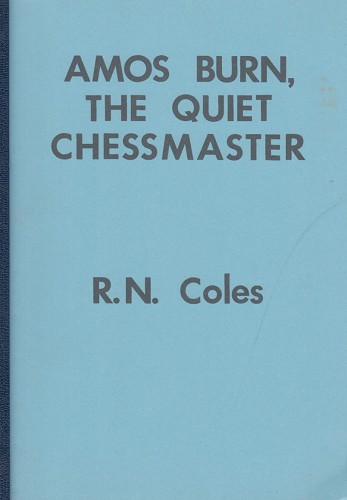
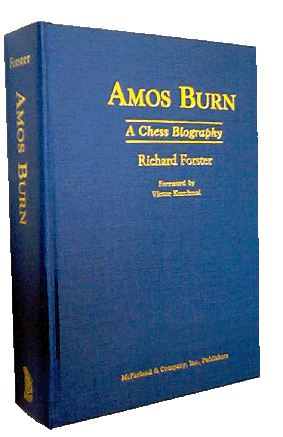
For further detail of ABs family please consult the excellent Amos Burn : A Chess Biography by Richard Forster
From British Chess Magazine, Volume XLV (45, 1925), page 491 we have this brief obituary notice (presumably written by RC Griffiths:
“Chessplayers all over the world will regret to hear that the well-known chess editor of The Field died in his flat at Luexembourg Gardens, Hammersmith, on November 25th, after a stroke the previous day, at the age of seventy-seven.
From British Chess Magazine, Volume XLV (45, 1925), page 491 we have this brief obituary notice (presumably written by RC Griffith:
We regret that as our December magazine is already paged we must leave an obituary notice and an appreciation of all he has done for Chess till next month.”
From British Chess Magazine, Volume XLVI (46, 1926), page 9 we have this detailed obituary (written by JH Blake:
“We had only just time last month to announce the decease of this famous player and chess editor. On the afternoon of 24th November he was at the City of London Chess Club in to all appearances normal health; he took a fellow-member home with him, and after completing the annotation of a game for his paper, was chatting with his guest when the fatal seizure overtook him; he never fully recovered consciousness, and died the following afternoon. He was buried at Hammersmith Cemetery on the 27th November.
Amos Burn was born at Hull on the 31st December, 184B. By way of coincidence, no less than three of the band of English chess masters were sons of the Yorkshire port, the other two being Boden (over twenty-two years senior) and Wisker (very little older than Burn).
In his early teens he was apprenticed to a firm of Liverpool cotton brokers. Most of the year l870 was spent in London. At least once, and probably three times in his life, he made prolonged business visits to America; the occasion as to which there is most certainty was about 1893-5, when he was a year or two at Chicago; Liverpool information puts another visit about 1902-3 (which would account for his non-participation in the Monte Carlo tournaments); and hints dropped by himself point to such a visit in 1882-3 ; this would account for his not competing in either event at the London congress of 1833, and for the non-inclusion of his portrait in the large group picture painted by A. Rosenbaum about 1882, and now hanging in the City of London Chess Clubroom. Upon returning to England he always settled down again in business at Liverpool, where he
was occupied, for some time at any rate, in sea insurance. From which it will be seen that at no time of his life was he dependent upon chess-playing as a means of livelihood; although it is difficult to resist the impression that at some periods, particularly 1886, 1B89 and 189B, the claims of business sat very lightly upon him.
His initiation into chess was made at about sixteen years of age, and is to be credited to John Saul, of the Liverpool Chess Club, who took great pains with his pupil, and is believed to have had much influence in the early formation of a sound style. So apt was the pupil, so thorough the teacher, that when in 1867 he joined the Liverpool Chess Club, he was placed at once in the Pawn and move class, and one of his earliest club exploits was to win the club handicap tournament; a rise not much less phenomenal than that of Blackburne at Manchester a few years earlier.
During his stay in London in 1870 he joined the City of London Chess Club, playing for it in a match with the Westminster Chess Club, and joining in the winter handicap, where however, he was knocked out in an early round. He seized every opportunity of obtaining practice with the best players of the day, and no doubt it was during this period that he came under the influence of Steinitz, whose tuition he later in life gratefully acknowledged to have been invaluable to him, and whom he unhesitatingly ranked as the world’s greatest player. During this year (and not 1887 as most notices of his career have stated) the first British Chess Association (Lowenthal’s) held a challenge cup tournament; Burn was a competitor, and tied for first prize with his townsman, Wisker, but was defeated in the tie-game. His next public appearances were at the annual tournaments of the Counties Chess Association, a provincial body formed for the express purpose of holding annual tournaments for about three classes of players, at some provincial town, and lasting one week; its principal tournament was, in the middle of the seventies, for a cup, to be held a year by the winner.
In 1873 Burn tied with Skipworth for first place (no tie-game was played), in 1874 he was first, in 1875 second (8. W. Fisher, late of the Battersea Club first), and first in 1876, this last victory making the cup his own. He did not appear in public play again until 1BB3, when (perhaps out of practice after a business stay in America) he was much less successful, only taking fourth prize at the Counties Association meeting at Birmingham.
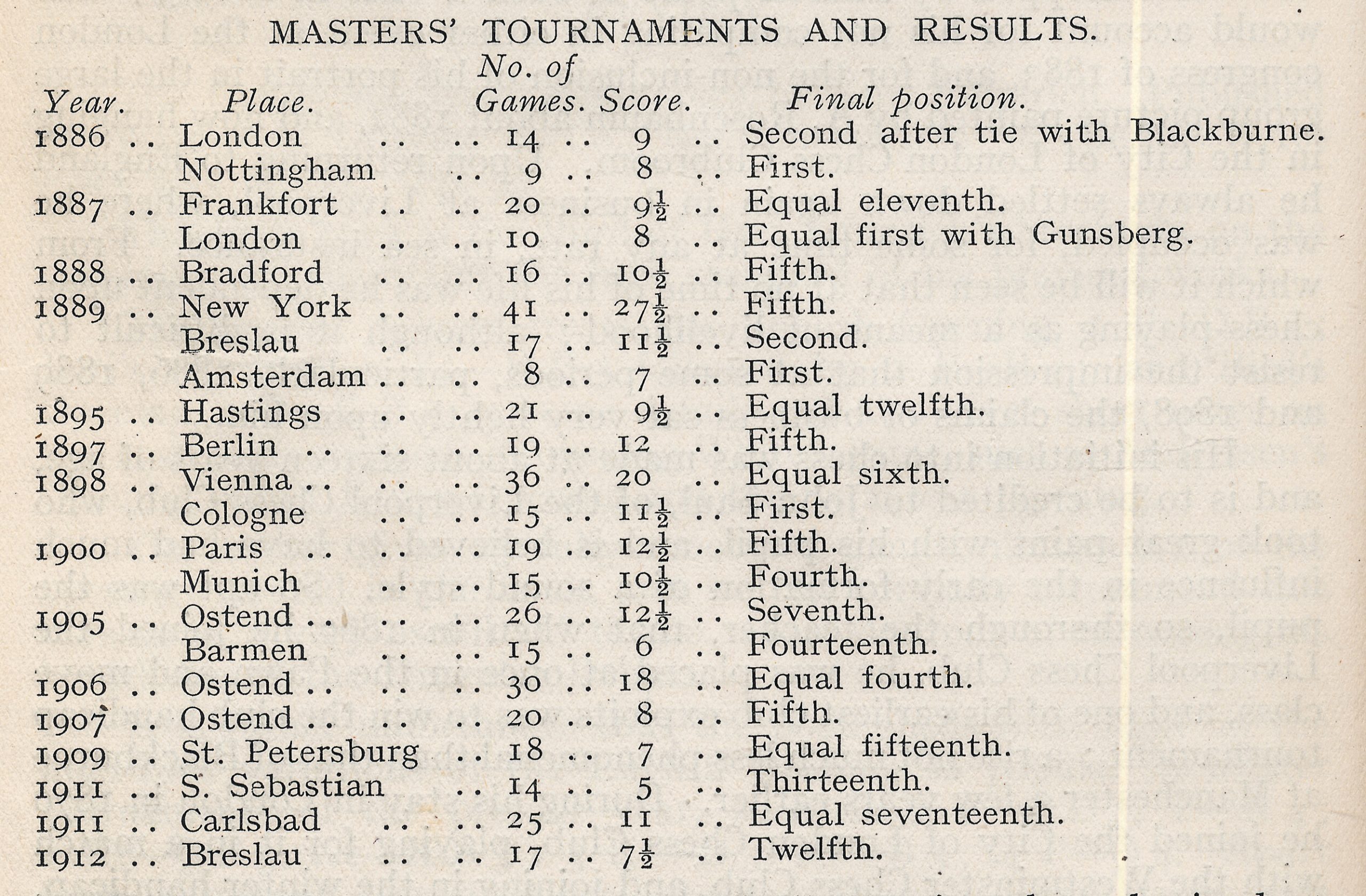
The year 1886 marked his (rather late) entry upon the international tournament arena. The resuscitated British Chess Association held a masters’ tournament in London, in which Burn tied with Blackburne for first place, but lost the tie-game. From 1886 to 1912 inclusive he competed in twenty-two international tournaments;
we append a tabular statement giving all necessary particulars.
The tournament record of Amos Burn according to British Chess Magazine, Volume XLVI (46, 1926)
The greatest success was beyond all question that obtained at Cologne in 1898, where he was first to such renowned rivals as Charousek (second), Tchigorin (fourth), Steinitz (fifth) and Schlechter (equal sixth). But no mean place in the order of merit must be assigned to the second prize at Breslau in 18B9, where Dr. Tarrasch achieved the first of his great Series of successes, and such players as Bardeleben, Blackburne, Gunsberg, Mason and Schallopp were amongst the less successful competitors. The book of that tournament, in recognition of so striking a success, following upon the New York tournament with the Amsterdam victory treading closely upon its heels described Burn as the “tournament hero of the year”
In 1898 the Cologne tournament followed hard upon the long struggle at Vienna; these events of these two years go to prove his remarkable power of endurance : he fared best in the most prolonged. efforts.
During this period of international activity Burn did not altogether eschew competitors of a national or sectional character. Early in 1889 he won first prize in an Irish Chess Association tournament at Dublin, Pollock and Mason taking the next two places. In 1897-8-9 and 1901 he competed at Llandudno for the Craigside challenge cup, which he won three times in the four tournaments. He also won a Midland counties tournament at Birmingham in 1899, with Atkins second.
Of individual match play there is not much to record. A match with Bird in 1886 (two more opposed styles of play could hardly be imagined) was begun as one of five up, with the score at four all was extended to ten up, and was finally drawn by agreement with the score at at nine all. In the same year a match of five up with Captain Mackenzie was drawn with as score of four all; the curiosity of this
match is that Mackenzie won the first four games and Burn the last four. A match is known to have been played in 1875 with the Rev. John Owen, the leading player of the Liverpool club until Burn’s rise ; this Burn won by 11 to 6. Mr. Owen, however, told the present writer (about 1895) that he had contested several matches with Burn, who had not always been the winner; no record remains of these encounters; but as neither player had any love for the practice of recording the moves of a game during its progress its absence is not surprising. Similarly, a short match was begun with the Rev. A. B. Skipworth at his Lincolnshire rectory, somewhere in the late eighties, but whether finished is doubtful; probably the record of this is buried in the files of a Horncastle or Louth newspaper in which Mr. Skipworth conducted a chess column at the time.
Burn took part in the matches by cable with America on four occasions. In 1896 and 1898 he lost to Showalter; in 1907 he drew with Marshall; and in 1911 he defeated Marshall (who was then in London) over the board.
His connection with the Liverpool Chess Club lasted from 1867 until his death. He served the offices of librarian in 1877, vice-president in 1880, president in 1881, 1888, 1890, 1891, 1892, 1908, 1909, 1910 and 1911. In 1887 he was elected an honorary member retaining that qualification until then end. In 1888 he was presented by the club with a handsome chessboard and set of chessmen, the box bearing an inscribed silver plate, in recognition of the tournament successes he had already achieved, and as a token of the high esteem in which he was held by his fellow members.
As a chess journalist Burn commenced in 1871 when he edited
a column in the Liverpool Weekly Albion, how long this continued we do not know. In 1911 he became chess editor of the Liverpool Courier. His annotation of games for this column attracted wjde-spread notice and was much quoted both at home and abroad. When therefore, on the death in 1913 of Leopold Hoffer, Burn was appointed to The Field, it was to the general satisfaction of British chessplayers everywhere. His treatment of the games published in that paper was of the most sound and reliable character, and no pains were ever spared to arrive at the inner secret of the most intricate position. The high standard set by Steinitz when editing the same column thirty to forty years before, was worthily maintained by his quondam pupil on becoming his successor.
Burn’s style of play was solid and prudent rather than aggressive; he has more than once mentioned with pardonable pride that amongst his peers of master rank he was chiefly famed for “stubborn defence.” A favourite aphorism was, “The player who combinates is lost !” Nevertheless it is to be at least suspected that this was
the result of his early chess education and a strong power of self-control rather than of his predilections. An oft-repeated saying, perhaps the one which will be in London longest remembered, was “toujours attaque” ; his preference for being first player was stronger than that of most players, strong as that often is; and when shown
a game or position he had very little hesitation in taking sides, almost always with the attack; only with the defence when his initial judgment told him that unsoundness was afoot. But “counterattack is the soul of defence,” and in that he could be terrible. A collection of, say, twenty of his best games would probably yield a large pre-
ponderance of Black as his side. Once interested in a game (or position) his concentration upon it was of the most intense kind, and could only with difficulty be diverted. Even in skittle play, a cup of coffee, ordered at the start, would stand at his elbow unnoticed; was the opponent at some point long in moving he would suddenly become aware of its presence, and lift the cup; but let the opponent at the same instant raise his hand to move, back went the cup to the table untasted, and the beverage would be eventually consumed quite cold. His pipe fared little better; badly loaded, it took innumerable matches to light, was laid down after a few puffs, went out, and was
re-lit with the same difficulty. Did a friendly onlooker hint that a difference in the loading of the pipe would save much trouble, he would, if he succeeded in gaining attention, be quietly and painlessly extinguished with “How long have you been a smoker ?” The same intensity of concentration was carried into his work for the Field, and it is known that he often sat through the small hours of the morning to complete an analysis rather than interrupt the current of his ideas. Had he but spared himself in this respect —!
Of short figure, slight frame, and abstemious in habit, he was remarkably ” wiry ” ; at 77 his head of hair was quite untouched by the hand of time, and but for the grizzling of the beard he would have passed for no more than sixty. Perhaps a little difficult of approach by strangers, when his attention and interest were once gained he was the soul of courtesy, and would take unstinted trouble to oblige his interlocutor, or to help a colleague.
At the chessboard his courtesy to his opponent was perfect; he “played the game” in the best sense of the words; and his tribute to Blackburne’s chivalry as an opponent was worth the more because it accorded with his practise. With him passes the last of the line of English great masters!
In 2006 an article by WD Rubinstein was published in the Oxford Dictionary of National Biography
From The Oxford Companion to Chess (OUP, 1984), Hooper & Whyld :
“One of the world’s top ten players at the end of the 19th century. Born in Hull : he learned chess when 16, came to London at the age of 21, and rapidly established himself as a leading English player, A pupil of Steinitz, he developed a similar style; both he and his master were among the world’s best six defensive players, according to Nimzowitsch. Not wishing to become yet another impecunious professional. Burn decided to put his work (first a cotton broker then a sugar broker) before his chess, and he remained an amateur. He made several long visits to America, and was often out of practice when he played serious chess.
Until his thirty-eighth year he played infrequently and only in national events, always taking first or second prize. From 1886 to 1889 he played more often. In 1886 he drew matches with Bird (+9-9) and Mackenzie (+4=2-4); at London 1887 he achieved his best tournament result up to this time, first prize (+8—1) equal with Gunsberg (a play-off was drawn +1=3—1); and at Breslau 1889 he took second place after Tarrasch ahead of Gunsberg, After an isolated appearance at Hastings 1895 he entered another spell of chess activity, 1897-1901, The best achievement of his career was at Cologne 1898, first prize ( + 9=5-1) ahead of Charousek, Chigorin, Steinitz, Schlechter, and Janowski. At Munich 1900 he came fourth (+9=3—3). His Last seven international tournaments began with Ostend 1905 and ended with Breslau 1912. A comparative success, in view of his age. was his fourth prize shared with Bernstein and Teichmann after Schlechter, Maroczy, and Rubinstein at Ostend 1906; 36 players competed in this five-stage event, 30 games in all for those who completed the course.
Retired from both business and play he made his home in London and edited the chess column of The Field from 1913 until his death. A shy and retiring man, a loyal companion to those who came to know him, he freely gave advice to young and aspiring players.”
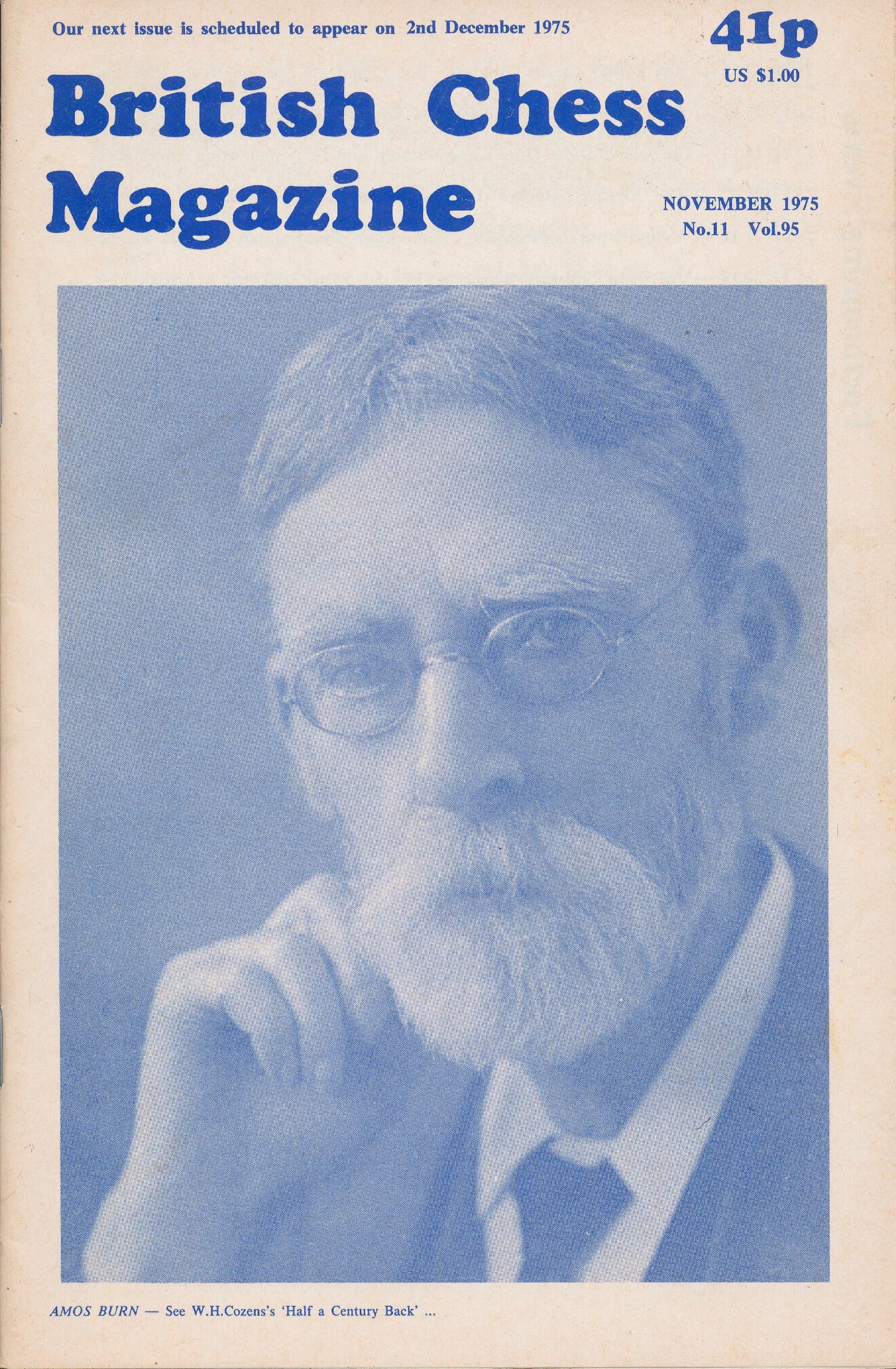
The front cover of the November 1975 issue of the British Chess Magazine featured Amos Burn :
Amos Burn – See W.H.Cozen’s ‘Half a Century Back’…from the front cover of the November 1975 issue of British Chess Magazine
From British Chess Magazine, 1975, November, pp. 481-483 :
Half a Century Back
Chess in 1925
by W.H. Cozens
Amos Burn was a very different figure and his career is poorly documented. He is overdue, not for a reappraisal but simply an appraisal, He was born (in Hull) in 1848 – an incredible 127 years ago. All the years that could have been his prime as a chessplayer he devoted to business. (Marine insurance was his speciality.) He was based in Liverpool but travelled considerably, including several crossings of the Atlantic – quite an undertaking in those days. He played some casual chess, soon overshadowing the Rev. John Owen to become Liverpool’s answer to Manchester’s Blackburne. He also played for the City of London Chess Club; but it was not until he was nearly 40, presumably with his financial position secured, that he entered the international chess arena. Between the ages of 38 and 64 he played in 22 international tournaments. At Breslau (1889) he was second to Tarrasch, above Louis Paulsen, Blackburne, Schallop … In Amsterdam the same year he was first, ahead of Emanuel Lasker. His finest achievement was first place at Cologne 1898, in front of Charousek, Chigorin, Steinitz, Schlechter et al., (16 in all) with a win against Steinitz. The lack of a book on Cologne 1898 is – since the publication of Mannheim 1914′: the biggest gap in tournament literature.
At Karlsbad 1911 he defeated not only the winner, as mentioned above, but also Alekhine, whom he steered into a knight versus bad bishop ending. His style was unashamedly modelled on that of Steinitz, and marked by extreme tenacity. To him is attributed the epigram ‘He who combinates is lost’. He could play a combination when in the mood but he much preferred to let the opponent break his own back by attacking too impetuously. Nimzowitsch wrote: ‘The number of really great defensive players is very small’, adding that he knew of only six: Steinitz, Emanuel Lasker, Burn, Bernstein, Duras and Louis Paulsen.
In the 1911 Cable Match between G.B. and the U.S.A. Marshall came from San Sebastian straight to London and asked permission for his top board game to be played over the board. When he found that his opponent was to be the 64-year-old Amos Burn he must have smiled, for he had twice defeated him resoundingly – at Paris 1900 (also having some fun at Burn’s expense in his annotations to the game) and again at Ostend 1905. This time he was in for a shock. Within twenty moves the old man had won his queen for two pieces. Marshall played on, probably with a red face, until move 37, rather than have his loss cabled home too early. Against Burn he might have spared himself the trouble.
Burn was a superb annotator. His work, notably in ‘The Field‘ from 1913 on, sets a standard to which one looks back nostalgically in these days of hieroglyphics. The day before he died, at the age of 77,he had been at work on analysis and annotation. Tournaments were now plentiful enough for it to be possible to pick out the band of regular professionals, and to assess their prowess. Tartakower was placed 2, 5, l, 5; Reti 5, 5’ 5,-11; Grunfeld 4,8,8,9; Nimzowitsch was erratic with 1,2,9; so was Rubinstein with 1, 2, 3, 12. Marshall was consistent with 3, 4, 5. Lasker, Capablanca and Alekhine appeared once each – with distinction, of course.”
The Burn Variation is a line in the french defence dating from the 1870s, played regularly by Burn at the tournaments of Hastings
1895, Cologne 1898, and Vienna 1898. More recently it has been favoured by Petrosyan.
From The Encyclopedia of Chess (Robert Hale, 1970 & 1976), Anne Sunnucks :
“A leading British player of his day, Amos Burn was born in Hull on 31st December 1848. He learned the game when he was 16 and an apprentice with a firm of Liverpool cotton-brokers, but it was not until 1886 that he achieved his first major tournament success by coming 2nd in the London tournament and 1st at Nottingham. These results gained him an invitation to Frankfurt 1887, which marked the beginning of his career as an international player.
Burn’s greatest successes were 1st at Amsterdam 1889, ahead of Lasker, 2nd at Breslau 1889, behind Tarrasch but ahead of Mieses, Von Bardeleben, Bauer, Gunsberg and Paulsen; and 1st at Cologne 1898, ahead of Charousek, Steiniitz, Tchigorin and Schlecter.
After the St. Petersburg 1909 tournament, Burn’s results began to deteriorate and he finally retired from tournament chess after the Breslau 1912 tournament.
From 1913 until his death, Burn was chess editor of The Field. He died on 25th November 1925.”
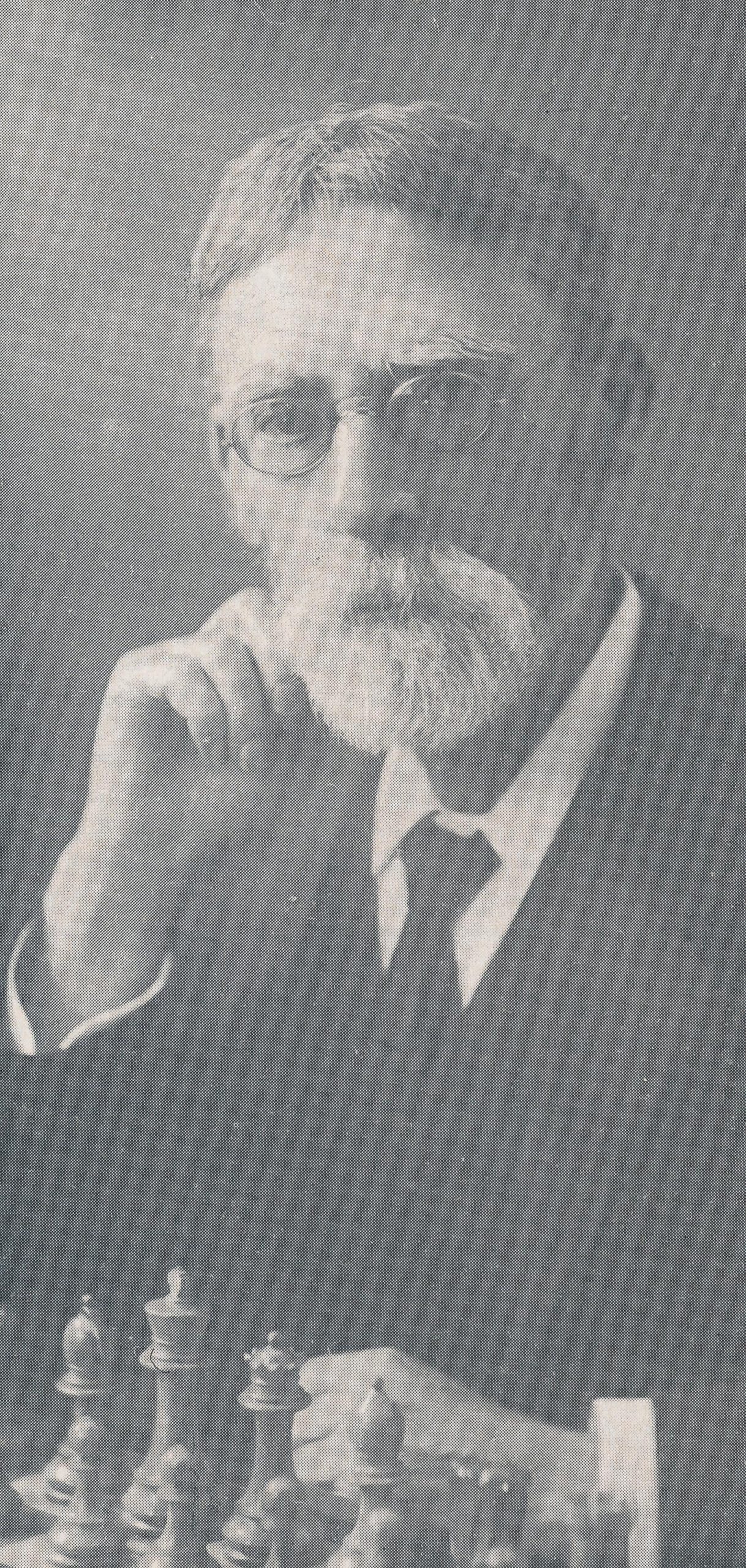
Amos Burn (31-xii-1848, 25-xii-1925) circa 1920
From The Encyclopedia of Chess (Batsford, 1977), Harry Golombek OBE :
“British Grandmaster and second only to Blackburne in late nineteenth-century British chess. He was born in Hull and learned to play chess at sixteen, but devoted little time to the game at first, preferring to establish himself in a commercial career.
He returned to chess in his middle thirties, his first major national success being first prize at Nottingham 1886 and second prize at London 1886. Within three years he had gained an international reputation by winning at Amsterdam 1889, ahead of Lasker, and finishing 2nd to Tarrasch at Breslau 1889. Burn continued to appear in international tournaments until the age of sixty-four, his most notable triumph being first prize at Cologne 1898 in front of Charousek, Steinitz, Chigorin and Schlechter. He was chess editor of The Field from 1913 until his death in 1925.”
and from that game we have the move that made that game memorable :
Black to move : did you find it? (if not see the foot of this article)
William Winter wrote the following in the February issue of CHESS for 1963, (Volume 28, Number 426, pp.128-134):
“For my win over Niemtsovich I am partly indebted to Amos Burn. Before the tournament I happened to mention to him that Niemtsovich was playing a system, beginning with 1.P-QN3, the idea of which was to control the square at his K5 from the flank, and eventually occupy it with a knight. The old master told me that in his younger days he had played many games with the Rev. John Owen who regularly adopted this opening, and that he could make little headway against it, until he hit on the idea of at once occupying the key square with a pawn and defending it with everything he could pile on. This plan I adopted with complete success. After my third move I saw Niemtsovich shake his head, and in fact he was never comfortable.”
According to Edward Winter in Chess Notes Burn lived at 19 Luxemburg Gardens, London W6, England (Amos Burn, The Quiet Chessmaster by R.N. Coles, page 7).
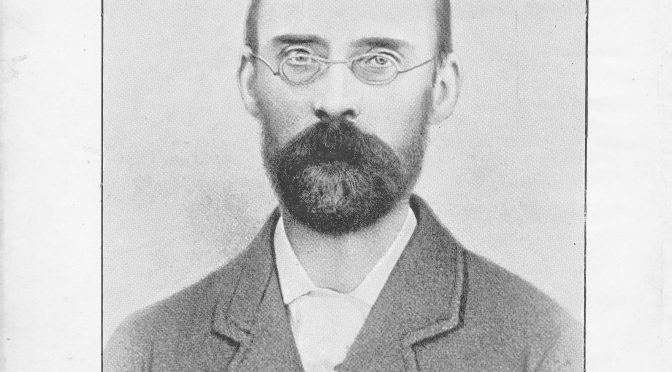
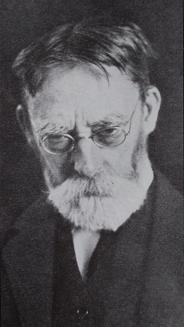
Amos Burn (31-xii-1848, 25-xii-1925) courtesy of “The Field”
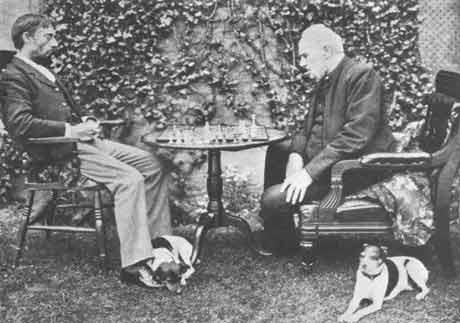
Amos Burn (left) and Rev. John Owen circa 1885.Amos Burn, the quiet chessmaster, RN ColesAmos Burn : A Chess Biography by Richard Forster
and in case you did not spot the move : Burn played 33…Qg4!!
Save as PDF
We focus on the British Chess Scene Past & Present!
This website uses cookies to improve your experience. We'll assume you're ok with this, but you can opt-out if you wish. Cookie settingsACCEPT
Privacy & Cookies Policy
Privacy Overview
This website uses cookies to improve your experience while you navigate through the website. Out of these cookies, the cookies that are categorized as necessary are stored on your browser as they are as essential for the working of basic functionalities of the website. We also use third-party cookies that help us analyze and understand how you use this website. These cookies will be stored in your browser only with your consent. You also have the option to opt-out of these cookies. But opting out of some of these cookies may have an effect on your browsing experience.
Necessary cookies are absolutely essential for the website to function properly. This category only includes cookies that ensures basic functionalities and security features of the website. These cookies do not store any personal information.
 Save as PDF