Category Archives: Player

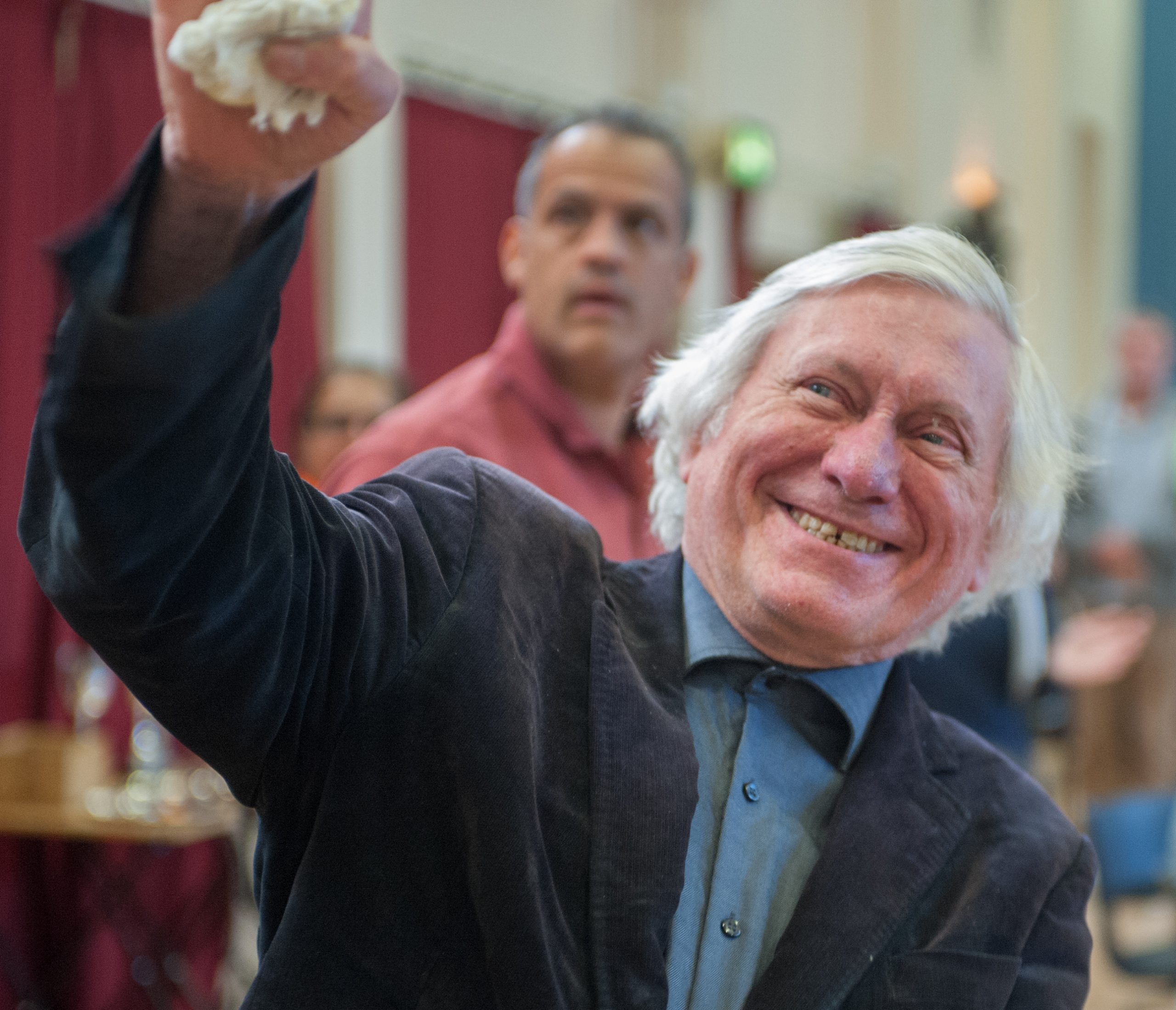
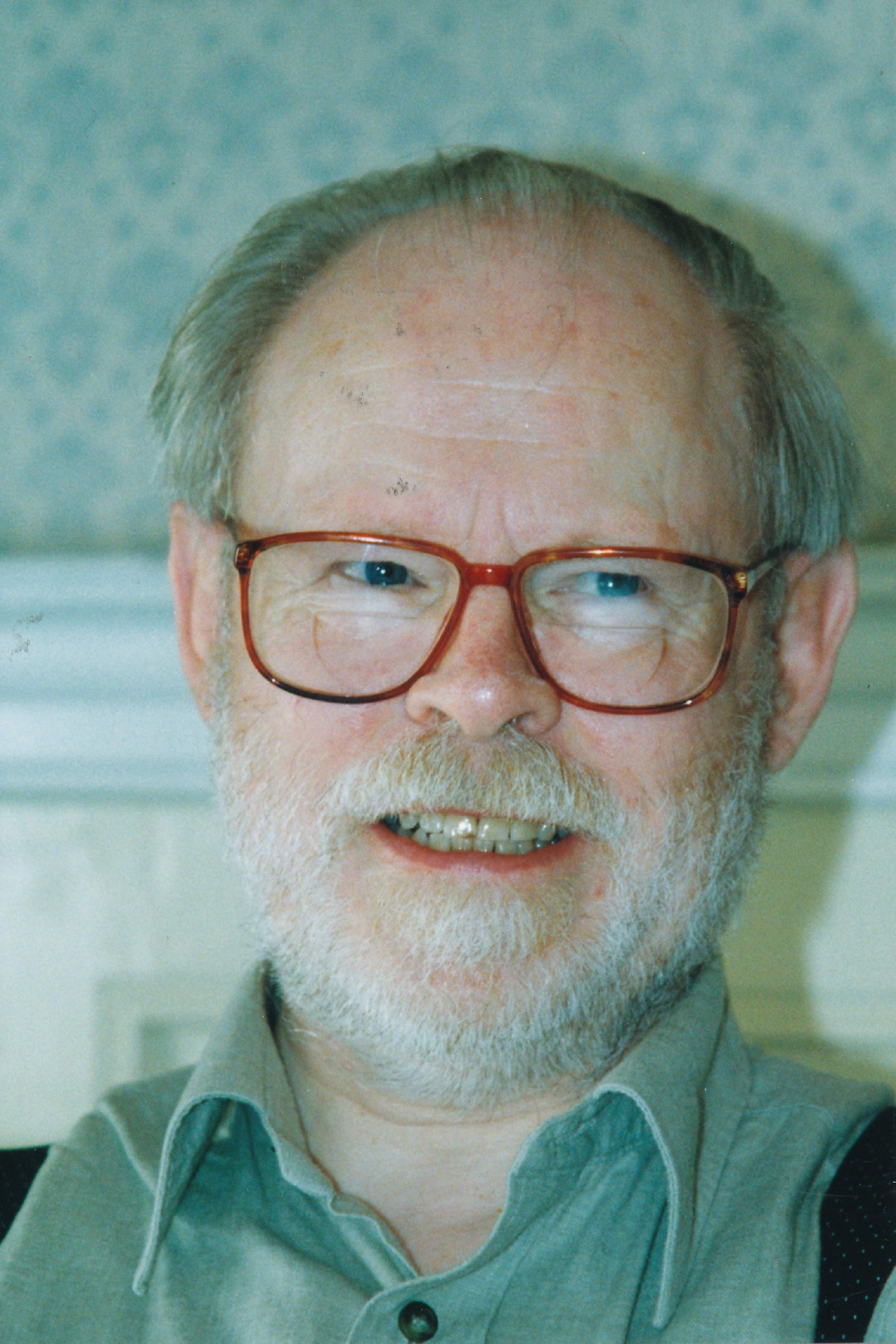
Happy Birthday IM Nigel Povah (17-vii-1952)

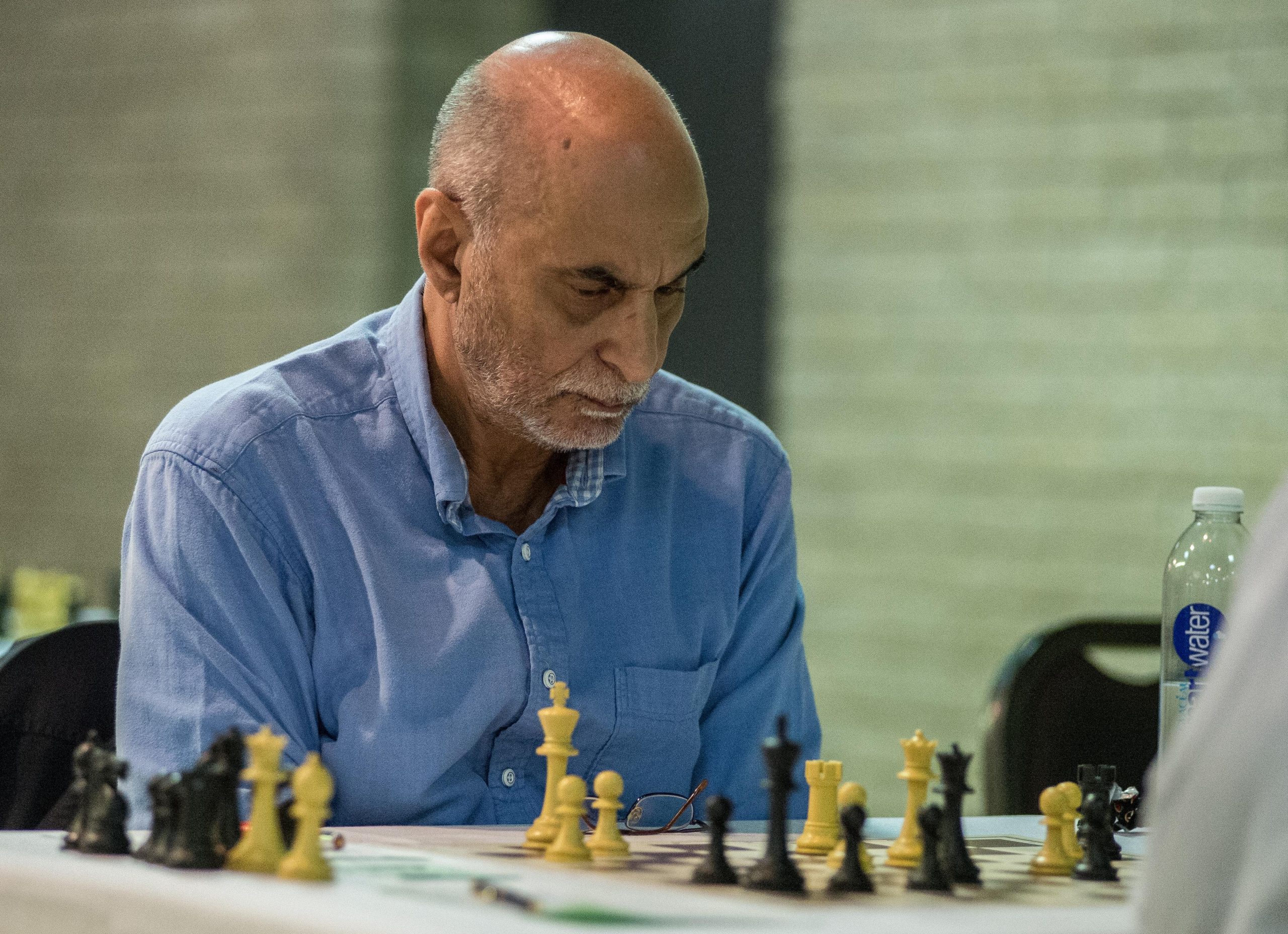
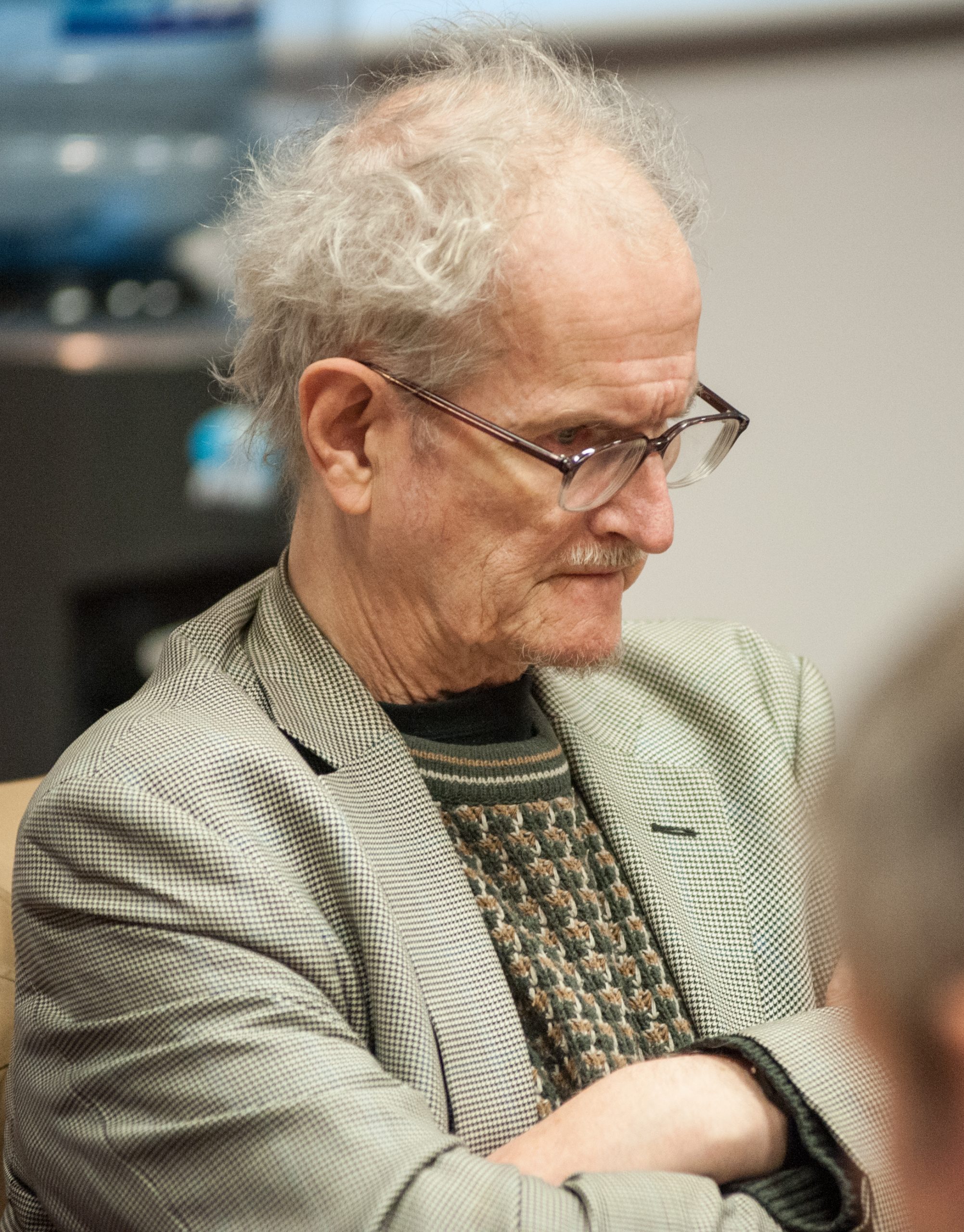
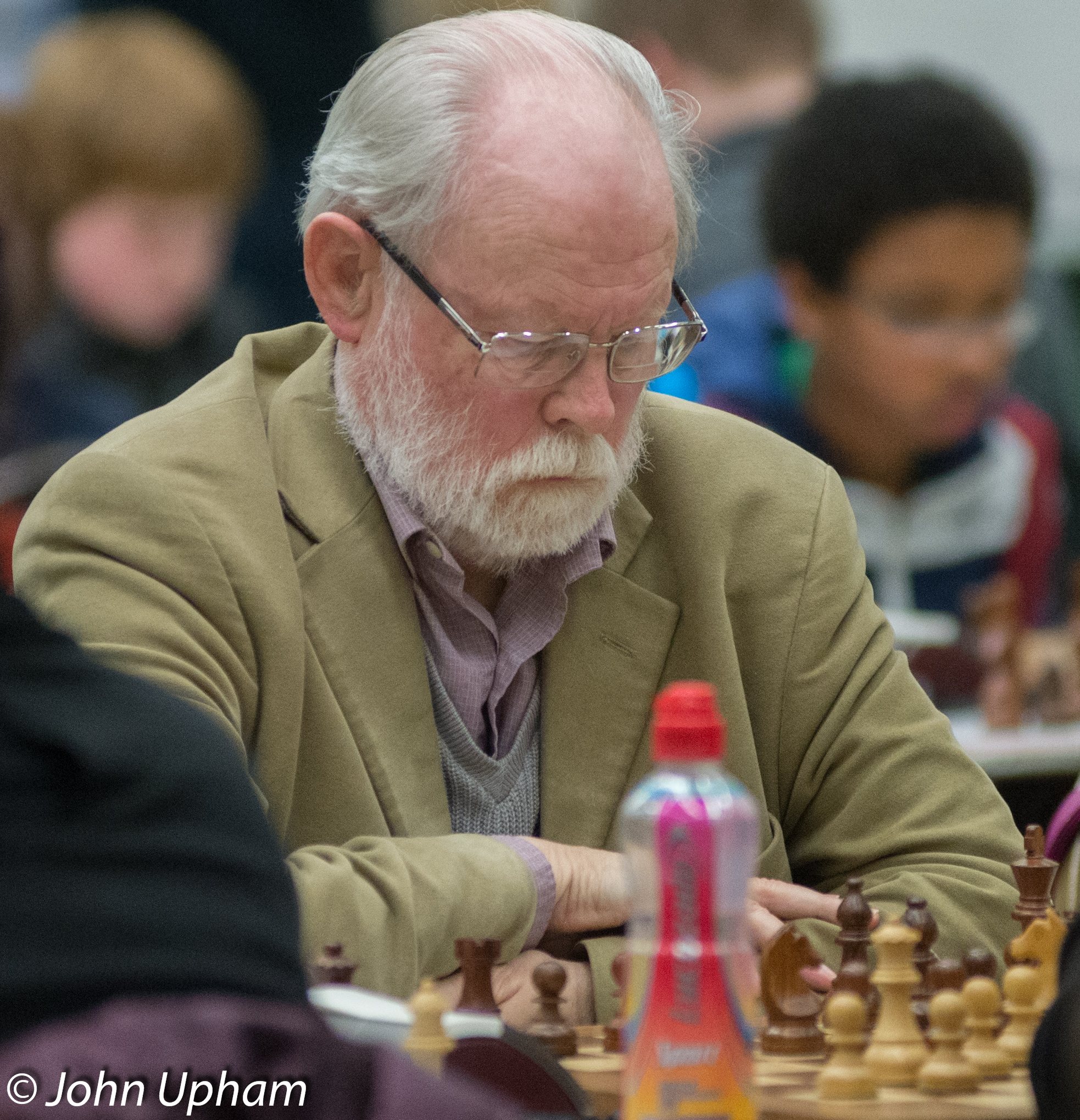
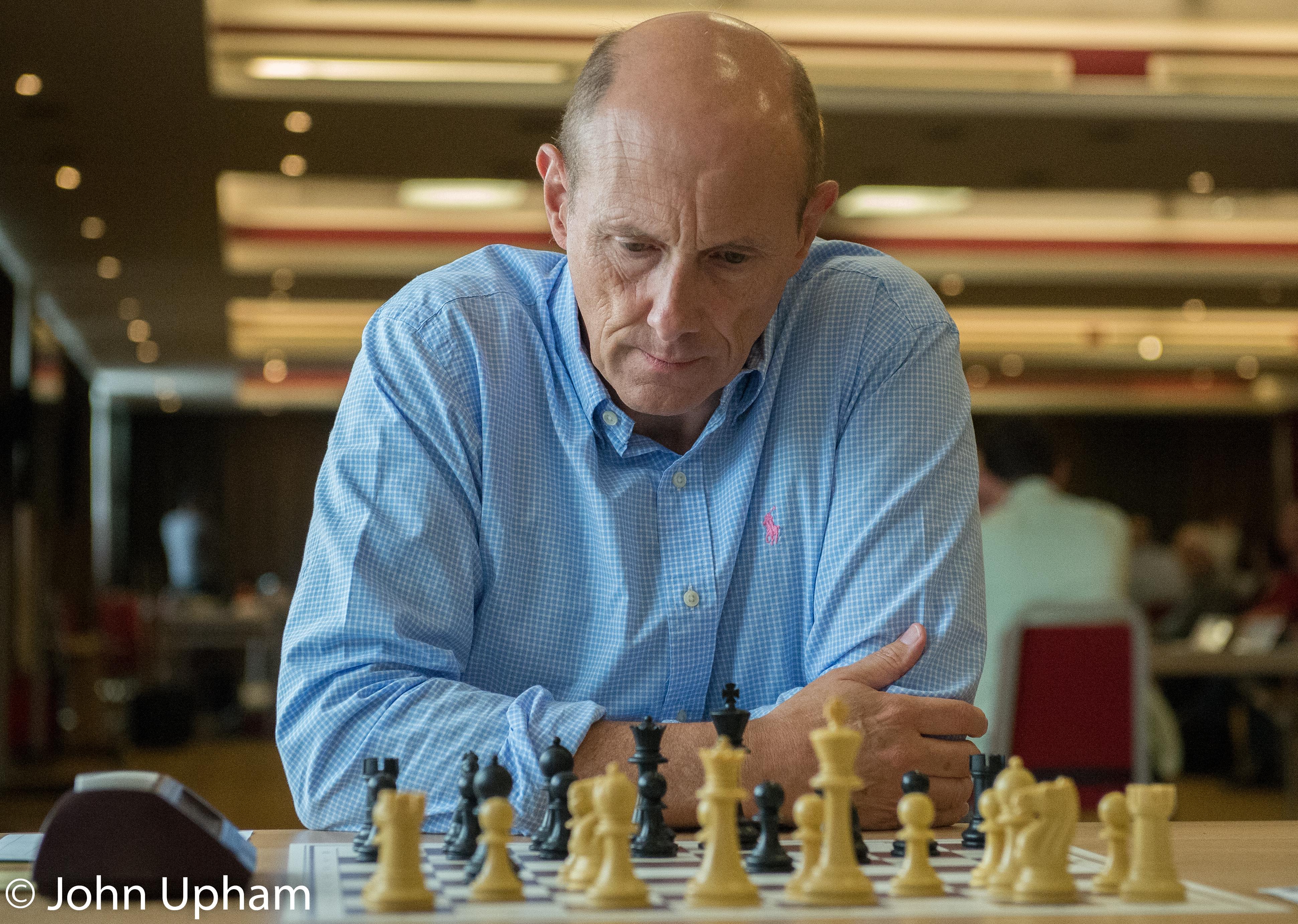
IM Nigel Povah, courtesy of John Upham Photography

BCN wishes IM Nigel Edward Povah all the best on his birthday, July 17th in 1952.
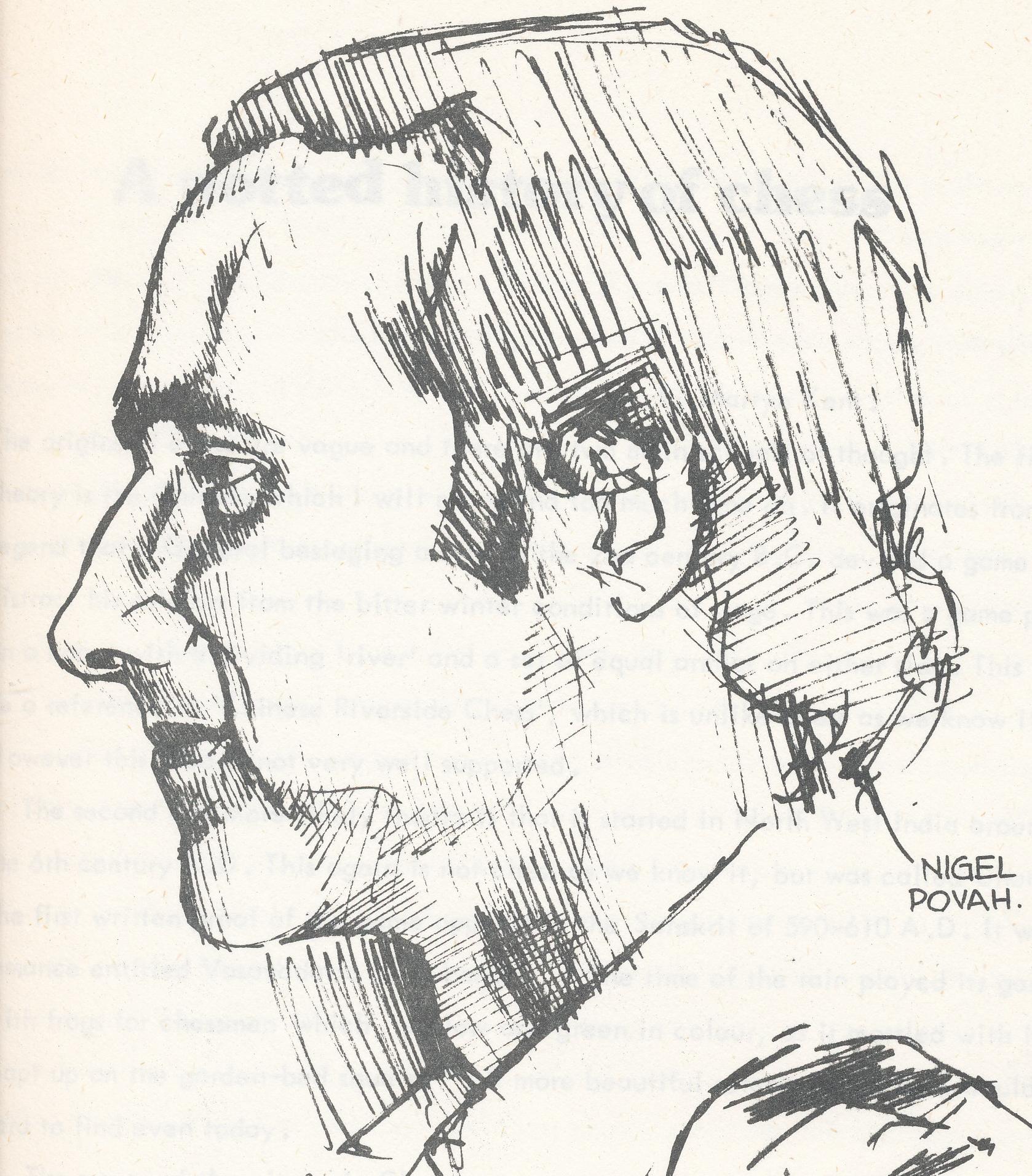
Nigel Povah, from Knightmare, Volume 2 (1976-77) drawn by Chris Jones.

Nigel was born in Wandsworth, London.

He became a FIDE Master in 1980, an International Master in 1983 and an International Correspondence Master in 1983. He became England’s 7th ICCF GM in 1989. His predecessors were :

210048 Markland, Peter Richard ENG GM 1984
210060 Penrose, Dr. Jonathan ENG GM 1983
210178 Webb, Simon ENG GM 1983
210011 Clarke, Peter Hugh ENG GM 1980
210029 Hollis, Adrian Swayne ENG GM 1976
210062 Richardson, Keith Bevin ENG GM 1975

Nigel has been Southern Counties (SCCU) champion for the 1974-75 and 1975-76 seasons.
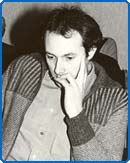
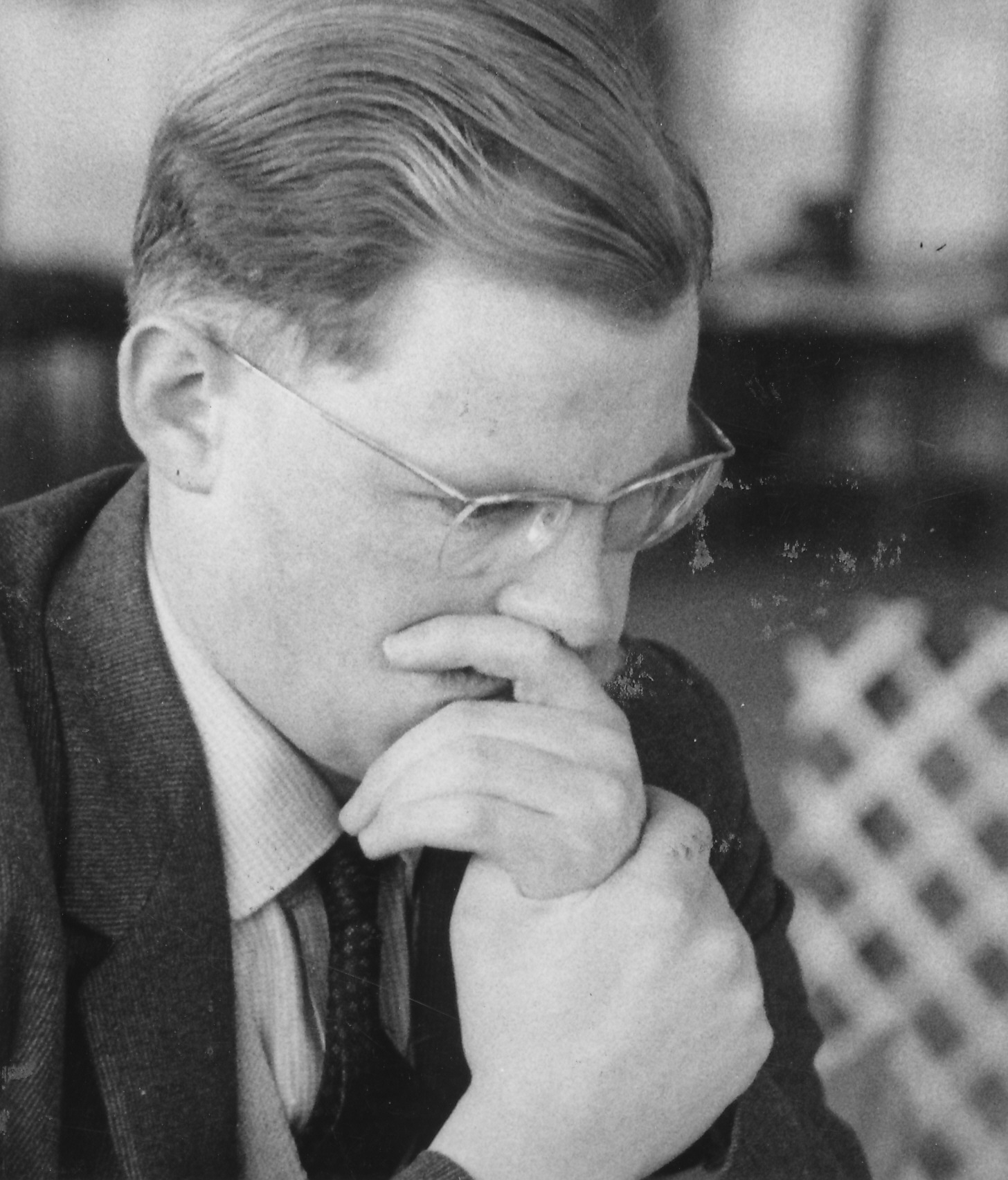
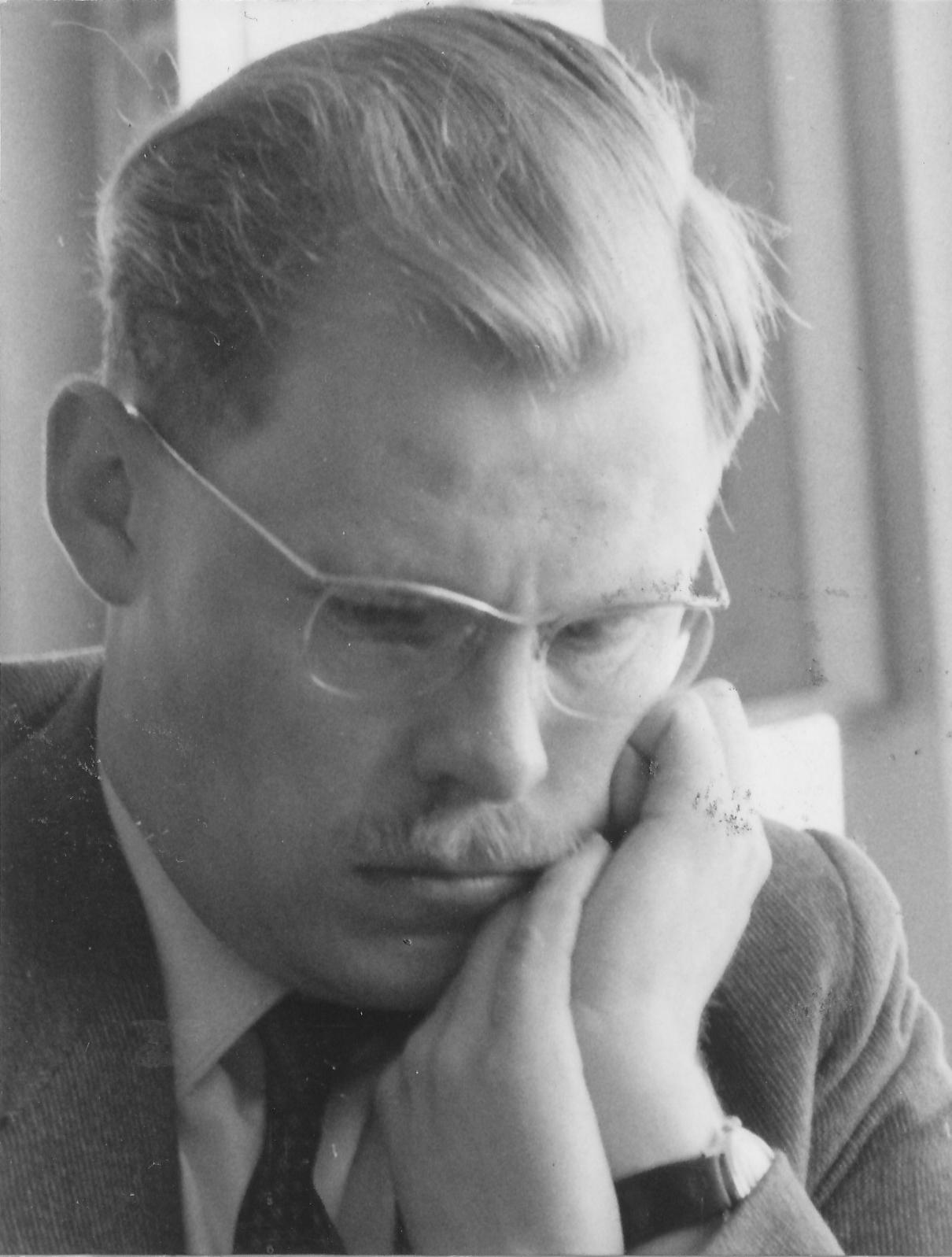
Nigel Povah, circa 1979

Nigel has played for Streatham & Brixton Club (see the Andrew Martin video below) and was part of this very strong London club which developed many original opening ideas.

Nigel was a strong opening theoretician and developed ideas in the Sicilian Lasker-Pelikan, Sveshnikov and English Openings amongst others.

Knightmare magazines are a valuable source of information about the club and it’s members.

Below we have the game Berg-Povah, Wijk aan Zee, 1979 annotated by Streatham & Brixton team mate, IM Andrew Martin :

and here is the game in full:

Nigel continues to play for Guildford in the Surrey League and in the Surrey Border League as well as Guildford in the Four Nations Chess League (4NCL).

Nigel started the highly successful 4NCL teams sponsored by his company Guildford A&DC (Assessment & Development Consultants) and the 4NCL team(s) are now run by Roger Emerson and Julien Shepley having taken a back seat since June 2017.

His peak rating was 2385 in January 1980 aged 28.

Nigel is married to Gill and has a daughter Lucy and a son, Jonathan.

In recent times Nigel has been playing more nationally and internationally and and has become a specialist in the Accelerated London System (with 2.Lf4) and is a regular on the International veterans circuit.

In 2021 Nigel is a leading light in the preparations for Guildford Chess Club’s 125th Anniversary celebrations.

Here is an article written by Richard W. O’Brien from British Chess, Pergamon Press, 1983 :

“Nigel Povah was for the majority of the seventies a chess professional. He mixed playing with teaching in various schools and also coached individuals. He is a BCF qualified coach. Danny King (our second youngest international master) and the late Ian Wells were two who clearly benefited from his teachings.

On the playing front he won numerous congresses including Hammersmith 1970, Paignton 1974, LARA 1974, Evening Standard 1974, LARA(again) 1978 and Charlton 1979. In 1975 he won the SCCU Championship and again in 1976. He first played in international tournaments in 1973 when as one of the weaker players in the tournament he produced excellent annotations for the bulletin, even for the games he lost. These were the first signs of becoming a chess writer. To date he has shared first place in four international tournaments Robert Silk 1976, Malta 1976, Malta(again) 1979 and Wijk aan Zee Master Reserves 1979. It can be seen that 1979 was a good year. He also shared 4th place in the British Championship and represented
England at senior level against Denmark in the same year.

His road to the lM title has been long and hard. On several occasions he got close to the norm requirement just to fail. At Lloyds Bank in 1978 and 1980 and Lewisham 1981 he got the necessary three norms. Had he then ceased playing (with an Elo of 23751 he would automatically have had the lM title confirmed at Lucerne in 1982. He however continued playing and became the victim of some complicated and, with respect, unfair FIDE regulations, and his title was delayed until 1983. Clearly had the General Assembly met between January 1982 and June 1982 he would have been awarded the title at least a year earlier!

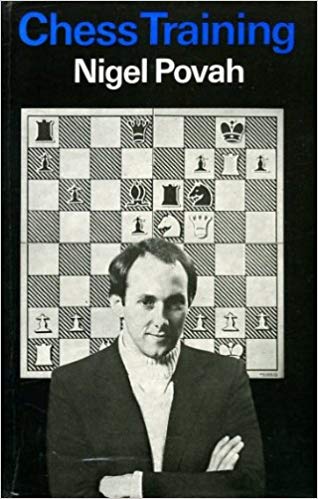
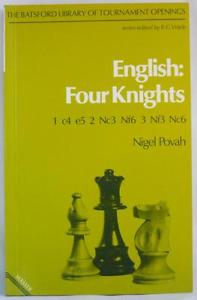
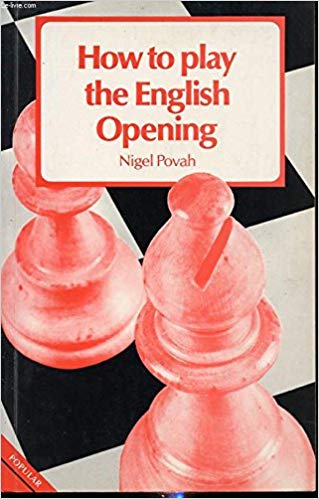
He has written several books-Chess Training published by Faber, English:Four Knights Batsford, How to Play the English Batsford and was co-author of Sicilian: Lasker-Pelikan Batsford. These last three Batsford publications indicate his interest in current theory. Two of the games which follow- v Berg (see 16…Rb8) and v Speelman (see 12 NgS)certainly confirm this. The Streatham and Brixton club owe much to Nigel Povah in becoming one of the strongest clubs in the country. At one time an average second division side (London league) they have since won the league and been in contention more than once. For several years he was one of the main three organisers at the club and even today still continues to play for them and is currently their National Club match-captain although he now lives some twenty miles away in Guildford.

In 1979 he organised the First Regency International at Ramsgate. In conjunction with Ian Josephs (sponsor) and Bob Wade (controller) this has become a highly successful annual event.

Now married, his wife Gill presented him with a daughter Lucy shortly after the completion of the Regency International in 1982.

He now works for ICL as training consultant and limits his over the board chess to club chess for Streatham.

He has recently taken up postal chess and in 1983 after competing in the BPCF Jubilee he became a correspondence International Master.

He has a BSc in Psychology and an MSc in Occupational Psychology.”
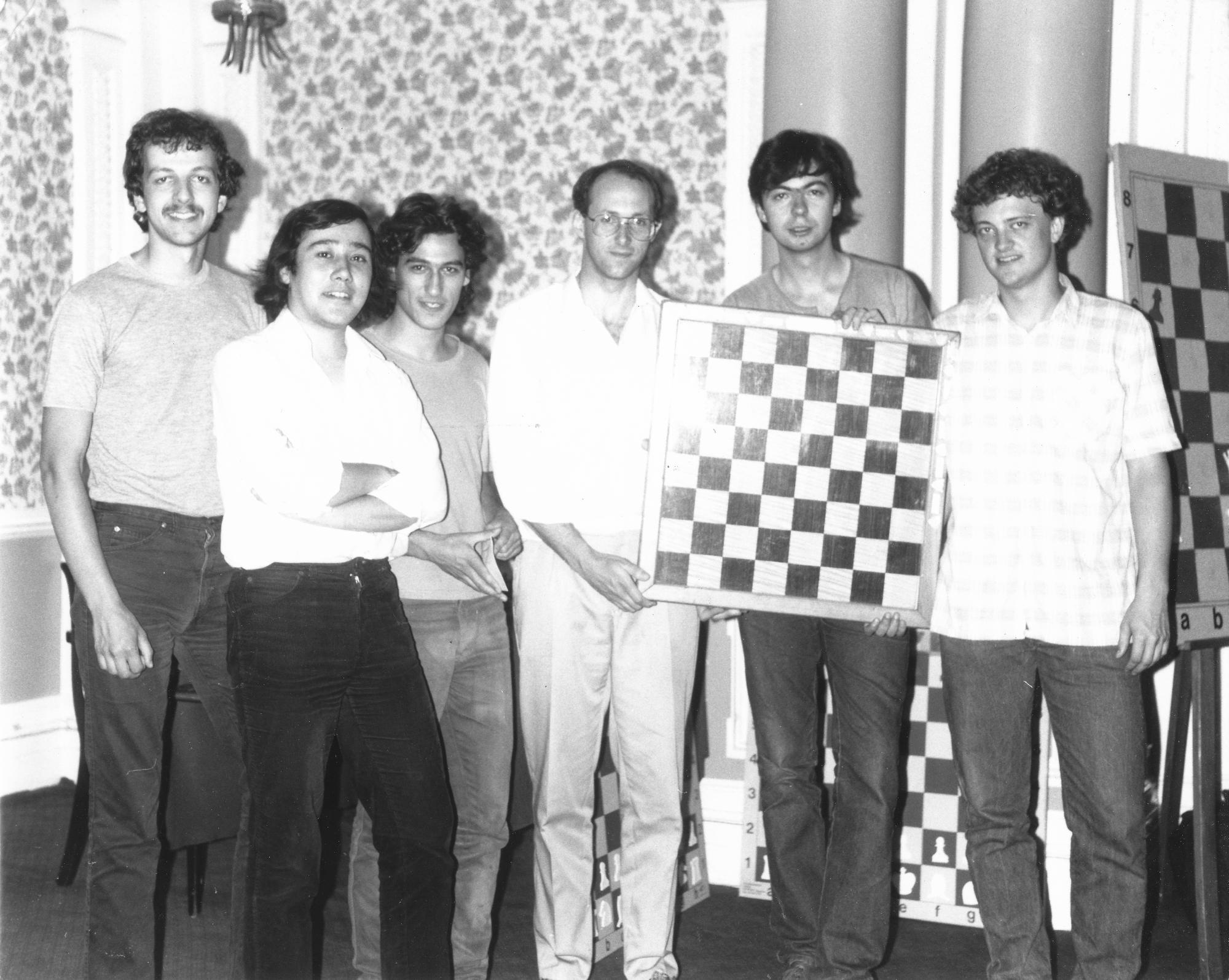
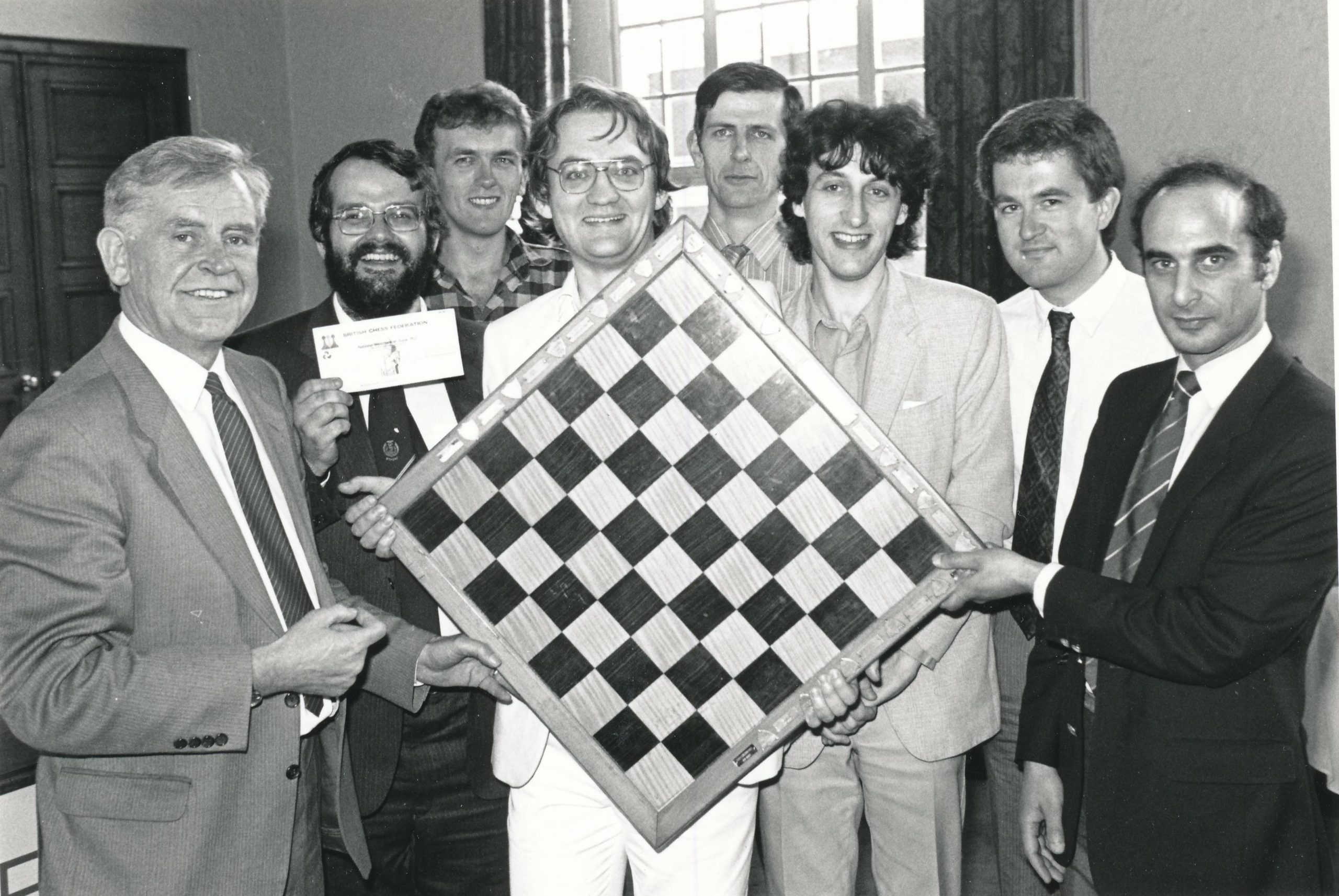
Streatham & Brixton becoming BCF National Club Champions in 1989. The team was Tony Kosten, Mark Hedben, Daniel King, Nigel Povah (Captain), Joe Gallagher and Julian Hodgson : quite a strong team !
Streatham & Brixton becoming BCF National Club Champions in 1989. The team was Tony Kosten, Mark Hedben, Daniel King, Nigel Povah (Captain), Joe Gallagher and Julian Hodgson : quite a strong team

According to Chess Training : “Two of his pupils were members of England’s victorious 4-man team in the World Under-16 team event.”

Here is his Wikipedia entry :
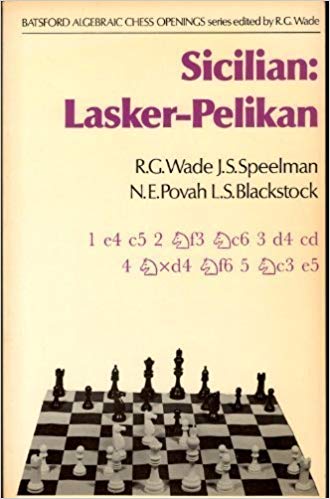
Sicilian Lasker-Pelikan
Chess Training : Nigel Povah
English : Four Knights
How to play the English Opening
Assessment Centres and Global Talent Management
IM Nigel Povah, courtesy of John Upham Photography
 Save as PDF
Happy Birthday IM Lawrence Cooper (16-vii-1970)

IM Lawrence Hugh Cooper, photograph from Cathy Rogers

BCN wishes Happy Birthday to IM Lawrence Cooper (16-vii-1970)

Lawrence was born in Stone, Staffordshire and attend Walton High School, Stafford.

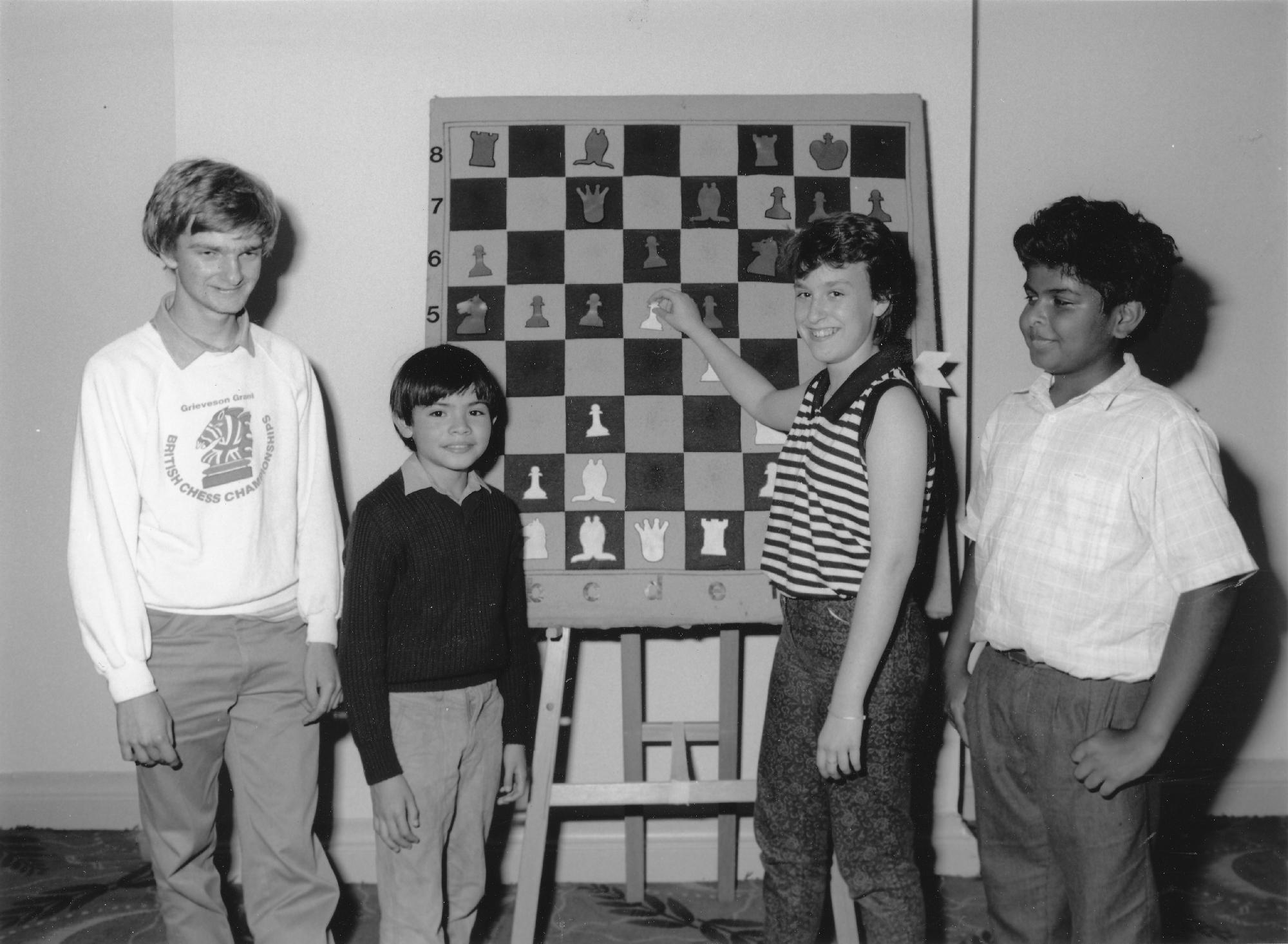
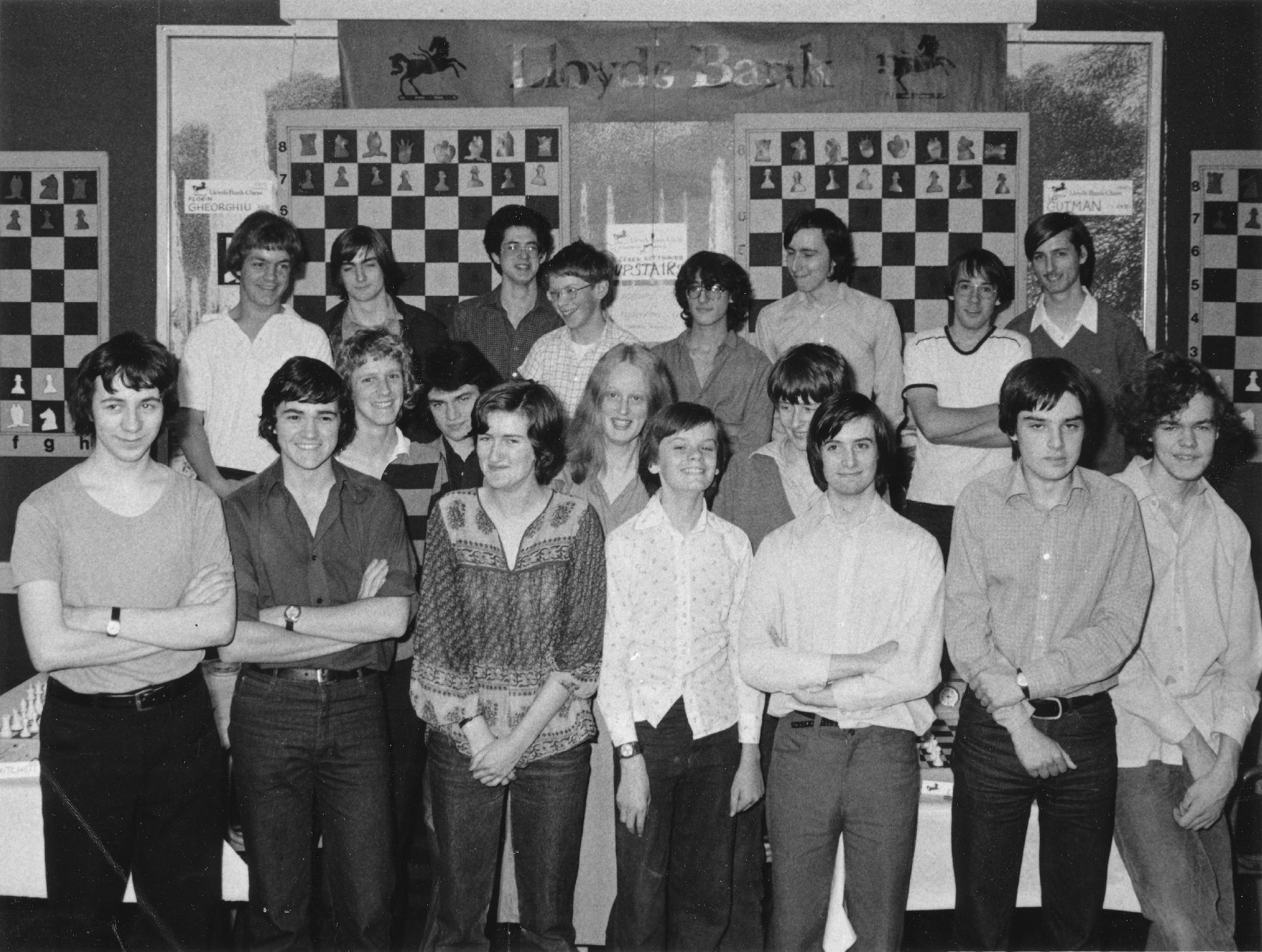
Lawrence Cooper, Demis Hassabis, Cathy Haslinger and Dharshan Kumaran in around 1986. Possibly at a Lloyds Bank event.

He became a FIDE Master in 1989 and then an International Master in 2001.

Lawrence was awarded the FIDE International Organiser title in 2011 and the FIDE Arbiter title in 2016.

Tim Dickinson and Lawrence Cooper at the 2012 London Chess Classic, Olympia

His peak rating was 2430 in January 1988.

Lawrence plays for Wood Green in the Four Nations Chess League (4NCL)  plus Newport (Shropshire), Stafford, Bushbury and Worcestershire CCA in other competitions.

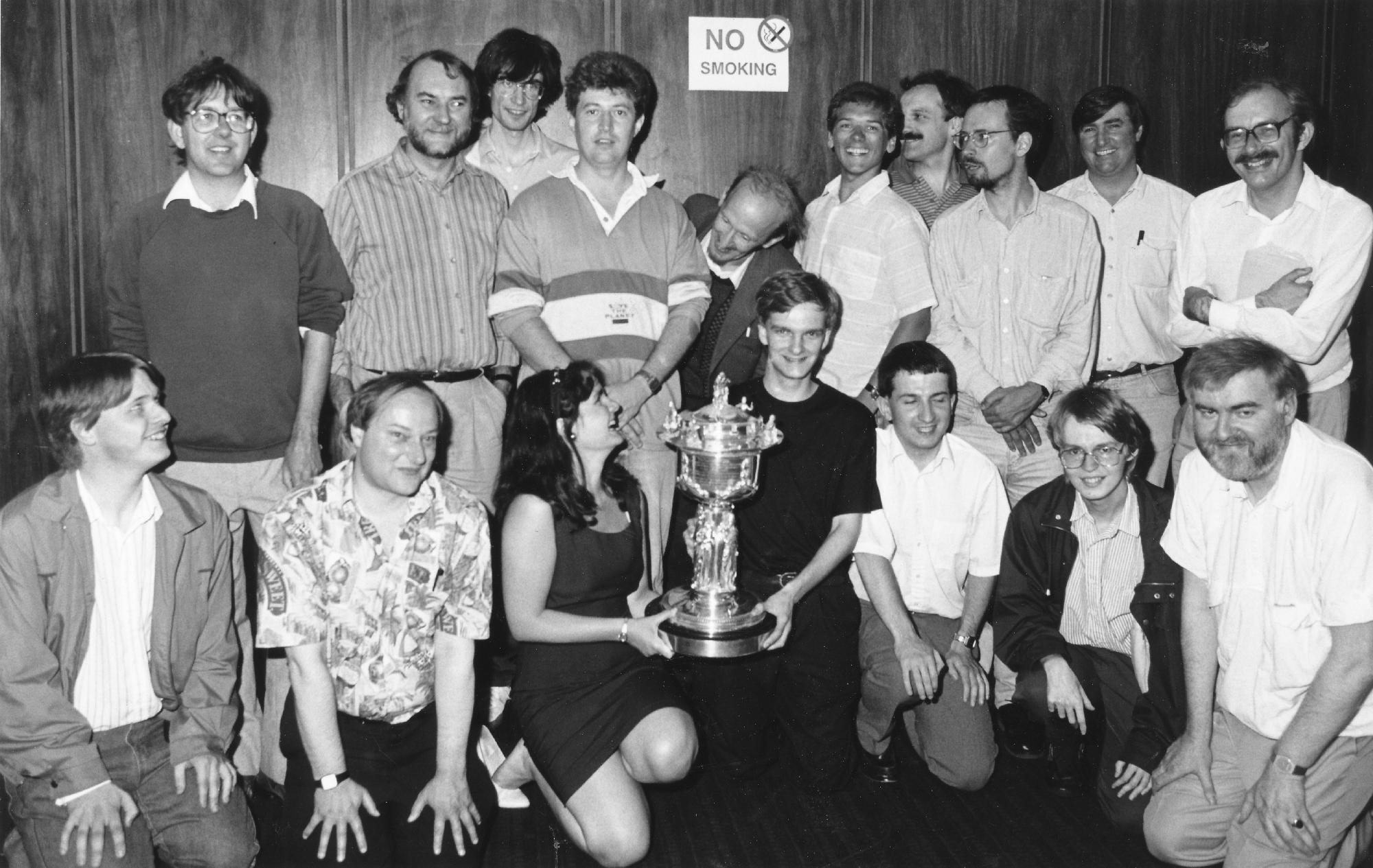
Lawrence Cooper (centre with trophy) being presented with 1992 BCF Counties Championship trophy by WIM Cathy Forbes. Others in the group include Michael Gough, Alan A Smith, Gerald Acey, Mike P Townsend, Malcolm Armstrong, Martin Costley, Alan Crombleholme, Graeme N Buckley, Paul Wallace, Mark A . Wheeler, Dave Carless, Darren P Wheeler, Keith Thompson, Ralph MA Allen and Graham Smith
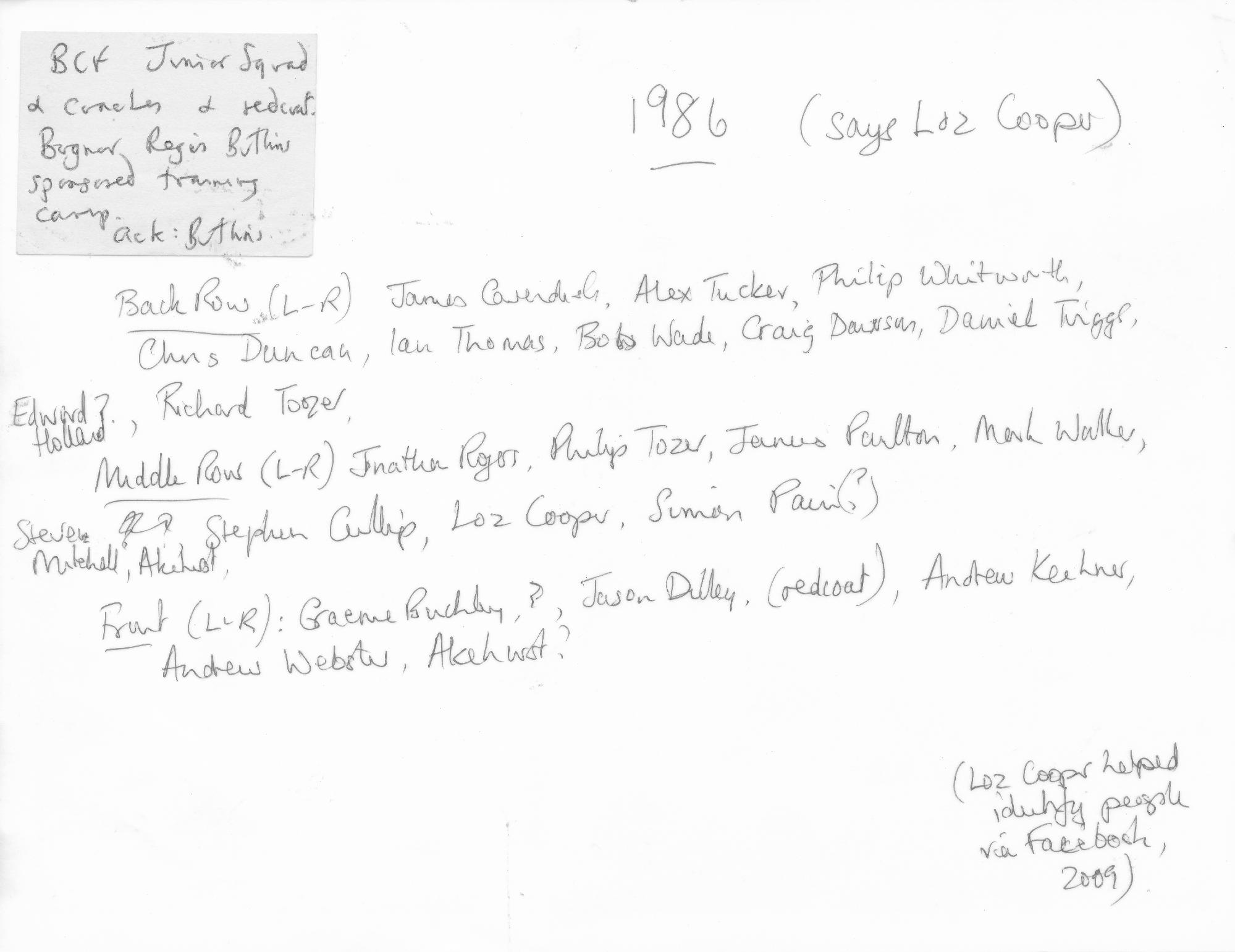
Full caption in image below
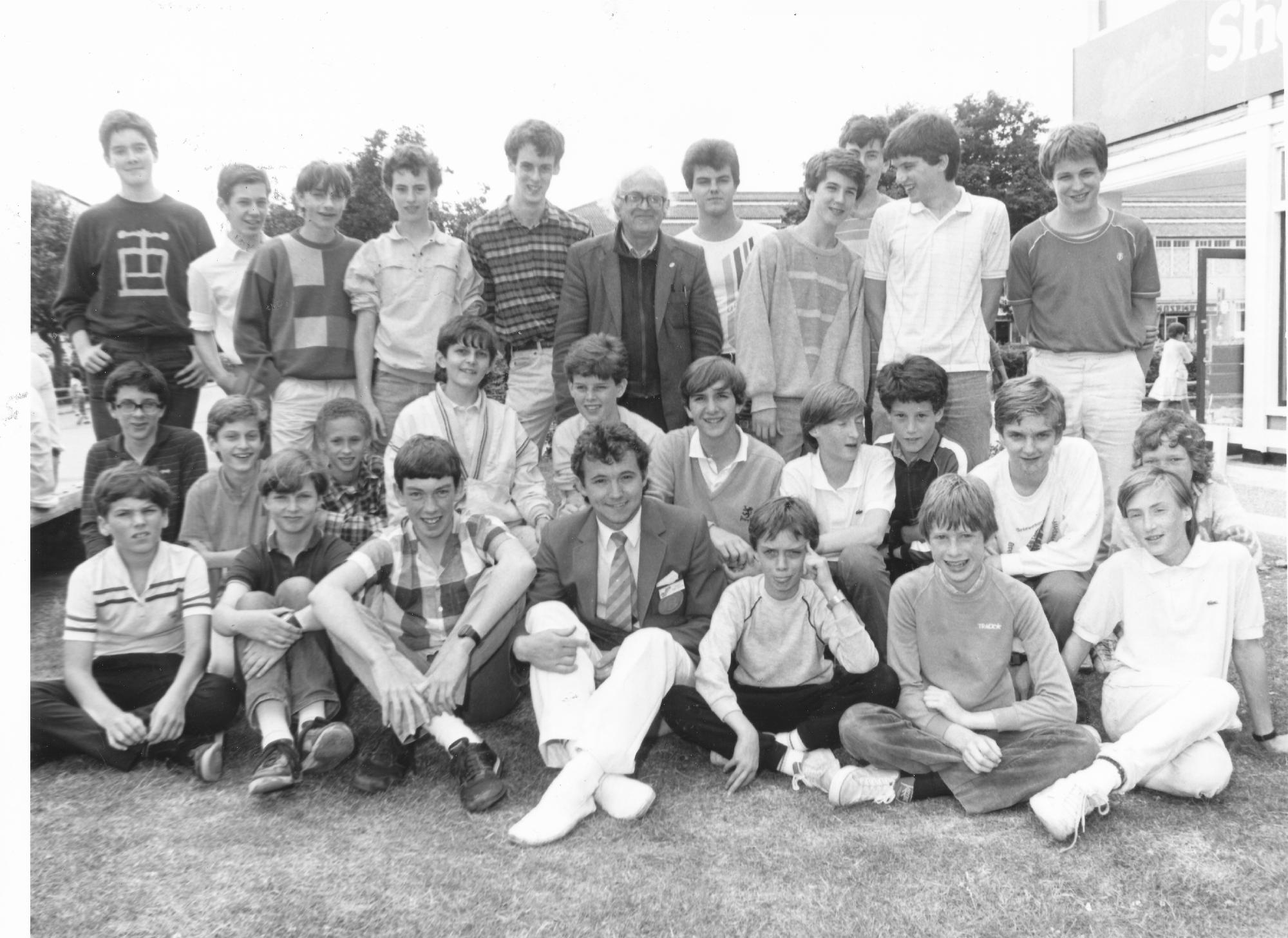
Full caption for above 1986 BCF Junior Squad group photograph


IM Lawrence Cooper, photography by Fiona Steil-Antoni
 Save as PDF
Happy Birthday FM David Friedgood (11-vii-1946)

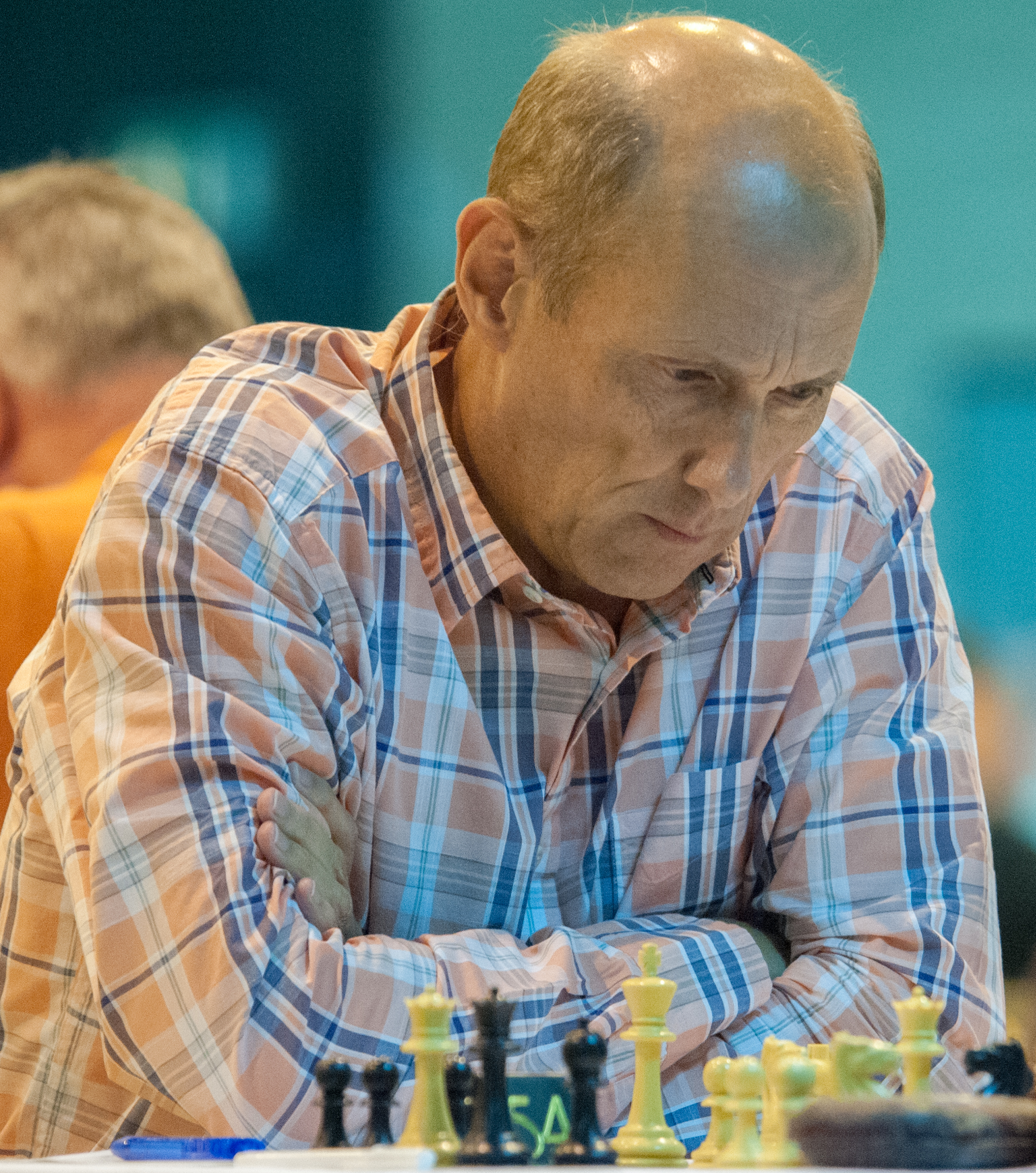
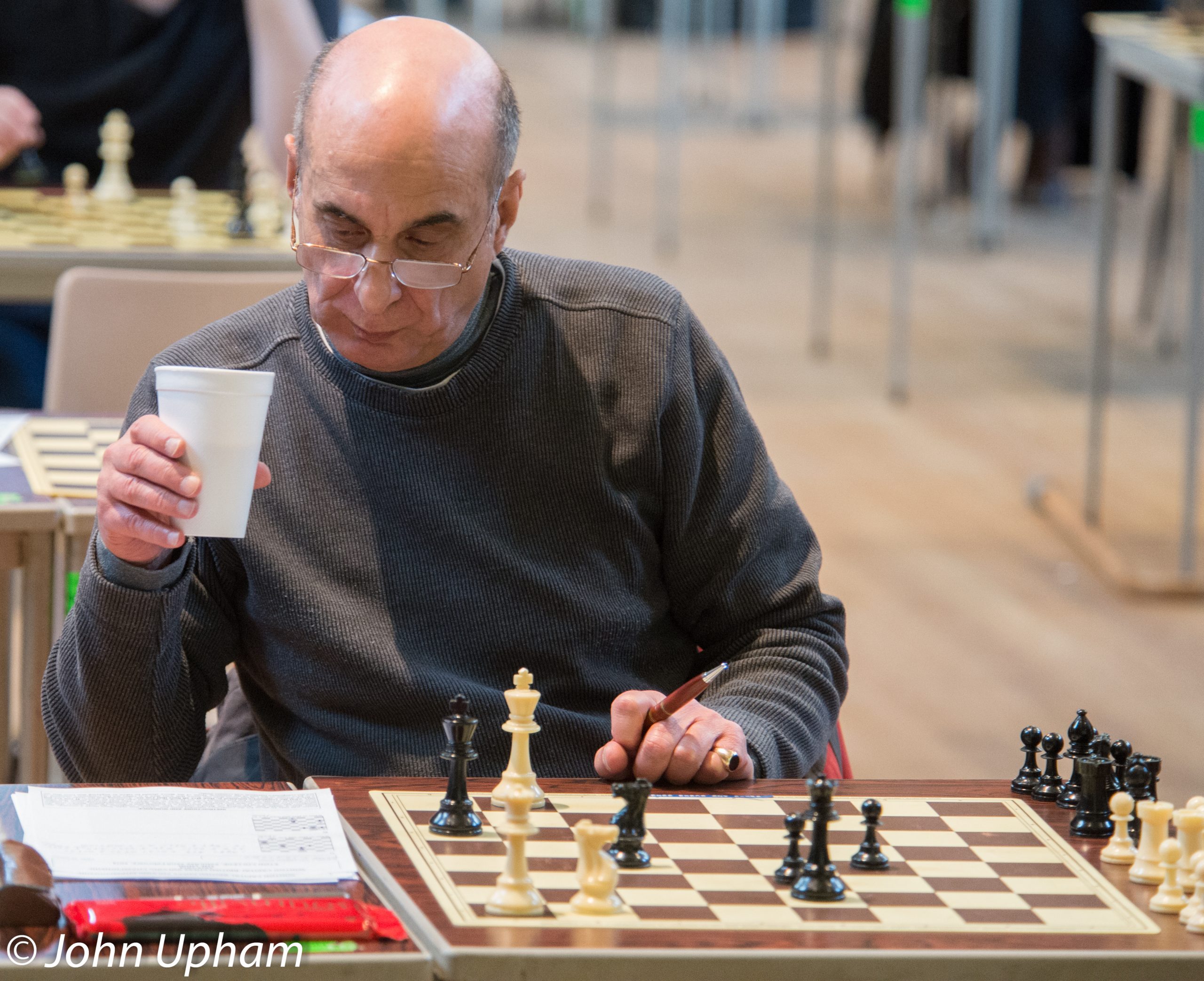
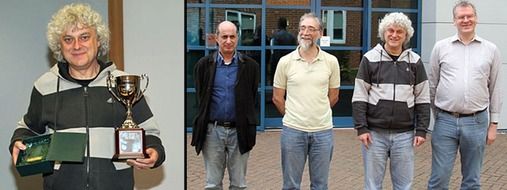
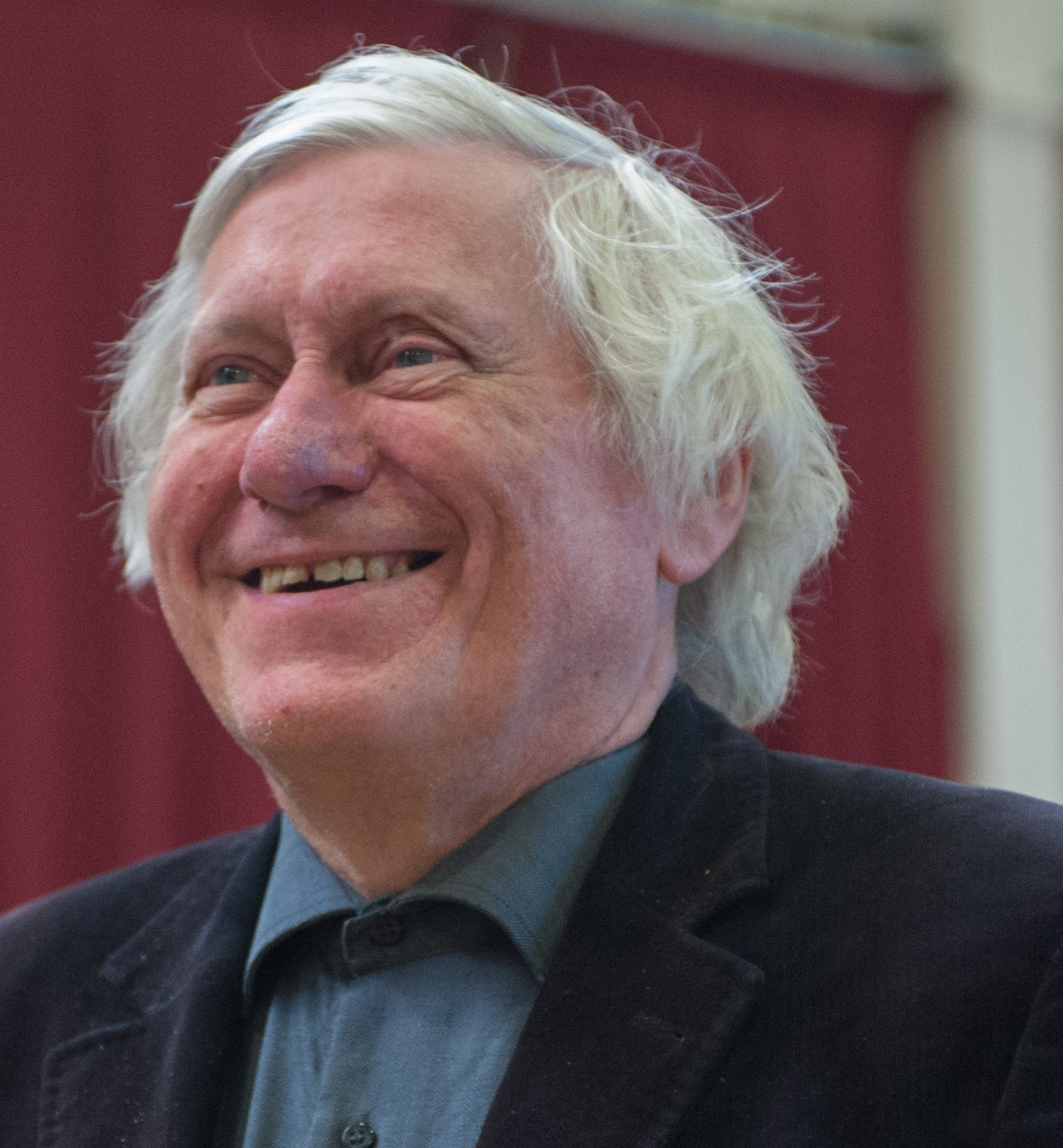
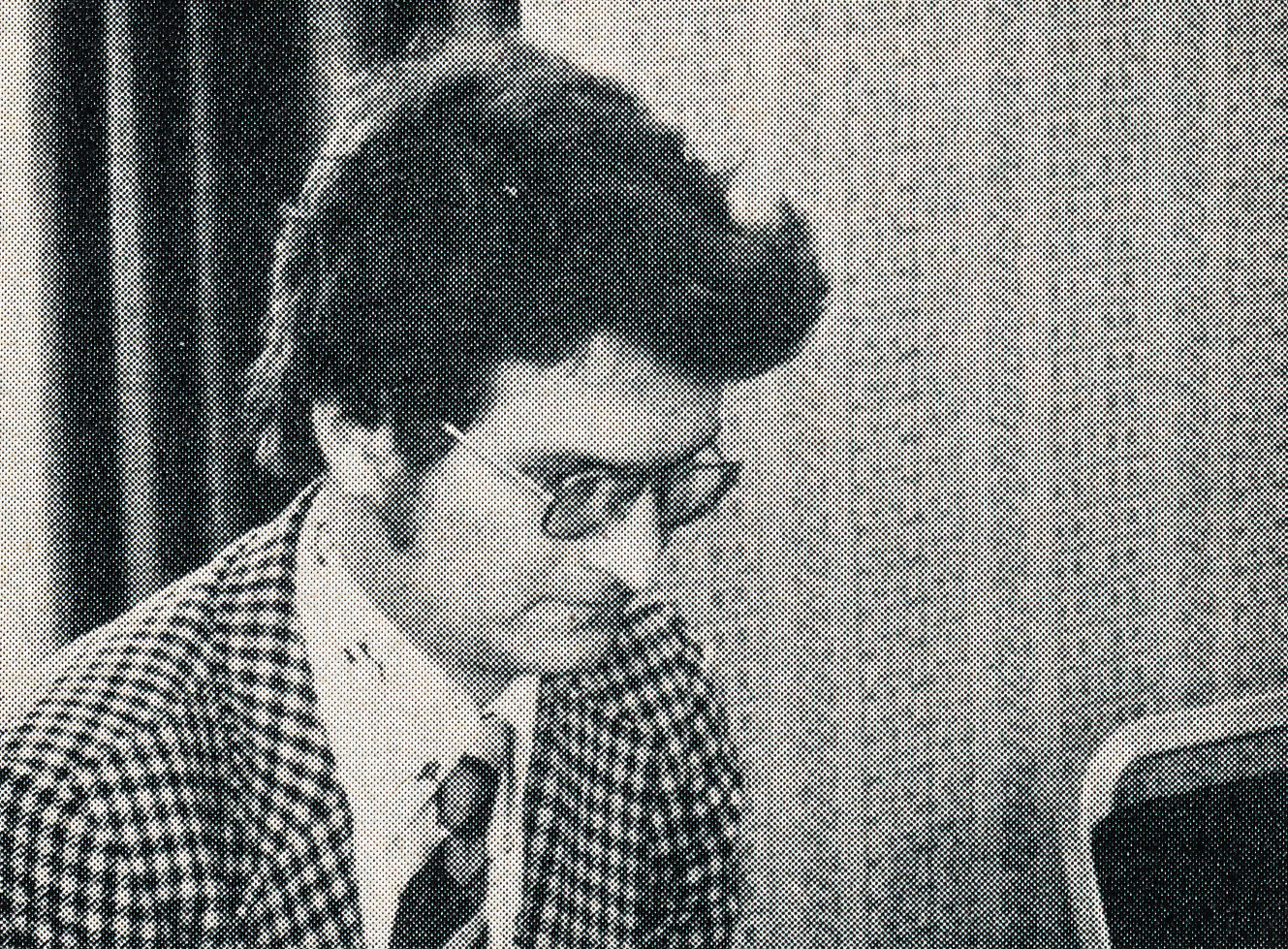
FM David Friedgood at the 2019 British Championships in Torquay, courtesy of John Upham Photography.

BCN wishes Happy Birthday to FM David Friedgood (11-vii-1946)

David was born in Cape Town, Republic of South Africa and now resides in England.

He first won the South Africa Championship in 1967 in Johannesburg, again in 1971, and in 1973 in Cape Town when his main rivals were Piet Kroon and Charles de Villiers.

He plays for Cavendish, Hendon and 4NCL MK Phoenix.

He gained his FM title in 1982.

His peak rating of 2335 was achieved in January, 1980.

David Friedgood (far right) and a victorious Wood Green team. Trophy presented by Magnus Magnusson

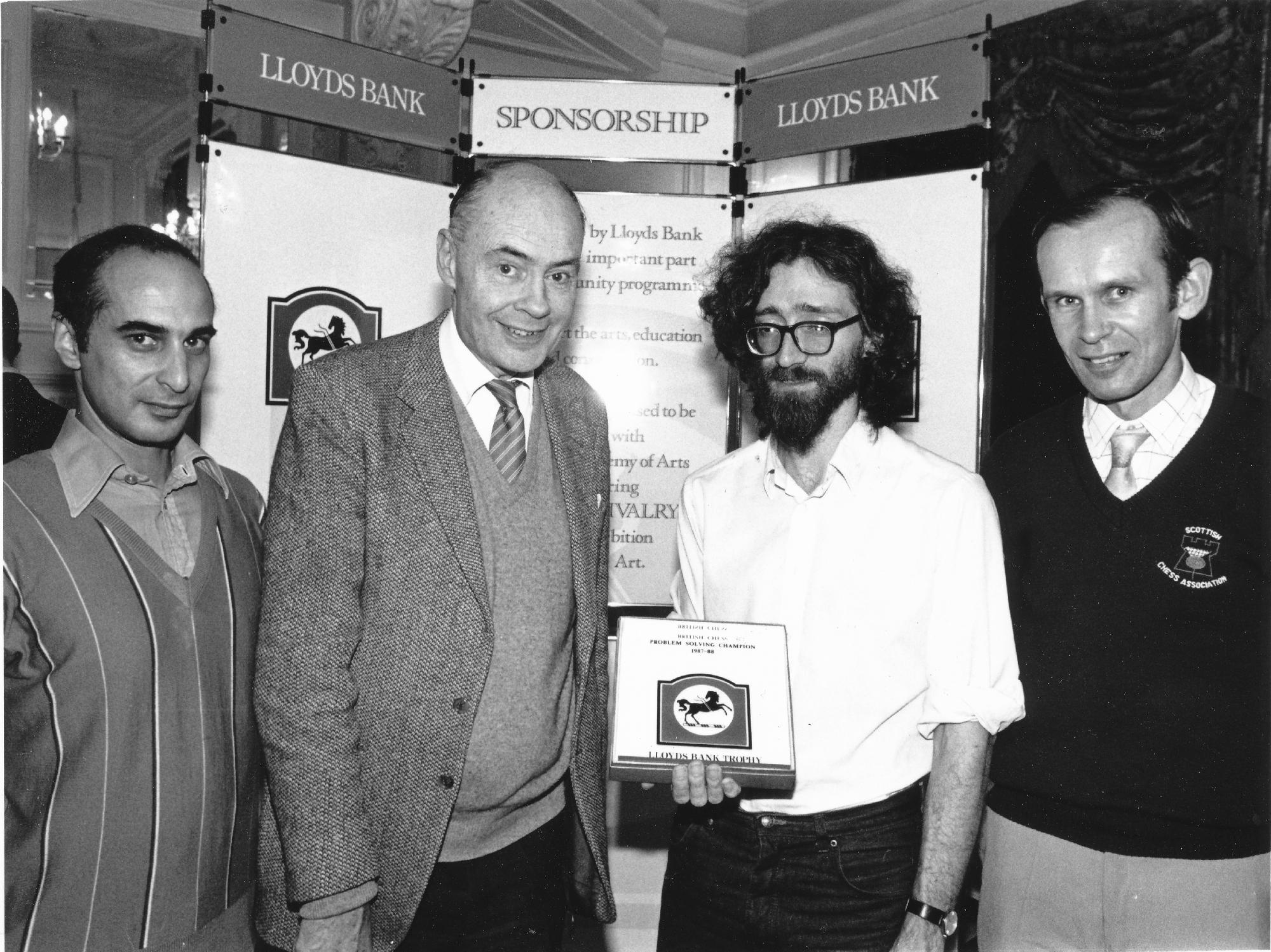
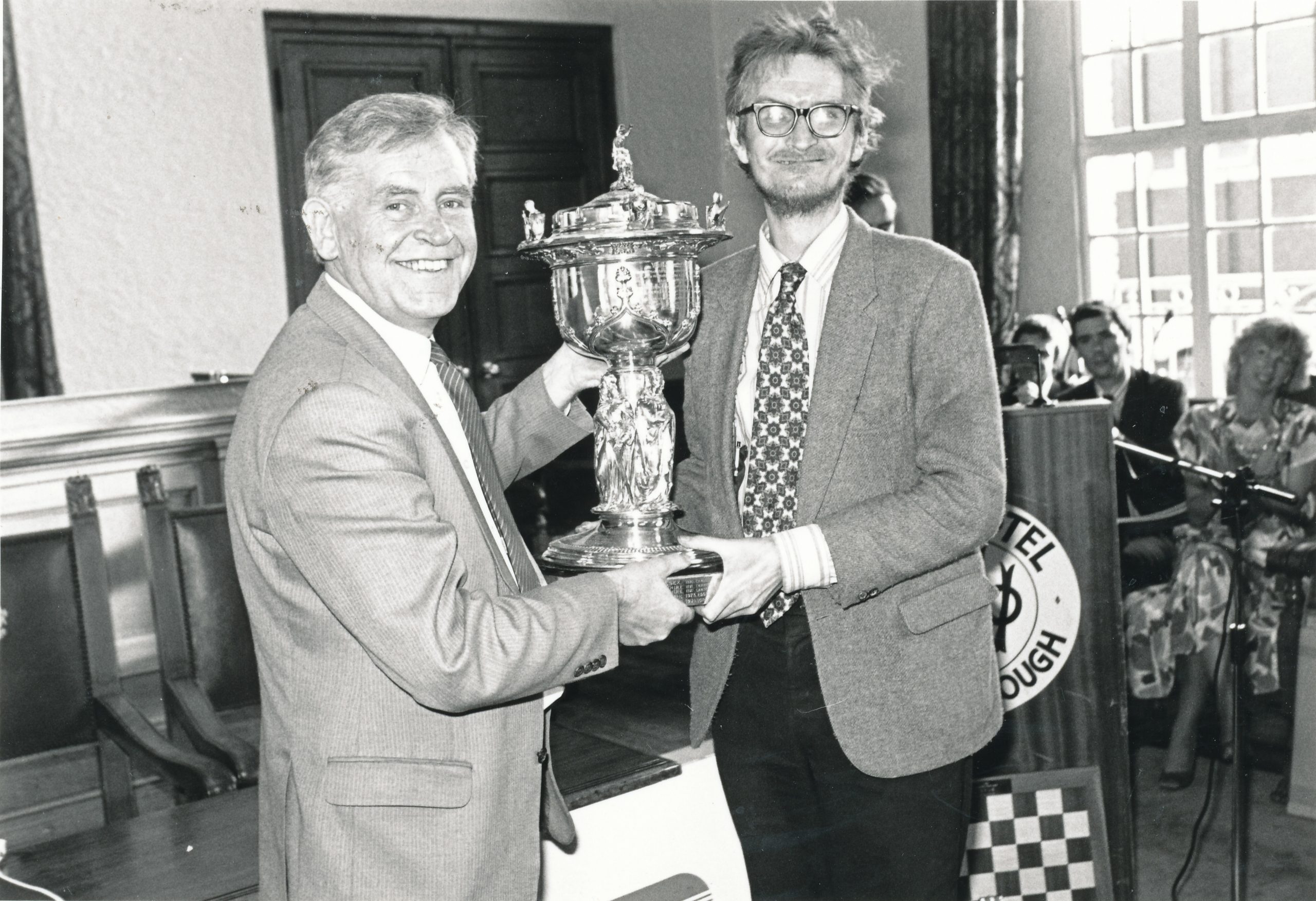
Winners of the Lloyds Bank 1987-8 British Solving Championships: (l-r) David Friedgood (runner-up), Sir Jeremy Morse, Jonathan Mestel (winner) and Jonathan Lennox (third-place)
FM David Friedgood at the 2014 Winton Capital Problem Solving Championship at Eton College, courtesy of John Upham Photography
David was part of the successful 2010 England team in the World Solving Championships along with John Nunn, Jonathan Mestel and Colin McNab
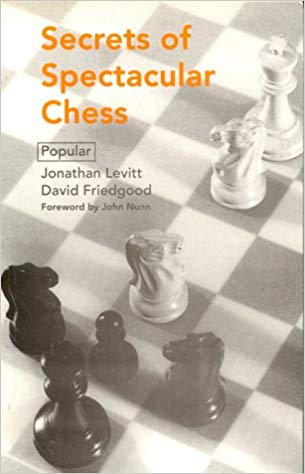
Secrets of Spectacular Chess
 Save as PDF
Remembering FM Dave Rumens (23-ix-1939 08-vii-2017)

FM Dave Rumens enjoys being introduced as "The late Dave Rumens" at the 2013 Terafinal by Mike Basman, Loughborough Grammar School. Courtesy of John Upham Photography
FM Dave Rumens enjoys being introduced as “The late Dave Rumens” at the 2013 Terafinal by Mike Basman, Loughborough Grammar School. Courtesy of John Upham Photography

BCN remembers FM David Edward Rumens who passed away on July 8th, 2017

David was born in Hendon, London (his mother’s maiden name was Little). (According to electoral registers) in his latter years he lived in Olney and then Wavendon both in Milton Keynes, Buckinghamshire but this is yet to be confirmed. A David Edward Rumens with the same year of birth lived at these addresses.

He became a FIDE Master in 1980 at the age of 41.

According to chessgames.com : “FIDE Master David Edward Rumens was UK Grand Prix Champion in 1976 and 1978.”

His highest Elo rating was 2355 in July 1981 at the age of 42.

His first game in Megabase 2020 is a win with Black against Dr. Fazekas in the 1958 British Championships in Leamington Spa. His most recent database game was a win with White over Jessie Gilbert at the 2003 British Championships in Edinburgh with 159 games recorded in total. Between 1982 and 2001 no games are recorded.

He played for Hampstead Chess Club.

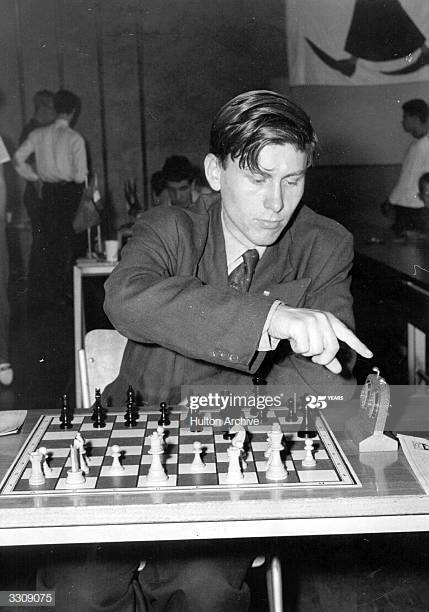
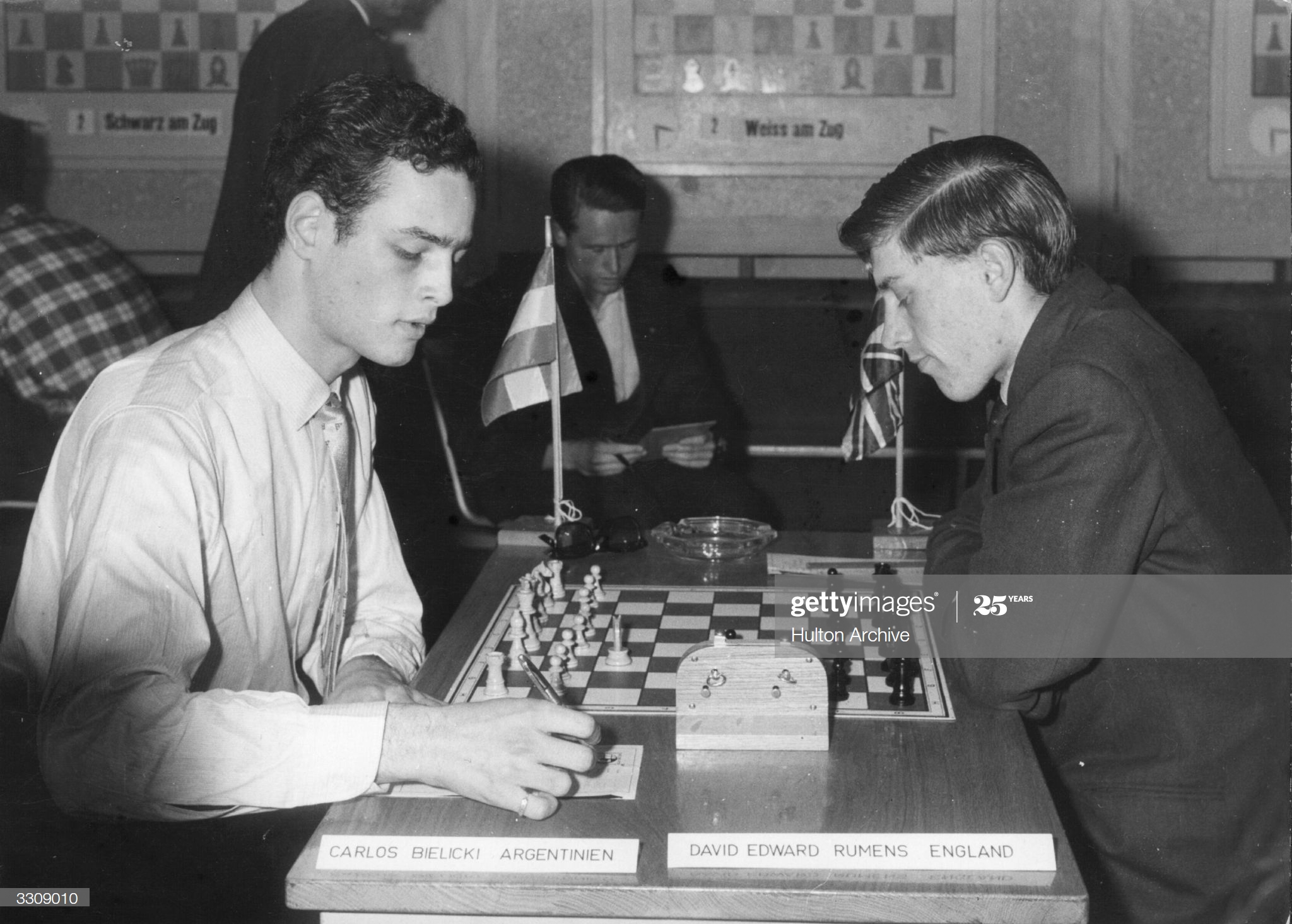
David Edward Rumens at the 1959 Youth World Chess Championships in Munchenstein.  (Photo by Hulton Archive/Getty Images)
David Edward Rumens at the 1959 Youth World Chess Championships in Munchenstein. (Photo by Hulton Archive/Getty Images)Championship in Munchenstein. (Photo by Hulton Archive/Getty Images)
Carlos Bielicki of Argentina (left) beats David Edward Rumens of England in the final game of the 1959 Youth World Chess Championships in Munchenstein. (Photo by Hulton Archive/Getty Images)

Here is an obituary written by Stewart Reuben from the ECF web site

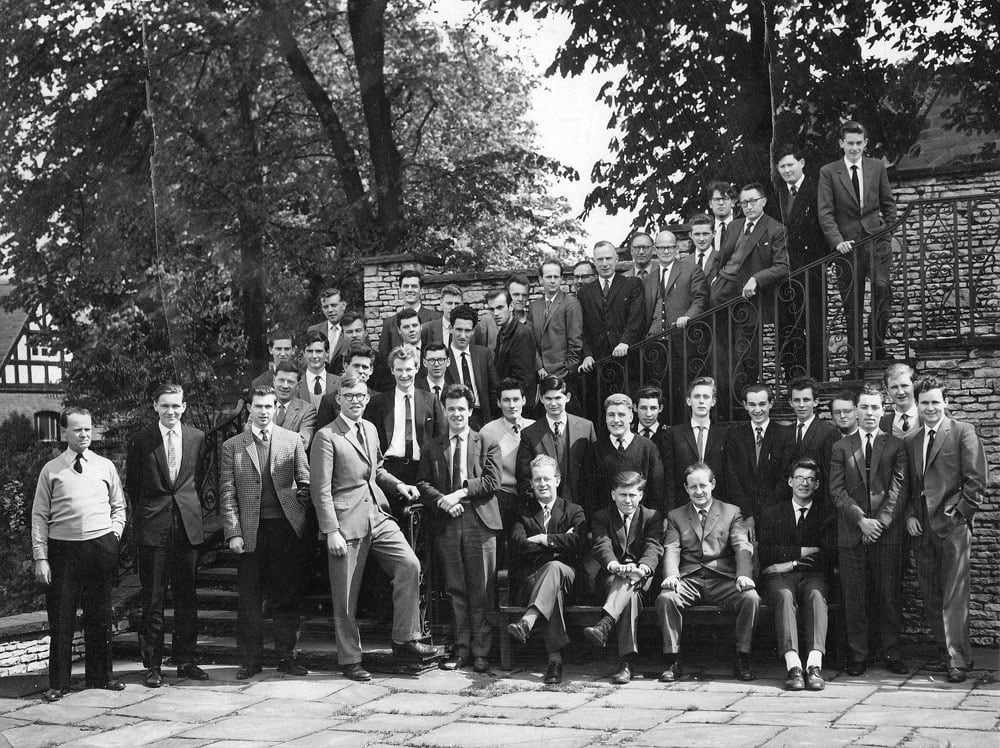
The Cedars Chess Club May 1962 - David is seated, second left. Photograph sourced from ECF obituary.
The Cedars Chess Club May 1962 – David is seated, second left. Photograph sourced from ECF obituary.

Here is a discussion of David on the English Chess Forum

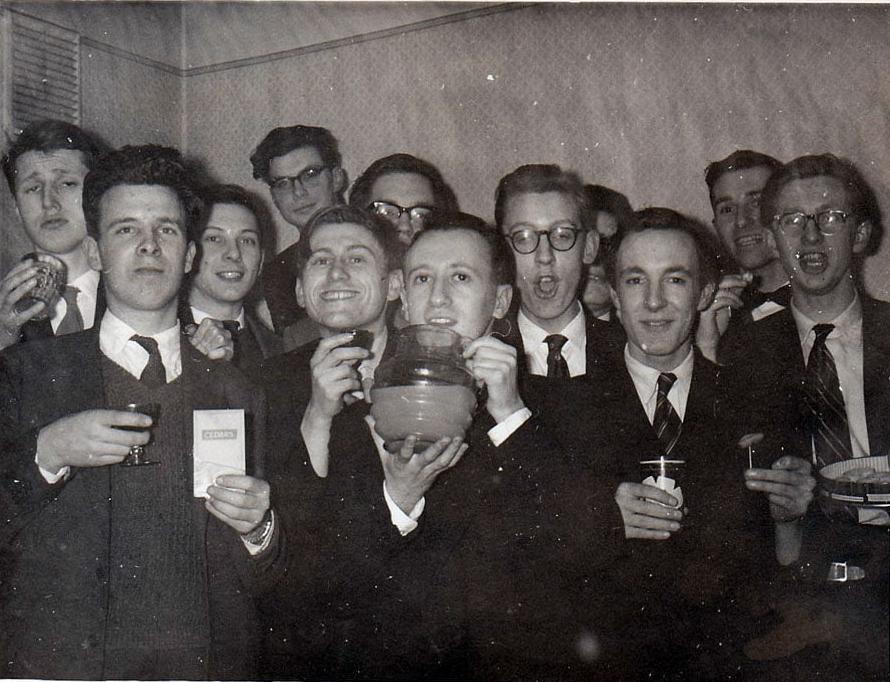
David at Stewart Reuben's 21st, on Stewart's right (Stewart has the jug) - March 1960. Photograph sourced from ECF Obituary
David at Stewart Reuben’s 21st, on Stewart’s right (Stewart has the jug) – March 1960. Photograph sourced from ECF Obituary
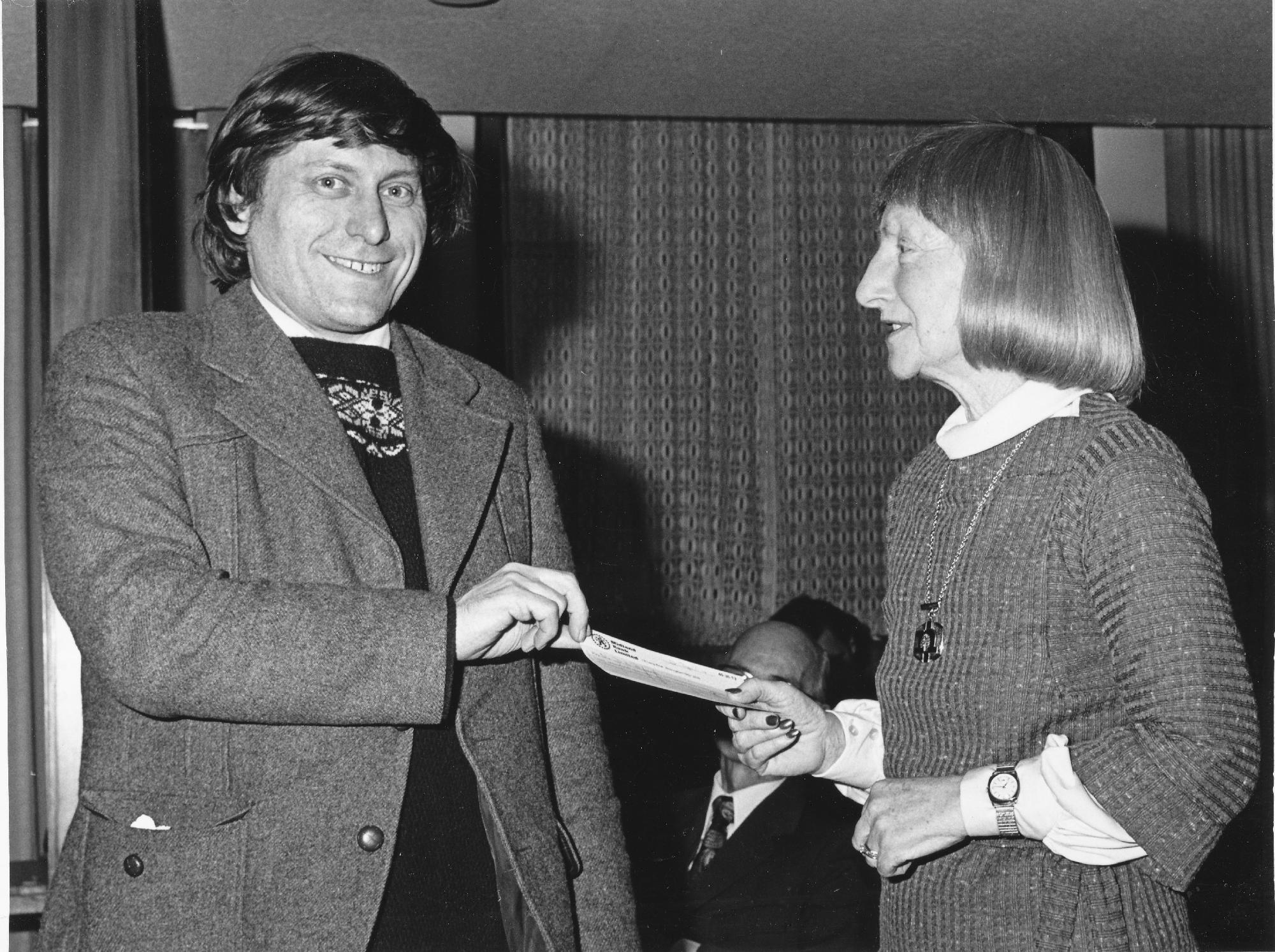
Dave Rumens is pleased to accept a cheque for £200 from Lady Thelma Milner-Barry for winning the 1978 Nottingham Congress with 5.5/6. Photo provided by Nottinghamshire County Council.

From Round Two of the above event we have David’s exciting win over his main Grand Prix rival, Andrew Whiteley. This game was provided by Freddy Reilly in BCM, Volume XCVIII (98), Number 6 (June), page 255 and is BCM game number 18688 :

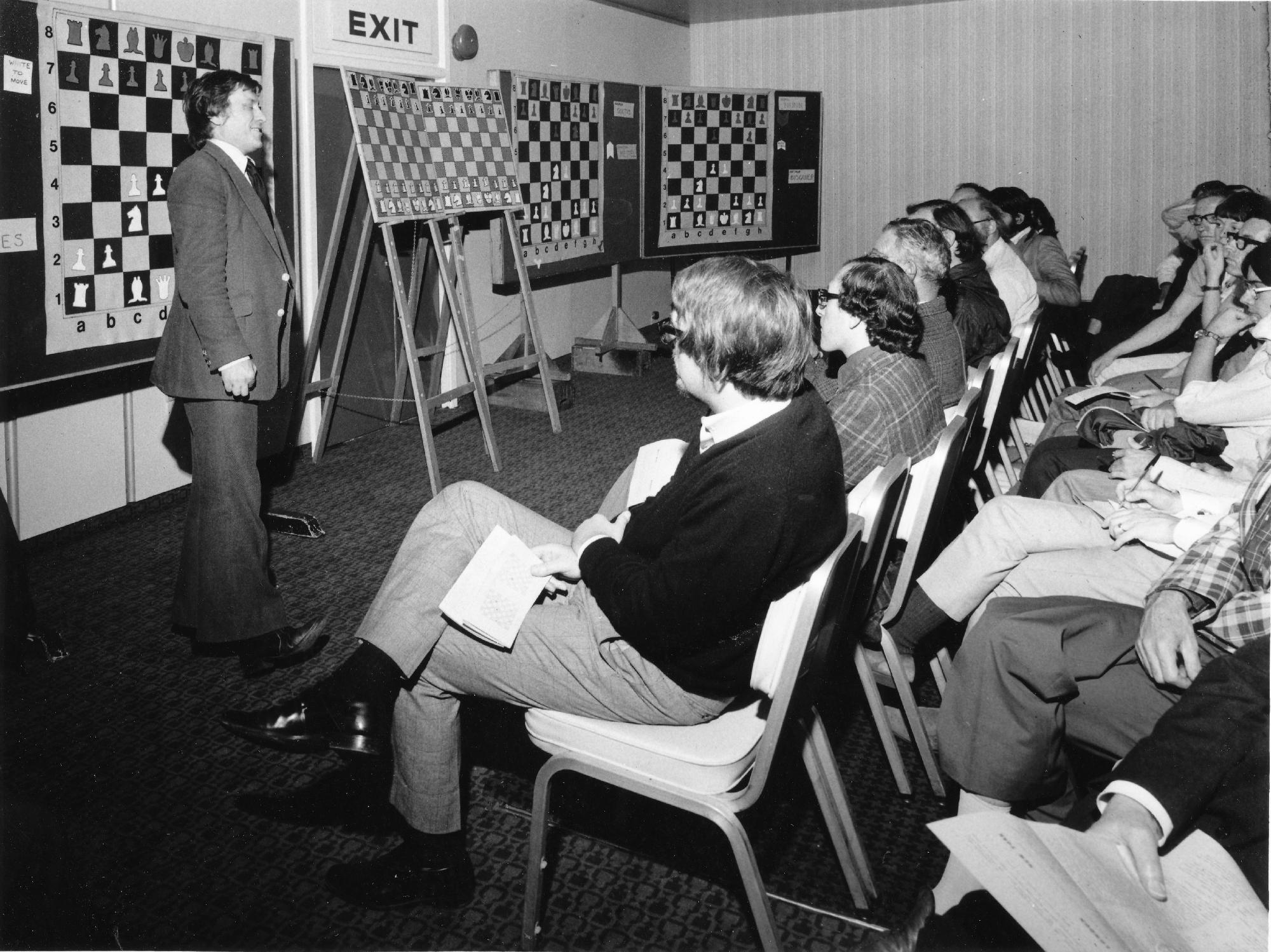
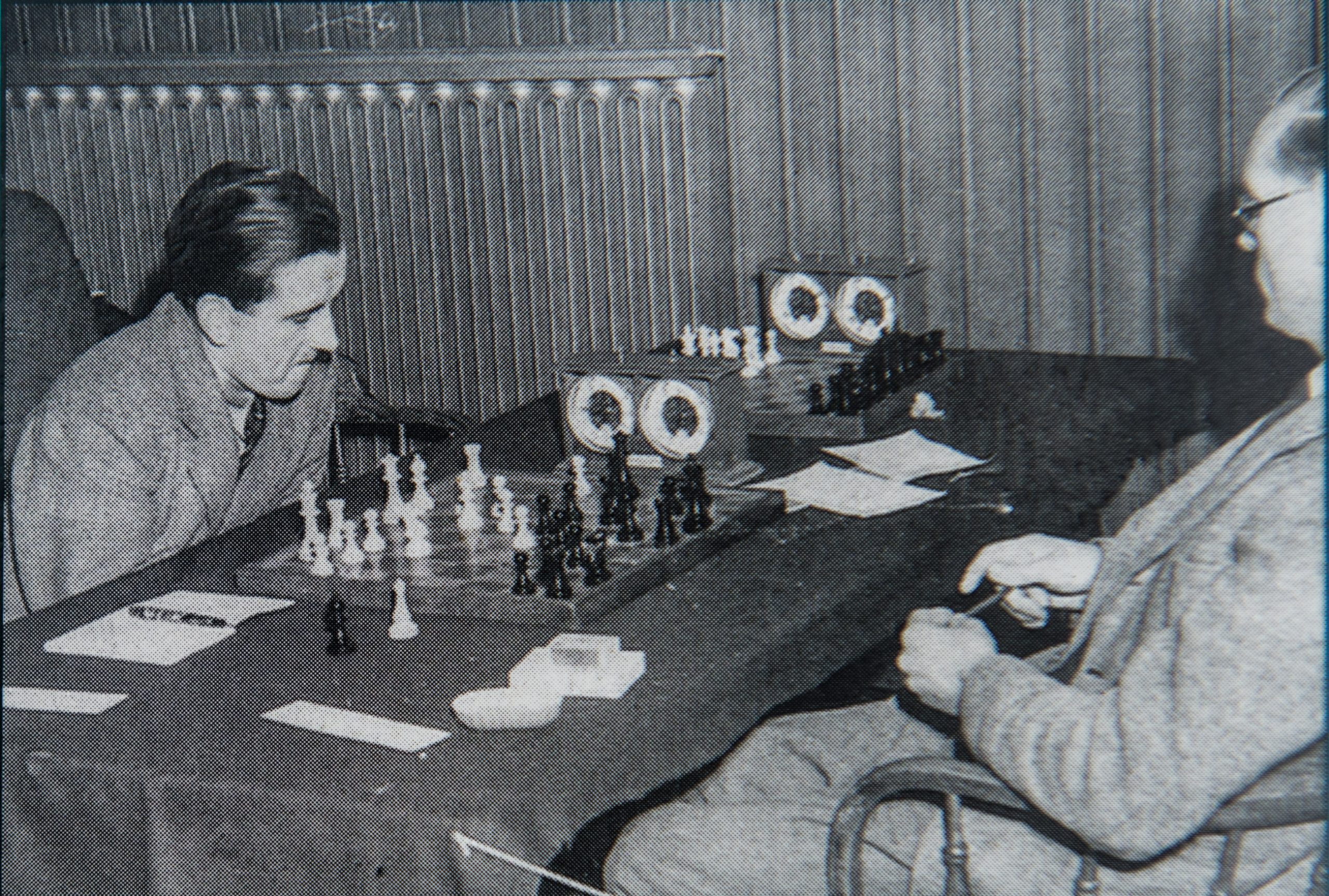
A view of the display boards with David Rumens commentating from the 1976 Lloyds Bank Match by Telex, London - New York. From BCM, volume XCVI (96) Number 11 (August), Page 494. The venue was the Bloomsbury Hotel, London. Photo courtesy of Lloyds Bank.
A view of the display boards with David Rumens commentating from the 1976 Lloyds Bank Match by Telex, London – New York. From BCM, volume XCVI (96) Number 11 (August), Page 494. The venue was the Bloomsbury Hotel, London. Photo courtesy of Lloyds Bank.
LWB observes analysis between David Rumens and Murray Chandler from Brighton 1980. Courtesy of John Upham Photography

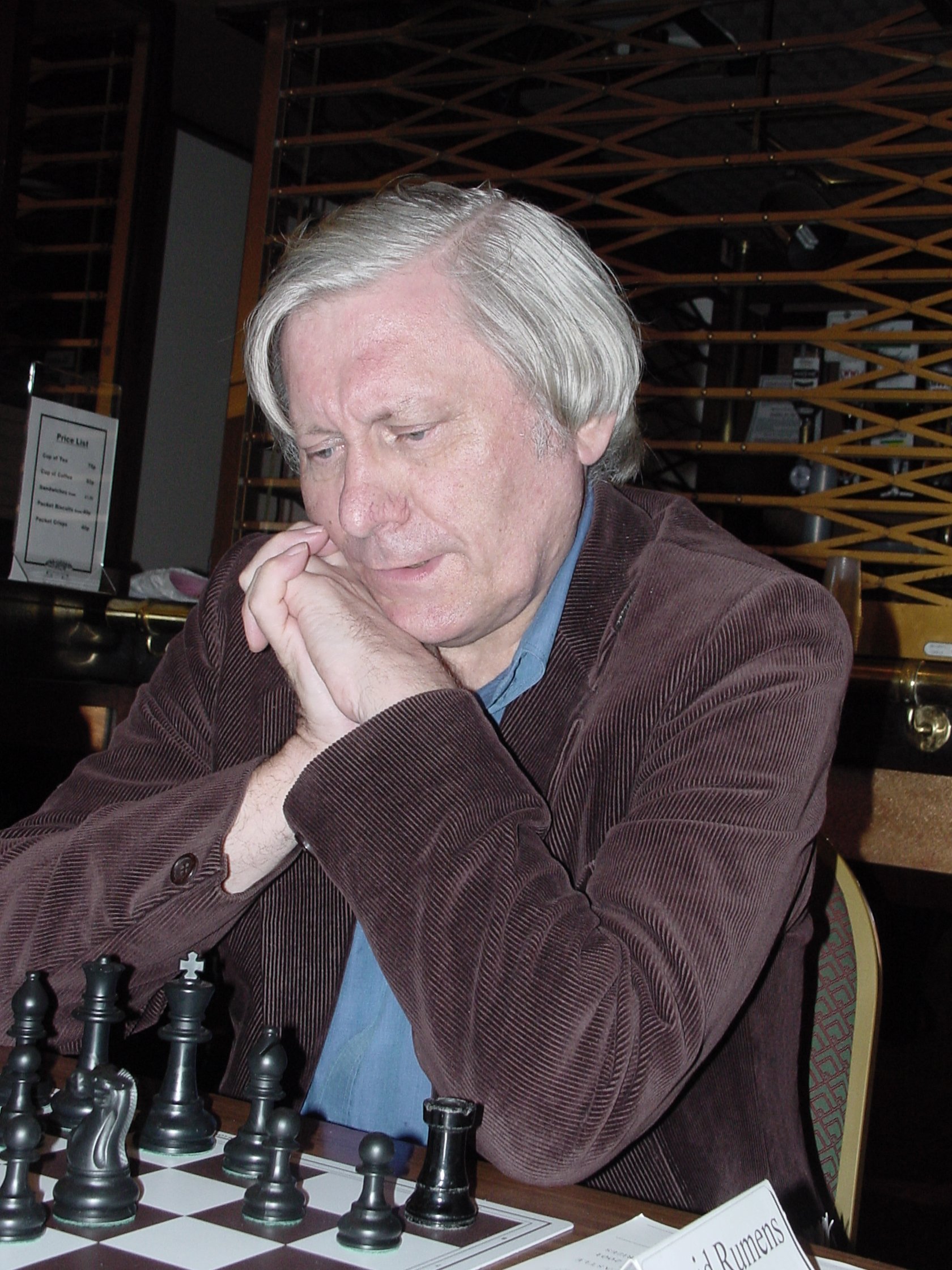
FM Dave Rumens, unknown event and photographer
FM Dave Rumens enjoys being introduced as "The late Dave Rumens" at the 2013 Terafinal by Mike Basman, Loughborough Grammar School. Courtesy of John Upham Photography
FM Dave Rumens enjoys being introduced as “The late Dave Rumens” at the 2013 Terafinal by Mike Basman, Loughborough Grammar School. Courtesy of John Upham Photography
 Save as PDF
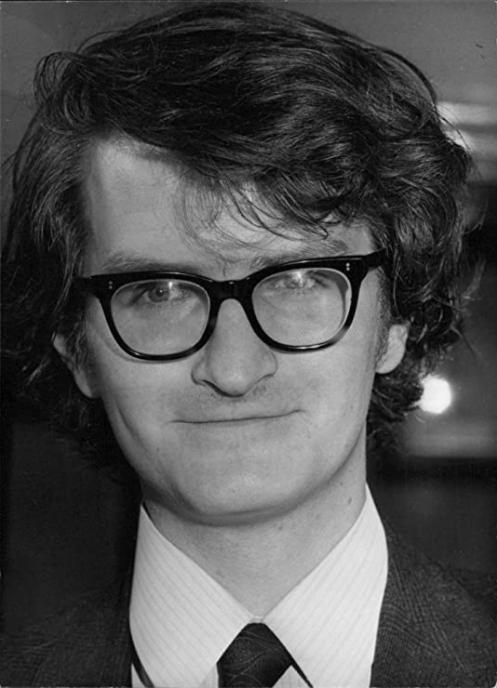
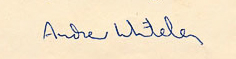
Remembering IM Andrew Whiteley (09-vi-1947 07-vii-2014)

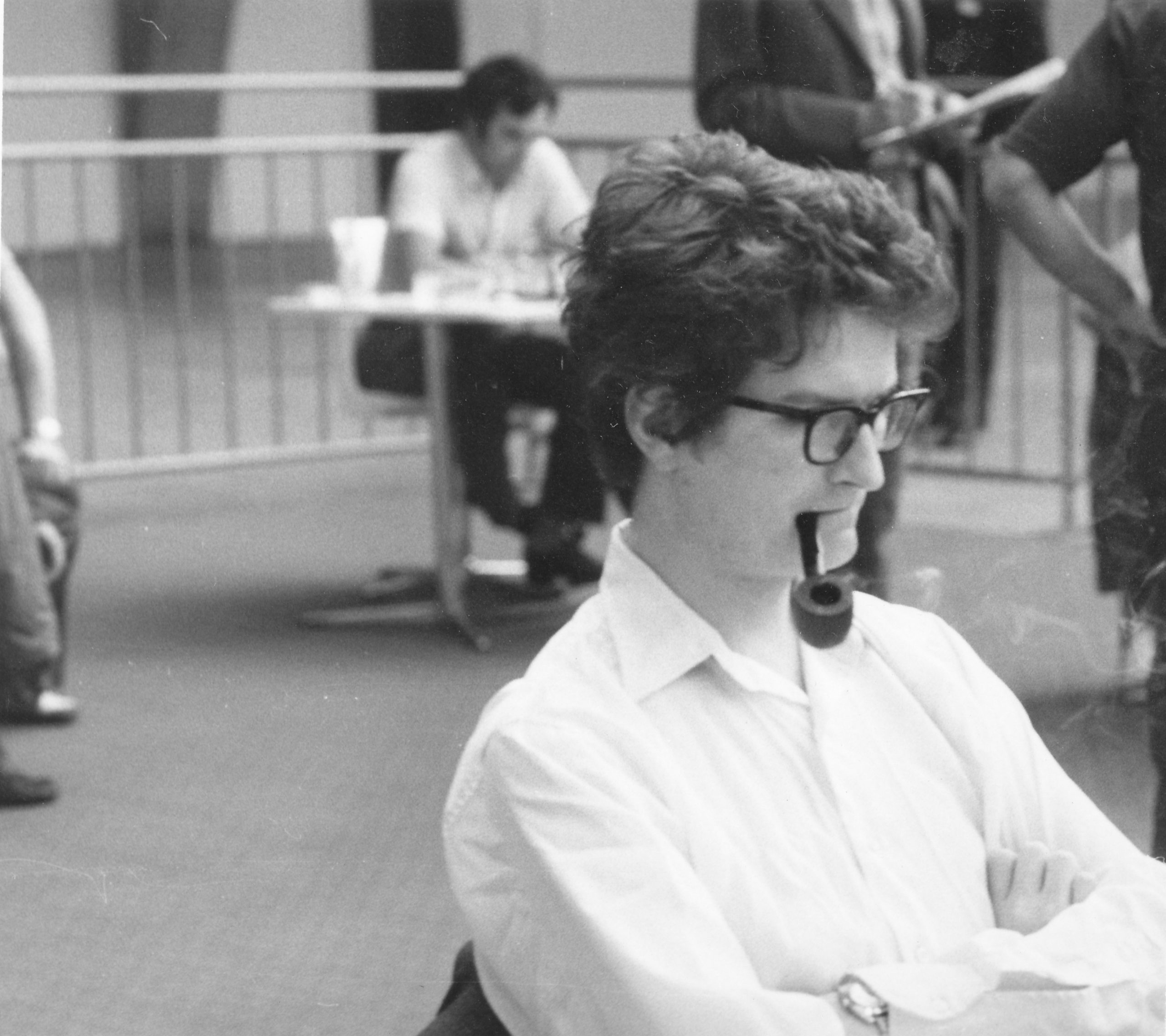
Andrew Whiteley circa 1965 ?, photographer is Colin Davey of Camera Press

BCN remembers IM Andrew Jonathan Whiteley (09-vi-1947 07-vii-2014)

Andrew Whiteley
Andrew Whiteley

Andrew was born on Monday, June 9th, 1947 in Birmingham, West Midlands to Denys Edward Hugh Whiteley (1914 – 1987) and Muriel Sutton (1919 – 1967). Andrew had two siblings, Robert N (Birmingham, 1944) and Angela M (Oxford 1952).

Denys Edward Hugh Whiteley (1914 - 1987, from Ancestry.co.uk
Denys Edward Hugh Whiteley (1914 – 1987, from Ancestry.co.uk

Andrew completed his education at Magdalen College School, Oxford and then in law at Pembroke College, Oxford.

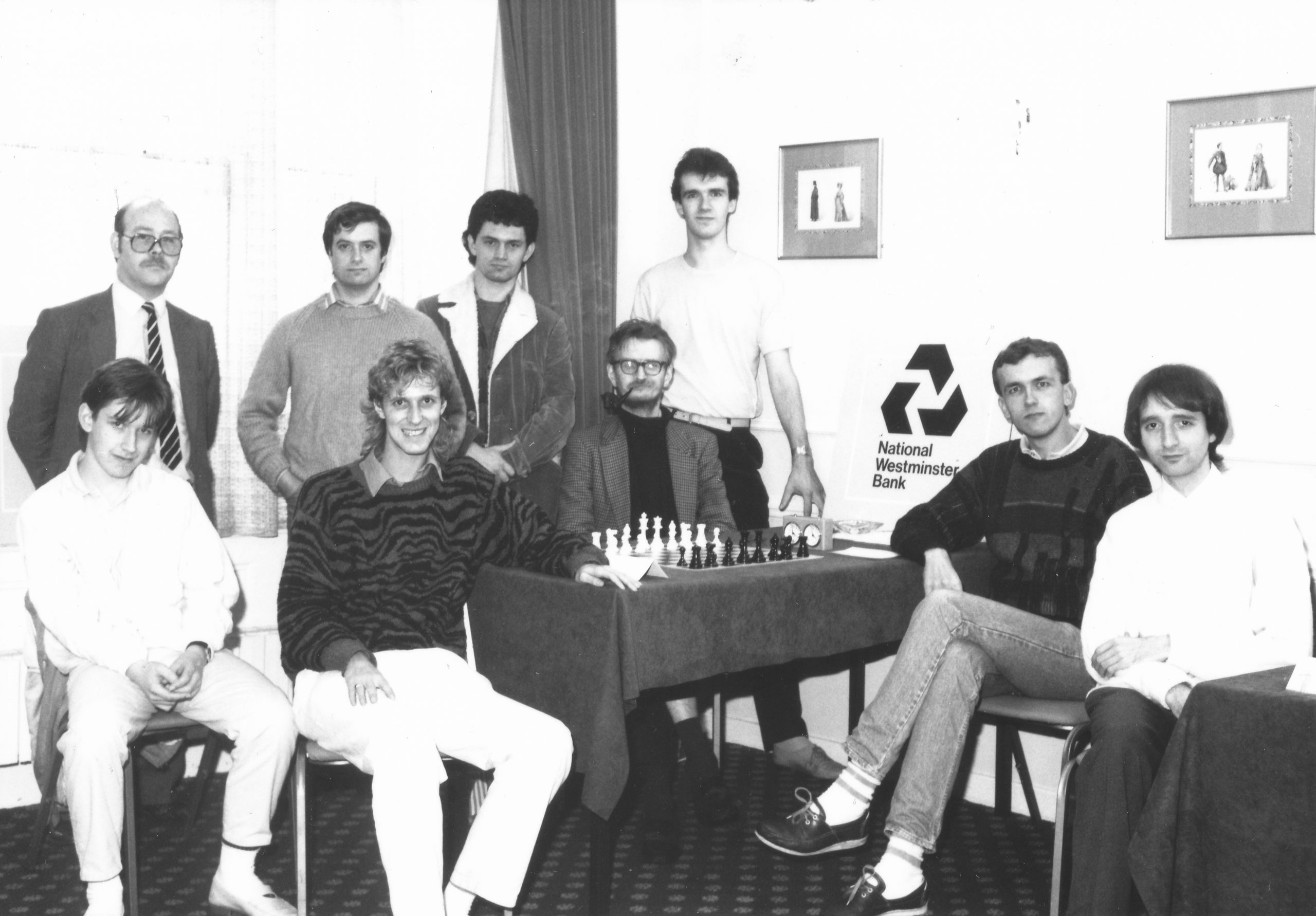
Andrew and friends at the NatWest Bank Young Masters

“Whiteley’s school chess record is an outstanding 63/65: Andrew Whiteley is captain and top board of a very strong U18 team of: A Whiteley, H Morphy, MN Crombie, MM Daube, A Hawkins and AH Smith.”

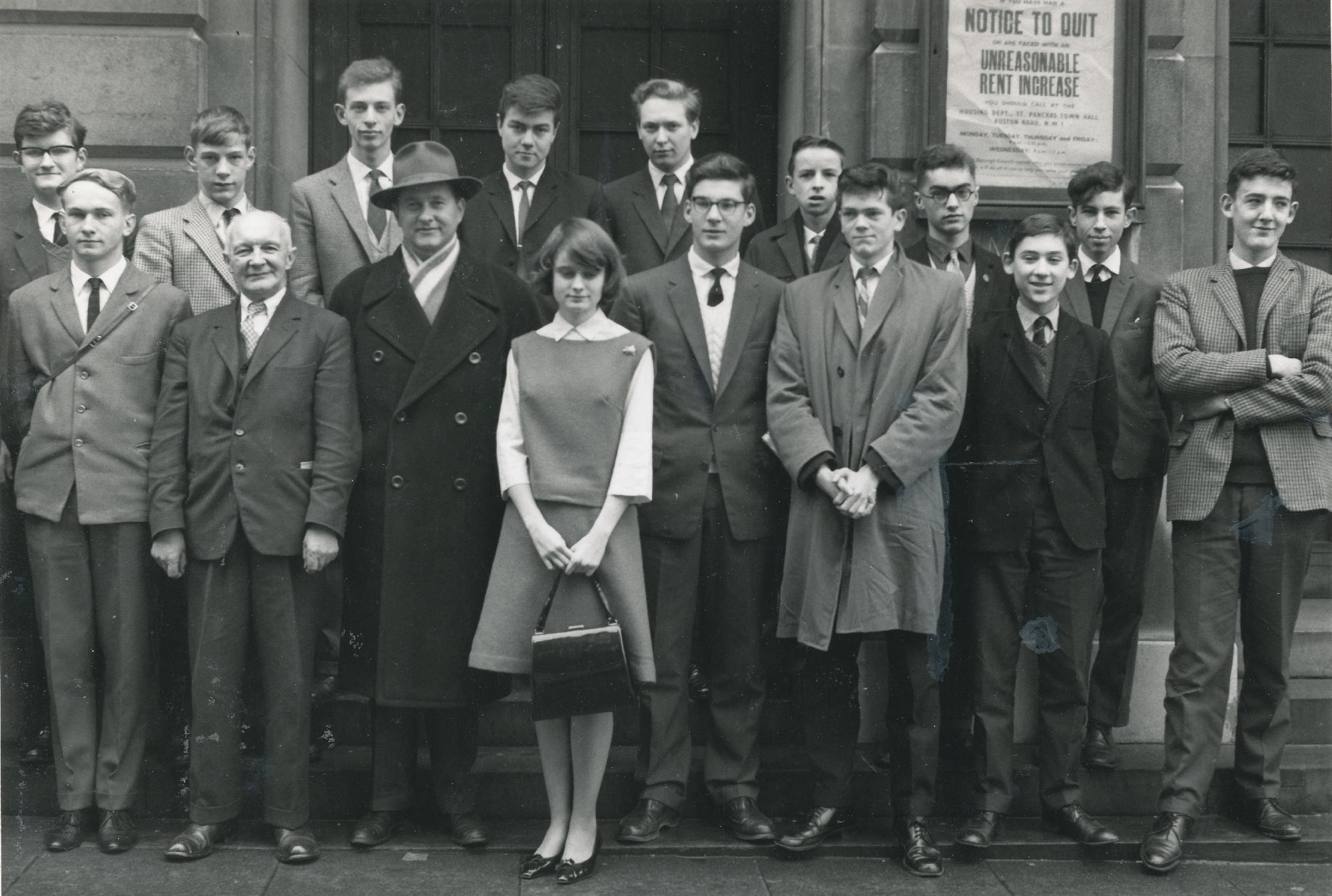
Some of the participants in the Paul Keres display on November 25th, 1962, at St Pancras Town Hall, London WC1. Back row : AJ. Whiteley, D, Floyer, PJ Collins, PJ Adams, RC Vaughan, KB Harman, D. Parr, DNL Levy, Front row : MV Lambshire, AE Hopkins (selector) Paul Keres, Miss D. Dobson, RE Hartley, BC Gillman, WR Hartston and PN Lee. Photograph by AM Reilly. Source : BCM, 1963, page 13

Andrew was joint (with WR Hartston) Southern Counties (SCCU) champion in the 1967-68 season.

His highest Elo rating was 2395 in January 1977 at the age of 29 and played for King’s Head in the Four Nations Chess League (4NCL).

Andrew was former President of the Middlesex County Chess Association (1985-87) and Deputy (1984-85 & 1987-88).

Andrew Whiteley playing board two in the London - Belgrade Telex Match on April 3rd, 1976 from the St. James Hotel, Buckingham Gate. Sourced from BCM, Volume XCVI (96), Number 5, page 192. Photographer probably Freddy Reilly.
Andrew Whiteley playing board two in the London – Belgrade Telex Match on April 3rd, 1976 from the St. James Hotel, Buckingham Gate. Sourced from BCM, Volume XCVI (96), Number 5, page 192. Photographer probably Freddy Reilly.

He became a FIDE Master in 1980 at the age of 33. His last major tournament was Cappelle Le Grand in 1988 (see photograph below).

Magnus Magnusson presents Andrew Whiteley (right) with the BCF County Championship trophy as Captain of the Middlesex team in 1986.

Below was written by BCM editor James Pratt in Volume CXXXIV (134), Number 8 (August) page 417-8 :

“Unfailingly courteous, formally dressed, retired London solicitor, British Master, Andrew Jonathan Whiteley (9 vi 1946 Birmingham – 8 vii 2014) has died. The son of an Oxford professor, AJW was British U21 Champion of 1965. He tied, with Hans Ree, for first in the European Junior in 1965/6.

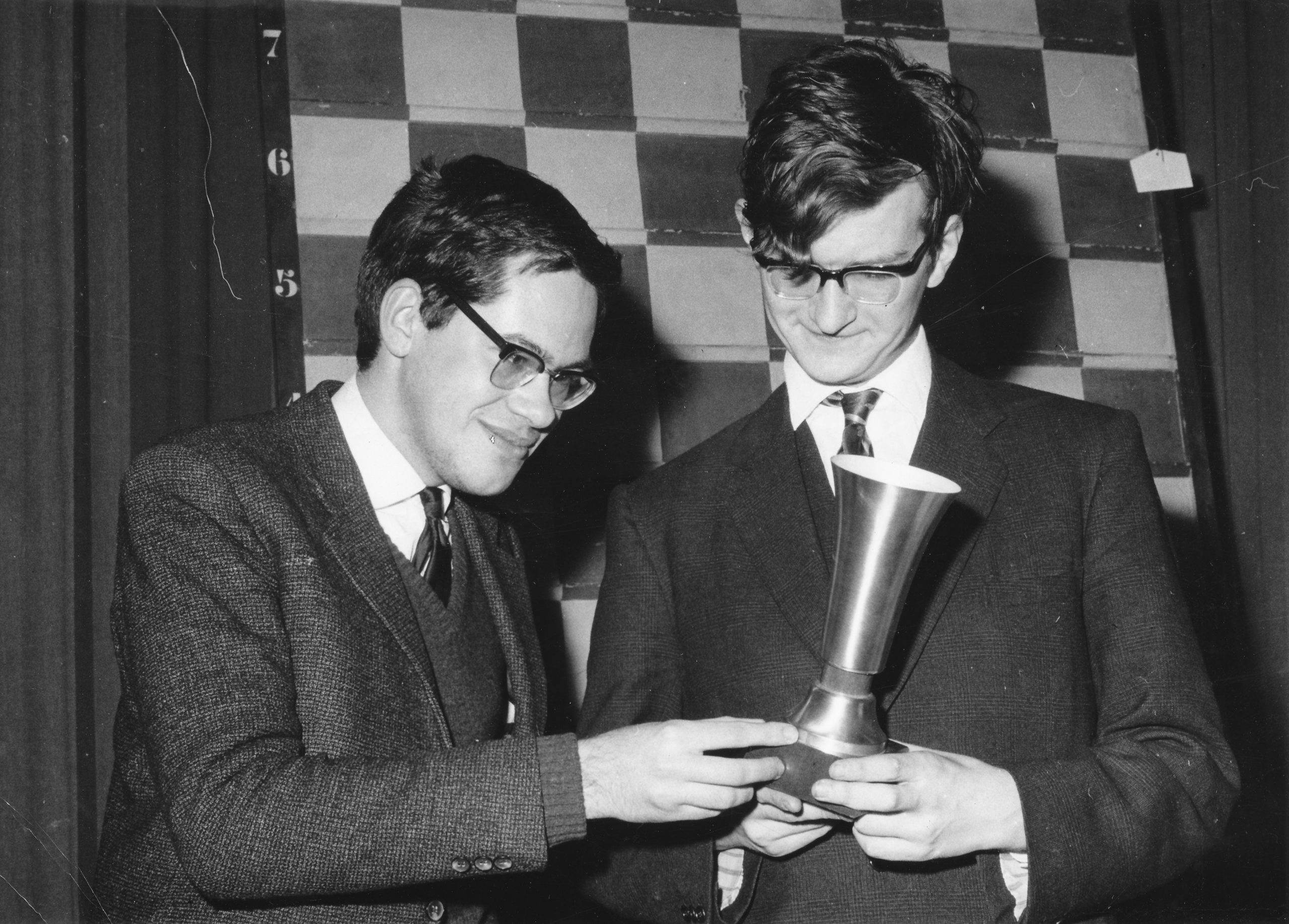
Hans Ree (left) and Andrew Whiteley (right) examine the European Junior Trophy for 1965/6 in which they tied for first.

The following game first appeared in the Games Department column of Harry Golombek in British Chess Magazine, Volume LXXXVI (1966), Number 3 (March), page 148. It was game #14,118.

He scooped the Silver medal at the British in 1971 and in 1976. Andrew often worked selflessly at his office in the mornings, commuting to key games after lunch. He rose to be No. 3 or 4 in England and, always a loyal team man, shone in Olympiads. Belatedly, having turned his back on the law, in 1988, he became an IM. He was also a BCF Arbiter and Middlesex County organiser. In 2008, he won the English Senior Championships aged 61.

His was a classical chess style. RIP.”

Andrew Whiteley at the Nice Olympiad of 1974.

Here is his Wikipedia entry

Andrew Whiteley commentating on Kasparov vs Karpov

Here is a excellent obituary from his old school, Magdalen College.

FM Andrew Whiteley, IM Julian Hodgson and FM Byron Jacobs at Cappelle Le Grand, 1988. Photograph by Caroline Winkler

Here is an obituary from Stewart Reuben on behalf of the English Chess Federation

Andrew Whiteley receives the Rosebowl trophy from John Poole

Since 2014 King’s Head Chess Club has held an annual blitz tournament in memory of Andrew featuring many of England’s top players.

Andrew Whiteley faces David Howell whilst Jimmy Adams records the moves, photograph courtesy of Mark Huba

Here is a discussion of Andrew on the English Chess Forum

IM Andrew Whiteley at the first 4NCL weekend of 2012 in November.
 Save as PDF
Happy Birthday GM Matthew Wadsworth (27-vi-2000)

BCN wishes GM Matthew Wadsworth Happy Birthday this day (June 27th).

Previously we reported:

IM Matthew Wadsworth, one of England’s most promising young players, has earned his first Grandmaster norm from his excellent performance in the Four Nations Chess League (4NCL). Matthew, who is twenty, has a current FIDE standard play rating of 2413 and is ranked 34th amongst the active players in England (by FIDE rating) earning his FM title in 2016 and IM title in 2019.

Matthew could leapfrog to Grandmaster status with further norms and by increasing his live rating to 2500. The IM title was ratified at the FIDE Congress, 2nd quarter PB 2019, 27-30 June, Baku, Azerbaijan when his live rating had topped 2400.

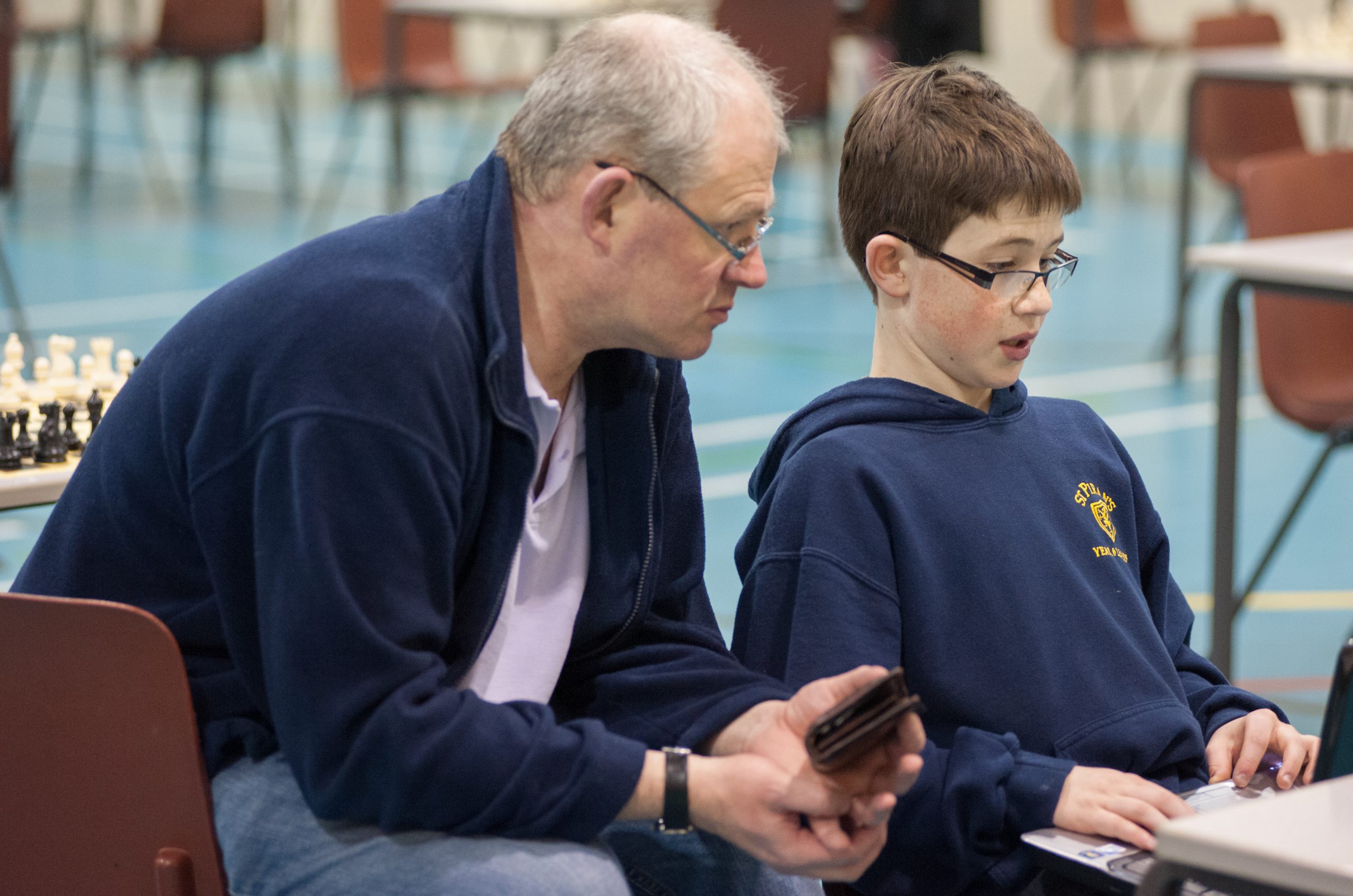
Matthew with father Jim at the 2012 Surrey Congress

Matthew’s first ECF grade was 66A in 2007 (aged 7) and he played for Maidenhead in local leagues, St. Pirans’s School and then Reading School.

Matthew at the 2013 British Championships in Torquay

Matthew is reading Economics at Queen’s College, Cambridge and rows for the college team.

Matthew joined 4NCL at an early age and played for AMCA (Andrew Martin Chess Academy) soon rising the ranks to the AMCA first team and he currently represents the Guildford 2 team in Division One of the Four Nations Chess League (4NCL). Matthew’s 4NCL results for the 2018-19 season were :

1. Fodor, Tamas Jr, draw
2. Ashton, Adam G, win
3. Gonda, Laszlo, draw
4. Kulon, Klaudia, win
5. Holland, James P, win
6. Stewart, Ashley, win
7. Ledger, Andrew J, win
8. Plat, Vojtech, loss
9. no game
10. Jackson, James P, win
11. no game

giving a performance of 7/9

Matthew at the 2014 British Championships in Aberystwyth

One of the undoubted highlights of Matthews 2018 chess year was his draw with Oxford domiciled GM Hou Yifan, three times Women’s World Champion from China during the annual Varsity match, Matthew representing Cambridge.

Recently Matthew has joined forces with IM Adam C Taylor, IM Ravi Haria and others to form makinggrandmasters.com

FM Matthew J Wadsworth

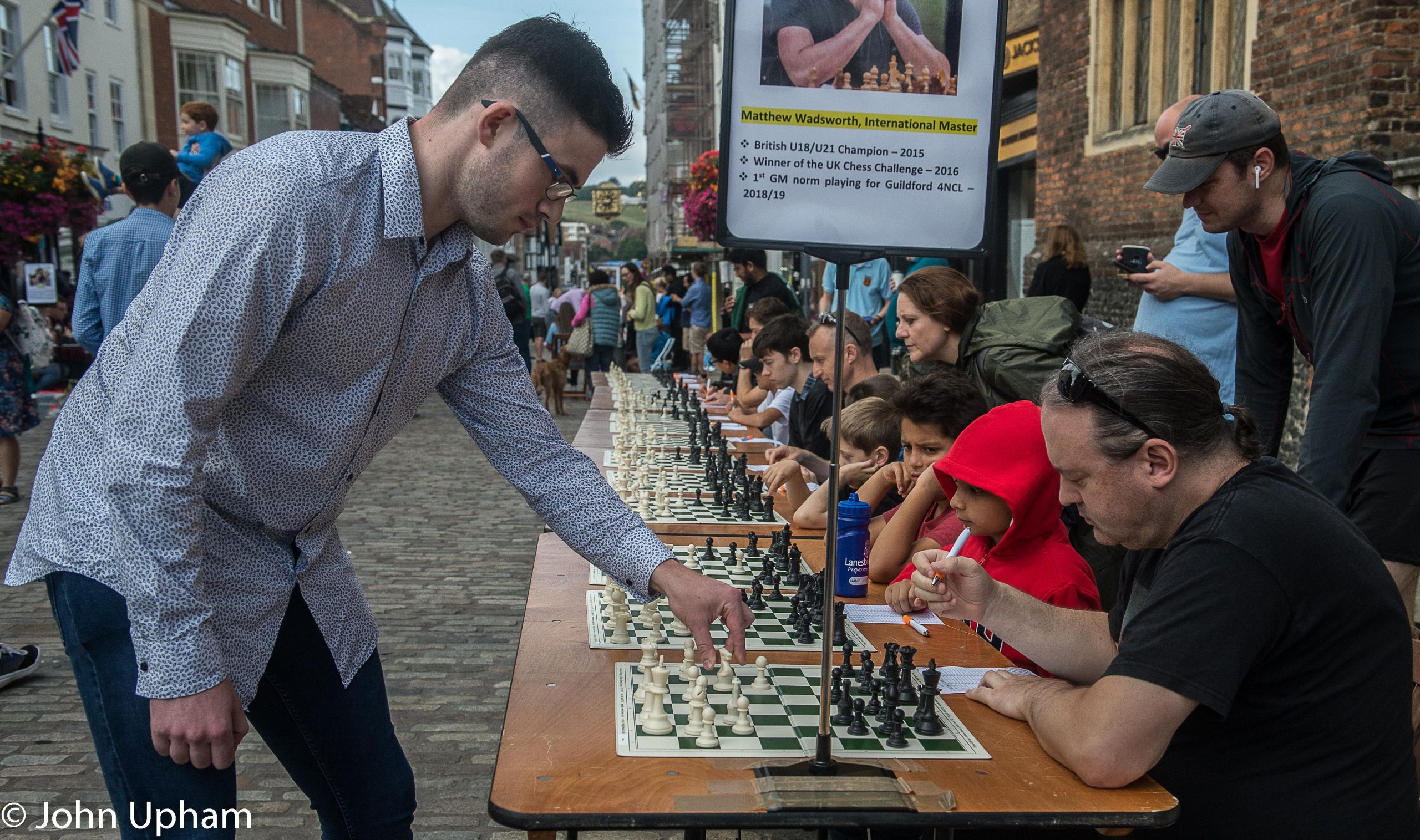
In 2021 Matthew supported Guildford Chess Club in its 125th Anniversary event by being part of the simultaneous display team:

IM Matthew Wadsworth at the Guildford Chess Club 125th Anniversary event on September 11th, 2021. Courtesy of John Upham Photography

Matthew’s GM title was finally confirmed on April 18th 2025 at the 2nd FIDE Council of that year.

 Save as PDF
Happy Birthday FM Bernard Cafferty (27-vi-1934)

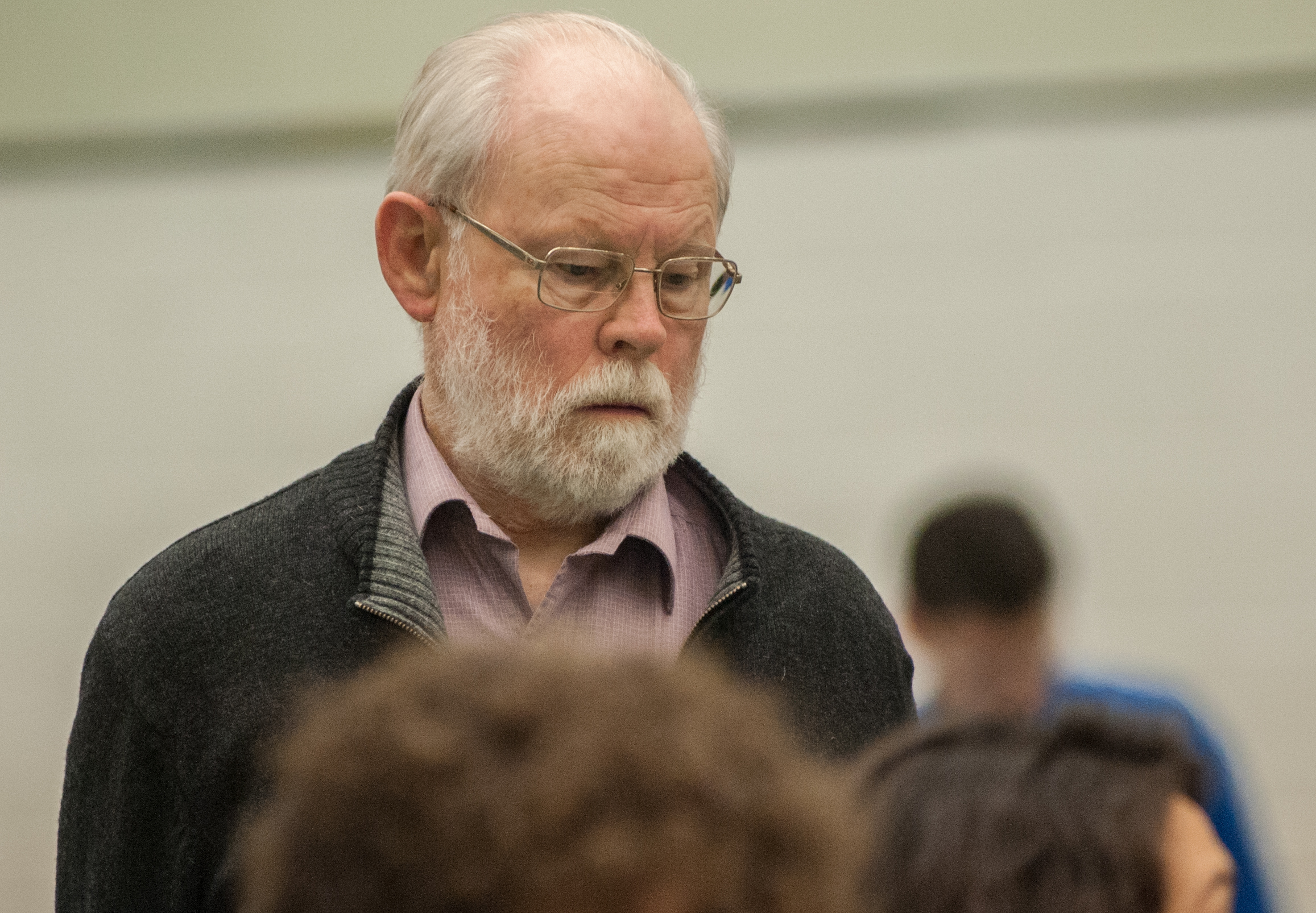
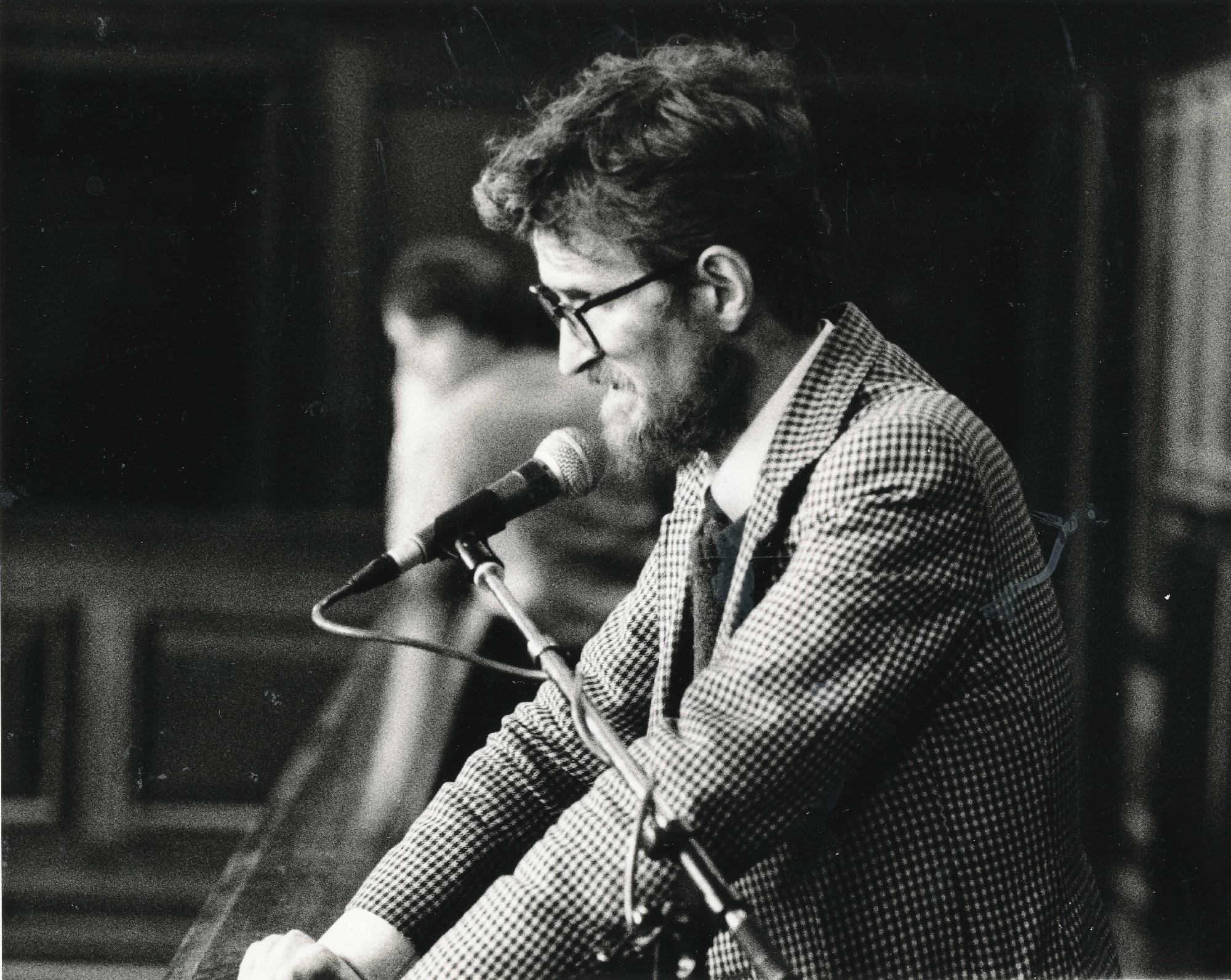
FM Bernard Cafferty, Hastings Congress 2013-14, courtesy of John Upham Photography

BCN wishes FIDE Master Bernard Cafferty best wishes on his 87th birthday, June 27th in 1934.

Bernard Cafferty, location, date and photographer unknown
 On 14th December, 1968, Bernard gave a simultaneous exhibition held at Anglesey School, Burton. He played 17, won 16 and lost 1 to Trevor Bould who was already Burton Champion, photograph from http://www.derbyshirechess.btck.co.uk/History/Exhibitions, photographer unknown
On 14th December, 1968, Bernard gave a simultaneous exhibition held at Anglesey School, Burton. He played 17, won 16 and lost 1 to Trevor Bould who was already Burton Champion, photograph from http://www.derbyshirechess.btck.co.uk/History/Exhibitions, photographer unknown

Bernard was born in Blackburn, Lancashire (his mother’s maiden name was Croft) migrating to Birmingham and now resides in Hastings, East Sussex and is a member of Hastings & St. Leonards Chess Club.

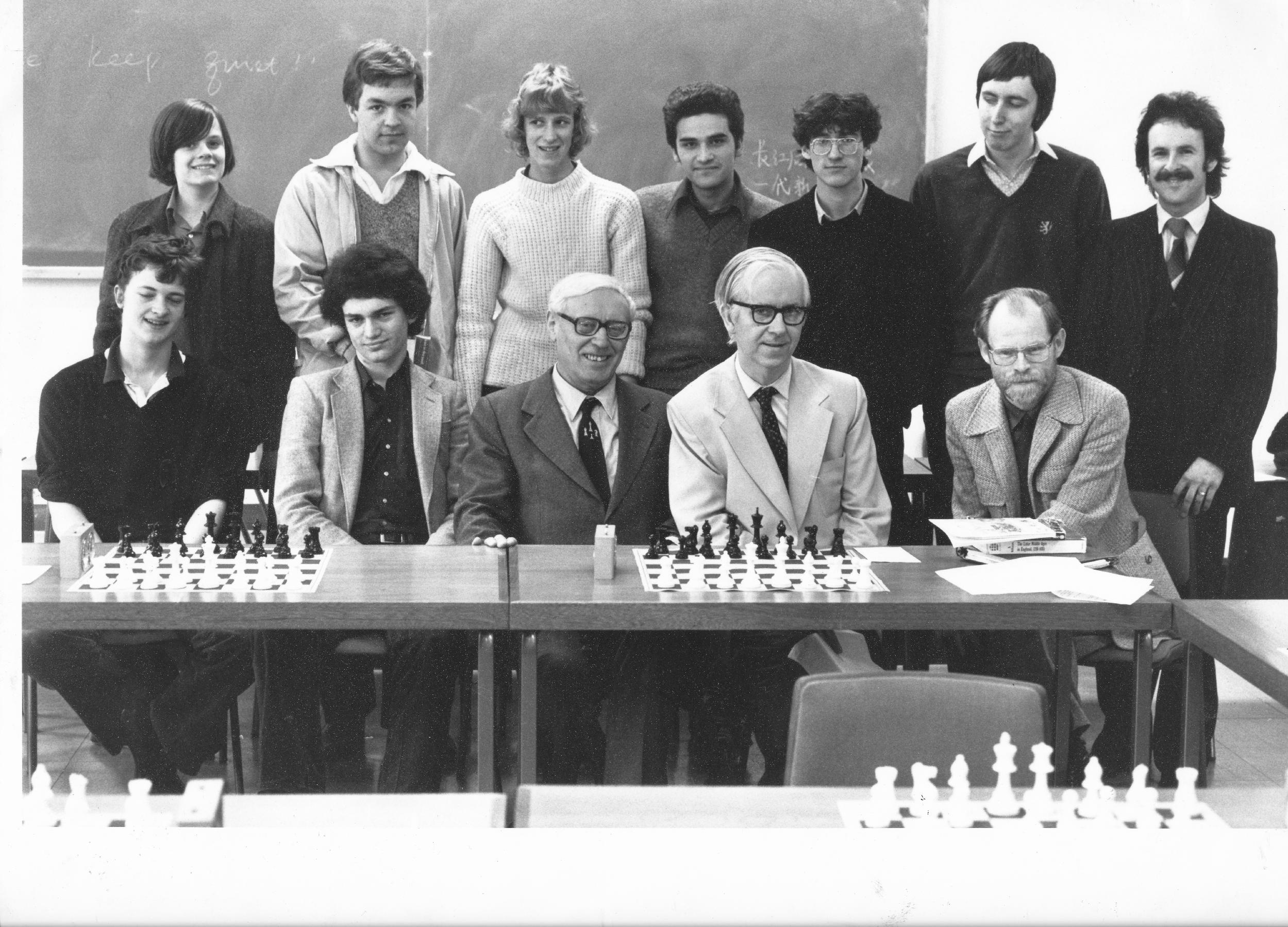
FM Bernard Cafferty (seated, rhs)

Sunnucks notes that he was British Junior Champion in 1952, British Correspondence Champion in 1959 and British Lighting Champion in 1966. He wrote a thesis on Chess in Schools for his University Education Diploma and is now a schoolmaster. His contribution to Anne’s Encyclopedia was on Education and Chess.

He was editor of British Chess Magazine from 1981 to 1991 and continued as Associate Editor until 2011 when FM Steve Giddins took over.

Bernard Cafferty, location, date and photographer unknown

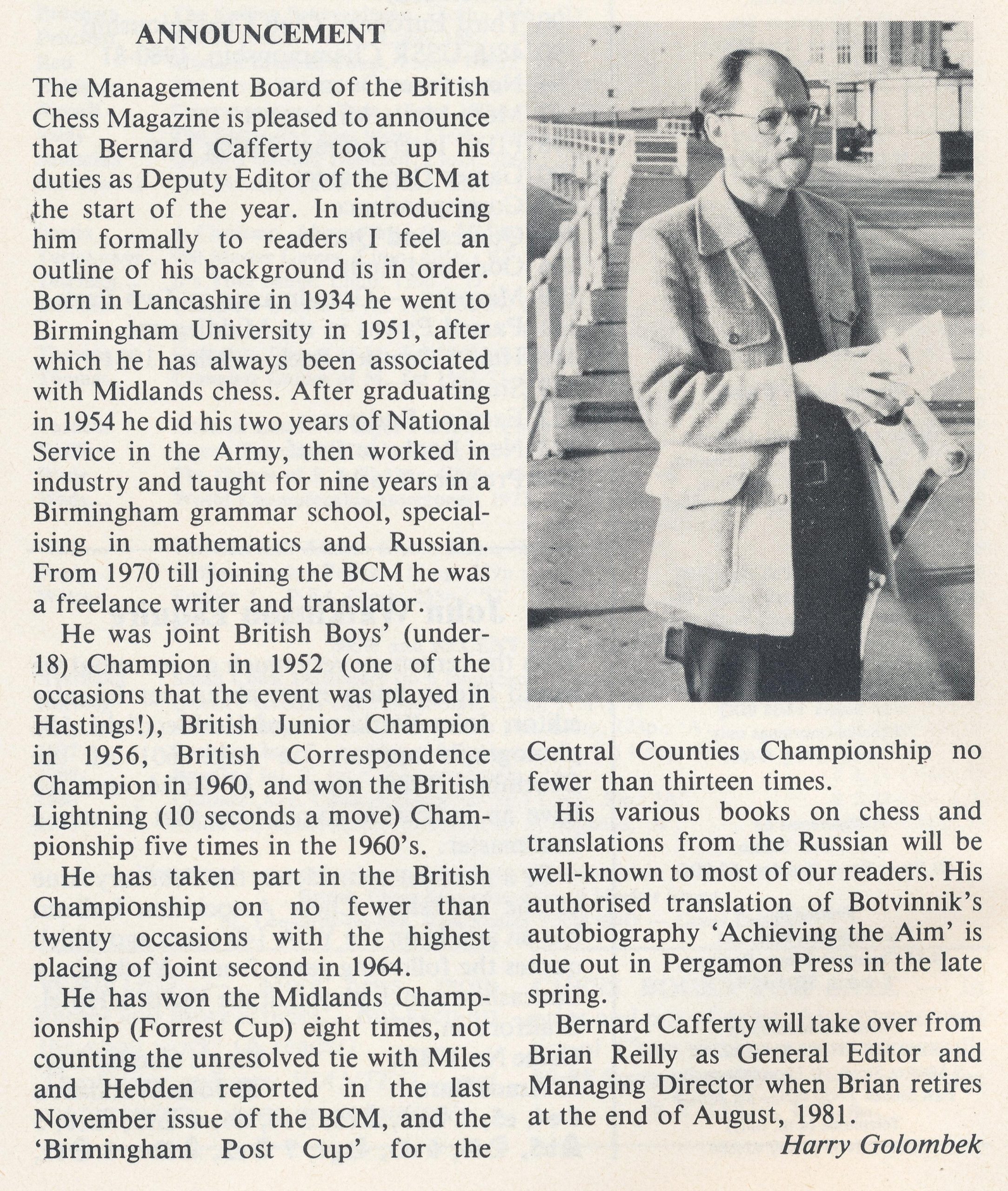
Here is the 1981 announcement (written by Harry Golombek, Chairman of Directors) of his appointment in the British Chess Magazine, Volume CI (101), Number 3, March, page 82 :

British Chess Magazine, Volume 101, Number 3, Page 82

Here is his extensive Wikipedia entry

Bernard won the BCF President’s Award in 1991.

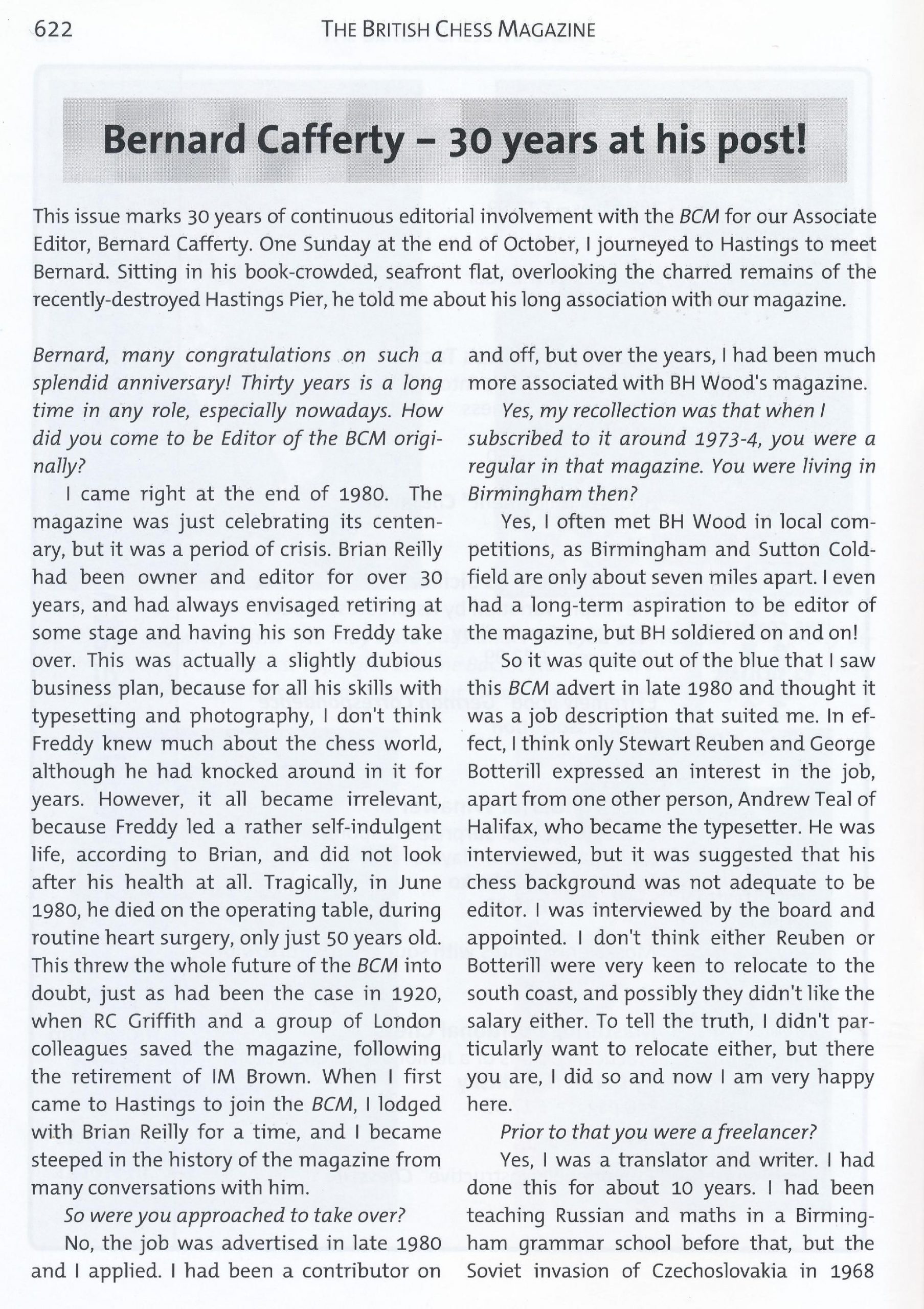
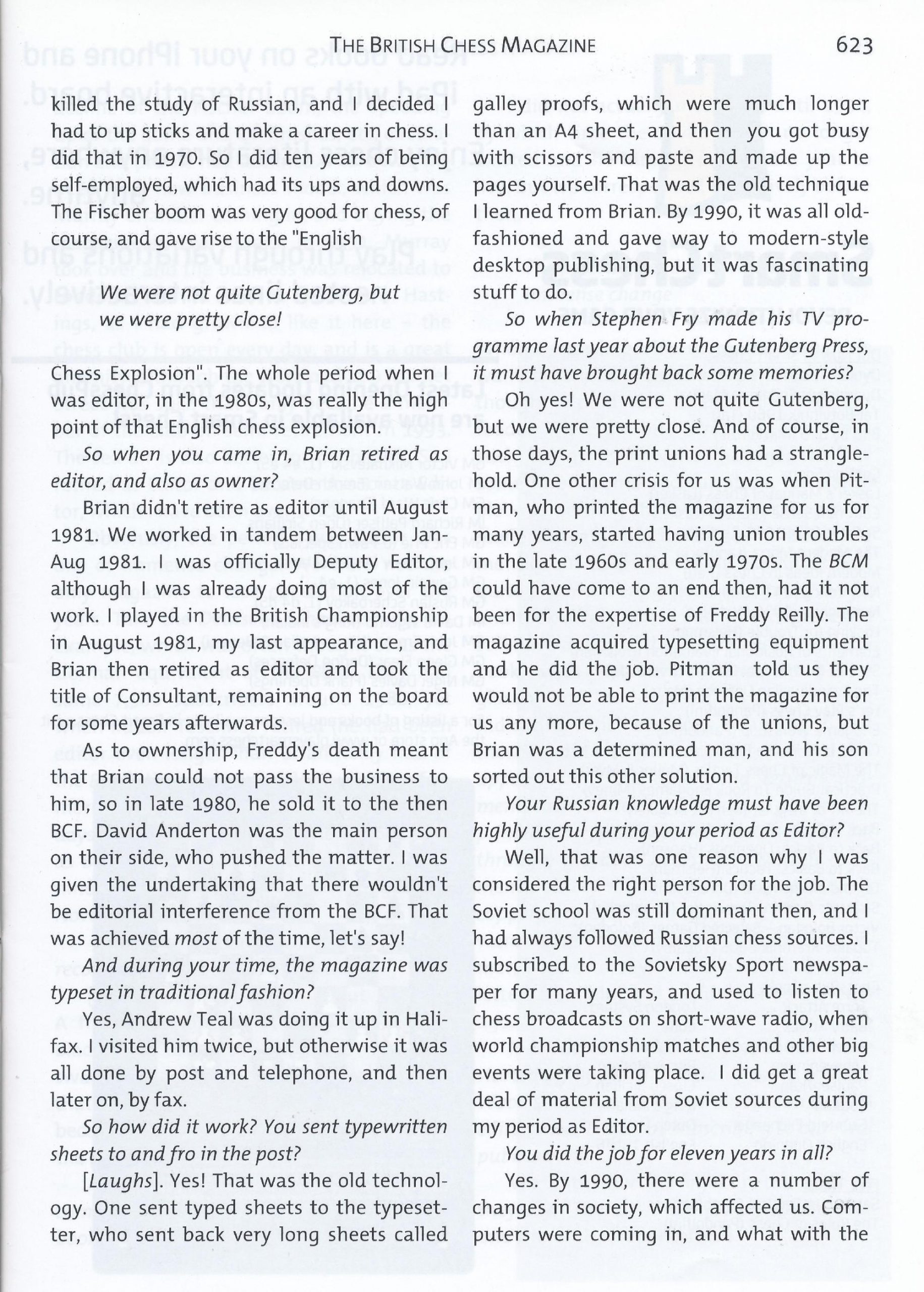
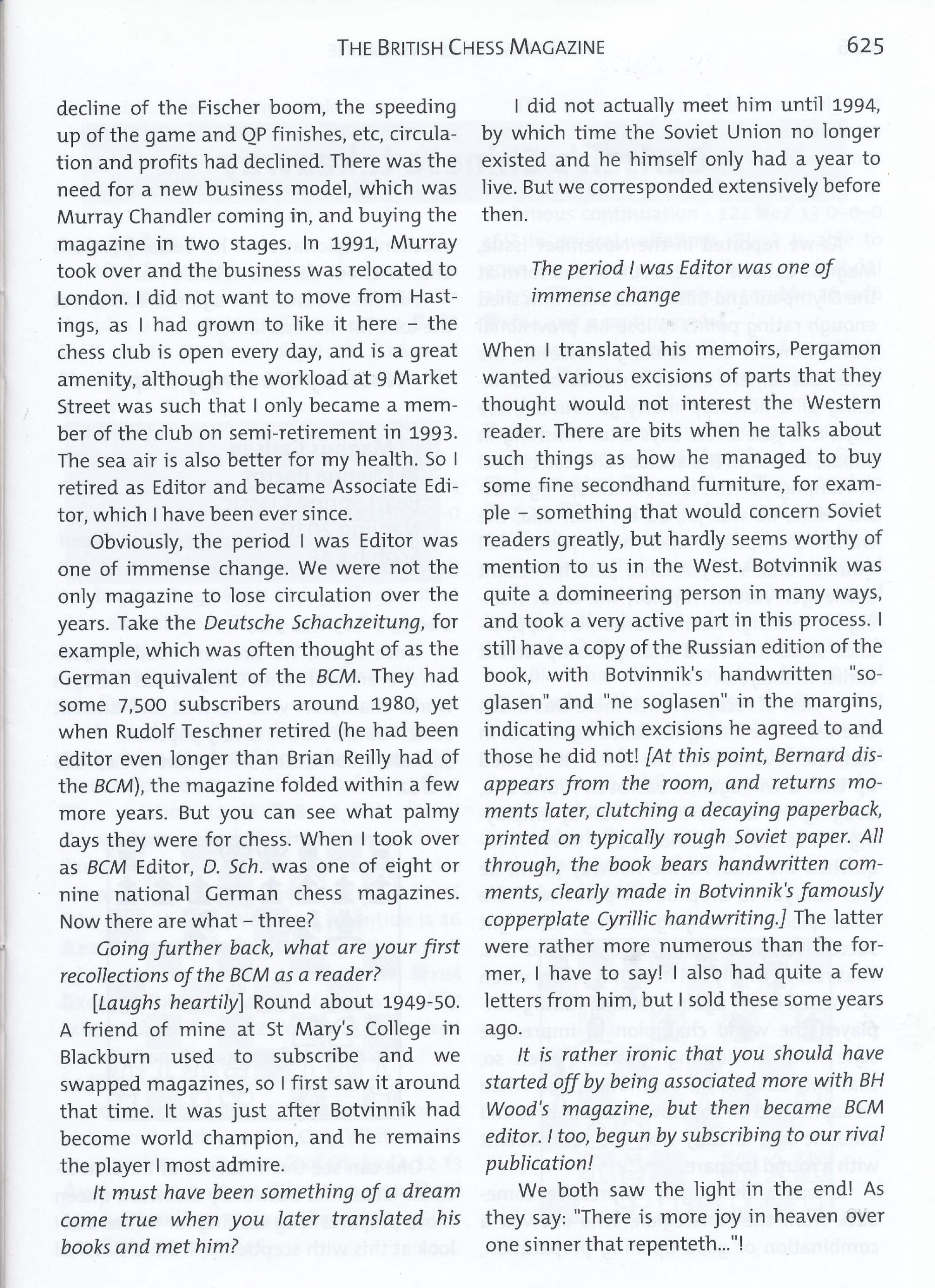
In the December 2010 issue (Volume CXXX (130), Number 12, pages 622 – 625 of British Chess Magazine there was a tribute to Bernard’s 30 years at BCM from editor FM Steve Giddins that was interview based :

British Chess Magazine, Volume CXXX (103), Number 12, December, Page 622
British Chess Magazine, Volume CXXX (103), Number 12, December, Page 623
British Chess Magazine, Volume CXXX (103), Number 12, December, Page 625
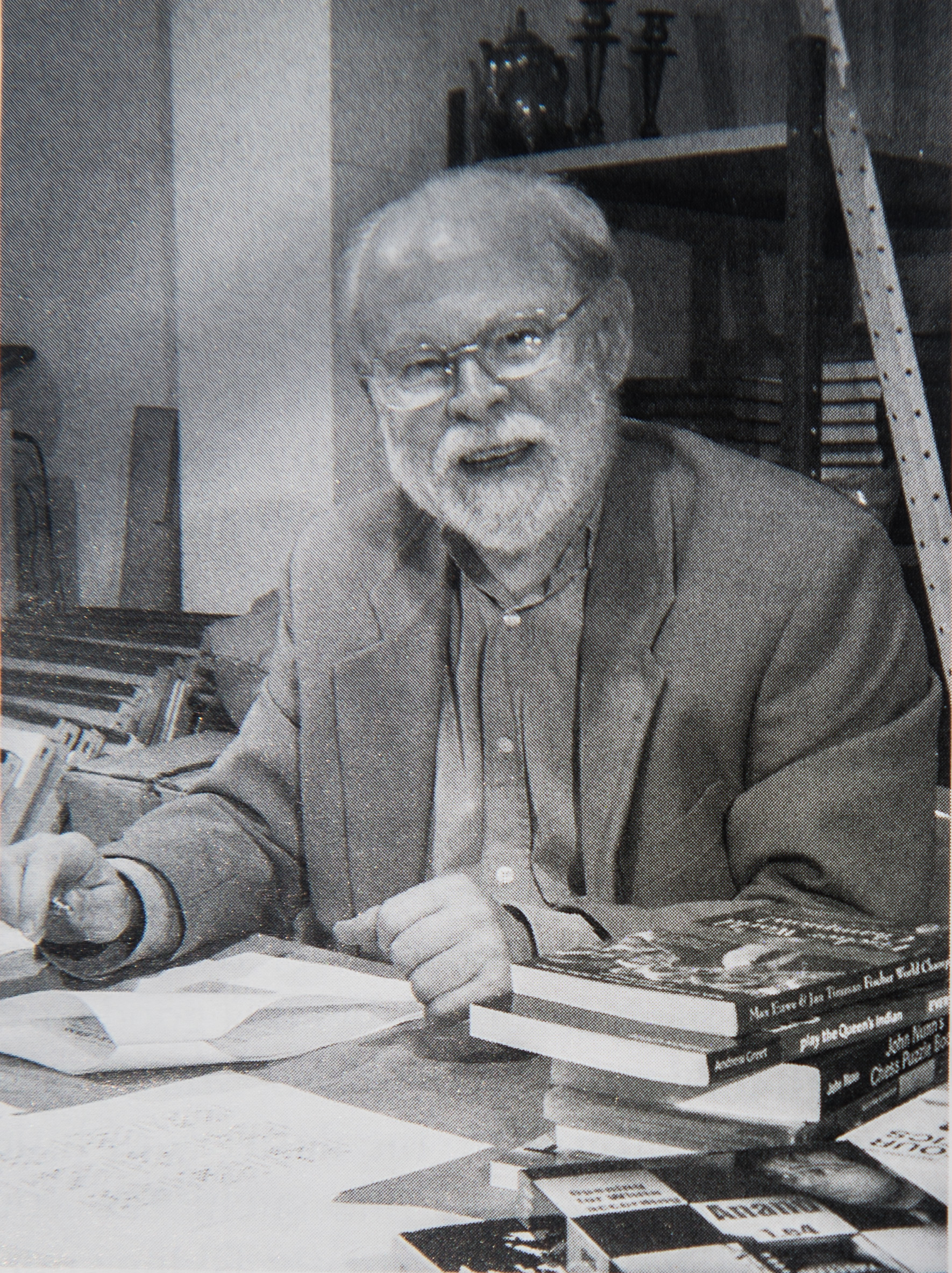
Associate Editor Bernard Cafferty,at work on the magazine in the BCM office, BCM, Volume 130, Number 8, p. 428

Here is discussion of Bernard on the English Chess Forum

Here is the BritBase collection of Bernard’s games

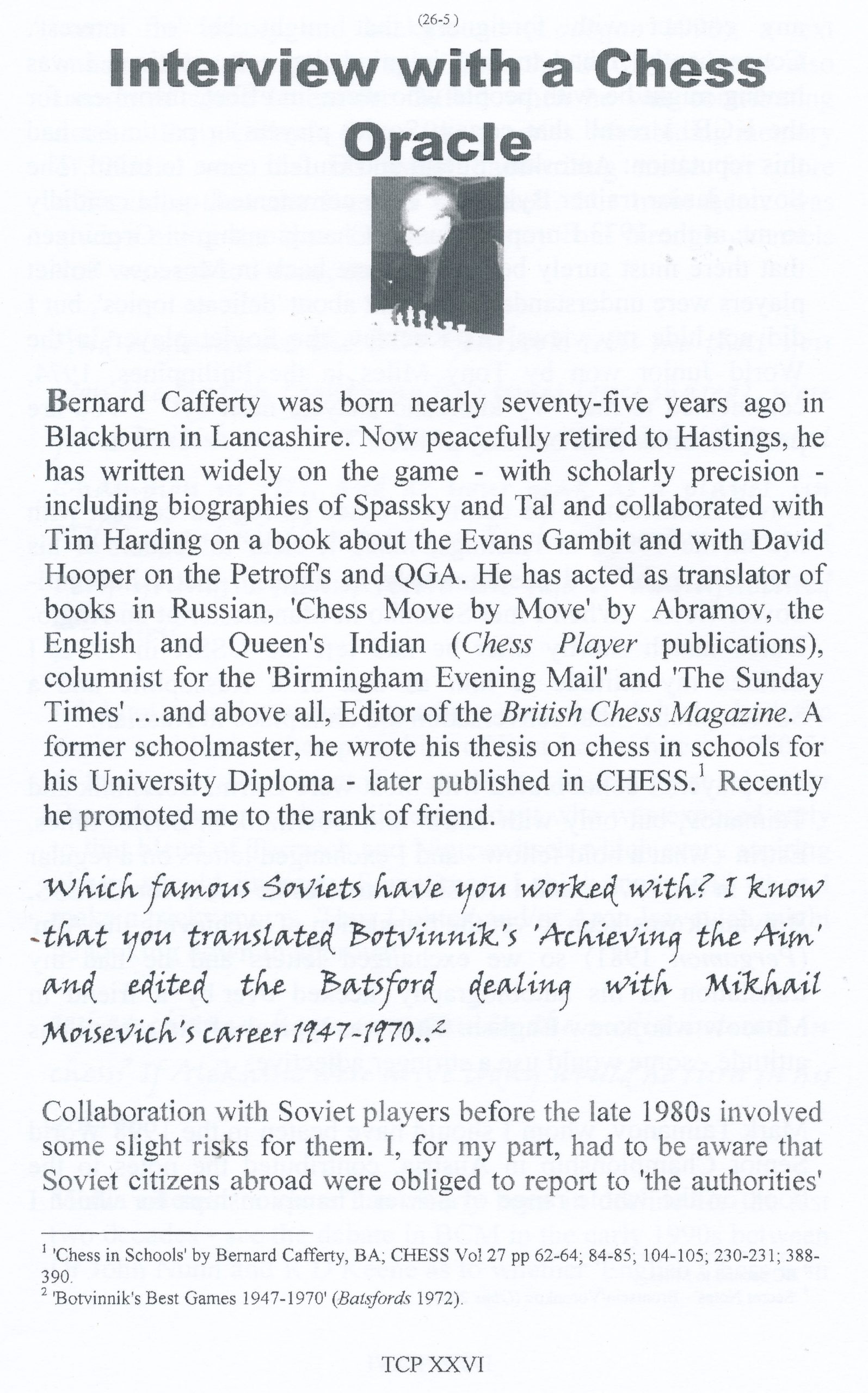
In 2009 Bernard was interviewed by the privately published Chess Parrot whose editor was / is Basingstoke based James Pratt (who became BCMs editor from 2011 – 2015). Here is that previously unseen interview :

The Chess Parrot, XXVI, Winter/Spring 2009, page 26-5
FM Bernard Cafferty at the 2014-15 Hastings Congress, courtesy of John Upham Photography
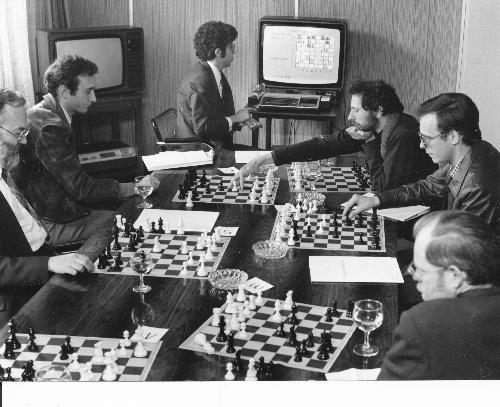
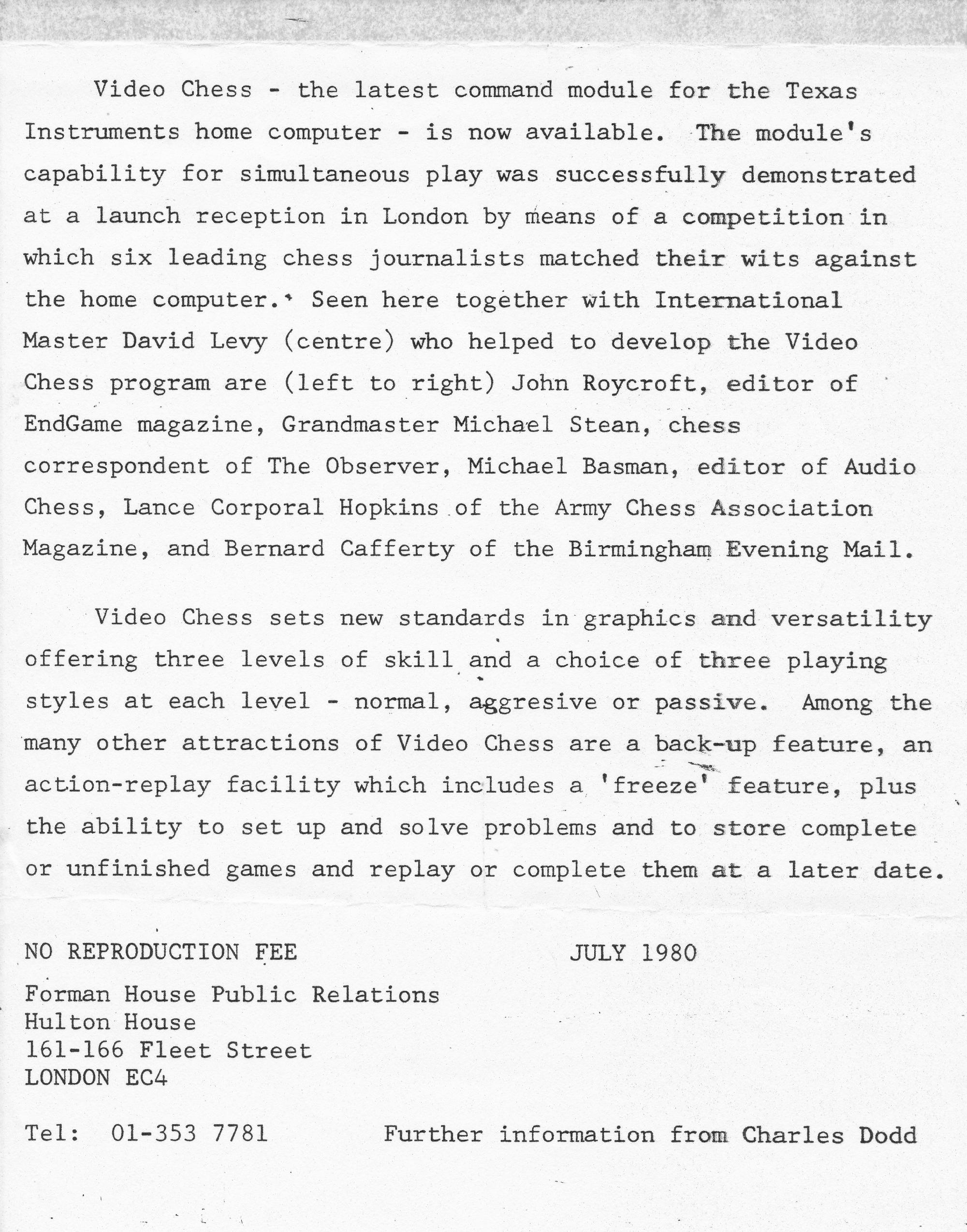
Video Chess Event (See caption below)
Video Chess Caption
Video Chess Caption
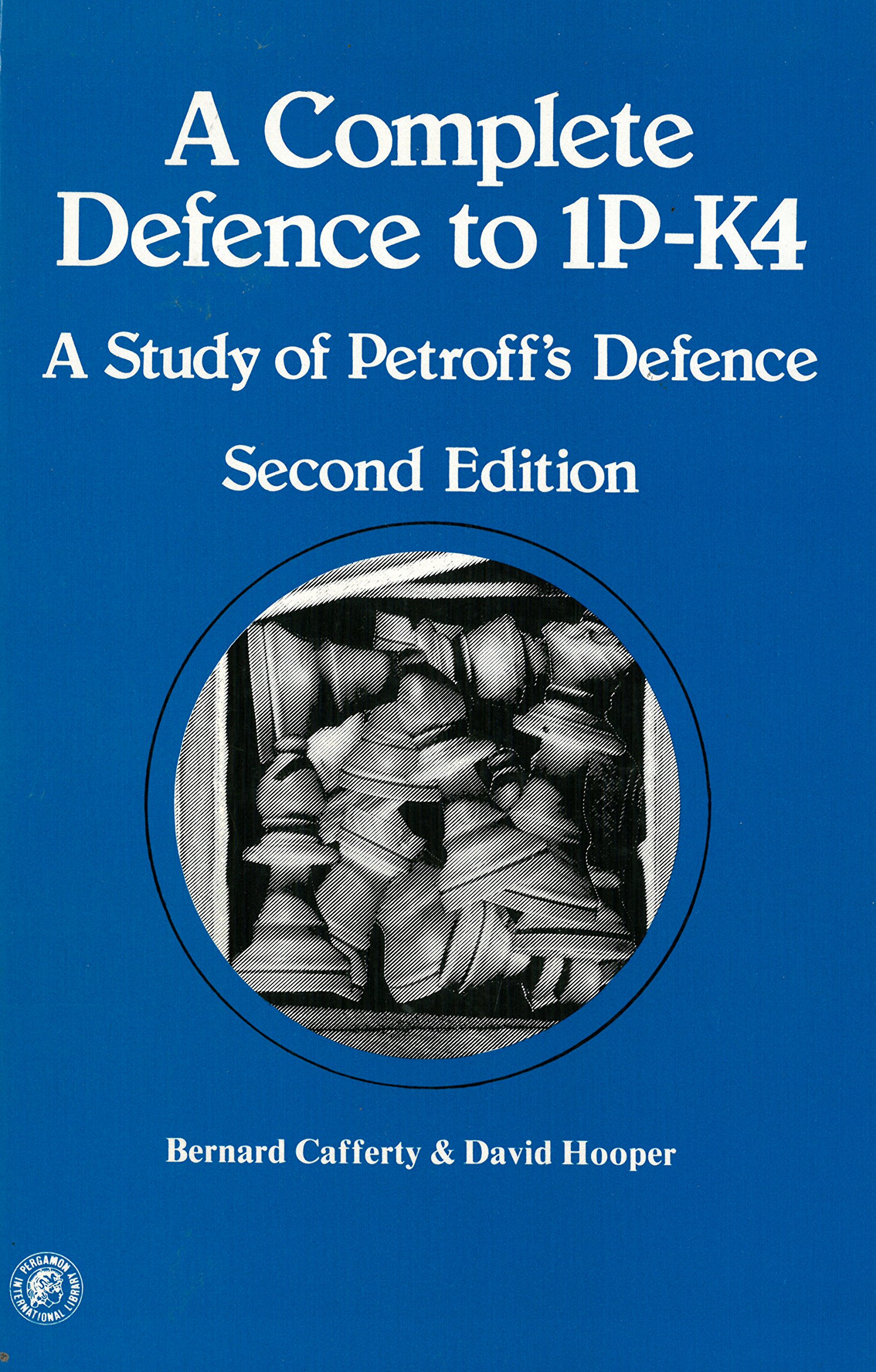
A Complete Defence to 1P-K4: A Study of Petroff's Defence (2nd ed.), Pergammon Press, ISBN 0-08-024088-7, 1967
A Complete Defence to 1P-K4: A Study of Petroff’s Defence (2nd ed.), Pergammon Press, ISBN 0-08-024088-7, 1967
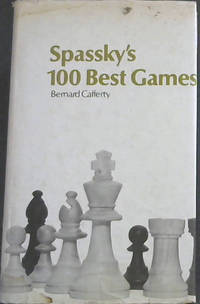
Spassky's 100 Best Games, Bernard Cafferty, BT Batsford, 1972, ISBN 0-7134-0362-4.
Spassky’s 100 Best Games, Bernard Cafferty, BT Batsford, 1972, ISBN 0-7134-0362-4.
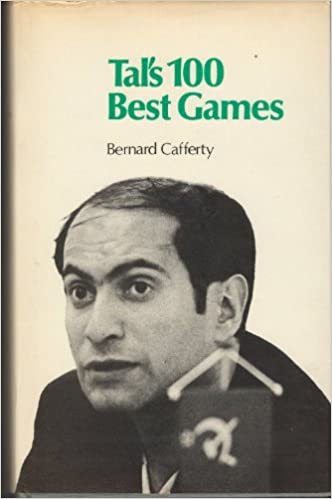
Tal's 100 Best Games. Batsford. ISBN 0-7134-2765-5.
Tal’s 100 Best Games. Batsford. ISBN 0-7134-2765-5.
Chess with the Masters. Chess Player. ISBN 0-900928-95-6.
English Opening, The Chess Player, 1977, ISBN 0-900928-92-1
A Complete Defence to 1d4: A Study of the Queen's Gambit Accepted, Pergammon Press, ISBN 0-08-024102-6
A Complete Defence to 1d4: A Study of the Queen’s Gambit Accepted, Pergammon Press, ISBN 0-08-024102-6
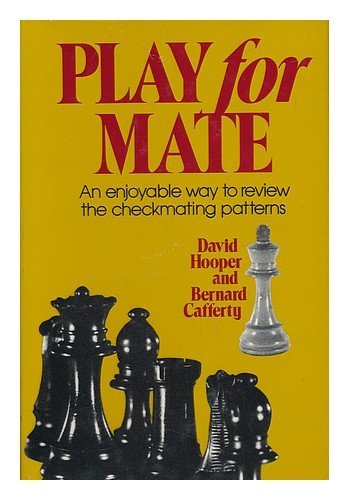
Play for Mate (1990), DV Hooper and Bernard Cafferty, ISBN-13: 978-0713464740
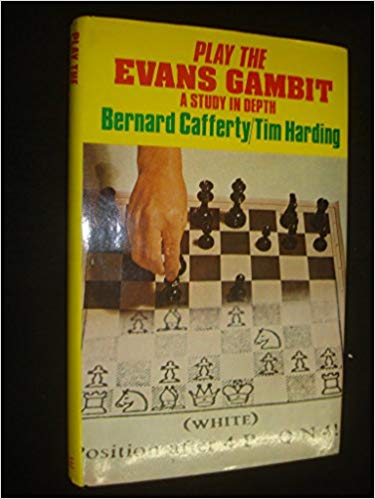
Play The Evans Gambit (co-author Tim Harding). Cadogan. ISBN 1-85744-119-2.
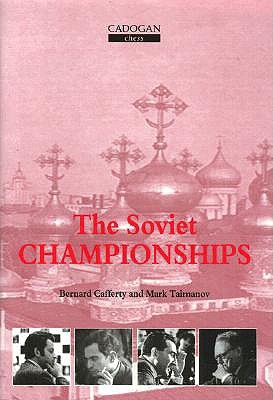
The Soviet Chess Championships. Batsford. ISBN 1-85744-201-6.
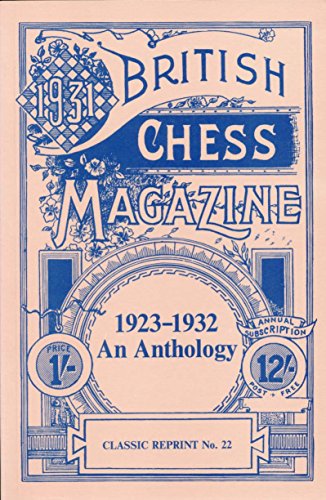
B.C.M. Classic Reprints, number 22: 1923 - 1932 An Anthology, Cafferty, Bernard, 1986. ISBN 978-0-900846-45-8.
B.C.M. Classic Reprints, number 22: 1923 – 1932 An Anthology, Cafferty, Bernard, 1986. ISBN 978-0-900846-45-8.
FM Bernard Cafferty (27-vi-1934)
 Save as PDF
Happy Birthday IM Byron Jacobs (25-vi-1963)

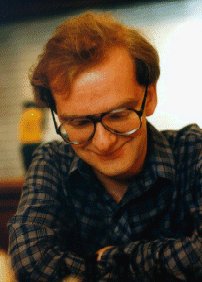
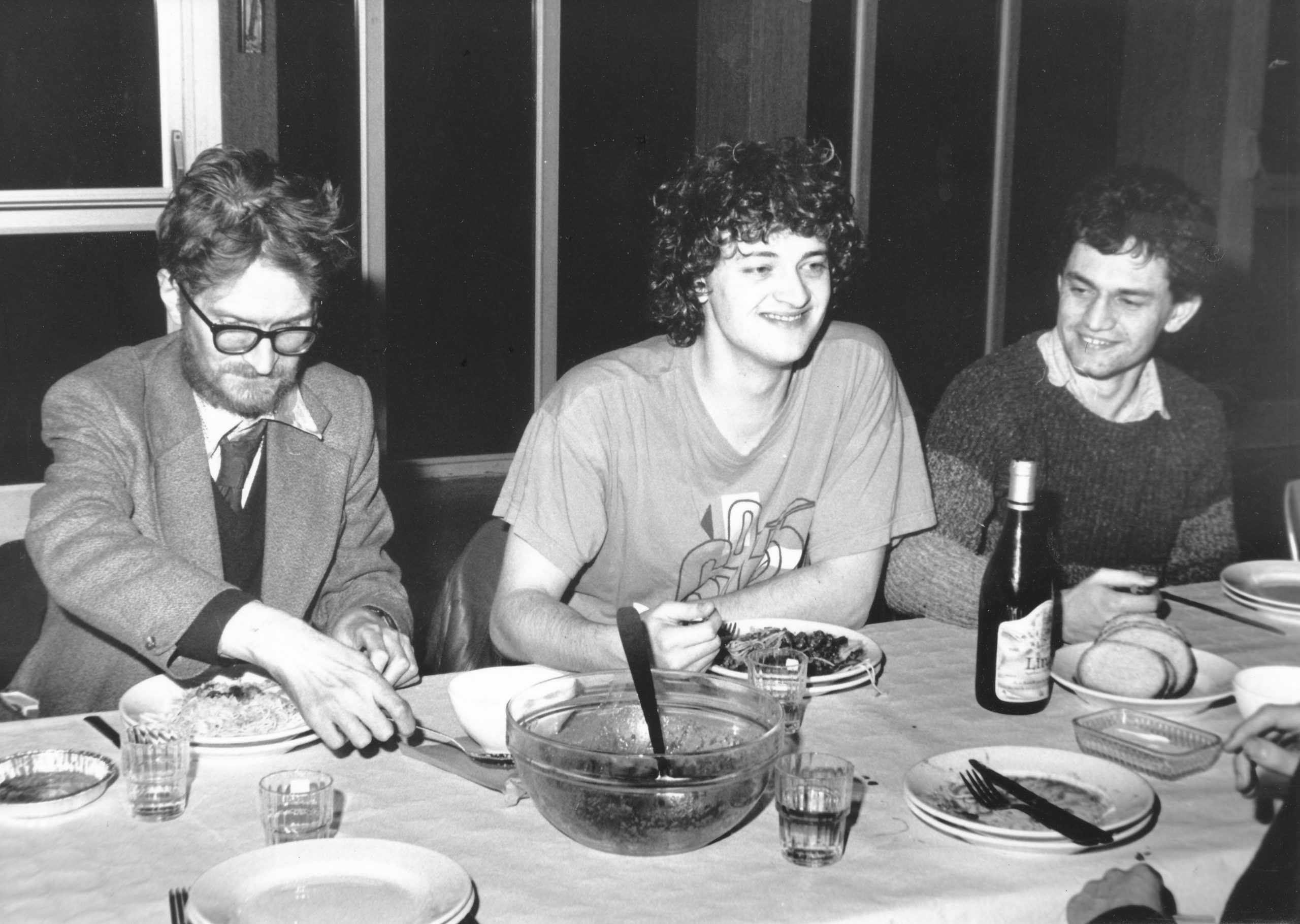
IM Byron Jacobs
IM Byron Jacobs

BCN wishes Happy Birthday to IM Byron Anthony Jacobs (25-vi-1963)

Byron originates from Sir John Betjeman’s favourite town (Slough) and attended Slough Grammar and then The University of Sussex (Falmer).

He was Standard London under-16 champion in 1979. He was 3rd= in the 1982 Danish U-18 International. He was 3rd= in the 1988 Guernsey Open. His last recorded event in Megabase 2020 was in 1998.

Byron was Southern Counties (SCCU) champion for the 1982-83 season.

Byron became a FIDE Master in 1983 and an International Master and in 1988 achieved a peak rating of 2390 in July 1987 at the age of 24.

Byron Jacobs
Byron Jacobs

Having given up competitive chess Byron became a successful poker player and commentator and has written on the subject.

FM Andrew Whiteley, IM Julian Hodgson and FM Byron Jacobs at Cappelle Le Grand, 1988. Photograph by Caroline Winkler

Byron is a director of Brighton based First Rank Publishing and is a specialist chess typesetter and Chief Advisor for Everyman Publishing and others and was pivotal in Brighton based, Chess Press.

Byron and friends at the NatWest Bank Young Masters

Byron was the typesetter for British Chess Magazine from 2011 – 2012 and was Deputy Editor for CHESS during the time of Murray Chandler and Bernard Cafferty

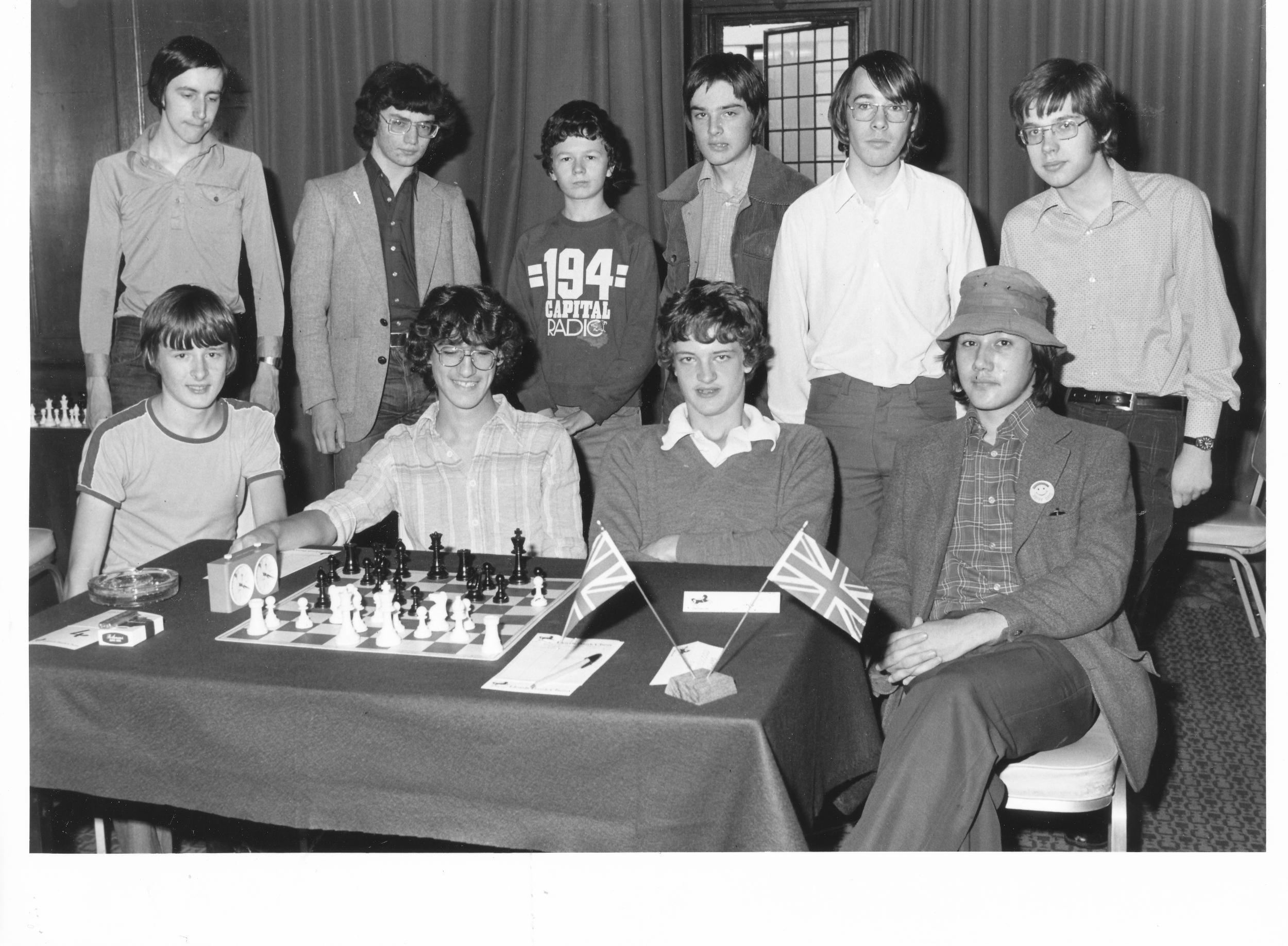
IM Byron Jacobs (front, fourth from left) at a Lloyds Bank event
IM Byron Jacobs (seated, second from left)
IM Byron Jacobs (standing, second from left)) at a Lloyds Bank Masters
Byron Jacobs (second from left) at the National Film Theatre. Also present is Aaron B, Rose, JJ Ady and Andrew Martin. Photographer : John Upham

Byron is an accomplished chess author with many titles to his name :

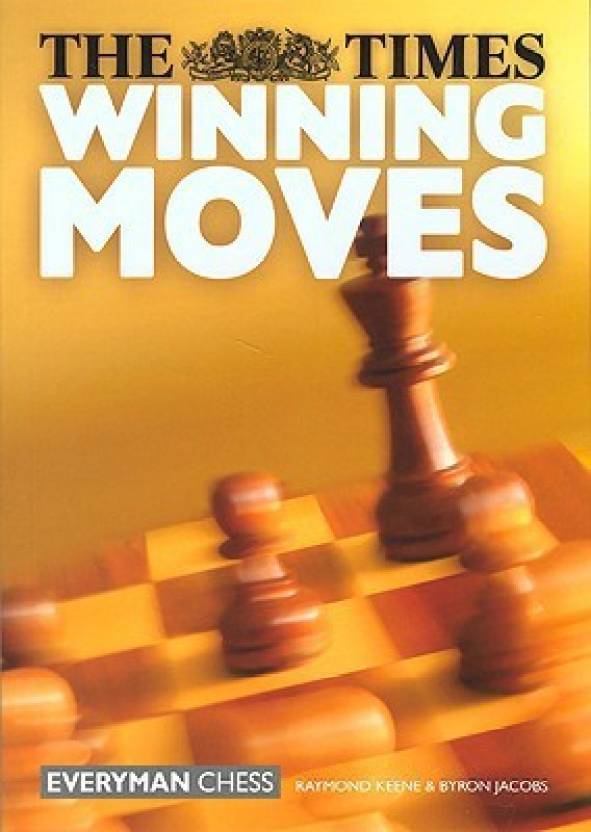
The Times Winning Moves (1991 with Ray Keene)
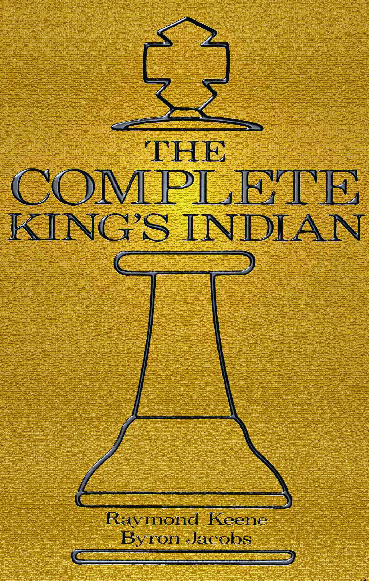
The Complete King's Indian (1992 with Ray Keene)
The Complete King’s Indian (1992 with Ray Keene)
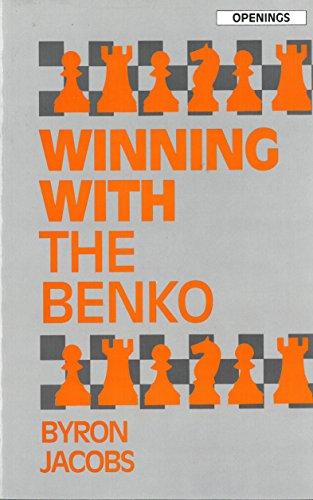
Winning with the Benko (1995)
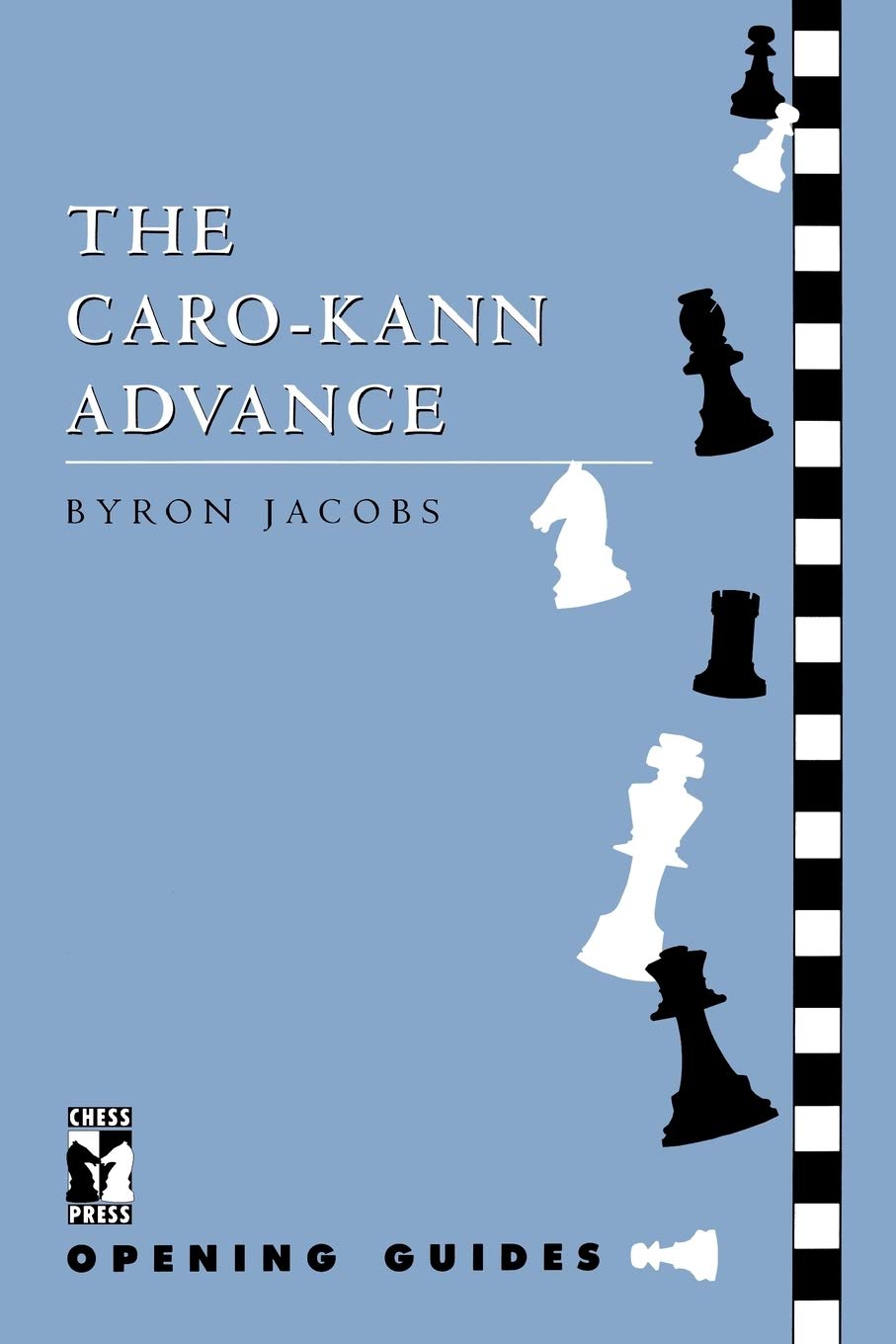
The Caro-Kann Advance (1997)
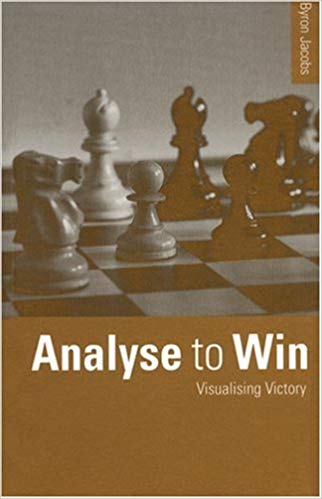
Analyse to Win (1997)
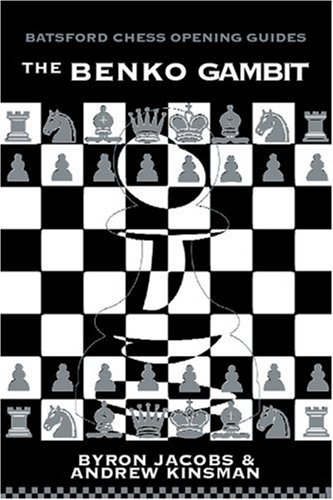
The Benko Gambit by Andrew Kinsman & Byron Jacobs (1999)
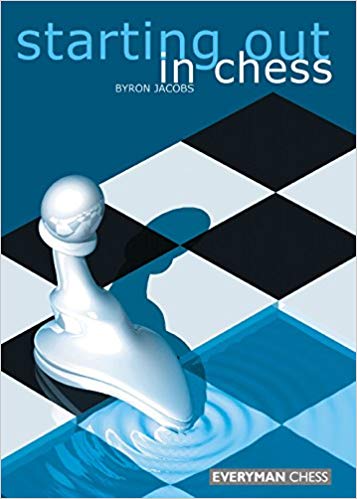
Starting Out in Chess (1999)
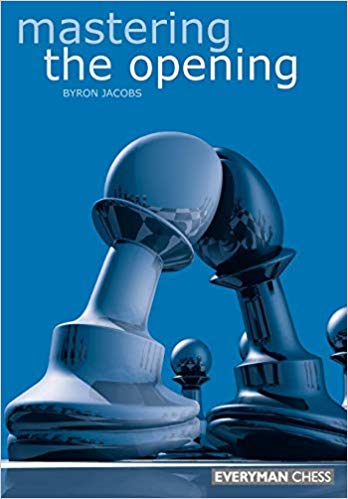
Mastering the Opening (2001)
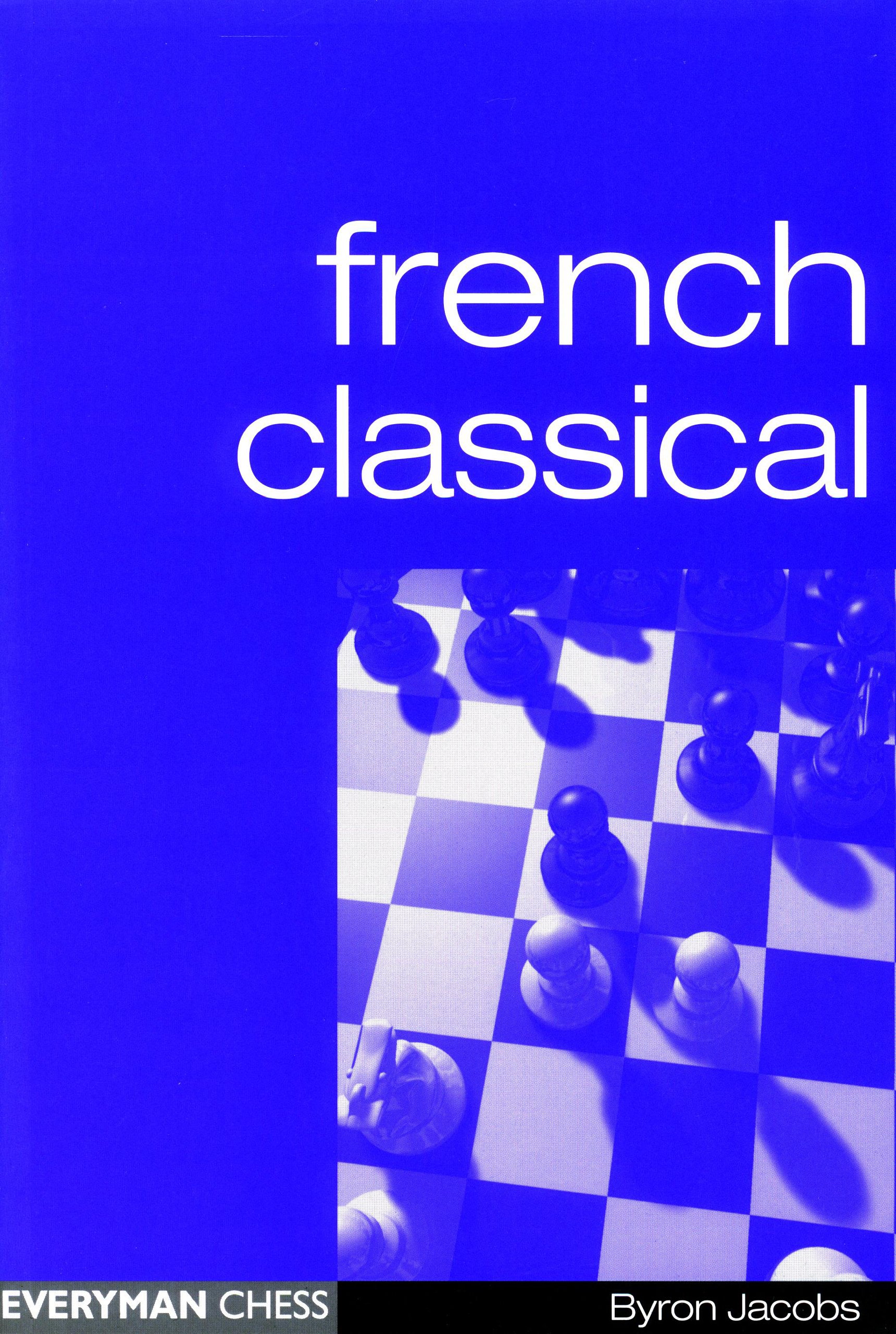
French Classical (2001)
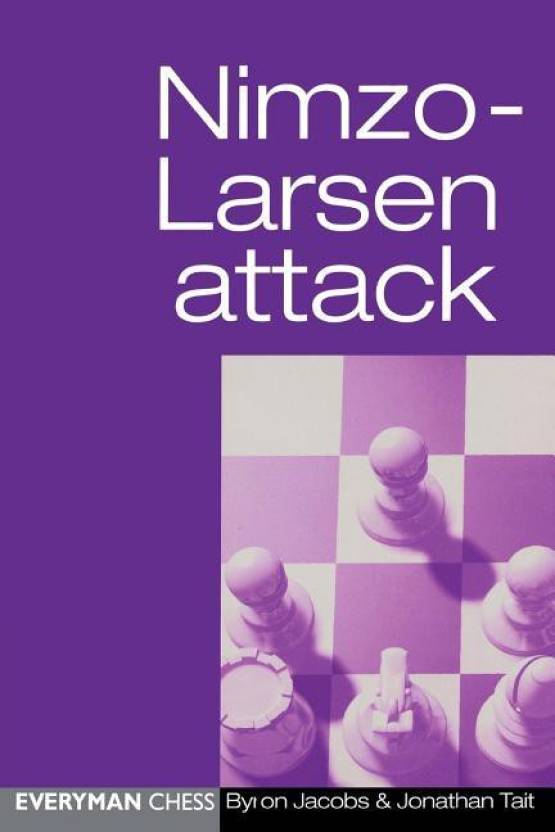
Nimzo-Larsen Attack (2001)
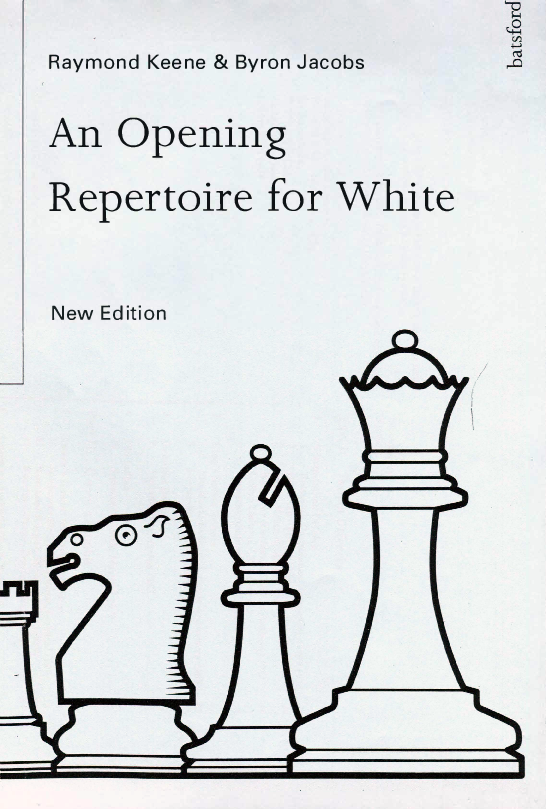
An Opening Repertoire for White (2003)
 Save as PDF
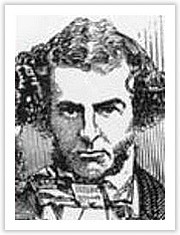
Remembering Marmaduke Wyvill (22-xii-1815 25-vi-1896)

Marmaduke Wyvill
Marmaduke Wyvill

Remembering Marmaduke Wyvill (22-xii-1815 25-vi-1896)

Here is his Wikipedia entry

Here is an excellent article from the superb Yorkshire Chess History web site.

Interesting article from The Northern Echo

From The Oxford Companion to Chess by Hooper & Whyld :

He was winner of second prize in the first international tournament, London 1851. He developed his chess skill in the 1840s, meeting Dubois in Rome, Kieseritzky in Paris, and many players, including Buckle, in London, His style was that of the English school, and he understood well the positional ideas of the English opening and the Sicilian Defence. In 1847 he was elected Member of Parliament for Richmond, Yorkshire, a seat he held until 1868 except for a break of two years. The London 1851 tournament consisted of a series of knock-out matches. After defeating Williams (+4-3) in the third round and losing to Anderssen ( + 2=1-4) in
the fourth and final round, Wyvill was placed second. His score against Anderssen was better than that made by other players (Kieseritzky
“1—2, Szen +2—4, Staunton +1—4), Wyvill had
proved himself one of the leading players of his time. Although he played in no more tournaments he retained an interest in the game throughout his
life.

From The Encyclopedia of Chess by Harry Golombek :

Regarded by Staunton as “one of the finest players in England”. Wyvill was primarily an enthusiastic amateur of chess, yet in his sole tournament appearance at London 1851 he took second prize behind Anderssen, but ahead of Williams, Staunton, Horwitz, Szen, etc.

In the course of this event Wyvill defeated Lowe by +2-0, Kennedy by +4-3=1 and Williams by +4-3. In the final he succumbed to Anderssen by the honourable score of +2-4=1. At the time of the tournament Wyvill was Member of Parliament for Richmond, Yorkshire.

An adherent of the same playing style as Staunton and Williams, Wyvill possessed a fine appreciation of the English Opening and the Sicilian Defence, both of which he employed to deadly effect in the London tournament.

Long after he had retired from competitive play he retained a great interest in the game and his name appears as one of the members of the General Committee in the book of the London 1883 tournament, together with his contribution to the tournament funds of the sum of £100. £100 in 1883 would be worth £2,500 today.

Here is an example of the Wyvill pawn formation :

The Wyvill formation is a name given by Tarrasch to a pawn formation with doubled pawns as shown above. This formation was not unfamiliar to Wyvill but could with more justification have
been named after Winawer who so frequently doubled his opponent’s c-pawns that this and similar formations became known as his trademark. The technique for attacking the Wyvill formation was also understood by Neumann and before him by Carl Hamppe (1814-76), the leading
Viennese player of the 1850s.

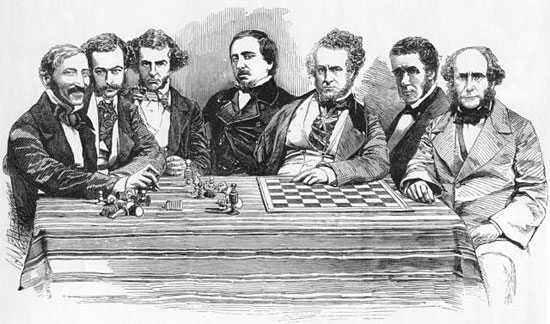
Marmaduke Wyvill at Leamington Spa, seated third from left.
 Save as PDF
Remembering Alan Phillips (28-x-1923 24-vi-2009)

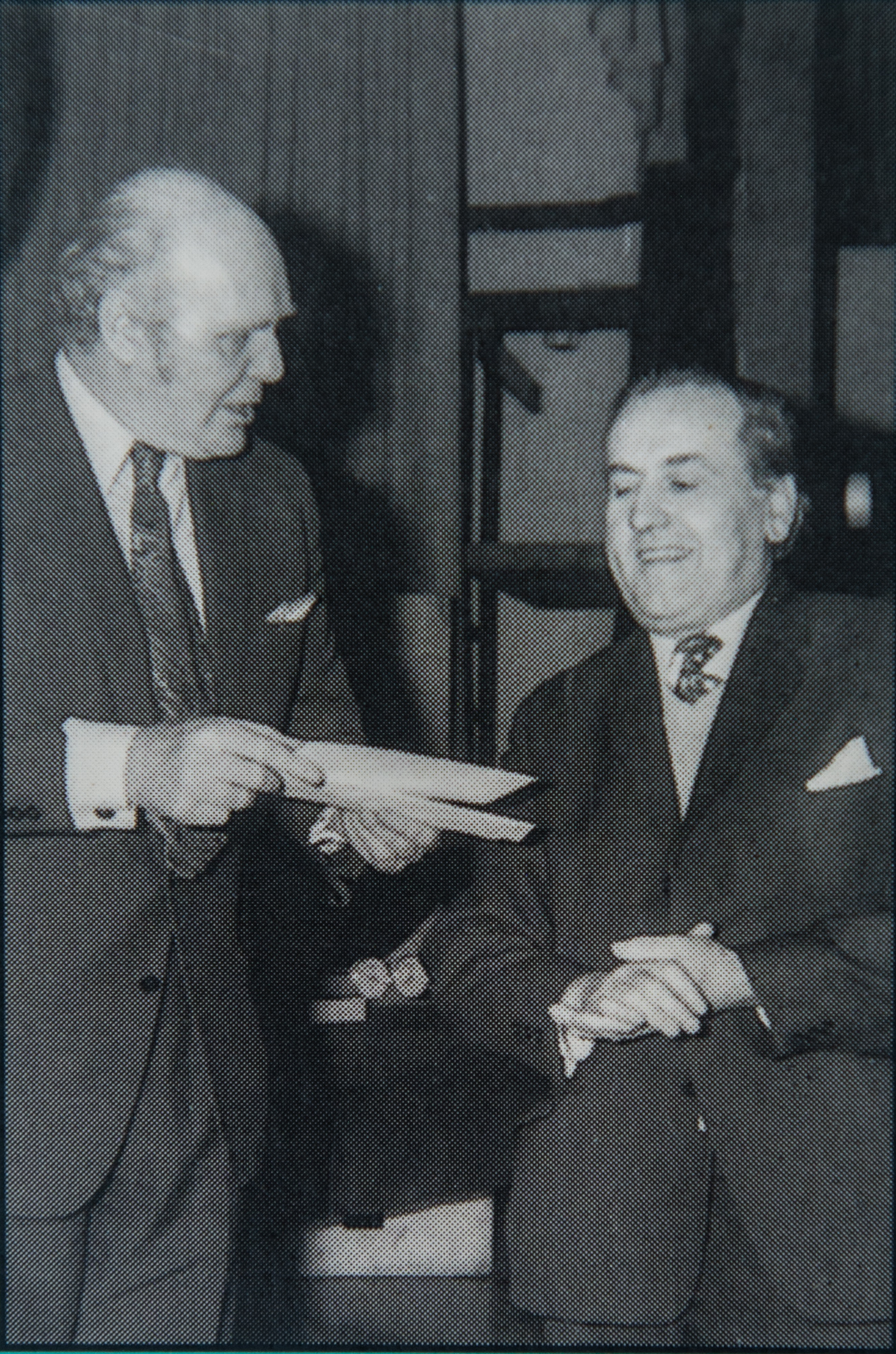
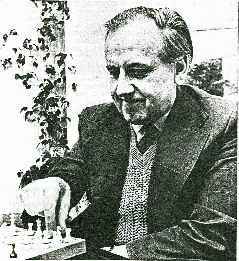
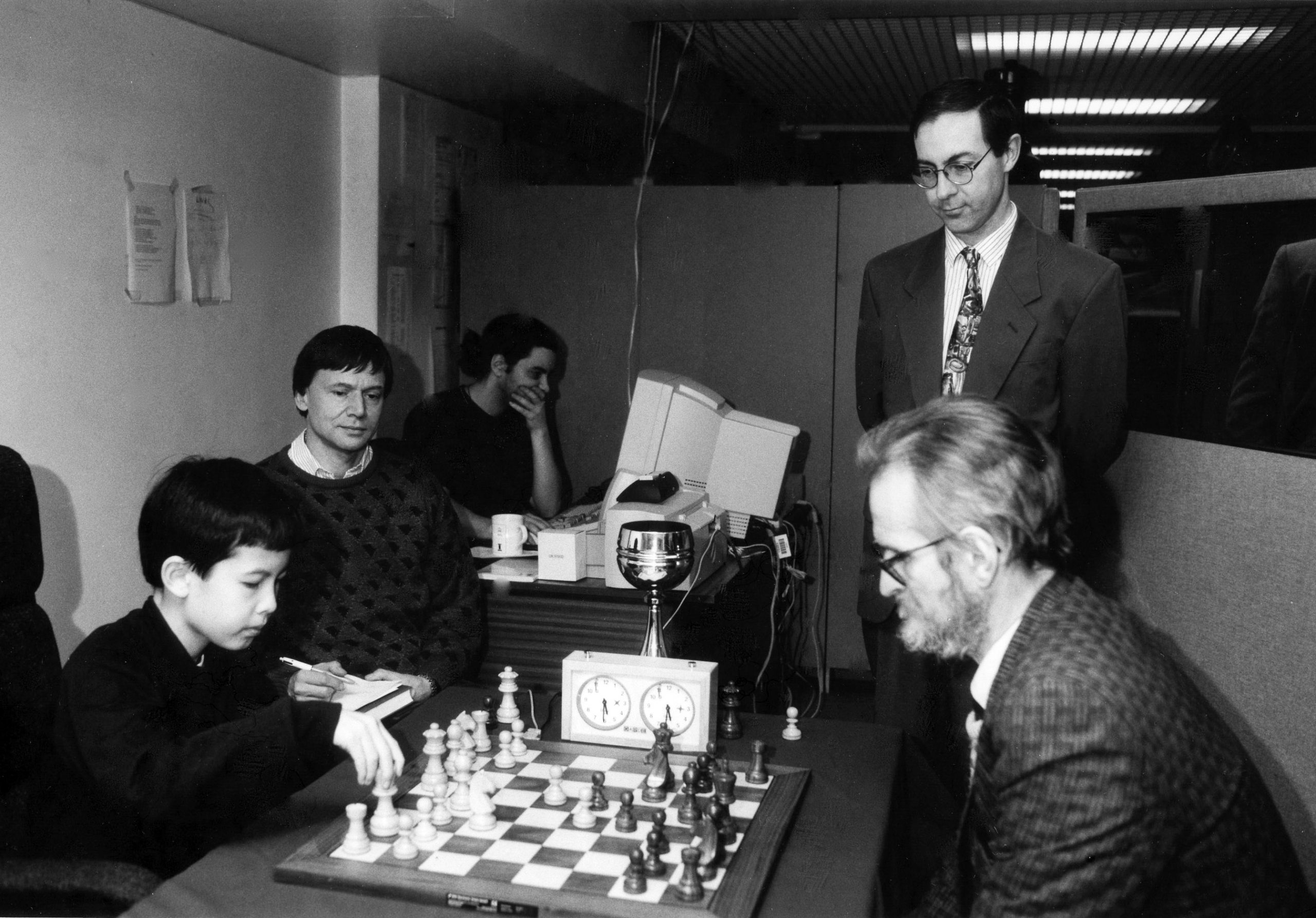
Alan Phillips (riight) receives his prize from television celebrity and magician David Nixon for his equal second placing at the 1973 Islington Open, photographer unknown

BCN remembers Alan Phillips (28-x-1923 24-vi-2009)

Here is his far too brief Wikipedia entry

From Chessgames.com :

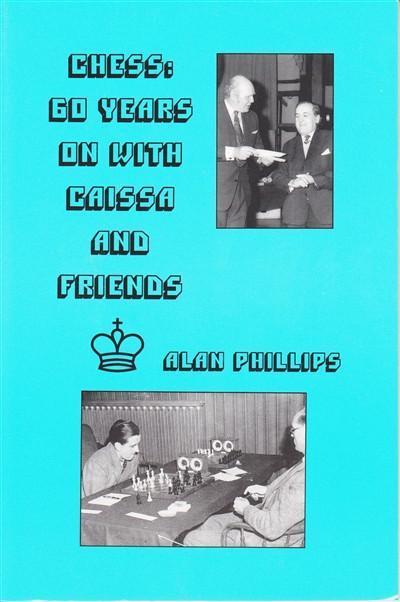
“Alan Phillips, joint British Champion in 1954, was born in England in 1923. He was the author of Chess: 60 Years on with Caissa and Friends (Caissa Editions, 2003) and The Chess Teacher (Cadogan, 1995).”

Here is an item from the Shropshire Chess web site

Here is Alan Phillips autobiography from his own book, Chess: Sixty years on with Caissa & Friends

“Born in Stockport in 1923,I was playing pontoon in an air-raid shelter in the autumn of 1940 with a friend from our school, Stockport Grammar, when he suddenly announced that he knew a better game, being the school chess champion. Ostensibly studying for a Cambridge Scholarship with a view to reading Classics, I played about 200 games with Norman Stephens, emerging the victor perhaps because I studied Alekhine’s and Euwe’s games, obtained from the Public Library, whence I had been borrowing difficult piano works for the previous two years. When I got up to Magdalene in 1941, I found standing next to me in the University Chess Club Wykehamist James Lighthill, destined to become, arguably, our greatest applied mathematician of the second half of the last century; I played chess with him one evening a week and piano duets another, and as Match Captain and Hon.Sec. in my second year – shared top board, while now supposedly reading Italian, as a War Office scheme, and French, languages I unfortunately then considered beneath contempt, compared with the glory that was Greek.

Alan Phillips plays David Hooper on August 20th 1954 in round five of the British Championships in Nottingham, photographer unknown

Enrolled but not commissioned – the War Office having ratted on its promise to a large bunch of first-class linguists – in the Army Intelligence Corps from August 1943 to October 1946,I spent nearly three years abroad in Sicily and Palestine, riding a motor-bike – our American equivalents in the CIC were mostly majors or colonels and rode in Cadillacs – and playing, when stationary, much music with singers and violinists, especially in Palestine, and chess with the Captain of the Harbour in Sicily, a charming moustached Neapolitan who got about three draws in 300 games, and then in Haifa, Hadera and Jerusalem chess clubs, beating the youth champion of Palestine and Aloni when he played simultaneously, but losing to Porath, and enjoying ‘skittles’ in cafes with many other players of near-master rank. Demobilised and put, like the Goons, on the Z-reserve in autumn 1946, I went back to Cambridge to read Classics Pt II and found Peter Swinnerton-Dyer, as far as I know our best number theorist of the past fifty years, waiting for me – we tied for the University Championship having begun a series of trips to Hastings with Alan Truscott, and later continued to Birmingham for the Midland Championship, which I won in 1951.

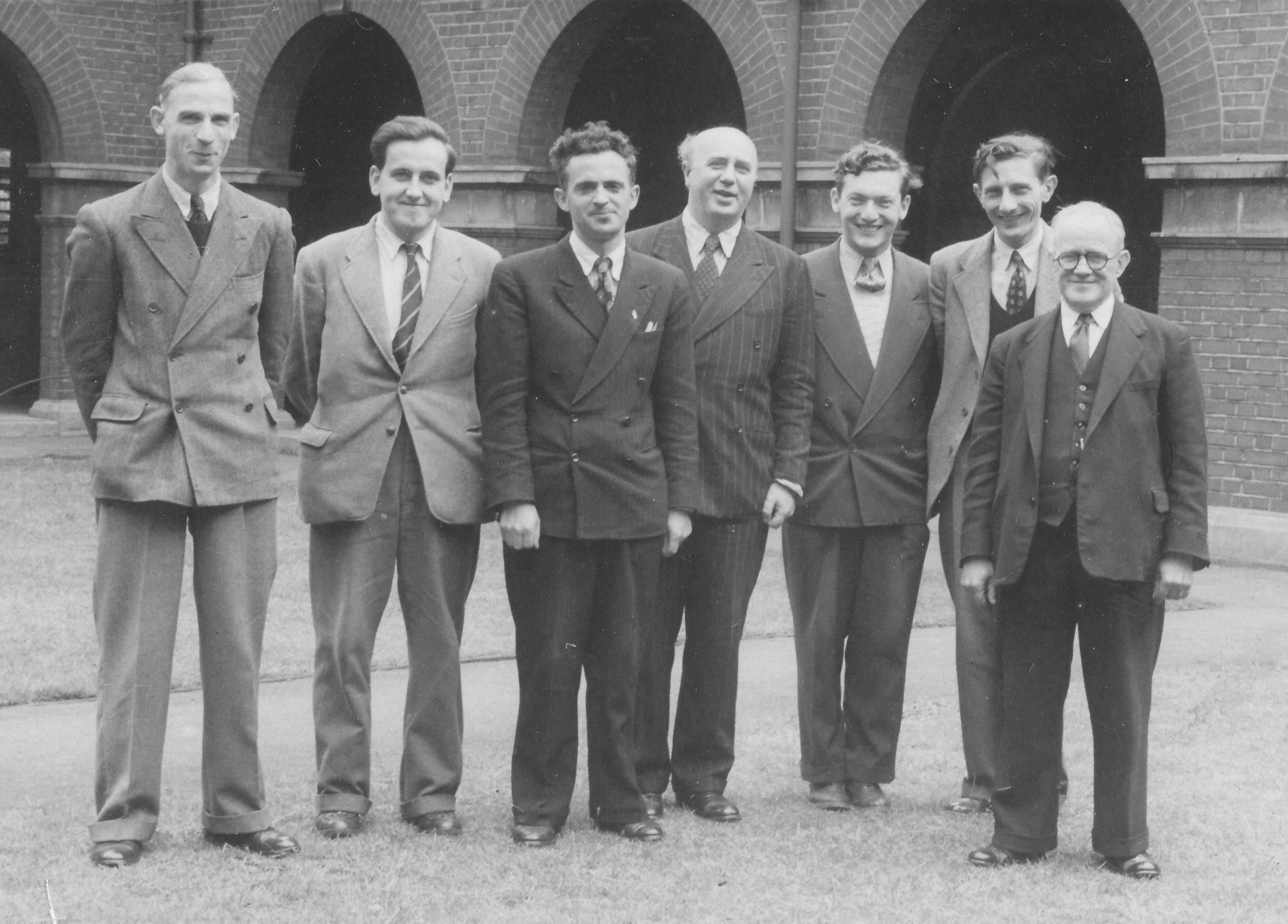
From the 1952 Ilford Congress (30 May - 2 June) and originally published in BCM, July 1952, page 187. (l-r)  : Harold Israel, Alan Phillips, Bob Wade, Otto Friedman, Abe Yanofsky, Alfred William Bowen and Harold Meek. Thanks to John Saunders and Leonard Barden
From the 1952 Ilford Congress (30 May – 2 June) and originally published in BCM, July 1952, page 187. (l-r) : Harold Israel, Alan Phillips, Bob Wade, Otto Friedman, Abe Yanofsky, Alfred William Bowen and Harold Meek. Thanks to John Saunders and Leonard Barden

I usually won prizes in increasingly strong sections at Hastings except in two Premiers, 1950-1 and 1954-5, when my emotions were otherwise engaged, as happened in the British Championship in 1952, when, after I had beaten all the best players and scored 7/8 with three rounds to go, a girl-friend turned up and I lost my last three games, refusing a draw in round nine in a not superior position, not out of arrogance, but in order to clinch the title.

Alan Phillips and Leonard Barden are joint British Champions of 1954 in Nottingham, photographer unknown

Otherwise, with one or two exceptions, I only lost to the strongest players in the British Championships I played in, i.e. 1949-55 and 1961, tying for first place at Nottingham 1954 and coming third equal in a very strong Championship at Aberystwyth 1955, which earned me a place as Board 6 on the English team at the Moscow Olympiad in 1956, where I only drew against Luxembourg, and lost to Geller, but drew in two cases from bad positions with Johner, Sanguinetti and Ghitescu.

David Hooper (left) in conversation with Alan Phillips. Location and photographer unknown.

In l96l I moved up to Derbyshire, where – though playing top board for Manchester as well as the county – having switched to Maths teaching after several years part-time study at Birkbeck and acquired offspring as well as promotion, I also started annual visits to Dartington Summer School of Music, now totalling 38 out of a possible 40, all of which made it virtually impossible for me to play in tournaments, apart from the odd visit to Hastings or fairly strong week-end tournaments, e.g. Ilford, which I won for the second time in 1973, beating Basman. My responsibilities on my return to London as Head of Charlton School in 1967, where I got Bob Wade to teach chess as part of mathematics in the Lower School, and then of Forest Hill School, where we organised many tournaments, although I played generally as top board for Kent, whom I led twice to victory in the County Championship in 1975 and 1976, meant that I had even less time for tournament chess, except at Islington and in the Challengers, so that my real heyday ended there, with a final move to a ‘quiet’ county, Shropshire – as far as chess was concerned – as Adviser for Secondary Education and Area Adviser, 1976-82, in which capacity I avoided as much paper-work as I could and taught chess in the lunch-hour to all the primary and handicapped pupils I visited. I should say most of my successes at chess have been at County Level, where I played top board for Cambridgeshire and London University, as well as the counties mentioned, and in the very strong London League, as far as I can estimate I had a success rate of some 70% in those contests. In general the games in this book, with one or two exceptions for historical or anecdotal reasons, were played at high levels, and won by the right player, not suddenly lost by a blunder, like some games published nowadays because the blunder is perpetrated by a famous player.

Photograph taken in Hastings on 28 December 1950. Lord Dunsany (standing on the right) is watching the first-round game between Alan Phillips and Weaver Adams, source : http://boylston-chess-club.blogspot.com/

With regard to the general assessment of players and tournaments, I have only one comment “Look at the games!” When even, or especially, David Bronstein wails “They give me a number”, I think it time to end a spuriously precise system and revert to the earlier English practice or the traditional Soviet one of putting players in classes, preferably according to a sufficiently large number of results in tournaments or strong club or county matches. And when players are inhibited, when the match is won, from offering an opponent, who has played well, a draw, that is a diminution of sportsmanship, so a draw, even with Kasparov, should not count in grading. Finally the use of seconds or computers once a game is started should be
regarded as totally unsporting, and players should be put on their honour, as bridge-players are in matters of cheating, not to use them.

I should like to dedicate this book to the memory of my good friends, David Hooper, Stuart Milner-Barry, and A.R.B.Thomas, men of integrity, humour, and many other talents, who brought to their chess the same qualities of courage and sportsmanship they showed in the rest of their lives.

Alan Phillips (28-x-1923 24-vi-2009) : Source : https://www.shropshirechess.org/History/1970s.htm

Alan Phillips
British Master, Joint British Champion 1954
Thorn Cottage, Appleton Thorn, Warrington, Cheshire
September 2003″

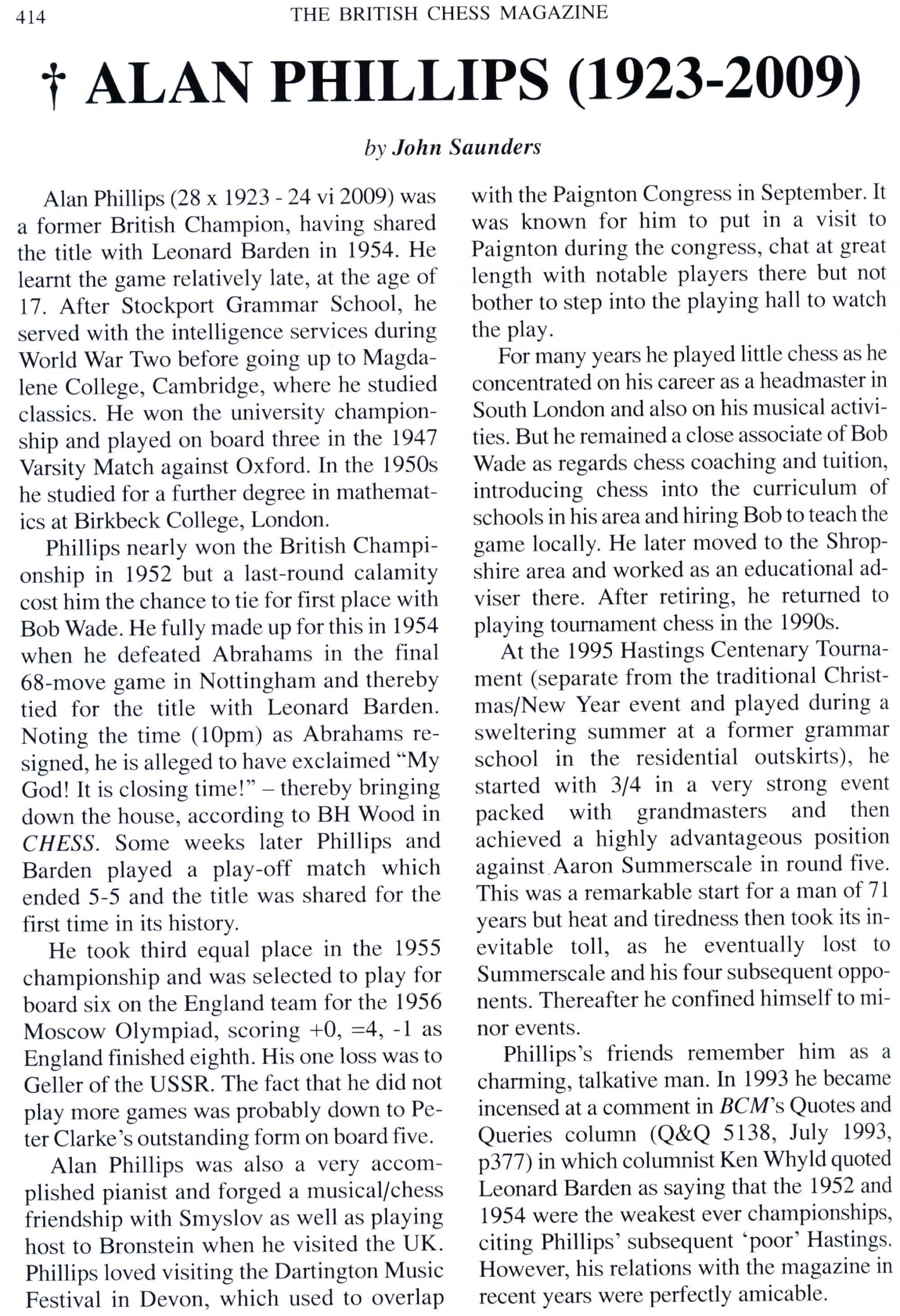
Obituary of Alan Phillips by John Saunders from British Chess Magazine, 2009. Part One
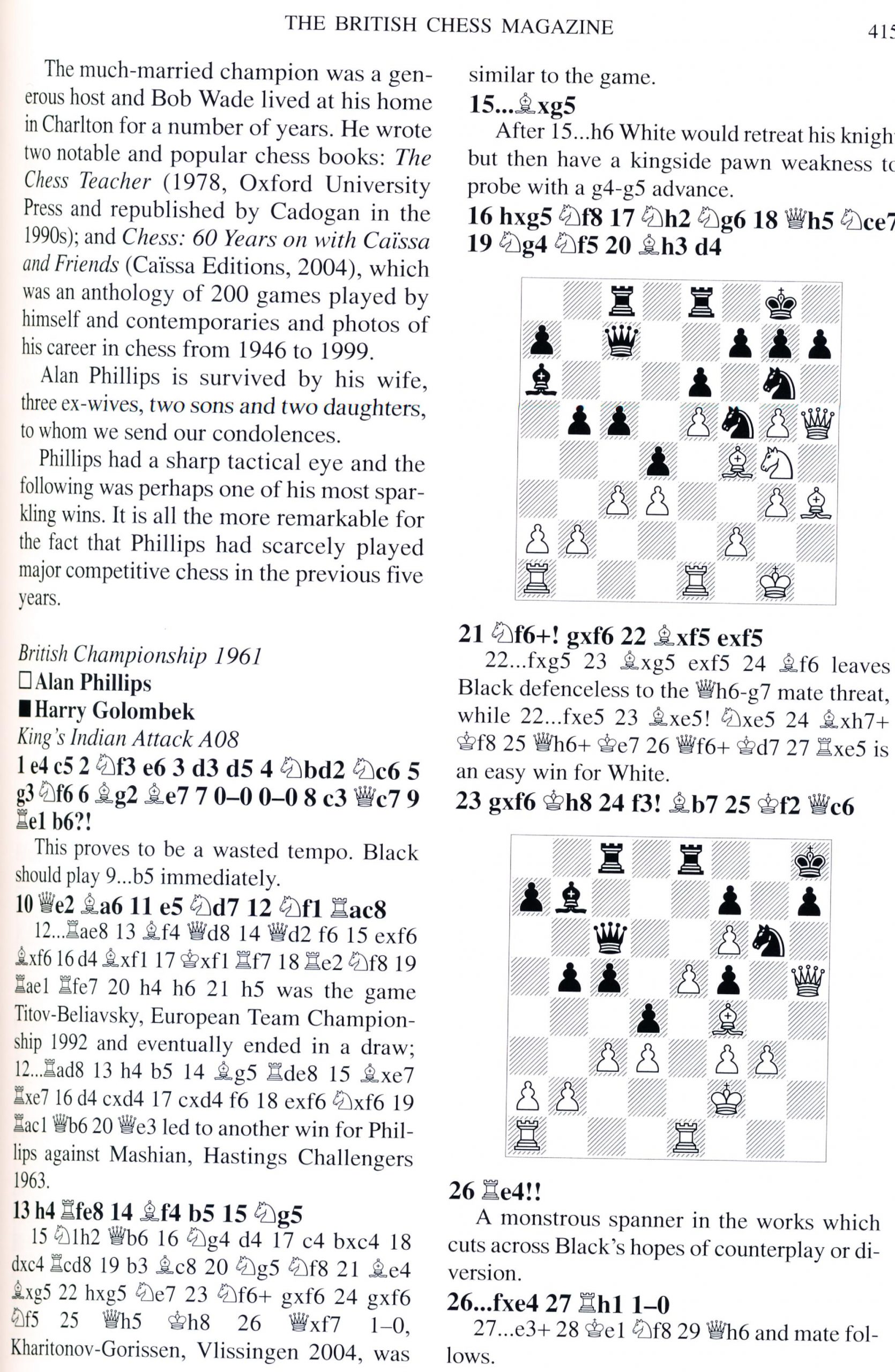
Obituary of Alan Phillips by John Saunders from British Chess Magazine, 2009. Part Two

Here is his obituary from The Times of London

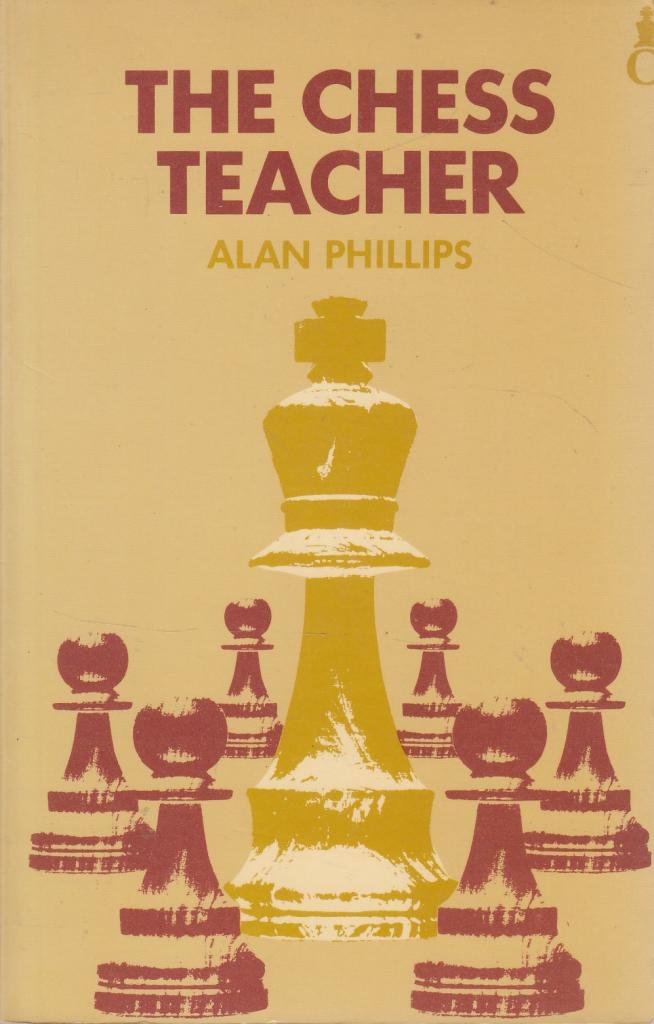
The Chess Teacher
The Chess Teacher
Chess: Sixty years on with Caissa & Friends
 Save as PDF