Tag Archives: 2022

Death Anniversary of IMC Ken Messere OBE (16-iv-1928 31-iii-2005)

BCN remembers Ken Messere who passed away on Thursday, March 31st 2005 aged 76 in Paris-16E-Arrondissement, Paris, France.

Kenneth Charles Messere was born on Monday, April 16th, 1928 in Richmond-on-Thames, Surrey. His father was Charles (George) Messere (1901-1974) or Eisenberg and aged 26. His mother was Gertrude Marie Newman (1899-1978) and aged 29.

Ken had three siblings: Barbara Marie Messere (1930–2005), Hugh Martin Messere (1932–1985) and Derek R Messere (1934–2012)

Ken attended St. Peter’s College, Oxford from 1946 – 1951 to read philosophy and is reported in the 1951 St. Edmund Hall Magazine, as a member of the Trillick (debating) Society as follows:

‘ That this House would rather be a live Communist than
a dead Democrat.’ The proposer established to his own satisfaction that democracy was founded on ‘selfishness, capitalism and bourgeois hypocrisy.’ He did not satisfy J. F. R. Bonguard of St. Peter’s Hall who opposed, using arguments taken from Hindu philosophy. K. C. Messere of St. Peter’s Hall, spoke third and added some able arguments.

In June 1954 Ken married Mary Elizabeth Humphrey (1929-2003) in Ealing. They had a son Miles Jonathan Messere born in 1964 who passed away in 1965.

Prior the time of his passing his wife Mary was living at 142B, Herbert Road, Woolwich, London, SE18 3PU.

In 1991 he was awarded the OBE (Civil Division) in the Queen’s Birthday honours list. The citation reads: Kenneth Charles Messere, lately Head of Fiscal Affairs Division, OECD, Paris.

Ken appears each year from 1953 to 1967 in the noted publication Britain, Royal And Imperial Calendars the function of which is to list entries for those engaged in UK public service. He worked for HM Customs and Excise. Prompted by this we consulted the venerable A History of Chess in the English Civil Service by Kevin Thurlow (Conrad Press, 2021) on page 447 and found

“He played for Customs. In 1964, he went to work for the Organisation for Economic Cooperation and Development and was head of fiscal affairs from 1971 – 1991. In 1954 he began playing postal chess and became a leading player. He won a semi-final of the 5th World Correspondence Championship (1961 – 64) and became the first English player to compete in a World Championship Final.”

There are 31 games listed at his personal entry at chessgames.com starting with games from 1965.

Chessbase’s Correspondence Database 2020 records 69 games the earliest being from 1958 listing Ken’s federation as being France.

From British Chess (Pergamon Press, 1983) we have this lengthy contribution from Ken himself:

“Between the ages of 6, when I learnt to play and 23 (ed: 1951), when I ceased to be a student, chess had a relatively low priority among various time-competing interests and activities, so I never got around to studying theory. Things changed when I became a civil servant and needed a replacement for philosophy as an intellectually absorbing subject which could be argued about with friends over beers, and for the next 12 years chess became my main interest.

Since 1964 I have been working for the OECD in Paris, where my friends are not chess enthusiasts and, although chess remains a major pleasure, my commitment to it has lessened. Nowadays, out-side correspondence chess, I play only occasional blitz games.

Coming late to serious chess has probably had at least some influence on my deficiencies and stylistic preferences. The deficiencies include an inability to visualize ahead with sufficient clarity to support accurate analysis, slow sight of the board which leads to silly errors through time trouble or failing stamina and less familiarity with theory than my better opponents. As to chess style, I have had to play romantically and subjectively to get good results.

If a game takes the form of a clear-cut position, where strategical objectives are clear and superior technique prevails, then mine generally does not. Consequently I have tended to play either sharp gambits or counter-gambits or to try to render the position sufficiently obscure for imagination and intuition to assume maximum importance. In keeping, my chess heroes have been Alekhine, Bronstein and Tal who revel in fantasy, however much Alekhine may claim that it is logically based.

When I took up competitive chess seriously in 1952, I made some progress and won a few minor tournaments, but in view of the defects already mentioned, it soon became clear that my potential for improvement was limited and that nearly all my games were aesthetically flawed. Fortunately, these defects represent no great handicap at correspondence chess, where I found myself pleased with a reasonable proportion of the game I played, and in addition, capable on the day (or more accurately over the years) of winning against almost anyone. Thus, against world champions I have two wins and one loss, (see below). I also have 80 per cent from five games against Russian grandmasters, even if a meagre 28 per cent from my eighteen games against all correspondence grandmasters. In 1954 when I began playing postal chess competitively, I did sufficiently well in a few British Postal tournaments to be accepted at a reasonably high level in the official international tournaments.

Not without luck (see Diagram l), I secured the 75 per cent necessary in two seven-player tournaments to qualify for the fourteen player preliminaries, the winner of which was to qualify for the following world championship. In the 1961-64 preliminaries, I played the best chess of my life, including valid opening innovations, imaginative pawn and piece sacrifices and even a technically efficient win in a queen and pawn end-game. I won the tournament with eleven wins, one draw and one loss, 1.5 points ahead of Maly of Czechoslovakia and two points ahead of Masseev, the Russian favourite, thereby obtaining my first norm towards the International Master title. My first annotated game is the win against Maly (ed: to be inserted once we have tracked down the game score!) which was typical stylistically and also crucial, since if he had won it, he would have qualified for the World Championship instead of me: the second against Bartha of the United States is the most compulsive and difficult tactical game I have ever played, the last five moves alone requiring over 100 hours of analysis.
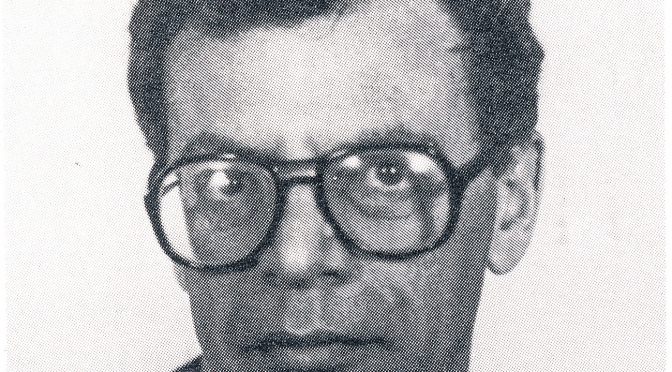
IMC Ken Messere OBE (16-iv-1928 31-iii-2005)

The quality of my chess in the 1965-68 World Championship was much inferior. The tournament began disastrously. I went in for three losing variations as Black and made a suicidal clerical error in the opening so that after 3 months I had four losses from four games. Later, there were compensations. I won against V. Zagarovsky, the reigning world champion (the third annotated game) and obtained just (but only just) the necessary 33.3% per cent to obtain the correspondence chess international master title. For this I needed a win and draw from my last two games which
after 3.5 years, had to be adjudicated.

Fortunately, the win and draw were relatively clear, though this would not have been so a few moves earlier. An an illustration of how the threat of adjudication breeds irrationality, Diagram II gives the closing stages of my win against J.Estrin of the USSR – a more recent correspondence chess world champion. My only other game against a world champion was against the winner of this tournament, Hans Berliner of the United States, with whom I collaborated on a book of the tournament. The collaboration was stimulating but not without friction, since I had to write 75 per cent of the book to see it ever finished. It took a year to complete, 3 years to appear (published by BCM) but in the end was well-reviewed, sold over 2000 copies and royalties are still (gently) drifting in.
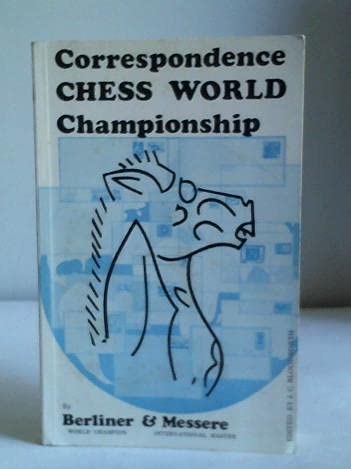
The Fifth Correspondence Chess World Championship, Hans Berliner & Ken Messere, British Chess Magazine, BCM Quarterly Nunber 14, 5th December 1971, ISBN 978-0-900846-05-2.


In the early seventies, in order to reduce numbers of games, I retreated altogether from individual tournaments, just playing twice for England in the Olympiads. Whether team play did not suit my style, or whether my technique had improved but imagination withered, I drew nine of my seventeen games from the two tournaments, winning four and losing four. As England looked likely to aspire to medals for the first time ever, my 50 per cent would not help matters and I gladly retreated to first reserve, which to my dismay required taking over five unfinished games of Hugh Alexander, who died during the tournament, and who, for me, has always been England’s most attractive player and writer. My most uncomfortable decision in correspondence chess was a rejection of Hugh’s intended continuation in one of these games, {Diagram III). Of these five games, I lost one and drew four and England won a bronze medal.

In 1974 was invited to compete in the Potter Memorial Tournament of four postal grandmasters and nine international masters. After so many years of responsible’ team chess for England, I went beserk and sacrificed a pawn in ten of the twelve games, trying later to salvage inferior end-games. Result 33 % per cent. B. H. Wood invited me to write a book of the tournament, to which a number of the players contributed and this was published in 1979.
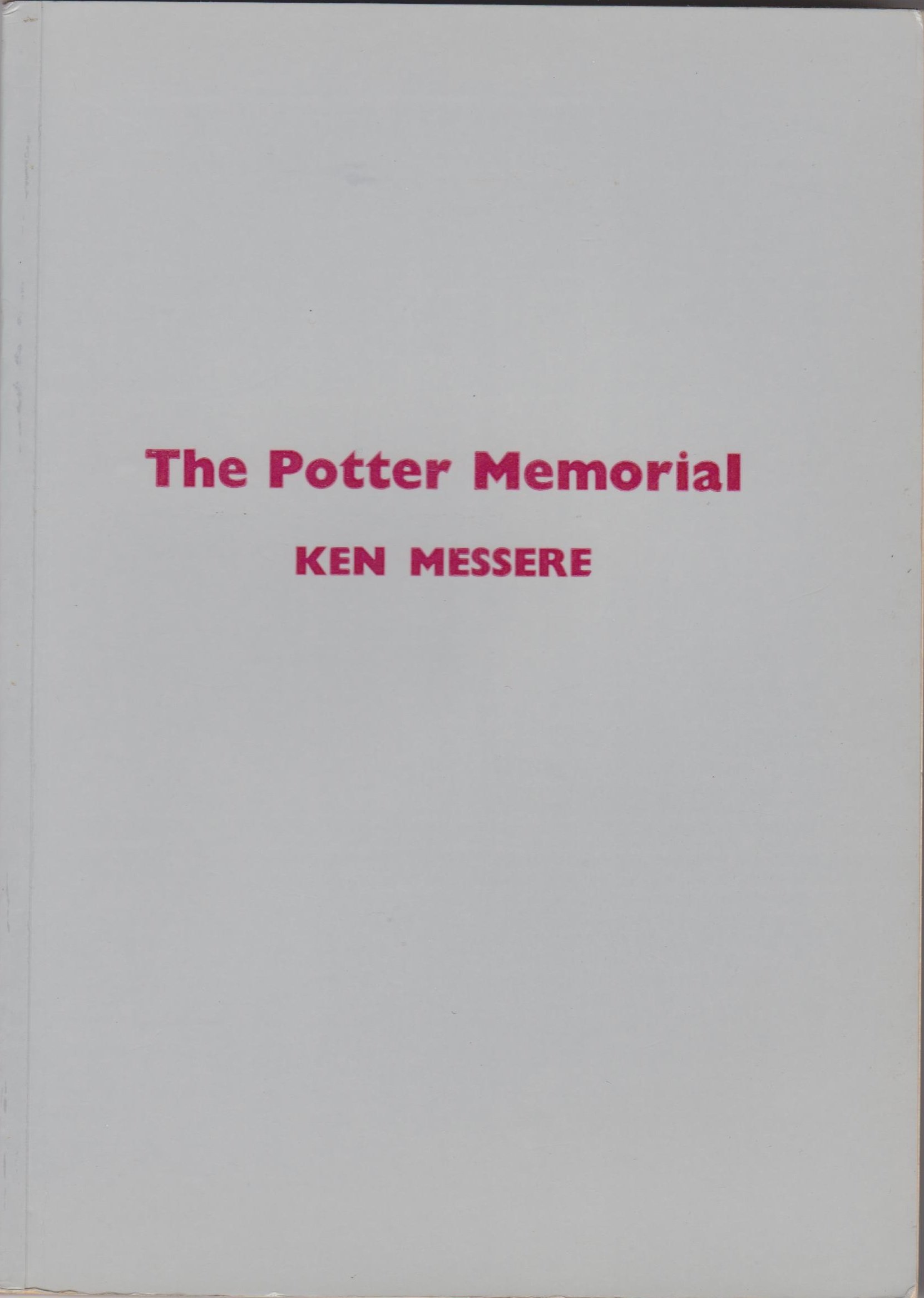
The Potter Memorial, Ken Messere, CHESS (Sutton Coldfield), 1975

Also in 1979 I began to play in another invitation tournament of thirteen players organised by the Australian Correspondence Chess League, which became a memorial to CJS Purdy, its president and the first world postal champion, who died soon after the tournament began. At the time of writing, this tournament, comprising four grandmasters (including one former world champion and two runners-up) and eight international masters, is still in its early stages.”

From British Chess Magazine, Volume CXXV (125, 2005), Number 5 (May), page 226 we have this obituary:

“Kenneth Charles Messere (16 iv 1928, Richmond – 31 iii 2005, Paris) was one of Britain’s strongest correspondence players (he held the correspondence IM title) and well-known author of books on the subject. After graduating from Oxford University, Ken Messere went to HM Customs and Excise, and thence to the Organisation for Economic Development (OECD) where he became head of the fiscal affairs division and a world expert on fiscal law. He reached the final of 1965-8 world correspondence championship, beating world champions Zagorovsky and Estrin, and wrote the book of the tournament with Hans Berliner (published by BCM)”

From The Potter Memorial by Ken Messere, CHESS (Sutton Coldfield), “Chess for Modern Times” Series, 1975 we have this potted biography:

“Compiler of this book, took 3rd place in 1957 and 2nd in 1968 in the championship of the Postal Chess Club. Scores of 4.5 out of 6 in the ICCF Masters 1957-8 and 4/6 in the 1959-61 Championship took him to victory with 11/5 out of 13 in the 1961-3 semi-finals, securing him his first international master norm and qualifying him for the 5th World Championship 1964-7 in which he scored 5.5, just enough for the IM title, with wins over Zagorovsky, then world champion and Estrin, world champion now. Ken Messere collaborated with Berliner, who won it, in a book on the tournament.

He then switched to play exclusively as a member of the British Olympiad team, taking over 2nd board when Alexander died.

The switch back from rather cautious team play to enterprising individual games in 1974-7 provides some of the subject matter of this book.”
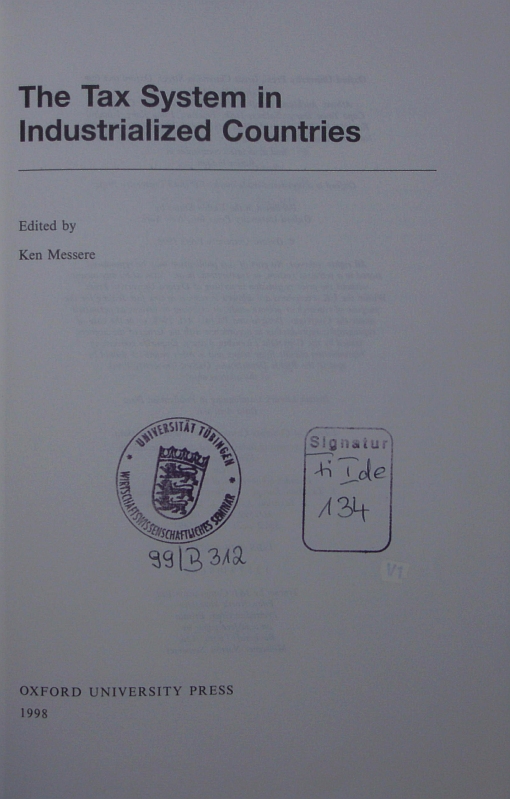
 

The Tax System in Industrialized Countries, Ken Messere, Oxford University Press, 1998, ISBN 10: 1982933135 / ISBN 13: 9781982933135

Death Anniversary of IMC Ken Messere OBE (16-iv-1928 31-iii-2005)

BCN remembers Ken Messere who passed away on Thursday, March 31st 2005 aged 76 in Paris-16E-Arrondissement, Paris, France.

Kenneth Charles Messere was born on Monday, April 16th, 1928 in Richmond-on-Thames, Surrey. His father was Charles (George) Messere (1901-1974) or Eisenberg and aged 26. His mother was Gertrude Marie Newman (1899-1978) and aged 29.

Ken had three siblings: Barbara Marie Messere (1930–2005), Hugh Martin Messere (1932–1985) and Derek R Messere (1934–2012)

Ken attended St. Peter’s College, Oxford from 1946 – 1951 to read philosophy and is reported in the 1951 St. Edmund Hall Magazine, as a member of the Trillick (debating) Society as follows:

‘ That this House would rather be a live Communist than
a dead Democrat.’ The proposer established to his own satisfaction that democracy was founded on ‘selfishness, capitalism and bourgeois hypocrisy.’ He did not satisfy J. F. R. Bonguard of St. Peter’s Hall who opposed, using arguments taken from Hindu philosophy. K. C. Messere of St. Peter’s Hall, spoke third and added some able arguments.

In June 1954 Ken married Mary Elizabeth Humphrey (1929-2003) in Ealing. They had a son Miles Jonathan Messere born in 1964 who passed away in 1965.

Prior the time of his passing his wife Mary was living at 142B, Herbert Road, Woolwich, London, SE18 3PU.

In 1991 he was awarded the OBE (Civil Division) in the Queen’s Birthday honours list. The citation reads: Kenneth Charles Messere, lately Head of Fiscal Affairs Division, OECD, Paris.

Ken appears each year from 1953 to 1967 in the noted publication Britain, Royal And Imperial Calendars the function of which is to list entries for those engaged in UK public service. He worked for HM Customs and Excise. Prompted by this we consulted the venerable A History of Chess in the English Civil Service by Kevin Thurlow (Conrad Press, 2021) on page 447 and found

“He played for Customs. In 1964, he went to work for the Organisation for Economic Cooperation and Development and was head of fiscal affairs from 1971 – 1991. In 1954 he began playing postal chess and became a leading player. He won a semi-final of the 5th World Correspondence Championship (1961 – 64) and became the first English player to compete in a World Championship Final.”

There are 31 games listed at his personal entry at chessgames.com starting with games from 1965.

Chessbase’s Correspondence Database 2020 records 69 games the earliest being from 1958 listing Ken’s federation as being France.

From British Chess (Pergamon Press, 1983) we have this lengthy contribution from Ken himself:

“Between the ages of 6, when I learnt to play and 23 (ed: 1951), when I ceased to be a student, chess had a relatively low priority among various time-competing interests and activities, so I never got around to studying theory. Things changed when I became a civil servant and needed a replacement for philosophy as an intellectually absorbing subject which could be argued about with friends over beers, and for the next 12 years chess became my main interest.

Since 1964 I have been working for the OECD in Paris, where my friends are not chess enthusiasts and, although chess remains a major pleasure, my commitment to it has lessened. Nowadays, out-side correspondence chess, I play only occasional blitz games.

Coming late to serious chess has probably had at least some influence on my deficiencies and stylistic preferences. The deficiencies include an inability to visualize ahead with sufficient clarity to support accurate analysis, slow sight of the board which leads to silly errors through time trouble or failing stamina and less familiarity with theory than my better opponents. As to chess style, I have had to play romantically and subjectively to get good results.

If a game takes the form of a clear-cut position, where strategical objectives are clear and superior technique prevails, then mine generally does not. Consequently I have tended to play either sharp gambits or counter-gambits or to try to render the position sufficiently obscure for imagination and intuition to assume maximum importance. In keeping, my chess heroes have been Alekhine, Bronstein and Tal who revel in fantasy, however much Alekhine may claim that it is logically based.

When I took up competitive chess seriously in 1952, I made some progress and won a few minor tournaments, but in view of the defects already mentioned, it soon became clear that my potential for improvement was limited and that nearly all my games were aesthetically flawed. Fortunately, these defects represent no great handicap at correspondence chess, where I found myself pleased with a reasonable proportion of the game I played, and in addition, capable on the day (or more accurately over the years) of winning against almost anyone. Thus, against world champions I have two wins and one loss, (see below). I also have 80 per cent from five games against Russian grandmasters, even if a meagre 28 per cent from my eighteen games against all correspondence grandmasters. In 1954 when I began playing postal chess competitively, I did sufficiently well in a few British Postal tournaments to be accepted at a reasonably high level in the official international tournaments.

Not without luck (see Diagram l), I secured the 75 per cent necessary in two seven-player tournaments to qualify for the fourteen player preliminaries, the winner of which was to qualify for the following world championship. In the 1961-64 preliminaries, I played the best chess of my life, including valid opening innovations, imaginative pawn and piece sacrifices and even a technically efficient win in a queen and pawn end-game. I won the tournament with eleven wins, one draw and one loss, 1.5 points ahead of Maly of Czechoslovakia and two points ahead of Masseev, the Russian favourite, thereby obtaining my first norm towards the International Master title. My first annotated game is the win against Maly (ed: to be inserted once we have tracked down the game score!) which was typical stylistically and also crucial, since if he had won it, he would have qualified for the World Championship instead of me: the second against Bartha of the United States is the most compulsive and difficult tactical game I have ever played, the last five moves alone requiring over 100 hours of analysis.

IMC Ken Messere OBE (16-iv-1928 31-iii-2005)

The quality of my chess in the 1965-68 World Championship was much inferior. The tournament began disastrously. I went in for three losing variations as Black and made a suicidal clerical error in the opening so that after 3 months I had four losses from four games. Later, there were compensations. I won against V. Zagarovsky, the reigning world champion (the third annotated game) and obtained just (but only just) the necessary 33.3% per cent to obtain the correspondence chess international master title. For this I needed a win and draw from my last two games which
after 3.5 years, had to be adjudicated.

Fortunately, the win and draw were relatively clear, though this would not have been so a few moves earlier. An an illustration of how the threat of adjudication breeds irrationality, Diagram II gives the closing stages of my win against J.Estrin of the USSR – a more recent correspondence chess world champion. My only other game against a world champion was against the winner of this tournament, Hans Berliner of the United States, with whom I collaborated on a book of the tournament. The collaboration was stimulating but not without friction, since I had to write 75 per cent of the book to see it ever finished. It took a year to complete, 3 years to appear (published by BCM) but in the end was well-reviewed, sold over 2000 copies and royalties are still (gently) drifting in.

The Fifth Correspondence Chess World Championship, Hans Berliner & Ken Messere, British Chess Magazine, BCM Quarterly Nunber 14, 5th December 1971, ISBN 978-0-900846-05-2.


In the early seventies, in order to reduce numbers of games, I retreated altogether from individual tournaments, just playing twice for England in the Olympiads. Whether team play did not suit my style, or whether my technique had improved but imagination withered, I drew nine of my seventeen games from the two tournaments, winning four and losing four. As England looked likely to aspire to medals for the first time ever, my 50 per cent would not help matters and I gladly retreated to first reserve, which to my dismay required taking over five unfinished games of Hugh Alexander, who died during the tournament, and who, for me, has always been England’s most attractive player and writer. My most uncomfortable decision in correspondence chess was a rejection of Hugh’s intended continuation in one of these games, {Diagram III). Of these five games, I lost one and drew four and England won a bronze medal.

In 1974 was invited to compete in the Potter Memorial Tournament of four postal grandmasters and nine international masters. After so many years of responsible’ team chess for England, I went beserk and sacrificed a pawn in ten of the twelve games, trying later to salvage inferior end-games. Result 33 % per cent. B. H. Wood invited me to write a book of the tournament, to which a number of the players contributed and this was published in 1979.

The Potter Memorial, Ken Messere, CHESS (Sutton Coldfield), 1975

Also in 1979 I began to play in another invitation tournament of thirteen players organised by the Australian Correspondence Chess League, which became a memorial to CJS Purdy, its president and the first world postal champion, who died soon after the tournament began. At the time of writing, this tournament, comprising four grandmasters (including one former world champion and two runners-up) and eight international masters, is still in its early stages.”

From British Chess Magazine, Volume CXXV (125, 2005), Number 5 (May), page 226 we have this obituary:

“Kenneth Charles Messere (16 iv 1928, Richmond – 31 iii 2005, Paris) was one of Britain’s strongest correspondence players (he held the correspondence IM title) and well-known author of books on the subject. After graduating from Oxford University, Ken Messere went to HM Customs and Excise, and thence to the Organisation for Economic Development (OECD) where he became head of the fiscal affairs division and a world expert on fiscal law. He reached the final of 1965-8 world correspondence championship, beating world champions Zagorovsky and Estrin, and wrote the book of the tournament with Hans Berliner (published by BCM)”

From The Potter Memorial by Ken Messere, CHESS (Sutton Coldfield), “Chess for Modern Times” Series, 1975 we have this potted biography:

“Compiler of this book, took 3rd place in 1957 and 2nd in 1968 in the championship of the Postal Chess Club. Scores of 4.5 out of 6 in the ICCF Masters 1957-8 and 4/6 in the 1959-61 Championship took him to victory with 11/5 out of 13 in the 1961-3 semi-finals, securing him his first international master norm and qualifying him for the 5th World Championship 1964-7 in which he scored 5.5, just enough for the IM title, with wins over Zagorovsky, then world champion and Estrin, world champion now. Ken Messere collaborated with Berliner, who won it, in a book on the tournament.

He then switched to play exclusively as a member of the British Olympiad team, taking over 2nd board when Alexander died.

The switch back from rather cautious team play to enterprising individual games in 1974-7 provides some of the subject matter of this book.”

 

The Tax System in Industrialized Countries, Ken Messere, Oxford University Press, 1998, ISBN 10: 1982933135 / ISBN 13: 9781982933135

Death Anniversary of IMC Ken Messere OBE (16-iv-1928 31-iii-2005)

BCN remembers Ken Messere who passed away on Thursday, March 31st 2005 aged 76 in Paris-16E-Arrondissement, Paris, France.

Kenneth Charles Messere was born on Monday, April 16th, 1928 in Richmond-on-Thames, Surrey. His father was Charles (George) Messere (1901-1974) or Eisenberg and aged 26. His mother was Gertrude Marie Newman (1899-1978) and aged 29.

Ken had three siblings: Barbara Marie Messere (1930–2005), Hugh Martin Messere (1932–1985) and Derek R Messere (1934–2012)

Ken attended St. Peter’s College, Oxford from 1946 – 1951 to read philosophy and is reported in the 1951 St. Edmund Hall Magazine, as a member of the Trillick (debating) Society as follows:

‘ That this House would rather be a live Communist than
a dead Democrat.’ The proposer established to his own satisfaction that democracy was founded on ‘selfishness, capitalism and bourgeois hypocrisy.’ He did not satisfy J. F. R. Bonguard of St. Peter’s Hall who opposed, using arguments taken from Hindu philosophy. K. C. Messere of St. Peter’s Hall, spoke third and added some able arguments.

In June 1954 Ken married Mary Elizabeth Humphrey (1929-2003) in Ealing. They had a son Miles Jonathan Messere born in 1964 who passed away in 1965.

Prior the time of his passing his wife Mary was living at 142B, Herbert Road, Woolwich, London, SE18 3PU.

In 1991 he was awarded the OBE (Civil Division) in the Queen’s Birthday honours list. The citation reads: Kenneth Charles Messere, lately Head of Fiscal Affairs Division, OECD, Paris.

Ken appears each year from 1953 to 1967 in the noted publication Britain, Royal And Imperial Calendars the function of which is to list entries for those engaged in UK public service. He worked for HM Customs and Excise. Prompted by this we consulted the venerable A History of Chess in the English Civil Service by Kevin Thurlow (Conrad Press, 2021) on page 447 and found

“He played for Customs. In 1964, he went to work for the Organisation for Economic Cooperation and Development and was head of fiscal affairs from 1971 – 1991. In 1954 he began playing postal chess and became a leading player. He won a semi-final of the 5th World Correspondence Championship (1961 – 64) and became the first English player to compete in a World Championship Final.”

There are 31 games listed at his personal entry at chessgames.com starting with games from 1965.

Chessbase’s Correspondence Database 2020 records 69 games the earliest being from 1958 listing Ken’s federation as being France.

From British Chess (Pergamon Press, 1983) we have this lengthy contribution from Ken himself:

“Between the ages of 6, when I learnt to play and 23 (ed: 1951), when I ceased to be a student, chess had a relatively low priority among various time-competing interests and activities, so I never got around to studying theory. Things changed when I became a civil servant and needed a replacement for philosophy as an intellectually absorbing subject which could be argued about with friends over beers, and for the next 12 years chess became my main interest.

Since 1964 I have been working for the OECD in Paris, where my friends are not chess enthusiasts and, although chess remains a major pleasure, my commitment to it has lessened. Nowadays, out-side correspondence chess, I play only occasional blitz games.

Coming late to serious chess has probably had at least some influence on my deficiencies and stylistic preferences. The deficiencies include an inability to visualize ahead with sufficient clarity to support accurate analysis, slow sight of the board which leads to silly errors through time trouble or failing stamina and less familiarity with theory than my better opponents. As to chess style, I have had to play romantically and subjectively to get good results.

If a game takes the form of a clear-cut position, where strategical objectives are clear and superior technique prevails, then mine generally does not. Consequently I have tended to play either sharp gambits or counter-gambits or to try to render the position sufficiently obscure for imagination and intuition to assume maximum importance. In keeping, my chess heroes have been Alekhine, Bronstein and Tal who revel in fantasy, however much Alekhine may claim that it is logically based.

When I took up competitive chess seriously in 1952, I made some progress and won a few minor tournaments, but in view of the defects already mentioned, it soon became clear that my potential for improvement was limited and that nearly all my games were aesthetically flawed. Fortunately, these defects represent no great handicap at correspondence chess, where I found myself pleased with a reasonable proportion of the game I played, and in addition, capable on the day (or more accurately over the years) of winning against almost anyone. Thus, against world champions I have two wins and one loss, (see below). I also have 80 per cent from five games against Russian grandmasters, even if a meagre 28 per cent from my eighteen games against all correspondence grandmasters. In 1954 when I began playing postal chess competitively, I did sufficiently well in a few British Postal tournaments to be accepted at a reasonably high level in the official international tournaments.

Not without luck (see Diagram l), I secured the 75 per cent necessary in two seven-player tournaments to qualify for the fourteen player preliminaries, the winner of which was to qualify for the following world championship. In the 1961-64 preliminaries, I played the best chess of my life, including valid opening innovations, imaginative pawn and piece sacrifices and even a technically efficient win in a queen and pawn end-game. I won the tournament with eleven wins, one draw and one loss, 1.5 points ahead of Maly of Czechoslovakia and two points ahead of Masseev, the Russian favourite, thereby obtaining my first norm towards the International Master title. My first annotated game is the win against Maly (ed: to be inserted once we have tracked down the game score!) which was typical stylistically and also crucial, since if he had won it, he would have qualified for the World Championship instead of me: the second against Bartha of the United States is the most compulsive and difficult tactical game I have ever played, the last five moves alone requiring over 100 hours of analysis.

IMC Ken Messere OBE (16-iv-1928 31-iii-2005)

The quality of my chess in the 1965-68 World Championship was much inferior. The tournament began disastrously. I went in for three losing variations as Black and made a suicidal clerical error in the opening so that after 3 months I had four losses from four games. Later, there were compensations. I won against V. Zagarovsky, the reigning world champion (the third annotated game) and obtained just (but only just) the necessary 33.3% per cent to obtain the correspondence chess international master title. For this I needed a win and draw from my last two games which
after 3.5 years, had to be adjudicated.

Fortunately, the win and draw were relatively clear, though this would not have been so a few moves earlier. An an illustration of how the threat of adjudication breeds irrationality, Diagram II gives the closing stages of my win against J.Estrin of the USSR – a more recent correspondence chess world champion. My only other game against a world champion was against the winner of this tournament, Hans Berliner of the United States, with whom I collaborated on a book of the tournament. The collaboration was stimulating but not without friction, since I had to write 75 per cent of the book to see it ever finished. It took a year to complete, 3 years to appear (published by BCM) but in the end was well-reviewed, sold over 2000 copies and royalties are still (gently) drifting in.

The Fifth Correspondence Chess World Championship, Hans Berliner & Ken Messere, British Chess Magazine, BCM Quarterly Nunber 14, 5th December 1971, ISBN 978-0-900846-05-2.


In the early seventies, in order to reduce numbers of games, I retreated altogether from individual tournaments, just playing twice for England in the Olympiads. Whether team play did not suit my style, or whether my technique had improved but imagination withered, I drew nine of my seventeen games from the two tournaments, winning four and losing four. As England looked likely to aspire to medals for the first time ever, my 50 per cent would not help matters and I gladly retreated to first reserve, which to my dismay required taking over five unfinished games of Hugh Alexander, who died during the tournament, and who, for me, has always been England’s most attractive player and writer. My most uncomfortable decision in correspondence chess was a rejection of Hugh’s intended continuation in one of these games, {Diagram III). Of these five games, I lost one and drew four and England won a bronze medal.

In 1974 was invited to compete in the Potter Memorial Tournament of four postal grandmasters and nine international masters. After so many years of responsible’ team chess for England, I went beserk and sacrificed a pawn in ten of the twelve games, trying later to salvage inferior end-games. Result 33 % per cent. B. H. Wood invited me to write a book of the tournament, to which a number of the players contributed and this was published in 1979.

The Potter Memorial, Ken Messere, CHESS (Sutton Coldfield), 1975

Also in 1979 I began to play in another invitation tournament of thirteen players organised by the Australian Correspondence Chess League, which became a memorial to CJS Purdy, its president and the first world postal champion, who died soon after the tournament began. At the time of writing, this tournament, comprising four grandmasters (including one former world champion and two runners-up) and eight international masters, is still in its early stages.”

From British Chess Magazine, Volume CXXV (125, 2005), Number 5 (May), page 226 we have this obituary:

“Kenneth Charles Messere (16 iv 1928, Richmond – 31 iii 2005, Paris) was one of Britain’s strongest correspondence players (he held the correspondence IM title) and well-known author of books on the subject. After graduating from Oxford University, Ken Messere went to HM Customs and Excise, and thence to the Organisation for Economic Development (OECD) where he became head of the fiscal affairs division and a world expert on fiscal law. He reached the final of 1965-8 world correspondence championship, beating world champions Zagorovsky and Estrin, and wrote the book of the tournament with Hans Berliner (published by BCM)”

From The Potter Memorial by Ken Messere, CHESS (Sutton Coldfield), “Chess for Modern Times” Series, 1975 we have this potted biography:

“Compiler of this book, took 3rd place in 1957 and 2nd in 1968 in the championship of the Postal Chess Club. Scores of 4.5 out of 6 in the ICCF Masters 1957-8 and 4/6 in the 1959-61 Championship took him to victory with 11/5 out of 13 in the 1961-3 semi-finals, securing him his first international master norm and qualifying him for the 5th World Championship 1964-7 in which he scored 5.5, just enough for the IM title, with wins over Zagorovsky, then world champion and Estrin, world champion now. Ken Messere collaborated with Berliner, who won it, in a book on the tournament.

He then switched to play exclusively as a member of the British Olympiad team, taking over 2nd board when Alexander died.

The switch back from rather cautious team play to enterprising individual games in 1974-7 provides some of the subject matter of this book.”
 

The Tax System in Industrialized Countries, Ken Messere, Oxford University Press, 1998, ISBN 10: 1982933135 / ISBN 13: 9781982933135

Death Anniversary of IMC Ken Messere OBE (16-iv-1928 31-iii-2005)

BCN remembers Ken Messere who passed away on Thursday, March 31st 2005 aged 76 in Paris-16E-Arrondissement, Paris, France.

Kenneth Charles Messere was born on Monday, April 16th, 1928 in Richmond-on-Thames, Surrey. His father was Charles (George) Messere (1901-1974) or Eisenberg and aged 26. His mother was Gertrude Marie Newman (1899-1978) and aged 29.

Ken had three siblings: Barbara Marie Messere (1930–2005), Hugh Martin Messere (1932–1985) and Derek R Messere (1934–2012)

Ken attended St. Peter’s College, Oxford from 1946 – 1951 to read philosophy and is reported in the 1951 St. Edmund Hall Magazine, as a member of the Trillick (debating) Society as follows:

‘ That this House would rather be a live Communist than
a dead Democrat.’ The proposer established to his own satisfaction that democracy was founded on ‘selfishness, capitalism and bourgeois hypocrisy.’ He did not satisfy J. F. R. Bonguard of St. Peter’s Hall who opposed, using arguments taken from Hindu philosophy. K. C. Messere of St. Peter’s Hall, spoke third and added some able arguments.

In June 1954 Ken married Mary Elizabeth Humphrey (1929-2003) in Ealing. They had a son Miles Jonathan Messere born in 1964 who passed away in 1965.

Prior the time of his passing his wife Mary was living at 142B, Herbert Road, Woolwich, London, SE18 3PU.

In 1991 he was awarded the OBE (Civil Division) in the Queen’s Birthday honours list. The citation reads: Kenneth Charles Messere, lately Head of Fiscal Affairs Division, OECD, Paris.

Ken appears each year from 1953 to 1967 in the noted publication Britain, Royal And Imperial Calendars the function of which is to list entries for those engaged in UK public service. He worked for HM Customs and Excise. Prompted by this we consulted the venerable A History of Chess in the English Civil Service by Kevin Thurlow (Conrad Press, 2021) on page 447 and found

“He played for Customs. In 1964, he went to work for the Organisation for Economic Cooperation and Development and was head of fiscal affairs from 1971 – 1991. In 1954 he began playing postal chess and became a leading player. He won a semi-final of the 5th World Correspondence Championship (1961 – 64) and became the first English player to compete in a World Championship Final.”

There are 31 games listed at his personal entry at chessgames.com starting with games from 1965.

Chessbase’s Correspondence Database 2020 records 69 games the earliest being from 1958 listing Ken’s federation as being France.

From British Chess (Pergamon Press, 1983) we have this lengthy contribution from Ken himself:

“Between the ages of 6, when I learnt to play and 23 (ed: 1951), when I ceased to be a student, chess had a relatively low priority among various time-competing interests and activities, so I never got around to studying theory. Things changed when I became a civil servant and needed a replacement for philosophy as an intellectually absorbing subject which could be argued about with friends over beers, and for the next 12 years chess became my main interest.

Since 1964 I have been working for the OECD in Paris, where my friends are not chess enthusiasts and, although chess remains a major pleasure, my commitment to it has lessened. Nowadays, out-side correspondence chess, I play only occasional blitz games.

Coming late to serious chess has probably had at least some influence on my deficiencies and stylistic preferences. The deficiencies include an inability to visualize ahead with sufficient clarity to support accurate analysis, slow sight of the board which leads to silly errors through time trouble or failing stamina and less familiarity with theory than my better opponents. As to chess style, I have had to play romantically and subjectively to get good results.

If a game takes the form of a clear-cut position, where strategical objectives are clear and superior technique prevails, then mine generally does not. Consequently I have tended to play either sharp gambits or counter-gambits or to try to render the position sufficiently obscure for imagination and intuition to assume maximum importance. In keeping, my chess heroes have been Alekhine, Bronstein and Tal who revel in fantasy, however much Alekhine may claim that it is logically based.

When I took up competitive chess seriously in 1952, I made some progress and won a few minor tournaments, but in view of the defects already mentioned, it soon became clear that my potential for improvement was limited and that nearly all my games were aesthetically flawed. Fortunately, these defects represent no great handicap at correspondence chess, where I found myself pleased with a reasonable proportion of the game I played, and in addition, capable on the day (or more accurately over the years) of winning against almost anyone. Thus, against world champions I have two wins and one loss, (see below). I also have 80 per cent from five games against Russian grandmasters, even if a meagre 28 per cent from my eighteen games against all correspondence grandmasters. In 1954 when I began playing postal chess competitively, I did sufficiently well in a few British Postal tournaments to be accepted at a reasonably high level in the official international tournaments.

Not without luck (see Diagram l), I secured the 75 per cent necessary in two seven-player tournaments to qualify for the fourteen player preliminaries, the winner of which was to qualify for the following world championship. In the 1961-64 preliminaries, I played the best chess of my life, including valid opening innovations, imaginative pawn and piece sacrifices and even a technically efficient win in a queen and pawn end-game. I won the tournament with eleven wins, one draw and one loss, 1.5 points ahead of Maly of Czechoslovakia and two points ahead of Masseev, the Russian favourite, thereby obtaining my first norm towards the International Master title. My first annotated game is the win against Maly (ed: to be inserted once we have tracked down the game score!) which was typical stylistically and also crucial, since if he had won it, he would have qualified for the World Championship instead of me: the second against Bartha of the United States is the most compulsive and difficult tactical game I have ever played, the last five moves alone requiring over 100 hours of analysis.

IMC Ken Messere OBE (16-iv-1928 31-iii-2005)

The quality of my chess in the 1965-68 World Championship was much inferior. The tournament began disastrously. I went in for three losing variations as Black and made a suicidal clerical error in the opening so that after 3 months I had four losses from four games. Later, there were compensations. I won against V. Zagarovsky, the reigning world champion (the third annotated game) and obtained just (but only just) the necessary 33.3% per cent to obtain the correspondence chess international master title. For this I needed a win and draw from my last two games which
after 3.5 years, had to be adjudicated.

Fortunately, the win and draw were relatively clear, though this would not have been so a few moves earlier. An an illustration of how the threat of adjudication breeds irrationality, Diagram II gives the closing stages of my win against J.Estrin of the USSR – a more recent correspondence chess world champion. My only other game against a world champion was against the winner of this tournament, Hans Berliner of the United States, with whom I collaborated on a book of the tournament. The collaboration was stimulating but not without friction, since I had to write 75 per cent of the book to see it ever finished. It took a year to complete, 3 years to appear (published by BCM) but in the end was well-reviewed, sold over 2000 copies and royalties are still (gently) drifting in.

The Fifth Correspondence Chess World Championship, Hans Berliner & Ken Messere, British Chess Magazine, BCM Quarterly Nunber 14, 5th December 1971, ISBN 978-0-900846-05-2.


In the early seventies, in order to reduce numbers of games, I retreated altogether from individual tournaments, just playing twice for England in the Olympiads. Whether team play did not suit my style, or whether my technique had improved but imagination withered, I drew nine of my seventeen games from the two tournaments, winning four and losing four. As England looked likely to aspire to medals for the first time ever, my 50 per cent would not help matters and I gladly retreated to first reserve, which to my dismay required taking over five unfinished games of Hugh Alexander, who died during the tournament, and who, for me, has always been England’s most attractive player and writer. My most uncomfortable decision in correspondence chess was a rejection of Hugh’s intended continuation in one of these games, {Diagram III). Of these five games, I lost one and drew four and England won a bronze medal.

In 1974 was invited to compete in the Potter Memorial Tournament of four postal grandmasters and nine international masters. After so many years of responsible’ team chess for England, I went beserk and sacrificed a pawn in ten of the twelve games, trying later to salvage inferior end-games. Result 33 % per cent. B. H. Wood invited me to write a book of the tournament, to which a number of the players contributed and this was published in 1979.

The Potter Memorial, Ken Messere, CHESS (Sutton Coldfield), 1975

Also in 1979 I began to play in another invitation tournament of thirteen players organised by the Australian Correspondence Chess League, which became a memorial to CJS Purdy, its president and the first world postal champion, who died soon after the tournament began. At the time of writing, this tournament, comprising four grandmasters (including one former world champion and two runners-up) and eight international masters, is still in its early stages.”

From British Chess Magazine, Volume CXXV (125, 2005), Number 5 (May), page 226 we have this obituary:

“Kenneth Charles Messere (16 iv 1928, Richmond – 31 iii 2005, Paris) was one of Britain’s strongest correspondence players (he held the correspondence IM title) and well-known author of books on the subject. After graduating from Oxford University, Ken Messere went to HM Customs and Excise, and thence to the Organisation for Economic Development (OECD) where he became head of the fiscal affairs division and a world expert on fiscal law. He reached the final of 1965-8 world correspondence championship, beating world champions Zagorovsky and Estrin, and wrote the book of the tournament with Hans Berliner (published by BCM)”

From The Potter Memorial by Ken Messere, CHESS (Sutton Coldfield), “Chess for Modern Times” Series, 1975 we have this potted biography:

“Compiler of this book, took 3rd place in 1957 and 2nd in 1968 in the championship of the Postal Chess Club. Scores of 4.5 out of 6 in the ICCF Masters 1957-8 and 4/6 in the 1959-61 Championship took him to victory with 11/5 out of 13 in the 1961-3 semi-finals, securing him his first international master norm and qualifying him for the 5th World Championship 1964-7 in which he scored 5.5, just enough for the IM title, with wins over Zagorovsky, then world champion and Estrin, world champion now. Ken Messere collaborated with Berliner, who won it, in a book on the tournament.

He then switched to play exclusively as a member of the British Olympiad team, taking over 2nd board when Alexander died.

The switch back from rather cautious team play to enterprising individual games in 1974-7 provides some of the subject matter of this book.”
 

The Tax System in Industrialized Countries, Ken Messere, Oxford University Press, 1998, ISBN 10: 1982933135 / ISBN 13: 9781982933135

Happy Birthday GM Matthew Wadsworth (27-vi-2000)

BCN wishes GM Matthew Wadsworth Happy Birthday this day (June 27th).

Previously we reported:

IM Matthew Wadsworth, one of England’s most promising young players, has earned his first Grandmaster norm from his excellent performance in the Four Nations Chess League (4NCL). Matthew, who is twenty, has a current FIDE standard play rating of 2413 and is ranked 34th amongst the active players in England (by FIDE rating) earning his FM title in 2016 and IM title in 2019.

Matthew could leapfrog to Grandmaster status with further norms and by increasing his live rating to 2500. The IM title was ratified at the FIDE Congress, 2nd quarter PB 2019, 27-30 June, Baku, Azerbaijan when his live rating had topped 2400.

Matthew with father Jim at the 2012 Surrey Congress

Matthew’s first ECF grade was 66A in 2007 (aged 7) and he played for Maidenhead in local leagues, St. Pirans’s School and then Reading School.

Matthew at the 2013 British Championships in Torquay

Matthew is reading Economics at Queen’s College, Cambridge and rows for the college team.

Matthew joined 4NCL at an early age and played for AMCA (Andrew Martin Chess Academy) soon rising the ranks to the AMCA first team and he currently represents the Guildford 2 team in Division One of the Four Nations Chess League (4NCL). Matthew’s 4NCL results for the 2018-19 season were :

1. Fodor, Tamas Jr, draw
2. Ashton, Adam G, win
3. Gonda, Laszlo, draw
4. Kulon, Klaudia, win
5. Holland, James P, win
6. Stewart, Ashley, win
7. Ledger, Andrew J, win
8. Plat, Vojtech, loss
9. no game
10. Jackson, James P, win
11. no game

giving a performance of 7/9

Matthew at the 2014 British Championships in Aberystwyth

One of the undoubted highlights of Matthews 2018 chess year was his draw with Oxford domiciled GM Hou Yifan, three times Women’s World Champion from China during the annual Varsity match, Matthew representing Cambridge.

Recently Matthew has joined forces with IM Adam C Taylor, IM Ravi Haria and others to form makinggrandmasters.com

FM Matthew J Wadsworth

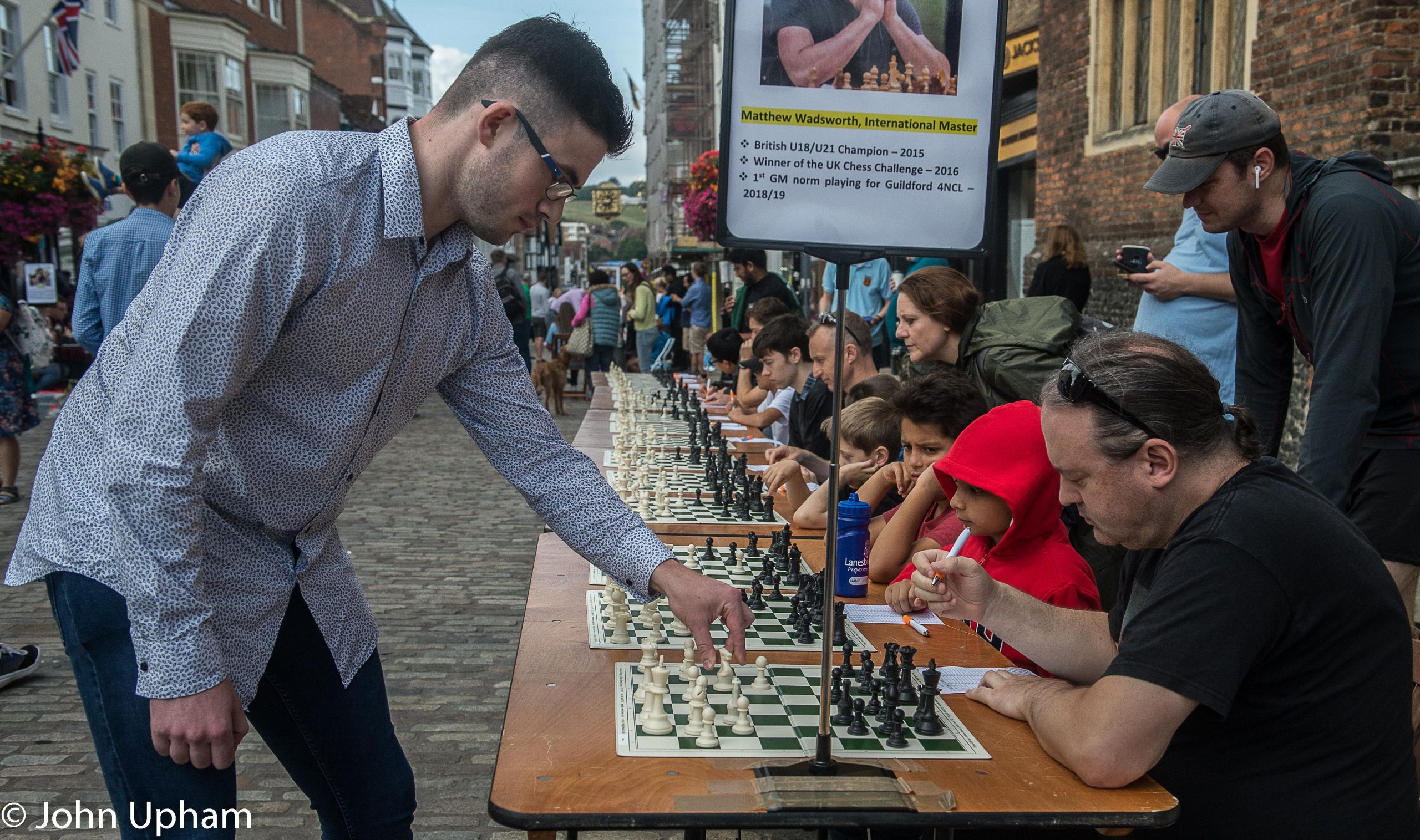
In 2021 Matthew supported Guildford Chess Club in its 125th Anniversary event by being part of the simultaneous display team:

IM Matthew Wadsworth at the Guildford Chess Club 125th Anniversary event on September 11th, 2021. Courtesy of John Upham Photography

Matthew’s GM title was finally confirmed on April 18th 2025 at the 2nd FIDE Council of that year.

Happy Birthday GM Paul Motwani (13-vi-1962)

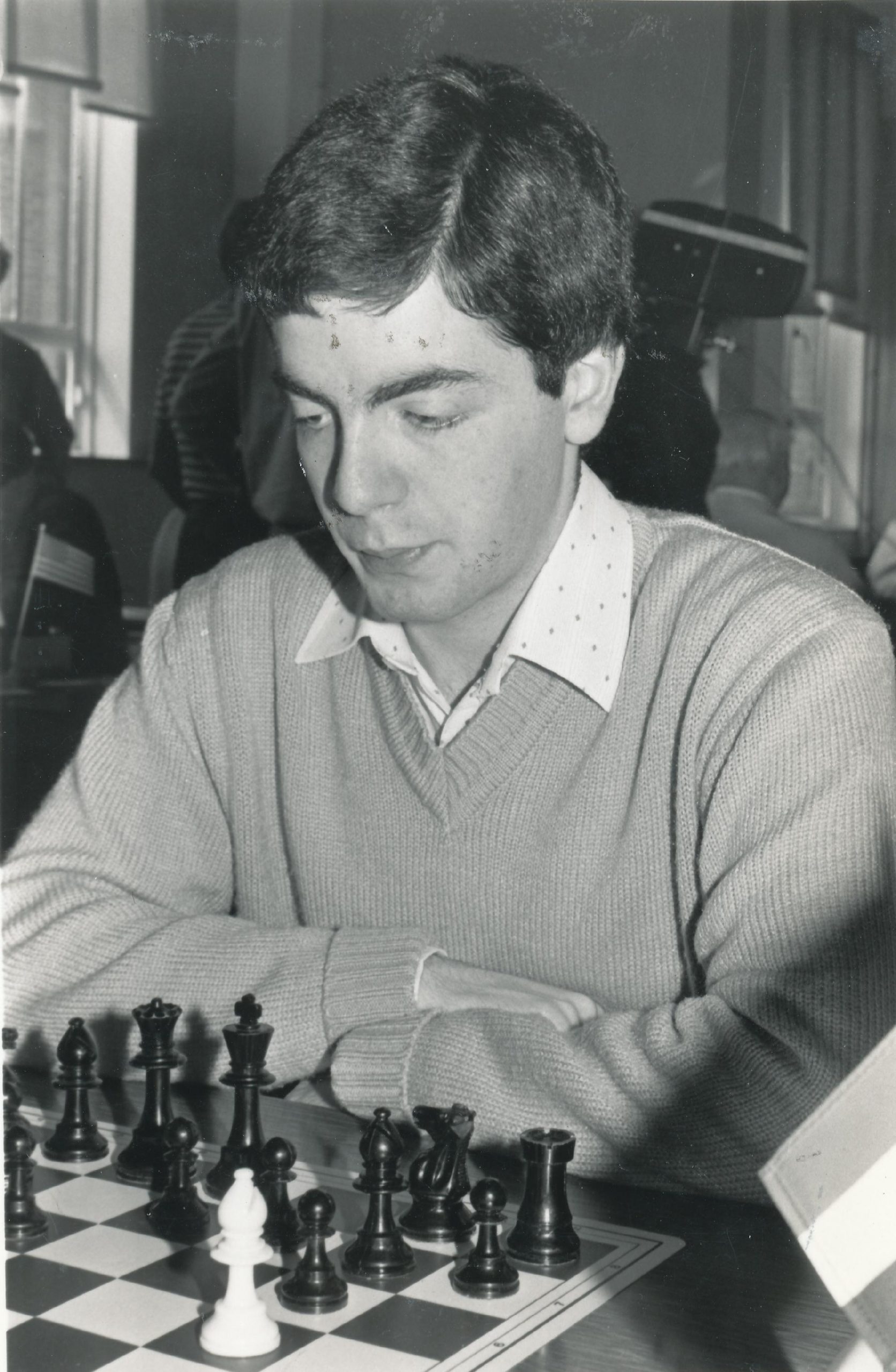
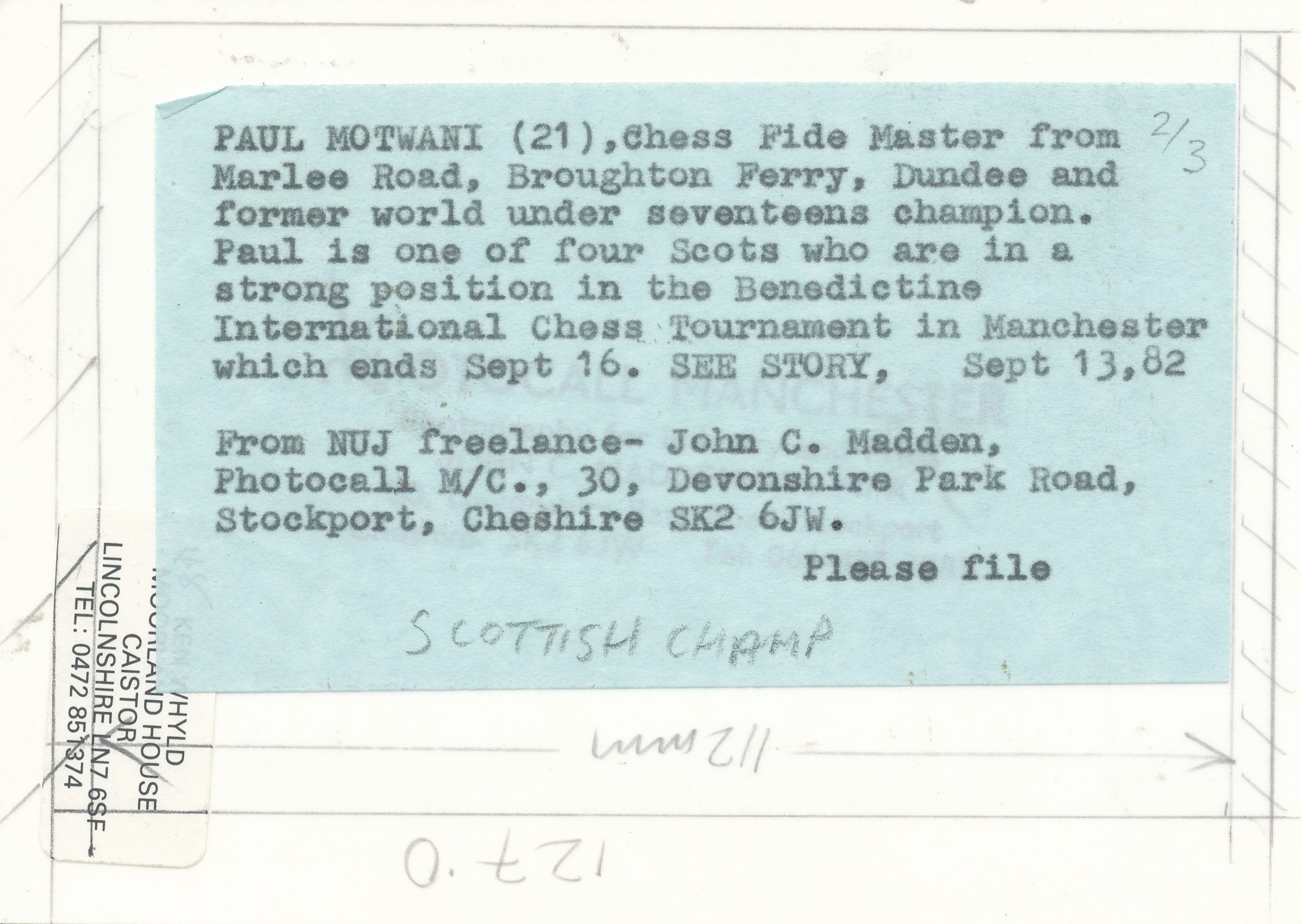
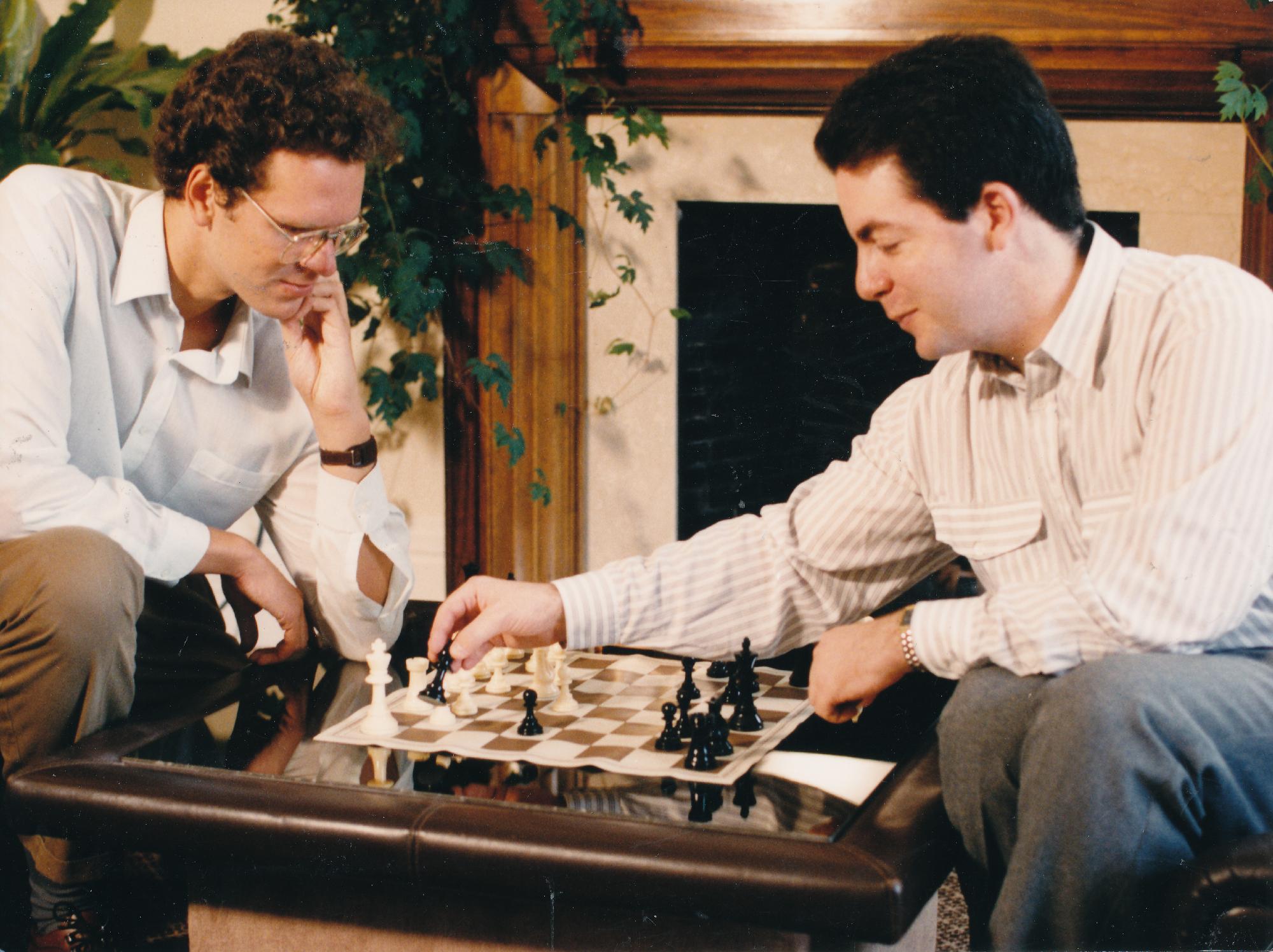
FM Paul Motwani (See full caption in photograph below)
Caption for photograph above

BCN wishes GM Paul Motwani Happy Birthday (13-vi-1962)

Here is his Wikipedia entry

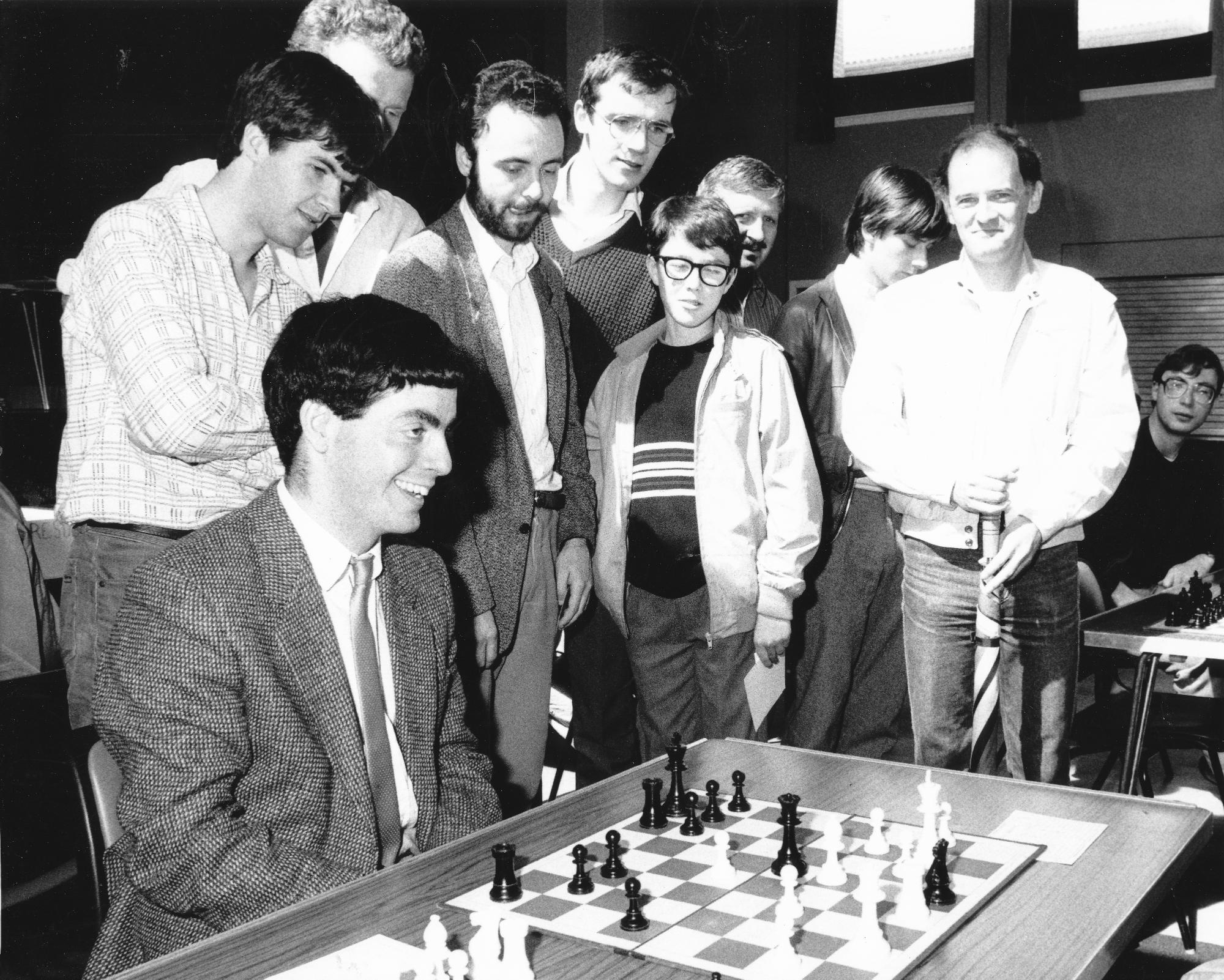
GM Paul Motwani has just played a brutal double check in the 1990 Scottish Lightning Championship. Photograph by Alistair Mulhearn
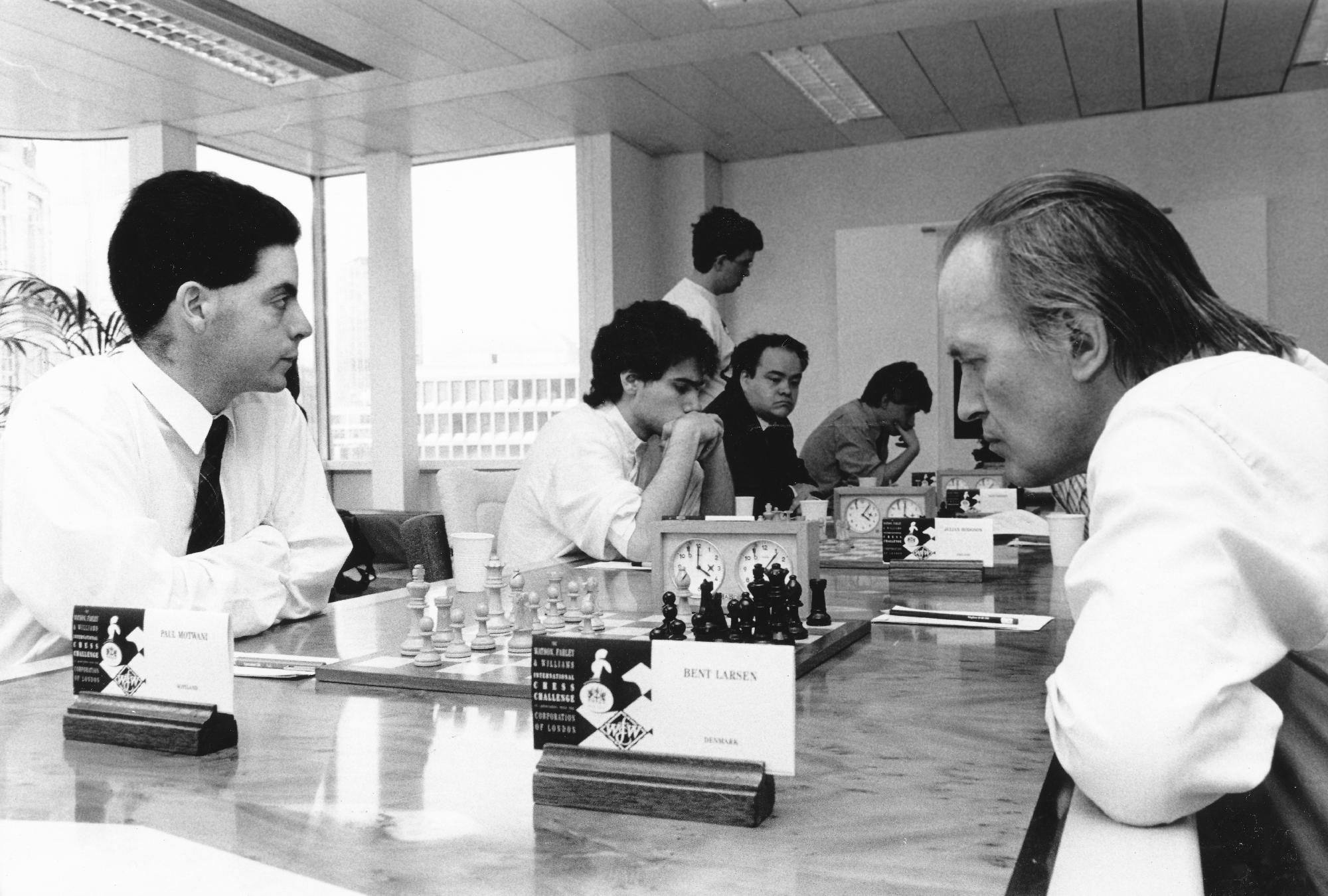
Paul Motwani plays Bent Larsen at the 1990 Watson, Farley and Williams International Chess Challenge. The game was a 3.Lb5 sicilian which was drawn
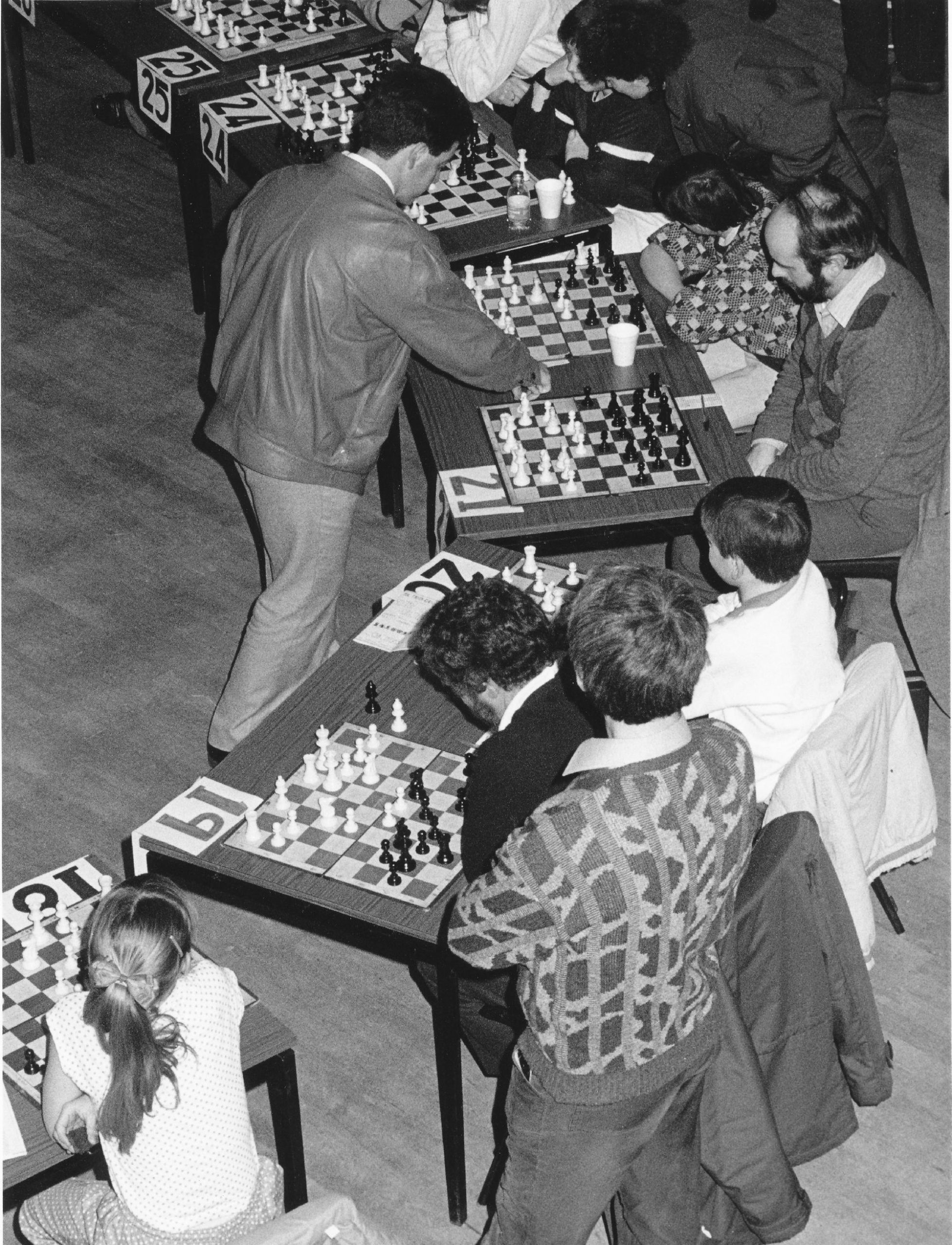
Paul Motwani during a simultaneous display
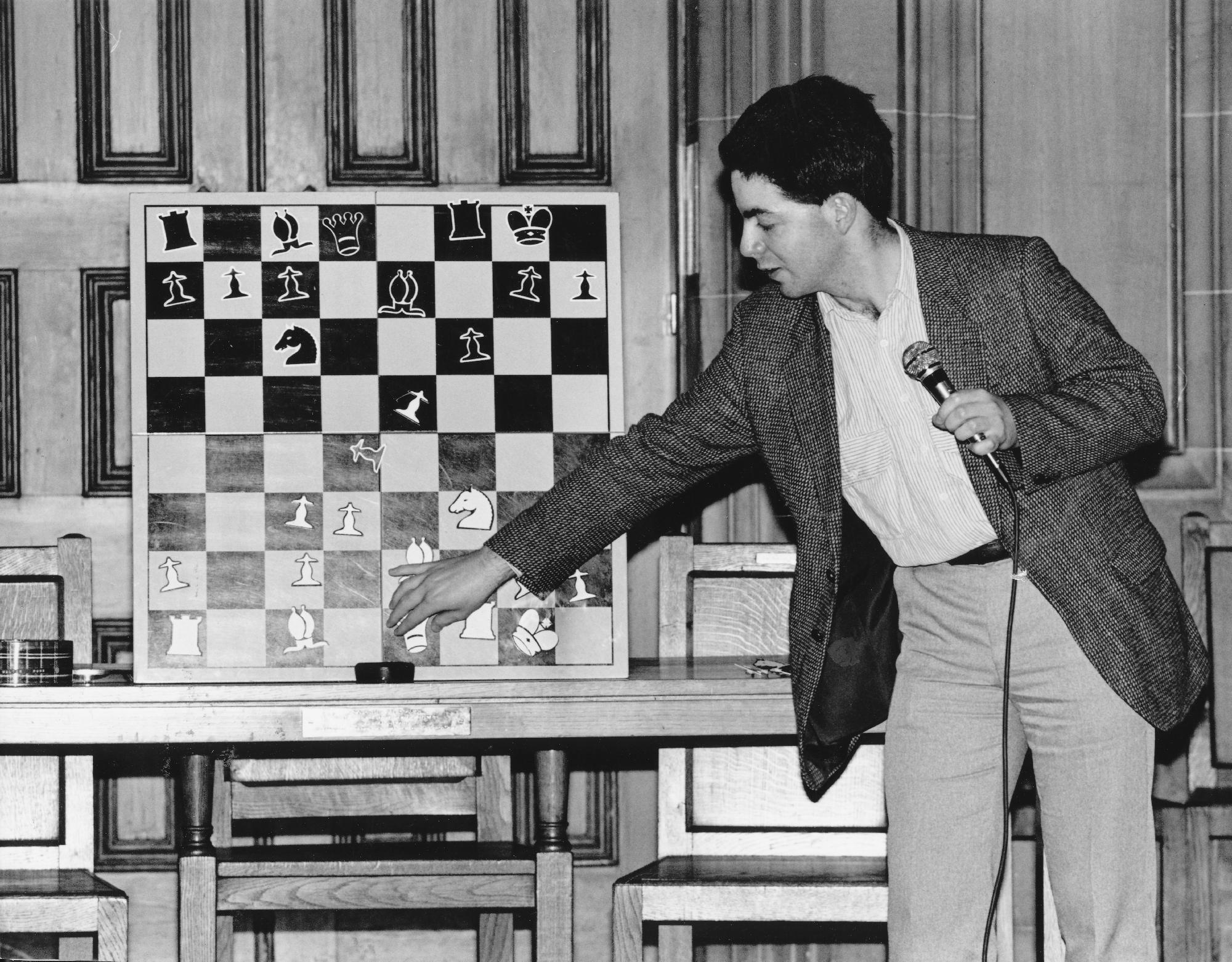
GM Paul Motwani demonstrates one of his games

Colin McNab and Paul Motwani in post mortem analysis
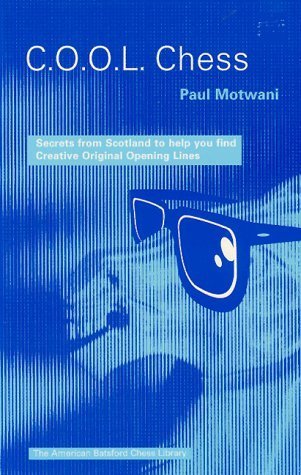
C.O.O.L. Chess
C.O.O.L. Chess
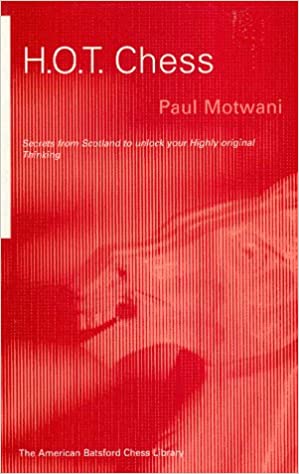
H.O.T. Chess
H.O.T. Chess
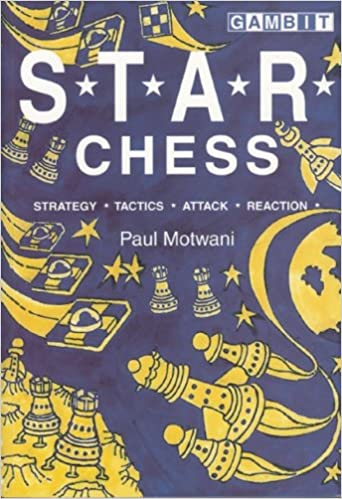
S*T*A*R* Chess
S*T*A*R* Chess
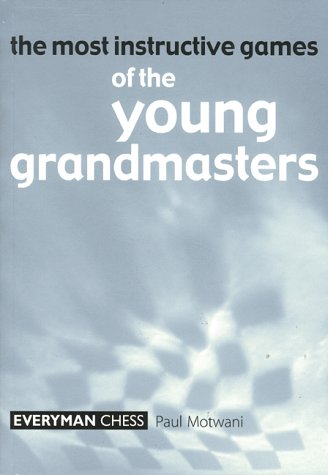
The Most Instructive Games of the Young Grandmasters
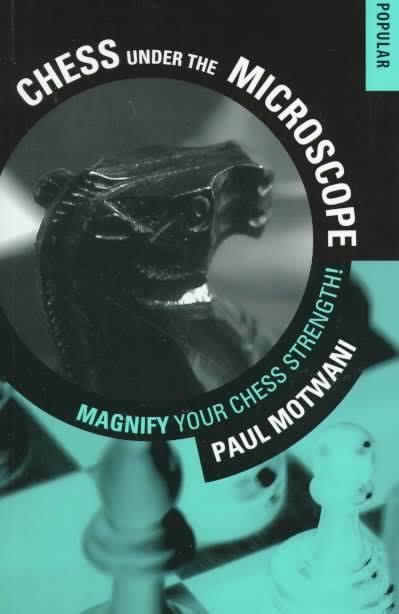
Chess Under the Microscope

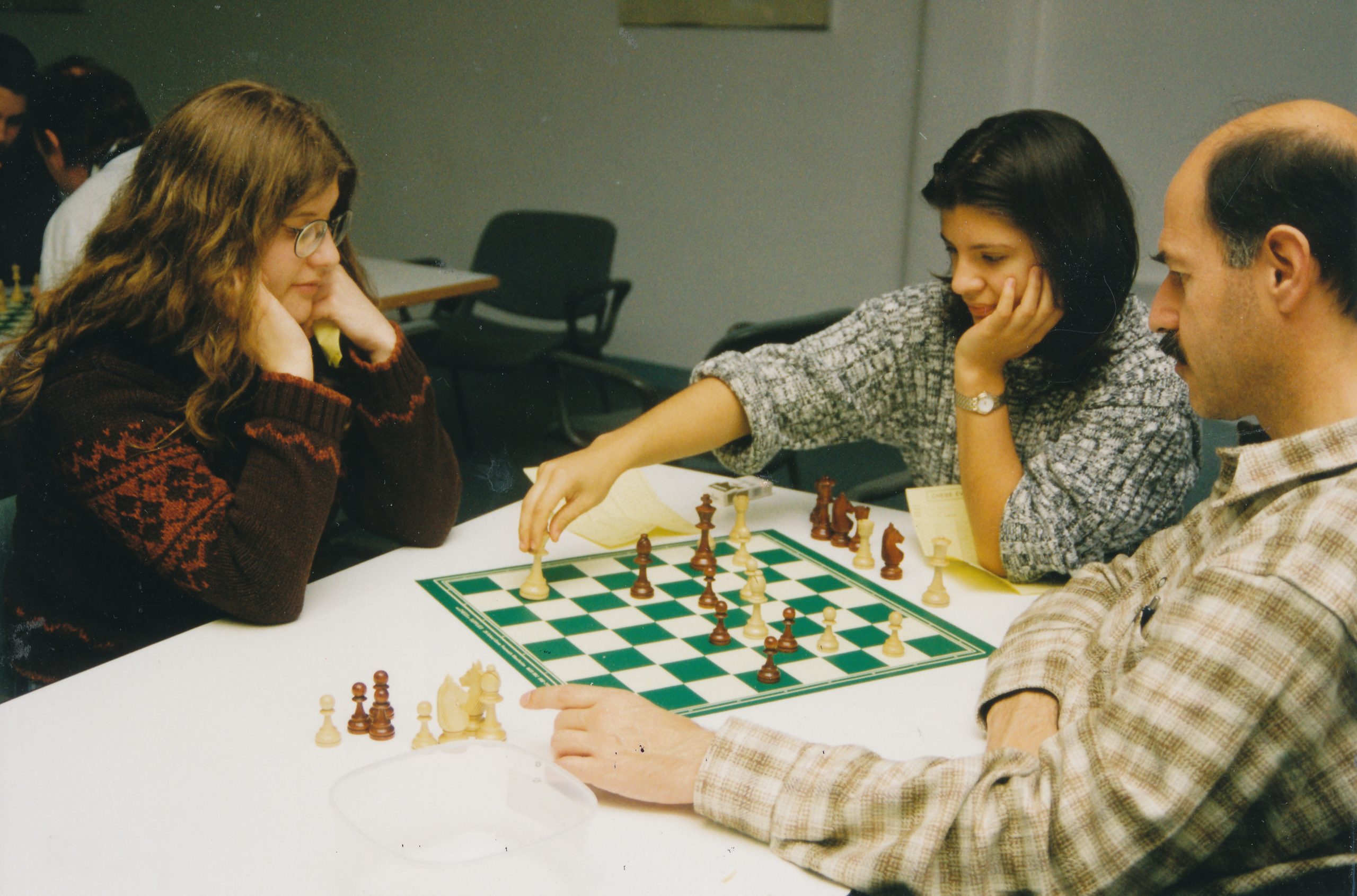
Many Happy Returns IM Jovanka Houska (10-vi-1980)

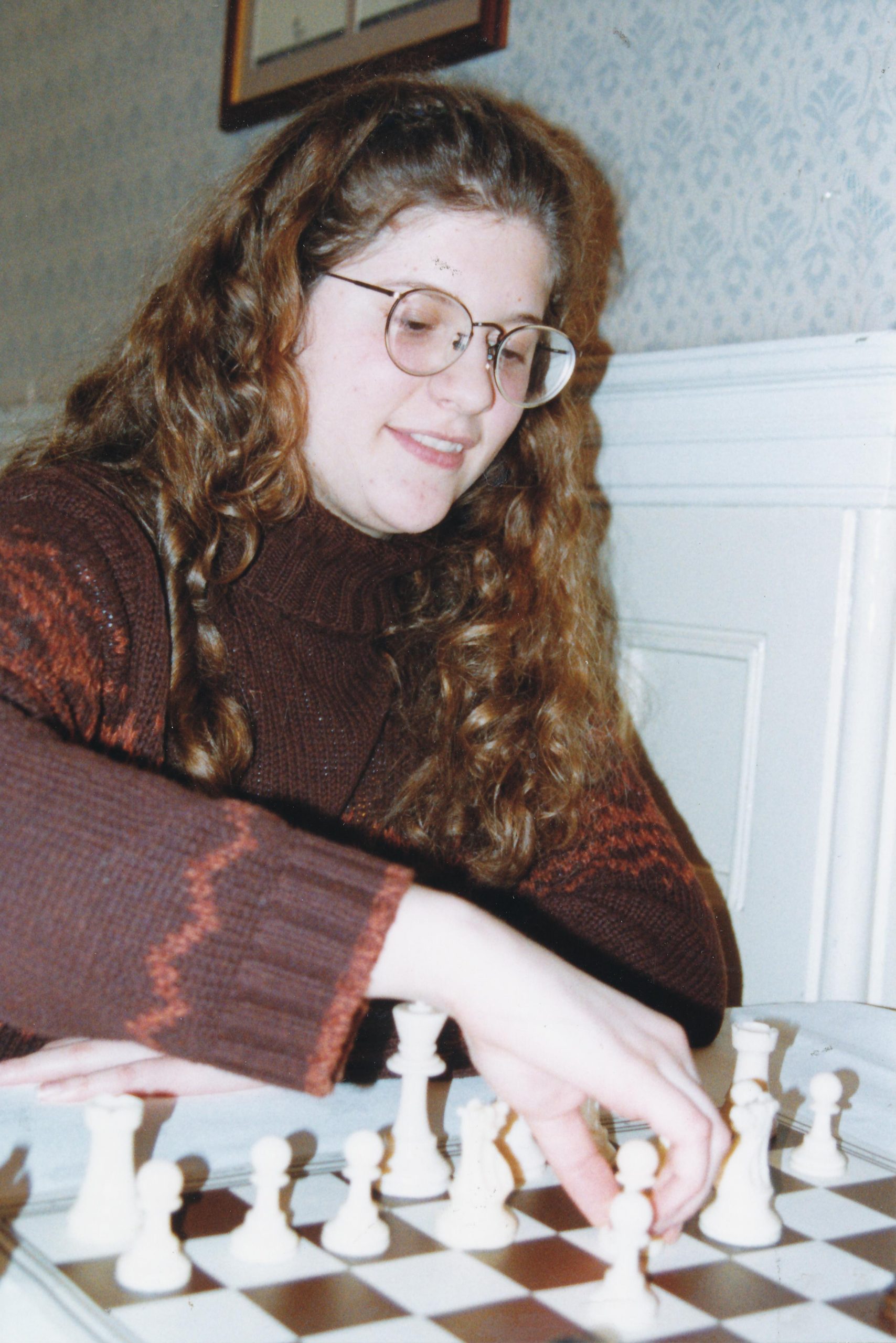
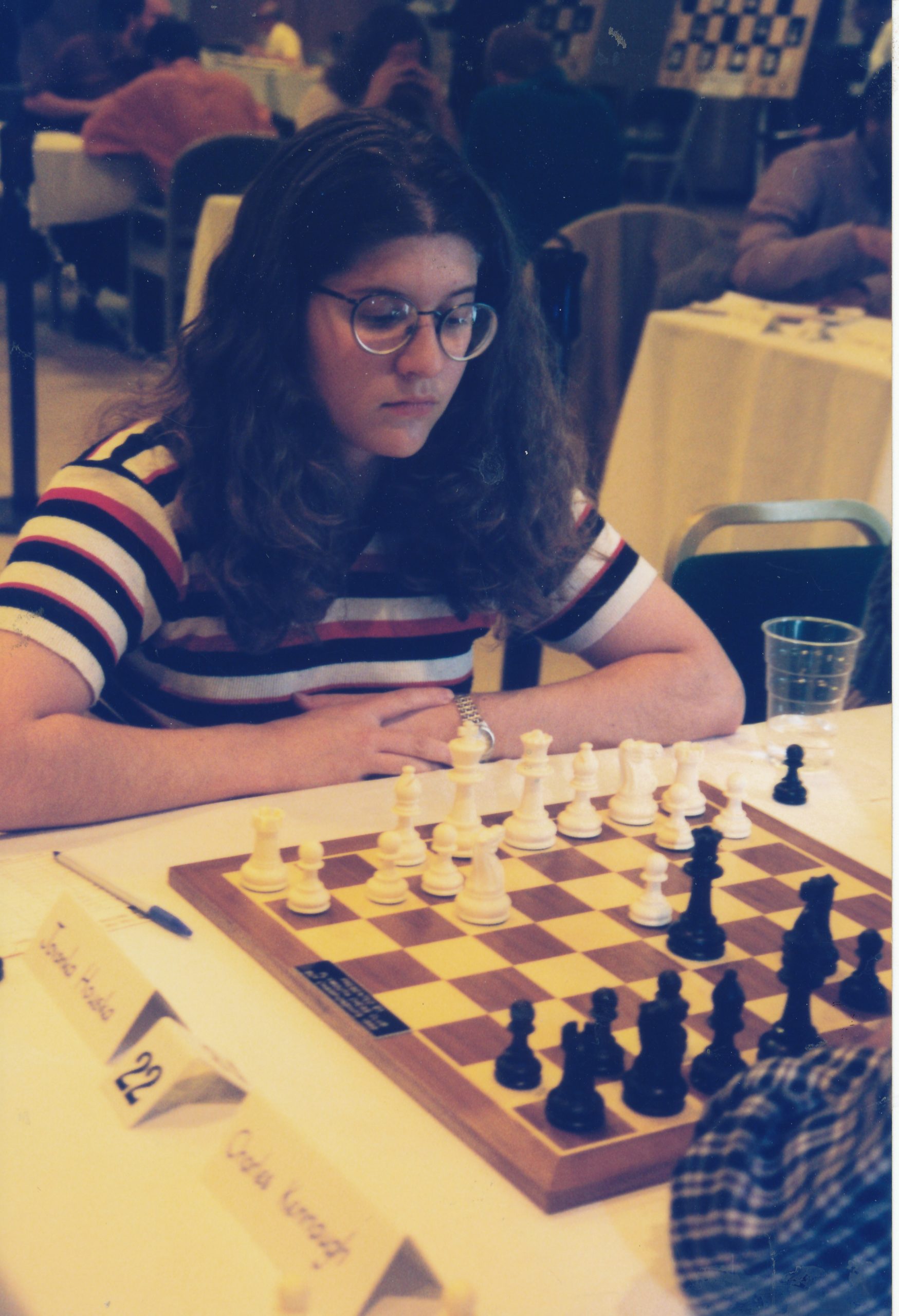
IM Jovanka Houska
IM Jovanka Houska

BCN wishes many Happy Returns to IM Jovanka Houska (10-vi-1980)

From Wikipedia :

Jovanka Houska is an English chess player with the titles International Master (IM) and Woman Grandmaster (WGM). She is an eight-time winner of the British Women’s Chess Championship.

Jovanka Houska, photographer unknown

From Chessgames.com :

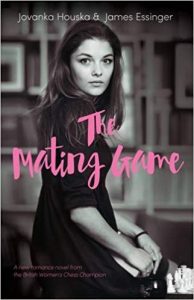
“Jovanka Houska is an English IM and WGM. She is currently the highest-rated woman in England. British women’s champion in 2008, 2009, 2010 and 2011. Her brother is IM Miroslav Houska. She is the author of several books on the Caro-Kann Defense and Scandinavian Defense, and the co-author (with James Essinger) of the novel “The Mating Game.””

Jovanka was born in London and became a Women’s International Master in 1999, a Woman’s Grandmaster in 2000 and an International Master in 2005. Her peak rating was 2443 in July 2010 at the of 30.

Jovanka Houska, photographer unknown

She plays for 4NCL Wood Green and her brother is IM Miroslav Houska. Her father Mario plays for Slough.

Jovanka Houska and family members
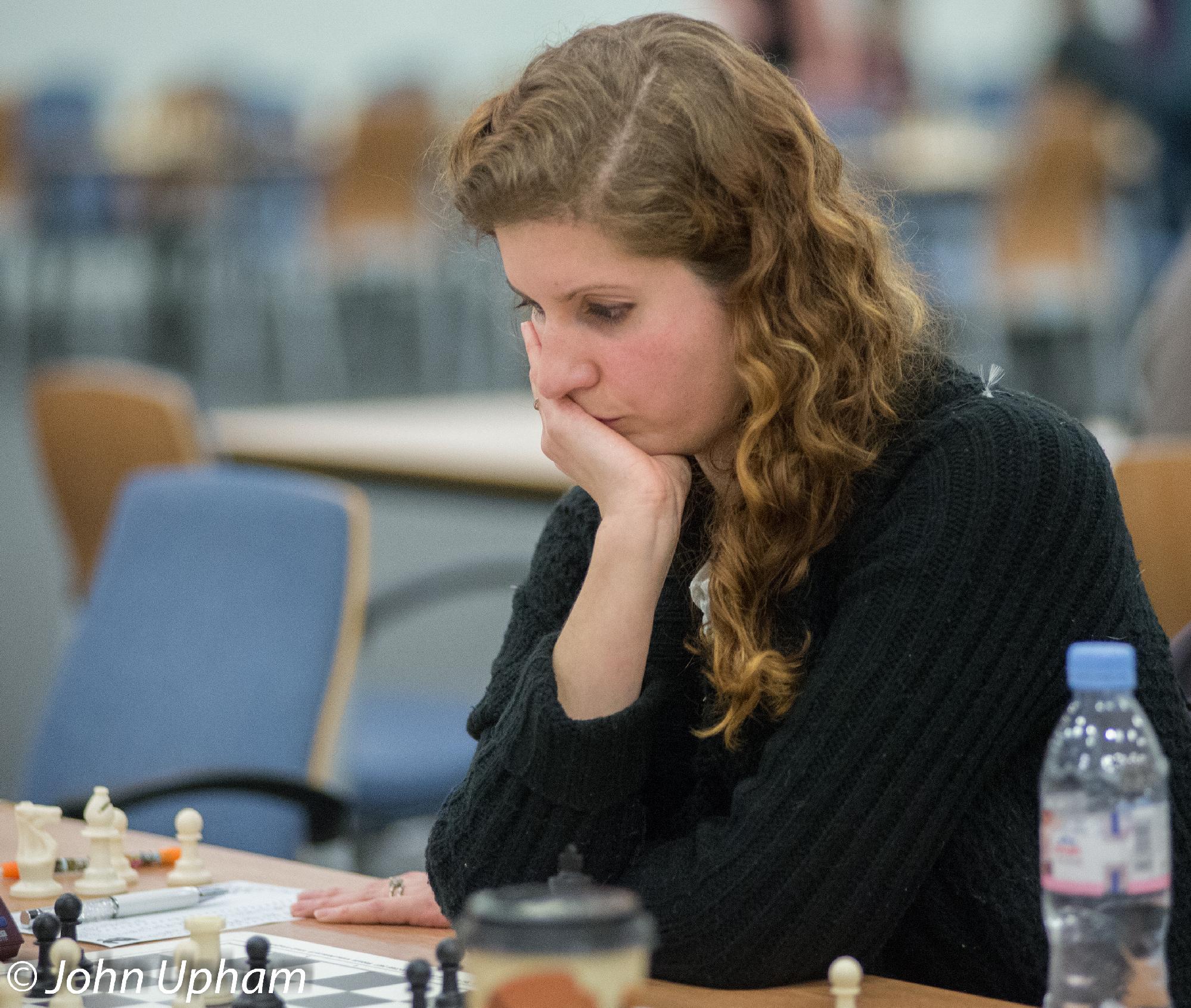
IM Jovanka Houska, courtesy of John Upham Photography

Dangerous Weapons : Caro-Kann
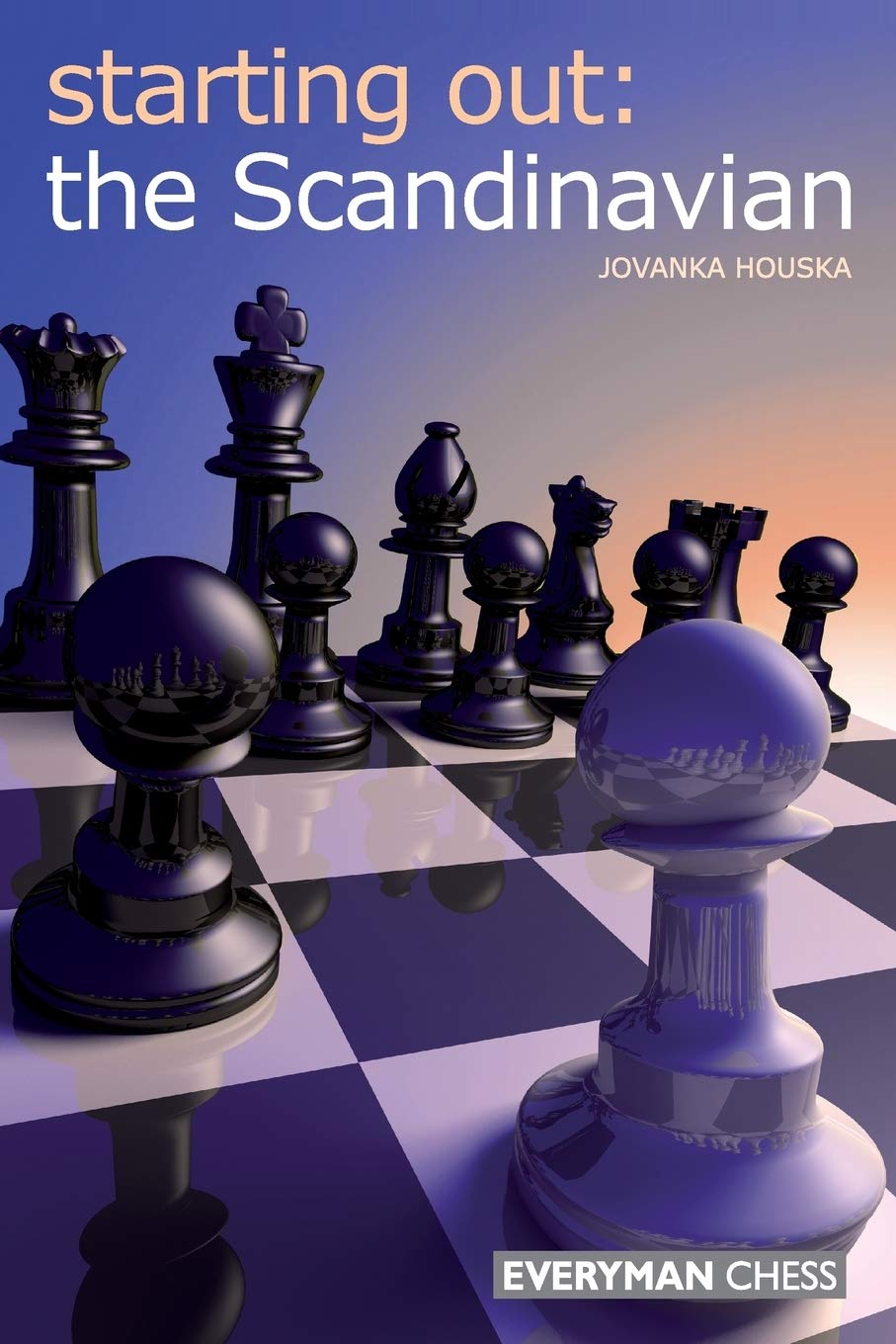
Starting Out : The Scandinavian
Play the Caro-Kann
Play the Caro-Kann
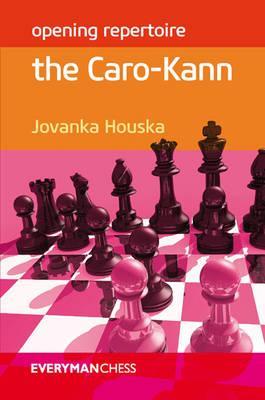
Opening Repertoire : The Caro-Kann
The Mating Game
The Mating Game

IM Jovanka Houska, courtesy of John Upham Photography

Happy Birthday GM Dharshan Kumaran (07-vi-1975)

GM Dharshan Kumaran
GM Dharshan Kumaran

BCN wishes Happy Birthday to GM Dharshan Kumaran (07-vi-1975)

His highest Elo rating was 2505 in January 1995 at the age of 20.

Lawrence Cooper, Demis Hassabis, Cathy Haslinger and Dharshan Kumaran in around 1986. Possibly at a Lloyds Bank event.

From Wikipedia :

Dharshan Kumaran (born 7 June 1975) is an English chess grandmaster.[1] He won the World Under-12 Championship in 1986, the World Under-16 Championship in 1991, and finished 3rd equal in the World Under-20 Championship in 1994. He currently works as a neuroscience research scientist at DeepMind.[2]

GM Dharshan Kumaran
GM Dharshan Kumaran

Happy Birthday GM Jonathan Levitt (03-vi-1963)

GM Jonathan Levitt
GM Jonathan Levitt

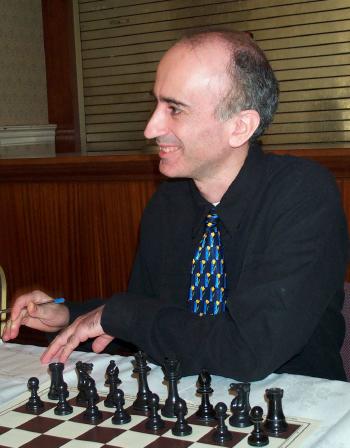
BCN wishes happy birthday to GM Jonathan Paul Levitt (03-vi-1963)

From Wikipedia (Dutch version) :

Jonathan Levitt , Jon, (born in 1963) is a British chess player . In 1984 he became a FIDE International Master and in 1994 a FIDE Grand Master.

GM Jonathan Levitt, photograph by Cathy Rogers

Levitt wrote chess anecdotes on the (no longer existing) chess portal kasparovchess.com . He also has a chess column in “Oxford Today”. Levitt is also known for his talent tests and he is also a chess teacher. Moreover, he is a master in endgame studies. He takes chess photos, some of which can be seen in Wikipedia.

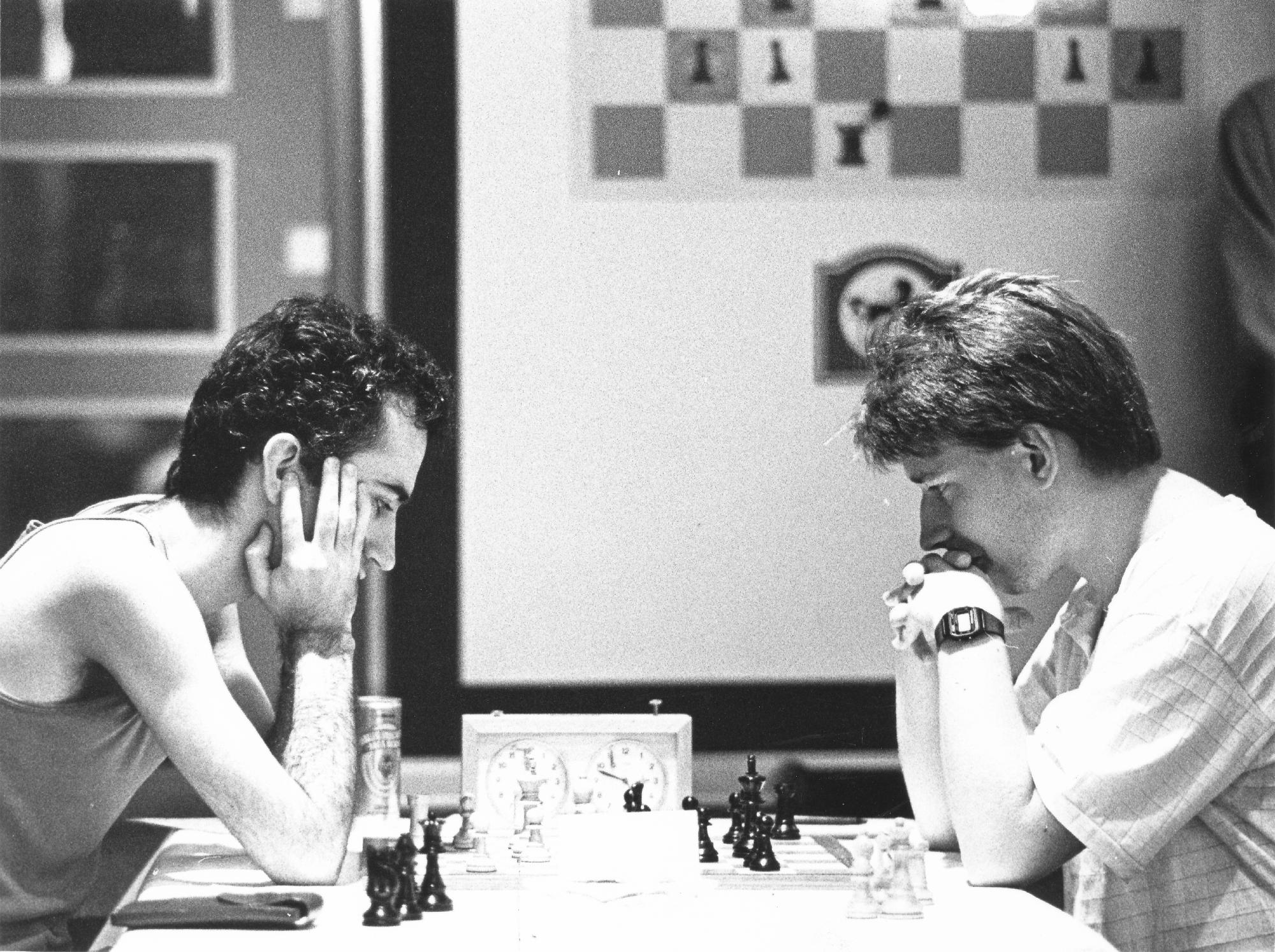
Jonathan Levitt in play with Michael Adams, Lloyds Bank, 1990, Philidor, 1/2-1/2

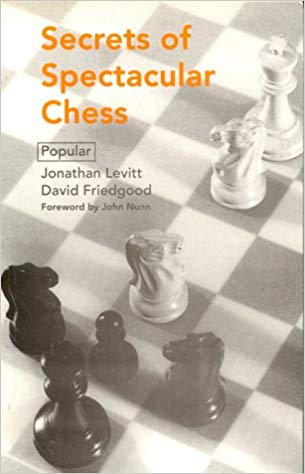
Levitt is also the author of several chess books: “Secrets of Spectacular Chess”, “Genius in Chess”, “Advice on Improving Your Game”. He also makes chess videos for the internet.

From chessgames.com :

“Jonathan Paul Levitt was born in Southwark (London), England. Awarded the IM title in 1984, he is now a GM (1991) and a composer of problems. Winner of the Staunton Memorial in 2005. His notable works as an author include “Secrets of Spectacular Chess” and “Genius in Chess”.”
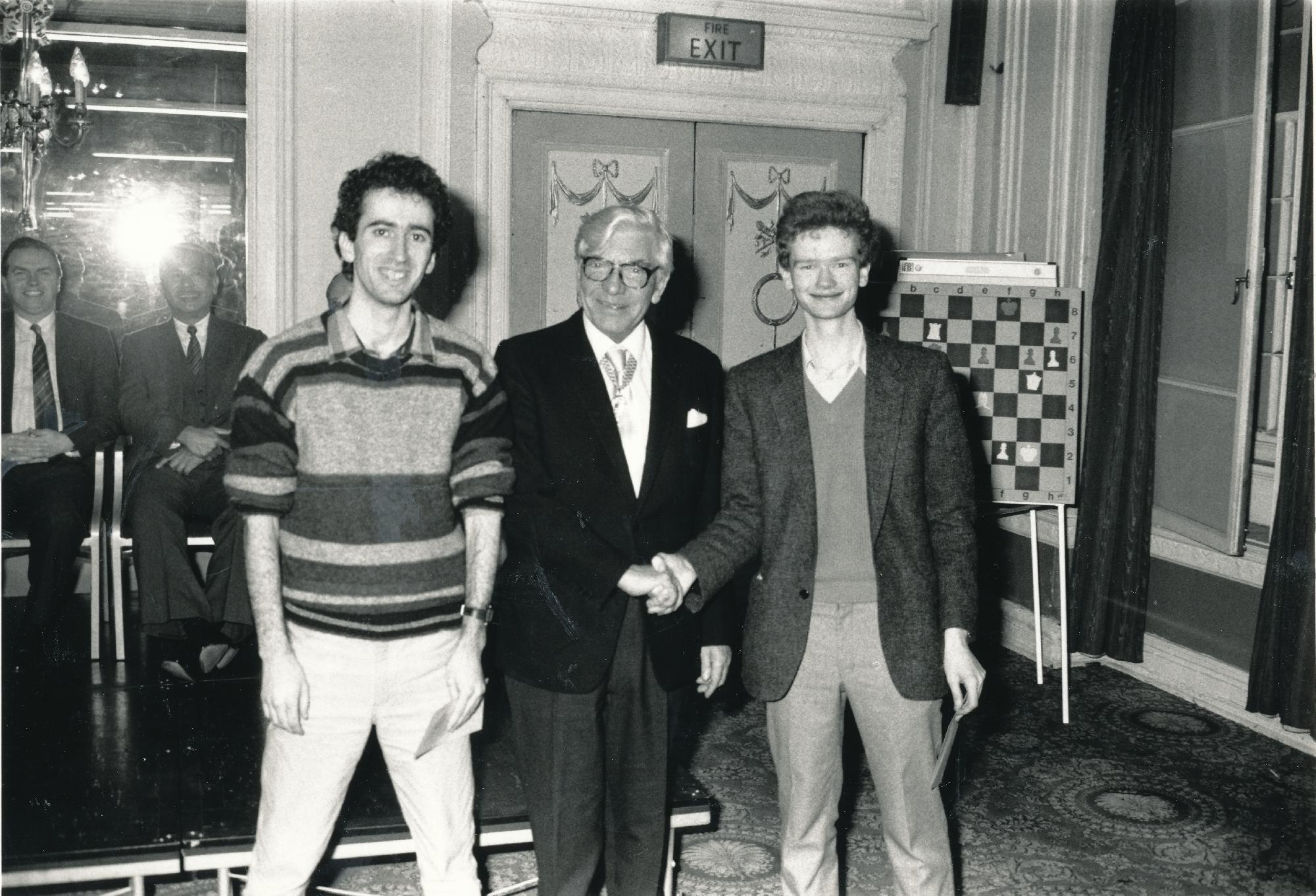
Jonathan achieved a peak rating of 2495 in January 1989 at the age of 26 and lives in Ipswich.

According to BCM, August 1994, page 430 in “News from the British Isles”:

“BCF International Grader, George Smith, informs us that Jonathan Levitt of North London, 2425 on the July 1994 FIDE list, has gained the GM title. This is the result of a second application by the BCF. Jonathan made his final norm in August 1990, and a conditional award was made in November of that year. Tracking back recently, it was proved that his July 1988 rating should have been 2510, taking into account two events which were rated late due to early cut-off dates. FIDE has agreed recent rulings could be applied retrospectively.”
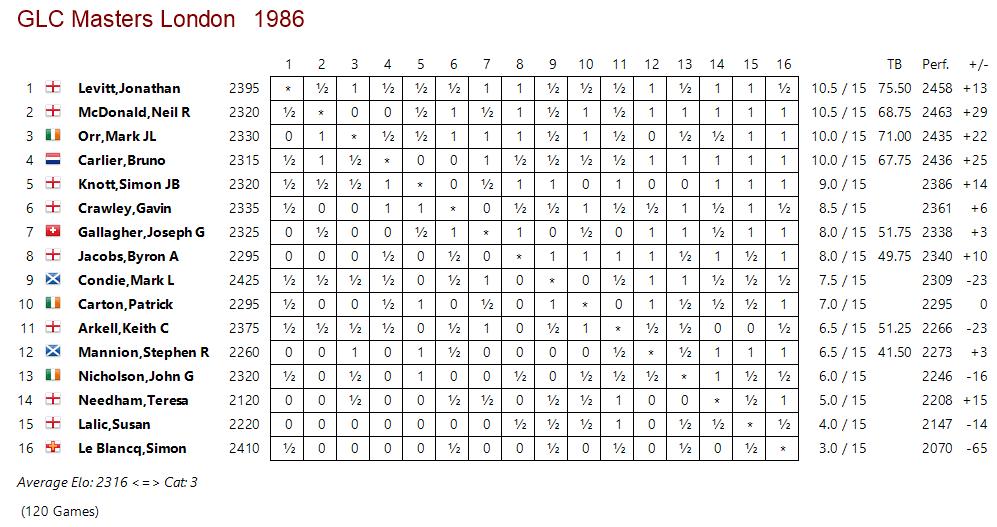
He shared 1st place the GLC Masters in 1986 with 10.5/15 with Neil McDonald :

Jonathan Levitt, ? and Neil McDonald at the 1986 GLC Masters

GLC Masters crosstable, 1986

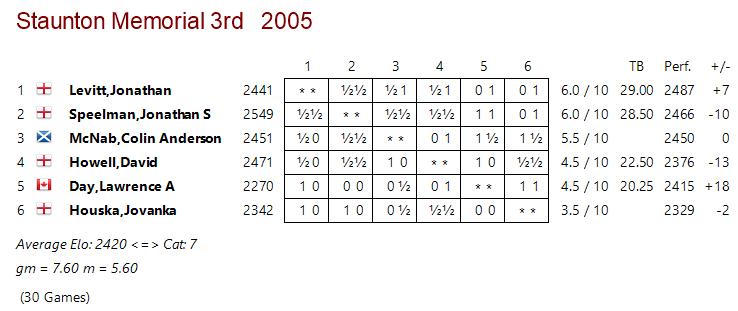
and was first equal with Jonathan Speelman in the Third Staunton Memorial in 2005 :

Third Staunton Memorial, 2005
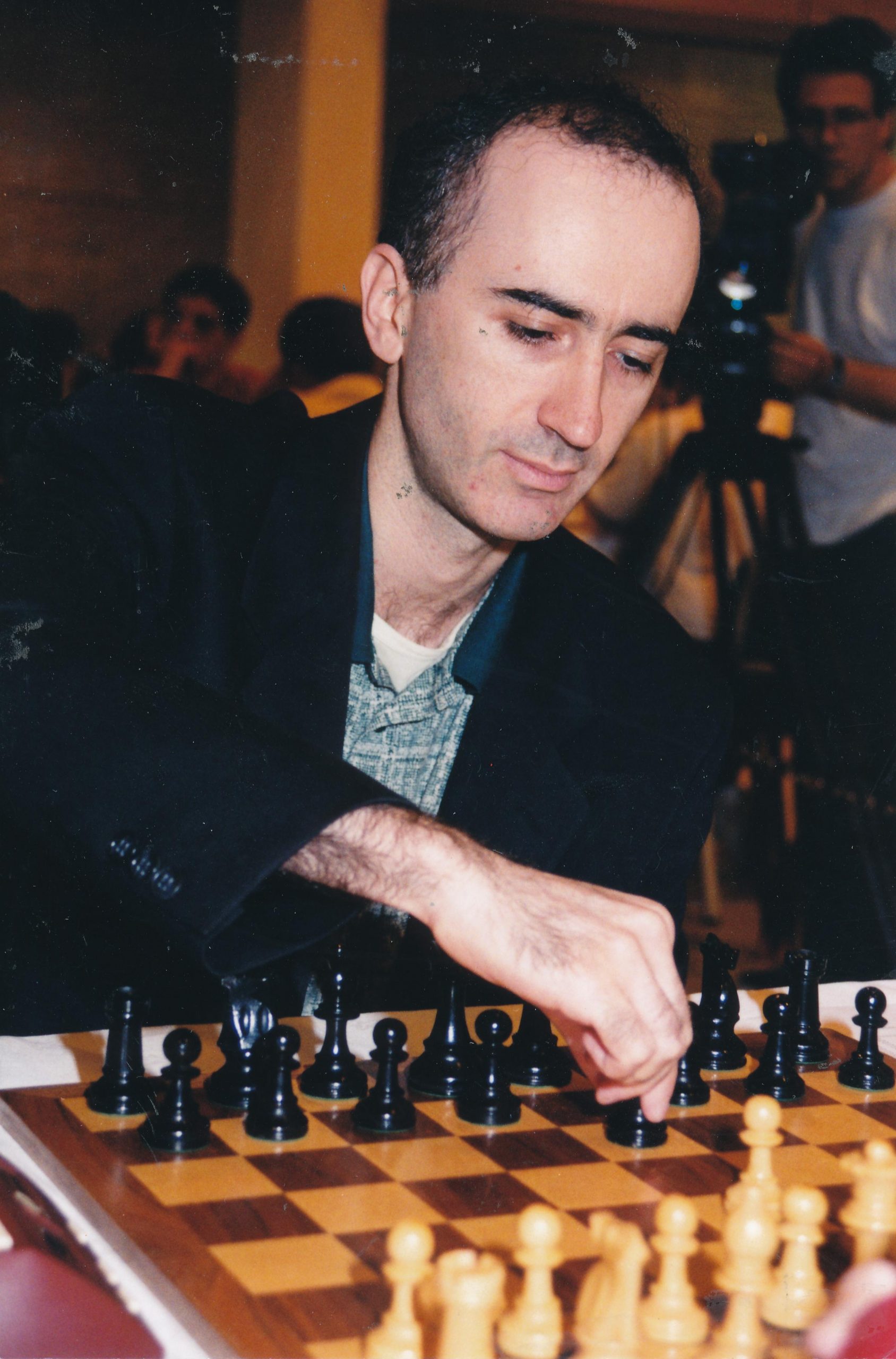
GM Jonathan Levitt, photographer unknown

Here is his personal web site

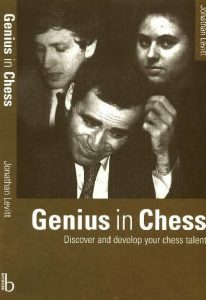
Genius in Chess
Genius in Chess
Secrets of Spectacular Chess
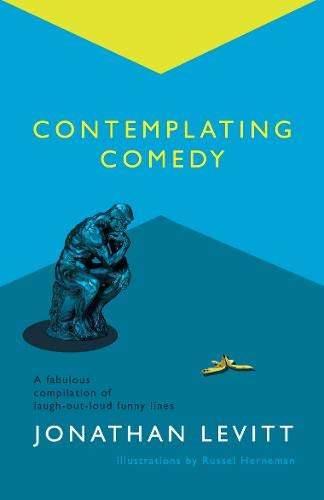
Contemplating Comedy, Jon Levitt, The Conrad Press (20 Nov. 2020), ISBN-13 : 978-1913567408
GM Jonathan Levitt
GM Jonathan Levitt

Many Happy Returns GM Nigel Short MBE (01-vi-1965)

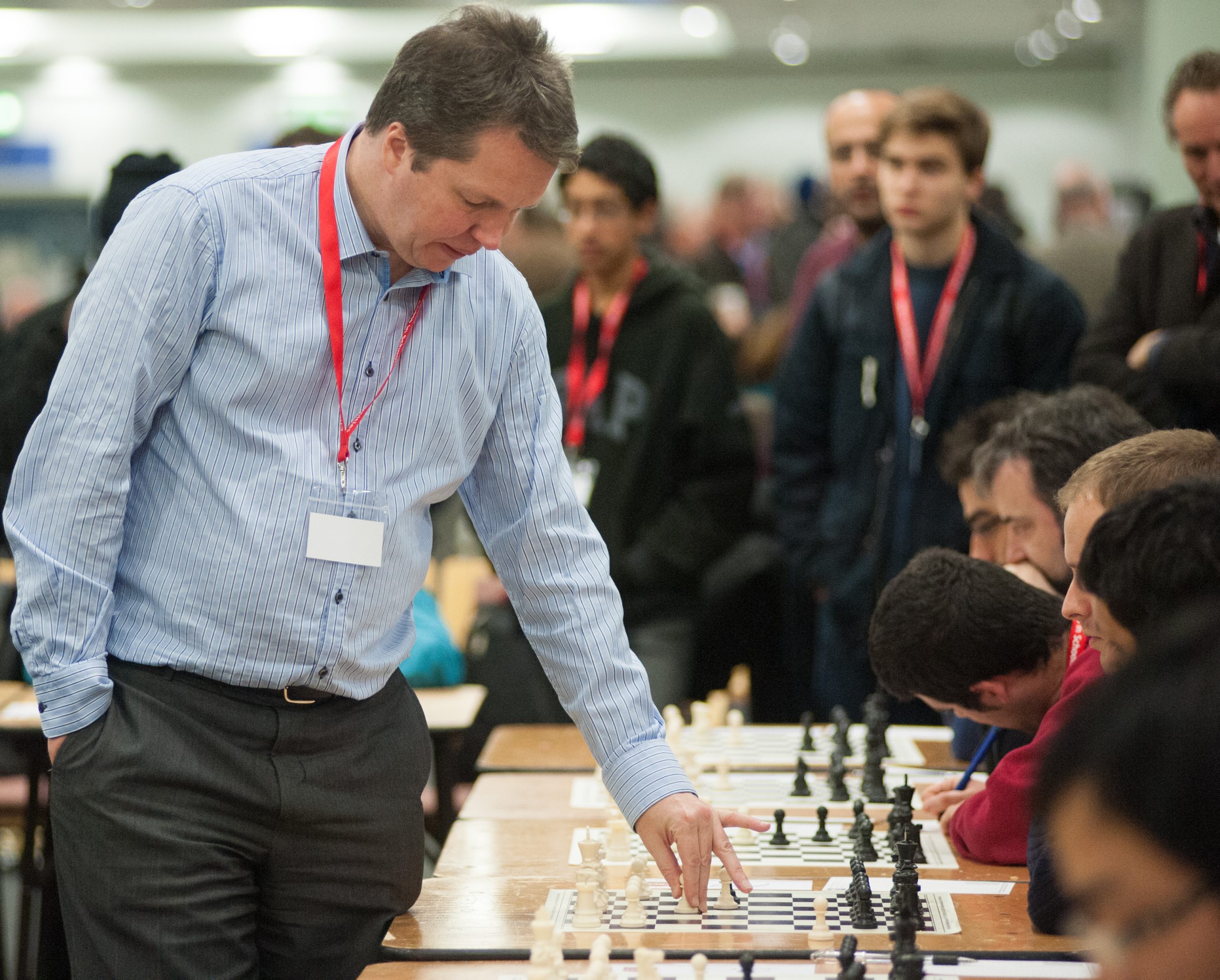
GM Nigel David Short, courtesy of John Upham Photography

BCN wishes Nigel Short a happy birthday on this day (June 1st) in 1965.

In the 1999 Queen’s Birthday Honours List Nigel was awarded the MBE. The citation read simply : “For services to Chess”.

Here is his extensive Wikipedia entry.

For the 1979 Spassky vs the BCF Junior Squad simultaneous display this was written : “Rating 213. World No.1, 13 year old. First Evening Standard under-10s, 1975. First under-14s, 1976. First under-21s, 1978.

British Men’s Lightning (10 seconds per move) champion 1978 – the youngest National Men’s Champion in chess history. Bronze medallist world under-17 championship 1979.

In simuls Nigel has beaten Korchnoi and Petrosian. World Nos. 2 and 4. Now he plays Spassky, World No.3.”

In 1978 Harry Golombek OBE wrote the following in the 1979 Dataday Chess Diary:

“The youngest and perhaps the one who will eventually make the most impression on the world of chess. Nigel Short, who at the age of 12 is London Under 21 champion, is the likeliest prospect for a world champion this country has ever seen. Certainly I cannot think of s single attribute that a prospective world champion should have that he has not got. Positional flair, steadiness of purpose, tactical ability, all these he has in profusion.

It is a blessing that he has not got a swollen head as might so easily have happened. Perhaps there is something about the game which acts as a steadying influence. At any rate, chess apart, he is just a pleasant little boy; but a pleasant little boy who can play the following game (in a county match, Lancashire v. Durham towards the end of October 1977) in a style reminiscent of Capablanca.”

Nigel had beaten the same opponent in 15 moves a year before in the same match:

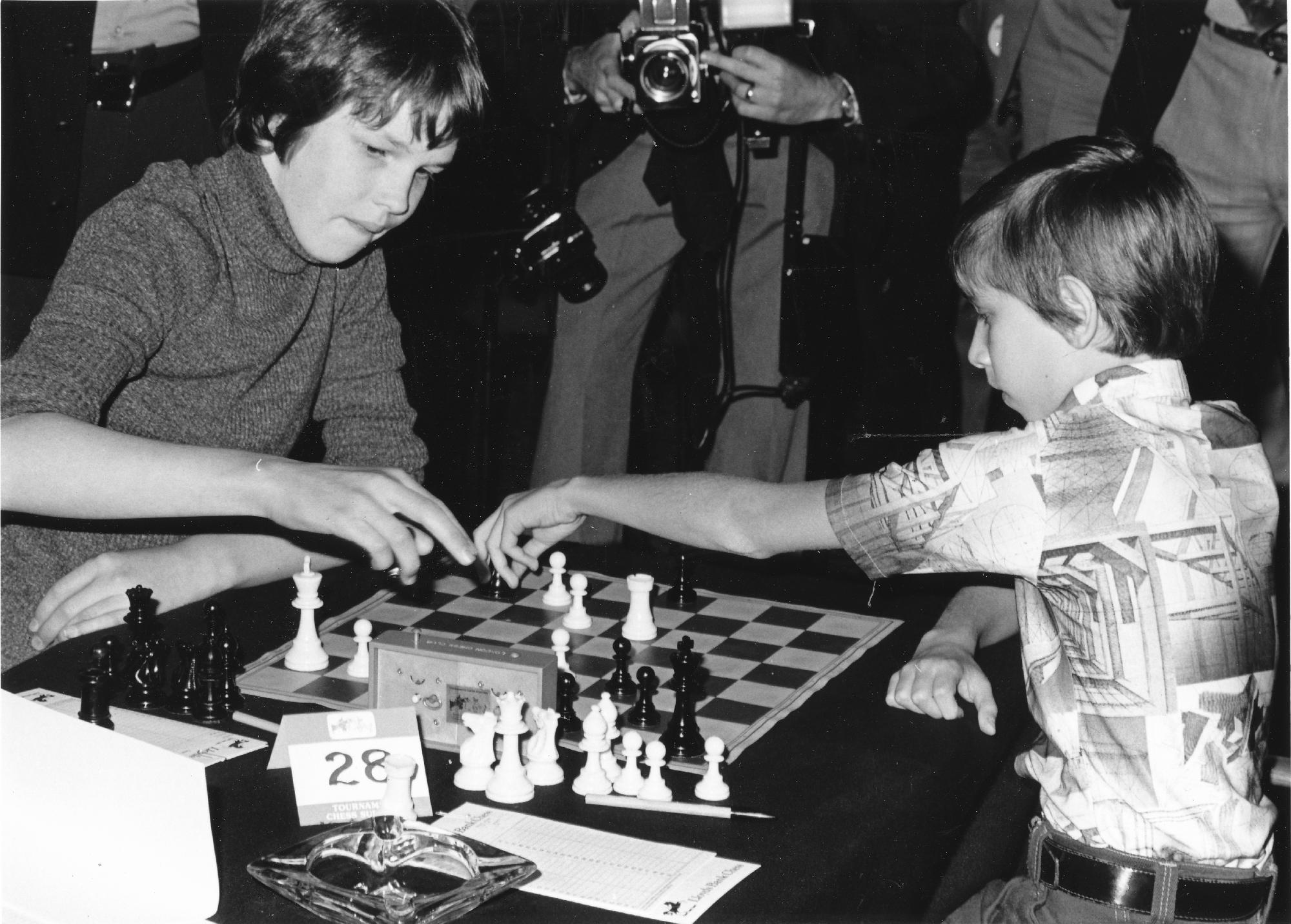
Nigel Short plays a publicity blitz game Joel Benjamin at Lloyd's Bank, 1978
Nigel Short plays Joel Benjamin at Lloyd’s Bank, 1976. 1-0, Maroczy Bind
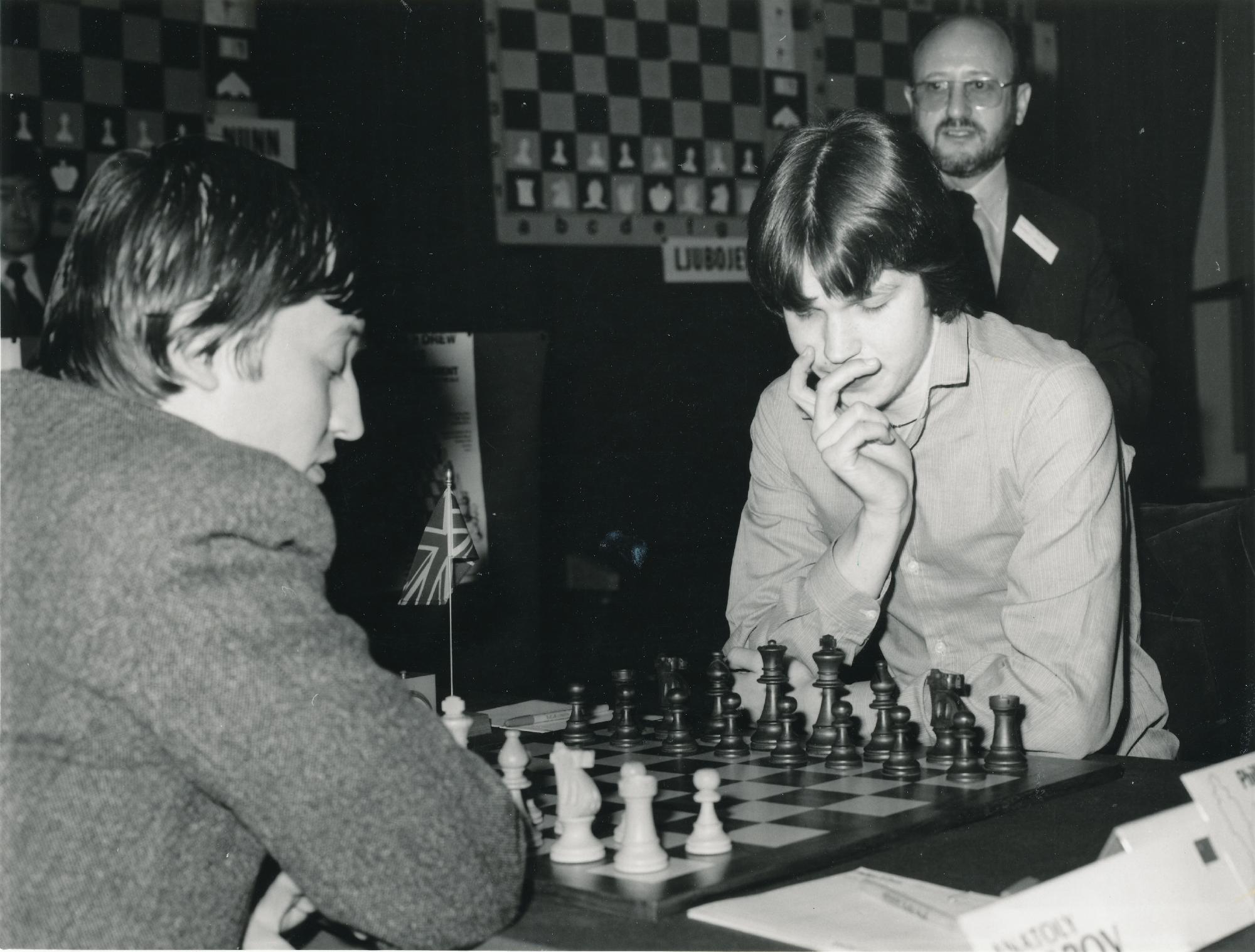
Anatoly Karpov plays Nigel Short, London, Philips & Drew, French Winawer, 1/2-1/2, Stewart Reuben looking on

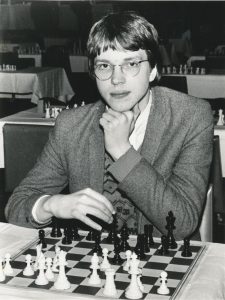
Nigel Short
Nigel Short
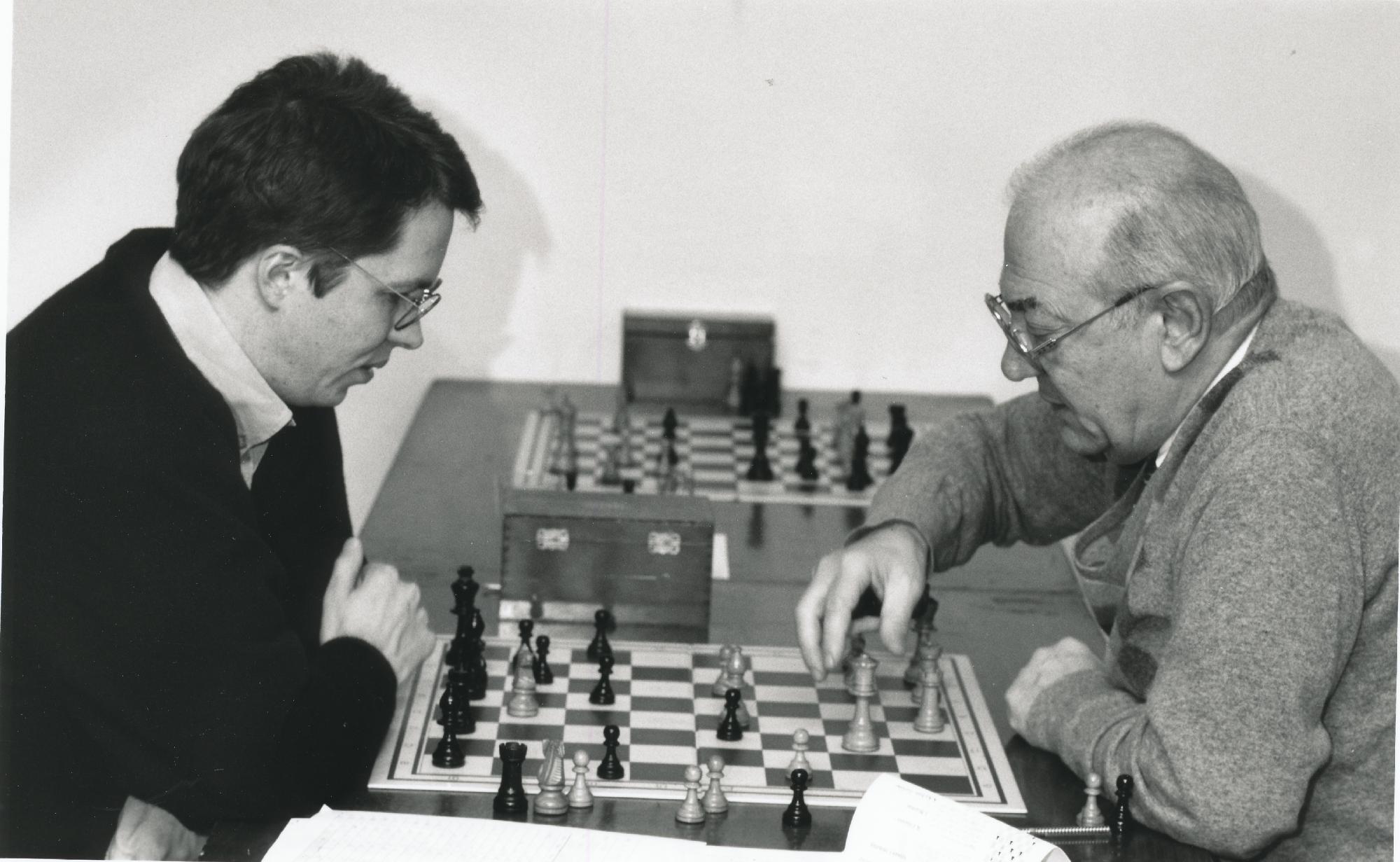
Nigel analyses with Viktor Korchnoi, unknown date and venue

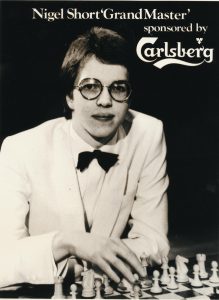
Nigel Short
Nigel Short

Nigel Short Simultaneous display at the 2012 London Chess Classic, courtesy of John Upham Photography
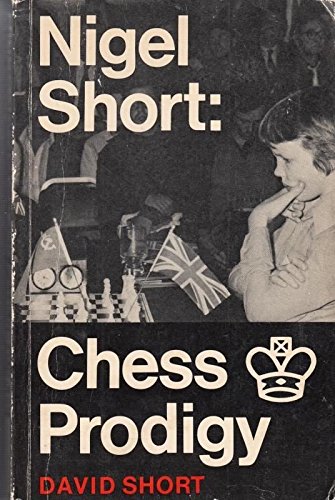
Nigel Short : Chess Prodigy (1981)
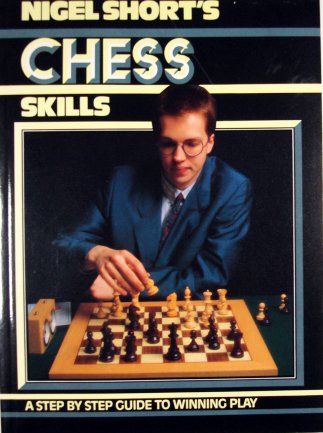
Nigel Short's Chess Skills (1989)
Nigel Short’s Chess Skills (1989)
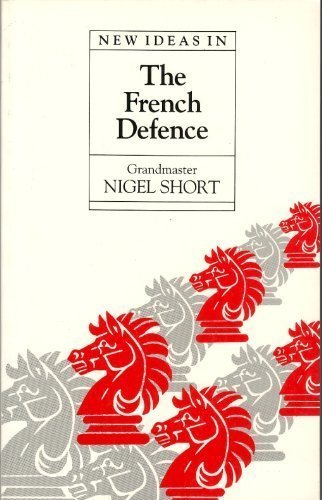
New Ideas in the French Defence (1991)
Winning, Nigel Short, Quality Chess, June 2021, ISBN: 978-1-78483-159-2


Nigel Short
Nigel Short