BCN wishes Happy Birthday to FM Simon D Brown (14-x-1960)
BCN remembers Charles Fox (09-xi-1866 11-x-1935)
Charles Masson Fox was born on Friday, November 9th 1866 in Falmouth, Cornwall. his father, Howard, was 29 and his mother, Olivia Blanche Orme, was 22. He had one brother and two sisters.
His sister Olivia Lloyd was born on 5 February 1868 in Falmouth, Cornwall, when Charles Masson was 1 year old. His sister Stella was born on 11 December 1876 in Falmouth, Cornwall, when Charles Masson was 10 years old. In 1881 he was living in Sherborne, Dorset. In 1901 he was once more living in Falmouth and his profession was that of a timber merchant. His brother Howard Orme died on 7 June 1921 in Falmouth, Cornwall. His father Howard passed away on 15 November 1922 in Cornwall. His mother Olivia Blanche passed away on 12 March 1930 in Falmouth, Cornwall, at the age of 85.
Sadly, neither Hooper & Whyld, Sunnucks or Golombek mention Fox in their works.
Here is an extensive article from the British Chess Problem Society (BCPS) written by CJ Feather
From Wikipedia :
“Charles Masson Fox (9 November 1866 – 11 October 1935) was a Cornish businessman who achieved international prominence in the world of chess problems and a place in the gay history of Edwardian England.
Masson Fox was born into a Quaker family (although he was not related to the Quakers’ founder George Fox) and was a cousin of the fraudulent sinologist Sir Edmund Backhouse, 2nd Baronet. Living throughout his life in the Cornish seaside town of Falmouth, Fox in the early decades of his life was a senior partner of his family’s timber firm, Fox Stanton & Company, and was also on the Board of Messrs G C Fox & Company, a long-established firm of shipping agents.
C.M.Fox’s gravestone at Budock Quaker Burial Ground
Fox is described by chess historian Thomas Rayner Dawson (1889–1951) as “a friendly man, kind, mellow, lovable, bringing peace and comfort and serene joy with him”. He was also a discreet but active homosexual. In 1909 he visited Venice with his friend James Cockerton, meeting the writer Frederick Rolfe and becoming the reluctant recipient of Rolfe’s famous Venice Letters, in which the gay subculture of Venice is vividly described.
In 1912–13 Fox was blackmailed by a woman who accused him of seducing her 16-year-old son. Eventually Fox reported the matter to the police and the woman was sent to prison for five years and her son for one year, with hard labour.[1] However, Fox was profoundly affected by the publicity surrounding the case, which was reported in detail in the local press. The predictable result of his courageous action was the destruction of his reputation, and the compromise of his business and social life in Falmouth.
Although he continued to live in Cornwall, the focus of his social life shifted to London, and in the last two decades of his life, Fox became prominent in the world of chess. He was elected President of the Cornwall Chess Association, played a prominent part in the development of the British Chess Problem Society, and is still renowned as one of the greatest ever exponents of fairy chess (chess problems with variations in the rules).”
From The Problemist Fairy Chess Supplement, 1933 :
What is the shortest game
ending in this position?

BCN remembers Charles Fox (09-xi-1866 11-x-1935)
Charles Masson Fox was born on Friday, November 9th 1866 in Falmouth, Cornwall. his father, Howard, was 29 and his mother, Olivia Blanche Orme, was 22. He had one brother and two sisters.
His sister Olivia Lloyd was born on 5 February 1868 in Falmouth, Cornwall, when Charles Masson was 1 year old. His sister Stella was born on 11 December 1876 in Falmouth, Cornwall, when Charles Masson was 10 years old. In 1881 he was living in Sherborne, Dorset. In 1901 he was once more living in Falmouth and his profession was that of a timber merchant. His brother Howard Orme died on 7 June 1921 in Falmouth, Cornwall. His father Howard passed away on 15 November 1922 in Cornwall. His mother Olivia Blanche passed away on 12 March 1930 in Falmouth, Cornwall, at the age of 85.
Sadly, neither Hooper & Whyld, Sunnucks or Golombek mention Fox in their works.
Here is an extensive article from the British Chess Problem Society (BCPS) written by CJ Feather
From Wikipedia :
“Charles Masson Fox (9 November 1866 – 11 October 1935) was a Cornish businessman who achieved international prominence in the world of chess problems and a place in the gay history of Edwardian England.
Masson Fox was born into a Quaker family (although he was not related to the Quakers’ founder George Fox) and was a cousin of the fraudulent sinologist Sir Edmund Backhouse, 2nd Baronet. Living throughout his life in the Cornish seaside town of Falmouth, Fox in the early decades of his life was a senior partner of his family’s timber firm, Fox Stanton & Company, and was also on the Board of Messrs G C Fox & Company, a long-established firm of shipping agents.
C.M.Fox’s gravestone at Budock Quaker Burial Ground
Fox is described by chess historian Thomas Rayner Dawson (1889–1951) as “a friendly man, kind, mellow, lovable, bringing peace and comfort and serene joy with him”. He was also a discreet but active homosexual. In 1909 he visited Venice with his friend James Cockerton, meeting the writer Frederick Rolfe and becoming the reluctant recipient of Rolfe’s famous Venice Letters, in which the gay subculture of Venice is vividly described.
In 1912–13 Fox was blackmailed by a woman who accused him of seducing her 16-year-old son. Eventually Fox reported the matter to the police and the woman was sent to prison for five years and her son for one year, with hard labour.[1] However, Fox was profoundly affected by the publicity surrounding the case, which was reported in detail in the local press. The predictable result of his courageous action was the destruction of his reputation, and the compromise of his business and social life in Falmouth.
Although he continued to live in Cornwall, the focus of his social life shifted to London, and in the last two decades of his life, Fox became prominent in the world of chess. He was elected President of the Cornwall Chess Association, played a prominent part in the development of the British Chess Problem Society, and is still renowned as one of the greatest ever exponents of fairy chess (chess problems with variations in the rules).”
From The Problemist Fairy Chess Supplement, 1933 :
What is the shortest game
ending in this position?
BCN remembers Charles Fox (09-xi-1866 11-x-1935)
Charles Masson Fox was born on Friday, November 9th 1866 in Falmouth, Cornwall. his father, Howard, was 29 and his mother, Olivia Blanche Orme, was 22. He had one brother and two sisters.
His sister Olivia Lloyd was born on 5 February 1868 in Falmouth, Cornwall, when Charles Masson was 1 year old. His sister Stella was born on 11 December 1876 in Falmouth, Cornwall, when Charles Masson was 10 years old. In 1881 he was living in Sherborne, Dorset. In 1901 he was once more living in Falmouth and his profession was that of a timber merchant. His brother Howard Orme died on 7 June 1921 in Falmouth, Cornwall. His father Howard passed away on 15 November 1922 in Cornwall. His mother Olivia Blanche passed away on 12 March 1930 in Falmouth, Cornwall, at the age of 85.
Sadly, neither Hooper & Whyld, Sunnucks or Golombek mention Fox in their works.
Here is an extensive article from the British Chess Problem Society (BCPS) written by CJ Feather
From Wikipedia :
“Charles Masson Fox (9 November 1866 – 11 October 1935) was a Cornish businessman who achieved international prominence in the world of chess problems and a place in the gay history of Edwardian England.
Masson Fox was born into a Quaker family (although he was not related to the Quakers’ founder George Fox) and was a cousin of the fraudulent sinologist Sir Edmund Backhouse, 2nd Baronet. Living throughout his life in the Cornish seaside town of Falmouth, Fox in the early decades of his life was a senior partner of his family’s timber firm, Fox Stanton & Company, and was also on the Board of Messrs G C Fox & Company, a long-established firm of shipping agents.
C.M.Fox’s gravestone at Budock Quaker Burial Ground
Fox is described by chess historian Thomas Rayner Dawson (1889–1951) as “a friendly man, kind, mellow, lovable, bringing peace and comfort and serene joy with him”. He was also a discreet but active homosexual. In 1909 he visited Venice with his friend James Cockerton, meeting the writer Frederick Rolfe and becoming the reluctant recipient of Rolfe’s famous Venice Letters, in which the gay subculture of Venice is vividly described.
In 1912–13 Fox was blackmailed by a woman who accused him of seducing her 16-year-old son. Eventually Fox reported the matter to the police and the woman was sent to prison for five years and her son for one year, with hard labour.[1] However, Fox was profoundly affected by the publicity surrounding the case, which was reported in detail in the local press. The predictable result of his courageous action was the destruction of his reputation, and the compromise of his business and social life in Falmouth.
Although he continued to live in Cornwall, the focus of his social life shifted to London, and in the last two decades of his life, Fox became prominent in the world of chess. He was elected President of the Cornwall Chess Association, played a prominent part in the development of the British Chess Problem Society, and is still renowned as one of the greatest ever exponents of fairy chess (chess problems with variations in the rules).”
From The Problemist Fairy Chess Supplement, 1933 :
What is the shortest game
ending in this position?
BCN remembers Charles Fox (09-xi-1866 11-x-1935)
Charles Masson Fox was born on Friday, November 9th 1866 in Falmouth, Cornwall. his father, Howard, was 29 and his mother, Olivia Blanche Orme, was 22. He had one brother and two sisters.
His sister Olivia Lloyd was born on 5 February 1868 in Falmouth, Cornwall, when Charles Masson was 1 year old. His sister Stella was born on 11 December 1876 in Falmouth, Cornwall, when Charles Masson was 10 years old. In 1881 he was living in Sherborne, Dorset. In 1901 he was once more living in Falmouth and his profession was that of a timber merchant. His brother Howard Orme died on 7 June 1921 in Falmouth, Cornwall. His father Howard passed away on 15 November 1922 in Cornwall. His mother Olivia Blanche passed away on 12 March 1930 in Falmouth, Cornwall, at the age of 85.
Sadly, neither Hooper & Whyld, Sunnucks or Golombek mention Fox in their works.
Here is an extensive article from the British Chess Problem Society (BCPS) written by CJ Feather
From Wikipedia :
“Charles Masson Fox (9 November 1866 – 11 October 1935) was a Cornish businessman who achieved international prominence in the world of chess problems and a place in the gay history of Edwardian England.
Masson Fox was born into a Quaker family (although he was not related to the Quakers’ founder George Fox) and was a cousin of the fraudulent sinologist Sir Edmund Backhouse, 2nd Baronet. Living throughout his life in the Cornish seaside town of Falmouth, Fox in the early decades of his life was a senior partner of his family’s timber firm, Fox Stanton & Company, and was also on the Board of Messrs G C Fox & Company, a long-established firm of shipping agents.
C.M.Fox’s gravestone at Budock Quaker Burial Ground
Fox is described by chess historian Thomas Rayner Dawson (1889–1951) as “a friendly man, kind, mellow, lovable, bringing peace and comfort and serene joy with him”. He was also a discreet but active homosexual. In 1909 he visited Venice with his friend James Cockerton, meeting the writer Frederick Rolfe and becoming the reluctant recipient of Rolfe’s famous Venice Letters, in which the gay subculture of Venice is vividly described.
In 1912–13 Fox was blackmailed by a woman who accused him of seducing her 16-year-old son. Eventually Fox reported the matter to the police and the woman was sent to prison for five years and her son for one year, with hard labour.[1] However, Fox was profoundly affected by the publicity surrounding the case, which was reported in detail in the local press. The predictable result of his courageous action was the destruction of his reputation, and the compromise of his business and social life in Falmouth.
Although he continued to live in Cornwall, the focus of his social life shifted to London, and in the last two decades of his life, Fox became prominent in the world of chess. He was elected President of the Cornwall Chess Association, played a prominent part in the development of the British Chess Problem Society, and is still renowned as one of the greatest ever exponents of fairy chess (chess problems with variations in the rules).”
From The Problemist Fairy Chess Supplement, 1933 :
What is the shortest game
ending in this position?
We wish David Norwood all the best on his birthday,
David Robert Norwood was born in Farnworth, Bolton, Greater Manchester on October 3rd 1968 to an electrician. His mother’s maiden name was Mellor.
Mary Hopkin was still UK number one with “Those were the days” and would remain at number one for six weeks in total.
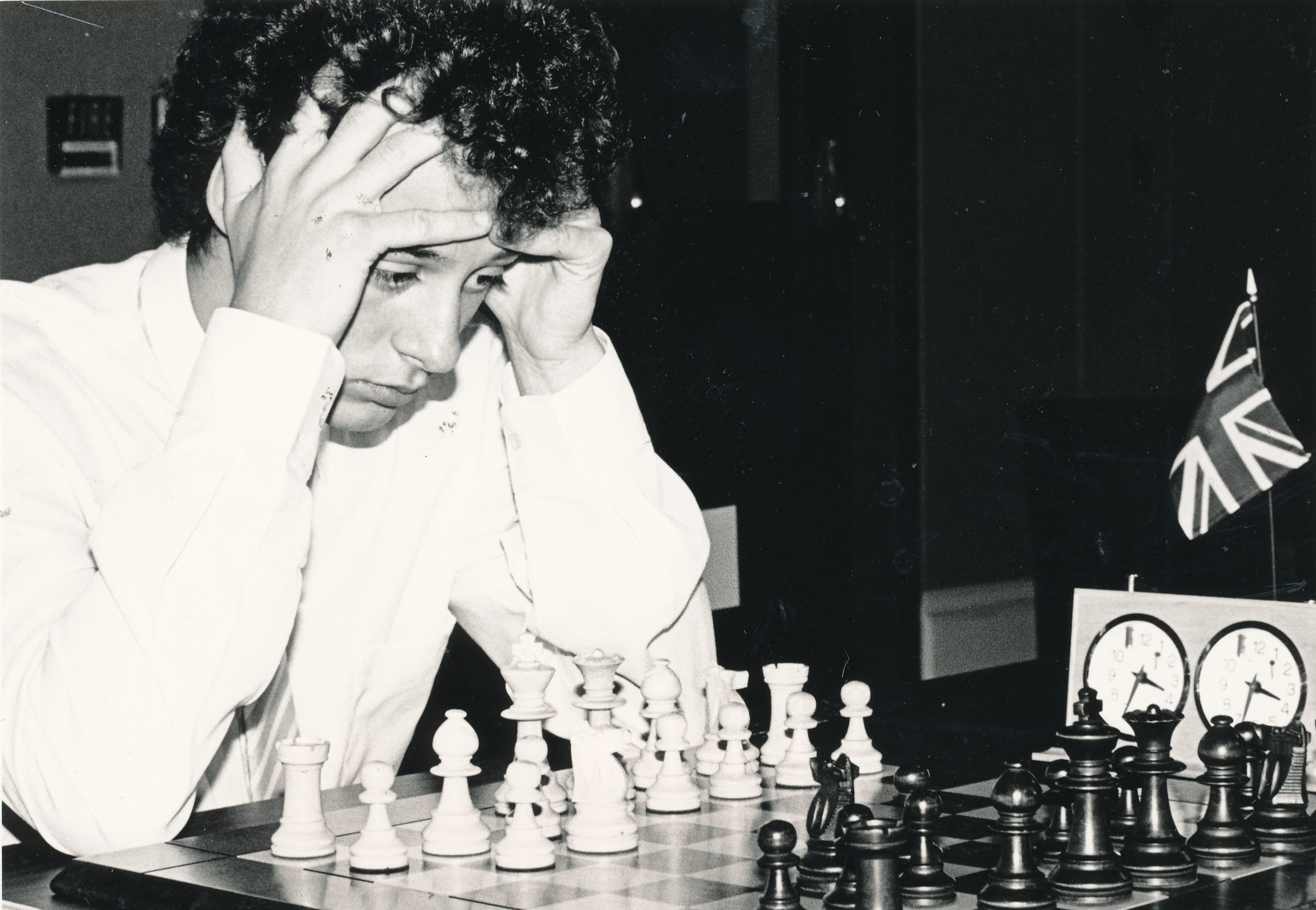
David read history at Keeble College, Oxford before pursuing a successful business career (see below).
David became an International Master in 1985 and a Grandmaster in 1989 and his peak FIDE rating (Felice and Megabase 2020) was 2545 in July 1994 at the age of 26.
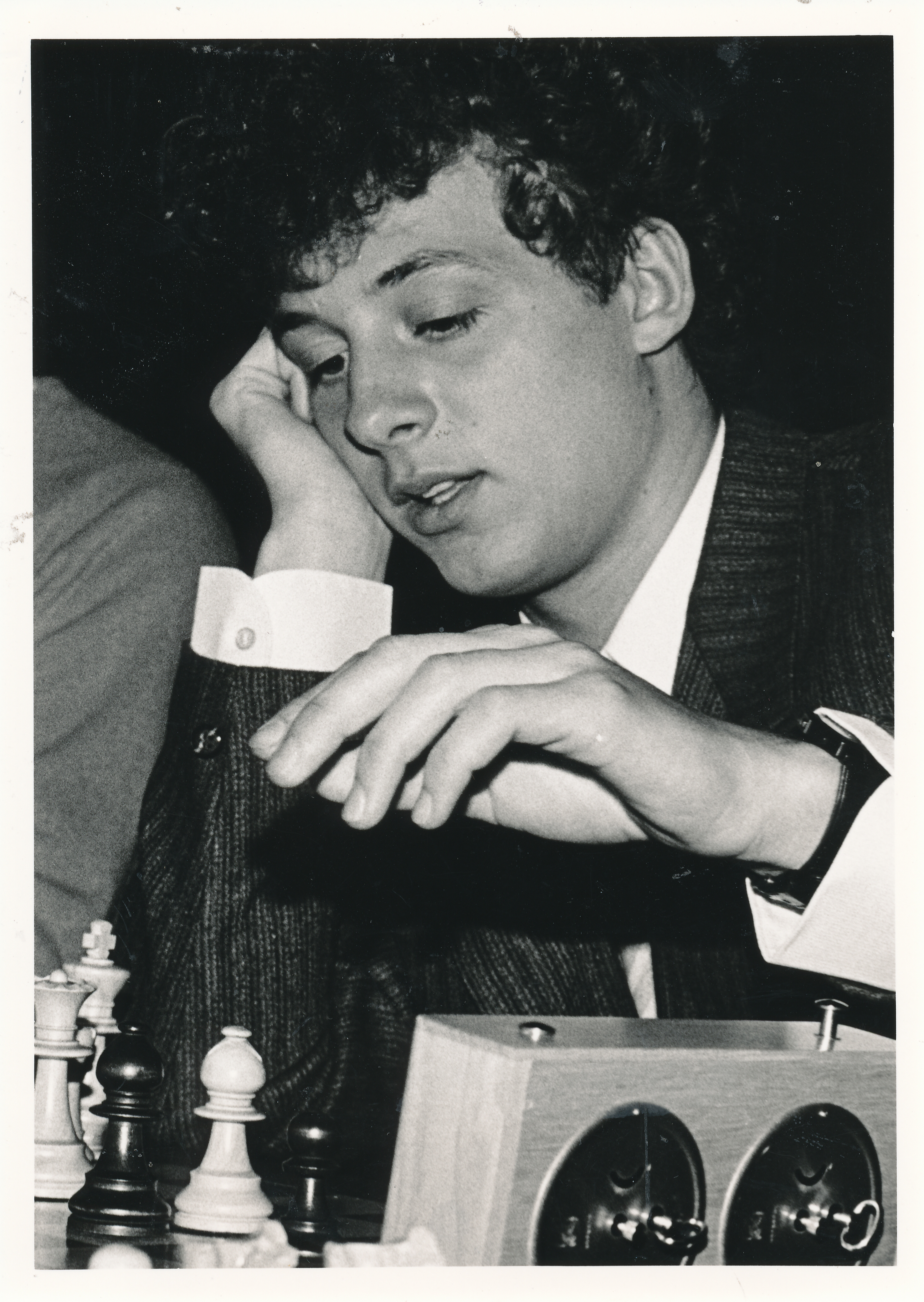
David has a score of +2 against Viswanathan Anand, +1 against Neil McDonald, +2 against Keith Arkell and +2 against Mark Hebden.
Preparing for David would have been fairly straightforward as he played almost the same opening with white and black playing 1.g3 (and less frequently, 1.d4) and the Modern Defence although his did flick the Modern Benoni into the mix every now and then.
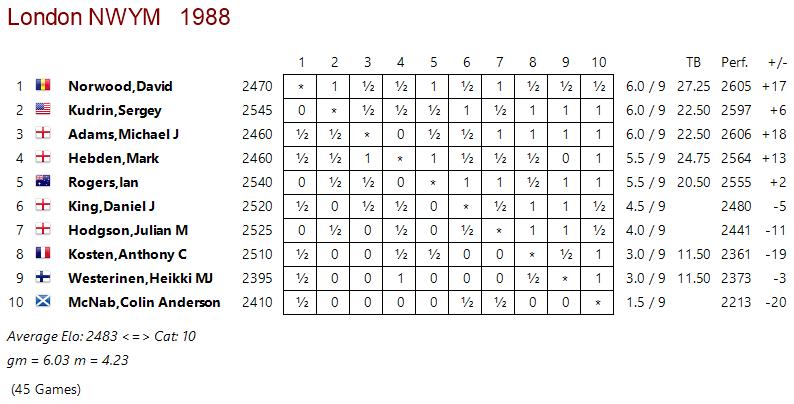
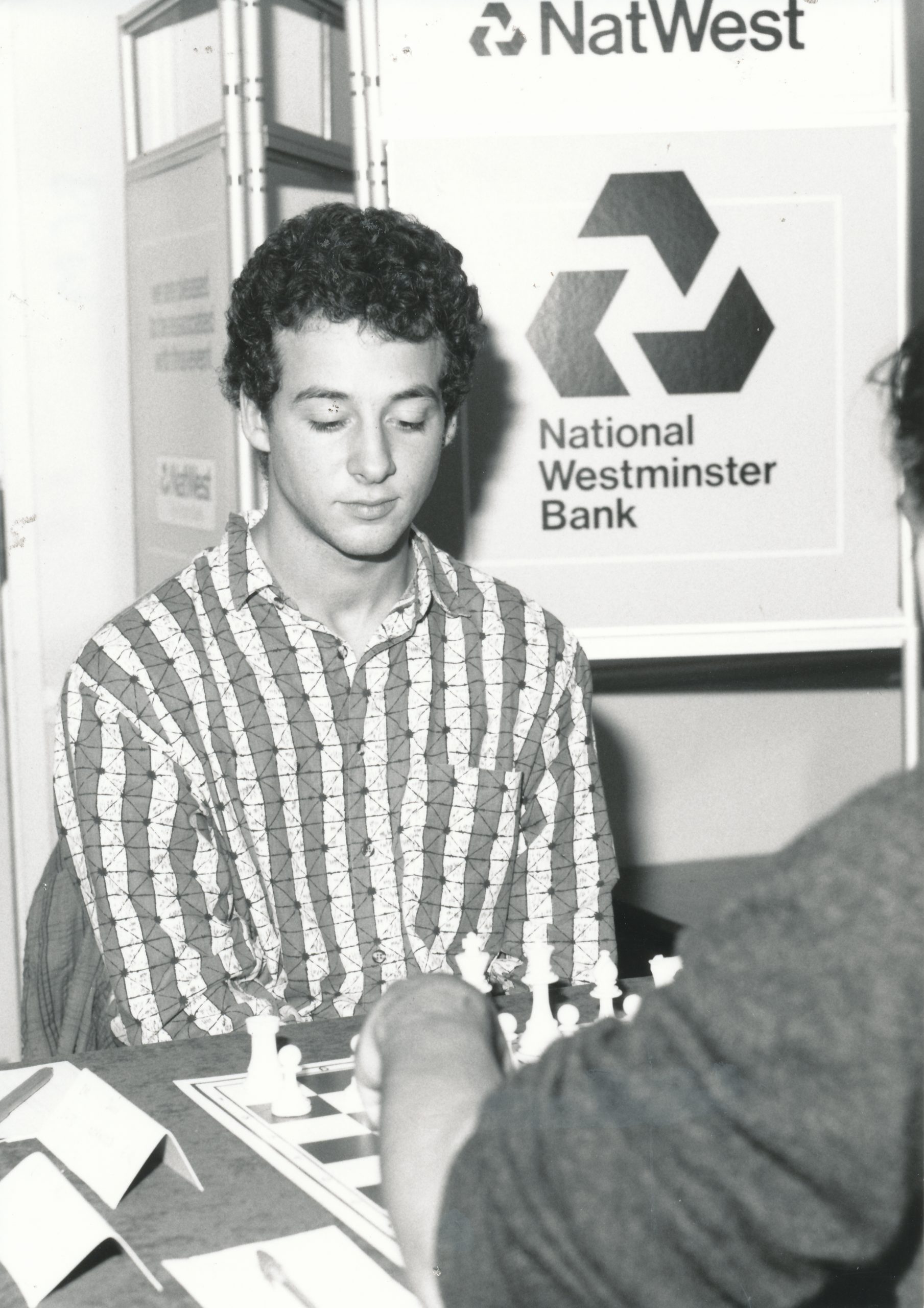
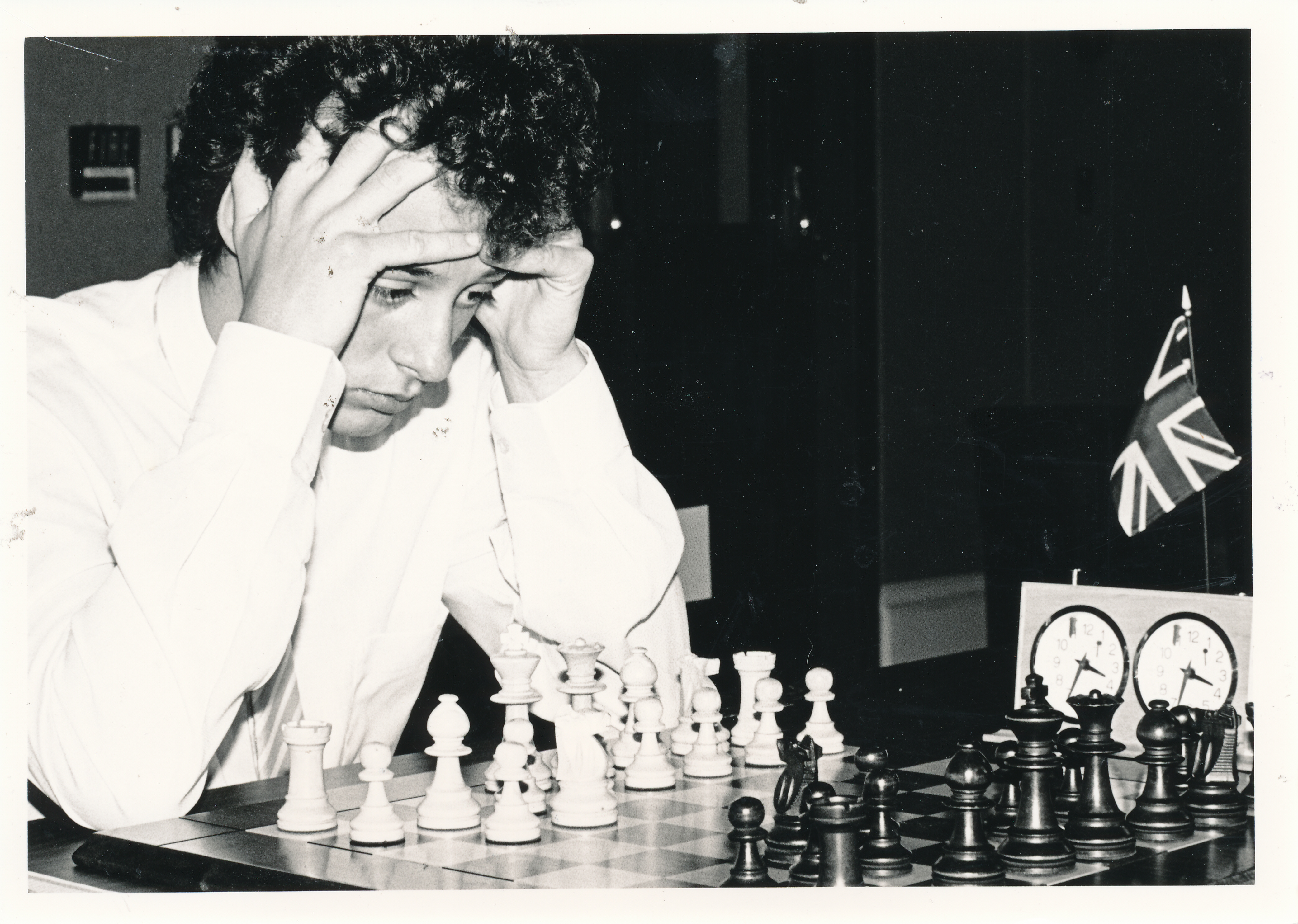
As well as moving to Oxford for University he was =1 at the 1988 (fifth) NatWest Young Masters with 6/9 (along with Adams and Kudrin) securing a GM norm :
In 1990 David became the first Grandmaster to play in the annual Varsity match. This was the 108th such encounter and David played on board one against Jeremy P Sharp of Downing College, Cambridge. David first played in the 107th match in 1989 on board two below James Howell. David played one more time in 1991 scoring 2/3 from his three appearences.
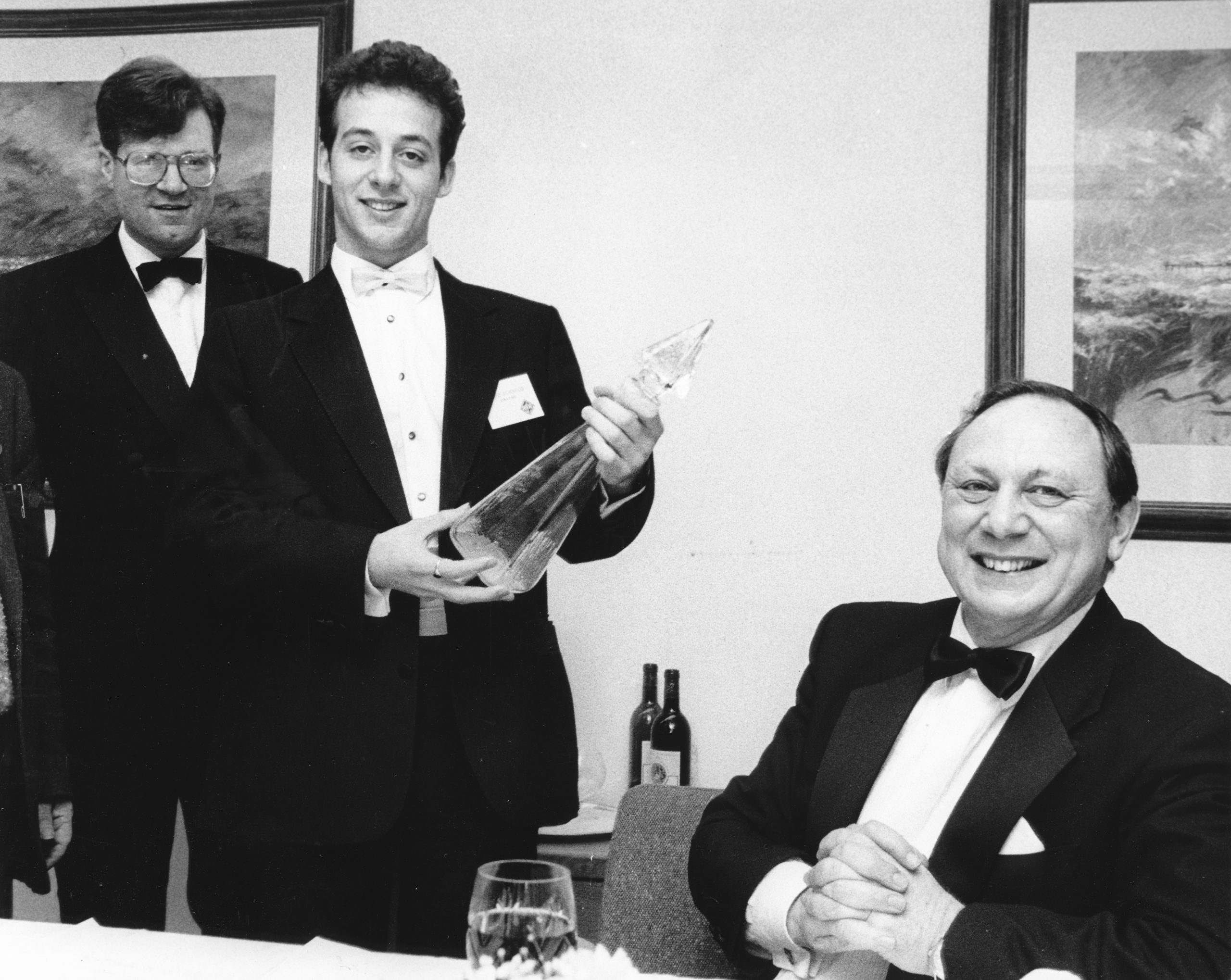
According to FIDE David is registered with Andorra which appropriately (for DN) has Catalan as its national language. David has yet to win the Andorran Championship. He first played in the Andorran Open in 2011 and came close to winning in 2013 with 7/9. Since 2017 David has not played in a FIDE rated event.
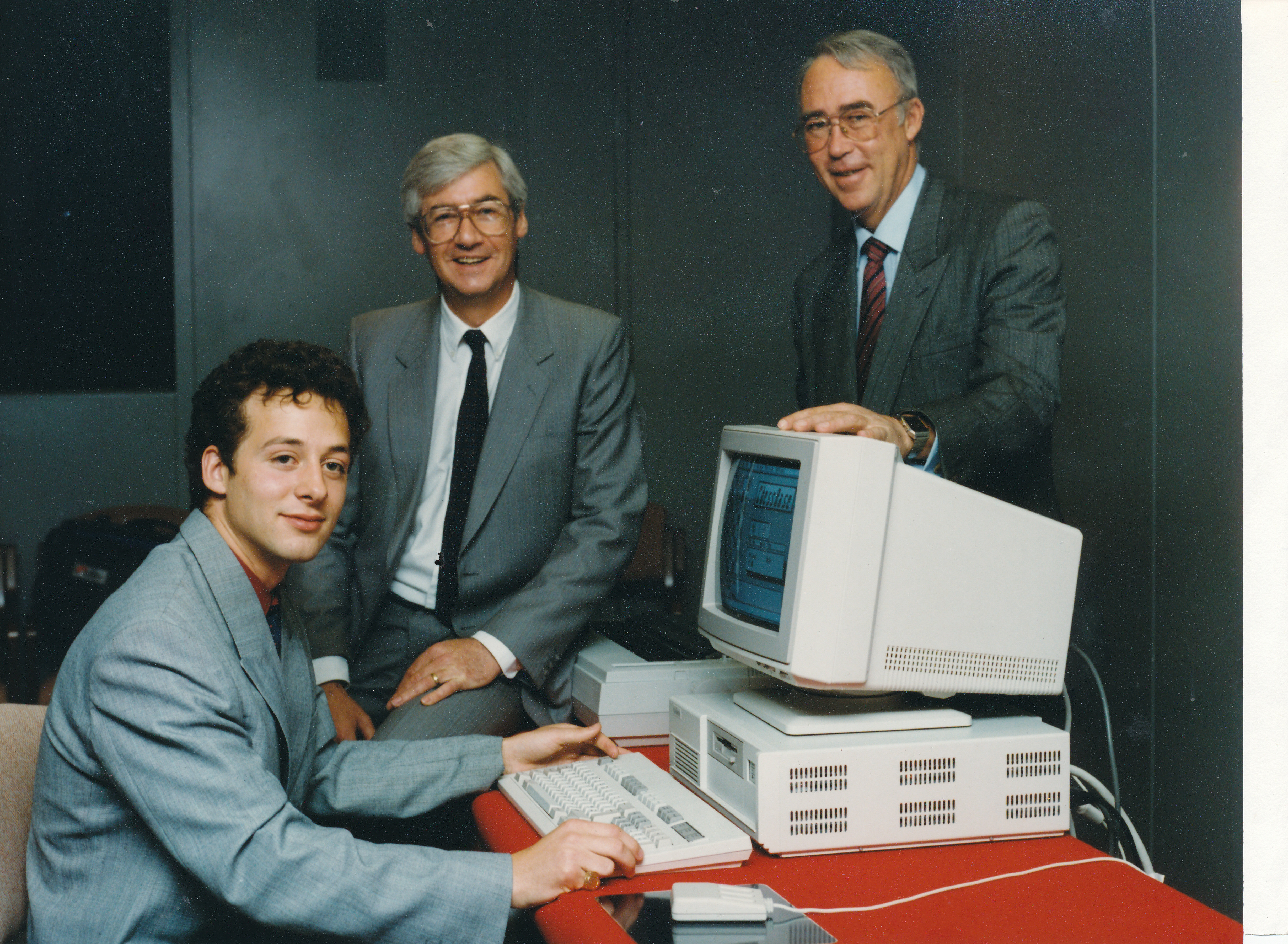
David is an active director of Genomics Plc, and 4D Pharma Plc.
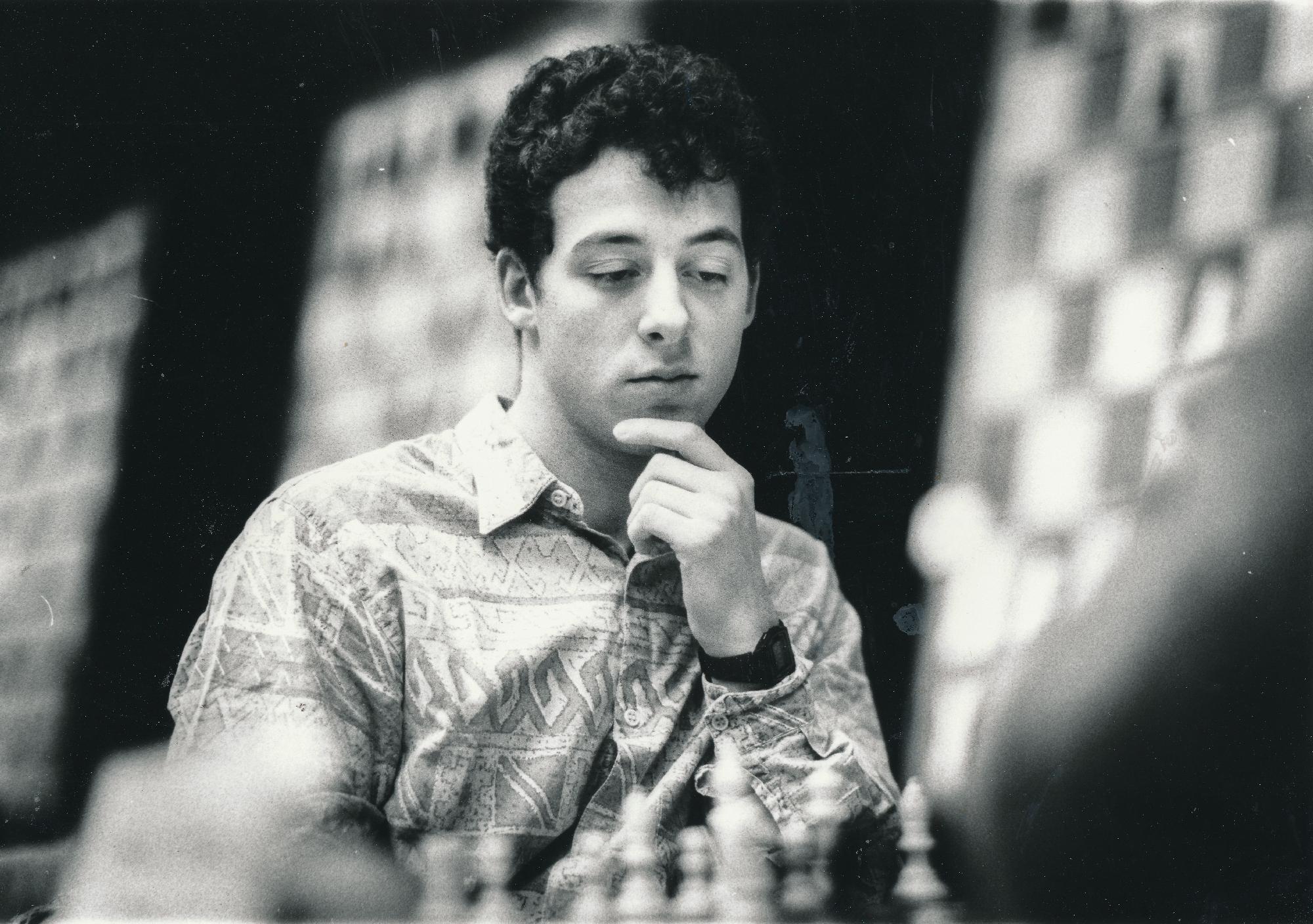
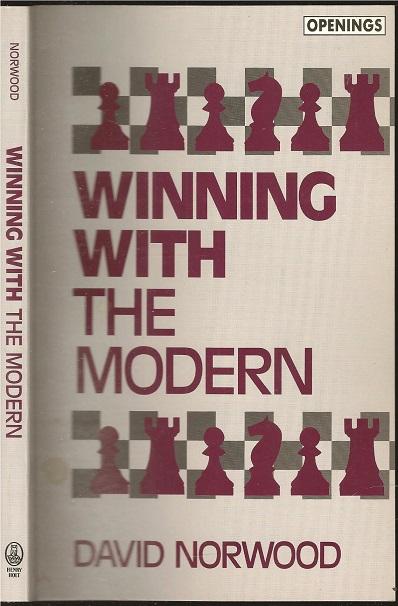
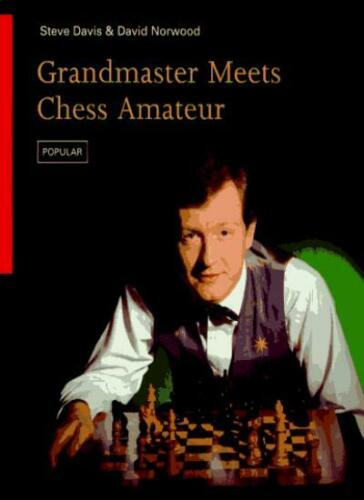
As a writer David wrote a chess column for The Daily Telegraph and has written :
From Wikipedia :
“David Robert Norwood (born 3 October 1968) is an English businessman who runs an investment fund that finances spin-off companies from Oxford University science departments. He is also a chess grandmaster, chess writer, former captain of the English chess team and now represents Andorra at chess.”
“The son of an electrician, Norwood graduated with a history degree from Keble College, Oxford University in 1988 before joining city investment bank Banker’s Trust in 1991.”
“Norwood cofounded Oxford Sciences Innovation, a £600m investment company dedicated to funding deep science from Oxford University, and was its CEO from 2015 to 2019. Formerly he was founder of IP Group plc, a fund that invested in spinoffs from Oxford University’s Chemistry department, in exchange for 50% of the revenues from the licensing of the department’s intellectual property.
In 2017, Norwood donated £1.9M to Keble College’s future hub for innovation at Oxford University.”
From The Times of London, November 20th, 2008 by Ian King, Business Editor :
“Entrepreneur David Norwood swaps City for sun, sea and writing
David Norwood resigned all his directorships yesterday and is heading to a tiny island in the Bahamas, where he will write the novel
One of the City’s best-known entrepreneurs resigned all his directorships yesterday – to move to a desert island, where he plans to become a writer.
David Norwood, a former chief executive of the stockbrokers Evolution and Beeson Gregory, resigned from the boards of a number of companies, including Oxford Advanced Surfaces, ORA Capital, Oxeco and Plus-listed Green Chemicals. He has also given up his role as special projects director at IP Group, the intellectual property commercialisation company, which he started eight years ago and floated on AIM in 2003. Shares of all five companies fell after the news was released.”
We wish David Norwood all the best on his birthday,
David Robert Norwood was born in Farnworth, Bolton, Greater Manchester on October 3rd 1968 to an electrician. His mother’s maiden name was Mellor.
Mary Hopkin was still UK number one with “Those were the days” and would remain at number one for six weeks in total.
David read history at Keeble College, Oxford before pursuing a successful business career (see below).
David became an International Master in 1985 and a Grandmaster in 1989 and his peak FIDE rating (Felice and Megabase 2020) was 2545 in July 1994 at the age of 26.
David has a score of +2 against Viswanathan Anand, +1 against Neil McDonald, +2 against Keith Arkell and +2 against Mark Hebden.
Preparing for David would have been fairly straightforward as he played almost the same opening with white and black playing 1.g3 (and less frequently, 1.d4) and the Modern Defence although his did flick the Modern Benoni into the mix every now and then.
As well as moving to Oxford for University he was =1 at the 1988 (fifth) NatWest Young Masters with 6/9 (along with Adams and Kudrin) securing a GM norm :
In 1990 David became the first Grandmaster to play in the annual Varsity match. This was the 108th such encounter and David played on board one against Jeremy P Sharp of Downing College, Cambridge. David first played in the 107th match in 1989 on board two below James Howell. David played one more time in 1991 scoring 2/3 from his three appearences.
According to FIDE David is registered with Andorra which appropriately (for DN) has Catalan as its national language. David has yet to win the Andorran Championship. He first played in the Andorran Open in 2011 and came close to winning in 2013 with 7/9. Since 2017 David has not played in a FIDE rated event.
David is an active director of Genomics Plc, and 4D Pharma Plc.
As a writer David wrote a chess column for The Daily Telegraph and has written :
From Wikipedia :
“David Robert Norwood (born 3 October 1968) is an English businessman who runs an investment fund that finances spin-off companies from Oxford University science departments. He is also a chess grandmaster, chess writer, former captain of the English chess team and now represents Andorra at chess.”
“The son of an electrician, Norwood graduated with a history degree from Keble College, Oxford University in 1988 before joining city investment bank Banker’s Trust in 1991.”
“Norwood cofounded Oxford Sciences Innovation, a £600m investment company dedicated to funding deep science from Oxford University, and was its CEO from 2015 to 2019. Formerly he was founder of IP Group plc, a fund that invested in spinoffs from Oxford University’s Chemistry department, in exchange for 50% of the revenues from the licensing of the department’s intellectual property.
In 2017, Norwood donated £1.9M to Keble College’s future hub for innovation at Oxford University.”
From The Times of London, November 20th, 2008 by Ian King, Business Editor :
“Entrepreneur David Norwood swaps City for sun, sea and writing
David Norwood resigned all his directorships yesterday and is heading to a tiny island in the Bahamas, where he will write the novel
One of the City’s best-known entrepreneurs resigned all his directorships yesterday – to move to a desert island, where he plans to become a writer.
David Norwood, a former chief executive of the stockbrokers Evolution and Beeson Gregory, resigned from the boards of a number of companies, including Oxford Advanced Surfaces, ORA Capital, Oxeco and Plus-listed Green Chemicals. He has also given up his role as special projects director at IP Group, the intellectual property commercialisation company, which he started eight years ago and floated on AIM in 2003. Shares of all five companies fell after the news was released.”
We wish David Norwood all the best on his birthday,
David Robert Norwood was born in Farnworth, Bolton, Greater Manchester on October 3rd 1968 to an electrician. His mother’s maiden name was Mellor.
Mary Hopkin was still UK number one with “Those were the days” and would remain at number one for six weeks in total.
David read history at Keeble College, Oxford before pursuing a successful business career (see below).
David became an International Master in 1985 and a Grandmaster in 1989 and his peak FIDE rating (Felice and Megabase 2020) was 2545 in July 1994 at the age of 26.
David has a score of +2 against Viswanathan Anand, +1 against Neil McDonald, +2 against Keith Arkell and +2 against Mark Hebden.
Preparing for David would have been fairly straightforward as he played almost the same opening with white and black playing 1.g3 (and less frequently, 1.d4) and the Modern Defence although his did flick the Modern Benoni into the mix every now and then.
As well as moving to Oxford for University he was =1 at the 1988 (fifth) NatWest Young Masters with 6/9 (along with Adams and Kudrin) securing a GM norm :
In 1990 David became the first Grandmaster to play in the annual Varsity match. This was the 108th such encounter and David played on board one against Jeremy P Sharp of Downing College, Cambridge. David first played in the 107th match in 1989 on board two below James Howell. David played one more time in 1991 scoring 2/3 from his three appearences.
According to FIDE David is registered with Andorra which appropriately (for DN) has Catalan as its national language. David has yet to win the Andorran Championship. He first played in the Andorran Open in 2011 and came close to winning in 2013 with 7/9. Since 2017 David has not played in a FIDE rated event.
David is an active director of Genomics Plc, and 4D Pharma Plc.
As a writer David wrote a chess column for The Daily Telegraph and has written :
From Wikipedia :
“David Robert Norwood (born 3 October 1968) is an English businessman who runs an investment fund that finances spin-off companies from Oxford University science departments. He is also a chess grandmaster, chess writer, former captain of the English chess team and now represents Andorra at chess.”
“The son of an electrician, Norwood graduated with a history degree from Keble College, Oxford University in 1988 before joining city investment bank Banker’s Trust in 1991.”
“Norwood cofounded Oxford Sciences Innovation, a £600m investment company dedicated to funding deep science from Oxford University, and was its CEO from 2015 to 2019. Formerly he was founder of IP Group plc, a fund that invested in spinoffs from Oxford University’s Chemistry department, in exchange for 50% of the revenues from the licensing of the department’s intellectual property.
In 2017, Norwood donated £1.9M to Keble College’s future hub for innovation at Oxford University.”
From The Times of London, November 20th, 2008 by Ian King, Business Editor :
“Entrepreneur David Norwood swaps City for sun, sea and writing
David Norwood resigned all his directorships yesterday and is heading to a tiny island in the Bahamas, where he will write the novel
One of the City’s best-known entrepreneurs resigned all his directorships yesterday – to move to a desert island, where he plans to become a writer.
David Norwood, a former chief executive of the stockbrokers Evolution and Beeson Gregory, resigned from the boards of a number of companies, including Oxford Advanced Surfaces, ORA Capital, Oxeco and Plus-listed Green Chemicals. He has also given up his role as special projects director at IP Group, the intellectual property commercialisation company, which he started eight years ago and floated on AIM in 2003. Shares of all five companies fell after the news was released.”
We wish David Norwood all the best on his birthday,
David Robert Norwood was born in Farnworth, Bolton, Greater Manchester on October 3rd 1968 to an electrician. His mother’s maiden name was Mellor.
Mary Hopkin was still UK number one with “Those were the days” and would remain at number one for six weeks in total.
David read history at Keeble College, Oxford before pursuing a successful business career (see below).
David became an International Master in 1985 and a Grandmaster in 1989 and his peak FIDE rating (Felice and Megabase 2020) was 2545 in July 1994 at the age of 26.
David has a score of +2 against Viswanathan Anand, +1 against Neil McDonald, +2 against Keith Arkell and +2 against Mark Hebden.
Preparing for David would have been fairly straightforward as he played almost the same opening with white and black playing 1.g3 (and less frequently, 1.d4) and the Modern Defence although his did flick the Modern Benoni into the mix every now and then.
As well as moving to Oxford for University he was =1 at the 1988 (fifth) NatWest Young Masters with 6/9 (along with Adams and Kudrin) securing a GM norm :
In 1990 David became the first Grandmaster to play in the annual Varsity match. This was the 108th such encounter and David played on board one against Jeremy P Sharp of Downing College, Cambridge. David first played in the 107th match in 1989 on board two below James Howell. David played one more time in 1991 scoring 2/3 from his three appearences.
According to FIDE David is registered with Andorra which appropriately (for DN) has Catalan as its national language. David has yet to win the Andorran Championship. He first played in the Andorran Open in 2011 and came close to winning in 2013 with 7/9. Since 2017 David has not played in a FIDE rated event.
David is an active director of Genomics Plc, and 4D Pharma Plc.
As a writer David wrote a chess column for The Daily Telegraph and has written :
From Wikipedia :
“David Robert Norwood (born 3 October 1968) is an English businessman who runs an investment fund that finances spin-off companies from Oxford University science departments. He is also a chess grandmaster, chess writer, former captain of the English chess team and now represents Andorra at chess.”
“The son of an electrician, Norwood graduated with a history degree from Keble College, Oxford University in 1988 before joining city investment bank Banker’s Trust in 1991.”
“Norwood cofounded Oxford Sciences Innovation, a £600m investment company dedicated to funding deep science from Oxford University, and was its CEO from 2015 to 2019. Formerly he was founder of IP Group plc, a fund that invested in spinoffs from Oxford University’s Chemistry department, in exchange for 50% of the revenues from the licensing of the department’s intellectual property.
In 2017, Norwood donated £1.9M to Keble College’s future hub for innovation at Oxford University.”
From The Times of London, November 20th, 2008 by Ian King, Business Editor :
“Entrepreneur David Norwood swaps City for sun, sea and writing
David Norwood resigned all his directorships yesterday and is heading to a tiny island in the Bahamas, where he will write the novel
One of the City’s best-known entrepreneurs resigned all his directorships yesterday – to move to a desert island, where he plans to become a writer.
David Norwood, a former chief executive of the stockbrokers Evolution and Beeson Gregory, resigned from the boards of a number of companies, including Oxford Advanced Surfaces, ORA Capital, Oxeco and Plus-listed Green Chemicals. He has also given up his role as special projects director at IP Group, the intellectual property commercialisation company, which he started eight years ago and floated on AIM in 2003. Shares of all five companies fell after the news was released.”
Best wishes to IM Tom Rendle on his birthday.
Thomas Edward Rendle was born on Monday, September 29th 1986. “Stuck with You” by Huey Lewis and the News was the UK’s number one single.
Tom was born in Hastings, East Sussex and his mother’s maiden name is Jefferies. Tom resides in Hastings.
Tom attended Bede’s School, Sussex and then St. Leonard’s College.
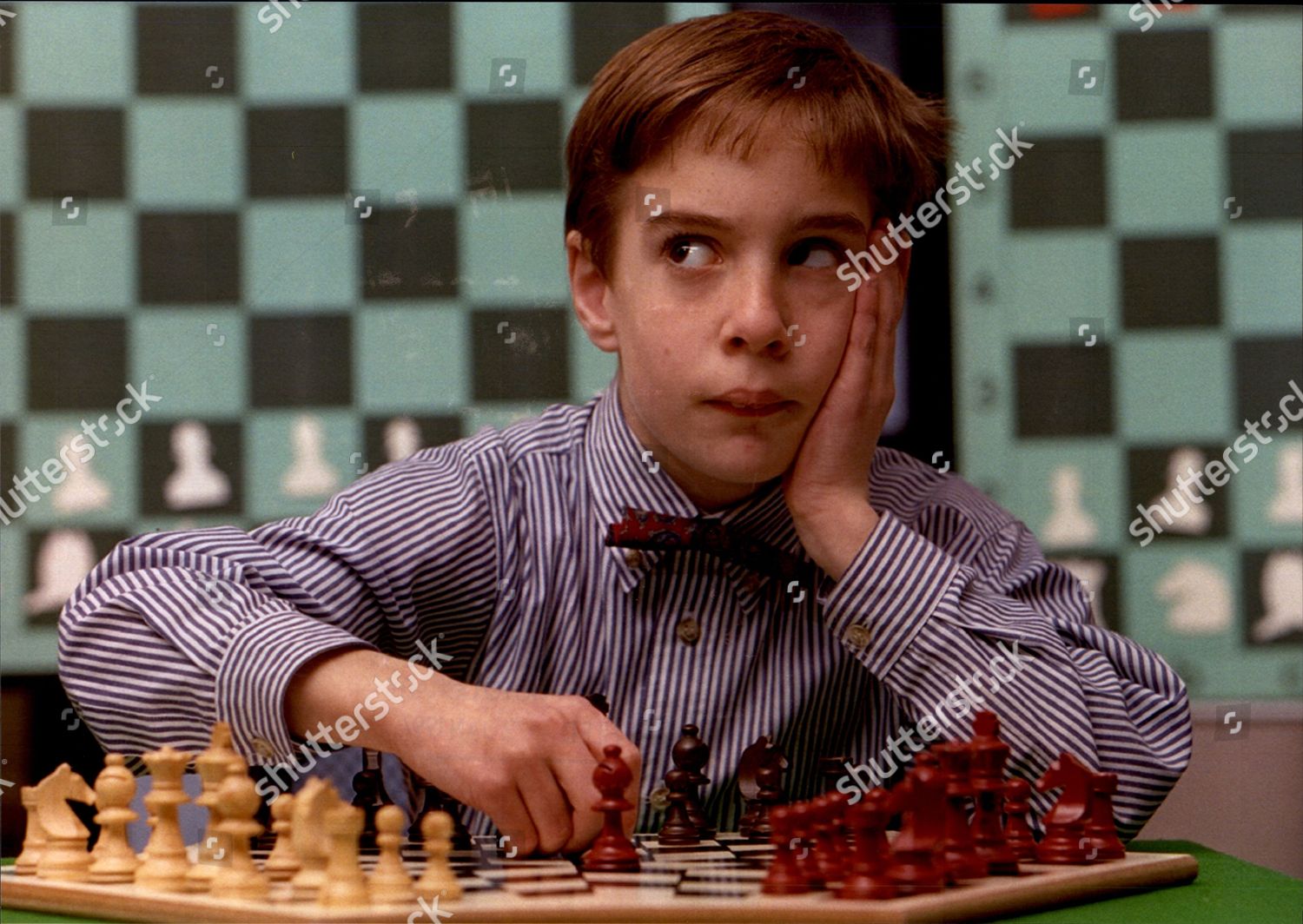
Tom studied physics at The University of Warwick and has two brothers, Tim and James and a sister Theresa.
Tom became a FIDE Master in 2004. In 2006 Tom became an International Master and achieved a peak rating (according to Felice) in July 2007 of 2416 at the age of 21. Tom has one Grandmaster norm.
Tom has played for 4NCL Grantham Sharks, Hammersmith (in the London League), Drunken Knights (in the London League), West London and Sandhurst (in the Surrey Border and Berkshire Leagues).
His first ECF grade to appear on the grading web site was 82A in July 1994 at the age of 7 :
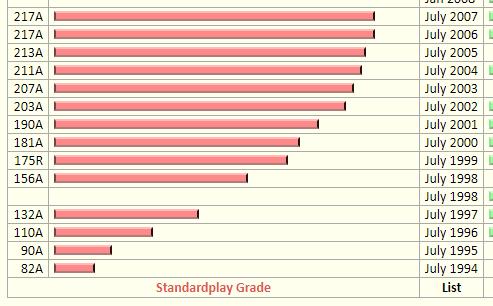
Tom played in the World U12 Championship won by Teimour Radjabov and his first major success was scoring 7.5/10 in the 2001 Smith and Williamson Young Masters. He became Hampshire Champion in 2001 with 5/6 and won the 2004 Rosny Sous Bois tournament with 7/9 and a TPR of 2568. He was runner-up in the Paignton Open of 2005 followed by runner-up in the Coulsdon Christmas tournament of 2005.
Tom’s GM norm was earnt at Gibraltar 2007.
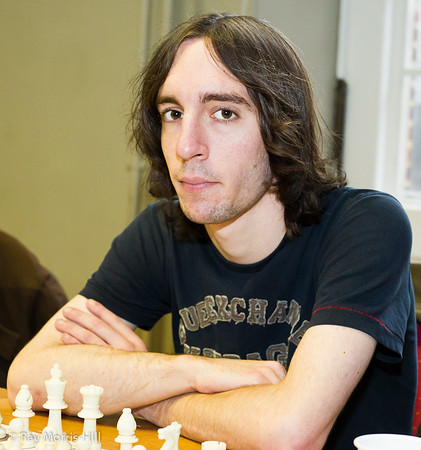
Tom has his own popular YouTube Channel
With the white pieces Tom is almost exclusively an e4 player but he has flirted with Bird’s Opening many times. Having shared accommodation with Gawain Jones there are signs of influence in the choice of the Grand Prix Attack.
As the second player Tom plays both the Winawer and the Classical French and is a noted expert on the Classical Dutch and Dutch in general.
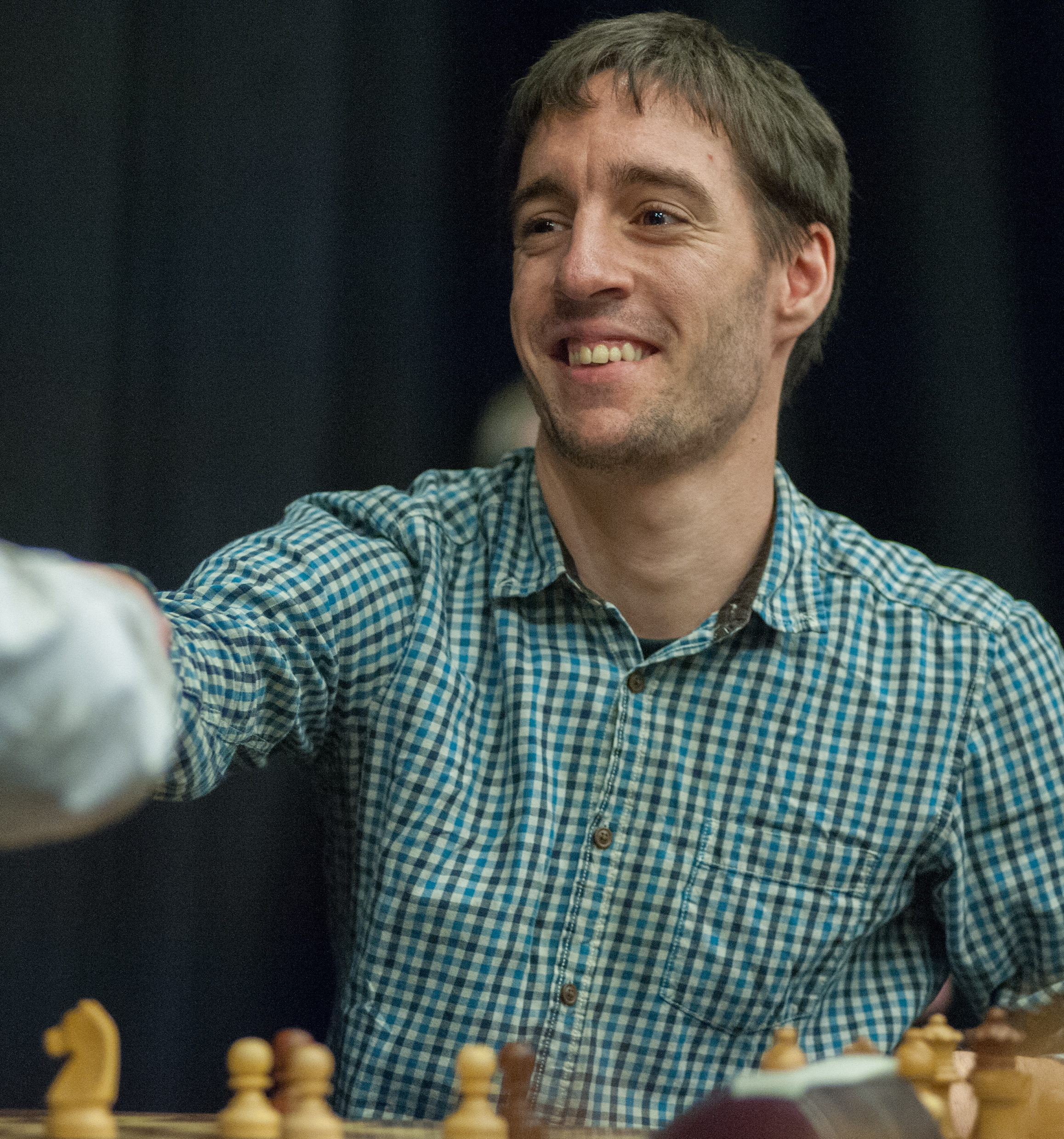
From Wikipedia :
“Thomas Edward Rendle (born 29 September 1986) is a British FIDE International Master chess player and coach. Rendle became an International Master in June 2006 and is part way towards becoming a Grandmaster, with one GM Norm.
He gained an interest in chess at an early age, and soon entered chess tournaments, gaining success in his age categories (such as becoming Mini Squad Under 7s Champion, England Under 11 Champion).[citation needed] He was put on top board for the England under 11 team and won the Sussex Under 18 Championships, whilst still under 12.”
In 1998 Rendle played Garry Kasparov in the BT Wireplay Challenge 1998. In 2005 he was a coach for England’s team at the 1st FIDE World Schools Championship in Halkidiki, Greece and in 2006 he coached with the England Team at the European Youth Chess Championships in Montenegro.
Rendle currently works as a chess coach, both online and face-to-face. He is a regular coach of England Juniors.”