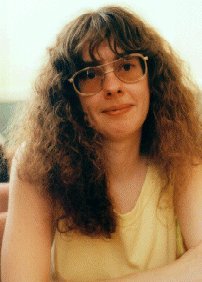
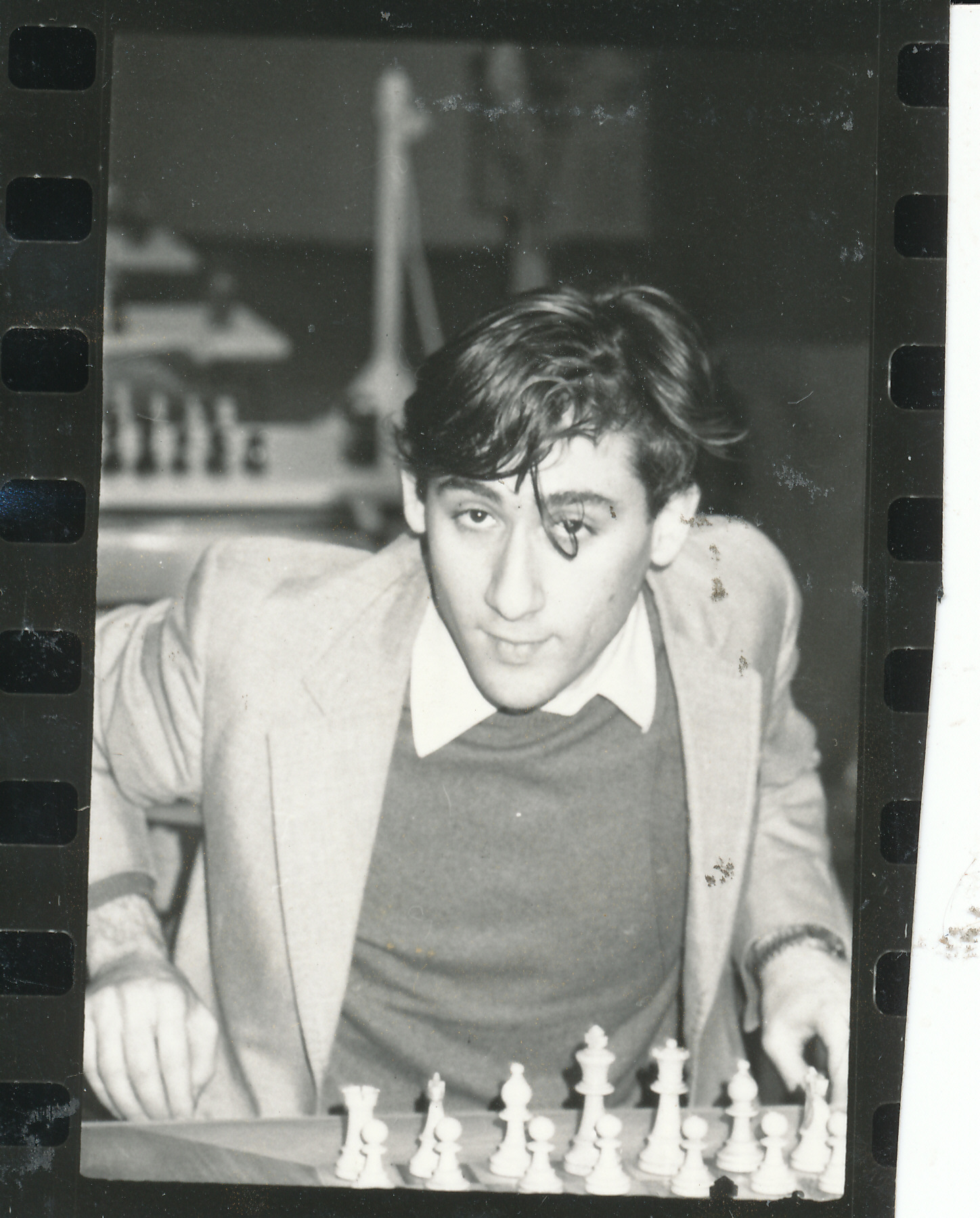
We wish WFM Helen Milligan all the best on her birthday, this day (August 25th) in 1962.
Helen became a Woman’s FIDE Master in 2000 and a Candidate Master in 2013.
Her highest FIDE rating was 2138 in July 1999.
Helen Milligan (born Helen Scott; 25 August 1962) is a Scottish-New Zealand chess player holding the FIDE titles of Candidate Master (CM) and Woman FIDE Master (WFM), and three-time Asian senior women’s champion. The CM title was earnt at a FIDE open zonal.
WFM Helen Milligan
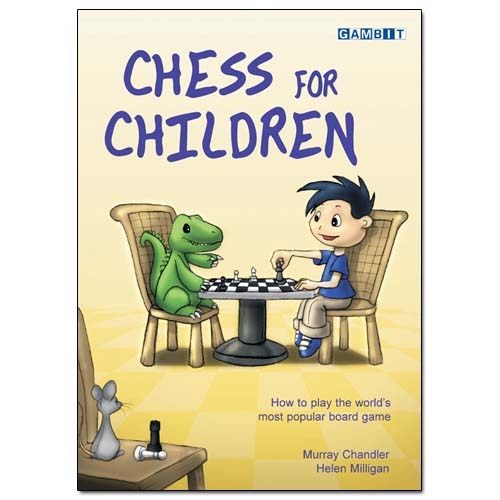
In 2004 Milligan co-authored the book “Chess for Children” with Grandmaster Murray Chandler. She has been an officer of the New Zealand Chess Federation, and has worked as a coach at Murray Chandler’s National Chess Centre in Auckland. She currently works as a self-employed chess coach. The National Chess Centre has since been sold by Murray Chandler.
Milligan has won or jointly won the Scottish women’s championship three times: in 1982, 1986 and 1988. In 1983 she was joint British Ladies’ champion with Rani Hamid.
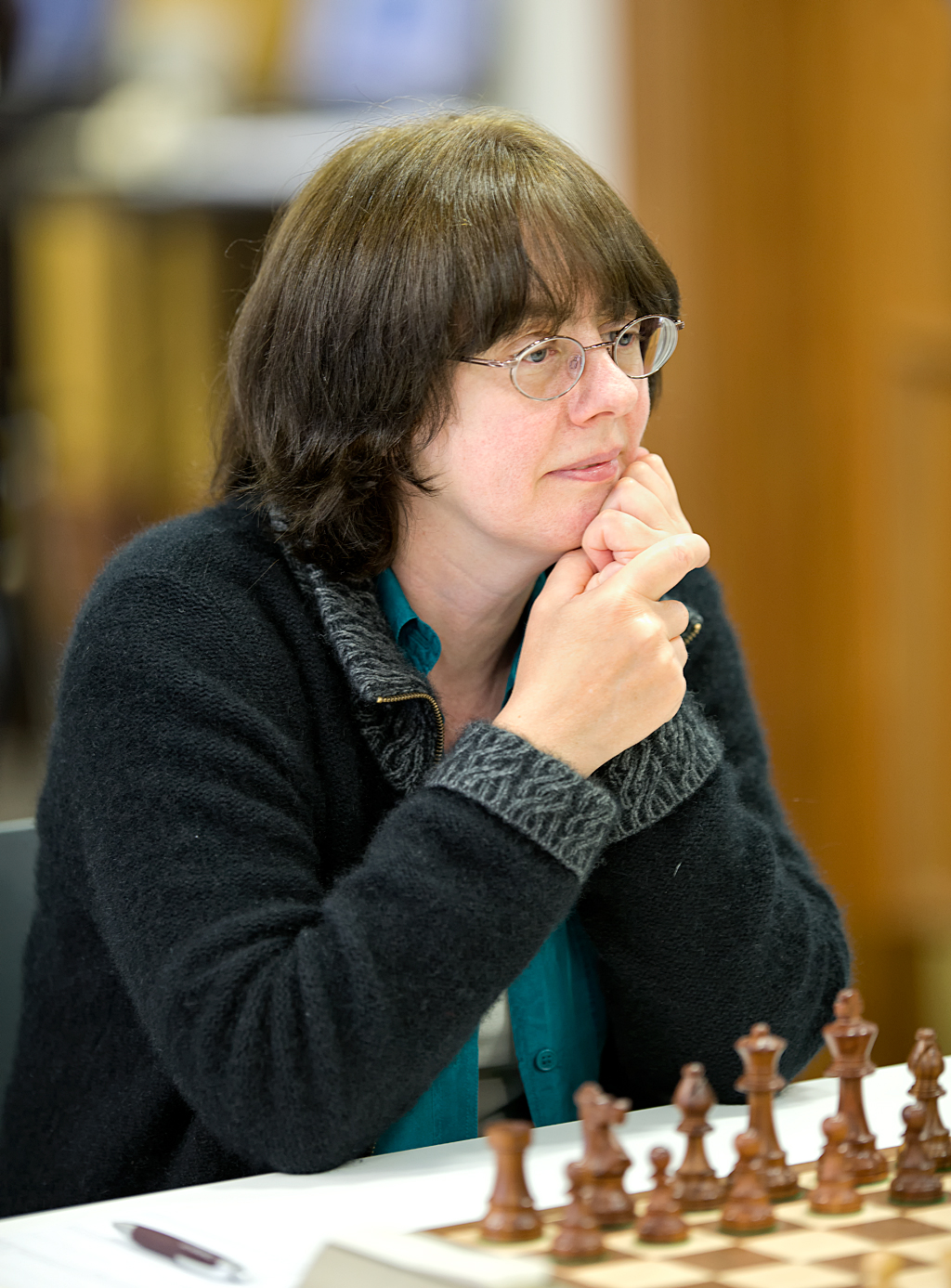
WFM Helen Milligan in 2010
Milligan represented Scotland in eleven Women’s Chess Olympiads between 1982 and 2006. Since 2008 she has played for New Zealand in this competition, having transferred national federations in 2007.
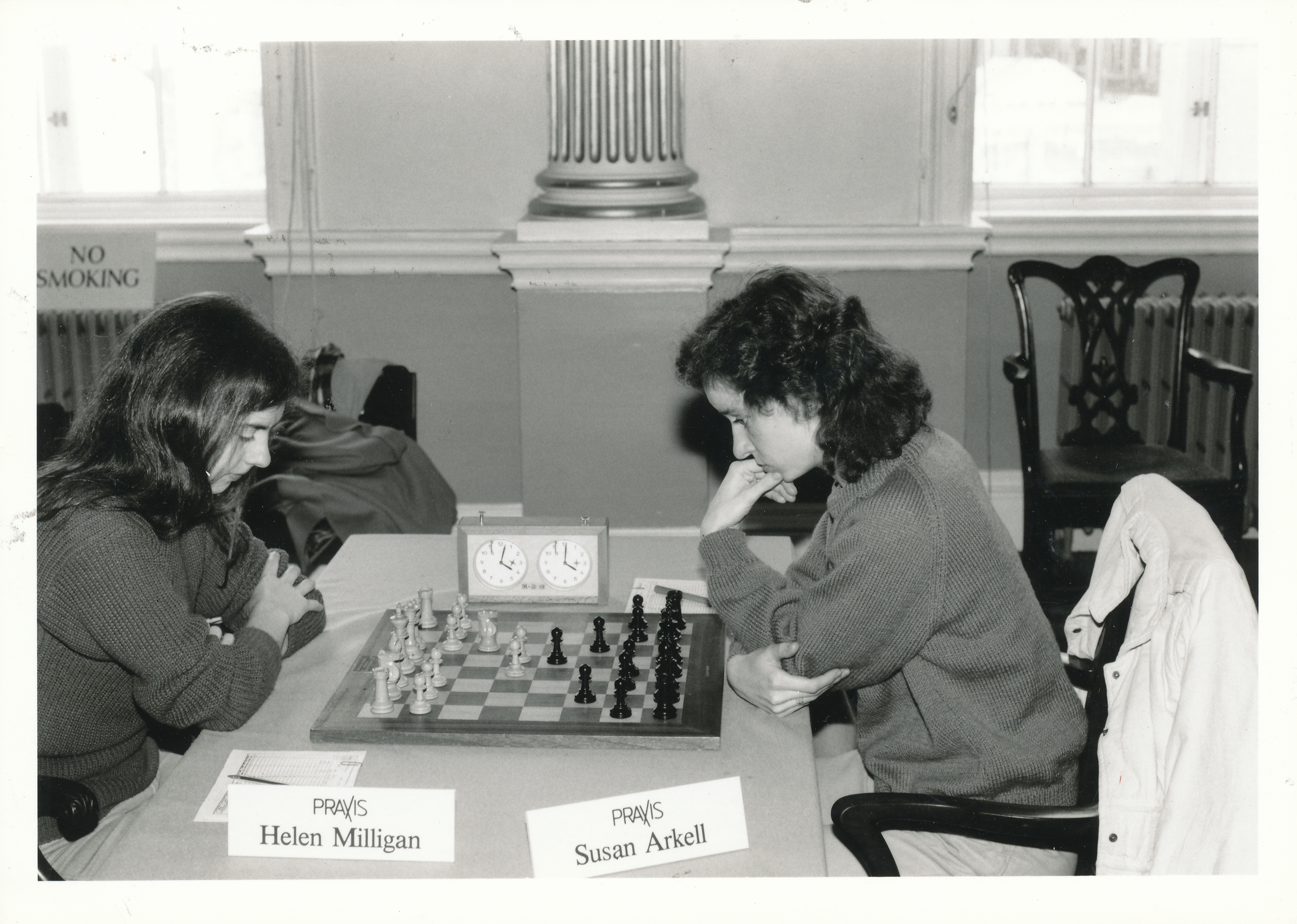
WFM Helen Milligan vs Susan Arkell
Milligan became Oceania women’s champion at the Queenstown Chess Classic tournament in January 2012. She also competed in Women’s Zonal Chess Championships in Bath 1987, Blackpool 1990, Delden 1993, Saint Vincent 1999, and the open zonal at Gold Coast in 2009.
She won the Asian senior women’s (50+) champion title in 2014 in Sri Lanka, 2015 in Larestan, Iran, 2016 in Mandalay, Myanmar and 2017 in Auckland.
We wish WFM Helen Milligan all the best on her birthday, this day (August 25th) in 1962.
Helen became a Woman’s FIDE Master in 2000 and a Candidate Master in 2013.
Her highest FIDE rating was 2138 in July 1999.
Helen Milligan (born Helen Scott; 25 August 1962) is a Scottish-New Zealand chess player holding the FIDE titles of Candidate Master (CM) and Woman FIDE Master (WFM), and three-time Asian senior women’s champion. The CM title was earnt at a FIDE open zonal.
WFM Helen Milligan
In 2004 Milligan co-authored the book “Chess for Children” with Grandmaster Murray Chandler. She has been an officer of the New Zealand Chess Federation, and has worked as a coach at Murray Chandler’s National Chess Centre in Auckland. She currently works as a self-employed chess coach. The National Chess Centre has since been sold by Murray Chandler.
Milligan has won or jointly won the Scottish women’s championship three times: in 1982, 1986 and 1988. In 1983 she was joint British Ladies’ champion with Rani Hamid.
WFM Helen Milligan in 2010
Milligan represented Scotland in eleven Women’s Chess Olympiads between 1982 and 2006. Since 2008 she has played for New Zealand in this competition, having transferred national federations in 2007.
WFM Helen Milligan vs Susan Arkell
Milligan became Oceania women’s champion at the Queenstown Chess Classic tournament in January 2012. She also competed in Women’s Zonal Chess Championships in Bath 1987, Blackpool 1990, Delden 1993, Saint Vincent 1999, and the open zonal at Gold Coast in 2009.
She won the Asian senior women’s (50+) champion title in 2014 in Sri Lanka, 2015 in Larestan, Iran, 2016 in Mandalay, Myanmar and 2017 in Auckland.
We wish WFM Helen Milligan all the best on her birthday, this day (August 25th) in 1962.
Helen became a Woman’s FIDE Master in 2000 and a Candidate Master in 2013.
Her highest FIDE rating was 2138 in July 1999.
Helen Milligan (born Helen Scott; 25 August 1962) is a Scottish-New Zealand chess player holding the FIDE titles of Candidate Master (CM) and Woman FIDE Master (WFM), and three-time Asian senior women’s champion. The CM title was earnt at a FIDE open zonal.
WFM Helen Milligan
In 2004 Milligan co-authored the book “Chess for Children” with Grandmaster Murray Chandler. She has been an officer of the New Zealand Chess Federation, and has worked as a coach at Murray Chandler’s National Chess Centre in Auckland. She currently works as a self-employed chess coach. The National Chess Centre has since been sold by Murray Chandler.
Milligan has won or jointly won the Scottish women’s championship three times: in 1982, 1986 and 1988. In 1983 she was joint British Ladies’ champion with Rani Hamid.
WFM Helen Milligan in 2010
Milligan represented Scotland in eleven Women’s Chess Olympiads between 1982 and 2006. Since 2008 she has played for New Zealand in this competition, having transferred national federations in 2007.
WFM Helen Milligan vs Susan Arkell
Milligan became Oceania women’s champion at the Queenstown Chess Classic tournament in January 2012. She also competed in Women’s Zonal Chess Championships in Bath 1987, Blackpool 1990, Delden 1993, Saint Vincent 1999, and the open zonal at Gold Coast in 2009.
She won the Asian senior women’s (50+) champion title in 2014 in Sri Lanka, 2015 in Larestan, Iran, 2016 in Mandalay, Myanmar and 2017 in Auckland.
We wish WFM Helen Milligan all the best on her birthday, this day (August 25th) in 1962.
Helen became a Woman’s FIDE Master in 2000 and a Candidate Master in 2013.
Her highest FIDE rating was 2138 in July 1999.
Helen Milligan (born Helen Scott; 25 August 1962) is a Scottish-New Zealand chess player holding the FIDE titles of Candidate Master (CM) and Woman FIDE Master (WFM), and three-time Asian senior women’s champion. The CM title was earnt at a FIDE open zonal.
WFM Helen Milligan
In 2004 Milligan co-authored the book “Chess for Children” with Grandmaster Murray Chandler. She has been an officer of the New Zealand Chess Federation, and has worked as a coach at Murray Chandler’s National Chess Centre in Auckland. She currently works as a self-employed chess coach. The National Chess Centre has since been sold by Murray Chandler.
Milligan has won or jointly won the Scottish women’s championship three times: in 1982, 1986 and 1988. In 1983 she was joint British Ladies’ champion with Rani Hamid.
WFM Helen Milligan in 2010
Milligan represented Scotland in eleven Women’s Chess Olympiads between 1982 and 2006. Since 2008 she has played for New Zealand in this competition, having transferred national federations in 2007.
WFM Helen Milligan vs Susan Arkell
Milligan became Oceania women’s champion at the Queenstown Chess Classic tournament in January 2012. She also competed in Women’s Zonal Chess Championships in Bath 1987, Blackpool 1990, Delden 1993, Saint Vincent 1999, and the open zonal at Gold Coast in 2009.
She won the Asian senior women’s (50+) champion title in 2014 in Sri Lanka, 2015 in Larestan, Iran, 2016 in Mandalay, Myanmar and 2017 in Auckland.
We wish WFM Helen Milligan all the best on her birthday, this day (August 25th) in 1962.
Helen became a Woman’s FIDE Master in 2000 and a Candidate Master in 2013.
Her highest FIDE rating was 2138 in July 1999.
Helen Milligan (born Helen Scott; 25 August 1962) is a Scottish-New Zealand chess player holding the FIDE titles of Candidate Master (CM) and Woman FIDE Master (WFM), and three-time Asian senior women’s champion. The CM title was earnt at a FIDE open zonal.
WFM Helen Milligan
In 2004 Milligan co-authored the book “Chess for Children” with Grandmaster Murray Chandler. She has been an officer of the New Zealand Chess Federation, and has worked as a coach at Murray Chandler’s National Chess Centre in Auckland. She currently works as a self-employed chess coach. The National Chess Centre has since been sold by Murray Chandler.
Milligan has won or jointly won the Scottish women’s championship three times: in 1982, 1986 and 1988. In 1983 she was joint British Ladies’ champion with Rani Hamid.
WFM Helen Milligan in 2010
Milligan represented Scotland in eleven Women’s Chess Olympiads between 1982 and 2006. Since 2008 she has played for New Zealand in this competition, having transferred national federations in 2007.
WFM Helen Milligan vs Susan Arkell
Milligan became Oceania women’s champion at the Queenstown Chess Classic tournament in January 2012. She also competed in Women’s Zonal Chess Championships in Bath 1987, Blackpool 1990, Delden 1993, Saint Vincent 1999, and the open zonal at Gold Coast in 2009.
She won the Asian senior women’s (50+) champion title in 2014 in Sri Lanka, 2015 in Larestan, Iran, 2016 in Mandalay, Myanmar and 2017 in Auckland.
Peter Nicholas Charles Lee was born on Sunday, November 21st in 1943 in Lambeth, London. His mother’s maiden name was Paganucci.
Peter attended Exeter College, Oxford from 1962-1966 to read mathematics followed by postgraduate statistics gaining an MA in 1969.
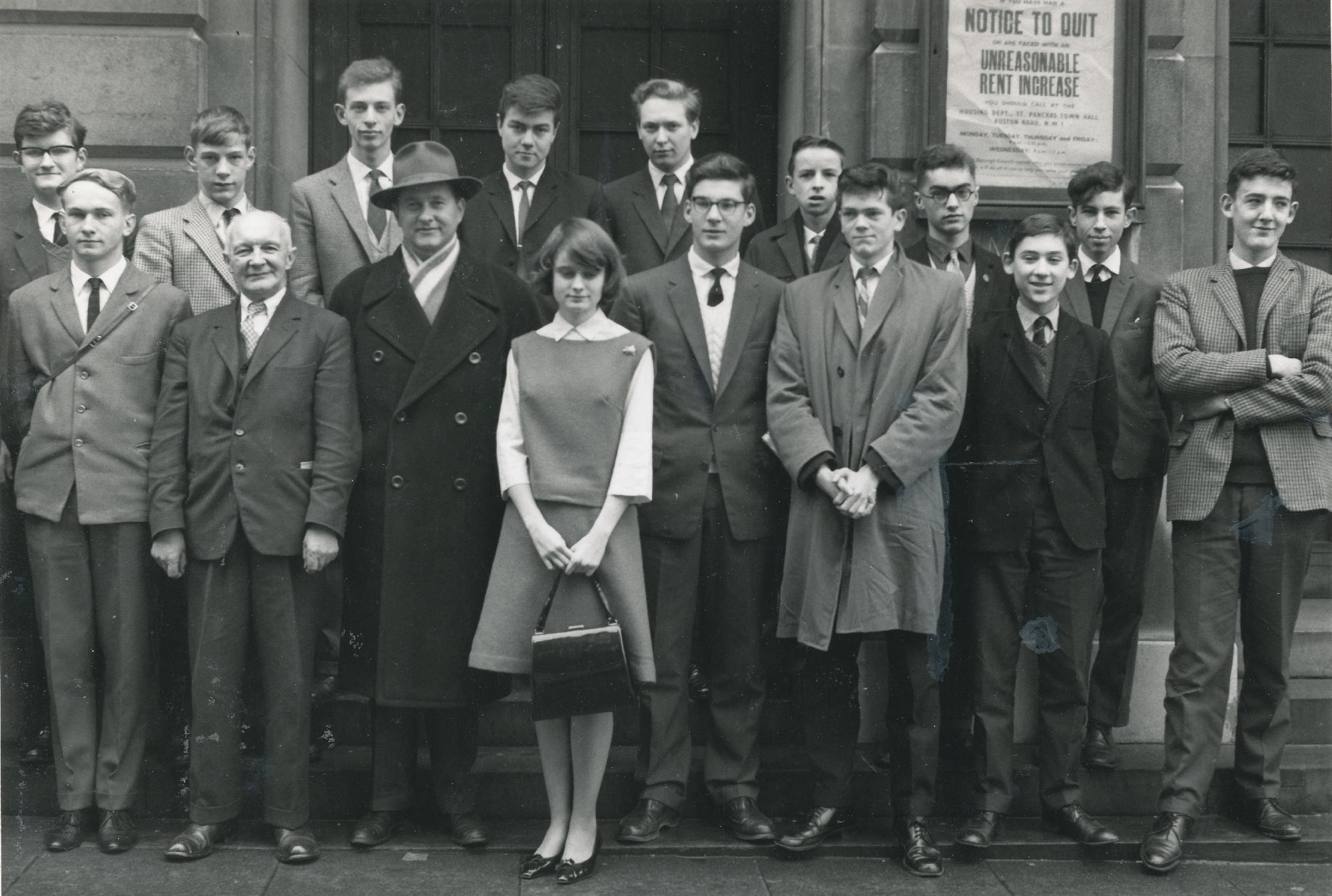
Some of the participants in the Paul Keres display on November 25th, 1962, at St Pancras Town Hall, London WC1. Back row : AJ. Whiteley, D, Floyer, PJ Collins, PJ Adams, RC Vaughan, KB Harman, D. Parr, DNL Levy, Front row : MV Lambshire, AE Hopkins (selector) Paul Keres, Miss D. Dobson, RE Hartley, BC Gillman, WR Hartston and PN Lee. Photograph by AM Reilly. Source : BCM, 1963, page 13
In 1963 Peter represented Oxford in the 81st Varsity Match played at the University of London Union in Malet Street on Korchnoi’s birthday (March 23rd). Peter had black on board 5 and drew with Frederick Michael Akeroyd in a King’s Gambit Declined.
Here is the winning Oxford (4-3) Team :
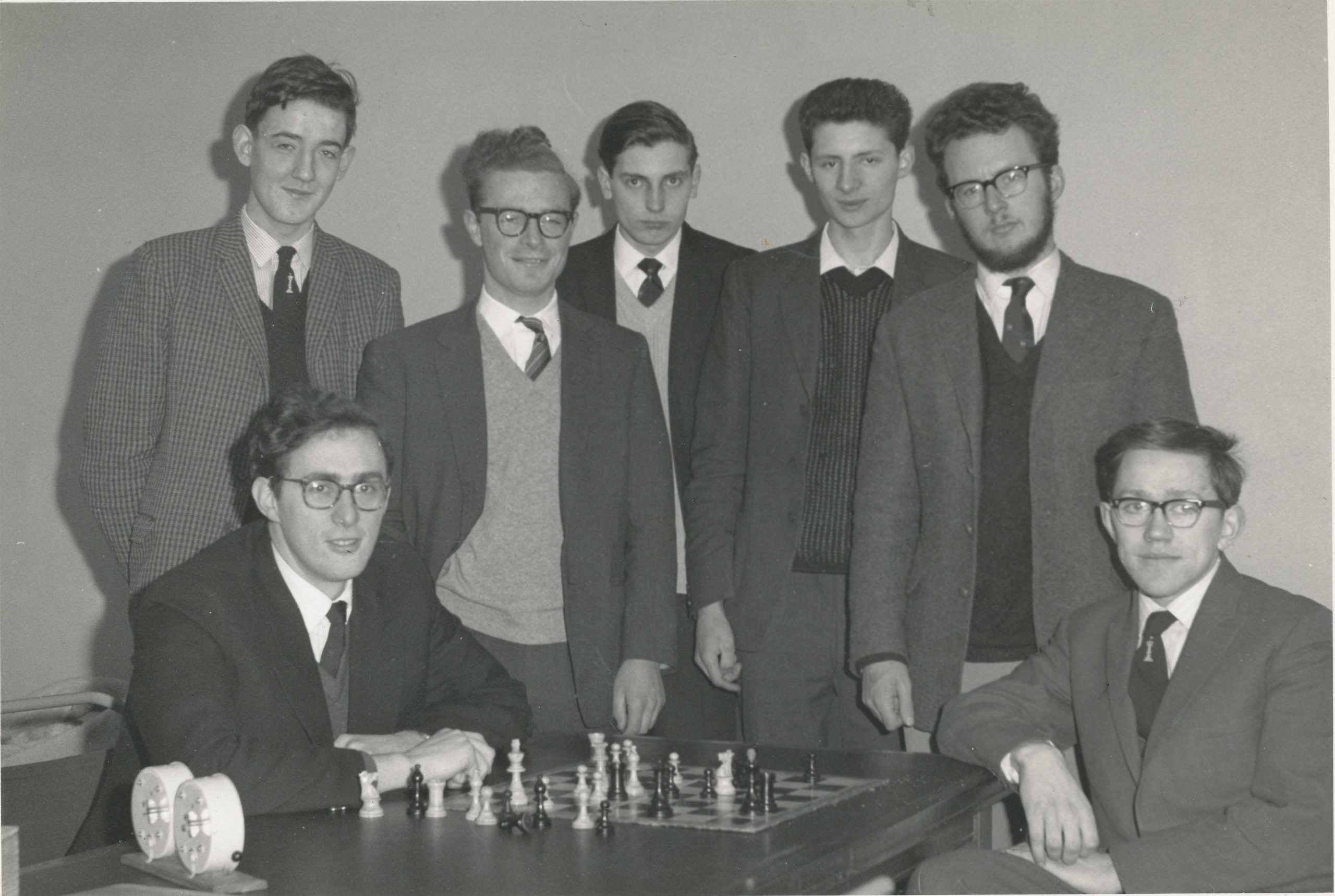
The winning 1963 Oxford Varsity match team : From left to right (standing): PN Lee, JWF May, GC Taylor, AIN Brodie, PD Yerbury; (sitting) JK Footner, RW Morgan. Thanks : John Saunders in Britbase.
Peter moved to top board in 1964 and had white against the son of BH Wood, FM Christopher Baruch Wood and won. The match was drawn.
1965 saw a 5.5 – 1.5 Oxford victory with Peter beating Graham Arthur Winbow.
During this period Peter found time to win the British Championship at Hastings in 1965. Peter Clarke reported in the October 1965 British Chess Magazine:
“Seventy years on from the great international tournament of 1895, which sowed the seeds of the Christmas congresses. the fifty-second in the British Chess Federation’s annual series-and this too began at Hastings, 1904 – saw victory and the national title go to the youngest player ever. Peter N. Lee, of London, a twenty-one-year-old Oxford University graduate in mathematics, made light of playing in the Championship for the first time and led from start to finish. Jonathan Penrose and Norman Littlewood vied with him all the way but in the last round had to be content with draws sharing second place 1/2 point behind with 8. ”
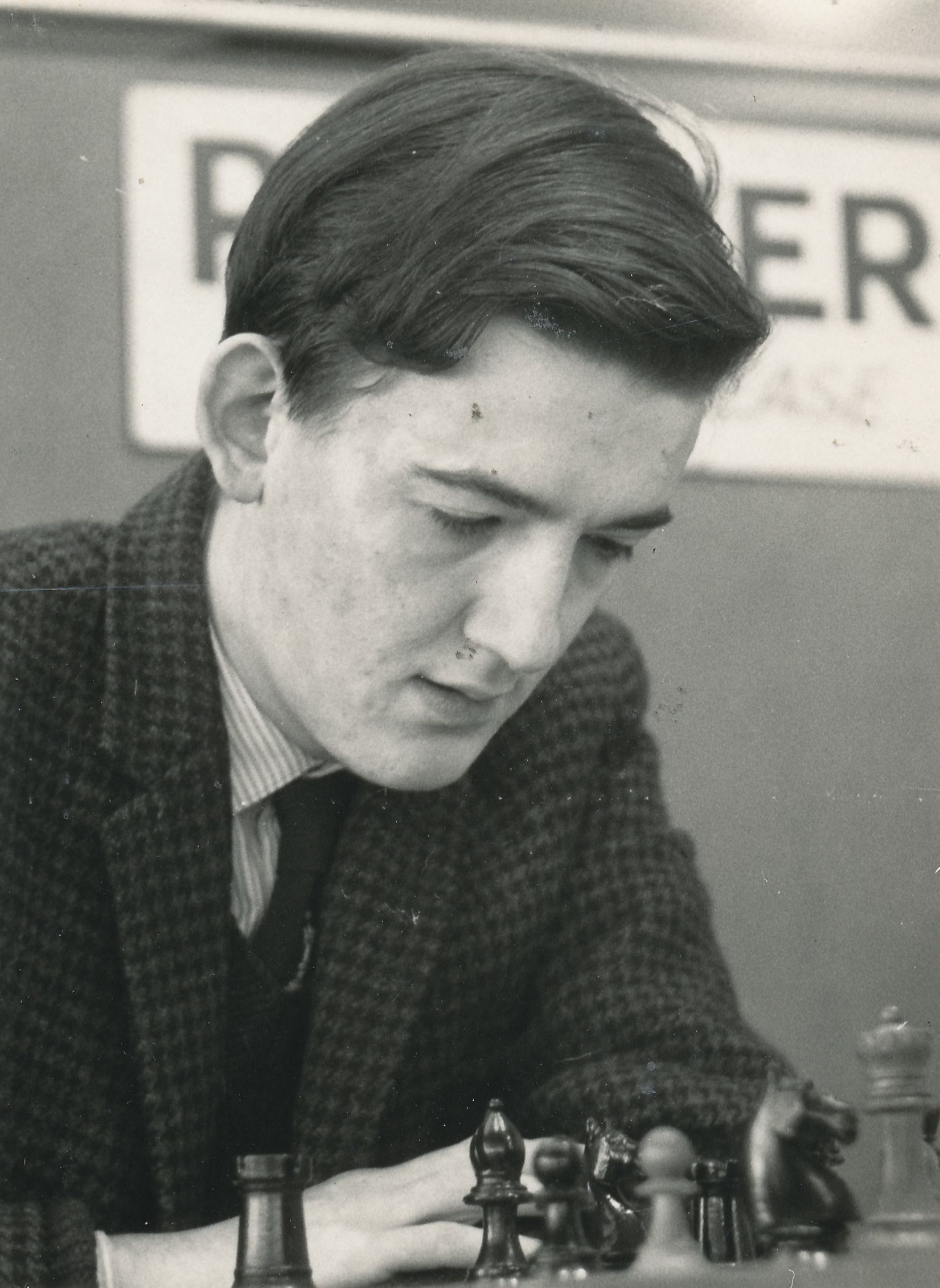
Peter Lee
Peter played at Hastings in 1965 and we can see him here in this silent movie at 1’40” in :
Peter’s final Varsity appearance as British Champion in 1966 saw another drawn match but Peter’s best Varsity result when he beat Bill Hartston with the white pieces in a King’s Indian Attack.
In world cup year Peter was selected by the BCF to represent England at the Havana Olympiad on board two below Peter Clarke in Group 4 and then Final B scoring a creditable +4=7-1.
Lugano 1968 saw Peter playing as first reserve and scoring an excellent +7=4-2 (Penrose on top board scored a wonderful 83.3% for the silver medal.
In another world cup year (1970) in his final Olympiad appearance Peter played on board four and recorded +4=9-2
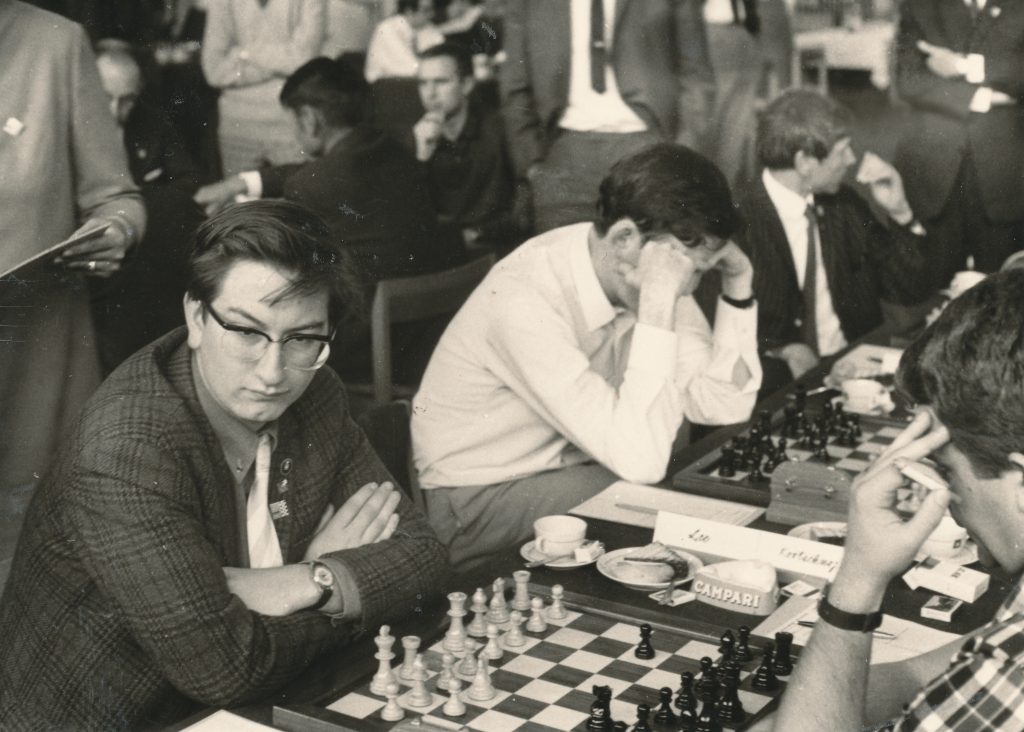
Peter Nicholas Lee (to the left of RD Keene)
Peter played in the British Championships again in 1967, 1968, 1971 and finally in 1972 withdrawing after five rounds following a loss to David Pritchard. This is Peter’s last recorded game in Megabase2020.
With the white pieces Peter was a committed 1.e4 fan playing 8.c3 in the Lopez and open sicilians.
As the second player he played the Sicilian Najdorf and the Dragon along with the King’s Indian.
According to Wikipedia : “Later, he turned to contract bridge, at which he has also been highly successful. He has won the English Bridge Union’s National Pairs title four times, the first time in 2003, and has also been a member of the team that won the Gold Cup, the premier teams event in Britain, in 2003 and 2011. This makes him the only person who has won British championships in both chess and bridge.”
Until 1979 he worked as a statistician to the Tobacco Research Council, in Harrogate and then in London. From 1979 to 1984 he was an independent consultant in statistics and advisor in epidemiology and toxicology to a number of tobacco, pharmaceutical and chemical companies.
He formed P N Lee Statistics and Computing Ltdin 1984 to widen these activities. Peter is a Chartered Statistician who has published over 200 papers, letters and articles, and several books.
Peter is currently a director of PNLSC based in Palmers Green, London, N13.
Peter Lee
As a consultant in medical statistics and epidemiology, he has also published over 200 papers, many on the effects of tobacco on health.[2]
Peter reached a peak Elo rating of 2390 aged 47 in July 1990 according to MegaBase 2020. However, his peak playing strength was probably in or around 1971.
According to Paul Littlewood currently Peter “plays Bridge for Surrey and chess for the Athenaeum in London”.
Peter Nicholas Charles Lee was born on Sunday, November 21st in 1943 in Lambeth, London. His mother’s maiden name was Paganucci.
Peter attended Exeter College, Oxford from 1962-1966 to read mathematics followed by postgraduate statistics gaining an MA in 1969.
Some of the participants in the Paul Keres display on November 25th, 1962, at St Pancras Town Hall, London WC1. Back row : AJ. Whiteley, D, Floyer, PJ Collins, PJ Adams, RC Vaughan, KB Harman, D. Parr, DNL Levy, Front row : MV Lambshire, AE Hopkins (selector) Paul Keres, Miss D. Dobson, RE Hartley, BC Gillman, WR Hartston and PN Lee. Photograph by AM Reilly. Source : BCM, 1963, page 13
In 1963 Peter represented Oxford in the 81st Varsity Match played at the University of London Union in Malet Street on Korchnoi’s birthday (March 23rd). Peter had black on board 5 and drew with Frederick Michael Akeroyd in a King’s Gambit Declined.
Here is the winning Oxford (4-3) Team :
The winning 1963 Oxford Varsity match team : From left to right (standing): PN Lee, JWF May, GC Taylor, AIN Brodie, PD Yerbury; (sitting) JK Footner, RW Morgan. Thanks : John Saunders in Britbase.
Peter moved to top board in 1964 and had white against the son of BH Wood, FM Christopher Baruch Wood and won. The match was drawn.
1965 saw a 5.5 – 1.5 Oxford victory with Peter beating Graham Arthur Winbow.
During this period Peter found time to win the British Championship at Hastings in 1965. Peter Clarke reported in the October 1965 British Chess Magazine:
“Seventy years on from the great international tournament of 1895, which sowed the seeds of the Christmas congresses. the fifty-second in the British Chess Federation’s annual series-and this too began at Hastings, 1904 – saw victory and the national title go to the youngest player ever. Peter N. Lee, of London, a twenty-one-year-old Oxford University graduate in mathematics, made light of playing in the Championship for the first time and led from start to finish. Jonathan Penrose and Norman Littlewood vied with him all the way but in the last round had to be content with draws sharing second place 1/2 point behind with 8. ”
Peter Lee
Peter played at Hastings in 1965 and we can see him here in this silent movie at 1’40” in :
Peter’s final Varsity appearance as British Champion in 1966 saw another drawn match but Peter’s best Varsity result when he beat Bill Hartston with the white pieces in a King’s Indian Attack.
In world cup year Peter was selected by the BCF to represent England at the Havana Olympiad on board two below Peter Clarke in Group 4 and then Final B scoring a creditable +4=7-1.
Lugano 1968 saw Peter playing as first reserve and scoring an excellent +7=4-2 (Penrose on top board scored a wonderful 83.3% for the silver medal.
In another world cup year (1970) in his final Olympiad appearance Peter played on board four and recorded +4=9-2
Peter Nicholas Lee (to the left of RD Keene)
Peter played in the British Championships again in 1967, 1968, 1971 and finally in 1972 withdrawing after five rounds following a loss to David Pritchard. This is Peter’s last recorded game in Megabase2020.
With the white pieces Peter was a committed 1.e4 fan playing 8.c3 in the Lopez and open sicilians.
As the second player he played the Sicilian Najdorf and the Dragon along with the King’s Indian.
According to Wikipedia : “Later, he turned to contract bridge, at which he has also been highly successful. He has won the English Bridge Union’s National Pairs title four times, the first time in 2003, and has also been a member of the team that won the Gold Cup, the premier teams event in Britain, in 2003 and 2011. This makes him the only person who has won British championships in both chess and bridge.”
Until 1979 he worked as a statistician to the Tobacco Research Council, in Harrogate and then in London. From 1979 to 1984 he was an independent consultant in statistics and advisor in epidemiology and toxicology to a number of tobacco, pharmaceutical and chemical companies.
He formed P N Lee Statistics and Computing Ltdin 1984 to widen these activities. Peter is a Chartered Statistician who has published over 200 papers, letters and articles, and several books.
Peter is currently a director of PNLSC based in Palmers Green, London, N13.
Peter Lee
As a consultant in medical statistics and epidemiology, he has also published over 200 papers, many on the effects of tobacco on health.[2]
Peter reached a peak Elo rating of 2390 aged 47 in July 1990 according to MegaBase 2020. However, his peak playing strength was probably in or around 1971.
According to Paul Littlewood currently Peter “plays Bridge for Surrey and chess for the Athenaeum in London”.
Peter Nicholas Charles Lee was born on Sunday, November 21st in 1943 in Lambeth, London. His mother’s maiden name was Paganucci.
Peter attended Exeter College, Oxford from 1962-1966 to read mathematics followed by postgraduate statistics gaining an MA in 1969.
Some of the participants in the Paul Keres display on November 25th, 1962, at St Pancras Town Hall, London WC1. Back row : AJ. Whiteley, D, Floyer, PJ Collins, PJ Adams, RC Vaughan, KB Harman, D. Parr, DNL Levy, Front row : MV Lambshire, AE Hopkins (selector) Paul Keres, Miss D. Dobson, RE Hartley, BC Gillman, WR Hartston and PN Lee. Photograph by AM Reilly. Source : BCM, 1963, page 13
In 1963 Peter represented Oxford in the 81st Varsity Match played at the University of London Union in Malet Street on Korchnoi’s birthday (March 23rd). Peter had black on board 5 and drew with Frederick Michael Akeroyd in a King’s Gambit Declined.
Here is the winning Oxford (4-3) Team :
The winning 1963 Oxford Varsity match team : From left to right (standing): PN Lee, JWF May, GC Taylor, AIN Brodie, PD Yerbury; (sitting) JK Footner, RW Morgan. Thanks : John Saunders in Britbase.
Peter moved to top board in 1964 and had white against the son of BH Wood, FM Christopher Baruch Wood and won. The match was drawn.
1965 saw a 5.5 – 1.5 Oxford victory with Peter beating Graham Arthur Winbow.
During this period Peter found time to win the British Championship at Hastings in 1965. Peter Clarke reported in the October 1965 British Chess Magazine:
“Seventy years on from the great international tournament of 1895, which sowed the seeds of the Christmas congresses. the fifty-second in the British Chess Federation’s annual series-and this too began at Hastings, 1904 – saw victory and the national title go to the youngest player ever. Peter N. Lee, of London, a twenty-one-year-old Oxford University graduate in mathematics, made light of playing in the Championship for the first time and led from start to finish. Jonathan Penrose and Norman Littlewood vied with him all the way but in the last round had to be content with draws sharing second place 1/2 point behind with 8. ”
Peter Lee
Peter played at Hastings in 1965 and we can see him here in this silent movie at 1’40” in :
Peter’s final Varsity appearance as British Champion in 1966 saw another drawn match but Peter’s best Varsity result when he beat Bill Hartston with the white pieces in a King’s Indian Attack.
In world cup year Peter was selected by the BCF to represent England at the Havana Olympiad on board two below Peter Clarke in Group 4 and then Final B scoring a creditable +4=7-1.
Lugano 1968 saw Peter playing as first reserve and scoring an excellent +7=4-2 (Penrose on top board scored a wonderful 83.3% for the silver medal.
In another world cup year (1970) in his final Olympiad appearance Peter played on board four and recorded +4=9-2
Peter Nicholas Lee (to the left of RD Keene)
Peter played in the British Championships again in 1967, 1968, 1971 and finally in 1972 withdrawing after five rounds following a loss to David Pritchard. This is Peter’s last recorded game in Megabase2020.
With the white pieces Peter was a committed 1.e4 fan playing 8.c3 in the Lopez and open sicilians.
As the second player he played the Sicilian Najdorf and the Dragon along with the King’s Indian.
According to Wikipedia : “Later, he turned to contract bridge, at which he has also been highly successful. He has won the English Bridge Union’s National Pairs title four times, the first time in 2003, and has also been a member of the team that won the Gold Cup, the premier teams event in Britain, in 2003 and 2011. This makes him the only person who has won British championships in both chess and bridge.”
Until 1979 he worked as a statistician to the Tobacco Research Council, in Harrogate and then in London. From 1979 to 1984 he was an independent consultant in statistics and advisor in epidemiology and toxicology to a number of tobacco, pharmaceutical and chemical companies.
He formed P N Lee Statistics and Computing Ltdin 1984 to widen these activities. Peter is a Chartered Statistician who has published over 200 papers, letters and articles, and several books.
Peter is currently a director of PNLSC based in Palmers Green, London, N13.
Peter Lee
As a consultant in medical statistics and epidemiology, he has also published over 200 papers, many on the effects of tobacco on health.[2]
Peter reached a peak Elo rating of 2390 aged 47 in July 1990 according to MegaBase 2020. However, his peak playing strength was probably in or around 1971.
According to Paul Littlewood currently Peter “plays Bridge for Surrey and chess for the Athenaeum in London”.
Peter Nicholas Charles Lee was born on Sunday, November 21st in 1943 in Lambeth, London. His mother’s maiden name was Paganucci.
Peter attended Exeter College, Oxford from 1962-1966 to read mathematics followed by postgraduate statistics gaining an MA in 1969.
Some of the participants in the Paul Keres display on November 25th, 1962, at St Pancras Town Hall, London WC1. Back row : AJ. Whiteley, D, Floyer, PJ Collins, PJ Adams, RC Vaughan, KB Harman, D. Parr, DNL Levy, Front row : MV Lambshire, AE Hopkins (selector) Paul Keres, Miss D. Dobson, RE Hartley, BC Gillman, WR Hartston and PN Lee. Photograph by AM Reilly. Source : BCM, 1963, page 13
In 1963 Peter represented Oxford in the 81st Varsity Match played at the University of London Union in Malet Street on Korchnoi’s birthday (March 23rd). Peter had black on board 5 and drew with Frederick Michael Akeroyd in a King’s Gambit Declined.
Here is the winning Oxford (4-3) Team :
The winning 1963 Oxford Varsity match team : From left to right (standing): PN Lee, JWF May, GC Taylor, AIN Brodie, PD Yerbury; (sitting) JK Footner, RW Morgan. Thanks : John Saunders in Britbase.
Peter moved to top board in 1964 and had white against the son of BH Wood, FM Christopher Baruch Wood and won. The match was drawn.
1965 saw a 5.5 – 1.5 Oxford victory with Peter beating Graham Arthur Winbow.
During this period Peter found time to win the British Championship at Hastings in 1965. Peter Clarke reported in the October 1965 British Chess Magazine:
“Seventy years on from the great international tournament of 1895, which sowed the seeds of the Christmas congresses. the fifty-second in the British Chess Federation’s annual series-and this too began at Hastings, 1904 – saw victory and the national title go to the youngest player ever. Peter N. Lee, of London, a twenty-one-year-old Oxford University graduate in mathematics, made light of playing in the Championship for the first time and led from start to finish. Jonathan Penrose and Norman Littlewood vied with him all the way but in the last round had to be content with draws sharing second place 1/2 point behind with 8. ”
Peter Lee
Peter played at Hastings in 1965 and we can see him here in this silent movie at 1’40” in :
Peter’s final Varsity appearance as British Champion in 1966 saw another drawn match but Peter’s best Varsity result when he beat Bill Hartston with the white pieces in a King’s Indian Attack.
In world cup year Peter was selected by the BCF to represent England at the Havana Olympiad on board two below Peter Clarke in Group 4 and then Final B scoring a creditable +4=7-1.
Lugano 1968 saw Peter playing as first reserve and scoring an excellent +7=4-2 (Penrose on top board scored a wonderful 83.3% for the silver medal.
In another world cup year (1970) in his final Olympiad appearance Peter played on board four and recorded +4=9-2
Peter Nicholas Lee (to the left of RD Keene)
Peter played in the British Championships again in 1967, 1968, 1971 and finally in 1972 withdrawing after five rounds following a loss to David Pritchard. This is Peter’s last recorded game in Megabase2020.
With the white pieces Peter was a committed 1.e4 fan playing 8.c3 in the Lopez and open sicilians.
As the second player he played the Sicilian Najdorf and the Dragon along with the King’s Indian.
According to Wikipedia : “Later, he turned to contract bridge, at which he has also been highly successful. He has won the English Bridge Union’s National Pairs title four times, the first time in 2003, and has also been a member of the team that won the Gold Cup, the premier teams event in Britain, in 2003 and 2011. This makes him the only person who has won British championships in both chess and bridge.”
Until 1979 he worked as a statistician to the Tobacco Research Council, in Harrogate and then in London. From 1979 to 1984 he was an independent consultant in statistics and advisor in epidemiology and toxicology to a number of tobacco, pharmaceutical and chemical companies.
He formed P N Lee Statistics and Computing Ltdin 1984 to widen these activities. Peter is a Chartered Statistician who has published over 200 papers, letters and articles, and several books.
Peter is currently a director of PNLSC based in Palmers Green, London, N13.
Peter Lee
As a consultant in medical statistics and epidemiology, he has also published over 200 papers, many on the effects of tobacco on health.[2]
Peter reached a peak Elo rating of 2390 aged 47 in July 1990 according to MegaBase 2020. However, his peak playing strength was probably in or around 1971.
According to Paul Littlewood currently Peter “plays Bridge for Surrey and chess for the Athenaeum in London”.
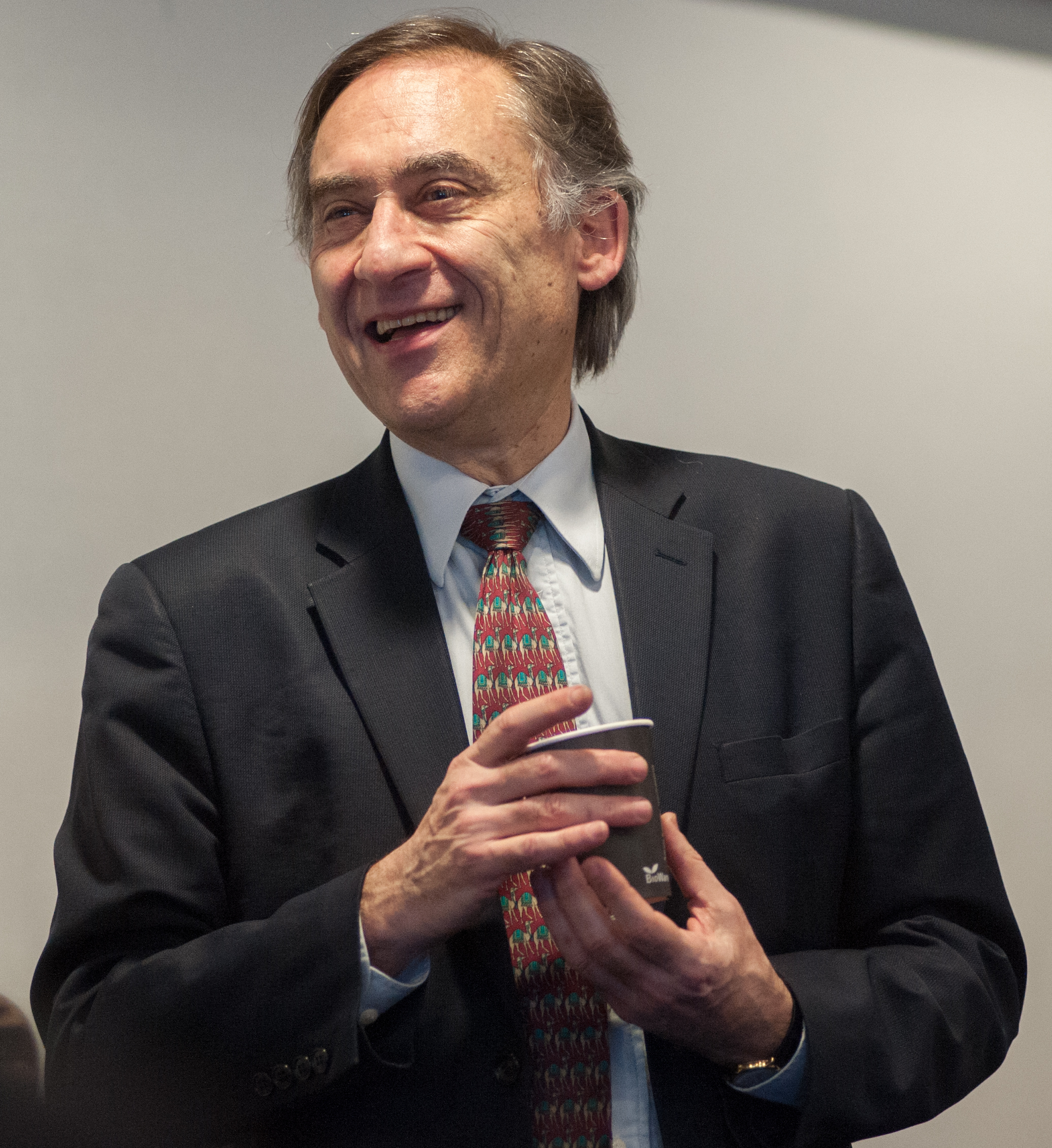
IM William Hartston, FIDE Candidates, 2013, courtesy of John Upham Photography
On the “glorious twelfth” of August we celebrate the birthday of one of England’s most popular chess players and writers, IM Bill Hartston.
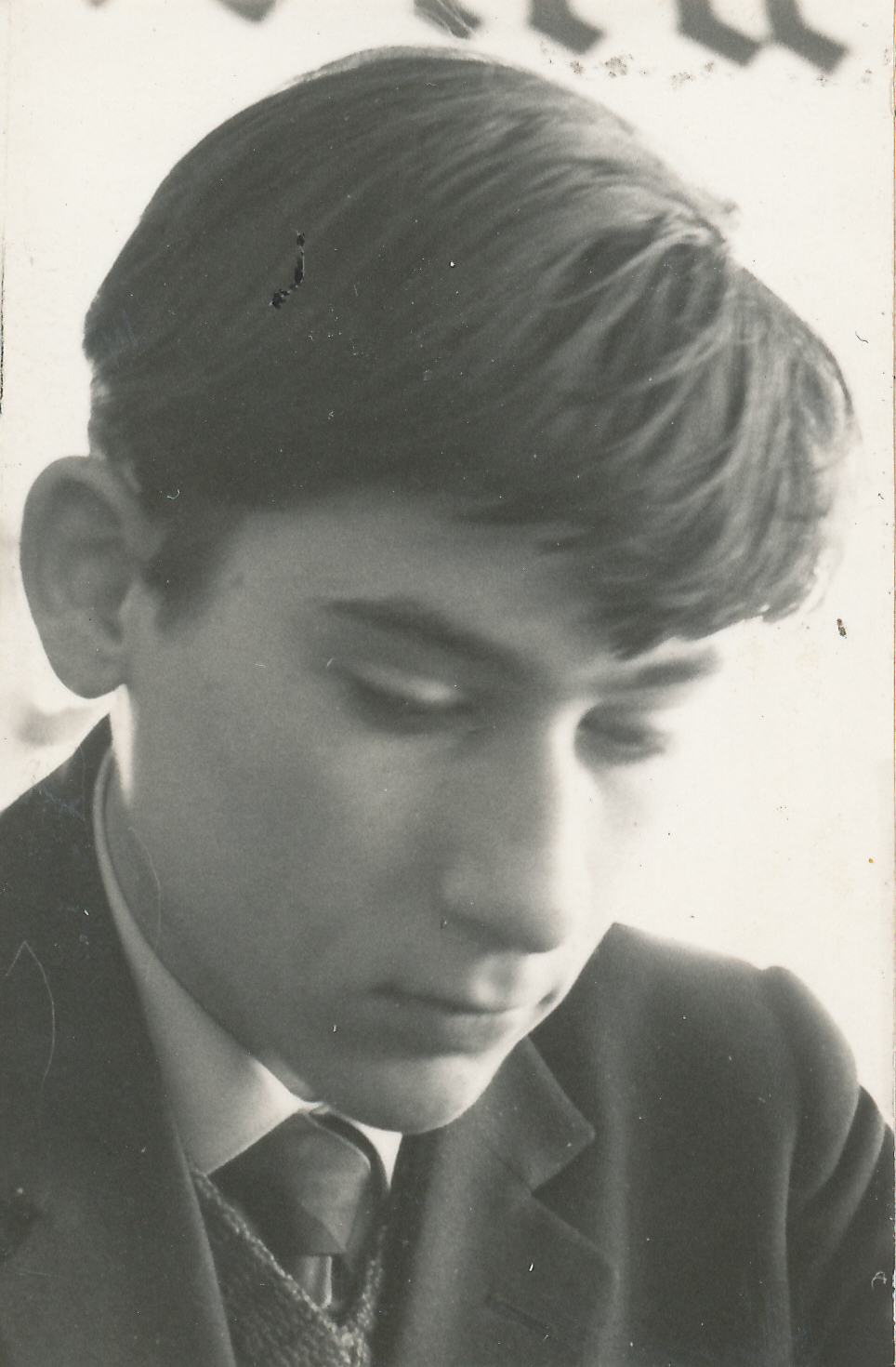
William Roland Hartston was born in Willesden, Middlesex on Tuesday, August 12th, 1947. His father was William Hartston, a significant member of the Royal College of Physicians who was married to Mary Rowland. Bill has a sister.
Bill Hartston
He studied at the City of London School and then studied mathematics at Jesus College, Cambridge and graduated with a BA in 1968 and an MA in 1972, but did not complete his PhD on number theory.
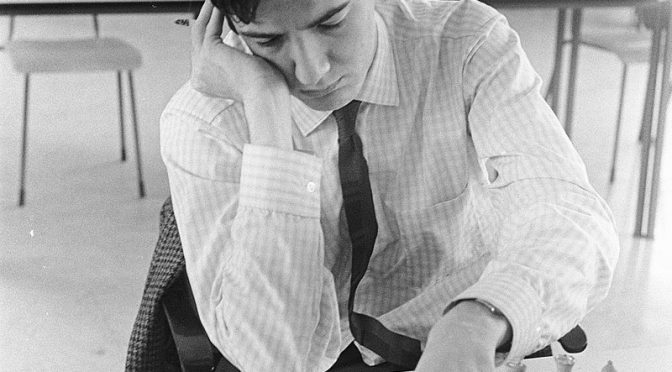
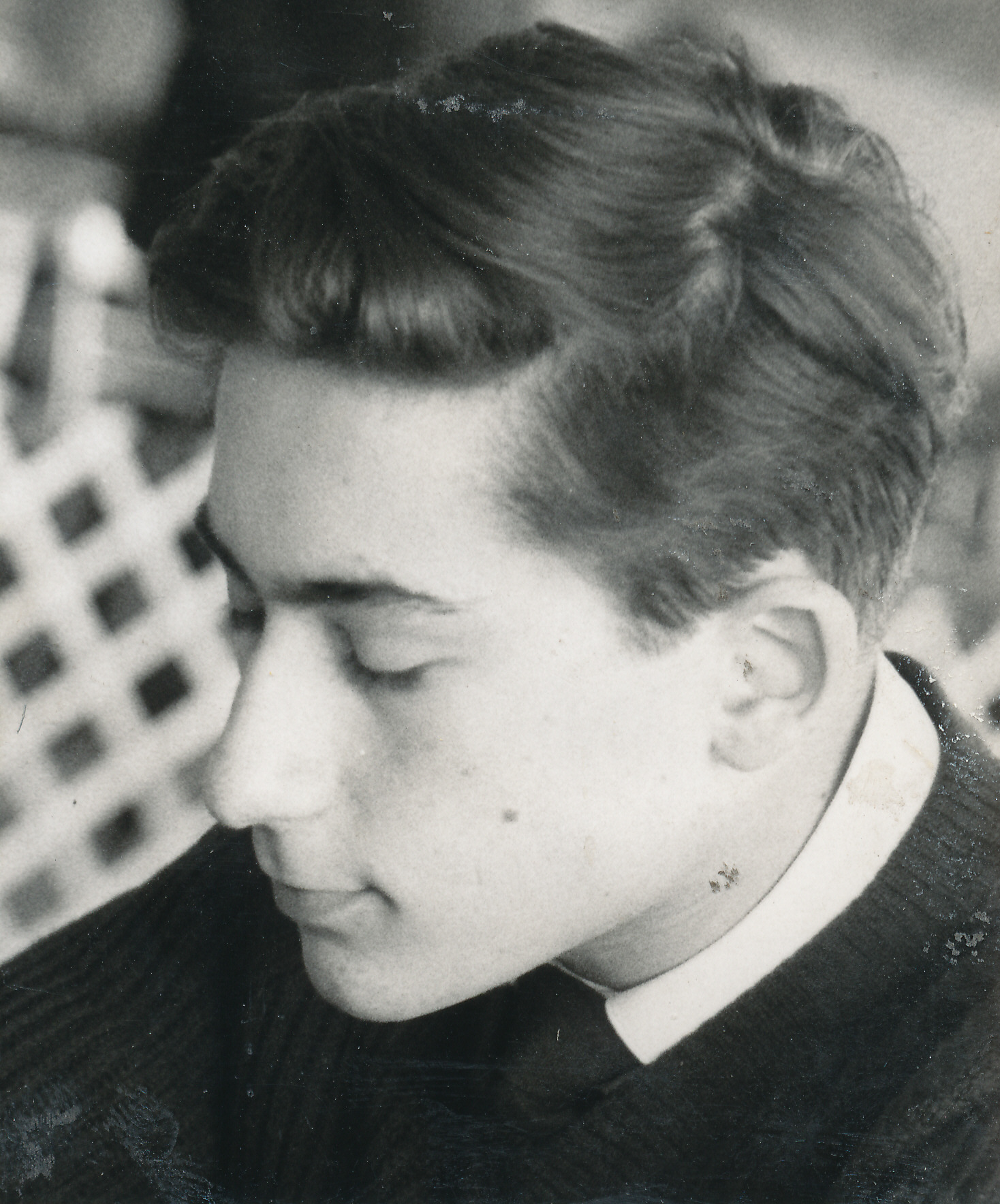
An early Bill Hartston, event unknown
While studying for his PhD at Cambridge, Hartston developed an intricate system for balancing an entire chess set on top of a single rook. Here is an article with an explanation letter from Bill.
Bill married Dr. Jana Malypetrova in January, 1970 in Cambridge. In 1978 Bill married Elizabeth Bannerman, also in Cambridge and from that marriage he had two sons, James and Nicholas.
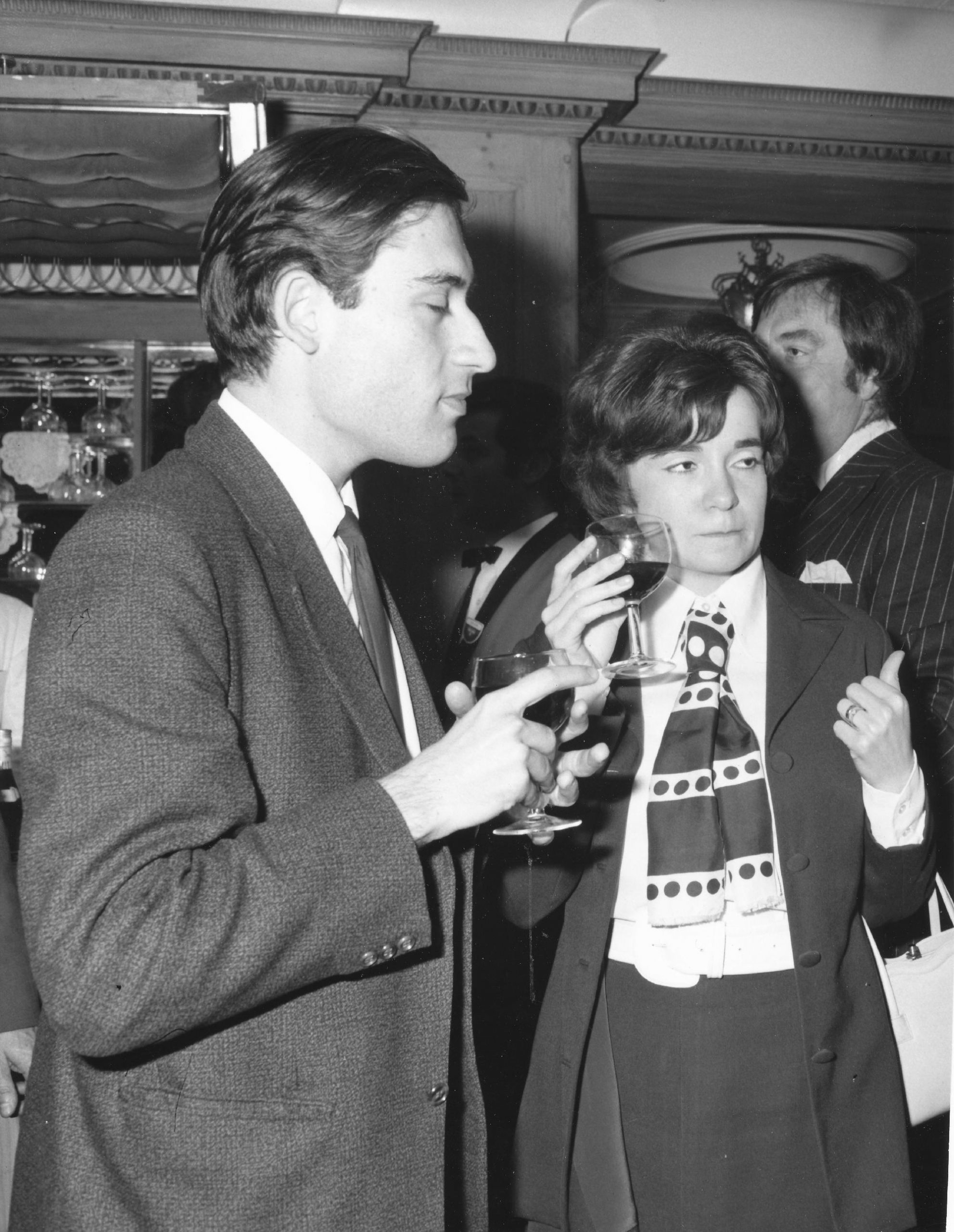
Bill and Dr. Jana Hartston (née Malypetrova)
Bill became an International Master in 1972 and his highest FIDE rating was 2485 in January 1979.
With the white pieces Bill almost exclusively played 1.e4 and the Ruy Lopez.
With the black pieces Bill played the Sicilian Taimanov and the Czech Benoni.
Bill plays his trusty Sicilian Taimanov against an unknown opponent
Bill is a self-proclaimed follower of Prof. AJ Ayer (See the Acknowledgements in “Soft Pawn”) Clint Eastwood and Tottenham Hotspur Football Club.
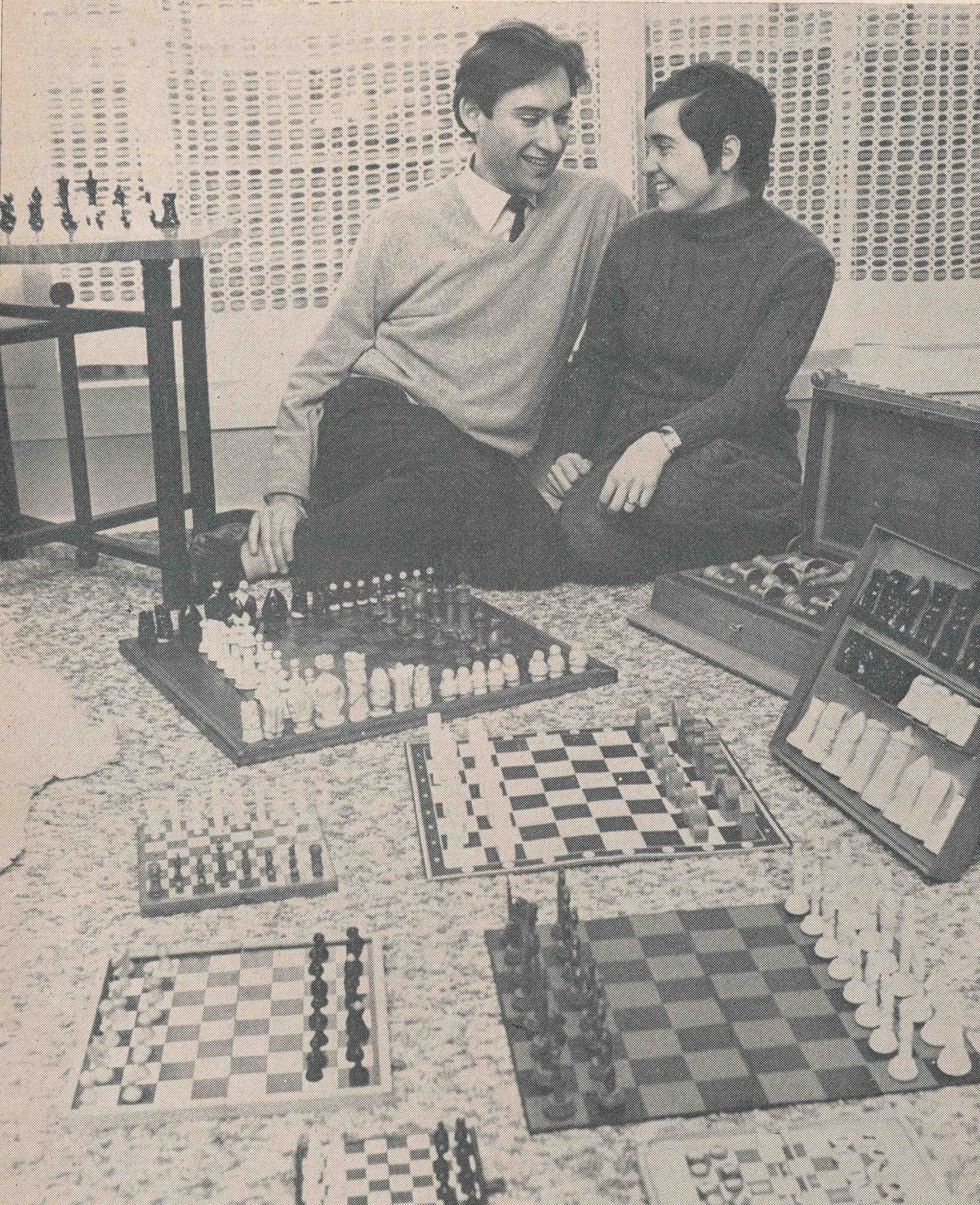
Bill and Jana Hartston are shown with some of their many chess sets. CHESS, August 1973, page 323
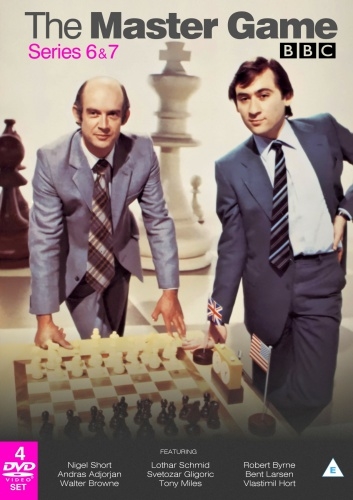
Bill was the chess correspondent of The Independent and The Mail on Sunday. He was also a regular presenter and commentator for television. He worked with Jeremy James on the BBC’s Master Game.
The Master Game, Series 6&7 with Jeremy James and Bill Hartston
Bill is an industrial psychologist.
Curiously the 1984 edition of the usually reliable The Oxford Companion to Chess by Hooper and Whyld does not have an entry for the twice British Champion : was this simply an oversight ? Jana is also not mentioned.
Bill wrote about himself in British Chess (Pergamon, 1983) :
“To summarise more than 20 years of playing competitive chess in a few hundred words is an impossible task. My attitude to the game has changed a great deal, especially in recent times, but I have always enjoyed and felt at home in the tense and lively atmosphere of chess tournaments, whether as a competitor, spectator or journalist.
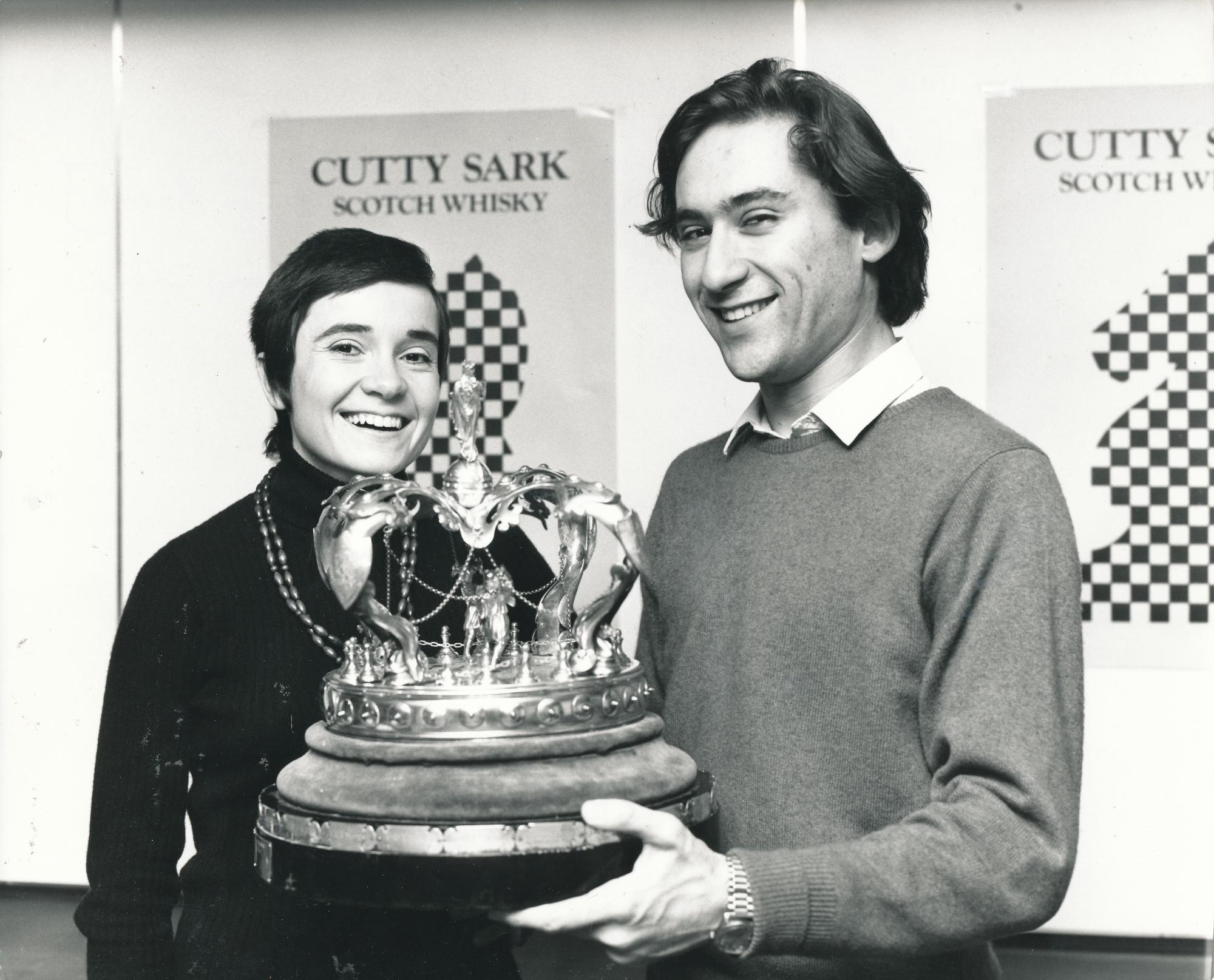
Caption as per photograph belowCaption for above photograph
I consider myself lucky to have been a ‘promising junior’ just at the time when chess was beginning to be taken seriously as a sport in England. The English team consisted mainly of amateurs and there were clear opportunities for anyone willing to work at the game. As a result of the changing attitudes to the game in this country, the development between 1965, when I first played for the national team, and 1975 was far greater than in any other decade. One statistic which I have always found personally amusing is that I progressed from youngest player in 1967 for the Clare Benedict tournament to become the oldest in the 1971 team. From promising junior to veteran in four years = is this a record ?
Bill Hartston commentating on games from the Phillips & Drew King’s 1982
Since my second British Championship win in 1975, I have been writing more and playing less. I always realised that I was not going to become a sufficiently strong player to be happy just wandering round the tournament circuit, but giving up chess entirely is, of course, unthinkable. I believe now that the time is ripe for chess to be presented to far wider audiences and I like to think that some of what I do will help in that aim. If the Master Game television series and “Soft Pawn” cannot sell chess to the masses then nothing will.”
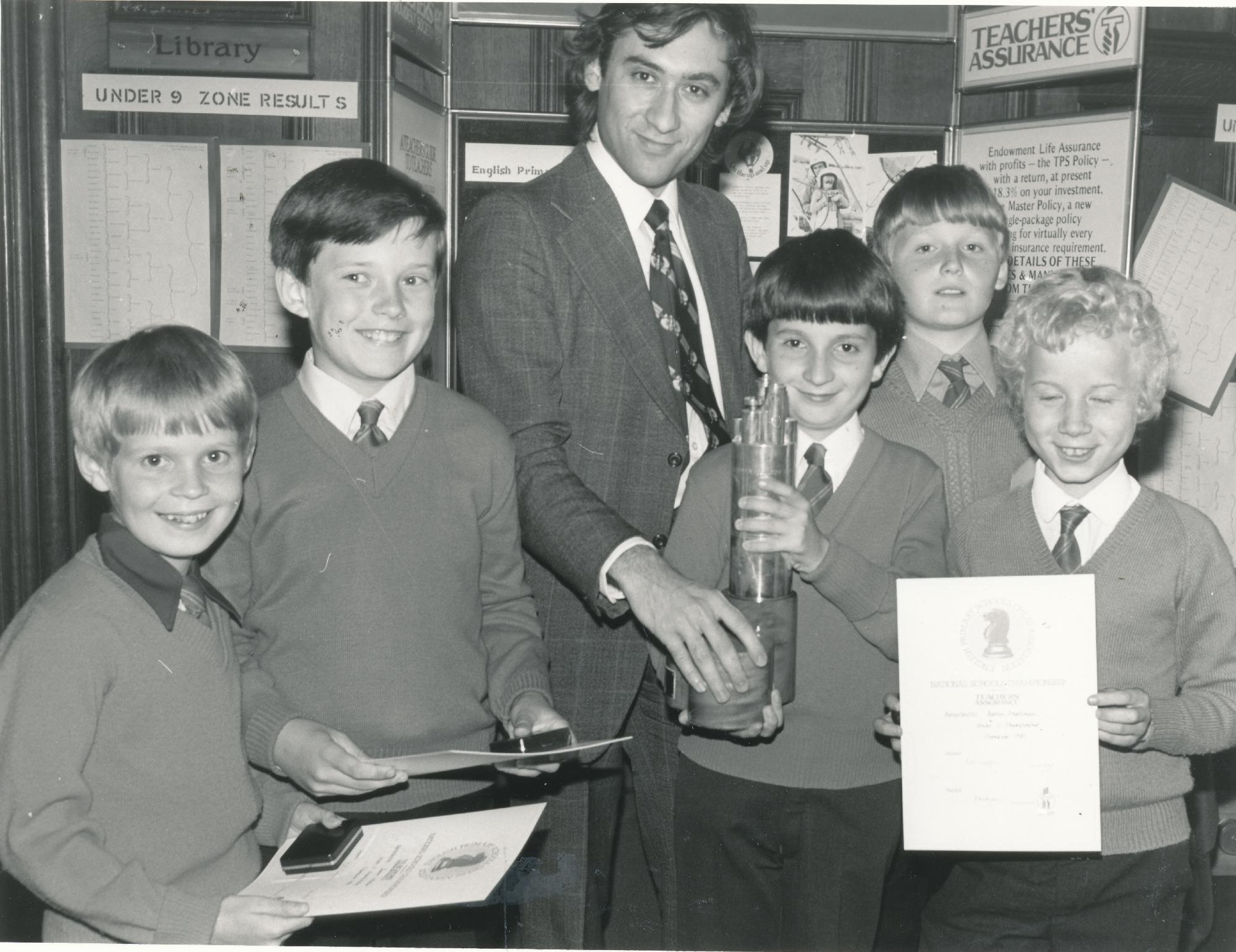
Bill was always a keen supporter of junior chess. Here at the Teachers Assurance National Schools Championships in 1980
Harry Golombek wrote the following in a 1980 Dataday chess diary :
“Hartston played hardly at all during the period from my last entry of him in the 1977 diary and that little, though respectable, was hardly the performance of an active master. His equal 3rd to 5th at the big Aaronson’s Masters Tournament (a swiss system event with 72 players) did not really affect his rating and indeed he finished up without changing his Elo rating at all.
Nevertheless, this glimpse of his true powers was impressive as can be seen in the following game which was played in the 6th round of the Aaronson tournament.”
From The Encyclopedia of Chess(Robert Hale, 1970 & 1976) by Anne Sunnucks :
“International Master (1972) and British Champion (1973) William Hartston was born in London on the 12th August 1947. He was taught to play chess by his father when he was seven and five years later joined Enfield Chess Club. His results in junior events included 1st in the London Boys’ Under 16 Championship and 2nd in the British Boys’ Under 15 Championship in 1962 and =2nd in the British Boys Under 18 Championship in 1963.
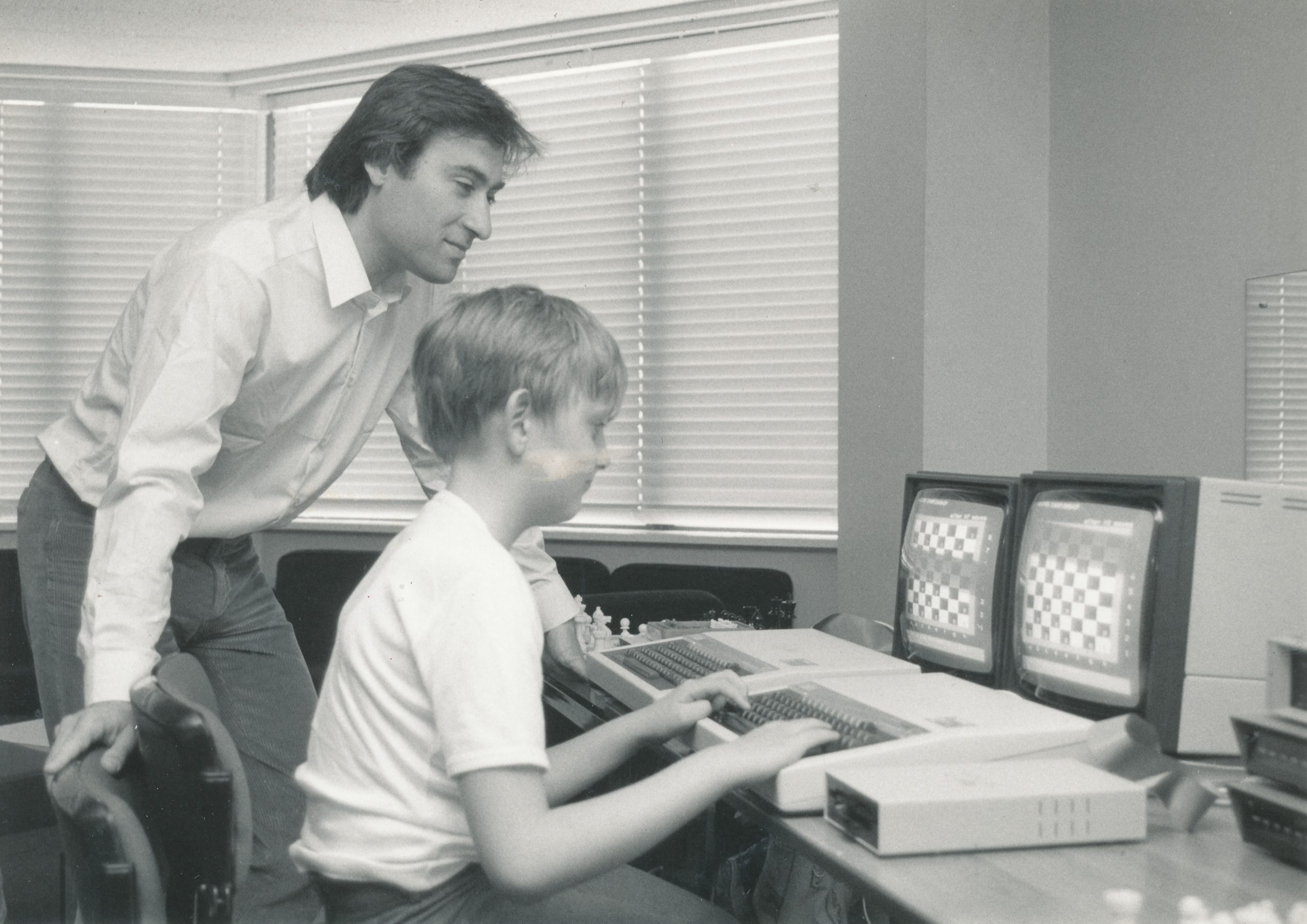
Bill had a keen interest in computer chess and technology
In 1965, Hartston made his first appearance in the British Championship and came =5th. In the same year he won the Ilford and Paignton Premier tournaments. Playing on board 3 for England in the 1966 Olympiad. Hartston scored the best result of any British player, 66.7%. In the Olympiad of 1970, he had the best overall score on board 3, 12.5 out of 16 and in the Olympiad of 1972 he won the prize for the 3rd best score on board 2, 12.5 out of 18. In 1972 he narrowly failed to qualify for the Interzonal tournament, when he came 3rd in the Zonal tournament at Vranjacka Banja.”
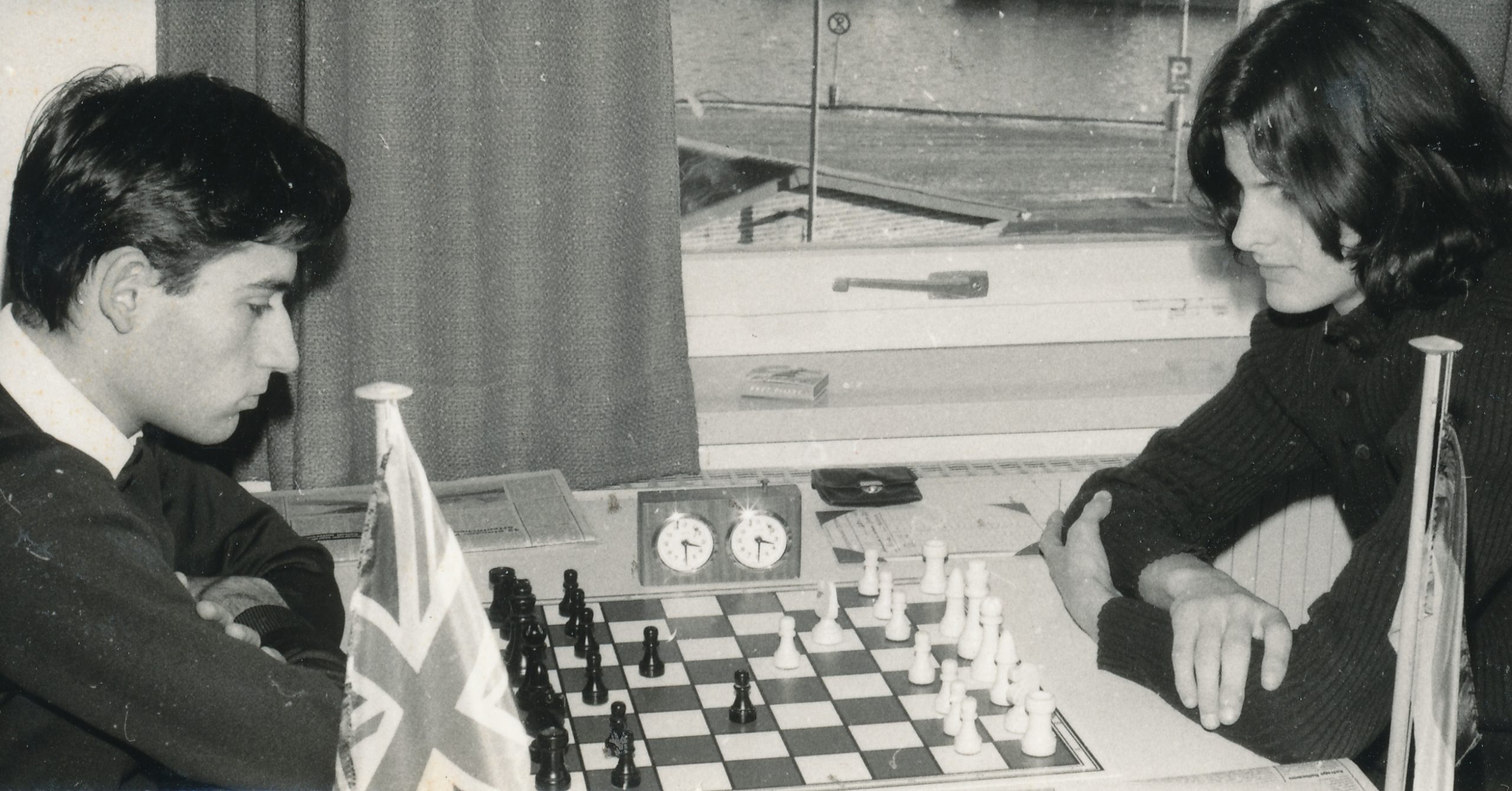
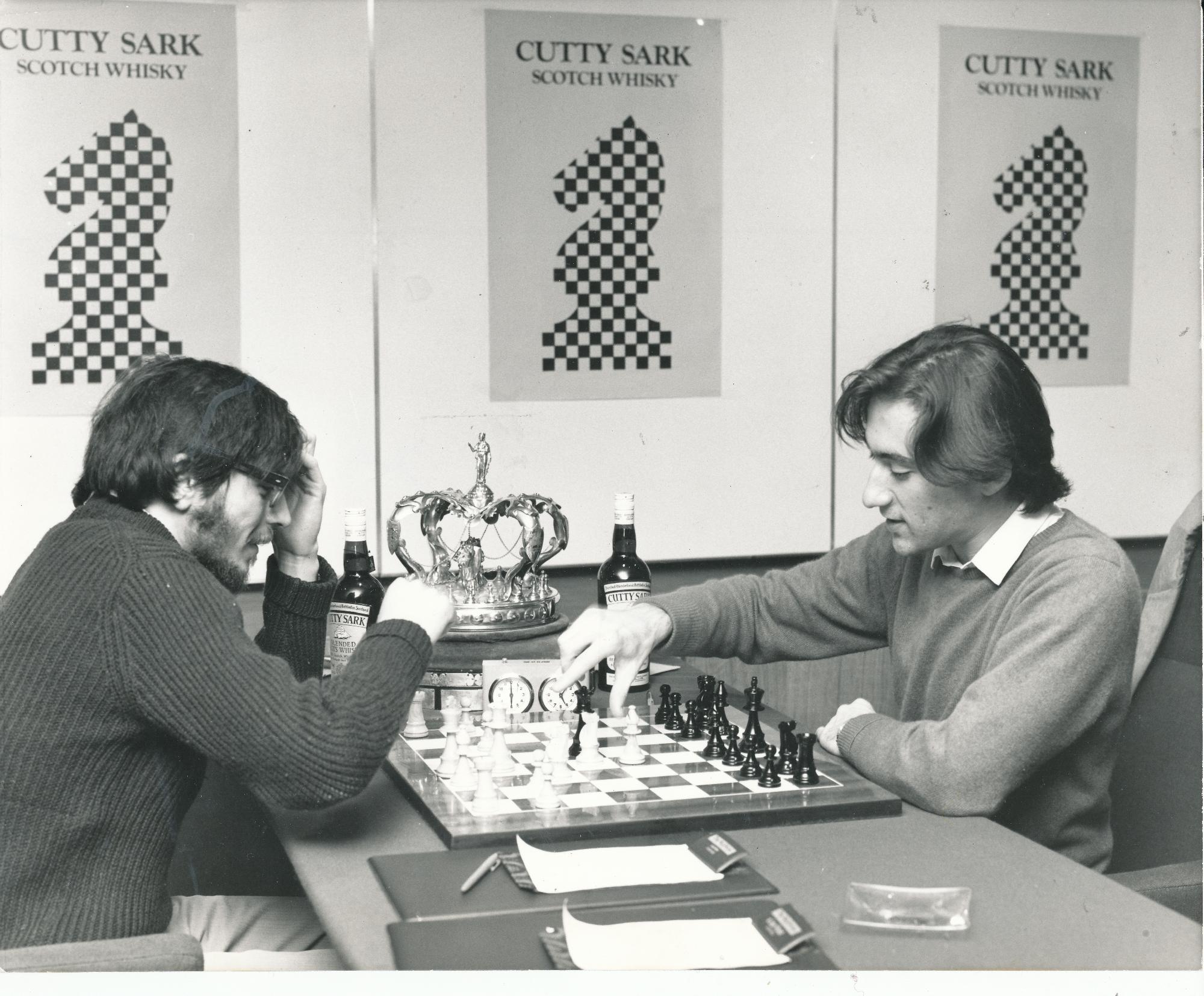
Mike Basman plays Bill during the play-off for the 1973 British Championship
From The Encyclopedia of Chess (Batsford, 1977) by Harry Golombek :
“British International Master and twice British Champion. Hartston was born in London and his early chess was played there., where he became London Boy (Under-16 Champion in 1962.
He was educated at the City of London School and Jesus College, Cambridge, where he took a degree in mathematics.
It soon became clear that he was one of the leading young players in England and a rivalry developed between him and Raymond Keene in which first one and then the other obtained the upper hand.
After a number of near misses he won the British Championship at Eastbourne in 1973 and again at Morecambe in 1975.
Jana & Bill Hartston celebrate a family double at the British Championships in 1973 at Eastbourne
Internationally he has already had a distinguished career and has been especially good and consistent in his representation of England at the Olympiads. At Havana in 1966 he scored 66.7% on board 3 but did not play at Lugano in 1968. Again on board 3 at Siegen in 1970 he obtained the best score on board 3 with 78.1%. At Skopje 1972 he fulfilled the second norm of the international master title with 12.5 points out of 18 on second board. Playing on first board at Nice 1974 he attained 52.7% and had a most meritorious and well fought draw with the World Champion, Karpov.
Bill Hartston draws with Anatoly Karpov at Nice 1974
He achieved a breakthrough in the field of international tournament chess when he came third in a strong Premier tournament at Hastings 1972/3
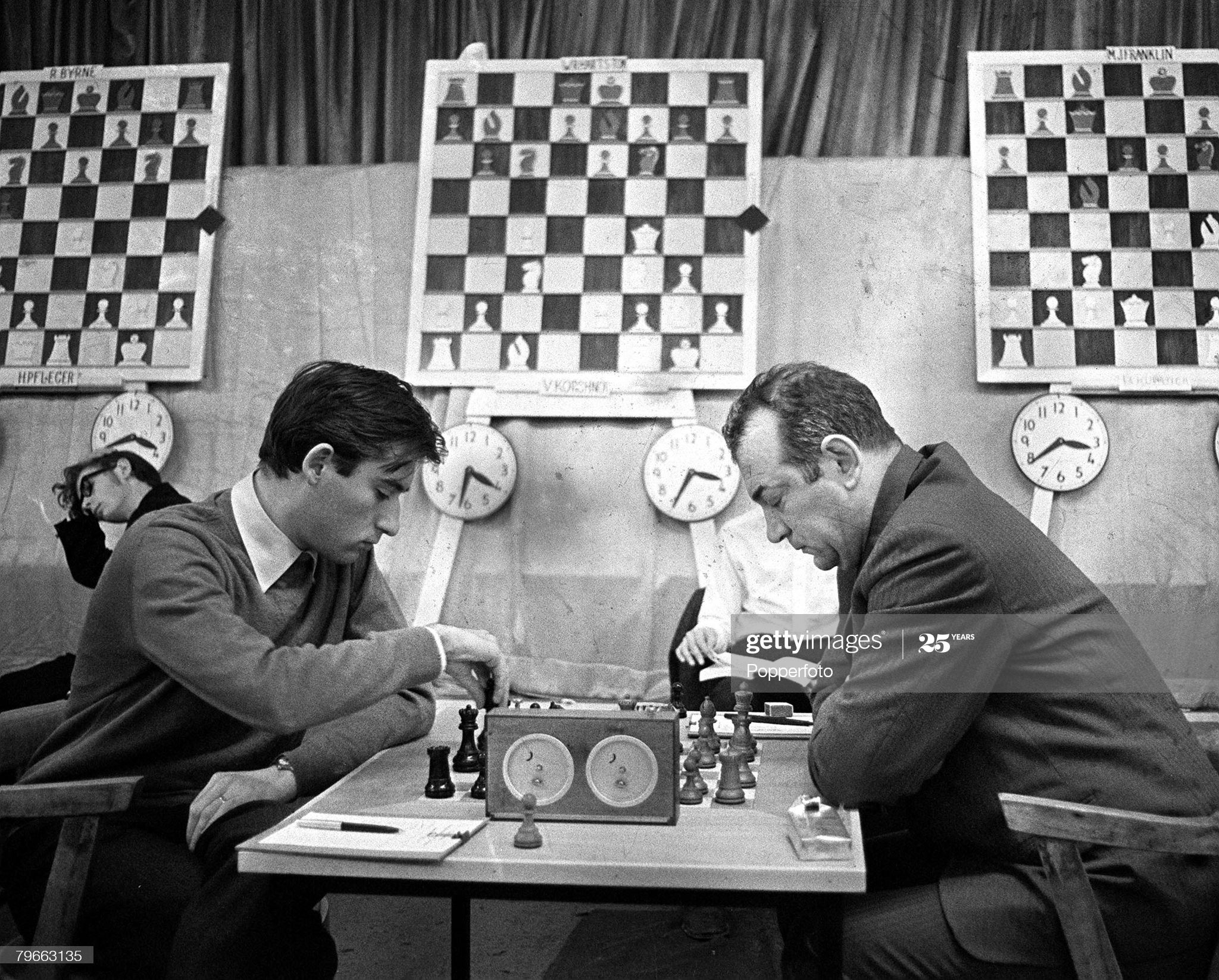
Hastings, England, 4th January 1972, Chess, Russian Grand Master Viktor Korchnoi (right) is pictured in a match with William Hartston (UK) during the 47th Hastings International Chess Tournament (Photo by Popperfoto via Getty Images/Getty Images)
and in 1973 he scored a first at Alicante.
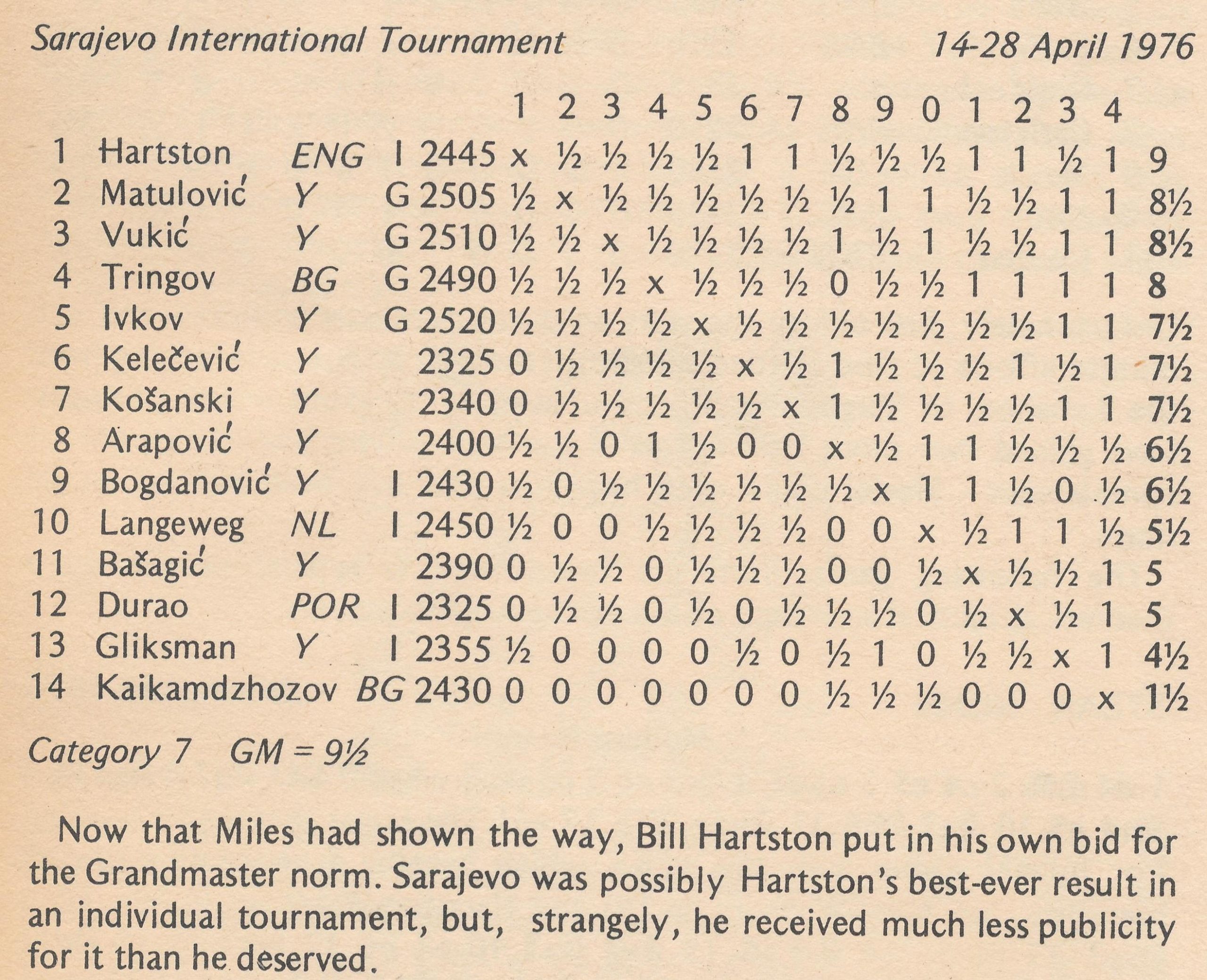
His best tournament result came three years later when he won 1st prize at Sarajevo 1976.
Sarajevo 1976 Crosstable from English Chess Explosion (1980)
His style of play is sound and competent in all the spheres of the game. That he can be brilliant when necessary he demonstrated his beautiful brilliancy game against the Finnish grandmaster Westerinen at Allicante in 1973. He has a fine, broad knowledge of the openings and has written a number of articles and books on that theme.
Bill was always a keen supporter of junior chess. event unknown.
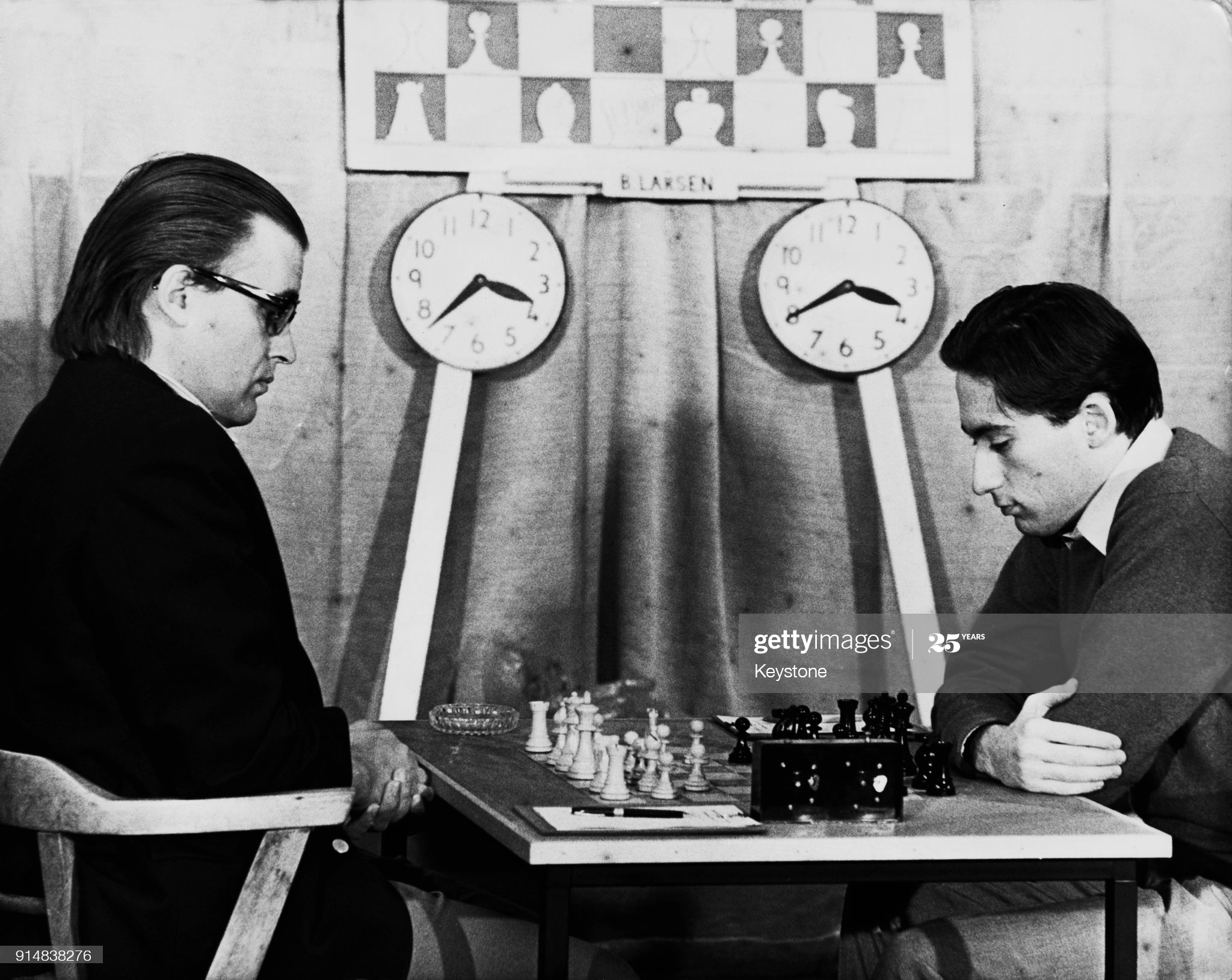
Danish chess grandmaster Bent Larsen (1935 – 2010, left) takes on English player William Hartston (right) during the annual Hastings International Chess Congress, UK, 13th January 1973. Larsen won the game. (Photo by Keystone/Hulton Archive/Getty Images)
A lucid and entertaining writer, he has also appeared with success in BBC Television chess programmes.
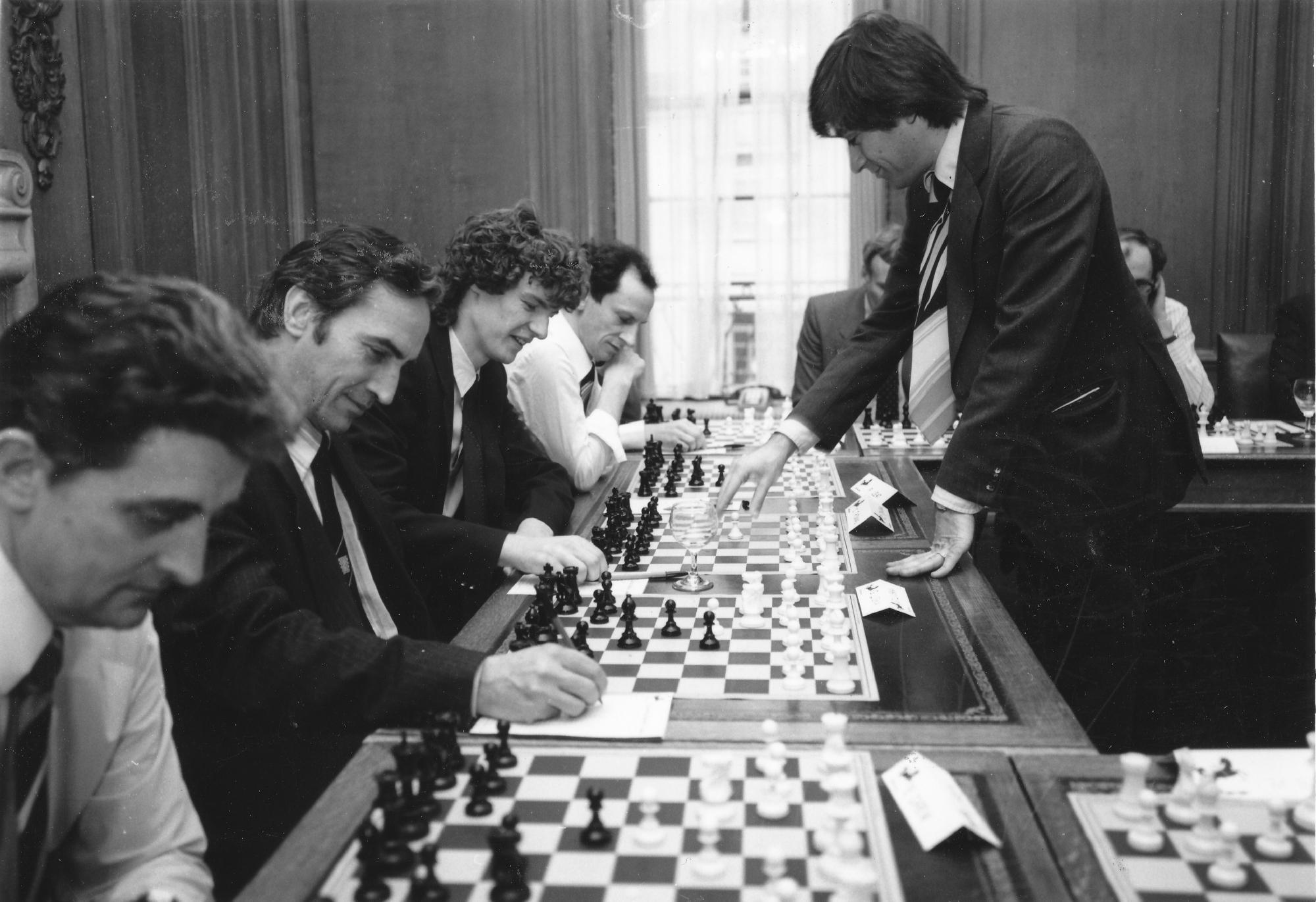
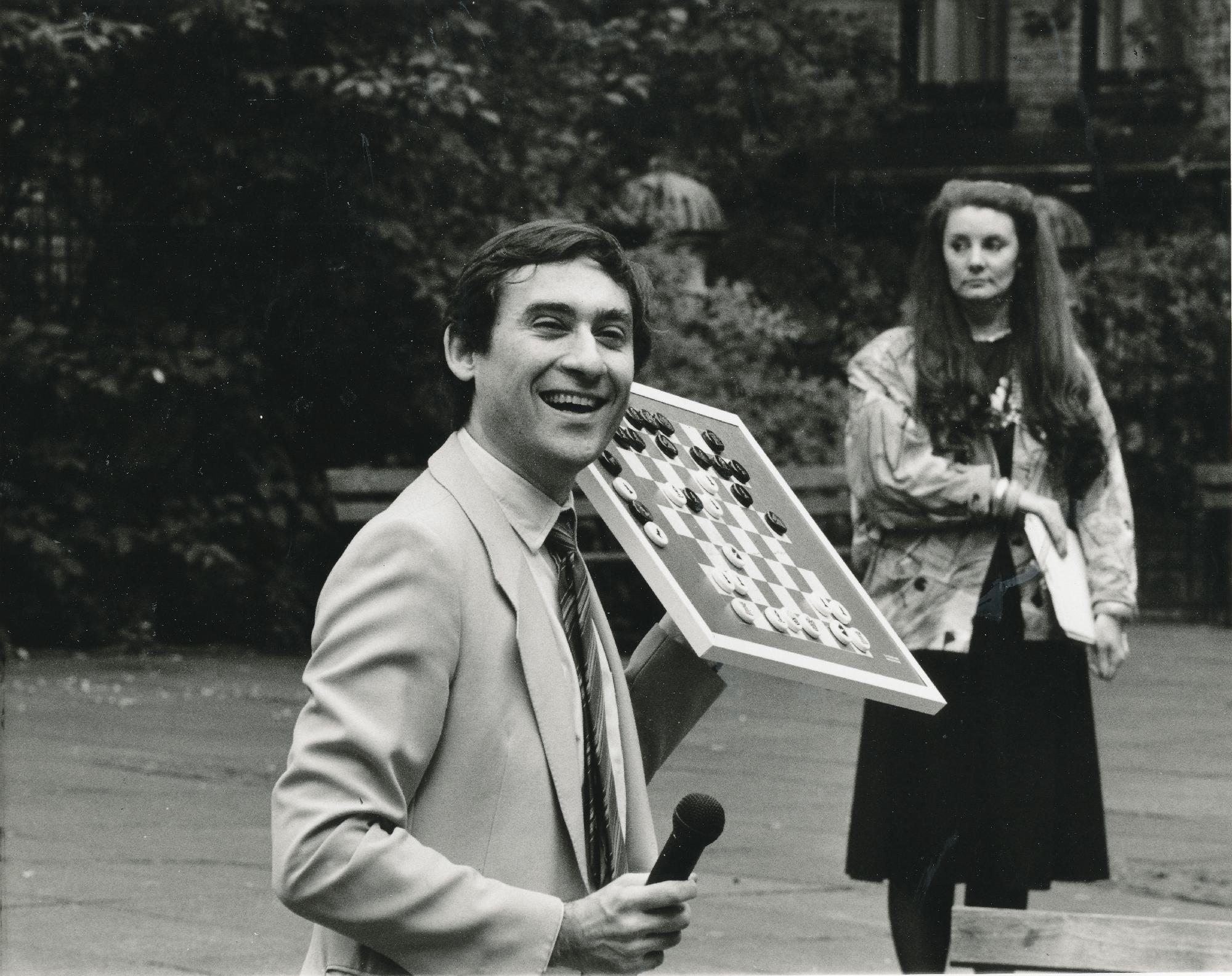
Bill Hartston at a promotional event
Among his chief works are :
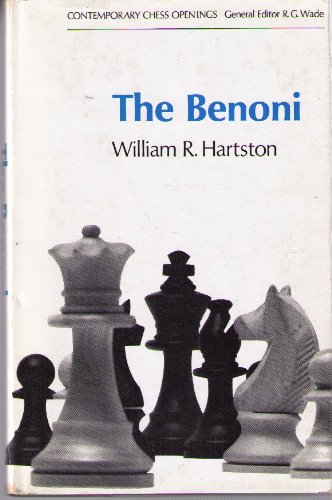
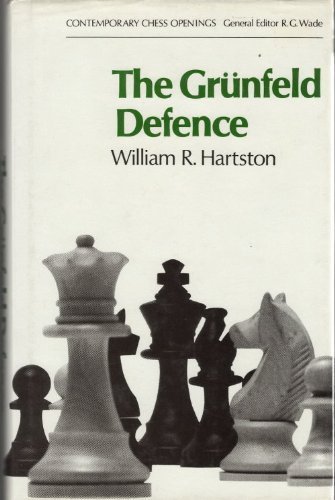
The Benoni, London, 1969 The Grunfeld Defence, London, 1971 The Best Games of CHO’D Alexander (with H. Golombek), Oxford, 1976.”
In modern times Bill has made regular appearances with World Cluedo champion, Josef Kollar on Channel Four’s Gogglebox with a pair of painted breasts as background.
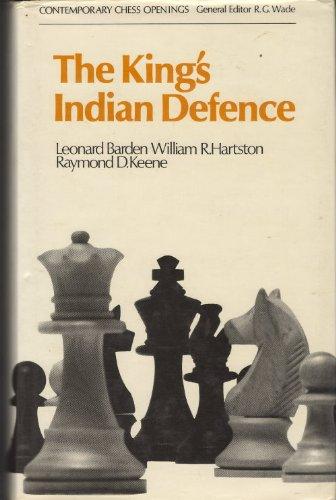
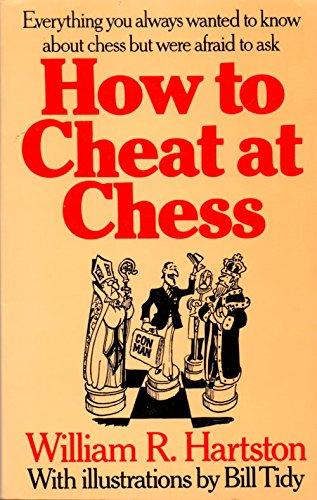
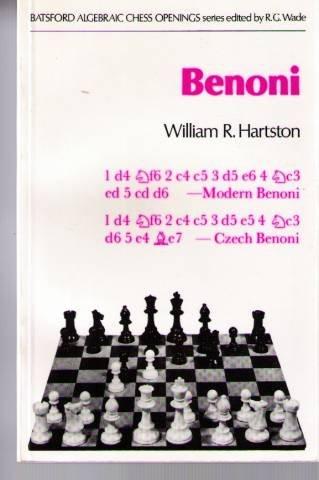
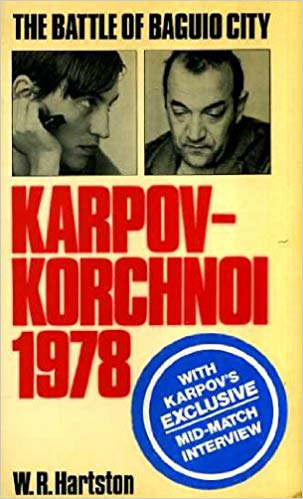
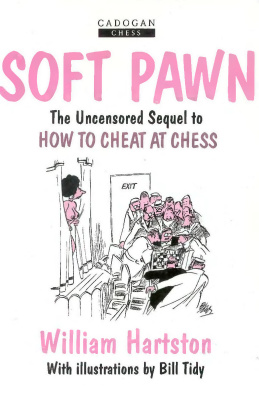
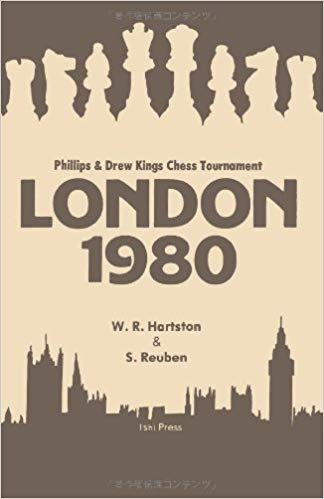
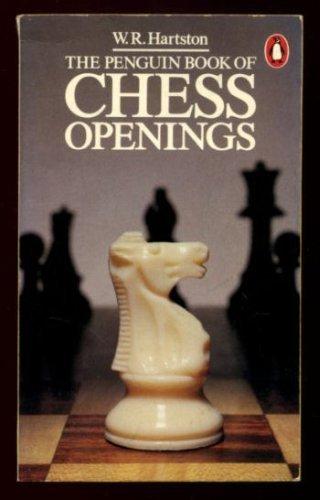
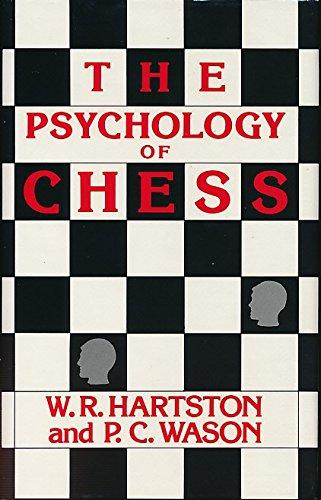
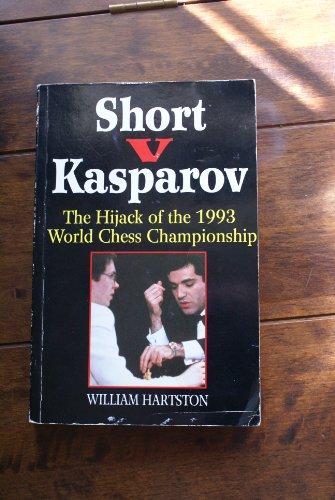
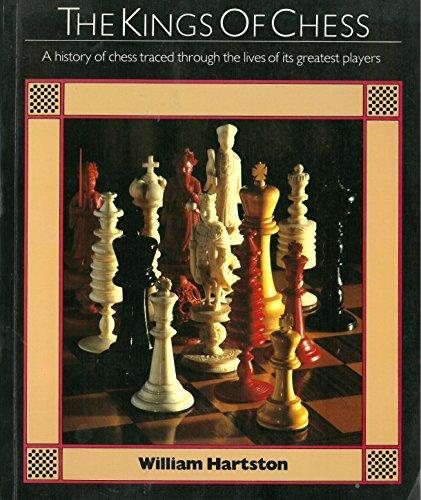
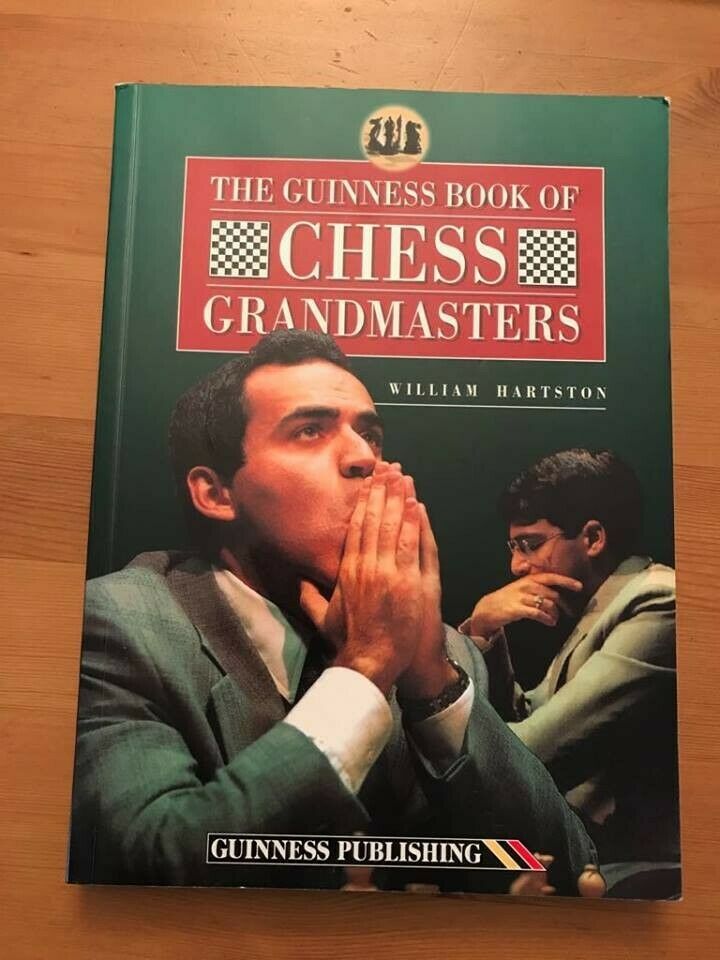
The King’s Indian Defence, 1969The Benoni, 1969How to Cheat at Chess, 1976The Best Games of C.H.O’D. Alexander, 1976The Grünfeld Defence, 1977Benoni, 1977Karpov-Korchnoi, 1978Soft Pawn, 1980The Phillips & Drew King’s Chess Tournament, 1980The Penguin Book of Chess Openings, 1981The Psychology of Chess, 1984Short vs Kasparov, 1993The Kings of Chess, 1995The Guinness Book of Chess Grandmasters, 1996William Hartston
We focus on the British Chess Scene Past & Present!
This website uses cookies to improve your experience. We'll assume you're ok with this, but you can opt-out if you wish. Cookie settingsACCEPT
Privacy & Cookies Policy
Privacy Overview
This website uses cookies to improve your experience while you navigate through the website. Out of these cookies, the cookies that are categorized as necessary are stored on your browser as they are as essential for the working of basic functionalities of the website. We also use third-party cookies that help us analyze and understand how you use this website. These cookies will be stored in your browser only with your consent. You also have the option to opt-out of these cookies. But opting out of some of these cookies may have an effect on your browsing experience.
Necessary cookies are absolutely essential for the website to function properly. This category only includes cookies that ensures basic functionalities and security features of the website. These cookies do not store any personal information.