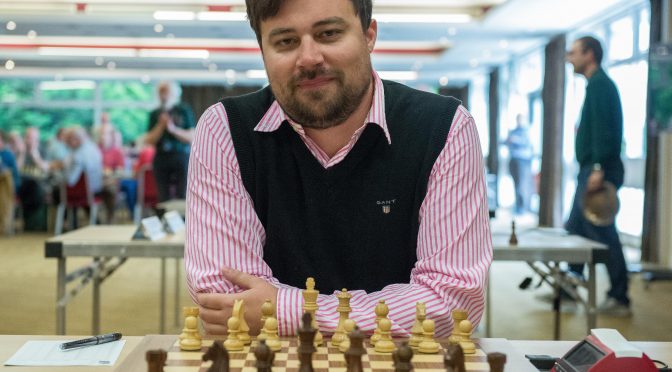
Birthday of GM Jonathan Hawkins (01-v-1983)
Tag Archives: Birthdays
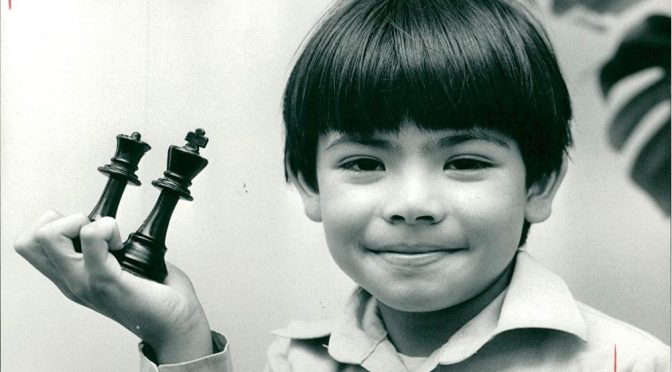
Birthday of Demis Hassabis CBE FRS FREng FRSA (27-vii-1976)
BCN wishes Happy Birthday to Demis Hassabis CBE FRS FREng FRSA (27-vii-1976)
From https://achievement.org/achiever/demis-hassabis-ph-d/ :
Demis Hassabis, the eldest of three, was born in London on July 27, 1976, to a Greek Cypriot father and a Chinese Singaporean mother.
(Originally his surname was spelt Hassapis and his brother George retained his.)
“Demis Hassabis was born in London, England. He is of both Greek and Chinese ancestry; his father came from Cyprus, his mother from Singapore. Demis and his family moved frequently as his father pursued a variety of business and creative ventures.
Demis was four years old when he saw his father and an uncle playing chess and asked them to teach him the game. He took to it quickly and was soon beating both of them. He showed a precocious aptitude for all games employing logic and strategy. ”
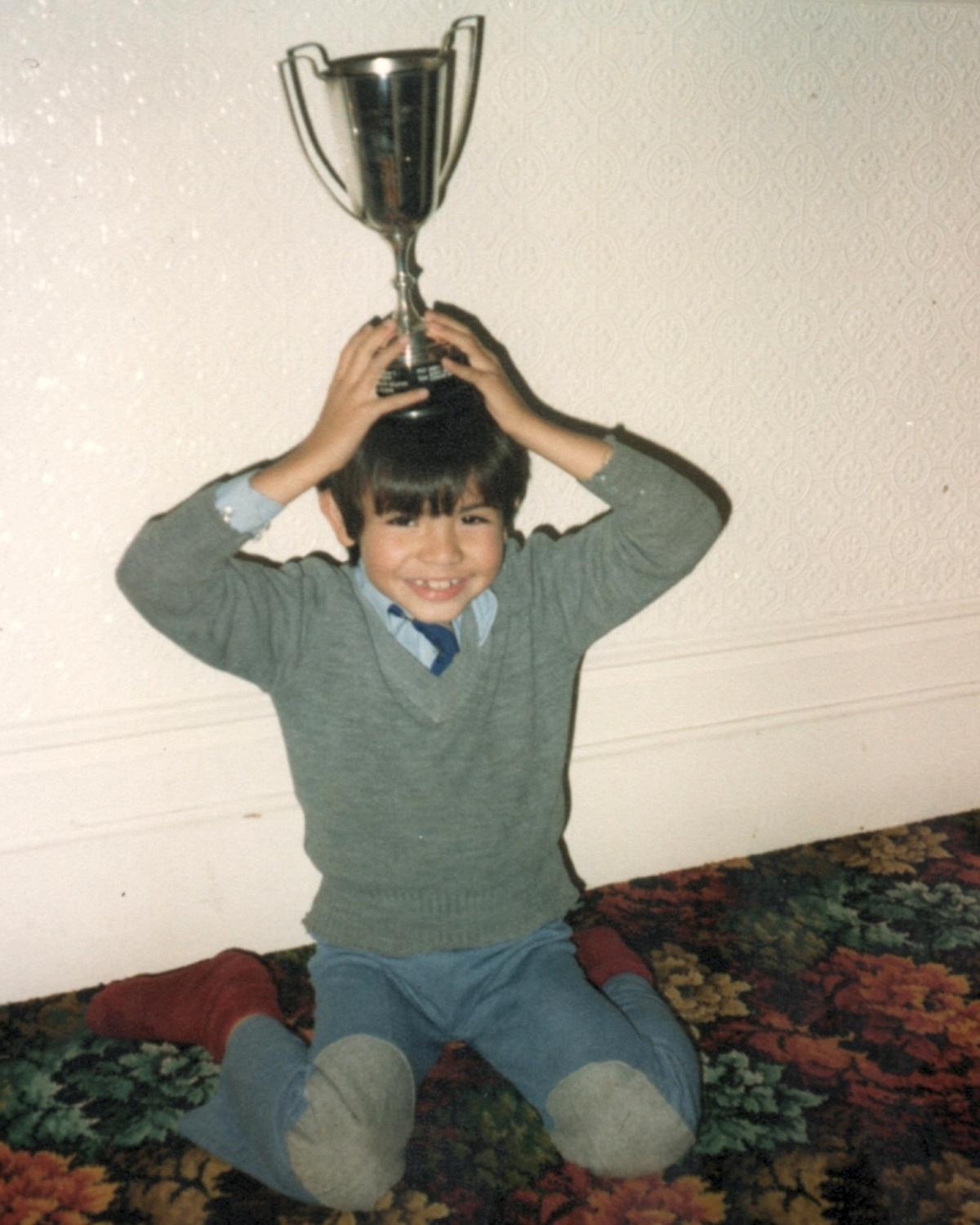
When 13 (in 1989) Demis achieved a FIDE rating of 2300 which, at the time, was the second highest rating for his age. First highest was Judit Polgar.
Demis was SCCU Under-18 champion in 1989 and was presented with the “old Trophy” according to the SCCU report.
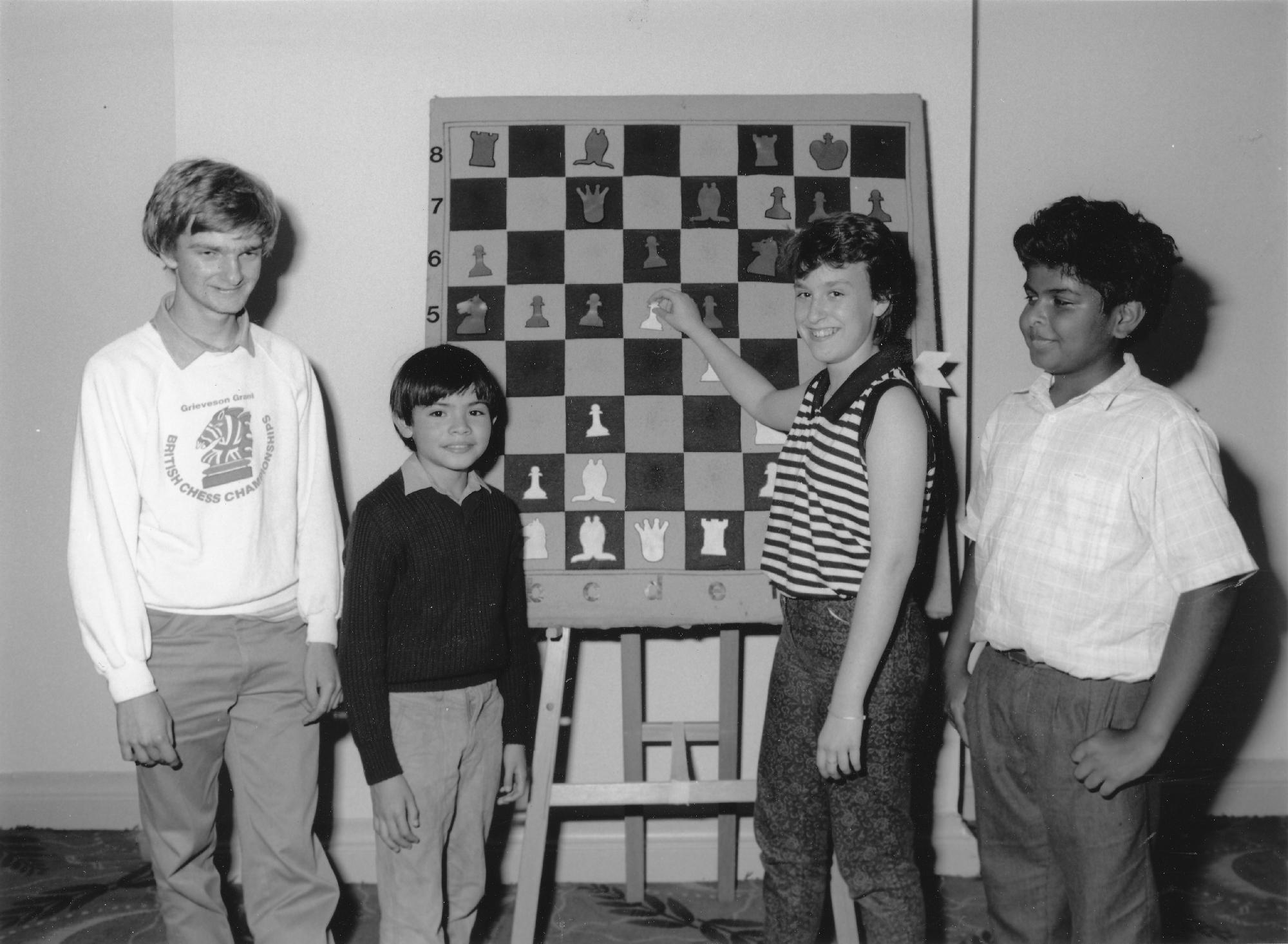
Demis was a Candidate Master and brother of George Hassapis.
Demis started off with Hampstead Junior Chess Club.
He then played for Barnet Knights, Queens College College Union and Finchley chess clubs.
According to Tryfon Gavriel :
Demis wrote a hit computer game called “The theme park”, that was at the top of the charts for six months and sold than more 3.5 million copies. He also did quite well in the 1997 Mind Sports Olympiad.
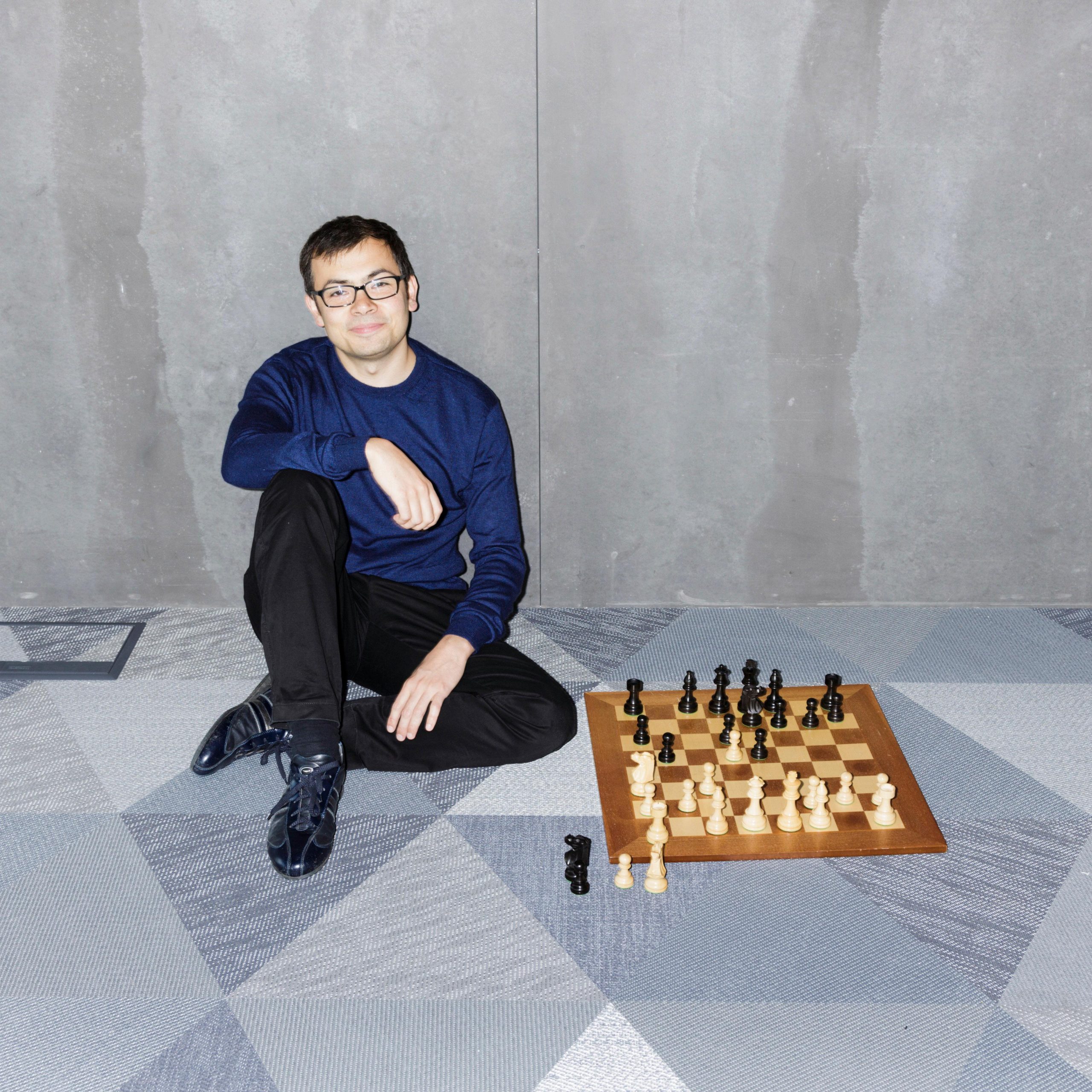
Hassabis returned to academia to obtain his PhD in cognitive neuroscience from University College London (UCL) in 2009 supervised by Eleanor Maguire. He sought to find inspiration in the human brain for new AI algorithms.
Danny Gormally wrote (in March 2014) this :
“Demis Hassapis is a former chess prodigy who recently sold his company to Google for £400 million. Demonstrating that if you have the brainpower to be good at chess, you are far better off putting that intelligence to use in some other activity where you might actually get rewarded. Then in fairness, even most strong chess players aren’t as bright as Demis.”
Demis was elected a Fellow of the Royal Society in 2018
In May 2021 Demis was cited by Dominic Cummings in his evidence to the Commons Heath, and Science and Technology committees as having played an important contribution to managing and understanding the PHE and NHS data during the early stages of the Covid-19 pandemic in the UK.
Here are his listed games
Birthday of Demis Hassabis CBE FRS FREng FRSA (27-vii-1976)
BCN wishes Happy Birthday to Demis Hassabis CBE FRS FREng FRSA (27-vii-1976)
From https://achievement.org/achiever/demis-hassabis-ph-d/ :
Demis Hassabis, the eldest of three, was born in London on July 27, 1976, to a Greek Cypriot father and a Chinese Singaporean mother.
(Originally his surname was spelt Hassapis and his brother George retained his.)
“Demis Hassabis was born in London, England. He is of both Greek and Chinese ancestry; his father came from Cyprus, his mother from Singapore. Demis and his family moved frequently as his father pursued a variety of business and creative ventures.
Demis was four years old when he saw his father and an uncle playing chess and asked them to teach him the game. He took to it quickly and was soon beating both of them. He showed a precocious aptitude for all games employing logic and strategy. ”
When 13 (in 1989) Demis achieved a FIDE rating of 2300 which, at the time, was the second highest rating for his age. First highest was Judit Polgar.
Demis was SCCU Under-18 champion in 1989 and was presented with the “old Trophy” according to the SCCU report.
Demis was a Candidate Master and brother of George Hassapis.
Demis started off with Hampstead Junior Chess Club.
He then played for Barnet Knights, Queens College College Union and Finchley chess clubs.
According to Tryfon Gavriel :
Demis wrote a hit computer game called “The theme park”, that was at the top of the charts for six months and sold than more 3.5 million copies. He also did quite well in the 1997 Mind Sports Olympiad.
Hassabis returned to academia to obtain his PhD in cognitive neuroscience from University College London (UCL) in 2009 supervised by Eleanor Maguire. He sought to find inspiration in the human brain for new AI algorithms.
Danny Gormally wrote (in March 2014) this :
“Demis Hassapis is a former chess prodigy who recently sold his company to Google for £400 million. Demonstrating that if you have the brainpower to be good at chess, you are far better off putting that intelligence to use in some other activity where you might actually get rewarded. Then in fairness, even most strong chess players aren’t as bright as Demis.”
Demis was elected a Fellow of the Royal Society in 2018
In May 2021 Demis was cited by Dominic Cummings in his evidence to the Commons Heath, and Science and Technology committees as having played an important contribution to managing and understanding the PHE and NHS data during the early stages of the Covid-19 pandemic in the UK.
Here are his listed games
Birthday of Demis Hassabis CBE FRS FREng FRSA (27-vii-1976)
BCN wishes Happy Birthday to Demis Hassabis CBE FRS FREng FRSA (27-vii-1976)
From https://achievement.org/achiever/demis-hassabis-ph-d/ :
Demis Hassabis, the eldest of three, was born in London on July 27, 1976, to a Greek Cypriot father and a Chinese Singaporean mother.
(Originally his surname was spelt Hassapis and his brother George retained his.)
“Demis Hassabis was born in London, England. He is of both Greek and Chinese ancestry; his father came from Cyprus, his mother from Singapore. Demis and his family moved frequently as his father pursued a variety of business and creative ventures.
Demis was four years old when he saw his father and an uncle playing chess and asked them to teach him the game. He took to it quickly and was soon beating both of them. He showed a precocious aptitude for all games employing logic and strategy. ”
When 13 (in 1989) Demis achieved a FIDE rating of 2300 which, at the time, was the second highest rating for his age. First highest was Judit Polgar.
Demis was SCCU Under-18 champion in 1989 and was presented with the “old Trophy” according to the SCCU report.
Demis was a Candidate Master and brother of George Hassapis.
Demis started off with Hampstead Junior Chess Club.
He then played for Barnet Knights, Queens College College Union and Finchley chess clubs.
According to Tryfon Gavriel :
Demis wrote a hit computer game called “The theme park”, that was at the top of the charts for six months and sold than more 3.5 million copies. He also did quite well in the 1997 Mind Sports Olympiad.
Hassabis returned to academia to obtain his PhD in cognitive neuroscience from University College London (UCL) in 2009 supervised by Eleanor Maguire. He sought to find inspiration in the human brain for new AI algorithms.
Danny Gormally wrote (in March 2014) this :
“Demis Hassapis is a former chess prodigy who recently sold his company to Google for £400 million. Demonstrating that if you have the brainpower to be good at chess, you are far better off putting that intelligence to use in some other activity where you might actually get rewarded. Then in fairness, even most strong chess players aren’t as bright as Demis.”
Demis was elected a Fellow of the Royal Society in 2018
In May 2021 Demis was cited by Dominic Cummings in his evidence to the Commons Heath, and Science and Technology committees as having played an important contribution to managing and understanding the PHE and NHS data during the early stages of the Covid-19 pandemic in the UK.
Here are his listed games
Birthday of Demis Hassabis CBE FRS FREng FRSA (27-vii-1976)
BCN wishes Happy Birthday to Demis Hassabis CBE FRS FREng FRSA (27-vii-1976)
From https://achievement.org/achiever/demis-hassabis-ph-d/ :
Demis Hassabis, the eldest of three, was born in London on July 27, 1976, to a Greek Cypriot father and a Chinese Singaporean mother.
(Originally his surname was spelt Hassapis and his brother George retained his.)
“Demis Hassabis was born in London, England. He is of both Greek and Chinese ancestry; his father came from Cyprus, his mother from Singapore. Demis and his family moved frequently as his father pursued a variety of business and creative ventures.
Demis was four years old when he saw his father and an uncle playing chess and asked them to teach him the game. He took to it quickly and was soon beating both of them. He showed a precocious aptitude for all games employing logic and strategy. ”
When 13 (in 1989) Demis achieved a FIDE rating of 2300 which, at the time, was the second highest rating for his age. First highest was Judit Polgar.
Demis was SCCU Under-18 champion in 1989 and was presented with the “old Trophy” according to the SCCU report.
Demis was a Candidate Master and brother of George Hassapis.
Demis started off with Hampstead Junior Chess Club.
He then played for Barnet Knights, Queens College College Union and Finchley chess clubs.
According to Tryfon Gavriel :
Demis wrote a hit computer game called “The theme park”, that was at the top of the charts for six months and sold than more 3.5 million copies. He also did quite well in the 1997 Mind Sports Olympiad.
Hassabis returned to academia to obtain his PhD in cognitive neuroscience from University College London (UCL) in 2009 supervised by Eleanor Maguire. He sought to find inspiration in the human brain for new AI algorithms.
Danny Gormally wrote (in March 2014) this :
“Demis Hassapis is a former chess prodigy who recently sold his company to Google for £400 million. Demonstrating that if you have the brainpower to be good at chess, you are far better off putting that intelligence to use in some other activity where you might actually get rewarded. Then in fairness, even most strong chess players aren’t as bright as Demis.”
Demis was elected a Fellow of the Royal Society in 2018
In May 2021 Demis was cited by Dominic Cummings in his evidence to the Commons Heath, and Science and Technology committees as having played an important contribution to managing and understanding the PHE and NHS data during the early stages of the Covid-19 pandemic in the UK.
Here are his listed games
Birthday of Demis Hassabis CBE FRS FREng FRSA (27-vii-1976)
BCN wishes Happy Birthday to Demis Hassabis CBE FRS FREng FRSA (27-vii-1976)
From https://achievement.org/achiever/demis-hassabis-ph-d/ :
Demis Hassabis, the eldest of three, was born in London on July 27, 1976, to a Greek Cypriot father and a Chinese Singaporean mother.
(Originally his surname was spelt Hassapis and his brother George retained his.)
“Demis Hassabis was born in London, England. He is of both Greek and Chinese ancestry; his father came from Cyprus, his mother from Singapore. Demis and his family moved frequently as his father pursued a variety of business and creative ventures.
Demis was four years old when he saw his father and an uncle playing chess and asked them to teach him the game. He took to it quickly and was soon beating both of them. He showed a precocious aptitude for all games employing logic and strategy. ”
When 13 (in 1989) Demis achieved a FIDE rating of 2300 which, at the time, was the second highest rating for his age. First highest was Judit Polgar.
Demis was SCCU Under-18 champion in 1989 and was presented with the “old Trophy” according to the SCCU report.
Demis was a Candidate Master and brother of George Hassapis.
Demis started off with Hampstead Junior Chess Club.
He then played for Barnet Knights, Queens College College Union and Finchley chess clubs.
According to Tryfon Gavriel :
Demis wrote a hit computer game called “The theme park”, that was at the top of the charts for six months and sold than more 3.5 million copies. He also did quite well in the 1997 Mind Sports Olympiad.
Hassabis returned to academia to obtain his PhD in cognitive neuroscience from University College London (UCL) in 2009 supervised by Eleanor Maguire. He sought to find inspiration in the human brain for new AI algorithms.
Danny Gormally wrote (in March 2014) this :
“Demis Hassapis is a former chess prodigy who recently sold his company to Google for £400 million. Demonstrating that if you have the brainpower to be good at chess, you are far better off putting that intelligence to use in some other activity where you might actually get rewarded. Then in fairness, even most strong chess players aren’t as bright as Demis.”
Demis was elected a Fellow of the Royal Society in 2018
In May 2021 Demis was cited by Dominic Cummings in his evidence to the Commons Heath, and Science and Technology committees as having played an important contribution to managing and understanding the PHE and NHS data during the early stages of the Covid-19 pandemic in the UK.
Here are his listed games
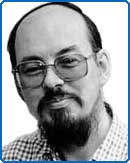
Birthday of Dr. Tim Harding (06-v-1948)
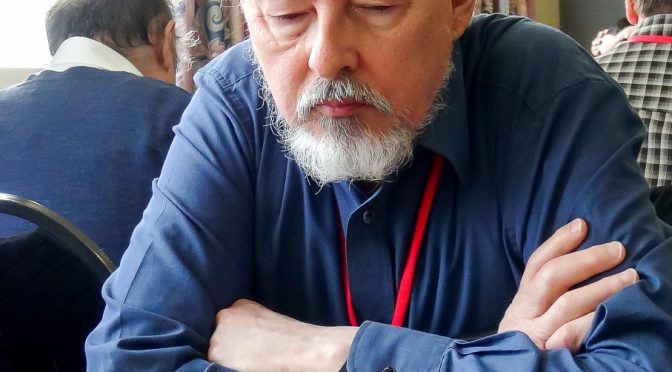
From chessgames.com :“Timothy David Harding was born in London. He has been playing both over-the-board and correspondence chess since the 1960s. Harding played on the Irish team at the 1984 FIDE Olympiad in Thessaloniki, scoring 50%. In 2002 he achieved the title of Senior International Master of Correspondence Chess. He is also a Candidate Master (2015).
As a chess historian, Harding has authored dozens of books on chess since 1973. He is also the author of the “The Kibitzer”, a popular chess column published at ChessCafe.com.
(Tim Harding’s homepage – http://www.chessmail.com/timsite)”
BCN wishes Happy Birthday to Timothy David Harding (06-v-1948)
From Wikipedia :
“Timothy David Harding (born 6 May 1948 in London)[1] is a chess player and author with particular expertise in correspondence chess. He published a correspondence chess magazine Chess Mail from 1996 to 2006[2] and authored “The Kibitzer”, a ChessCafe.com column from 1996 until 2015.[3] In 2002, he was awarded the title Senior International Master of Correspondence Chess by the International Correspondence Chess Federation. Harding has lived in Dublin since 1976,[2] writing a weekly column for The Sunday Press from then until 1995.
In 2009, Harding received a PhD degree in history from University of Dublin, with his thesis on correspondence chess in Britain and Ireland, 1824–1914.[4]
He is credited with coining the name Frankenstein–Dracula Variation in his 1975 Vienna Game book.”
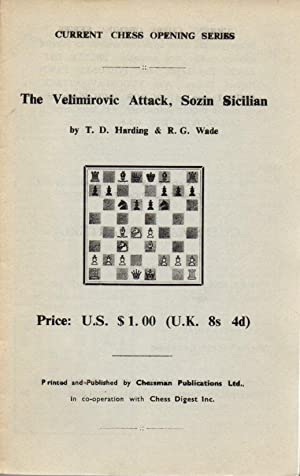
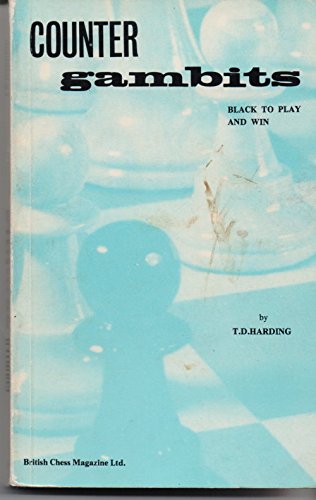
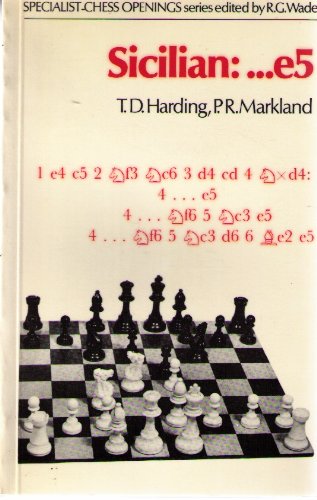
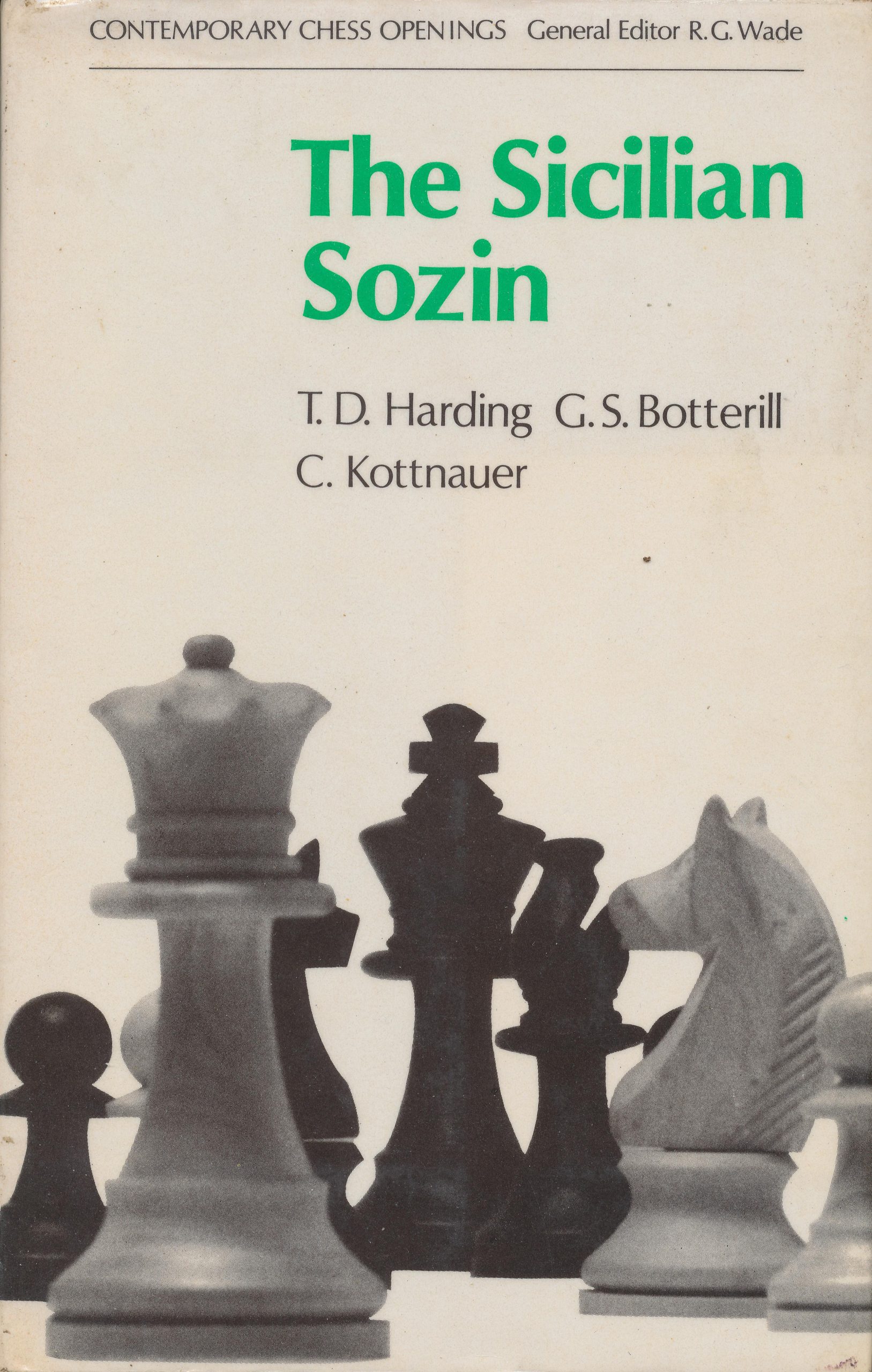
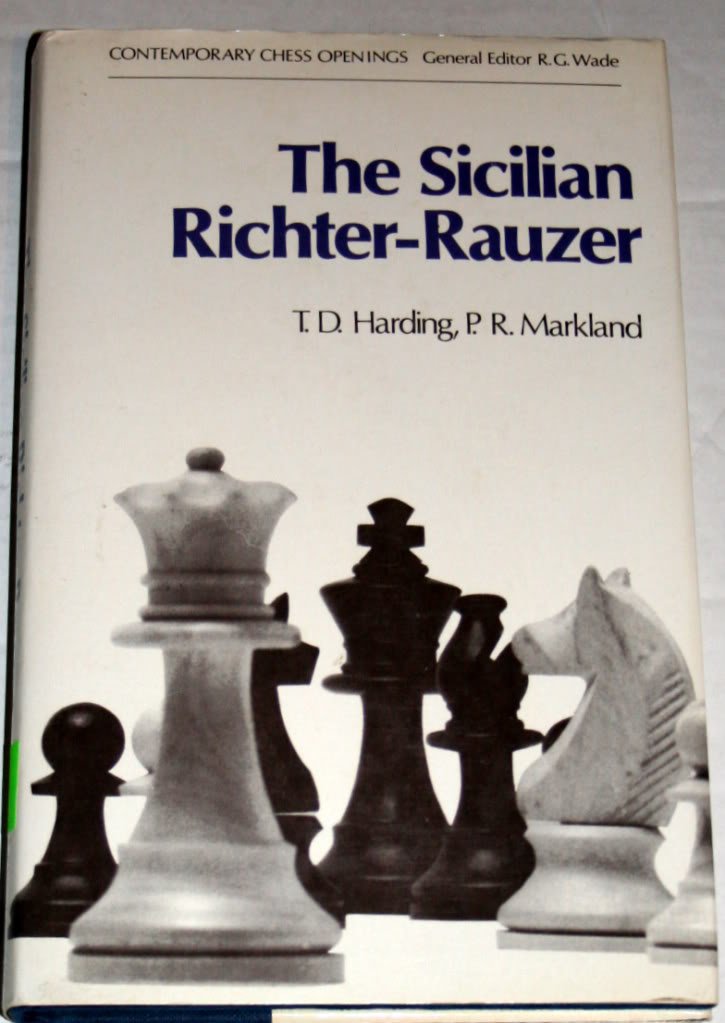
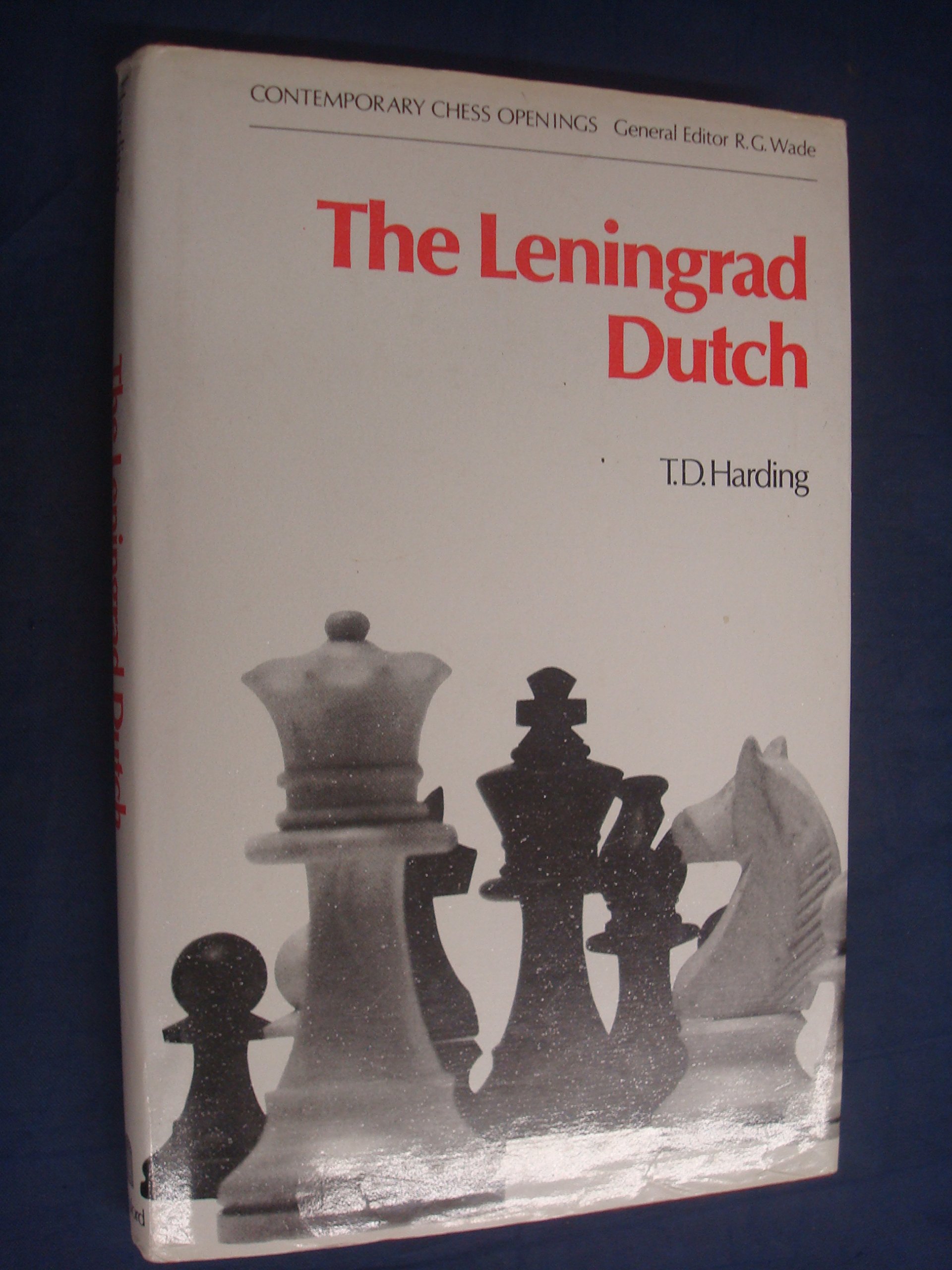
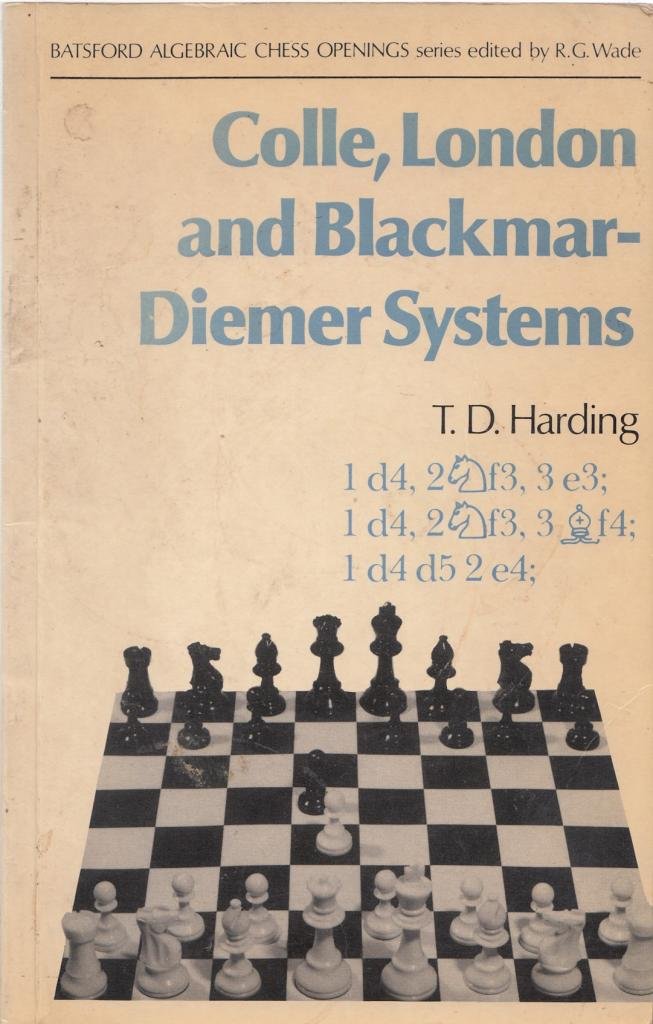
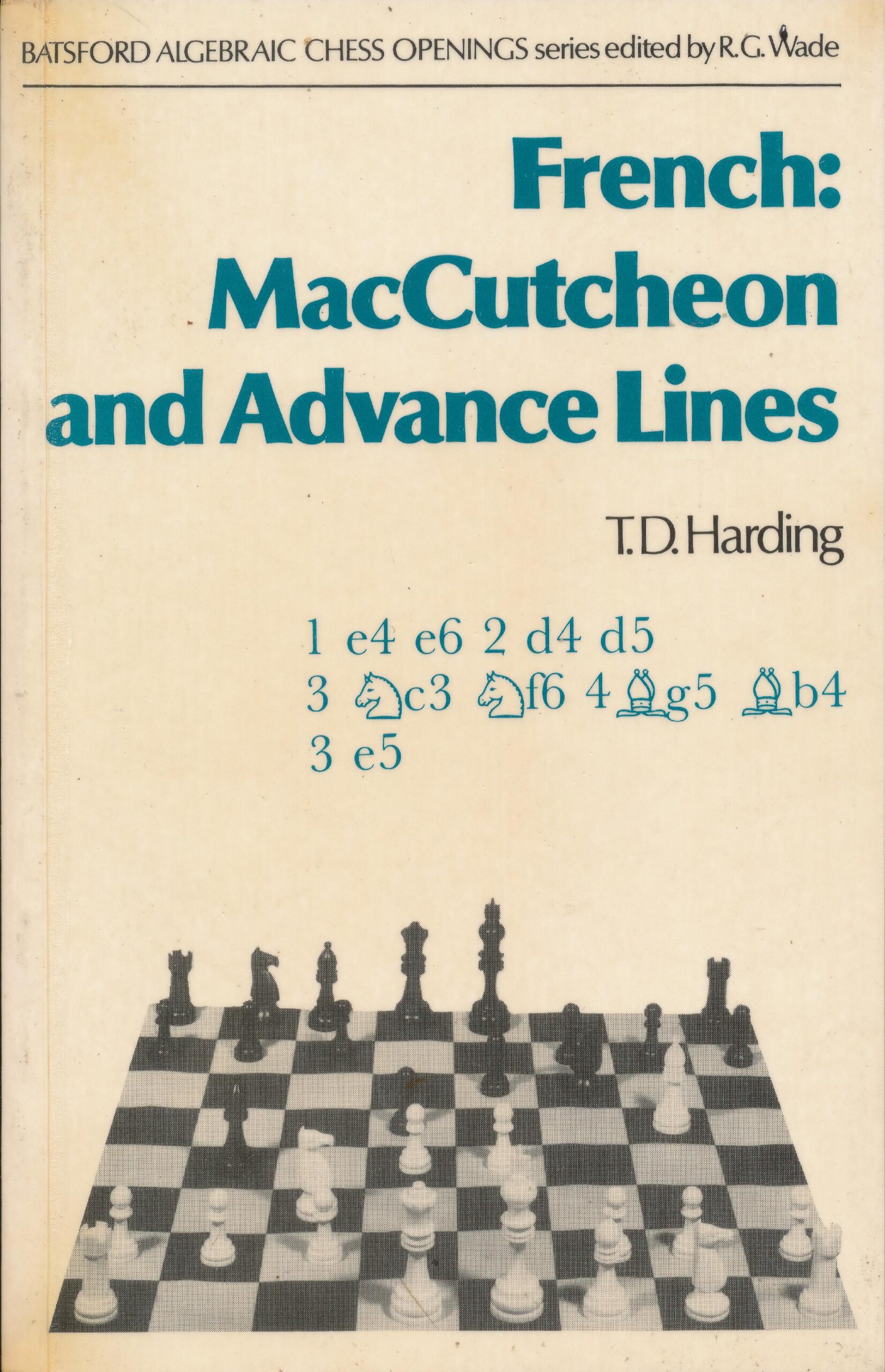
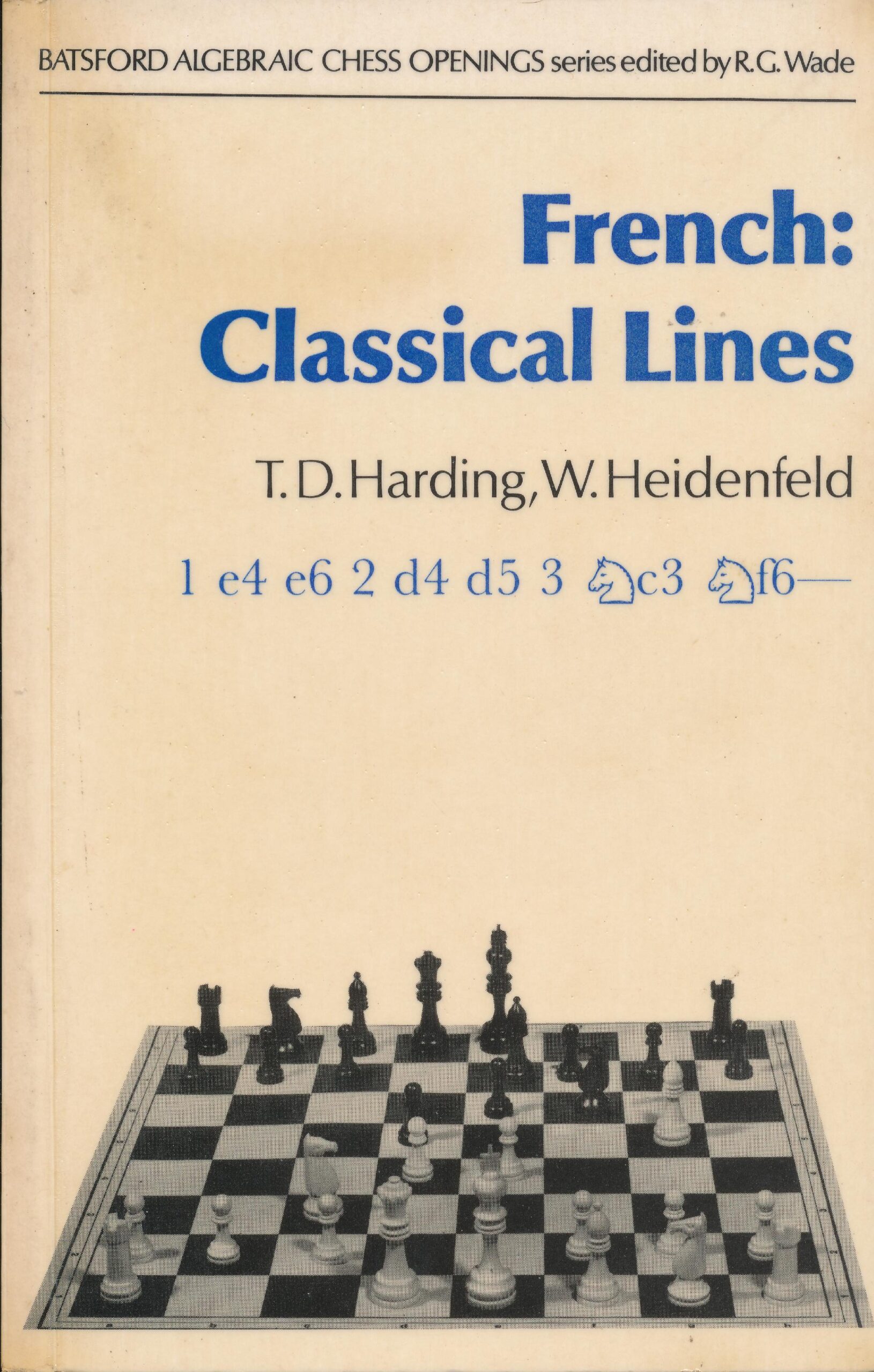
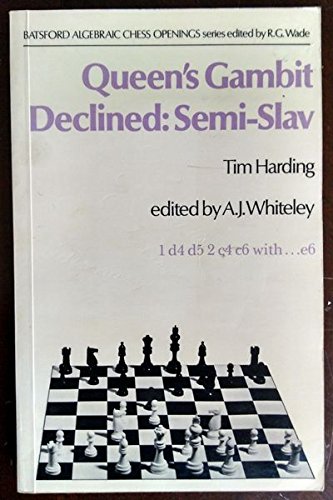
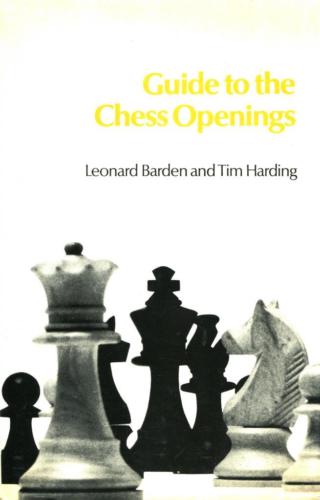
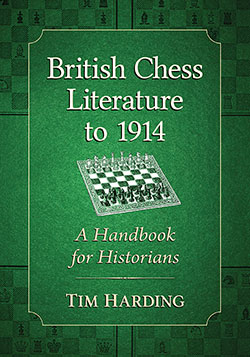
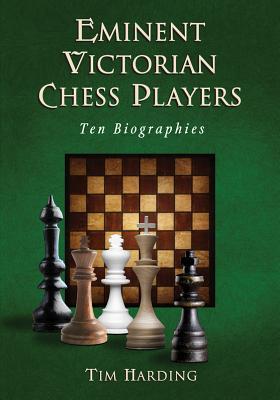
Tim has written / co-authored at least forty chess books and here is a selection :

Birthday of Dr. Tim Harding (06-v-1948)
From chessgames.com :“Timothy David Harding was born in London. He has been playing both over-the-board and correspondence chess since the 1960s. Harding played on the Irish team at the 1984 FIDE Olympiad in Thessaloniki, scoring 50%. In 2002 he achieved the title of Senior International Master of Correspondence Chess. He is also a Candidate Master (2015).
As a chess historian, Harding has authored dozens of books on chess since 1973. He is also the author of the “The Kibitzer”, a popular chess column published at ChessCafe.com.
(Tim Harding’s homepage – http://www.chessmail.com/timsite)”
BCN wishes Happy Birthday to Timothy David Harding (06-v-1948)
From Wikipedia :
“Timothy David Harding (born 6 May 1948 in London)[1] is a chess player and author with particular expertise in correspondence chess. He published a correspondence chess magazine Chess Mail from 1996 to 2006[2] and authored “The Kibitzer”, a ChessCafe.com column from 1996 until 2015.[3] In 2002, he was awarded the title Senior International Master of Correspondence Chess by the International Correspondence Chess Federation. Harding has lived in Dublin since 1976,[2] writing a weekly column for The Sunday Press from then until 1995.
In 2009, Harding received a PhD degree in history from University of Dublin, with his thesis on correspondence chess in Britain and Ireland, 1824–1914.[4]
He is credited with coining the name Frankenstein–Dracula Variation in his 1975 Vienna Game book.”
Tim has written / co-authored at least forty chess books and here is a selection :
Birthday of Dr. Tim Harding (06-v-1948)
From chessgames.com :“Timothy David Harding was born in London. He has been playing both over-the-board and correspondence chess since the 1960s. Harding played on the Irish team at the 1984 FIDE Olympiad in Thessaloniki, scoring 50%. In 2002 he achieved the title of Senior International Master of Correspondence Chess. He is also a Candidate Master (2015).
As a chess historian, Harding has authored dozens of books on chess since 1973. He is also the author of the “The Kibitzer”, a popular chess column published at ChessCafe.com.
(Tim Harding’s homepage – http://www.chessmail.com/timsite)”
BCN wishes Happy Birthday to Timothy David Harding (06-v-1948)
From Wikipedia :
“Timothy David Harding (born 6 May 1948 in London)[1] is a chess player and author with particular expertise in correspondence chess. He published a correspondence chess magazine Chess Mail from 1996 to 2006[2] and authored “The Kibitzer”, a ChessCafe.com column from 1996 until 2015.[3] In 2002, he was awarded the title Senior International Master of Correspondence Chess by the International Correspondence Chess Federation. Harding has lived in Dublin since 1976,[2] writing a weekly column for The Sunday Press from then until 1995.
In 2009, Harding received a PhD degree in history from University of Dublin, with his thesis on correspondence chess in Britain and Ireland, 1824–1914.[4]
He is credited with coining the name Frankenstein–Dracula Variation in his 1975 Vienna Game book.”
Tim has written / co-authored at least forty chess books and here is a selection :
Birthday of Dr. Tim Harding (06-v-1948)
From chessgames.com :“Timothy David Harding was born in London. He has been playing both over-the-board and correspondence chess since the 1960s. Harding played on the Irish team at the 1984 FIDE Olympiad in Thessaloniki, scoring 50%. In 2002 he achieved the title of Senior International Master of Correspondence Chess. He is also a Candidate Master (2015).
As a chess historian, Harding has authored dozens of books on chess since 1973. He is also the author of the “The Kibitzer”, a popular chess column published at ChessCafe.com.
(Tim Harding’s homepage – http://www.chessmail.com/timsite)”
BCN wishes Happy Birthday to Timothy David Harding (06-v-1948)
From Wikipedia :
“Timothy David Harding (born 6 May 1948 in London)[1] is a chess player and author with particular expertise in correspondence chess. He published a correspondence chess magazine Chess Mail from 1996 to 2006[2] and authored “The Kibitzer”, a ChessCafe.com column from 1996 until 2015.[3] In 2002, he was awarded the title Senior International Master of Correspondence Chess by the International Correspondence Chess Federation. Harding has lived in Dublin since 1976,[2] writing a weekly column for The Sunday Press from then until 1995.
In 2009, Harding received a PhD degree in history from University of Dublin, with his thesis on correspondence chess in Britain and Ireland, 1824–1914.[4]
He is credited with coining the name Frankenstein–Dracula Variation in his 1975 Vienna Game book.”
Tim has written / co-authored at least forty chess books and here is a selection :