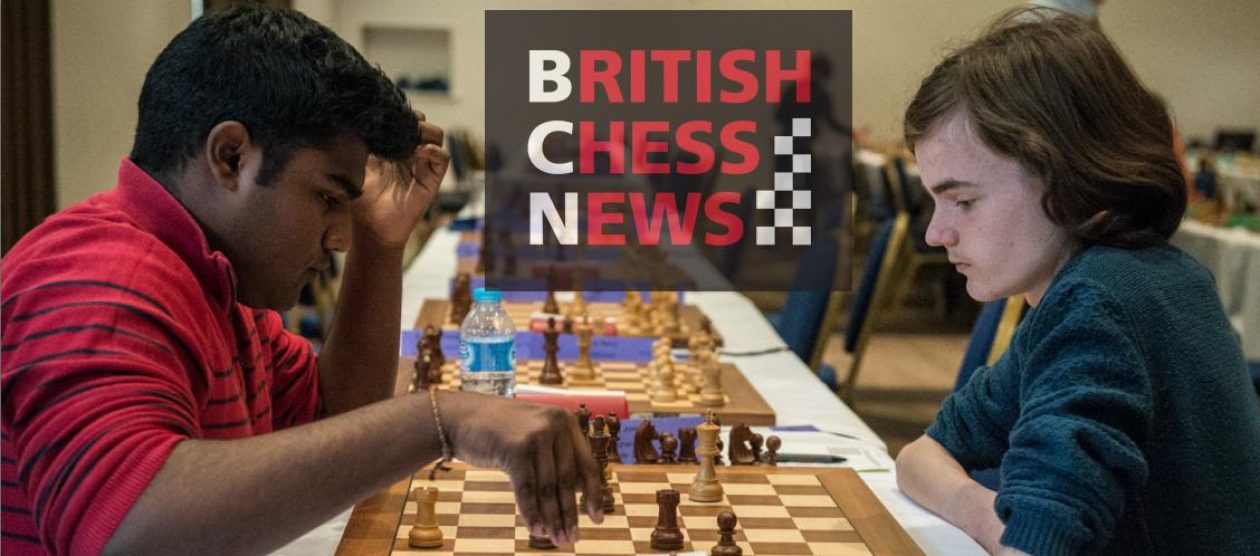
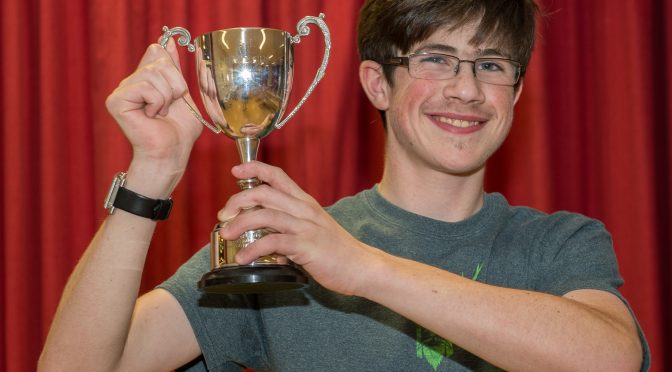
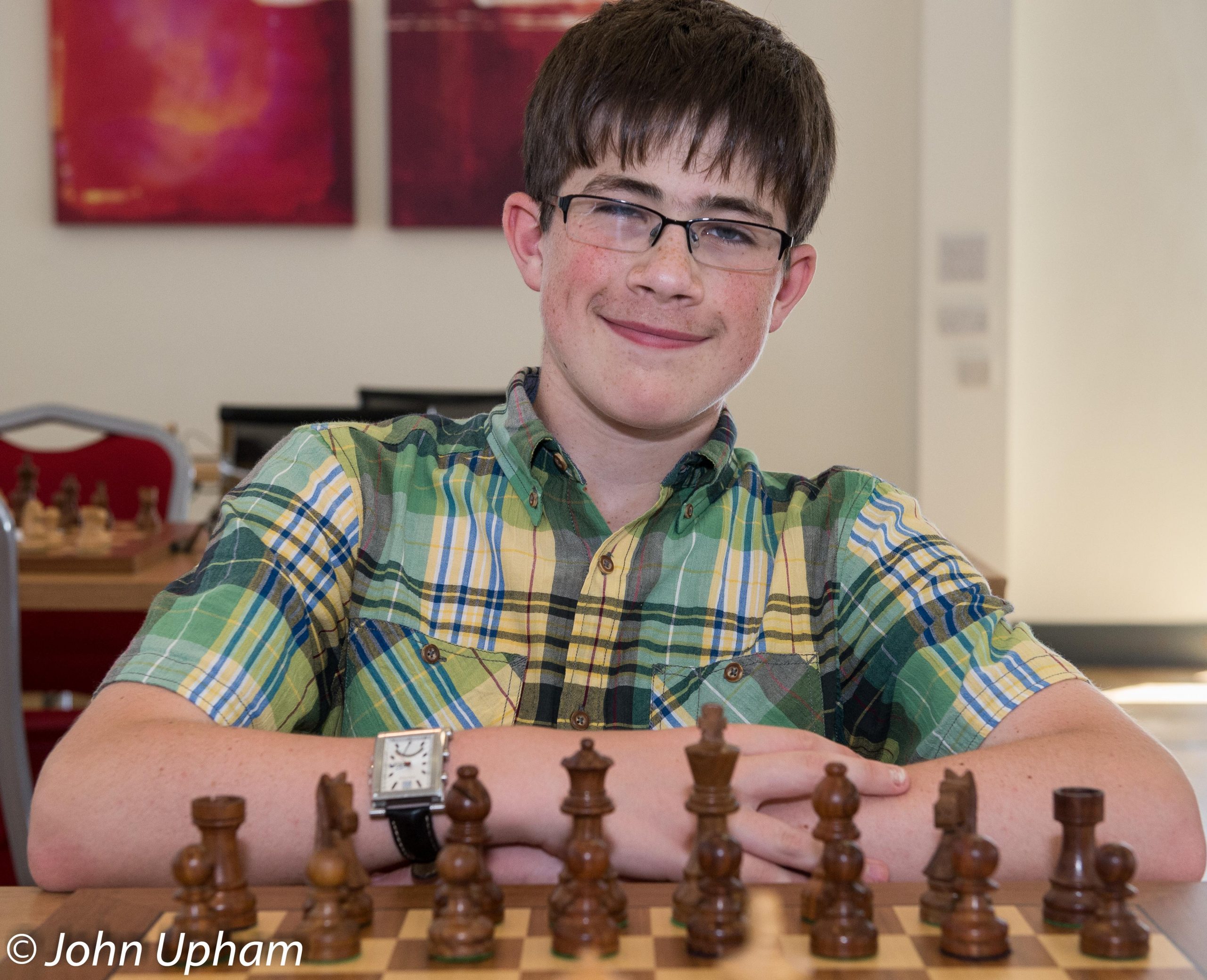
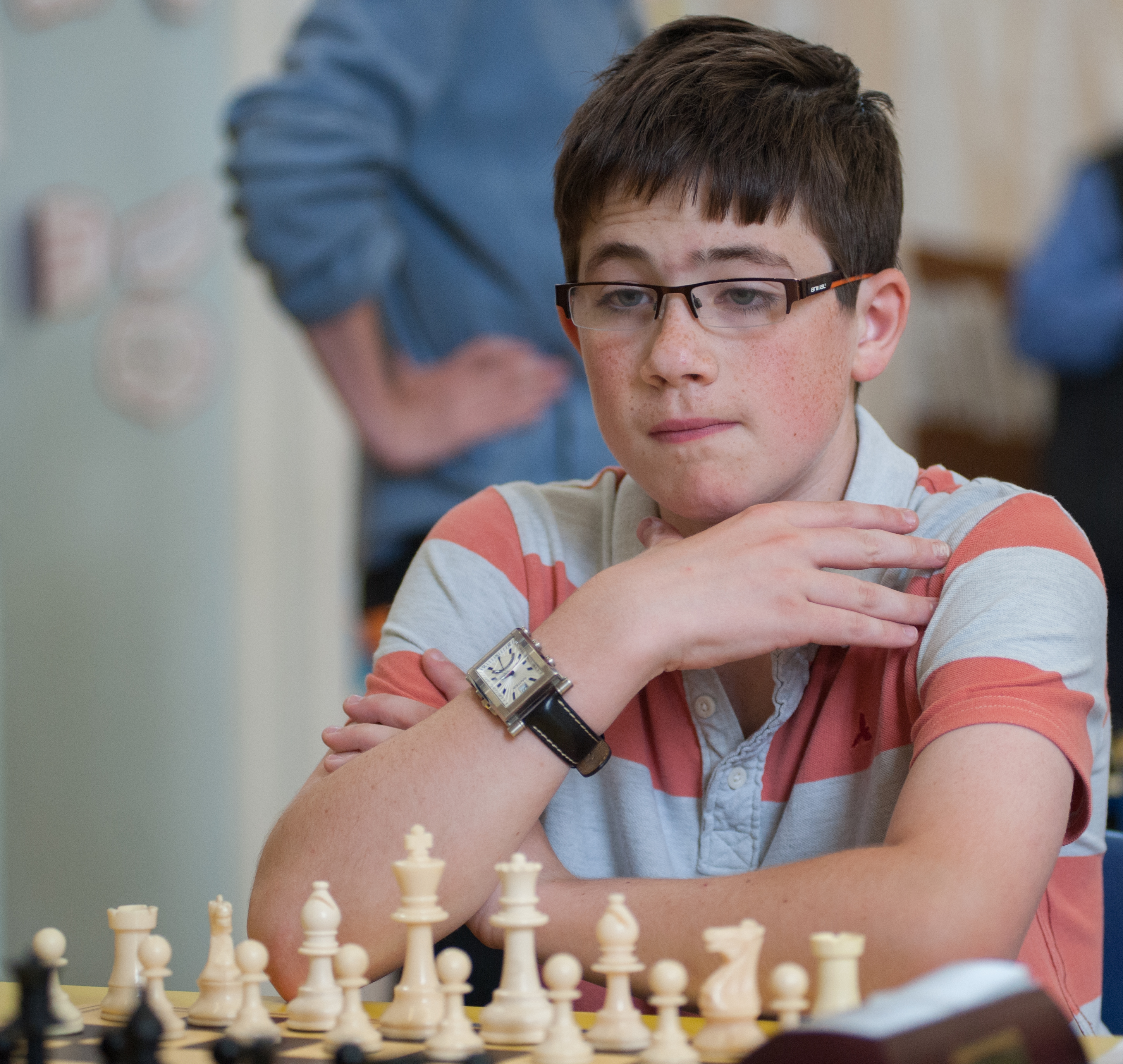
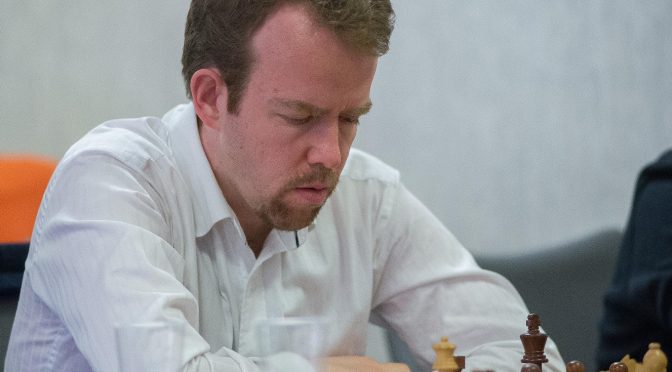
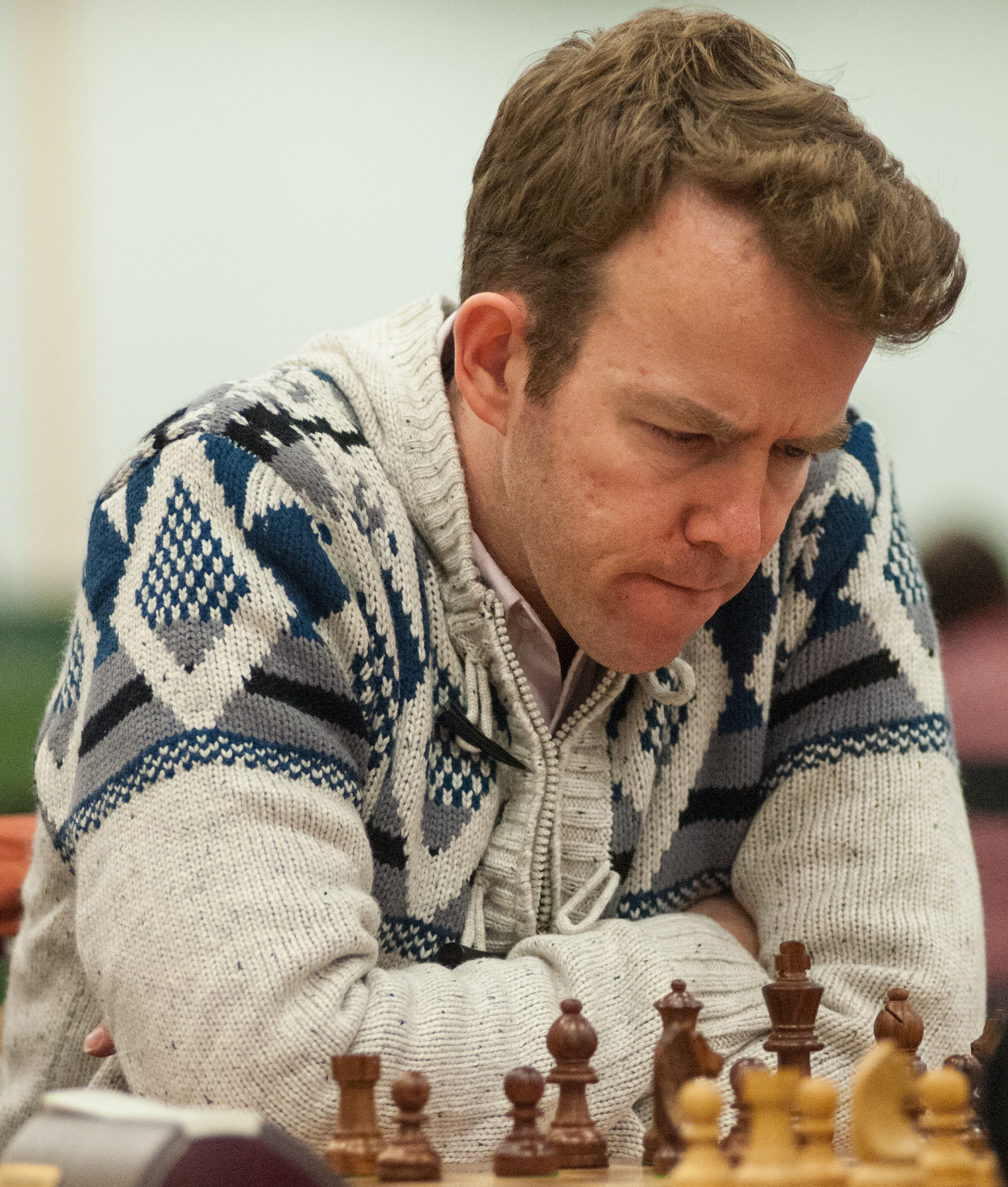
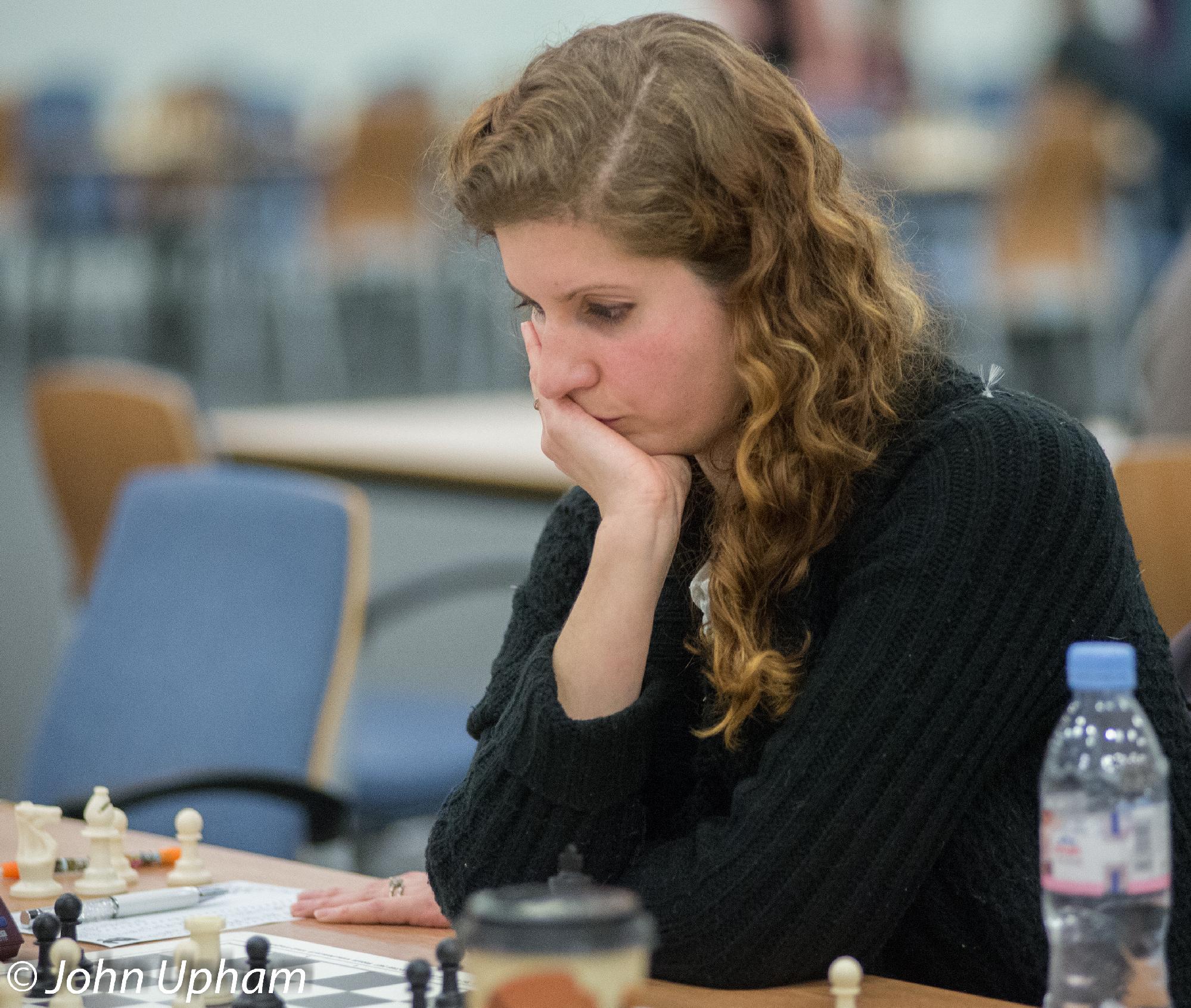
BCN wishes GM Matthew Wadsworth Happy Birthday this day (June 27th).
Previously we reported:
IM Matthew Wadsworth, one of England’s most promising young players, has earned his first Grandmaster norm from his excellent performance in the Four Nations Chess League (4NCL). Matthew, who is twenty, has a current FIDE standard play rating of 2413 and is ranked 34th amongst the active players in England (by FIDE rating) earning his FM title in 2016 and IM title in 2019.
Matthew could leapfrog to Grandmaster status with further norms and by increasing his live rating to 2500. The IM title was ratified at the FIDE Congress, 2nd quarter PB 2019, 27-30 June, Baku, Azerbaijan when his live rating had topped 2400.
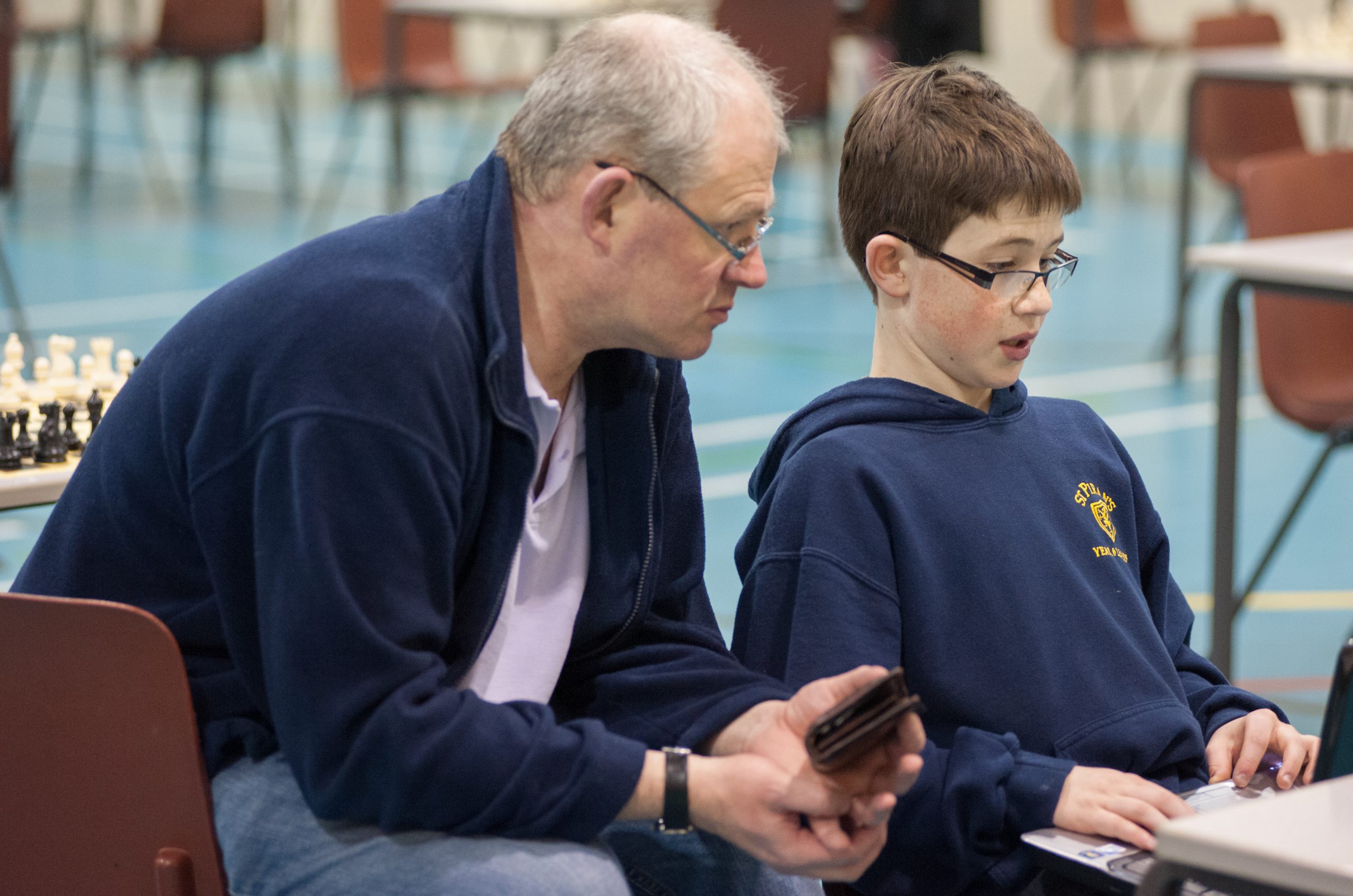
Matthew with father Jim at the 2012 Surrey Congress
Matthew’s first ECF grade was 66A in 2007 (aged 7) and he played for Maidenhead in local leagues, St. Pirans’s School and then Reading School.
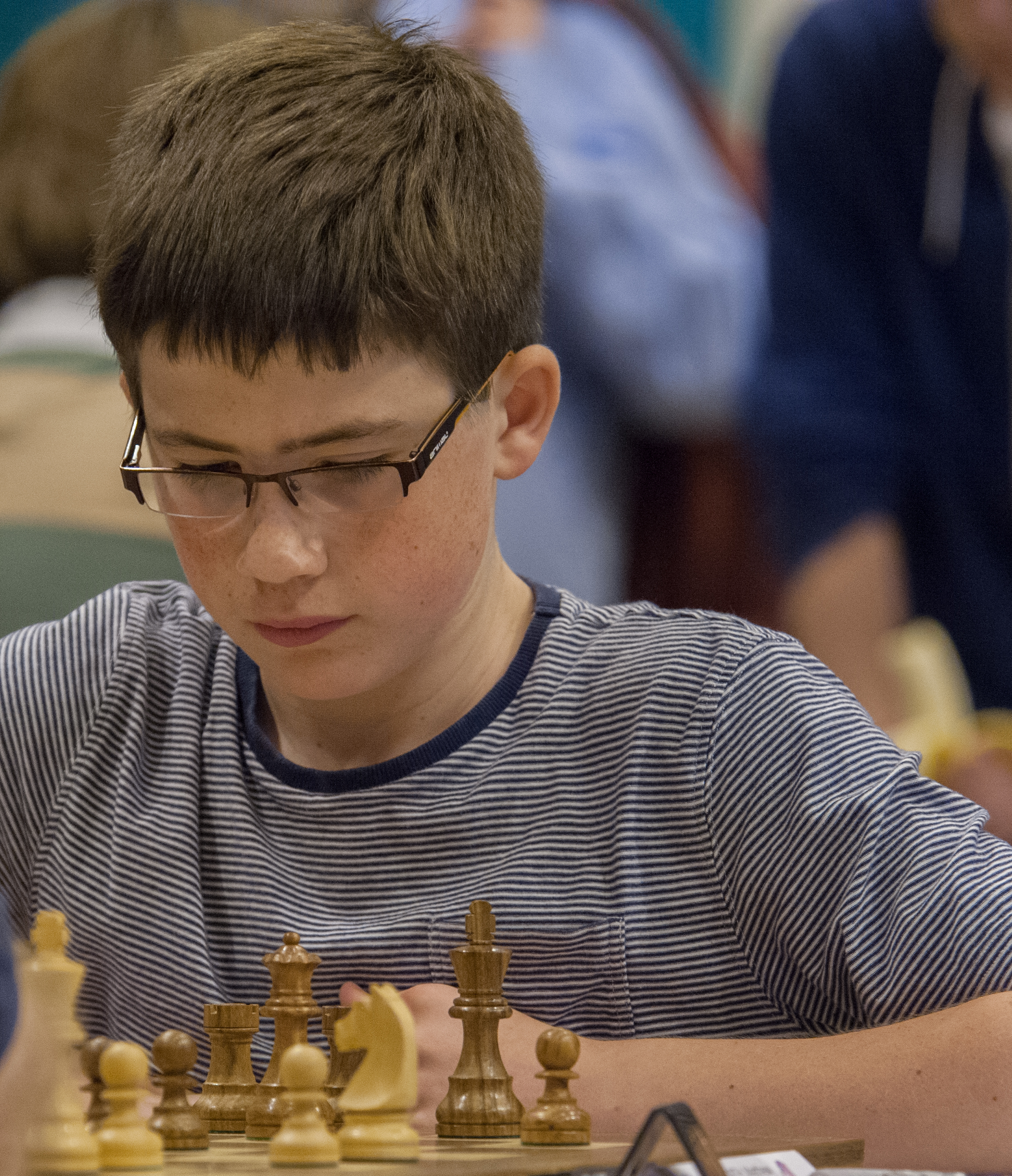
Matthew at the 2013 British Championships in Torquay
Matthew is reading Economics at Queen’s College, Cambridge and rows for the college team.
Matthew joined 4NCL at an early age and played for AMCA (Andrew Martin Chess Academy) soon rising the ranks to the AMCA first team and he currently represents the Guildford 2 team in Division One of the Four Nations Chess League (4NCL). Matthew’s 4NCL results for the 2018-19 season were :
1. Fodor, Tamas Jr, draw
2. Ashton, Adam G, win
3. Gonda, Laszlo, draw
4. Kulon, Klaudia, win
5. Holland, James P, win
6. Stewart, Ashley, win
7. Ledger, Andrew J, win
8. Plat, Vojtech, loss
9. no game
10. Jackson, James P, win
11. no game
giving a performance of 7/9
Matthew at the 2014 British Championships in Aberystwyth
One of the undoubted highlights of Matthews 2018 chess year was his draw with Oxford domiciled GM Hou Yifan, three times Women’s World Champion from China during the annual Varsity match, Matthew representing Cambridge.
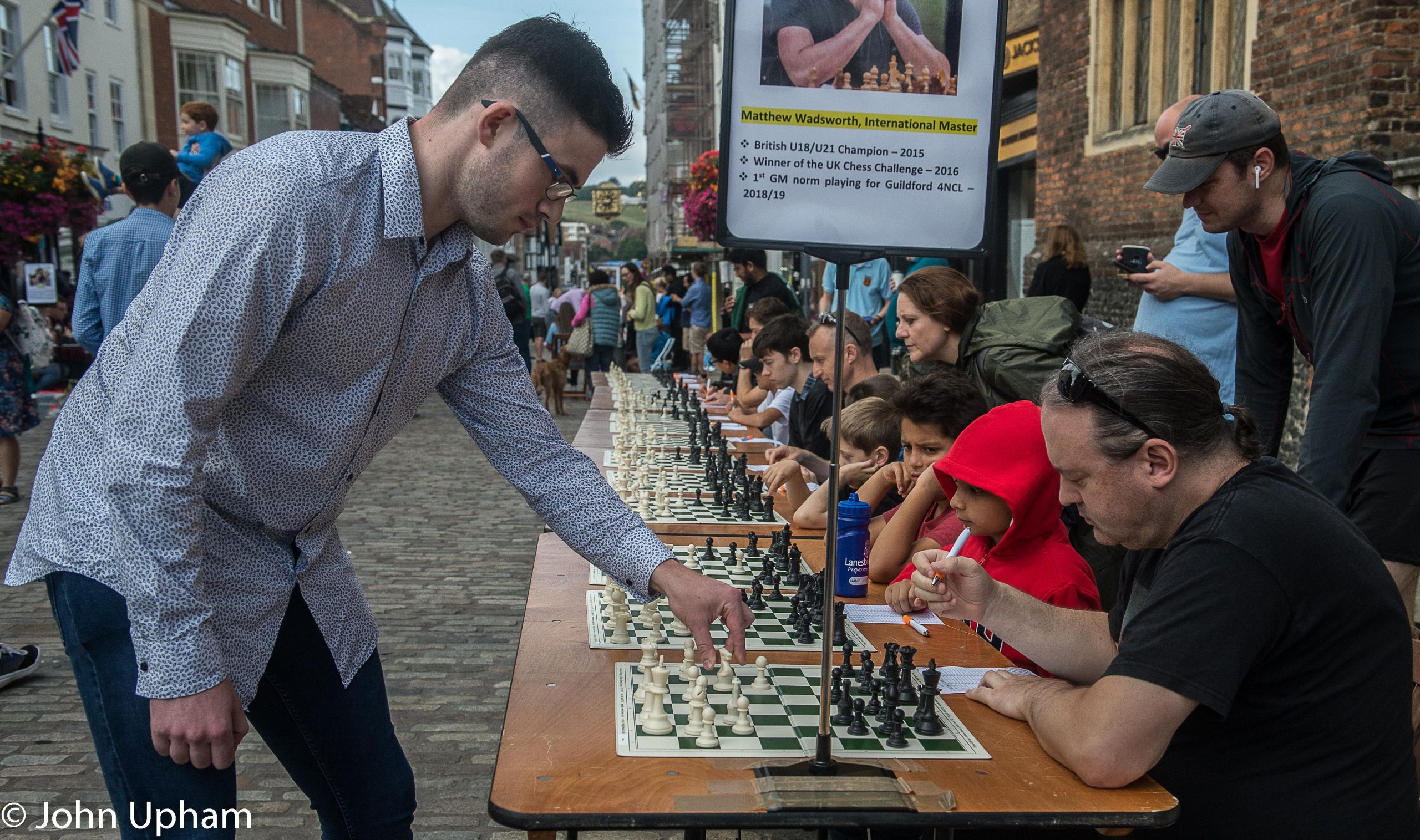
In 2021 Matthew supported Guildford Chess Club in its 125th Anniversary event by being part of the simultaneous display team:
IM Matthew Wadsworth at the Guildford Chess Club 125th Anniversary event on September 11th, 2021. Courtesy of John Upham PhotographyIM Matthew Wadsworth at the Guildford Chess Club 125th Anniversary event on September 11th, 2021. Courtesy of John Upham Photography
Matthew’s GM title was finally confirmed on April 18th 2025 at the 2nd FIDE Council of that year.
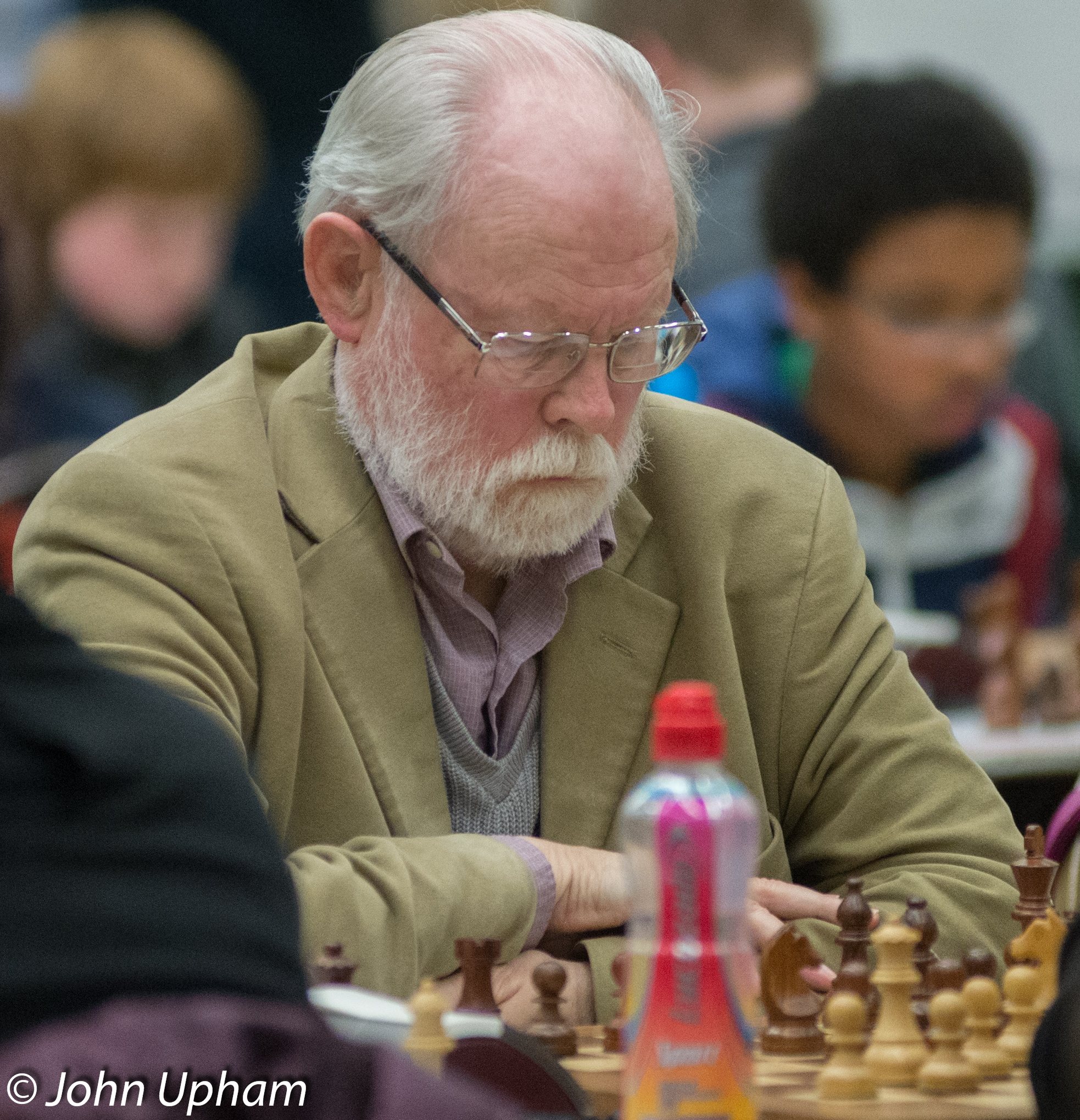
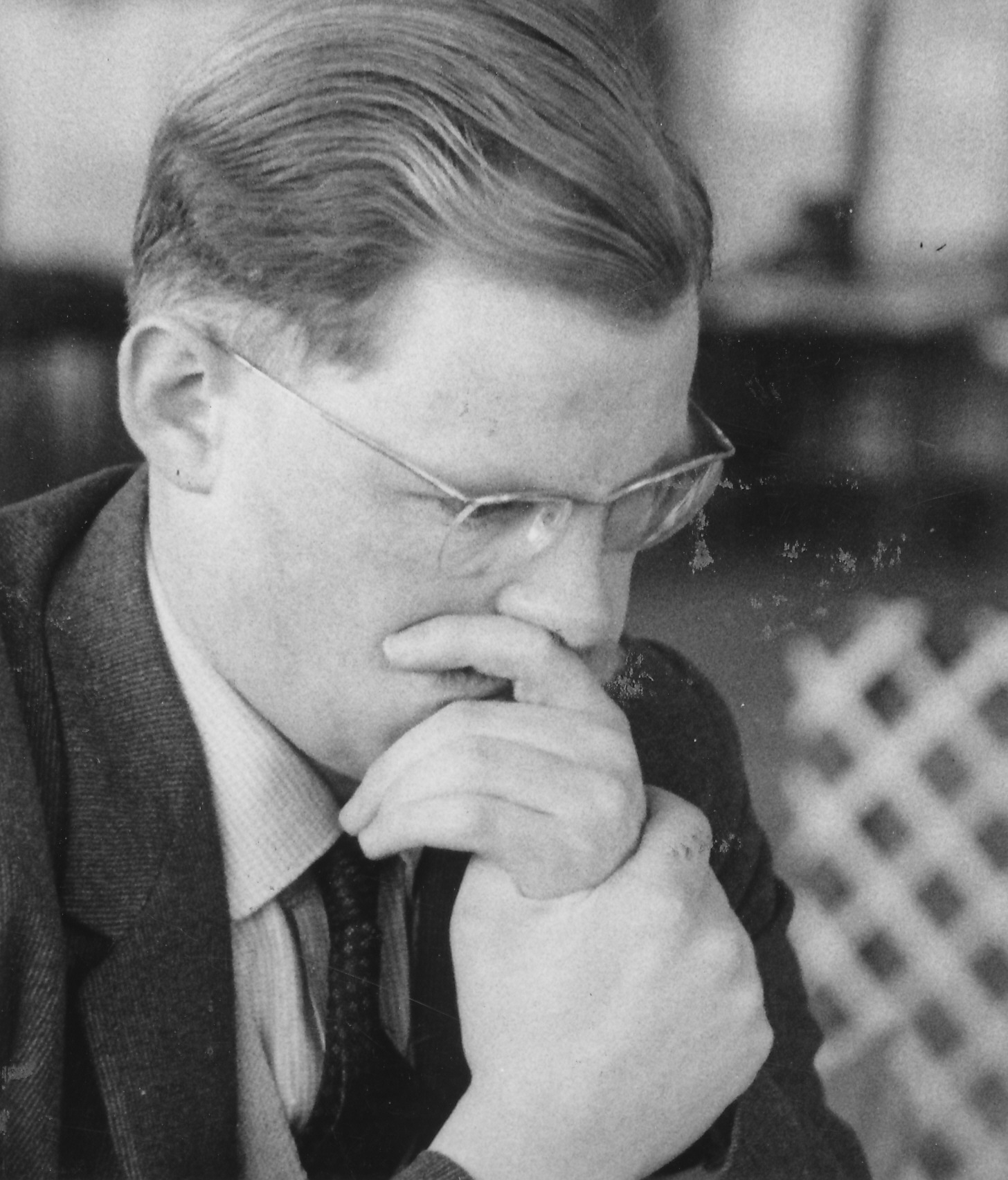
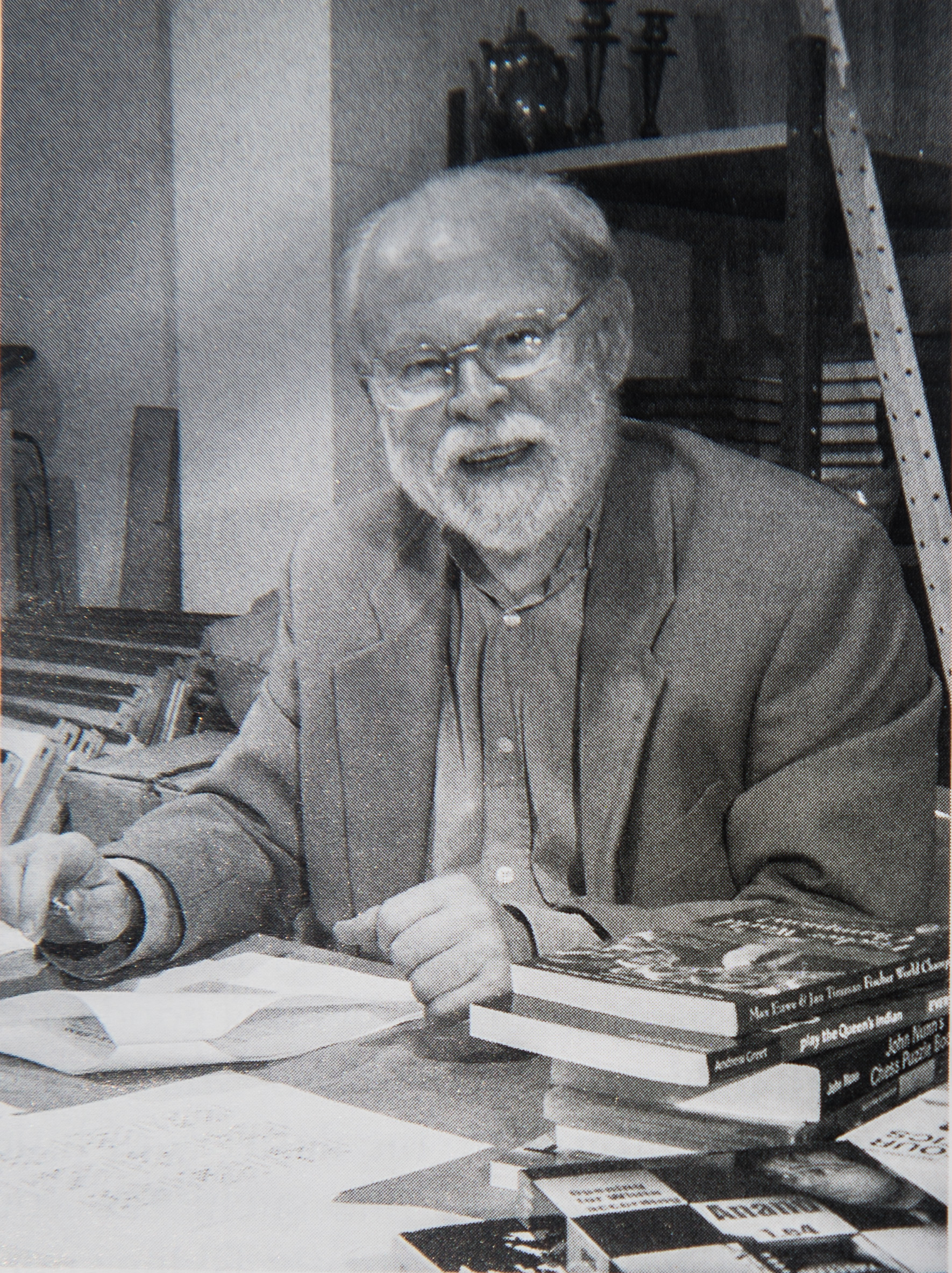
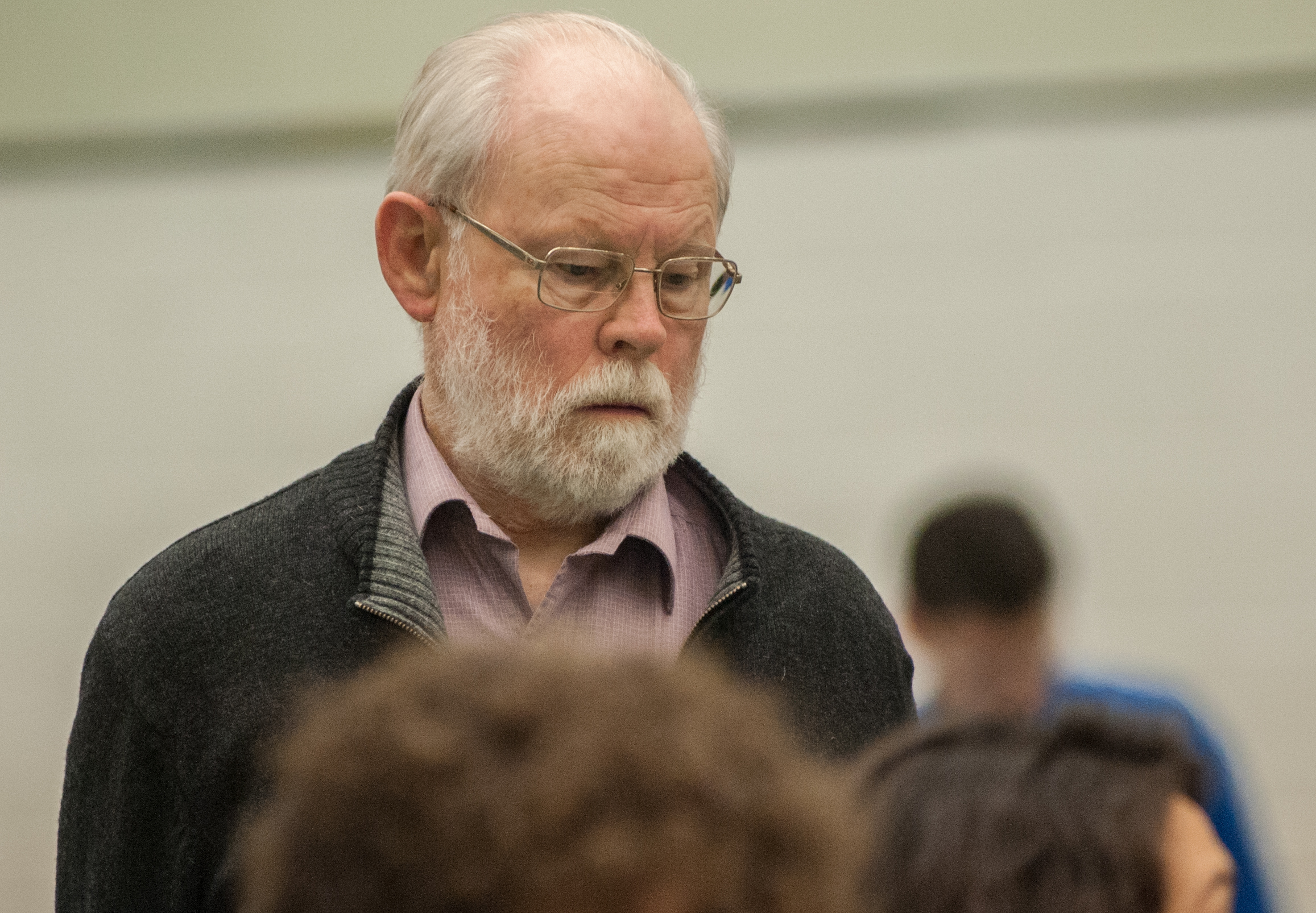
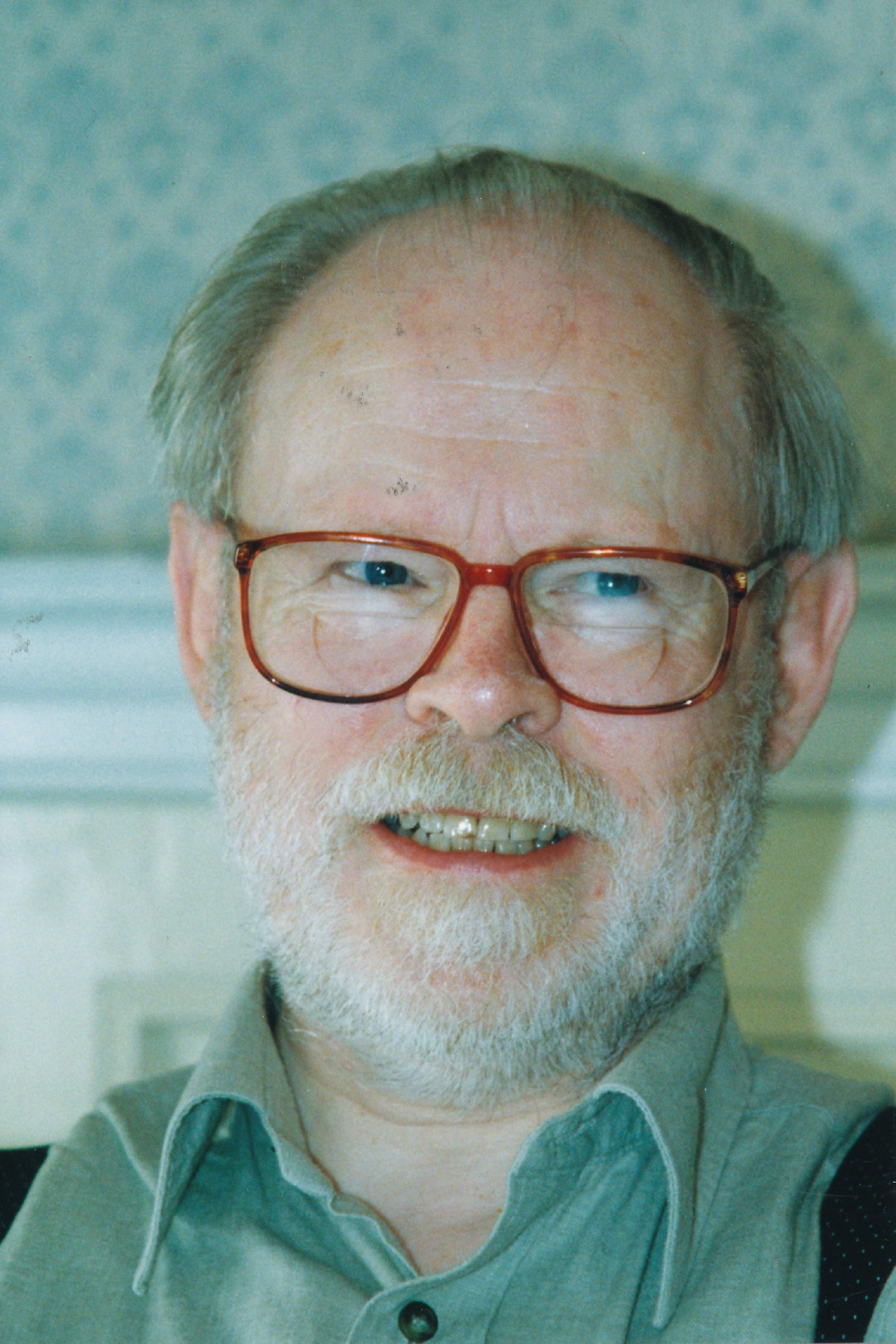
FM Bernard Cafferty, Hastings Congress 2013-14, courtesy of John Upham Photography
BCN wishes FIDE Master Bernard Cafferty best wishes on his 87th birthday, June 27th in 1934.
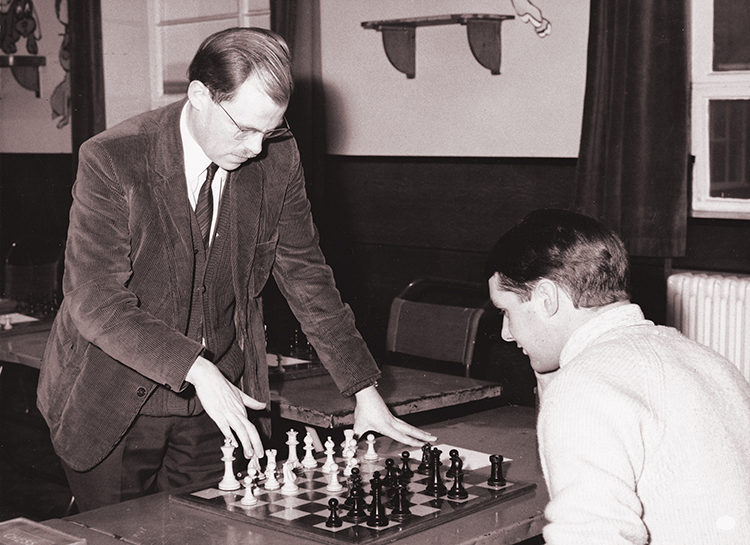
Bernard Cafferty, location, date and photographer unknownOn 14th December, 1968, Bernard gave a simultaneous exhibition held at Anglesey School, Burton. He played 17, won 16 and lost 1 to Trevor Bould who was already Burton Champion, photograph from http://www.derbyshirechess.btck.co.uk/History/Exhibitions, photographer unknown
Bernard was born in Blackburn, Lancashire (his mother’s maiden name was Croft) migrating to Birmingham and now resides in Hastings, East Sussex and is a member of Hastings & St. Leonards Chess Club.
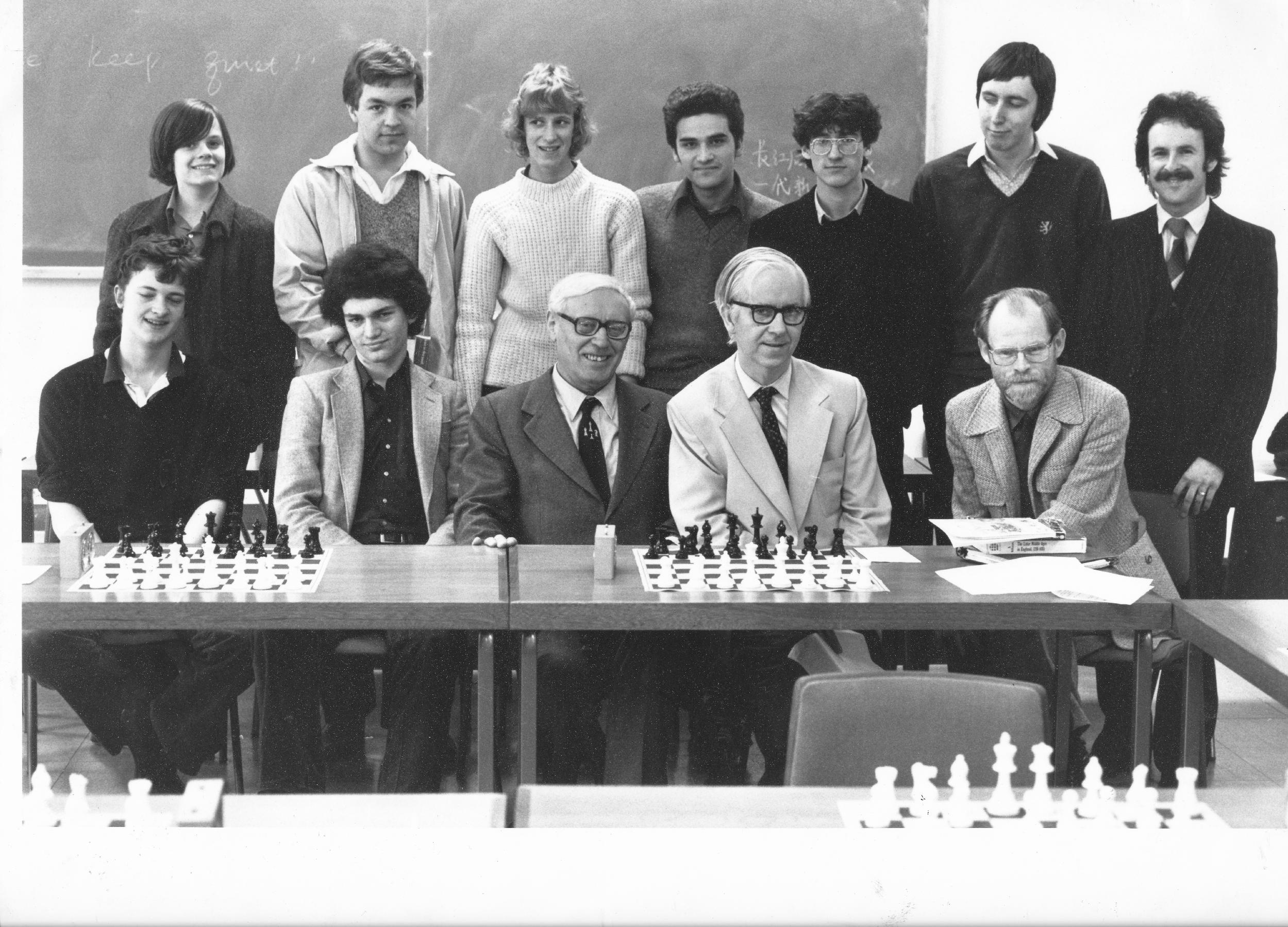
FM Bernard Cafferty (seated, rhs)
Sunnucks notes that he was British Junior Champion in 1952, British Correspondence Champion in 1959 and British Lighting Champion in 1966. He wrote a thesis on Chess in Schools for his University Education Diploma and is now a schoolmaster. His contribution to Anne’s Encyclopedia was on Education and Chess.
He was editor of British Chess Magazine from 1981 to 1991 and continued as Associate Editor until 2011 when FM Steve Giddins took over.
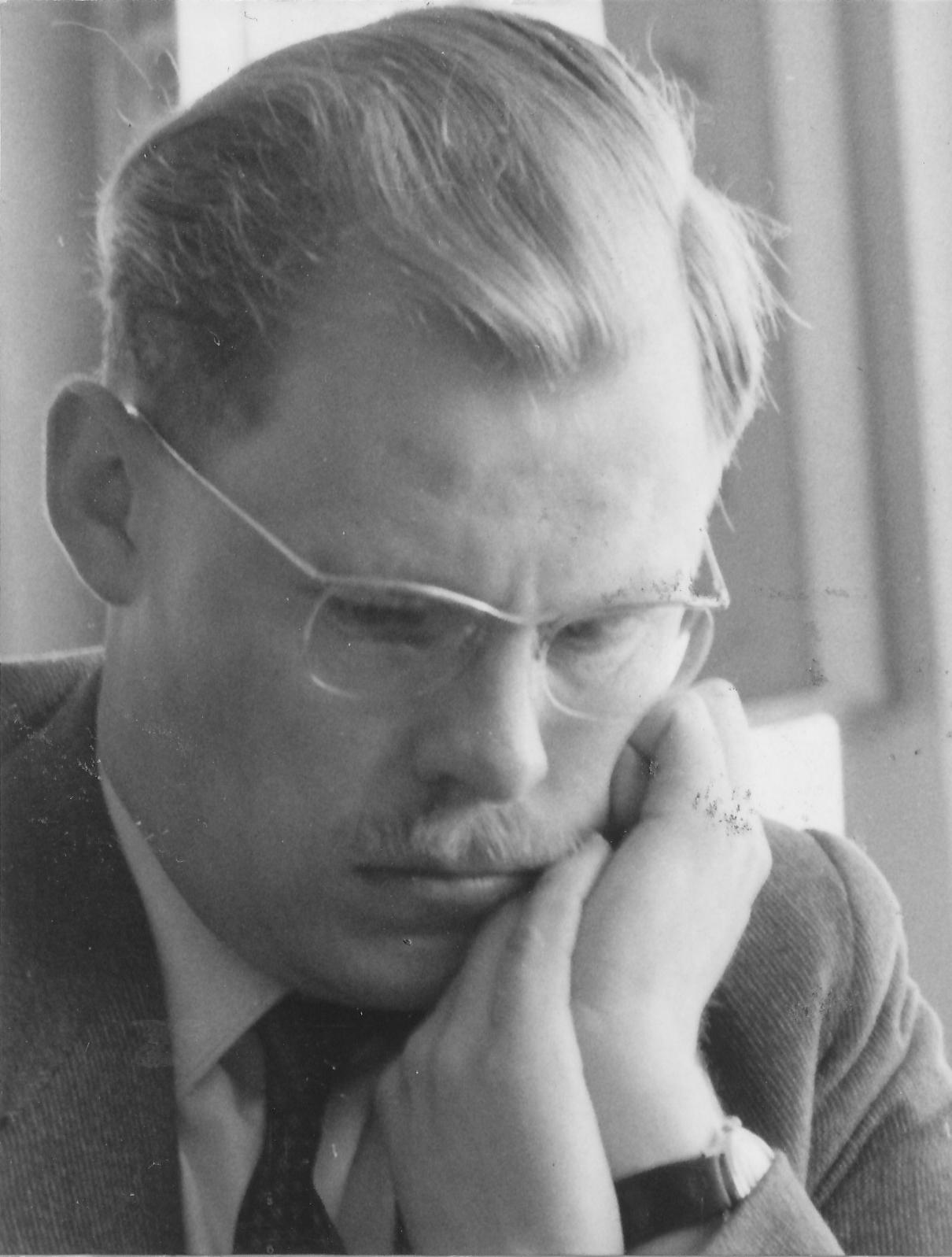
Bernard Cafferty, location, date and photographer unknown
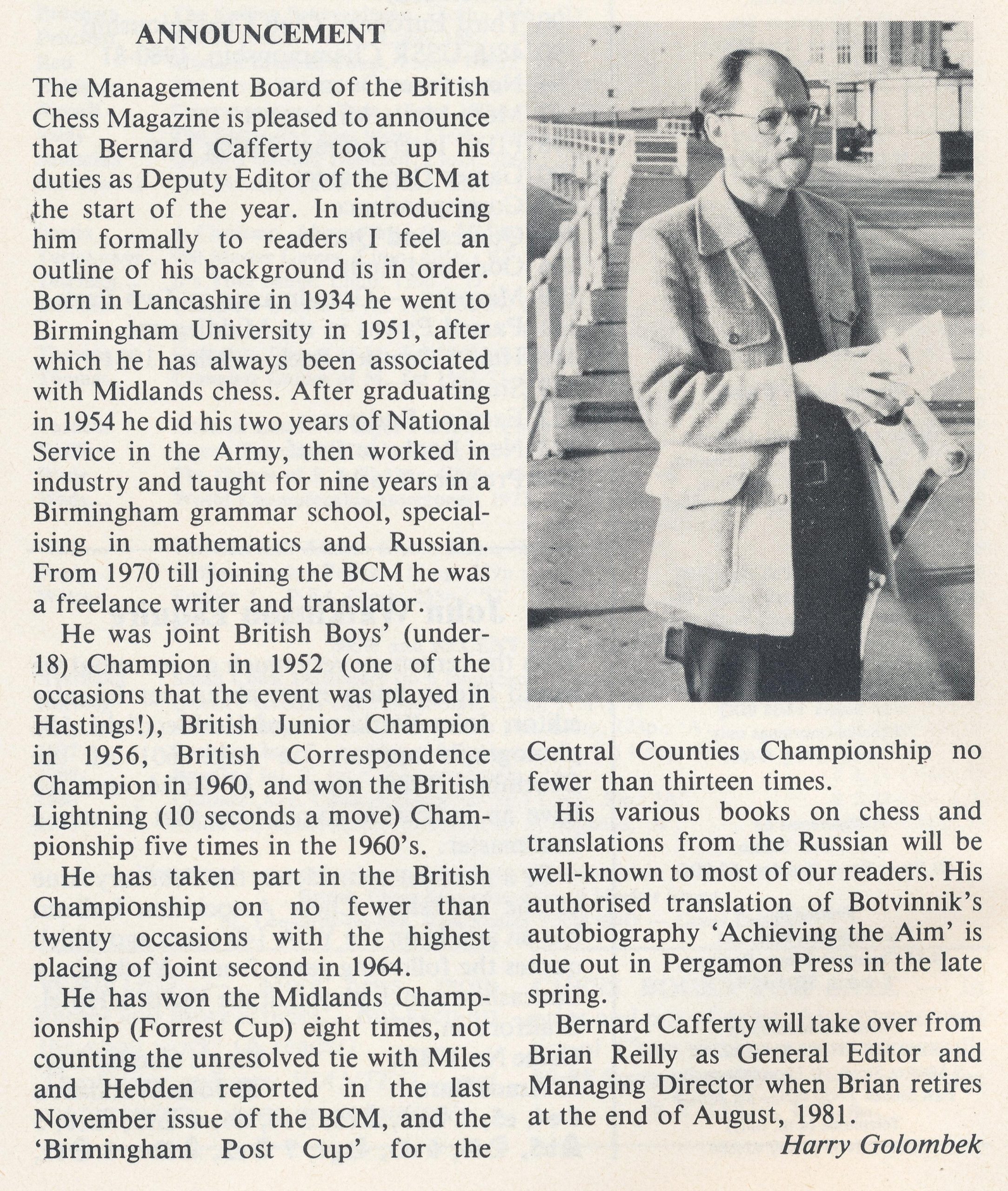
Here is the 1981 announcement (written by Harry Golombek, Chairman of Directors) of his appointment in the British Chess Magazine, Volume CI (101), Number 3, March, page 82 :
British Chess Magazine, Volume 101, Number 3, Page 82
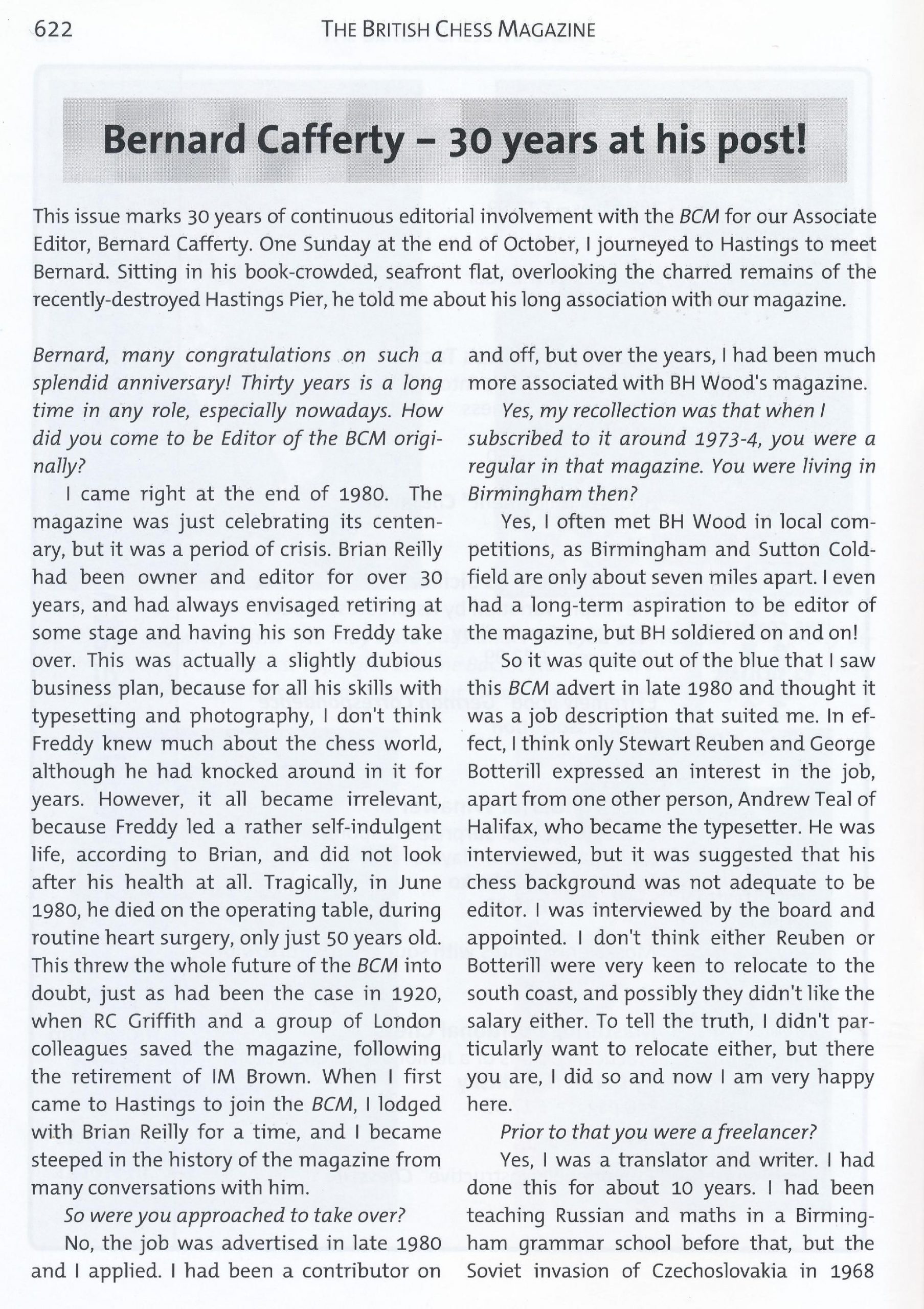
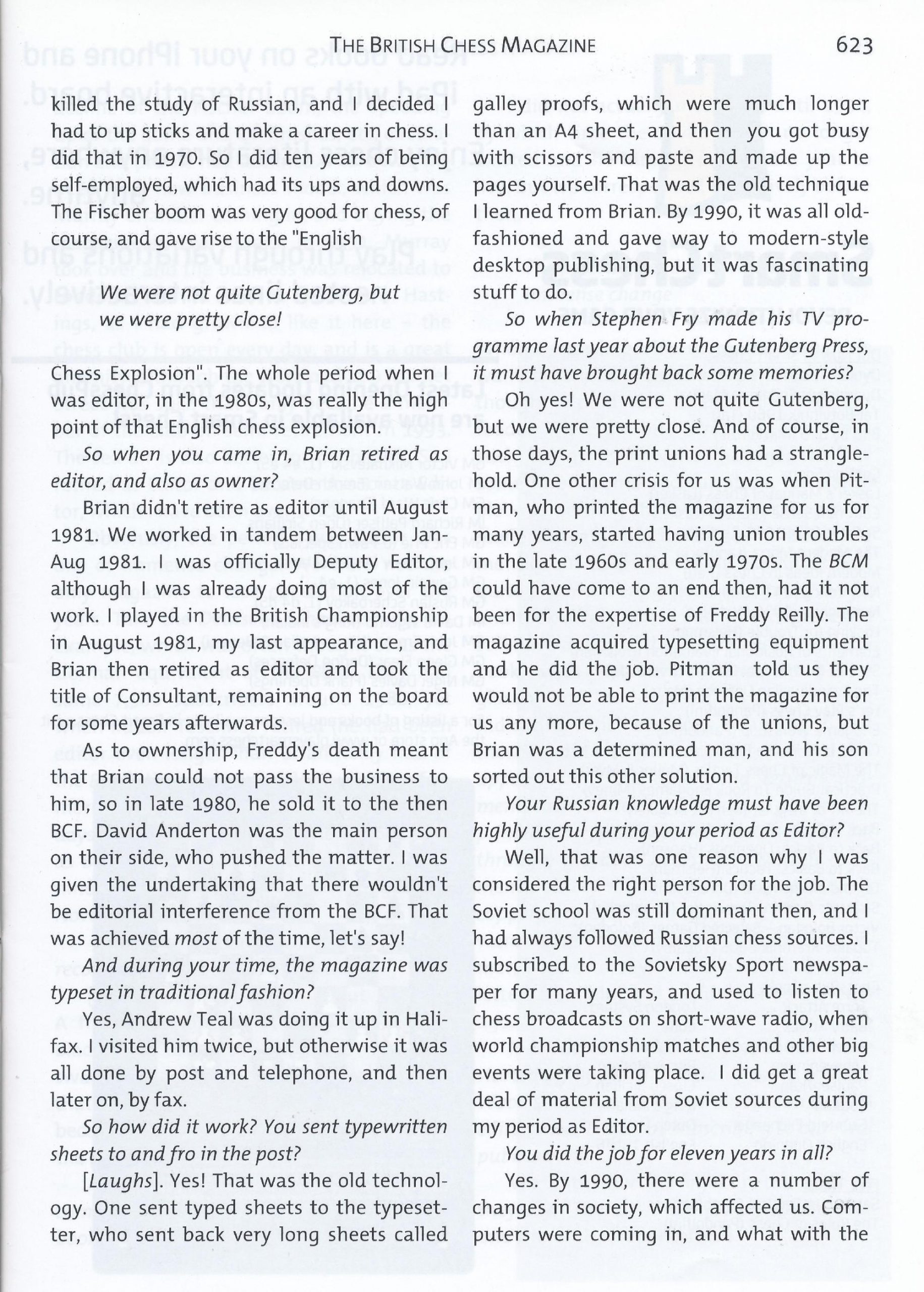
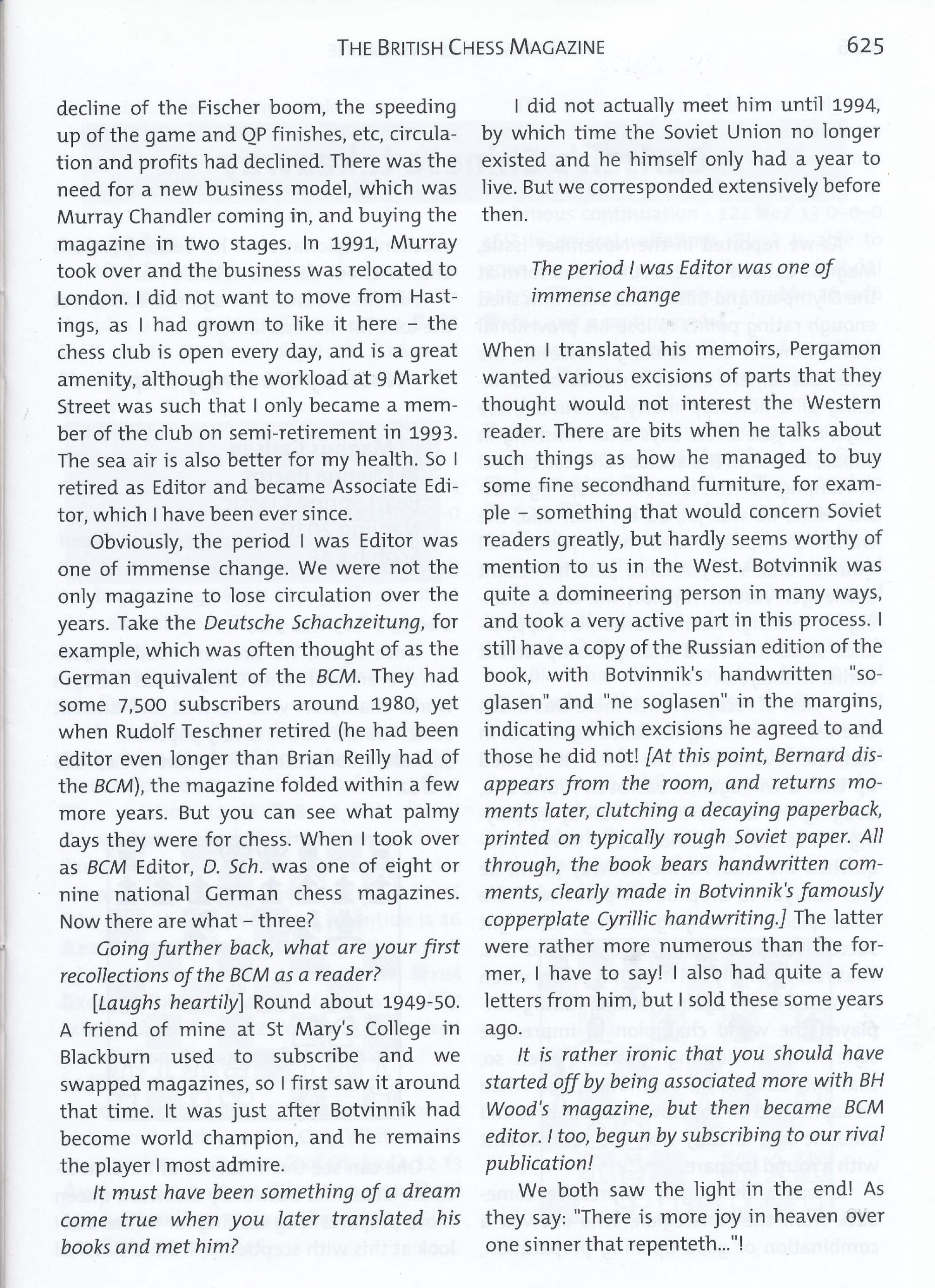
In the December 2010 issue (Volume CXXX (130), Number 12, pages 622 – 625 of British Chess Magazine there was a tribute to Bernard’s 30 years at BCM from editor FM Steve Giddins that was interview based :
British Chess Magazine, Volume CXXX (103), Number 12, December, Page 622British Chess Magazine, Volume CXXX (103), Number 12, December, Page 623British Chess Magazine, Volume CXXX (103), Number 12, December, Page 625Associate Editor Bernard Cafferty,at work on the magazine in the BCM office, BCM, Volume 130, Number 8, p. 428
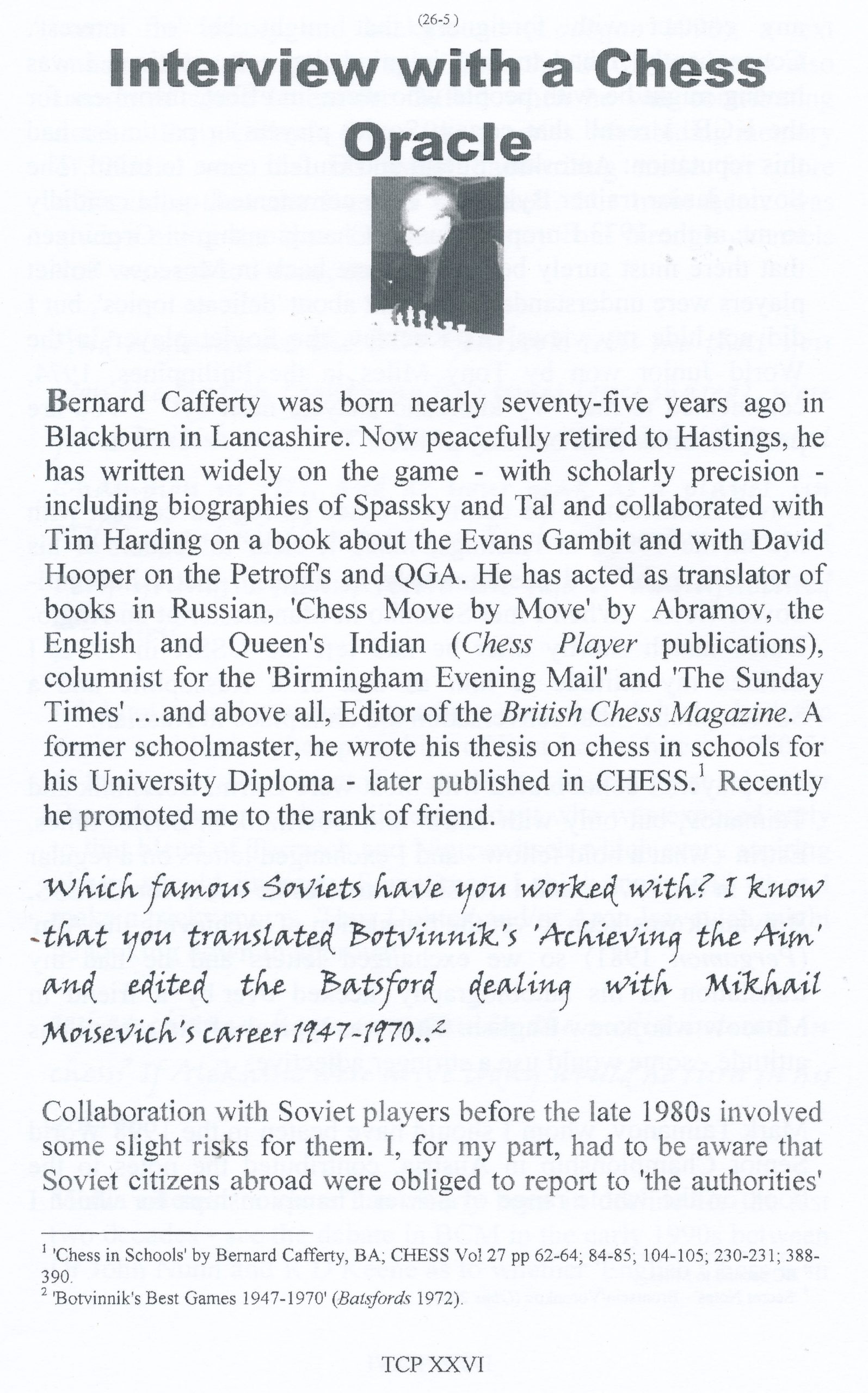
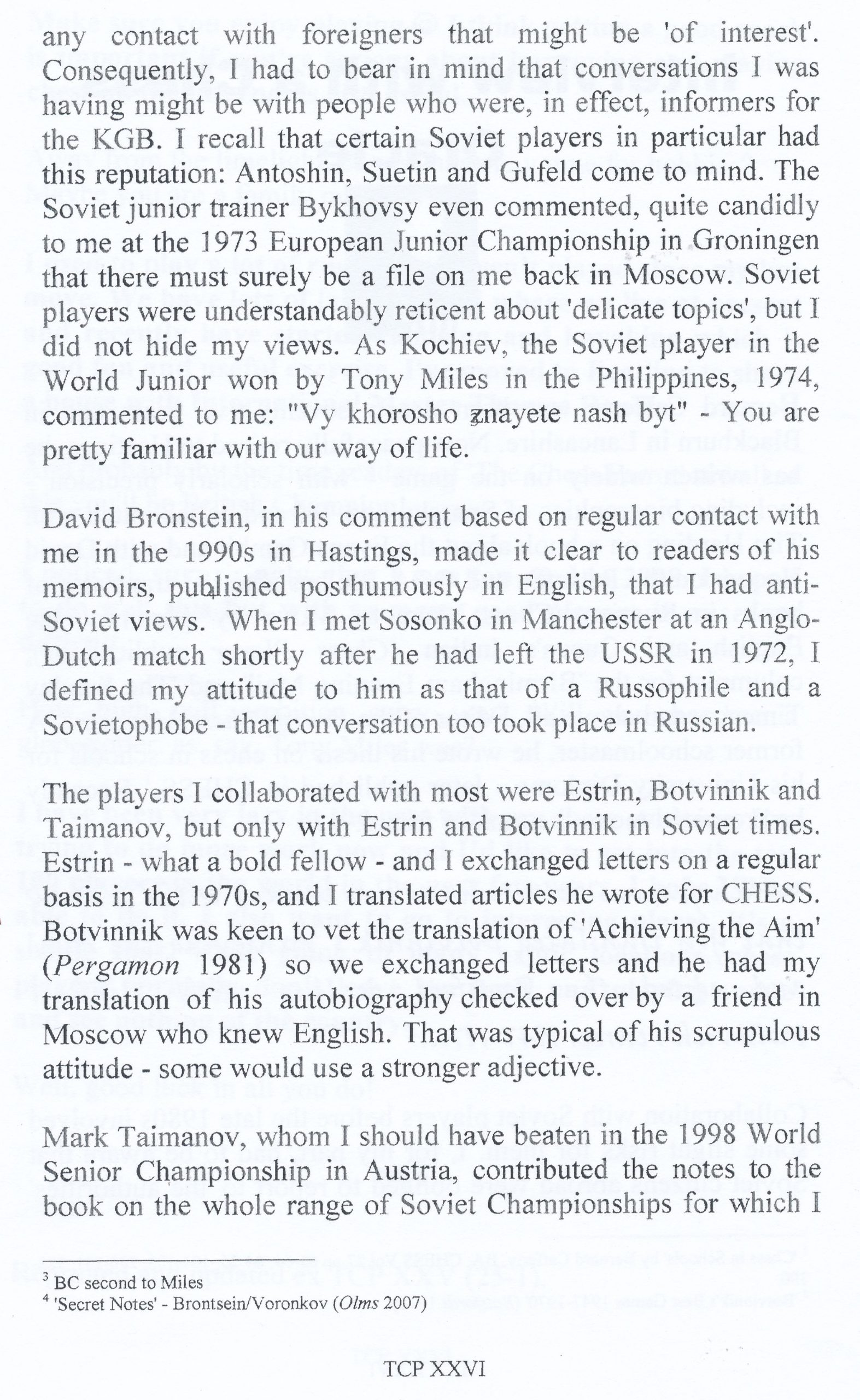
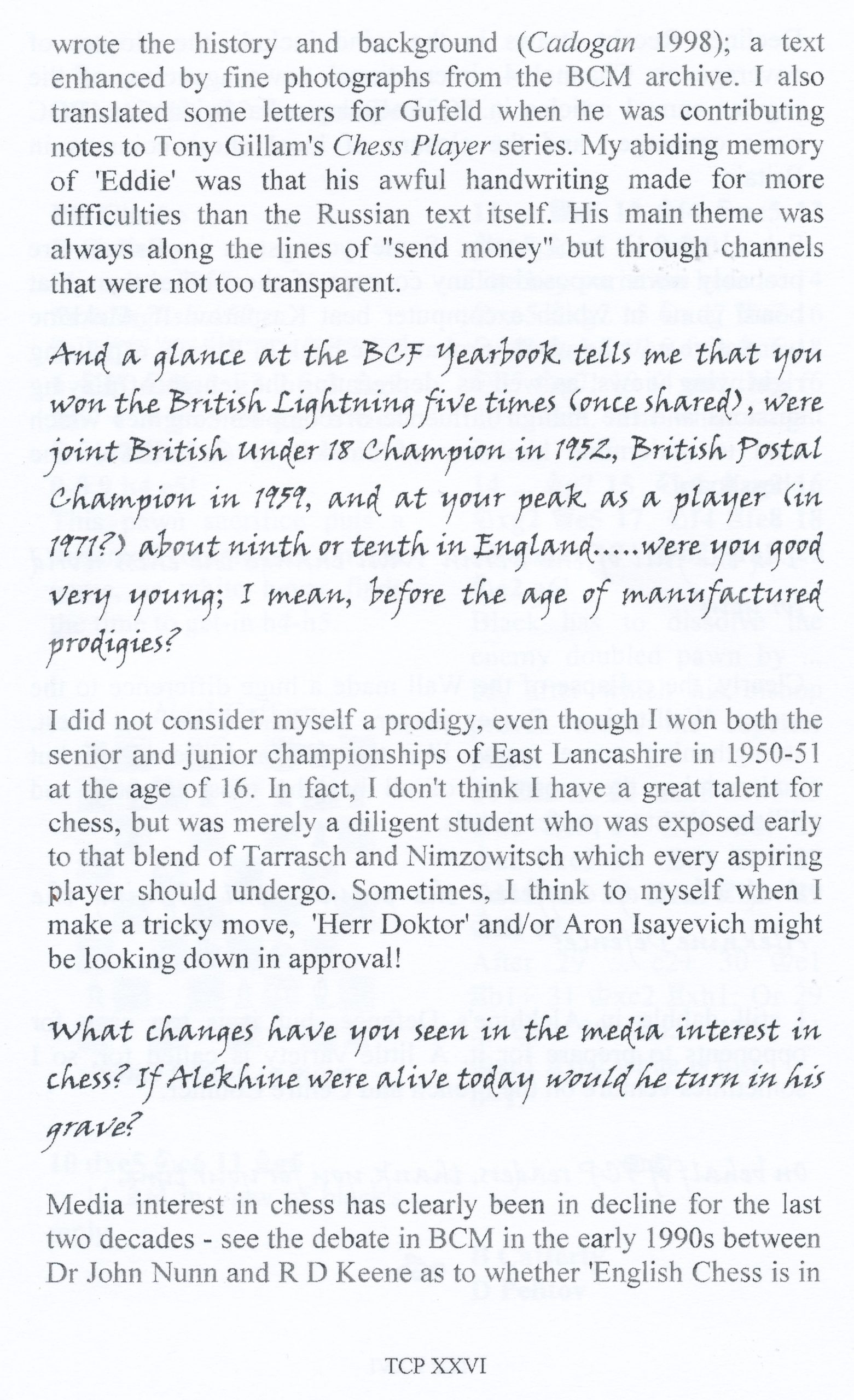
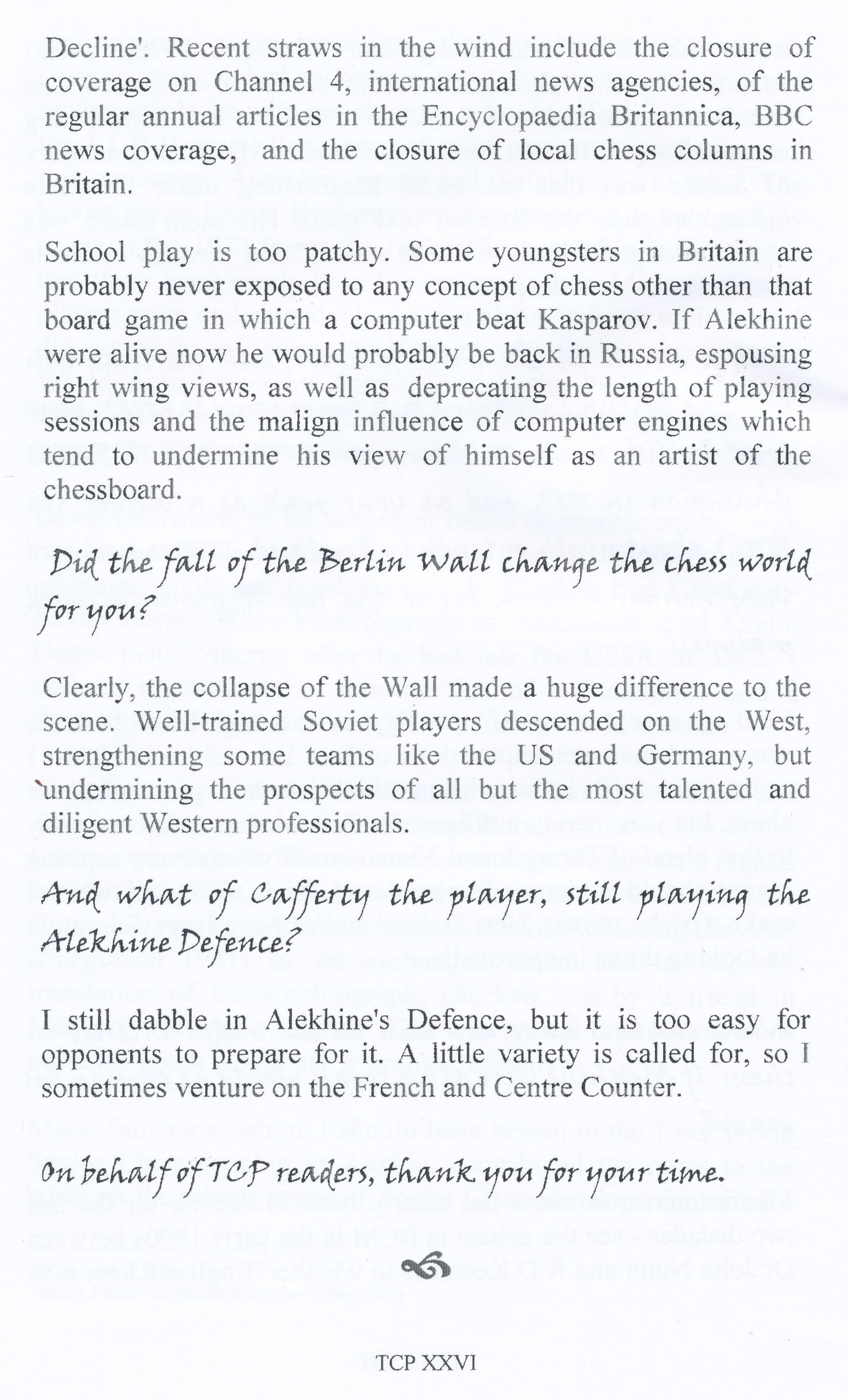
In 2009 Bernard was interviewed by the privately published Chess Parrot whose editor was / is Basingstoke based James Pratt (who became BCMs editor from 2011 – 2015). Here is that previously unseen interview :
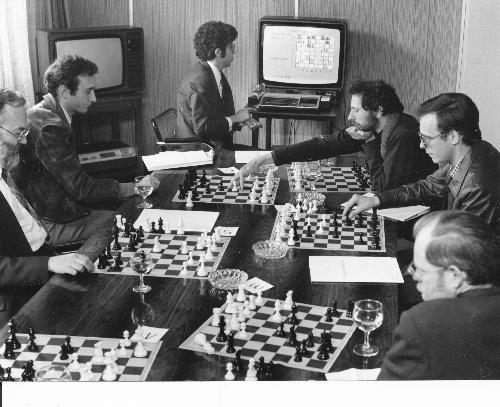
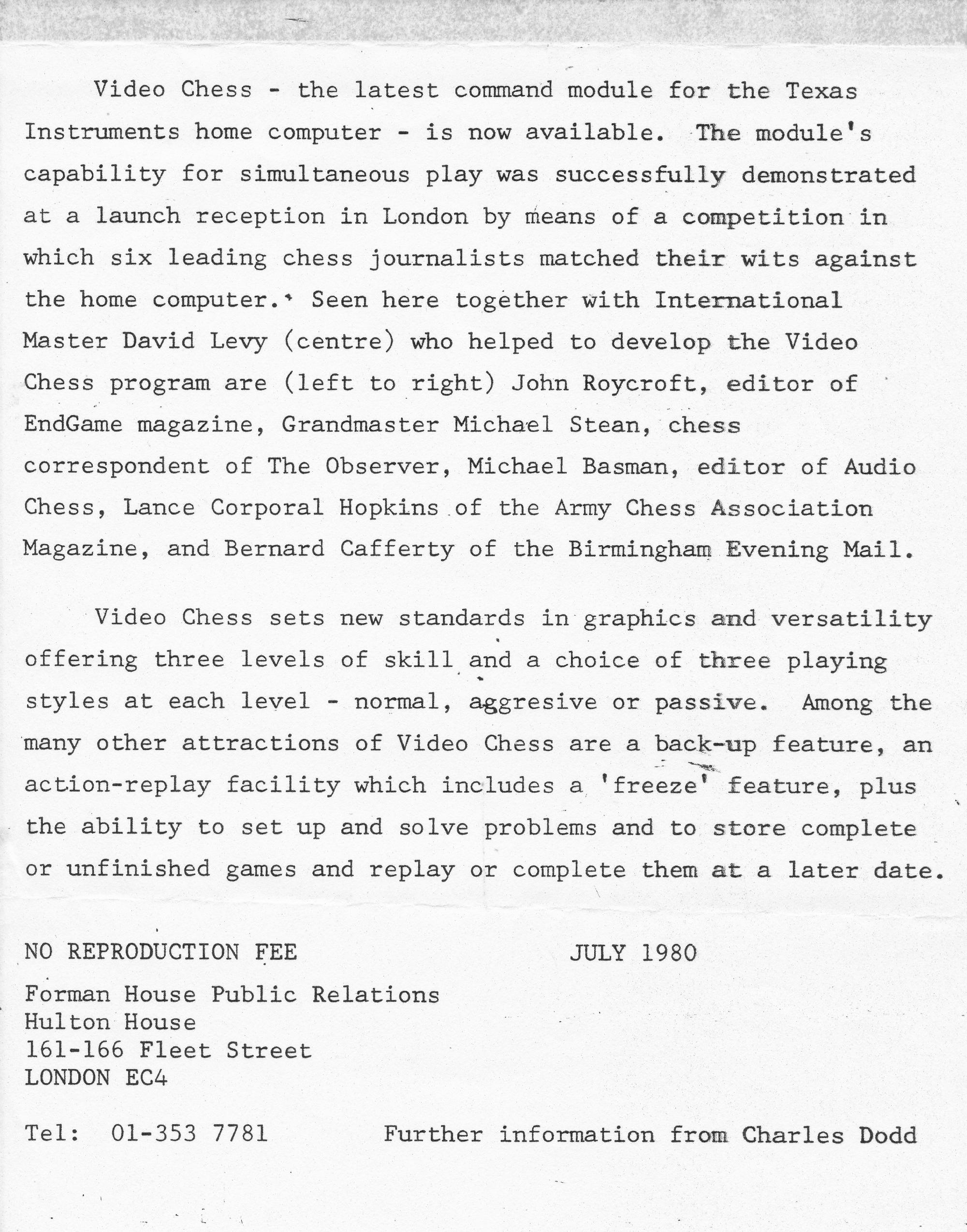
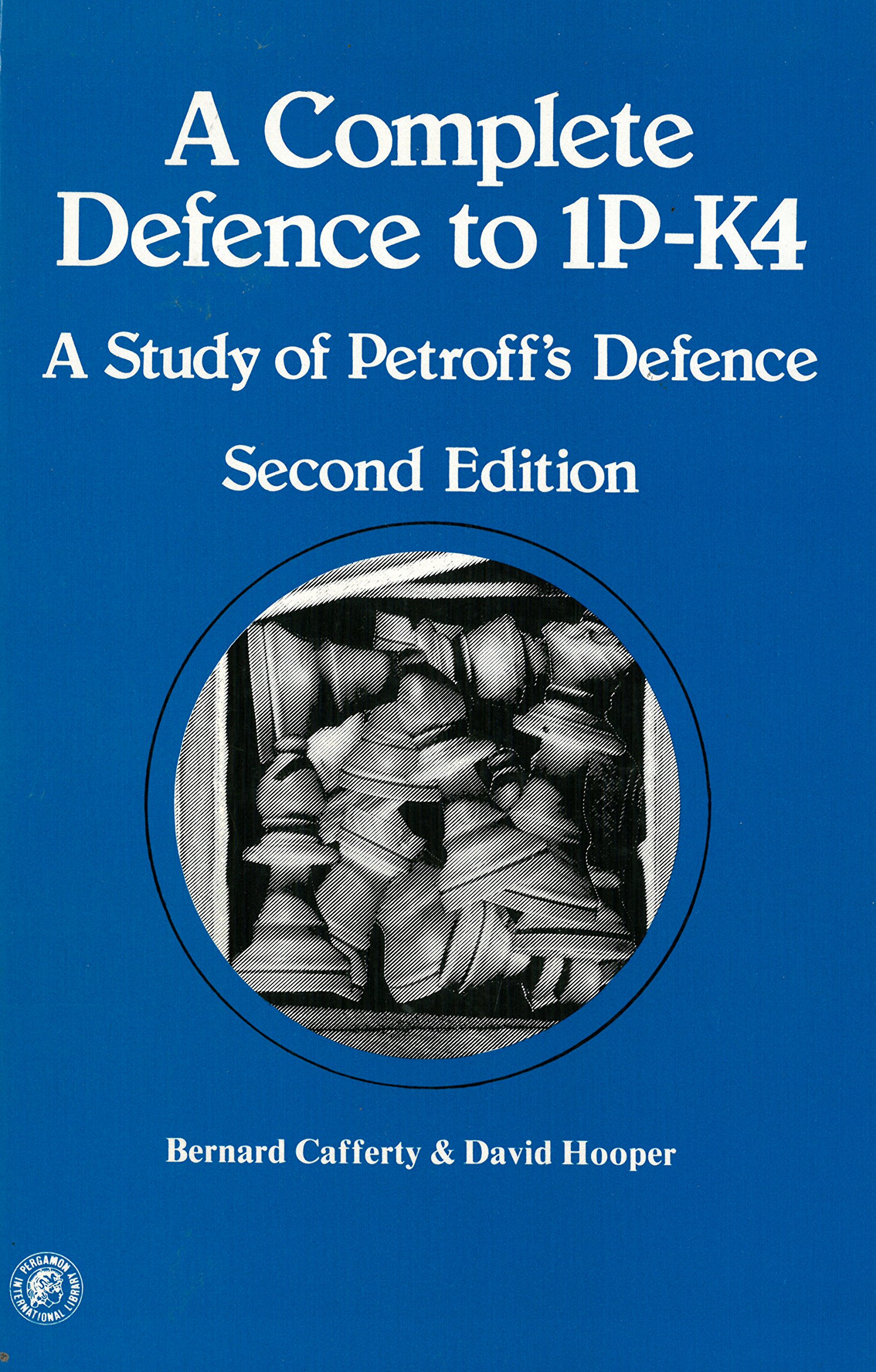
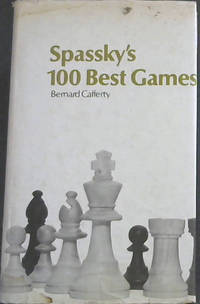
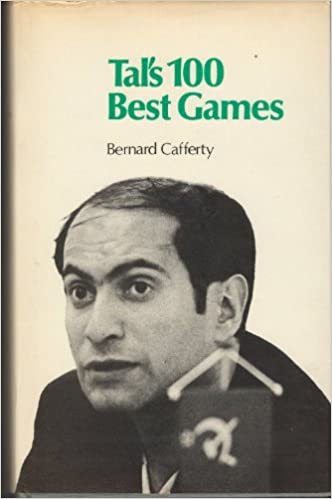
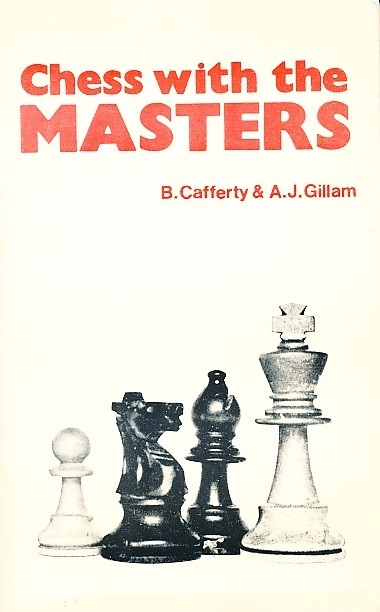
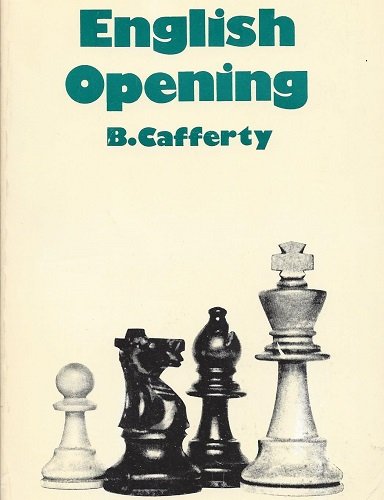
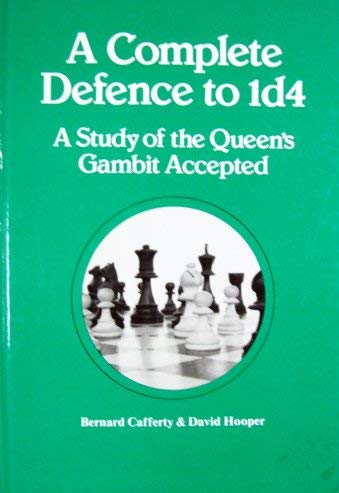
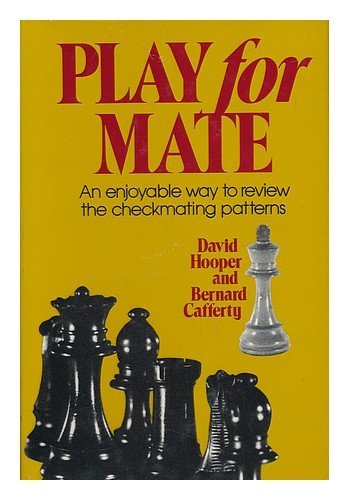
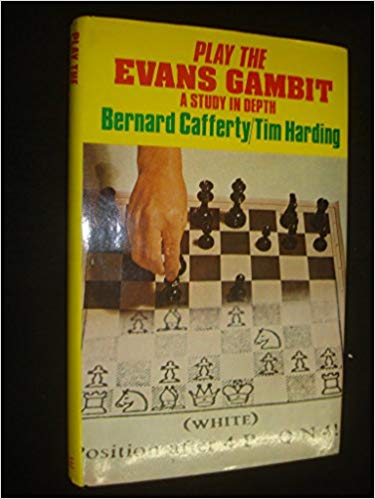
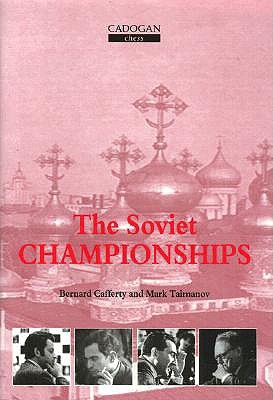
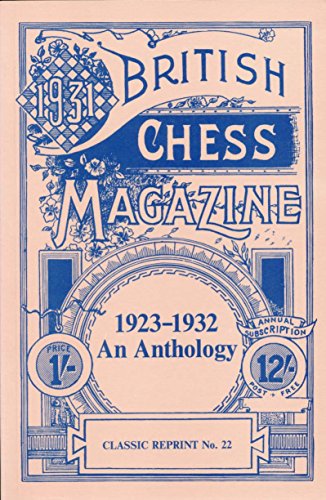
The Chess Parrot, XXVI, Winter/Spring 2009, page 26-5The Chess Parrot, XXVI, Winter/Spring 2009, page 26-5The Chess Parrot, XXVI, Winter/Spring 2009, page 26-5The Chess Parrot, XXVI, Winter/Spring 2009, page 26-5FM Bernard Cafferty at the 2014-15 Hastings Congress, courtesy of John Upham PhotographyVideo Chess Event (See caption below)Video Chess CaptionA Complete Defence to 1P-K4: A Study of Petroff’s Defence (2nd ed.), Pergammon Press, ISBN 0-08-024088-7, 1967Spassky’s 100 Best Games, Bernard Cafferty, BT Batsford, 1972, ISBN 0-7134-0362-4.Tal’s 100 Best Games. Batsford. ISBN 0-7134-2765-5.Chess with the Masters. Chess Player. ISBN 0-900928-95-6.English Opening, The Chess Player, 1977, ISBN 0-900928-92-1A Complete Defence to 1d4: A Study of the Queen’s Gambit Accepted, Pergammon Press, ISBN 0-08-024102-6Play for Mate (1990), DV Hooper and Bernard Cafferty, ISBN-13: 978-0713464740Play The Evans Gambit (co-author Tim Harding). Cadogan. ISBN 1-85744-119-2.The Soviet Chess Championships. Batsford. ISBN 1-85744-201-6.B.C.M. Classic Reprints, number 22: 1923 – 1932 An Anthology, Cafferty, Bernard, 1986. ISBN 978-0-900846-45-8.FM Bernard Cafferty (27-vi-1934)
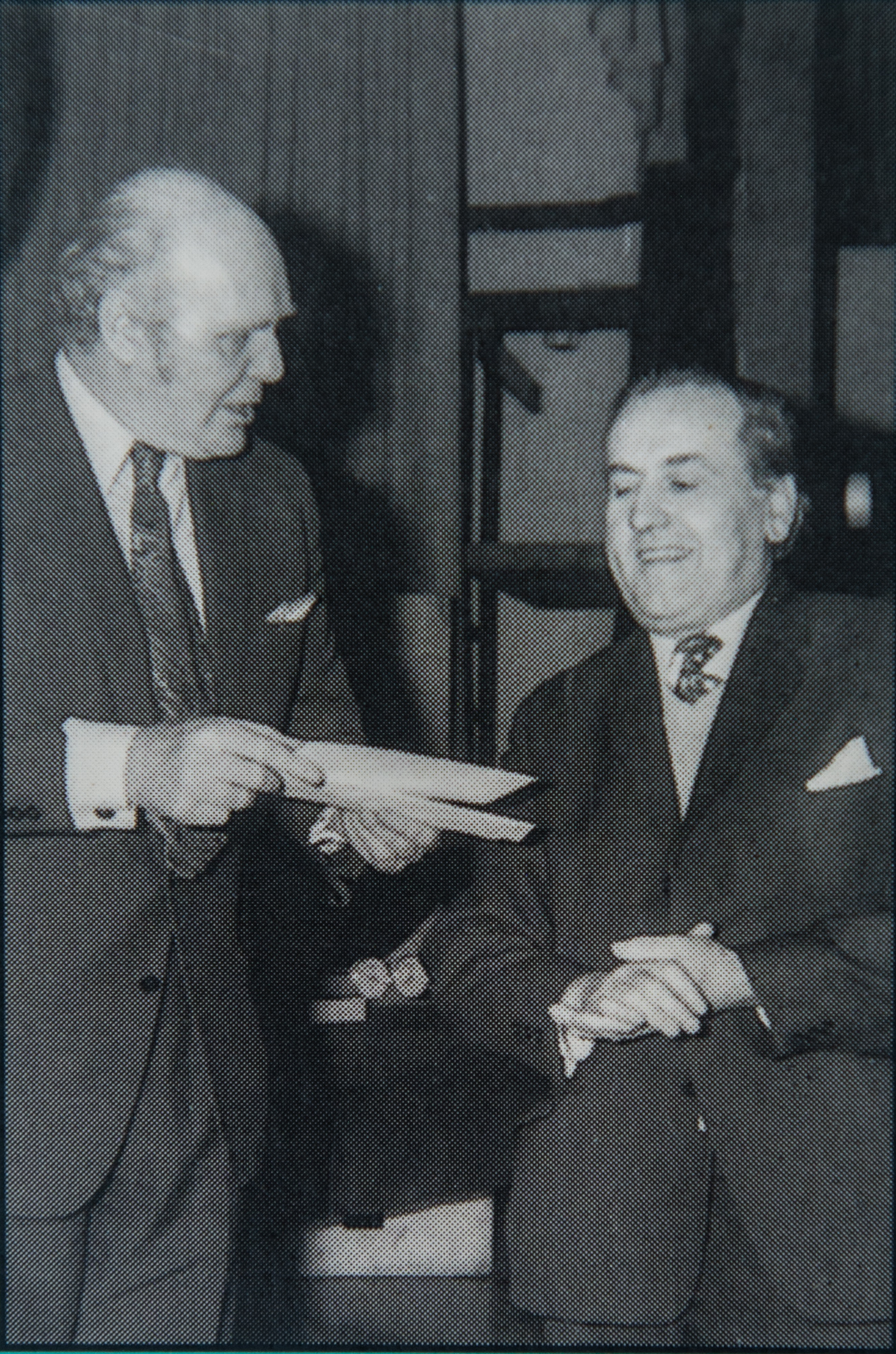
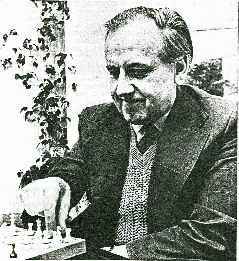
Alan Phillips (riight) receives his prize from television celebrity and magician David Nixon for his equal second placing at the 1973 Islington Open, photographer unknown
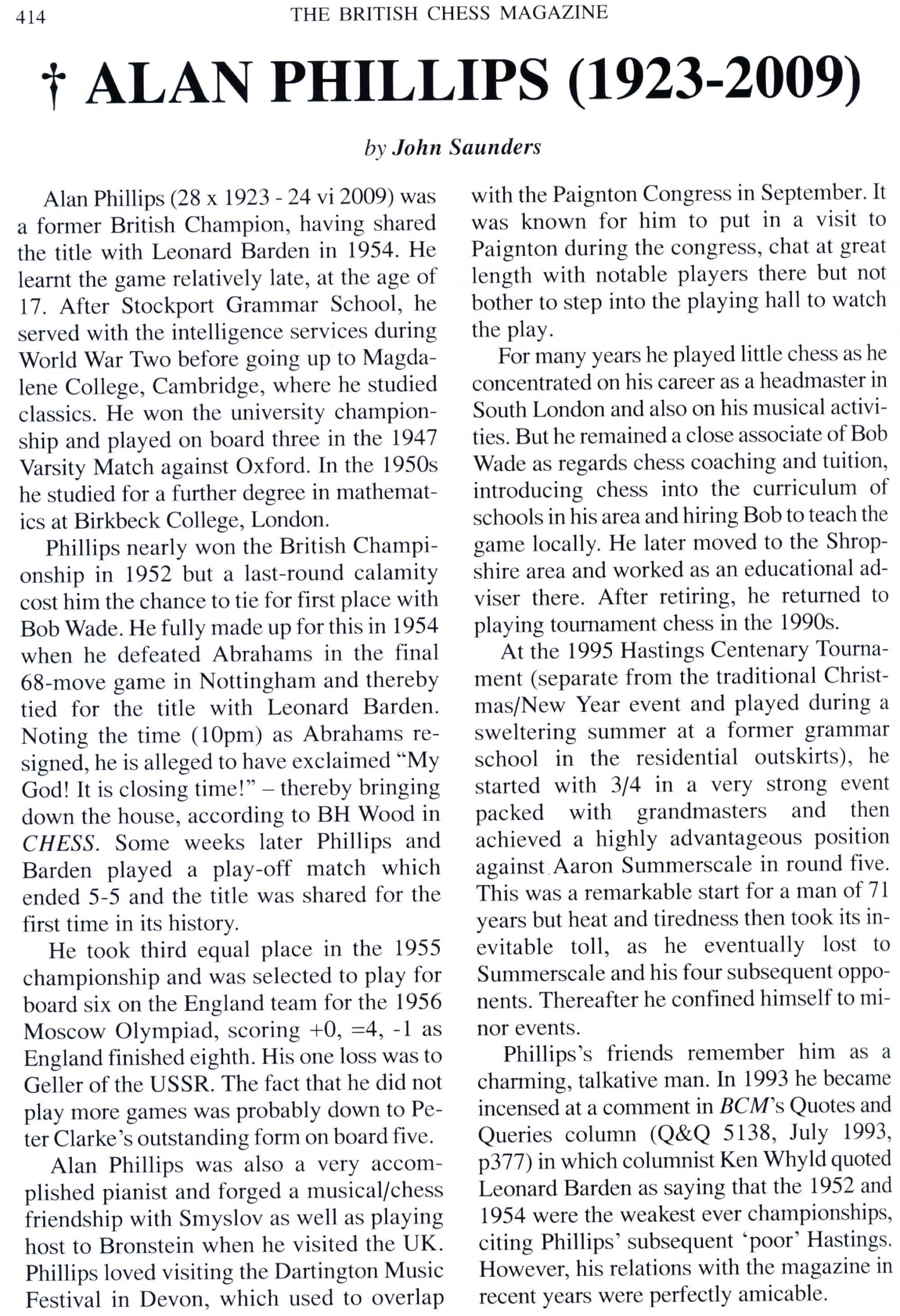
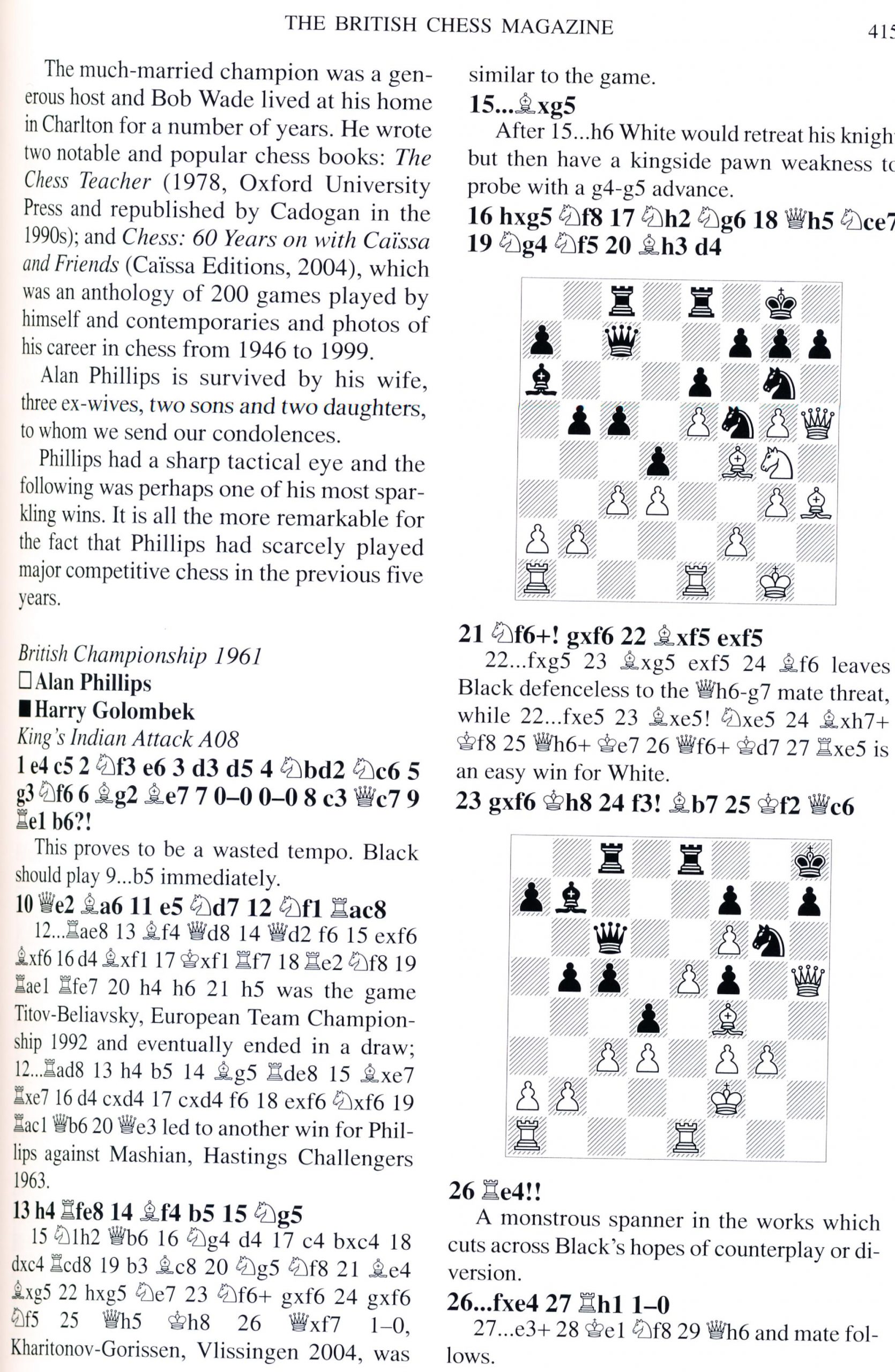
BCN remembers Alan Phillips (28-x-1923 24-vi-2009)
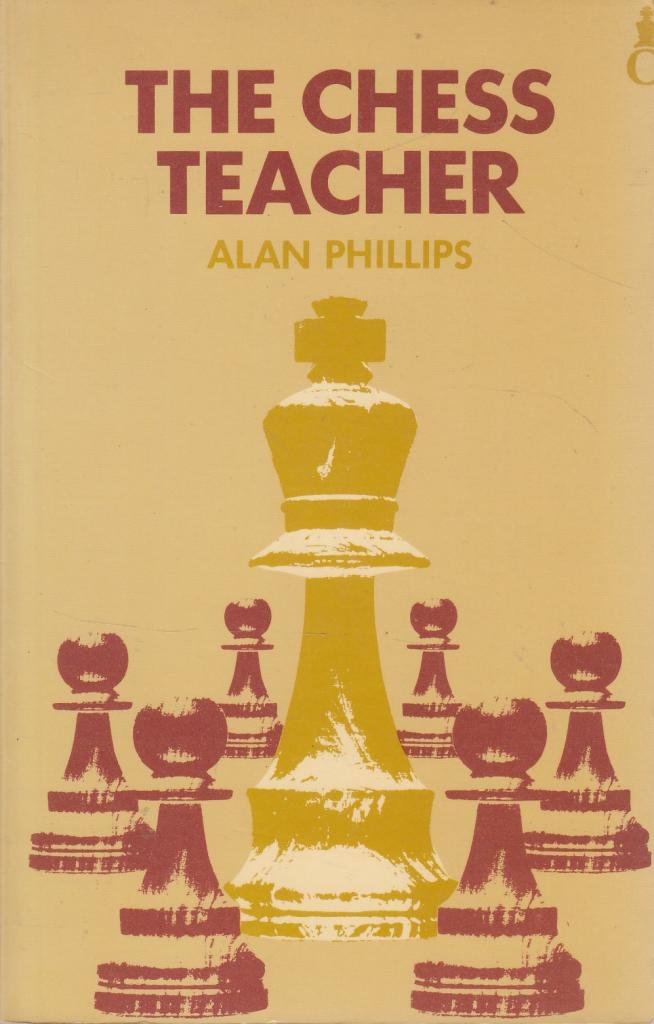
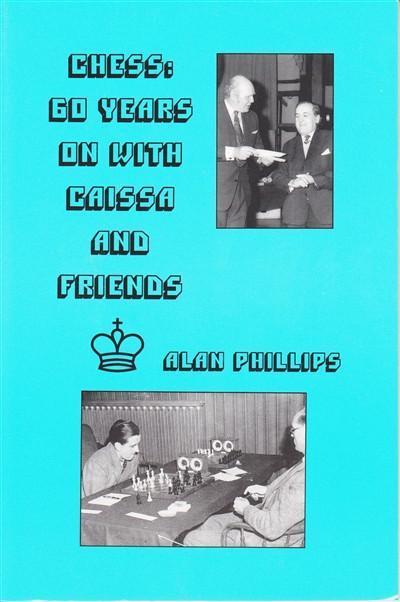
“Alan Phillips, joint British Champion in 1954, was born in England in 1923. He was the author of Chess: 60 Years on with Caissa and Friends (Caissa Editions, 2003) and The Chess Teacher (Cadogan, 1995).”
Here is an item from the Shropshire Chess web site
Here is Alan Phillips autobiography from his own book, Chess: Sixty years on with Caissa & Friends
“Born in Stockport in 1923,I was playing pontoon in an air-raid shelter in the autumn of 1940 with a friend from our school, Stockport Grammar, when he suddenly announced that he knew a better game, being the school chess champion. Ostensibly studying for a Cambridge Scholarship with a view to reading Classics, I played about 200 games with Norman Stephens, emerging the victor perhaps because I studied Alekhine’s and Euwe’s games, obtained from the Public Library, whence I had been borrowing difficult piano works for the previous two years. When I got up to Magdalene in 1941, I found standing next to me in the University Chess Club Wykehamist James Lighthill, destined to become, arguably, our greatest applied mathematician of the second half of the last century; I played chess with him one evening a week and piano duets another, and as Match Captain and Hon.Sec. in my second year – shared top board, while now supposedly reading Italian, as a War Office scheme, and French, languages I unfortunately then considered beneath contempt, compared with the glory that was Greek.
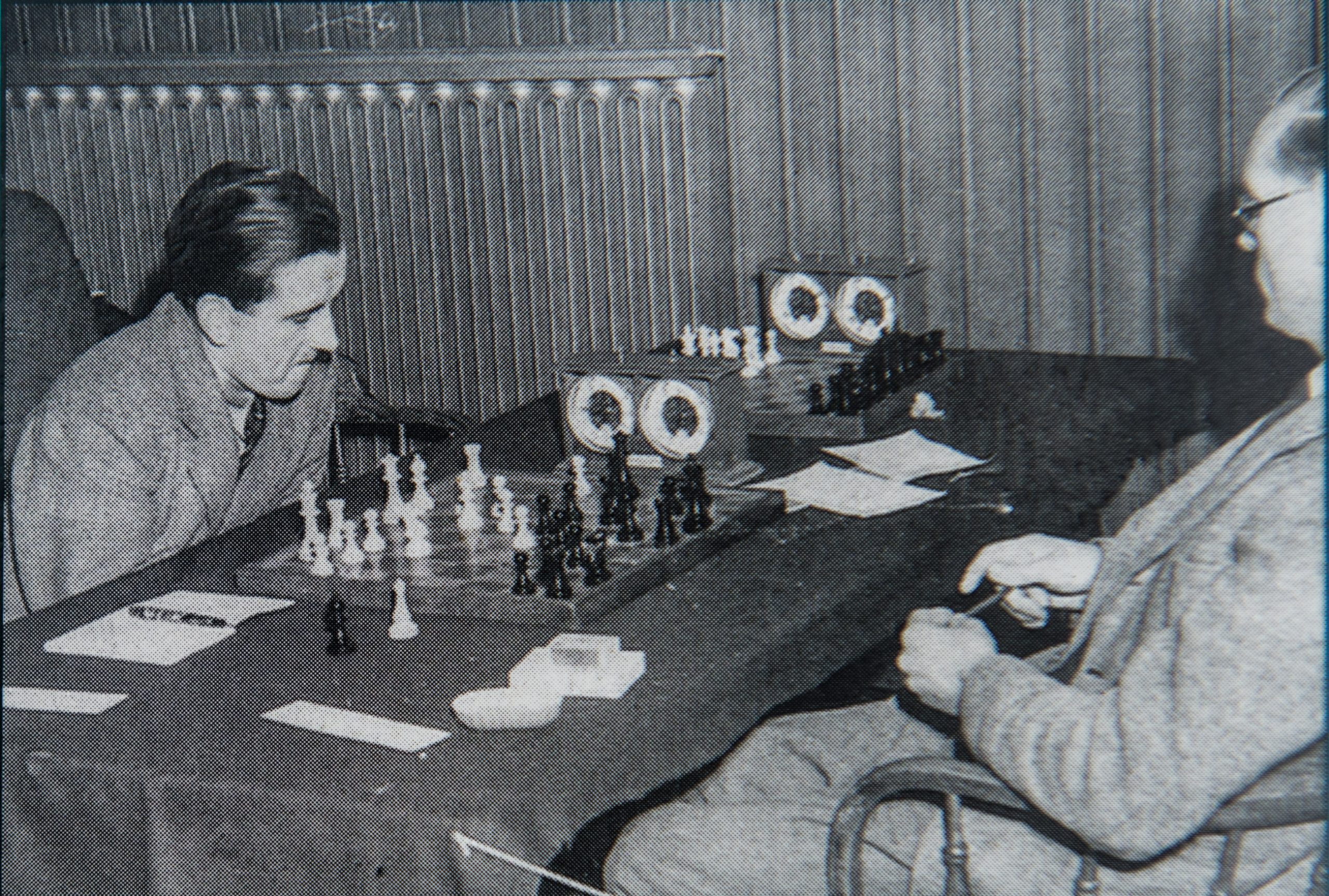
Alan Phillips plays David Hooper on August 20th 1954 in round five of the British Championships in Nottingham, photographer unknown
Enrolled but not commissioned – the War Office having ratted on its promise to a large bunch of first-class linguists – in the Army Intelligence Corps from August 1943 to October 1946,I spent nearly three years abroad in Sicily and Palestine, riding a motor-bike – our American equivalents in the CIC were mostly majors or colonels and rode in Cadillacs – and playing, when stationary, much music with singers and violinists, especially in Palestine, and chess with the Captain of the Harbour in Sicily, a charming moustached Neapolitan who got about three draws in 300 games, and then in Haifa, Hadera and Jerusalem chess clubs, beating the youth champion of Palestine and Aloni when he played simultaneously, but losing to Porath, and enjoying ‘skittles’ in cafes with many other players of near-master rank. Demobilised and put, like the Goons, on the Z-reserve in autumn 1946, I went back to Cambridge to read Classics Pt II and found Peter Swinnerton-Dyer, as far as I know our best number theorist of the past fifty years, waiting for me – we tied for the University Championship having begun a series of trips to Hastings with Alan Truscott, and later continued to Birmingham for the Midland Championship, which I won in 1951.
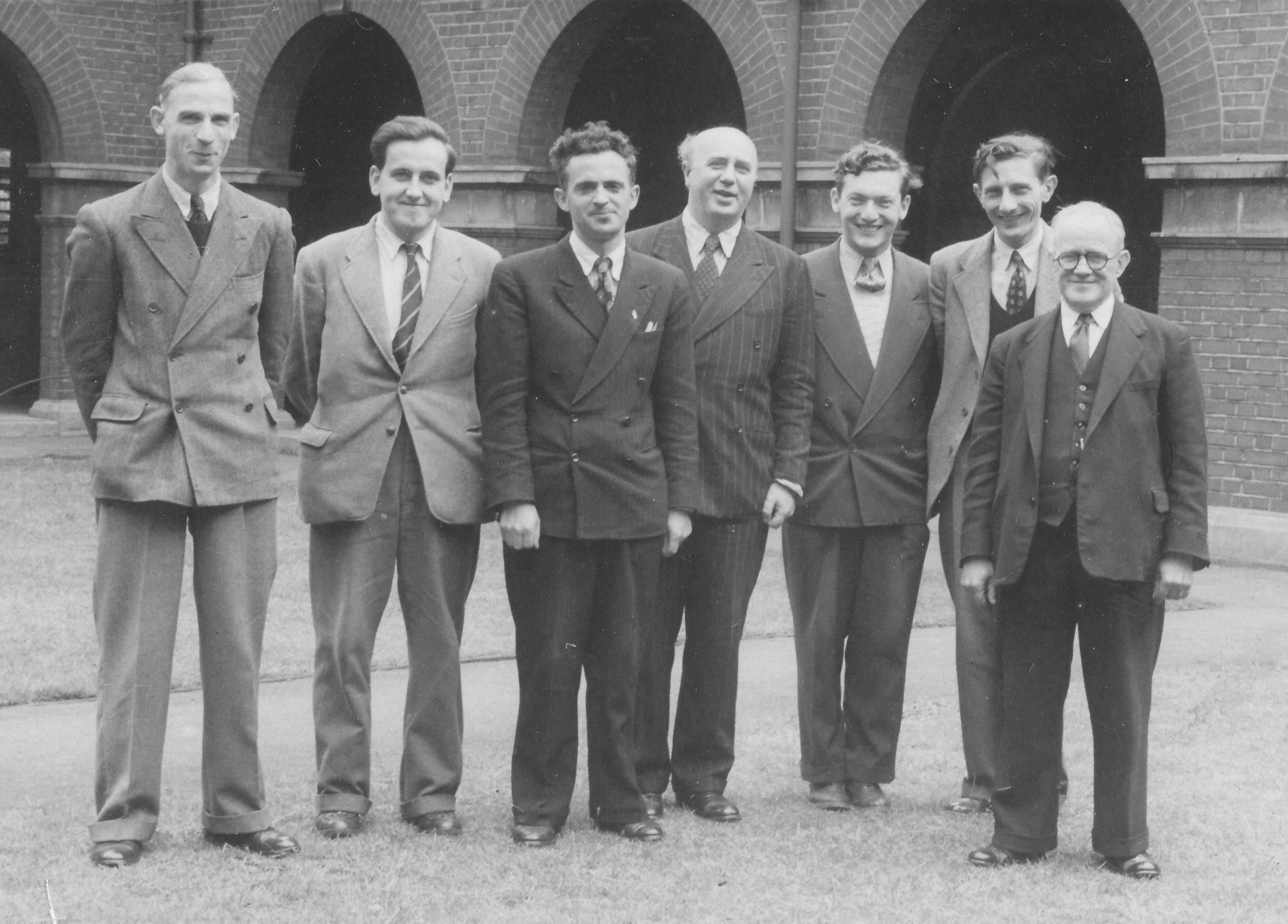
From the 1952 Ilford Congress (30 May – 2 June) and originally published in BCM, July 1952, page 187. (l-r) : Harold Israel, Alan Phillips, Bob Wade, Otto Friedman, Abe Yanofsky, Alfred William Bowen and Harold Meek. Thanks to John Saunders and Leonard Barden
I usually won prizes in increasingly strong sections at Hastings except in two Premiers, 1950-1 and 1954-5, when my emotions were otherwise engaged, as happened in the British Championship in 1952, when, after I had beaten all the best players and scored 7/8 with three rounds to go, a girl-friend turned up and I lost my last three games, refusing a draw in round nine in a not superior position, not out of arrogance, but in order to clinch the title.
Alan Phillips and Leonard Barden are joint British Champions of 1954 in Nottingham, photographer unknown
Otherwise, with one or two exceptions, I only lost to the strongest players in the British Championships I played in, i.e. 1949-55 and 1961, tying for first place at Nottingham 1954 and coming third equal in a very strong Championship at Aberystwyth 1955, which earned me a place as Board 6 on the English team at the Moscow Olympiad in 1956, where I only drew against Luxembourg, and lost to Geller, but drew in two cases from bad positions with Johner, Sanguinetti and Ghitescu.
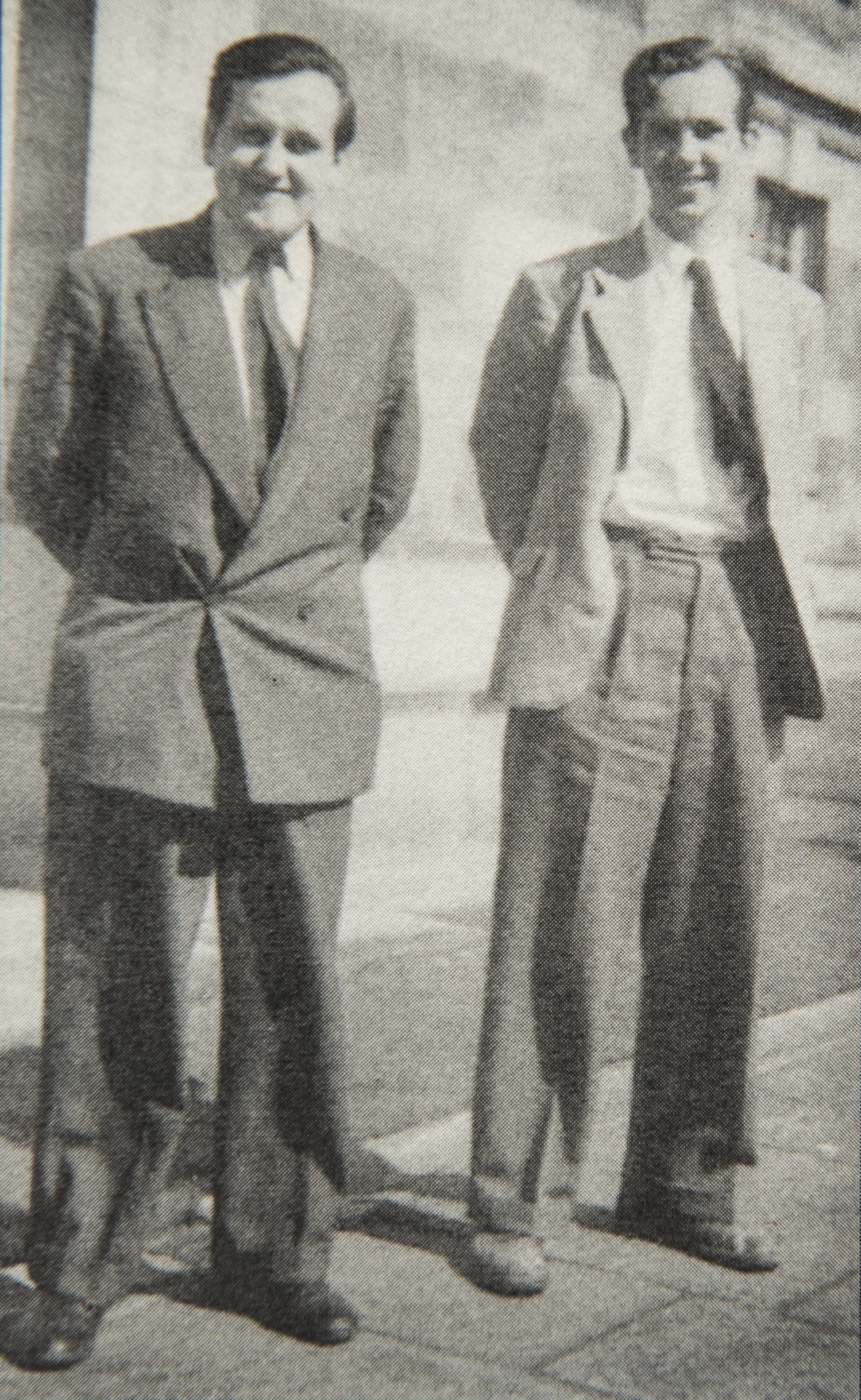
David Hooper (left) in conversation with Alan Phillips. Location and photographer unknown.
In l96l I moved up to Derbyshire, where – though playing top board for Manchester as well as the county – having switched to Maths teaching after several years part-time study at Birkbeck and acquired offspring as well as promotion, I also started annual visits to Dartington Summer School of Music, now totalling 38 out of a possible 40, all of which made it virtually impossible for me to play in tournaments, apart from the odd visit to Hastings or fairly strong week-end tournaments, e.g. Ilford, which I won for the second time in 1973, beating Basman. My responsibilities on my return to London as Head of Charlton School in 1967, where I got Bob Wade to teach chess as part of mathematics in the Lower School, and then of Forest Hill School, where we organised many tournaments, although I played generally as top board for Kent, whom I led twice to victory in the County Championship in 1975 and 1976, meant that I had even less time for tournament chess, except at Islington and in the Challengers, so that my real heyday ended there, with a final move to a ‘quiet’ county, Shropshire – as far as chess was concerned – as Adviser for Secondary Education and Area Adviser, 1976-82, in which capacity I avoided as much paper-work as I could and taught chess in the lunch-hour to all the primary and handicapped pupils I visited. I should say most of my successes at chess have been at County Level, where I played top board for Cambridgeshire and London University, as well as the counties mentioned, and in the very strong London League, as far as I can estimate I had a success rate of some 70% in those contests. In general the games in this book, with one or two exceptions for historical or anecdotal reasons, were played at high levels, and won by the right player, not suddenly lost by a blunder, like some games published nowadays because the blunder is perpetrated by a famous player.
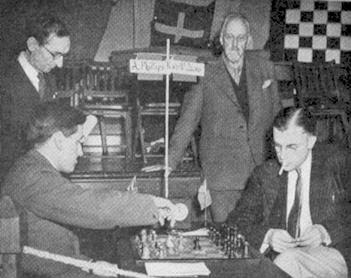
Photograph taken in Hastings on 28 December 1950. Lord Dunsany (standing on the right) is watching the first-round game between Alan Phillips and Weaver Adams, source : http://boylston-chess-club.blogspot.com/
With regard to the general assessment of players and tournaments, I have only one comment “Look at the games!” When even, or especially, David Bronstein wails “They give me a number”, I think it time to end a spuriously precise system and revert to the earlier English practice or the traditional Soviet one of putting players in classes, preferably according to a sufficiently large number of results in tournaments or strong club or county matches. And when players are inhibited, when the match is won, from offering an opponent, who has played well, a draw, that is a diminution of sportsmanship, so a draw, even with Kasparov, should not count in grading. Finally the use of seconds or computers once a game is started should be
regarded as totally unsporting, and players should be put on their honour, as bridge-players are in matters of cheating, not to use them.
I should like to dedicate this book to the memory of my good friends, David Hooper, Stuart Milner-Barry, and A.R.B.Thomas, men of integrity, humour, and many other talents, who brought to their chess the same qualities of courage and sportsmanship they showed in the rest of their lives.
Alan Phillips (28-x-1923 24-vi-2009) : Source : https://www.shropshirechess.org/History/1970s.htm
Alan Phillips
British Master, Joint British Champion 1954
Thorn Cottage, Appleton Thorn, Warrington, Cheshire
September 2003″
Obituary of Alan Phillips by John Saunders from British Chess Magazine, 2009. Part OneObituary of Alan Phillips by John Saunders from British Chess Magazine, 2009. Part Two
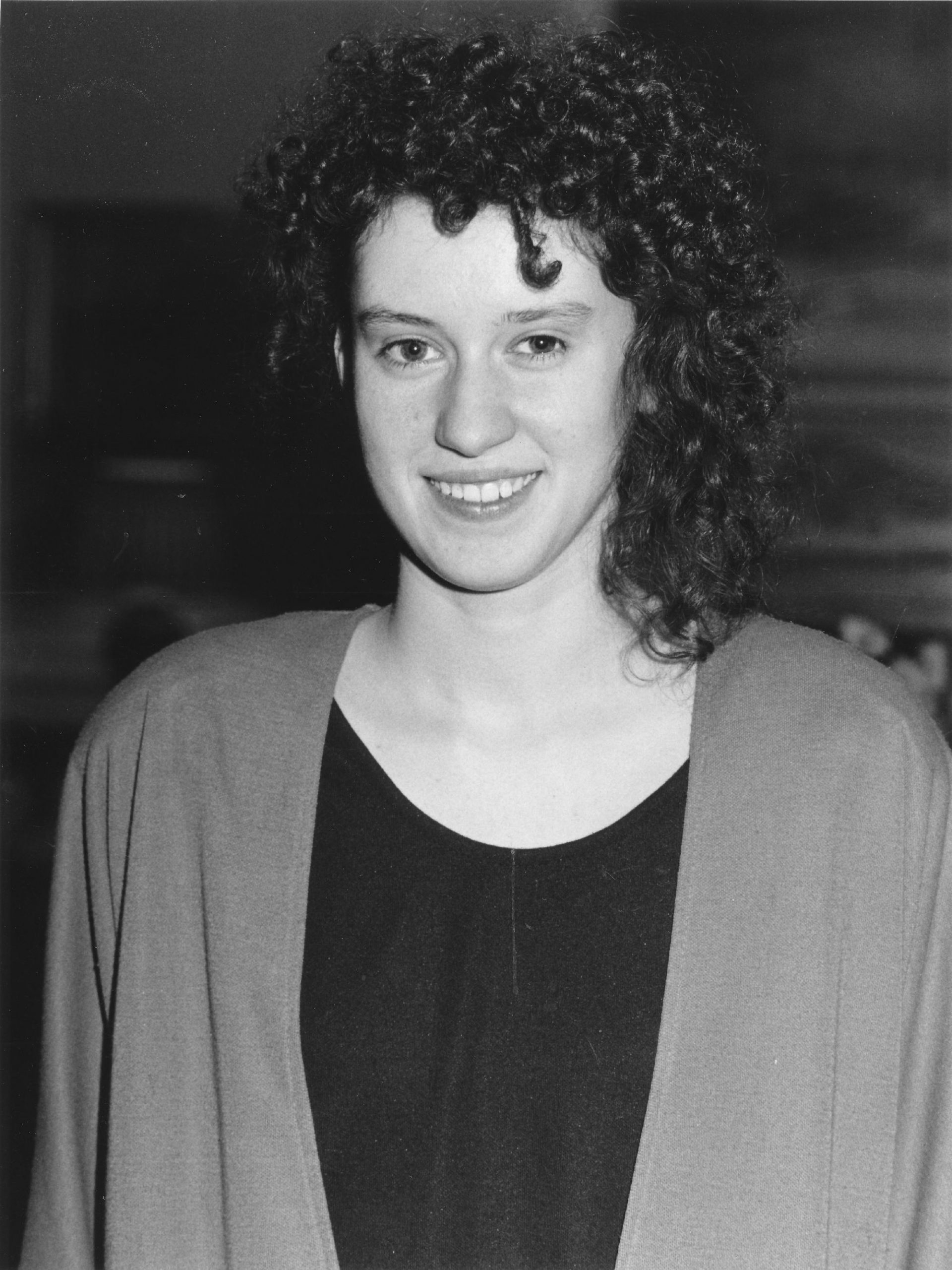
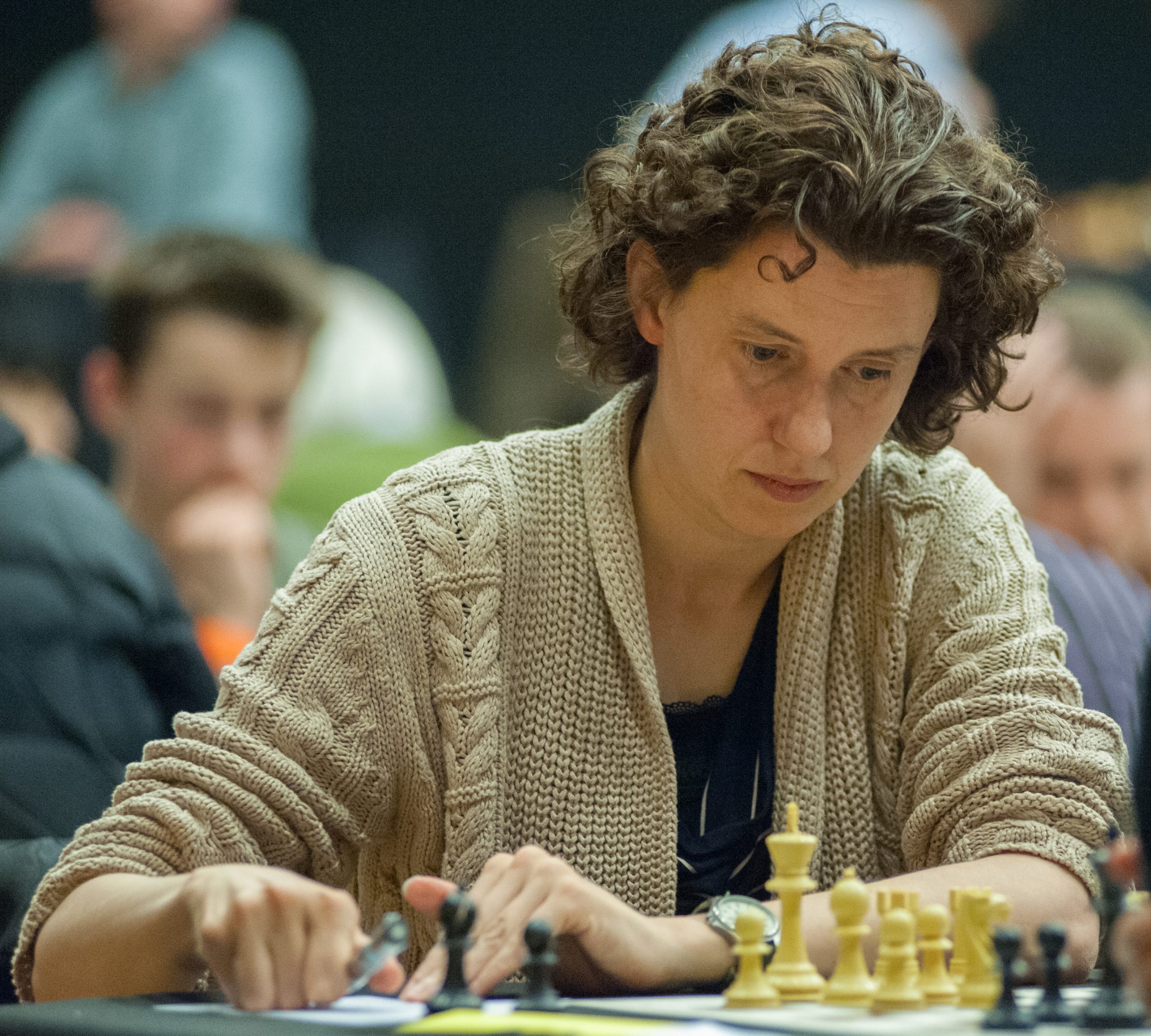
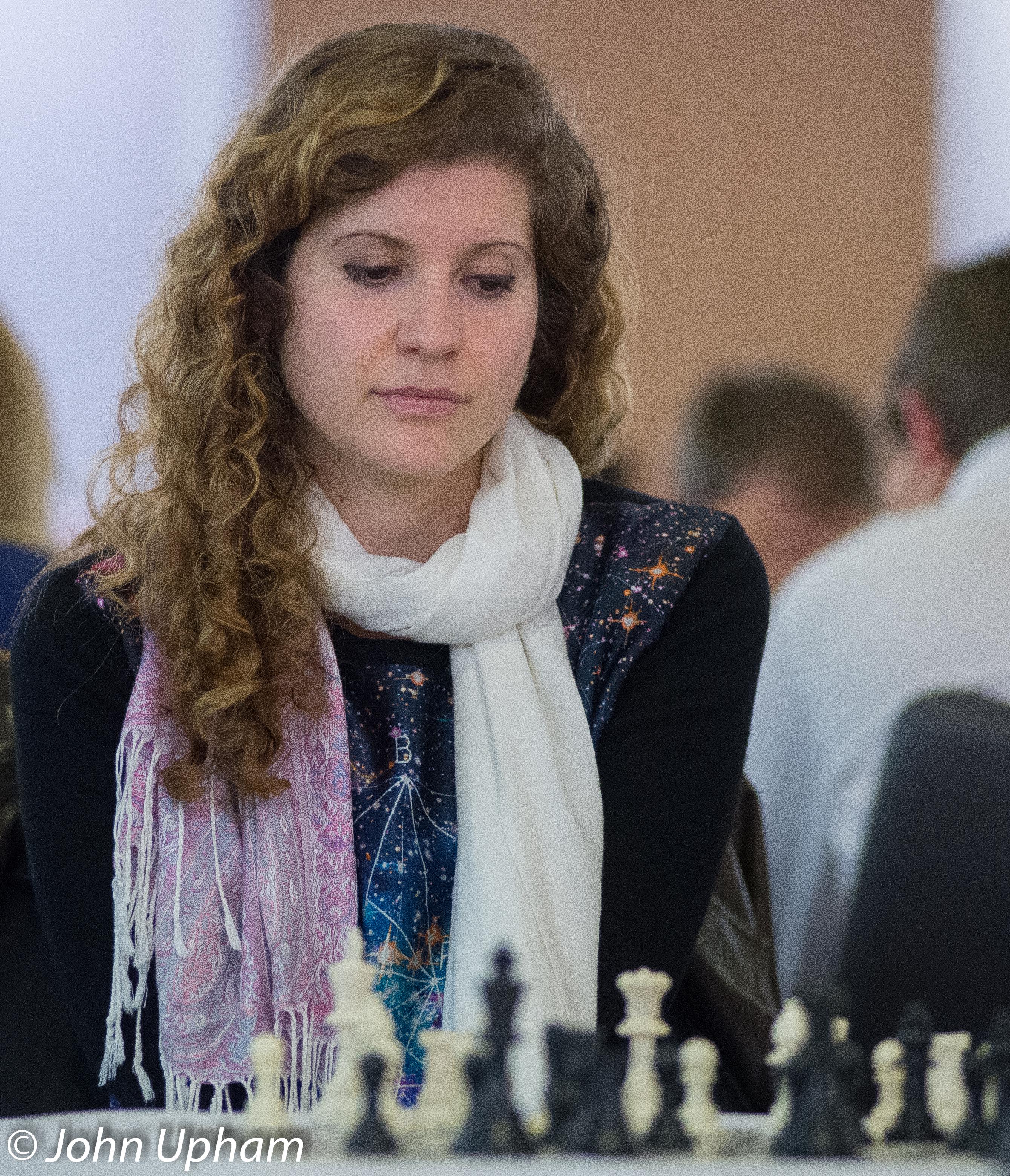
WIM Natasha Regan, courtesy of John Upham Photography, King’s Place Rapidplay, 2013
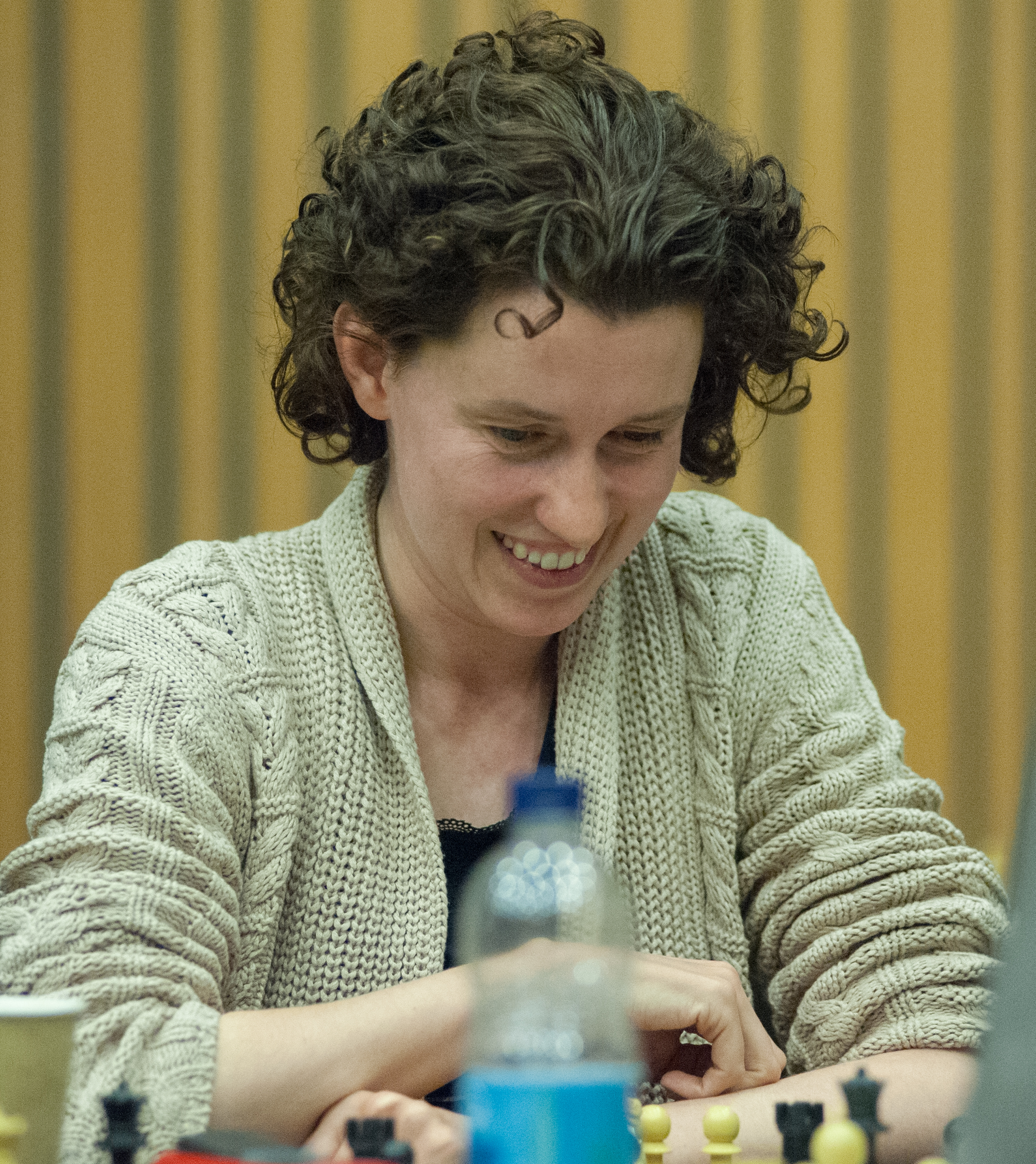
BCN wishes Happy Birthday to WIM Natasha K Regan (12-vi-1971)
From Amazon :
“Natasha Regan was born in 1971 in London, the elder daughter of two Australian doctors. She studied Maths at Cambridge University, earned a half blue for chess, and edited the chess magazine “Dragon”. She debuted in the English Women’s chess Olympiad team in Manila, 1992.”
From Gambit Publications :
“Natasha Regan is a Women’s International Master from England who achieved a degree in mathematics from Cambridge University. While pursuing a successful career as an actuary in the insurance industry, she has raised a family and maintained a strong interest in chess and other board games, including Go.”
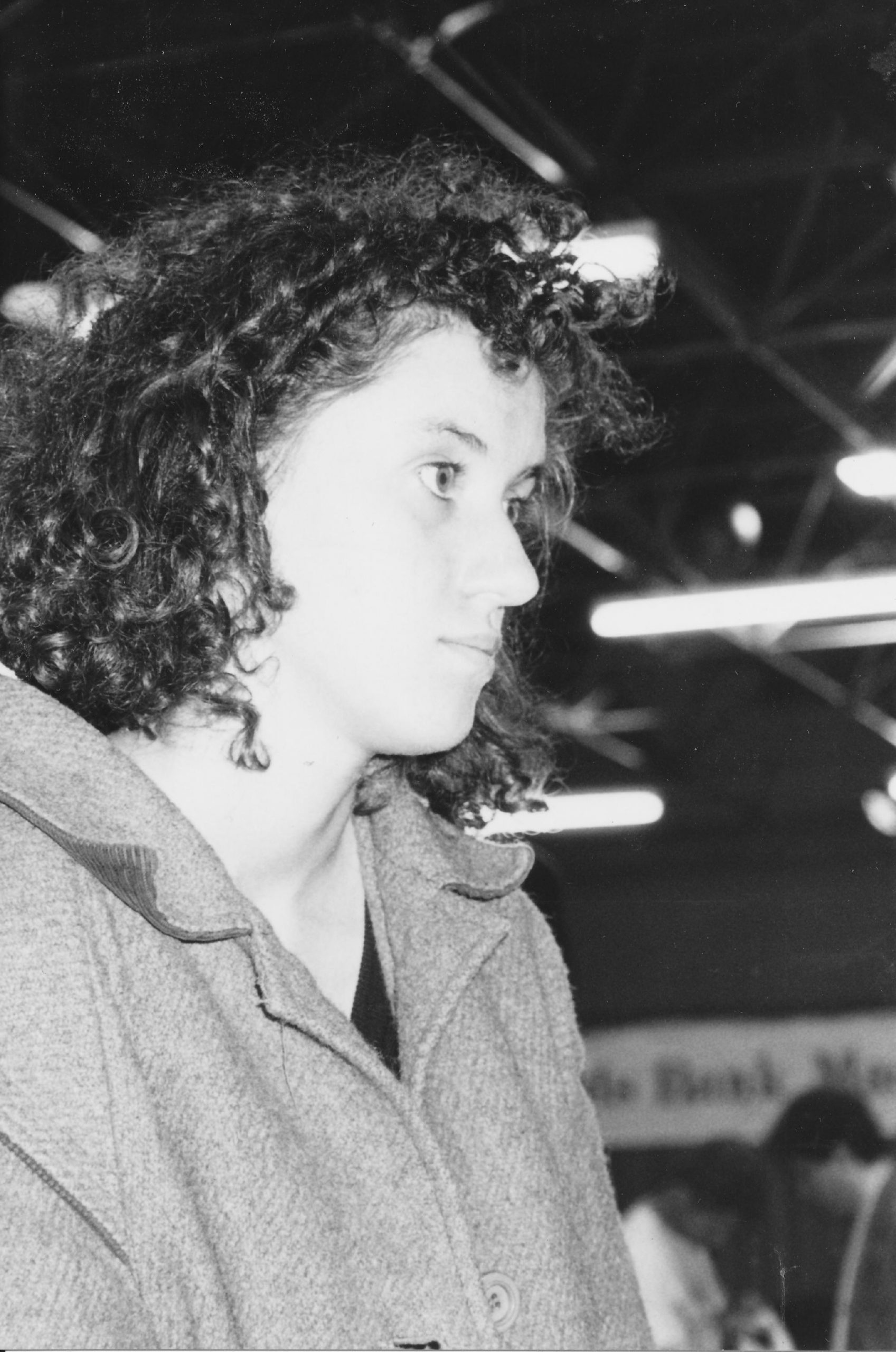
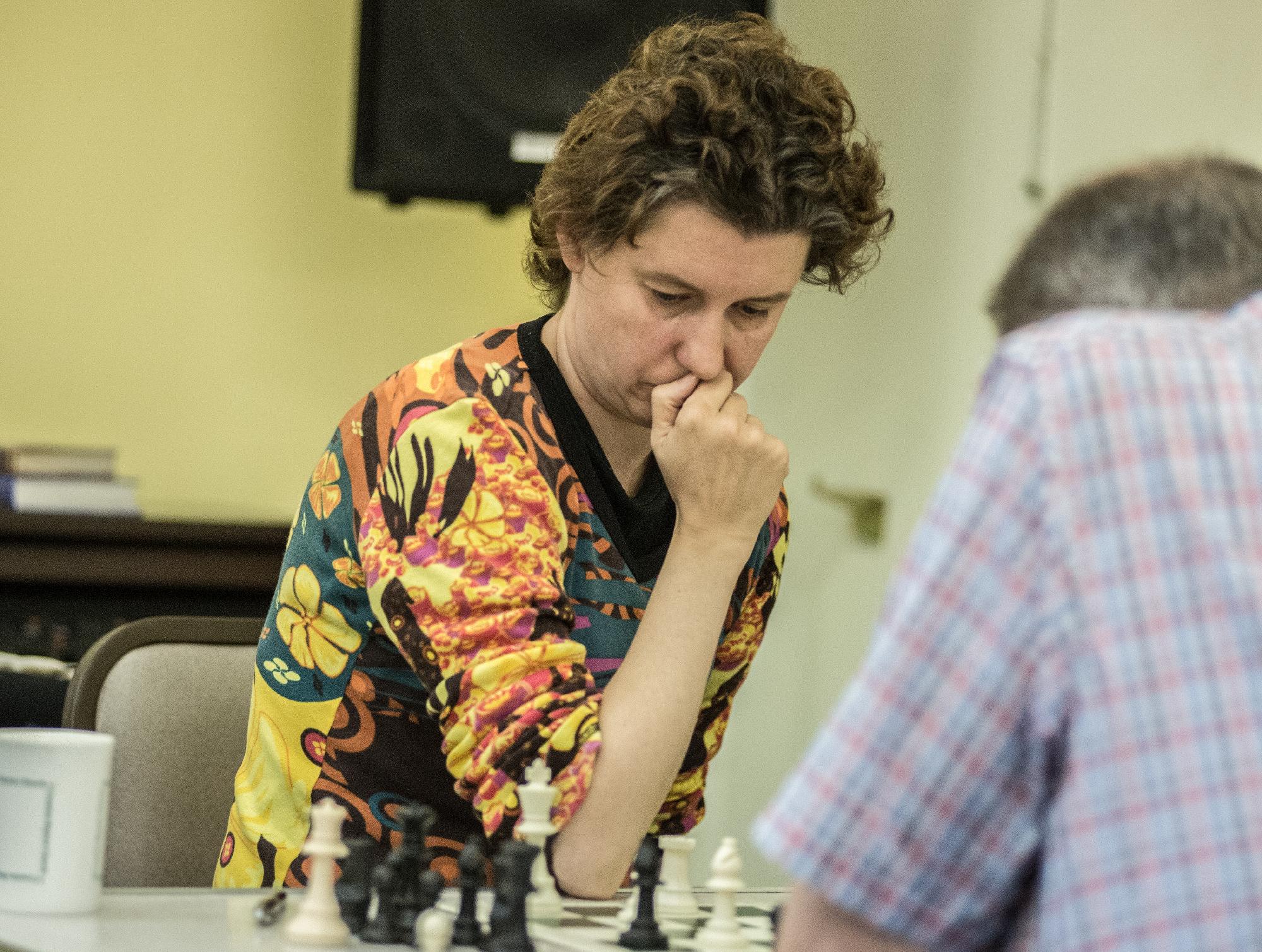
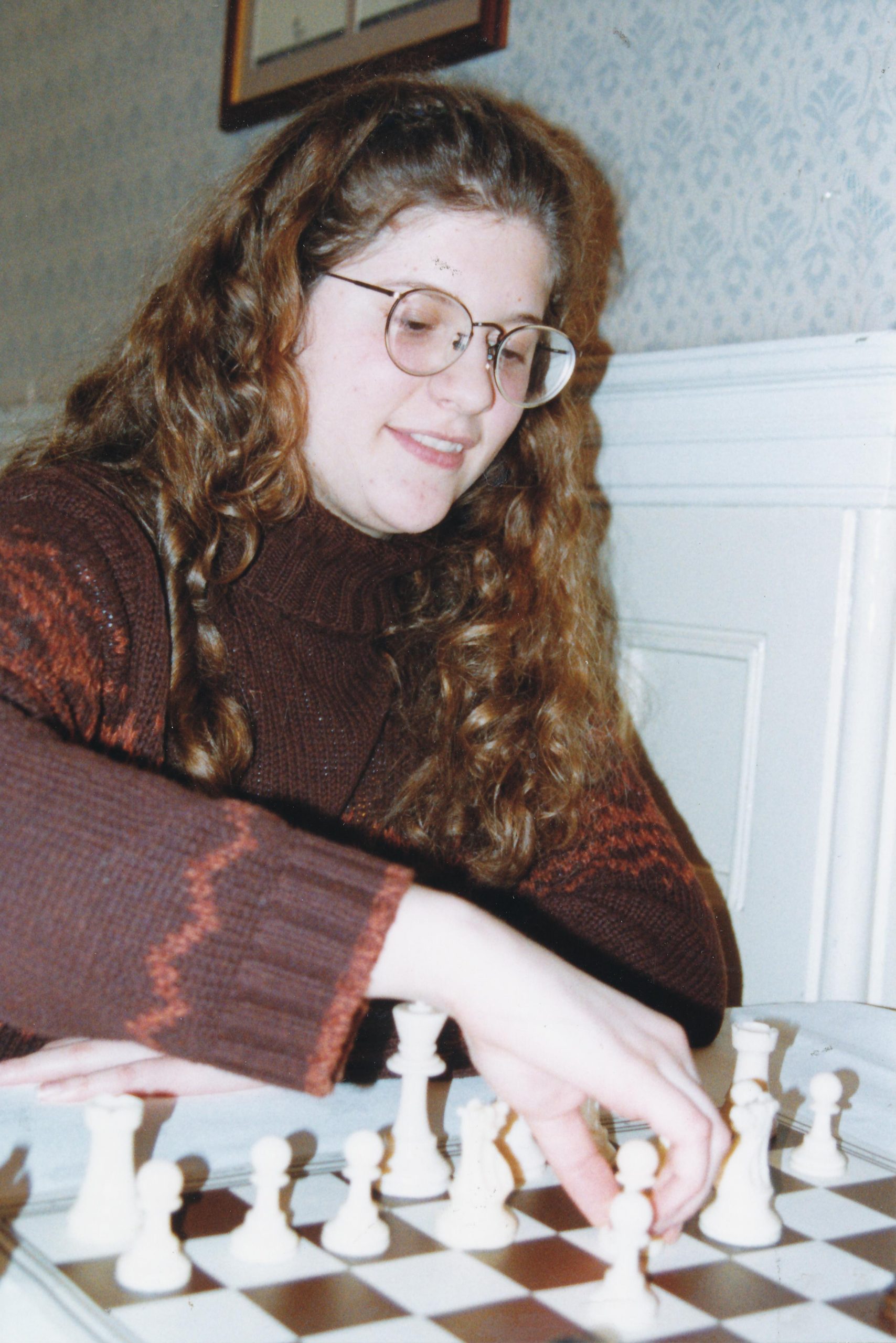
WIM Natasha Regan, photographer unknownWIM Natasha Regan, courtesy of John Upham Photography, King’s Place Rapidplay, 2013
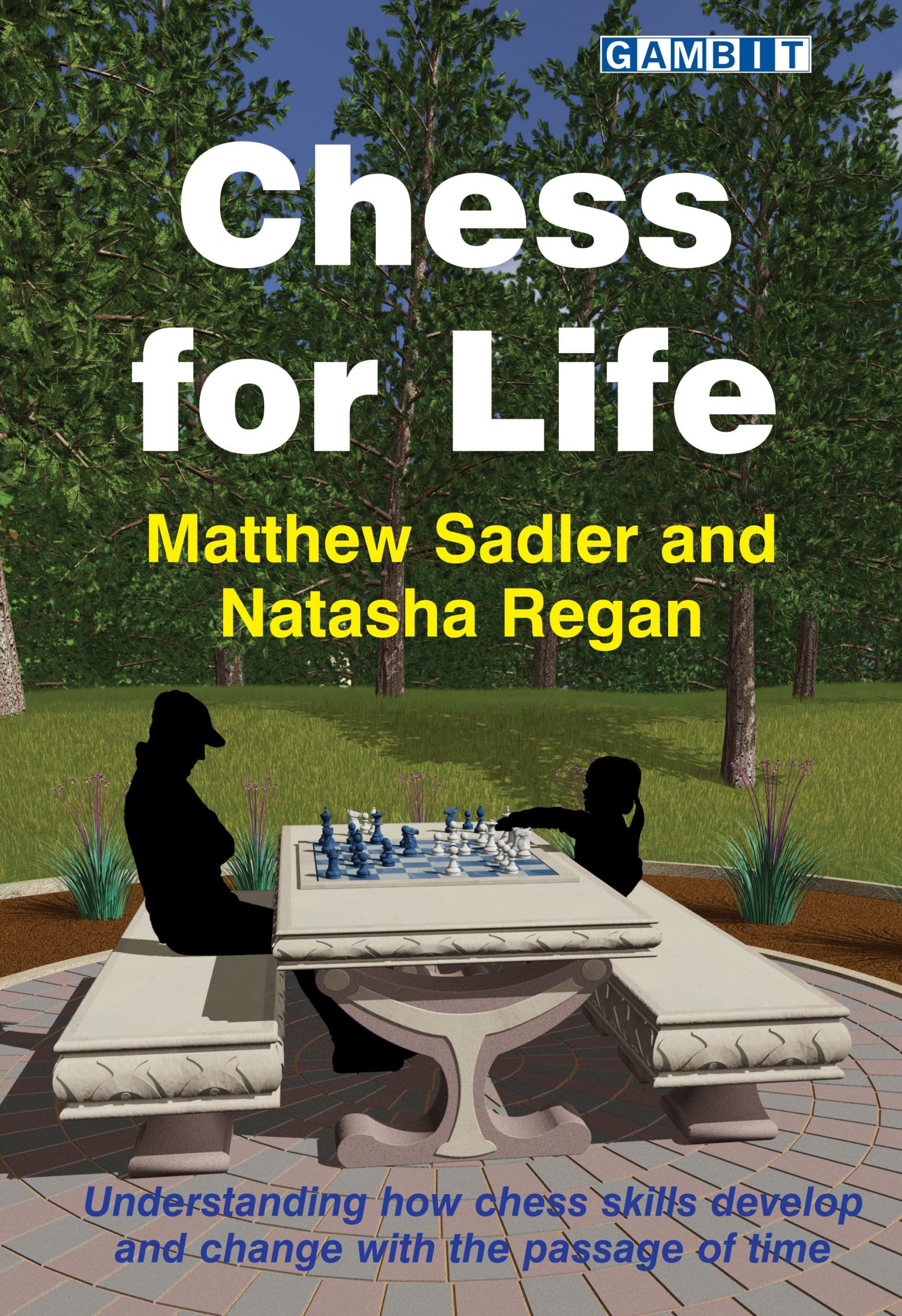
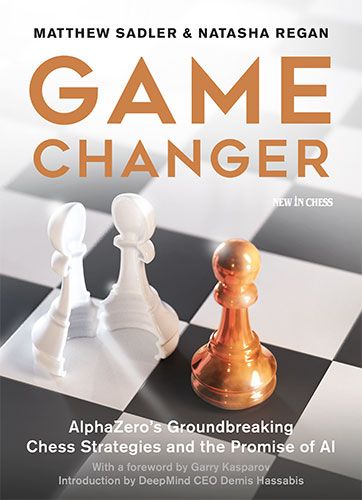
Natasha Regan, Lloyds bank Open, Unknown photographerChess For Life. Gambit. ISBN 978-1910093832.Game Changer. New In Chess. ISBN 978-9056918187.WIM Natasha Regan, courtesy of John Upham Photography at the Keith Richardson Memorial, 2017
BCN wishes many Happy Returns to IM Jovanka Houska (10-vi-1980)
From Wikipedia :
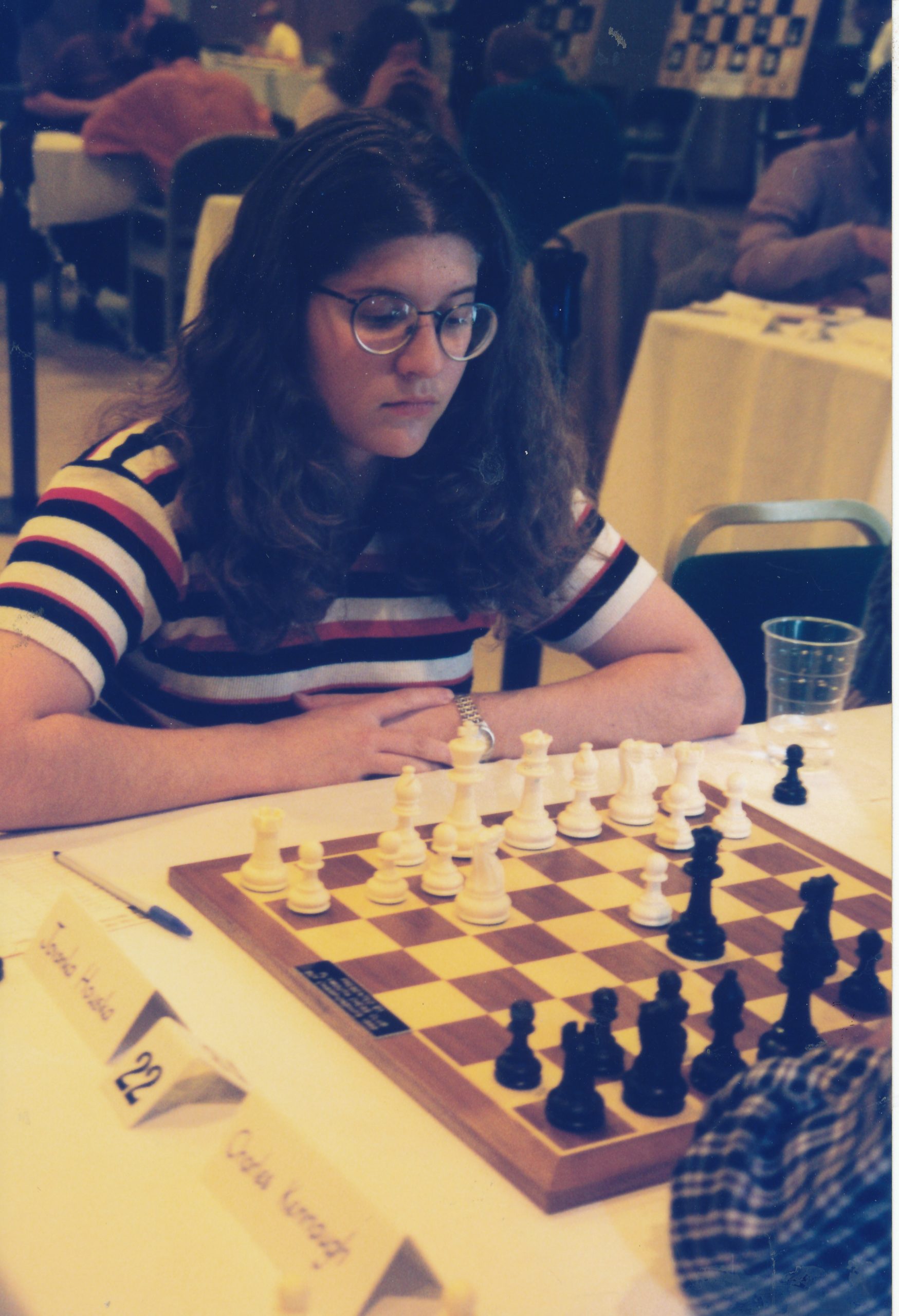
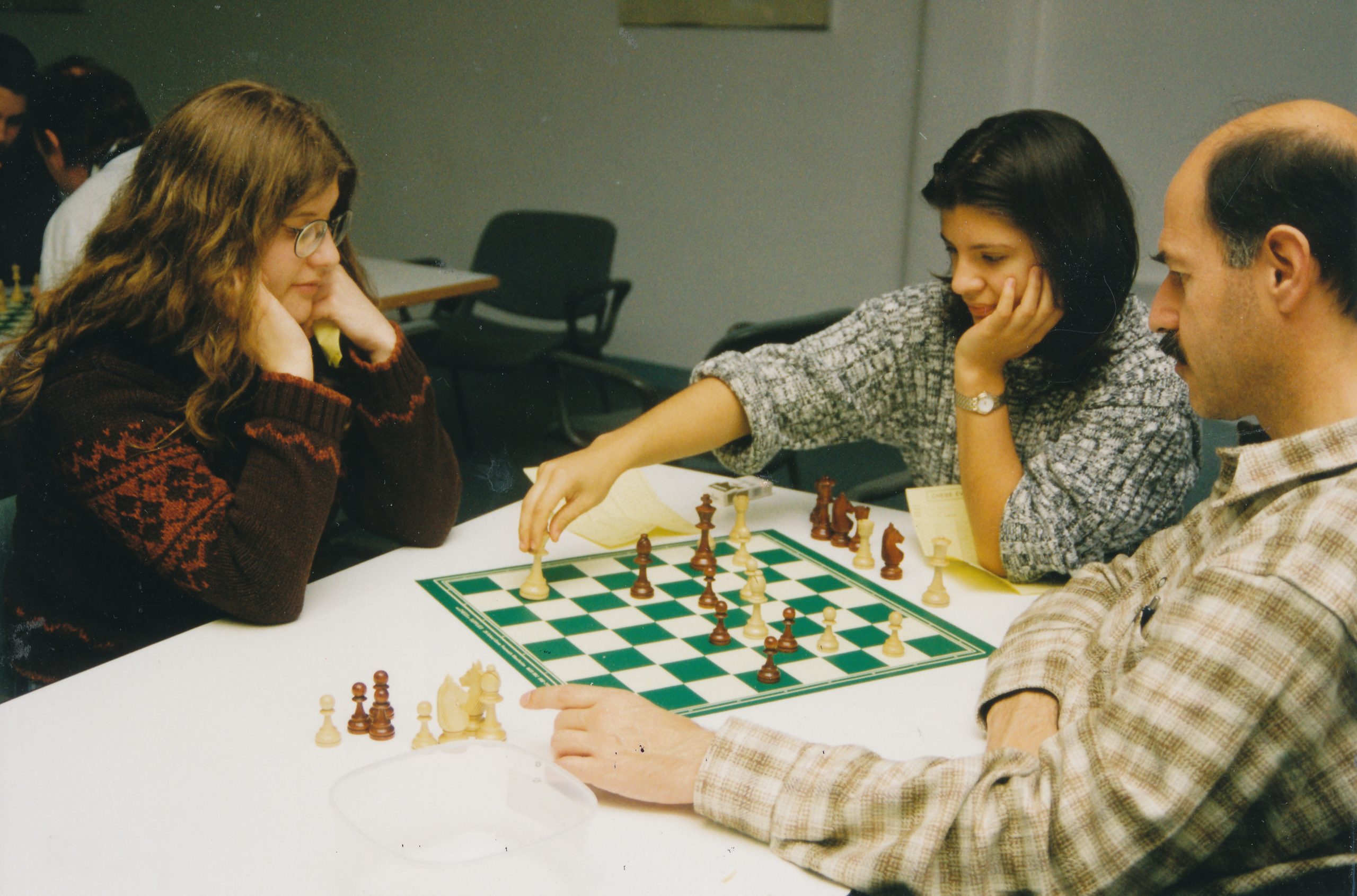
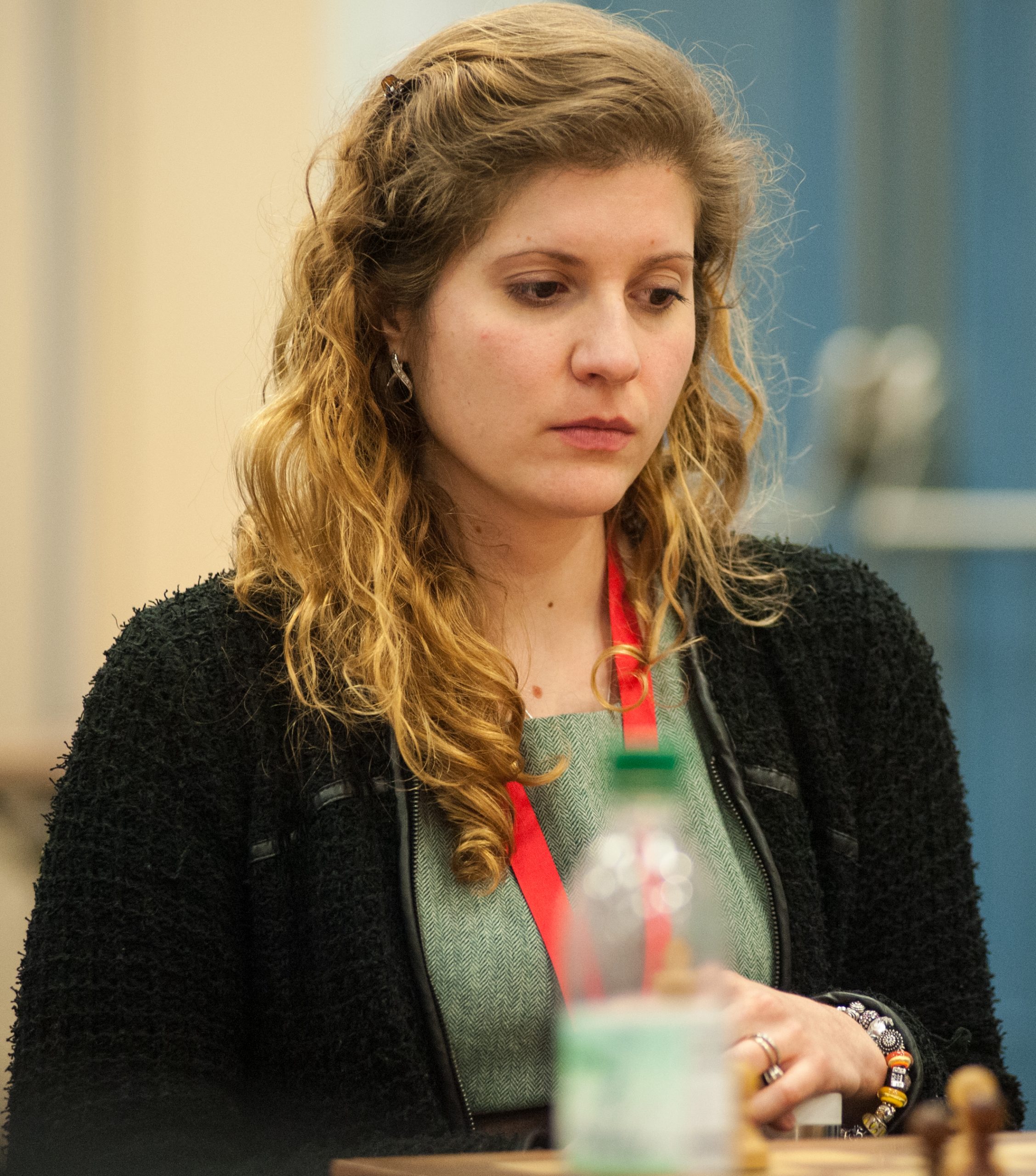
Jovanka Houska is an English chess player with the titles International Master (IM) and Woman Grandmaster (WGM). She is an eight-time winner of the British Women’s Chess Championship.
Jovanka Houska, photographer unknown
From Chessgames.com :
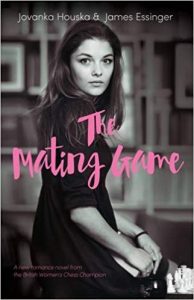
“Jovanka Houska is an English IM and WGM. She is currently the highest-rated woman in England. British women’s champion in 2008, 2009, 2010 and 2011. Her brother is IM Miroslav Houska. She is the author of several books on the Caro-Kann Defense and Scandinavian Defense, and the co-author (with James Essinger) of the novel “The Mating Game.””
Jovanka was born in London and became a Women’s International Master in 1999, a Woman’s Grandmaster in 2000 and an International Master in 2005. Her peak rating was 2443 in July 2010 at the of 30.
Jovanka Houska, photographer unknown
She plays for 4NCL Wood Green and her brother is IM Miroslav Houska. Her father Mario plays for Slough.
Jovanka Houska and family membersIM Jovanka Houska, courtesy of John Upham Photography
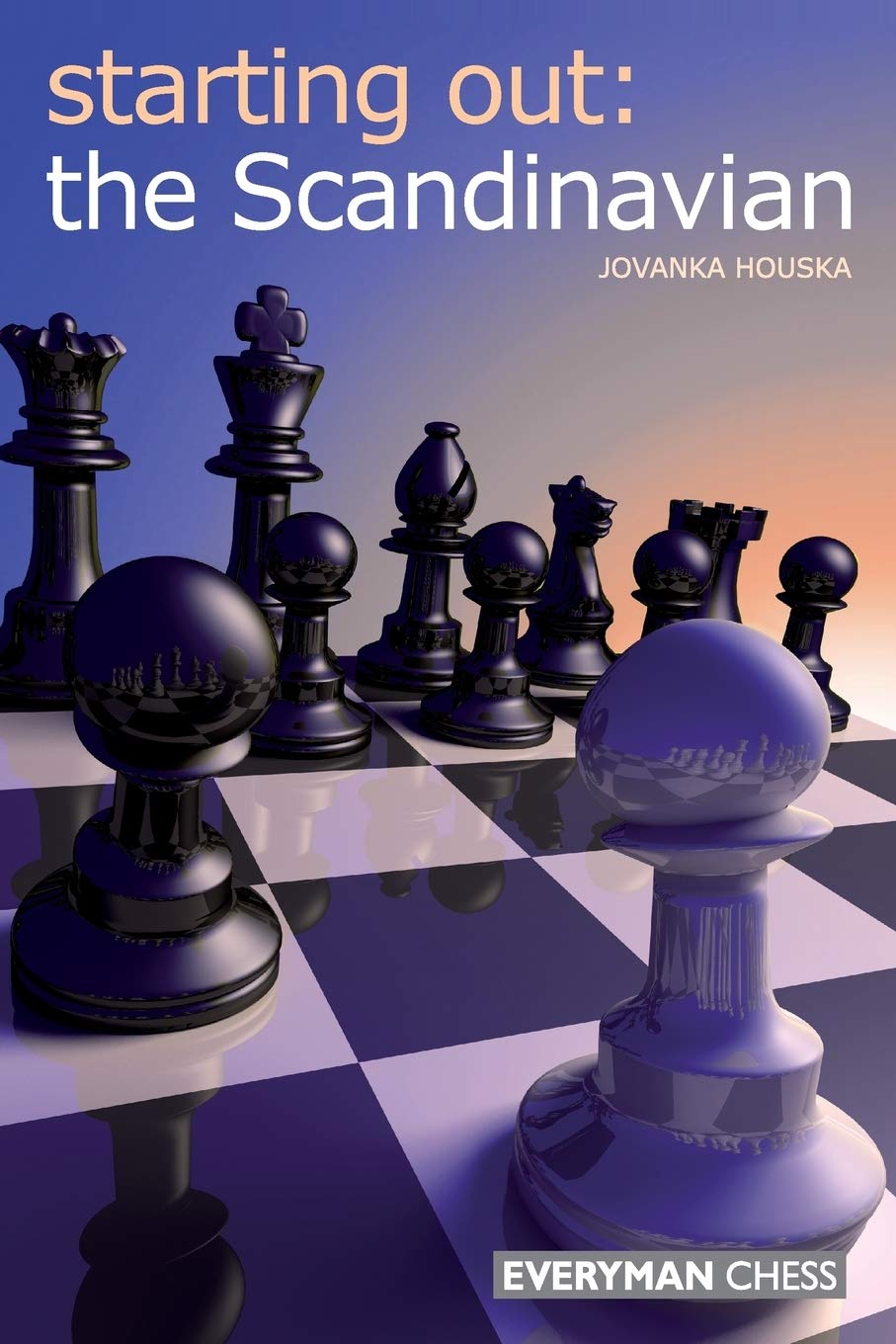
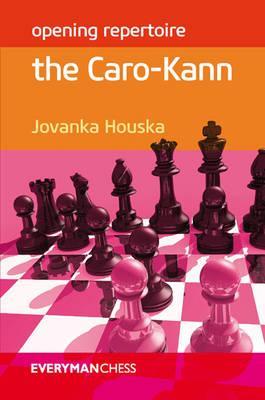
Dangerous Weapons : Caro-KannStarting Out : The ScandinavianPlay the Caro-KannOpening Repertoire : The Caro-KannThe Mating Game
IM Jovanka Houska, courtesy of John Upham Photography
We focus on the British Chess Scene Past & Present!
This website uses cookies to improve your experience. We'll assume you're ok with this, but you can opt-out if you wish. Cookie settingsACCEPT
Privacy & Cookies Policy
Privacy Overview
This website uses cookies to improve your experience while you navigate through the website. Out of these cookies, the cookies that are categorized as necessary are stored on your browser as they are as essential for the working of basic functionalities of the website. We also use third-party cookies that help us analyze and understand how you use this website. These cookies will be stored in your browser only with your consent. You also have the option to opt-out of these cookies. But opting out of some of these cookies may have an effect on your browsing experience.
Necessary cookies are absolutely essential for the website to function properly. This category only includes cookies that ensures basic functionalities and security features of the website. These cookies do not store any personal information.