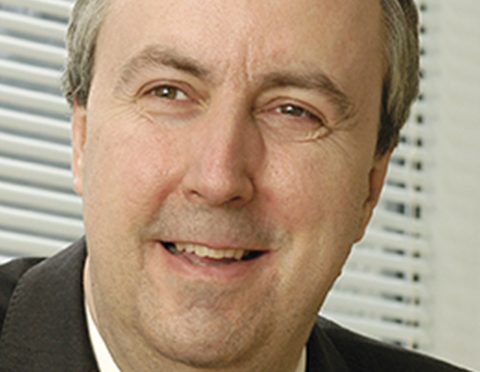
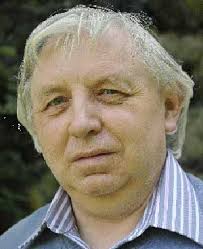
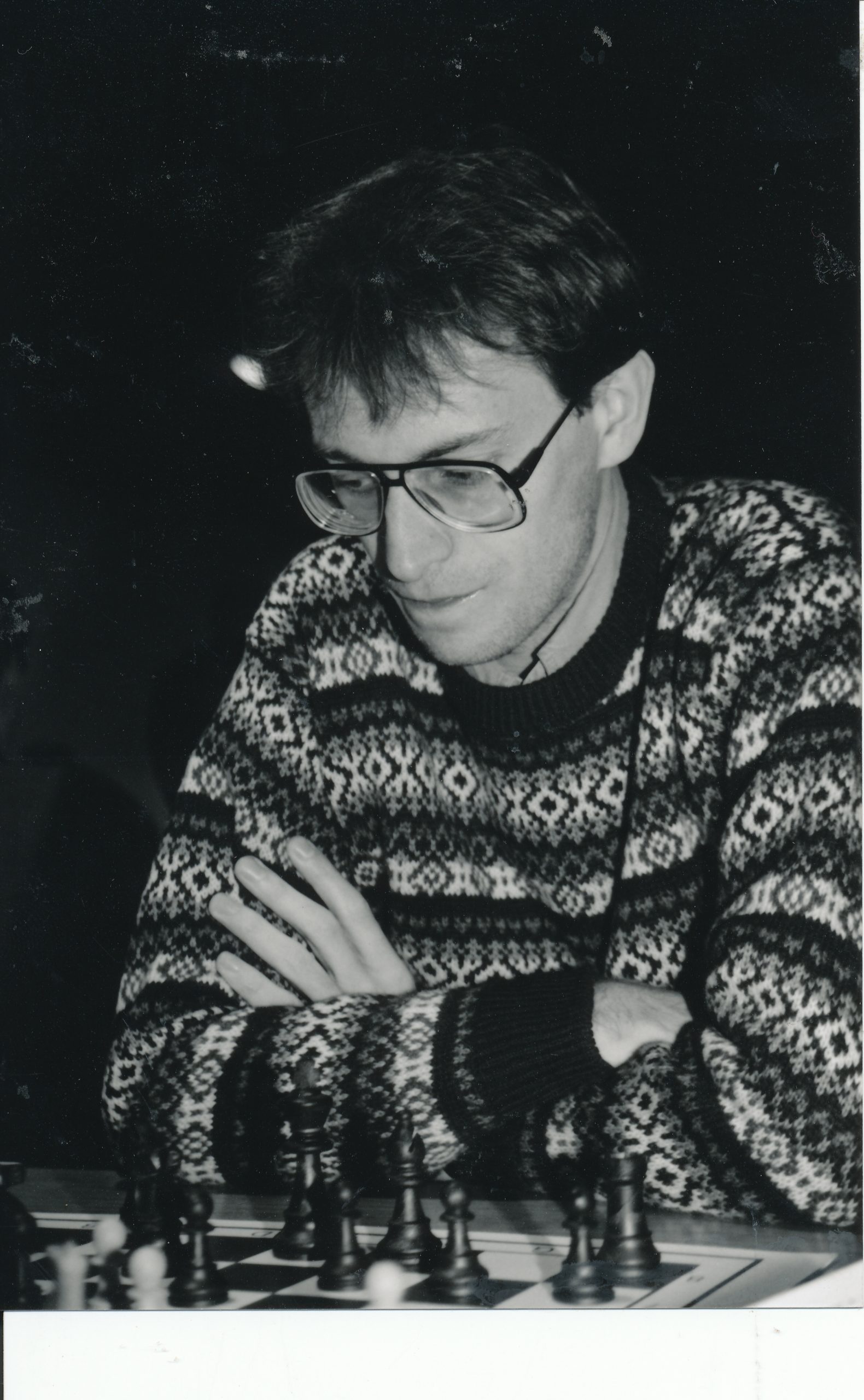
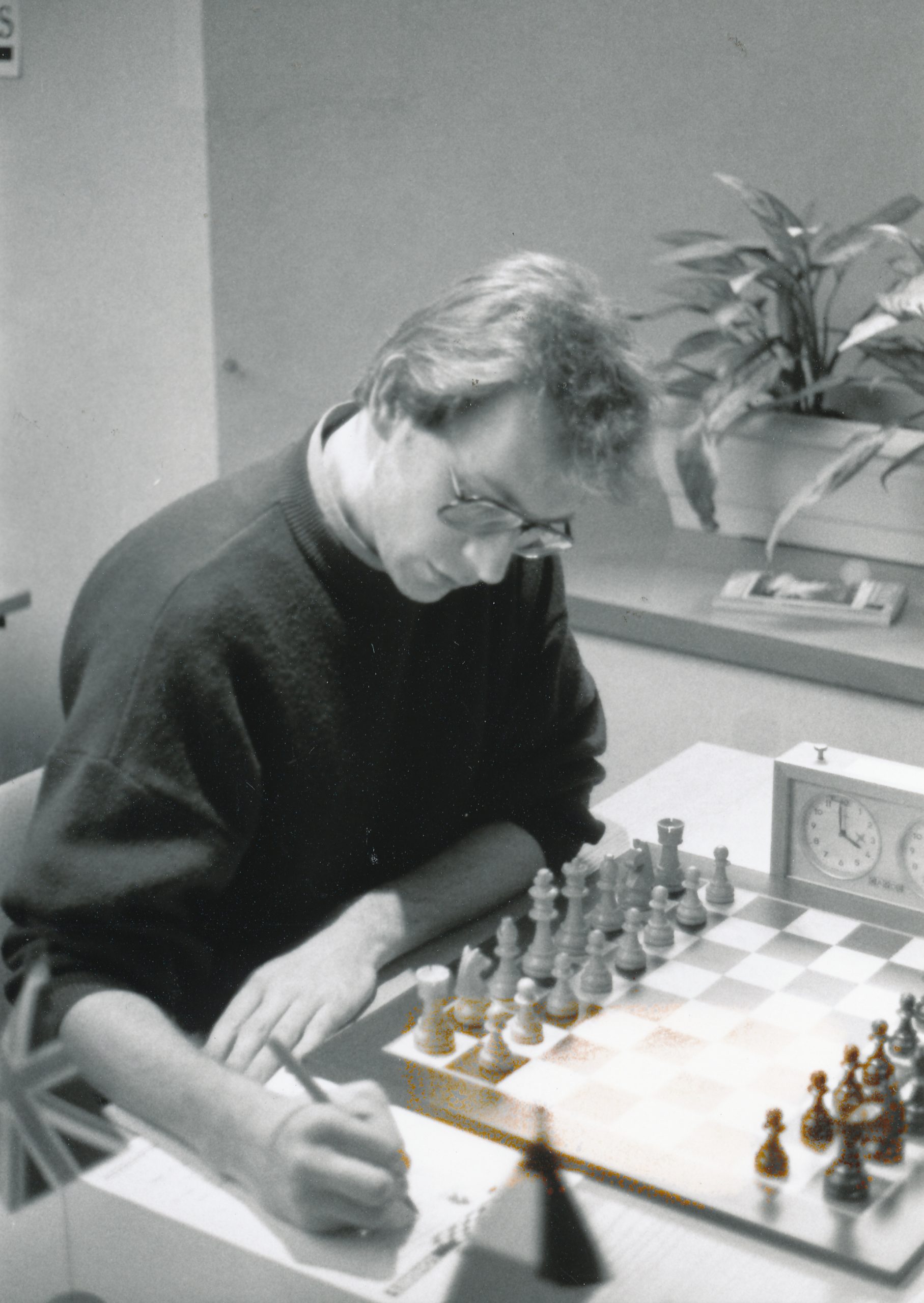
We wish happy birthday to IM John Hawksworth born on Friday, December 6th, 1963.
John Crofton Hawksworth was “born in Brighton, England, in December 1963 to Robert Marshall Hawksworth and Norah Connor Hawksworth née Crofton. He was baptised at St Saviour’s Church of England church in Pimlico, London, in 1964.[1]”
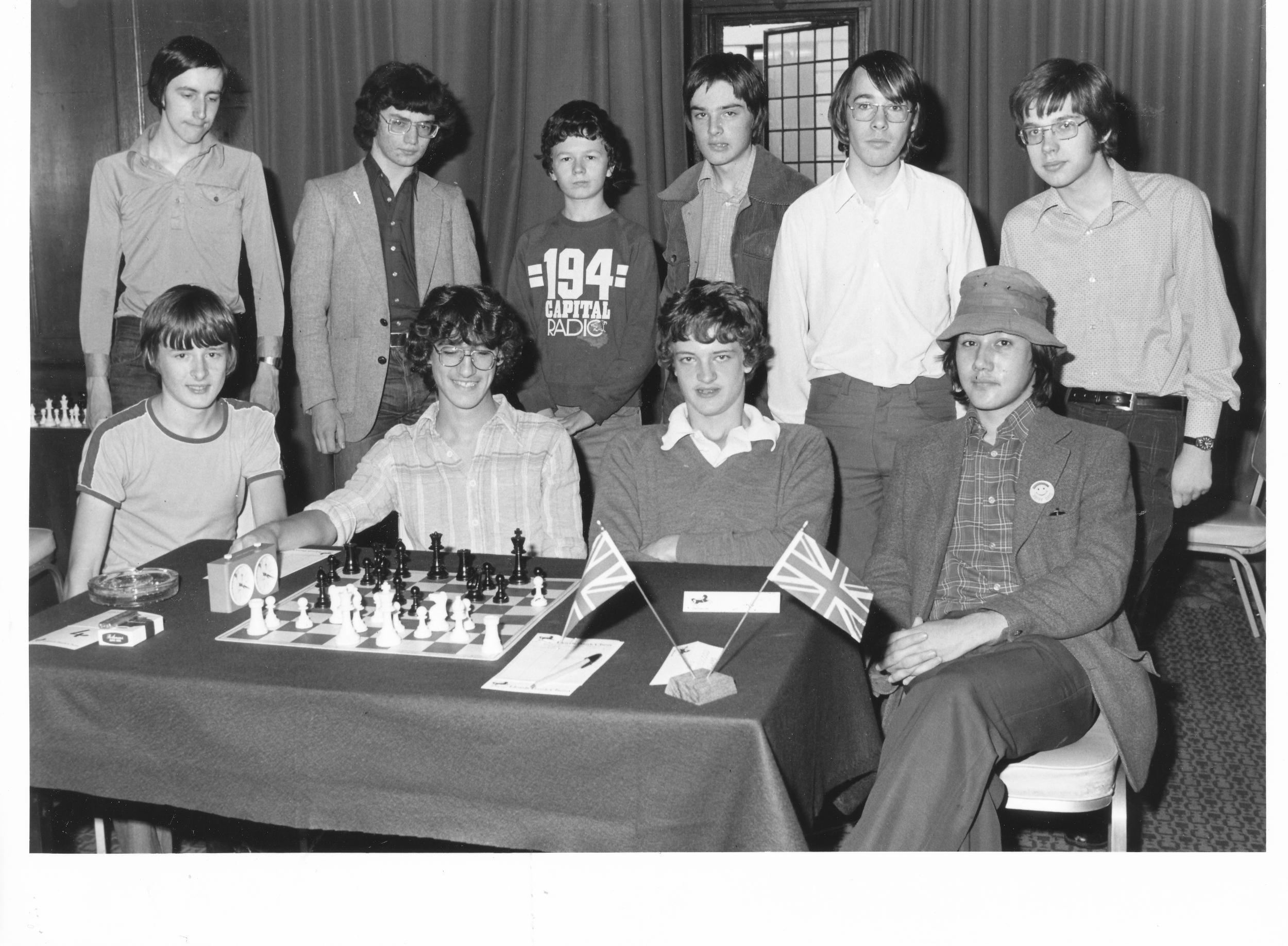
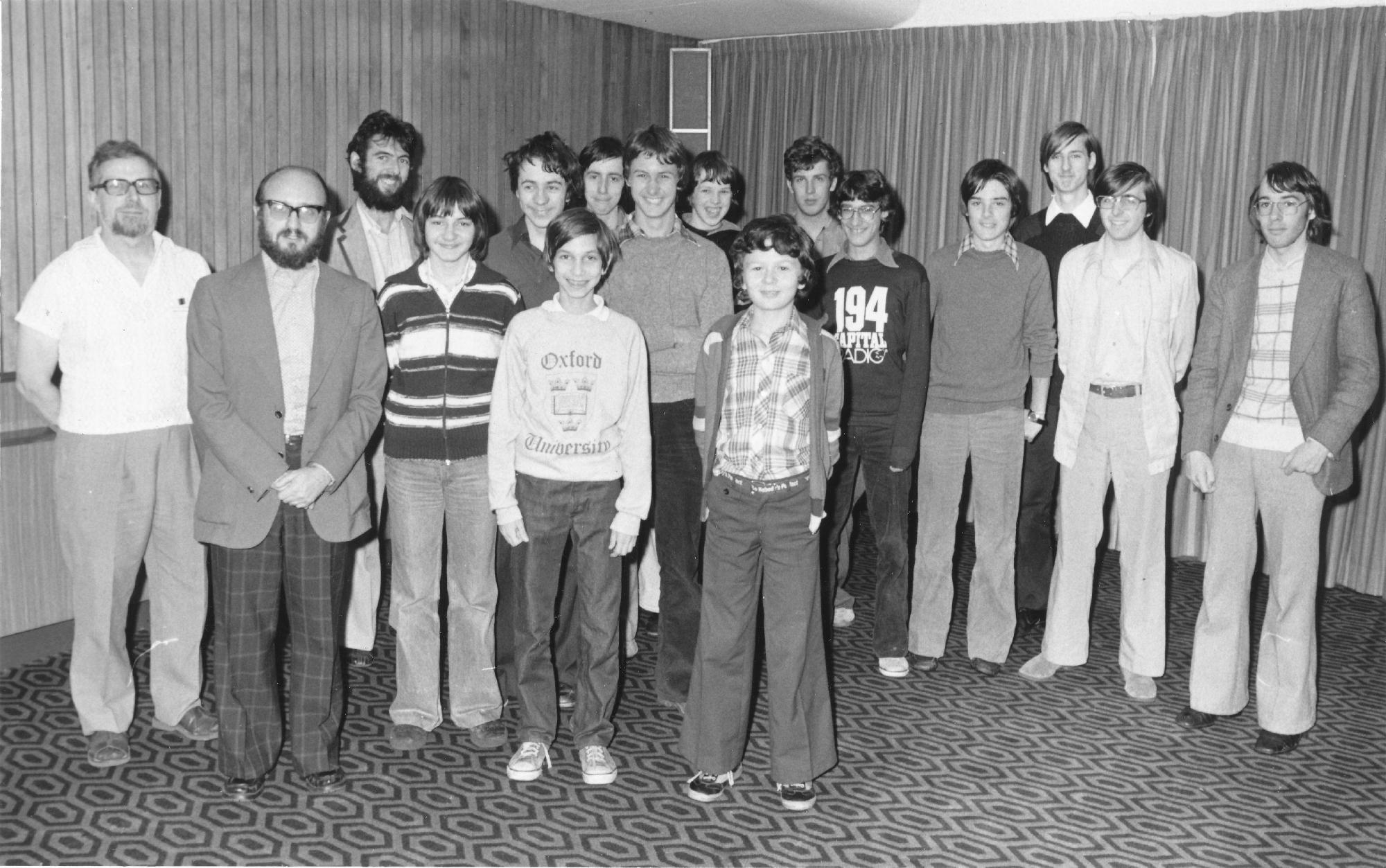
This was written about John who was 15 just prior to the Spassky vs the BCF Junior Squad simultaneous display in 1979 :
“Bradford Grammar and Bradford. Rating 194. Yorkshire under-18 champion.”
He was awarded the IM title in 1986.
According to ChessBase his highest FIDE rating was 2370 in January, 1990 aged 27 which was the last year of serious competition at the 77th British Championships in Eastbourne.
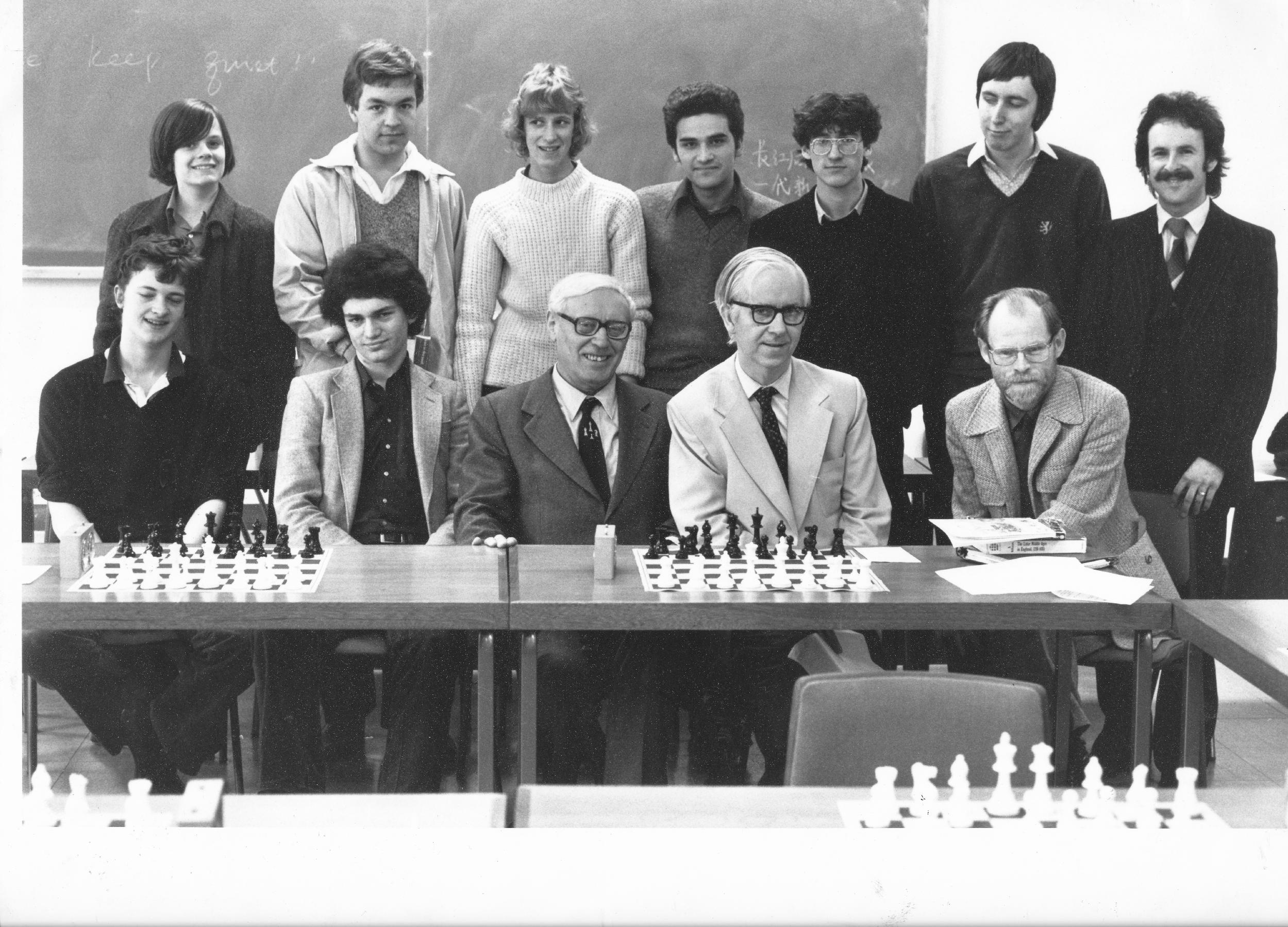
IM John Crofton Hawksworth (standing, second from right)At the Lloyds Bank Masters : Front (l-r) : Joel Benjamin, Ian Wells, Rear : Peter Morrish, Stewart Reuben, Richard Beville, Gary Senior, Richard Webb, John Hawksworth, Andrew King, Nigel Short, Mark Ginsburg, Daniel King, David Cummings, Erik Teichmann, John Brandford and Micheal Pagden
We wish happy birthday to IM John Hawksworth born on Friday, December 6th, 1963.
John Crofton Hawksworth was “born in Brighton, England, in December 1963 to Robert Marshall Hawksworth and Norah Connor Hawksworth née Crofton. He was baptised at St Saviour’s Church of England church in Pimlico, London, in 1964.[1]”
This was written about John who was 15 just prior to the Spassky vs the BCF Junior Squad simultaneous display in 1979 :
“Bradford Grammar and Bradford. Rating 194. Yorkshire under-18 champion.”
He was awarded the IM title in 1986.
According to ChessBase his highest FIDE rating was 2370 in January, 1990 aged 27 which was the last year of serious competition at the 77th British Championships in Eastbourne.
IM John Crofton Hawksworth (standing, second from right)At the Lloyds Bank Masters : Front (l-r) : Joel Benjamin, Ian Wells, Rear : Peter Morrish, Stewart Reuben, Richard Beville, Gary Senior, Richard Webb, John Hawksworth, Andrew King, Nigel Short, Mark Ginsburg, Daniel King, David Cummings, Erik Teichmann, John Brandford and Micheal Pagden
We wish happy birthday to IM John Hawksworth born on Friday, December 6th, 1963.
John Crofton Hawksworth was “born in Brighton, England, in December 1963 to Robert Marshall Hawksworth and Norah Connor Hawksworth née Crofton. He was baptised at St Saviour’s Church of England church in Pimlico, London, in 1964.[1]”
This was written about John who was 15 just prior to the Spassky vs the BCF Junior Squad simultaneous display in 1979 :
“Bradford Grammar and Bradford. Rating 194. Yorkshire under-18 champion.”
He was awarded the IM title in 1986.
According to ChessBase his highest FIDE rating was 2370 in January, 1990 aged 27 which was the last year of serious competition at the 77th British Championships in Eastbourne.
IM John Crofton Hawksworth (standing, second from right)At the Lloyds Bank Masters : Front (l-r) : Joel Benjamin, Ian Wells, Rear : Peter Morrish, Stewart Reuben, Richard Beville, Gary Senior, Richard Webb, John Hawksworth, Andrew King, Nigel Short, Mark Ginsburg, Daniel King, David Cummings, Erik Teichmann, John Brandford and Micheal Pagden
We wish happy birthday to IM John Hawksworth born on Friday, December 6th, 1963.
John Crofton Hawksworth was “born in Brighton, England, in December 1963 to Robert Marshall Hawksworth and Norah Connor Hawksworth née Crofton. He was baptised at St Saviour’s Church of England church in Pimlico, London, in 1964.[1]”
This was written about John who was 15 just prior to the Spassky vs the BCF Junior Squad simultaneous display in 1979 :
“Bradford Grammar and Bradford. Rating 194. Yorkshire under-18 champion.”
He was awarded the IM title in 1986.
According to ChessBase his highest FIDE rating was 2370 in January, 1990 aged 27 which was the last year of serious competition at the 77th British Championships in Eastbourne.
IM John Crofton Hawksworth (standing, second from right)At the Lloyds Bank Masters : Front (l-r) : Joel Benjamin, Ian Wells, Rear : Peter Morrish, Stewart Reuben, Richard Beville, Gary Senior, Richard Webb, John Hawksworth, Andrew King, Nigel Short, Mark Ginsburg, Daniel King, David Cummings, Erik Teichmann, John Brandford and Micheal Pagden
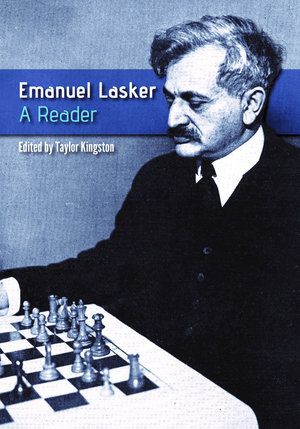
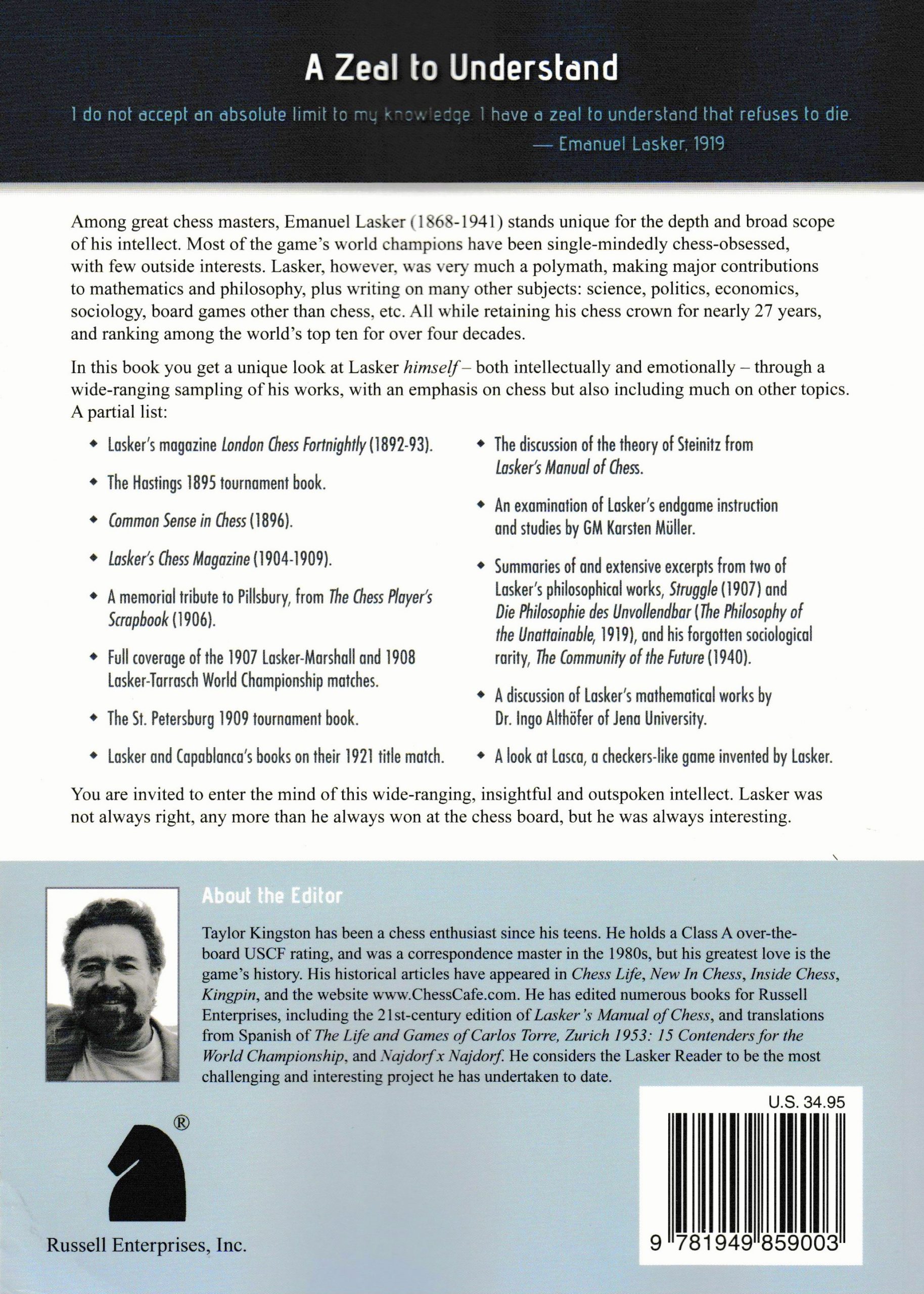
Emanuel Lasker: A Reader: A Zeal to Understand : Taylor Kingston
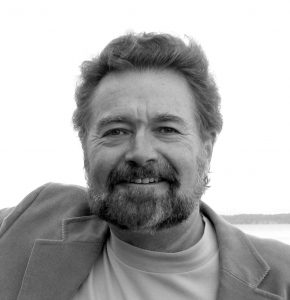
Taylor Kingston
Taylor Kingston has been a chess enthusiast since his teens. He holds a Class A over-the-board USCF rating, and was a correspondence master in the 1980s, but his greatest love is the game’s history. His historical articles have appeared in Chess Life, New In Chess, Inside Chess, Kingpin, and the Chess Café website. He has edited numerous books, including the 21st-century edition of Lasker’s Manual of Chess, and translations from Spanish of The Life and Games of Carlos Torre, Zurich 1953: 15 Contenders for the World Championship, and Najdorf x Najdorf. He considers the Lasker Reader to be the most challenging and interesting project he has undertaken to date.
Taylor Kingston
When I’m asked who my favourite chess player is, I always answer ‘Emanuel Lasker’.
Why? Partly because he was a player who didn’t really have a style. Like Magnus Carlsen, with whom he has sometimes been compared, he just played chess. But more because he was such an interesting personality. Unlike most champions (Euwe and Botvinnik were exceptions) he had a life outside chess, on several occasions taking long breaks from the game. And what a life it was: mathematician, philosopher, writer, playwright, bridge player, and, lest we forget, chess player.
Chess historians are finally taking notice of this fascinating man. In 2009 a massive volume about him was published in German, edited by Richard Forster and others. Last year the first of three volumes of a greatly expanded edition of this work appeared in English. If you have any interest at all in chess history you should certainly possess this book, and, like me, you’ll be eagerly looking forward to volumes 2 and 3.
What we have here might best be seen as a companion to this work, and, if you’re a Lasker fan or have any interest in chess history you’ll want this as well.
Taylor Kingston has compiled and edited a collection of Lasker’s own writings, not just on chess but covering every aspect of his multi-faceted personality.
We start with the London Chess Fortnightly, which Lasker published for a year between 1892 and 1893, annotating his own games as he was trying to establish himself as a contender for Steinitz’s world title. Here and throughout the book, the editor adds the occasional contribution from Stockfish 8.
Lasker and Steinitz met in 1894, with our hero becoming the second official world champion as a result of winning the match. Both players annotated some of the games for newspaper columns. In 1906 Lasker published this in his chess magazine, which we’ll come to later, but in this book they appear in the correct chronological place.
The Hastings 1895 tournament book (if you don’t have a copy I’d like to know why) was unusual in that all the games were annotated by one of the other participants. The six games Lasker annotated feature here.
Lasker’s first book, Common Sense in Chess, was published the following year. We have here an extract from Chapter 9, the End Game.
We then jump forward to 1904. The longest and, for chess players, perhaps the most interesting section of the book covers Lasker’s Chess Magazine, which was published in New York between November 1904 and January 1909. The games themselves give the reader an overview of chess during those years, with amateurs as well as masters being represented. Lasker’s annotations and, in some cases, game introductions, were often colourful in nature and tell us a lot about the man himself.
Burn-Forgacs (Ostend 1906), for instance, ‘begins like a summer breeze and ends like a winter’s gale’.
‘Here the red lantern flashes out; queen and bishop prepare to take the diagonal from b3 to e6 and f7, which are woefully weak, and the black king will be in grave peril.’
Another major chapter concerns the 1908 Lasker-Tarrasch world championship match. After some details of the background to the match (there was little love lost between the two players: Edward Lasker quoted Tarrasch as saying ‘the only words I will address to him are check and mate!). Taylor Kingston presents the games with annotations from Lasker’s Chess Magazine, Tarrasch’s book of the match and other contemporary sources, along with the usual computer interjections.
We then have a chapter on Lasker’s unsuccessful 1921 match against Capablanca, and another on his non-appearance at New York 1927. Lasker’s Manual of Chess was first published in German in 1926: here we have an excerpt in which he discusses the theory of Steinitz.
Lasker’s chess writings are completed by an article on Lasker and the Endgame by guest contributor Karsten Müller, and a short section on Lasker’s problems and endgame studies.
The last 75 pages of the book consider other aspects of Lasker’s life: his philsophy, his contributions to mathematics, and Lasca, a board game he invented.
Perhaps the most interesting section offers extracts from The Philosophy of the Unattainable, his most important philosophical work, published in 1919. As far as Taylor Kingston is aware, it has never been published in English.
Lasker’s last work, The Community of the Future, was published in 1940, five months before his death. Here, Lasker considers the problems faced by the world and proposes a ‘non-competitive community’ as his solution, with ‘self-hope co-operatives’ to deal with unemployment. Again, fascinating reading, and, you might think, his utopian ideas are still of some relevance today.
The book is a well-produced paperback. There are a few notation errors caused by translation from descriptive to algebraic, but this shouldn’t cause you too much bother. I hope I’ve convinced you that this book deserves a place on your shelves.
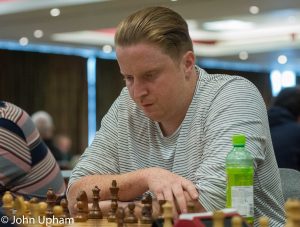
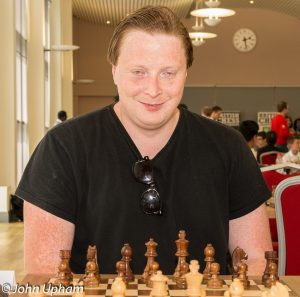
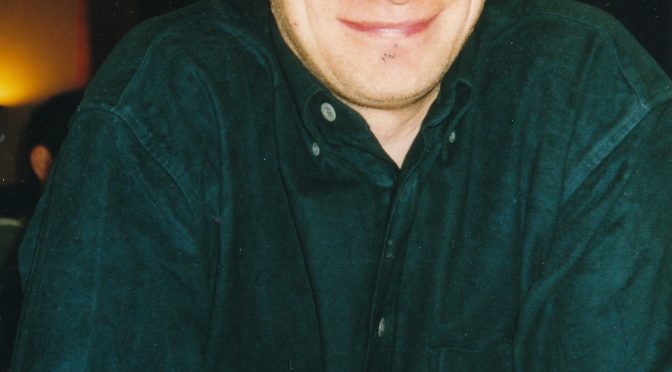
Best wishes to IM Andrew Kinsman born on this day Friday November 20, 1964. His mother’s maiden name was (Yvonne) Greening. Andrew has a sister Casandra Suzie Kinsman.
Andrew Peter Harry Kinsman was born in North East Surrey and grew up in Kingston-Upon-Thames near Kingston Hospital (thanks Richard James!). He was a member of Richmond Junior Chess Club.
IM Andrew Kinsman
Andrew was a member of the University of Sussex chess team in 1983 along with IM Byron Jacobs. Andrew became an editor of chess publisher BT Batsford Ltd. following in the footsteps of Bob Wade, Paul Lamford and others.
Andrew was Southern Counties (SCCU) champion for the 1986-87 and 1991-92 seasons.
He made his first Grandmaster norm with his victory in the 1997 Owens Corning International in Wrexham.
Andrew’s peak rating was 2430 in January 1998. He played for Guildford in the Four Nations Chess League and for Wimbledon in other leagues. His last ECF grading was 222D in July 2002 and highest may have been 230B in July 2000.
He left chess and turned to poker becoming a successful player and author and was married to Pauline. They lived in Ditchling Rise in Brighton.
He joined Byron Jacobs to form Chess Press which eventually morphed into First Rank Publishing.
IM Andrew Kinsman
With the white pieces Andrew was consistently a d4 player with the occasional Nf3 thrown in. He played a “slow” Queen’s Gambit (Nf3 inserted before c4) and the Trompowski Attack for variety.
As the second player Andrew played the French Winawer and the Benko Gambit.
Andrew is registered for both Wimbledon and Guildford and represented Wuppertal in the Bundesliga. Andrew’s most recent appearance in 4NCL was the final weekend of the 2001/2 season beating JA Toothill.
He has written several books on chess (and poker) as follows :
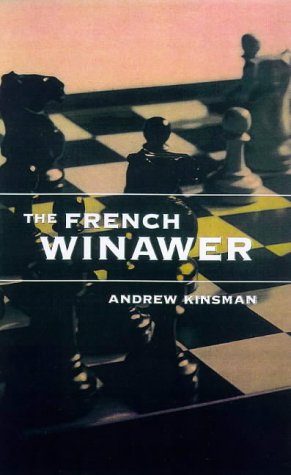
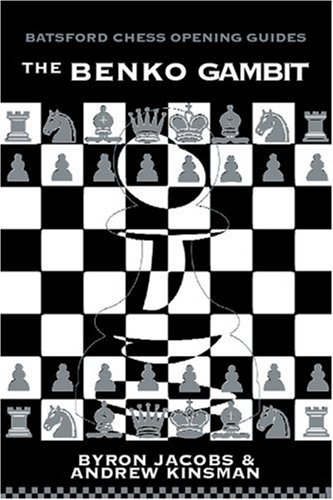
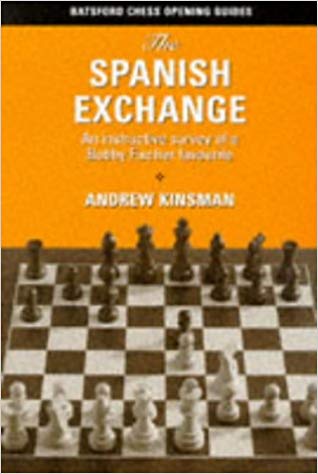
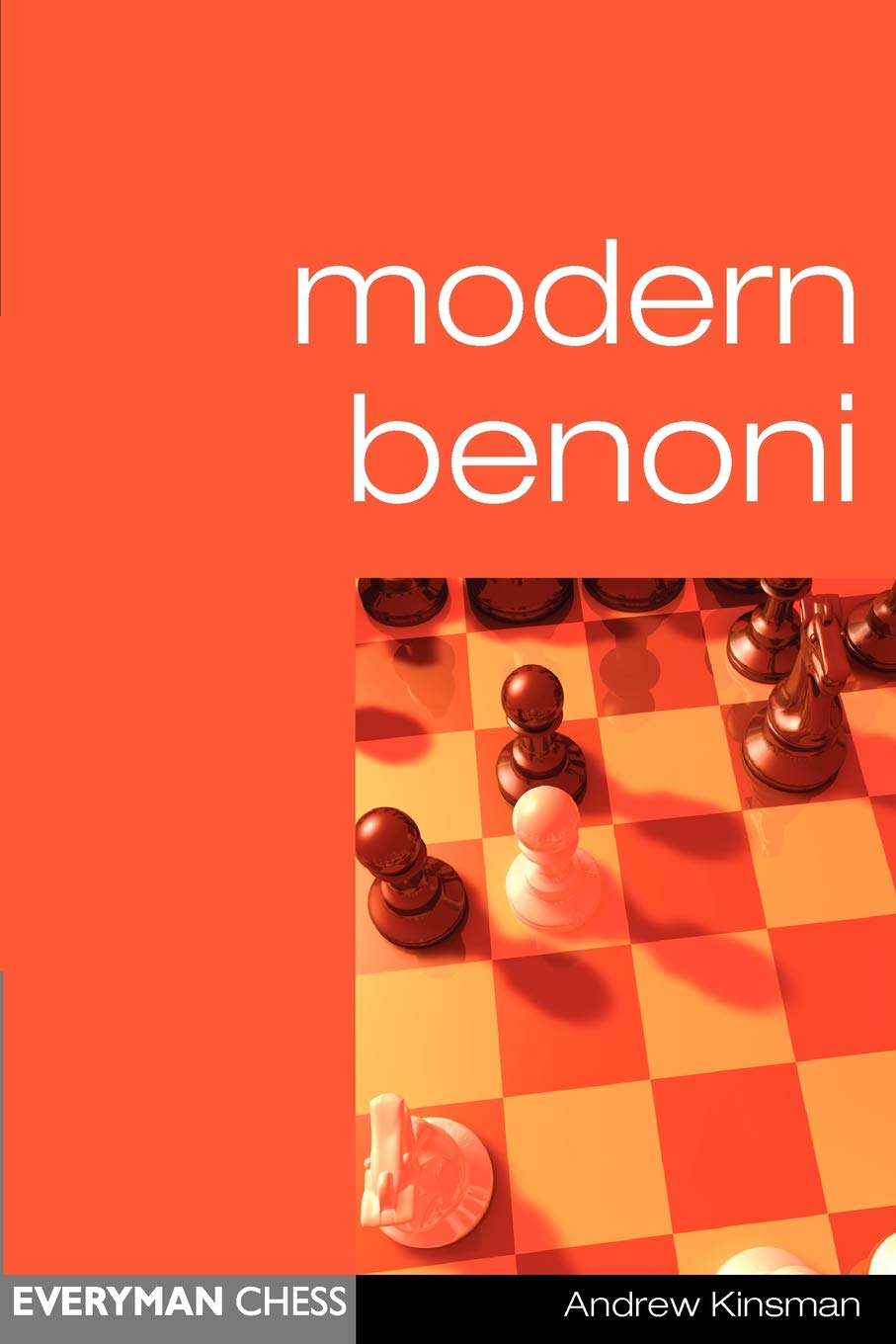
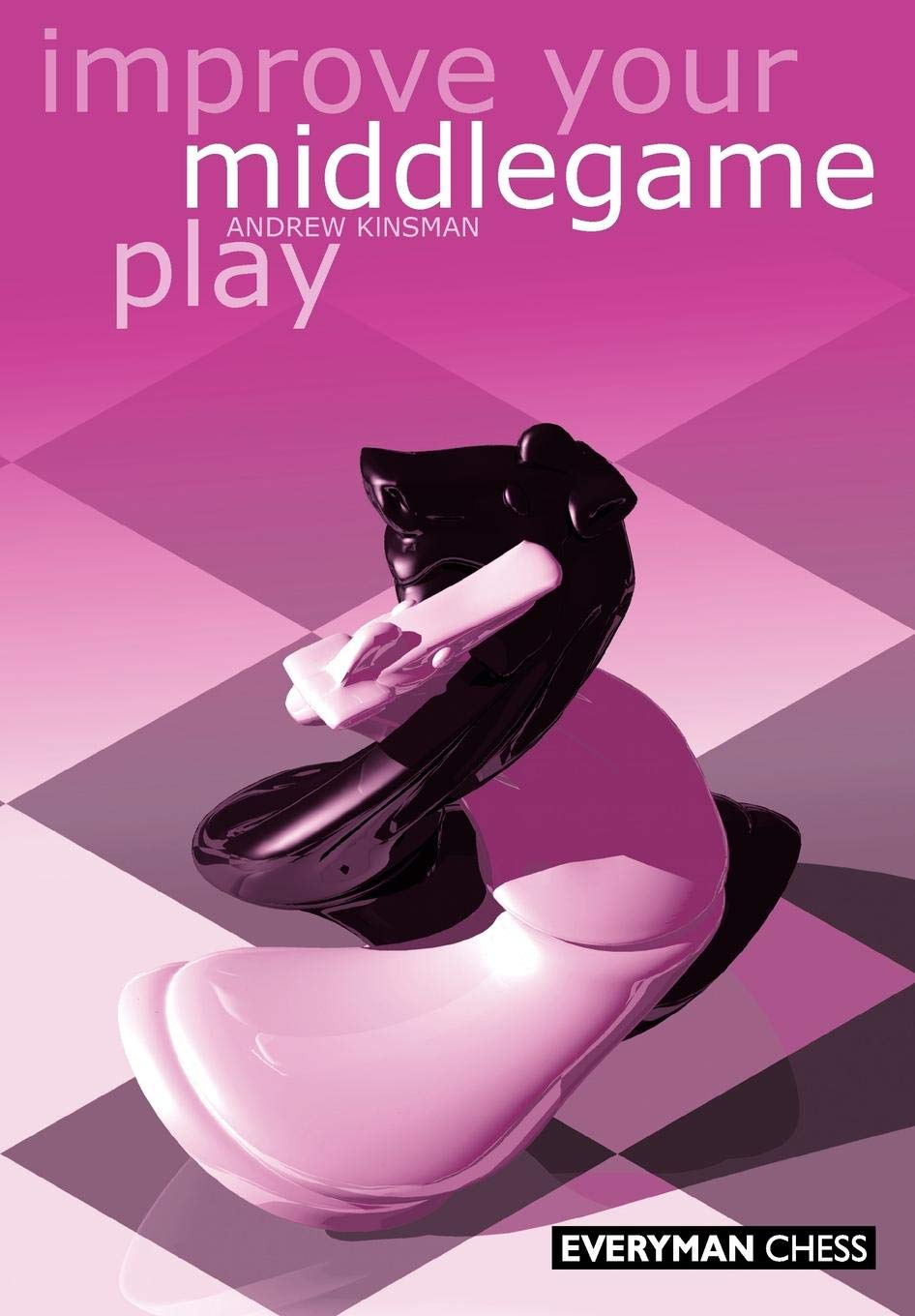
French Winawer by Andrew KinsmanThe Benko Gambit by Andrew Kinsman & Byron JacobsSpanish Exchange by Andrew KinsmanModern Benoni by Andrew KinsmanImprove Your Middlegame Play by Andrew KinsmanIM Andrew Kinsman
Best wishes to IM Andrew Kinsman born on this day Friday November 20, 1964. His mother’s maiden name was (Yvonne) Greening. Andrew has a sister Casandra Suzie Kinsman.
Andrew Peter Harry Kinsman was born in North East Surrey and grew up in Kingston-Upon-Thames near Kingston Hospital (thanks Richard James!). He was a member of Richmond Junior Chess Club.
IM Andrew Kinsman
Andrew was a member of the University of Sussex chess team in 1983 along with IM Byron Jacobs. Andrew became an editor of chess publisher BT Batsford Ltd. following in the footsteps of Bob Wade, Paul Lamford and others.
Andrew was Southern Counties (SCCU) champion for the 1986-87 and 1991-92 seasons.
He made his first Grandmaster norm with his victory in the 1997 Owens Corning International in Wrexham.
Andrew’s peak rating was 2430 in January 1998. He played for Guildford in the Four Nations Chess League and for Wimbledon in other leagues. His last ECF grading was 222D in July 2002 and highest may have been 230B in July 2000.
He left chess and turned to poker becoming a successful player and author and was married to Pauline. They lived in Ditchling Rise in Brighton.
He joined Byron Jacobs to form Chess Press which eventually morphed into First Rank Publishing.
IM Andrew Kinsman
With the white pieces Andrew was consistently a d4 player with the occasional Nf3 thrown in. He played a “slow” Queen’s Gambit (Nf3 inserted before c4) and the Trompowski Attack for variety.
As the second player Andrew played the French Winawer and the Benko Gambit.
Andrew is registered for both Wimbledon and Guildford and represented Wuppertal in the Bundesliga. Andrew’s most recent appearance in 4NCL was the final weekend of the 2001/2 season beating JA Toothill.
He has written several books on chess (and poker) as follows :
French Winawer by Andrew KinsmanThe Benko Gambit by Andrew Kinsman & Byron JacobsSpanish Exchange by Andrew KinsmanModern Benoni by Andrew KinsmanImprove Your Middlegame Play by Andrew KinsmanIM Andrew Kinsman
Best wishes to IM Andrew Kinsman born on this day Friday November 20, 1964. His mother’s maiden name was (Yvonne) Greening. Andrew has a sister Casandra Suzie Kinsman.
Andrew Peter Harry Kinsman was born in North East Surrey and grew up in Kingston-Upon-Thames near Kingston Hospital (thanks Richard James!). He was a member of Richmond Junior Chess Club.
IM Andrew Kinsman
Andrew was a member of the University of Sussex chess team in 1983 along with IM Byron Jacobs. Andrew became an editor of chess publisher BT Batsford Ltd. following in the footsteps of Bob Wade, Paul Lamford and others.
Andrew was Southern Counties (SCCU) champion for the 1986-87 and 1991-92 seasons.
He made his first Grandmaster norm with his victory in the 1997 Owens Corning International in Wrexham.
Andrew’s peak rating was 2430 in January 1998. He played for Guildford in the Four Nations Chess League and for Wimbledon in other leagues. His last ECF grading was 222D in July 2002 and highest may have been 230B in July 2000.
He left chess and turned to poker becoming a successful player and author and was married to Pauline. They lived in Ditchling Rise in Brighton.
He joined Byron Jacobs to form Chess Press which eventually morphed into First Rank Publishing.
IM Andrew Kinsman
With the white pieces Andrew was consistently a d4 player with the occasional Nf3 thrown in. He played a “slow” Queen’s Gambit (Nf3 inserted before c4) and the Trompowski Attack for variety.
As the second player Andrew played the French Winawer and the Benko Gambit.
Andrew is registered for both Wimbledon and Guildford and represented Wuppertal in the Bundesliga. Andrew’s most recent appearance in 4NCL was the final weekend of the 2001/2 season beating JA Toothill.
He has written several books on chess (and poker) as follows :
French Winawer by Andrew KinsmanThe Benko Gambit by Andrew Kinsman & Byron JacobsSpanish Exchange by Andrew KinsmanModern Benoni by Andrew KinsmanImprove Your Middlegame Play by Andrew KinsmanIM Andrew Kinsman
Best wishes to IM Andrew Kinsman born on this day Friday November 20, 1964. His mother’s maiden name was (Yvonne) Greening. Andrew has a sister Casandra Suzie Kinsman.
Andrew Peter Harry Kinsman was born in North East Surrey and grew up in Kingston-Upon-Thames near Kingston Hospital (thanks Richard James!). He was a member of Richmond Junior Chess Club.
IM Andrew Kinsman
Andrew was a member of the University of Sussex chess team in 1983 along with IM Byron Jacobs. Andrew became an editor of chess publisher BT Batsford Ltd. following in the footsteps of Bob Wade, Paul Lamford and others.
Andrew was Southern Counties (SCCU) champion for the 1986-87 and 1991-92 seasons.
He made his first Grandmaster norm with his victory in the 1997 Owens Corning International in Wrexham.
Andrew’s peak rating was 2430 in January 1998. He played for Guildford in the Four Nations Chess League and for Wimbledon in other leagues. His last ECF grading was 222D in July 2002 and highest may have been 230B in July 2000.
He left chess and turned to poker becoming a successful player and author and was married to Pauline. They lived in Ditchling Rise in Brighton.
He joined Byron Jacobs to form Chess Press which eventually morphed into First Rank Publishing.
IM Andrew Kinsman
With the white pieces Andrew was consistently a d4 player with the occasional Nf3 thrown in. He played a “slow” Queen’s Gambit (Nf3 inserted before c4) and the Trompowski Attack for variety.
As the second player Andrew played the French Winawer and the Benko Gambit.
Andrew is registered for both Wimbledon and Guildford and represented Wuppertal in the Bundesliga. Andrew’s most recent appearance in 4NCL was the final weekend of the 2001/2 season beating JA Toothill.
He has written several books on chess (and poker) as follows :
French Winawer by Andrew KinsmanThe Benko Gambit by Andrew Kinsman & Byron JacobsSpanish Exchange by Andrew KinsmanModern Benoni by Andrew KinsmanImprove Your Middlegame Play by Andrew KinsmanIM Andrew Kinsman
We focus on the British Chess Scene Past & Present!
This website uses cookies to improve your experience. We'll assume you're ok with this, but you can opt-out if you wish. Cookie settingsACCEPT
Privacy & Cookies Policy
Privacy Overview
This website uses cookies to improve your experience while you navigate through the website. Out of these cookies, the cookies that are categorized as necessary are stored on your browser as they are as essential for the working of basic functionalities of the website. We also use third-party cookies that help us analyze and understand how you use this website. These cookies will be stored in your browser only with your consent. You also have the option to opt-out of these cookies. But opting out of some of these cookies may have an effect on your browsing experience.
Necessary cookies are absolutely essential for the website to function properly. This category only includes cookies that ensures basic functionalities and security features of the website. These cookies do not store any personal information.