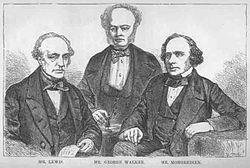
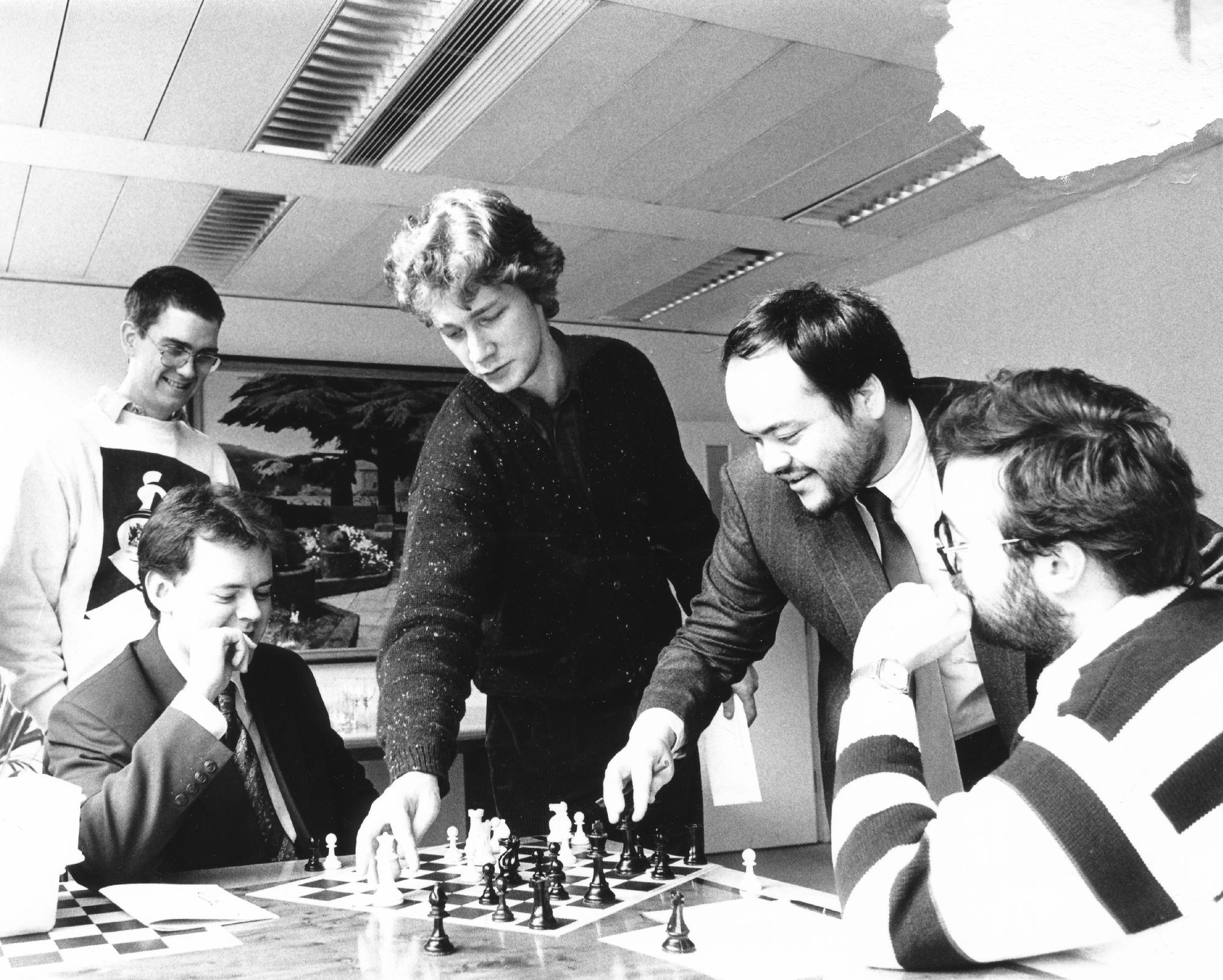
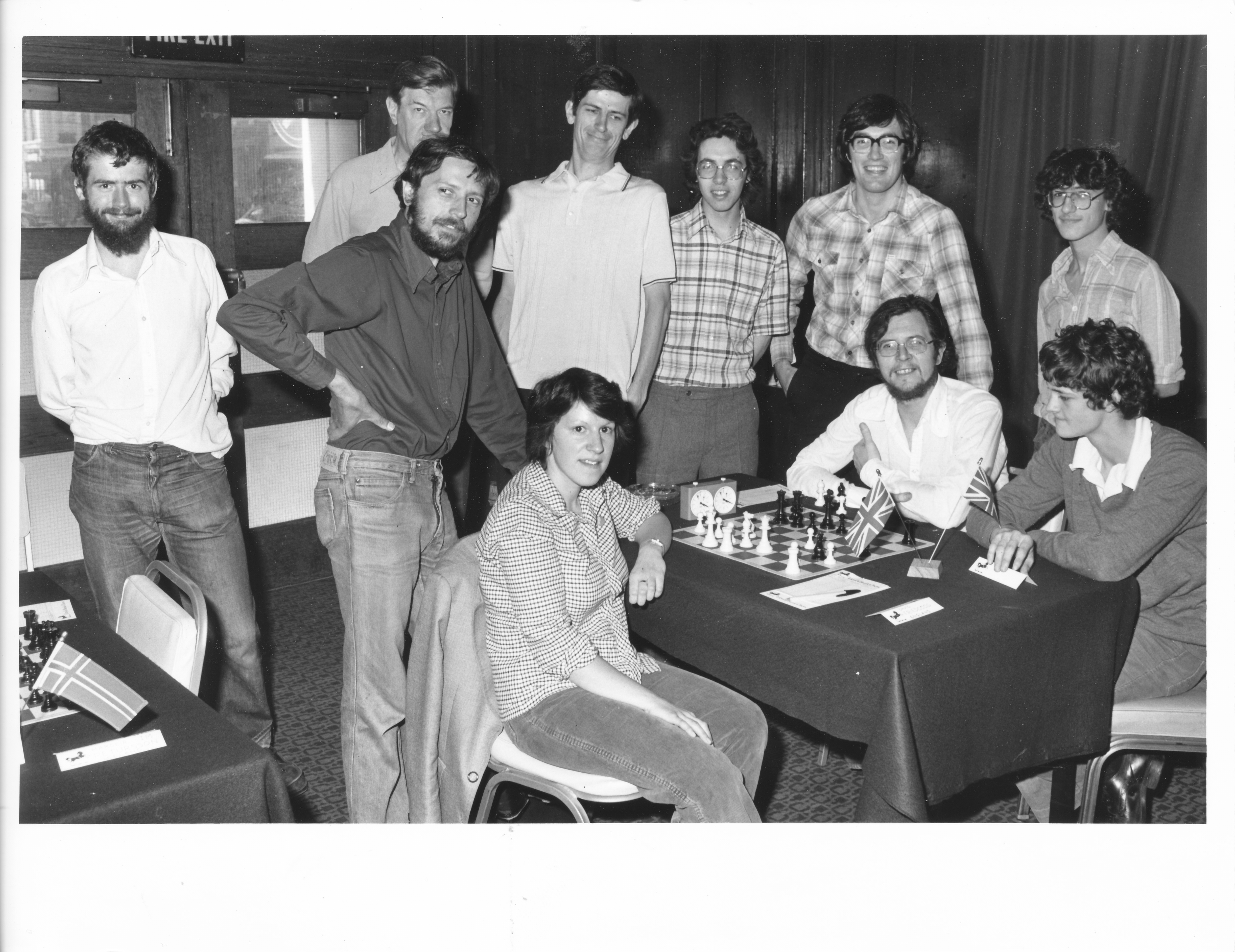
William Lewis, George Walker and Augustus Mongredien
BCN Remembers George Walker (13-iii-1803 23-iv-1879)
From The Encyclopedia of Chess by Anne Sunnucks :
“Leading organiser and chess columnist in the last century. Born on 13th March 1803. Founded the Westminster Chess Club in 1831. Published New Treatise on Chess in 1832 and Chess and Chess Players in 1850. Edited the chess column in Bell’s Life of London from 1835 to 1870. Died on 23rd April 1879.
From The Oxford Companion to Chess by Hooper & Whyld :
“English chess writer and propagandist. Born over his father’s bookshop in London he later became a music publisher in partnership with his father. At a time when he was receiving odds of a rook from Lewis he had the temerity to edit a chess column in the Lancet (1823-4); the first such column to appear in a periodical, it was, perhaps fortunately, short-lived. He tried his hand at composing problems, with unmemorable results; but his play improved. In the early 1830s he was receiving odds of pawn and move from McDonnell, after whose death (1835) Walker was, for a few years, London’s strongest active player.
Walker’s importance, however, lies in the many other contributions he made to the game. He founded chess clubs, notably the Westminster at Huttman’s in 1831 and the St George’s at Hanover
Square in 1843. From 1835 to 1873 he edited a column in Bell’s Life , a popular Sunday paper featuring sport and scandal. Many of his contributions were perfunctory, but on occasion he wrote at length of news, gossip, and personalities in a rollicking style suitable for such a paper. As with many of his writings he was more enthusiastic than accurate. He edited England’s first chess magazine The Philidorian (1837-8). Above all, Walker published many books at a low price: they sold widely and did much to popularize the game. The third edition of his New Treatise (1841) was as useful a manual as could he bought at the time and its section on the Evans gambit was praised by Jaenisch, Walker established the custom of recording games, and his Chess Studies (1844), containing 1,020 games played from 1780 to 1844, has become a classic. For the first time players could study the game as it was played and not as authors, each with his own bias, supposed it should be played. Throughout his life Walker helped chess-players in need. He raised funds for La Bqurdonnais, Capt. W. D. Evans, and other players, and often for their destitute widows.
After his father died (1847) Walker sold their business and became a stockbroker, reducing his chess activities but continuing ‘his many kindnesses. With an outgoing personality he enjoyed the company of those, such as La Bourdonnais, whom he called “jolly good fellows’, an epithet which might well be applied to himself. He was occasionally at odds with Lewis, who was jealous of his own reputation, and Staunton, imperious and touchy; but it seems unlikely that the easy-going Walker, who believed that chess should be enjoyed, intentionally initiated these disputes. He left a small but excellent library of more than 300 books and his own manuscript translations of the works of Cozio, Lolli, and other masters. He should not be confused with William Greenwood Walker who recorded the games of the Bourdon-nais-McDonnell matches 1834, and died soon afterwards “full of years’.
Walker is buried at Kensal Green Cemetery, also known as All Souls Cemetery, Harrow Road, Kensal Green, London Borough of Brent, Greater London, W10 4RA England.
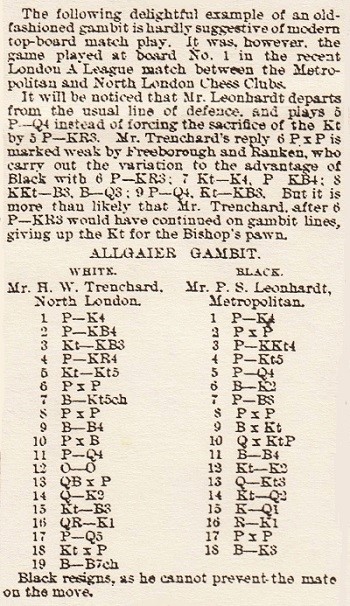
The Walker Attack is a variation of the Allagier Gambit :
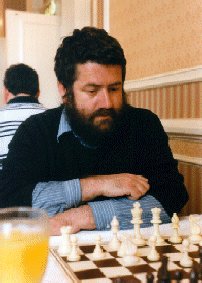
Gary was born in Bradford and became an FIDE Master in 2002 and achieved a peak rating of 2315 in July 1994.
In 1994 Gary represented London in a match with Paris over nine boards and has played from London Central YMCA (CentYMCA) and Barbican in the London Chess League and in the BCF National Club competition.
In 2003 he was runner-up (to Kidami Sundararajan) in the Ron Banwell Masters in Blackpool.
Gary has played for King’s Head in the Four Nations Chess League (4NCL) and now plays for Mindsports.
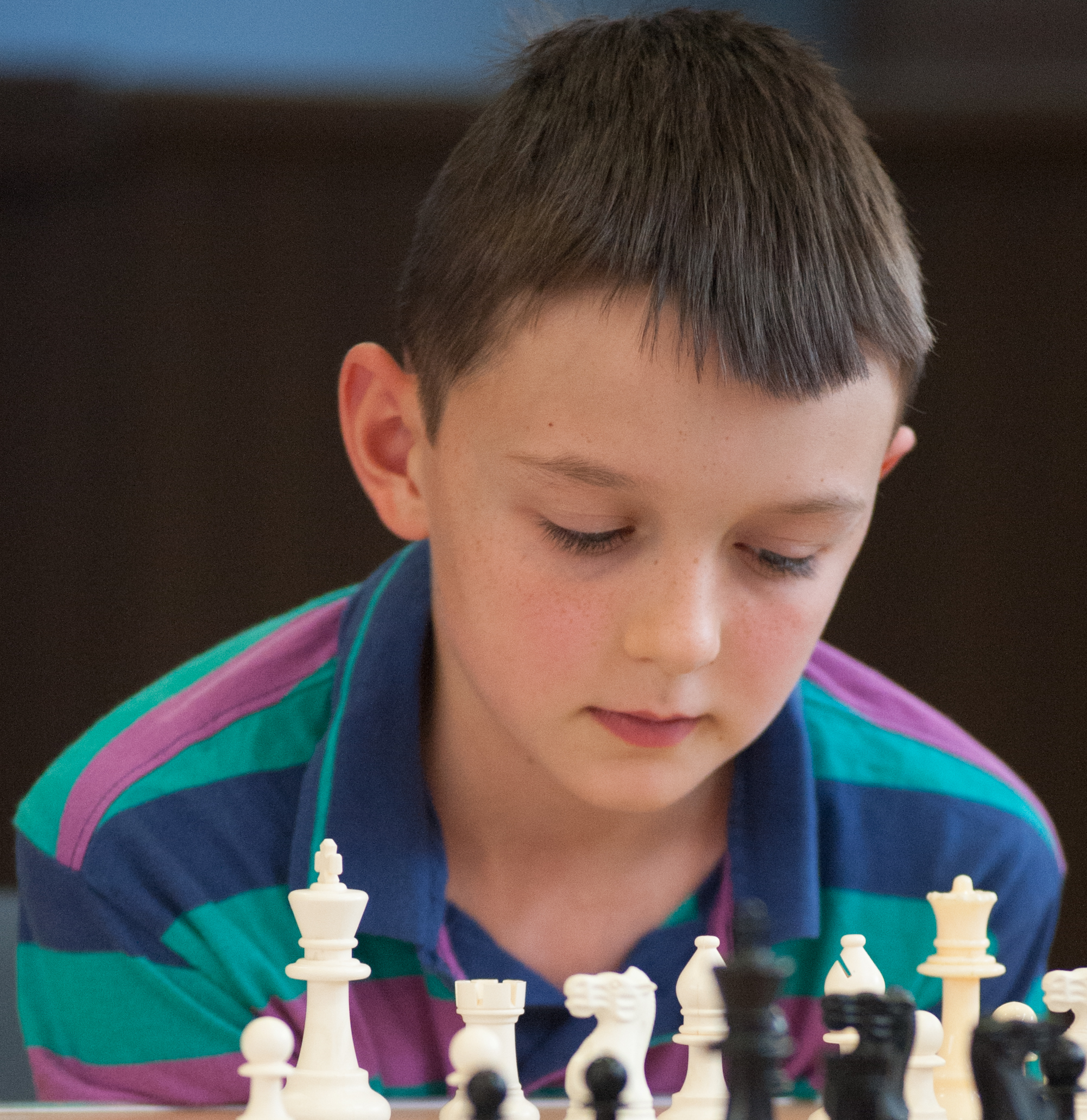
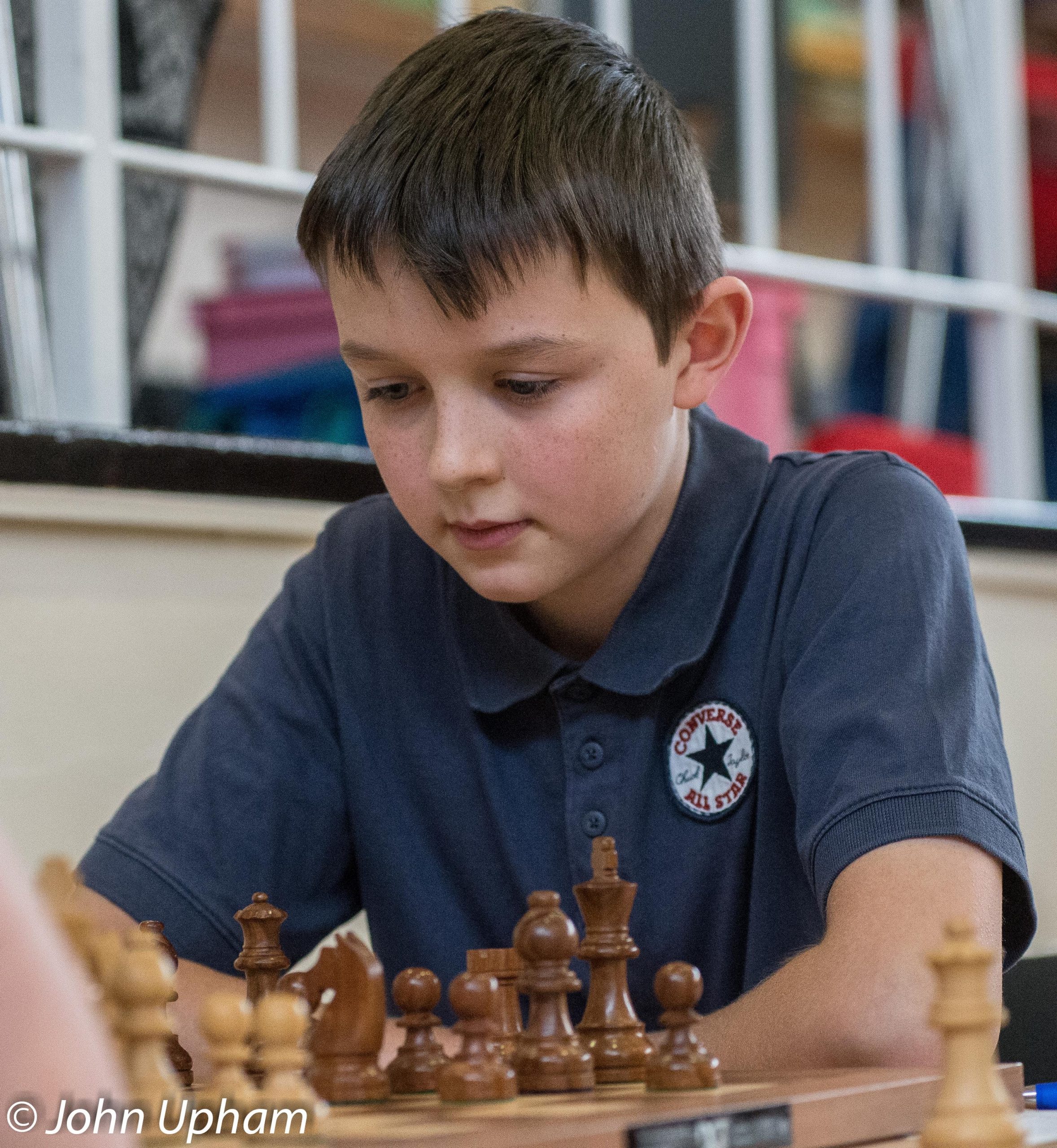
In 2019 Gary joined the England Chess Coaching Team. He founded Bletchley Junior Chess Club and Chess School.
He has been board 1 for Milton Keynes and Open University First team. He is board 1 for the Bedfordshire County Chess Team and has retained the Bedfordshire Individual County Chess Championship Title. In 2019/2020 he was board 1 for the Leighton Buzzard Chess Club.
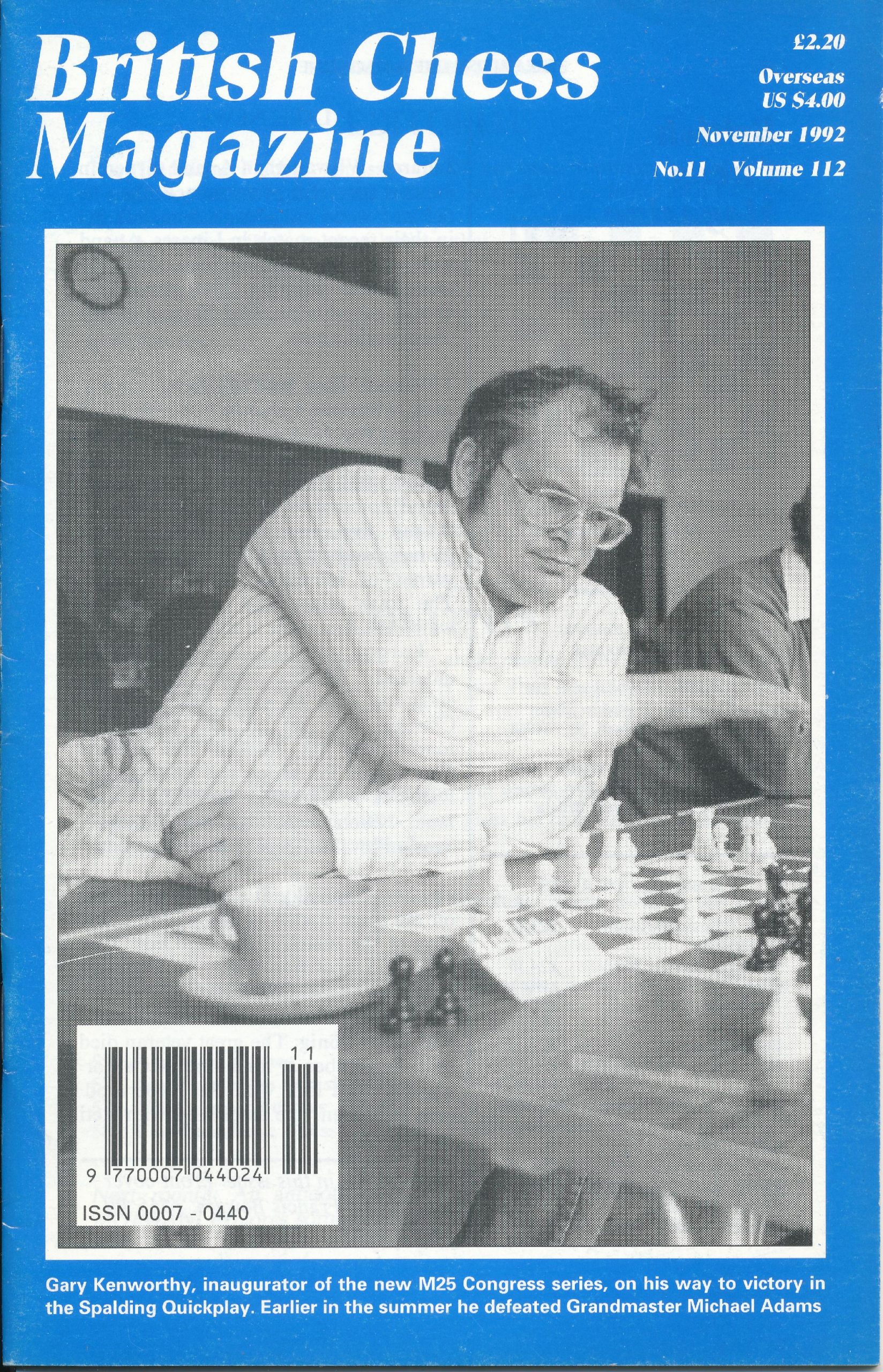
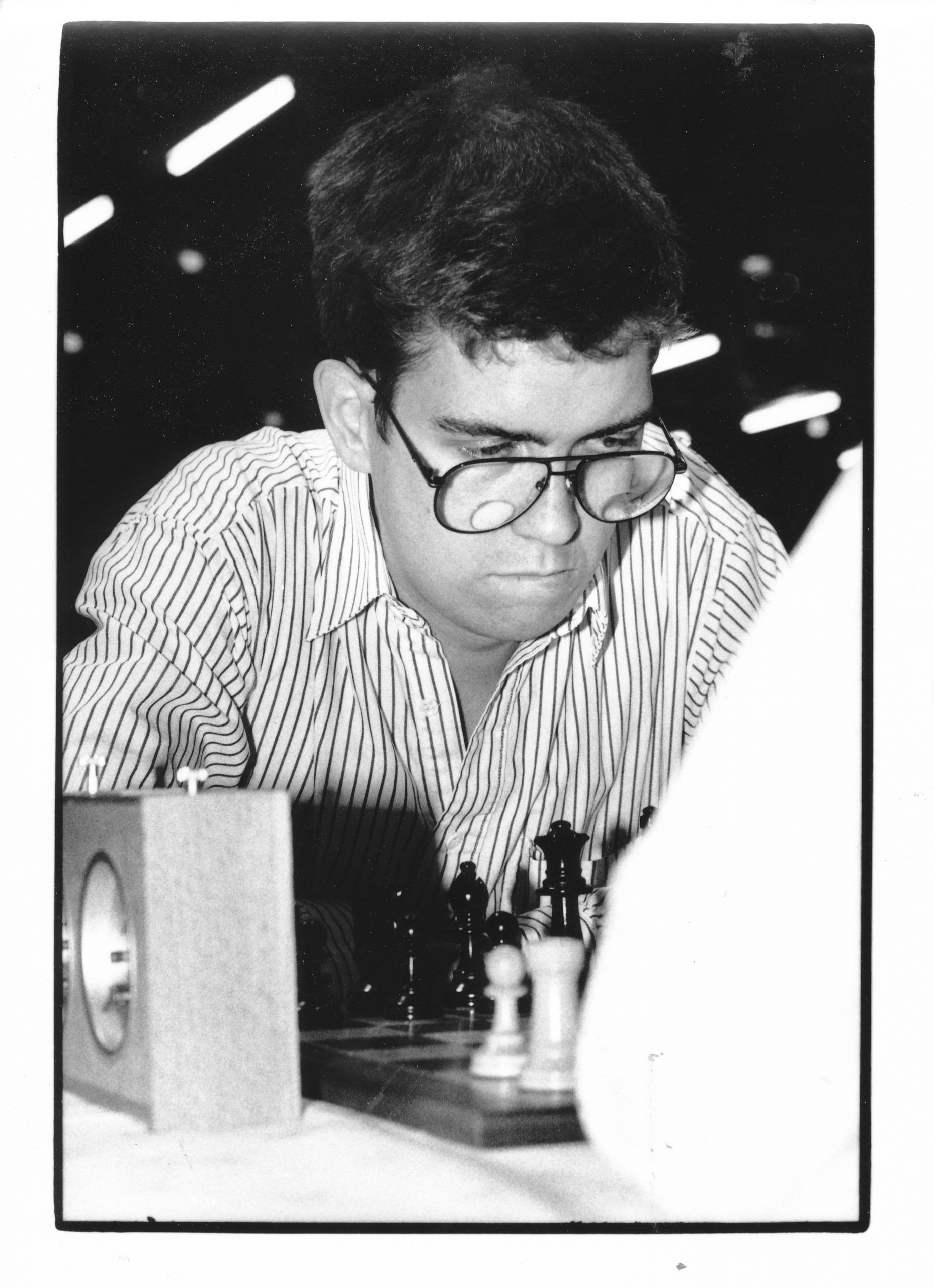
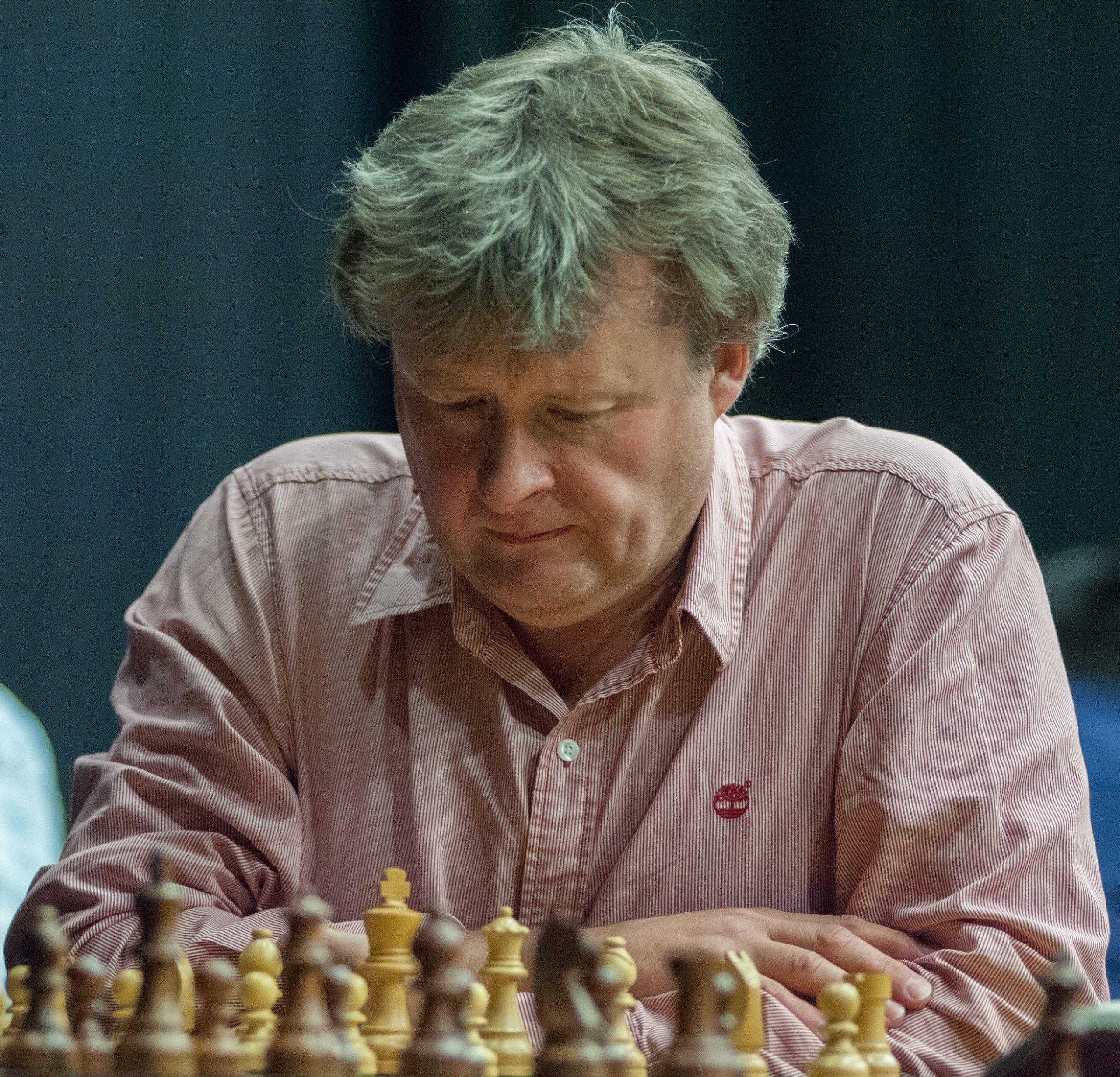
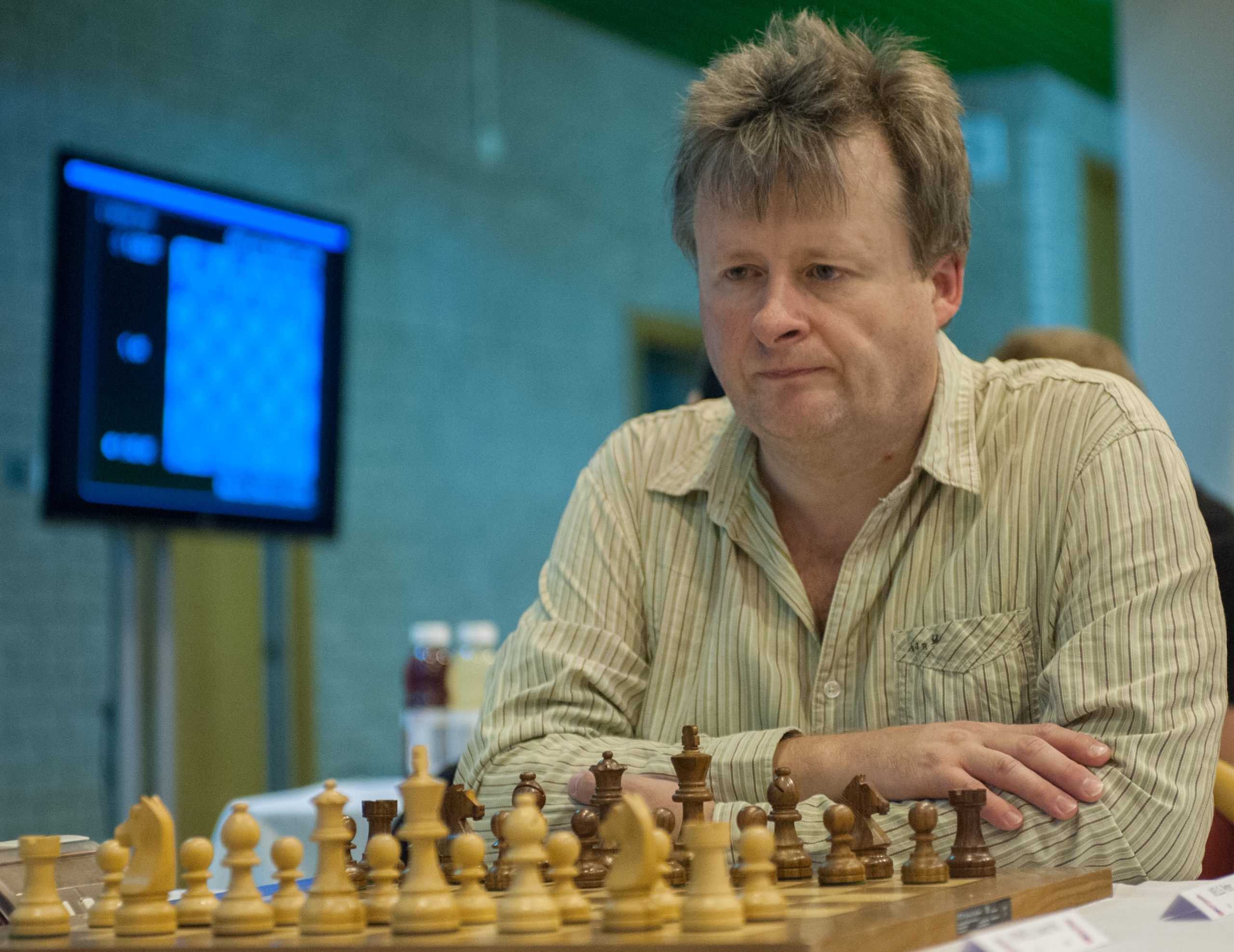
Gary Kenworthy, inaugurator of the new M25 Congress series, on his way to victory in the Spalding Quickplay. Earlier in the summer he defeated Grandmaster Michael Adams, photograph by Francis Bowers
Gary is a former Director of Chess Coaching for the (then) British Chess Federation (BCF).
Gary lives in Fenny Stratford, Milton Keynes and is an IT consultant and local councillor. He has been a former Director of the BCF.
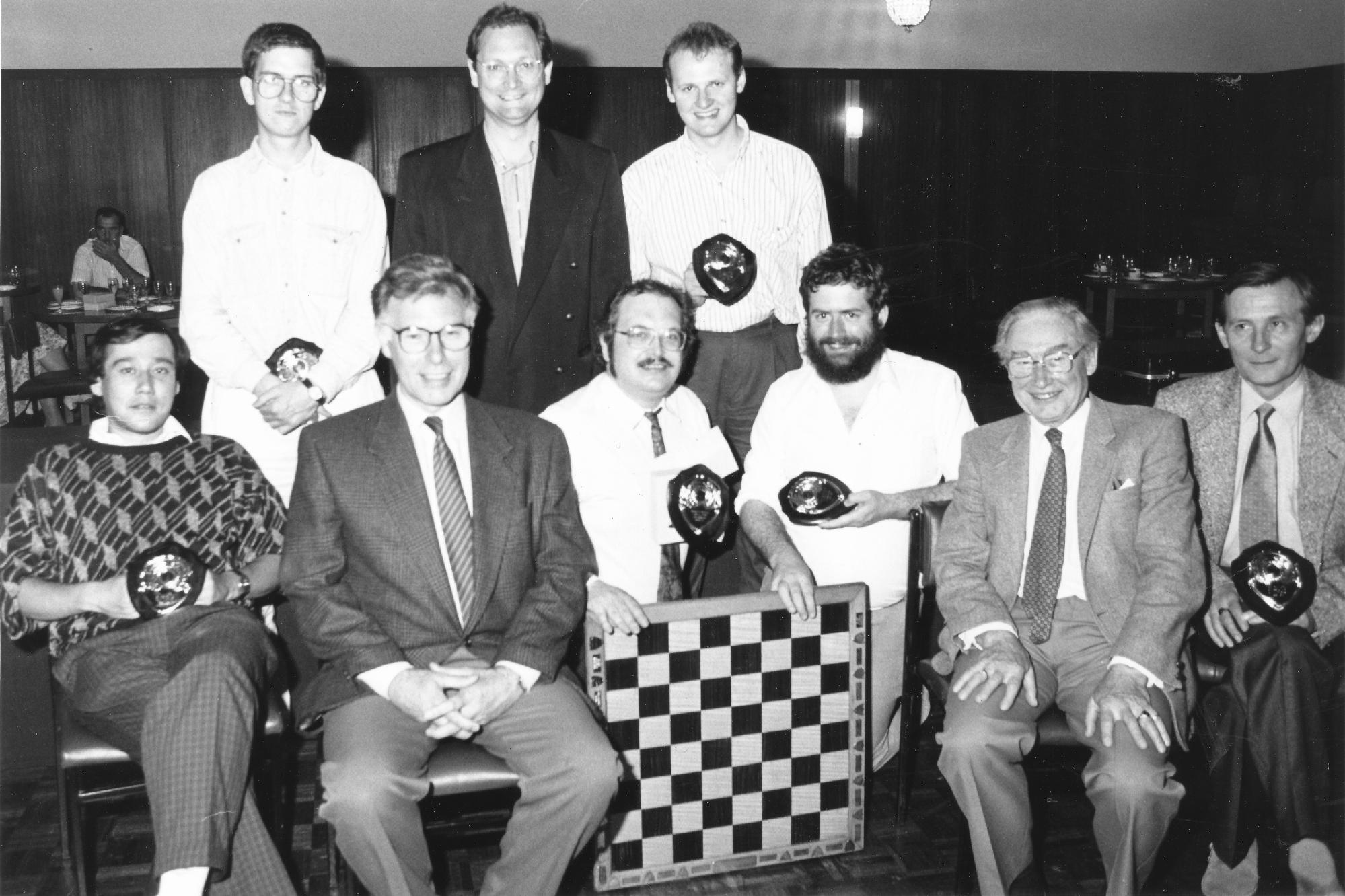
Gary Kenworthy (holding board) at a BCF National Club Final (1992)
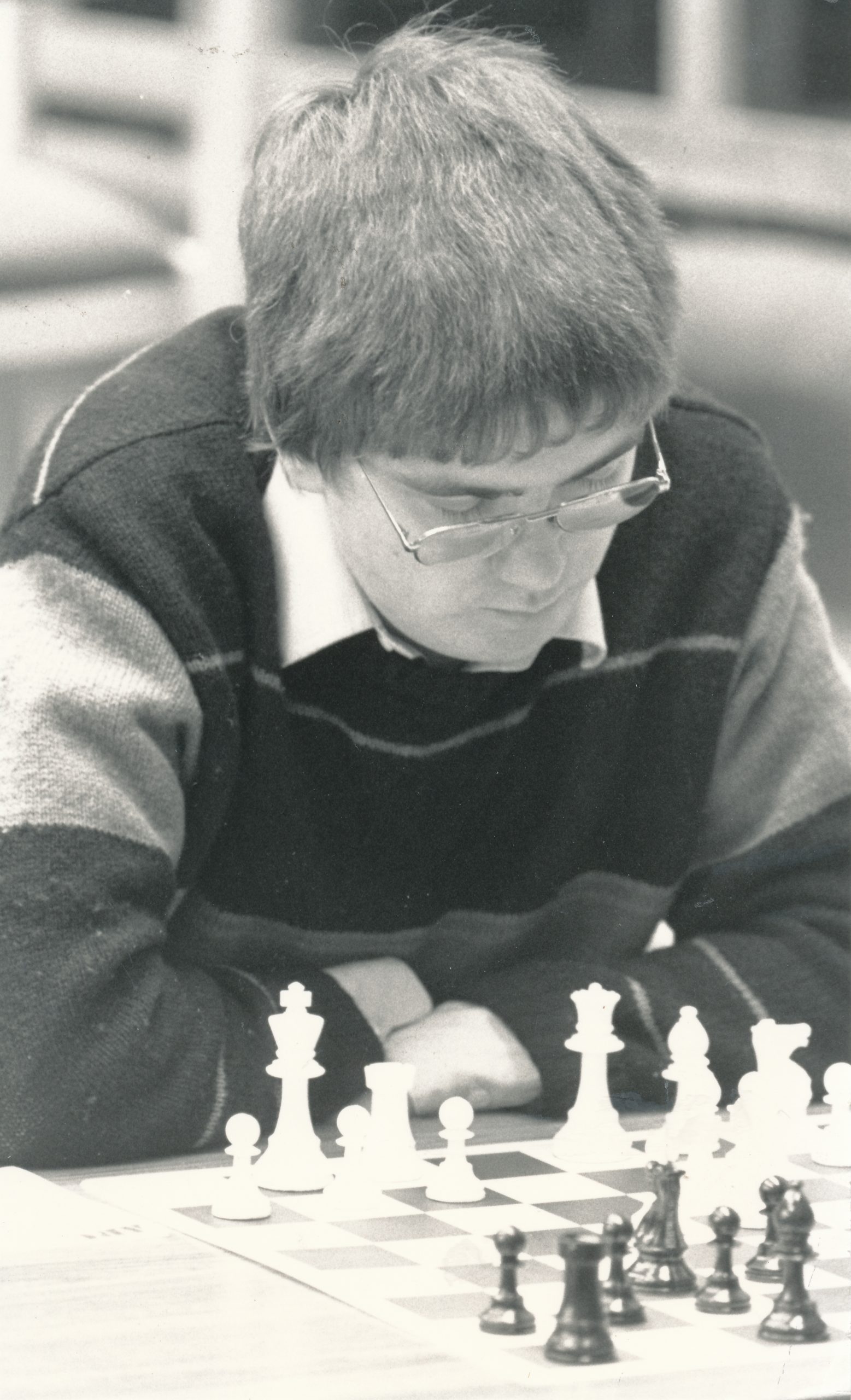
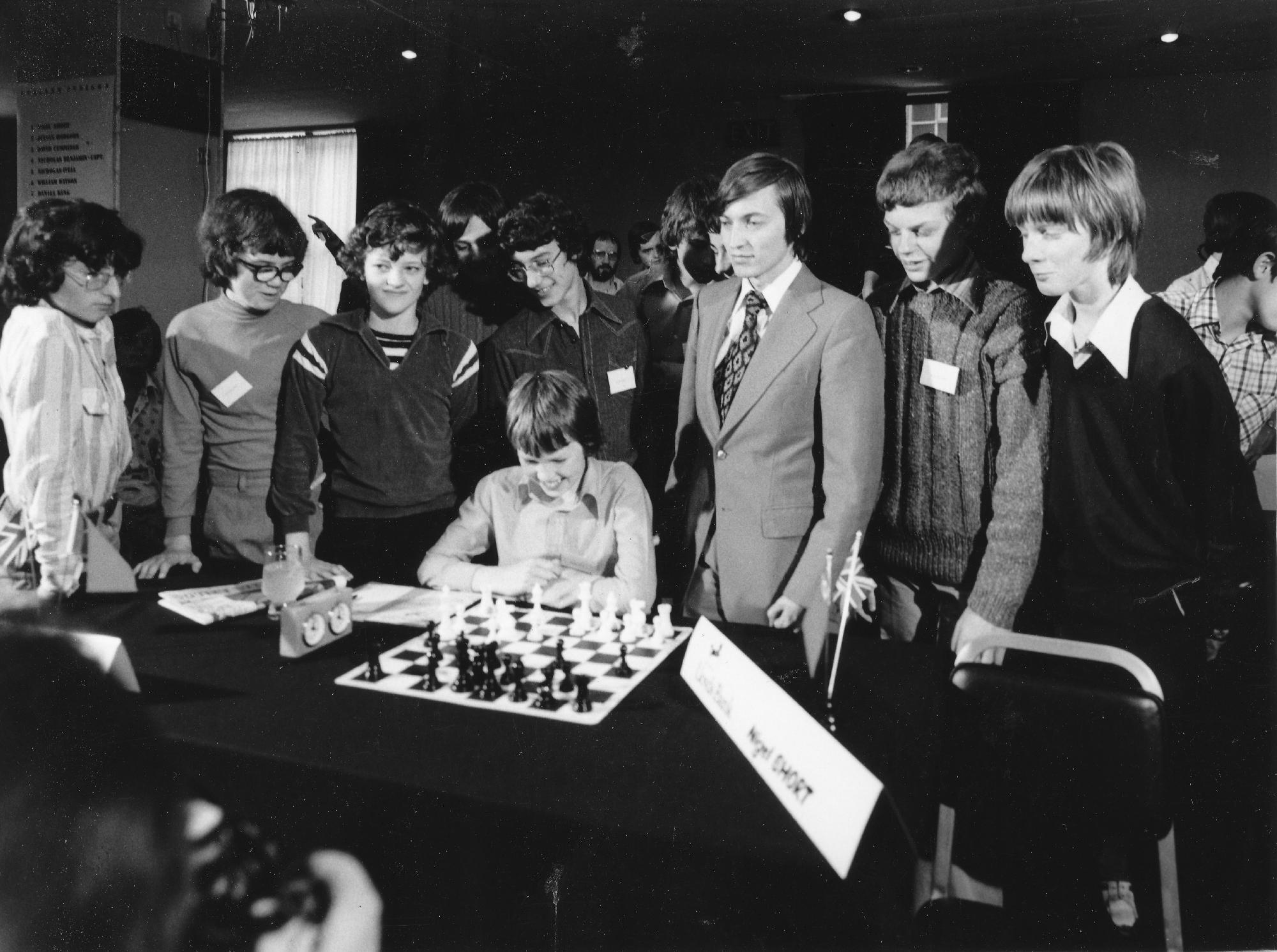
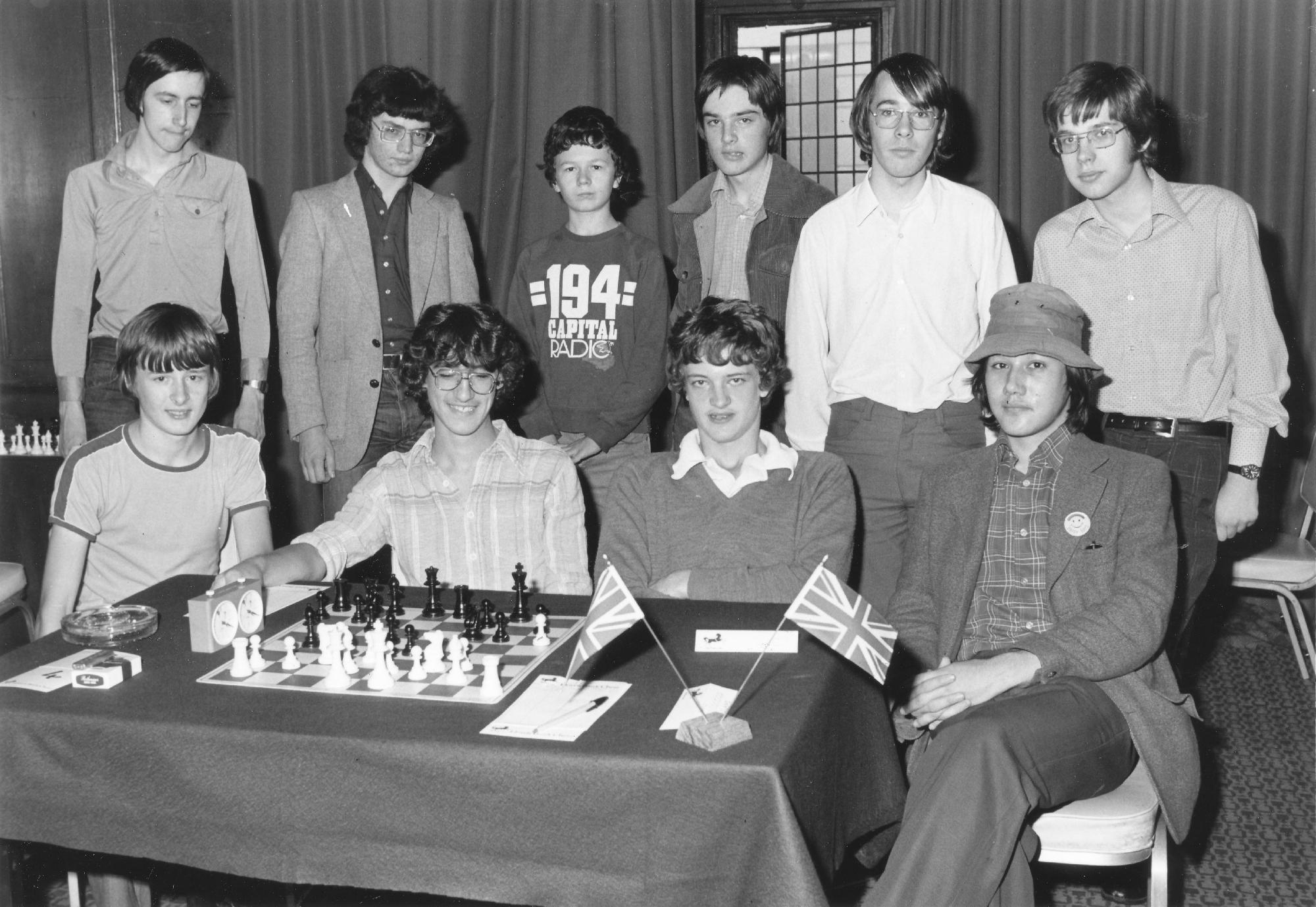
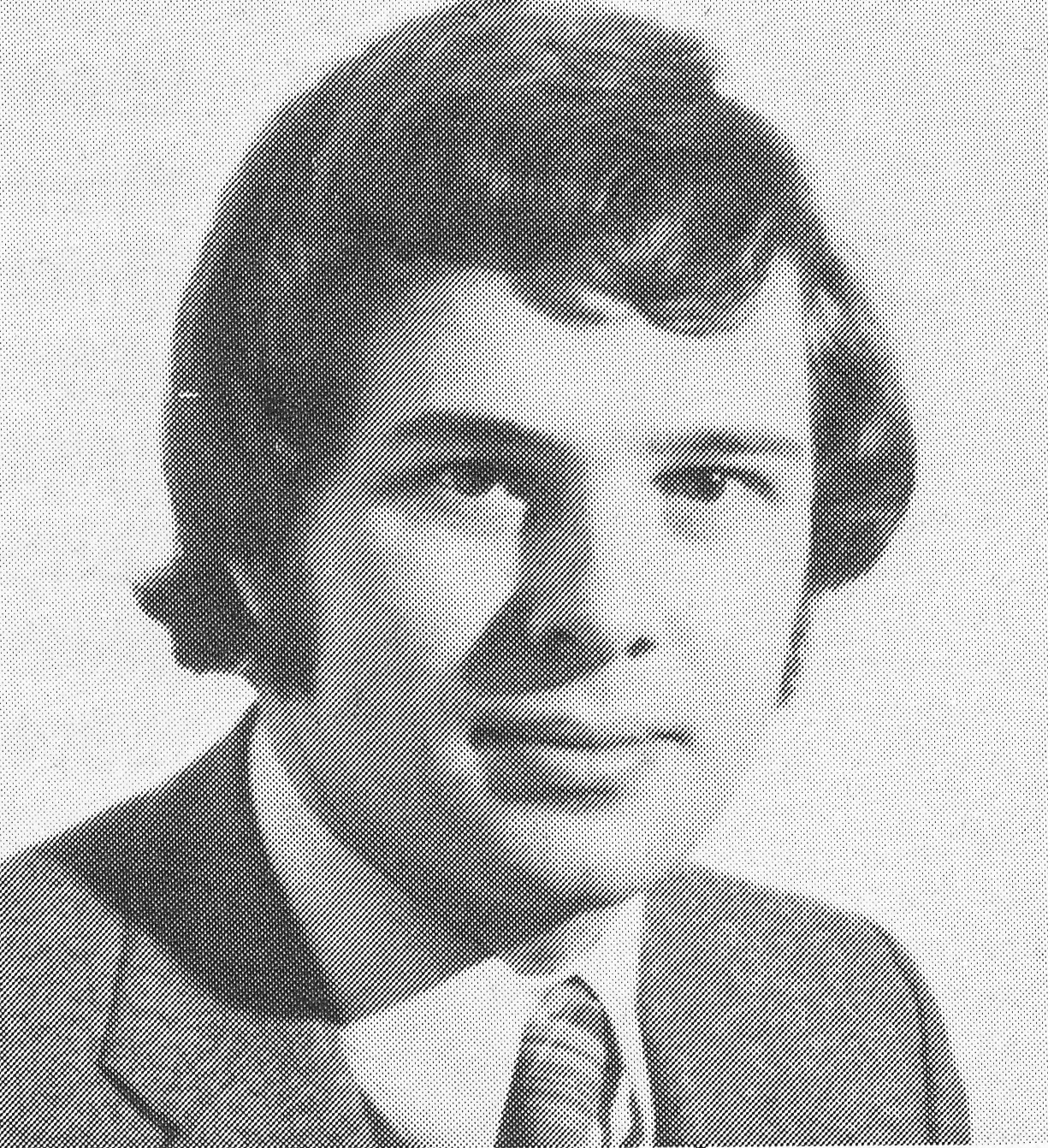
This was written about Peter aged 13 prior to the Spassky vs the BCF Junior Squad simultaneous display in 1979 :
” St John’s College and Portsmouth. Rating 174. British under-14 co-champion, 1978.”
and from chessgames.com :
“Peter Kenneth Wells was born in Portsmouth, England and became a FIDE Master in 1982, an IM in 1987, and a GM in 1994. He is also a FIDE Senior Trainer (2015).”
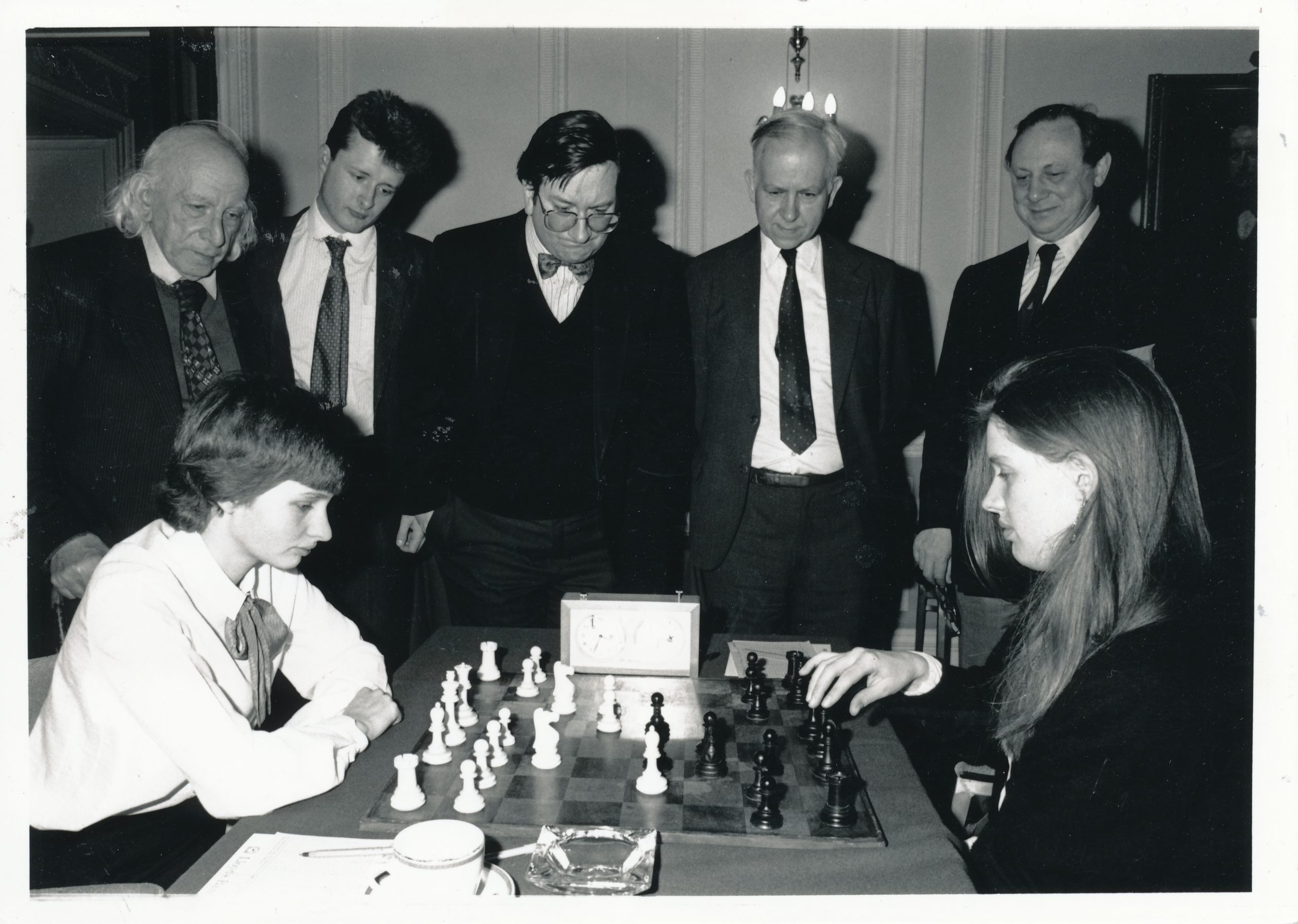
Peter Wells (between Harry Golombek and Ray Keene) takes part in the obligatory “Staring at the board” posed picture during the 1985 Varsity Match
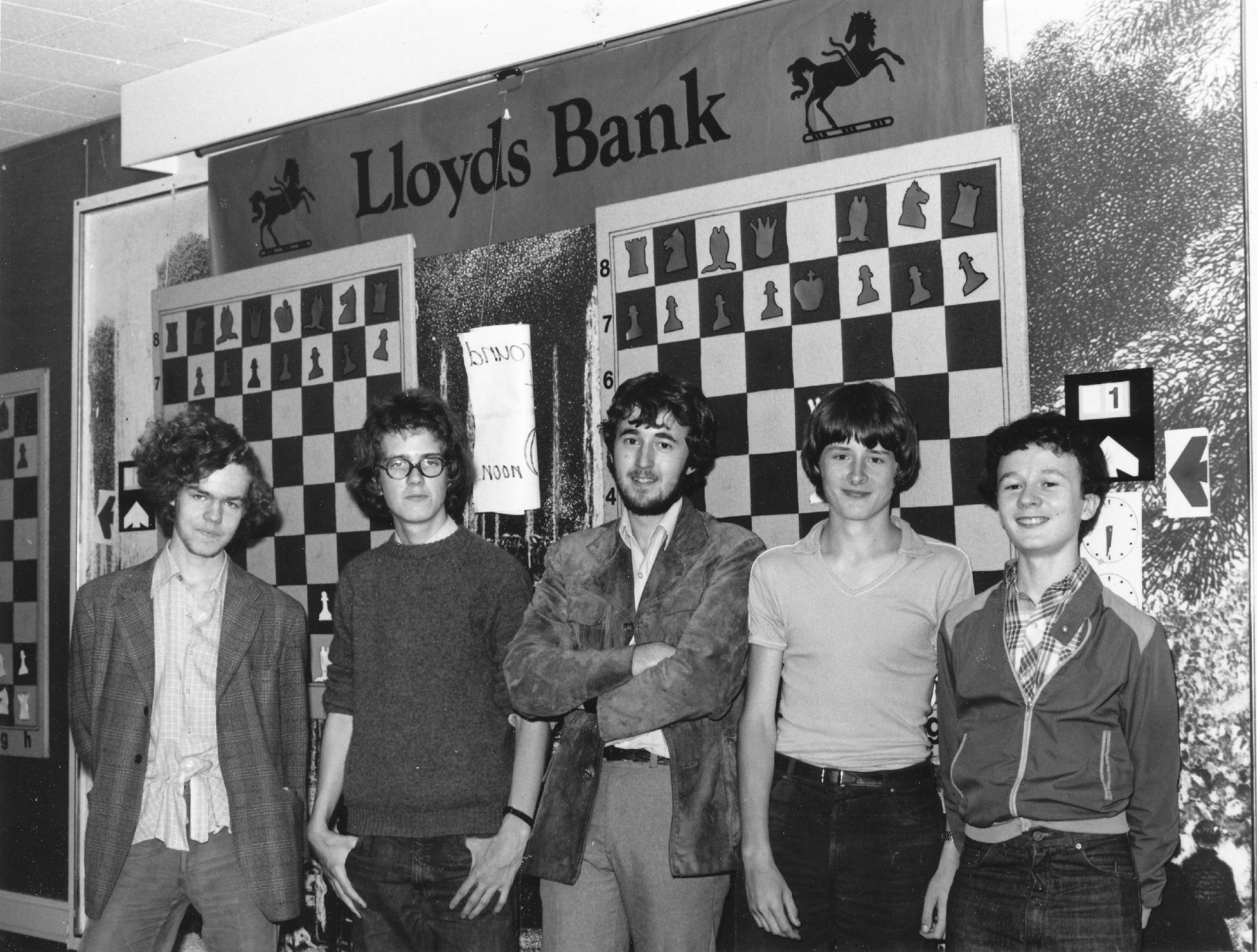
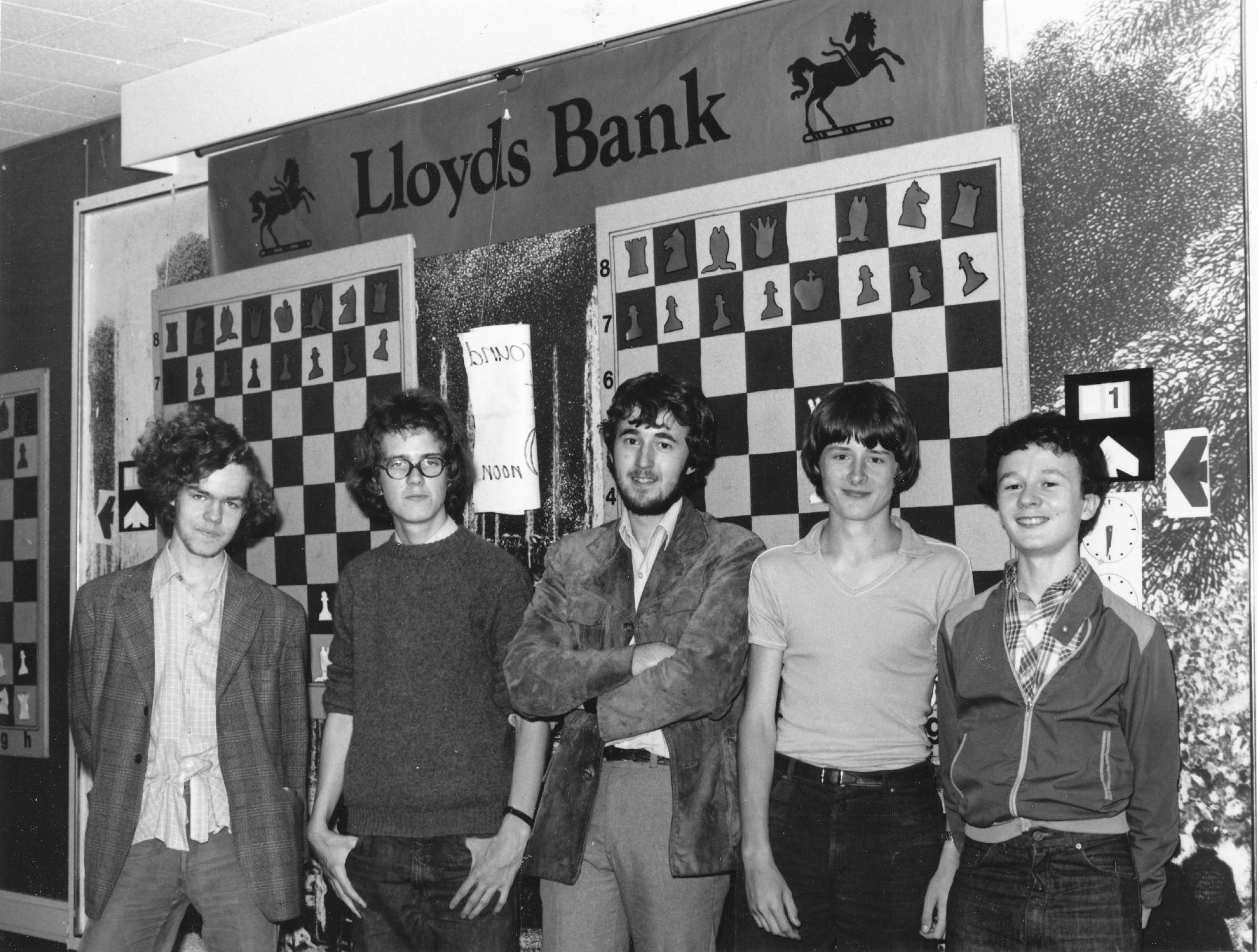
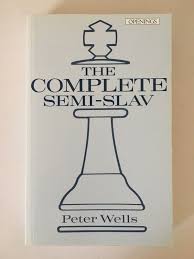
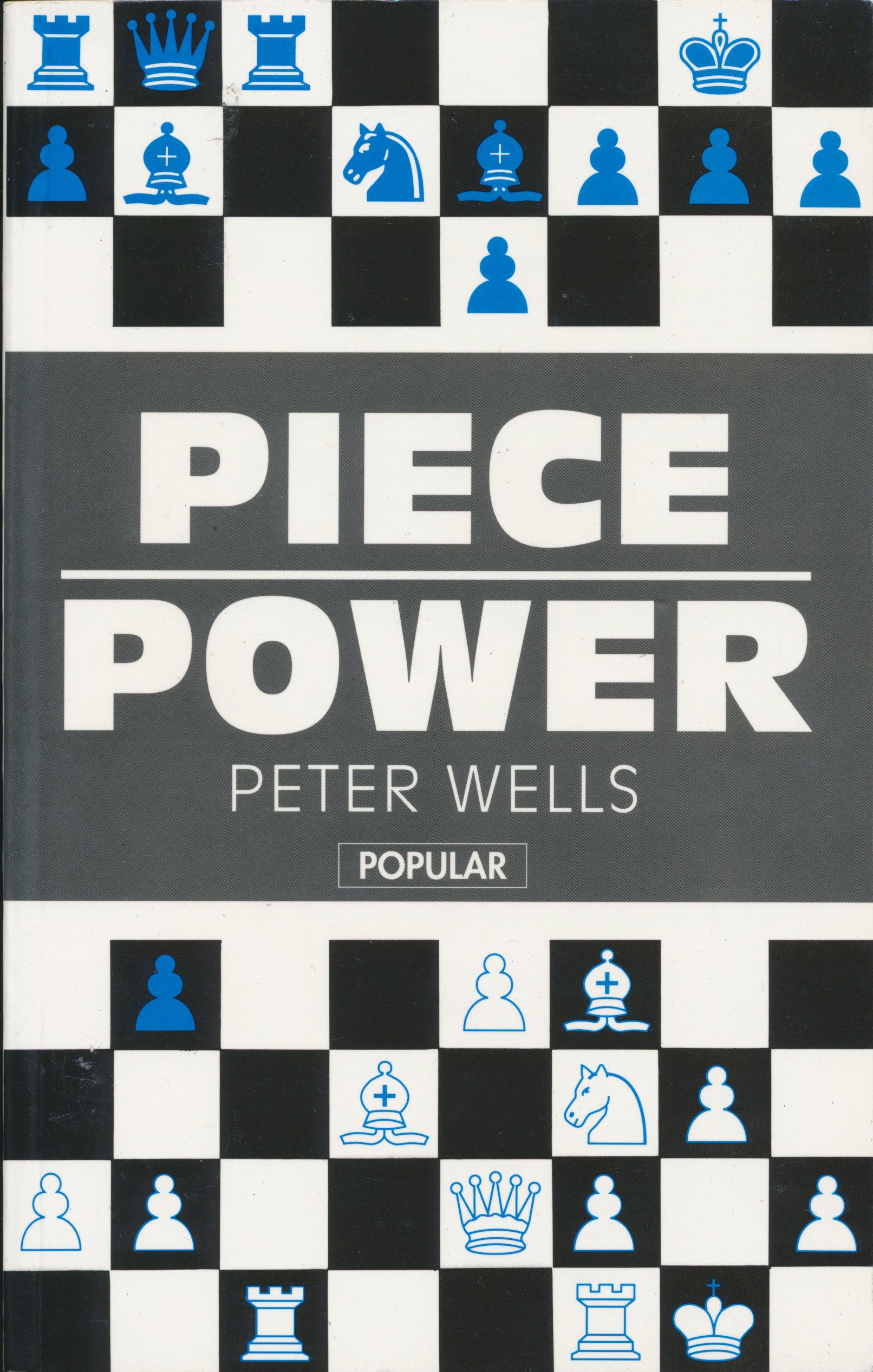
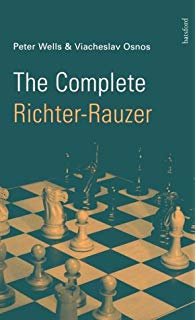
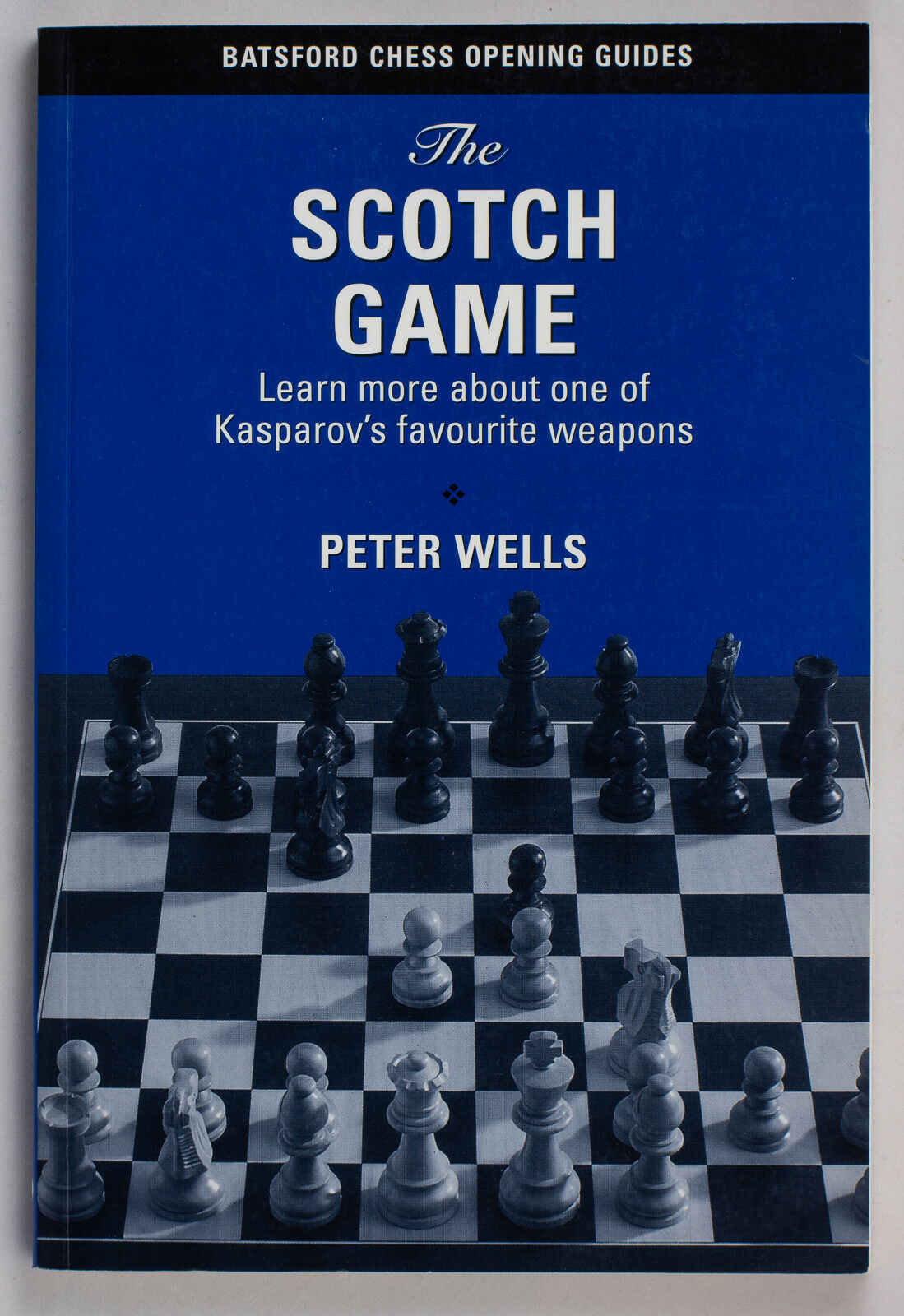
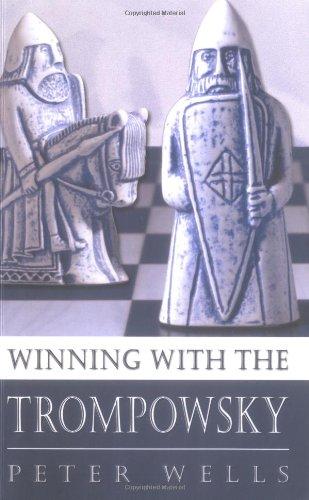
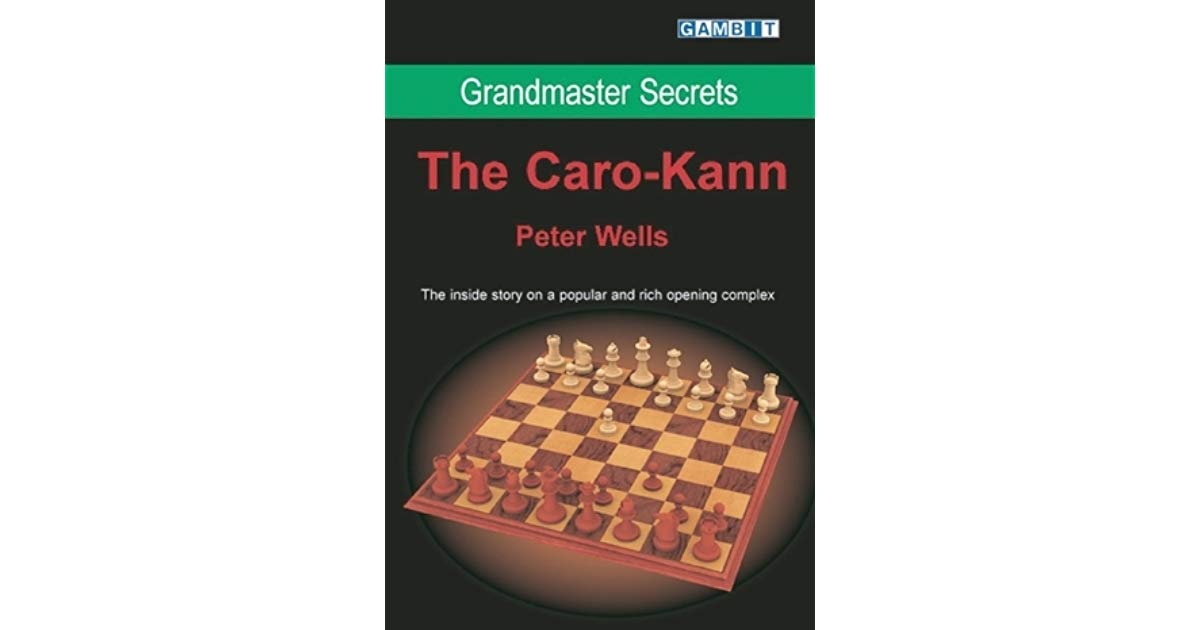
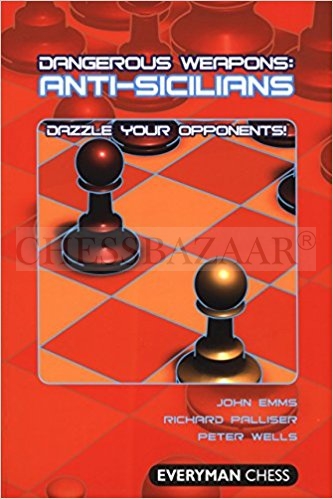
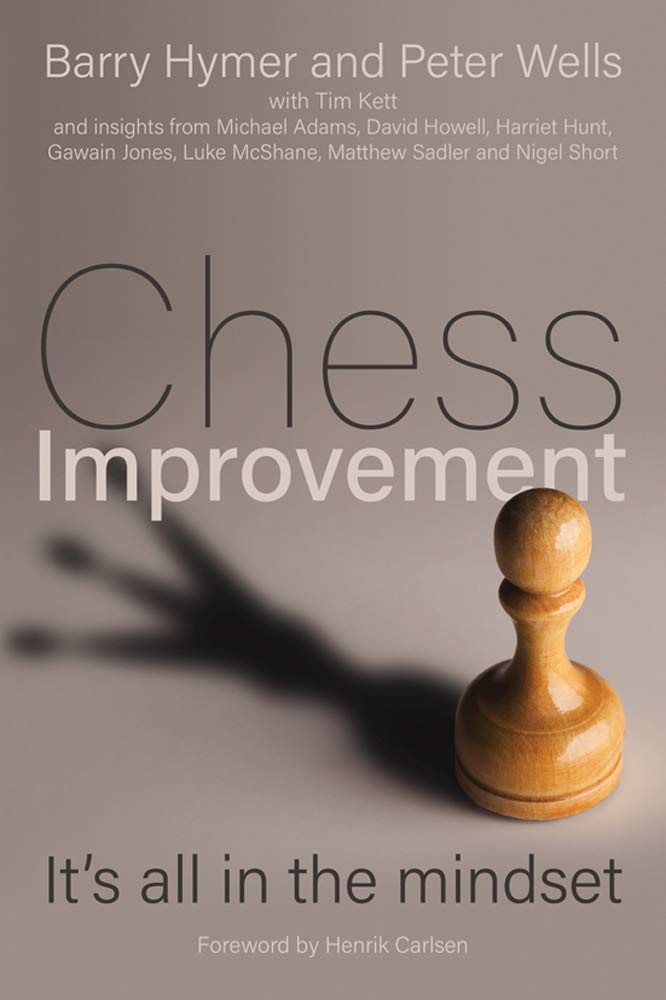
Peter Wells (second from right) at a Lloyds Bank event.GM Peter WellsPeter Wells, Gary Lane, John Emms and David NorwoodThe Complete Semi-SlavPiece PowerThe Complete Richter-RauzerThe Scotch GameWinning with the TrompowskyChess Explained : The Queen’s IndianGrandmaster Secrets : The Caro-KannDangerous Weapons : Anti-SiciliansChess Improvement: It’s all in the mindset, Barry Hymer and Peter Wells, Crown House Publishing, 2020Chess Improvement: It’s all in the mindset, Barry Hymer and Peter Wells, Crown House Publishing, 2020GM Peter Wells
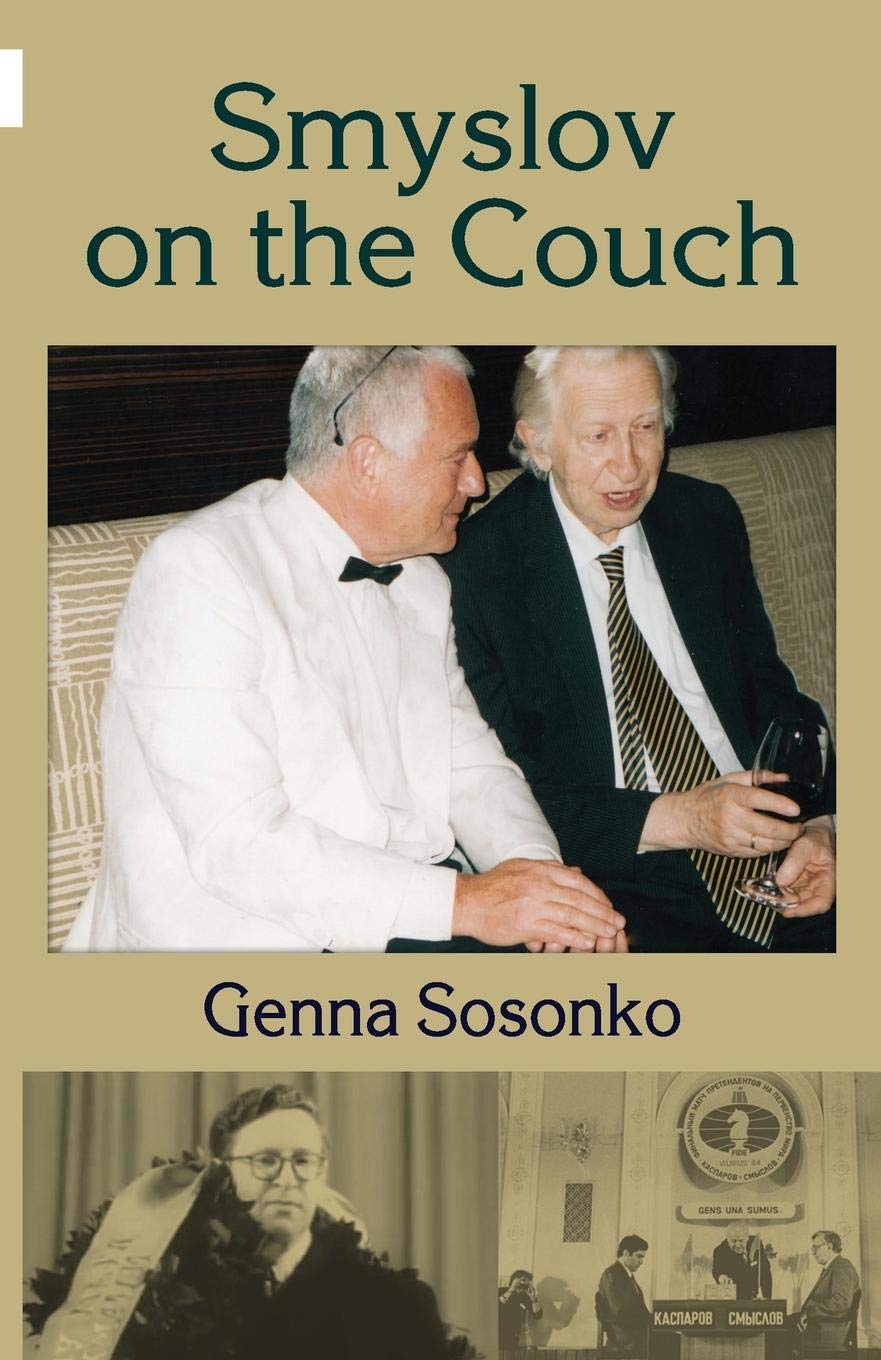
Genna Sosonko emigrated from the USSR to the Netherlands in 1972. For the past 20 years or so he’s made a career out of writing essays and books about chess in the Soviet Union, and interviewing many of the leading players from that period.
This, following on from books about Bronstein and Korchnoi, which will be reviewed later, is the third of a series of memoirs. Whereas Bronstein and Korchnoi were strong personalities who had controversial careers, Smyslov was a much more balanced character.
The word most associated with Smyslov is ‘harmony’. He sought harmony in his chess games, always seeking the most harmonious placing of his pieces. He was also a talented opera singer: harmony again.
In the first part of this book, Sosonko introduces us to his friend. The life of a chess player in the Soviet Union must have been a mixed blessing. While you were living in a totalitarian regime, chess was valued and its exponents respected – as long as they toed the party line. Smyslov, we learn, was a man of profound and sincere religious convictions: a member of the Russian Orthodox church. Beyond that, he was also, rather unexpectedly, interested in all things paranormal. He seemed to believe in astrology and the prophecies of Nostradamus, and was convinced that chess originated on Atlantis. It always intrigues me how many strong chess players, who excel at thinking rationally over the chessboard, have totally irrational views on other subjects.
Perhaps it was this fatalism, the belief that everything in his life was pre-ordained, which enabled Smyslov to ‘go with the flow’ during his chess career.
At the end of this part, we have eight pages of photographs, before moving onto part 2
Now we turn the clock back to the 1953 Candidates Tournament, and, specifically, this game, from round 26.
The tournament was approaching its end: Smyslov was leading but Bronstein still had a chance to win the prize of a title match against Botvinnik. The Soviet authorities instructed Bronstein to play for a draw, which, as you can see, he did, choosing the Exchange Variation of the Ruy Lopez, long before Fischer rehabilitated it as a winning try.
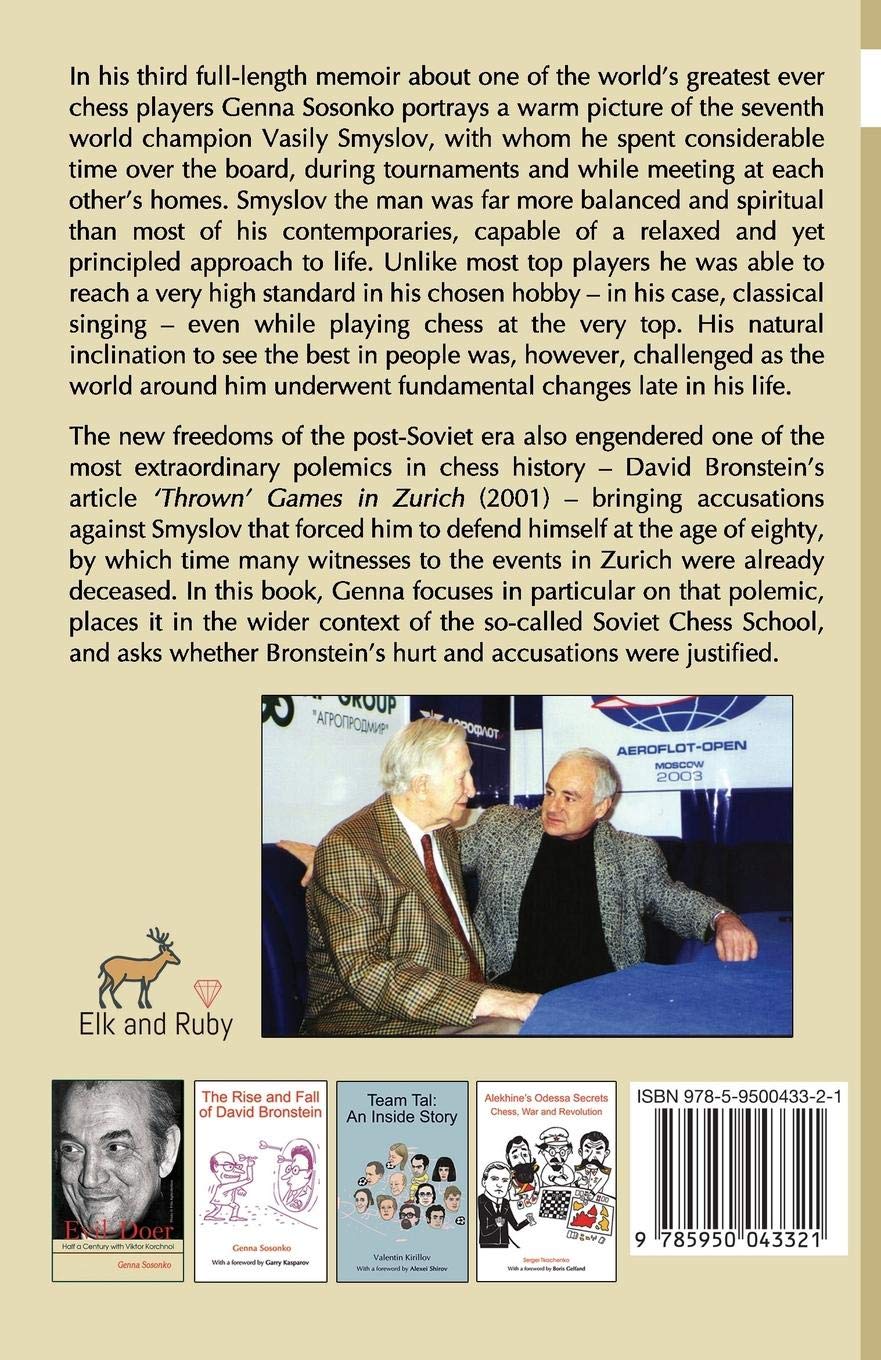
Bronstein never forgot this, and, nearly half a century later, published an article about match fixing in the 1953 Candidates Tournament which angered the usually placid Smyslov. Bronstein’s article and Smyslov’s reply both appear here.
Sosonko then moves on to discuss, in more general terms, the Soviet Chess School, offering revealing insights as to what life was like for grandmasters from the USSR.
The final third of the book returns to Smyslov, and is based on conversations with the great man during the last eight years of his life: from 2002 to 2010. I’ll have a lot more to say about this when I review Sosonko’s memoirs of Bronstein and Korchnoi, but I’m not sure how much this adds to our knowledge of Smyslov, or how much he would have wanted to be remembered for his declining years.
If you’ve read any of Sosonko’s other writing you’ll know that he writes well, and, very often, poignantly. He tends to throw in a lot of cultural references, which you might find helpful, but, on the other hand, you might just think is showing off. Me: I enjoyed the musical references but mentions of Russian literature often mean nothing to me.
It’s not quite true that there’s no chess in the book: there’s just one game, played when he was 14, which, although Sosonko doesn’t mention it, is spookily similar to the Famous Game Rotlewi-Rubinstein.
If you’re looking for a book that will improve your rating, then, you’ll want to look elsewhere. If you want to know more about Smyslov as a person, you’ll probably enjoy the first third of the book. If you’re interested in the history of chess in the Soviet Union, particularly in the years following the Second World War, you might want to read the second part, but you’ll need to bear in mind that the author is an compiler of memoirs and anecdotes, not a historian. It’s the final section that leaves me with mixed feelings. A moving testimony of the final years of a much loved and respected champion, or just voyeurism? I’m in two minds: maybe you should read the book and decide for yourself.
Richard James, Twickenham 15 April 2020
Richard James
Book Details :
Paperback : 199 pages
Publisher: Limited Liability Company Elk and Ruby Publishing House (5 Nov. 2018)
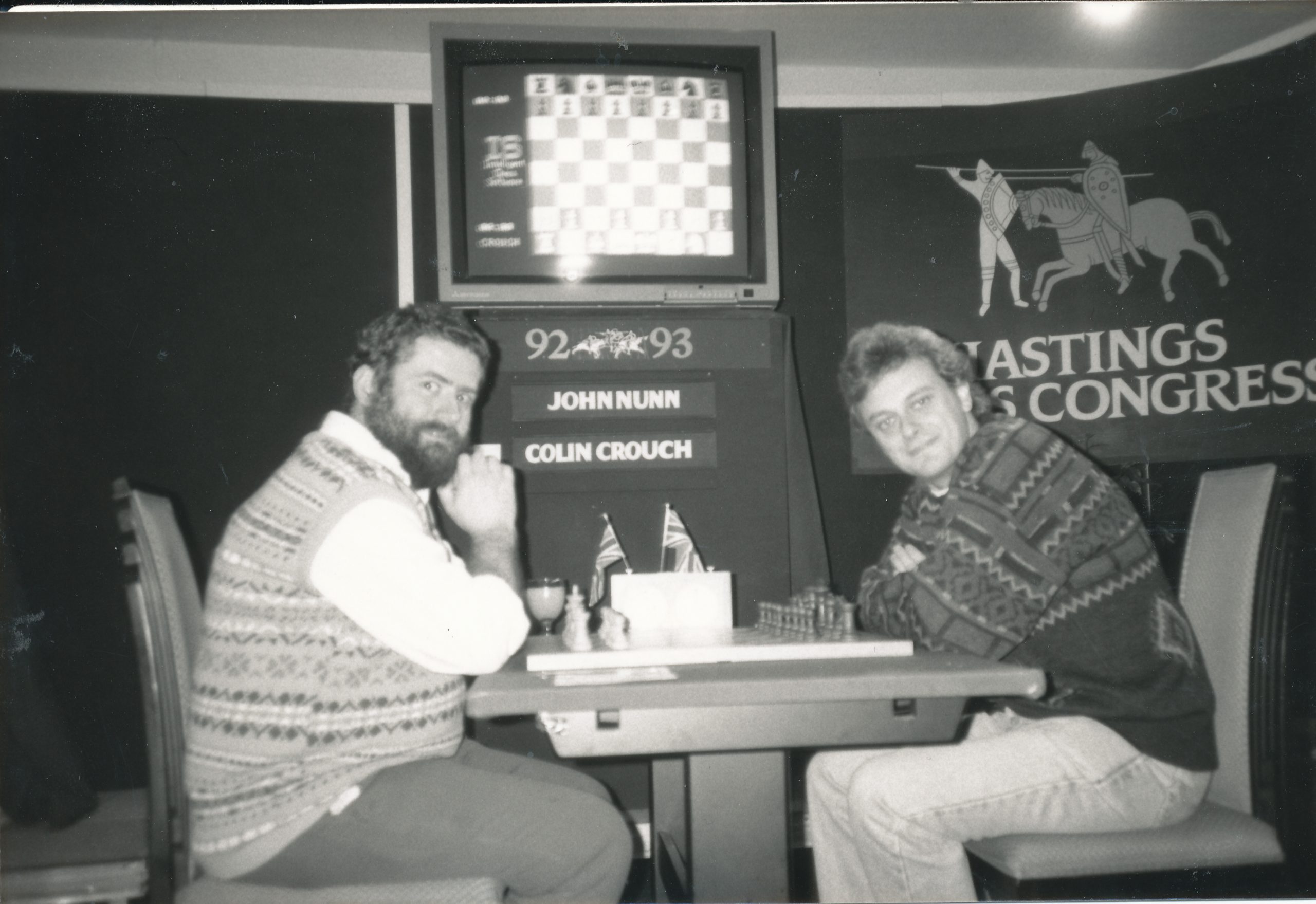
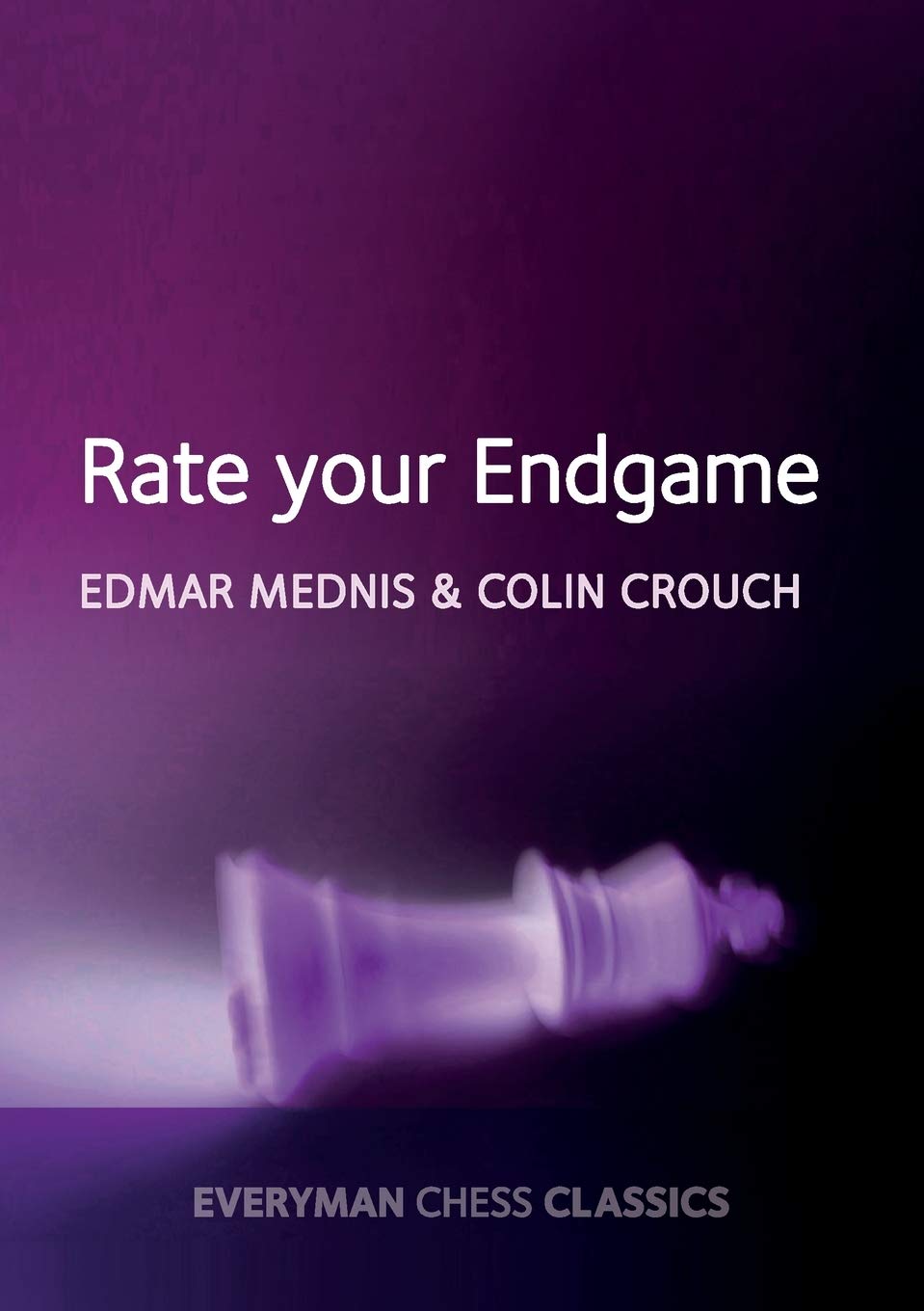
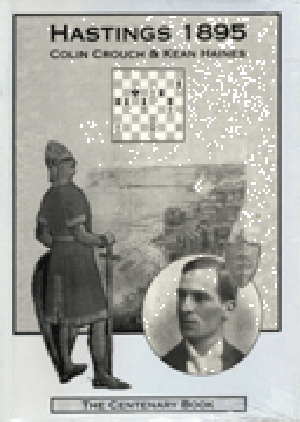
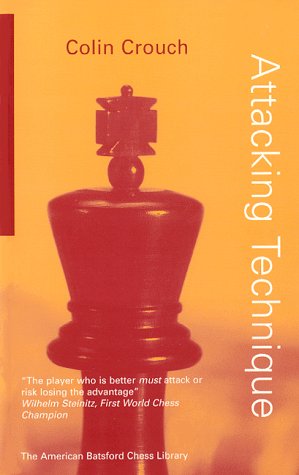
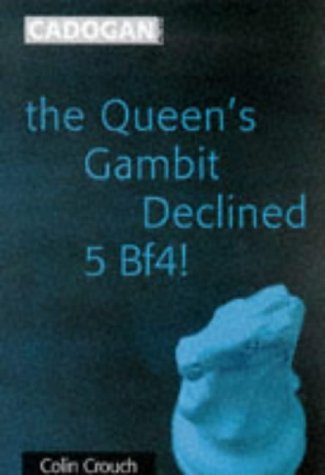
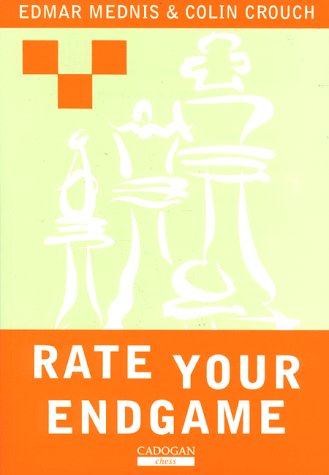
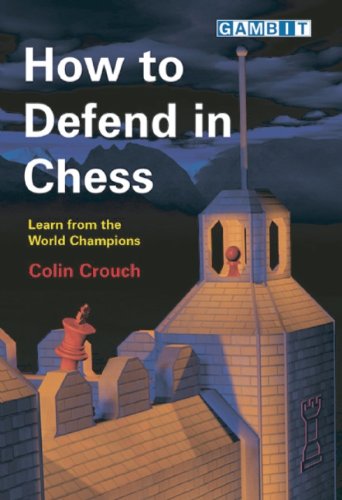
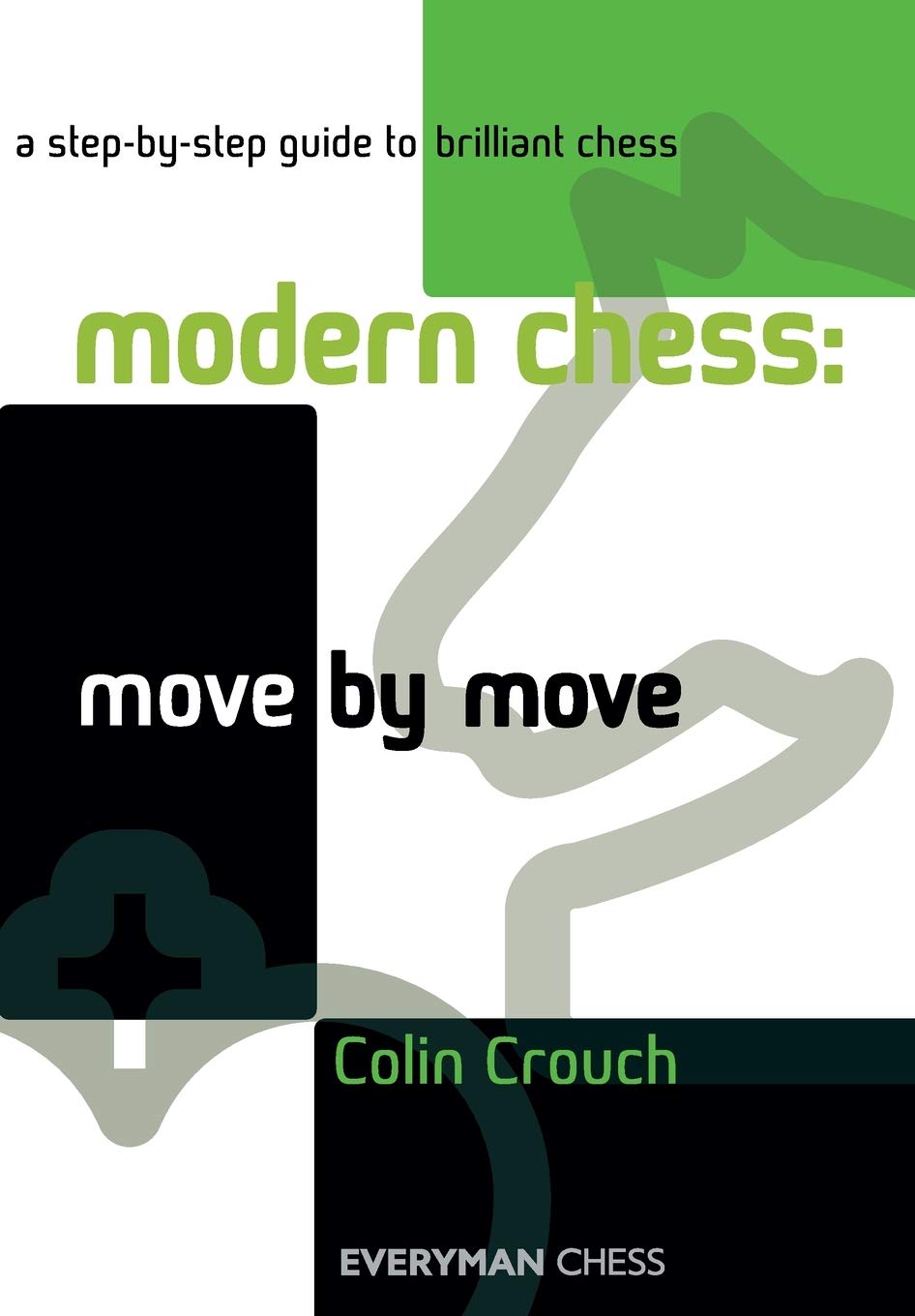
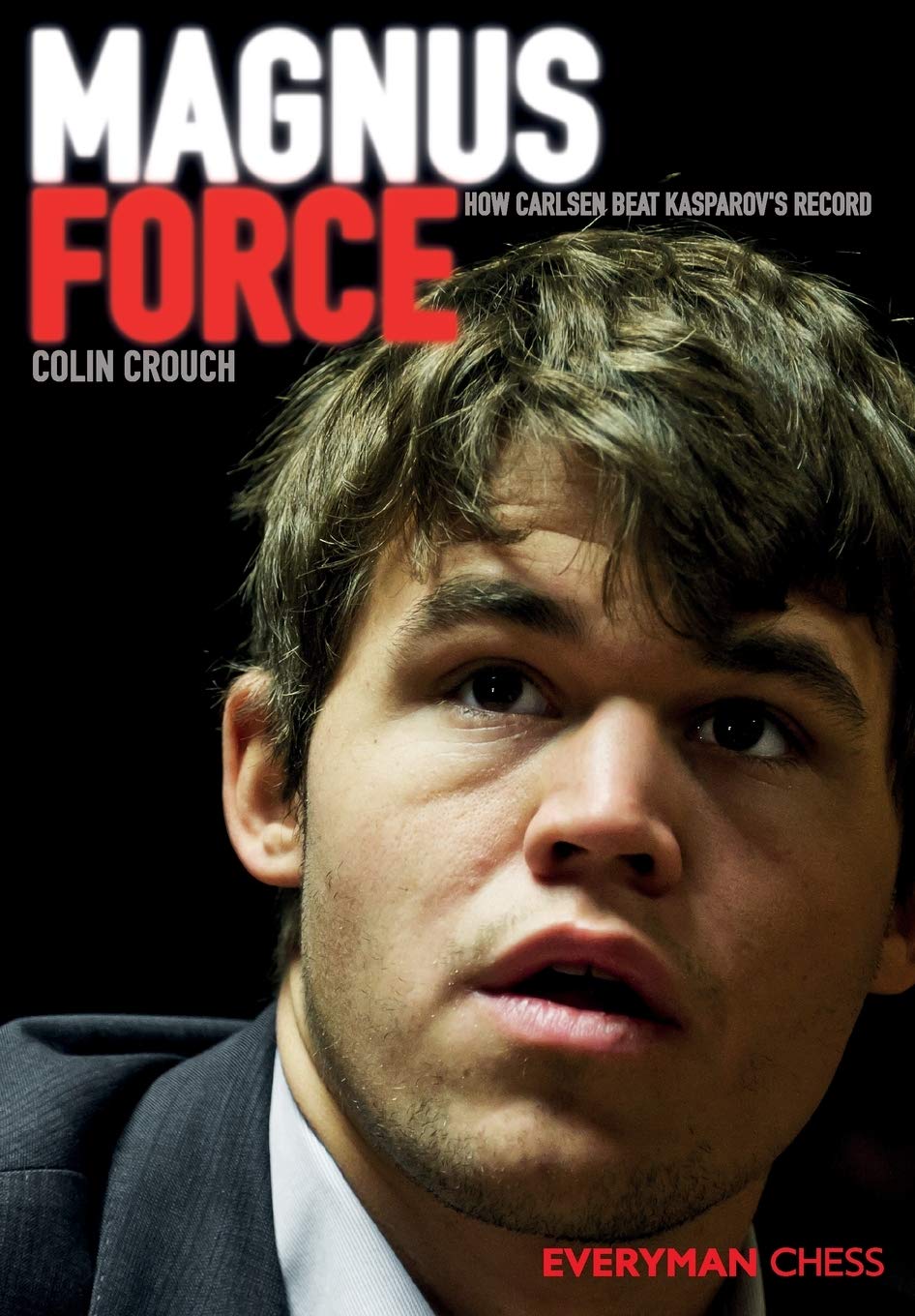
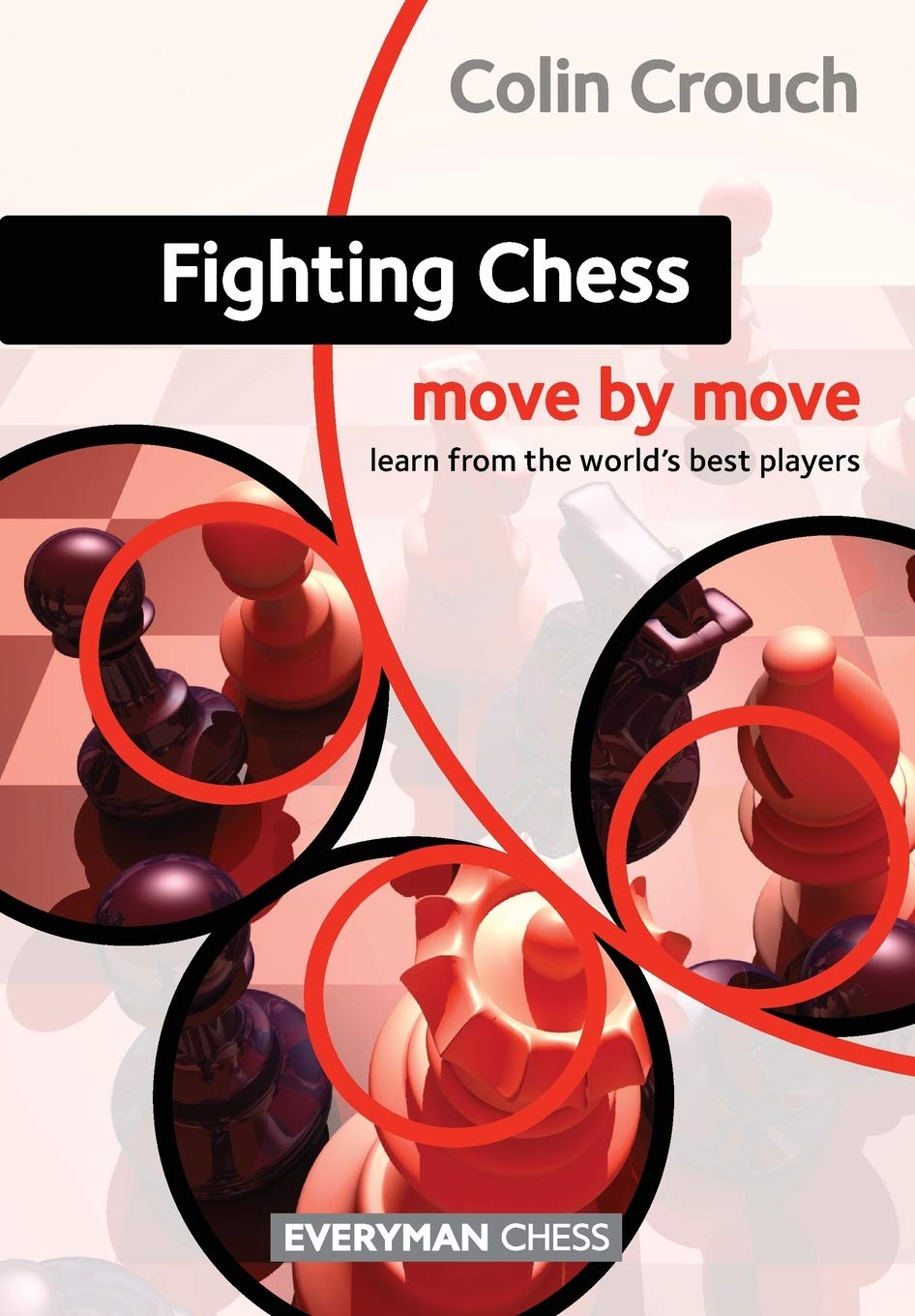
Colin Crouch by Cathy RogersRate Your EndgameHastings 1895 – The Centenary BookAttacking TechniqueThe Queen’s Gambit Declined 5.Bf4!Rate Your EndgameHow to Defend in ChessModern Chess Move by MoveMagnus ForceFighting Chess Move by Move
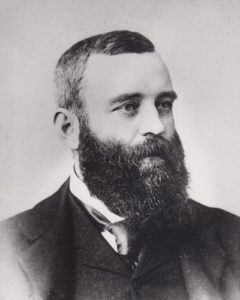
“Herbert William Trenchard (8 September 1857, Thorncombe – 15 April 1934, London) was an English chess master.
He took 11th and tied for 4-5th in London in 1886, shared twice 3rd at Cambridge 1890 and Oxford 1891, tied for 4-5th at Brighton 1892, took 2nd at London 1892 (B tourn), tied for 3rd-4th at Woolhall Spa 1893, and took 3rd at London 1896,[1]
He also participated at Vienna 1898 (Kaiser-Jubiläumsturnier, Siegbert Tarrasch and Harry Pillsbury won) and took 19th place there.[2][3]”
Peter Markland. Source: British Chess, Pergamon Press, 1983
BCN wishes a happy birthday to Peter Markland born on Friday, April 13th, 1951
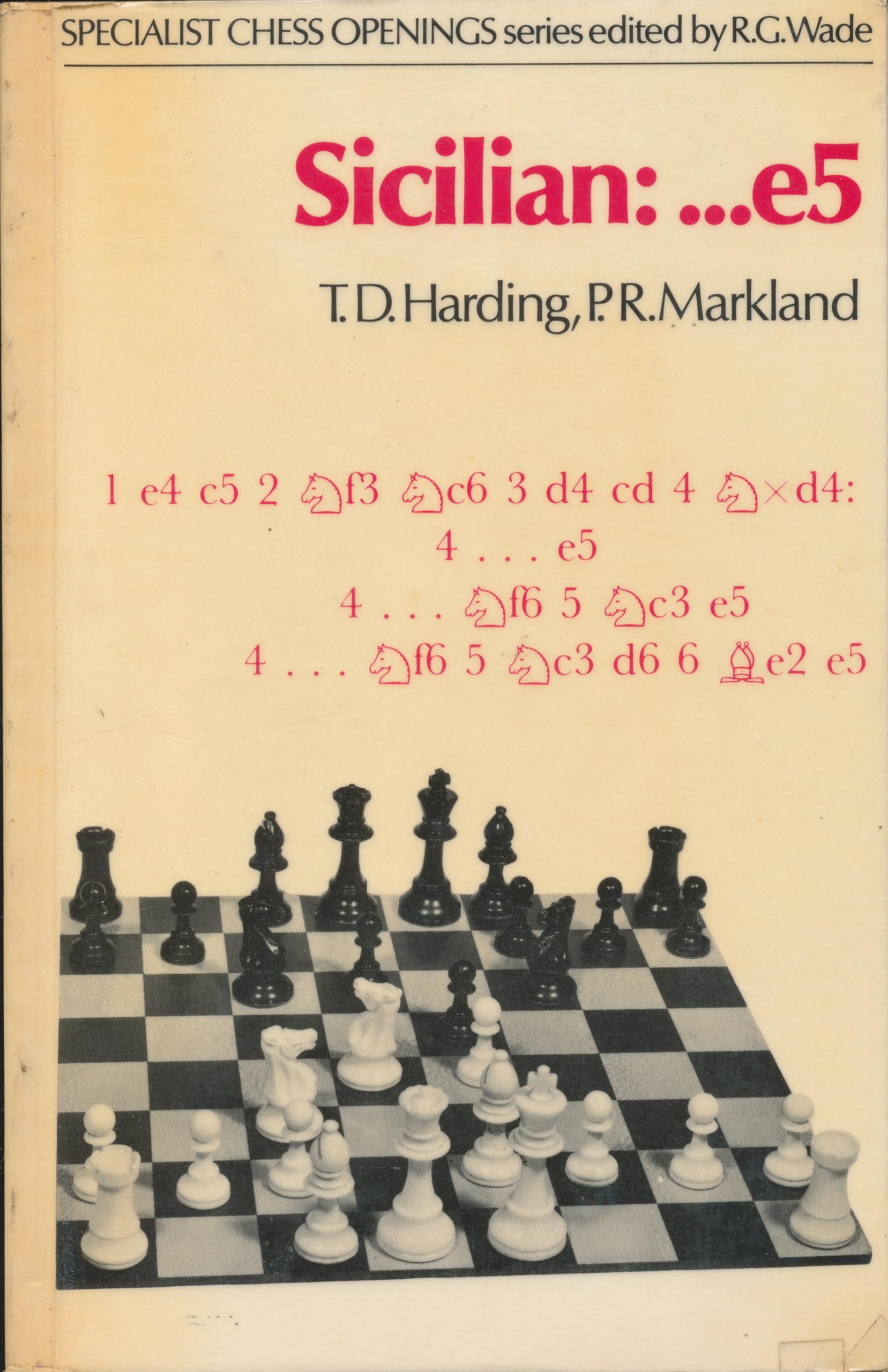
From the rear cover of “Sicilian:…e5 :
“P.R. Markland is a British Master, and a member of many English international teams, including those at the 1972 and 1974 Olympiads, and is also a British correspondence international”
Peter first qualified to the British Championship in 1967 (Oxford) and obtained an IM and GM norm at Hastings 1971.
In 1984 he became a Grandmaster for correspondence chess (GMC).
Peter became a banker and lives in Woodbridge, Suffolk, IP13.
Following excellent recent work by Paul McKeown, the English Chess Federation made a request to FIDE to grant Peter the much overdue title of FIDE Master. This was awarded in 2021.
From British Chess (Pergamon Press, 1983) we have this contribution from Peter himself:
“1951 seems to have been a vintage year for chessplayers and although I cannot claim to count myself in the company of Andersson, Karpov, Ribli and Sax we do all share the same year of birth.
Although I learned the moves at the age of 5, I only took any real interest in the game at 13 when I began to play schools chess. Compared with such as Nigel Short I was a very late starter!
I was educated at Bolton School and played for Bolton and Lancashire in my early years. This was fortunate in that all three of these teams enjoyed great success in the late 1960s. In all three teams I played along side Martyn Corden who was to precede my rise to international level himself by playing in the Siegen Olympiad team in 1970. In 1967, I qualified for the British Championship at my first attempt and I was pleased to score 5/11. The following year the school team won The Sunday Times tournament playing without Martyn Corden in the finals.
Up to this time I had concentrated chiefly on junior teams and had won the NCCU junior titles. Over Christmas and New Year of both 1966-7 and 1967-8 I travelled down to play at the Devon Junior Congress at Plymouth but in 1968 I decided to try my luck at Hastings. This proved to be one of the turning points of my career.
I was placed in the Challengers Reserves for 1968-9 and after the first round loss (to the eventual winner) my play gained momentum and I qualified for the Challengers the following year. The intervening year passed quietly with a trip to Ireland in the Glorney Cup. I went up to Balliol College, Oxford in October 1969.
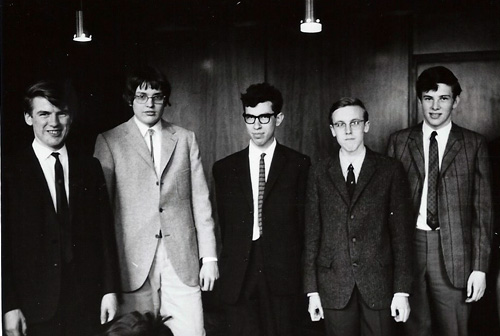
The Scottish Junior International, Glasgow, 1969. l-r: David Watt, Rene Borngässer, David Levy, Heinz Wirthensohn, Peter Markland. Courtesy of Chess Scotland
The Hastings Challengers tournament 1969-70 began when I met the same opponent as in the previous year in the first round. This time I managed to come out on top. By the time the last round came, I had played most of the leaders and had 6/8 including two pleasing wins with my favourite defence at the time – the Sicilian Pelikan variation.
Sicilian:…e5 by TD Harding & PR Markland, Batsford, 1976, ISBN 0 7134 3209 8
In the last round I was paired against de Veauce who had a reputation as a good strategist and whom I hoped to unsettle tactically. I had white and my plan failed. He outplayed me in the opening and middlegame and I sacrificed my isolated centre pawn to activate my pieces.
So I then had to wait had to wait to see the other results before I could confirm a somewhat lucky place in the Premier.
In 1970 I had the opportunity to travel with the student team to the Olympiad in Haifa. My score of 5.5/7 was reasonably pleasing but the standard of opposition was far from good.
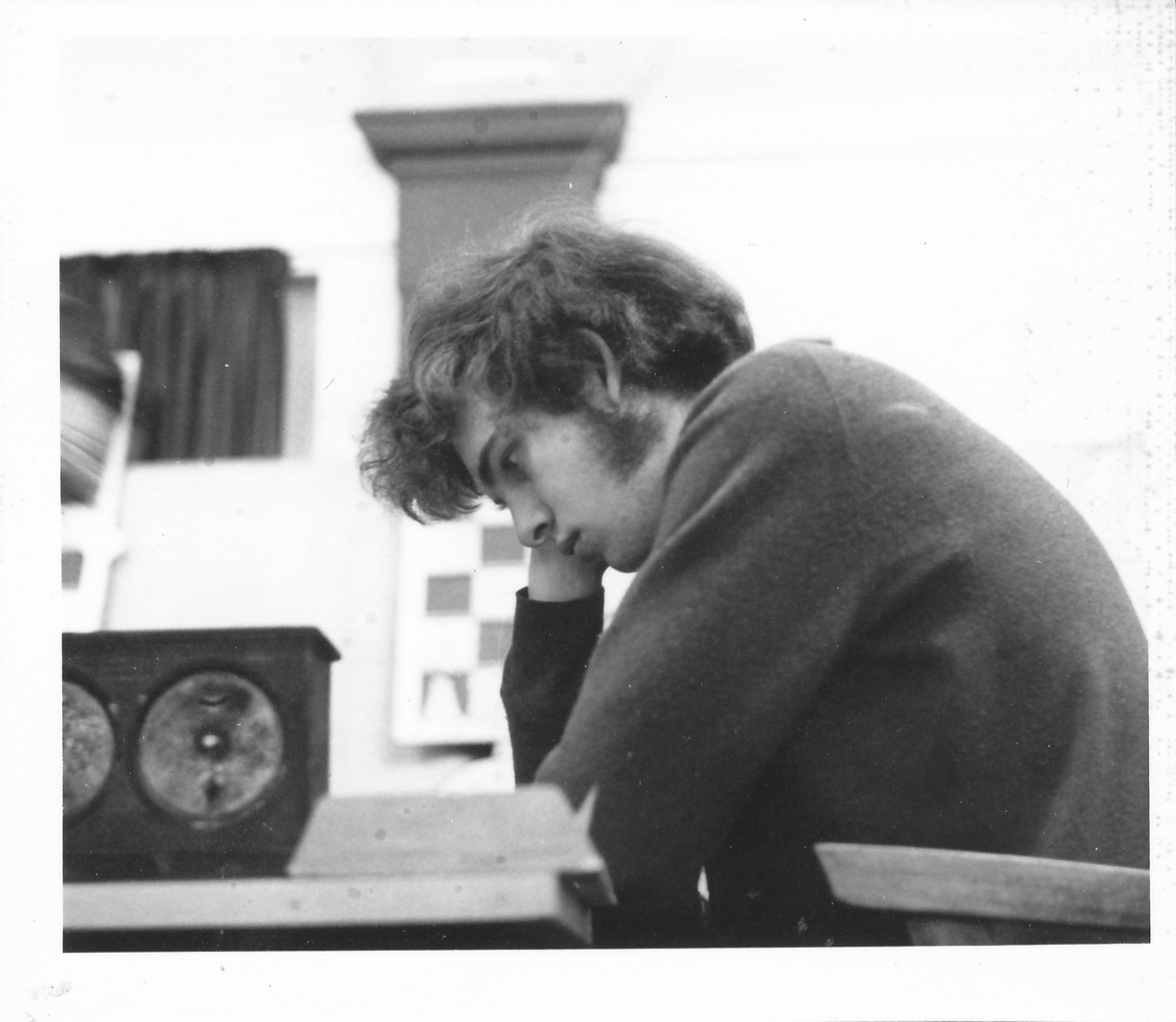
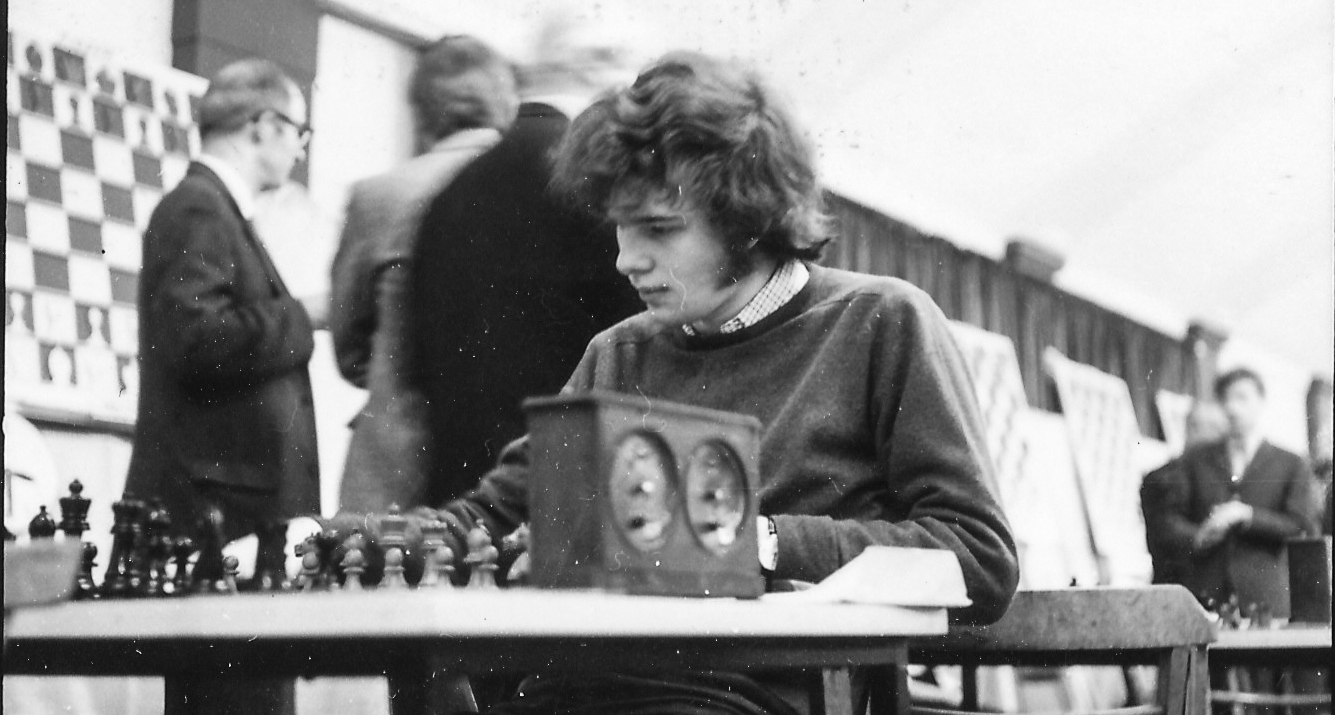
Peter Markland at Hastings 1970-71
At the end of the year came the Hastings Premier – a tournament which I can only describe as the highlight of my career. I began nervously and lost a nondescript game to Uhlmann in the first round. My confidence grew with two comfortable draws with Portisch (the eventual winner) and Keene. In round four I met the surprise leader, Mestrovic (who had 3/3) and perhaps partly due to the fact that this game was played on 1st January I won convincingly in 18 moves.
Peter Markland during his game with Portisch on December 30th 1970
The next four rounds brought an uneventful draw with Wade and three exciting encounters with Byrne, Krogius and Gligoric all of which after several reversals of fortune ended in draws.
Peter Markland at Hastings 1970-71
In the last round I was to play Hort who needed to to win to gain a share of first prize. He played a horribly passive opening and by move 14 I was already well on top. To try to compensate he snatched a queenside pawn and gave me the chance to play the type of move one can only dream about!
This victory meant an equal second on 5/9 with Gligoric, Hort, Krogius and Uhlmann and both a GM and IM norm.
As a result of this I became a regular member of the England side. During 1971 my results were erratic, possibly caused by too much play. I was pleased with my 3.5 score in my first Clare Benedict, although I lost my first game for England due to nervousness and I was first equal with George Botterill in the Slater Young Masters at Hastings (again). Here I declined a last round draw offer, blundered almost next move and lost to an up-and-coming junior by the name of Michael Stean! On the debit side my performances in the British Championship, The Oxford International Congress and the Robert Silk tournament left room for improvement.
Whilst playing with Bolton in the National Club Championship, we had never won the competition although we had reached the semi-finals many times. This year, 1971, playing for Oxford University, we won the tournament beating our old rivals Cambridge University in the final on board count.
The Hastings tournament of 1971-72 saw me firmly entrenched near the bottom. It is very difficult in this type of international tournament when one becomes marked as an out-of-form player. All the other players make extra efforts to beat you and this drains your strength further.
My main problem at Hastings was a lack of defence to 1.e4. I lost five games against this move. In the last round I had a very interesting struggle against Karpov who needed to win this game to tie first with Korchnoi who had beaten him in the previous round, but the strength of 1.e4 proved too much.
The summer of 1972 saw the advent of my University finals and thus I played very little for the first six months of the year – even I had to decline an invitation to the Teeside GM event. Later in the year I played in the student Olympiad in Graz and then in the Olympiad is Skopje.
In the preliminaries we had drawn Yugoslavia and Switzerland, who were the only other teams likely to qualify for the ‘A’ final. We missed qualification narrowly and I think that every team member had one poor result in the qualifying rounds – mine being a scraped draw against a Syrian team.
We won the ‘B’ final by beating the Israeli team in the last round and I felt pleased by my score of 11.5/16 with no losses. Indeed, in my last round game with Balshan I was quite rightly instructed to agree a draw in a winning position to secure the team’s first place.
I feel that this tournament from my point of view aptly demonstrates the difference in title norms in the early 1970s and today. I played five players who had no Elo ratings and only four titled players. Hence an IM norm would not have been available under any circumstances. The main reason for the lack of Elo ratings in 1972 was that the new system had only just been introduced and for many players this was their first Elo-rated tournament. In the last Elo list, all but one of the sixteen players are rated, there are now four GMs and five IMs amongst my opponents and the norm figures would be 10.5/16 and 12.5/16 for IM and GM respectively.
Here is my best game from the Olympiad. It is indicative of an early combination prevailing through into a winning ending.
In 1973 I was once more plagued by too many invitations and played indifferently throughput the year. The only bright spots were my score of 3/7 on boards 3 and 4 of the European Team Finals and second place in the Woolacombe International.
1974 was once again an Olympiad year. The England team won the Clare Benedict for the first time in Menorca and I was able to contribute 5/6 winning both a board prize and the best score prize. I was drafted into the Olympiad team as a late replacement and although we qualified easily enough for the ‘A’ finals this was in no way due to my efforts as I had a 50% score in the preliminaries.
We had qualified for the ‘A’ final with one round to spare and our last group match against the USE (from which the score was to be carried forward) began the final matches. It had been decided, as a tactical measure and in our view of our differing styles, that I should take black whenever we had this colour on the fourth board, so that Whiteley and Stean could utilize a greater proportion of whites. This worked to a limited extent and indeed, Stean obtained an IM Norm. Also, as it worked out I played in matches against seven of the top eight teams (being rested against Yugoslavia) and only three teams below us. In the end, I was pleased with my +3 =1 -4 with black in the finals to give overall a 50& score.
During 1973 and 1974 I was co-author of two books in the Batsford opening series, both with Tim Harding on Sicilian Defence variations.
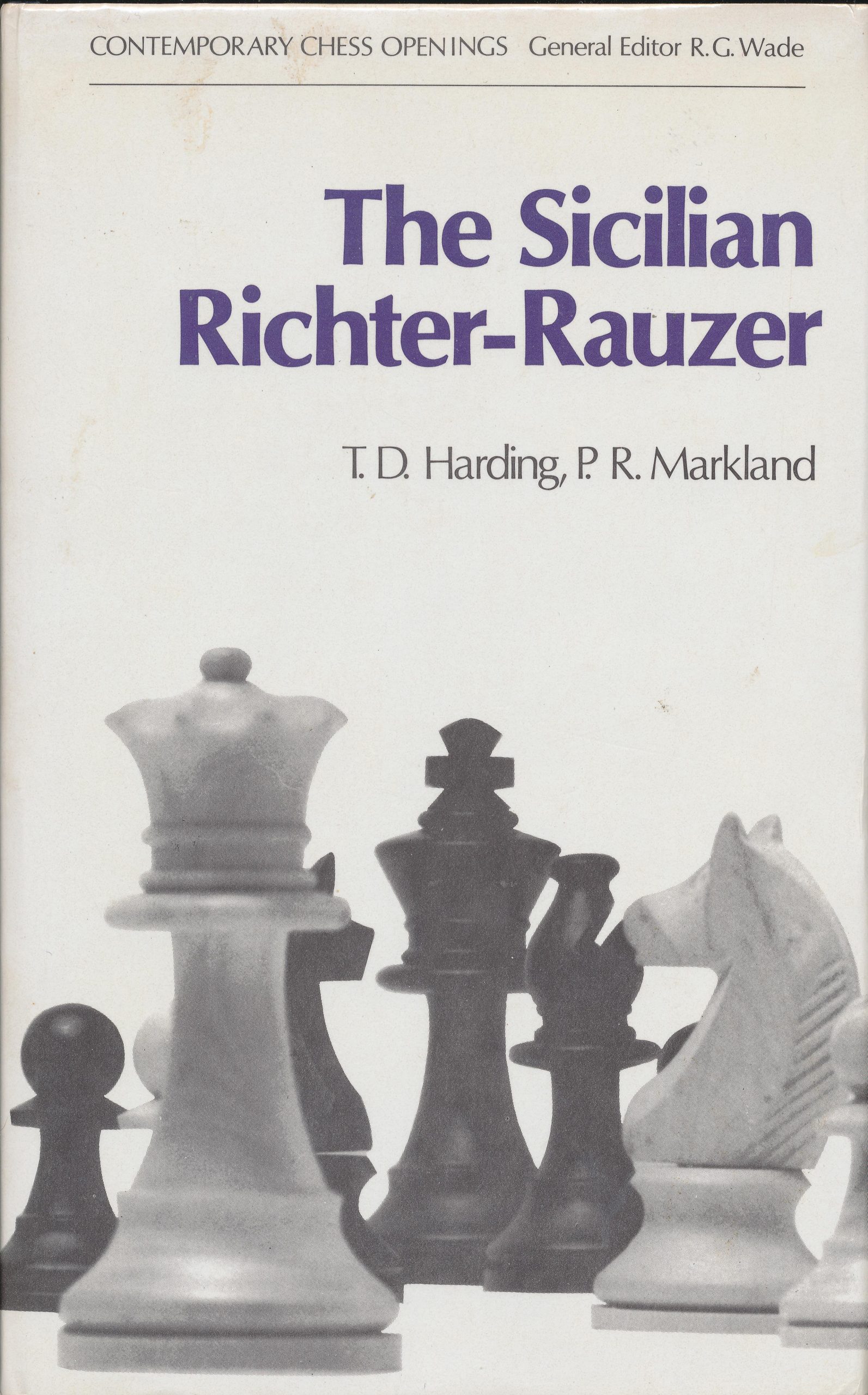
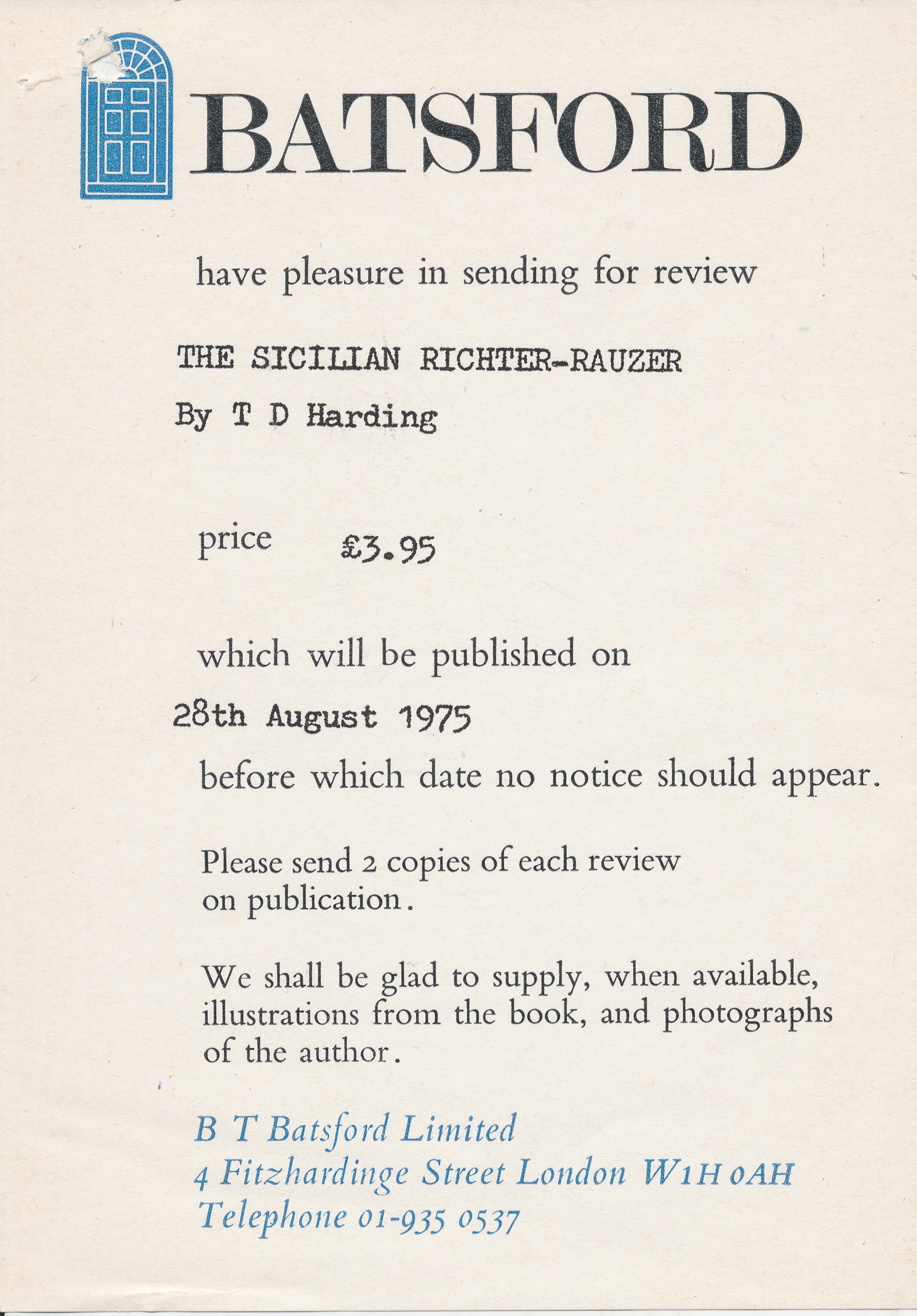
The Sicilian Richter-Rauzer, TD Harding and PR Markland, Batsford, 975, ISBN 0 7134 2979 8Review Notice for The Sicilian Richter-Rauzer, TD Harding and PR Markland, Batsford, 975, ISBN 0 7134 2979 8
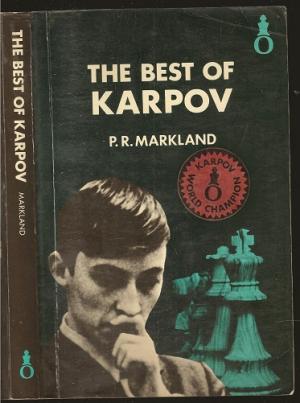
I also wrote a best game collection of Karpov which was by far the most interesting of the three books to write.
The Best of Karpov, PR Markland, Oxford University Press, 1975, ISBN 10: 0192175343
At about this time, I decided to embark upon a career in banking and to abandon that of a professional chessplayer. Since then I have concentrated on correspondence chess.
Having received master certificate, I entered a European and World tournament in both of which I finished first. The second of these two results qualified me for the world Championship Semi-finals. But first attempt in the eleventh championship ended in failure to qualify.
As a result of an invitation received by the BPCF I played in the Eino Heilimo Memorial Grandmaster event. I have , however, qualified as a postal IM by scoring the required seven points and had an outside chance of trying for first place at one stage.
BCN wishes happy birthday to FM Harry James M Grieve (12-iv-2001).
He was born in Guildford and spent most of his childhood a resident of Fleet in Hampshire before moving to Camberley, Surrey.
Here is an article from Harry’s school, RGS Guildford.
Harry at the 2012 UKCC Terafina, Loughborough Grammar School
Harry is studying mathematics at St. Catherine’s College, Cambridge having previously been a pupil and member of the strong chess team of Royal Grammar School, Guildford with team mates such as Alex Golding.
He started his evening league chess in the Cody Sports and Social Club with Fleet & Farnborough Chess Club (same as Simon Williams) and then transferred his allegiance to the stronger Farnham chess club playing top board in many matches.
He was recruited to the AMCA 4NCL team by IM Andrew Martin and then played for the BCM 4NCL team and now plays for Guildford in 4NCL and Farnham in the Surrey Border League.
Round 5 of the Caplin Hastings International Chess Congress featured the board 10 clash between one of England’s stronger Grandmasters, Danny Gormally (2508) and FM Harry Grieve (2299).
Here is their game :
Following this game Harry needed 2.5/4 to obtain his first IM norm.
In January 2022 Harry travelled to Roquetas de Mar in Almeria, Spain for the 33rd Roquetas de Mar Open where he scored 7/9 and his first IM norm. Harry kindly agreed to annotate his best game from this event for BCN:
Here is hoping that further norms will be shortly forthcoming!
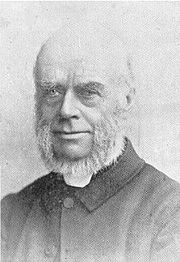
“A leading member of the formidable band of reverends who played such a strong role in early Victorian English chess, he is described as ‘one of the writing rather than the fighting clergy in chess’ in P. W. Sergeant’s Century of British Chess. Though he learnt chess at an early age’ he made his first really earnest study of the game when he was an undergraduate at Wadham College, Oxford 1847-50, in particular devoting himself to a theoretical study of Staunton’s Handbook, which he rightly regarded as a great landmark in chess literature.
On leaving Oxford he competed in the provincial section at London l85l where he came second to Boden.
In 1867 he became vicar of Sandford-on-Thames and lived at Oxford where, in collaboration with Lord Randolph Churchill (Winston’s father), he founded the Oxford University Chess Club
and became its first President.
Resigning his living at Sandford in 1871, he went to live at Malvern where he stayed till his death. He played in many of the congresses organized by the Counties Chess Association, his best result being 1st in the first class section at Malvern 1872 with a score of 12 points, followed by two other reverends, Thorold 11.5 and Wayte 10.5. It was at this congress that he brought about a reconciliation between Staunton and Löwenthal who had been estranged for a considerable time.
He played in the Yizayanaqaram tournament at London 1883 and started well but his health gave way after the first week and he divided fifth place with G. H. D. Gossip.
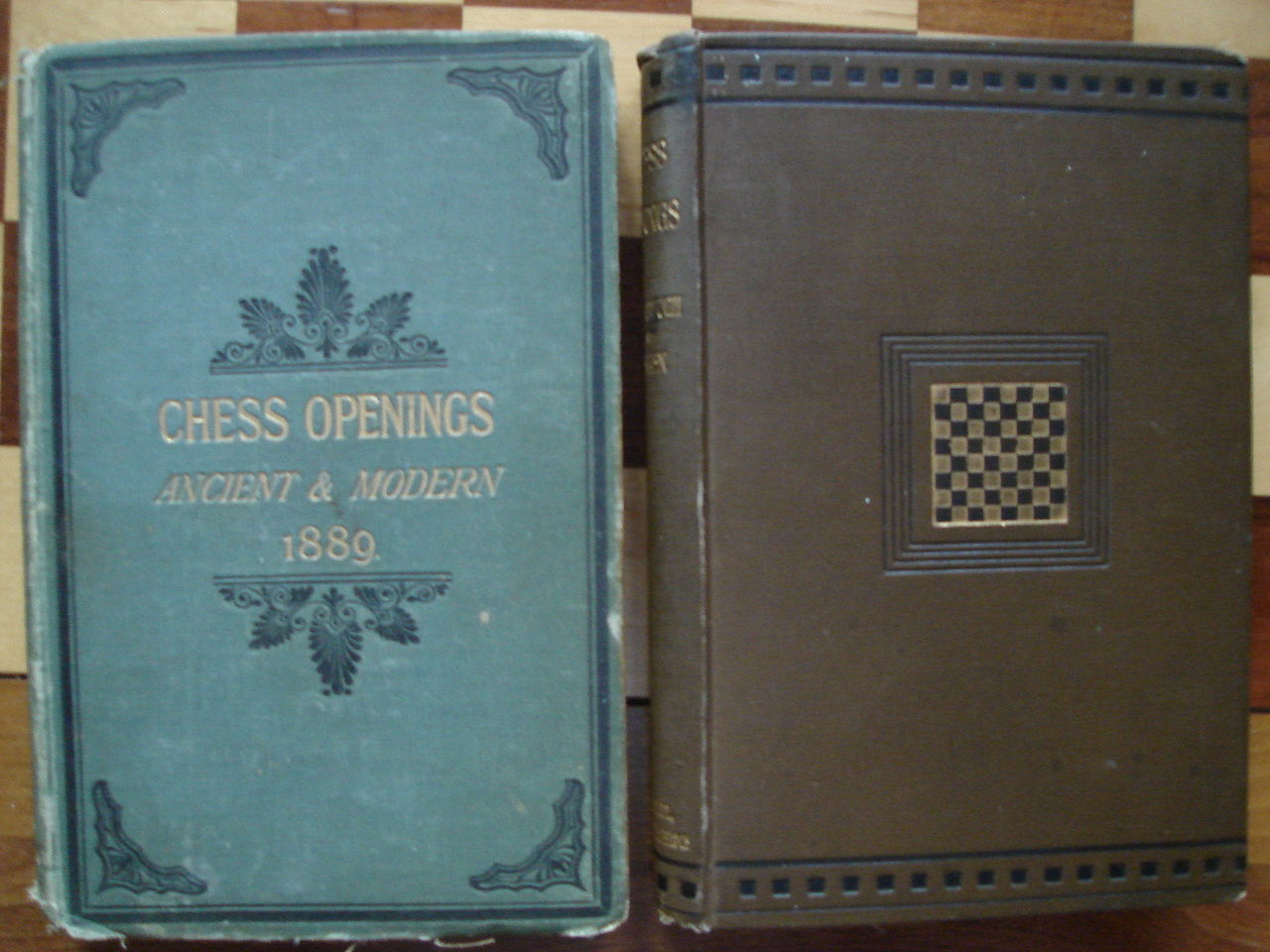
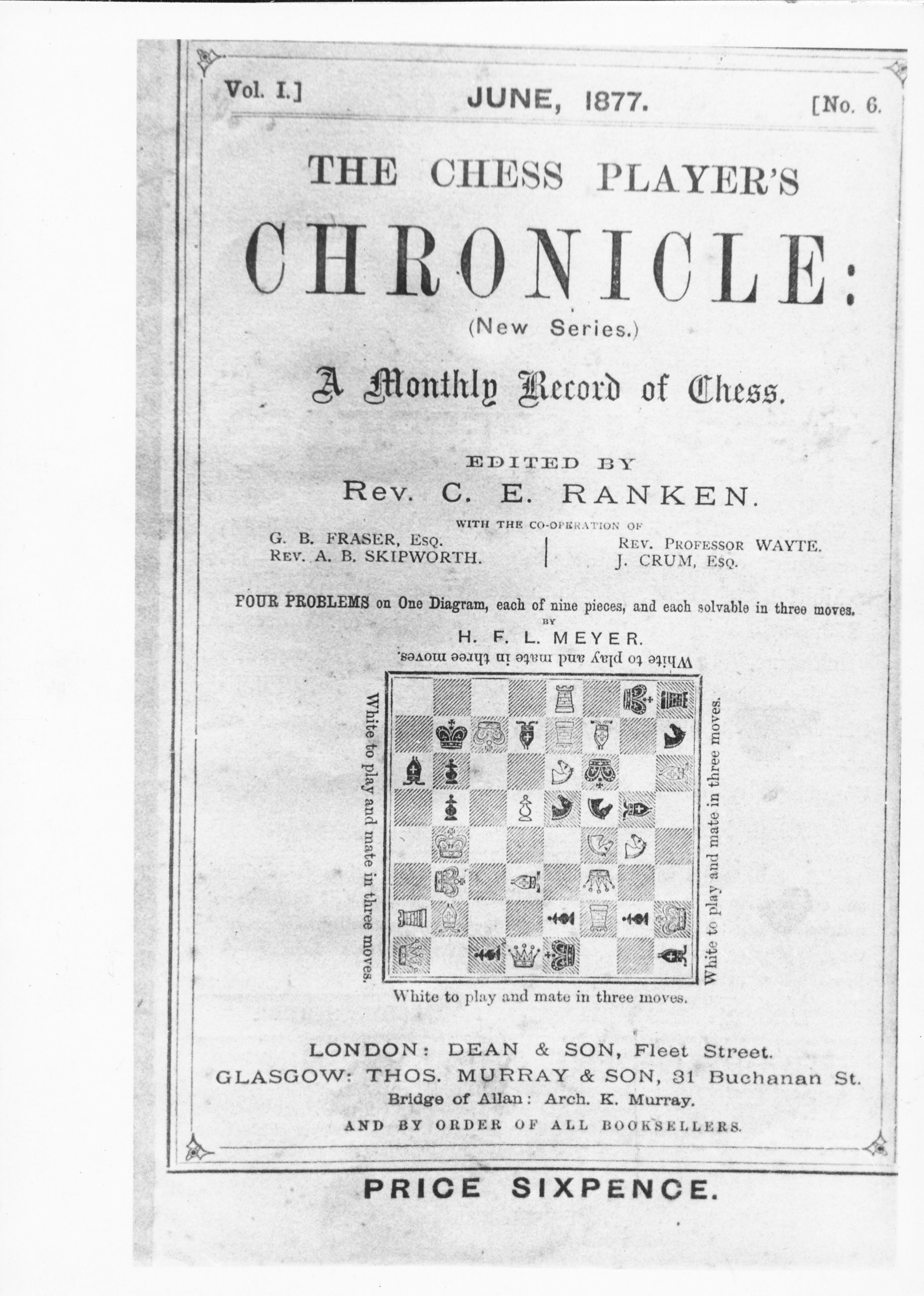
His chief importance during the later stages of his chess career was as a writer, first as editor of the Chess Player’s Chronicle in 1877 and later as a member of the staff of the British Chess Magazine in which he wrote on many aspects of chess but specialized in analysis (of the openings, middle-game and the endings)’ In 1889 he published, in collaboration with E. Freeborough, Chess Openings Ancient and Modern. (London)’ ( H’G’)
Chess Openings Ancient and Modern 1889
The Ranken Variation is a good line for White in the Four Knights Opening, analysed in the Chess Players Chronicle, 1879 by The Chess Player’s Chronicle first president of the Oxford University Chess Club.”
We focus on the British Chess Scene Past & Present !
This website uses cookies to improve your experience. We'll assume you're ok with this, but you can opt-out if you wish. Cookie settingsACCEPT
Privacy & Cookies Policy
Privacy Overview
This website uses cookies to improve your experience while you navigate through the website. Out of these cookies, the cookies that are categorized as necessary are stored on your browser as they are as essential for the working of basic functionalities of the website. We also use third-party cookies that help us analyze and understand how you use this website. These cookies will be stored in your browser only with your consent. You also have the option to opt-out of these cookies. But opting out of some of these cookies may have an effect on your browsing experience.
Necessary cookies are absolutely essential for the website to function properly. This category only includes cookies that ensures basic functionalities and security features of the website. These cookies do not store any personal information.