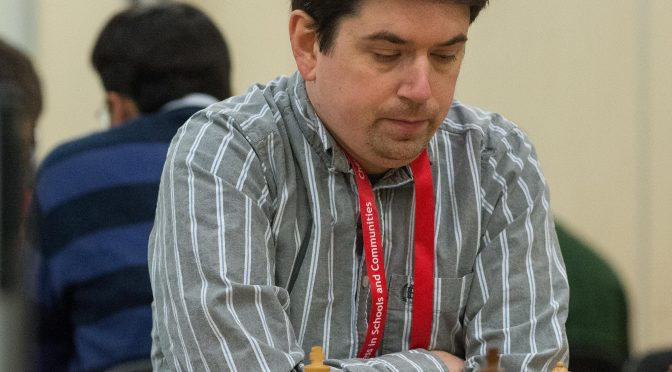
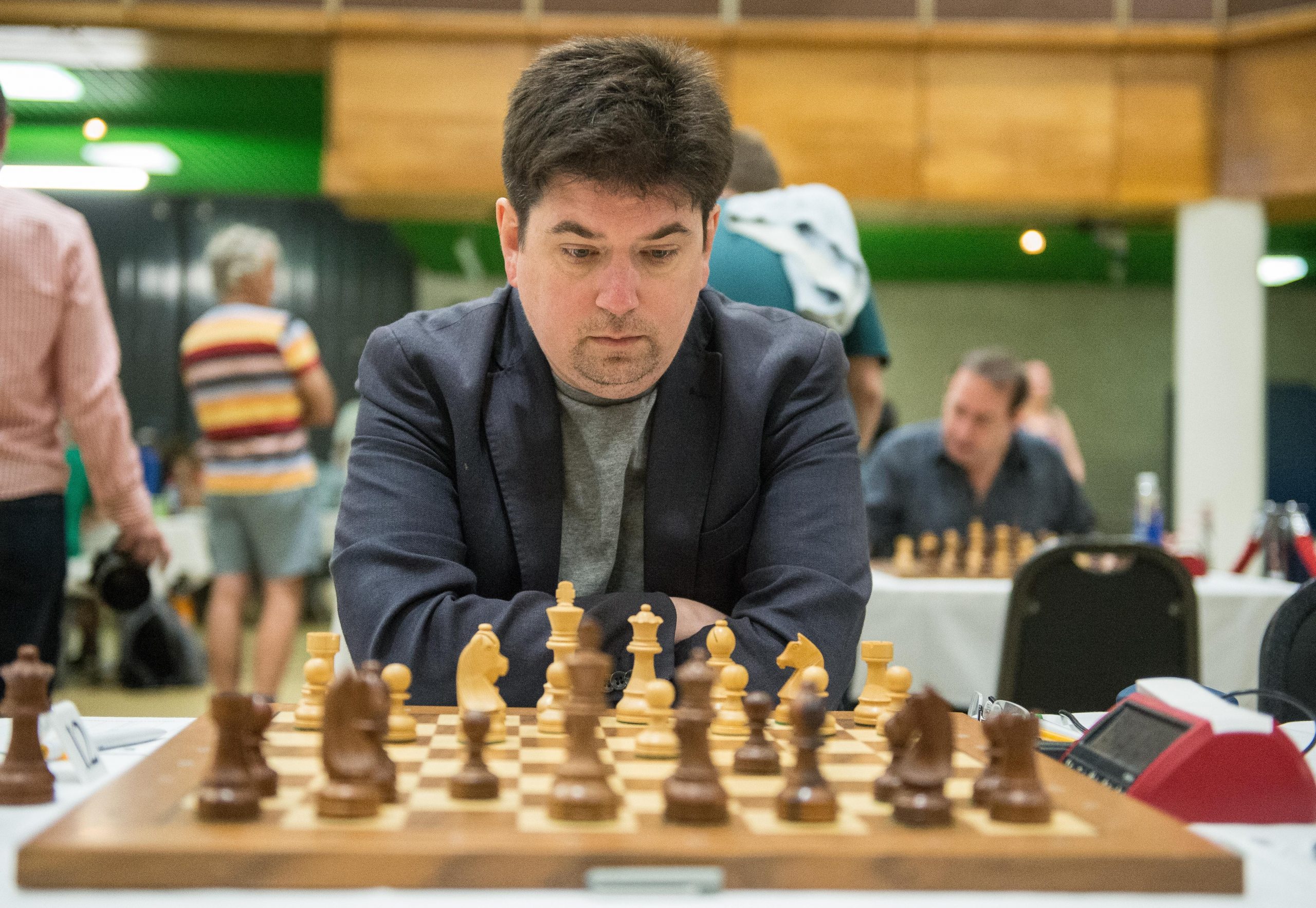
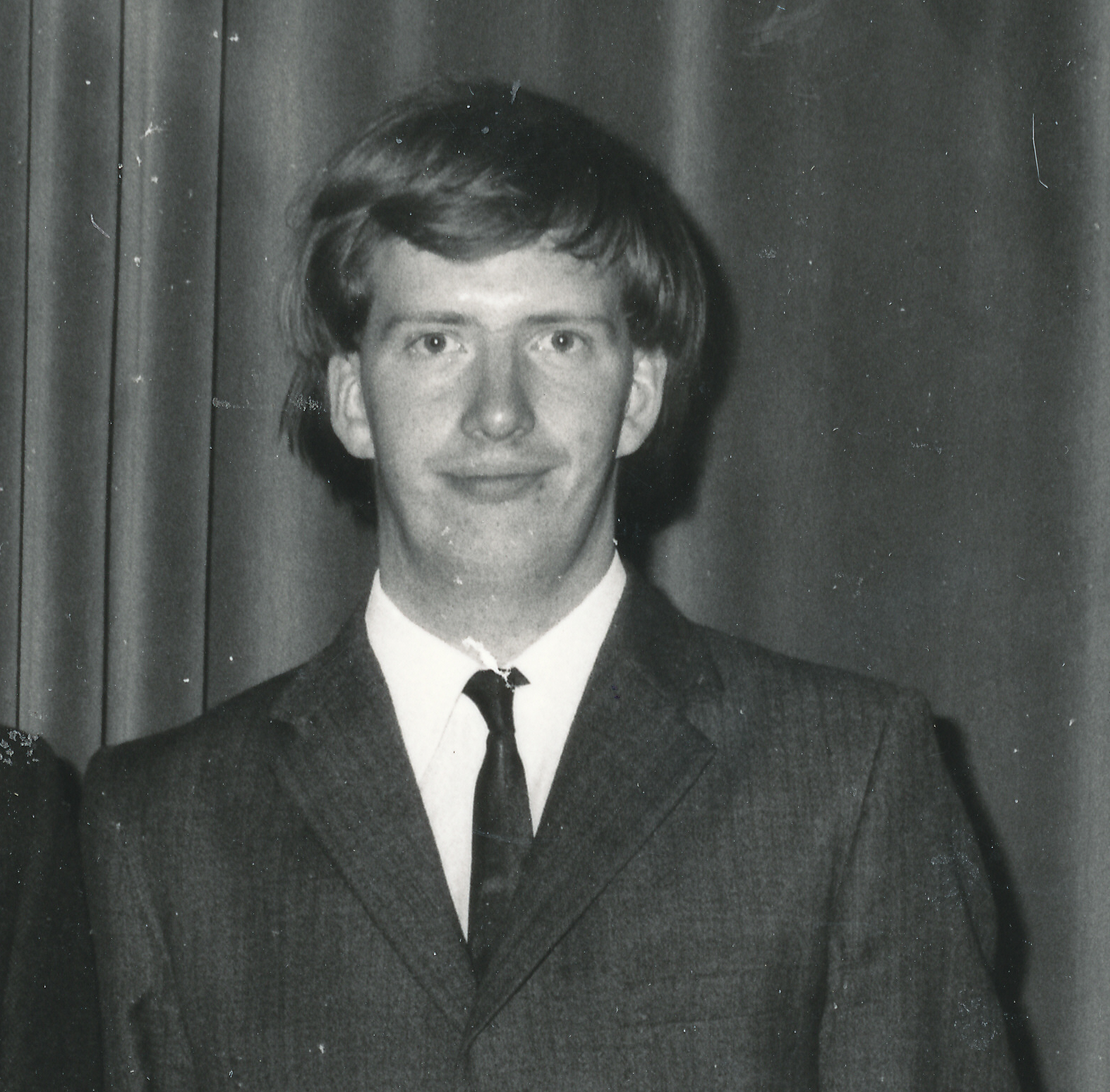
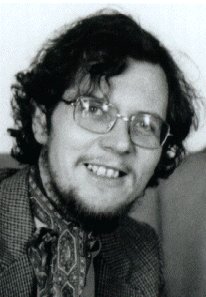
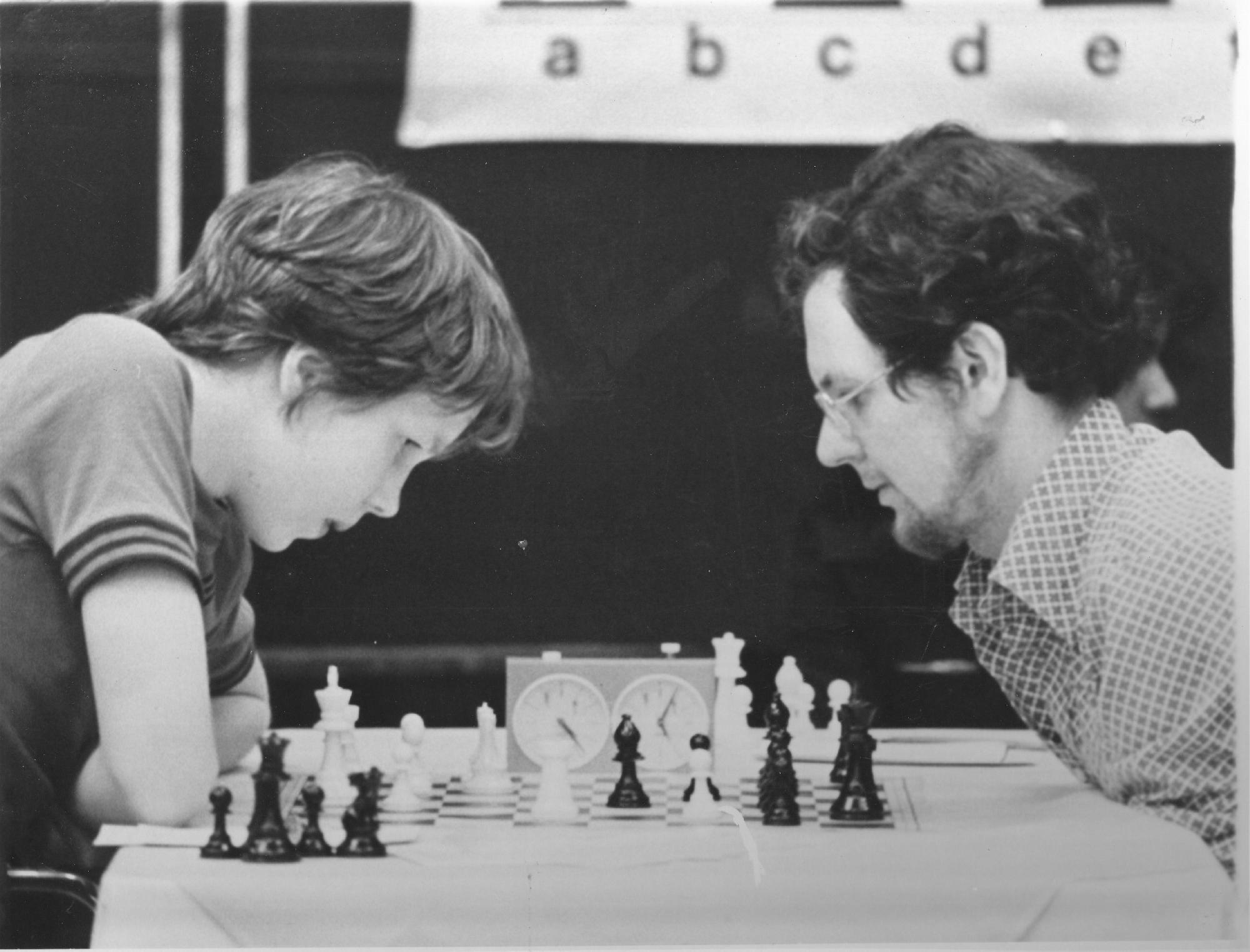
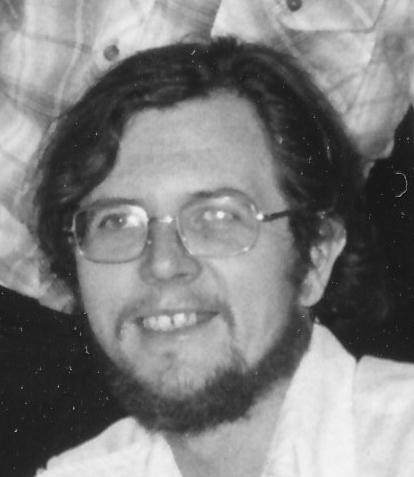
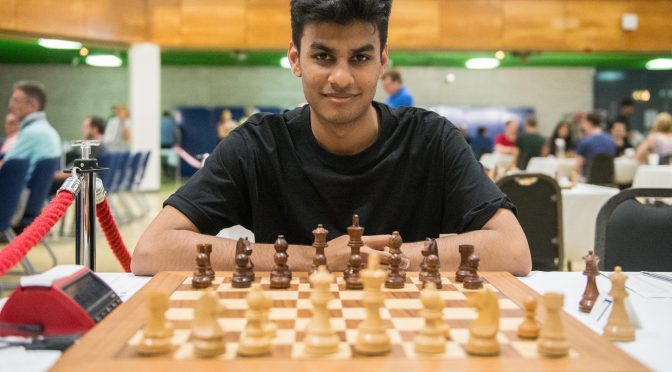
Ravi Haria was born Sunday, February 7th, 1999 in Elstree, Hertfordshire. “Maria” by Blondie was top of the hit parade. Ravi currently resides in London.
Ravi learnt at the age of 6 and joined Barnet Knights Chess Club in 2005. His first chess teacher was Angela Eyton who taught him the moves and Angela was followed by Tony Niccoli and then Julian Meszoras on his ascent of the chess ladder.
Ravi’s first recorded tournament was the 35th Barnet Knights Under-8 rapidplay on September 25th 2005. Also playing of note were Jonathan Pein and Isaac Sanders.
His first recorded standard play game was in the London Junior Under-10 Championships on December 9th 2006.
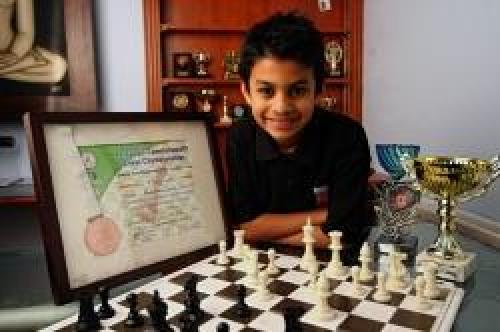
By the time he was eight he had attracted the attention of the England selectors and played in the 2008 Commonwealth Championships in New Delhi coming home with a bronze medal.
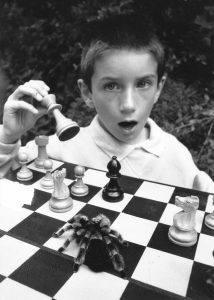
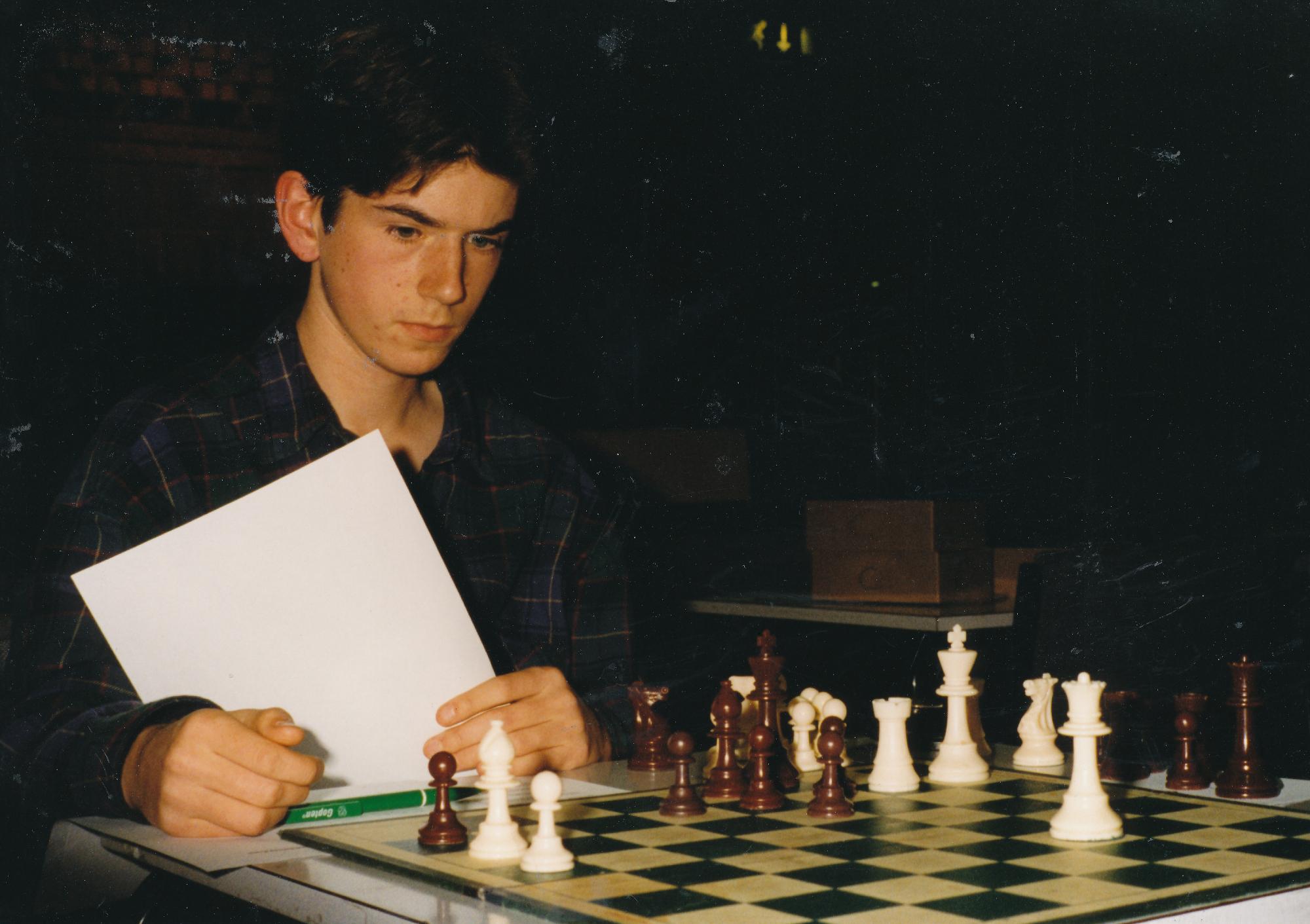
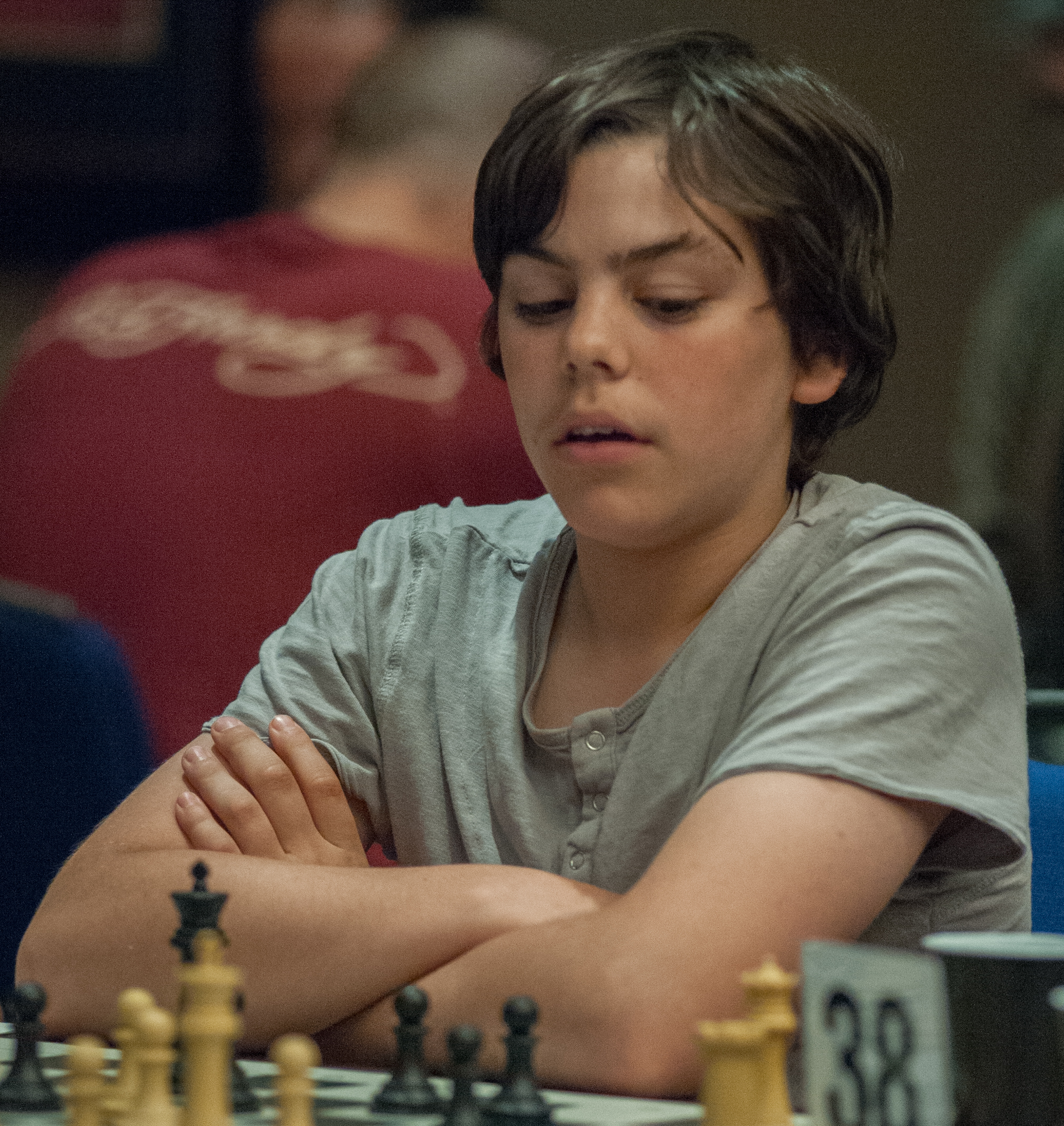
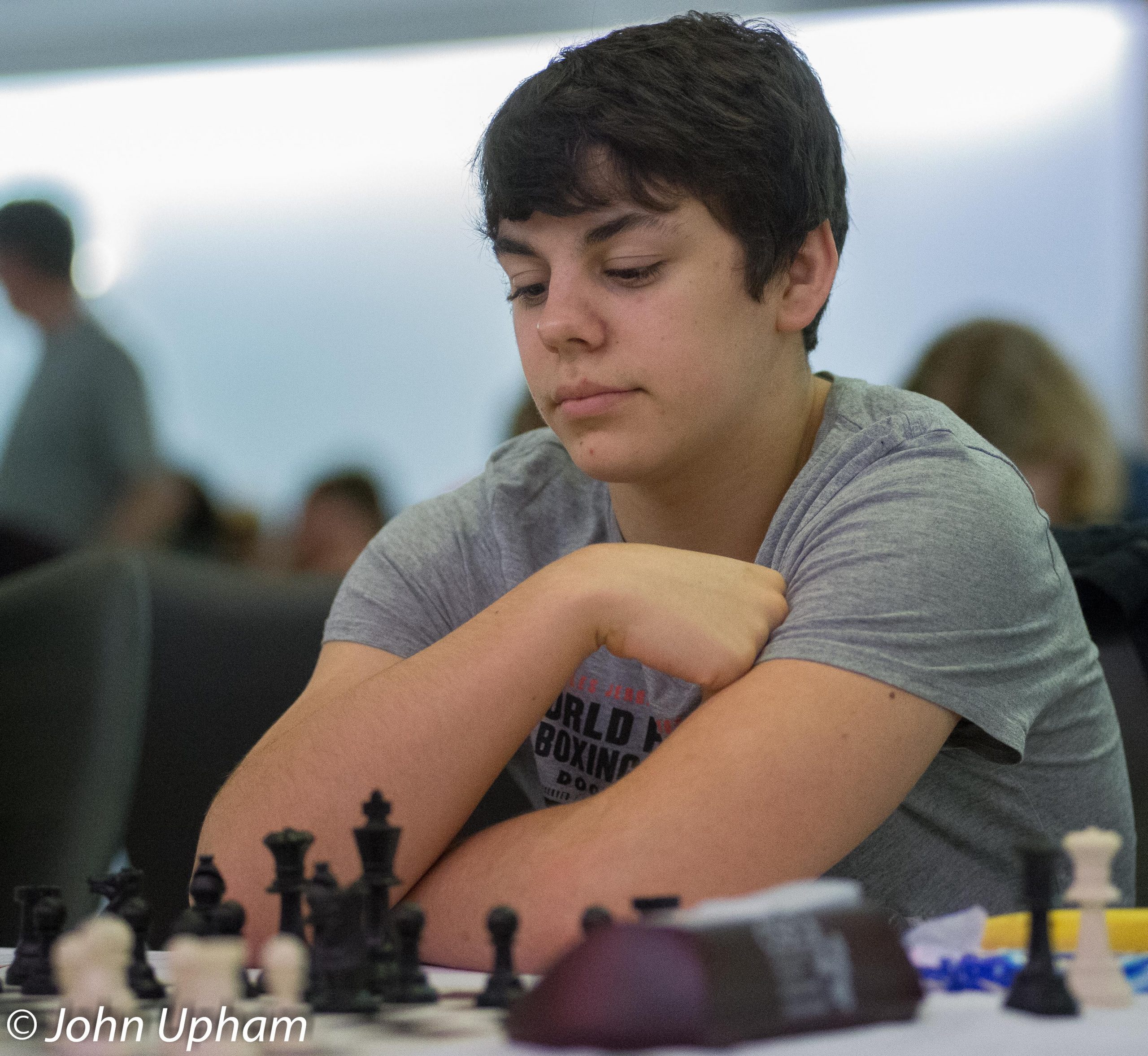
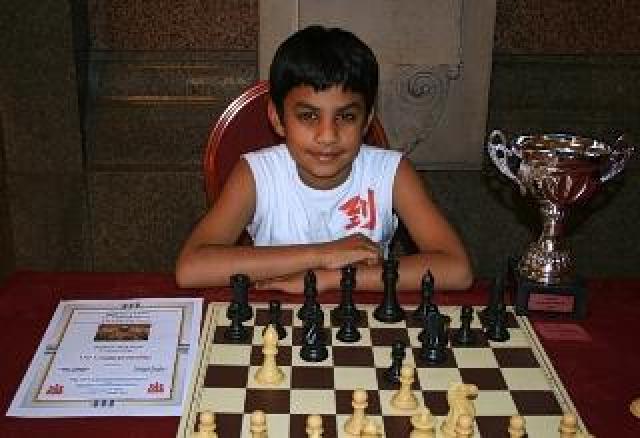
Ravi aged 8 photographed by The Borehamwood and Elstree Times in January 2008Ravi aged 9 photographed by The Borehamwood and Elstree Times in August 2008
In 2008 Ravi won the British Under-9 title in Liverpool. He said afterwards:
It was quite nice to be leading everyone and I felt proud of myself. I’m not sure how I control my nerves but it feels really good to win.
His mother Sona said:
It’s a bit overwhelming but we just support him. It means you have to give up a lot of time for him but it’s really nice to see that he’s getting somewhere.
This was followed in 2014 by winning the British Under-18 championship in Aberystwyth aged 15 and then the same title in 2017 in Llandudno.
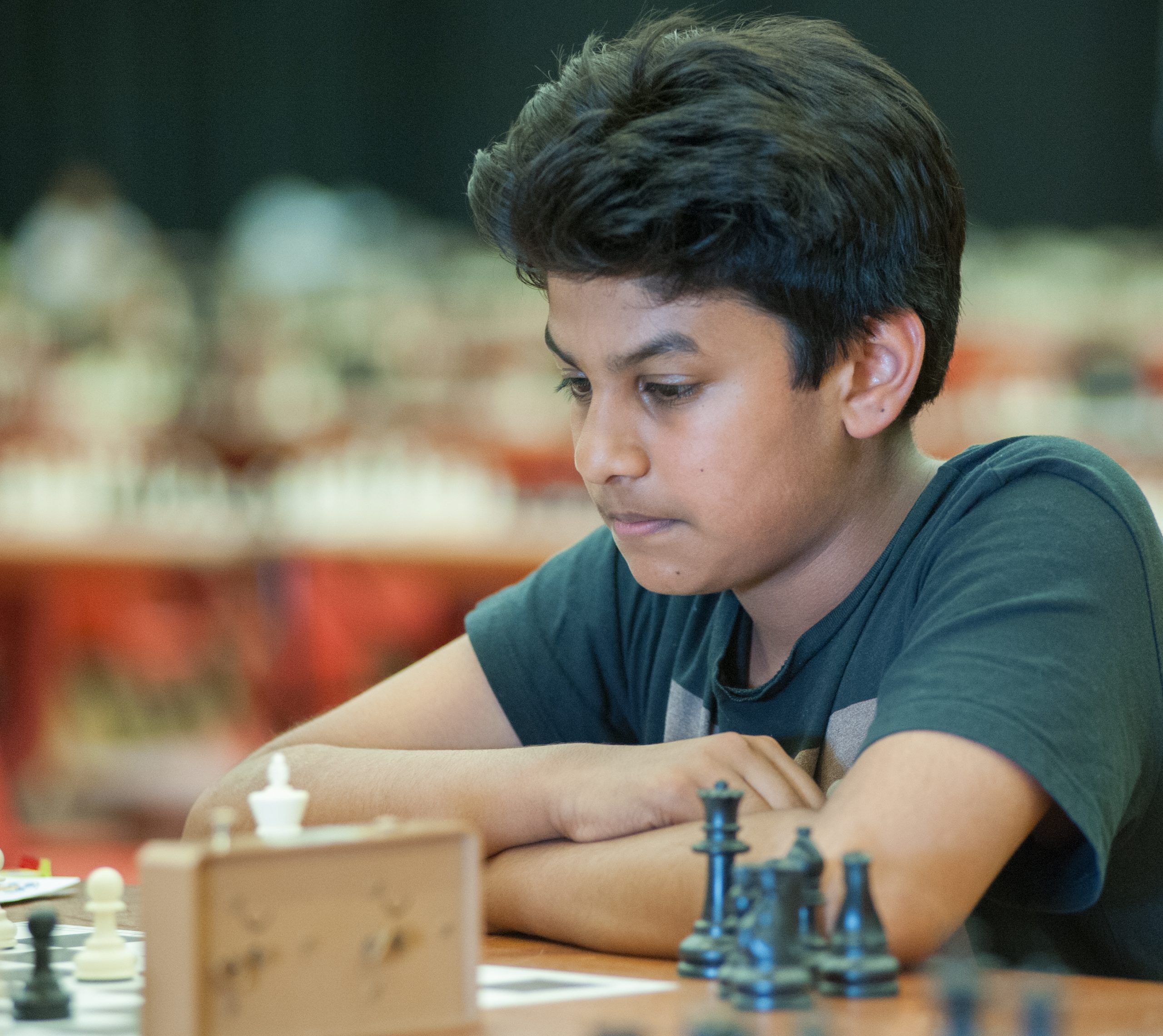
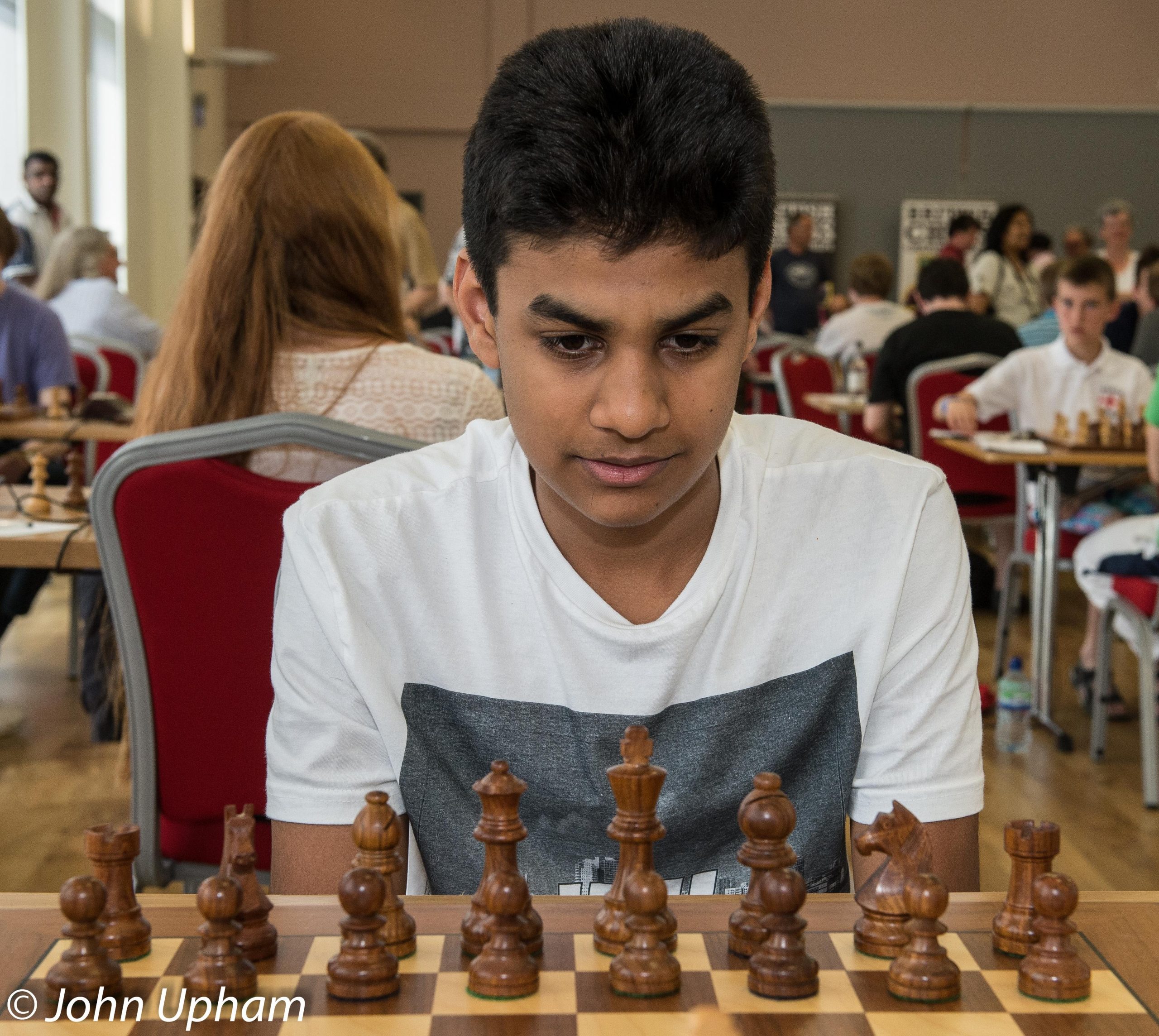
Ravi Haria, UKCC Southern Gigafinal, 2013
In 2016 Ravi was equal 2nd to Deep Sengupta at the Hastings Masters Open with an impressive 6/9 and a TPR of 2563. This performance secured his second IM norm.
The IM title was conferred at the 88th FIDE Congress 2017, 7-15 October, Goynuk, Antalya, Turkey.
He scored six points after 11 rounds at the 2017 World Junior championship in Italy and 5.5 points at the 2017 WYCC U-18 group in Uruguay.
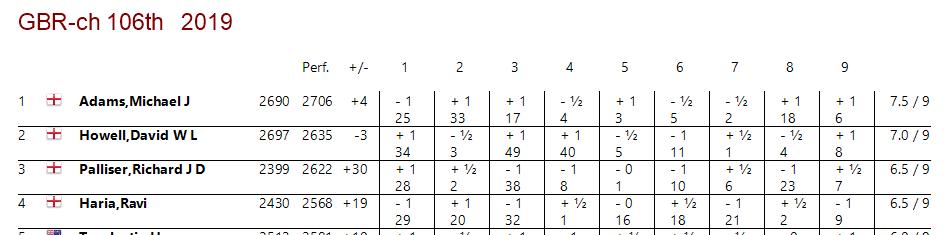
Ravi completed his British junior titles run by becoming the current (no OTB event in 2020) British Under-21 champion in 2019 in Torquay scoring an emphatic 6.5/9 securing a share of third place.
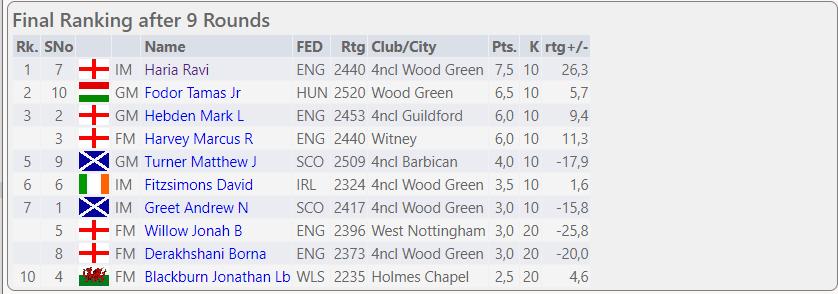
Partial crosstable for the 2019 British Championships in Torquay
Ravi became a FIDE Master in 2015 at the age of 16 and and International Master two years later making him England’s second youngest IM after Matthew Wadsworth.
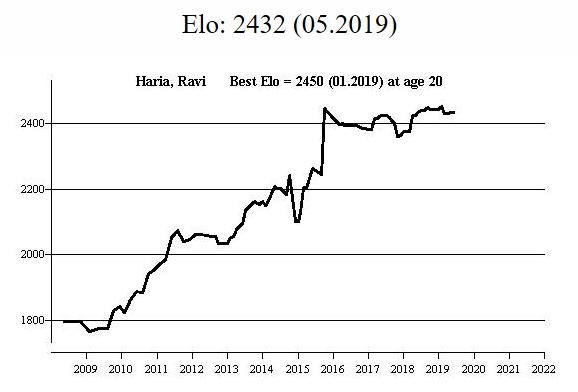
OTB Elo rating profile for IM Ravi Haria according to MegaBase 2020
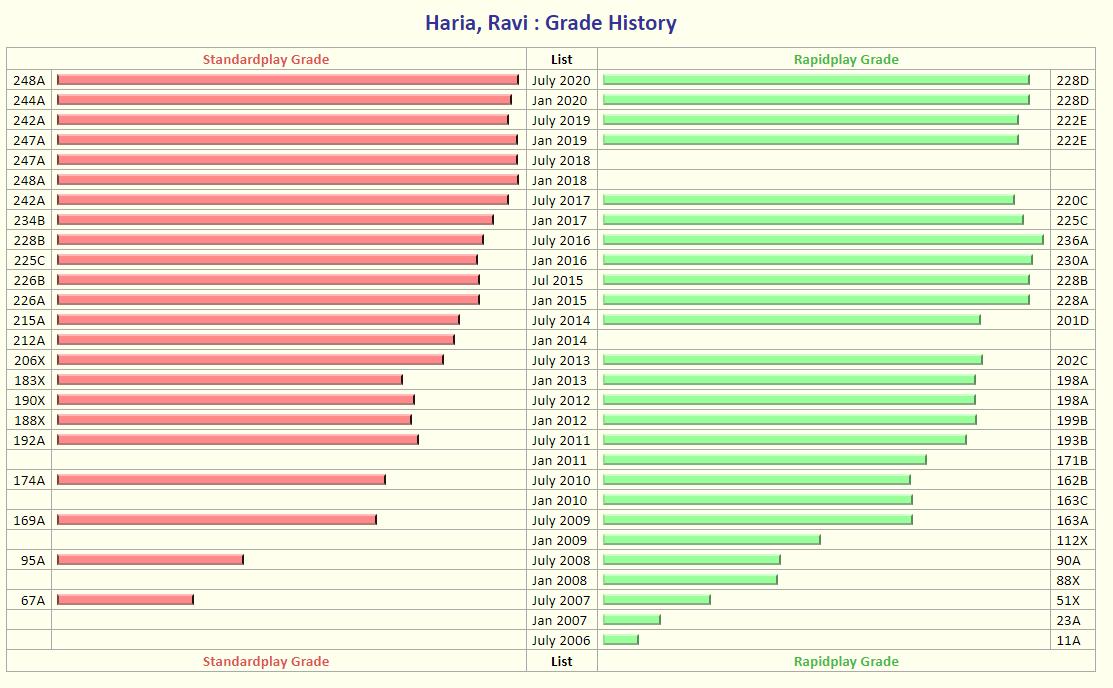
His peak FIDE rating was 2497 in October 2021 and currently (February 2022) is 2490.
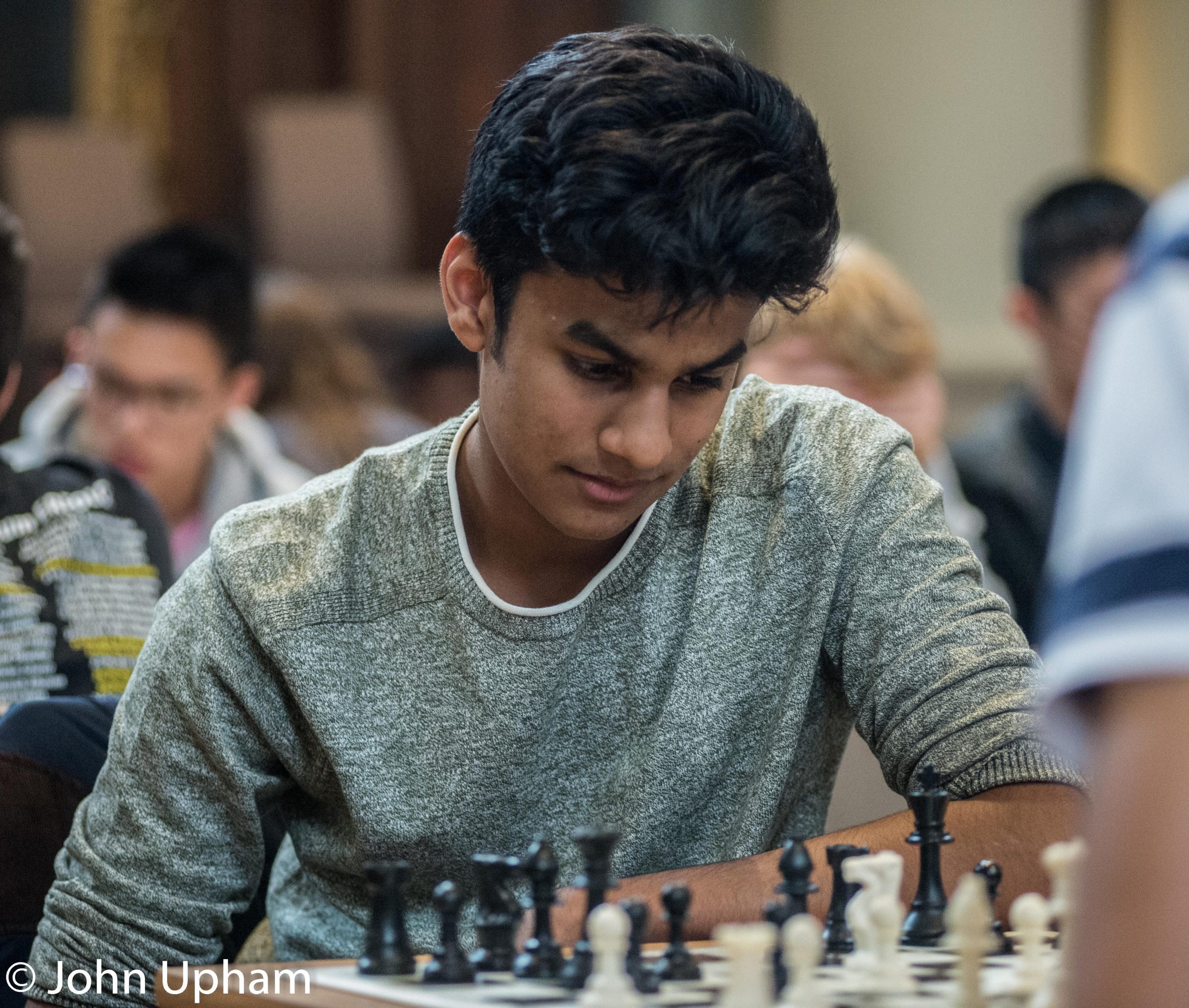
FM Ravi Haria, ECF Secondary Schools Rapidplay, 2016
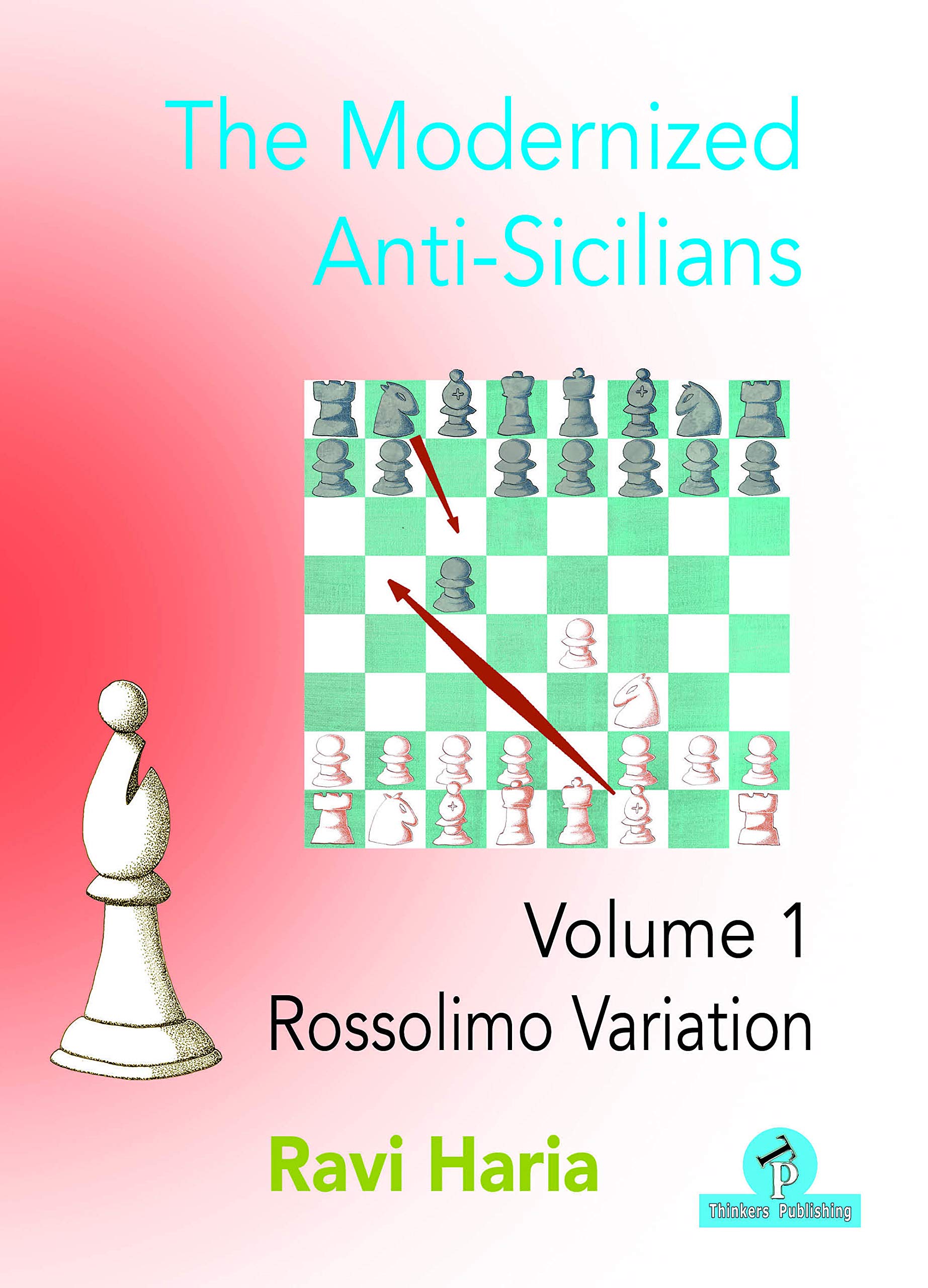
On January 28th 2021 Thinker’s Publishing released The Modernised Anti-Sicilians, Volume 1, Rossolimo Variation which is a massive 520 page tome on the following position :
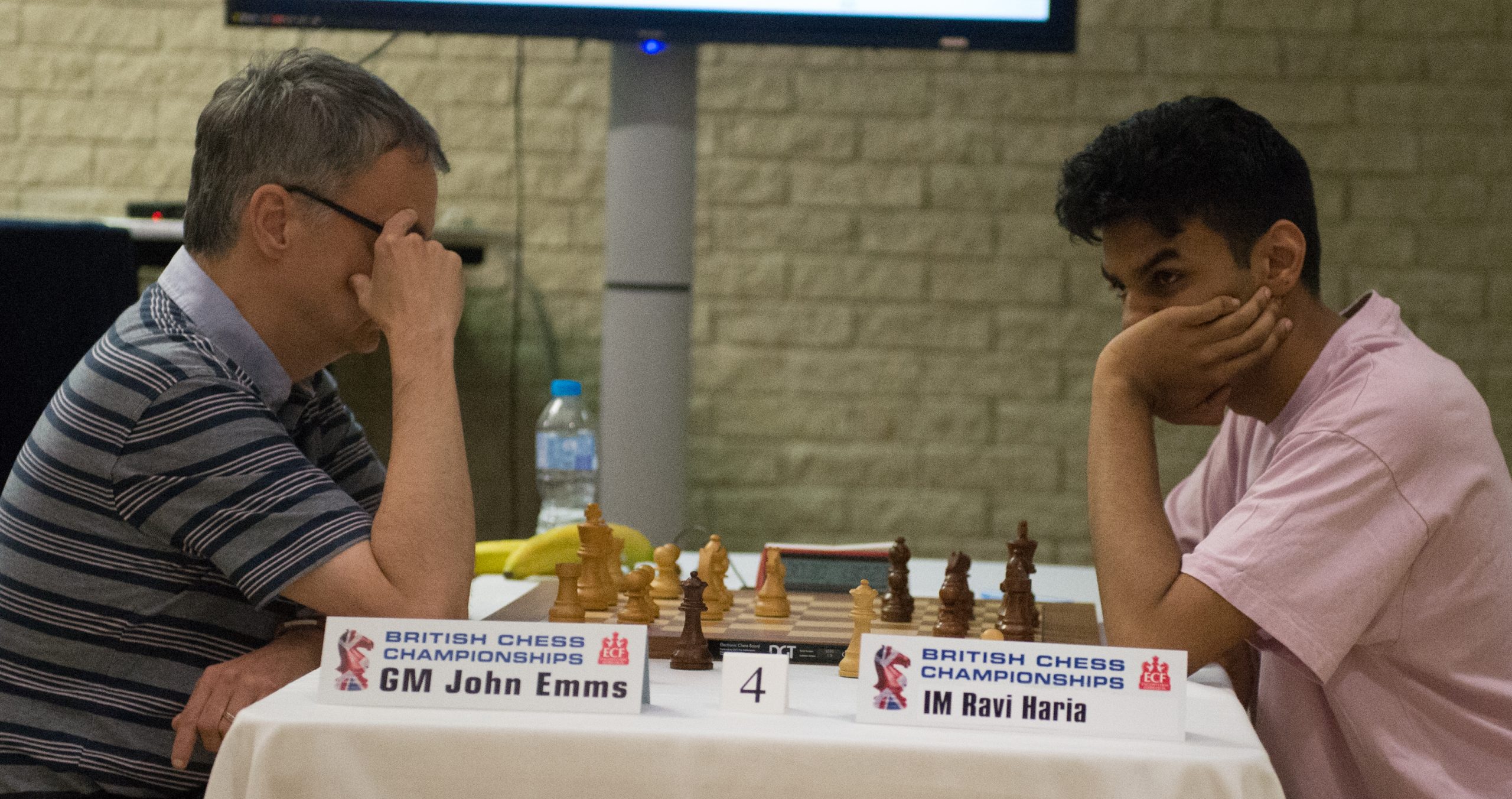
GM John Emms plays IM Ravi Haria in the final round of the 2019 British Championships in Torquay
With the white pieces Ravi unsurprisingly plays the Moscow and Rossolimo variations against the Sicilian, the Ruy Lopez and, in recent years, he has adopted the Reti/English complex.
As the second player he plays the French Winawer and (refreshingly) the Abrahams-Noteboom Variation of the Semi-Slav.
For your entertainment we have these two brevities :
and
Ravi has played for University College London. Hendon and Cavendish in the London and other leagues and in 4NCL he started with Kings Head, transferring to Cambridge in 2014 and finally moving in 2016 to Wood Green.
In this game Ravi punishes IM Malcolm Pein who has a bad day at the office :
Ravi Haria, British Championships, 2014, Aberystwyth
Over the 19th – 23rd August 2021 Ravi played in the Wood Green Invitational round-robin event at Oddfellows Hall, Stafford.
Ravi scored 7.5/10 and secured his second Grandmaster Norm and a TPR of 2680.
Wood Green Invitational Round-Robin event at Oddfellows Hall, Stafford. August Bank Holiday Weekend, 2021
Over the August Bank Holiday weekend of 2021 Ravi played in the Northumbrian Masters GM Tournament at the splendid Marriott MetroCentre, Gateshead winning jointly with Conor Murphy scoring 6.5/9 with a TPR of 2600. This gave Ravi his third and final GM norm.
The norm was ratified at a recent FIDE Congress. As of February 2022 Ravi stood at 2490 for standard-play.
Raymond Dennis Keene was born on Thursday, January 29th 1948 in Wandsworth, London to Dennis Arthur and Doris Anita Keene (née Leat). Dennis and Doris were married in 1943 in Camberwell. Doris was born on May 27th, 1921 in Lambeth and was a shorthand and invoice typist.
Dennis and Doris also had a daughter Jackie Keene who later married chess historian, RG Eales. Jackie is Emeritus Professor at The University of Kent in the Faculty of Arts and Humanities. Jackie played in the Glorney Cup.
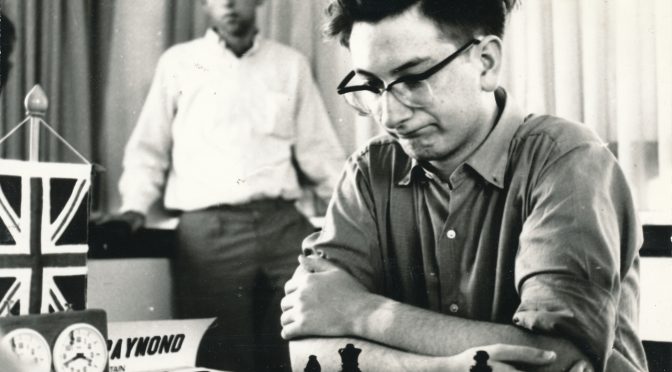
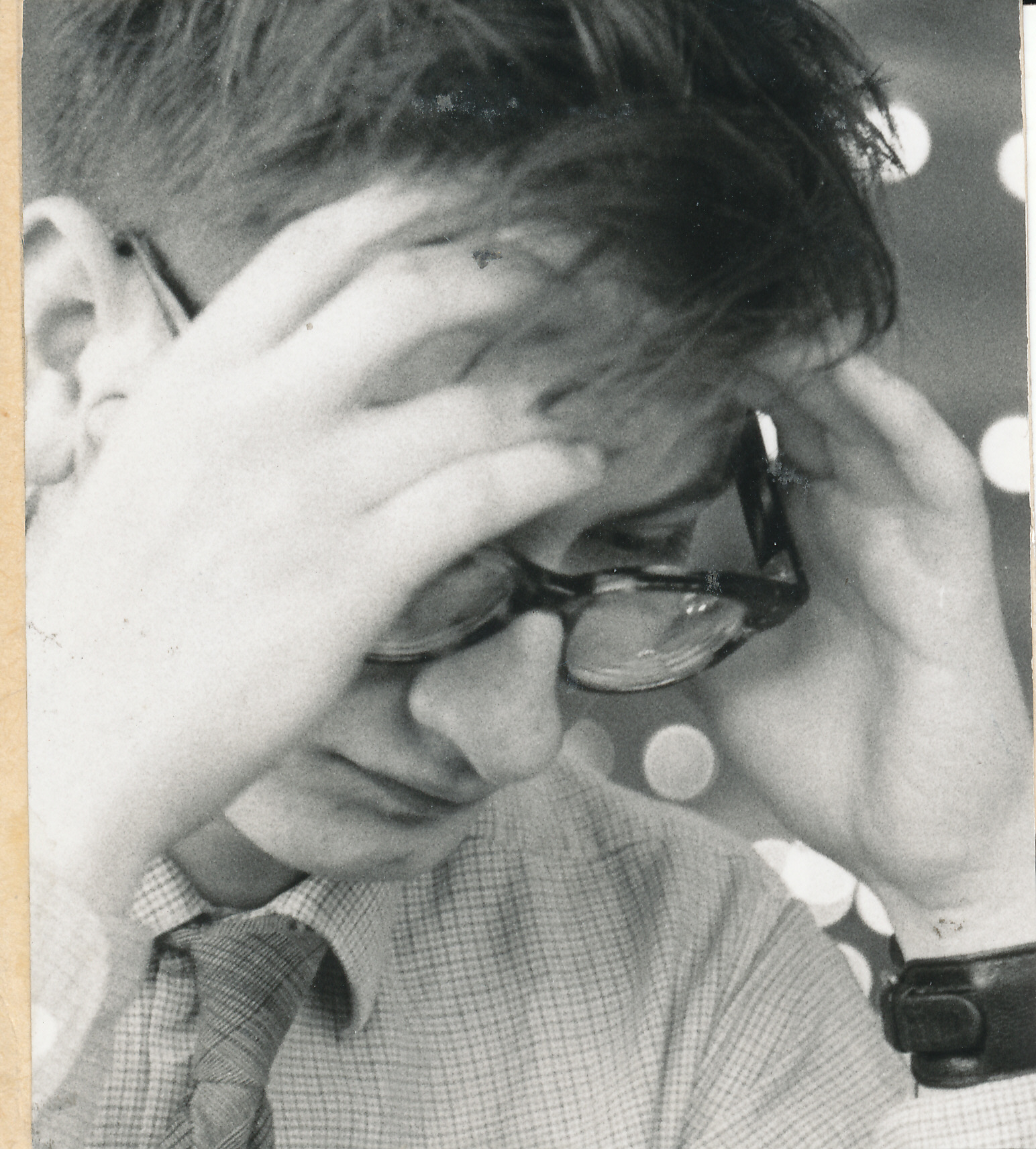
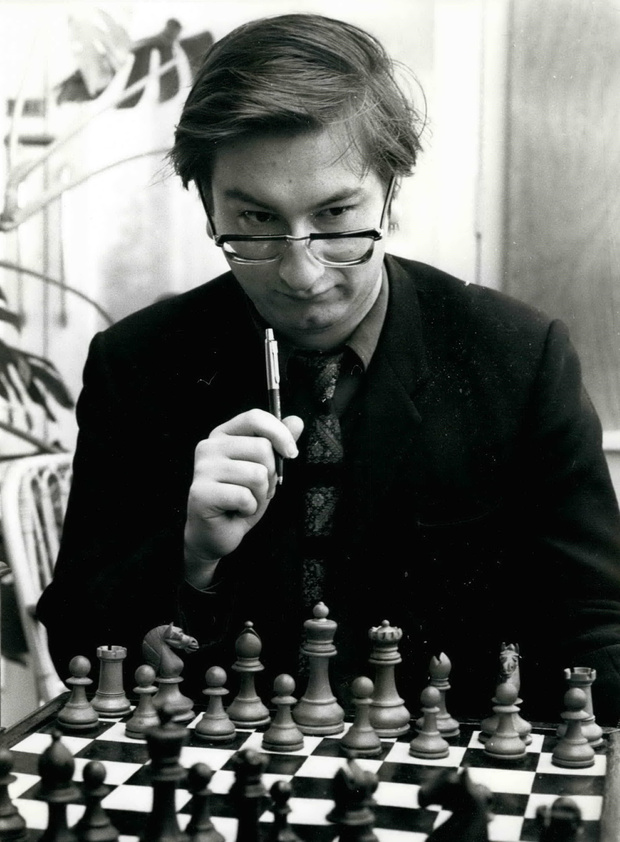
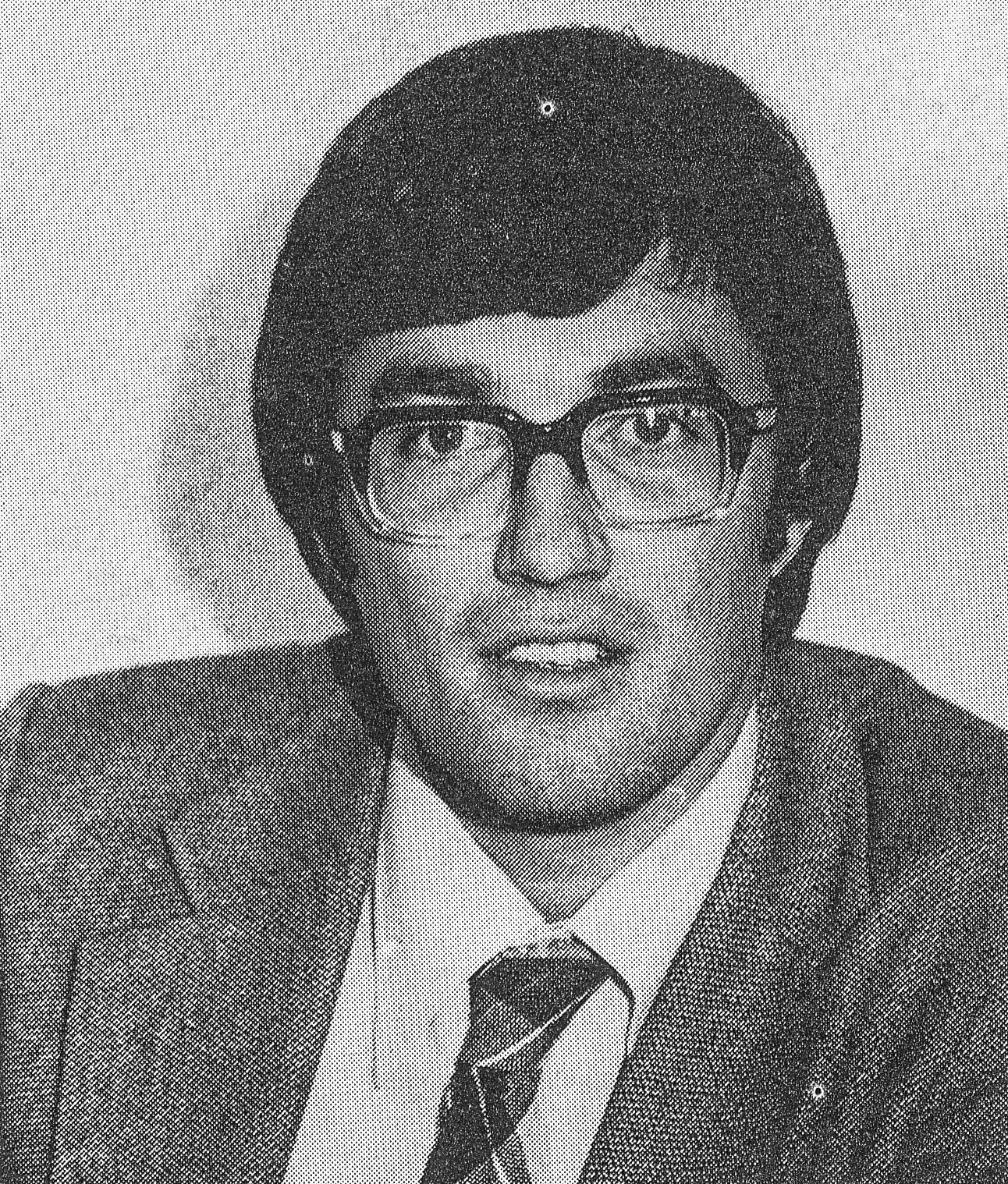
Raymond Keene
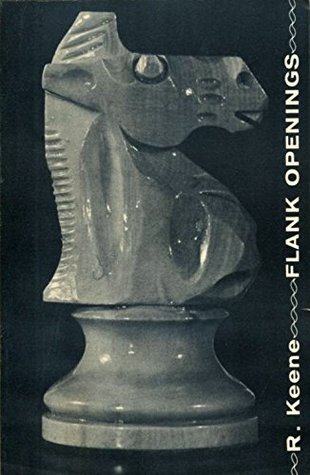
Ray was educated at Dulwich College between 1959 and 1966 thereby becoming an Old Alleynian. In 1967 Ray went up to Trinity College, Cambridge to study Modern Languages specialising in German and graduating with an MA. Amongst their Alumni are five spies including Blunt, Burgess and Philby. During the gap between Dulwich College and Cambridge Ray (aged 18) wrote his first (and one of his best) book : Flank Openings :
Flank Openings, Raymond Keene, British Chess Magazine, 1967.
Being published at the age of 19 this must be close to the earliest age an English player has had a chess book published that was not ghost written. (Leave a comment if you know differently!)
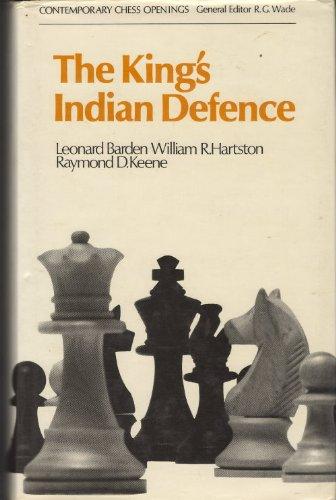
Following this legendary tome Ray collaborated with Leonard Barden and Bill Hartston on The King’s Indian Defence from BT Batsford Ltd:
The King’s Indian Defence, Barden, Keene and Hartston, BT Batsford, 1969.
and in 1972 we have
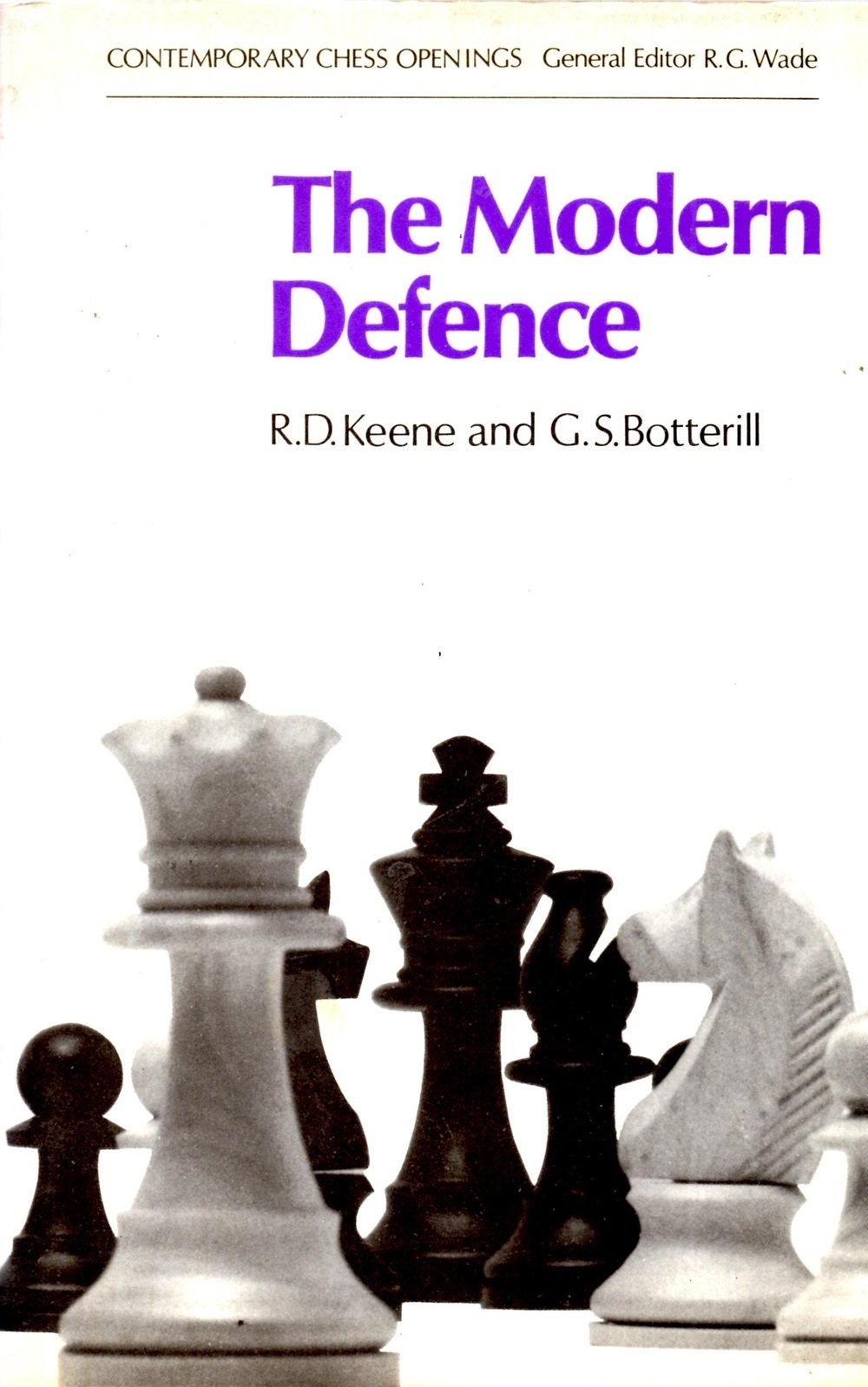
The Modern Defence, BT Batsford, 1972, GS Botterill and RD Keene
followed in 1973 by
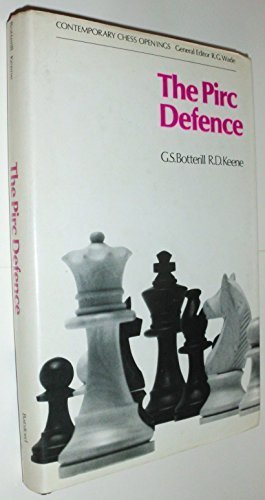
The Pirc Defence, BT Batsford, 1973, GS Botterill and RD Keene
All of which were favourably received helping Batsford to establish a strong reputation.
In July 1974 Ray married ex-ballerina (and now Dance Teacher) Annette Sara Goodman in Brighton, East Sussex. Annette became a director of World Memory Championships International Limited on January 17th 2008 and resigned on April 9th 2008. They have one son, Alexander Phillip Simon Keene, born in 1991. Godfather to Alexander is Scottish International, IM David Levy.
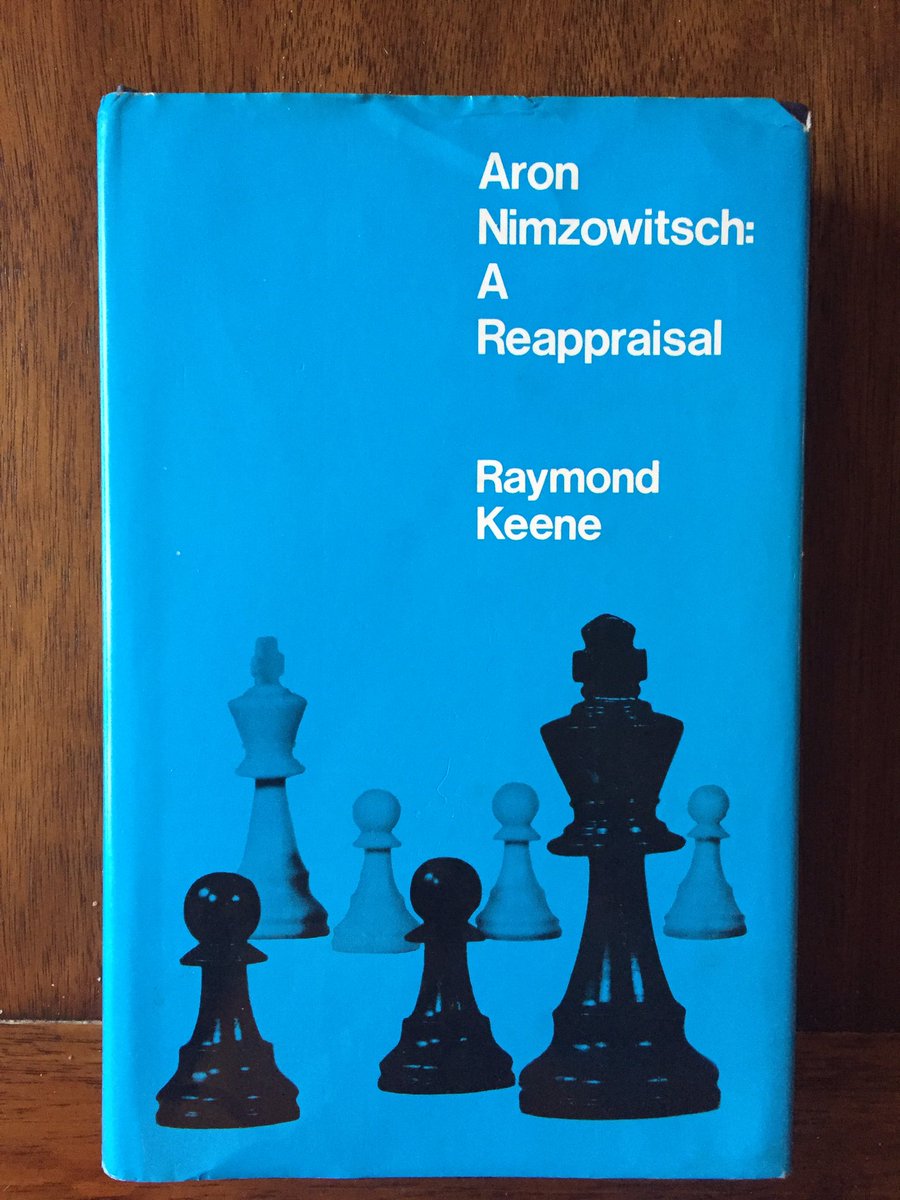
Also in 1974 George Bell & Sons published Ray’s most acclaimed work (and arguably his best) : Aron Nimzowitsch: A Reappraisal
Aron Nimzowitsch: A Reappraisal, RD Keene, George Bell & Sons, 1974
Alexander is currently the Company Secretary of the aforementioned company, Julian (a retired teacher from Brighton) is another active director.
In 1985 Ray became the sixth British chess player to be awarded the OBE when it was awarded in the Queen’s Birthday Honours List. The citation read “For Services to Chess”.
According to Companies House Ray has held a total of 30 directorships in various companies such as :
Brain Plan 2020
World Mind Mapping Championships
World Speed Reading Championships
Buzan International Technology
Buzan World
The World is My Oyster
World Memory Championships
Intelligent Resources and Services
Outside in Pathways
UK Primary Schools Memory Championships
UK Schools Memory Championships
The School Memory Championships
The Schools Memory Championship
Mental Literacy for All
Festival of the Mind
Festival of the Mind International
The Brain Trust
Impala (London)
Tony Buzan International
World Memory Championships International
World Peace and Prosperity Foundation
Zeticula
Mind Masters Management
Intellectual Leisure
Brain Sports Olympiad
Mind Sports Promotions
(Our particular favourite has to be the unpretentiously entitled “World Peace and Prosperity Foundation” although “The World is My Oyster” runs it a close second.)
Ray, Annette and Julian Simpole currently live in Clapham Common North Side, London, England.
English player and author, British champion 1971, From 1966 he played in several Olympiads and his performance in two of them, Nice 1974 ( + 7=6-2) and Haifa 1976 (+4=6), gained him the title of International Grandmaster (1976). His best tournament win was at Dortmund 1980 (category 8), He studied the games and teaching of Staunton and Nimzowitsch and revealed with unusual insight the strategy of the former and the stratagems of the latter in two books: Staunton : the English World Champion (1975) and Nimzowitsch: a Reappraisal (1974). He also wrote Flank Openings (3rd edn, 1979); these openings are the ones which he prefers to play, which he knows best, and which suit his solid positional style.
International Master (1972), British Champion in 1971 and a regular member of the British team since 1966 playing on top board on a number of occasions.
Ray Keene
Raymond Keene was born on 29th January 1948 in London and learned to play chess at the age of six. He began to play seriously when he was thirteen. While at Dulwich College from 1959 -1966 he played top bard for the school team which won the Sunday Times National Schools’ Chess Tournament in 1965 and 1966.
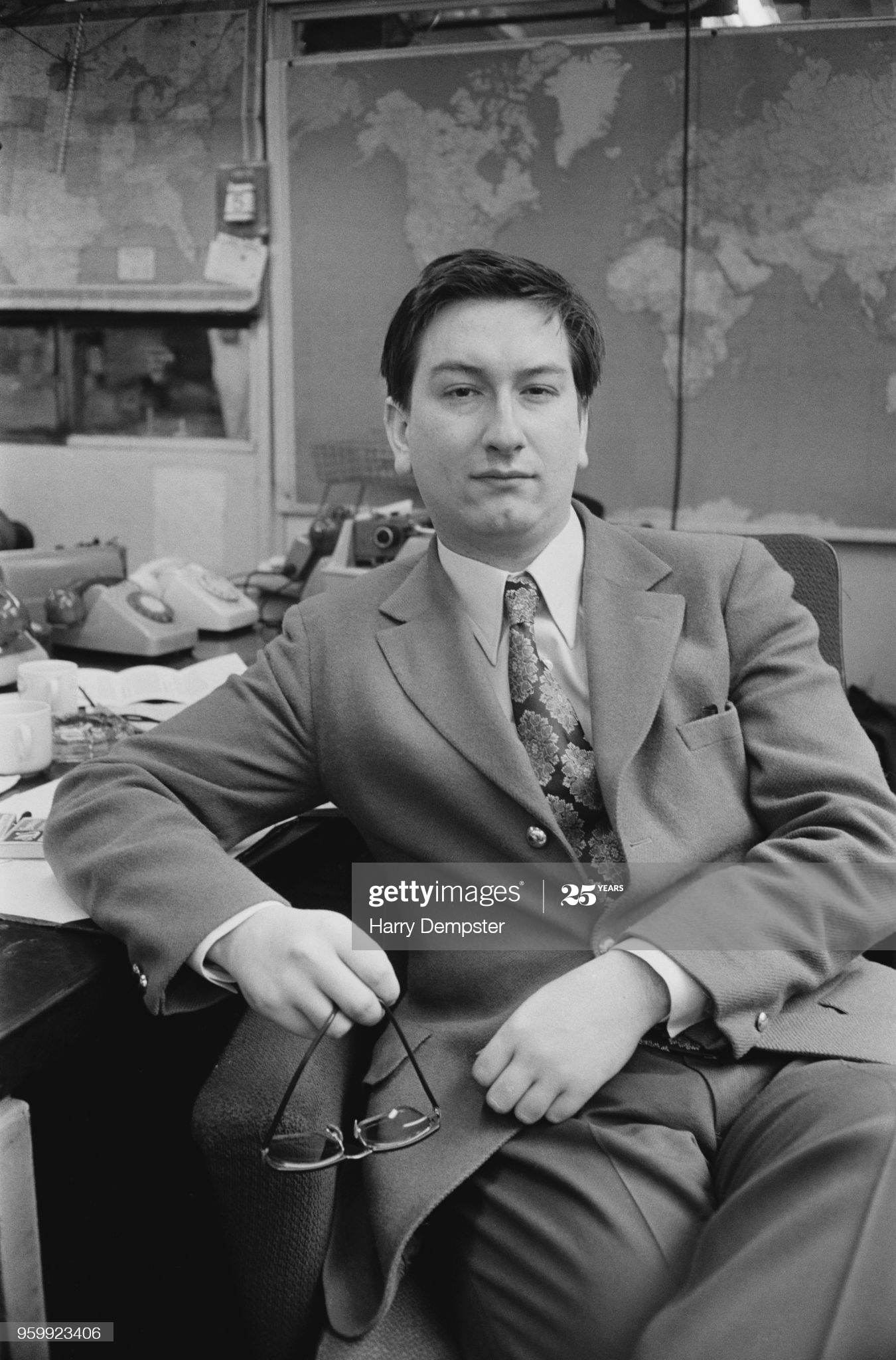
English chess player Raymond Keene, winner of the 1971 British Chess Championship, posed in London on 6th June 1972. Raymond Keene has been awarded the chess title International Master. (Photo by Harry Dempster/Daily Express/Hulton Archive/Getty Images)
In 1964, he won the London and British Boys’ Under 18 Championship (ed : In fact, the title was shared with Brian Denman) and the following year, at the age of seventeen, he became the youngest player to win the Surrey Championship. While at Cambridge he graduated in German Literature (B.A. Honours), he played top board for the university.
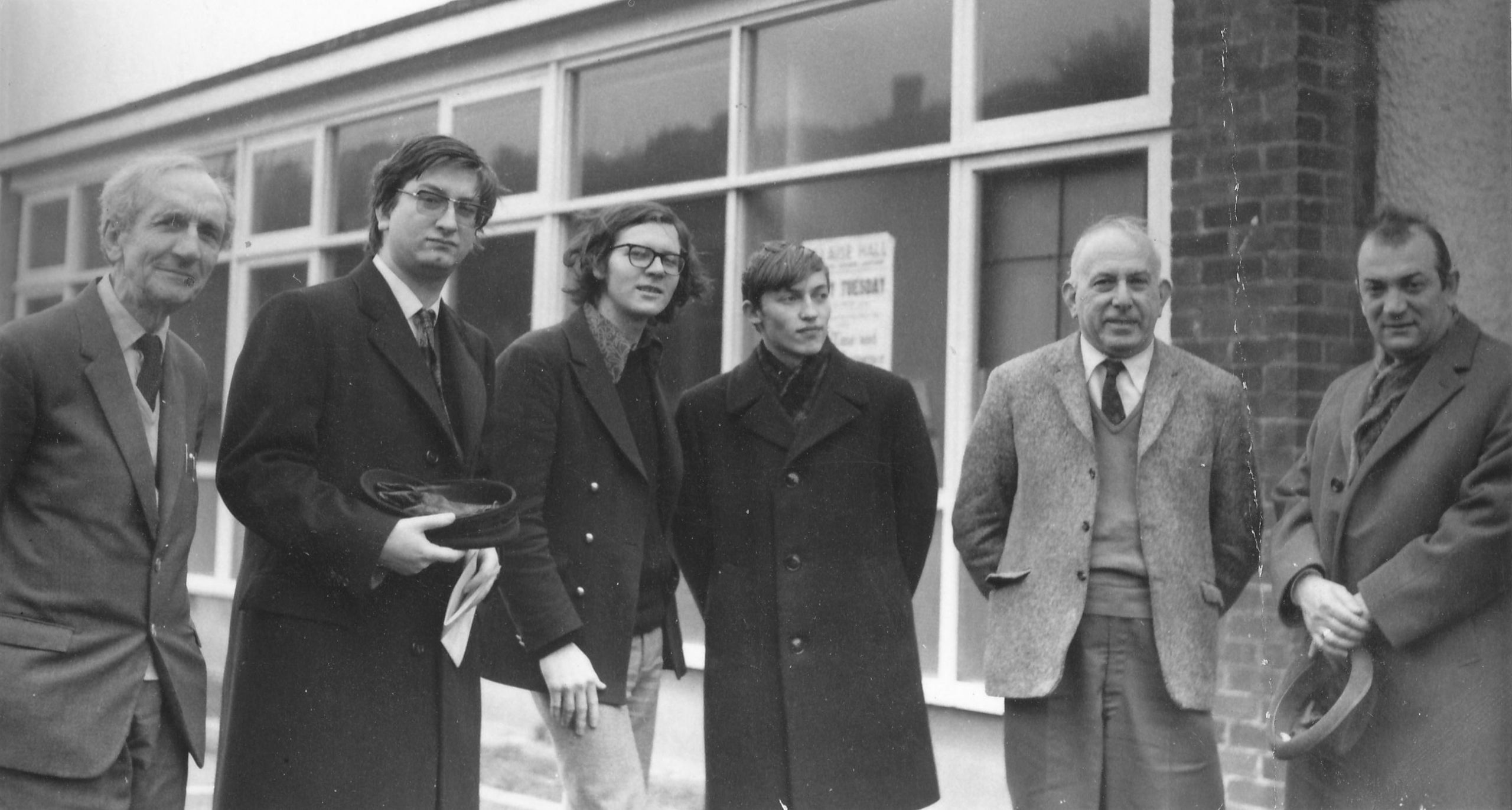
Brian Reilly, Ray Keene, George Botterill, Anatoly Karpov, Harry Golombek and Viktor Korchnoi
During his chess career, he has beaten both Botvinnik and Gligoric, In 1967, he came 2nd in the World Junior Championship and in 1968 he won the prize for the best score on board 4 in the Lugano Olympiad.
Raymond Keene
A difficult player to beat, Keene played in four British Championships without losing a game and also went through the Lugano and Siegen Olympiads unbeaten in 33 games.
At Oxford in 1973, Keene set up what he believes is an English speed record for simultaneous chess, scoring 100 wins, 5 draws and 1 loss in 4.5 hours.
“British Grandmaster, British Champion 1971, Keene was born in London and was both London Boy Champion and British Junior Champion in 1964 (ed : In fact, the title was shared with Brian Denman).
Educated at Dulwich College and Trinity College, Cambridge, he soon became recognised, along with Hartston, as one of the two leading younger players in England. His style of play was different from that of his rival, being more complicated and less direct; but, like Hartston, he became a most formidable opening theorist with a vast knowledge of opening theory.
His first Olympiad was at Havana 1966 where he was the youngest member of the side and scored 65% on board six. In 1968 at Lugano he obtained 76.5% on board four and in 1970 at Siegen, playing on board two in the preliminaries and board one in the finals he score 68.8%.
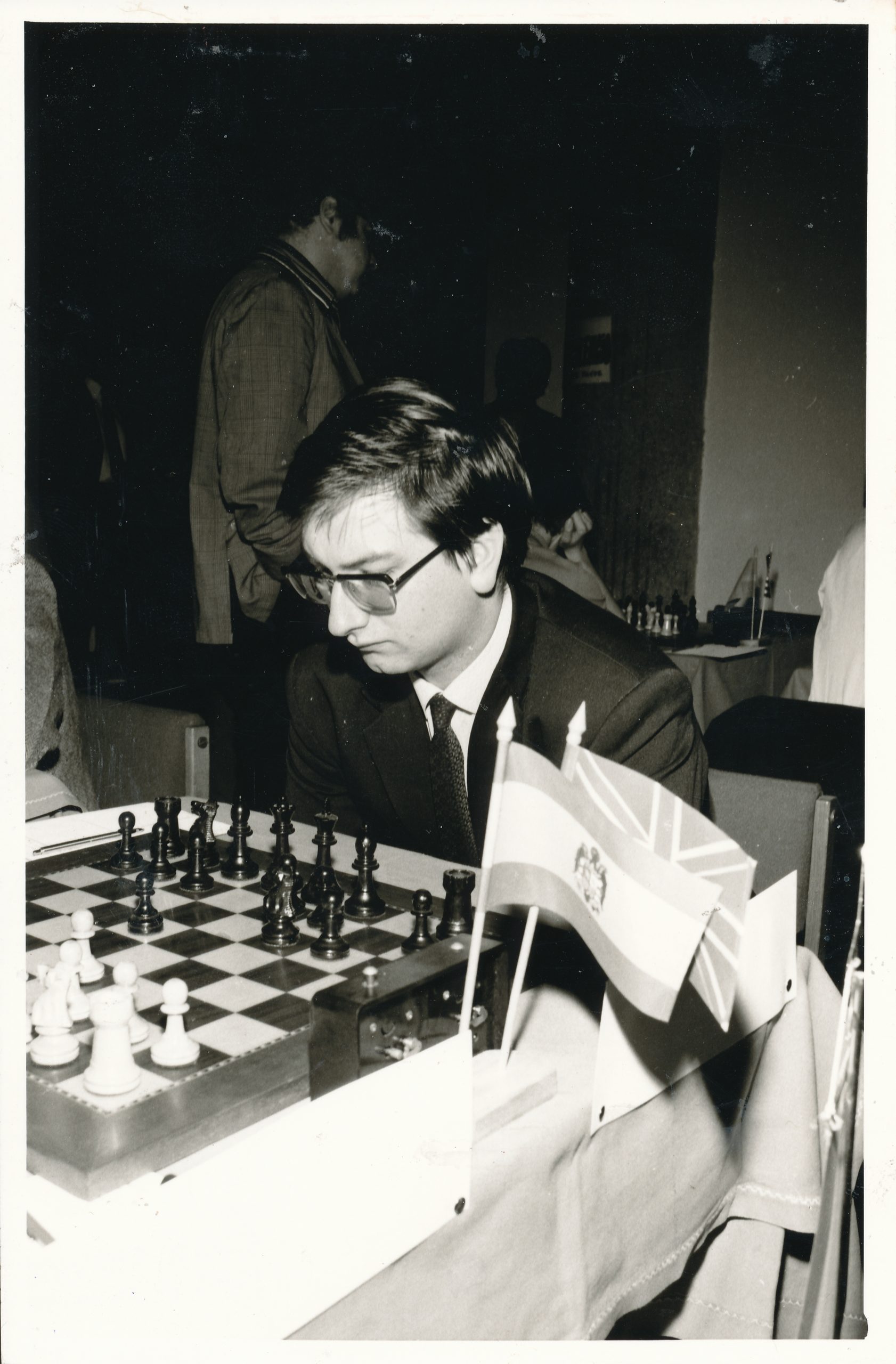
Raymond Keene
The year 1971 saw a double achievement, for in that year he won the British Championship at Blackpool and also secured the title of International Master.
Playing on top board in the 1972 Olympiad at Skopje, he scored 11.5 out of 20.
Ray & friend
In 1974 he came 6th in a very strong Hastings tournament and then won first prize in the Capablanca Memorial Masters in Cuba. At the Nice Olympiad he scored 66.66% on 2nd board, attaining the first leg of the grandmaster norm. At Mannheim 1975 he was 3rd in the German Open championship and in that year he also came 2nd at Alicante. In 1976 he was 2nd at the Aarhus tournament in Denmark. He finished a most successful year in international chess by fulfilling the second grandmaster norm on 2nd board in the Haifa Olympiad, thereby becoming England’s second international grandmaster (after Tony Miles). (Harry Golombek)”
Best Birthday wishes to IM Richard Adam Bates born on this day (January 27th) in 1979.
Richard has won the Southern Counties (SCCU) championship in the 2015-16, 2016-17 (with Nick Pert) and 2017-18 seasons.
IM Richard Adam Bates
Richard BatesIM Richard Bates
IM Richard Bates
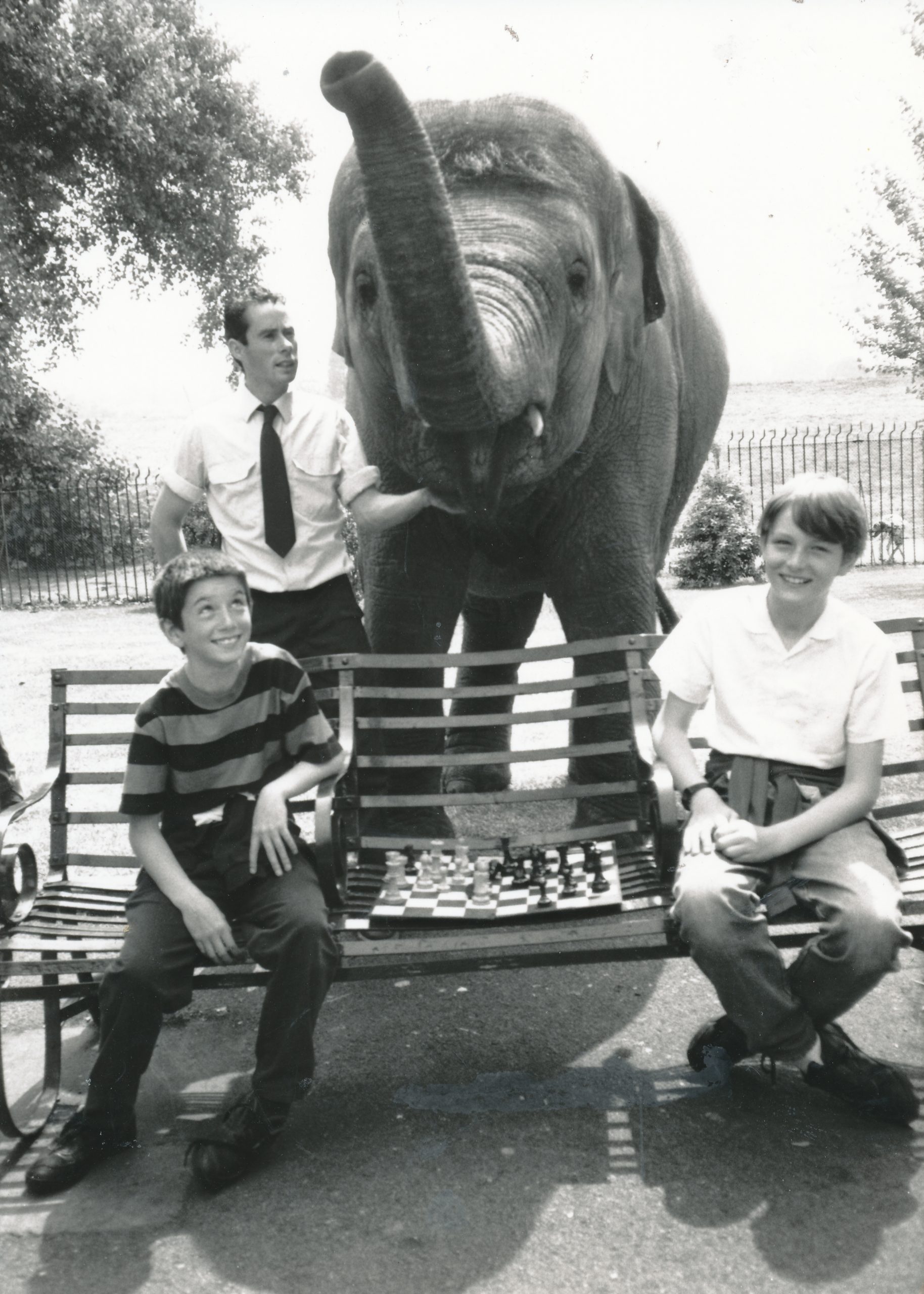
Sheen Mount Under Eleven Chess Champion Richard Bates and Robin Laisby enjoying a game during time out from the Teachers Assurance National Primary Schools Chess Championships. Malaysian Elephant Leyang Leyang and her keeper Duncan McGinnie help them not to forget their chess moves.
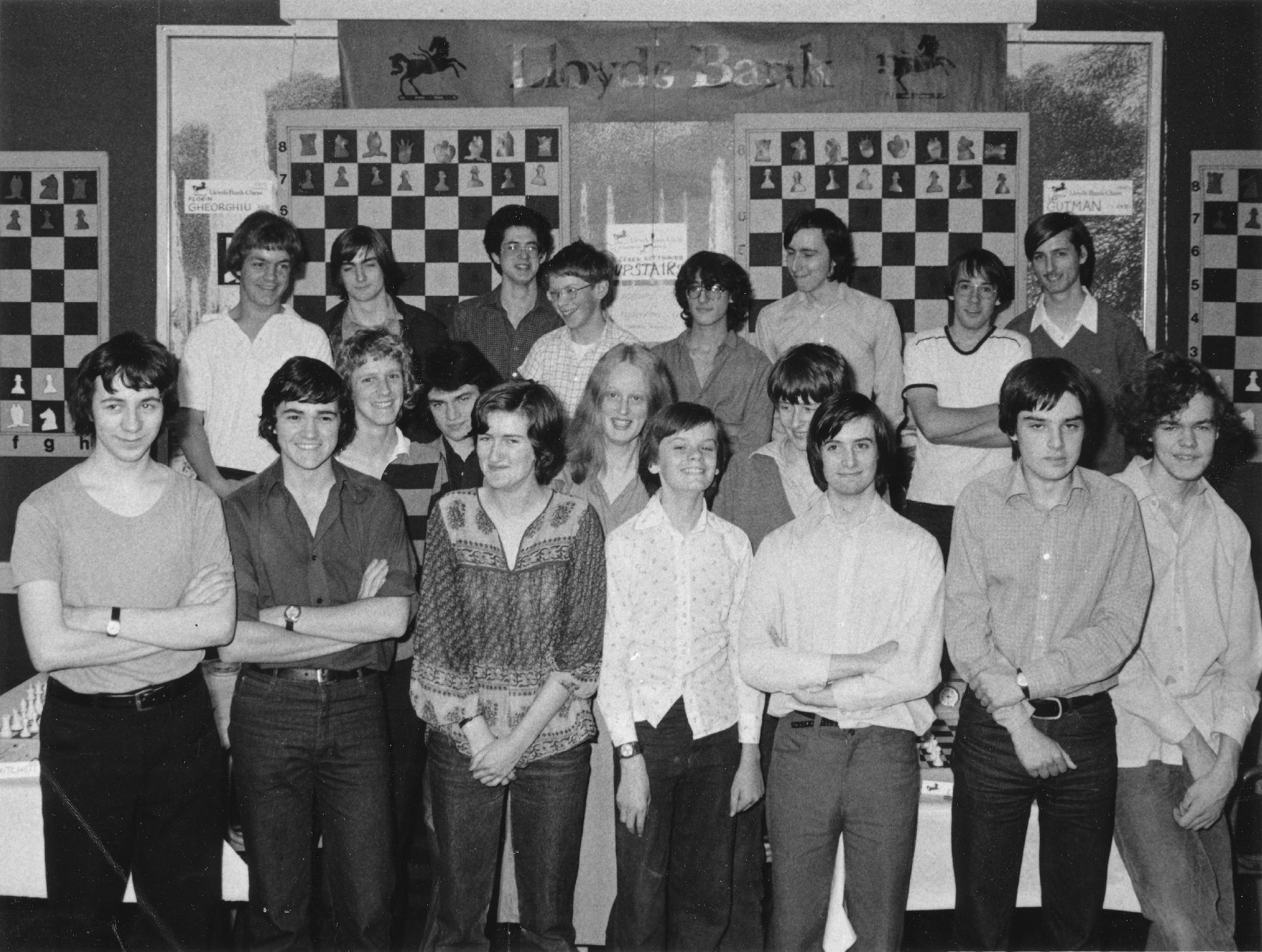
David Cummings (front, second from right) at a Lloyds Bank event
This was written about David who was 18 just prior to the 1979 Spassky vs the BCF Junior squad simultaneous display :
“Varndean and Brighton. Rating 207. British men’s championship finalist, 1977. First Danish junior international championship, 1978.”
At the Lloyds Bank Masters : Front (l-r) : Joel Benjamin, Ian Wells, Rear : Peter Morrish, Stewart Reuben, Richard Beville, Gary Senior, Richard Webb, John Hawksworth, Andrew King, Nigel Short, Mark Ginsburg, Daniel King, David Cummings, Erik Teichmann, John Brandford and Micheal Pagden
We send best wishes to IM Adam Taylor on his birthday.
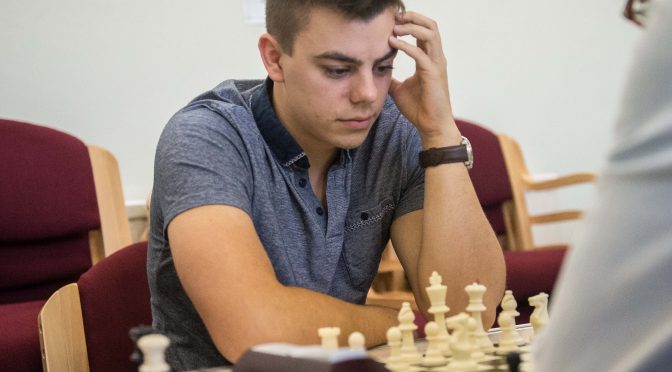
Adam Christopher Taylor was born on Friday, January 23rd, 1998 in Colchester, Essex. Adam has a sister, Nathalie Leanne Taylor who also plays and studied History & Economics at The University of York. His mother Deborah was always supportive during his chess career.
He attended The Gilberd School, Colchester until 2014 and then Colchester Sixth Form College and currently resides in Colchester, Essex.
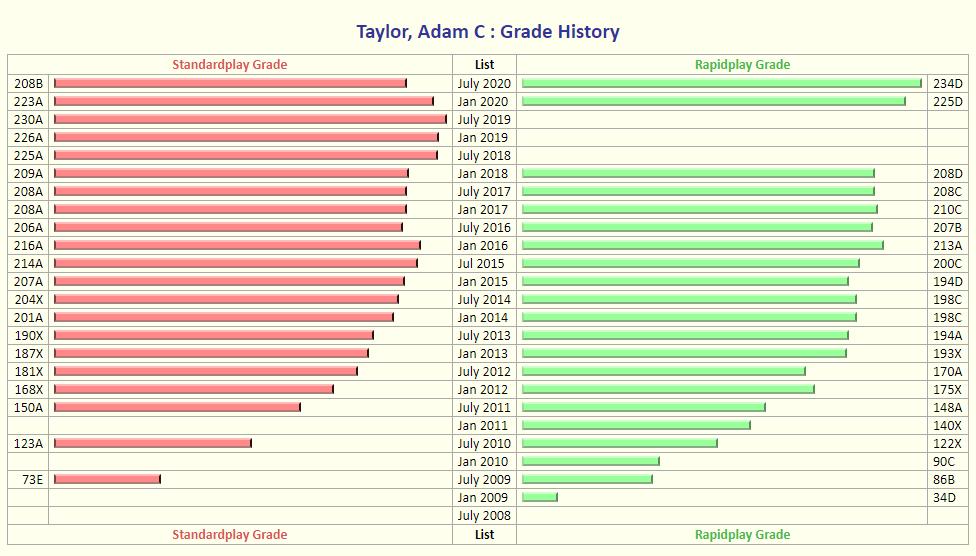
ECF grading profile for IM Adam C Taylor
Adam’s first recorded rapidplay event was the Basildon Junior Congress resulting in a published grade of 34D and his first graded standard play event was the 2009 London Junior Under-12 Championships and his first published standard-play grading was 73E.
In that same year at Torquay Adam won the British Under-12 title sharing with Radha Jain.
Adam C Taylor at the 2013 UK Chess Challenge Terafinal. Courtesy of John Upham Photography
Adam made his first 4NCL appearance in May 2012 for SC Stars followed by Anglian Avengers. In 2018 the lure of the big lights of Division One beckoned and Wood Green became Adam’s team now playing for Wood Green Monarchs in the Online 4NCL championship.
In 2017 Adam scored an impressive 6/9 (and =2nd) when he travelled to Greece to play in the Heraklion 1st Capablanca Memorial.
The Hastings Open in 2018 saw an excellent =7th with 6.5/10.
Adam’s IM title was ratified in June of 2019 in Baku and currently (January 2021) holds a FIDE standard play rating of 2347 and an ECF standard play rating of 2260A. His highest ECF standard play grading was 230A in July 2019. We expect this to be exceeded once OTB play resumes.
Battersea Chess Club celebrated Adams’s title in style with this article written by Leon Watson
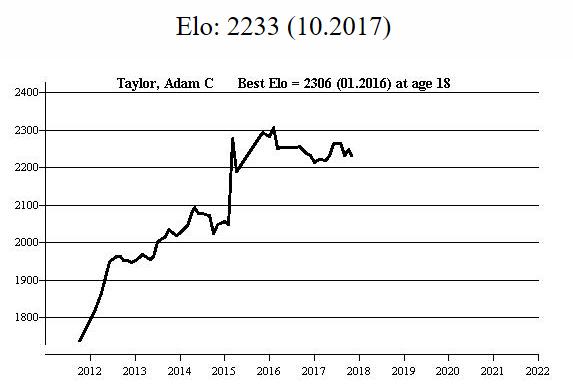
FIDE rating profile for IM Adam C Taylor from MegaBase 2020.
Adam has played for Bury St. Edmunds and Manningtree and now Battersea in the London League and Wood Green in the Four Nations Chess League (4NCL) and has made many appearances in the UKCC Terafinal.
Adam is known as Tayip99 on chess.com and as AdamTaylor2301 on LiChess.com and regularly streams on Twitch and other platforms.
Adam C Taylor, Courtesy of John Upham Photography
On the 13th of September 2019 Adam became the sole director of MakingGrandmasters Limited which lists on its web site a number of leading young English players engaging in coaching such as Matthew Wadsworth, Ravi Haria and Daniel Fernandez to name but a few.
One of Adam’s more notable students is Guildford Chess Club member Jessica Mellor who, in 2018, won Gold in the Under-11 category of the European Schools Championship.
More recently Adam has taken a back seat from chess and has become a golf professional.
With the white pieces Adam favours a Reti/English set-up where c4 quickly follows a king side fianchetto. Here is a typical game of Adam’s with the white against a strong opponent :
With the black pieces Adam essays the Berlin Defence and the Sicilian Najdorf as well as the Benko Gambit and Nimzo-Indian Defence.
IM Adam C Taylor, Courtesy of John Upham Photography
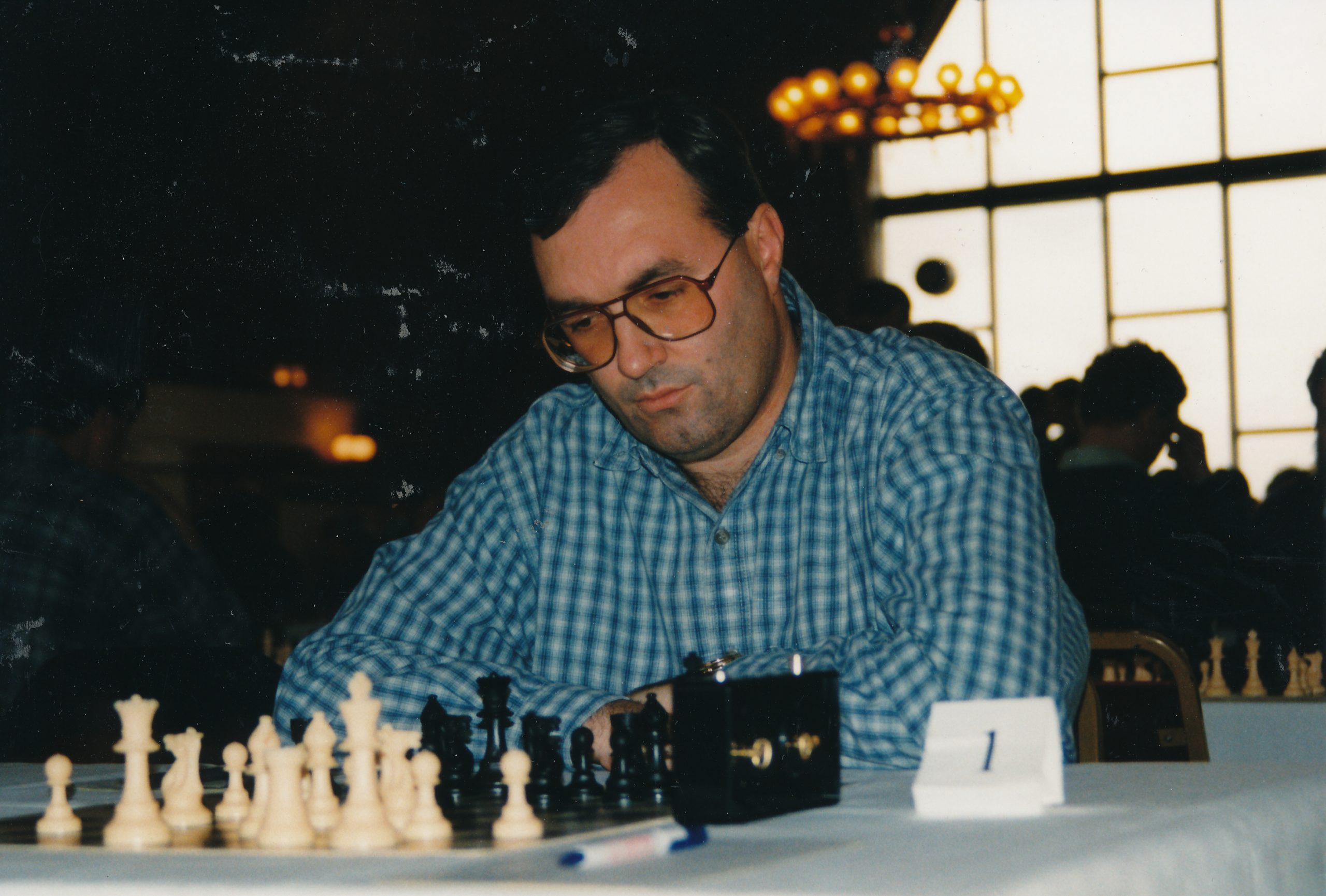
IM Paul Littlewood. Source : British Chess, Pergamon Press, 1983.
BCN wishes Happy Birthday to Paul Littlewood
Paul Edwin Littlewood was born on Wednesday, January 18th, 1956 in Skegness, East Lindsey, Lincolnshire. His parents were John and Jean Littlewood (née) Hadwick. Paul’s chess playing uncle was Norman Littlewood.
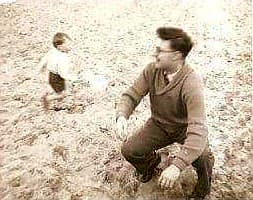
John and Paul on Skegness beach circa 1958. Kindly supplied by Paul Littlewood. George and Ringo are out of shot !John, Jenny and Paul Littlewood, circa 1962. Kindly supplied by Paul Littlewood.
Paul attended Glenburn Comprehensive School in Skelmersdale from 1967 and then read Natural Sciences at Christ’s College, Cambridge from 1974.
Paul played badminton for Lancashire and Cambridge and, in 1971, won the English Schools Mixed Championship when he was 15 years old.
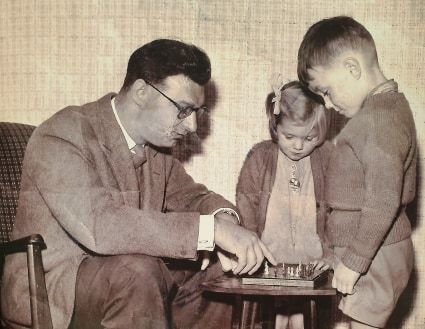
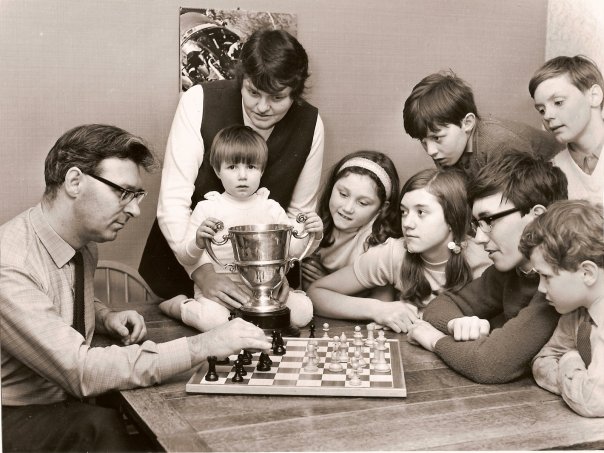
Paul and family receive a chess lesson from John following John’s win in the 1972 Southport Open
On leaving University Paul taught science at Southbrook Comprehensive, Daventry. Four years later Paul became a dealer at Phillips & Drew and followed this as an Executive Director at Goldman Sachs. Stays at Lehman Brothers and JP Morgan were followed by a change of direction and since then Paul has been director of various food supply companies retiring in 2014.
Paul is married (3rd November 2006) to (his second wife) Fiona and lives in St. Albans, Hertfordshire.
PEL won the ECF President’s Award in 2007 and from the 2008 ECF Yearbook we have the following citation :
“International Master and accomplished bridge player. From British Chess champion (1981) Paul has presided over the 4NCL as chairman during its most successful period. When he became chairman over ten years ago the league consisted of two divisions and 32 teams. The league has now expanded to four divisions and a total of 72 teams. Most of England’s juniors play 4NCL. During this time 4NCL became one of the strongest leagues in Europe, at one time boasting a Division 1 rivalling the Bundesliga in strength in the top matches.
Paul has demonstrated the sound judgement of Solomon when dealing with league disputes and has drawn on his business acumen, honed during a successful career in the City with Goldman Sachs to make 4NCL the financially stable and expanding league it is today.”
Roll of Honour
British U18 Champion 1972
British U21 Champion 1975
British Champion 1981
As a junior represented England in Glorney Cup
International Master 1980
From British Chess (Pergamon Press, 1983) by Botterill, Levy. Rice and Richardson we have this article from Richard W. O’Brien :
“Paul Littlewood was destined to become a strong player from birth. His father John was for some time one of the strongest players in the country and represented England on many occasions. His uncle Norman was for a few years not far behind. Paul, however, has surpassed them both and has become the first in the family to reach IM status. (Ed: JEL was very much worthy of the IM title but insufficient events of the right type held him back).
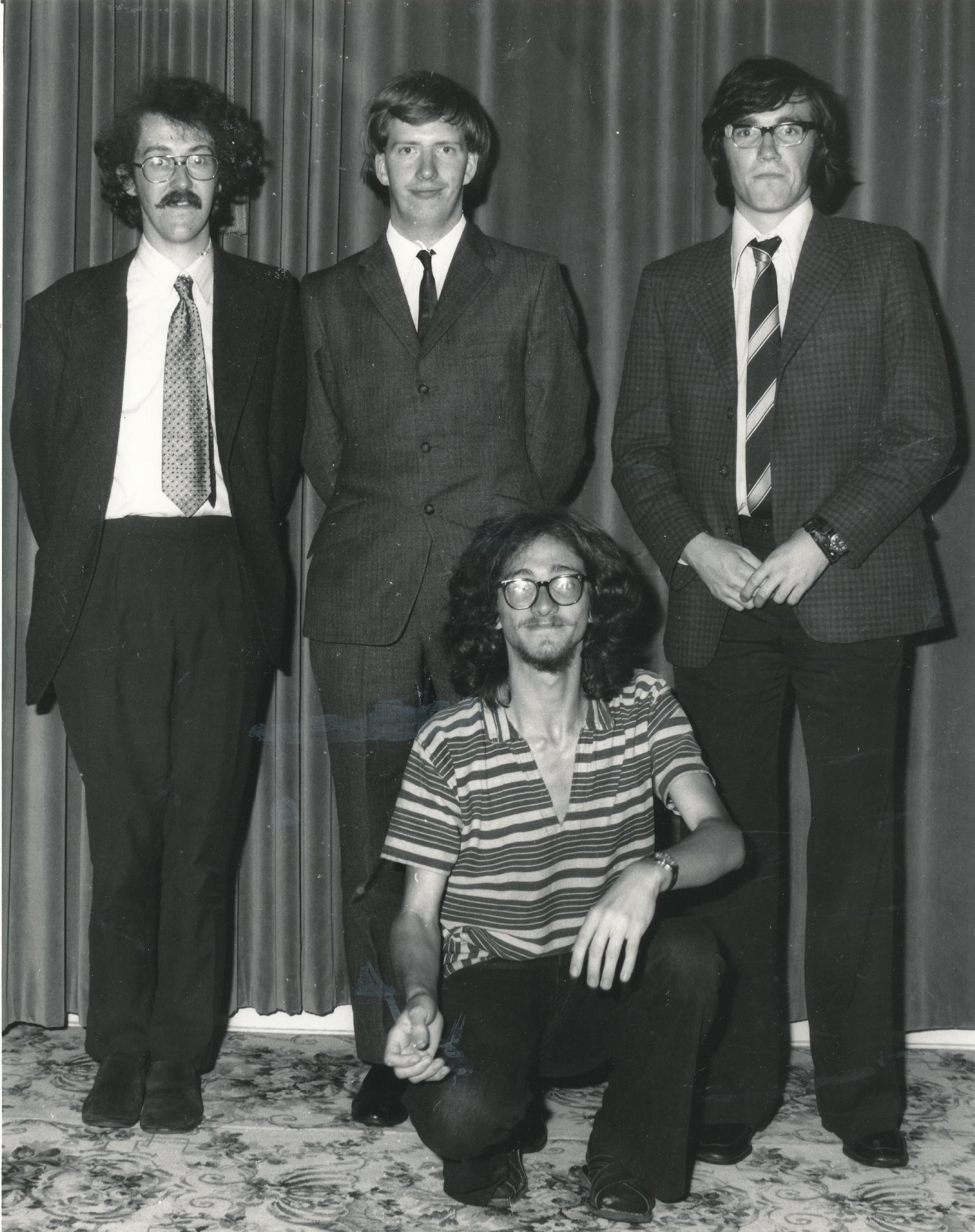
A. Howard Williams, Martyn J. Corden, Paul E. Littlewood and A. Jonathan Mestel
All three are essentially attacking players. There have been times in recent years when play at the Hastings Premier has become dull. However, Paul one of the English representatives at the last three tournaments, was certainly not to blame. (His game against Brito of Brazil which follows is a striking example of this).”
Coached by his father, Paul became British U18 champion in 1972 and three years later became British U21 champion.
Clearly more interested in an academic career he went up to Cambridge and then followed his father into the teaching profession. Opportunities to play in strong tournaments were thus very limited. These opportunities, however, were grasped in both hands. Three times in thirteen months between August 1978 and August 1979 he obtained an IM norm and thus the title.
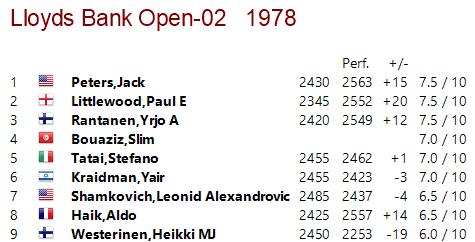
Partial crosstable for the Lloyds Bank Open, 1978
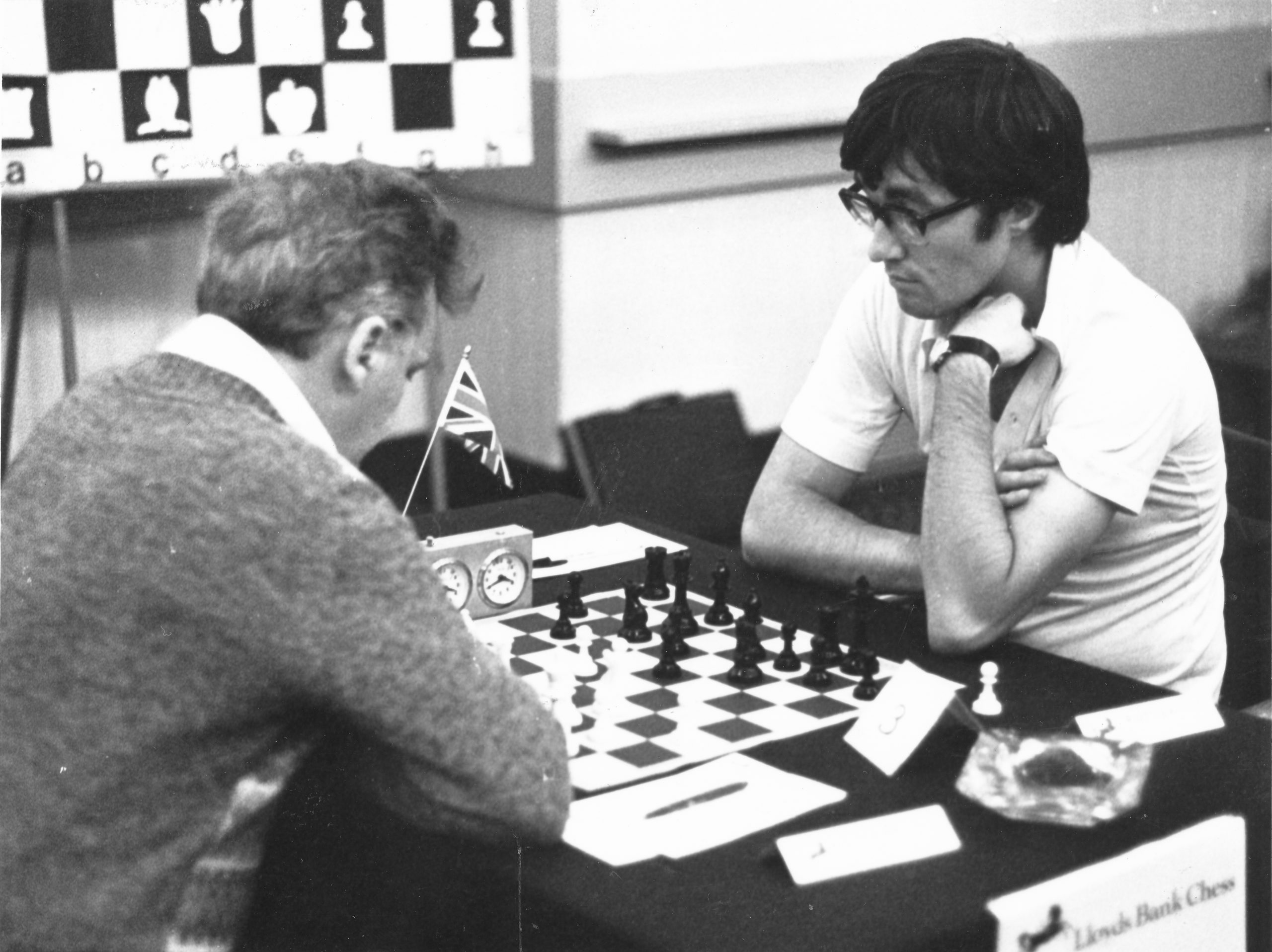
The first caused a sensation as it was totally unexpected. He shared first place at Lloyds Bank ahead of several grandmasters including Shamkovich, who was the first grandmaster he ever defeated.
Leonid Shamkovich plays Paul Littlewood during the 1978 Lloyds Bank Masters. Paul won the game.
Eight months later Aaronson Masters was won and then came the final norm, also at Lloyds Bank.
Tournaments abroad were limited although he represented England students. He did play at Kringsja (2nd equal) in 1978 and Borovo where he scored 6.5.13 finishing ahead of 3 GMs.
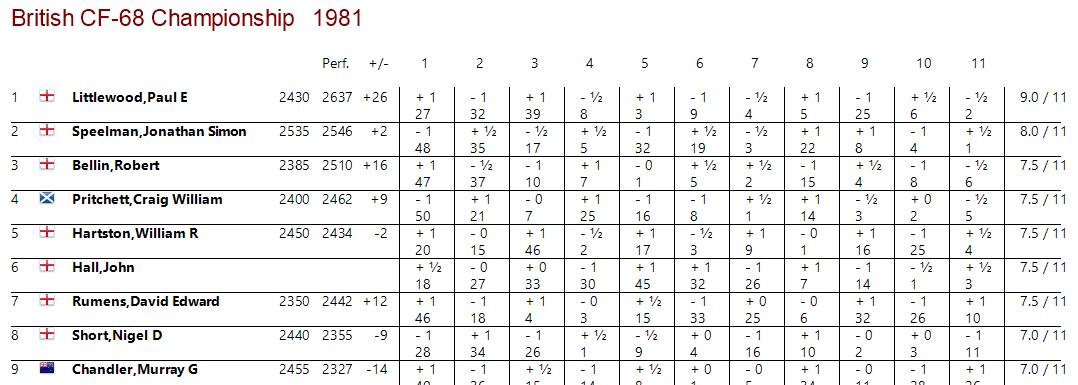
In 1981 came his finest achievement – winning the British Championship with a massive 9/11.
Partial crosstable from the 1981 British Championship in Morecambe
His father who was also competing in the championship was as proud as could be and deservedly so (he also coached Sheila Jackson who retained her British Ladies Championship that year). His excellent all round play took him to the title and only once during the tournament did he stand worse. His endgame play was so good that CHESS even published an article solely on these endings.
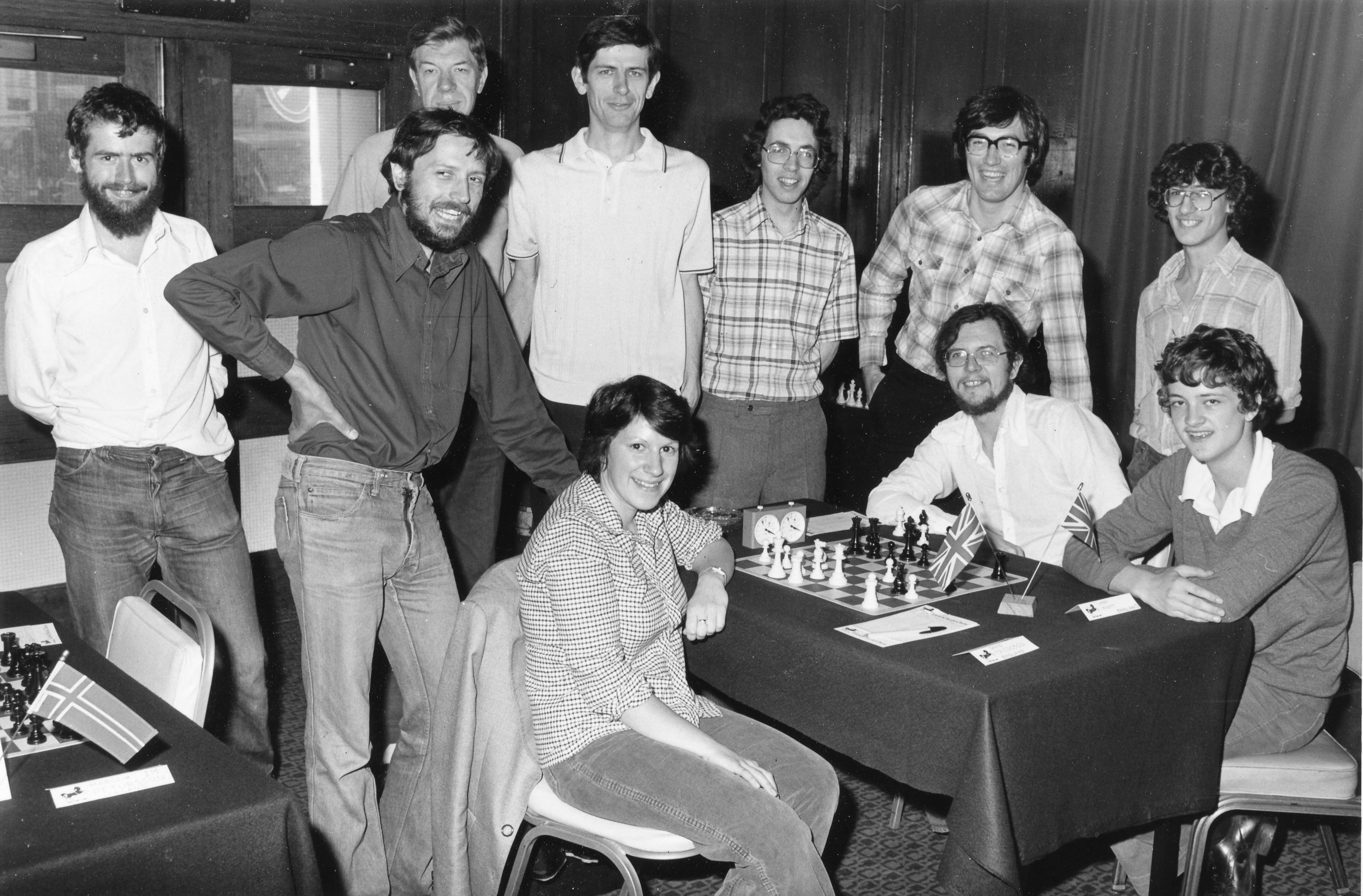
Paul Littlewood and friends during the 1978 Lloyds Bank Masters
Duties at school in Daventry meant he was, in February 1982, unable to take part in the zonal at Marbella. This followed an excellent Hastings when as British Champion he made a plus score – a rare event indeed.
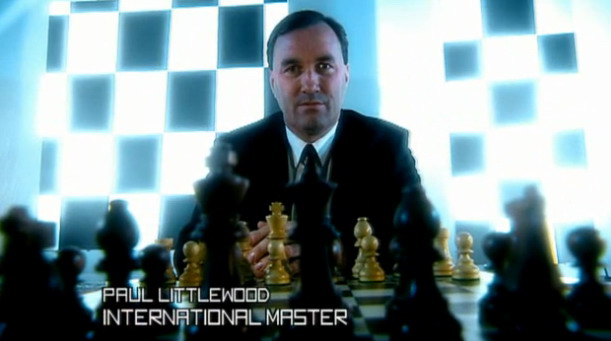
IM Paul Littlewood during filming for the “Trick of the Mind” series from Derren Brown
In the summer he gave up teaching and joined Phillips & Drew (stockbrokers). He now (ed : this was in 1983) lives with his (first) wife Sue and family in the wilds of Essex (Billericay).
IM Paul Littlewood, event and photographer unknown
Capa vs Corzo Rerun ? Nigel Short had 1977 British Champion George Botterill on the ropes at The National Bank of Dubai Open. In the photo Nigel is considering 42 Rh5 The champ just escaped with a draw.
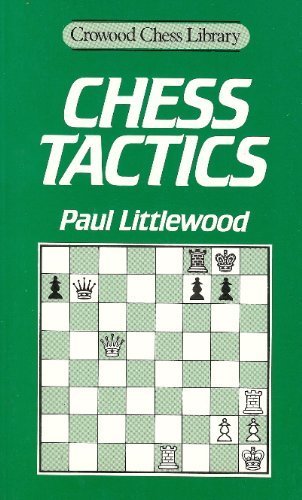
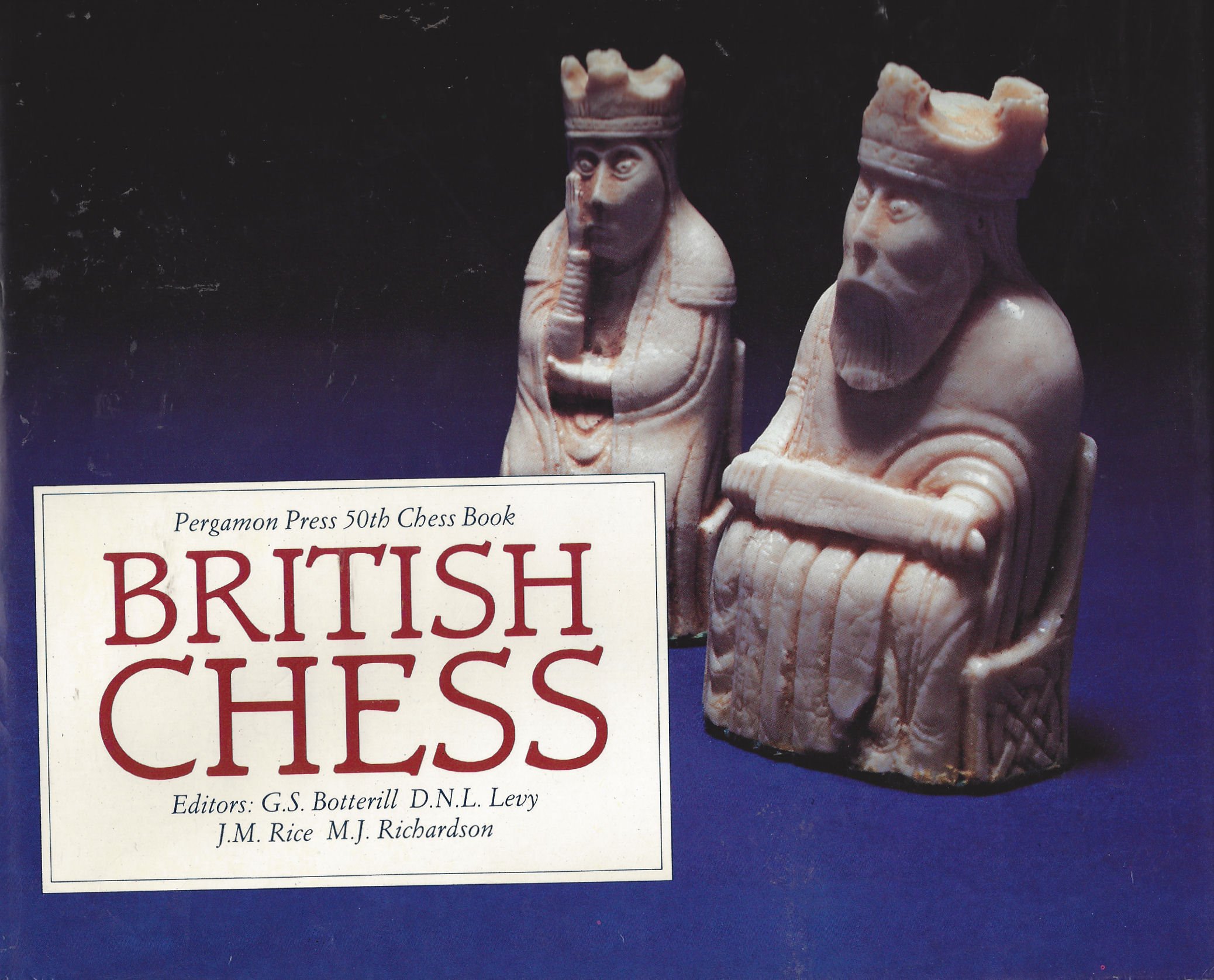
IM George Steven Botterill (08-I-1949)The Modern Defence, BT Batsford, 1972, GS Botterill and RD KeeneThe Pirc Defence, BT Batsford, 1973, GS Botterill and RD KeeneBritish Chess, Pergamon Press, 1983. Editors : GS Botterill, DNL Levy, JM Rice and MJ Richardson
Save as PDF
We focus on the British Chess Scene Past & Present!
This website uses cookies to improve your experience. We'll assume you're ok with this, but you can opt-out if you wish. Cookie settingsACCEPT
Privacy & Cookies Policy
Privacy Overview
This website uses cookies to improve your experience while you navigate through the website. Out of these cookies, the cookies that are categorized as necessary are stored on your browser as they are as essential for the working of basic functionalities of the website. We also use third-party cookies that help us analyze and understand how you use this website. These cookies will be stored in your browser only with your consent. You also have the option to opt-out of these cookies. But opting out of some of these cookies may have an effect on your browsing experience.
Necessary cookies are absolutely essential for the website to function properly. This category only includes cookies that ensures basic functionalities and security features of the website. These cookies do not store any personal information.
 Save as PDF