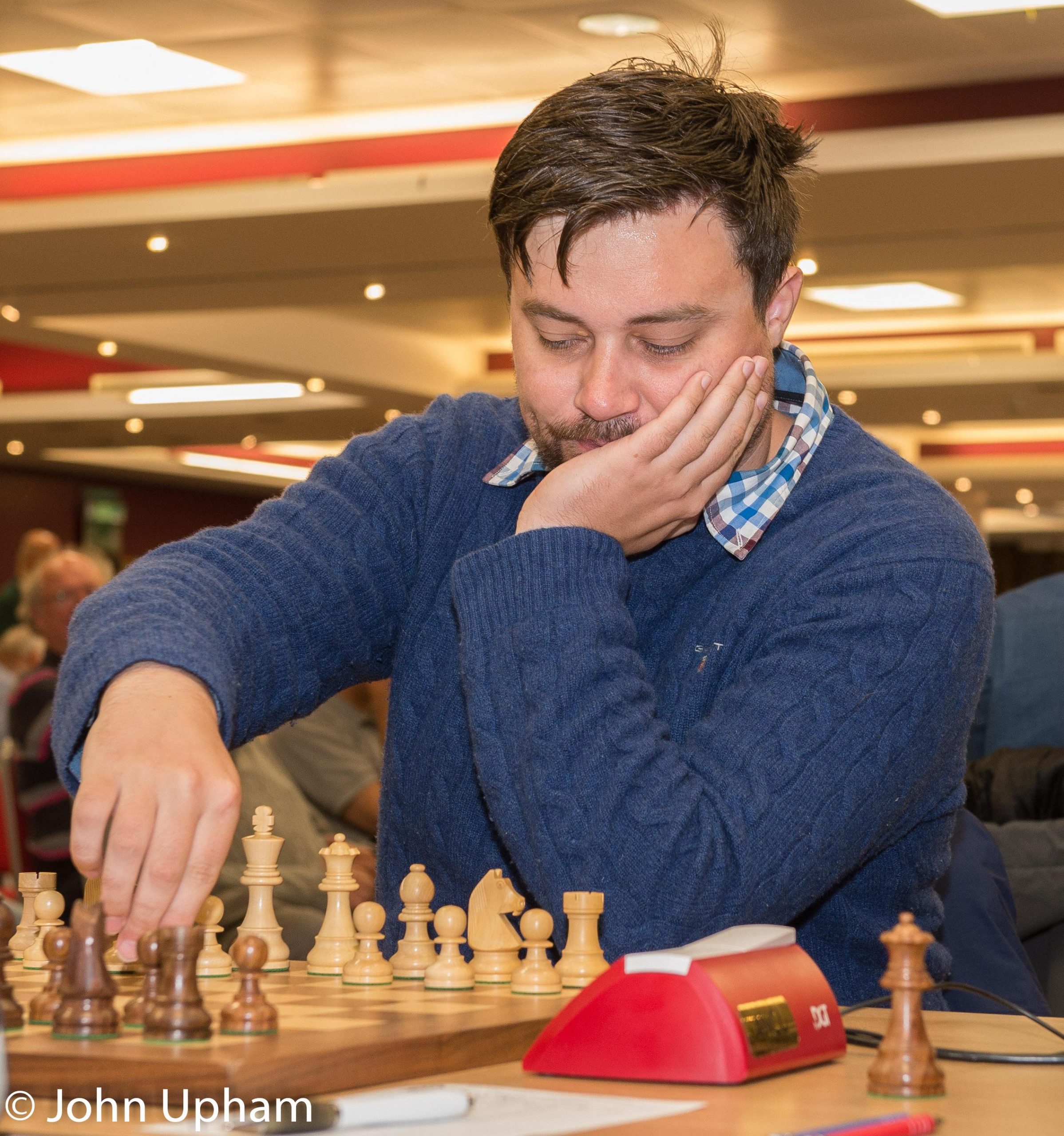
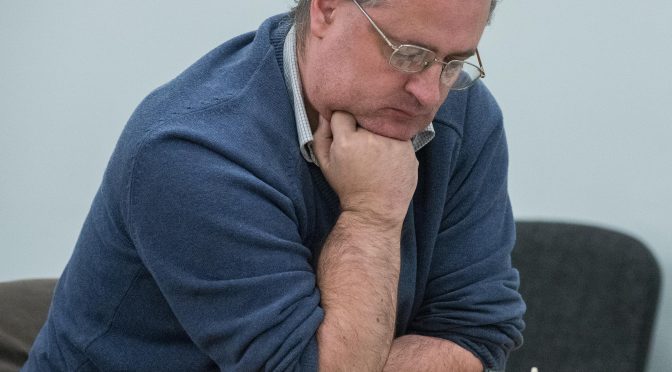
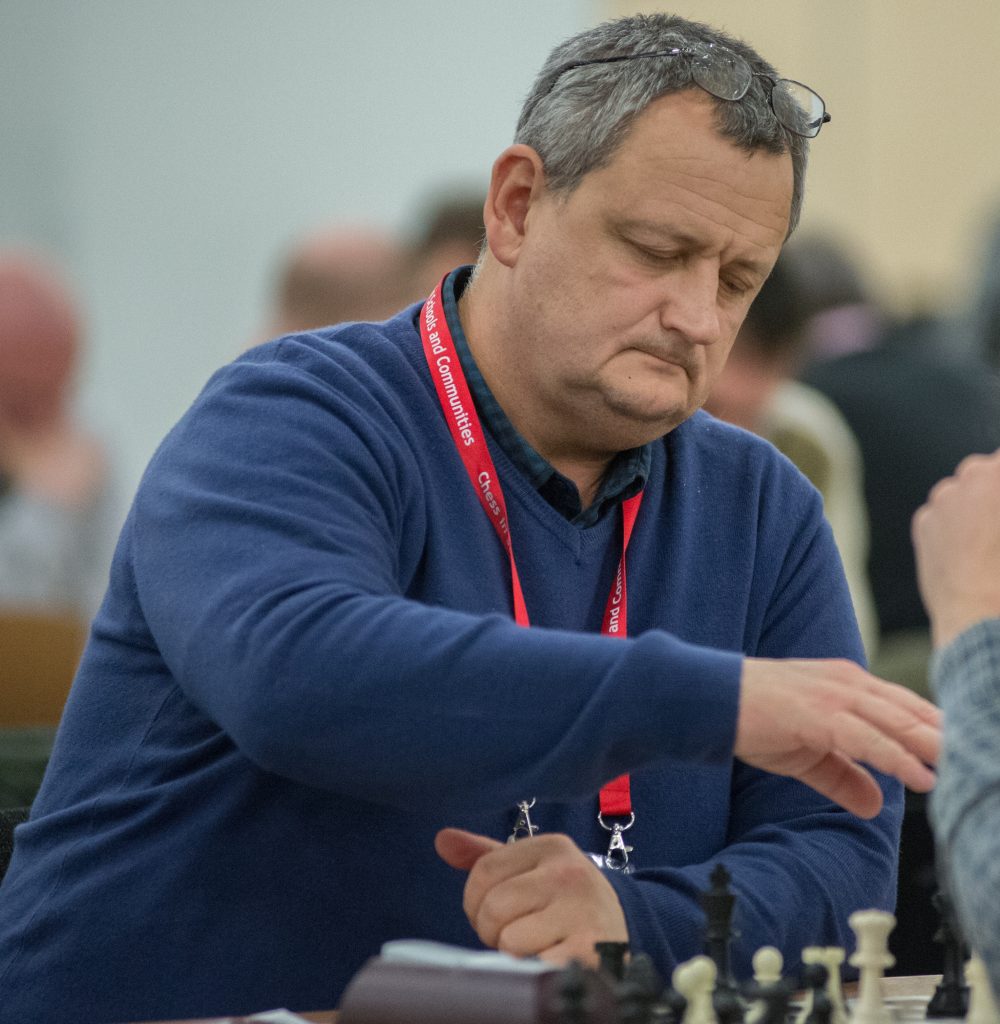
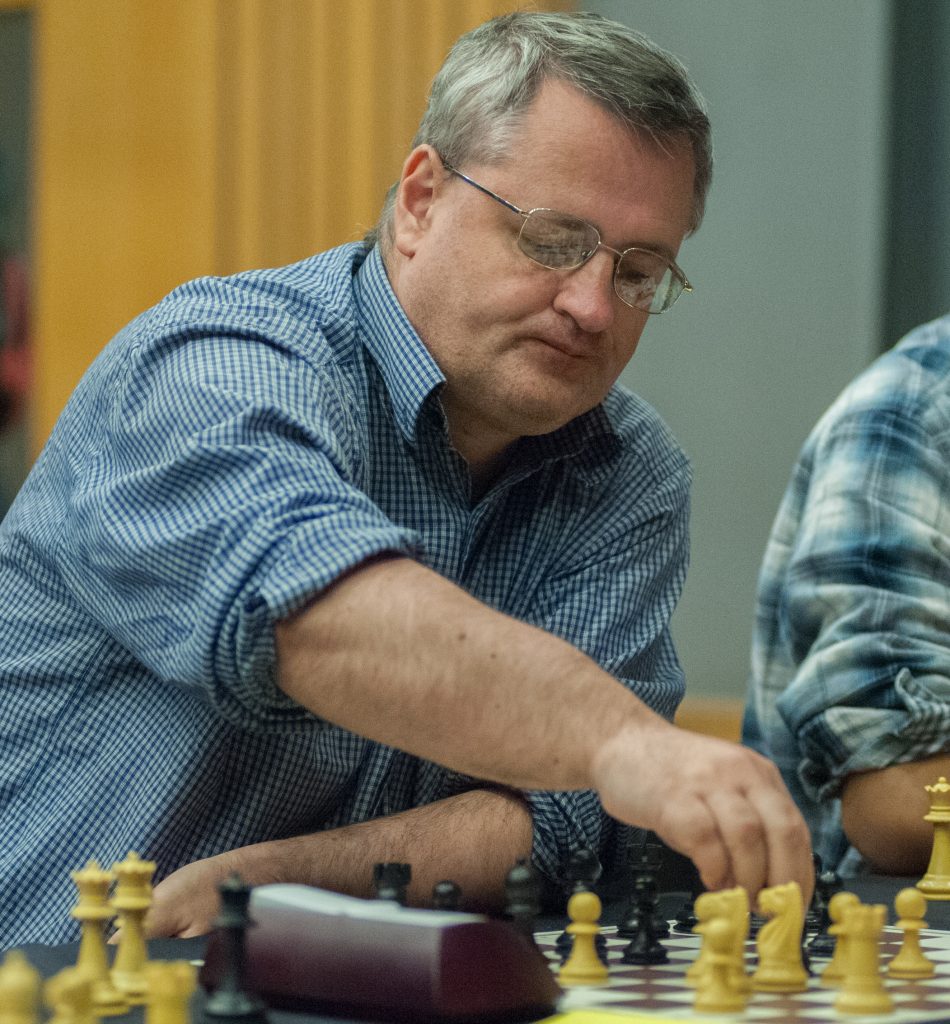
BCN sends Happy birthday wishes to Peter Griffiths
Peter Charles Griffiths was born on Thursday, August 15th, in 1946 in Birmingham, Warwickshire. His mother’s maiden name was Ward.
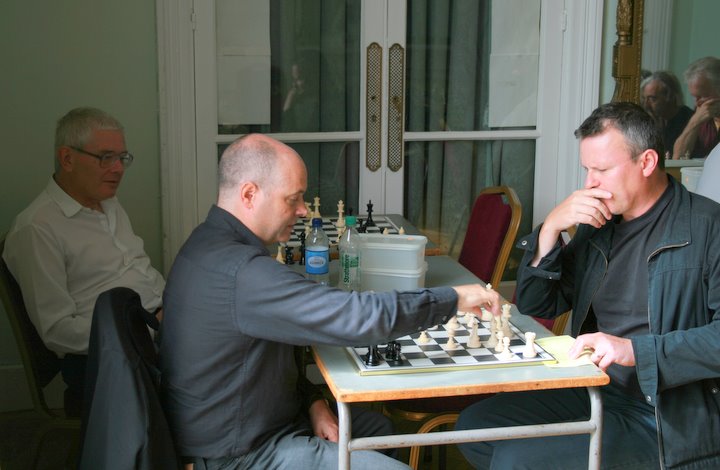
Peter was a strong player active from the 1960s until 1989. He played in the British Championships more than once and was a professional coach and writer. He wrote the column “Practical Chess Endings” which appeared in the British Chess Magazine. The column commenced in the December 1972 issue and columns became less frequent until around 1991.
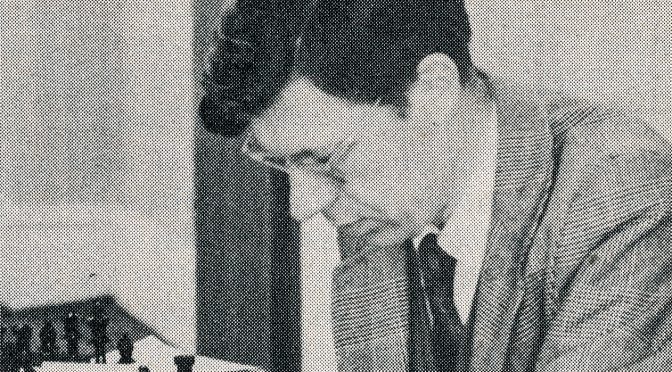
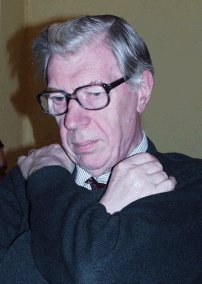
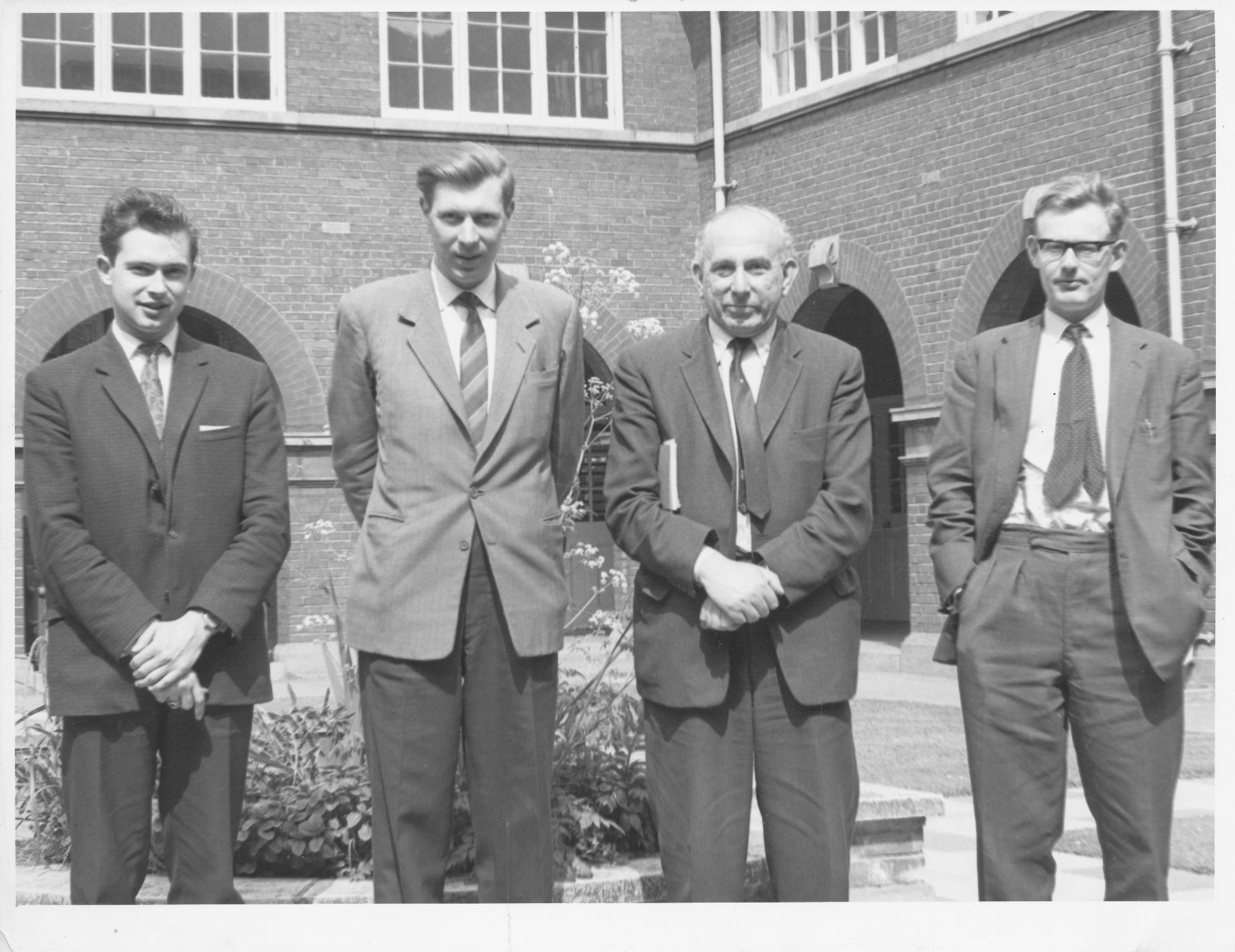
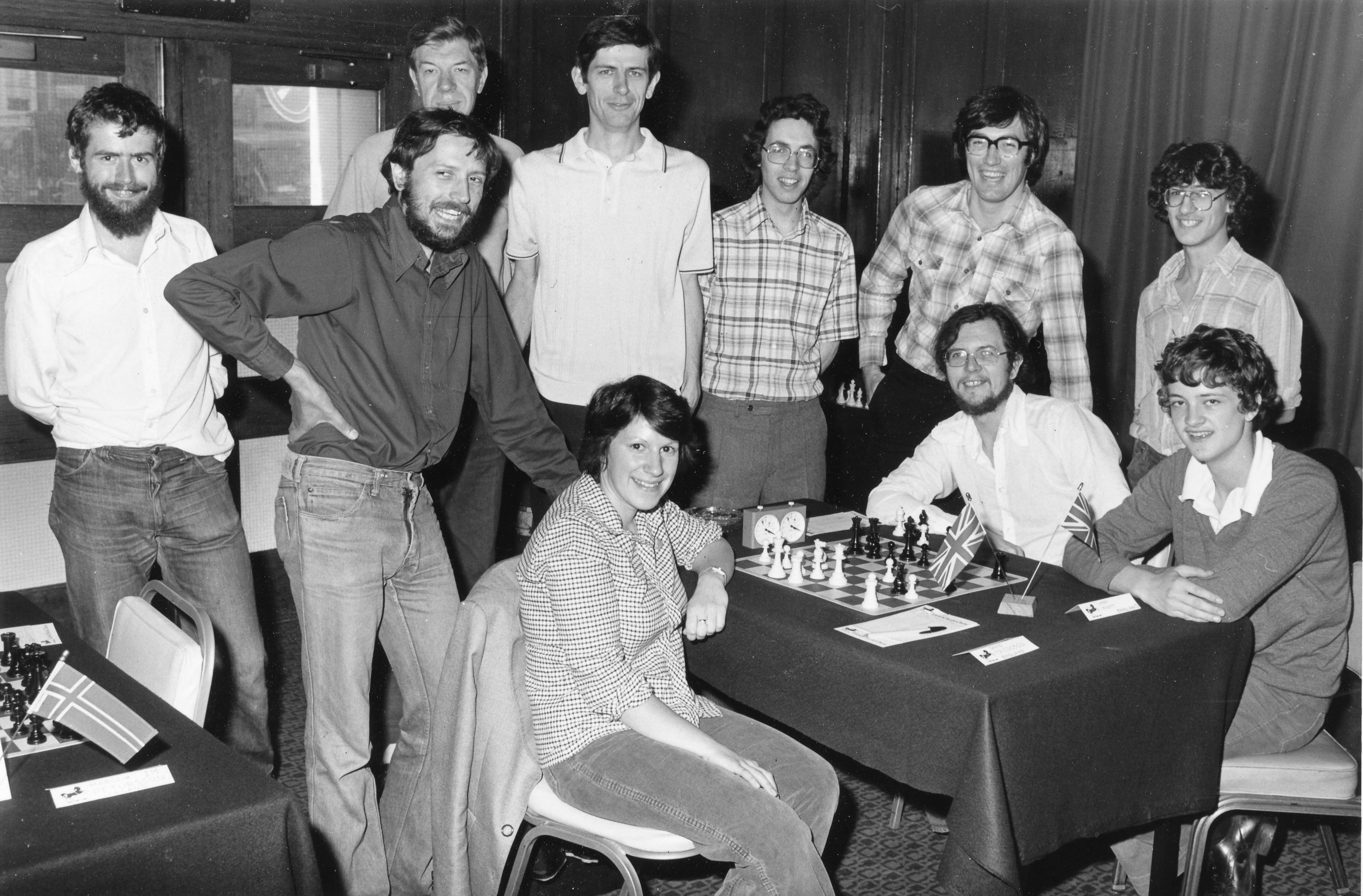
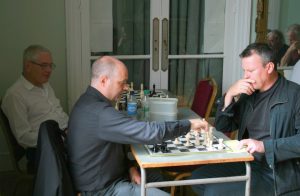
Peter Griffiths (far left)
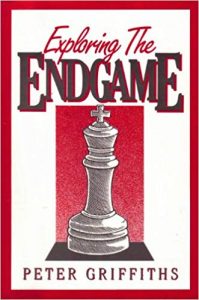
He wrote Exploring the Endgame
Exploring the Endgame
and
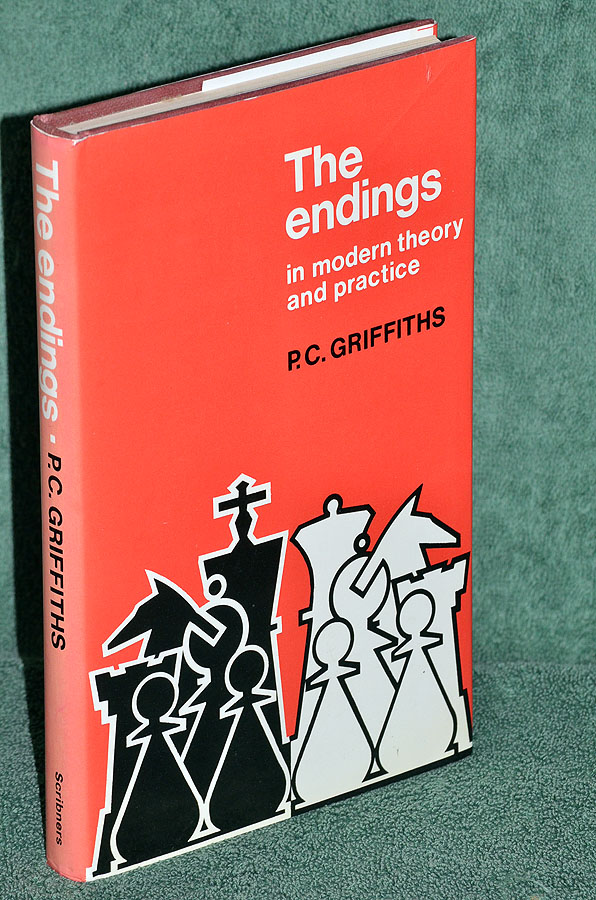
The Endings: In Modern Theory and Practice, PC Griffiths, G. Bell & Sons Ltd, 1976, ISBN 0 7135 1953 3
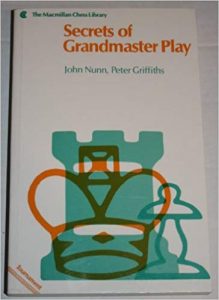
and co-authored Secrets of Grandmaster Play with John Nunn.
Secrets of Grandmaster Play
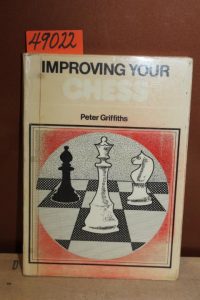
and wrote Improving Your Chess
Improving Your Chess
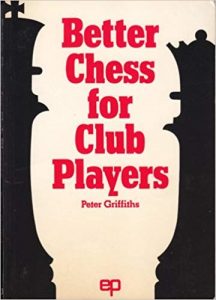
and Better Chess for Club Players
Better Chess for Club PlayersPeter Griffiths (far left)
BCN wishes Happy Birthday to FM Andrew Smith (15-viii-1959)
Andrew Philip Smith became a FIDE Master in 1994 and is registered with the Irish Chess Union.
His highest FIDE rating was 2310 in July 1994 at the age of 35.
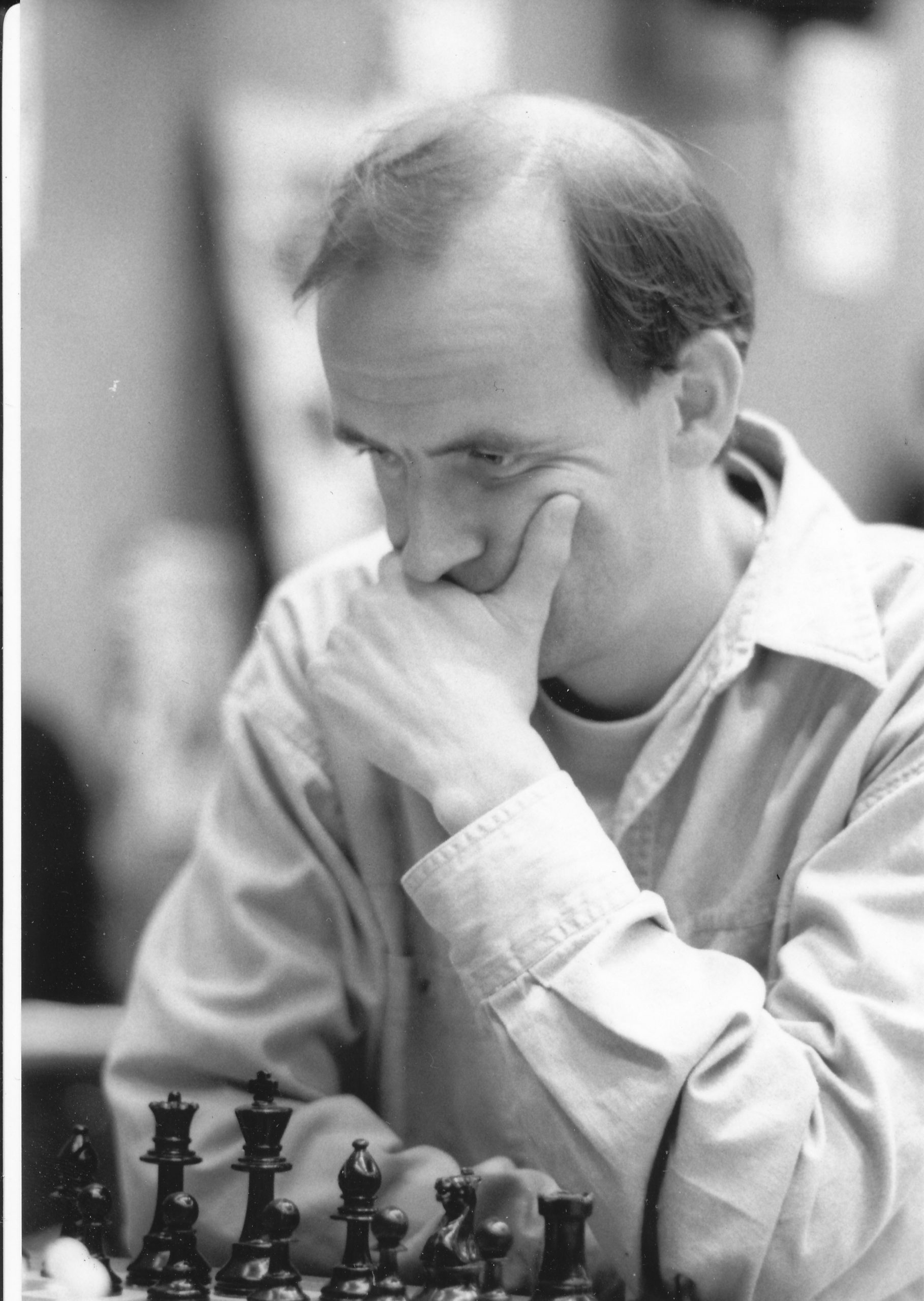
FM Andrew Smith, photographer unknown
He plays for Bourne End Chess Club in the Buckinghamshire League and in the Berkshire League.
Andrew also plays for 4NCL Barnet Knights (he has played for Atticus), Buckinghamshire CCA in the Chiltern League and Hon Members LCCL.
Andrew started his chess aged 6 when his Mother taught him and he joined Lewisham Chess Club aged 13 and then Slough Chess Club (Thames Valley League and 4NCL) in 1988.
He has won the Berks & Bucks Congress in 2018 and 2016 (joint) and he became Berkshire Individual Champion as a direct consequence winning the Cadogan Cup.
With the white pieces Andrew is (almost) exclusively a 1.e4 player favouring the Centre Game
and as the second player Andrew plays the Philidor Defence and the Benoni.
He is known to favour “enterprising” variations such as the Mason Variation of the Philidor, the Haldane Attack versus the French and other such exotica.
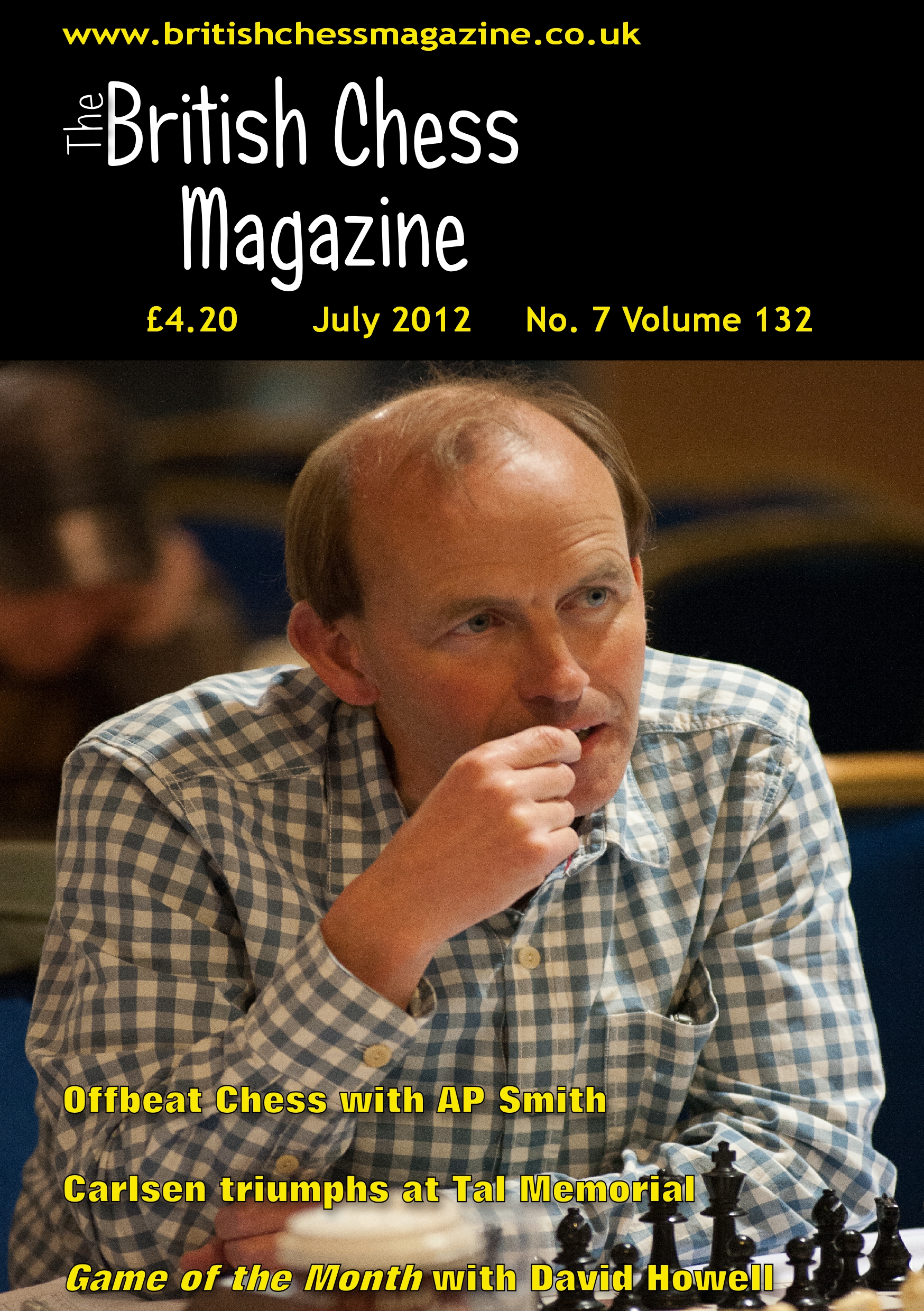
British Chess Magazine, Volume CXXXII (132), Number 7 (July) front cover features FM Andrew Smith from the final 4NCL weekend of the 2011-2012 season, courtesy of John Upham Photography
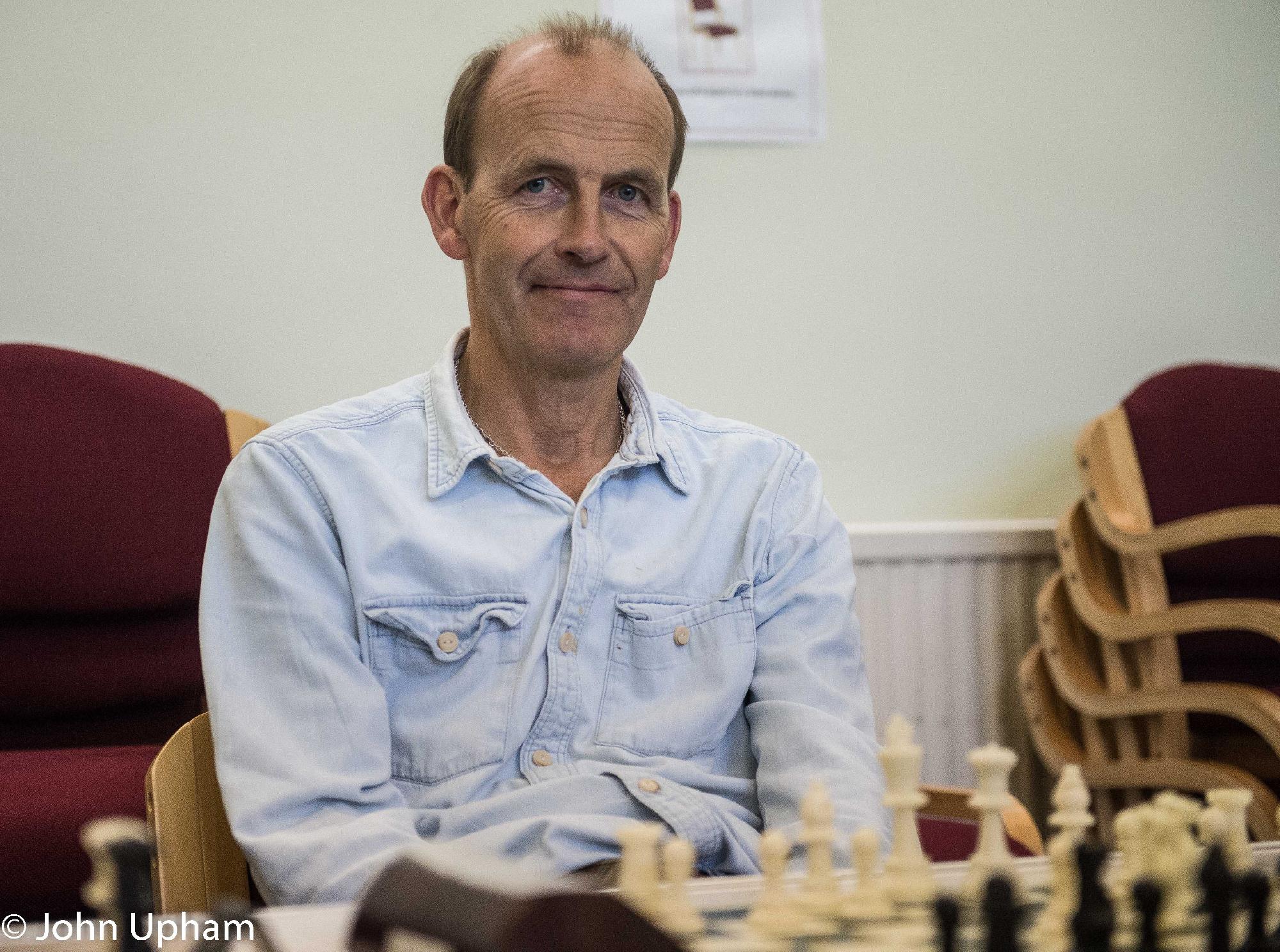
FM Andrew Smith at the 2019 Keith Richardson Memorial, courtesy of John Upham Photography
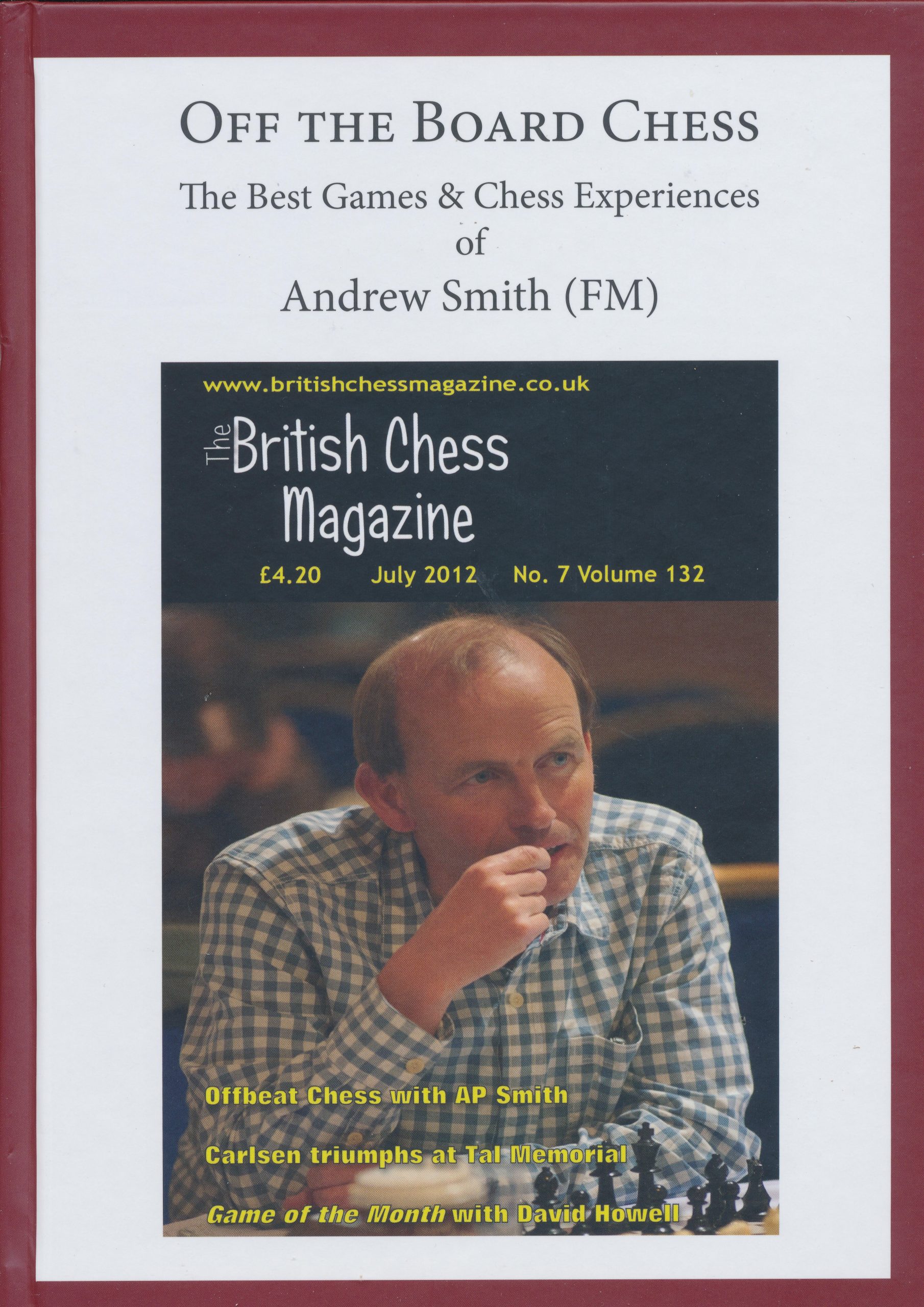
In 2021 Andrew self-published “Off the Board Chess, The Best Games and Chess Experiences of Andrew Smith (FM)” which has received popular acclaim.
Off the Board Chess, The Best Games and Chess Experiences of Andrew Smith (FM), FM Andrew Smith, Self published, 2021, ISBN 978-1-5272-8572-9
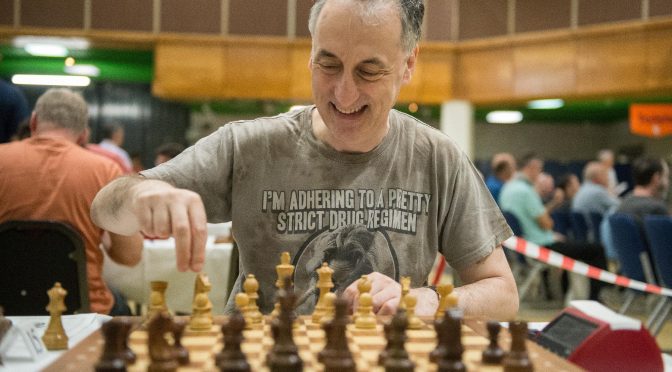
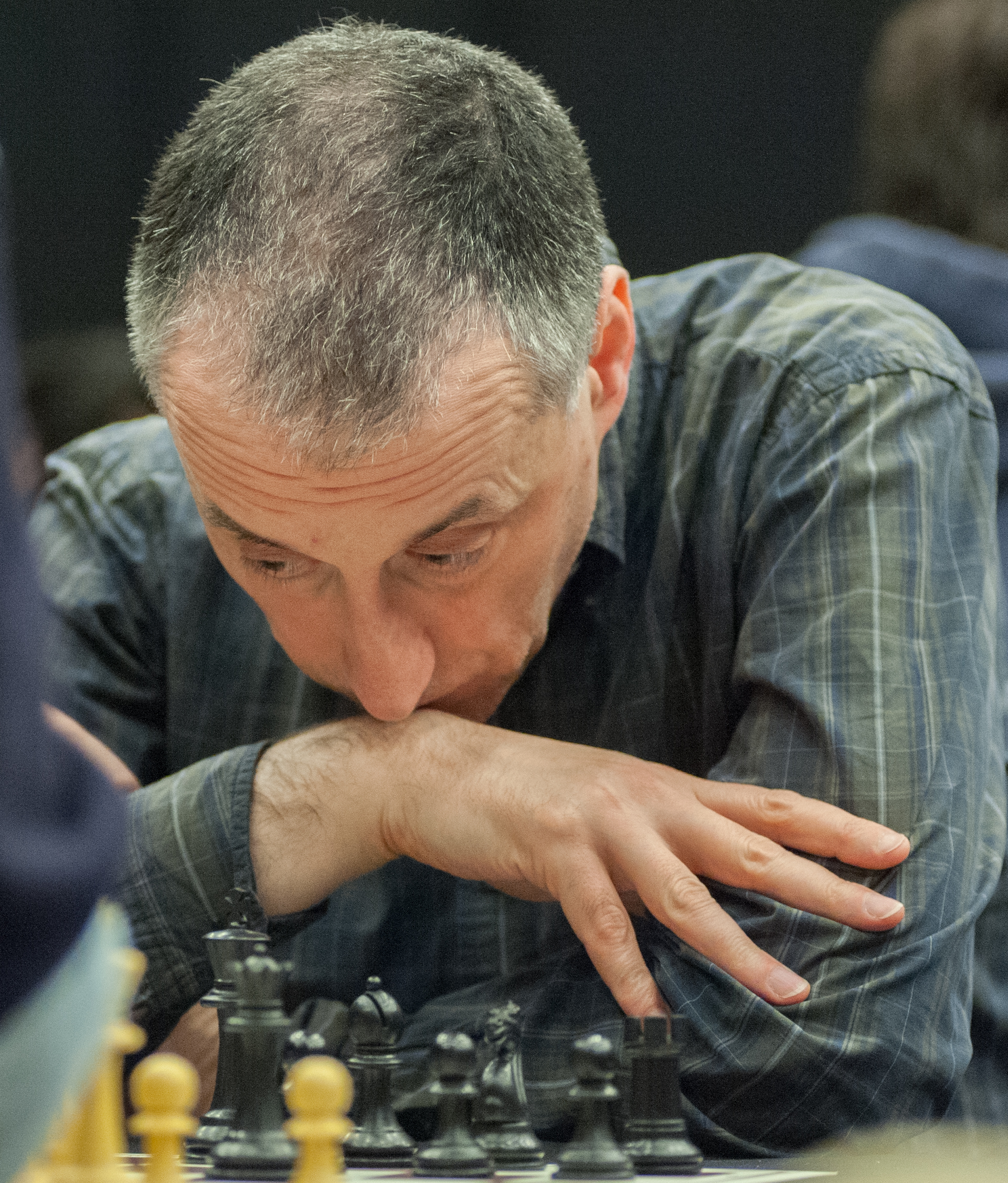
BCN sends IM Malcolm Pein best wishes on his 61st birthday.
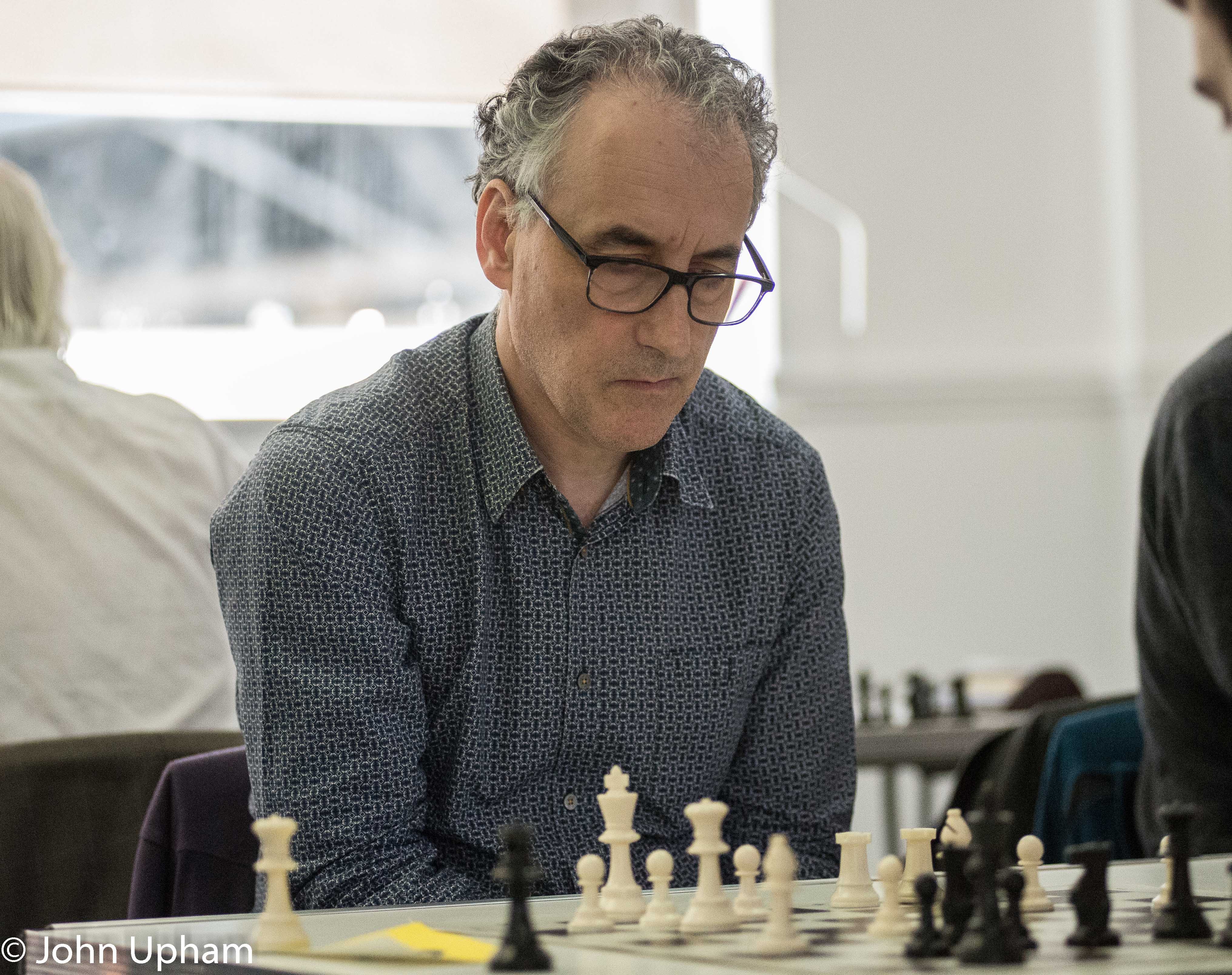
IM Malcolm Pein at the King’s Place Rapidplay 2013, photograph courtesy of John Upham
Malcolm Bernard Pein was born in Liverpool (South). South Lancashire and his mother’s maiden name is Max. (Gaige, Felice and chessgames.com all incorrectly have Malcolm L. Pein).
Malcolm Pein
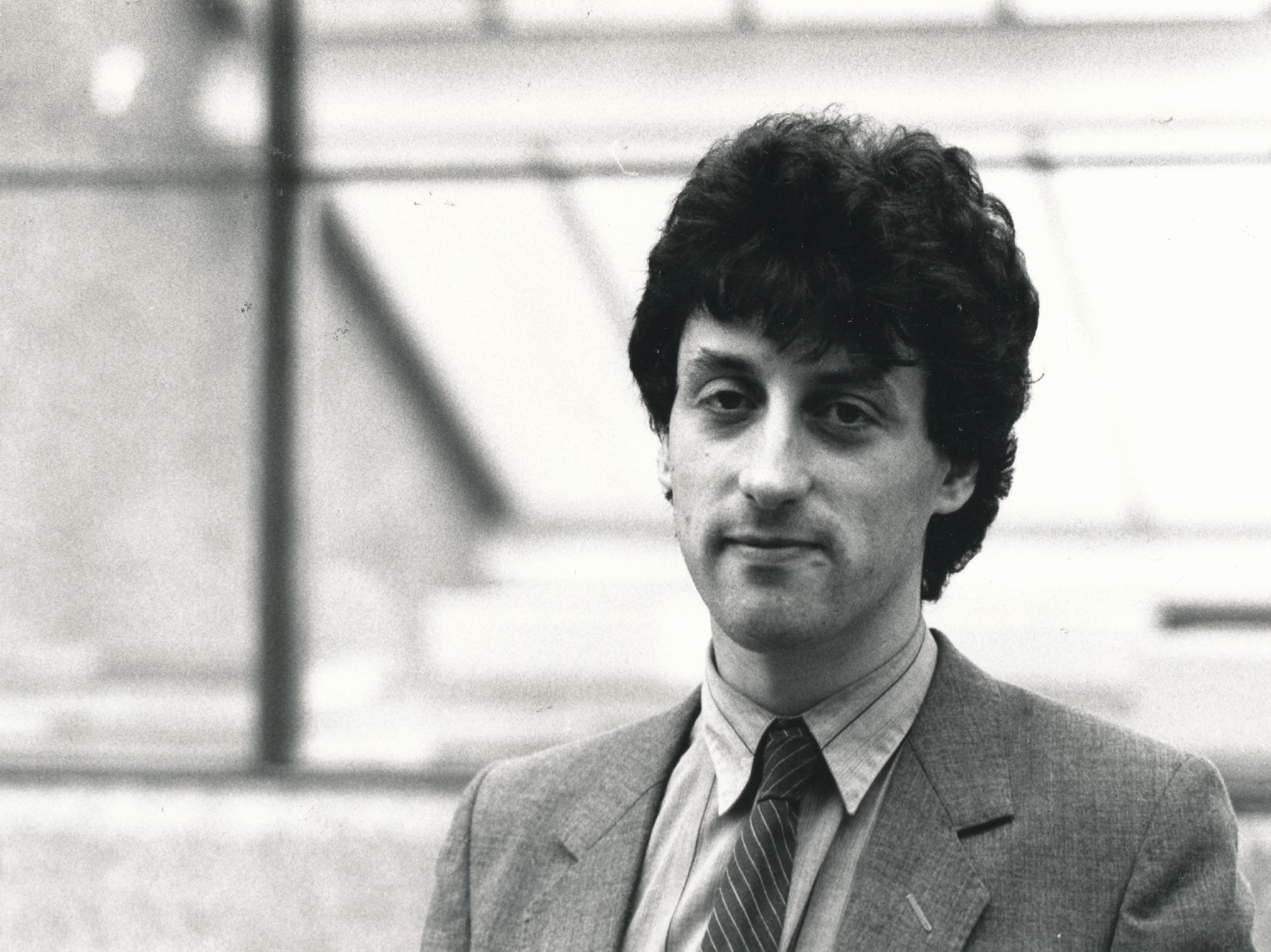
This was written about Malcolm aged 19 just prior to the 1979 Spassky vs the BCF Junior Squad simultaneous display :
” London University and Liverpool, Rating 199. British under-18 co-champion, 1977. Currently No.1 player for London University.”
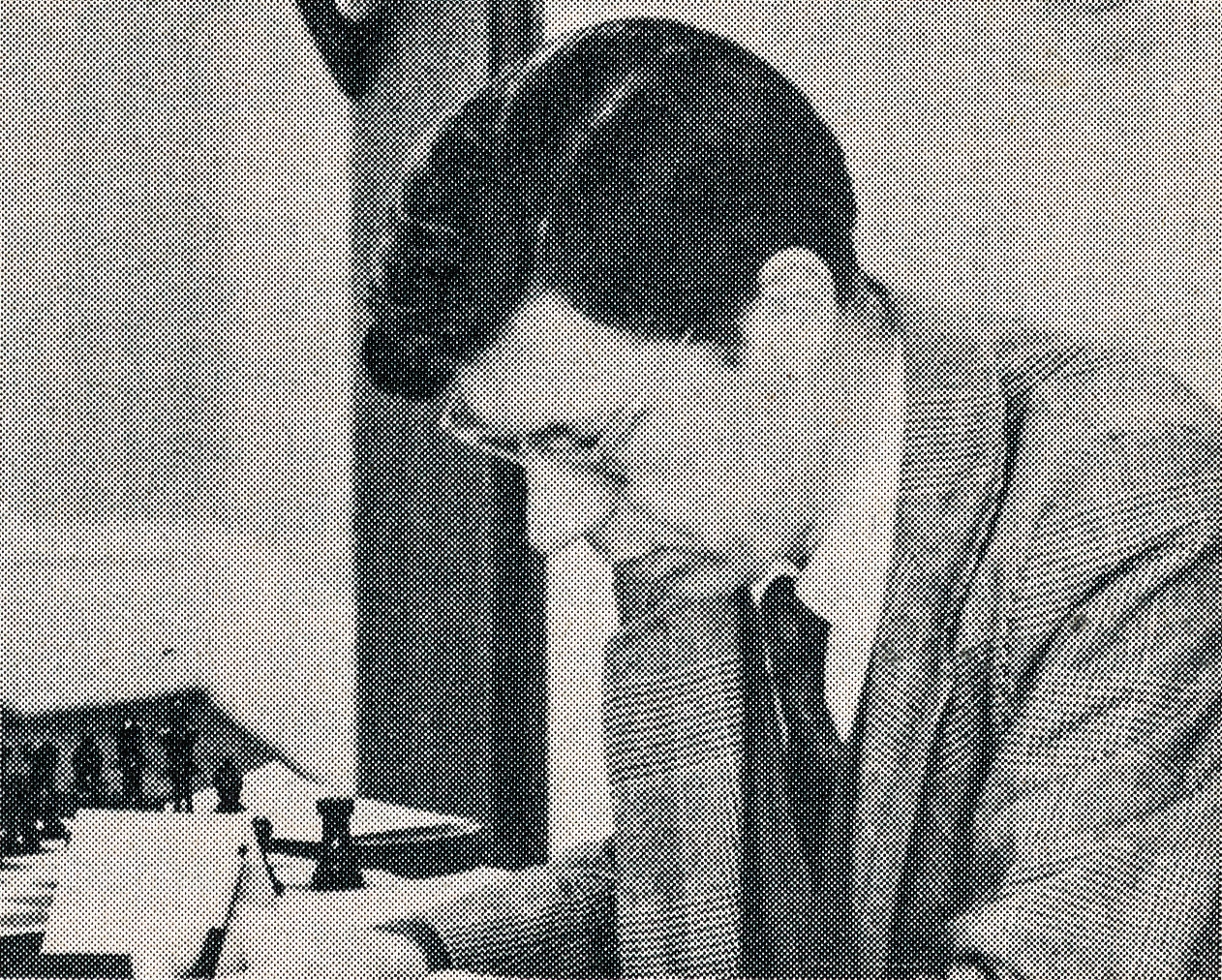
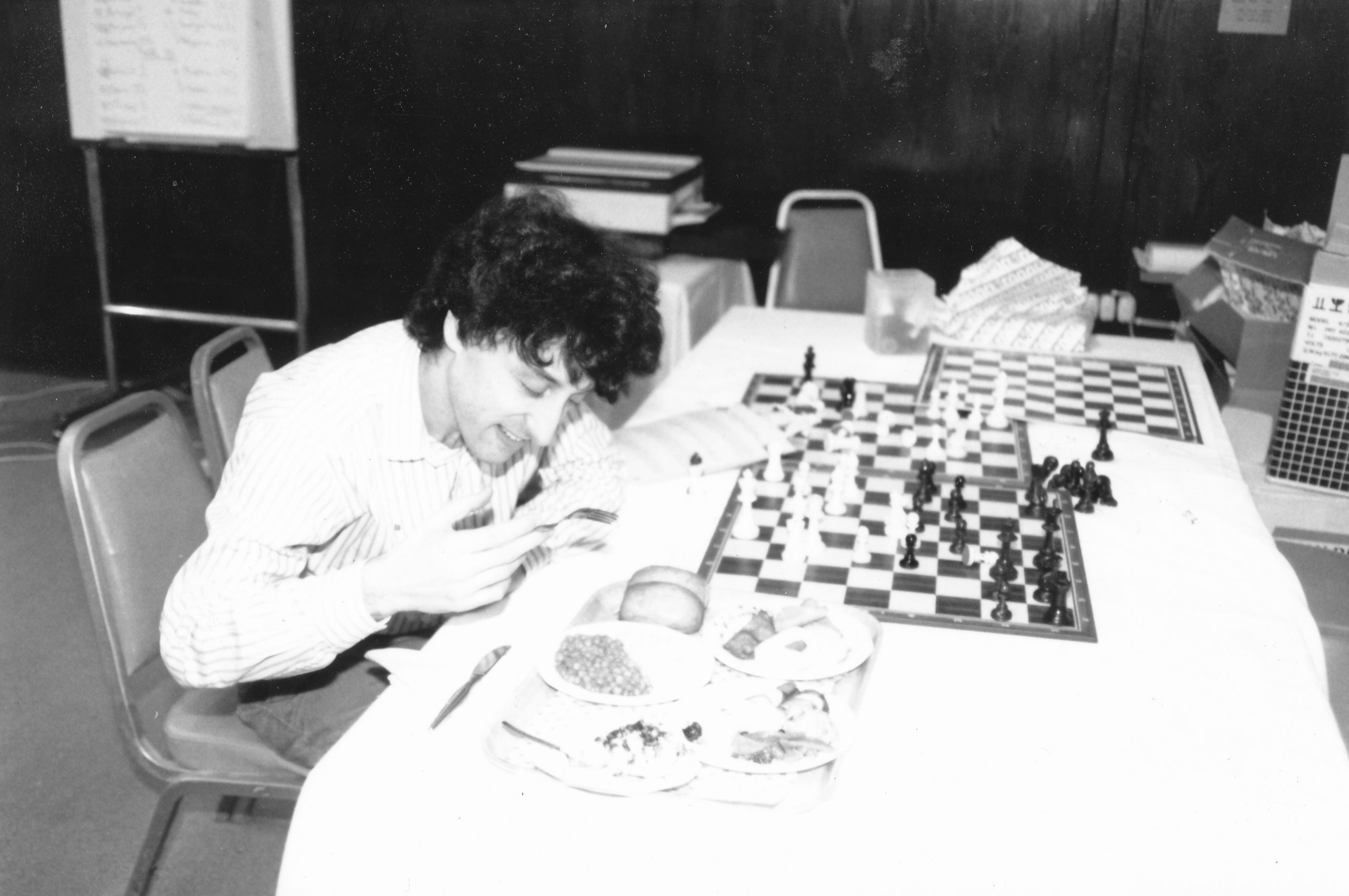
Malcolm hard at work
Malcolm studied Chemical Engineering at University College, London entering in September 1978. He won The University of London championship in February 1979. The runner-up was John Upham also from UCL.
He became an International Master in 1986 and is a FIDE Delegate (for England) and an International Director.
Malcolm’s peak rating was 2450 in January 1992 at the age of 32.
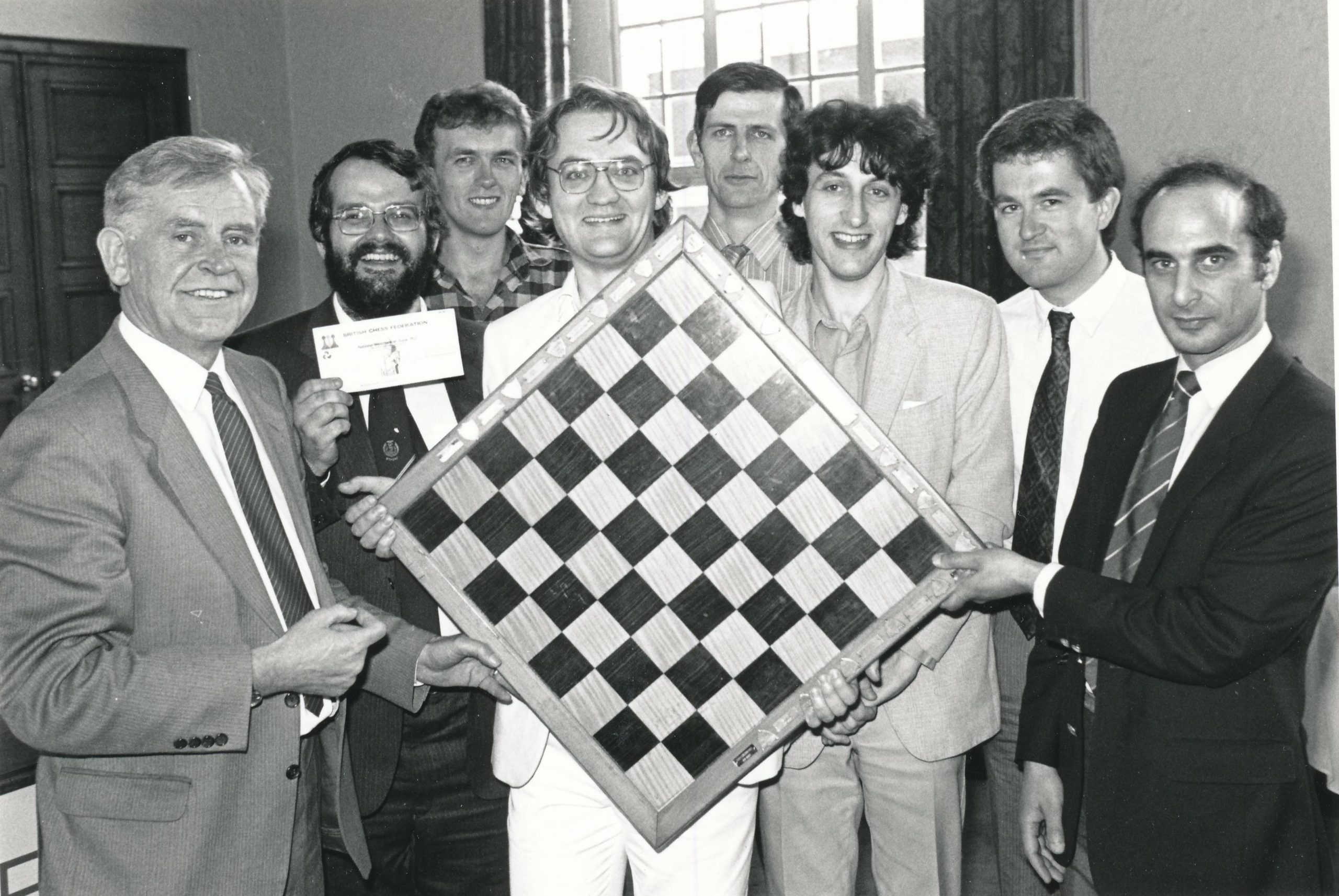
Malcolm Pein (third from right) and a victorious Wood Green team. Trophy presented by Magnus Magnusson
With the white pieces Malcolm prefers the Queen’s Gambit almost exclusively with 1.e4 rarely seeing the light of day scoring 62%
As the second player, Malcolm champions the Pirc, Modern and Grunfeld defences scoring 49% which MegaBase 2020 claims is “above average”.
Malcolm plays for 4NCL Wood Green and Liverpool.
IM Malcolm Pein at the Bristol heat of the British Blitz Qualification event in 2019
In addition to his newspaper column and magazine editorial, Malcolm has written a number of chess books and booklets, including :
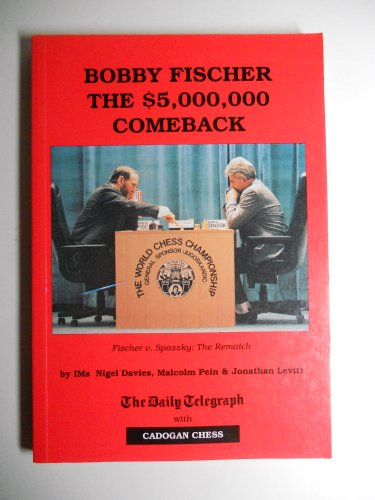
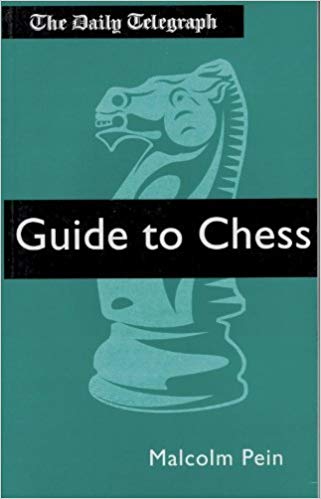
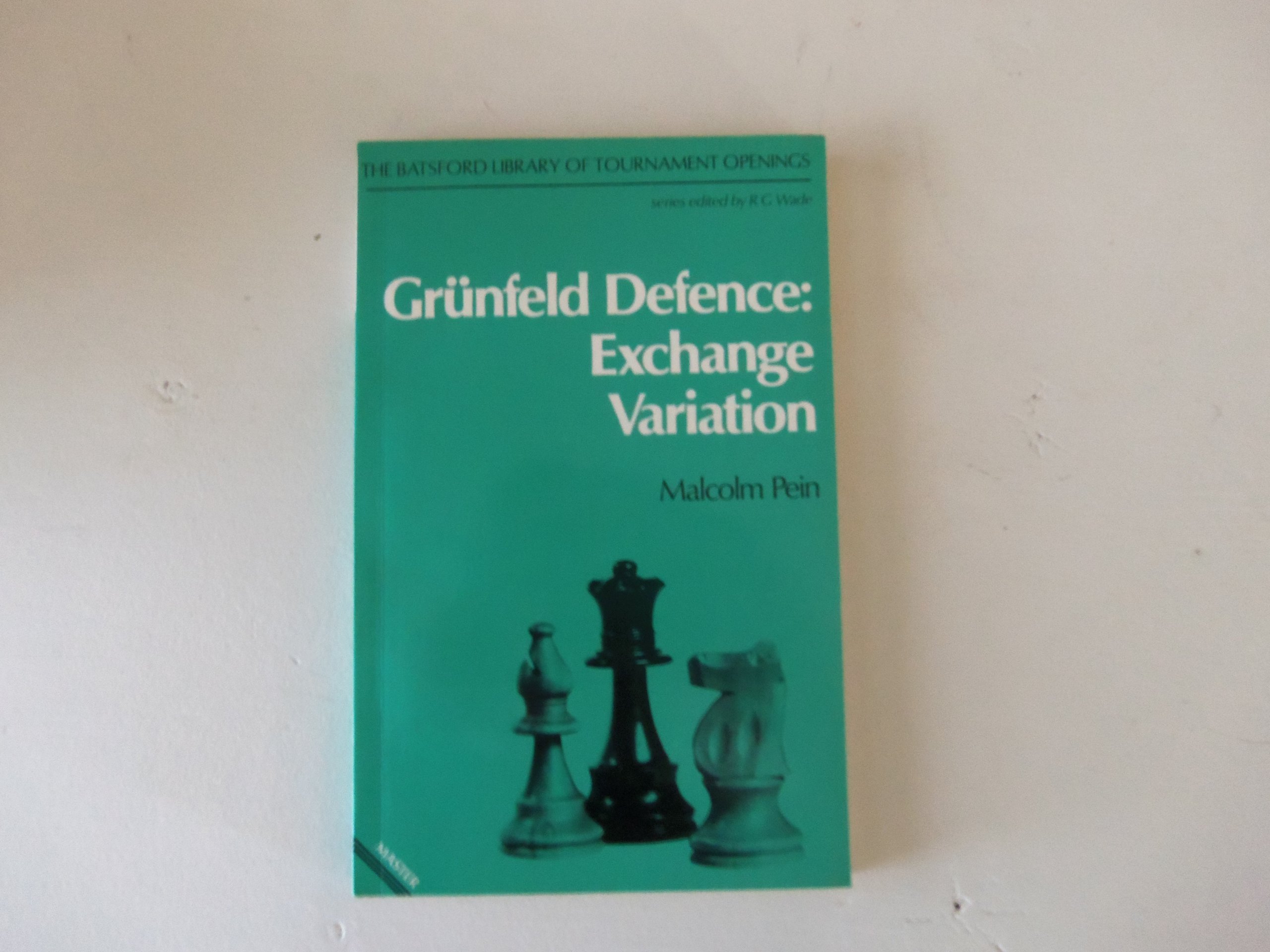
Grunfeld Defence (Batsford, 1981) – ISBN 978-0713435948Blumenfeld Defence [with Jan Przewoznik] (Everyman, 1991) – ISBN 978-0080371337Bobby Fischer: The $5,000,000 Comeback, Nigel Davies, Malcolm Pein & Jonathan Levitt, Cadogan Chess, 1992, ISBN 10: 1857440420Daily Telegraph Guide to Chess (Batsford, 1995) – ISBN 978-0713478143
The Exchange Grunfeld [with Adrian Mikhalchishin] (Everyman, 1996) – ISBN 978-1857440560]
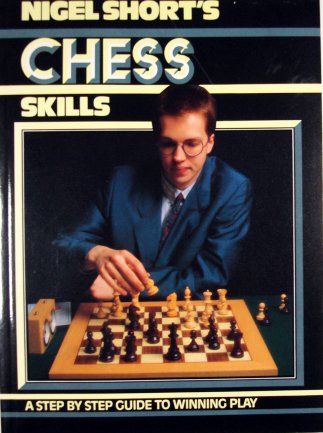
Nigel Short’s Chess Skills (1989)(was ghost written by Malcolm)
“Malcolm Pein’s contribution to English Chess is well known. He is CEO of Chess in Schools and Communities, has been largely involved in the organisation of the London Chess Classic and is currently the ECF’s Delegate to FIDE and International Director. On top of all that he is also an IM, writes the ‘Daily Telegraph’ Chess Column, and edits CHESS Magazine.”
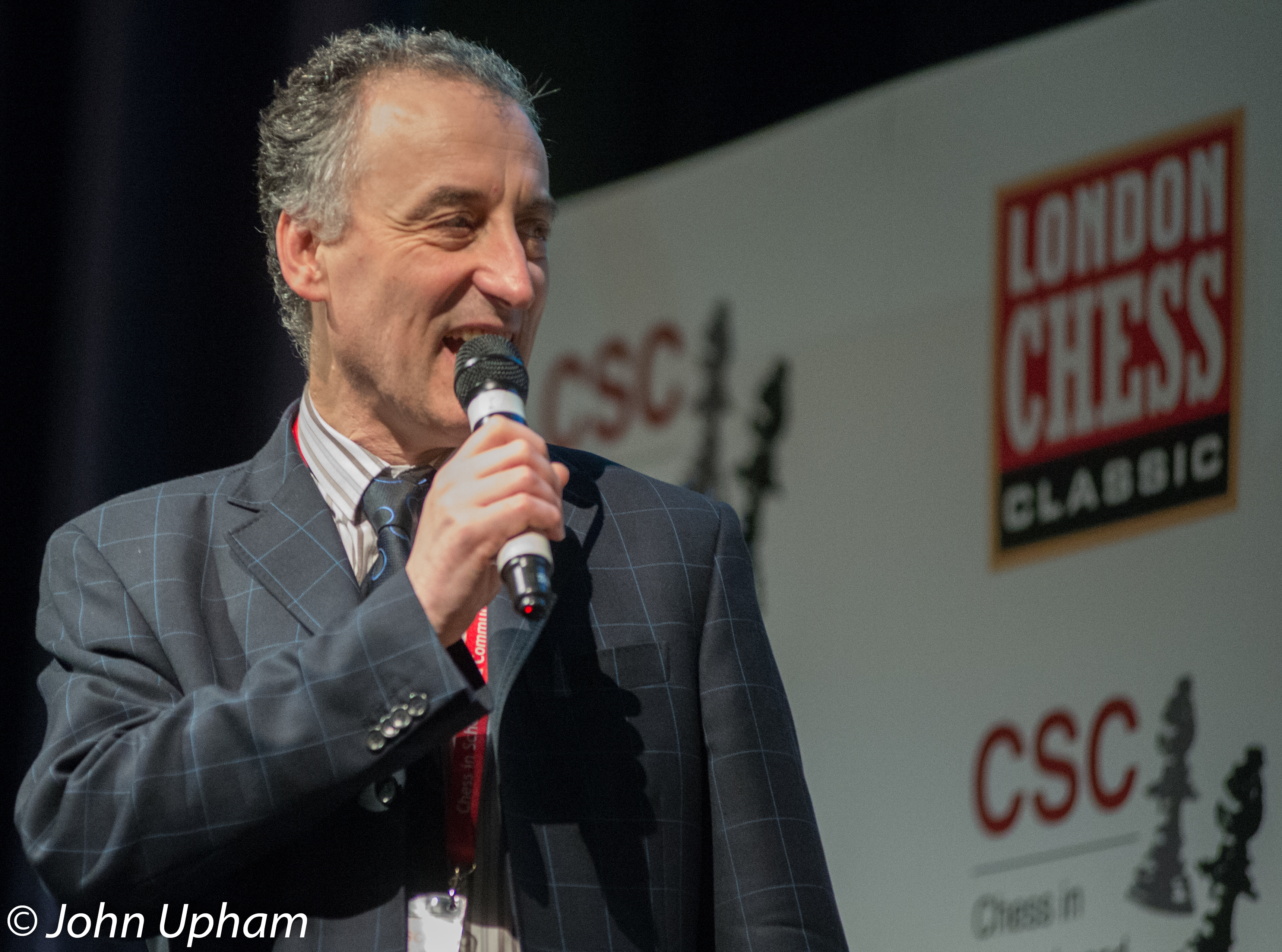
IM Malcolm Pein at the London Chess Classic 2013, photograph courtesy of John Upham
Malcolm is also owner (and a director) of the London Chess Centre (a company incorporated on May 1st 1997) which has relocated to 44, Baker Street, former home of the British Chess Magazine retail premises. This was purchased from Stephen Lowe and Shaun Taulbut in 2010 when the leasehold on the Euston Road premises expired. Another director is Henry Gerald Mutkin who is the main organiser of the annual Varsity match.
Malcolm has a son, Jonathan who is a strong player and he resides in London, NW7.
In 2021 Malcolm stood as an alternative to Mike Truran in the contested election for CEO. On October 9th 2021 following “detailed and amicable discussions” with Mike a away forward was agreed and Malcolm agreed to remain as International Director of the ECF and Mike remained as CEO.
We remember FM Jimmy Adams who passed away on Saturday, June 6th 2026 in London. His funeral was in Hoddesdon, Hertfordshire on 20th July. Here is the online tribute page that you are welcome to contribute to.
Jimmy was married to Sharon and they have a daughter, Charlotte.
In 1958 Jimmy at the age of 11 joined his local Islington Chess Club (at the time Islington & North London Chess Club) and soon afterwards became a London Junior Champion. Following this Jimmy played little chess and was working for John Lewis (echoes of CHO’D Alexander and Leonard Barden). Following John Lewis Jimmy worked as a Health and Safety Officer for Islington Council.
At this time Islington Chess Club was one of the strongest in England and included such members as Kenny Harman, Ron Harman, Danny Wright, Stewart Reuben and others. Its most famous member was probably IM Simon Webb
The Spassky-Fischer match of 1972 re-kindled his lapsed interest and he won with a 100% score the London Amateur Championship.
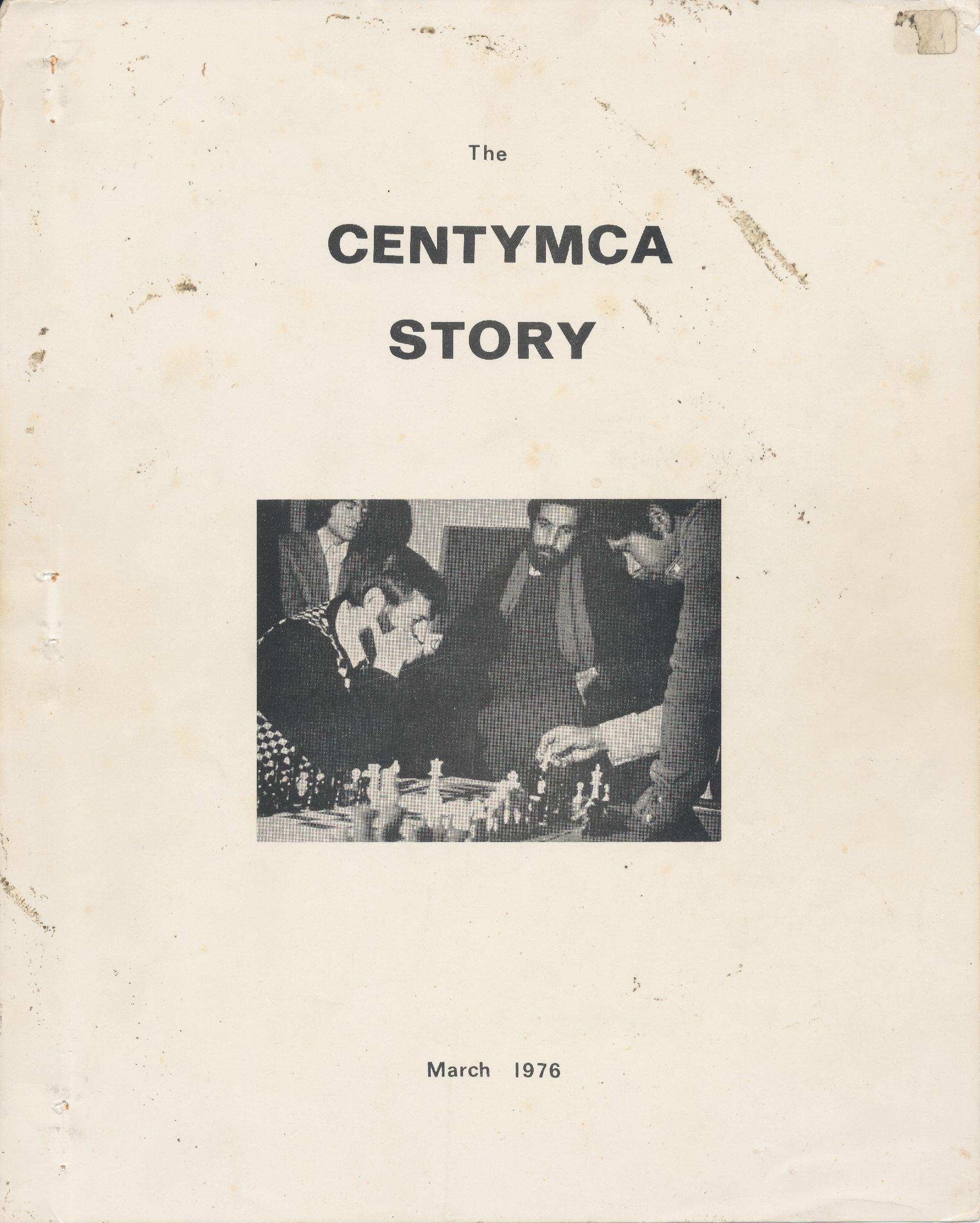
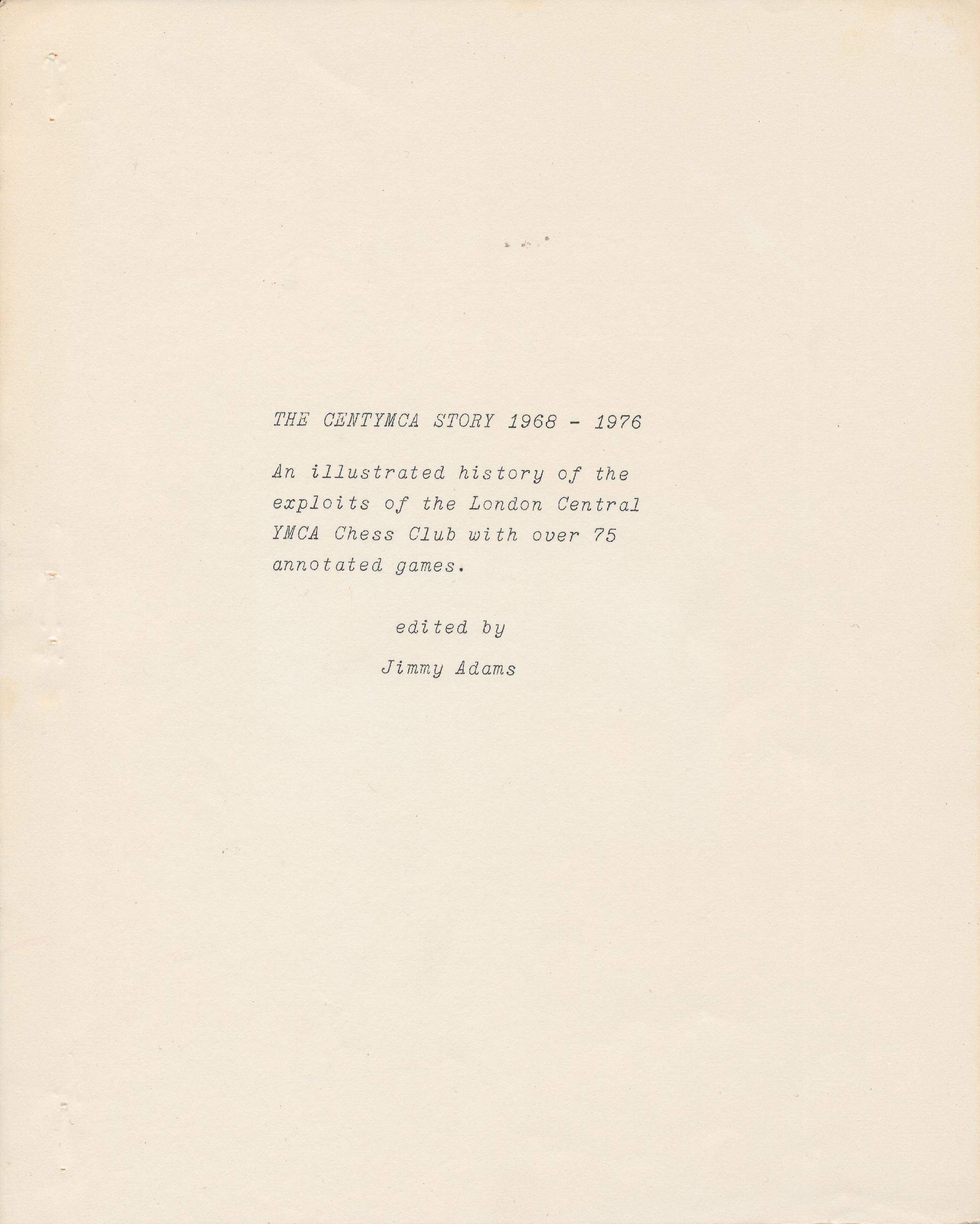
He joined and was a staunch member of London Central YMCA (CENTYMCA) chess club and he wrote a privately published history of the club entitled The CENTYMCA Story. This is now a much sought after publication. His membership continued during the 1970s until around 1979.
The CentYMCA Story by Jimmy Adams, 1976The CentYMCA Story by Jimmy Adams, 1976
During this period Jimmy was extremely active at the Endell Street premises.
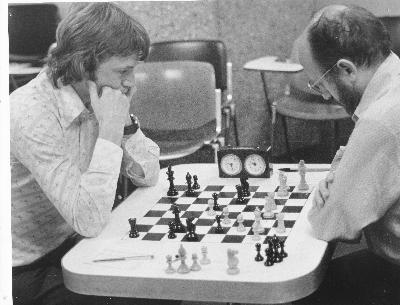
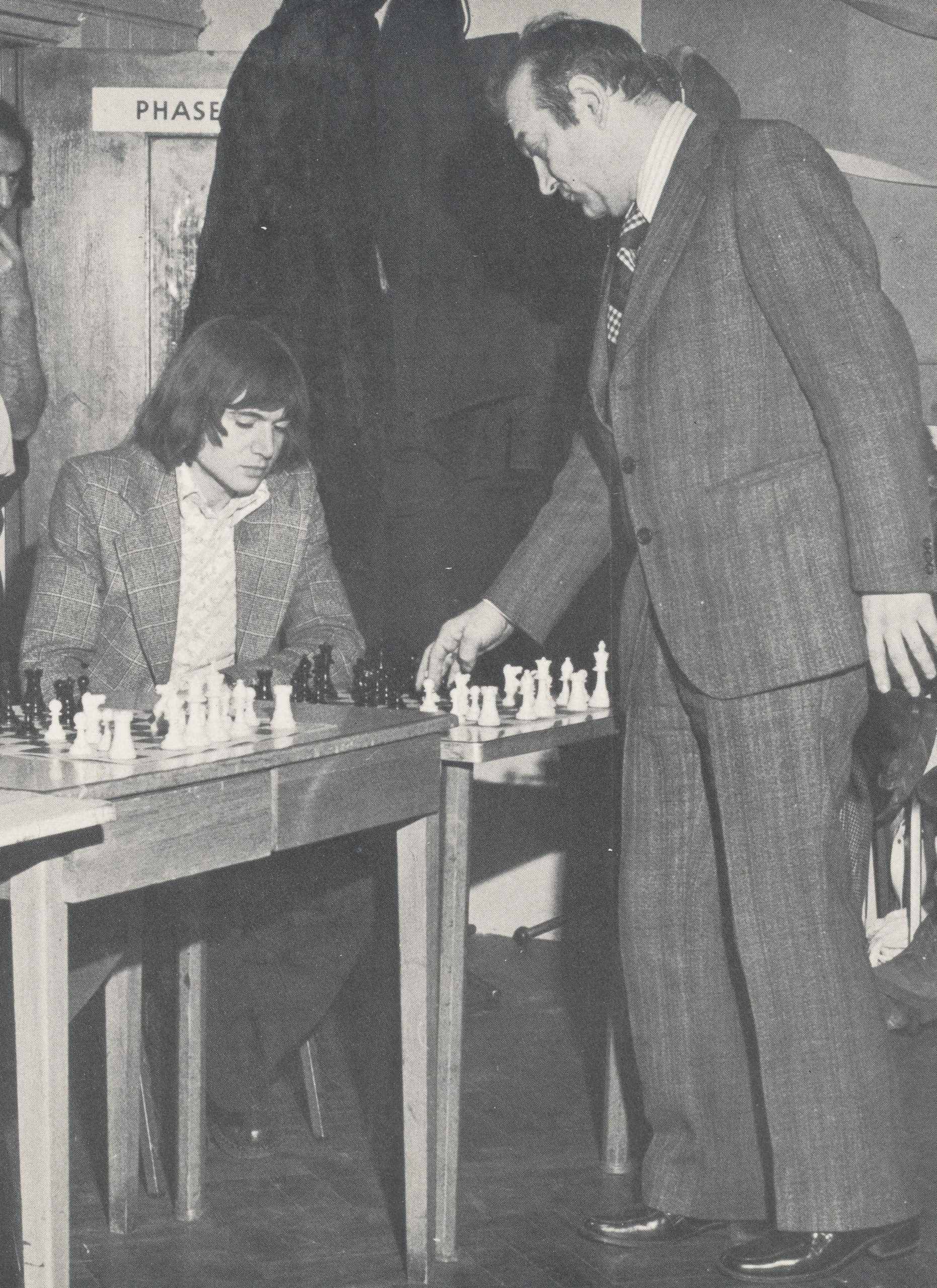
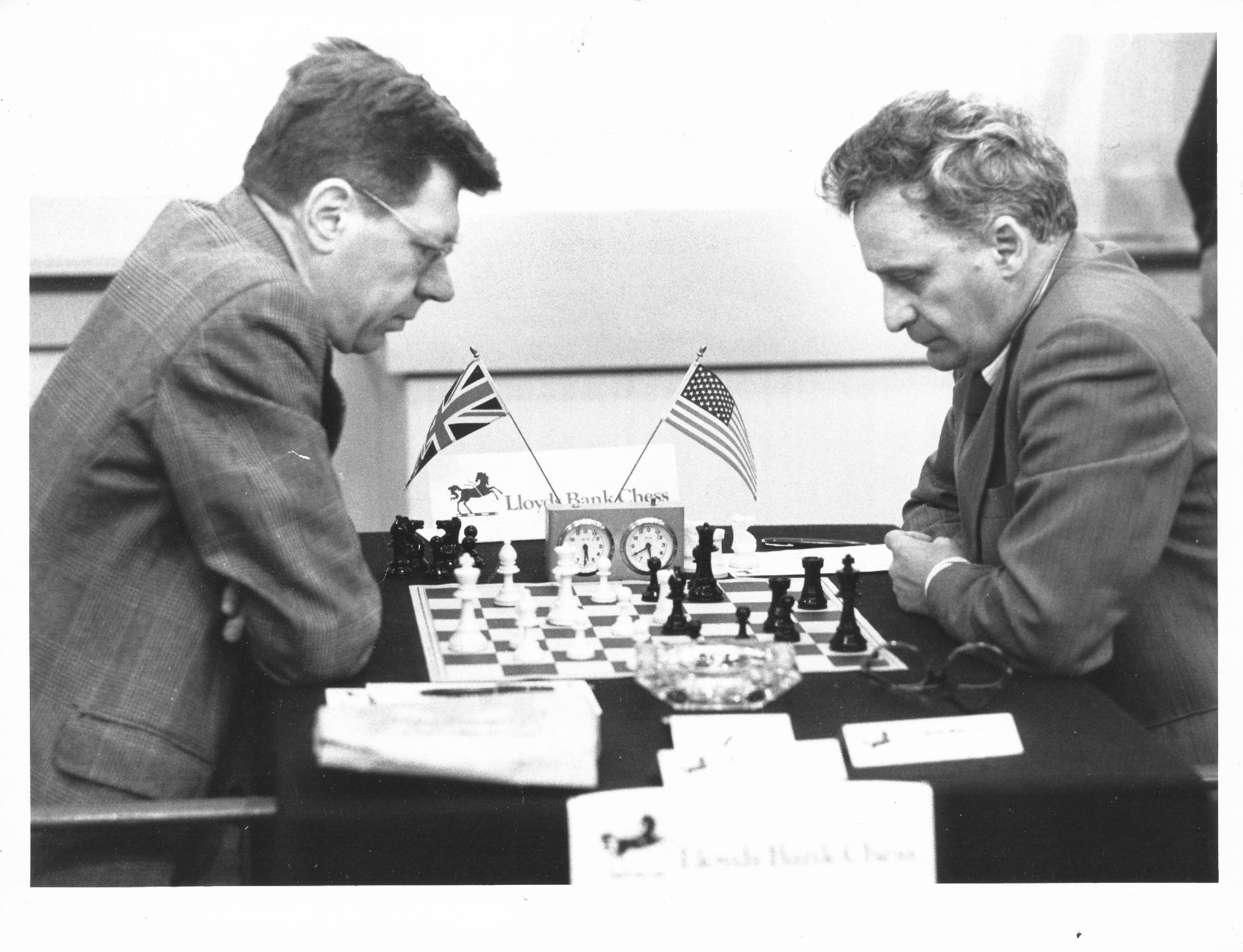
Here is Jimmy playing Viktor Korchnoi at Endell Street (in the Phase Two classrooms) :
Jimmy plays Viktor Korchnoi at the Endell Street premises of London Central YMCA on January 18th, 1976. Photographer potentially John Yeo
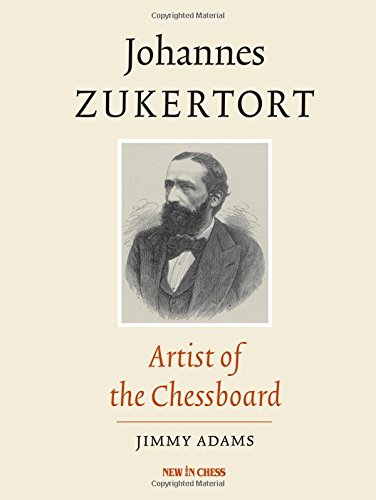
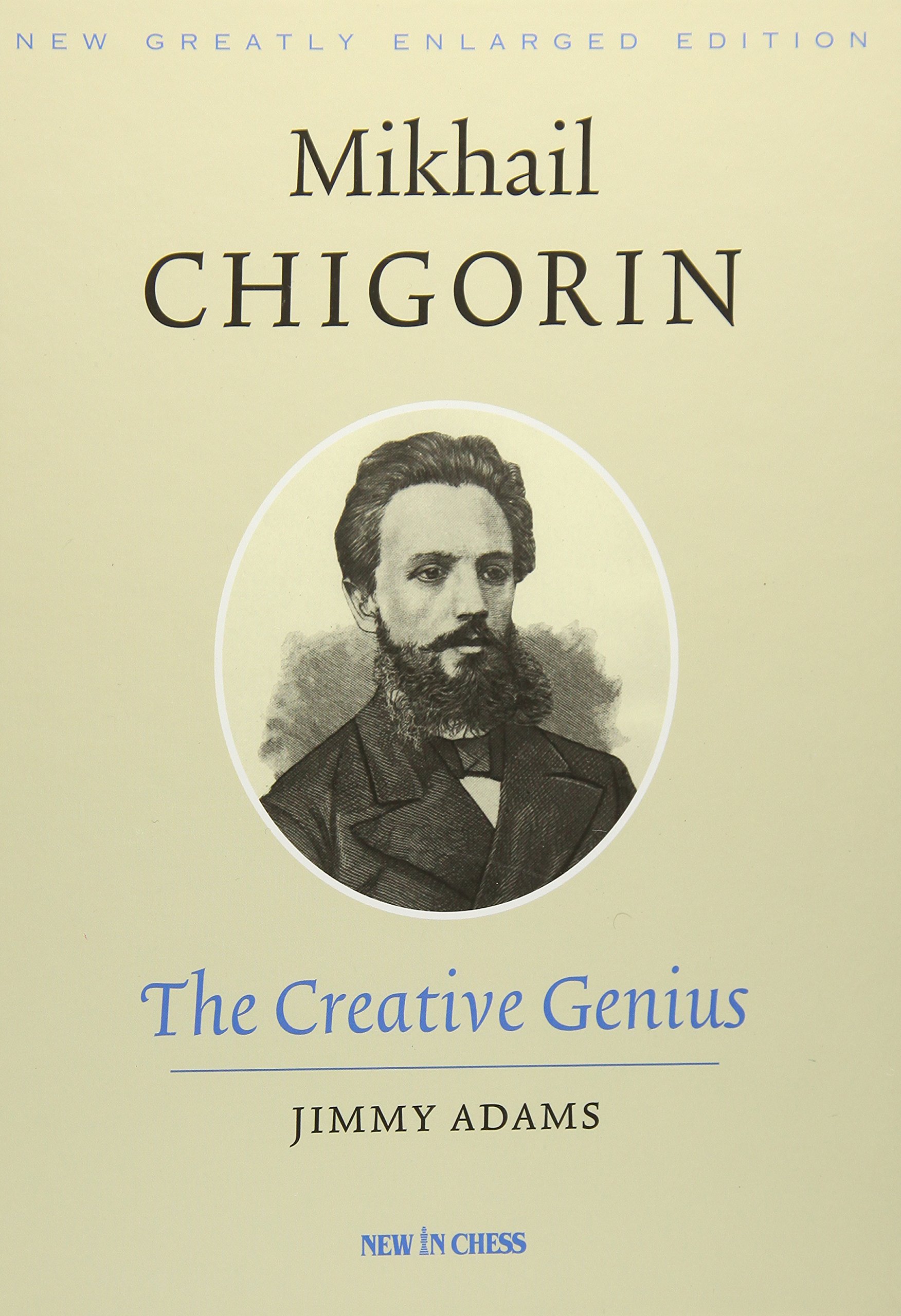
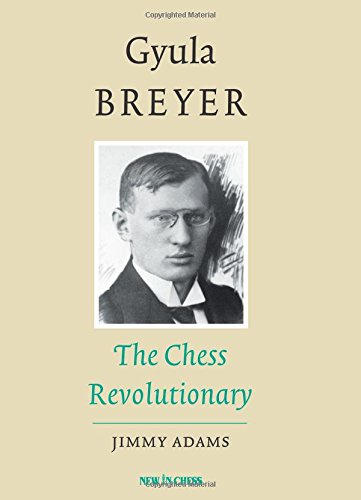
In 1974 Jimmy embarked on a highly successful career as a writer and journalist. He contributed articles to both CHESS and the British Chess Magazine and authored a number of acclaimed books for Batsford, The Chess Player, Caissa Books and latterly, New in Chess. He also self-published the first book on Bobby Fischer’s successor entitled K is for Karpov! His books on Chigorin, Zukertort and Breyer are universally regarded as some of the finest chess biographies published.
In 1979 Jimmy joined Metropolitan Chess Club to play in the London League A Division. He played top board and scored very highly with many significant scalps.
Jimmy gained his FM title in 2014 (at the age of 67!). 67 must be one of the most advanced ages to acquire an FM title. According to Felice his peak rating was 2300 in January 1981 aged 34.
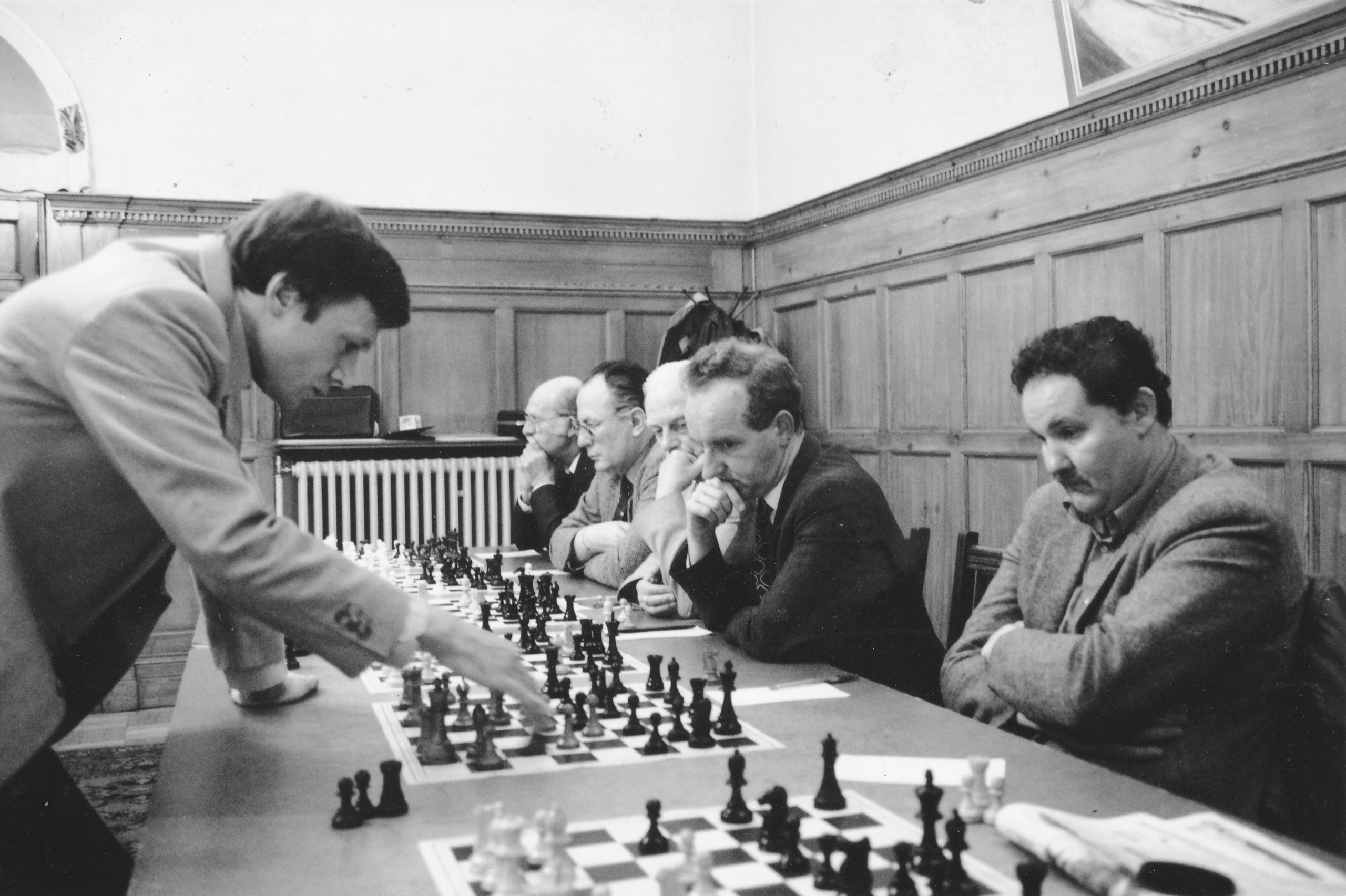
Jimmy giving a simultaneous display
He joined Metropolitan Chess Club. He joined Barbican, as did many other CENTYMCA players, following the hiatus over their Tottenham Court Road venue loss.
Jimmy records a game between David Howell and Andrew Whiteley in 2000.
In December 2009 Jimmy visited the London Chess Classic and was photographed with VIP guest Viktor Korchnoi :
Viktor Korchnoi in conversation with Jimmy Adams at the 2009 London Chess Classic. Photograph by Mark Huba
Jimmy was Editor of Middlesex Chessletter and Bayswater Chess in the early 1970s and produced major bulletins on the hugely successful Islington Congresses of the same period. He then worked for Pergamon Chess Books which led to his editorship of CHESS / CHESS Monthly magazine from until 2010 although his name remained on the masthead until February 2012.
In 2012 Jimmy and Ray Cannon attended a meeting of the Ken Whyld Association in Norwich :
Jimmy Adams and Michael Negele at the 2012 meeting of the Ken Whyld AssociationJimmy and Ray Cannon at a 2012 meeting in Norwich of the Ken Whyld Association
In January 2016 Jimmy (together with Josip Asik) became co-editors of British Chess Magazine taking over from James Pratt and John Upham.
Jimmy also jointly edited Chess Informants 109-132 up to 2017 before taking on the role of Deputy Editor of the newly created American Chess Magazine whilst continuing to work as editor for Batsford Chess which had changed ownership over the years and had now been taken under the umbrella of Pavillion Books.
In 2014 Jimmy and Ray attended an event organised by the father of Emma Bentley
Jimmy Adams and Ray Cannon at an event organised by Emma Bentley’s father.
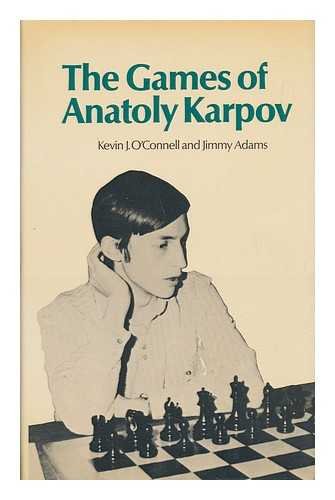
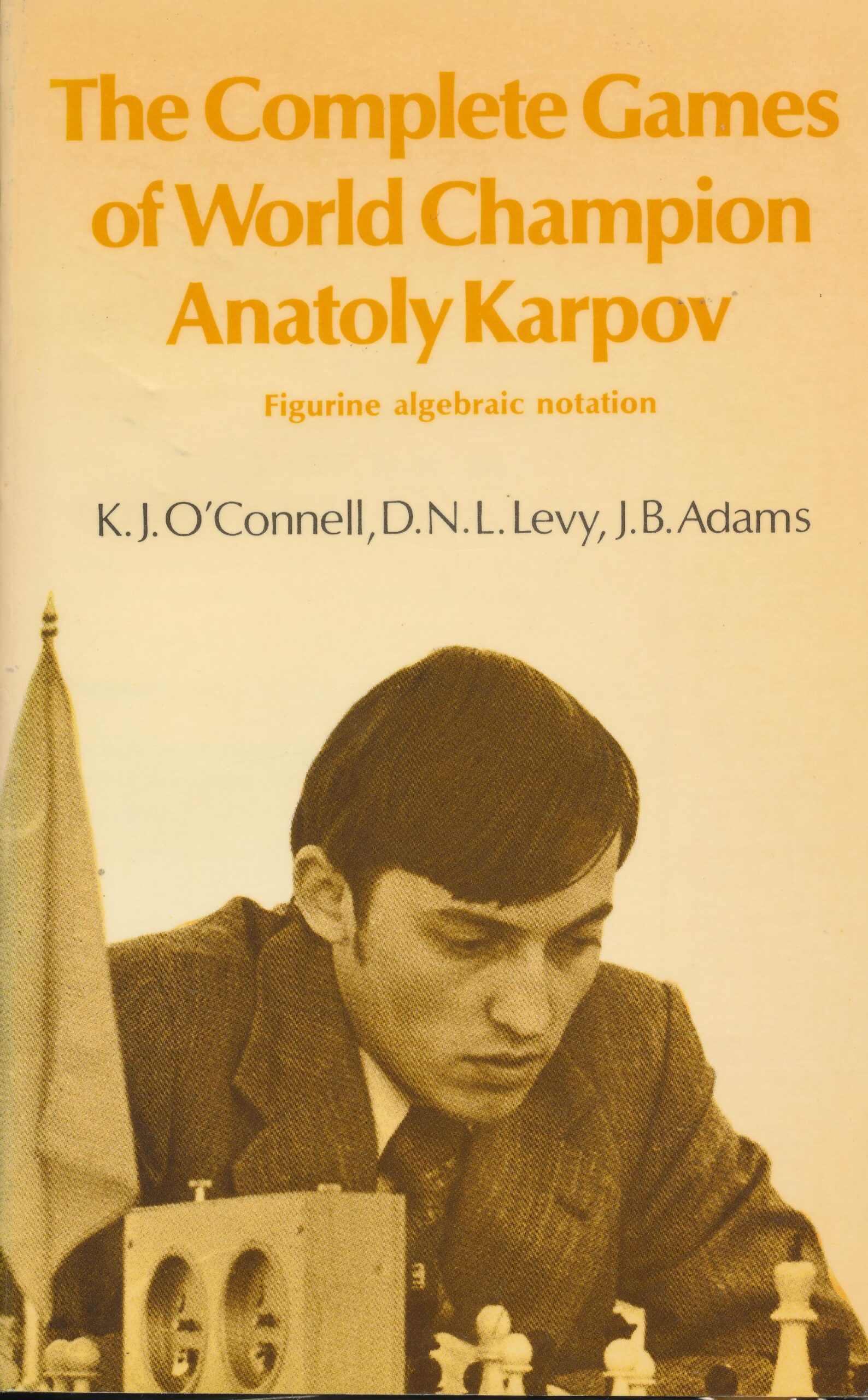
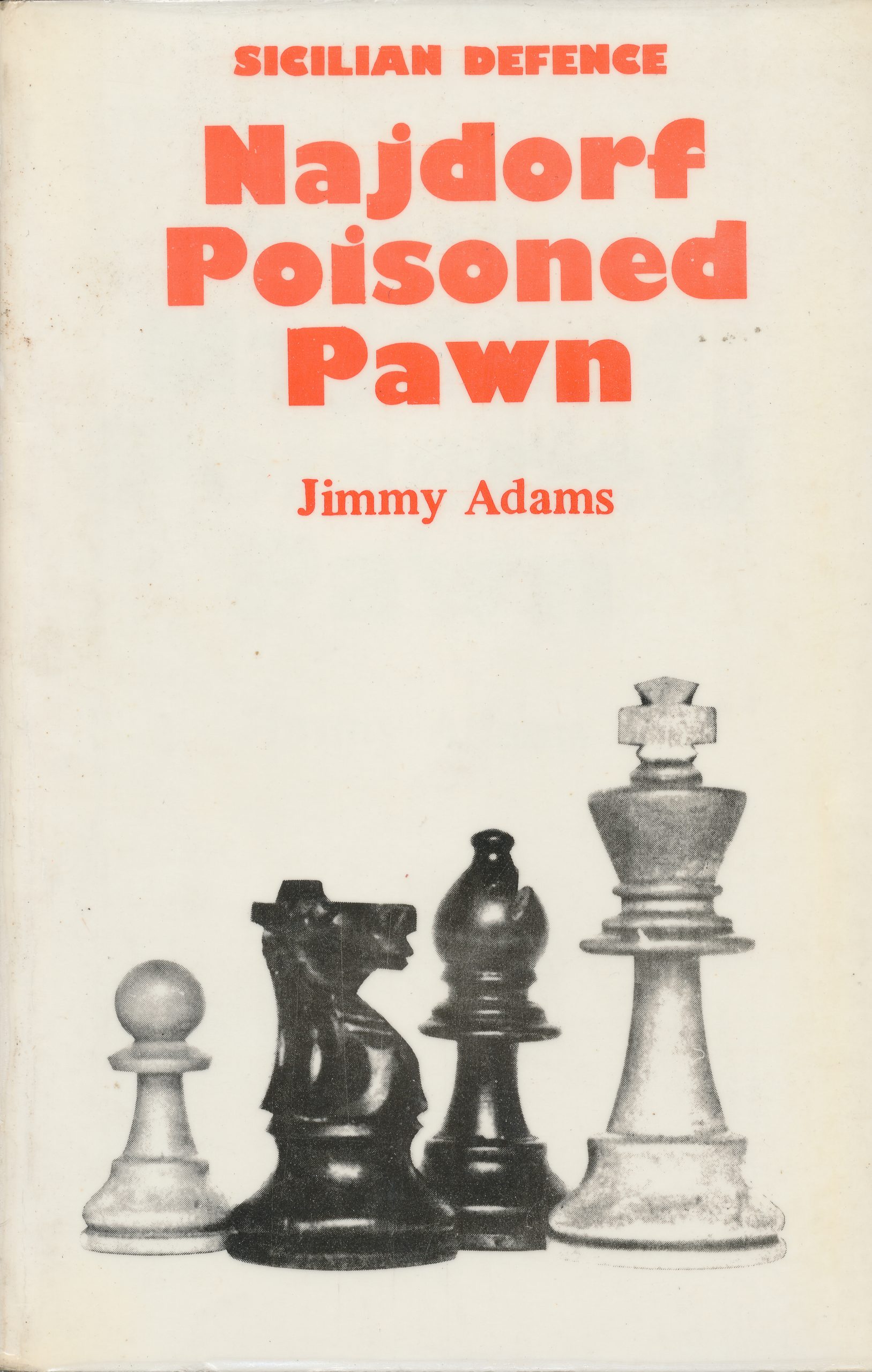
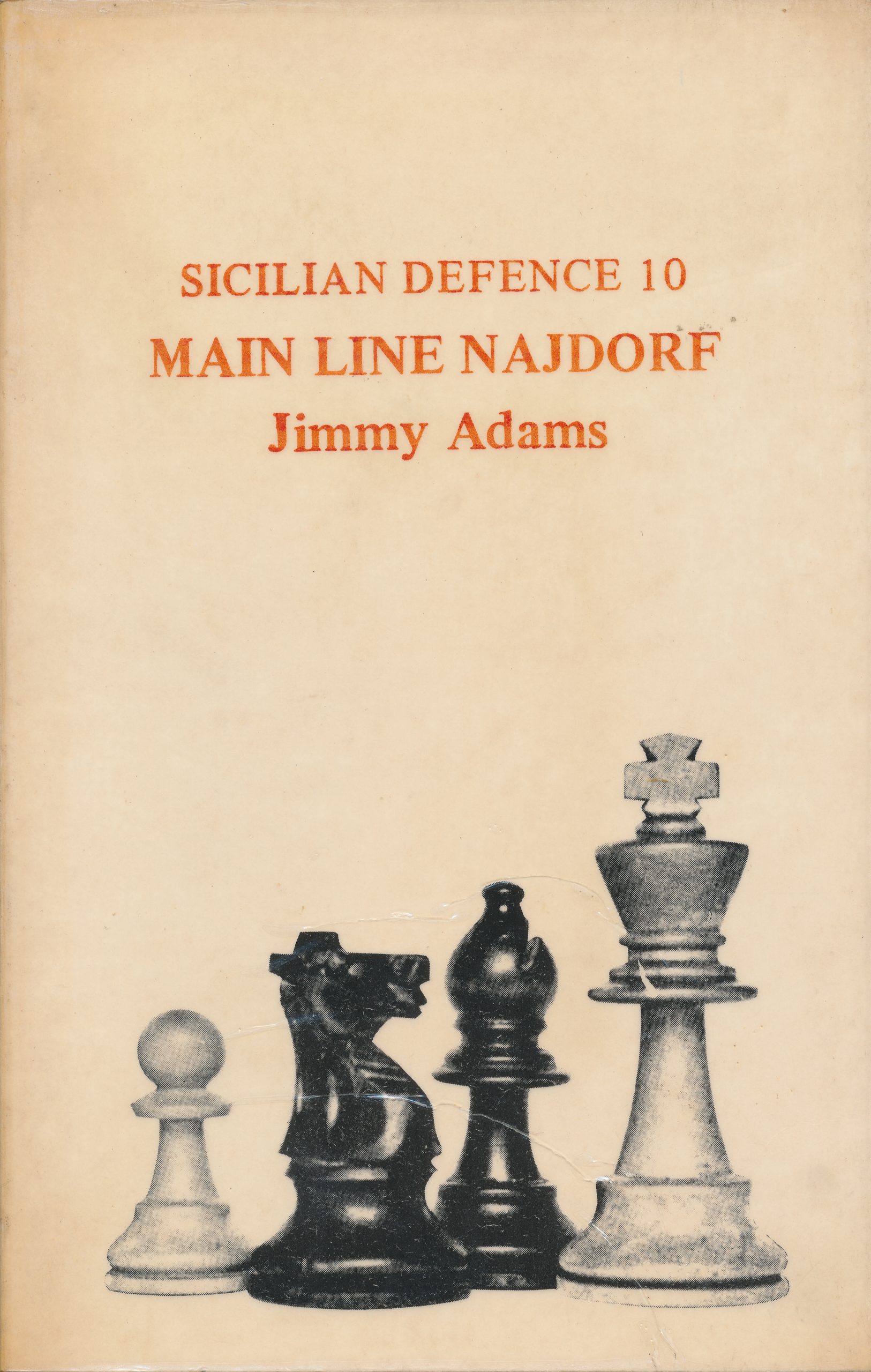
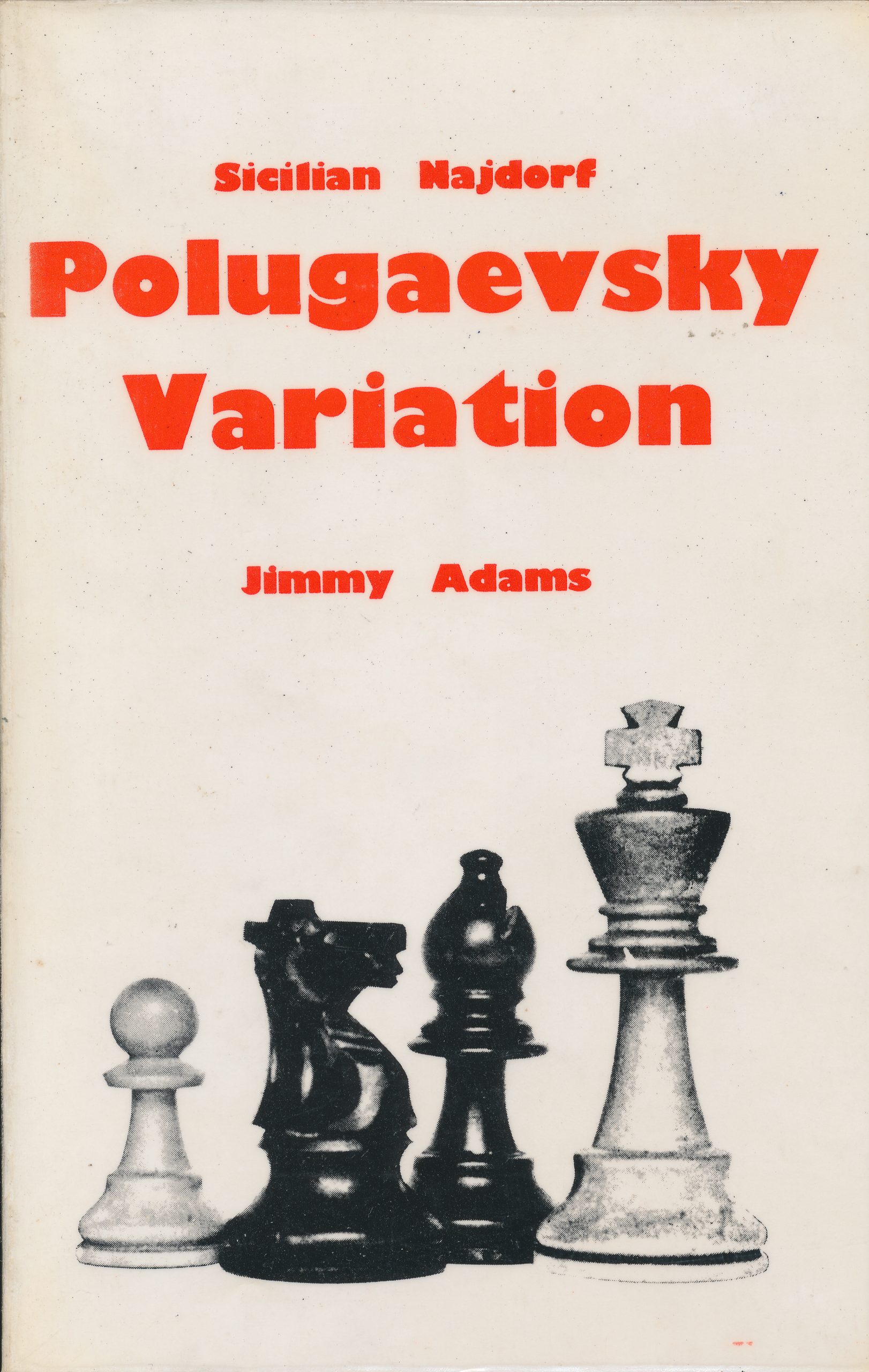
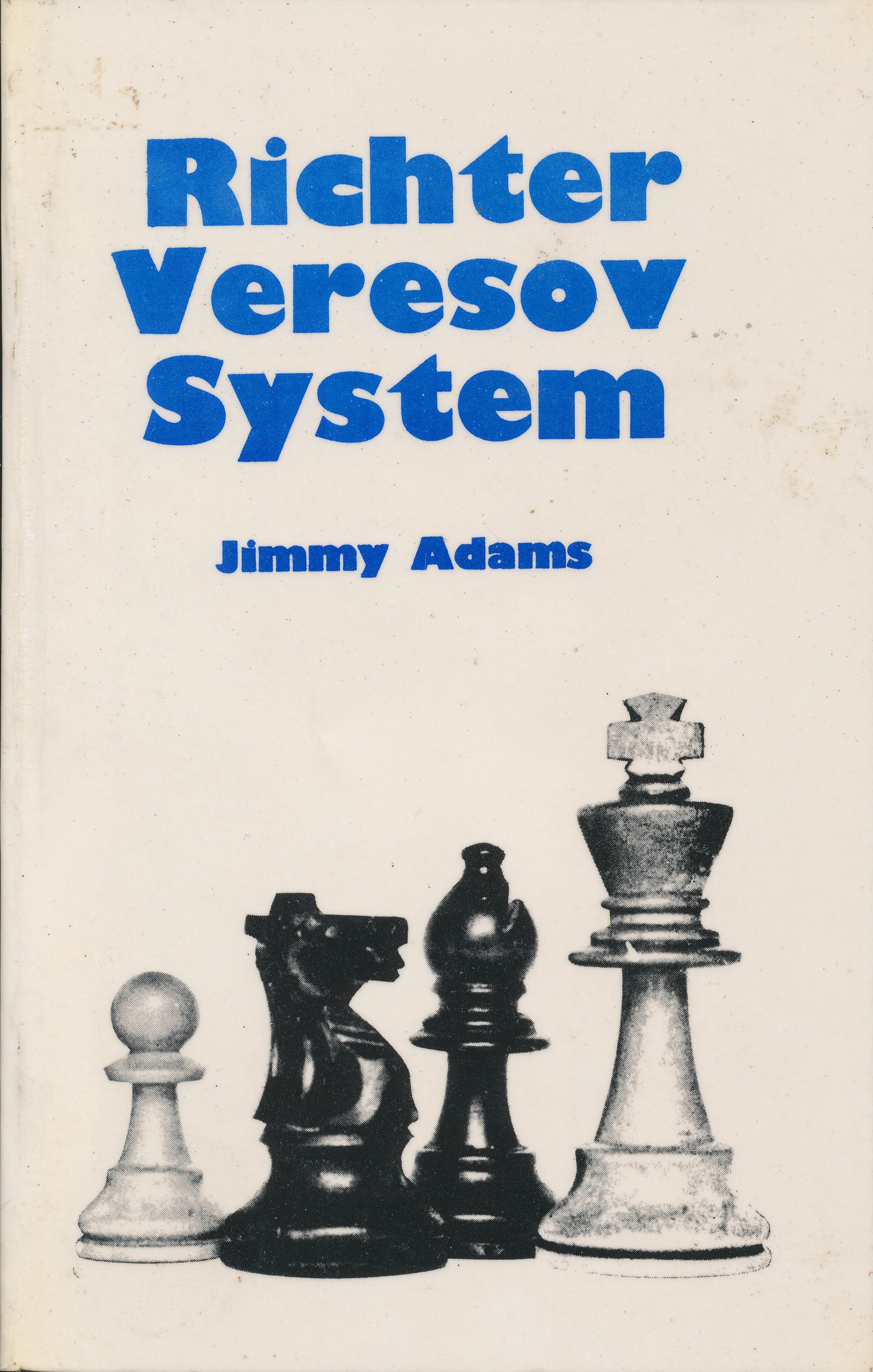
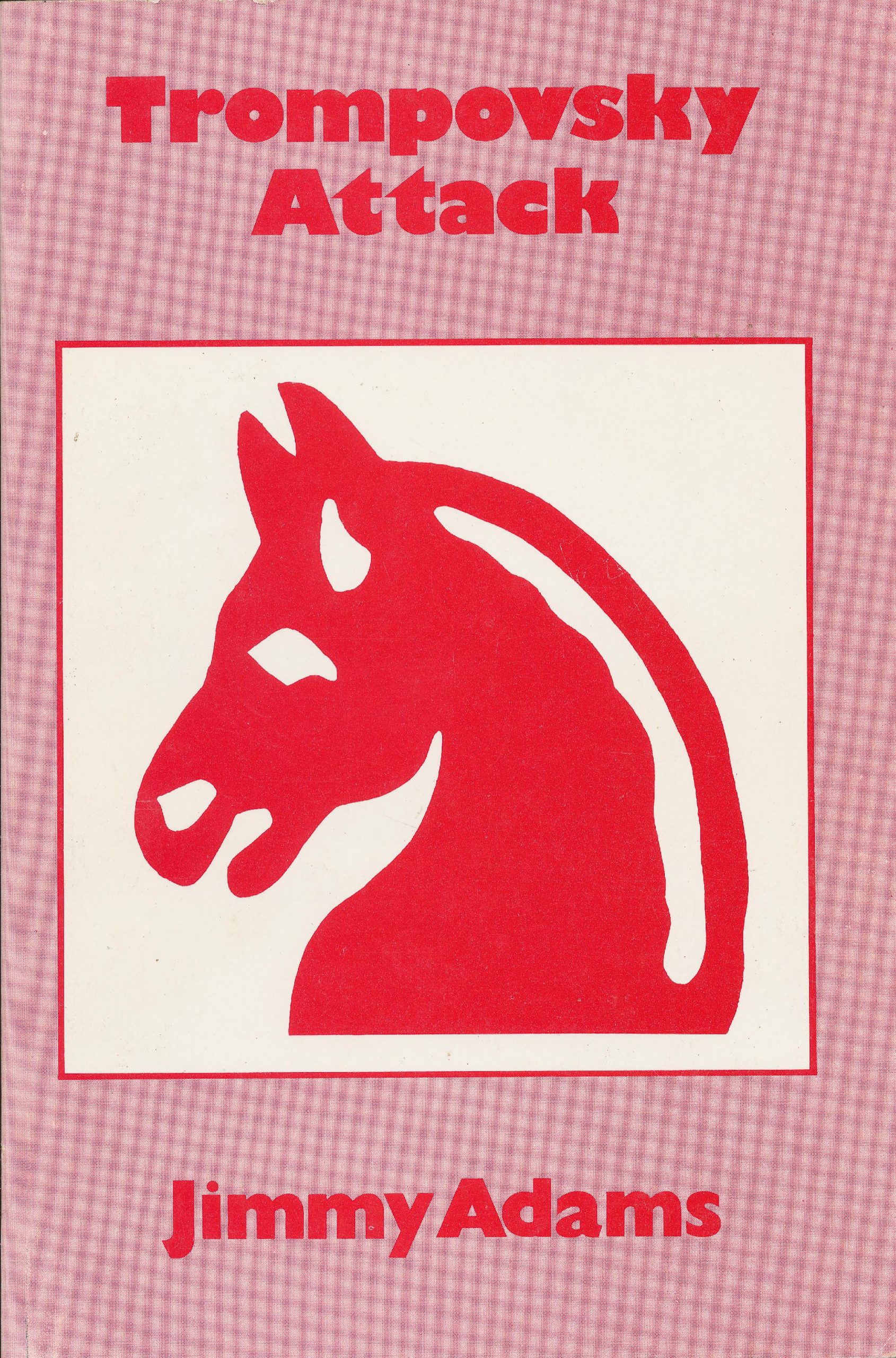
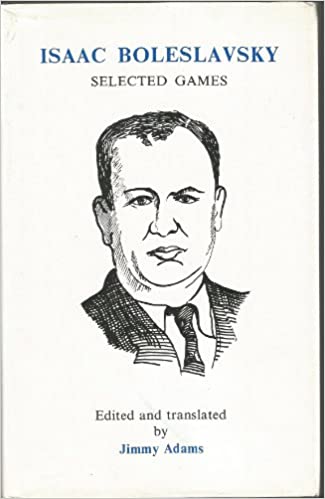
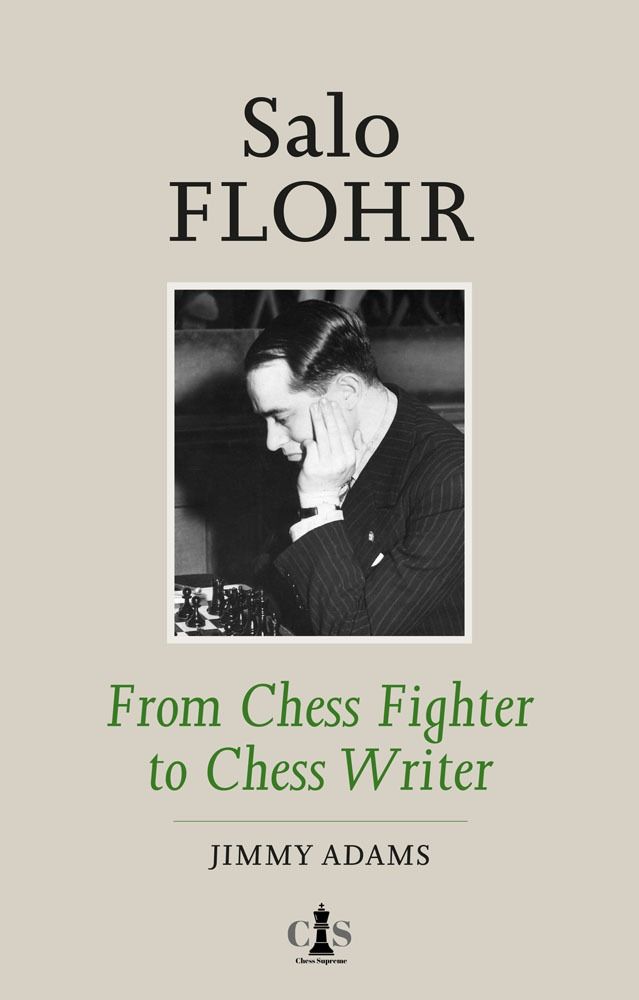
The Games of Anatoly Karpov, Batsford, Jimmy Adams, 1974The Complete Games of World Champion Anatoly Karpov, Jimmy Adams, 1976The Complete Games of World Champion Anatoly Karpov, Jimmy Adams, 1976Sicilian Defence Najdorf Poisoned Pawn, Jimmy Adams, The Chess Player, 1977Sicilian Defence 10 : Main Line Najdorf, Jimmy Adams, The Chess Player, 1977Sicilian Najdorf Polugaevsky Variation, Jimmy Adams, The Chess Player, 1978The Richter Veresov System, The Chess Player, Jimmy Adams, 1978Trompovsky Attack, The Chess Player, Jimmy Adams, 1979Torre Attack, Jimmy Adams, The Chess Player, July 1981Schliemann/Jaenisch Gambit, The Chess Player, Jimmy Adams, 1982Paris 1900, The Chess Player, Jimmy Adams, 1986ISAAC BOLESLAVSKY Selected Games, Caissa Books, Jimmy Adams, 1988Johannes Zukertort: Artist of the Chessboard, New in Chess, Jimmy Adams, 2014Mikhail Chigorin, the Creative Genius: New in Chess, Jimmy Adams, 2016Gyula Breyer : The Chess Revolutionary, Jimmy Adams, New in Chess, 2017Salo Flohr: From Chess Fighter to Chess Writer, Jimmy Adams, New in Chess, 2026
BCN is sorry to report the passing of FM Mike Franklin on Tuesday April 25th 2023: one of England’s most respected and well regarded players.
Growing Up
Michael John Franklin was born on Monday, February 2nd, 1931 in Battersea, London to Albert George (27 ix 1906, Dover – ? iii 1983, Wandsworth) and Helen Ann Franklin (née Colson, 1908-2003) who married in the third quarter of 1928 in Wandsworth. Albert was a clerk as was his father.
FM Michael Franklin, Photo by Cathy Rogers
At the commencement of the Second World War, when eight years old, Michael was evacuated to Frome in Somerset. As a consequence Michael would delight in playing in the Frome Congress whenever possible. He played in the first event in 1990 organised by Leon York (whose name is the memorial trophy for the Major section). The story of Michael’s return to Frome made its’ way in to the local newspaper and was reported by Gary Lane as follows :
From British Chess Magazine, Volume CX (110, 1990), Number 7 (July), page 296 :
“A special presentation by the sponsor, Mrs. Jean Mackereth, Managing Director of Keyford Frames, was made to Londoner Michael Franklin, who was returning for the first time in 51 years to the town to which he was evacuated during the war. His final appearance at Frome was in the 2010 event.
The Early Years
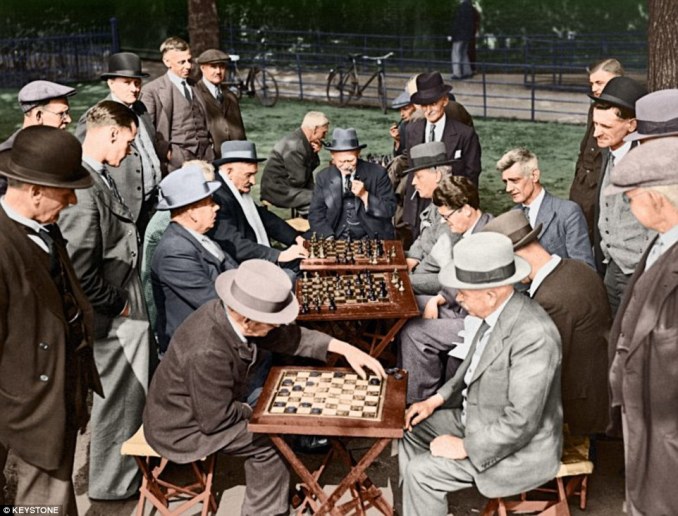
Michaels interest in chess started in 1944 aged 13 when he witnessed games being played on Clapham Common. He was fascinated by the pieces and taught himself to play, never receiving any formal coaching. He joined the Clapham Common Chess Club in 1944. (CCCC became incorporated into Battersea Chess Club some time later).
CHECK MATES: Elderly members of the Clapham Common Open Air Chess and Draughts Club, circa 1920. The club met regularly during the afternoons to play on Clapham Common in south London. Copyright : Keystone
Apart from summer events such as the above the club had a Winter Section that played matches in the London League. The club won the first division (now known as the Brian Smith Trophy) of the London League in the 1946-47 and 1947-48 seasons. Michael played his final game in the London Chess League for Richmond & Twickenham on April 14th 2010 drawing with John Hodgson, giving a sixty year span.
In his formative years he played at the Gambit Chess Café, Budge Row, Cannon Street, London, EC4N. Many strong players regularly visited the Gambit to play skittles, blitz and the frequently held lightning tournaments hosted by the proprietor Mr GH White.
Events such as these enabled Michael to develop his quick sight of the board and his flair for tactical play.
Leonard Barden added :
“Michael made his name as a young player first by his successes in the Saturday evening Gambit Guinea speed events at the Gambit Chess Café in Cannon Street which he often won ahead of master level rivals. He remained a strong speed player all his life.”
In the early 1950s Michael was persuaded by his friends Aird Thomson (who was Scottish Boys’ Champion in 1932, and 1933 ( equal-first). In 1951 he was Scottish Champion. In 1954 he moved to London. He married Susan Mary Hamilton in 1961 who went on to become Scottish Ladies’ Champion in 1965.) and oriental carpet expert Robert Pinner to join the Richmond and Twickenham Chess Club playing for the club in the London League, Surrey Trophy and National Club Championship until he retired from competitive play 2010.
Making Progress
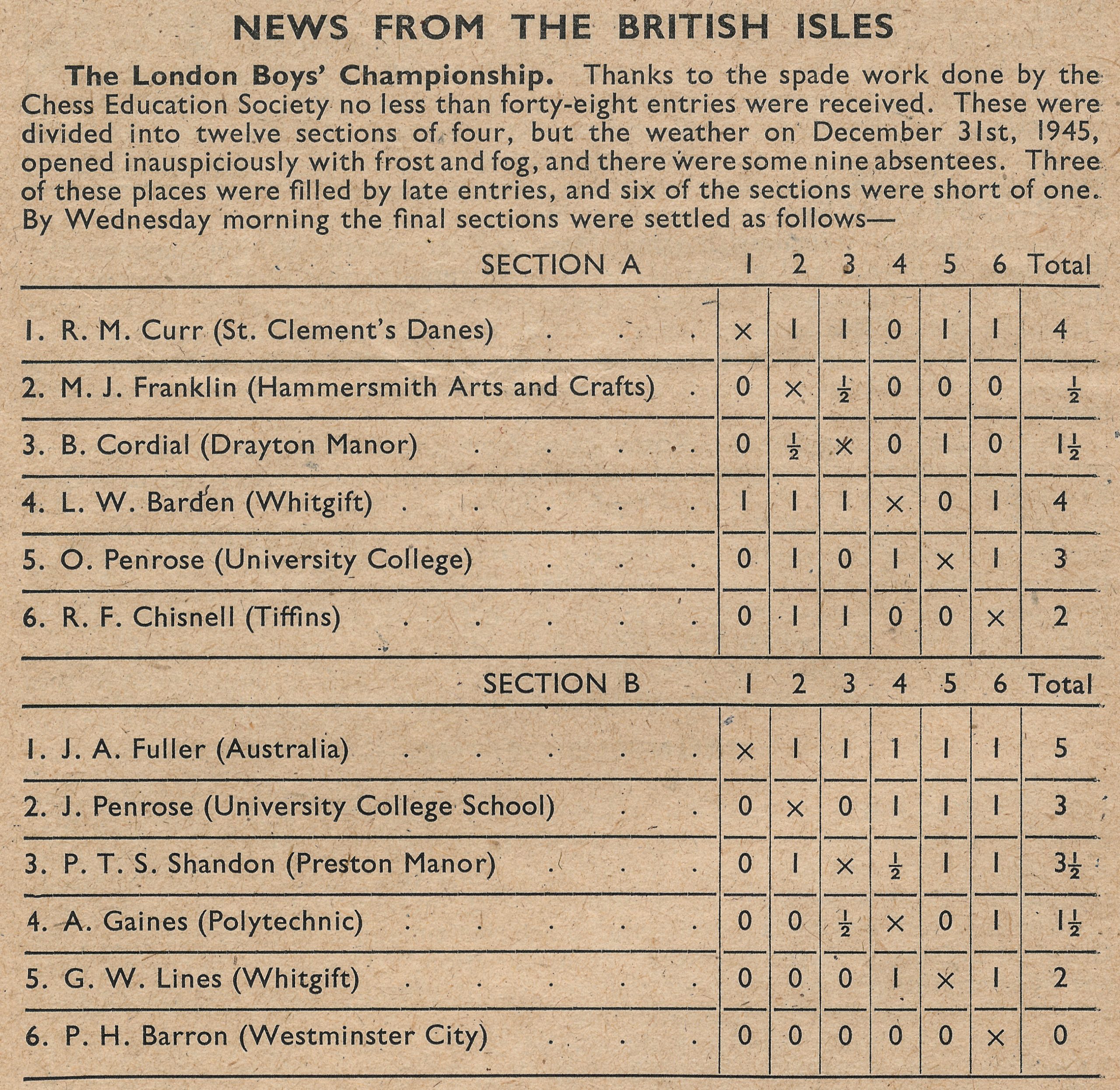
Michael’s first appearance in British Chess Magazine was in Volume LXVI (66, 1946), Number 2 (February). Page 52 contained this report of the 1945 London Boy’s Championship in which Michael reached the final A section :
British Chess Magazine, Volume LXVI (66, 1946), Number 2 (February), page 52
On leaving school Michael joined a firm of Patent Agents remaining in their employ in the accounts department for around forty years before retiring in the late 1980s. His retirement was prompted by the firm’s adoption of electronic computers. When he retired he was Chief Cashier.
On June 18th 1960 Michael’s happiest day was when he married Jean Fey. They celebrated their diamond anniversary in 2020.
To the present day Michael has maintained an aversion toward modern technology. He did, however, concede to the ownership of a mobile telephone. This was for the specific purpose of updating Jean on his days progress in any chess tournaments where he was away from home.
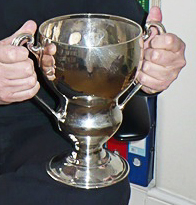
In 1946 (aged 15) Michael won the Felce Cup awarded by the Surrey County Chess Association. A result indicating rapid improvement since Michael had only started playing competitively in 1944.
The Felce Cup held by the hands of Stephen Moss in 2014
In 1951 Michael finished third in the Surrey Championships behind the winner Frank Parr and runner-up David Hooper. In 1961, 1966, 1968, 1969 and 1970 Michael won the Surrey Championship outright and made many appearences in county matches for Surrey from 1950 onwards until 2010.
Unfortunately Michael’s rapid progress was threatened by two bouts of ill health. In 1948 aged 17 Michael was diagnosed with Tuberculosis which lasted for eighteen months including a twelve month stay in the Royal National Hospital for Diseases of the Chest in Ventnor on the Isle of Wight. Aged twenty the TB returned leading to yet another twelve months illness.
Michael has suffered from ill health all of his life interrupting his chess career at various times. Fortunately the TB has not returned.
Michael won the National Chess Centre Championship in 1953 and 1955 being runner-up in 1954. The venue was Hill’s Restaurant, 158 Bishopsgate, London, EC2 opposite Liverpool Street Station since the original John Lewis department store venue was bombed in 1940.
The British Chess Federation first published a National Grading list in 1953 (using the Richard Clarke system). In the 1954 list MF appeared with a grade of 2A (225-232) and from then on with a grade of either 2A or 2B. In 1964 a numeric system had him at 225 ranking Michael 4th in England behind Penrose 244, Kottnauer 238 and Clarke 231.
Michael played many times in the annual Battle of Britain Tournament organised by Squadron Leader David Pritchard and his committee. He won it four times : 1959, 1960, 1961 and 1962.
The Ilford Whitsun Congress
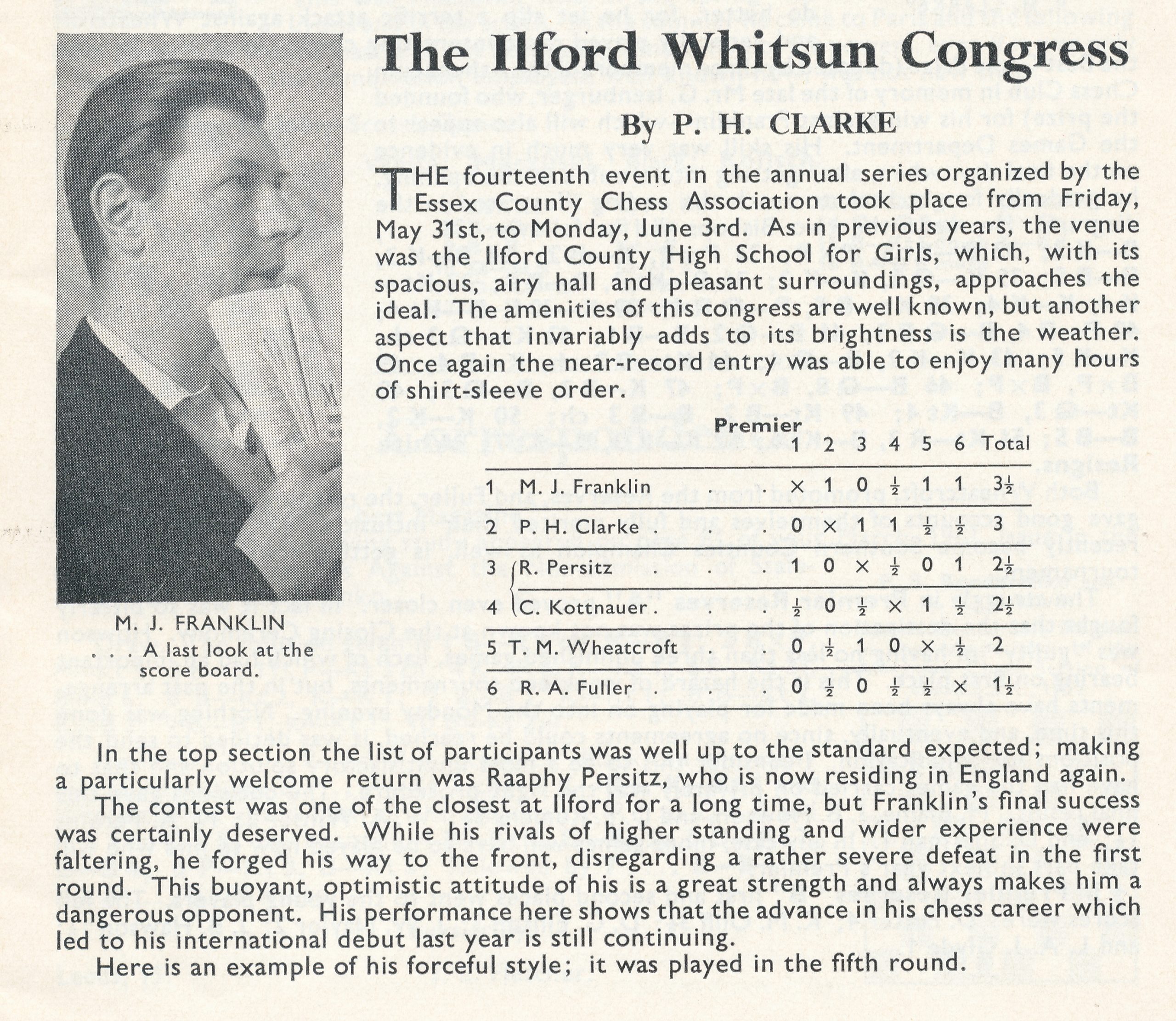
The Ilford Whitsun Congress was a regular part of Michael’s season throughout the sixties. He won the Premier Reserves in 1961 ahead of Hilton, Hindle, Howson, Sales and Blaine and was runner-up to Kottnauer in 1962. In 1963 he went one step better by winning the Premier :
A report of Mike Franklin’s success at the 1963 Ilford Whitsun Congress by Peter Clarke. Source : British Chess Magazine, Volume LXXXIII, Number 7 (July), page 193
and here is the fifth round game :
In his tournament report PH Clarke wrote :
This buoyant, optimistic attitude of his is a great strength and always makes him a dangerous opponent.
Away from Home : International Progress
1964 saw selection by the BCF to play in the Tel Aviv Olympiad :
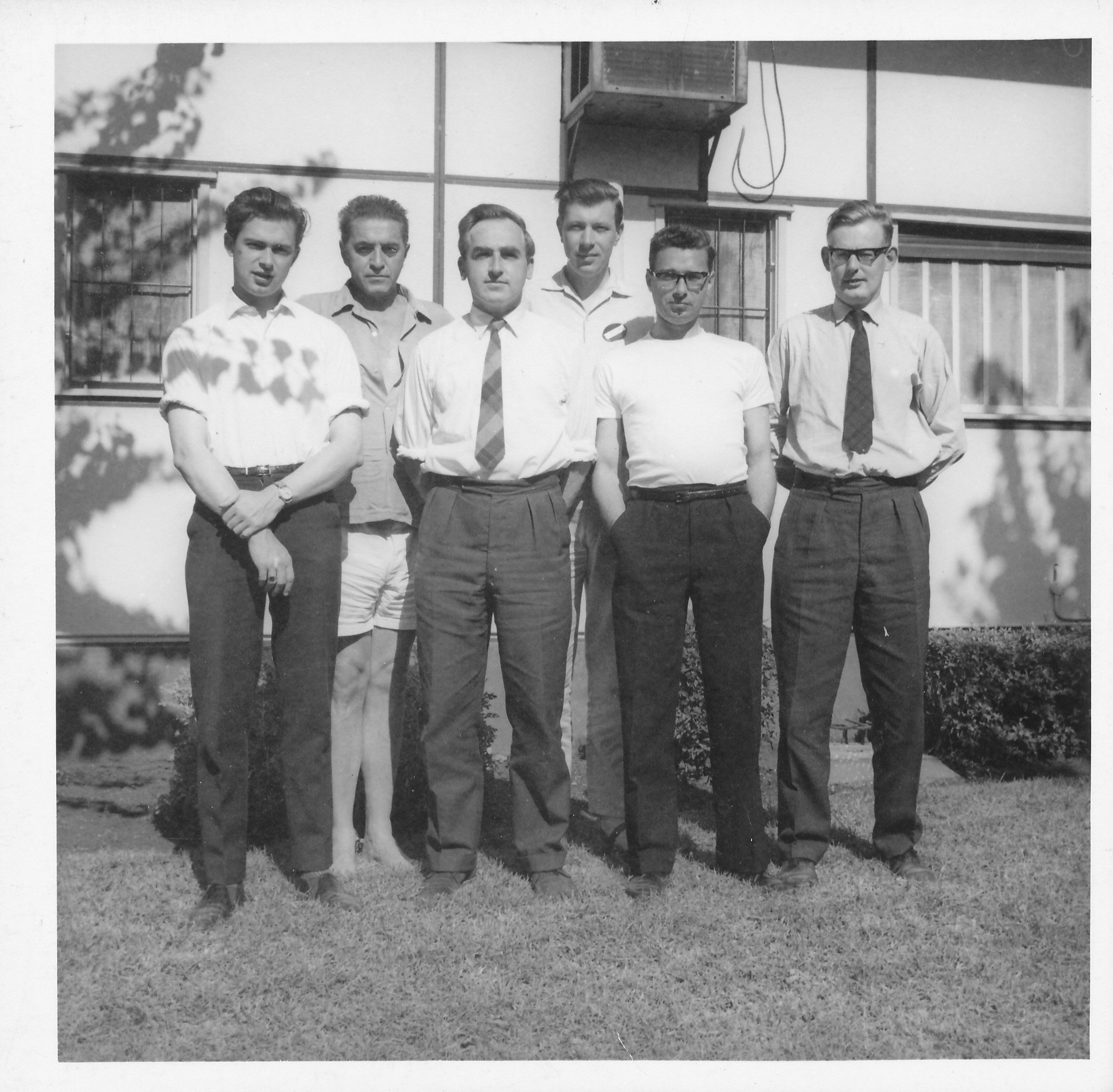
The 1964 England Olympiad (Tel Aviv) Team : Owen Hindle, Čeněk Kottnauer, Peter Clarke, Michael Franklin, Norman Littlewood & Michael Haygarth
and scored a creditable 4/6. This was followed in 1965 with 3/5 in Clare Benedict tournament held in Berlin.
He played in the annual Anglo-Dutch match on no less than six occasions in 1962, 1963, 1964, 1965, 1968 and finally in 1969. His aggregate score was an impressive 8/12.
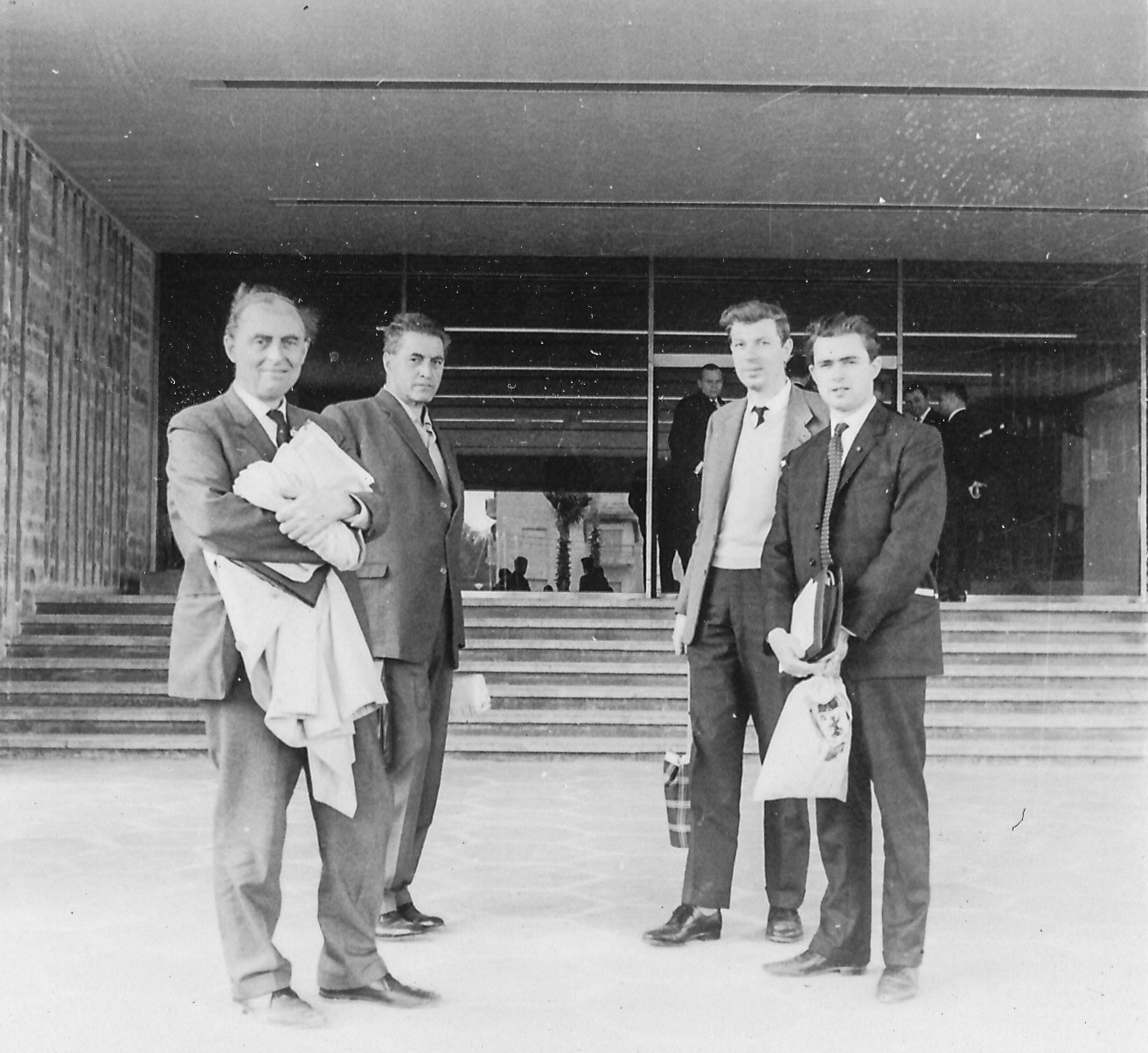
Hugh Alexander, Čeněk Kottnauer, Michael Franklin and Owen Hindle
On the national scene Michael repeated his 1963 victory at the 1969 Ilford Premier with a clear first place : Franklin 4; RG Wade and D Wright 3; JB Howson 2.5; BH Wood 2; PH Clarke 0.5.
In 1970 Michael won the London Championship which was also known as the Budget Cup which had last been held in 1956 . He followed this in 1972 by rightly earning the (now defunct) title of British Master.
Michael’s final appearance for England was in 1971 in the Cheltenham based Anglo-German match with a somewhat disappointing 0.5/2 against Juergen Dueball.
Owen Hindle, Michael Franklin, Harry Golombek and Michael Haygarth
Michael played board two for London in a Telex match versus Belgrade playing Marjanovic. The game was drawn.
Michael Franklin playing board two in the London – Belgrade Telex Match on April 3rd, 1976 from the St. James Hotel, Buckingham Gate. Sourced from BCM, Volume XCVI (96), Number 5, page 192. Photographer probably Freddy Reilly.
The Ultimate Prize : The Aaronson Masters
The Aaronson Masters at *Imperial Hotel, Russell Square, Bloomsbury, London, 1978 brought his best individual success at the age of 47, sharing first place with IM Aldo Haik of France and to boot, earning an IM norm.
(*Venue location thanks to Ken Norman)
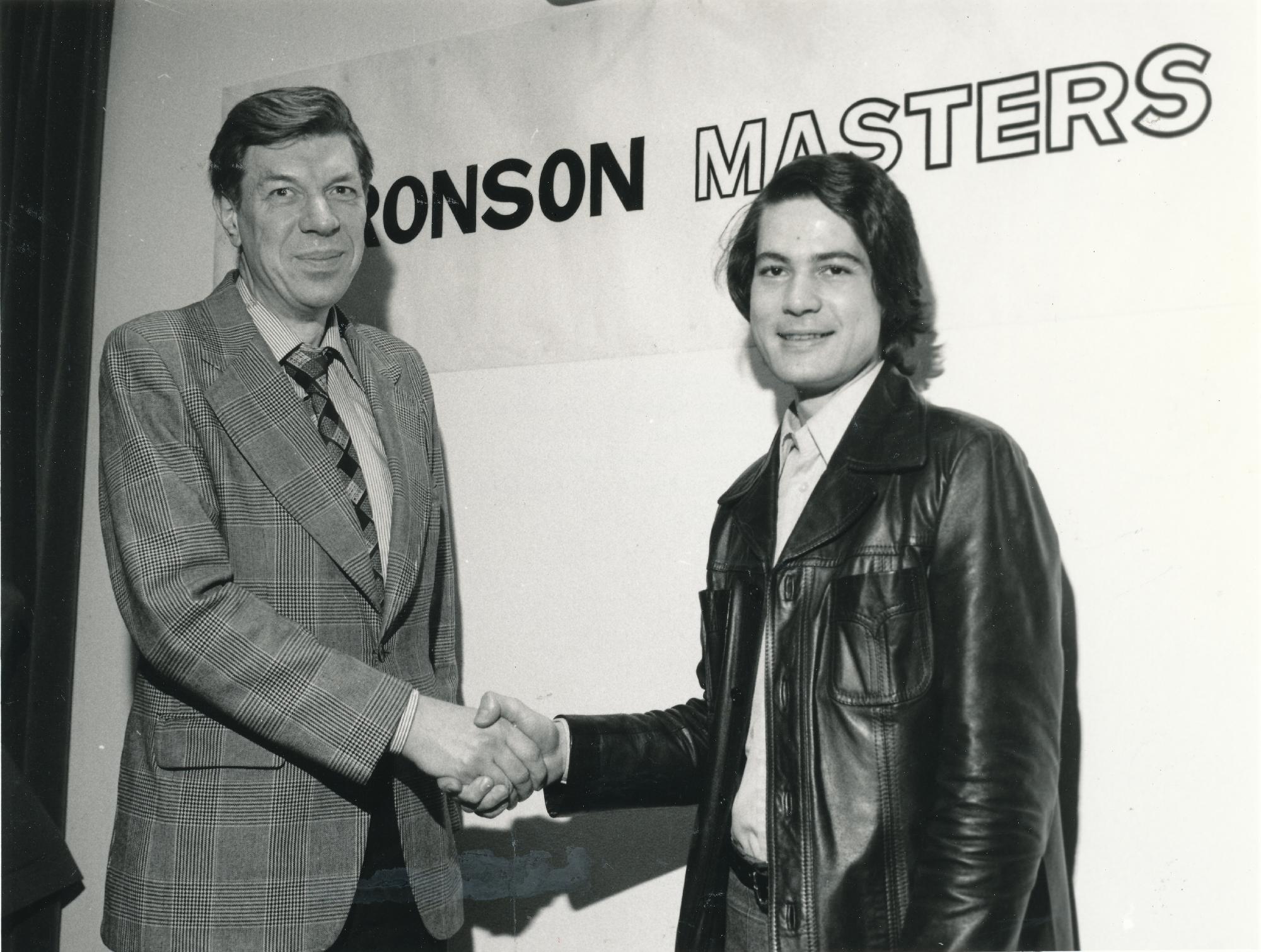
Joint winners of the 1978 Aaronson Masters : Michael Franklin and IM Aldo Haik
Michael scored an undefeated 7.5/10 and finished ahead of Short, Speelman, Nunn, Hartston, Mestel, Webb, Basman, Botterill and numerous other illustrious players. Michael remarked of his lifetime best result that it was
just one of those occasions when everything went right!
But he scored 3.5/5 against the IMs, was alert to every opportunity, and the games show he owed little to luck.
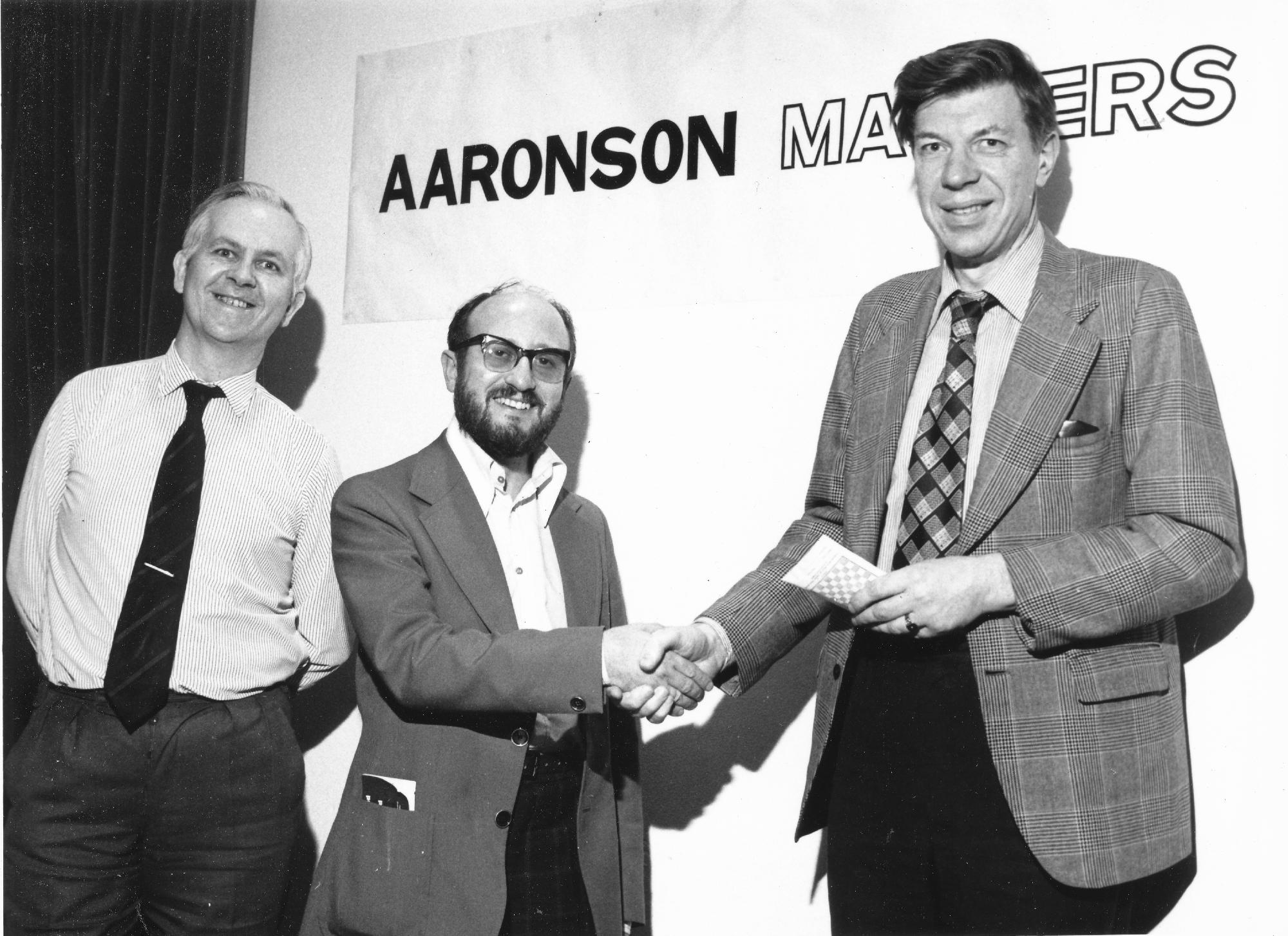
Leonard Barden, Stewart Reuben and Michael Franklin at the 1978 Aaronson Masters
Like many others Michael made appearences in Lloyds Bank events of 1977, 1978, 1984, 1989, 1991, 1993 and 1994.
Michael Franklin (left) at the 1978 Lloyds Bank Masters playing IGM Leonid ShamkovichMichael and friends during the 1978 Lloyds Bank Masters
The Hastings Years
Michael first played at Hastings in 1964 when he was invited to play in the Premier Tournament. The tournament was won by Mikhail Tal and Michael finished in last place.
Undaunted he returned to Hastings in 1968 to play in the Challengers tournament. One of the attractions of playing in the Challengers was that the winner received a place the following years Premier. Frustratingly Michael finished second three years in a row! In 1968 the Challengers was won by Danny Wright, in 1969 by Martyn Corden and in 1970 by Peter Markland. Finally, in 1971 his patience was rewarded and he won the Challengers and qualified to the following years Premier.
The 47th Hastings Premier of 1971-72 had been changed from the traditional 10 player all-play-all to a 16 player tournament. Also, having obtained sponsorship from various organisations the committee were able to invite some of the top names of the day. The sponsors were:
So, the entry included Karpov, Korchnoi, Andersson, Najdorf, Mecking, Gligoric, Unzicker and Robert Byrne to name but a few. This was undoubtedly the strongest Hastings Premier since World War Two and possibly the strongest Hastings Tournament since 1895.
Michael started well with a draw against the Rumanian GM Ciocaltea followed by a draw in with the Brazilian prodigy Mecking. In round three he surprised everyone by beating Ray Keene. With 2/3 things were looking promising. However, after this bright start Michael only managed a draw against Unzicker and a draw with Hartston finishing in a disappointing last place with a score of 3/15.
In the tournament report Peter Clarke opined
Franklin suffered the usual fate of the gifted amateur in a professional field of simply not being accustomed to this kind of chess.
Despite this Michael continued to play in the Hastings Challengers. He played in nineteen out of the next twenty-five years! He came close to winning the tournament in 1982: he was leading the tournament with a score of 7/8 when he was informed that Jean’s Father had passed away. Having drawn his ninth round game and needing only a draw in the last round to ensure at least a tie for first place he withdrew from the tournament and immediately left for home.
The Weekend Scene
Like all players with a full time job Michael had to play most of his chess at the weekend so the explosion of weekends tournaments in the early 1970’s gave him ample opportunities. His habit of playing quickly was ideally suited to the fast time limits of the weekend tournament. During the 1970 and 1980’s he was very successful. He won numerous events and was more often than not in the prize list.
FM Michael Franklin, Photo by Cathy Rogers
In later years he restricted himself to London based tournaments and those in the West Country. His regular tournaments being Exeter, Torquay and old favourite, Frome. Michael at the age of 78 shared first place at Frome 2009. Frome 2010 was his farewell appearance.
FM Michael Franklin
Michael played for a number of clubs viz : Richmond & Twickenham, Coulsdon CF, Surrey CCA, 4NCL Richmond, 4NCL Bristol and Richards Butler to name but a few.
Finally, in 1980, Michael was awarded the FIDE Master title and achieved his highest rating (in the Elo era) of 2345 in January 1979. It is most likely that his highest ever rating would have been more like 2450.
FM Michael Franklin vs Paul Helbig
Appropriately enough Michael was the inaugural winner of the BCF/ECF Senior Prix in 2000 and won it again in 2002 and 2003. The event last ran in 2006.
When Surrey won the counties championship a few years back the team took the trophy around to Michael’s home in Norbury, such was their regard for his contributions.
The London System
Any currently active club player cannot have missed the explosive rise to prominence of the system for White he developed :
The London System and Accelerated London System has acquired a huge cohort of followers in recent times probably not realising the debt they (and many authors, book and DVD publishers!) owe to Michael. If only he could have earnt a royalty every time it was played!
Also Michael had notable success as Black with the O’Kelly Sicilian 1.e4 c5 2.Nf3 a6.
Life Outside of Chess
Michael had many interests apart from Chess. He was for many years a member of the Surrey County Cricket Club. After he retired he would arrange to meet fellow Surrey Member Frank Parr at the Oval and after lunch in the Pavilion they would spend the day enjoying the Cricket. Tennis was another sport that Michael followed. Michael was also interested in horseracing. Several players were surprised when visiting one of the racetracks around London to find Michael also attending the race meeting.
Michael was the typical “natural” player. He never studied the game and his only sources of opening information were the British Chess Magazine and the chess columns in The Times and the Guardian. He never kept the scores of his games. Once the game was finished it was time to move on. One of Michael’s greatest strengths was his optimistic attitude at the chessboard. No matter how bad the position he was confident of ultimate success.
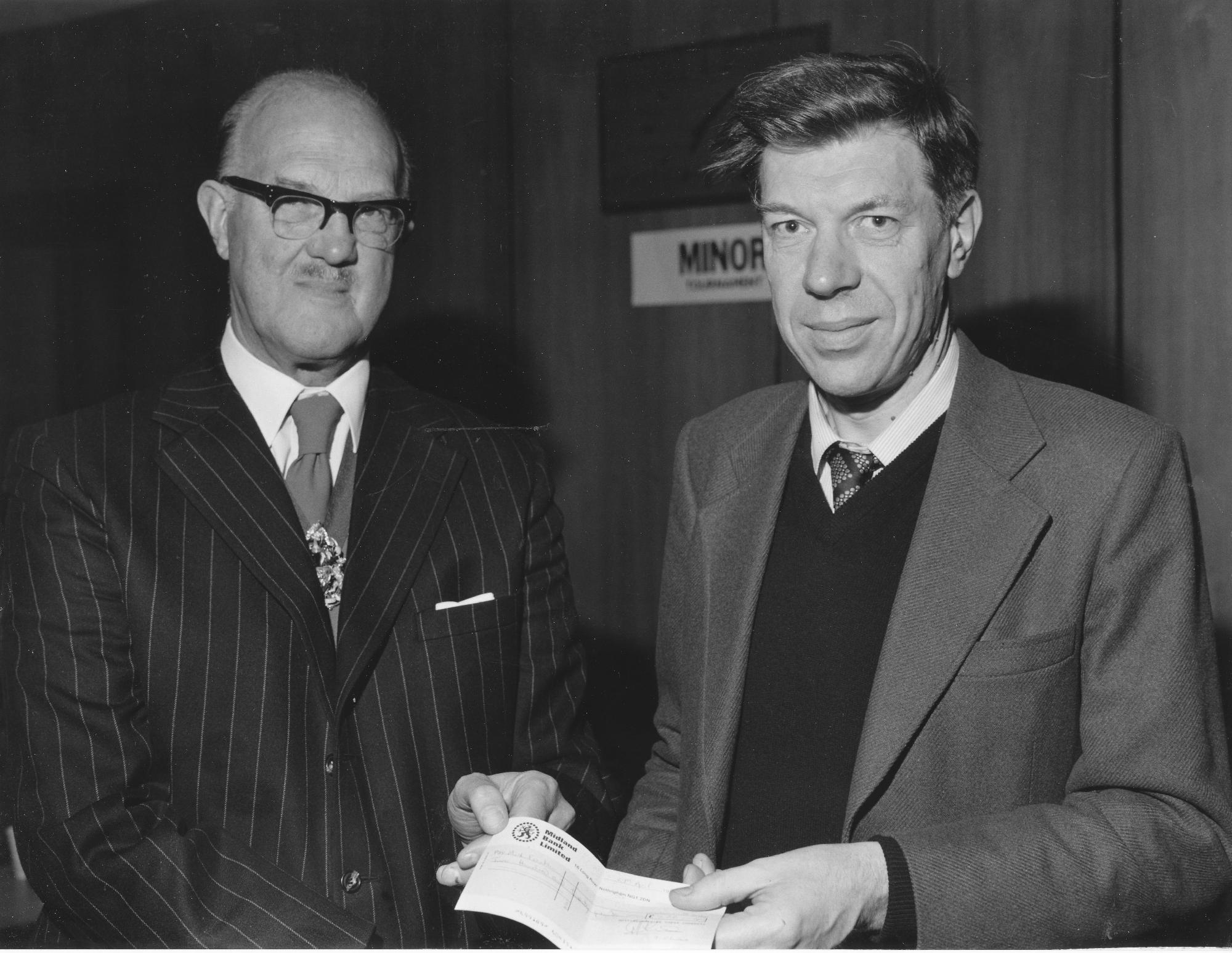
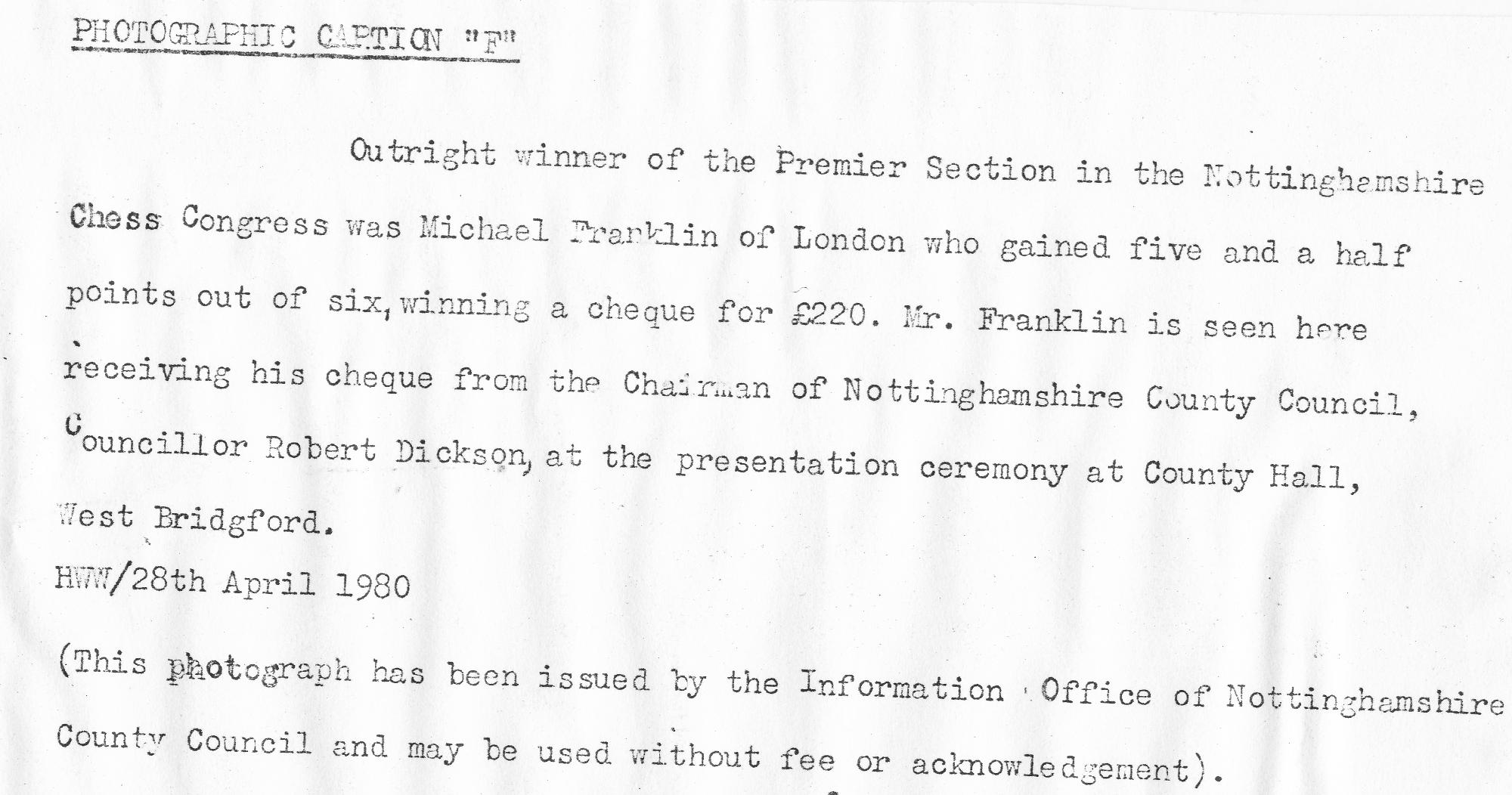
Michael Franklin receives £220 from Councillor Robert Dickson at the 1980 Nottinghamshire CongressCaption for above photograph
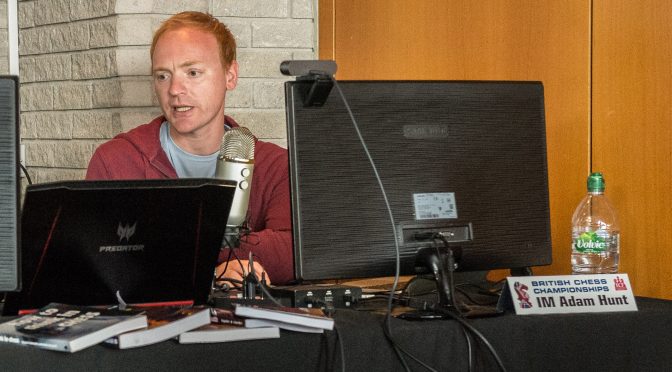
We remember IM Adam Hunt who passed away on Tuesday, December 3rd 2024 following a nine year battle with cancer.
Adam Ceiriog Hunt was born on Tuesday, October 21st, 1980 in Oxford and his mother’s maiden name was Williams. The UK Number one single was “Woman in Love” by Barbara Streisand. Adam shares his birthday with Kim Kardashian.
Adam attended The Cherwell School and The University of Sussex to study general biology.
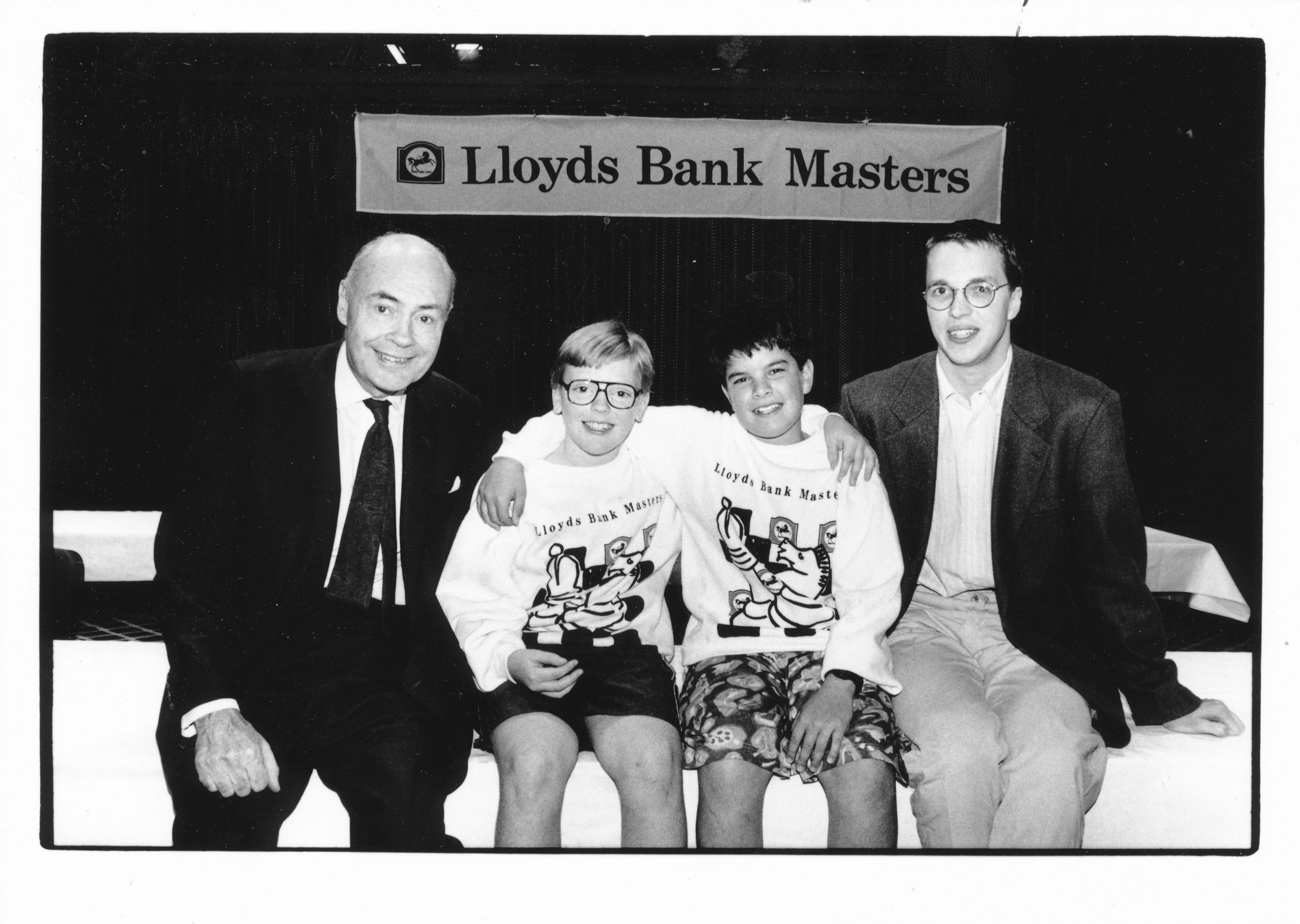
Jeremy Morse, Adam Hunt (12), Nick Pert (11) and Nigel Short at the Lloyds Bank Masters
Adam became an International Master in 2001 and then a FIDE Trainer in 2016. According to Felice and Megabase 2020 his attained his peak FIDE rating of 2466 in January 2008 at the age of 28.
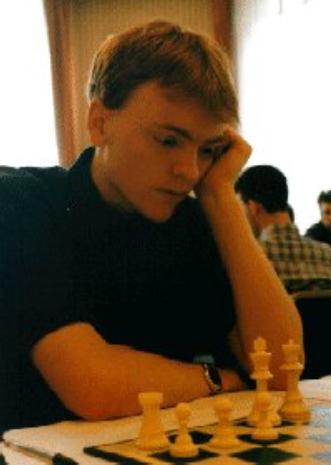
Adam Hunt in 1998 Cathy Rogers
In 2004 Adam was living in Headington, Oxfordshire and in 2007 he moved to Ipswich in Suffolk and was married in 2019. Recently, Adam and his partner became parents to Henry.
As a junior (and together with Harriet) Adam first played for Cowley Chess Club.
Most recently Adam has played for 4NCL Blackthorne Russia, prior to that Bettson.com, Midlands Monarchs and Perceptron Youth with Witney being his original team.
He is Director of Chess at Woodbridge School in Suffolk and is the brother of IM Harriet Hunt
With the white pieces is (almost exclusively) an e4 player playing the main line of Ruy Lopez (8.c3) and favouring the Fischer-Sozin against the Najdorf.
As the second player Adam plays the Sicilian Najdorf and a 50:50 mixture of the King’s Indian and Grünfeld Defences.
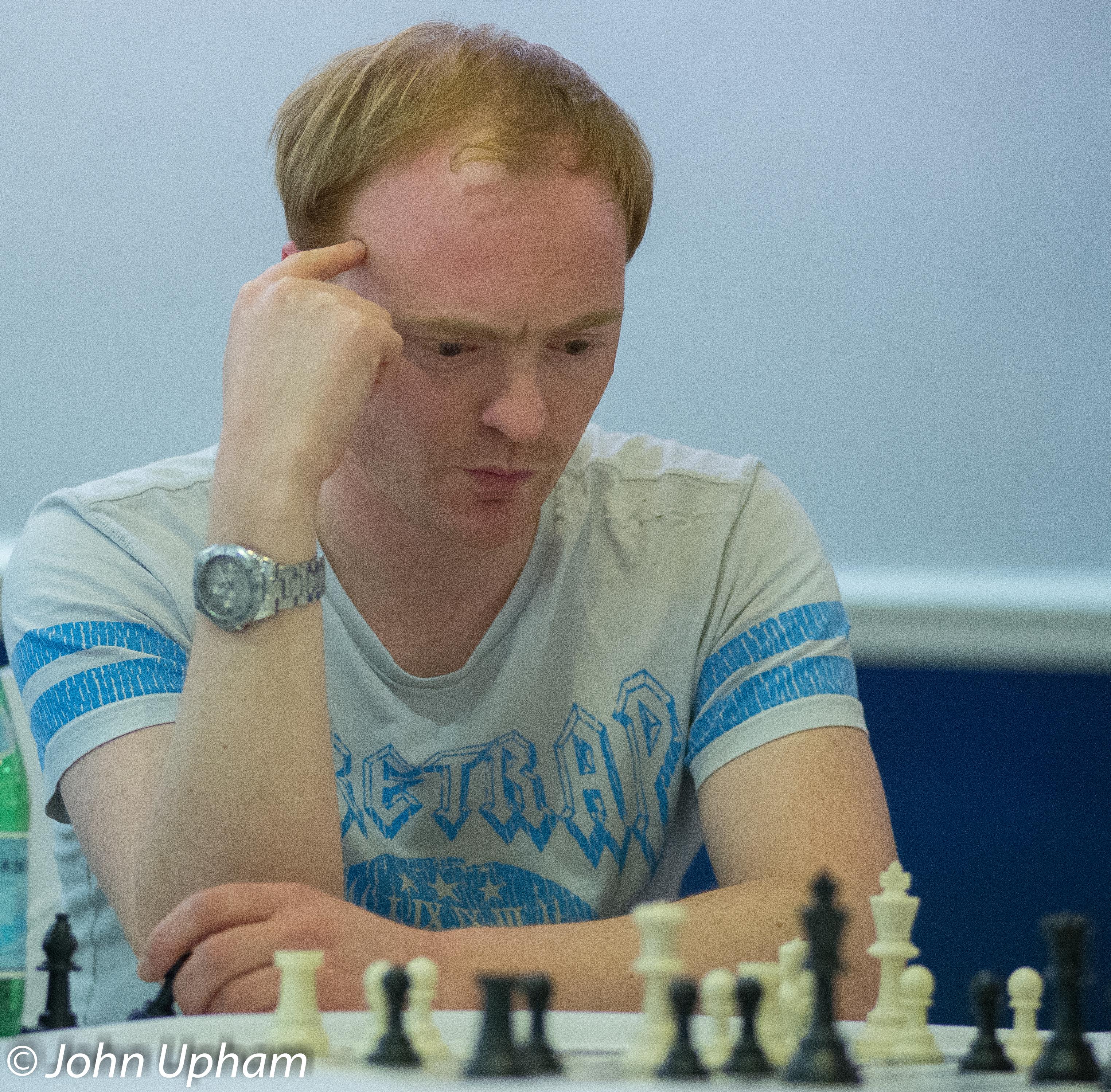
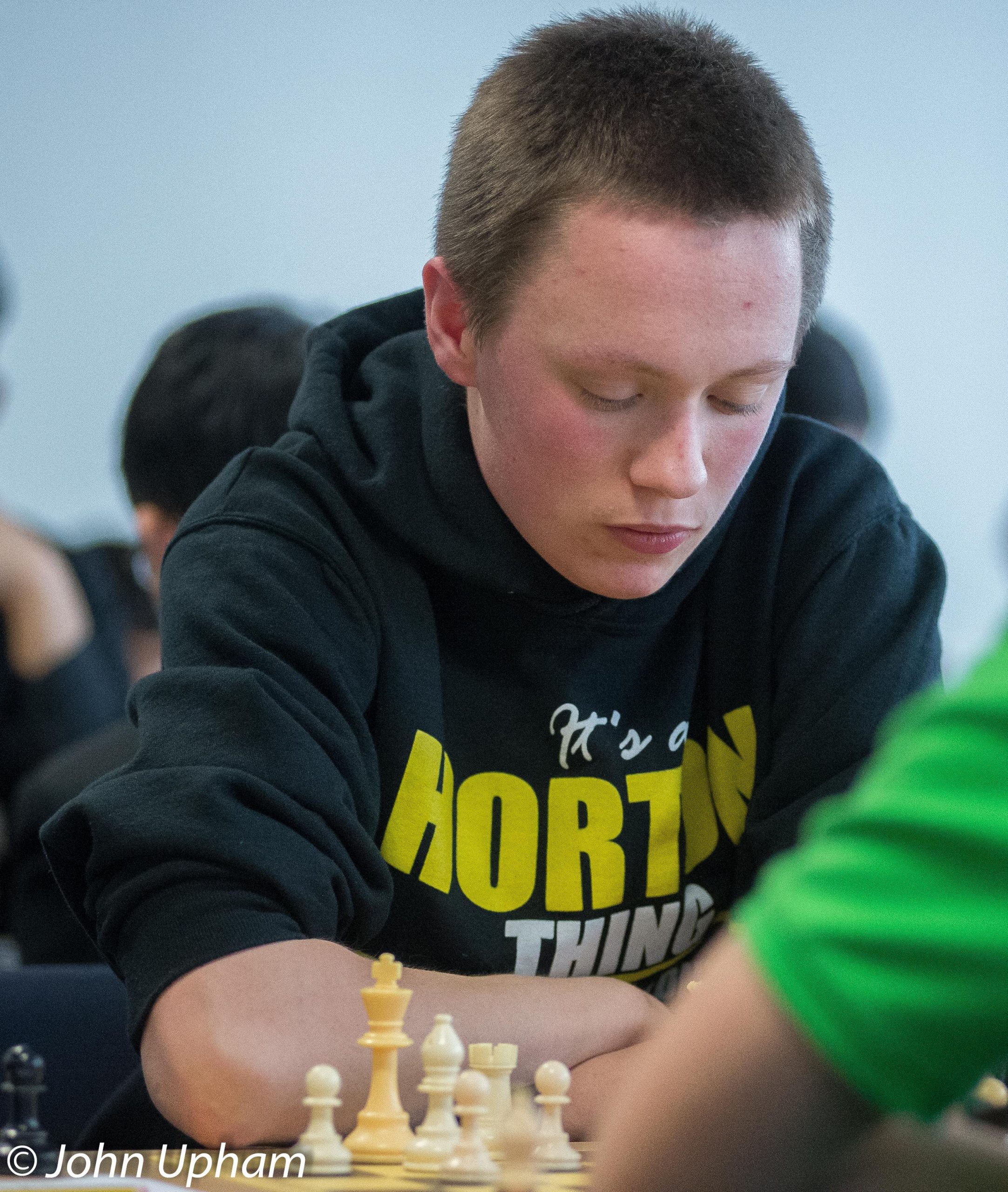
Andrew Horton at the 2014 Team Chess Challenge at Imperial College. Courtesy of John Upham Photography
BCN wishes Happy Birthday to IM Andrew P Horton (15-i-1998)
Andrew became a FIDE Master in 2015 and an International Master in 2018 following the 89th FIDE Congress 2018, 26 Sep – 6 Oct, Batumi, Georgia.
Andrew represents the 3Cs club in the Manchester League and in the Four Nations Chess League (4NCL) (as well as Wood Green) and, in addition, Wotton Hall, Durham City (during his University years) and Northumberland CA for county matches.
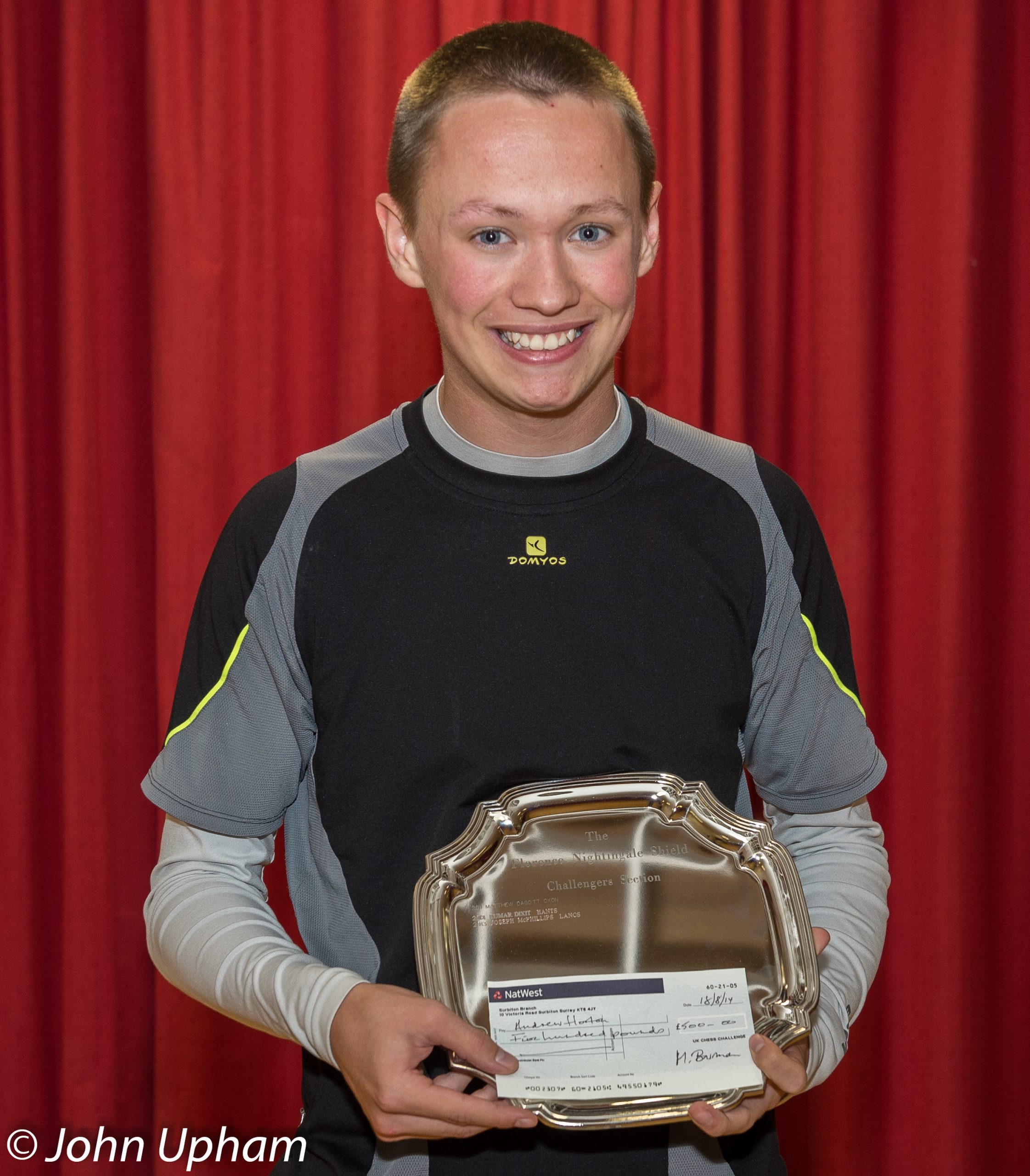
Andrew made regular appearences at the Delancey UK Chess Challenge and was placed 1st in the 2014 Terafinal, Challengers section.
Andrew Horton, Challengers C, 1st, 2014, UKCC Terafinal
In 2021 Andrew was invited and played in the London Chess Classic at the Cavendish Conference Centre.
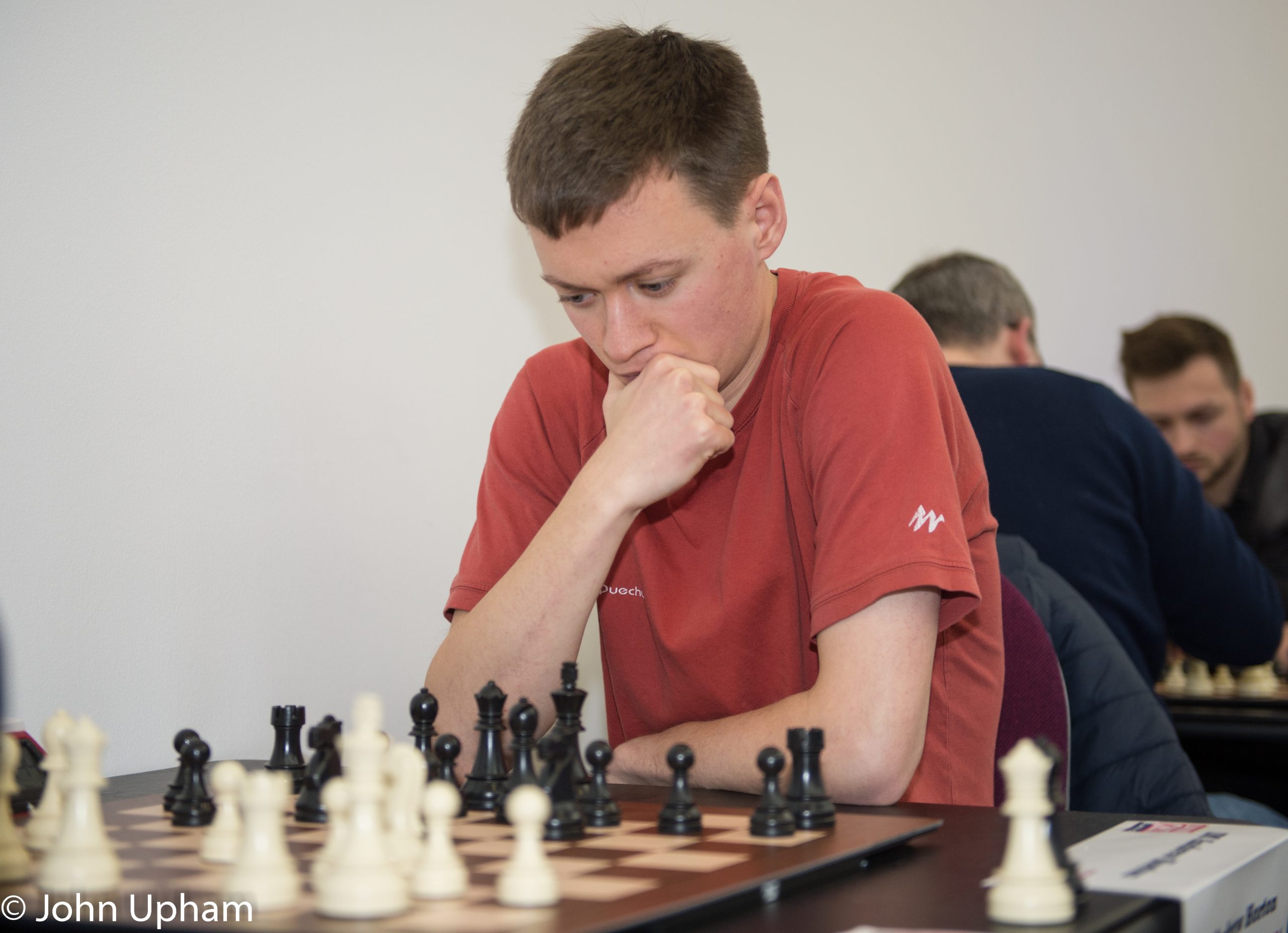
IM Andrew Horton at the London Chess Classic, 2021
Andrew’s ECF standard play rating at January 2023 is 2452K.
You might remember this from the last Minor Piece.
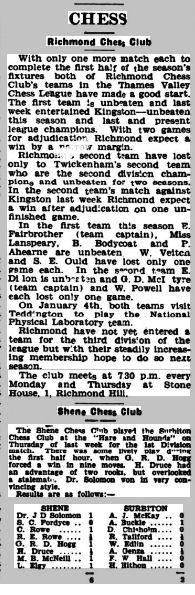
“In the first team this season E. Fairbrother (team captain), Miss Lanspeary, B. Bodycoat and P. Ahearne are unbeaten.”
It’s good to see a lady playing for Richmond’s first team, and unbeaten as well. She must have been a pretty good player. But who was this Miss Lanspeary with her unusual and unfamiliar surname? I wanted to find out.
Searching electoral rolls quickly identified our heroine as Enid Mary Lanspeary, so I looked at online family trees to find out more. She was indeed on a few trees – and I was amazed to discover that one of them was mine! I also discovered, by searching newspaper archives, that there were Lanspearys playing chess all over the country.
Something genealogists like to do is the One-Name Study, which involves finding out everything about everyone bearing a particular unusual surname. We’ll do that now with Lanspeary.
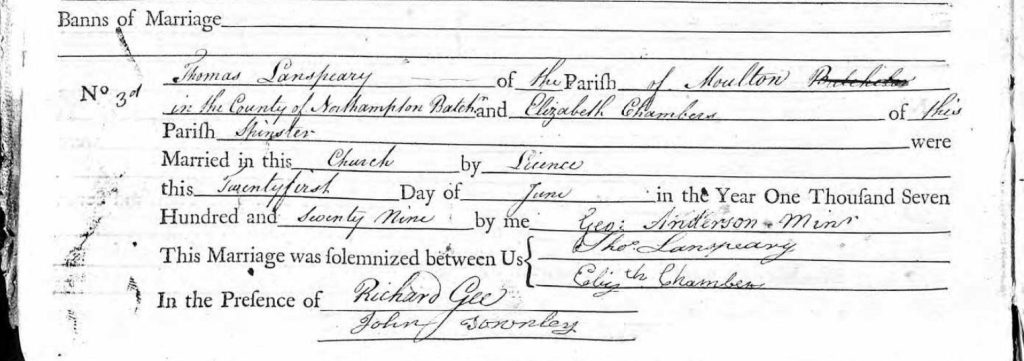
Most British surnames date back to the early middle ages, but Lanspeary has a much more recent origin. To be precise, 21 June 1779.
The family name was originally Lansbury, although some members used other versions as well, but this, the marriage between Thomas Lanspeary and Elizabeth Chambers in the Northamptonshire village of Great Doddington, is the first sighting of Lanspeary. I guess, from the original name, that the stress should be on the first syllable. History doesn’t record why Thomas chose that particular spelling.
You’ll find Great Doddington just south of the town of Wellingborough, famous, like many other Northamptonshire towns, for its place in the boot and shoe industry. According to this website, among those who have come to the county for shoes are HRH Queen Elizabeth II, Darth Vader, Sid Vicious, Jumbo the elephant, Sir Ernest Shackleton and James Bond. It was in the boot and shoe industry that the Lanspeary family originally found their employment.
To continue our one-name study we need to follow the paternal line. Thomas and Elizabeth had two sons, John and Thomas. John, it seems, only had one child, a daughter. Thomas, however, had three sons, William, another Thomas, and David.
In general terms, William was the most interesting. He found a job on the railways, which took him to Carlisle, married in Gretna Green and emigrated to Windsor, Ontario. Windsor is just the other side of the river from Detroit. Motortown, known to music fans as Motown. Due to a geographic anomaly, at this point Canada is south of the river and the USA north of the river. He had three sons, George, David and William, and the family were big in local government. If you visit Windsor now you’ll find Lanspeary Park there. If, in 1910, they had waved across the river, they might have attracted the attention of Alfred Padbury, from Warwick, who was, briefly, involved in manufacturing automobiles there. Alfred was his parents’ only son, but had nine sisters, some of whom you’ll meet later on in this article.
William’s youngest brother, David, moved to Sheffield, where he worked at various times as a warehouseman and dealer, but it’s the middle brother, the third Thomas, who interests us.
Thomas lived all his long life in Great Doddington, working as a shoemaker, and dying at the great age of 96. He had two sons, the younger of whom died in infancy, but it’s his older son, another David Lanspeary, who interests us.
He was also a shoemaker, but went into business, founding a very successful shoemaking company. He must also have been a chess player, as two of his sons played competitive chess to a reasonable level. He also, like his father, lived to be 96.
David and his first wife had one son, Wilfrid Arthur, and three daughters, one of whom died in infancy. After she died he remarried, and had two more sons, Lewis and Reginald.
Wilfrid, born in 1885, worked as a wood machinist, but was also a chess player.
We first pick him up in 1921, in his mid 30s, playing on top board for the Red Triangle (YMCA) team and winning his game against Wellingborough Town chess club. It looks like he was, up to that point, a social player, and, given the chance to try his hand against club standard opposition, discovered he was quite good. He soon joined Wellingborough club, seeing action against their local rivals from Northampton and Peterborough.
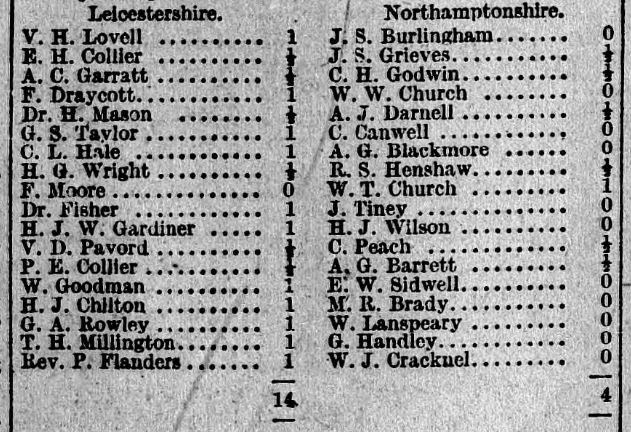
He was even good enough to be selected for his county side. Here he is, in 1924, in a match against Leicestershire, several of whose players I hope to feature in future Minor Pieces.
Birmingham Daily Post 25 November 1924
He seems to have played less often after 1925, but there are occasional mentions up to 1948.
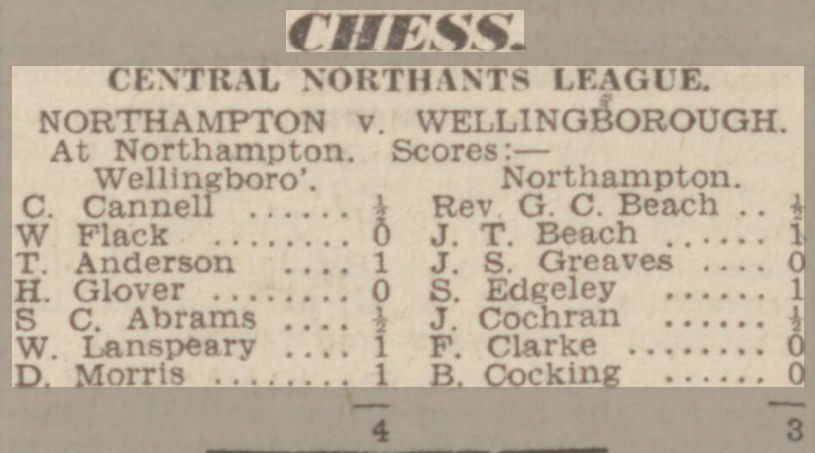
In this 1939 match, two members of the famous Beach family were on the other side of the board. TJ (not JT, but he was known by his middle name, John) would much later write two excellent beginners’ books with CHO’D Alexander.
Northamptonshire Evening Telegraph 29 March 1939
Wilfrid’s youngest half-brother, Reginald, concentrated on helping his father run the family firm, but Lewis, born in 1894, was also a competitive player.
On leaving school, Lewis took a job with Boot’s the Chemists, rising to branch manager. In 1927 we find him in Essex, playing in the minor section of the county championship. He had been living in Luton with his wife and young daughter Enid (yes, that’s her) in the 1921 census but by 1926 he was living in Great Warley, Essex, just outside the M25. Enid had been joined by a brother, Philip John Lanspeary, in 1922. A few years later the family moved to nearby Brentwood, where Lewis joined the chess club.
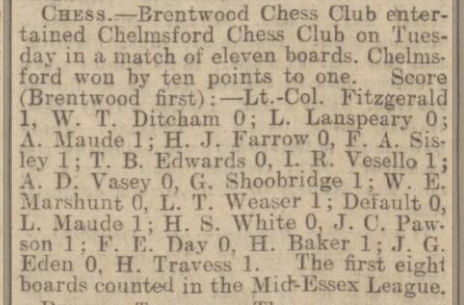
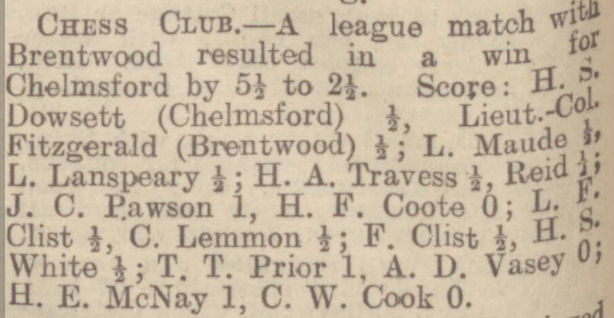
In 1930 he was on Board 2 against Chelmsford, losing to a particularly interesting opponent, Tolstoy’s biographer Aylmer Maude.
Chelmsford Chronicle 19 December 1930
Aylmer wasn’t the only Maude playing chess for Brentwood. Here, in 1935, his son Lionel scored a draw against Lewis Lanspeary.
Chelmsford Chronicle 22 March 1935
Unlike his father and grandfather, Lewis didn’t enjoy a long life, dying young in 1941.
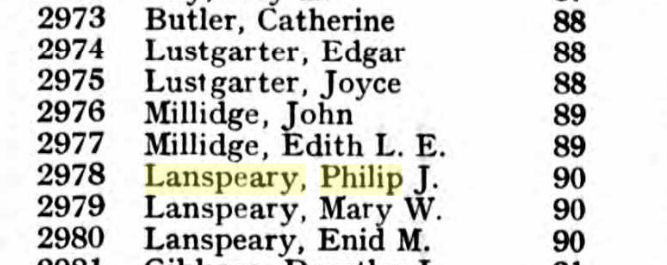
By 1946 Lewis’s widow Mary, along with Enid and Philip, had moved to London, to Kenilworth Court in Putney, eight blocks of Edwardian mansion flats right by Putney Bridge.
And, look! There on the electoral roll, just two doors away, was someone very famous in his day (but with his name misspelt here): Edgar Lustgarten.
Philip didn’t stay there long: in January 1947 he married Gwynneth Evelyn Reeder and moved to Long Eaton in Derbyshire, close to the point where that county meets Nottinghamshire and Leicestershire.
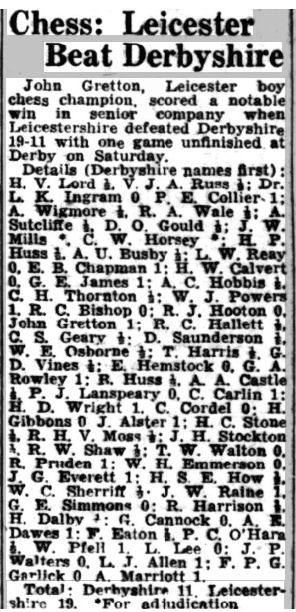
And then, like his father and uncle, he took up competitive chess. He joined his local club and was soon recruited for the county team, playing, like Uncle Wilfrid, against Leicestershire.
Leicester Evening Mail 22 March 1948
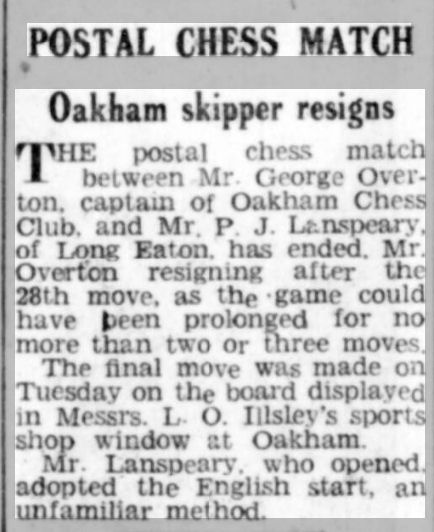
In 1950 he played a postal game which was featured in a sports shop window. You’ll see he adopted the ‘English start’ – presumably the English Opening was intended.
Grantham Journal 17 March 1950
Philip continued playing club and county chess in Long Eaton until 1955, when he, his wife and their young children Susan, born in 1952 and baby David (there are a lot of Davids in this family) moved to the Reading area. A third child, Hazel, was born there in 1957.
We have a much later address for him in the small Hampshire town of Tadley, 6 miles north of Basingstoke and 10 miles south west of Reading, so he might have been living at that point as well. Tadley is near Aldermaston, the home of the Atomic Weapons (Research) Establishment, which, at the time, was the area’s largest employer: perhaps he was working there. If you know, do get in touch.
I don’t have any further records of Philip playing chess after 1955. Perhaps he was still playing, but the local papers have yet to be digitised.
Perhaps, on the other hand, he decided to give up chess to allow himself more time for his other hobby: philately.
Phil was a philatelist, and like many philatelists he specialised in stamps with a particular theme: in his case stamps depicting birds. He even wrote a book on the subject, which you can buy here.
There’s a Bird Stamp Society which was founded in 1986, and Phil wrote an article on the bird stamps of Indonesia which was published in the September 1998 issue of their magazine, Flight. You can read it here: I note that their chairman, appropriately enough, was Robin Martin! Another win for nominative determinism!
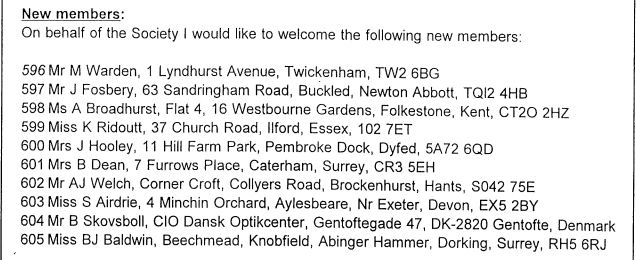
Here’s another coincidence: this issue published a list of new members:
Look at the first name and address. If you’ve ever visited the Chess Palace you’ll spot that Mr M Warden was living at the end of my road. I didn’t know him, but, if I remember correctly, my opponent in my first competitive game of chess, in a match between two Richmond teams, was also M Warden. As far as I know, they weren’t the same person, but there’s another Richmond Chess connection with that surname, which you may discover in a future Minor Piece.
Philip, like his grandfather and great grandfather, lived to be 96. His wife Gwynneth did almost as well, reaching the age of 95.
We really need to return to Enid, who, as I told you at the start, was already on my family tree. The connection is through Gwynneth. She was the illegitimate daughter of Ida Rose Reeder, originally from Norfolk. Ida’s first cousin, John Palmer, moved to London and had a son, Percy John Palmer, who, after the death of his first wife, married Maud Kathleen Padbury. Maud was the youngest sister of Alfred, whom you met building cars in Detroit in 1910, and also the sister of my maternal grandmother Florence Padbury.
So this makes Enid, a member of Richmond Chess Club in 1950, the sister-in-law of the 1st cousin 1x removed of the husband of my Great Aunt Maud. Confused? You will be!
Finally, then, we pick up Enid’s story again. This 1950 report is the only direct mention I have of her playing chess. It’s quite possible she remained a member of Richmond Chess Club for a few more years. If and when later years of the Richmond Herald appear online I’ll perhaps be able to find out.
However, there is this, which is of some interest for several reasons.
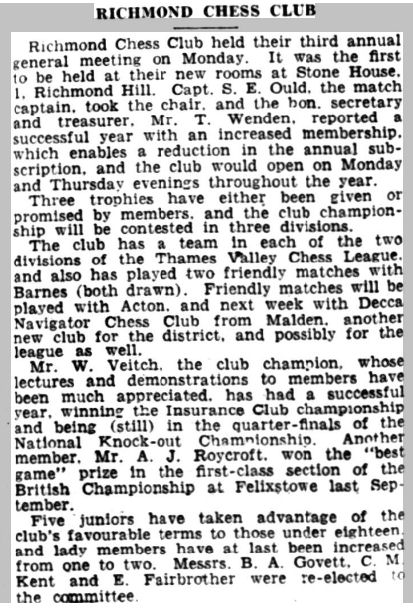
Richmond Herald 14 January 1950
“Three trophies have either been given or promised by members…”. Was one of those given or promised by Mr Bodycoat, whose trophy would later be used for the second division of the club championship, was his trophy donated in his memory after his untimely death the following year, or did he leave a legacy to the club?
There’s a reference to Walter Veitch, and also to ‘another member, Mr. A. J. Roycroft’, who won a best game prize. Coincidentally or not, Walter and John were (and John still is, at the age of 93) two of the country’s leading experts on endgame studies.
Here’s the prize winning game. Stockfish isn’t impressed, but judge for yourself. As always, click on any move for a pop-up window.
You’ll also note that the club had five junior members, and had doubled their number of lady members. Was Enid the first, or the second? If the second, who was the first?
Enid and her mother remained in Kenilworth Court until at least 1965 (London electoral registers are currently only available online up to that date) and probably until 1971, when her mother died.
It seems she had rather a lot in common with Beatrix Hooke, living in a mansion flat, concentrating on her job rather than romantic relationships, and also playing chess.
Like Beatrix, she married late in life, seemingly for companionship. While Beatrix married a widowed chess playing doctor, Enid married the twice divorced Charles John Lawrence Bonington, (see also this book) whose background was in the armed forces, in Worthing in 1980. The son of his first marriage was none other than the mountaineer and chess enthusiast Chris Bonington, (see also his website here) whose name was shamefully misspelt in The (Even More) Complete Chess Addict. He played chess and listened to Bach on his expeditions.
Did Charles and Enid meet through a shared passion for chess, I wonder?
Charles died two years later, also in Worthing, while Enid lived on until 1999, where her death was recorded in Basingstoke. It seems likely she’d moved there after her husband’s death to be near her brother and his family.
So there you have the story of the chessing Lanspeary family. Two generations, two pairs of siblings, who played chess in four counties over four decades. None of them were anywhere near master standard, but they were all good players of club/country strength. Players like them were, and still are, the backbone of chess. Wilfrid and Lewis, Enid and Philip, I salute you all.
Before I go, something I forgot last time. You might remember that Mr Bodycoat’s family came from villages close to my father’s family. He may also be the 3rd great-grandnephew of the wife of my 5th great-granduncle. We go back to one John Andrews Buzzard, born in West Langton, Leicestershire in 1697, who may have been my 6th great grandfather. (I have a DNA link with a member of another branch of his family, which suggests that this is at least possible.) One of his sons, William, married Elizabeth Gibbins, whose brother Thomas was the 3rd great grandfather of Walter/Boyder Bodycoat.
So there you have it: a newspaper article from the year I was born mentions two members of the chess club I would later join, one of whom was connected to my mother and the other connected to my father. Another golden thread that links us all together.
Join me again soon for another Minor Piece.
Save as PDF
We focus on the British Chess Scene Past & Present!
This website uses cookies to improve your experience. We'll assume you're ok with this, but you can opt-out if you wish. Cookie settingsACCEPT
Privacy & Cookies Policy
Privacy Overview
This website uses cookies to improve your experience while you navigate through the website. Out of these cookies, the cookies that are categorized as necessary are stored on your browser as they are as essential for the working of basic functionalities of the website. We also use third-party cookies that help us analyze and understand how you use this website. These cookies will be stored in your browser only with your consent. You also have the option to opt-out of these cookies. But opting out of some of these cookies may have an effect on your browsing experience.
Necessary cookies are absolutely essential for the website to function properly. This category only includes cookies that ensures basic functionalities and security features of the website. These cookies do not store any personal information.
 Save as PDF

![Blumenfeld Defence [with Jan Przewoznik] (Everyman, 1991) – ISBN 978-0080371337](http://britishchessnews.com/wp-content/uploads/2019/08/51NJRP63K8L._SX322_BO1204203200_.jpg)