Here is a game courtesy of Kingpin & the Ilford Recorder
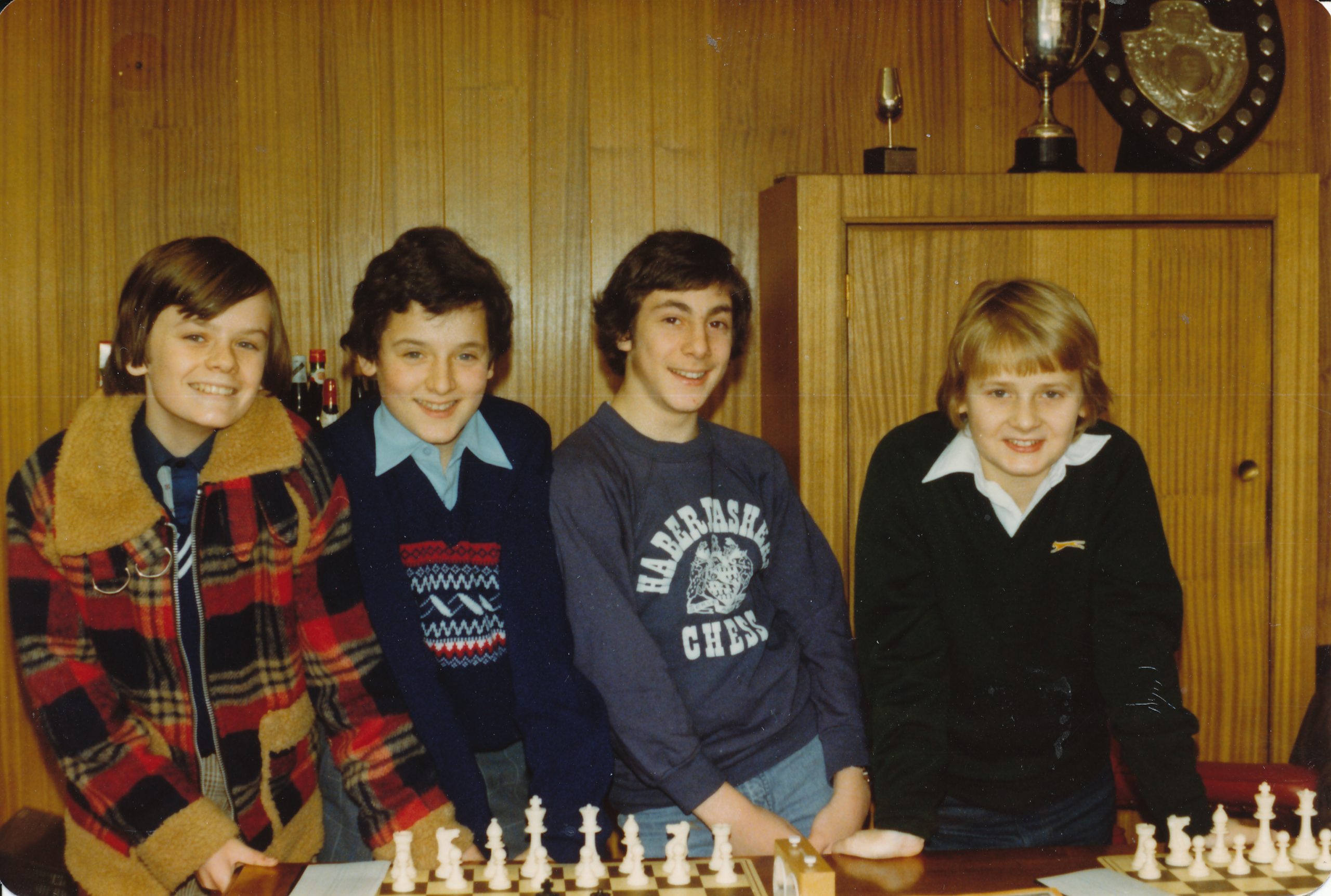
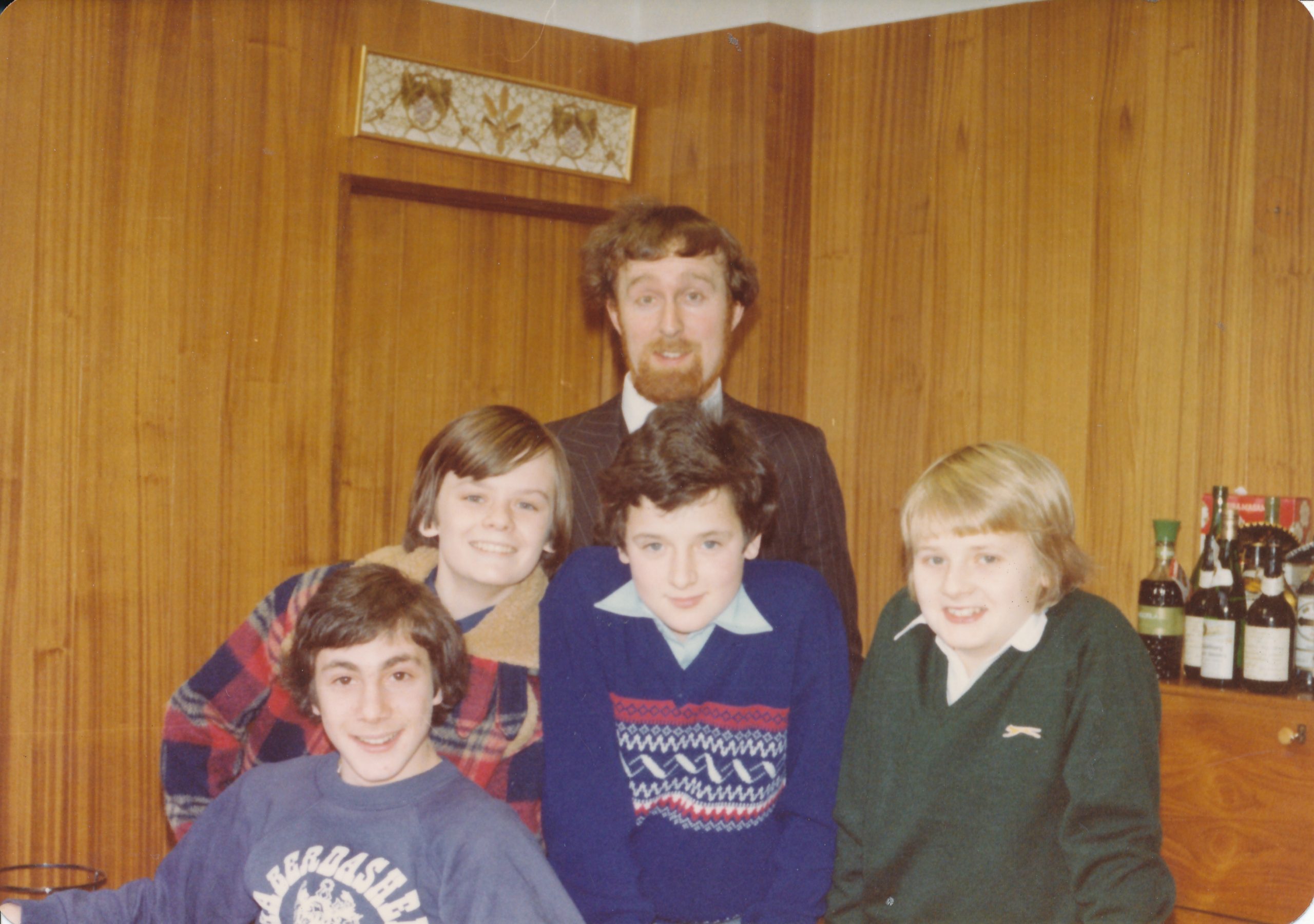
Neil Carr (far right) at Paul Buswell’s house
Here is a tribute from long time friend and London Central YMCA fellow club member, IM Andrew Martin :
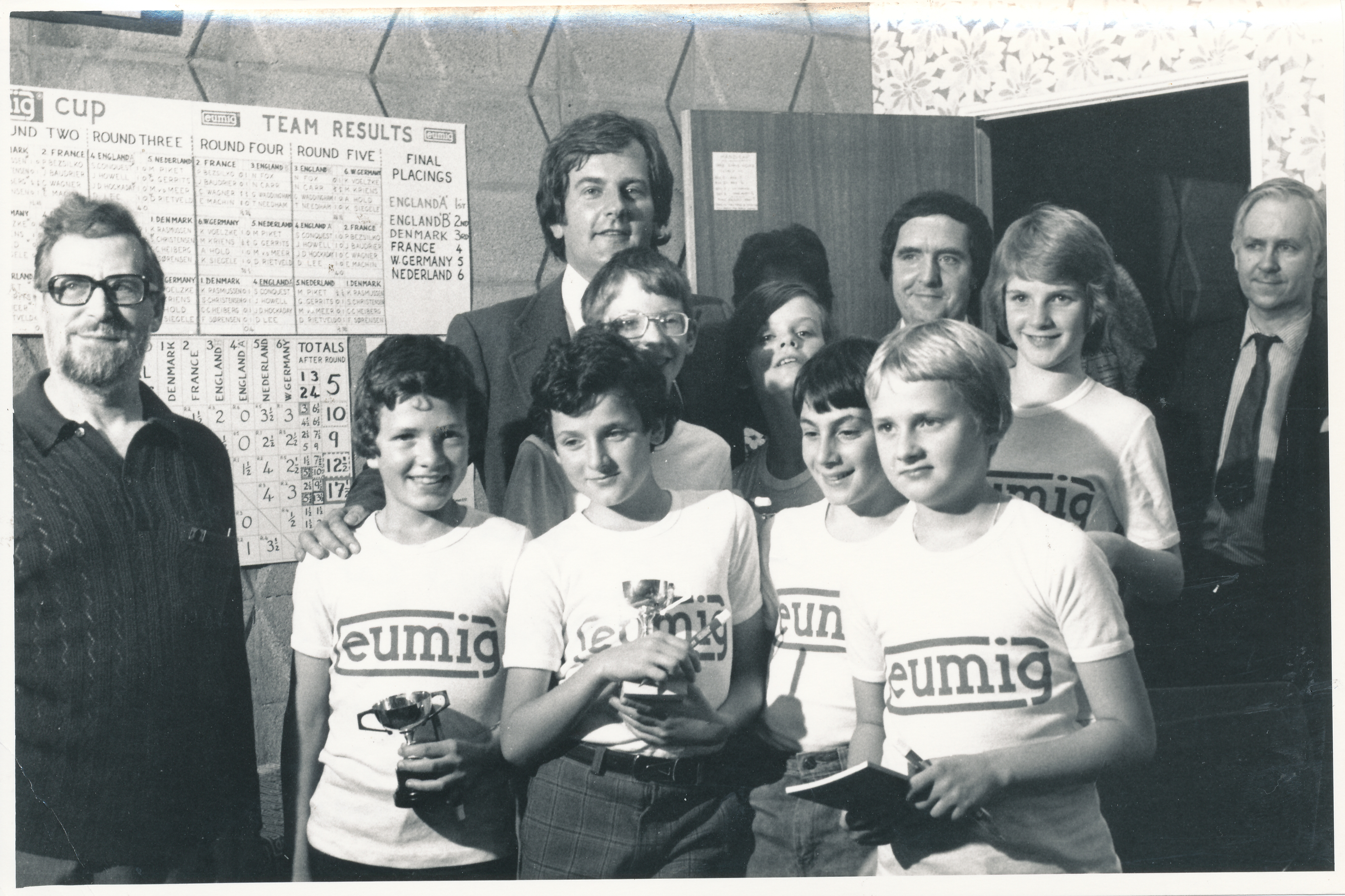
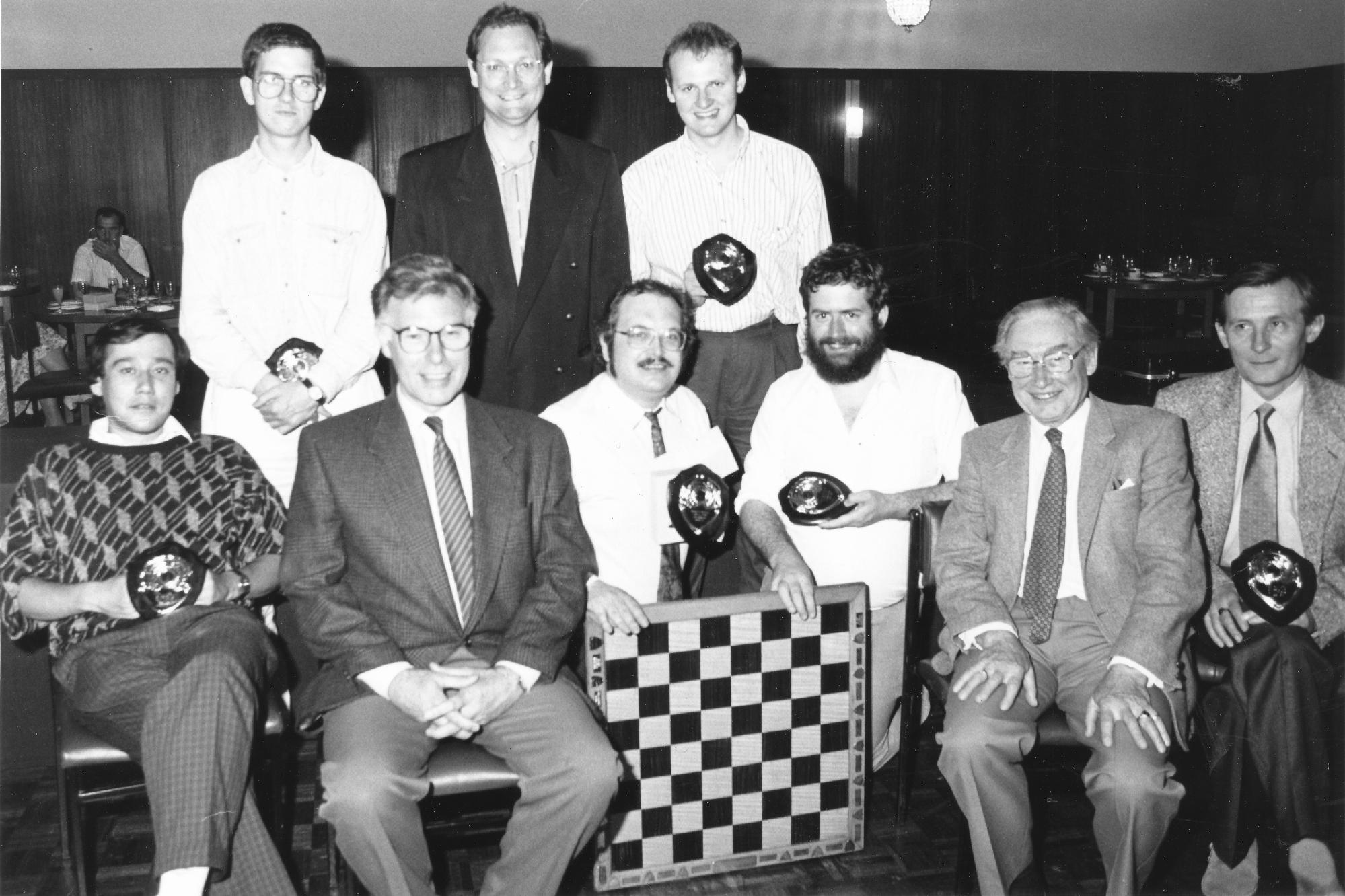
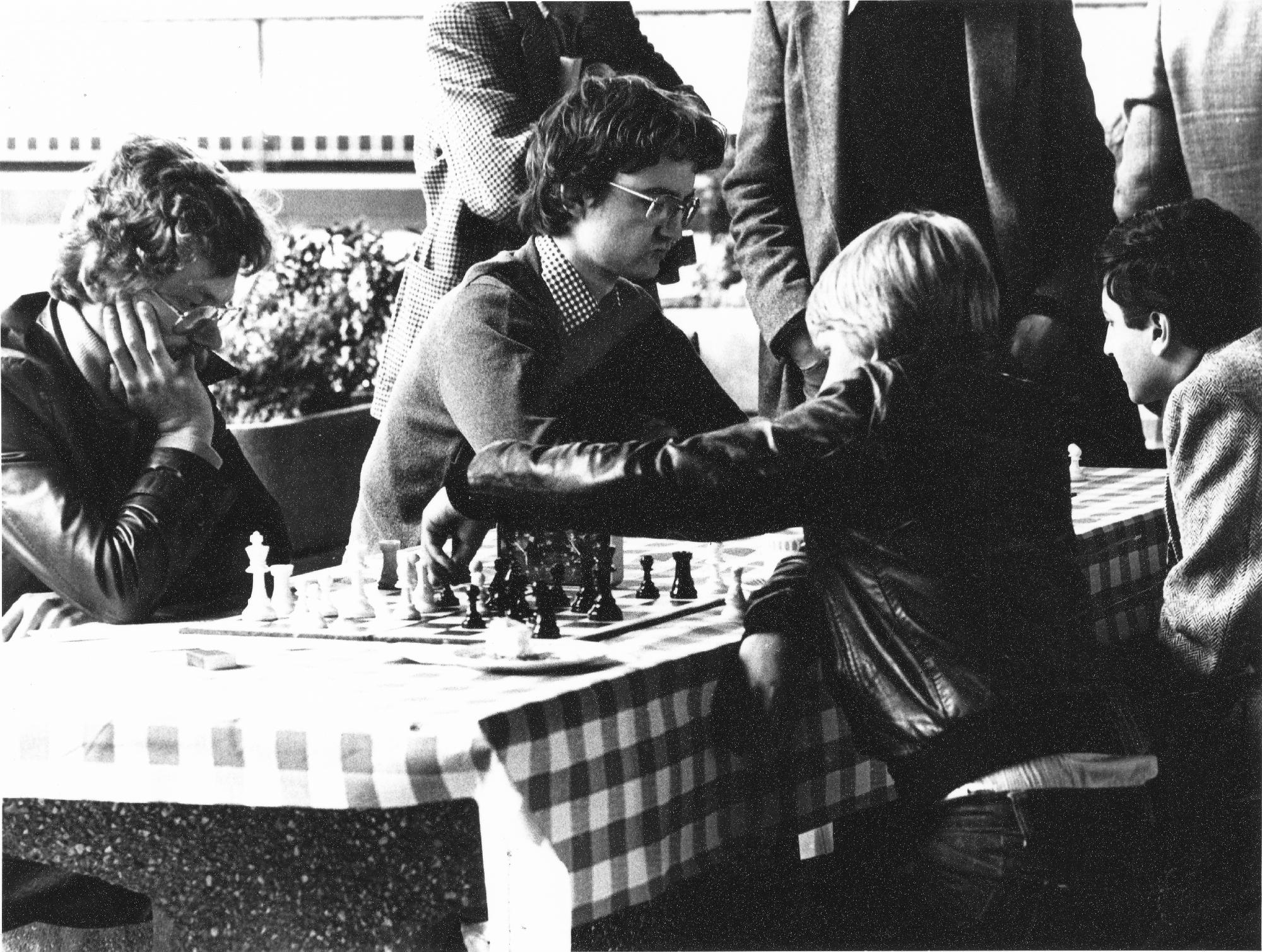
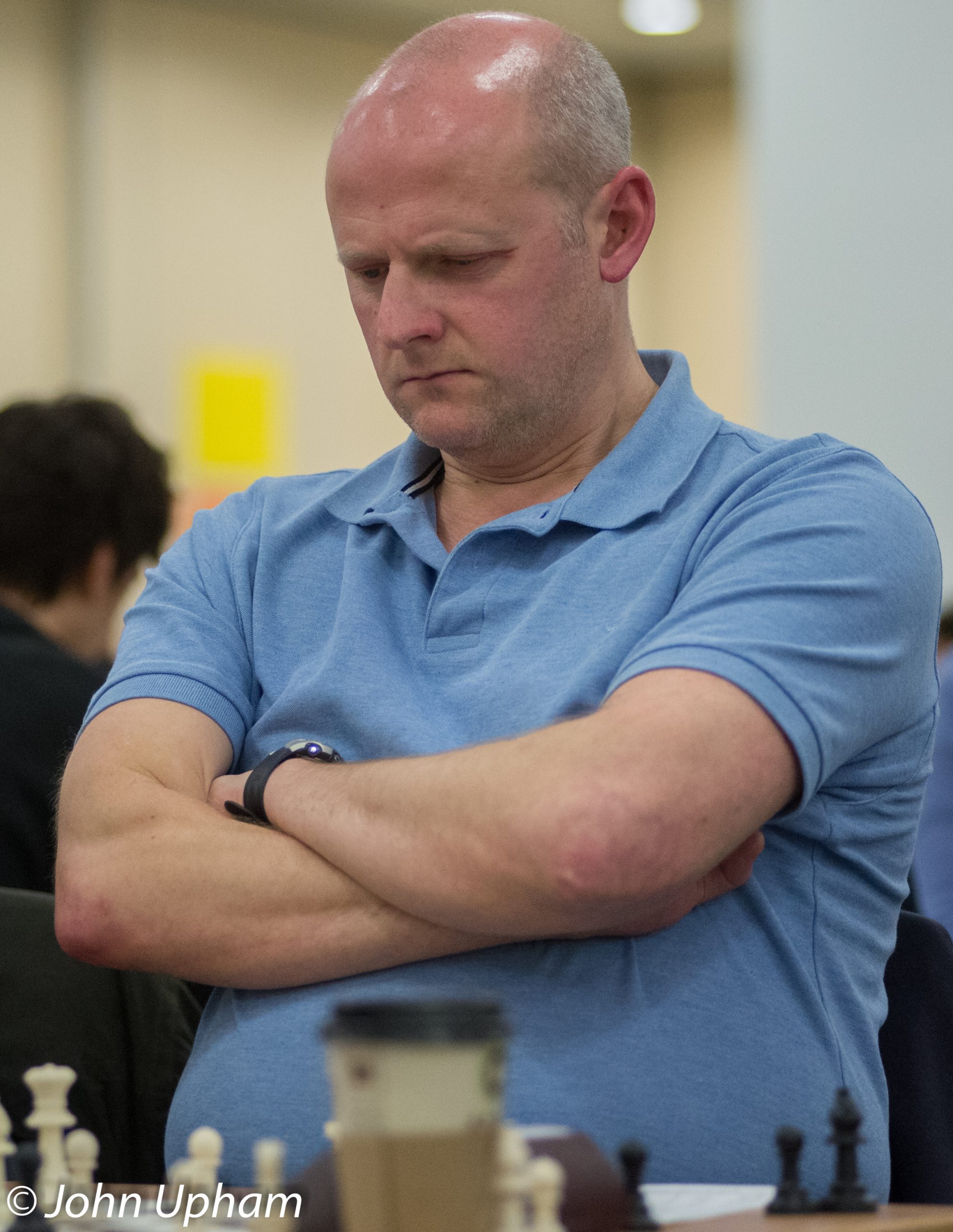
Neil Carr (front right)Neil Carr (right) with Neil Fox, Stuart Conquest, Paul Buswell and ?Neil Carr (rear right) at a BCF National Club Final (1992)Neil Carr, (foreground, right) at London’s South Bank, Peter Sowray in the background.. Photo by Clive Field, London Chess AssociationFM Neil Carr, London Chess Classic 2013, courtesy pf John Upham Photography
Here is a game courtesy of Kingpin & the Ilford Recorder
Neil Carr (far right) at Paul Buswell’s house
Here is a tribute from long time friend and London Central YMCA fellow club member, IM Andrew Martin :
Neil Carr (front right)Neil Carr (right) with Neil Fox, Stuart Conquest, Paul Buswell and ?Neil Carr (rear right) at a BCF National Club Final (1992)Neil Carr, (foreground, right) at London’s South Bank, Peter Sowray in the background.. Photo by Clive Field, London Chess AssociationFM Neil Carr, London Chess Classic 2013, courtesy pf John Upham Photography
Here is a game courtesy of Kingpin & the Ilford Recorder
Neil Carr (far right) at Paul Buswell’s house
Here is a tribute from long time friend and London Central YMCA fellow club member, IM Andrew Martin :
Neil Carr (front right)Neil Carr (right) with Neil Fox, Stuart Conquest, Paul Buswell and ?Neil Carr (rear right) at a BCF National Club Final (1992)Neil Carr, (foreground, right) at London’s South Bank, Peter Sowray in the background.. Photo by Clive Field, London Chess AssociationFM Neil Carr, London Chess Classic 2013, courtesy pf John Upham Photography
We remember David Pritchard who passed away on Monday, December 12th, 2005.
David Brine Pritchard was born on Sunday, October 19th, 1919. On this day the first US Distinguished Service Medal was awarded to a living female recipient, Anna Howard Shaw.
He was born in Wandsworth taking his mothers’ Winifred maiden name of Brine (as was customary in those days). His father was Arthur Pritchard (DoB : 4th January 1890) and he was the managing director of an Engineering Company. Arthur and Winifred married in Maidenhead, Berkshire in 1917.
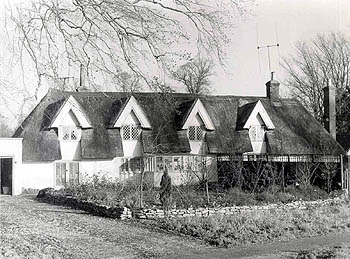
At the time of the 1939 census David was a chiropodist and recorded as single and living in Munee Cottage, Main Street, Bedford. Main Street appears to have been renamed to Main Road which is in Biddenham. It is likely DBPs cottage was something like :
48 and 50 Main Road Biddenham, Bedford, Hertfordshire
During the second world War David joined the Royal Air Force and was stationed in the Far East and following the war, he switched to intelligence work also for the RAF. He attained the rank of Squadron Leader and played much chess during this period of his life.
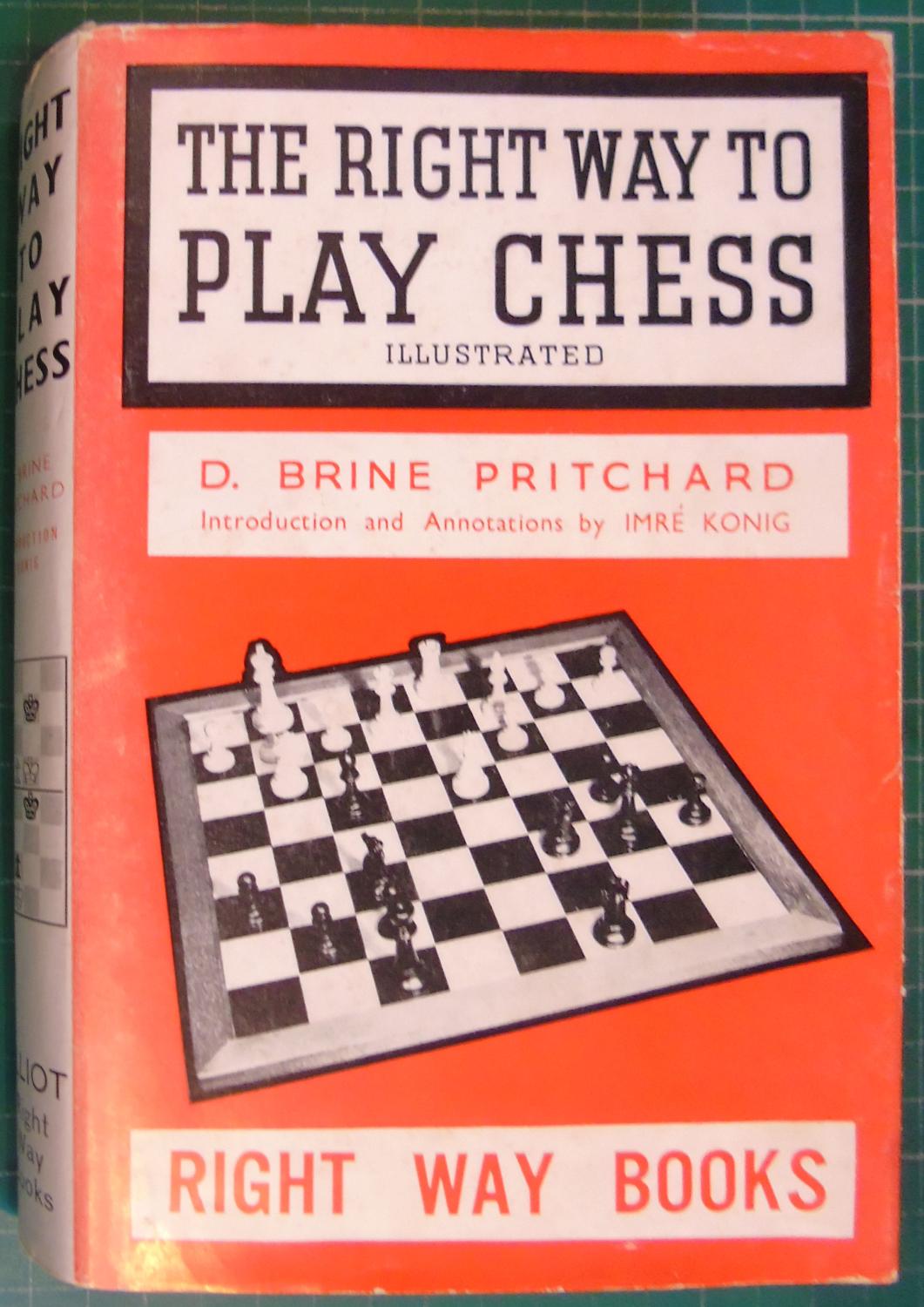
In 1950 David completed his first book : The Right Way to Play Chess, Elliot Right Way Books, 1950, ISBN1-58574-046-2
The Right Way to Play Chess, Elliot Right Way Books, DB Pritchard, 1950.
(Ed : This was the first chess book of this article’s author and was thoroughly consumed!)
On page 224 of said book David wrote :
Chessplayers – and this must be whispered – are generally an egotistical, ill-mannered crowd. If they conformed to common rules of decorum these words would not have to be written
followed by
I once carried out a private survey at a well-known chess restaurant where a large number of ‘friendly’ games are always in progress. In less than 30 per cent of those observed was resignation made with a good grace. In two-thirds of the games the loser either knocked his king over, abruptly pushed the pieces into the centre of the board, started to set up the men for a fresh game, or got up and walked away without saying a word to his opponent.
Elliot Right Way Books was an excellent choice of publisher for David and only 36 minutes by car from his new home in Godalming.
He won the Singapore Championship in 1954 and the Malaysian Championship in 1955.
Visiting https://www.chesshistory.com/winter/winter97.html you will find two images of David and Elaine playing chess in Singapore.
David and Elaine had a daughter, Wanda on March 21st 1958. She became Wanda Dakin who was also a chess player. Wanda attended Guildford High School for Girls and then Royal Holloway College, Egham.
David was Southern Counties (SCCU) champion for the 1958-59 and 1965-66 seasons.
From the British Championships, 1959 in York we have this sparkling game with Frank Parr :
By now David had developed an interest in chess variants and board games in general.
He played in and won (several times) the Battle of Britain Chess Tournament : DBP was the organisations President.
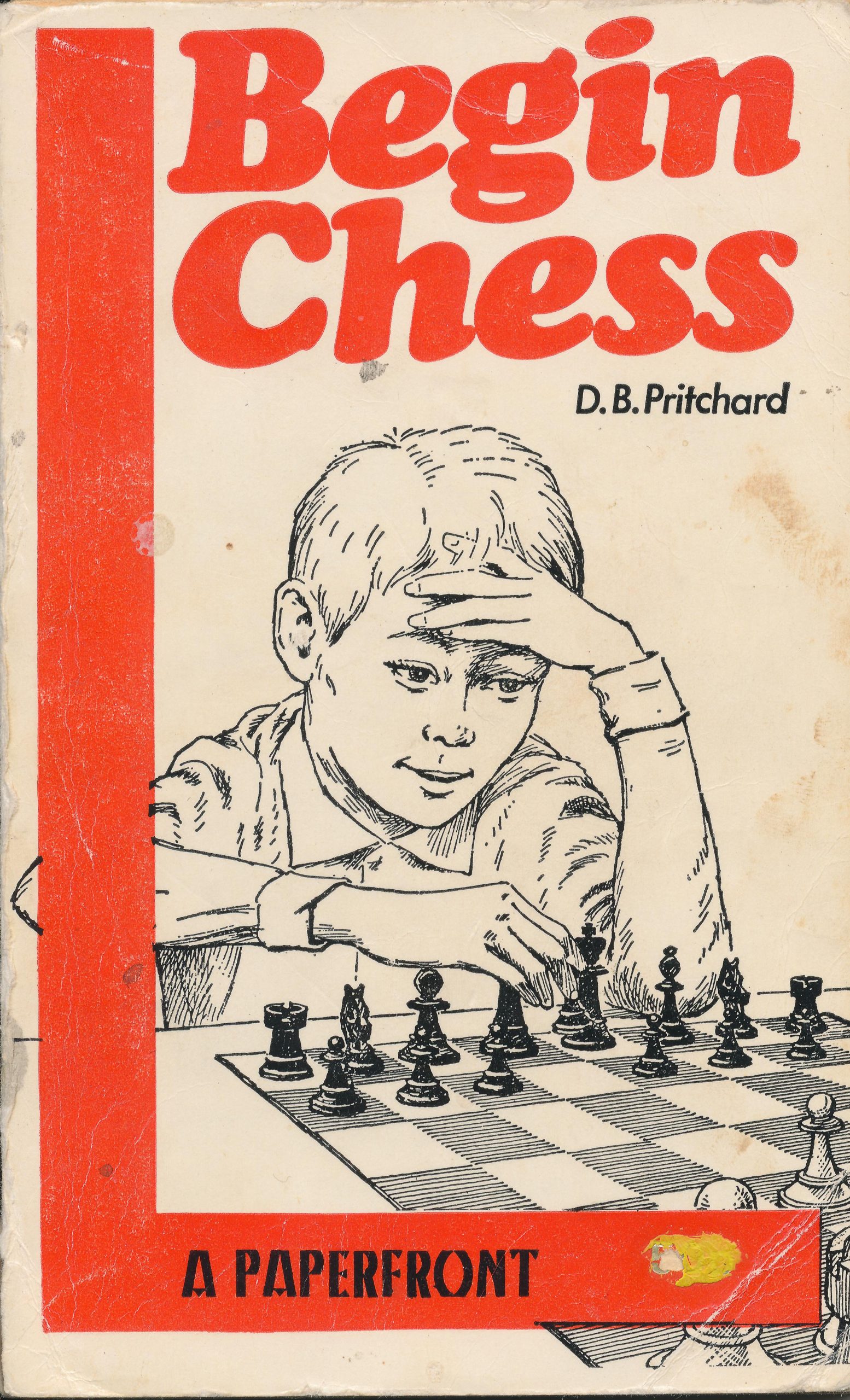
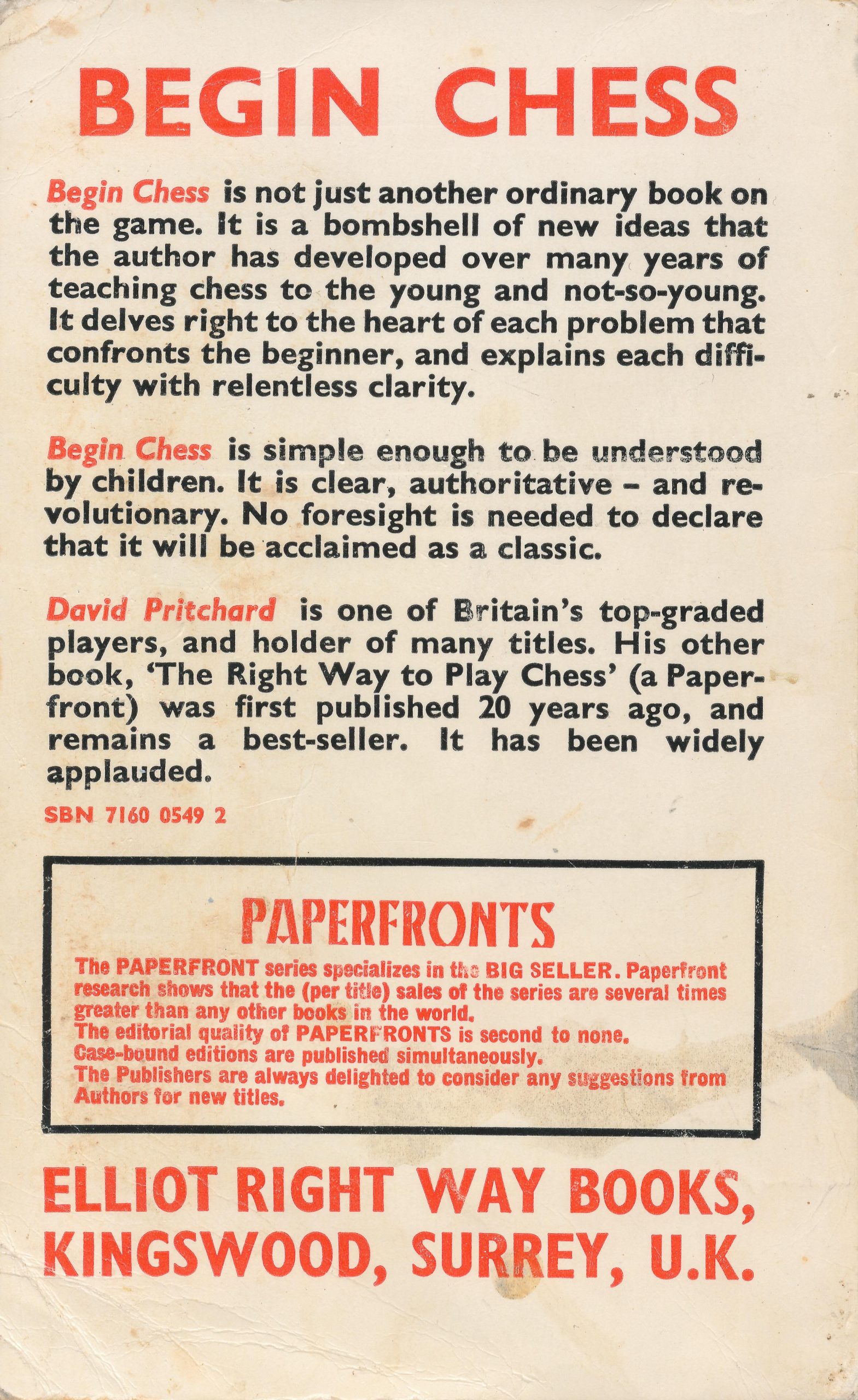
In 1970 he brought out his third book : Begin Chess, David Pritchard, Elliot Right Way Books, 1952
Begin Chess by David Brine Pritchard, Elliot Right Way Books, 1970Begin Chess by David Brine Pritchard, Elliot Right Way Books, 1970
David became President of British Chess Variants Society and wrote many books on variants and indoor games.
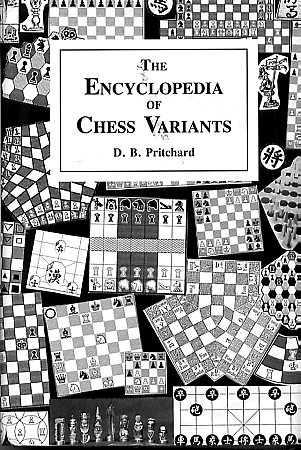
Here is an interview compiled by Hans Bodlaender about David’s Encyclopedia of Chess Variants :
Encyclopedia of Chess Variants, DB Pritchard, GAMES & PUZZLES PUBLICATIONS, 1994
Particularly interesting was this Q&A :
Do you think computers and the Internet will have effect on chess and on chess variants? If so, in what way?
I think that the Internet will inevitably introduce chess to more players but I forsee chess variants, because of their novelty, benefitting in particular from publicity on the net. I expect variants to gain more and more adherents in the future.
David was preparing a second edition before he passed away. This was completed and made available on-line by John Beasley.
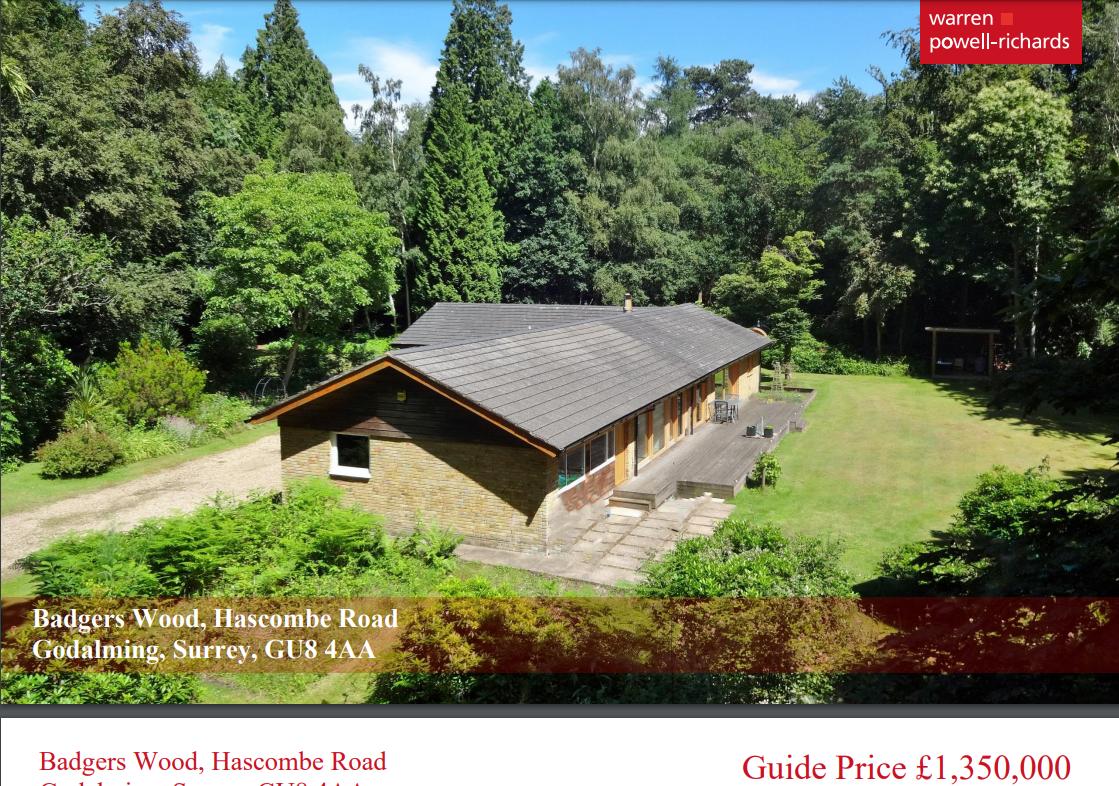
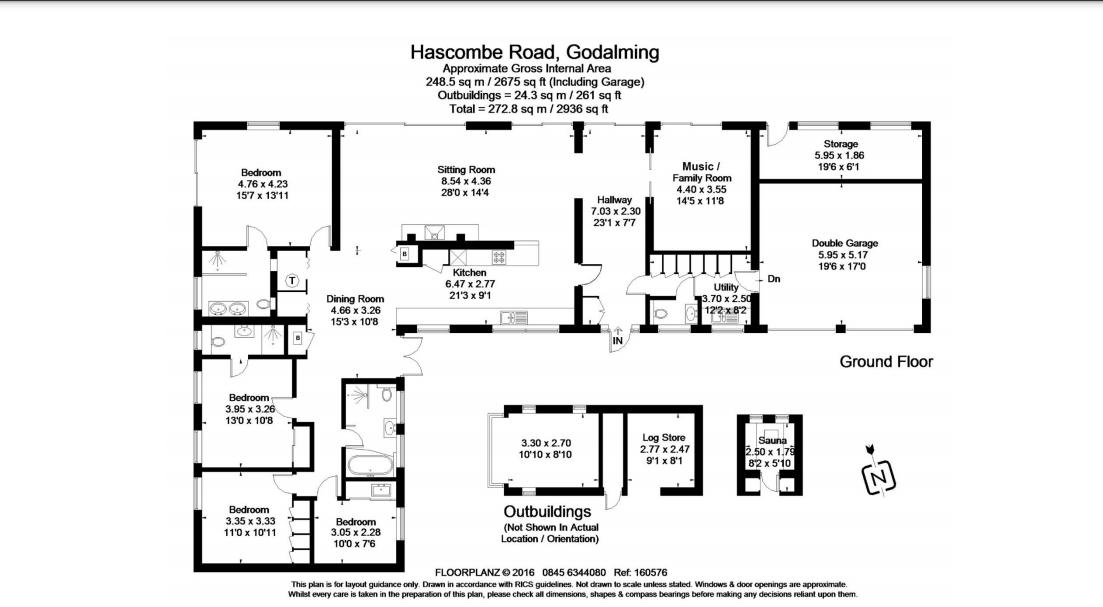
The Pritchard family lived at Badgers Wood, Hascombe Road, Godalming, Surrey, GU8 4AA in an idyllic location :
At the time of his passing he had five grand children.
From British Chess Magazine, Volume CXXVI (126, 2006), Number 2 (February), page 76 :
“David Brine Pritchard (19 x 1919 Streatham, London – 12 xiii 2005, London) has died following a fall . He was a strong amateur player and a successful author of books on chess and other games.
David Pritchard was a Squadron Leader in the RAF during the war and later rejoined it to work in intelligence. Whilst serving with the RAF he won the Malayan Chess Championships in 195, and he was also instrumental in the running the UK event known as Battle of Britain Tournament which attracted a strong field in its heyday and generated revenue for the RAF Benevolent Fund.
He was a dangerous. attacking played who scored a number of notable scalps in the British Championship including Penrose and Miles, without ever achieving the consistency required to challenge for the leading positions. He won the Southern Counties championships in 1959 and 1966.
As an author, Pritchard’s most successful book was The Right Way to Play Chess (Elliott, 1950, with numerous reprints). which is still to be found for sale in many British bookshops.
He will also be remembered as a leading authority on chess variants : he was reported to be in the process of preparing a second edition of The Encyclopedia of Chess Variants (1994) at the time of his death. He was also a very good correspondence player, an inventor composer of chess puzzles of all sorts (some of which appeared in BCM) and his interest in Fairy chess dated back to the 1940s.
His wife Elaine Pritchard, the leading woman player of the 1950s and 1960s, and their daughter Wanda (who also played competitive chess) survive him. We send them our condolences on behalf of BCM and its readers.”
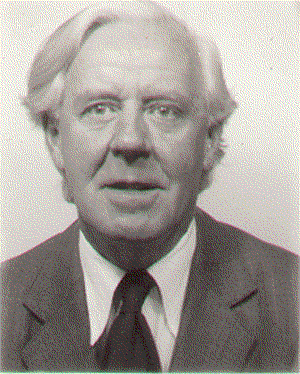
David Pritchard (19-x-1919 12-xii-2005), Passport photograph
He was a leading member of Godalming Chess Club and played in the Surrey Border League.
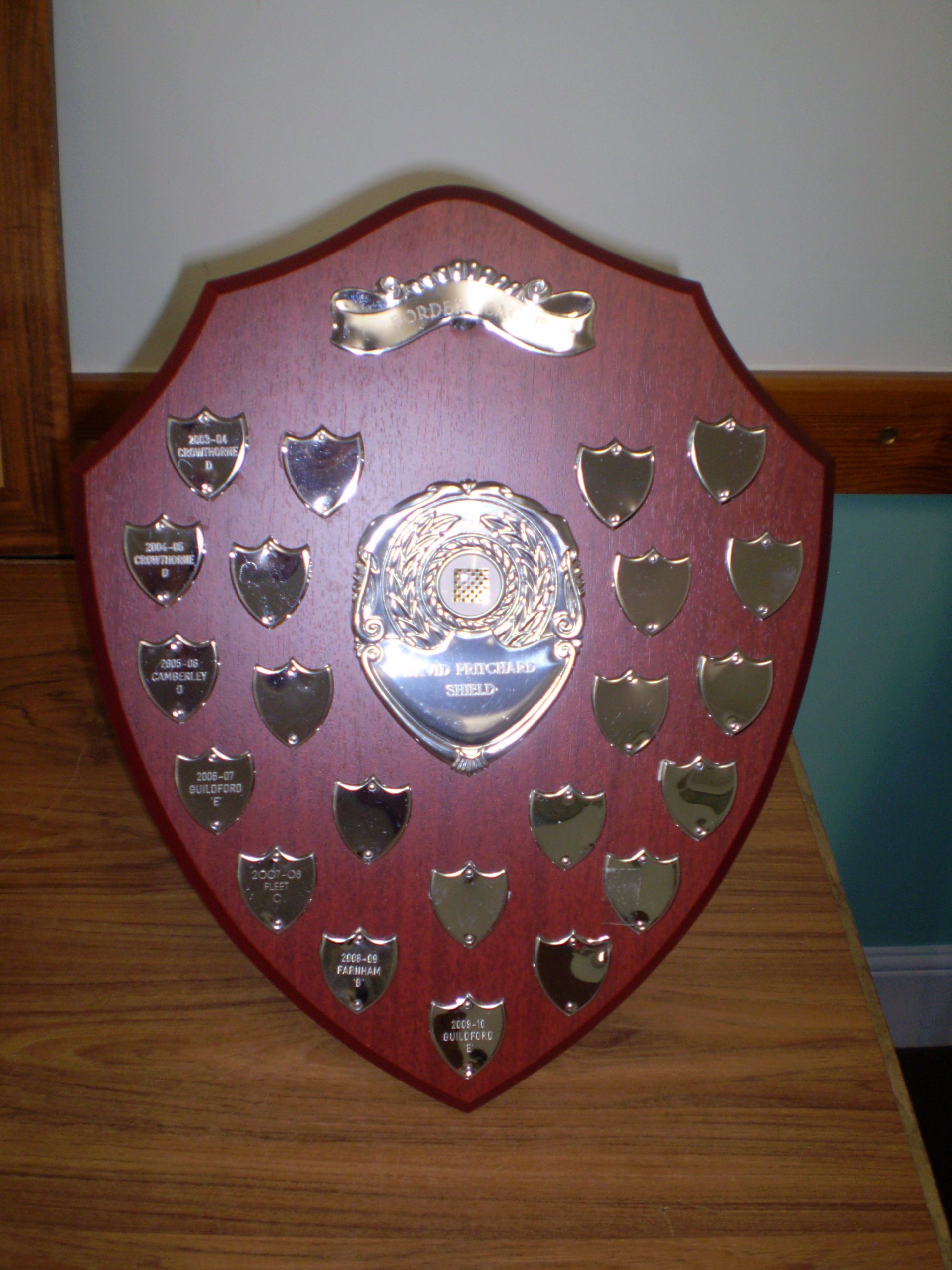
The David Pritchard Shield from the Surrey Border League
We remember David Pritchard who passed away on Monday, December 12th, 2005.
David Brine Pritchard was born on Sunday, October 19th, 1919. On this day the first US Distinguished Service Medal was awarded to a living female recipient, Anna Howard Shaw.
He was born in Wandsworth taking his mothers’ Winifred maiden name of Brine (as was customary in those days). His father was Arthur Pritchard (DoB : 4th January 1890) and he was the managing director of an Engineering Company. Arthur and Winifred married in Maidenhead, Berkshire in 1917.
At the time of the 1939 census David was a chiropodist and recorded as single and living in Munee Cottage, Main Street, Bedford. Main Street appears to have been renamed to Main Road which is in Biddenham. It is likely DBPs cottage was something like :
48 and 50 Main Road Biddenham, Bedford, Hertfordshire
During the second world War David joined the Royal Air Force and was stationed in the Far East and following the war, he switched to intelligence work also for the RAF. He attained the rank of Squadron Leader and played much chess during this period of his life.
In 1950 David completed his first book : The Right Way to Play Chess, Elliot Right Way Books, 1950, ISBN1-58574-046-2
The Right Way to Play Chess, Elliot Right Way Books, DB Pritchard, 1950.
(Ed : This was the first chess book of this article’s author and was thoroughly consumed!)
On page 224 of said book David wrote :
Chessplayers – and this must be whispered – are generally an egotistical, ill-mannered crowd. If they conformed to common rules of decorum these words would not have to be written
followed by
I once carried out a private survey at a well-known chess restaurant where a large number of ‘friendly’ games are always in progress. In less than 30 per cent of those observed was resignation made with a good grace. In two-thirds of the games the loser either knocked his king over, abruptly pushed the pieces into the centre of the board, started to set up the men for a fresh game, or got up and walked away without saying a word to his opponent.
Elliot Right Way Books was an excellent choice of publisher for David and only 36 minutes by car from his new home in Godalming.
He won the Singapore Championship in 1954 and the Malaysian Championship in 1955.
Visiting https://www.chesshistory.com/winter/winter97.html you will find two images of David and Elaine playing chess in Singapore.
David and Elaine had a daughter, Wanda on March 21st 1958. She became Wanda Dakin who was also a chess player. Wanda attended Guildford High School for Girls and then Royal Holloway College, Egham.
David was Southern Counties (SCCU) champion for the 1958-59 and 1965-66 seasons.
From the British Championships, 1959 in York we have this sparkling game with Frank Parr :
By now David had developed an interest in chess variants and board games in general.
He played in and won (several times) the Battle of Britain Chess Tournament : DBP was the organisations President.
In 1970 he brought out his third book : Begin Chess, David Pritchard, Elliot Right Way Books, 1952
Begin Chess by David Brine Pritchard, Elliot Right Way Books, 1970Begin Chess by David Brine Pritchard, Elliot Right Way Books, 1970
David became President of British Chess Variants Society and wrote many books on variants and indoor games.
Here is an interview compiled by Hans Bodlaender about David’s Encyclopedia of Chess Variants :
Encyclopedia of Chess Variants, DB Pritchard, GAMES & PUZZLES PUBLICATIONS, 1994
Particularly interesting was this Q&A :
Do you think computers and the Internet will have effect on chess and on chess variants? If so, in what way?
I think that the Internet will inevitably introduce chess to more players but I forsee chess variants, because of their novelty, benefitting in particular from publicity on the net. I expect variants to gain more and more adherents in the future.
David was preparing a second edition before he passed away. This was completed and made available on-line by John Beasley.
The Pritchard family lived at Badgers Wood, Hascombe Road, Godalming, Surrey, GU8 4AA in an idyllic location :
At the time of his passing he had five grand children.
From British Chess Magazine, Volume CXXVI (126, 2006), Number 2 (February), page 76 :
“David Brine Pritchard (19 x 1919 Streatham, London – 12 xiii 2005, London) has died following a fall . He was a strong amateur player and a successful author of books on chess and other games.
David Pritchard was a Squadron Leader in the RAF during the war and later rejoined it to work in intelligence. Whilst serving with the RAF he won the Malayan Chess Championships in 195, and he was also instrumental in the running the UK event known as Battle of Britain Tournament which attracted a strong field in its heyday and generated revenue for the RAF Benevolent Fund.
He was a dangerous. attacking played who scored a number of notable scalps in the British Championship including Penrose and Miles, without ever achieving the consistency required to challenge for the leading positions. He won the Southern Counties championships in 1959 and 1966.
As an author, Pritchard’s most successful book was The Right Way to Play Chess (Elliott, 1950, with numerous reprints). which is still to be found for sale in many British bookshops.
He will also be remembered as a leading authority on chess variants : he was reported to be in the process of preparing a second edition of The Encyclopedia of Chess Variants (1994) at the time of his death. He was also a very good correspondence player, an inventor composer of chess puzzles of all sorts (some of which appeared in BCM) and his interest in Fairy chess dated back to the 1940s.
His wife Elaine Pritchard, the leading woman player of the 1950s and 1960s, and their daughter Wanda (who also played competitive chess) survive him. We send them our condolences on behalf of BCM and its readers.”
David Pritchard (19-x-1919 12-xii-2005), Passport photograph
He was a leading member of Godalming Chess Club and played in the Surrey Border League.
The David Pritchard Shield from the Surrey Border League
We remember David Pritchard who passed away on Monday, December 12th, 2005.
David Brine Pritchard was born on Sunday, October 19th, 1919. On this day the first US Distinguished Service Medal was awarded to a living female recipient, Anna Howard Shaw.
He was born in Wandsworth taking his mothers’ Winifred maiden name of Brine (as was customary in those days). His father was Arthur Pritchard (DoB : 4th January 1890) and he was the managing director of an Engineering Company. Arthur and Winifred married in Maidenhead, Berkshire in 1917.
At the time of the 1939 census David was a chiropodist and recorded as single and living in Munee Cottage, Main Street, Bedford. Main Street appears to have been renamed to Main Road which is in Biddenham. It is likely DBPs cottage was something like :
48 and 50 Main Road Biddenham, Bedford, Hertfordshire
During the second world War David joined the Royal Air Force and was stationed in the Far East and following the war, he switched to intelligence work also for the RAF. He attained the rank of Squadron Leader and played much chess during this period of his life.
In 1950 David completed his first book : The Right Way to Play Chess, Elliot Right Way Books, 1950, ISBN1-58574-046-2
The Right Way to Play Chess, Elliot Right Way Books, DB Pritchard, 1950.
(Ed : This was the first chess book of this article’s author and was thoroughly consumed!)
On page 224 of said book David wrote :
Chessplayers – and this must be whispered – are generally an egotistical, ill-mannered crowd. If they conformed to common rules of decorum these words would not have to be written
followed by
I once carried out a private survey at a well-known chess restaurant where a large number of ‘friendly’ games are always in progress. In less than 30 per cent of those observed was resignation made with a good grace. In two-thirds of the games the loser either knocked his king over, abruptly pushed the pieces into the centre of the board, started to set up the men for a fresh game, or got up and walked away without saying a word to his opponent.
Elliot Right Way Books was an excellent choice of publisher for David and only 36 minutes by car from his new home in Godalming.
He won the Singapore Championship in 1954 and the Malaysian Championship in 1955.
Visiting https://www.chesshistory.com/winter/winter97.html you will find two images of David and Elaine playing chess in Singapore.
David and Elaine had a daughter, Wanda on March 21st 1958. She became Wanda Dakin who was also a chess player. Wanda attended Guildford High School for Girls and then Royal Holloway College, Egham.
David was Southern Counties (SCCU) champion for the 1958-59 and 1965-66 seasons.
From the British Championships, 1959 in York we have this sparkling game with Frank Parr :
By now David had developed an interest in chess variants and board games in general.
He played in and won (several times) the Battle of Britain Chess Tournament : DBP was the organisations President.
In 1970 he brought out his third book : Begin Chess, David Pritchard, Elliot Right Way Books, 1952
Begin Chess by David Brine Pritchard, Elliot Right Way Books, 1970Begin Chess by David Brine Pritchard, Elliot Right Way Books, 1970
David became President of British Chess Variants Society and wrote many books on variants and indoor games.
Here is an interview compiled by Hans Bodlaender about David’s Encyclopedia of Chess Variants :
Encyclopedia of Chess Variants, DB Pritchard, GAMES & PUZZLES PUBLICATIONS, 1994
Particularly interesting was this Q&A :
Do you think computers and the Internet will have effect on chess and on chess variants? If so, in what way?
I think that the Internet will inevitably introduce chess to more players but I forsee chess variants, because of their novelty, benefitting in particular from publicity on the net. I expect variants to gain more and more adherents in the future.
David was preparing a second edition before he passed away. This was completed and made available on-line by John Beasley.
The Pritchard family lived at Badgers Wood, Hascombe Road, Godalming, Surrey, GU8 4AA in an idyllic location :
At the time of his passing he had five grand children.
From British Chess Magazine, Volume CXXVI (126, 2006), Number 2 (February), page 76 :
“David Brine Pritchard (19 x 1919 Streatham, London – 12 xiii 2005, London) has died following a fall . He was a strong amateur player and a successful author of books on chess and other games.
David Pritchard was a Squadron Leader in the RAF during the war and later rejoined it to work in intelligence. Whilst serving with the RAF he won the Malayan Chess Championships in 195, and he was also instrumental in the running the UK event known as Battle of Britain Tournament which attracted a strong field in its heyday and generated revenue for the RAF Benevolent Fund.
He was a dangerous. attacking played who scored a number of notable scalps in the British Championship including Penrose and Miles, without ever achieving the consistency required to challenge for the leading positions. He won the Southern Counties championships in 1959 and 1966.
As an author, Pritchard’s most successful book was The Right Way to Play Chess (Elliott, 1950, with numerous reprints). which is still to be found for sale in many British bookshops.
He will also be remembered as a leading authority on chess variants : he was reported to be in the process of preparing a second edition of The Encyclopedia of Chess Variants (1994) at the time of his death. He was also a very good correspondence player, an inventor composer of chess puzzles of all sorts (some of which appeared in BCM) and his interest in Fairy chess dated back to the 1940s.
His wife Elaine Pritchard, the leading woman player of the 1950s and 1960s, and their daughter Wanda (who also played competitive chess) survive him. We send them our condolences on behalf of BCM and its readers.”
David Pritchard (19-x-1919 12-xii-2005), Passport photograph
He was a leading member of Godalming Chess Club and played in the Surrey Border League.
The David Pritchard Shield from the Surrey Border League
We remember David Pritchard who passed away on Monday, December 12th, 2005.
David Brine Pritchard was born on Sunday, October 19th, 1919. On this day the first US Distinguished Service Medal was awarded to a living female recipient, Anna Howard Shaw.
He was born in Wandsworth taking his mothers’ Winifred maiden name of Brine (as was customary in those days). His father was Arthur Pritchard (DoB : 4th January 1890) and he was the managing director of an Engineering Company. Arthur and Winifred married in Maidenhead, Berkshire in 1917.
At the time of the 1939 census David was a chiropodist and recorded as single and living in Munee Cottage, Main Street, Bedford. Main Street appears to have been renamed to Main Road which is in Biddenham. It is likely DBPs cottage was something like :
48 and 50 Main Road Biddenham, Bedford, Hertfordshire
During the second world War David joined the Royal Air Force and was stationed in the Far East and following the war, he switched to intelligence work also for the RAF. He attained the rank of Squadron Leader and played much chess during this period of his life.
In 1950 David completed his first book : The Right Way to Play Chess, Elliot Right Way Books, 1950, ISBN1-58574-046-2
The Right Way to Play Chess, Elliot Right Way Books, DB Pritchard, 1950.
(Ed : This was the first chess book of this article’s author and was thoroughly consumed!)
On page 224 of said book David wrote :
Chessplayers – and this must be whispered – are generally an egotistical, ill-mannered crowd. If they conformed to common rules of decorum these words would not have to be written
followed by
I once carried out a private survey at a well-known chess restaurant where a large number of ‘friendly’ games are always in progress. In less than 30 per cent of those observed was resignation made with a good grace. In two-thirds of the games the loser either knocked his king over, abruptly pushed the pieces into the centre of the board, started to set up the men for a fresh game, or got up and walked away without saying a word to his opponent.
Elliot Right Way Books was an excellent choice of publisher for David and only 36 minutes by car from his new home in Godalming.
He won the Singapore Championship in 1954 and the Malaysian Championship in 1955.
Visiting https://www.chesshistory.com/winter/winter97.html you will find two images of David and Elaine playing chess in Singapore.
David and Elaine had a daughter, Wanda on March 21st 1958. She became Wanda Dakin who was also a chess player. Wanda attended Guildford High School for Girls and then Royal Holloway College, Egham.
David was Southern Counties (SCCU) champion for the 1958-59 and 1965-66 seasons.
From the British Championships, 1959 in York we have this sparkling game with Frank Parr :
By now David had developed an interest in chess variants and board games in general.
He played in and won (several times) the Battle of Britain Chess Tournament : DBP was the organisations President.
In 1970 he brought out his third book : Begin Chess, David Pritchard, Elliot Right Way Books, 1952
Begin Chess by David Brine Pritchard, Elliot Right Way Books, 1970Begin Chess by David Brine Pritchard, Elliot Right Way Books, 1970
David became President of British Chess Variants Society and wrote many books on variants and indoor games.
Here is an interview compiled by Hans Bodlaender about David’s Encyclopedia of Chess Variants :
Encyclopedia of Chess Variants, DB Pritchard, GAMES & PUZZLES PUBLICATIONS, 1994
Particularly interesting was this Q&A :
Do you think computers and the Internet will have effect on chess and on chess variants? If so, in what way?
I think that the Internet will inevitably introduce chess to more players but I forsee chess variants, because of their novelty, benefitting in particular from publicity on the net. I expect variants to gain more and more adherents in the future.
David was preparing a second edition before he passed away. This was completed and made available on-line by John Beasley.
The Pritchard family lived at Badgers Wood, Hascombe Road, Godalming, Surrey, GU8 4AA in an idyllic location :
At the time of his passing he had five grand children.
From British Chess Magazine, Volume CXXVI (126, 2006), Number 2 (February), page 76 :
“David Brine Pritchard (19 x 1919 Streatham, London – 12 xiii 2005, London) has died following a fall . He was a strong amateur player and a successful author of books on chess and other games.
David Pritchard was a Squadron Leader in the RAF during the war and later rejoined it to work in intelligence. Whilst serving with the RAF he won the Malayan Chess Championships in 195, and he was also instrumental in the running the UK event known as Battle of Britain Tournament which attracted a strong field in its heyday and generated revenue for the RAF Benevolent Fund.
He was a dangerous. attacking played who scored a number of notable scalps in the British Championship including Penrose and Miles, without ever achieving the consistency required to challenge for the leading positions. He won the Southern Counties championships in 1959 and 1966.
As an author, Pritchard’s most successful book was The Right Way to Play Chess (Elliott, 1950, with numerous reprints). which is still to be found for sale in many British bookshops.
He will also be remembered as a leading authority on chess variants : he was reported to be in the process of preparing a second edition of The Encyclopedia of Chess Variants (1994) at the time of his death. He was also a very good correspondence player, an inventor composer of chess puzzles of all sorts (some of which appeared in BCM) and his interest in Fairy chess dated back to the 1940s.
His wife Elaine Pritchard, the leading woman player of the 1950s and 1960s, and their daughter Wanda (who also played competitive chess) survive him. We send them our condolences on behalf of BCM and its readers.”
David Pritchard (19-x-1919 12-xii-2005), Passport photograph
He was a leading member of Godalming Chess Club and played in the Surrey Border League.
The David Pritchard Shield from the Surrey Border League
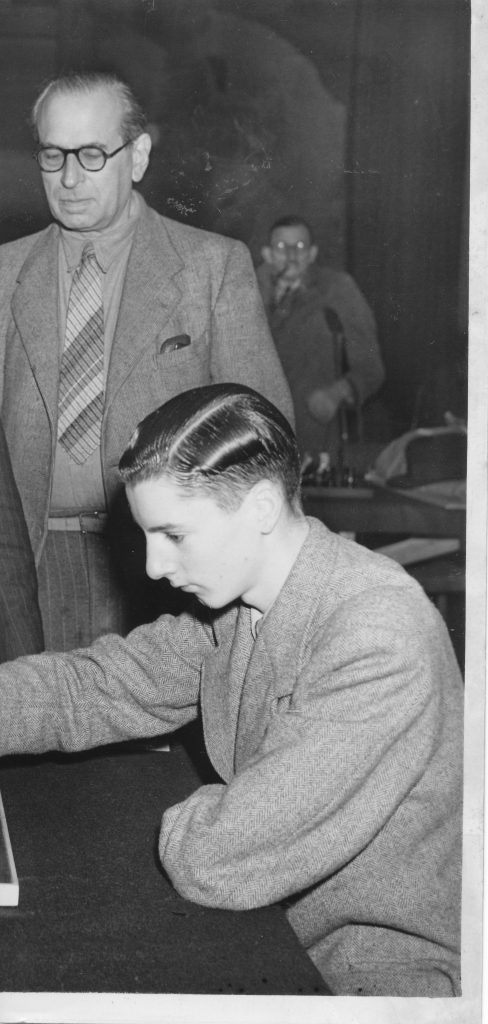
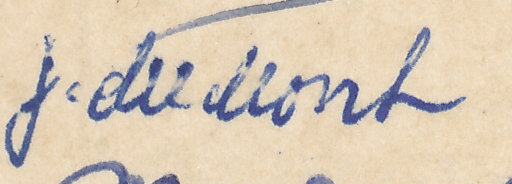
Gordon Thomas Crown with Julius Du Mont observingSignature of J du Mont from a Brian Reilly “after dinner” postcard from Southsea 1951.
BCN Remembers Julius du Mont (15-xii-1881 07-iv-1956
From British Chess Magazine, Volume LXXXVI, Number 5, 1956 we have this obituary written by DJ Morgan :
In our February issue we wrote an appreciation of one of the distinguished past editors of this magazine, R. C. Griffith. He had been followed in the chair in 1938 by our present Games’ Editor, and when he, in turn, was called in 1940 to sterner duties, he was succeeded by Julius du Mont. During the war years, and through the difficult post-war period, till 1949, he held the reins. As we wrote on another occasion, “His had been difficult years: the “B.C.M.” had survived when so much else had succumbed during the stress and strain of total war.” lt is with regret that we now record his death on April 7th, in a Hastings nursing home, at the age of seventy-four, after a protracted illness.
du Mont was born in Paris-a little-known fact which he himself once disclosed to us-on December 15th, 1881. lt was there also that he received his education. His early bent and ambitions were musical. The tradition that chess and music have a close relationship may be traced as far back, at least, as Philidor’s great eminence in both. du Mont was truly in the line of such dual personalities. He pursued his musical studies at the Frankfort-on-Main Conservatoire and at Heidelberg, and soon became established as a concert pianist.’ Later he achieved great success as a music teacher, and among his pupils was the well-known concert pianist, Edna lles. The French and German background also explains his facility as a linguist.
He came to England as a young man and brought with him a considerable talent for chess. Settling in London, he rapidly improved as a player, and successes followed. At the Kentish Congress, Tunbridge Wells, 1912, he came equal second and third. He was Champion of the strong Hampstead Club for two years, and Middlesex Champion in 1913 and 1915. He quickly mastered our language and showed this during the First World War by writing a manual on the Lewis gun. After the war, music kept its place in his life, but more and more chess became his main activity. He forsook playing and turned to journalism and authorship, and his output of books is evidence of his gifts and industry. Titles come readily to mind: Chess Openings lllustrated, Centre Counter Defence (1919) and Centre and Danish Gambit (1920); The Elements of Chess (1925) ; Ihe Basis of Combination in Chess (1938) ; 200 Miniature Games (1941); More Miniature Games (1953); (with Dr. Tartakower) 500 Master aomes of Chess, two volumes (1952), to which was added a third volume in 1954, 100 Master Games of Chess. He also translated Edward Lasker’s Chess Strategy, and Alekhine’s two volumes of My Best Games of Chess (the first with M. E. Goldstein).
The wealth of material ready to hand combined with a foreigner’s gift of lucid expression in “the other tongue” made his books very popular. To the great value and importance of these books, a whole generation of chess-players will readily testify.
For some years, du Mont was chess editor of The Field and of The Manchester Guardian. During the last war he organized chess championships for the Armed Services. We pay tribute to his services to the game, to his many kindnesses and friendships to its players, and, in particular, to his devotion to this magazine.-D. J. M.
D. C., who enjoyed a long friendship with our late Editor, writes to us as follows-
By the death of J. du Mont, the chess world has lost an eminent and popular personality. That this popularity was well deserved will be apparent even to those who knew him only slightly.
Essentially kind, he performed many generous acts, and having, by his own efforts, become the best-known British writer on chess, he not only filled this position with modesty and dignity, but was liberal in the help he gave to those starting on the road he had so successfully followed.
In the tournament room-where his presence was always welcome-he was invariably quiet and courteous, and although gifted with a fine wit, he never used it
unkindly. He *as an excellent companion, and players at many congresses will recall the happy times they spent in their visits to him at all hours of the evening. It is sad to think that these gatherings have now irrevocably reached their end: to quote A. E. Housman’s beautiful lines-
They come and were and ore not
And come no more anew.
But as long as a literature of chess remains, the name of Julius du Mont will not be forgotten. His many friends, however, have no need of his writings in order to keep alive their memory of him.
In Chess Secrets I learned from the Masters, Edward Lasker, Hollis and Carter, 1952 :
J. Du Mont became the author of a number of interesting monographs on chess openings, and for many years he was the Editor of the British Chess Magazine. It was he who translated my own translation of Schachstrategie which I attempted in the summer of 1913. Naturally, my English was not fit to be printed. Du Mont had to rewrite everything I had written, and except for his untiring labours Chess Strategy might never have been published. He gave the book a certain literary flavour, which no doubt added greatly to its popularity. It went into fourteen printings before it was replaced by Modern Chess Strategy in 1945.
Du Mont was a pianist of note and I took lessons from him; however, the time I took from my chess activities to practise the piano was shamefully meagre. No wonder I have been told more than once that as a pianist I am a good chess player.”
From Chess World, Volume 11, Number 6, June 1956, page 128 we have this appreciation from ME Goldstein:
“I first met du Mont at the Hampstead Chess Club 37 years ago (1919). He was one of a team of strong players , which included RC Griffith PW Sergeant, H. Saunders (runner-up in a British Championship) and W. Winter.
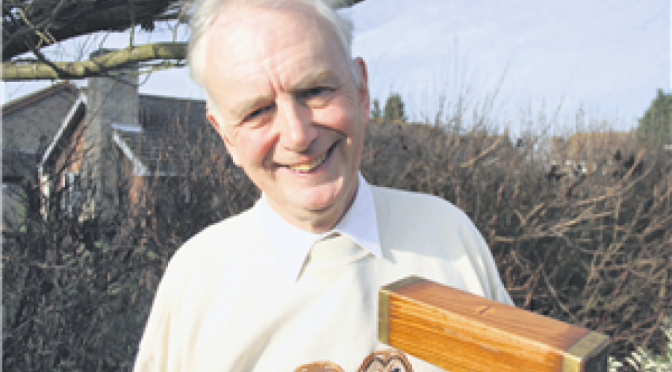
Happy Birthday Christopher Cedric Lytton (Sells) (07-iv-1939)
From chesscomposers.com :
“Cedric Lytton was born in South Australia and is a mathematician. He became president of the British Chess Problem Society in 2009. He is also International Judge and was during many years the sub-editor of the fairy section for The Problemist, then of its retro section.”
From Brian Stephenson’s excellent BDS web site we have:
Cedric Lytton
1st Prize, The Problemist, 1970
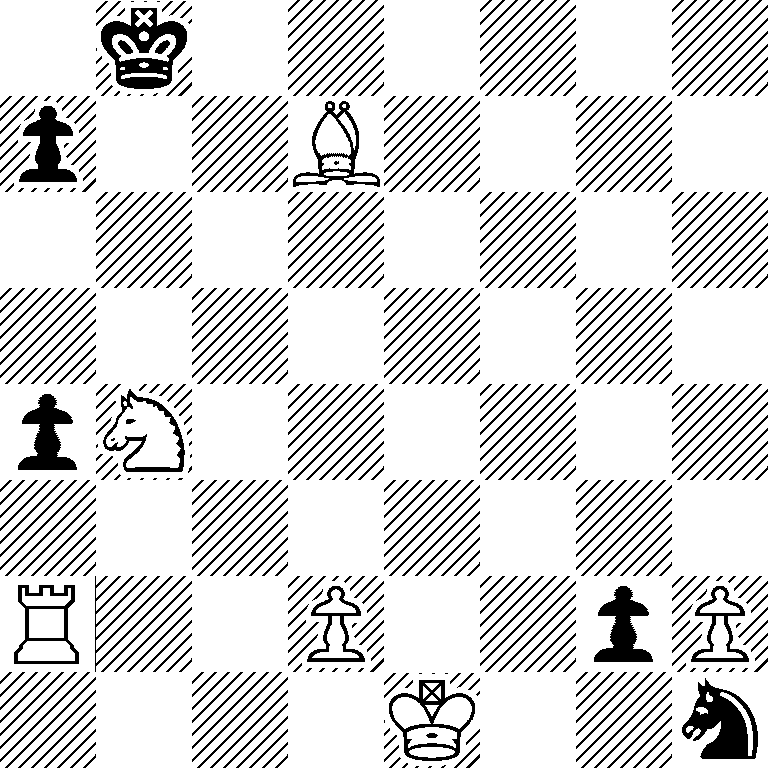
Cedric Lytton 1st Prize, The Problemist, 1970
White is material up, but Black has a dangerous pawn on g2, which the white king on his own cannot cope with. 1.Na6+ Kb7 2.Rb2+ Kxa6 3.Bb5+ Going after the pawn only draws, but only if Black can restrain himself from promoting with check and White can restrain himself from capturing the cornered knight – 3.Bh3? a3! (3…g1Q+? 4.Bf1+ Ka5 5.Rb5+ Ka6 6.Rg5+ 1-0) 4.Bxg2 axb2 5.Be4 Kb5 6.Kf1 a5 7.Kg2 Kc4 8.Bb1 Kb3 9.h4 a4 10.h5 a3 11.h6 a2 12.Bxa2+ Kxa2 13.h7 b1Q 14.h8Q = 3…Ka5 3…Kb6? 4.Bf1+ 1-0 4.Bf1! a3 4…g1Q? 5.Rb5+ Ka6 6.Rg5+ 1-0 5.Rb5+ Ka4 6.Bxg2 White has dealt with the g2 pawn, but now Black’s forward a-pawn looms large. 6…a2 6…Kxb5 7.Bd5 Kc5 8.Bf7 1-0 7.Bc6! Setting up the winning cross-check. 7…a1Q+ 8.Rb1+ 1–0
Here is an item from The North Norfolk News
Here is that article in full from The North Norfolk News :
“In her latest Face to Face interview, KAREN BETHELL talks to multi-talented mathematician Dr Cedric Lytton PhD, who, in spite of being born with impaired hearing, went on to list among his accomplishments playing the viola, singing, and writing top-level chess problems.
But, for Dr Lytton, who lives in Sheringham, the recent headline-hitting Hudson River plane crash in New York brought to mind perhaps his greatest achievement . . .
A difficult birth at Adelaide, South Australia, left Cedric with impaired hearing and reduced mobility in one hand.
His disability was to affect him as a boarder at Rugby School, Warwickshire, where, forced to carry around a cumbersome hearing aid in his briefcase, he was severely bullied.
However, learning to type – and discovering at age 8 that he had a talent for chess – turned out the young Cedric’s saving grace, and, in 1955, he had his first problem published in the British Chess Problem Society magazine, The Problemist.
Cedric, whose ancestors include the famous 19th century writer Sir Edward Bulwer Lytton, (who coined the phrase, “the pen is mightier than the sword.”), took up playing the bass recorder aged 18, and, as a young man, he dreamed of becoming a musician.
But, deciding life as a professional mathematician would be a safer course to take, he read maths at Sidney Sussex College, Cambridge, before going on to gain a PhD.
In 1964, he entered the scientific civil service at Farnborough as a researcher and computer programmer, following in the footsteps of his uncle, Cliff Roberts, also a researcher, who helped design Sydney Harbour bridge.
Four years later, Cedric, penned a pioneering paper on reducing airflow – and thereby shockwaves and drag – over the wings of aircraft, and his efforts led to the design of the 320 Airbus – the jet that crashed safely into the Hudson River on January 15.
Advancements in hearing aid technology meant that, by the mid-1970s, Cedric was no longer forced to wear an unwieldy device pinned to his clothes, and he realised his ambition of learning to play the viola.
After the end of an unhappy first marriage, he met up with long-term friend, Dorothy – then a supervisor of midwives at Ely – by chance on a visit to Norwich and the couple, whose son Martin is a GP in Cornwall, were married at St Andrew’s Church, Sheringham in 1982.
Since retiring 10 years ago, Cedric, who, while at Farnborough, held the local Croquet Club championship title for 8 years on the trot, has kept busy composing chess problems, playing backgammon and croquet, playing viola with a local string quartet and singing with St Andrew’s church choir. He also enjoys swimming, cycling, cooking and wine appreciation.
Cedric, 69, was delighted this year to receive a hat trick of accolades – winning Bodham Croquet Club’s annual knockout competition, taking the North Norfolk Backgammon Circle trophy, and being made president of the British Chess Problem Society.
What is the best thing about your job?
When I was working, the best thing was being left alone to get on and do a job I knew I could do well without being bothered by admin people.
And the worst?
I was lucky enough not to have a “worst” thing, but, one thing that did bother me was that every time an engineer came to repair my computer, I’d come back from my coffee break to find the mouse had been left on the wrong side!
What is the one possession you would save if your house was on fire?
My viola and my bass recorder, which I keep next to each other.
Where do you go to unwind?
Cycling – it’s a lovely feeling freewheeling down to the town.
What is your favourite Norfolk building?
The Hoste Arms at Burnham Market because they do excellent food and excellent wine.
What is the one thing you would change about yourself?
I’d perhaps be a little more tolerant of others as I do have to make an effort sometimes to keep back what I really think. If I could have normal hearing, I’d probably change that too.
What is your proudest moment?
To have found a girl who was prepared to put up with me and, at last, to have entered a happy marriage.
And your greatest achievement?
Writing my paper in 1968; It was a breakthrough paper which made a lot of difference. I’d also like to say my two beautiful grandchildren, Alexandra and William.
Have you ever done anything outrageous?
Not really. I was always a really goody goody little prig but, in the course of my long life, I’ve had a few rough edges knocked off.
Whom do you most admire?
Nelson Mandela because of what he has done for his country. He came out of 27 years in jail apparently a better man, never said a word about his captors and has continued to justify his existence ever since.
What makes you angry?
My deafness sometimes makes me difficult to understand and means that I often have to say things twice. But what is really annoying is when people ask me something and, when I give a reply, they look at Dorothy.
Favourite book, film and TV programme?
Book: The Adventures of Sherlock Holmes – The Dancing Men, film: The Prisoner of Zenda, and I do enjoy watching The Andrew Marr Show on television on a Sunday.
Birthday of FM Erik Oskar Michael Charles Teichmann (11-iv-1961)
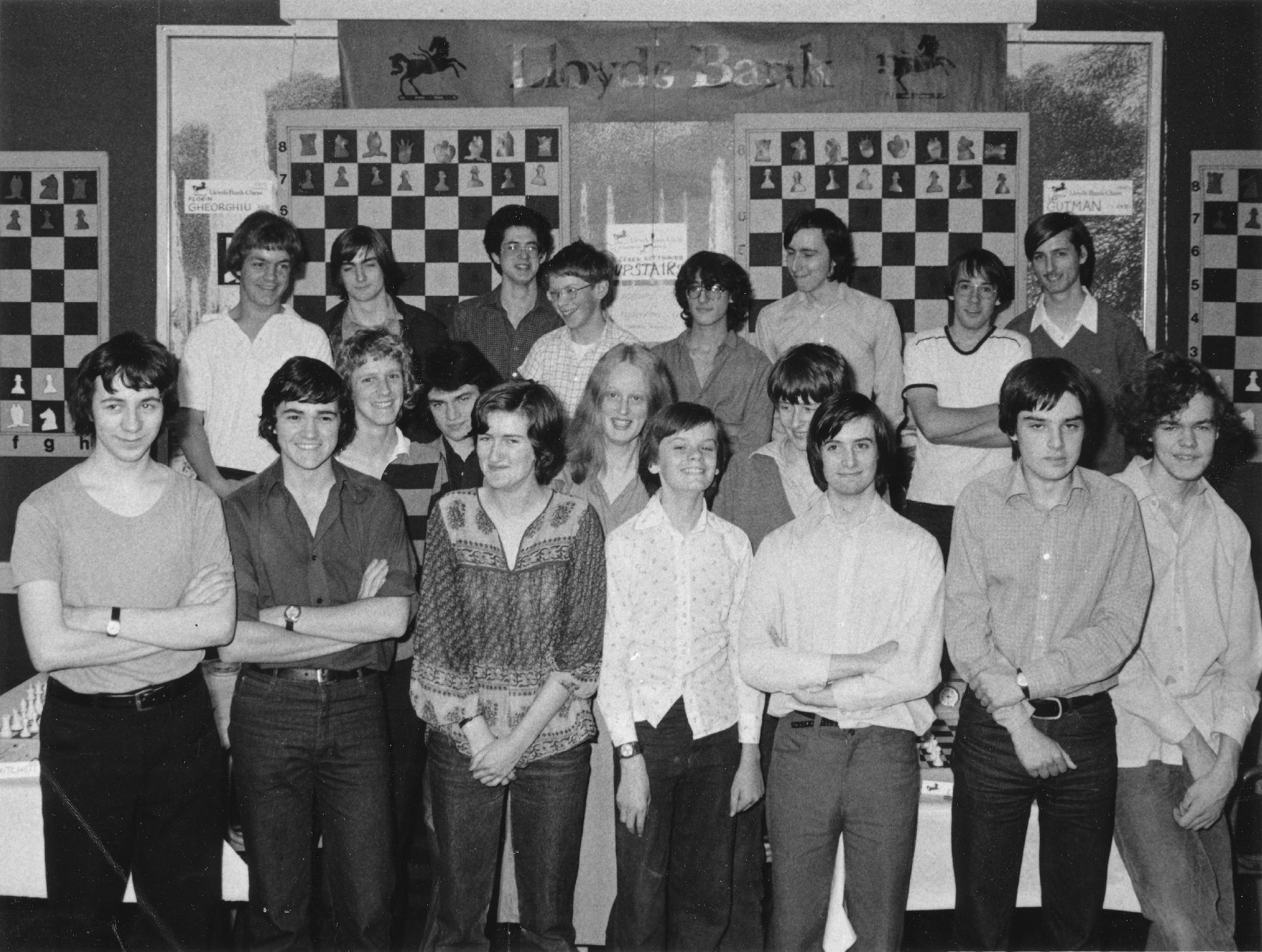
Erik was born in Westminster, London, his mother (née Jorgensen) being Danish and his father was Max Teichmann. They lived in London for two years and then emigrated to Melbourne, Australia until Erik was six when Erik and his mother moved to Cambridge, England. Erik played much chess in England including the British U-18 and U-21 championships, Lloyds Bank events
and the Islington and other opens swisses. Erik played for Cambridge University (Magdalen College) in the 1982 (100th) Varsity Match drawing with Gareth Anthony (Trinity Hall).
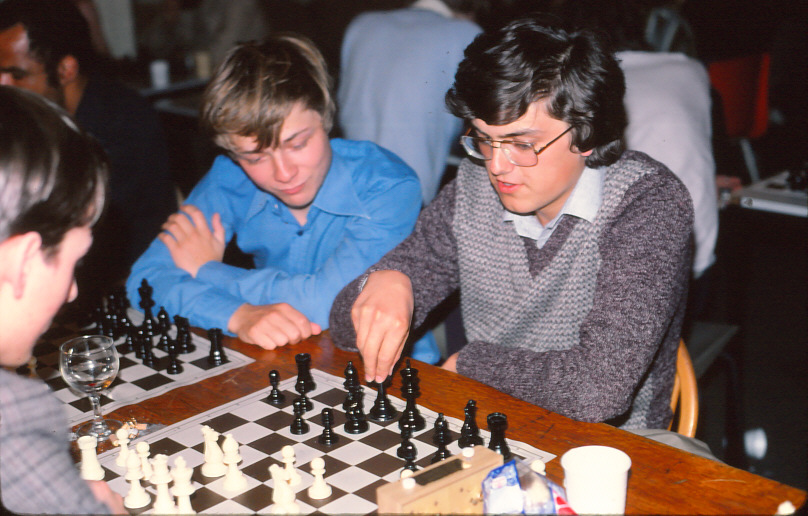
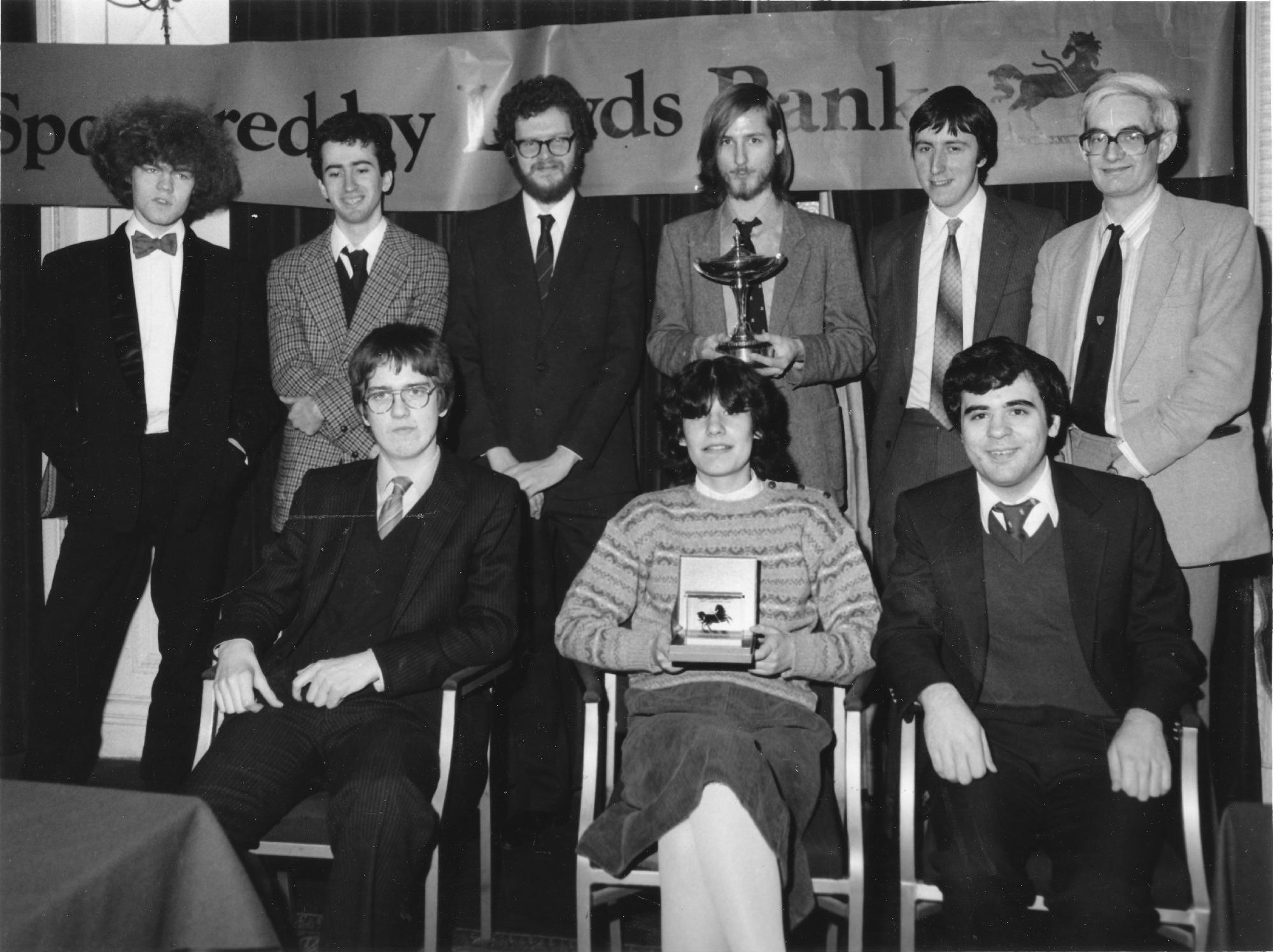
Erik Oskar Michael Charles Teichmann (rear, far right) at a Lloyds Bank eventErik (left) analyses with Mark A Johnstone (right) and James Pratt at the 1981 Islington Open. Your Truly was the photographer.
In 1985 Erik emigrated once more to Australia living in Eltham, Melbourne and became a lifestyle guru and coach.
Erik Teichmann standing, holding trophy)
Erik became a FIDE Master in 1990 and his peak rating was 2388 in July 2010.
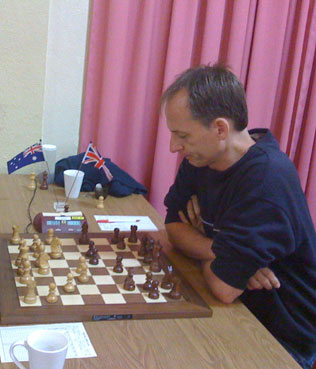
FM Erik Teichmann
From Chessgames.com :
“FIDE Master Erik Oskar Michael Charles Teichmann won the Nova Scotia Open in 1999.”
Here is Erik’s favourite game :
Erik now lives in Lyon, France with his girlfriend both being Buddhists.
FM Erik Teichmann, photo by Cathy Rogers
Save as PDF
We focus on the British Chess Scene Past & Present!
This website uses cookies to improve your experience. We'll assume you're ok with this, but you can opt-out if you wish. Cookie settingsACCEPT
Privacy & Cookies Policy
Privacy Overview
This website uses cookies to improve your experience while you navigate through the website. Out of these cookies, the cookies that are categorized as necessary are stored on your browser as they are as essential for the working of basic functionalities of the website. We also use third-party cookies that help us analyze and understand how you use this website. These cookies will be stored in your browser only with your consent. You also have the option to opt-out of these cookies. But opting out of some of these cookies may have an effect on your browsing experience.
Necessary cookies are absolutely essential for the website to function properly. This category only includes cookies that ensures basic functionalities and security features of the website. These cookies do not store any personal information.
 Save as PDF