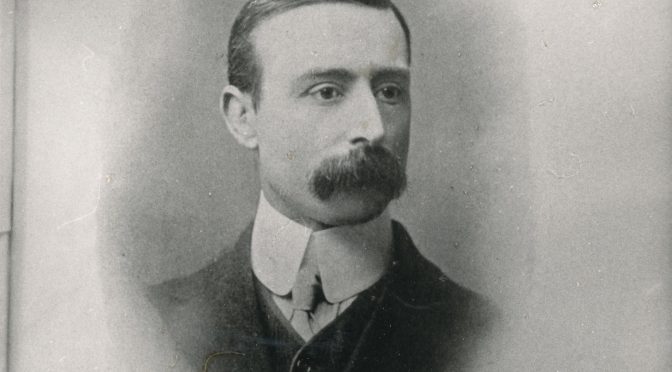
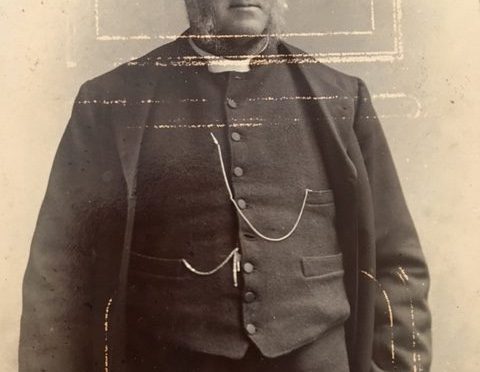
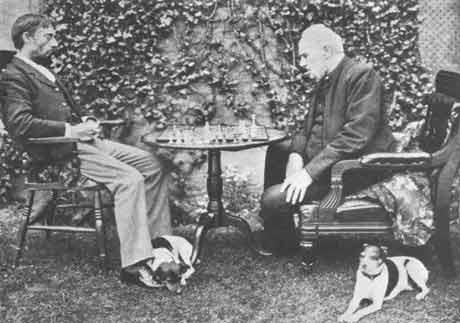
We remember Reverend John Owen who passed away on the 24th November 1901)
John Owen was born on April 8th, 1827 to John and Sarah Owen in Marchington, Uttoxeter, Staffordshire.
He was baptised at Marchington, St. Peter on April 9th, 1827 by H. Bennett and their residence was recorded as “Brook House”. His father is recorded as being a gentleman.
From The Oxford Companion to Chess (OUP, 1984) by Hooper & Whyld :
“English player, vicar of Hooten, Cheshire, from 1862 to 1900. In 1858, playing under the pseudonym ‘Alter’, he lost (=2-5) a match against Morphy, who conceded pawn and a move. (Hoffer attributed this poor result to Owen’s just being married.) Subsequently Owen played better. He drew a match with Kolisch in 1860 (+4-4) and at the London tournament of 1862 took third prize after Andersen (whom he defeated) and L. Paulsen ahead of Dubois, GA MacDonnell, Steinitz and Blackburne.
From 1857 to 1898 Owen played in more than a dozen tournaments, all of them in Great Britain.
He liked close openings and often played the Queen’s Fianchetto Defence, sometimes named after him, and the Larsen Opening.”
From The Encyclopedia of Chess (Batsford, 1977), Harry Golombek OBE :
Probably, the strongest of all the chess-playing reverends of the nineteenth century. Owen came 3rd at Birmingham 1858, below Löwenthal and Falkbeer, but ahead of Saint-Amant, Staunton and Bird; but is should be pointed out that the method of play was still by the old knock-out system.
He was also =3rd with MacDonnell in the first congress of the British Chess Association at London in 1862.
He also had the distinction of losing matches to Morphy, Zukertort and Burn, though he beat Burn in a later match. He drew a match with Kolisch in 1860.
Sunnucks is silent on Owen.
According to The Complete Chess Addict (Faber&Faber, 1987), Mike Fox & Richard James :
“For the record (and because it’s so impressive) here is the most devout team of all time, If there is anything in the efficacy of prayer they’d be tough to stop :
“John Owen (8 April 1827 – 24 November 1901) was an English vicar and strong amateur chess master. He ranked among the world’s top ten chess players for certain periods of the 1860s. He was a major figure in English chess from the mid 1850s to the 1890s.
Owen was born in Marchington, and obtained his early schooling at Repton School, Derbyshire. In 1850 he graduated from Trinity College, Cambridge, and received his M.A. from Cambridge three years later. He was ordained by the Church of England in 1851, and served as Vicar of Hooton, Cheshire from 1862 to his retirement in 1900.
In 1858 he won a chess game against the young American master Paul Morphy, the world’s best player, who was then touring Europe. ”
This led to a match between the two. Despite being given odds of pawn and the move (meaning he started the game with an extra pawn and always moved first), Owen lost the match 6–1, never winning a game.
His performance in the very strong 1862 London tournament, the first international round-robin event (in which each participant plays every other) was more impressive. He finished third, ahead of future world champion Wilhelm Steinitz, and was the only player to win against the eventual tournament winner, Adolf Anderssen. Louis Paulsen placed second. This result was arguably Owen’s top lifetime chess achievement.
Owen continued to play frequently and often successfully in British tournaments into the 1890s, and performed strongly in several matches against top British players, who were essentially chess professionals. He never competed outside the British Isles. He died in Twickenham.
Owen is the eponym of Owen’s Defence, a chess opening characterised by the moves 1.e4 b6. Owen was the first strong player to play this frequently, including in his victory over Morphy.”
We remember Reverend John Owen who passed away on the 24th November 1901)
John Owen was born on April 8th, 1827 to John and Sarah Owen in Marchington, Uttoxeter, Staffordshire.
He was baptised at Marchington, St. Peter on April 9th, 1827 by H. Bennett and their residence was recorded as “Brook House”. His father is recorded as being a gentleman.
From The Oxford Companion to Chess (OUP, 1984) by Hooper & Whyld :
“English player, vicar of Hooten, Cheshire, from 1862 to 1900. In 1858, playing under the pseudonym ‘Alter’, he lost (=2-5) a match against Morphy, who conceded pawn and a move. (Hoffer attributed this poor result to Owen’s just being married.) Subsequently Owen played better. He drew a match with Kolisch in 1860 (+4-4) and at the London tournament of 1862 took third prize after Andersen (whom he defeated) and L. Paulsen ahead of Dubois, GA MacDonnell, Steinitz and Blackburne.
From 1857 to 1898 Owen played in more than a dozen tournaments, all of them in Great Britain.
He liked close openings and often played the Queen’s Fianchetto Defence, sometimes named after him, and the Larsen Opening.”
From The Encyclopedia of Chess (Batsford, 1977), Harry Golombek OBE :
Probably, the strongest of all the chess-playing reverends of the nineteenth century. Owen came 3rd at Birmingham 1858, below Löwenthal and Falkbeer, but ahead of Saint-Amant, Staunton and Bird; but is should be pointed out that the method of play was still by the old knock-out system.
He was also =3rd with MacDonnell in the first congress of the British Chess Association at London in 1862.
He also had the distinction of losing matches to Morphy, Zukertort and Burn, though he beat Burn in a later match. He drew a match with Kolisch in 1860.
Sunnucks is silent on Owen.
According to The Complete Chess Addict (Faber&Faber, 1987), Mike Fox & Richard James :
“For the record (and because it’s so impressive) here is the most devout team of all time, If there is anything in the efficacy of prayer they’d be tough to stop :
“John Owen (8 April 1827 – 24 November 1901) was an English vicar and strong amateur chess master. He ranked among the world’s top ten chess players for certain periods of the 1860s. He was a major figure in English chess from the mid 1850s to the 1890s.
Owen was born in Marchington, and obtained his early schooling at Repton School, Derbyshire. In 1850 he graduated from Trinity College, Cambridge, and received his M.A. from Cambridge three years later. He was ordained by the Church of England in 1851, and served as Vicar of Hooton, Cheshire from 1862 to his retirement in 1900.
In 1858 he won a chess game against the young American master Paul Morphy, the world’s best player, who was then touring Europe. ”
This led to a match between the two. Despite being given odds of pawn and the move (meaning he started the game with an extra pawn and always moved first), Owen lost the match 6–1, never winning a game.
His performance in the very strong 1862 London tournament, the first international round-robin event (in which each participant plays every other) was more impressive. He finished third, ahead of future world champion Wilhelm Steinitz, and was the only player to win against the eventual tournament winner, Adolf Anderssen. Louis Paulsen placed second. This result was arguably Owen’s top lifetime chess achievement.
Owen continued to play frequently and often successfully in British tournaments into the 1890s, and performed strongly in several matches against top British players, who were essentially chess professionals. He never competed outside the British Isles. He died in Twickenham.
Owen is the eponym of Owen’s Defence, a chess opening characterised by the moves 1.e4 b6. Owen was the first strong player to play this frequently, including in his victory over Morphy.”
We remember Reverend John Owen who passed away on the 24th November 1901)
John Owen was born on April 8th, 1827 to John and Sarah Owen in Marchington, Uttoxeter, Staffordshire.
He was baptised at Marchington, St. Peter on April 9th, 1827 by H. Bennett and their residence was recorded as “Brook House”. His father is recorded as being a gentleman.
From The Oxford Companion to Chess (OUP, 1984) by Hooper & Whyld :
“English player, vicar of Hooten, Cheshire, from 1862 to 1900. In 1858, playing under the pseudonym ‘Alter’, he lost (=2-5) a match against Morphy, who conceded pawn and a move. (Hoffer attributed this poor result to Owen’s just being married.) Subsequently Owen played better. He drew a match with Kolisch in 1860 (+4-4) and at the London tournament of 1862 took third prize after Andersen (whom he defeated) and L. Paulsen ahead of Dubois, GA MacDonnell, Steinitz and Blackburne.
From 1857 to 1898 Owen played in more than a dozen tournaments, all of them in Great Britain.
He liked close openings and often played the Queen’s Fianchetto Defence, sometimes named after him, and the Larsen Opening.”
From The Encyclopedia of Chess (Batsford, 1977), Harry Golombek OBE :
Probably, the strongest of all the chess-playing reverends of the nineteenth century. Owen came 3rd at Birmingham 1858, below Löwenthal and Falkbeer, but ahead of Saint-Amant, Staunton and Bird; but is should be pointed out that the method of play was still by the old knock-out system.
He was also =3rd with MacDonnell in the first congress of the British Chess Association at London in 1862.
He also had the distinction of losing matches to Morphy, Zukertort and Burn, though he beat Burn in a later match. He drew a match with Kolisch in 1860.
Sunnucks is silent on Owen.
According to The Complete Chess Addict (Faber&Faber, 1987), Mike Fox & Richard James :
“For the record (and because it’s so impressive) here is the most devout team of all time, If there is anything in the efficacy of prayer they’d be tough to stop :
“John Owen (8 April 1827 – 24 November 1901) was an English vicar and strong amateur chess master. He ranked among the world’s top ten chess players for certain periods of the 1860s. He was a major figure in English chess from the mid 1850s to the 1890s.
Owen was born in Marchington, and obtained his early schooling at Repton School, Derbyshire. In 1850 he graduated from Trinity College, Cambridge, and received his M.A. from Cambridge three years later. He was ordained by the Church of England in 1851, and served as Vicar of Hooton, Cheshire from 1862 to his retirement in 1900.
In 1858 he won a chess game against the young American master Paul Morphy, the world’s best player, who was then touring Europe. ”
This led to a match between the two. Despite being given odds of pawn and the move (meaning he started the game with an extra pawn and always moved first), Owen lost the match 6–1, never winning a game.
His performance in the very strong 1862 London tournament, the first international round-robin event (in which each participant plays every other) was more impressive. He finished third, ahead of future world champion Wilhelm Steinitz, and was the only player to win against the eventual tournament winner, Adolf Anderssen. Louis Paulsen placed second. This result was arguably Owen’s top lifetime chess achievement.
Owen continued to play frequently and often successfully in British tournaments into the 1890s, and performed strongly in several matches against top British players, who were essentially chess professionals. He never competed outside the British Isles. He died in Twickenham.
Owen is the eponym of Owen’s Defence, a chess opening characterised by the moves 1.e4 b6. Owen was the first strong player to play this frequently, including in his victory over Morphy.”
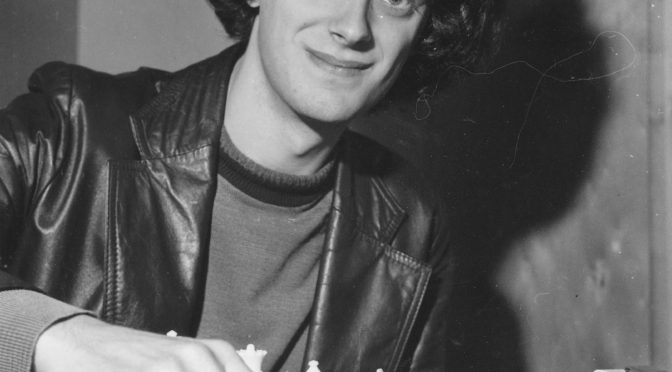
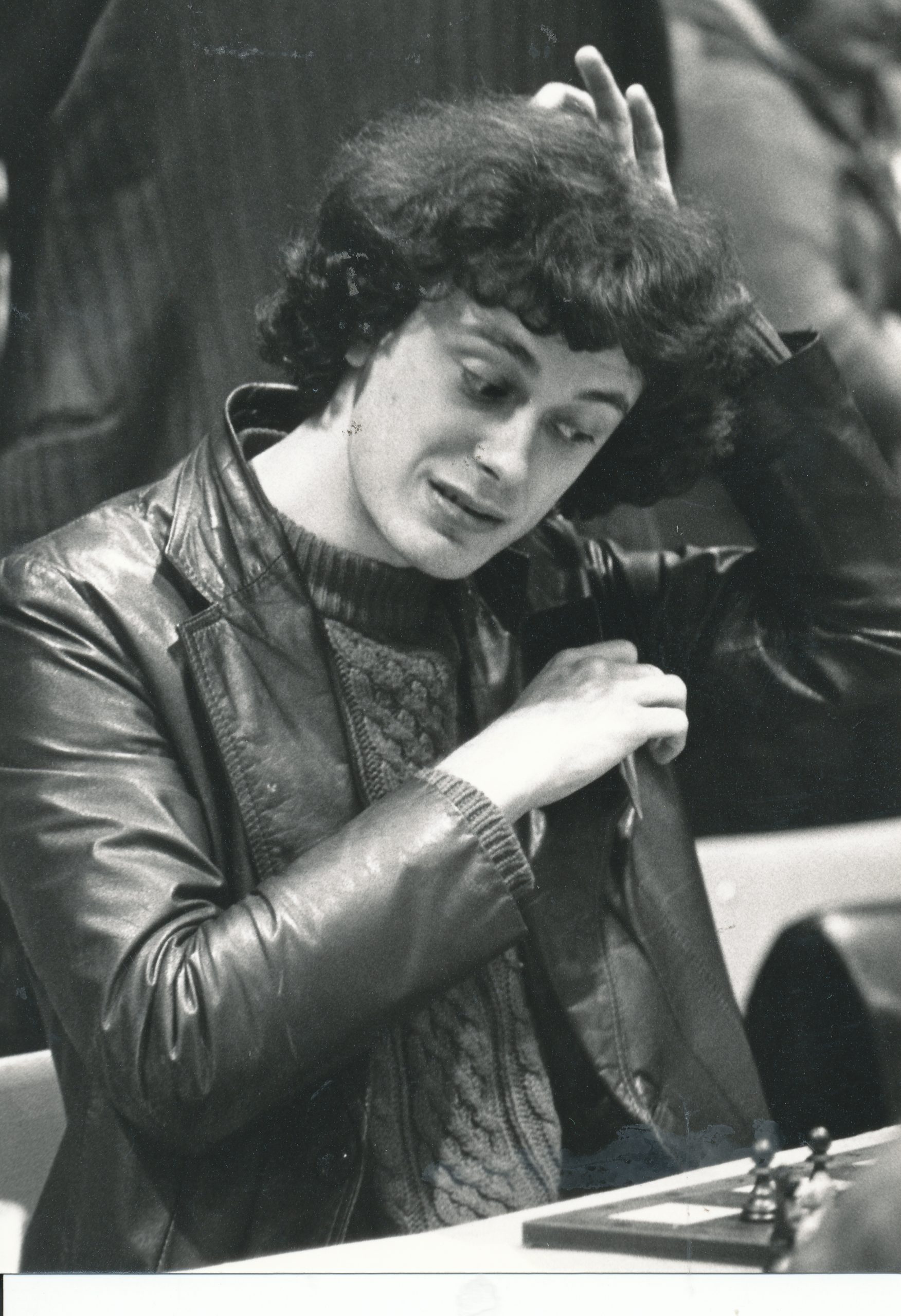
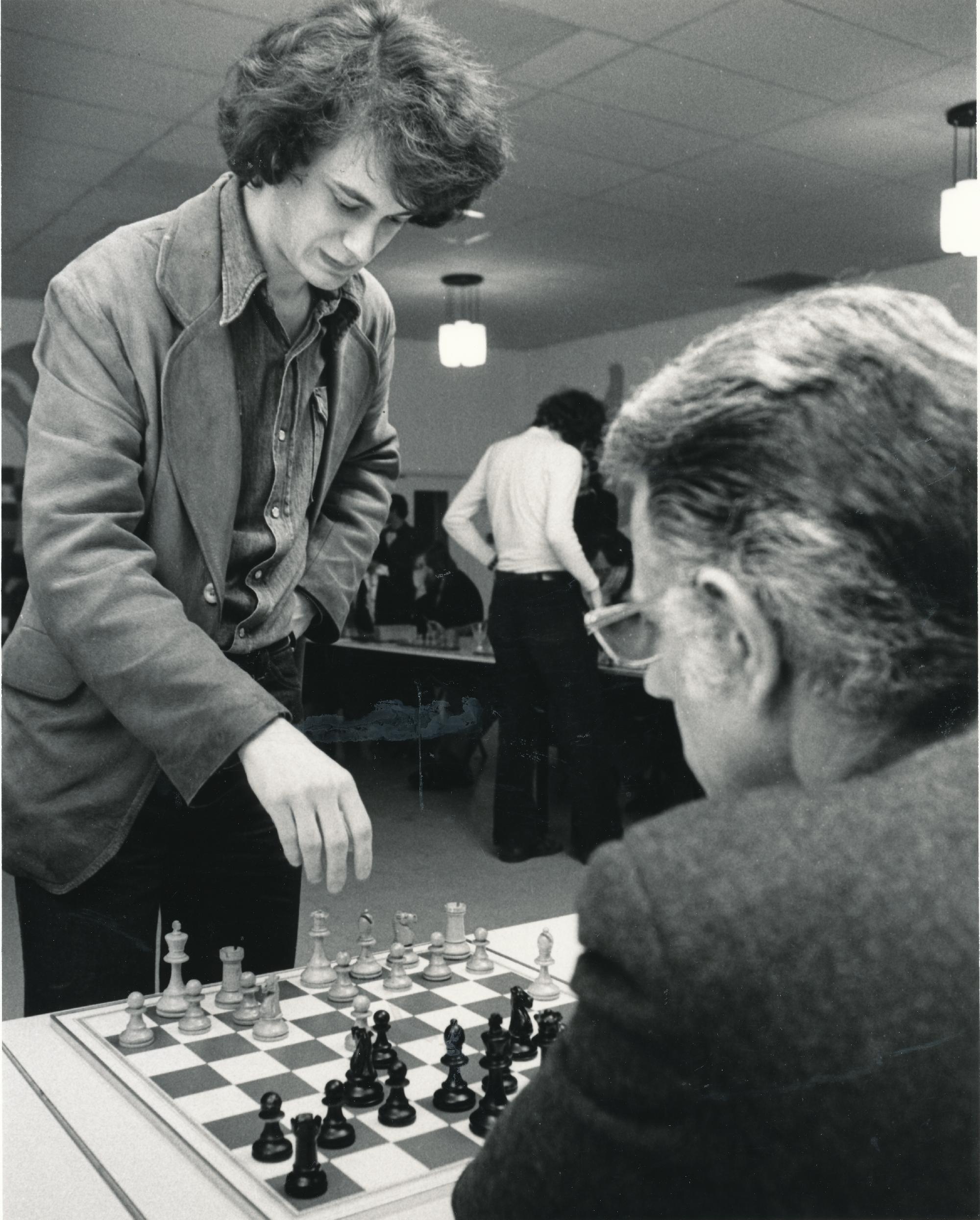
BCN wishes GM John Nunn Happy Birthday (25-iv-1955)
From The Encyclopaedia of Chess by Harry Golombek :
British International master and European Junior Champion, 1975. Born in London, Nunn learned chess at the age of four and soon revealed a great aptitude for the game.
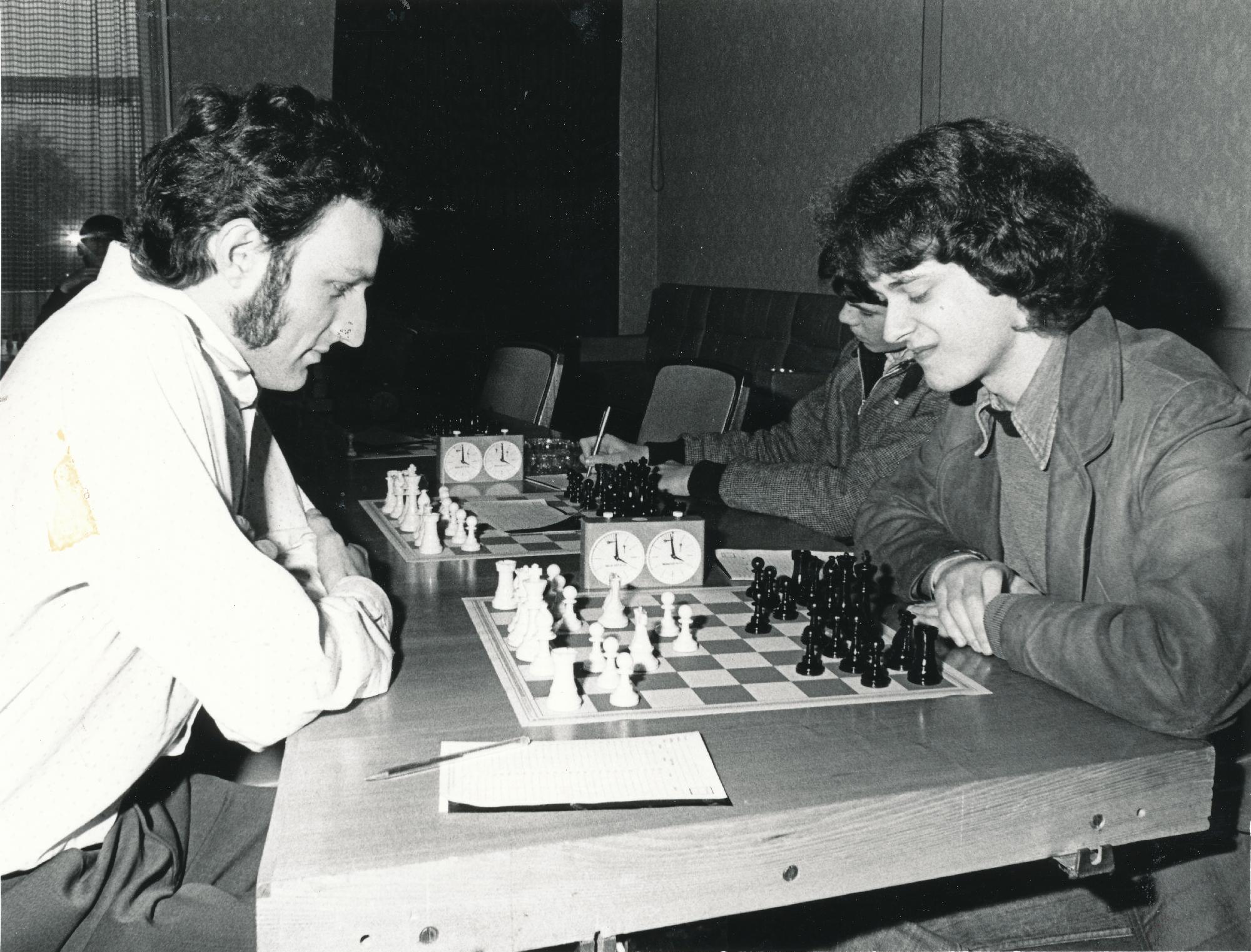
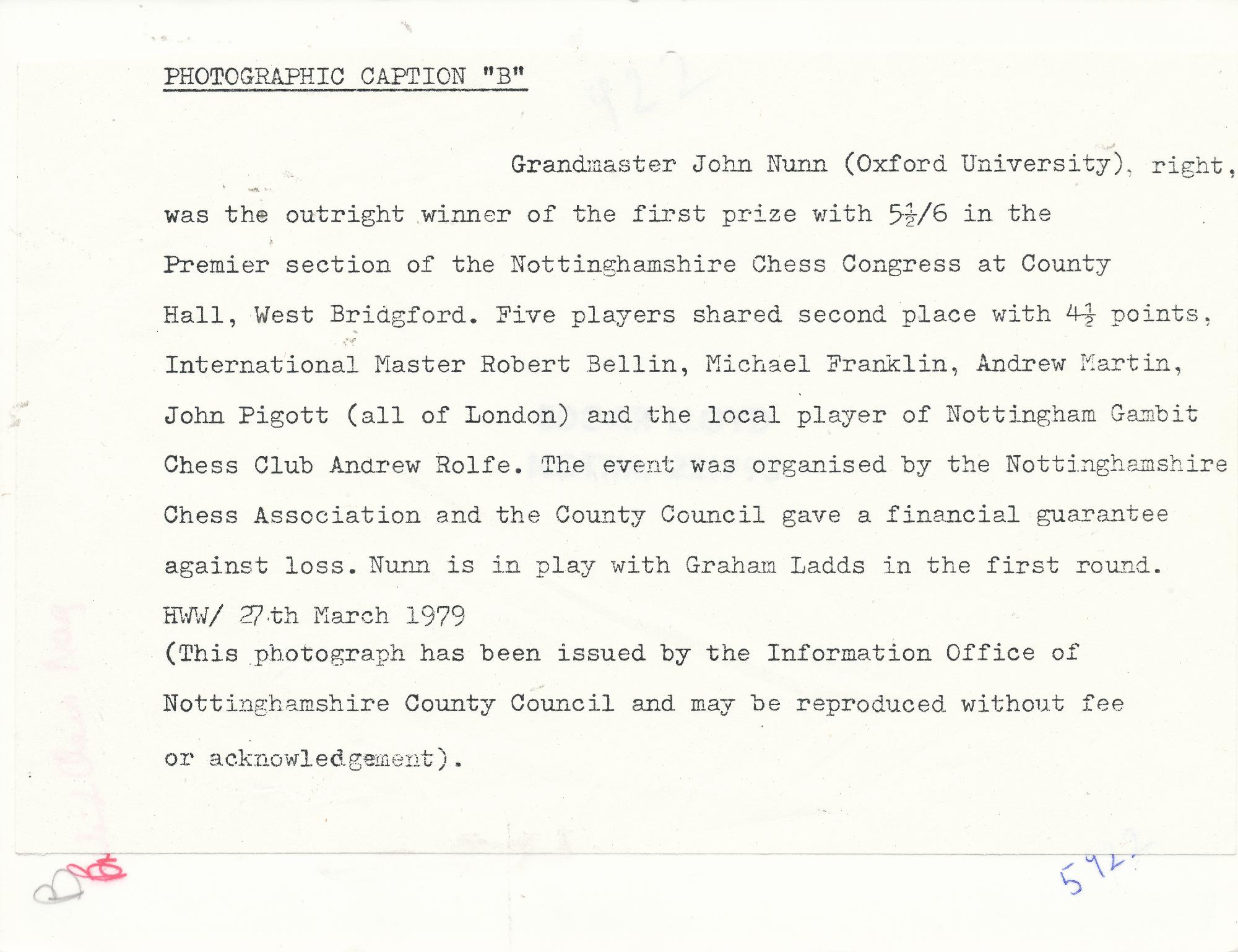
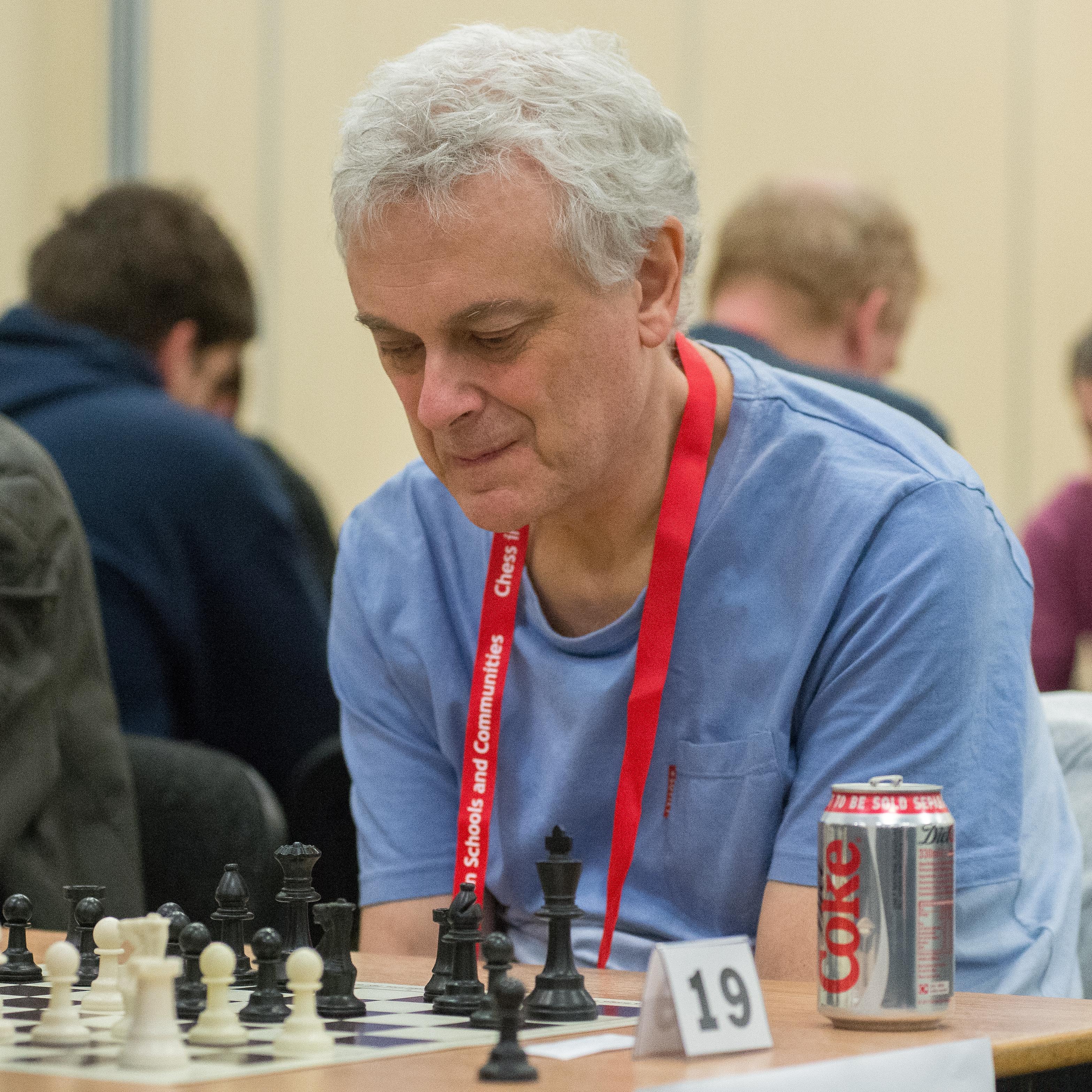
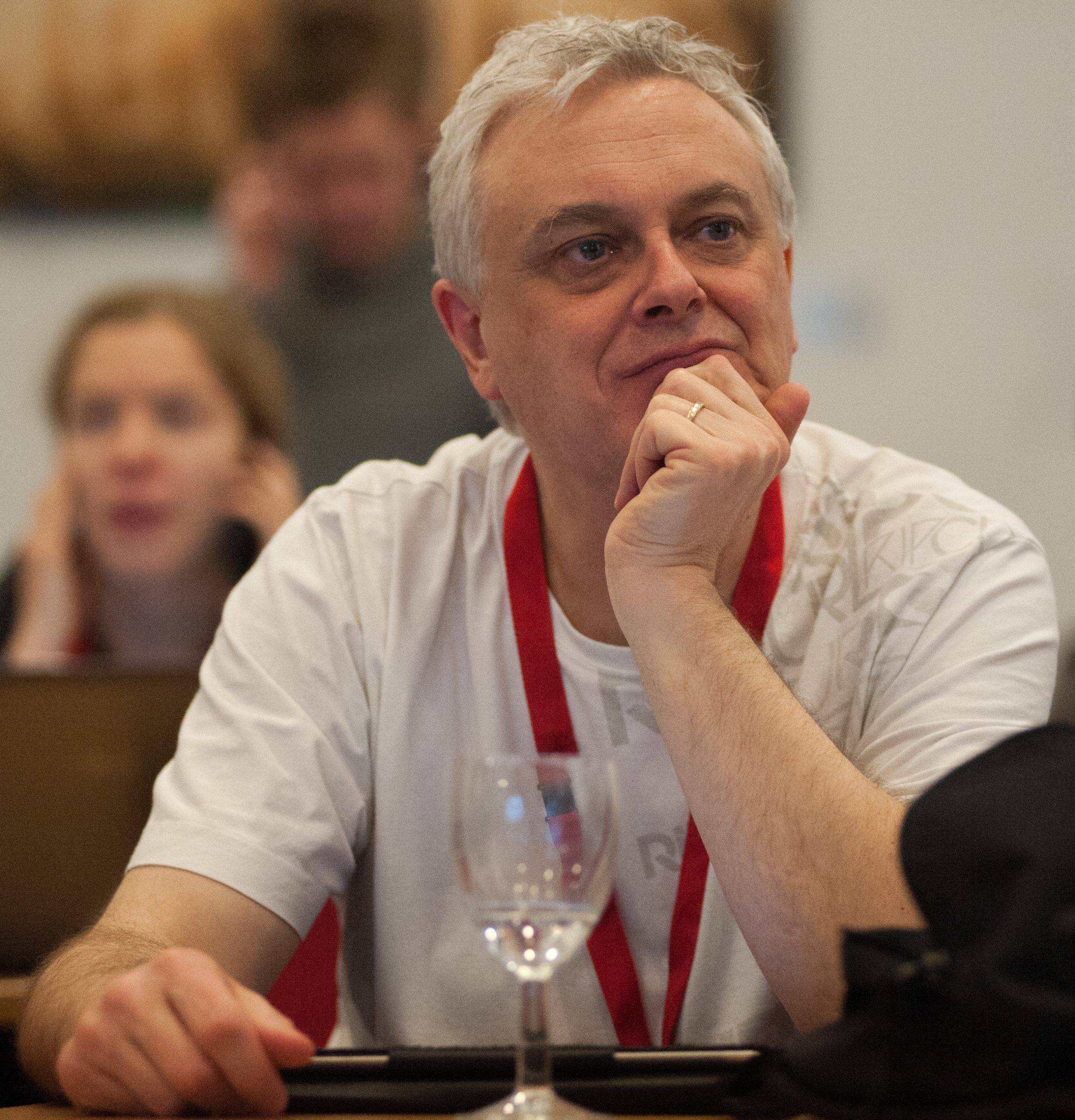
Graham Ladds and John Nunn. See full caption below.Supplied caption for above picture.
He came 6th in the Norwich Junior international tournament in 1970 and went up to Oxford University to take a mathematics degree at a very early age. He played on top board for the University from 1972-6 and is now preparing for a doctorate there.
John DM Nunn
He won the European Junior Championship and with it the international master title in Groningen in 1975. In that year too he was equal first in the IBM Master tournament, and at London in 1975 he reached an international master norm coming 5th in the international tournament there. He played on bottom board at the Haifa Olympiad 1976 and scored 64.2%
GM John Nunn
From The Oxford Companion to Chess by Hooper & Whyld :
English player. International Grandmaster (1978), British champion 1980. He went to Oxford at the unusually young age of 15, graduated in 1973. Gained his B.Sc. the following year and his
doctorate in 1978.
GM John Nunn
A Junior Research Fellow, he lectured in mathematics until 1981 when he became a professional player. By then he had already achieved several good results in international tournaments: Budapest 1978, first; Hastings 1979-80, first (4-5 = 10) equal with Andersson; Baden-bei-Wien 1980, category 12, third (+5=10) after Spassky and Belyavsky: Helsinki 1981, first (+5 = 6) equal with Matulovich; and Wiesbaden 1981, first (+6=3). In the category 12 Wijk aan Zee tournament 1982, Nunn came first ( + 5=7 — 1) equal with Balashov ahead of Tal, Hubner, and Timman and at Helsinki 1983 he came second (+5 = 6) after Karlsson.
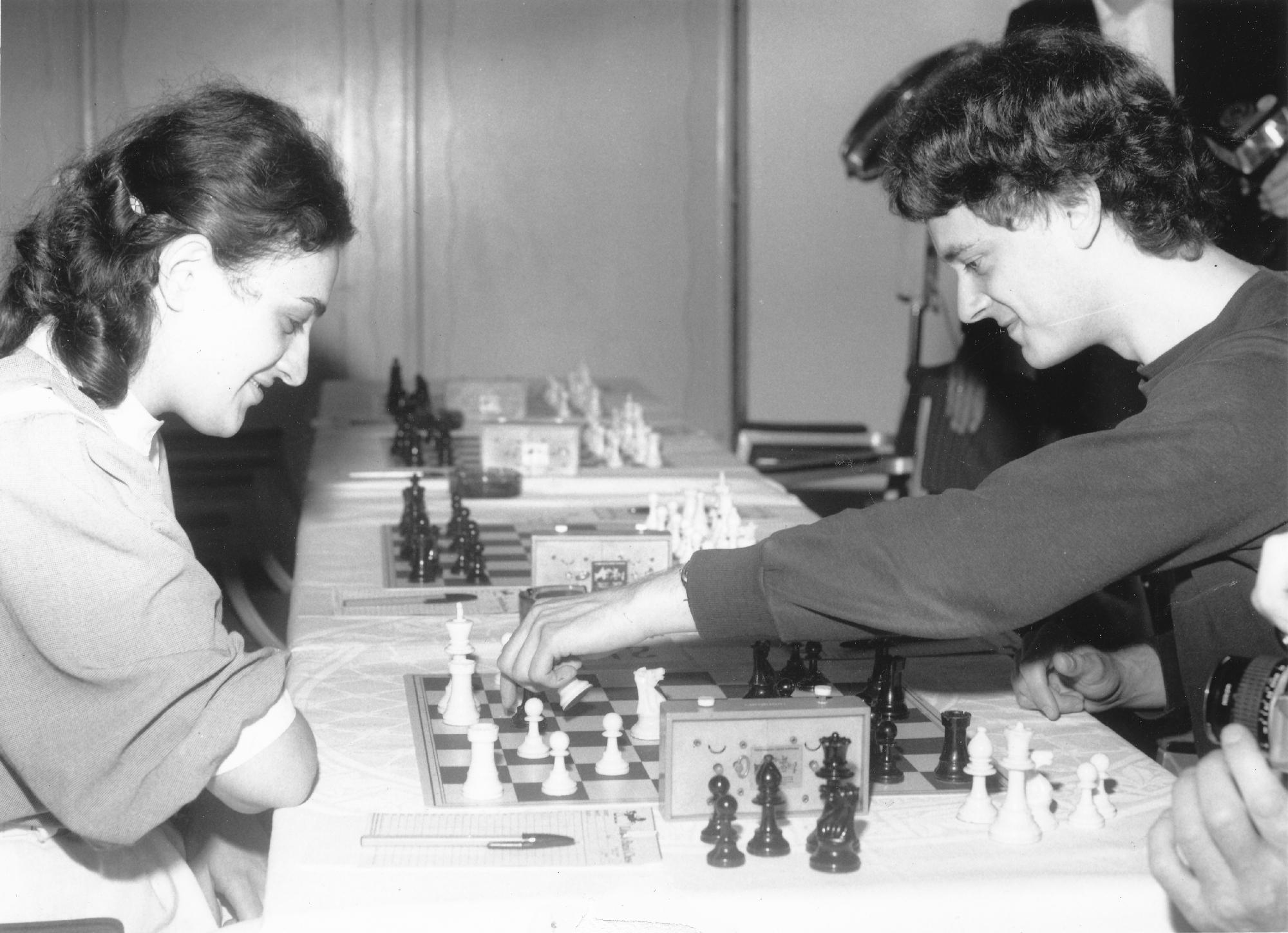
Maia Chiburdanidze and John Nunn from Lloyds Bank, 1985
Possessing a remarkably quick sight of the board, Nunn is an expert solver: he made the second highest individual score in the world team solving championship, 1978, and won the solving championship of Great Britain in 1981.
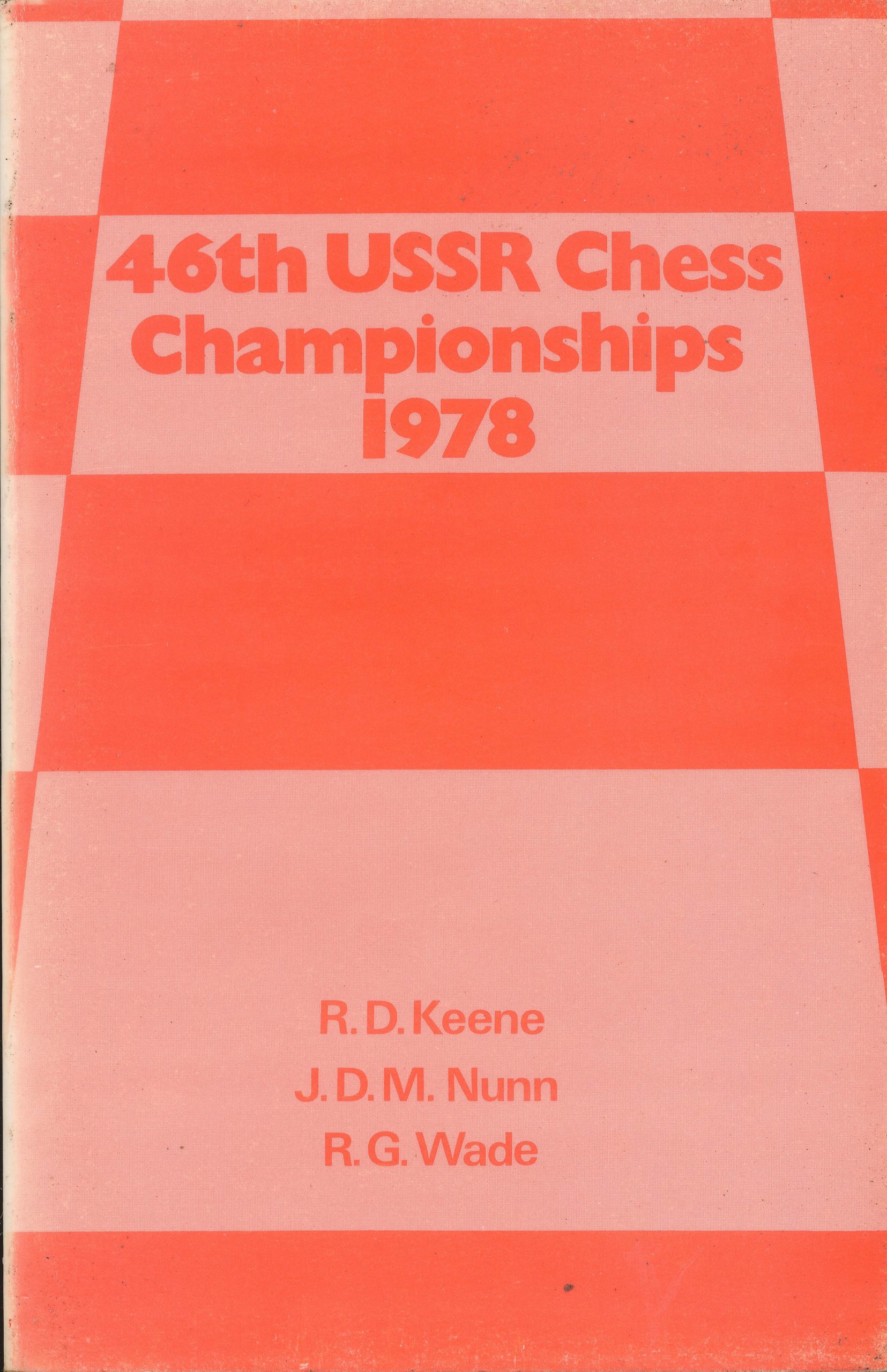
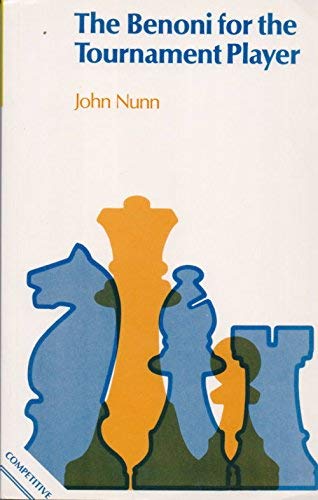
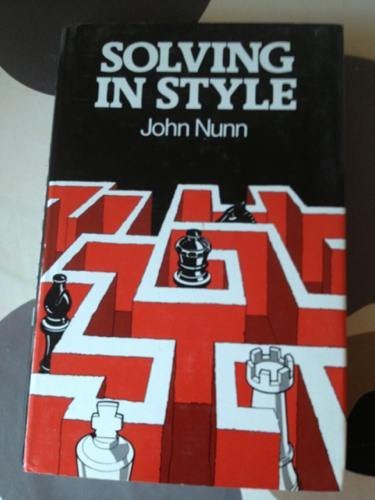
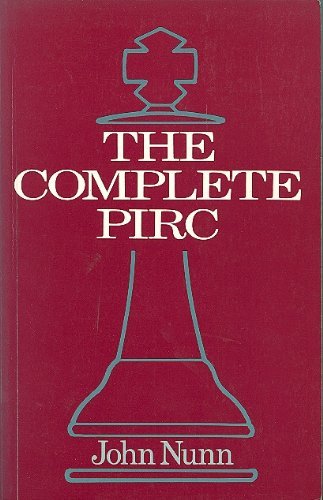
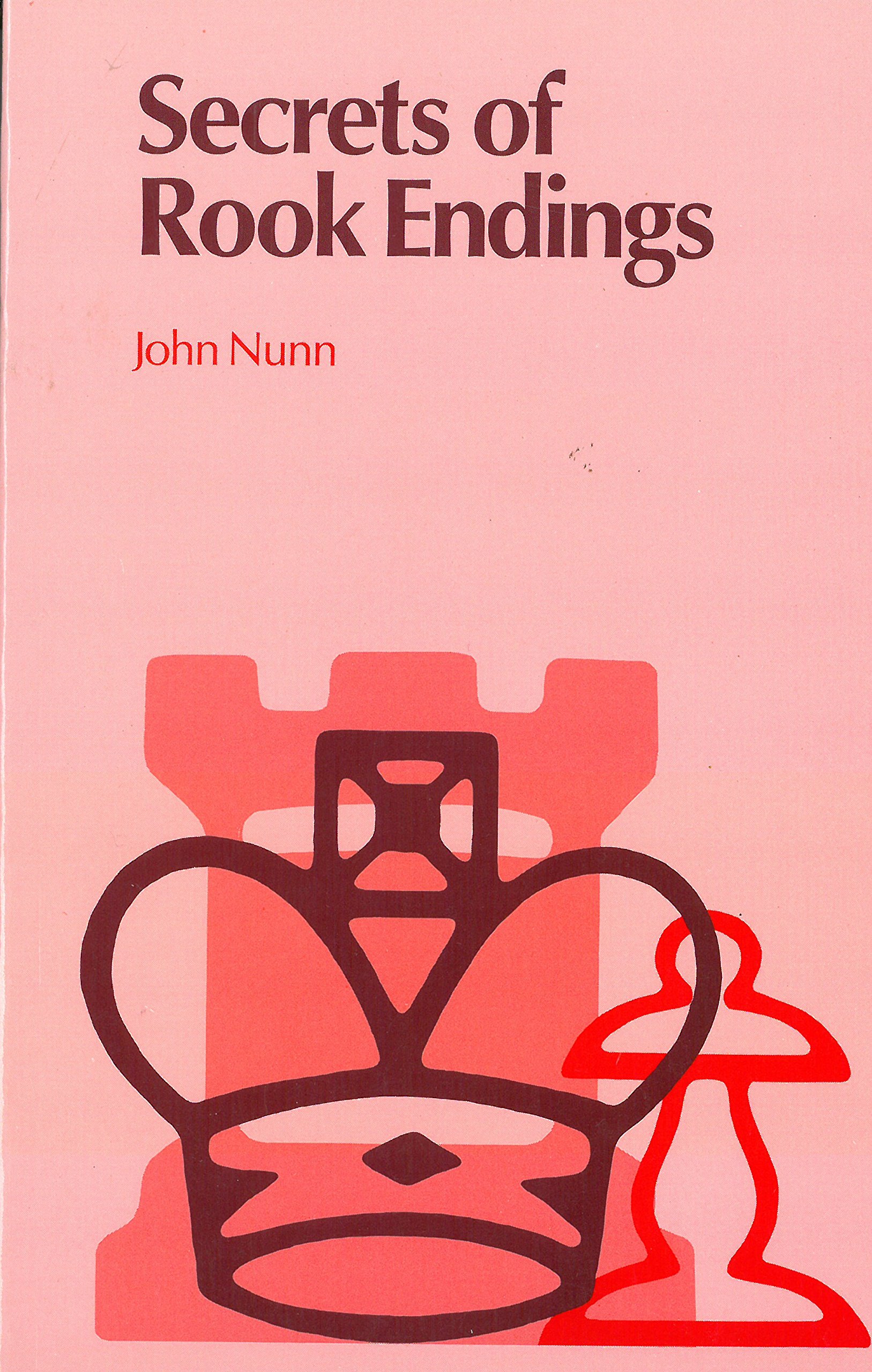
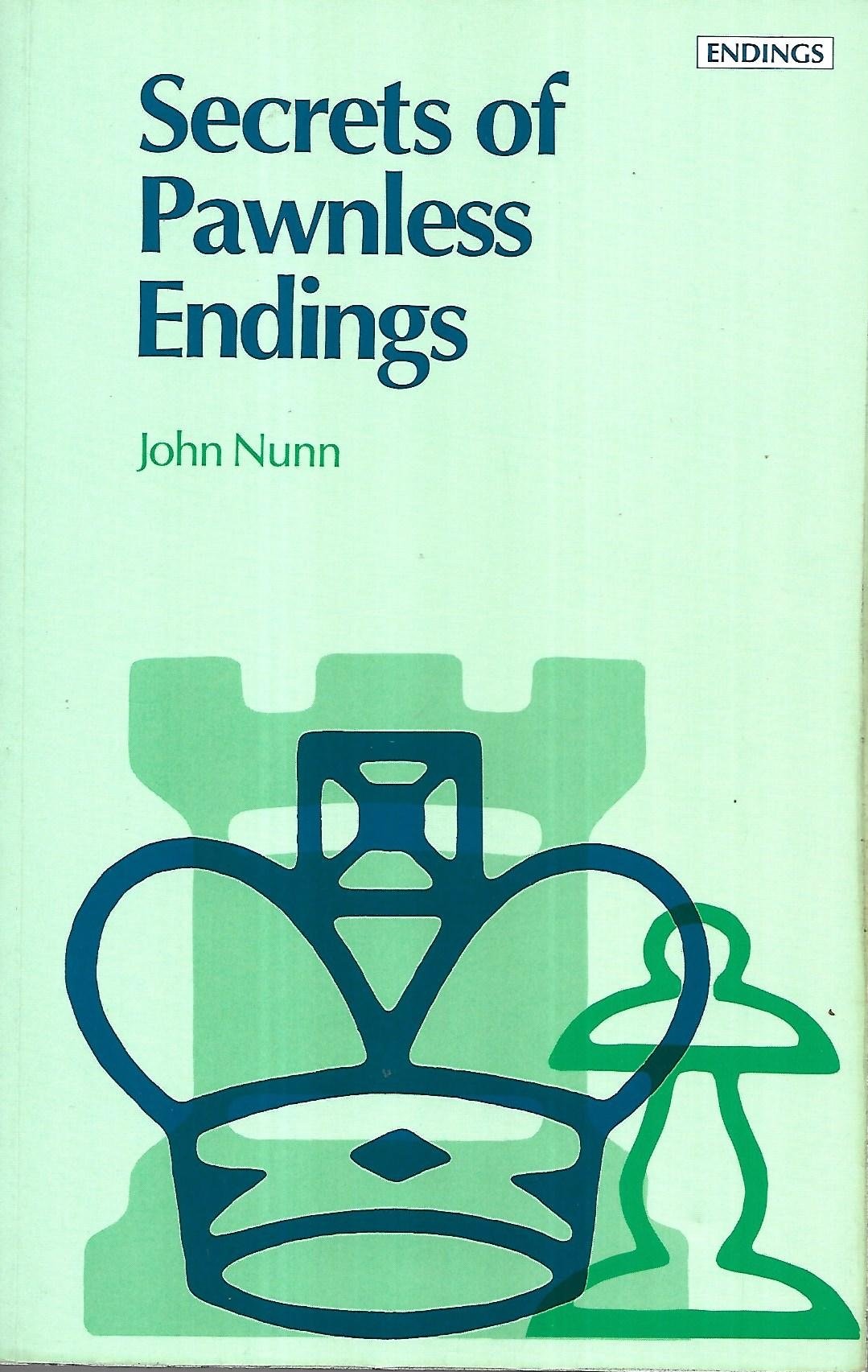
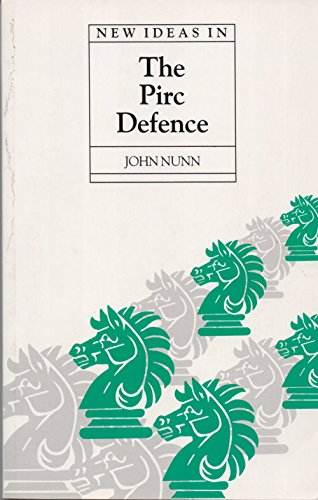
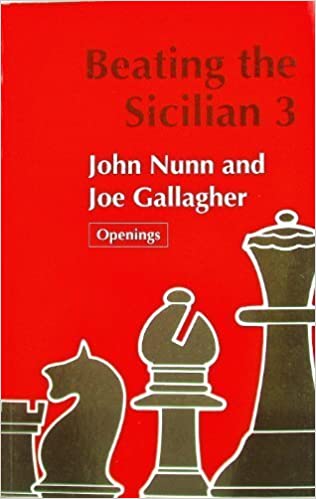
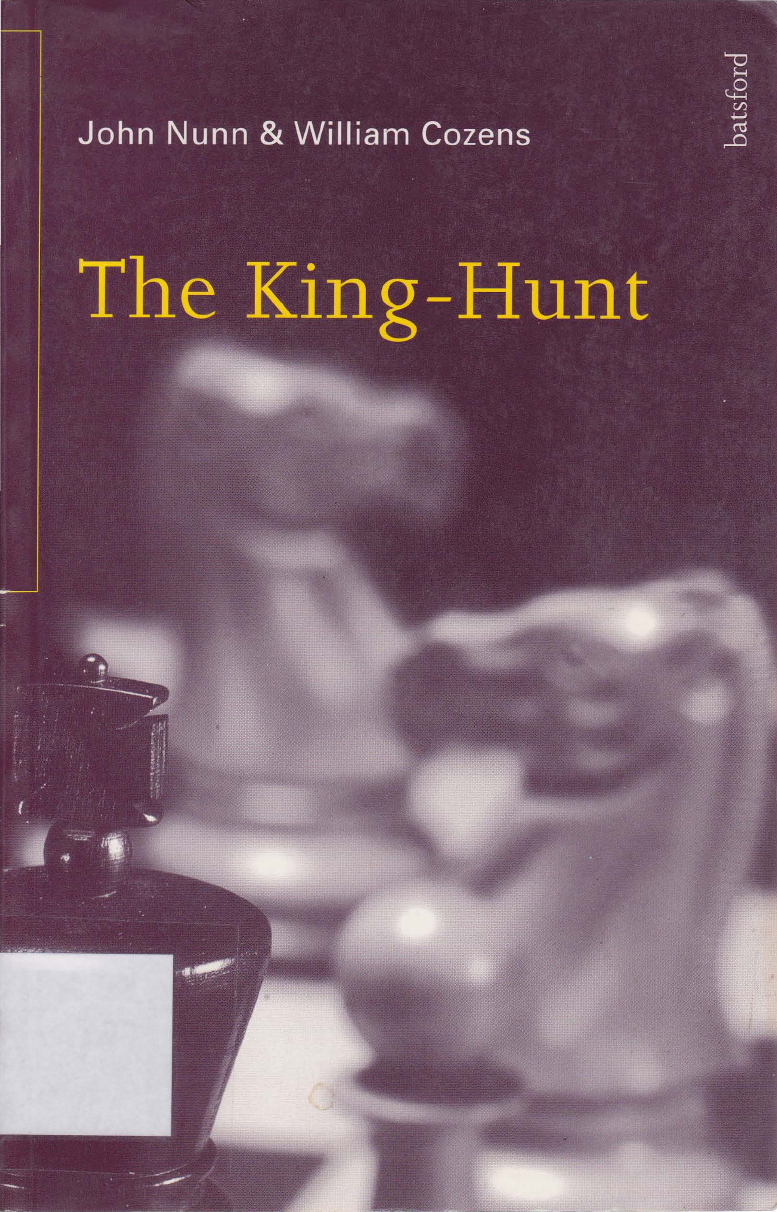
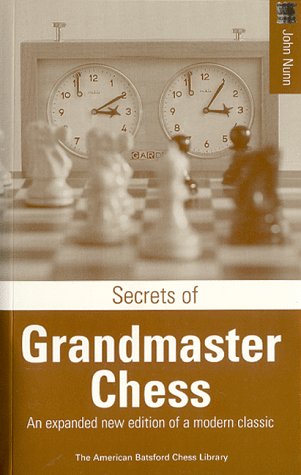
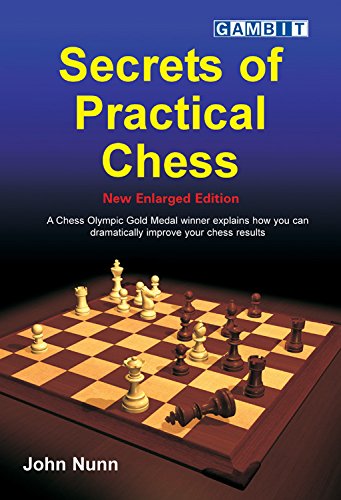
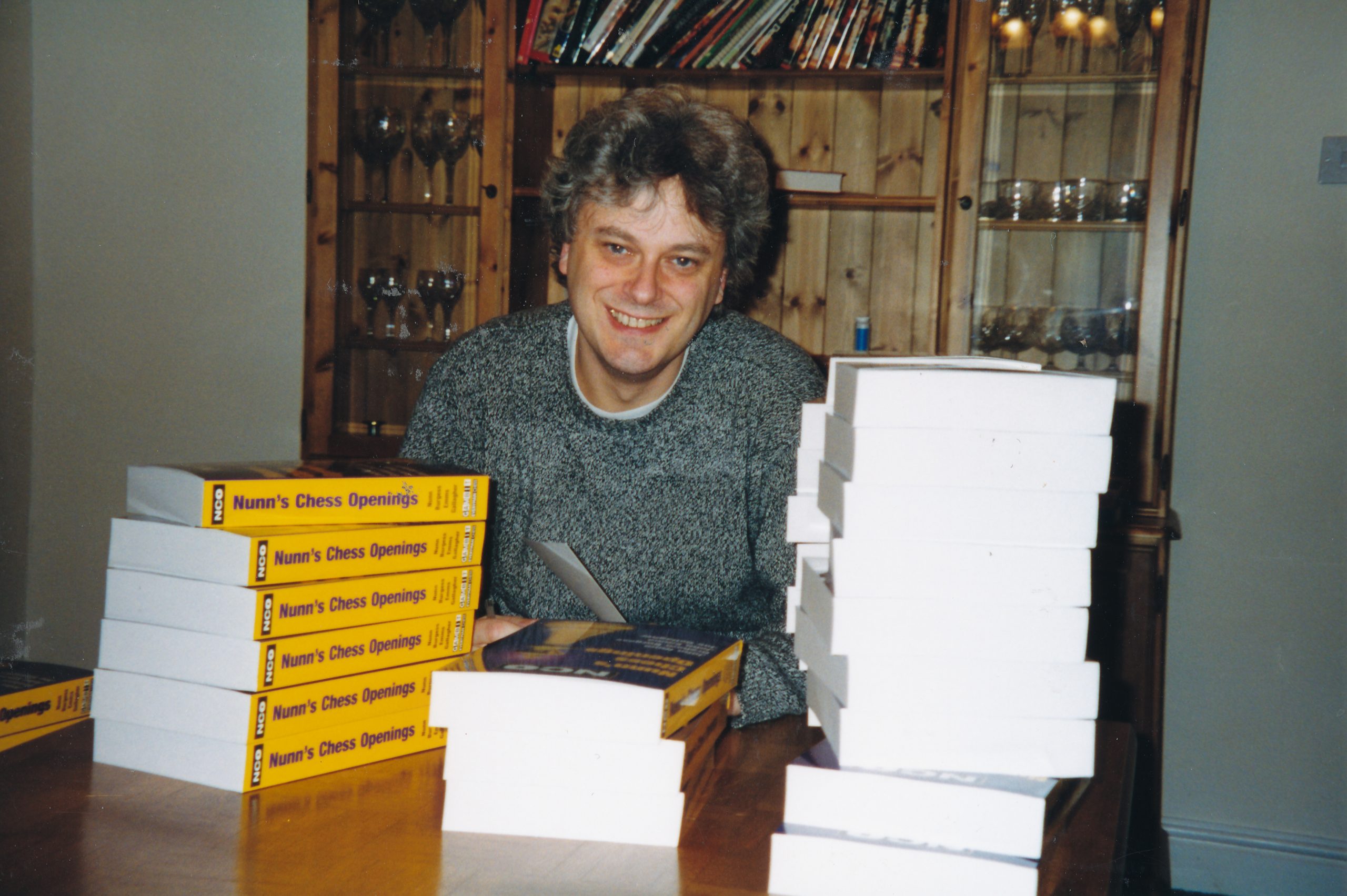
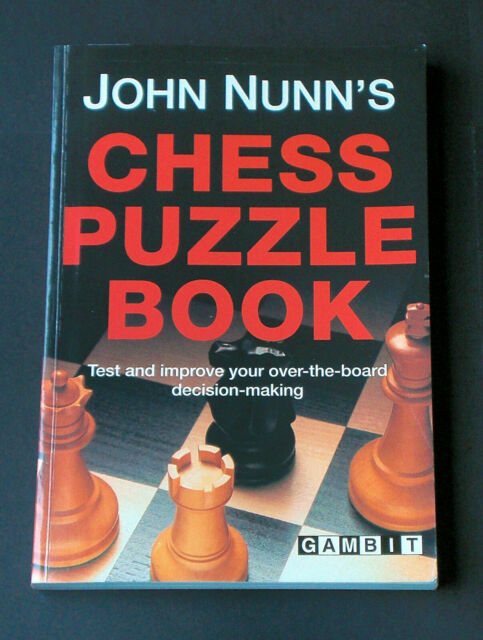
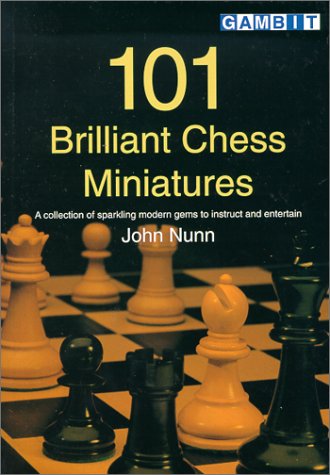
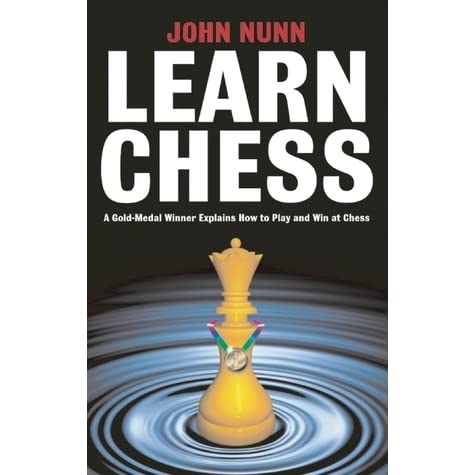
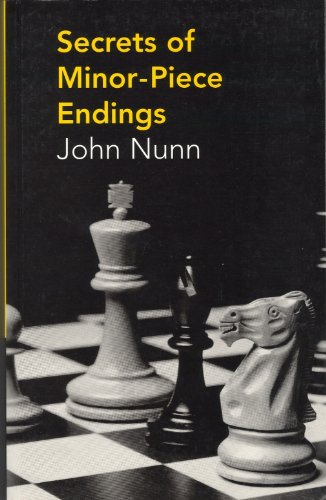
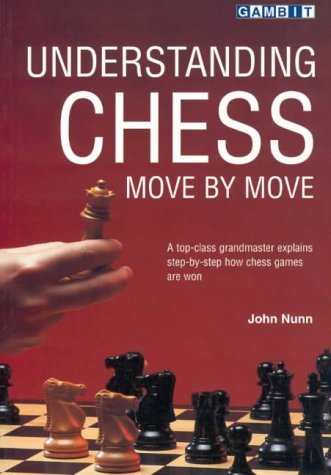
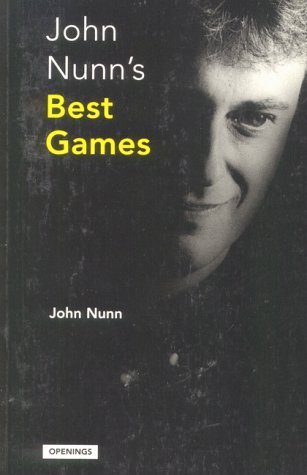
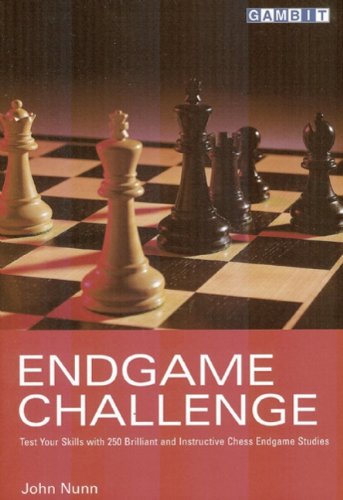
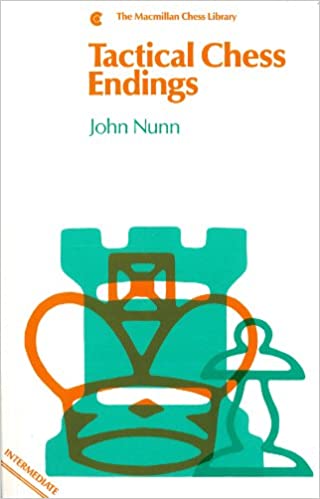
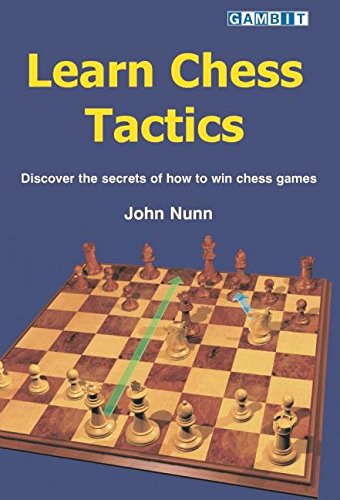
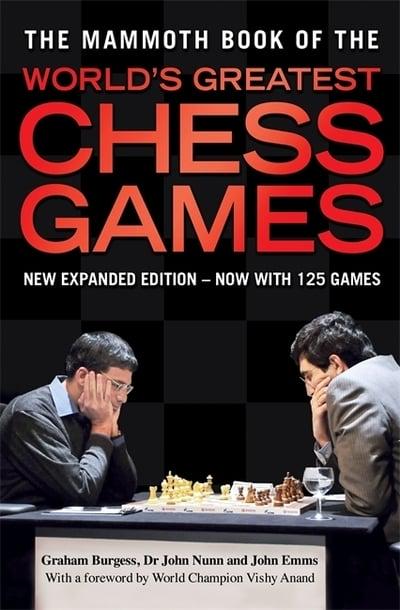
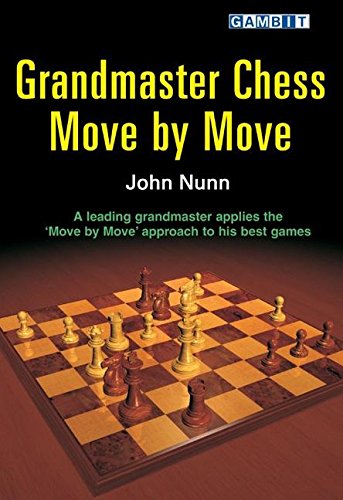
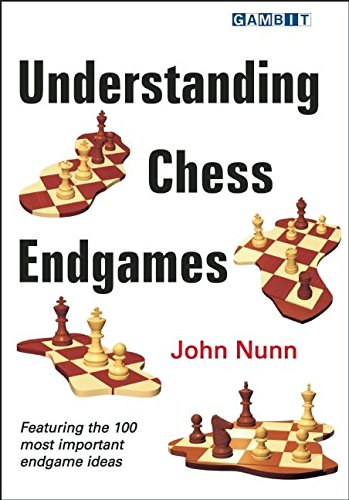
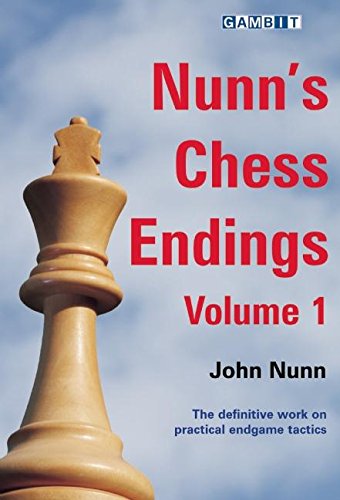
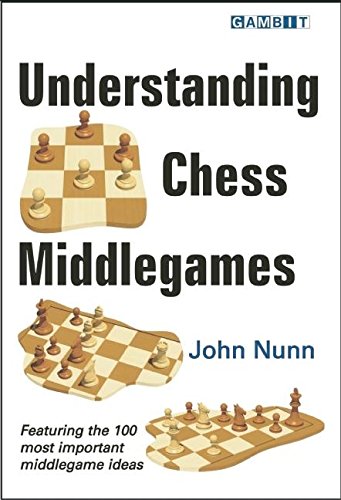
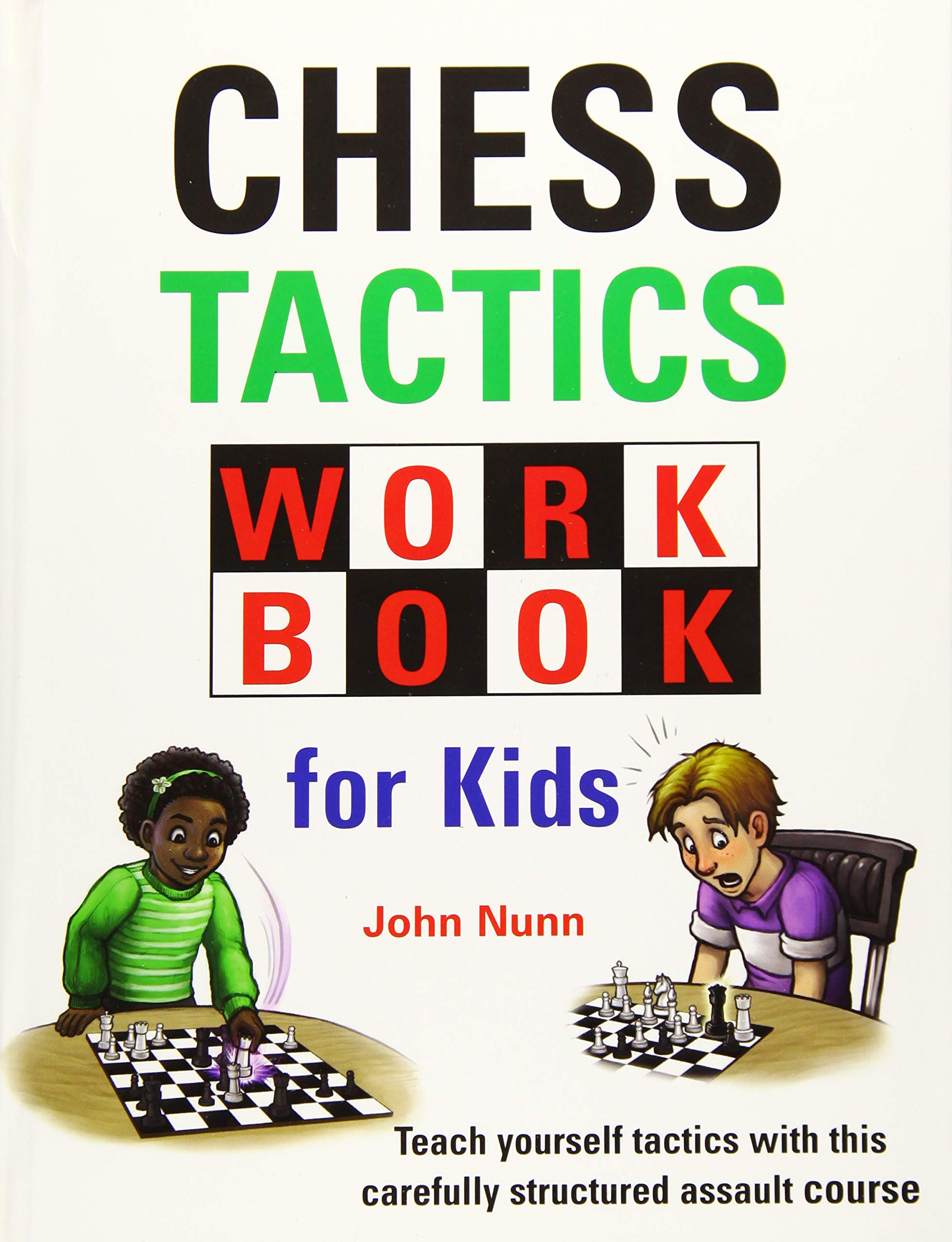
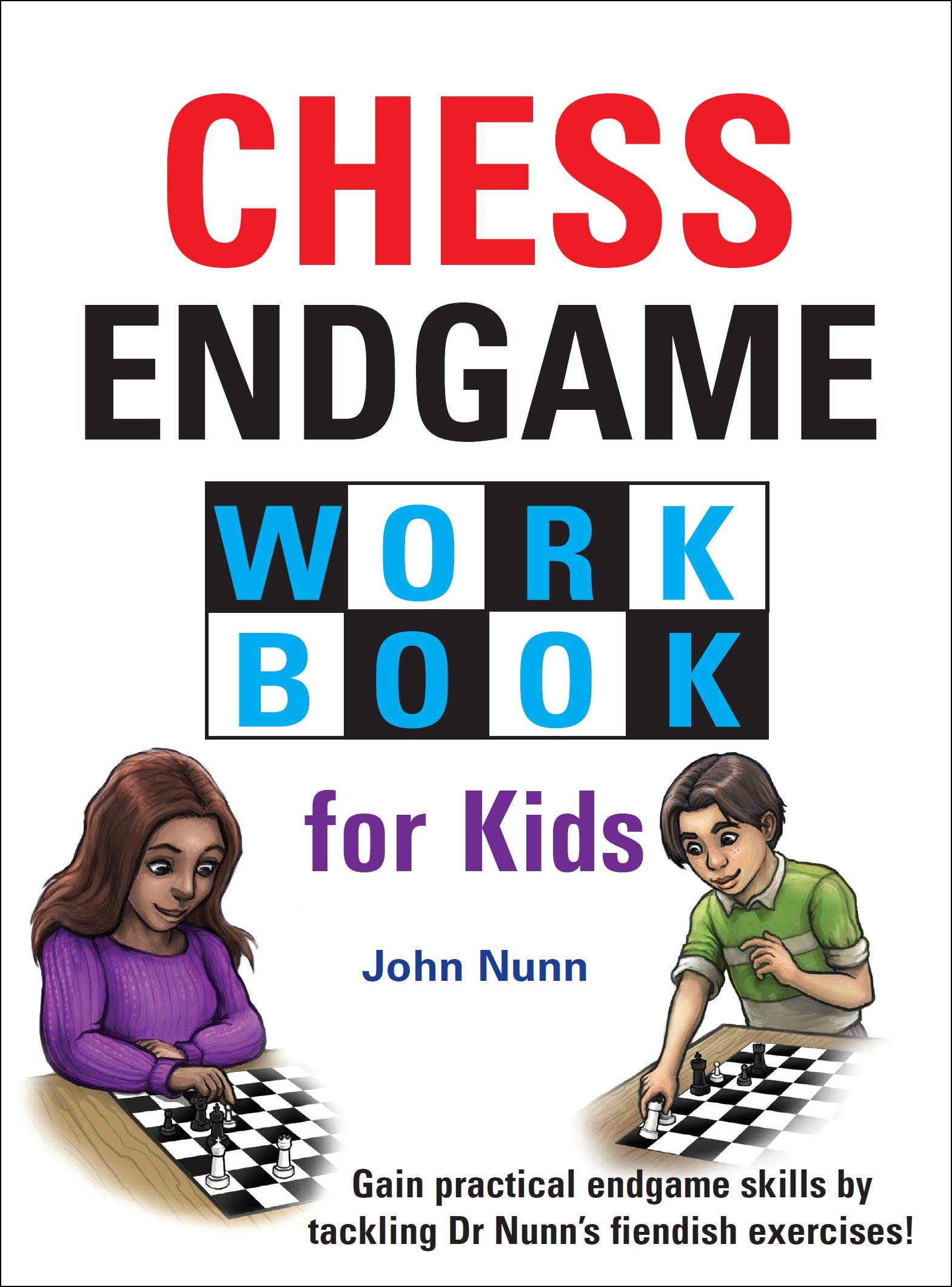
The Benoni for the Tournament PlayerSolving in StyleThe Complete PircSecrets of Rook EndingsSecrets of Pawnless EndingsNew Ideas in the Pirc DefenceBeating the Sicilian 3The King HuntSecrets of Grandmaster ChessSecrets of Practical ChessNunn’s Chess OpeningsJohn Nunn’s Chess Puzzle Book101 Brilliant Chess MiniaturesLearn ChessSecrets of Minor-Piece EndingsUnderstanding Chess Move by MoveJohn Nunn’s Best GamesEndgame ChallengeTactical Chess EndingsLearn Chess TacticsMammoth Book of the World’s Greatest Chess GamesGrandmaster Chess Move by MoveUnderstanding Chess EndgamesNunn’s Chess EndingsUnderstanding Chess MiddlegamesChess Tactics Workbook for Kids
BCN wishes GM John Nunn Happy Birthday (25-iv-1955)
From The Encyclopaedia of Chess by Harry Golombek :
British International master and European Junior Champion, 1975. Born in London, Nunn learned chess at the age of four and soon revealed a great aptitude for the game.
Graham Ladds and John Nunn. See full caption below.Supplied caption for above picture.
He came 6th in the Norwich Junior international tournament in 1970 and went up to Oxford University to take a mathematics degree at a very early age. He played on top board for the University from 1972-6 and is now preparing for a doctorate there.
John DM Nunn
He won the European Junior Championship and with it the international master title in Groningen in 1975. In that year too he was equal first in the IBM Master tournament, and at London in 1975 he reached an international master norm coming 5th in the international tournament there. He played on bottom board at the Haifa Olympiad 1976 and scored 64.2%
GM John Nunn
From The Oxford Companion to Chess by Hooper & Whyld :
English player. International Grandmaster (1978), British champion 1980. He went to Oxford at the unusually young age of 15, graduated in 1973. Gained his B.Sc. the following year and his
doctorate in 1978.
GM John Nunn
A Junior Research Fellow, he lectured in mathematics until 1981 when he became a professional player. By then he had already achieved several good results in international tournaments: Budapest 1978, first; Hastings 1979-80, first (4-5 = 10) equal with Andersson; Baden-bei-Wien 1980, category 12, third (+5=10) after Spassky and Belyavsky: Helsinki 1981, first (+5 = 6) equal with Matulovich; and Wiesbaden 1981, first (+6=3). In the category 12 Wijk aan Zee tournament 1982, Nunn came first ( + 5=7 — 1) equal with Balashov ahead of Tal, Hubner, and Timman and at Helsinki 1983 he came second (+5 = 6) after Karlsson.
Maia Chiburdanidze and John Nunn from Lloyds Bank, 1985
Possessing a remarkably quick sight of the board, Nunn is an expert solver: he made the second highest individual score in the world team solving championship, 1978, and won the solving championship of Great Britain in 1981.
The Benoni for the Tournament PlayerSolving in StyleThe Complete PircSecrets of Rook EndingsSecrets of Pawnless EndingsNew Ideas in the Pirc DefenceBeating the Sicilian 3The King HuntSecrets of Grandmaster ChessSecrets of Practical ChessNunn’s Chess OpeningsJohn Nunn’s Chess Puzzle Book101 Brilliant Chess MiniaturesLearn ChessSecrets of Minor-Piece EndingsUnderstanding Chess Move by MoveJohn Nunn’s Best GamesEndgame ChallengeTactical Chess EndingsLearn Chess TacticsMammoth Book of the World’s Greatest Chess GamesGrandmaster Chess Move by MoveUnderstanding Chess EndgamesNunn’s Chess EndingsUnderstanding Chess MiddlegamesChess Tactics Workbook for Kids
BCN wishes GM John Nunn Happy Birthday (25-iv-1955)
From The Encyclopaedia of Chess by Harry Golombek :
British International master and European Junior Champion, 1975. Born in London, Nunn learned chess at the age of four and soon revealed a great aptitude for the game.
Graham Ladds and John Nunn. See full caption below.Supplied caption for above picture.
He came 6th in the Norwich Junior international tournament in 1970 and went up to Oxford University to take a mathematics degree at a very early age. He played on top board for the University from 1972-6 and is now preparing for a doctorate there.
John DM Nunn
He won the European Junior Championship and with it the international master title in Groningen in 1975. In that year too he was equal first in the IBM Master tournament, and at London in 1975 he reached an international master norm coming 5th in the international tournament there. He played on bottom board at the Haifa Olympiad 1976 and scored 64.2%
GM John Nunn
From The Oxford Companion to Chess by Hooper & Whyld :
English player. International Grandmaster (1978), British champion 1980. He went to Oxford at the unusually young age of 15, graduated in 1973. Gained his B.Sc. the following year and his
doctorate in 1978.
GM John Nunn
A Junior Research Fellow, he lectured in mathematics until 1981 when he became a professional player. By then he had already achieved several good results in international tournaments: Budapest 1978, first; Hastings 1979-80, first (4-5 = 10) equal with Andersson; Baden-bei-Wien 1980, category 12, third (+5=10) after Spassky and Belyavsky: Helsinki 1981, first (+5 = 6) equal with Matulovich; and Wiesbaden 1981, first (+6=3). In the category 12 Wijk aan Zee tournament 1982, Nunn came first ( + 5=7 — 1) equal with Balashov ahead of Tal, Hubner, and Timman and at Helsinki 1983 he came second (+5 = 6) after Karlsson.
Maia Chiburdanidze and John Nunn from Lloyds Bank, 1985
Possessing a remarkably quick sight of the board, Nunn is an expert solver: he made the second highest individual score in the world team solving championship, 1978, and won the solving championship of Great Britain in 1981.
The Benoni for the Tournament PlayerSolving in StyleThe Complete PircSecrets of Rook EndingsSecrets of Pawnless EndingsNew Ideas in the Pirc DefenceBeating the Sicilian 3The King HuntSecrets of Grandmaster ChessSecrets of Practical ChessNunn’s Chess OpeningsJohn Nunn’s Chess Puzzle Book101 Brilliant Chess MiniaturesLearn ChessSecrets of Minor-Piece EndingsUnderstanding Chess Move by MoveJohn Nunn’s Best GamesEndgame ChallengeTactical Chess EndingsLearn Chess TacticsMammoth Book of the World’s Greatest Chess GamesGrandmaster Chess Move by MoveUnderstanding Chess EndgamesNunn’s Chess EndingsUnderstanding Chess MiddlegamesChess Tactics Workbook for Kids
BCN wishes GM John Nunn Happy Birthday (25-iv-1955)
From The Encyclopaedia of Chess by Harry Golombek :
British International master and European Junior Champion, 1975. Born in London, Nunn learned chess at the age of four and soon revealed a great aptitude for the game.
Graham Ladds and John Nunn. See full caption below.Supplied caption for above picture.
He came 6th in the Norwich Junior international tournament in 1970 and went up to Oxford University to take a mathematics degree at a very early age. He played on top board for the University from 1972-6 and is now preparing for a doctorate there.
John DM Nunn
He won the European Junior Championship and with it the international master title in Groningen in 1975. In that year too he was equal first in the IBM Master tournament, and at London in 1975 he reached an international master norm coming 5th in the international tournament there. He played on bottom board at the Haifa Olympiad 1976 and scored 64.2%
GM John Nunn
From The Oxford Companion to Chess by Hooper & Whyld :
English player. International Grandmaster (1978), British champion 1980. He went to Oxford at the unusually young age of 15, graduated in 1973. Gained his B.Sc. the following year and his
doctorate in 1978.
GM John Nunn
A Junior Research Fellow, he lectured in mathematics until 1981 when he became a professional player. By then he had already achieved several good results in international tournaments: Budapest 1978, first; Hastings 1979-80, first (4-5 = 10) equal with Andersson; Baden-bei-Wien 1980, category 12, third (+5=10) after Spassky and Belyavsky: Helsinki 1981, first (+5 = 6) equal with Matulovich; and Wiesbaden 1981, first (+6=3). In the category 12 Wijk aan Zee tournament 1982, Nunn came first ( + 5=7 — 1) equal with Balashov ahead of Tal, Hubner, and Timman and at Helsinki 1983 he came second (+5 = 6) after Karlsson.
Maia Chiburdanidze and John Nunn from Lloyds Bank, 1985
Possessing a remarkably quick sight of the board, Nunn is an expert solver: he made the second highest individual score in the world team solving championship, 1978, and won the solving championship of Great Britain in 1981.
The Benoni for the Tournament PlayerSolving in StyleThe Complete PircSecrets of Rook EndingsSecrets of Pawnless EndingsNew Ideas in the Pirc DefenceBeating the Sicilian 3The King HuntSecrets of Grandmaster ChessSecrets of Practical ChessNunn’s Chess OpeningsJohn Nunn’s Chess Puzzle Book101 Brilliant Chess MiniaturesLearn ChessSecrets of Minor-Piece EndingsUnderstanding Chess Move by MoveJohn Nunn’s Best GamesEndgame ChallengeTactical Chess EndingsLearn Chess TacticsMammoth Book of the World’s Greatest Chess GamesGrandmaster Chess Move by MoveUnderstanding Chess EndgamesNunn’s Chess EndingsUnderstanding Chess MiddlegamesChess Tactics Workbook for Kids
BCN wishes GM John Nunn Happy Birthday (25-iv-1955)
From The Encyclopaedia of Chess by Harry Golombek :
British International master and European Junior Champion, 1975. Born in London, Nunn learned chess at the age of four and soon revealed a great aptitude for the game.
Graham Ladds and John Nunn. See full caption below.Supplied caption for above picture.
He came 6th in the Norwich Junior international tournament in 1970 and went up to Oxford University to take a mathematics degree at a very early age. He played on top board for the University from 1972-6 and is now preparing for a doctorate there.
John DM Nunn
He won the European Junior Championship and with it the international master title in Groningen in 1975. In that year too he was equal first in the IBM Master tournament, and at London in 1975 he reached an international master norm coming 5th in the international tournament there. He played on bottom board at the Haifa Olympiad 1976 and scored 64.2%
GM John Nunn
From The Oxford Companion to Chess by Hooper & Whyld :
English player. International Grandmaster (1978), British champion 1980. He went to Oxford at the unusually young age of 15, graduated in 1973. Gained his B.Sc. the following year and his
doctorate in 1978.
GM John Nunn
A Junior Research Fellow, he lectured in mathematics until 1981 when he became a professional player. By then he had already achieved several good results in international tournaments: Budapest 1978, first; Hastings 1979-80, first (4-5 = 10) equal with Andersson; Baden-bei-Wien 1980, category 12, third (+5=10) after Spassky and Belyavsky: Helsinki 1981, first (+5 = 6) equal with Matulovich; and Wiesbaden 1981, first (+6=3). In the category 12 Wijk aan Zee tournament 1982, Nunn came first ( + 5=7 — 1) equal with Balashov ahead of Tal, Hubner, and Timman and at Helsinki 1983 he came second (+5 = 6) after Karlsson.
Maia Chiburdanidze and John Nunn from Lloyds Bank, 1985
Possessing a remarkably quick sight of the board, Nunn is an expert solver: he made the second highest individual score in the world team solving championship, 1978, and won the solving championship of Great Britain in 1981.
The Benoni for the Tournament PlayerSolving in StyleThe Complete PircSecrets of Rook EndingsSecrets of Pawnless EndingsNew Ideas in the Pirc DefenceBeating the Sicilian 3The King HuntSecrets of Grandmaster ChessSecrets of Practical ChessNunn’s Chess OpeningsJohn Nunn’s Chess Puzzle Book101 Brilliant Chess MiniaturesLearn ChessSecrets of Minor-Piece EndingsUnderstanding Chess Move by MoveJohn Nunn’s Best GamesEndgame ChallengeTactical Chess EndingsLearn Chess TacticsMammoth Book of the World’s Greatest Chess GamesGrandmaster Chess Move by MoveUnderstanding Chess EndgamesNunn’s Chess EndingsUnderstanding Chess MiddlegamesChess Tactics Workbook for Kids
BCN remembers Harold Murray who passed away on Monday, May 16th, 1955.
Harold James Ruthven Murray was born on Wednesday, 24th June 1868 in Camberwell, London. He was the eldest son of Sir James Augustus Henry Murray 1837–1915 and Ada Agnes Ruthven 1845–1936. Sir James was famously the first editor of the Oxford English Dictionary.
From British Chess Magazine, Volume LXXV (125, 1955), Number 8 (August), pp. 233-4 we have this obituary from DJ Morgan:
“The great historian of chess died in May last, at the age of eighty-six. Some of the early results of his researches into the origins of the game were published in this magazine, and a reference to the “B.C.M.” volumes for the first fifteen years of this century will reveal a wealth of articles of permanent value. A tribute to our late and
distinguished contributor has been unavoidably delayed.
Murray was the eldest son of Sir James A. H. Murray, the pioneering editor of the great Oxford English Dictionary, and was born in Camberwell on June 24th, 1868. He went to Mill Hill School, took an Open Mathematical Exhibition to Balliol College, Oxford, and left the University, in 1890, with a First Class in the Final Mathematical School. Subsequently, teaching engagements took him to Taunton, Carlisle, and Ormskirk. From 1891 to 1900 he was Headmaster of Ormskirk Grammar School, which he left to become a Board of Education Inspector of Schools.
Taunton gave him an enthusiasm for chess. At Ormskirk he helped to found a club, which he captained from 1896 to 1900. His interest in the history of the game had been aroused in 1893, and when, in 1897, he received encouragement from such a notable authority as Baron von der Lasa, historical research became his ruling passion. In his own words his aim was to trace the development of the modern European game from the first appearance of its ancestor, the Indian chaturanga, in the beginning of the seventh century of our era.
Many books had been written on the history of chess, but none had covered exactly the whole story as he envisaged it. Hyde, in 1694, and another Englishman, Forbes, in 1860, had in the main confined their attention to Oriental chess. Other investigators, such as Sir William Jones on Indian chess (1790), Cox on Burma chess (1803 and 1807), and Bland on Persian chess (1852), had published their conclusions in journals of Asiatic studies. The great German writer, von der Lasa, in 1897, treated almost exclusively of the European game. Van der Linde alone had dealt with both Oriental and European chess, but it was in three distinct works (1874-81).
Van der Linde was able to incorporate the results of Weber’s examination of the early references to chess in Sanskrit literature, and to show that Forbes’s History was both inaccurate and misleading.
Since the publication of Linde’s Geschichte there had been many additions to our knowledge of various aspects of chess history, mostly scattered in isolated papers. So, continues Murray, he set about collecting and collating all available material and making it easily accessible to English readers.
Murray was able to call on the help of acknowledged scholars in the many languages, obsolete and obsolescent, into which his researches led him. Above all, his work was largely based upon his own studies of original materials. The manuscripts and rare books in the unrivalled collections of J. G. White, of Cleveland, Ohio, and of J. W. Rimington Wilson in this country, were placed unreservedly at his disposal, as were the resources of other collectors and libraries.
As an example of his devotion to his work, he made a thorough study of Arabic, and it was his knowledge of this language which enabled him to make his remarkable discovery of the chess-work of Allajlaj, a Mohammedan chess master of the tenth century. The fascinating story of the recovery of these oldest recorded games is told in the “British Chess Magazine” of November, 1903.
Murray thus brought a fine scholarship to his immense task. He had, in addition, the true historian’s gifts of meticulous research, of grasp of detail, of the critical sifting of evidence; to this scientific technique was added the art of lucid exposition.
In his hands, it can be said, the chess-player’s elements of time, space, and material were used to range through most of the centuries of the Christian era.
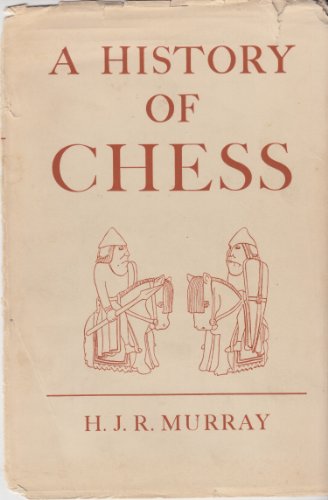
A History of Chess
The History appeared in 1913, from the same University Press, he was proud to think which, more than 200 years before, had published Thomas Hyde’s Mondragorios seu Historia Shohiludii. The huge volume of 900 pages, lavishly illustrated and with scores of chess diagrams, was received with world-wide acclamation. From ancient “Indian Board-games” to “Steinitz and his School,” the vast field had been covered with great authority. The book is in two parts, “Chess in Asia” and “Chess in Europe,” but through it all runs the absorbing story of how the game, in play and in problem, in its practice and in its laws, has developed and spread. From India to Persia, to Islam as a result of the Mohammedan conquest of Persia, from Islam to Spain, and thence to Christian Europe, chess has followed the great political and religious movements. It is very improbable that chess was played in England before the Norman Conquest. That it was familiar to the Norman Kings in the eleventh century is certain from the evidence of the word exchequer, which was applied to the table “upon which the accounts were worked out by means of a cloth divided into strips about a footwide, on which counters, representing the moneys, were placed and moved.”
This must suffice. The work is one to browse in and to dip into through the years. Murray has left an enduring monument, the greatest book ever written on the game. We can but touch briefly on other aspects of his varied and active life. Following his retirement from the Board of Education, in 1928, he took an active interest in Local Government work. He became Chairman of the Fernhurst Parish Council, and was a member of the Midhurst R.D.C., 1931-55, being Chairmain of its Housing
Committee from 1938 to 1948.
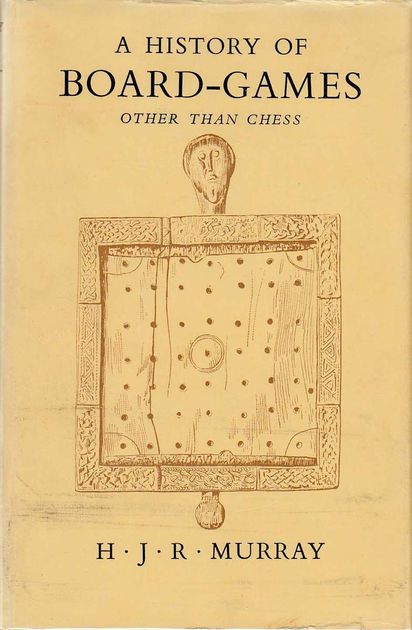
In 1952 he published A History of Board Gomes Other Than Chess.
A History of Board Games other than Chess
He also wrote a Shorter History of Chessand a History of Draughts (both unpublished), and spent much time working on mathematical problems connected with Knights’ Tours and Magic Tours. His work on these investigations is also unpublished, but a good deal remains in typescript in fairly complete form.
Apart from his interest in board games and mathematics, he was interested in genealogy, and did research on his own and his wife’s families. Up to his death he was working on local history and was writing a history of Heyshott, the village to which he retired. Walking, in his younger days, and bird-watching in his middle years, were amongst his otter recreations.
A game of chess he. always enjoyed, but not under the rigorous conditions of matches and tournaments.
His son, Major D. M. J. Murray, Royal Engineers, was killed in Hong Kong in 1941. The chess world’s sympathy with his second son Mr. K.C. Murray of the Antiquities Service, Nigeria, and with his daughter, Miss K. M. E. Murray, M.A., Principal of the Bishop
Otter College, Chichester, is but a small expression of its sense of indebtedness to their distinguished father.-D. J. M.”
Following this obituary a letter from Alex Hammond appeared in British Chess Magazine, Volume LXXV (125, 1955), Number 9 (September), page 270 as follows:
“Dear Mr. Reilly,
Murray was, indeed a very great man, though a few of us were privileged to know him intimately, as his nature was shy and retiring.
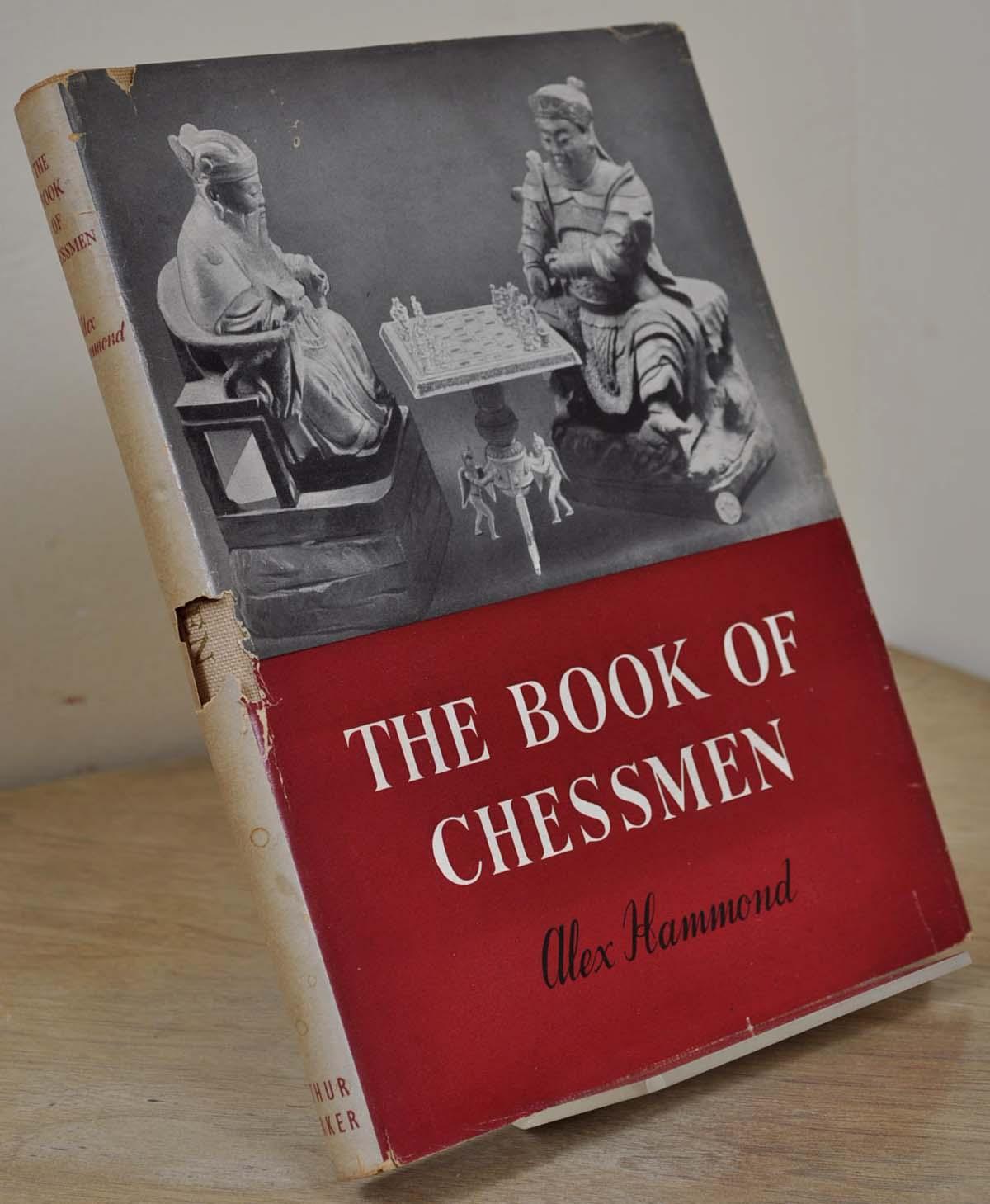
For myself, I shall always treasure his memory, as when I wrote my The Book of Chessmen he gave me freely of his knowledge, and saved me from many errors.
Any person who attempts to write on chess history will always find real difficulty in discovering anything of interest which does not appear in his monumental “History.”
Probably his like will not be seen again, as such patient industry, deep knowledge, and tremendous perseverance are unlikely to be combined in a single personage again.
Yours sincerely,
Alex Hammond
16 Burlington Arcade, London, W1
The Book of Chessmen, Alexander Hammond, Arthur Barker Ltd., London, 1950
From The Oxford Companion to Chess (Oxford University Press, 1984 & 1996) by Hooper & Whyld:
“Foremost chess historian, school inspector. His A History of Chess (1913), perhaps the most important chess book in English, was the result of about 14 years of research inspired by Lasa, and grounded on van der Linde’s work. During that period Murray contributed 35 articles to the British Chess Magazine , some of which outlined his discoveries. Most of the 900-page History is concerned with the evolution of modern chess from its oriental precursor up to the 17th century. He learned Arabic so that he could read important manuscripts, and in addition to his own circle he was able to solicit help from colleagues of his father Sir James A. H. Murray, editor-in-chief of the Oxford English Dictionary; who was also aided by J. G. White, with both advice and the loan of rare books from the Cleveland collection, and by many others. His book includes an authoritative account of both Mansubat and medieval problems. (See also history of chess.) In 1952 he published a companion volume, A History of Board Games other than Chess.
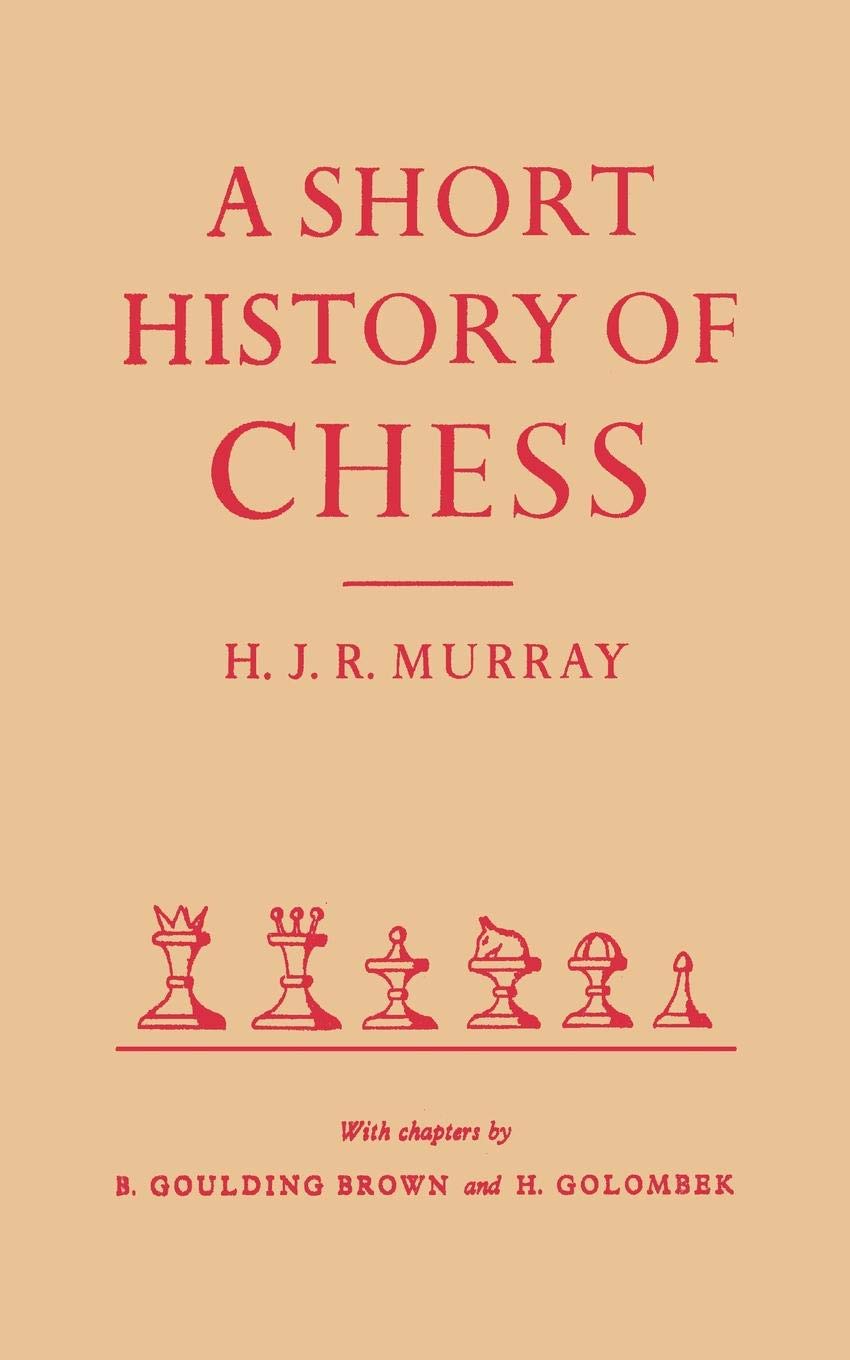
While the scholarship of his chess book has never been questioned it is too detailed for the average chess-player. Aware of this problem, Murray wrote a briefer work approaching the topic in a more popular way. The manuscript, unfinished at his death, was completed and published in 1963 as A Short History of Chess. (See Civis Bononiae.)
“Chess historian and a Board of Education Inspector of Schools. Appropriately enough, a son of the pioneering editor of the great Oxford English Dictionary, he became interested in the history of chess in the early 1890s. Up to this time the historical writings on chess in English had been unhistorical. In order to fit himself for the task Murray learned several languages including Arabic and he also studied the true historians of chess, the German writers, Van der Linde and Von der Lassa.
In his own words his aim was to trace the development of the modern European game from the first appearance of its ancestor, the Indian chaturanga, in the beginning of the seventh century of our era. This he did in a vast work of some 900 pages published in Oxford in 1913. An immense amount of painstaking research had gone into the work and only a man of Murray’s great learning could have attempted it.
It at once became the standard book on the subject and has remained so ever since. Murray left behind among his papers an unfinished work A Short History of Chess which took the history of the game up to 1866 which gave a clearer and more readable account of the history of the game than his main work. This was brought up to date by Goulding-Brown and Golombek and published in Oxford in 1963.”
From The Encyclopaedia of Chess (Robert Hale, 1970 &1976), Anne Sunnucks :
“The chess historian who wrote the History of Chess, published by Oxford University Press in 1913. Murray was born in Camberwell on 24th June, 1868, the eldest son of Sir James Murray, the first editor of the Oxford English Dictionary. After graduating from Balliol College, Oxford, with a First Class in the Final Mathematical School, in 1890 Murray became a master at Queen’s College, Taunton, where he learned to play chess. He later taught at Carlisle Grammar School and in 1896 became the headmaster of Ormskirk Grammar School. About 1893 his interest in the history of the game was aroused, and four years later, encouraged by the great German writer and authority on the game, Baron Von der Lasa, his historical researches began.
From 1901-1928 he was a Board of Education Inspector of Schools, an appointment which made it difficult for him to play much chess. He began to turn his attention more and more to the history of the game, contributing articles to The British Chess Magazine and Deutsches Wochenschach. He made the acquaintance of J. J. White of Cleveland, Ohio, owner of the largest chess library in the world, and was given access to this collection, as well as one owned by J. W. Rimington Wilson in England. White’s library contained a number of Arabic manuscripts, and, in order to be able to study them, Murray learned Arabic. The History of Chess took him 13 years to complete.
On his retirement from the Board of Education, Murray served as Chairman of Fernhurst Parish Council and was a member of Midhurst R.D.C. from 1931-1955 and was Chairman of its Housing Committee from 1938-1948. His other interests, apart from chess, were genealogy, local history, walking and bird watching. In 1952 he published A History of Board Games Other than Chess.
After his death A Short History of Chess was found uncompleted among his papers. Additional chapters were added by B. Goulding Brown and H. Golombek, and it was published in 1963.”
(Bertram Goulding Brown was a tournament chess player and a contributor to British Chess Magazine. He was born 5 July 1881 and died 22 August 1965 in the United Kingdom.)
“Harold James Ruthven Murray was born on 24 June 1868. His first book A History of Chess was published by Oxford University Press in 1913. Murray covered the first 1,400 years of the game’s history in definitive detail. He died on 16 May 1955. He left several more manuscripts which are being held by Oxford University.”
According to Edward Winter in Chess Notes HJRM lived 53 Hagley Road, Edgbaston, Birmingham, England (Ranneforths Schach-Kalender, 1915, page 71).
BCN remembers Harold Murray who passed away on Monday, May 16th, 1955.
Harold James Ruthven Murray was born on Wednesday, 24th June 1868 in Camberwell, London. He was the eldest son of Sir James Augustus Henry Murray 1837–1915 and Ada Agnes Ruthven 1845–1936. Sir James was famously the first editor of the Oxford English Dictionary.
From British Chess Magazine, Volume LXXV (125, 1955), Number 8 (August), pp. 233-4 we have this obituary from DJ Morgan:
“The great historian of chess died in May last, at the age of eighty-six. Some of the early results of his researches into the origins of the game were published in this magazine, and a reference to the “B.C.M.” volumes for the first fifteen years of this century will reveal a wealth of articles of permanent value. A tribute to our late and
distinguished contributor has been unavoidably delayed.
Murray was the eldest son of Sir James A. H. Murray, the pioneering editor of the great Oxford English Dictionary, and was born in Camberwell on June 24th, 1868. He went to Mill Hill School, took an Open Mathematical Exhibition to Balliol College, Oxford, and left the University, in 1890, with a First Class in the Final Mathematical School. Subsequently, teaching engagements took him to Taunton, Carlisle, and Ormskirk. From 1891 to 1900 he was Headmaster of Ormskirk Grammar School, which he left to become a Board of Education Inspector of Schools.
Taunton gave him an enthusiasm for chess. At Ormskirk he helped to found a club, which he captained from 1896 to 1900. His interest in the history of the game had been aroused in 1893, and when, in 1897, he received encouragement from such a notable authority as Baron von der Lasa, historical research became his ruling passion. In his own words his aim was to trace the development of the modern European game from the first appearance of its ancestor, the Indian chaturanga, in the beginning of the seventh century of our era.
Many books had been written on the history of chess, but none had covered exactly the whole story as he envisaged it. Hyde, in 1694, and another Englishman, Forbes, in 1860, had in the main confined their attention to Oriental chess. Other investigators, such as Sir William Jones on Indian chess (1790), Cox on Burma chess (1803 and 1807), and Bland on Persian chess (1852), had published their conclusions in journals of Asiatic studies. The great German writer, von der Lasa, in 1897, treated almost exclusively of the European game. Van der Linde alone had dealt with both Oriental and European chess, but it was in three distinct works (1874-81).
Van der Linde was able to incorporate the results of Weber’s examination of the early references to chess in Sanskrit literature, and to show that Forbes’s History was both inaccurate and misleading.
Since the publication of Linde’s Geschichte there had been many additions to our knowledge of various aspects of chess history, mostly scattered in isolated papers. So, continues Murray, he set about collecting and collating all available material and making it easily accessible to English readers.
Murray was able to call on the help of acknowledged scholars in the many languages, obsolete and obsolescent, into which his researches led him. Above all, his work was largely based upon his own studies of original materials. The manuscripts and rare books in the unrivalled collections of J. G. White, of Cleveland, Ohio, and of J. W. Rimington Wilson in this country, were placed unreservedly at his disposal, as were the resources of other collectors and libraries.
As an example of his devotion to his work, he made a thorough study of Arabic, and it was his knowledge of this language which enabled him to make his remarkable discovery of the chess-work of Allajlaj, a Mohammedan chess master of the tenth century. The fascinating story of the recovery of these oldest recorded games is told in the “British Chess Magazine” of November, 1903.
Murray thus brought a fine scholarship to his immense task. He had, in addition, the true historian’s gifts of meticulous research, of grasp of detail, of the critical sifting of evidence; to this scientific technique was added the art of lucid exposition.
In his hands, it can be said, the chess-player’s elements of time, space, and material were used to range through most of the centuries of the Christian era.
A History of Chess
The History appeared in 1913, from the same University Press, he was proud to think which, more than 200 years before, had published Thomas Hyde’s Mondragorios seu Historia Shohiludii. The huge volume of 900 pages, lavishly illustrated and with scores of chess diagrams, was received with world-wide acclamation. From ancient “Indian Board-games” to “Steinitz and his School,” the vast field had been covered with great authority. The book is in two parts, “Chess in Asia” and “Chess in Europe,” but through it all runs the absorbing story of how the game, in play and in problem, in its practice and in its laws, has developed and spread. From India to Persia, to Islam as a result of the Mohammedan conquest of Persia, from Islam to Spain, and thence to Christian Europe, chess has followed the great political and religious movements. It is very improbable that chess was played in England before the Norman Conquest. That it was familiar to the Norman Kings in the eleventh century is certain from the evidence of the word exchequer, which was applied to the table “upon which the accounts were worked out by means of a cloth divided into strips about a footwide, on which counters, representing the moneys, were placed and moved.”
This must suffice. The work is one to browse in and to dip into through the years. Murray has left an enduring monument, the greatest book ever written on the game. We can but touch briefly on other aspects of his varied and active life. Following his retirement from the Board of Education, in 1928, he took an active interest in Local Government work. He became Chairman of the Fernhurst Parish Council, and was a member of the Midhurst R.D.C., 1931-55, being Chairmain of its Housing
Committee from 1938 to 1948.
In 1952 he published A History of Board Gomes Other Than Chess.
A History of Board Games other than Chess
He also wrote a Shorter History of Chessand a History of Draughts (both unpublished), and spent much time working on mathematical problems connected with Knights’ Tours and Magic Tours. His work on these investigations is also unpublished, but a good deal remains in typescript in fairly complete form.
Apart from his interest in board games and mathematics, he was interested in genealogy, and did research on his own and his wife’s families. Up to his death he was working on local history and was writing a history of Heyshott, the village to which he retired. Walking, in his younger days, and bird-watching in his middle years, were amongst his otter recreations.
A game of chess he. always enjoyed, but not under the rigorous conditions of matches and tournaments.
His son, Major D. M. J. Murray, Royal Engineers, was killed in Hong Kong in 1941. The chess world’s sympathy with his second son Mr. K.C. Murray of the Antiquities Service, Nigeria, and with his daughter, Miss K. M. E. Murray, M.A., Principal of the Bishop
Otter College, Chichester, is but a small expression of its sense of indebtedness to their distinguished father.-D. J. M.”
Following this obituary a letter from Alex Hammond appeared in British Chess Magazine, Volume LXXV (125, 1955), Number 9 (September), page 270 as follows:
“Dear Mr. Reilly,
Murray was, indeed a very great man, though a few of us were privileged to know him intimately, as his nature was shy and retiring.
For myself, I shall always treasure his memory, as when I wrote my The Book of Chessmen he gave me freely of his knowledge, and saved me from many errors.
Any person who attempts to write on chess history will always find real difficulty in discovering anything of interest which does not appear in his monumental “History.”
Probably his like will not be seen again, as such patient industry, deep knowledge, and tremendous perseverance are unlikely to be combined in a single personage again.
Yours sincerely,
Alex Hammond
16 Burlington Arcade, London, W1
The Book of Chessmen, Alexander Hammond, Arthur Barker Ltd., London, 1950
From The Oxford Companion to Chess (Oxford University Press, 1984 & 1996) by Hooper & Whyld:
“Foremost chess historian, school inspector. His A History of Chess (1913), perhaps the most important chess book in English, was the result of about 14 years of research inspired by Lasa, and grounded on van der Linde’s work. During that period Murray contributed 35 articles to the British Chess Magazine , some of which outlined his discoveries. Most of the 900-page History is concerned with the evolution of modern chess from its oriental precursor up to the 17th century. He learned Arabic so that he could read important manuscripts, and in addition to his own circle he was able to solicit help from colleagues of his father Sir James A. H. Murray, editor-in-chief of the Oxford English Dictionary; who was also aided by J. G. White, with both advice and the loan of rare books from the Cleveland collection, and by many others. His book includes an authoritative account of both Mansubat and medieval problems. (See also history of chess.) In 1952 he published a companion volume, A History of Board Games other than Chess.
While the scholarship of his chess book has never been questioned it is too detailed for the average chess-player. Aware of this problem, Murray wrote a briefer work approaching the topic in a more popular way. The manuscript, unfinished at his death, was completed and published in 1963 as A Short History of Chess. (See Civis Bononiae.)
“Chess historian and a Board of Education Inspector of Schools. Appropriately enough, a son of the pioneering editor of the great Oxford English Dictionary, he became interested in the history of chess in the early 1890s. Up to this time the historical writings on chess in English had been unhistorical. In order to fit himself for the task Murray learned several languages including Arabic and he also studied the true historians of chess, the German writers, Van der Linde and Von der Lassa.
In his own words his aim was to trace the development of the modern European game from the first appearance of its ancestor, the Indian chaturanga, in the beginning of the seventh century of our era. This he did in a vast work of some 900 pages published in Oxford in 1913. An immense amount of painstaking research had gone into the work and only a man of Murray’s great learning could have attempted it.
It at once became the standard book on the subject and has remained so ever since. Murray left behind among his papers an unfinished work A Short History of Chess which took the history of the game up to 1866 which gave a clearer and more readable account of the history of the game than his main work. This was brought up to date by Goulding-Brown and Golombek and published in Oxford in 1963.”
From The Encyclopaedia of Chess (Robert Hale, 1970 &1976), Anne Sunnucks :
“The chess historian who wrote the History of Chess, published by Oxford University Press in 1913. Murray was born in Camberwell on 24th June, 1868, the eldest son of Sir James Murray, the first editor of the Oxford English Dictionary. After graduating from Balliol College, Oxford, with a First Class in the Final Mathematical School, in 1890 Murray became a master at Queen’s College, Taunton, where he learned to play chess. He later taught at Carlisle Grammar School and in 1896 became the headmaster of Ormskirk Grammar School. About 1893 his interest in the history of the game was aroused, and four years later, encouraged by the great German writer and authority on the game, Baron Von der Lasa, his historical researches began.
From 1901-1928 he was a Board of Education Inspector of Schools, an appointment which made it difficult for him to play much chess. He began to turn his attention more and more to the history of the game, contributing articles to The British Chess Magazine and Deutsches Wochenschach. He made the acquaintance of J. J. White of Cleveland, Ohio, owner of the largest chess library in the world, and was given access to this collection, as well as one owned by J. W. Rimington Wilson in England. White’s library contained a number of Arabic manuscripts, and, in order to be able to study them, Murray learned Arabic. The History of Chess took him 13 years to complete.
On his retirement from the Board of Education, Murray served as Chairman of Fernhurst Parish Council and was a member of Midhurst R.D.C. from 1931-1955 and was Chairman of its Housing Committee from 1938-1948. His other interests, apart from chess, were genealogy, local history, walking and bird watching. In 1952 he published A History of Board Games Other than Chess.
After his death A Short History of Chess was found uncompleted among his papers. Additional chapters were added by B. Goulding Brown and H. Golombek, and it was published in 1963.”
(Bertram Goulding Brown was a tournament chess player and a contributor to British Chess Magazine. He was born 5 July 1881 and died 22 August 1965 in the United Kingdom.)
“Harold James Ruthven Murray was born on 24 June 1868. His first book A History of Chess was published by Oxford University Press in 1913. Murray covered the first 1,400 years of the game’s history in definitive detail. He died on 16 May 1955. He left several more manuscripts which are being held by Oxford University.”
According to Edward Winter in Chess Notes HJRM lived 53 Hagley Road, Edgbaston, Birmingham, England (Ranneforths Schach-Kalender, 1915, page 71).
We focus on the British Chess Scene Past & Present!
This website uses cookies to improve your experience. We'll assume you're ok with this, but you can opt-out if you wish. Cookie settingsACCEPT
Privacy & Cookies Policy
Privacy Overview
This website uses cookies to improve your experience while you navigate through the website. Out of these cookies, the cookies that are categorized as necessary are stored on your browser as they are as essential for the working of basic functionalities of the website. We also use third-party cookies that help us analyze and understand how you use this website. These cookies will be stored in your browser only with your consent. You also have the option to opt-out of these cookies. But opting out of some of these cookies may have an effect on your browsing experience.
Necessary cookies are absolutely essential for the website to function properly. This category only includes cookies that ensures basic functionalities and security features of the website. These cookies do not store any personal information.
 Save as PDF