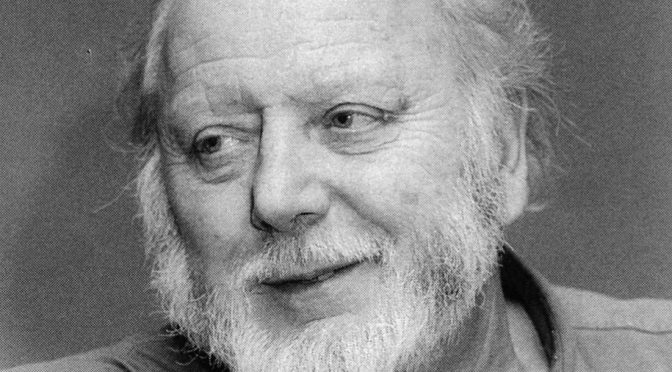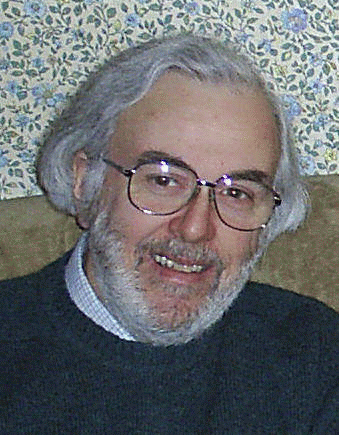
Birthday of Christopher John Feather (24-iii-1947)
 Save as PDF

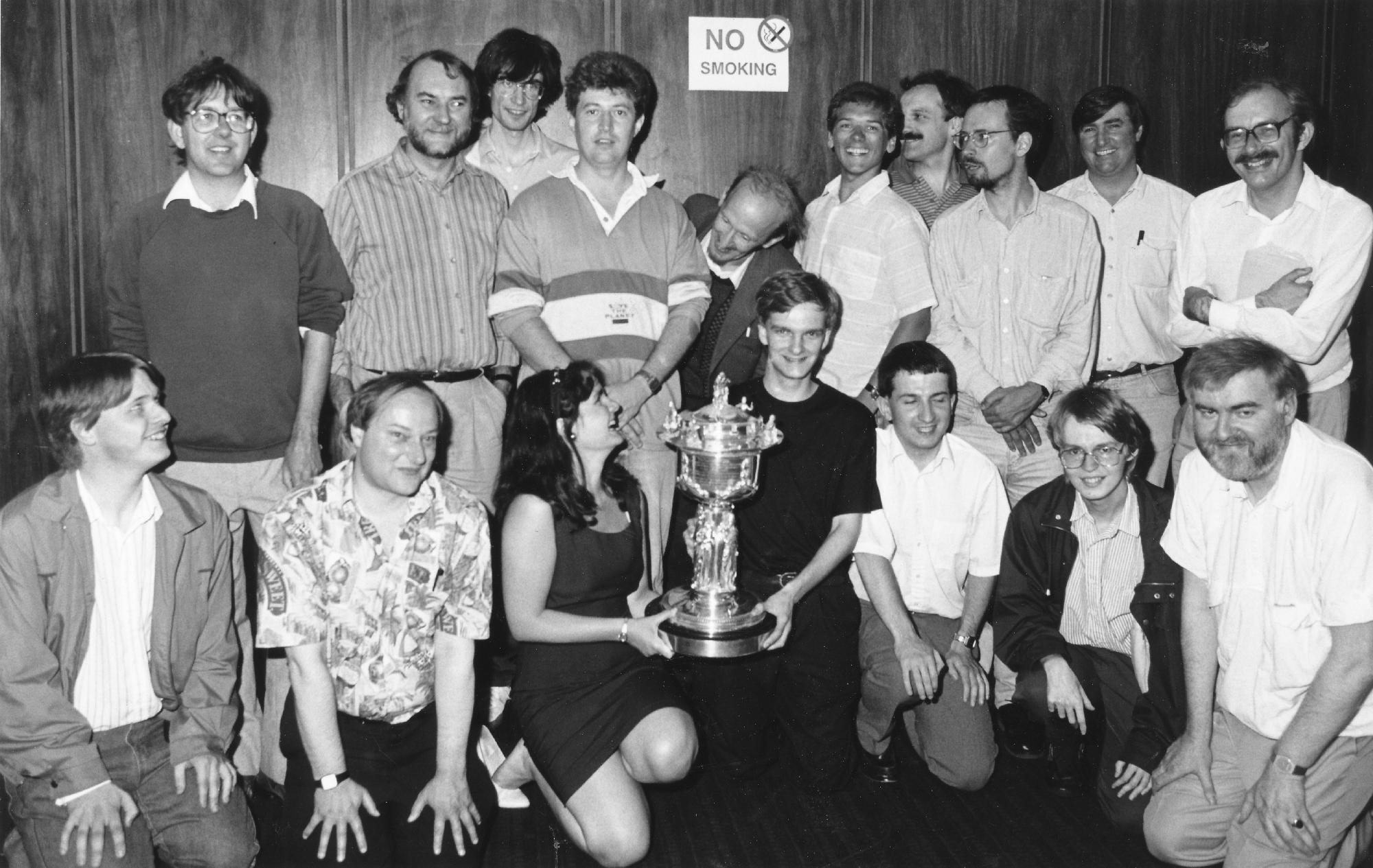
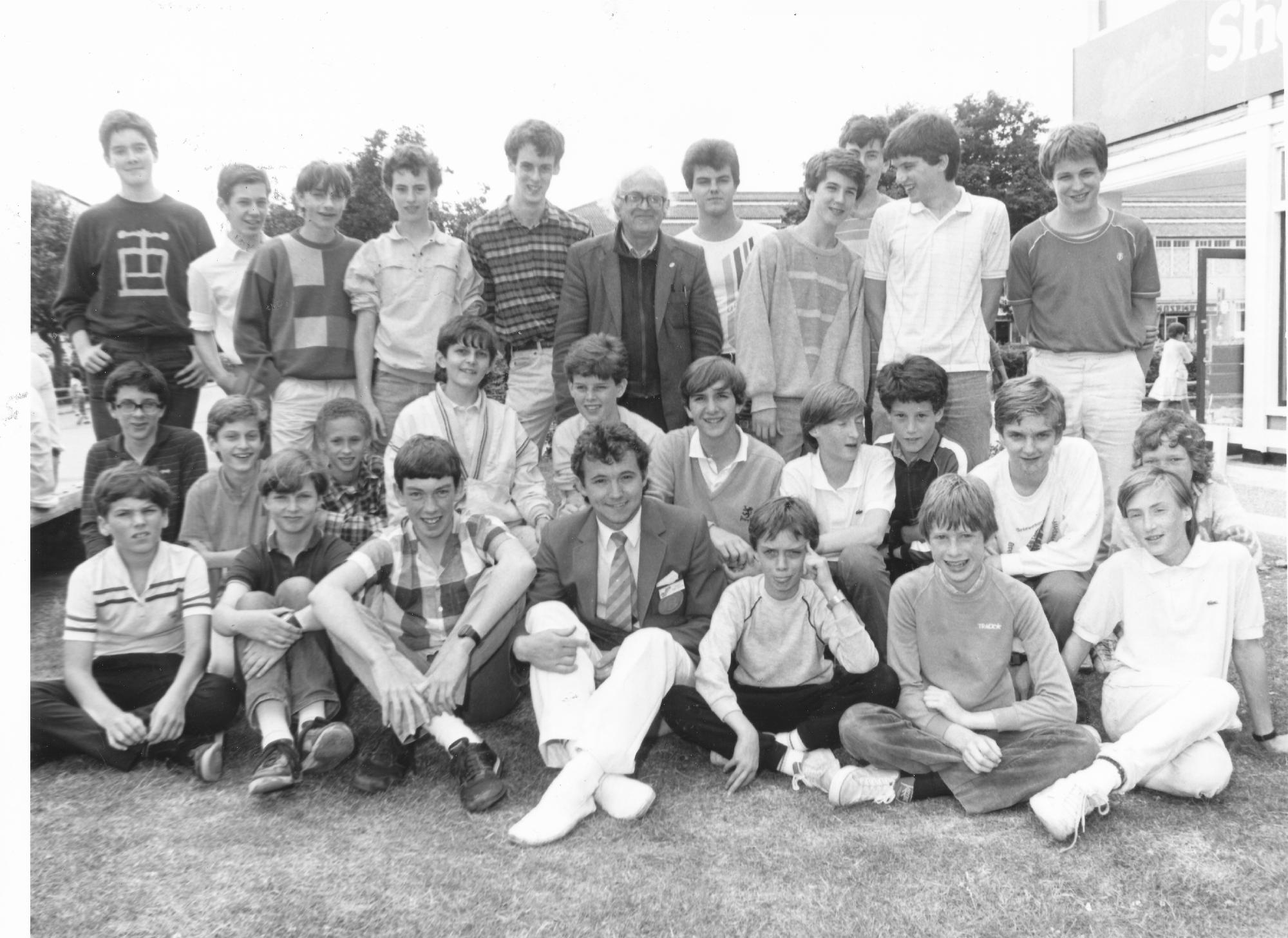
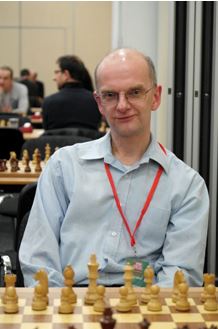
BCN wishes Happy Birthday to IM Lawrence Cooper (16-vii-1970)
Lawrence was born in Stone, Staffordshire and attend Walton High School, Stafford.
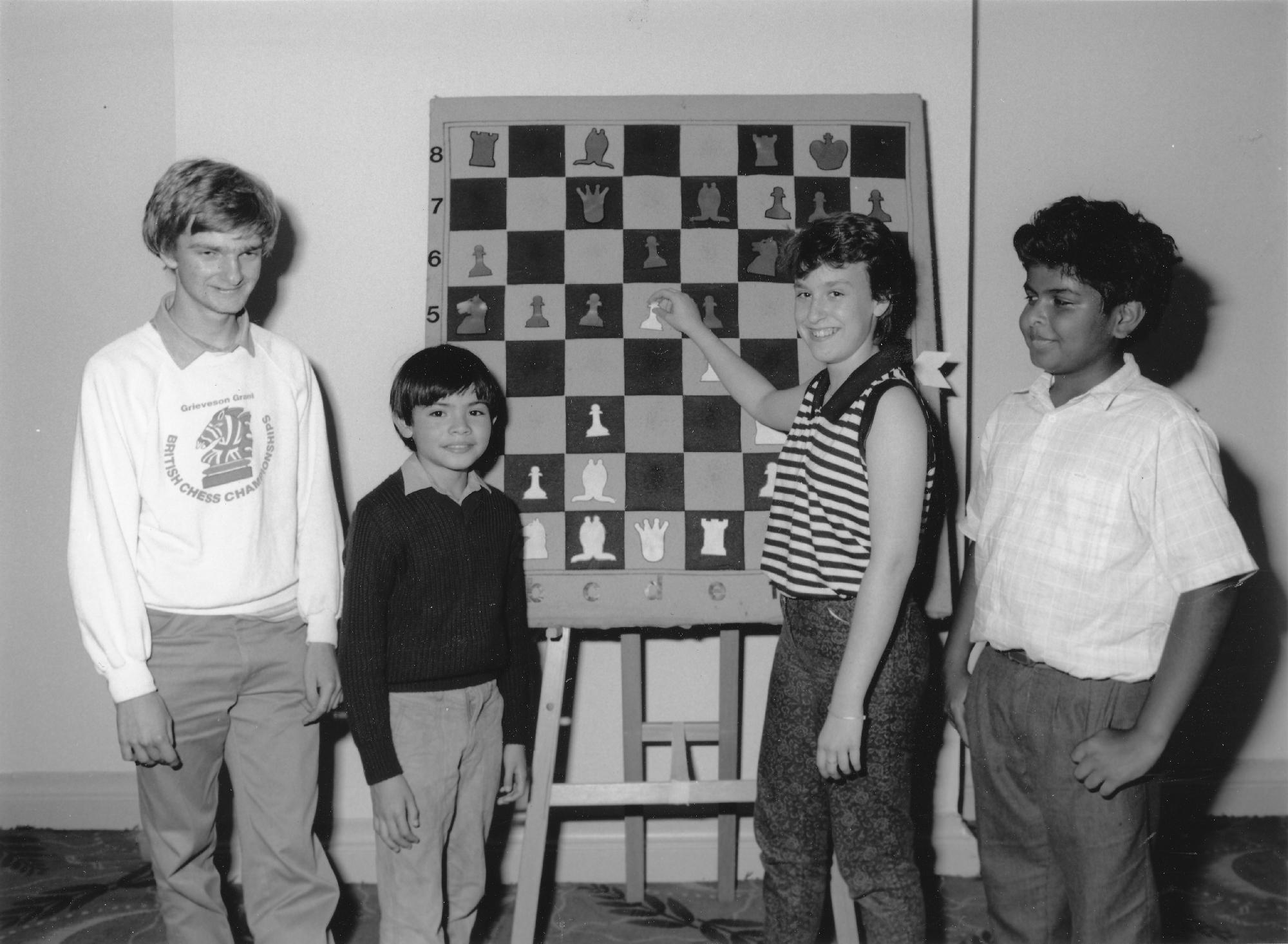
He became a FIDE Master in 1989 and then an International Master in 2001.
Lawrence was awarded the FIDE International Organiser title in 2011 and the FIDE Arbiter title in 2016.

His peak rating was 2430 in January 1988.
Lawrence plays for Wood Green in the Four Nations Chess League (4NCL) plus Newport (Shropshire), Stafford, Bushbury and Worcestershire CCA in other competitions.
 Save as PDF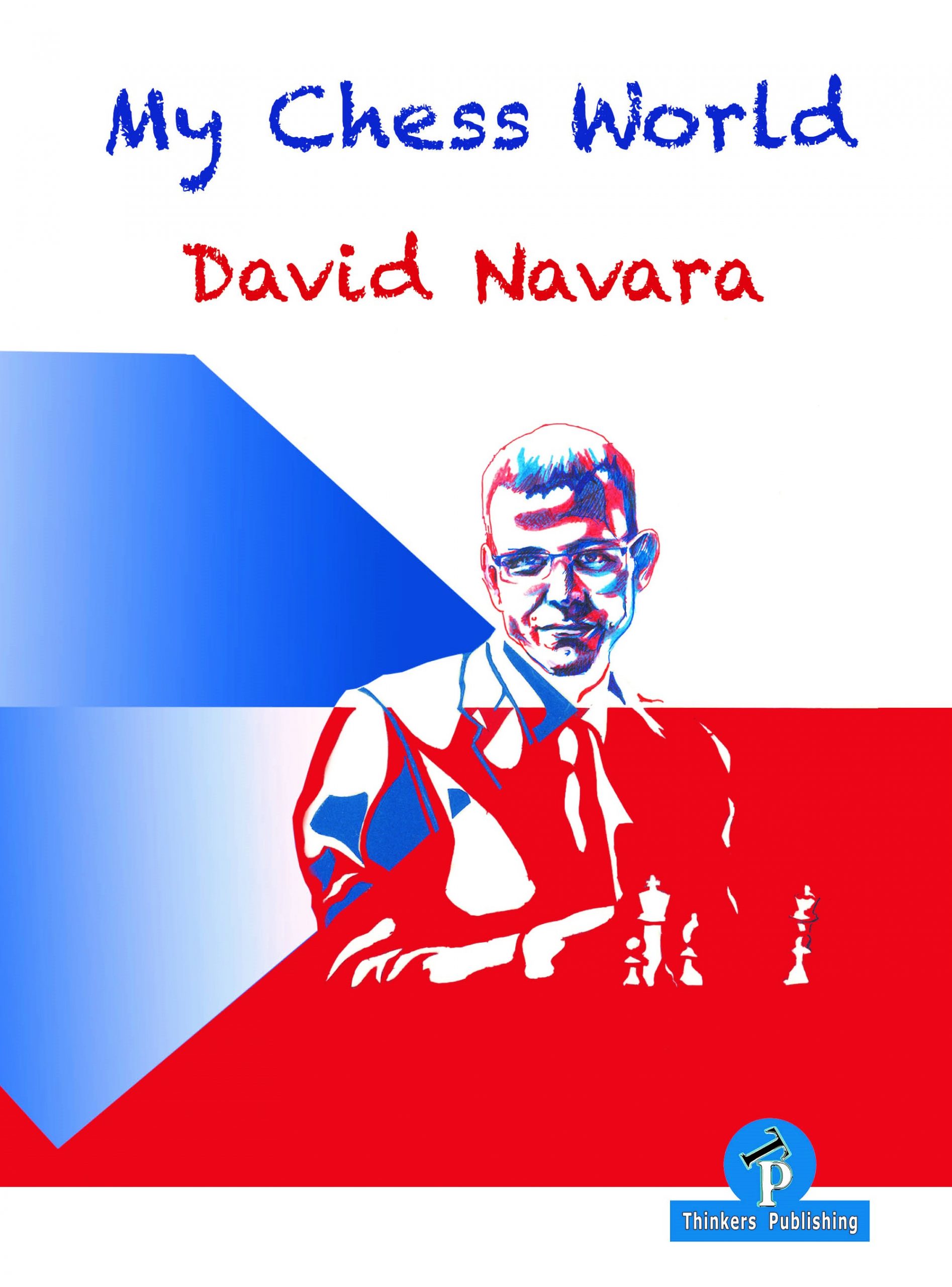
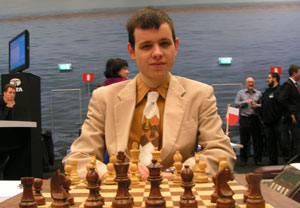
“Nine-time Czech champion David Navara, 35, became a grandmaster in 2002 at the age of sixteen. Amongst his many achievements are: 1st at the Ordix Open rapid tournament in Mainz, Germany, in 2007. World Cup quarterfinalist in 2011. Gold medal winner on 2nd board at the 2012 Chess Olympiad in Istanbul. Gold medallist with the Nový Bor team at the 2013 European Club Cup in Rhodes, Greece. Winner of the European Blitz Championship in Wrocław, Poland, in 2014. Silver medallist in the European Individual Championship in Jerusalem in 2015.”
From the rear cover :
“This book is not a pure (auto)biography, rather a games collection. It consists mainly of interesting high-class games played by me, including many losses. Most of the games are preceded by accompanying texts, which vary from essays to tournament reports. The title of the book might seem presumptuous, but I wanted to show how I see or experience the competitions without denying the chess worlds of others. While the texts are mostly light and subjective, at the same time I tried hard to stick to the facts and provide some food for thought. GM David Navara May 2020.”
David Navara is one of the most distinctive and popular personalities on the contemporary chess scene, renowned for his uncompromising play, for his politeness and friendliness, and, most of all, for his eccentricities. He’s been just below the world elite for the past 15 years or so, usually rated between 2700 and 2750.
In this chunky 600+ page book he offers us a collection of 64 (for Navara it could be no other number) games, chosen for their interest rather than the result, so you’ll find draws and losses as well as wins here. His opponents include many of today’s top grandmasters and a wide range of openings is represented.
Authors have a difficult decision to make about how detailed their analysis should be. Navara explains the dilemma nicely in what he calls the Navara Antinomy:
Yes, the annotations are pretty extensive, but the games are interesting enough to merit this. There are plenty of variations and sub-variations which, if you’re playing through the games, might be confusing unless you’re making use of a second board. You’ll discover a host of exciting middle games and, in particular, some fascinating endings.
One game that particularly drew my attention was his game with White against Radoslaw Wojtaszek from Biel 2015.
Not all games with early queen exchanges are dull. The moves up to 25. Kf6 were pre-game preparation, and by move 30 the white monarch reaches h8, which must be some sort of record for a top level game.
If you want to find out what was really happening in this game you’ll need to buy the book.
Navara likes to categorise chess games as either porridge (good for you but boring) or ice cream (tasty but not so healthy) and tells us both types are featured in the book. I think he’s, very typically, being too modest. Most of the games, like the one above, seem to me to be both tasty and good for you. A delicious main course of salmon, perhaps (Navara likes fish, especially Stockfish), or a refreshing fruit salad.
There’s no better way to end a meal than with a light sorbet. Here’s the conclusion of the last game of the book, against Vojtech Zwardon (Ostrava 2019).
How would you continue with White?
Full credit for 1. Qxg7+ Kxg7 2. Bf6+ and 3. Rh8#, but Navara preferred the cuter 1. Qh8+ Bxh8 2. Rxh8+ Kg7 3. Bf6#.
If you’re looking for a collection of top level games with excellent annotations, you won’t be disappointed with this book.
You get a lot more for your money, though. Most games are preceded by essays originally published on Navara’s chess blog (‘a blog past its sell-by date’) covering a wide variety of subjects: part travelogue, part tournament report, part meditation on chess and life.
You’ll find out a lot about the life of a chess player travelling round Europe, and occasionally further afield (Cuba, China) taking part in national and international team competitions as well as individual matches and tournaments.
There’s much more besides. As well as ‘Porridge and ice cream in Barcelona’ you’ll encounter ‘Sea hedgehogs’, ‘Swans on the top floor’ and ‘On Karl Marx and locking a bishop’.
The book is also full of humour, particularly verbal humour, which the translator has done well to render into English successfully. Humour is something very personal, and, I guess, you might find this aspect of the book either endearing or annoying. As for me, I love it. It’s great to meet someone who uses exactly the same jokes as I do.
Beyond the moves, then, this is, in many ways, a very personal book. The first few pages offer some biographical background. ‘I have no recollection of it, but according to reliable sources, I was born on 27 March 1985.’
He concludes this section: ‘I can’t drive or dance, and my knowledge of films and TV series is minimal.’ (Me too, David.) … ‘Chess is my choice. It has given me a lot: fun, success, friends, self-realisation, money, popularity, the chance to travel.’
At the end of the book he returns to the same theme, offering us a chess poem:
‘But still I remain like a child, who finds the outside world so wild. I still so much like to play chess, that it looks like both curse and bless.’
He concludes:
‘Chess has given me a lot. It can unite people of various nations, different ages, gender, political views, social and economic background or health conditions. It contains elements of art and some chess games are real masterpieces. (Of course they are rare, as masterpieces tend to be.) Chess might relieve the worries of everyday life, bring one good friends and uplift one’s spirit.
‘What more can you expect from a board game with seemingly simple rules?’
I think we can all, whatever our rating, agree with David Navara’s sentiments.
The book is well produced and enhanced with photographs of our hero. My one complaint, as so often, is the lack of an index. Perhaps I’m old-fashioned, but if I’m reading a games collection I’d like to be able to look up the games where Navara played Carlsen, or where he was on the black side of a Sicilian Defence.
What you do get is an excellently annotated games collection as well as an insight into the life and mind of a charming and unusual personality, who perceives the world with a mixture of child-like wonder and self-deprecating amusement. For me, it also provides the opportunity to meet someone who seems, in some respects, a kindred spirit.
I really enjoyed reading this book and finding out more about David Navara, both as a chess player and as a person. Very highly recommended.
Richard James, Twickenham, 13th July 2020
Book Details :
Official web site of Thinkers Publishing
Save as PDF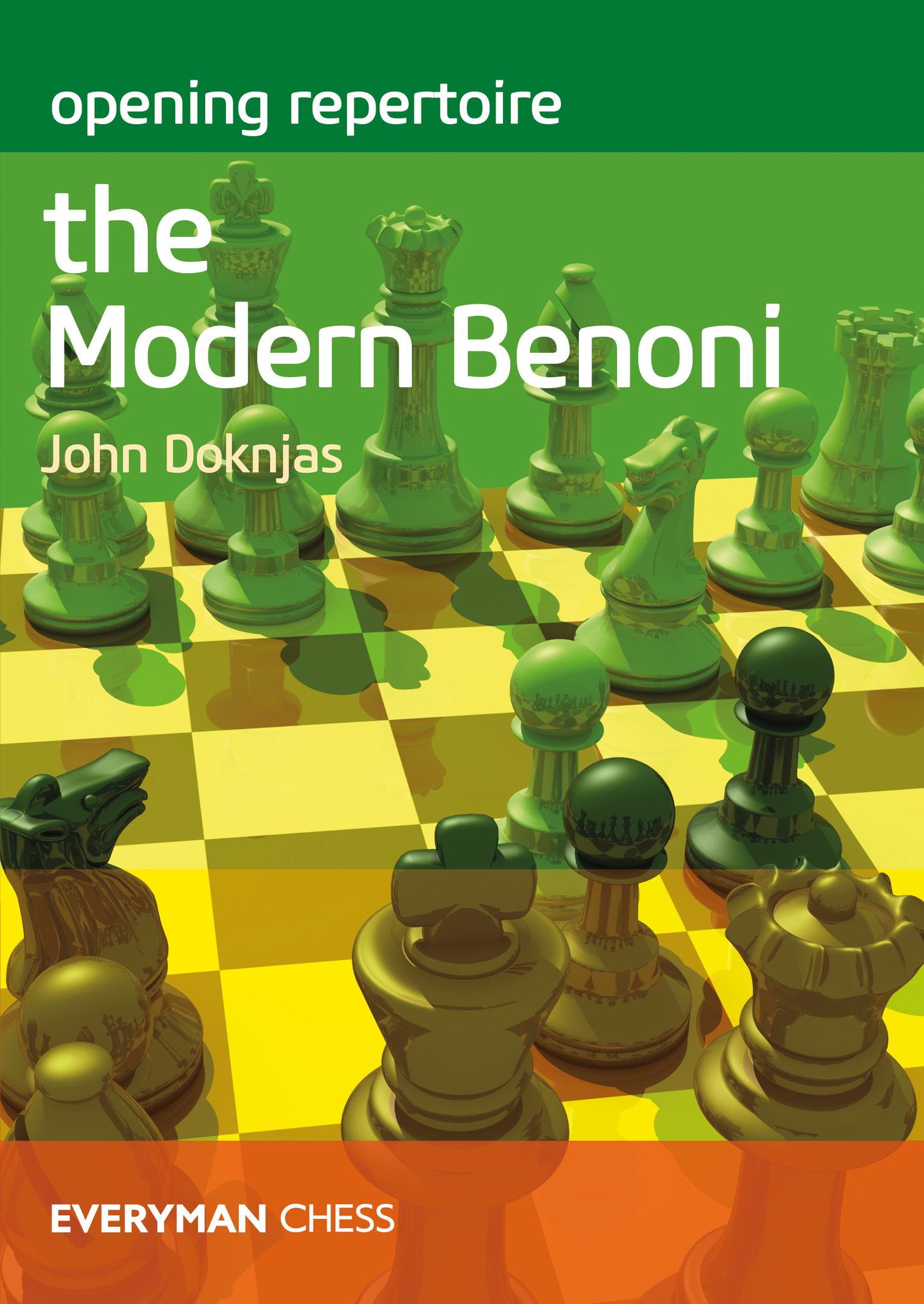
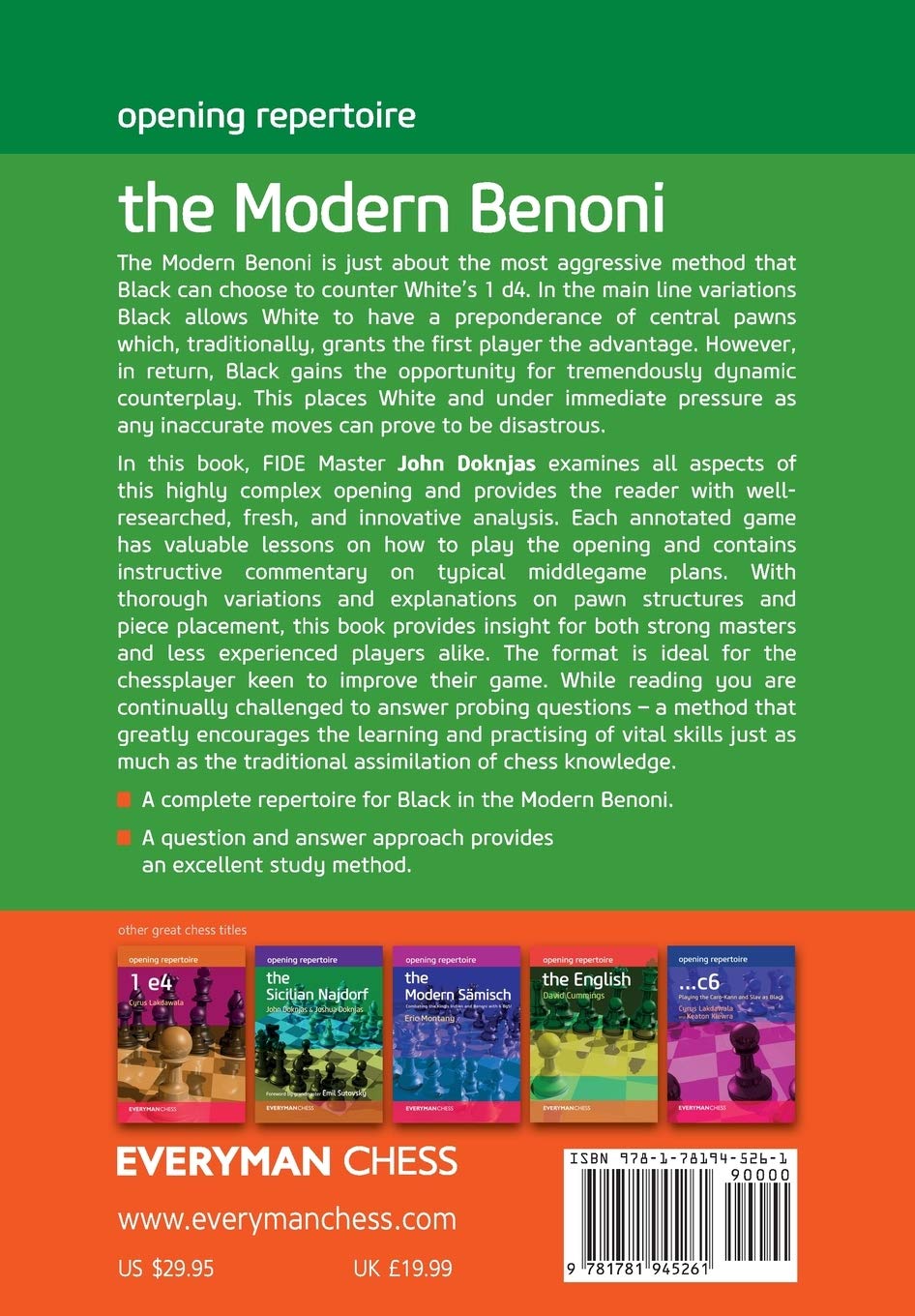
John Doknjas is a FIDE Master from Canada who has enjoyed success competing internationally. He has won seven national titles for his age and tied for 1st in the 2019 U18 North American Youth Chess Championship. This is his third book for Everyman Chess.
From the book’s rear cover we have :
“The Modern Benoni is just about the most aggressive method that Black can choose to counter White’s 1 d4. In the main line variations Black allows White to have a preponderance of central pawns which, traditionally, grants the first player the advantage. However, in return, Black gains the opportunity for tremendously dynamic counterplay. This places White and under immediate pressure as any inaccurate moves can prove to be disastrous.
In this book, FIDE Master John Doknjas examines all aspects of this highly complex opening and provides the reader with well-researched, fresh, and innovative analysis. Each annotated game has valuable lessons on how to play the opening and contains instructive commentary on typical middlegame plans. With thorough variations and explanations on pawn structures and piece placement, this book provides insight for both strong masters and less experienced players alike. The format is ideal for the chessplayer keen to improve their game. While reading you are continually challenged to answer probing questions – a method that greatly encourages the learning and practising of vital skills just as much as the traditional assimilation of chess knowledge.”
The Modern Benoni, by John Doknjas, is another book in Everyman’s “Opening Repertoire” series. As that implies, the book aims to provide Black with a repertoire against all lines that White can employ against the Modern Benoni, rather than an exhaustive analysis of all lines by both sides.
The Benoni has long been a choice of aggressive players who are willing to take a bit of a risk as Black in order to get a complex fight against White’s 1 d4 (and 2 c4). The resulting middlegame positions are usually double-edged and can be complex both positionally and tactically.
The theory is contained in 31 complete games broken down into nine chapters for the major systems, such as the Flick-Knife attack (aka the Taimanov variation), The Fianchetto Variation, the Knight’s Tour and so on. Major variations within each system are given new games, and (usually) minor variations within those are handled within the notes. Occasionally there are a lot of variations in the notes and this can make it a bit awkward to follow where you are in the main game, but this is probably an unavoidable feature of the complete game approach and I do not mention this as a criticism of the author or the book. Indeed, the book mitigates greatly against this by providing an excellent Index of Variations which tells you if a variation is covered in a main game, or within the notes to one, which makes future reference to a line much easier. The advantages of the complete game approach are that the annotations tell the reader the middlegame plans, and the reader gets to see how masters play out the positions.
The book also contains a nice introductory chapter in which Doknjas provides an excellent overview of plans and piece placement ideas from the perspective of both White and Black. Each chapter also includes a short introductory section, and a summary section, in which the differences between the systems covered by the various games in the chapter are explained.
The repertoire in the book steers Black to positions which appear theoretically sound, and provide Black at least a position with balanced counterplay. There aren’t many lines which offer safe equality, but this of course is the nature of the opening and is to be expected.
I have to say that I regard this as an excellent opening book.
Doknjas provides excellent explanations, both wordy and in concrete lines, and his Q&A and Exercises are always relevant to the material. When he feels appropriate, he is not afraid to recommend lesser-played lines and he backs up his choices with solid analysis and reasoning. His recommendations appear sound and those lines I have tested with an engine do not fall foul of computer analysis.
As an example of his style, here is an excerpt from the game in which he recommends 12 …Rd8 in the Mikenas Attack:
Question: What are some of this moves pluses?
Answer: 12 …Rd8 has only been chosen around 4% of the time OTB, but I really like it for a few reasons:
1. Black threatens to round up the d5-pawn with …Nb6. This doesn’t give White time to attack effectively with f4-f5.
2. The rook could prove very useful on d6, where it will control the f6-square. If black plays …f6 then the pawn will enjoy support, and in some lines Black could even use the rook for direct defence with with …Rf6. Another purpose for the rook being on d6 is to blockade the d5-pawn, which could be important if White’s light-squared bishop comes to c4.
3. The move has a fair amount of surprise value and its subtleties aren’t immediately obvious.
12 …Re8 is the main move but 13 f5! may give White strong play along the f-file (Ng5, Bc4, Qf3, 0-0 etc). The game remain objectively equal but it seems like Black is the one who has to be more careful. Se Feller-C Marzolo continued 13 …Kf8 14 Ng5 e4 15 fxg6 hxg6 16 Be2 Bd4 17 Rf1 with a messy position.
13 fxe5
Others:
a) Be2?! Nb6 14 fxe5 Rxd5 15 Qb3 Kf8 16 Be3 Kg8 gives Black an advantage.
b) …etc
(The book actually uses figurine pieces rather than letters.)
I recommend this book to anyone who is already playing the Modern Benoni or who is looking to take it up. Even players who face the Benoni from the White side will get benefit from this book, at least an idea of the current state of theory of this opening, but obviously bear in mind that it is a repertoire book from Black’s viewpoint.
John Doknjas was not known to me before reading this book, I look forward to future books by him.
Colin Purdon, Crowthorne, Berkshire, 13th July, 2020

Book Details :
Official web site of Everyman Chess
 Save as PDF
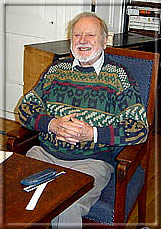
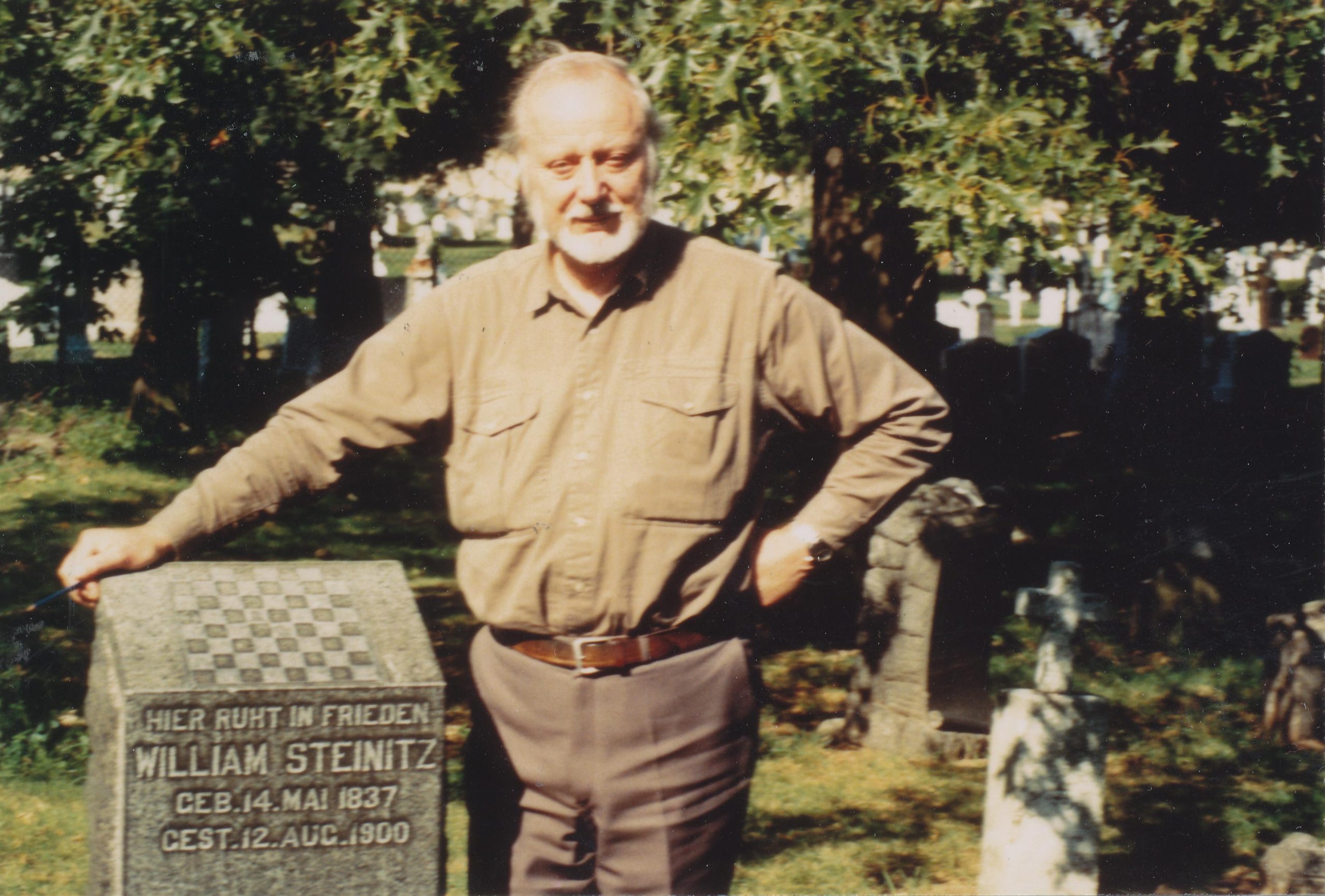
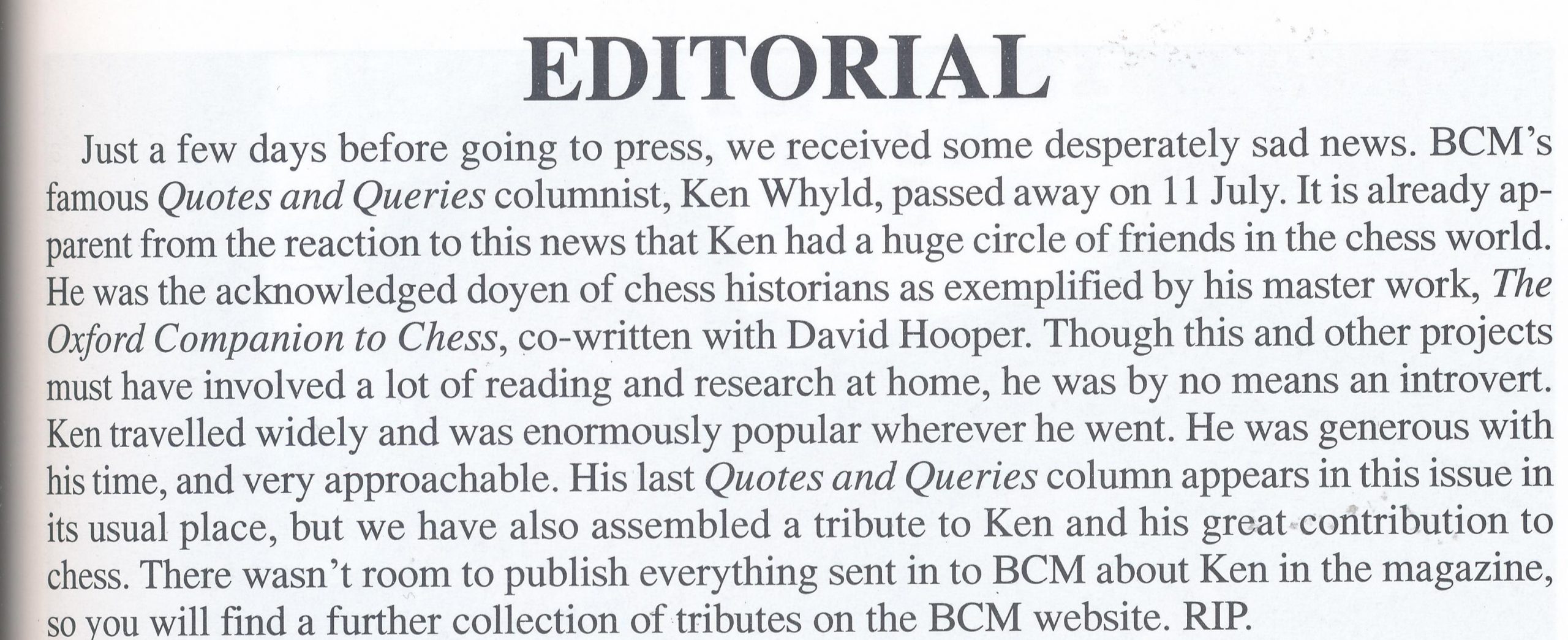
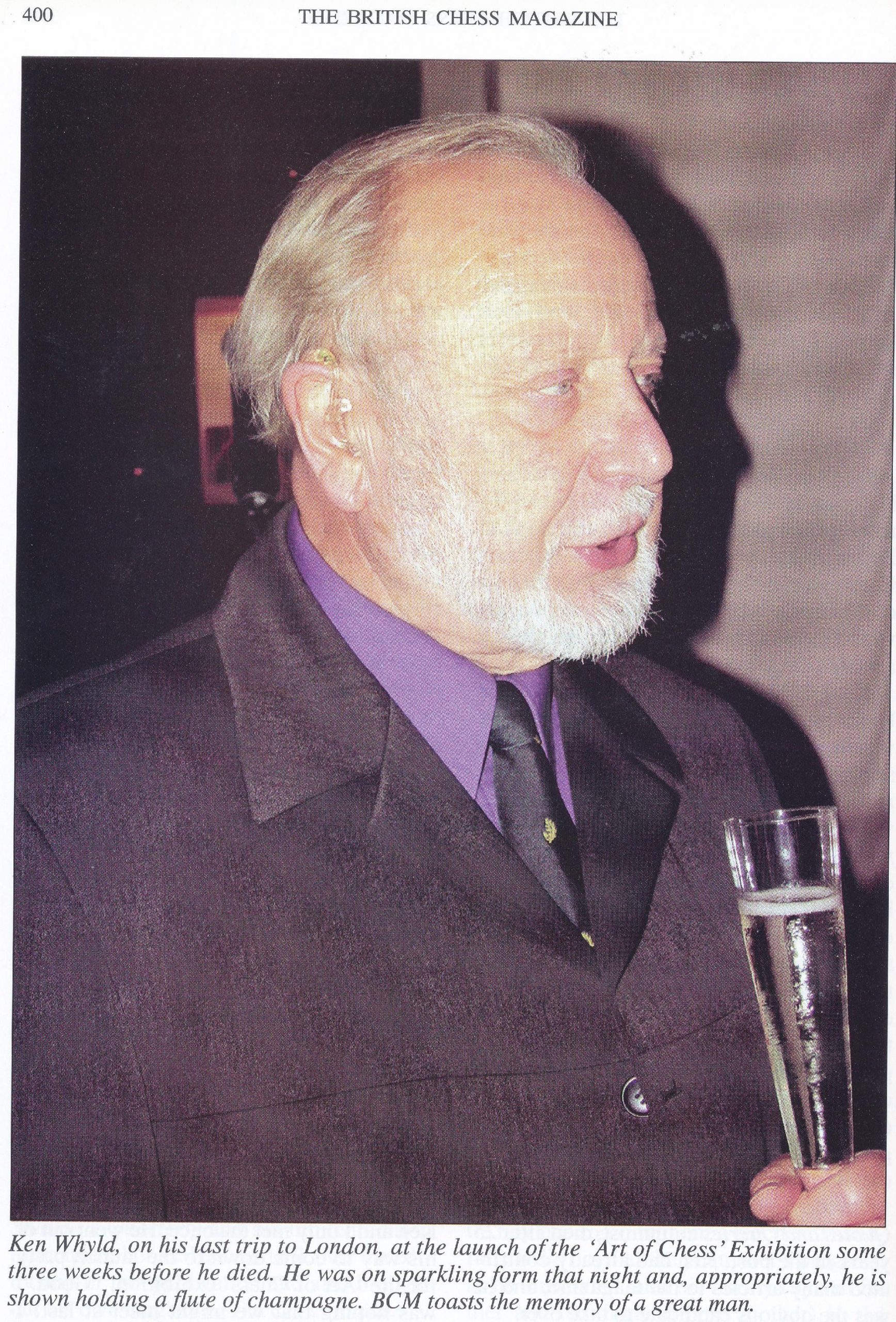
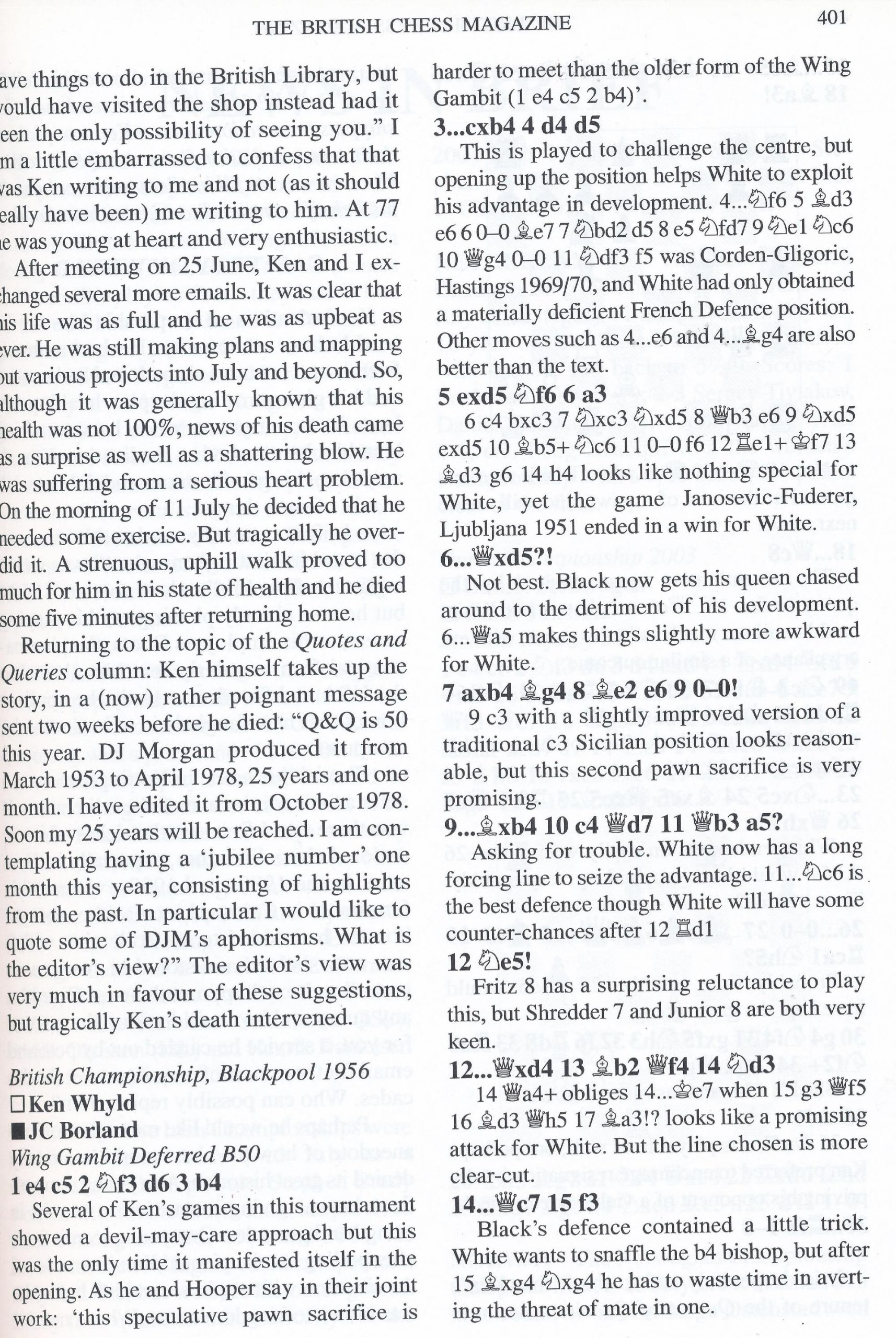
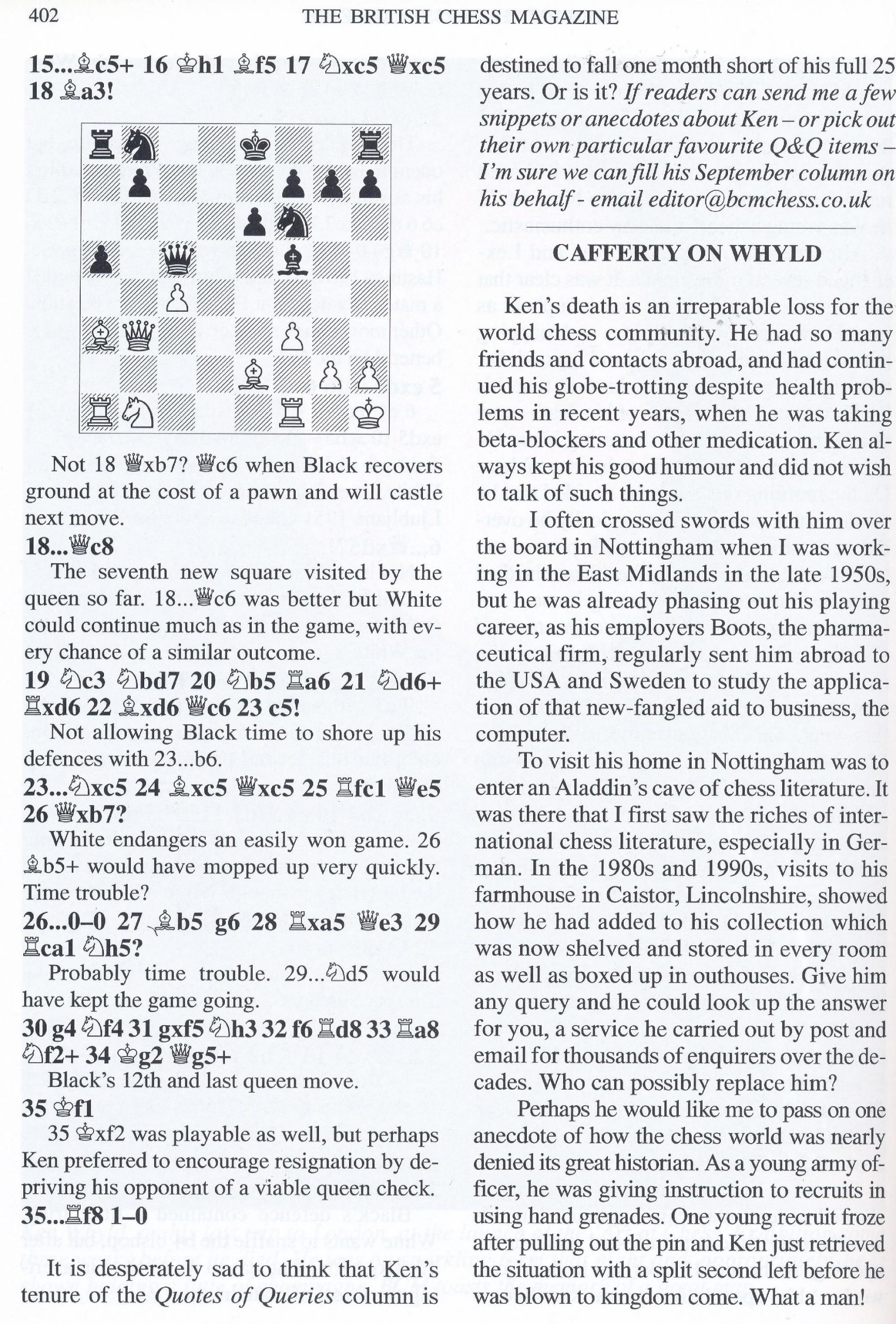
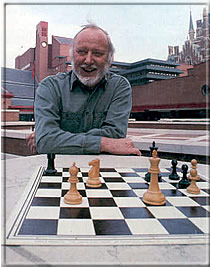
BCN remembers much loved Ken Whyld who passed away on July 11th 2003 in Lincolnshire.
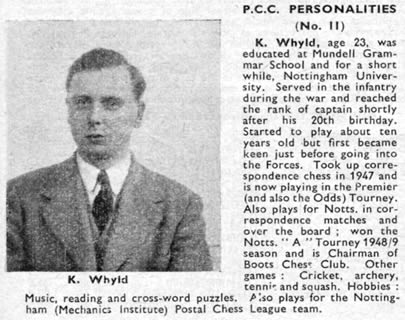
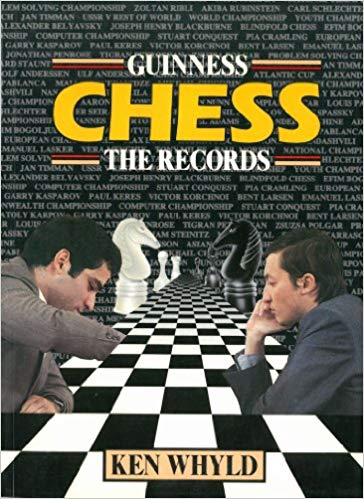
From Chess : The Records :
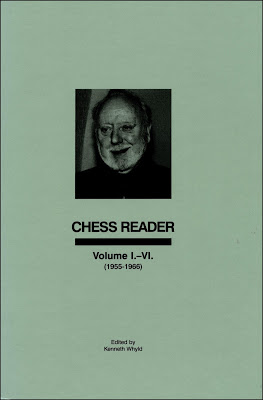
“Ken Whyld was the editor of Chess Students Quarterly in the early 1950s and from 1955-63, Chess Reader, in which he reviewed more than 500 chess books. He has written seven tournament books and one match book.
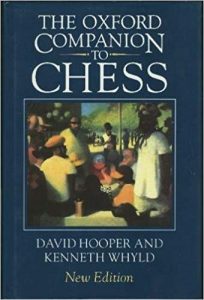
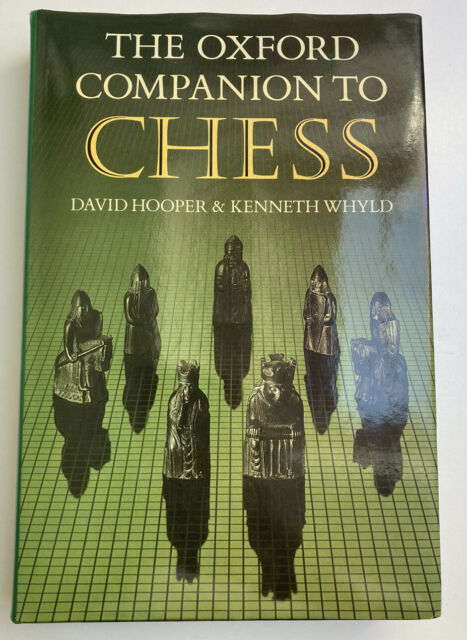
With J. Gilchrist he wrote a three-volume anthology of Lasker’s games, and with David Hooper, The Oxford Companion to Chess.
For the book World Chess Champions he wrote the chapters on Lasker and Smyslov. In his playing days he was champion of his county (Nottinghamshire) many times and played in the British Championship as well as international tournaments.”
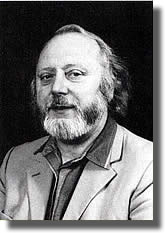
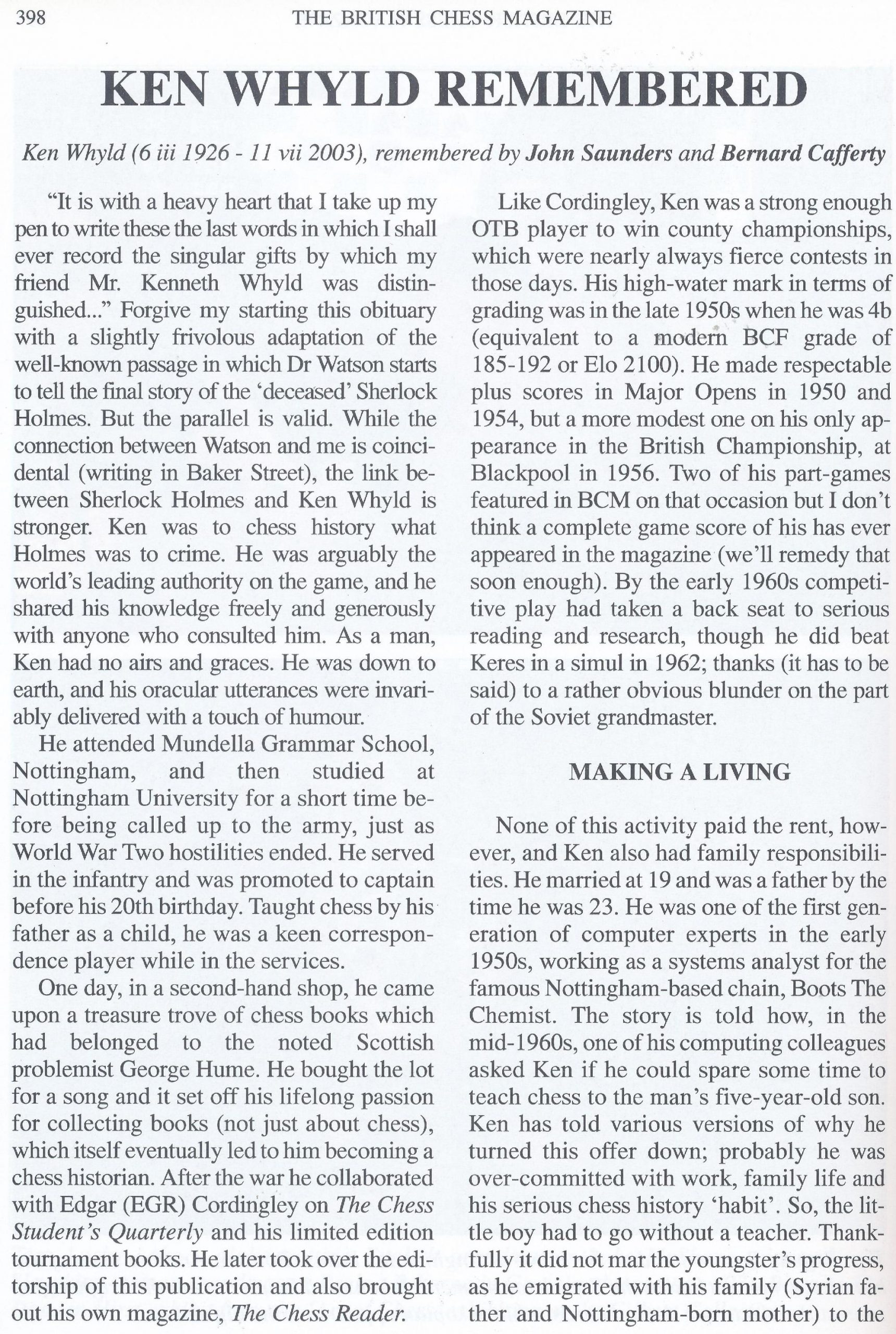
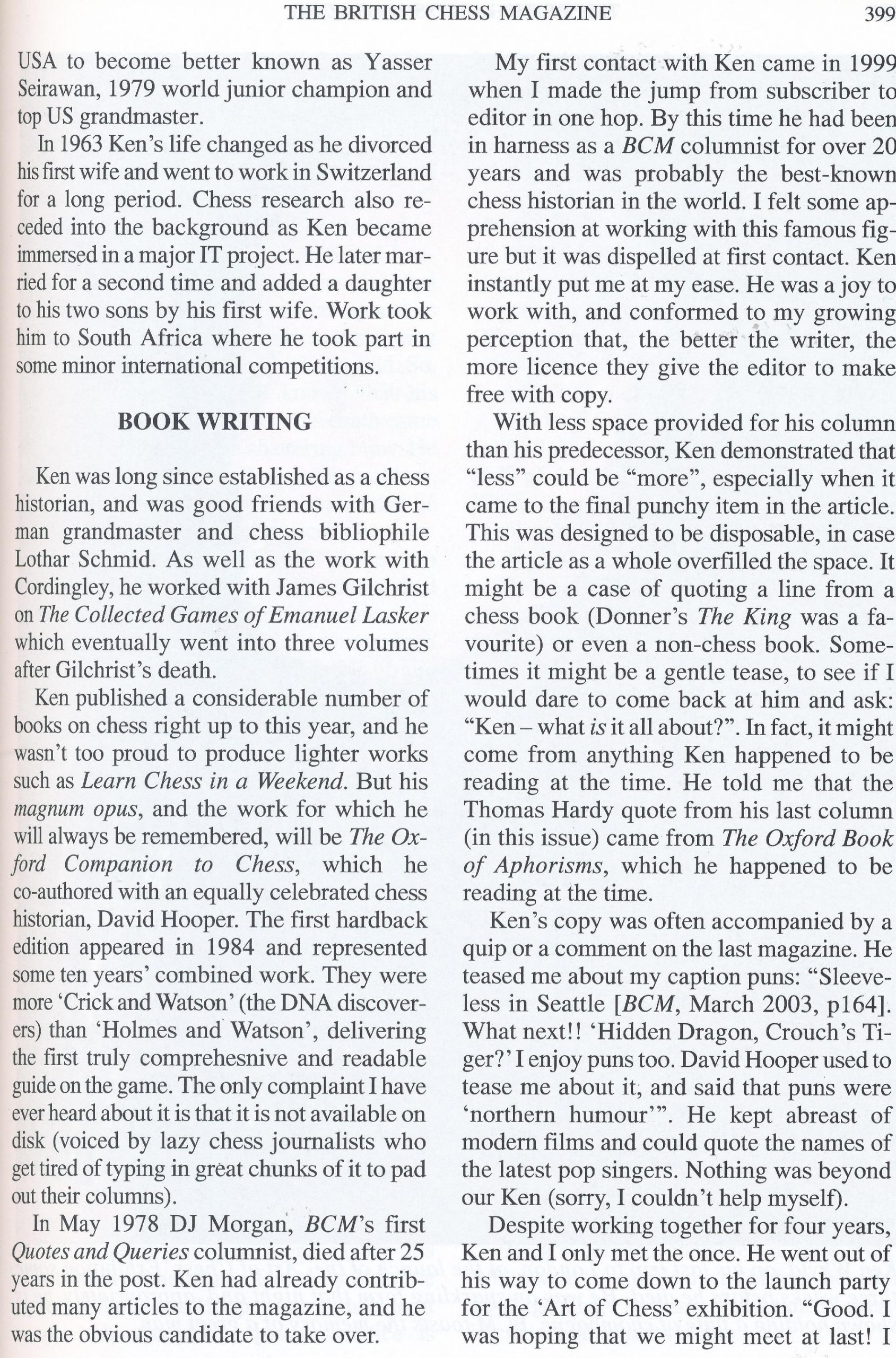
Possibly the best tribute to Ken was written by John Saunders and Bernard Cafferty in the August 2003 issue of British Chess Magazine, pages 398 – 402.
Here is his Wikipedia entry
See more details from the Ken Whyld Association


 Save as PDF
BCN remembers much loved Ken Whyld who passed away on July 11th 2003 in Lincolnshire.
From Chess : The Records :
“Ken Whyld was the editor of Chess Students Quarterly in the early 1950s and from 1955-63, Chess Reader, in which he reviewed more than 500 chess books. He has written seven tournament books and one match book.
With J. Gilchrist he wrote a three-volume anthology of Lasker’s games, and with David Hooper, The Oxford Companion to Chess.
For the book World Chess Champions he wrote the chapters on Lasker and Smyslov. In his playing days he was champion of his county (Nottinghamshire) many times and played in the British Championship as well as international tournaments.”
Possibly the best tribute to Ken was written by John Saunders and Bernard Cafferty in the August 2003 issue of British Chess Magazine, pages 398 – 402.
Here is his Wikipedia entry
See more details from the Ken Whyld Association
Save as PDFBCN remembers much loved Ken Whyld who passed away on July 11th 2003 in Lincolnshire.
From Chess : The Records :
“Ken Whyld was the editor of Chess Students Quarterly in the early 1950s and from 1955-63, Chess Reader, in which he reviewed more than 500 chess books. He has written seven tournament books and one match book.
With J. Gilchrist he wrote a three-volume anthology of Lasker’s games, and with David Hooper, The Oxford Companion to Chess.
For the book World Chess Champions he wrote the chapters on Lasker and Smyslov. In his playing days he was champion of his county (Nottinghamshire) many times and played in the British Championship as well as international tournaments.”
Possibly the best tribute to Ken was written by John Saunders and Bernard Cafferty in the August 2003 issue of British Chess Magazine, pages 398 – 402.
Here is his Wikipedia entry
See more details from the Ken Whyld Association
Save as PDFBCN remembers much loved Ken Whyld who passed away on July 11th 2003 in Lincolnshire.
From Chess : The Records :
“Ken Whyld was the editor of Chess Students Quarterly in the early 1950s and from 1955-63, Chess Reader, in which he reviewed more than 500 chess books. He has written seven tournament books and one match book.
With J. Gilchrist he wrote a three-volume anthology of Lasker’s games, and with David Hooper, The Oxford Companion to Chess.
For the book World Chess Champions he wrote the chapters on Lasker and Smyslov. In his playing days he was champion of his county (Nottinghamshire) many times and played in the British Championship as well as international tournaments.”
Possibly the best tribute to Ken was written by John Saunders and Bernard Cafferty in the August 2003 issue of British Chess Magazine, pages 398 – 402.
Here is his Wikipedia entry
See more details from the Ken Whyld Association
Save as PDFBCN remembers much loved Ken Whyld who passed away on July 11th 2003 in Lincolnshire.
From Chess : The Records :
“Ken Whyld was the editor of Chess Students Quarterly in the early 1950s and from 1955-63, Chess Reader, in which he reviewed more than 500 chess books. He has written seven tournament books and one match book.
With J. Gilchrist he wrote a three-volume anthology of Lasker’s games, and with David Hooper, The Oxford Companion to Chess.
For the book World Chess Champions he wrote the chapters on Lasker and Smyslov. In his playing days he was champion of his county (Nottinghamshire) many times and played in the British Championship as well as international tournaments.”
Possibly the best tribute to Ken was written by John Saunders and Bernard Cafferty in the August 2003 issue of British Chess Magazine, pages 398 – 402.
Here is his Wikipedia entry
See more details from the Ken Whyld Association
Save as PDF