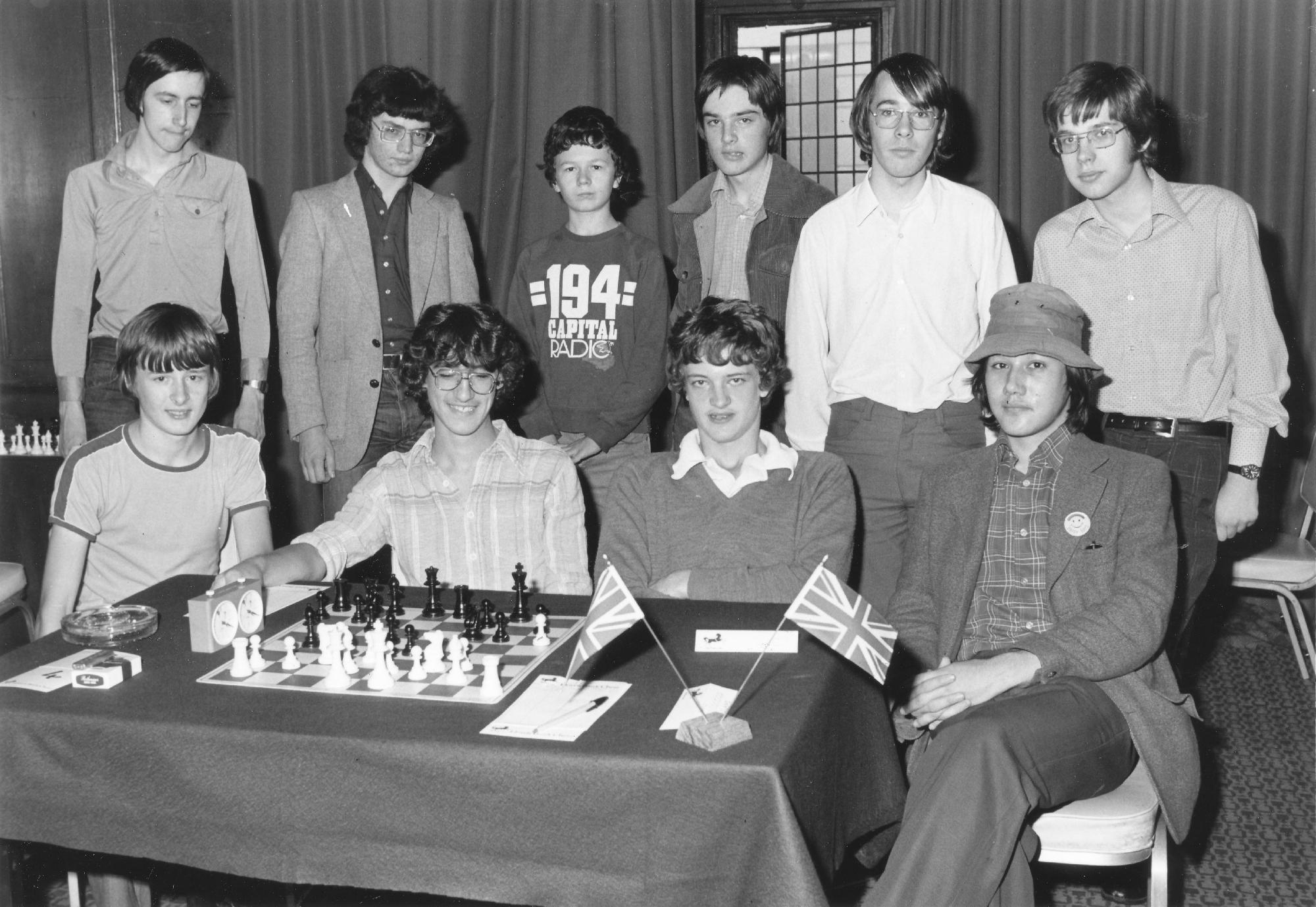
This was written about Peter aged 13 prior to the Spassky vs the BCF Junior Squad simultaneous display in 1979 :
” St John’s College and Portsmouth. Rating 174. British under-14 co-champion, 1978.”
and from chessgames.com :
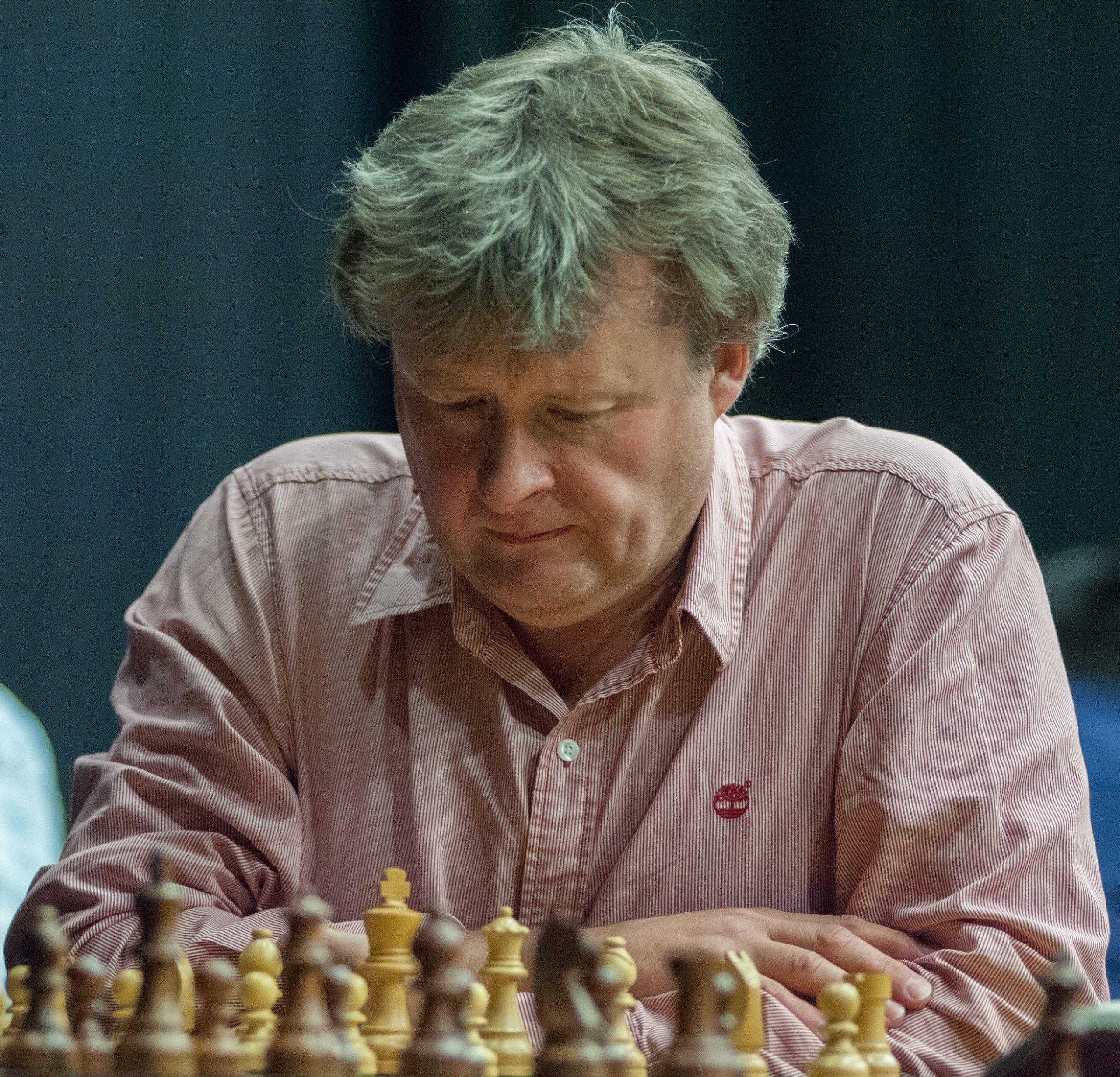
“Peter Kenneth Wells was born in Portsmouth, England and became a FIDE Master in 1982, an IM in 1987, and a GM in 1994. He is also a FIDE Senior Trainer (2015).”
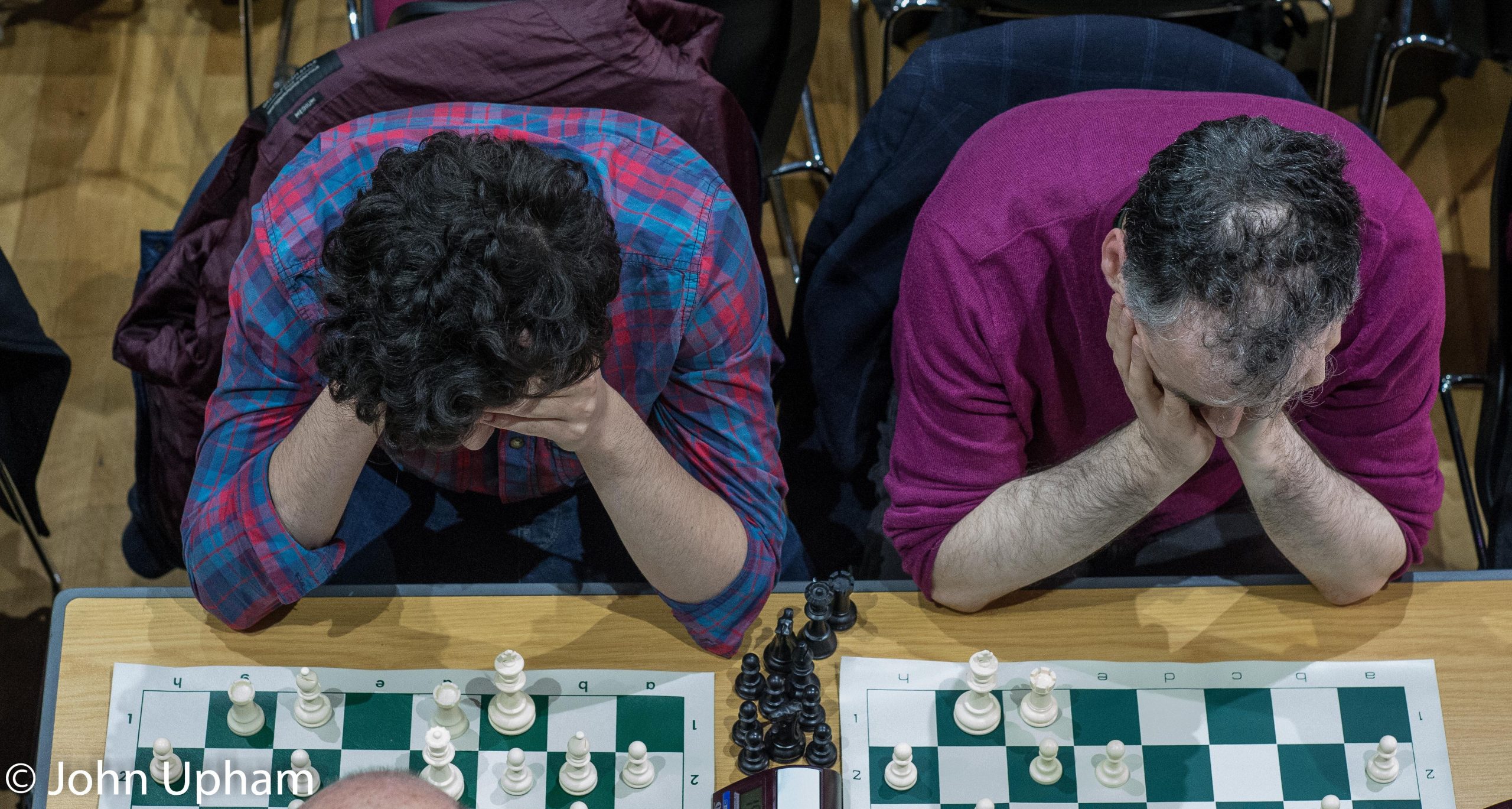
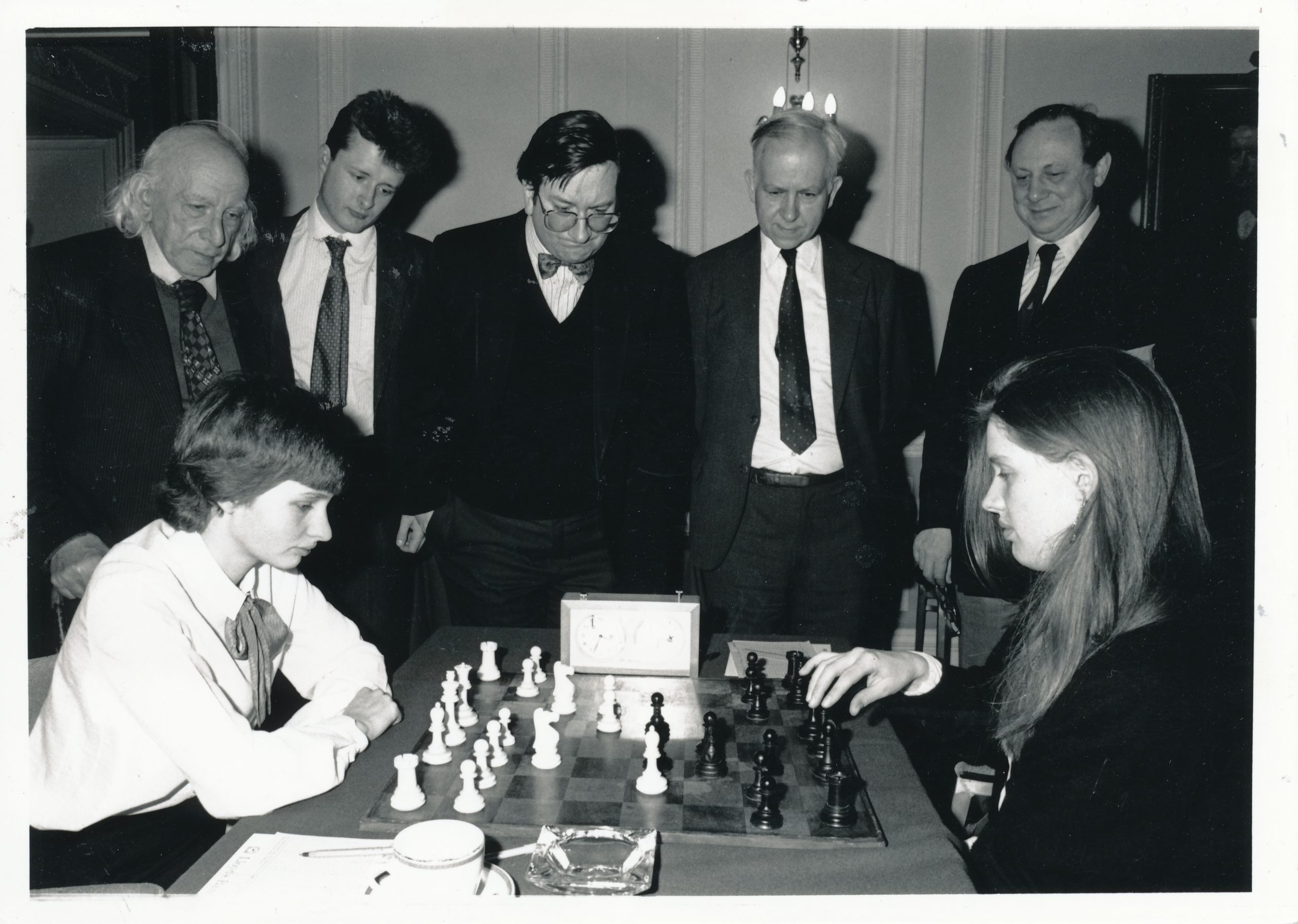
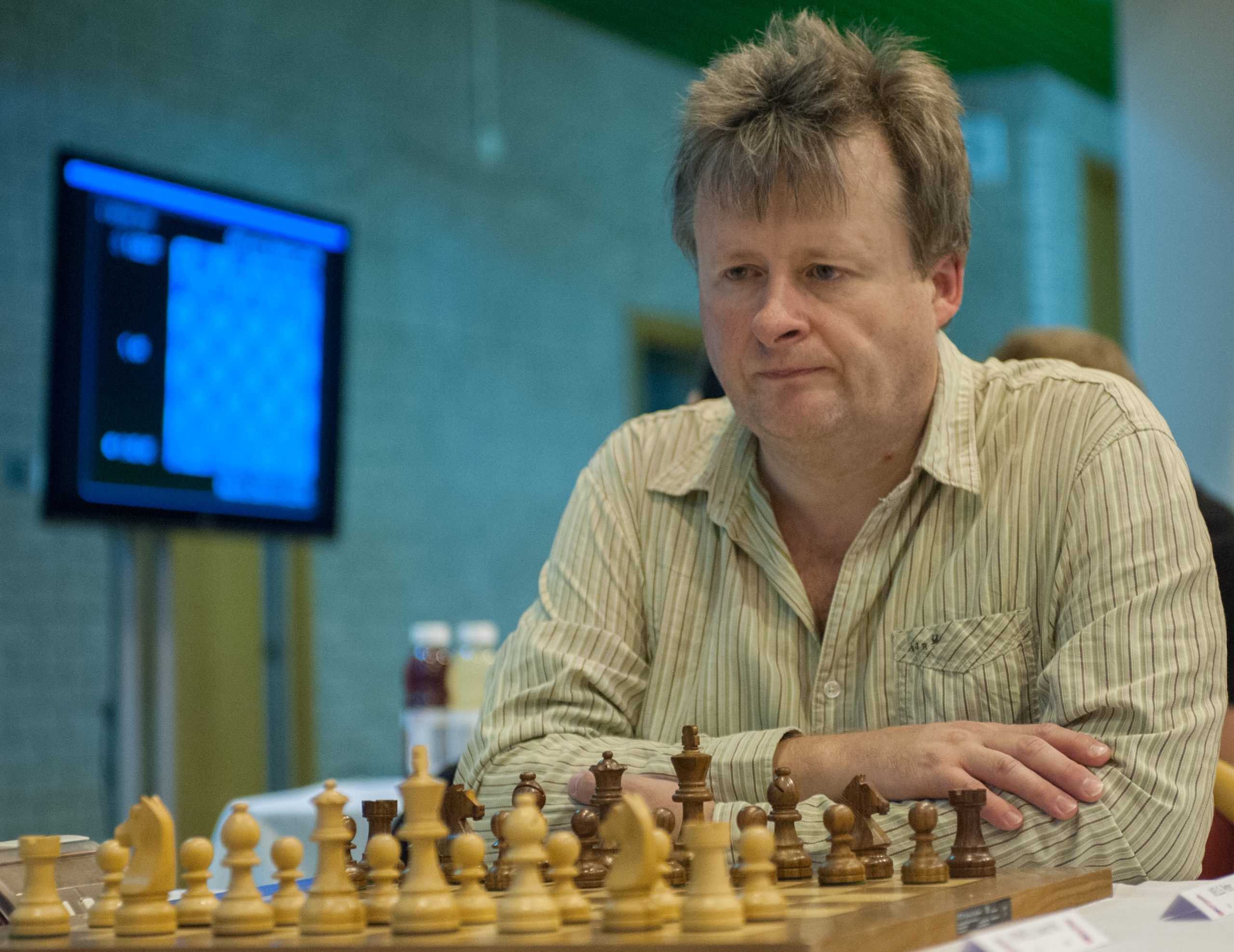
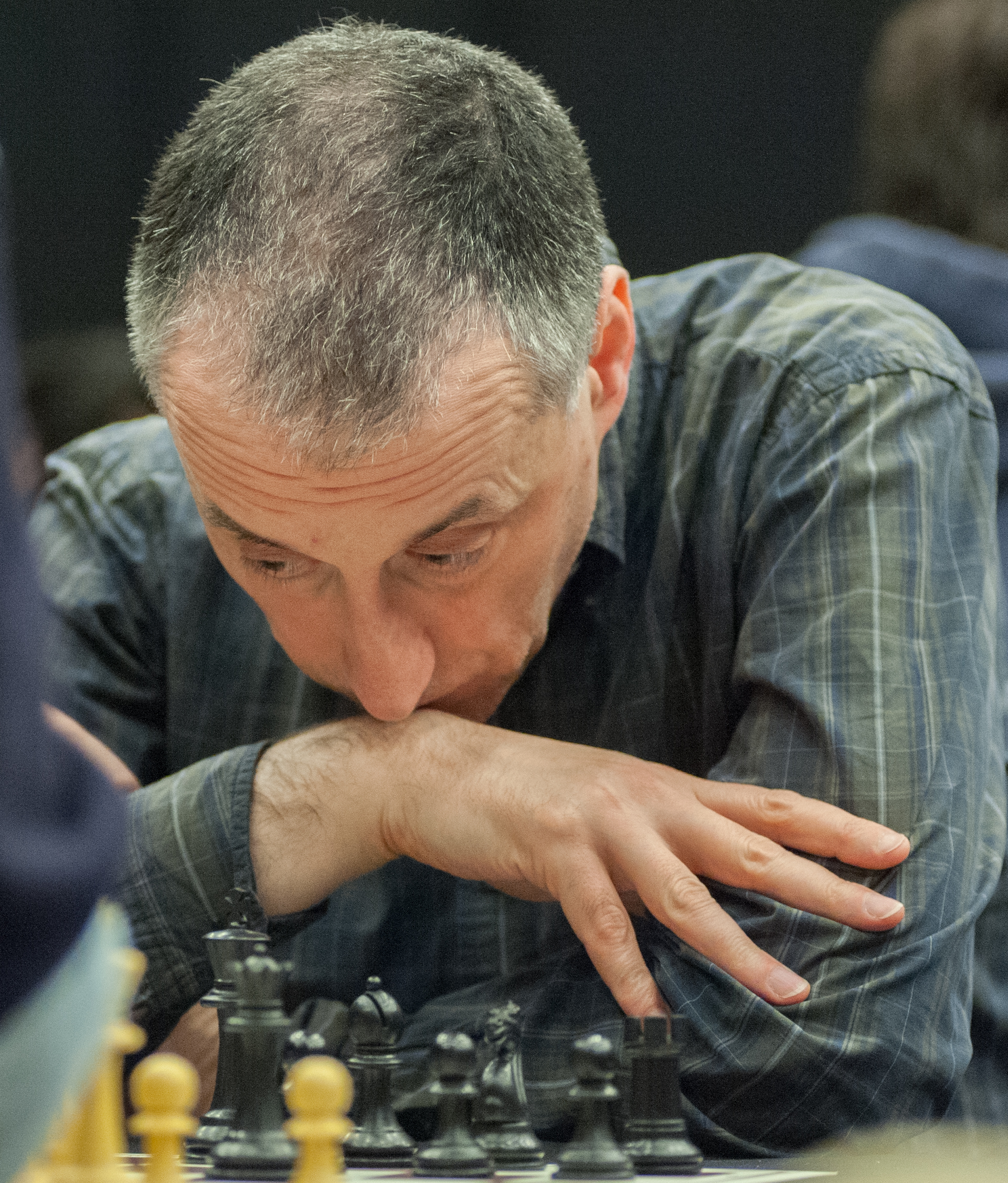
Peter Wells (between Harry Golombek and Ray Keene) takes part in the obligatory “Staring at the board” posed picture during the 1985 Varsity Match
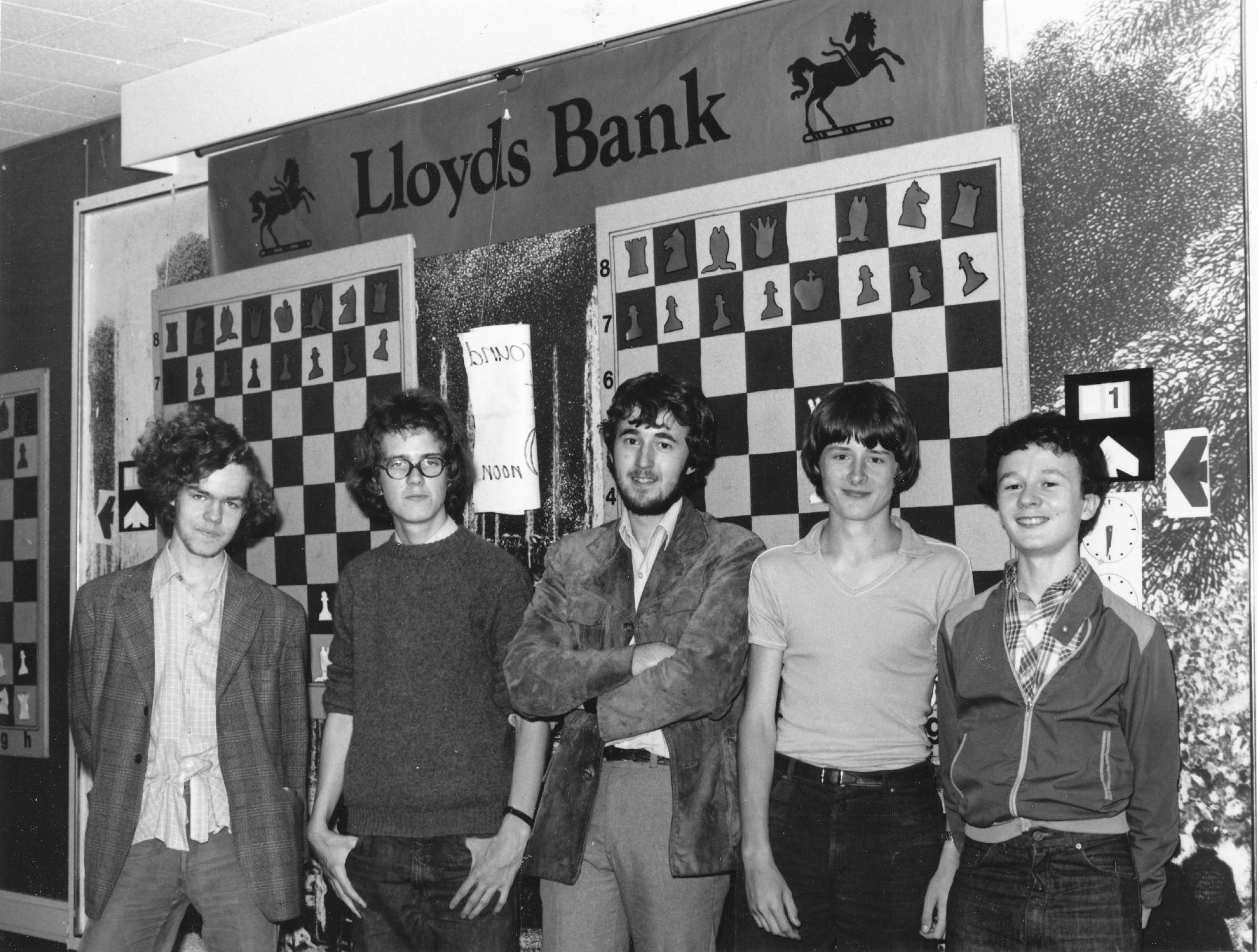
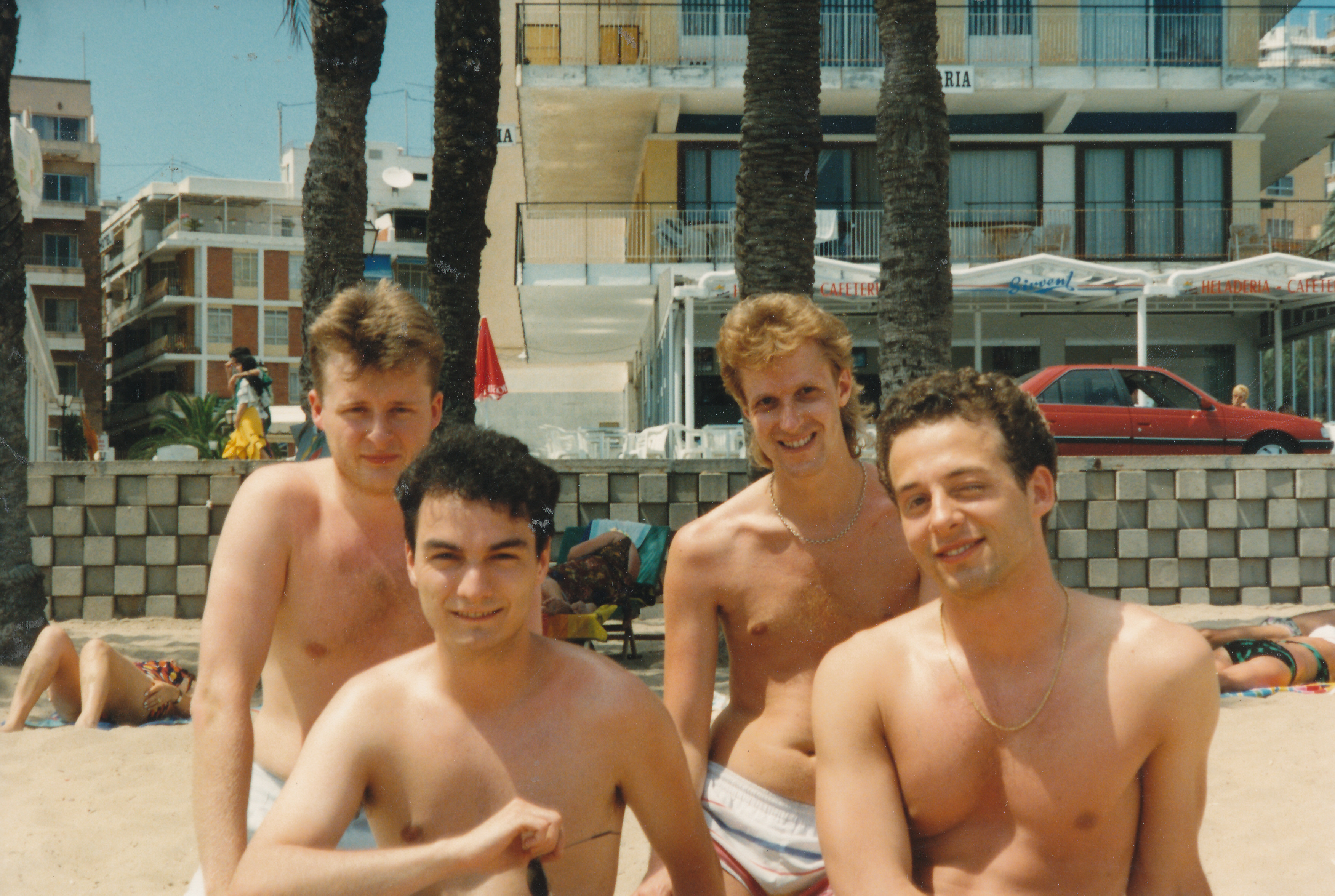
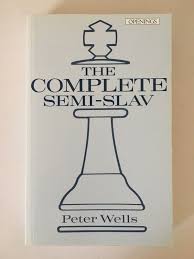
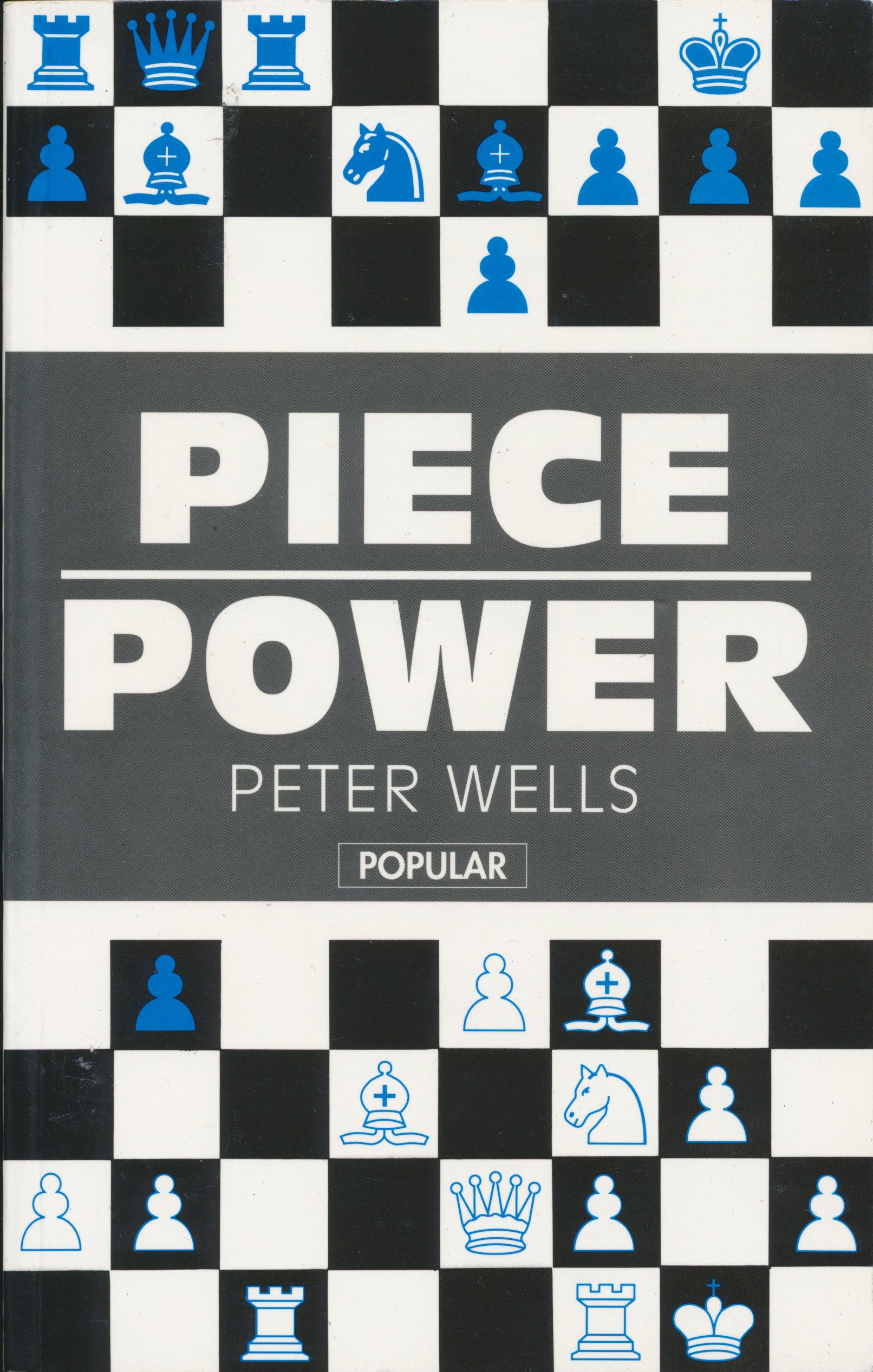
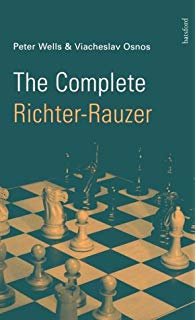
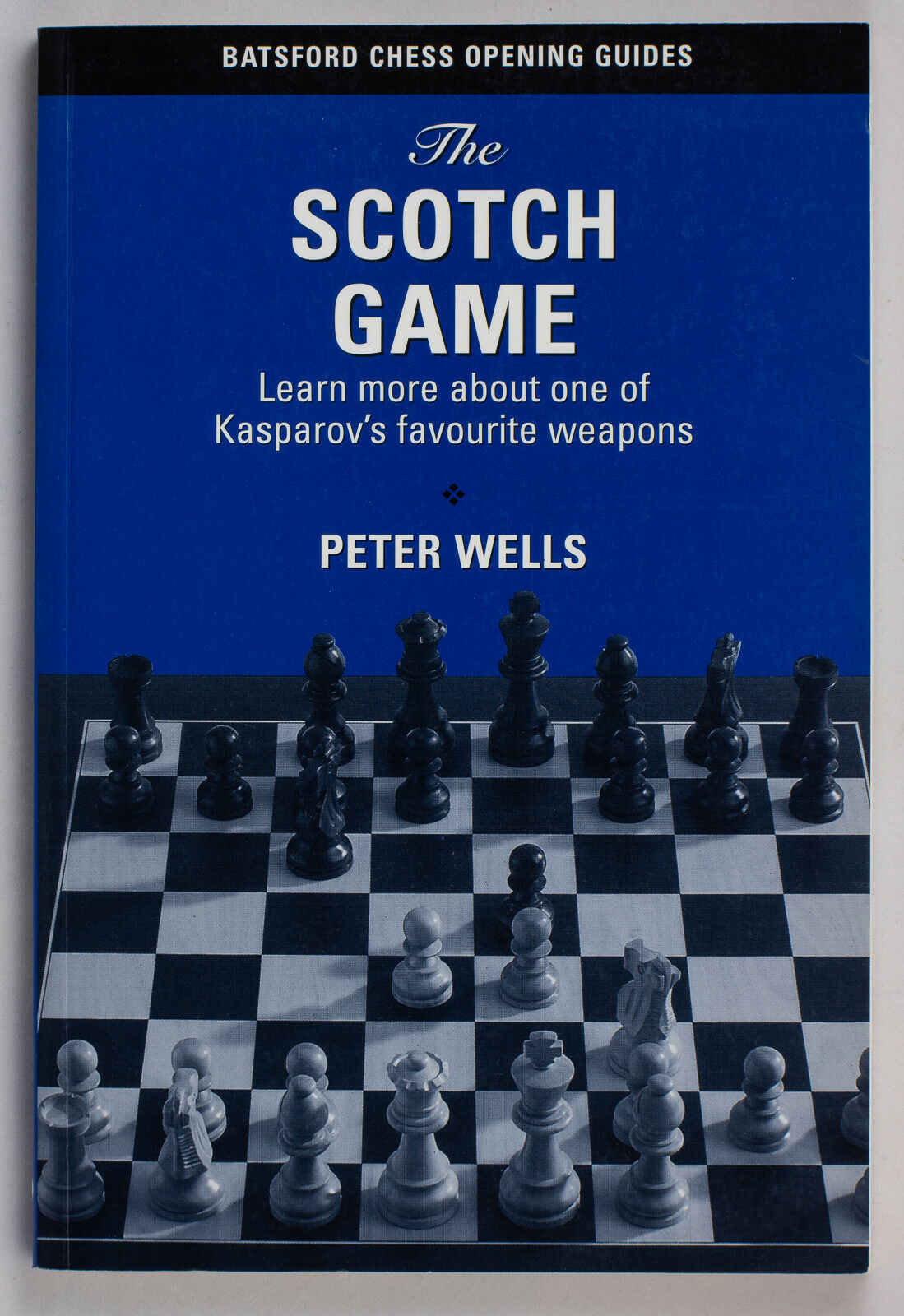
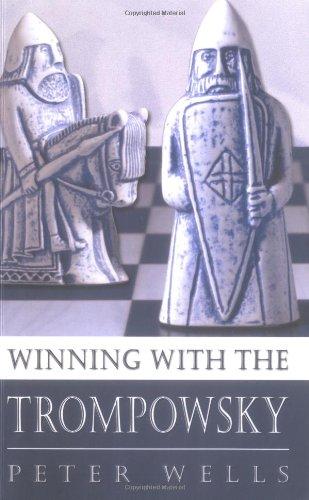
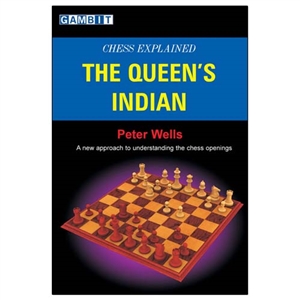
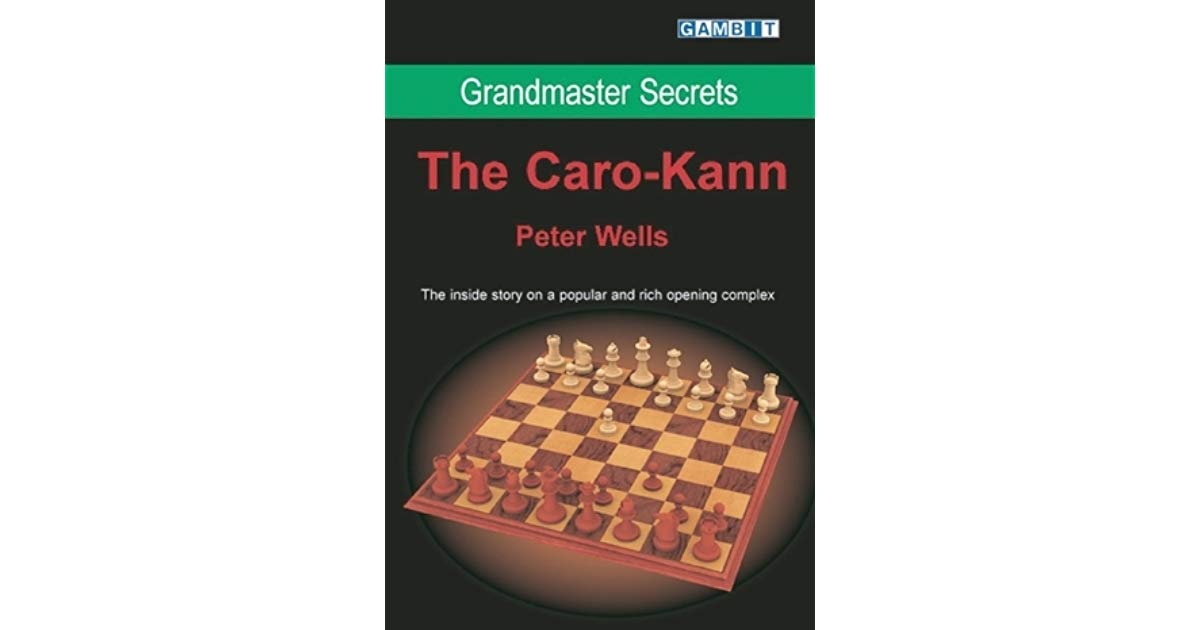
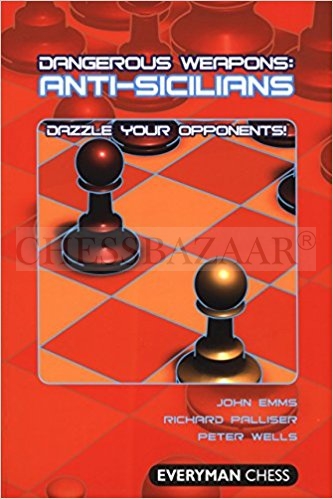
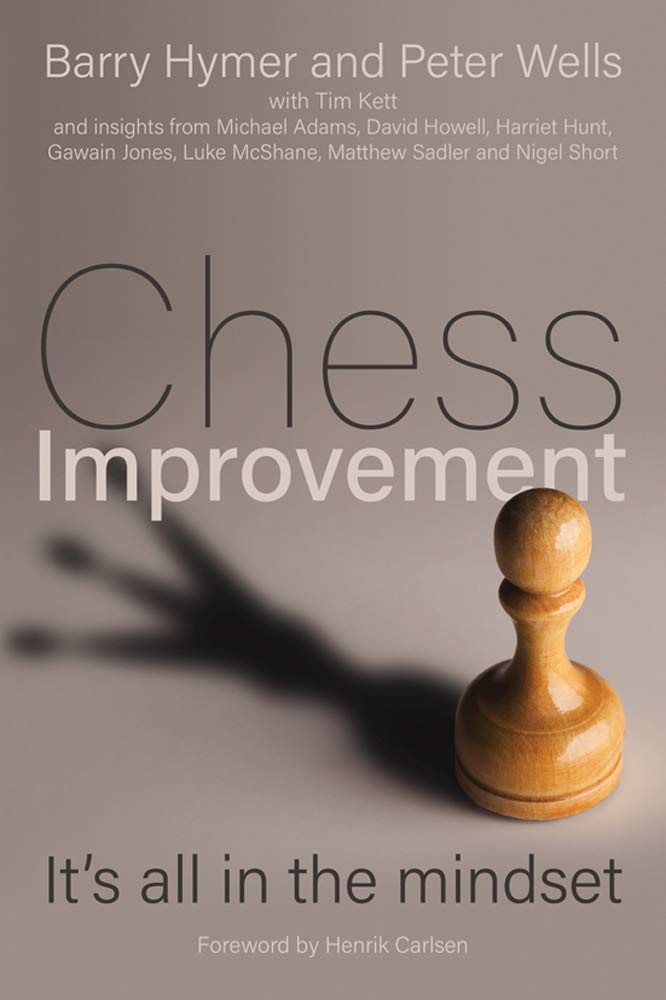
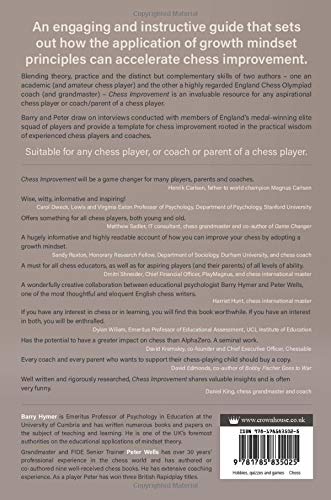
Peter Wells (second from right) at a Lloyds Bank event.GM Peter WellsPeter Wells, Gary Lane, John Emms and David NorwoodThe Complete Semi-SlavPiece PowerThe Complete Richter-RauzerThe Scotch GameWinning with the TrompowskyChess Explained : The Queen’s IndianGrandmaster Secrets : The Caro-KannDangerous Weapons : Anti-SiciliansChess Improvement: It’s all in the mindset, Barry Hymer and Peter Wells, Crown House Publishing, 2020Chess Improvement: It’s all in the mindset, Barry Hymer and Peter Wells, Crown House Publishing, 2020GM Peter Wells
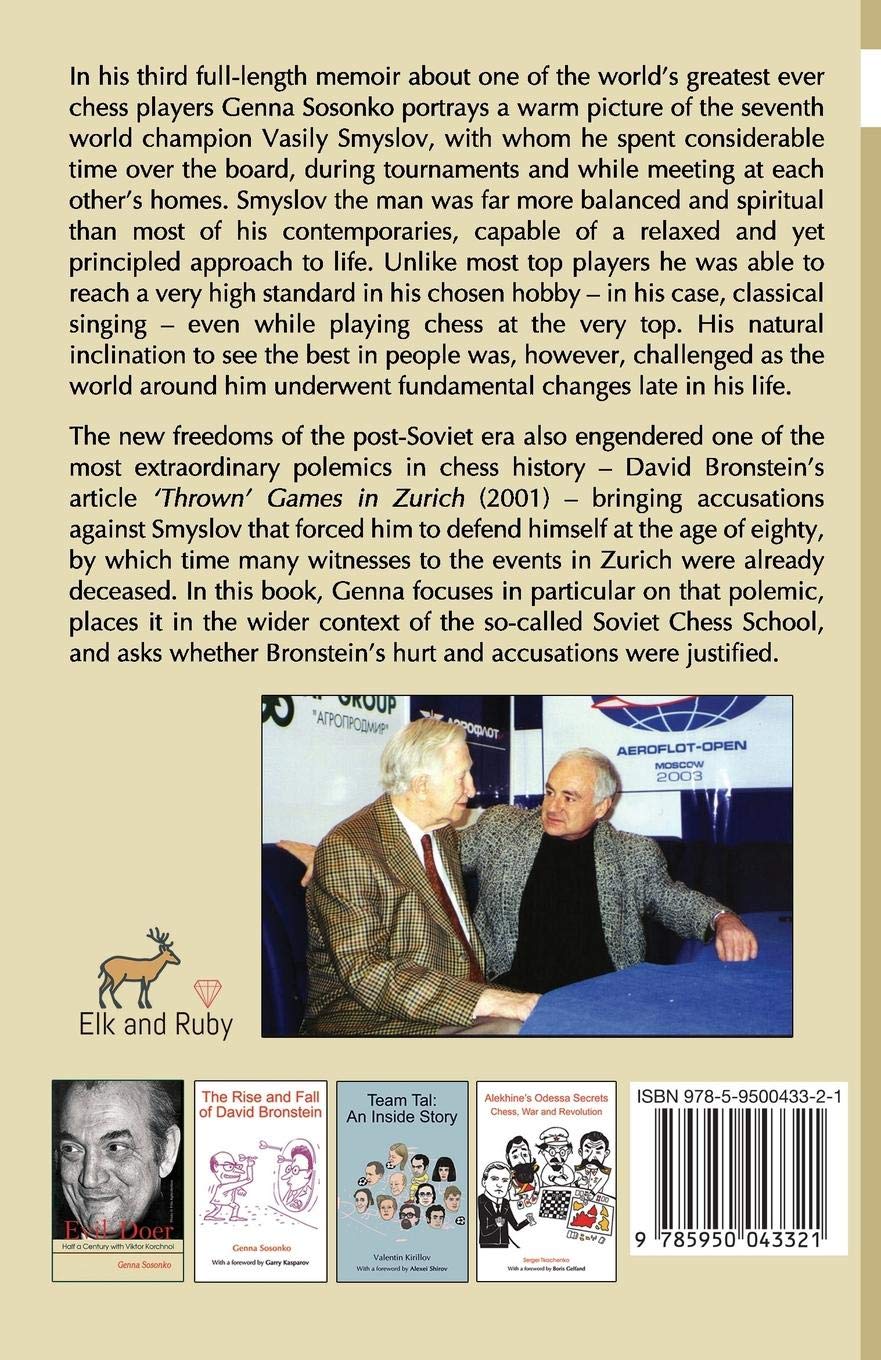
Genna Sosonko emigrated from the USSR to the Netherlands in 1972. For the past 20 years or so he’s made a career out of writing essays and books about chess in the Soviet Union, and interviewing many of the leading players from that period.
This, following on from books about Bronstein and Korchnoi, which will be reviewed later, is the third of a series of memoirs. Whereas Bronstein and Korchnoi were strong personalities who had controversial careers, Smyslov was a much more balanced character.
The word most associated with Smyslov is ‘harmony’. He sought harmony in his chess games, always seeking the most harmonious placing of his pieces. He was also a talented opera singer: harmony again.
In the first part of this book, Sosonko introduces us to his friend. The life of a chess player in the Soviet Union must have been a mixed blessing. While you were living in a totalitarian regime, chess was valued and its exponents respected – as long as they toed the party line. Smyslov, we learn, was a man of profound and sincere religious convictions: a member of the Russian Orthodox church. Beyond that, he was also, rather unexpectedly, interested in all things paranormal. He seemed to believe in astrology and the prophecies of Nostradamus, and was convinced that chess originated on Atlantis. It always intrigues me how many strong chess players, who excel at thinking rationally over the chessboard, have totally irrational views on other subjects.
Perhaps it was this fatalism, the belief that everything in his life was pre-ordained, which enabled Smyslov to ‘go with the flow’ during his chess career.
At the end of this part, we have eight pages of photographs, before moving onto part 2
Now we turn the clock back to the 1953 Candidates Tournament, and, specifically, this game, from round 26.
The tournament was approaching its end: Smyslov was leading but Bronstein still had a chance to win the prize of a title match against Botvinnik. The Soviet authorities instructed Bronstein to play for a draw, which, as you can see, he did, choosing the Exchange Variation of the Ruy Lopez, long before Fischer rehabilitated it as a winning try.
Bronstein never forgot this, and, nearly half a century later, published an article about match fixing in the 1953 Candidates Tournament which angered the usually placid Smyslov. Bronstein’s article and Smyslov’s reply both appear here.
Sosonko then moves on to discuss, in more general terms, the Soviet Chess School, offering revealing insights as to what life was like for grandmasters from the USSR.
The final third of the book returns to Smyslov, and is based on conversations with the great man during the last eight years of his life: from 2002 to 2010. I’ll have a lot more to say about this when I review Sosonko’s memoirs of Bronstein and Korchnoi, but I’m not sure how much this adds to our knowledge of Smyslov, or how much he would have wanted to be remembered for his declining years.
If you’ve read any of Sosonko’s other writing you’ll know that he writes well, and, very often, poignantly. He tends to throw in a lot of cultural references, which you might find helpful, but, on the other hand, you might just think is showing off. Me: I enjoyed the musical references but mentions of Russian literature often mean nothing to me.
It’s not quite true that there’s no chess in the book: there’s just one game, played when he was 14, which, although Sosonko doesn’t mention it, is spookily similar to the Famous Game Rotlewi-Rubinstein.
If you’re looking for a book that will improve your rating, then, you’ll want to look elsewhere. If you want to know more about Smyslov as a person, you’ll probably enjoy the first third of the book. If you’re interested in the history of chess in the Soviet Union, particularly in the years following the Second World War, you might want to read the second part, but you’ll need to bear in mind that the author is an compiler of memoirs and anecdotes, not a historian. It’s the final section that leaves me with mixed feelings. A moving testimony of the final years of a much loved and respected champion, or just voyeurism? I’m in two minds: maybe you should read the book and decide for yourself.
Richard James, Twickenham 15 April 2020
Richard James
Book Details :
Paperback : 199 pages
Publisher: Limited Liability Company Elk and Ruby Publishing House (5 Nov. 2018)
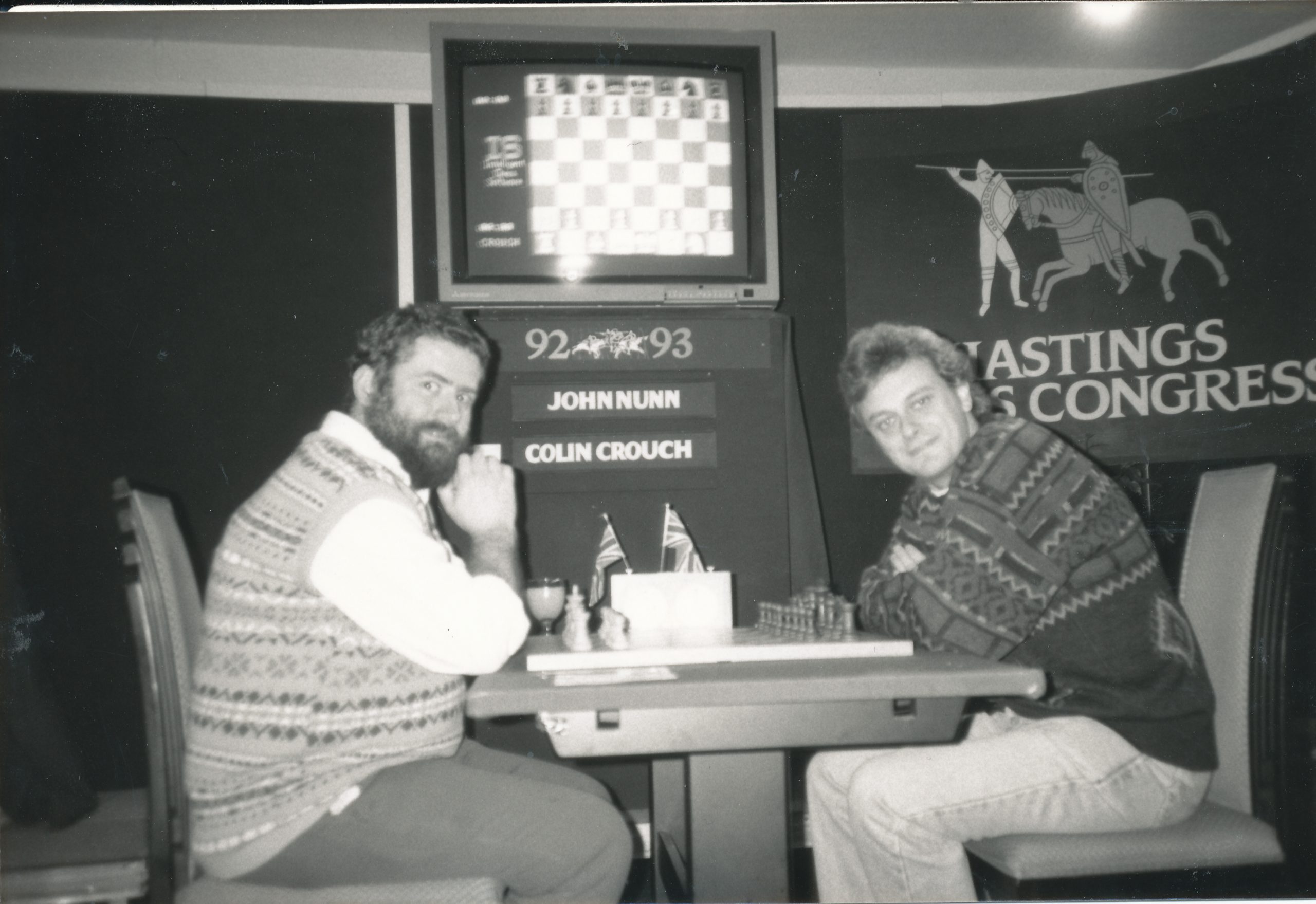
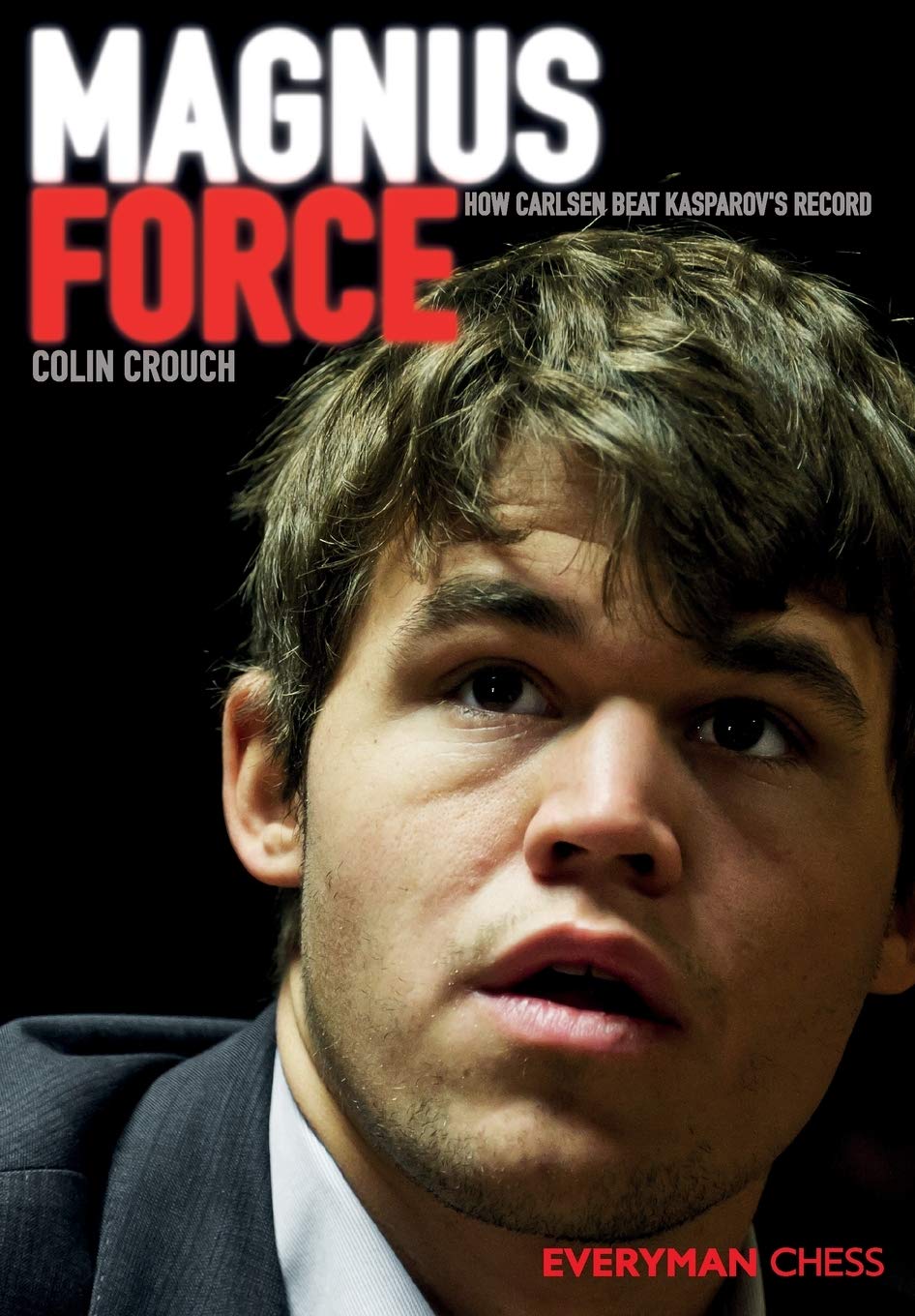
Colin Crouch by Cathy RogersRate Your EndgameHastings 1895 – The Centenary BookAttacking TechniqueThe Queen’s Gambit Declined 5.Bf4!Rate Your EndgameHow to Defend in ChessModern Chess Move by MoveMagnus ForceFighting Chess Move by Move
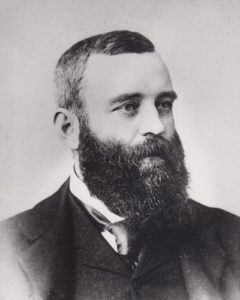
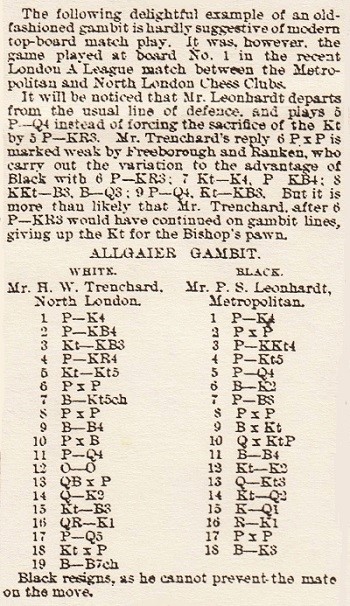
“Herbert William Trenchard (8 September 1857, Thorncombe – 15 April 1934, London) was an English chess master.
He took 11th and tied for 4-5th in London in 1886, shared twice 3rd at Cambridge 1890 and Oxford 1891, tied for 4-5th at Brighton 1892, took 2nd at London 1892 (B tourn), tied for 3rd-4th at Woolhall Spa 1893, and took 3rd at London 1896,[1]
He also participated at Vienna 1898 (Kaiser-Jubiläumsturnier, Siegbert Tarrasch and Harry Pillsbury won) and took 19th place there.[2][3]”
BCN sends IM Malcolm Pein best wishes on his 61st birthday.
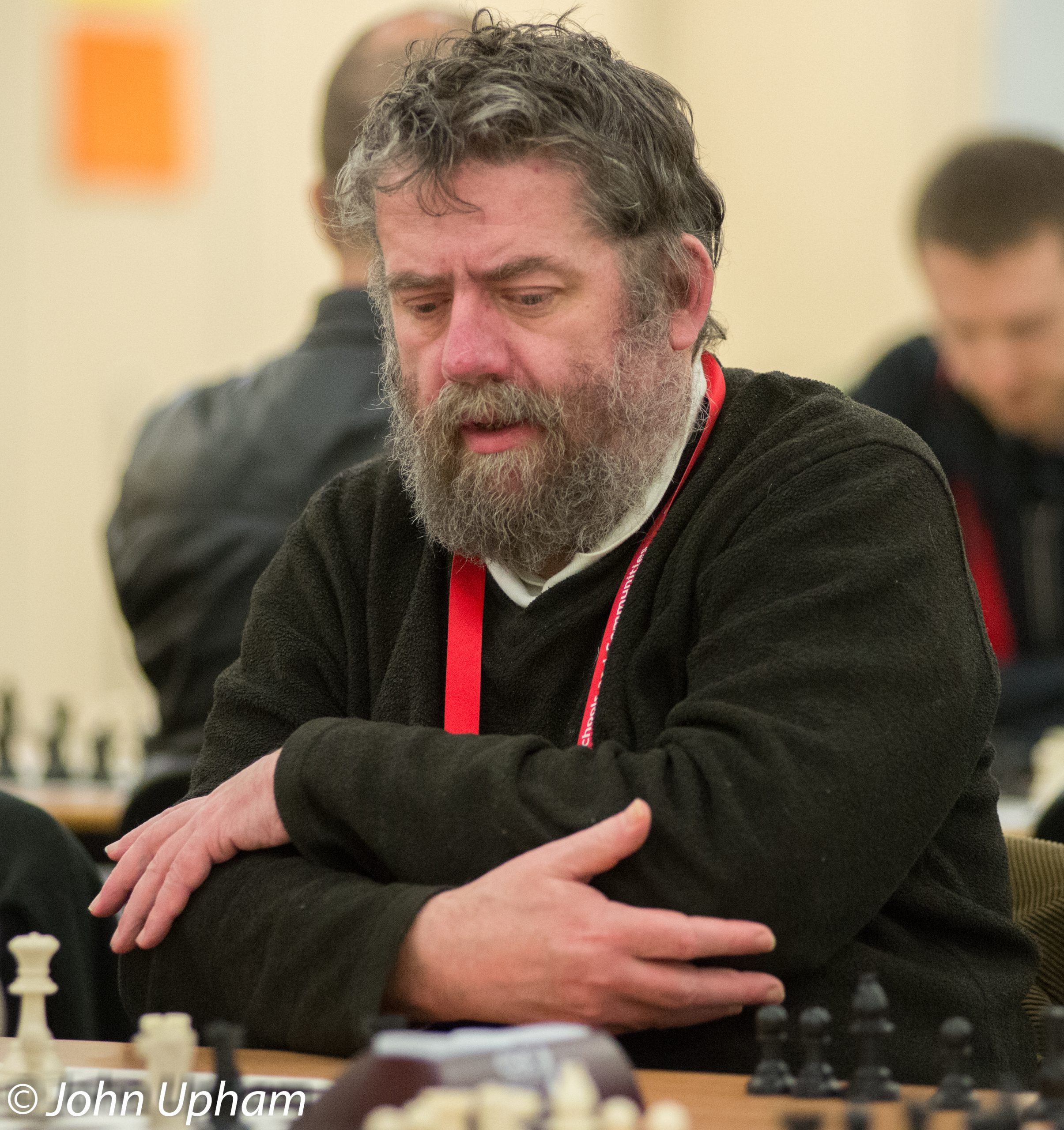
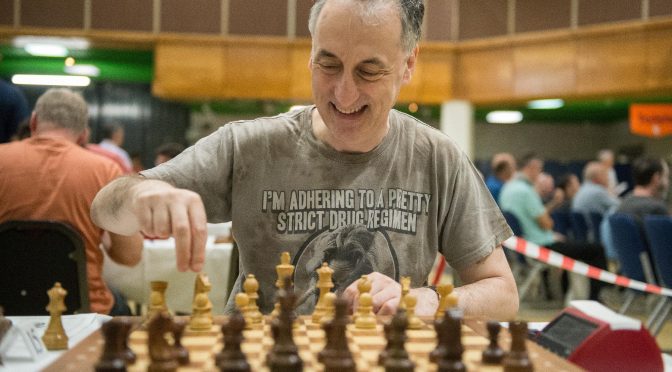
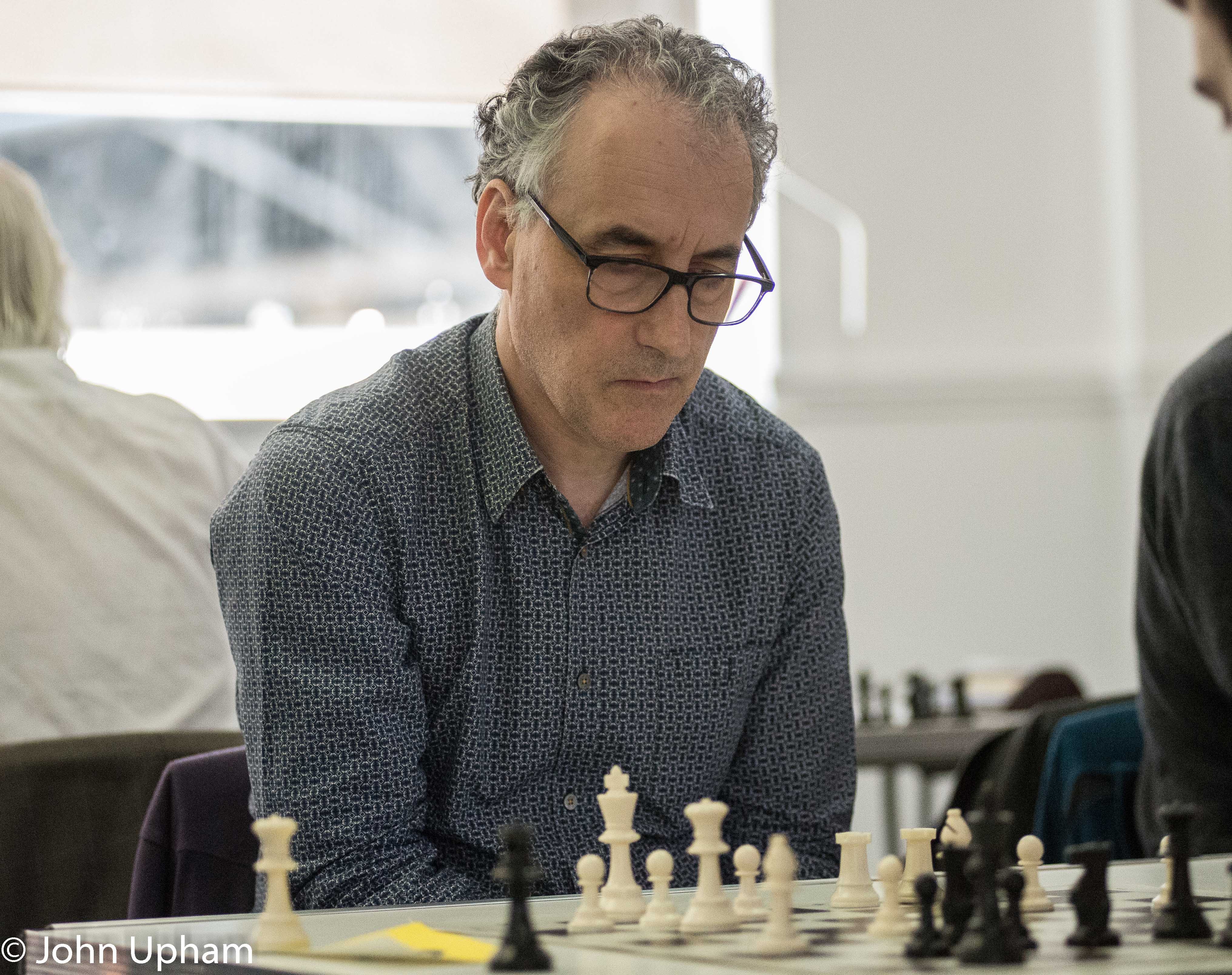
IM Malcolm Pein at the King’s Place Rapidplay 2013, photograph courtesy of John Upham
Malcolm Bernard Pein was born in Liverpool (South). South Lancashire and his mother’s maiden name is Max. (Gaige, Felice and chessgames.com all incorrectly have Malcolm L. Pein).
Malcolm Pein
This was written about Malcolm aged 19 just prior to the 1979 Spassky vs the BCF Junior Squad simultaneous display :
” London University and Liverpool, Rating 199. British under-18 co-champion, 1977. Currently No.1 player for London University.”
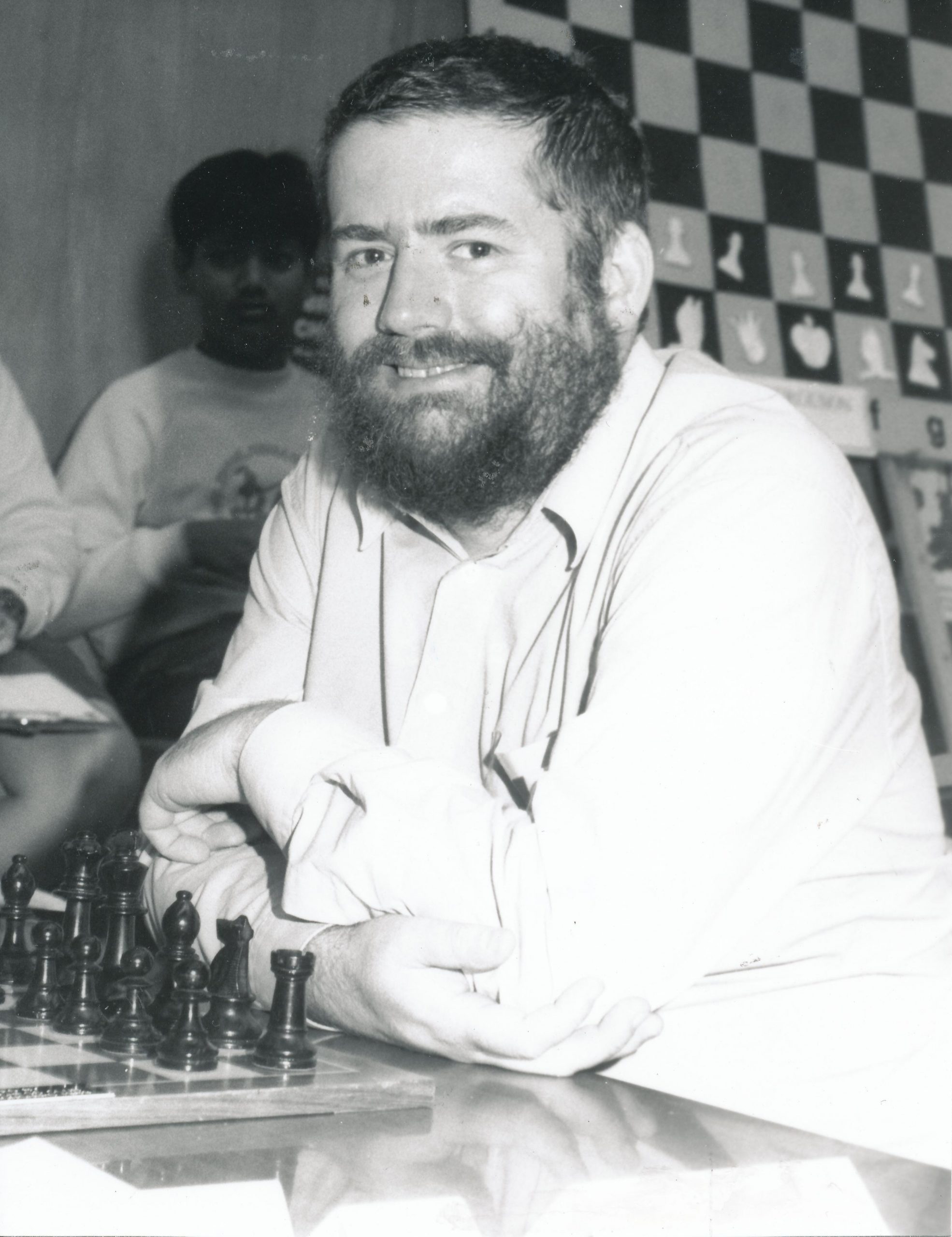
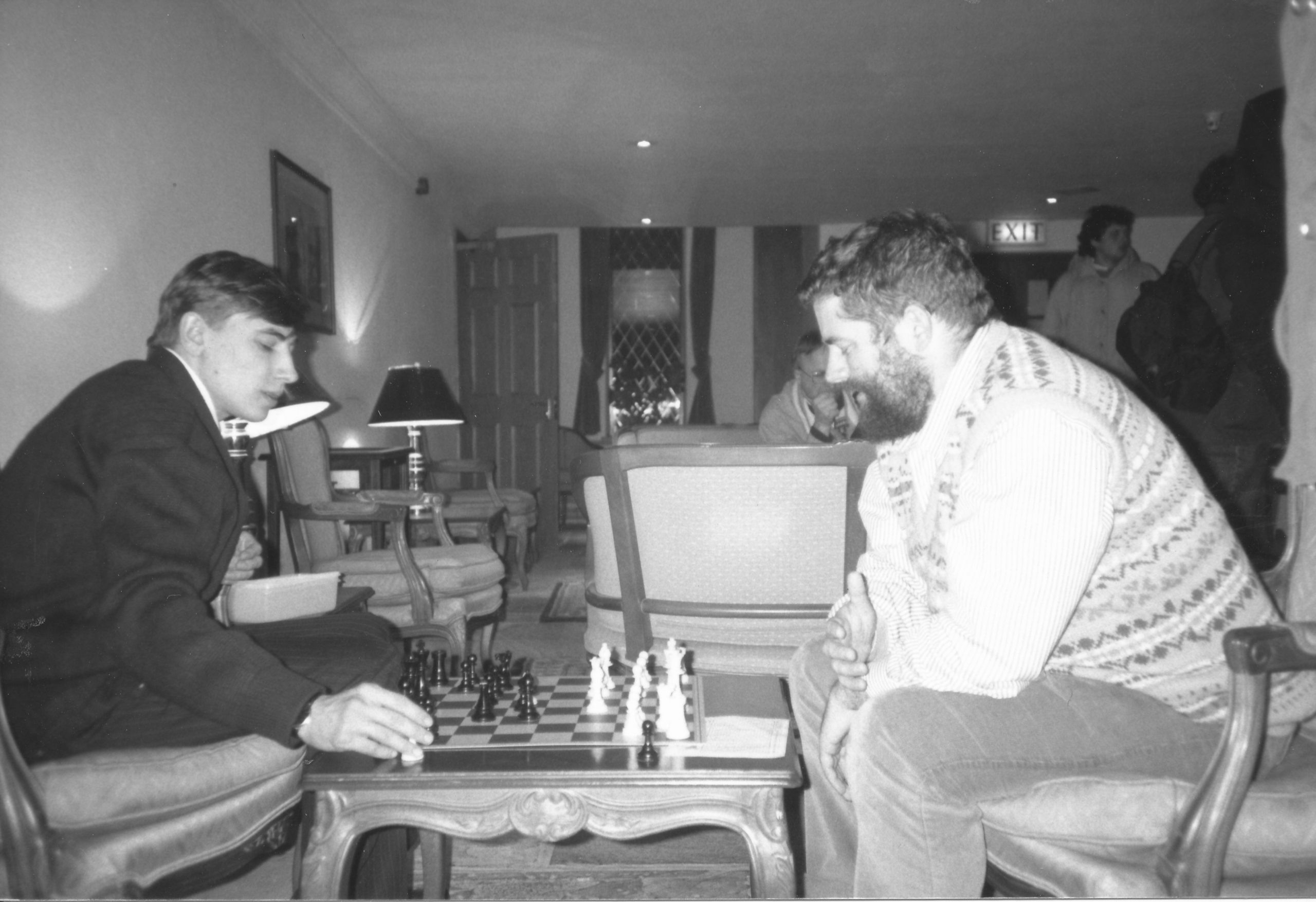
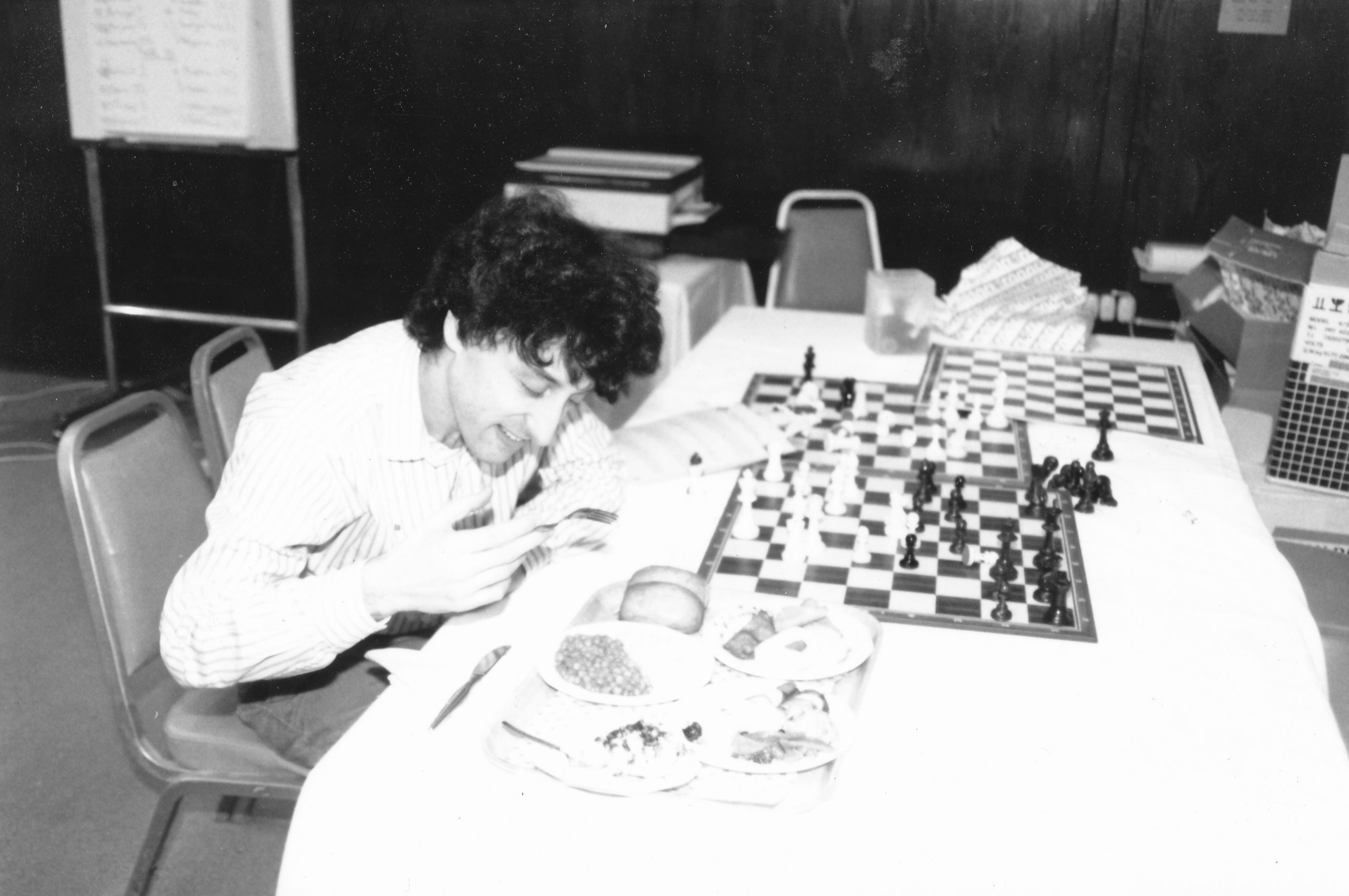
Malcolm hard at work
Malcolm studied Chemical Engineering at University College, London entering in September 1978. He won The University of London championship in February 1979.
He became an International Master in 1986 and is a FIDE Delegate (for England) and an International Director.
Malcolm’s peak rating was 2450 in January 1992 at the age of 32.
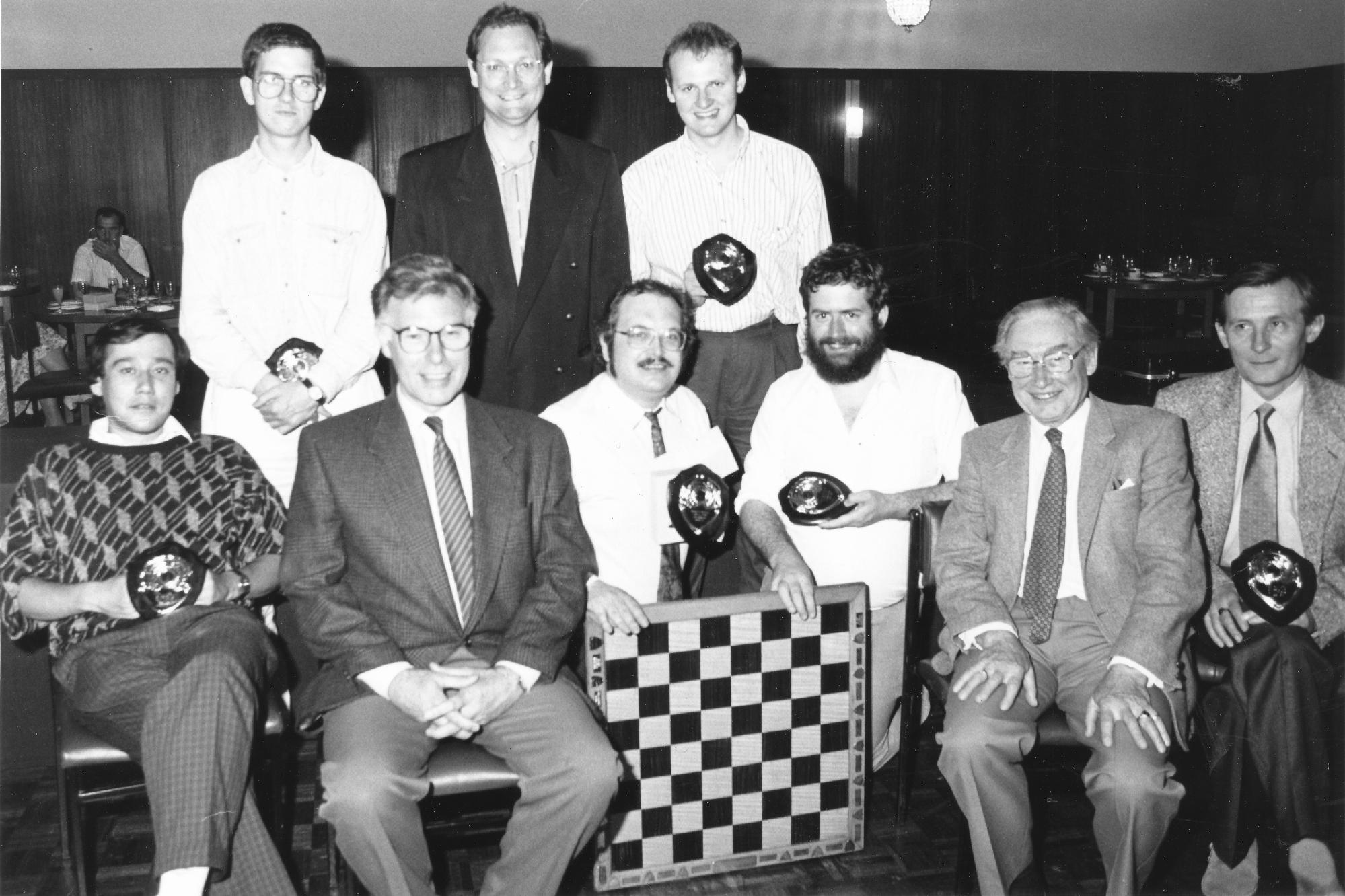
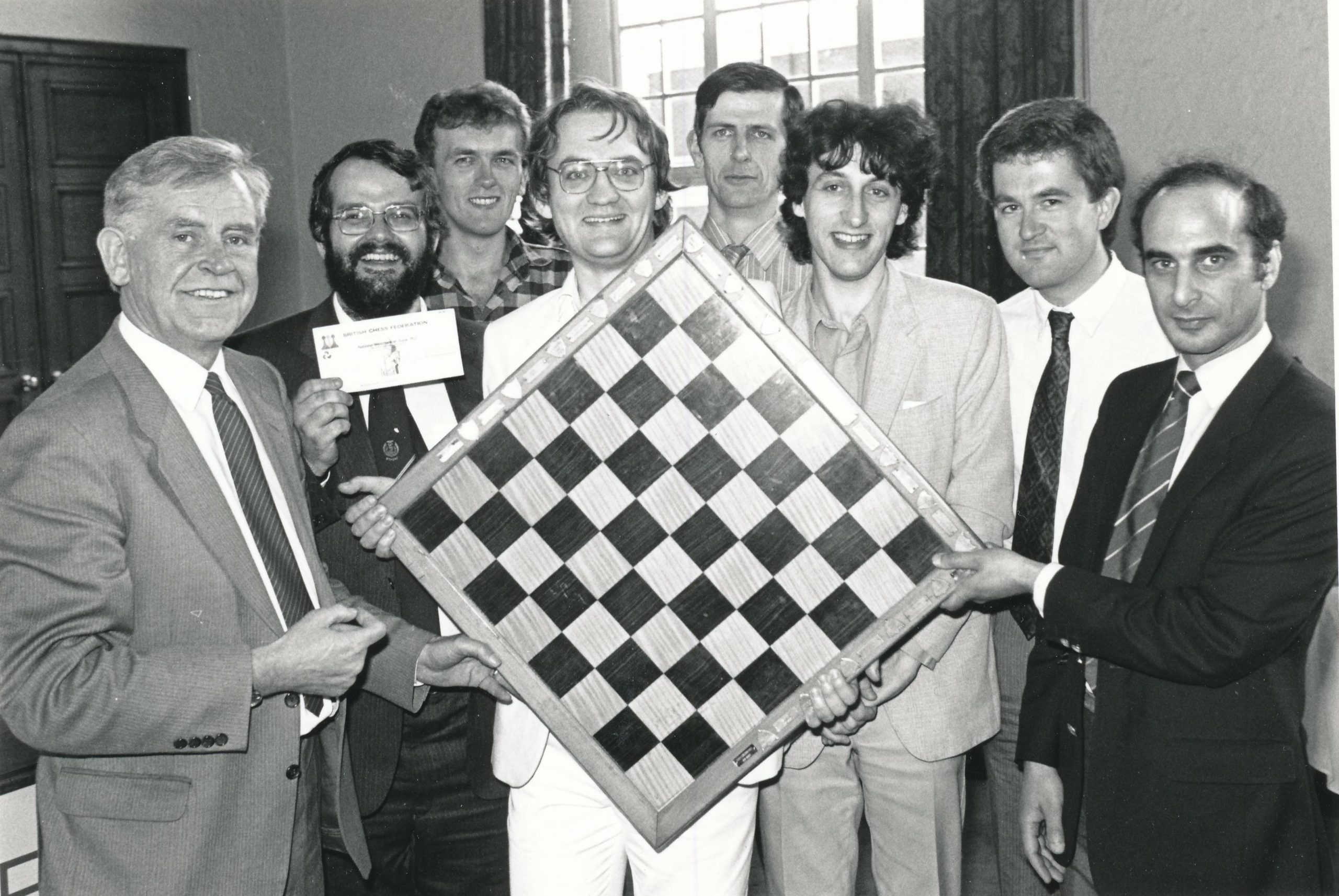
Malcolm Pein (third from right) and a victorious Wood Green team. Trophy presented by Magnus Magnusson
With the white pieces Malcolm prefers the Queen’s Gambit almost exclusively with 1.e4 rarely seeing the light of day scoring 62%
As the second player, Malcolm champions the Pirc, Modern and Grunfeld defences scoring 49% which MegaBase 2020 claims is “above average”.
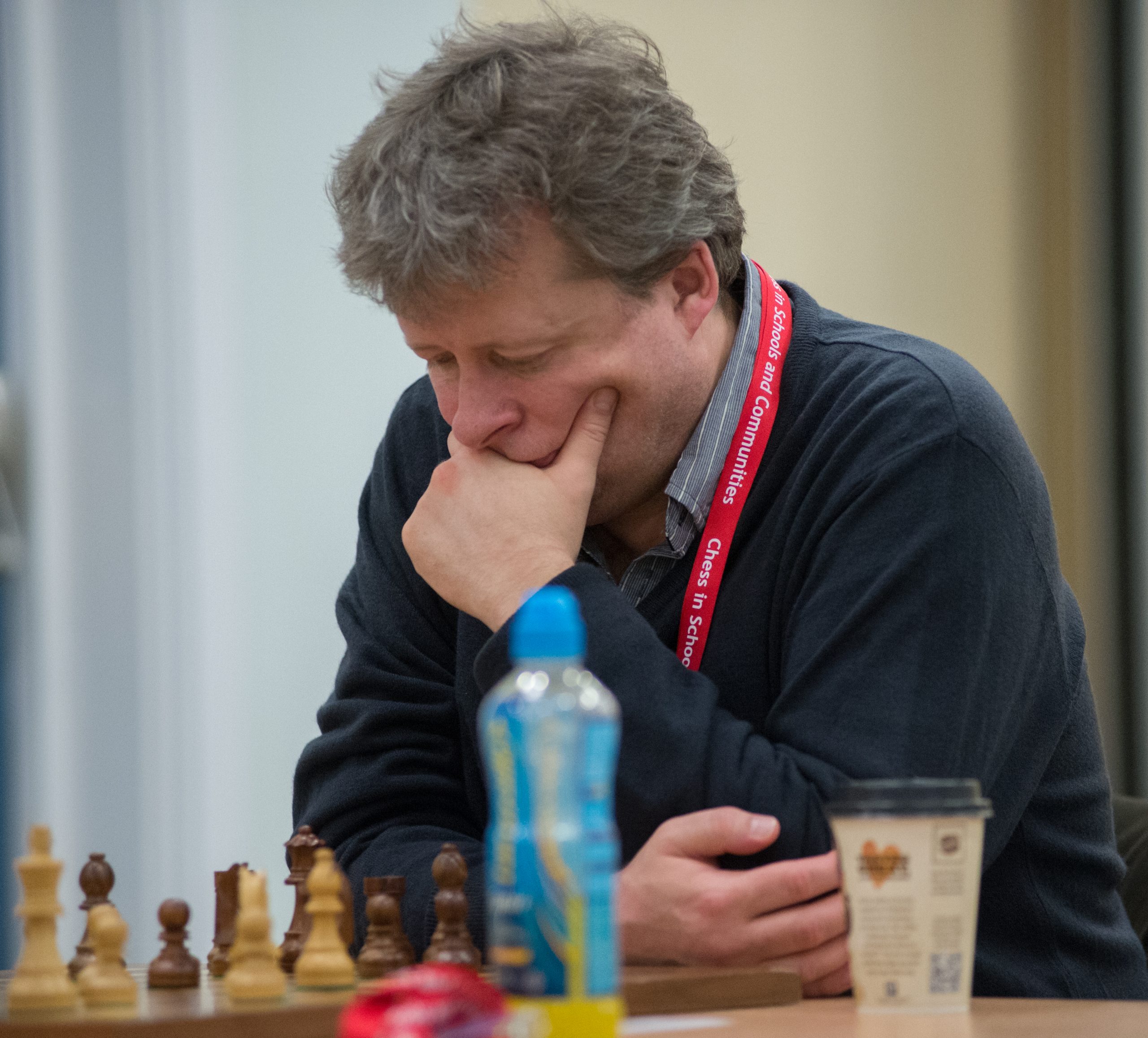
IM Malcolm Pein at the Bristol heat of the British Blitz Qualification event in 2019
In addition to his newspaper column and magazine editorial, Malcolm has written a number of chess books and booklets, including :
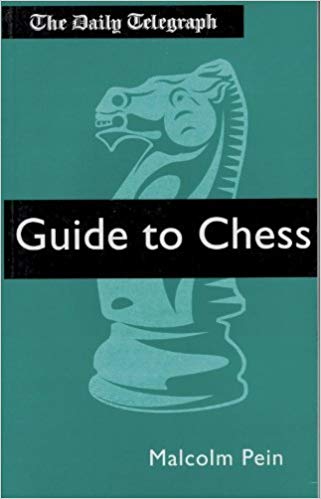
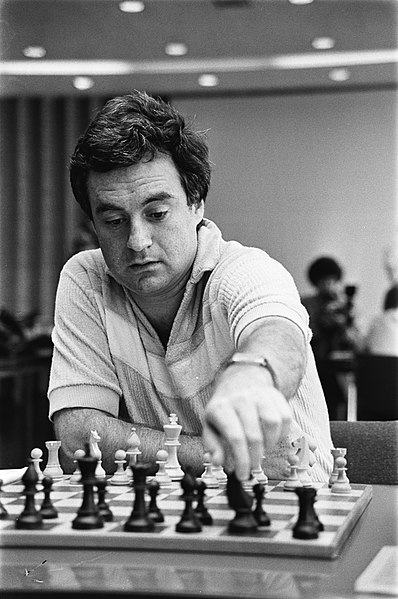
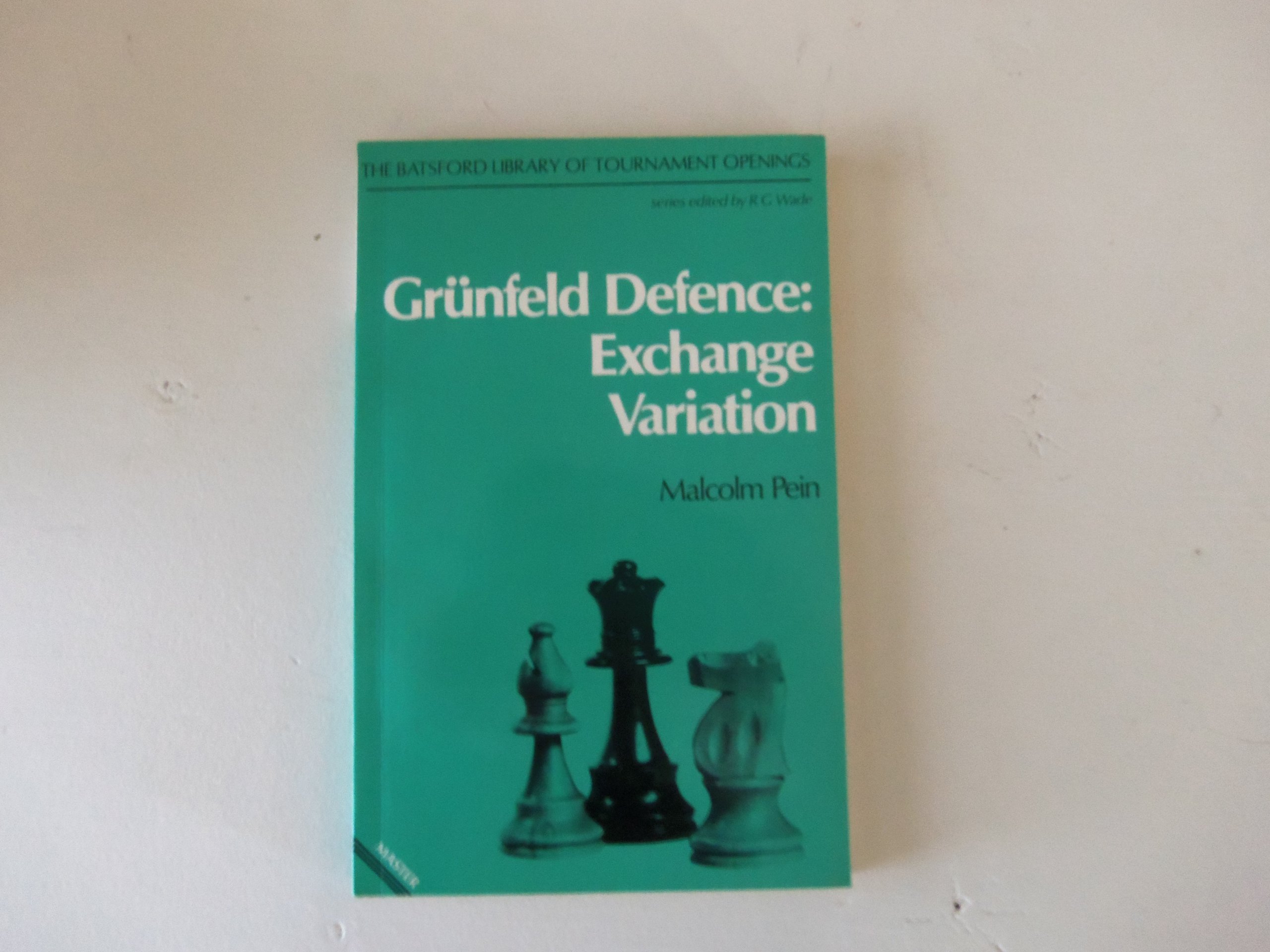
Grunfeld Defence (Batsford, 1981) – ISBN 978-0713435948Blumenfeld Defence [with Jan Przewoznik] (Everyman, 1991) – ISBN 978-0080371337Daily Telegraph Guide to Chess (Batsford, 1995) – ISBN 978-0713478143
The Exchange Grunfeld [with Adrian Mikhalchishin] (Everyman, 1996) – ISBN 978-1857440560]
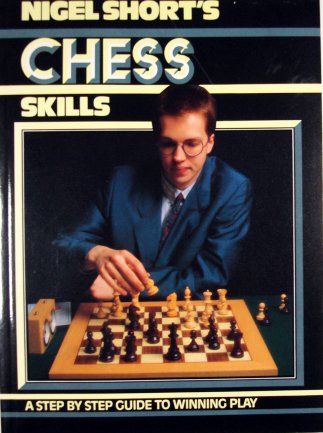
Nigel Short’s Chess Skills (1989)(was ghost written by Malcolm)
“Malcolm Pein’s contribution to English Chess is well known. He is CEO of Chess in Schools and Communities, has been largely involved in the organisation of the London Chess Classic and is currently the ECF’s Delegate to FIDE and International Director. On top of all that he is also an IM, writes the ‘Daily Telegraph’ Chess Column, and edits CHESS Magazine.”
IM Malcolm Pein at the London Chess Classic 2013, photograph courtesy of John Upham
Malcolm is also owner (and a director) of the London Chess Centre (a company incorporated on May 1st 1997) which has relocated to 44, Baker Street, former home of the British Chess Magazine retail premises. This was purchased from Stephen Lowe and Shaun Taulbut in 2010 when the leasehold on the Euston Road premises expired. Another director is Henry Gerald Mutkin who is the main organiser of the annual Varsity match.
BCN sends IM Malcolm Pein best wishes on his 61st birthday.
IM Malcolm Pein at the King’s Place Rapidplay 2013, photograph courtesy of John Upham
Malcolm Bernard Pein was born in Liverpool (South). South Lancashire and his mother’s maiden name is Max. (Gaige, Felice and chessgames.com all incorrectly have Malcolm L. Pein).
Malcolm Pein
This was written about Malcolm aged 19 just prior to the 1979 Spassky vs the BCF Junior Squad simultaneous display :
” London University and Liverpool, Rating 199. British under-18 co-champion, 1977. Currently No.1 player for London University.”
Malcolm hard at work
Malcolm studied Chemical Engineering at University College, London entering in September 1978. He won The University of London championship in February 1979.
He became an International Master in 1986 and is a FIDE Delegate (for England) and an International Director.
Malcolm’s peak rating was 2450 in January 1992 at the age of 32.
Malcolm Pein (third from right) and a victorious Wood Green team. Trophy presented by Magnus Magnusson
With the white pieces Malcolm prefers the Queen’s Gambit almost exclusively with 1.e4 rarely seeing the light of day scoring 62%
As the second player, Malcolm champions the Pirc, Modern and Grunfeld defences scoring 49% which MegaBase 2020 claims is “above average”.
IM Malcolm Pein at the Bristol heat of the British Blitz Qualification event in 2019
In addition to his newspaper column and magazine editorial, Malcolm has written a number of chess books and booklets, including :
Grunfeld Defence (Batsford, 1981) – ISBN 978-0713435948Blumenfeld Defence [with Jan Przewoznik] (Everyman, 1991) – ISBN 978-0080371337Daily Telegraph Guide to Chess (Batsford, 1995) – ISBN 978-0713478143
The Exchange Grunfeld [with Adrian Mikhalchishin] (Everyman, 1996) – ISBN 978-1857440560]
Nigel Short’s Chess Skills (1989)(was ghost written by Malcolm)
“Malcolm Pein’s contribution to English Chess is well known. He is CEO of Chess in Schools and Communities, has been largely involved in the organisation of the London Chess Classic and is currently the ECF’s Delegate to FIDE and International Director. On top of all that he is also an IM, writes the ‘Daily Telegraph’ Chess Column, and edits CHESS Magazine.”
IM Malcolm Pein at the London Chess Classic 2013, photograph courtesy of John Upham
Malcolm is also owner (and a director) of the London Chess Centre (a company incorporated on May 1st 1997) which has relocated to 44, Baker Street, former home of the British Chess Magazine retail premises. This was purchased from Stephen Lowe and Shaun Taulbut in 2010 when the leasehold on the Euston Road premises expired. Another director is Henry Gerald Mutkin who is the main organiser of the annual Varsity match.
BCN sends IM Malcolm Pein best wishes on his 61st birthday.
IM Malcolm Pein at the King’s Place Rapidplay 2013, photograph courtesy of John Upham
Malcolm Bernard Pein was born in Liverpool (South). South Lancashire and his mother’s maiden name is Max. (Gaige, Felice and chessgames.com all incorrectly have Malcolm L. Pein).
Malcolm Pein
This was written about Malcolm aged 19 just prior to the 1979 Spassky vs the BCF Junior Squad simultaneous display :
” London University and Liverpool, Rating 199. British under-18 co-champion, 1977. Currently No.1 player for London University.”
Malcolm hard at work
Malcolm studied Chemical Engineering at University College, London entering in September 1978. He won The University of London championship in February 1979.
He became an International Master in 1986 and is a FIDE Delegate (for England) and an International Director.
Malcolm’s peak rating was 2450 in January 1992 at the age of 32.
Malcolm Pein (third from right) and a victorious Wood Green team. Trophy presented by Magnus Magnusson
With the white pieces Malcolm prefers the Queen’s Gambit almost exclusively with 1.e4 rarely seeing the light of day scoring 62%
As the second player, Malcolm champions the Pirc, Modern and Grunfeld defences scoring 49% which MegaBase 2020 claims is “above average”.
IM Malcolm Pein at the Bristol heat of the British Blitz Qualification event in 2019
In addition to his newspaper column and magazine editorial, Malcolm has written a number of chess books and booklets, including :
Grunfeld Defence (Batsford, 1981) – ISBN 978-0713435948Blumenfeld Defence [with Jan Przewoznik] (Everyman, 1991) – ISBN 978-0080371337Daily Telegraph Guide to Chess (Batsford, 1995) – ISBN 978-0713478143
The Exchange Grunfeld [with Adrian Mikhalchishin] (Everyman, 1996) – ISBN 978-1857440560]
Nigel Short’s Chess Skills (1989)(was ghost written by Malcolm)
“Malcolm Pein’s contribution to English Chess is well known. He is CEO of Chess in Schools and Communities, has been largely involved in the organisation of the London Chess Classic and is currently the ECF’s Delegate to FIDE and International Director. On top of all that he is also an IM, writes the ‘Daily Telegraph’ Chess Column, and edits CHESS Magazine.”
IM Malcolm Pein at the London Chess Classic 2013, photograph courtesy of John Upham
Malcolm is also owner (and a director) of the London Chess Centre (a company incorporated on May 1st 1997) which has relocated to 44, Baker Street, former home of the British Chess Magazine retail premises. This was purchased from Stephen Lowe and Shaun Taulbut in 2010 when the leasehold on the Euston Road premises expired. Another director is Henry Gerald Mutkin who is the main organiser of the annual Varsity match.
BCN sends IM Malcolm Pein best wishes on his 61st birthday.
IM Malcolm Pein at the King’s Place Rapidplay 2013, photograph courtesy of John Upham
Malcolm Bernard Pein was born in Liverpool (South). South Lancashire and his mother’s maiden name is Max. (Gaige, Felice and chessgames.com all incorrectly have Malcolm L. Pein).
Malcolm Pein
This was written about Malcolm aged 19 just prior to the 1979 Spassky vs the BCF Junior Squad simultaneous display :
” London University and Liverpool, Rating 199. British under-18 co-champion, 1977. Currently No.1 player for London University.”
Malcolm hard at work
Malcolm studied Chemical Engineering at University College, London entering in September 1978. He won The University of London championship in February 1979.
He became an International Master in 1986 and is a FIDE Delegate (for England) and an International Director.
Malcolm’s peak rating was 2450 in January 1992 at the age of 32.
Malcolm Pein (third from right) and a victorious Wood Green team. Trophy presented by Magnus Magnusson
With the white pieces Malcolm prefers the Queen’s Gambit almost exclusively with 1.e4 rarely seeing the light of day scoring 62%
As the second player, Malcolm champions the Pirc, Modern and Grunfeld defences scoring 49% which MegaBase 2020 claims is “above average”.
IM Malcolm Pein at the Bristol heat of the British Blitz Qualification event in 2019
In addition to his newspaper column and magazine editorial, Malcolm has written a number of chess books and booklets, including :
Grunfeld Defence (Batsford, 1981) – ISBN 978-0713435948Blumenfeld Defence [with Jan Przewoznik] (Everyman, 1991) – ISBN 978-0080371337Daily Telegraph Guide to Chess (Batsford, 1995) – ISBN 978-0713478143
The Exchange Grunfeld [with Adrian Mikhalchishin] (Everyman, 1996) – ISBN 978-1857440560]
Nigel Short’s Chess Skills (1989)(was ghost written by Malcolm)
“Malcolm Pein’s contribution to English Chess is well known. He is CEO of Chess in Schools and Communities, has been largely involved in the organisation of the London Chess Classic and is currently the ECF’s Delegate to FIDE and International Director. On top of all that he is also an IM, writes the ‘Daily Telegraph’ Chess Column, and edits CHESS Magazine.”
IM Malcolm Pein at the London Chess Classic 2013, photograph courtesy of John Upham
Malcolm is also owner (and a director) of the London Chess Centre (a company incorporated on May 1st 1997) which has relocated to 44, Baker Street, former home of the British Chess Magazine retail premises. This was purchased from Stephen Lowe and Shaun Taulbut in 2010 when the leasehold on the Euston Road premises expired. Another director is Henry Gerald Mutkin who is the main organiser of the annual Varsity match.
BCN sends IM Malcolm Pein best wishes on his 61st birthday.
IM Malcolm Pein at the King’s Place Rapidplay 2013, photograph courtesy of John Upham
Malcolm Bernard Pein was born in Liverpool (South). South Lancashire and his mother’s maiden name is Max. (Gaige, Felice and chessgames.com all incorrectly have Malcolm L. Pein).
Malcolm Pein
This was written about Malcolm aged 19 just prior to the 1979 Spassky vs the BCF Junior Squad simultaneous display :
” London University and Liverpool, Rating 199. British under-18 co-champion, 1977. Currently No.1 player for London University.”
Malcolm hard at work
Malcolm studied Chemical Engineering at University College, London entering in September 1978. He won The University of London championship in February 1979.
He became an International Master in 1986 and is a FIDE Delegate (for England) and an International Director.
Malcolm’s peak rating was 2450 in January 1992 at the age of 32.
Malcolm Pein (third from right) and a victorious Wood Green team. Trophy presented by Magnus Magnusson
With the white pieces Malcolm prefers the Queen’s Gambit almost exclusively with 1.e4 rarely seeing the light of day scoring 62%
As the second player, Malcolm champions the Pirc, Modern and Grunfeld defences scoring 49% which MegaBase 2020 claims is “above average”.
IM Malcolm Pein at the Bristol heat of the British Blitz Qualification event in 2019
In addition to his newspaper column and magazine editorial, Malcolm has written a number of chess books and booklets, including :
Grunfeld Defence (Batsford, 1981) – ISBN 978-0713435948Blumenfeld Defence [with Jan Przewoznik] (Everyman, 1991) – ISBN 978-0080371337Daily Telegraph Guide to Chess (Batsford, 1995) – ISBN 978-0713478143
The Exchange Grunfeld [with Adrian Mikhalchishin] (Everyman, 1996) – ISBN 978-1857440560]
Nigel Short’s Chess Skills (1989)(was ghost written by Malcolm)
“Malcolm Pein’s contribution to English Chess is well known. He is CEO of Chess in Schools and Communities, has been largely involved in the organisation of the London Chess Classic and is currently the ECF’s Delegate to FIDE and International Director. On top of all that he is also an IM, writes the ‘Daily Telegraph’ Chess Column, and edits CHESS Magazine.”
IM Malcolm Pein at the London Chess Classic 2013, photograph courtesy of John Upham
Malcolm is also owner (and a director) of the London Chess Centre (a company incorporated on May 1st 1997) which has relocated to 44, Baker Street, former home of the British Chess Magazine retail premises. This was purchased from Stephen Lowe and Shaun Taulbut in 2010 when the leasehold on the Euston Road premises expired. Another director is Henry Gerald Mutkin who is the main organiser of the annual Varsity match.
Malcolm has a son, Jonathan who is a strong player and he resides in London, NW7.
Jonathan and Malcolm Pein at the 2016 Michael Uriely Memorial TournamentMalcolm Pein & Dominic Lawson
Save as PDF
We focus on the British Chess Scene Past & Present!
This website uses cookies to improve your experience. We'll assume you're ok with this, but you can opt-out if you wish. Cookie settingsACCEPT
Privacy & Cookies Policy
Privacy Overview
This website uses cookies to improve your experience while you navigate through the website. Out of these cookies, the cookies that are categorized as necessary are stored on your browser as they are as essential for the working of basic functionalities of the website. We also use third-party cookies that help us analyze and understand how you use this website. These cookies will be stored in your browser only with your consent. You also have the option to opt-out of these cookies. But opting out of some of these cookies may have an effect on your browsing experience.
Necessary cookies are absolutely essential for the website to function properly. This category only includes cookies that ensures basic functionalities and security features of the website. These cookies do not store any personal information.
 Save as PDF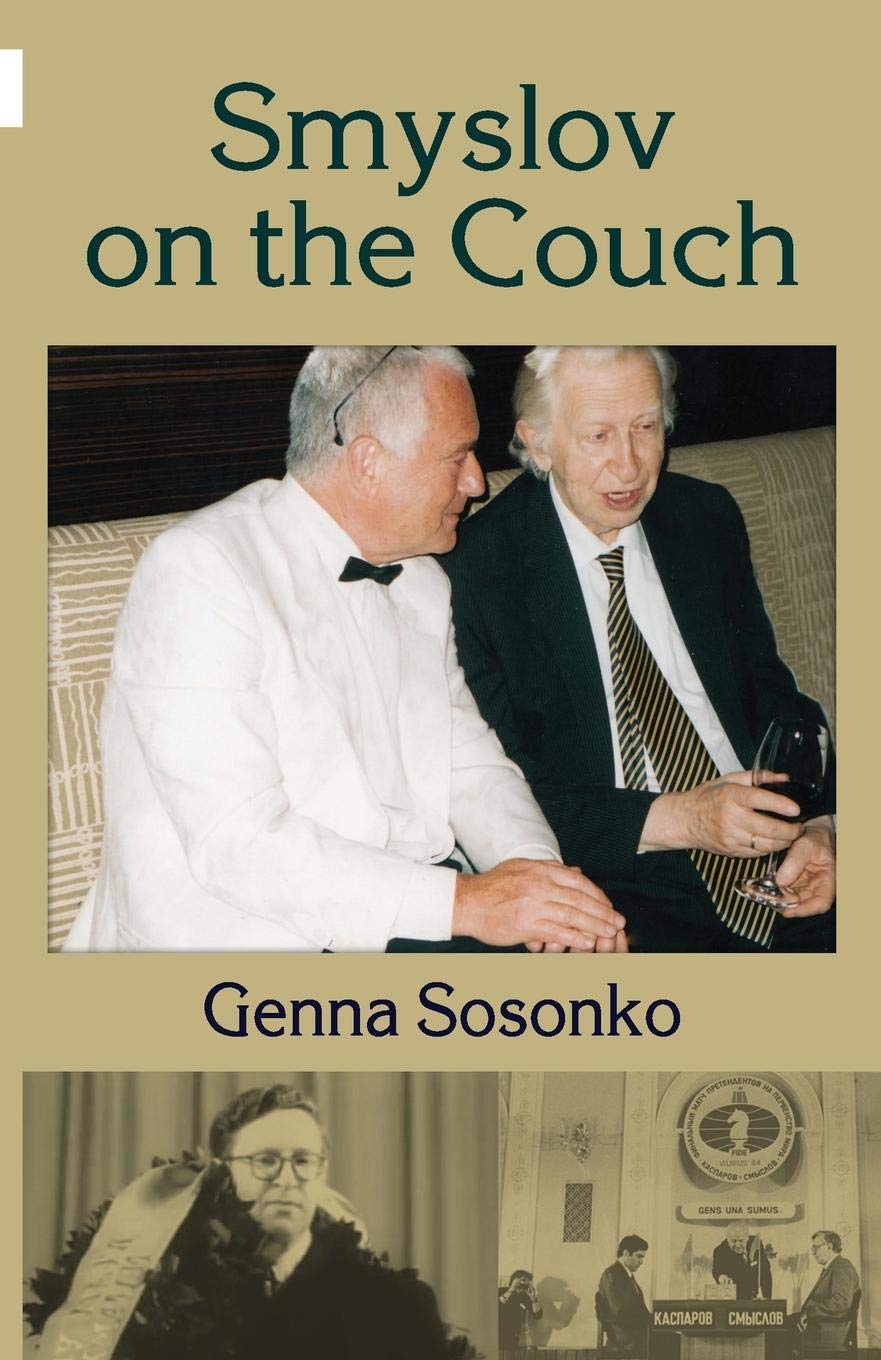



![Blumenfeld Defence [with Jan Przewoznik] (Everyman, 1991) – ISBN 978-0080371337](http://britishchessnews.com/wp-content/uploads/2019/08/51NJRP63K8L._SX322_BO1204203200_.jpg)