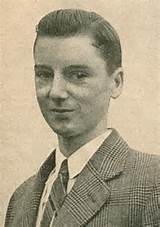
BCN remembers Richard Griffith who passed away on December 11th, 1955.
Tag Archives: Biographies
Best wishes FM Peter Batchelor (10-xii-1996)
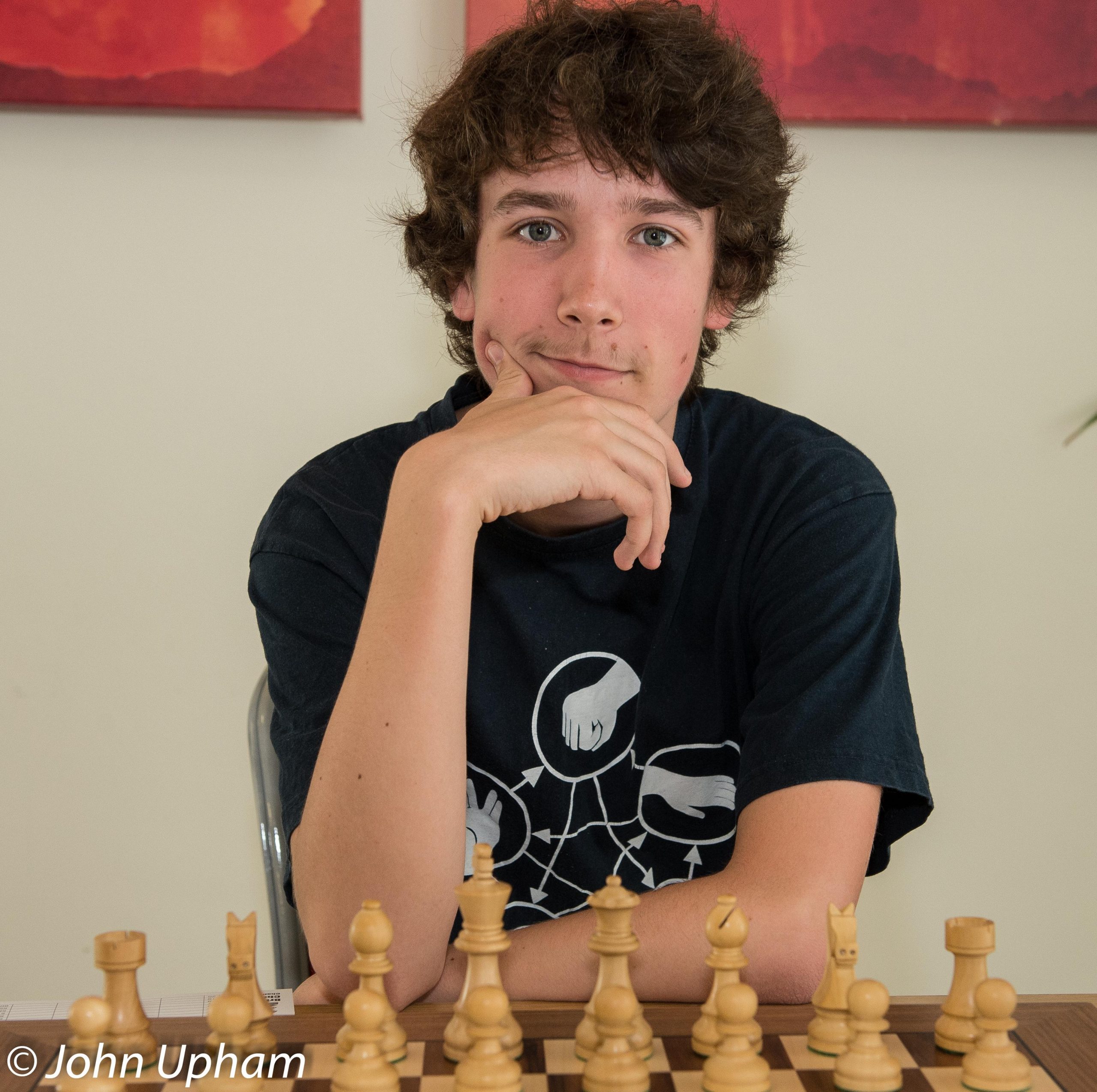
Best wishes to FM Peter Batchelor on his birthday.
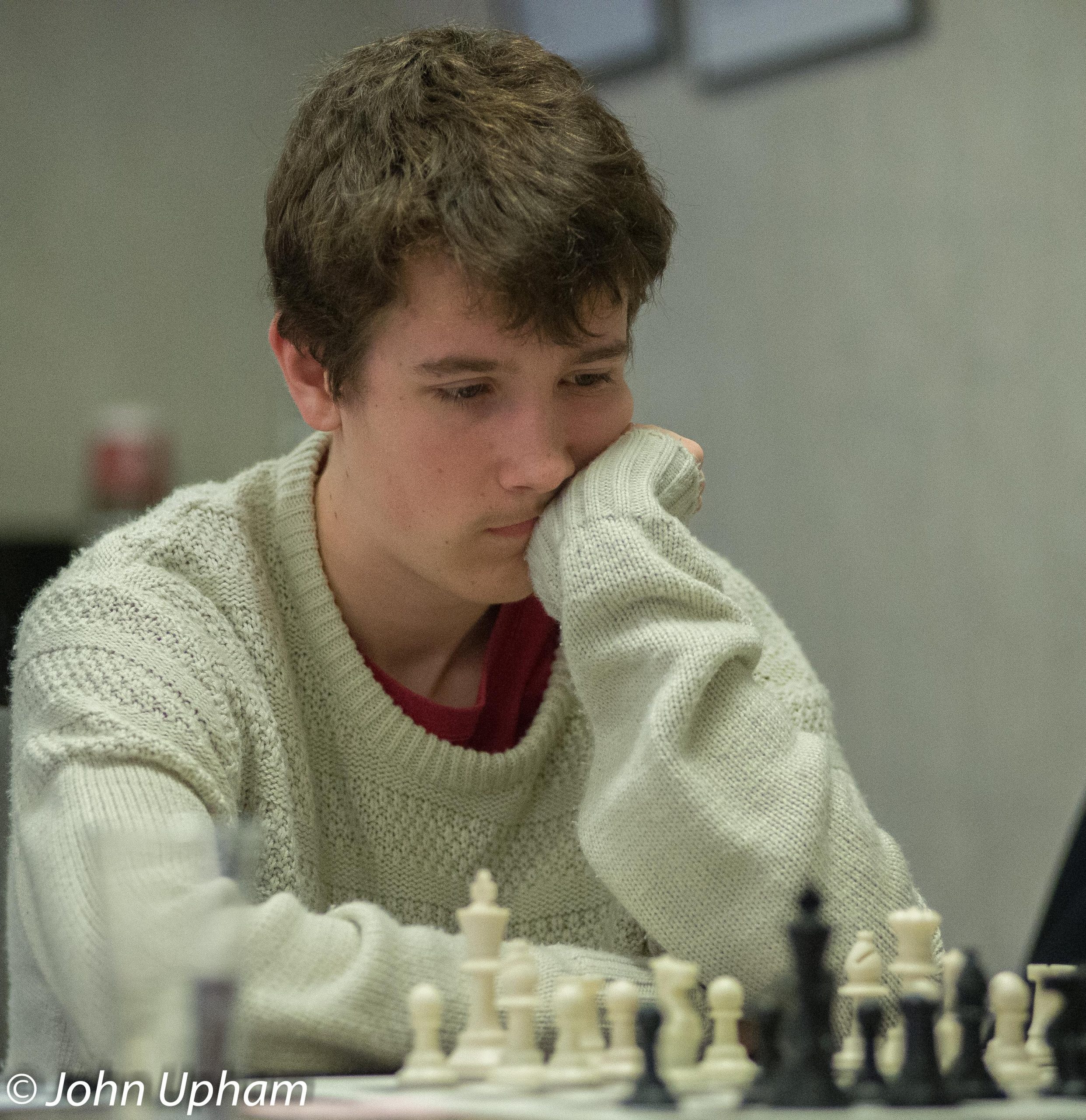
Peter J Batchelor was born on Tuesday, December 10th, 1996. “Breath” by The Prodigy was the UK Number One Single. His father is the player Guy Batchelor.
Peter’s first recorded rapidplay event was on the 17th of July 2005 in the Barnet Knights Under-9 tournament where he scored 4/6 and his first (!) standard play event was on August 20th 2005 being the British Land UK Terafinal which was not such a happy result.
His first published ECF grading was 56E in July 2006 at the age of ten with a rapidplay grading of 57A.
Peter played league chess in the Middlesex and London Leagues playing initially for Willesden & Brent and then with Wanstead & Woodford both with his father Guy.
Peter attended the Capital City Academy which is a “specialist sports and arts Academy in Willesden, North West London, in the borough of Brent.” He has returned there post-graduation to teach chess and run the school chess club.
Peter studied mathematics at the University of Warwick and now lives in London.
According to Ben Purton : “I captain Peter in the 4NCL chess league, he is one of the most professional and talented players on my squad. He is extremely smart and nice to be around. Peter would be an asset to any organisation in the future and any graduate scheme would be foolish not to take such a person on.
I have seen him grow in to one of the best U21 chess players in the UK and hope to see him gain his IM title soon.”
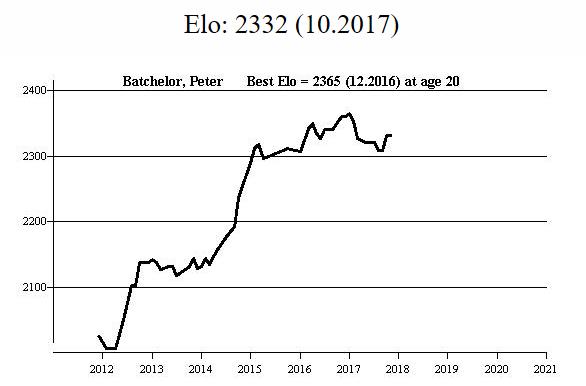
Peter became a FIDE Master in 2015 and, according to Felice and Megabase 2020 his peak FIDE rating was 2365 in December 2016.
Peter plays for Grantham Sharks in the Four Nations Chess League (4NCL).
With the white pieces Peter plays the Queen’s Gambit and the Trompowsky Attack.
As the second player Peter plays the Classical variation of the Caro-Kann and the Alartortsev Variation.
On chess.com Peter plays under the nom de plume of Pbatch.
Happy Birthday WGM Dr. Jana Bellin (09-xii-1947)

Happy birthday WGM Dr. Jana Bellin on this day (December 9th) in 1947.
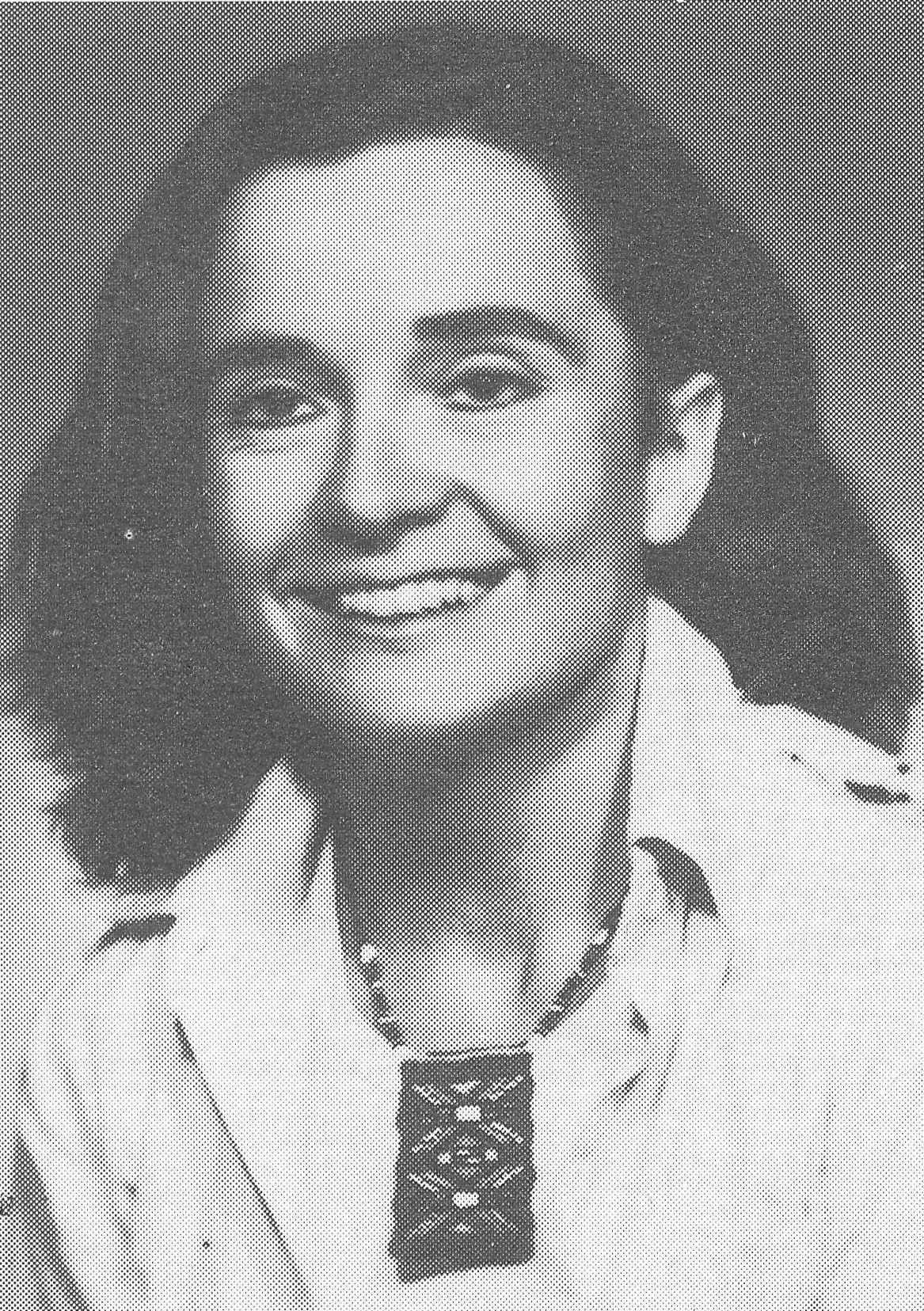
From The Encyclopedia of Chess (Robert Hale, 1970 & 1976), Anne Sunnucks :
“International Woman Master (1969), Czech Woman Champion in 1965 and 1967 and British Woman Champion since 1970.
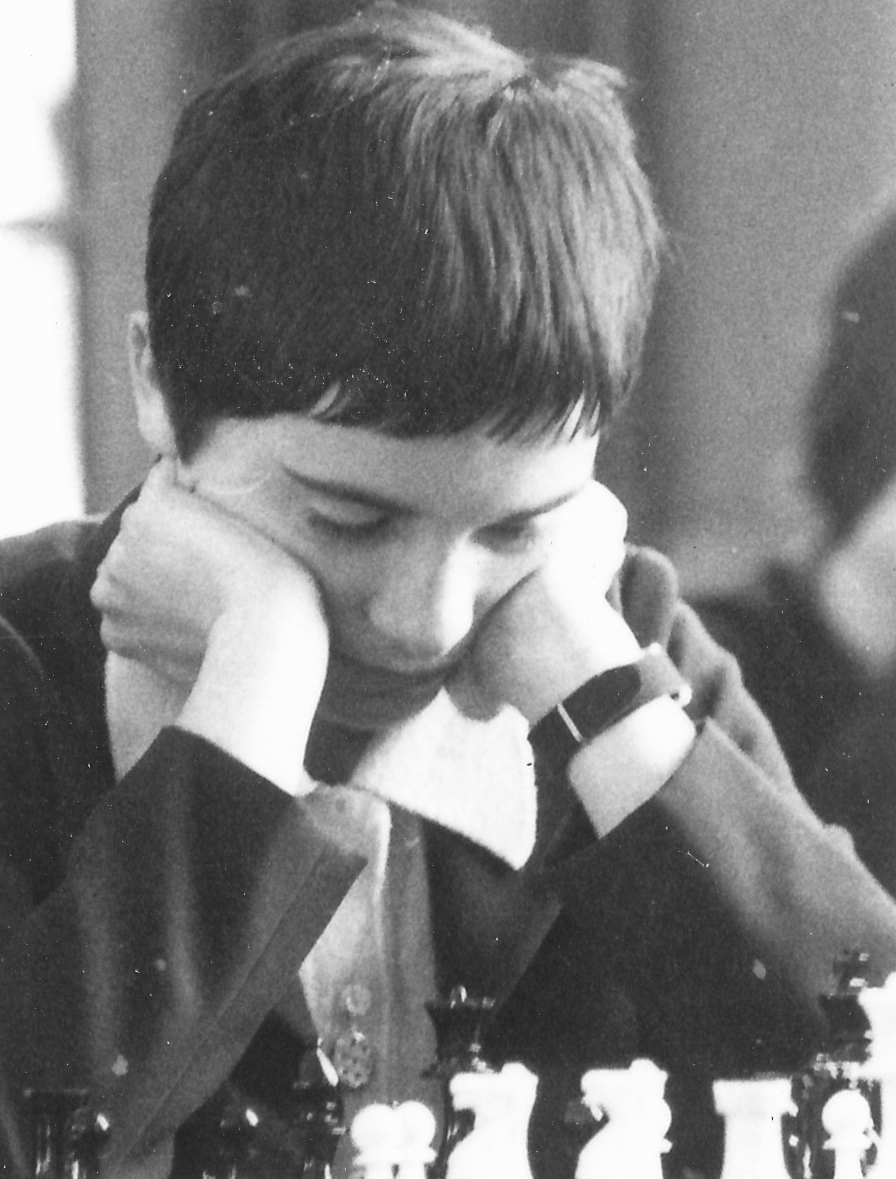
Jana was born in Prague on the 9th December 1947 and learned to play chess at the age of eleven. She made her first appearance in the international field when she played 2nd board for Czechoslovakia in Women’s Chess Olympiad in Oberhausen in 1966.
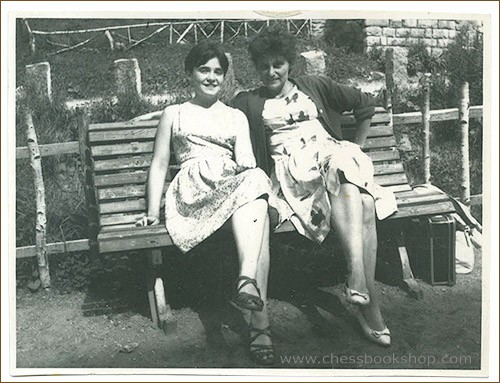
In the same year she represented Czechoslovakia in the Zonal tournament at Varna and came 11th.
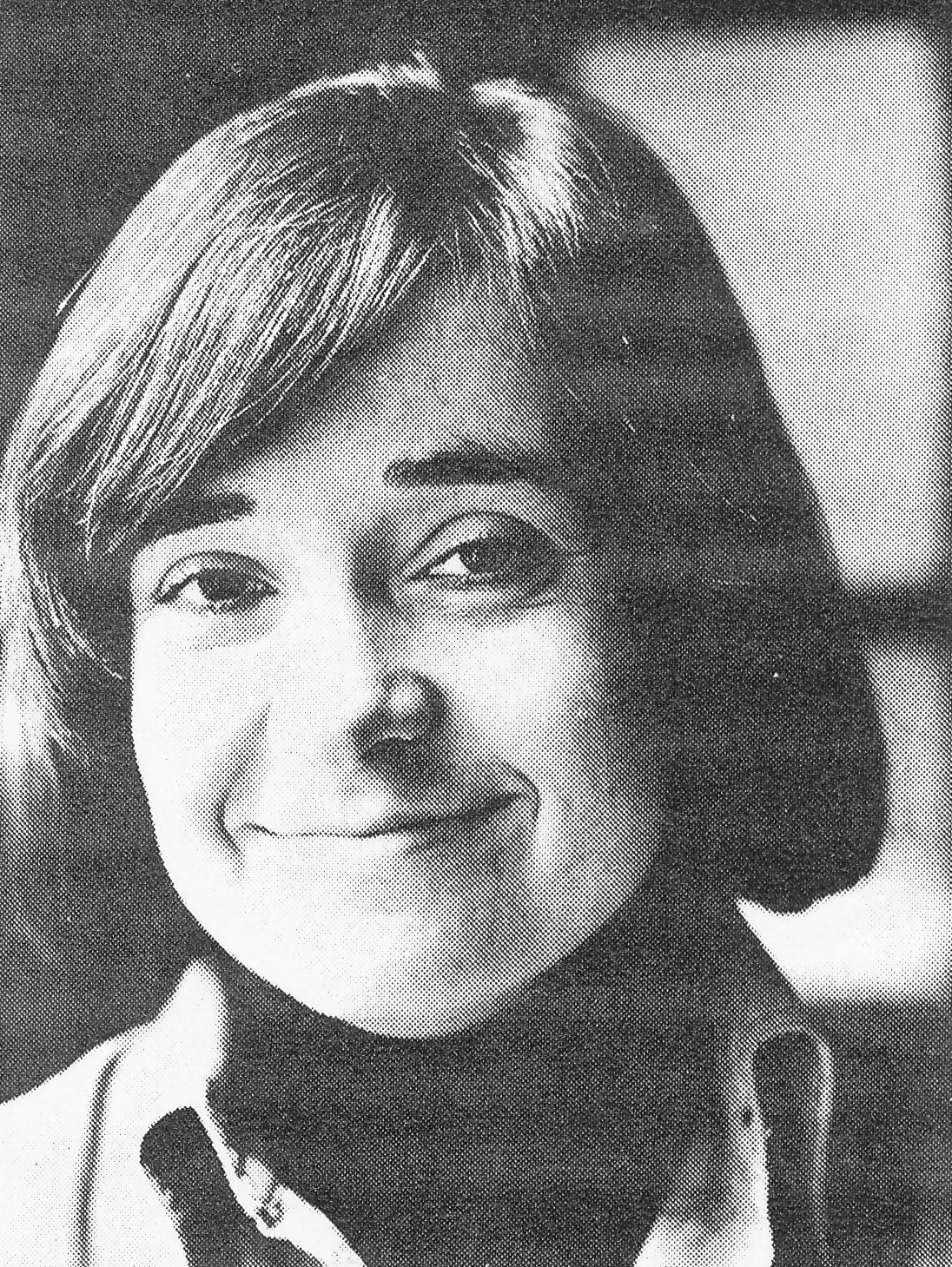
She is now married to the British International Master, William Hartston, and played 1st board for England in the Women’s Chess Olympiad in Skopje in 1972 and represented England in the Zonal tournament in Wijk aan Zee in 1973 in which she tied for 1st place. In the same year she came =6th in the Interzonal Tournament. She is a doctor.”
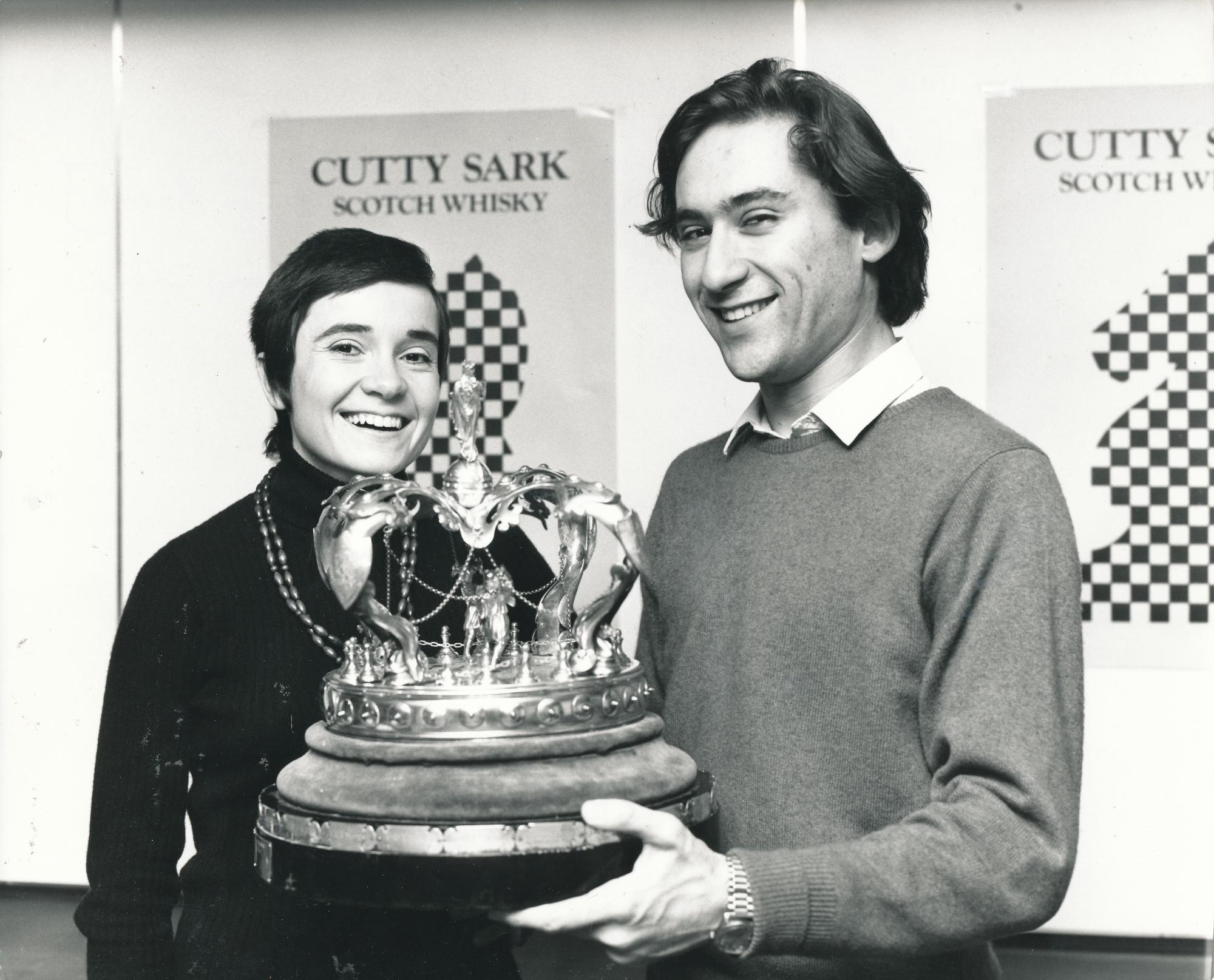
From The Encyclopedia of Chess (Batsford, 1977), Harry Golombek OBE :
“Born in Prague, Czechoslovakia, but moved to England in 1970 after her marriage to WR Hartston. Czechoslovak Woman champion in 1965 and 1967 (under her maiden name of Malypetrova) and British Ladies champion in the five years 1970 to 1974. International Woman master since 1969.”
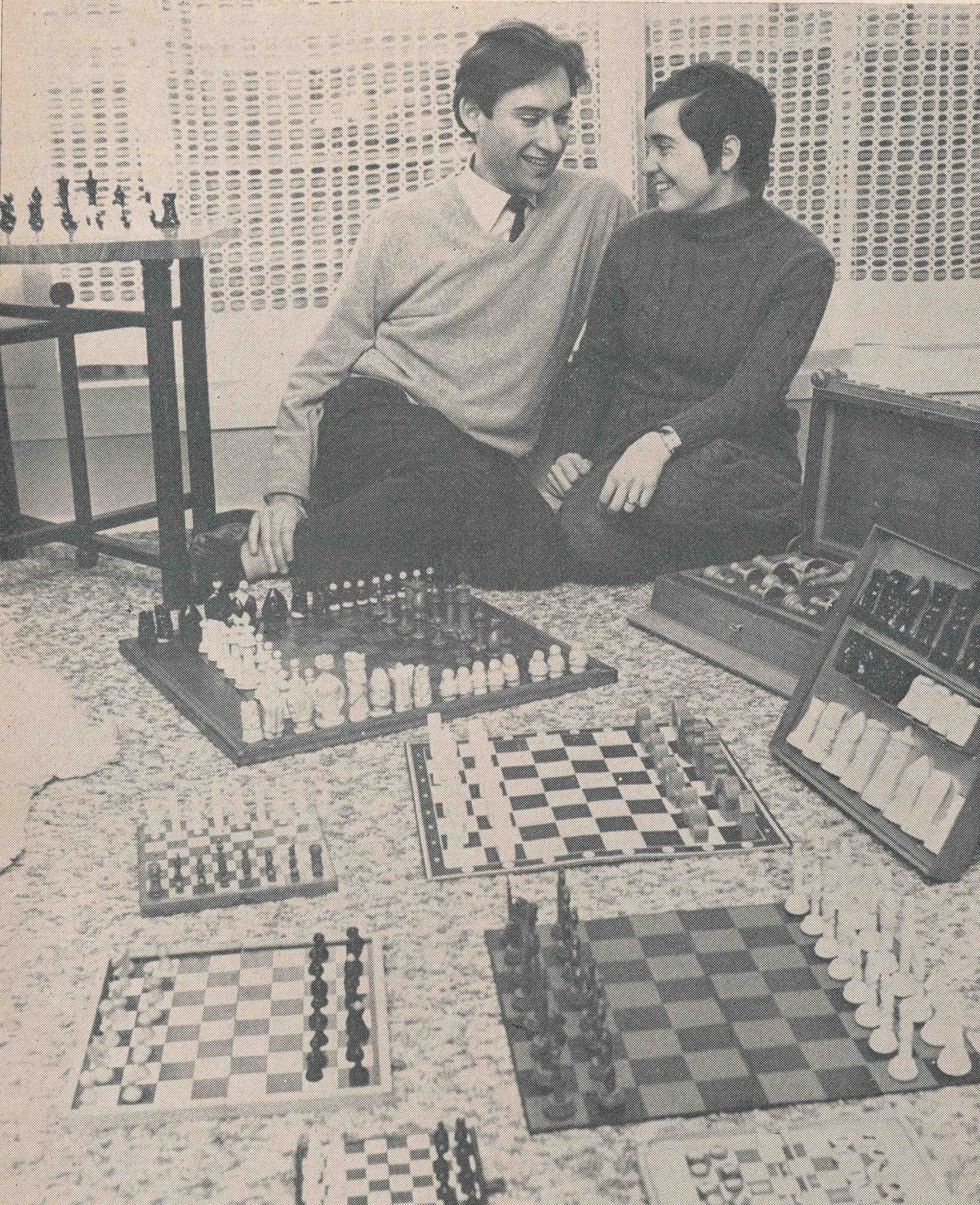
From British Chess (Pergamon Press, 1983) Botterill, Levy, Rice and Richardson :
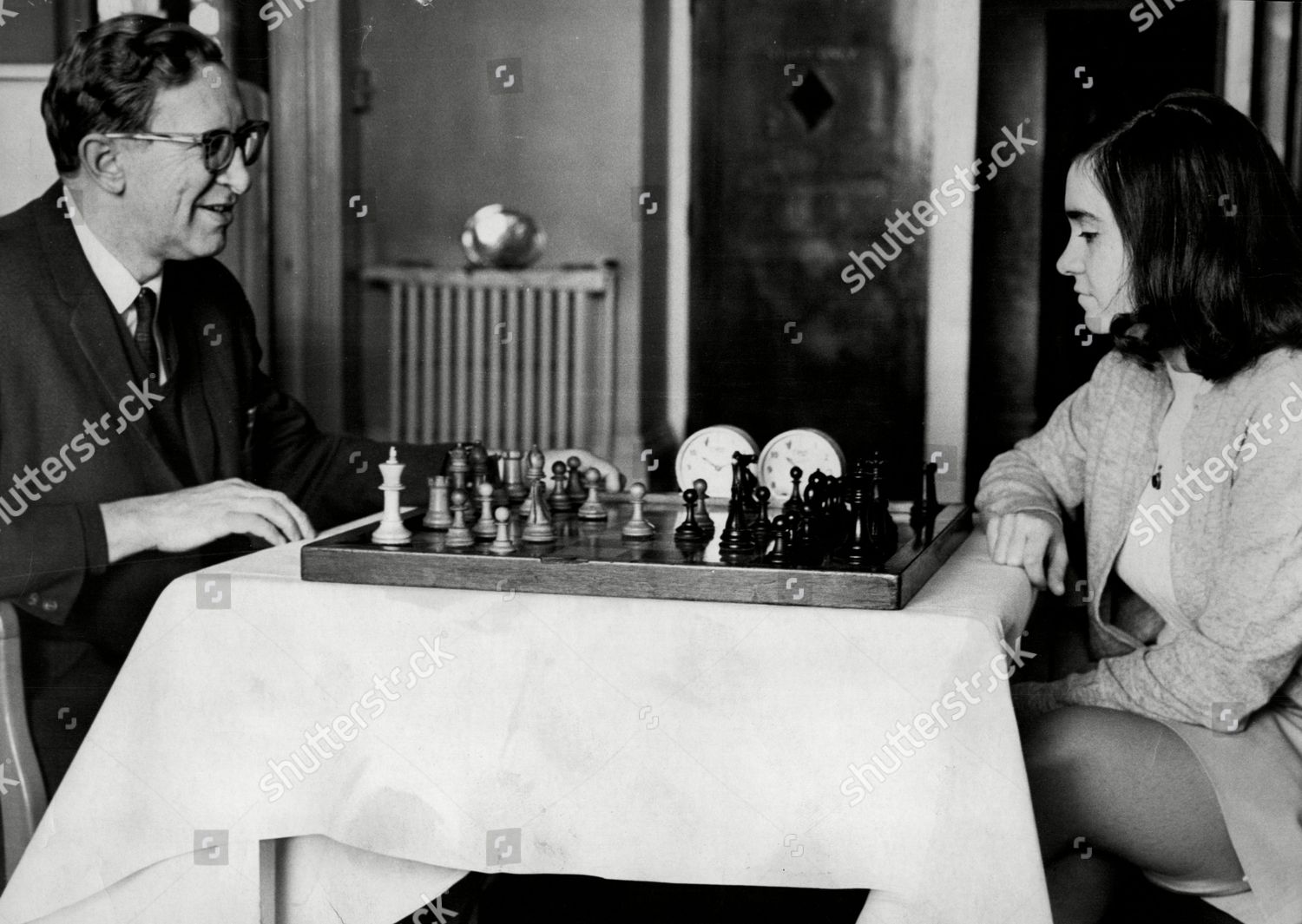
“Jana Miles was born 9 December 1947 in Prague, Czechoslovakia. She moved to England when she married Bill Hartston. Divorced from Hartston in 1978, she subsequently married Tony Miles.
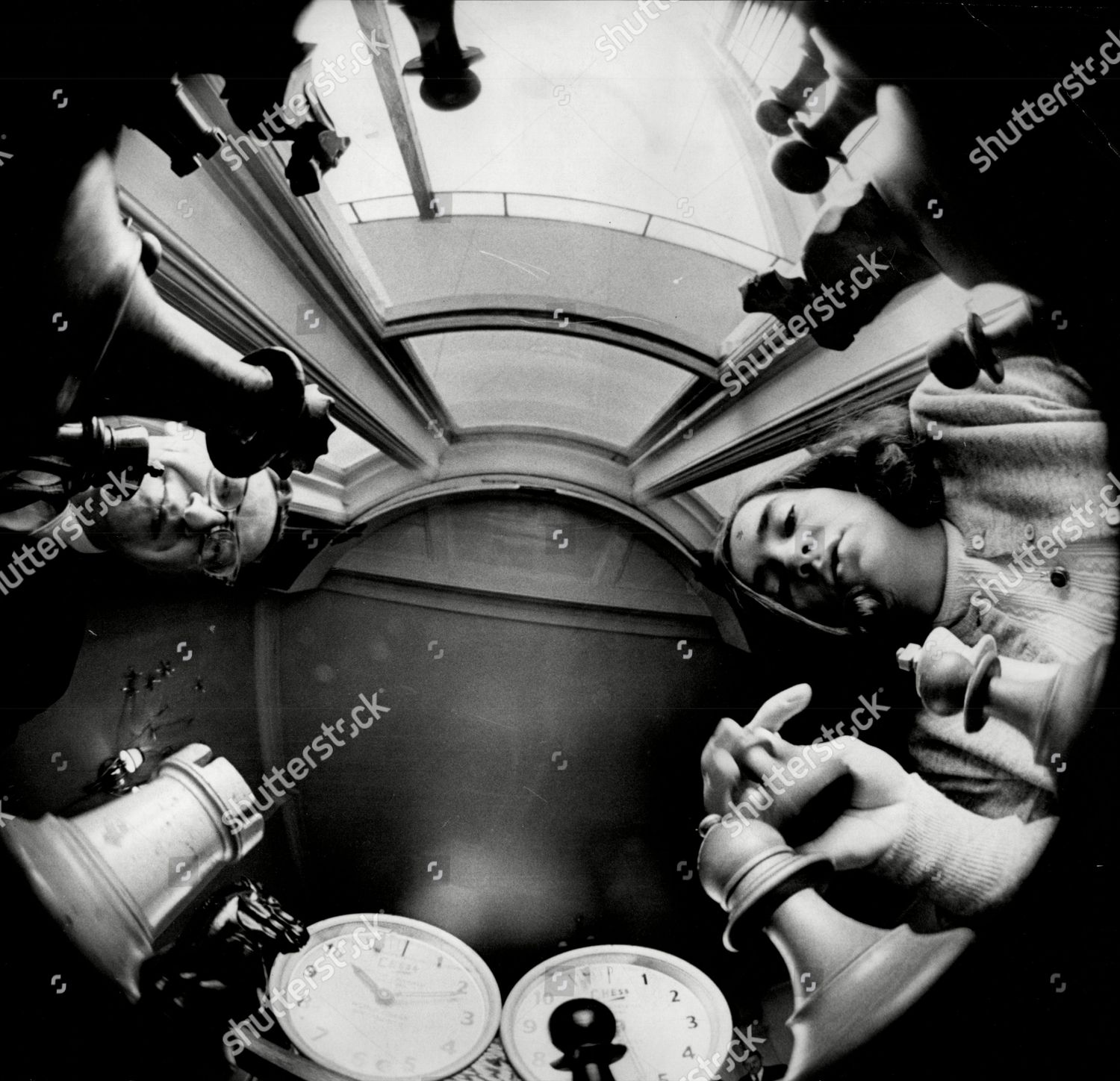
She was Czech woman champion in 1965 and 1967 and has regularly been the British Ladies Champion since moving to this country. She is a doctor of medicine.”
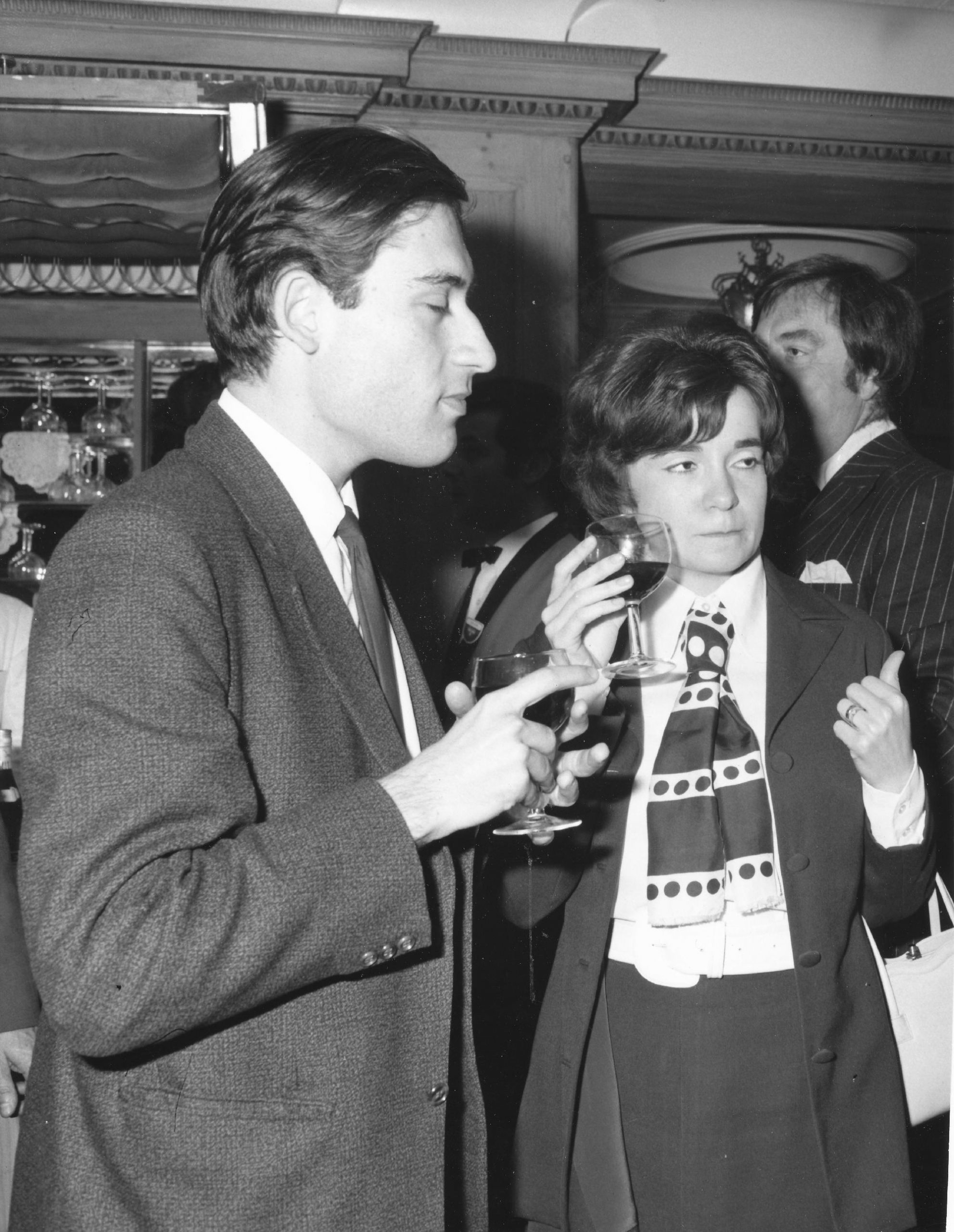
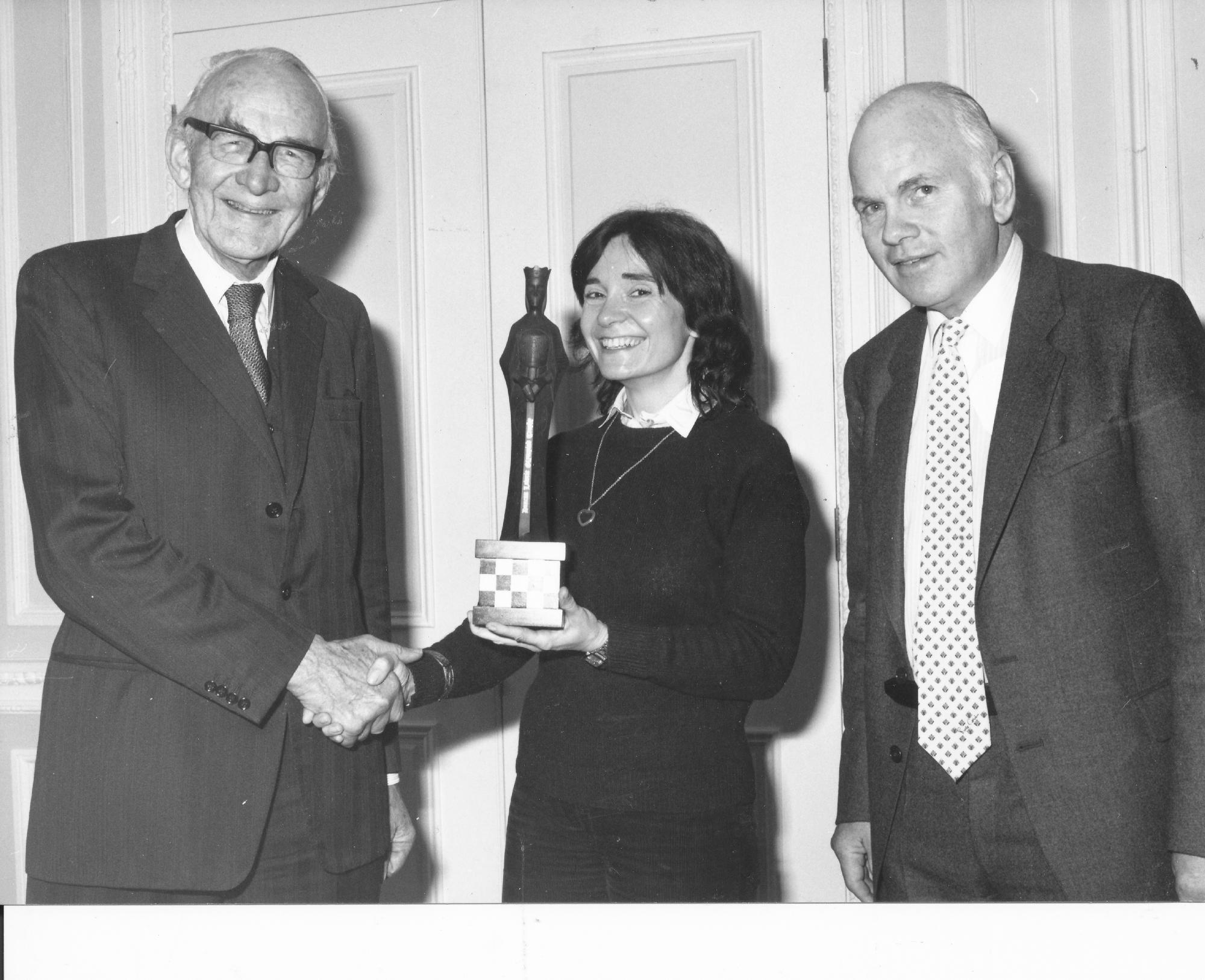
From Wikipedia :
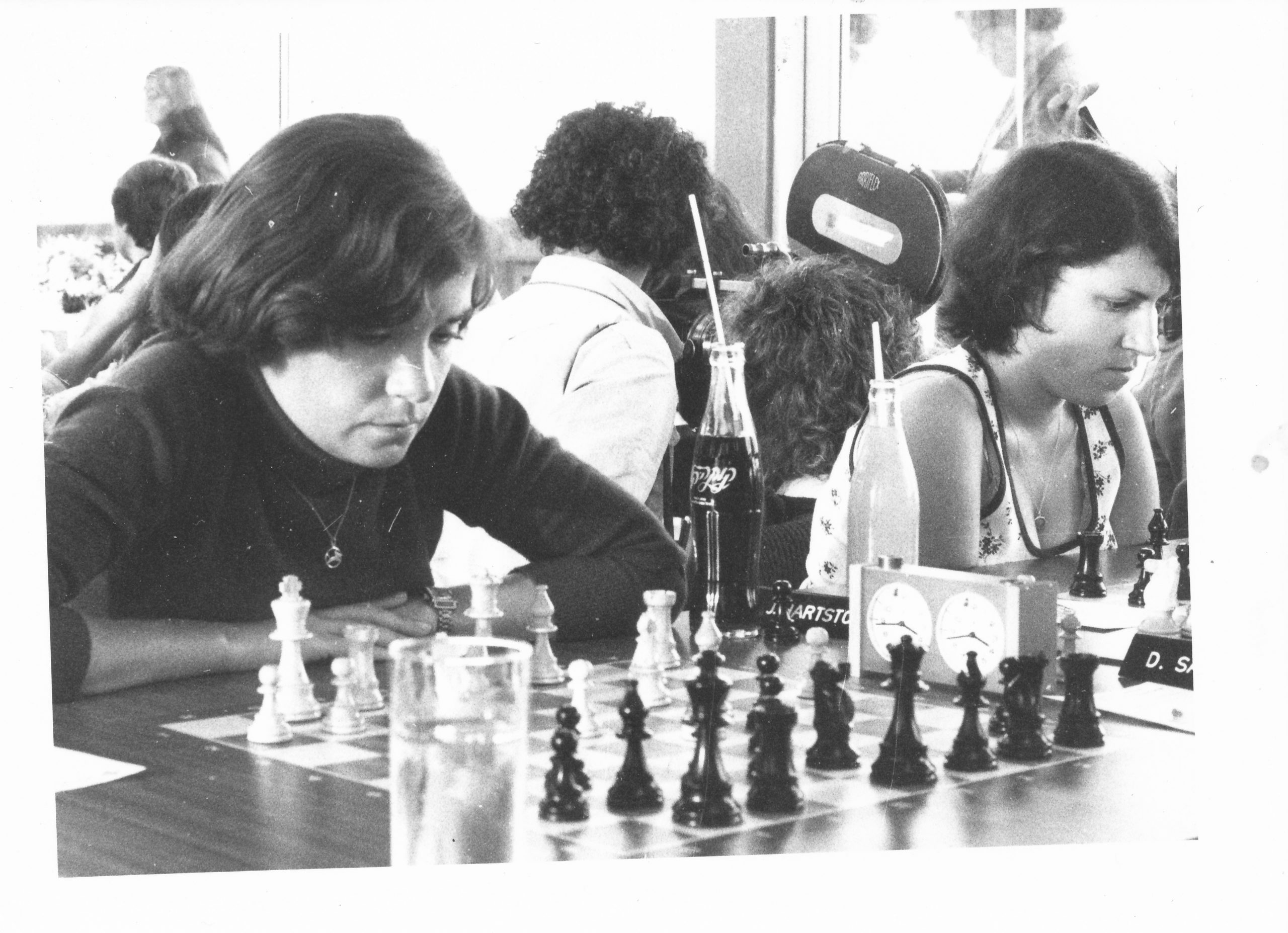
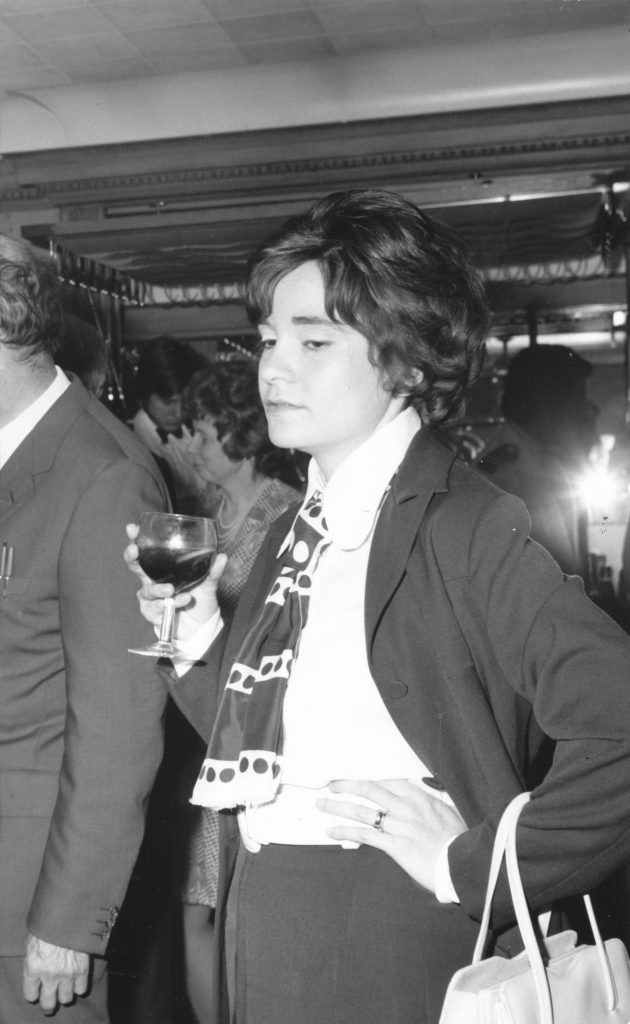
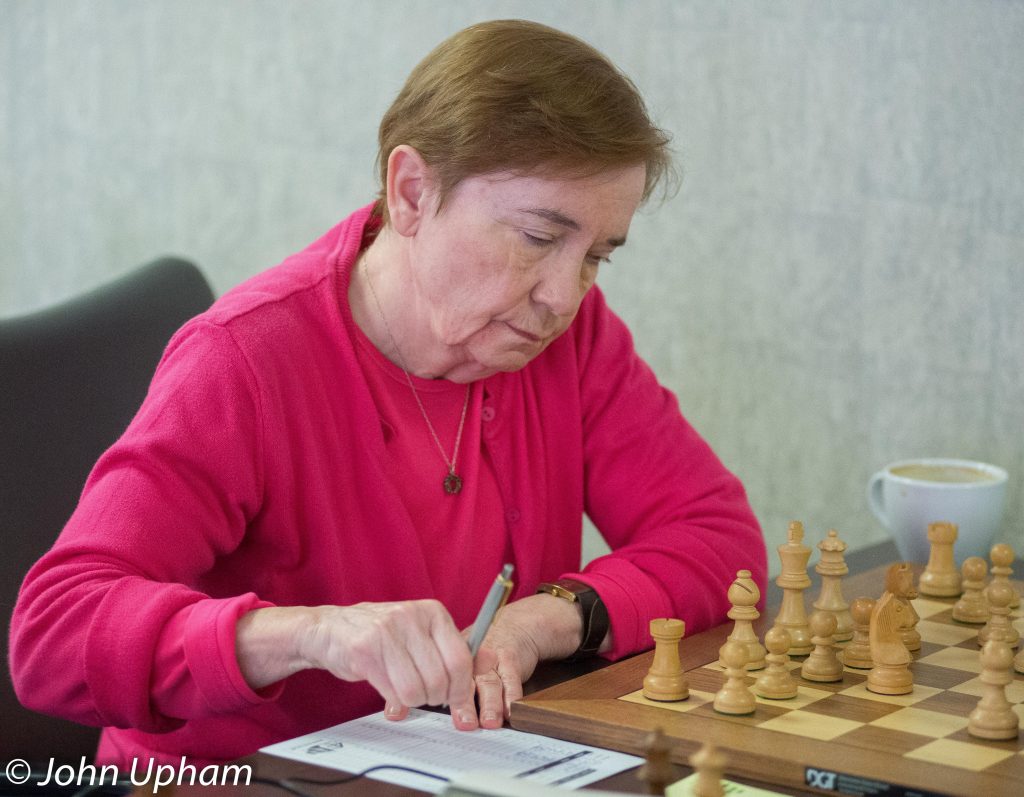
“Jana Bellin (née Malypetrová; born 9 December 1947) is a British, formerly Czechoslovak chess player. She was awarded the Woman International Master chess title in 1969 and the Woman Grandmaster title in 1982.
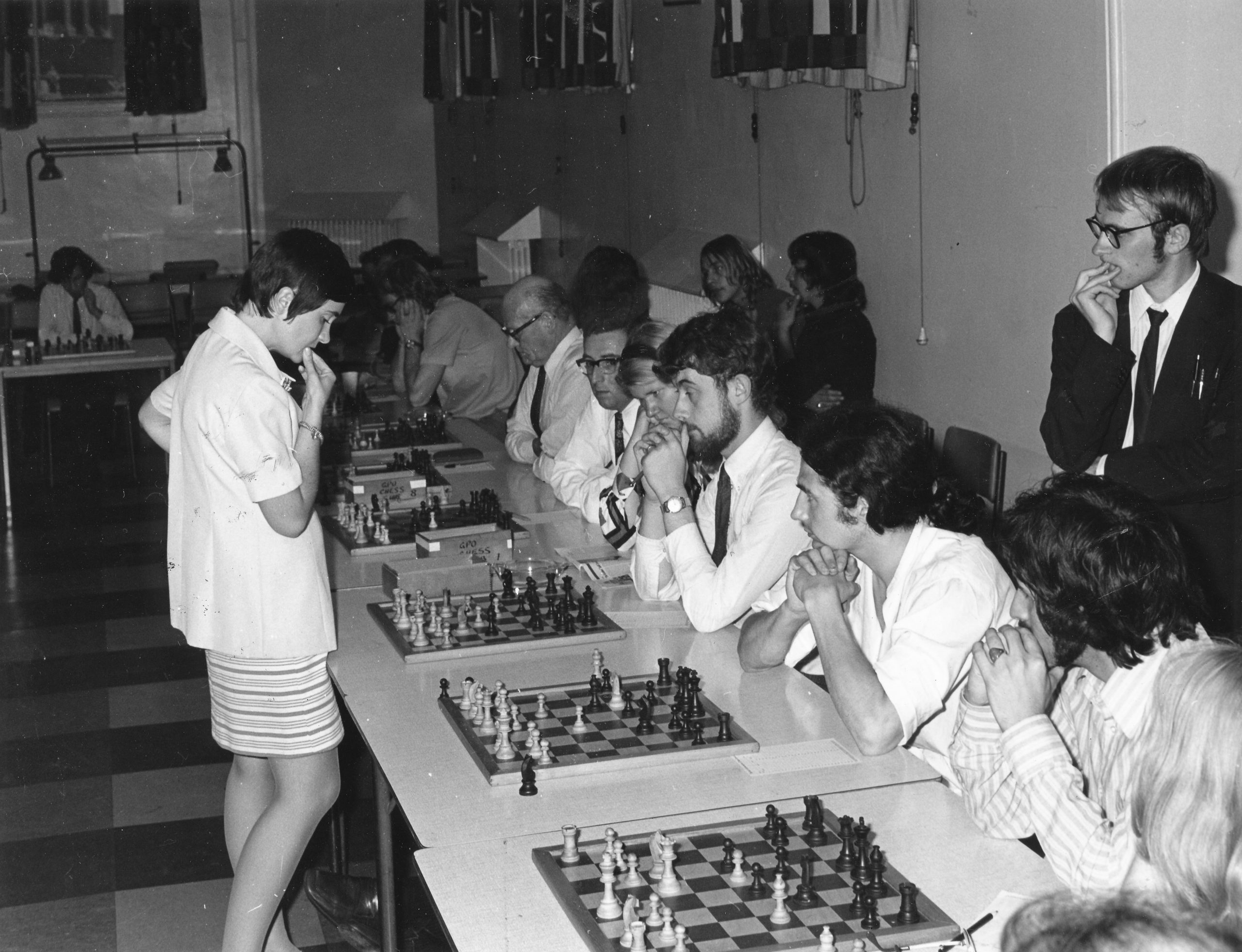
Bellin was born in Prague, Czechoslovakia. She was the Czech Women’s Champion in 1965 and 1967 under her maiden name of Malypetrová. After her marriage to William Hartston she moved to England in 1970 and won the British Women’s Championship in 1970, 1971, 1972, 1973, 1974, 1976, 1977 (after a play-off), and 1979.
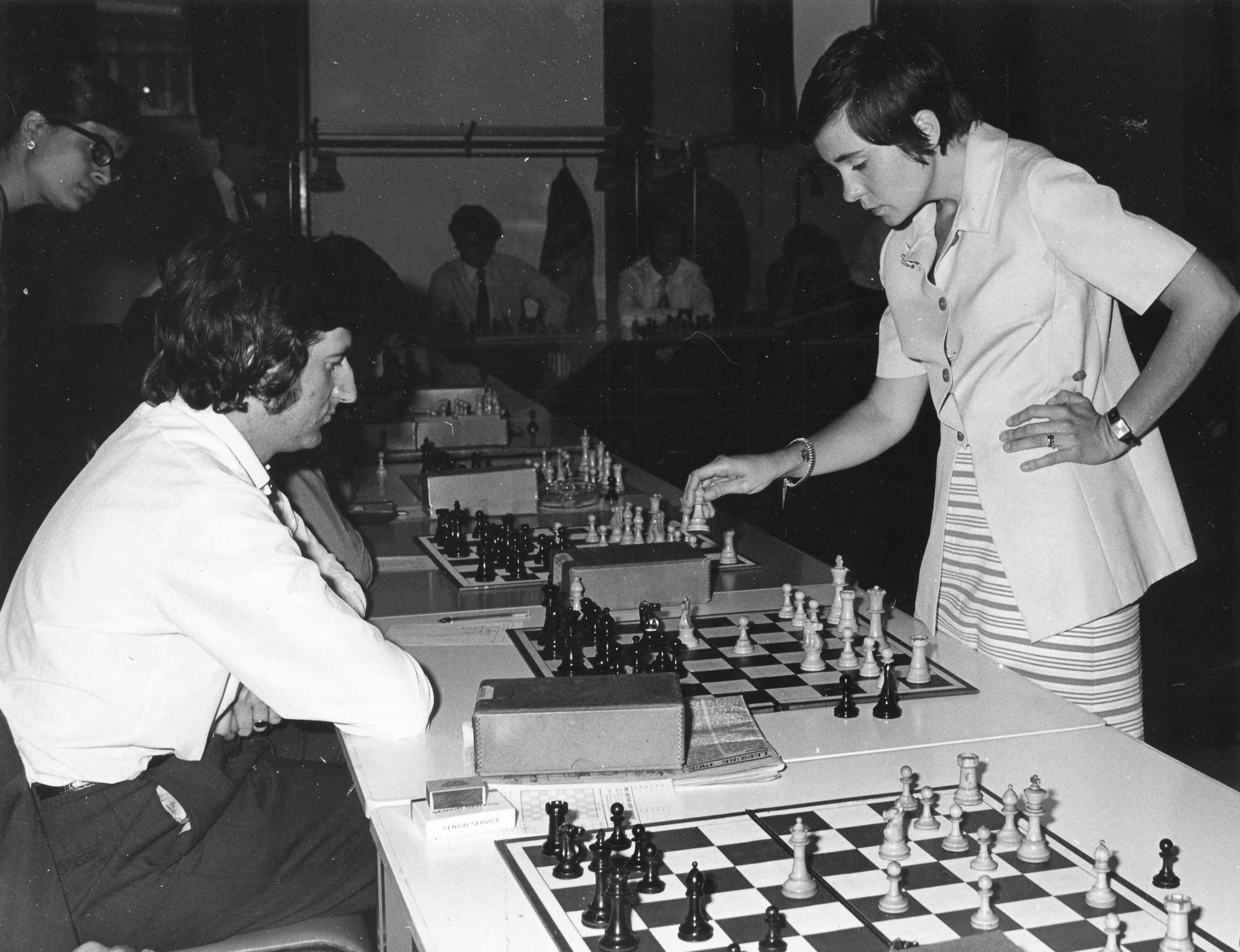
She has fifteen appearances in the Women’s Chess Olympiads, representing Czechoslovakia in 1966 and 1969 and England thirteen times from 1972 through 2006, seven times on first board.
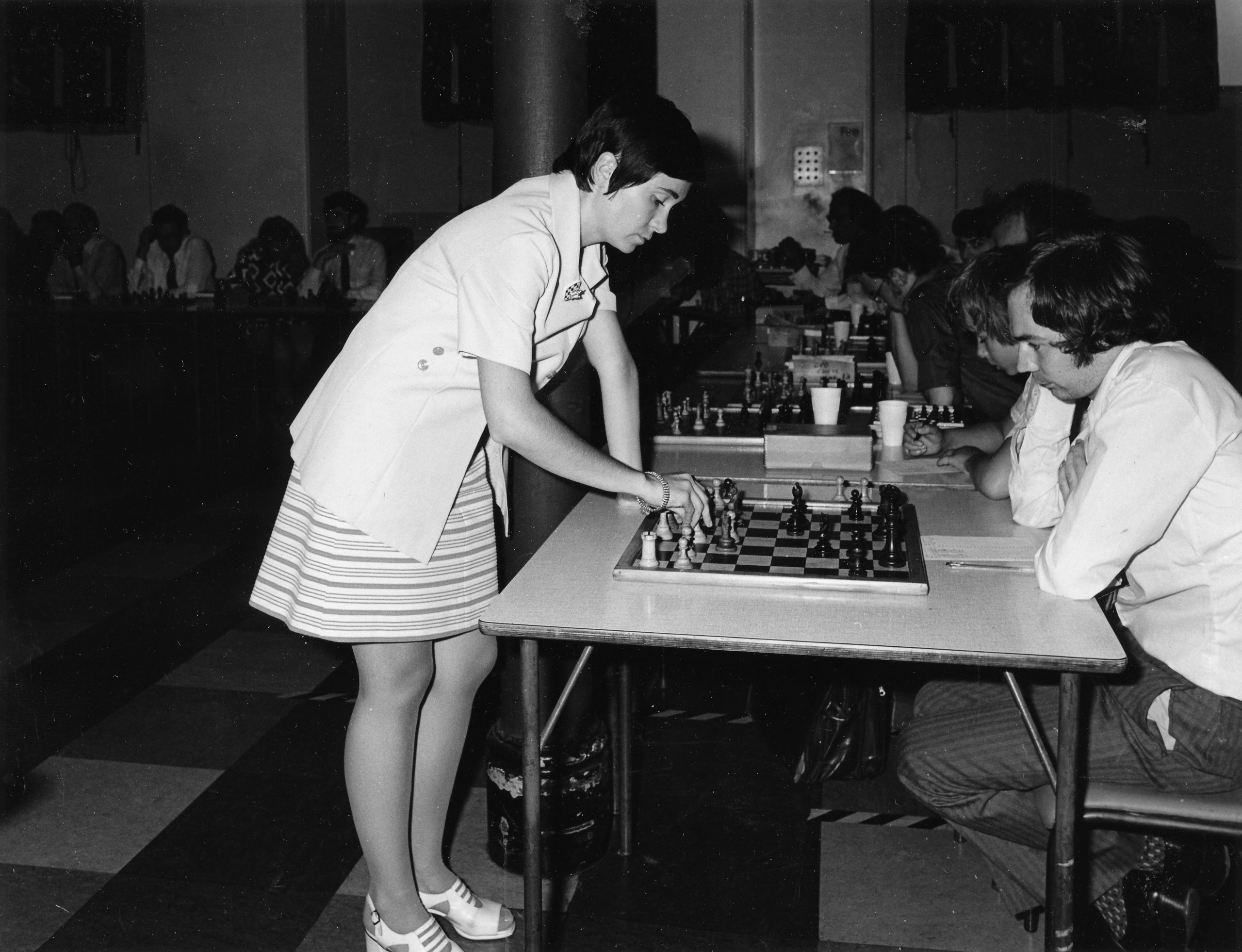
At the Olympiad she earned individual silver medals in 1966 and 1976, a team bronze medal in 1968 with the Czechoslovakian team, and a team silver in 1976 with England.
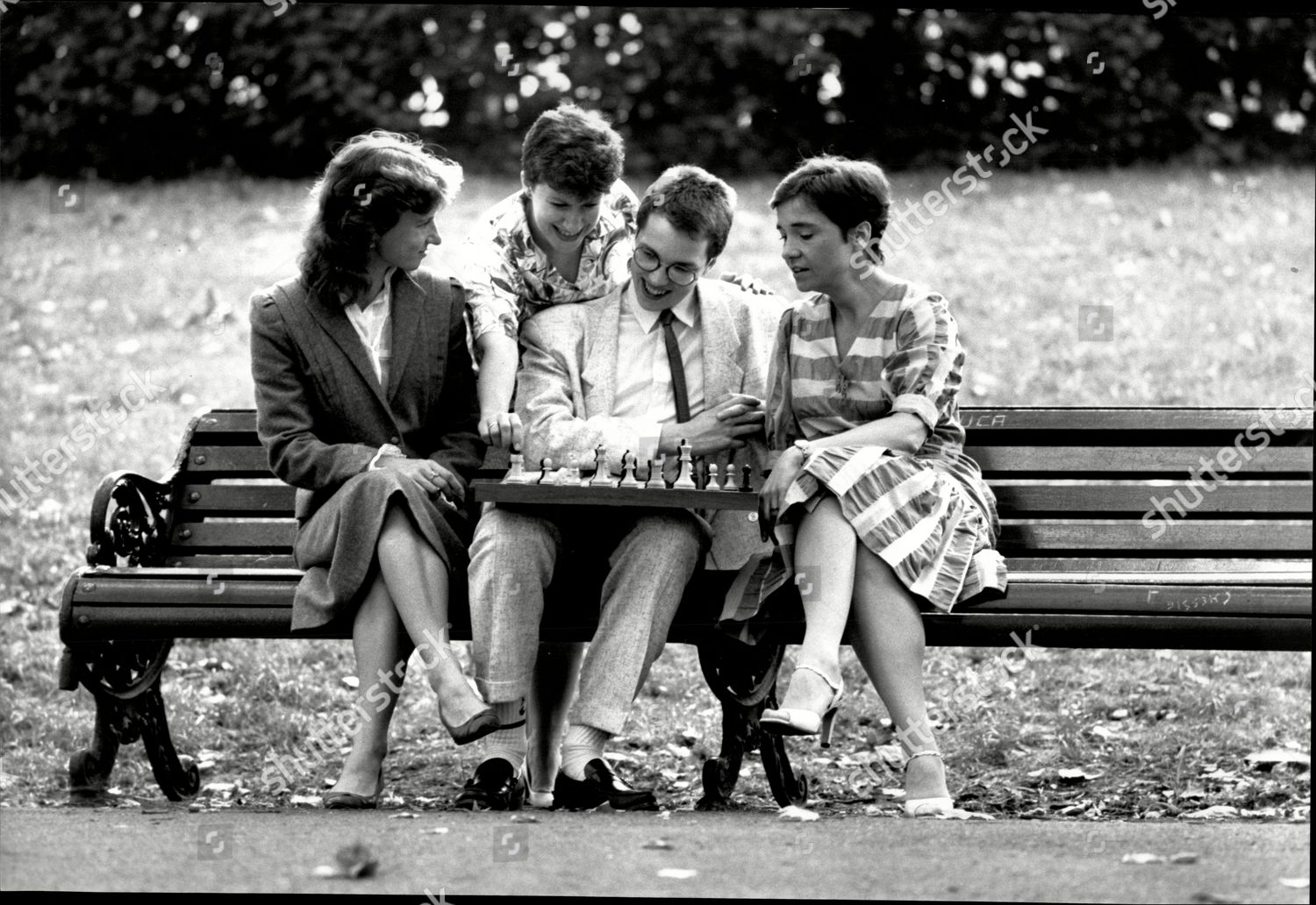
“Bellin is a medical doctor specialising in anaesthetics, and works in intensive care at Sandwell General Hospital, West Bromwich, England.
She is also Chairman of the FIDE Medical Commission, which supervises drug testing of chess players.
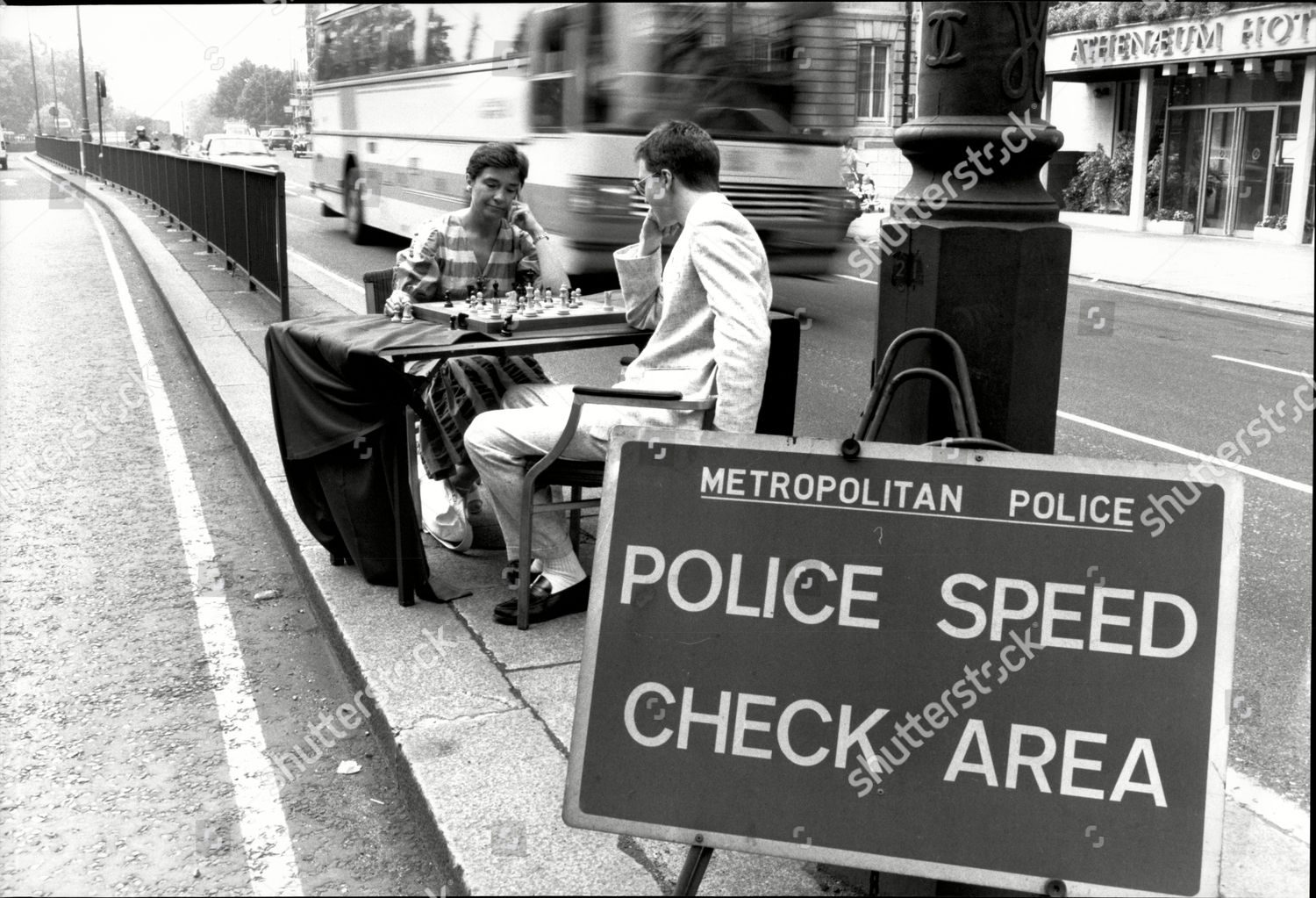
Bellin was married first to International Master William Hartston, then to Grandmaster Tony Miles, and after that to International Master Robert Bellin. She and Bellin have two sons: Robert (born 1988) and Christopher (born 1991).”
She is the granddaughter of thrice Prime Minister of Czechoslovakia, Jan Malypetr. and cousin of author and human rights campaigner Jiří Stránský.
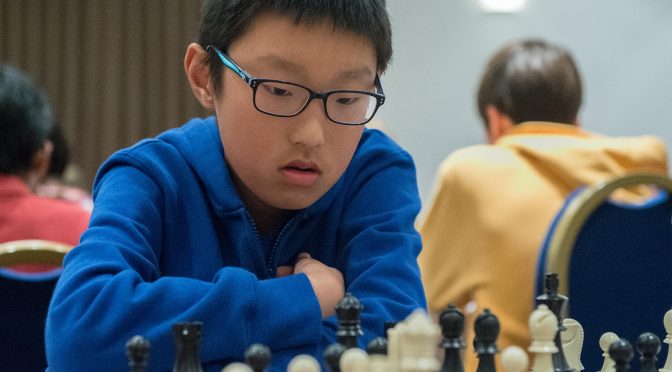
Birthday of FM Yichen Han (17-xi-2007)
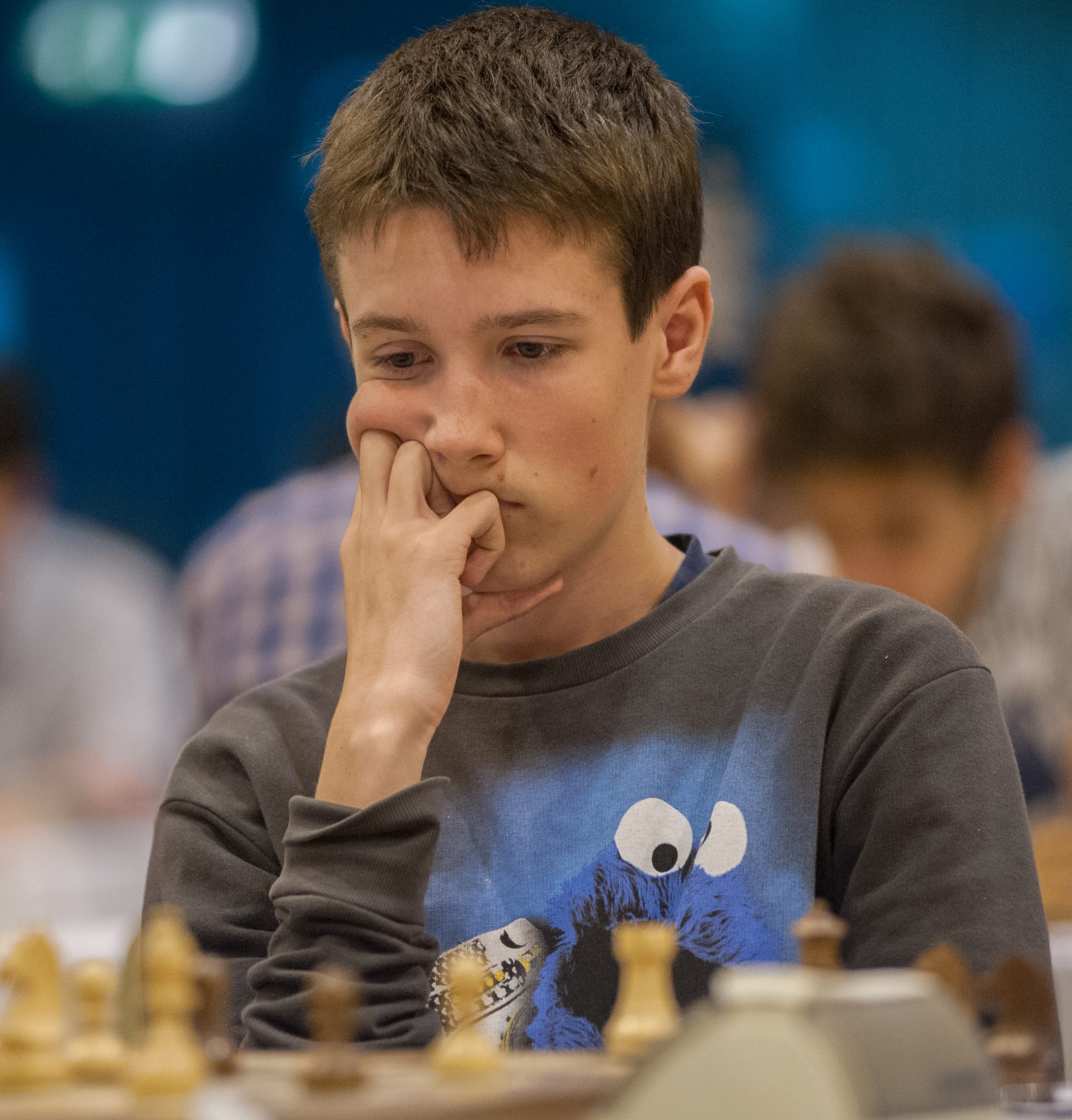
Newcastle Upon Tyne resident Yichen Han became the youngest Dutch holder of the FIDE Master (FM) title at the age of twelve years and two months.
Yichen was born in Eindhoven, Noord-Brabant, The Netherlands.
The games required to complete the FM title were played at the recent 4NCL Harrogate Congress . The final game was a win versus Robert Starley of Crowthorne Chess Club having started with a win versus CM Peter Ackley.
Yichen plays for Forest Hall and is a student at RGS Newcastle.
He currently has a FIDE rating of 2257 for standard play and an ECF grading of 215.
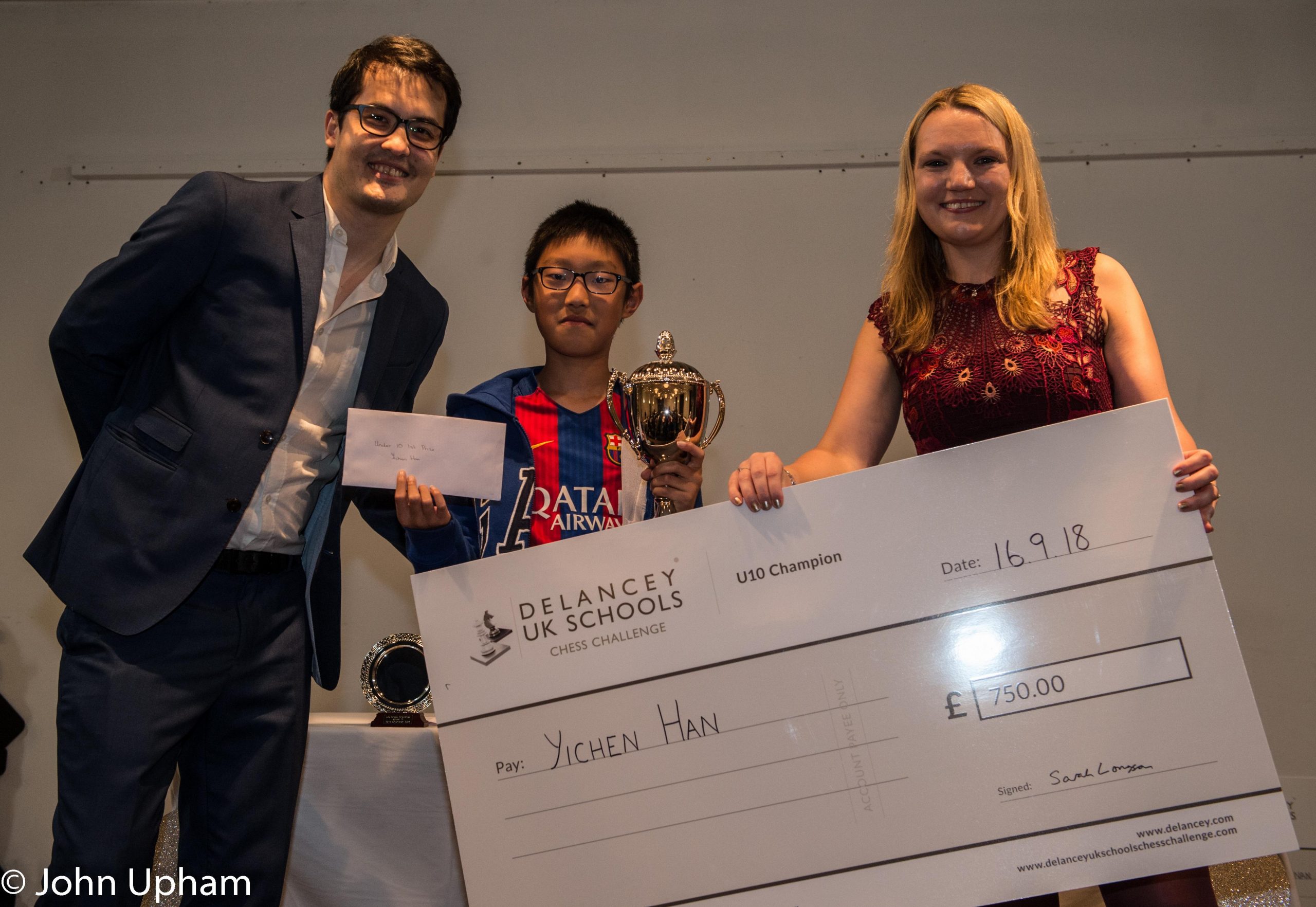
Birthday of FM Yichen Han (17-xi-2007)
Newcastle Upon Tyne resident Yichen Han became the youngest Dutch holder of the FIDE Master (FM) title at the age of twelve years and two months.
Yichen was born in Eindhoven, Noord-Brabant, The Netherlands.
The games required to complete the FM title were played at the recent 4NCL Harrogate Congress . The final game was a win versus Robert Starley of Crowthorne Chess Club having started with a win versus CM Peter Ackley.
Yichen plays for Forest Hall and is a student at RGS Newcastle.
He currently has a FIDE rating of 2257 for standard play and an ECF grading of 215.
Birthday of FM Yichen Han (17-xi-2007)
Newcastle Upon Tyne resident Yichen Han became the youngest Dutch holder of the FIDE Master (FM) title at the age of twelve years and two months.
Yichen was born in Eindhoven, Noord-Brabant, The Netherlands.
The games required to complete the FM title were played at the recent 4NCL Harrogate Congress . The final game was a win versus Robert Starley of Crowthorne Chess Club having started with a win versus CM Peter Ackley.
Yichen plays for Forest Hall and is a student at RGS Newcastle.
He currently has a FIDE rating of 2257 for standard play and an ECF grading of 215.
Birthday of FM Yichen Han (17-xi-2007)
Newcastle Upon Tyne resident Yichen Han became the youngest Dutch holder of the FIDE Master (FM) title at the age of twelve years and two months.
Yichen was born in Eindhoven, Noord-Brabant, The Netherlands.
The games required to complete the FM title were played at the recent 4NCL Harrogate Congress . The final game was a win versus Robert Starley of Crowthorne Chess Club having started with a win versus CM Peter Ackley.
Yichen plays for Forest Hall and is a student at RGS Newcastle.
He currently has a FIDE rating of 2257 for standard play and an ECF grading of 215.
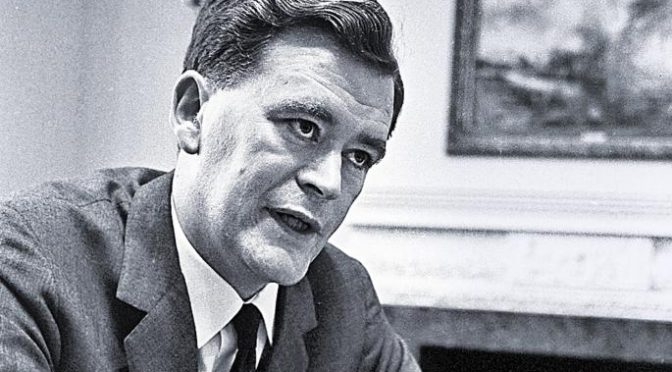
Remembering Jim Slater (13-iii-1929 18-xi-2015)
BCN remembers Jim Slater (13-iii-1929 18-xi-2015)
James Derrick Slater was born on Wednesday, March 13th, 1929. On the same day “Leon Trotsky gave his first interview to the foreign press in his apartment in Turkey, saying he was writing a book tracing the history of his opposition to Joseph Stalin and expressing a desire to go to Germany because he preferred the care of German physicians.”
He was born in Heswall, Cheshire (Wirral, Merseyside was the registration district) to Hubert Slater and Jessica Alexandra Barton.
He arrived (aged 31) in Southampton on board the Pretoria Castle as a first class passenger whilst resident in 16, Stafford Terrace, Kensington and his occupation was given as Company Director.
He died on 18th November 2015 in Cranleigh, Surrey aged 86. He had four children one of which is Mark Slater.
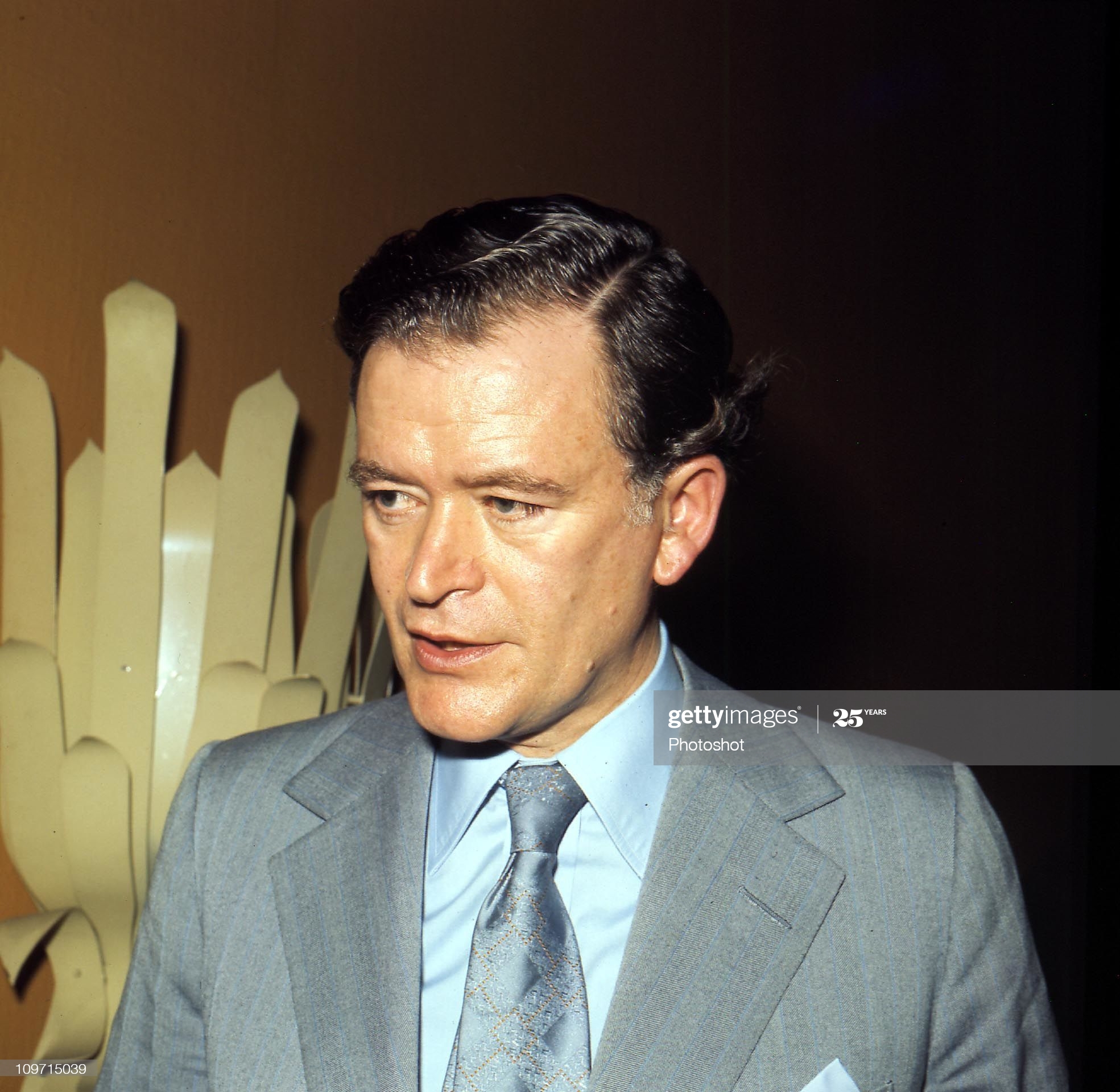
Jim wrote his chess autobiography as follows :
(This text was retrieved using the Wayback machine via https://web.archive.org/web/20110909053137/http://www.jimslater.org.uk/views/chess/)
“As a boy Jim Slater enjoyed playing Monopoly and draughts but his main indoor hobby was chess. He stopped playing chess after leaving school as he found it took too much time and concentration while studying for accountancy.
It was not until a colleague asked Jim to teach him to improve his game in the late 1960s that his interest in chess was rekindled. For a short while Jim joined a London chess club (Richard James reveals that this is West London Chess Club as mentioned in their internal magazine) but found he preferred correspondence chess which he could play much more conveniently when he returned home in the evening. Jim did quite well in his correspondence club, going up a few grades, until he reached a level at which it became hard work.
Jim had maintained a link with Leonard Barden, who was a British Champion and a chess correspondent. With his help Jim began subsidising the annual Hastings Tournament with a view to expanding it so that leading players would have a chance to qualify as international masters. Other countries would not invite British players to play in their tournaments until they became international masters so they were in an impossible situation. The small amount of help Jim was able to give to Hastings was arranged in a very low-key way and attracted very little publicity. The World Chess Championship would prove to be a very different proposition.
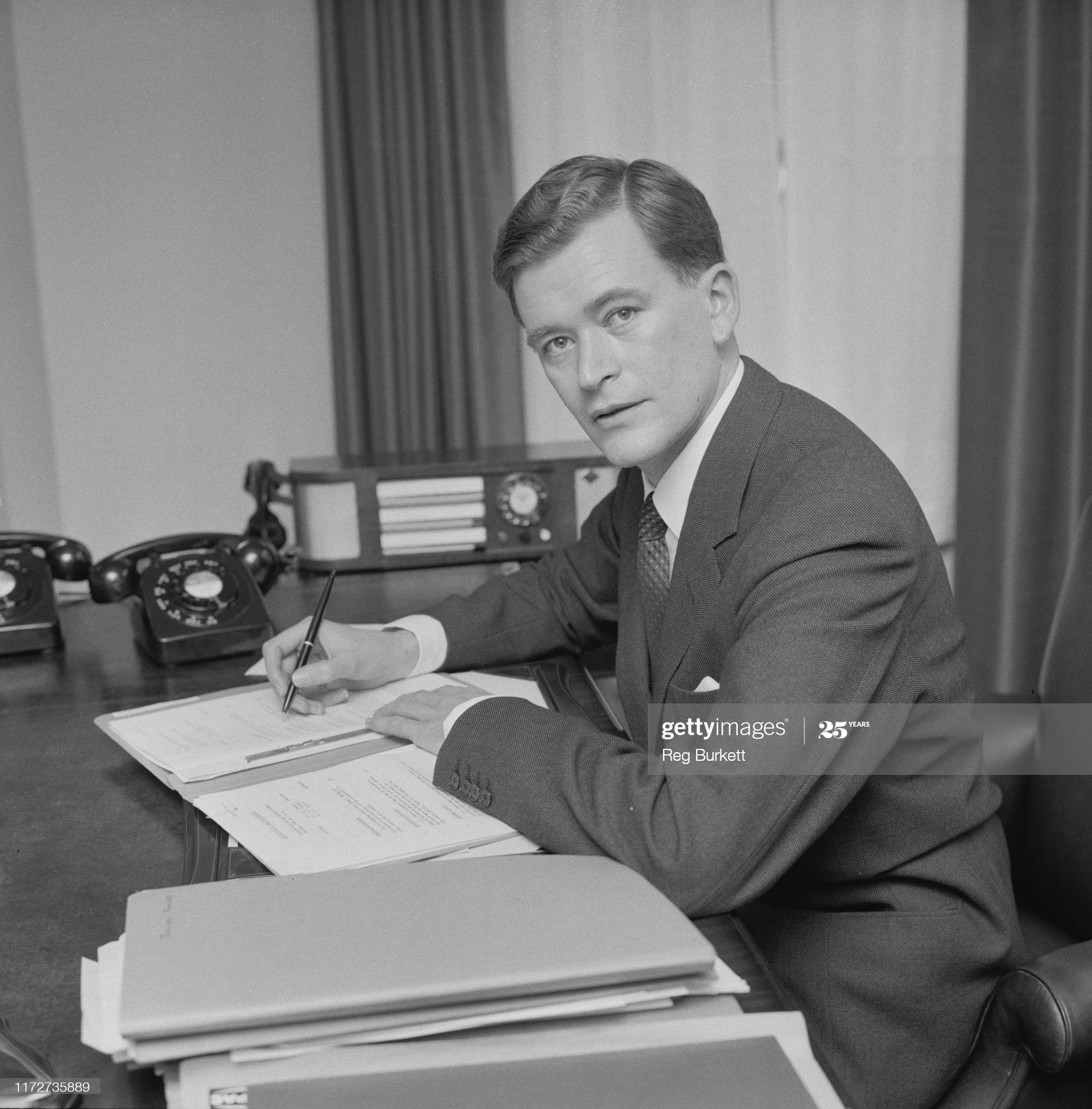
For the previous two decades the Russians had dominated world chess and then the West produced two exceptional players – Bobby Fischer of the USA and Bent Larsen of Denmark. In particular, Fischer had fantastic potential but he was handicapped by being extremely temperamental.
In the final rounds of the World Chess Championship the players were playing the best of ten games. In the quarter finals Fischer won six games to nil. In the semi-final Fischer was paired with Larsen and also beat him six games to nil. This had never happened before in world chess, and for the first time it looked as if the Russians were going to get a run for their money.
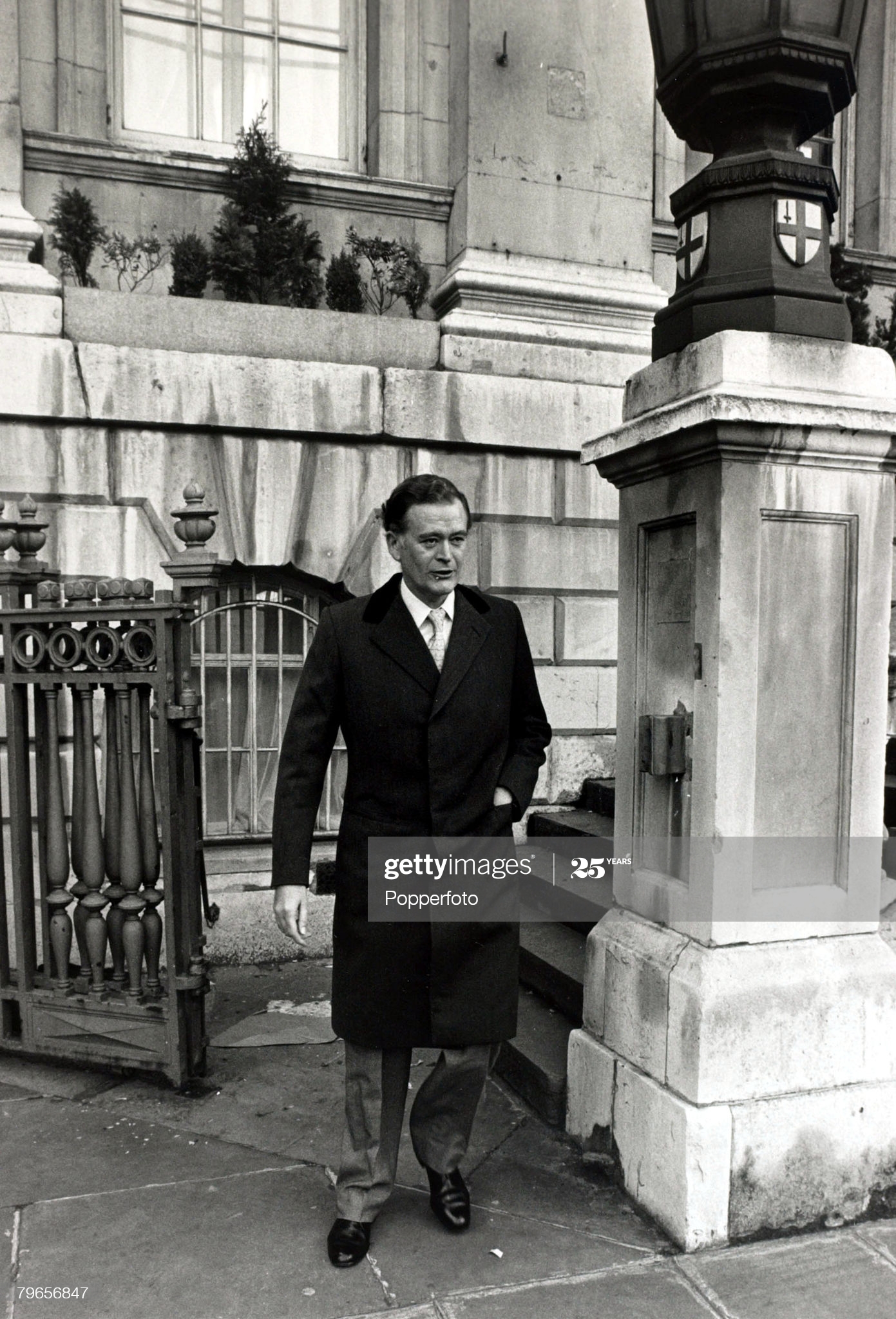
In the last qualifier Fischer came up against Petrosian, a brilliant defensive player. Fischer won the first game but lost the second. The next three games were drawn. It was said by some that Fischer had a bad cold and everyone wondered if he could regain his earlier momentum. After this relapse he won the next four games. This made Fischer challenger to Spassky. Spassky too was a brilliant attacking player and had been a chess genius since early childhood, so it promised to be an exceptional match.
While preparations were being made for the World Championship in Iceland, Fischer started to complain about the prize money which he thought should be doubled.
‘I was driving into London early one Monday morning in mid-July feeling disappointed that after all this build-up Fischer might not be taking on Spassky, when it suddenly occurred to me that I could easily afford the extra prize money personally. As well as providing me with a fascinating spectacle for the next few weeks it would give chess players throughout the world enormous pleasure for the match to proceed.’
Jim Slater
From The Complete Chess Addict (Faber&Faber, 1987) , Mike Fox & Richard James:
“Jim Slater, the financier and children’s author, was a strong schoolboy player. He gave up chess for finance. This turned out a very good thing for chess, since he was able to tempt Bobby Fischer (with a £50,000 increase in stake-money) into playing Boris Spassky for the world title in 1972. Here’s what the young Slater was capable of:”
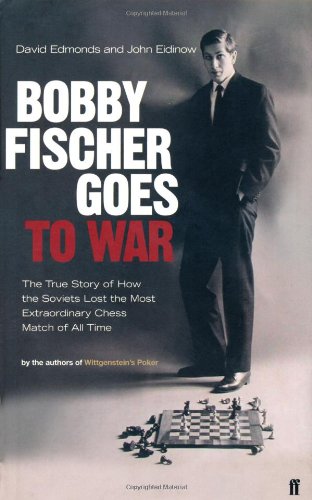
From Bobby Fischer Goes to War , David Edmonds and John Eidinow, Faber & Faber, 2004 we have a fuller account as follows :
“Driving to work in London early on Monday morning, 3 July, Jim Slater was upset by a radio report on the challenger’s non-appearance in Reykjavik. Slater was a businessman who had set up his own company, Slater Walker Securities, in 1964, when he was in his mid-thirties. His partner, Peter Walker, had left the business to become a Conservative member of parliament and a government minister under Edward Heath and,later, Margaret Thatcher. At the time of the Fischer-Spassky match, the company reportedly had a controlling interest in 250 companies around the world. Supremely confident, decisive, ruthless in business, Slater had by then amassed a fortune of, in his own words,’£6 million and rising’. A gambler by nature, the one big luxury he allowed himself was to play bridge for thousands of pounds with stronger opponents.
He was also a chess fan and supporter of the game, subsidizing the annual Hastings tournament. In the years following Fischer-Spassky, he would, alongside the former British champion and journalist Leonard Barden (who provided the vision and organization), transform the state of British chess by channelling funds into junior competition. Now he decided that he could easily afford the money to send Fischer to Reykjavik – or expose the American as a coward. He would double the prize, putting an additional £50,000 ($125,000) into the pot. Arriving at his office that Monday morning, he passed on his offer through Barden, who then spoke to Marshall, giving the US attorney some background details about this championship angel. Marshall then talked to Fischer. Slater says he also telephoned his friend David Frost, who in turn rang his friend Henry Kissinger’ Kissinger then contacted Fischer. What motivated Slater?’As well as providing me with a fascinating spectacle for the next few weeks, I could give chess players throughout the world enormous pleasure’
Slater’s offer made headlines in London’s Evening Standard and his house was soon swarming with reporters. When he returned from work, he told his astonished wife,’I had a good idea on the way to the office.’The good idea was couched in challenging terms: ‘If he isn’t afraid of Spassky, then I have removed the element of money’
Here is the famous headline from the July 3rd, 1972, London edition of the Evening Standard retrieved from Edward Winters‘ https://chesshistory.com/winter/extra/spasskyfischer.html
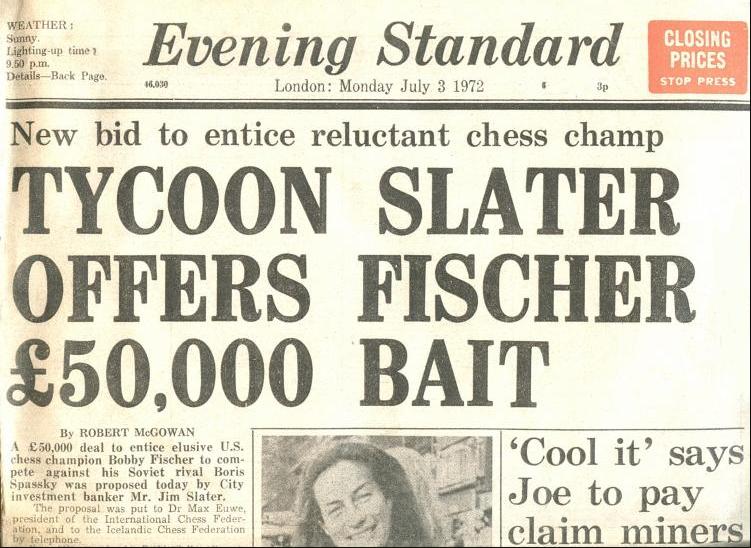
It is not altogether clear how the British offer finally persuaded Fischer. Paul Marshall certainly had a hand, initially pushing it as the answer to all Fischer’s financial demands.’But he wouldn’t accept it; he says.’His experiences with people promising things had taught him not to believe them, particularly with money. And he wanted proof. And he said no.’Marshall tried to change his mind. Phoning Barden, the attorney took his place in the gallery of callers that saved the match.’I said if I were them I would rephrase the offer. Slater should say he didn’t think his money was at risk, because Fischer was just making excuses. He should say that deep down Fischer was frightened. I said Bobby might be piqued by that challenge – and he was. I knew Bobby was very very competitive and combative and would not like to be thought of as a chicken.’ Slater denies this version of events. He maintains it was always his idea to express his offer as a taunt. He never spoke to Fischer and never received a word of gratitude from him.’Fischer is known to be rude, graceless, possibly insane,’he says.’I didn’t do it to be thanked. I did it because it would be good for chess.'”
The match between Fischer and Spassky was a most exciting one and fully up to everyone’s expectations. Fischer won the match.
A few months later, in an endeavour to help our young players, Jim Slater offered on behalf of The Slater Foundation to give a prize of £5,000 (about £75,000 in today’s money) to the first British grand master and £2,500 to the next four. Over the next few years Great Britain went from having no grand masters to twenty and became one of the strongest teams of young chess players in the world.”
Here is an obituary written by Stewart Reuben
and here is an obituary from Liberal England
Here is an item from the Slater Foundation
and here is his entry from chessgames.com which lists one game from 1947 : “James Derrick Slater, better known as Jim Slater, was an English accountant, investor and business writer. Slater became a well-known chess patron in the 1970s, when he stepped in to double the prize fund of the Fischer-Spassky world championship match at a time when Fischer was threatening not to play, thereby enabling the match to go forward. Afterwards he provided significant financial backing for the development of young British players, many of whom later contributed to Britain becoming one of the world’s strongest chess countries in the 1980s.”
From The Oxford Companion to Chess (OUP, 1984) by Hooper and Whyld :
“British chess patron, financier, children’s author, Slater achieved wide fame in the chess world on the occasion of the Spassky-Fischer world championship match of 1972. Fischer showed reluctance to play and apparently decided to do so when Slater added £50,000 to the prize fund. Slater has also made contributions to many other chess causes and in 1973 set-up the Slater Foundation, a charitable trust which, among other activities, pays for the coaching of young players and provides help for their families if needed. Leonard Barden advises the trust on chess matters. In the 1970s, partly owing to this patronage, junior players in Britain became as strong as those in any other country.”
From The Encyclopedia of Chess (Batsford, 1977) by Harry Golombek:
“An English financier, a great patron and benefactor of chess, both on a national and world level. Passionately devoted to chess from schooldays. He said that on leaving school he hesitated between the alternatives of become a chess master and of going into business, opting for the latter on the grounds that he was not sure of his chess-playing prowess.
It is perhaps a fortunate thing for chess that he did not become a chess-master, since he offer of a £50,000 increase to the stake at the match at Reykjavik in Iceland in 1972 may well have swayed Fischer into consenting to play. He established a Slater Foundation Fund which helps young English players to go and play abroad.”
Here is his Wikipedia entry
Here is a small item from Dennis Monokroussos
Happy Birthday GM Michael Adams (17-xi-1971)
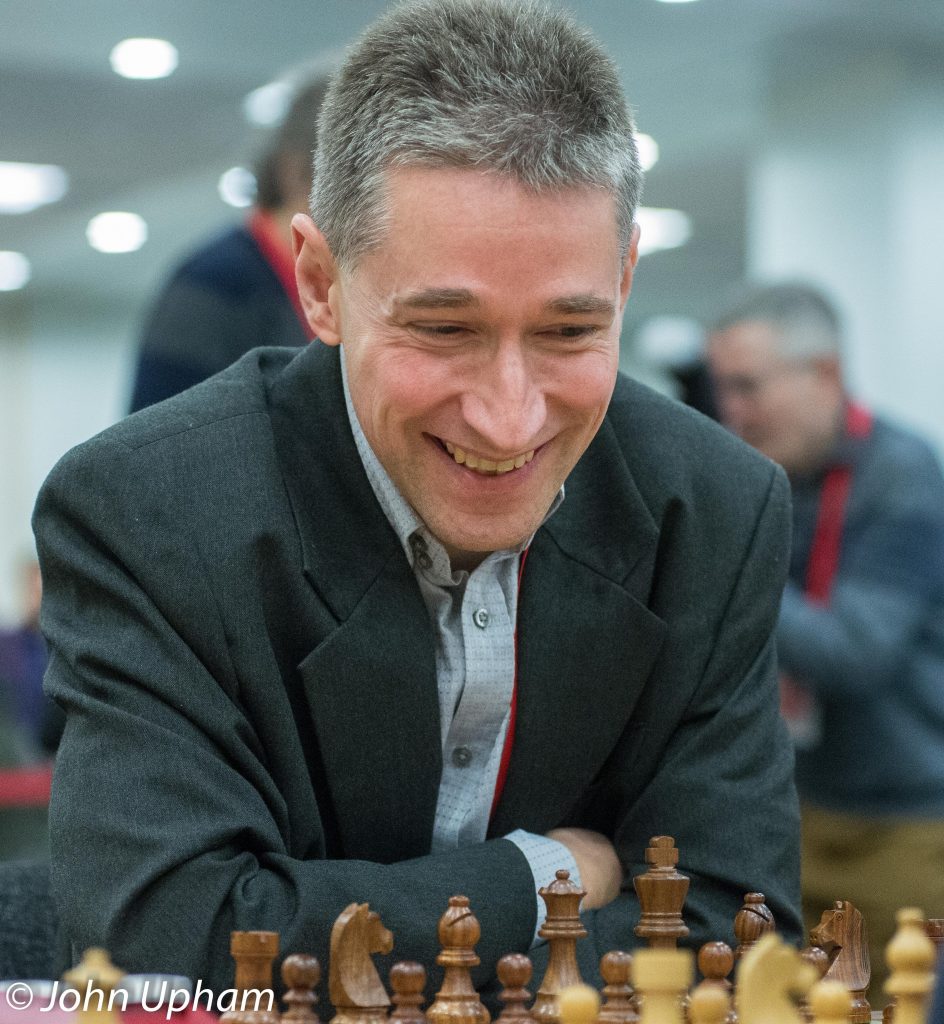
We send best wishes to GM Michael Adams on his birthday, this day (November 17th) in 1971
Michael was Southern Counties (SCCU) champion in the 1996-97 season.
His Wikipedia entry is here
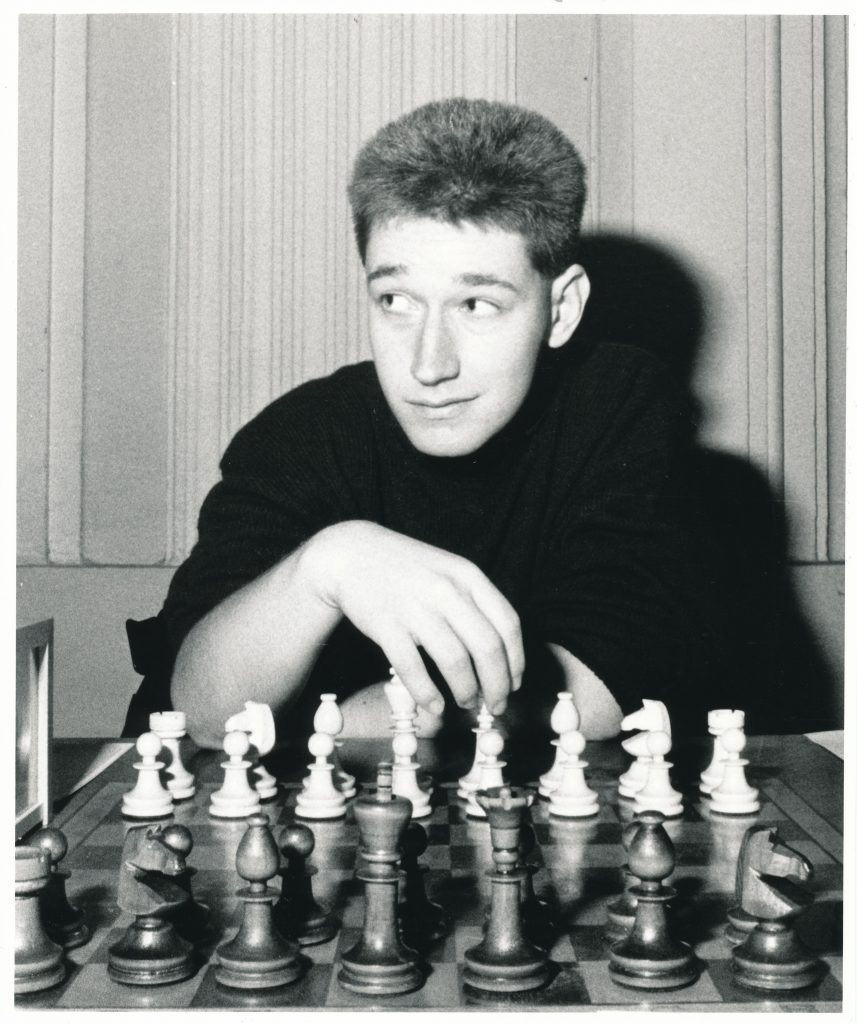
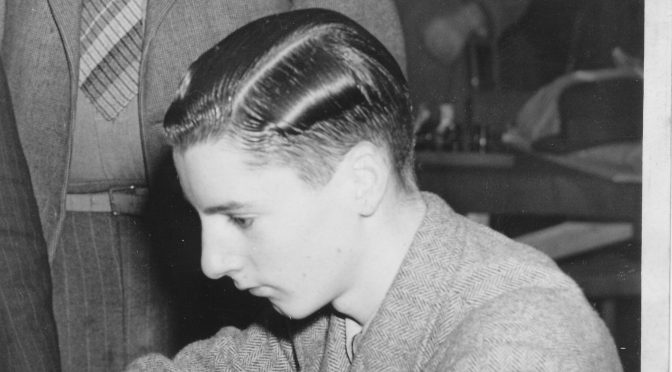
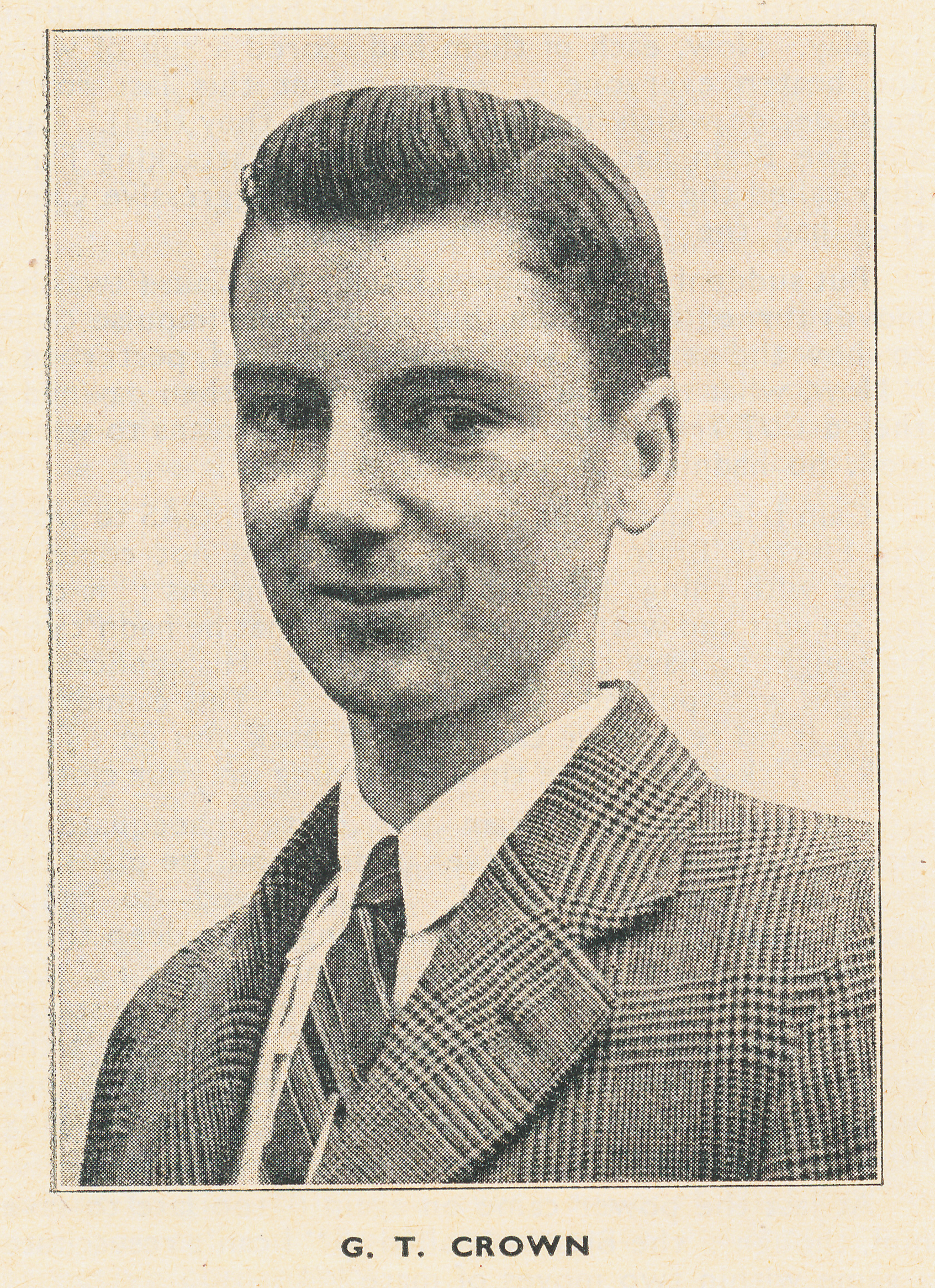
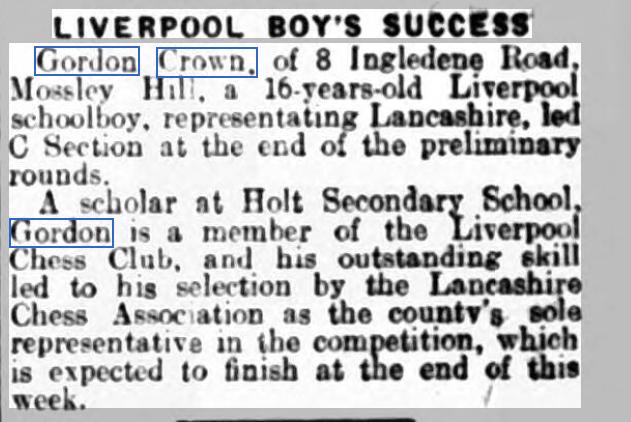
Remembering Gordon Crown (20-vi-1929 17-xi-1947)
We remember Gordon Crown who died this day (November 17th) in 1947.
Gordon Thomas Crown was born on Thursday, June 20th, 1929 to James Crown (born 18th November 1899) and Hilda M Crown (born 3rd October 1900, née Sharrott).
James was a refrigerating engineer and Hilda carried out unpaid domestic duties. The birth was registered in the district of West Derby, Lancashire.
Gordon attended Holt Secondary School which is now known as Childwall Sports and Science Academy.
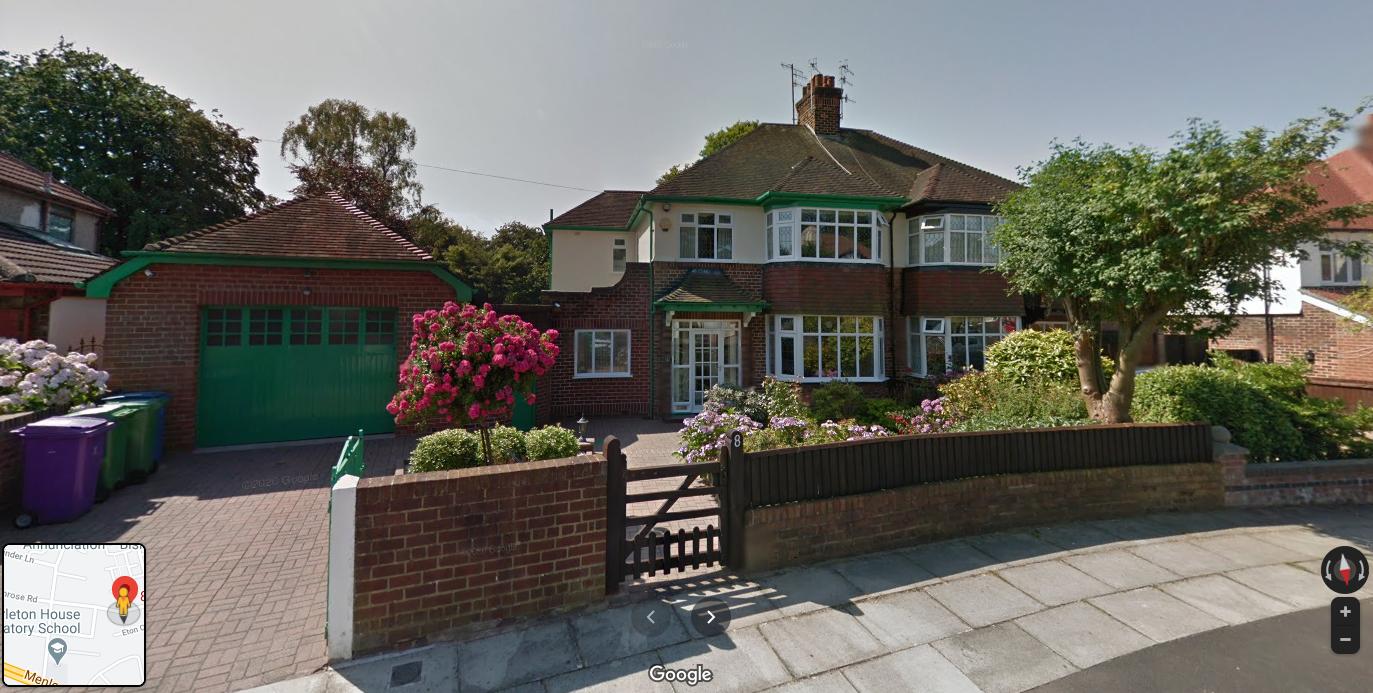
According to the electoral register of 1939 they lived at 8 Ingledene Road, Liverpool, Liverpool C.B., Lancashire, England. (This is L18 3HJ in this day and age.)
According to Zoopla : “This 4 bed freehold semi-detached house is located at 8 Ingledene Road, Liverpool L18 3HJ and has an estimated current value of £581,000. Ingledene Road has 19 properties on it with an average current value of £492,220, compared to an average property value of £325,035 for L18. There have been 5 property sales on Ingledene Road, L18 over the last 5 years with an average house price paid of £474,900. There are currently 108 properties for sale in L18 with an average asking price of £372,163 and 59 properties to rent in L18 with an average asking rent of £408 pw.”
Jon D’Souza-Eva (Oxford) wrote to us on November 17th, 2021 to reveal:
“I always thought that Gordon Crown was an only child, but after a little searching I found that he had a younger brother, Rodney, who was born and died in 1938.
There’s also a rather mysterious redacted entry in the Crown household in the 1939 register. I can’t find evidence for any other siblings who might account for it.”
and we asked Leonard Barden about this replying:
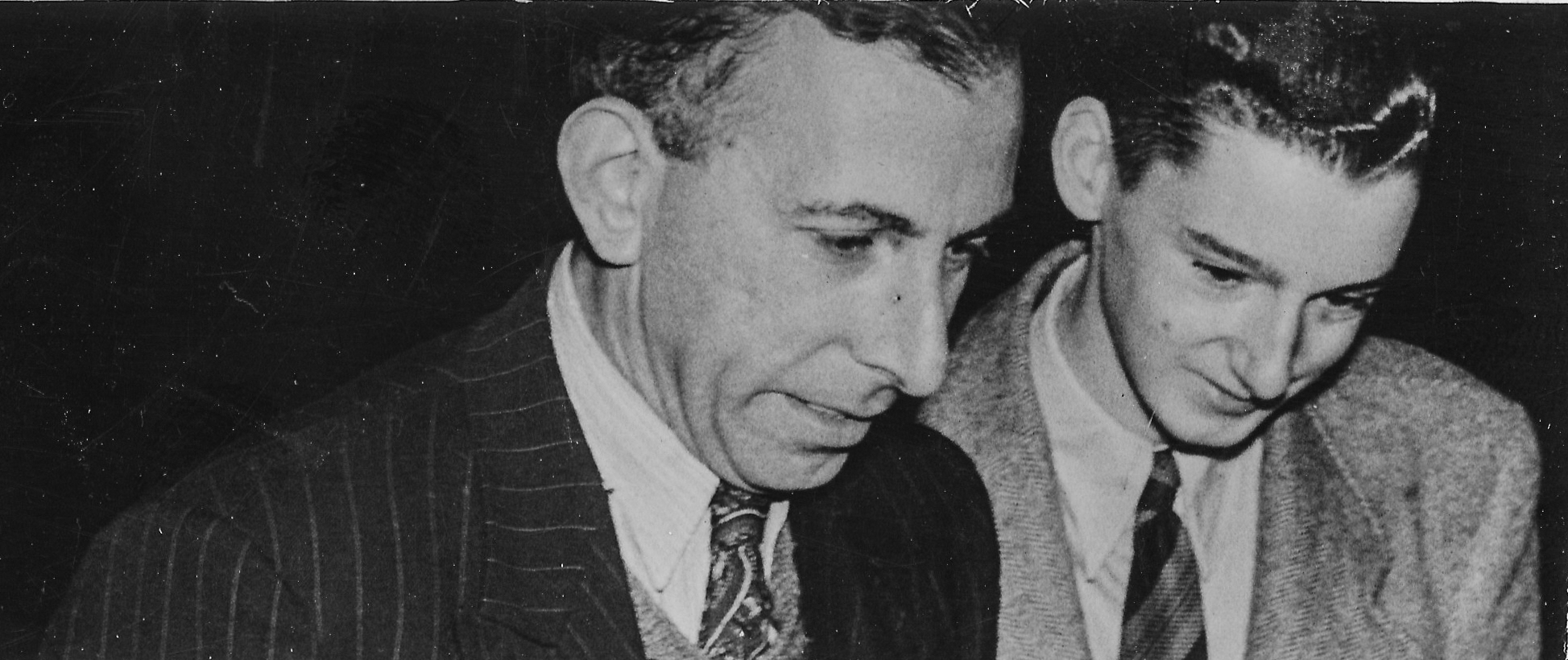
“I can’t confirm the Rodney, but Gordon died the night after I visited him on a daily leave pass from RAF Padgate. I didn’t know about it for two weeks because of the lack of news facilities at my camp. But then when I heard I wrote to his mother and she sent back the Kotov photo with a very sad letter from which one phrase has remained in my memory:
“Our other son died nine years ago and Gordon was all we had”….”
Both Sunnucks and Hooper & Whyld are silent on GTC : surprising!
From CHESS, Volume 12 (1947), Number 138 (March), page 176:
“G. T. Crown…England’s 17.5 Year Old International
“Gordon T. Crown, who takes his place in an England team at the age of 17.5, was born at Liverpool on June 20th, 1929. He learnt the moves at the age of nine, being first made aware of chess by the match between the BBC and the listeners over the radio. Until 1944, he had few opportunities for over-the-board play and was forced to devote himself to studying books and magazines.
In 1944-5 he entered for the Lancashire Junior Championship and won it as his first attempt; he repeated his success last year and also entered for the senior event, in which he reached the semi-final, only to throw away a won game against HG Rhodes.
In April 1946, he played in the British Boys’ Championship at Hastings and came second, losing only in his final game. In August he played in the Nottingham Congress, was placed in one of the Major sections and “was quite satisfied” he reports, at finishing half-a-point outside the prize list, especially as he was the only one to defeat EG Sergeant, who topped the section.
At Hastings, the situation was curiously reversed. Here he won the section, his only loss being to EG Sergeant, who finished just outside the prize list.
He has just finished school and is waiting to enter a University where he intends to study Geography and History. For private reading, he enjoys best Military and Naval History – apart from good detective stories.
Apart from chess, he is interested in most games, both indoor and outdoor, with special preference for tennis ad table-tennis when it is a matter of playing and cricket for reading about.
He is diabetic – but so was one of the players in the Davis Cup team which recently crushed Australia! His games show the evidence of deep and extensive study of the game combined with an ever-ready imagination.
From The Encyclopedia of Chess (Batsford, 1977), Harry Golombek OBE :
“Gordon Crown is one the sad might-have-beens of the world of chess. In his short life he had already shown himself to be of master strength and a potentially very great player when suddenly, at the age of eighteen, he died during an operation.
He learnt chess when aged nine and soon became one of the best players, first in Liverpool,, his home town, and then in Lancashire, of which county he won the Junior Championship three years in succession.
Crown first came into national prominence when he came second in the British Boys Championship in 1946. (Ed : the winner was John Fuller) In the Hastings Congress of 1946/7 he won first place in a strong Premier Reserves Section.
The last year of his life even saw him reaching out to international success, Playing on board 9 for Britain against The Netherlands he scored 1.5 out of 2 against L.J. Tummers. Then he won third prize in the British Championship at Harrogate. As a result of this success he was promoted to board 4 for Britain against Australia in a radio match when he beat Dr. M. Gellis.
In September 1947 he was hurried to hospital suffering from peritonitis and, being a diabetic, succumbed under the operation.
As a player he excelled in both the opening and endgame phases and possessed a style of play that stamped him as a future grandmaster. As a person he was modest, clever and a very agreeable companion. This was great loss for British and, almost certainly, world chess.”
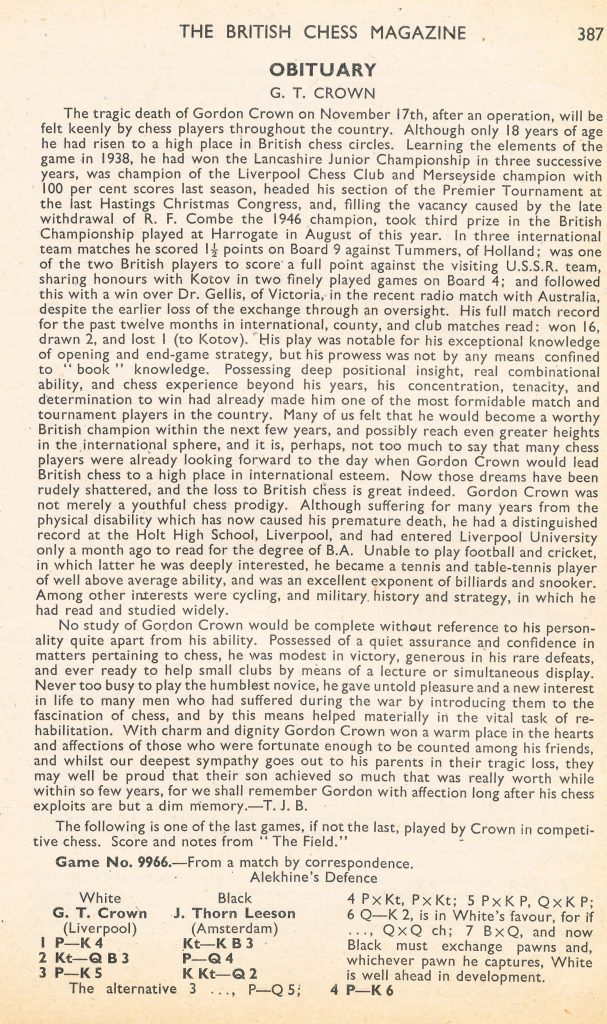
We have reproduced his obituary from British Chess Magazine, Volume LXVII (1947), Number 12 (December), Page 387-8 and we assume that this was written by TJ Beach:
“The tragic death of Gordon on November 17th after an operation, will be felt keenly-by chess players throughout the country. Although only l8 years of age he had risen to a high place in British chess circles. Learning the elements of the game in 1938, he had won the Lancashire Junior Championship in three successive years, was champion of the Liverpool Chess Club and Merseyside champion with 100 per cent scores last season, headed his section of the Premier Tournament at the last Hastings Christmas Congress, and, filling the vacancy caused by the late withdrawal of R. F. Combe the 1946 champion, took third prize in the British Championship played at Harrogate in August of this year.
In three international team matches he scored l.5 points on Board 9 against Tummers, of Holland; was one of the two British players to score a full point against the visiting U.S.S.R. team, sharing honours with Kotov in two finely played games on Board 4; and followed this with a win over Dr. Gellis, of Victoria, in the recent radio match with Australia, despite the earlier loss of the exchange through an oversight. His full match record for the past twelve months in international, county, and club matches read: won 16, drawn 2, and lost l. (to Kotov).
His play was notable for his exceptional knowledge of opening and end-game strategy, but his prowess was not by any means confined to “book” knowledge. Possessing deep positional insight, real combinational ability, and chess experience beyond his years, his concentration, tenacity, and determination to win had already made him one of the most formidable match and tournament players in the country. Many of us felt that he would become a worthy British champion within the next few years, and possibly reach even greater heights in the international sphere, and it is, perhaps, not too much to say that many chess players were already looking forward to the day when Gordon Crown would lead British chess to a high place in international esteem: Now those dreams have been rudely shattered, and the loss to British chess is great indeed.
Gordon Crown was not merely a youthful chess prodigy. Although suffering for many years from the physical disability which has now caused his premature death, he had a distinguished record at the Holt High School, Liverpool, and had entered Liverpool University only a month ago to read for the degree of B.A. Unable to play football and cricket, in which latter he was deeply interested, he became a tennis and table-tennis player of well above average ability and was an excellent exponent of billiards and snooker. Among other interests were cycling, and military history and strategy, in which he had read and studied widely.
No study of Gordon Crown would be complete without reference to his personality quite apart from his ability. Possessed of a quiet assurance and confidence in matters pertaining to chess, he was modest in victory, generous in his rare defeats, and ever ready to help small clubs by means of a lecture or simultaneous display.
Never too busy to play the humblest novice, he gave untold pleasure and a new interest in life to many men who had suffered during the war by introducing them to the
fascination of chess, and by this means helped materially in the vital task of rehabilitation. With charm and dignity Gordon Crown won a warm place in the hearts and affections of those who were fortunate enough to be counted among his friends, and whilst our deepest sympathy goes out to his parents in their tragic loss, they may well ae proud that their son achieved so much that was really worth while within so few years, for we shall remember Gordon with affection long after his chess exploits are but a dim memory.-T. J. B.”
The following is one of the last games, if not the last; played by Crown in competitive chess. Score and notes from “The Field”
and here is the scan of the original article:
and
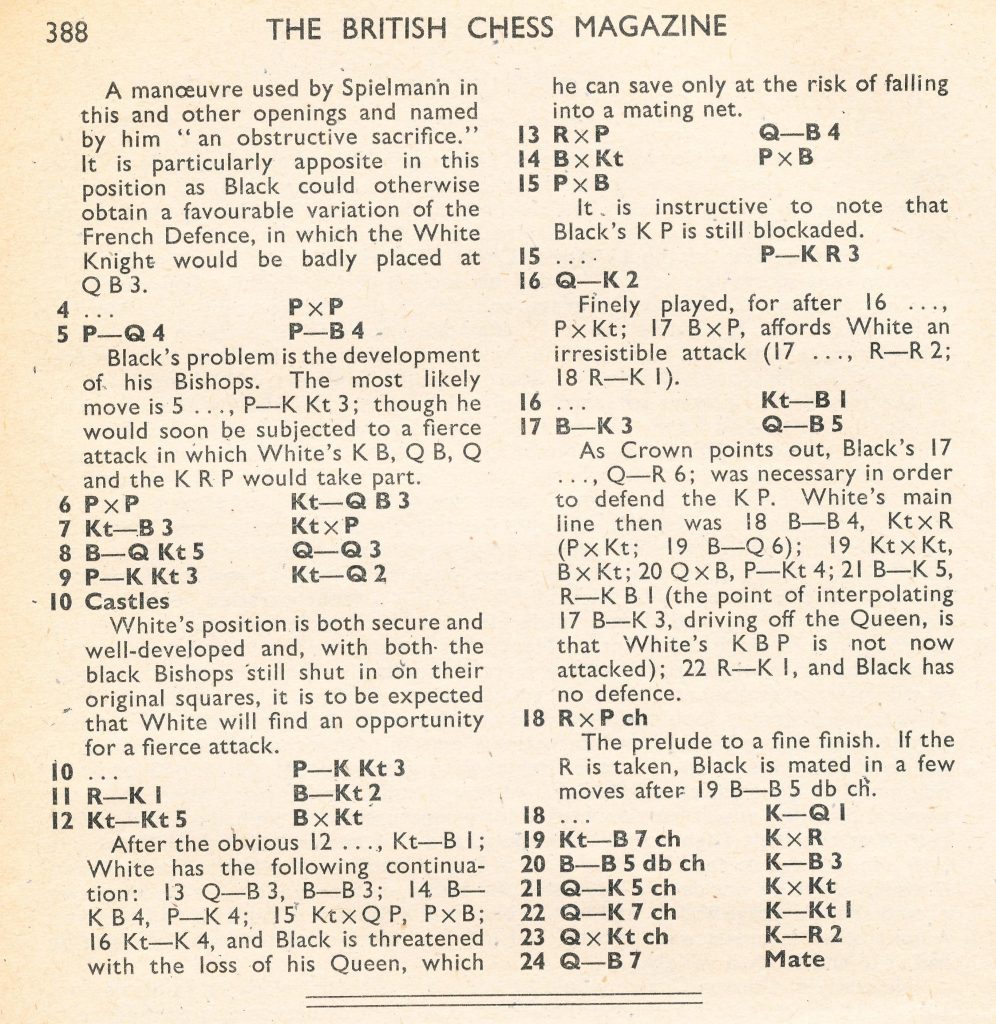
We are grateful to Leonard Barden on the identity of T.J.B. :
“Thomas John Beach, wartime RAF navigator with Distinguished Flying Cross, leading light of Liverpool chess, regular British championship player for many years, chairman of BCF junior selectors, father of a leading Midlands expert, a good and dedicated man” TJB was the father of Richard Beach who won the British Boys Under 18 title in 1961.
According to the British Chess Magazine, 1943, March, page 56 GTC lived at 8 Ingledene Road, Calderstones, Liverpool 18, England.
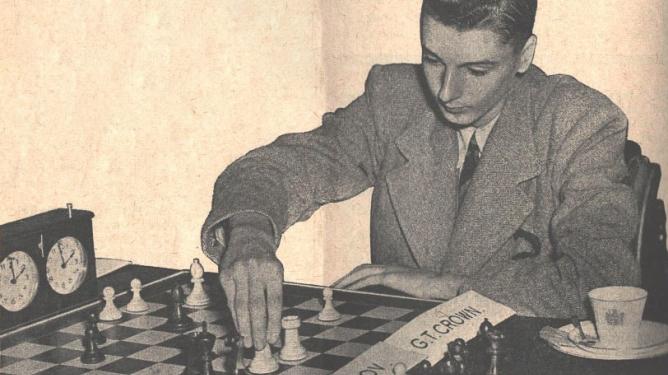
On 17 November 1947 he was admitted to hospital, complaining of a stomach upset. Diagnosed too late with appendicitis, complicated by his diabetes, he died in the operating theatre.
His friend (and former British champion) Leonard Barden speculates that had he lived, Crown would have become at least a strong Grandmaster, further noting that he was ” … open, friendly and modest as well as a clear and enthusiastic explainer of his chess ideas; I think he would have been like Keres or Gligoric in their countries, a model for our young players.”
Harry Golombek was similarly impressed with Crown’s play, stating that “In his short life, he had already shown himself to be of master strength and was potentially a very great player.”
We are grateful to be able to use comments from long time friend, Leonard Barden posted under the nom de plume of Roberts Partner on chessgames.com :
“As to the circumstances of Crown’s death. The finger of blame must be pointed at the family doctor for failing to make a timely correct diagnosis. On Sunday 16 November 1947 a chess friend visited the Crown home at Ingledene Road, Liverpool, and found Crown in bed. He explained that his doctor had diagnosed a stomach upset and had recommended rest. The friend and Crown played and analysed together for several hours, and Crown did not appear in any physical discomfort. But that night after the friend left his condition deteriorated and he was rushed to hospital where he died in the early morning hours of 17 November. There was also a belief among some Liverpool chess players that the hospital procedures could have been better.”
and
“On another thread some CG posters expressed surprise at the Ritson Morry v Crown game where Morry fell into a well-known opening trap.
The British championship at Harrogate in August 1947 was played in a spa building where the underfloor heating was still switched on. This coincided with one of the warmest summers on record (it was the year in which Compton and Edrich made their memorable cricket achievements for Middlesex). By the second week of the BCF congress older and overweight players (the latter group including Ritson Morry) were wilting. Ritson also had some long adjourned games, and by the time of his game with Crown in the final round was exhausted. The game finished in 15-20 minutes so by the time other players went to spectate after their opening moves there was just a reset board with no sign of the players and no indication of what had transpired. Other final round results went Crown’s way so that he finished third outright and thus got selected on a high board for the USSR match.”
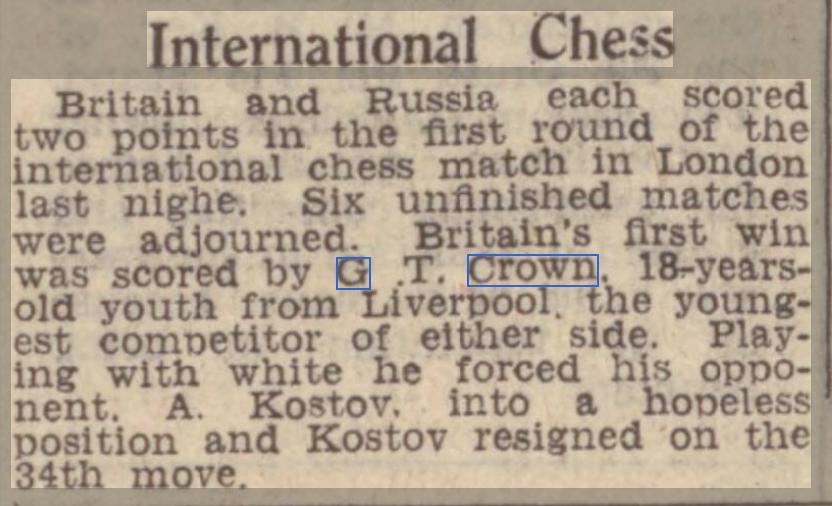
and here is an article by ddtru (?) in chess.com : full article
We are grateful to renowned chess historian, Taylor Kingston for supplying these scans of an article from Chess Life in 1947 about Gordon Crown written by Reuben Fine :
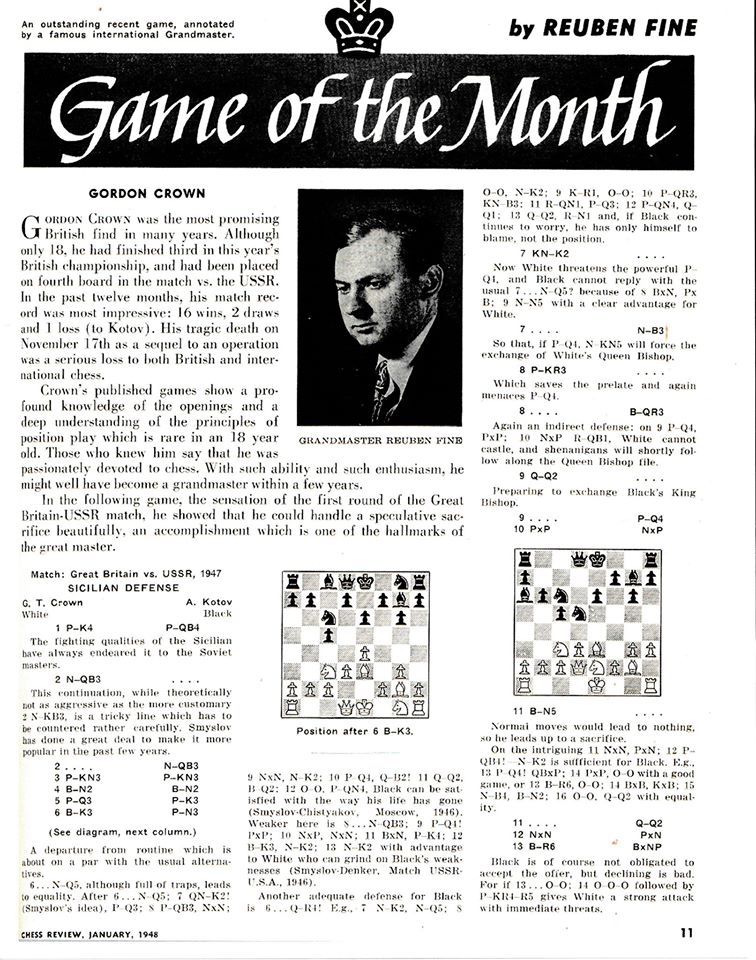
and
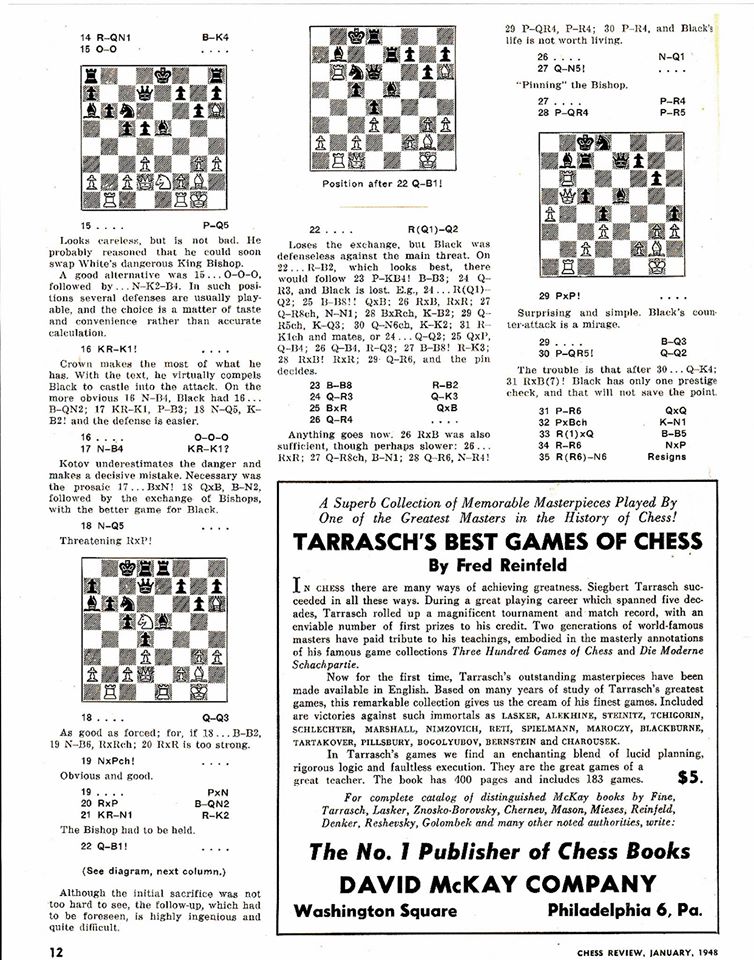
From Wikipedia:
“Gordon Thomas Crown (20 June 1929 – 17 November 1947) was a promising British chess player who died of appendicitis at the age of eighteen. He is best known for his win against the Russian Grandmaster Alexander Kotov shortly before his death.
Crown was born in Liverpool in 1929. He finished second in the British under 18 championship in 1946 and improved rapidly, winning the Premier Reserve section of the 1946/7 Hastings International Chess Congress. This led to his being placed on the reserve list for the 1947 British Chess Championship. Following the withdrawal of the defending champion Robert Forbes Combe, he was allowed to play in the championship, where he finished third (Harry Golombek won).
Consequently, he was selected to play for the British team in the 1947 Britain-USSR match, where he caused a sensation by defeating the Soviet Grandmaster Alexander Kotov, though he lost the return game. He also defeated Max Gellis in a Britain-Australia radio match.”
Interestingly, via the EC Forum, Geoff Chandler pointed out a note by Edward Winter in which Bill Hartston recounts advice from David Bronstein : “Look at the games of Gordon Crown. He really understood chess”. From NOW! magazine, (6-12 February 1981, page 80.): thanks Geoff !