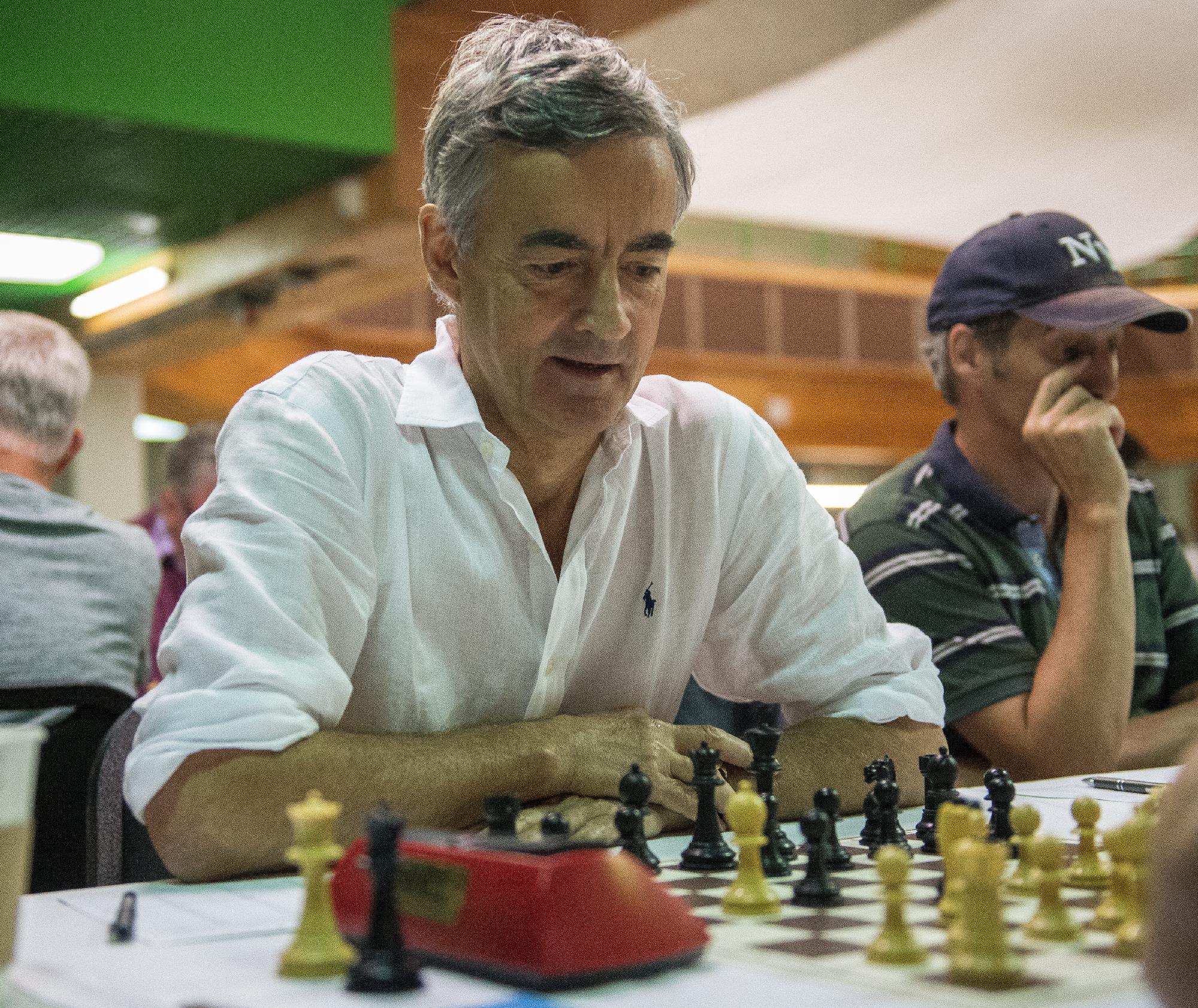
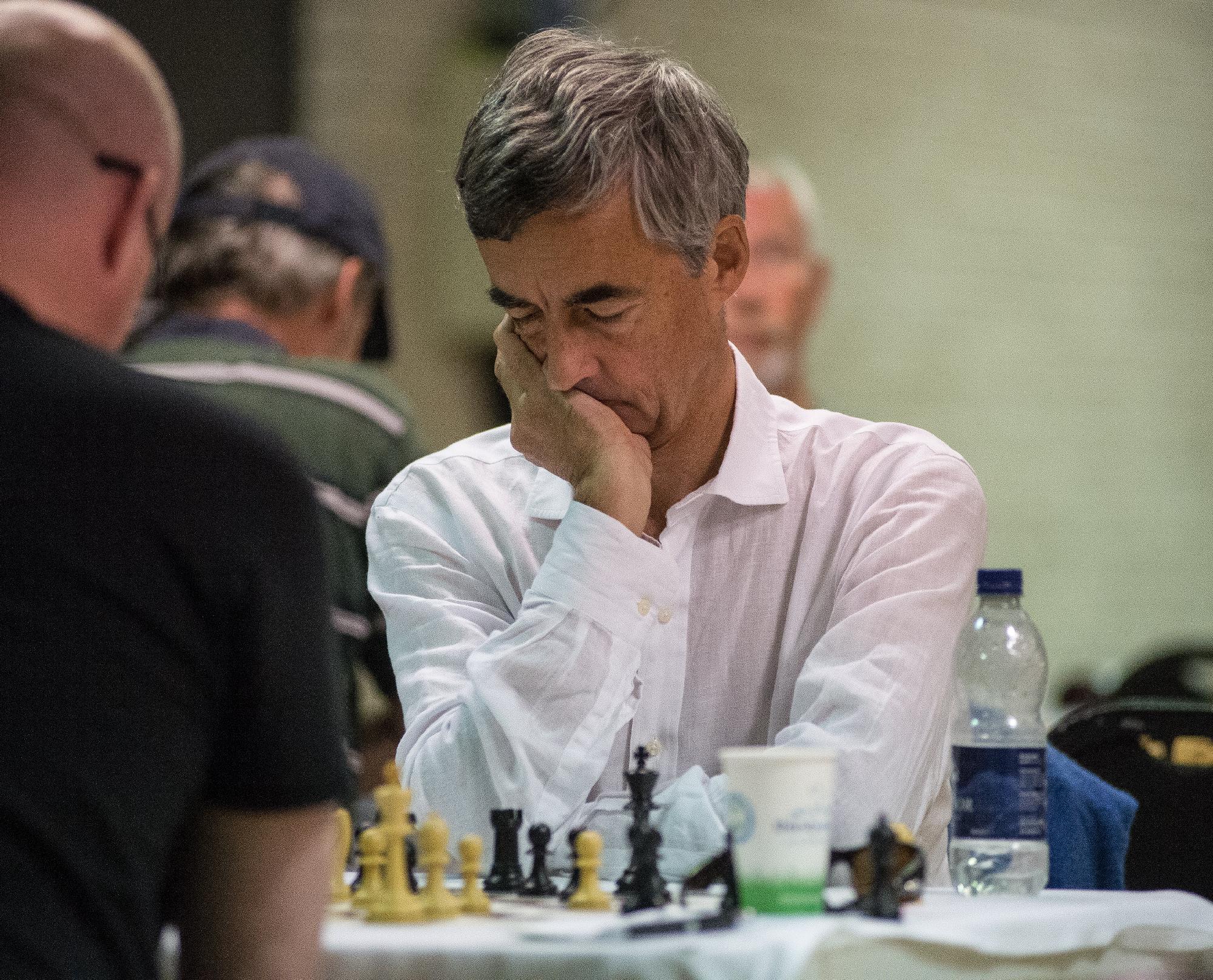
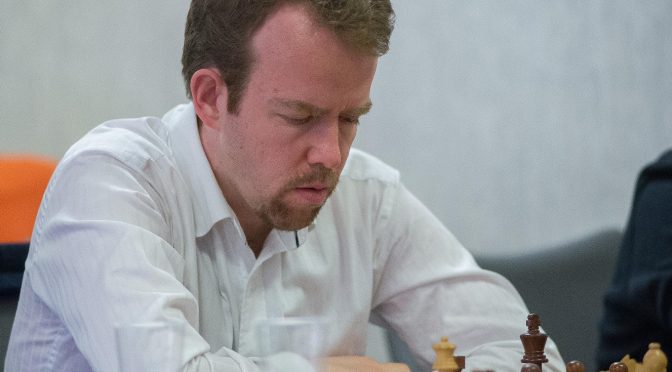
BCN wishes Happy Birthday to IM Byron Anthony Jacobs (25-vi-1963)
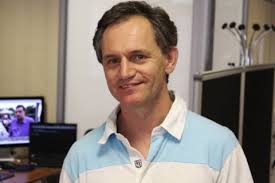
Byron originates from Sir John Betjeman’s favourite town (Slough) and attended Slough Grammar and then The University of Sussex (Falmer).
He was Standard London under-16 champion in 1979. He was 3rd= in the 1982 Danish U-18 International. He was 3rd= in the 1988 Guernsey Open. His last recorded event in Megabase 2020 was in 1998.
Byron became a FIDE Master in 1983 and an International Master and in 1988 achieved a peak rating of 2390 in July 1987 at the age of 24.
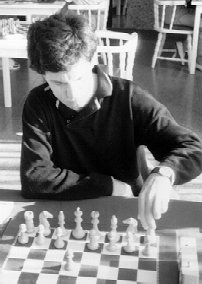
Byron Jacobs
Having given up competitive chess Byron became a successful poker player and commentator and has written on the subject.
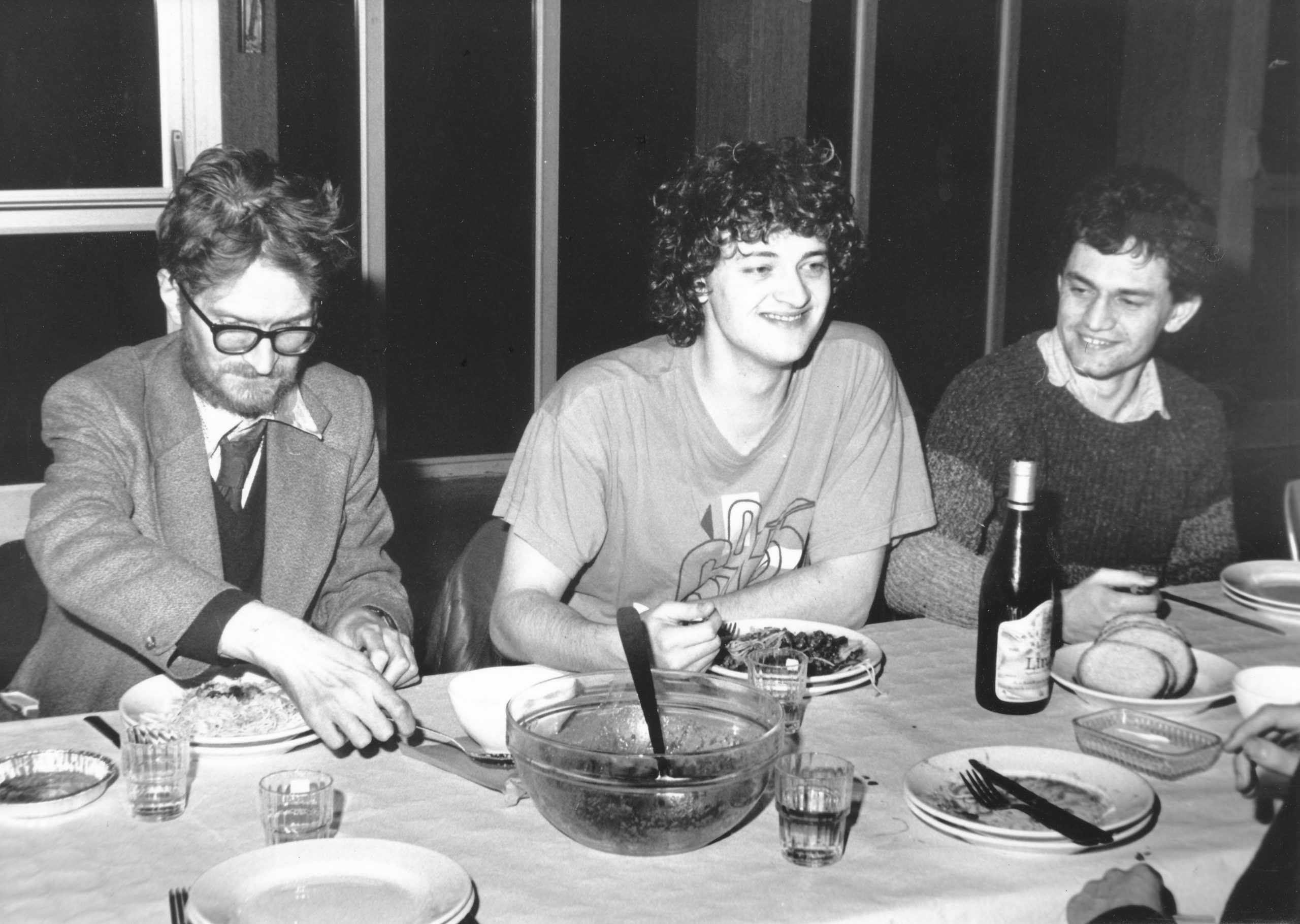
FM Andrew Whiteley, IM Julian Hodgson and FM Byron Jacobs at Cappelle Le Grand, 1988. Photograph by Caroline Winkler
Byron is a director of Brighton based First Rank Publishing and is a specialist chess typesetter and Chief Advisor for Everyman Publishing and others and was pivotal in Brighton based, Chess Press.
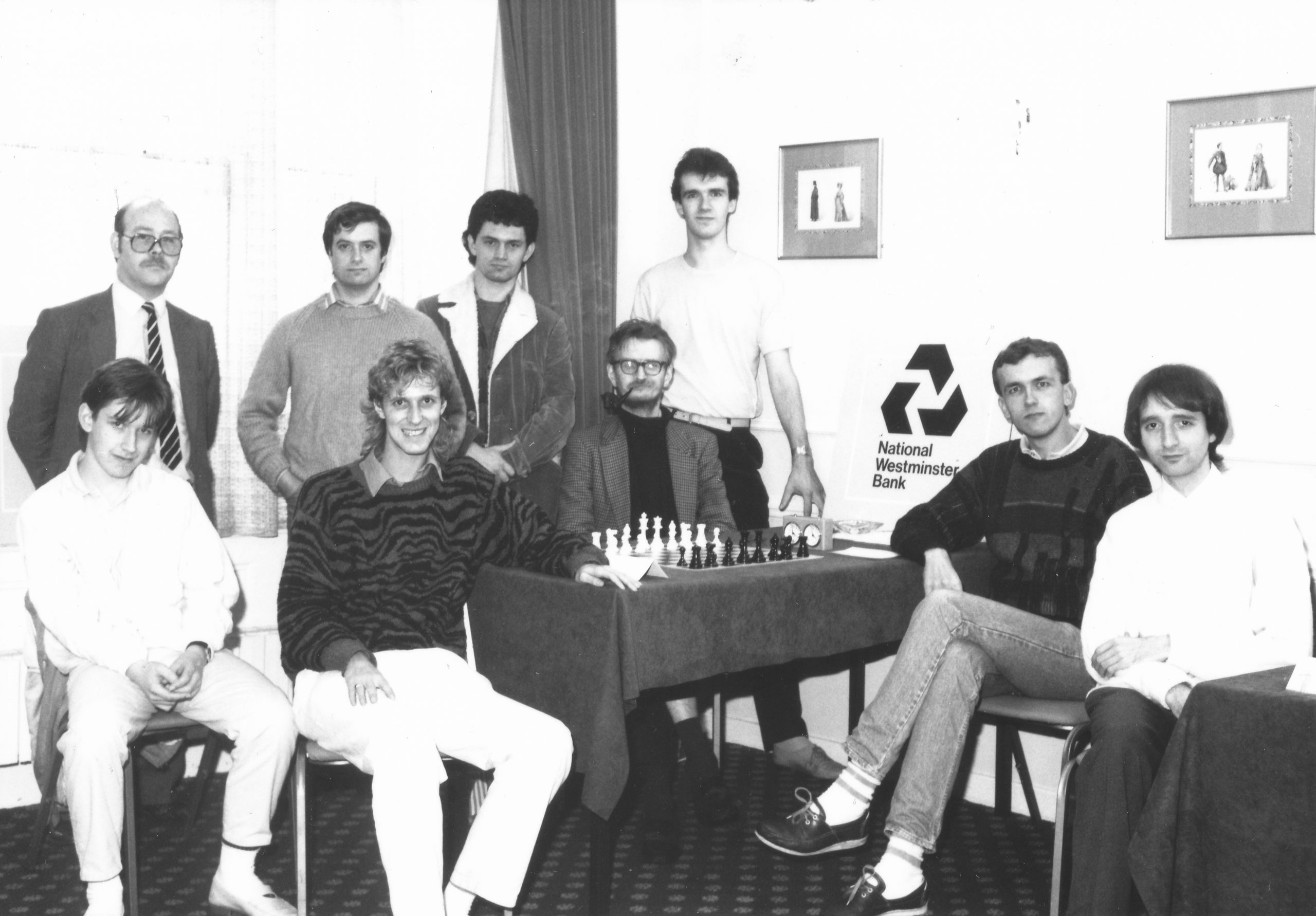
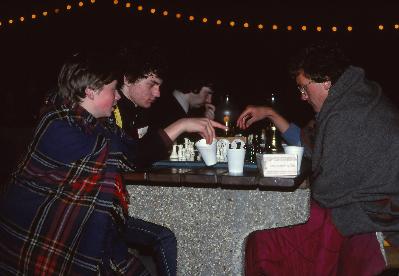
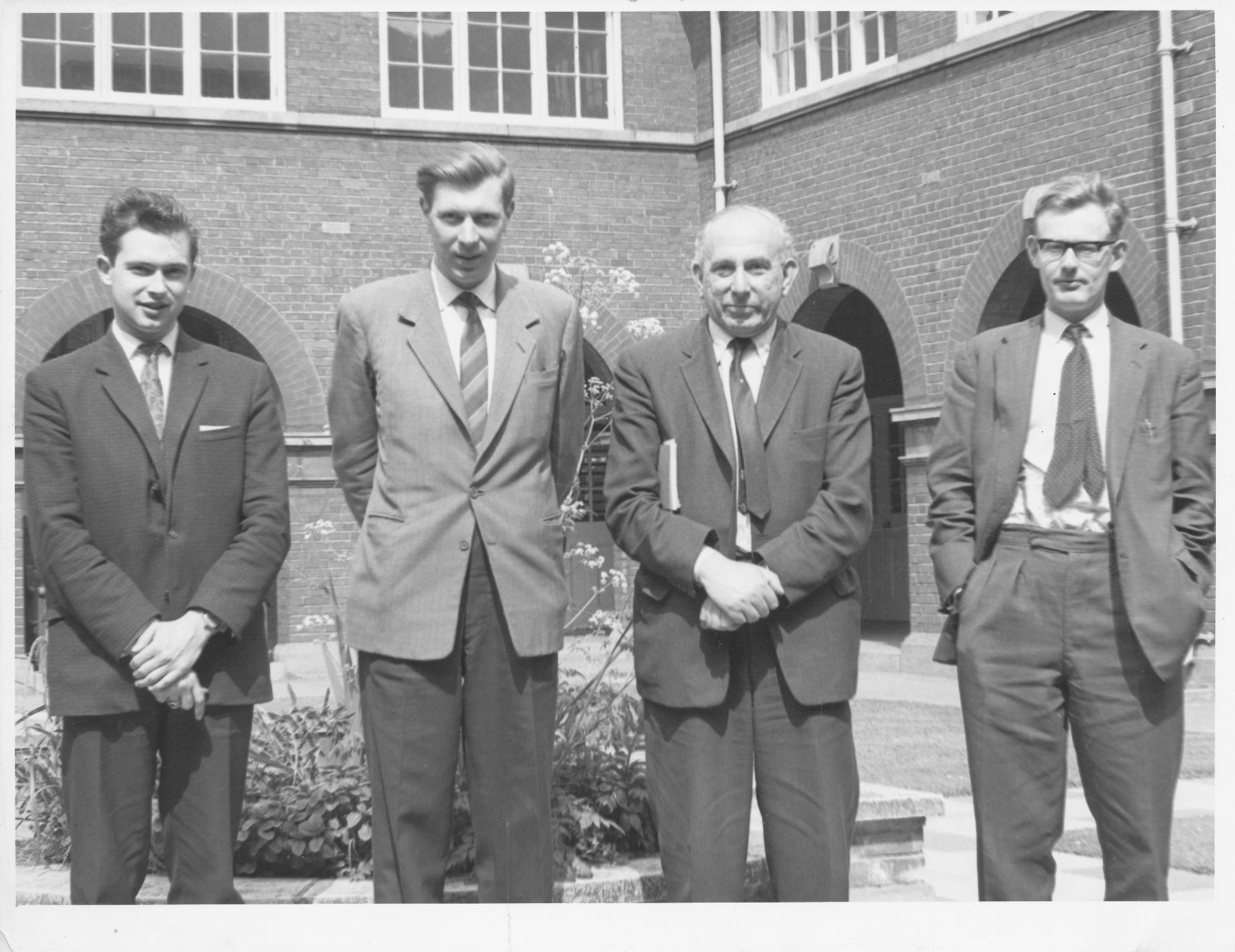
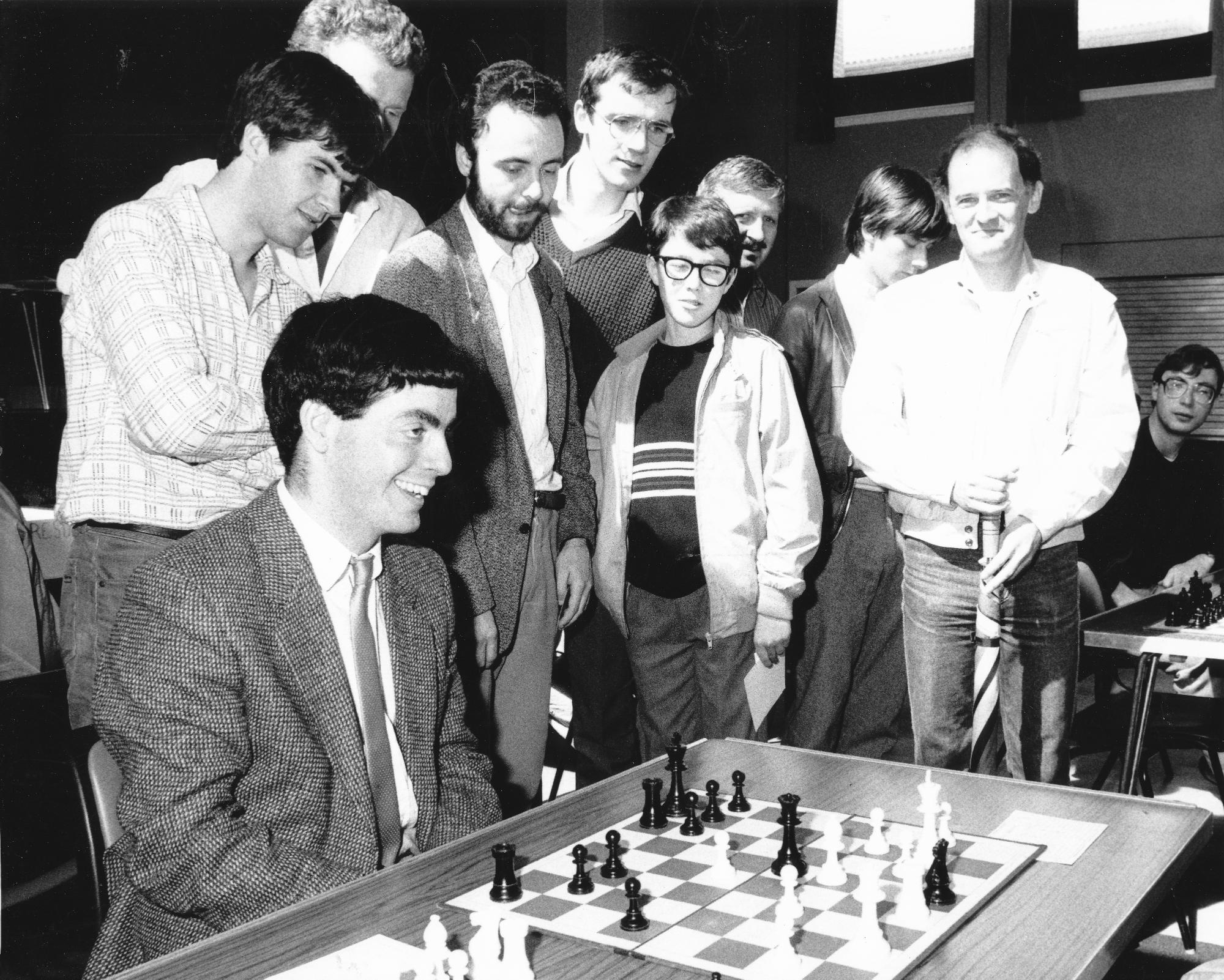
Byron and friends at the NatWest Bank Young Masters
Byron was the typesetter for British Chess Magazine from 2011 – 2012 and was Deputy Editor for CHESS during the time of Murray Chandler and Bernard Cafferty
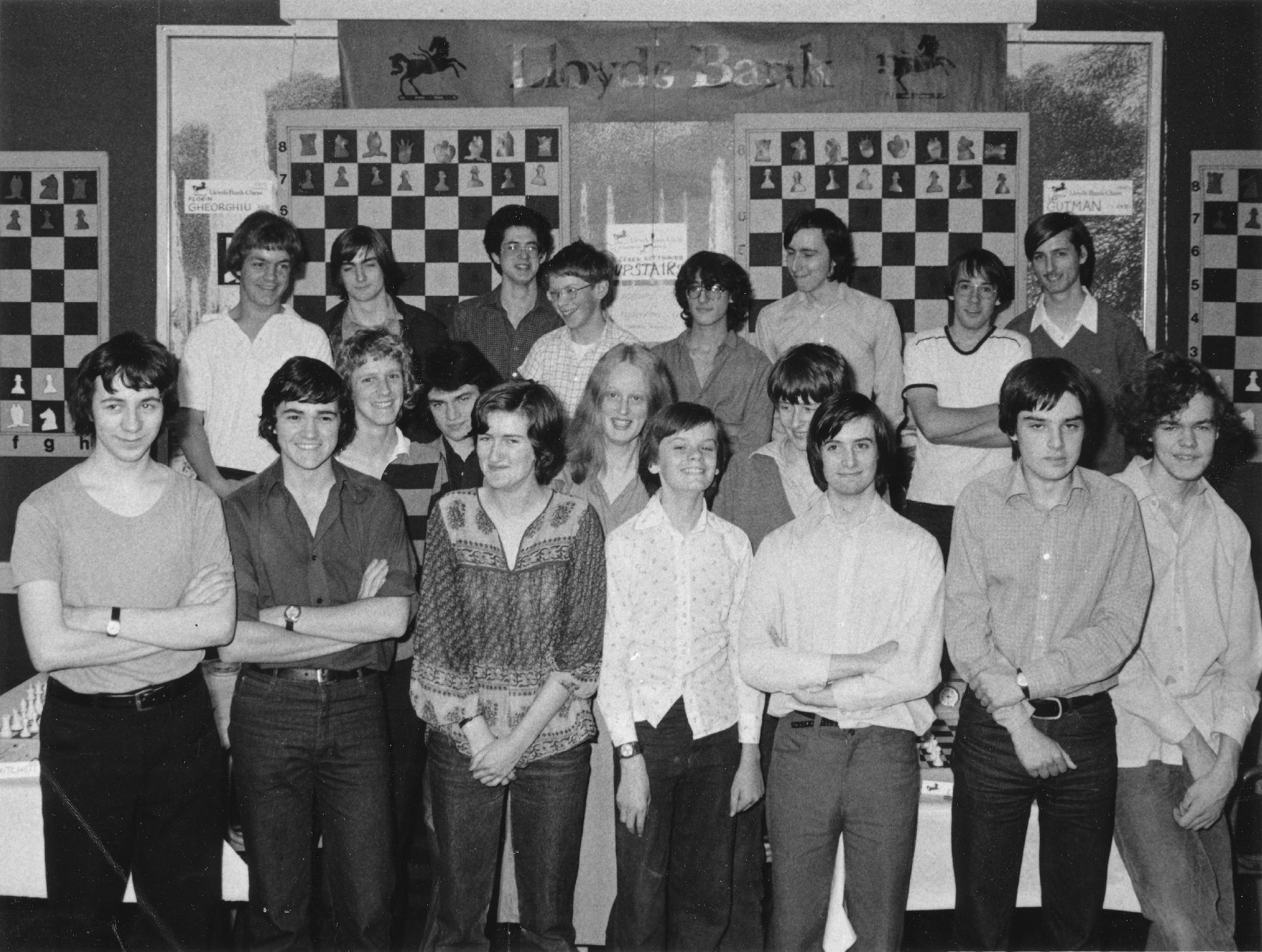
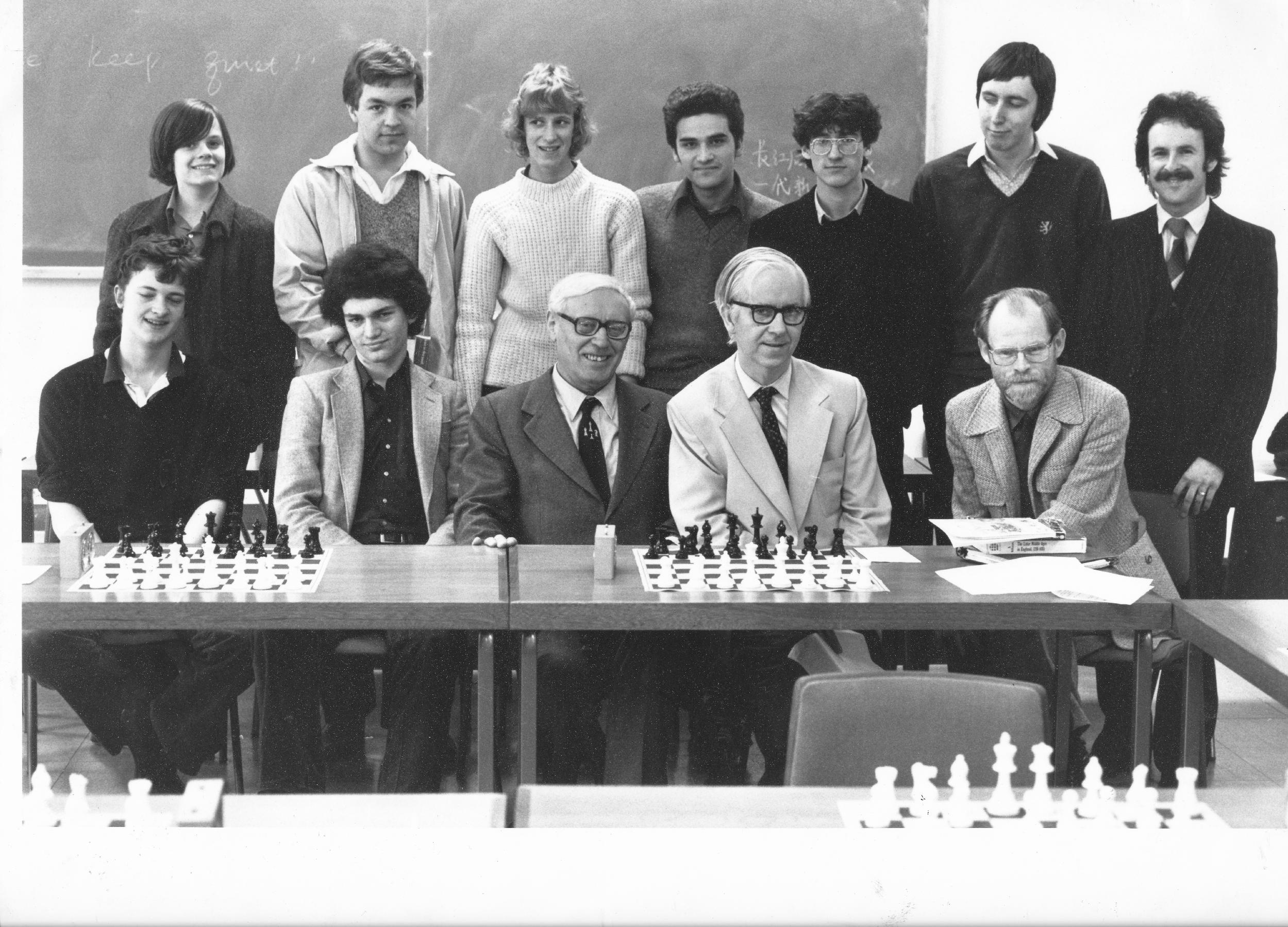
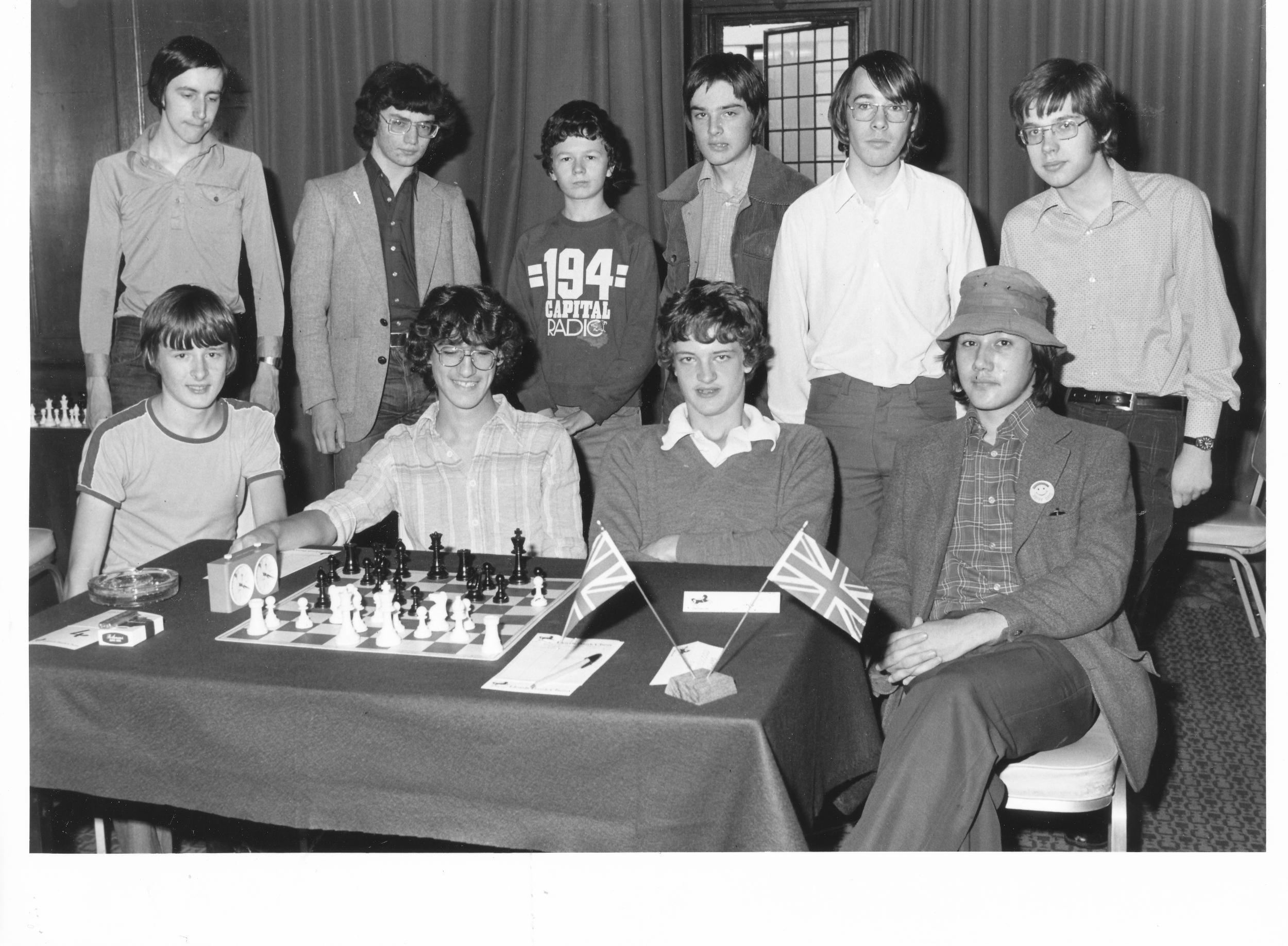
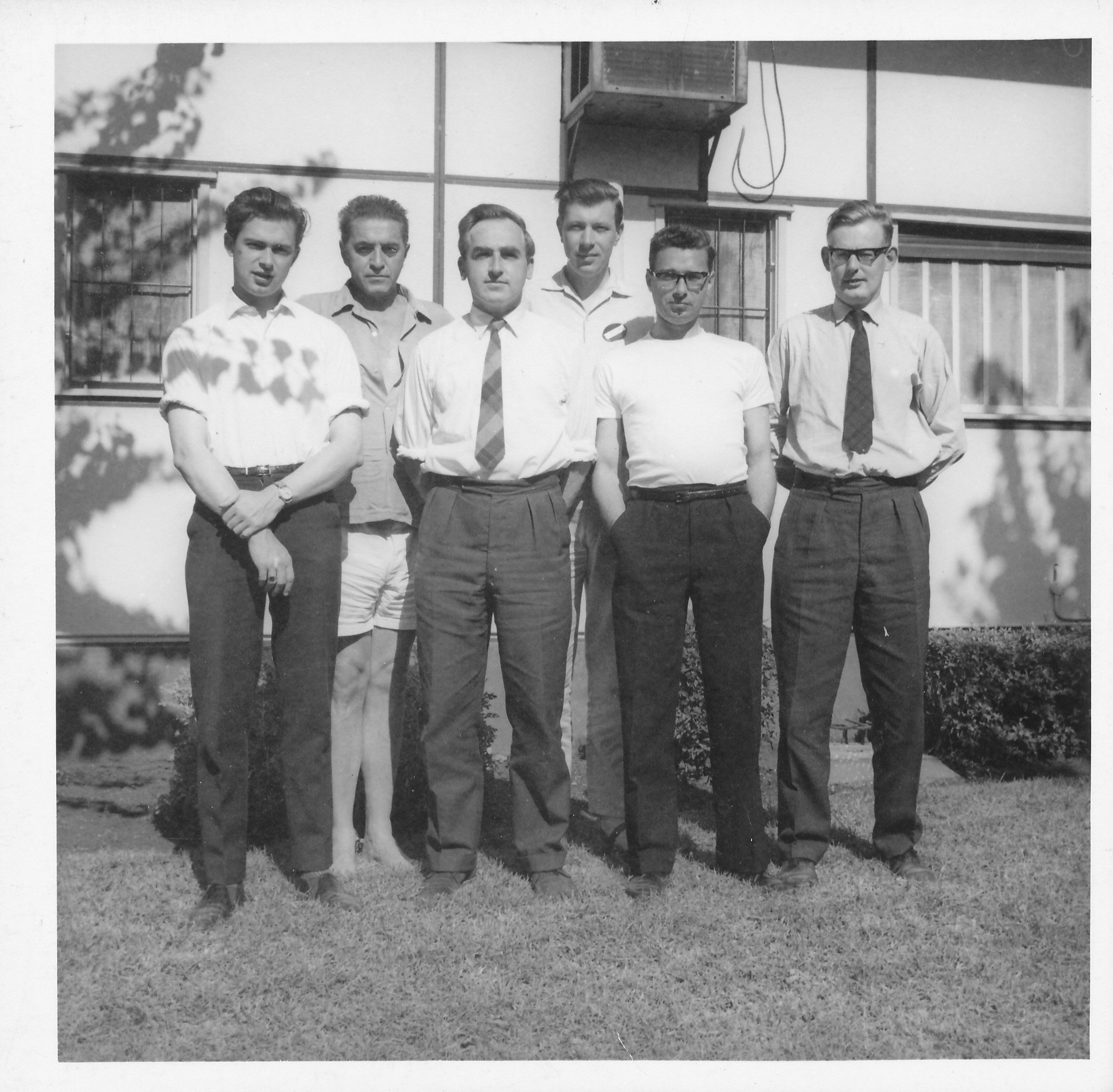
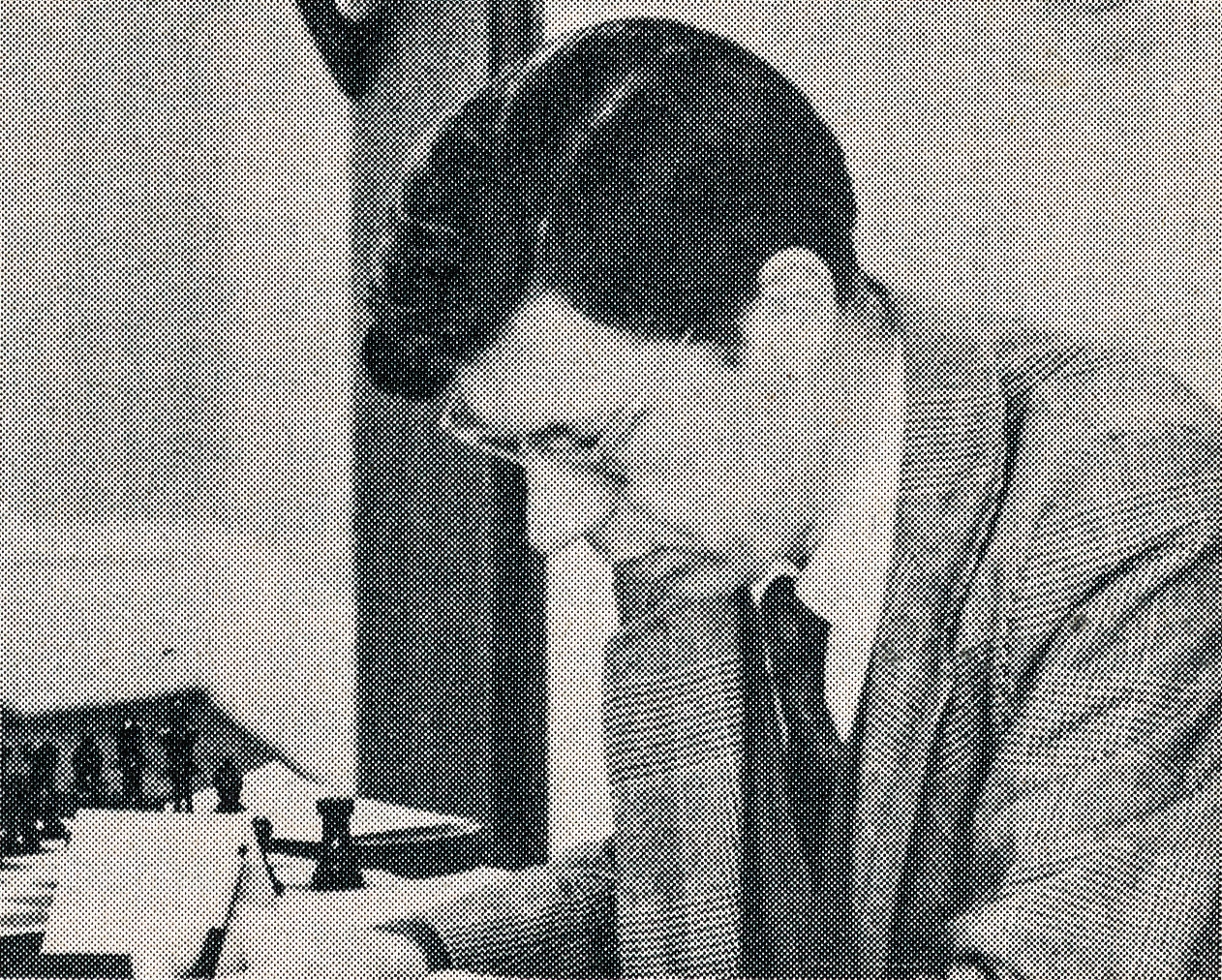
IM Byron Jacobs (front, fourth from left) at a Lloyds Bank eventIM Byron Jacobs (seated, second from left)IM Byron Jacobs (standing, second from left)) at a Lloyds Bank MastersByron Jacobs (second from left) at the National Film Theatre. Also present is Aaron B, Rose, JJ Ady and Andrew Martin. Photographer : John Upham
Byron is an accomplished chess author with many titles to his name :
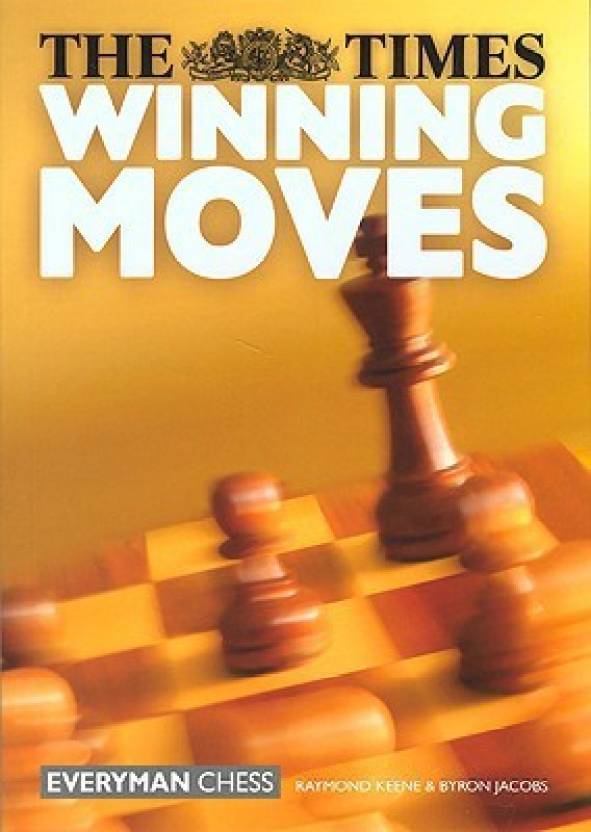
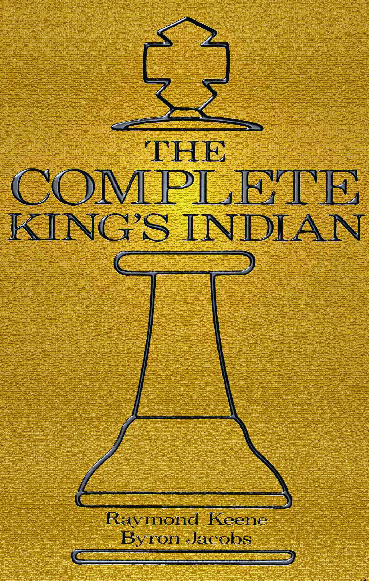
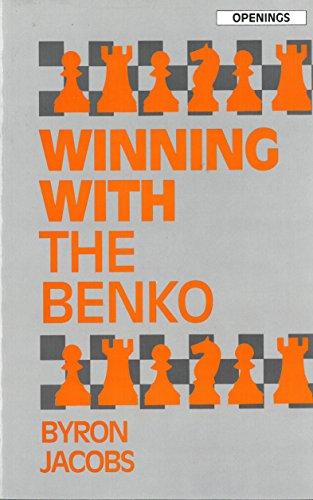
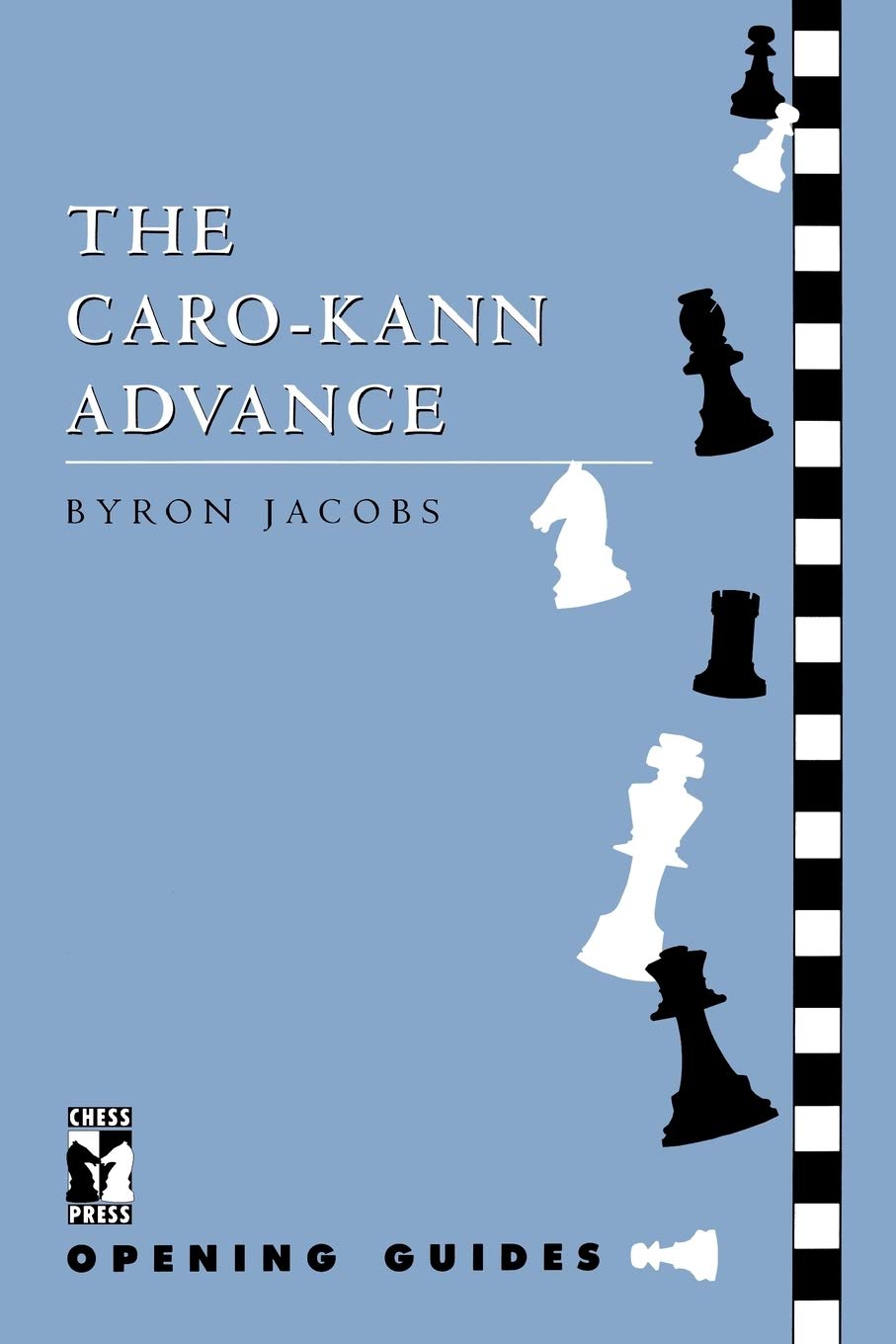
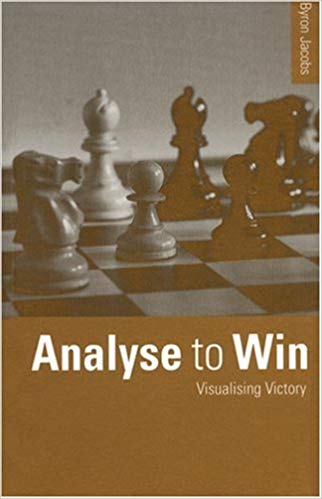
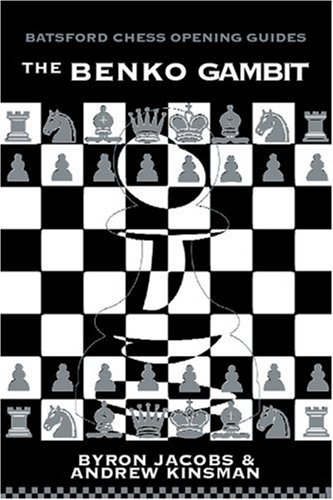
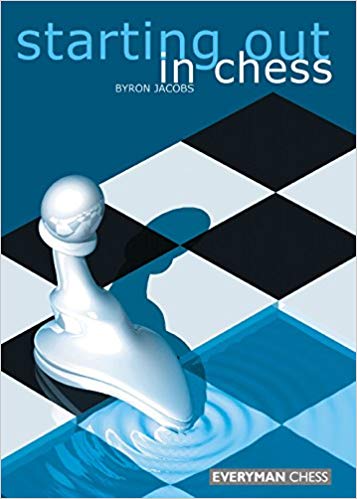
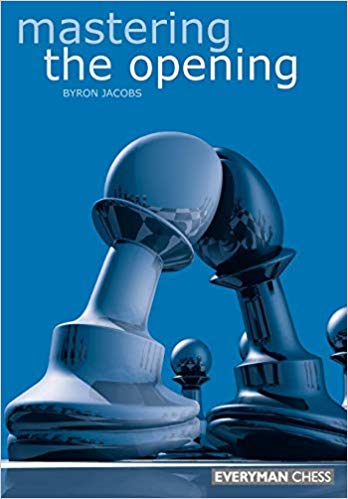
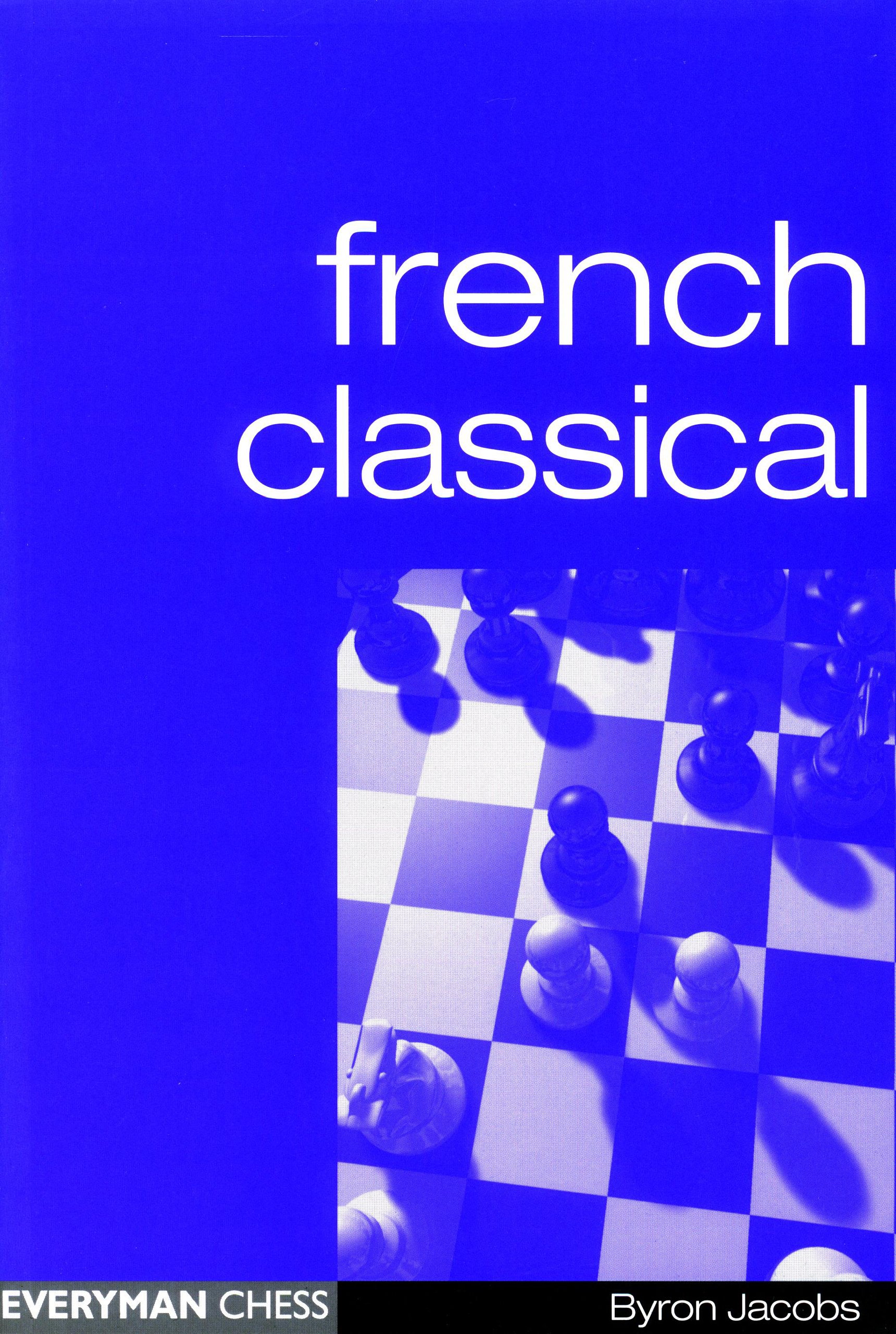
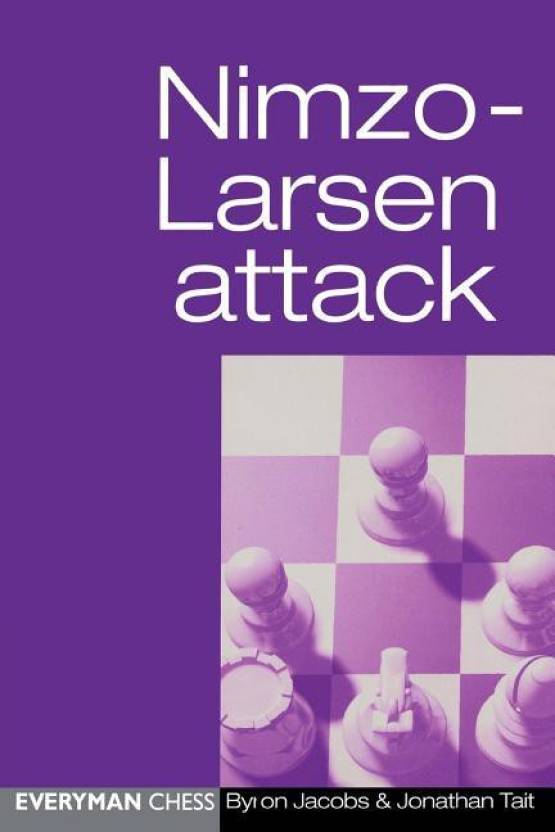
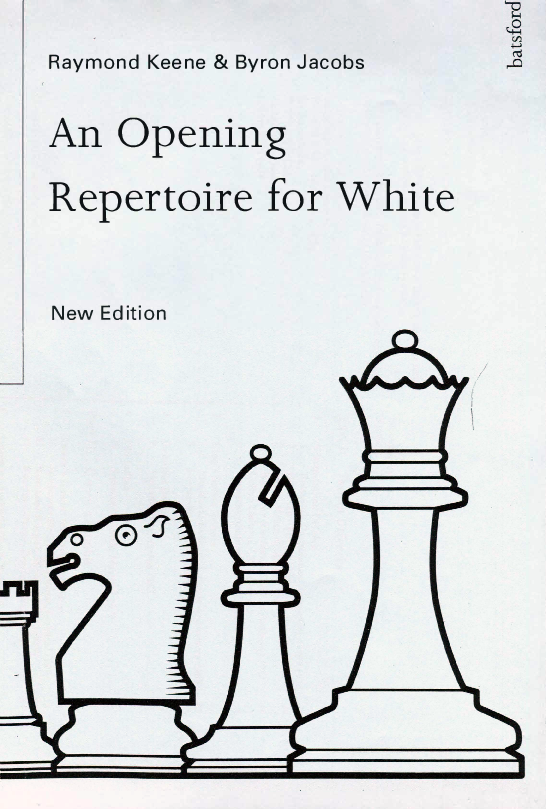
The Times Winning Moves (1991 with Ray Keene)The Complete King’s Indian (1992 with Ray Keene)Winning with the Benko (1995)The Caro-Kann Advance (1997)Analyse to Win (1997)The Benko Gambit by Andrew Kinsman & Byron Jacobs (1999)Starting Out in Chess (1999)Mastering the Opening (2001)French Classical (2001)Nimzo-Larsen Attack (2001)An Opening Repertoire for White (2003)
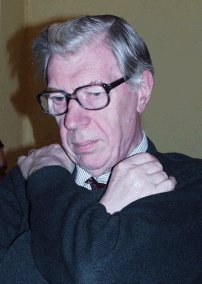
We send best wishes to Michael & Jean (née Fey) Franklin, married sixty years ago this day, June 18th in 1960.
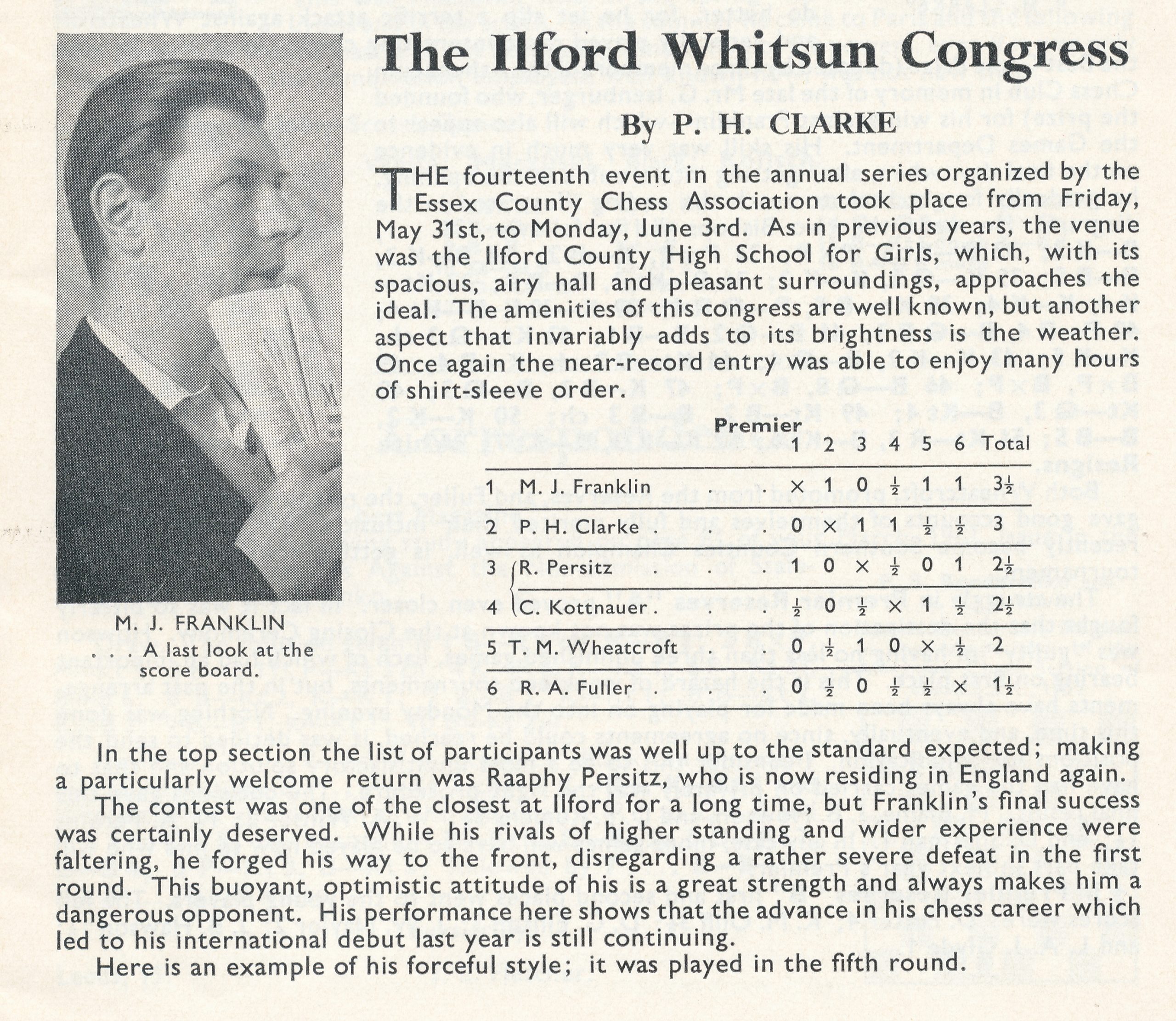
A report of Mike Franklin’s success at the 1963 Ilford Whitsun Congress by Peter Clarke. Source : British Chess Magazine, Volume LXXXIII, Number 7 (July), page 193
Michael played for a number of clubs in recent years, viz :
Michael became a FIDE Master in 1980 and achieved his highest rating in the Elo era of 2345 in January 1979.
The 1964 England Olympiad (Tel Aviv) Team : Owen Hindle, Čeněk Kottnauer, Peter Clarke, Michael Franklin, Norman Littlewood & Michael HaygarthOwen Hindle, Michael Franklin, Harry Golombek and Michael Haygarth
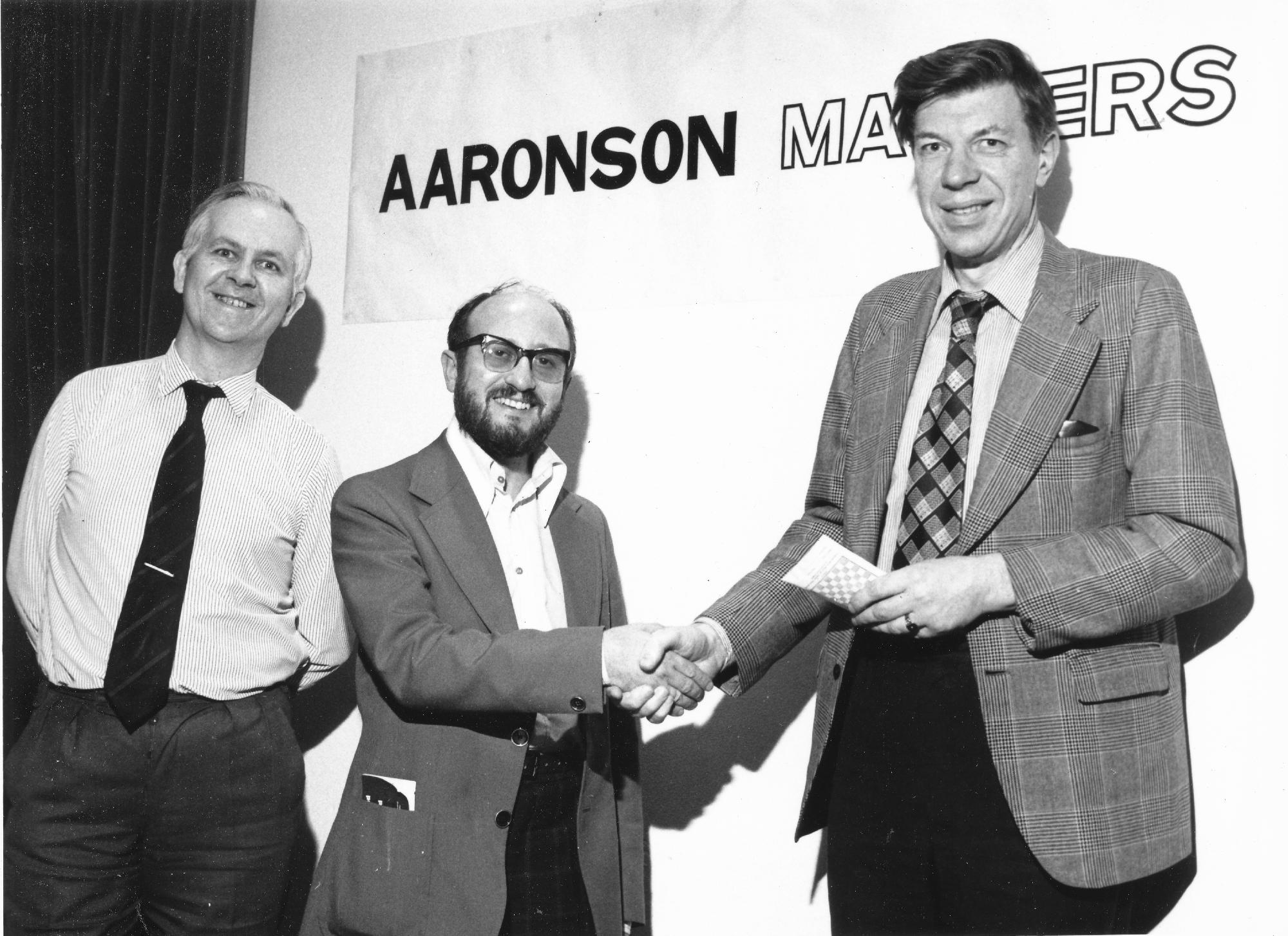
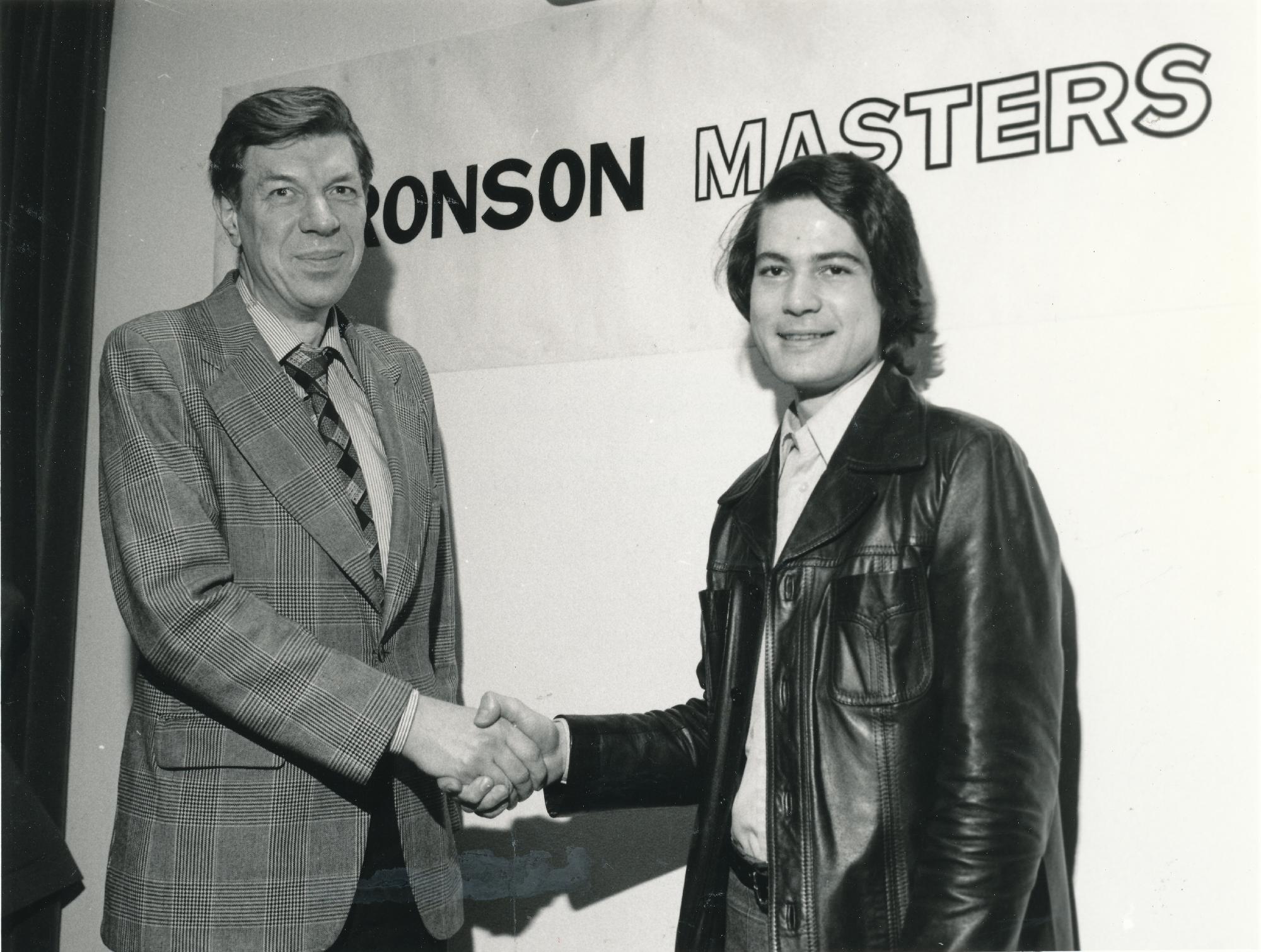
Michael Franklin playing board two in the London – Belgrade Telex Match on April 3rd, 1976 from the St. James Hotel, Buckingham Gate. Sourced from BCM, Volume XCVI (96), Number 5, page 192. Photographer probably Freddy Reilly.Leonard Barden, Stewart Reuben and Michael Franklin at the 1978 Aaronson Masters
We are grateful to Leonard Barden for these words produced at short notice :
“Michael made his name as a young player first by his successes in the Saturday evening Gambit Guinea speed events at the Gambit chess cafe in Cannon Street which he often won ahead of master level rivals. He remained a strong speed player all his life.
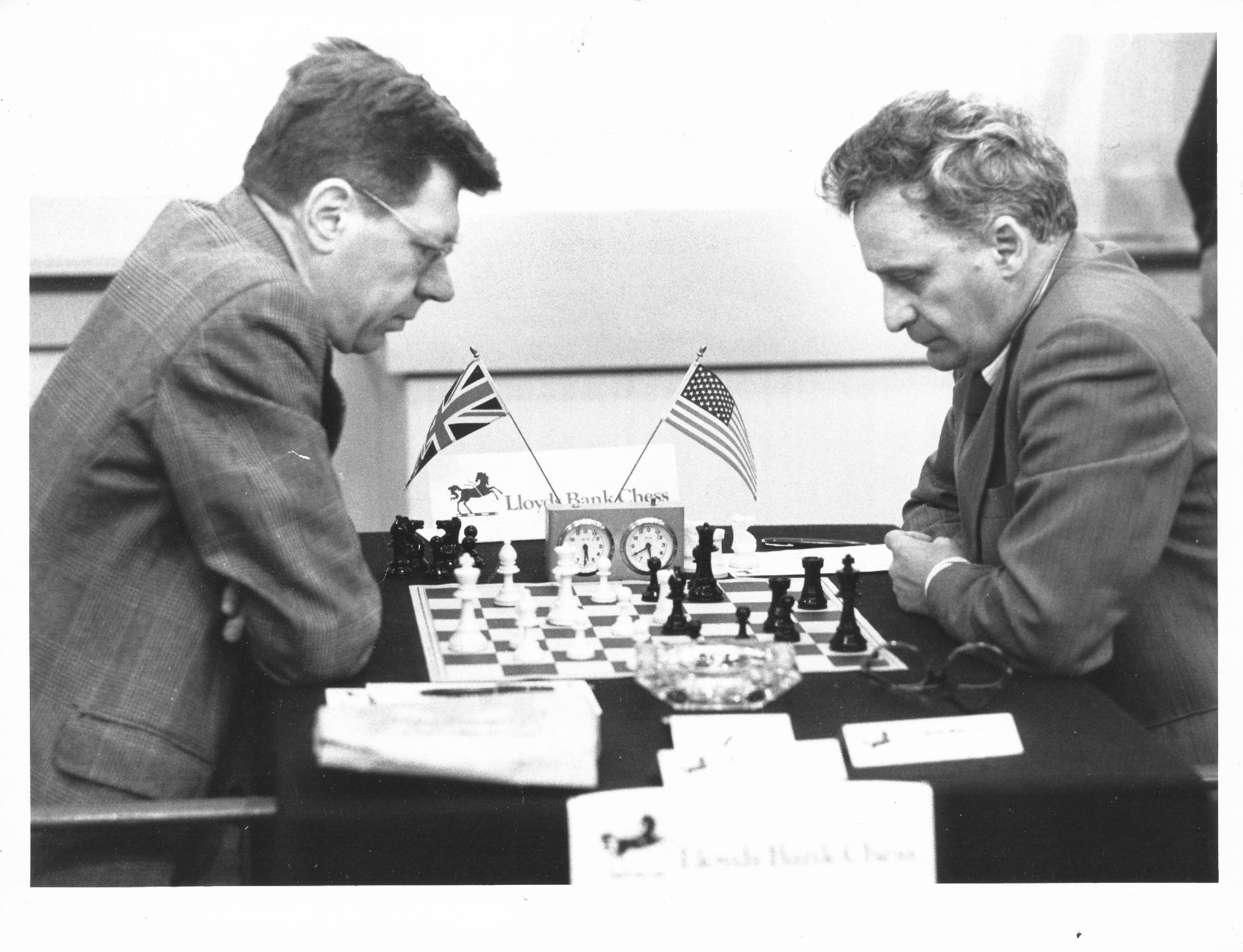
Michael Franklin (left) at the Lloyds Bank Masters playing IGM Leonid Shamkovich
Aaronson Masters at Harrow 1978, was his best individual success, sharing first place with IM Aldo Haik of France with (I think) an IM norm.
Joint winners of the 1978 Aaronson Masters : Michael Franklin and french IM Aldo Haik
Michael was a regular British championship, Surrey, Hastings and London League player (forget club, Richmond? Clapham Common?) and was one of the first to play the London System (d4/Bf4) as as his regular opening with white.
He also had success as Black with the O’Kelly Sicilian 1.e4 c5 2.Nf3 a6.
When Surrey won the counties championship a few years back they took the trophy specially to Michael’s home in Norbury, such was their regard.
Michael’s work career was in the Patent Office and he retired when they introduced computers as he doesn’t like them and does not use the internet at all.”
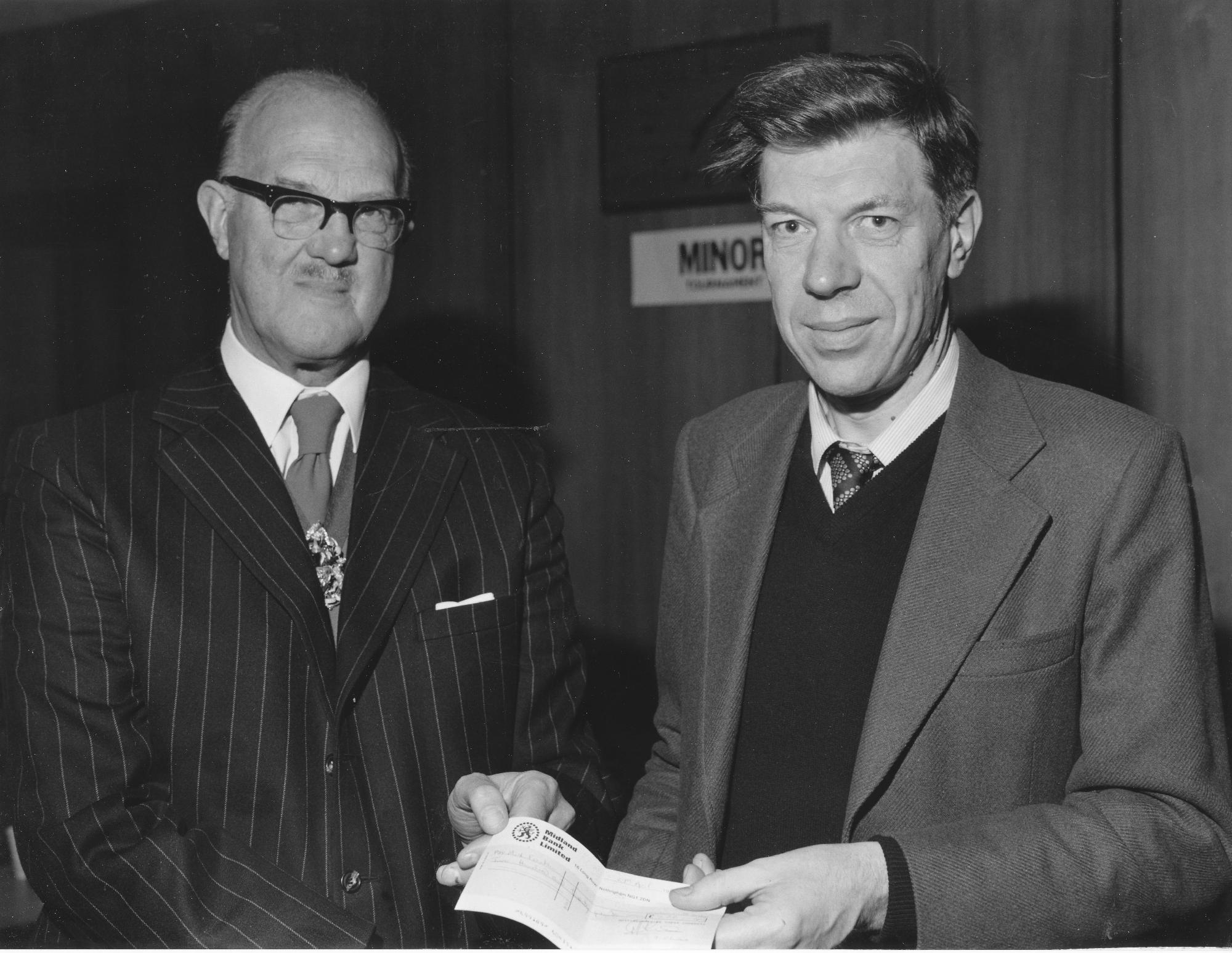
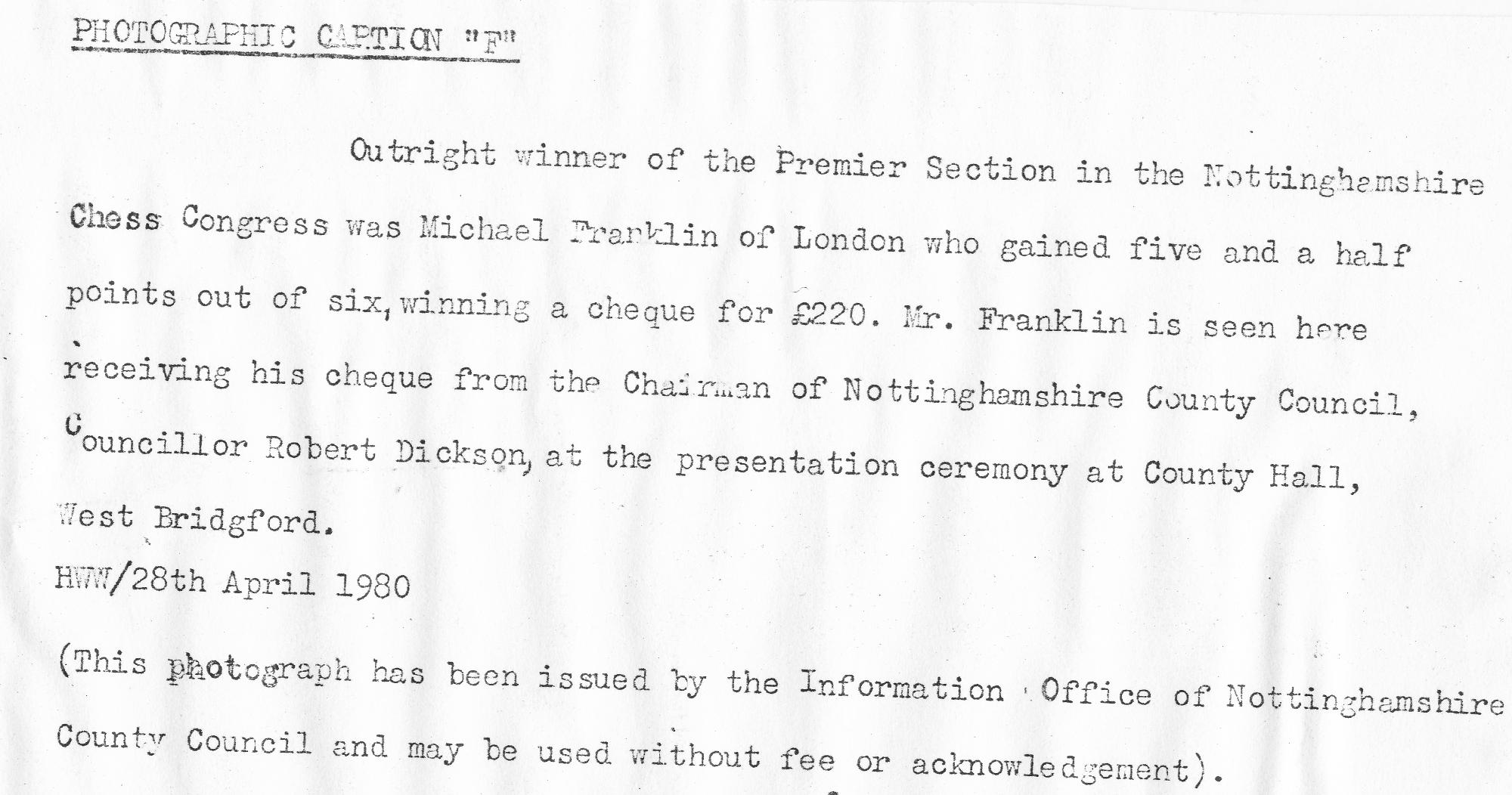
Michael Franklin receives £220 from Councillor Robert Dickson at the 1980 Nottinghamshire CongressCaption for above photograph
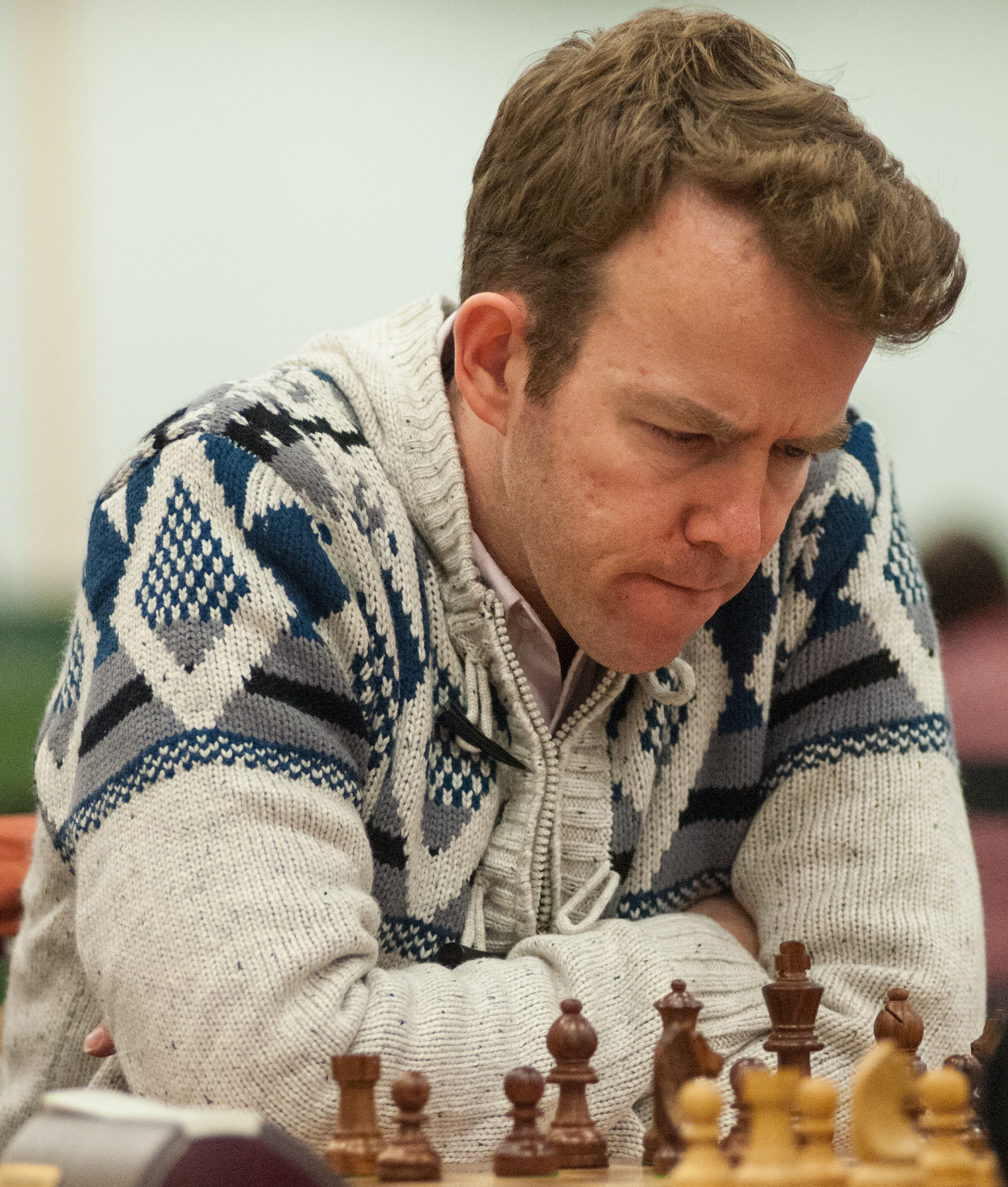
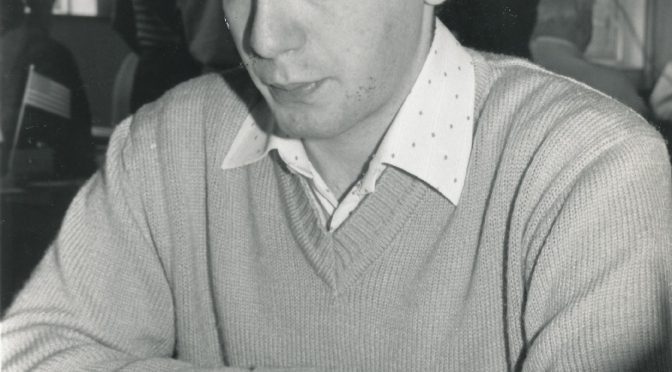
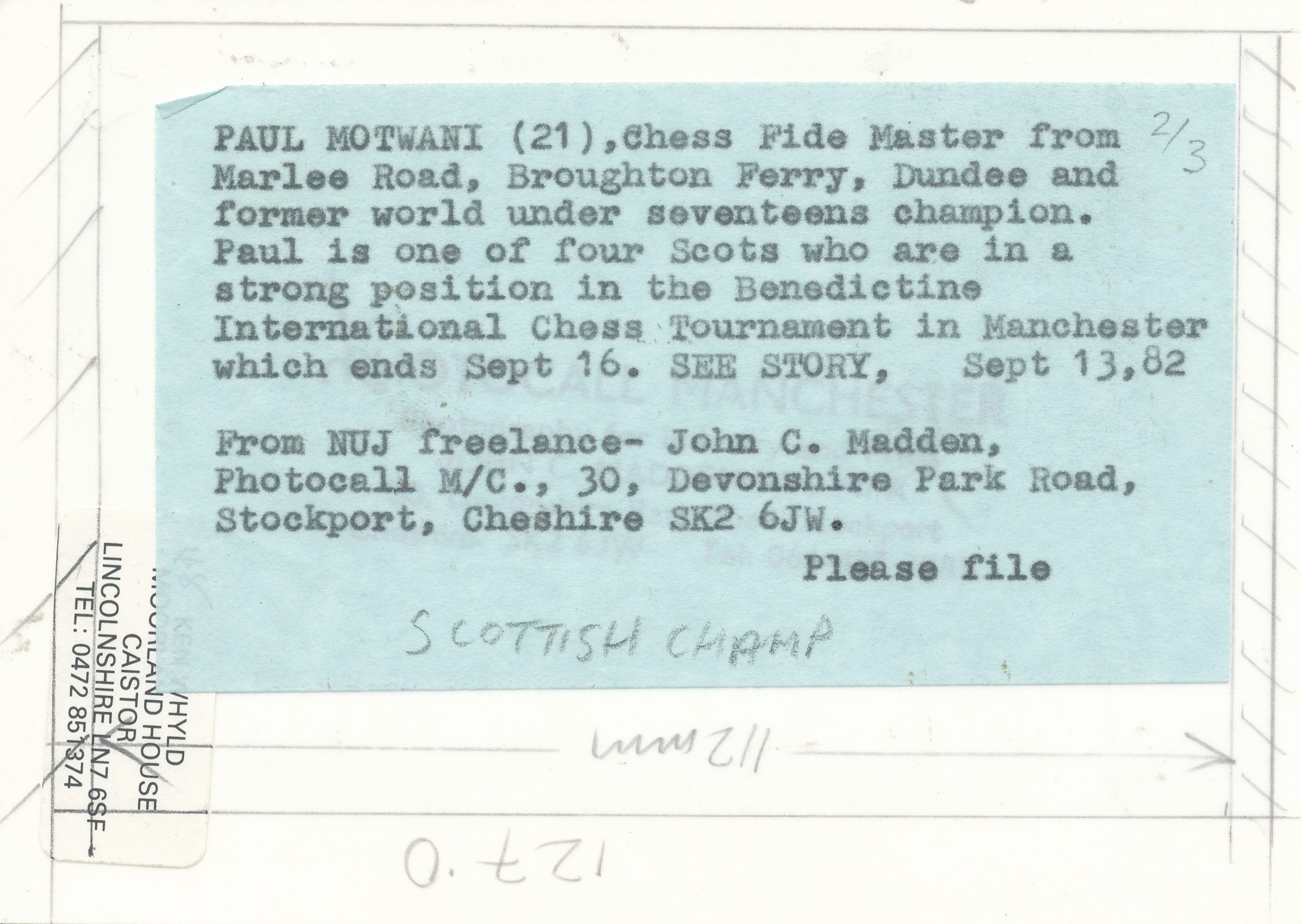
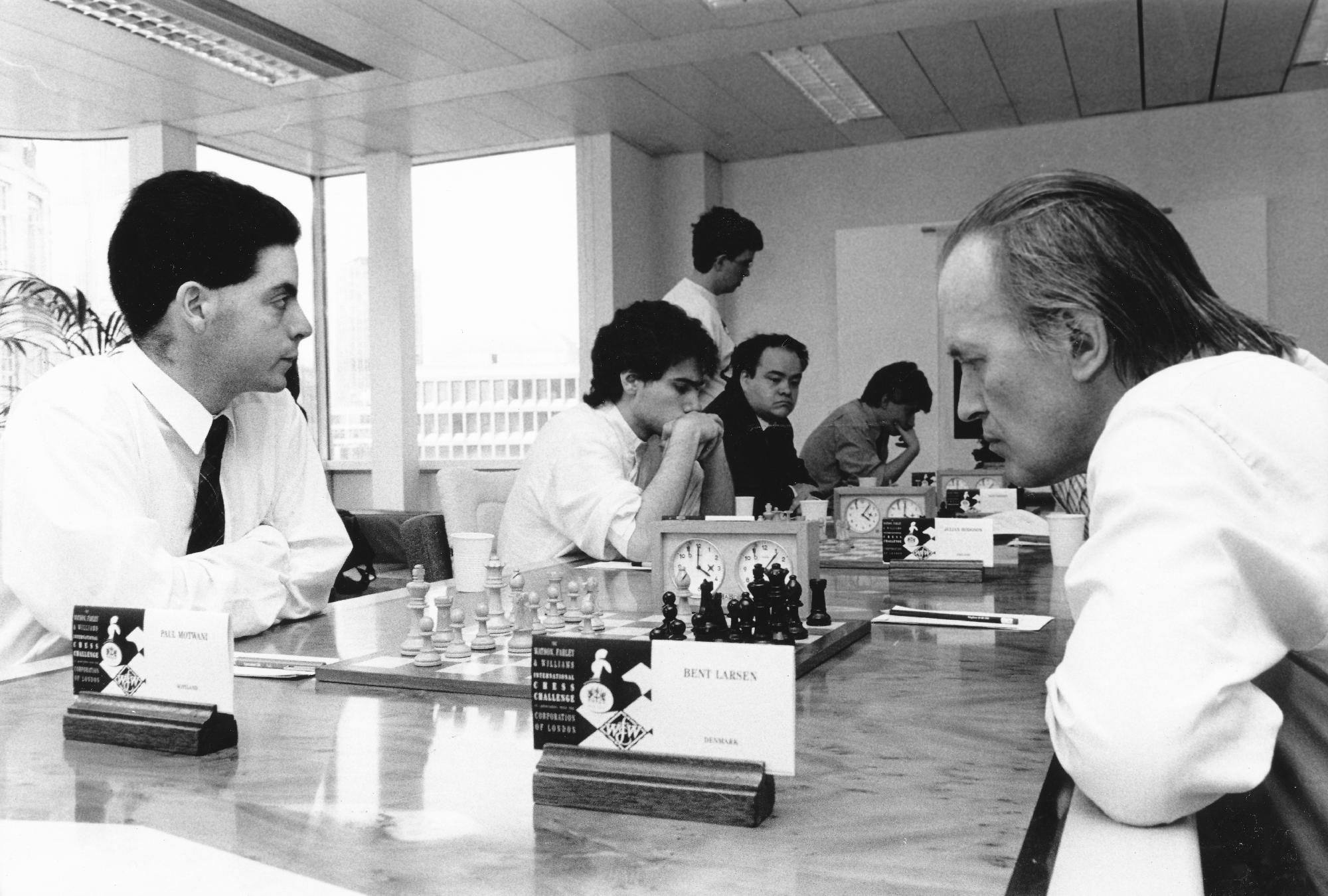
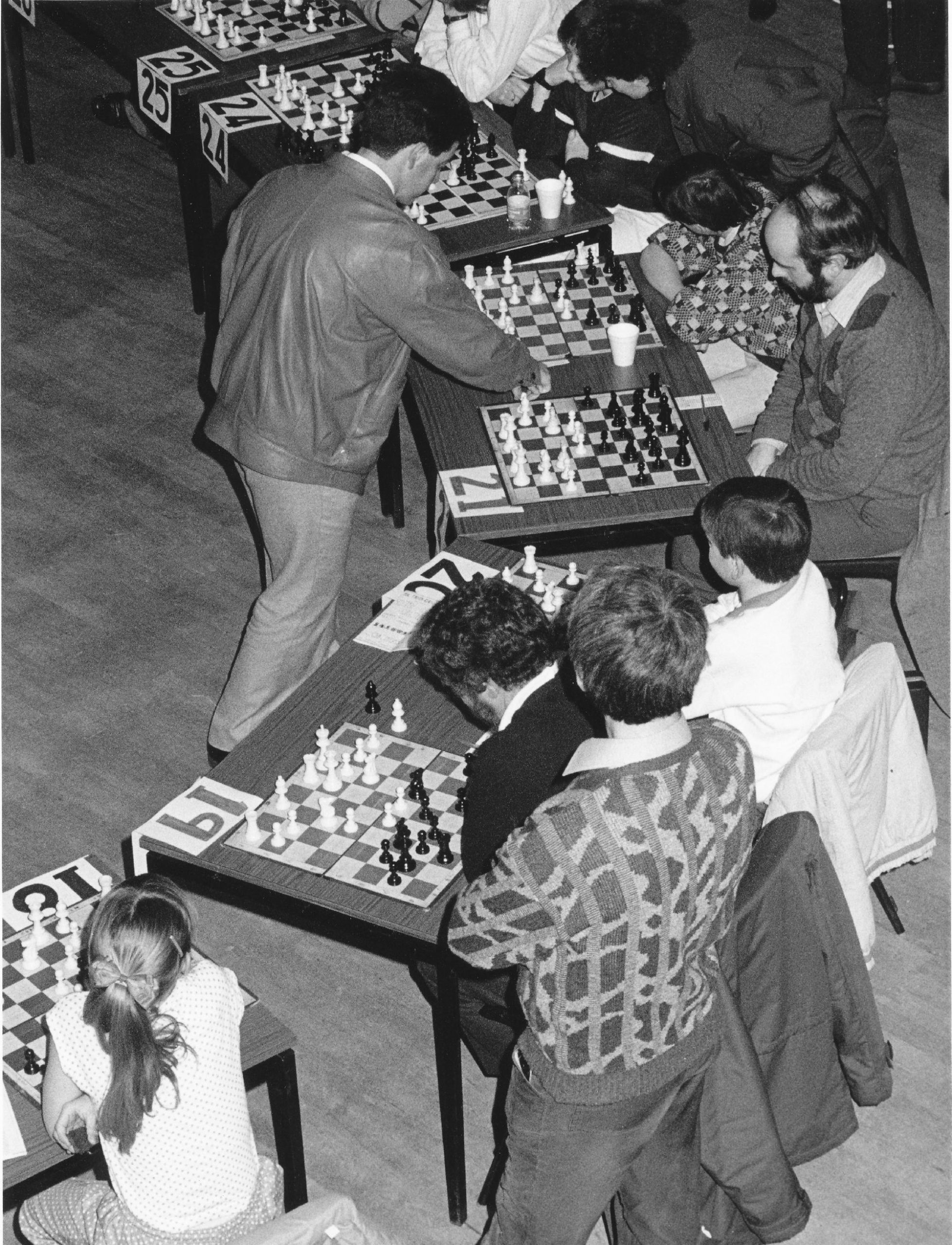
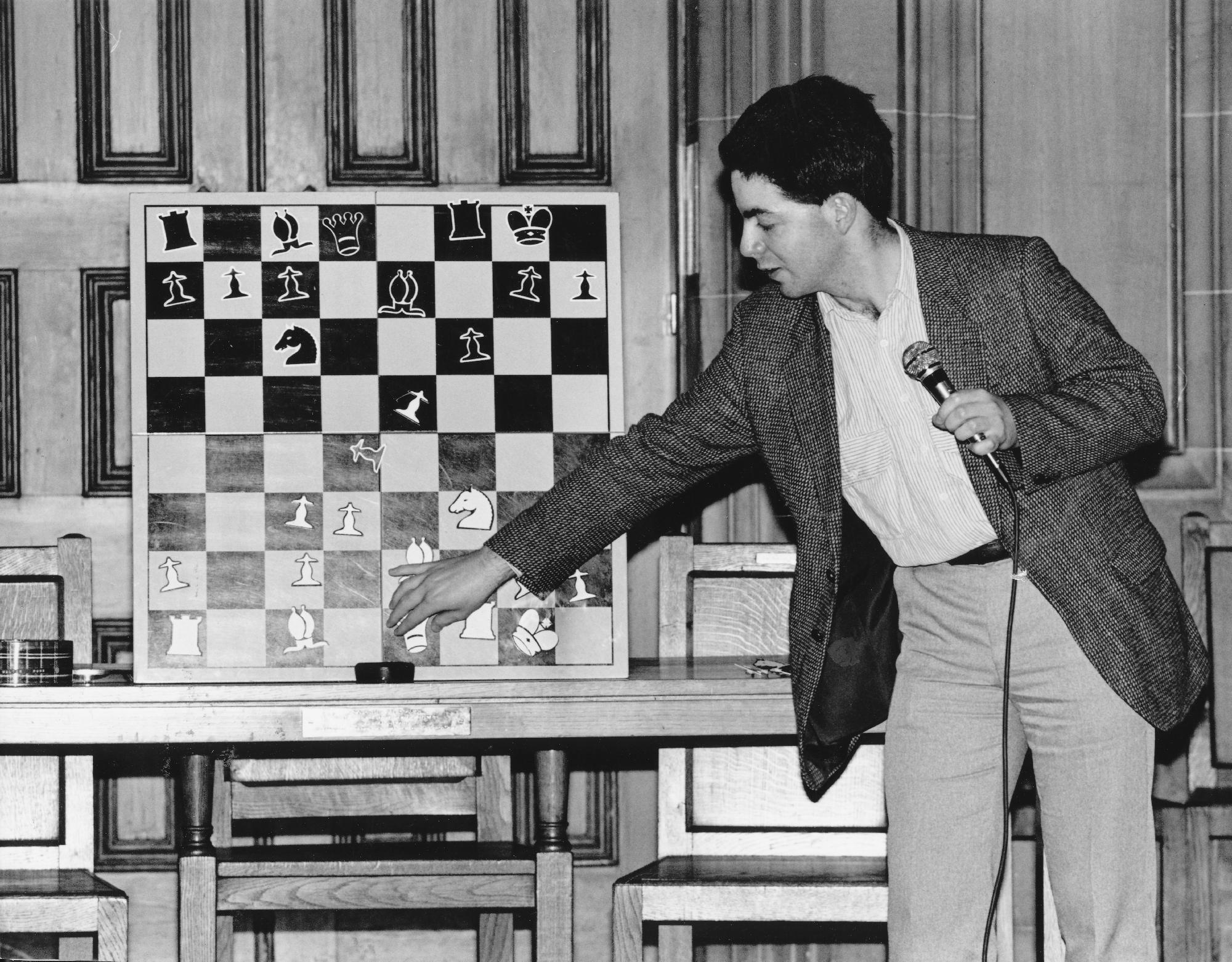
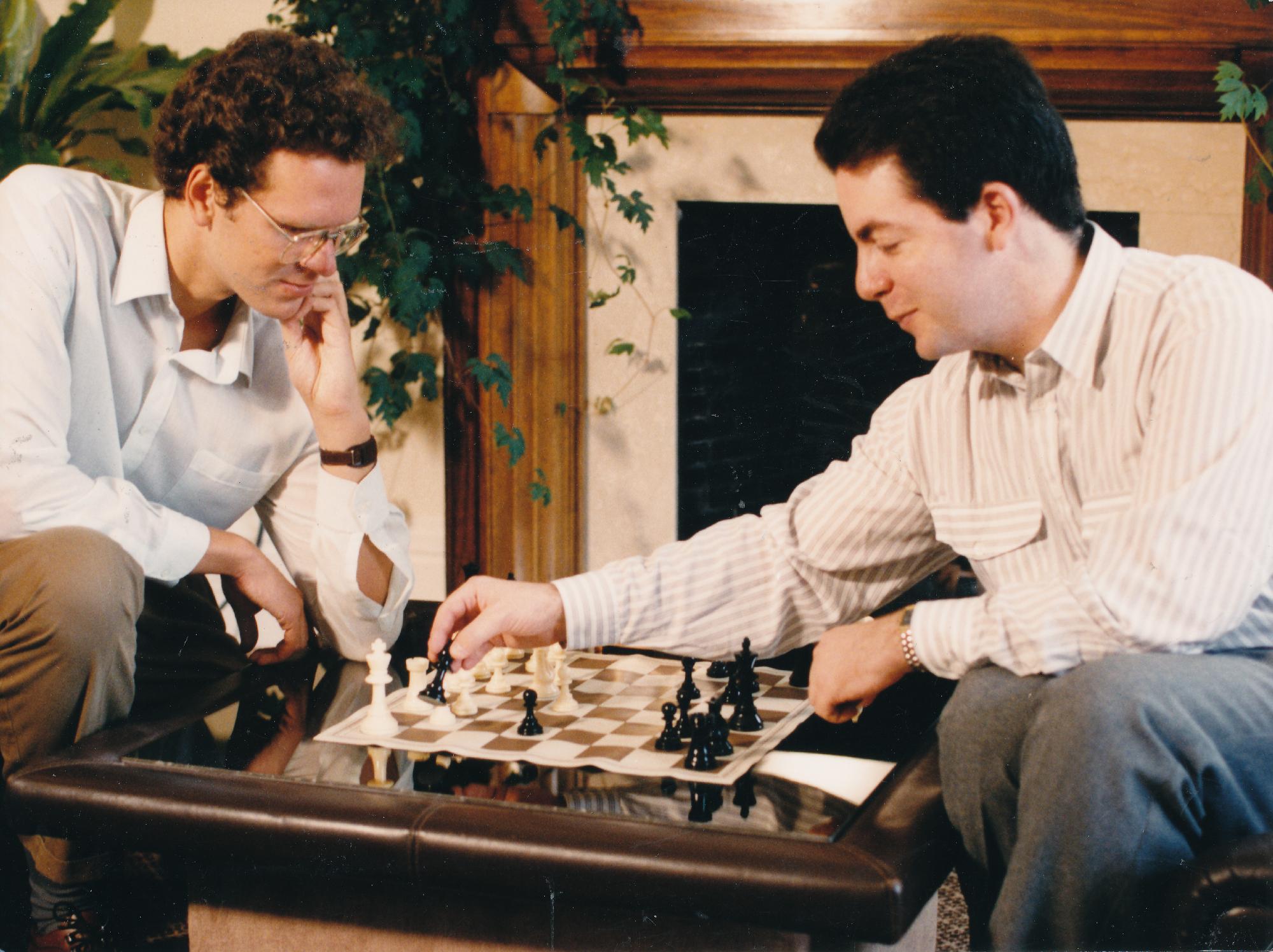
GM Paul Motwani has just played a brutal double check in the 1990 Scottish Lightning Championship. Photograph by Alistair MulhearnPaul Motwani plays Bent Larsen at the 1990 Watson, Farley and Williams International Chess Challenge. The game was a 3.Lb5 sicilian which was drawnPaul Motwani during a simultaneous displayGM Paul Motwani demonstrates one of his games
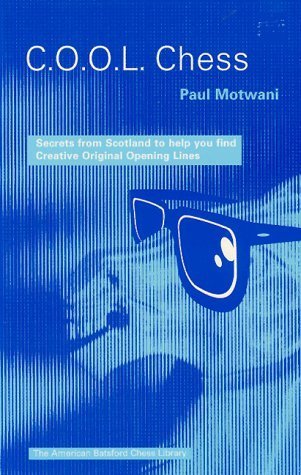
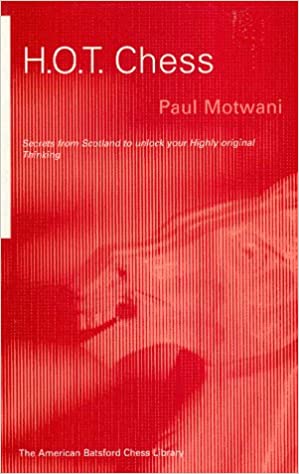
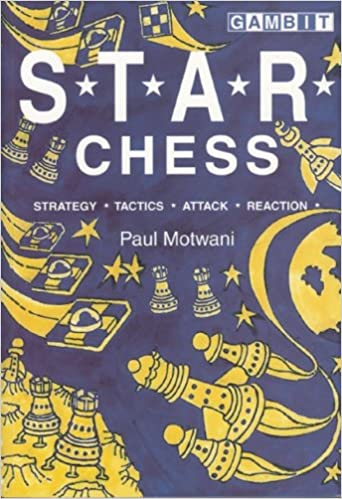
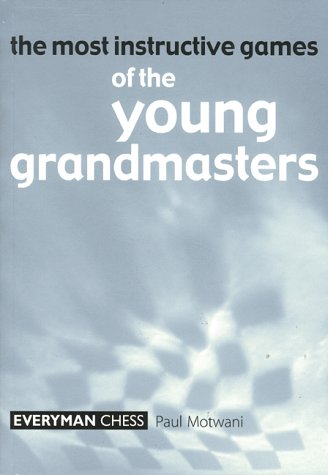
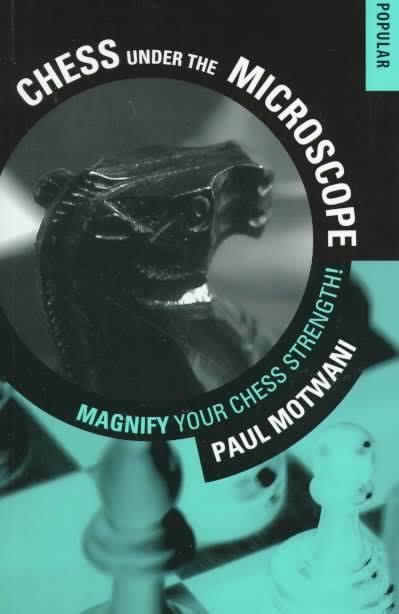
Colin McNab and Paul Motwani in post mortem analysisC.O.O.L. ChessH.O.T. ChessS*T*A*R* ChessThe Most Instructive Games of the Young GrandmastersChess Under the Microscope
GM Paul Motwani has just played a brutal double check in the 1990 Scottish Lightning Championship. Photograph by Alistair MulhearnPaul Motwani plays Bent Larsen at the 1990 Watson, Farley and Williams International Chess Challenge. The game was a 3.Lb5 sicilian which was drawnPaul Motwani during a simultaneous displayGM Paul Motwani demonstrates one of his games
Colin McNab and Paul Motwani in post mortem analysisC.O.O.L. ChessH.O.T. ChessS*T*A*R* ChessThe Most Instructive Games of the Young GrandmastersChess Under the Microscope
We focus on the British Chess Scene Past & Present!
This website uses cookies to improve your experience. We'll assume you're ok with this, but you can opt-out if you wish. Cookie settingsACCEPT
Privacy & Cookies Policy
Privacy Overview
This website uses cookies to improve your experience while you navigate through the website. Out of these cookies, the cookies that are categorized as necessary are stored on your browser as they are as essential for the working of basic functionalities of the website. We also use third-party cookies that help us analyze and understand how you use this website. These cookies will be stored in your browser only with your consent. You also have the option to opt-out of these cookies. But opting out of some of these cookies may have an effect on your browsing experience.
Necessary cookies are absolutely essential for the website to function properly. This category only includes cookies that ensures basic functionalities and security features of the website. These cookies do not store any personal information.