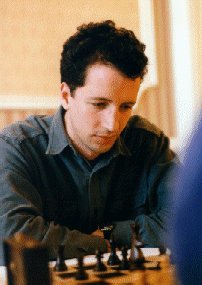
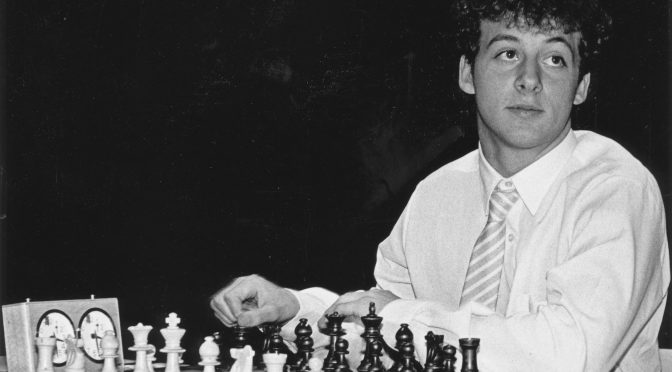
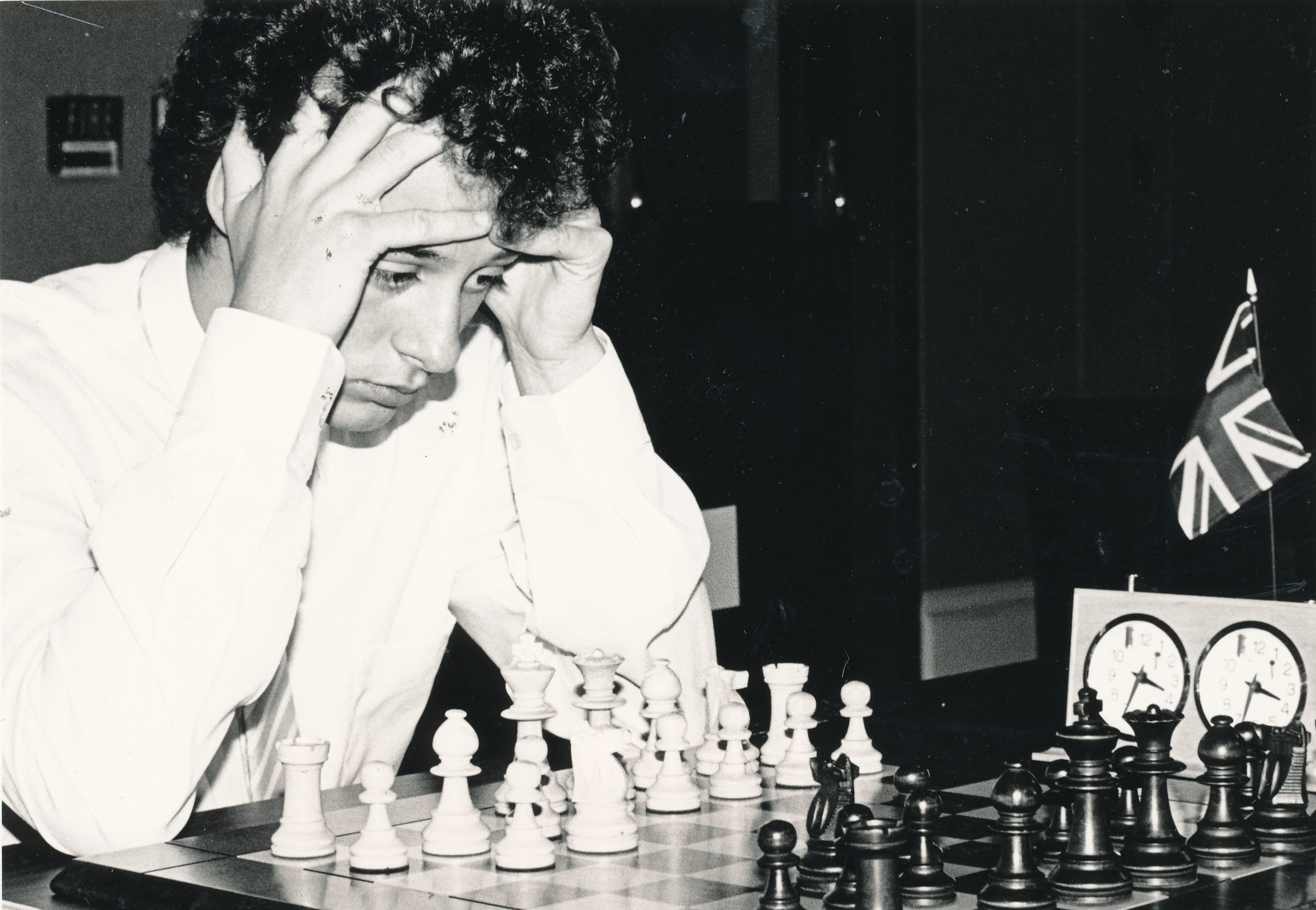
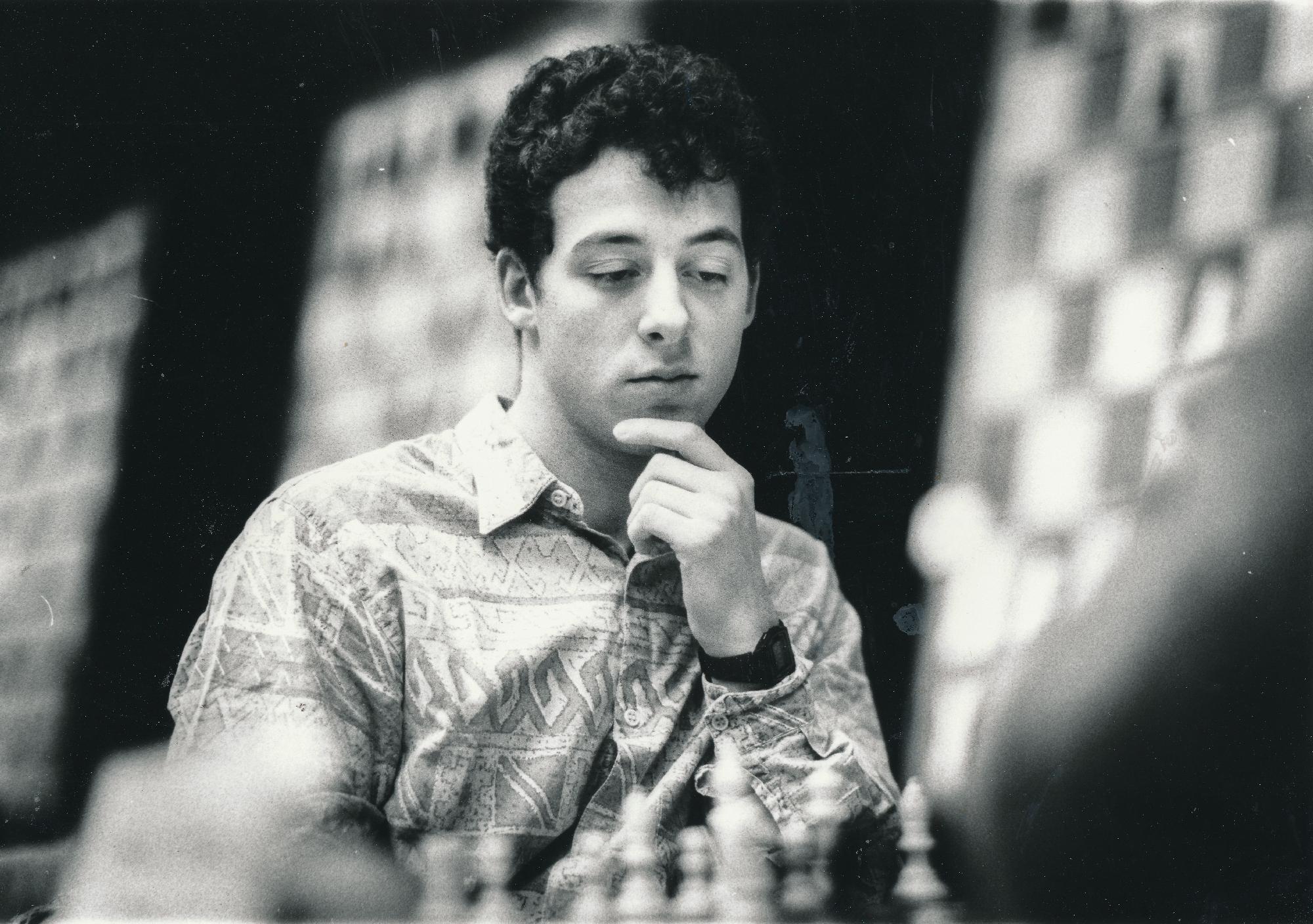
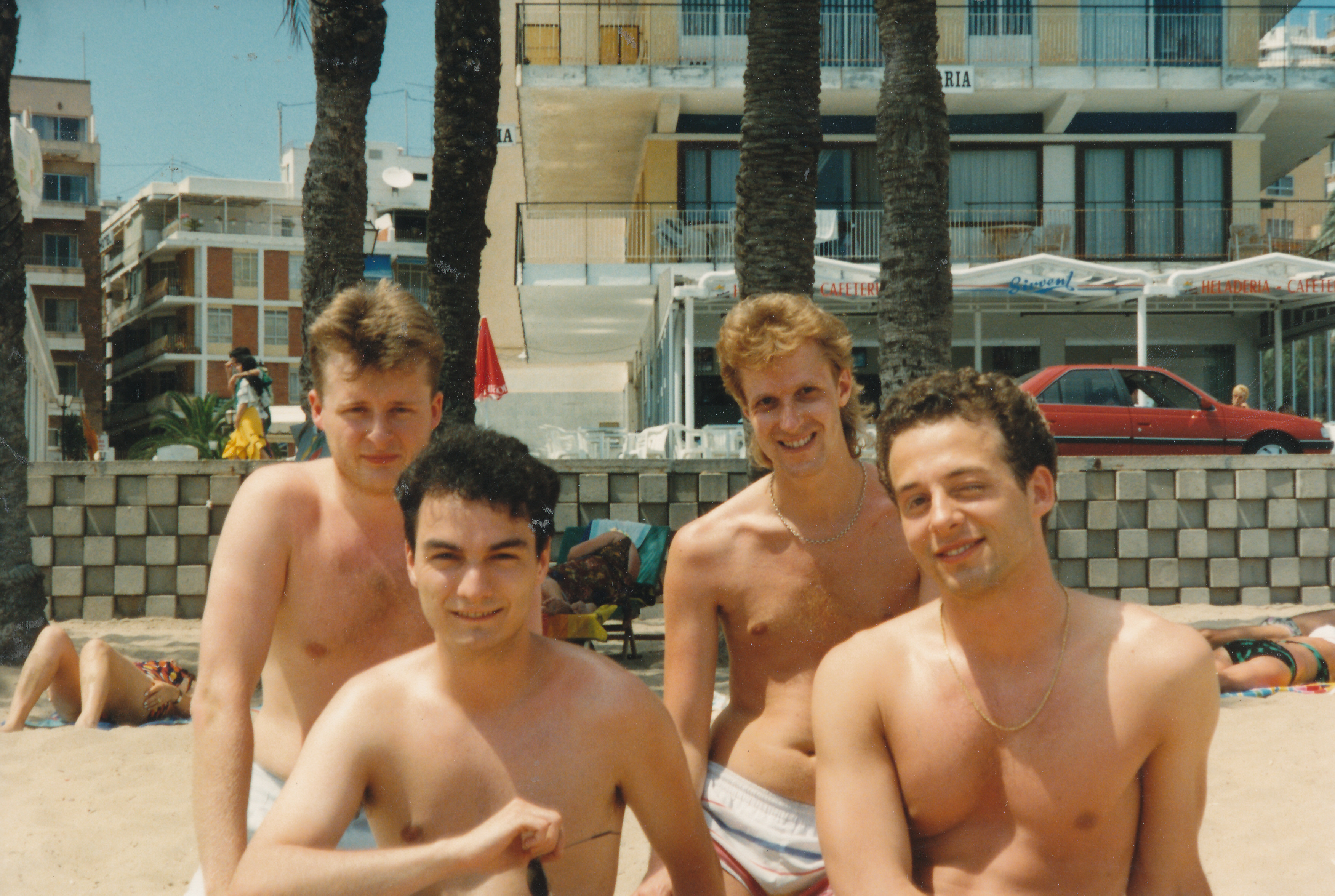
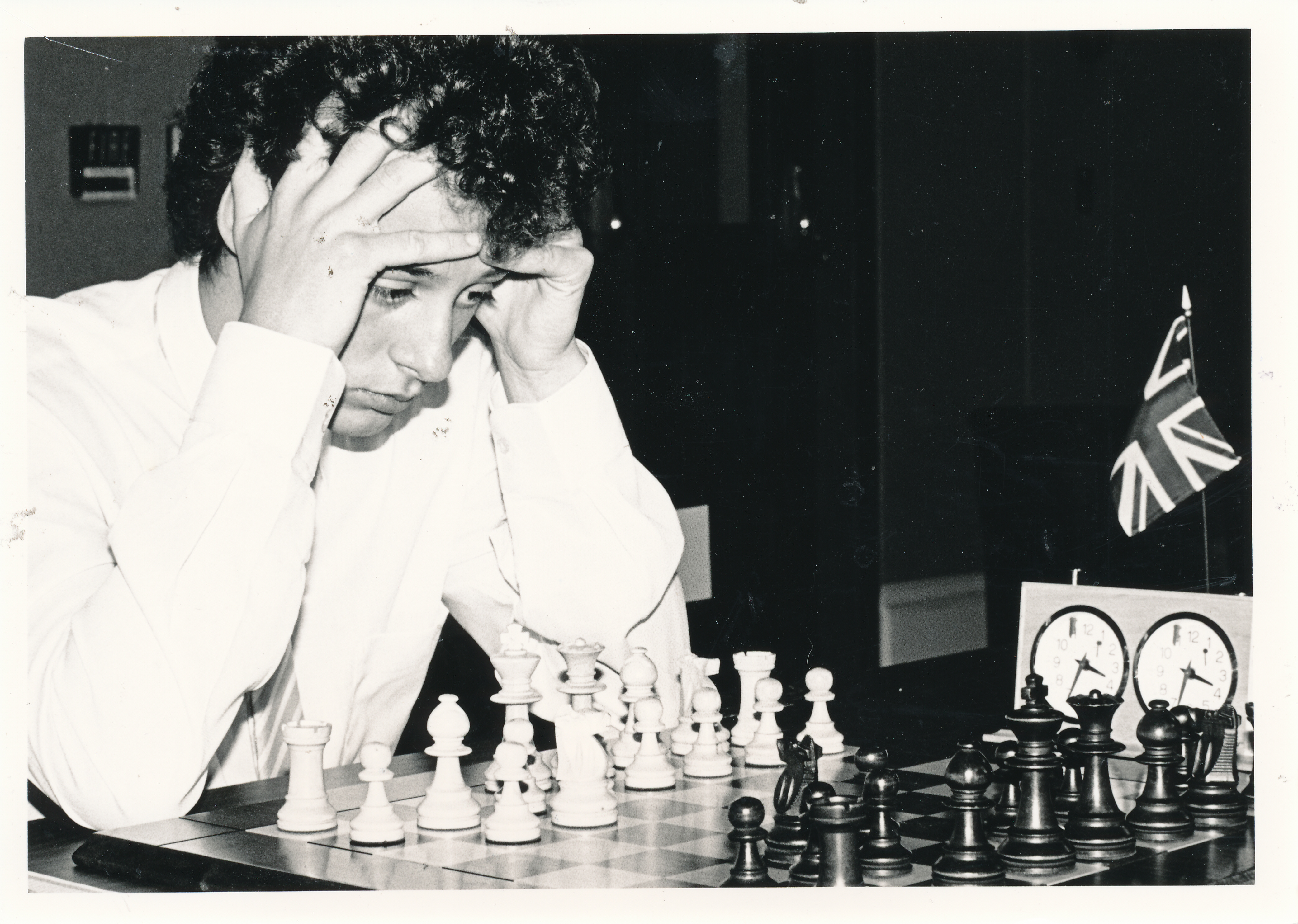
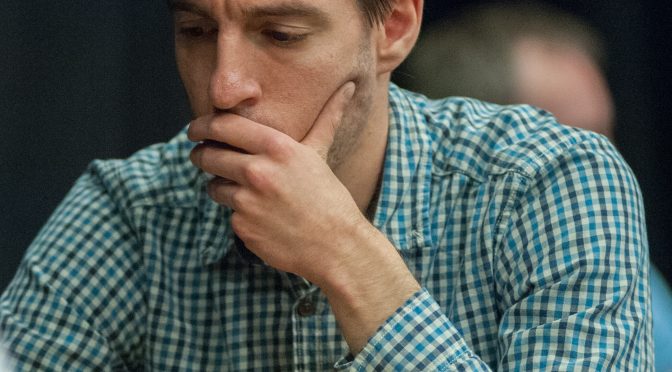
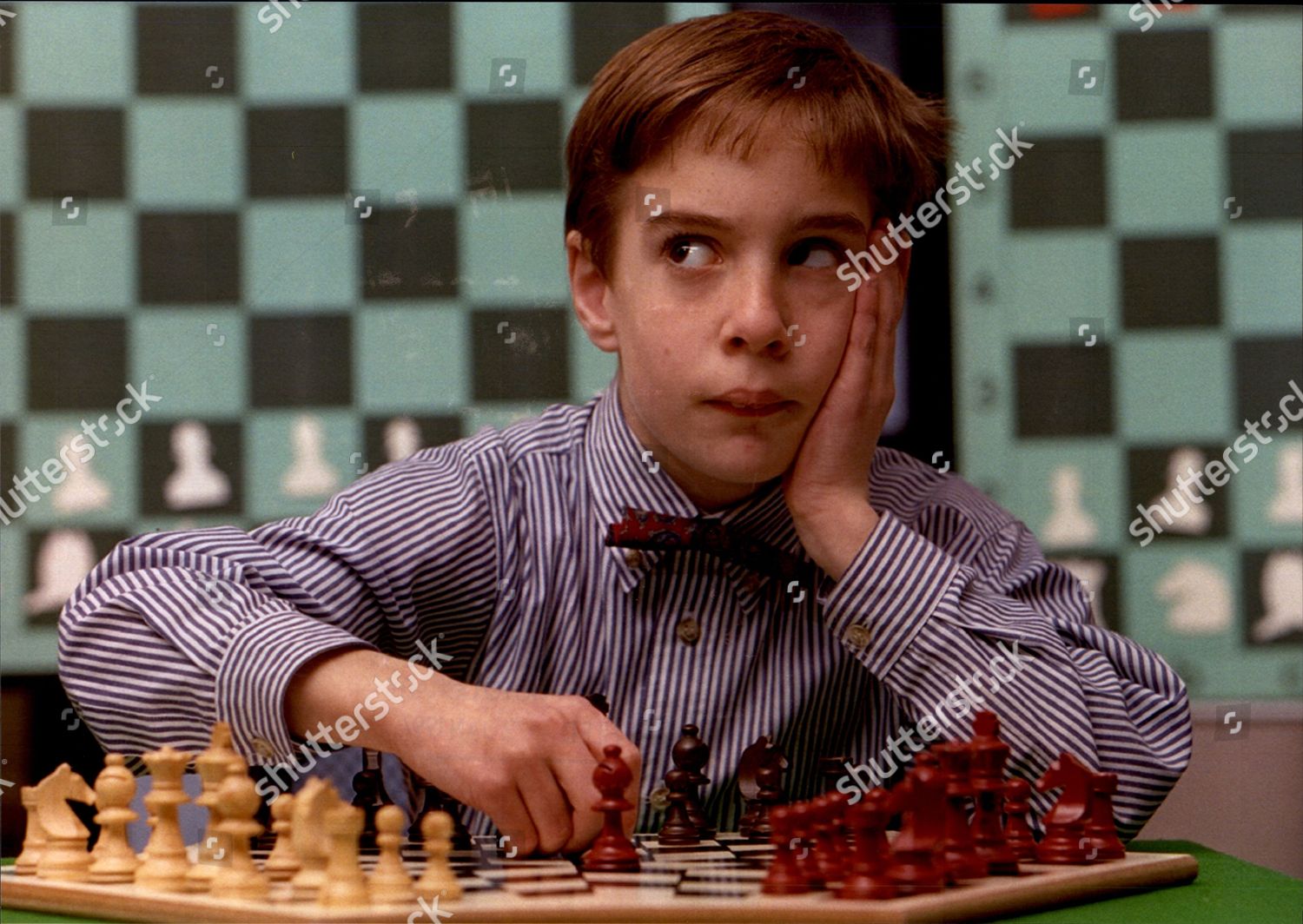
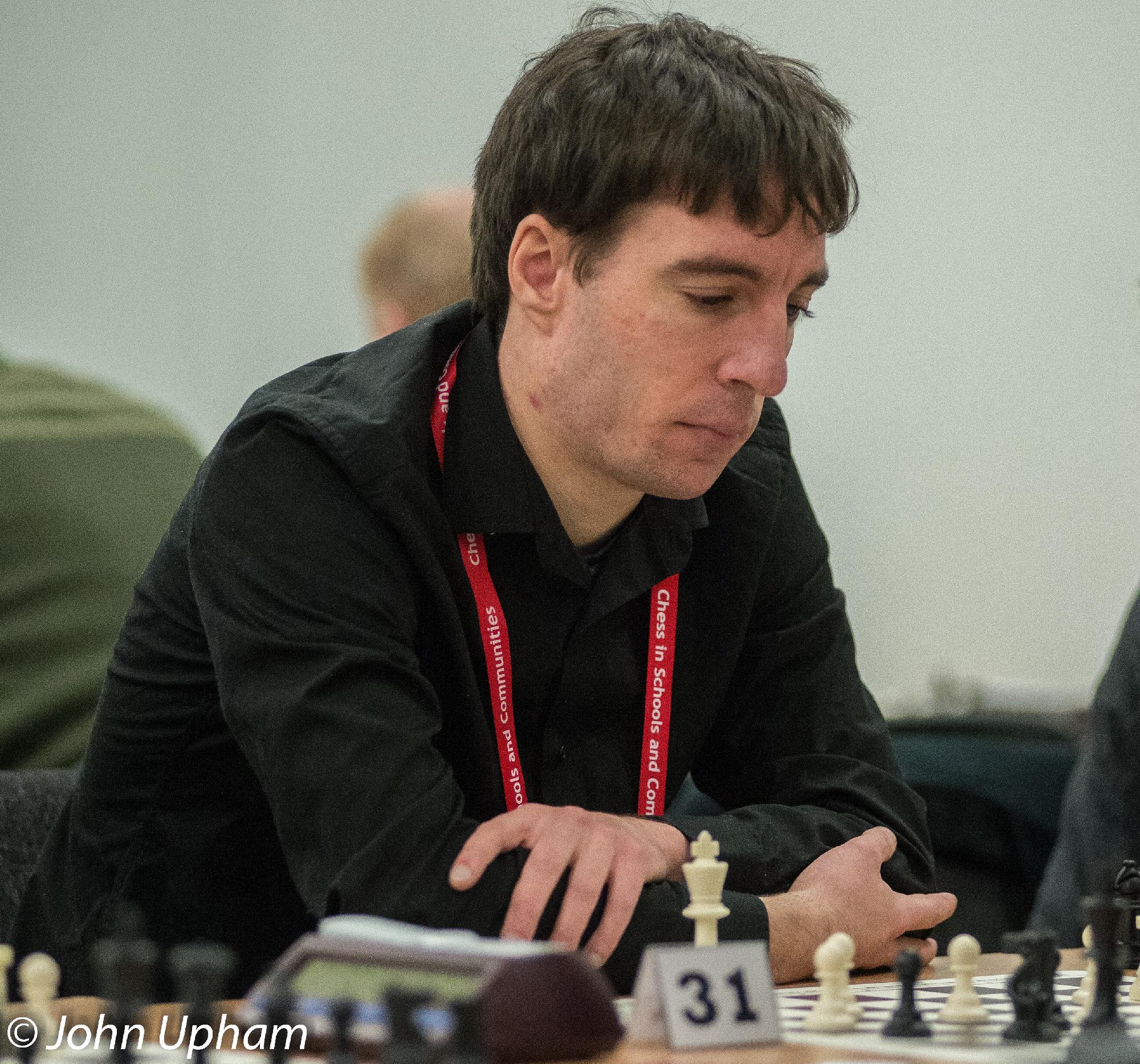
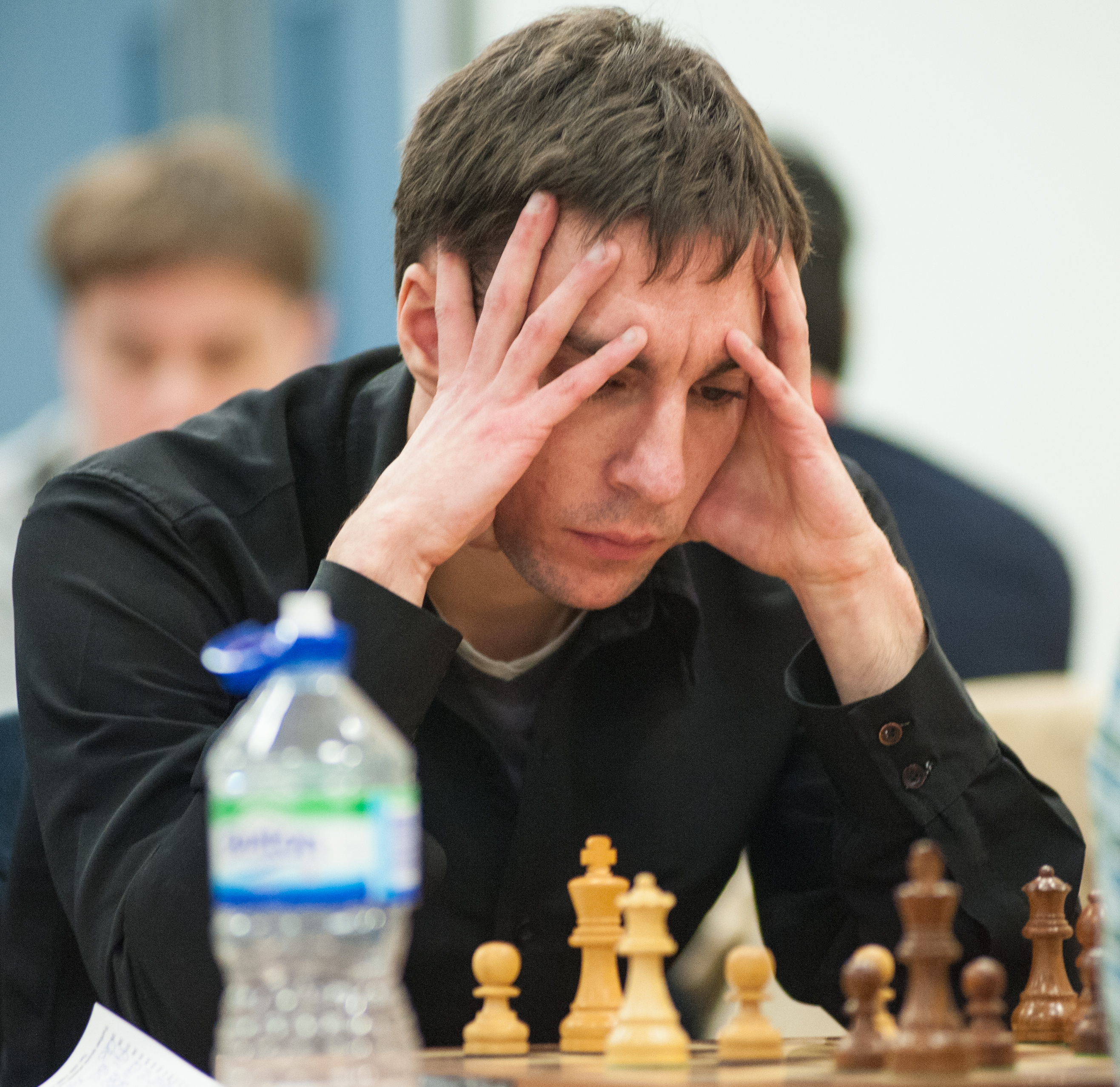
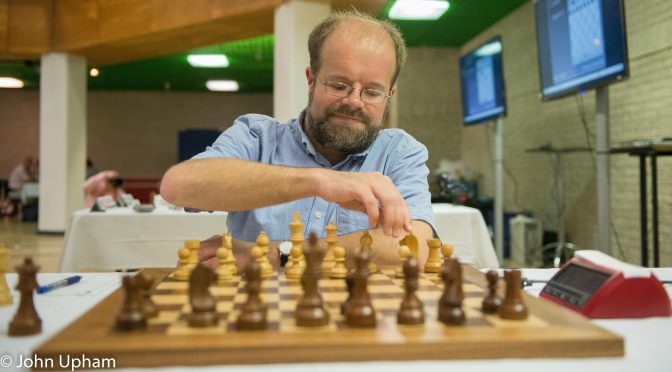
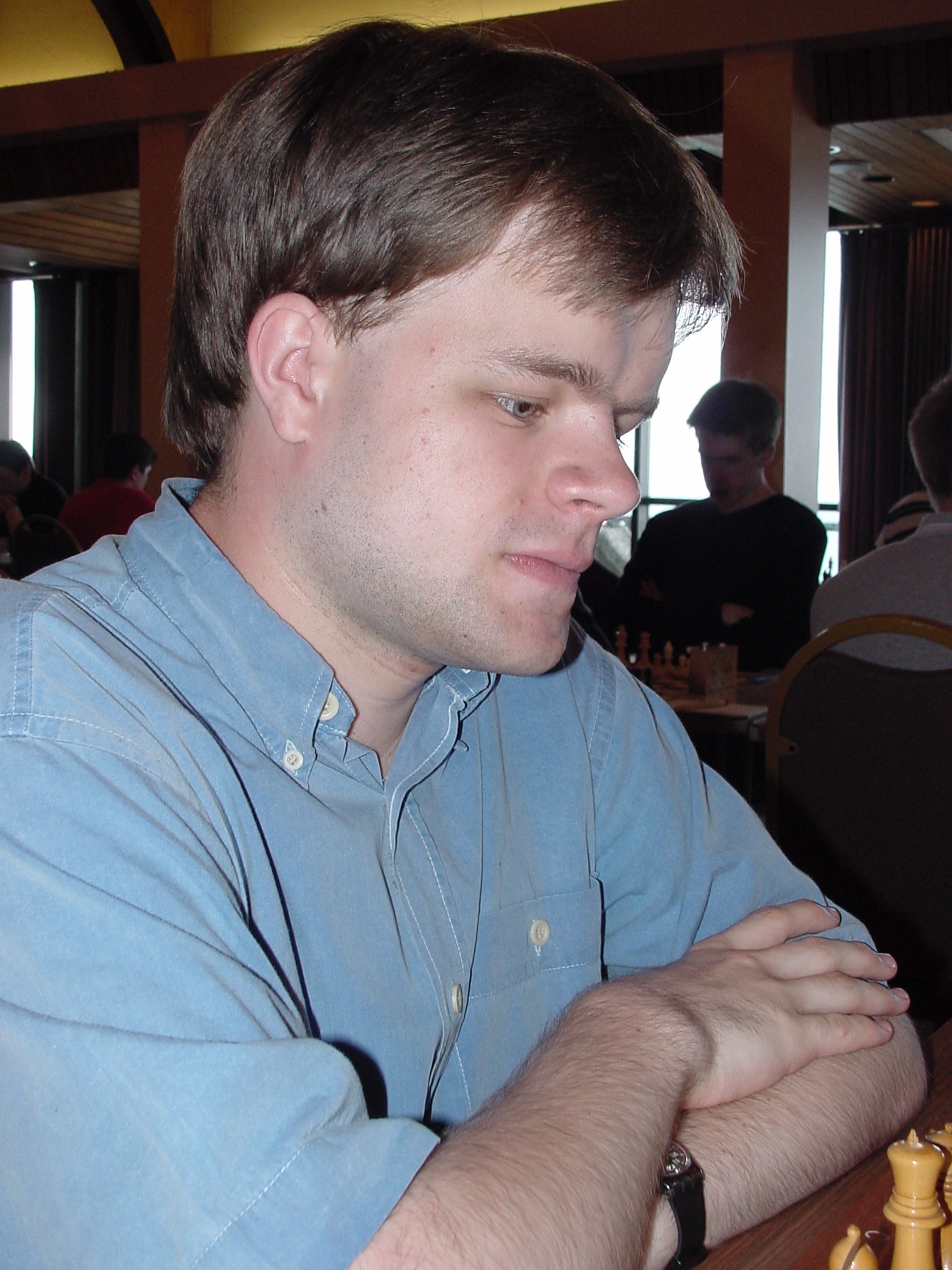
Michael Thomas Hennigan was born on October 8th, 1970 in Hammersmith, London. His mother’s name was Donnelly.
Michael attended the City of London School.
Michael became World Under-18 Youth Champion in 1988 in Aguadilla (Puerto Rico).
He became a FIDE Master in 1990 and an International Master title in 1991 and in the same year was British Under-21 Champion at Eastbourne and was British Champion in 1993 in Dundee beating Dharshan Kumaran in the play-off.
In 1995 he was 1st= in the Arnold Cup in Gausdal with Igor Rausis
His peak FIDE rating (according to Felice and Megabase 2020) was 2465 in July 1994 at the age of 24.
He played for North West Eagles in the Four Nations Chess League.
Michael married WIM Rita Zimmersmann and settled in London. Rita subsequently became Rita Atkins.
Michael stopped playing in 2010 but has recently in 2020 started playing online chess on the chess.com platform.
BCN sends IM Andrew Greet best wishes on his birthday.
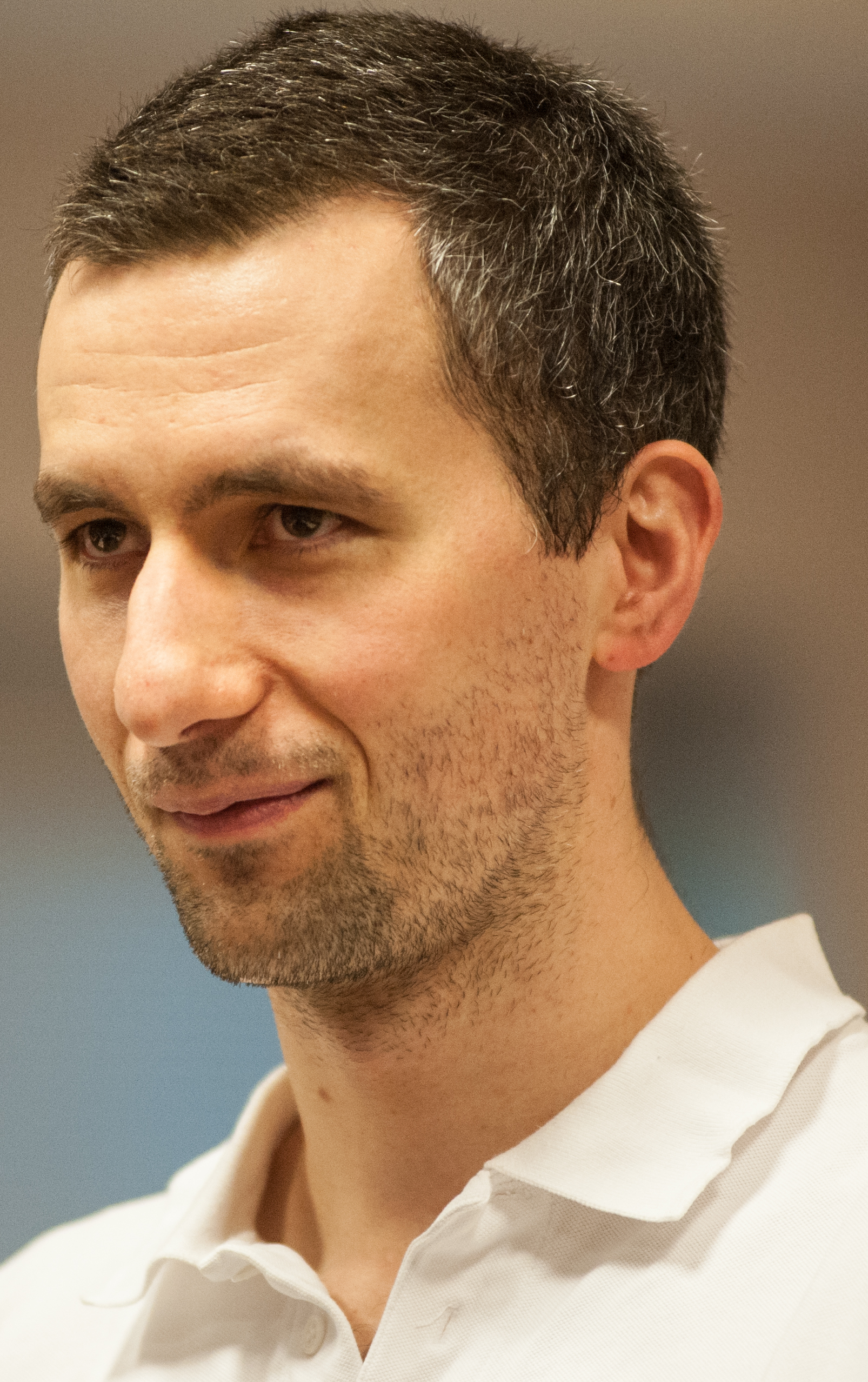
Andrew Neil Greet was born on Friday, October 5th, 1979 to Brian and Janet Greet (née) Neal in the cathedral city of Truro, Cornwall and has resided in St. Austell, Cornwall.
“Message in a Bottle” by The Police held the number one spot in the UK singles chart (three weeks in total). Andrew has a brother David who played as a junior.
Andrew attended Truro School leaving in 1998.
Andrew became a FIDE Master in 2004 and an International Master in 2005. His peak rating (according to Felice and Megabase 2020) was 2456 in April 2016 at the age of 37.
Andrew was British Under-18 Champion in 1996 at the age of 16 sharing the title with Oliver Rosten & Rohan Churm. In 1998 Andrew won the title outright.
From 1998 – 2001 had a break from chess to study Psychology at The University of Kent in Canterbury.
In 2005 he scored a record breaking 11/11 in the Four Nations League playing for Hillsmark Kingfisher. By now, Andrew had moved to Glasgow and had changed his FIDE federation from England to Scotland.
Andrew was joint winner (with Simon Knott) of the Southend Open in 2006.
In April 2009 Andrew joined Quality Chess in Sales and Marketing which led to the position of editor.
In 2010 Andrew became Scottish Champion outright.
In 2017 won outright the Dundee grandmaster tournament : here is the story of the tournament.
In 2018 he played board one for Scotland in the 43rd Olympiad in Batumi.
Andrew is a successful martial artist specialising in a a discipline known as Brazilian Jiujitsu, which is a form of grappling.
Here is an article (by Dave Regis) concerning a simultaneous display at Exeter Chess Club in 2010
From britishchess.co.uk :
“He has a very friendly personality which works well when coaching, and he has coached England juniors on foreign trips.”
Andrew has written a number of publications as follows :
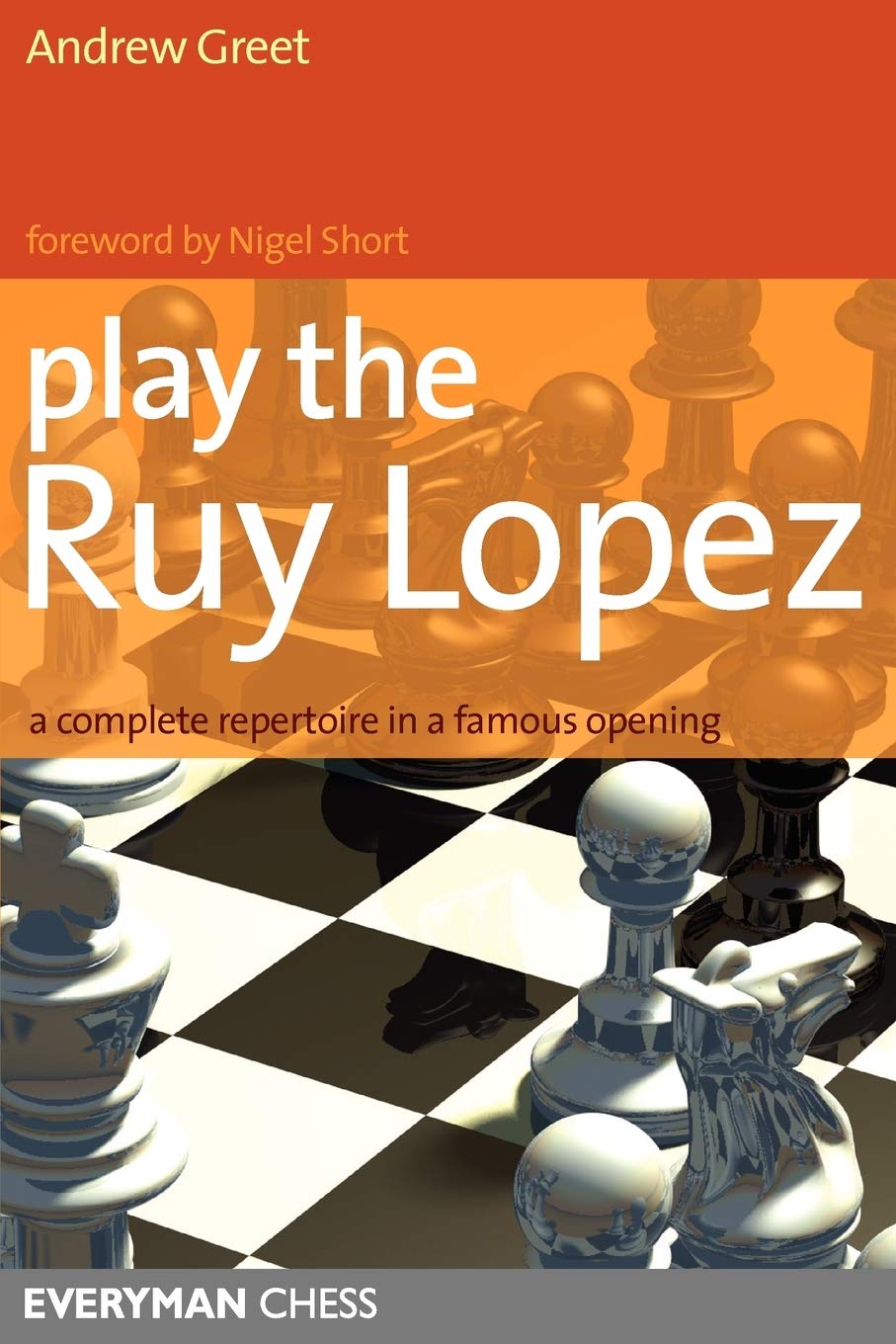
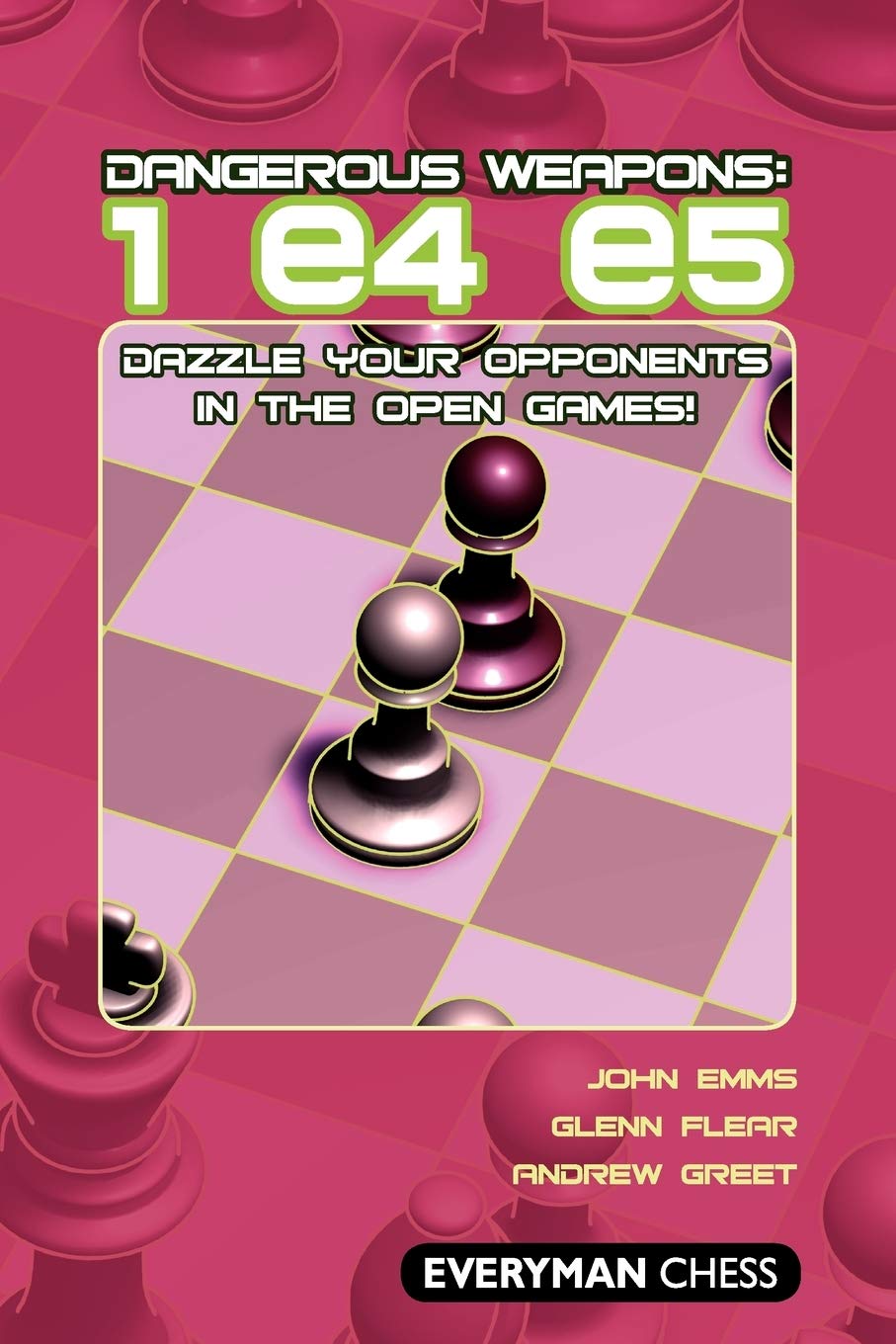
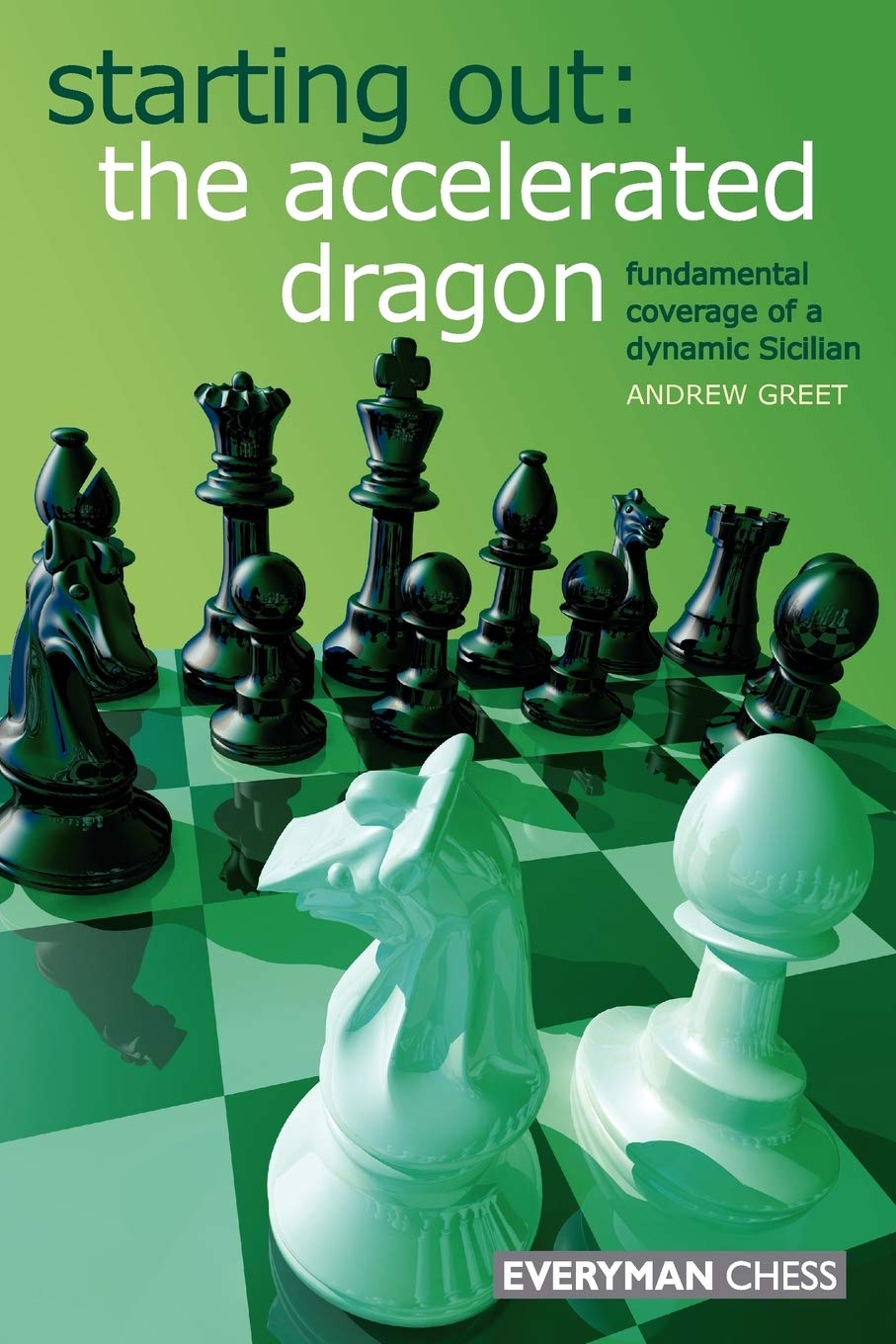
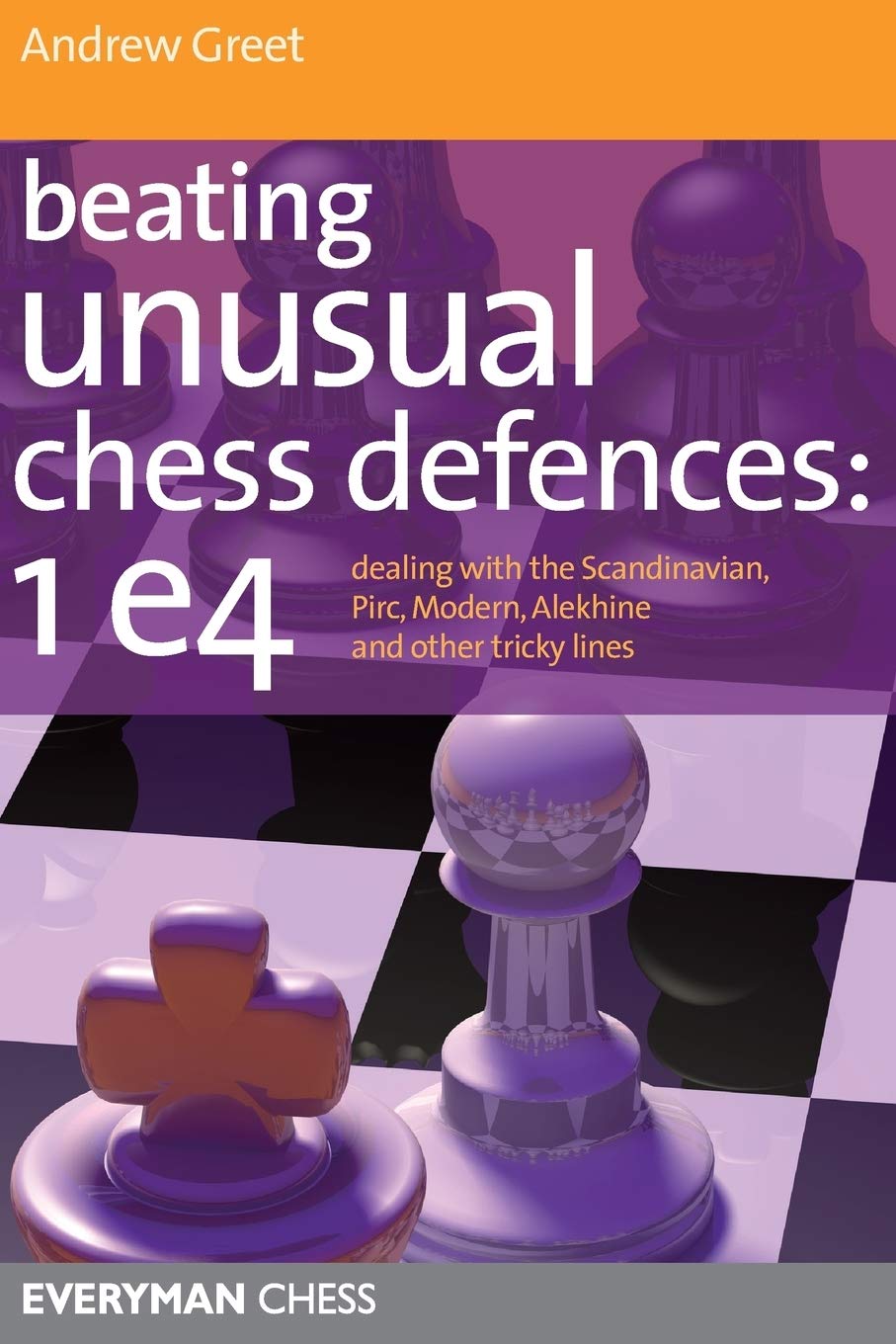
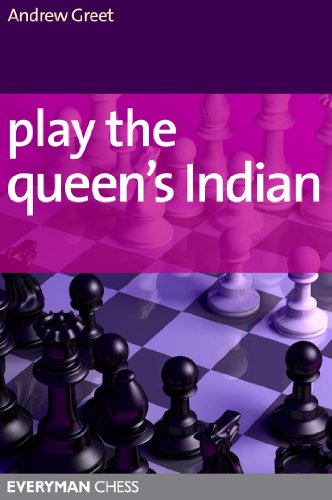
Play the Ruy Lopez, Andrew Greet, Everyman, 2007Dangerous Weapons 1.e4 e5, Andrew Greet, John Emms & Glenn Flear, Everyman, 2008Starting Out : The Accelerated Dragon, Andrew Greet, Everyman, 2008Beating Unusual Chess Defences to 1.e4, Andrew Greet, Everyman, 2011Play the Queen’s Indian, Everyman, Andrew GreetIM Andrew Greet
We wish David Norwood all the best on his birthday,
David Robert Norwood was born in Farnworth, Bolton, Greater Manchester on October 3rd 1968. His mother’s maiden name was Mellor and his father was an electrician.
Mary Hopkin was still UK number one with “Those were the days” and would remain at number one for six weeks in total.
David Norwood
David read history at Keble College, Oxford before pursuing a successful business career (see below).
David became an International Master in 1985 and a Grandmaster in 1989 and his peak FIDE rating (Felice and Megabase 2020) was 2545 in July 1994 at the age of 26.
Preparing for David would have been fairly straightforward as he played almost the same opening with white and black playing 1.g3 (and less frequently, 1.d4) and the Modern Defence although his did flick the Modern Benoni into the mix every now and then.
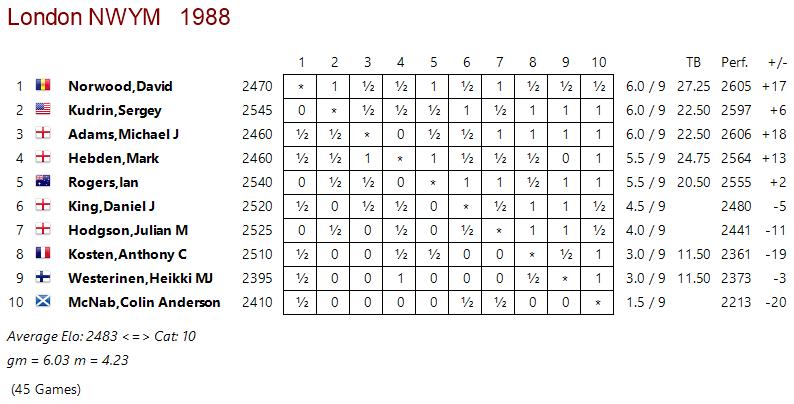
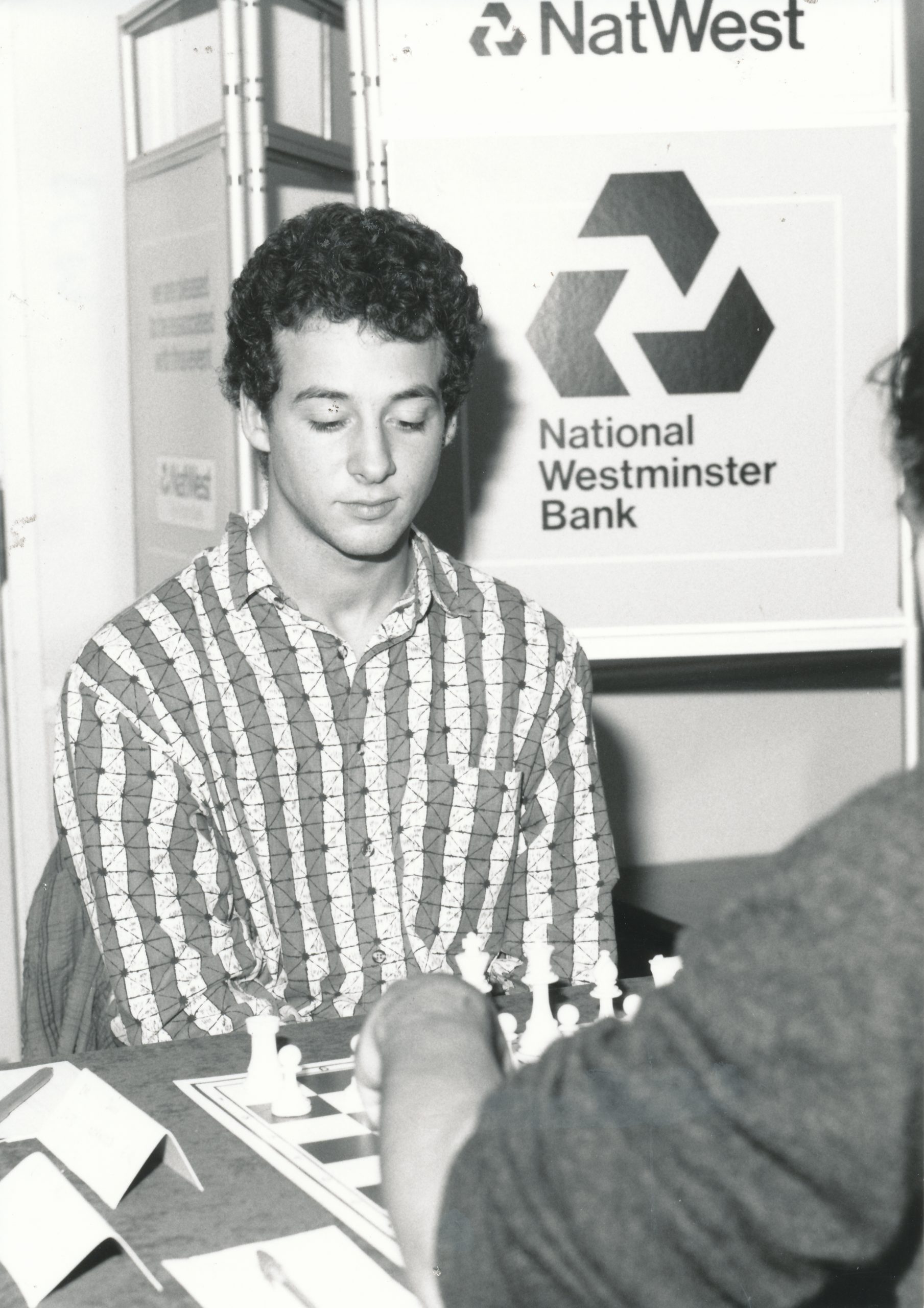
As well as moving to Oxford for University he was =1st at the 1988 (fifth) NatWest Young Masters with 6/9 (along with Adams and Kudrin) securing a GM norm :
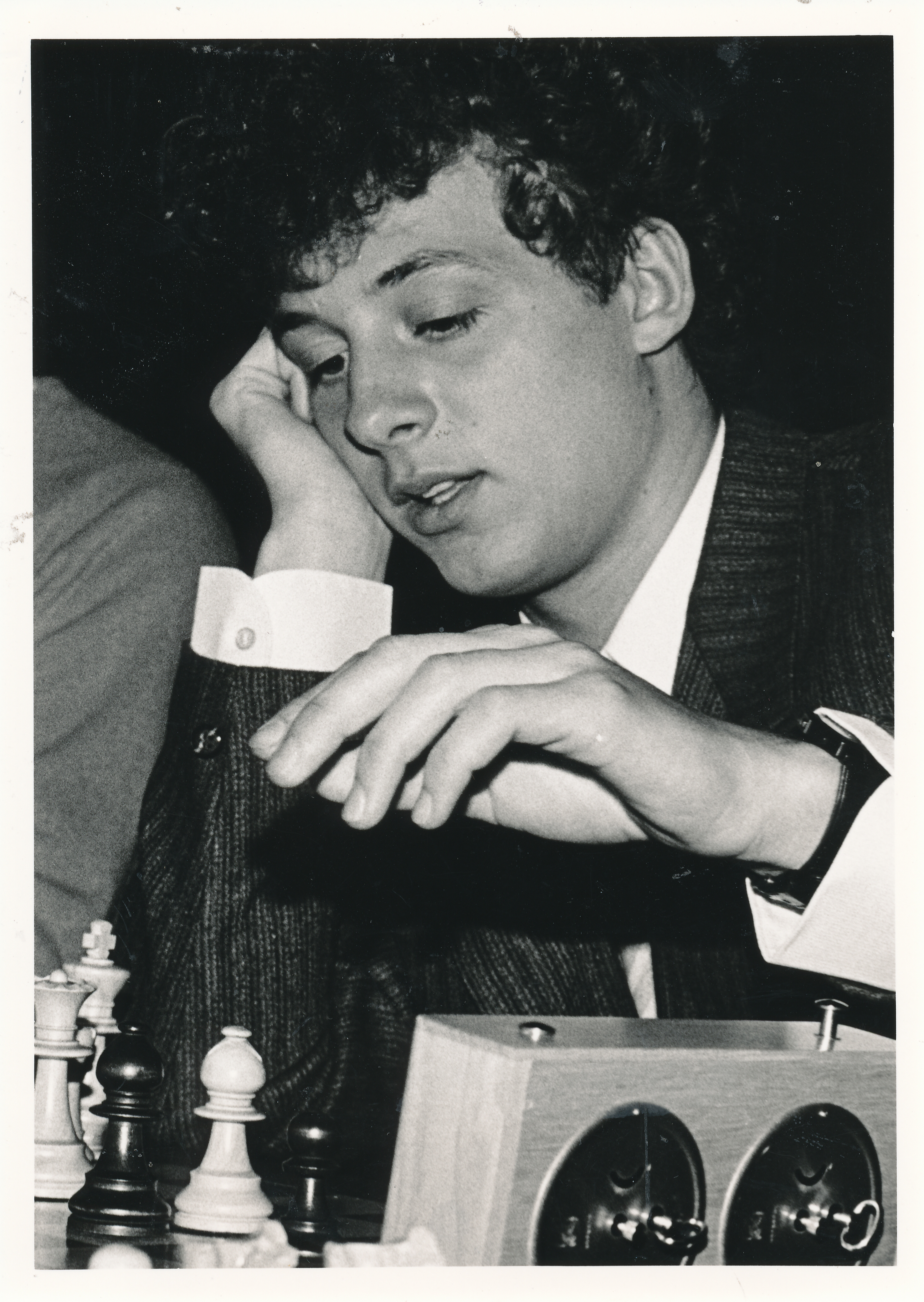
Crosstable for 1988 NatWest Young MastersIM David Norwood at the 1988 NatWest Young Masters. Photo by Tom Elek
In 1990 David became the first Grandmaster to play in the annual Varsity match. This was the 108th such encounter and David played on board one against Jeremy P Sharp of Downing College, Cambridge. David first played in the 107th match in 1989 on board two below James Howell. David played one more time in 1991 scoring 2/3 from his three appearences.
IM David Norwood at the 1991 Varsity Match. Henry Gerald Mutkin (organiser and sponsor) is seated.
According to FIDE David is registered with Andorra which appropriately (for DN) has Catalan as its national language. David has yet to win the Andorran Championship. He first played in the Andorran Open in 2011 and came close to winning in 2013 with 7/9. Since 2017 David has not played in a FIDE rated event.
One of David’s most important claims to fame was being the Best Man at the wedding of Julian and Lizette Hodgson.
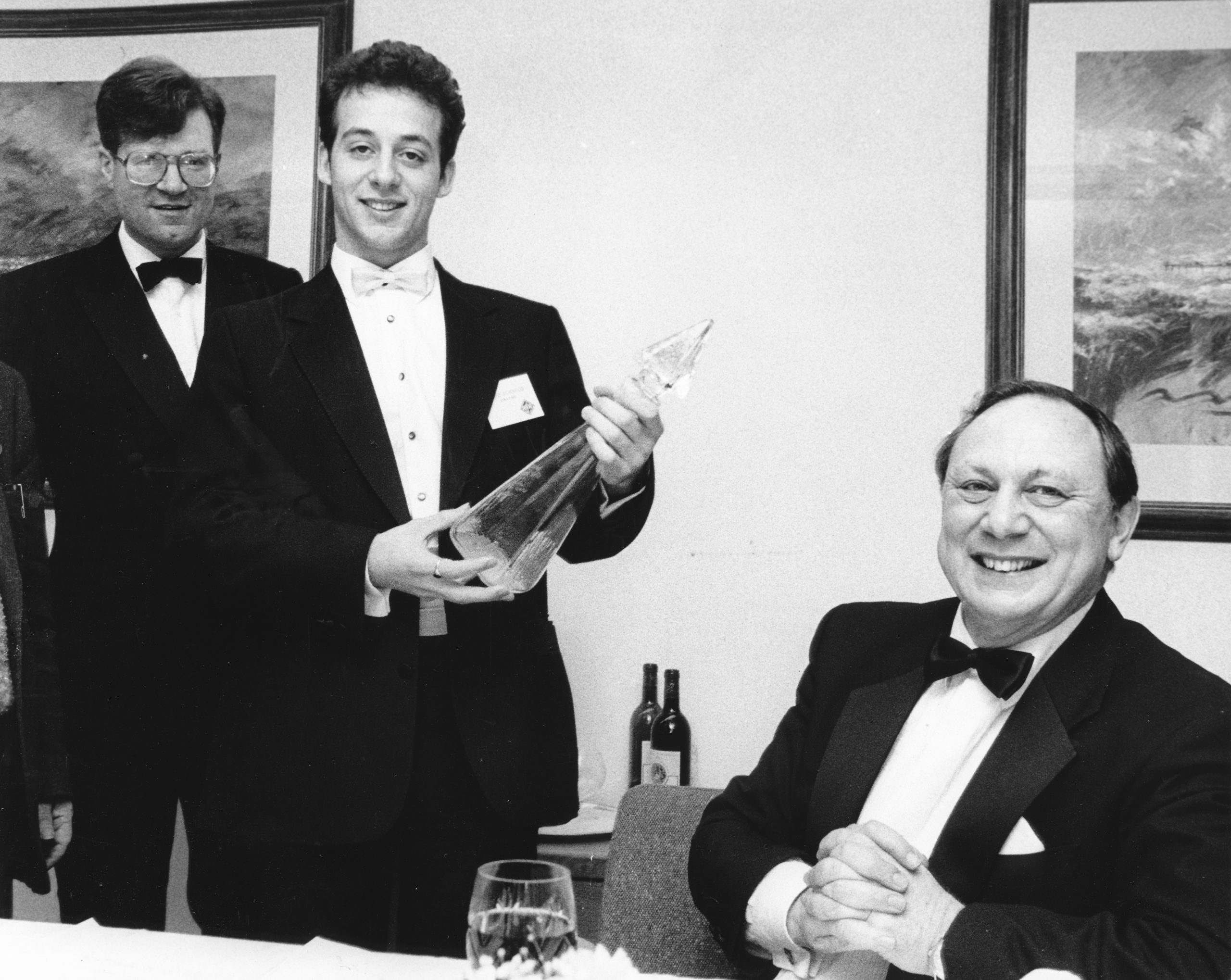
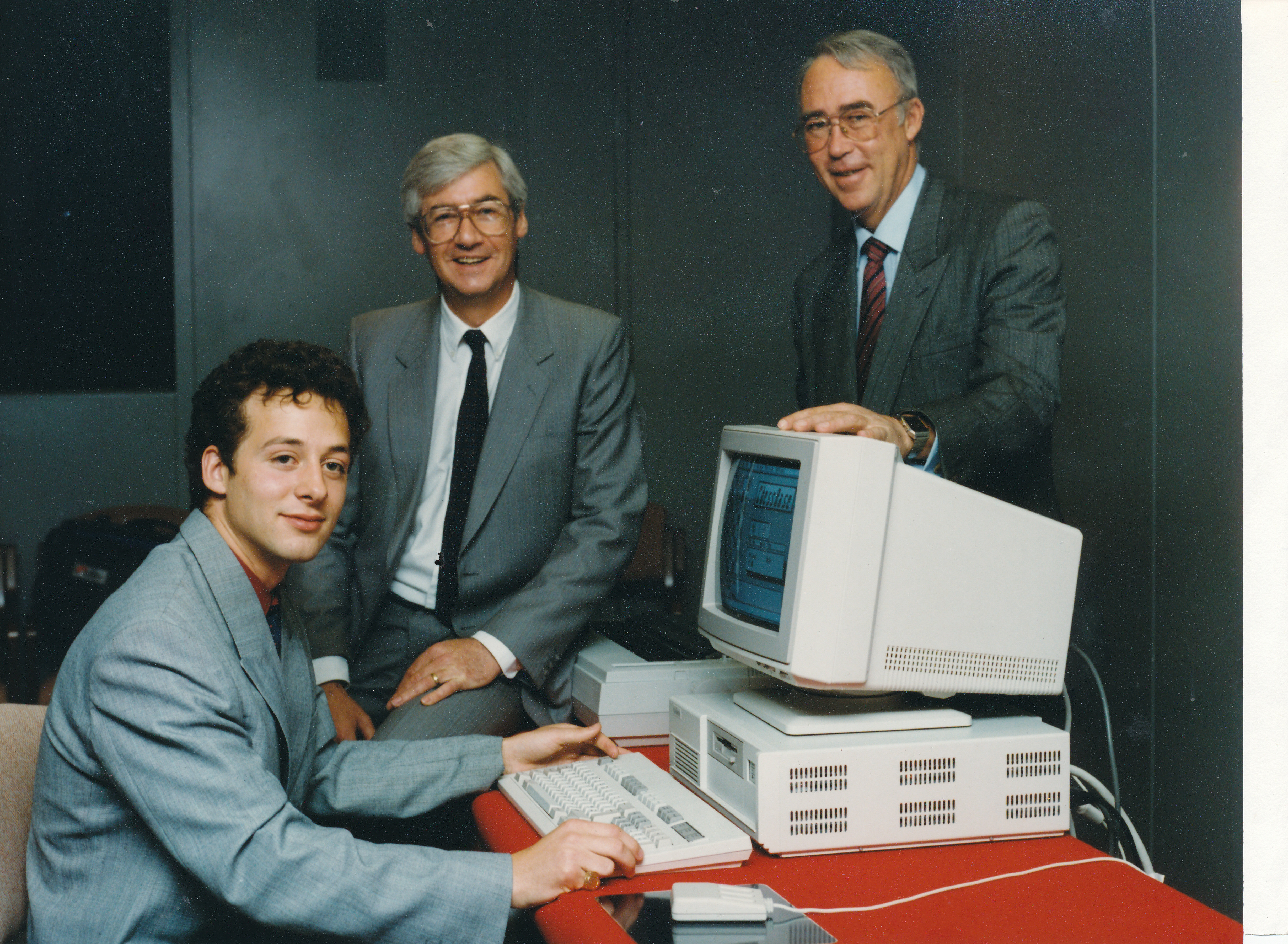
A powerful Unisys personal computer being present to Bolton-born GM David Norwood by Alva Rodger (centre), general manager of Unisys banking district ad Dr Brian Bailey, managing director of Infolink, a credit referencing agency.
As a writer David wrote a chess column for The Daily Telegraph and The Economist (London) and he has written the following books :
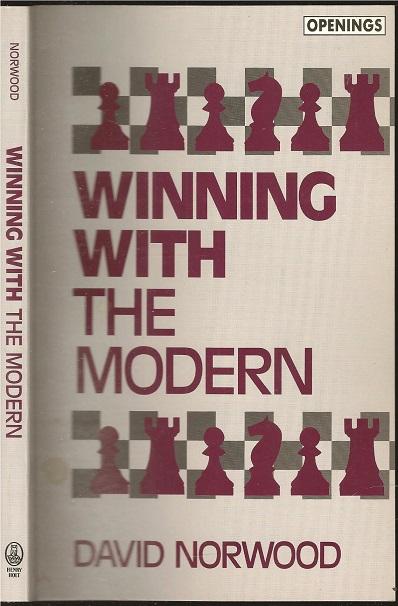
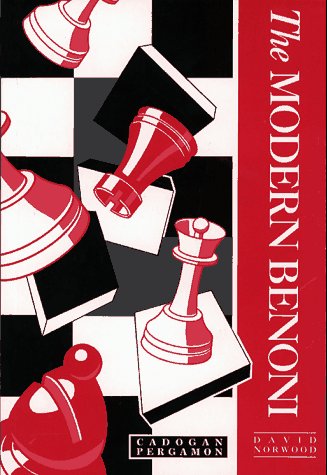
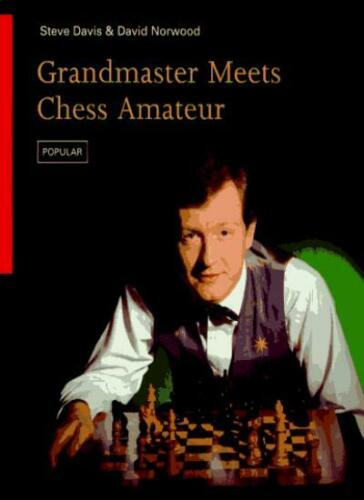
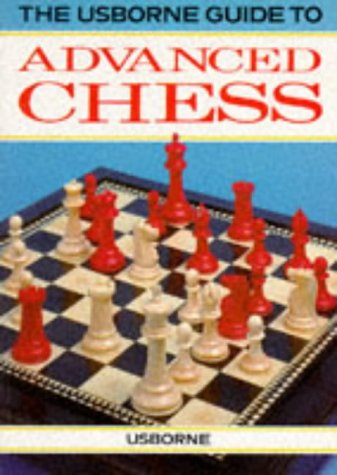
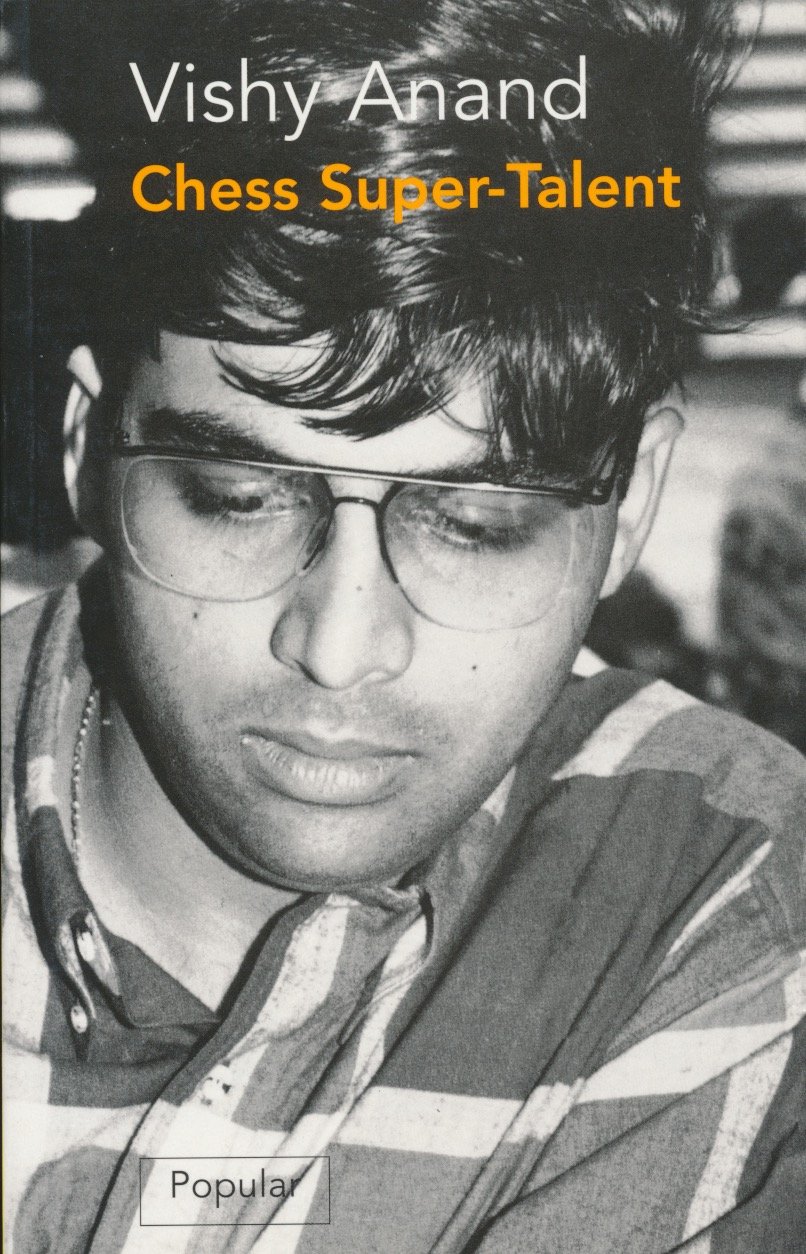
The Usbourne Book of Chess Puzzles, David Norwood, 1992Winning with the Modern, David Norwood, B.T. Batsford Ltd., London, 1994The Modern Benoni, David Norwood, Cadogan, 1994Grandmaster Meets Chess Amateur, Steve David and David Norwood, 1995The Usbourne Guide to Advanced Chess, David Norwood, 1995Chess Super-Talent, David Norwood, Batsford, September 1995, ISBN-13 : 978-0805042238
From Wikipedia :
“David Robert Norwood (born 3 October 1968) is an English businessman who runs an investment fund that finances spin-off companies from Oxford University science departments. He is also a chess grandmaster, chess writer, former captain of the English chess team and now represents Andorra at chess.”
“The son of an electrician, Norwood graduated with a history degree from Keble College, Oxford University in 1988 before joining city investment bank Banker’s Trust in 1991.”
Peter Wells, Gary Lane, John Emms and David Norwood
“Norwood cofounded Oxford Sciences Innovation, a £600m investment company dedicated to funding deep science from Oxford University, and was its CEO from 2015 to 2019. Formerly he was founder of IP Group plc, a fund that invested in spinoffs from Oxford University’s Chemistry department, in exchange for 50% of the revenues from the licensing of the department’s intellectual property.
In 2017, Norwood donated £1.9M to Keble College’s future hub for innovation at Oxford University.”
From The Times of London, November 20th, 2008 by Ian King, Business Editor :
“Entrepreneur David Norwood swaps City for sun, sea and writing
One of the City’s best-known entrepreneurs resigned all his directorships yesterday – to move to a desert island (in the Bahamas) where he plans to become a writer.
IM David Norwood and IM Aldo Haik (France) taking a drink at the bar during Cappelle-Le-Grande, 1988. Photograph by Caroline Winkler
David Norwood, a former chief executive of the stockbrokers Evolution and Beeson Gregory, resigned from the boards of a number of companies, including Oxford Advanced Surfaces, ORA Capital, Oxeco and Plus-listed Green Chemicals. He has also given up his role as special projects director at IP Group, the intellectual property commercialisation company, which he started eight years ago and floated on AIM in 2003. Shares of all five companies fell after the news was released.”
Thomas Edward Rendle was born on Monday, September 29th 1986. “Stuck with You” by Huey Lewis and the News was the UK’s number one single.
Tom was born in Hastings, East Sussex and his mother’s maiden name is Jefferies. Tom resides in Hastings.
Tom attended Bede’s School, Sussex and then St. Leonard’s College.
Tom Rendle aged 11 by David Crump
Tom studied physics at The University of Warwick and has two brothers, Tim and James and a sister Theresa.
Tom became a FIDE Master in 2004. In 2006 he became an International Master and achieved a peak rating (according to Felice) in July 2007 of 2416 at the age of 21. Tom has one Grandmaster norm.
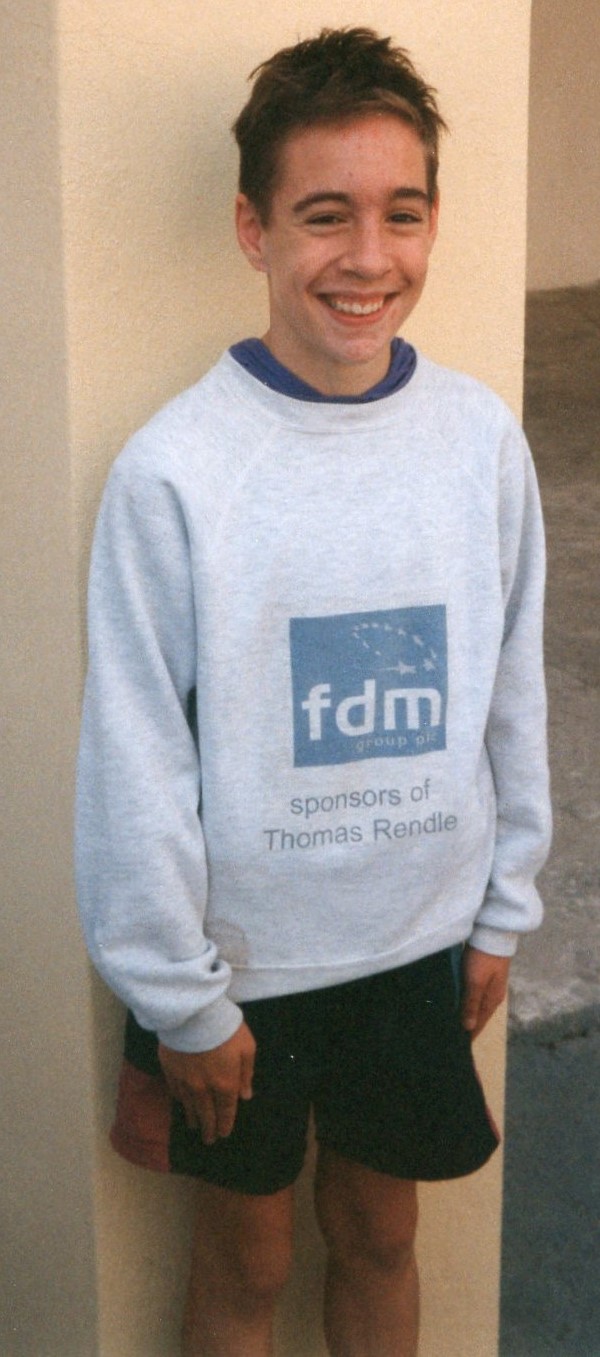
Tom Rendle, sponsored by local printing company, FDM. Courtesy of Gary Lane
Tom has played for 4NCL Grantham Sharks, Hammersmith (in the London League), Drunken Knights (in the London League), West London and Sandhurst (in the Surrey Border and Berkshire Leagues).
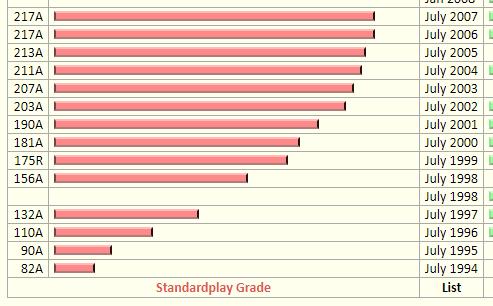
His first ECF grade to appear on the grading web site was 82A in July 1994 (however it could be earlier than that) at the age of 7 :
ECF Grading Progress of Tom Rendle
Tom played in the World U12 Championship won by Teimour Radjabov and his first major success was scoring 7.5/10 in the 2001 Smith and Williamson Young Masters. He became Hampshire Champion in 2001 with 5/6 and won the 2004 Rosny Sous Bois tournament with 7/9 and a TPR of 2568. He was runner-up in the Paignton Open of 2005 followed by runner-up in the Coulsdon Christmas tournament of 2005.
With the white pieces Tom is almost exclusively an e4 player but he has flirted with Bird’s Opening many times. Having shared accommodation with Gawain Jones there are signs of influence in the choice of the Grand Prix Attack.
As the second player Tom plays both the Winawer and the Classical French and is a noted expert on the Classical Dutch and Dutch in general.
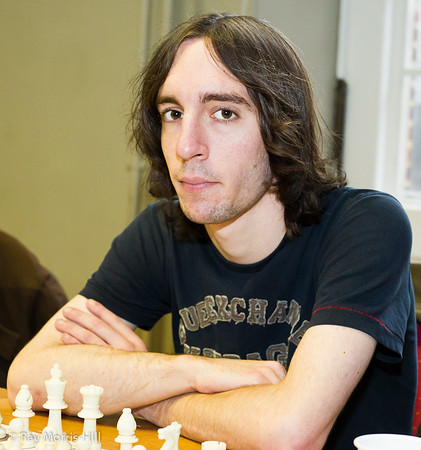
IM Tom Rendle at the King’s Place Rapidplay, 2013, Courtesy of John Upham Photography
From Wikipedia :
“Thomas Edward Rendle (born 29 September 1986) is a British FIDE International Master chess player and coach. Rendle became an International Master in June 2006 and is part way towards becoming a Grandmaster, with one GM Norm.
IM Tom Rendle
He gained an interest in chess at an early age, and soon entered chess tournaments, gaining success in his age categories (such as becoming Mini Squad Under 7s Champion, England Under 11 Champion).[citation needed] He was put on top board for the England under 11 team and won the Sussex Under 18 Championships, whilst still under 12.”
In 1998 Rendle played Garry Kasparov in the BT Wireplay Challenge 1998. In 2005 he was a coach for England’s team at the 1st FIDE World Schools Championship in Halkidiki, Greece and in 2006 he coached with the England Team at the European Youth Chess Championships in Montenegro.
Rendle currently works as a chess coach, both online and face-to-face. He is a regular coach of England Juniors.”
We wish IM Richard Palliser all the very best on his birthday
Richard Julian David Palliser was born September 18th in 1981 in Birmingham, West Midlands. His mother’s maiden name was Hyde.
He became a FIDE Master in 2000 and an International Master in 2001.
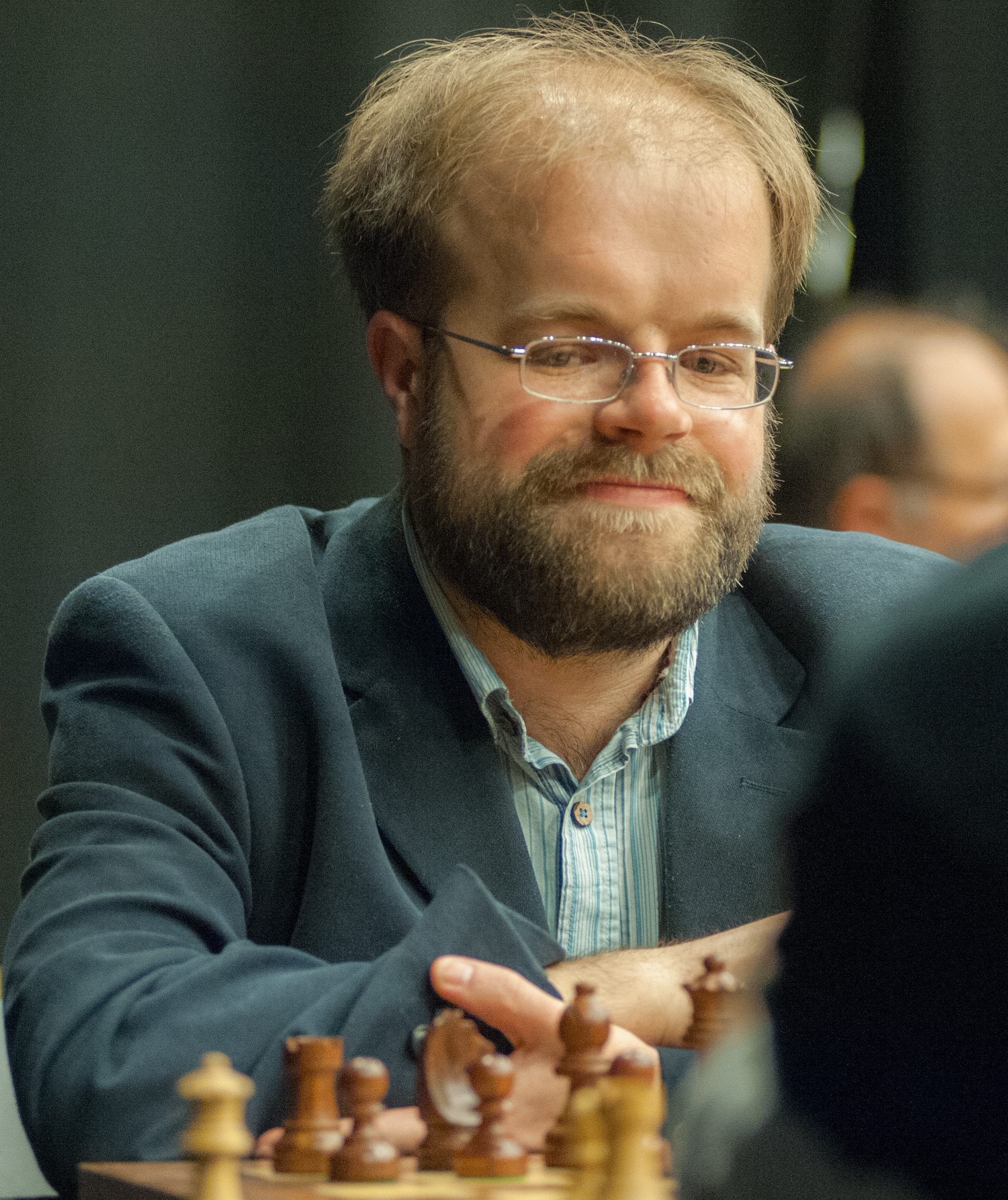
Richard Palliser
His peak FIDE rating (according to Felice and Megabase 2020) was 2482 in July 2012 at the age of 31.
In 1995 Richard was joint British U13 Champion together with David Hodge and Richard S. Jones.
Palliser was joint British Rapidplay Chess Champion in 2006. He writes regularly for ChessMoves and “Everyman Chess” who also employ him as an editor and advisor.
Richard represents in matches 4NCL White Rose, York RI, Yorkshire CA, and ‘Eagle and Child’
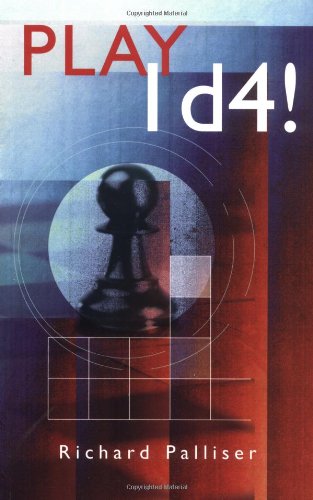
According to “Play 1.d4!” :
“is an international master and recipient of a special British Chess Federation young player’s award for achievement. In addition to being a very active tournament and match player he also writes regularly for CHESS magazine and other periodicals and is noted for his theoretical knowledge and analytical ability.”
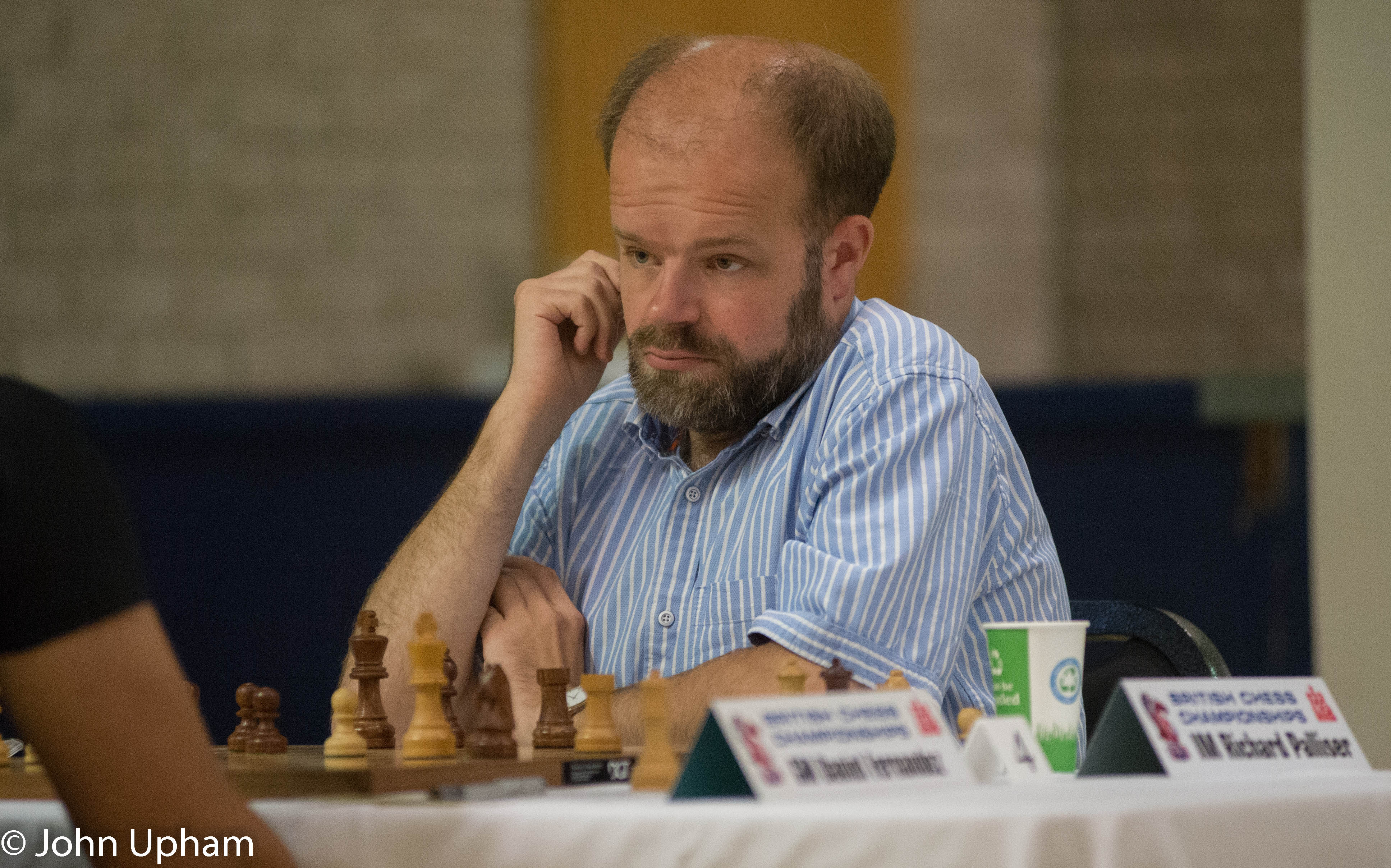
IM Richard Palliser at the King’s Place Rapidplay, 2013.
According to “tango!” :
“His debut book Play 1.d4! was very well received by critics and the chess public alike”
His handle on the Internet Chess Club is “worcester”.
IM Richard Palliser
With the White pieces Richard plays 1.d4(!) and the Queen’ Gambit, Exchange Variation is the main weapon of choice.
As the second player Richard plays the Sicilian Najdorf and the King’s Indian Defence.
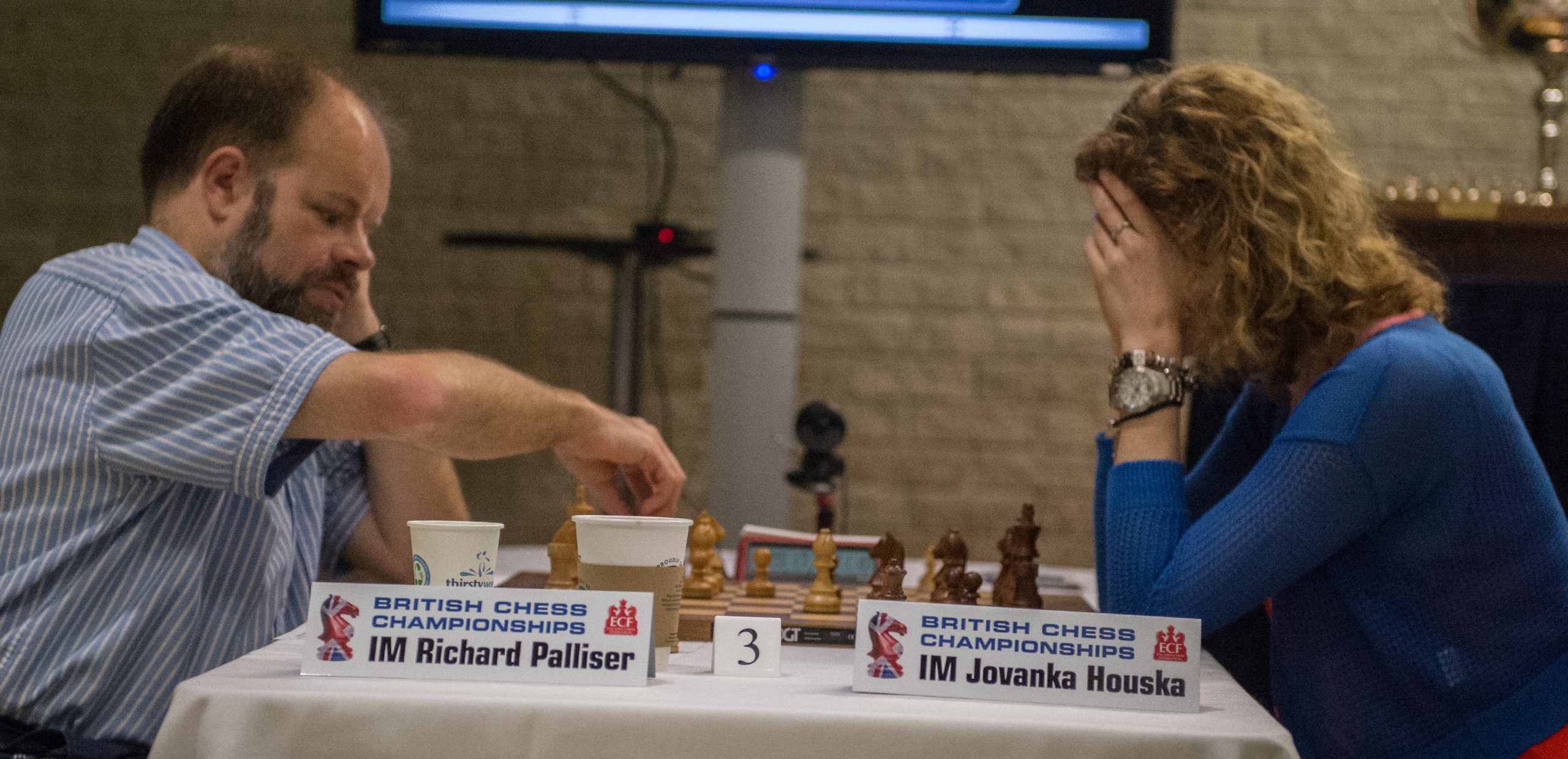
IM Richard Palliser and IM Jovanka Houska, British Championships, 2019
Richard is Editor of “CHESS” and has authored a number of publications :
Play 1.d4 !, Batsford, 2003
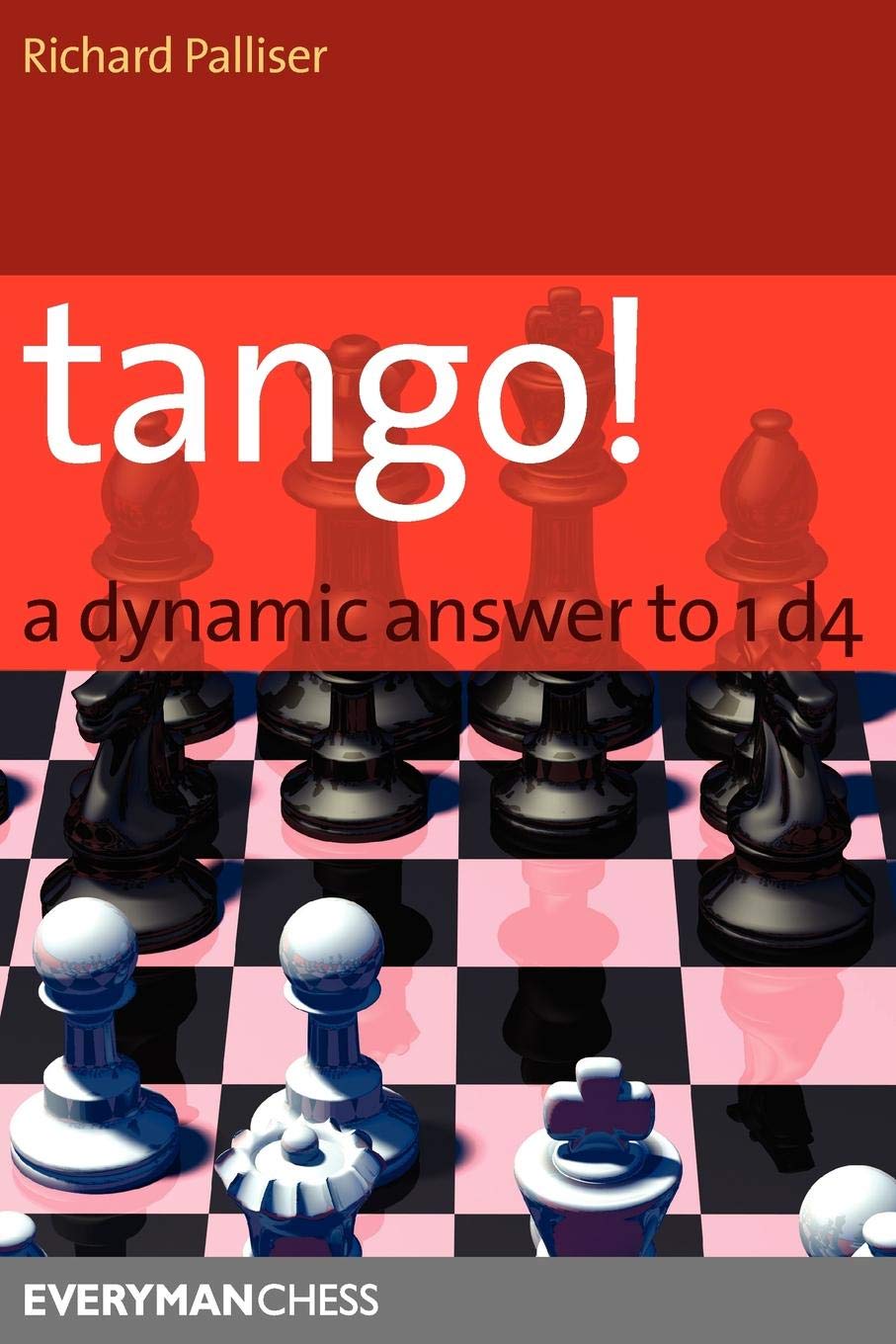
Palliser, Richard (2005). Tango! A Dynamic Answer to 1 d4. Everyman Chess. ISBN 1-85744-388-8.
Tango! A Dynamic Answer to 1 d4
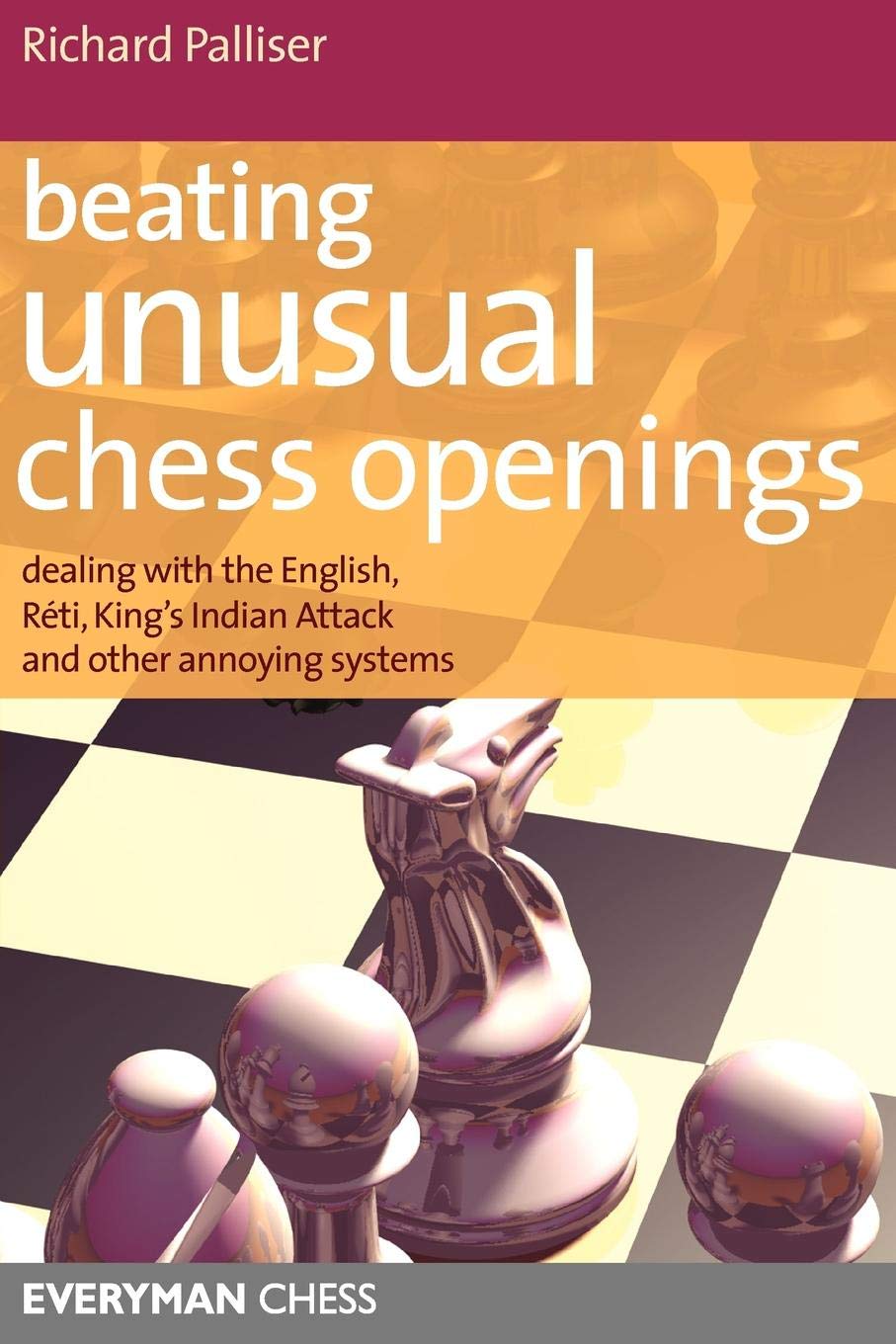
Palliser, Richard (2006). Beating Unusual Chess Openings. Everyman Chess. ISBN 1-85744-429-9.
Beating Unusual Chess Openings
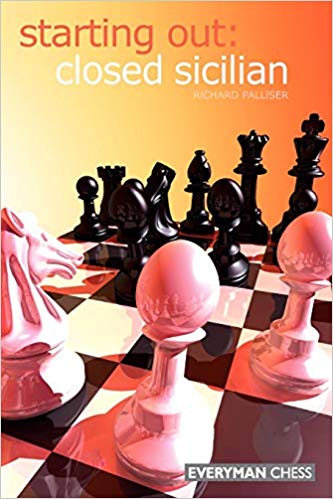
Palliser, Richard (2006). Starting Out: Closed Sicilian. Everyman Chess. ISBN 978-1-85744-414-8.
Starting Out: Closed Sicilian
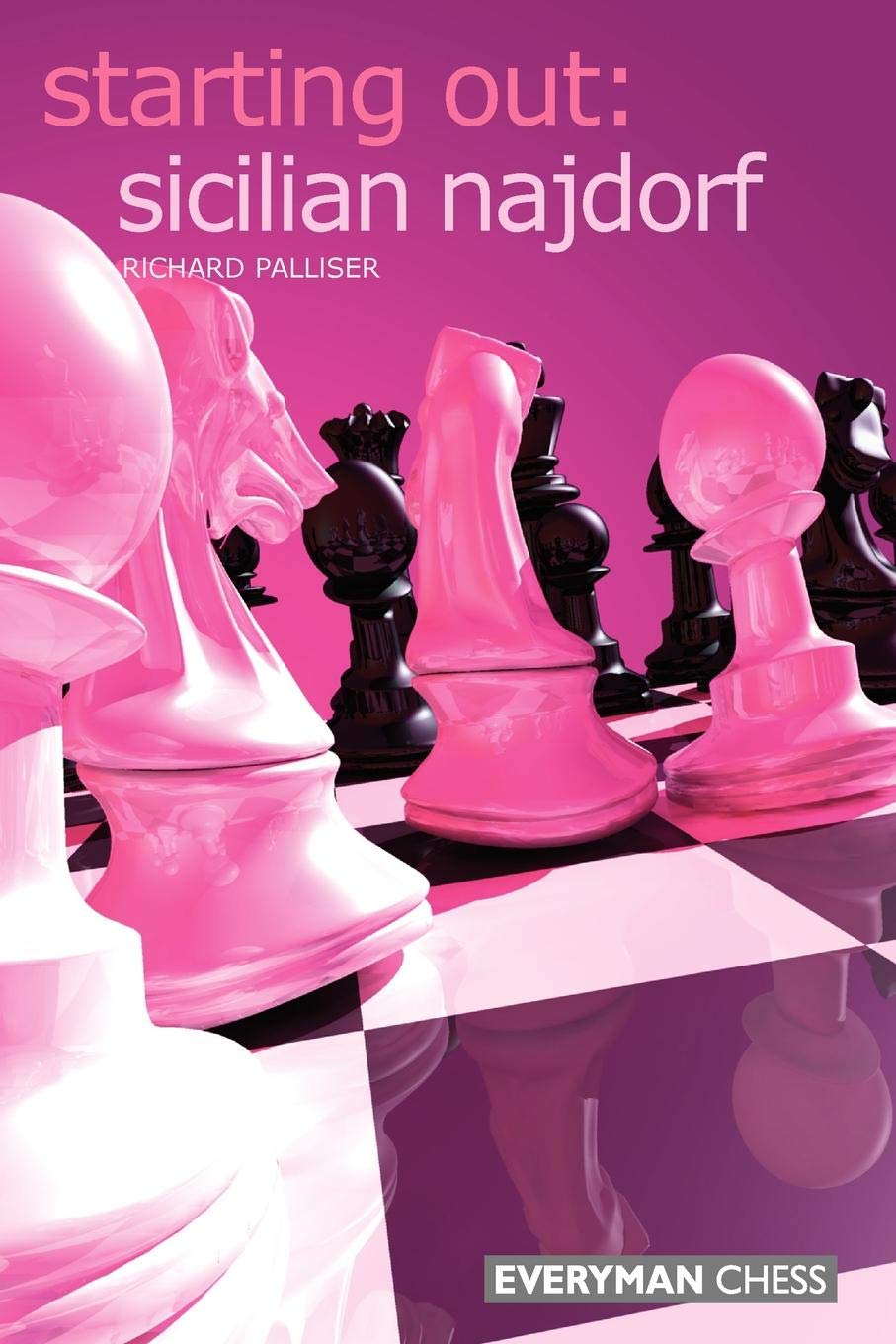
Palliser, Richard (2007). Starting Out: Scilian Najdorf. Everyman Chess. ISBN 978-1-85744-601-2.
Starting Out: Scilian Najdorf
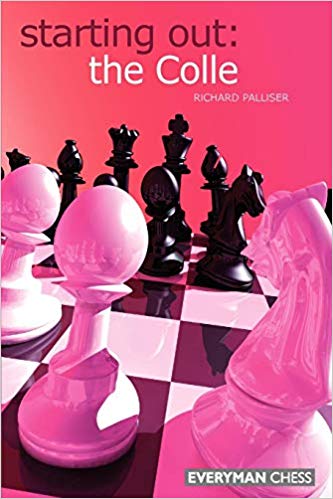
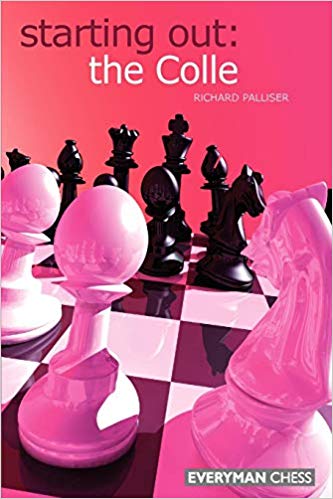
Palliser, Richard (2007). Starting out: the Colle. Everyman Chess. ISBN 978-1-85744-527-5.
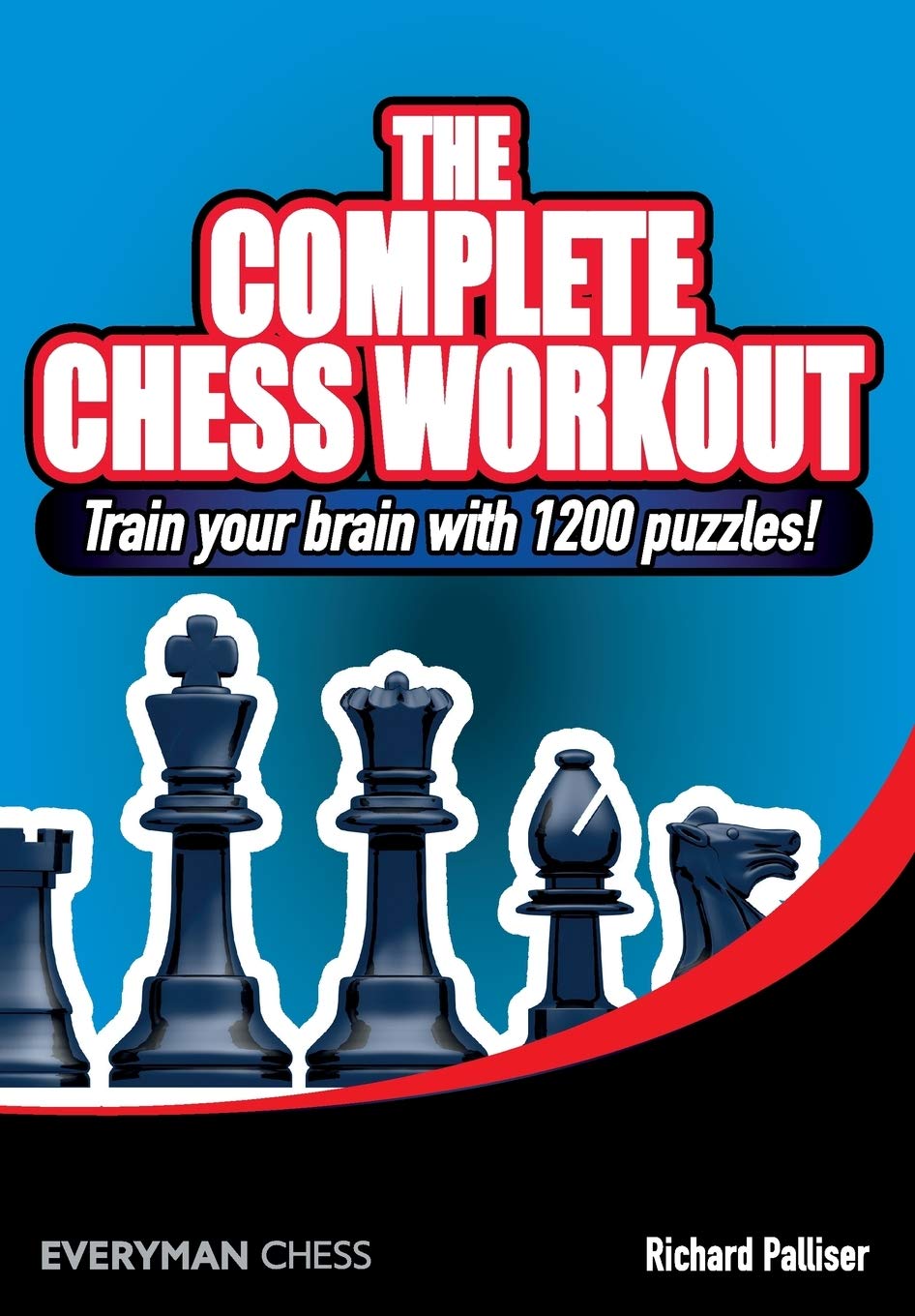
Starting out: the ColleThe Complete Chess Workout, Everyman, 2007
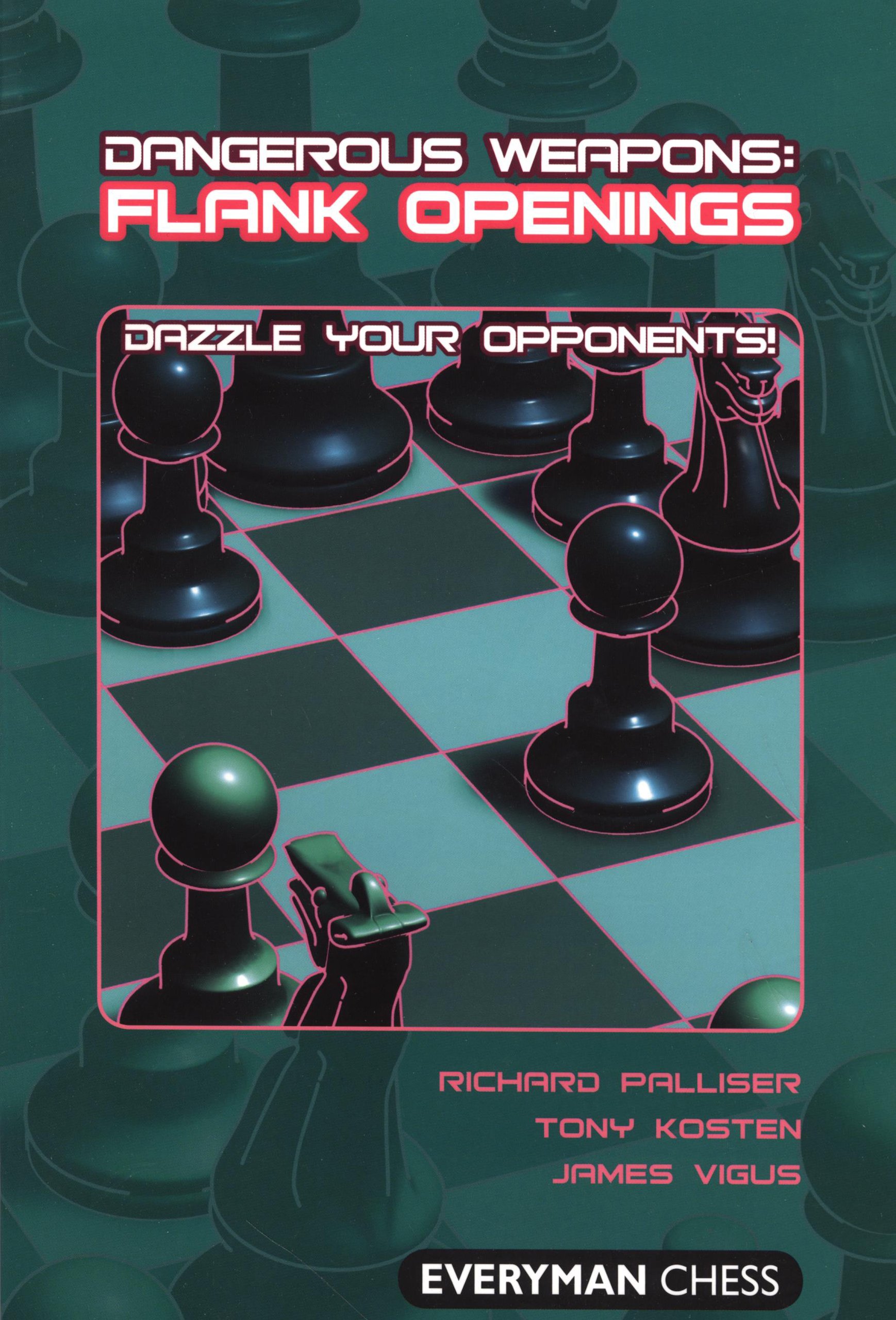
Palliser, Richard; Kosten, Tony; Vigus, James (2008). Dangerous Weapons: Flank Openings. Everyman Chess. ISBN 978-1-85744-583-1.
Dangerous Weapons: Flank Openings
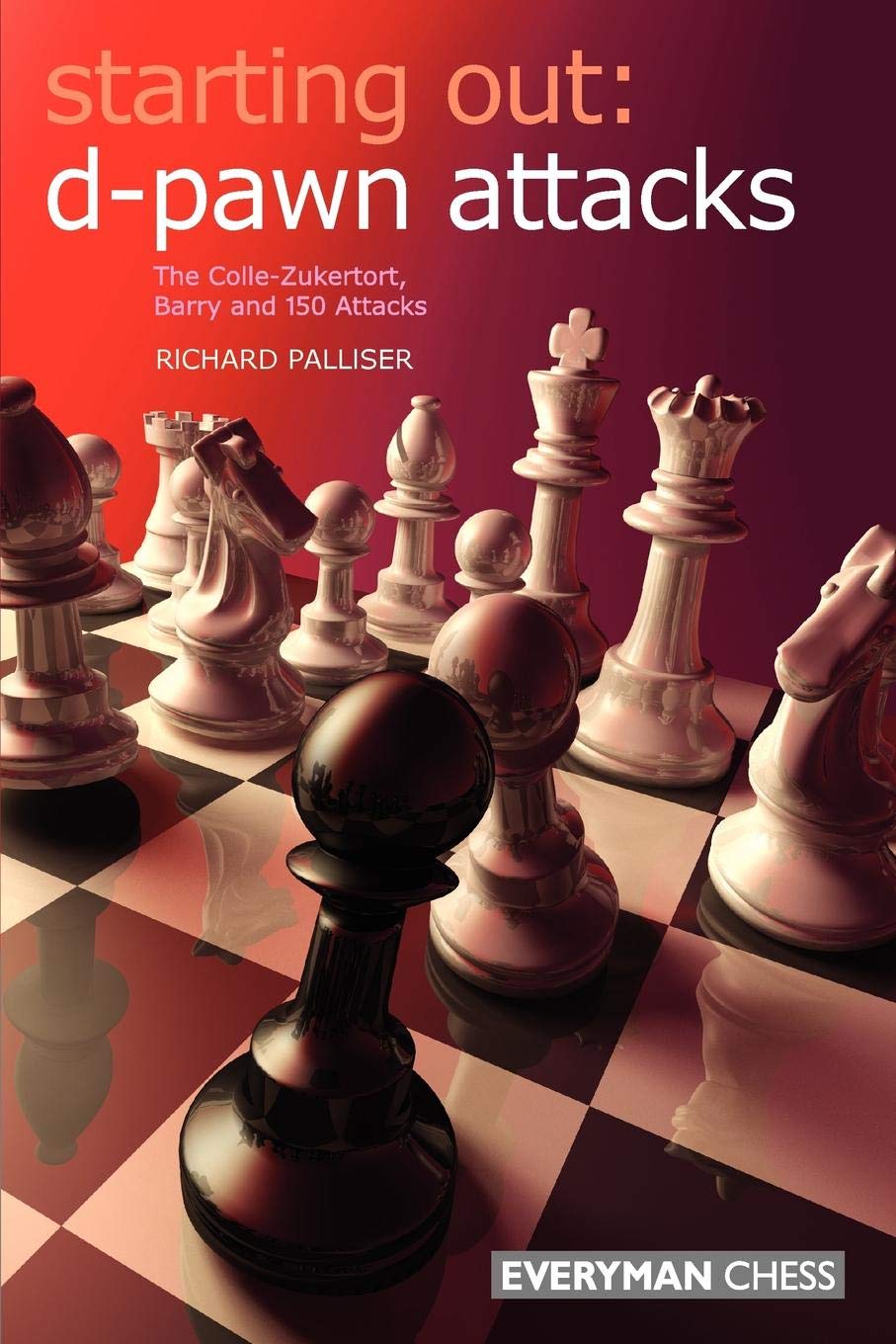
Palliser, Richard (2008). Starting out: d-pawn attacks. The Colle-Zukertort, Barry and 150 Attacks. Everyman Chess. ISBN 978-1-85744-578-7.
Starting out: d-pawn attacks
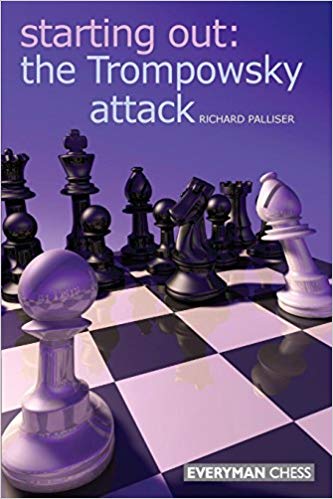
Palliser, Richard (2009). Starting Out: the Trompowsky Attack. Everyman Chess. ISBN 978-1-85744-562-6.
Starting Out: the Trompowsky Attack
Palliser, Richard; Williams, Simon; Vigus, James (2010). Dangerous Weapons: The Dutch. Everyman Chess. ISBN 978-1-85744-624-1.
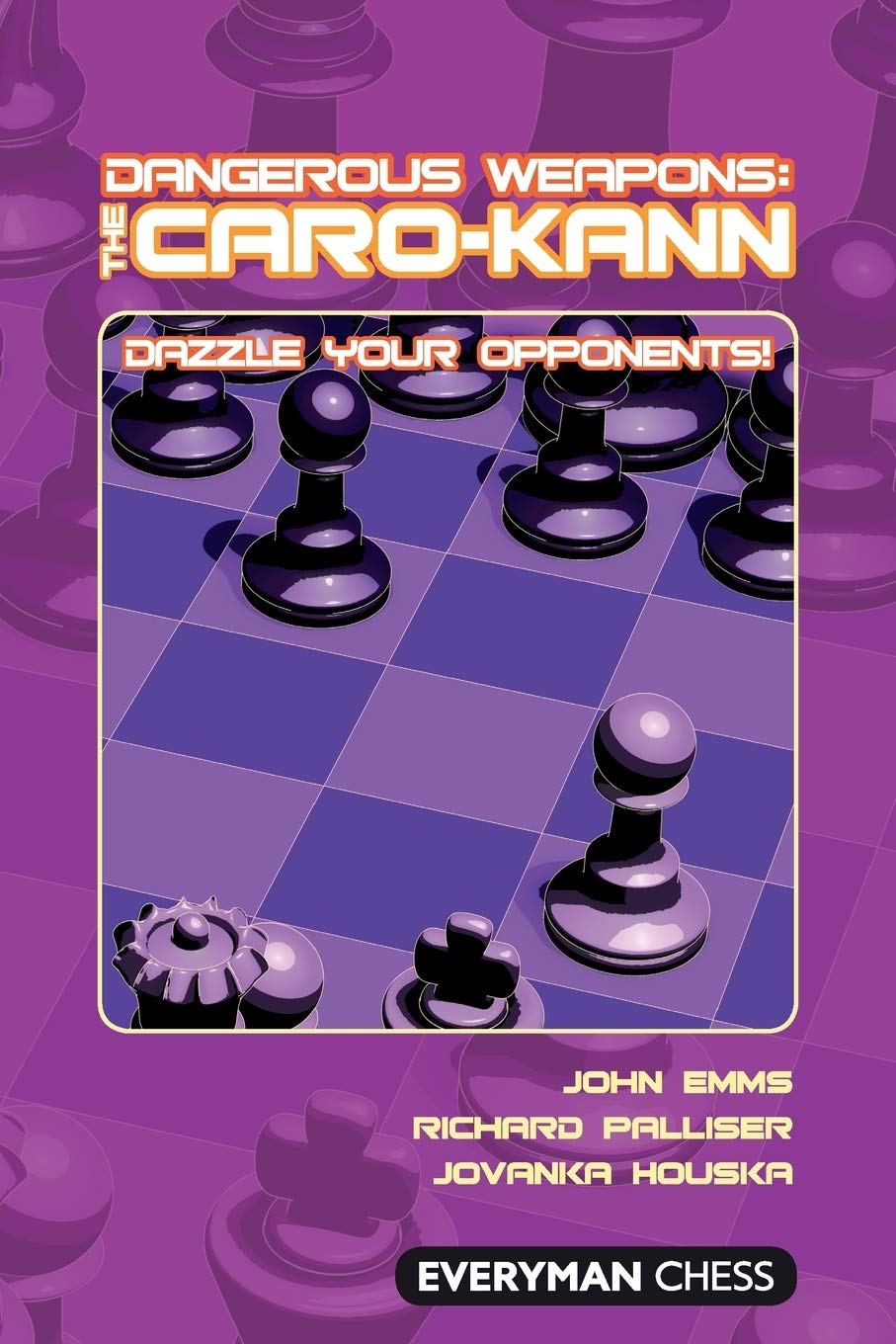
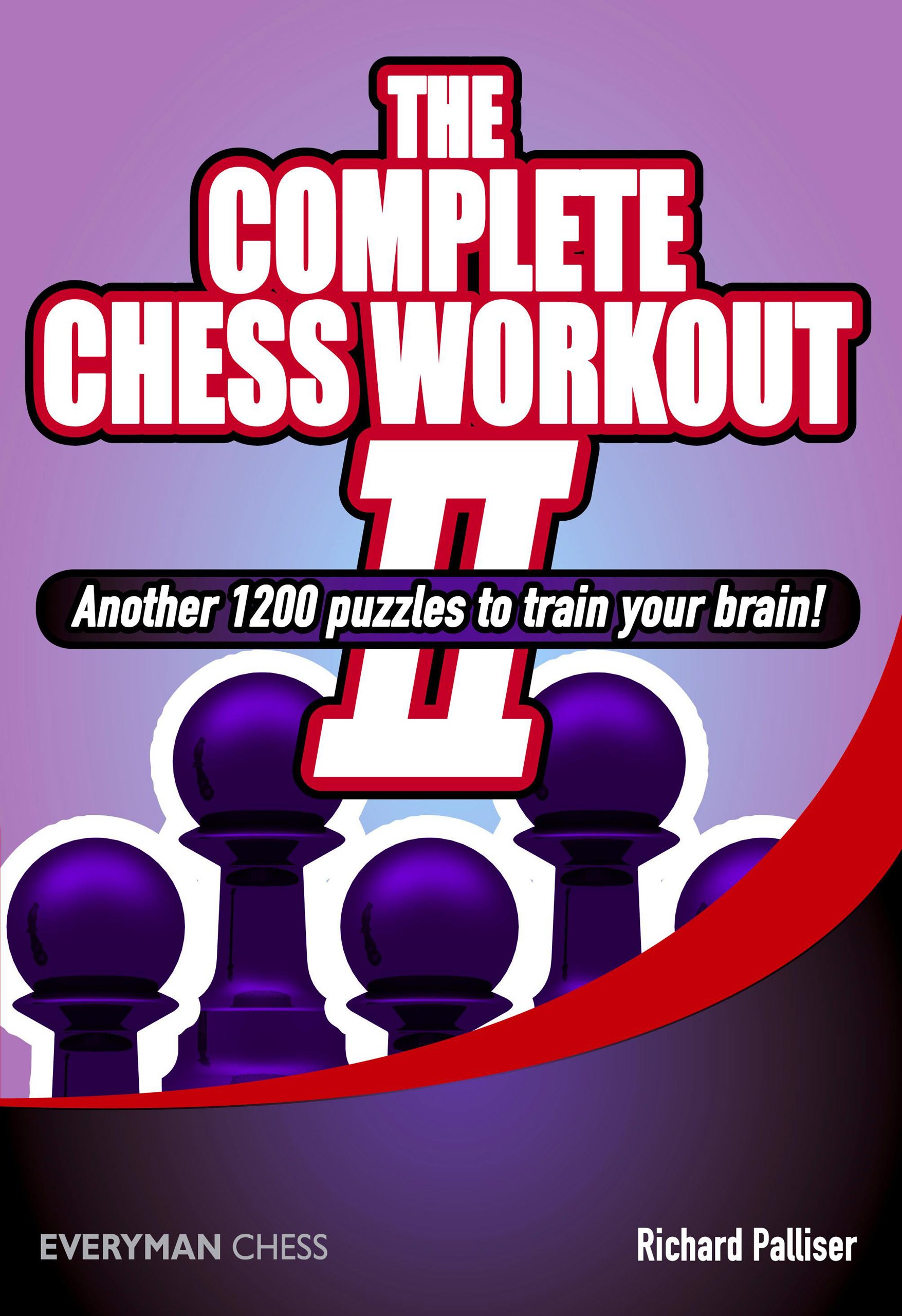
Dangerous Weapons: The DutchDangerous Weapons : The Caro-Kann, Everyman, 2010The Complete Chess Workout II, Everyman, 2012IM Richard Palliser
We wish IM Richard Palliser all the very best on his birthday
Richard Julian David Palliser was born September 18th in 1981 in Birmingham, West Midlands. His mother’s maiden name was Hyde.
He became a FIDE Master in 2000 and an International Master in 2001.
Richard Palliser
His peak FIDE rating (according to Felice and Megabase 2020) was 2482 in July 2012 at the age of 31.
In 1995 Richard was joint British U13 Champion together with David Hodge and Richard S. Jones.
Palliser was joint British Rapidplay Chess Champion in 2006. He writes regularly for ChessMoves and “Everyman Chess” who also employ him as an editor and advisor.
Richard represents in matches 4NCL White Rose, York RI, Yorkshire CA, and ‘Eagle and Child’
According to “Play 1.d4!” :
“is an international master and recipient of a special British Chess Federation young player’s award for achievement. In addition to being a very active tournament and match player he also writes regularly for CHESS magazine and other periodicals and is noted for his theoretical knowledge and analytical ability.”
IM Richard Palliser at the King’s Place Rapidplay, 2013.
According to “tango!” :
“His debut book Play 1.d4! was very well received by critics and the chess public alike”
His handle on the Internet Chess Club is “worcester”.
IM Richard Palliser
With the White pieces Richard plays 1.d4(!) and the Queen’ Gambit, Exchange Variation is the main weapon of choice.
As the second player Richard plays the Sicilian Najdorf and the King’s Indian Defence.
IM Richard Palliser and IM Jovanka Houska, British Championships, 2019
Richard is Editor of “CHESS” and has authored a number of publications :
Play 1.d4 !, Batsford, 2003
Palliser, Richard (2005). Tango! A Dynamic Answer to 1 d4. Everyman Chess. ISBN 1-85744-388-8.
Tango! A Dynamic Answer to 1 d4
Palliser, Richard (2006). Beating Unusual Chess Openings. Everyman Chess. ISBN 1-85744-429-9.
Beating Unusual Chess Openings
Palliser, Richard (2006). Starting Out: Closed Sicilian. Everyman Chess. ISBN 978-1-85744-414-8.
Starting Out: Closed Sicilian
Palliser, Richard (2007). Starting Out: Scilian Najdorf. Everyman Chess. ISBN 978-1-85744-601-2.
Starting Out: Scilian Najdorf
Palliser, Richard (2007). Starting out: the Colle. Everyman Chess. ISBN 978-1-85744-527-5.
Starting out: the ColleThe Complete Chess Workout, Everyman, 2007
Palliser, Richard; Kosten, Tony; Vigus, James (2008). Dangerous Weapons: Flank Openings. Everyman Chess. ISBN 978-1-85744-583-1.
Dangerous Weapons: Flank Openings
Palliser, Richard (2008). Starting out: d-pawn attacks. The Colle-Zukertort, Barry and 150 Attacks. Everyman Chess. ISBN 978-1-85744-578-7.
Starting out: d-pawn attacks
Palliser, Richard (2009). Starting Out: the Trompowsky Attack. Everyman Chess. ISBN 978-1-85744-562-6.
Starting Out: the Trompowsky Attack
Palliser, Richard; Williams, Simon; Vigus, James (2010). Dangerous Weapons: The Dutch. Everyman Chess. ISBN 978-1-85744-624-1.
Dangerous Weapons: The DutchDangerous Weapons : The Caro-Kann, Everyman, 2010The Complete Chess Workout II, Everyman, 2012IM Richard Palliser
We wish IM Richard Palliser all the very best on his birthday
Richard Julian David Palliser was born September 18th in 1981 in Birmingham, West Midlands. His mother’s maiden name was Hyde.
He became a FIDE Master in 2000 and an International Master in 2001.
Richard Palliser
His peak FIDE rating (according to Felice and Megabase 2020) was 2482 in July 2012 at the age of 31.
In 1995 Richard was joint British U13 Champion together with David Hodge and Richard S. Jones.
Palliser was joint British Rapidplay Chess Champion in 2006. He writes regularly for ChessMoves and “Everyman Chess” who also employ him as an editor and advisor.
Richard represents in matches 4NCL White Rose, York RI, Yorkshire CA, and ‘Eagle and Child’
According to “Play 1.d4!” :
“is an international master and recipient of a special British Chess Federation young player’s award for achievement. In addition to being a very active tournament and match player he also writes regularly for CHESS magazine and other periodicals and is noted for his theoretical knowledge and analytical ability.”
IM Richard Palliser at the King’s Place Rapidplay, 2013.
According to “tango!” :
“His debut book Play 1.d4! was very well received by critics and the chess public alike”
His handle on the Internet Chess Club is “worcester”.
IM Richard Palliser
With the White pieces Richard plays 1.d4(!) and the Queen’ Gambit, Exchange Variation is the main weapon of choice.
As the second player Richard plays the Sicilian Najdorf and the King’s Indian Defence.
IM Richard Palliser and IM Jovanka Houska, British Championships, 2019
Richard is Editor of “CHESS” and has authored a number of publications :
Play 1.d4 !, Batsford, 2003
Palliser, Richard (2005). Tango! A Dynamic Answer to 1 d4. Everyman Chess. ISBN 1-85744-388-8.
Tango! A Dynamic Answer to 1 d4
Palliser, Richard (2006). Beating Unusual Chess Openings. Everyman Chess. ISBN 1-85744-429-9.
Beating Unusual Chess Openings
Palliser, Richard (2006). Starting Out: Closed Sicilian. Everyman Chess. ISBN 978-1-85744-414-8.
Starting Out: Closed Sicilian
Palliser, Richard (2007). Starting Out: Scilian Najdorf. Everyman Chess. ISBN 978-1-85744-601-2.
Starting Out: Scilian Najdorf
Palliser, Richard (2007). Starting out: the Colle. Everyman Chess. ISBN 978-1-85744-527-5.
Starting out: the Colle
The Complete Chess Workout, Everyman, 2007
Palliser, Richard; Kosten, Tony; Vigus, James (2008). Dangerous Weapons: Flank Openings. Everyman Chess. ISBN 978-1-85744-583-1.
Dangerous Weapons: Flank Openings
Palliser, Richard (2008). Starting out: d-pawn attacks. The Colle-Zukertort, Barry and 150 Attacks. Everyman Chess. ISBN 978-1-85744-578-7.
Starting out: d-pawn attacks
Palliser, Richard (2009). Starting Out: the Trompowsky Attack. Everyman Chess. ISBN 978-1-85744-562-6.
Starting Out: the Trompowsky Attack
Palliser, Richard; Williams, Simon; Vigus, James (2010). Dangerous Weapons: The Dutch. Everyman Chess. ISBN 978-1-85744-624-1.
We wish IM Richard Palliser all the very best on his birthday
Richard Julian David Palliser was born September 18th in 1981 in Birmingham, West Midlands. His mother’s maiden name was Hyde.
He became a FIDE Master in 2000 and an International Master in 2001.
Richard Palliser
His peak FIDE rating (according to Felice and Megabase 2020) was 2482 in July 2012 at the age of 31.
In 1995 Richard was joint British U13 Champion together with David Hodge and Richard S. Jones.
Palliser was joint British Rapidplay Chess Champion in 2006. He writes regularly for ChessMoves and “Everyman Chess” who also employ him as an editor and advisor.
Richard represents in matches 4NCL White Rose, York RI, Yorkshire CA, and ‘Eagle and Child’
According to “Play 1.d4!” :
“is an international master and recipient of a special British Chess Federation young player’s award for achievement. In addition to being a very active tournament and match player he also writes regularly for CHESS magazine and other periodicals and is noted for his theoretical knowledge and analytical ability.”
IM Richard Palliser at the King’s Place Rapidplay, 2013.
According to “tango!” :
“His debut book Play 1.d4! was very well received by critics and the chess public alike”
His handle on the Internet Chess Club is “worcester”.
IM Richard Palliser
With the White pieces Richard plays 1.d4(!) and the Queen’ Gambit, Exchange Variation is the main weapon of choice.
As the second player Richard plays the Sicilian Najdorf and the King’s Indian Defence.
IM Richard Palliser and IM Jovanka Houska, British Championships, 2019
Richard is Editor of “CHESS” and has authored a number of publications :
Play 1.d4 !, Batsford, 2003
Palliser, Richard (2005). Tango! A Dynamic Answer to 1 d4. Everyman Chess. ISBN 1-85744-388-8.
Tango! A Dynamic Answer to 1 d4
Palliser, Richard (2006). Beating Unusual Chess Openings. Everyman Chess. ISBN 1-85744-429-9.
Beating Unusual Chess Openings
Palliser, Richard (2006). Starting Out: Closed Sicilian. Everyman Chess. ISBN 978-1-85744-414-8.
Starting Out: Closed Sicilian
Palliser, Richard (2007). Starting Out: Scilian Najdorf. Everyman Chess. ISBN 978-1-85744-601-2.
Starting Out: Scilian Najdorf
Palliser, Richard (2007). Starting out: the Colle. Everyman Chess. ISBN 978-1-85744-527-5.
Starting out: the Colle
The Complete Chess Workout, Everyman, 2007
Palliser, Richard; Kosten, Tony; Vigus, James (2008). Dangerous Weapons: Flank Openings. Everyman Chess. ISBN 978-1-85744-583-1.
Dangerous Weapons: Flank Openings
Palliser, Richard (2008). Starting out: d-pawn attacks. The Colle-Zukertort, Barry and 150 Attacks. Everyman Chess. ISBN 978-1-85744-578-7.
Starting out: d-pawn attacks
Palliser, Richard (2009). Starting Out: the Trompowsky Attack. Everyman Chess. ISBN 978-1-85744-562-6.
Starting Out: the Trompowsky Attack
Palliser, Richard; Williams, Simon; Vigus, James (2010). Dangerous Weapons: The Dutch. Everyman Chess. ISBN 978-1-85744-624-1.
We wish IM Richard Palliser all the very best on his birthday
Richard Julian David Palliser was born September 18th in 1981 in Birmingham, West Midlands. His mother’s maiden name was Hyde.
He became a FIDE Master in 2000 and an International Master in 2001.
Richard Palliser
His peak FIDE rating (according to Felice and Megabase 2020) was 2482 in July 2012 at the age of 31.
In 1995 Richard was joint British U13 Champion together with David Hodge and Richard S. Jones.
Palliser was joint (with Danny Gormally) British Rapidplay Chess Champion in 2006. He writes regularly for ChessMoves and “Everyman Chess” who also employ him as an editor and advisor.
In recent times Richard has become the editor of “Popular Chess” and of CHESS Monthly.
Richard represents in matches 4NCL White Rose, York RI, Yorkshire CA, and ‘Eagle and Child’
According to “Play 1.d4!” :
“is an international master and recipient of a special British Chess Federation young player’s award for achievement. In addition to being a very active tournament and match player he also writes regularly for CHESS magazine and other periodicals and is noted for his theoretical knowledge and analytical ability.”
IM Richard Palliser at the King’s Place Rapidplay, 2013.
According to “tango!” :
“His debut book Play 1.d4! was very well received by critics and the chess public alike”
His handle on the Internet Chess Club is “worcester”.
IM Richard Palliser
With the White pieces Richard plays 1.d4(!) and the Queen’ Gambit, Exchange Variation is the main weapon of choice.
As the second player Richard plays the Sicilian Najdorf and the King’s Indian Defence.
IM Richard Palliser and IM Jovanka Houska, British Championships, 2019
Richard is Editor of “CHESS” and has authored a number of publications :
Play 1.d4 !, Batsford, 2003
Palliser, Richard (2005). Tango! A Dynamic Answer to 1 d4. Everyman Chess. ISBN 1-85744-388-8.
Tango! A Dynamic Answer to 1 d4
Palliser, Richard (2006). Beating Unusual Chess Openings. Everyman Chess. ISBN 1-85744-429-9.
Beating Unusual Chess Openings
Palliser, Richard (2006). Starting Out: Closed Sicilian. Everyman Chess. ISBN 978-1-85744-414-8.
Starting Out: Closed Sicilian
Palliser, Richard (2007). Starting Out: Scilian Najdorf. Everyman Chess. ISBN 978-1-85744-601-2.
Starting Out: Scilian Najdorf
Palliser, Richard (2007). Starting out: the Colle. Everyman Chess. ISBN 978-1-85744-527-5.
Starting out: the Colle
The Complete Chess Workout, Everyman, 2007
Palliser, Richard; Kosten, Tony; Vigus, James (2008). Dangerous Weapons: Flank Openings. Everyman Chess. ISBN 978-1-85744-583-1.
Dangerous Weapons: Flank Openings
Palliser, Richard (2008). Starting out: d-pawn attacks. The Colle-Zukertort, Barry and 150 Attacks. Everyman Chess. ISBN 978-1-85744-578-7.
Starting out: d-pawn attacks
Palliser, Richard (2009). Starting Out: the Trompowsky Attack. Everyman Chess. ISBN 978-1-85744-562-6.
Starting Out: the Trompowsky Attack
Palliser, Richard; Williams, Simon; Vigus, James (2010). Dangerous Weapons: The Dutch. Everyman Chess. ISBN 978-1-85744-624-1.
Dangerous Weapons: The Dutch
Dangerous Weapons : The Caro-Kann, Everyman, 2010
The Complete Chess Workout II, Everyman, 2012
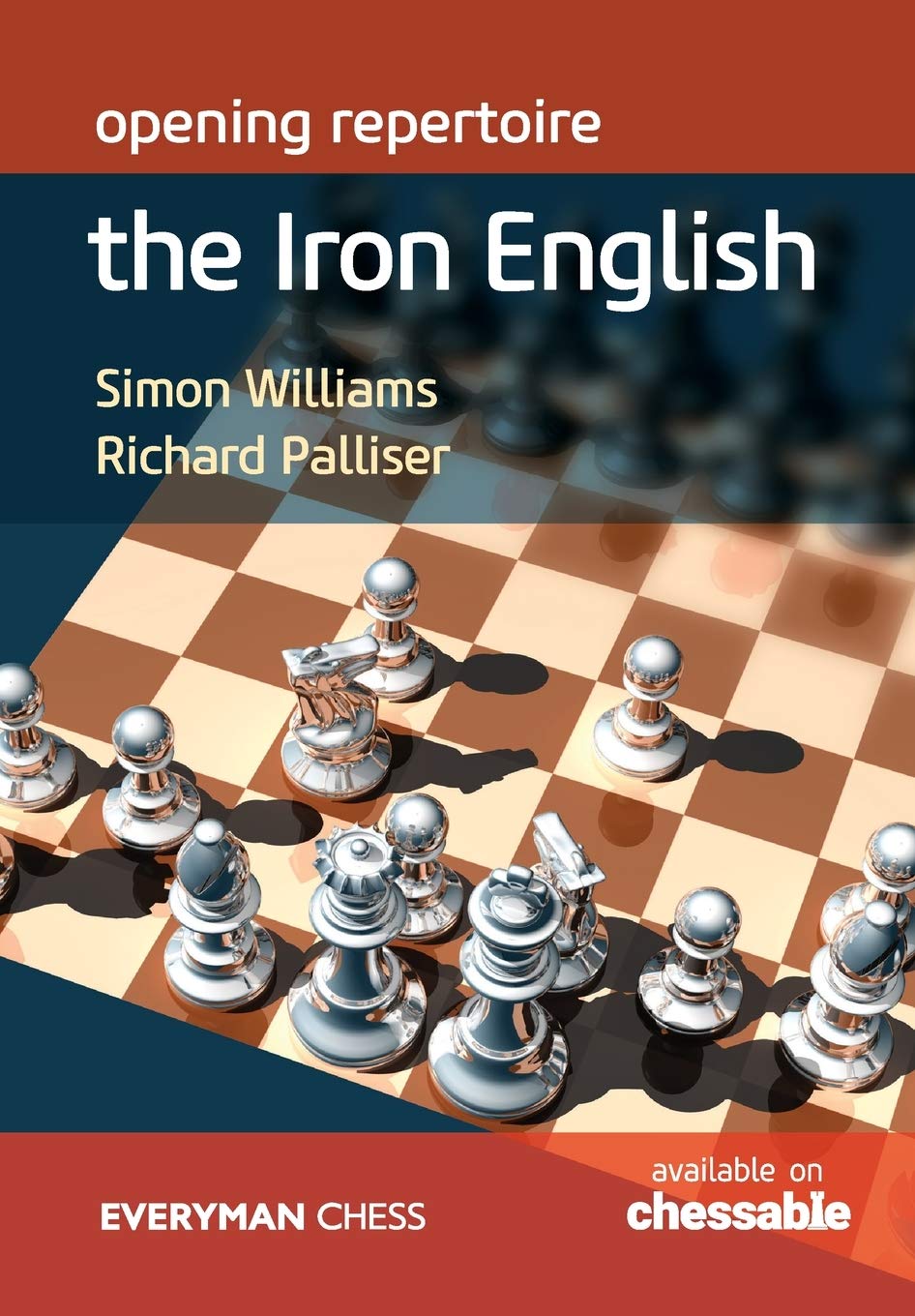
The Iron English, Richard Palliser & Simon Williams, Everyman Chess, 2020, ISBN-13 : 978-1781945803
We wish happy birthday to WGM Anya Sun Corke on her birthday.
Anya Sun Corke was born in California, USA on Wednesday, September 12th 1990.
In 2013, Anya graduated from Wellesley College summa cum laude with a B.A. in Russian and Philosophy
She became a woman’s Grandmaster in 2004.
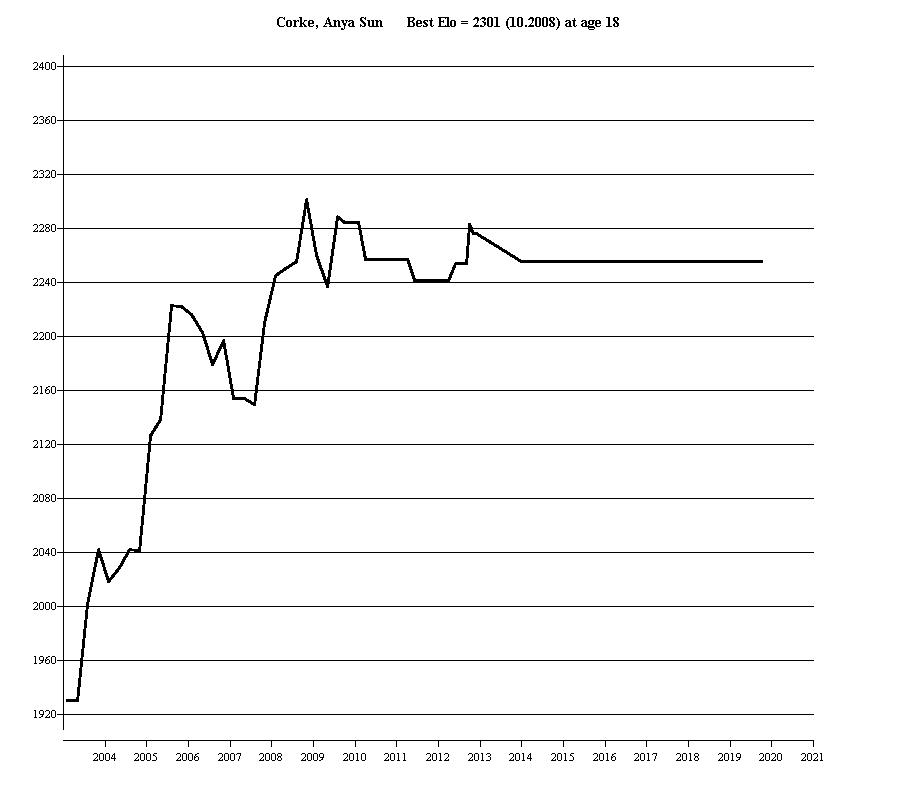
Her peak FIDE rating (according to Felice) was 2301 in October 2008.
FIDE rating profile of WGM Anya Sun Corke
With the white pieces Anya played the Queen’s Gambit and Trompowski Attack
As the second player Anya played the Sicilian Kan, French Rozentalis (3.Nc3 Nc6) and the Grünfeld Defence.
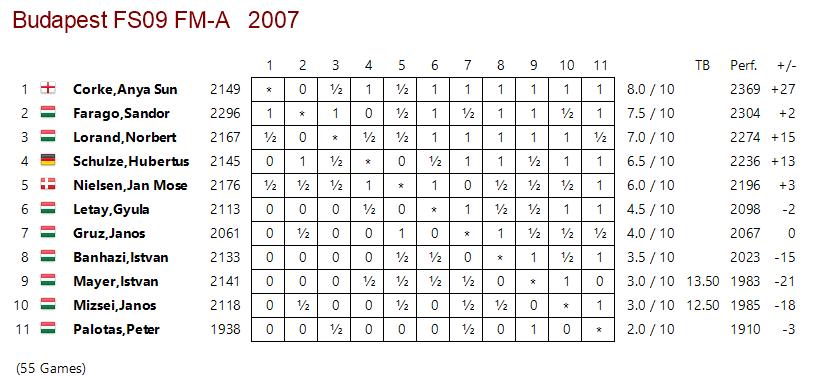
Anya won outright the 2007 Budapest First Saturday FM tournament :
Budapest First Saturday FM Tournament, 2007
She gave up competitive chess in 2014.
An almost miniature from the 2006 British Championship :
From Wikipedia :
“Anya Sun Corke (born 12 September 1990 in California, USA) is an English chess player holding the title of Woman Grandmaster (WGM). She played for Hong Kong, where she was the top ranked chess player, until 2009.[1]
Corke earned the WGM title with her performance in the 36th Chess Olympiad, playing for the Hong Kong men’s team.[2][3]
She was the 2004, 2005, 2006 and 2008 Hong Kong National Champion (for men and women), one of the youngest national champions ever at the age of 13 years and 9 months.
She was the British Junior Under-11 Champion in 2002[4] and the Under-12 Champion in 2003,[5] the first girl to win either of these age groups. In 2004, she became joint British U-14 Champion.[6]
In December 2004, she won the Asian Youth Girls U-14 Championship in Singapore.[7]
In August 2005, she jointly won with Alisa Melekhina and Abby Marshall the second annual Susan Polgar National Invitational for Girls under-19.[8]
Corke represented the England Women’s team at the 2012 Chess Olympiad in Istanbul, Turkey,[9][10] and the 2013 European Team Championship in Warsaw, Poland.[11]
In 2013, she graduated from Wellesley College summa cum laude with a B.A. in Russian and Philosophy.[12][13]
In 2014, she started a Ph.D. program in Slavic Languages and Literatures at Yale University.”
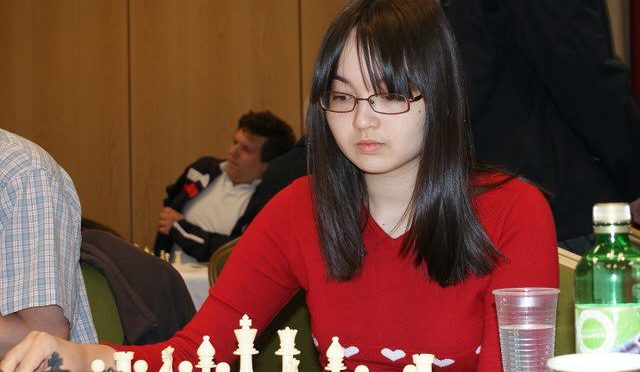
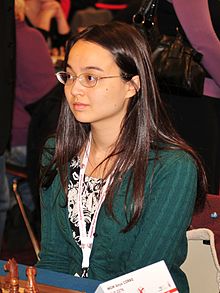
WGM Anya Sun Corke
We focus on the British Chess Scene Past & Present!
This website uses cookies to improve your experience. We'll assume you're ok with this, but you can opt-out if you wish. Cookie settingsACCEPT
Privacy & Cookies Policy
Privacy Overview
This website uses cookies to improve your experience while you navigate through the website. Out of these cookies, the cookies that are categorized as necessary are stored on your browser as they are as essential for the working of basic functionalities of the website. We also use third-party cookies that help us analyze and understand how you use this website. These cookies will be stored in your browser only with your consent. You also have the option to opt-out of these cookies. But opting out of some of these cookies may have an effect on your browsing experience.
Necessary cookies are absolutely essential for the website to function properly. This category only includes cookies that ensures basic functionalities and security features of the website. These cookies do not store any personal information.