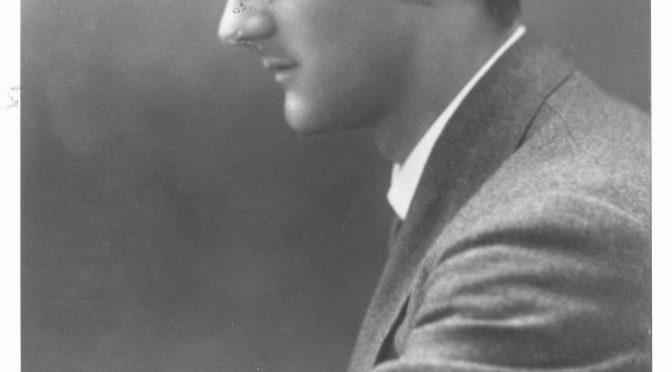
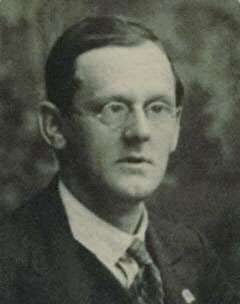
We remember Edward Sergeant OBE (3-xii-1881 16-xi-1961)
Edward Guthlac Sergeant was born on Saturday, December 3rd 1881 : in the same year British Chess Magazine was founded by John Watkinson.
He was born in Crowland, South Holland, Lincolnshire. The registration district was Peterborough and the inferred county was Northamptonshire. His father was William R Sergeant (aged 27) and his mother was Frances E Sergeant (aged 25). He had a sister, Hilda who was one year older. William was a registered general medical practitioner.
He was named Guthlac after a monk who “came to what was then an island in the Fens to live the life of a hermit.”
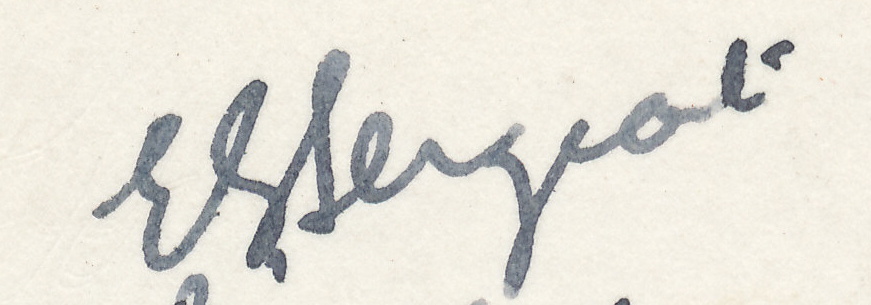
Signature of EG Sergeant from a Brian Reilly “after dinner” postcard from Margate 1936.
According to the 1891 census EGS was aged 9 and living with his father, mother, sister and their domestic servant Margaret A George who was their general domestic servant who hailed from Scotland. They lived at 2, Gladstone Terrace, Gateshead, NE8 4DY. This was in the Ecclesiastical parish of Christchurch.
2, Gladstone Terrace, Gateshead, NE8 4DY
In the 1911 census aged 29 as nephew to the head of the household (5 St Peters Terrace, Cambridge) EGS is listed as a solicitor who is single. The size of the household in 1911 was relatively modest at 12. He was living with George Edward Wherry (59, surgeon university professor) and his wife Albinia Lucy Wherry (53). Albinia Lucy Wherry was a nurse and also writer. During WWI she was stationed in Paris at the Gare du Nord where she supported British forces from 1915-18. the sub-registration district was St Andrew the Great.
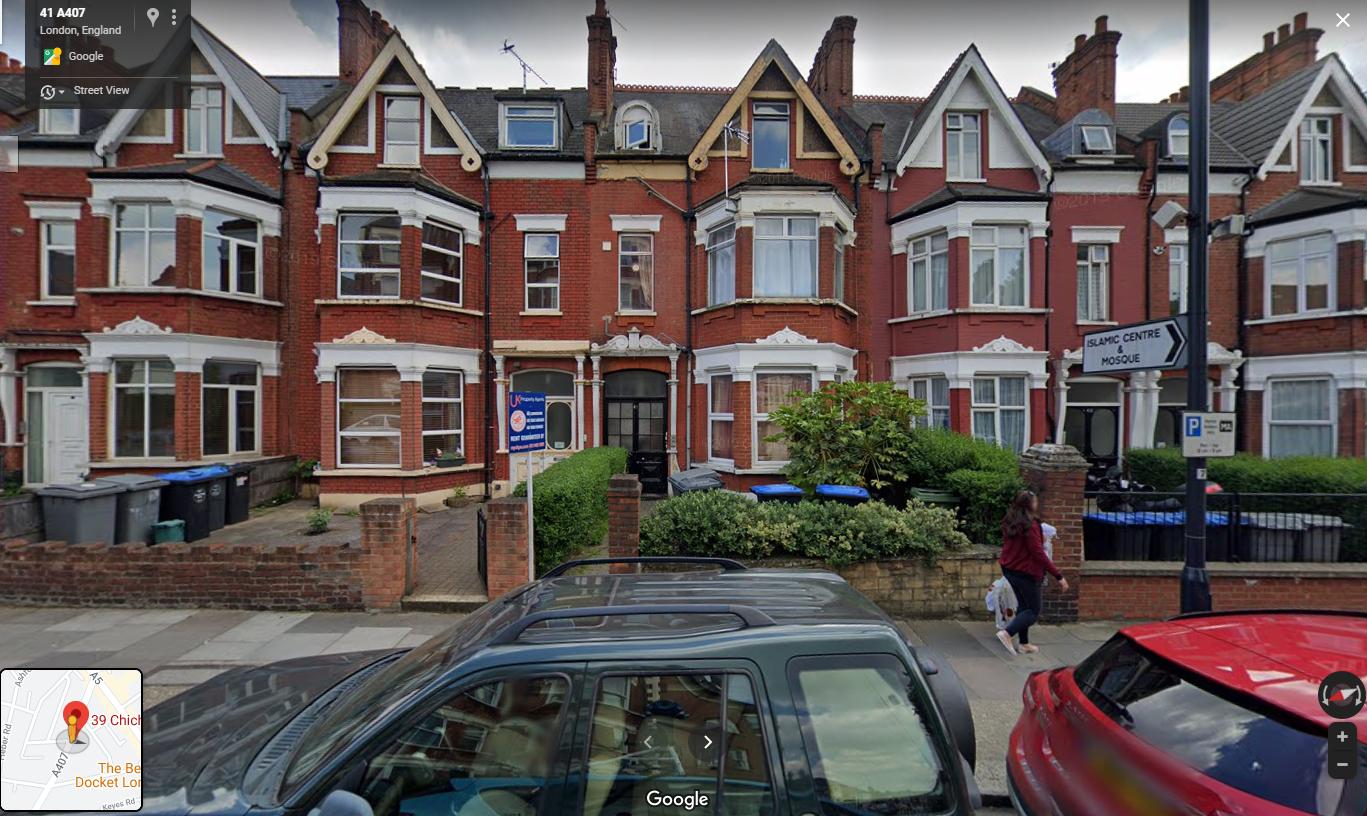
According to Edward Winter in Where did they live? in April 1916 EGS was living at 39 Chichele Road, Cricklewood, London NW2 3AN, England. EGWs source for this is : Chess Amateur, April 1916, page 202.
39 Chichele Road, Cricklewood, London NW2 3AN
1918 was an important year for Edward when he married Dorothy Frances Carter (born 1887) in Gravesend. In the same year Dorothy and Edward had a son Richard who passed away in 2014
Two years later Dorothy and Edward had a son Lewis Carter Sergeant born on January 30th 1920. The birth was registered in Paddington. Lewis lived at 3 Woodhill Court, 175 Woodhill, London, SE18 5HSL and passed away in 2004 the death being registered in Greenwich.
On the 1920 Electoral Roll, EGS was now living with Dorothy Frances Sergeant at St. Stephen’s Mansions, 5, Monmouth Road, Edmonton.
In 1923 they upped sticks and moved to 27. King Edward’s Grove, Teddington.
Sadly Dorothy passed away in 1926 at the modest age of 39.
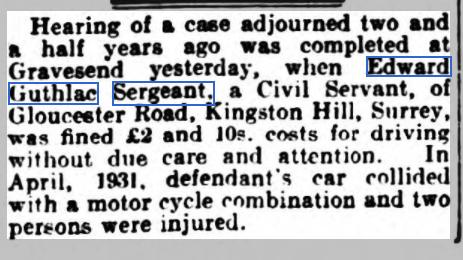
Coventry Evening Telegraph 10 October 1933
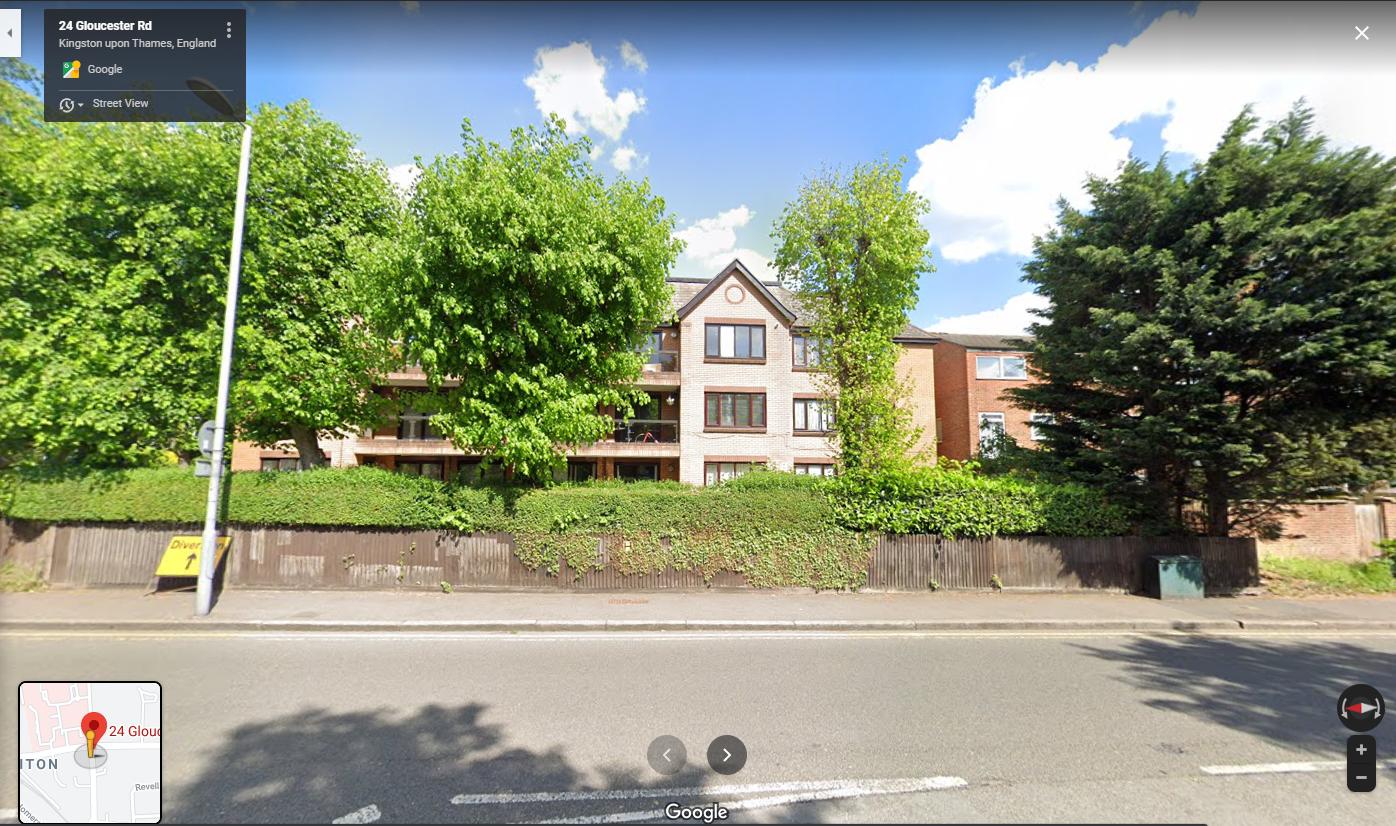
According to the 1939 census EGS was listed as a widowed, civil servant living at 24, Gloucester Road, Kingston Upon Thames, KT2 7DX. This would be the address that Edward saw out the rest of his life.
24, Gloucester Road, Kingston Upon Thames, KT2 7DX
He shared this address with Edith Carter (born 4th May 1878) who is described as being of “Private Means” and Ada M Wenman (6th August 1881) who is described as being a “domestic”.
In 1949 he was awarded the OBE in the Birthday Honours in recognition of his 39 years’ service in the office of the Solicitor to the Board of Inland Revenue.
According to John Saunders : EGS died in the New Victoria Hospital, New Malden, Surrey, on 16 November 1961. His residence at death had been 24 Gloucester Road, Kingston Hill. Probate (26 Jan 1962) granted to Lewis Carter Sergeant, a Lieutenant-Colonel in HM Army. Effects £6,586.
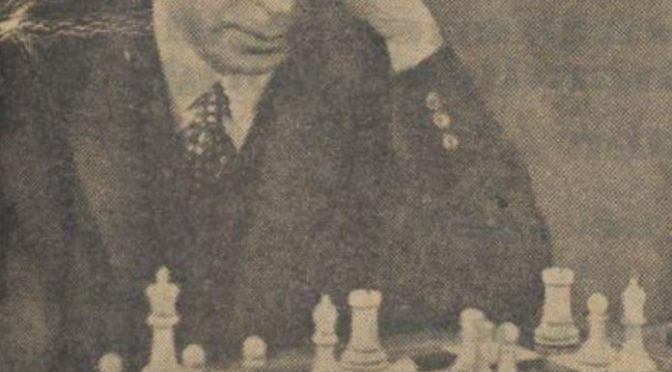
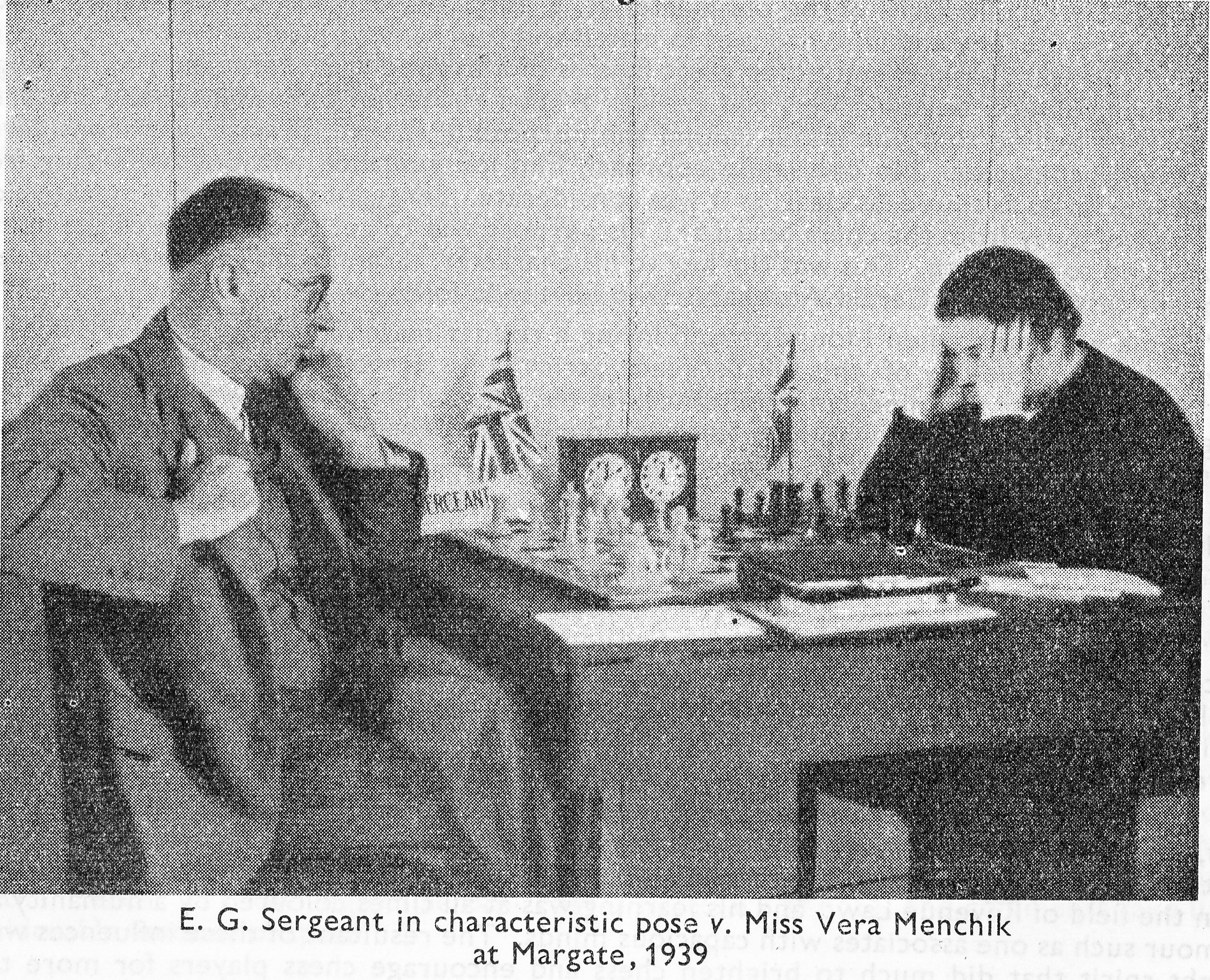
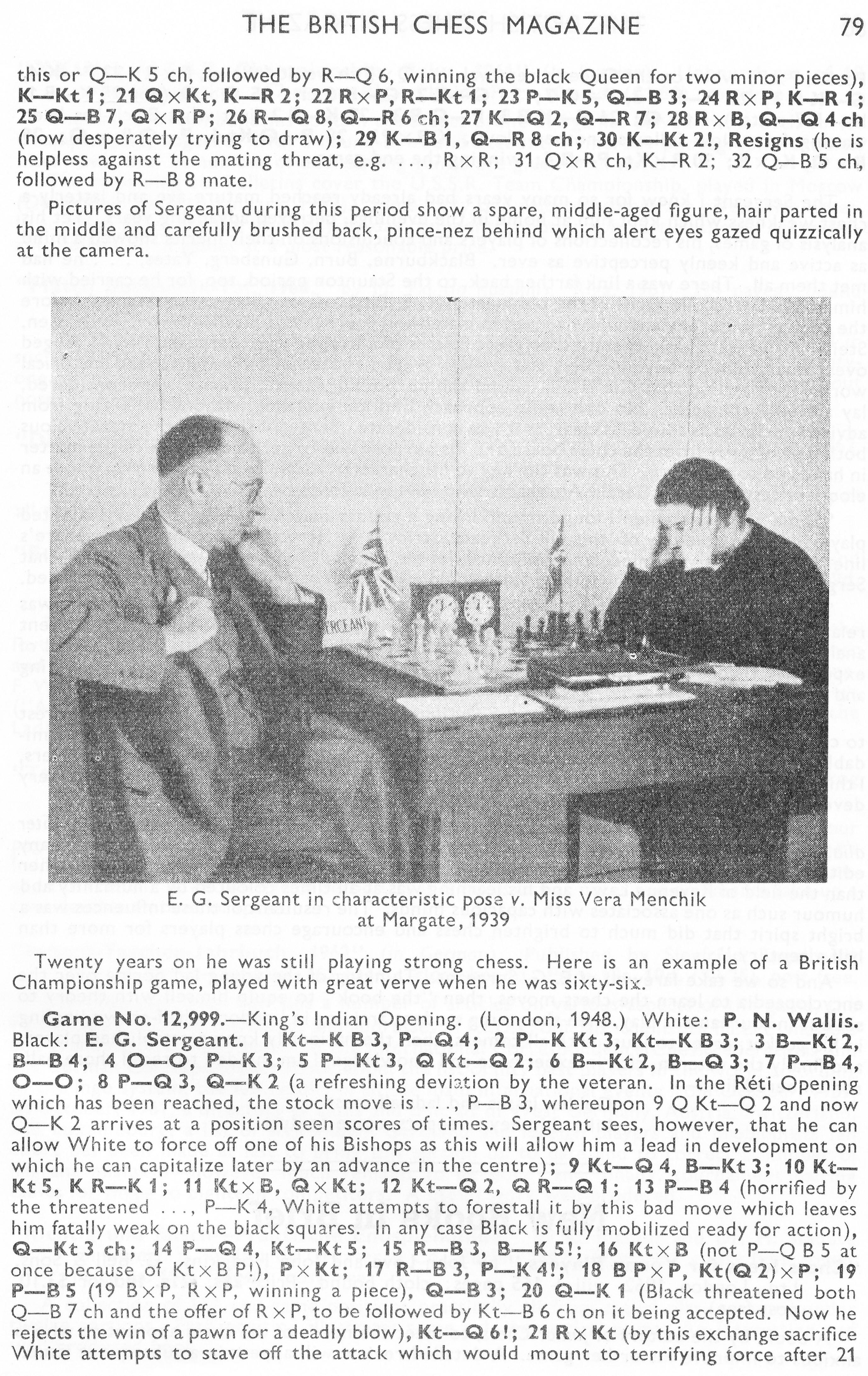
E.G. Sergeant in characteristic pose v. Miss Vera Menchik at Margate, 1939
From The Encyclopedia of Chess (Batsford, 1977), Harry Golombek OBE :
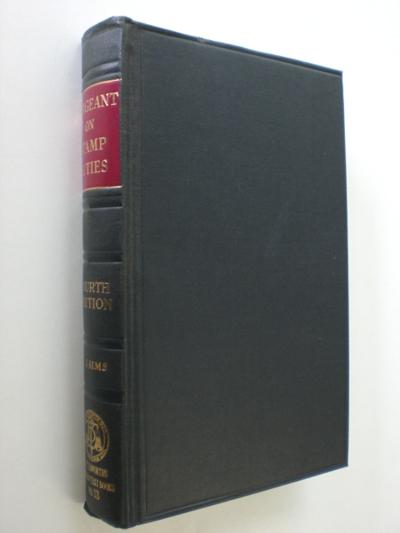
A British master who had a long and solidly distinguished career in British chess but never quite succeeded in breaking through the barrier to international success. A civil servant by profession, he was awarded the OBE for his services in the Inland Revenue and Sergeant on Stamp Duties was regarded as an authoritative work.
Sergeant’s earliest performance in the British Championship, at the Crystal Palace in London 1907, was one of his best. He came =2nd with JH Blackburne. RP Michell and GE Wainwright with 6.5 points, a point below the winner of the title, HE Atkins.
He was 3rd at Edinburgh in 1920 and his best result in the competition came in Brighton 1938, where he came equal second with H. Golombek, a 1/2 point below the winner, CHO’D Alexander.
A stalwart supporter of the City of London Chess Club, he won its championship in two successive years, 1916 and 1917. He played for Britain against the USA in the 1908 and 1909 cable matches and also played on a high board for London against various American cities in the Insull Trophy matches in the years 1926-31.
As a player he was strongly influenced by the scientific principles of Siegbert Tarrasch and did well during the period when the Tarrasch school enjoyed its heyday. But he was at a loss when confronted with more modern methods.”
Both Sunnucks and Hooper & Whyld are silent on EGS : surprising!
We asked Leonard Barden of his memories of EGS and he was kind enough to reply :
“People have different ways of expressing satisfaction with their position. Botvinnik adjusted his tie, Kasparov put his watch back on, Sergeant rubbed his hands together….He liked to counter the Queen’s Gambit Declined in the classical way with a kind of Lasker Defence.”
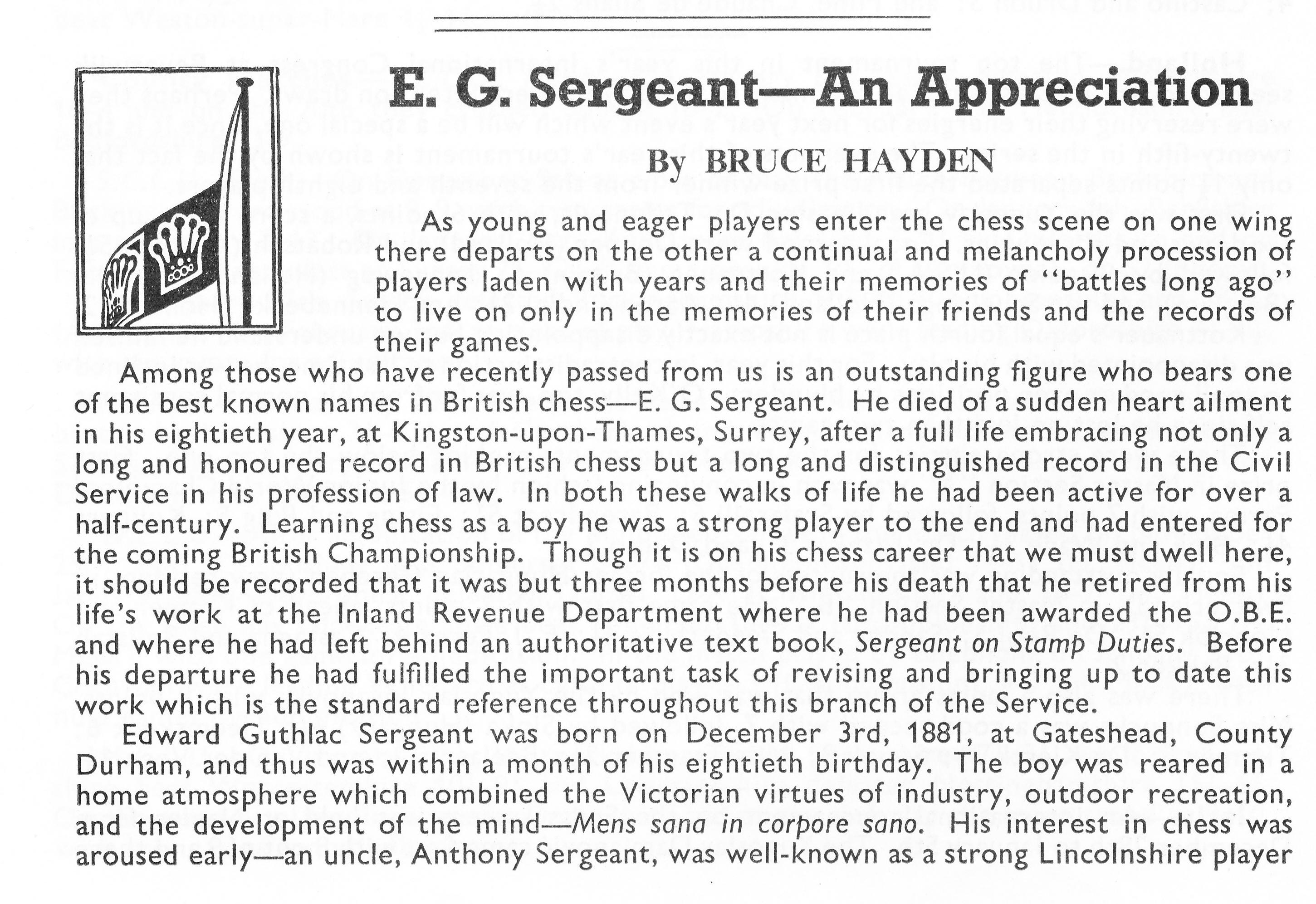
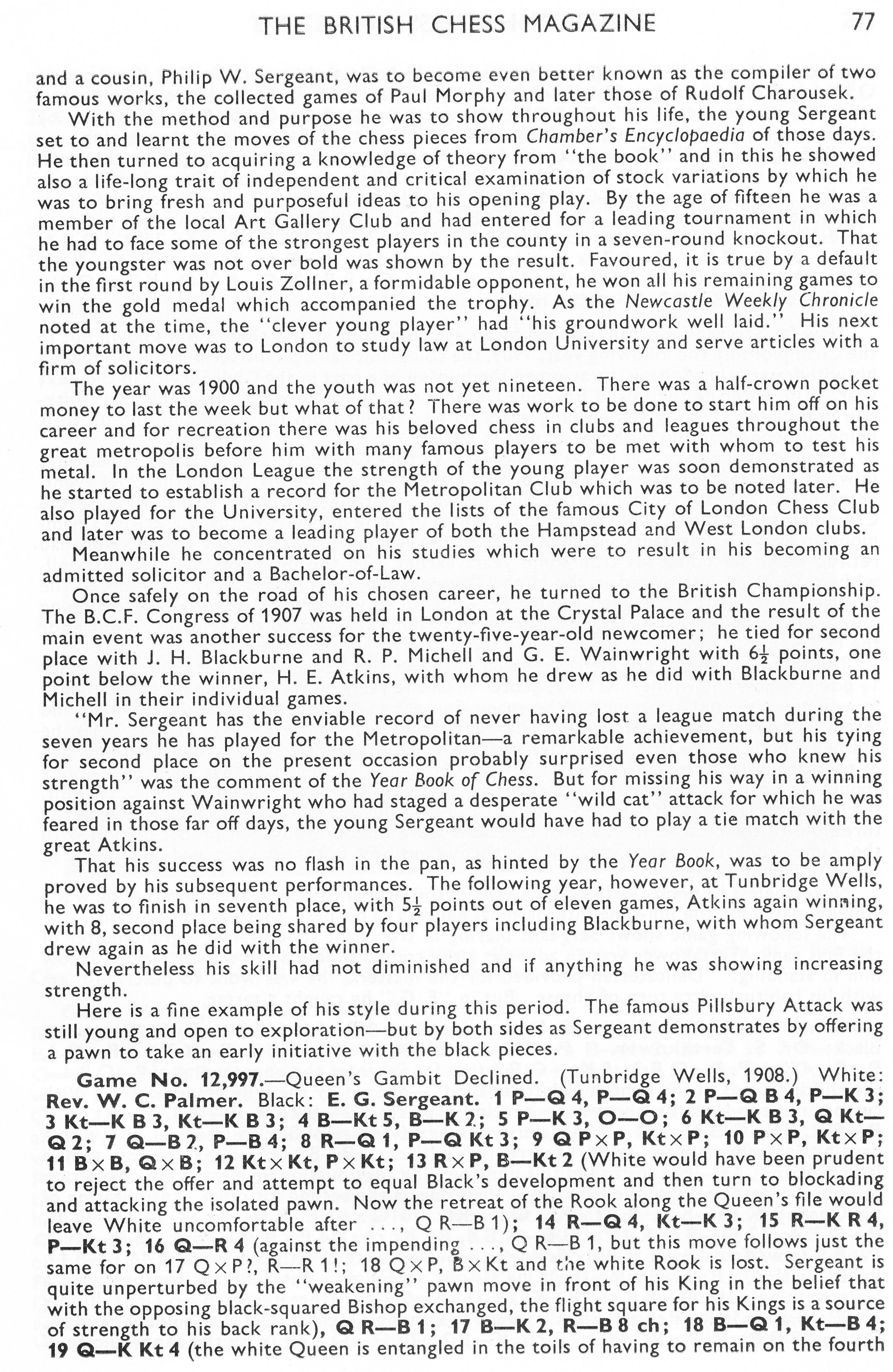
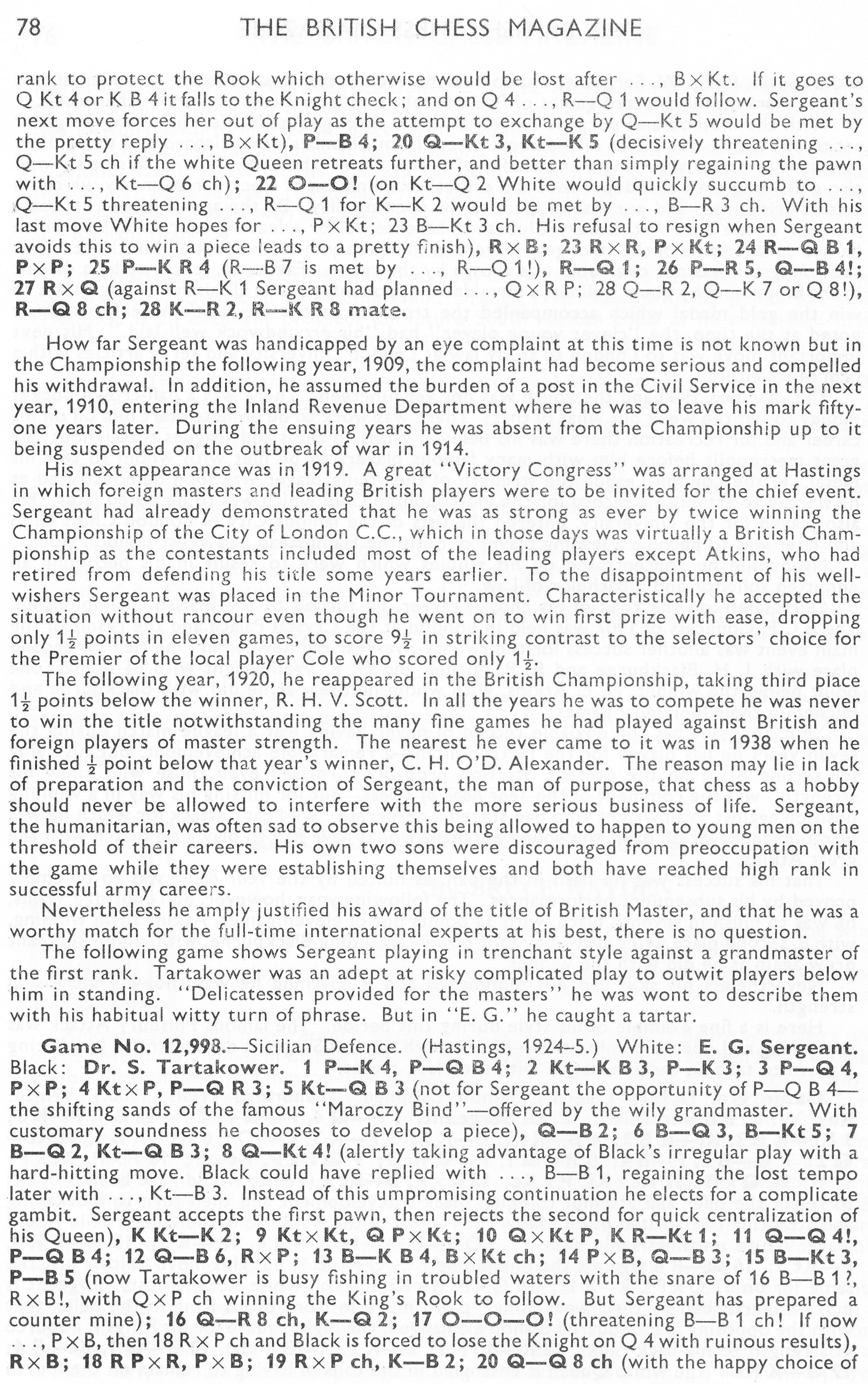
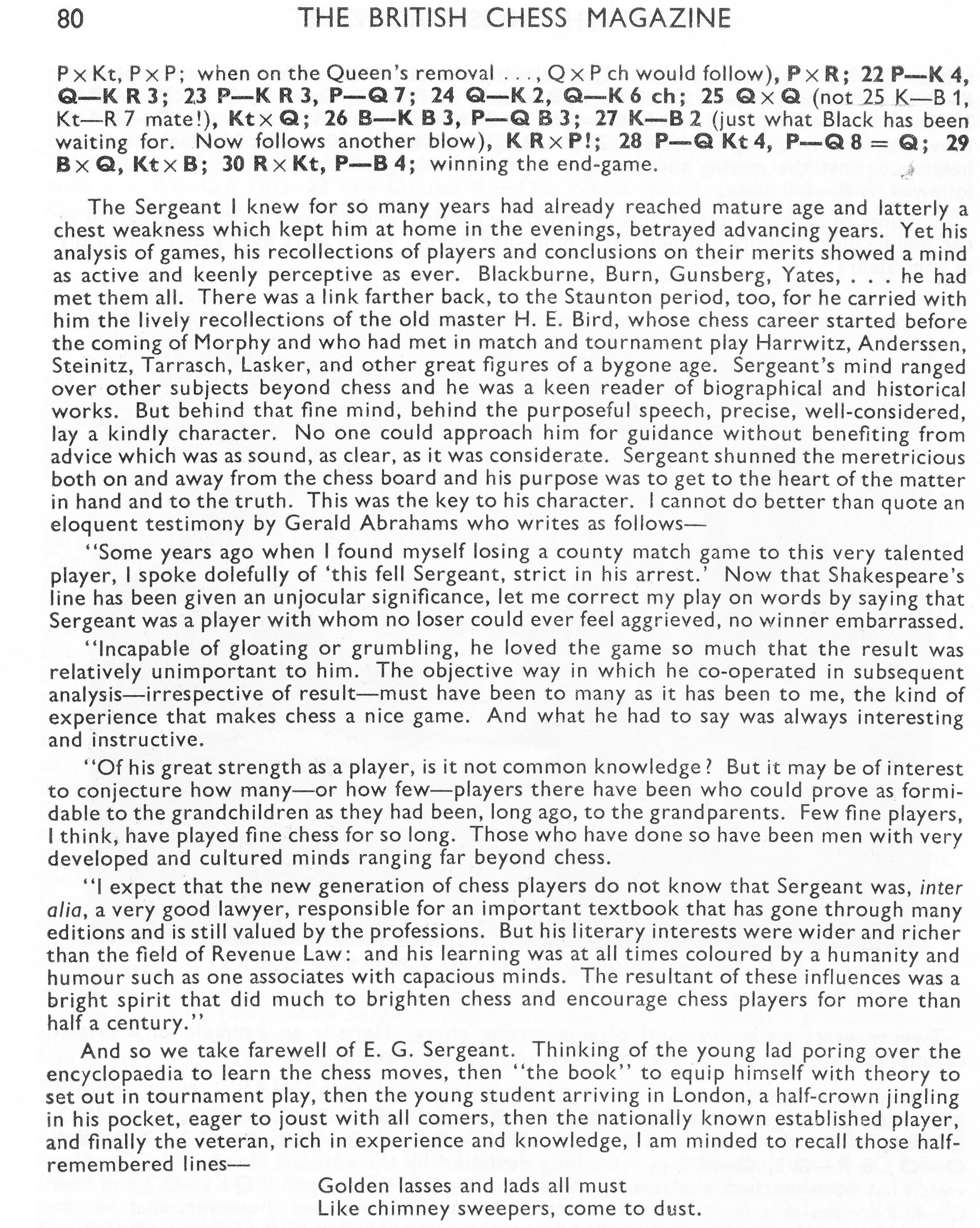
From British Chess Magazine, Volume LXXXII, March, 1962, Number 3, pages 76 -80 we reproduce an obituary from Bruce Hayden entitled “E.G. Sergeant – An Appreciation” as follows :
(note the incorrect birth location presumably based on the 1891 census information)
Edward Guthlac Sergeant, part oneEdward Guthlac Sergeant, part two
Leonard Barden has asked us to point out :
“The 1948 game against Wallis was not in the British championship but in the Premier, a one-off 12-player selected group used to address the problem of too many good players for an all-play-all championship. In 1949 the two all-play-alls were replaced by a 32-player Swiss.
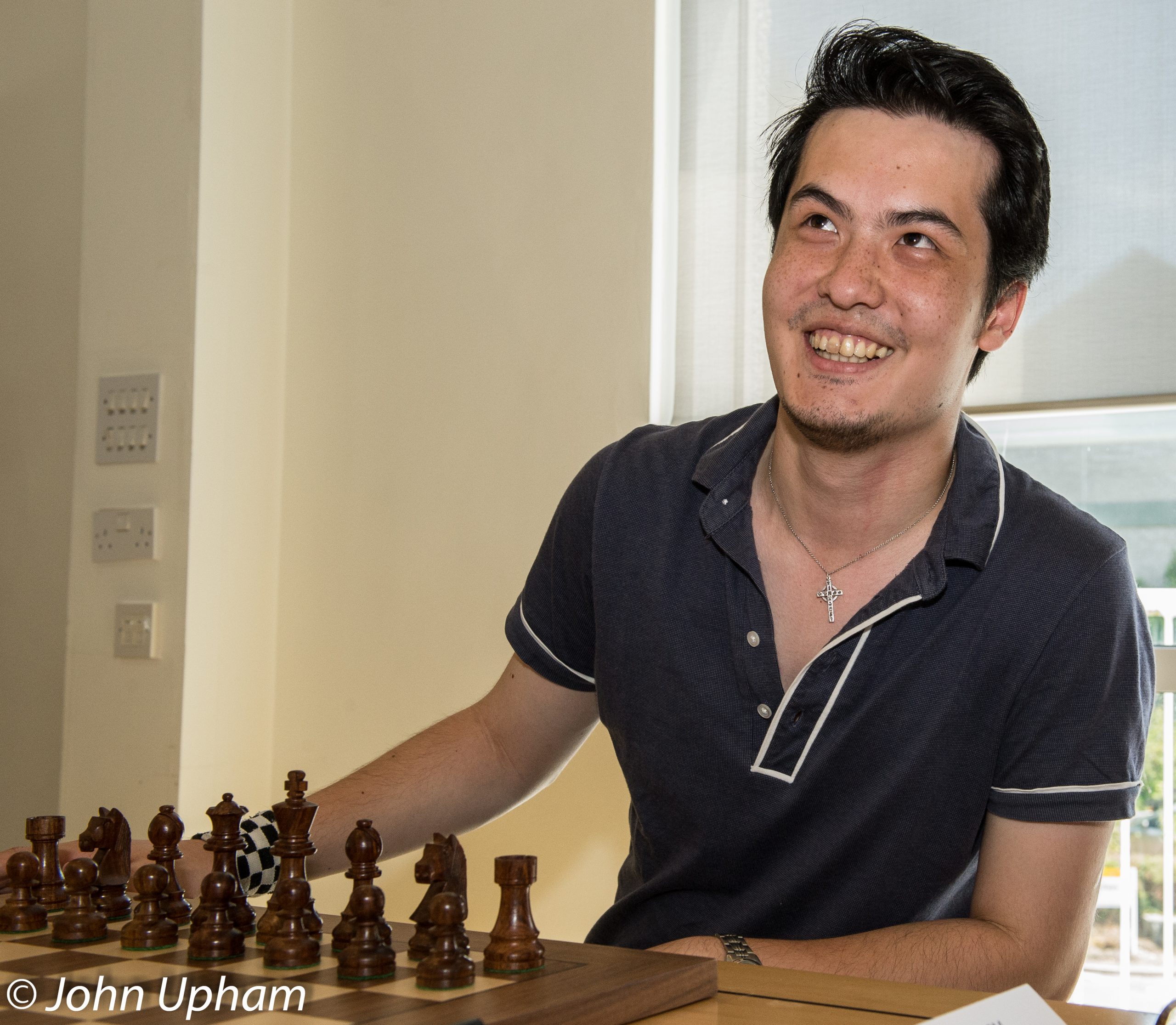
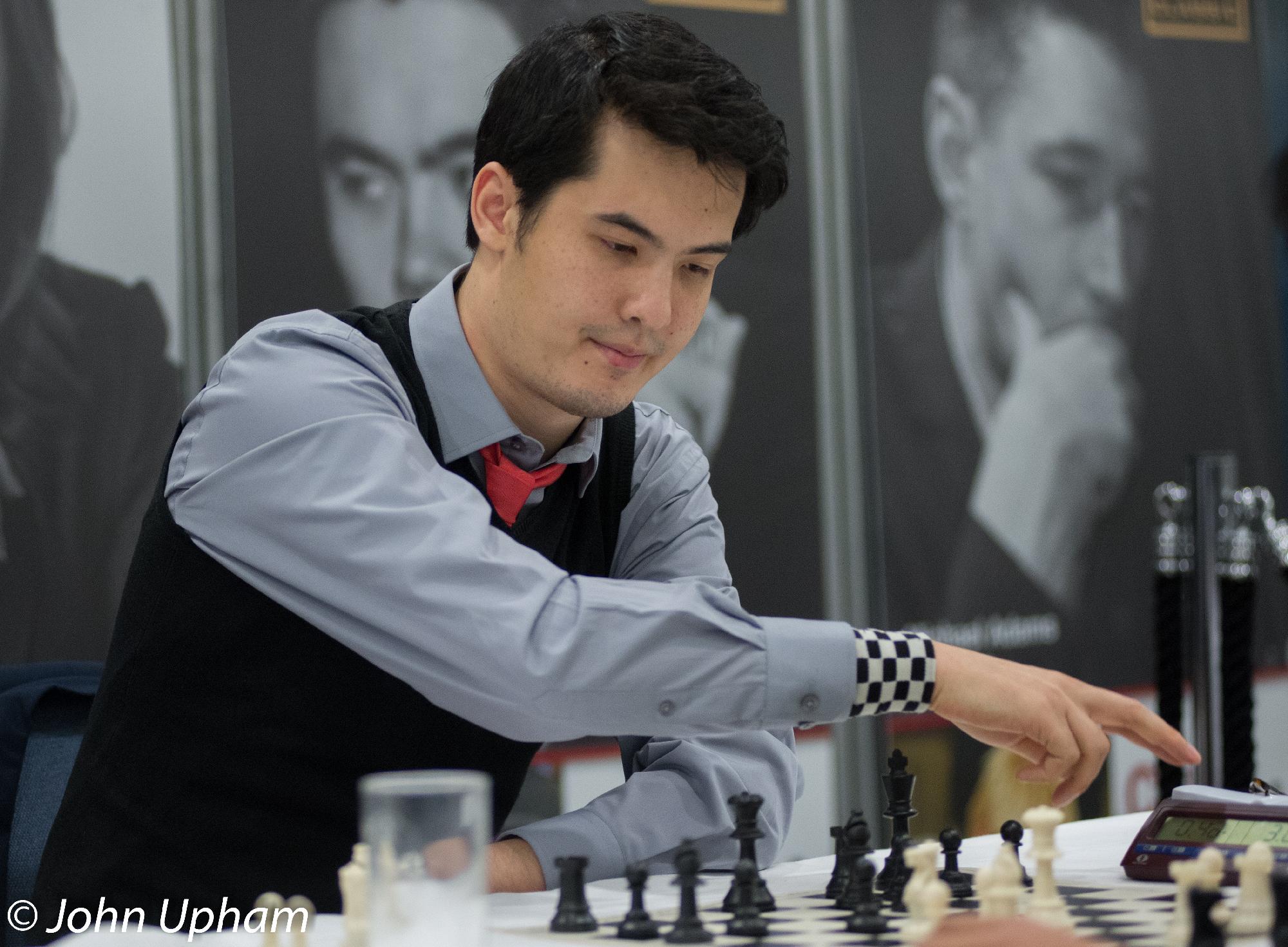
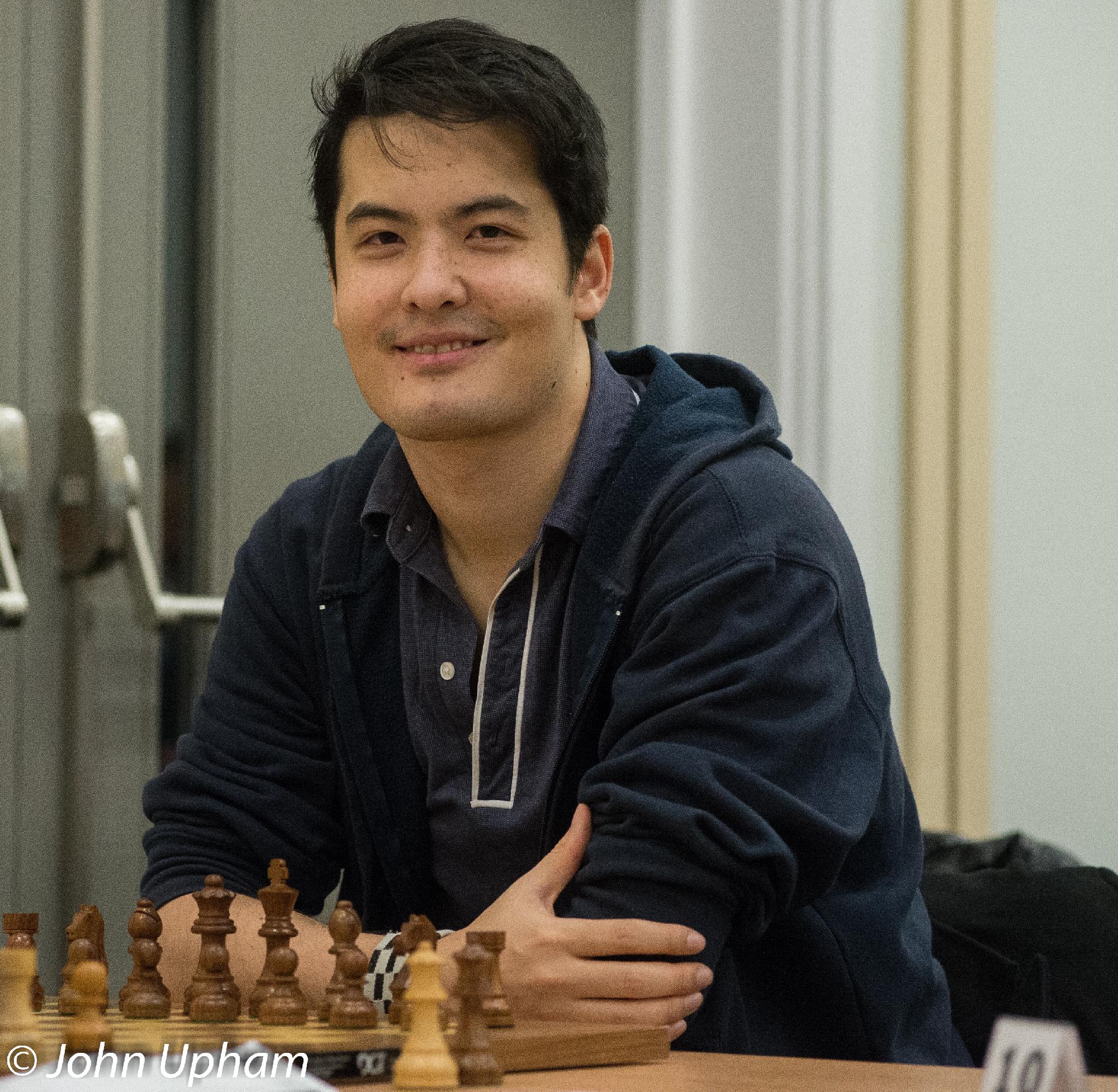
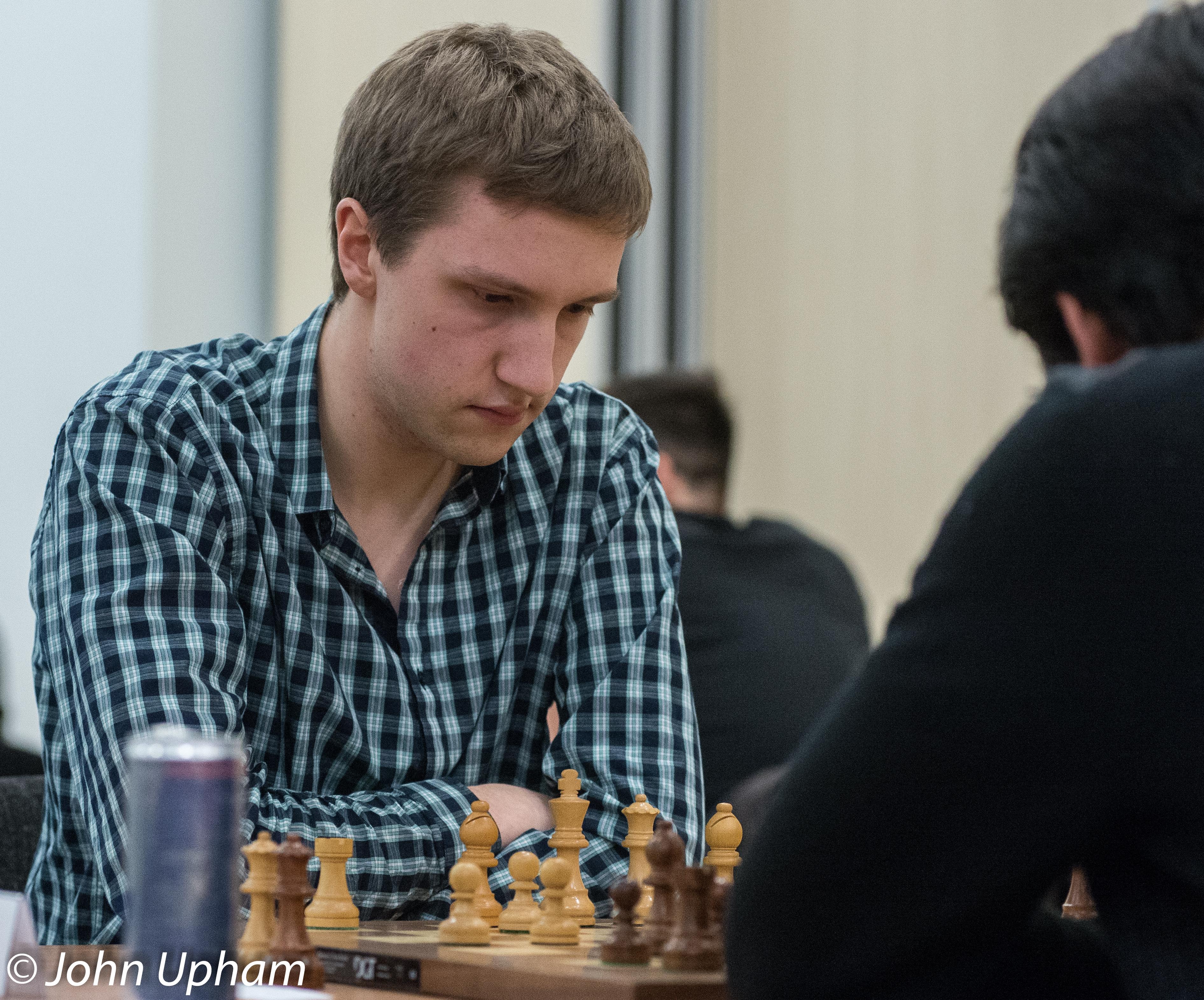
GM David Howell at the 2014 British Championships in Aberystwyth, courtesy of John Upham Photography
BCN sends Birthday greetings to David Howell on this day.
David Wei Lang Howell was born in Eastbourne, East Sussex on Wednesday 14th of November 1990. His parents are Martin and Angeline Howell (née Choo).
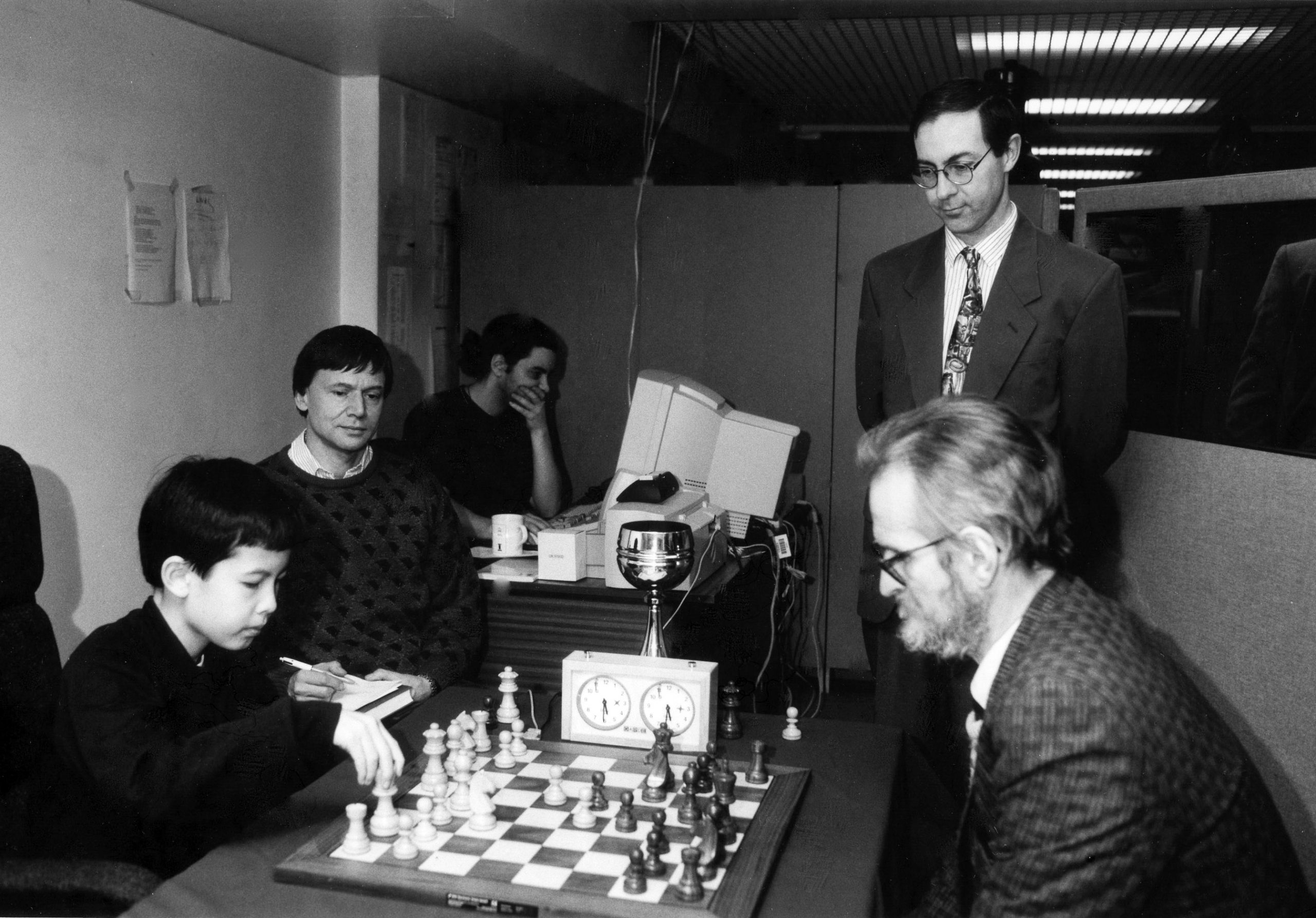
David Howell faces Andrew Whiteley whilst Jimmy Adams records the moves, photograph courtesy of Mark Huba
An unknown jumble sale (Eastbourne?) provided the Howell family with a chess set.
David learnt the moves from Martin, his father and rapidly improved and he joined Sussex Junior Chess Association and he began representing his county in EPSCA matches and other competitions.
In Torquay in 1998 whilst Nigel Short and Susan Lalic were busy winning the main championships David made his mark by winning the British Under-8 Championship, an event that had started only ten years beforehand.
A trip to Scarborough in 1999 yielded both the Under-9 and Under-10 championships.
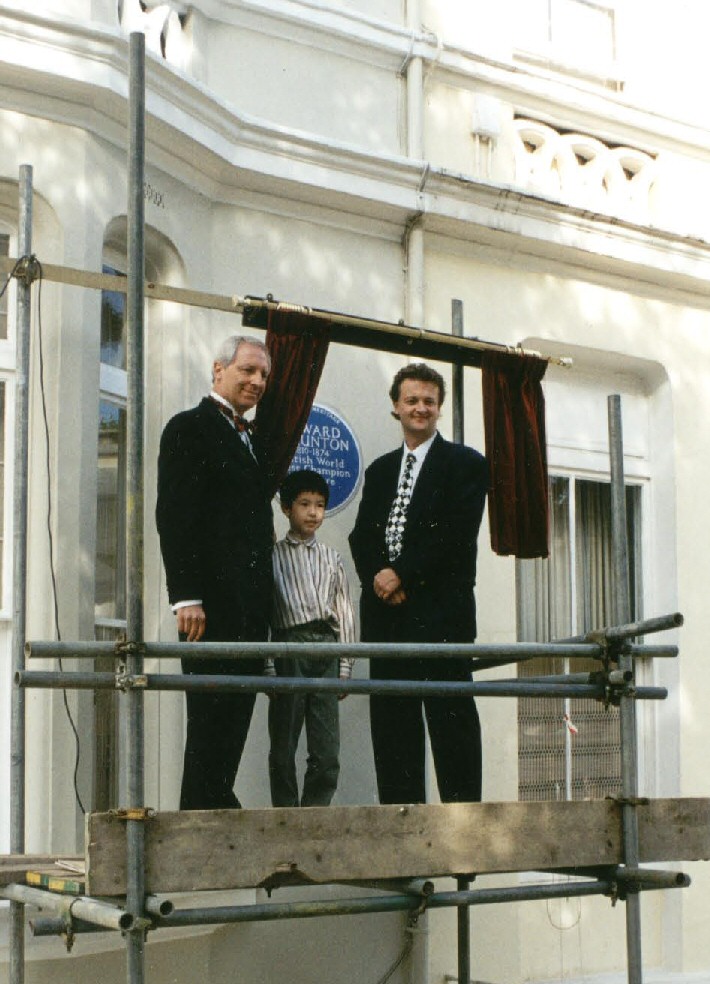
Barry Martin, David Howell and Julian Hodgson unveil a blue plaque in honour of Howard Staunton
Sponsorship from now dissolved software company JEB (Hove) enabled David to be coached by Glenn Flear.
David Howell, London Chess Classic, 2013, courtesy of John Upham Photography
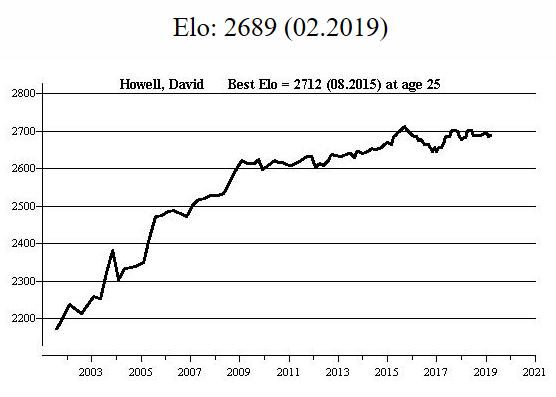
David became a FIDE Master at the age of ten years, nine months and 26 days. He became an International Master aged 13 years, 2 months and 22 days.
Finally the Grandmaster title came at 16 years, 1 month and 22 days.
The FIDE rating profile for David Howell according to MegaBase 2020
David’s rise has been well documented both here and here and therefore we will not attempt to improve on these sources.
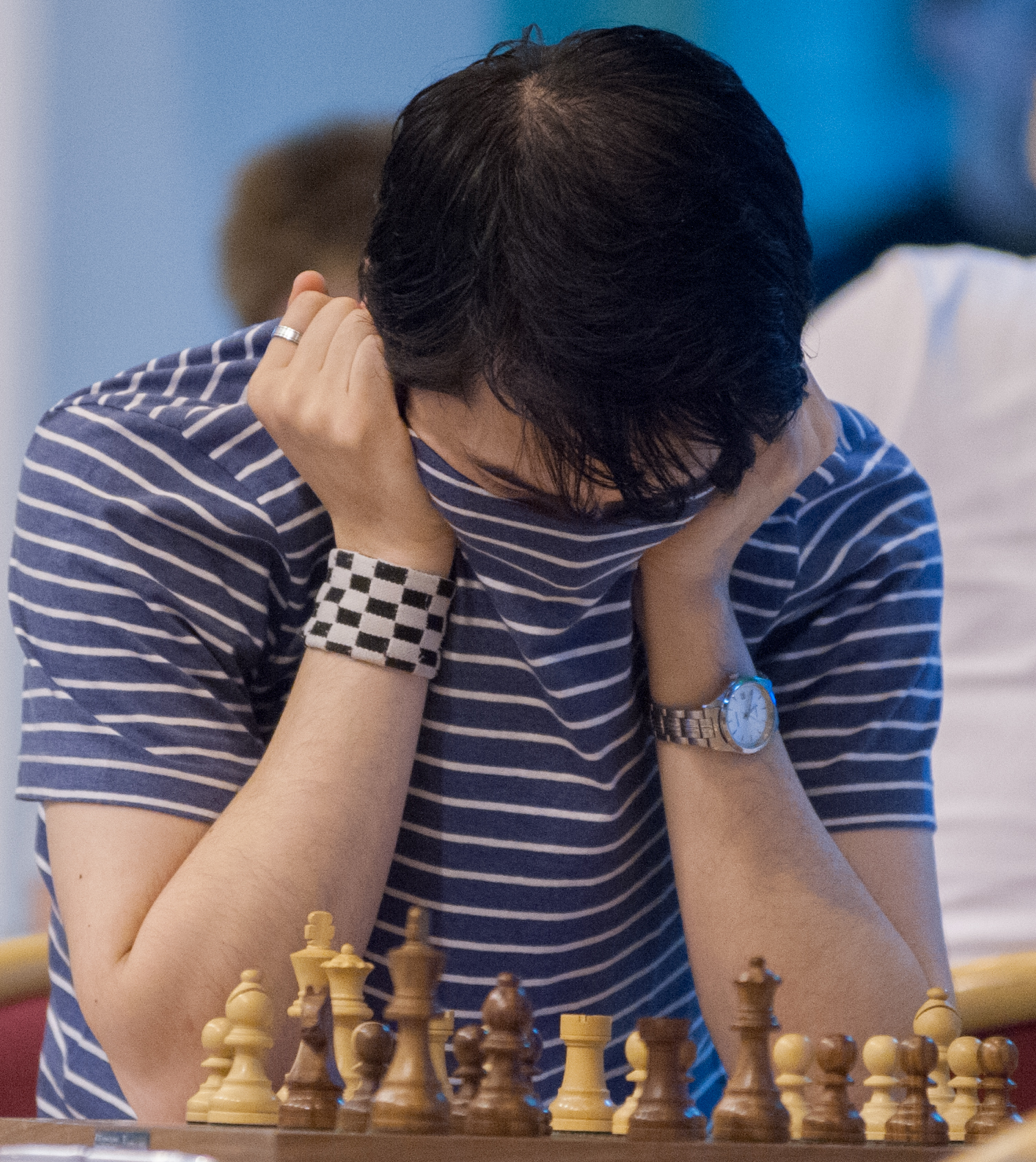
David Howell, British Championships, 2013, Round 11, courtesy of John Upham Photography
With the white pieces David is a firm believer in 1.e4 but he has played (and continues to do so) 1.Nf3, 1.c4 and 1.d4 and he has scored 89% over nineteen games with. 1.g3
Like Sheila Jackson and Susan Lalic David was a big fan of the Sicilian Alapin but nowadays the Moscow and Rossolimo variations.
As the second player David prefers open games and has played the closed Ruy Lopez and the Marshall Attack. David also employs the Berlin Defence.
Defending against the Queen’s pawn David is less varied and plumps for the Grünfeld defence most of the time. On critical occasions David will use the Caro-Kann as a winning weapon.
So, a wide repertoire with both the white and black pieces and therefore not easy to prepare for: a very modern player!
David started his 4NCL career with Invicta Knights with a FIDE rating of 1432 in May 1999. By 2001 he was playing for Nigel Johnson and his Slough team. In 2004 the inevitable occurred and David transferred (as is common) to either cash rich Wood Green or Guildford. In fact it was Guildford on this occasion. In 2009 David moved to Pride & Prejudice. 2012 saw David playing for Wood Green Hillsmark. In 2015 he switched to Cheddleton and remained with them until 2019 finally returning to Guildford in 2020.
David Howell at the 2014 London Chess Classic, Courtesy of John Upham Photography
In November 2021 David took part in the 108-player FIDE Grand Prix event in Riga and after nine round he lying equal third on 6.5 with with Alireza Firouja and Fabiano Caruana. He eventually finished on 7/11 with a TPR of 2764.
Here is a tough struggle from that event:
David regularly hosts chess24 commentary of major tournaments, such as the 2020/21 Candidates.
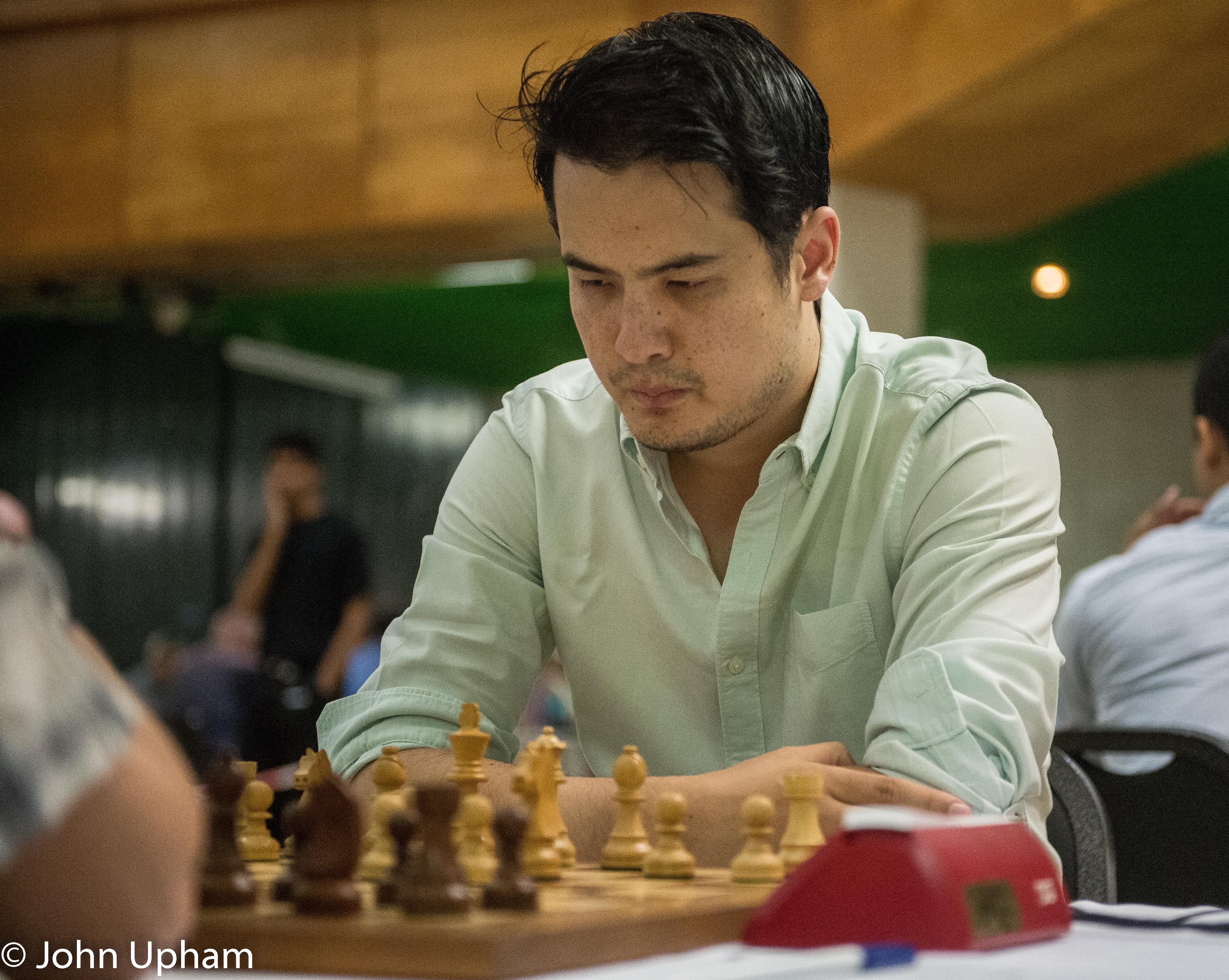
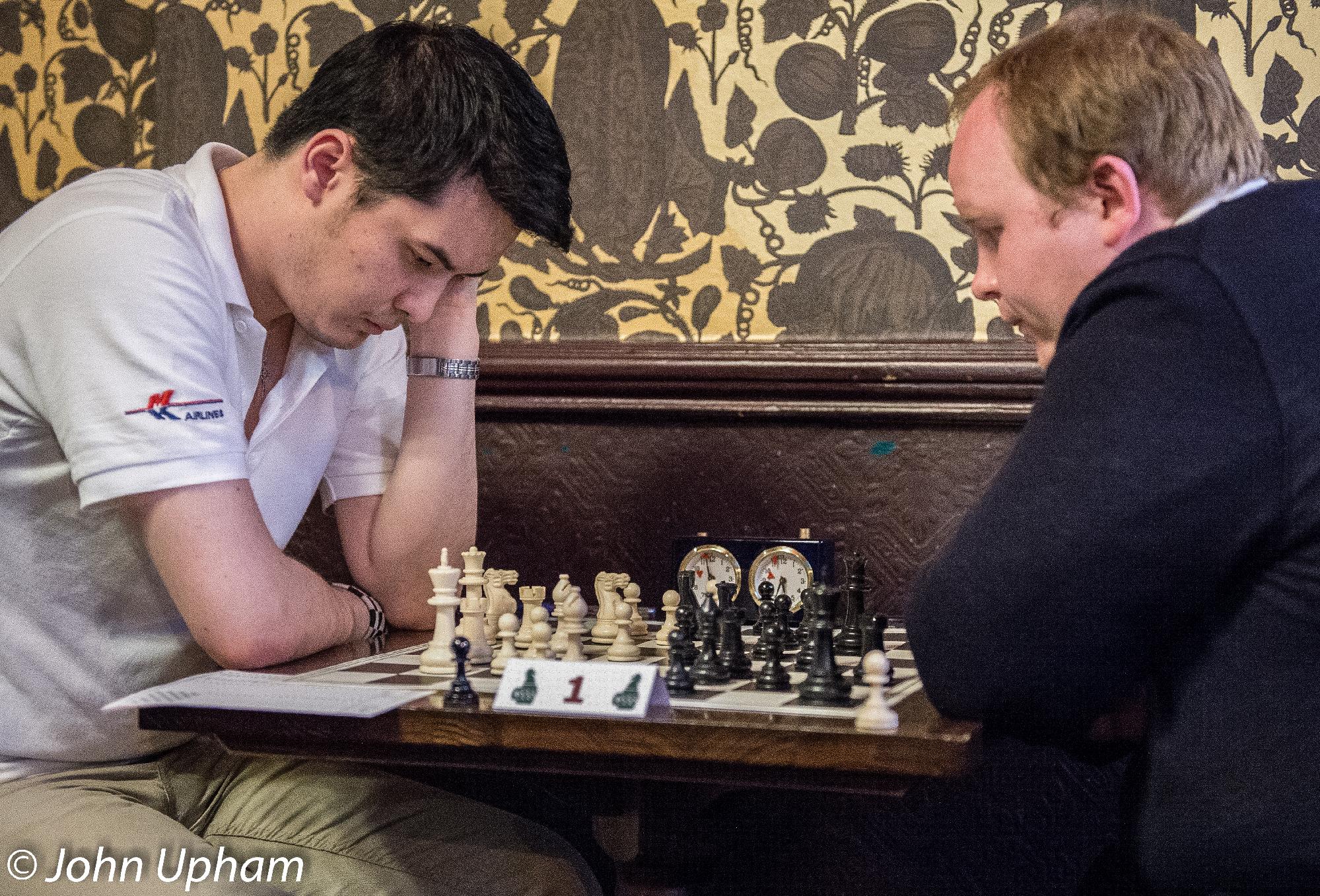
GM David Howell vs IM Eddie Dearing, Drunken Knights vs Wood Green, June 2014, Courtesy of John Upham Photography
We remember Fred Yates who passed (or, at least was recorded as passing) on Friday, November 11th, 1932.
Fred (not Frederick) Dewhirst (not Dewhurst) was born in Birstall, Leeds on Wednesday, January 16th 1884, the same year as Harry S Truman and Eleanor Roosevelt.
An obituary appeared in Volume LII (52, 1932), Number 12 (December), pp.525-528 of the British Chess Magazine by PW Sergeant :
“The chess world has had many heavy bereavements during the year which is coming to an end; but to the British section of it there has been no bereavement like the last, which robbed it of F.D.Yates, when still in the prime of his chess career. The circumstances of his end were tragic. On the night of Tuesday, November 8th, he gave a very successful exhibition at Wood Green, only dropping one half-point in 16 games. On the following night he was in the company of a chess friend until fairly late, and then went back to his room in Coram Street, Bloomsbury. He was never seen alive again. It was not until Friday morning that anxiety was felt at Coram Street as to what he might be doing; for he was in the habit of secluding himself for many hours at a stretch when busy with work.
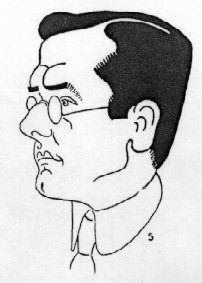
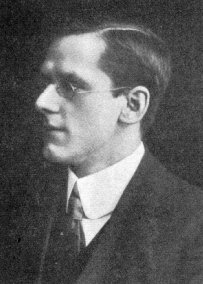
Fred Dewhirst Yates
On Friday, however, when no answer could be got to knocks on the door of his room, which was locked, and a smell of gas was noticed, the door was at last broken open, and he was found dead in bed.
It came out at the inquest before the St. Pancras coroner on November 15 that , though the gas-taps in the room were securely turned off, there had been an escape from what a gas companies official described as an obsolete type of fitting attached to the meter in the room. The meter, it appears, was on the floor, and the fitting must have been accidentally dislodged. A verdict was recorded of Accidental Death; and the coroner directed that the gas-pipes from the room should remain in the custody of the court. The body was conveyed to Leeds for burial on the morning of November 16.
So prematurely passed away one who may with justice be called one of the finest exponents of British chess, and an international master whose strength was recognised all over the world.
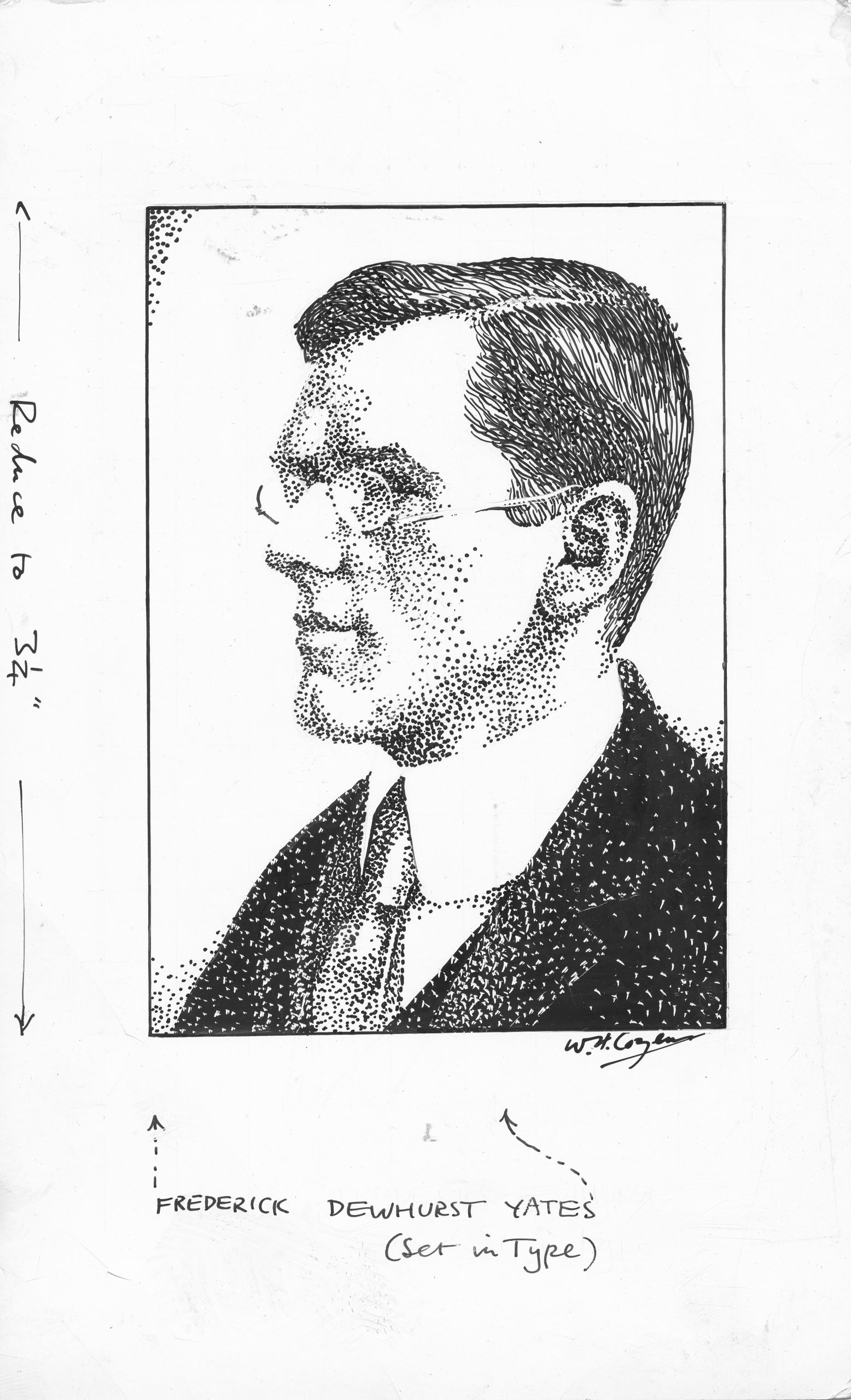
Fred Yates as drawn by WH Cozens for BCM
Frederick Dewhurst (sic) was born at Birstall, near Leeds, on January 16, 1884. He did not develop his chess power very young, at the B.C.F. congress at the Crystal Palace in 1907 only playing in the Second Class, though he then won first prize in one of the two sections. At Tunbridge Wells next year he tied for fourth place in a section of the First Class. He was admitted to the British Championship at Scarborough in 1909 (in which year he was Yorkshire Champion), and there tied with Blackburne for fourth and fifth prizes, after HE Atkins, JH Blake, and W. Ward.
In the same event at Oxford in 1910 he again tied with Blackburne, but this time for second and third prizes, Atkins being first, though losing in his individual encounter with Yates. In 1911, at Glasgow, Yates still further improved his position, this time tieing with Atkins for first place; but in the tie-match Atkins won somewhat easily.
Atkins stood down for the first time at Richmond in 1912; but the success of RC Griffith left Yates second, in company with the late HG Cole. At last in 1913, Yates gained his ambition, and at Cheltenham won the British Championship with the fine score of 9 out of a possible 11, 1.5 points above J. Mahood and 2 above Blackburne. In the ruined Congress at Chester in 1914 he tied for first place with Blackburne; and, as Blackburne was unable to play a deciding match, Yates won his second championship.
Fred Dewhirst Yates, Jacoby Archive
Since the War he gained the title again in 1921, 1926, 1928 and 1931, thus making a record of six championships, second only to Atkin’s record of nine (ed : in 1969 at the Rhyl Congress Jonathan Penrose OBE was to surpass Atkins record by one.)
Yate’s six victories were gained in sixteen attempts In addition must be mentioned his success in the Hastings tournament, in the New Year of 1921, for holders of the British Championship only.
Fred Yates
His other successes in this country, including his two wins in the in the Anglo-American cable match, in 1910-11, need not detain us; for limitations of space demand that we shall come to Yates as an international master. His first essay was at Hamburg in 1910, on the invitation of the German Chess Federation. Though he did badly, only getting one win in 16 games, the win was a remarkable effort, at the expense of no less a celebrity than Dr. Tarrasch.
At Pistyan two years later he did a little better. He had to wait until after the War for a third attempt; but it will be best to give what we believe to be a full record of his performances in international event:- (to be added).
These lists, however, furnish no just view of the strength of Yates’s play, which always was most fully exhibited against the leading competitors in tournaments. Among his triumphs must be noted his particularly his wins against Alekhine at Hastings, 1922, and Carlsbad 1923 (a brilliancy prize game); against Euwe, Scarborough, 1928; against Nimzowitsch , Carlsbad, 1929; against Bogoljuboff, London, 1922, and Baden-Baden, 1925; against Tartakover, Hastings and Kecskemet, 1927; against Kmoch and Rubinstein, Budapest, 1926; against Spielmann and Vidmar, San Remo, 1930; and his draws with Alekhine and Capablanca at New York, 1924. The harder the opposition, the better his play. Conversely, against what should have proved easier opponents he was apt. at times, to show less of his skill. In this, of course, he was not peculiar, even among the experts.
Generally speaking, however, he was a remarkably tenacious player, who would not abandon a game while there was the slightest chance of a win or a draw. This was not due to mere obstinacy, as may sometimes have appeared, but to the depth of his vision, which gained for him among the German commentators the title of ein tiefe Denker(ed : a deep thinker) – no small testimony from those from whom it came. With a robuster physique there is no knowing to what a position he might have attained in the chess world. The late Amos Burn always had the highest opinion of is powers, and always pointed out, too, the handicap under which a player labours who has to report the events in which he takes part – equivalent, he would say, to giving the other competitors Pawn and move!
Yates was unfortunate in embracing professionalism in an era when the rewards were becoming less and less, and finally reached a stage when they scarcely provided the means of a bare existence. He was a fine simultaneous player, whose exhibitions always delighted by their combination of speed, precision and flashes of brilliance.
As commentator he was very good indeed, and his contributions, especially to The Manchester Guardian, where noted alike for their accuracy and for a sense of style.
He had a journalistic training, outside chess. He was not, in fact, ‘a mere chessplayer’, in spite of his intense devotion to the game. It was his extreme reticence which gave such an impression to all but those whom he admitted to intimacy. They at least knew his widespread interest in other things; and W. Winter’s recent tribute to him in the Guardian in no way exaggerates his charm as a companion among those who knew him best. To them his loss is one which cannot be replaced.”
An Appeal
No doubt all chessplayers in England will have read with sorrow of the death of F.D.Yates at the early age of 46, and more especially will the circumstances of it be a shock to many.
An inquest was held, as has already been reported, and was attended by his two sisters, who have practically no means, as was the case of Yates himself. Certain chessplayers who attended the funeral agreed to make themselves responsible for the funeral expenses, but as the body was removed to Birstall in Yorkshire for burial in the family grave, the expenses were considerably heavier than was anticipates and, with the money owing to the landlady, comes to a total of £51 2s and 0d.
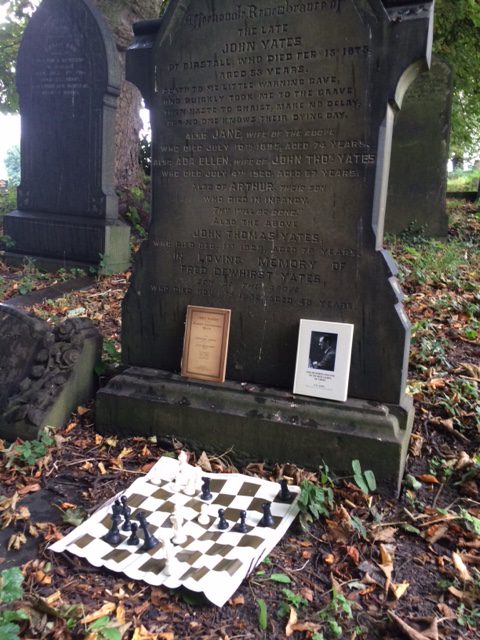
The gravestone of FD Yates, courtesy of Matthew Sadler
We feel quite sure that when our readers know, they will like to show their last recognition of the value which F.D.Yates was to English chess by giving a donation towards the sum.
The London Chess League, whose finances are not in a very satisfactory state, as in the case of most chess concerns, has agreed to donate £3 towards this. Their president has given £1 1s 0d., and one or two other members have promised donations. We shall be happy to receive any contributions towards this fund, and will give acknowledgment in future issues.”
From The Oxford Companion to Chess (OUP, 1984) by Hooper and Whyld :
“English player. British Champion 1913,1914,1921,1926,1928, and 1931, Around 1909 he gave up his profession in accountancy to become a chess professional. Of the many international tournaments in which he competed from Hamburg 1910 to Hastings 1931—2 he made his best results in the B Final, Kecskemet 1927, first (+4=2-1) equal with Tartakower, and at San Remo 1930, the strongest tournament of the year, when he came fifth after Alekhine,, Nimzowitsch, Rubinstein, and Bogoljubow ahead of Spielmann,
Vidmar, and Tartakower.
A tenacious player, he could be a dangerous opponent. In tournament play he defeated most of the greatest masters of his time on one occasion or another, and among these victories were two defeats of Alekhine (Hastings 1922, Carlsbad 1923), and three defeats of Bogoljubow (London 1922, Baden-Baden 1925, Scarborough 1927) and Rubinstein (London 1925, Moscow 1925, Budapest 1926), A careful and conscientious writer, he conducted a chess column in the Yorkshire Post, was chess correspondent of the Manchester Guardian , and wrote three books (see foot of article) in collaboration with William Winter (1898-1955).
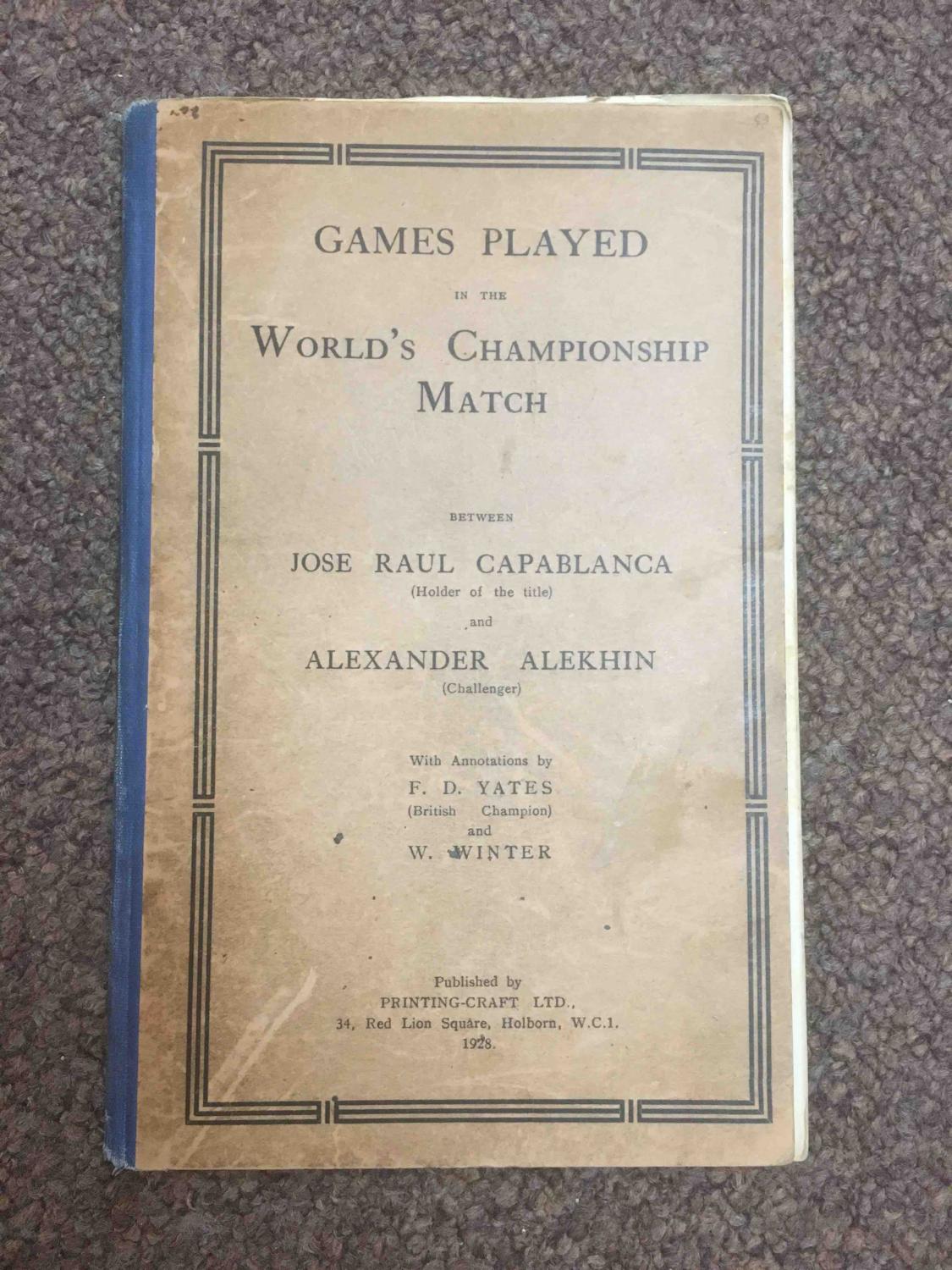
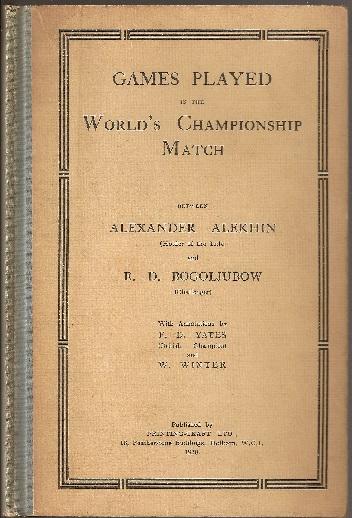
Games Played In the World’s Championship Match between Jose Paul Capablanca and Alexander Alekhine, FD Yates and W, Winter, 1928, Printing Craft LimitedGames Played in the World’s Championship Match between Alexander Alekhine (Holder of the Title) and E D Bogoljubow (Challenger), Printing Craft Limited, 1930, FD Yates and W. Winter
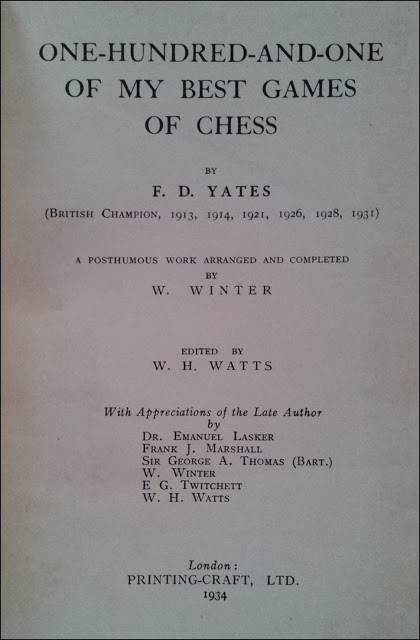
A leak from a faulty gas pipe connection killed Yates while he was asleep. His book One-hundred- and-one of My Best Games of Chess was published in 1934.”
From The Encyclopedia of Chess (Robert Hale, 1970 & 1976)by Anne Sunnucks :
“International Master and British Champion in 1913, 1914, 1921, 1926, 1928 and 1931.
Born in Birstall, near Leeds in Yorkshire, on 16th January 1884, Yates was 25 before he played in the British Championship for the first time. In 1909, having won the Yorkshire Championship, his entry was accepted for the British Championship at Scarborough, and he tied with Blackburne for 4th prize. The following year he again tied with Blackburne, this time for 2nd prize, and in 1911 he tied with Atkins for 1st prize but lost the play-off for the title. In 1913, he succeed in winning the British Championship for the first time.. During his career he competed in the British Championship 16 times and won the title on six occasions.
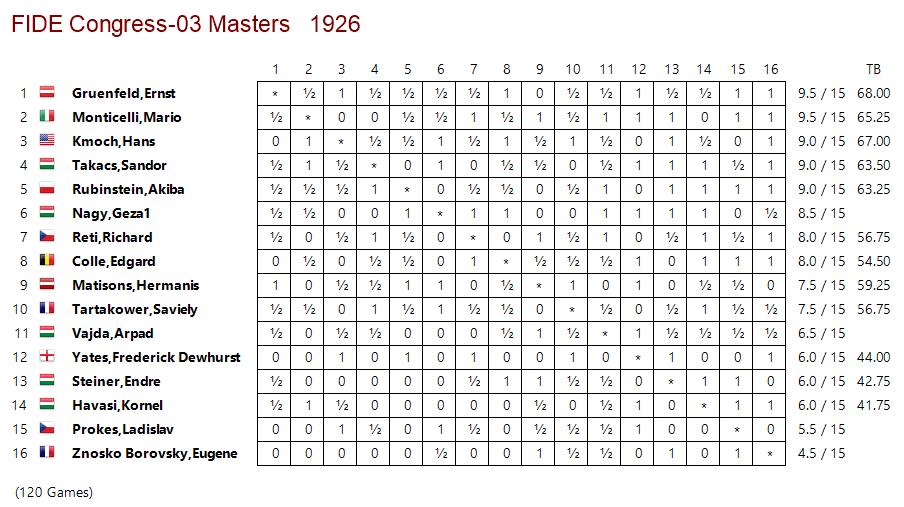
In International tournaments his record did not do him justice as far as his final placings were concerned. However, in studying his performance in detail, his wins were often against the strongest players and his losses against those at the bottom of the tables. This was particularly apparent in the results of the 1926 Budapest tournament.
Cross Table for Budapest 1926
During the course of his career, Yates beat practically every contemporary Grandmaster, with the exception of Lasker and Capablanca. His victory over Alekhine at Carlsbad 1923 came at the end of a combination 18 moves deep and won the brilliancy prize, while his victory over Vidmar at San Remo in 1930 was described by Alekhine as the finest game played since the war.
Other outstanding wins were against Bogoljubow at London 1922, against Rubinstein at Budapest 1926, against Tartakover at Hastings 1927, against Euwe at Scarborough 1928 and against Nimzowitsch at Scarborough 1929. The stronger the opposition the better Yates played.
His losses against weaker players may well have been due to ill-health and lack of necessary stamina to play consistently throughout a long tournament. He was continually troubled by a hacking cough and could not afford to carry out the medical advice that he should go to the Riviera for a cure.
He was a professional chess player at a time when it was difficult to make a livelihood out of chess and he was often handicapped by having to report an event in which he was playing. A number of his contemporaries believed that, had he lived in different circumstances his talent would have placed him among the contenders for the World Championship.
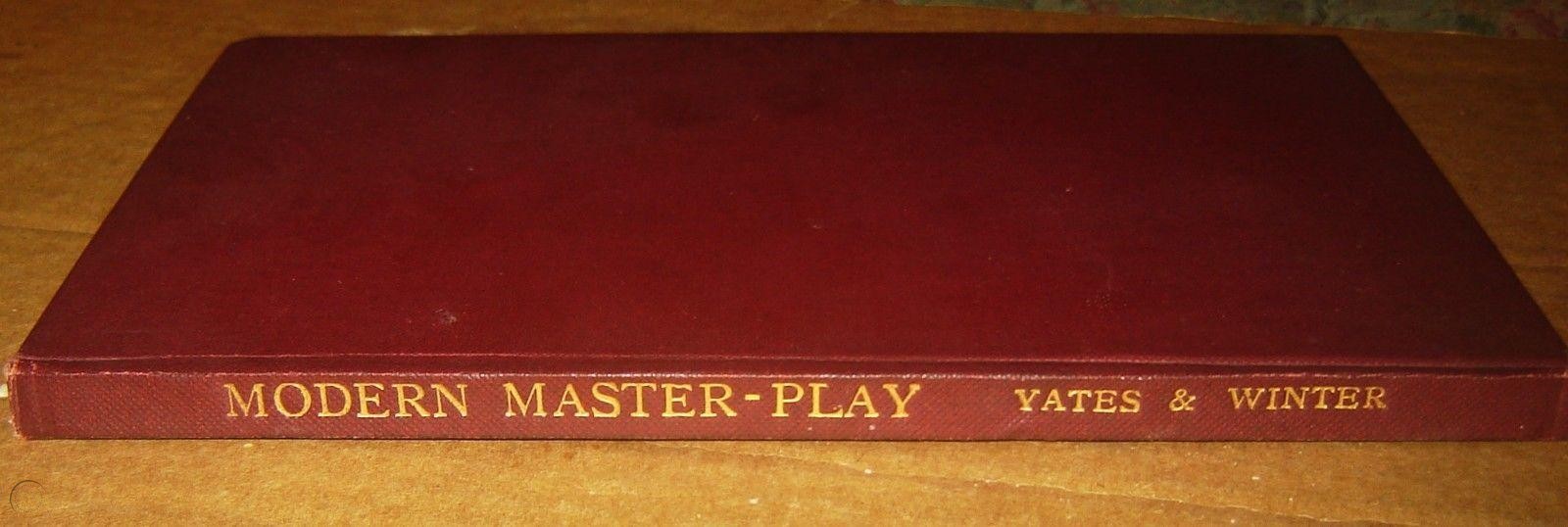
For some years Yates ran the chess column for The Manchester Guardian. He was co-author with Winter of Modern Master Play and of books on the Capablanca vs Alekhine and Alekhine v. Bogoljubov World Championship matches.
Modern Master Play, FD Yates and W. Winter, 1930
Yates had a great number of interests apart from chess and had a very versatile mind which enabled him to talk on a wide range of subjects. He was extremely modest and rarely kept the scores of his games and never submitted them to the press.
He died in tragic circumstances, On 11th November 1932, he was found dead in his bedroom from gas poisoning. At the inquest it was established that there was a faulty connection in the gas meter in his room and a verdict of accidental death was returned.”
From The Encyclopedia of Chess (Batsford, 1977) by Harry Golombek:
“A British master. Yates trained as an accountant but in 1909 abandoned this career in favour of chess and journalism. In 1911 he tied for first prize with Atkins in the British Championship losing the play-off match. Two years later he won the event – the first of six such victories (1913, 1914, 1921, 1926, 1928 and 1931).
In international tournaments Yate’s results were generally mediocre, but he was capable on occasion of defeating the strongest opposition and his victims included Alekhine, Reti, Bogoljubow, Tartakower, Rubinstein, Euwe, Nimzowitsch and Vidmar. He was a regular competitor at the Hastings Christmas Congresses, winning in 1920/1 and finishing in 3rd place on four occasions: 1923/4, 1924/5, 1926/7 and 1929/30.
Yates was for many years the chess correspondent of The Manchester Guardian and, in addition, wrote Modern Master Play, London, Philadelphia 1929 (with W. Winter as co-author) and books of the 1927 Capablanca-Alekhine, London 1928, and the 1929 Alekhine-Bogoljubow World Championship matches, London, 1930.
He died from being accidentally asphyxiated in his rooms by a faulty gas connection.”
In the March issue of CHESS for 1963, (Volume 28, Number 427, pp.147-155) William Winter wrote this:
The genius of F. D. Yates
I use the words ‘one of the most talented chess players’ advisedly. I have known personally all the world champions of my time, as well as most of the principal challengers, and I have no hesitation in saying that, at his best, he displayed a chess genius second to none. His victory over Vidmar at San Remo was described by Alekhine in 1931 as the finest game played since the war, and his win against Alekhine himself at Carlsbad is in the same category. The final combination here is eighteen moves deep. There are other games nearly as good and I am quite sure that had Yates been born a Soviet player, encouraged to develop his natural genius along proper lines, he would have been a close challenger for the world title ! Even I never knew the number of great games Yates had played until I came to write his Memorial Book. He was one of those modest souls who never kept the scores of his games and never submitted them to the press, so the only way I could get hold of many true masterpieces was to delve them out of continental magazines and tournament books.
One of the noticeable things about his play was that it took the best opposition to get the best out of him. While the tournament scores of most players are built up on points below them in the list, with Yates the reverse was often the case. I remember in particular one tournament at Budapest in 1926 when his score was made up almost entirely of wins against those above him. Rubinstein, Reti, and Tartakover were among his victims on that occasion and, at one time or another, he secured the scalp of every contemporary grand master. excepting Lasker and Capablanca. He. always played particularly well against Alekhine who once told me he was always relieved when his game with Yates was over. I was not surprised. Alekhine actually lost twice and in several others had hairbreadth escapes.
One of the principal reasons for Yates’ inconsistency was the fact that he was continually troubled by a hacking cough aggravated during the winter by the long cold journeys he had to take in the course of the exhibition tours which formed his means of livelihood. He was medically advised that a winter spent on the Riviera would probably effect a cure, but of course Yates was only an English chess genius and he could not afford it. “Couldn’t afford it.” Of how many hopes and human aspirations have these words sounded the death knell. There is scarcely one of us who, at some period of his or her life has. not found a cherished ambition frustrated by them. That is why I always laugh when I see the way of life in capitalist countries described as free. Until economic obstacles to human aspirations are removed, the words, couldn’t afford it’ deleted from the language, and man permitted to develop his natural attainments without let or hindrance, it is farcical to talk about freedom. Compared with this it is surely of little importance that we have the right to choose which press Lord we allow to poison our minds, or to put a cross opposite the name of Tweedledum or Tweedledee on a ballot paper.
Chill penury
Yates certainly is a striking example of one who was precluded from real greatness by economic sanctions. None the less he left a fine reputation behind him. He won the British Championship on six occasions and on the international field won a number of high. prizes. Lasker rightly described him as Blackburne’s legitimate successor. Of Yates the man I have already given my opinion and there is no need to say any more of his high principles or his hatred of cruelty or meanness in any form, but I cannot leave the subject without drawing attention to the extraordinary versatility of his mind. He seemed to have read something of every subject and assimilated what he had read so that he could talk entertainingly on them all.
Had crossword puzzles been fashionable in his days he would have been a first class solver. From 1926 to his death in 1932 he and I lived on the terms of the closest intimacy and I learned much from him, particularly in the line of chess literature and journalism. I have already spoken of our work for the Manchester Guardian. We also wrote three books together, the Alekhine-Capablanca and the Alekhine-Bogolyubov match books, and a more ambitious work, Modern Master Play, in which we presented profiles of the leading players of the day with annotated examples of their best games. What impressed me most about this work was the meticulous care with which he used the English language. As a writer I had always been satisfied as long as I could find words to express my ideas, but Yates wanted far more than that and I was sometimes slightly irritated by the time he took to formulate a single sentence. I never knew him spend a whole morning putting in a comma and an afternoon taking it out again, but I can quite imagine him doing it. Such literary style as I do possess owes a great deal to him.
Shock of his death
During the six years we were associated he was more like an older brother than a friend and it took me a very long time to recover from the shock when, in the Gambit Café, I heard the terrible news that he had been found dead in his bedroom from the effects of gas poisoning. I had seen him two nights before when we made plans for a new book on the lines of Modern Master Play, dealing with the younger masters of the day.
An exhaustive enquiry was held by one of the most experienced coroners in London and it was conclusively proved that death was due to a faulty gas fitting. Wynne-Williams, Yates’s pupil whom he had been teaching on the very night of his death, gave evidence of his cheerful demeanour, and the Coroner went out of his way to state categorically that this was a case of a tragic accidental death. In spite of all this some of the vile calumniators I have mentioned before, who are always seeking for slime to throw at their betters, sank so low as to suggest that Yates committed suicide. I have even heard the report quite recently. No fouler lie could possibly be invented to smirch the memory of a courageous and noble man.
“Yates almost won the British Championship in 1911, when he tied for first place with Henry Atkins, but lost the play-off. He went on to secure the title in 1913, 1914, 1921, 1926, 1928 and 1931
Despite considerable domestic success, his record in international tournaments did not do him justice. Often the winner against his strongest opponents, he would then lose to those at the bottom of the table. This was particularly apparent at the Budapest tourney of 1926.
His lack of consistency was attributed to poor health and loss of stamina. A constant hacking cough went unchecked, as his funds did not stretch to a holiday in warmer climes; the advice given by his doctor. He was also subjected to journalistic pressures, frequently reporting on the tournaments in which he was playing. Yet, dedicating himself to the playing side of chess would have earned him insufficient sums to make a living. A number of his contemporaries believed that his talent could have placed him among the world championship contenders, had his circumstances been different. Nevertheless, in his time, he defeated most of his illustrious adversaries, the most notable exceptions being Emanuel Lasker and José Raúl Capablanca. His victory against Alexander Alekhine at Karlsbad in 1923 won the brilliancy prize, while his win against Milan Vidmar at San Remo in 1930 was described by Alekhine as the finest game played since the war.”
As a journalist he was the chess columnist of The Manchester Guardian and with William Winter, the co-author of Modern Master Play (1929). He wrote accounts of two world championship encounters; those between Capablanca and Alekhine, and Alekhine and Bogoljubow.
In team competition, he played at the first, third and fourth Olympiads, representing the ‘British Empire’ team. On each occasion, he made a plus score and at London 1927, earned a team bronze medal/
His life ended prematurely, when a leaking gas pipe caused him to asphyxiate during his sleep.
According to the inscription on Yates’ gravestone,[7] his birth name was actually Fred Dewhirst Yates. However, throughout his chess career he was known by the name at the head of this article or simply as F.D. Yates, both of which featured in his posthumously published, part-biographical, ‘My Best Games’ Collection.
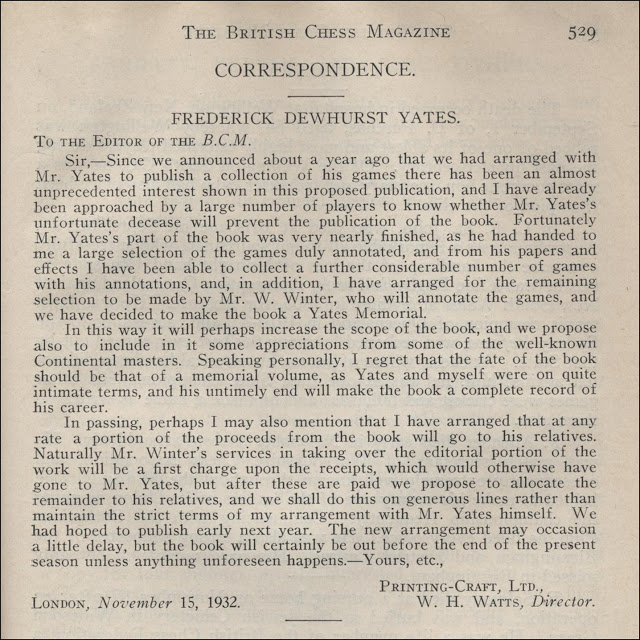
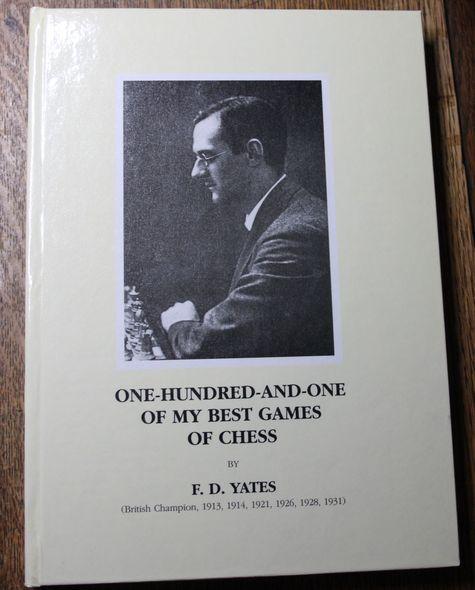
Letter to BCM from WH Watts of Printing Craft Limited announcing the publication of One-Hundred-and-one of my Best Games of Chess, by F. D. Yates, London 1934.One-Hundred-and-one of my Best Games of Chess, by F. D. Yates, London 1934.One Hundred and One of My Best Games of Chess, FD Yates
IM James Adair playing GM Hikaru Nakamura at the London Chess Classic 2014
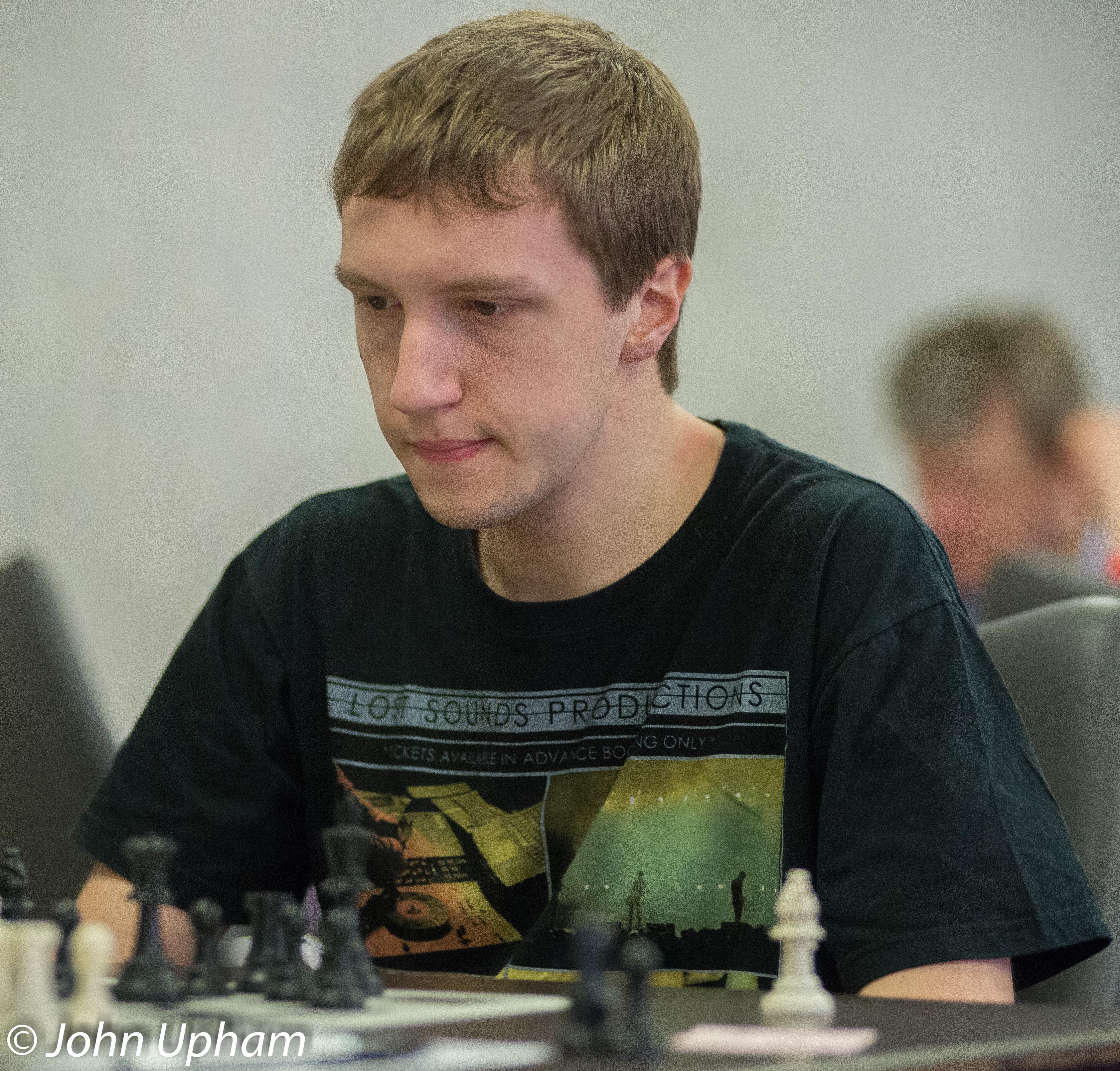
BCN wishes Happy birthday to IM James Adair.
James Robert Adair was born on Monday, November 9th in 1992 in Reading, Berkshire.
James attended Little Heath School, Tilehurst, Reading and joined Reading Chess Club and was an active player in the Berkshire League and in the Surrey Border League. His father Andrew took up chess to support James as a junior.
He then read Mathematics at The University of York and now is employed by Aviva plc (formerly Norwich Union Assurance) in the field of insurance.
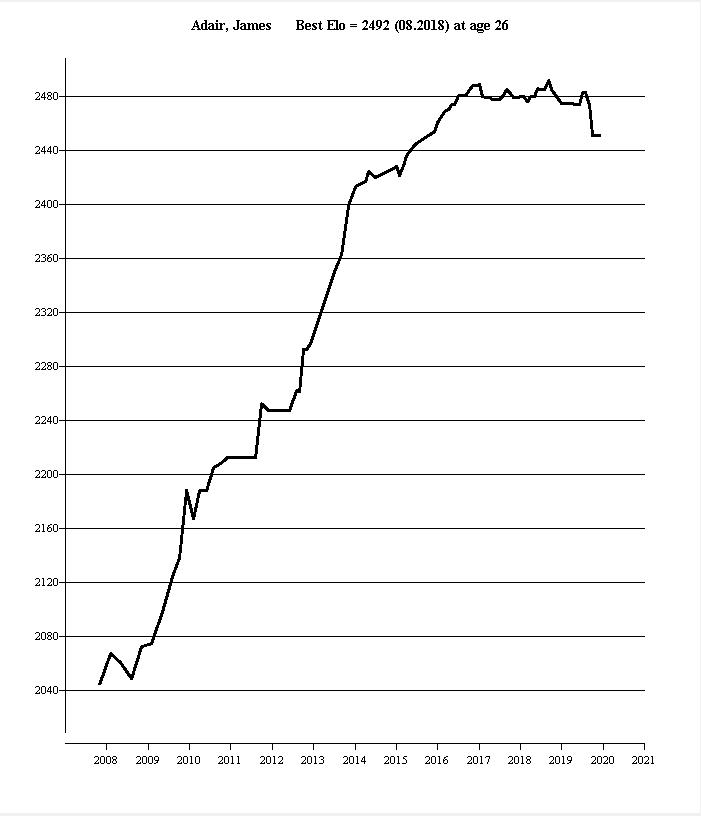
James became a FIDE Master in 2012 and gained his International Master title in August 2014.
According to Felice his best FIDE rating was 2489 in December 2016. According to MegaBase 2020 it was 2492 in August 2018 at the age of 26.
James started his 4NCL career in the 2006/7 season with Conquistadors and then transferred to Guildford not long after. By 2010/11 James was playing for the bar loving Sambuca Sharks team. In 2011 James transferred to 4NCL White Rose as he had just started University in Yorkshire. He was also playing for York RI.
In 2009 he shared equal 1st (4.5/5) with Alexei Slavin in the Uxbridge Open, a sadly missed e2-e4 event. Since then James has had various tournament successes.
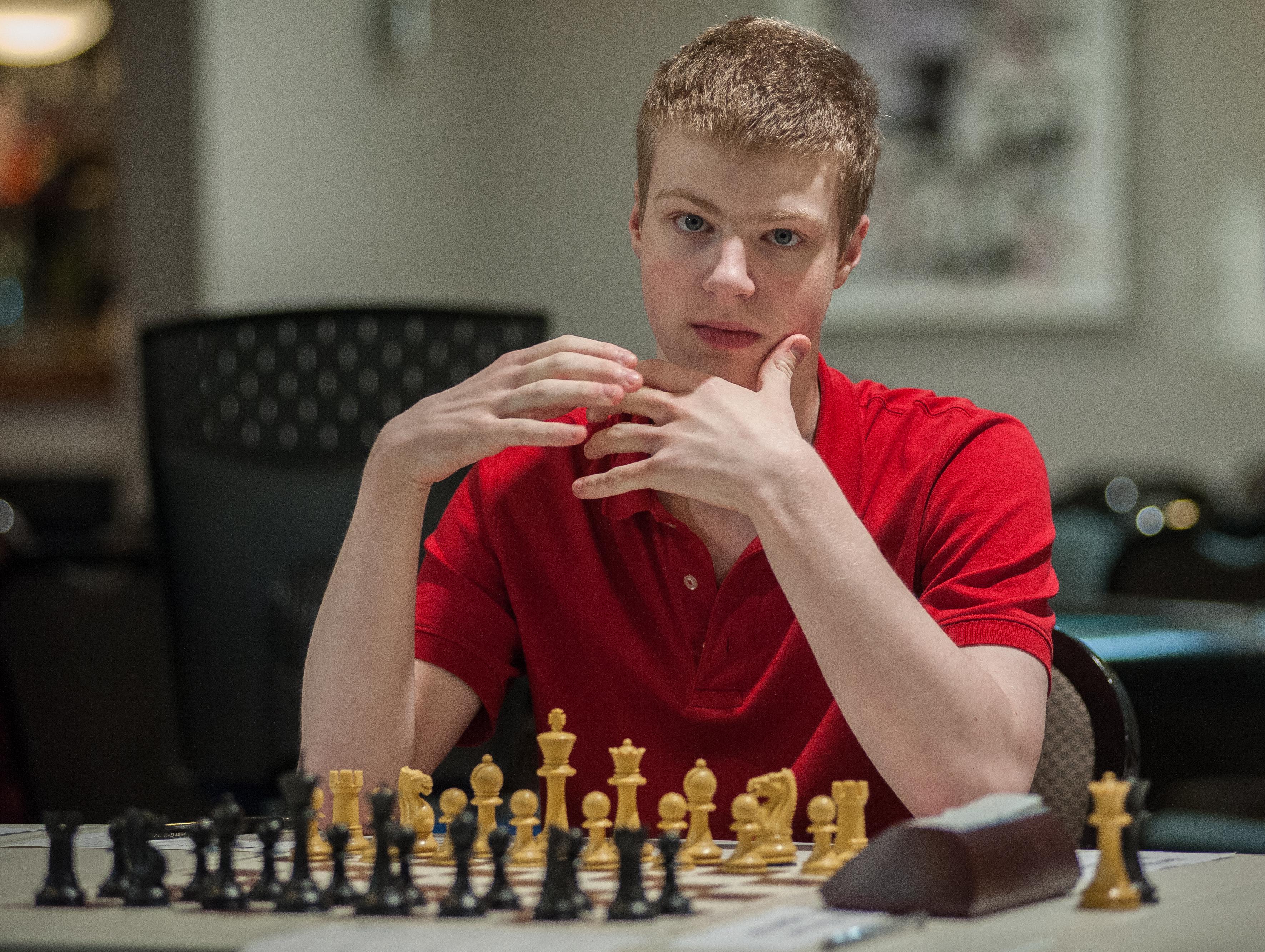
Alan Baxter Merry was born on Friday, November 8th, 1996 in Bury St. Edmunds, Suffolk. His mother’s maiden name is Guymer. Alan has a younger brother James Clayton Merry (born 1999). James is also registered with Suffolk CCA but has never had a published grading or rating.
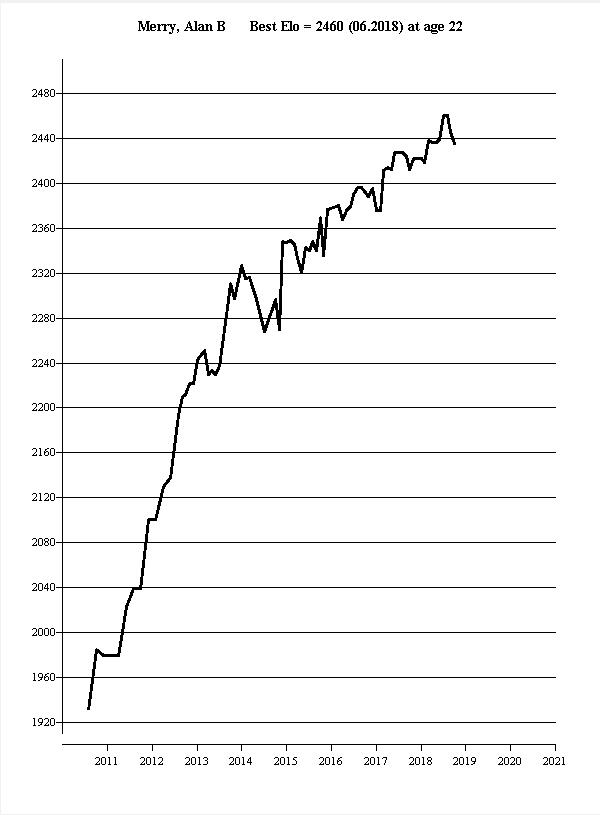
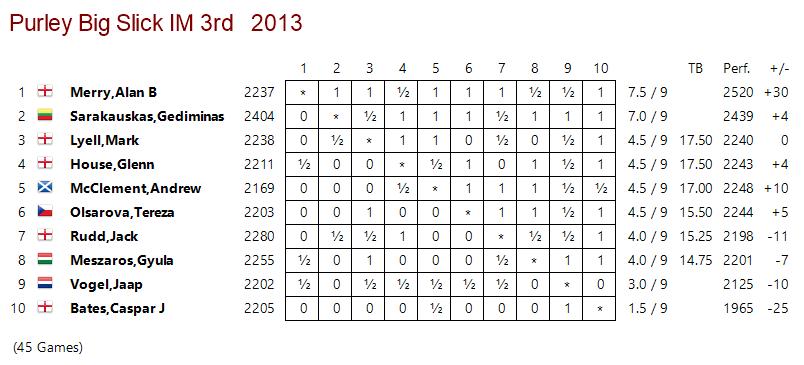
FIDE rating profile for IM Alan MerryCrosstable for Purley Big Slick International, 2013
He became a FIDE Master in 2013 and an International Master in 2016. His peak rating according to Felice was 2396 in July 2016. However this has been surpassed and according to MegaBase 2020 it is 2460 in June 2018 at the age of 22.
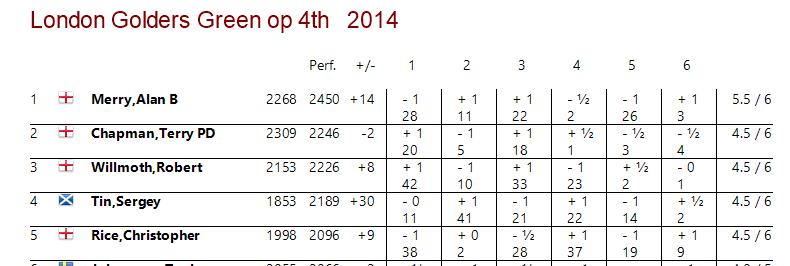
Alan won the 2014 Golders Green Open with a convincing 5.5/6 :
Part crosstable for 2014 Golders Green Open
and has won further events since including the Kingsley Healthcare Great Yarmouth Congress in 2018.
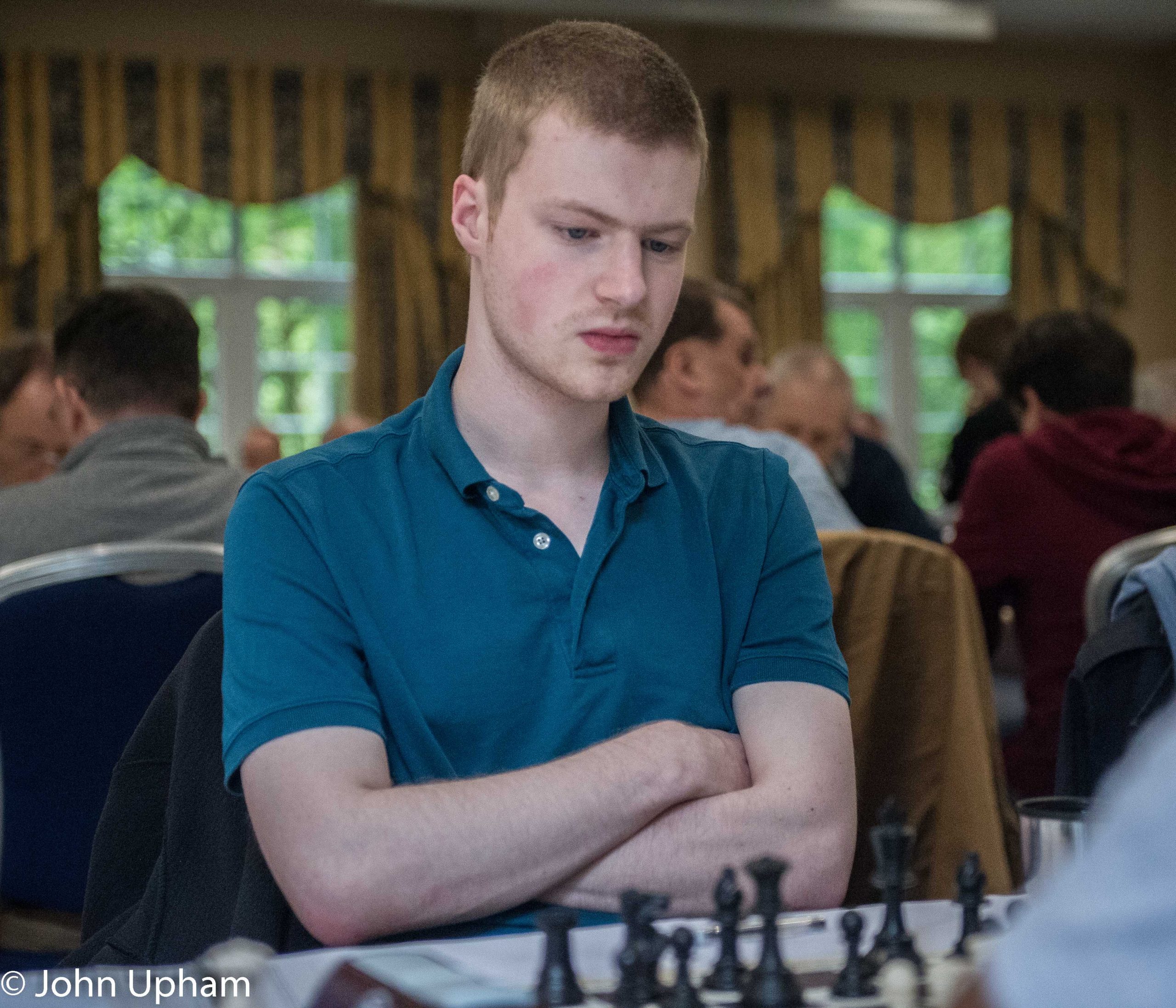
IM Alan Merry at the 2019 Basingstoke 4NCL Congress
Alan plays for Suffolk County Chess Association and in 4NCL started with Anglian Avengers, then the ADs and finally moving to Barbican in the 2015/16 season. His current ECF grading is 237A for standard-play and 236A for rapid-play. His FIDE standard play rating is 2427.
Reenen duToit, Philip Gregory, Alan Hanreck, Tony Stebbings, Philip Morris, Conor Murphy
We wish IM Philip J Morris all the best on his birthday, this day (November 5th) in 1967.
Phil plays regularly for Beckenham & Charlton Chess Club in the London Chess League and has played for Invicta Knights Maidstone in the Four Nations League.
We wish IM Philip J Morris all the best on his birthday, this day (November 5th) in 1967.
Phil plays regularly for Beckenham & Charlton Chess Club in the London Chess League and has played for Invicta Knights Maidstone in the Four Nations League.
We wish IM Philip J Morris all the best on his birthday, this day (November 5th) in 1967.
Phil plays regularly for Beckenham & Charlton Chess Club in the London Chess League and has played for Invicta Knights Maidstone in the Four Nations League.
We wish IM Philip J Morris all the best on his birthday, this day (November 5th) in 1967.
Phil plays regularly for Beckenham & Charlton Chess Club in the London Chess League and has played for Invicta Knights Maidstone in the Four Nations League.
We wish IM Philip J Morris all the best on his birthday, this day (November 5th) in 1967.
Phil plays regularly for Beckenham & Charlton Chess Club in the London Chess League and has played for Invicta Knights Maidstone in the Four Nations League.
We focus on the British Chess Scene Past & Present!
This website uses cookies to improve your experience. We'll assume you're ok with this, but you can opt-out if you wish. Cookie settingsACCEPT
Privacy & Cookies Policy
Privacy Overview
This website uses cookies to improve your experience while you navigate through the website. Out of these cookies, the cookies that are categorized as necessary are stored on your browser as they are as essential for the working of basic functionalities of the website. We also use third-party cookies that help us analyze and understand how you use this website. These cookies will be stored in your browser only with your consent. You also have the option to opt-out of these cookies. But opting out of some of these cookies may have an effect on your browsing experience.
Necessary cookies are absolutely essential for the website to function properly. This category only includes cookies that ensures basic functionalities and security features of the website. These cookies do not store any personal information.