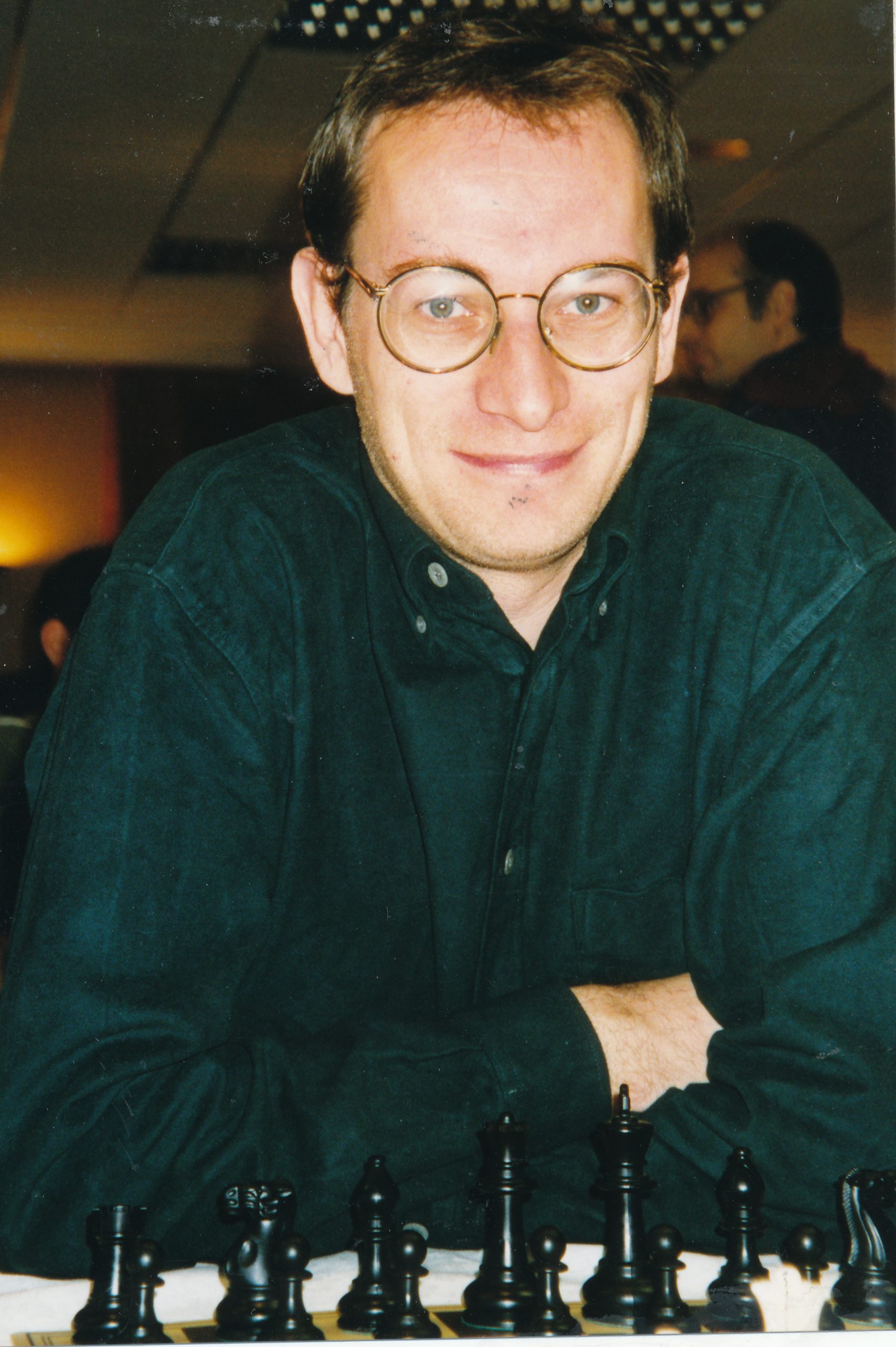
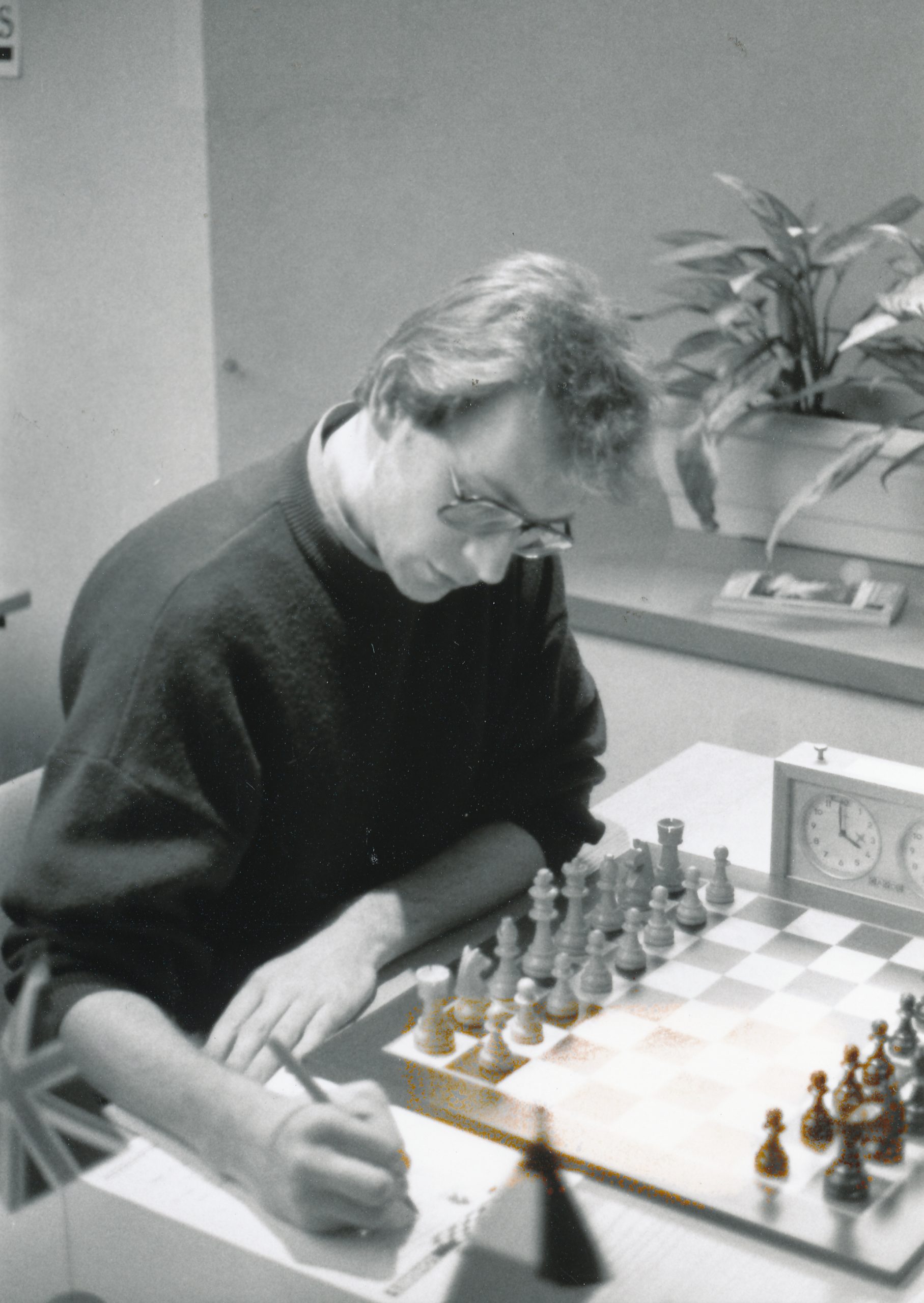
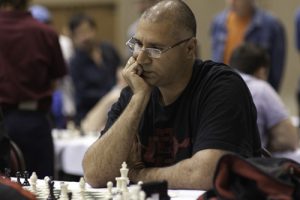
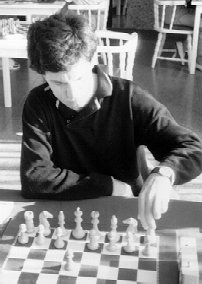
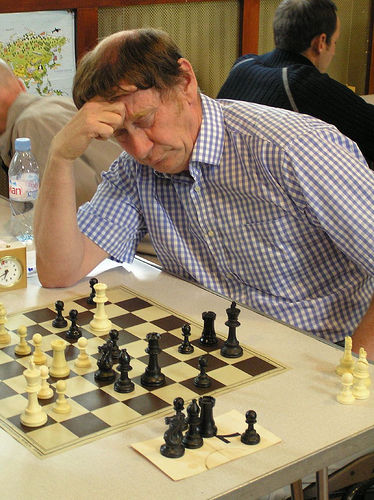
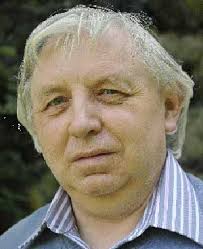
Best wishes to IM Andrew Kinsman born on this day Friday November 20, 1964 to Kenneth H and Yvonne (née Greening) Kinsman. Andrew has sisters Cassandra Suzie and Joanna Marie and a brother Graham John. His father played for Wimbledon and then retired to Kettering (thanks Richard James).
Andrew Peter Harry Kinsman was born in North East Surrey and grew up in Kingston-Upon-Thames near Kingston Hospital (thanks Richard James!). He was a member of Richmond Junior Chess Club.
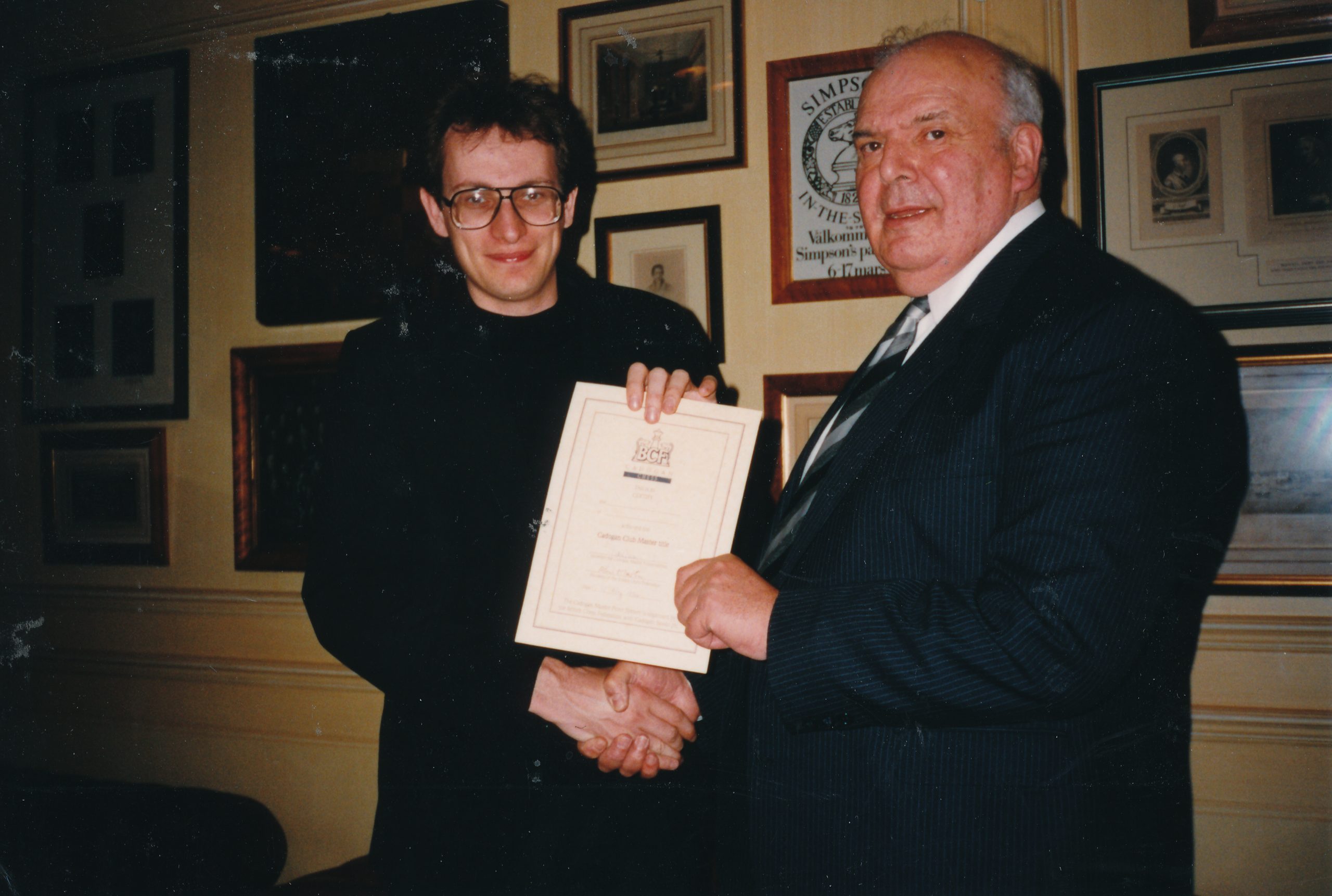
IM Andrew Kinsman
Andrew was a member of the University of Sussex chess team in 1983 along with IM Byron Jacobs. Andrew became an editor of chess publisher BT Batsford Ltd. following in the footsteps of Bob Wade, Paul Lamford and others.
Andrew was Southern Counties (SCCU) champion for the 1986-87 and 1991-92 seasons.
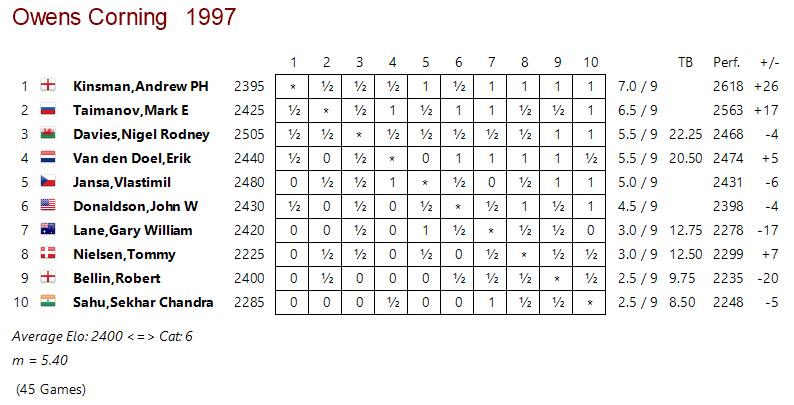
He made his first Grandmaster norm with his victory in the 1997 Owens Corning International in Wrexham.
Crosstable from Owen Corning 1997, Wrexham
Andrew’s peak rating was 2430 in January 1998. He played for Guildford in the Four Nations Chess League and for Wimbledon in other leagues. His last ECF grading was 222D in July 2002 and highest may have been 230B in July 2000.
He left chess and turned to poker becoming a successful player and author and was married to Pauline. They lived in Ditchling Rise in Brighton.
He joined Byron Jacobs to form Chess Press which eventually morphed into First Rank Publishing.
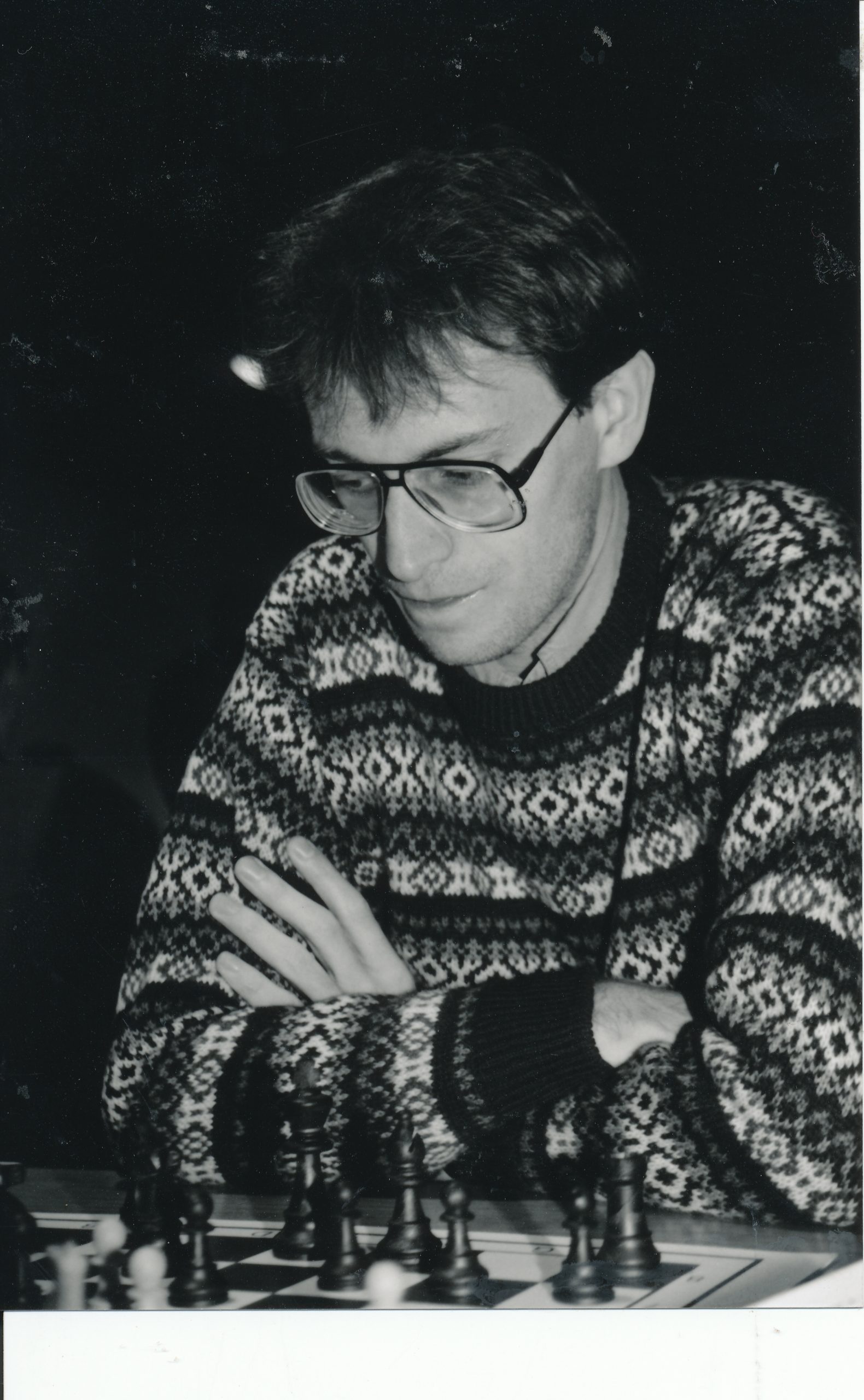
IM Andrew Kinsman
With the white pieces Andrew was consistently a d4 player with the occasional Nf3 thrown in. He played a “slow” Queen’s Gambit (Nf3 inserted before c4) and the Trompowski Attack for variety.
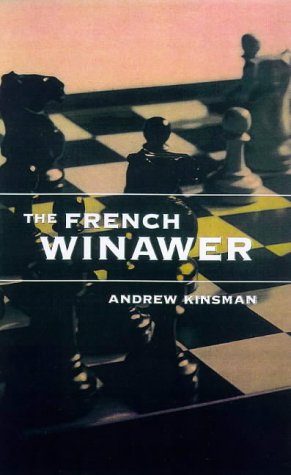
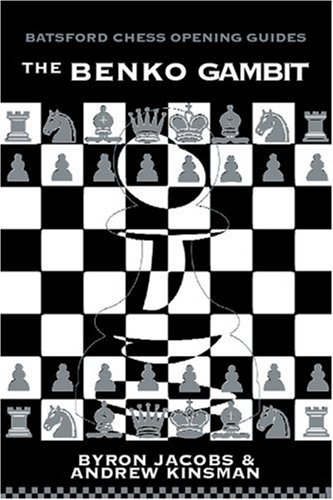
As the second player Andrew played the French Winawer and the Benko Gambit.
Andrew is registered for both Wimbledon and Guildford and represented Wuppertal in the Bundesliga. Andrew’s most recent appearance in 4NCL was the final weekend of the 2001/2 season beating JA Toothill.
He has written several books on chess (and poker) as follows :
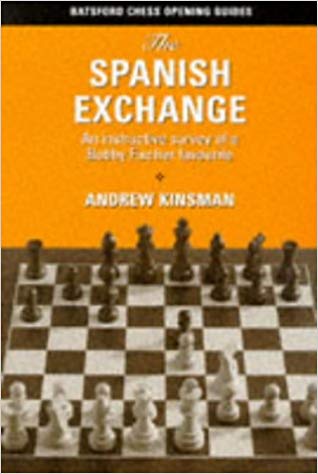
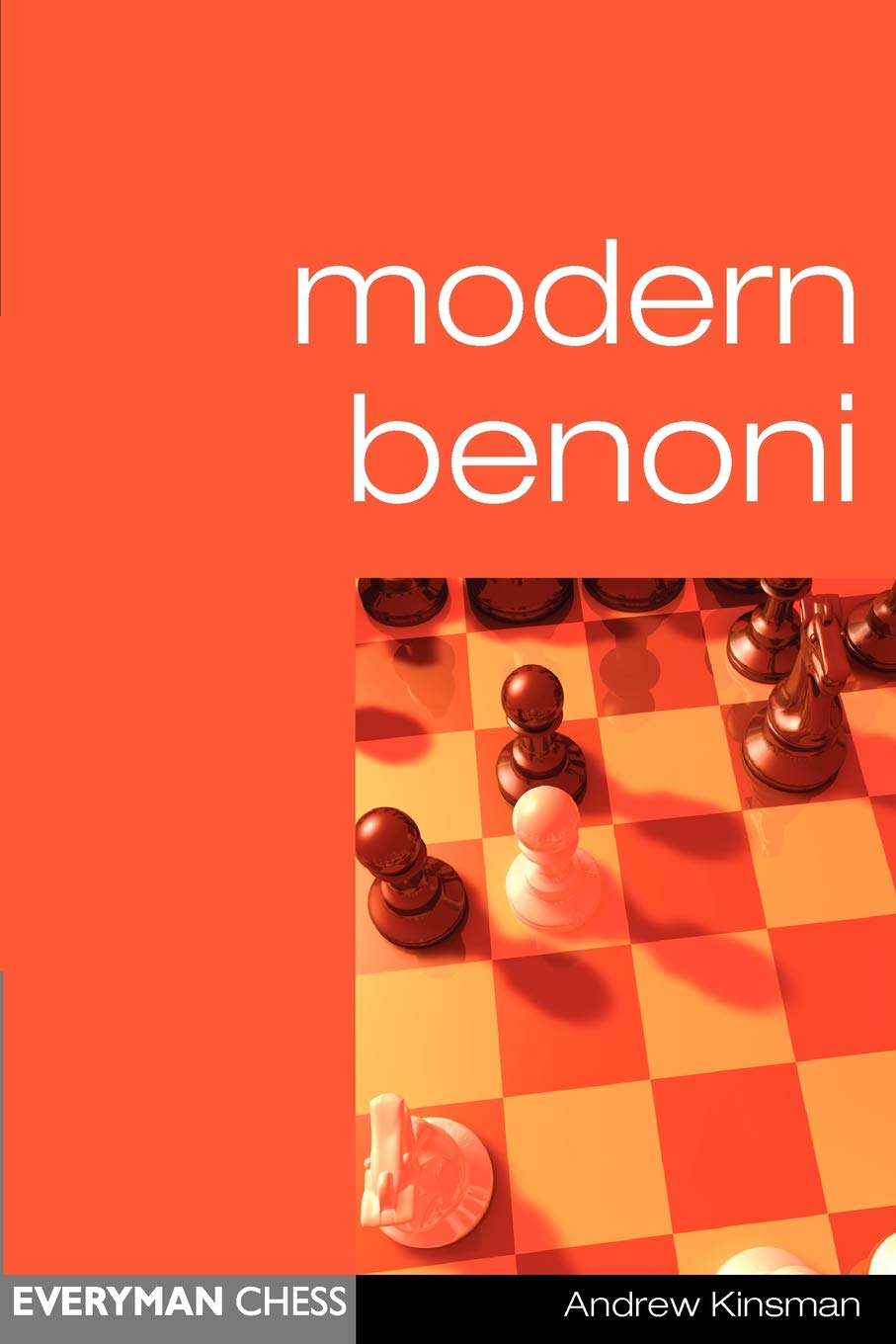
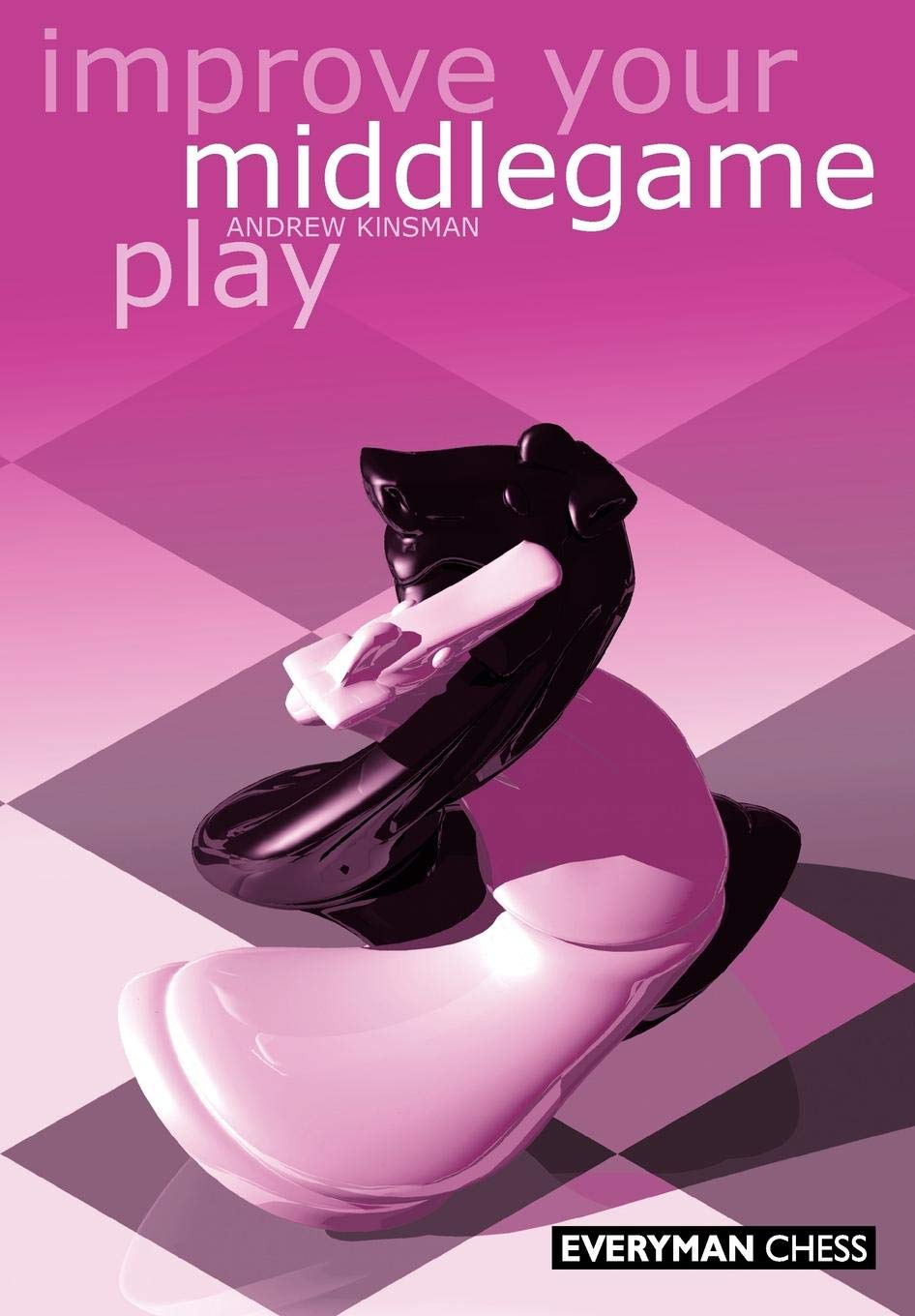
French Winawer by Andrew KinsmanThe Benko Gambit by Andrew Kinsman & Byron JacobsSpanish Exchange by Andrew KinsmanModern Benoni by Andrew KinsmanImprove Your Middlegame Play by Andrew KinsmanIM Andrew Kinsman
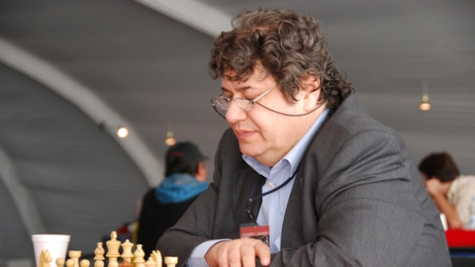
Cyrus Lakdawala is an IM and former US Open Champion who teaches chess and has written over 25 books on chess openings.
IM Cyrus Lakdawala
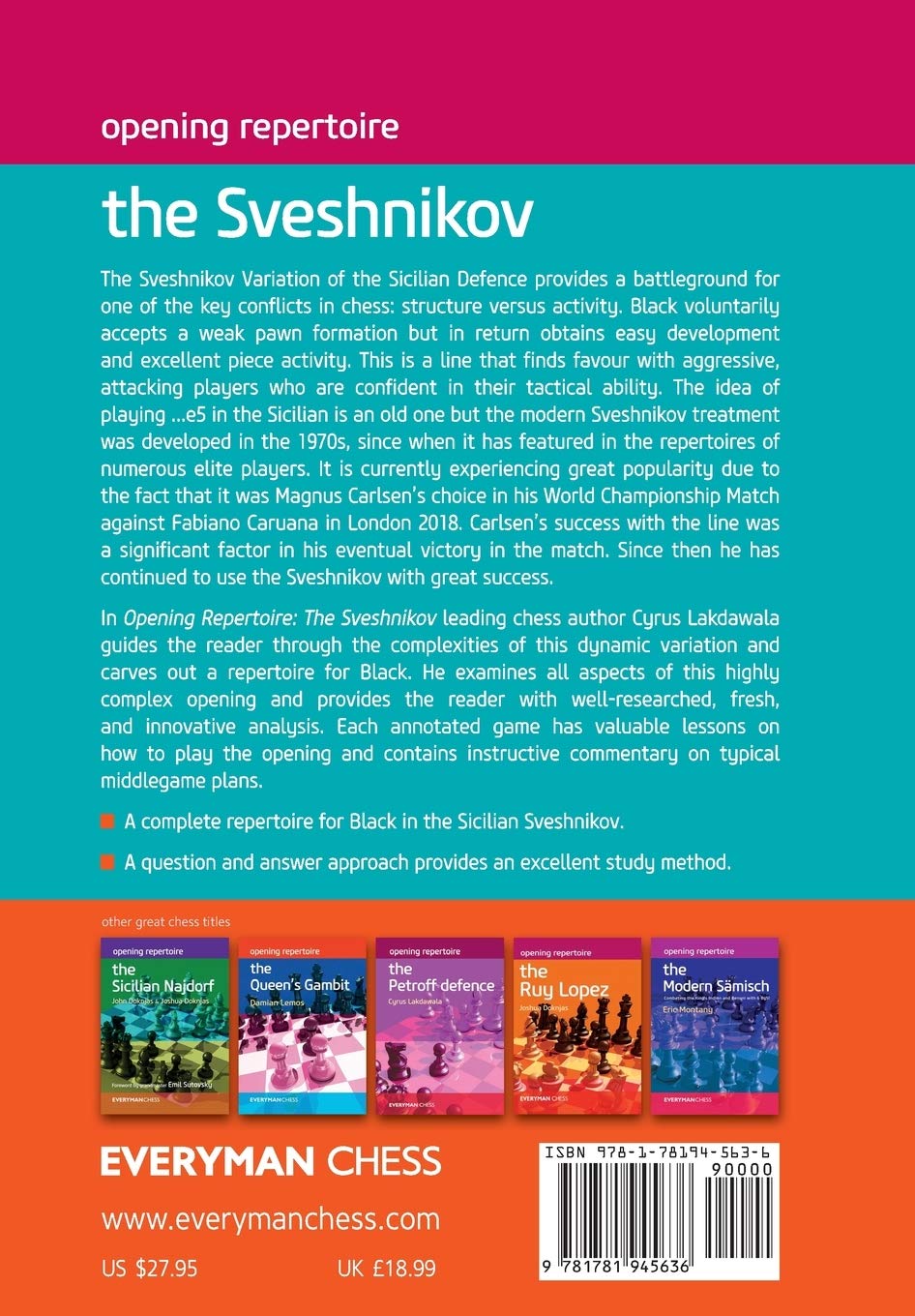
Writing a modern repertoire book on the Sveshnikov and keeping it below 500 pages is an achievement, but Cyrus Lakdawala has managed it.
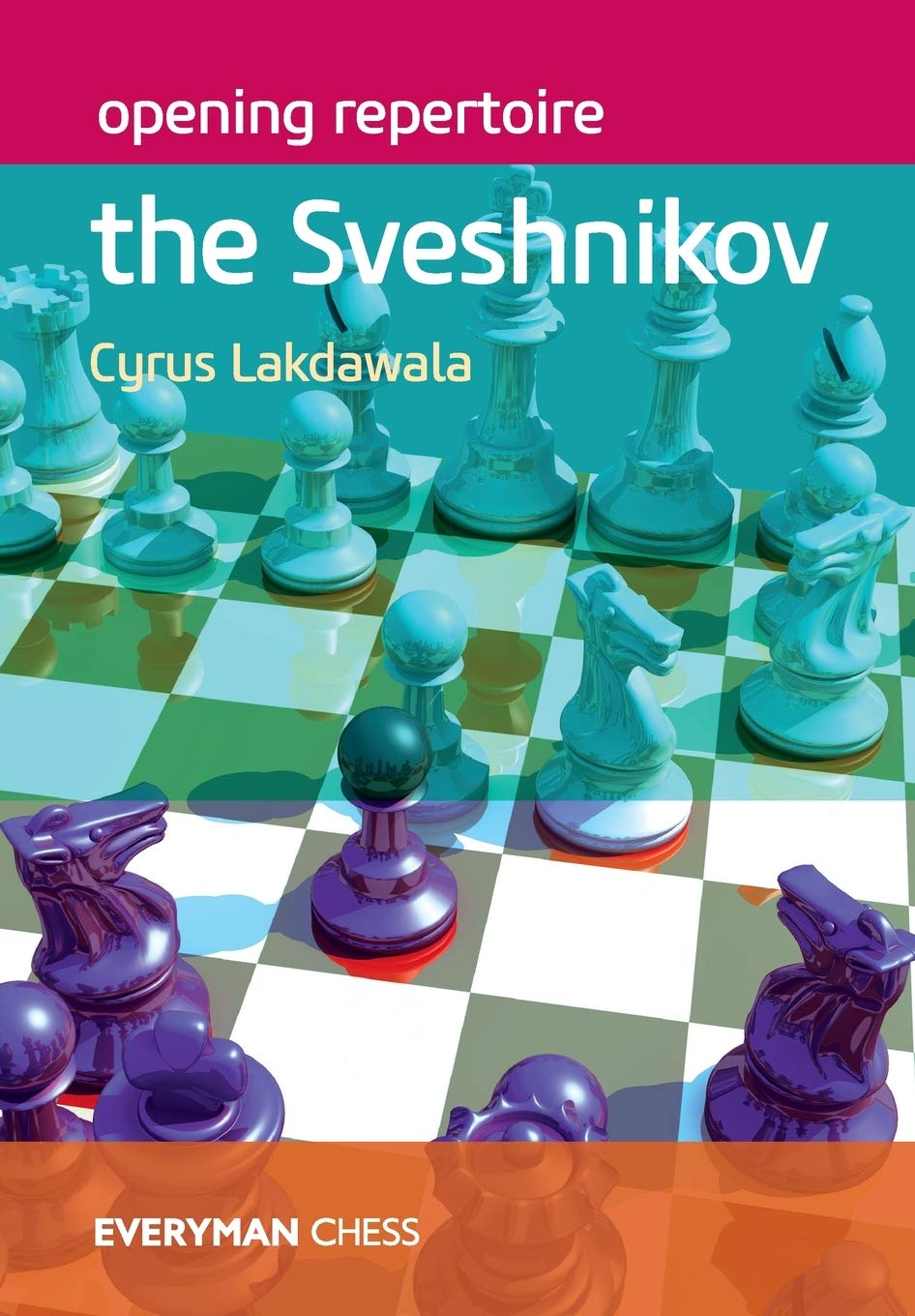
One of his latest books, Opening Repertoire – the Sveshnikov, is only 320 pages long, retailing at £18.99 in the UK and published by Everyman Chess (2020).
I say one of his latest books, as Cyrus regularly manages to write 3/4 books a year, all of good quality and they come thick and fast off the press. I can honestly say that I don’t know how he does it. His output is staggering and clearly the product of incredible self-discipline. As a fellow author, nowhere near his league, I salute him.
The Sveshnikov is a current Magnus Carlsen favourite and so if the book is any good at all, it should sell well.
One of my first ports of call was to check out what Cyrus recommended against 7 Nd5, which featured in the Carlsen-Caruana World Championship match.
The problem with repertoire books is that they can become outdated very quickly under the gaze of the silicon genius. Having said that, the chapter on
7 Nd5 is very well written ,with a wealth of interesting suggestions.
I guess the biggest challenge that the Sveshnikov presents is the vast amount of theory that has accumulated. You have to know a lot to begin with and work very hard to keep up to date. This is not everyone’s cup of tea. For me, the Sveshnikov is great for strong players, but I am not so sure about club players. Some of the main line positions are very complex and tactical, where Black is relying on accurate move sequences to see him through. Having said that, when you do get this
opening right as Black, I imagine it can be very satisfying.
I enjoyed Lakdawala’s book and I think you will too. You will need time and energy to absorb it properly. There are extra chapters on the Anti-Sveshnikov, 3 Nc3 and an opening line Lakdawala calls ‘ the Mamba’, where Black substitutes 6…Bc5!? for 6 …d6.
I rate this book excellent, 4.5/5 stars.
Four and Half out of Five Stars
Andrew Martin, Bramley, Surrey, 5th August, 2020
IM Andrew Martin
Book Details :
Paperback : 322 pages
Publisher:Everyman Chess (1 Mar. 2020)
Language:English
ISBN-10:1781945632
ISBN-13:978-1781945636
Product Dimensions: 17.3 x 1.8 x 24.2 cm
The book is available as a physical book and as a Kindle version.
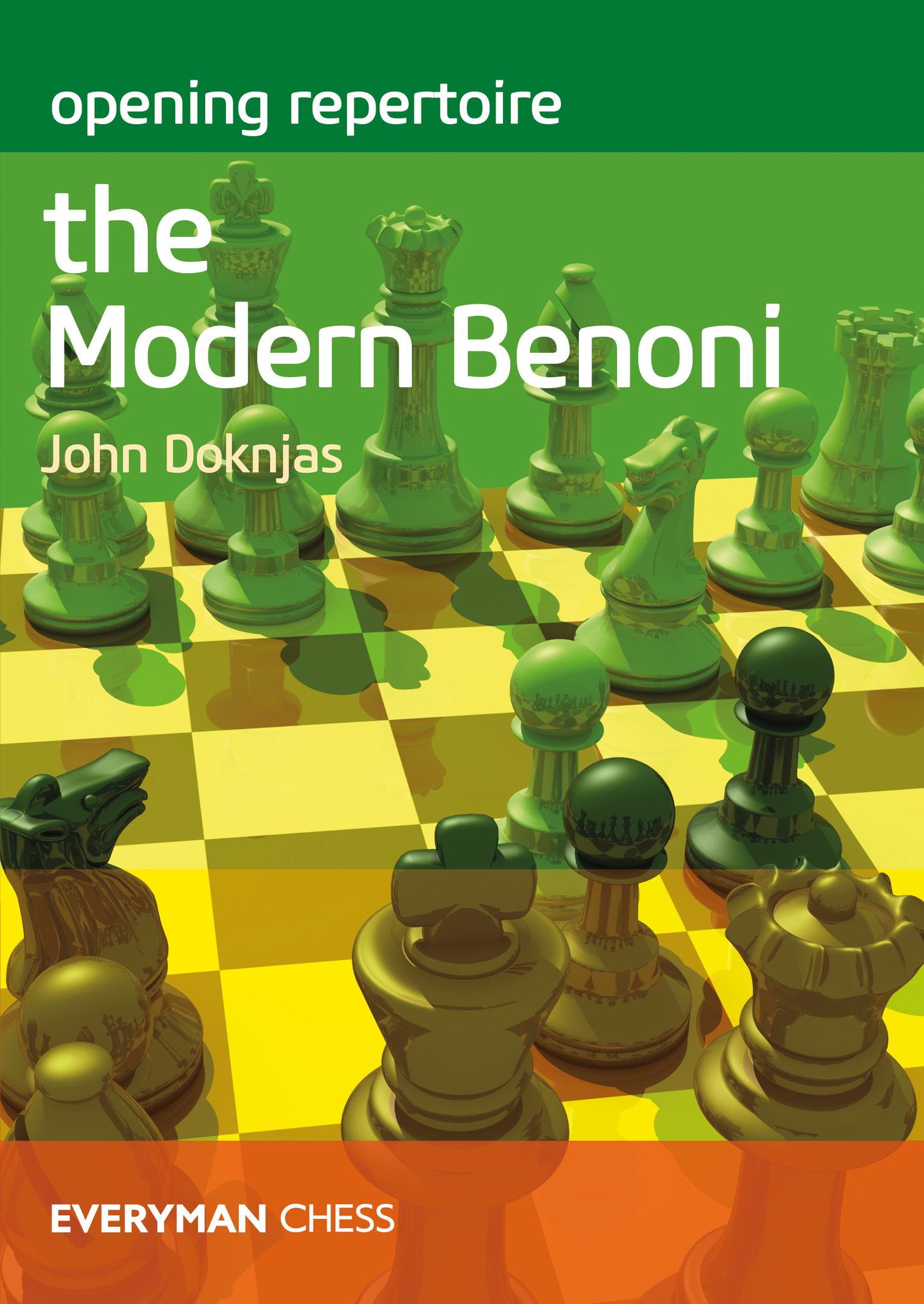
John Doknjas is a FIDE Master from Canada who has enjoyed success competing internationally. He has won seven national titles for his age and tied for 1st in the 2019 U18 North American Youth Chess Championship. This is his third book for Everyman Chess.
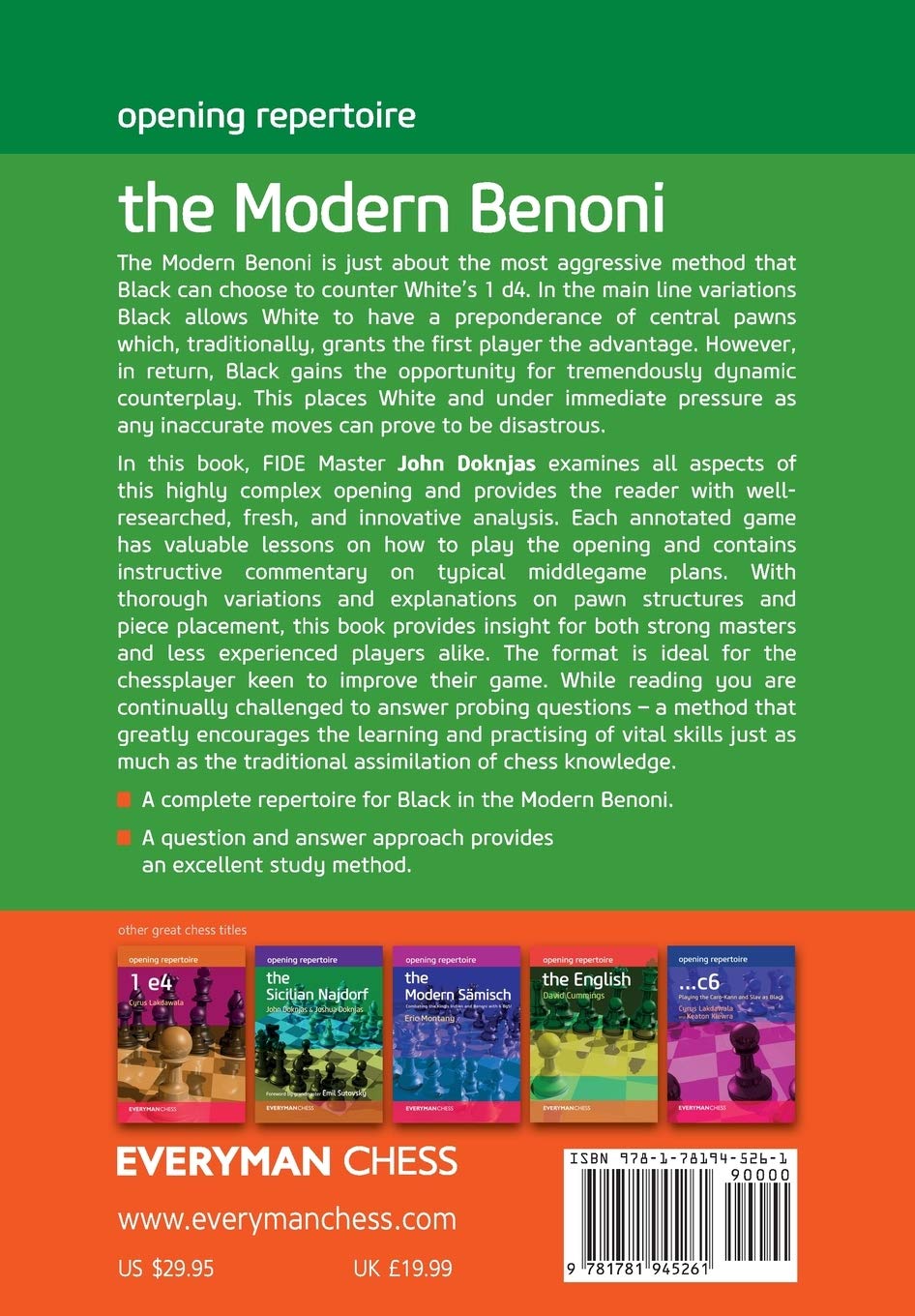
From the book’s rear cover we have :
“The Modern Benoni is just about the most aggressive method that Black can choose to counter White’s 1 d4. In the main line variations Black allows White to have a preponderance of central pawns which, traditionally, grants the first player the advantage. However, in return, Black gains the opportunity for tremendously dynamic counterplay. This places White and under immediate pressure as any inaccurate moves can prove to be disastrous.
In this book, FIDE Master John Doknjas examines all aspects of this highly complex opening and provides the reader with well-researched, fresh, and innovative analysis. Each annotated game has valuable lessons on how to play the opening and contains instructive commentary on typical middlegame plans. With thorough variations and explanations on pawn structures and piece placement, this book provides insight for both strong masters and less experienced players alike. The format is ideal for the chessplayer keen to improve their game. While reading you are continually challenged to answer probing questions – a method that greatly encourages the learning and practising of vital skills just as much as the traditional assimilation of chess knowledge.”
The Modern Benoni, by John Doknjas, is another book in Everyman’s “Opening Repertoire” series. As that implies, the book aims to provide Black with a repertoire against all lines that White can employ against the Modern Benoni, rather than an exhaustive analysis of all lines by both sides.
The Benoni has long been a choice of aggressive players who are willing to take a bit of a risk as Black in order to get a complex fight against White’s 1 d4 (and 2 c4). The resulting middlegame positions are usually double-edged and can be complex both positionally and tactically.
The theory is contained in 31 complete games broken down into nine chapters for the major systems, such as the Flick-Knife attack (aka the Taimanov variation), The Fianchetto Variation, the Knight’s Tour and so on. Major variations within each system are given new games, and (usually) minor variations within those are handled within the notes. Occasionally there are a lot of variations in the notes and this can make it a bit awkward to follow where you are in the main game, but this is probably an unavoidable feature of the complete game approach and I do not mention this as a criticism of the author or the book. Indeed, the book mitigates greatly against this by providing an excellent Index of Variations which tells you if a variation is covered in a main game, or within the notes to one, which makes future reference to a line much easier. The advantages of the complete game approach are that the annotations tell the reader the middlegame plans, and the reader gets to see how masters play out the positions.
The book also contains a nice introductory chapter in which Doknjas provides an excellent overview of plans and piece placement ideas from the perspective of both White and Black. Each chapter also includes a short introductory section, and a summary section, in which the differences between the systems covered by the various games in the chapter are explained.
The repertoire in the book steers Black to positions which appear theoretically sound, and provide Black at least a position with balanced counterplay. There aren’t many lines which offer safe equality, but this of course is the nature of the opening and is to be expected.
I have to say that I regard this as an excellent opening book.
Doknjas provides excellent explanations, both wordy and in concrete lines, and his Q&A and Exercises are always relevant to the material. When he feels appropriate, he is not afraid to recommend lesser-played lines and he backs up his choices with solid analysis and reasoning. His recommendations appear sound and those lines I have tested with an engine do not fall foul of computer analysis.
As an example of his style, here is an excerpt from the game in which he recommends 12 …Rd8 in the Mikenas Attack:
Question: What are some of this moves pluses?
Answer: 12 …Rd8 has only been chosen around 4% of the time OTB, but I really like it for a few reasons:
1. Black threatens to round up the d5-pawn with …Nb6. This doesn’t give White time to attack effectively with f4-f5.
2. The rook could prove very useful on d6, where it will control the f6-square. If black plays …f6 then the pawn will enjoy support, and in some lines Black could even use the rook for direct defence with with …Rf6. Another purpose for the rook being on d6 is to blockade the d5-pawn, which could be important if White’s light-squared bishop comes to c4.
3. The move has a fair amount of surprise value and its subtleties aren’t immediately obvious.
12 …Re8 is the main move but 13 f5! may give White strong play along the f-file (Ng5, Bc4, Qf3, 0-0 etc). The game remain objectively equal but it seems like Black is the one who has to be more careful. Se Feller-C Marzolo continued 13 …Kf8 14 Ng5 e4 15 fxg6 hxg6 16 Be2 Bd4 17 Rf1 with a messy position. 13 fxe5
Others:
a) Be2?! Nb6 14 fxe5 Rxd5 15 Qb3 Kf8 16 Be3 Kg8 gives Black an advantage.
b) …etc (The book actually uses figurine pieces rather than letters.)
I recommend this book to anyone who is already playing the Modern Benoni or who is looking to take it up. Even players who face the Benoni from the White side will get benefit from this book, at least an idea of the current state of theory of this opening, but obviously bear in mind that it is a repertoire book from Black’s viewpoint.
John Doknjas was not known to me before reading this book, I look forward to future books by him.
Colin Purdon, Crowthorne, Berkshire, 13th July, 2020
BCN wishes Happy Birthday to IM Byron Anthony Jacobs (25-vi-1963)
Byron originates from Sir John Betjeman’s favourite town (Slough) and attended Slough Grammar and then The University of Sussex (Falmer).
He was Standard London under-16 champion in 1979. He was 3rd= in the 1982 Danish U-18 International. He was 3rd= in the 1988 Guernsey Open. His last recorded event in Megabase 2020 was in 1998.
Byron became a FIDE Master in 1983 and an International Master and in 1988 achieved a peak rating of 2390 in July 1987 at the age of 24.
Byron Jacobs
Having given up competitive chess Byron became a successful poker player and commentator and has written on the subject.
FM Andrew Whiteley, IM Julian Hodgson and FM Byron Jacobs at Cappelle Le Grand, 1988. Photograph by Caroline Winkler
Byron is a director of Brighton based First Rank Publishing and is a specialist chess typesetter and Chief Advisor for Everyman Publishing and others and was pivotal in Brighton based, Chess Press.
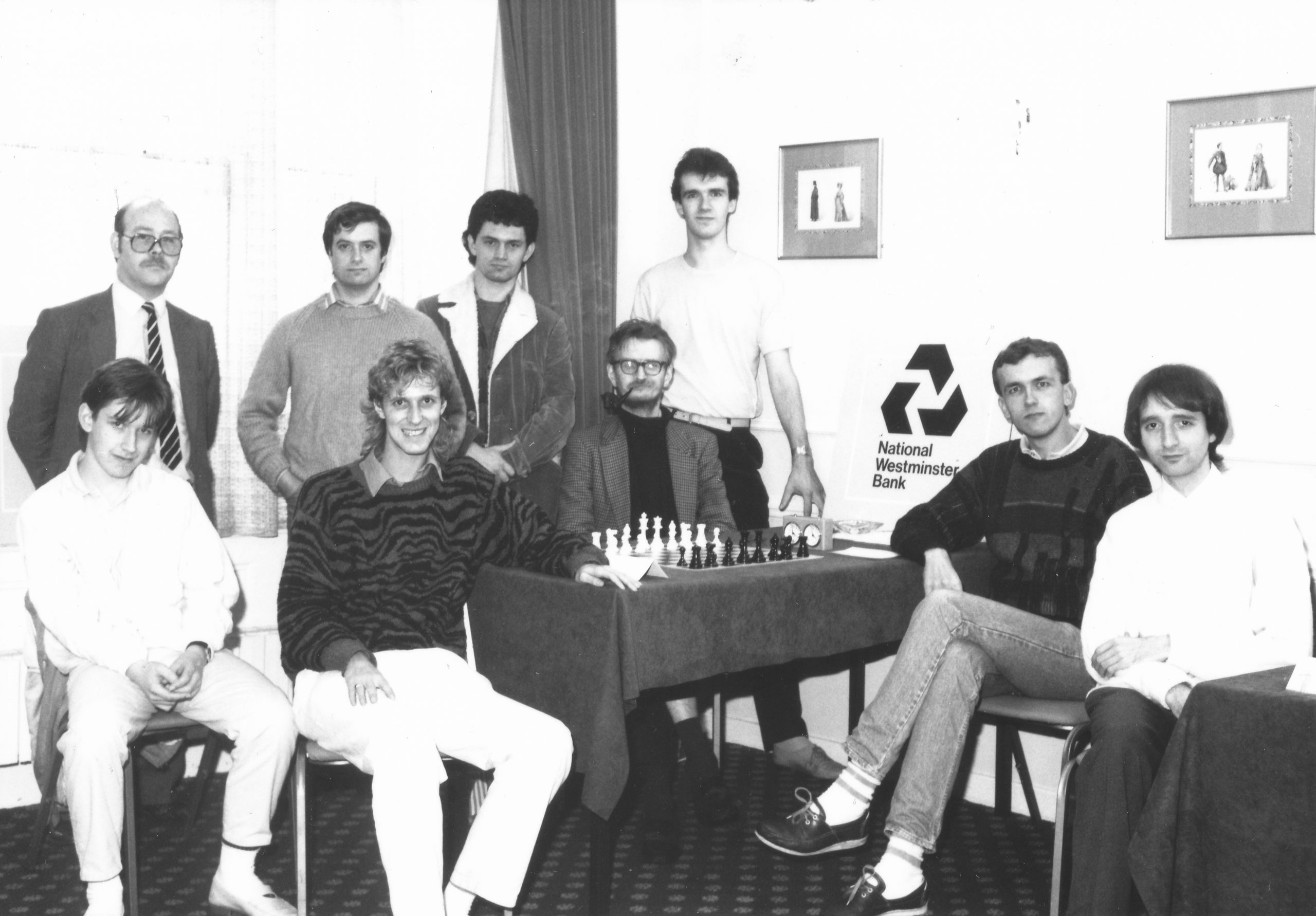
Byron and friends at the NatWest Bank Young Masters
Byron was the typesetter for British Chess Magazine from 2011 – 2012 and was Deputy Editor for CHESS during the time of Murray Chandler and Bernard Cafferty
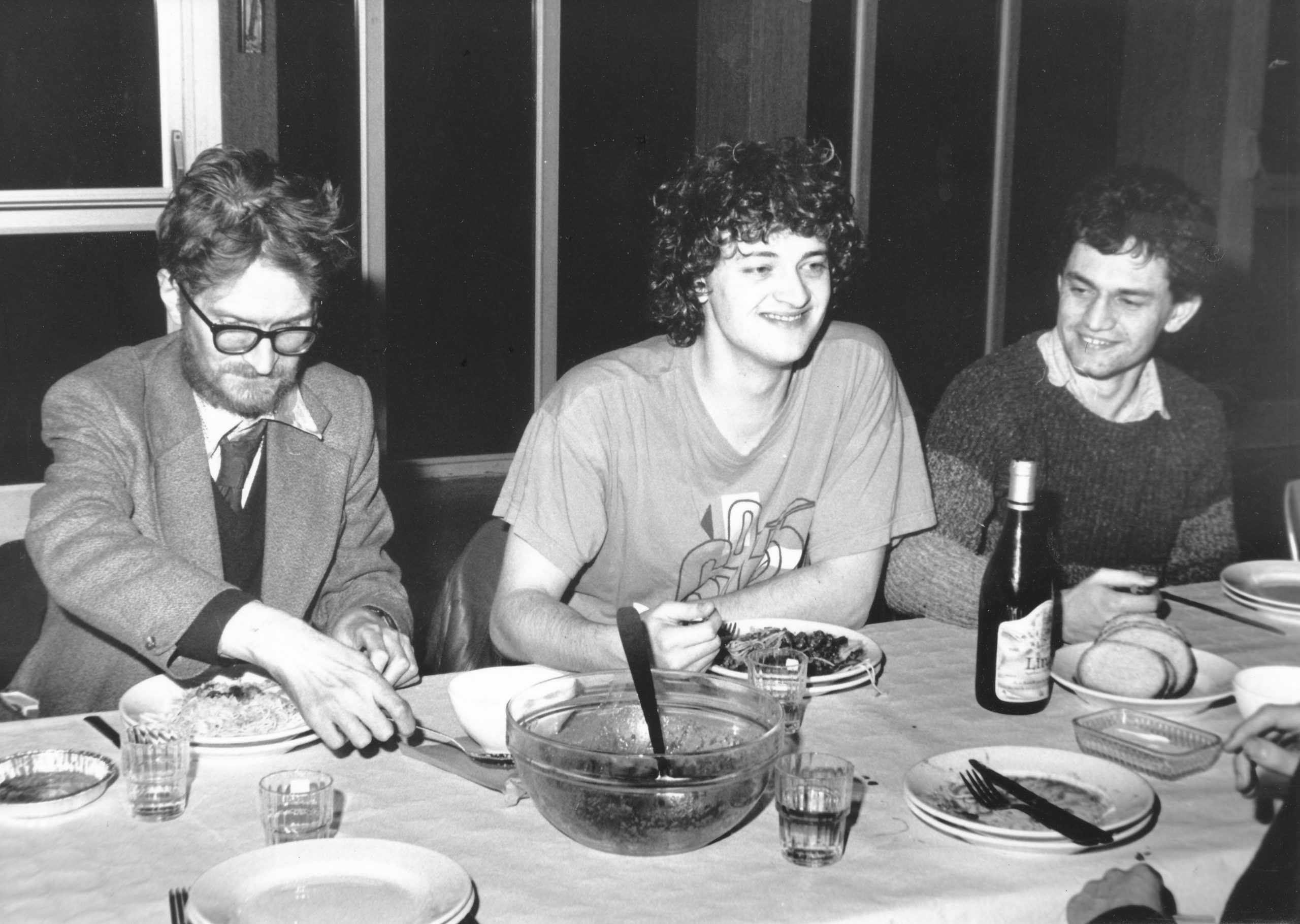
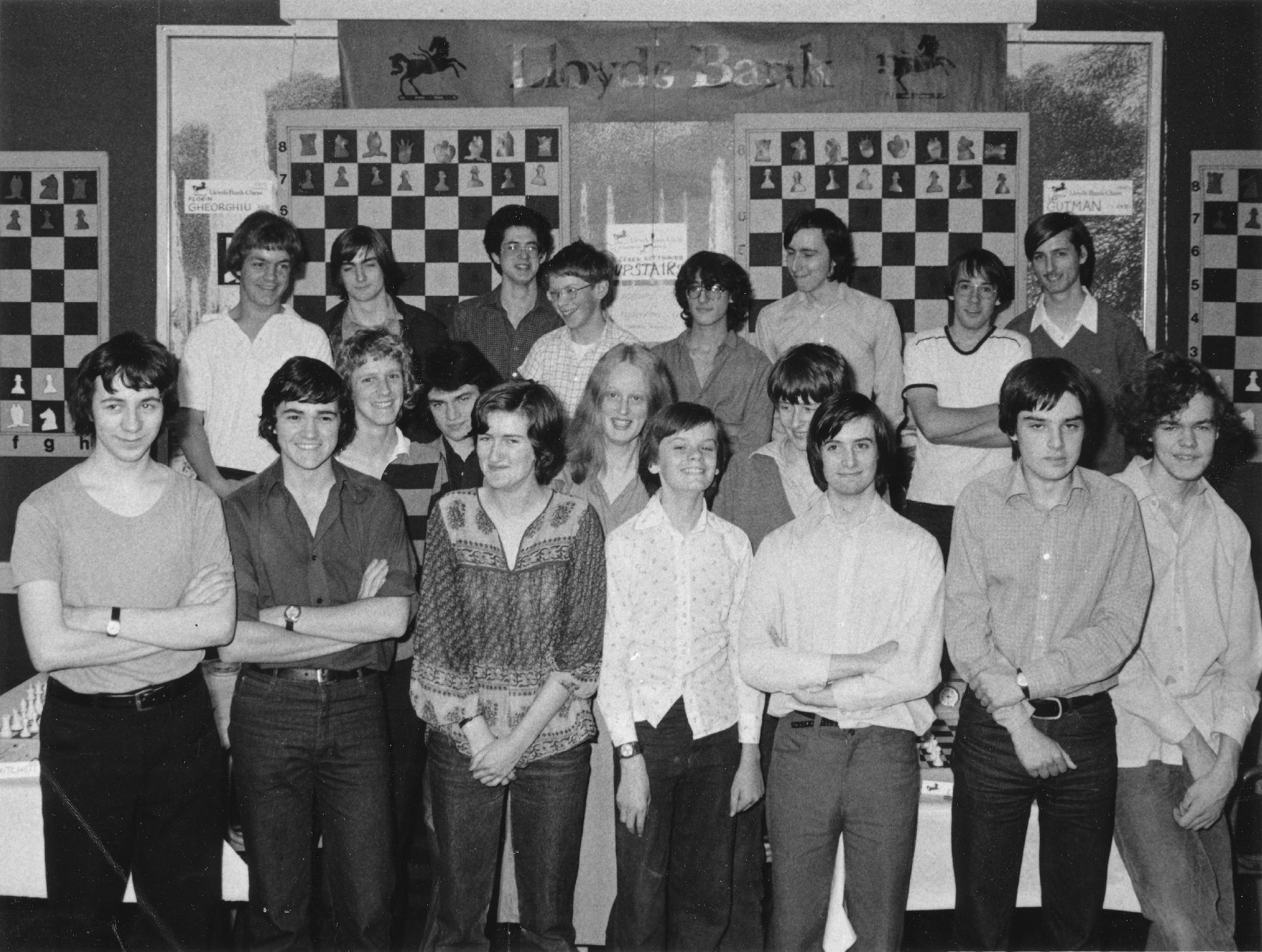
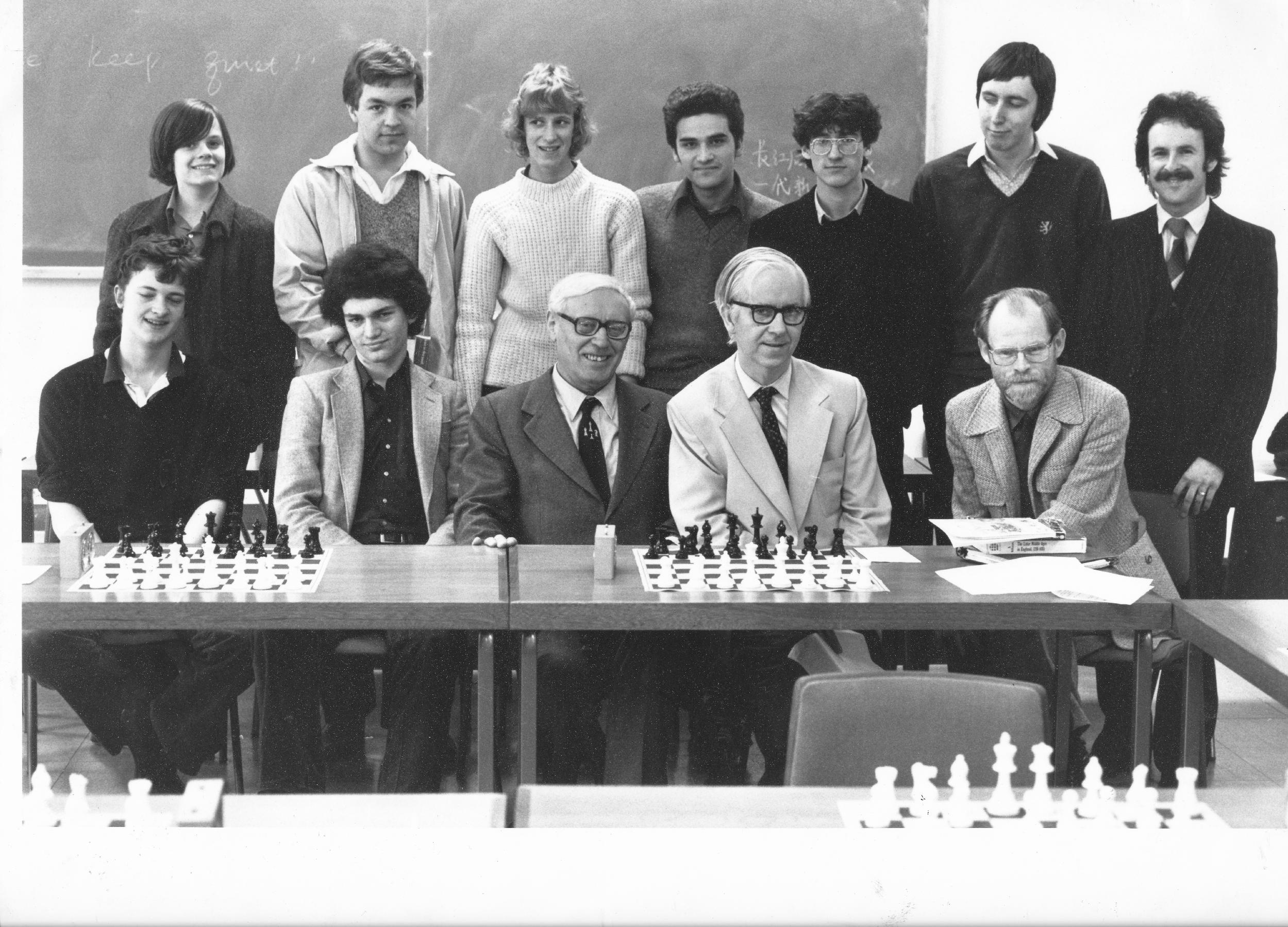
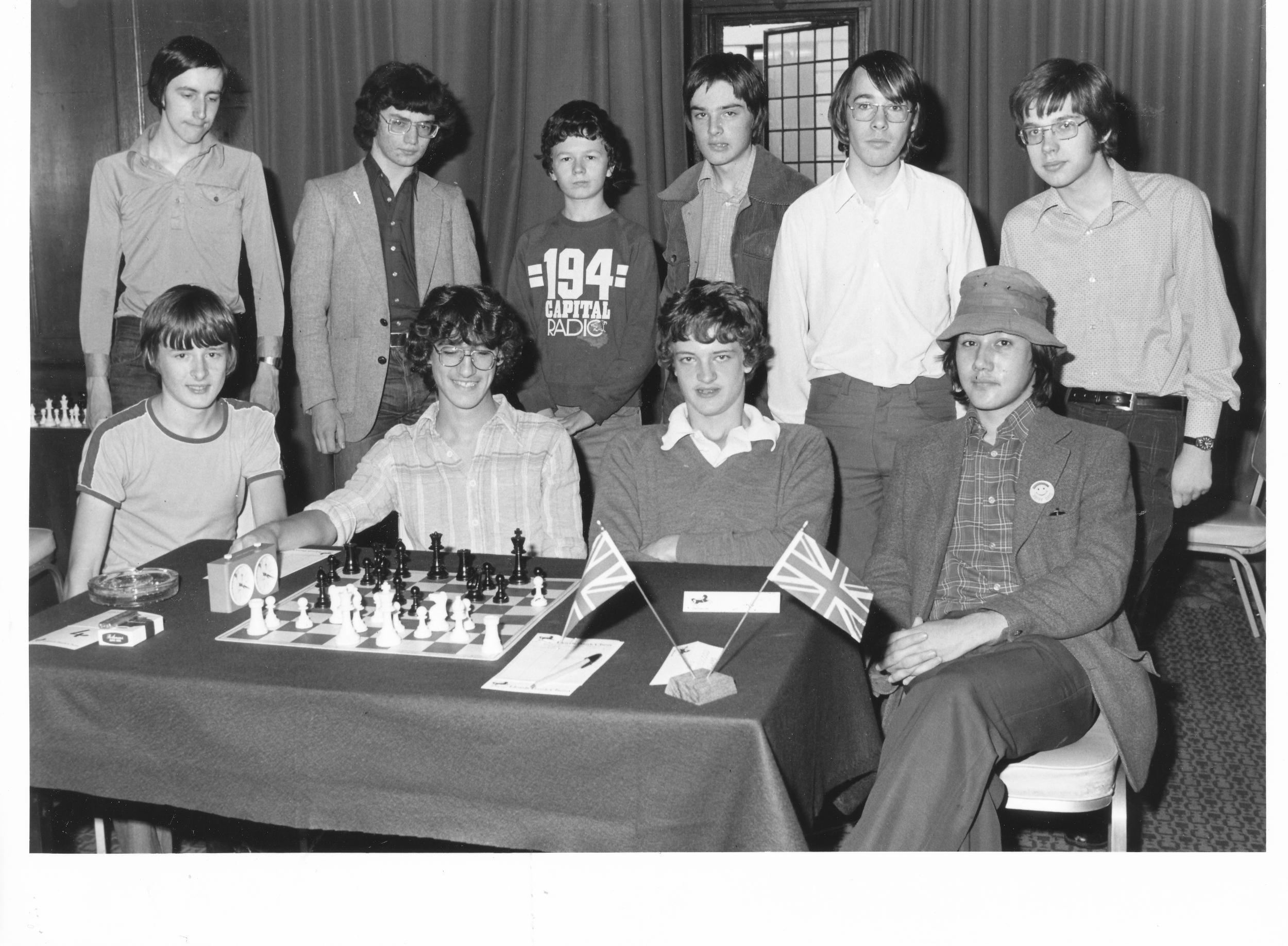
IM Byron Jacobs (front, fourth from left) at a Lloyds Bank eventIM Byron Jacobs (seated, second from left)IM Byron Jacobs (standing, second from left)) at a Lloyds Bank MastersByron Jacobs (second from left) at the National Film Theatre. Also present is Aaron B, Rose, JJ Ady and Andrew Martin. Photographer : John Upham
Byron is an accomplished chess author with many titles to his name :
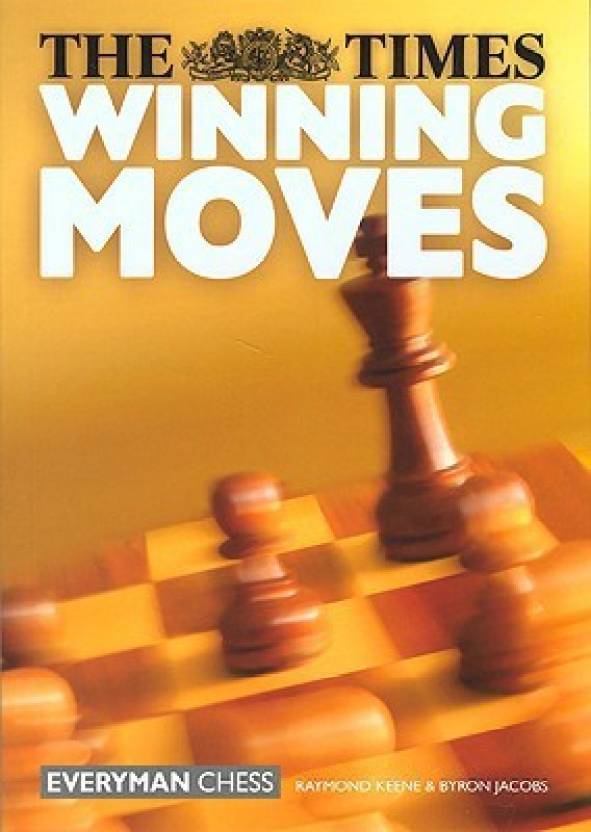
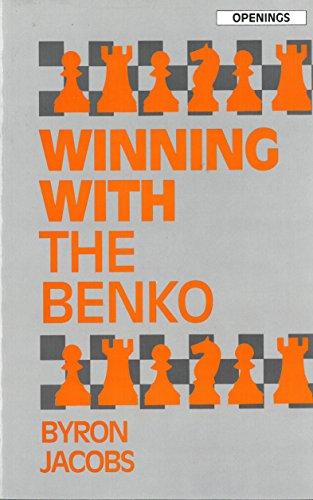
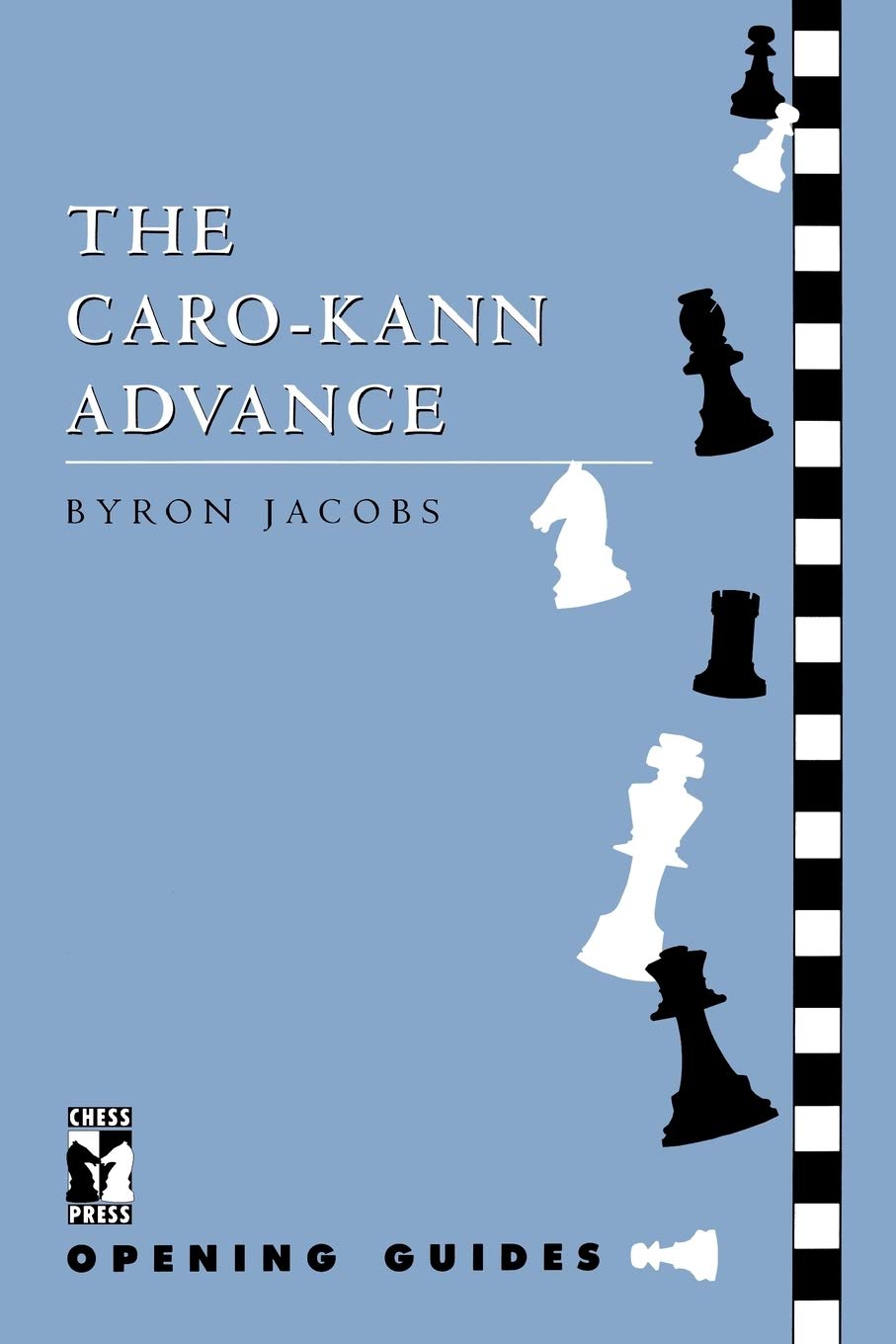
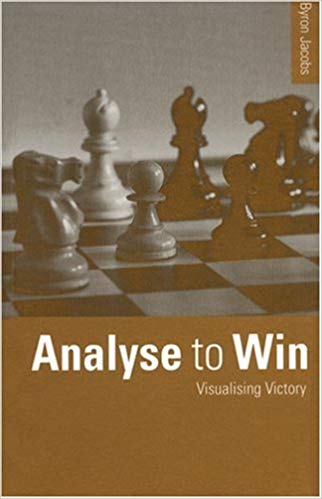
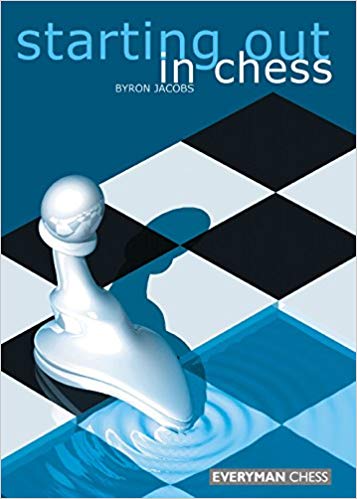
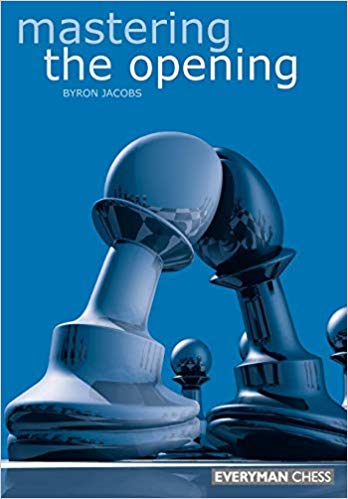
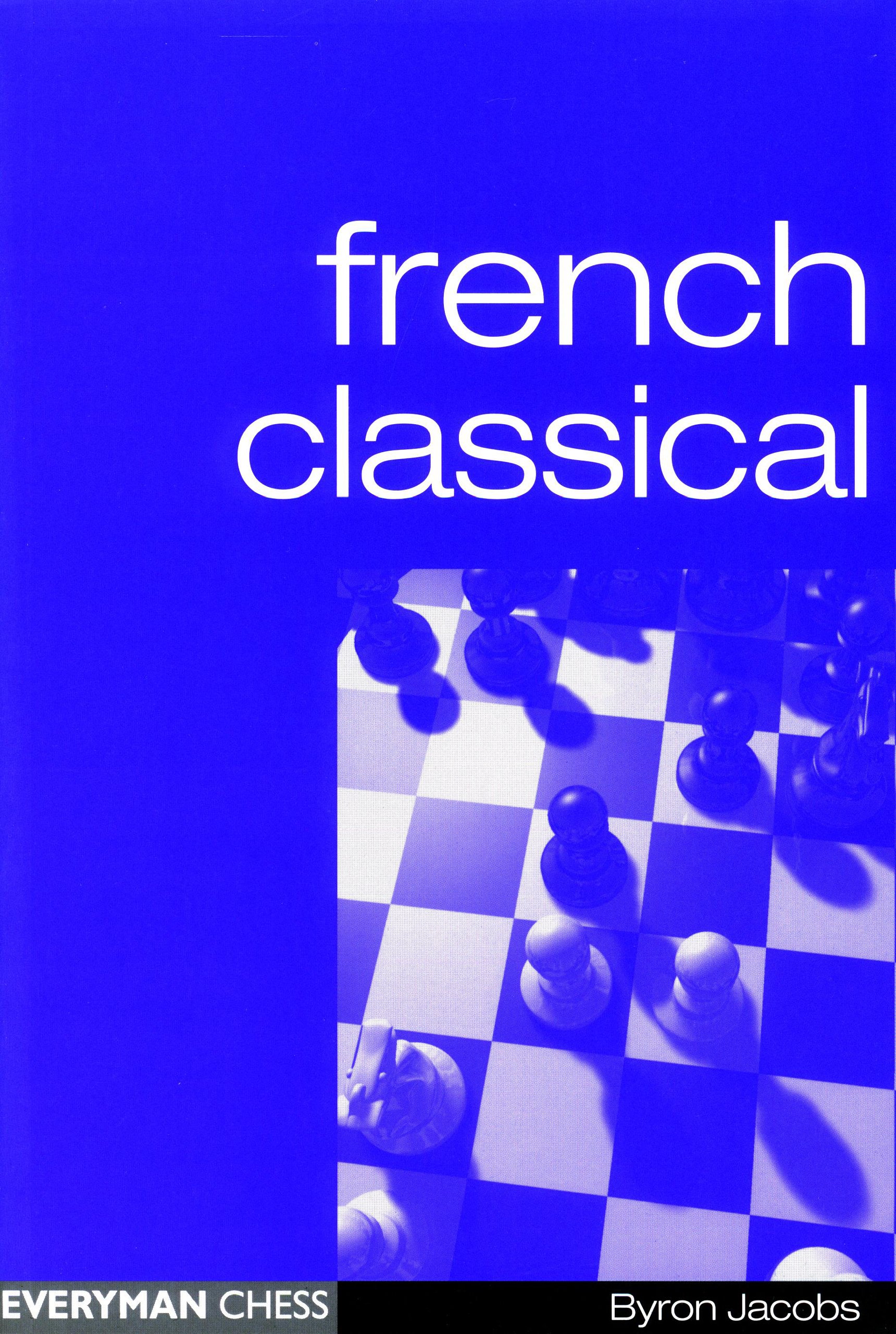
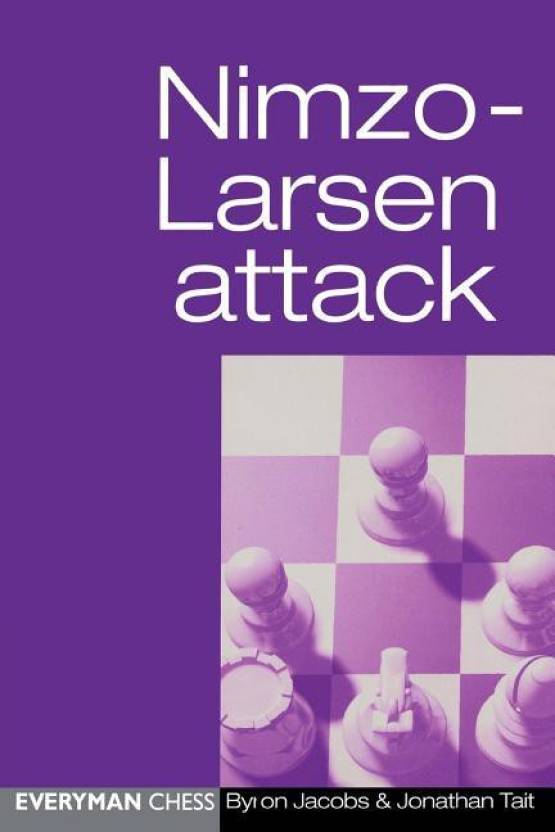
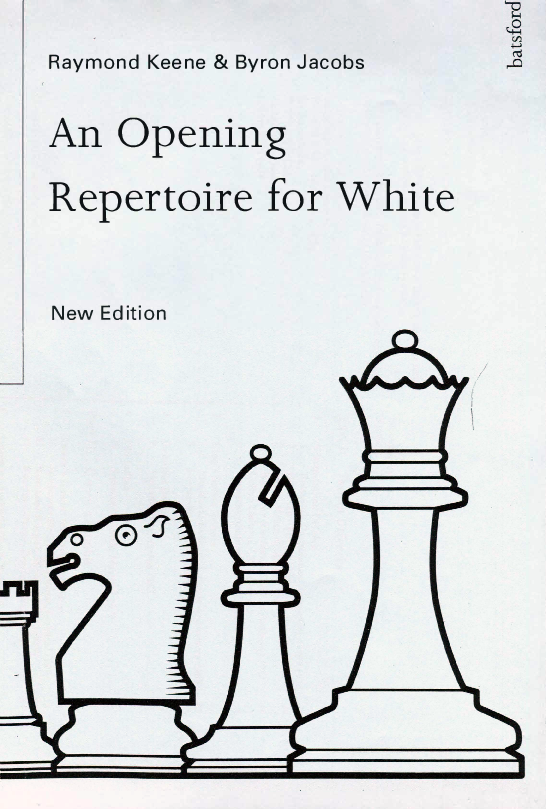
The Times Winning Moves (1991 with Ray Keene)The Complete King’s Indian (1992 with Ray Keene)Winning with the Benko (1995)The Caro-Kann Advance (1997)Analyse to Win (1997)The Benko Gambit by Andrew Kinsman & Byron Jacobs (1999)Starting Out in Chess (1999)Mastering the Opening (2001)French Classical (2001)Nimzo-Larsen Attack (2001)An Opening Repertoire for White (2003)
Here is the publishers blurb from the rear cover :
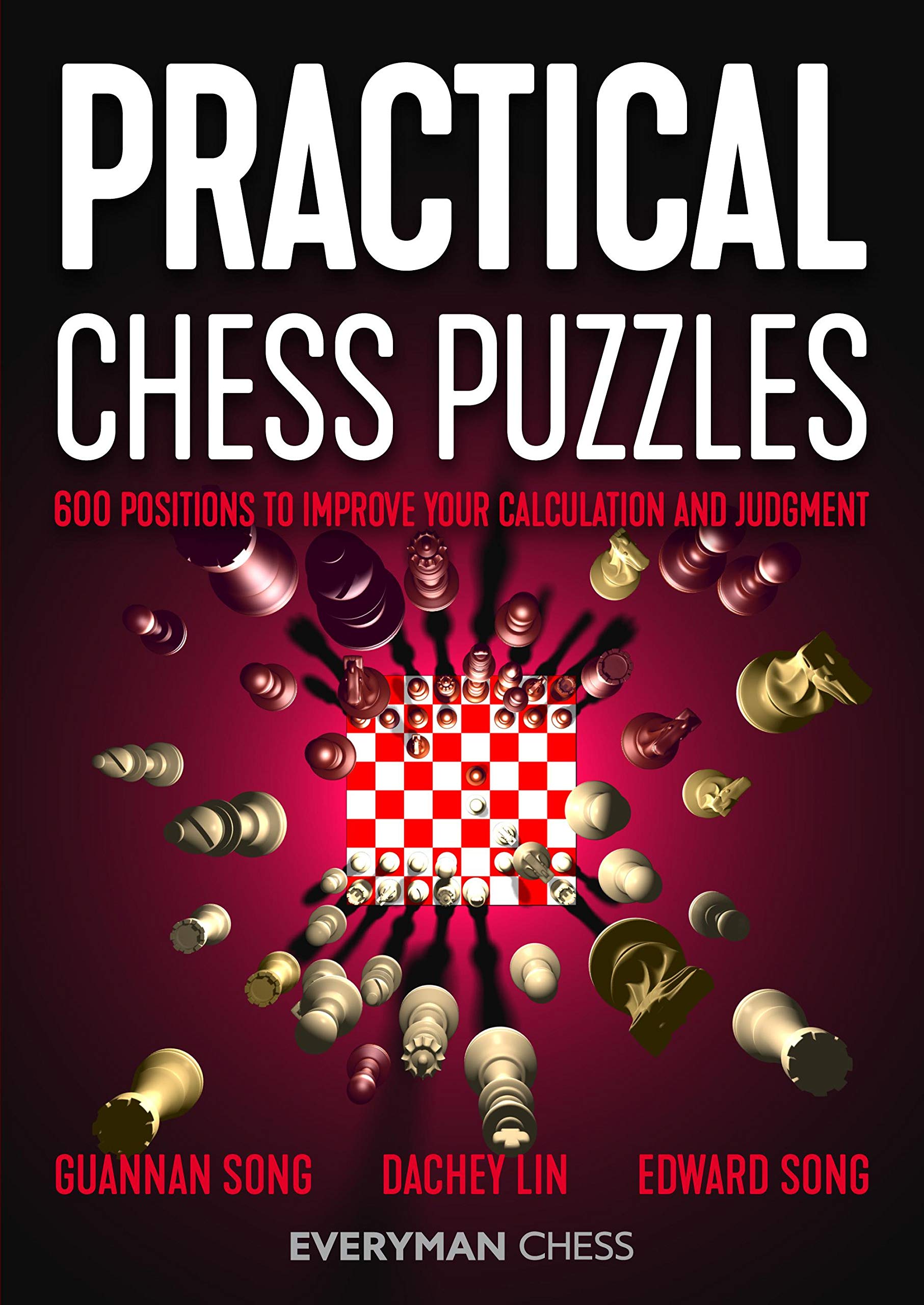
Chess puzzle books are undoubtedly popular – and with good reason. Solving chess puzzles helps to sharpen a player’s tactical and combinational skills. This ability is absolutely fundamental for chess development. You won’t get better at tennis until you can consistently hit the ball with accuracy and you won’t get better at chess until you improve your ability to calculate. It is that simple and there are no shortcuts.
Many puzzle books take a far too simplistic approach and offer endless positions where the solution is nearly always along the lines of: queen takes something check, king takes queen, check, check and a pretty mate. Aesthetically pleasing perhaps but of minimal use for actual improvement as the patterns are so familiar. Practical Chess Puzzles avoids this pitfall. The positions chosen are far more like those that actually appear on the board during the vast majority of games. Furthermore, at all stages, the puzzles are ranked, enabling the student to gauge progress and identify and correct weaknesses.
600 puzzles featuring instructive, typically “game-like” positions
A ranking system to assess progress.
and about the authors :
Guannan Song is a FIDE Master with one International Master norm from Canada. He won the 2010 Canadian Youth Chess Championship and scored bronze at the 2015 North American Junior Chess Championships. He also played for Team Canada at the 2010 World Youth Chess Championship and the 2014 World Youth U16 Chess Olympiad. He represents Western University on board 1 of its Championship team and led his team to 2nd place at the 2019 Canadian University Chess Championship.
Dachey Lin is a FIDE Master from the United States, having achieved the title in 2016. He is a seven-time All American Team member and participated in three World Youth Chess Championship events, tying for ninth place in 2009. Though he is not as active as some of the other chess players, he enjoys following and helping other chess players and watching them grow and succeed.
Edward Song is an International Master from the United States. He won the 2014 US Cadet Championship, the 2017 Supernationals (tie), and the 2017 Denker Tournament of High School Champions (tie). He is also a four-time All American Team member and played two World Youth Chess Championships, achieving top ten both times. He is looking forward to making further progress towards grandmaster.
As with every recent Everyman Chess publication high quality paper is used and the printing is clear. Each diagram is clear as is the instructional text. Figurine algebraic notation is used throughout and the diagrams are placed adjacent to the relevant text.
The book consists of five chapters :
Model Games : six games
Combinations : 250 positions
Evaluation : 100 positions
Tests : 250 positions
Solutions
The first aspect that leaps out is that material is largely based on real games from the last ten years. Secondly, those games have largely not found themselves into databases such as MegaBase 2020. Thirdly, many of the games are from North American tournaments and a good number featured are from the authors own practise.
The model games are entirely practical : real games played by strong but not super strong players with flaws and blunders that human beings make. They set the scene for the main course.
The Combinations chapters provides 250 unthemed positions which range from simple tactics of all types to deep combinations of tactics. The variety is excellent and, much like the Carsten Hansen book we reviewed earlier the positions are real and “messy”. Therefore very much for the tournament player rather than sanitised positions for teaching children and beginners.
Here is an example (#25) from M. Kernighan-J.Lipoka, Winnipeg, 2010.
Potentially the most interesting is the Evaluation section. The student is asked to study and pick apart the positions inorder to assess the correct outcome. Part of that assessment includes finding the best continuation. The solutions to these exercises focus on the latter it has to be said : We would like to have seen more of the assessment angle !
Here is an example (#343) from A.Jayakumar-G.Garcia, Philadelphia, 2012 :
Finally (the solutions do not count !), combining all of the previous elements, is the Tests section. If you were only to work on one section (but why would you do that ?) then this would be the most rewarding.
Here is an example (#435) from R.Ulrich-A.Wang, St Louis, 2017
In summary, the content lives up to the title and any tournament player from say 1200 Elo to perhaps 2200 will derive much benefit from working through the content. It is good to find a whole tranche of new material and ideas from real games played by mostly amateur players.
A small gripe (but not important) with the production is : Some (so why not this one) Everyman books have an extra folding part to the front and rear covers. These we find protect the book from damage and also can be used as an emergency book mark !
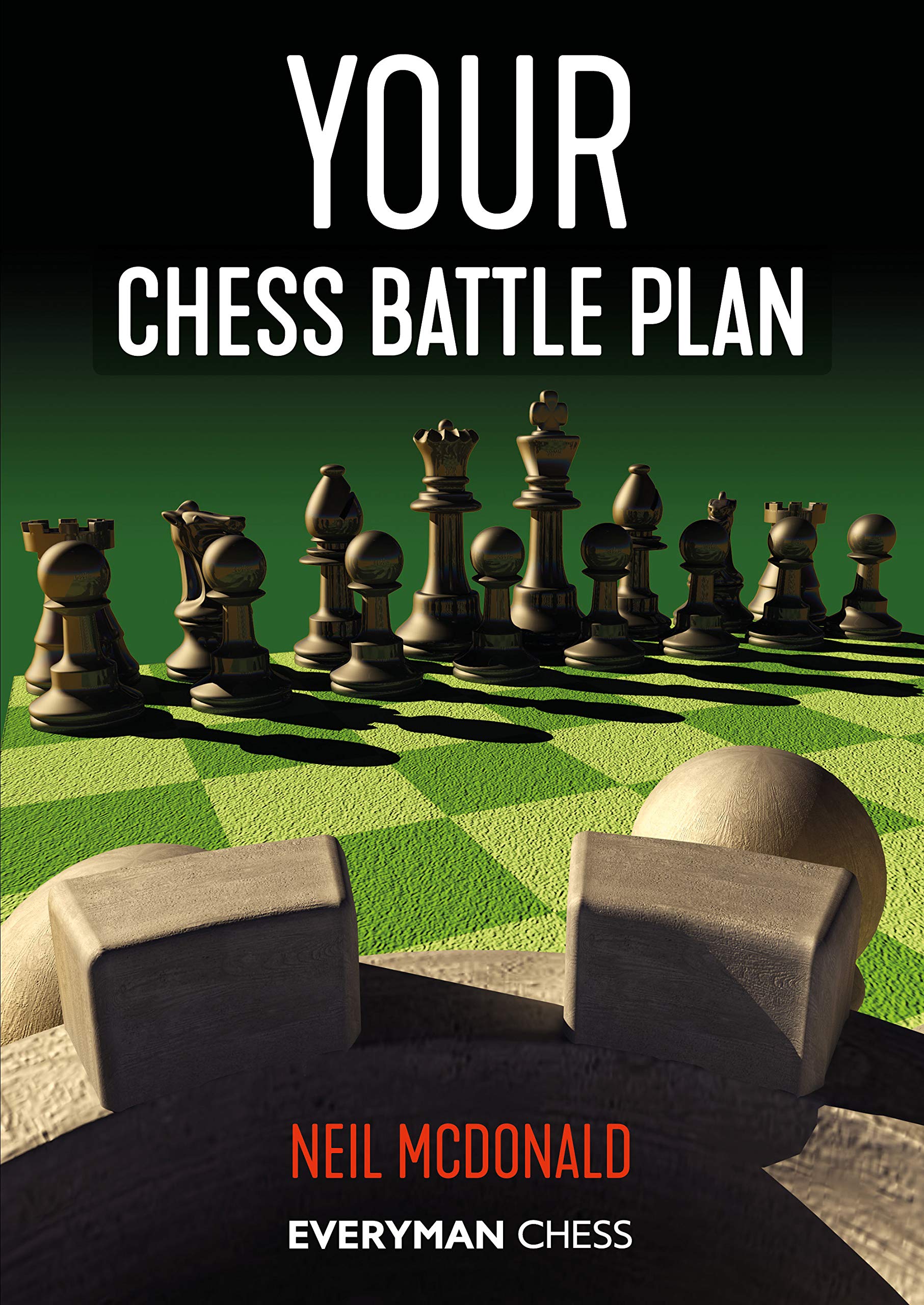
Neil McDonald is an English GM, an active player, a FIDE Trainer and a coach to the England junior teams. Neil has authored thirty-seven books for The Chess Press, Batsford and, most recently, Everyman Chess. One of his most recent works, The King’s Indian Attack : Move by Move, impressed considerably.
“One of the most challenging tasks in a chess game is to find the correct strategy. It is far easy to attack too randomly, to miss a vital opportunity, or even choose the wrong plan altogether. These are all mistakes frequently seen by even quite strong players.
Your Chess Battle Plan focuses on how Magnus Carlsen and other great masters decide on the best strategy in a position and then find the right ways to implement it. Clear advice shows you how to hone in on the most relevant features of a position in order to decide what your general plan needs to be. Factors that are addressed include when to exchange pieces, when to make long-range manoeuvres, when to offer sacrifices and how to identify and focus on key squares. Your Chess Battle Plan will get you thinking along the right strategic lines and using your pieces and pawns in a much more efficient and skilful manner.
A complete self-improvement programme.
Advice to evaluate the current level of planning in your own games.
Utilizes a structured approach, making the most of your study time.”
The content is divided into ten chapters as follows :
Improving the Activity of your Pieces
Stopping the Opponent Playing Good Moves
Full Grovel Mode
Punishing Faulty Freeing Moves
Exploiting a Hole
Manoeuvring Against Pawns
Promoting a Pawn
Using a Pawn as a Battering Ram
Sacrificing to Gain the Initiative
Deciding the Character of the Game in the Opening
For each of these themes the author selects a dozen or so games between high quality opponents. He fast forwards to the key moment, sets the scene and then analyses the play from this moment onwards.
To get a flavour for yourself here is an excerpt from the books’s Kindle version.
Each of the game fragments is analysed with a friendly and candid style emphasizing the key elements not only in the position but, more importantly, in the tactics and strategy implied by the chosen plan. To get most benefit from the authors text it would be best to set-up the start position of the fragment on the board and cover the following text. Spend some time getting “into the zone” of the position and try and decide the best plan for yourself. Having done that then reveal the authors notes and see how much you have predicted. Do this time and time again in a give chapter / theme then the ideas should start occurring to yourself with less prompting.
For a little context here is the full game (up to White 46th) that is discussed below :
From the Promoting a Pawn chapter there is the game (49) Demchenko – Gukesh, 2019 that reached this position after white’s 46th move :
and this is the instructional text from the author :
“Question : Can you see killer blow White had missed?
it looks as if Black is going to have to resign in view of the unstoppable mate, but :
Answer : 46…Qxf5+!
A horrible surprise for White. If he takes the queen it is mate on h1.
47 Kh2 Qc2+ 0-1
It will be mate on g2.
It feels as white was somewhat unlucky in that the logical course of his plan required him to find the ‘only’ move 45.Rf3!, without which he was lost. When the opponent queens first, the stakes on he accuracy of your moves become very high. Meanwhile, Black had to find the tricky 44…Qb7+! and hope that White would overlook the deadly idea behind it. Gukesh was a 12-year old Grandmaster at the time of this game, and not likely to miss such a tactical chance!”
In total 76 games are examined either in full or partly. This book provides a rich pot pourri of well selected examples that demonstrate the ideas of the chapter / theme.
We think this that book will get the student thinking about his or her own potential plans for a position hopefully adding dimensions that would not normally have been considered. The rewards from studying this book are likely to be much greater confidence in middle game positions and perhaps even less fear of murky or unclear positions. Many previous middle game books examine superb examples of play from Capablanca and others where perhaps the positions are less “messy” and not as “lifelike”. These 76 examples from the author are very down to earth and will benefit the student from study.
A couple of small gripes with the production are : the diagrams do not have a “to move” indicator. Secondly, some Everyman books (but not this one) have an extra folding part to the front and rear covers. These we find protect the book from damage and also can be used as an emergency book mark !
In conclusion we like this book a great deal and hope to find the time to study all of it in depth : highly recommended !
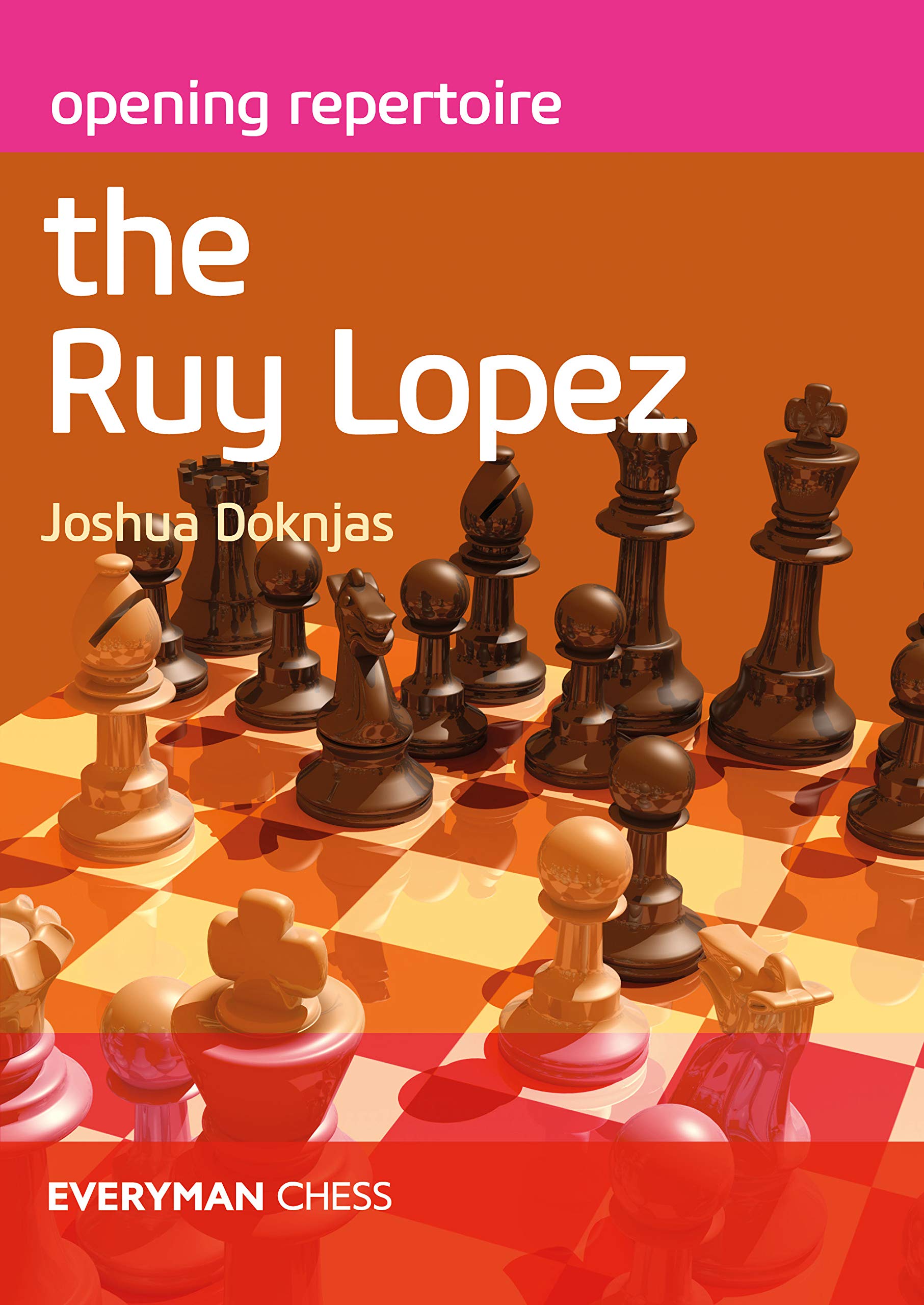
Joshua Doknjas is a FIDE Master from Canada who has enjoyed success competing internationally. He has won seven national titles for his age and tied for 1st in the 2019 U18 North American Youth Chess Championship. This is his second book for Everyman Chess.
From the book’s rear cover we have :
“The Ruy Lopez is perhaps the most classical of all chess openings. It dates back to the 16th century and has featured in the opening repertoire of every modern world champion. It is a highly flexible variation: Bobby Fischer used it to create numerous powerful strategic masterpieces. In the hands of Anatoly Karpov it led to many of his trademark positional squeezes, whereas Garry Kasparov often used it as a springboard for his typically powerful attacks.
Opening Repertoire: The Ruy Lopez is a modern examination of this perennial favourite. Joshua Doknjas has put together a repertoire for White based firmly around contemporary trends in the Lopez. He examines all aspects of this highly complex opening and provides the reader with well-researched, fresh, and innovative analysis. Each annotated game has valuable lessons on how to play the opening and contains instructive commentary on typical middlegame plans.
A complete repertoire for White in the Ruy Lopez
A question and answer approach provides an excellent study method
Everyman Chess have already produced several books of high quality on chess openings and have now added another one.
The book is divided into ten main chapters as follows :
The Zaitsev : 9…Bb7 and Sidelines
The Chigorin : 9…Na5
The Breyer : 9…Nb8
The Anti-Berlin : 4.d3
The Open Variation
The Anti-Marshall : 8.a4
Systems with 5…b5 and 5…Bc5
Systems with …g6 and …Nge7
The Schliemann
Rare Lines
The Ruy Lopez has been called the mother of chess openings and is undoubtedly the most challenging for anyone who plays the open game with the black pieces.
The book is divided into 3 parts. Part 1 is solely dedicated to the closed Lopez : a great favourite of Lev Aronian. Three main variations are looked at after 5…Be7 6.d4 b5 7.Bb3 d6 8.c3 00 9.h3 when 9…Bb7; the Zaitzev 9…Na5 the Chigorin; a great favourite of Paul Keres and 9…Nb8 favoured by Anatoly Karpov are each considered in detail.
The lines are investigated by examining games played by those of at least 2500 Elo with lots of discussion of other possibilities and questions giving the reader the chance to see if they can work out the correct path.
A Grischuk win against the Ziatzev is analysed, Alexei Shirov shows us how to face the Chigorin with nice wins by Ray Robson with Grischuk and Maxime Vachier-Legarve dismanting the Breyer Variation.
Part2 starts by looking at the notorious Berlin Defence and recommends that White plays 4.d3 which has been the move favoured By Magnus Carlsen and Fabiano Caruana in recent years.
Both 4…d6 and 4…Bc5 are studied the latter in some depth.
The Open variation with 5…Nxe4 by black is analysed in Chapter 5.
The main line 6.d4 b5 7.Bb3 d5 8.d4xe5 Be6 9.c3 is chosen as surprise recommendation as I have played the Open Variation for about 30 years and always thought 9.Nbd2 chosen by Karpov in many games to be the strongest continuation. After 9…Bc5 10 Qd3 is Doknjas suggestion probably chosen to avoid the dangerous Dilworth Attack.
The top game here is a rapid game between heavyweight giants Anish Giri and Vishy Anand and, as usual, White wins.
There is no analysis of the Marshall Defence as 8.a4 avoiding it is the repertoire recommendation.
This was Kasparov’s choice in game 1 of his 1993 PCA world championship match versus Nigel Short. Again, games by Giri and Vachier-Legarve are given as examples for White players. Unusually there is a draw for Black when Ding Liren defends the black side : unusual for this book which has a heavy white bias.
The Arkhangelsk with both 6…Bb7 and the very modern 6…Bc5 often favoured by Shirov is discussed with 7.d3 recommended against the former and 7.c3 against the latter.
The closing chapters in Part 3 look at the rarer moves 3…Nge7 3…g6 3…Nd4 and 3..d6 lines are covered next.
For completeness, there is a chapter on the 3…f5 Schliemann and 4.d3 is the recommended way forward when white intends to snatch a pawn and challenge black to prove he has compensation.
This book is aimed at players from about 120 ECF and upwards though promising juniors who play 1.e4 and are wondering what to choose against the open game are likely to benefit.
The book is nicely presented with good clear print and many diagrams as well as lots of good games.
Colin Lyne, Farnborough, Hampshire, 8th February, 2020
Cyrus Lakdawala is an IM and former US Open Champion who teaches chess and has written over 25 books on chess openings.
IM Cyrus Lakdawala
As a treat for our readers we allow you to download this review in Portable Game Notation (pgn) format. We suggest ChessBase Reader as a means of opening the file.
You may also download this review in ChessBase (.cbv) format.
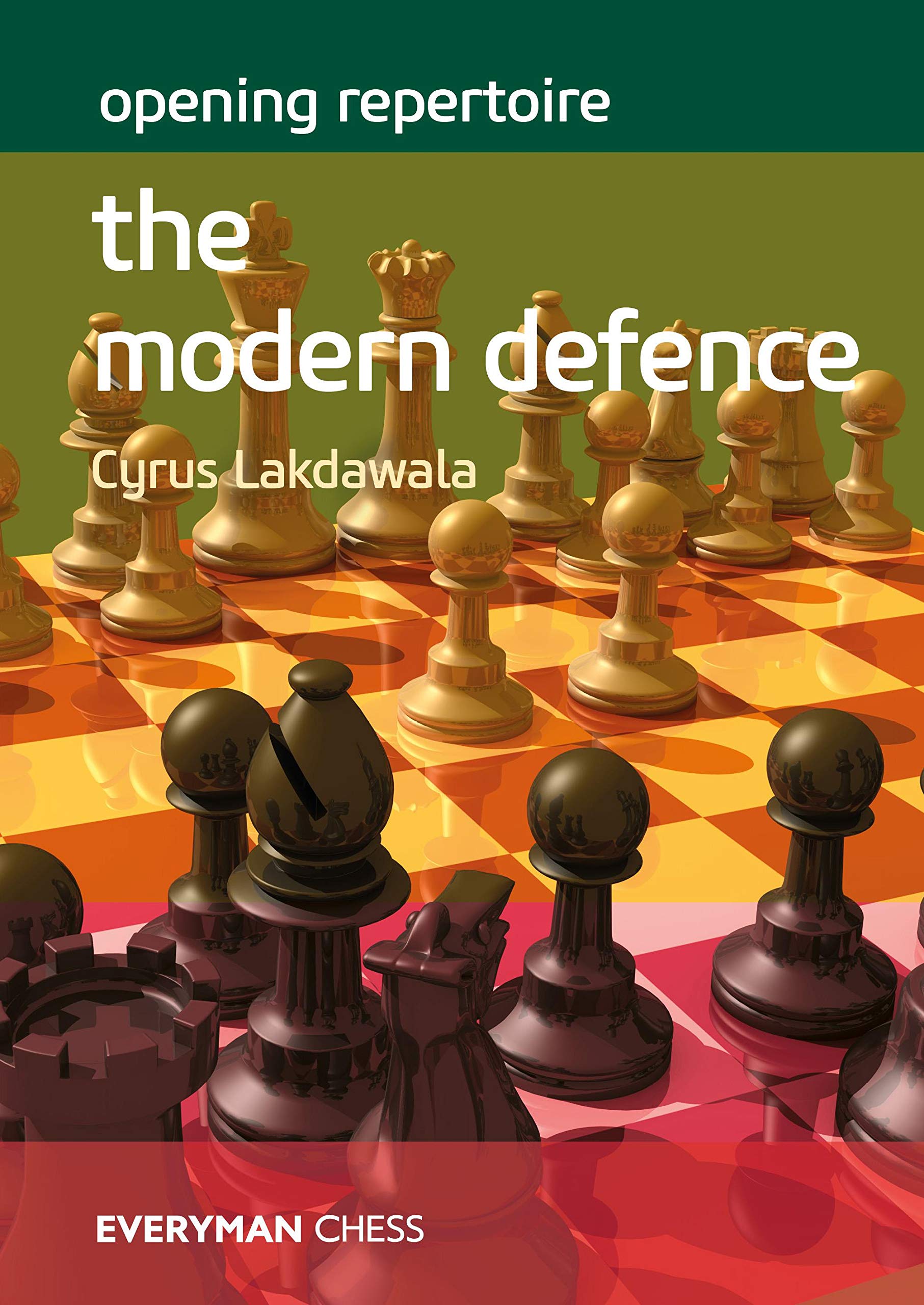
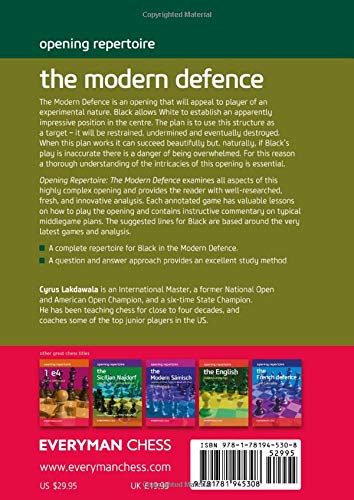
This is the Modern Defence, which has been described both as a fighting opening, based on counterattack and a masochistic paradise, where Black has to sit with less space for the whole game and then loses.
Having played the Modern for some 40 years now, I can testify that the truth is somewhere between the two views.
You either like the Modern or you don’t and you have to get into the right frame of mind in order to play it properly. Black has to suck up early pressure and time his counterattack to perfection to break up the enemy position. If this is your thing and you have an independent character, you will find what you want after 1…g6.
I think I have most of the Modern Defence books in my library, stretching back to Keene and Botterill, through Norwood and Tiger Hillarp Persson and now complimented by the latest work from Cyrus Lakdawala : ‘ Opening Repertoire’ The Modern Defence.
Lakdawala’s book is comprehensive, brimming with ideas and gives lines for Black after all sensible opening first moves, based on complete games.
His suggestions differ from Hillarp Persson, in that whereas the Swedish GM recommends that Black plays an early …-a7-a6 in most lines, Lakdawala goes back to the Norwood repertoire of old, where 1 e4 g6 2 d4 d6 3 Nc3 c6!? was one of the key pillars of the Black counterattacking reply.
It’s an approach which seems to stand up in the present day.
Let’s dive in and take a look at a few recent games that are not in the book, but which align with the recommendations therein.
I enjoyed the book and I think you will too. Focus on the ideas and the originality of Lakdawala’s thought and you will get a lot from it. I guess the book could have been shortened by 20/30 pages with a more economical writing style, but that is the way he does things and you like it or lump it.
Lakdawala’s book is an important addition to the available chess literature on the Modern. As such, it comes with my strong recommendation.
Andrew Martin, Bramley, Surrey, 6th February, 2020
IM Andrew Martin
Book Details :
Paperback : 416 pages
Publisher: Everyman Chess (22 Oct. 2019)
Language: English
ISBN-10: 1781945306
ISBN-13: 978-1781945308
Product Dimensions: 17 x 7.5 x 24 cm
The book is available as a physical book and as a Kindle version.
Zenón Franco Ocampos (American Spanish: [seˈnoɱ ˈfɾaŋko oˈkampos];[a] born 12 May 1956, Paraguay) is a chess grandmaster (GM) from Paraguay. In the 1982 Chess Olympiad at Lucerne, he won the gold medal at board one by scoring 11 of 13. In the 1990 Chess Olympiad at Novi Sad, he shared first place at board one with 9 points in 12 games. As of 2007, Ocampos is the top-ranked player and only GM in Paraguay (now, there are three GMs: Zenon Franco, Axel Bachmann and Jose Cubas). He has written several books on chess for Gambit Publications under the name Zenon Franco.
GM Zenon Franco
A few days ago my friend Paul Barasi asked me a question on Twitter: “Does planning play a distinctive & important role in deciding inter-club chess match games? I don’t hear players saying: I lost because I picked the wrong plan or failed to change plan, or won by having the better plan. Actually, they never even mention the subject.”
I replied: “It does for me. I usually lose because my opponent finds a better plan than me after the opening. But you’re right: nobody (except me) ever mentions this.”
I can usually succeed in putting my pieces on reasonable squares at the start of the game, but somewhere round about move 15 I have to decide what to do next. If I’m playing someone 150 or so Elo points above me (as I usually am at the moment), I’ll choose the wrong plan and find out, some 20 moves later I’m stuck with a pawn weakness I can’t defend and eventually lose the ending.
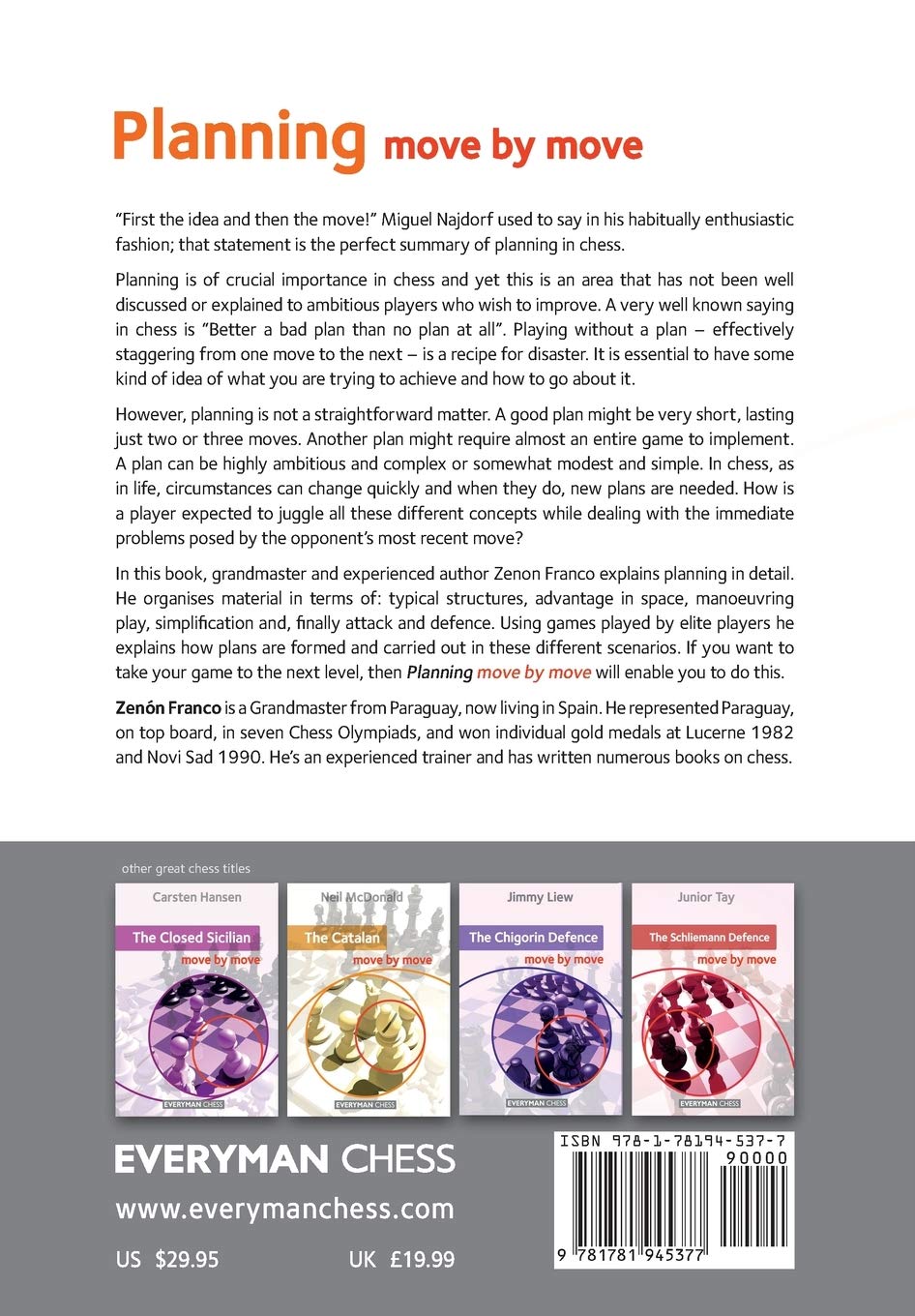
Perhaps Zenón Franco’s book Planning Move by Move will be the book to, as the blurb on the back suggests, take my game to the next level.
There are five chapters: Typical Structures, Space Advantage, The Manoeuvring Game, Simplification and Attack and Defence, with a total of 74 games or extracts. Although most of the games are from recent elite grandmaster practice, there are also some older games, dating back as far as Lasker-Capablanca from 1921. Three masters of strategy, Karpov, Carlsen and Caruana, make regular appearances.
Each game is interspersed with exercises (where the author is asking you to answer his question) and questions (which you might ask the author).
Compared to the Kislik book I reviewed last week which covers fairly similar territory, Franco’s book is more user friendly for this reason. It’s the difference, if you like, between a teacher and a lecturer. Kislik is talking to you from the demo board without giving you a chance to interact, while Franco is answering your questions and asking you questions in turn.
Let’s take as an example from the book Game 31, which is Caruana-Ponomariov Dortmund 2014
In this position, with Caruana, white, to play, you’re given an exercise.
“A decision must be taken. What would you play?”
White played 20. Rde1!
Answer: “Seeking the favourable exchange of dark-squared bishops and preventing 20… f6 for tactical reasons. Caruana didn’t see a favourable way of continuing after 20. h4 f6 and he commented that he wasn’t happy about allowing … h4, but he thought it was more important to prevent … f6.”
You might then ask the question: “But how did 20. Rde1 prevent 20… f6?”
Answer: “I’ll answer that with an ….”
Exercise: “How can 20… f6 be punished?”
Answer: “White can gain a positional advantage by exchanging the bishops with 21. Be5, but even better is 21. exf6 Bxf6 and now 22. Bxc7! Kxc7 23. Qf4+ wins a pawn.”
Taking you through to the end of the game, we reach this position with Caruana to play his 39th move.
“Exercise: Test position: ‘White to play and win’.”
You might want to solve this exercise yourself before reading on.
With any luck you’ll have spotted the lovely deflection 39. Re7!!
“Exercise: “What’s the key move now for solving the problem I set you?”
If you found the previous move you’ll have no problem finding the second deflection 40. Ba6 Kxa6 41. Qa8#
You’ll see from this example that the book is far from just a guide to chess strategy. At this level tactics and strategy are inseparable, and in order to solve Franco’s exercises you’ll have to calculate sharply and accurately both to justify your chosen plan and to finish your opponent off at the end of the game.
What we have, then, is a collection of top class games and extracts with annotations which are among the best I’ve seen. Copious use is made of other sources: the notes on the above game incorporate, with acknowledgement, Caruana’s own notes which can be found, amongst other places, on MegaBase. Franco also refers to computer analysis, in places making interesting comparisons between modern (early 2019) and older engines, and frequently comments on the difference between human and computer moves.
Having said that, the games are not easy, and, although all readers will enjoy a collection of great games instructively analysed, I would suggest that, to gain full benefit from the book, you’d probably need to be about 1800+ strength and prepared to take the book seriously, reading it with a chessboard at your side, covering up the text and attempting to solve the exercises yourself.
We’ve all seen games where Capablanca, for example, wins without having to resort to complex tactics, because his opponents are far too late to catch onto what’s happening. I could well imagine a book written for players of, say, 1400-1800 strength featuring this type of game, perhaps with some more recent examples. There must be many games from Swiss tournaments where GMs beat amateurs in this way.
I have a few minor criticisms:
While I understand that publishers want to save paper, I’d have preferred each example to start on a new page
There is some inconsistency as to whether or not we’re shown the opening moves before the exercises start. I’d have preferred to see the complete game in all examples.
There are a few shorter examples, lasting only a few moves, in the final chapter which seem rather out of place and might have been omitted.
The games disproportionately favour White: I’d have preferred a more equal balance between white and black wins.
Some of the ‘exercises’, it seems to me, are mistakenly labelled as ‘questions’. The first question/exercise in Game 1 is an example.
Names of Chinese players are sometimes given incorrectly: for instance, Bu Xiangzhi appears both in the text and the index as B. Xiangzhi. Bu is his family name and Xiangzhi his given name, and Chinese names are customarily printed in full. Failure to do so (and the book is inconsistent in this) seems to me rather disrespectful.
In spite of these resservations I can recommend the book very highly as a collection of excellent and often beautiful top level games with first rate annotations. Stronger club standard players, in particular, will find it helpful in improving not just their planning skills but their tactical skills as well.
I really enjoyed reading it and I’m sure you will as well.
GM Damian Lemos (FIDE : 2479) was born in 1990 and hails from Argentina. He is a former Pan-American Junior Champion and he achieved the FIDE Master title at 14 years old, International Master at 15, and Grandmaster at 18 and is well known on many chess web sites for providing recorded and real time instructional videos on all aspects (but mainly opening theory) of chess. This is his second book for Everyman Chess.
GM Damian Lemos
The book is divided into seven main chapters as follows :
The Queen’s Gambit Declined (55 pages, 15 games)
The Tarrasch Defence (24 pages, 6 games)
The Slav Defence (45 pages, 9 games)
The Queen’s Gambit Accepted (56 pages, 13 games)
The Chigorin Defence (17 pages 3 games)
The Albin Counter Gambit (19 pages, 4 games)
Other Defences (17 pages, 4 games)
Damian Lemos presents a repertoire for White based around the best regarded flavour of the QGD, Exchange Variation or QGE : this is the version in which White delays Nf3 allowing the central push f3 followed by e4 and the typical resultant structure is :
The alternative version of the QGE in which White plays an early Nf3 and follows with a minority attack on the queenside is not treated in this book.
Strong grandmasters generally do not like being on the Black side of the QGE since counter-play is minimal so by selecting the QGE you should have a small edge that can be worked with.
White’s move order in most lines therefore is 1.d4 d5 2.c4 something and then 3.Nc3 so if you already play the Queen’s Gambit but with a 1.d4 d5 2.Nf3 something 3.c4 move order then this repertoire will be a substantial change for you.
Chapter 1 is presented via the now familiar and reliable method of a number (15) of high quality and recent instructive games analysed in depth.
Taking on the Tarrasch Defence Lemos goes down the road of the classical Rubinstein (fianchetto) approach showing how White can retain a nagging edge against the Black IQP.
The Slav Defence is approached using an active piece placement strategy based around the seemingly innocuous Exchange Variation : underestimate this line at your peril if you play the Slav !
The Queen’s Gambit Accepted is faced with the direct 3.e4 with in-depth coverage including all of Black ideas especially the most combative of 3…e5. The QGA receives the most comprehensive treatment in terms of pages (56) and with thirteen games analysed in detail.
The Chigorin Defence merits only three games reflecting its rarity at club and more exalted levels. Again, ignore the Chigorin at your peril !
Club players favourite, the Albin Counter-Gambit is examined via four games.
Rounding off in the “Other Defences” bargain basement section we find lines for White to deal with The (solid) Stonewall Variation of the Dutch, The somewhat discredited Marshall Defence, The (early) Tarrasch with 2…c5 and finally, The Baltic Defence which is common at club level.
A couple of small gripes with the production are : the diagrams do not have a “to move” indicator. secondly, some Everyman books (but not this one) have an extra folding part to the front and rear covers. These we find protect the book from damage and also can be used as an emergency book mark ! Also, chapters 3-5 all have the same page heading of the Chigorin Defence which confused us! We suspect that this error will be fixed.
Overall, this book provides a welcome repertoire based on exchanging on d5 that is fairly easy to learn and sound with decent winning chances for White. The QGE chapter is possibly the most interesting from the strategic perspective and gives White a clear plan to follow.
It is also fair to say that players of the Black pieces who employ the Chigorin, Tarrasch and particularly the QGA will also benefit from this book : they can see the authors suggested lines for the White and Black’s corresponding ideas.
John Upham, Cove, Hampshire, 12th November, 2019
John Upham
Book Details :
Paperback : 256 pages
Publisher: Everyman Chess (1 Aug. 2019)
Language: English
ISBN-10: 1781942609
ISBN-13: 978-1781942604
Product Dimensions: 16.9 x 1.5 x 23.9 cm
The book is available as a physical book and as a Kindle version.
We focus on the British Chess Scene Past & Present!
This website uses cookies to improve your experience. We'll assume you're ok with this, but you can opt-out if you wish. Cookie settingsACCEPT
Privacy & Cookies Policy
Privacy Overview
This website uses cookies to improve your experience while you navigate through the website. Out of these cookies, the cookies that are categorized as necessary are stored on your browser as they are as essential for the working of basic functionalities of the website. We also use third-party cookies that help us analyze and understand how you use this website. These cookies will be stored in your browser only with your consent. You also have the option to opt-out of these cookies. But opting out of some of these cookies may have an effect on your browsing experience.
Necessary cookies are absolutely essential for the website to function properly. This category only includes cookies that ensures basic functionalities and security features of the website. These cookies do not store any personal information.