Tag Archives: Remembering

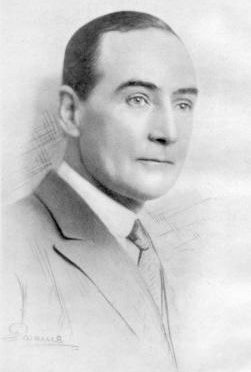
Death Anniversary of Philip Walsingham Sergeant (27-i-1872 20-x-1952)

BCN remembers Philip Walsingham Sergeant who passed away on Monday, October 20th 1952.

PWS was born in Kensington on Saturday, January 27th, 1872 to Lewis Sergeant and Emma Louisa Sergeant (née Robertson) and was baptised at All Saints Church, Notting Hill. According to PWS’s baptism record Lewis was an author.

According to PWS in A Century of British Chess :

“When I was seven years of age – about the period, by the way, in which my father began to teach me Greek – he began also to initiate me into chess. Not that he designed it  as a consolatory set-off to my application to Greek; for he loved the Classics well, though, going up to Cambridge with  small classical exhibition, he had turned to Mathematics, and therein took his degree. ”

According to the 1881 census PWS (aged 9) lived with his parents and numerous siblings : Dorothy (aged 7), Winifred (6), Hilda (5), Bernard (2), John (his grandfather aged 76) and Mary (his grandmother aged 75). They had staff, Elizabeth Fraser and Sarah Martin. They lived at 10, Addison Road, North, Kensington.

According to “Joseph Foster. Oxford Men and Their Colleges, 1880-1892. 2 vols. Oxford, England: James Parker and Co, 1893″ :

PWS attended St. Paul’s School and then Trinity College, Oxford to read Classics where he attained Honour Moderations.

and here is the record from the above publication :

Entry for Philip Walsingham Sergeant in Joseph Foster. <em>Oxford Men and Their Colleges</em>, 1880-1892. 2 vols. Oxford, England: James Parker and Co, 1893
Entry for Philip Walsingham Sergeant in Joseph Foster. Oxford Men and Their Colleges, 1880-1892. 2 vols. Oxford, England: James Parker and Co, 1893

We do not know if PWS played in the Varsity matches of 1892 – 1895 : Britbase does not (yet) include player details for these matches.

PWS married Minnie Boundford (born 27th February 1889) in 1909 in Hampstead and they lived at 5, Dukes Avenue, Chiswick where PWS was listed as an author and Minnie as someone who carried out “unpaid domestic duties”. Minnie was 17 years younger than PWS. Minnie’s father was a joiner and a carpenter.

They had two daughters Margaret (born 1910) and Kathleen (born 1911).

In October 1946 Minnie and PWS remarried. Presumably this was rather unusual in that day and age.

According to The Oxford Companion to Chess (OUP, 2nd edition, 1996) by Hooper and Whyld :

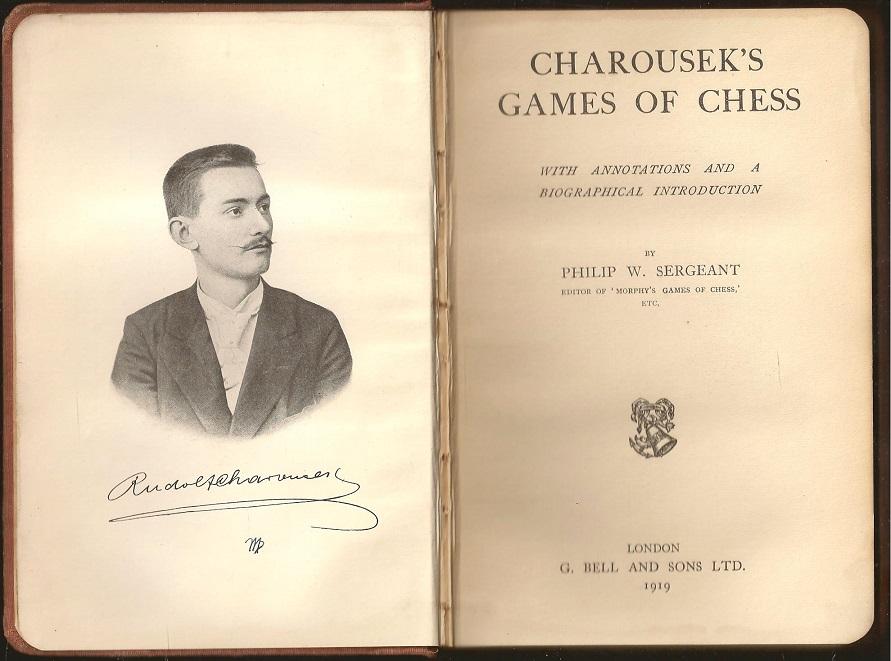
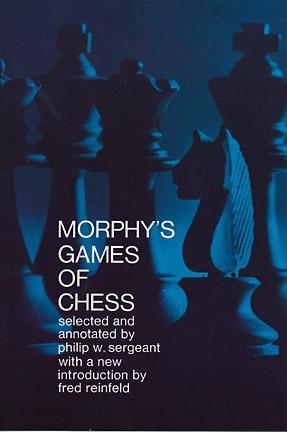
PWS was an English author of biographical games collections for Charousek, Morphy and Pillsbury as well as other works of importance such as A Century of British Chess (1943) and Championship Chess (1938).

From The Encyclopedia of Chess (BT Batsford, 1977) by Harry Golombek :

“A professional writer on chess and popular historical subjects. Without any pretentions to mastership, he represented Oxford University in the years 1892 – 5 and assisted RC Griffith in preparing three editions of Modern Chess Openings.

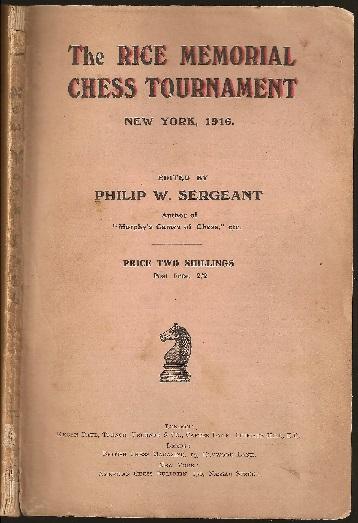
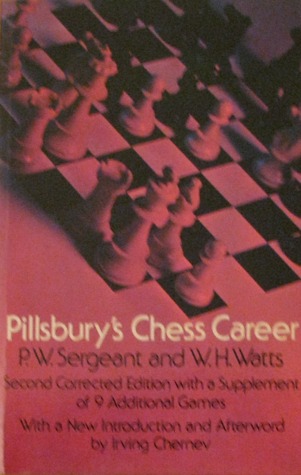
In chess he dealt with a number of important subjects : Morphy’s Games of Chess, London, 1916; Charousek’s Games of Chess, London, 1919; Pillsbury’s Chess Career (in collaboration with WH Watts), London, 1923; Championship Chess, London, 1938.

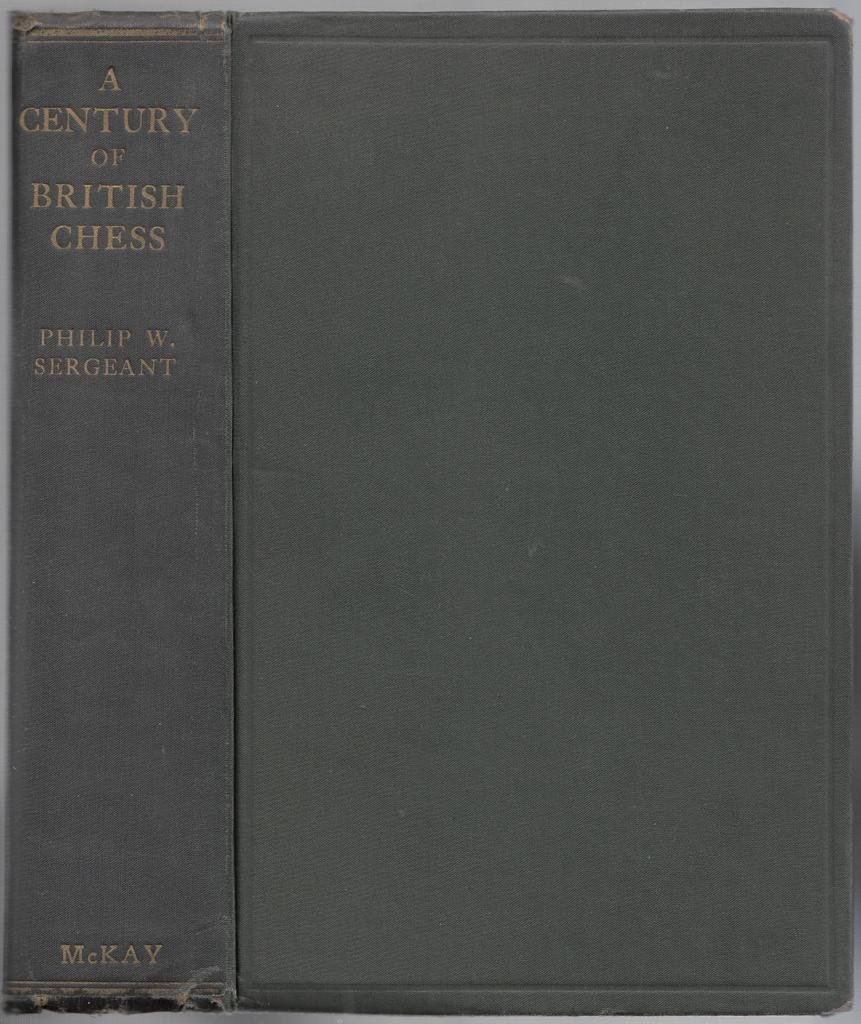
All these are lucidly and carefully written but suffer from the defect that, being neither a master player nor a professional annotator, he was not competent to deal with the annotational part of the work. Probably his best book on chess was A Century of British Chess, London, 1934.

From British Chess Magazine, Volume LXX11 (72), Number 11 (November), page 324 we have this rather brief obituary (presumably written by Brian Reilly):

“We regret to have to report the death, at the age of eighty-one of Philip W. Sergeant, the author of A Century of British Chess, which we imagine is in most chess libraries. He was the author of several well-known historical books – but we are only concerned here with his chess activities, which included representing Oxford University 1892-5; helping RC Griffith with two editions of Modern Chess Openings; playing for Middlesex, winning the chess championship of the authors’ club for several year, and latterly as an honoured member; and occasionally obtaining the championship of the Guildford Chess Club. Our sympathy with his widow and two daughters is sincere.”
”

He was a cousin of EG Sergeant.

From Wikipedia :

“Philip Walsingham Sergeant (27 January 1872, Notting Hill, London[1] – 20 October 1952)[2] was a British professional writer on chess and popular historical subjects.[3][4] He collaborated on the fifth (1933), sixth (1939), and seventh (1946) editions of Modern Chess Openings, an important reference work on the chess openings. He also wrote biographical game collections of Paul Morphy (Morphy’s Games of Chess (1916) and Morphy Gleanings), Rudolf Charousek (Charousek’s Games of Chess (1919)), and Harry Nelson Pillsbury (Pillsbury’s Chess Career, with W. H. Watts, 1922), and other important books such as A Century of British Chess (1934) and Championship Chess (1938).”

Harry Golombek writes that, “Without any pretensions to mastership, he represented Oxford University in the years 1892-5”.[3] Golombek considers A Century of British Chess probably Sergeant’s best chess book, but opines that although Sergeant’s chess books are lucidly written, they suffer from the defect that, as a non-master, he was not competent to deal with the annotational aspect of his work.

He was a second cousin of Edward Guthlac Sergeant.
Philip Walsingham Sergeant
Charousek's Games of Chess
Charousek’s Games of Chess
The Rice Memorial Chess Tournament, 1916
Pillsbury's Chess Career, London, 1923
Pillsbury’s Chess Career, London, 1923
A Century of British Chess, London, 1934
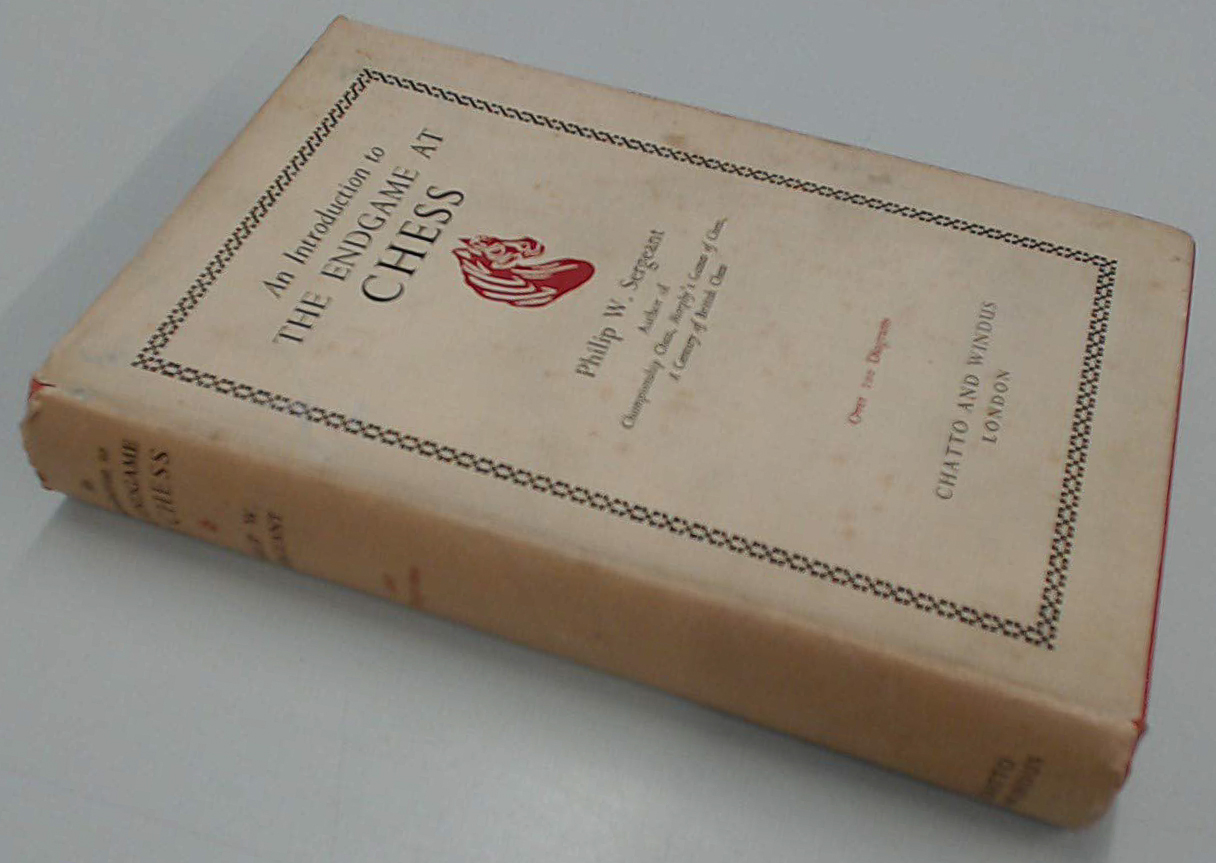
An Introduction to the Endgame at Chess

Death Anniversary of Brian Reilly (12-xii-1901 29-xii-1991)

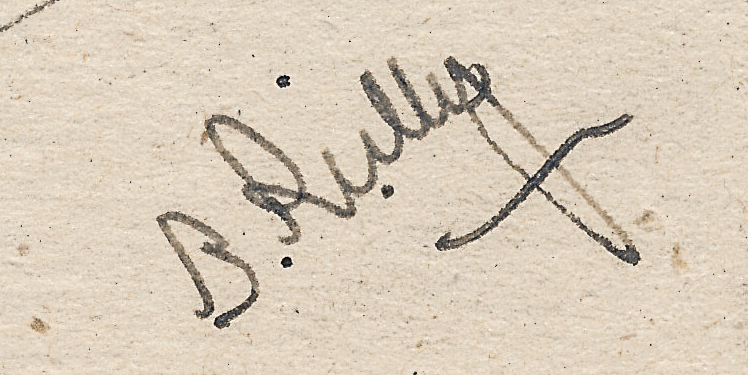
Signature of Brian Reilly from an after dinner post card from Hastings 1945-46

We remember Brian Patrick Reilly who passed away on December 29th, 1991.

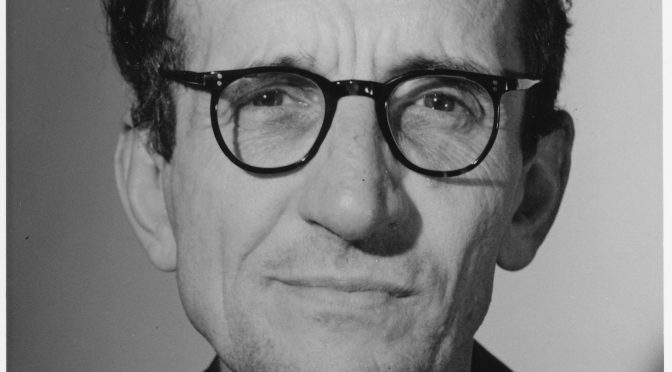
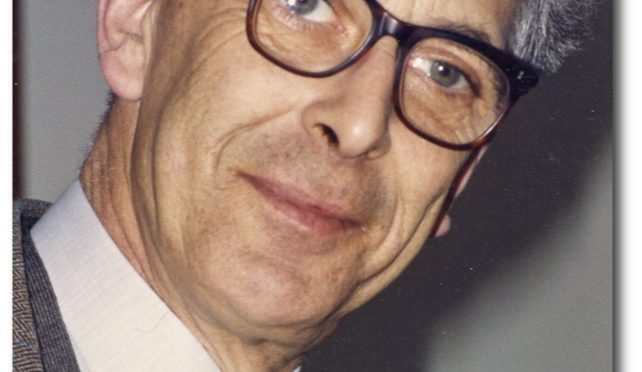
Brian Reilly probably sometime in the 1920s.

From The Encyclopaedia of Chess (Batsford, 1977), Harry Golombek OBE (written by Wolfgang Heidenfeld) :”Irish master born at Menton, of Irish descent, who has represented Ireland in nine Olympic team tournaments between 1935 and 1968; three times on top board.

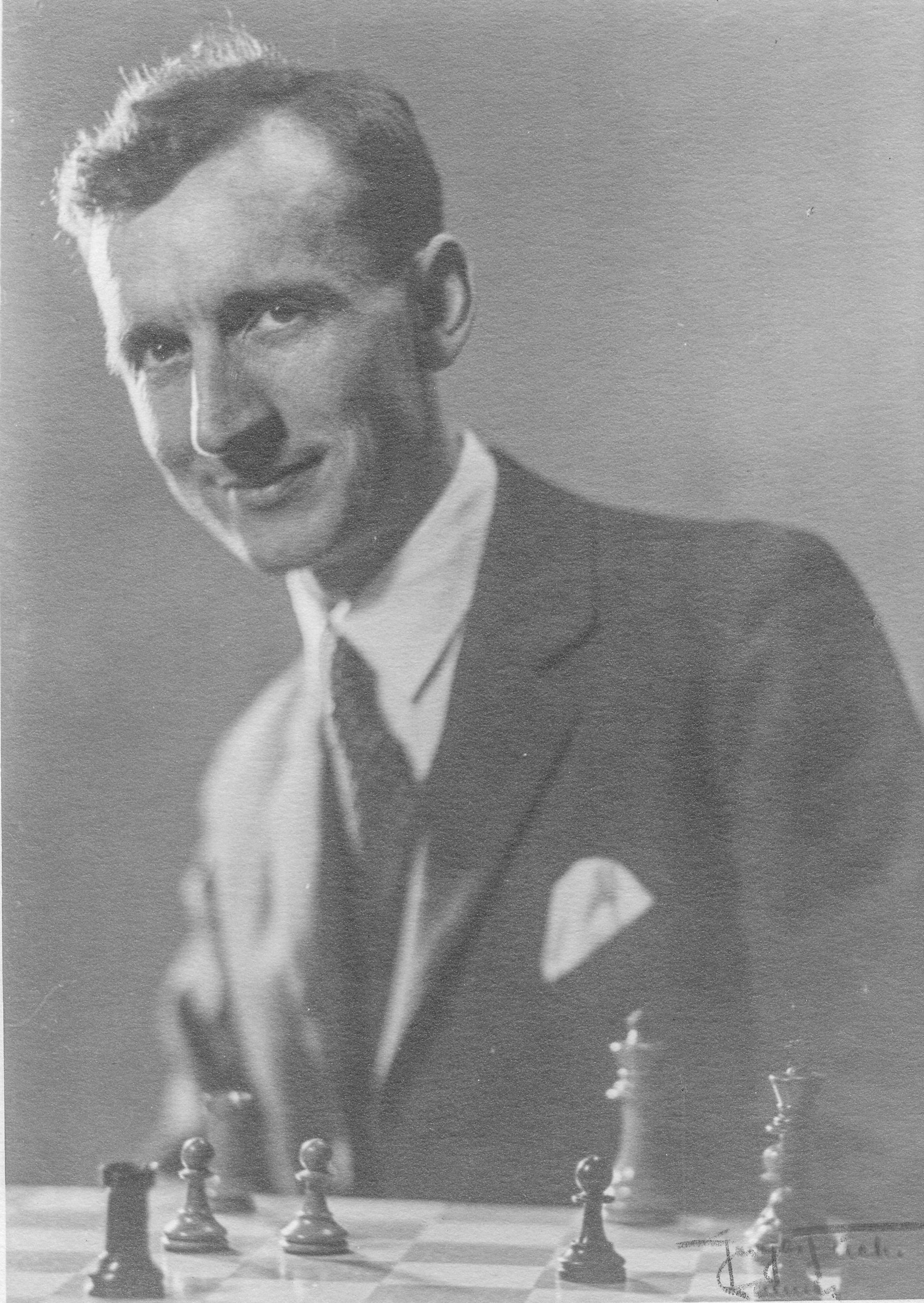
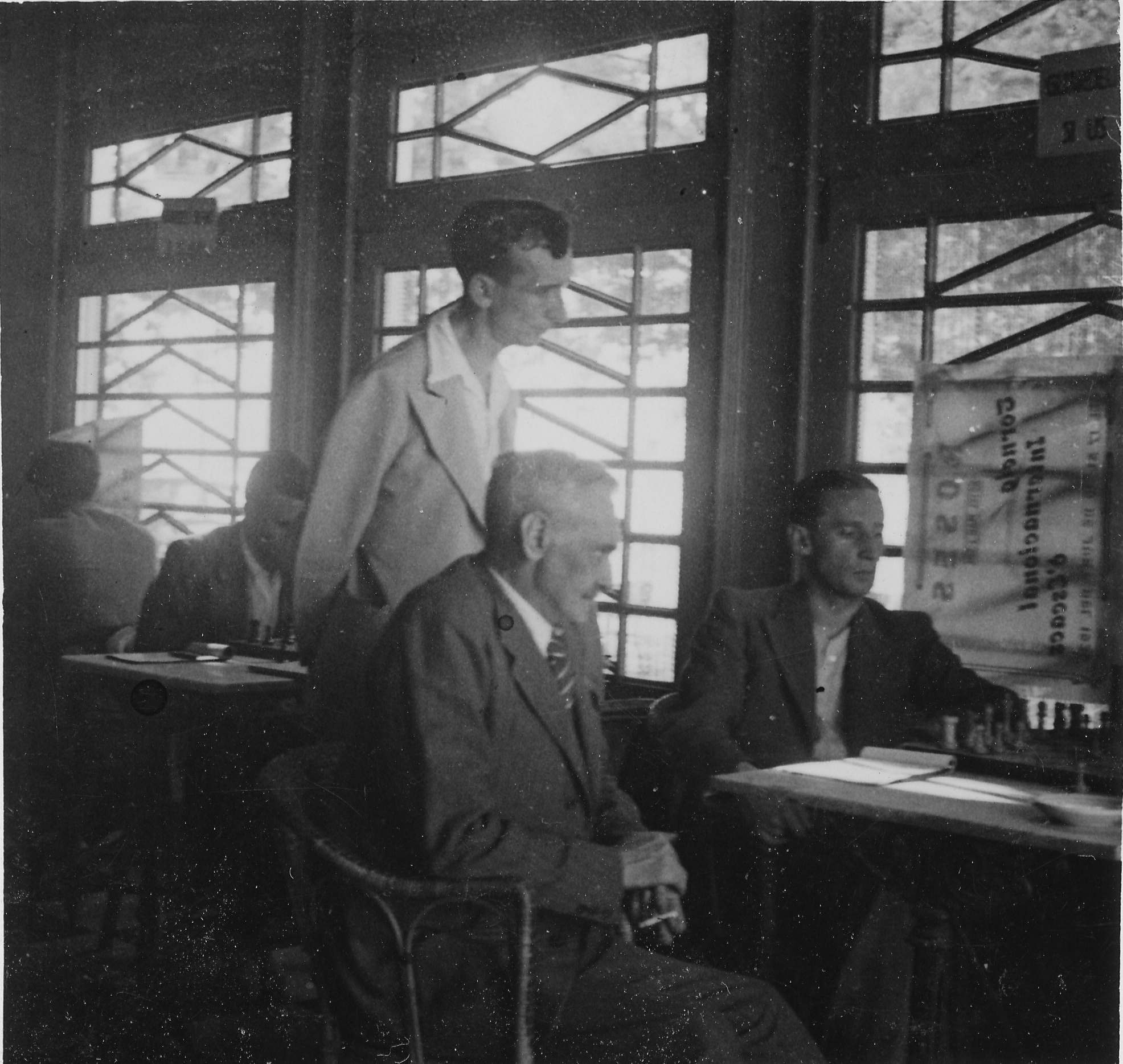
Brian observes a game during one of the early 1930s tournaments in Nice

He was also Irish representative at seven FIDE congresses. Reilly played in a number of small international tournaments, wining first prize at Nice 1931 and sharing fourth prize with Klein and EG Sergeant behind Reshevsky, Capablanca and Sir G. Thomas at Margate 1935.

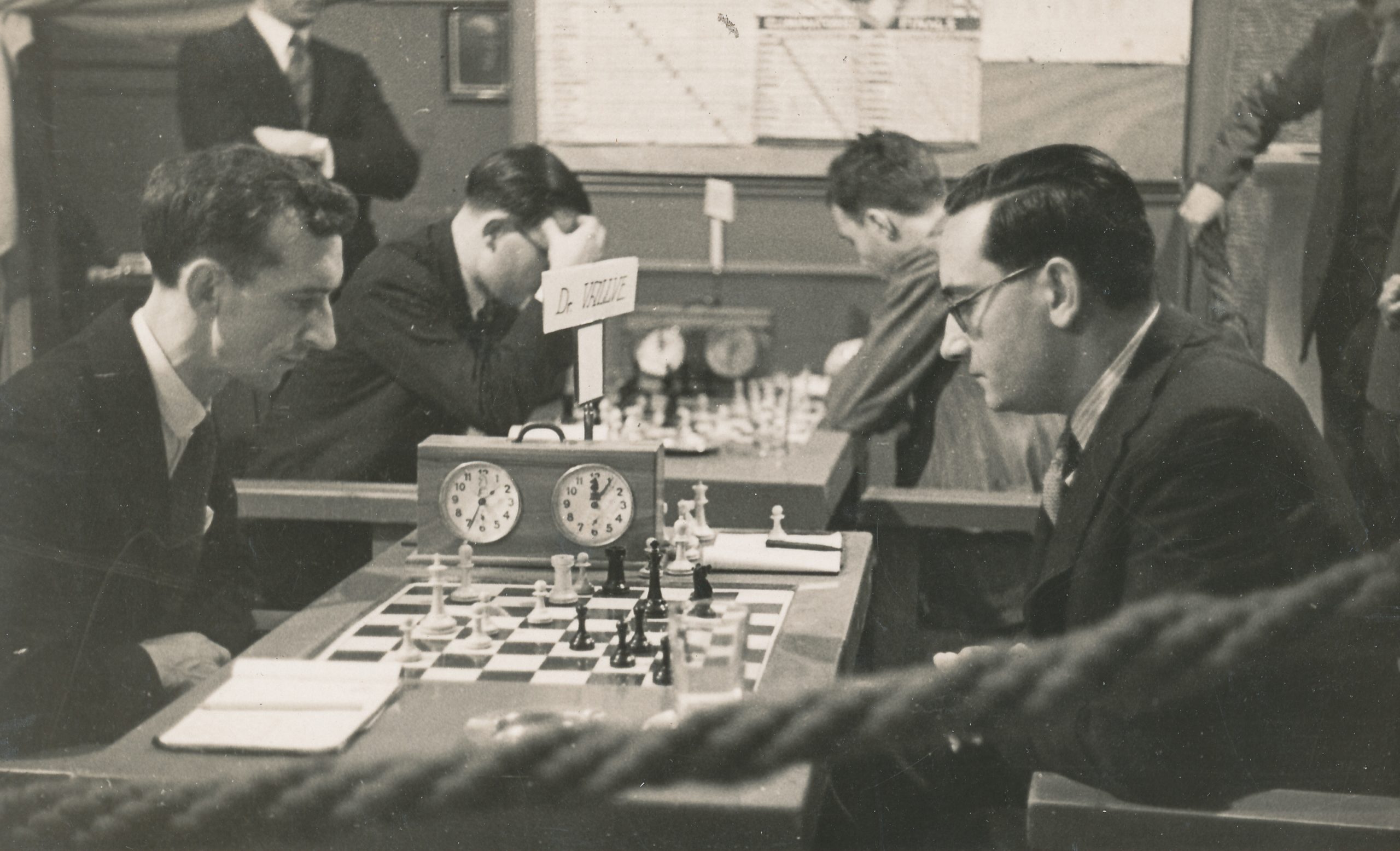
Brian Reilly playing Dr. Josep Vallve probably at Barcelona Chess Club in June 1935. Brian won in 61 moves.

Winner of Irish championship in 1959 and 1960. General Editor of British Chess Magazine since 1949.”

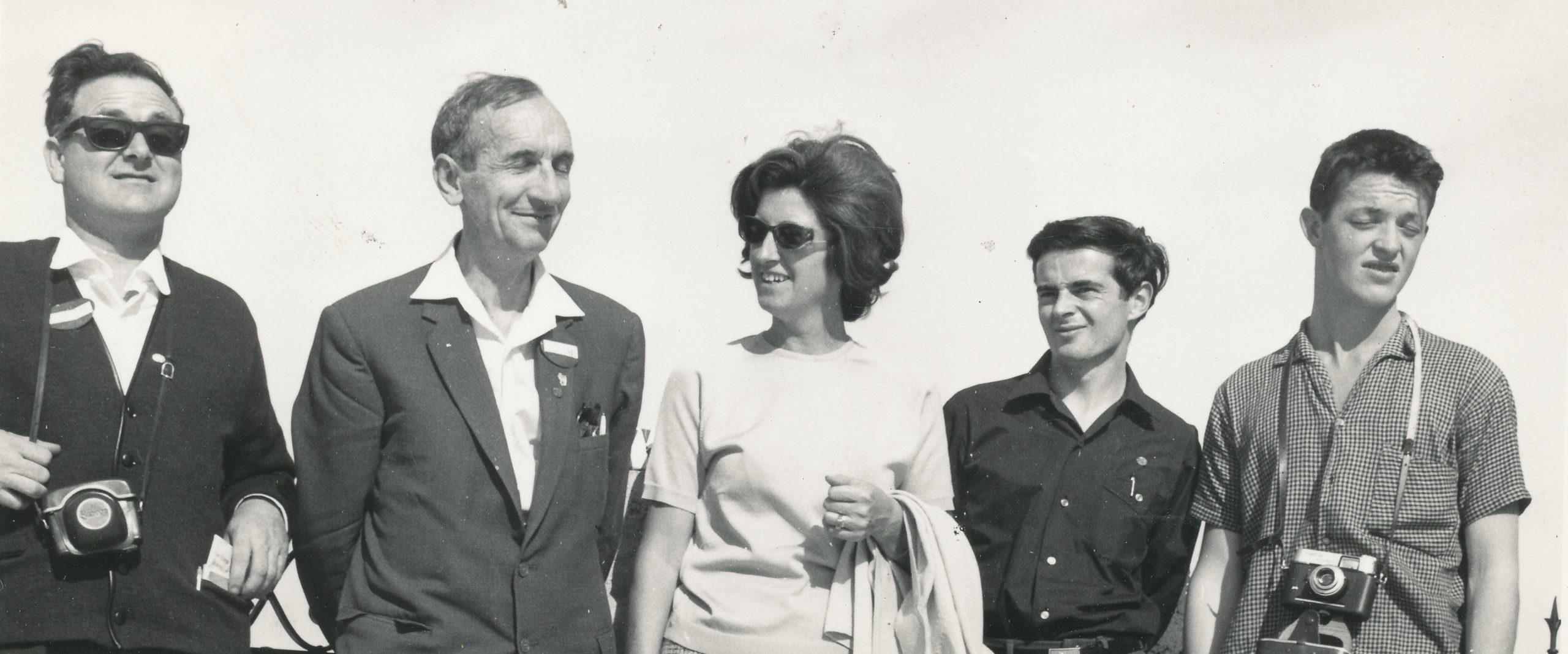
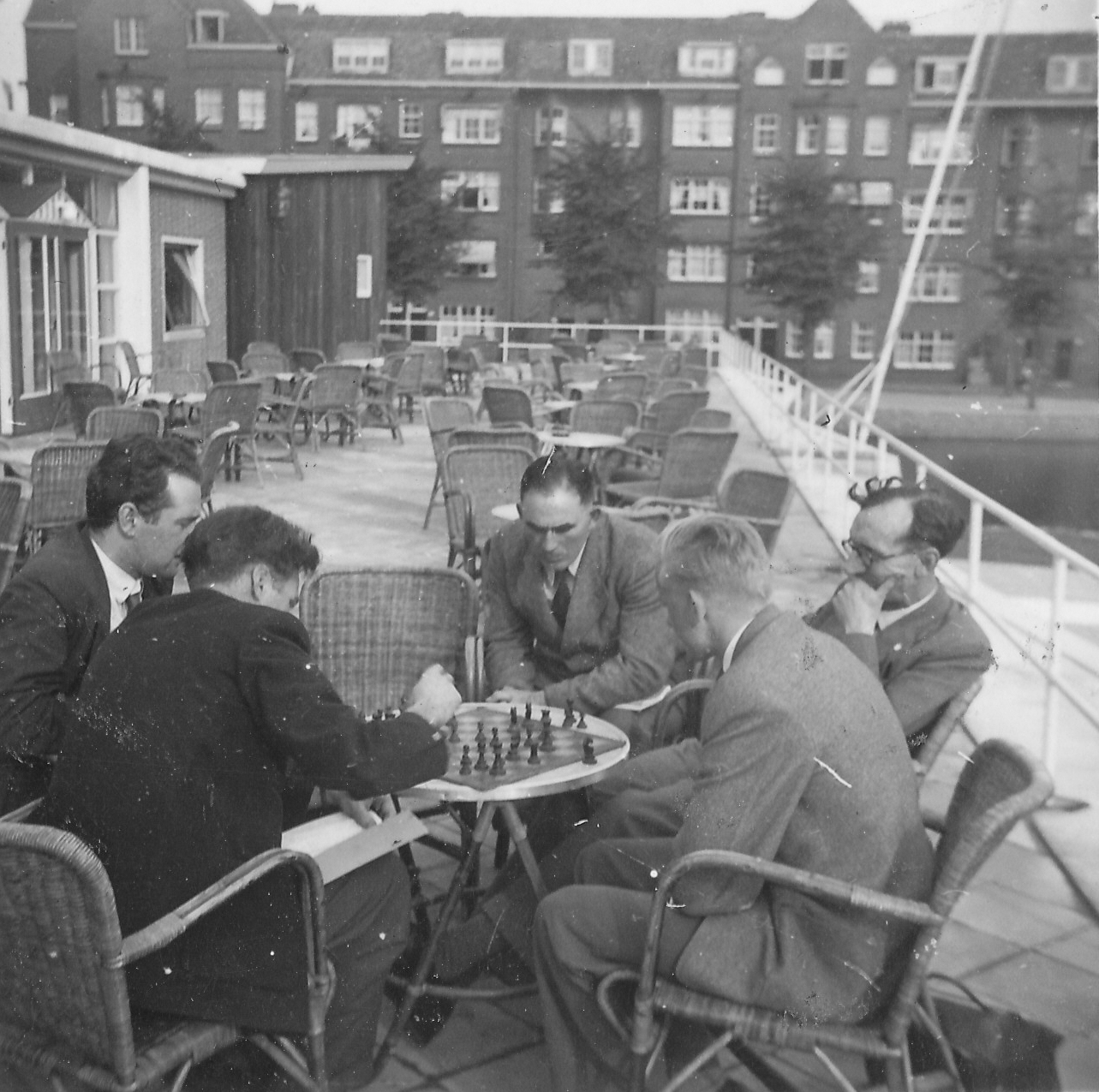
Brian Reilly and friends

His obituary in British Chess Magazine was written by Bernard Cafferty and appeared in Volume CXII (112, 1992), Number 2 (February), page 70:

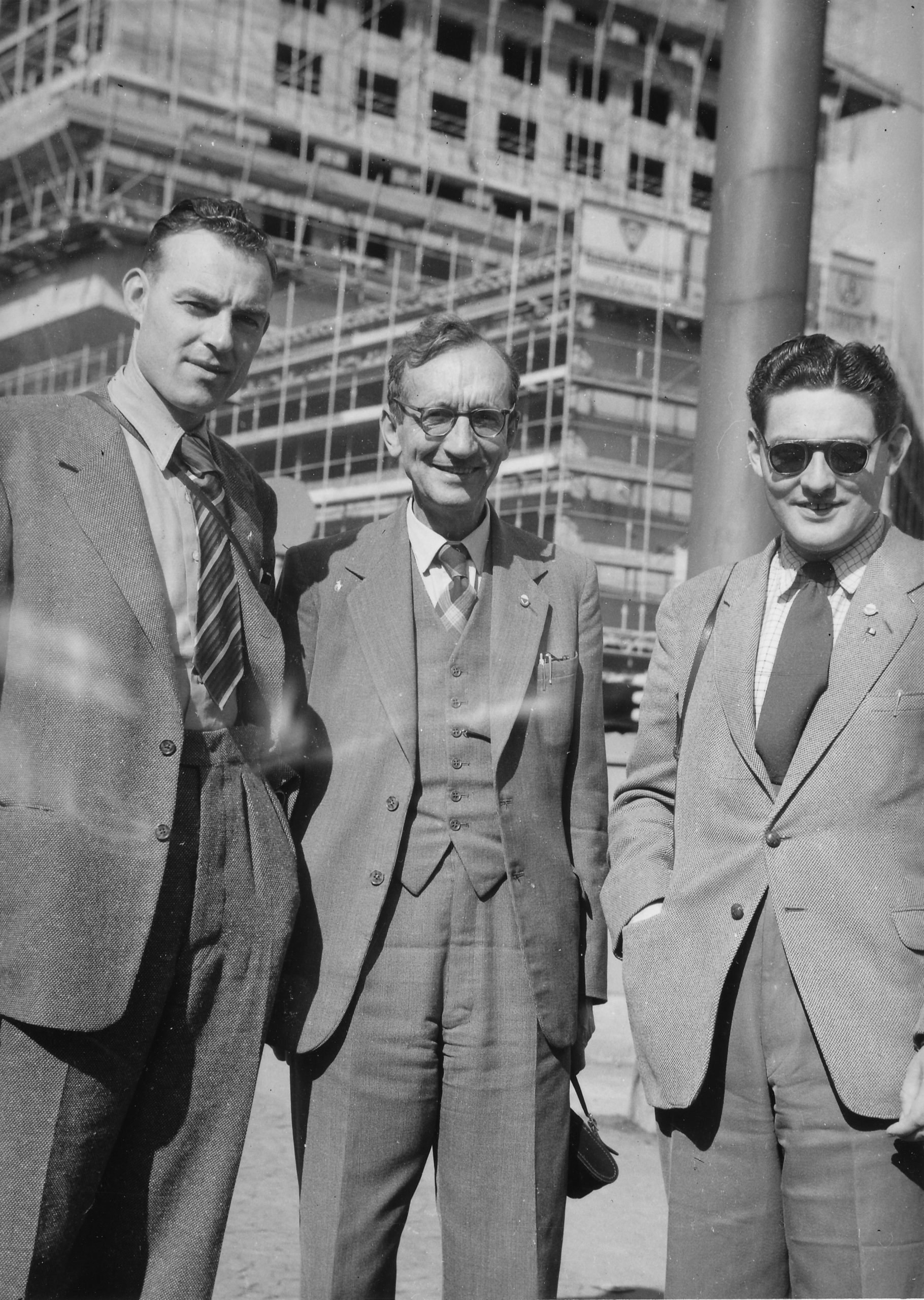
Brian with journalist colleagues.

“With great regret we have to report that Brian Patrick Reilly has, to use the older term, ‘joined the great majority’.

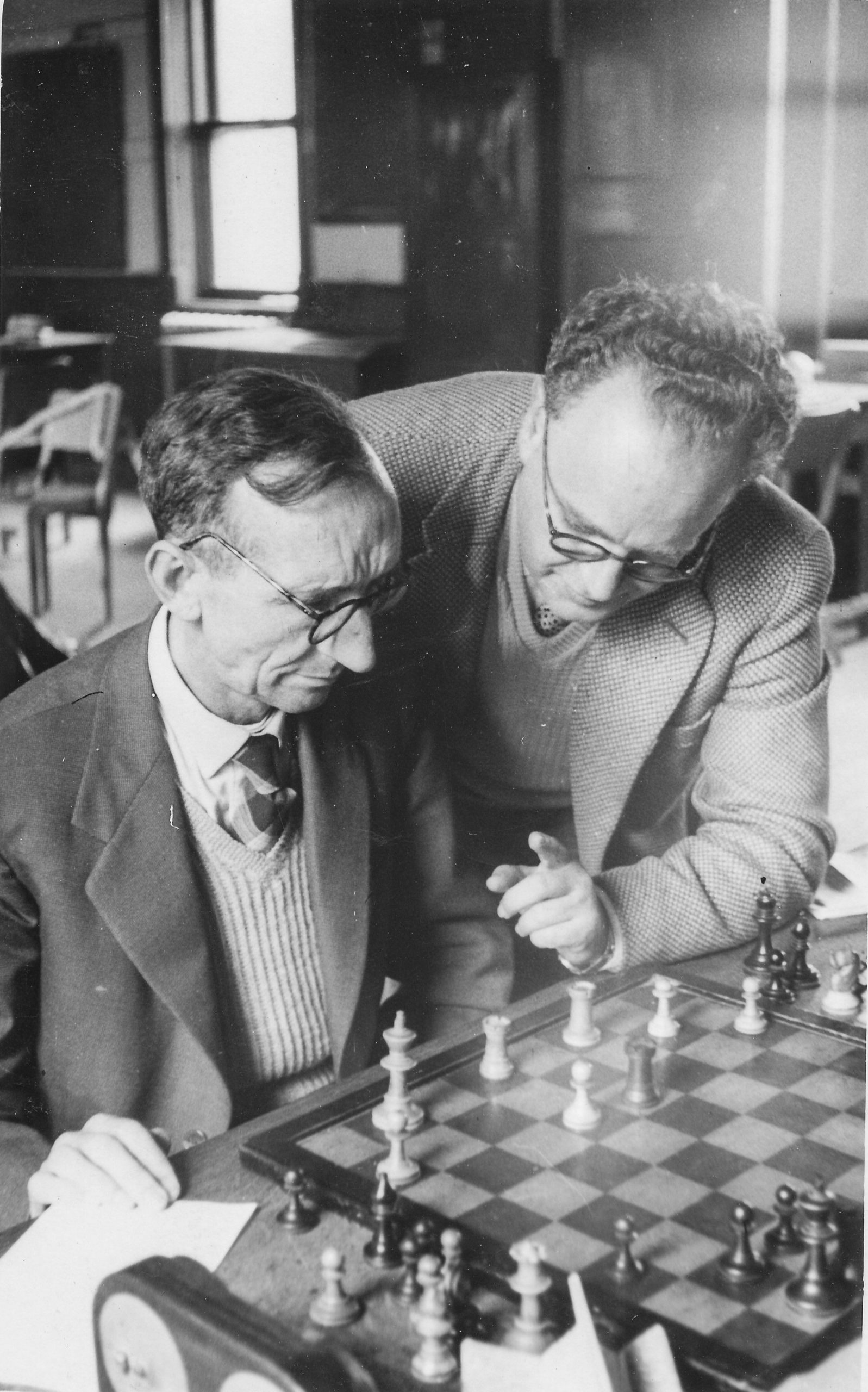
Brian analysing with Irish team mate, Wolfgang Heidenfeld

B. P. Reilly (Menton, 12 xii 1901-Hastings, 29 xii l99l) was born into an expatriate family on the French Riviera, and so was bilingual. He learned his chess in France where he had many friends and acquaintances. He knew Alekhine in the 1920s and 1930s and was a witness at Alekhine’s wedding.

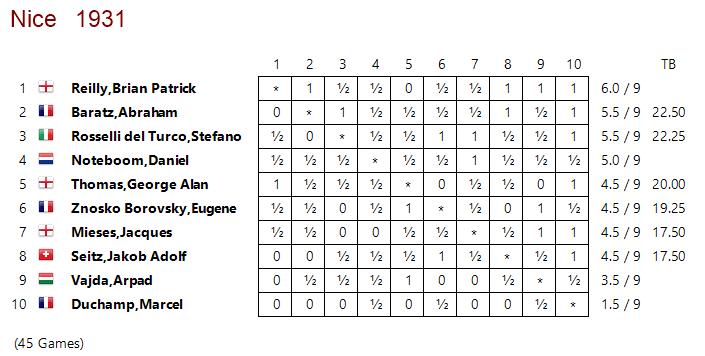
Many years later he was to do extensive research on Alekhine’s life, and was the first to establish (though he did not publish the fact) that the Russian did not complete his doctorate studies at the Sorbonne, so that “Dr” Alekhine must be considered a purely honorary title. Brian won the Nice tournament of 1931, ahead of Noteboom, Mieses, . . . Sir George Thomas . . . Znosko-Borovsky. . . and played for Ireland at the 1935 Olympiad beating Fine.

Crosstable for Nice 1931 from Megabase 2020

These results, taken with his fourth place at Margate 1935, behind Reshevsky, Capablanca and Sir George Thomas, made it clear that he was of IM strength.

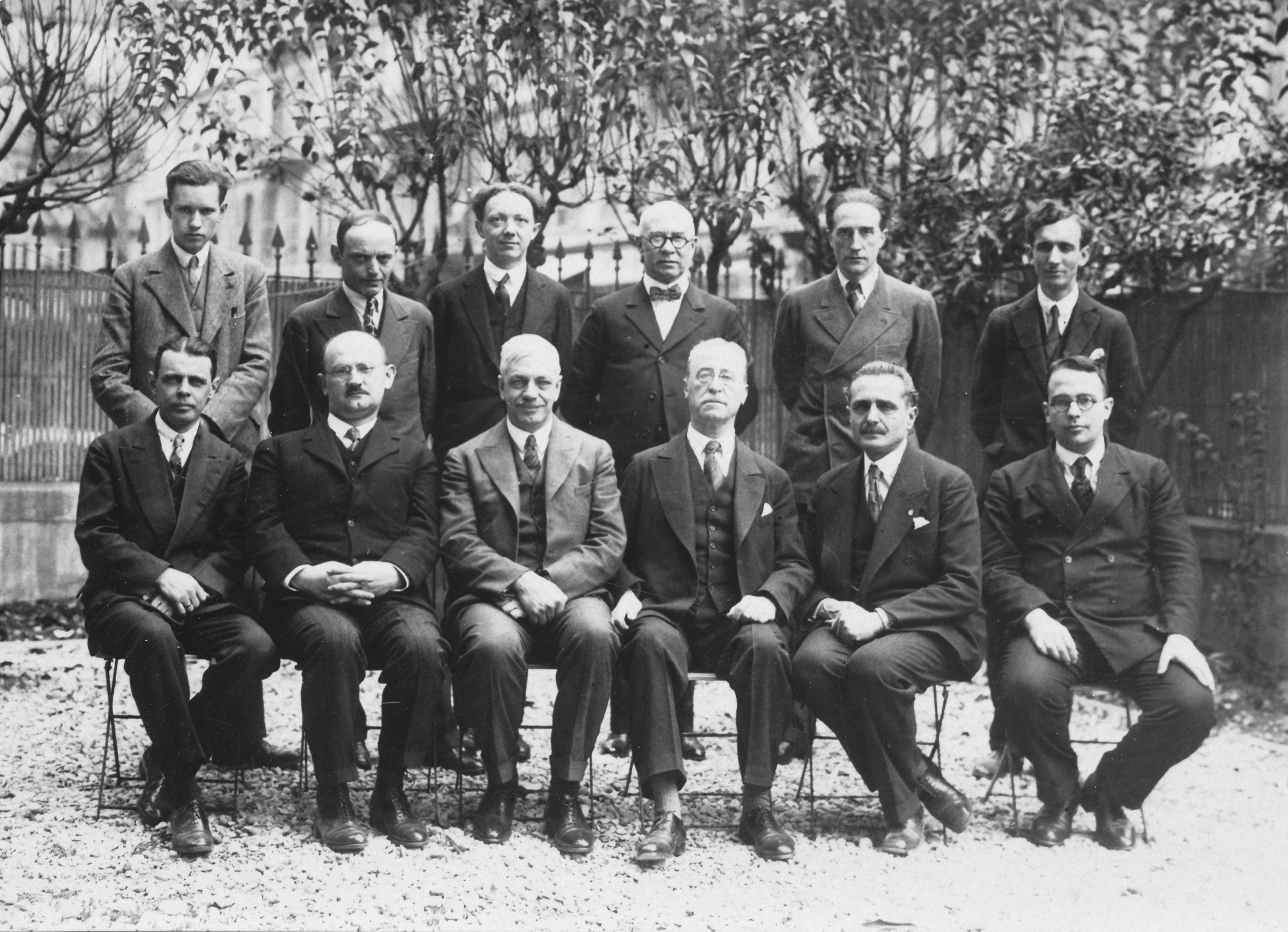
Nice Masters, 1931. Standing : Daniel Noteboom, Abraham Baratz, George Renaud (Organiser), John J O'Hanlon, Marcel Duchamp, Brian Reilly (winner), Seated : Eugene Znokso-Borovsky,, Arpad Vajda, Sir George Thomas, Jacques Mieses, Stefano Roselli del Turco, Jacob Adolf Seitz. British Chess Magazine, 1931, page 201
Nice Masters, 1931. Standing : Daniel Noteboom, Abraham Baratz, George Renaud (Organiser), John J O’Hanlon, Marcel Duchamp, Brian Reilly (winner), Seated : Eugene Znokso-Borovsky,, Arpad Vajda, Sir George Thomas, Jacques Mieses, Stefano Roselli del Turco, Jacob Adolf Seitz. British Chess Magazine, 1931, page 201

During the war Brian was interned in France as a British citizen, coming close to starvation for a time. He described all this in the very detailed account of his life in the September 1980 BCM, on which we have drawn, along with the many reminiscences Brian passed on to the present writer.

Brian analysing with the Irish team at an Olympiad

After working for the Sutton Coldfield magazine just after the war (he did not get on well with B. H. Wood, thinking him not very business-like – do we put this too diplomatically?) Brian was a freelance translator in the pharmaceutical industry before taking over BCM in 1949. At the time the magazine was technically bankrupt.

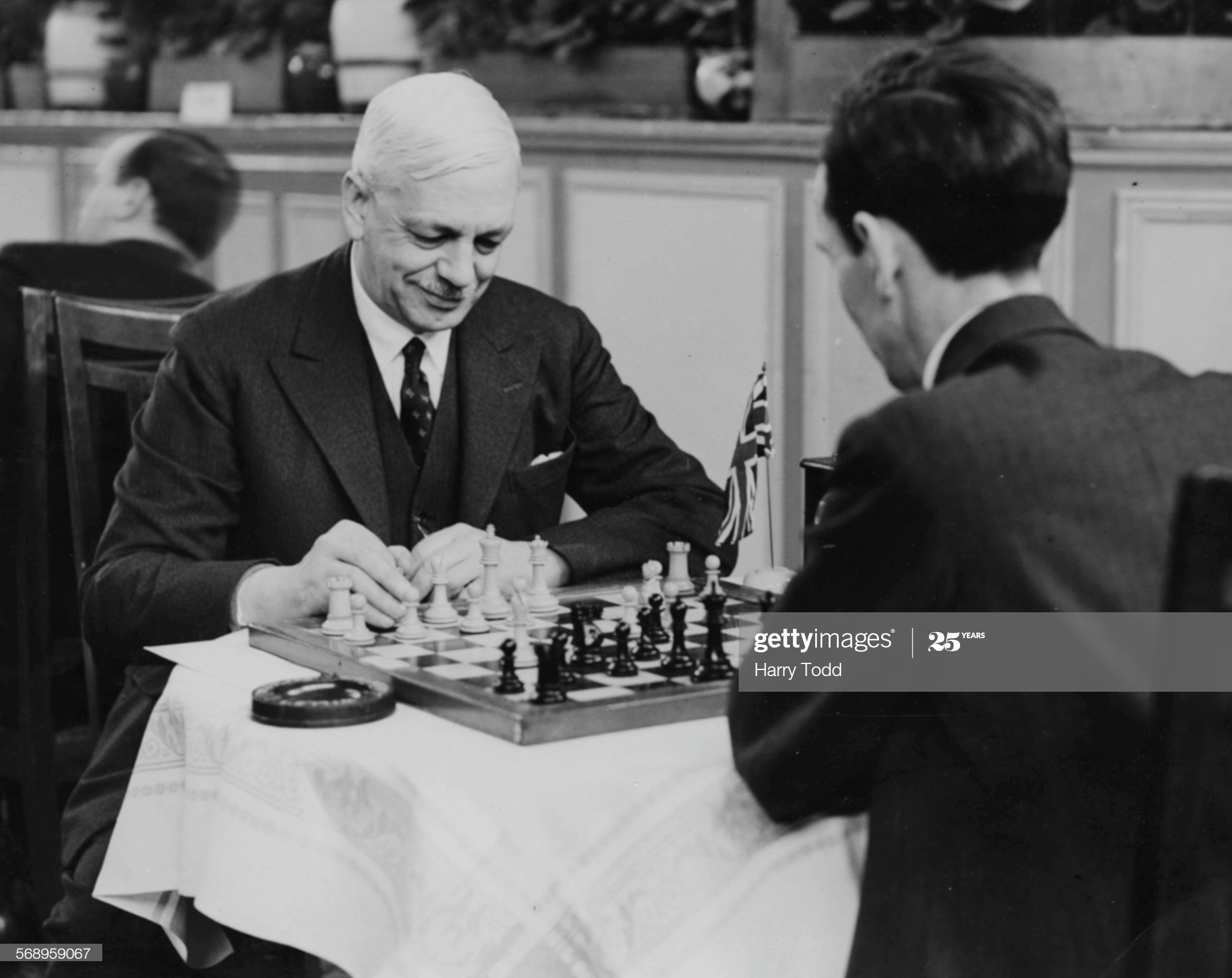
Sir George Thomas And Brian Reilly Sir George Thomas (left), leader of the British chess team, playing Irishman Brian Reilly at the Easter Chess Congress, Margate, April 24th 1935. (Photo by Harry Todd/Fox Photos/Getty Images)
Sir George Thomas And Brian Reilly
Sir George Thomas (left), leader of the British chess team, playing Irishman Brian Reilly at the Easter Chess Congress, Margate, April 24th 1935. (Photo by Harry Todd/Fox Photos/Getty Images)

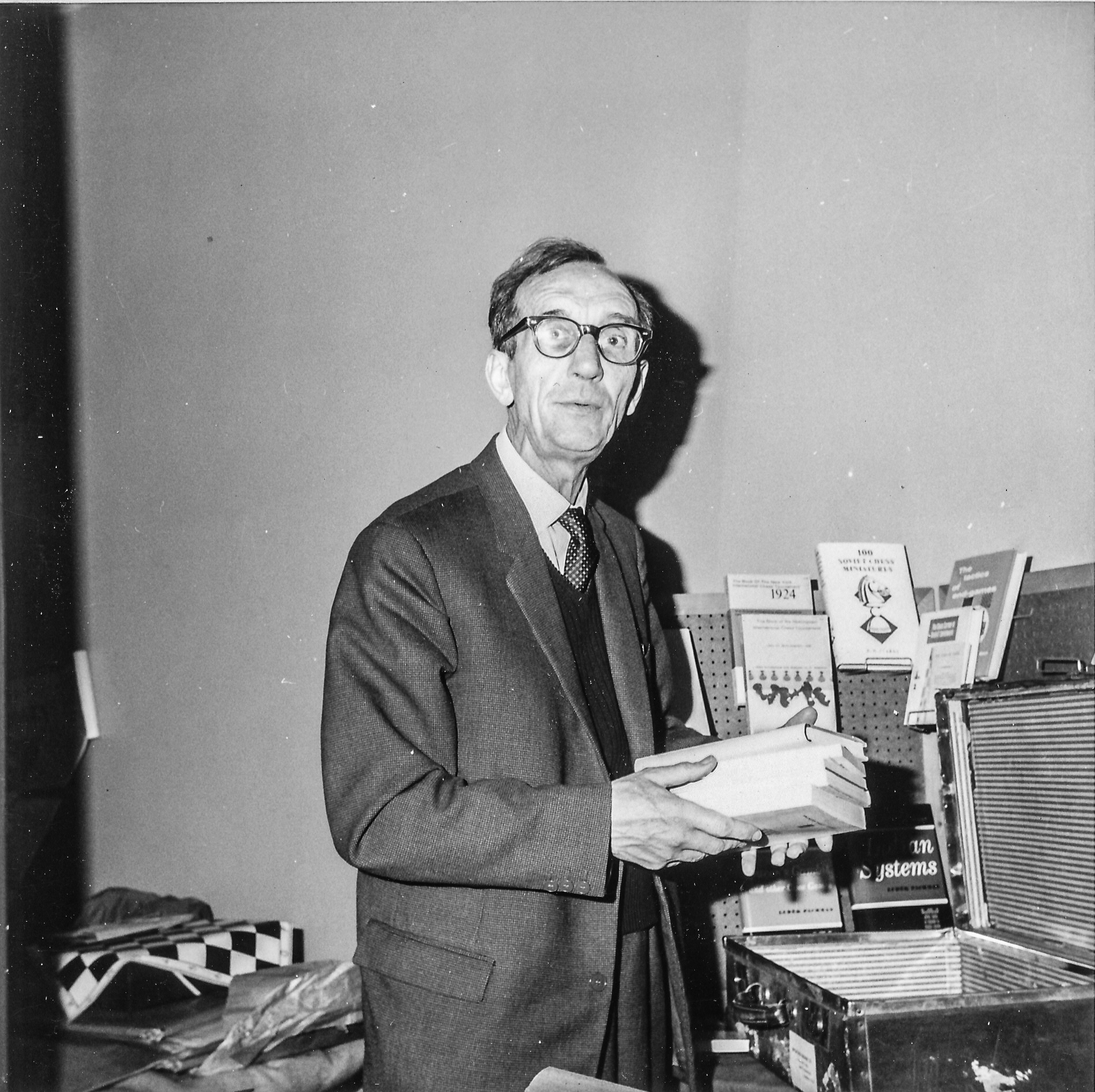
In 1964 he moved the office from London to St Leonards, showing his business acumen yet again. He ran the bookstall for many years at the Hastings Congress at the Sun Lounge and the Falaise Hall. Brian Reilly setting up the BCM bookstall at Hastings After the union troubles of 1970-71 and the Fischer boom he arranged for the magazine to be typeset by his son Freddy at the family home in West Norwood. This led to an expansion in the pagination after some teething troubles.
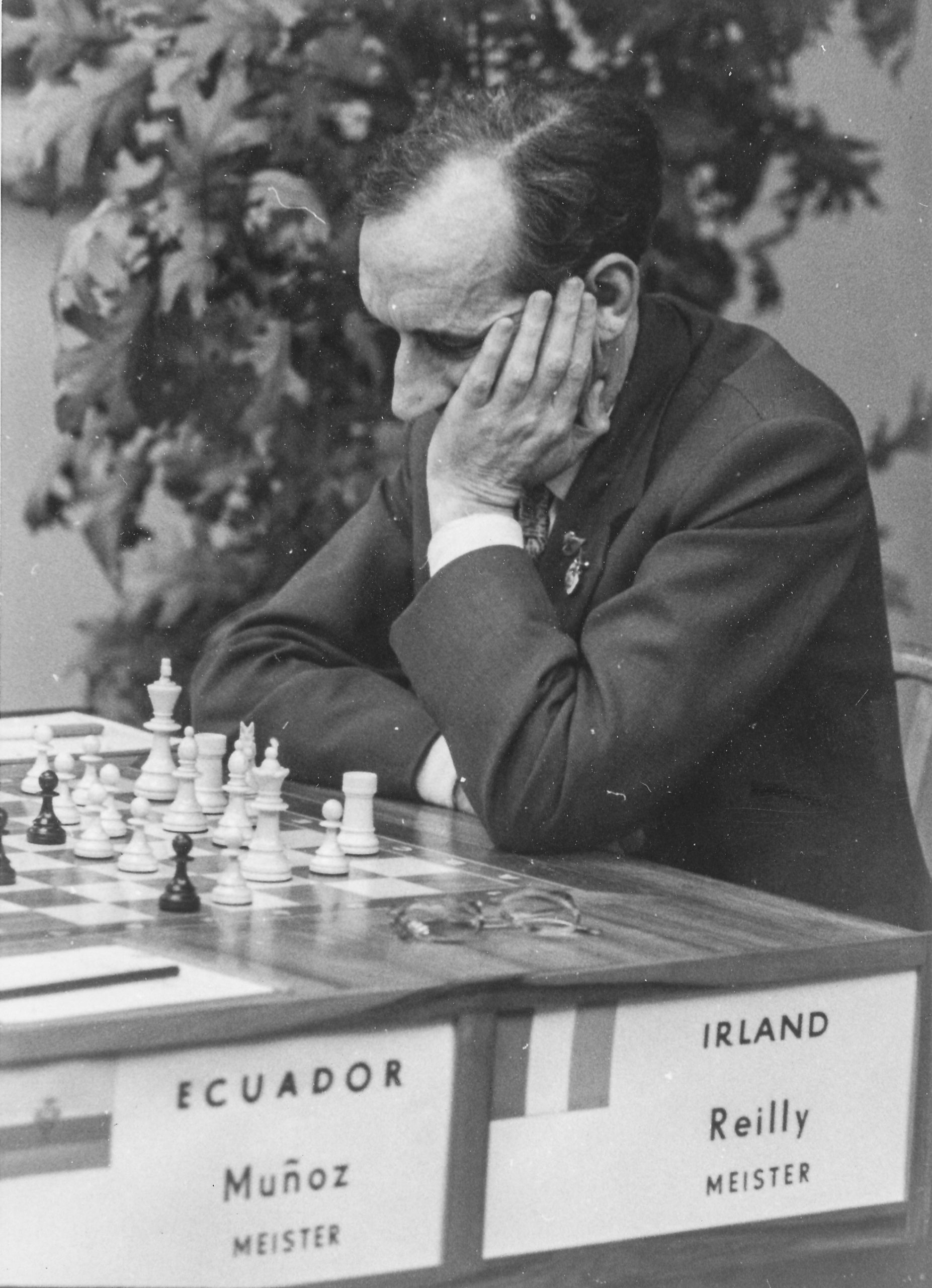
Brian Reilly playing Cesar Munoz (Ecuador) in round 8 of the Leipzig Olympiad played on 23rd October 1960. The game was drawn in 48 moves.

All this while, Brian was playing for Ireland in Olympiads, and attending to FIDE affairs as a FIDE delegate.

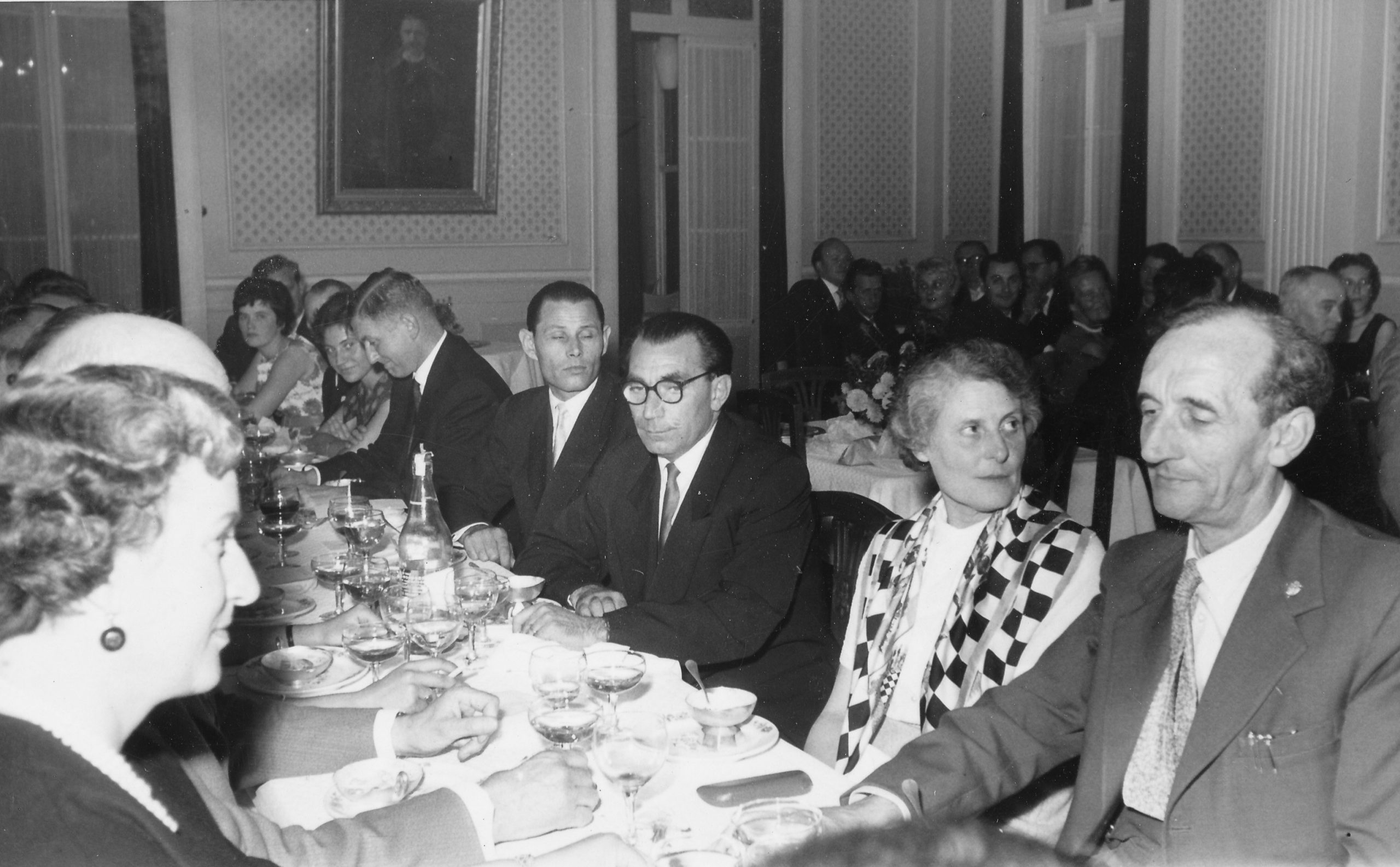
Brian relaxing during a FIDE Congress dinner.
Brian relaxing during a FIDE Congress dinner

After the death of his son Freddy in 1980, the magazine was sold to the BCF and Brian retired as editor in September 1981, remaining as a consultant for nearly a decade.

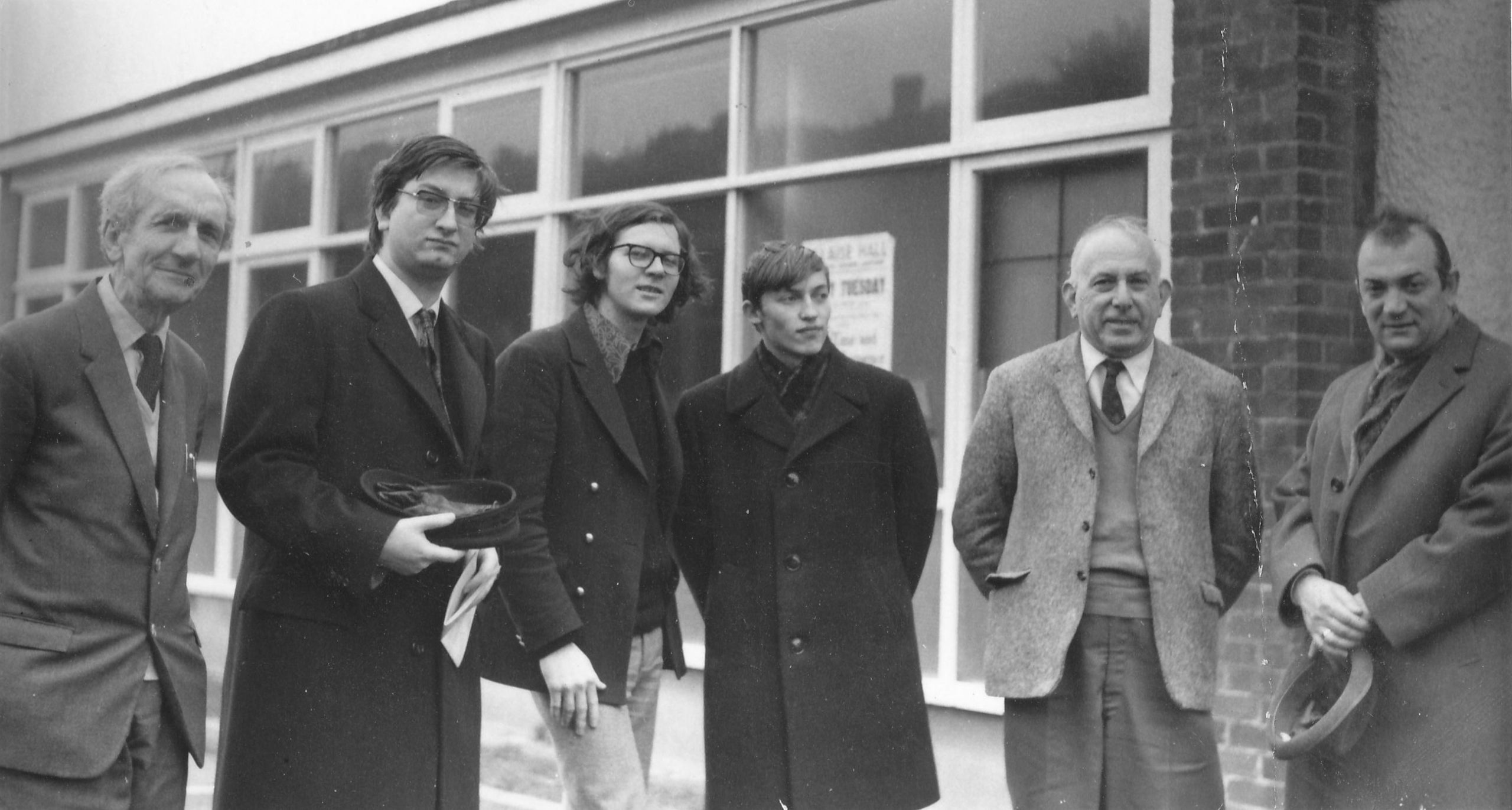
Brian Reilly, Ray Keene, George Botterill, Anatoly Karpov, Harry Golombek and Viktor Korchnoi

His last years were spent in Hastings, where it was his wont to carry on with the long sea-front walks that he had practised since a breakdown in health due to overwork. He had strong views on correct diet and exercise which he could expound to anyone willing to listen. The fact that he could walk up to six miles a day in his late eighties and that his faculties, including his memory, only seemed to be weakening in his last two years, is proof enough of the validity of his theories.

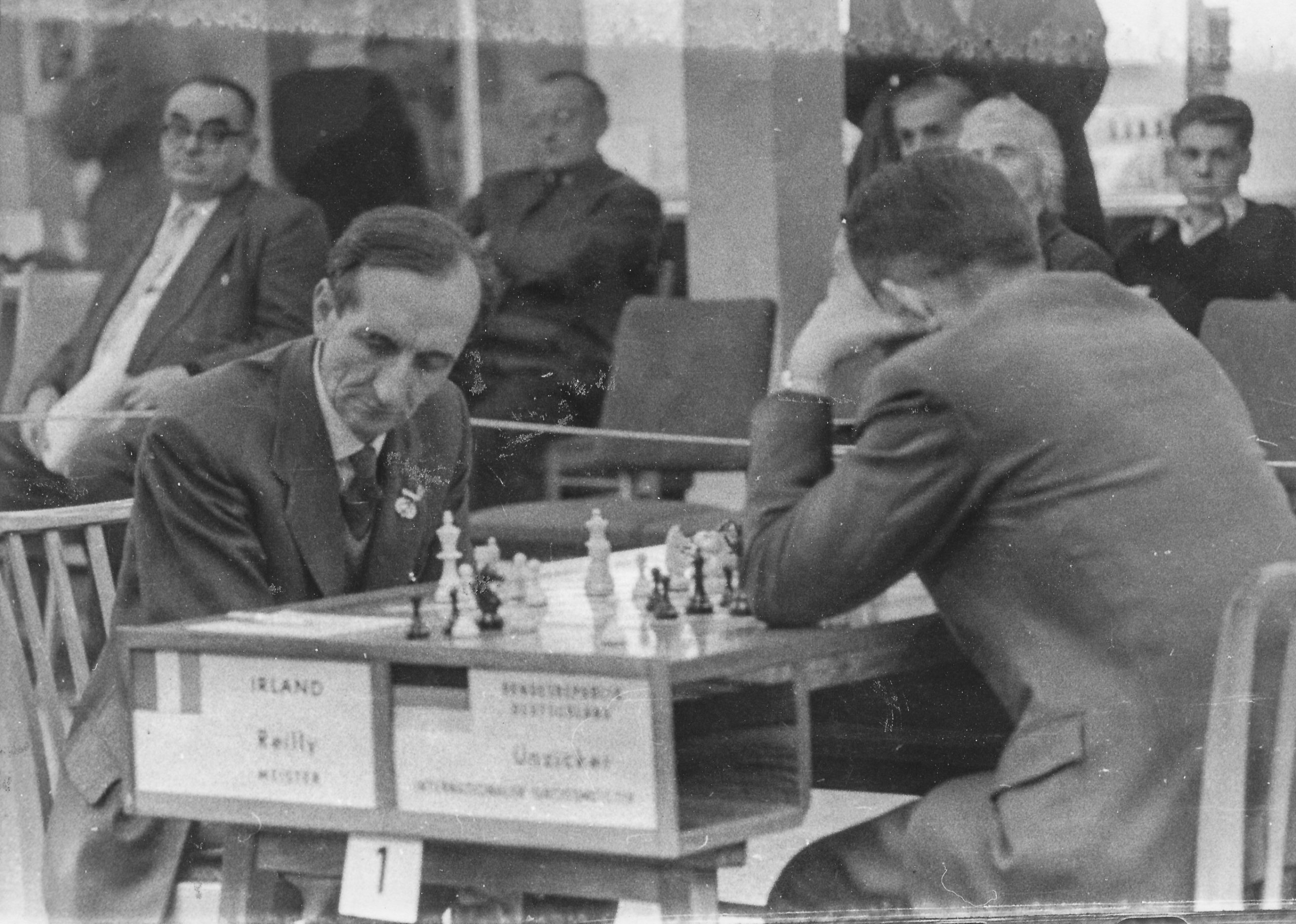
Brian Reilly playing Wolfgang Unzicker on board 1 during the preliminaries of the 1960 Leipzig Olympiad.

On his 90th birthday he attended the office and drank a glass of champagne to celebrate the occasion. We have the testimony of Mrs Arnold, who worked with him so long, that he was still talking of visiting the Hastings Congress. This was on Boxing Day, the day after he had been admitted to St Helen’s Hospital with a chest infection. He assured her he would be up and about again, but old friends such as Harry Golombek and Ritson Morry waited for him in vain as Hastings got under way. . .

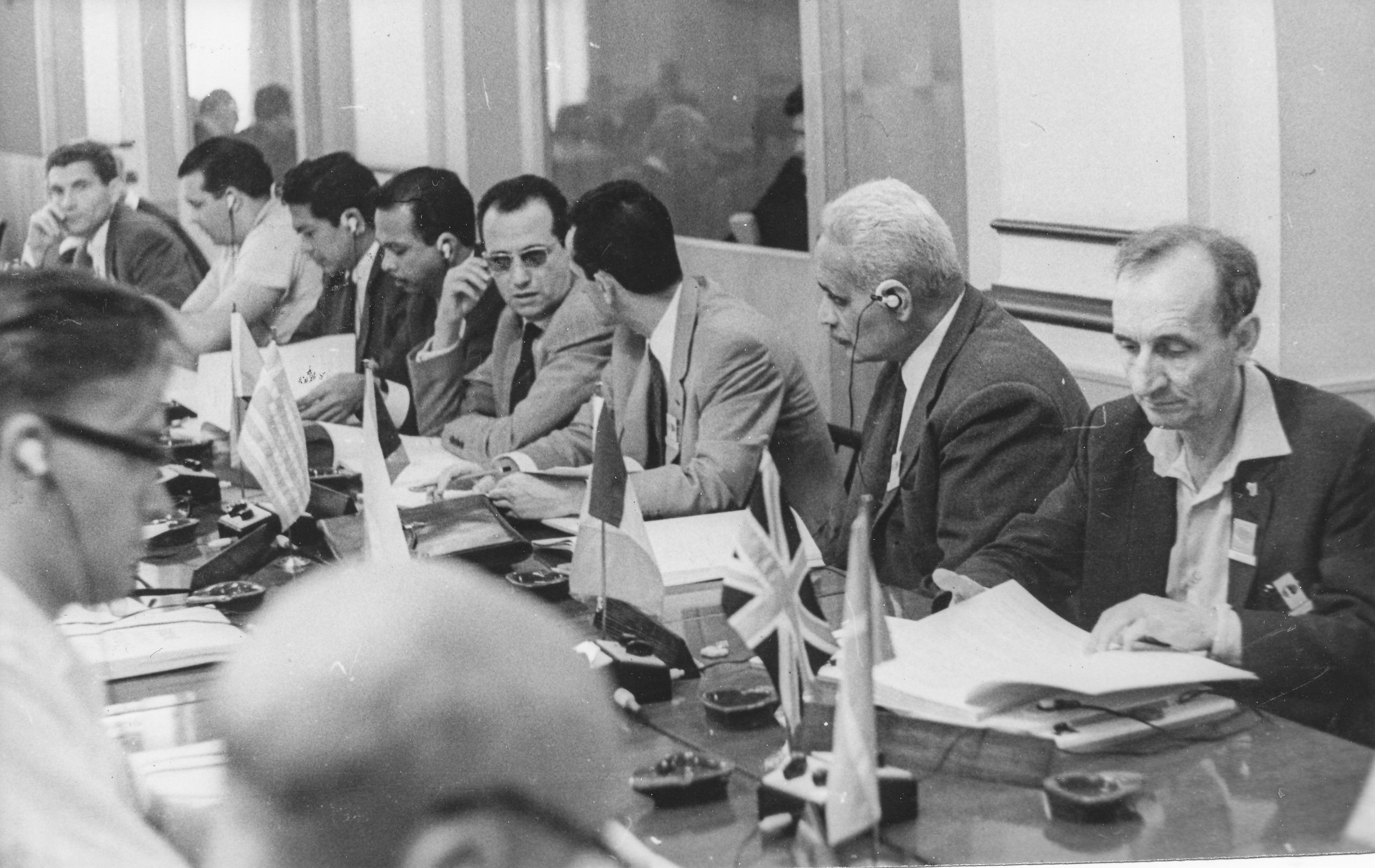
Brian Reilly at a FIDE Congress (possibly Nice 1974?)

BCM readers, too, must be counted amongst his old friends who will miss him. They should be aware that, but for Brian, and his decades of hard work. there would now be no BCM.”

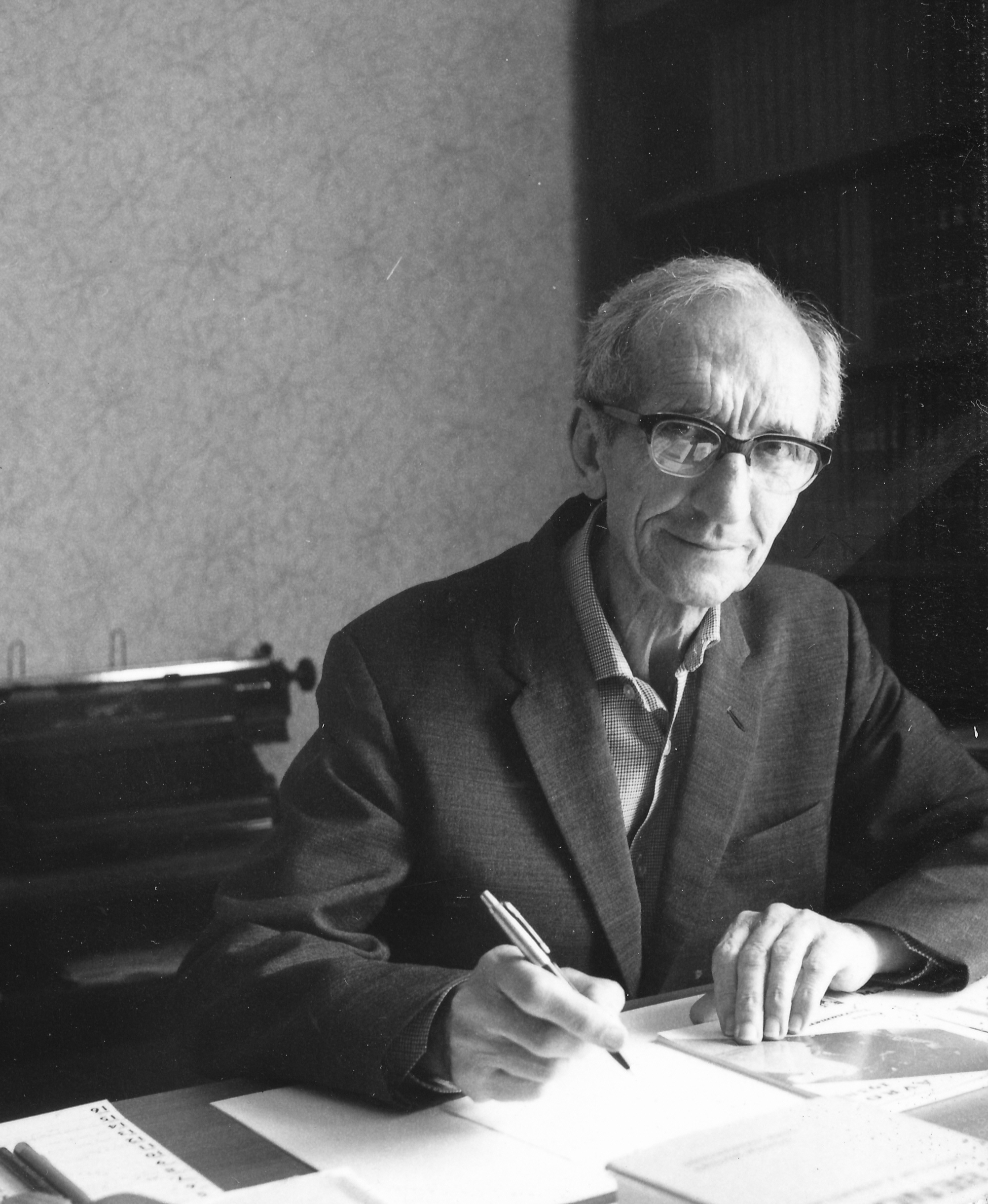
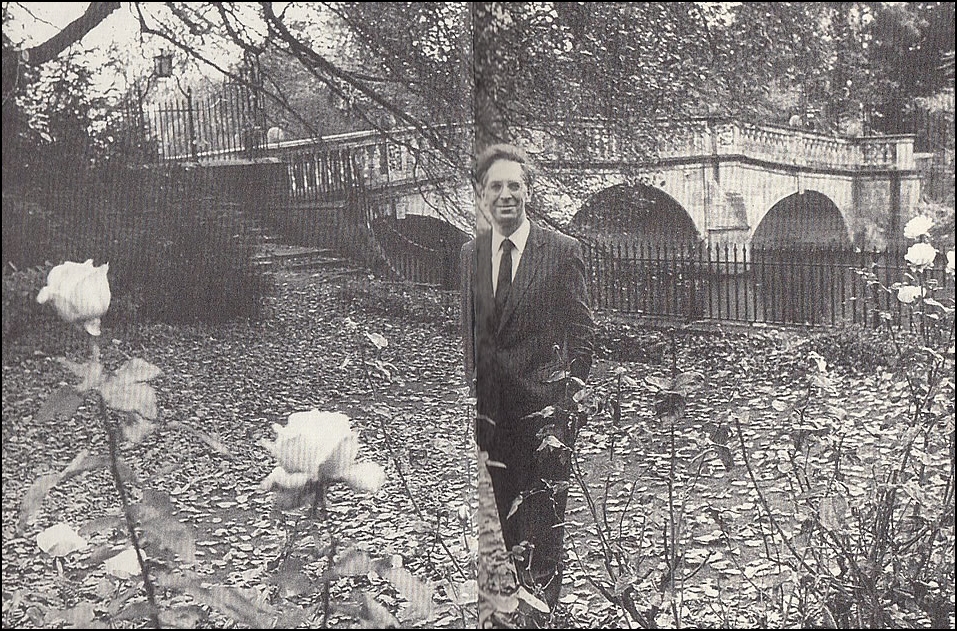
Brian Reilly in the BCM office. Photographed most likely by Freddy Reilly.

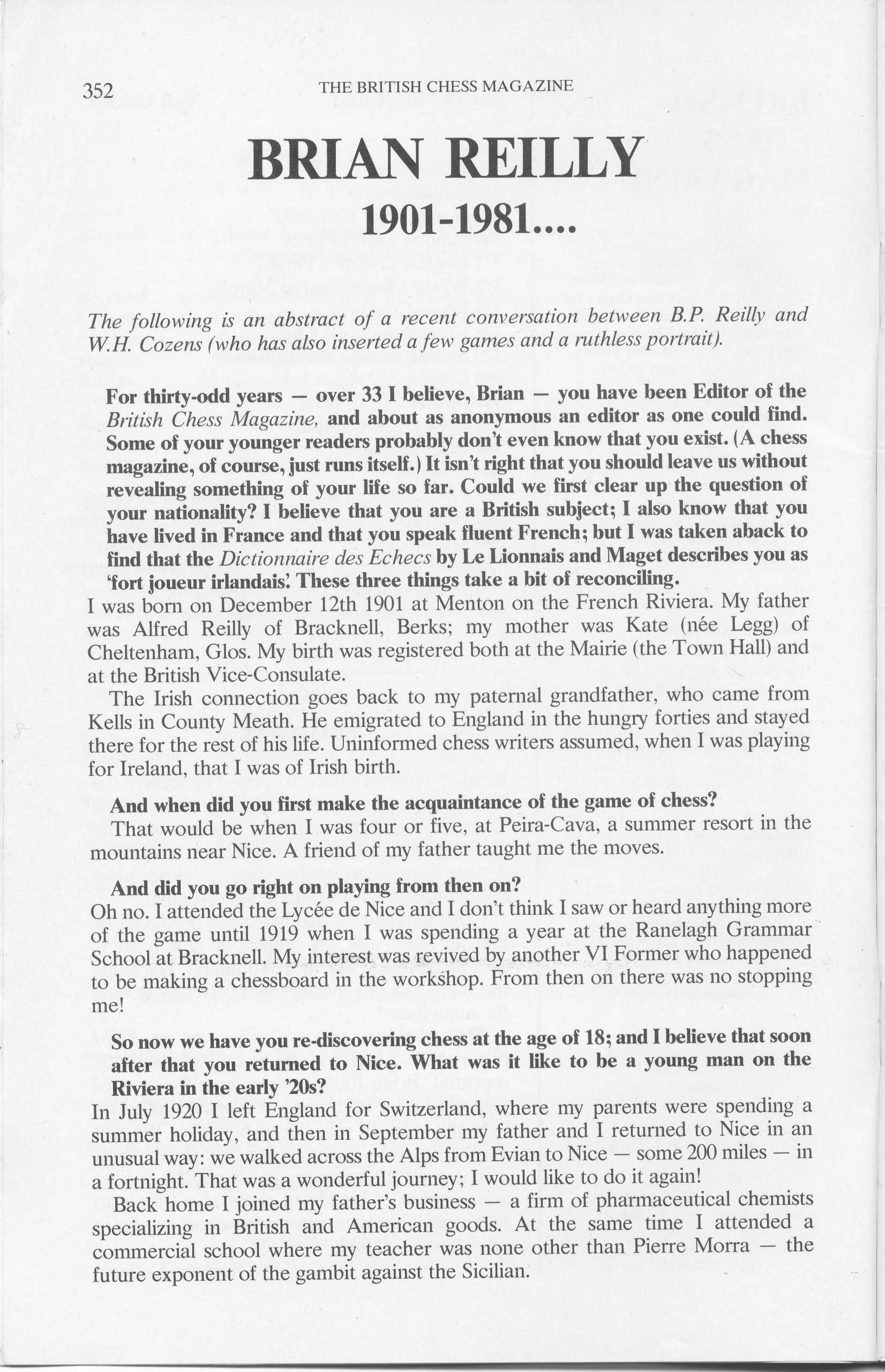
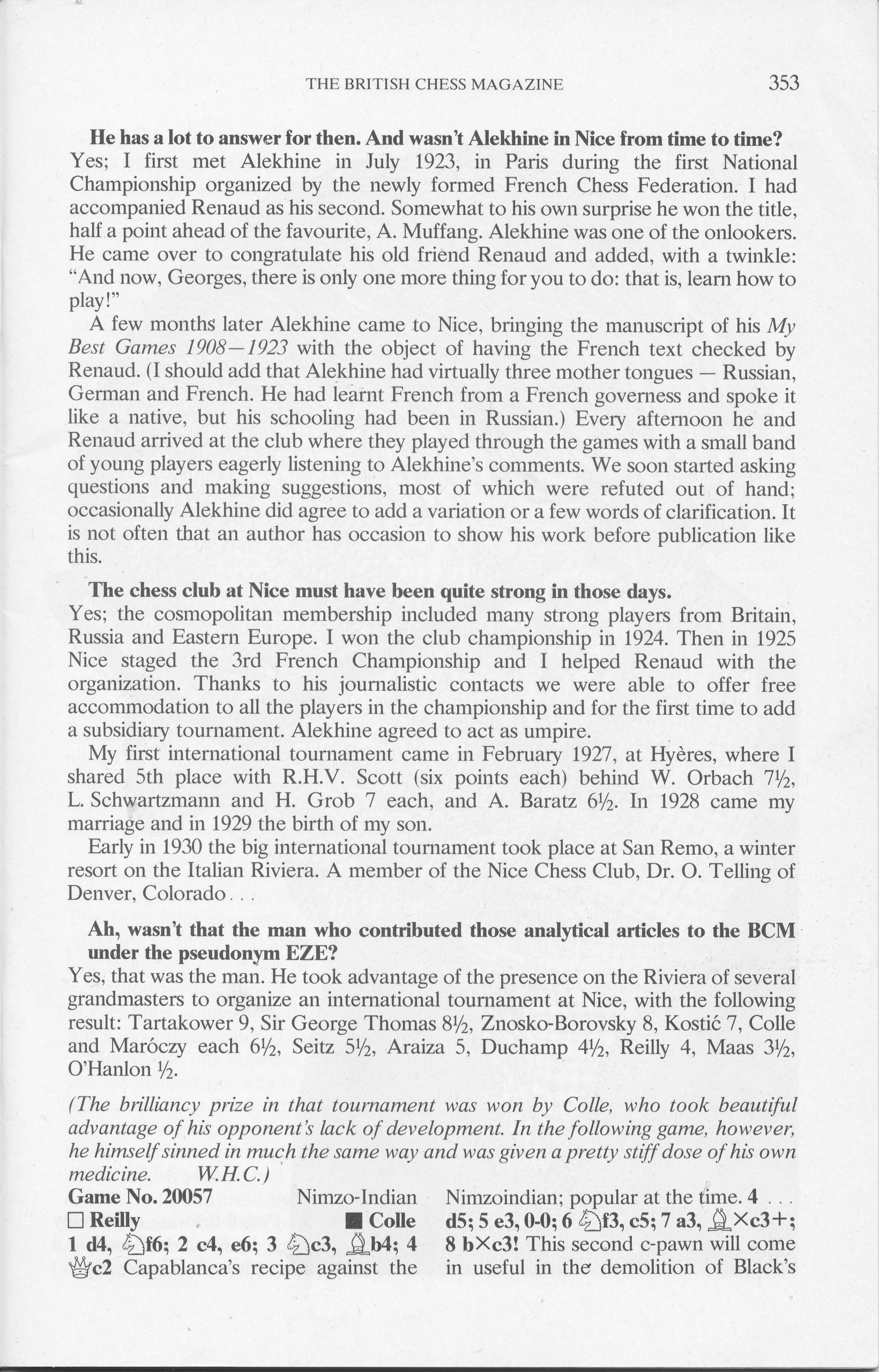
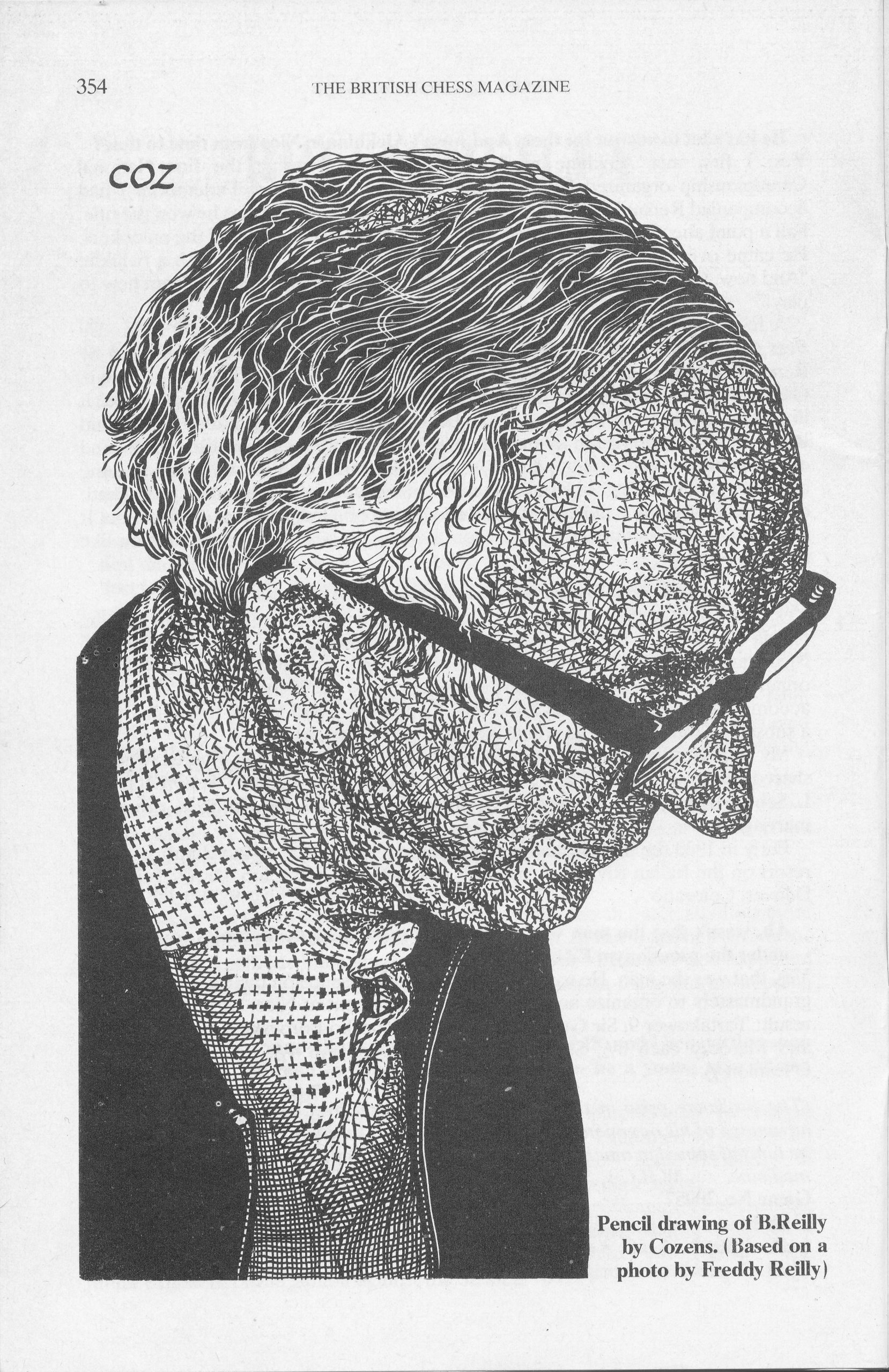
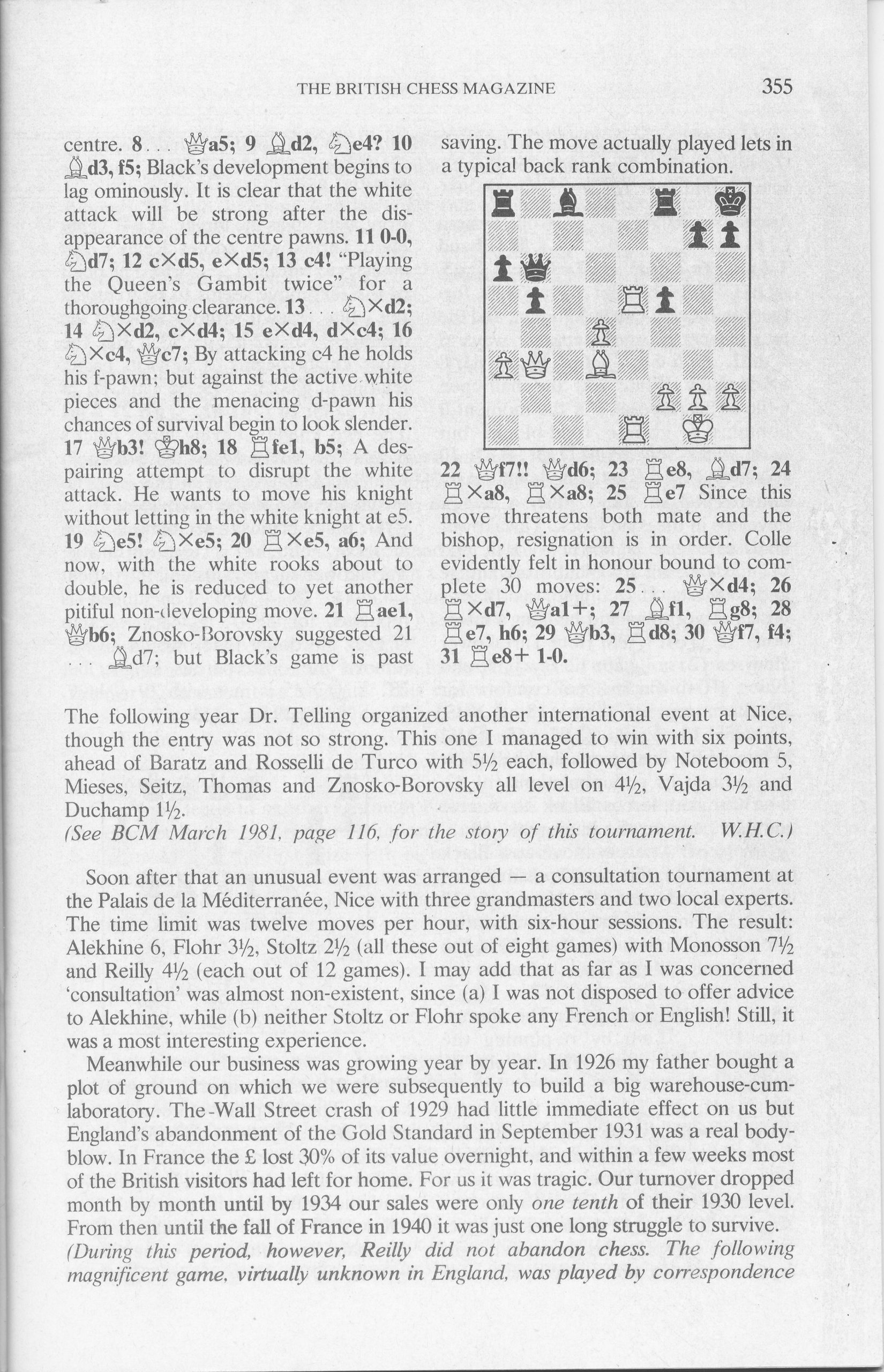
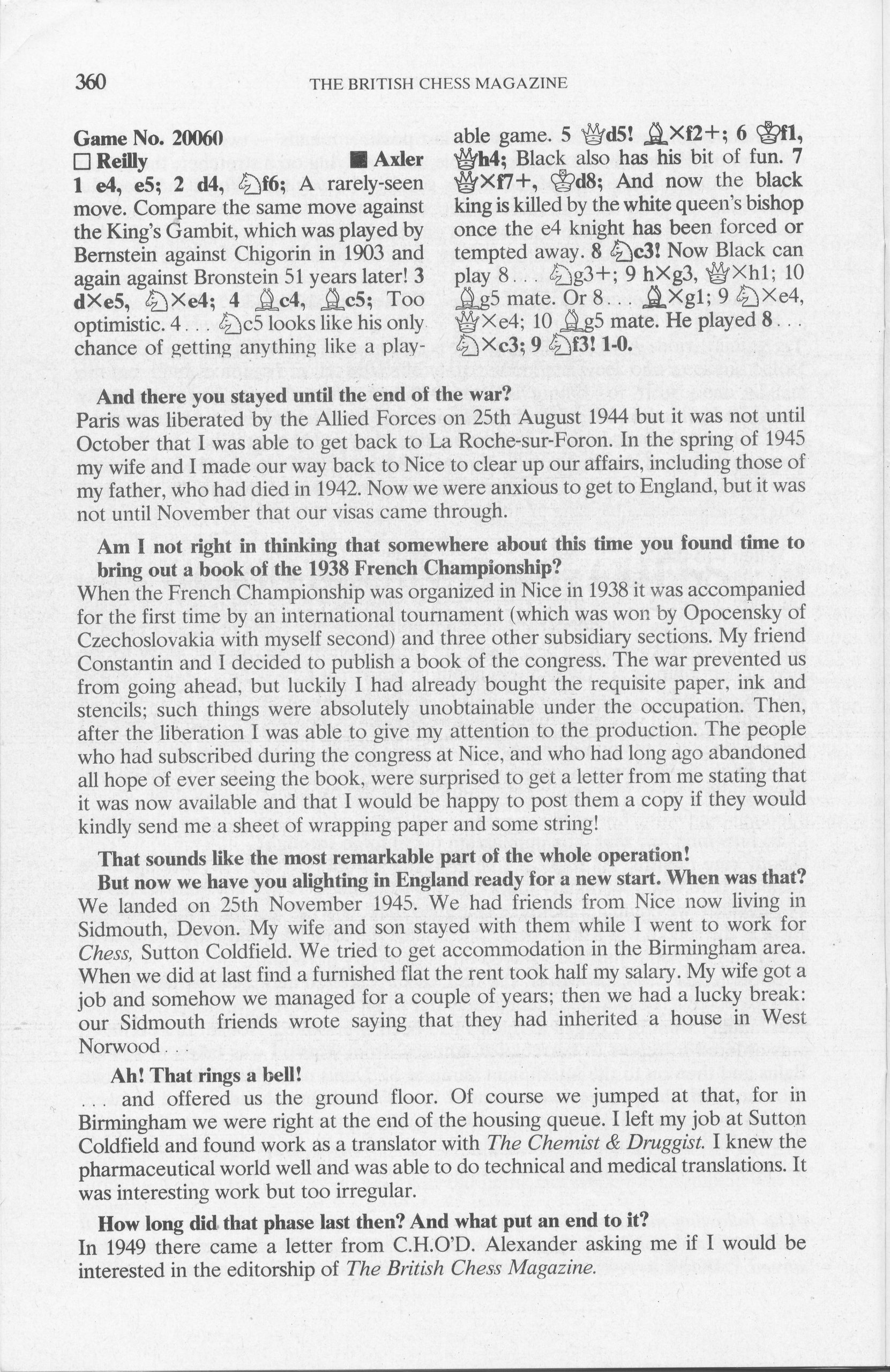
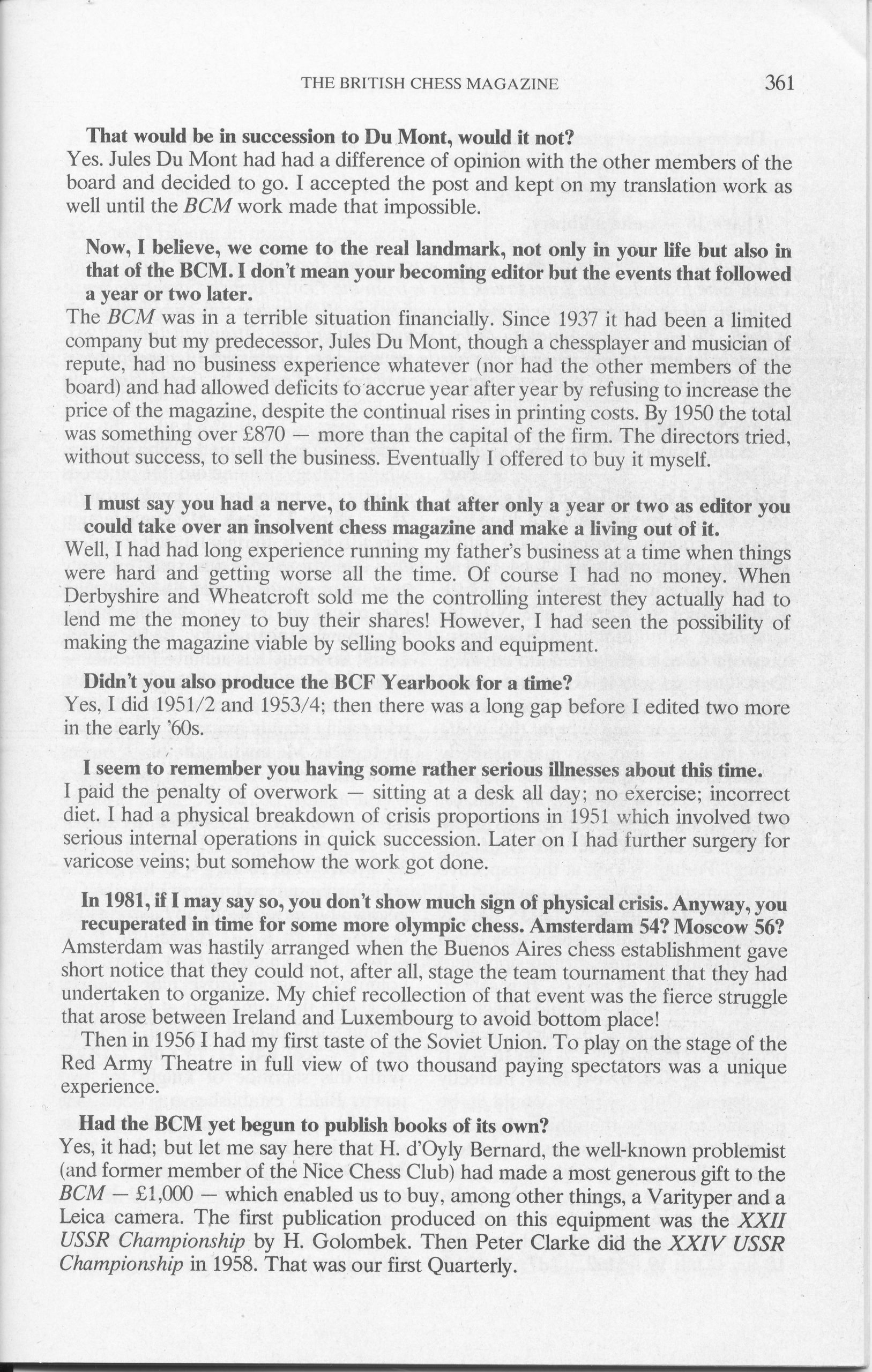
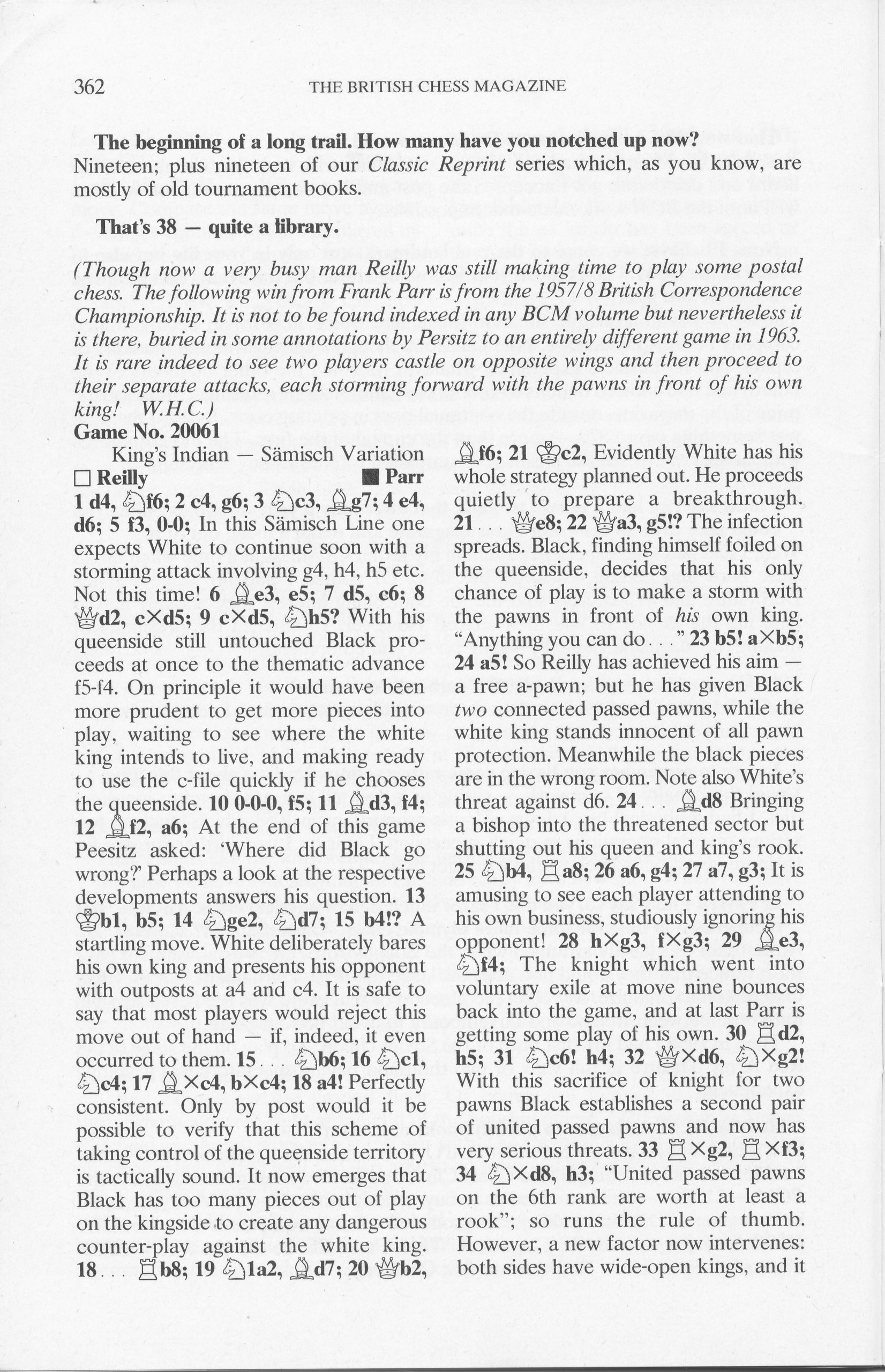
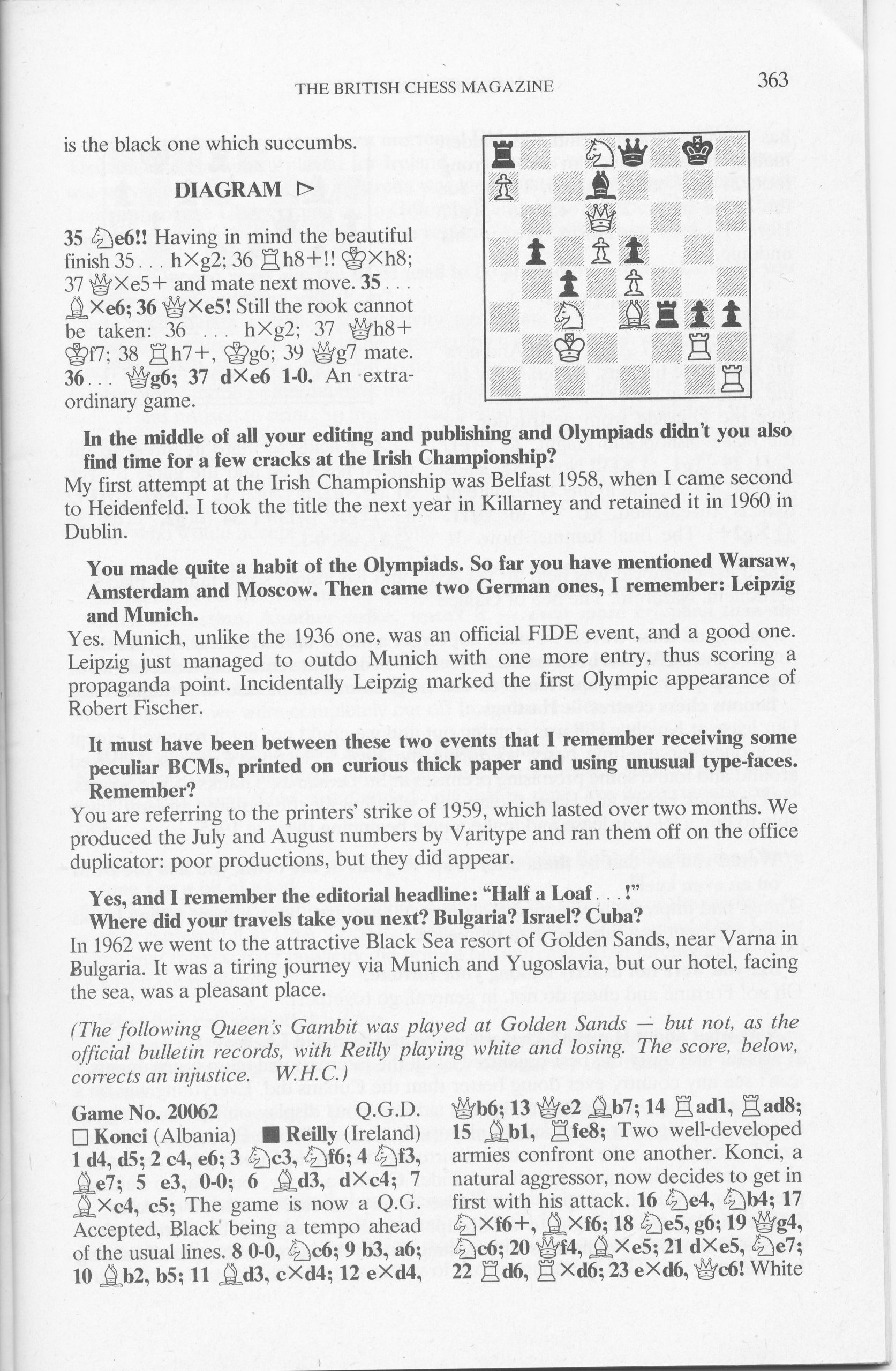
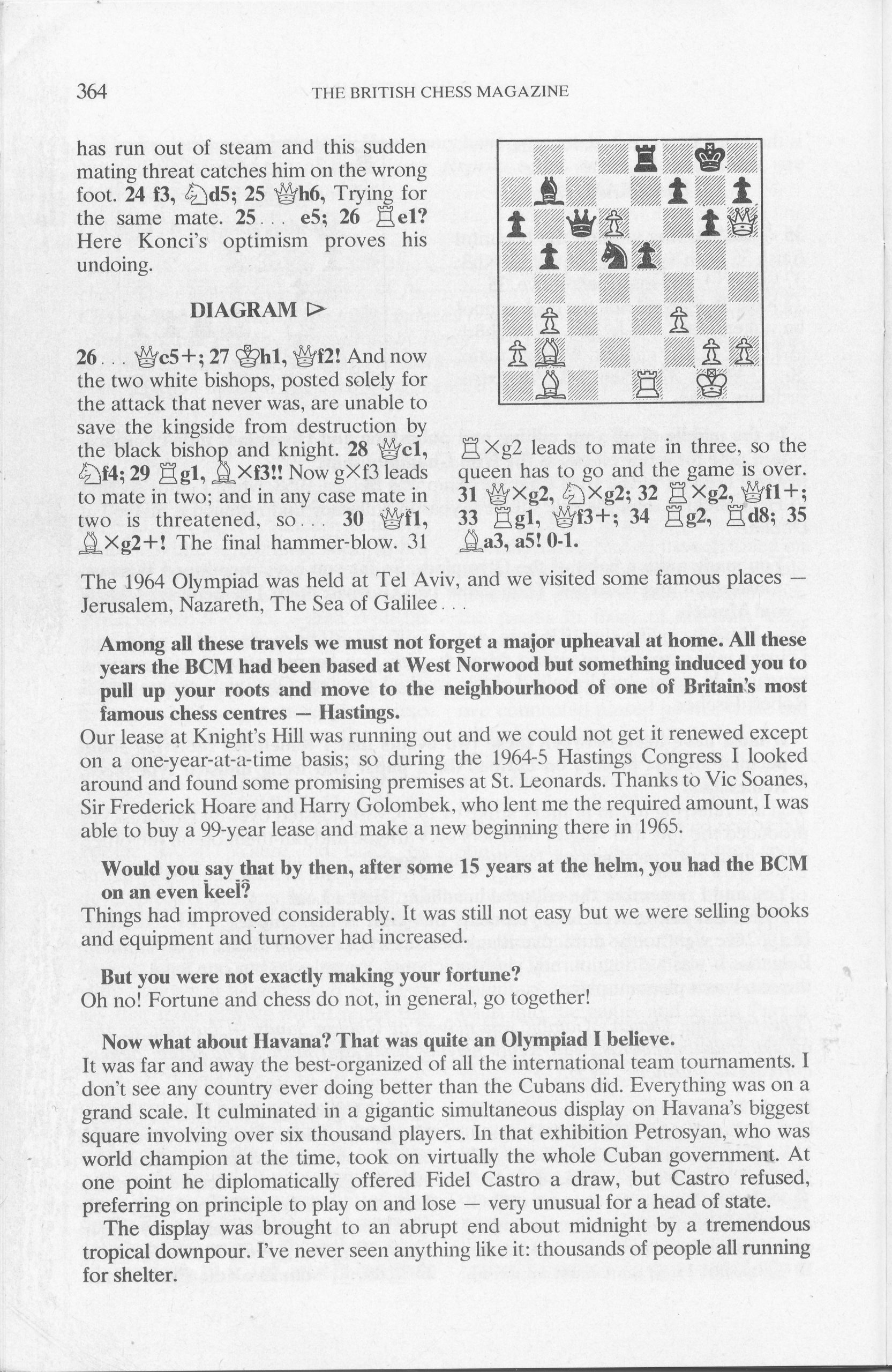
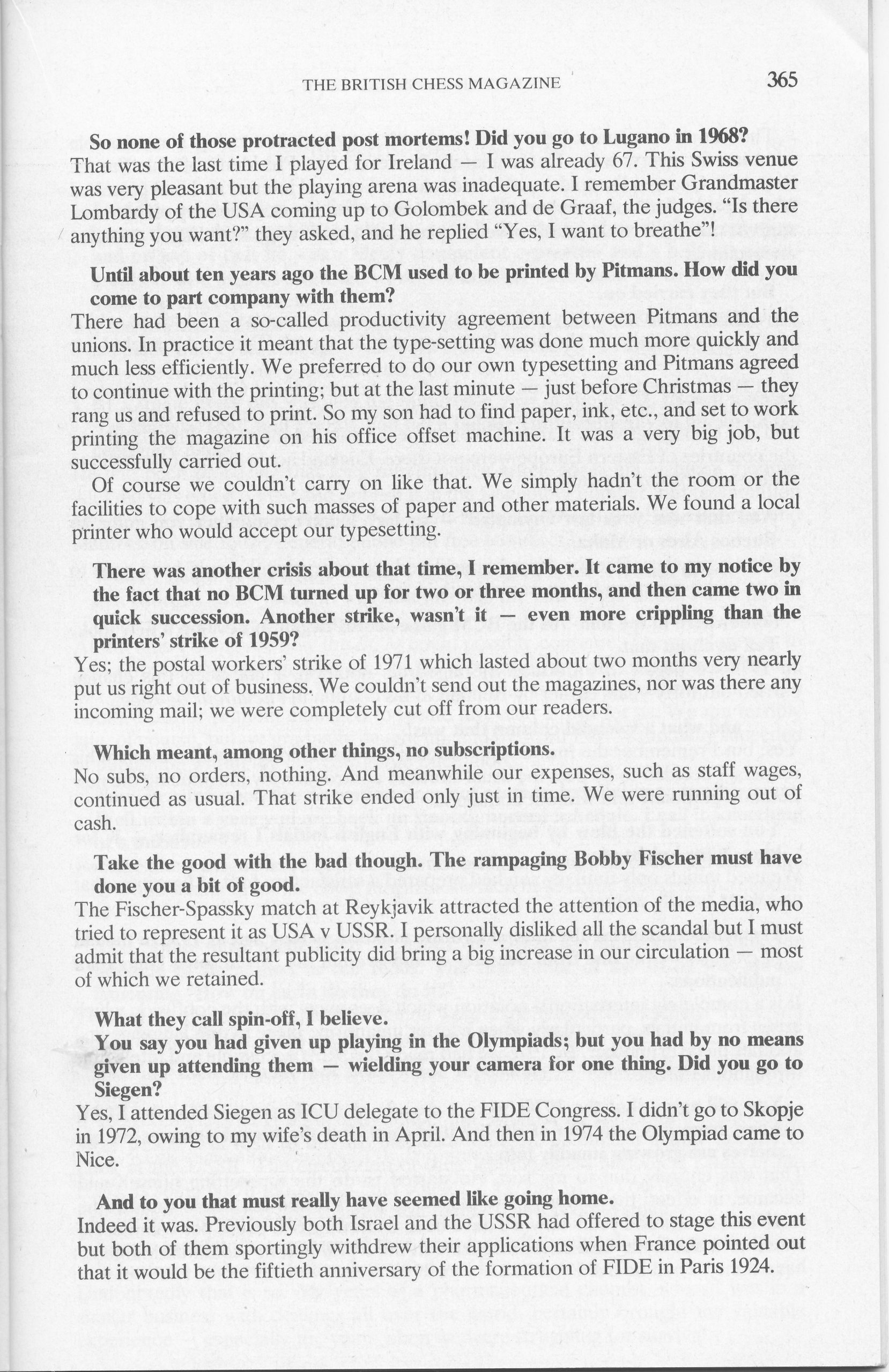
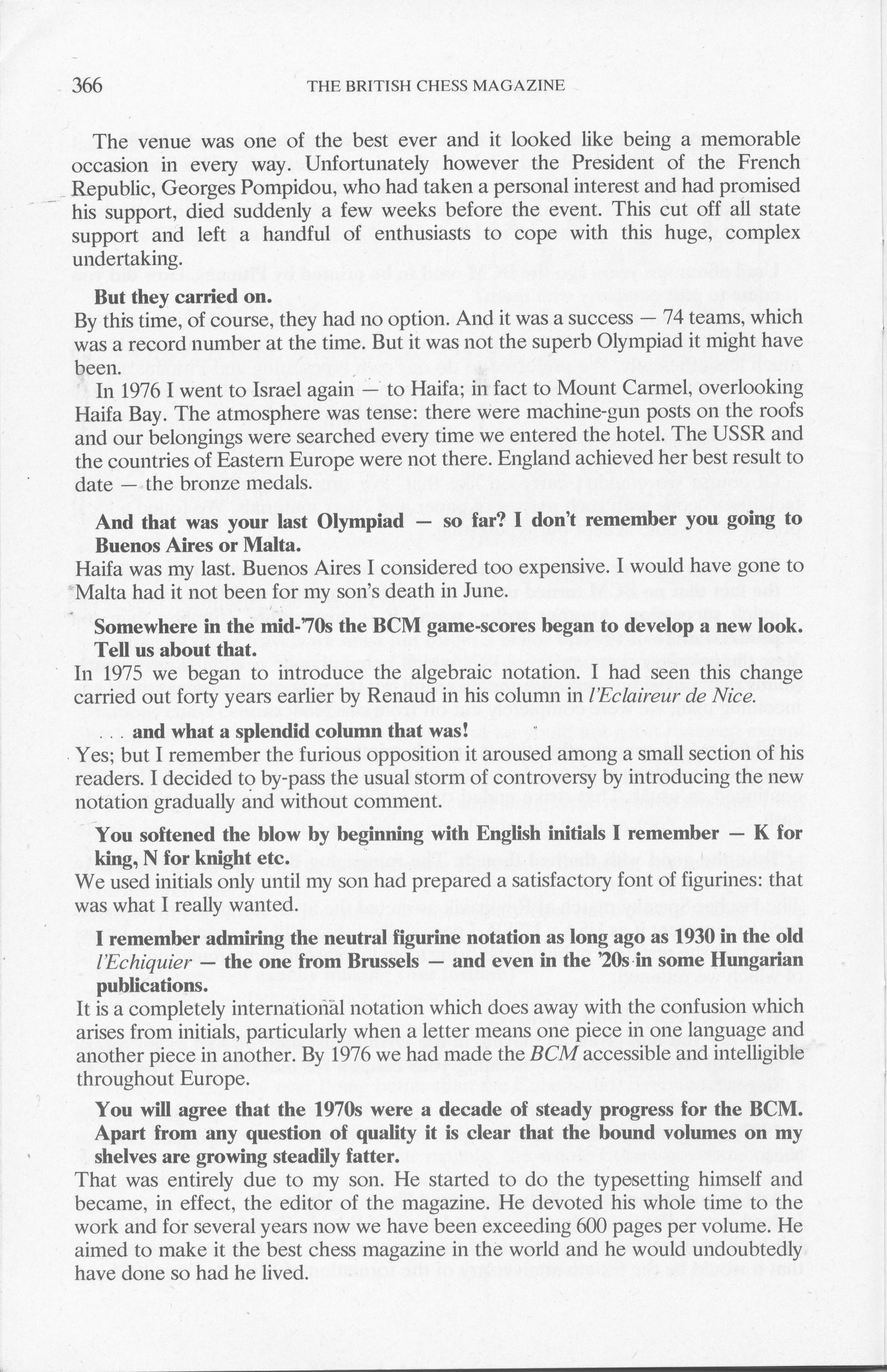
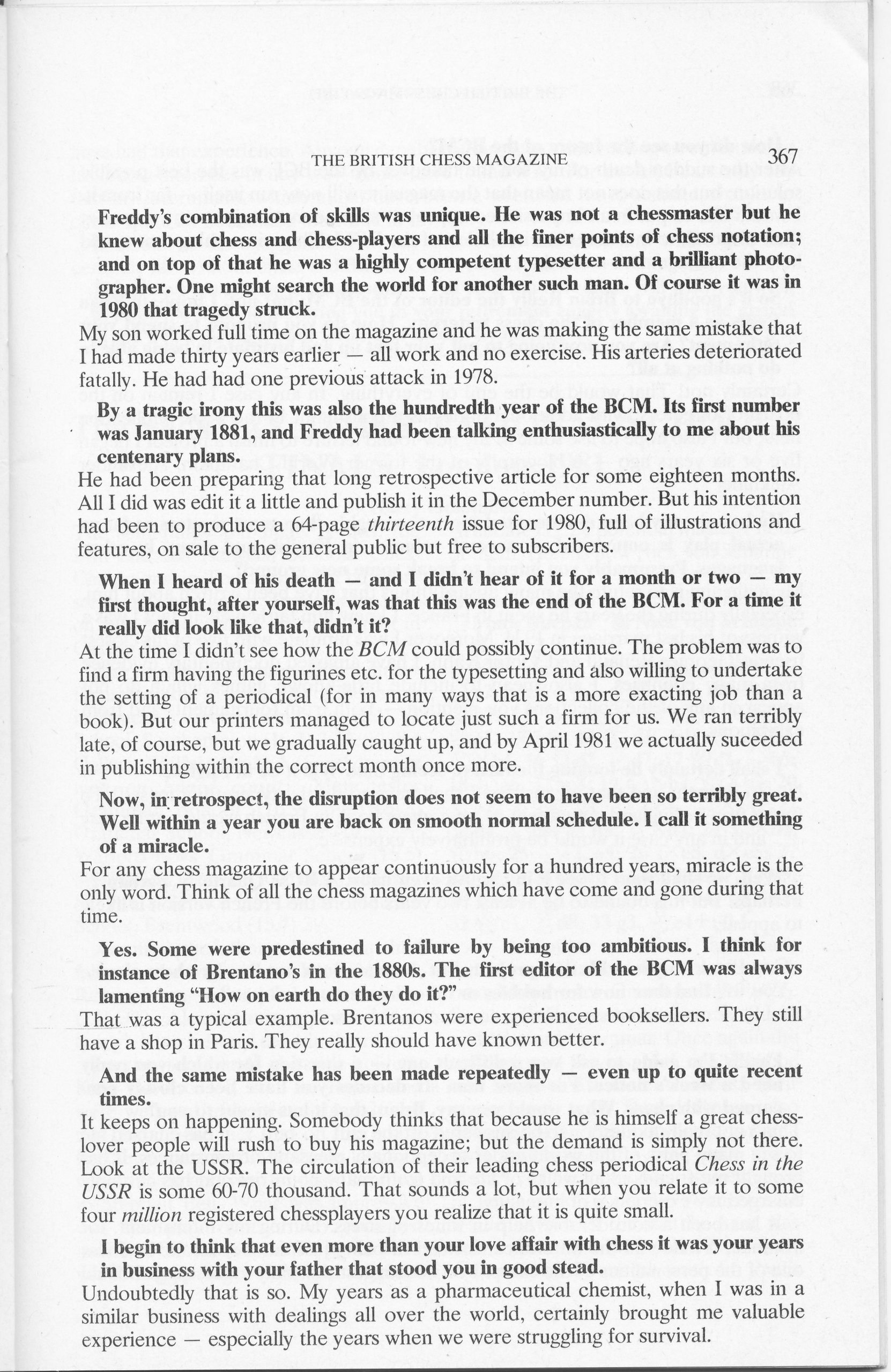
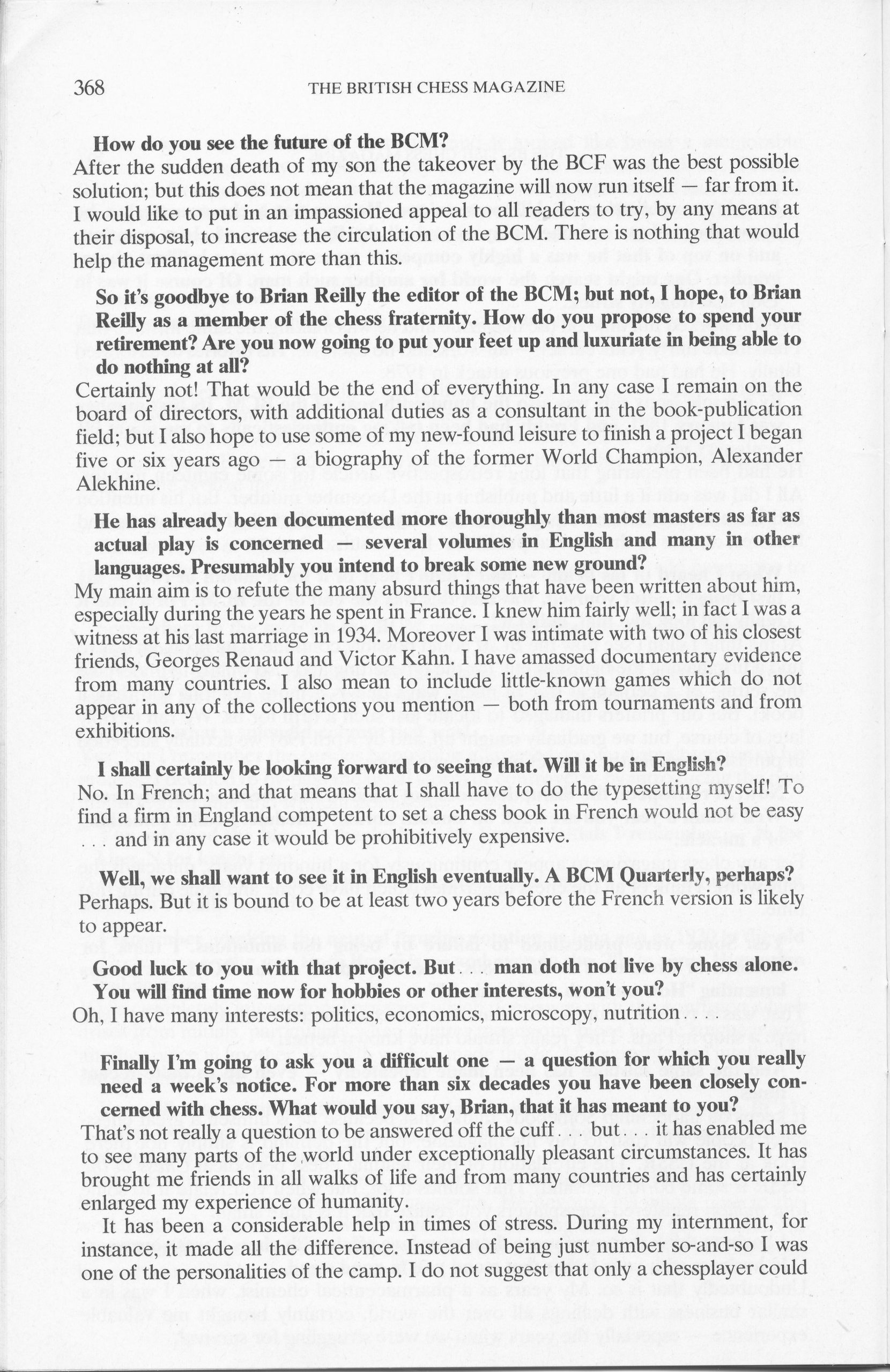
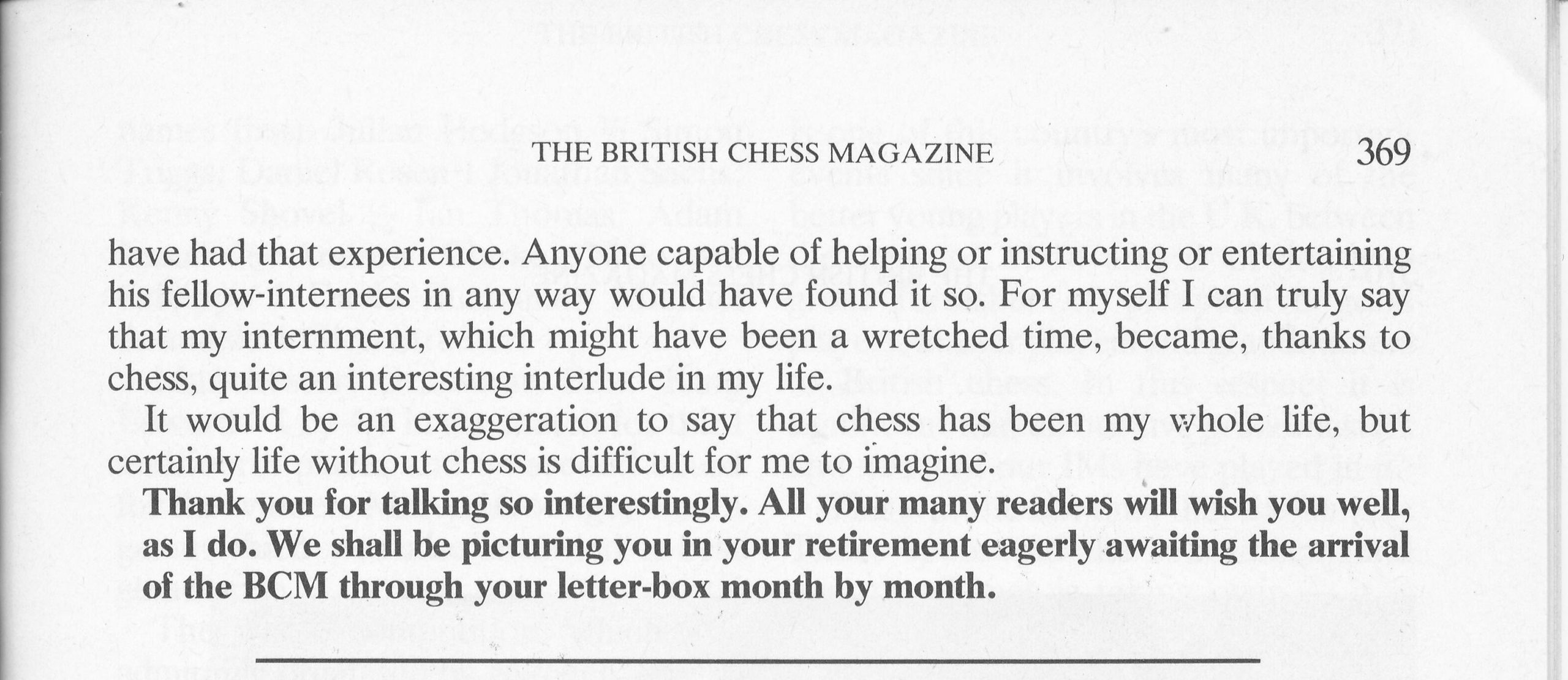
From British Chess Magazine, Volume CI (101), Number 8 (August), pp 352 – 369 a conversation between B.P. Reilly and W.H. Cozens :

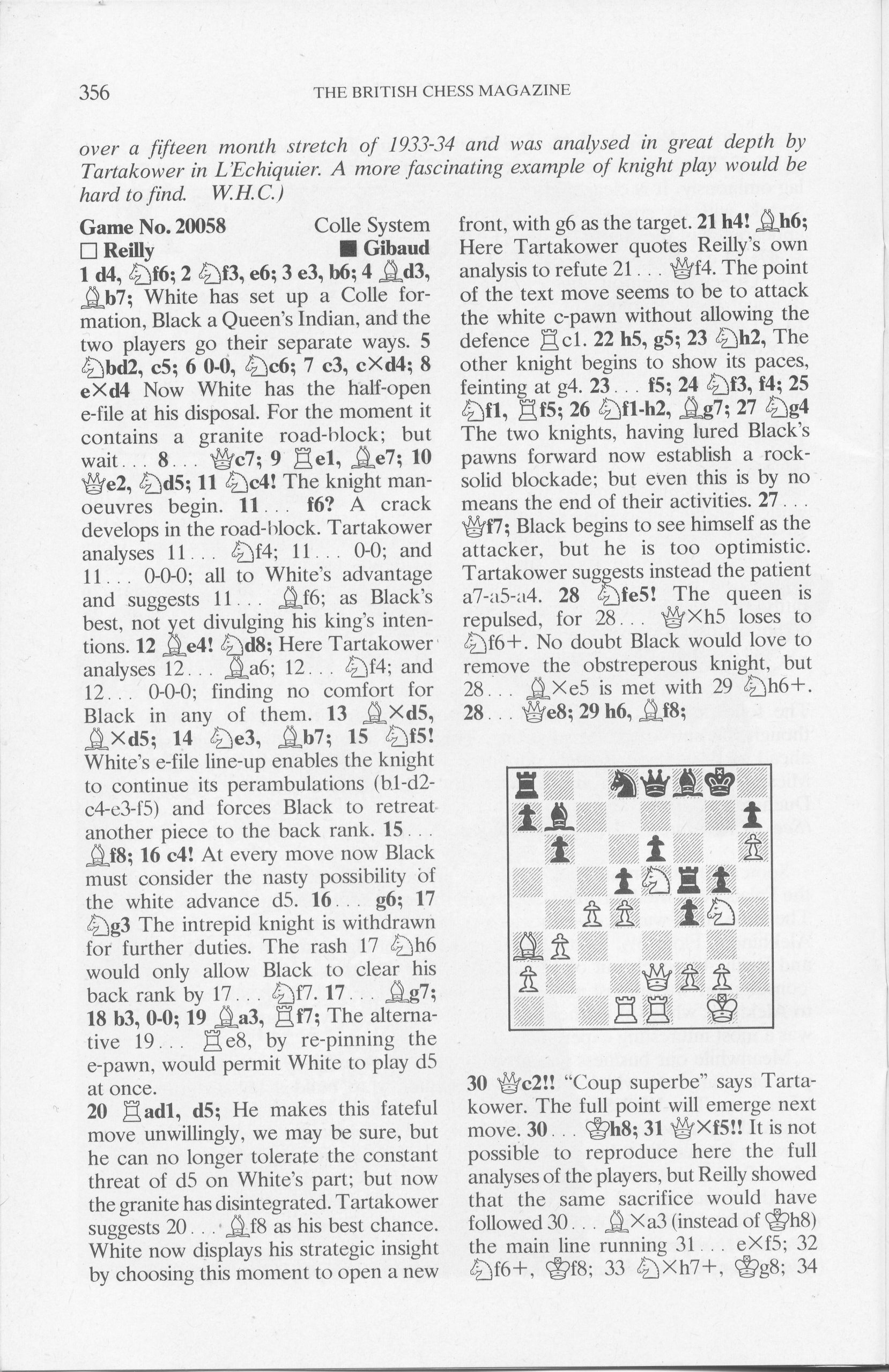
Brian Reilly conversation with William Harold Cozens, part 1
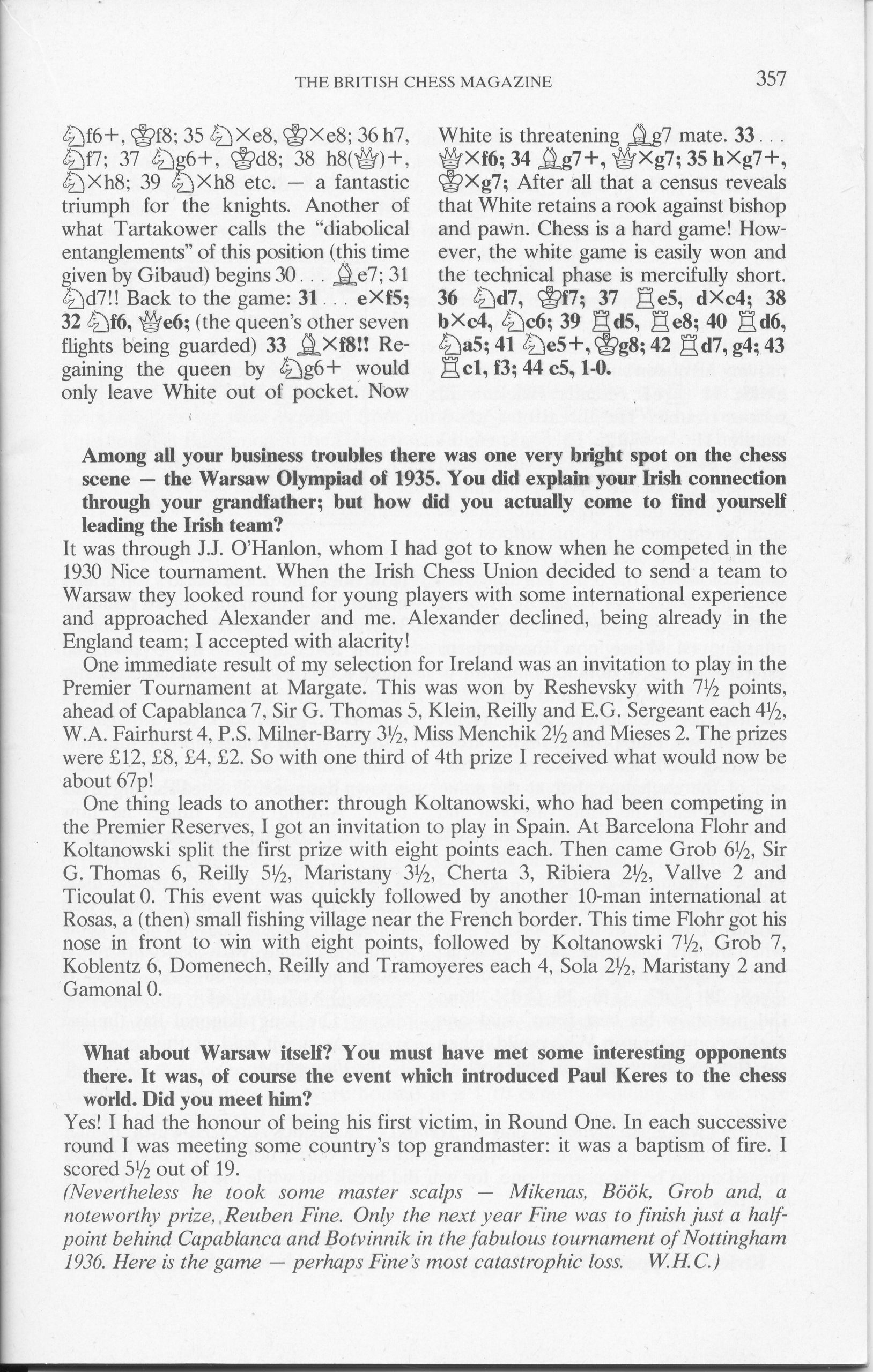
Brian Reilly conversation with William Harold Cozens, part 2
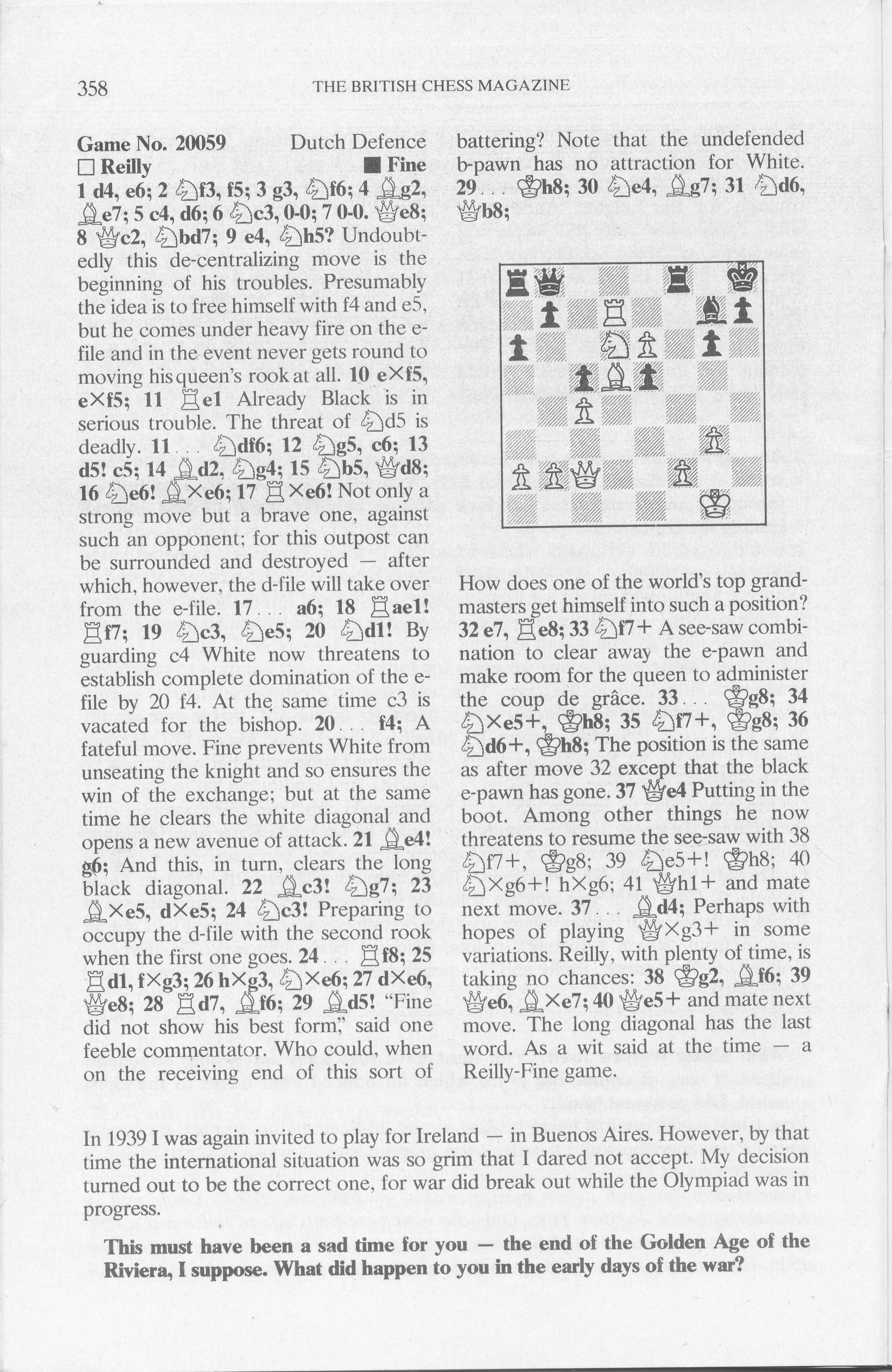
Brian Reilly conversation with William Harold Cozens, part 3
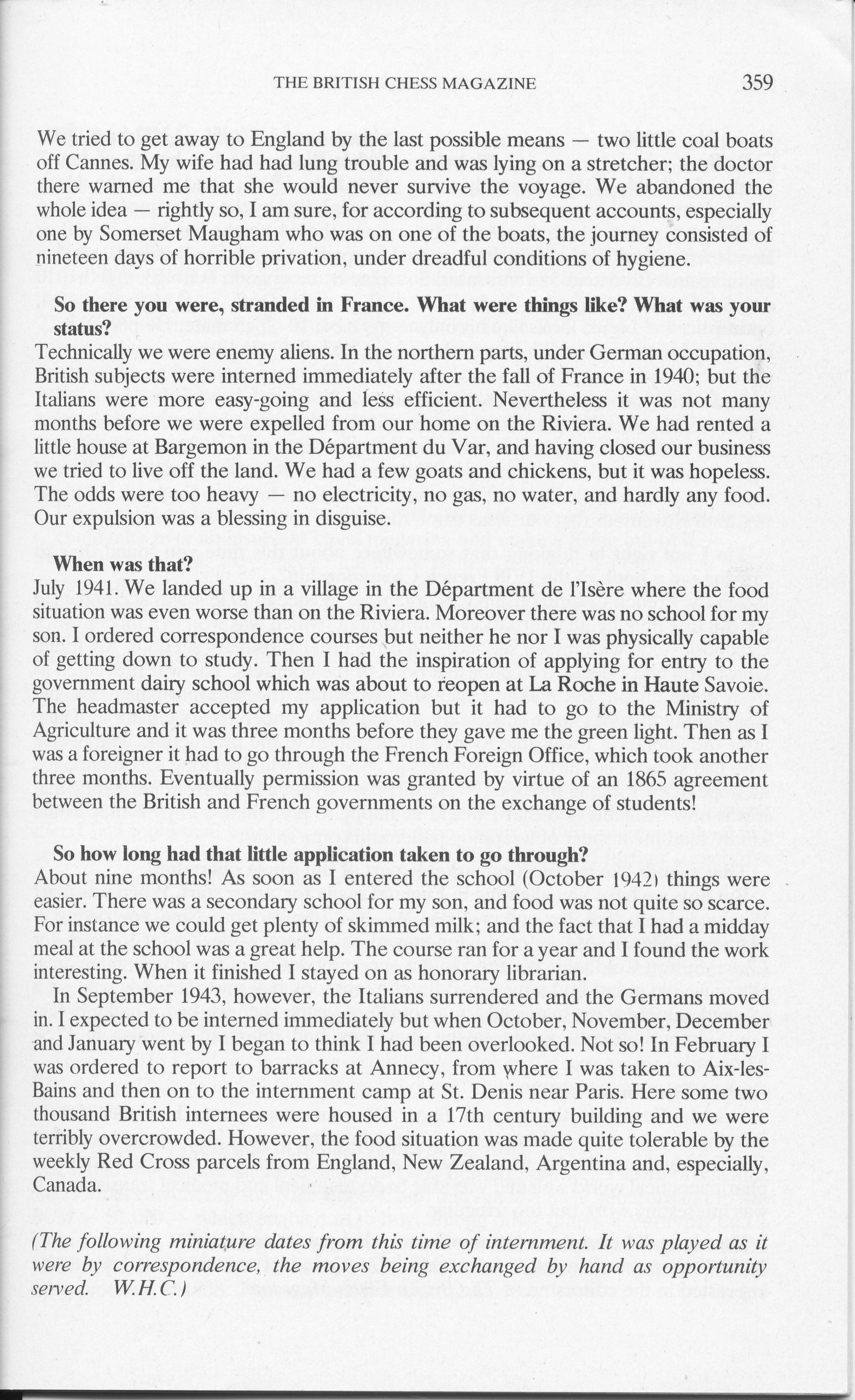
Brian Reilly conversation with William Harold Cozens, part 4
Brian Reilly conversation with William Harold Cozens, part 5
Brian Reilly conversation with William Harold Cozens, part 6
Brian Reilly conversation with William Harold Cozens, part 7

He won the BCF President’s Award in 1983 along with BH Wood Here is his Wikipedia entry

Brian Reilly conversation with William Harold Cozens, part 8
Brian Reilly conversation with William Harold Cozens, part 9
Brian Reilly conversation with William Harold Cozens, part 10
Brian Reilly conversation with William Harold Cozens, part 11
Brian Reilly conversation with William Harold Cozens, part 12
Brian Reilly conversation with William Harold Cozens, part 13
Brian Reilly conversation with William Harold Cozens, part 14
Brian Reilly conversation with William Harold Cozens, part 15
Brian Reilly conversation with William Harold Cozens, part 16
Brian Reilly conversation with William Harold Cozens, part 17
Brian Reilly conversation with William Harold Cozens, part 16
Brian Reilly conversation with William Harold Cozens, part 18
Brian Reilly conversation with William Harold Cozens, part 1

Death Anniversary of Brian Reilly (12-xii-1901 29-xii-1991)

Signature of Brian Reilly from an after dinner post card from Hastings 1945-46

We remember Brian Patrick Reilly who passed away on December 29th, 1991.

Brian Reilly probably sometime in the 1920s.

From The Encyclopaedia of Chess (Batsford, 1977), Harry Golombek OBE (written by Wolfgang Heidenfeld) :”Irish master born at Menton, of Irish descent, who has represented Ireland in nine Olympic team tournaments between 1935 and 1968; three times on top board.

Brian observes a game during one of the early 1930s tournaments in Nice

He was also Irish representative at seven FIDE congresses. Reilly played in a number of small international tournaments, wining first prize at Nice 1931 and sharing fourth prize with Klein and EG Sergeant behind Reshevsky, Capablanca and Sir G. Thomas at Margate 1935.

Brian Reilly playing Dr. Josep Vallve probably at Barcelona Chess Club in June 1935. Brian won in 61 moves.

Winner of Irish championship in 1959 and 1960. General Editor of British Chess Magazine since 1949.”

Brian Reilly and friends

His obituary in British Chess Magazine was written by Bernard Cafferty and appeared in Volume CXII (112, 1992), Number 2 (February), page 70:

Brian with journalist colleagues.

“With great regret we have to report that Brian Patrick Reilly has, to use the older term, ‘joined the great majority’.

Brian analysing with Irish team mate, Wolfgang Heidenfeld

B. P. Reilly (Menton, 12 xii 1901-Hastings, 29 xii l99l) was born into an expatriate family on the French Riviera, and so was bilingual. He learned his chess in France where he had many friends and acquaintances. He knew Alekhine in the 1920s and 1930s and was a witness at Alekhine’s wedding.

Many years later he was to do extensive research on Alekhine’s life, and was the first to establish (though he did not publish the fact) that the Russian did not complete his doctorate studies at the Sorbonne, so that “Dr” Alekhine must be considered a purely honorary title.

Brian won the Nice tournament of 1931, ahead of Noteboom, Mieses, . . . Sir George Thomas . . . Znosko-Borovsky. . . and played for Ireland at the 1935 Olympiad beating Fine.

Crosstable for Nice 1931 from Megabase 2020

These results, taken with his fourth place at Margate 1935, behind Reshevsky, Capablanca and Sir George Thomas, made it clear that he was of IM strength.

Nice Masters, 1931. Standing : Daniel Noteboom, Abraham Baratz, George Renaud (Organiser), John J O'Hanlon, Marcel Duchamp, Brian Reilly (winner), Seated : Eugene Znokso-Borovsky,, Arpad Vajda, Sir George Thomas, Jacques Mieses, Stefano Roselli del Turco, Jacob Adolf Seitz. British Chess Magazine, 1931, page 201
Nice Masters, 1931. Standing : Daniel Noteboom, Abraham Baratz, George Renaud (Organiser), John J O’Hanlon, Marcel Duchamp, Brian Reilly (winner), Seated : Eugene Znokso-Borovsky,, Arpad Vajda, Sir George Thomas, Jacques Mieses, Stefano Roselli del Turco, Jacob Adolf Seitz. British Chess Magazine, 1931, page 201

During the war Brian was interned in France as a British citizen, coming close to starvation for a time. He described all this in the very detailed account of his life in the September 1980 BCM, on which we have drawn, along with the many reminiscences Brian passed on to the present writer.

Brian analysing with the Irish team at an Olympiad

After working for the Sutton Coldfield magazine just after the war (he did not get on well with B. H. Wood, thinking him not very business-like – do we put this too diplomatically?) Brian was a freelance translator in the pharmaceutical industry before taking over BCM in 1949. At the time the magazine was technically bankrupt.

Sir George Thomas And Brian Reilly Sir George Thomas (left), leader of the British chess team, playing Irishman Brian Reilly at the Easter Chess Congress, Margate, April 24th 1935. (Photo by Harry Todd/Fox Photos/Getty Images)
Sir George Thomas And Brian Reilly
Sir George Thomas (left), leader of the British chess team, playing Irishman Brian Reilly at the Easter Chess Congress, Margate, April 24th 1935. (Photo by Harry Todd/Fox Photos/Getty Images)

In 1964 he moved the office from London to St Leonards, showing his business acumen yet again. He ran the bookstall for many years at the Hastings Congress at the Sun Lounge and the Falaise Hall.

Brian Reilly setting up the BCM bookstall at Hastings

After the union troubles of 1970-71 and the Fischer boom he arranged for the magazine to be typeset by his son Freddy at the family home in West Norwood. This led to an expansion in the pagination after some teething troubles.
Brian Reilly playing Cesar Munoz (Ecuador) in round 8 of the Leipzig Olympiad played on 23rd October 1960. The game was drawn in 48 moves.

All this while, Brian was playing for Ireland in Olympiads, and attending to FIDE affairs as a FIDE delegate.

Brian relaxing during a FIDE Congress dinner.
Brian relaxing during a FIDE Congress dinner

After the death of his son Freddy in 1980, the magazine was sold to the BCF and Brian retired as editor in September 1981, remaining as a consultant for nearly a decade.

Brian Reilly, Ray Keene, George Botterill, Anatoly Karpov, Harry Golombek and Viktor Korchnoi

His last years were spent in Hastings, where it was his wont to carry on with the long sea-front walks that he had practised since a breakdown in health due to overwork. He had strong views on correct diet and exercise which he could expound to anyone willing to listen. The fact that he could walk up to six miles a day in his late eighties and that his faculties, including his memory, only seemed to be weakening in his last two years, is proof enough of the validity of his theories.

Brian Reilly playing Wolfgang Unzicker on board 1 during the preliminaries of the 1960 Leipzig Olympiad.

On his 90th birthday he attended the office and drank a glass of champagne to celebrate the occasion. We have the testimony of Mrs Arnold, who worked with him so long, that he was still talking of visiting the Hastings Congress. This was on Boxing Day, the day after he had been admitted to St Helen’s Hospital with a chest infection. He assured her he would be up and about again, but old friends such as Harry Golombek and Ritson Morry waited for him in vain as Hastings got under way. . .

Brian Reilly at a FIDE Congress (possibly Nice 1974?)

Brian Reilly at a FIDE Congress (possibly Nice 1974?)

BCM readers, too, must be counted amongst his old friends who will miss him. They should be aware that, but for Brian, and his decades of hard work. there would now be no BCM.”

Brian Reilly in the BCM office. Photographed most likely by Freddy Reilly.

From British Chess Magazine, Volume CI (101), Number 8 (August), pp 352 – 369 a conversation between B.P. Reilly and W.H. Cozens :

Brian Reilly conversation with William Harold Cozens, part 1

Brian Reilly conversation with William Harold Cozens, part 2

Brian Reilly conversation with William Harold Cozens, part 3

Brian Reilly conversation with William Harold Cozens, part 4

Brian Reilly conversation with William Harold Cozens, part 5

Brian Reilly conversation with William Harold Cozens, part 6

Brian Reilly conversation with William Harold Cozens, part 7

He won the BCF President’s Award in 1983 along with BH Wood

Here is his Wikipedia entry

Brian Reilly conversation with William Harold Cozens, part 8

Brian Reilly conversation with William Harold Cozens, part 9

Brian Reilly conversation with William Harold Cozens, part 10

Brian Reilly conversation with William Harold Cozens, part 11

Brian Reilly conversation with William Harold Cozens, part 12

Brian Reilly conversation with William Harold Cozens, part 13

Brian Reilly conversation with William Harold Cozens, part 14

Brian Reilly conversation with William Harold Cozens, part 15

Brian Reilly conversation with William Harold Cozens, part 16

Brian Reilly conversation with William Harold Cozens, part 17
Brian Reilly conversation with William Harold Cozens, part 16

Brian Reilly conversation with William Harold Cozens, part 18
Brian Reilly conversation with William Harold Cozens, part 1

Death Anniversary of Brian Reilly (12-xii-1901 29-xii-1991)

Signature of Brian Reilly from an after dinner post card from Hastings 1945-46

We remember Brian Patrick Reilly who passed away on December 29th, 1991.

Brian Reilly probably sometime in the 1920s.

From The Encyclopaedia of Chess (Batsford, 1977), Harry Golombek OBE (written by Wolfgang Heidenfeld) :”Irish master born at Menton, of Irish descent, who has represented Ireland in nine Olympic team tournaments between 1935 and 1968; three times on top board.

Brian observes a game during one of the early 1930s tournaments in Nice

He was also Irish representative at seven FIDE congresses. Reilly played in a number of small international tournaments, wining first prize at Nice 1931 and sharing fourth prize with Klein and EG Sergeant behind Reshevsky, Capablanca and Sir G. Thomas at Margate 1935.

Brian Reilly playing Dr. Josep Vallve probably at Barcelona Chess Club in June 1935. Brian won in 61 moves.

Winner of Irish championship in 1959 and 1960. General Editor of British Chess Magazine since 1949.”

Brian Reilly and friends

His obituary in British Chess Magazine was written by Bernard Cafferty and appeared in Volume CXII (112, 1992), Number 2 (February), page 70:

Brian with journalist colleagues.

“With great regret we have to report that Brian Patrick Reilly has, to use the older term, ‘joined the great majority’.

Brian analysing with Irish team mate, Wolfgang Heidenfeld

B. P. Reilly (Menton, 12 xii 1901-Hastings, 29 xii l99l) was born into an expatriate family on the French Riviera, and so was bilingual. He learned his chess in France where he had many friends and acquaintances. He knew Alekhine in the 1920s and 1930s and was a witness at Alekhine’s wedding.

Many years later he was to do extensive research on Alekhine’s life, and was the first to establish (though he did not publish the fact) that the Russian did not complete his doctorate studies at the Sorbonne, so that “Dr” Alekhine must be considered a purely honorary title.

Brian won the Nice tournament of 1931, ahead of Noteboom, Mieses, . . . Sir George Thomas . . . Znosko-Borovsky. . . and played for Ireland at the 1935 Olympiad beating Fine.

Crosstable for Nice 1931 from Megabase 2020

These results, taken with his fourth place at Margate 1935, behind Reshevsky, Capablanca and Sir George Thomas, made it clear that he was of IM strength.

Nice Masters, 1931. Standing : Daniel Noteboom, Abraham Baratz, George Renaud (Organiser), John J O'Hanlon, Marcel Duchamp, Brian Reilly (winner), Seated : Eugene Znokso-Borovsky,, Arpad Vajda, Sir George Thomas, Jacques Mieses, Stefano Roselli del Turco, Jacob Adolf Seitz. British Chess Magazine, 1931, page 201
Nice Masters, 1931. Standing : Daniel Noteboom, Abraham Baratz, George Renaud (Organiser), John J O’Hanlon, Marcel Duchamp, Brian Reilly (winner), Seated : Eugene Znokso-Borovsky,, Arpad Vajda, Sir George Thomas, Jacques Mieses, Stefano Roselli del Turco, Jacob Adolf Seitz. British Chess Magazine, 1931, page 201

During the war Brian was interned in France as a British citizen, coming close to starvation for a time. He described all this in the very detailed account of his life in the September 1980 BCM, on which we have drawn, along with the many reminiscences Brian passed on to the present writer.

Brian analysing with the Irish team at an Olympiad

After working for the Sutton Coldfield magazine just after the war (he did not get on well with B. H. Wood, thinking him not very business-like – do we put this too diplomatically?) Brian was a freelance translator in the pharmaceutical industry before taking over BCM in 1949. At the time the magazine was technically bankrupt.

Sir George Thomas And Brian Reilly Sir George Thomas (left), leader of the British chess team, playing Irishman Brian Reilly at the Easter Chess Congress, Margate, April 24th 1935. (Photo by Harry Todd/Fox Photos/Getty Images)
Sir George Thomas And Brian Reilly
Sir George Thomas (left), leader of the British chess team, playing Irishman Brian Reilly at the Easter Chess Congress, Margate, April 24th 1935. (Photo by Harry Todd/Fox Photos/Getty Images)

In 1964 he moved the office from London to St Leonards, showing his business acumen yet again. He ran the bookstall for many years at the Hastings Congress at the Sun Lounge and the Falaise Hall.

Brian Reilly setting up the BCM bookstall at Hastings

After the union troubles of 1970-71 and the Fischer boom he arranged for the magazine to be typeset by his son Freddy at the family home in West Norwood. This led to an expansion in the pagination after some teething troubles.
Brian Reilly playing Cesar Munoz (Ecuador) in round 8 of the Leipzig Olympiad played on 23rd October 1960. The game was drawn in 48 moves.

All this while, Brian was playing for Ireland in Olympiads, and attending to FIDE affairs as a FIDE delegate.

Brian relaxing during a FIDE Congress dinner.
Brian relaxing during a FIDE Congress dinner

After the death of his son Freddy in 1980, the magazine was sold to the BCF and Brian retired as editor in September 1981, remaining as a consultant for nearly a decade.

Brian Reilly, Ray Keene, George Botterill, Anatoly Karpov, Harry Golombek and Viktor Korchnoi

His last years were spent in Hastings, where it was his wont to carry on with the long sea-front walks that he had practised since a breakdown in health due to overwork. He had strong views on correct diet and exercise which he could expound to anyone willing to listen. The fact that he could walk up to six miles a day in his late eighties and that his faculties, including his memory, only seemed to be weakening in his last two years, is proof enough of the validity of his theories.

Brian Reilly playing Wolfgang Unzicker on board 1 during the preliminaries of the 1960 Leipzig Olympiad.

On his 90th birthday he attended the office and drank a glass of champagne to celebrate the occasion. We have the testimony of Mrs Arnold, who worked with him so long, that he was still talking of visiting the Hastings Congress. This was on Boxing Day, the day after he had been admitted to St Helen’s Hospital with a chest infection. He assured her he would be up and about again, but old friends such as Harry Golombek and Ritson Morry waited for him in vain as Hastings got under way. . .

Brian Reilly at a FIDE Congress (possibly Nice 1974?)

Brian Reilly at a FIDE Congress (possibly Nice 1974?)

BCM readers, too, must be counted amongst his old friends who will miss him. They should be aware that, but for Brian, and his decades of hard work. there would now be no BCM.”

Brian Reilly in the BCM office. Photographed most likely by Freddy Reilly.

From British Chess Magazine, Volume CI (101), Number 8 (August), pp 352 – 369 a conversation between B.P. Reilly and W.H. Cozens :

Brian Reilly conversation with William Harold Cozens, part 1

Brian Reilly conversation with William Harold Cozens, part 2

Brian Reilly conversation with William Harold Cozens, part 3

Brian Reilly conversation with William Harold Cozens, part 4

Brian Reilly conversation with William Harold Cozens, part 5

Brian Reilly conversation with William Harold Cozens, part 6

Brian Reilly conversation with William Harold Cozens, part 7

He won the BCF President’s Award in 1983 along with BH Wood

Here is his Wikipedia entry

Brian Reilly conversation with William Harold Cozens, part 8

Brian Reilly conversation with William Harold Cozens, part 9

Brian Reilly conversation with William Harold Cozens, part 10

Brian Reilly conversation with William Harold Cozens, part 11

Brian Reilly conversation with William Harold Cozens, part 12

Brian Reilly conversation with William Harold Cozens, part 13

Brian Reilly conversation with William Harold Cozens, part 14

Brian Reilly conversation with William Harold Cozens, part 15

Brian Reilly conversation with William Harold Cozens, part 16

Brian Reilly conversation with William Harold Cozens, part 17
Brian Reilly conversation with William Harold Cozens, part 16

Brian Reilly conversation with William Harold Cozens, part 18
Brian Reilly conversation with William Harold Cozens, part 1

Death Anniversary of Brian Reilly (12-xii-1901 29-xii-1991)

Signature of Brian Reilly from an after dinner post card from Hastings 1945-46

We remember Brian Patrick Reilly who passed away on December 29th, 1991.

Brian Reilly probably sometime in the 1920s.

From The Encyclopaedia of Chess (Batsford, 1977), Harry Golombek OBE (written by Wolfgang Heidenfeld) :”Irish master born at Menton, of Irish descent, who has represented Ireland in nine Olympic team tournaments between 1935 and 1968; three times on top board.

Brian observes a game during one of the early 1930s tournaments in Nice

He was also Irish representative at seven FIDE congresses. Reilly played in a number of small international tournaments, wining first prize at Nice 1931 and sharing fourth prize with Klein and EG Sergeant behind Reshevsky, Capablanca and Sir G. Thomas at Margate 1935.

Brian Reilly playing Dr. Josep Vallve probably at Barcelona Chess Club in June 1935. Brian won in 61 moves.

Winner of Irish championship in 1959 and 1960. General Editor of British Chess Magazine since 1949.”

Brian Reilly and friends

His obituary in British Chess Magazine was written by Bernard Cafferty and appeared in Volume CXII (112, 1992), Number 2 (February), page 70:

Brian with journalist colleagues.

“With great regret we have to report that Brian Patrick Reilly has, to use the older term, ‘joined the great majority’.

Brian analysing with Irish team mate, Wolfgang Heidenfeld

B. P. Reilly (Menton, 12 xii 1901-Hastings, 29 xii l99l) was born into an expatriate family on the French Riviera, and so was bilingual. He learned his chess in France where he had many friends and acquaintances. He knew Alekhine in the 1920s and 1930s and was a witness at Alekhine’s wedding.

Many years later he was to do extensive research on Alekhine’s life, and was the first to establish (though he did not publish the fact) that the Russian did not complete his doctorate studies at the Sorbonne, so that “Dr” Alekhine must be considered a purely honorary title.

Brian won the Nice tournament of 1931, ahead of Noteboom, Mieses, . . . Sir George Thomas . . . Znosko-Borovsky. . . and played for Ireland at the 1935 Olympiad beating Fine.

Crosstable for Nice 1931 from Megabase 2020

These results, taken with his fourth place at Margate 1935, behind Reshevsky, Capablanca and Sir George Thomas, made it clear that he was of IM strength.

Nice Masters, 1931. Standing : Daniel Noteboom, Abraham Baratz, George Renaud (Organiser), John J O'Hanlon, Marcel Duchamp, Brian Reilly (winner), Seated : Eugene Znokso-Borovsky,, Arpad Vajda, Sir George Thomas, Jacques Mieses, Stefano Roselli del Turco, Jacob Adolf Seitz. British Chess Magazine, 1931, page 201
Nice Masters, 1931. Standing : Daniel Noteboom, Abraham Baratz, George Renaud (Organiser), John J O’Hanlon, Marcel Duchamp, Brian Reilly (winner), Seated : Eugene Znokso-Borovsky,, Arpad Vajda, Sir George Thomas, Jacques Mieses, Stefano Roselli del Turco, Jacob Adolf Seitz. British Chess Magazine, 1931, page 201

During the war Brian was interned in France as a British citizen, coming close to starvation for a time. He described all this in the very detailed account of his life in the September 1980 BCM, on which we have drawn, along with the many reminiscences Brian passed on to the present writer.

Brian analysing with the Irish team at an Olympiad

After working for the Sutton Coldfield magazine just after the war (he did not get on well with B. H. Wood, thinking him not very business-like – do we put this too diplomatically?) Brian was a freelance translator in the pharmaceutical industry before taking over BCM in 1949. At the time the magazine was technically bankrupt.

Sir George Thomas And Brian Reilly Sir George Thomas (left), leader of the British chess team, playing Irishman Brian Reilly at the Easter Chess Congress, Margate, April 24th 1935. (Photo by Harry Todd/Fox Photos/Getty Images)
Sir George Thomas And Brian Reilly
Sir George Thomas (left), leader of the British chess team, playing Irishman Brian Reilly at the Easter Chess Congress, Margate, April 24th 1935. (Photo by Harry Todd/Fox Photos/Getty Images)

In 1964 he moved the office from London to St Leonards, showing his business acumen yet again. He ran the bookstall for many years at the Hastings Congress at the Sun Lounge and the Falaise Hall.

Brian Reilly setting up the BCM bookstall at Hastings

After the union troubles of 1970-71 and the Fischer boom he arranged for the magazine to be typeset by his son Freddy at the family home in West Norwood. This led to an expansion in the pagination after some teething troubles.
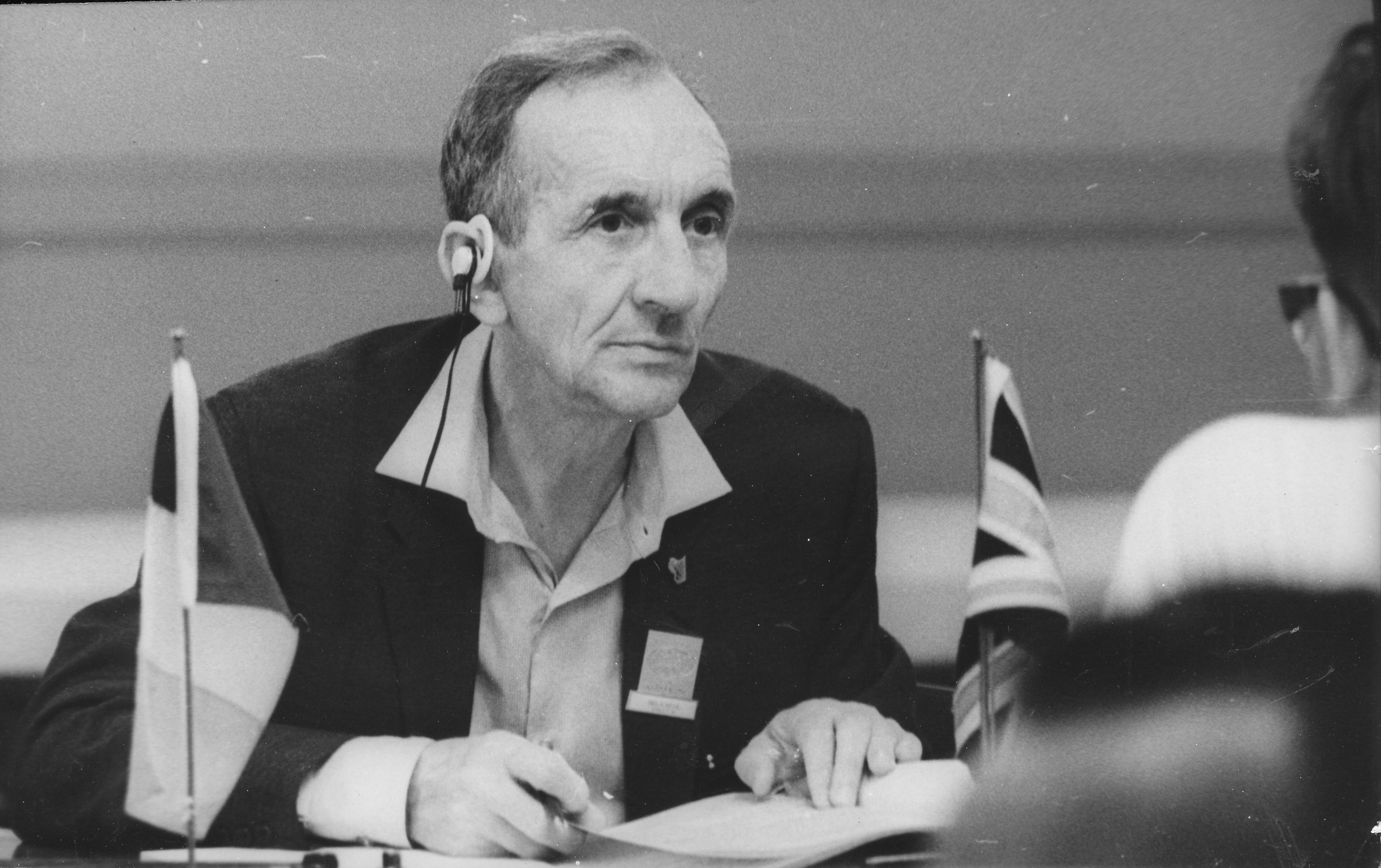
Brian Reilly playing Cesar Munoz (Ecuador) in round 8 of the Leipzig Olympiad played on 23rd October 1960. The game was drawn in 48 moves.

All this while, Brian was playing for Ireland in Olympiads, and attending to FIDE affairs as a FIDE delegate.

Brian relaxing during a FIDE Congress dinner.
Brian relaxing during a FIDE Congress dinner

After the death of his son Freddy in 1980, the magazine was sold to the BCF and Brian retired as editor in September 1981, remaining as a consultant for nearly a decade.

Brian Reilly, Ray Keene, George Botterill, Anatoly Karpov, Harry Golombek and Viktor Korchnoi

His last years were spent in Hastings, where it was his wont to carry on with the long sea-front walks that he had practised since a breakdown in health due to overwork. He had strong views on correct diet and exercise which he could expound to anyone willing to listen. The fact that he could walk up to six miles a day in his late eighties and that his faculties, including his memory, only seemed to be weakening in his last two years, is proof enough of the validity of his theories.

Brian Reilly playing Wolfgang Unzicker on board 1 during the preliminaries of the 1960 Leipzig Olympiad.

On his 90th birthday he attended the office and drank a glass of champagne to celebrate the occasion. We have the testimony of Mrs Arnold, who worked with him so long, that he was still talking of visiting the Hastings Congress. This was on Boxing Day, the day after he had been admitted to St Helen’s Hospital with a chest infection. He assured her he would be up and about again, but old friends such as Harry Golombek and Ritson Morry waited for him in vain as Hastings got under way. . .

Brian Reilly at a FIDE Congress (possibly Nice 1974?)

Brian Reilly at a FIDE Congress (possibly Nice 1974?)

BCM readers, too, must be counted amongst his old friends who will miss him. They should be aware that, but for Brian, and his decades of hard work. there would now be no BCM.”

Brian Reilly in the BCM office. Photographed most likely by Freddy Reilly.

From British Chess Magazine, Volume CI (101), Number 8 (August), pp 352 – 369 a conversation between B.P. Reilly and W.H. Cozens :

Brian Reilly conversation with William Harold Cozens, part 1

Brian Reilly conversation with William Harold Cozens, part 2

Brian Reilly conversation with William Harold Cozens, part 3

Brian Reilly conversation with William Harold Cozens, part 4

Brian Reilly conversation with William Harold Cozens, part 5

Brian Reilly conversation with William Harold Cozens, part 6

Brian Reilly conversation with William Harold Cozens, part 7

He won the BCF President’s Award in 1983 along with BH Wood

Here is his Wikipedia entry

Brian Reilly conversation with William Harold Cozens, part 8

Brian Reilly conversation with William Harold Cozens, part 9

Brian Reilly conversation with William Harold Cozens, part 10

Brian Reilly conversation with William Harold Cozens, part 11

Brian Reilly conversation with William Harold Cozens, part 12

Brian Reilly conversation with William Harold Cozens, part 13

Brian Reilly conversation with William Harold Cozens, part 14

Brian Reilly conversation with William Harold Cozens, part 15

Brian Reilly conversation with William Harold Cozens, part 16

Brian Reilly conversation with William Harold Cozens, part 17
Brian Reilly conversation with William Harold Cozens, part 16

Brian Reilly conversation with William Harold Cozens, part 18
Brian Reilly conversation with William Harold Cozens, part 1

Death Anniversary of Robin Matthews (16-vi-1927 19-vi-1983)

BCN remembers Robin Matthews CBE, FBA who died in Cambridge aged 83 on June 19th 2010. Probate (3367272) was granted in Ipswich, Suffolk on September 6th, 2010.

Robert (Robin) Charles Oliver Matthews was born in Edinburgh on Thursday, June 16th 1927. Born on the same day was England cricketer, Tom Graveney.

His English father, Oliver Harwood Matthews became an Edinburgh solicitor and his mother was Ida Matthews (née) Finlay.  Robin had a daughter Alison.

Academia

He was educated at Edinburgh Academy and then Corpus Christi College, Oxford becoming a Fellow of All Souls College, Oxford. He went on to become a highly successful economist authoring at least twelve publications on the subject.

According to Wikipedia “He was the Drummond Professor of Political Economy at Oxford from 1965 to 1975 and the Professor of Political Economy at Cambridge from 1980 to 1991. He was also the Master of Clare College, Cambridge from 1975 to 1993.”

For a detailed description of this part of his life there is an excellent obituary / biography from the Australian economist, Geoffrey Harcourt.

Problem Composer

Brian Stephenson (BCPS) writes : “Probably the UK’s greatest composer of ‘mate in 3’ #ChessProblems . His chapters in the book you note were what got me hooked on chess composition. Nearly all of his output can be viewed at The Meson Database”

Black Correction: Quaternary Play

First Prize, The Observer, 1964

Mate in three

According to David McKittrick in The Independent:

“Outside academia, Matthews was keen on chess, in particular setting problems and publishing two books on what are known as three-mover directmates, in which white is to move and checkmate black in no more than three moves against any defence.

Although this might be thought a particularly narrow point of interest, one enthusiast said of him that his writings “demonstrated a deep knowledge along with the feeling of wonder and curiosity about the subject”.

RCO Matthews
RCO Matthews

From The Oxford Companion to Chess by Hooper & Whyld:

“British Composer, International Judge of Chess Compositions (1957), International Master for Chess Compositions (1965), economist, appointed Master of Clare College, Cambridge in 1975. He has specialised in orthodox three movers and is among the world’s leaders in this field.”

Here is an obituary from The Daily Telegraph

and an obituary from The Independent

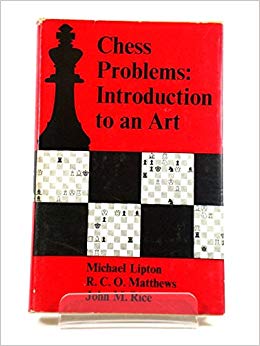
Chess Problems : Introduction to an Art

From The Encyclopedia of Chess by Anne Sunnucks :

International Master of the F.I.D.E. for chess compositions (1965) and International Judge of the F.I.D.E. for Chess Compositions (1957). President of the British Chess Problem Society for 1971 and 1972. Professor of Economics at Oxford University.

Cyclic Overload Doubled

First Prize, British Chess Magazine, 1968

Mate in three

Born on 16th June 1927. Professor Matthews has composed about 200 problems, about 40 of them 1st prize winners, mainly strategic three-movers, He is one of the world’s best three move composers.

Nowotnys

British Chess Magazine, 1967

His best problems give clear-cut expression of complex themes, with proper attention given to key-move and by-play in the best English tradition.

Chess Problems : Introduction to an Art

The results are massive rather than elegant, but carefully constructed. Themes he has specialised in include overload White self-weakening and reciprocal change.”

R.C.O. Matthews
British Chess Magazine
1956

White to play and mate in three moves

From Wikipedia :

“Robert (Robin) Charles Oliver Matthews (16 June 1927 – 19 June 2010) was an economist and chess problemist.

Matthews was born in Edinburgh. He was educated at Edinburgh Academy and Corpus Christi College, Oxford, and was a Fellow of All Souls College, Oxford. He was the Drummond Professor of Political Economy at Oxford from 1965 to 1975 and the Professor of Political Economy at Cambridge from 1980 to 1991. He was also the Master of Clare College, Cambridge from 1975 to 1993.”