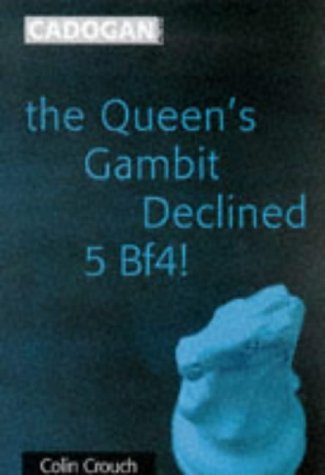
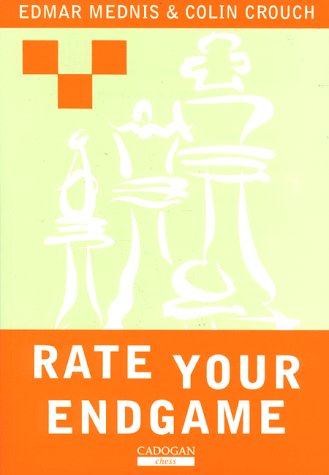
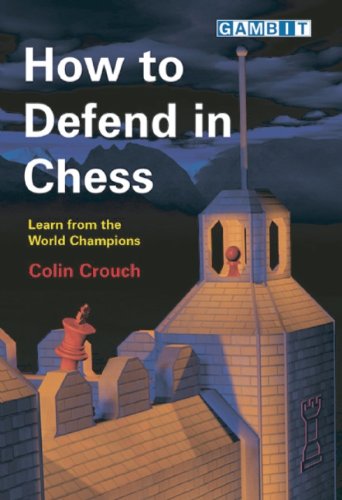
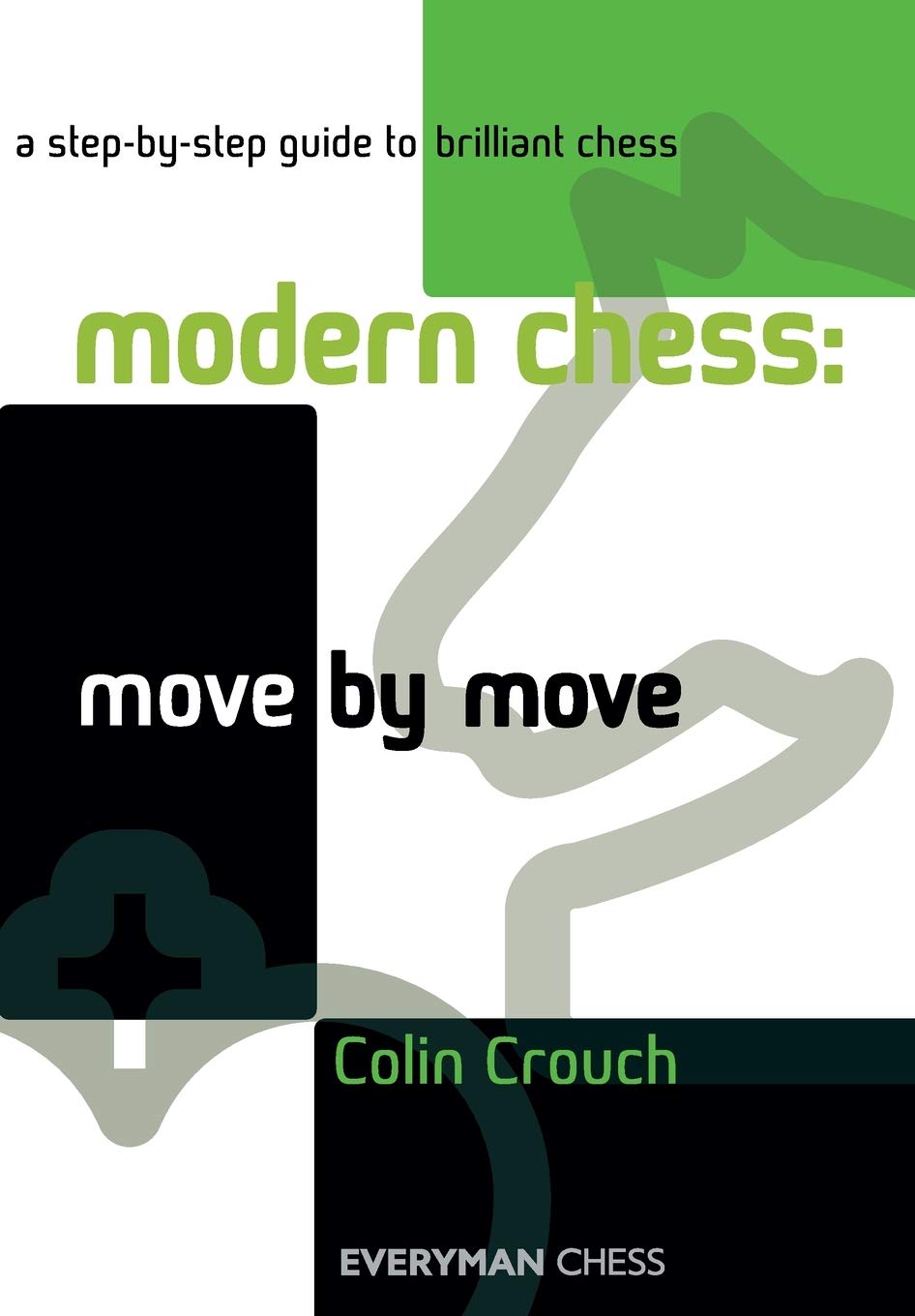
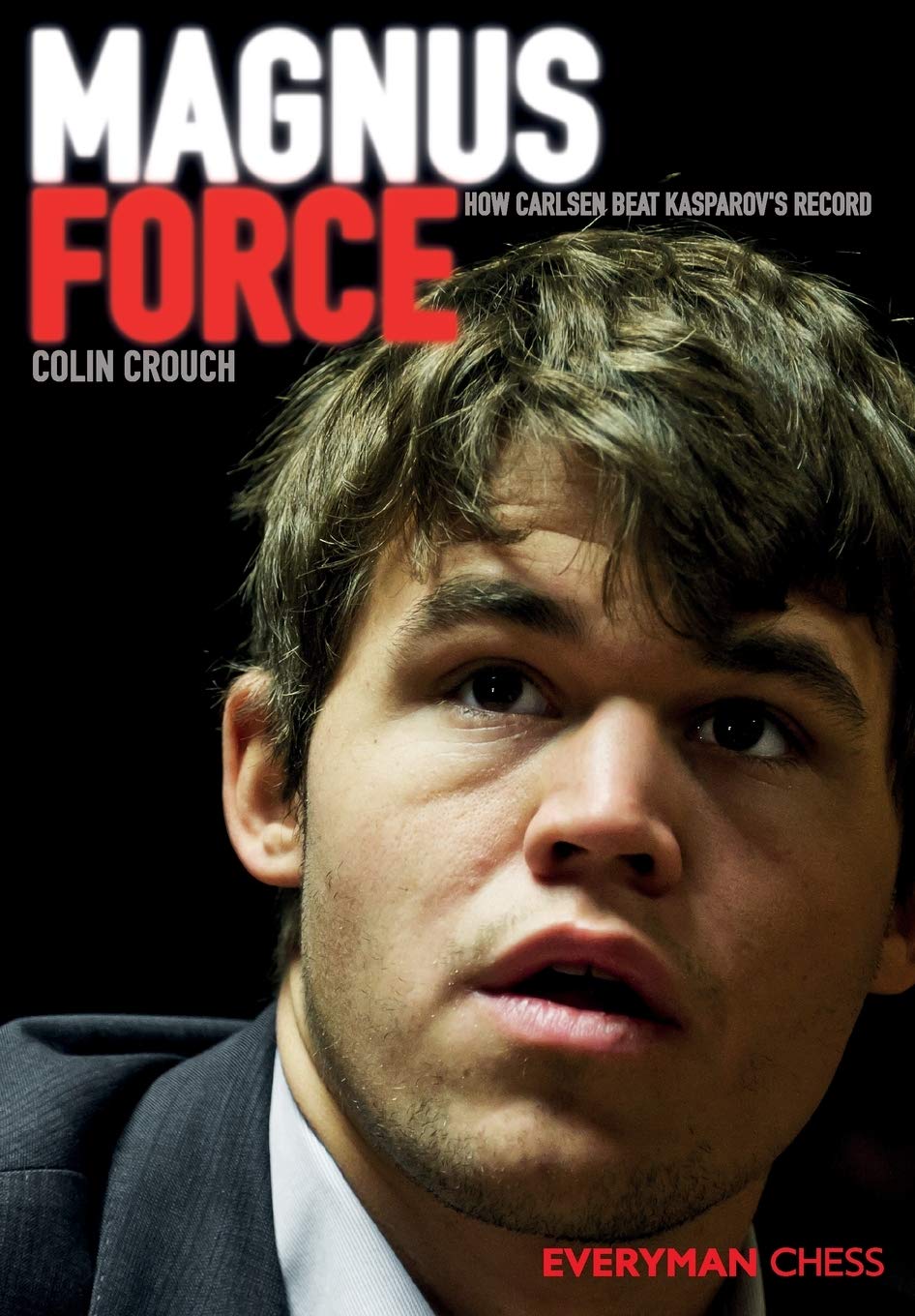
Colin Crouch by Cathy RogersRate Your EndgameHastings 1895 – The Centenary BookAttacking TechniqueThe Queen’s Gambit Declined 5.Bf4!Rate Your EndgameHow to Defend in ChessModern Chess Move by MoveMagnus ForceFighting Chess Move by Move
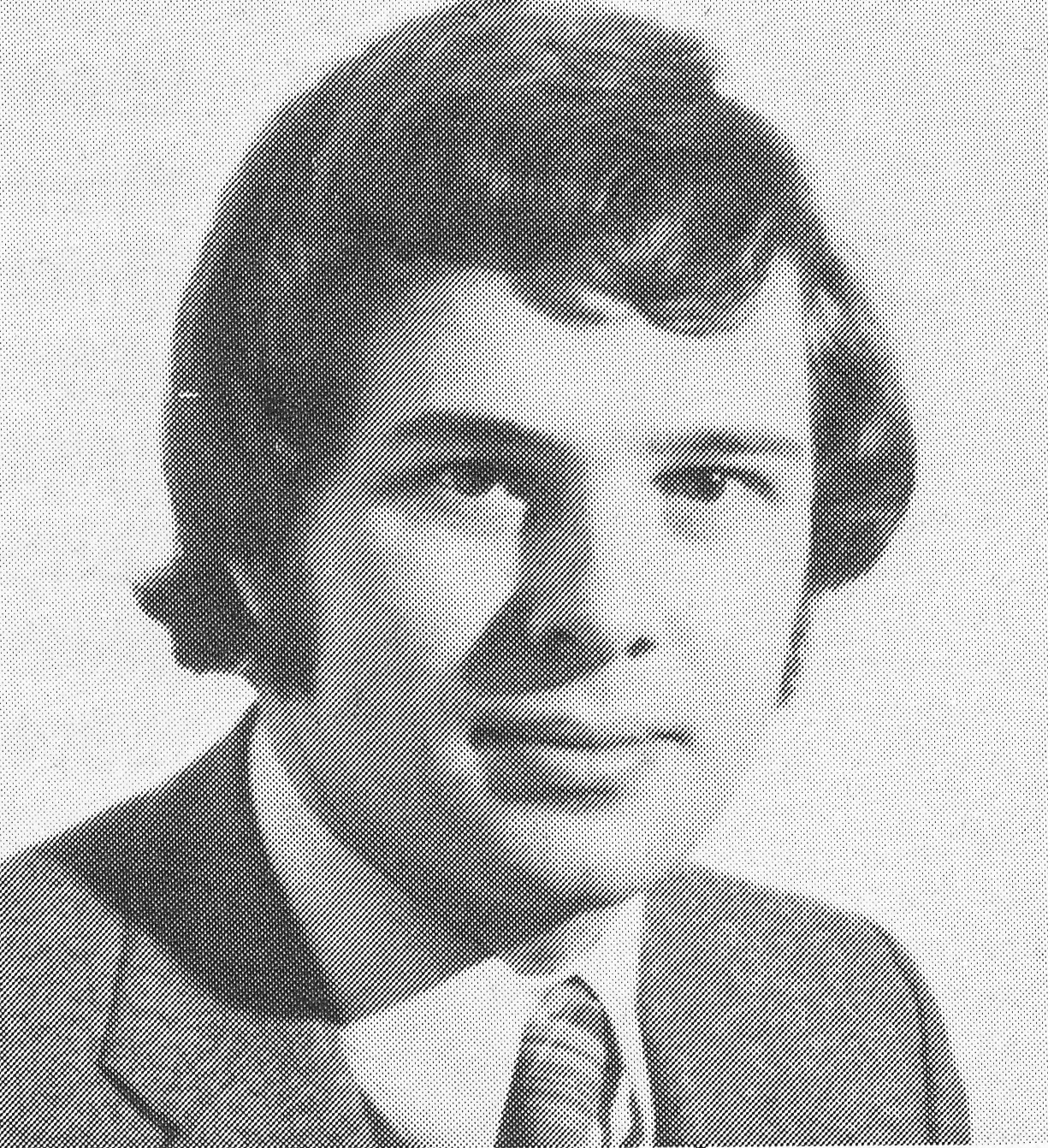
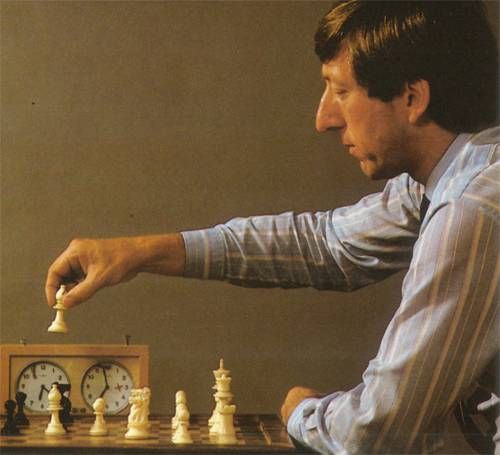
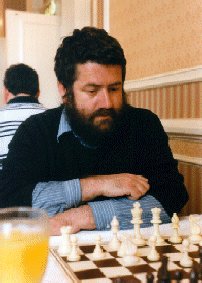
Peter Markland. Source: British Chess, Pergamon Press, 1983
BCN wishes a happy birthday to Peter Markland born on Friday, April 13th, 1951
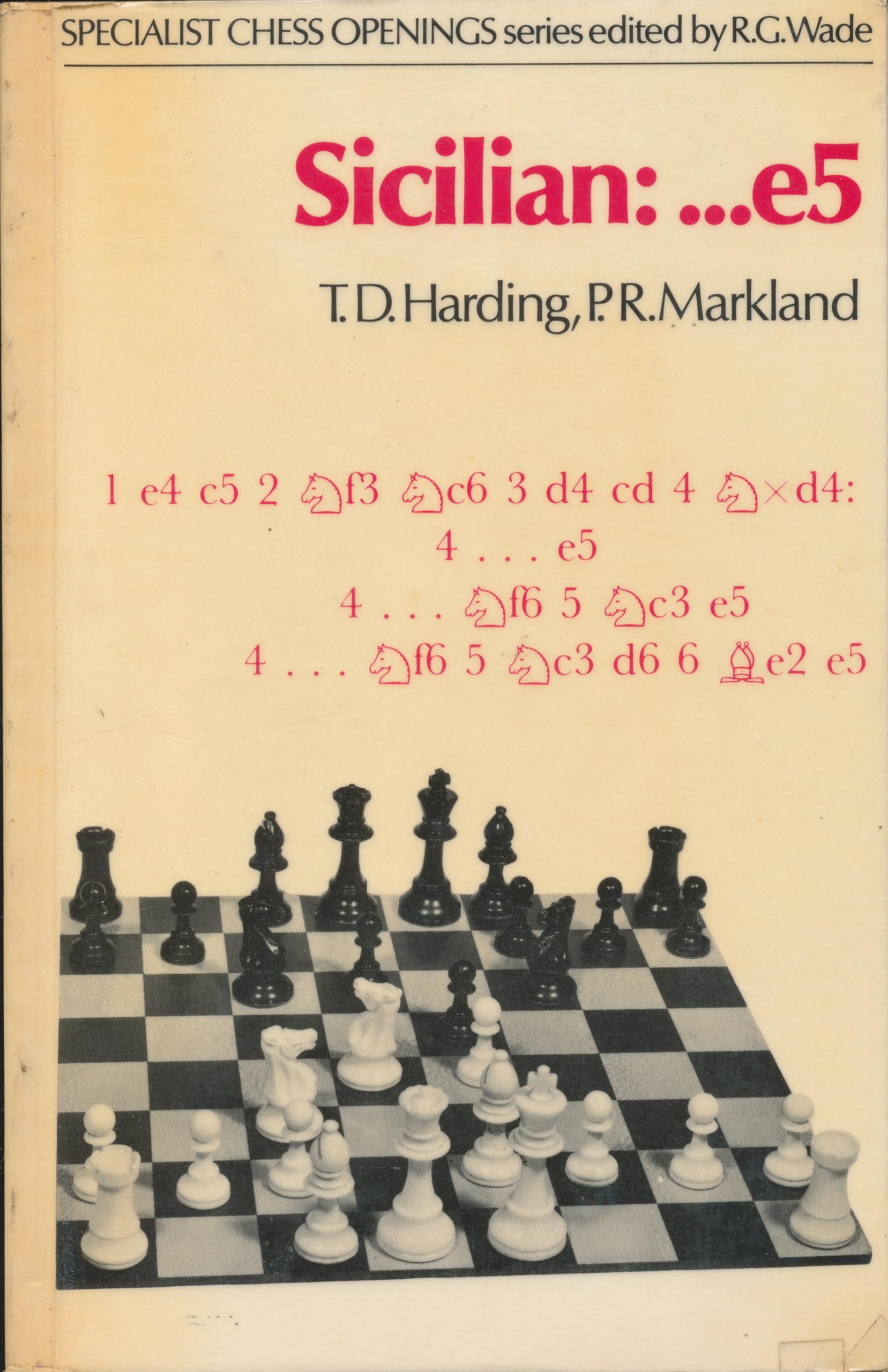
From the rear cover of “Sicilian:…e5 :
“P.R. Markland is a British Master, and a member of many English international teams, including those at the 1972 and 1974 Olympiads, and is also a British correspondence international”
Peter first qualified to the British Championship in 1967 (Oxford) and obtained an IM and GM norm at Hastings 1971.
In 1984 he became a Grandmaster for correspondence chess (GMC).
Peter became a banker and lives in Woodbridge, Suffolk, IP13.
Following excellent recent work by Paul McKeown, the English Chess Federation made a request to FIDE to grant Peter the much overdue title of FIDE Master. This was awarded in 2021.
From British Chess (Pergamon Press, 1983) we have this contribution from Peter himself:
“1951 seems to have been a vintage year for chessplayers and although I cannot claim to count myself in the company of Andersson, Karpov, Ribli and Sax we do all share the same year of birth.
Although I learned the moves at the age of 5, I only took any real interest in the game at 13 when I began to play schools chess. Compared with such as Nigel Short I was a very late starter!
I was educated at Bolton School and played for Bolton and Lancashire in my early years. This was fortunate in that all three of these teams enjoyed great success in the late 1960s. In all three teams I played along side Martyn Corden who was to precede my rise to international level himself by playing in the Siegen Olympiad team in 1970. In 1967, I qualified for the British Championship at my first attempt and I was pleased to score 5/11. The following year the school team won The Sunday Times tournament playing without Martyn Corden in the finals.
Up to this time I had concentrated chiefly on junior teams and had won the NCCU junior titles. Over Christmas and New Year of both 1966-7 and 1967-8 I travelled down to play at the Devon Junior Congress at Plymouth but in 1968 I decided to try my luck at Hastings. This proved to be one of the turning points of my career.
I was placed in the Challengers Reserves for 1968-9 and after the first round loss (to the eventual winner) my play gained momentum and I qualified for the Challengers the following year. The intervening year passed quietly with a trip to Ireland in the Glorney Cup. I went up to Balliol College, Oxford in October 1969.
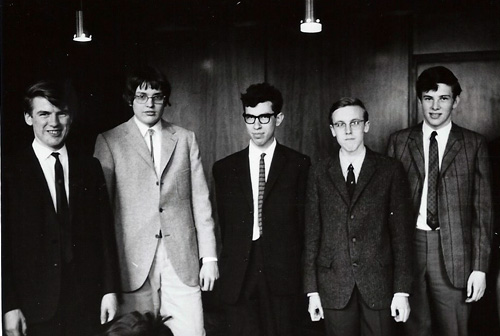
The Scottish Junior International, Glasgow, 1969. l-r: David Watt, Rene Borngässer, David Levy, Heinz Wirthensohn, Peter Markland. Courtesy of Chess Scotland
The Hastings Challengers tournament 1969-70 began when I met the same opponent as in the previous year in the first round. This time I managed to come out on top. By the time the last round came, I had played most of the leaders and had 6/8 including two pleasing wins with my favourite defence at the time – the Sicilian Pelikan variation.
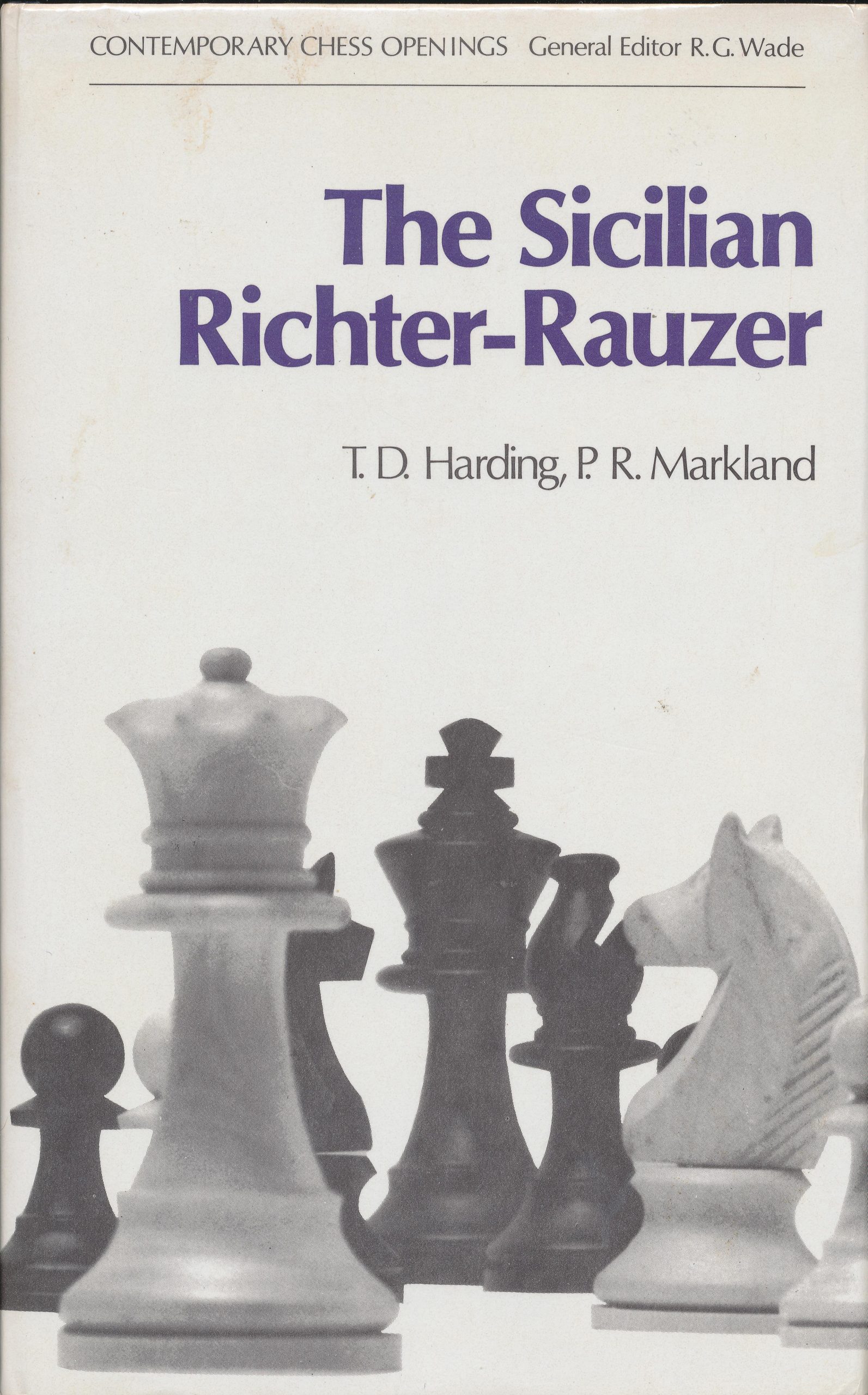
Sicilian:…e5 by TD Harding & PR Markland, Batsford, 1976, ISBN 0 7134 3209 8
In the last round I was paired against de Veauce who had a reputation as a good strategist and whom I hoped to unsettle tactically. I had white and my plan failed. He outplayed me in the opening and middlegame and I sacrificed my isolated centre pawn to activate my pieces.
So I then had to wait had to wait to see the other results before I could confirm a somewhat lucky place in the Premier.
In 1970 I had the opportunity to travel with the student team to the Olympiad in Haifa. My score of 5.5/7 was reasonably pleasing but the standard of opposition was far from good.
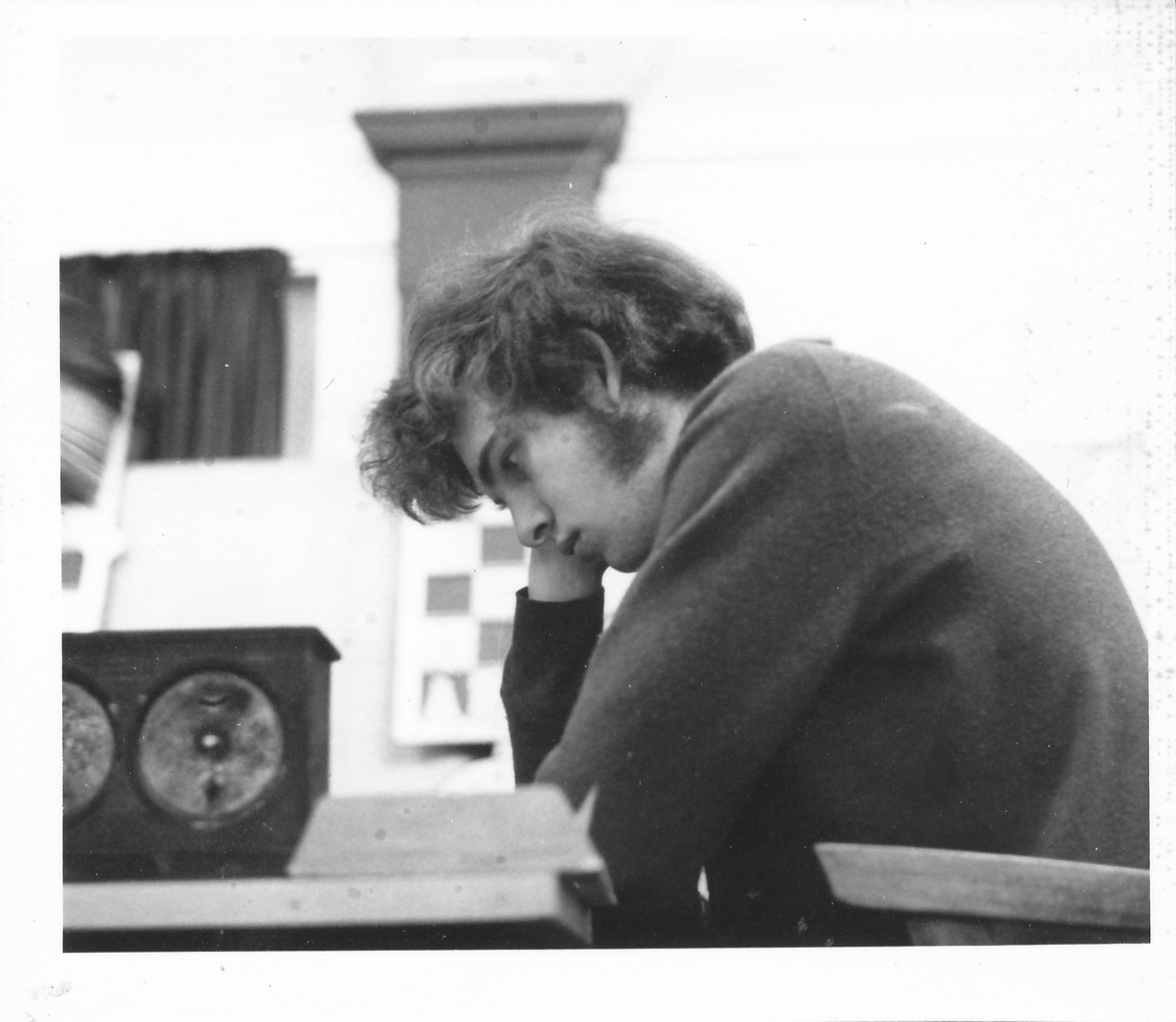
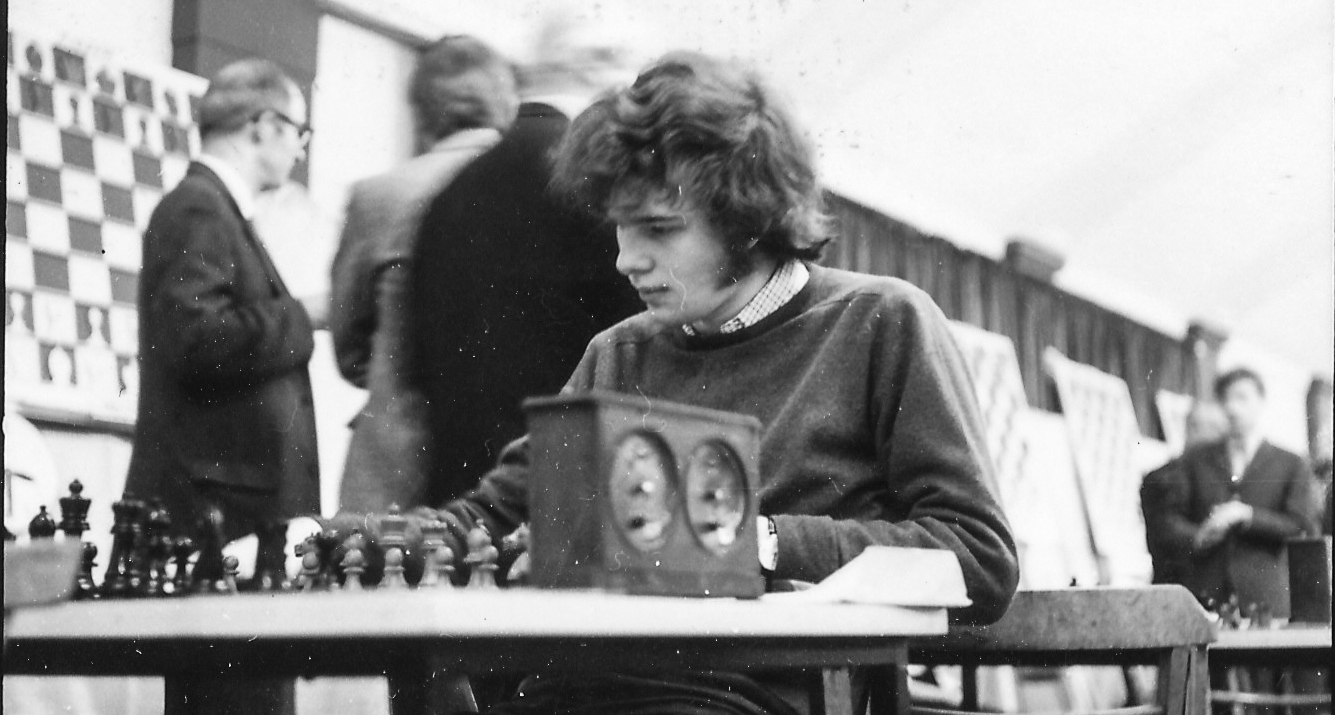
Peter Markland at Hastings 1970-71
At the end of the year came the Hastings Premier – a tournament which I can only describe as the highlight of my career. I began nervously and lost a nondescript game to Uhlmann in the first round. My confidence grew with two comfortable draws with Portisch (the eventual winner) and Keene. In round four I met the surprise leader, Mestrovic (who had 3/3) and perhaps partly due to the fact that this game was played on 1st January I won convincingly in 18 moves.
Peter Markland during his game with Portisch on December 30th 1970
The next four rounds brought an uneventful draw with Wade and three exciting encounters with Byrne, Krogius and Gligoric all of which after several reversals of fortune ended in draws.
Peter Markland at Hastings 1970-71
In the last round I was to play Hort who needed to to win to gain a share of first prize. He played a horribly passive opening and by move 14 I was already well on top. To try to compensate he snatched a queenside pawn and gave me the chance to play the type of move one can only dream about!
This victory meant an equal second on 5/9 with Gligoric, Hort, Krogius and Uhlmann and both a GM and IM norm.
As a result of this I became a regular member of the England side. During 1971 my results were erratic, possibly caused by too much play. I was pleased with my 3.5 score in my first Clare Benedict, although I lost my first game for England due to nervousness and I was first equal with George Botterill in the Slater Young Masters at Hastings (again). Here I declined a last round draw offer, blundered almost next move and lost to an up-and-coming junior by the name of Michael Stean! On the debit side my performances in the British Championship, The Oxford International Congress and the Robert Silk tournament left room for improvement.
Whilst playing with Bolton in the National Club Championship, we had never won the competition although we had reached the semi-finals many times. This year, 1971, playing for Oxford University, we won the tournament beating our old rivals Cambridge University in the final on board count.
The Hastings tournament of 1971-72 saw me firmly entrenched near the bottom. It is very difficult in this type of international tournament when one becomes marked as an out-of-form player. All the other players make extra efforts to beat you and this drains your strength further.
My main problem at Hastings was a lack of defence to 1.e4. I lost five games against this move. In the last round I had a very interesting struggle against Karpov who needed to win this game to tie first with Korchnoi who had beaten him in the previous round, but the strength of 1.e4 proved too much.
The summer of 1972 saw the advent of my University finals and thus I played very little for the first six months of the year – even I had to decline an invitation to the Teeside GM event. Later in the year I played in the student Olympiad in Graz and then in the Olympiad is Skopje.
In the preliminaries we had drawn Yugoslavia and Switzerland, who were the only other teams likely to qualify for the ‘A’ final. We missed qualification narrowly and I think that every team member had one poor result in the qualifying rounds – mine being a scraped draw against a Syrian team.
We won the ‘B’ final by beating the Israeli team in the last round and I felt pleased by my score of 11.5/16 with no losses. Indeed, in my last round game with Balshan I was quite rightly instructed to agree a draw in a winning position to secure the team’s first place.
I feel that this tournament from my point of view aptly demonstrates the difference in title norms in the early 1970s and today. I played five players who had no Elo ratings and only four titled players. Hence an IM norm would not have been available under any circumstances. The main reason for the lack of Elo ratings in 1972 was that the new system had only just been introduced and for many players this was their first Elo-rated tournament. In the last Elo list, all but one of the sixteen players are rated, there are now four GMs and five IMs amongst my opponents and the norm figures would be 10.5/16 and 12.5/16 for IM and GM respectively.
Here is my best game from the Olympiad. It is indicative of an early combination prevailing through into a winning ending.
In 1973 I was once more plagued by too many invitations and played indifferently throughput the year. The only bright spots were my score of 3/7 on boards 3 and 4 of the European Team Finals and second place in the Woolacombe International.
1974 was once again an Olympiad year. The England team won the Clare Benedict for the first time in Menorca and I was able to contribute 5/6 winning both a board prize and the best score prize. I was drafted into the Olympiad team as a late replacement and although we qualified easily enough for the ‘A’ finals this was in no way due to my efforts as I had a 50% score in the preliminaries.
We had qualified for the ‘A’ final with one round to spare and our last group match against the USE (from which the score was to be carried forward) began the final matches. It had been decided, as a tactical measure and in our view of our differing styles, that I should take black whenever we had this colour on the fourth board, so that Whiteley and Stean could utilize a greater proportion of whites. This worked to a limited extent and indeed, Stean obtained an IM Norm. Also, as it worked out I played in matches against seven of the top eight teams (being rested against Yugoslavia) and only three teams below us. In the end, I was pleased with my +3 =1 -4 with black in the finals to give overall a 50& score.
During 1973 and 1974 I was co-author of two books in the Batsford opening series, both with Tim Harding on Sicilian Defence variations.
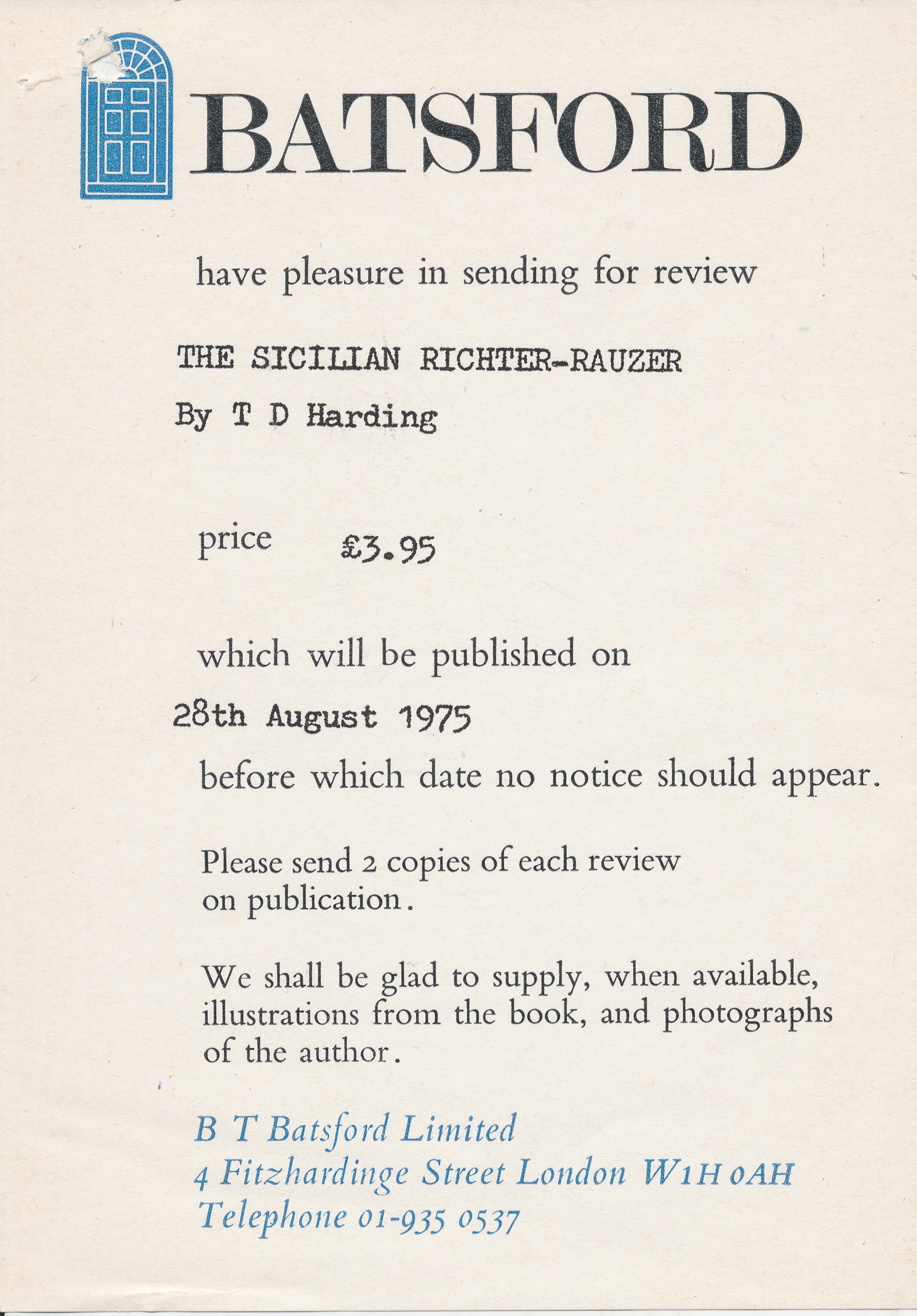
The Sicilian Richter-Rauzer, TD Harding and PR Markland, Batsford, 975, ISBN 0 7134 2979 8Review Notice for The Sicilian Richter-Rauzer, TD Harding and PR Markland, Batsford, 975, ISBN 0 7134 2979 8
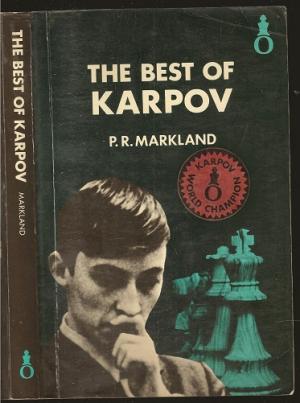
I also wrote a best game collection of Karpov which was by far the most interesting of the three books to write.
The Best of Karpov, PR Markland, Oxford University Press, 1975, ISBN 10: 0192175343
At about this time, I decided to embark upon a career in banking and to abandon that of a professional chessplayer. Since then I have concentrated on correspondence chess.
Having received master certificate, I entered a European and World tournament in both of which I finished first. The second of these two results qualified me for the world Championship Semi-finals. But first attempt in the eleventh championship ended in failure to qualify.
As a result of an invitation received by the BPCF I played in the Eino Heilimo Memorial Grandmaster event. I have , however, qualified as a postal IM by scoring the required seven points and had an outside chance of trying for first place at one stage.
BCN wishes happy birthday to GM Harry James M Grieve (12-iv-2001).
He was born in Guildford and spent most of his childhood a resident of Fleet in Hampshire before moving to Camberley, Surrey.
Here is an article from Harry’s school, RGS Guildford.
Harry at the 2012 UKCC Terafina, Loughborough Grammar School
Harry studied mathematics at St. Catherine’s College, Cambridge having previously been a pupil and member of the strong chess team of Royal Grammar School, Guildford with team mates such as Alex Golding. He concluded his studies with an MA in Mathematics.
He started his evening league chess in the Cody Sports and Social Club with Fleet & Farnborough Chess Club (same as Simon Williams) and then transferred his allegiance to the stronger Farnham chess club playing top board in many matches.
He was recruited to the AMCA 4NCL team by IM Andrew Martin and then played for the BCM 4NCL team (managed by John Upham) and now plays for Guildford in 4NCL and Farnham in the Surrey Border League.
Round 5 of the Caplin Hastings International Chess Congress featured the board 10 clash between one of England’s stronger Grandmasters, Danny Gormally (2508) and FM Harry Grieve (2299).
Here is their game:
Following this game Harry needed 2.5/4 to obtain his first IM norm.
In January 2022 Harry travelled to Roquetas de Mar in Almeria, Spain for the 33rd Roquetas de Mar Open where he scored 7/9 and his first IM norm. Harry kindly agreed to annotate his best game from this event for BCN:
On July 1st Harry obtained his final GM Norm
On August 23rd 2026 at the 2nd FIDE Council Harry was awarded the GM title.
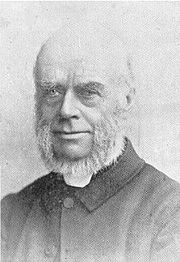
“A leading member of the formidable band of reverends who played such a strong role in early Victorian English chess, he is described as ‘one of the writing rather than the fighting clergy in chess’ in P. W. Sergeant’s Century of British Chess. Though he learnt chess at an early age’ he made his first really earnest study of the game when he was an undergraduate at Wadham College, Oxford 1847-50, in particular devoting himself to a theoretical study of Staunton’s Handbook, which he rightly regarded as a great landmark in chess literature.
On leaving Oxford he competed in the provincial section at London l85l where he came second to Boden.
In 1867 he became vicar of Sandford-on-Thames and lived at Oxford where, in collaboration with Lord Randolph Churchill (Winston’s father), he founded the Oxford University Chess Club
and became its first President.
Resigning his living at Sandford in 1871, he went to live at Malvern where he stayed till his death. He played in many of the congresses organized by the Counties Chess Association, his best result being 1st in the first class section at Malvern 1872 with a score of 12 points, followed by two other reverends, Thorold 11.5 and Wayte 10.5. It was at this congress that he brought about a reconciliation between Staunton and Löwenthal who had been estranged for a considerable time.
He played in the Yizayanaqaram tournament at London 1883 and started well but his health gave way after the first week and he divided fifth place with G. H. D. Gossip.
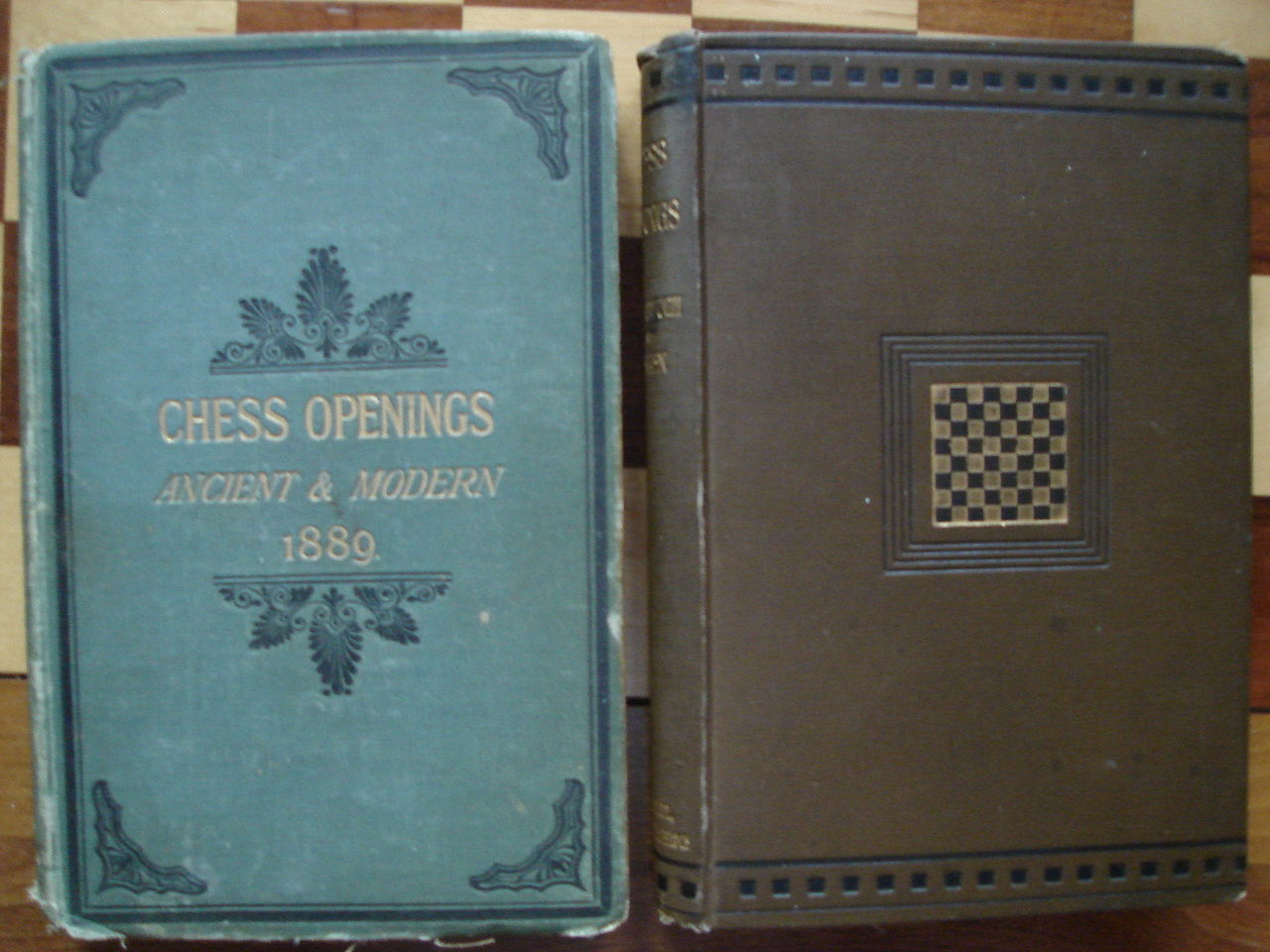
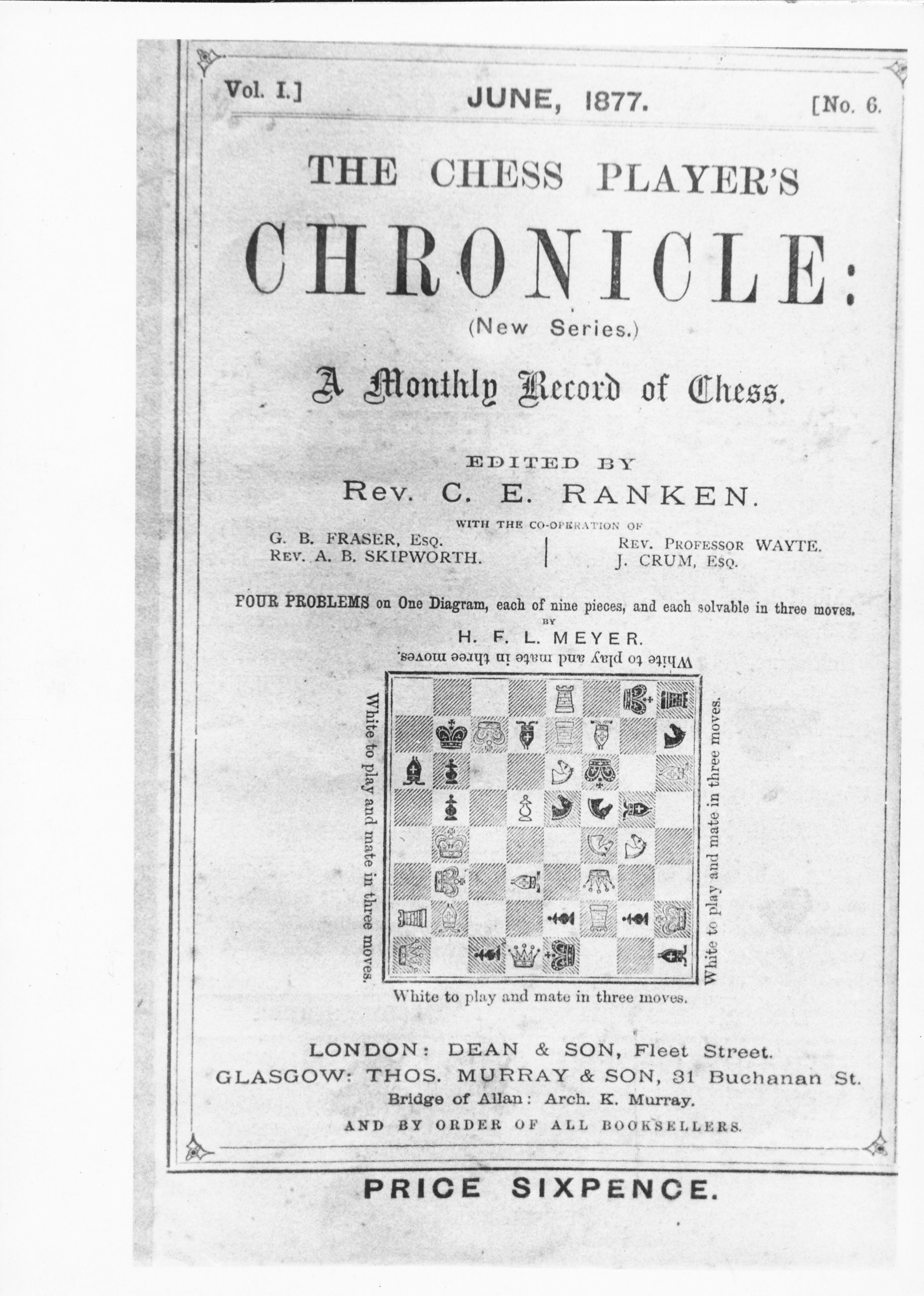
His chief importance during the later stages of his chess career was as a writer, first as editor of the Chess Player’s Chronicle in 1877 and later as a member of the staff of the British Chess Magazine in which he wrote on many aspects of chess but specialized in analysis (of the openings, middle-game and the endings)’ In 1889 he published, in collaboration with E. Freeborough, Chess Openings Ancient and Modern. (London)’ ( H’G’)
Chess Openings Ancient and Modern 1889
The Ranken Variation is a good line for White in the Four Knights Opening, analysed in the Chess Players Chronicle, 1879 by The Chess Player’s Chronicle first president of the Oxford University Chess Club.”
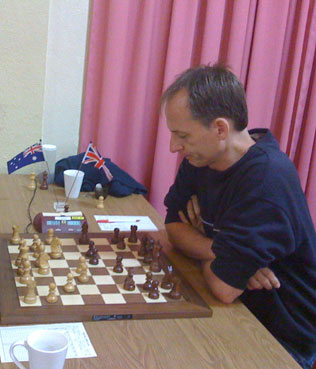
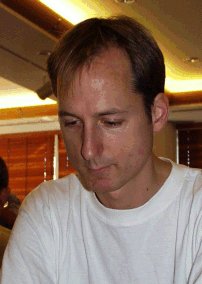
Birthday of FM Erik Oskar Michael Charles Teichmann (11-iv-1961)
Erik was born in Westminster, London, his mother Jenny (née Jorgensen) being Danish and his father was Max Teichmann (thanks Richard James!). Jenny Teichman was a Philosopher.
They lived in London for two years and then emigrated to Melbourne, Australia until Erik was six when Erik and his mother moved to Cambridge, England. Erik played much chess in England including the British U-18 and U-21 championships, Lloyds Bank events.
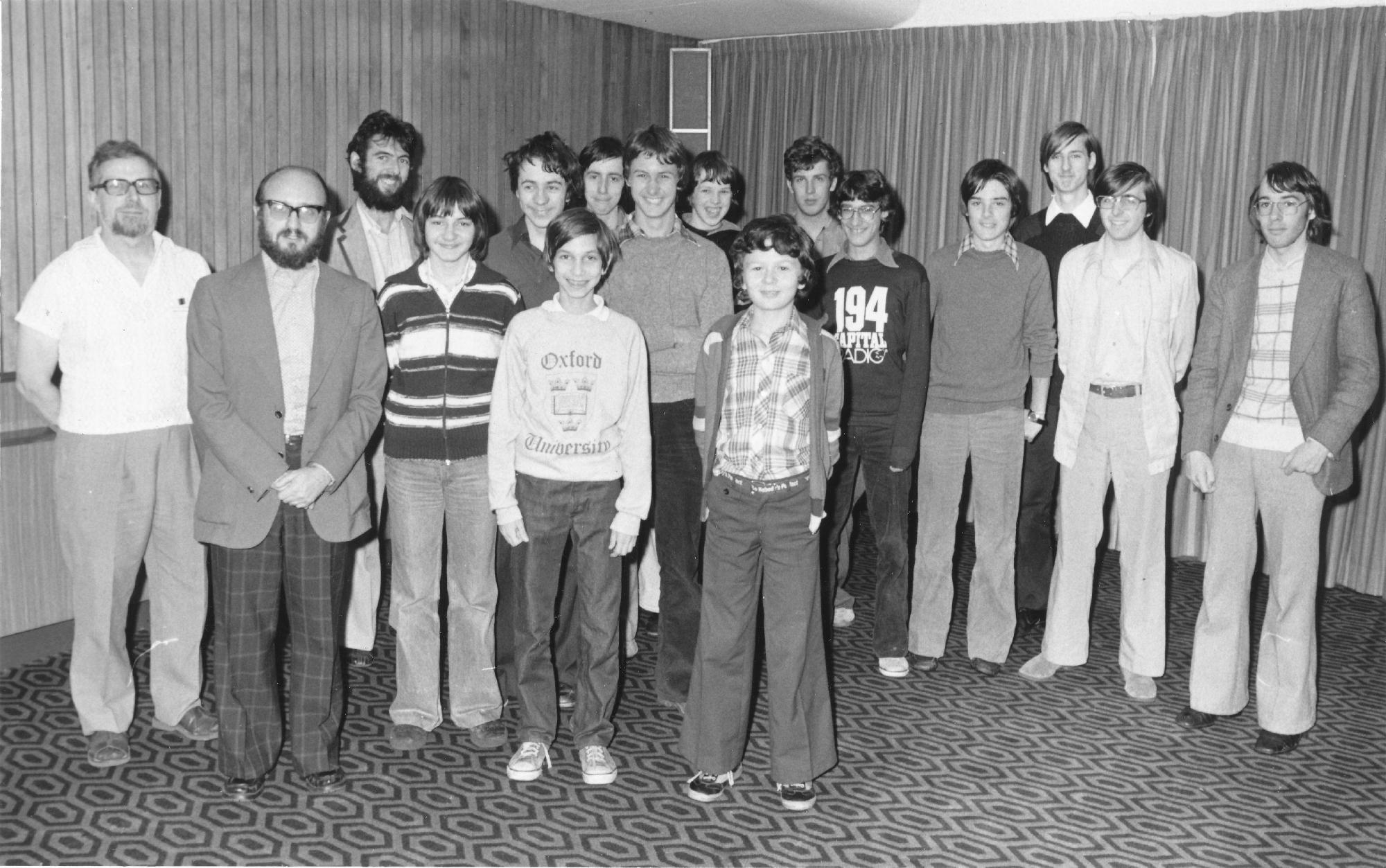
This was written about Erik when he was 17 just prior to the Spassky vs the BCF Junior Squad simultaneous display :
“Perse School and Cambridge city. Rating 190. Cambridgeshire men’s champion. 2nd British under-18 championship, 1978.”
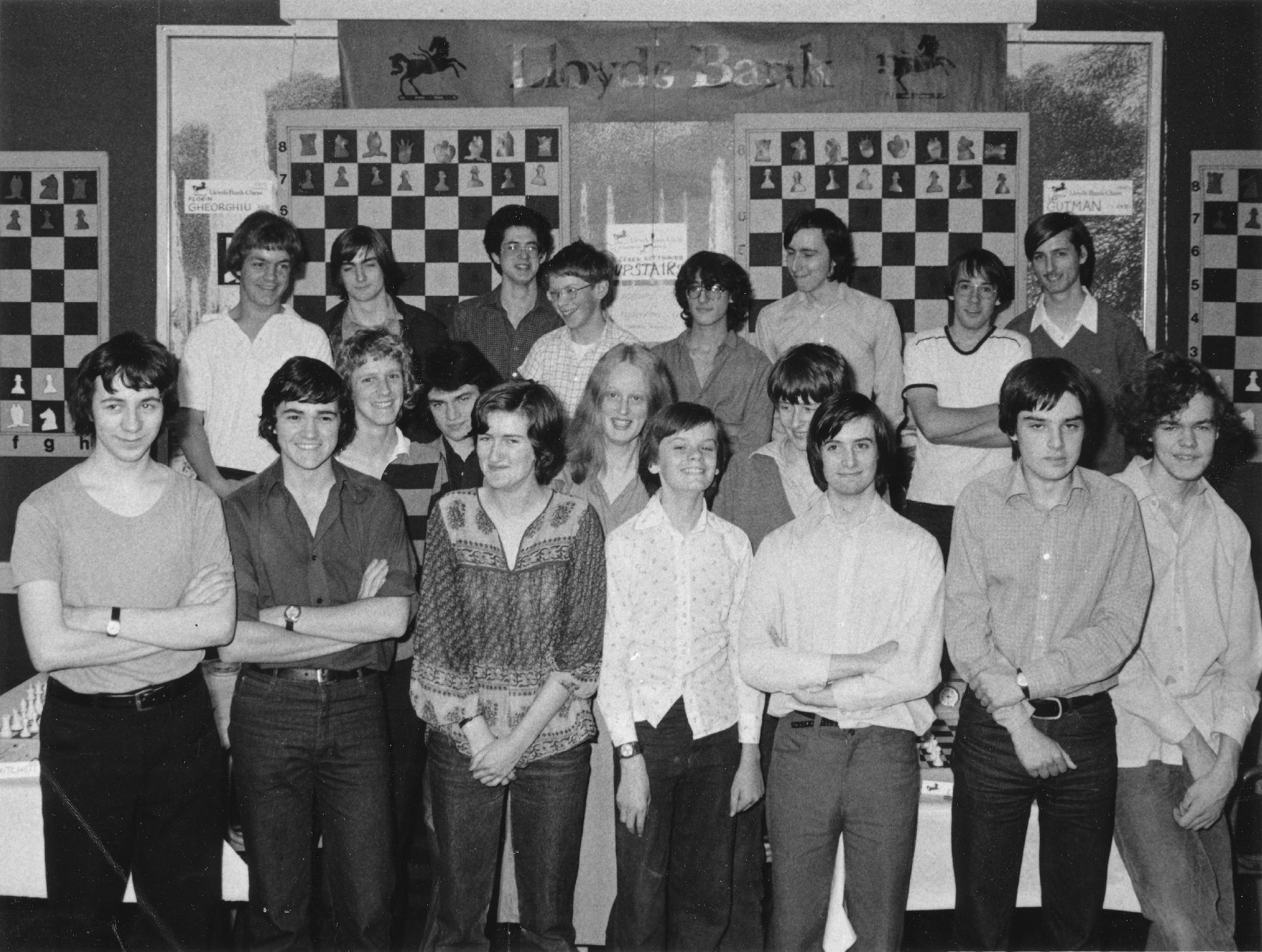
At the Lloyds Bank Masters : Front (l-r) : Joel Benjamin, Ian Wells, Rear : Peter Morrish, Stewart Reuben, Richard Beville, Gary Senior, Richard Webb, John Hawksworth, Andrew King, Nigel Short, Mark Ginsburg, Daniel King, David Cummings, Erik Teichmann, John Brandford and Micheal Pagden
and the Islington, Lewisham, Charlton and other opens swisses. Erik played for Oxford University (Magdalen College) in the 1982 (100th) Varsity Match drawing with Gareth Anthony (Trinity Hall).
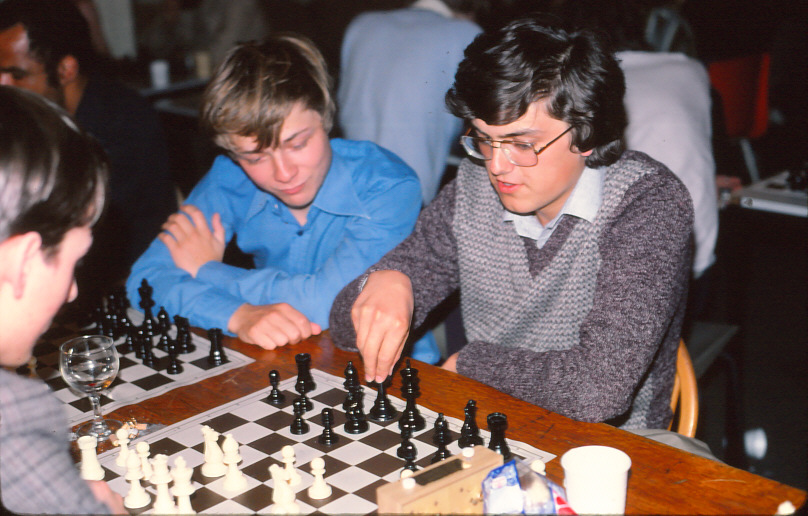
Erik Oskar Michael Charles Teichmann (rear, far right) at a Lloyds Bank eventErik (left) analyses with Mark A Johnstone (right) and James Pratt at the 1981 Lewisham Open. Your Truly was the photographer.
In 1985 Erik emigrated once more to Australia living in Eltham, Melbourne and became a lifestyle guru and coach.
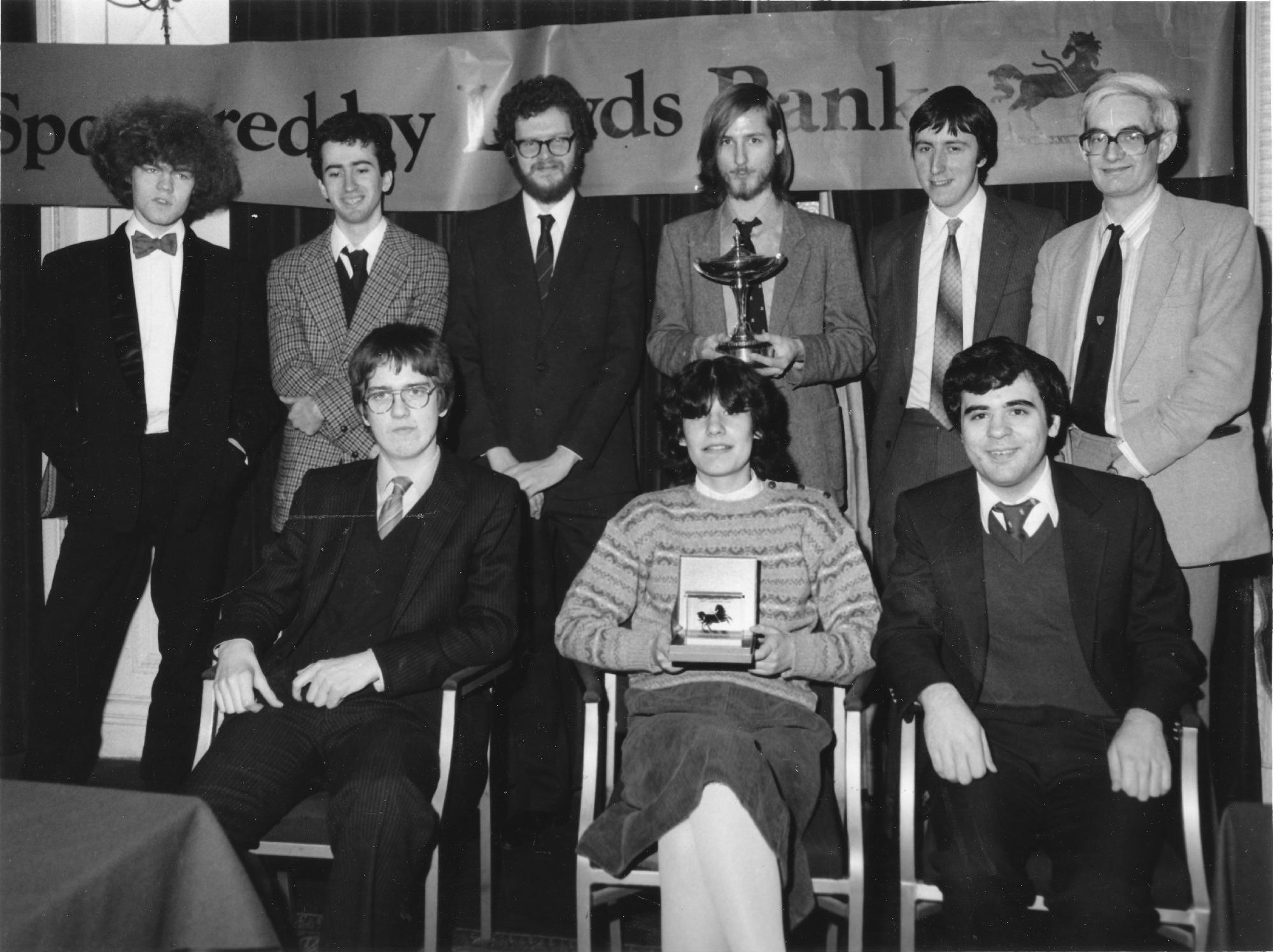
Erik Teichmann standing, holding trophy)
Erik became a FIDE Master in 1990 and his peak rating was 2388 in July 2010.
FM Erik Teichmann
From Chessgames.com :
“FIDE Master Erik Oskar Michael Charles Teichmann won the Nova Scotia Open in 1999.”
Here is Erik’s favourite game :
Erik now lives in Lyon, France with his girlfriend, both being Buddhists.
Erik has been faithful to the Polish or Sokolski Opening and anyone contemplating playing this should study his games. Erik very recently played Tony Kosten in France and maybe we will see him on our shores once more to play in 4NCL !
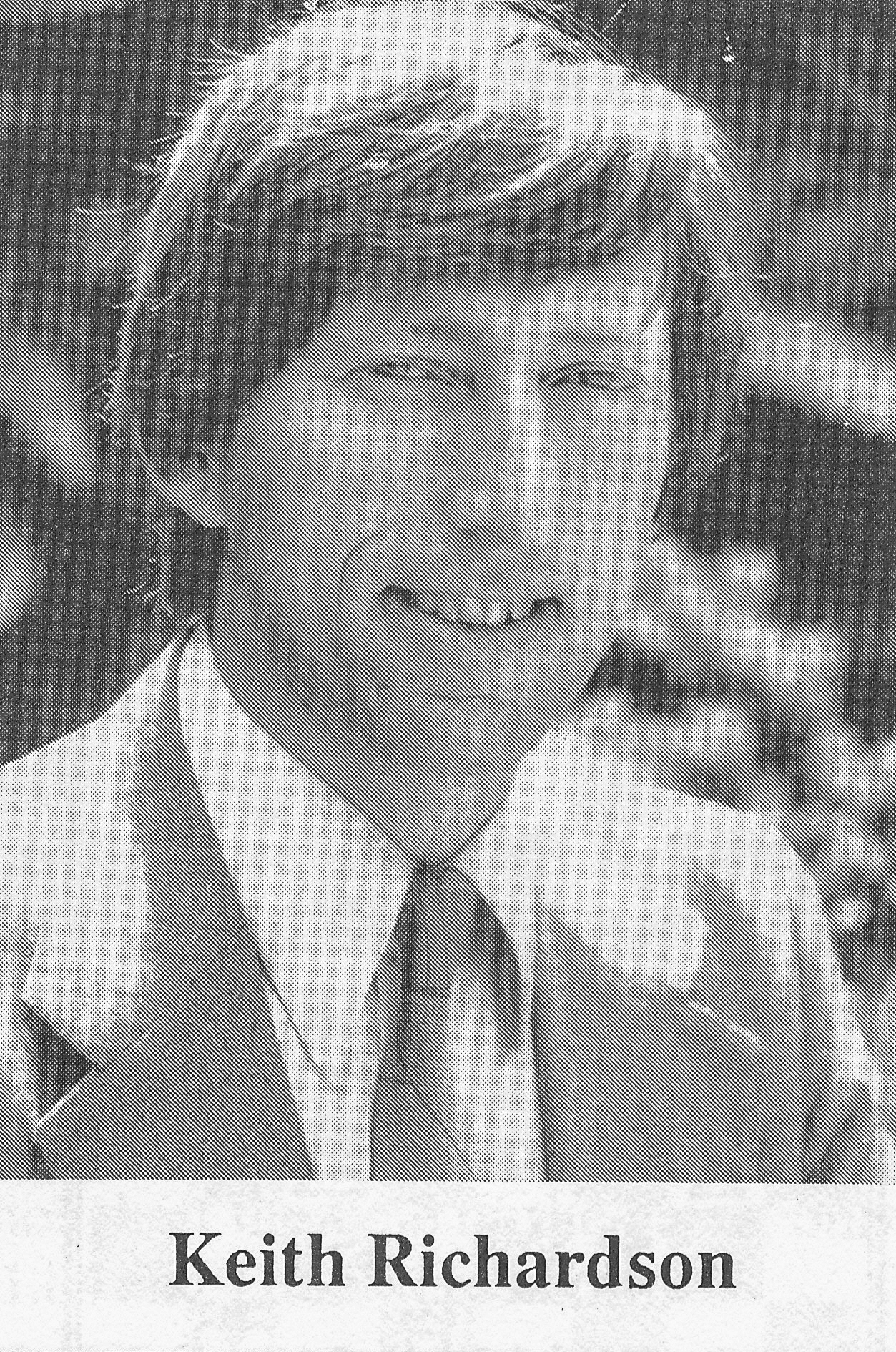
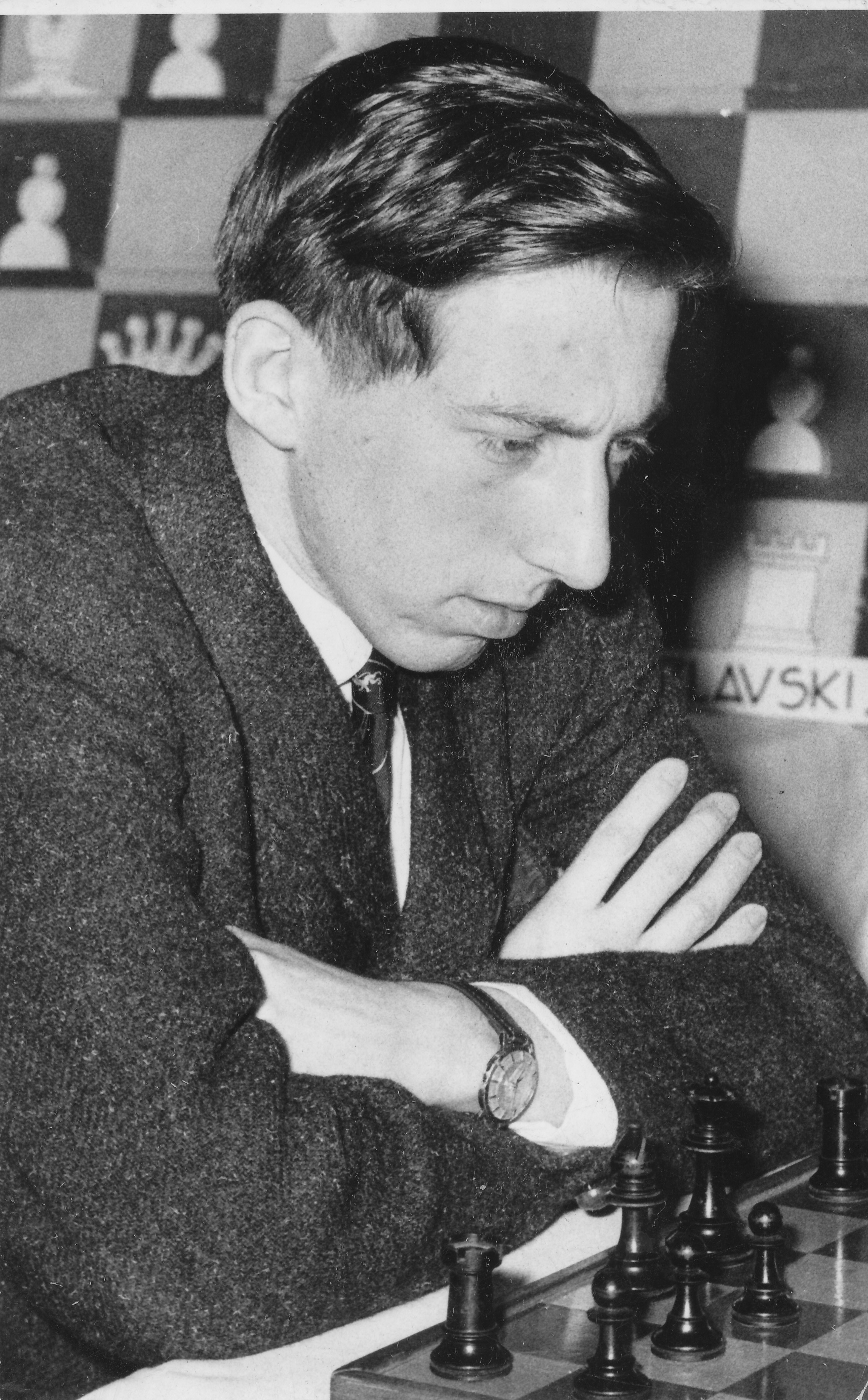
BCN remembers CGM Keith Richardson who passed away on Monday, April 10th, 2017.
Keith Bevan Richardson was born in Nottingham, on Thursday ,April 2nd 1942. On this day : The comedy film My Favourite Blonde starring Bob Hope and Madeleine Carroll was released.
Keith’s parents were Arthur (30) and Hilda May (née Nicholls, 25). He married Sandra Sowter on the 11th of September 1971 in Sutton Coldfield, Warwickshire. They had two children, Neil and Ian. They lived at 19, The Ridings in Camberley, Surrey.
Sadly, Keith was diagnosed in the 1990s with Parkinson’s disease and became unwell whilst playing in a chess tournament in Cannes in April 2017 and passed away on the 10th of May 2017. Keith was 75. He continued to actively play chess into his final year.
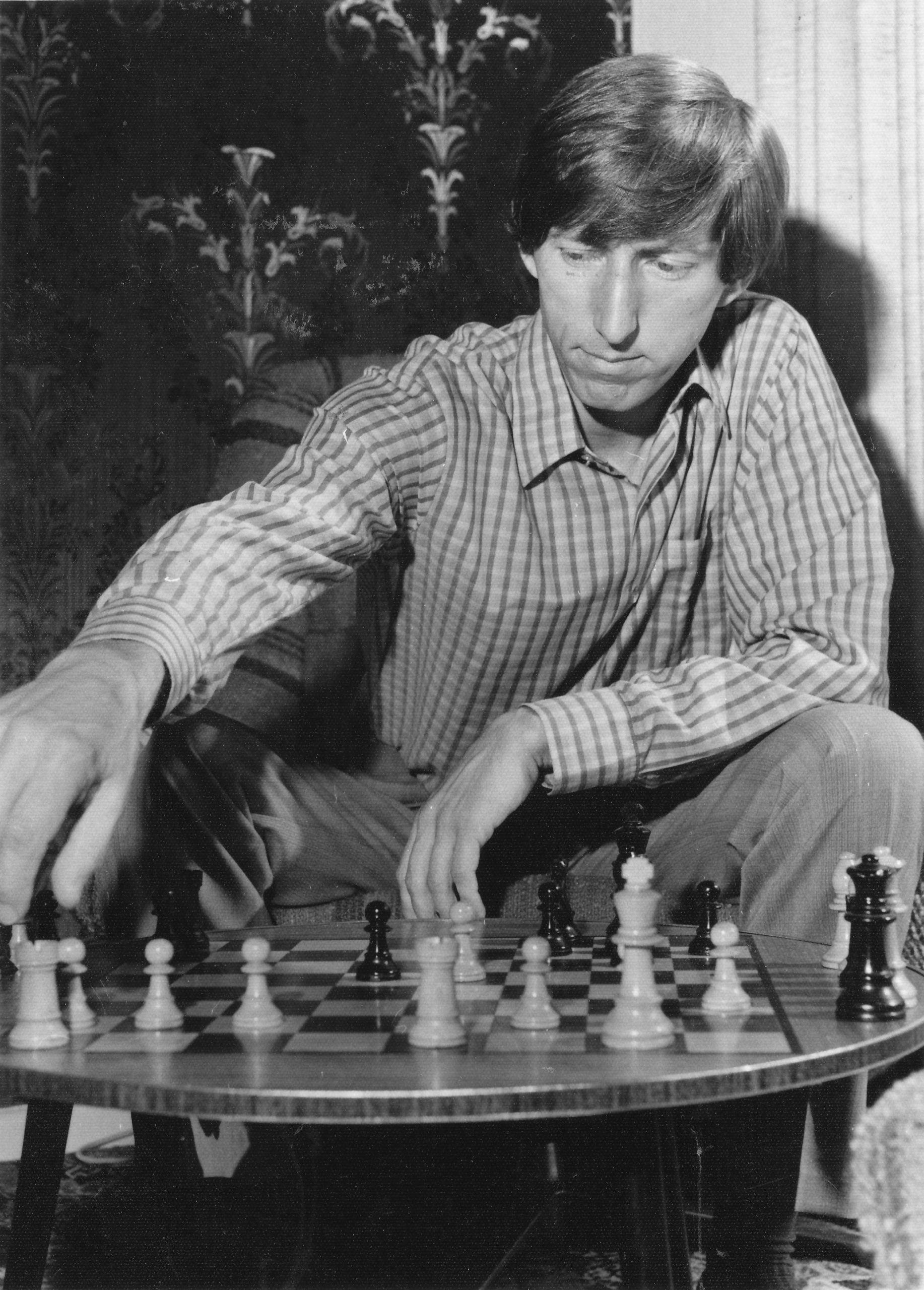
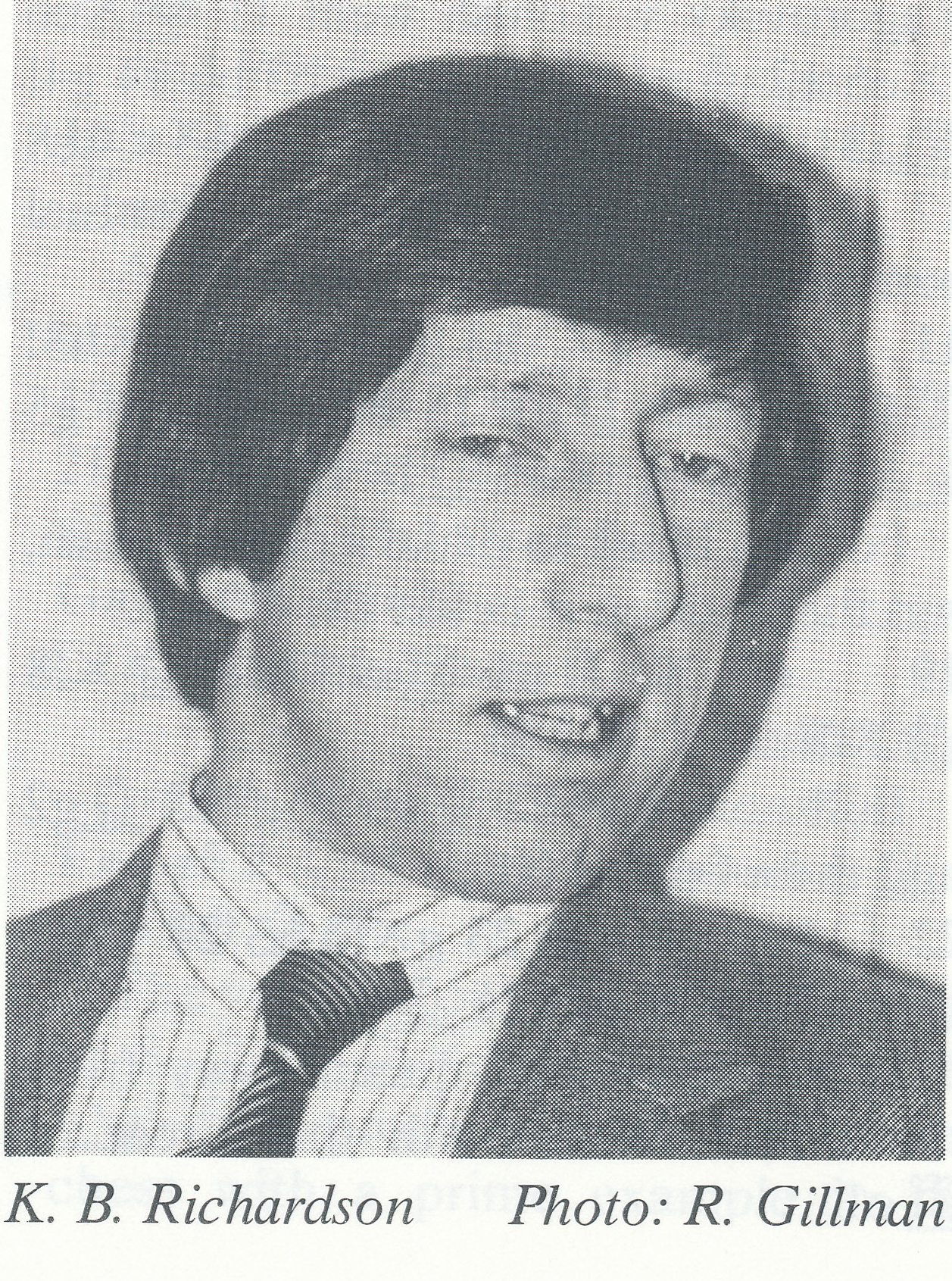
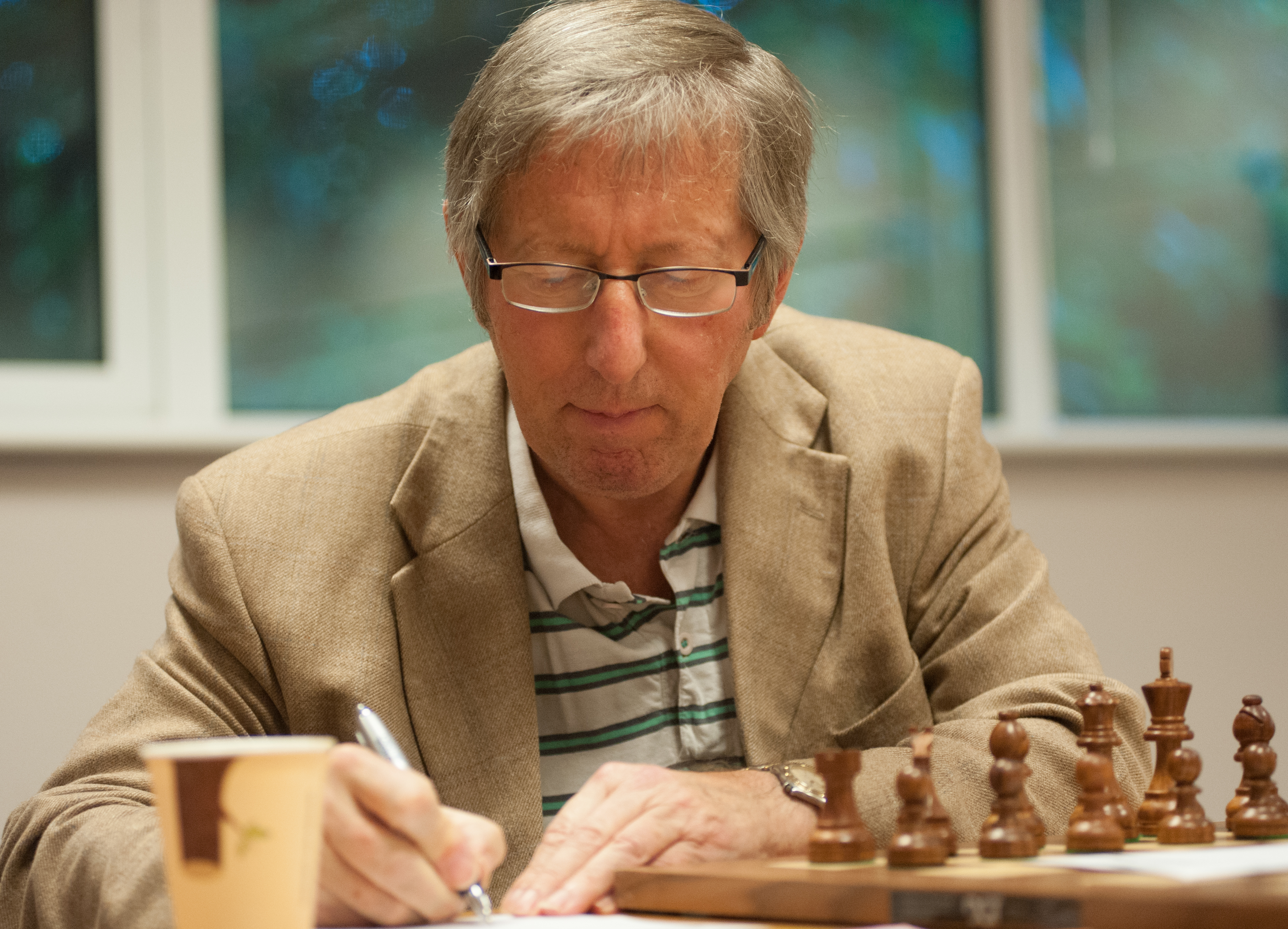
CGM Keith Richardson
Keith was the Treasurer of the Friends of Chess during the period known the English Chess Explosion (late 1970s and 1980s).
Keith received the ECF President’s Award in 2015 for services to the management of the BCF Permanent Invested Fund (PIF) together with Dr. Julian Farrand and Ray Edwards.
From CHESS, Volume 41 (1975), Numbers 729-730 (September), pp. 380 the news of Keith’s success was initially reported:
“BRITAINS’ FIRST CHESS GRAND MASTER
The first grand master title to be won by a British player has been achieved in the field of correspondence chess by Keith B. Richardson, aged 33, of Camberley.
The title of Correspondence Chess grand master is awarded by the lnternational correspondence Chess Federation. Keith Richardson fulfilled the norm by sharing third place in the final of the 7th World Correspondence Chess Championship with a score of 11 points from 16 games. The tournament began in February 1972 and results of the last adjudicated games were recently announced making J. V. Estrin U.S.S.R. first with l2 points; J. Boey Belgium scored 11.5; K. B. Richardson G.B. and Dr. V. Zagorovski U.S.S.R. 11.
There are only 25 Correspondence Chess Grand masters throughout the world.”
This was followed in the next month’s issue by a correction and more depth in CHESS, Volume 41 (1975), Numbers 731-732 (October), pp. 30-31:
“K. B. Richardson, though the first Britain to become a grand master by play was preceded by Comins Mansfield as grandmaster of problem composition, a title he gained in 1972. Our report last month did not make this clear.
Keith B. Richardson was born 2 April 1942 and was educated at Nottingham High School. At 16, he passed Grade 8 in Royal
Schools of Music at pianoforte. At Durham University, he obtained a B.A. in French and German and was awarded the University Palatinate (equal to a ‘blue’) in cricket and fives. He could have become a professional cricketer or a concert pianist but
made his career instead with Barclays Bank which brought him to London and a home in Camberley, Surrey, where he has settled down with his wife, Sandra (from Sutton Coldfield!). They now have two baby sons, Neil aged three years and Ian who is only two months old – both born since the final of the 7th World Correspondence Chess Championship began.
CGM Keith Bevan Richardson (from a Barclays publicity article)
Keith’s other interests include bridge and squash. He plays squash for his bank and is Secretary of the London Squash League. As a young chess player, Keith won the Notts. under l4 Championship, held the Notts. under l8 Championship for four years and the Notts. Championship for two years and was British Junior Champion in 1962. In 1963, he was Durham County Champion and joint winner of the British Universities’ Championship which he won outright the following year. He was twice captain of the British Universities Students’ Olympiad team. He held the Midlands Championship (Forrest Cup) for three years and was joint London Champion and London Banks’ Champion in 1970 but has been content to hold the latter title since then and concentrate on correspondence chess.
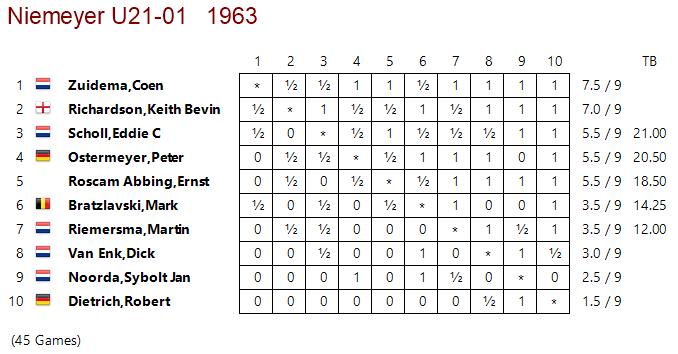
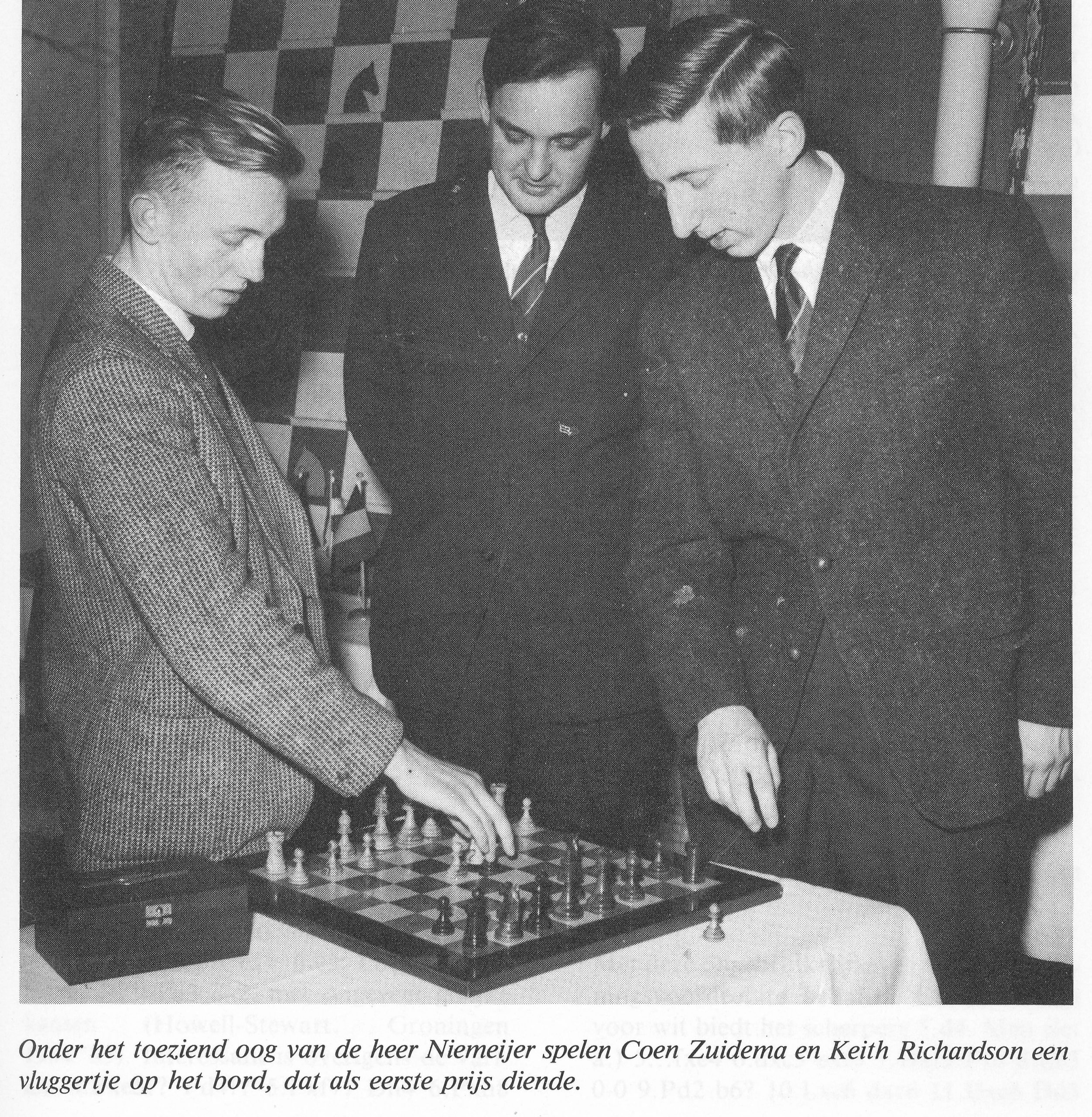
Keith Richardson aged 20 at the 1963 Niemeyer Under-21 Tournament in Groningen. The forerunner of the European Junior ChampionshipNiemeyer Under-21 Tournament, Groningen 1963. The forerunner of the European Junior Championship.Under the watchful eye of Mr. Niemeijer, Coen Zuidema and Keith Richardson play a quickie on the board, which served as an honorary prize. Source : Groningen 25 Jaar Europees Schaak Internationale Toernooien 1963 -1987, ISBN 90 9001 500 0
In 1964, Keith Richardson was runner up for the British Correspondence Chess Championship and at the same time won a Master Class tournament of the lnternational Correspondence Chess Federation (I.C.C.F.) which qualified for a place in the World C.C. Championship semi-final. He came second in the 1965-67 semi-final and tried again in the 1968-71 event which he won. At the same time, he was representing Great Britain on Board 5 in the 1965-67 I.C.C.F. Olympiad Preliminary and on Board 4 in the 1968-71 event. His score of 5 points from 7 games helped the British team to win its section in the 1968-71 Preliminary and qualify for a place in the I.C.C.F. Olympiad Final which started in 1972. When Keith began play in the World C.C. Championship Final involving l6 tames, he was also asked to take Board 3 in the Olympiad Final involving another 9 games.
He accepted – a mistake which might possibly have cost him the World C.C. Championship! His next assault on the World title will be in 1979 and in the meantime he plans to play in the next I.C.C.F. Olympiad Preliminary and write a book on the 7th World C.C. Championship.
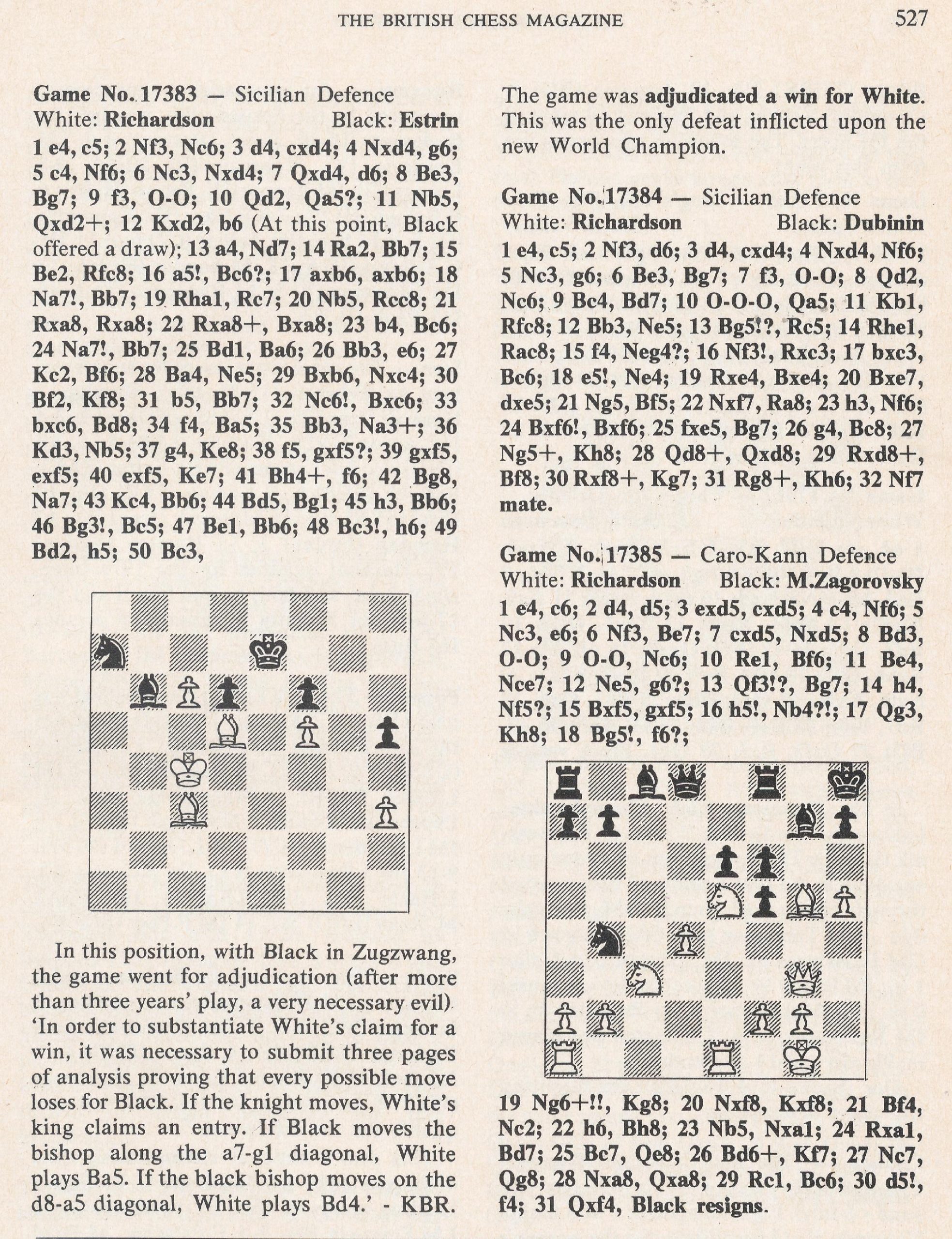
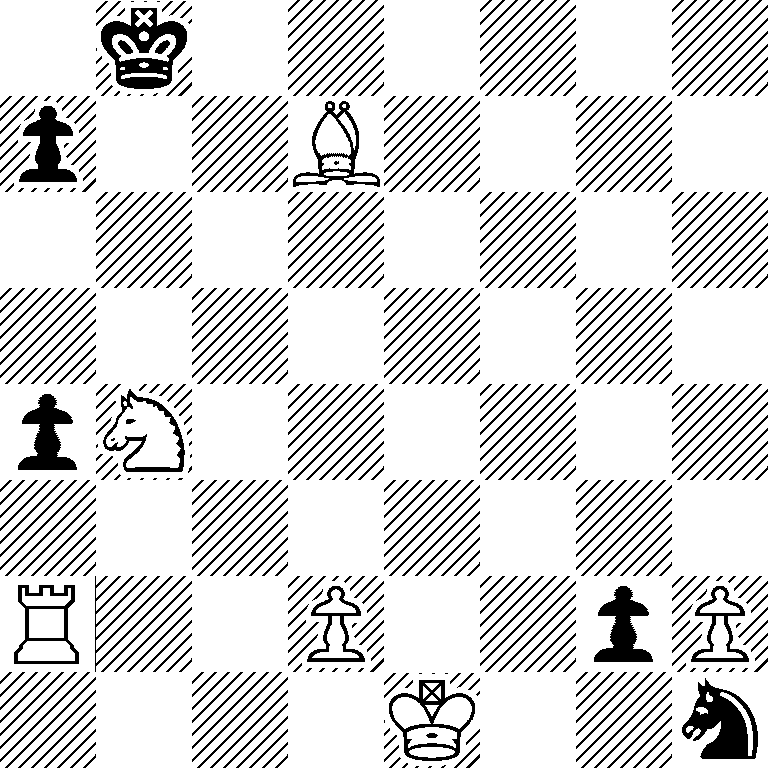
In this position, with Black in Zugzwang, the game went for adjudication (after more than three years’ play, a very necessary evil):
“In order to substantiate White’s claim for a win, it was necessary to submit three pages of analysis proving that every possible move loses for Black. If the knight moves, White’s king claims an entry. If Black moves the bishop along the a7-g1 diagonal, White plays Ba5. If the Black bishop moves on the d8-a5 diagonal, White plays Bd4 : KBR”
The game was adjudicated a win for White. This was only defeat inflicted upon the new World Champion.
CGM Keith Richardson in 1975
This article was followed (with some glee no doubt) by an article in British Chess Magazine, Volume LIXIV (95, 1975), Number 12 (December), page 526 as follows:
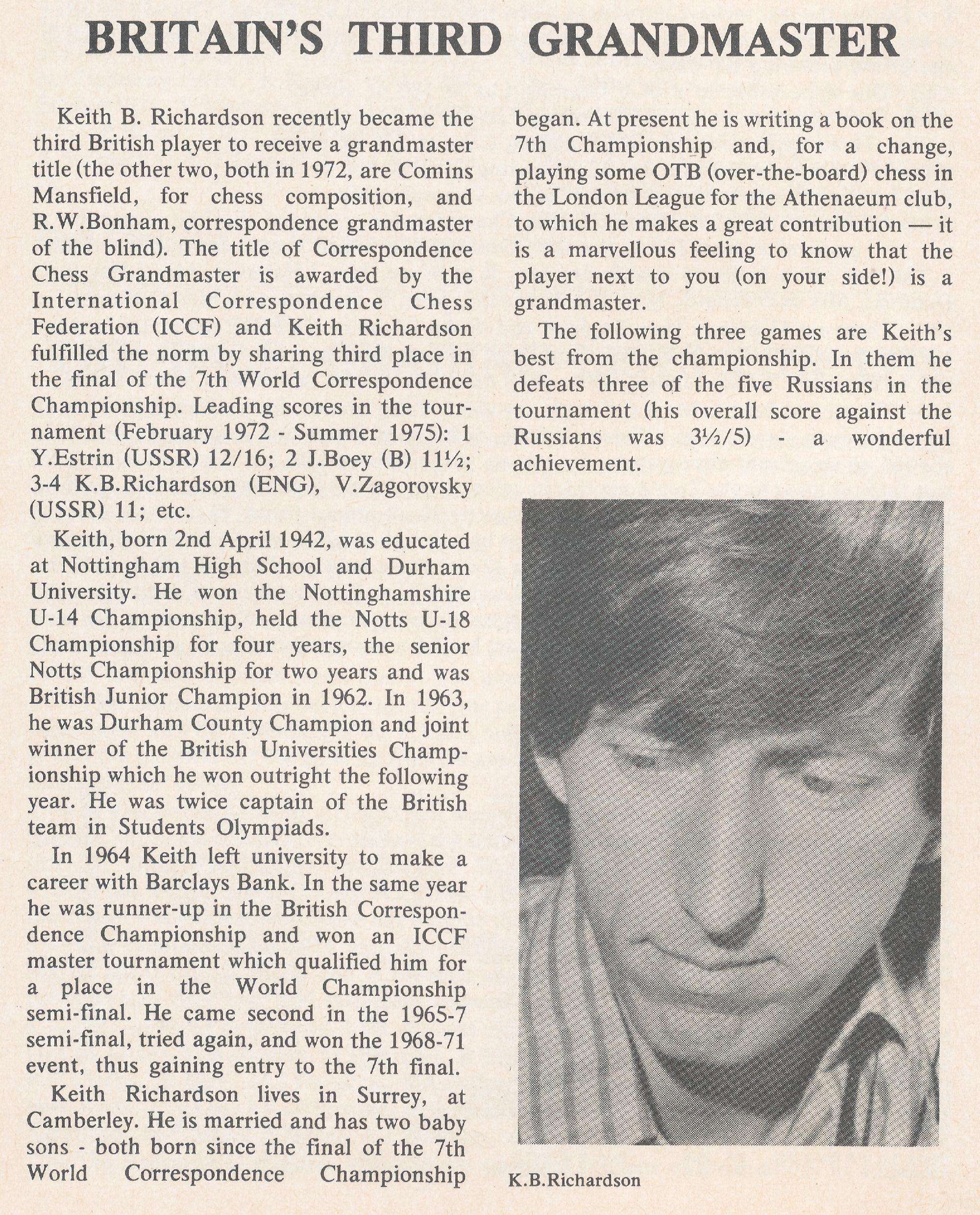
“Keith B. Richardson recently became the third British player to receive a grandmaster title (the other two both in 1972, are Comins Mansfield for chess composition’ and R.W. Bonham’ correspondence grandmaster of the blind). The title of Correspondence Chess Grandmaster is awarded by the International Correspondence Chess Federation (ICCF) and Keith Richardson fulfilled the norm by sharing third place in the final of the 7th World Correspondence Championship. Leading scores in the tournament (February 1972 – Summer 1975): 1. Y. Estrin (USSR) 12/16; J.Boey (B) 11.5; 3-4 K.B. Richardson (ENG), V. Zagorovsky (USSR) 11; etc.
Keith, born 2nd April1942, was educated at Nottingham High School and Durham University-. He won the Nottinghamshire U-14 Championship, held the Notts U-18 championship for four years, the senior Notts Championship for two years and was British Junior Champion in 1962. In 1963, he was Durham County Champion and joint winner of the British Universities Championship which he won outright the following year. He was twice captain of the British team in Students Olympiads.
Keith Richardson from BCM, 1984, page 545
In 1964 Keith left university to make a career with Barclays Bank. In the same year he was runner-up in the British Correspondence Championship and won an ICCF master tournament which qualified him for a place in the World Championship final. He came second in the 1965-7 semi-final, tried again, and won the 1968-71 event thus gaining entry to the 7th final.
Keith Richardson lives in Surrey at Camberley. He is married and has two baby sons – both born since the final of the 7th World Correspondence Championship began. At present he is writing a book on the 7th Championship and, for a change playing some OTB (over-the-board) chess in the London League for the Athenaeum club, to which he makes a great contribution – it is a marvellous feeling to know that the player next to you (on your side!) is a grandmaster.
Keith Richardson playing for BCM Dragons in the Four Nations Chess League (4NCL, courtesy of John Upham Photography.
The following three games are – Keith’s best from the -championship. In them he defeats three of the five Russians in the
tournament (his overall score against the Russians was 3.5/5 – a wonderful achievement.”
and here is the printed version of the above report:
British Chess Magazine, Volume LIXIV (95, 1975), Number 12 (December), page 526British Chess Magazine, Volume LIXIV (95, 1975), Number 12 (December), page 527
From The Encyclopaedia of Chess by Hooper & Whyld :
“English player. International Correspondence Chess Grandmaster (1975), bank manager. Around 1961 Richardson decided that over-the- board play, which had brought him some successes as a. junior, would interfere with his professional career and he took to postal chess instead. His best performance in this field was his sharing of third place with Zagorovsky after Estrin and Boey in the 7th World Correspondence Championship, 1968-71. ”
In October 1984 Keith took part in the A. E. Axelson Memorial tournament organised by the Swedish CC Committee and with fifteen grandmasters was one of the strongest CC tournaments in history. Keith finished in 11th place ahead of Boey.
In 1991 Jonathan Berry wrote a potted biography in Diamond Dust, International Chess Enterprises, ISBN 1-879479-00-1 as follows :
“Camberley, Surrey, England. Born 2 April 1942. Married with two sons. Bank Manager.
He was British Under-21 Champion in 1962. At Groningen 1962/63, he was placed 2nd in the European Junior Championship. At Bristol 1967 he was equal 5th in the British Championship.
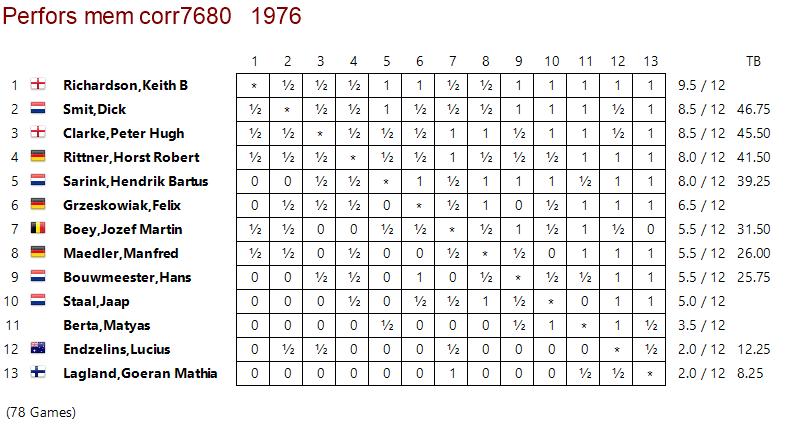
In CC, he gained the IMC in 1968, GMC in 1975. In CC WCh VII, he won the semi-final with 9.5/12, and placed =3rd in the final, 11/16. In CC WCh X, he again tied for third in the final with 10/15. Playing board 3 for Britain in OL-VIII, finals, 1972-76, he scored 7.5/9, the highest score on any board. He won the Prefors Memorial, 1976-1980, 9.5.12”
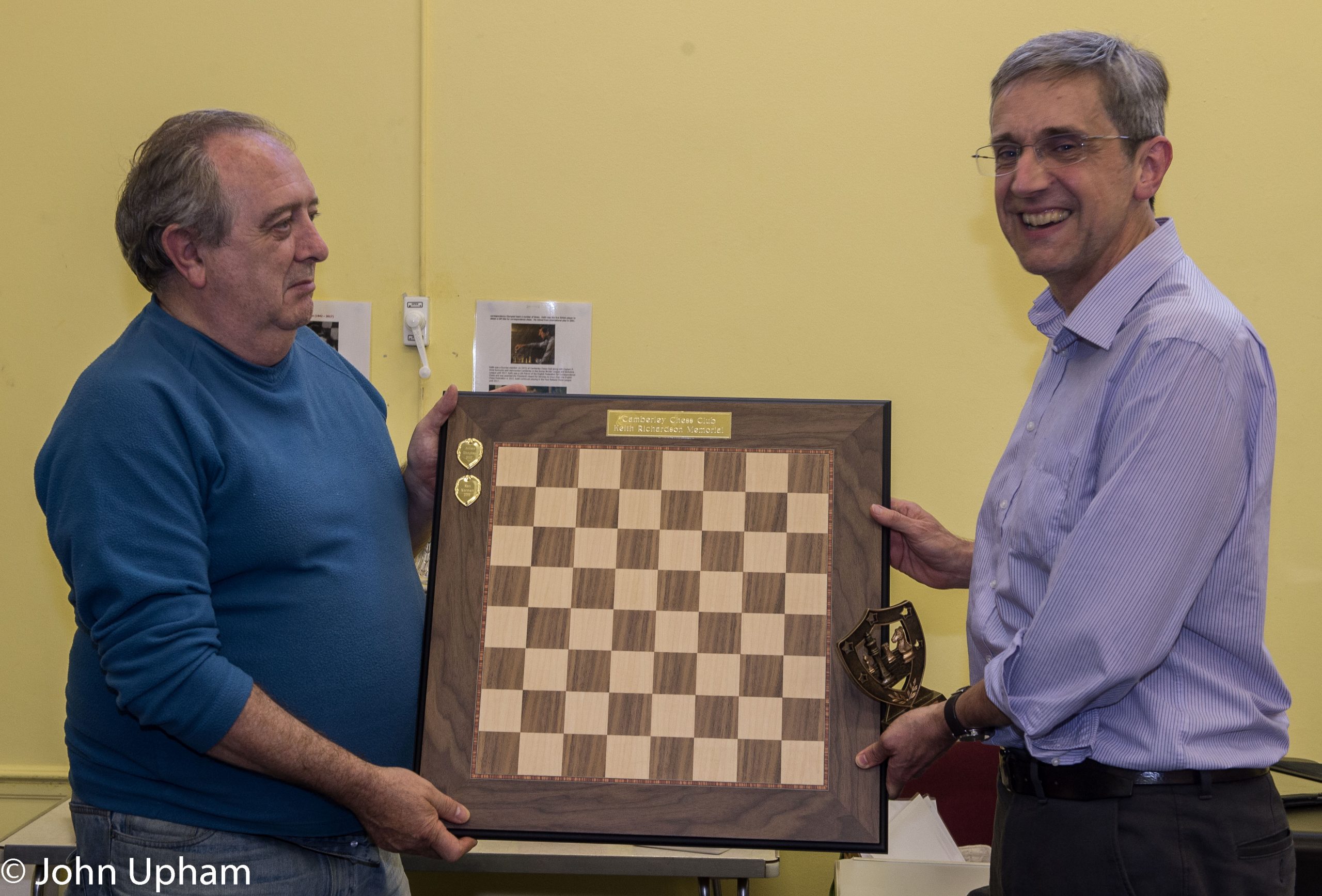
A one-day tournament (The Keith Richardson Memorial) in memory of Keith was started in 2017 and has been held four times in total being played on-line for the first time in 2021.
Ken Coates presents Clive Frostick with the trophy for the 2019 Keith Richardson Memorial Tournament.
From Chessgames.com :
“Keith Bevan Richardson was born in Nottingham, England. Awarded the IMC title in 1968 and the GMC title in 1975, he finished 3rd= in the World Correspondence Championships of 1975 and 1984.”
Happy Birthday Christopher Cedric Lytton (Sells) (07-iv-1939)
From chesscomposers.com :
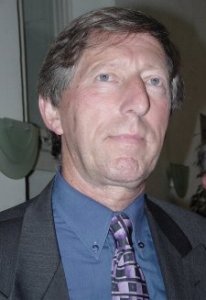
“Cedric Lytton was born in South Australia and is a mathematician. He became president of the British Chess Problem Society in 2009. He is also International Judge and was during many years the sub-editor of the fairy section for The Problemist, then of its retro section.”
From Brian Stephenson’s excellent BDS web site we have:
Cedric Lytton
1st Prize, The Problemist, 1970
Cedric Lytton 1st Prize, The Problemist, 1970
White is material up, but Black has a dangerous pawn on g2, which the white king on his own cannot cope with. 1.Na6+ Kb7 2.Rb2+ Kxa6 3.Bb5+ Going after the pawn only draws, but only if Black can restrain himself from promoting with check and White can restrain himself from capturing the cornered knight – 3.Bh3? a3! (3…g1Q+? 4.Bf1+ Ka5 5.Rb5+ Ka6 6.Rg5+ 1-0) 4.Bxg2 axb2 5.Be4 Kb5 6.Kf1 a5 7.Kg2 Kc4 8.Bb1 Kb3 9.h4 a4 10.h5 a3 11.h6 a2 12.Bxa2+ Kxa2 13.h7 b1Q 14.h8Q = 3…Ka5 3…Kb6? 4.Bf1+ 1-0 4.Bf1! a3 4…g1Q? 5.Rb5+ Ka6 6.Rg5+ 1-0 5.Rb5+ Ka4 6.Bxg2 White has dealt with the g2 pawn, but now Black’s forward a-pawn looms large. 6…a2 6…Kxb5 7.Bd5 Kc5 8.Bf7 1-0 7.Bc6! Setting up the winning cross-check. 7…a1Q+ 8.Rb1+ 1–0
Here is an item from The North Norfolk News
Here is that article in full from The North Norfolk News :
“In her latest Face to Face interview, KAREN BETHELL talks to multi-talented mathematician Dr Cedric Lytton PhD, who, in spite of being born with impaired hearing, went on to list among his accomplishments playing the viola, singing, and writing top-level chess problems.
But, for Dr Lytton, who lives in Sheringham, the recent headline-hitting Hudson River plane crash in New York brought to mind perhaps his greatest achievement . . .
A difficult birth at Adelaide, South Australia, left Cedric with impaired hearing and reduced mobility in one hand.
His disability was to affect him as a boarder at Rugby School, Warwickshire, where, forced to carry around a cumbersome hearing aid in his briefcase, he was severely bullied.
However, learning to type – and discovering at age 8 that he had a talent for chess – turned out the young Cedric’s saving grace, and, in 1955, he had his first problem published in the British Chess Problem Society magazine, The Problemist.
Cedric, whose ancestors include the famous 19th century writer Sir Edward Bulwer Lytton, (who coined the phrase, “the pen is mightier than the sword.”), took up playing the bass recorder aged 18, and, as a young man, he dreamed of becoming a musician.
But, deciding life as a professional mathematician would be a safer course to take, he read maths at Sidney Sussex College, Cambridge, before going on to gain a PhD.
In 1964, he entered the scientific civil service at Farnborough as a researcher and computer programmer, following in the footsteps of his uncle, Cliff Roberts, also a researcher, who helped design Sydney Harbour bridge.
Four years later, Cedric, penned a pioneering paper on reducing airflow – and thereby shockwaves and drag – over the wings of aircraft, and his efforts led to the design of the 320 Airbus – the jet that crashed safely into the Hudson River on January 15.
Advancements in hearing aid technology meant that, by the mid-1970s, Cedric was no longer forced to wear an unwieldy device pinned to his clothes, and he realised his ambition of learning to play the viola.
After the end of an unhappy first marriage, he met up with long-term friend, Dorothy – then a supervisor of midwives at Ely – by chance on a visit to Norwich and the couple, whose son Martin is a GP in Cornwall, were married at St Andrew’s Church, Sheringham in 1982.
Since retiring 10 years ago, Cedric, who, while at Farnborough, held the local Croquet Club championship title for 8 years on the trot, has kept busy composing chess problems, playing backgammon and croquet, playing viola with a local string quartet and singing with St Andrew’s church choir. He also enjoys swimming, cycling, cooking and wine appreciation.
Cedric, 69, was delighted this year to receive a hat trick of accolades – winning Bodham Croquet Club’s annual knockout competition, taking the North Norfolk Backgammon Circle trophy, and being made president of the British Chess Problem Society.
What is the best thing about your job?
When I was working, the best thing was being left alone to get on and do a job I knew I could do well without being bothered by admin people.
And the worst?
I was lucky enough not to have a “worst” thing, but, one thing that did bother me was that every time an engineer came to repair my computer, I’d come back from my coffee break to find the mouse had been left on the wrong side!
What is the one possession you would save if your house was on fire?
My viola and my bass recorder, which I keep next to each other.
Where do you go to unwind?
Cycling – it’s a lovely feeling freewheeling down to the town.
What is your favourite Norfolk building?
The Hoste Arms at Burnham Market because they do excellent food and excellent wine.
What is the one thing you would change about yourself?
I’d perhaps be a little more tolerant of others as I do have to make an effort sometimes to keep back what I really think. If I could have normal hearing, I’d probably change that too.
What is your proudest moment?
To have found a girl who was prepared to put up with me and, at last, to have entered a happy marriage.
And your greatest achievement?
Writing my paper in 1968; It was a breakthrough paper which made a lot of difference. I’d also like to say my two beautiful grandchildren, Alexandra and William.
Have you ever done anything outrageous?
Not really. I was always a really goody goody little prig but, in the course of my long life, I’ve had a few rough edges knocked off.
Whom do you most admire?
Nelson Mandela because of what he has done for his country. He came out of 27 years in jail apparently a better man, never said a word about his captors and has continued to justify his existence ever since.
What makes you angry?
My deafness sometimes makes me difficult to understand and means that I often have to say things twice. But what is really annoying is when people ask me something and, when I give a reply, they look at Dorothy.
Favourite book, film and TV programme?
Book: The Adventures of Sherlock Holmes – The Dancing Men, film: The Prisoner of Zenda, and I do enjoy watching The Andrew Marr Show on television on a Sunday.
Happy Birthday CGM Christopher James Austin Jones (06-iv-1952)
Here is an excellent biography from Chess Scotland
Here is an article about Helpmates from CJAJ published by Chessbase
Grandmaster of Composition Christopher JonesCGM Christopher James Austin JonesCGM Christopher James Austin Jones with James Pratt and David Shire at Eton College
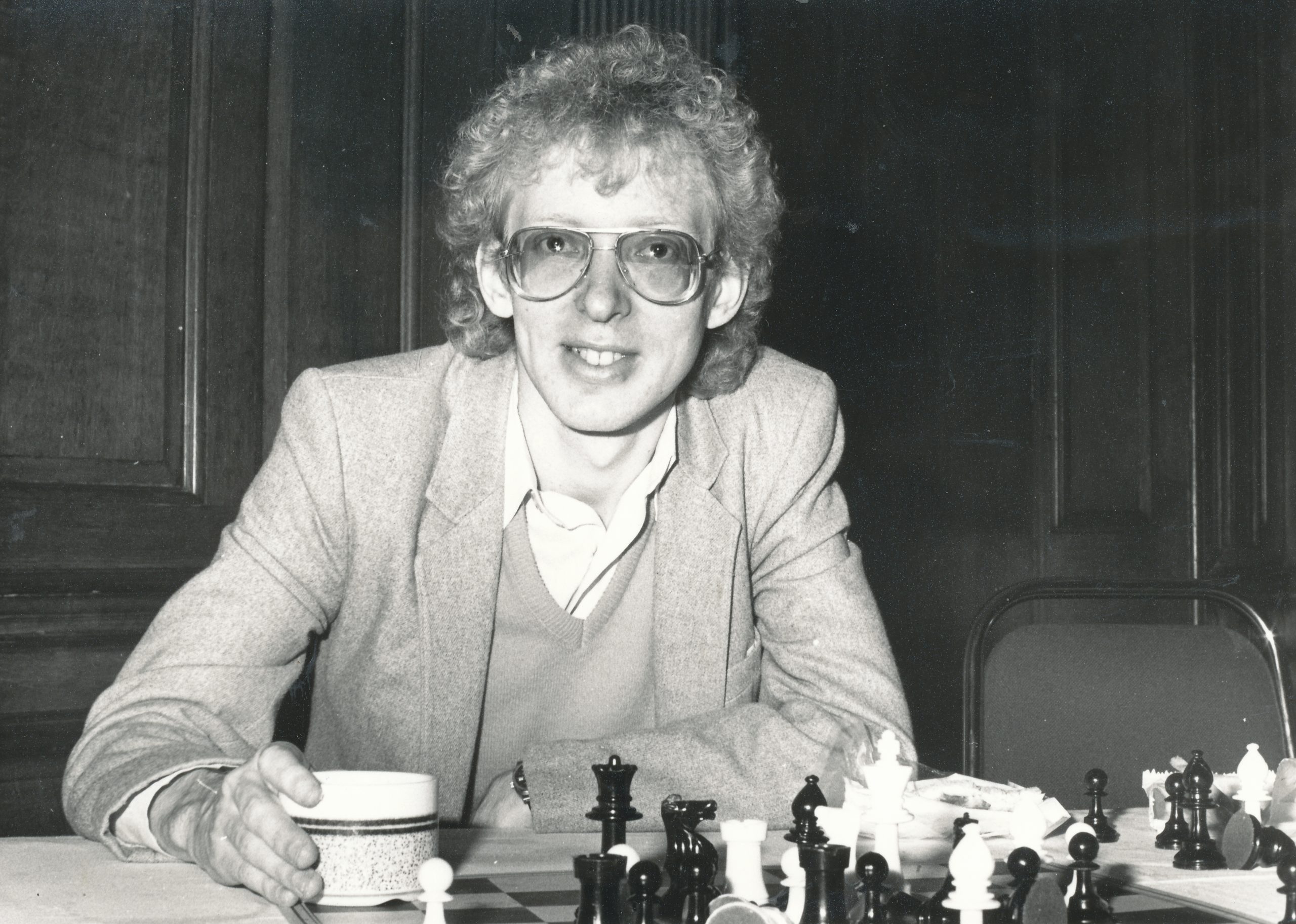
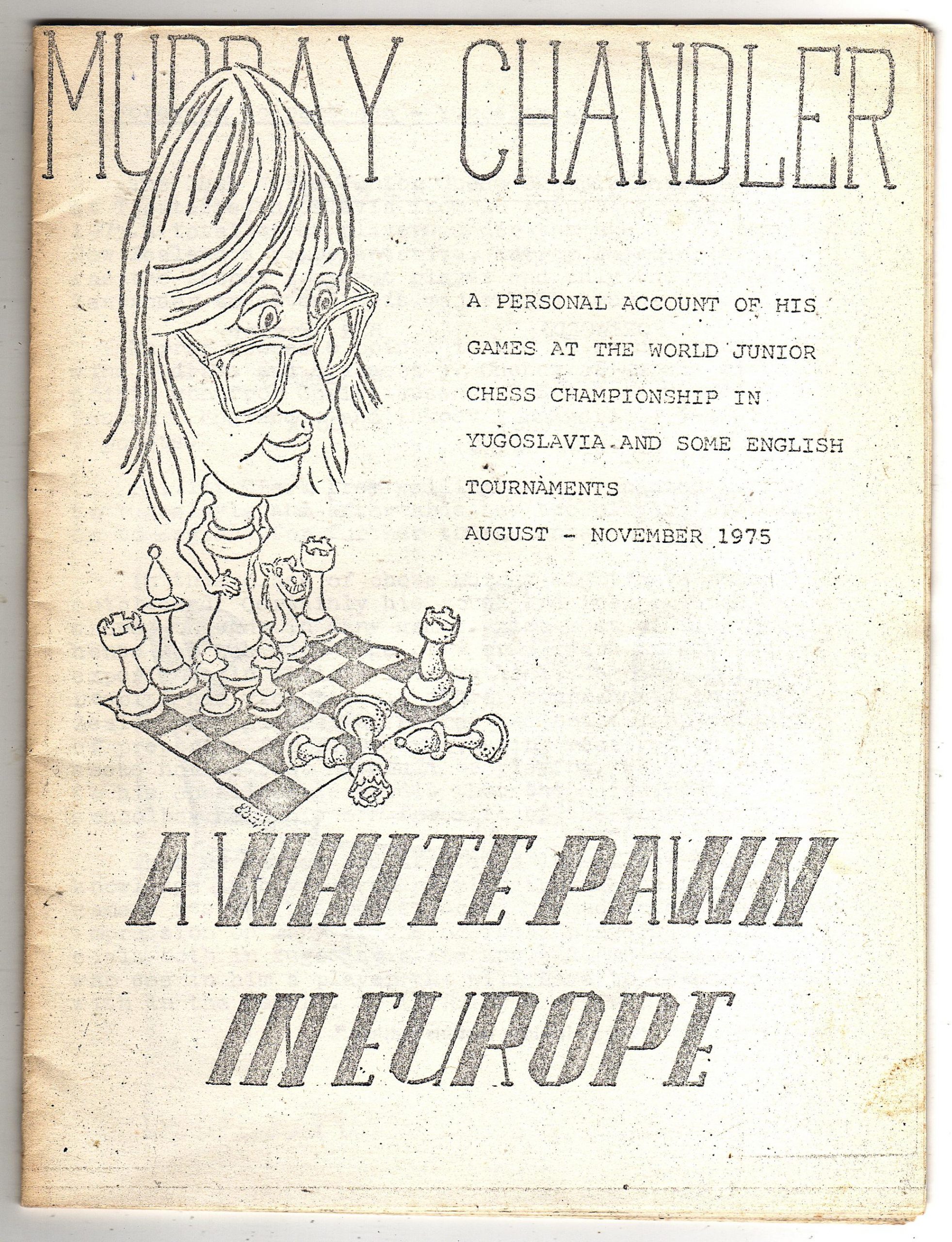
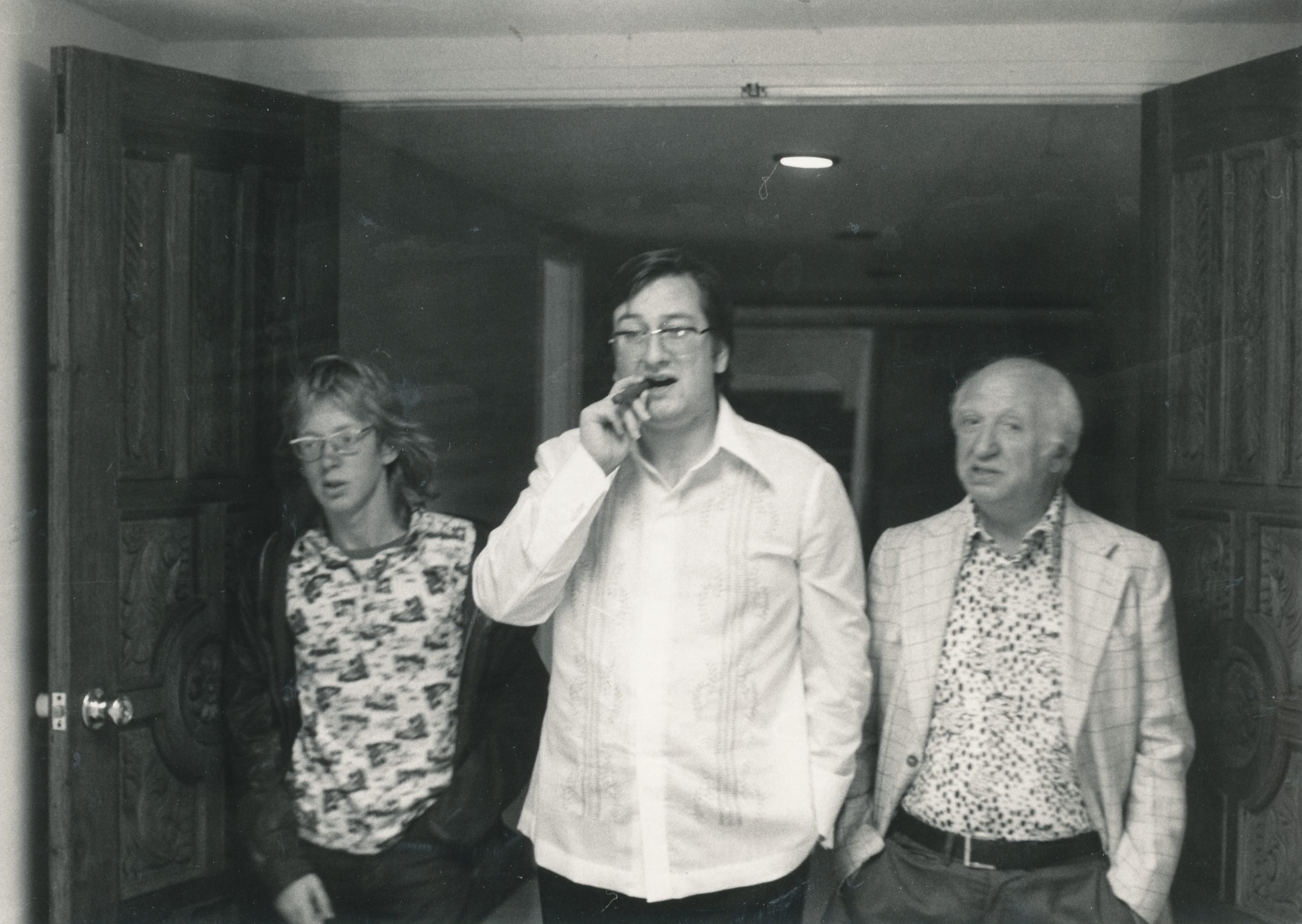
Happy Birthday GM Murray Graham Chandler MNZM (04-iv-1960)
From The Oxford Companion to Chess by Hooper & Whyld :
“International Grandmaster (1983), a New Zealander who settled in England at the age of 15. subsequently playing for his adopted country in the Lucerne Olympiad, 1982. He scored +4=6 to share first prize at New York 1980, came second (+5=5 — 1) equal with Hort at Dortmund 1983, and scored +5 = 6 (a GM norm) to share first prize at Amsterdam 1983, a Swiss systemtournament. Chandler has edited the magazine Tournament Chess since its inception in 1982.”
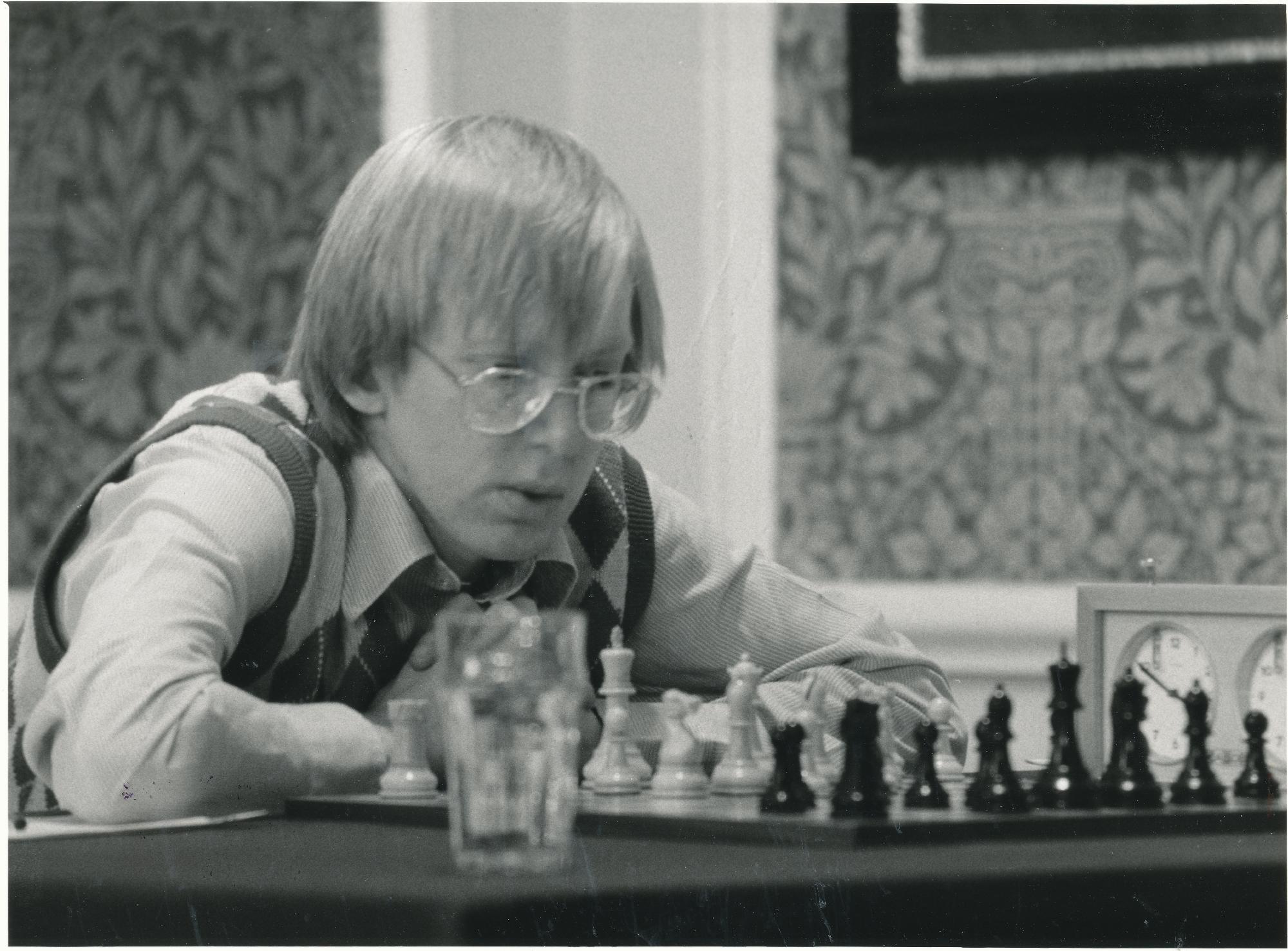
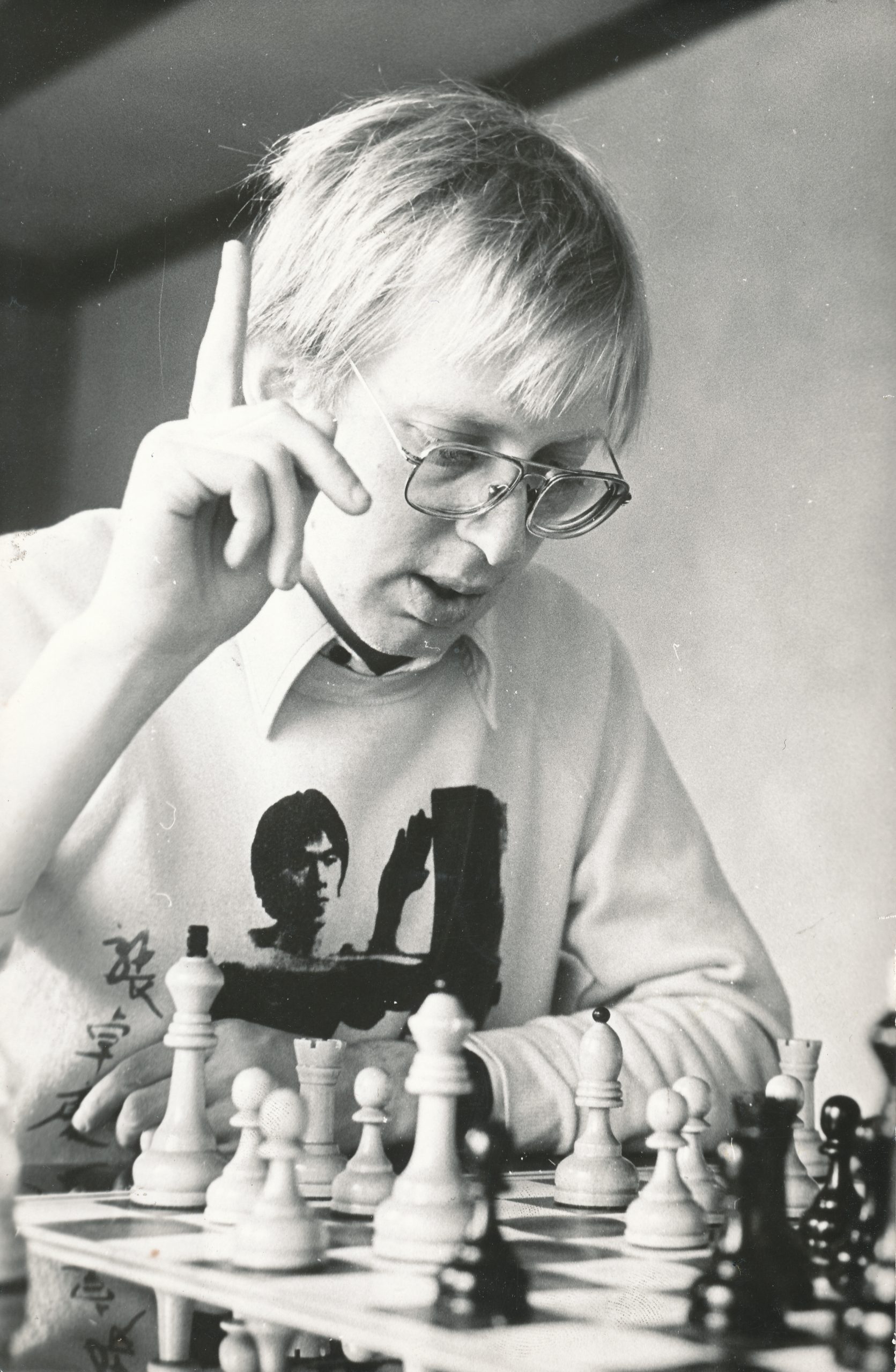
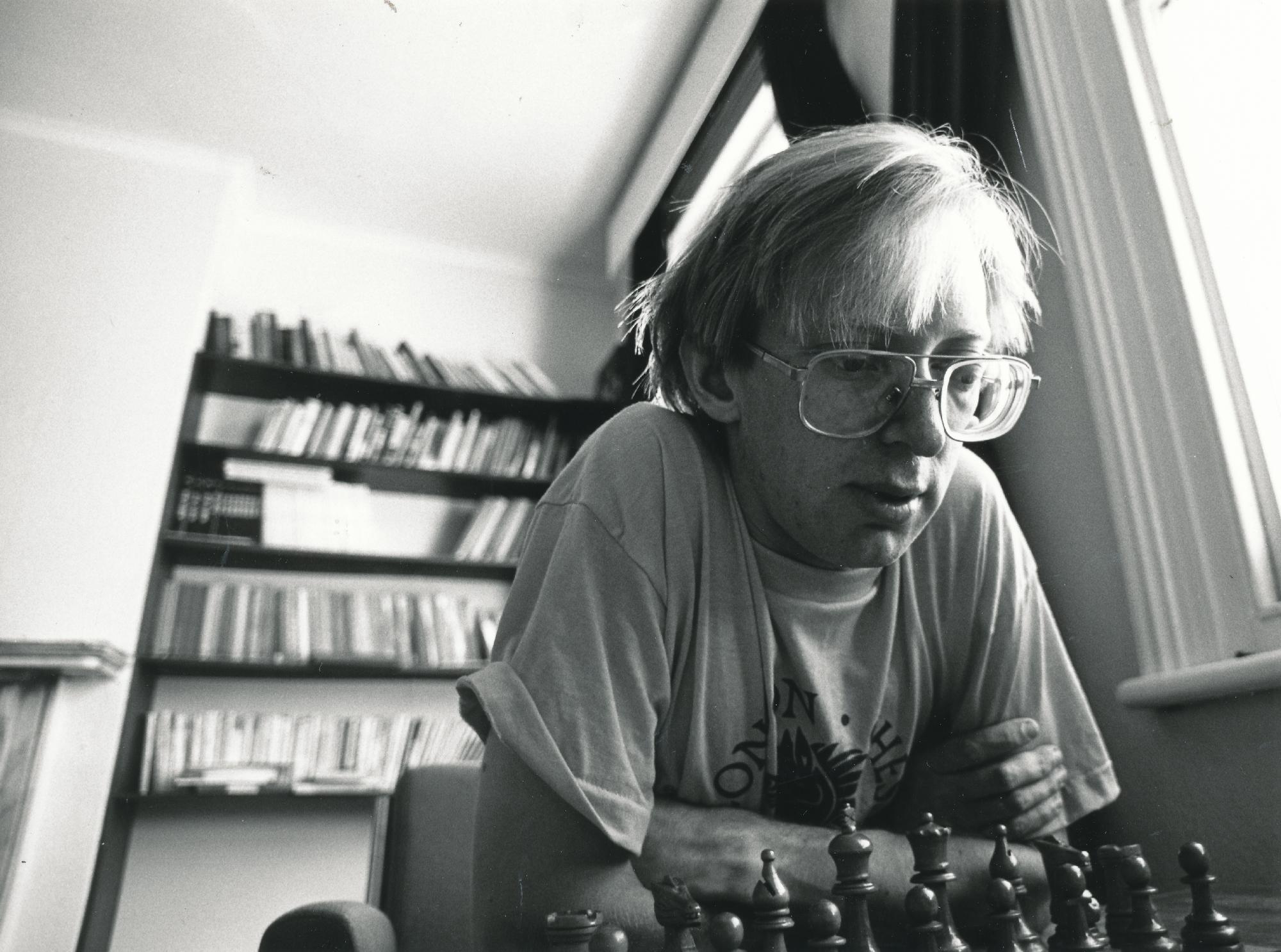
“Murray Graham Chandler was born in Wellington, New Zealand. He was awarded the IM title in 1977 and the GM title in 1982. He was joint New Zealand Champion in 1975-76 (shared with Lev Isaakovich Aptekar and Ortvin Sarapu) and joint Commonwealth Champion in 1984. His best tournament results were 2nds at London 1984, London 1986 and Amsterdam 1987 and he has played both for New Zealand (1976-1980) and England (1982-86) in the Olympiads. He edited Tournament Chess for a time from 1981 onwards and as well as writing he became the managing director of Gambit Publications.
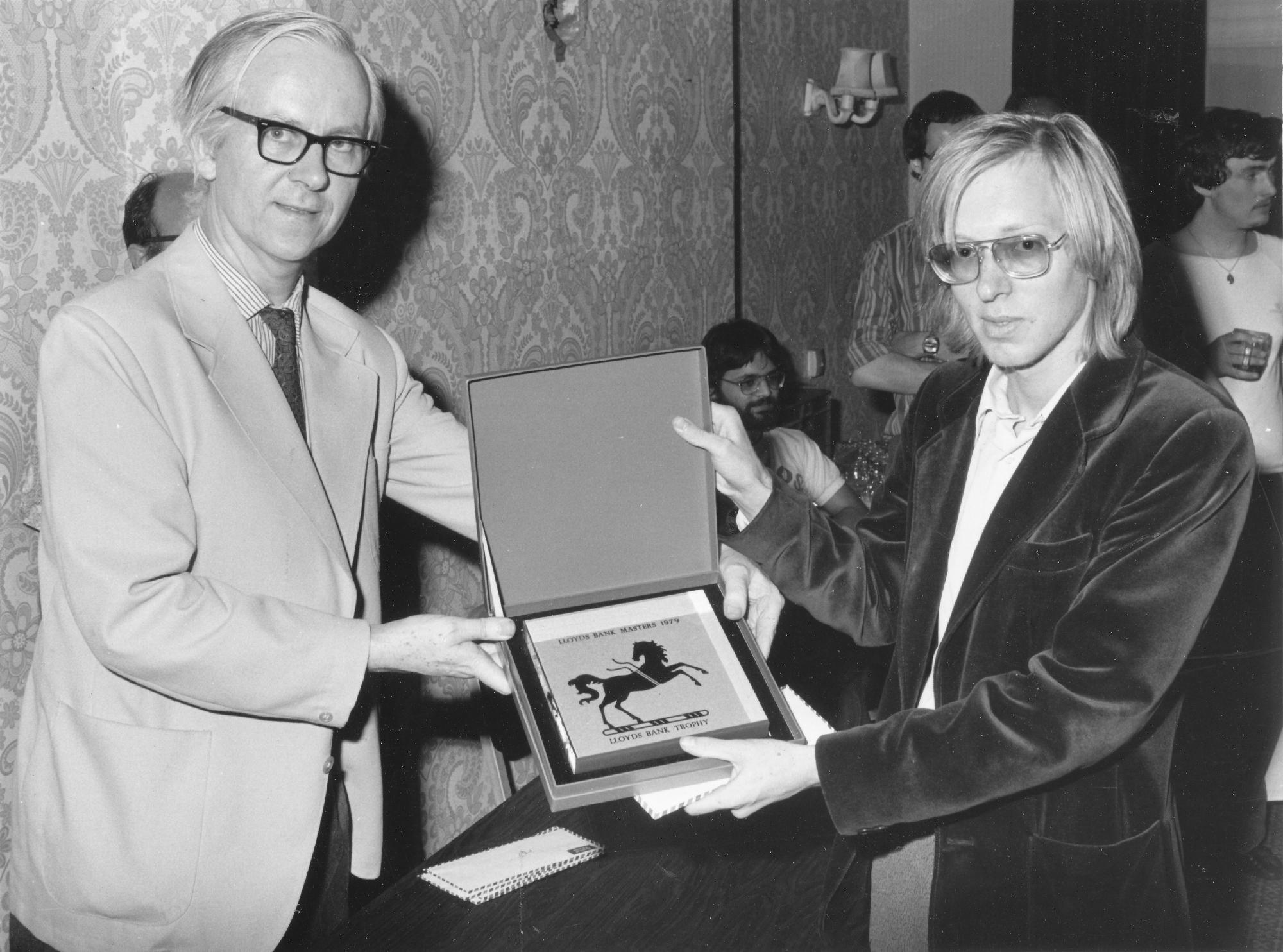
Leonard Barden (left) and Murray Chandler display the Lloyds Bank Trophy which the 19-year old New Zealander won ahead of 3 Grandmasters and 10 International Masters for his finest international success up to 1979. in the Lloyds Bank Masters
He was the organiser and winner of a large tournament, the Queenstown Classic in New Zealand in January 2006 and this tournament also incorporated the 113th New Zealand Championship making Chandler the New Zealand Champion for the second time. He won his third New Zealand title at the 115th New Zealand Championship (2008) which was held in Auckland where he currently resides.”
Murray Graham Chandler
Murray Graham Chandler
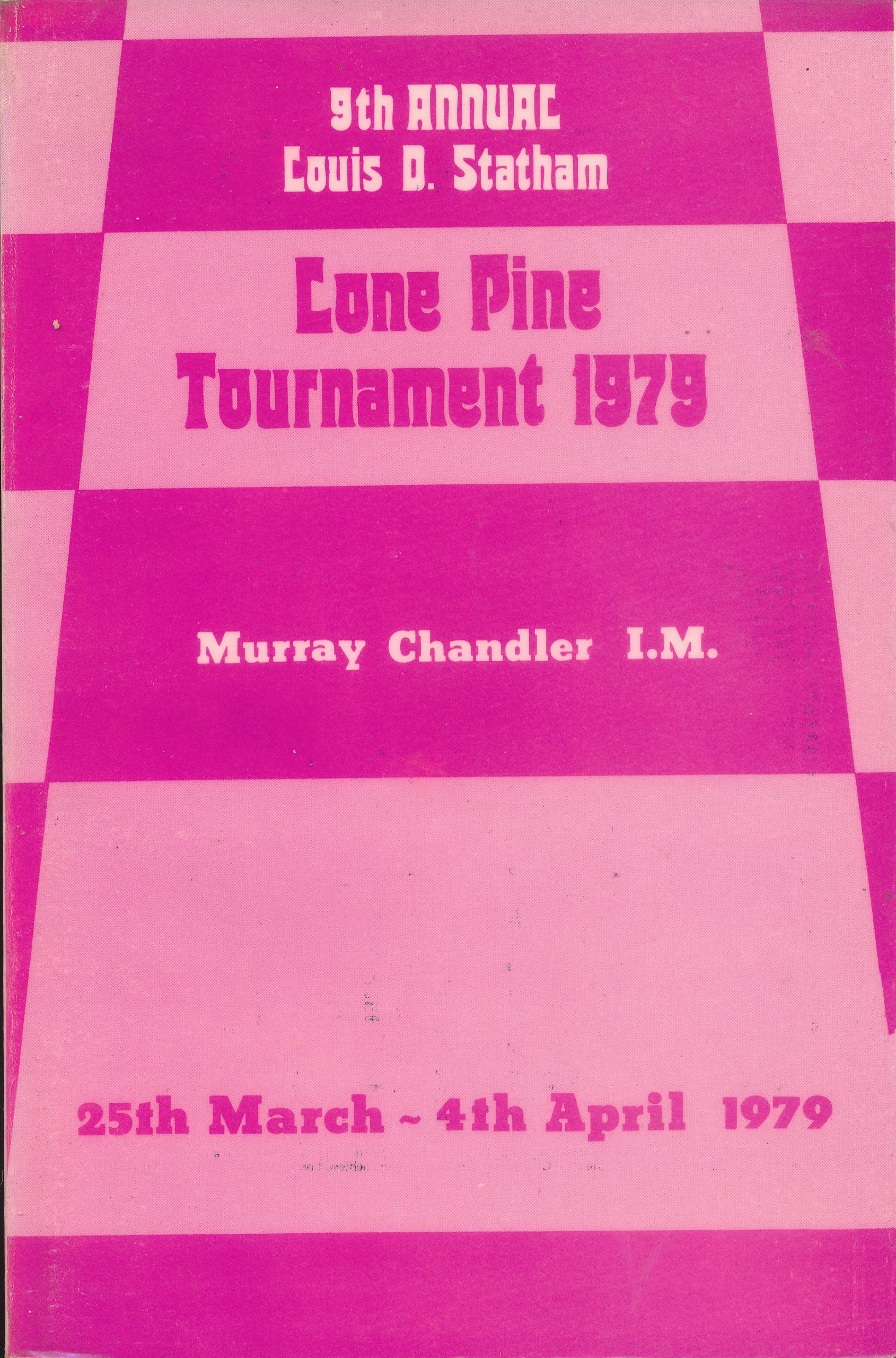
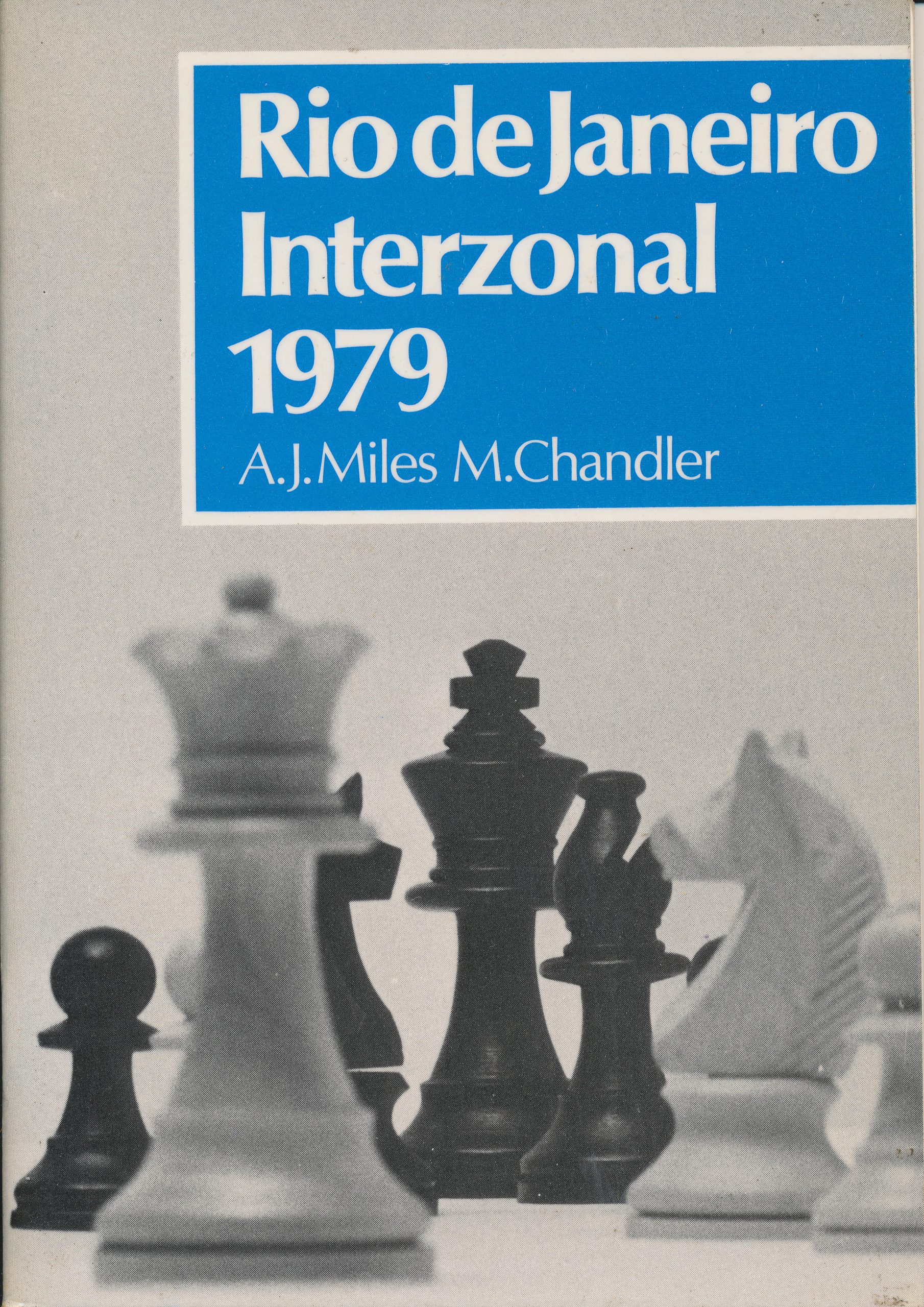
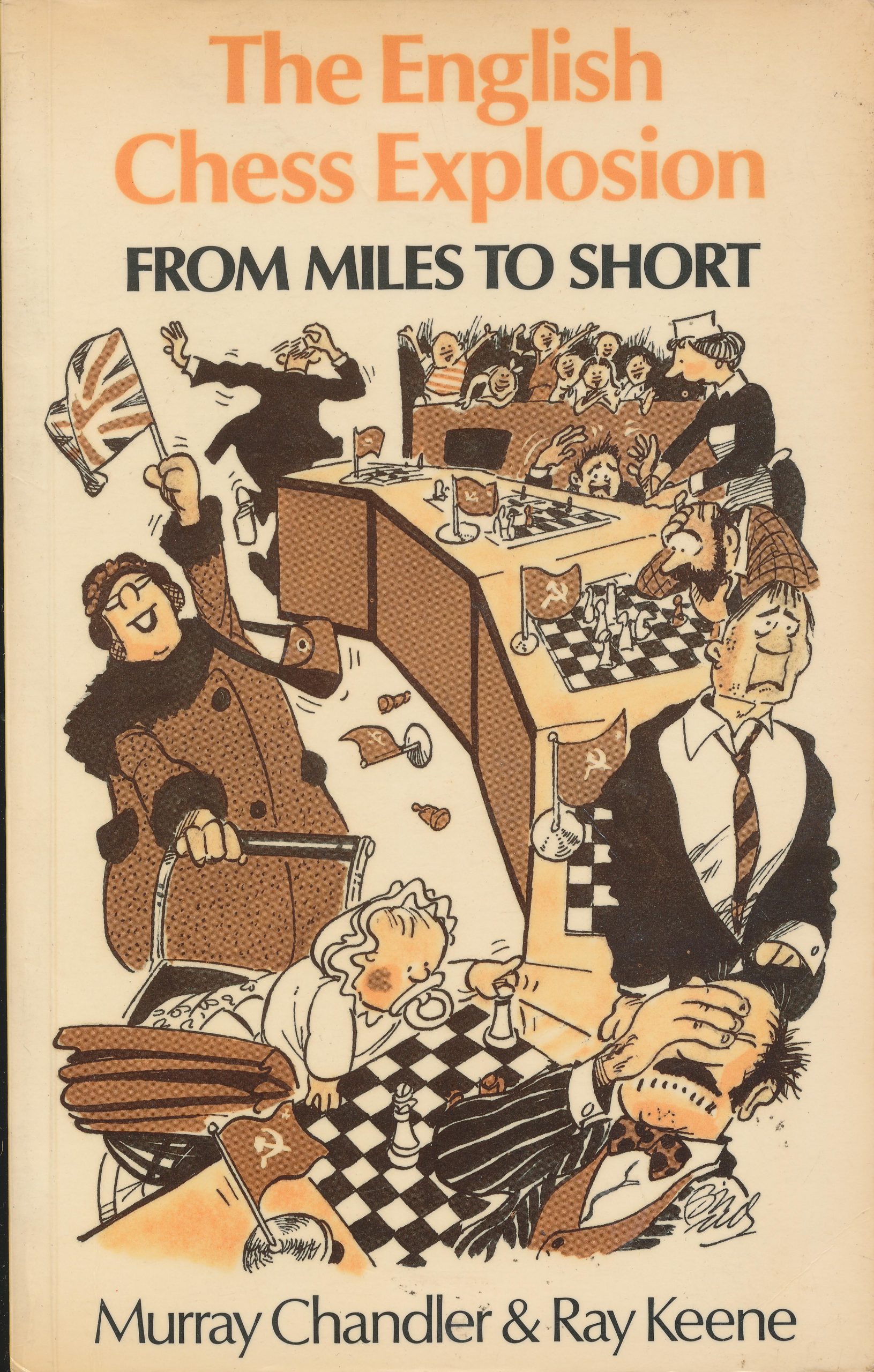
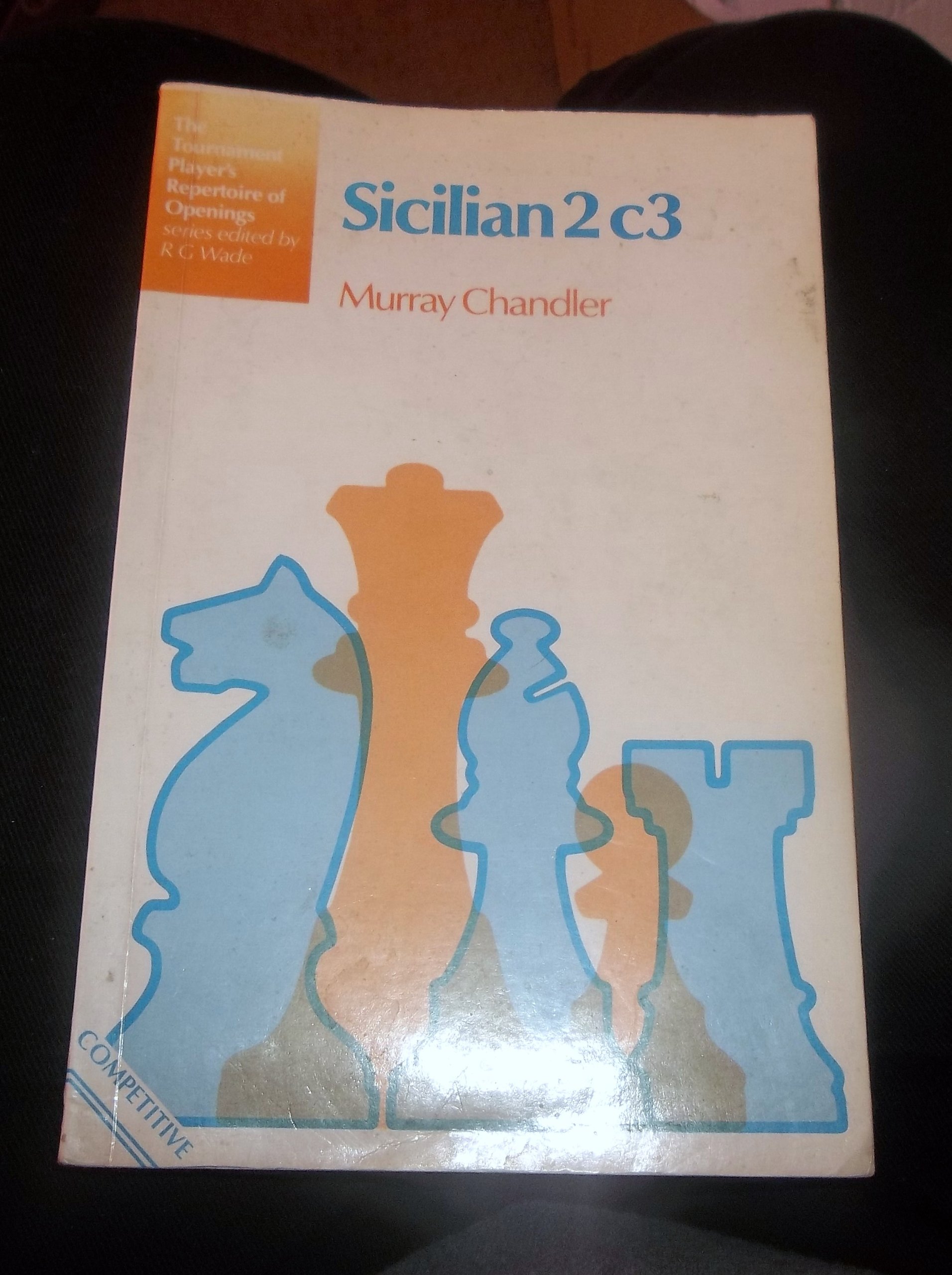
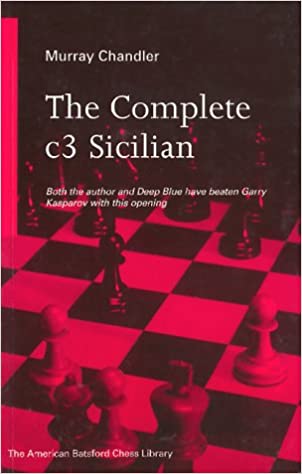
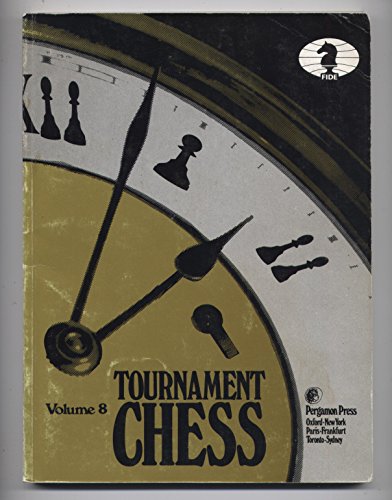
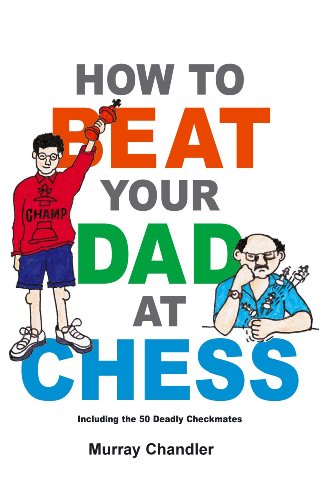
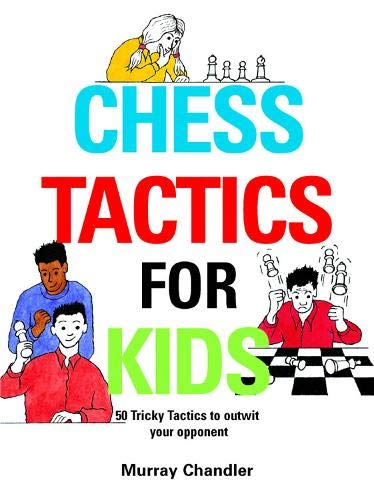
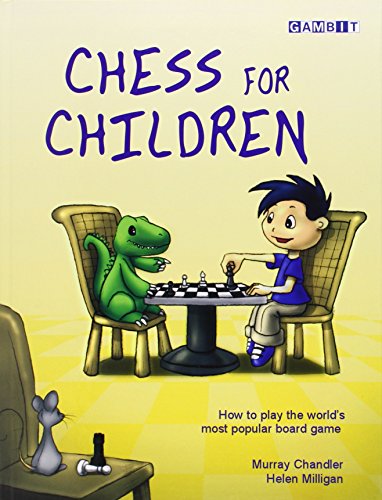
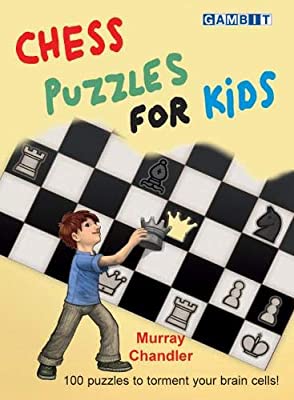
Murray Graham ChandlerLone Pine Tournament 1979, Murray Chandler, Master Chess Publications, 1979Rio de Janeiro Interzonal 1979, AJ Miles & M.Chandler, Batsford, 1979The English Chess Explosion (from Miles to Short), Murray Chandler & Ray Keene, Batsford, 1981, ISBN 0 7134 4009 0Sicilian 2.c3The Complete c3 SicilianTournament ChessHow to Beat Your Dad at ChessChess Tactics for KidsChess for ChildrenChess Puzzles for Kids
BH Wood at CHESS, Railway Road, Sutton Coldfield, B73 6AZ.
We remember “BH” Wood MSc FCS OBE who passed away on Tuesday April 4th, 1989 in the district of Birmingham.
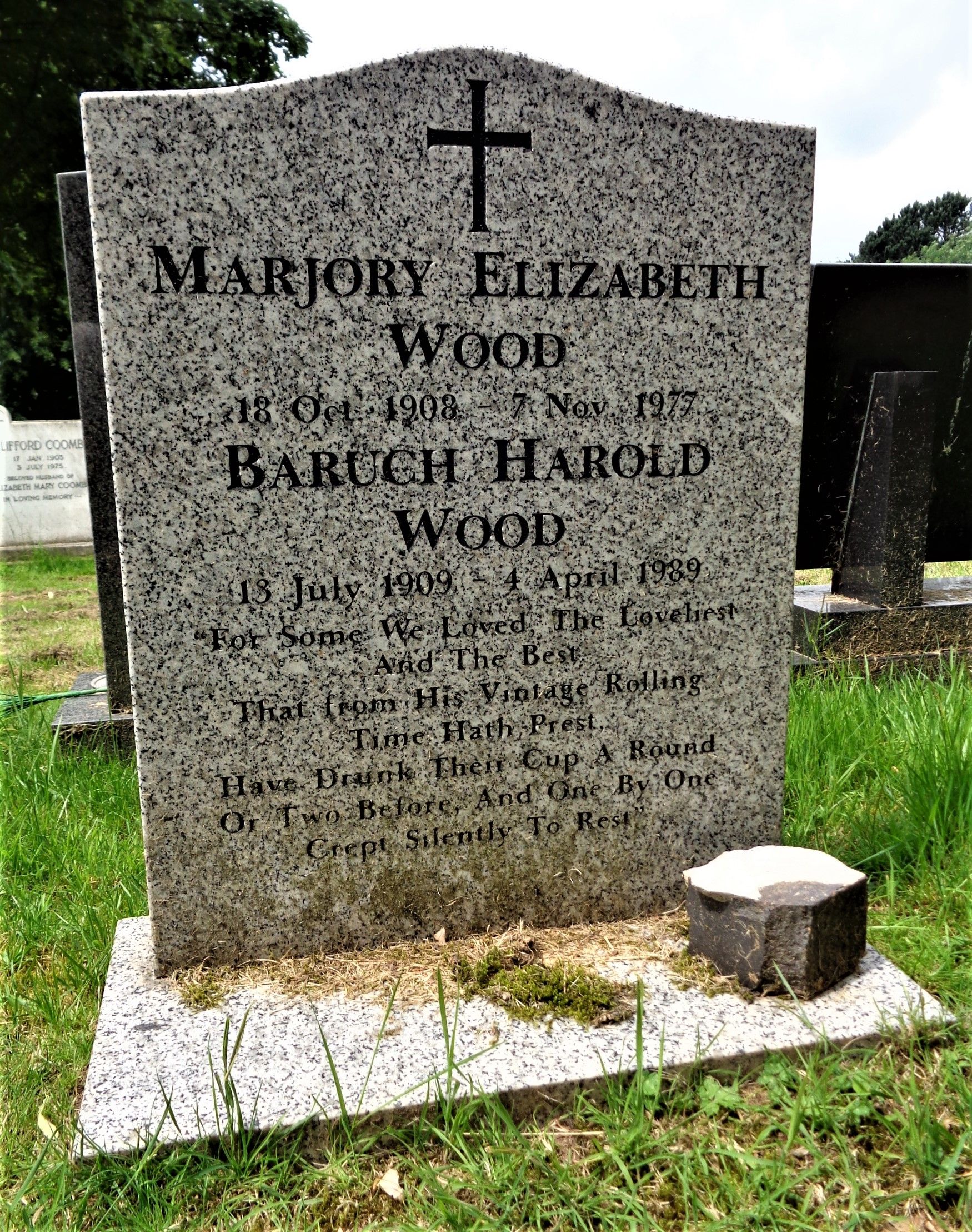
He was buried alongside his wife Marjorie in the Sutton Coldfield Cemetery Extension which was opened in 1934 as an extension to the Holy Trinity Church.
Yorkshire Childhood
Baruch Harold Wood (generally known as BH Wood, or simply “BH”, by the chess world) was born on Tuesday, July 13th 1909 in Ecclesall, Sheffield, Yorkshire. The registration district was Ecclesall Bierlow.
Gravestone of BH & ME Wood, photo by Glen Livet
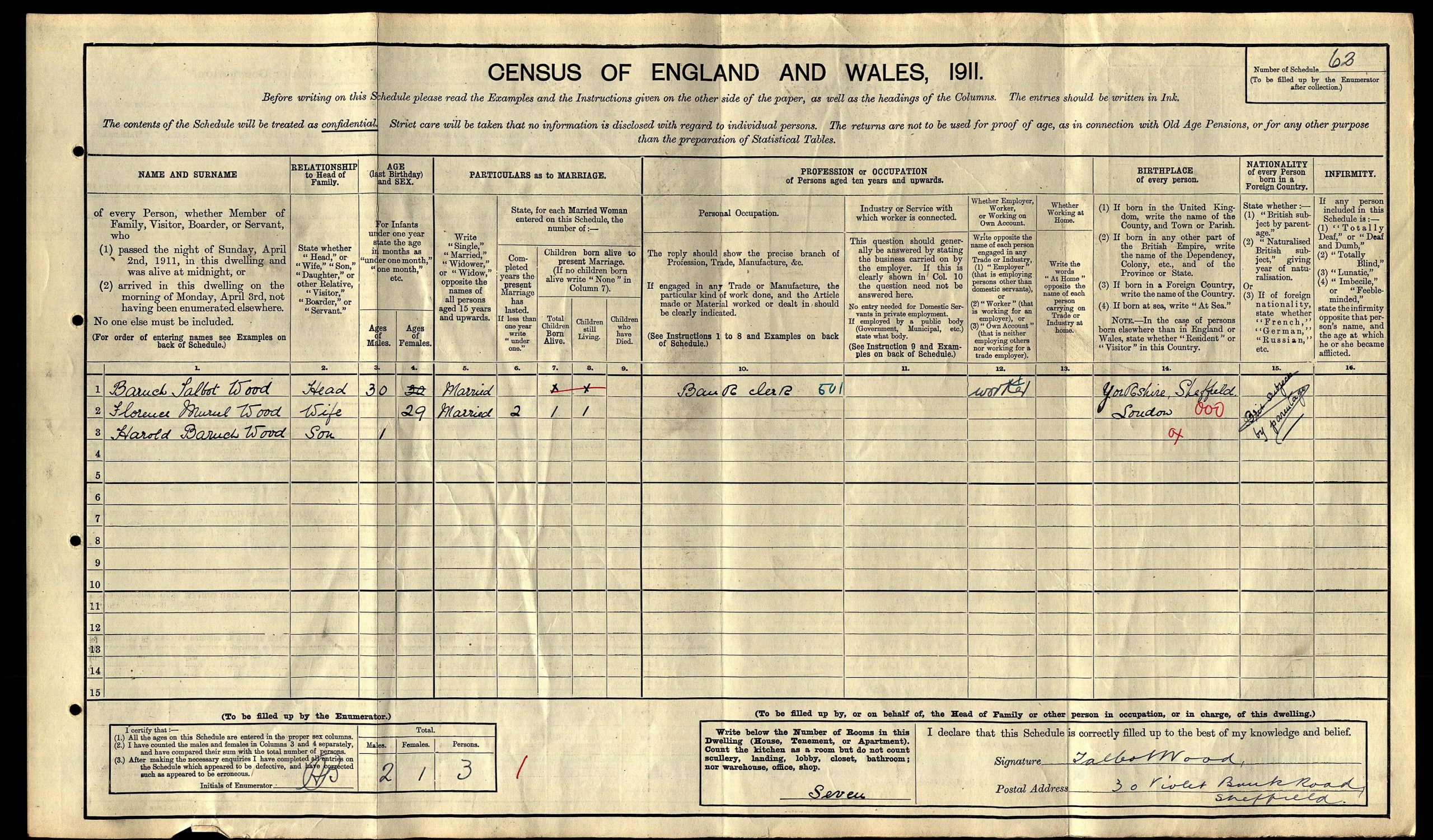
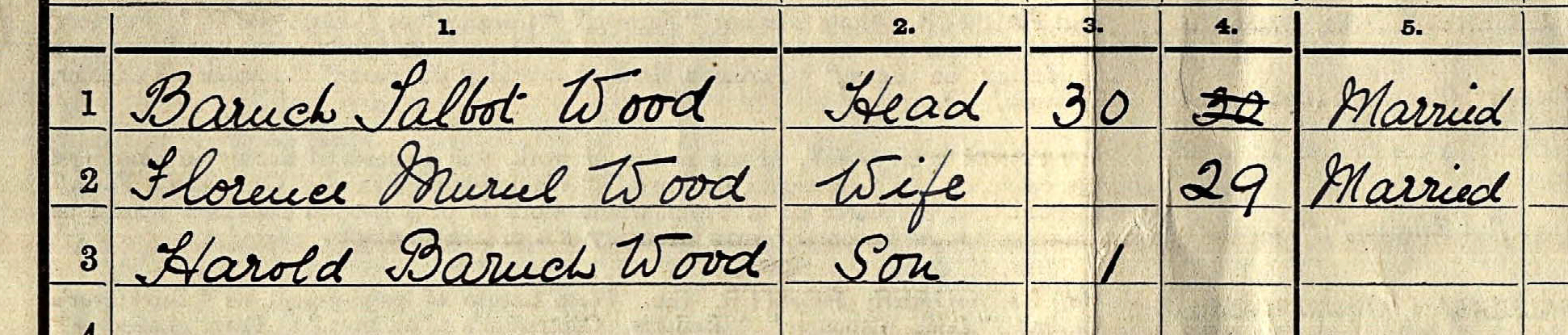
The birth record suggests that he was baptised as Harold Baruch Wood. His parent’s were Baruch Talbot (1881-1951) and Florence Muriel Wood (née Herington). He appears as Harold Baruch on the 1911 census.
1911 Census record for the Wood household1911 Census record for the Wood household
Interestingly, the Census form was signed by Talbot Wood so maybe BHs father also did not like his own first name! At the time of the Census the family lived at 30, Violet Bank Road, Nether Edge, Sheffield, S7 1RZ.
Welsh School Days
Baruch attended Friars School, Bangor (established in 1557) along with William Ritson Morry. BHW was one year and three months older than WRM so it is entirely possible that they had met.
Marriage to Marjory
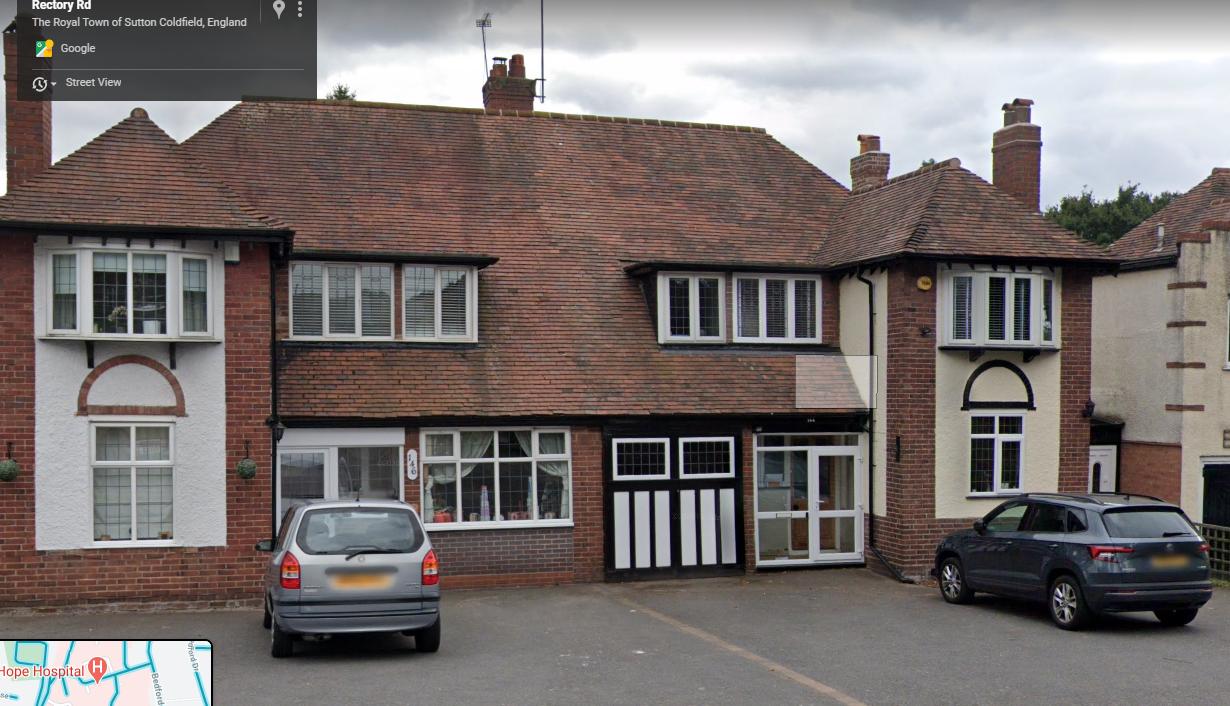
In October 1936 BHW married Marjory Elizabeth Farrington in Ross, Herefordshire. When Marjory died on 7th September 1977 they were living at 146, Rectory Road, Sutton Coldfield, West Midlands. Baruch and Marjory had four children, FM Christopher Wood, Philip, Frank and Peggy.
146, Rectory Road, The Royal Town of Sutton Coldfield, West Midlands, B75 7RS
Honours
In the 1984 New Years Honours List, Civil Division, BHW was awarded the OBE. The citation read simply : “For services to Chess”
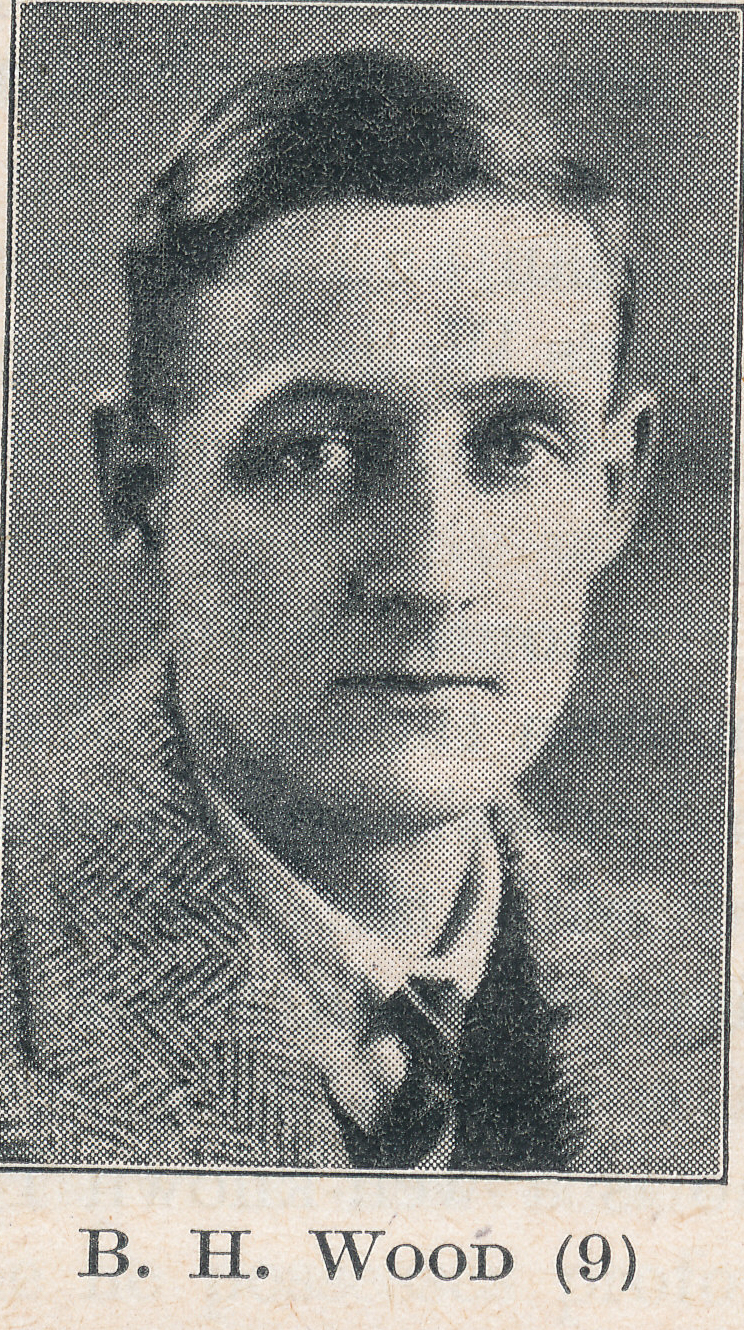
BH Wood playing board 9 in the Anglo team in the Anglo-Soviet Radio Team Match of 1946
The 1946 Anglo-Soviet Radio Match
From The Anglo-Soviet Radio Chess Match by Klein and Winter :
“BH Wood was born in Sheffield in 1909. A great lover of the game, he founded the magazine Chess in 1935, and has written a book for beginners. He scored a notable success by winning the British Correspondence Championship on one occasion. Wood has competed in the British Championship on several occasions, and in a number of Premier Reserves tournaments. He also played for Great Britain in the international team tournament (ed. Olympiad) at Buenos Aires in 1939.
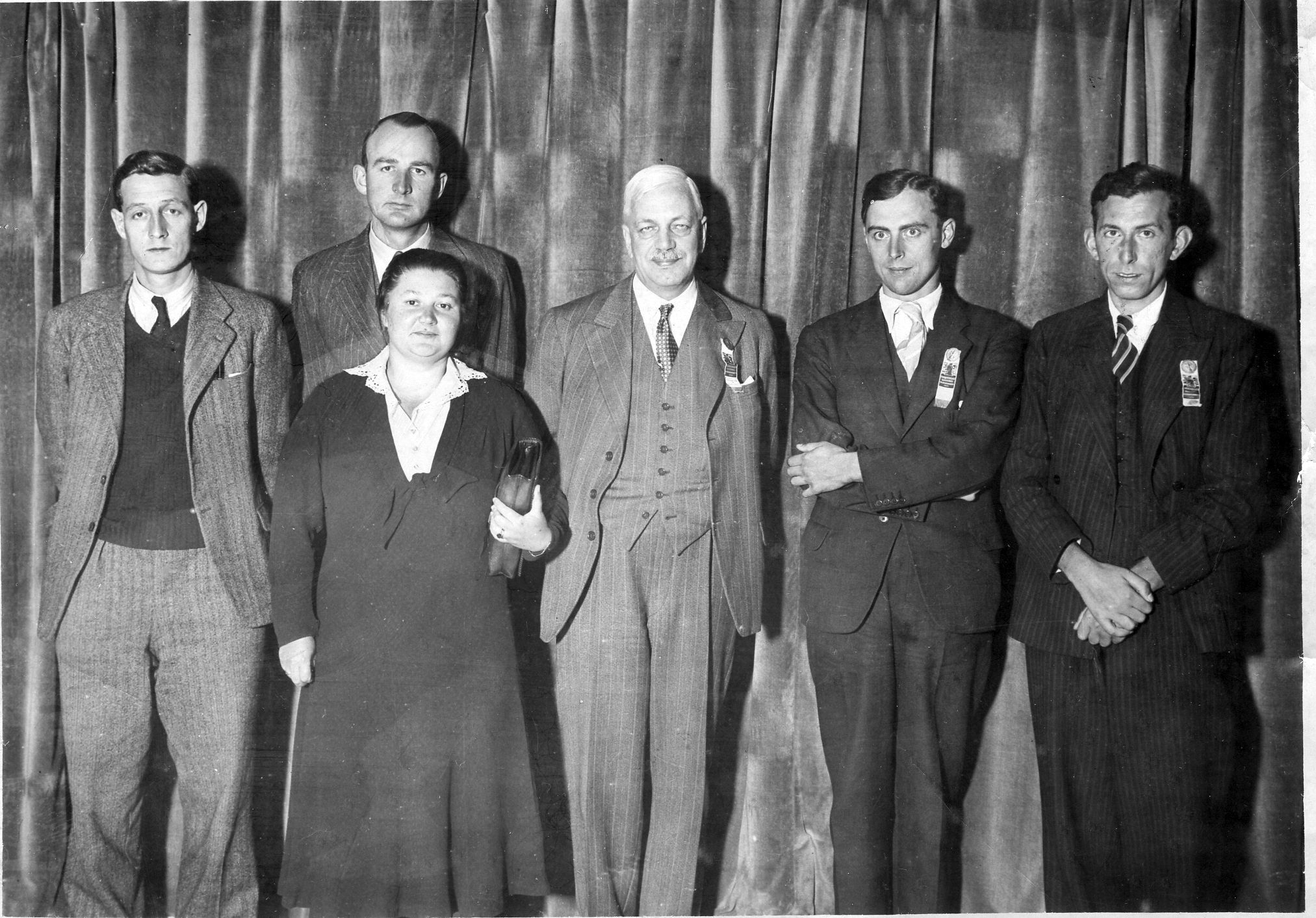
Left to right Baruch H Wood, Stuart Milner-Barry, Vera Menchik (playing in the women’s world championship (held concurrently with the 1939 Buenos Aires Olympiad) which she won with 17 wins and 2 draws), Sir George Thomas, Conel Hugh O’Donel Alexander and Harry Golombek. England withdrew after their preliminary group due to the outbreak of war despite qualifying for the top final. Thanks to Leonard Barden
He is a graduate of the University of Wales and Birmingham University. He has been very active in recent years in giving simultaneous exhibitions and in organising correspondence chess.”
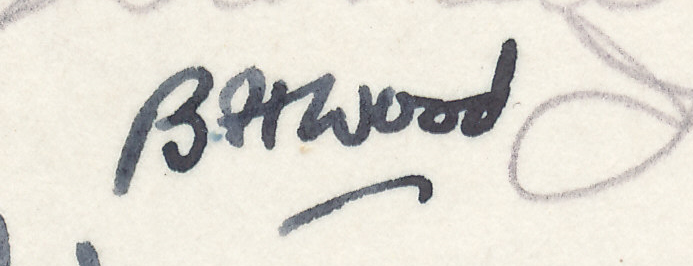
Signature of BH Wood from a Brian Reilly “after dinner” postcard from Margate 1936.
Between 1938 and 1957, BH won the championship of Warwickshire eight times. He held the record (until 2006) for the most Birmingham & District Chess League Individual titles – nine, all won in Division 1: 1937, 1939, 1954, 1956, 1958, 1960, 1966, 1967, and 1983. He was the Records Secretary for the League from 1951-61.
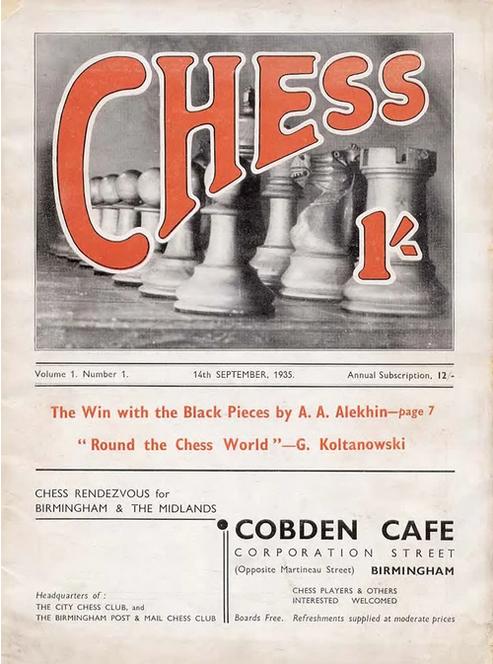
Birth of a Magazine
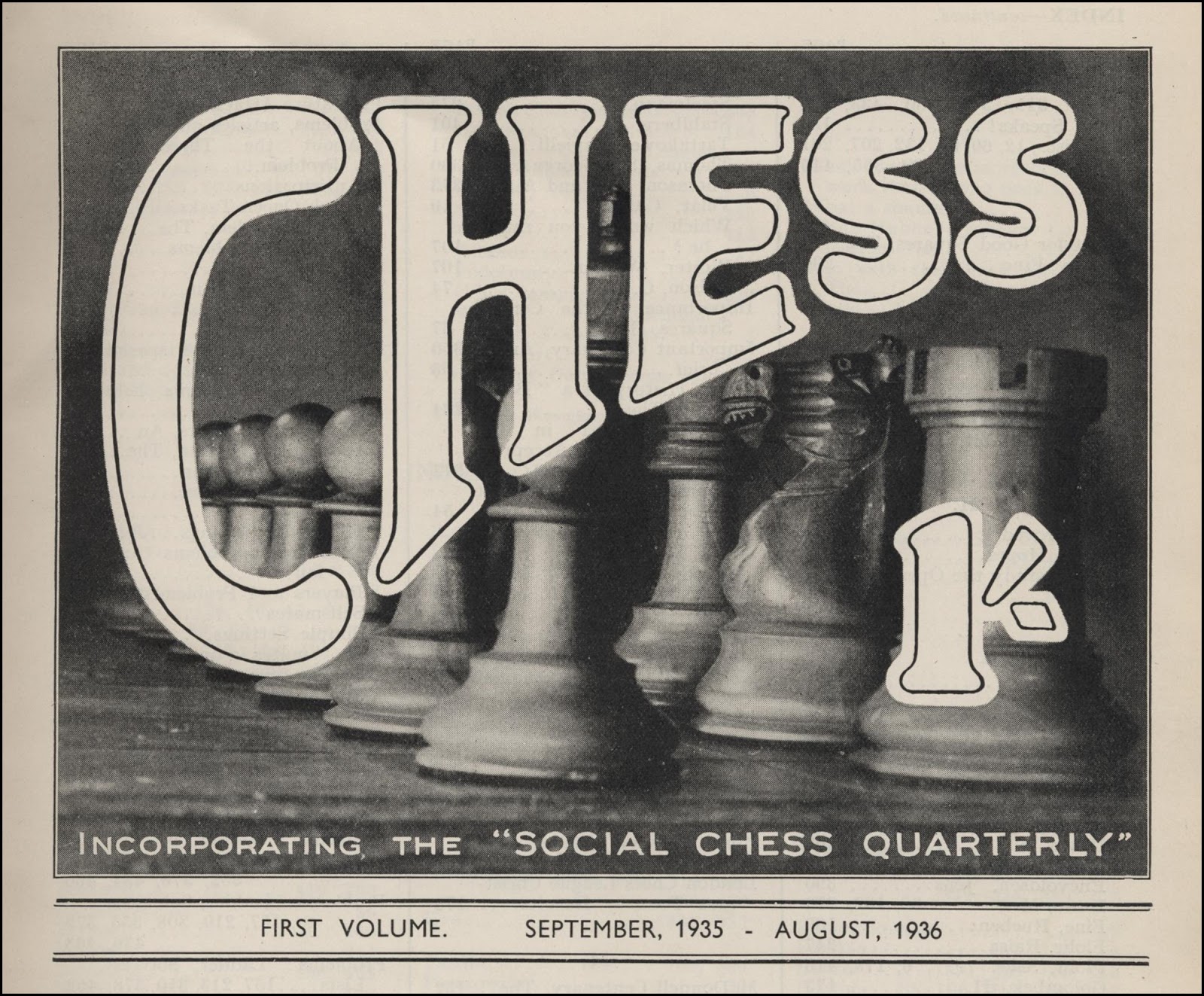
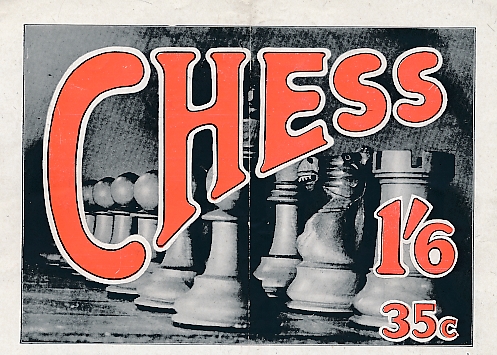
CHESS Cover for volume 1, September 1935 – August 1936. Source : Michael Clapham
From CHESS, Volume 52 (1987), Number 1014-15 (Christmas), we have the very last issue of the magazine for which BH was the Editor before becoming Founding Editor (and Paul Lamford became Editor). BH wrote:
“Countless people have asked me ‘Why did you start CHESS?’ I was in love with university life and has just taken an M.Sc., a waste of time after a good first-class honours, and decided to have a go at replacing the old Chess Amateur, which had closed down. I had edited the students’ magazine in both Bangor and Birmingham. The first had been produced by The Daily Post Printers in Liverpool, who agreed to print 1,000 copies for £90. That £90 would be nearly £2,400 now.
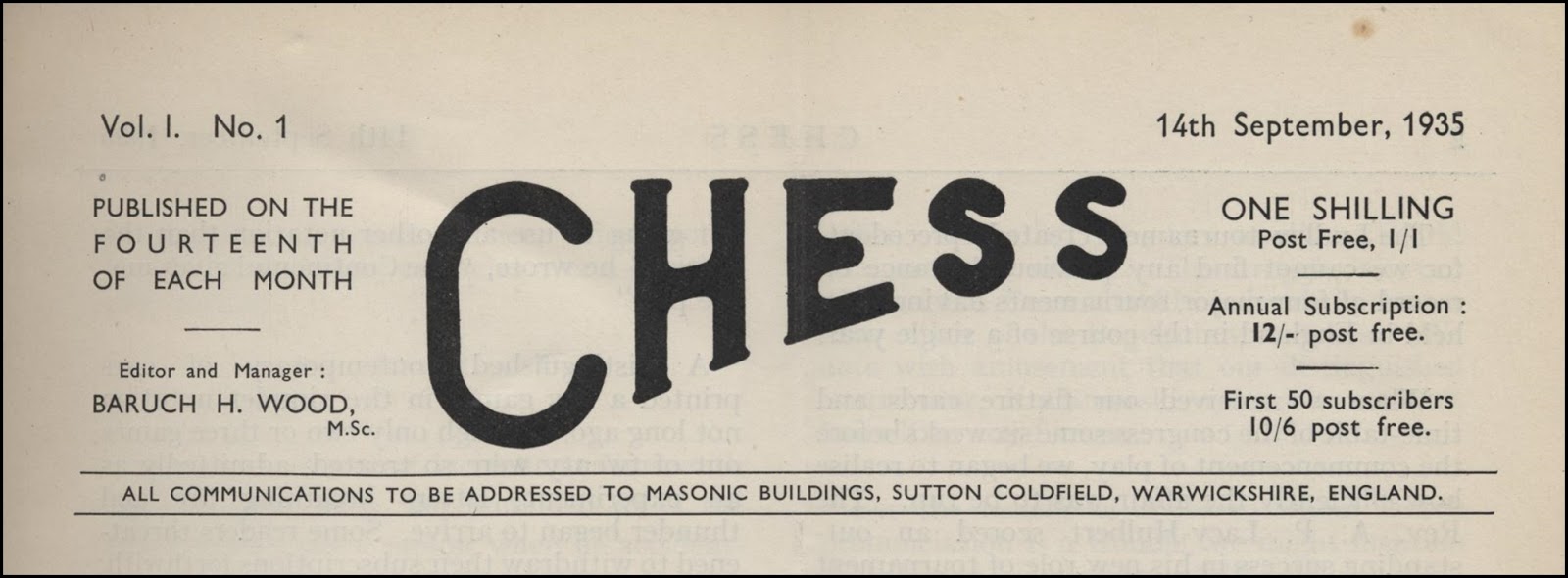
CHESS masthead for Volume 1, Number 1, 1935. Source : Michael Clapham
A year’s subscription I announced as 10 shillings (50p).
Two bits of luck! J.H. Van Meurs, a Dutchman who did a lot for British Chess, had listed in his still young B.C.F. Year Book some hundreds of chess clubs.
W.H. Watts, another great figure of those days, had floated a rather short-lived magazine The Chess Budget, donated a ‘Budget Cup‘, for knock-out team competition and published excellent books on big tournaments, etc. He handed me a list of keen chess players all around the world. I spent a week addressing envelopes by hand to all the clubs and people.
To individuals I sent single copies of CHESS; to each club three copies, inviting payment or subscriptions. Hardly anybody failed to pay. Obviously there was a demand for a chess magazine with a lighter touch than the B.C.M.
Years later, I learnt why Mr. Watts had been so generous. He had fallen out with the establishment and welcomed the arrival of a new publication.
Within three months I was selling 3,000 copies an issue.
Some early ideas were chessy short stories , cartoons and a competition for humorous anecdotes.
I soon went to Amsterdam for the first Euwe-Alekhine match. I traced Alekhine to his hotel room with difficulty. He was officially incommunicado. He came to the door in pyjamas, and within five minutes we had agreed to a £5 article per month. I was, of course, already on conversational terms with him (and remained so!).
Now I fell into trap. 3,000 readers in four months meant 6,000 in eight months, 9,000 in a year…?
Not so! This is extrapolation, a matter of calculation full of risks.
My preparations had been too good. In the remaining eight months of the year I picked up only a thousand more readers. Alekhine lost the title. With three months to go, my money ran out, I struggled to the end of the year. The twelfth issue was pathetically thin compared with the first few but renewals staring rolling in and CHESS blossomed again.
The fifty-two years since have been gruelling, unremitting toil but fascinating interest. How we bought our own presses and the effect this had on the world’s chess press – A law suit that went to appeal – How CHESS linked people in Malta, Australia, Hungary – Adventures in ‘simuls’, postal chess etc. How we helped police to identify a drowned man, etc. So many tales to tell!
BHW
BCF Obituary
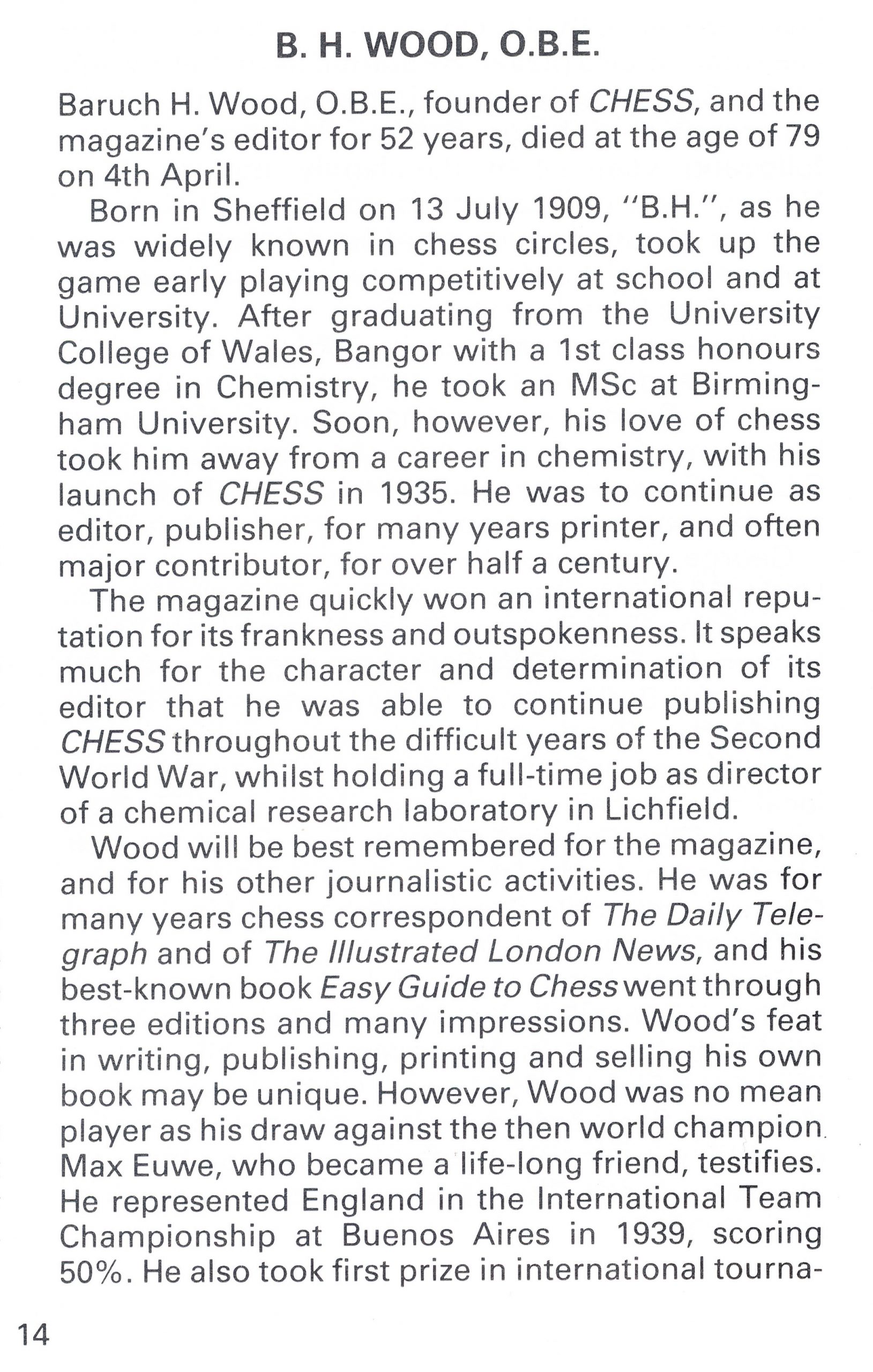
Here is an obituary from the BCF Yearbook 1989 – 1990, page 14 :
B.H. Wood, O.B.E
Baruch H. Wood, O.B.E., founder of CHESS, and the magazines editor for 52 years, died at the age of 79 on 4th April.
Born in Sheffield on 13 July 1909, “B.H.”, as he was widely known in chess circles, took up the game early playing competitively at school and at University. After graduating from the University College of Wales, Bangor with a 1st class honours degree in chemistry, he took an MSc at Birmingham University. Soon, however, his love of chess took him away from a career in chemistry, with his launch of CHESS in 1935. He was to continue as editor, publisher, for many years printer, and often major contributor, for over half a century.
CHESS, Sutton Coldfield
The magazine quickly won an international reputation for its frankness and outspokenness. It speaks much for the character and determination of its editor that he was able to continue publishing CHESS throughout the difficult years of the Second World War, whilst holding a full-time job as director of a chemical research laboratory in Lichfield.
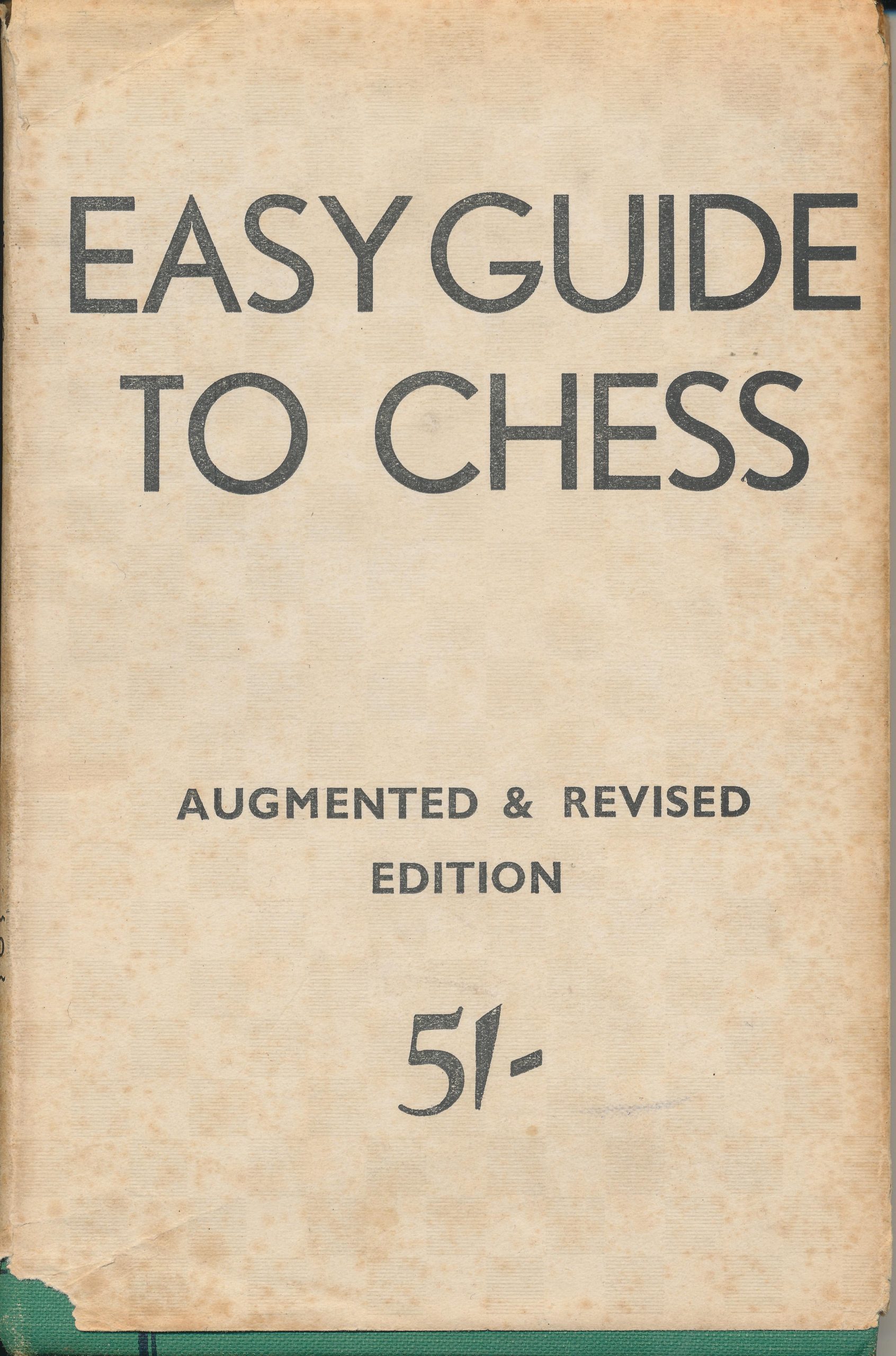
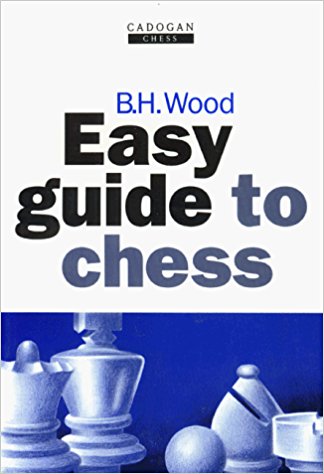
Wood will be best remembered for the magazine, and for his other journalistic activities. He was for many years chess correspondent of The Daily Telegraph and of The Illustrated London News, and his best known book Easy Guide to Chess went through three editions and many impressions.
Easy Guide to Chess, BH Wood, CHESS, Sutton Coldfield, 1945
The above book (albeit the later Cadogan version) is available online.
Easy Guide to Chess
Nigel Davies wrote “One of the best beginners books on the market.”
Wood’s feat in writing, publishing, printing and selling his own book may be unique. However, Wood was no mean player as his draw against the then world champion Max Euwe, who became a life-long friend, testifies.
He represented England in the International Team Championship at Buenos Aires in 1939, scoring 50%. He also took first prize in international tournaments at Baarn 1947, Paignton 1954, Whitby 1963, Thorshavn 1967 and Jersey 1975 and was second in the 1948 British Championship. He was British Correspondence Chess Champion in 1945.
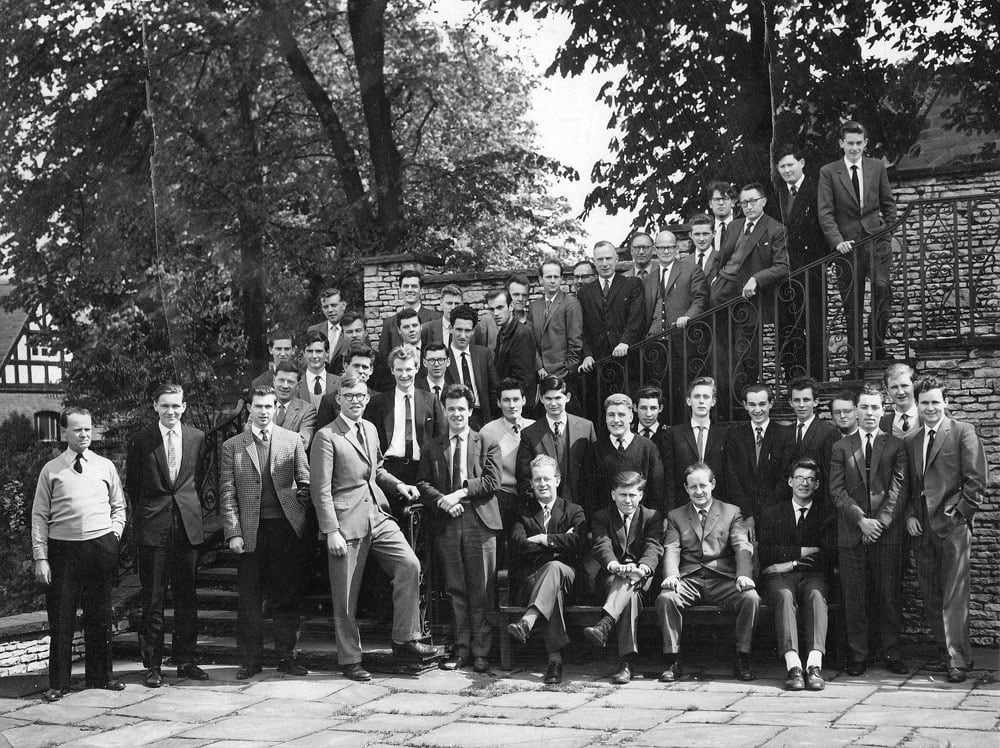
The Cedars Chess Club May 1962 – Baruch is seated, second from the right. Photograph sourced from ECF obituary.
A life member of F.I.D.E. Wood was also an International Arbiter, and organised 21 annual chess festivals at seaside venues from the 50’s onwards. In addition he was an active behind-the-scenes inspirer of many chess events, and in particular was known as a driving spirit of university chess, being until the time of his death President of the British University Chess Association.
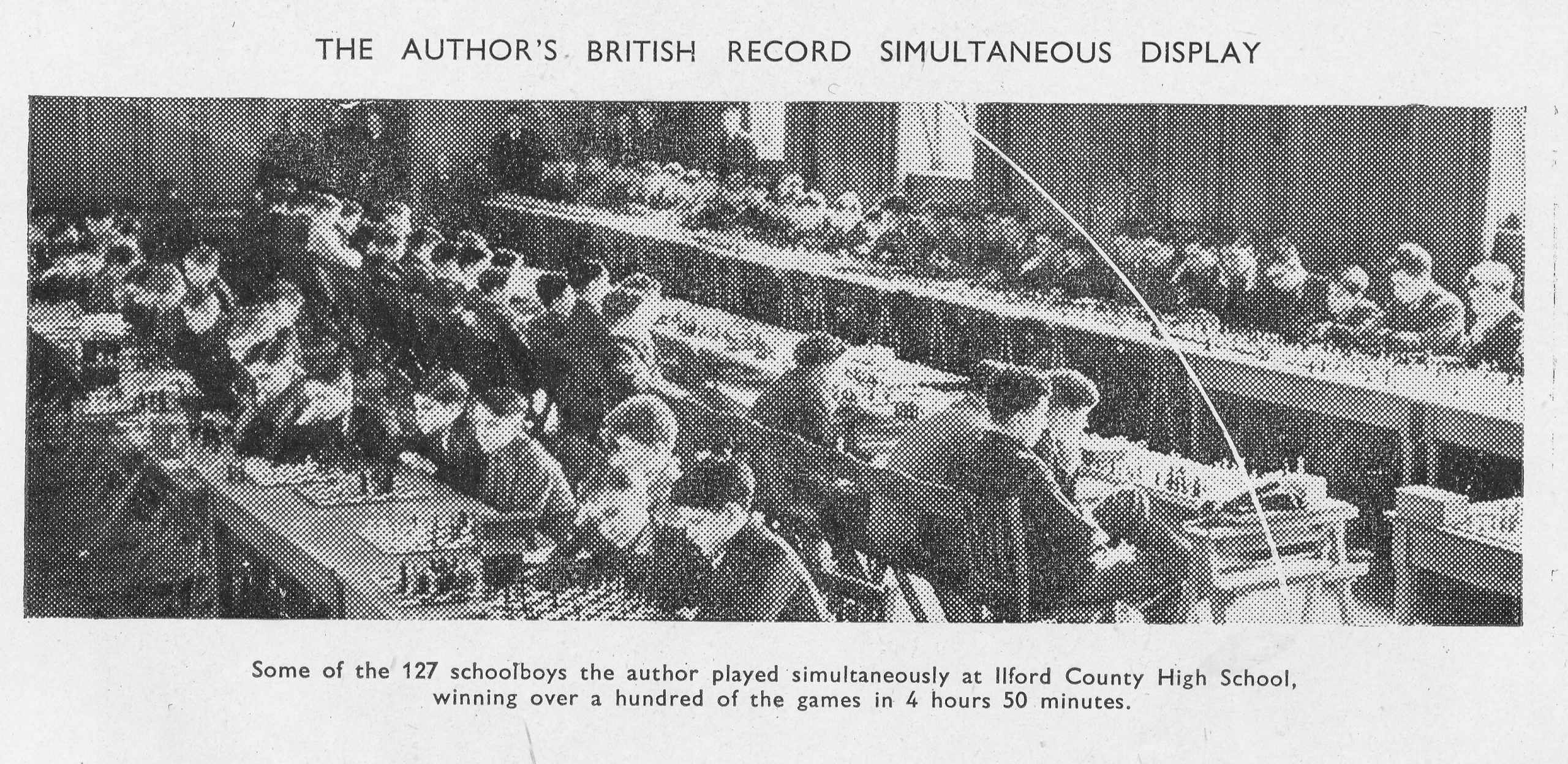
The Author’s British Record Simultaneous Display. Some of the 127 schoolboys the author played simultaneously at Ilford County High School, Winning over a a hundred of the games in 4 hours and 50 minutes.
He founded the Postal Chess Club and League and was for many years President of the British Postal Chess Federation.
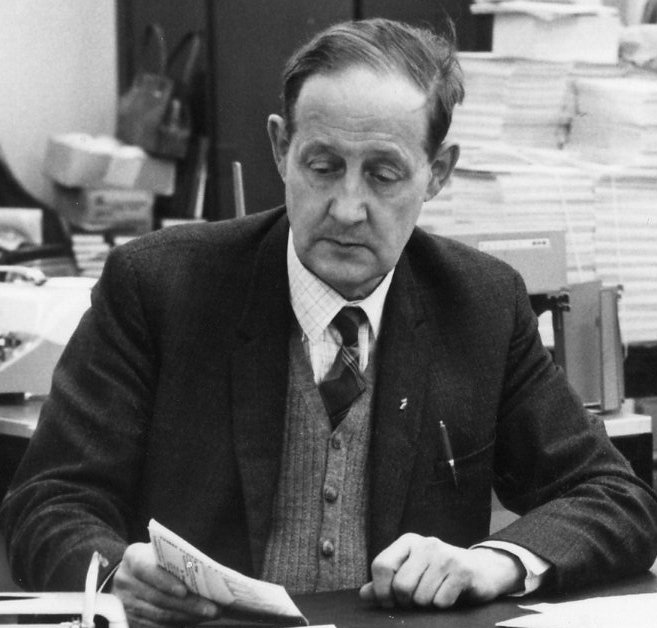
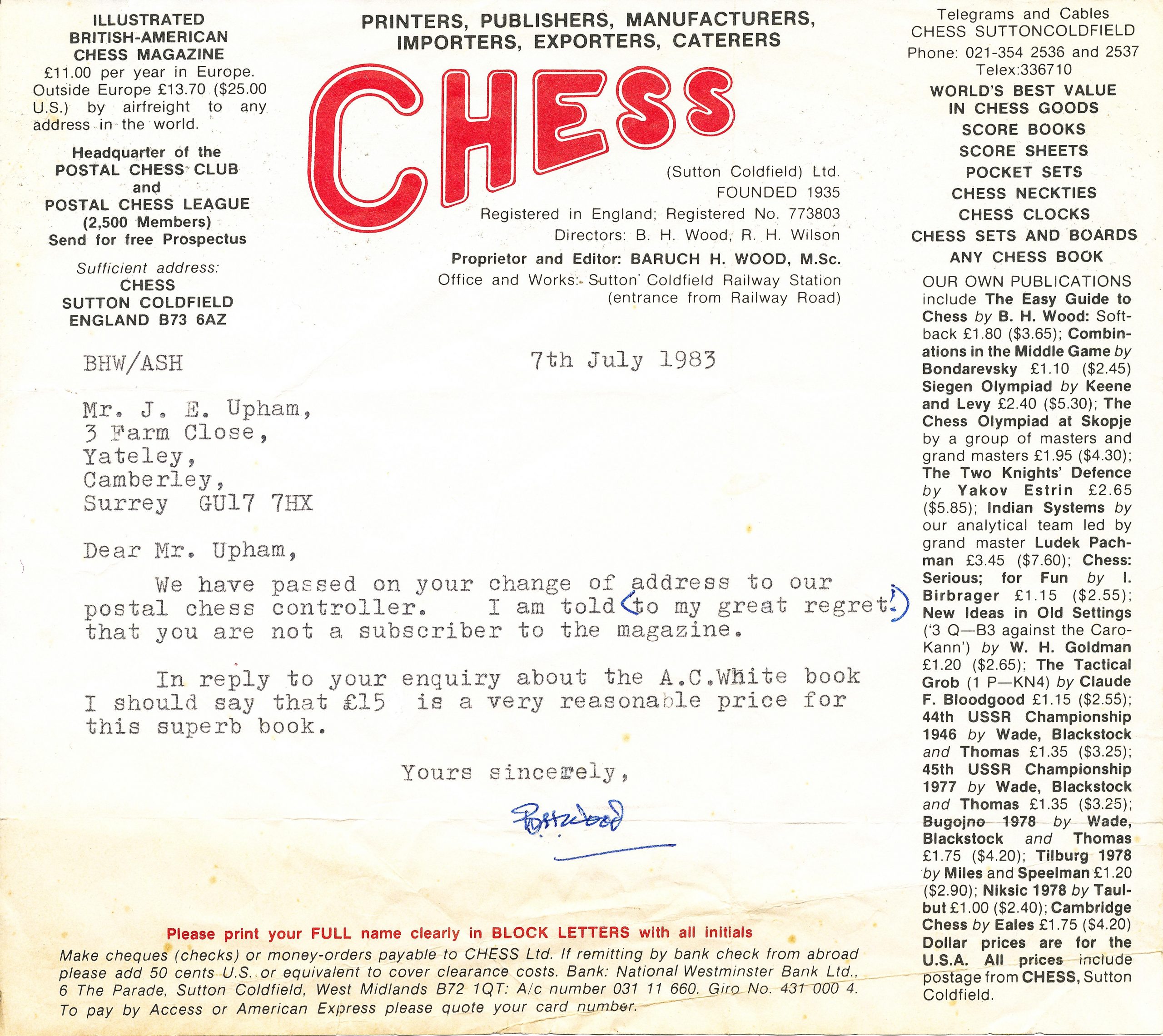
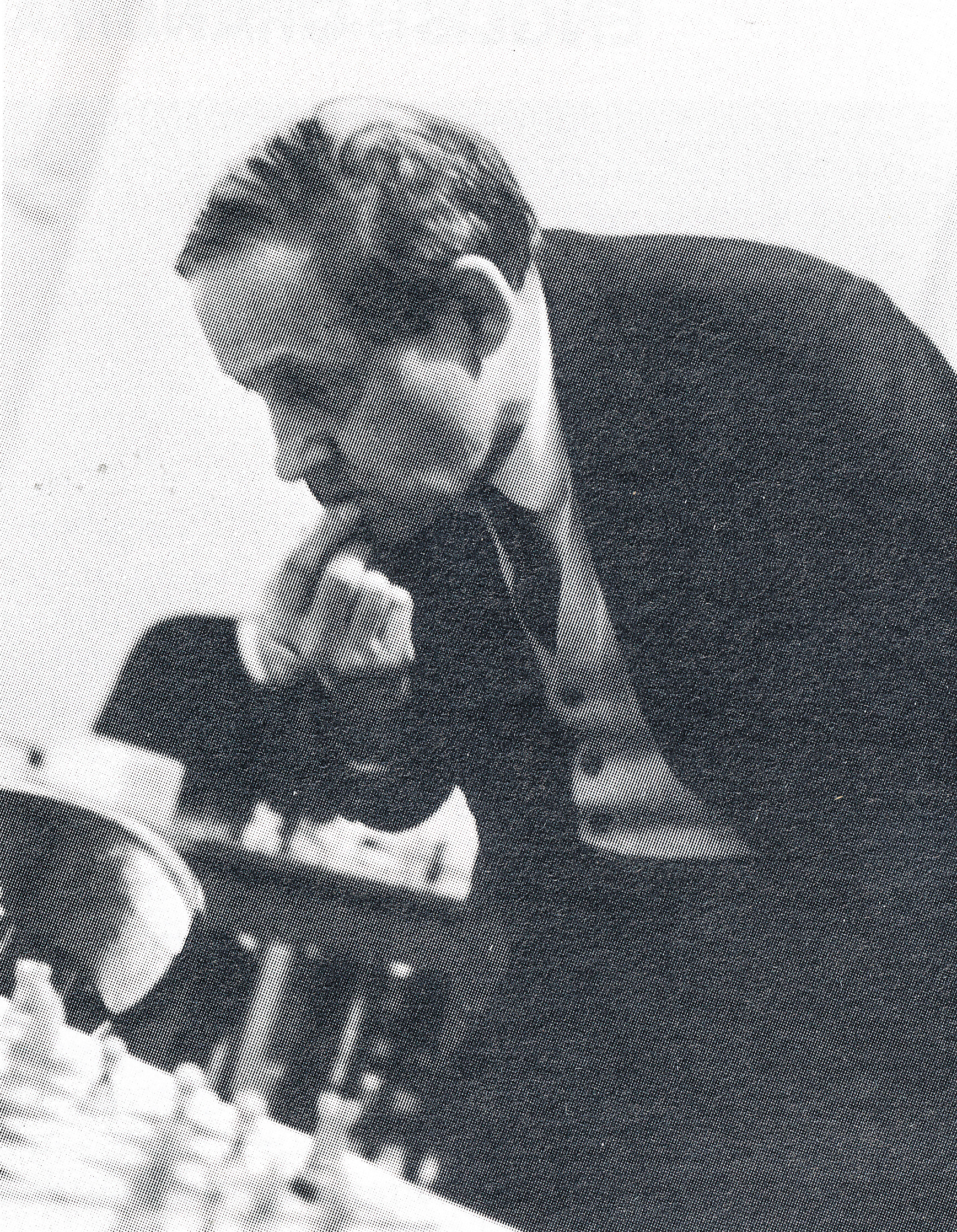
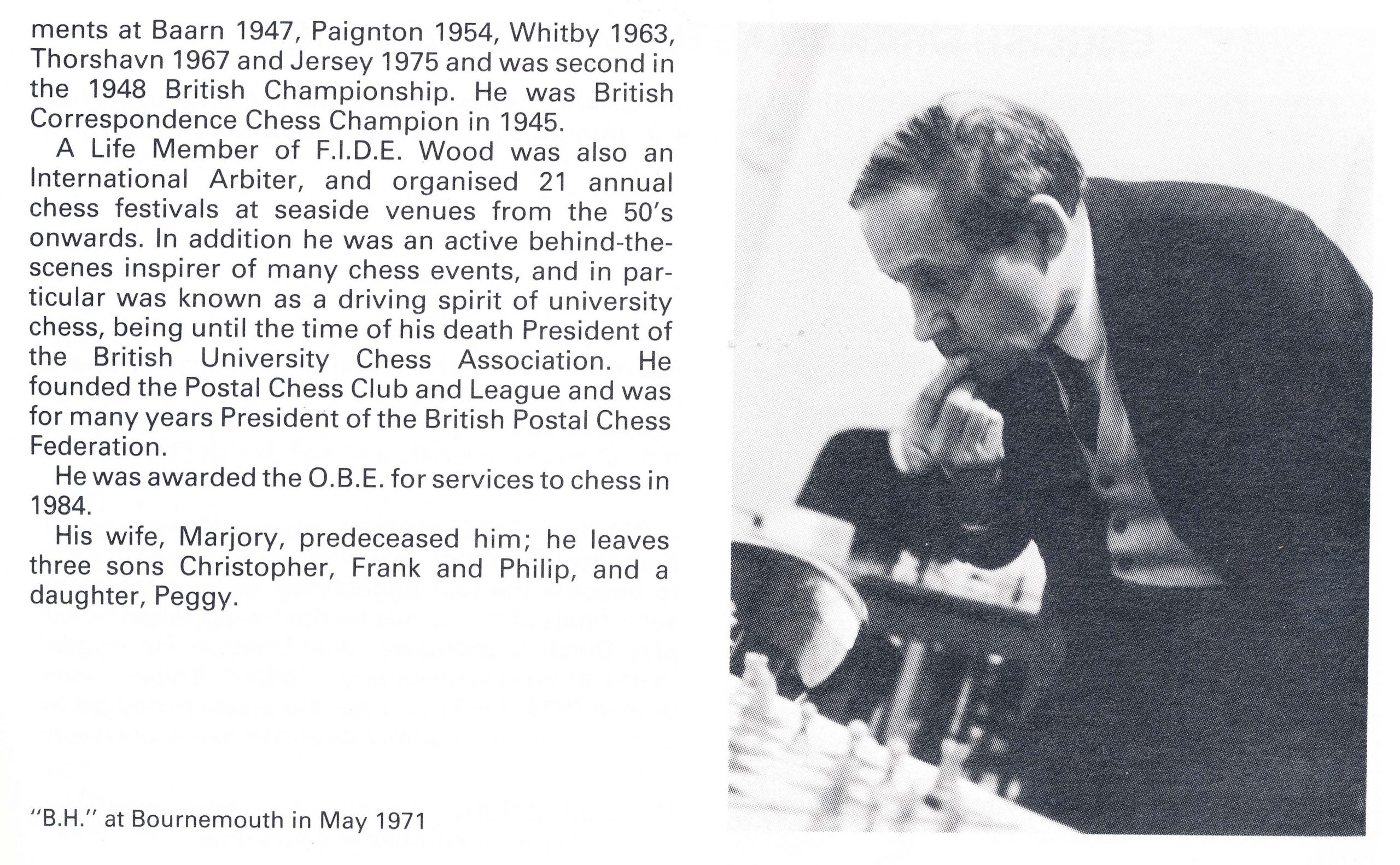
Letter from BH Wood to JE Upham dated 7th July 1983“B.H.” at Bournemouth in May 1971
He was awarded the O.B.E. for services to chess in 1984.
His wife Marjory, predeceased him; he leaves three sons Christopher, Frank and Philip, and a daughter Peggy.
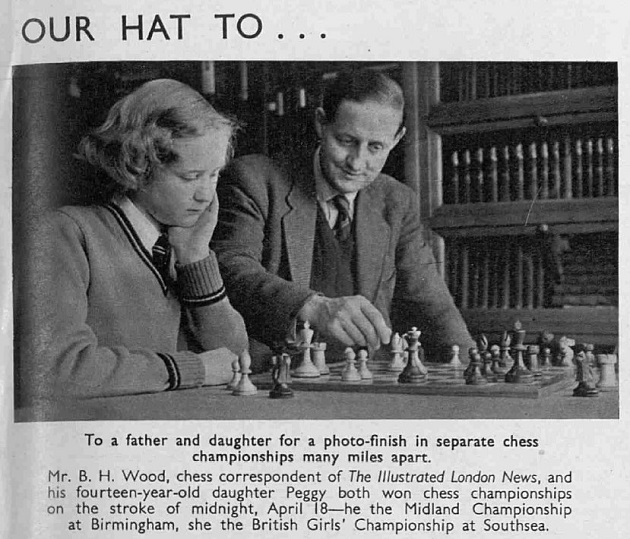
BH Wood & his daughter Peggy
and here is the article as it appeared in the Yearbook.
From The Encyclopaedia of Chess (Batsford, 1977) by Harry Golombek :
“A well known British player, editor of Chess (starting 1935) and chess correspondent of The Daily Telegraph and Illustrated London News. A FIDE judge, he has founded and conducted 21 annual chess festivals, notably at Whitby, Eastbourne and Southport.
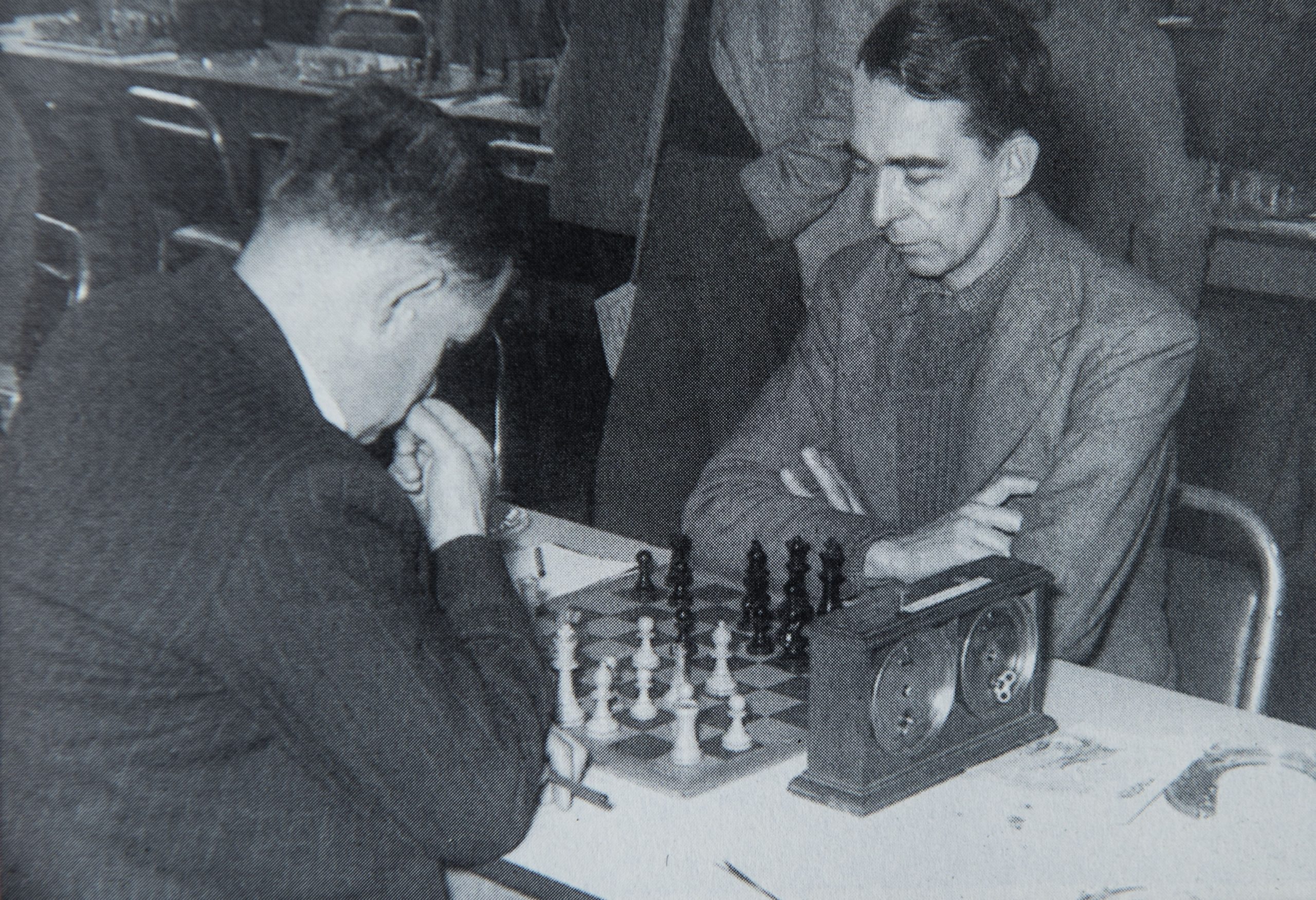
BH Wood playing AY “Johnnie” Green in the 1956 British Championships in Blackpool, photographer unknown
Winner of a number of small and semi-international tournaments : Baarn 1947, Paignton 1954, Whitby 1963, Thorshavn 1967, and Jersey 1975.
Played for the BCF in the International Team Tournament at Buenos Aires 1939. His best tournament result was probably his equal second in the British Championship at London 1948.
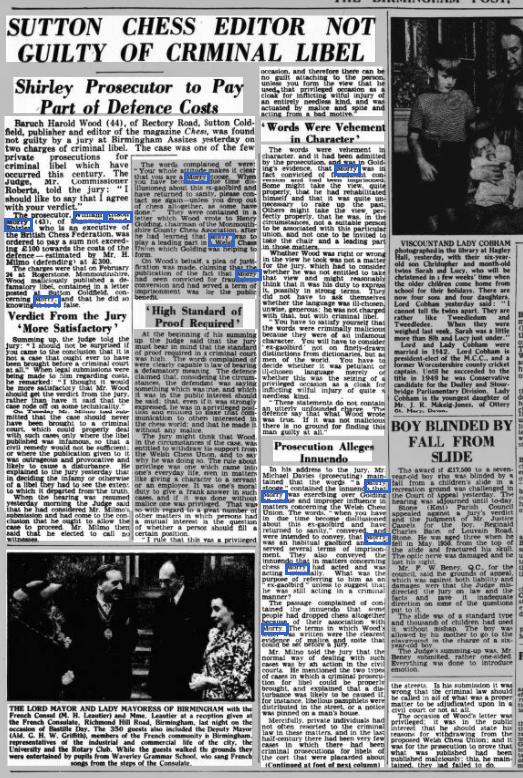
In 1954 BHW was sued BH Wood for libel by William Ritson Morry over a letter BHW sent to Henry Golding of the Monmouthshire County Chess Association warning him of WRMs financial history. Here is a summary of the action :
The Birmingham Post, July 15th, 1954
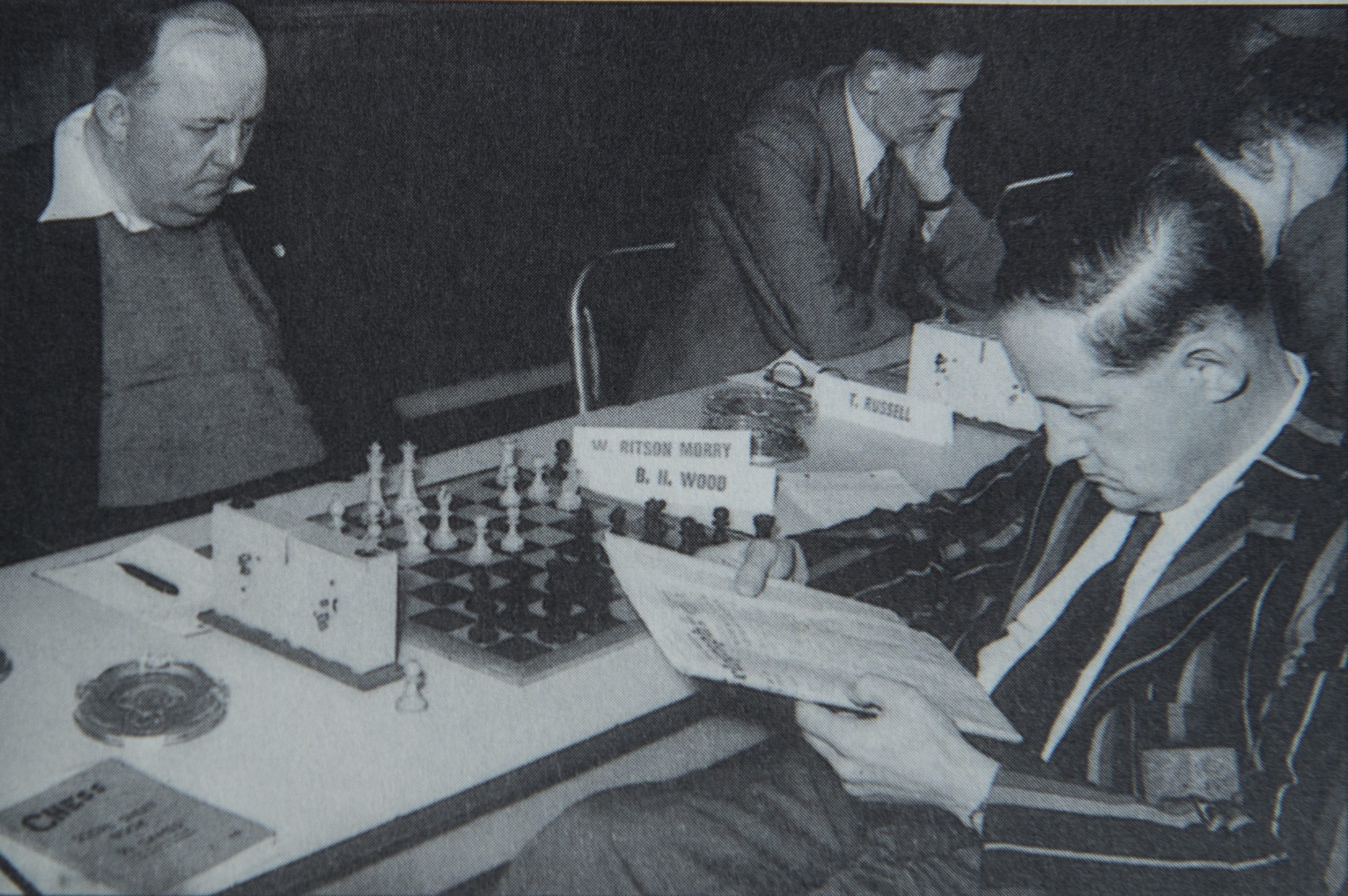
and two years later in 1956 we have this telling photograph of Ritson and BH playing at the British Championships in Blackpool. It must have been an entertaining pairing for the organisers if no-one else!
William Ritson Morry playing BH Wood at the British Championships in Blackpool from 1956
Possibly WRM was thinking this as they played:
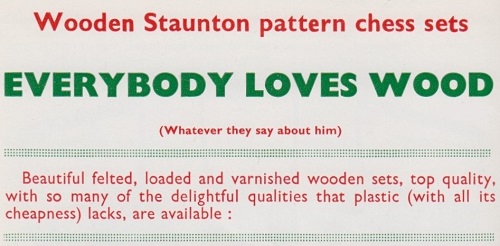
Everybody Loves Wood
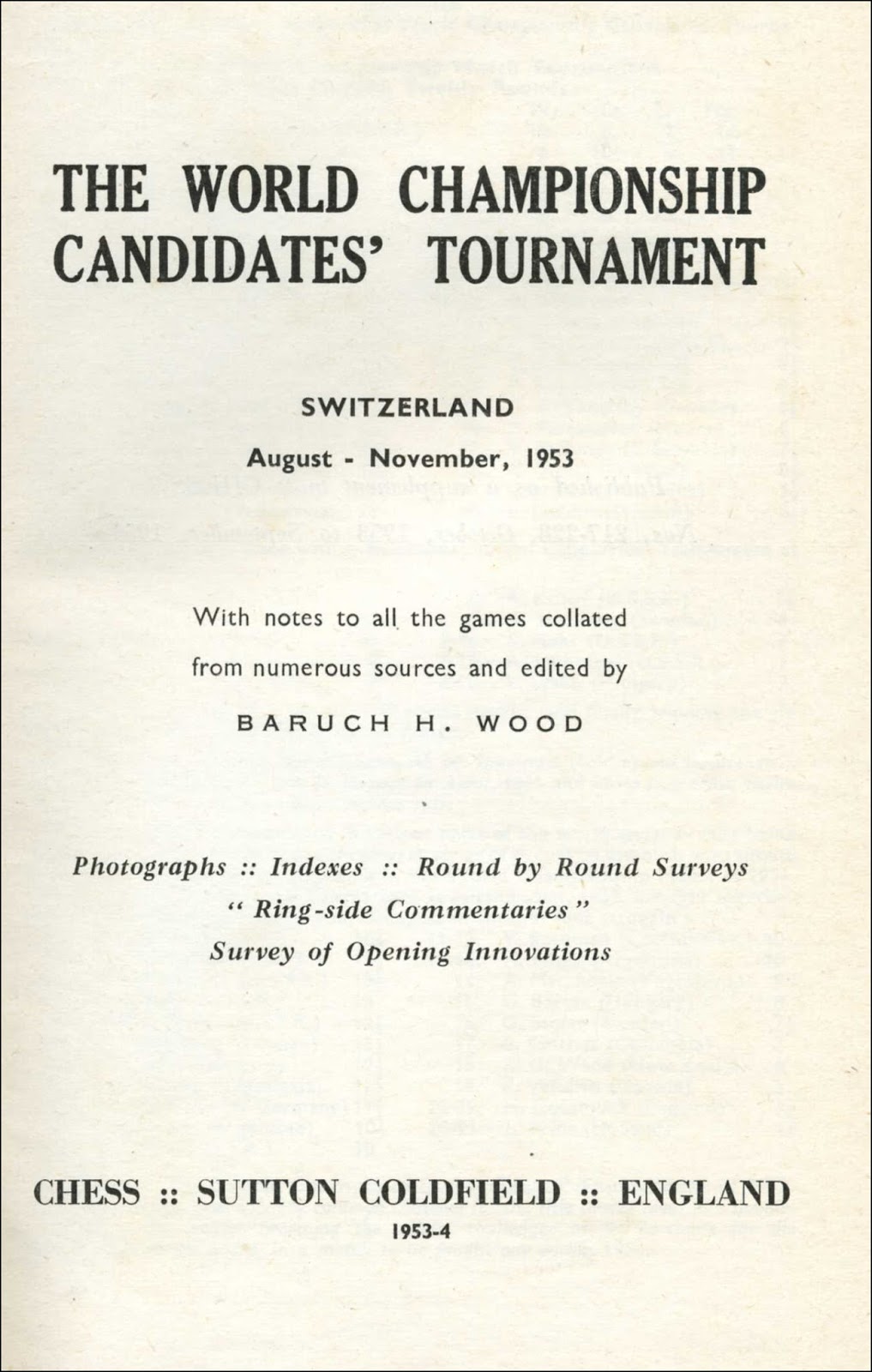
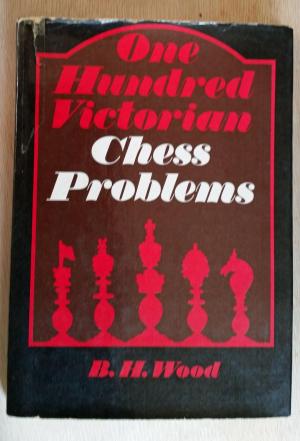
Among his books are : Easy Guide to Chess, Sutton Coldfield 1942 et seq; World Championship Candidates Tournament 1953, Sutton Coldfield 1954. “
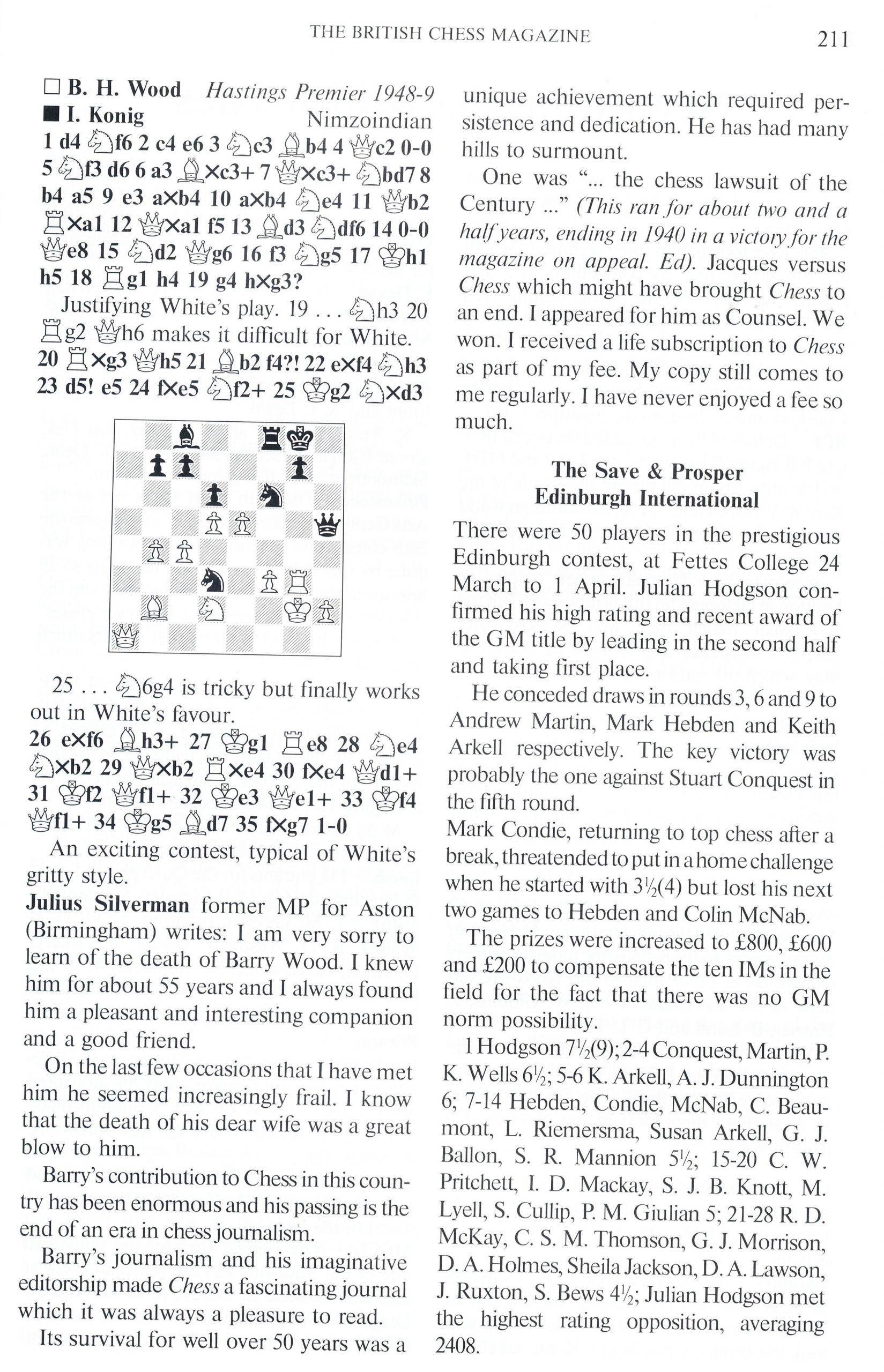
Here is the obituary from British Chess Magazine, Volume CIX (1989, 109), Number 5 (May), pages 210 – 211:
B. H. WOOD
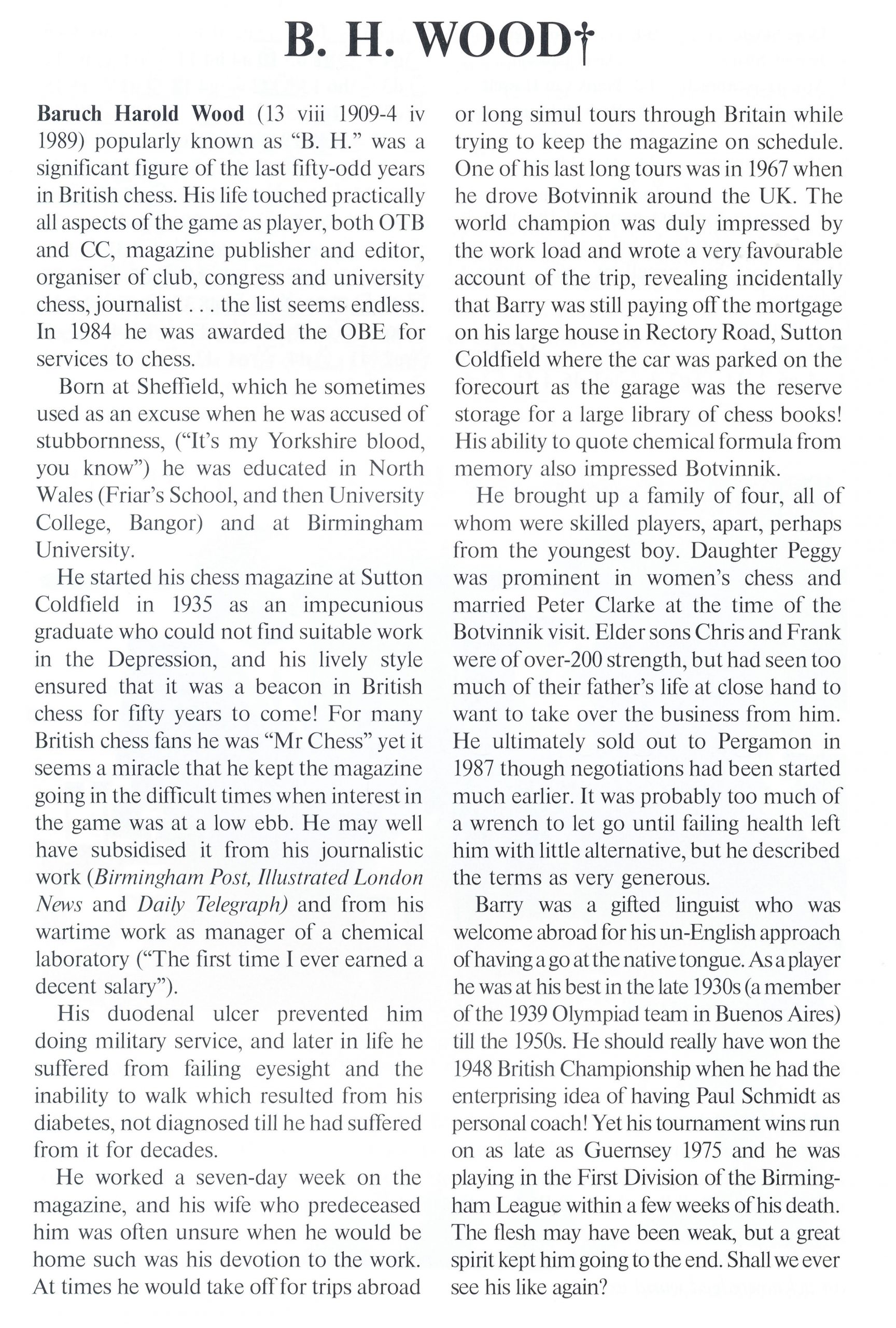
Baruch Harold Wood (13 viii 1909-4 iv 1989) popularly known as “B. H.” was a significant figure of the last fifty-odd years in British chess. His life touched practically all aspects of the game as player, both OTB and CC, magazine publisher and editor, organiser of club, congress and university chess, journalist . . . the list seems endless. In 1984 he was awarded the OBE for services to chess.
Born at Sheffield, which he sometimes used as an excuse when he was accused of stubbornness, (“It’s my Yorkshire blood, you know”) he was educated in North Wales (Friar’s School, and then University College, Bangor) and at Birmingham University.
He started his chess magazine at Sutton Coldfield in 1935 as an impecunious graduate who could not find suitable work in the Depression, and his lively style ensured that it was a beacon in British chess for fifty years to come! For many British chess fans he was “Mr Chess” yet it seems a miracle that he kept the magazine going in the difficult times when interest in the game was at a low ebb. He may well have subsidised it from his journalistic work (Birmingham Post, Illustrated London News and Daily Telegraph) and from his wartime work as manager of a chemical laboratory (“The first time I ever earned a decent salary”).
His duodenal ulcer prevented him doing military service, and later in life he suffered from failing eyesight and the inability to walk which resulted from his diabetes, not diagnosed till he had suffered from it for decades.
He worked a seven-day week on the magazine, and his wife who predeceased him was often unsure when he would be home such was his devotion to the work. At times he would take off for trips abroad or long simul tours through Britain while trying to keep the magazine on schedule.
One of his last long tours was in 1967 when he drove Botvinnik around the UK. The world champion was duly impressed by the work load and wrote a very favourable account of the trip, revealing incidentally that Barry was still paying off the mortgage on his large house in Rectory Road, Sutton Coldfield where the car was parked on the forecourt as the garage was the reserve storage for a large library of chess books! His ability to quote chemical formula from memory also impressed Botvinnik.
He brought up a family of four, all of whom were skilled players, apart, perhaps from the youngest boy. Daughter Peggy
was prominent in women’s chess and married Peter Clarke at the time of the Botvinnik visit. Elder sons Chris and Frank were of over-200 strength, but had seen too much of their father’s life at close hand to want to take over the business from him. He ultimately sold out to Pergamon in 1987 though negotiations had been started much earlier. It was probably too much of a wrench to let go until failing health left him with little alternative, but he described
the terms as very generous.
Barry was a gifted linguist who was welcome abroad for his un-English approach of having a go at the native tongue. As a player he was at his best in the late 1930s (a member of the 1939 Olympiad team in Buenos Aires) till the 1950s. He should really have won the 1948 British Championship when he had the enterprising idea of having Paul Schmidt as personal coach! Yet his tournament wins run on as late as Guernsey 1975 and he was playing in the First Division of the Birmingham League within a few weeks of his death. The flesh may have been weak but a great spirit kept him going to the end.
Shall we ever see his like again?
Julius Silverman former MP for Aston (Birmingham) writes: I am very sorry to learn of the death of Barry Wood. I knew him for about 55 years and I always found him a pleasant and interesting companion and a good friend. On the last few occasions that I have met him he seemed increasingly frail. I know that the death of his dear wife was a great blow to him.
Barry’s contribution to Chess in this country has been enormous and his passing is the end of an era in chess journalism.
Barry’s journalism and his imaginative editorship made Chess a fascinating journal which it was always a pleasure to read.
Its survival for well over 50 years was a unique achievement which required persistence and dedication. He has had many
hills to surmount.
One was “… the chess lawsuit of the Century …” (This ran for about two and a half years, ending in 1940 in a victory for the magazine on appeal, Ed). Jacques versus Chess which might have brought Chess to an end. I appeared for him as counsel. We won. I received a life subscription to Chess as part of my fee. My copy still comes to me regularly. I have never enjoyed a fee so much.
Here is the article in its original form:
British Chess Magazine, Volume CX (109), Number 5 (May), page 210British Chess Magazine, Volume CX (109), Number 5 (May), page 211
Bernard on Barry (2004)
REMEMBERING BARRY WOOD (1909-1939)
by Bernard Cafferty
One of the most influential figures in British chess of the 20th century was B. H. Wood, whom I knew personally from 1951, and whom I played regularly, over a period of three decades, till l moved from Birmingham to Hastings in 1981. Here are some
memories of the man who was thought of by many in Britain as “Mr Chess”.
Born in Sheffield, Baruch Harold Wood had his secondary education in North Wales at the same grammar school as W Ritson
Morry who was later to become his Midlands colleague and bitter rival. BH always attributed his well-known stubbornness (he never resigned early) to “his Yorkshire blood”. Wood and Morry were to be students together at Birmingham University after BH gained his BSc in Wales. Then the pair faced the hard task of finding work in depression-struck mid-1930s England. BH founded his monthly magazine CHESS in 1935, an act of amazing optimism which only his great appetite for work could justify. The magazine was based in Sutton Coldfield, just north of Birmingham, at gloomy premises known as Masonic Buildings.
The early decades of this publication were marked by the outpouring of glorious journalism of a popular sort. The man’s love
of the game shone through his work and he recruited such contributors as the chatty Koltanowski and the prince of annotators
Alexander Alekhine. Later he became the long-serving columnist of the Birmingham Post, from 1949 of the weekly Illustrated London News, and even later of the Daily Telegraph. A feature of the magazine was its lively letters from readers which made for more interesting reading than the equivalent occasional letter to be found in the staid BCM. The readers also made pertinent contributions to opening theory, especially in going through the 1946 MCO with a fine toothcomb and reporting their discoveries to Sutton Coldfield.
BH wrote a best-selling Easy Guide to Chess which went through several editions and was far more user-friendly than other primers on the market at the time. He also designed a luxury set, the Coldfield, and produced various chess clocks with new features. BH was a member of the BCF Olympiad side that played in the first part of the Buenos Aires Olympiad in the autumn of 1939. After the team’s withdrawal due to the outbreak of war, he stayed on in Argentina for a short while, taking part in a short tournament where he met the legendary Alekhine.
BH was married to Marjorie, a Birmingham primary school teacher, and had three sons and a daughter. The elder two boys,
Chris and Frank, were strong players but not Philip. His daughter Peggy was our leading girl player of the 1950s, and married Peter Clarke in 1962. One should note that BH was not Jewish, as many assumed from the name Baruch – he was generally addressed as Barry by his wife and close friends. Others called him just by the initials BH. Everyone in British chess knew exactly who you meant when you said BH. Many thought of him as a sharp business-man. In any event, the fearsome workload he shouldered meant that none of his children, seeing this at first hand, aspired to carry on the magazine as a family business. To many in the British chess community who had never seen top players in action, BH was their first contact with the wider chess world due to the exhausting simul tours he made to many clubs the length and breadth of the UK.
Later, he organized CHESS Festivals starting from 1953. These were our earliest open tournaments, held at attractive venues such as Cheltenham, Whitby, Eastbourne and Southport. These events created the opportunity for British amateurs to meet continental grandmaster opposition like Donner and O’Kelly. BH had great confidence in his ability – his MSc at Birmingham University was in chemistry, but in 1946-7 he started studying nuclear physics privately, telling Brian Reilly, who was employed by him at that time, that it was the science of the future. I have to simply marvel at this – where did he find the time? In his self-portrait in connection with the GB-USSR match of 1946 he revealed that he had been studying Russian privately with a view to taking an external degree in it at Birmingham University.
The post-war decade saw him at his most active. He was BCF delegate at early FIDE meetings post-1946, the period that saw the mighty Soviet Union admitted to membership in 1947. BH was instrumental in maintaining Spain’s membership of FIDE at the same time, despite Soviet opposition to Franco’s fascism. He claimed to me he was always a most welcome guest in Spain thereafter.
Battles with the BCF
BH had been exempt from military service due to a duodenal ulcer. He spent the war keeping the magazine alive in his spare time as he was put in charge of a research laboratory at the Birmingham Chemical Company. During the war the government had the power under emergency legislation to direct citizens into any sort of work that would contribute to the war effort. His comment to me on that intensive period was: “It was the first time I ever drew a decent salary”. After a short spell as BCF FIDE delegate, he fell out with the ruling body in the early 1950s. His view was that the national body was ultra-conservative and not open to fresh ideas such as the knockout championship open to all which he organised in 1949-50. Lo and behold, a few months later the BCF started organising regional competitions to arrange for qualification for the British Championship! BH often criticised the BCF in his magazine. In June 1950 he wrote the first of a planned series of articles on the evergreen theme “Where is British Chess Going?” and forwarded a copy to the BCF just before publication. The BCF legal eagle Professor Wheatcroft immediately threatened to take out an injunction, so putting the frighteners on the printers. Rather than delay the July issue (not that subscribers were not used to a rather irregular schedule!), BH brought out the issue with white space, on two pages, a dramatic way of alerting the readers to the dispute. The promised articles, which he said would appear after the dispute was settled, never appeared.
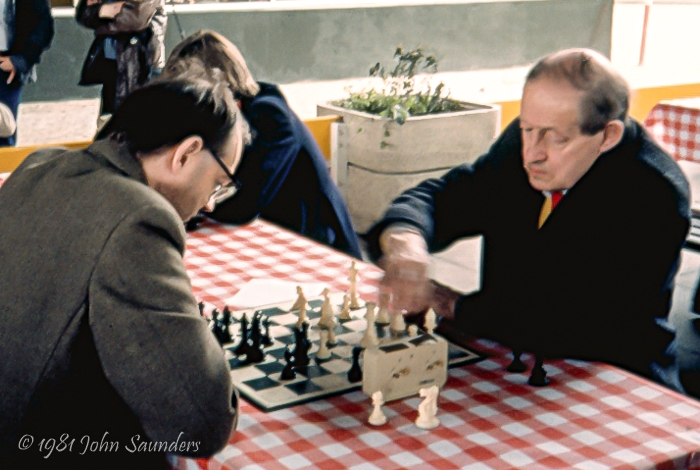
DW Anderton OBE plays BH Wood MBE in 1981 in a Blitz tournament outside of the National Film Theatre. Photograph courtesy of John Saunders
There were also tensions with BCF figures like Alexander and Golombek, in the latter case probably due to professional rivalry and Harry G’s identification with the BCM. Another prominent figure with whom BH crossed swords was the flamboyant Liverpool barrister Gerald Abrahams who threatened to sue over a report in CHESS of gambling debts incurred “on the turf’.
BH was no stranger to litigation. For example he had had a lawsuit with Jaques culminating in 1940 over the use of the term
“genuine Staunton-pattern sets” in his advertising. The case was initially lost, a potentially crippling blow, but then won on appeal with the aid of solicitor Julius Silverman (later a prominent Birmingham MP), Ritson Morry, Sir George Thomas and
other well-wishers. When Wood-Morry hostility was at its height in the early 1950s over pro- and anti-BCF views, BH drew attention in a letter to a Welsh chess organiser to Ritson’s short period in jail. The uncomplimentary term ‘gaolbird’ was used. A court case followed which the penurious Ritson, having been struck off as a solicitor could hardly afford, yet BH was cleared on the defence of justification. My fellow students and I at Birmingham University could only marvel at the daily press reports on the wrangles between two of our patrons whom we had feted at a celebratory dinner only a short while before.
Here is the point at which to mention BH’s support for chess in the universities. He was the long-time President of the
BUCA (British Universities’ Chess Association) and turned up at many of their events with support. He loaned equipment in the early days when not every chess club had sufficient clocks for a match – bear in mind that the austerity period in Britain lasted for years after 1945. BH also supported correspondence chess, being the founder of the Postal Chess League, a team event very popular in its day but now defunct.
BH’s best playing performance was the British Championship of 1948 when he came second to Broadbent. The Midlander had actually started with 6.5 points from seven games, but the unsatisfactory position arose that he had to meet Broadbent in the last round when each had an adjourned game still to finish off.
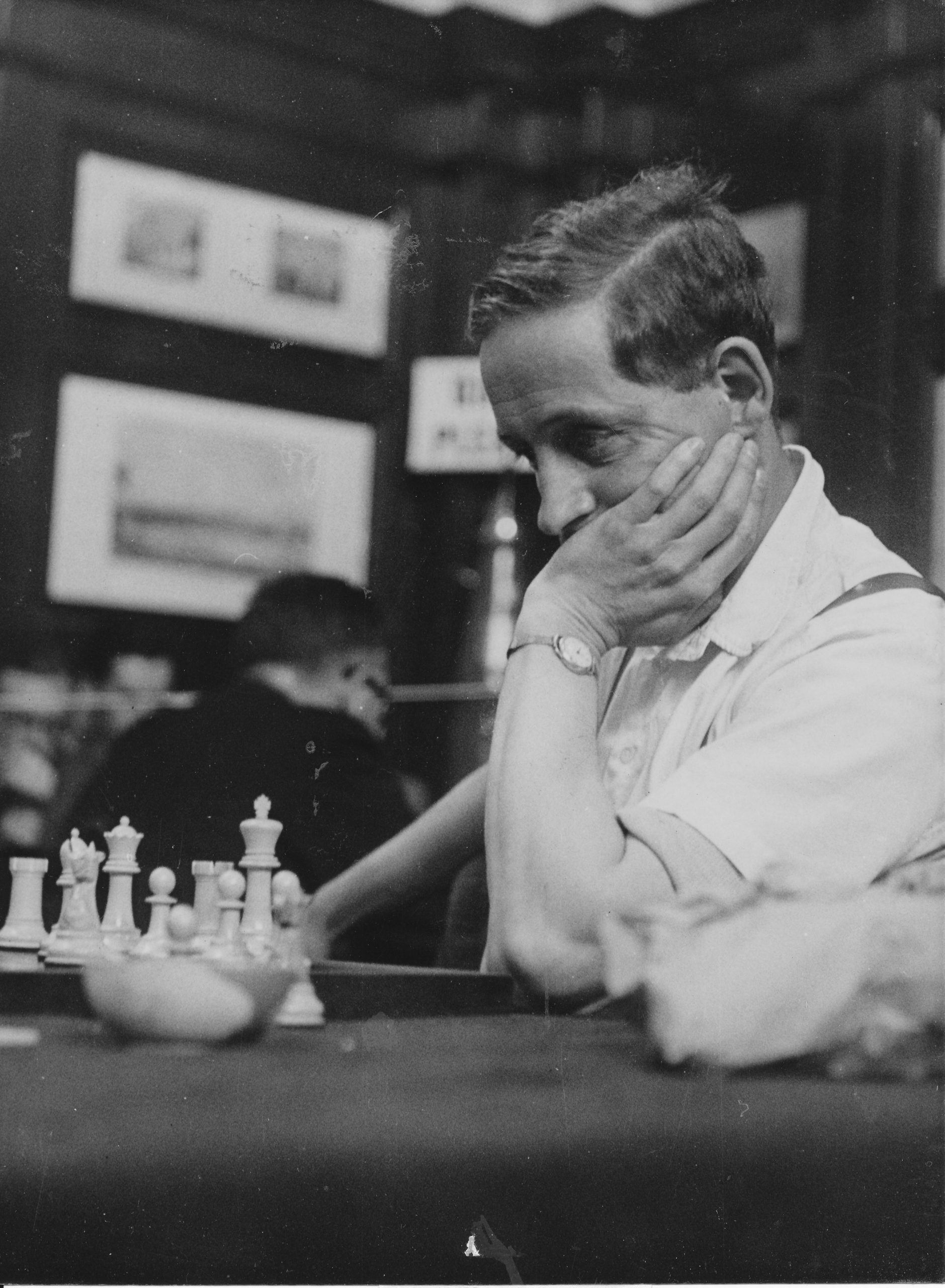
BH Wood during the 1948 British Championships at Bishopsgate Institute, London. Taken on August 30th 1948 by Keystone Press Agency
The tension got to BH, he missed a clear winning chance against the Northerner and lost. Yet he should really have taken the title on the merits of the positions he had achieved. His rivals resented the fact that he had hired a second, namely Paul Schmidt, the Estonian player who was once thought of as almost as good as Keres in his native land. Schmidt had won the German Championship during the war in 1941. The British amateurs of 1948 were not impressed by this intrusion of professionalism and the importation of someone who carried the taint of possible Nazism. According to Brian Reilly, Gerald Abrahams was particularly scathing.
BH made a good impression on Botvinnik when the latter stayed at the Wood residence in Rectory Road, Sutton Coldfield, in 1967 (the reference for those who can read Russian is Baturinsky’s “…Tvorchestvo” trilogy on Botvinnik. The article was entitled: Albion shakhmatny i inoy. It appears on pp435 -448 of the third volume. A shortened version appears in English in Botvinnik’s autobiography Achieving the Aim). When I drew BH’s attention to the article and its peculiar title he responded with his usual erudite comment: ‘Albion? Yes, that’s the Roman reference to the white cliffs of Dover”. For most Brummies, “The Albion” did not mean a local pub, but rather the West Bromwich Albion football team!
In theory, the communist Botvinnik should have been distant from his host, the Midlands entrepreneur and business man, who drove him round to his engagements in Britain for three weeks, but their common love of chess triumphed over ideological
differences. In particular, the speed of production of CHESS, now on its own presses, was compared very favourably by the Soviet Patriarch to that of Shakhmaty v SSSR. British trade unions had a different view of course, in pre-Thatcher days, and BH had some tricky obstacles to overcome in this field. The Muscovite Botvinnik recorded the fact that the garage of BH’s large house was full of chess books (as were various rooms – to the abiding despair of Marjorie), so the family car was always parked outside on the drive. BH revealed to Botvinnik that he had not been able pay off his mortgage for decades due to the variable cash flow from his business and journalism.
BH was in love with study as a young man, he once told me, and he had a facility in various European languages, which made him always welcome abroad. Over the years, BH had a number of employees who were strong players, such as Brian Reilly, Owen Hindle and Robert Bellin, but none of them lasted long. Owen Hindle, a person of placid temperament, stuck it out the longest, but even he had his patience tried by the ‘boss’. One cannot hide the fact that BH was a controversial figure – perhaps the clue after all is that reference to his stubbornness and Yorkshire blood? I contributed to his magazine for many years, but certainly never wanted to work for him full-time!
I used to see BH in the last decade of his life only in the Hastings press room. For his age, he still took on a fantastic workload. Peter Clarke once commented that his father-in-law gave the impression of believing he would live for ever. Finally, Anno Domini told and BH sold his business to Robert Maxwell of Pergamon fame/notoriety in 1988.
In his final year, BH suffered from diabetes, and the resulting inability to walk meant he was confined to a wheelchair, but he still insisted on visiting Hastings one last time, where, in his prime, he had specialised in taking away Premier score sheets. Often they were taken not just to his hotel room, but even back to Sutton Coldfield, so hindering the work of other chess journalists unless Ritson or later, Peter Griffiths had got in first to create the bulletin.
What a character! We lack such a colourful figure nowadays. Where he still alive today, I imagine he would still be trying to put a bomb under the BCF.
Winter, Jaques and Wood
From Chess Explorations (Cadogan Chess, 1996) by Edward Winter we have further detail on the Jaques court case:
“Paul Timson, a lawyer, sends us reports on two legal cases connected with chess. In 1939 B.H.Wood found himself in the dock for having advertised for sale in CHESS in 1937 ‘genuine Staunton chessmen’. The plaintiffs were John Jaques & Son, Ltd. Sir George Thomas., Max Euwe and Lodewijk Prins appeared as witnesses for the defence. The case is referred to by Fred Wren in his article ‘Tales of a Woodpusher: Woodpusher’s Woodpile’, which appeared in Chess Review, 1949 and was reprinted in Reinfeld’s The Treasury of Chess Lore. The issues of CHESS of the time also contained a huge amount of material on the case. The decision was that ‘Staunton’ alone was permissible description, but that the phrase ‘genuine Staunton’ implied a product made by Jaques & Son Ltd., as opposed to any Staunton pattern. However, B.H. Wood appealed and, in 1940, won.”
Other Sources
If you can get access then we recommend the eleven-page “B.H. Wood and his chess playing family” article in the August-2009 issue of Chess Monthly written by his son Chris Wood (helped by brother Frank).
Likewise The Chess Lawsuit of the Century is detailed in CHESS, volume 52, Number 1018, pp.392 – 394 by BHW himself.
We focus on the British Chess Scene Past & Present!
This website uses cookies to improve your experience. We'll assume you're ok with this, but you can opt-out if you wish. Cookie settingsACCEPT
Privacy & Cookies Policy
Privacy Overview
This website uses cookies to improve your experience while you navigate through the website. Out of these cookies, the cookies that are categorized as necessary are stored on your browser as they are as essential for the working of basic functionalities of the website. We also use third-party cookies that help us analyze and understand how you use this website. These cookies will be stored in your browser only with your consent. You also have the option to opt-out of these cookies. But opting out of some of these cookies may have an effect on your browsing experience.
Necessary cookies are absolutely essential for the website to function properly. This category only includes cookies that ensures basic functionalities and security features of the website. These cookies do not store any personal information.
 Save as PDF