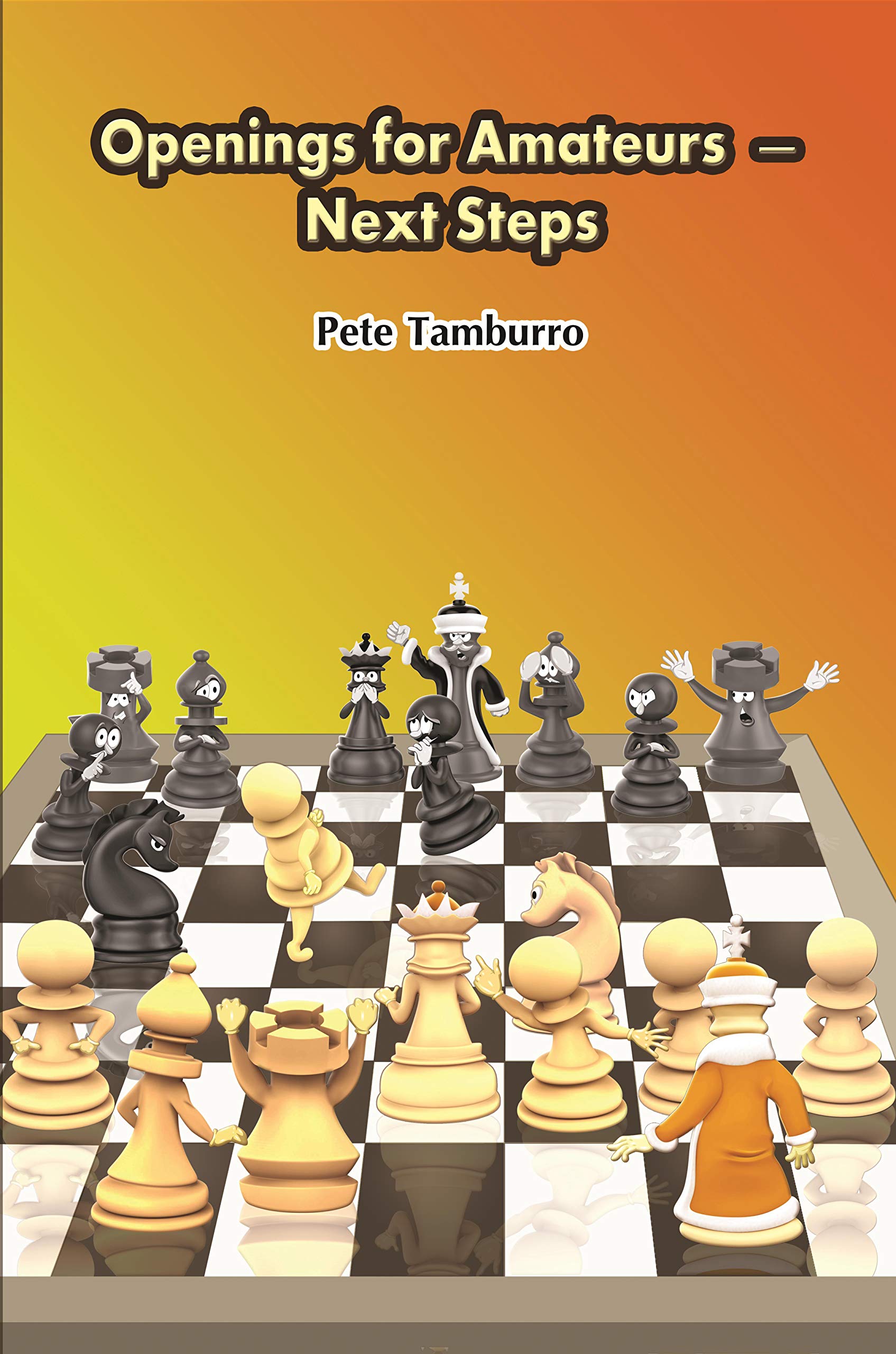
‘Openings for Amateurs – Next Steps’ – Pete Tamburro (Mongoose Press 2020). 5 sections. Amusing cartoon cover. Rabars.
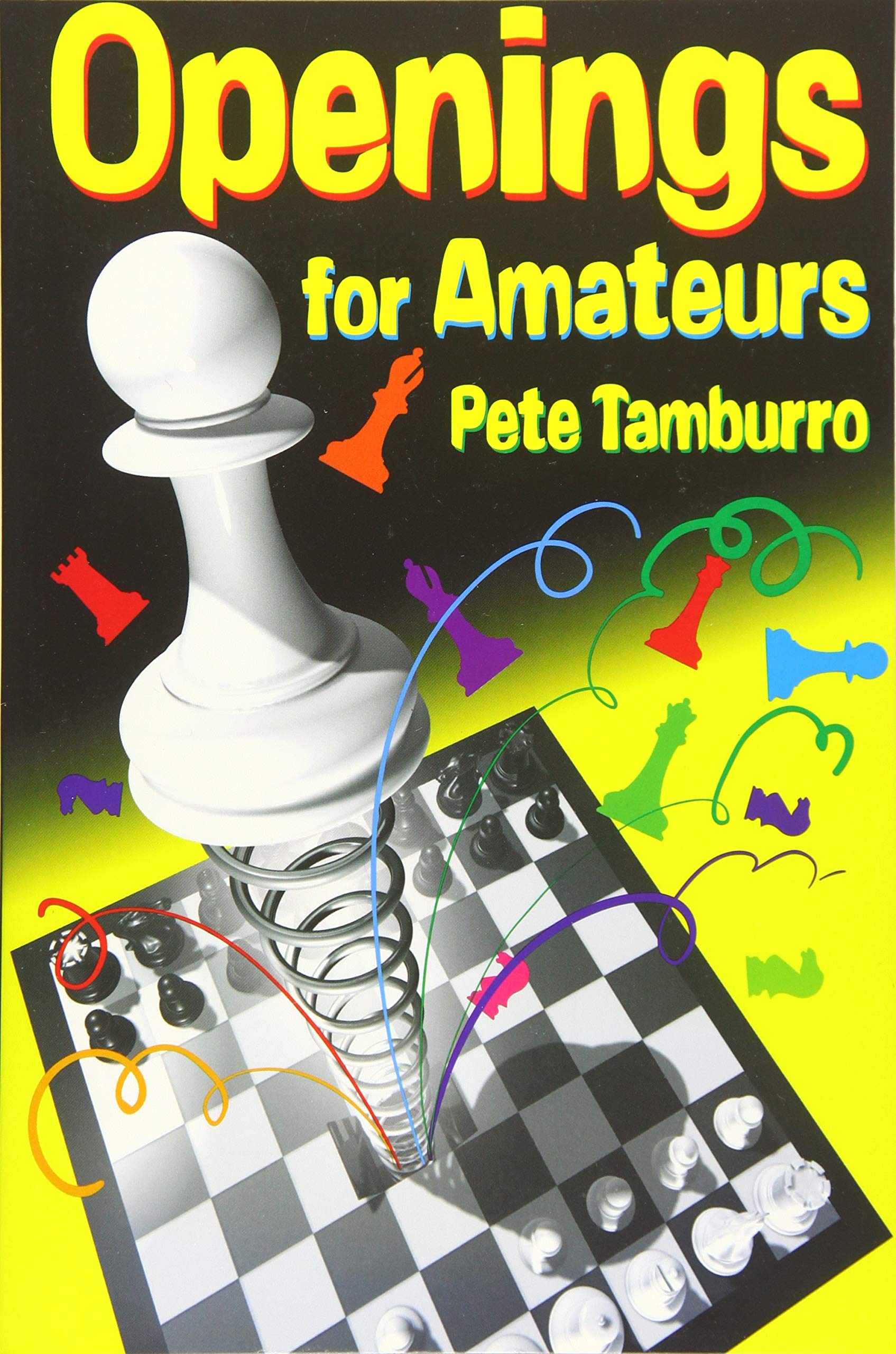
This is the sequel to Openings For Amateurs ~ see below ~ which was written by the same author and published by the same publisher in 2014.
Openings for Amateurs
Since that time British Chess Magazine has published many monthly columns by Pete Tamburro, a US writer of vast experience and understanding with, I might add, a reference library as large as any ocean. He is a brilliant teacher, respectful of his material, his many students and of the past, in which he revels. The book has been favourably reviewed on Amazon.
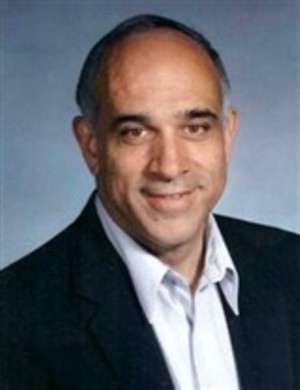
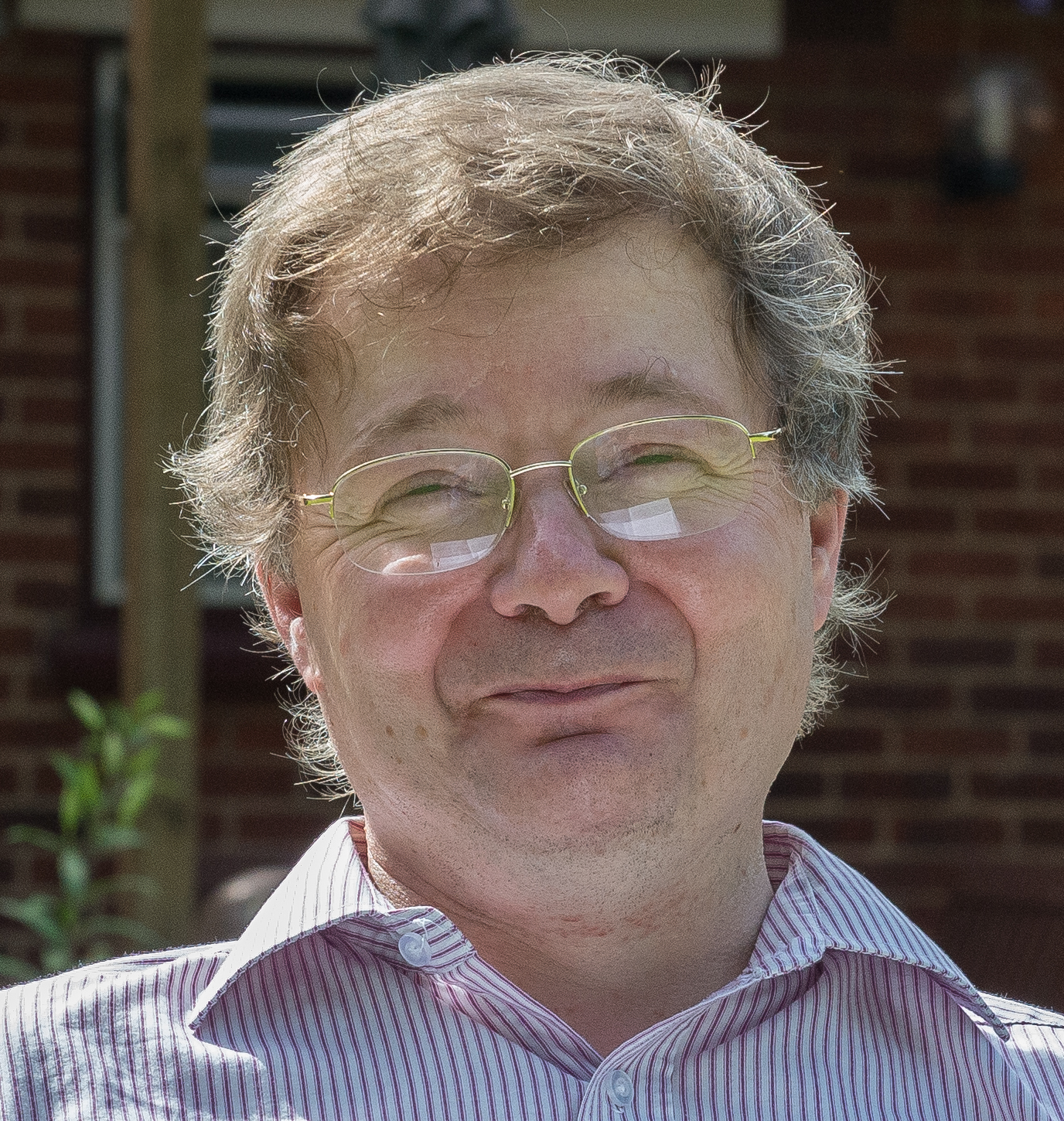
Pete Tamburro
He divides his material according to openings:
Open Games, Semi-Open Games, Closed Games, Isolated Queen’s Pawn games and Queen’s Pawn Majority Openings. Some (random) examples: Smith-Morra Gambit, Missed opportunities to play … d5, the Two Knights Defense (“Let’s look at the Ng5 matter first”), Petroff’s (” .. equal positions do not mean drawn positions .. “), the Wormald and Worrall Attack with George Thomas at the controls and so on.
He asks ‘How many games have you played when you made the right move one or two turns too late?.’ So there is philosophy here too and humour is not forgotten: though never intrudes.
Sixty-nine games are presented featuring encounters from almost every available decade including several visitors from the Nineteenth Century: Blackburne, Anderssen, Steinitz, Paulsen, Kieseritzky prowl these pages along with, for example, Adams, McShane and Hawkins. Is anybody forgotten? Not that I spotted. Is it necessary to have studied the first (2014) volume beforehand? For the stronger – Elo 1850+ – player, I would think not. Clearly it wouldn’t hurt, especially for the inexperienced or junior player. A pleasant checklist, a mere closing page, offers 20 tips to improve your rating by 100 points. Useful, useful.
A closing chapter, ‘Final Thoughts’ sees the author lapsing into autobiography, his lessons from Gulko, his bucket list and colleagues and so on. In sum, a sympathetic book. I hope it sells well.
The author is a veteran American chess man like no other. And he has written for the Kasparov Chess Foundation.
James Pratt
James Pratt, Basingstoke, Hampshire, September 10th, 2020
Paperback 280 pages
Publisher Mongoose Press, 1005 Boylston St., Suite 324, Newton Highlands, MA 02461, USA. (04/20)
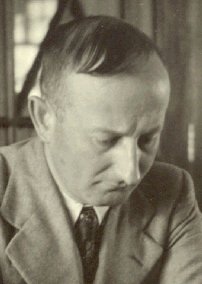
We remember IM Imre (Mirko) König on the anniversary of his death, this day (September 9th) in 1992.
His “obituary” in British Chess Magazine, Volume 112 (1992), Number 11 (November), page 542 was disappointingly brief:
“RIP Imre König: The great veteran died on 9 September at his home in California. Our last link with the Hypermoderns is broken – he associated with Réti in the 1920s.” There was no detailed follow-up as you might expect. Can you imagine Brian Reilly publishing this?
From The Anglo-Soviet Radio Chess Match by E.Klein and W.Winter :
“Born in 1901 in Hungary when it still belonged to the old pre-World War I Austria, spent most of his life in Vienna, where he became a promising player at an early age. After World War I and the various geographical adjustments in the map of Europe, he became Yugoslav by nationality and represented that country three times in international team tournaments.
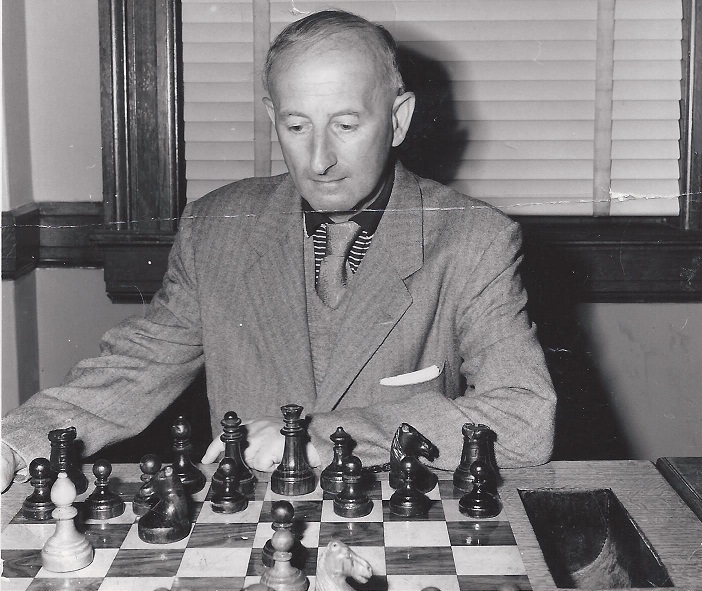
Imre Konig at the Mechanics’ Institute in the 1950s (Photo: Mechanics’ Chess Club Archives)
He has competed in a great number of international tournaments, some of them in this country, where he has lived since 1938. He won the Premier Reserves at Hastings, 1938, in a strong international field, finished fourth and fifth with the late Landau at Bournemouth, 1939, and shared first and second prizes with Milner-Barry in the National Chess Centre tournament, 1939. His last performance was in the London International Tournament, 1946, where he shared fourth, fifth and sixth places with Sir George Thomas and Gerald Abrahams. He is now a professional player.
König’s special strength lies in the openings, of which he has a deep knowledge.”
Imre König
From The Encyclopedia of Chess (Robert Hale, 1970 & 1976) by Anne Sunnucks :
“International Master (1951). Born in Kula, Hungary (now Serbia). König became a Yugoslav citizen when the territory in which he lived was ceded to Yugoslavia after the First World War. In 1938 he emigrated to England and became a naturalised British subject in 1949. He found that the English climate affected his health and in 1953 went to live in the USA.
König learnt to play chess when he was 10. In 1920, while studying at Vienna University, he met Spielmann, Tartakover and Réti, and became became interested in the hypermodern school of chess, which they represented.
IM Imre (Mirko) König (2-ix-1901 9-ix-1992)
He played for Yugoslavia in the chess Olympiads of 1931 and 1935 and came 2nd in the Yugoslav national tournament of 1922. His results in international tournaments include =4th at Bournemouth 1939; =4th at London 1946 and 2nd at Hastings 1948-49. These results do not do justice to his strength as a player. He was handicapped by a poor temperament for tournament chess, which prevented him from achieving greater success in the international field.
IM Imre (Mirko) König (2-ix-1901 9-ix-1992)
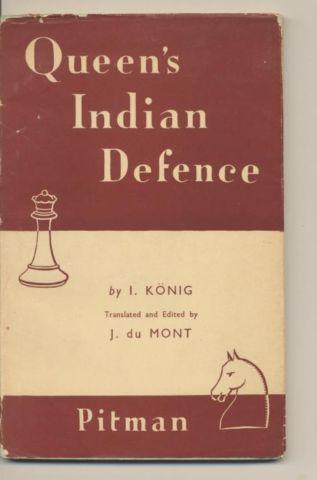
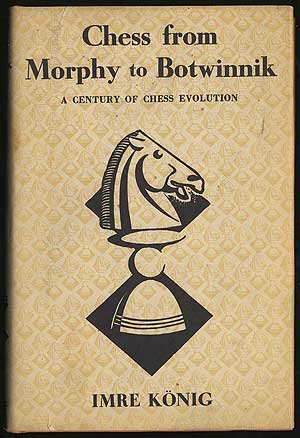
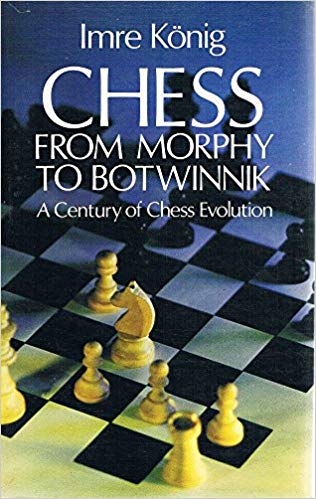
A chess professional, König was a first-class teacher of the game (Anne was a student of his), as well as being a leading theoretician. He is author of The Queen’s Indian Defence (Pitman, 1947) and Chess from Morphy to Botvinnik (Bell, 1951).”
From The Encyclopedia of Chess (Batsford, 1977) by Harry Golombek:
“An international master since 1951, born at Gyula in Austro-Hungary. After the first world war König became a Yugoslav citizen and represented that country in the Olympiads of 1931 and 1935. He emigrated to England in 1938 and was naturalised in 1949. Since 1953 he has resided in the USA. Tournament results include 2nd prize at Hastings 1948/9. His publications include a monograph on the Queen’s Indian Defence, London 1947, and a longer work, Chess from Morphy to Botvinnik, London, 1951 ”
Hooper & Whyld are silent on König for some strange reason.
From Wikipedia:
“Imre König (Koenig) aka Mirko Kenig (Sept 2, 1901, Gyula, Hungary – 1992, Santa Monica, California) was a Hungarian chess master.
He was born in Gyula, Hungary, and also lived in Austria, England and the USA during the troubled times between the two world wars.
In 1921, he took 2nd in Celje. In 1920s König played in several tournaments in Vienna; he was 3rd in 1921, 14th in 1922 (Akiba Rubinstein won), 3rd-4th in 1925, 4-5th in 1926 (Rudolf Spielmann won), and 3rd-5th in 1926. He took 12th in Rogaška Slatina (Rohitsch-Sauerbrunn) in 1929. The event was won by Rubinstein. In 1929/30, he took 7th in Vienna (Hans Kmoch and Spielmann won). In 1931, he took 4th in Vienna (Albert Becker won). In 1936, he tied for 6-7th in Novi Sad (Vasja Pirc won). In 1937, he tied for 2nd-4th in Belgrade (Vasilije Tomović won).
Mirko Kenig represented Yugoslavia in the 4th Chess Olympiad at Prague 1931 (+5 –1 =2), the 6th Chess Olympiad at Warsaw 1935 (+5 –2 =8),[2] and in 3rd unofficial Chess Olympiad at Munich 1936 (+7 –4 =7).”
“In 1938, Imre König emigrated to England. In 1939, he tied for 4-5th in Bournemouth (Max Euwe won), and shared 1st with Philip Stuart Milner-Barry in Hampstead. In 1946, he took 4th in London. In 1948/49, he took 2nd, behind Nicolas Rossolimo, in the Hastings International Chess Congress.
In 1949, he became a naturalized British citizen. However, in 1953 he moved to the United States.
König was awarded the International Master title in 1951.”
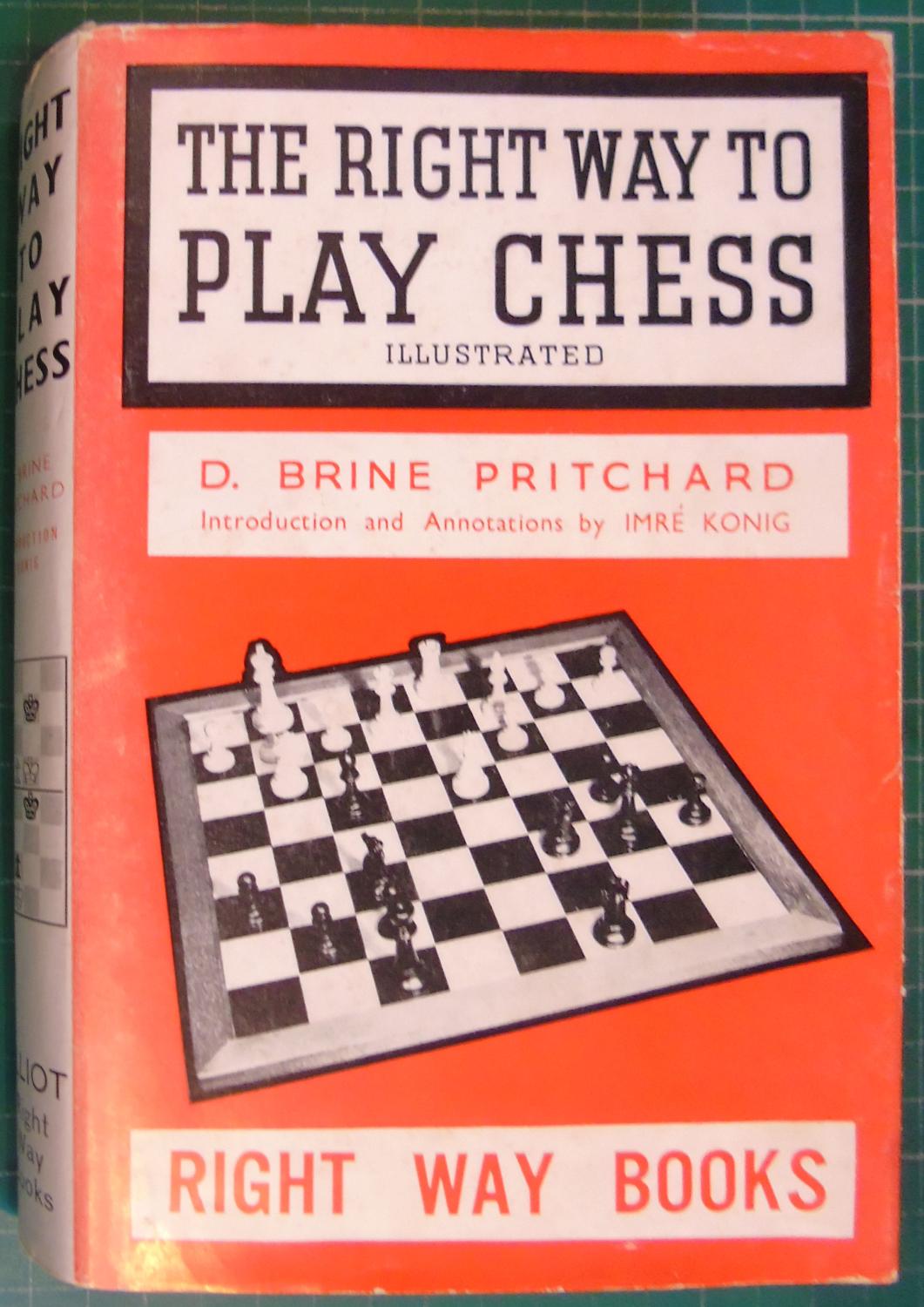
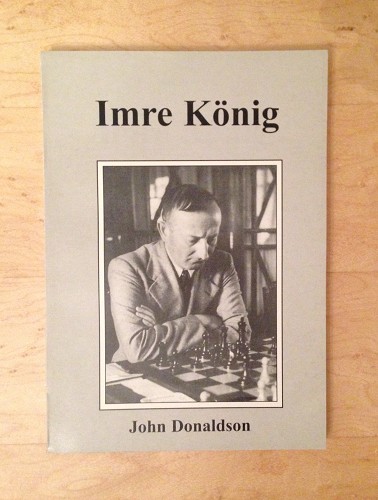
Queen’s Indian Defence, König, Pitman, 1947Chess from Morphy to Botwinnik by Imre KönigChess from Morphy to Botwinnik by Imre KönigThe Right Way to Play ChessImre König by John Donaldson
From The Anglo-Soviet Radio Chess Match by Klein and Winter :
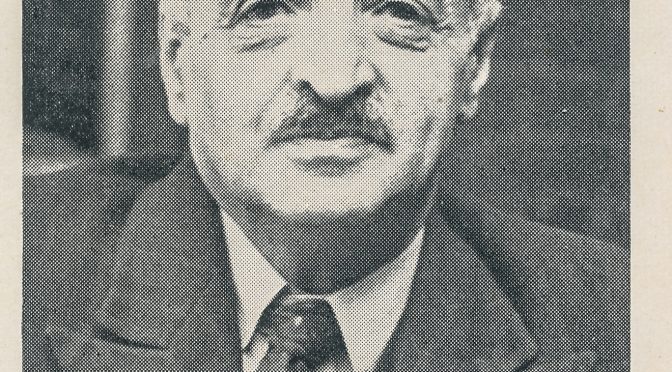
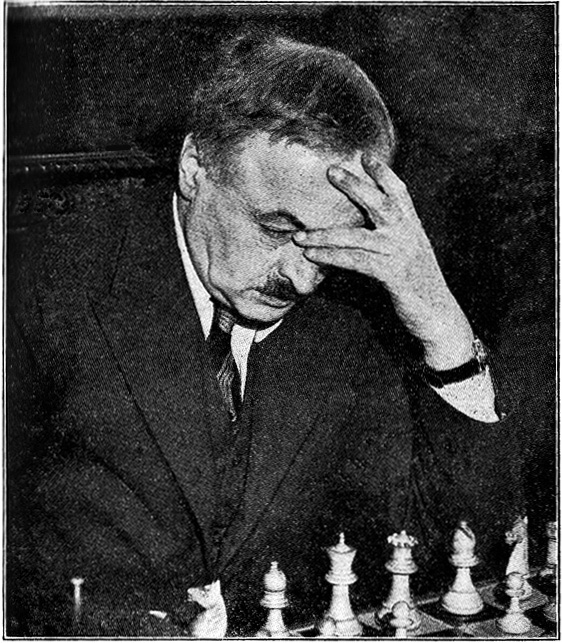
“Paul M List was born in Memel, Lithuania in 1887. After living in Berlin for many years, where he was manager of the bridge and chess rooms in a well-known café-restaurant, he came to this country in 1936.
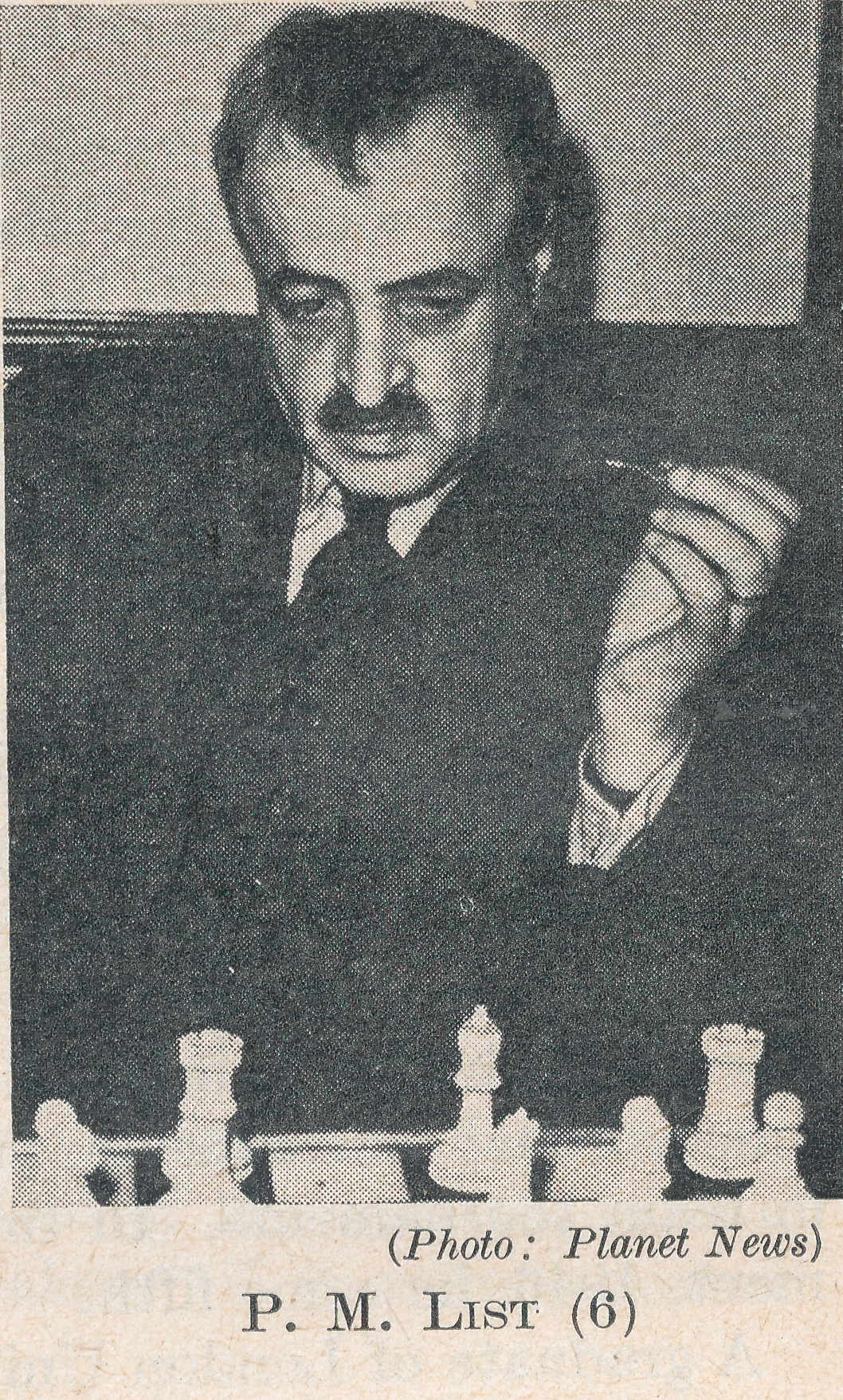
Paul M List
He has competed in many tournaments, local and international. He, too, failed to get into the prize list in the recent London International Tournament, but he is a resourceful player, particularly in defensive positions.
His best performance was Berlin, 1925 where he came first, ahead of Richter. Since he came to this country he has become an art dealer, but chess is still one of his foremost activities.”
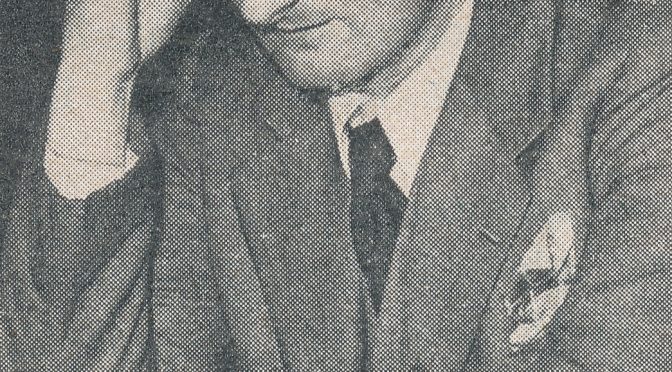
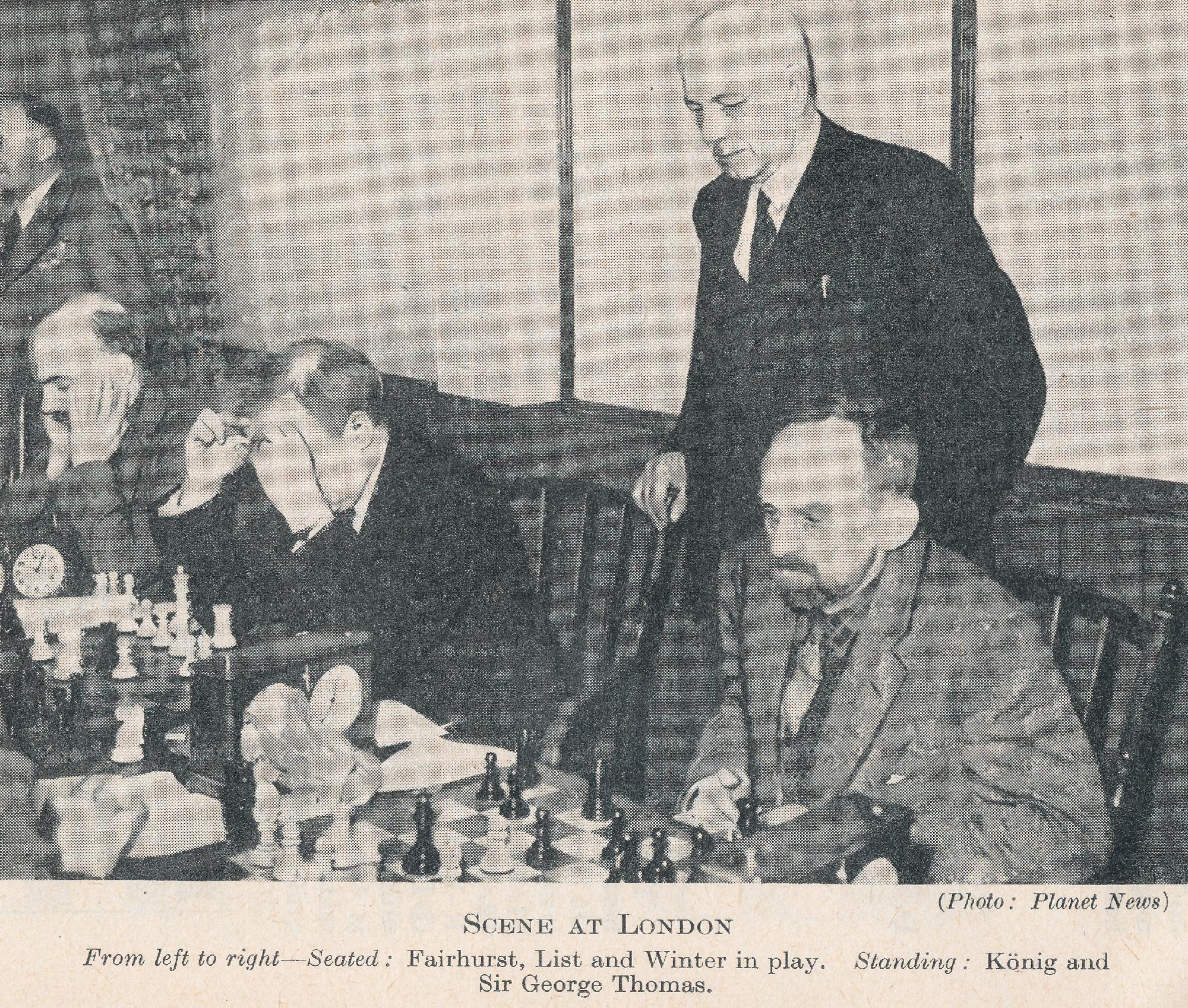
Scene at London. From left to right – Seated : Fairhurst, List and Winter in play. Standing König and Sir George Thomas
Here is an article by Matthew Sadler on the 1953 British Lightning Championship event won by List (but not the title)
Dr. Paul List (09-ix-1887 09-ix-1954). Source : The Anglo-Soviet Radio Chess Match.
Here is his (surprisingly brief) obituary from British Chess Magazine, Volume LXXIV (1954), Number 10 (October), page 324 :
“Dr. Paul List, the British Lightning Championship winner a year ago (though he could not hold the title because he was not a naturalised Briton), died in London at the age of 66. A player of master strength, Dr. List left his native Russia for Germany in the 1920’s, and began on his second exile in 1938 when sought refuge in this country from Germany.”
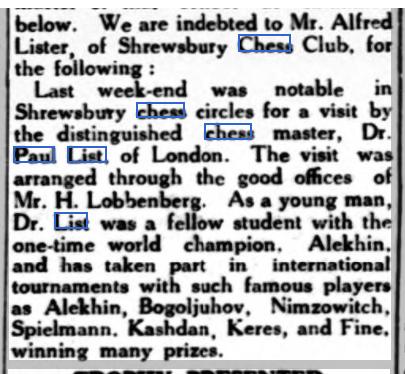
Item from Kington Times – Saturday 02 June 1951 regarding the visit of Dr. List
From The Illustrated London News in 1953 (by BH Wood) :
“Sixty-five-year-old Dr. (not of medicine) Paul List, the oldest competitor, who settled in Britain about 1937 and has been thinking of becoming naturalised ever since, finished with a marvellous fifteen-and-a-half points out of a possible eighteen”
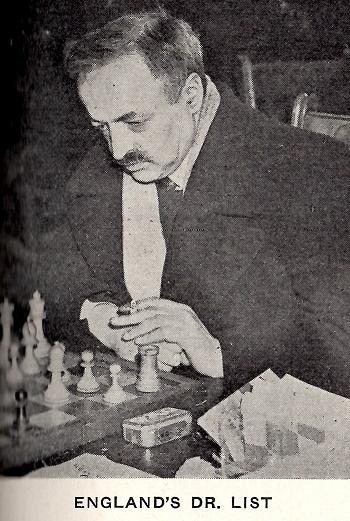
Dr. Paul M. List. Source : https://www.kingpinchess.net/wp-content/uploads/2016/03/They-provided-their-own-heat1.jpg
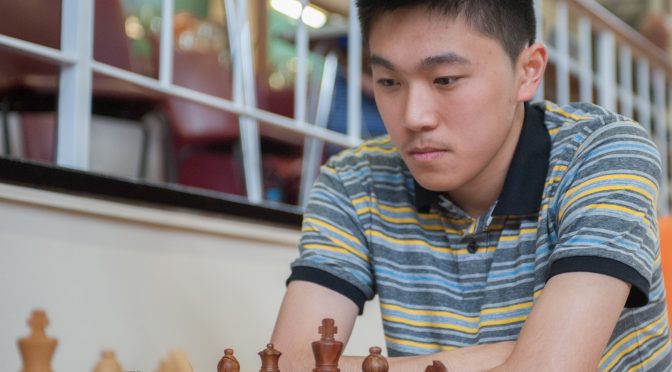
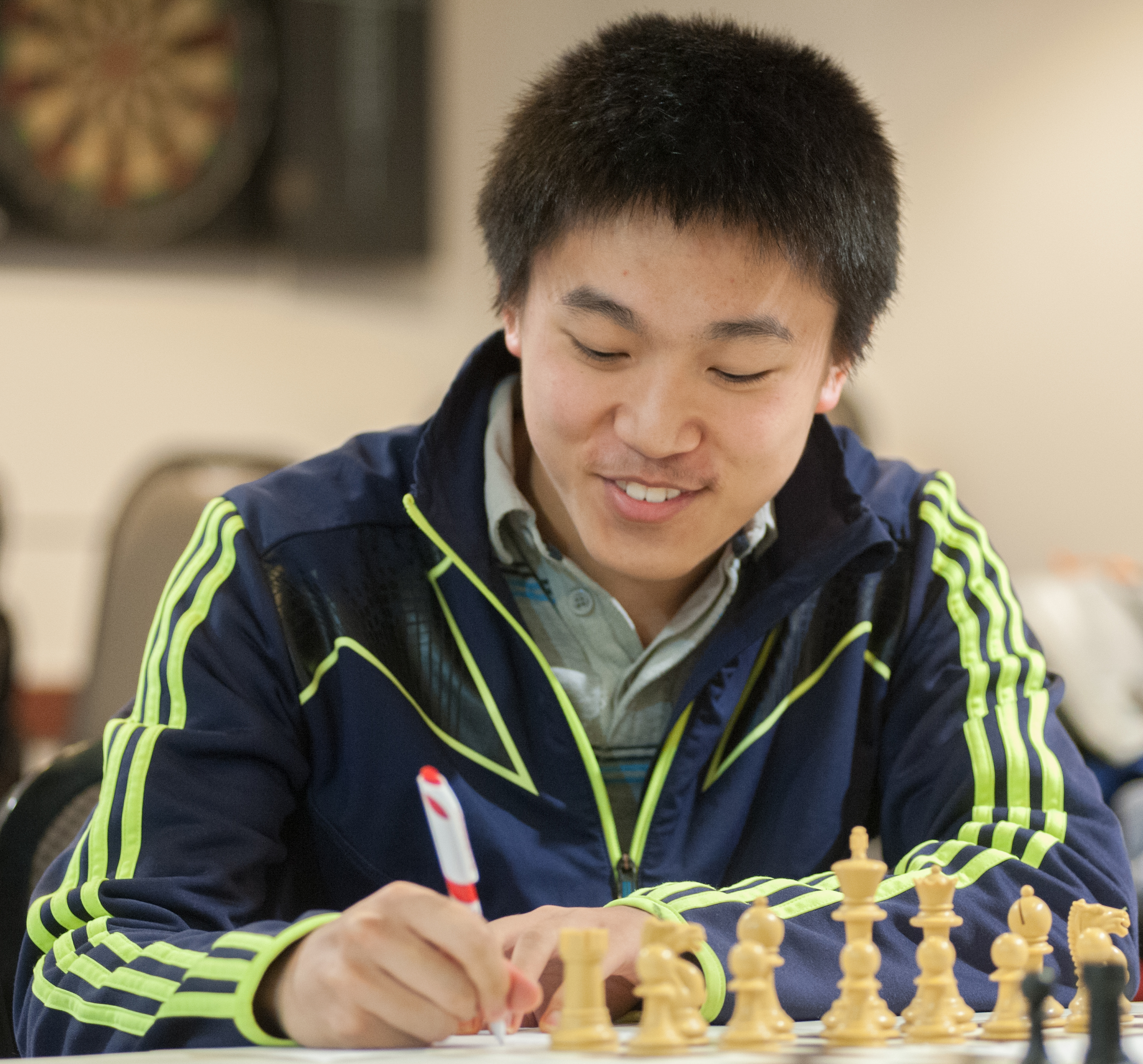
We send best wishes to IM Yang-Fan Zhou on his birthday.
Yang-Fan George Zhou was born on Thursday, September 8th, 1994 in Wandsworth, London. His mother’s maiden name was Yang. “Parklife” by Blur was number one in the UK Singles chart.
His brother, Yangjian Zhou, is also a strong player.
Yang-Fan attended Whitgift School, Croydon (founded by John Whitgift in 1596) and then Churchill College, The University of Cambridge where he studied Chemical Engineering (same subject as Malcolm Pein)
Yang-Fan works for The Hut Group and resides in Manchester.
Here is an article from the Guardian which included
“The Whitgift 13-year-old recently won the Coulsdon Premier with 8.5/9, gaining nearly 100 world rating points which will make him England’s highest ranked under-18 after Howell in the July FIDE list.”
He became a FIDE Master in 2009 and an International Master in 2011.
Yang-Fan claimed the title of UK Chess Challenge “Strat” in 2011 for winning the Terafinal outright. Only Mike Basman knows what “Strat” means.
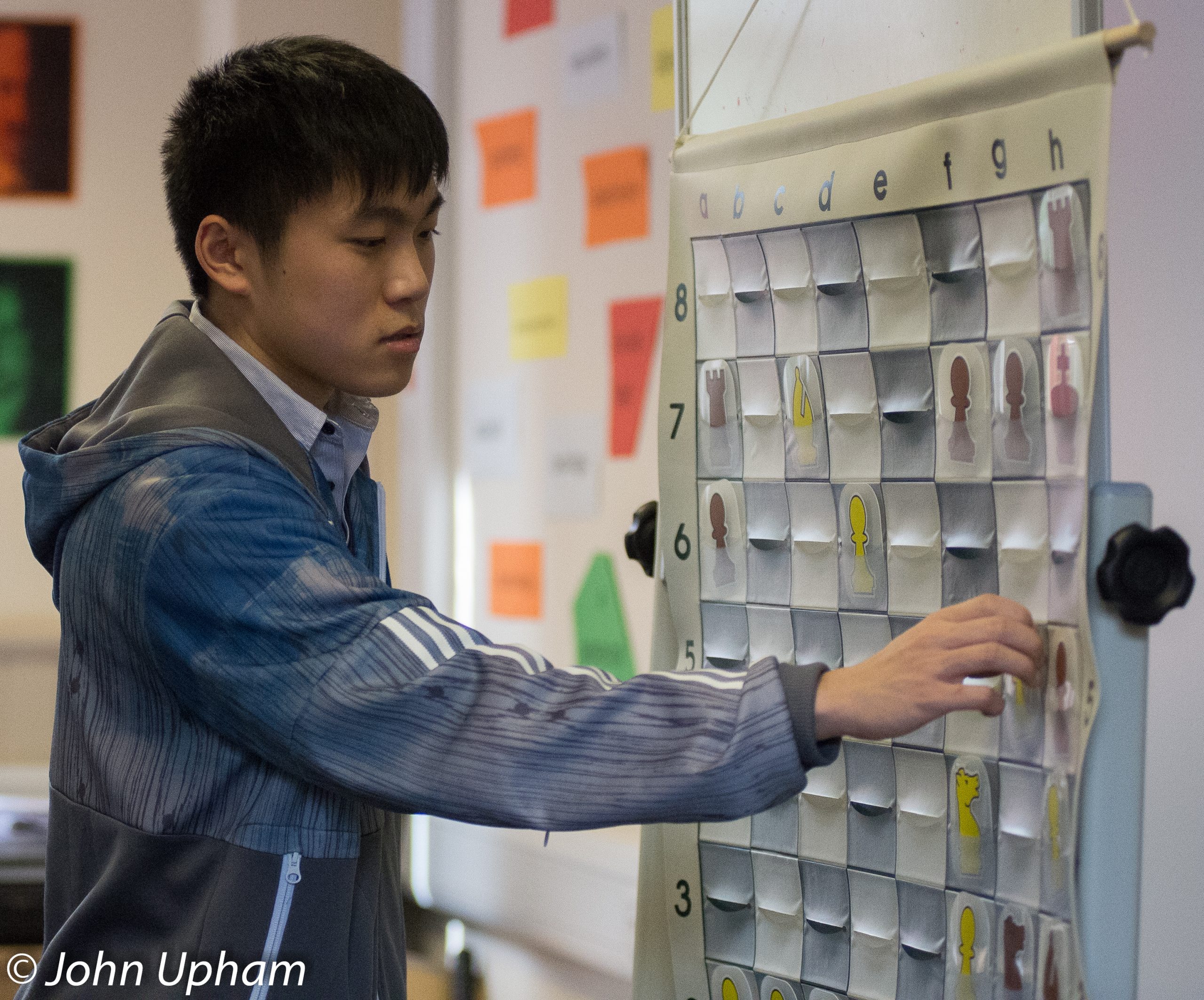
IM Yang-Fan Zhou at a Wellington College Training Event in 2014, courtesy of John Upham Photography
He scored 9/9 in the 2011 e2e4 Brighton Masters Closed tournament, including beating the two grandmasters (Keith Arkell and Alexander Cherniaev) in the tournament.
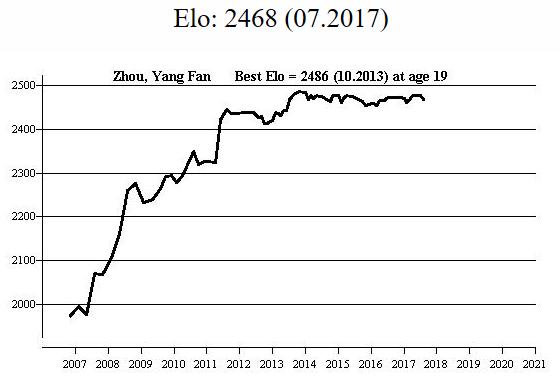
His peak FIDE rating was 2486 in October 2013 at the age of 19.
FIDE Rating Profile of IM Yang-Fan Zhou
In 2014 Yang-Fan Zhou represented Cambridge in the annual Varsity match (the 132nd) and played on top board drawing with David Zakarian.
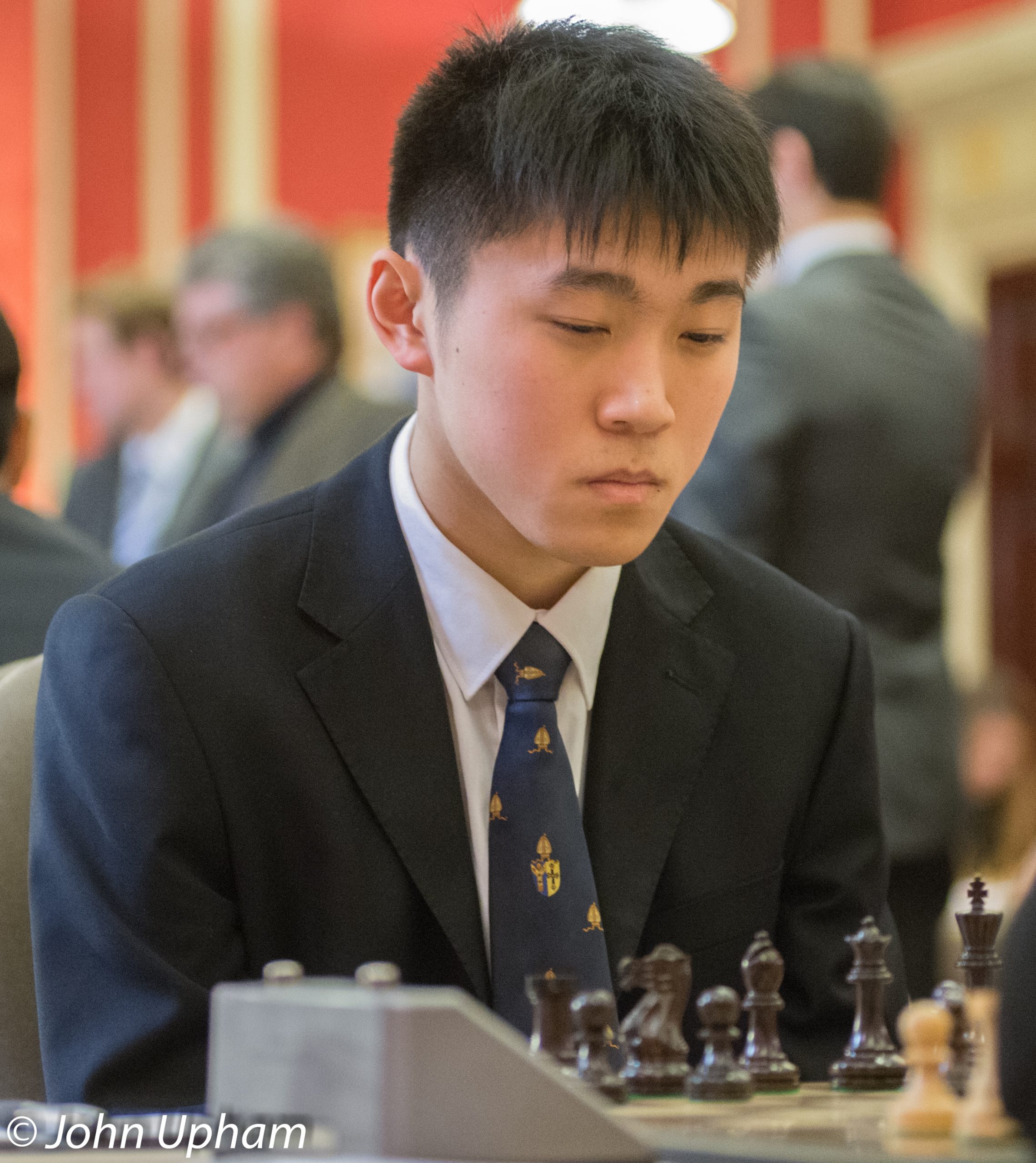
Yang-Fan Zhou plays board one in the 2014 Varsity Match, courtesy of John Upham Photography
With the White pieces Yang-Fan is exclusively an e4 player using the Scotch Game as his main weapon playing open Sicilians and championing 6.h3 versus the Najdorf.
As the second player he employs the Sicilian Dragon and King’s Indian Defences.
We note today (September 8th) in 1854 marks the passing of Elijah Williams.
We are not aware of a verified image / likeness of Elijah Williams. Possibly the archives of Bristol based newspapers would help?
From The Complete Chess Addict (Faber & Faber, 1987, page 147-8) by Mike Fox and Richard James :
“The most boring games of all time? We turn to the London tournament of 1851, and the interminable encounters between Elijah (The Bristol Sloth) Williams and the deservedly unknown James Mucklow (‘a player from the country’ says the tournament book sniffily).
Elijah introduced the concept of Sitzkrieg into chess : he’d sit there, taking two and a half hours on a single move until his opponent dropped from boredom. The tournament book records games in excess of twenty hours (one was adjourned after a whole day, at the twenty-ninth move). Mucklow (a much worse player) was no swifter, and when they got together it must have been like watching an oil painting. (‘Both players nearly asleep,’ recorded a drowsy secretary midway through one mind-grinding marathon.)
Howard Staunton’s commentary says it all : ‘Each…exhibits the same want of depth and inventive powers in his combinations, and the same tiresome prolixity in manoeuvring his men. It need hardly be said that the games, from first to last, are remarkable only for their unvarying and unexampled dullness”
From The Oxford Companion to Chess (OUP, 1983) by Hooper and Whyld :
“English player. A native of Bristol, from where he edited one of the earliest newspaper columns (Bath and Cheltenham Gazette, 1840-6), Williams gave up his job as an apothecary in 1844, moved to London, and attempted to earn a living at chess. In the London international tournament of 1851, a knock-out event, Williams defeated Lowenthal in the first round (4-2—1) but lost to Wyvill in the third and penultimate round (+3-4), He was awarded third prize after defeating Staunton (+4=1 — 3), He admired Staunton’s play and like several of his contemporaries adopted the positional style of the English school; but after this match the master never forgave his pupil, Williams played matches against Lowenthal in 1851 (+5 = 4-7), Horwitz in 1852 ( + 5 = 9—3), and Harrwitz in 1852 ( = 3—7),
and he again lost to Harrwitz in 1853.
In 1851 Williams won a handicap match against Staunton, who conceded a three-game start; of the games actually played Williams won four, drew three, and
lost six. When cholera broke out in London he posted a notice on his door offering preventive medication free. Supplies had run out when, feeling unwell, he left home for the last time; seized with violent pain when in the Strand he entered Charing Cross Hospital where he died of the disease two days later, leaving his wife and children destitute.
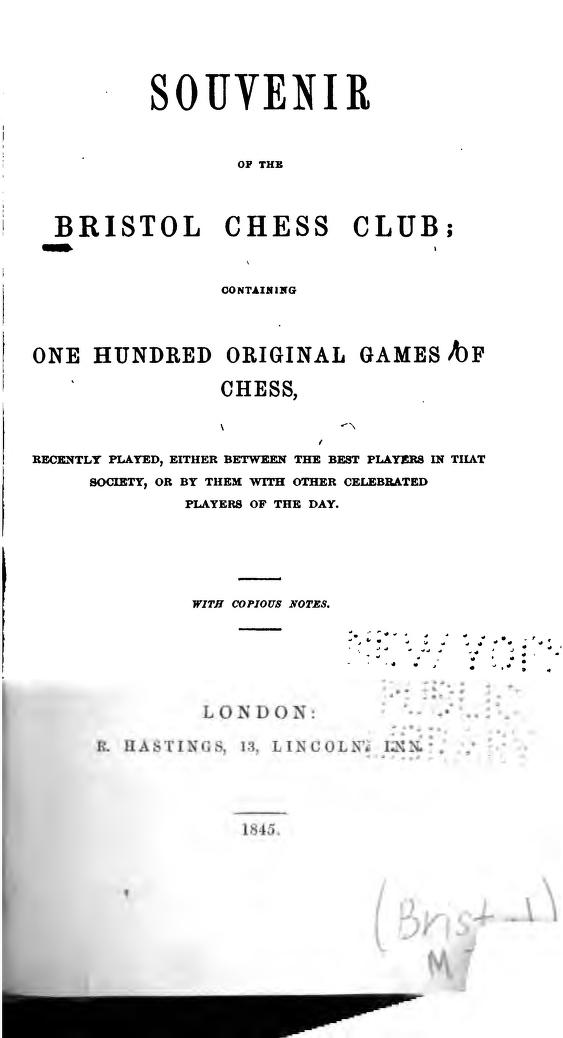
He wrote two books, Souvenir of the Bristol Chess Club (1846) and Horae Divanianae (1852). He also edited a chess column in The Field from Jan. 1853, when the magazine was founded, until his death.”
Souvenir of the Bristol Chess Club
From The Encyclopedia of Chess (Batsford, 1977) by Harry Golombek:
“A prominent British master of the mid-nineteenth century who was famed for the slowness of his play at a period when chess clocks for important competitions had not yet come into fashion. Williams was born in Bristol where he practised as an apothecary but soon became so attached to chess (he was president of the Bristol Chess Club and also conducted a chess-column in the Bath and Cheltenham Gazette (from 8 September 1840 to 21 October 1946) that he made the game his profession.
Abandoning Bristol for London where the life of a chess professional was considerably more profitable than in the provinces, he contested a number of matches with varying success; e.g. 1846 v. Kennedy (+4-2=0) and 1852 v. Horwitz (+5-3=9). In three matches v. Harrwitz he met with decisive reverses (a total of +2-17=8) but gained a curious triumph over Staunton in 1851. Although losing on games played by +4-6=3 Williams emerged a technical victor as the result of Staunton’s rash decision to offer starting odds of three games ! This match, however, produced much fine chess.
Williams also participated in the first international tournament at London 1851 where he took third prize behind Anderssen and Wyvill. An analysis of his games from the important events of 1851 reveals that Williams had developed a most sophisticated playing style, employing positional devices which were not to
become current for a further sixty years. While in London in 1852, Williams published a collection of games under the title of Horae Divanianae being a selection of 150 games by leading masters, most of which had been played at Simpson’s Divan. He wrote the chess-column for The Field, from 1853 to 1857.
He died in London at Charing cross Hospital of cholera on 8 September 1854. we emphasize this date since the usual date given is that of I September 1854. But we are indebted to Mr. Kenneth Whyld for the information about the correct date on the death certificate which also states he was forty-four when he died.
Up to now his date of birth was not known and was assumed to have been considerably earlier. (R.D.K.)”
Sunnucks is silent on EW for an unknown reason.
From Wikipedia :
“Elijah Williams (7 October 1809 – 8 September 1854) was an eminent British chess player of the mid-19th century. He was the first president of the Clifton Chess Club, and publisher of a book of games from the Divan Club. His most notable result was at the 1851 London tournament, in which he defeated the celebrated British player Howard Staunton in the play-off for third place.
He was accused by Staunton of taking an average of 2½ hours per move during some matches, a strategy thought to cause opponents to lose their focus on the match. According to Staunton, following a particularly dilatory performance by Williams in the London 1851 tournament, a 20-minute per turn time limit was adopted for standard play the next year. However other sources contradict this viewpoint and indeed it was not uncommon for Staunton to attribute his losses to the intolerable dilatory play of his opponents. Staunton is quoted as remarking while playing against Williams, ‘… Elijah, you’re not just supposed to sit there – you’re supposed to sit there and think!'”
Williams died in London, a victim of the 1854 Broad Street cholera outbreak.”
Lorin Alexander R D’Costa was born on Wednesday, September 5th 1984. “What’s Love Got To Do With It” by Tina Turner was number one in the UK singles chart. His mother’s maiden name was Antheunis. He studied Dutch and Management at University College, London. See here for an interview.
According to Wikipedia : “Lorin is a masculine given name. The meaning of Lorin derives from a bay or laurel plant; of Laurentum (wreathed/crowned with laurel). Laurentum, in turn is from laurus (laurel), from the place of laurel trees, laurel branch, laurel wreath. Laurentum was also a city in ancient Italy.”
Lorin was born in Lambeth, London and became a FIDE Master in 2004 and an International Master in 2008.
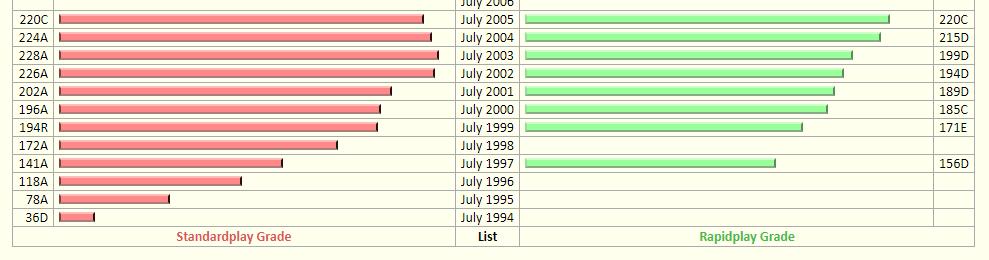
His first ever BCF/ECF grading was 36D in July 1994 aged 10 but his grading very quickly improved :
BCF/ECF Grading Profile
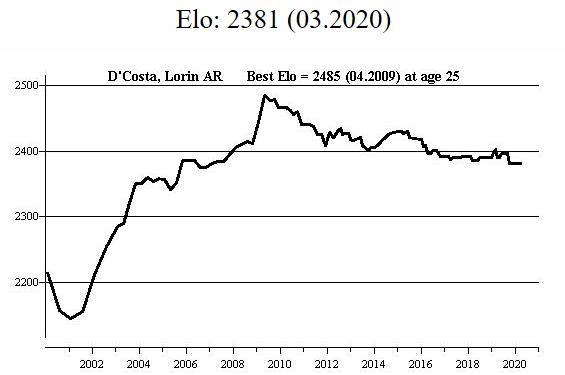
His peak FIDE rating was 2485 in April 2009.
Lorin’s FIDE Rating Profile
Lorin has the unique distinction of gaining the title of “Strat” four times for winning the UK Chess Challenge Terafinal in 2000, 2001, 2002 and 2003. Only four other players have won the title more than once : Peter Poobalasingam, Félix José Ynojosa Aponte, Marcus Harvey and Koby Kalavannan.
Lorin plays for Hendon in the London League and 4NCL Barbican in the Four Nations Chess League.
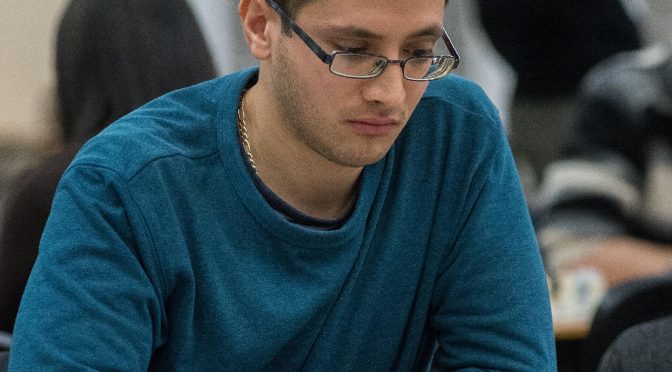
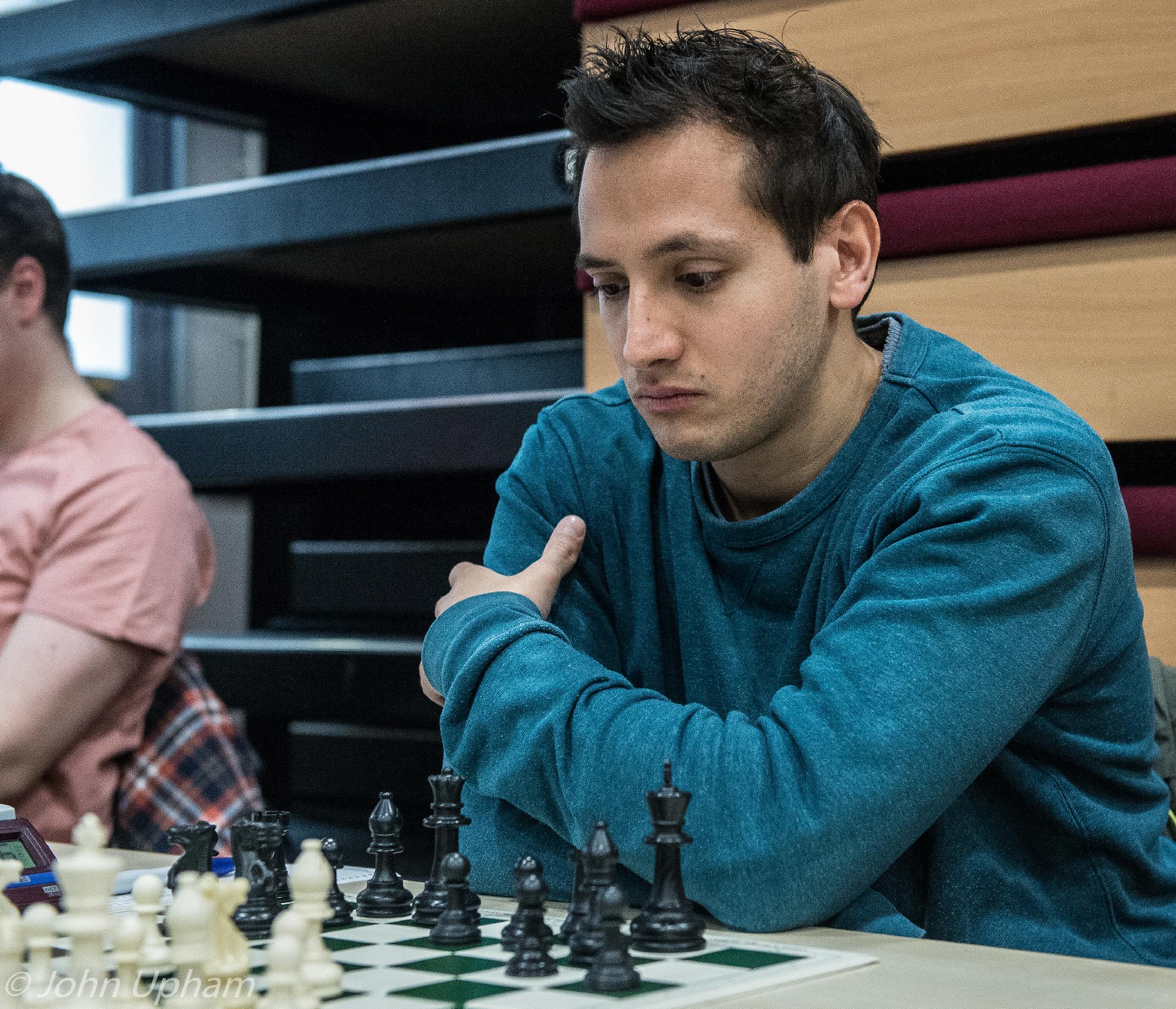
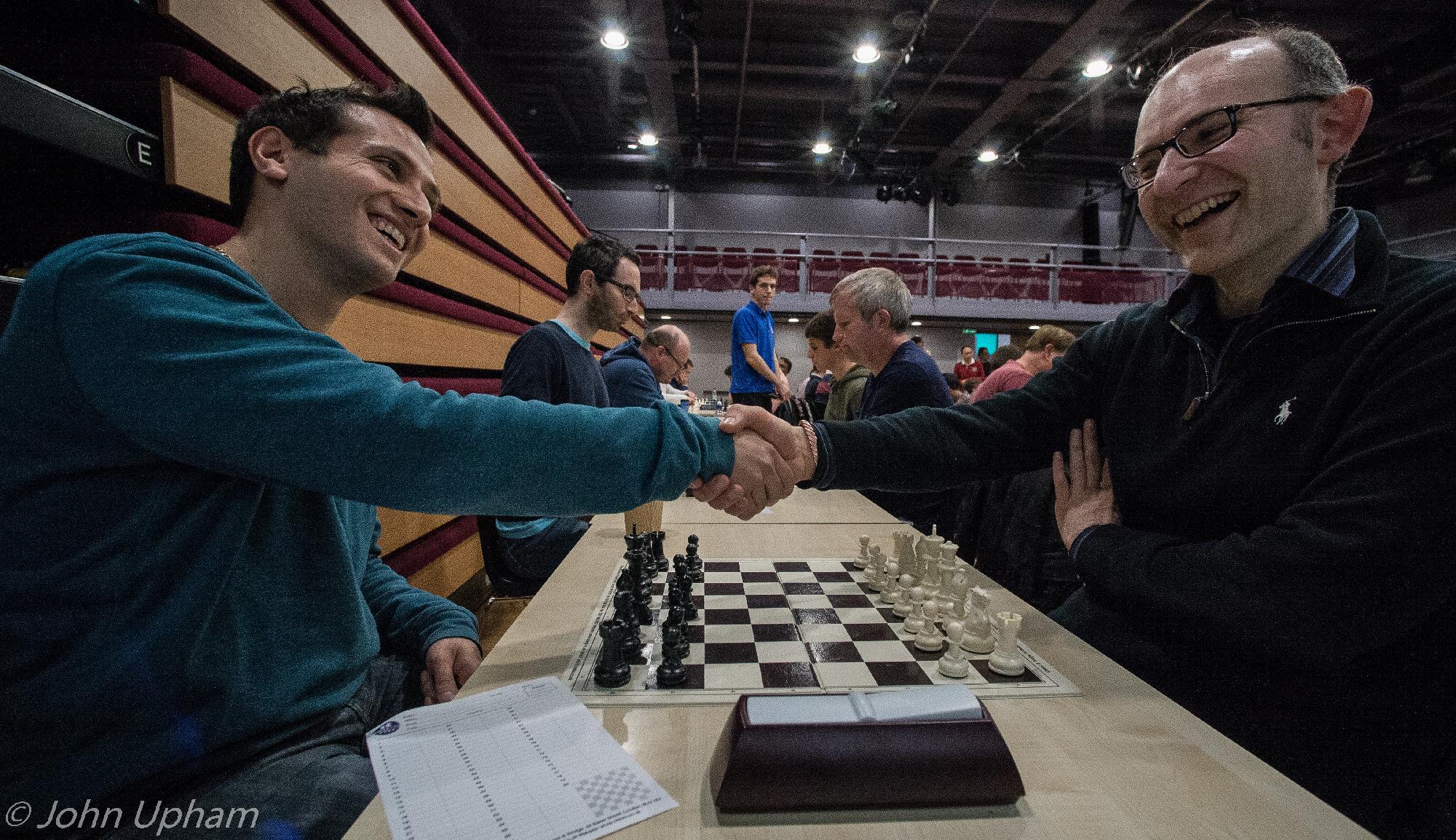
IM Lorin D’Costa at the 2017 Michael Uriely Memorial Tournament
Lorin became a Director of Lorinchess Ltd in March 2020 and currently resides in Wembley, Middlesex. This has since been replaced by Eagleide Chess Consulting.
In April 2020 Lorin founded “She Plays to Win” which is dedicated to the furtherment of girls, women’s and ladies chess in England.
Lorin started his 4NCL career in 1999 with Barbican and has been loyal all the way to 2019.
With the white pieces Lorin prefers the Queen’s Gambit but does also play 1.e4, 1.c4 and 1.Nf3 so a fairly wide repertoire.
As the second player Lorin prefers the Sicilian Kan and the Nimzo-Indian Defence.
Here is a convincing win against Ian Nepomniachtchi from Budva, 2009 :
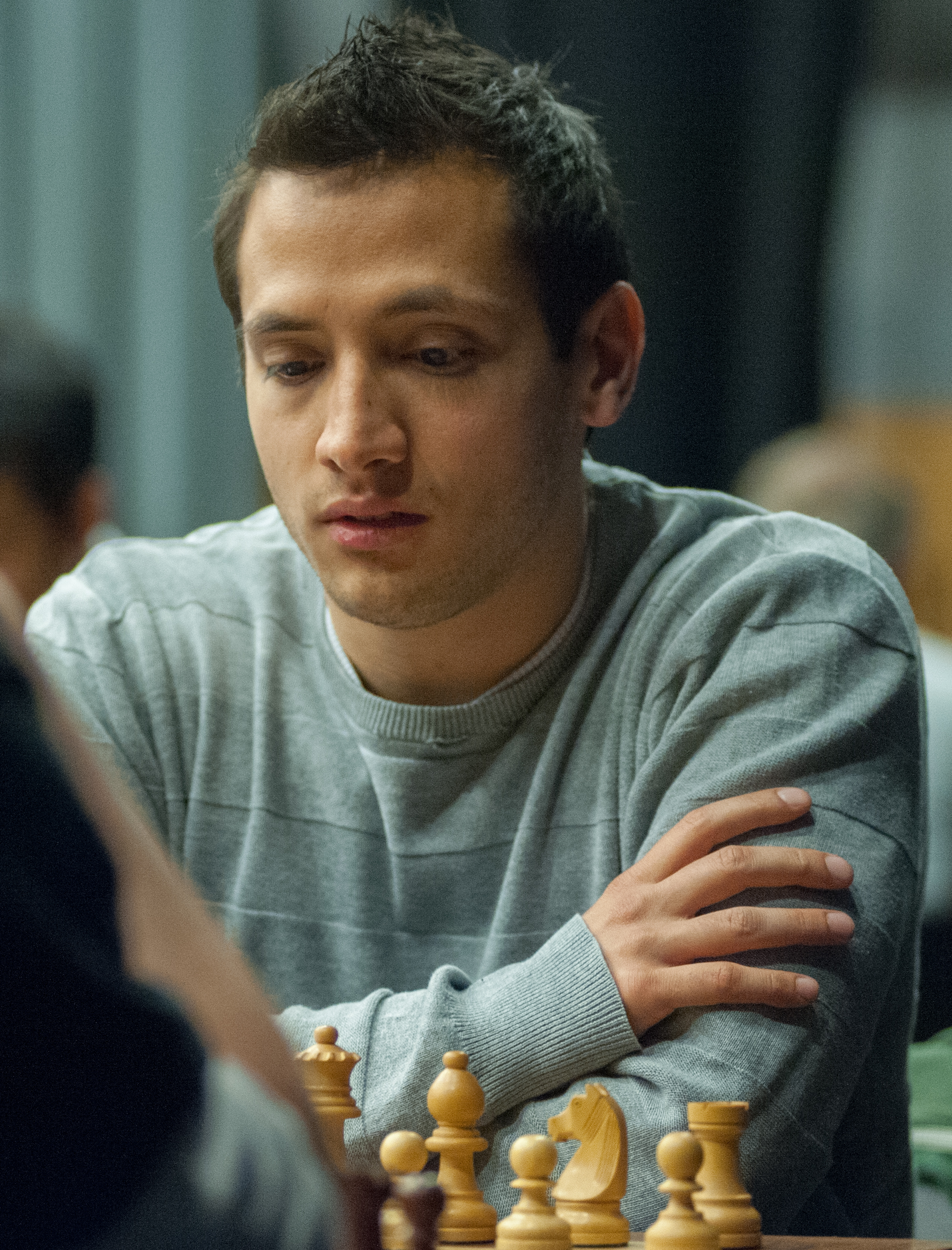
IM Lorin D’Costa at the 2013 King’s Place Rapidplay, courtesy of John Upham Photography
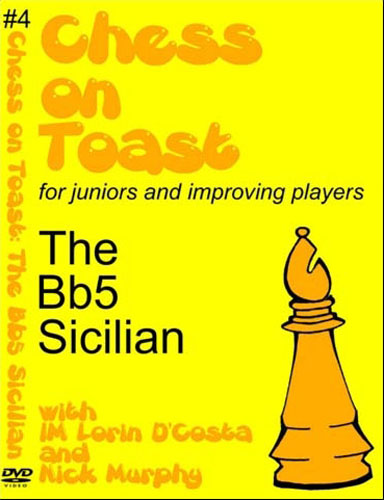
In 2012 Lorin and Nick Murphy created Chess on Toast and published a series of introductory DVDs including :
Chess On Toast
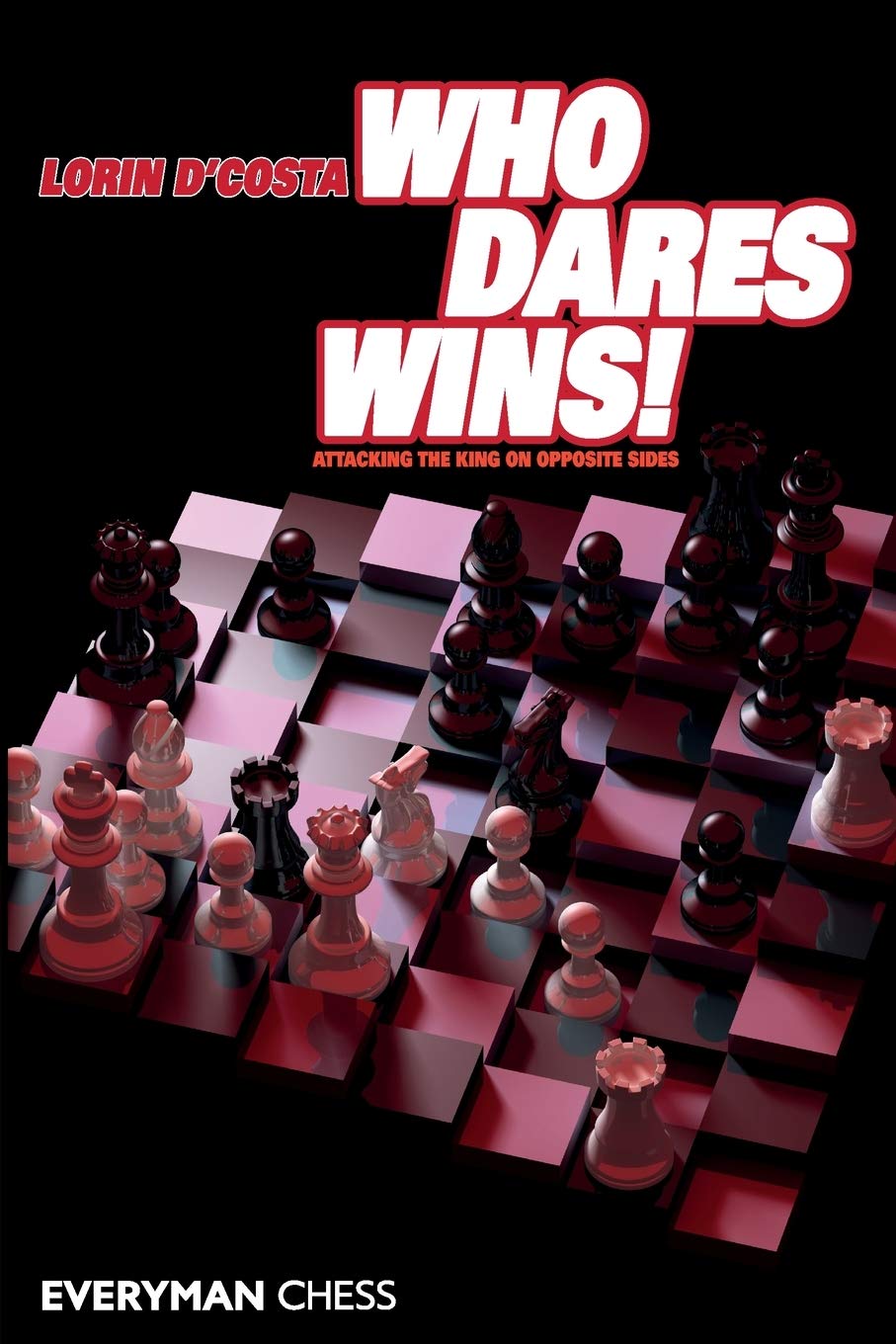
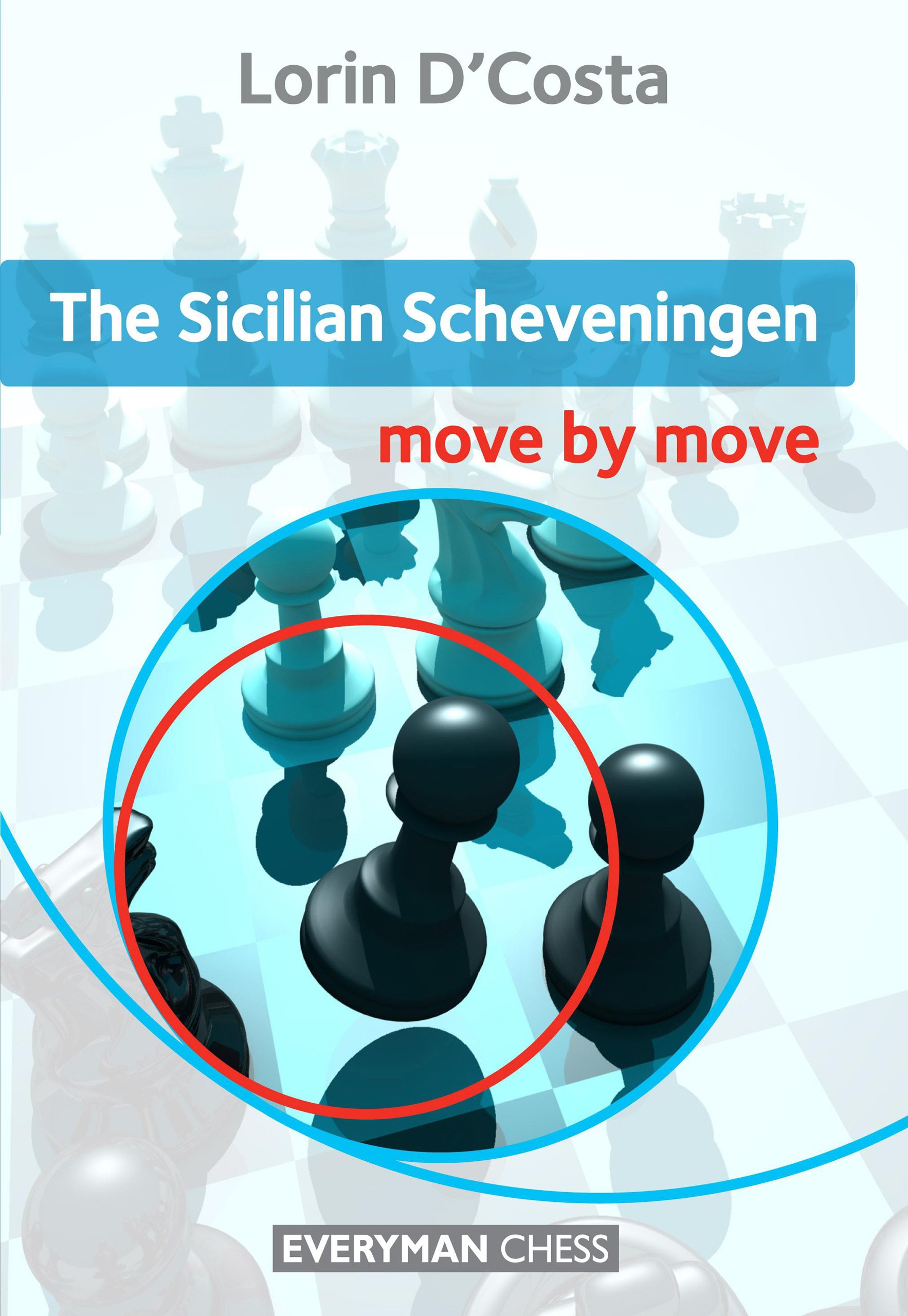
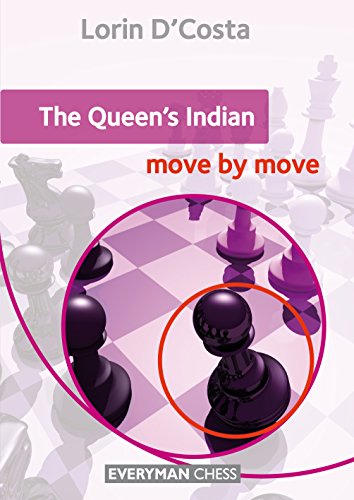
Lorin has authored several chess books and DVDs including :
Who Dares Wins!, Everyman, 2010The Sicilian Scheveningen, Move by Move, Everyman, 2012The Panov-Botvinnik Attack, Move by Move, Everyman, 2013The Queen’s Indian, Move by Move, Everyman, 2016
and several Chessbase DVDs including :
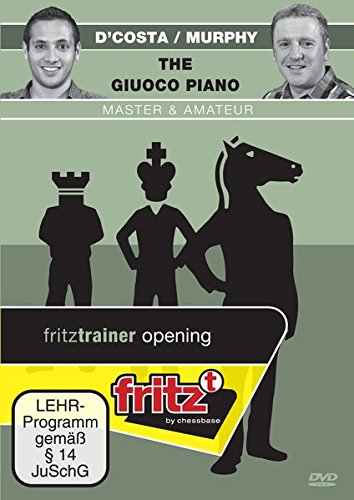
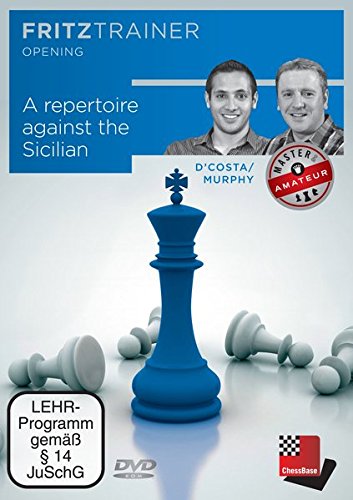
The Giuoco Piano, Chessbase, 2013Fritz Trainer : A Repertoire Against the Sicilian, 2015IM Lorin D’Costa at GM Matthew Sadler at the 2017 Michael Uriely Memorial Tournament, courtesy of John Upham Photography
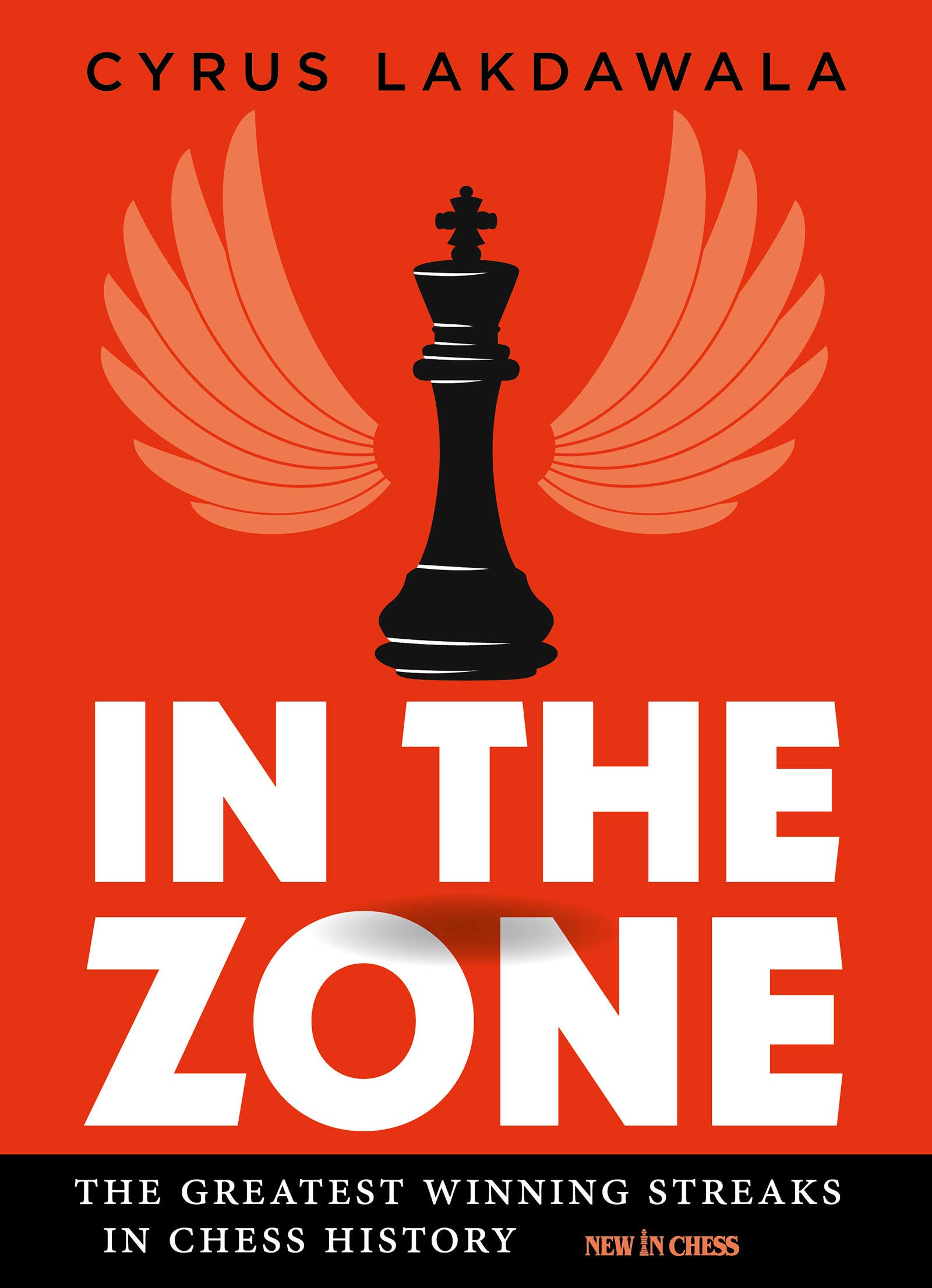
In the Zone: The Greatest Winning Streaks in Chess History
From the rear cover :
“A winning streak in chess, says Cyrus Lakdawala, is a lot more than just the sum of its games. In this book he examines what it means when everything clicks, when champions become unstoppable and demolish opponents. What does it mean to be “in the zone”? What causes these sweeps, what sparks them and what keeps them going? And why did they come to an end?
Lakdawala takes you on a trip through chess history looking at peak performances of some of the greatest players who ever lived: Morphy, Steinitz, Pillsbury, Lasker, Capablanca, Alekhine, Botvinnik, Fischer, Tal, Kasparov, Karpov, Caruana and Carlsen. They all had very different playing styles, yet at a certain point in their rich careers they all entered the zone and simply wiped out the best players in the world.
In the Zone explains the games of the greatest players during their greatest triumphs. As you study and enjoy these immortal performances you will improve your ability to overpower your opponents. You will understand how great moves originate and you will be inspired to become more productive and creative. In the Zone may bring you closer to that special place yourself: the zone.
“Cyrus Lakdawala is an International Master and a former American Open Champion. He has been teaching chess for four decades and is a prolific and widely read author. His Chess for Hawks won the Best Instructional Book Award of the Chess Journalists of America (CJA). Other much acclaimed books of his are How Ulf Beats Black, Clinch It! and Winning Ugly in Chess.”
IM Cyrus Lakdawala
Most of you will be aware of Cyrus Lakdawala’s style of writing. You’ll know that he polarises opinions: some love his books while others hate them. From what I’d read, I’d always thought his books weren’t for me: I’ve never bought one, although a friend gave me a copy of his recent book on the French Defence last year.
So I could write a very brief review. If you’re a Lakdawala fan, and there are many around, you’ll certainly want to read this book. If you’re not a fan you should stay well clear.
I guess you’re expecting me to say more, and there’s quite a lot to say.
This is an excellent and original idea for a book. We meet some of the greatest players from Morphy onwards and look at their peak performances. You get a broad view of chess history over the past 160 or so years, witness how chess knowledge has accumulated and how styles have changed over that time. You also get to see a lot of great chess, with some very (too?) familiar games being contextualised by their juxtaposition with less familiar games played by the same player in the same event. It might even inspire you to get ‘into the zone’ yourself in your next tournament, whenever that might be.
The chapters feature:
Morphy 1st American Chess Congress 1857
Steinitz match v Blackburne 1876
Pillsbury Hastings 1895
Lasker New York 1924
Capablanca New York 1927
Alekhine Bled 1931
Botvinnik World Championship Tournament 1948
Fischer 1963/4 US Championship
Tal Riga 1979
Kasparov Tilburg 1989
Karpov Linares 1994
Caruana Sinquefield Cup 2014
Carlsen Grenke Chess Classic 2019
In total there are 120 games: some complete, some just the conclusion, almost always won by the heroes of each chapter, all annotated in Lakdawala’s trademark lively style. As a highly experienced author and teacher, he knows just how to get the balance right between words and variations, and has used a modern engine to check the analysis. You’ll find lots of Exercises (for you to solve), Principles (to help you improve) and Moments of Contemplation (to think about an interesting position).
This has always been one of the author’s favourite games, but you’ll have to buy the book to read the annotations.
Cyrus Lakdawala is clearly some sort of crazy (to use one of his favourite words) genius. I’m in awe of his productivity, his work ethic, his imagination, his general knowledge, his wide range of references. It’s well worth listening to this interview on Ben Johnson’s excellent Perpetual Chess Podcast in which he explains how and why his brain doesn’t work like anyone else’s.
But – and, for me, at any rate, it’s a very big but, he comes across as a writer who rushes to complete the book without double checking everything, and who lacks any awareness as to whether or not his light-hearted asides and fanciful analogies are helpful or appropriate. He’s also, by no means uniquely among chess authors, a lot stronger writing about contemporary players than about historical figures.
There are various mistakes which might not be important, but are unnecessary and, at least for this reader, annoying. Blackburne’s first names appear at various points as ‘Joseph Henry’, ‘Henry Joseph’ and ‘Henry’. In the heading of a game between Lasker and Marshall, Emanuel’s name becomes Edward, confusing because they both played at New York 1924. In Fischer’s Famous Game against Robert Byrne the heading is correct, but a few lines further down Robert turns into his brother Donald, who, again, was playing in the same event. These errors should really have been picked up by the editor or proofreader.
Then there’s the hyperbole. “Paulsen routinely took eight full hours to make his moves.” “Marshall’s normal temperament was that of a belching, gurgling volcano…” “Alekhine destroyed every stick of furniture in his hotel room, in a near psychotic rage.” Sentences like this would induce a near psychotic rage in several chess historians I could mention.
Most seriously, many of the more frivolous asides might be considered by some to be in poor taste. We have throwaway references to Jeffrey Epstein, Michael Jackson and, on several occasions, the British Royal Family. Then, what do you make of this? “Blunders like this one are a first-rate reason why no sane person should voluntarily take up chess as a hobby. It’s basically like marrying a spouse who beats you up on a daily basis.” Or this, after mentioning that Raymond Weinstein has been in a psychiatric hospital since 1964? “Thanks a lot, Ray! This does a lot to help eradicate the stereotype that we chess players are just a touch crazy!” You might think domestic abuse and mental illness are inappropriate subjects for levity in a book of this nature.
Now I don’t want to knock the author, any more than I’d knock Reinfeld and Chernev. I’m all in favour of people whose brains work in a different way. I’m all in favour of teachers and writers whose communication skills enable them to share their passion and enthusiasm for chess. There’s always a place within the chess world for authors who can bring our game to a wider audience, and Lakdawala’s colourful writing style, although not for chess and linguistic purists like me, offers a lot of pleasure to a lot of people.
On the other hand, he can easily go over the top, and perhaps it’s the responsibility of his publishers to be more proactive. With a pair of scissors to remove the pointless and sometimes tasteless analogies and a red pen to correct the mistakes and typos this could have been an excellent and – 50 pages shorter – addition to chess literature. Nevertheless, if you’ve enjoyed Lakdawala’s previous volumes and can live with the faults, you’ll like, and perhaps learn a lot from, this book.
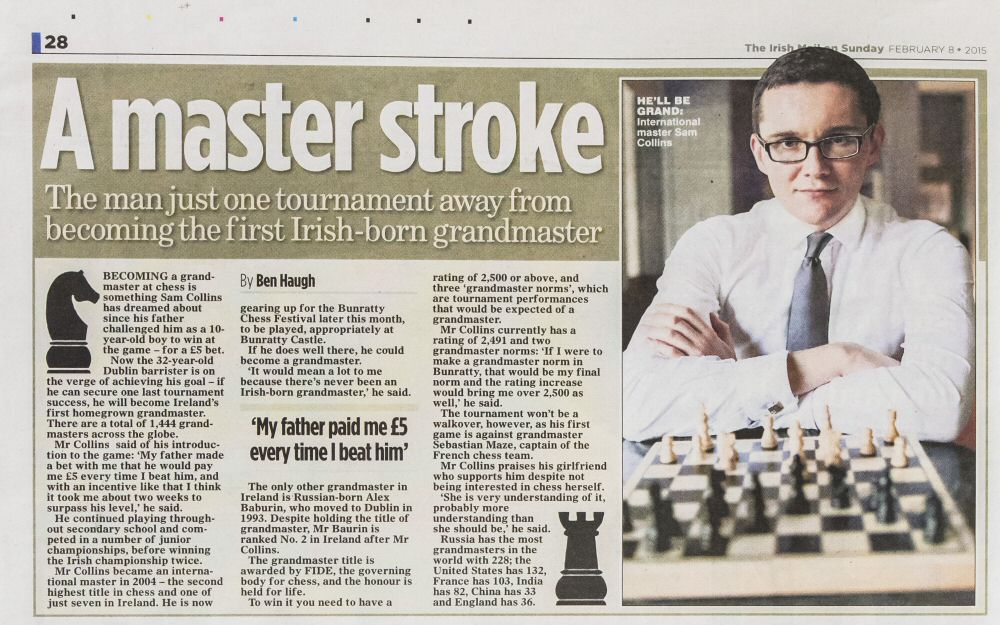
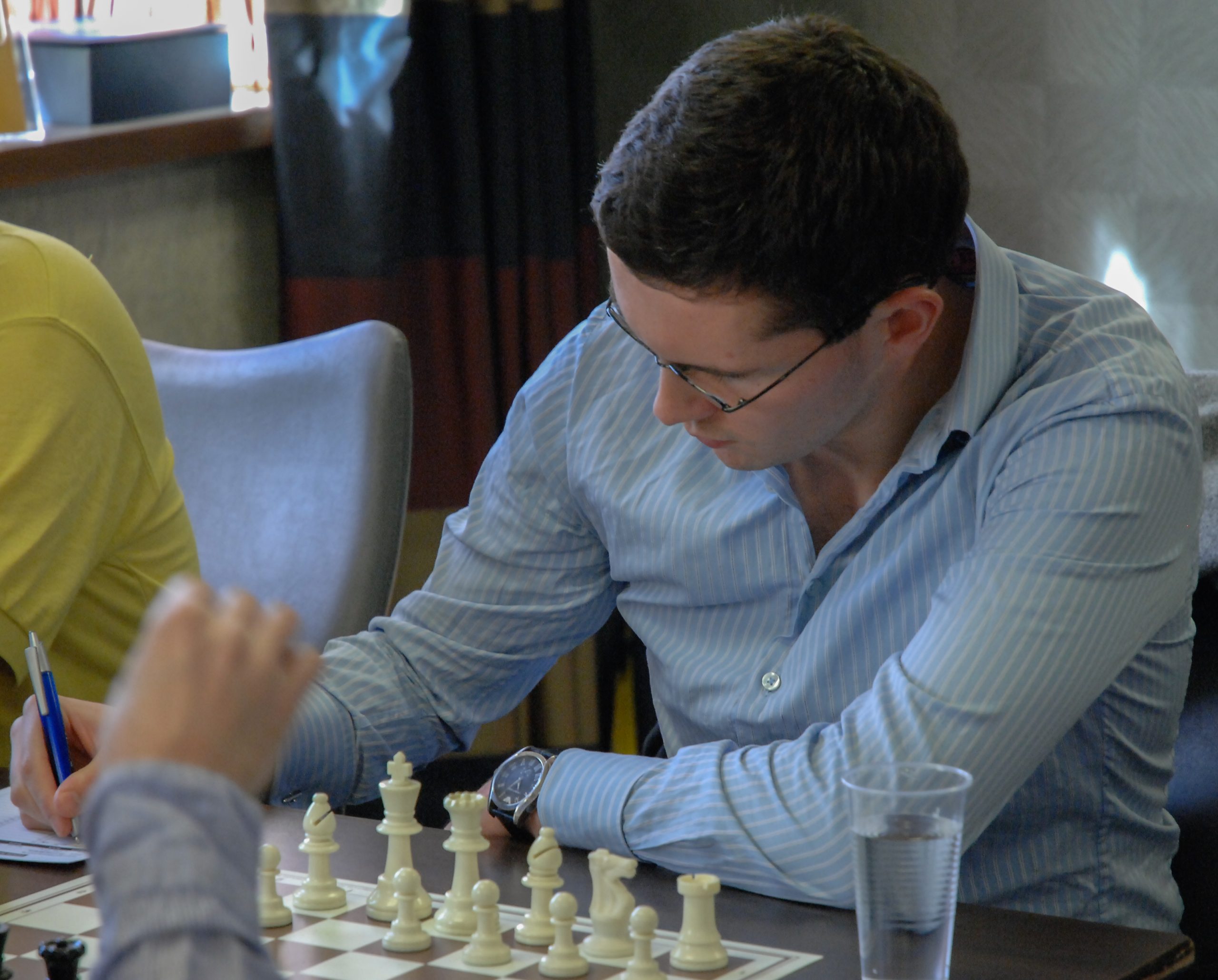
BCN wishes Happy Birthday to IM Sam Collins (05-ix-1982)
Samuel E Collins was born on Sunday, September 5th, 1982 in Dublin, Republic of Ireland.
He attended Gonzaga College, Ranelagh, Dublin (founded in 1950) famously very active at chess and then studied at University College, Dublin (UCD).
Sam spent three years in London and one year in Japan where he found time to win their national championship.
Sam became a FIDE Master in 2003 and an International Master in 2004 and holds three GM norms.
His peak FIDE rating was 2495 in August 2014 at the age of 32.
According to chessgames.com :
“Collins won the Irish Championship twice, in 2002 and 2014, and the Japanese Championship in 2009.”
According to The Tarrasch Defence, move by move :
“Sam Collins is an International Master with tree Grandmaster norms, and a former Irish and Japanese Champion, He has represented Ireland at eight Olympiads, winning an individual gold medal at Bled 2002. He has a wealth of teaching and writing experience, and has produced many books, DVDs and magazine articles on chess.”
According to An Opening Repertoire for White :
“Sam Collins is a chess writer who regularly contributes to Chess, British Chess Magazine, Chess Mail and Chess Today. He is a former Irish Champion and Olympic gold medal winner.”
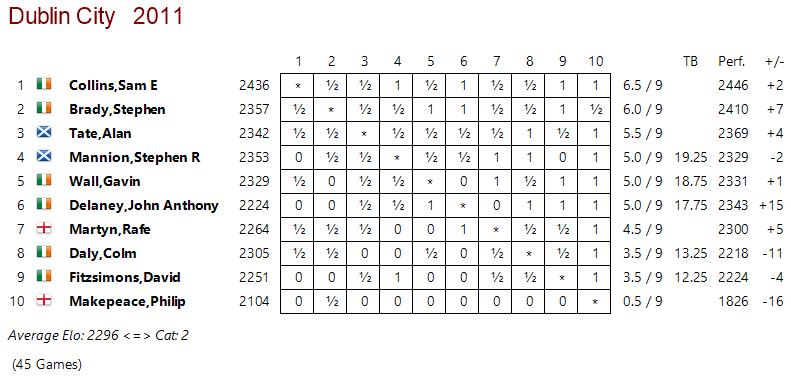
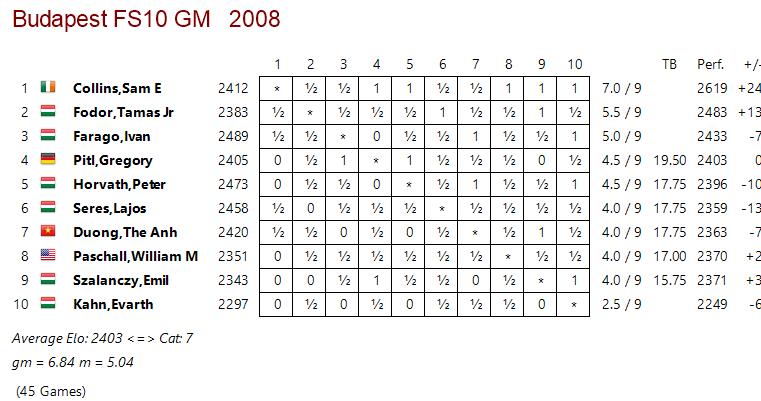
Crosstable for Dublin City, 2007Crosstable from Budapest First Saturday GM Tournament 2008The Irish Mail on Sunday, February 8th 2015
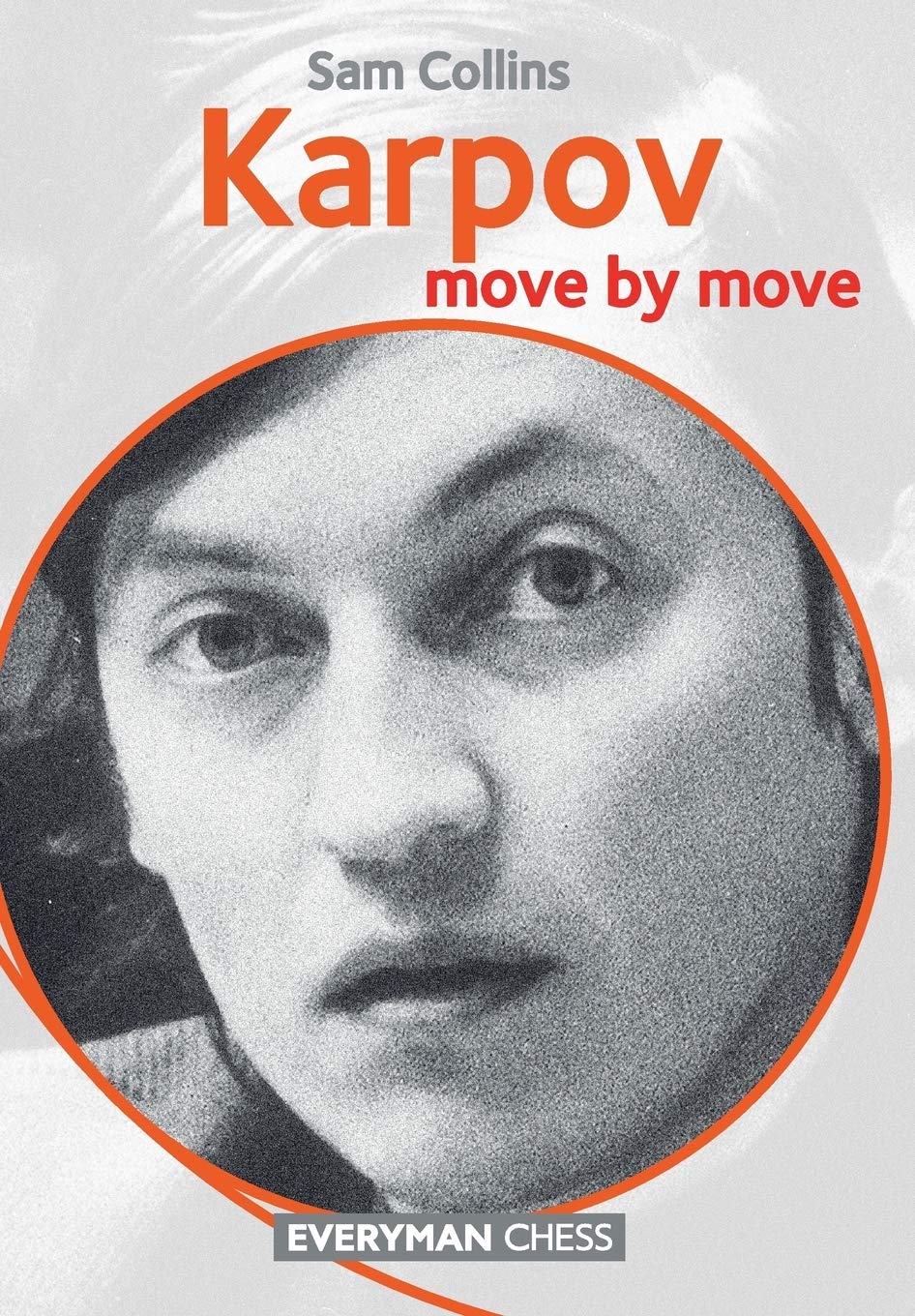
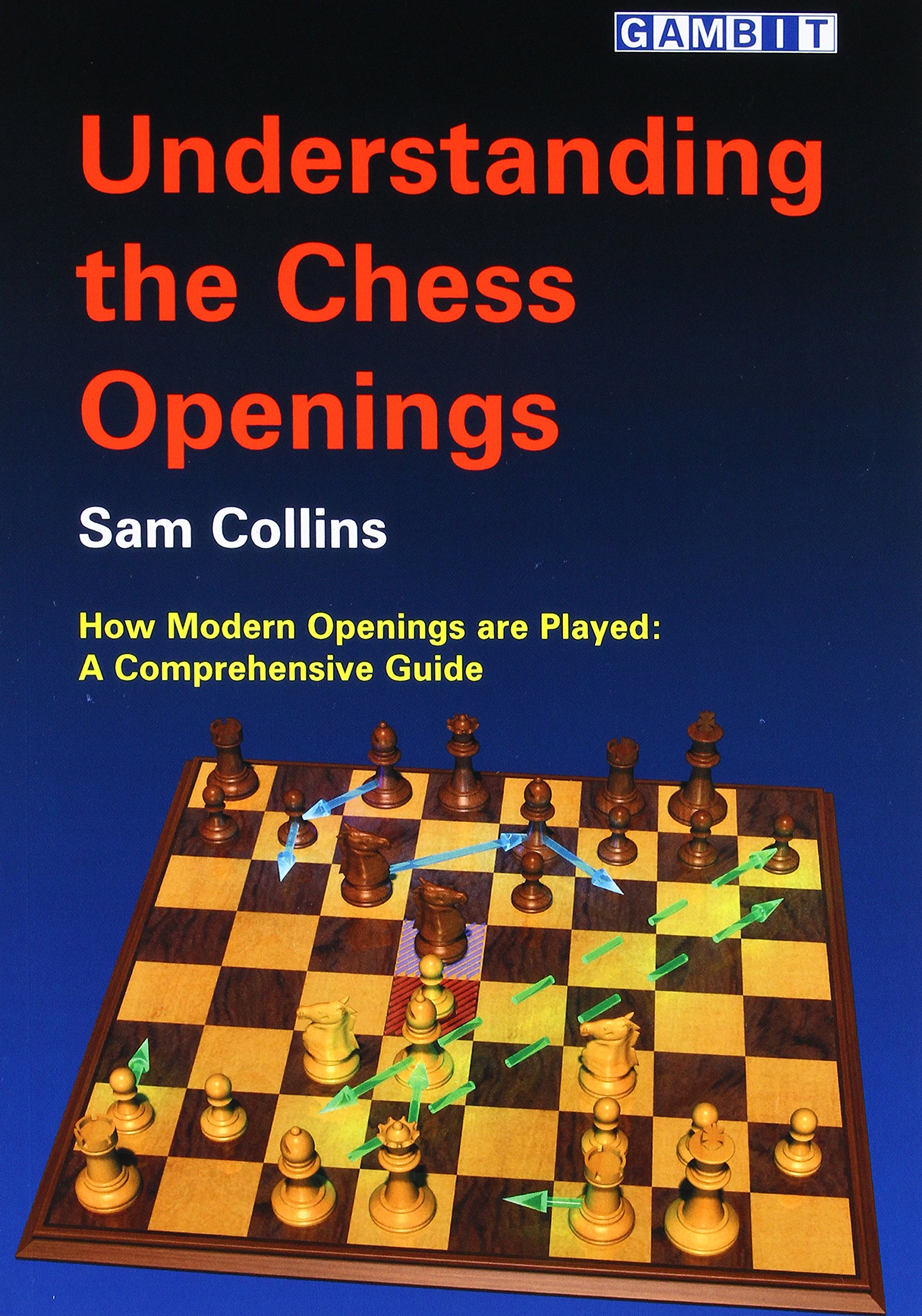
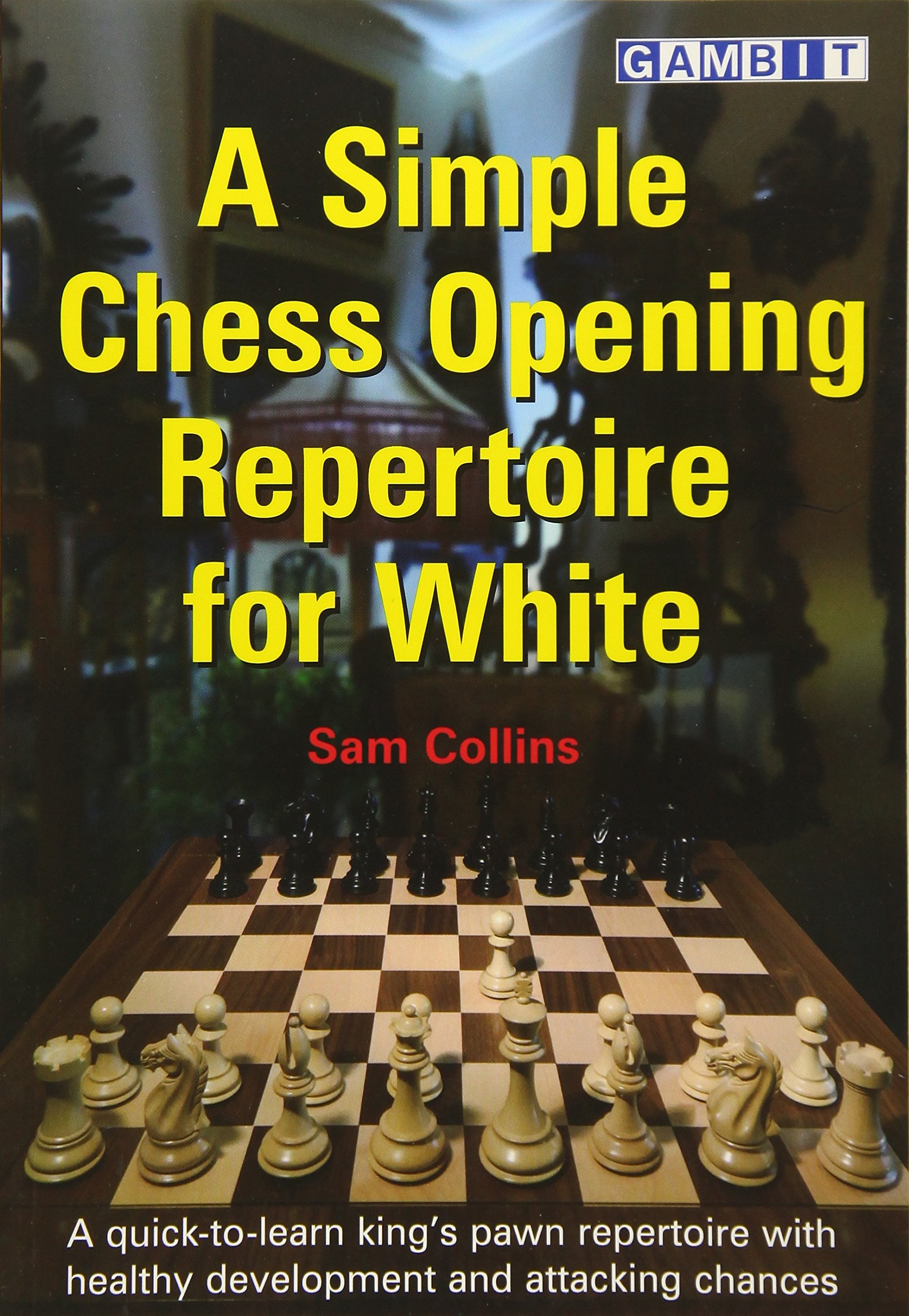
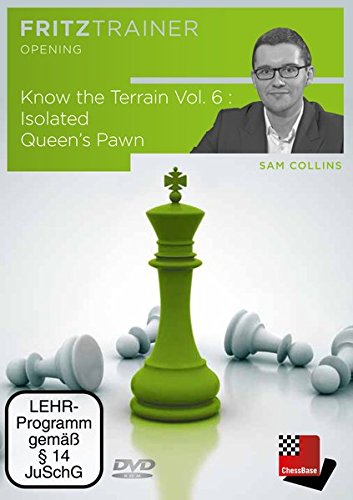
Sam is an accomplished writer with several titles to his name both on paper and on DVD. Some of these titles are listed below.
Sam started his 4NCL career with Barbican in 2001 through to 2019 moving to Gonzaga in 2020.
With the white pieces Sam essays 1.e4 and prefers a main line Ruy Lopez when possible along with open Sicilians.
As the second players Sam enjoys the black side of a main line Ruy Lopez and main line Slavs.
Firstly an aperitif :
and then the main course :
Sam is an active coach has this page on Lichess where he is known as The Chairman.
Sam has been the Games Editor at British Chess Magazine.
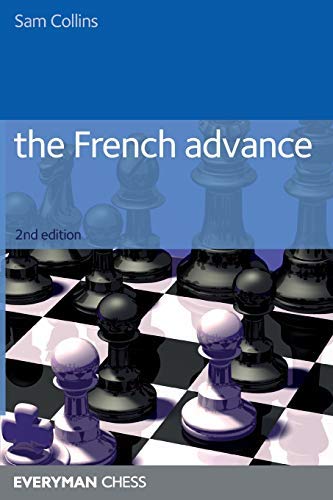
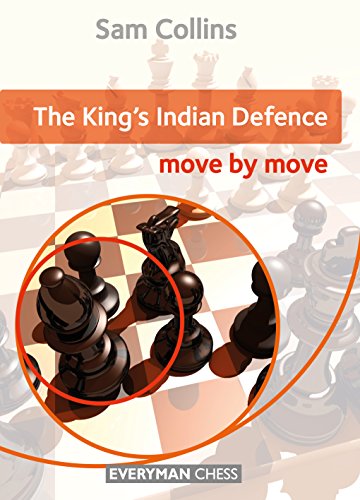
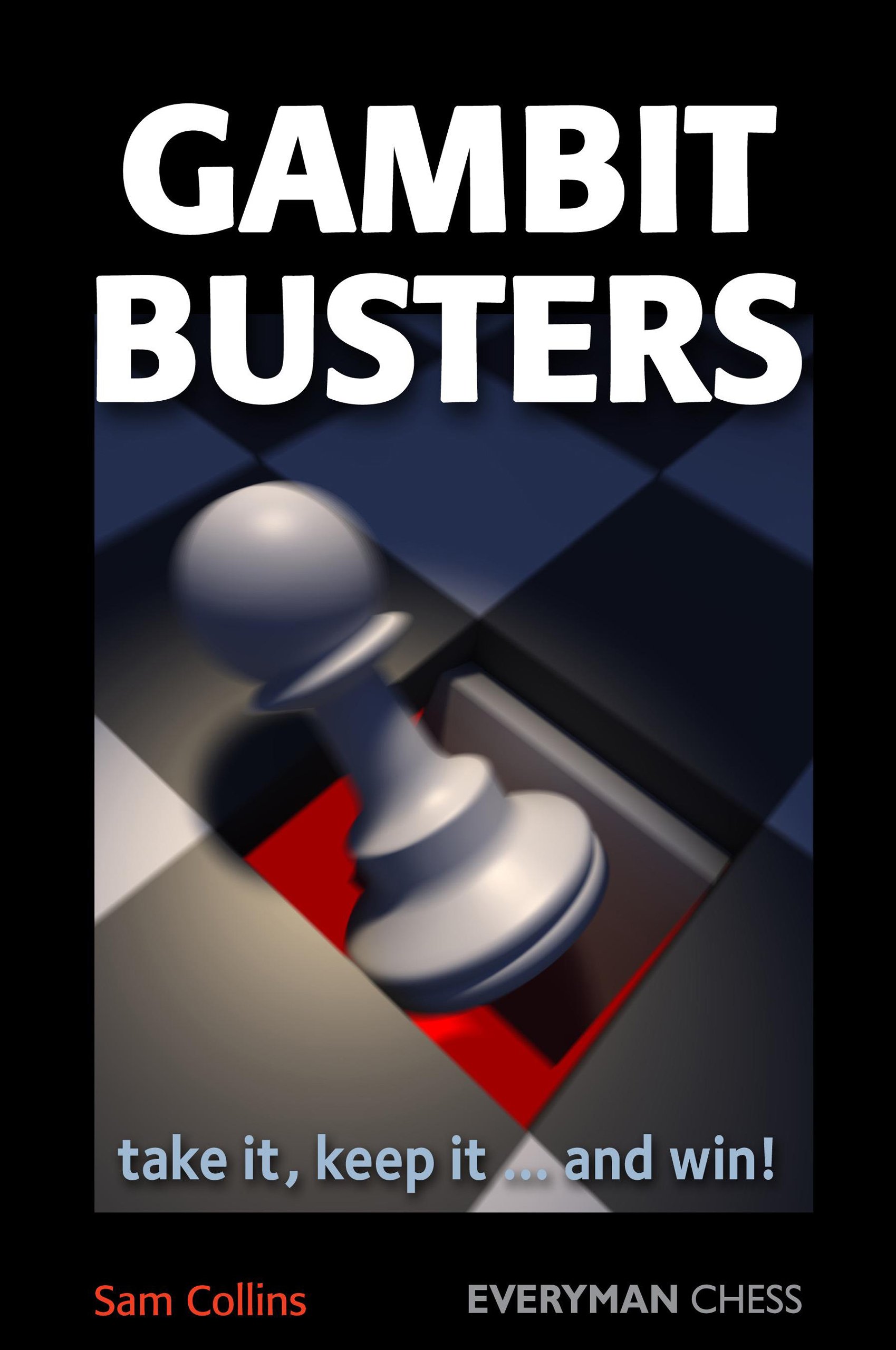
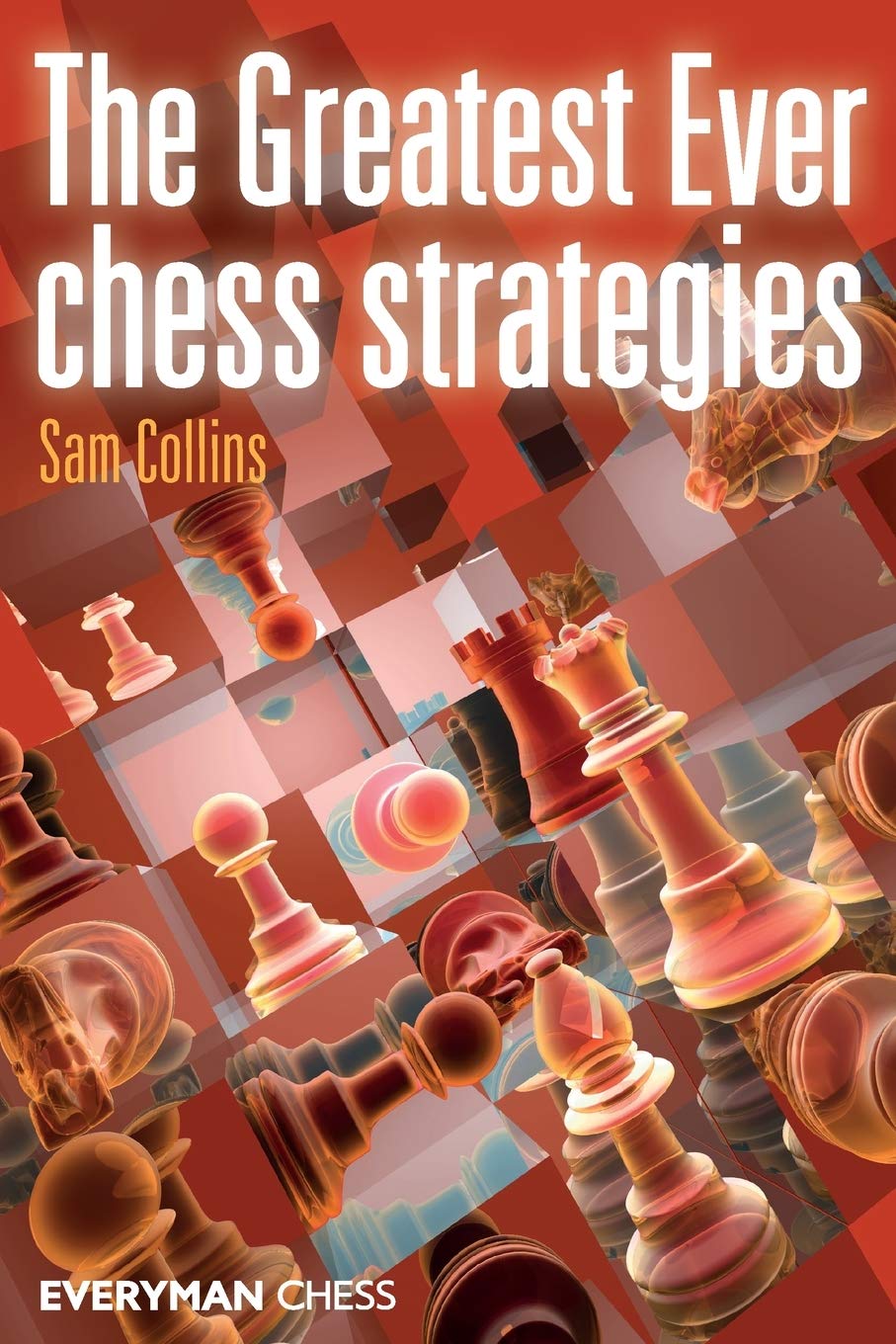
An attacking repertoire for White by Sam Collins, Batsford, 2005.Chess explained: The c3 Sicilian by Sam Collins, Gambit Publications, 2007.The French AdvanceThe King’s Indian Defence, move by moveKarpov, move by moveUnderstanding the Chess OpeningsA Simple Chess Opening Repertoire for WhiteKnow the Terrain Vol. 6Gambit Busters, 2002The Greatest Ever Chess Strategies
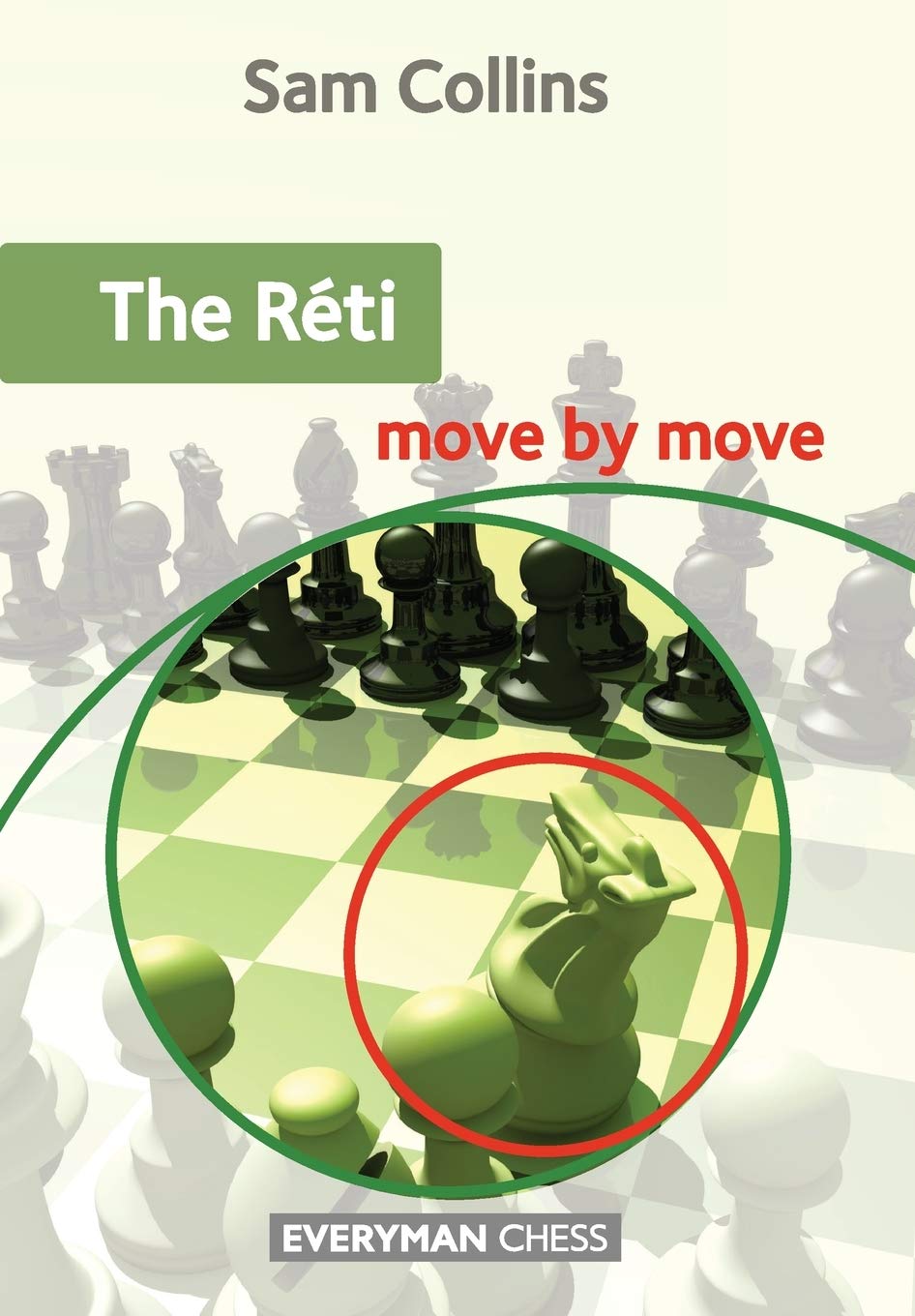
The Réti: Move by Move, Sam Collins, Everyman Chess, 30th September 2020, ISBN-13 : 978-1781944400
We wish Stephen Gordon all the best on his birthday, this day (September 4th) in 1986.
Stephen John Gordon was born on Thursday, September 4th 1986 in Oldham, Lancashire where he has lived since.
He attended The Blue Coat School in Oldham
He became a FIDE Master in 2004, an International Master in 2006 and a Grandmaster in 2009.
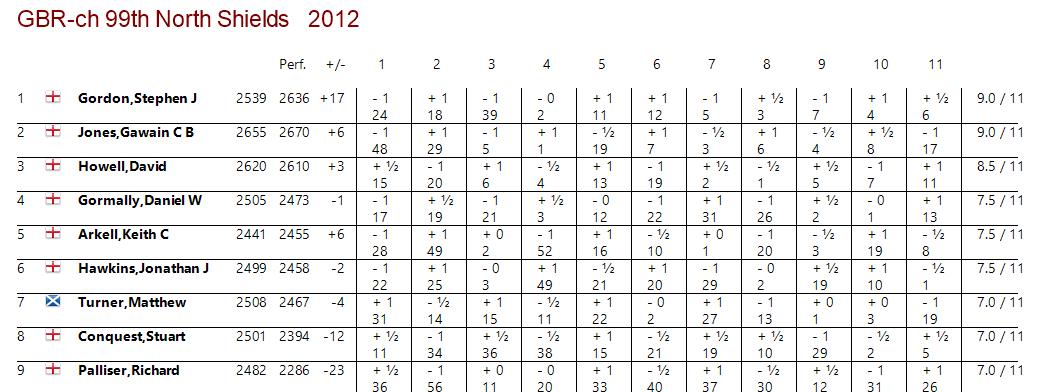
In 2012 he shared first place with Gawain Jones in the British Championships in North Shields.
2012 British Championships part crosstable
According to Felice his peak FIDE rating was 2556 in September 2012 at the age of 26.
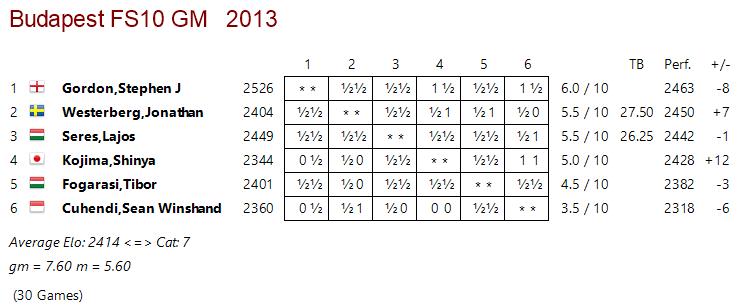
Crosstable from the 2013 Budapest First Saturday GM Tournament
Stephen plays for 3Cs in the Manchester Chess League and for Wood Green in the London League and for 4NCL 3Cs in the Four Nations Chess League.
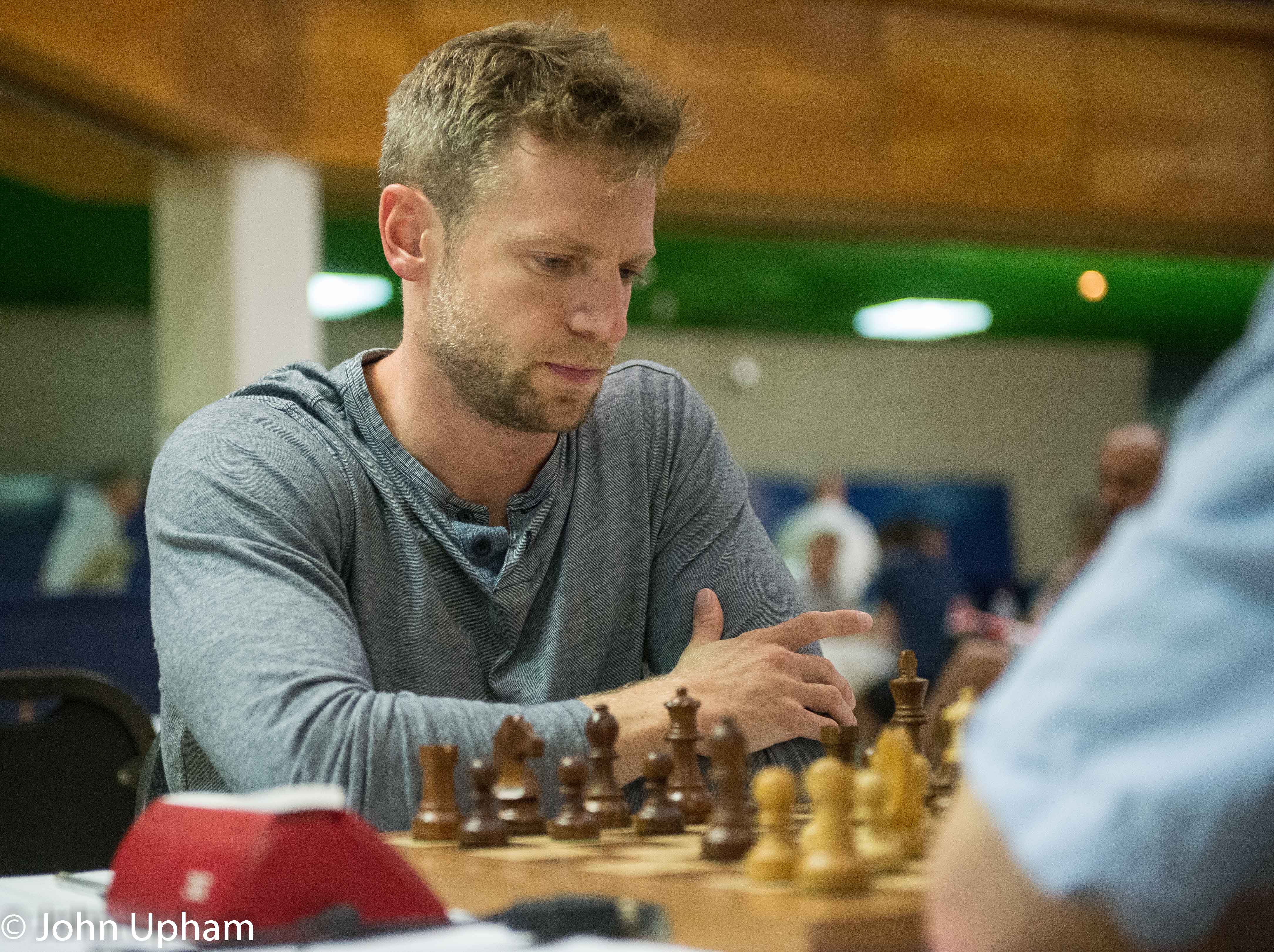
Stephen Gordon at the final 4NCL weekend in 2014. Courtesy of John Upham Photography
With the White pieces Stephen almost always plays 1.d4 aiming for a Queen’s Gambit and other main lines.
As the second player, Stephen plays the Sicilian Najdorf and the Nimzo-Indian Defence.
From Wikipedia :
“Stephen J. Gordon (born 4 September 1986) is an English chess grandmaster.
In September 2004 he took a break from his A-level studies at The Blue Coat School, Oldham to compete in the thirteenth Monarch Assurance Isle of Man International.
In 2005, while still a FIDE Master, he finished 6th in the British Championships ahead of a Grandmaster and several International Masters.
At the EU Individual Open Chess Championship held at Liverpool in 2006, he led the tournament after eight rounds and finished a very creditable (joint) second, a half point behind winner Nigel Short and level with Luke McShane among others.
Probably his best result to date however, was second place in the 2007 British Championship, narrowly losing his share of the lead in the final round. In previous rounds, he defeated both tournament victor Jacob Aagaard and previous champion Jonathan Rowson.
By 2008, his rating had reached grandmaster level, although the title itself had not yet been secured. At the British Championship in Liverpool, he almost repeated his performance of the previous year, by taking a share of third place. He was the British under-21 Champion each consecutive year between 2005 and 2008. He became a grandmaster on 1 August 2009.
He has been one of the co-presenters of the chess podcast The Full English Breakfast since its inaugural show in October 2010.”
Stephen Gordon at The Plough Public House in 2014 for the annual Drunken Knights vs Wood Green London League match. Courtesy of John Upham Photography
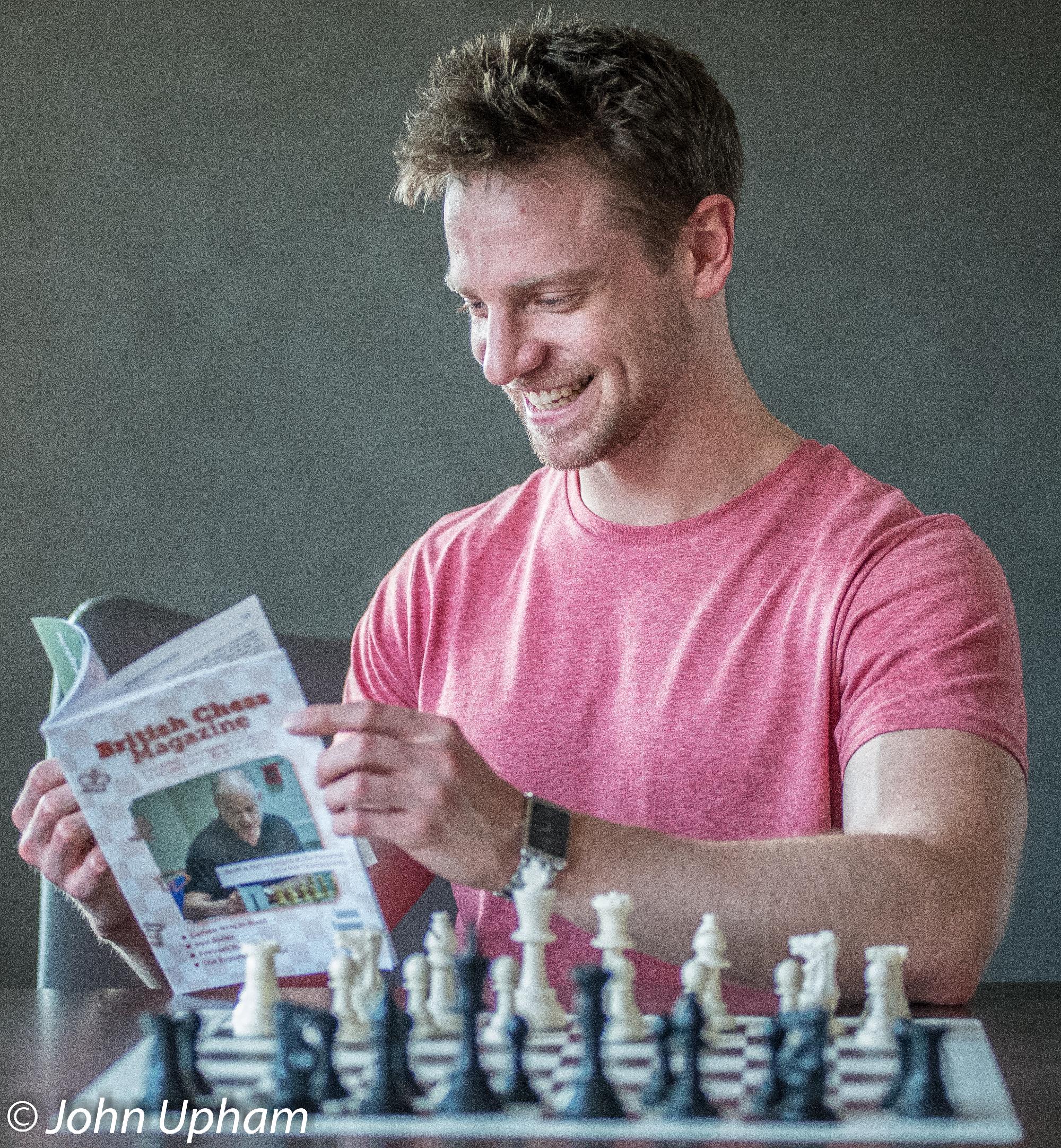
GM Stephen Gordon, courtesy of John Upham Photography
Save as PDF
We focus on the British Chess Scene Past & Present!
This website uses cookies to improve your experience. We'll assume you're ok with this, but you can opt-out if you wish. Cookie settingsACCEPT
Privacy & Cookies Policy
Privacy Overview
This website uses cookies to improve your experience while you navigate through the website. Out of these cookies, the cookies that are categorized as necessary are stored on your browser as they are as essential for the working of basic functionalities of the website. We also use third-party cookies that help us analyze and understand how you use this website. These cookies will be stored in your browser only with your consent. You also have the option to opt-out of these cookies. But opting out of some of these cookies may have an effect on your browsing experience.
Necessary cookies are absolutely essential for the website to function properly. This category only includes cookies that ensures basic functionalities and security features of the website. These cookies do not store any personal information.
 Save as PDF