
On the Origin of Good Moves: A Skeptic’s Guide at Getting Better at Chess

On the Origin of Good Moves

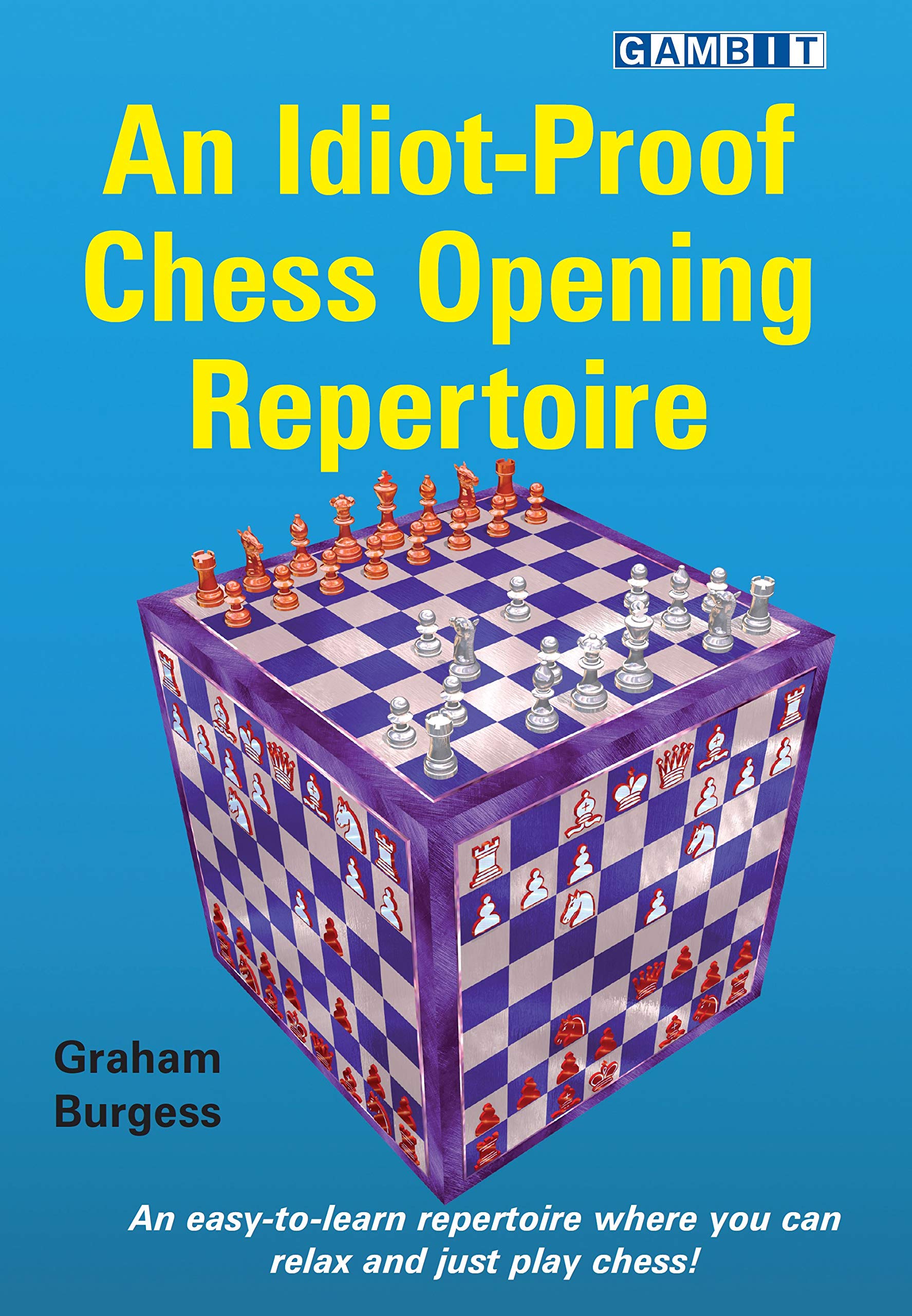
On the Origin of Good Moves: A Skeptic’s Guide at Getting Better at Chess : Willy Hendriks

IM Willy Hendriks, Photo by Zhaoqin Peng

“Willy Hendriks (1966) is an International Master who has been working as a chess trainer for over 25 years. His acclaimed bestseller ‘Move First, Think Later’ won the English Chess Federation Book of the Year Award.”

From the rear cover :

“The way a beginner develops into a strong chess player closely resembles the progress of the game of chess itself. This popular idea is the reason why many renowned chess instructors such as former World Champions Garry Kasparov and Max Euwe, emphasize the importance of studying the history of chess.

Willy Hendriks agrees that there is much to be learned from the pioneers of our game. He challenges, however, the conventional view on what the stages in the advancement of chess actually have been. Among the various articles of faith that Hendriks questions is Wilhelm Steinitz’s reputation as the discoverer of the laws of positional chess.

In The Origin of Good Moves Hendriks undertakes a groundbreaking investigative journey into the history of chess. He explains what actually happened, creates fresh perspectives, finds new heroes, and reveals the real driving force behind improvement in chess: evolution.

This thought-provoking book is full of beautiful and instructive ‘new’ material from the old days. With plenty of exercises, the reader is invited to put themselves in the shoes of the old masters. Never before has the study of the history of chess been so entertaining and rewarding.”


What we have here is a hugely ambitious work covering the development of chess ideas over a period of almost 300 years, from roughly 1600 to 1900, from Greco to Tarrasch. Willy Hendriks considers the evolution of both tactical and positional concepts, as well as covering, to a lesser extent, opening theory.

A number of authors over the years, from Réti onwards, have attempted something similar but Hendriks takes the genre to a new level. His view is that previous authors, using a small sample of Famous Games, have presented a crude and misleading view of ‘the history of improvement in chess’. Chess, he believes, has evolved in very much the same way as species evolve.

Hendriks’ previous book, Move First, Think Later, (MFTL) proved controversial. It attracted the attention of the ECF Book of the Year panel, but there were others who considered it highly dangerous. A confrontational title and controversial, extremist views on how chess should be taught. My own views, are, as they are on most subjects, somewhere in the middle, but I still found it an entertaining read. You’ll find a typically well considered review by John Watson here.
Just as in MFTL, each of the 36 chapters is preceded by some exercises which readers might like to attempt before reading on.

Here’s one from Chapter 1:

[fen]r1bq1rk1/ppppbppp/2n1p3/3nP3/3P3P/3B1N2/PPP2PP1/RNBQK2R w KQ – 0 7[/fen]

Finding the answer won’t be difficult for any experienced player, but it was Greco who was the first to play, or at any rate publish, a Bxh7+ sacrifice. Ideas like this, and there are many, positional as well as tactical, throughout the book, gradually become better and better known until they become part of every serious player’s armoury, which is how standards improve. We’re all standing on the shoulders of giants, but it takes genius to be the first.

When we think of Greco we probably think of brilliant miniatures against opponents who either misplayed the opening or made tactical oversights, but Hendriks maintains there’s a lot more to him than that. “If you play over all the games by Greco you cannot but be amazed by the enormous strength of this player and by the importance and variety of his ideas.” In the first chapter we look at some of his tactical ideas, but in Chapter 2, where he is billed as the Nimzowitsch of the 17th century, we discover that Greco was also aware of some relatively sophisticated positional ideas.

The next few chapters continue Hendriks’ revisionist view of chess history. Philidor in Chapters 3 and 4, La Bourdonnais and McDonnell in Chapter 5, Staunton and Saint Amant in Chapter 6. Generally speaking, the book is free from mistakes, but here the magazine Le Palamède is sometimes awarded the wrong definite article. On p85 it’s both right and wrong within four lines.

In Chapter 7 we visit London in 1851 and look at some of the chess played in the first international tournament of modern times. The next two chapters then spin off to take a couple of detours.

Chapter 8 features a positional idea: the pawn formation labelled by Hans Kmoch (whose book Pawn Power in Chess Hendriks seems to admire, although it would have been helpful if the publishers had used the English title) the Wyvill Formation – doubled c-pawns such as White might acquire in the Nimzo-Indian. The English player Elijah Williams, a man ahead of his time, demonstrated how to fight against this in his games against the eponymous Marmaduke Wyvill and Howard Staunton.

[fen]1r3rk1/p1q2pbp/b1p1p1p1/2ppPn2/2P2P2/1PNP1N2/P3Q1PP/R1B2RK1 w – – 0 15 [/fen]

In this rather modern  looking position Williams played Ba3 against Staunton (Hendriks points out that Na4 and Qf2 were also strong), winning the c5 pawn and, eventually, the game.

We then look at some much more recent examples of games featuring this formation.

Chapter 9 returns to London and riffs off in a tactical direction.

[fen]4rrk1/pppq1pp1/2nb1n1p/5b2/2BP4/4BN1P/PP2NPP1/R2Q1RK1 w – – 0 13[/fen]

This is a position from another Elijah Williams game. Here, he was Black against Johann Löwenthal. White, to move, decided Black might be threatening Bxh3, so played Bf4 to prevent the sacrifice, later losing after a blunder. Staunton, writing in the tournament book, considered it a mistaken precaution. Hendriks demonstrates that the sacrifice would have been sound, and spends the rest of the chapter looking at precursors and more recent examples of the same tactical idea.

Chapter 10 is a brief visit to India in the company of John Cochrane, where opening theory developed very differently – an interesting topic in its own right.

We then move on to Paul Morphy, the hero of the next few chapters. Chapter 13, Anderssen versus Morphy, will raise a few eyebrows. We all know what to think, don’t we? Both men were tactical geniuses but Morphy was also a positional genius, while Anderssen, a representative of the romantic school of chess, was just a high class hacker. Hendriks, acknowledging Mihail Marin, who first made the point some years ago, explains that the opposite was closer to the truth. We all know Anderssen’s brilliant Immortal and Evergreen Games, but they were casual encounters where he could afford to take risks. In tournament games he sometimes experimented with more modern openings and ideas while Morphy stuck resolutely to 1. e4 e5. The difference between them was not that Morphy was a better positional player but that he was more accurate and efficient.

As we continue through the 19th century we meet Steinitz and reach what, in some ways, is the heart of the book. Because Morphy gave up serious chess before Steinitz achieved prominence, it’s easy to forget that the latter was a year older.

Very many writers over the years, from Lasker onwards, have portrayed Steinitz as the father of modern positional chess. Hendriks begs to differ. Steinitz never wrote down his principles: it was Lasker who did this, attaching Steinitz’s name to them.  Hendriks demonstrates that most of his ideas were generally known before his time. His only genuinely new idea was to do with using the king as a strong piece in the opening, and that didn’t stand the test of time. Chapter 25 deals with this.

[fen]r1bnkq1r/pp1p1ppp/2pb3n/4p1B1/Q1N1P3/2P2N2/P3BPPP/R4RK1 w kq – 0 15[/fen]

The first exercise at the start of the chapter poses an intriguing question. “Your opponent in the coming World Championship match is prepared to play this position as Black at least four times against you. Do you accept?”

Well, you certainly should as, after Nb6, White is clearly much better, even though Steinitz stubbornly insisted that Black was fine.

[fen]r1b1kbnr/pppp1ppp/2n5/8/3PPp1q/2N5/PPP1K1PP/R1BQ1BNR b kq – 0 5[/fen]

Here is the infamous Steinitz Gambit after White’s 5th move. Steinitz played it a lot but, although White does quite well with it over the board, it really is as bad as it looks.

As we approach the end of the 19th century, it’s time for Hendriks to start drawing conclusions. Comparisons are often made between today’s players and those from the past. If Magnus Carlsen were to travel back in time, how would he fare against Lasker, Morphy or Philidor? Here’s Hendriks, in Chapter 28: “If I might venture a wild guess regarding the average strength of say the top five or top ten players throughout the (19th) century I would say it gradually went from about 2000 around the thirties to 2400 near the end of the century.”

This sounds about right to me, but even near the end of the century, top players were making horrendous blunders which would shame a 1400 player, let alone a 2400 player.

A famous example: Chigorin-Steinitz from the 23rd game of their 1892 World Championship match.

[fen]8/pp2R2p/3BNkb1/3P1p2/7p/8/PP1rr2P/5R1K w – – 0 32[/fen]

Rxb7, for example, wins for White, but Chigorin’s choice of Bb4 proved rather unsuccessful.

Chapters 31 and 32, in which Hendriks links his discoveries to his teaching methods outlined in MFTL, might prove controversial to some.  In Chapter 31 he explains why he believes that creating plans is overrated, and in Chapter 32 he tells you that, contrary to the recommendations of other teachers, you should spend a lot of time studying openings. Of course you might not agree, but it’s often worthwhile listening to those who have well thought out views which differ from yours.

Finally, we reach Chapter 36. Here’s how Hendriks concludes:

“The human history of chess, with all its theoretical struggles and its remarkable personalities, is a fascinating one. However, the general theories that supposedly unify and systematize all those pieces are in my opinion more the result than the cause of the progress made, and as a guide to finding the best moves they are of only limited use.

“As in nature, variety and complexity in chess aren’t the result of some sort of plan from above. It works the other way around, on all levels, even the individual one. As soon as you start looking at a position, all those basic bits of knowledge you gathered before start working. They come up with plans and moves to be played. You can almost sit by and wonder. And watch the good moves replicate.”

I’ve said before that we’re fortunate to be living in a golden age for chess literature, and On the Origin of Good Moves goes right in somewhere very near the top of my favourite chess books of all time. I found it well researched, endlessly fascinating, always thought provoking, often digressive, sometimes provocative and sometimes extremely funny. (Humour in chess books seems to be something of a Dutch speciality: think of Donner and Tim Krabbé.) It’s well produced, and enlivened by copious illustrations, some of only tangential relevance (soldiers in the Franco-Prussian War, a police telephone box, Charles Darwin). If you have any interest at all in the development of chess ideas this will be an essential purchase. If you want to improve your rating you’ll find a lot of inspiring suggestions, although you might not agree with all of them, a lot of great chess, much of which will probably be unfamiliar to you, and a lot of beautiful moves. You’ll find quite a lot of rather bad chess as well, but it all adds to the fun.

Five stars and a top recommendation from me. I do hope you enjoy it as much as I did. It’s certainly a book I’ll return to over and over again.

You can read some sample pages here.

Richard James, Twickenham 3rd June 2020

Richard James
. Richard James

Book Details :

  • Paperback : 432 pages
  • Publisher: New in Chess (10 April 2020)
  • Language: English
  • ISBN-10: 9056918796
  • ISBN-13: 978-9056918798
  • Product Dimensions: 17 x 23.1 cm

Official web site of New in Chess

On the Origin of Good Moves

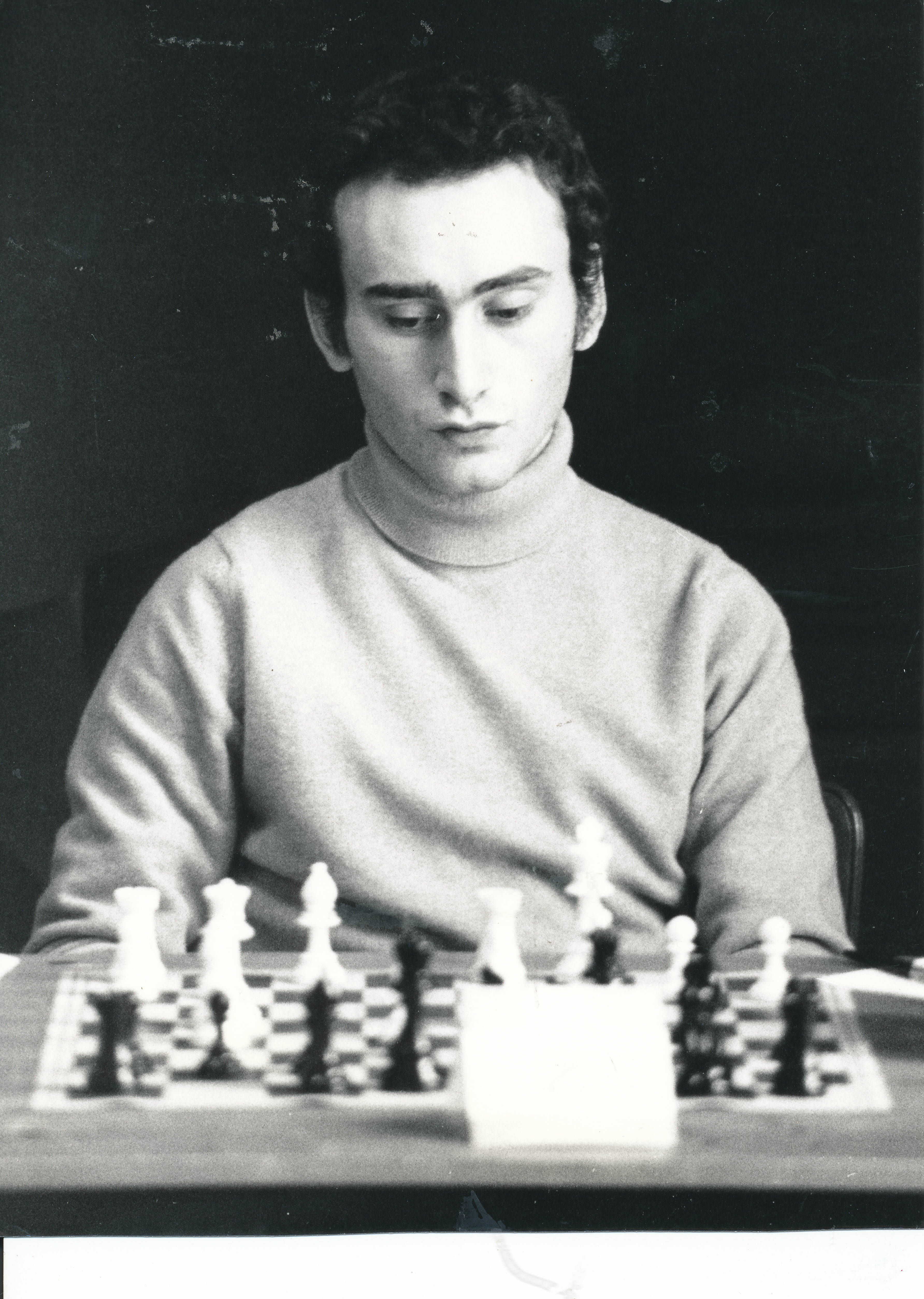
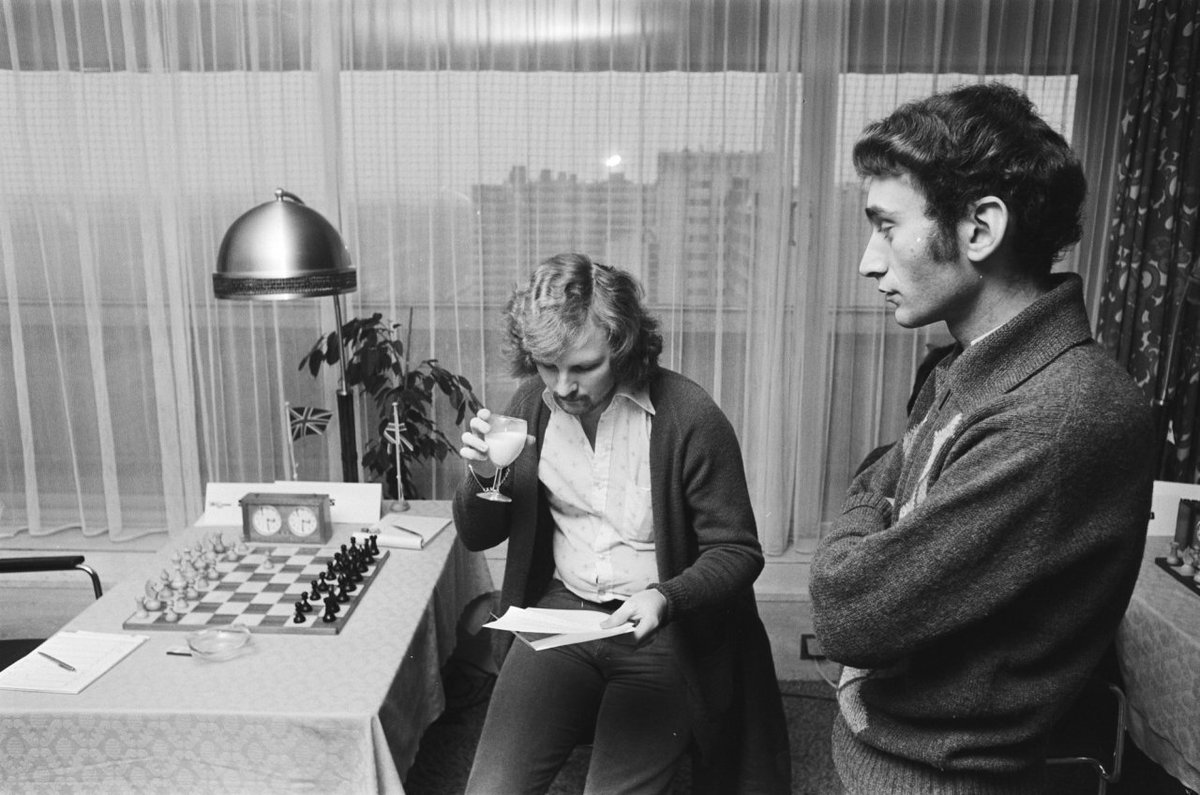
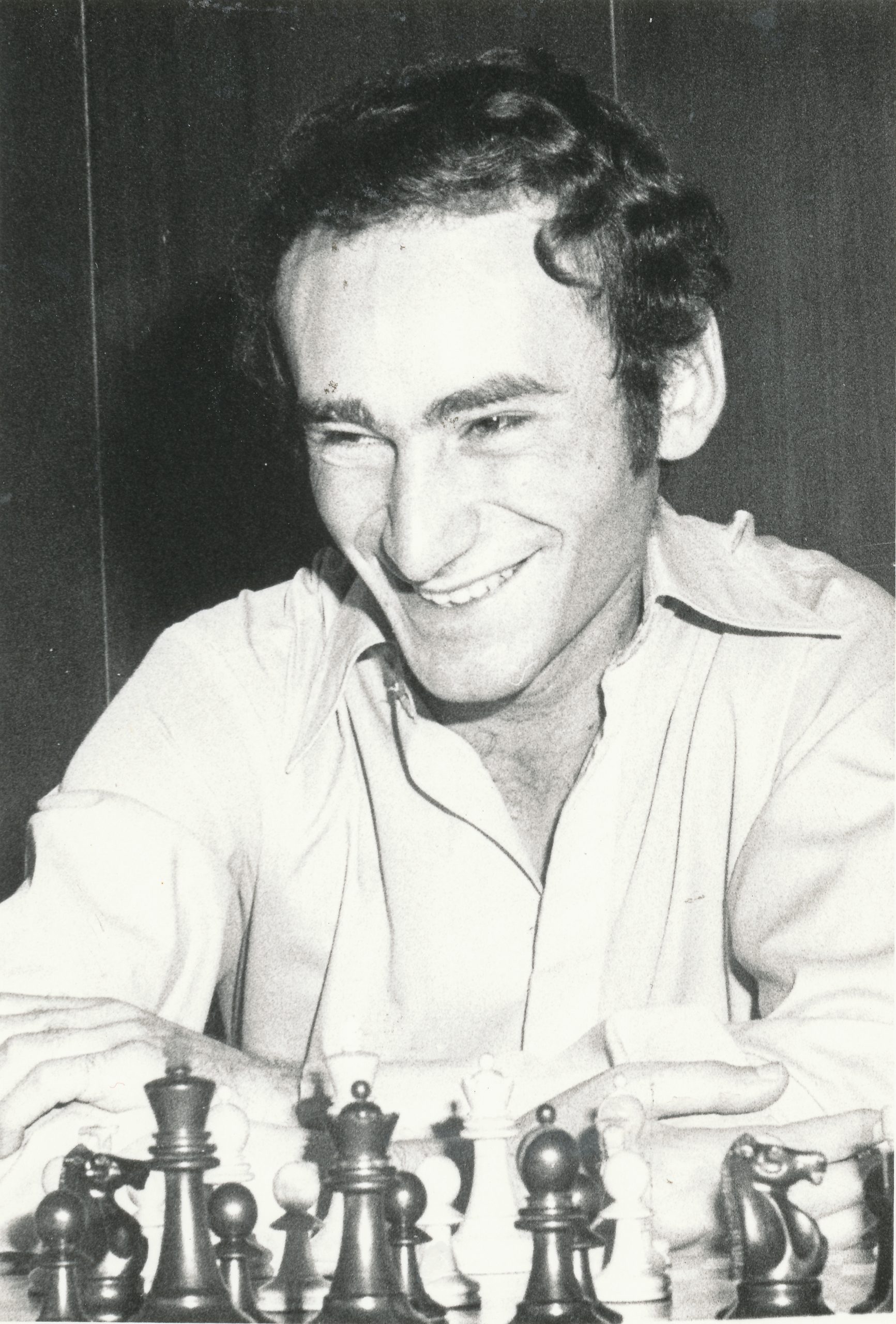
Happy Birthday GM Jonathan Levitt (03-vi-1963)

GM Jonathan Levitt
GM Jonathan Levitt

BCN wishes happy birthday to GM Jonathan Paul Levitt (03-vi-1963)

From Wikipedia (Dutch version) :

Jonathan Levitt , Jon, (born in 1963) is a British chess player . In 1984 he became a FIDE International Master and in 1994 a FIDE Grand Master.

GM Jonathan Levitt, photograph by Cathy Rogers

Levitt wrote chess anecdotes on the (no longer existing) chess portal kasparovchess.com . He also has a chess column in “Oxford Today”. Levitt is also known for his talent tests and he is also a chess teacher. Moreover, he is a master in endgame studies. He takes chess photos, some of which can be seen in Wikipedia.

Jonathan Levitt in play with Michael Adams, Lloyds Bank, 1990, Philidor, 1/2-1/2

Levitt is also the author of several chess books: “Secrets of Spectacular Chess”, “Genius in Chess”, “Advice on Improving Your Game”. He also makes chess videos for the internet.

From chessgames.com :

“Jonathan Paul Levitt was born in Southwark (London), England. Awarded the IM title in 1984, he is now a GM (1991) and a composer of problems. Winner of the Staunton Memorial in 2005. His notable works as an author include “Secrets of Spectacular Chess” and “Genius in Chess”.”

Jonathan achieved a peak rating of 2495 in January 1989 at the age of 26 and lives in Ipswich.

According to BCM, August 1994, page 430 in “News from the British Isles”:

“BCF International Grader, George Smith, informs us that Jonathan Levitt of North London, 2425 on the July 1994 FIDE list, has gained the GM title. This is the result of a second application by the BCF. Jonathan made his final norm in August 1990, and a conditional award was made in November of that year. Tracking back recently, it was proved that his July 1988 rating should have been 2510, taking into account two events which were rated late due to early cut-off dates. FIDE has agreed recent rulings could be applied retrospectively.”

He shared 1st place the GLC Masters in 1986 with 10.5/15 with Neil McDonald :

Jonathan Levitt, ? and Neil McDonald at the 1986 GLC Masters

[pgn]
[Event “GLC Masters”]
[Site “London”]
[Date “1986.03.11”]
[Round “13”]
[White “Levitt, Jonathan”]
[Black “Lalic, Susan”]
[Result “1-0”]
[ECO “E20”]
[WhiteElo “2395”]
[BlackElo “2220”]
[Annotator “Jonathan Levitt”]
[PlyCount “53”]
[EventDate “1986.03.11”]
[EventType “tourn”]
[EventRounds “15”]
[EventCountry “ENG”]
[EventCategory “3”]
[SourceTitle “EXT 1999”]
[Source “ChessBase”]
[SourceDate “1998.11.16”]
[SourceVersion “1”]
[SourceVersionDate “1998.11.16”]
[SourceQuality “1”]

{[%evp 0,53,19,31,14,-14,-11,0,31,33,29,10,13,29,56,20,24,24,69,31,61,11,95,70,
142,74,88,63,108,37,104,-3,0,0,0,0,0,0,0,14,0,129,110,123,125,75,1032,1136,
1193,1207,1207,1264,1635,2568,29985,29986]} 1. d4 Nf6 2. c4 e6 3. Nf3 Bb4+ 4.
Nc3 c5 5. g3 Ne4 6. Qd3 f5 $6 (6… cxd4 7. Nxd4 Qa5 8. Nb3 Qf5 (8… Nxc3 9.
Bd2 $1 $14) 9. Qe3 $13) 7. Bd2 Nxd2 8. Qxd2 Qa5 9. Bg2 O-O 10. O-O Bxc3 11.
bxc3 Qa4 $5 12. Rab1 Nc6 $1 (12… Qxc4 13. Ne5 Qa6 14. dxc5 $14 {/}) (12…
cxd4 13. cxd4 Qxc4 14. Rfc1 Qa6 15. d5 $1 $16) 13. Qd3 d6 (13… Na5 14. dxc5
$1 $14) 14. Rfd1 $1 Rd8 $2 (14… b6 15. dxc5 dxc5 16. Qd6 $1 $16) (14… Na5
15. dxc5 dxc5 16. Ne5 $1 $16) (14… a6 $5) 15. dxc5 $1 dxc5 16. Qxd8+ Nxd8 17.
Rxd8+ Kf7 18. Ne5+ Kf6 (18… Ke7 19. Rbd1 Qxa2 20. Bxb7 $1 Bxb7 21. R1d7+ Kf6
22. f4 $1 $18) 19. f4 Qxa2 20. Rbd1 Qxe2 21. Bf3 Qe3+ 22. Kg2 a5 (22… g6 23.
R8d3 $1 $18) 23. Rf8+ Ke7 24. Rf7+ Ke8 25. Rxg7 Kf8 26. Rf7+ Ke8 27. Rxh7 {[#]}
1-0
[/pgn]

GLC Masters crosstable, 1986

and was first equal with Jonathan Speelman in the Third Staunton Memorial in 2005 :

Third Staunton Memorial, 2005
GM Jonathan Levitt, photographer unknown

[embedyt] https://www.youtube.com/watch?v=vDzoQgUOcGc[/embedyt]

Here is his personal web site

Genius in Chess
Genius in Chess
Secrets of Spectacular Chess
Contemplating Comedy, Jon Levitt, The Conrad Press (20 Nov. 2020), ISBN-13 : 978-1913567408
GM Jonathan Levitt
GM Jonathan Levitt

Happy Birthday GM Tamas Fodor Jr. (02-vi-1991)

GM Tamas Fodor
GM Tamas Fodor

BCN wishes Happy Birthday to GM Tamas Fodor Jr. (02-vi-1991)

Tamas was born in Kalocsa, in Bács-Kiskun county, Hungary.

He became a FIDE Master in 2003 and a GM in 2013.

He reached a peak rating of 2533 in June 2019 at the age of 28. In the FIDE rating list we have also Tamas Fodor and Tamas Fodor Sr.

According to Chessgsames.com :

“Grandmaster (2012). Won a double GM norm during the 13th European Individual Championship (2012) where he scored 6/11 and followed with another norm at the Caissa GM event in September 2012, gaining his GM title on 23 September 2012 at the age of 21 years 3 months and 21 days. (1)

Won the 3rd 4NCL Congress in July 2015. (2)

Son of Tamas Fodor Sr.”

Tamas plays for 4NCL Cheddleton, Wood Green (in the London League) and Hendon.

[embedyt] https://www.youtube.com/watch?v=HYTy7xAT6uU[/embedyt]

[pgn]
[Event “EU-ch 13th”]
[Site “Plovdiv”]
[Date “2012.03.27”]
[Round “7”]
[White “Giri, Anish”]
[Black “Fodor, Tamas Jr”]
[Result “0-1”]
[ECO “A09”]
[WhiteElo “2717”]
[BlackElo “2482”]
[Annotator “British Chess News”]
[PlyCount “100”]
[EventDate “2012.03.20”]
[EventType “swiss”]
[EventRounds “11”]
[EventCountry “BUL”]
[SourceTitle “CBM 148”]
[Source “ChessBase”]
[SourceDate “2012.05.16”]
[SourceVersion “1”]
[SourceVersionDate “2012.05.16”]
[SourceQuality “1”]

{[%evp 0,100,19,29,23,-4,21,-39,-24,-40,-37,-29,-28,-31,-13,-48,-43,-45,-42,
-51,-43,-69,-27,-27,4,4,1,-3,13,24,10,-13,31,14,12,-3,12,-11,10,-21,14,10,-6,0,
20,15,15,-7,1,-7,6,-35,-19,-19,-24,-17,0,-20,48,-149,-193,-185,-245,-245,-245,
-259,-259,-259,-242,-295,-298,-297,-304,-296,-280,-429,-424,-428,-267,-259,
-306,-310,-318,-308,-297,-307,-319,-311,-330,-344,-342,-353,-353,-368,-376,
-399,-403,-388,-321,-322,-329,-339,-357]} 1. Nf3 d5 2. c4 d4 3. g3 Nc6 4. Bg2
e5 5. d3 Nf6 6. O-O Bd6 7. Na3 O-O 8. Nc2 Re8 9. a3 a5 10. b3 Ne7 11. Bg5 Nd7
12. b4 c6 13. Bd2 h6 14. e3 dxe3 15. Nxe3 Nf8 16. Bc3 Nf5 17. Nc2 Bc7 18. Qd2
f6 19. Rfe1 Ne6 20. Rad1 axb4 21. axb4 Ra2 22. Ra1 Rxa1 23. Bxa1 Nd6 24. Qe2
Bd7 25. Nh4 Ng5 26. Ne3 Qc8 27. Bb2 Ndf7 28. Qh5 f5 29. Re2 f4 30. gxf4 exf4
31. Bxg7 Kxg7 32. Qg6+ Kf8 33. Nef5 Bxf5 34. Rxe8+ Qxe8 35. Qxf5 Qe1+ 36. Bf1
Qe6 37. c5 Nf3+ 38. Kh1 Qxf5 39. Nxf5 Be5 40. Kg2 Ne1+ 41. Kh3 Bf6 42. Kg4 Nxd3
43. Bxd3 Ne5+ 44. Kxf4 Nxd3+ 45. Ke4 Nxf2+ 46. Ke3 Ng4+ 47. Kf4 Nxh2 48. Nd6
Bd8 49. Nxb7 Bc7+ 50. Kf5 Ke7 0-1
[/pgn]

GM Tamas Fodor
GM Tamas Fodor

Many Happy Returns GM Nigel Short MBE (01-vi-1965)

GM Nigel David Short, courtesy of John Upham Photography

BCN wishes Nigel Short a happy birthday on this day (June 1st) in 1965.

In the 1999 Queen’s Birthday Honours List Nigel was awarded the MBE. The citation read simply : “For services to Chess”.

Here is his extensive Wikipedia entry.

For the 1979 Spassky vs the BCF Junior Squad simultaneous display this was written : “Rating 213. World No.1, 13 year old. First Evening Standard under-10s, 1975. First under-14s, 1976. First under-21s, 1978.

British Men’s Lightning (10 seconds per move) champion 1978 – the youngest National Men’s Champion in chess history. Bronze medallist world under-17 championship 1979.

In simuls Nigel has beaten Korchnoi and Petrosian. World Nos. 2 and 4. Now he plays Spassky, World No.3.”

In 1978 Harry Golombek OBE wrote the following in the 1979 Dataday Chess Diary:

“The youngest and perhaps the one who will eventually make the most impression on the world of chess. Nigel Short, who at the age of 12 is London Under 21 champion, is the likeliest prospect for a world champion this country has ever seen. Certainly I cannot think of s single attribute that a prospective world champion should have that he has not got. Positional flair, steadiness of purpose, tactical ability, all these he has in profusion.

It is a blessing that he has not got a swollen head as might so easily have happened. Perhaps there is something about the game which acts as a steadying influence. At any rate, chess apart, he is just a pleasant little boy; but a pleasant little boy who can play the following game (in a county match, Lancashire v. Durham towards the end of October 1977) in a style reminiscent of Capablanca.”

[pgn]
[Event “Lancashire vs Durham”]
[Site “?”]
[Date “1977.10.??”]
[Round “?”]
[White “Nigel David, Short”]
[Black “George, Knapton”]
[Result “1-0”]
[ECO “C84”]
[Annotator “Harry Golombek”]
[PlyCount “93”]
[EventDate “1977.??.??”]
[SourceTitle “Dataday Diary”]

{[%evp 0,66,58,6,8,25,25,28,29,-27,16,-78,-38,-25,-17,9,-20,-21,-9,-59,-26,-47,
-39,-23,-57,-55,-53,-28,-28,-31,-31,-21,-44,-24,-45,-62,-51,-216,-86,-139,0,0,
0,0,0,0,51,51,143,115,128,113,124,100,100,58,80,84,76,76,75,74,81,115,122,92,
98,105,128]} 1. e4 e5 2. Nf3 Nc6 3. Bb5 a6 4. Ba4 Nf6 5. d4 exd4 6. O-O Be7 7.
Re1 b5 8. e5 (8. Bb3) 8… Nxe5 9. Rxe5 bxa4 10. Nxd4 O-O 11. Nf5 Re8 12. Bg5
d6 13. Nxe7+ Rxe7 14. Bxf6 gxf6 15. Rh5 Rb8 (15… Re5 16. Nc3 Bb7 17. Rh4 Rg5
18. Ne4) 16. Nc3 Re5 17. Rh4 $15 {[#]} Rxb2 $146 18. Qc1 Rb8 19. Qh6 Bf5 20. g4
Bg6 21. f4 Rc5 22. f5 Qf8 23. Qd2 Bxf5 24. gxf5 Rxf5 25. Rg4+ Rg5 26. Rxg5+
fxg5 27. Qxg5+ Qg7 28. Qxg7+ Kxg7 {[#]} 29. Nxa4 $16 Rb4 30. Nc3 Rc4 31. Nd5
Rxc2 32. Nb4 Rc4 33. Nxa6 d5 34. a4 d4 35. Kf2 d3 36. Kf3 Rc2 37. Nb4 Rxh2 38.
Nxd3 Rh6 39. a5 Ra6 40. Nb4 Ra7 41. a6 c5 42. Nc6 Ra8 43. a7 c4 44. Ke4 Kf6 45.
Rb1 c3 46. Kd3 Ke6 47. Rb8 {and Black resigned} 1-0
[/pgn]

Nigel had beaten the same opponent in 15 moves a year before in the same match:

[pgn]
[Event “Lancashire vs Durham County Match”]
[Site “England”]
[Date “1976.??.??”]
[EventDate “?”]
[Round “?”]
[Result “1-0”]
[White “Nigel David, Short”]
[Black “Geoff , Knapton”]
[ECO “C77”]
[PlyCount “29”]

1.e4 e5 2.Nf3 Nc6 3.Bb5 a6 4.Ba4 Nf6 5.d4 b5 6.Bb3 Be7 7.dxe5
Ng4 8.h3 Nh6 9.Nc3 O-O 10.O-O d6 11.exd6 Qxd6 12.Qe2 Qg6
13.Nd5 Rd8 14.Ne5 Qd6 15.Nxc6 1-0
[/pgn]

Nigel Short plays a publicity blitz game Joel Benjamin at Lloyd's Bank, 1978
Nigel Short plays Joel Benjamin at Lloyd’s Bank, 1976. 1-0, Maroczy Bind
Anatoly Karpov plays Nigel Short, London, Philips & Drew, French Winawer, 1/2-1/2, Stewart Reuben looking on

[pgn]
[Event “British CF-66 Championship”]
[Site “Chester/ Cheshire”]
[Date “1979.08.14”]
[Round “8”]
[White “Miles, Anthony John”]
[Black “Short, Nigel D”]
[Result “0-1”]
[ECO “C01”]
[WhiteElo “2560”]
[BlackElo “2260”]
[Annotator “Nigel Short & Malcolm Pein (from Nigel Short’s Chess Skills)”]
[PlyCount “92”]
[EventDate “1979.08.06”]
[EventType “swiss”]
[EventRounds “11”]
[EventCountry “GBR”]
[SourceTitle “Nigel Short’s Chess Skills”]
[Source “ChessBase”]
[SourceDate “1999.07.01”]
[SourceVersion “1”]
[SourceVersionDate “1999.07.01”]
[SourceQuality “1”]

{At the time this game was played Tony Miles was Britain’s top player and had
been a grandmaster for some four years. I think he played this game badly –
perhaps he underestimated me?} 1. d4 e6 2. e4 d5 3. Nc3 Bb4 4. exd5 {This move
is not considered to be very good and I have not mentioned it in the Opening
section when covering the French Defence.} exd5 5. Bd3 Nc6 {[#] and I have
already equalised.} 6. a3 Bxc3+ 7. bxc3 Nf6 8. Bg5 Qe7+ 9. Ne2 ({It might have
been better for Miles to have played} 9. Qe2 {here to hasten the onset of the
endgame where his bishop pair would have been useful.}) 9… Bd7 10. O-O h6 11.
Bf4 O-O-O {Here I sensed chances of a king-side pawn storm.} 12. c4 Be6 {
[#] a good move as it blockades and defends without opening lines which, with
White’s bishop pair, is best avoided at this stage.} {I think} 13. c5 {was a
good move. It cuts off my pieces from hampering an attack on the queen’s side
in general and the b-file in particular.} ({It has been suggested that Miles
would have been better playing} 13. cxd5 {after which} Nxd5 14. Bd2 {would
have prepared 15.c4 driving the Black knight away and creating an outpost for
his own pieces.}) 13… g5 14. Bd2 Ne4 15. Rb1 ({I think it very important
that white played should have played} 15. Be1 {here. He can then play f3,
removing my knight, and then Bf2.}) 15… f5 16. f3 Nxd2 17. Qxd2 f4 18. Bb5
Bd7 19. Rfe1 Qf6 20. Qc3 Rde8 21. Qb3 {[#]} Re3 $1 22. Bd3 ({White cannot take
the d-pawn by} 22. Qxd5 $2 {as} Be6 {traps the queen.}) 22… Nd8 $17 {Now it
is obvious that Black stands much better. My control of the e-file is complete
and the rook on e3 is a real tower (!) of strength.} 23. c4 Bf5 $1 24. Bxf5+
Qxf5 25. Qa2 Rhe8 26. Rb2 g4 $19 {This move really exploits the vulnerability
of White’s king-side defences.} 27. Rf1 (27. fxg4 Qxg4 {then 28..f3 is a
crushing threat and the g-file is wide open.}) 27… gxf3 28. gxf3 Rg8+ 29. Kh1
Qh3 30. Rf2 Rxf3 31. Ng1 Re3 $1 {[#]} 32. Rg2 ({If} 32. Nxh3 Re1+ 33. Ng1 {
and either rook mates.}) 32… Qe6 33. Rxg8 ({If} 33. cxd5 Qe4 {and …f3
willl be decisive}) 33… Qxg8 34. cxd5 f3 35. d6 Qg5 36. d7+ Kxd7 37. Qb1 Ne6
38. Qh7+ Kc6 39. Qf7 Nxd4 40. Qc4 Qxc5 41. Qa4+ b5 42. Qd1 Qd5 43. Rf2 Re2 44.
Qc1+ Kb7 45. Nxe2 fxe2+ 46. Rg2 Nc2 $1 {[#]} 0-1
[/pgn]

Nigel Short
Nigel Short
Nigel analyses with Viktor Korchnoi, unknown date and venue

[embedyt] https://www.youtube.com/watch?v=l_JJF2XoST8[/embedyt]

[pgn]
[Event “Amsterdam VSB”]
[Site “Amsterdam”]
[Date “1993.??.??”]
[Round “6”]
[White “Short, Nigel D”]
[Black “Anand, Viswanathan”]
[Result “1-0”]
[ECO “C42”]
[WhiteElo “2655”]
[BlackElo “2710”]
[Annotator “Kramnik,V”]
[PlyCount “81”]
[EventDate “1993.05.??”]
[EventType “tourn”]
[EventRounds “6”]
[EventCountry “NED”]
[EventCategory “17”]
[SourceTitle “CBM 035”]
[Source “ChessBase”]
[SourceDate “1993.08.01”]
[SourceVersion “1”]
[SourceVersionDate “1993.08.01”]
[SourceQuality “1”]

{[%evp 0,81,19,21,25,9,19,17,34,28,27,-9,3,18,23,20,41,36,28,-4,8,10,16,-9,-12,
10,27,72,87,87,110,110,118,43,48,48,35,35,48,-6,-15,-23,-24,-35,-42,-14,-28,9,
0,5,48,89,137,41,41,49,80,32,32,54,32,26,12,17,51,0,41,0,0,0,0,0,0,43,112,144,
165,165,205,207,208,362,386,454]} 1. e4 {Ftacnik} e5 2. Nf3 Nf6 3. Nxe5 d6 4.
Nf3 Nxe4 5. d4 d5 6. Bd3 Nc6 7. O-O Be7 8. c4 Nb4 9. Be2 Be6 10. Nc3 O-O 11.
Be3 Bf5 12. Ne5 $5 $146 (12. Rc1 $2 {Ftacnik} Nxc3 13. bxc3 Nxa2 $17) 12… Bf6
$2 (12… Nxc3 13. bxc3 Nc2 14. Rc1 Nxe3 15. fxe3 Be4 (15… Be6 $5 $14) 16.
Bf3 $14 Bg5 17. Qe2 $14) 13. g4 $1 Be6 14. f4 Nxc3 15. bxc3 Nc6 16. Bf3 (16. f5
$1 Bc8 17. Nf3 $1 Re8 18. Bf4 $16) (16. Rb1) (16. Nxc6 {Ftacnik} bxc6 17. f5
Bc8 18. Qd2 $16) (16. Rb1 {Ftacnik}) 16… Bxe5 17. dxe5 d4 $1 (17… dxc4 18.
f5 Bd7 19. Qd5 Re8 20. Bf4 $16) 18. cxd4 Bxc4 19. d5 $1 (19. Rf2 Bd5 20. f5 $36
) 19… Ne7 20. Bc5 $1 Bxf1 21. Kxf1 $16 Qd7 22. Qb3 b6 23. Ba3 Rae8 (23… c6
$5 $16 {Ftacnik}) 24. Rd1 Ng6 (24… Kh8 25. f5 $18) 25. e6 $1 (25. Bxf8 Rxf8
26. Qb4 $18) 25… Qd8 (25… fxe6 {Ftacnik} 26. dxe6 Qxe6 27. Bd5 Rxf4+ 28.
Kg1 Rxg4+ 29. Kh1 $18) 26. f5 Ne5 27. Be2 Qh4 28. Qg3 (28. h3 h5 29. Bxf8 Rxf8
30. Qe3 $1 f6 31. gxh5 $16) (28. h3 {Ftacnik}) 28… Qxg3 29. hxg3 fxe6 30.
Bxf8 Kxf8 31. dxe6 Ke7 (31… h6 {Ftacnik} 32. Rd5 $18) 32. g5 $1 c6 33. g4 (
33. Rd4 {Ftacnik} g6 34. Re4 Kd6) 33… g6 34. Rd4 $1 gxf5 35. gxf5 Rf8 36. Rf4
b5 $1 37. Ke1 $1 (37. Kf2 Ng6 $5 (37… Ng6 {Ftacnik} 38. Rf3 Nh4)) 37… h6
38. gxh6 Rh8 39. Re4 Kf6 40. e7 Kxf5 41. Rxe5+ (41. Rxe5+ {Ftacnik} Kxe5 42.
Bh5 $18) 1-0
[/pgn]

Nigel Short
Nigel Short

[pgn]
[Event “Ponomariov-Short Training match”]
[Site “Yalta”]
[Date “2003.08.02”]
[Round “8”]
[White “Short, Nigel D”]
[Black “Ponomariov, Ruslan”]
[Result “1-0”]
[ECO “C52”]
[WhiteElo “2701”]
[BlackElo “2718”]
[Annotator “British Chess News”]
[PlyCount “133”]
[EventDate “2003.03.28”]
[EventType “match”]
[EventRounds “8”]
[EventCountry “UKR”]
[SourceTitle “EXT 2017”]
[Source “ChessBase”]
[SourceDate “2016.10.25”]
[SourceVersion “1”]
[SourceVersionDate “2016.10.25”]
[SourceQuality “1”]

{[%evp 0,133,19,28,20,25,28,18,11,-43,-48,-45,-30,-81,7,-18,11,26,18,18,33,38,
27,19,38,-54,-34,-31,-77,-18,-74,-95,-72,-35,77,94,61,-156,0,-54,-66,-98,-86,
-160,-73,-80,-80,-80,0,-76,-30,-71,-52,-183,-152,-136,-74,-84,-59,-60,-61,-65,
-67,-57,-49,-104,-26,-38,-21,-58,0,4,19,2,23,0,21,11,0,-2,15,0,21,8,22,12,21,0,
9,13,13,25,15,23,19,28,44,45,39,46,103,103,169,171,165,155,172,175,161,175,168,
161,160,157,160,160,157,157,157,290,290,286,302,314,368,390,390,430,488,614,
676,1016,1157,29196,29975,29976]} 1. e4 e5 2. Nf3 Nc6 3. Bc4 Bc5 4. b4 Bxb4 5.
c3 Ba5 6. d4 d6 7. Qb3 Qd7 8. dxe5 Bb6 9. Nbd2 Na5 10. Qc2 Nxc4 11. Nxc4 d5 12.
Bg5 $5 (12. exd5 Qxd5 13. Qa4+ Bd7 14. Nxb6 cxb6 15. Qb4 Bb5 16. Nd4) 12… h6
13. Bh4 {[#]} Qg4 $146 (13… g5 $6) 14. O-O-O g5 15. e6 Bxe6 16. exd5 Bd7 $6 (
16… Qxc4 $142 17. dxe6 gxh4 18. Rhe1 Qf4+ 19. Kb1) 17. Rhe1+ $18 Kf8 18. Re4
(18. Nce5 $142 $16 {[#]}) 18… Qf5 19. g4 Qh7 20. Nfe5 Be8 21. Qe2 Nf6 22. Rf4
Qg7 23. d6 Kg8 24. d7 Nxd7 25. Rxd7 gxf4 26. Qf3 Bxd7 27. Nxd7 Be3+ 28. Kb2 Bd4
29. Kb3 Bxc3 30. Qxc3 Qxc3+ 31. Kxc3 Re8 32. Nce5 Rxe5 33. Nxe5 Kg7 34. Nd3 f3
35. Bg3 Re8 36. Ne5 c5 37. Nxf3 b5 38. h3 Re2 39. Nd2 a5 40. Kc2 a4 41. Kd1 Re6
42. Bf4 Kg6 43. Be3 Re5 44. Kc2 h5 45. Nf3 Rd5 46. Ne1 hxg4 47. hxg4 c4 48. Kc3
f5 49. Ng2 Rd3+ 50. Kb4 $16 fxg4 $2 (50… Kf7) 51. Nf4+ Kf5 52. Nxd3 cxd3 53.
Kc3 Ke4 54. Bc5 Kd5 55. Be7 Ke4 56. Kd2 Kf3 57. Bh4 Ke4 58. a3 Kd4 59. Bg5 Kc4
60. Bf6 Kb3 61. Be7 Kc4 62. Ke3 Kc3 63. Bf8 b4 64. Bxb4+ Kc2 65. Bd2 Kb3 66.
Kxd3 Kxa3 67. Kc2 {It is mate in 11.} 1-0
[/pgn]

Nigel Short Simultaneous display at the 2012 London Chess Classic, courtesy of John Upham Photography
Nigel Short : Chess Prodigy (1981)
Nigel Short's Chess Skills (1989)
Nigel Short’s Chess Skills (1989)
New Ideas in the French Defence (1991)
Winning, Nigel Short, Quality Chess, June 2021, ISBN: 978-1-78483-159-2


Nigel Short
Nigel Short

Happy Birthday IM Chris Baker (29-v-1958)

IM Christopher Wallace Baker

BCN wishes Happy Birthday to IM Christopher Wallace Baker (29-v-1958)

Chris was born in Coventry, West Midlands and played in the Staffordshire Open in 1975 (the earliest games held in MegaBase 2020).

Chris has played for Guildford in Four Nations Chess League (4NCL).

Currently Chris plays for 4NCL The ADs, Coventry Chess Academy and Battersea Chess Club.

He has been the trainer of the Welsh junior team and is a fully-qualified arbiter.

He has taught chess in many schools in the Farnham area of Surrey.

IM Chris Baker
IM Chris Baker

[pgn]
[Event “British CF-64 Championship”]
[Site “Brighton/ East Sussex”]
[Date “1977.08.19”]
[Round “11”]
[White “Baker, Chris W”]
[Black “Plaskett, H James”]
[Result “1-0”]
[ECO “C02”]
[Annotator “British Chess News”]
[PlyCount “77”]
[EventDate “1977.08.08”]
[EventType “swiss”]
[EventRounds “11”]
[EventCountry “GBR”]
[SourceTitle “EXT 1999”]
[Source “ChessBase”]
[SourceDate “1998.11.16”]
[SourceVersion “1”]
[SourceVersionDate “1998.11.16”]
[SourceQuality “1”]

{[%evp 0,77,29,40,46,-1,13,17,-8,5,-16,-17,12,-16,5,5,-10,-87,-83,-36,-40,-80,
-58,-83,-61,-87,40,35,171,63,165,183,162,162,165,123,99,99,126,101,118,129,117,
117,172,184,184,187,390,184,168,55,17,13,24,0,0,0,0,0,49,45,35,52,47,52,47,34,
45,13,54,0,0,0,337,327,342,333,359,397]} 1. e4 c5 2. c3 e6 3. d4 d5 4. e5 Nc6
5. Nf3 Qb6 6. Bd3 cxd4 7. cxd4 Bd7 8. O-O Nxd4 9. Nxd4 Qxd4 10. Nc3 a6 11. Re1
Qb6 (11… Ne7 12. Be3 Qxe5 13. Bc5 Qc7) 12. Qg4 $15 {[#]} d4 $6 (12… Ne7 13.
Be3 Qc7 14. Rac1 Nc6) 13. Ne4 $16 O-O-O 14. Bg5 Nh6 15. Bxd8 Qxd8 16. Qf4 Bc6
17. Nd6+ Bxd6 18. exd6 Qf6 19. Qg3 Nf5 20. Bxf5 exf5 21. Qe5 Qg6 22. f3 Rd8 23.
Qxd4 Bxf3 24. Rac1+ Kb8 $18 {[#]} 25. Qf2 $6 (25. Rc2) 25… Be4 26. Red1 Rxd6
27. Rxd6 Qxd6 28. Qe3 g6 29. g3 Qe6 30. Rd1 Bd5 31. Qc5 Bc6 32. Qb6 Bd7 33.
Qd8+ Bc8 34. Qd4 Ka8 35. Kf2 Qxa2 36. Rc1 Qe6 $2 {[#]} 37. Qd8 $18 Kb8 38. Qc7+
Ka7 39. Qxc8 1-0
[/pgn]

He has authored and co-authored a number of books including the following :

A Startling Chess Opening Repertoire
Simple Winning Chess
Learn From Your Chess Mistakes
Dynamic Black Opening Repertoire
A Startling Chess Opening Repertoire

Remembering Henry Buckle (24-xi-1821 29-v-1862)

Henry Thomas Buckle (24-xi-1821 29-v-1862) from Howard Staunton, the English World Champion

We remember Henry Thomas Buckle (24-xi-1821 29-v-1862)

His Wikipedia article is here

An interesting article by Ray Keene

[pgn]
[Event “Match Buckle-Kieseritzky +2-2=2”]
[Site “Paris”]
[Date “1848.07.25”]
[Round “3”]
[White “Buckle, Henry Thomas”]
[Black “Kieseritzky, Lionel Adalbert BF”]
[Result “1-0”]
[ECO “C54”]
[Annotator “British Chess News”]
[PlyCount “87”]
[EventDate “1848.07.23”]
[EventType “match”]
[EventRounds “8”]
[EventCountry “FRA”]
[SourceTitle “EXT 2002”]
[Source “ChessBase”]
[SourceDate “2001.11.25”]
[SourceVersion “1”]
[SourceVersionDate “2001.11.25”]
[SourceQuality “1”]

{[%evp 0,87,23,40,19,13,8,15,3,3,-9,7,7,-15,1,-5,-5,-5,24,4,12,20,6,-27,80,80,
41,15,79,41,85,85,78,61,75,77,84,74,72,69,72,77,74,73,76,57,32,39,21,49,50,50,
30,27,25,25,17,24,17,19,20,17,9,9,27,24,21,90,171,148,155,166,180,179,202,202,
233,173,204,108,157,90,372,403,403,423,422,113,584,615]} 1. e4 e5 2. Nf3 Nc6 3.
Bc4 Bc5 4. c3 Nf6 5. d4 exd4 6. cxd4 Bb4+ 7. Bd2 Nxe4 8. Bxb4 Nxb4 9. Bxf7+
Kxf7 10. Qb3+ d5 11. Ne5+ Ke7 12. Qxb4+ Qd6 13. Qb3 Re8 14. O-O Kf8 15. Nc3 $1
$146 Nxc3 16. bxc3 c6 17. Rfe1 Re7 18. Re3 Be6 19. Rae1 Rae8 20. Rf3+ Kg8 21.
Qc2 (21. Qa4) 21… c5 22. Ree3 cxd4 23. cxd4 Rc7 24. Rc3 Qb4 $1 25. h3 Rxc3
26. Qxc3 Qxc3 27. Rxc3 Rc8 $14 28. Rxc8+ (28. Ra3) 28… Bxc8 29. g4 Kf8 30.
Kf1 $11 Ke7 31. Ke2 b5 32. Kd3 {[#]} g5 $2 33. Kc3 $18 Bd7 34. Kb4 Be8 35. Kc5
Ke6 36. Nc6 a6 37. Nb4 Bg6 $6 (37… a5) 38. Nxd5 Be4 39. Ne3 Bd3 40. d5+ Ke5 (
40… Kd7 $142) 41. d6 $18 Ke6 42. Kc6 b4 43. Kc5 a5 44. Kc6 {Deutsche
Schachzeitung 1849, p. 136; Deutsche Schachzeitung 1862, p. 237; La Regence
1849, p. 80; The Chess Players Chronicle 1848, p. 260} 1-0
[/pgn]

From The Encyclopedia of Chess by Anne Sunnucks :

“One of the leading British players of his day and an eminent historian. Buckle was born in Lee, Kent on 11th November 1821., the son of a shipowner. From birth he was extremely delicate and his health prevented him from having a normal education. He was taken away from school at the age of 14 and three years later went into his father’s business. His father’s death in 1840 made Buckle independent and he gave up his business career and visited the continent for about a year, playing chess in Paris and Berlin. Going abroad again in 1843, Buckle spent most of his time studying languages and within seven years had learned to speak seven languages and to read 12 others.

Henry Thomas Buckle
Henry Thomas Buckle

Buckle rarely played chess matches, because of the intense dislike of the slow rate at which they were played in those days. However, he played a match against Kieseritzky in 1848, which he won+4 -3 =1/ After this victory, he realised that his health would not stand up to serious play and he never again attempted it. In 1851, he played a number of games with Anderssen, who considered that he was one of the strongest players he had ever met. Buckle was a regular visitor to “The Divan”, where he delighted in his favourite form of the game, giving heavy odds.
After his match with Lowenthal, Buckle turned his attention to his History of Civilisation. The first section of this work started to appear in 1857 but the major portion was published posthumously.
Buckle died of typhoid fever in Damascus on 29th May 1862.”

Henry Thomas Buckle
Henry Thomas Buckle

and from The Oxford Companion to Chess by Hooper & Whyld :

“English player, historian. He is usually regarded as second among English players only to Staunton during the 1840s; Steinitz , however, regarded Buckle as the better player. In 1843 Buckle won a match against Staunton, who conceded pawn and move ( + 6=1), and in 1848 he defeated Kieserltzky ( + 3=3—2). He won a knock-out tournament in London 1849, defeating Williams (+2) in the second round. In 1851 Buckle defeated Lowenthal (+4=3 — 1) and held his own in a series of friendly games against Anderssen who declared him to be the strongest player he had ever met.

Henry Thomas Buckle
Henry Thomas Buckle

In his youth Buckle suffered ill-health which interfered with his schooling, and on account of which he was often sent abroad to fairer climates. Nevertheless he read widely, successfully educating himself and learning to speak seven languages. His father, a merchant, died in 1840 leaving him an ample fortune. In the 1850s Buckle largely gave up serious chess in favour of literary pursuits and began his great work, for which he is still remembered, A History of Civilization in England, the first two volumes of which were published in 1857 and 1861. At Damascus, on one of his many trips abroad, he contracted a fatal illness, allegedly crying as he died “My book! I haven’t finished my
book.”

History of civilization in England

Thinker’s Chess Academy with Grandmaster Thomas Luther : First Steps in Tactics

Thinkers' Chess Academy with Grandmaster Thomas Luther - Volume 1 First Steps in Tactics
Thinkers’ Chess Academy with Grandmaster Thomas Luther – Volume 1 First Steps in Tactics

Grandmaster Thomas Luther, born in 1969, is the first player with a disability to have entered the FIDE Top 100 rating list. In 2001 he was ranked 80th in the world. He has won the German Championship three times and is well known as an experienced and successful coach. In 2014 his achievements were recognised by being granted the title of FIDE Senior Trainer. In his career to-date he has published several books and DVDs. This is his second book for Thinkers’ Publishing, after a co-production with Jugend Schach Verlag entitled “Chess Coaching for Kids – the U10 Project.”

GM Thomas Luther
GM Thomas Luther

As with every recent Thinkers Publishing publication high quality paper is used and the printing is clear. In fact, for this particular title we have been treated with pleasing glossy paper that gives the book a higher quality feel than usual.

The book can easily be laid flat next to the board and does not require weights to prevent it from “self-closing” (a particular bugbear of ours !). Each diagram is clear and the instructional text is typeset in two column format, which, we find, enables the reader to maintain their place easily. Figurine algebraic notation is used throughout and the diagrams are placed adjacent to the relevant text and each diagram has a “to move” indicator.

There is no index which, unfortunately, is a standard omission of Thinkers Publishing books. Also missing is a bibliography. However, for a tactics books these items are less crucial, of course. A biography or autobiography would miss these things.

The main content is divided into sixteen chapters :

  1. Notation
  2. Exercises & Mazes
  3. Little Games
  4. Checkmate & Advantage
  5. The Winning Move!
  6. Rules & Behaviour
  7. Find Checkmate in Two Moves!
  8. Tactical Motifs
  9. Double Attack / Fork
  10. The Knight and his Forks
  11. The Skewer
  12. The Pin
  13. How to Handle a Pin
  14. The Overload Motif
  15. Discovered Attack
  16. History of Chess & Checkmate

We have reviewed several tactics books in the last few months and this one from Thomas Luther is really rather interesting. It would appear to have at least two clear target audiences : improving and ambitious juniors and also club players perhaps less than 1900 Elo.

The chapters on Exercises and Mazes and Little Games appeal to myself as a chess teacher and coach since these ideas are rarely presented by GMs. For example :

[fen]6k1/p1r2p1p/1p6/3pP1p1/R7/1P6/P6p/7K w – – 0 1[/fen]

The rook has to give check to the black King.

He cannot move to a square where he be captured.

He cannot capture pawns, even if they are unprotected.

Make a guess how many moves are needed?

The “Little” Games (most western coaches would refer to these as “Mini” Games) is refreshing and entertaining :

[fen]8/7p/6p1/5p2/4p3/3p4/8/2B5 w – – 0 1[/fen]

In this position the pawns can overwhelm the bishop!

Following these interesting chapters we move on to more conventional themed tactics problems designed to build-up patterns that are recognizable. Each position has solution text that is aimed at junior and improving players reinforcing what (hopefully) has been learnt.

Chapter 6 (Rules & Behaviour) is somewhat unusual. Etiquette and basic playing advice is rarely discussed but again the focus is improving players. This sort of advice is regularly handed out by teachers and coaches but rarely found in print.

One of the more innovative features of the book are positions in which there is a win depending on who it is to move. Chapter 7 (Find Checkmate in Two Moves!) kicks off this notion and here is an example (there should be both a White and Black to move indicator) :

[fen]qr3r1k/2p1Nppp/2p5/1n6/8/3Qp1P1/P1P3P1/RK3R2 w – – 0 1[/fen]

Before you ask, yes, most of these positions are concocted but that is irrelevant to the teaching aims of the examples.

One pleasing aspect of the bulk of the “normal” tactics chapters is that diagrams are large enough not to need a board and that, as a consequence, one can get a rhythm going almost akin to a “Puzzle Rush” ! Using a stopwatch also is not so silly.

Chapter 16 (History of Chess & Checkmate) will be of interest to perhaps more mature players and takes positions and puts them into a real life context about players current and past.

Not all books that are reviewed are going to be read cover to cover, but we did enjoy working through the examples. We’d say that an improving junior maybe 10+ in years will take to this book and get a lot from it. We are pleased that this book is free of silly cartoons which tend to put off serious juniors. When will publishers realise that cartoons do not enhance a chess book? The presentation is excellent and the material is fun to work on ! Highly recommended : chess parents take note.

John Upham, Cove, Hampshire, 28th May, 2020

John Upham
John Upham

Book Details :

  • Hardcover : 325 pages
  • Publisher:Thinkers Publishing; 1 edition (19 May 2020)
  • Language: English
  • ISBN-10: 9492510723
  • ISBN-13: 978-9492510723
  • Product Dimensions: 16.8 x 1.5 x 23.1 cm

Official web site of Thinkers Publishing

Thinkers' Chess Academy with Grandmaster Thomas Luther - Volume 1 First Steps in Tactics
Thinkers’ Chess Academy with Grandmaster Thomas Luther – Volume 1 First Steps in Tactics

Remembering FM Neil Carr (10-iii-1968 25-v-2015)

FM Neil Carr, British Championships 2013, Torquay, courtesu pf John Upham Photography

BCN remembers FM Neil Leslie Carr (10-iii-1968 25-v-2015)

This was written about Neil aged 10 prior to the Spassky vs the BCF Junior Squad simultaneous display in 1979 :

“Manor Junior and Barking. Rating 152. World’s best 10 year old. Standard under-10 champion, 1977 and 1978. British under-11 champion, 1978. Defeated Russian grandmaster Kotov in clock match, 1978.”

Eight year old Neil Carr of Barking, soon to become England's youngest ever chess international. 26th August 1976. (Photo by Daily Mirror/Mirrorpix/Mirrorpix via Getty Images)
Eight year old Neil Carr of Barking, soon to become England’s youngest ever chess international.
26th August 1976. (Photo by Daily Mirror/Mirrorpix/Mirrorpix via Getty Images)

Neil played for East Ham, Ilford and then London Central YMCA (CentYMCA) chess clubs.

He became a FIDE Master in 1985.

Here is his obituary from Stewart Reuben

Here is an article from Kingpin Magazine by Jon Manley

Here is an article from EssexChess

The Neil Carr Scholarship Prize

Neil Carr and Julian Hodgson at the 1976 Lloyds Bank Match by Telex, London - New York. From BCM, volume XCVI (96) Number 11 (August), Page 494. The venue was the Bloomsbury Hotel, London. Photo courtesy of Lloyds Bank.
Neil Carr and Julian Hodgson at the 1976 Lloyds Bank Match by Telex, London – New York. From BCM, volume XCVI (96) Number 11 (August), Page 494. The venue was the Bloomsbury Hotel, London. Photo courtesy of Lloyds Bank.

Here is a game courtesy of Kingpin (Jon Manley) & the Ilford Recorder

[pgn]
[Event “Simultaneous Display, 20 boards”]
[Site “Westergate ENG”]
[Date “1984.05.22”]
[Round “?”]
[White “Karpov, Anatoly Yevgenyevich”]
[Black “Carr, Neil Leslie”]
[Result “0-1”]
[ECO “B08”]
[Annotator “Neil Leslie Carr”]
[PlyCount “80”]
[EventDate “1984.05.22”]
[SourceTitle “Ilford Recorder”]

{[%evp 0,76,19,29,72,72,70,69,100,89,74,73,65,64,61,61,52,47,59,52,44,43,133,
74,117,87,152,151,136,101,88,79,96,114,112,117,147,132,143,148,243,185,228,217,
251,140,149,-94,0,0,0,0,0,-82,-59,-98,-116,-109,-116,-118,-60,-149,-148,-169,
-140,-150,-115,-273,-332,-332,-208,-649,-708,-772,-878,-1036,-994,-29995,
-29996]} 1. e4 d6 2. d4 Nf6 3. Nc3 g6 4. Nf3 Bg7 5. Be2 O-O 6. O-O Bg4 7. Be3
Nc6 8. Qd2 e5 9. d5 Ne7 10. Rad1 b5 $5 {[#] As played by Azmaiparashvili
against Karpov, a game Karpov lost.} 11. a3 a5 (11… Bd7 {has been
recommended here.}) 12. Bxb5 Bxf3 13. gxf3 Nh5 14. Rfe1 f5 15. Qe2 f4 16. Bd2
g5 17. Qf1 Rf6 18. Qh3 Rh6 {[#]} 19. Qd7 $2 (19. Bd7 {I think 19 Bd7 is better
as it holds back Black’s dangerous pawn.}) 19… Qf8 20. Qxc7 Rc8 21. Qxa5
Nf6 {[#]} 22. Kf1 $2 {And now White is lost.} (22. Bf1 {followed by h3 is a
better defence although I am sure the well-placed Black pieces mean that Black
has more than enough compensation for the pawns.}) 22… g4 23. Ke2 (23. fxg4
f3 $1 24. Bxh6 Nxg4 {and White is going to get mated.}) 23… gxf3+ 24. Kd3
Rxh2 {[#]} 25. Qb6 (25. Rf1 Rxc3+ 26. Bxc3 Nxe4 27. Kxe4 Rh3 {[#] and again
White is mated.}) 25… Ng4 26. Rf1 Rb8 {[#]} 27. Qxd6 (27. Qa7 Ra8 28. Qb6 Nc8
29. Qb7 Ra7 {and Black wins}) 27… Nxf2+ 28. Rxf2 Rxf2 29. a4 Rg2 30. Kc4 Rg6
31. Qd7 {[#]} Nc8 32. Kb3 Nd6 33. Rh1 f2 34. Rf1 Rb7 {[#]} 35. Qh3 (35. Qc6
Nxe4 {and wins}) 35… Nxb5 36. axb5 Rxb5+ 37. Ka2 (37. Nxb5 Rg3+) 37… Ra6+
38. Kb1 Rxb2+ {it is mate after} 39. Kxb2 Qa3+ 40. Kb1 Qa1# 0-1
[/pgn]

[embedyt] https://www.youtube.com/watch?v=aP4HrAG_N-0[/embedyt]

Neil Carr (far right) at Paul Buswell's house
Neil Carr (far right) at Paul Buswell’s house

Here is a tribute from long time friend and London Central YMCA fellow club member, IM Andrew Martin :

[embedyt] https://www.youtube.com/watch?v=SxyljbcDn8s[/embedyt]

Neil Carr (front right)
Neil Carr (right) with Neil Fox, Stuart Conquest, Paul Buswell and ?
Neil Carr (rear right) at a BCF National Club Final (1992)
Neil Carr, (foreground, right)  at London's South Bank, Peter Sowray in the background.. Photo by Clive Field, London Chess Association
Neil Carr, (foreground, right) at London’s South Bank, Peter Sowray in the background.. Photo by Clive Field, London Chess Association
FM Neil Carr, London Chess Classic 2013, courtesy pf John Upham Photography

Remembering Guy Chandler (21-viii-1889 25-v-1980)

Death Anniversary of Guy Wills Chandler (21-viii-1889 25-v-1980), scanned from Chess Pie 1922 by Michael McDowell

Remembering Guy Wills Chandler (21-viii-1889 25-v-1980)

From The Encyclopaedia of Chess by Anne Sunnucks :

“International Judge of FIDE for Chess Compositions, Chandler, who was born on 21st August 1889, has composed about 125 two and three-move problems, all in traditional style. Some 30 have gained tourney honours. He was the chess editor of the Hampshire Telegraph and Post from 1911-1921 and he was a founder member of the British Chess Problem Society, Its Hon. Secretary from 1919 – 1925 and Hon. Secretary and Treasurer since 1951.

G.W.Chandler
Commended “The Problemist” 1960

[fen]8/4p3/2Bqr3/8/4p2R/1R1n1k2/3Q3P/1K6 w – – 0 1[/fen]

White to play and mate in two moves

From The Encyclopaedia of Chess (Batsford, 1977), Harry Golombek OBE, John Rice writes:

“British problemist, active as a composer mainly during the 1920 and 1930s, specialising in model-mate three-movers. Best known for his work as Secretary of the British Chess Problem Society 1919-25 and as Secretary and Treasurer from 1952. International Judge (1957). “

Happy Birthday IM Andrew Ledger (23-v-1969)

IM Andrew Ledger, Courtesy of John Upham Photography

BCN wishes Happy Birthday to IM Andrew J Ledger (23-v-1969)

Andrew plays for Blackthorne Russia in Four Nations Chess League (4NCL) plus Woodseats, Sheffield and Yorkshire CA in other leagues and the English Counties Championship.

Andrew has two chess playing brothers, FM David Ledger and Stephen Ledger.

[pgn]
[Event “BCF-ch 82nd”]
[Site “Swansea”]
[Date “1995.??.??”]
[Round “9”]
[White “Ledger, Andrew J”]
[Black “Cobb, Charles”]
[Result “1-0”]
[ECO “A17”]
[WhiteElo “2410”]
[BlackElo “2210”]
[Annotator “British Chess News”]
[PlyCount “81”]
[EventDate “1995.08.??”]
[EventType “swiss”]
[EventRounds “11”]
[EventCountry “WLS”]
[SourceTitle “EXT 1997”]
[Source “ChessBase”]
[SourceDate “1996.11.15”]
[SourceVersion “1”]
[SourceVersionDate “1996.11.15”]
[SourceQuality “1”]

{[%evp 0,81,19,-12,7,0,5,6,33,20,34,10,16,21,28,29,49,19,-1,6,82,20,20,16,29,
24,22,44,31,79,40,23,27,31,32,32,141,11,6,6,7,0,0,-55,-37,-44,11,11,23,38,60,
30,57,50,96,59,122,59,55,43,91,52,59,78,140,91,95,166,234,221,227,234,242,249,
249,253,251,251,265,271,268,259,277,237]} 1. c4 e6 2. Nf3 Nf6 3. Nc3 b6 4. e4
Bb7 5. Bd3 c5 6. e5 Ng4 7. O-O Nc6 8. Be4 Qb8 9. Re1 f5 10. exf6 Nxf6 11. Bxc6
Bxc6 12. d4 Bxf3 13. Qxf3 Bd6 14. d5 O-O 15. dxe6 Bxh2+ 16. Kh1 dxe6 17. Rxe6
Qc8 $2 18. Rxf6 {[#]} Rxf6 19. Qd5+ Kh8 20. Kxh2 Rxf2 21. Ne4 Rf5 22. Qd3 Rh5+
23. Kg1 Qg4 24. Nf2 Qe6 25. Bd2 Re8 26. Bc3 Qe7 27. Rd1 Rg5 28. Nh3 Rg4 29. b3
h6 30. Re1 Qf7 31. Rf1 Qh5 32. Qf3 Qh4 33. Nf4 Rg3 34. Qf2 Qg5 35. Bxg7+ $3 {
[#]} Qxg7 36. Nh5 Rxg2+ 37. Qxg2 Qd4+ 38. Qf2 Rg8+ 39. Kh2 Qe5+ 40. Ng3 Rd8 41.
Kg2 1-0
[/pgn]

We focus on the British Chess Scene Past & Present !