Remembering Sir George Thomas, 7th Baronet (14-vi-1881 23-vii-1972)

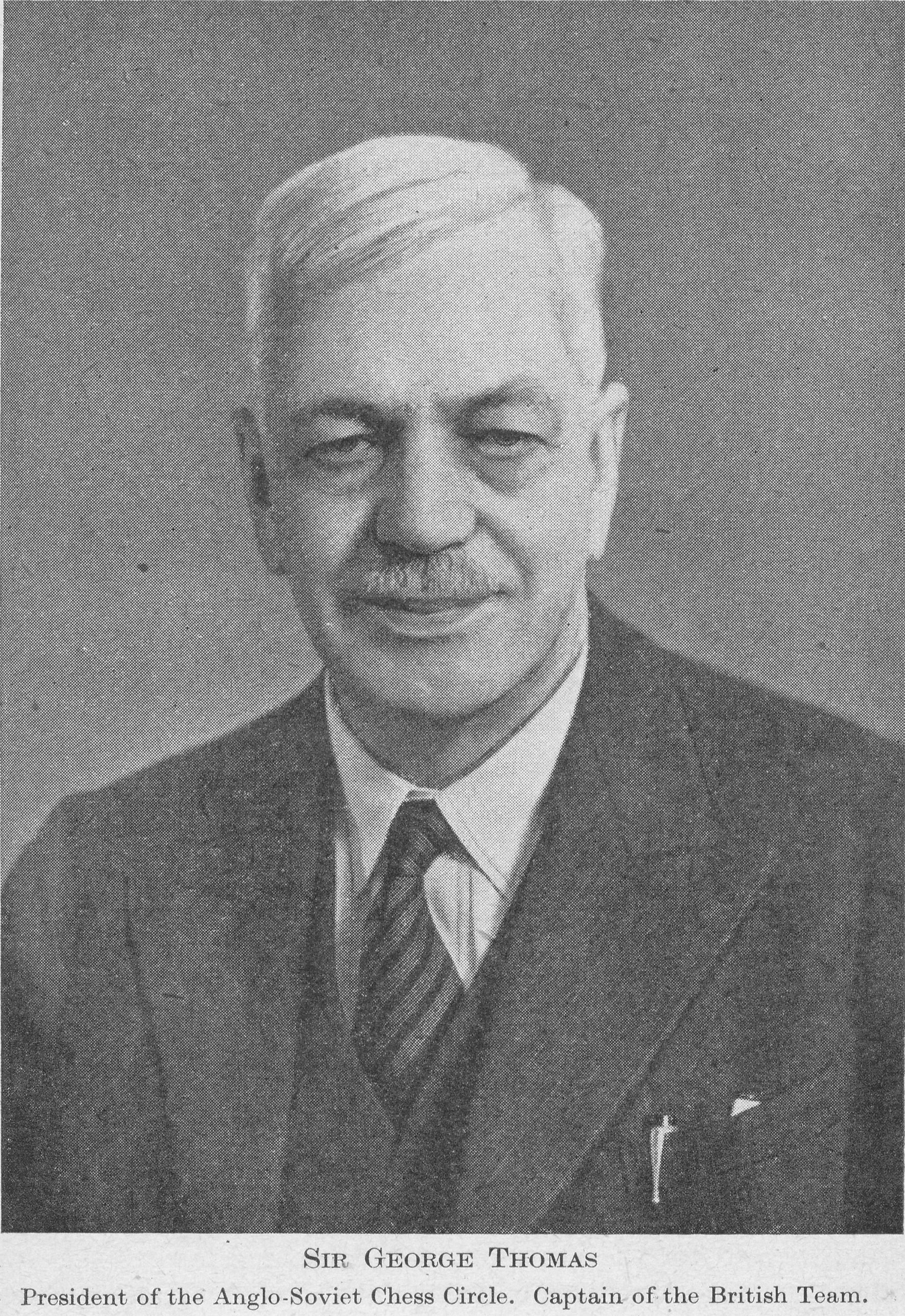
Sir George Thomas, President of the Anglo-Soviet Chess Circle. Captain of the British Team

We remember Sir George Alan Thomas who died on July 23rd, 1972
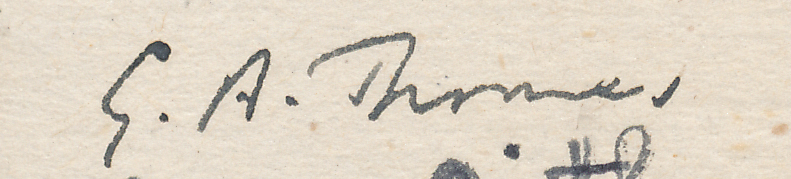
Signature of GA Thomas from a Brian Reilly "after dinner" postcard from Hastings Christmas Congress, 1945-1946
Signature of GA Thomas from a Brian Reilly “after dinner” postcard from Hastings Christmas Congress, 1945-1946

From The Encyclopedia of Chess (BT Batsford, 1977) by Harry Golombek :

“British international master, born in Constantinople (previously Byzantium and currently Istanbul : Ed.) His mother (Lady Edith Margaret Thomas : Ed) was one of the strongest English women players, winner of the first Ladies tournament at Hastings 1895.

(Ed : his father was Sir George Sydney Meade Thomas)

Thomas was an all-round athlete who excelled at tennis, hockey and badminton as well as chess. He captained the English badminton team and was All England Badminton Singles champion from 1920 to 1923.”
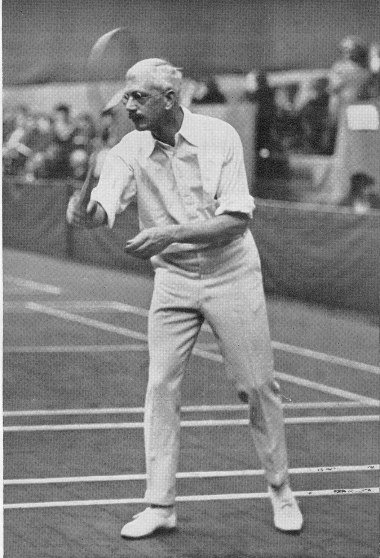
Sir George Alan Thomas : "During his playing career, he won 78 national titles in the United Kingdom and a further 12 French titles; he also competed in 29 out of 30 English internationals, winning 50 matches in the process."
Sir George Alan Thomas : “During his playing career, he won 78 national titles in the United Kingdom and a further 12 French titles; he also competed in 29 out of 30 English internationals, winning 50 matches in the process.”

Here is an excellent article (albeit stating GT was a Grandmaster and was president of the British Chest Federation!) from the National Badminton Museum.

“Thomas won the British chess championship twice, in 1923 and 1934 and represented England in the Olympiads of 1927 where he tied with Norman Hansen for the best score – 80% on board 3, 1930, 1931, 1935, 1937 and 1939.
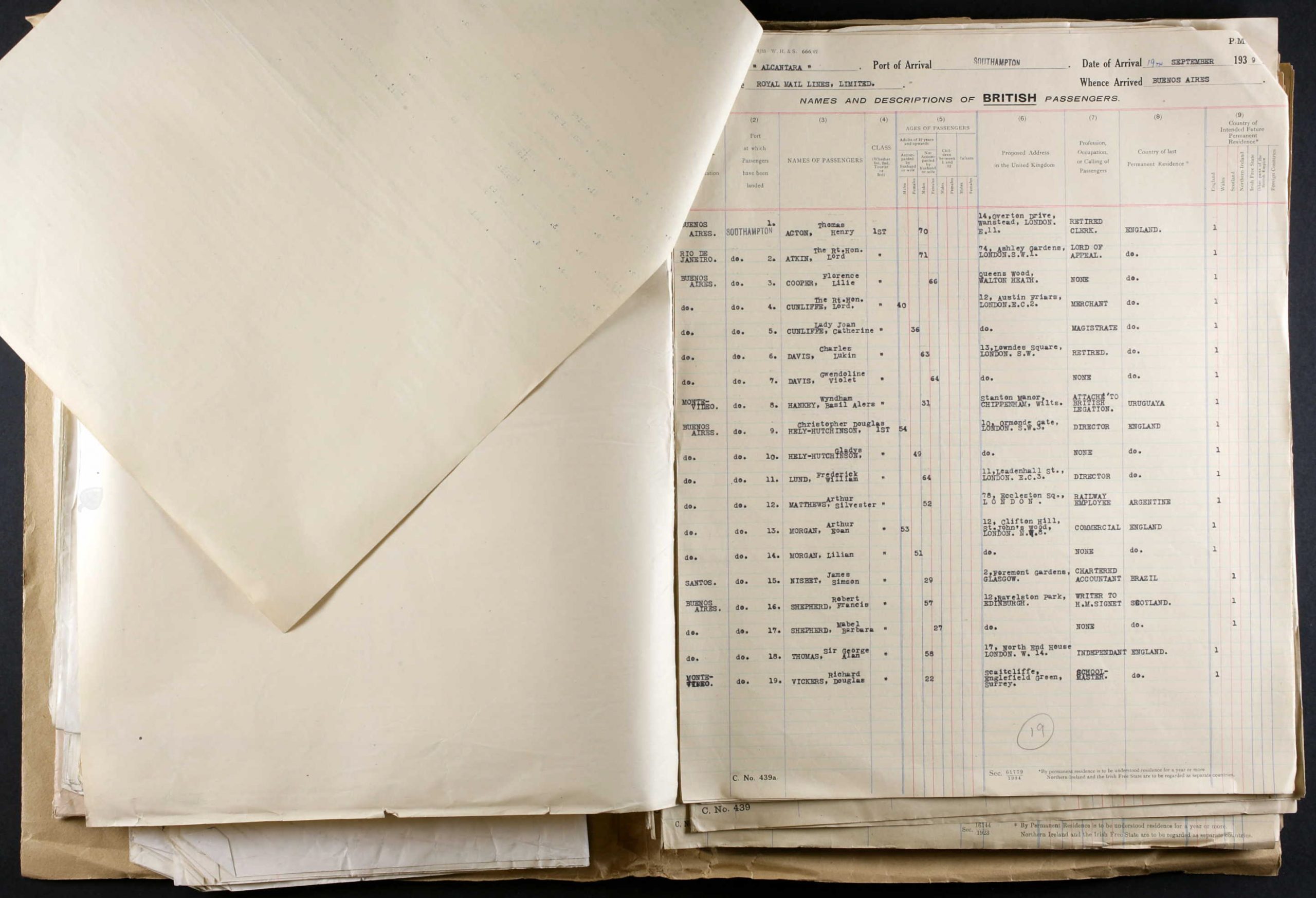

Passenger list from RMS Alacantra showing Sir George Thomas arriving at Buenos Aires on September 19th, 1939
Entry for Sir George Thomas from above image.

In international tournaments his greatest successes were 1st at Spa (ahead of Tartakower) and =1st at Hastings 1934/5 (tied with Euwe and Flohr, ahead of Capablanca and Botvinnik).
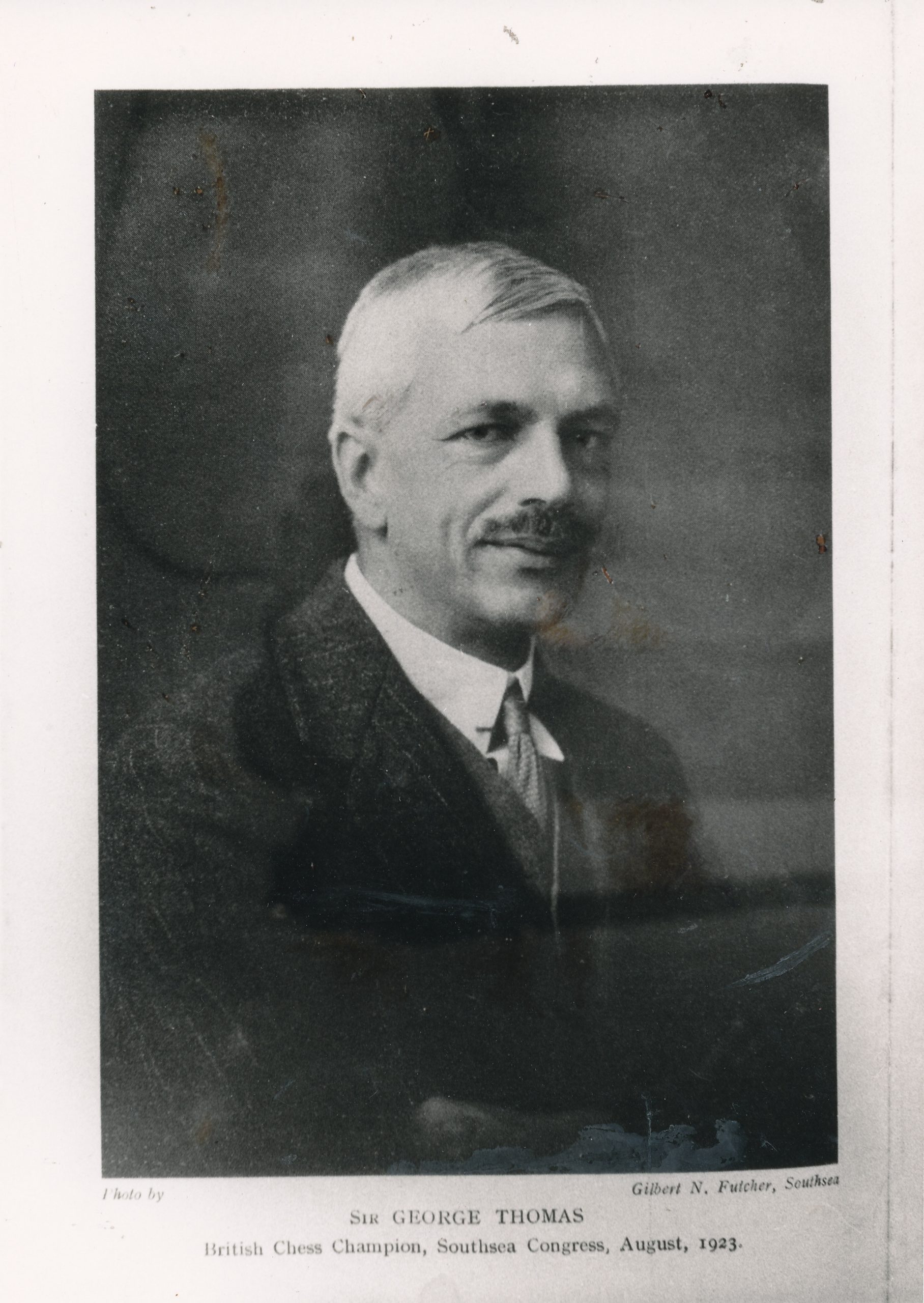
Sir George Thomas, British Chess Champion, Southsea Congress, 1923 Photograph by Gilbert N Fulcher, Southsea

He was known for his keen sense of sportsmanship and for his ability to encourage and inspire younger players. He served for many years on the BCF Junior selection committee and was for a time Games Editor of the British Chess Magazine. FIDE awarded him the titles of international master (1950) and International Judge (1952). (article by Ray Keene)”
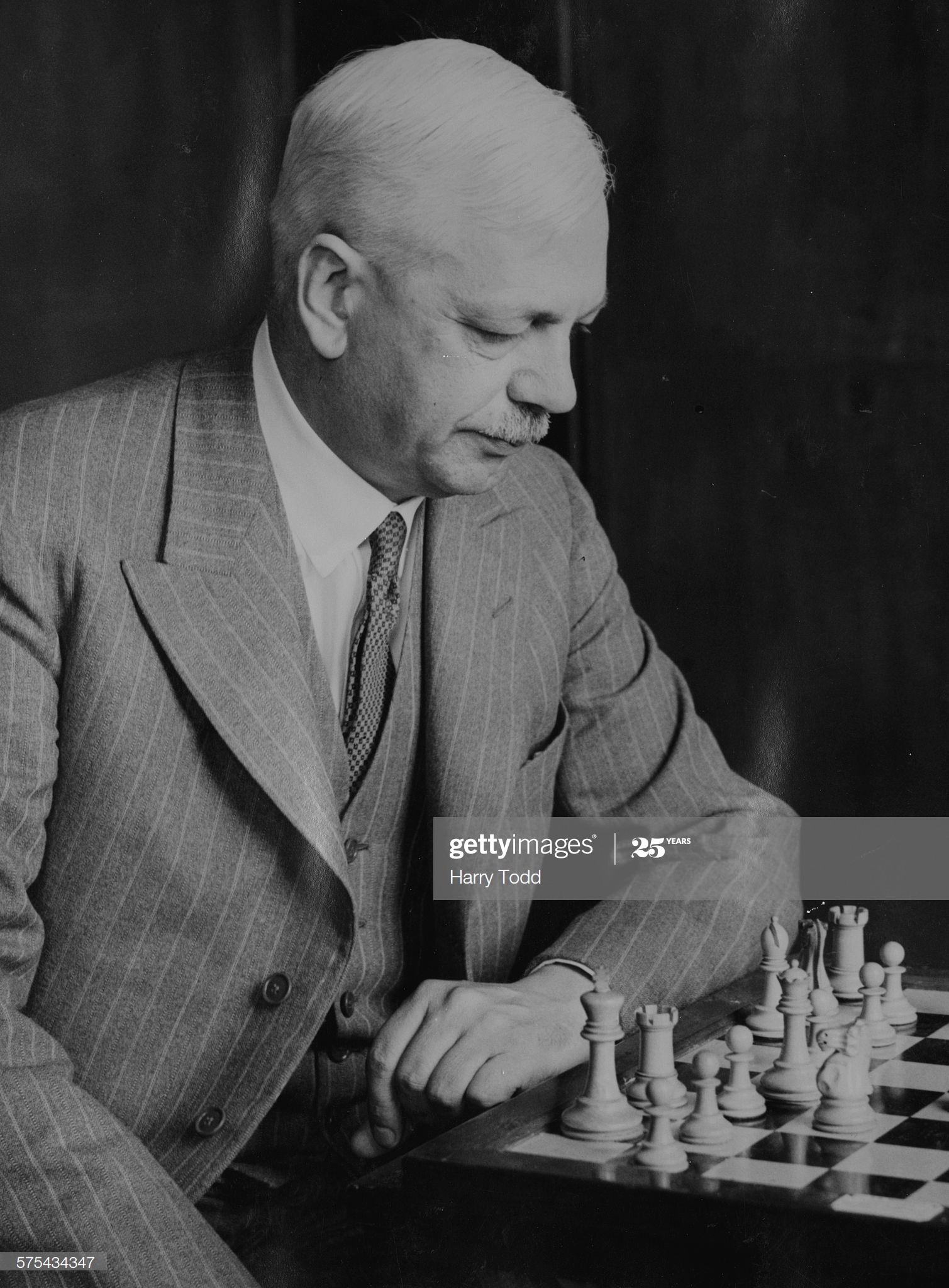
British chess champion Sir George Thomas playing at the Annual British Chess Federation Championship in Yarmouth, England, July 11th 1935. (Photo by Harry Todd/Fox Photos/Getty Images)

Thomas with the White pieces was predominantly a Ruy Lopez devotee.

With the Black pieces against 1.e4 he defended the Lopez and the Queen’s Gambit Declined was his favourite versus 1.d4

From The Encyclopedia of Chess (Robert Hale 1972 and 1976) by Anne Sunnucks :

“International Master (1950), International Judge (1952) and British Champion in 1923 and 1934. All England Badminton Singles Champion, All England Badminton Doubles Champion, Wimbledon tennis player and county hockey player.

Sir George Thomas was born in Constantinople on 14th June 1881. His mother, Lady Thomas, won the first ever ladies’ tournament, which was held in conjunction with the Hastings International Chess Tournament of 1895.

He learned the moves at the age of 4, and as a boy met many of the world’s leading players, including Steinitz, Lasker, Tchigorin and Pillsbury, in his mother’s drawing-room.
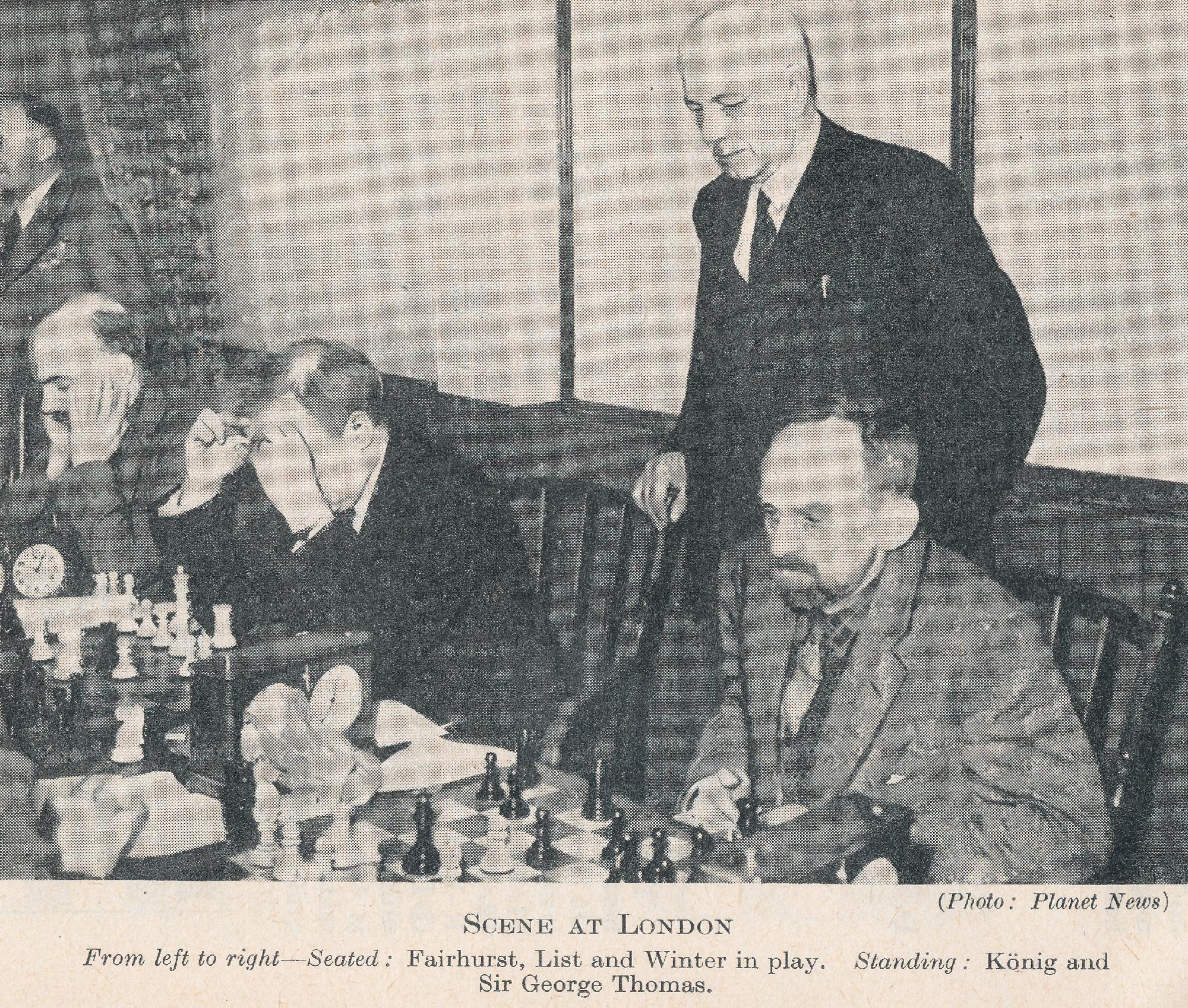
Scene at London. From left to right - Seated : Fairhurst, List and Winter in play. Standing König and Sir George Thomas
Scene at London. From left to right – Seated : Fairhurst, List and Winter in play. Standing König and Sir George Thomas

Apart from serving as a subaltern in the Army during the 1914-1918 war, Sir George has devoted his life to sport. He played tennis at Wimbledon, played hockey for Hampshire, captained the English Badminton team and was All England Badminton Singles Champion from 1920-1923 and doubles champion nine times.
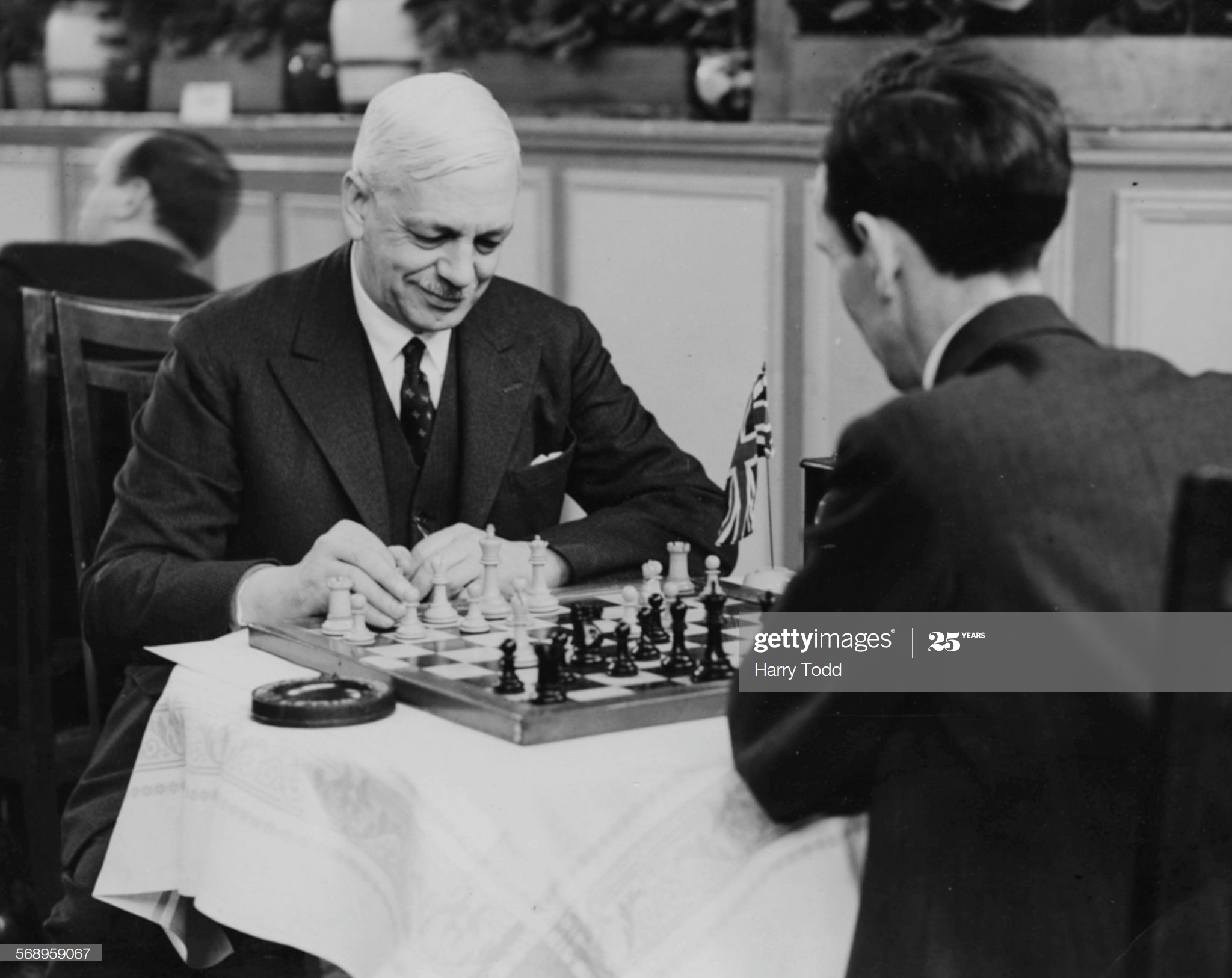
Sir George Thomas And Brian Reilly Sir George Thomas (left), leader of the British chess team, playing Irishman Brian Reilly at the Easter Chess Congress, Margate, April 24th 1935. (Photo by Harry Todd/Fox Photos/Getty Images)
Sir George Thomas And Brian Reilly
Sir George Thomas (left), leader of the British chess team, playing Irishman Brian Reilly at the Easter Chess Congress, Margate, April 24th 1935. (Photo by Harry Todd/Fox Photos/Getty Images)

Sir George played chess for England regularly from 1910 to 1939. He played for the British Chess Federation in the Chess Olympiads of 1927,1930, 1931, 1933, 1935, 1937 and 1939, and captained the team which withdrew from the Buenos Aires Olympiad in 1939 on the out-break of war.
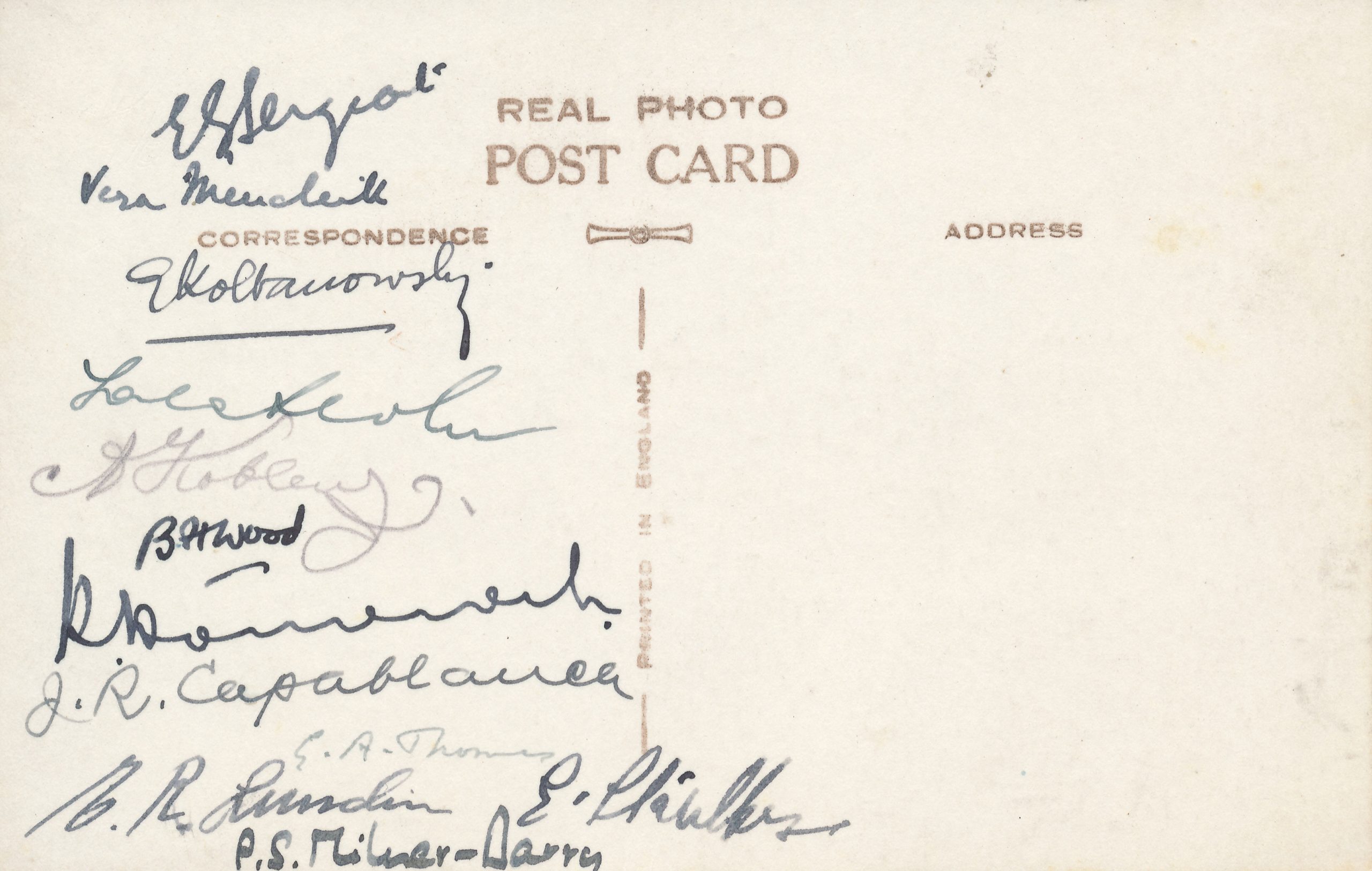
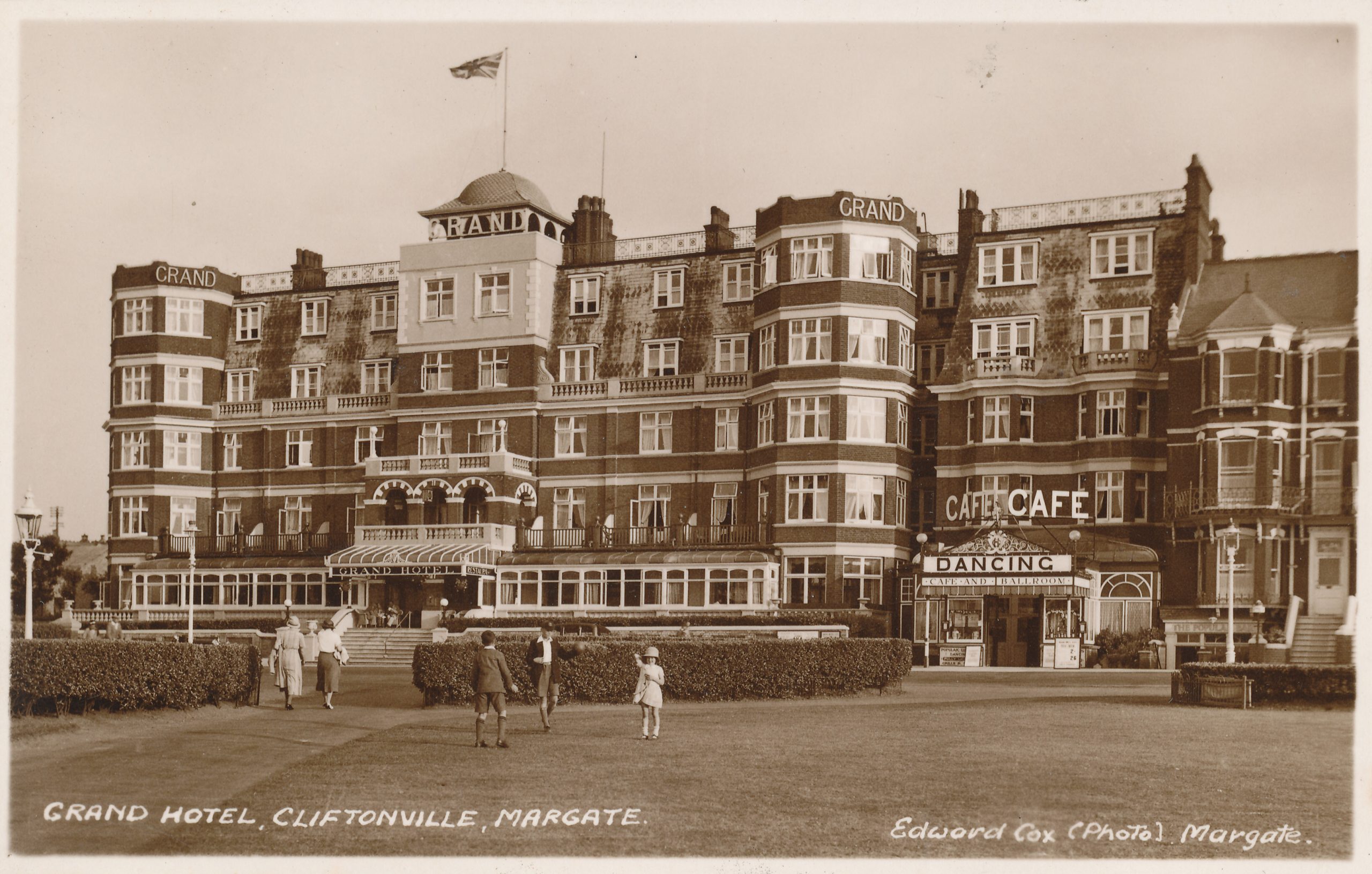
A Brian Reilly "after dinner" postcard from Margate 1936.
A Brian Reilly “after dinner” postcard from Margate 1936.
The Grand Hotel, Cliftonville, Margate. Venue for the Margate tournaments.

His first appearance in the British Championship was in he came 2nd. He also came 2nd in 192l and in 1923 won the first time, thus becoming British Chess Champion and Badminton Champion in the same year.

Sir George’s best performance was at Hastings 1934-1935, when he came =1st. In the last round he needed only a draw against R. P. Michell to come lst, ahead of Euwe, Capablanca, Flohr and Lilienthal, but he lost and had to be content with sharing lst prize with Euwe and Flohr.
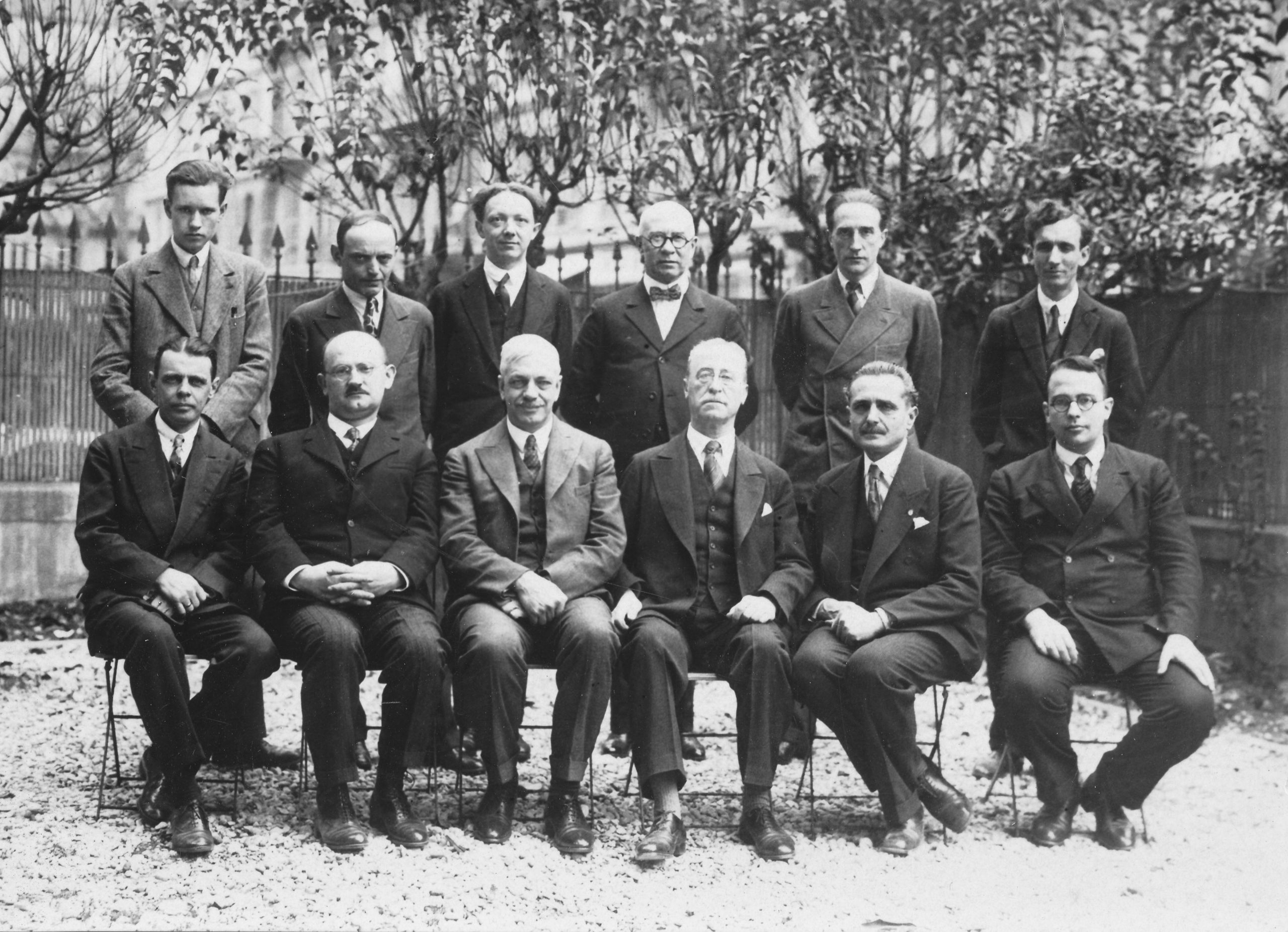
Nice Masters, 1931. Standing : Daniel Noteboom, Abraham Baratz, George Renaud (Organiser), John J O'Hanlon, Marcel Duchamp, Brian Reilly (winner), Seated : Eugene Znokso-Borovsky,, Arpad Vajda, Sir George Thomas, Jacques Mieses, Stefano Roselli del Turco, Jacob Adolf Seitz. British Chess Magazine, 1931, page 201
Nice Masters, 1931. Standing : Daniel Noteboom, Abraham Baratz, George Renaud (Organiser), John J O’Hanlon, Marcel Duchamp, Brian Reilly (winner), Seated : Eugene Znokso-Borovsky,, Arpad Vajda, Sir George Thomas, Jacques Mieses, Stefano Roselli del Turco, Jacob Adolf Seitz. British Chess Magazine, 1931, page 201

During his career he has beaten Capablanca, Botvinnik (in consecutive rounds at Hastings 1934-35), Flohr and and drawn with Nimzowitsch, Rubinstein and Capablanca. He been noted for his sportsmanship and for his interest in and encouragement of young players.
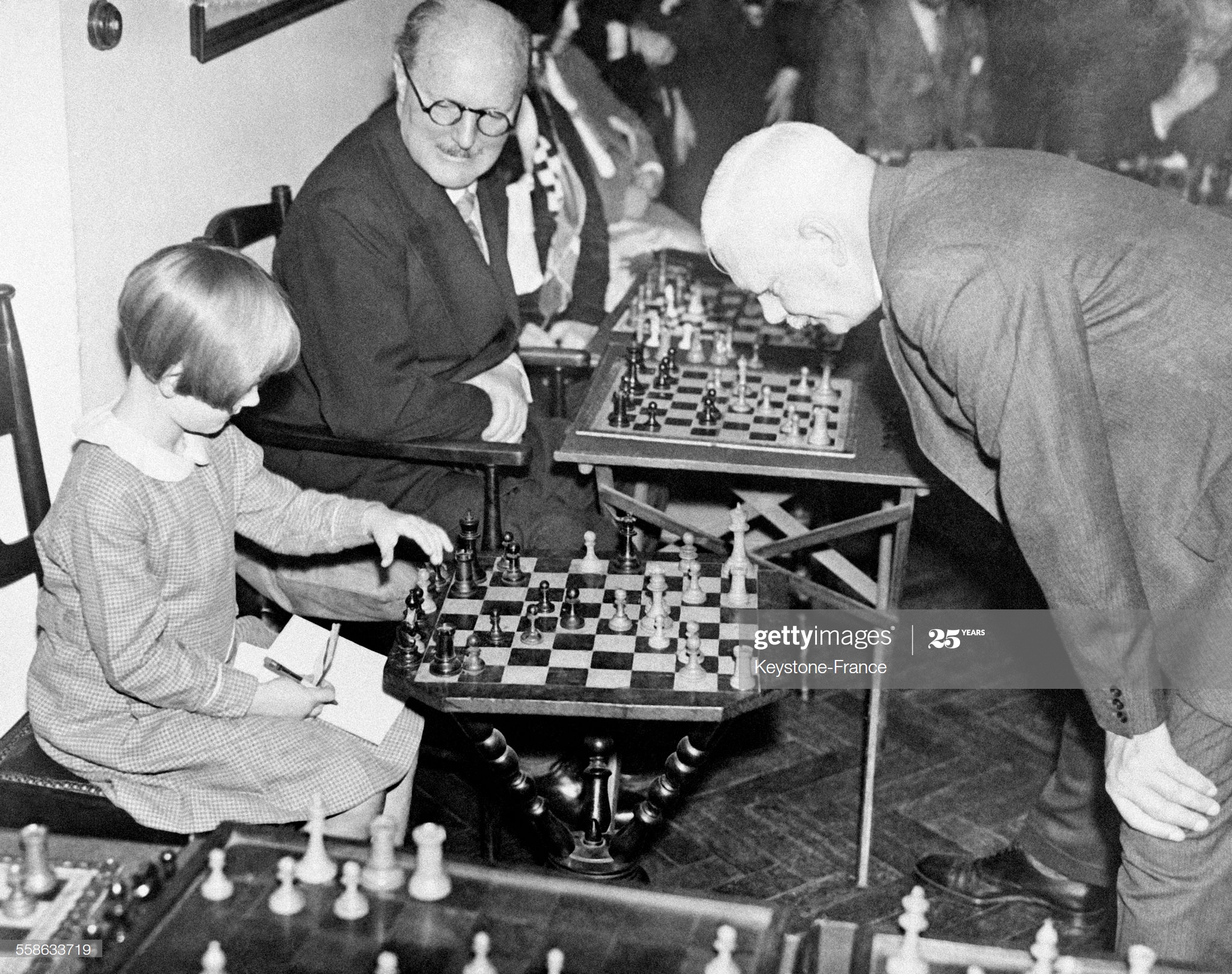
Partie d'échecs Sir Georges Thomas, le célèbre joueur d'échecs britannique, jouant contre sa plus jeune adversaire âgée de 8 ans, à Londres, Royaume-Uni le 24 octobre 1934. (Photo by Keystone-France\Gamma-Rapho via Getty Images)
Partie d’échecs
Sir Georges Thomas, le célèbre joueur d’échecs britannique, jouant contre sa plus jeune adversaire âgée de 8 ans, à Londres, Royaume-Uni le 24 octobre 1934. (Photo by Keystone-France\Gamma-Rapho via Getty Images)

Since his retirement until the last few years, Sir George continued to attend tournaments as a spectator.

He is the author of The Art of Badminton, published in 1923.
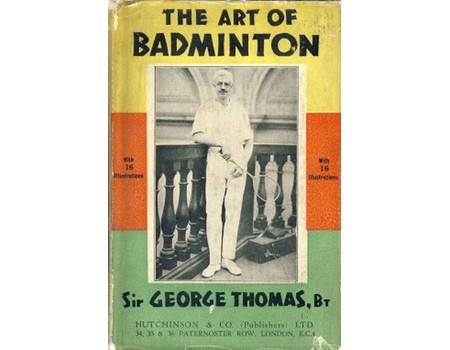
The Art of Badminton

He died on 23rd July 1972 in a London nursing home.”

In the March issue of CHESS for 1963, (Volume 28, Number 427, pp.147-155)  William Winter wrote this:

Sir George Thomas

Another great figure of the period between the wars, Sir G. A. Thomas, is happily still with us, although he gave up competitive play some years ago. I think I must have played more games with him than with any other master and he was my principal rival in the battles for the British Championship which we each won twice.

Although he lacks Yates’ spark of genius he is a very fine player indeed and one of the few Englishmen who is a real master of the endgame. Both nationally and internationally he has an excellent record, probably the best of a number of performances being his tie with Euwe and Flohr for lst prize at Hastings 1934-5. Capablanca and Botvinnik were among the also-rans. Thomas beat both of them, a splendid performance when we consider the small number of games ever lost by either. He is the only native Englishman to have scored a win over Capablanca. He acted as captain of all the British teams of which I formed part and an excellent leader he made, firm when necessary, but always considerate to his men especially when they were doing badly.

Sir Thomas, as he was called, is much missed on the Continent where he was highly popular and did a great deal to increase the prestige of British chess.

Here is Part II of GM Matthew Sadler’s appreciation of Sir George.

Most interestingly we have this this splendid article from Neil Blackburn (SimaginFan) on chess.com

Here is his Wikipedia entry
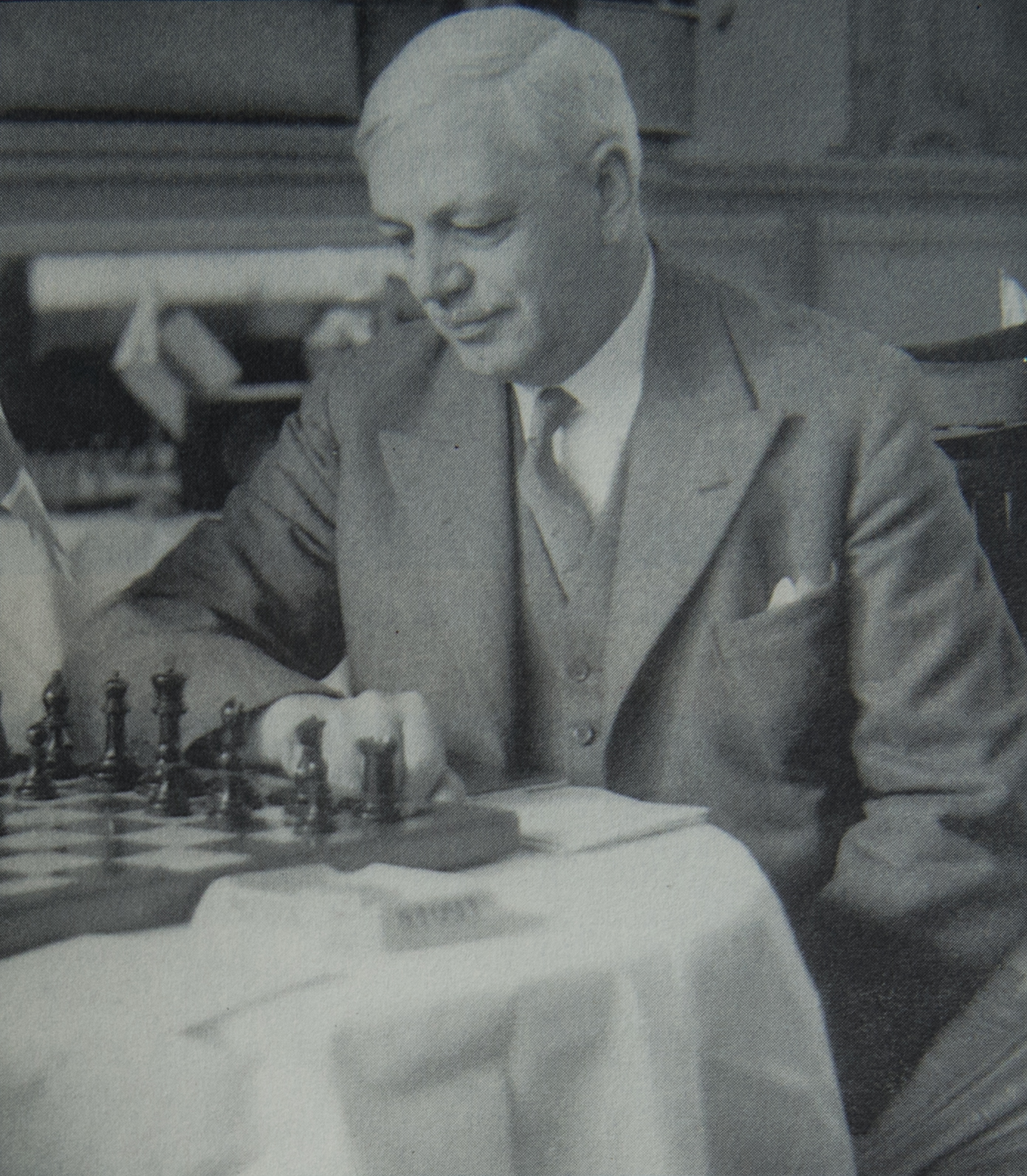
Sir George Alan Thomas (14-vi-1881 23-vii-1972)

and here is Part III of Matthew Sadler’s article
Sir George Alan Thomas

From The Oxford Companion to Chess (OUP, 1984) by Hooper & Whyld :

“English player. International Master (1950), International Arbiter (1952), British champion 1923 and 1934. His mother, who taught him chess, was winner of one of the first women’s tournaments, Hastings 1895, He played in more than 80 tournaments and achieved his best result at Hastings 1934-5 (about category 9), when he scored +6-1—2 to share first prize with Euwe and Flohr ahead of Botvinnik and Capablanca. Thomas played in seven Olympiads from 1927 to 1939, and in the first the highest percentage score was made by him ( + 9=6) and the Dane Holgar Norman-Hansen (1899- ) (+11=2—2). A leading English player for more than 25 years, Thomas fought many battles at the famous City of London club, winning 16 of the annual championships from 1913-14 to 1938-9. In his sixty-ninth year he gave up competitive chess when, after a hard game, ‘the board and men began to swim before my eyes,’ He continued his active interest in junior events and his visits, now as a spectator, to chess events.

A man of few words, imperturbable, of fine manners. Sir George Thomas was respected throughout the chess world for his sportsmanship and impartiality, and his opinion was often sought when disputes arose between players. The inheritor of both a baronetcy and private means, he
devoted his life to games and sports. Besides his chess he was a keen hockey player, a competitor in international lawn tennis (reaching the last eight at Wimbledon on one occasion), and winner of about 90 badminton titles, notably the All-England men’s singles championship which he won four times, from 1920 to 1923.”

Bill Hartston wrote this in “On the Knight Shift”, Chapter 20 of the The Chess Player’s Bedside Book (Batsford, 1975) :

“In the days when chess was perhaps a more noble pastime, one of England’s leading players was the Baronet, Sir George Thomas. A true gentleman and sportsman, he considered it rather unprincipled to analyse adjourned games before their resumption and could only be persuaded to look at his own positions after being assured that his opponents were certainly taking full advantage of the adjournment in this manner.”

 Save as PDF

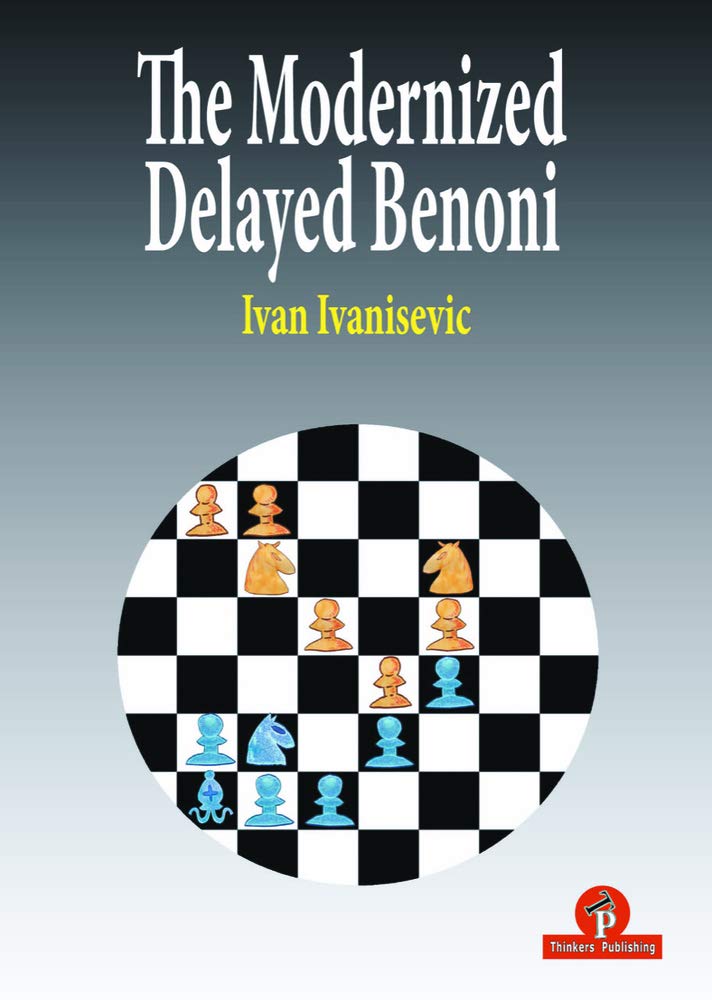
The Modernized Delayed Benoni

The Modernized Delayed Benoni

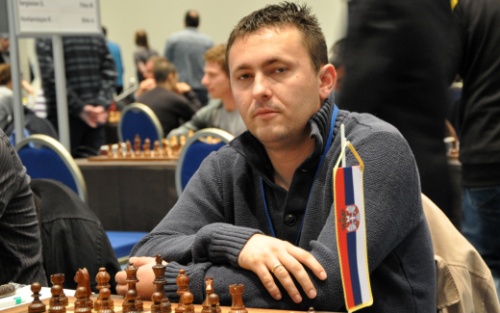
Ivan Ivanisevic, born in 1977, started playing chess when he was 5 years old, while watching his grandfather and father play. At the age of 10 he started working with IM Petar Smederevac, the coach of the national team of former Yugoslavia, who is probably the real reason why he started playing professionally. Before he reached the age of 20 years old, he shared 1st place in the Championship of the former Yugoslavia. In 1999 he won the title of Grandmaster. Since 1998 he is a member of the national team, and since 2007 continually playing on the first board. Four times he was the Champion of Serbia. He won many tournaments, from which we remember mostly following: Saint Petersburg 2014, Skopje 2015, sharing 1-5 place in Dubai 2015, Vršac, the Bora Kostić Memorial, 2006, Nova Gorica 2007, Bergamo 2014, Kavala 2007, Podgorica, 2011 becoming the Balkan champion and Kozloduy, the rapid championship of Danube 2012. He was also participant of the World Cup in 2011. This this second book for Thinkers Published, after he co-authored the most acclaimed ‘Taimanov Bible’ from 2017.

GM Ivan Ivanisevic
GM Ivan Ivanisevic

From the rear cover :

“The Modernized Delayed Benoni is much more than the title makes you think! I like the author’s approach very much: it is a mixture of a personal journey and a theoretical manual. The author has been probably the main exponent of this line for the past ten years and he uses many of his games to illustrate the variations he has recommended. Although the book is again extremely detailed, there is careful attention to move orders and enough passages of explanations to make much of it understandable for non-experts. An excellent effort. GM Matthew Sadler, NIC Magazine 2020/4.

My aim in this book is to show that the Delayed Benoni is equally as attractive as its cousin, the Modern Benoni. For some reason – perhaps because “Modern” sounds more exciting than “Delayed”? – my favorite Benoni has been neglected for years, receiving scant coverage in chess publications.”

As with every recent Thinkers Publishing publication high quality paper is used and the printing is clear. The book can easily be laid flat next to the board and does not require weights to prevent it from “self-closing” (a particular bugbear of ours !). Each diagram is clear and the instructional text is typeset in two column format, which, we find, enables the reader to maintain their place easily. Figurine algebraic notation is used throughout and the diagrams are placed adjacent to the relevant text and each diagram has a “to move” indicator.

There is no index which, unfortunately, is a standard omission of Thinkers Publishing books. Also missing is a bibliography.

The Modernized Delayed Benoni is written by Grandmaster Ivan Ivanisevic, with an important contribution by GM Ivan Sokolov. It is an excellent 240 page book, produced by Thinkers Publishing.

There is a lot of detailed analysis here, complimented by plenty of relevant text. The book revives a system in the Benoni which has not been given the respect it deserves over the years.

This is not a beginner’s manual and strong players will get the most out of it.

The book focuses on the move order 1 d4 Nf6 2 c4 c5 3 d5 g6!

as a way of getting to positions which are dynamic, relatively unexplored and suitable for playing for the win as Black.

Let’s take a look at some of these ideas…

Having digested a lot of this book, I’ve been trying the Black system online. Virtually all strong players meet it in the same way :

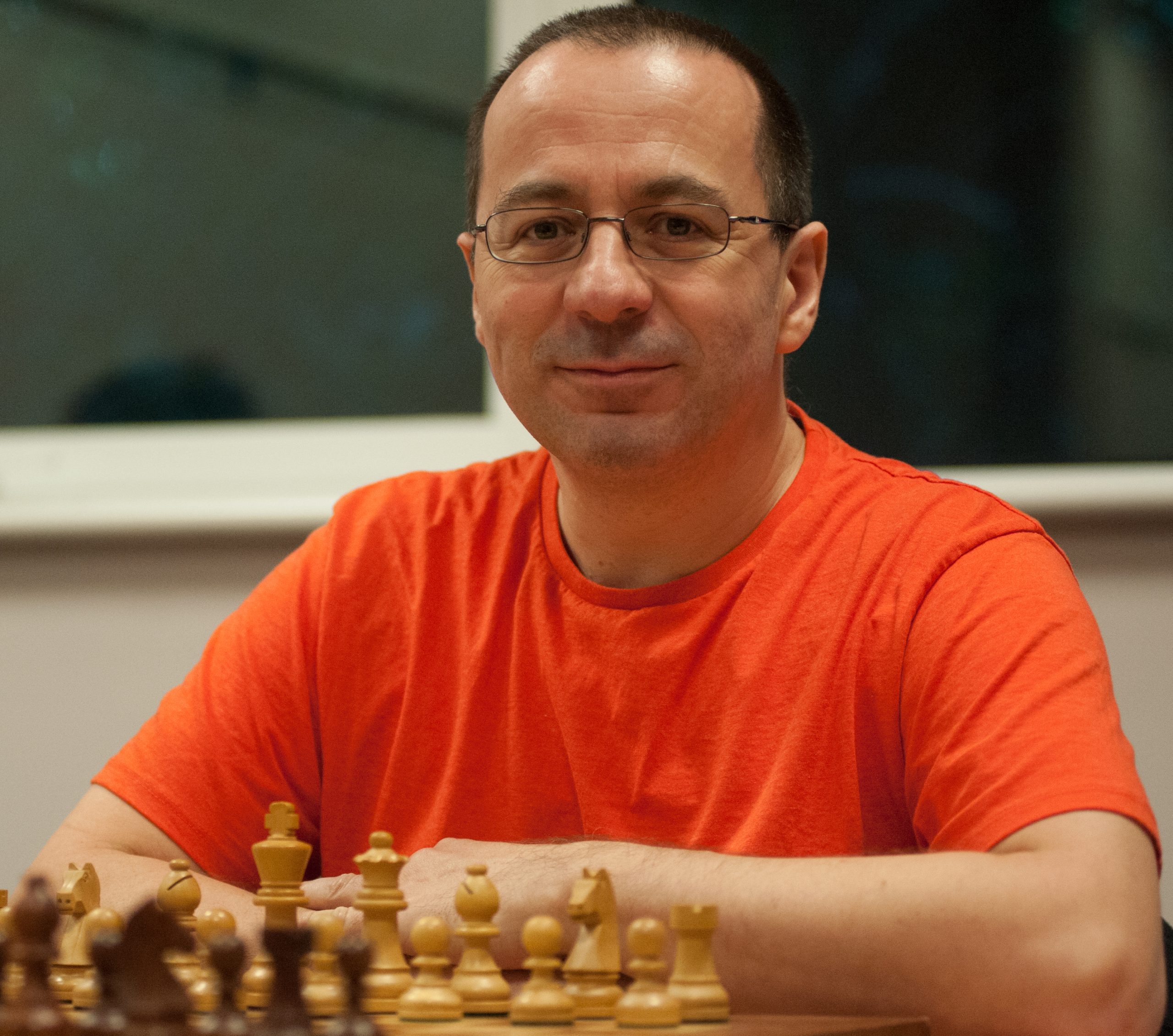
IM Andrew Martin, Bramley, Surrey 21st July 2020

IM Andrew Martin
IM Andrew Martin

Book Details :

  • Hardcover : 236 pages
  • Publisher:  Thinkers Publishing; 01 edition (30 Jan. 2020)
  • Language: English
  • ISBN-10: 9492510650
  • ISBN-13: 978-9492510655
  • Product Dimensions: 17 x 23.5 cm

Official web site of Thinkers Publishing

The Modernized Delayed Benoni
 Save as PDF

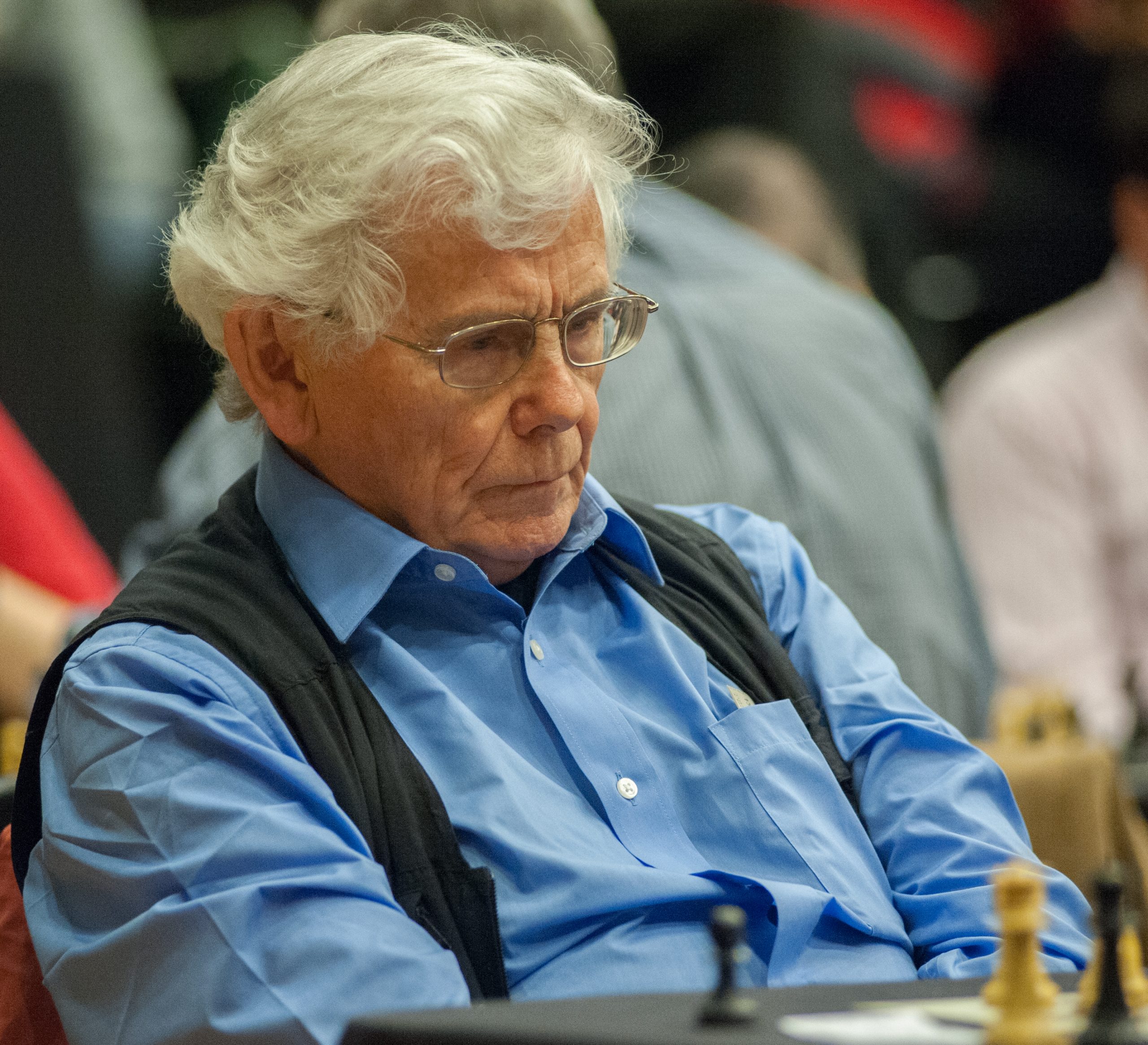
Dr. Julian Farrand QC (Hon) (13-viii-1935 17-vii-2020)

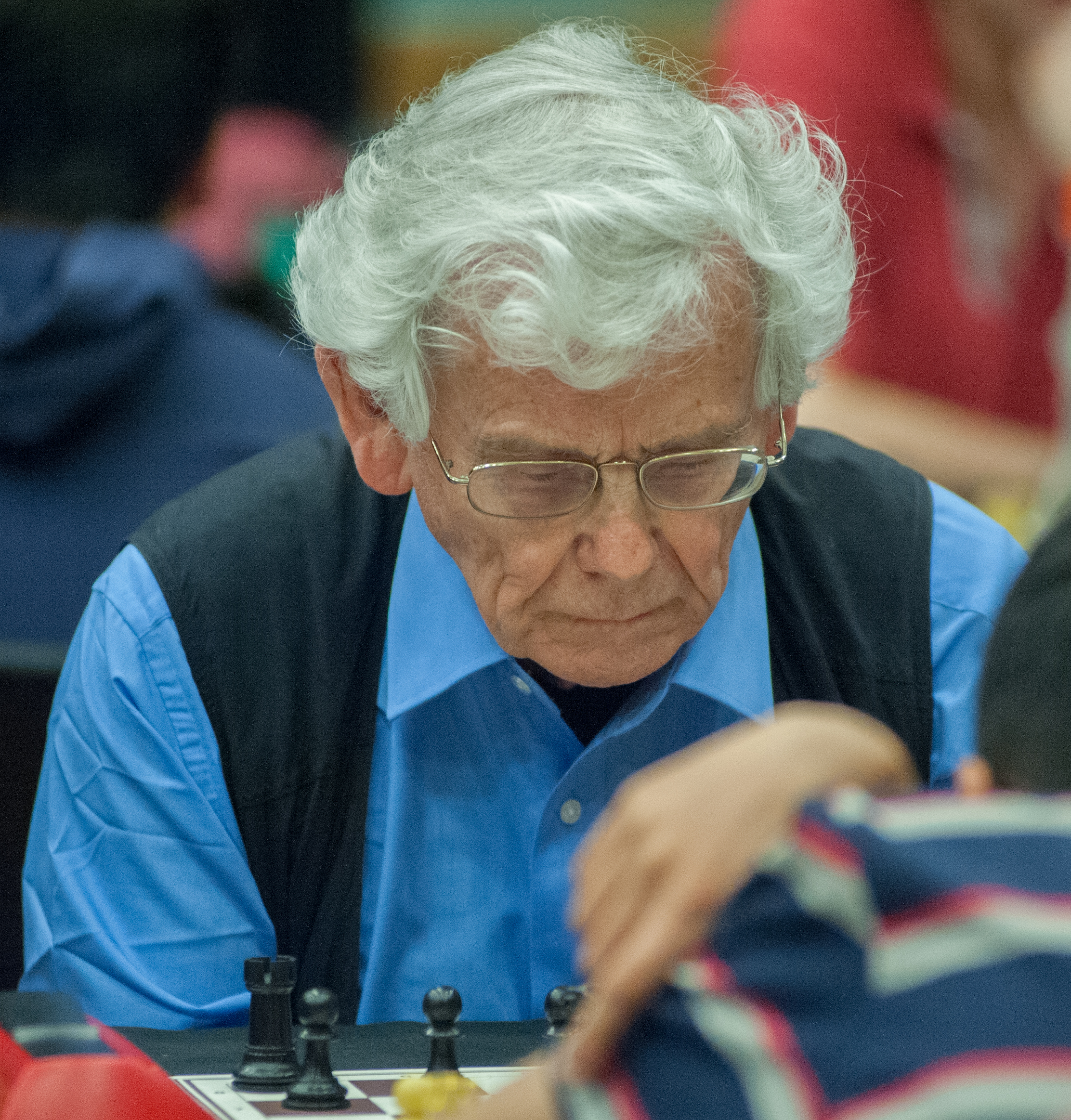
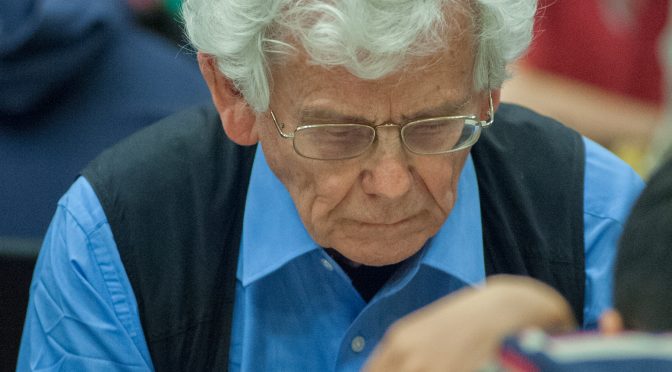
Prof. Julian Farrand at the King's Place Rapidplay, 2013, courtesy of John Upham Photography
Prof. Julian Farrand at the King’s Place Rapidplay, 2013, courtesy of John Upham Photography

BCN mourns the passing of Dr. Julian Farrand (13-viii-1935 17-vii-2020). He was 84 years of age.

Julian Thomas Farrand was born August 13th, 1935 in Doncaster in the West Riding of Yorkshire.

Dr. Farrand QC(Hon), formerly the Insurance Ombudsman, became the Pensions Ombudsman, and he had been a Law Commissioner and a University Professor of Law at the University of Manchester where he was Dean of the faculty.

Most recently he lived in Morpeth, London, SW1.

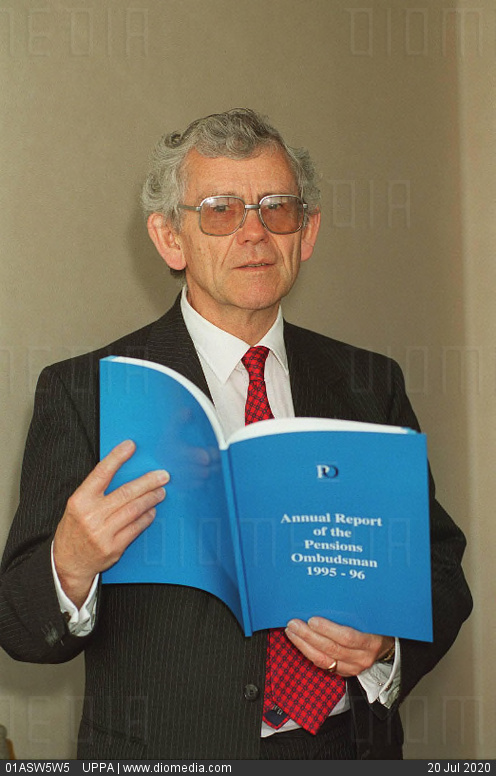
Dr JULIAN FARRAND  Pensions Ombudsman  COMPULSORY CREDIT: UPPA/Photoshot Photo  UKWT 011879/A-32a    31.07.1996
Dr JULIAN FARRAND Pensions Ombudsman COMPULSORY CREDIT: UPPA/Photoshot Photo UKWT 011879/A-32a 31.07.1996

His first recorded game in Megabase 2020 was white at the 1968 British Championships in Bristol against life-long friend CGM Keith Bevan Richardson. Together with Raymond Brunton Edwards, Julian and Keith were long-time trustees of the BCFs Permanent Invested Fund (PIF).

Julian played for Pimlico, Cavendish and Insurance in the London League and he maintained a standard play grading of 172A in 2020 as well as a FIDE rating of 1943 for standard play. He also played in the London Public Services League, the Central London League and the City Chess Association League. He made regular appearances in the Bronowski Trophy competition and the World Senior’s Team Tournament.

His (according to Megabase 2020) peak Elo rating was 2238 in April, 2004 aged 69. It is likely to have been higher than that if it was measured.

Julian joined Barbican following its merger with Perception Youth to become Barbican Youth in the Four Nations Chess League (4NCL).

His favourite openings with white were : The Richter-Veresov Opening in later years and the English/Barcza Opening in earlier times.

With Black he enjoyed the Czech System and the Lenningrad Dutch.

His son, Tom, is a strong player and a successful barrister with expertise in Intellectual Property Rights, Trademarks and Copyright law.

His wife (married in 1992), Baroness Hale of Richmond, served as President of the Supreme Court of the United Kingdom from 2017 to 2020, and serves as a member of the House of Lords as a Lord Temporal.

Julian Farrand with Lady Hale at a Buckingham Palace reception. Photo : Press Association

Memorial messages have been posted on the English Chess Forum and many will, no doubt, follow. Included are older games from John Saunders not found in the online databases.

In 2015 Julian (together with fellow trustees Keith Richardson and Ray Edwards) received the ECF President’s Award for services to the Permanent Invested Fund.

Here is the citation from the 2015 award :

“Julian is best known as the first-ever English ombudsman (in insurance). He is the husband of law lord Baroness Hale. I (SR) first met him at about the age of 12 year old when playing for my school. He is about four years older. Both Ray and Julian are members of the Book of the Year Committee and have been reviewing books for this purpose for many years. Both are quite strong chess players, indeed playing for England in the same team in the European 60+ Team Championship in Vienna 11-20 July 2015. Keith was to have been a member of the same team, but his wife’s ill-health forced him to withdraw.”

Here is an obituary from The Times of London

Here is an obituary from Stewart Reuben

Prof. Julian T Farrand at the King's Place Rapidplay, 2013, courtesy of John Upham Photography
Prof. Julian T Farrand at the King’s Place Rapidplay, 2013, courtesy of John Upham Photography
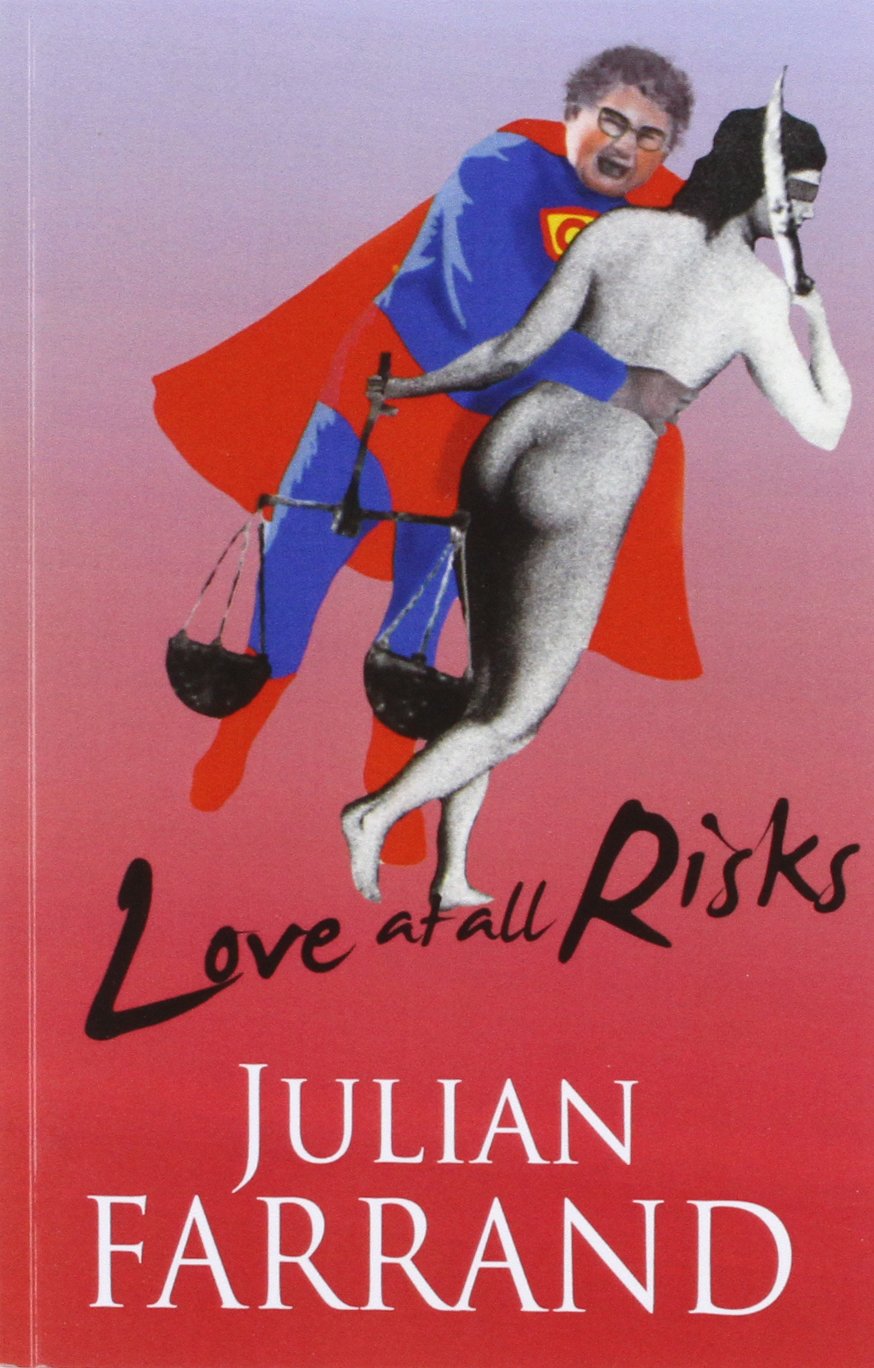
Love All Risks by Julian Farrand
 Save as PDF

Death Anniversary of Dr. Julian Farrand QC (Hon) (13-viii-1935 17-vii-2020)

BCN mourns the passing of Dr. Julian Farrand (13-viii-1935 17-vii-2020). He was 84 years of age.

Julian Thomas Farrand was born August 13th, 1935 in Doncaster in the West Riding of Yorkshire.

Dr. Farrand QC(Hon), formerly the Insurance Ombudsman, became the Pensions Ombudsman, and he had been a Law Commissioner and a University Professor of Law at the University of Manchester where he was Dean of the faculty.

Most recently he lived in Morpeth, London, SW1.

Dr JULIAN FARRAND Pensions Ombudsman COMPULSORY CREDIT: UPPA/Photoshot Photo UKWT 011879/A-32a 31.07.1996

His first recorded game in Megabase 2020 was white at the 1968 British Championships in Bristol against life-long friend CGM Keith Bevan Richardson. Together with Raymond Brunton Edwards, Julian and Keith were long-time trustees of the BCFs Permanent Invested Fund (PIF).

Julian played for Pimlico, Cavendish and Insurance in the London League and he maintained a standard play grading of 172A in 2020 as well as a FIDE rating of 1943 for standard play. He also played in the London Public Services League, the Central London League and the City Chess Association League. He made regular appearances in the Bronowski Trophy competition and the World Senior’s Team Tournament.

His (according to Megabase 2020) peak Elo rating was 2238 in April, 2004 aged 69. It is likely to have been higher than that if it was measured.

Julian joined Barbican following its merger with Perception Youth to become Barbican Youth in the Four Nations Chess League (4NCL).

His favourite openings with white were : The Richter-Veresov Opening in later years and the English/Barcza Opening in earlier times.

With Black he enjoyed the Czech System and the Lenningrad Dutch.

His son, Tom, is a strong player and a successful barrister with expertise in Intellectual Property Rights, Trademarks and Copyright law.

His wife (married in 1992), Baroness Hale of Richmond, served as President of the Supreme Court of the United Kingdom from 2017 to 2020, and serves as a member of the House of Lords as a Lord Temporal.

Julian Farrand with Lady Hale at a Buckingham Palace reception. Photo : Press Association

Memorial messages have been posted on the English Chess Forum and many will, no doubt, follow. Included are older games from John Saunders not found in the online databases.

In 2015 Julian (together with fellow trustees Keith Richardson and Ray Edwards) received the ECF President’s Award for services to the Permanent Invested Fund.

Here is the citation from the 2015 award :

“Julian is best known as the first-ever English ombudsman (in insurance). He is the husband of law lord Baroness Hale. I (SR) first met him at about the age of 12 year old when playing for my school. He is about four years older. Both Ray and Julian are members of the Book of the Year Committee and have been reviewing books for this purpose for many years. Both are quite strong chess players, indeed playing for England in the same team in the European 60+ Team Championship in Vienna 11-20 July 2015. Keith was to have been a member of the same team, but his wife’s ill-health forced him to withdraw.”

Here is an obituary from The Times of London

Here is an obituary from Stewart Reuben

Prof. Julian T Farrand at the King's Place Rapidplay, 2013, courtesy of John Upham Photography
Prof. Julian T Farrand at the King’s Place Rapidplay, 2013, courtesy of John Upham Photography
Love All Risks by Julian Farrand
 Save as PDF

Death Anniversary of Dr. Julian Farrand QC (Hon) (13-viii-1935 17-vii-2020)

BCN mourns the passing of Dr. Julian Farrand (13-viii-1935 17-vii-2020). He was 84 years of age.

Julian Thomas Farrand was born August 13th, 1935 in Doncaster in the West Riding of Yorkshire.

Dr. Farrand QC(Hon), formerly the Insurance Ombudsman, became the Pensions Ombudsman, and he had been a Law Commissioner and a University Professor of Law at the University of Manchester where he was Dean of the faculty.

Most recently he lived in Morpeth, London, SW1.

Dr JULIAN FARRAND Pensions Ombudsman COMPULSORY CREDIT: UPPA/Photoshot Photo UKWT 011879/A-32a 31.07.1996

His first recorded game in Megabase 2020 was white at the 1968 British Championships in Bristol against life-long friend CGM Keith Bevan Richardson. Together with Raymond Brunton Edwards, Julian and Keith were long-time trustees of the BCFs Permanent Invested Fund (PIF).

Julian played for Pimlico, Cavendish and Insurance in the London League and he maintained a standard play grading of 172A in 2020 as well as a FIDE rating of 1943 for standard play. He also played in the London Public Services League, the Central London League and the City Chess Association League. He made regular appearances in the Bronowski Trophy competition and the World Senior’s Team Tournament.

His (according to Megabase 2020) peak Elo rating was 2238 in April, 2004 aged 69. It is likely to have been higher than that if it was measured.

Julian joined Barbican following its merger with Perception Youth to become Barbican Youth in the Four Nations Chess League (4NCL).

His favourite openings with white were : The Richter-Veresov Opening in later years and the English/Barcza Opening in earlier times.

With Black he enjoyed the Czech System and the Lenningrad Dutch.

His son, Tom, is a strong player and a successful barrister with expertise in Intellectual Property Rights, Trademarks and Copyright law.

His wife (married in 1992), Baroness Hale of Richmond, served as President of the Supreme Court of the United Kingdom from 2017 to 2020, and serves as a member of the House of Lords as a Lord Temporal.

Julian Farrand with Lady Hale at a Buckingham Palace reception. Photo : Press Association

Memorial messages have been posted on the English Chess Forum and many will, no doubt, follow. Included are older games from John Saunders not found in the online databases.

In 2015 Julian (together with fellow trustees Keith Richardson and Ray Edwards) received the ECF President’s Award for services to the Permanent Invested Fund.

Here is the citation from the 2015 award :

“Julian is best known as the first-ever English ombudsman (in insurance). He is the husband of law lord Baroness Hale. I (SR) first met him at about the age of 12 year old when playing for my school. He is about four years older. Both Ray and Julian are members of the Book of the Year Committee and have been reviewing books for this purpose for many years. Both are quite strong chess players, indeed playing for England in the same team in the European 60+ Team Championship in Vienna 11-20 July 2015. Keith was to have been a member of the same team, but his wife’s ill-health forced him to withdraw.”

Here is an obituary from The Times of London

Here is an obituary from Stewart Reuben

Prof. Julian T Farrand at the King's Place Rapidplay, 2013, courtesy of John Upham Photography
Prof. Julian T Farrand at the King’s Place Rapidplay, 2013, courtesy of John Upham Photography
Love All Risks by Julian Farrand
 Save as PDF

Death Anniversary of Dr. Julian Farrand QC (Hon) (13-viii-1935 17-vii-2020)

BCN mourns the passing of Dr. Julian Farrand (13-viii-1935 17-vii-2020). He was 84 years of age.

Julian Thomas Farrand was born August 13th, 1935 in Doncaster in the West Riding of Yorkshire.

Dr. Farrand QC(Hon), formerly the Insurance Ombudsman, became the Pensions Ombudsman, and he had been a Law Commissioner and a University Professor of Law at the University of Manchester where he was Dean of the faculty.

Most recently he lived in Morpeth, London, SW1.

Dr JULIAN FARRAND Pensions Ombudsman COMPULSORY CREDIT: UPPA/Photoshot Photo UKWT 011879/A-32a 31.07.1996

His first recorded game in Megabase 2020 was white at the 1968 British Championships in Bristol against life-long friend CGM Keith Bevan Richardson. Together with Raymond Brunton Edwards, Julian and Keith were long-time trustees of the BCFs Permanent Invested Fund (PIF).

Julian played for Pimlico, Cavendish and Insurance in the London League and he maintained a standard play grading of 172A in 2020 as well as a FIDE rating of 1943 for standard play. He also played in the London Public Services League, the Central London League and the City Chess Association League. He made regular appearances in the Bronowski Trophy competition and the World Senior’s Team Tournament.

His (according to Megabase 2020) peak Elo rating was 2238 in April, 2004 aged 69. It is likely to have been higher than that if it was measured.

Julian joined Barbican following its merger with Perception Youth to become Barbican Youth in the Four Nations Chess League (4NCL).

His favourite openings with white were : The Richter-Veresov Opening in later years and the English/Barcza Opening in earlier times.

With Black he enjoyed the Czech System and the Lenningrad Dutch.

His son, Tom, is a strong player and a successful barrister with expertise in Intellectual Property Rights, Trademarks and Copyright law.

His wife (married in 1992), Baroness Hale of Richmond, served as President of the Supreme Court of the United Kingdom from 2017 to 2020, and serves as a member of the House of Lords as a Lord Temporal.

Julian Farrand with Lady Hale at a Buckingham Palace reception. Photo : Press Association

Memorial messages have been posted on the English Chess Forum and many will, no doubt, follow. Included are older games from John Saunders not found in the online databases.

In 2015 Julian (together with fellow trustees Keith Richardson and Ray Edwards) received the ECF President’s Award for services to the Permanent Invested Fund.

Here is the citation from the 2015 award :

“Julian is best known as the first-ever English ombudsman (in insurance). He is the husband of law lord Baroness Hale. I (SR) first met him at about the age of 12 year old when playing for my school. He is about four years older. Both Ray and Julian are members of the Book of the Year Committee and have been reviewing books for this purpose for many years. Both are quite strong chess players, indeed playing for England in the same team in the European 60+ Team Championship in Vienna 11-20 July 2015. Keith was to have been a member of the same team, but his wife’s ill-health forced him to withdraw.”

Here is an obituary from The Times of London

Here is an obituary from Stewart Reuben

Prof. Julian T Farrand at the King's Place Rapidplay, 2013, courtesy of John Upham Photography
Prof. Julian T Farrand at the King’s Place Rapidplay, 2013, courtesy of John Upham Photography
Love All Risks by Julian Farrand
 Save as PDF

Death Anniversary of Dr. Julian Farrand QC (Hon) (13-viii-1935 17-vii-2020)

BCN mourns the passing of Dr. Julian Farrand (13-viii-1935 17-vii-2020). He was 84 years of age.

Julian Thomas Farrand was born August 13th, 1935 in Doncaster in the West Riding of Yorkshire.

Dr. Farrand QC(Hon), formerly the Insurance Ombudsman, became the Pensions Ombudsman, and he had been a Law Commissioner and a University Professor of Law at the University of Manchester where he was Dean of the faculty.

Most recently he lived in Morpeth, London, SW1.

Dr JULIAN FARRAND Pensions Ombudsman COMPULSORY CREDIT: UPPA/Photoshot Photo UKWT 011879/A-32a 31.07.1996

His first recorded game in Megabase 2020 was white at the 1968 British Championships in Bristol against life-long friend CGM Keith Bevan Richardson. Together with Raymond Brunton Edwards, Julian and Keith were long-time trustees of the BCFs Permanent Invested Fund (PIF).

Julian played for Pimlico, Cavendish and Insurance in the London League and he maintained a standard play grading of 172A in 2020 as well as a FIDE rating of 1943 for standard play. He also played in the London Public Services League, the Central London League and the City Chess Association League. He made regular appearances in the Bronowski Trophy competition and the World Senior’s Team Tournament.

His (according to Megabase 2020) peak Elo rating was 2238 in April, 2004 aged 69. It is likely to have been higher than that if it was measured.

Julian joined Barbican following its merger with Perception Youth to become Barbican Youth in the Four Nations Chess League (4NCL).

His favourite openings with white were : The Richter-Veresov Opening in later years and the English/Barcza Opening in earlier times.

With Black he enjoyed the Czech System and the Lenningrad Dutch.

His son, Tom, is a strong player and a successful barrister with expertise in Intellectual Property Rights, Trademarks and Copyright law.

His wife (married in 1992), Baroness Hale of Richmond, served as President of the Supreme Court of the United Kingdom from 2017 to 2020, and serves as a member of the House of Lords as a Lord Temporal.

Julian Farrand with Lady Hale at a Buckingham Palace reception. Photo : Press Association

Memorial messages have been posted on the English Chess Forum and many will, no doubt, follow. Included are older games from John Saunders not found in the online databases.

In 2015 Julian (together with fellow trustees Keith Richardson and Ray Edwards) received the ECF President’s Award for services to the Permanent Invested Fund.

Here is the citation from the 2015 award :

“Julian is best known as the first-ever English ombudsman (in insurance). He is the husband of law lord Baroness Hale. I (SR) first met him at about the age of 12 year old when playing for my school. He is about four years older. Both Ray and Julian are members of the Book of the Year Committee and have been reviewing books for this purpose for many years. Both are quite strong chess players, indeed playing for England in the same team in the European 60+ Team Championship in Vienna 11-20 July 2015. Keith was to have been a member of the same team, but his wife’s ill-health forced him to withdraw.”

Here is an obituary from The Times of London

Here is an obituary from Stewart Reuben

Prof. Julian T Farrand at the King's Place Rapidplay, 2013, courtesy of John Upham Photography
Prof. Julian T Farrand at the King’s Place Rapidplay, 2013, courtesy of John Upham Photography
Love All Risks by Julian Farrand
 Save as PDF

Death Anniversary of Dr. Julian Farrand QC (Hon) (13-viii-1935 17-vii-2020)

BCN mourns the passing of Dr. Julian Farrand (13-viii-1935 17-vii-2020). He was 84 years of age.

Julian Thomas Farrand was born August 13th, 1935 in Doncaster in the West Riding of Yorkshire.

Dr. Farrand QC(Hon), formerly the Insurance Ombudsman, became the Pensions Ombudsman, and he had been a Law Commissioner and a University Professor of Law at the University of Manchester where he was Dean of the faculty.

Most recently he lived in Morpeth, London, SW1.

Dr JULIAN FARRAND Pensions Ombudsman COMPULSORY CREDIT: UPPA/Photoshot Photo UKWT 011879/A-32a 31.07.1996

His first recorded game in Megabase 2020 was white at the 1968 British Championships in Bristol against life-long friend CGM Keith Bevan Richardson. Together with Raymond Brunton Edwards, Julian and Keith were long-time trustees of the BCFs Permanent Invested Fund (PIF).

Julian played for Pimlico, Cavendish and Insurance in the London League and he maintained a standard play grading of 172A in 2020 as well as a FIDE rating of 1943 for standard play. He also played in the London Public Services League, the Central London League and the City Chess Association League. He made regular appearances in the Bronowski Trophy competition and the World Senior’s Team Tournament.

His (according to Megabase 2020) peak Elo rating was 2238 in April, 2004 aged 69. It is likely to have been higher than that if it was measured.

Julian joined Barbican following its merger with Perception Youth to become Barbican Youth in the Four Nations Chess League (4NCL).

His favourite openings with white were : The Richter-Veresov Opening in later years and the English/Barcza Opening in earlier times.

With Black he enjoyed the Czech System and the Lenningrad Dutch.

His son, Tom, is a strong player and a successful barrister with expertise in Intellectual Property Rights, Trademarks and Copyright law.

His wife (married in 1992), Baroness Hale of Richmond, served as President of the Supreme Court of the United Kingdom from 2017 to 2020, and serves as a member of the House of Lords as a Lord Temporal.

Julian Farrand with Lady Hale at a Buckingham Palace reception. Photo : Press Association

Memorial messages have been posted on the English Chess Forum and many will, no doubt, follow. Included are older games from John Saunders not found in the online databases.

In 2015 Julian (together with fellow trustees Keith Richardson and Ray Edwards) received the ECF President’s Award for services to the Permanent Invested Fund.

Here is the citation from the 2015 award :

“Julian is best known as the first-ever English ombudsman (in insurance). He is the husband of law lord Baroness Hale. I (SR) first met him at about the age of 12 year old when playing for my school. He is about four years older. Both Ray and Julian are members of the Book of the Year Committee and have been reviewing books for this purpose for many years. Both are quite strong chess players, indeed playing for England in the same team in the European 60+ Team Championship in Vienna 11-20 July 2015. Keith was to have been a member of the same team, but his wife’s ill-health forced him to withdraw.”

Here is an obituary from The Times of London

Here is an obituary from Stewart Reuben

Prof. Julian T Farrand at the King's Place Rapidplay, 2013, courtesy of John Upham Photography
Prof. Julian T Farrand at the King’s Place Rapidplay, 2013, courtesy of John Upham Photography
Love All Risks by Julian Farrand
 Save as PDF

Your Jungle Guide to Rook Endings

Your Jungle Guide to Rook Endings

Your Jungle Guide to Rook Endings : Efstratios Grivas

“After a bad opening, there is hope for the middle game. After a bad middle game, there is hope for the endgame. But once you are in the endgame, the moment of truth has arrived.” – Edmar Mednis

GM Efstratios Grivas

“Efstratios Grivas (30.03.1966) is a highly experienced chess trainer and chess author. He has been awarded by the International Chess Federation (FIDE) the titles of International Chess Grandmaster, FIDE Senior Trainer, International Chess Arbiter and International Chess Organiser.

His main successes over the board are the Silver Medal Olympiad 1998 (3rd Board), the Gold Medal European Team Championship 1989 (3rd Board) and the 4th Position World Junior Championship U.20 1985. He has also won 5 Balkan Medals (2 Gold – 1 Silver – 2 Bronze) and he was 3 times Winner of the International ‘Acropolis’ Tournament. He has also in his credit the 28 times first position in Greek Individual & Team Championships and he has won various international tournaments as well. He has been awarded five FIDE Medals in the Annual FIDE Awards (Winner of the FIDE Boleslavsky Medal 2009 & 2015 (best author) – Winner of the FIDE Euwe Medal 2011 & 2012 (best junior trainer) – Winner of the FIDE Razuvaev Medal 2014 (Trainers’ education) and has been a professional Lecturer at FIDE Seminars for Training & Certifying Trainers.

He has written more than 100 Books in Arabic, English, Greek, Italian, Spanish & Turkish. Since 2009 he is the Secretary of the FIDE Trainers’ Commission and since 2012 the Director of the FIDE Grivas Chess International Academy (Athens).”

From the rear cover :

“To learn and to play endgames well the chess player must love endgames’ – Lev Psakhis. Different kinds of endgames have specific characteristics and rules. Every serious player must know many typical positions and main principles of all types of endings. That knowledge should help us during the game, but it is not enough to become a good player, not yet. There just too many different endings, some of them with two or more pieces, some are very complex. To be comfortable and play well those complex endings require specific knowledge and specific ways of thinking. We will call it ‘endgame thinking’.

I chose to write a book on advanced rook endings as I simply did not wish to write another book that would be like the many already available. I have done my best to present analysis and articles I have written over the past 10-15 years. Th is work has been presented in my daily coaching sessions, seminars, workshops, etc. The material has helped a lot of trainees to develop into quite strong players gaining international titles and championships. Now, it is your turn to taste and enjoy it!”

As with every recent Thinkers Publishing publication high quality paper is used and the printing is clear. The book can easily be laid flat next to the board and does not require weights to prevent it from “self-closing” (a particular bugbear of ours !). Each diagram is clear and the instructional text is typeset in two column format, which, we find, enables the reader to maintain their place easily. Figurine algebraic notation is used throughout and the diagrams are placed adjacent to the relevant text and each diagram has a “to move” indicator.

This is a superb book packed full of instructive examples which I cannot praise enough. The book has clearly been extensively researched with Efstratios Grivas showcasing his credentials as a world class trainer.

The book starts off with four well thought out introductory sections: 1. The Endgame which briefly discusses the historical literature and computer evolution of the endgames. In this section, the author introduces his useful boxed SOS Tips which remind the reader of the salient points of a particular lesson or section.

2. The Golden Rules Of the Endgame which every player should know.  I like the way that Grivas acknowledges other authors’ contributions to the evolution of our endgame understanding and this is clearly shown here and in Chapter 4 Extra Passed Pawn.

3. Rook Endgame Principles which lists the five main rules of rook endgames which is particularly useful for less experienced players.

4.Evaluation – Plan – Execution which discusses the role of planning followed by an excellent seven point SOS tip box.

Now we come to the meat of the book which is divided into nine chapters:

Chapter 1 – basic knowledge which covers the Lucena, Philidor and Vancura positions and their offshoots. If you only read one chapter of any book on rook endgames, I suggest this one.

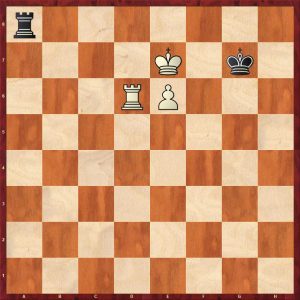
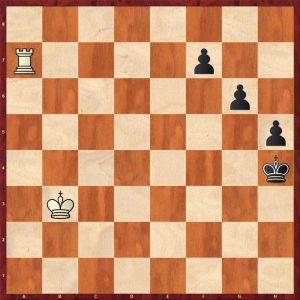
Diagram 13 shows that even a future current world champion can blunder in a basic position:

Levon Aronian v Magnus Carlsen

This is a drawn ending as black’s king is on the short side and his rook has sufficient checking distance.

Aronian’s last move was the cunning waiting move 73.Rd7-d6!

The only drawing move here is 73… Kg6! for example, if 74.Rd7 Kg7 75.Kd6+ Kf6 76. e7 Kf7=

Carlsen replied with the “obvious” check 73… Ra7+ and resigned instantly after 74. Ke8. He resigned because of 74… Ra8+ 75.Rd8 Ra6 76.e7

The reviewer can say that he knew this trap from Levenfish & Smyslov and admits to feeling slightly smug!

Chapter 2 is entitled Extraordinary endings and covers three interesting and diverse areas:

  1. Rook and A + H pawns v Rook
  2. Rook vs 3 connected pawns
  3. 2 Rooks v R + 3 connected pawns

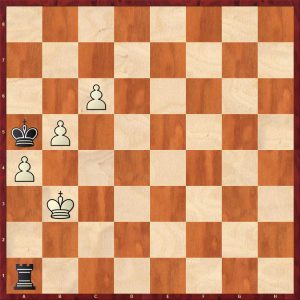
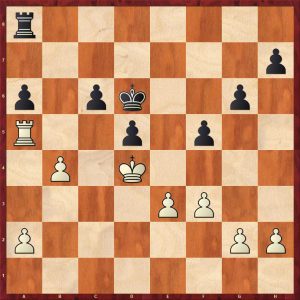
My preference would have been to restructure this chapter as Rook v Pawns and put the other two sections into later separate chapters. Nevertheless all the material is extremely useful. The ending of Rook v 3 pawns is fairly common and the diagram below shows a typical occurrence:

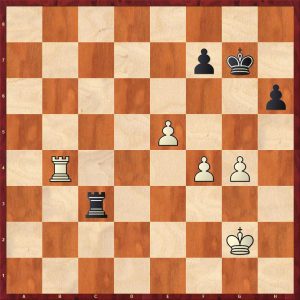
Colin Crouch - Luke McShane England 1999
Colin Crouch – Luke McShane England 1999

This is an “optimal drawn position” (Grivas). White must prevent the rook from getting behind the pawns which wins for black.

White played 68.Kb4? which loses, keeping the king on the second or third rank was fine. 68… Rh4+? (68…Rh3 or Rh1 wins) 69. Kb3 Kc5 70. Ka3! Kb6 71. Kb3 Kc5 72. Ka3! Rh3+ 73. Kb2 Kb6 74. Ka2! (only move) Ka5 75. Kb2 Rg3 76. Kc2? (76.Ka2! Kc4 77.c7 Ra3+ 78.Kb2 Rb3+ 79.Ka2 with a perpetual check) Rg4? (76…Kb4 wins 77.Kd2 Rg8! 78.Kd3 Kxa4 79. Kc4 Ka5 8-.Kc5 Rg5+ wins) 77. Kb3 Rb4+ 78. Kc3! Rb1 79. Kc2 Rf1 80. Kb3? (80.Kb2 draws) Ra1! winning

Colin Crouch - Luke McShane England 1999
Colin Crouch – Luke McShane England 1999

81.Kc4  Rxa4+ 82. Kc5 Ra1 83. c7 Rc1+ 84. Kd6 Kb6 0-1

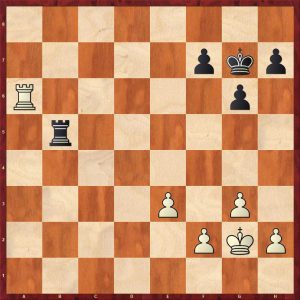
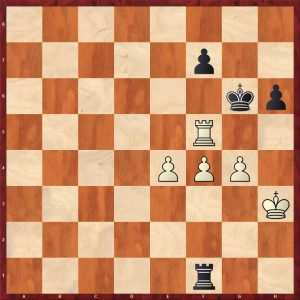
Chapter 3 Same Side is one of the core chapters which deals with pawn up positions when all the pawns are on one side. These positions occur very frequently and are sometimes misplayed by world class players. I like the way the author systematically discusses the different structures with drawing and winning mechanisms and then shows pertintent examples from real games. Diagram 51 discusses the famous endgame Capablanca  – Yates Hastings 1930 in great depth which shows that even the great Cuban player made several mistakes after achieving a winning game from a drawn 4 v 3 endgame shown below. A quick flavour of the coverage is given below.

Capablanca - Yates Hastings 1930
Capablanca – Yates Hastings 1930

The game continued 38…Rb4, 39.Ra5 Rc4 (39…h5! is the standard move to ease the defence.) 40.g4! squeezing, but black can still hold 40… h6 41. Kg3 Rc1 42. Kg2 Rc4 43. Rd5 Ra4 44. f4 Ra2+ 45. Kg3 Re2 46.Re5 Re1 47. Kf2 Rh1 48. Kg2 Re1 49. h4 Kf6?! (49…f6 is more precise reaching a known drawn position) 50.h5 Re2+ 51. Kf3 Re1 Re1 52. Ra5 Kg7 53. hxg6 Kxg6! (53…fxg6? loses 54. Ra7+ Kg8 55. e4 Rf1+ 56.Ke3 Rg1 57.f5! Rxg4 58.f6 winning with two passed pawns) 54. e4 Rf1+ 55.Kg3 Rg1+ 56. Kh3 Rf1 57. Rf5 reaching the diagram below:

Capablanca Yates Hastings 1930

57… Re1? (black must play 57…f6 to draw) 58. e5! Re3+ 59.Kg2! Ra3 60.Rf6+ Kg7 reaching a well lnown won position 61. Rb6? (61.Rd6 wins protecting the king from side checks) Re3? 61…Ra4! leads to a complex draw 62. Rb4? (62. Rb1 still wins but Rb8 does not win) Rc3 reaching the position below:

Capablanca Yates Hastings 1930
Capablanca- Yates, Hastings, 1930

63. Kf2? (A shocking mistake, 63.Rb8 intending f5 wins) 62… Ra3 ? (63…h5! draws) 64. Rb7 Kg8 65. Rb8+! (now Capablanca wins efficiently) Kg7 66. f5 Ra2+ 67. Ke3 Ra3+ 68. Ke4 Ra4+ 69. Kd5! Ra4+ 69. Kd5! Ra5+ 70. Kd6 Ra6+ 71. Kc7 Kh7 72.Kd7 Ra7+ 73. Kd6 Kg7 74. Rd8! Ra5 75. f6+ Kh7 76. Rf8 Ra7 77. Kc6! Kg6 78. Rg8+ Kh7 79. Rg7+ Kh8 80.Kb6 Rd7 81. Kc5! Rc7+ 82. Kd6 Ra7 83.e6! Ra6+ 84. Ke7 Rxe6+ 85. Kxf7 Re5 86.g5! hxg5 77. Kg6 1-0

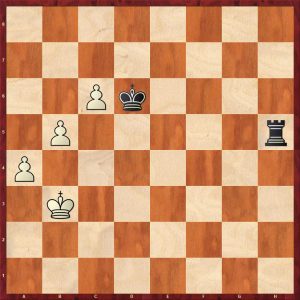
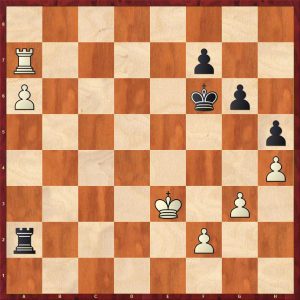
Chpater 4 Extra Passed Pawn is the second core chapter of the book and is easily the longest and most complex chapter. Despite this, detailed study of this section will reap rich rewards. The theory of these endings has evolved significantly since the books by Fine and Levenfish/Smyslov. Diagram 78 shows a typical position with a extra rook’s pawn with the stronger side having the rook in front of the pawn. This position looks to be an easy draw but beware: it is a draw but the position is complex and the drawing lines are complex! One slip and the game slips away.

Bacrot - Robson, Khanty-Mansiysk, 2011
Bacrot – Robson, Khanty-Mansiysk, 2011

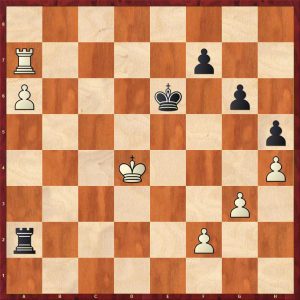
Black played a waiting move which is fatal 59…Ke6? (59…Ra4! or 59…g5! draws) White blundered in turn playing 60.Ra8? ( White could have won with a beautiful and instructive variation starting with 60. Kd4! see diagram below):

Bacrot - Robson, Khanty-Mansiysk, 2011
Bacrot – Robson, Khanty-Mansiysk, 2011

60…Rxf2 (looks as though it draws, but it does not) 61. Rc7 Ra2 62. a7 Kf5 63. Kc4!! Kg4 64. Kb3! Ra6 65. Rc4+ Kxg3 66. Ra4 Rxa7 67. Rxa7 Kxh4  reaching a key position shown below:

Bacrot - Robson, Khanty-Mansiysk, 2011
Bacrot – Robson, Khanty-Mansiysk, 2011

White wins with the amazing 68. Kc3!! (68.Rxf7 only draws 68…Kg3 holds) 68…Kg3 (68…f5 69. Kd3 g5 70.Rf7 f4 71.Rf5!! Kg4 72. Ra5 h4 73. Ke2 wins) 69. Kd3 h4 70. Ke2! wins

After 60. Ra8 the game was eventually won by white after many errors by both  sides.

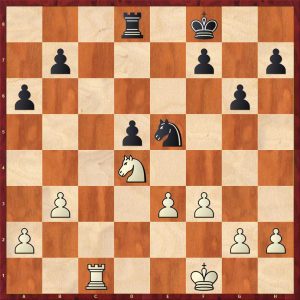
Chapter 5 Shattering covers endings where one side has a positional advantage consisting of the better pawn structure. A typical position is diagram 118 which is from the famous game Flohr – Vidmar Nottingham 1936.

Flohr- Vidmar, Nottingham, 1936
Flohr – Vidmar, Nottingham, 1936

Black rather injudiciously exchanged knights with 29…Nc6? 30. Nxc6 Rc8 31. Rc5? (better is 31.Ke2 bxc6 (31…Rxc6 loses the king and pawn ending after 32.Rxc6 bxc6 33.b4!) 32.Rc5) 31…bxc6? (31…Rxc6! 32. Rxd5 Rc2 probably draws) 32. Ke2! Ke7 33.Kd3 Kd6 34. Ra5! Ra8 35. Kd4 f5 36. b4  reaching the position below:

Flohr-Vidmar, Move36
Flohr-Vidmar, Nottingham, 1936

36…Rb8? and Flohr won a brilliant ending. However as Grivas shows, black could have drawn by executing a better plan on move 36 by defending his weak a6 pawn with his king 36…Kc7! 37. Kc5 Kb7 38. Kd6 Re8 39.Ra3 g5! for example 40.Rc3 f4! 41. exf4 gxf4 42. Rxc6 Rd8+ 43. Kc5 d4 44. Re6 d3 45. Re1 Rg8=

Chapter 6 Isolani covers the handling of rook endings playing against isolated central pawns. Diagram 132 covers the game Szabo Penrose from the European Team Championship in Bath 1973.

Szabo - Penrose, Bath, 1973
Szabo – Penrose, Bath, 1973

This is a superbly handled ending by Szabo who probes carefully and forces resignation within twenty moves – a textbook example with excellent notes by the author.

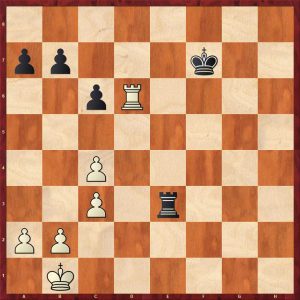
Chapter 7 Drawn Endings covers the reasons for losing drawn positions which happens to very strong players. An excellent example is diagram 140.

Topalov-Gelfand, Linares, 2010

It is hard to believe that a world class player of Gelfand’s standard could lose such a position but Grivas shows how with his usual exemplary commentary.

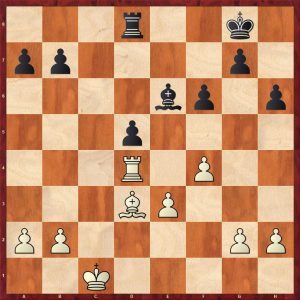
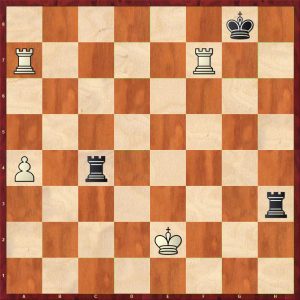
Chapter 8 Four Rooks is one of the chapters that makes this book stand out – few authors have covered this topic in any depth although Fine in BCE does give some examples. Grivas starts the chapter with five sets of educational SOS tips which the reviewer really likes. Diagram 143 shows a example of good defence in a position that looks diffcult with black’s king trapped on the back rank:

Miljanic- Grivas, 1983
Miljanic – Grivas, 1983

The author conducts an almost flawless defence to hold this difficult position – buy the book to find out how.

The final chapter 9 Various Concepts discusses Lasker’s steps, trapped rooks and the Loman move. If you don’t know about Lasker’s steps or the Loman move – buy the book to learn more!

FM Richard Webb, Chineham, Hampshire, 20th July 2020

FM Richard Webb
FM Richard Webb

Book Details :

  • Paperback : 400 pages
  • Publisher: Thinkers Publishing; 01 edition (19 May 2020)
  • Language: English
  • ISBN-10: 949251074X
  • ISBN-13: 978-9492510747
  • Product Dimensions: 16.5 x 1.9 x 22.9 cm

Official web site of Thinkers Publishing

Search Results Web results Your Jungle Guide to Rook Endings
Search Results
Web results
Your Jungle Guide to Rook Endings
 Save as PDF

We focus on the British Chess Scene Past & Present!