Tag Archives: British Championships

Best Wishes IM David Eggleston (22-xii-1987)

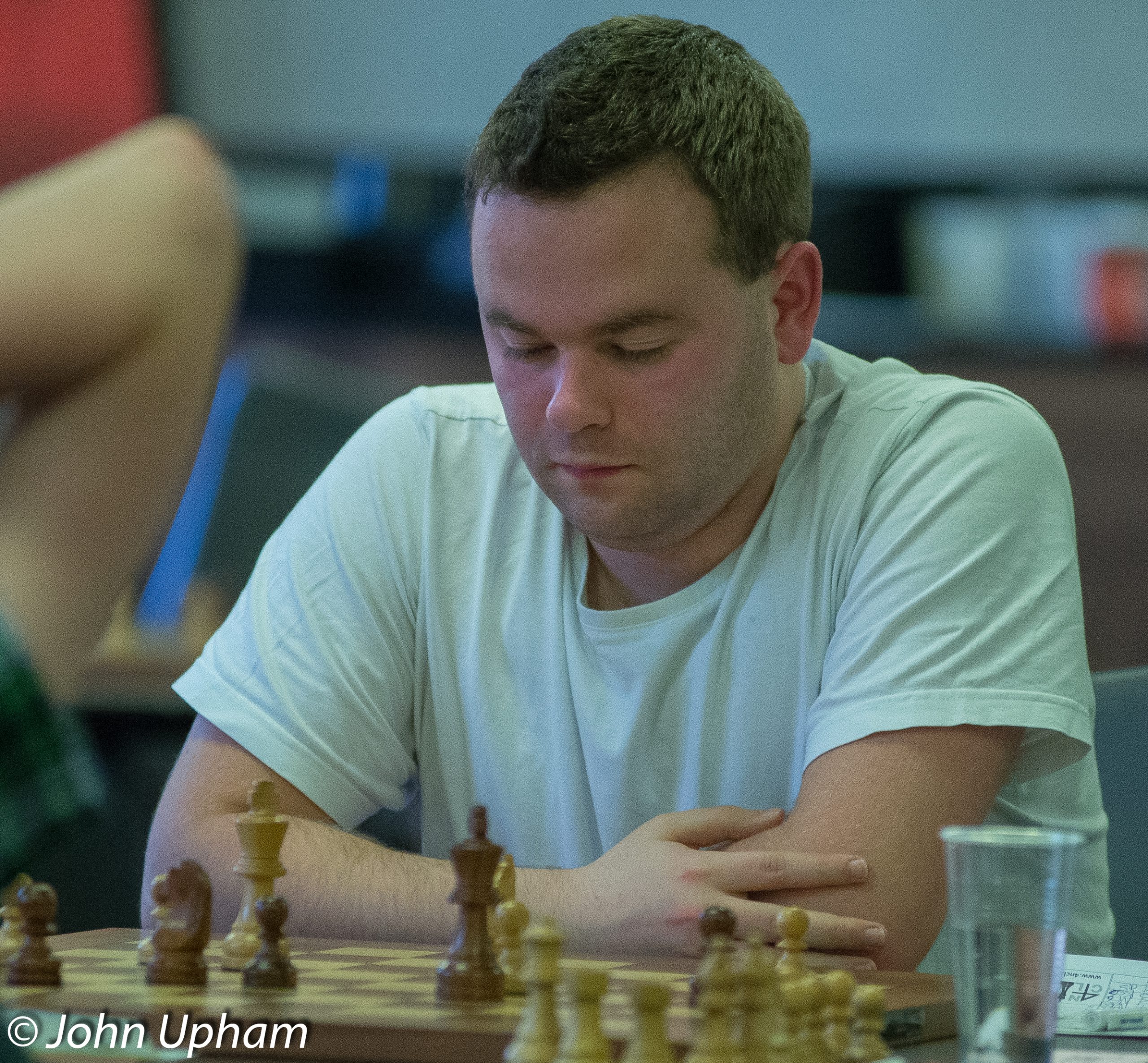
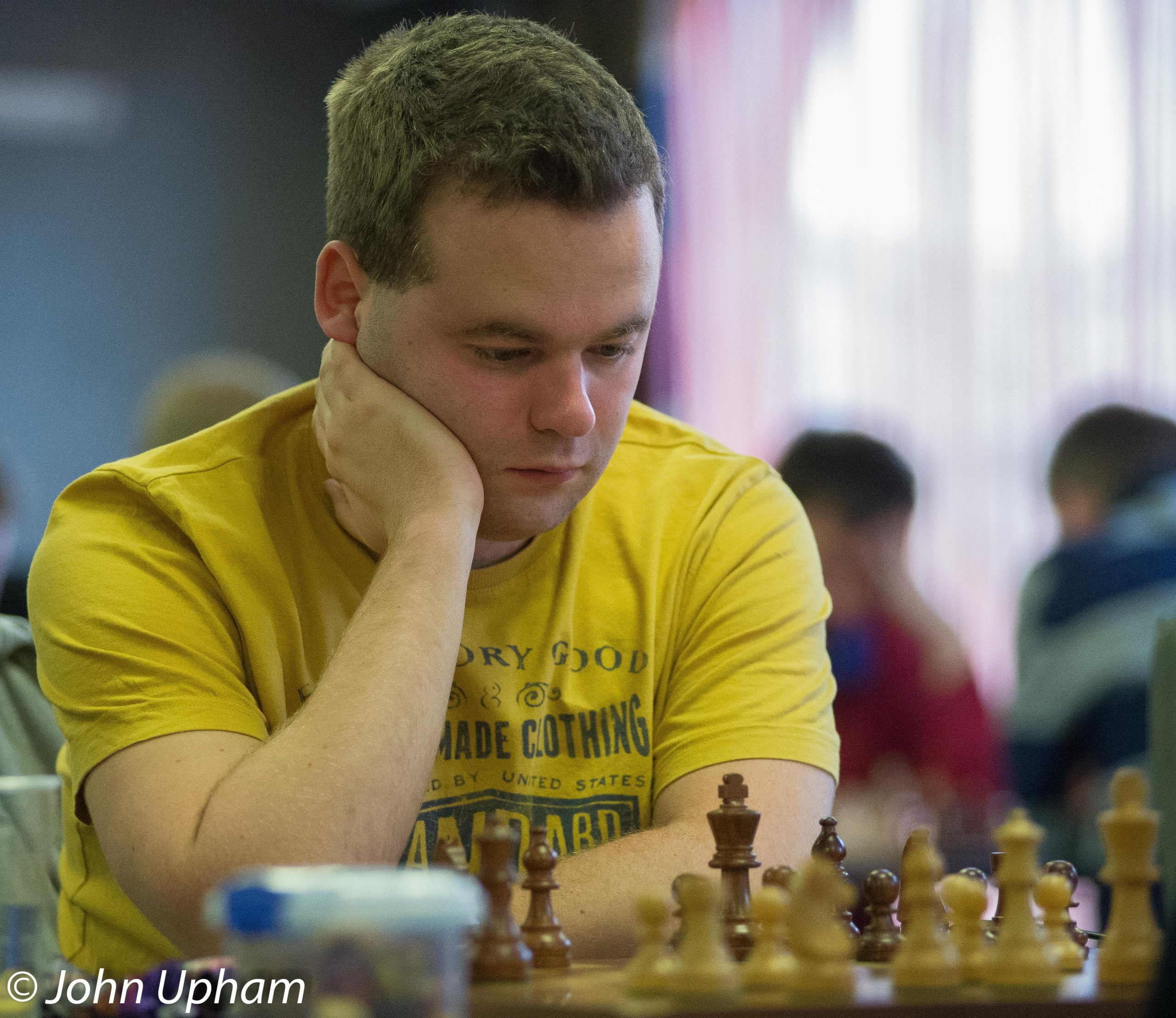
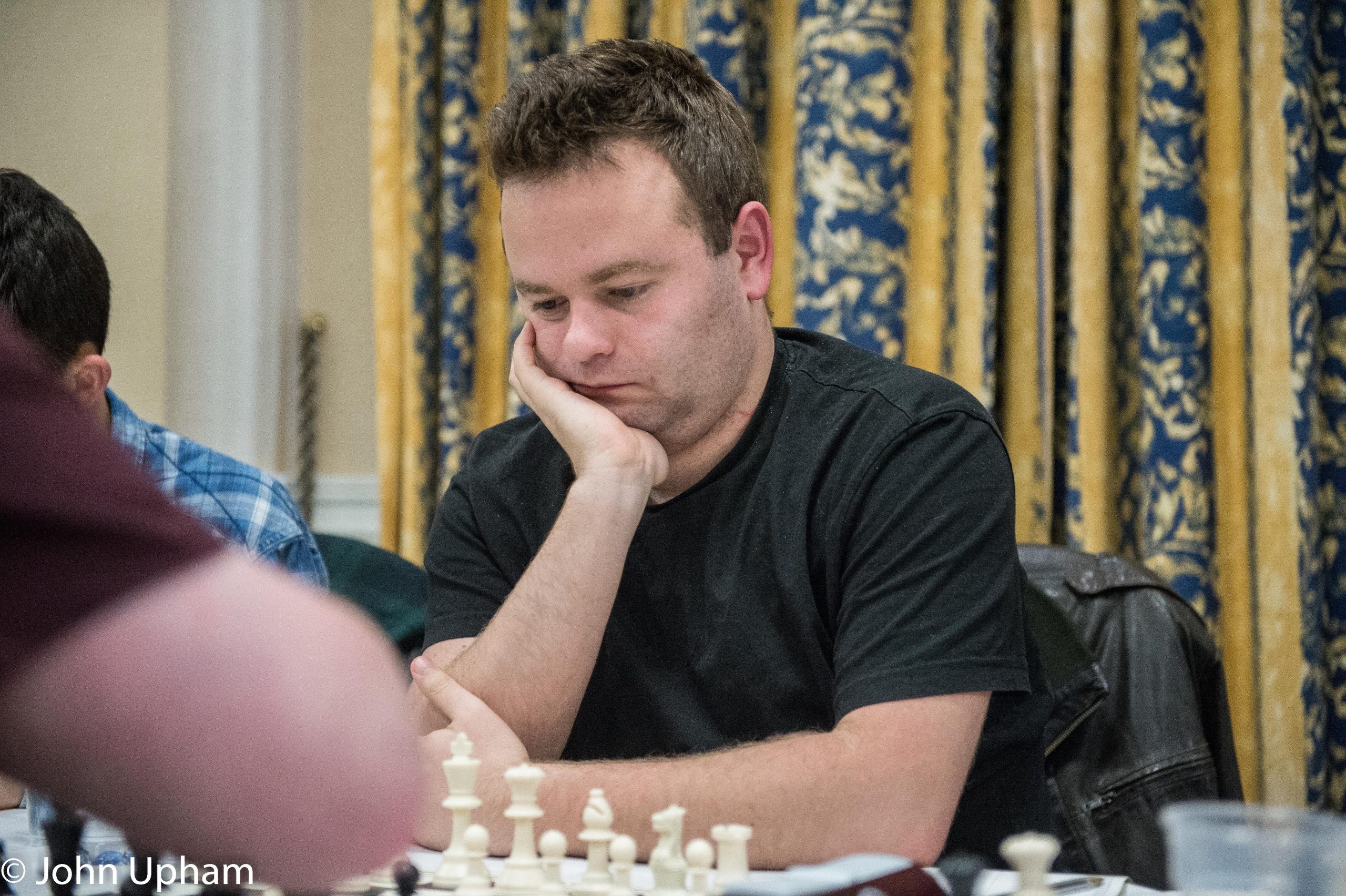
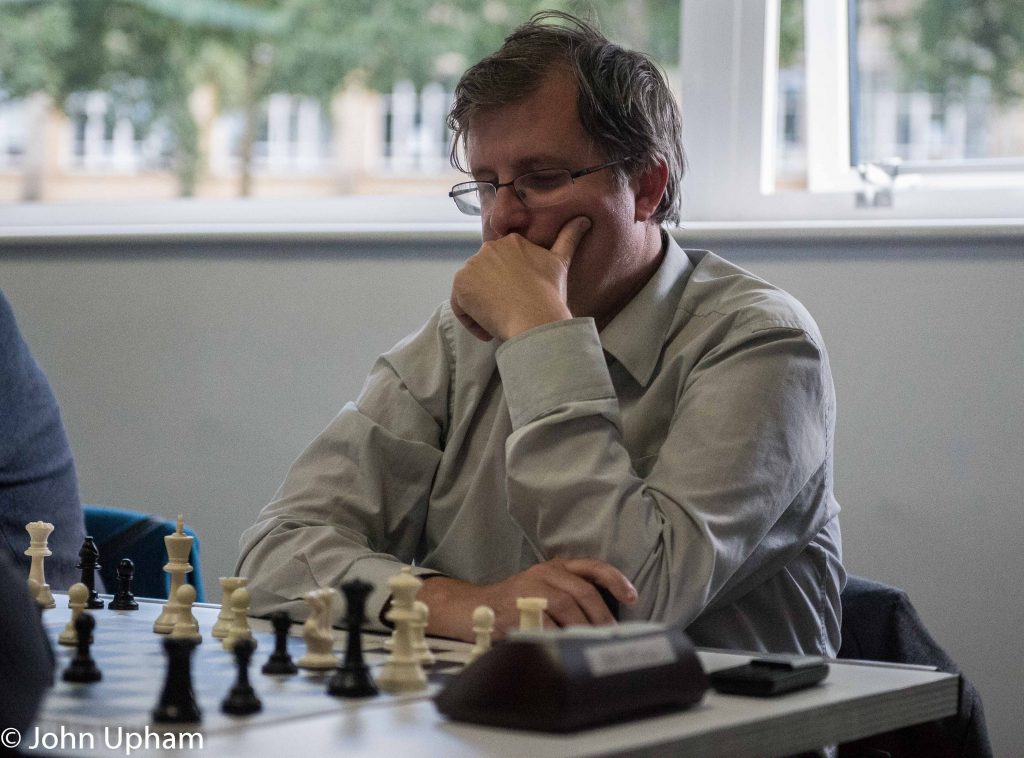
IM David Eggleston
IM David Eggleston

Best Wishes to IM David Eggleston on his birthday.

David James Eggleston was born on Tuesday, December 22nd 1987 in Sunderland, County Durham to Ian and Janet Eggleston (née Robson). David has a brother, Thomas A, also born in 1987 who plays chess to a high standard (2178 in 2020). Thomas also plays for Durham City and for 4NCL North East England.

There is one game in Megabase between the brothers from round 5 of the Durham Open in 2003 which resulted in a 13 move draw. They shared the 1st prize with 4/5.

David currently resides in Durham and plays for Durham City in the North East League and for Cheddleton in the Four Nations Chess League (4NCL).

David became a FIDE Master in 2007 and an International Master in 2013.

According to ChessBase David’s peak FIDE rating was 2434 aged 26 in December 2013. However, this could easily be surpassed.

He has a plus score against Keith Arkell, James Jackson, Peter Sowray and Chris Ward to name but a few.

IM David James Eggleston

With the white pieces David is a staunch e4 player playing open Sicilians, the Italian Game and 3.Nc3 versus the French and the Caro-Kann.

As the second player David plays the Najdorf and the Nimzo-Indian Defence.

David has one book, published in July 2014 : Hacking up the King published by Mongoose Press :

Hacking Up The King
Hacking Up The King
IM David James Eggleston

Remembering IM William Winter (11-ix-1897 18-xii-1955)

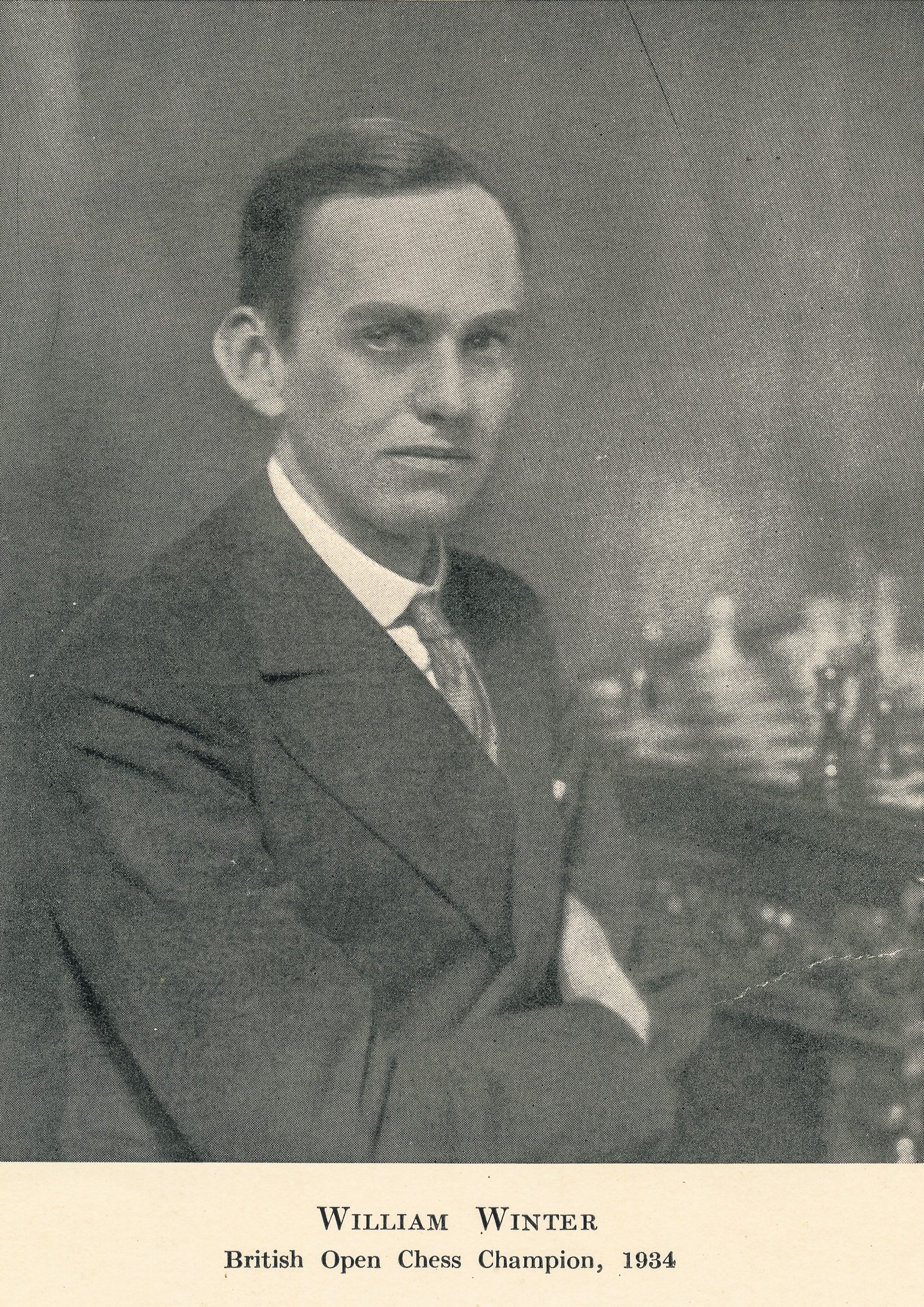
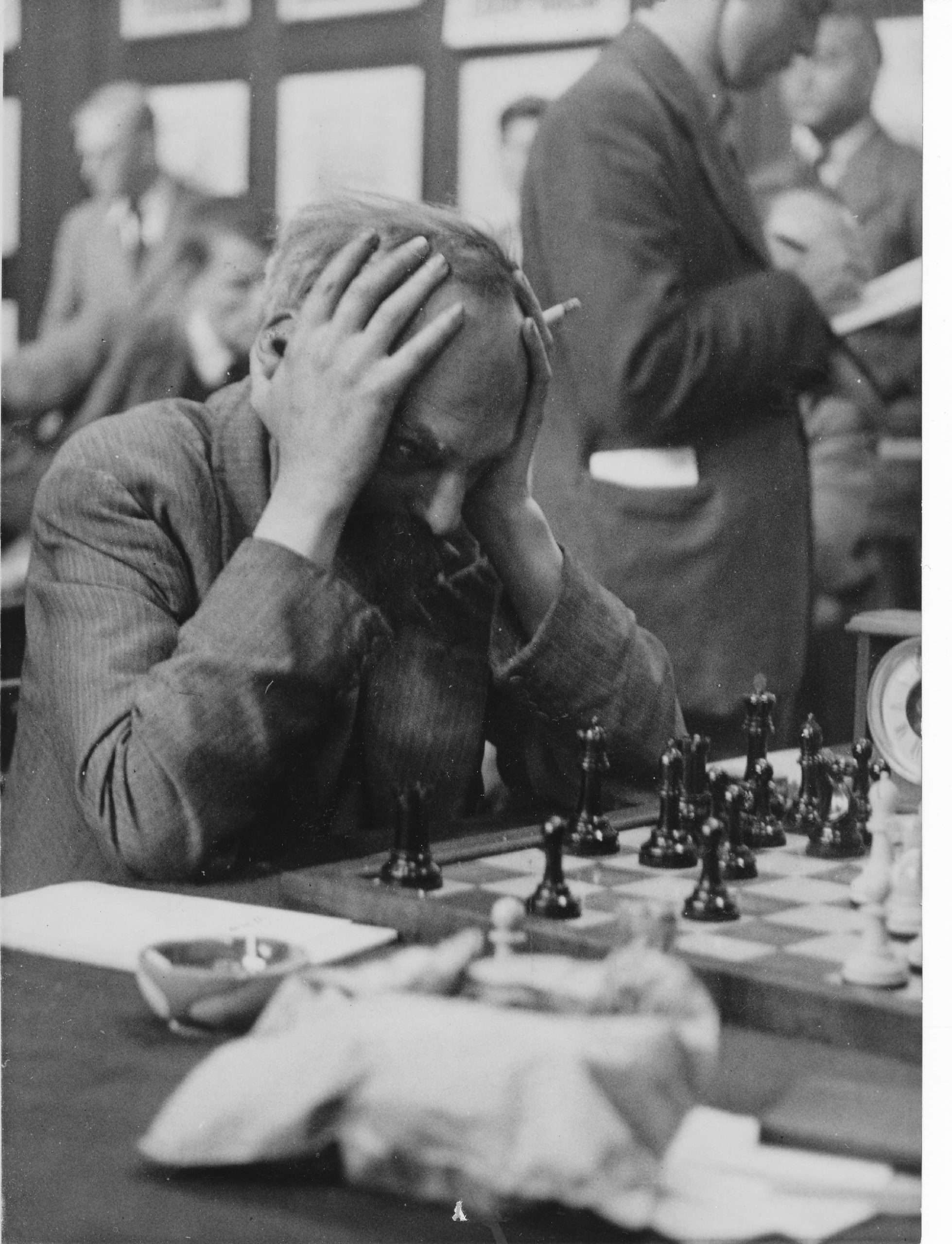
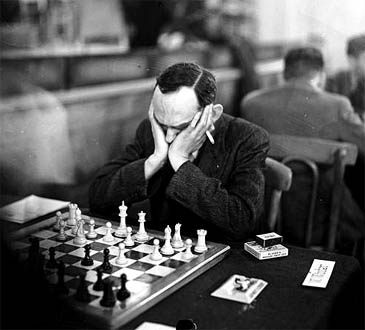
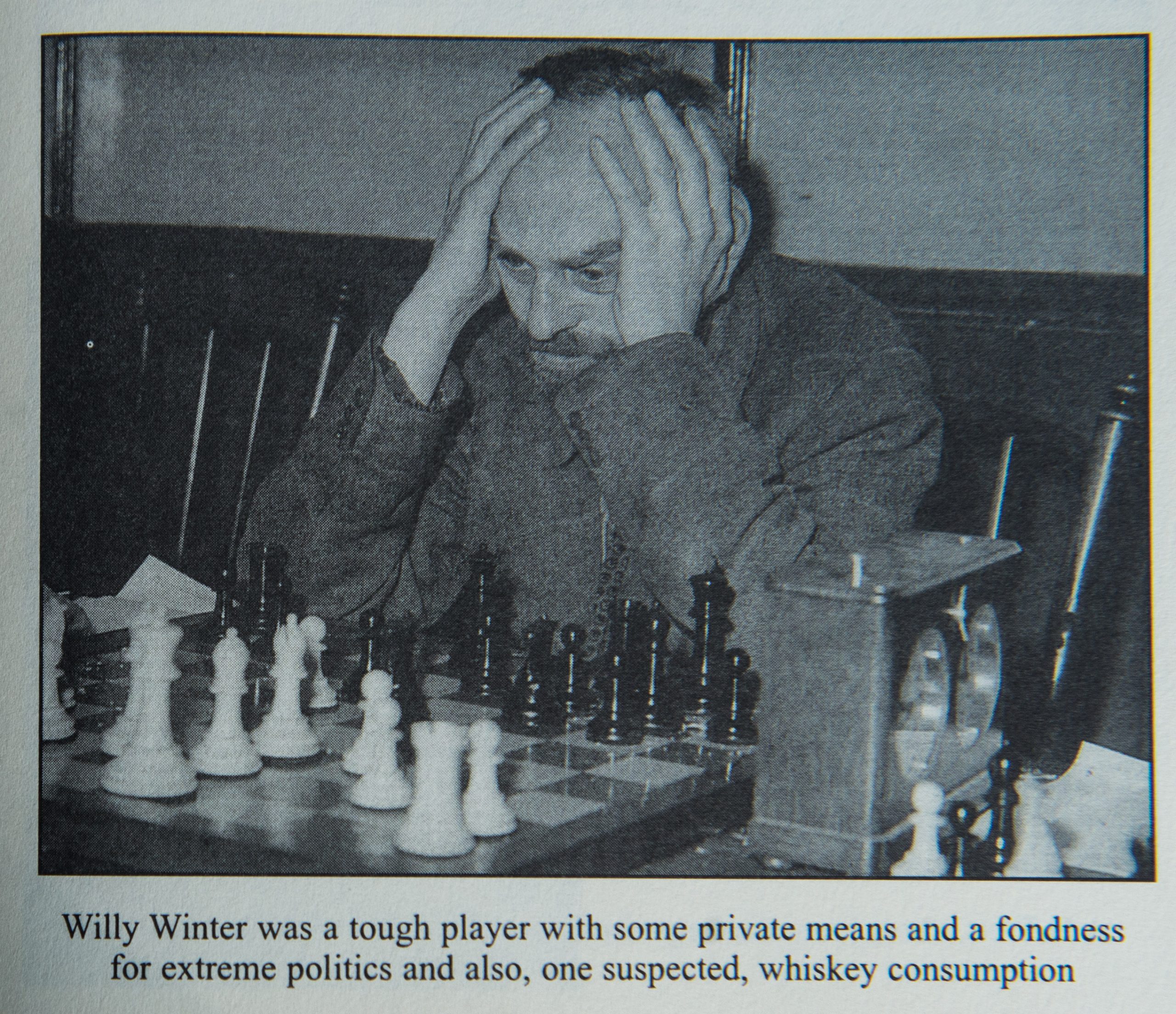
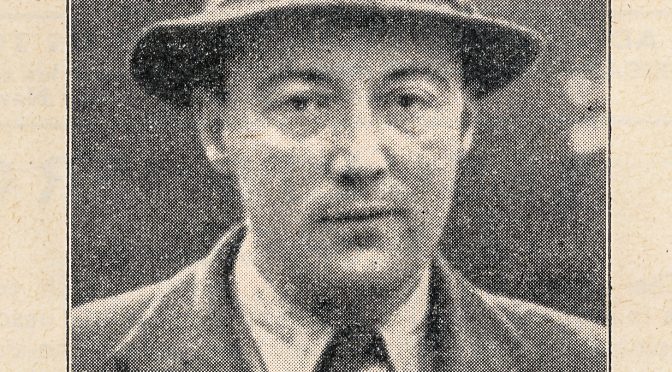
William Winter, British Open Chess Champion, 1934. The verso frontispiece of Chess for Match Players, William Winter, London, Lawrence & Wishart, 1st edition. 1936
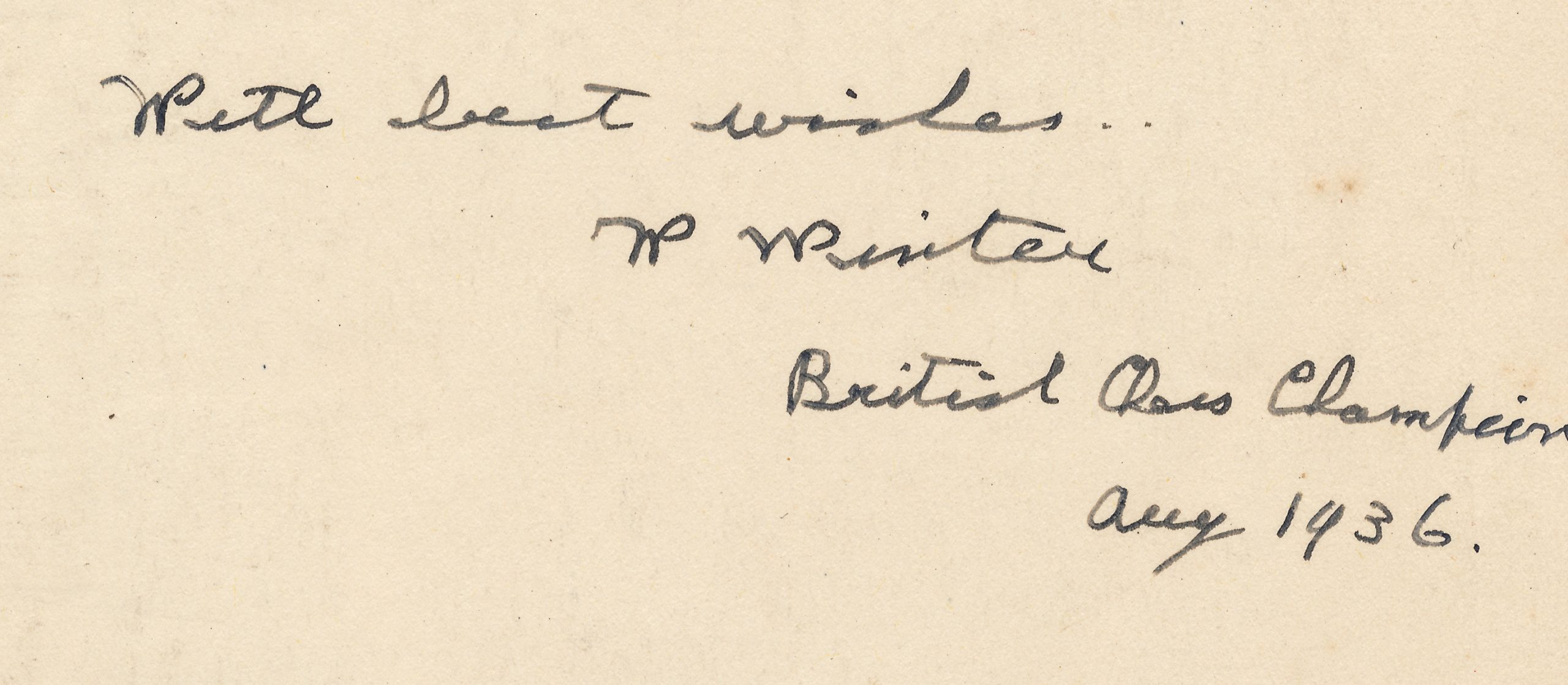
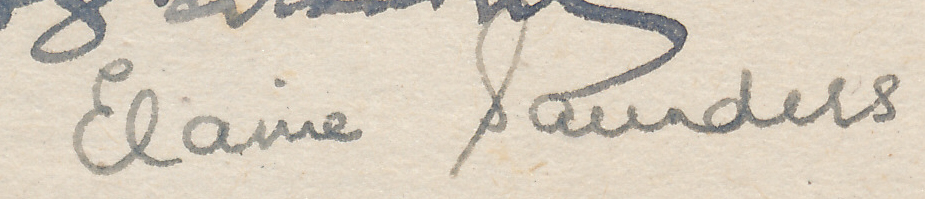
Author's inscription from Chess for Match Players, William Winter, London, Lawrence & Wishart, 1st edition. 1936
Author’s inscription from Chess for Match Players, William Winter, London, Lawrence & Wishart, 1st edition. 1936

BCN remembers William (Willy) Winter who passed away on Sunday, December 18th, 1955 from tuberculosis (at the time known as “the white plague”). He refused to enter a sanatorium.
There is some variation from sources who quote his Date of Birth. All have 11th of September as the date but vary by the year giving either 1898 or 1899. However careful research by John Townsend (Wokingham) gives 1897 and this work is cited by Edward Winter.
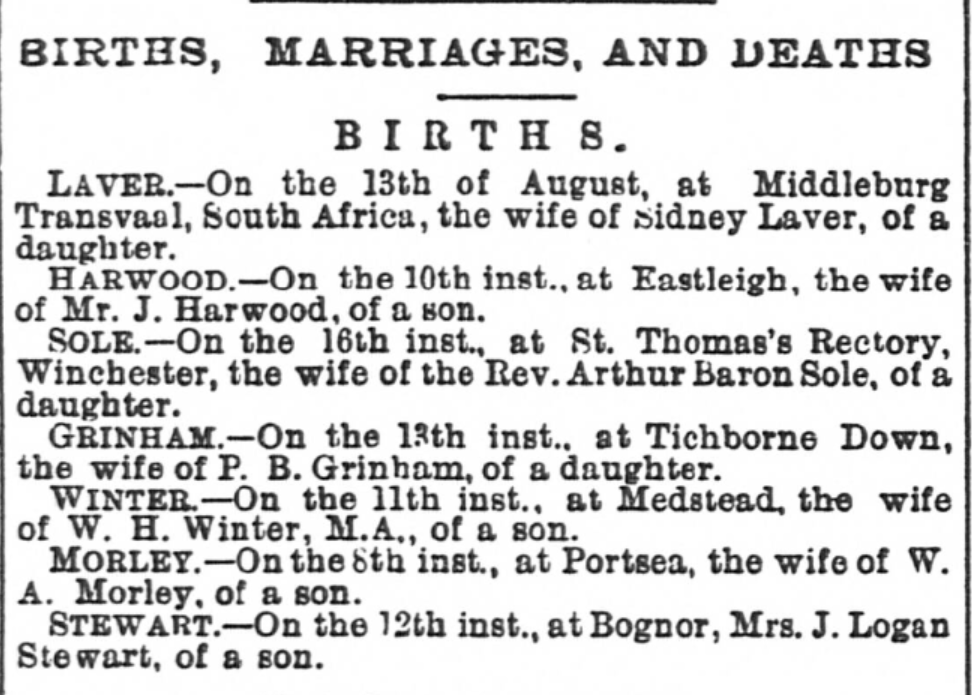
Late in 2021 historian Gerard Killoran (Ilkley) discovered this clipping from the Hampshire Advertiser – Wednesday 22 September 1897 p.2:

Hampshire Advertiser - Wednesday 22 September 1897 p.2
Hampshire Advertiser – Wednesday 22 September 1897 p.2

which confirms JTs evidence from the 1939 register.

His father was William Henderson Winter and his mother Margaret Winter. He was born in Medstead, Hampshire. In the 1911 census their address was recorded as “The Boynes”,  Four Marks, Alton, Hampshire and the family had two servants : a cook and a housemaid. In 1936 Winter lived at The Old Cottage, North Road, Three Bridges, Sussex.

In the second quarter of 1933 William married Amelia Jennett (née Potter) in the district of Pancras. William knew Amelia as Molly and wrote about her extensively in his memoirs. Amelia was married to Dennis Jennett but Dennis had an affair with another woman and a convenient to all parties “arrangement” was entered into. However, Willy’s father was less than impressed.

From The Encyclopedia of Chess (Robert Hale 1970&1976), Anne Sunnucks :

“International Master, chess. professional and British Champion in 1935 and 1936, William Winter is one of the most colourful  figures that British chess has produced. A born bohemian, Winter could on many occasions have been mistaken for a tramp, yet he was equally capable of turning up at a dinner or some other official occasion, well-groomed and looking the split image of his famous uncle, Sir James Barrie, and making a speech of such wit and culture that every other speech would seem flat.

Born in Medstead in Hampshire on 11th September 1898, of Scottish parentage. Winter’s mother was the youngest sister of Sir James Barrie, and his father a brilliant scholar who had entered St. Andrew’s University at the age of 16, taken honours in classics and then won a scholarship to Cambridge to read mathematics.

Winter was taught to play chess by his father, who was a strong player, when he was 12. From the time he was introduced to the game his main aim in life was to become a first-class player, and his previous interest, cricket, had to take a back seat.

When he was 15, he joined the city of London Chess club, one of the leading clubs in the country, and his game-rapidly improved. He went up to Cambridge to read law for a year during-the l9l4-l9l8 war, before he became of age for military service and joined the Honourable Artillery Company. While he was stationed at Leeds he learned that the British champion, F. D. Yates, and the Mexican master, A. G. Conde, were in the habit of playing chess on a Saturday afternoon in a café in Bradford.

Winter started going to this café and made the acquaintance of the two masters, who would occasionally give him a game.

On returning to Cambridge when the war was over, Winter became President of the University Chess Club and also started to take an active interest in politics. He joined the University Socialist Society and the local branch of the Independent Labour Party, and when the Communist Party was formed he became a Communist.

In 1919 Winter became Cambridge University Champion and won a match against R. H. V. Scott, a leading British player, by a score of 4-2, thereby securing for himself an invitation to play in the Victory Congress at Hastings. His lack of experience of master play proved too great a handicap, and he came 11th out of 12.

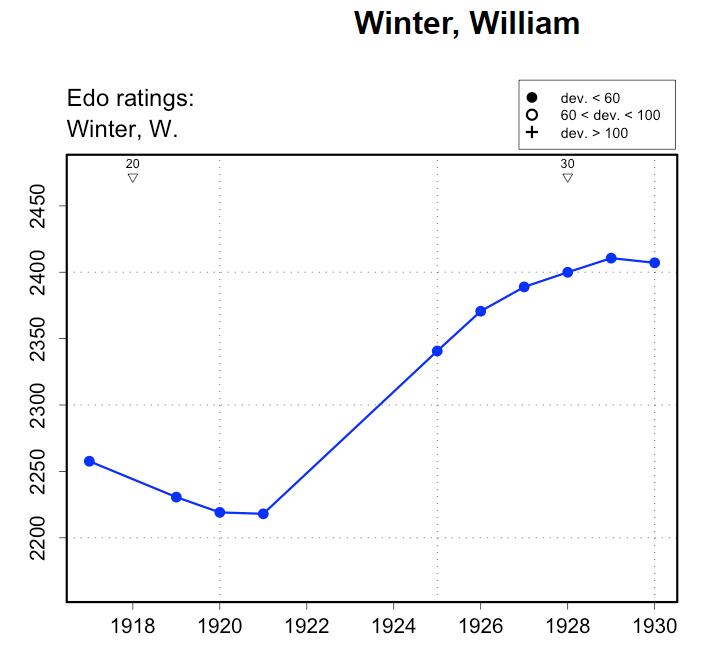
Edo rating profile for William Winter from http://www.edochess.ca/players/p7187.html

On leaving Cambridge after taking his degree in 1919, Winter persuaded his parents to allow him a year in which to play chess before settling down to a career. He hoped that during that year he might be able to prove that he had sufficient talent to become a professional player. This did not prove the case, and Winter had to resign himself to becoming a solicitor.

In 1921 he became articled to a London firm, but after a dispute with his father, which resulted in his allowance being stopped, Winter had to give up his articles and decided to concentrate his energies on politics. He went to live in Bristol and addressed open-air meetings all over the city on behalf of the Communist party, until he was arrested for sedition and sentenced to six months imprisonment. After his release Winter continued his political activities until he was forced to abandon them on medical advice.

Having given up politics, Winter decided to try his luck as a chess professional. This proved to be a success, and within two years he was making a reasonable living teaching the game, playing games for fees at St. George’s Cafe in St. Martin’s Lane in London and writing for The Manchester Guardian and The Daily Worker.

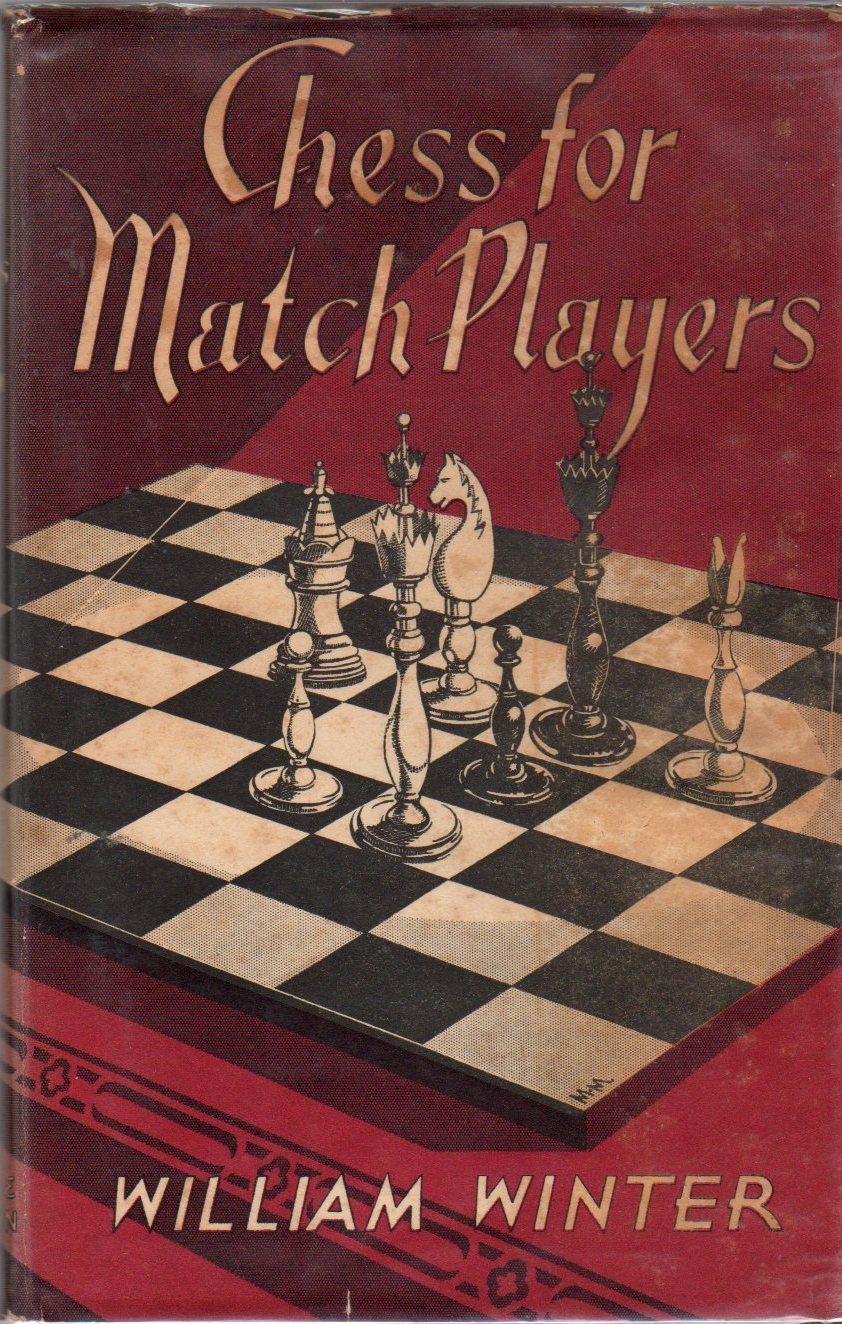
Winter remained a chess professional for the rest of his life, apart from the war years. He wrote two chess best sellers: Chess for Match Players, published in 1936

Chess for Match Players, William Winter, Carroll & Nicholson, 1936

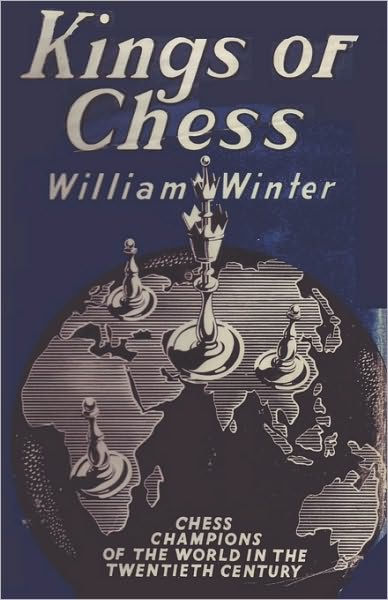
and reprinted in 1951, and Kings of Chess;

Kings of Chess, William Winter, Carroll and Nicholson Ltd, 1954

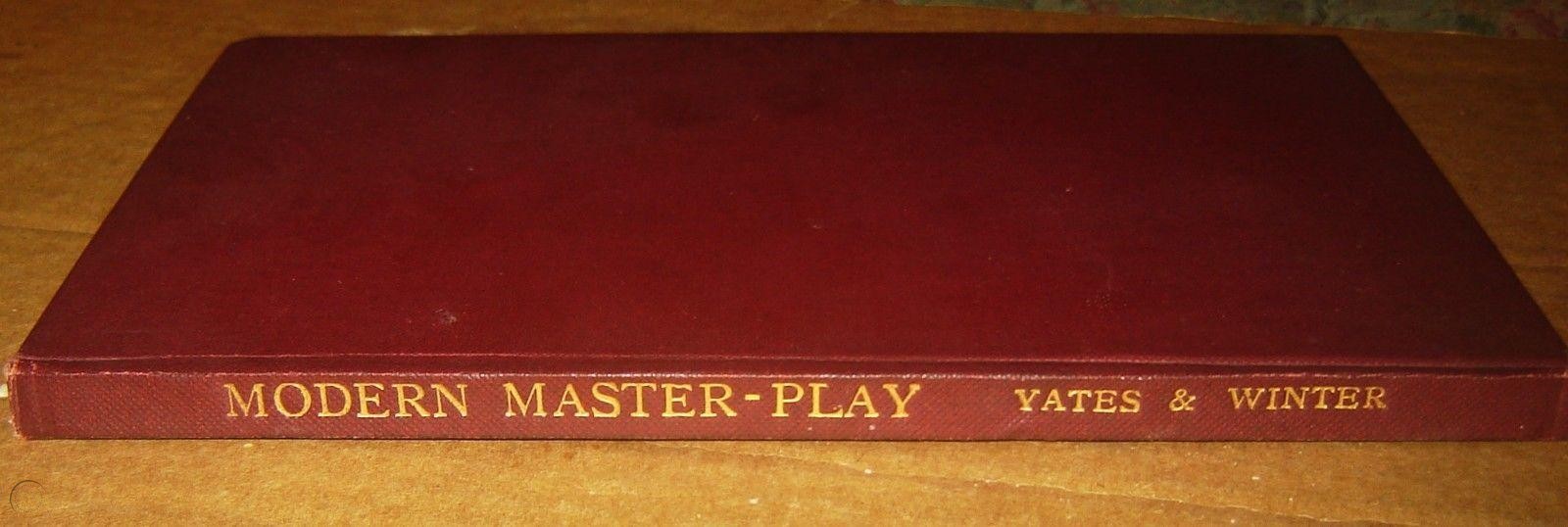
and was co-author with F. D. Yates of Modern Master Play,

Modern Master Play, FD Yates and W. Winter, 1930

and with FD Yates of World Championship Candidates Tournament, 1953.

Winter never reached the very highest ranks as a player, although he won the British Championship twice and represented his country in four Chess Olympiads: Hamburg in 1930, Prague in 1931, Folkestone in 1933 and Warsaw in 1935. In the Great Britain v. U.S.S.R. radio match in 1946 he defeated Bronstein in the first round and then characteristically went out and celebrated his victory in such a way that his defeat in the return round was inevitable.

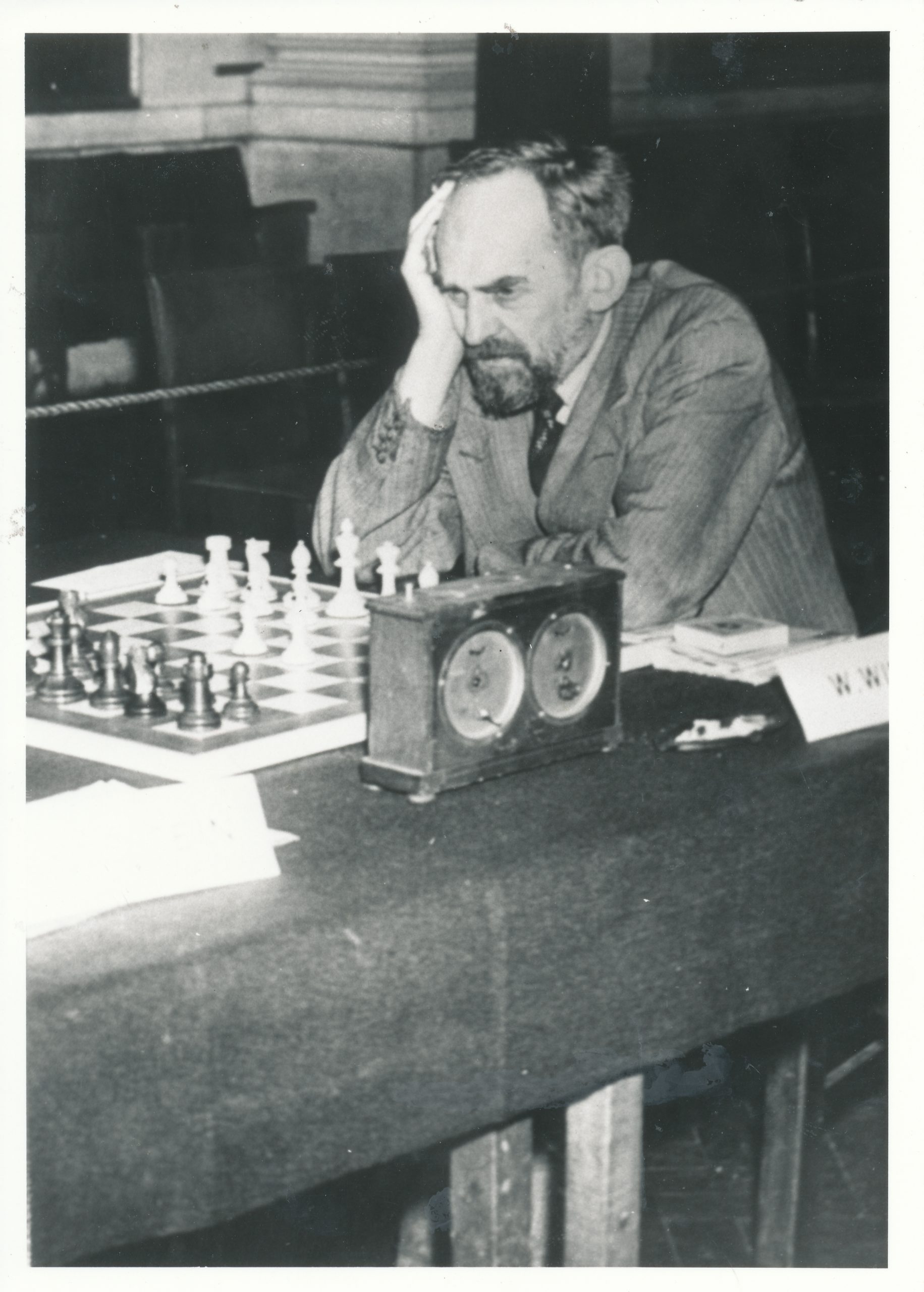
William Winter (11-IX-1897, 18-XII-1955)

Although he achieved no great successes in international tournaments, in individual games he beat many of the world’s leading players, including Nimzowitsch and Vidmar, and had draws against Capablanca and Botvinnik among others.

William Winter (11-IX-1898, 18-XII-1955)
William Winter (11-IX-1897, 18-XII-1955)

He died of tuberculosis in London in December 1955, after refusing to go into a sanatorium.”

In Kings, Commoners and Knaves, (Russell Enterprises, 1999), page 393 Winter quotes Winter (!) from Chess Masterpieces (Marshall) as follows:

I consider [Winter v Vidmar, London, 1927] to be my best game partly on account of the eminence of my opponent and partly because of the importance of the occasion on which it was played, and also because on three occasions in which the situation was extremely complicated. I was fortunate enough to discover the only continuation which not only was necessary to secure victory, but to actually save the game

Here is that game:

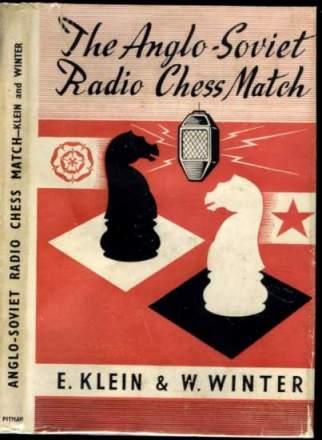
From The Anglo-Soviet Radio Chess Match by Klein and Winter :

The Anglo-Soviet Radio Chess Match, E. Klein and W. Winter (1947, Pitman)

“W. Winter was born in 1899 in Hampshire. A Cambridge graduate in Law, he devoted himself eventually entirely to chess and is the only Englishman who, despite all vicissitudes, has faithfully remained a professional. After winning the Cambridge University Championship in 1921 he competed in a number of international tournaments. His outstanding performance was in the tournament in Scarborough 1928, which he won. He won the British Championship in 1935 and 1936, and has represented his country on four occasions in international team tournaments. In Hamburg, 1930, he was undefeated.

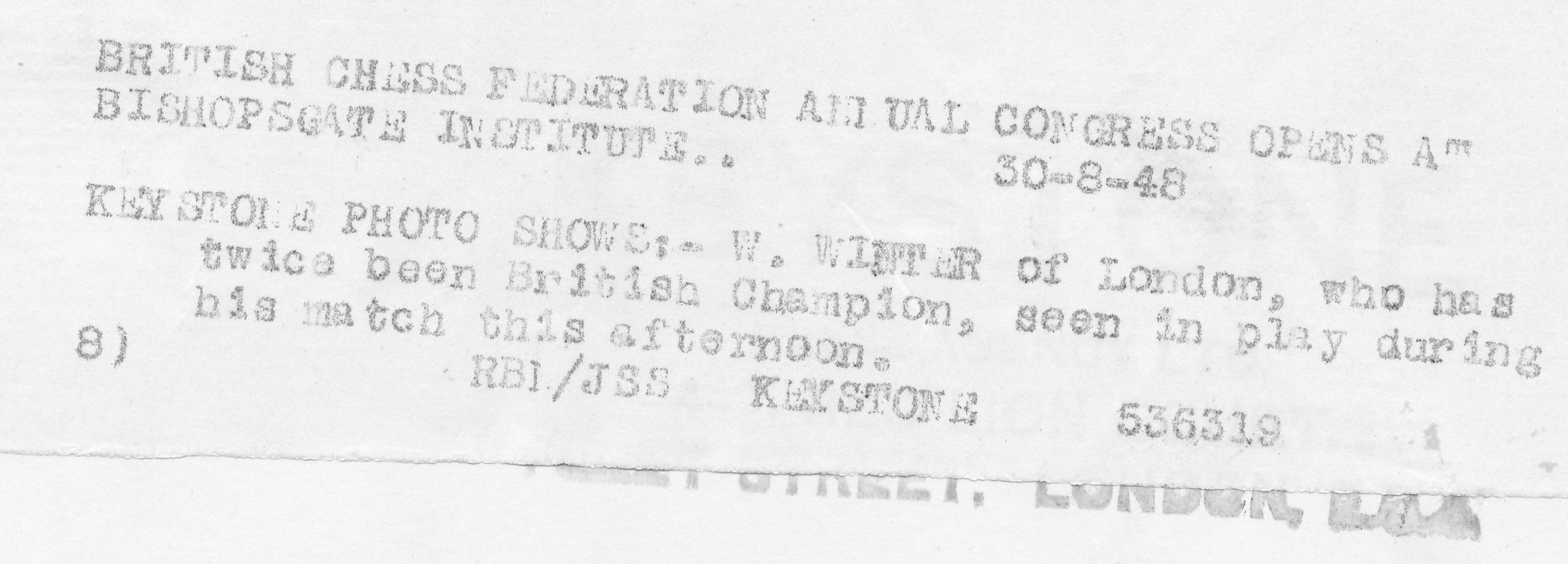
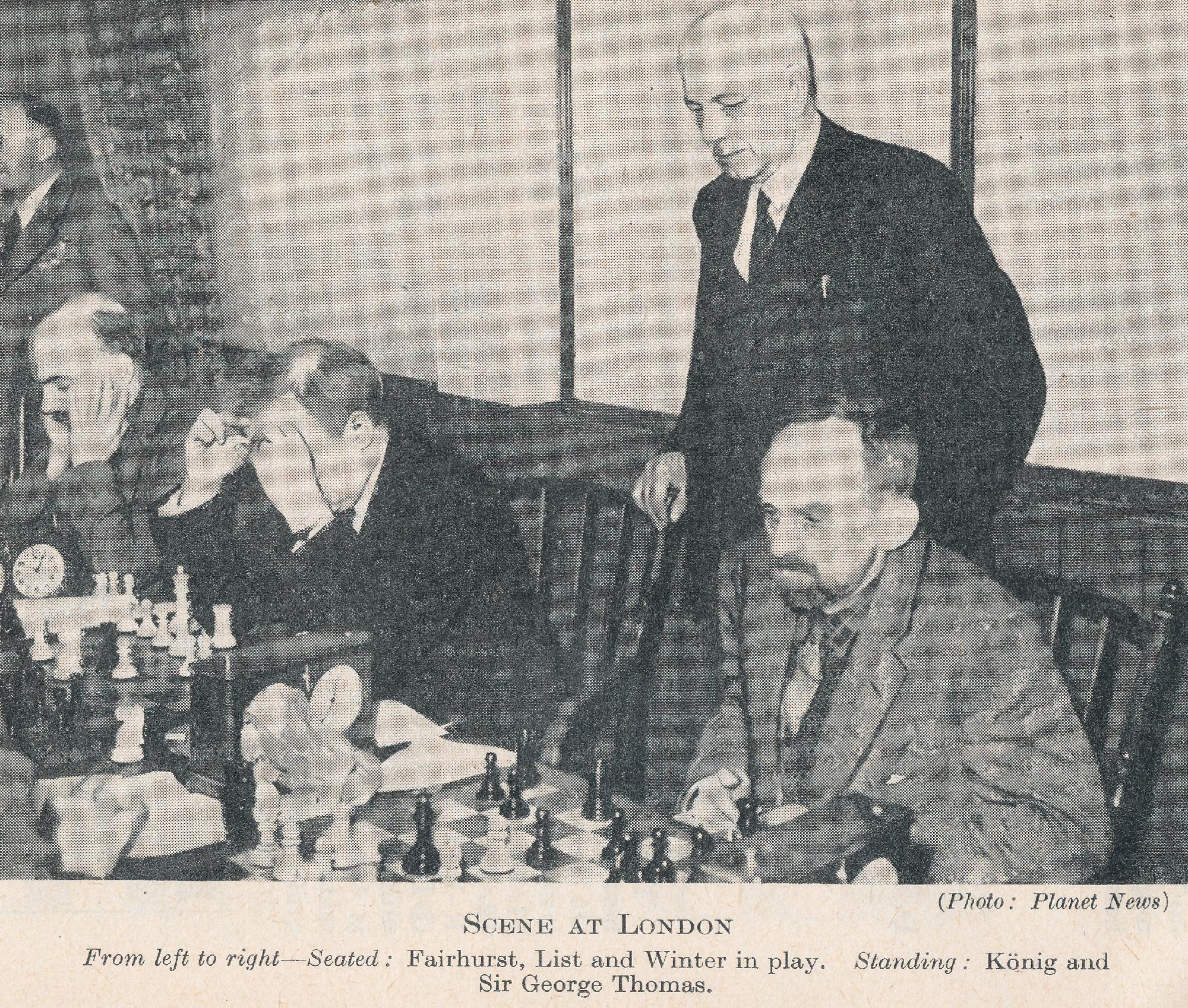
Scene at London. From left to right - Seated : Fairhurst, List and Winter in play. Standing König and Sir George Thomas
Scene at London. From left to right – Seated : Fairhurst, List and Winter in play. Standing König and Sir George Thomas

His literary activities include Chess for Match Players and The Alekhine-Capablanca World Title Match, 1927. He edits the chess column in the Soviet Weekly.

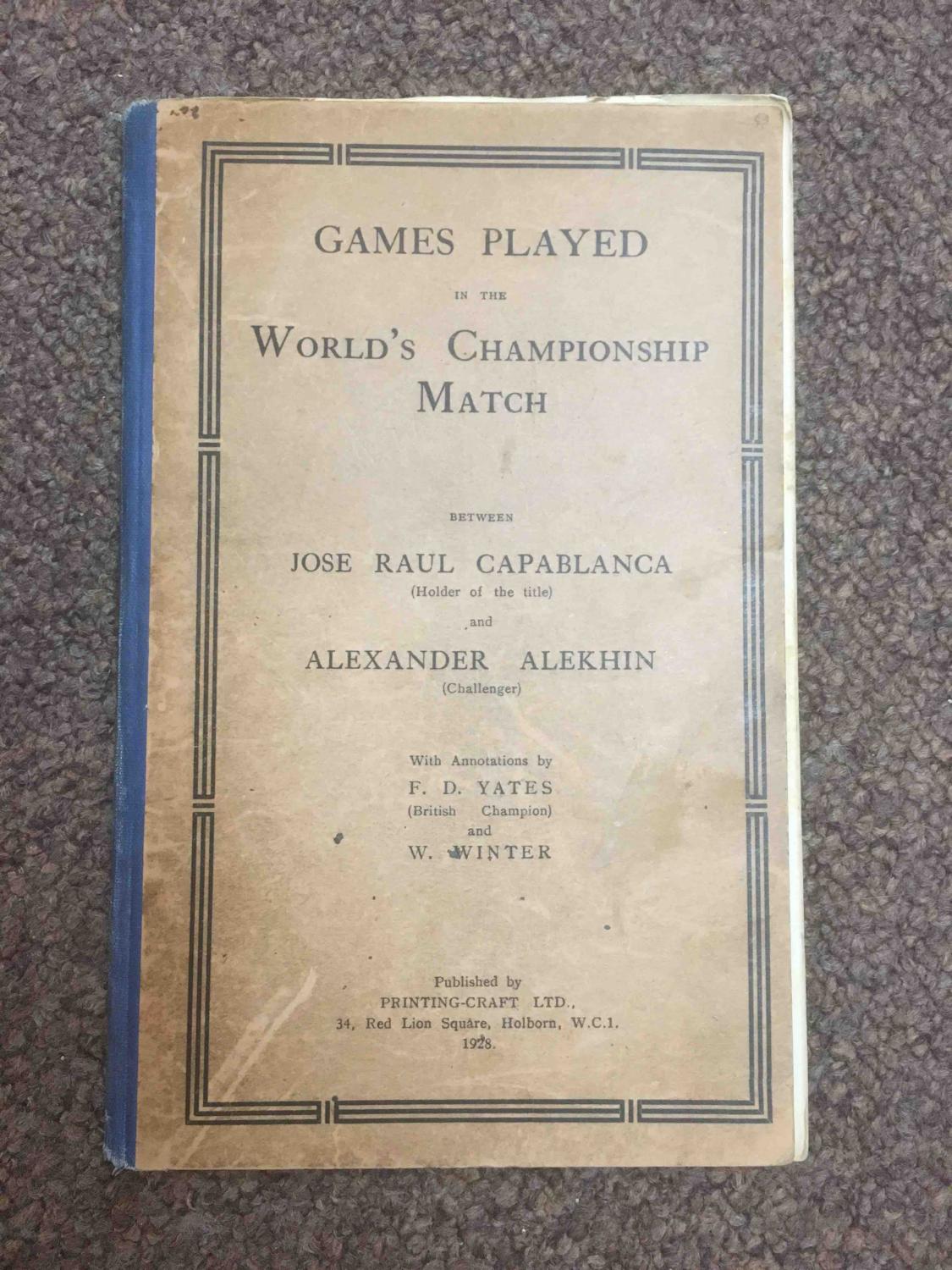
Games Played In the World's Championship Match between Jose Paul Capablanca and Alexander Alekhine, FD Yates and W, Winter, 1928, Printing Craft Limited
Games Played In the World’s Championship Match between Jose Paul Capablanca and Alexander Alekhine, FD Yates and W, Winter, 1928, Printing Craft Limited

His chess record is erratic and does not reflect his true ability. He is capable of some of the finest chess, but often plays too impulsively. His greatest strength lies in King’s side attacks. which he handles with skill and accomplishment.”

William Winter (11-IX-1897, 18-XII-1955)

From the Preface of The World Chess Championship : 1951 by Lionel Sharples Penrose we have :

“Mr. Winter’s chess career has been a long one and he occupies an extremely high position among British players. He has been British Champion twice, in 1935 and 1936. Among other notable successes was his first place in the Scarborough International Tournament in 1928. He defeated Nimzovich in the London Tournament in 1927. Against the present world championship contenders he has a very fine score, a draw against Botvinnik at Nottingham in 1936 and a win and a loss against Bronstein in the Radio Match, Great Britain v U.S.S.R. in 1946. Mr. Winter is a specialist in writing about the art of chess, and players throughout the country owe a great deal to his deep and logical expositions.”

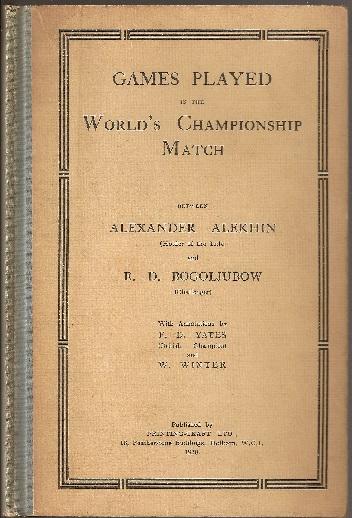
Games Played in the World's Championship Match between Alexander Alekhin (Holder of the Title) and E D Bogoljubow (Challenger), Printing Craft Limited, 1930, FD Yates and W. Winter
Games Played in the World’s Championship Match between Alexander Alekhin (Holder of the Title) and E D Bogoljubow (Challenger), Printing Craft Limited, 1930, FD Yates and W. Winter

From The Encyclopedia of Chess (BT Batsford, 1977) Edited by Harry Golombek :

International Master and twice British Champion (1935 and 1936), Winter was an excellent illustration of Réti’s thesis that players tend to be opposite over the board to their character in real life. Over the board he was classical, scientific and sober; away from the board he was revolutionary, moved by his emotions (he contrived to be both a fervent Communist and a staunch patriot), and more often than not, drunk.

His university career, where he read law, coincided with the First World War and, after a brief interruption for military service he returned to Cambridge where in 1919 he became university champion and defeated R. H. V. Scott (a strong player who won the British Championship in 1920) in a match by 4-2. On the strength of this he was invited to play in the Hastings Victory tournament of 1919 where, however, he did badly, coming 11th out of 12.

William Winter (11-ix-1897, 18-xii-1955)

After an interval during which he fervently pursued a political career to such an extent as to incur a six-months prison sentence for sedition (Winter always denied the sedition and said that the charge was trumped-up one), he took up the career of chess professional. The life suited him since it enabled him to lead the kind of Bohemian existence that pleased his artistic temperament. It should be mentioned that he was a nephew of Sir James Barrie and would have fitted in well on one of his uncle’s plays.

As a player he was eminently sound and, being an apostle of Tarrasch, a fine clear strategist. But he was lacking in tactical ability and his poor health and his way of life interfered with his consistency and impaired his stamina. But he had a number of fine victories over great players (Bronstein, Nimzowitsch and Vidmar for example).

IM William Winter (11-ix-1897, 18-xii-1955)

He played in four Olympiads: Hamburg 1930 (scoring 76.7% on 4th board), Prague 1931 (58.8% on 4th board), Folkestone 1933 (59.1% on 3rd board) and Warsaw 1935 (41.7% on 1st board). He was selected to play at Stockholm in 1937 but, having “lost” his passport three times. he was refused a fresh one by the authorities.

His best international individual results were =6th at London 1927, and =5th at Lodz 1935.

His career as a chess journalist (he wrote for the Manchester Guardian following FD Yates and the Daily Worker) was somewhat impeded and spoilt by his Bohemian ways, be he wrote some excellent works on chess : Chess for Match Players, London, 1936″

Winter was a popular subject for his Swiss namesake, Edward Winter and there are several mentions in his excellent books.

In Chess Facts and Fables (McFarland, 2006) we have Chess Note 2819, page 71 which shows a photograph (from CHESS, November 1935) taken in Poland of Winter and Max Krauser, Heavyweight wrestling Champion of Europe. Quite what the occasion we are not told.

Here is an excellent article (as you’d expect) from Edward Winter

Apart from all of the contributions above possibly the most comprehensive comes from FM Steve Giddins writing in three parts in British Chess Magazine, during 2006 and 2007 :

Postscript: Since our article was published we were contacted by Steve Giddins who informed us that he owned the copyright to the articles (rather than the publisher BCM) and that he did not wish us to make them available via this article.

In the “Mid-October” issue of CHESS for 1962, (Volume 27, Number 418)  we had the following announcement:

WILLIAM WINTER’S AUTOBIOGRAPHY

Edited by David Hooper, will be serialised in CHESS commencing with our next number. Nephew of Sir James Barrie, twice British Chess Champion, a lifelong Communist and freethinker, imprisoned for his political views, “Willie Winter”, with his Bohemian way of life, was undoubtedly the most colourful figure in British Chess for many decades irrespective of whether you agree with his views (most readers may not!), you will find him a delightful writer whose gifted pen draws you engrossed from page to Page.

And so, for your delectation, here are William Winter’s Memoirs.

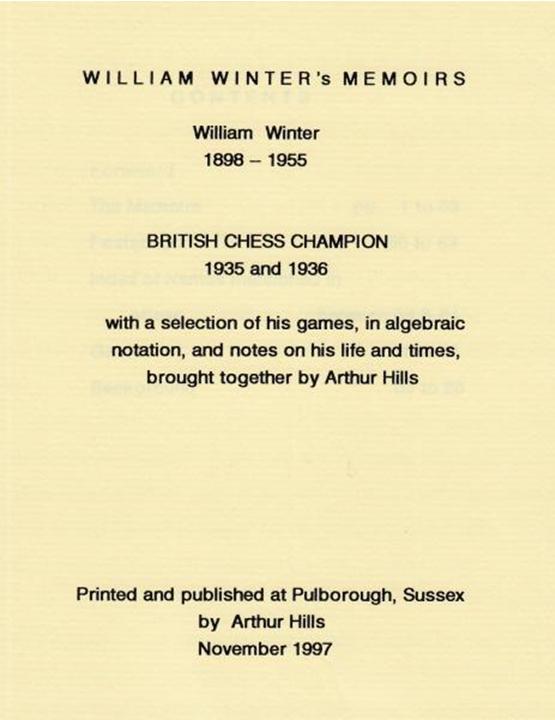
Here is a facsimile of the front cover of Arthur Hill’s version of the above:

William Winter's Memoirs, William Winter, Privately published by Arthur Hills, Pulborough, Sussex, November 1997, No ISBN
William Winter’s Memoirs, William Winter, Privately published by Arthur Hills, Pulborough, Sussex, November 1997, No ISBN

Happy Birthday GM Matthew Turner (11-XII-1975)

GM Matthew James Turner

We wish Happy Birthday to GM Matthew Turner born this day (December 11th) in 1975 in Lincolnshire.

His peak rating according to ChessBase was 2545 in October 2017 but he may well eclipse that being an active GM.

In 2011 Matthew changed his FIDE Federation to Scotland (from England) and is current (2019) Scottish Champion winning with 7/9

Matthew James Turner

Matthew is chess tutor at Millfield School and has appeared with success on Countdown.

Matthew Turner
Matthew Turner

Matthew plays for Barbican in the Four Nations Chess League (4NCL)

GM Matthew Turner, British Blitz Qualifier, 2019, Bristol

Best wishes FM Peter Batchelor (10-xii-1996)

FM Peter Batchelor at the 2014 British Championships, Courtesy of John Upham Photography

Best wishes to FM Peter Batchelor on his birthday.

Peter J Batchelor was born on Tuesday, December 10th, 1996. “Breath” by The Prodigy was the UK Number One Single. His father is the player Guy Batchelor.

Peter’s first recorded rapidplay event was on the 17th of July 2005 in the Barnet Knights Under-9 tournament where he scored 4/6 and his first (!) standard play event was on August 20th 2005 being the British Land UK Terafinal which was not such a happy result.

His first published ECF grading was 56E in July 2006 at the age of ten with a rapidplay grading of 57A.

Peter played league chess in the Middlesex and London Leagues playing initially for Willesden & Brent and then with Wanstead & Woodford both with his father Guy.

Peter attended the Capital City Academy which is a “specialist sports and arts Academy in Willesden, North West London, in the borough of Brent.” He has returned there post-graduation to teach chess and run the school chess club.

Peter studied mathematics at the University of Warwick and now lives in London.

According to Ben Purton : “I captain Peter in the 4NCL chess league, he is one of the most professional and talented players on my squad. He is extremely smart and nice to be around. Peter would be an asset to any organisation in the future and any graduate scheme would be foolish not to take such a person on.

I have seen him grow in to one of the best U21 chess players in the UK and hope to see him gain his IM title soon.”

Peter became a FIDE Master in 2015 and, according to Felice and Megabase 2020 his peak FIDE rating was 2365 in December 2016.

FIDE rating profile for Peter Batchelor according to Megabase 2020

Peter plays for Grantham Sharks in the Four Nations Chess League (4NCL).

With the white pieces Peter plays the Queen’s Gambit and the Trompowsky Attack.

As the second player Peter plays the Classical variation of the Caro-Kann and the Alartortsev Variation.

On chess.com Peter plays under the nom de plume of Pbatch.

Peter Batchelor, 4NCL Final weekend, 2014, Courtesy of John Upham Photography

FM Peter Batchelor at the 2013 British Championships, Courtesy of John Upham Photography

Happy Birthday WGM Dr. Jana Bellin (09-xii-1947)

WGM Dr. Jana Bellin, Courtesy of John Upham Photography

Happy birthday WGM Dr. Jana Bellin on this day (December 9th) in 1947.

Jana Malypetrova
Jana Malypetrova

From The Encyclopedia of Chess (Robert Hale, 1970 & 1976), Anne Sunnucks :

“International Woman Master (1969), Czech Woman Champion in 1965 and 1967 and British Woman Champion since 1970.

Jana Malypetrova
Jana Malypetrova

Jana was born in Prague on the 9th December 1947 and learned to play chess at the age of eleven. She made her first appearance in the international field when she played 2nd board for Czechoslovakia in Women’s Chess Olympiad in Oberhausen in 1966.

Jana Malypetrova and Inna Vesela, Harrachov 1963

In the same year she represented Czechoslovakia in the Zonal tournament at Varna and came 11th.

Jana Malypetrova
Jana Malypetrova

She is now married to the British International Master, William Hartston, and played 1st board for England in the Women’s Chess Olympiad in Skopje in 1972 and represented England in the Zonal tournament in Wijk aan Zee in 1973 in which she tied for 1st place. In the same year she came =6th in the Interzonal Tournament. She is a doctor.”

Jana & Bill Hartston celebrate a family double at the British Championships in 1973 at Eastbourne

From The Encyclopedia of Chess (Batsford, 1977), Harry Golombek OBE :

“Born in Prague, Czechoslovakia, but moved to England in 1970 after her marriage to WR Hartston. Czechoslovak Woman champion in 1965 and 1967 (under her maiden name of Malypetrova) and British Ladies champion in the five years 1970 to 1974. International Woman master since 1969.”

Bill and Jana Hartston are shown with some of their many chess sets. CHESS, August 1973, page 323

From British Chess (Pergamon Press, 1983) Botterill, Levy, Rice and Richardson :

Hastings International Chess Congress 21 year old Jana Malypetrova From Czechoslovakia And Vassily Smyslov From Russia. Mandatory Credit: Photo by Michael Fresco/ANL/Shutterstock (1876232a)

“Jana Miles was born 9 December 1947 in Prague, Czechoslovakia. She moved to England when she married Bill Hartston. Divorced from Hartston in 1978, she subsequently married Tony Miles.

Hastings International Chess Congress 21 year old Jana Malypetrova From Czechoslovakia And Vassily Smyslov From Russia. Mandatory Credit: Photo by Michael Fresco/ANL/Shutterstock (1876232a)

She was Czech woman champion in 1965 and 1967 and has regularly been the British Ladies Champion since moving to this country. She is a doctor of medicine.”

Bill and Dr, Jana Hartston (née Malypetrova)

Sir Philip Stuart Milner-Barry OBE presents Dr. Jana Hartston with the ? prize

From Wikipedia :

“Jana Bellin (née Malypetrová; born 9 December 1947) is a British, formerly Czechoslovak chess player. She was awarded the Woman International Master chess title in 1969 and the Woman Grandmaster title in 1982.

Moment of concentration for reigning women's champion of Great Britain Jana Hartston and some of the 30 Post Officer players - all men who challenged her at postal headquarters London on September 6. Jana beat seven, drew with sixteen and lost to seven.
Moment of concentration for reigning women’s champion of Great Britain Jana Hartston and some of the 30 Post Officer players – all men who challenged her at postal headquarters London on September 6. Jana beat seven, drew with sixteen and lost to seven.

Bellin was born in Prague, Czechoslovakia. She was the Czech Women’s Champion in 1965 and 1967 under her maiden name of Malypetrová. After her marriage to William Hartston she moved to England in 1970 and won the British Women’s Championship in 1970, 1971, 1972, 1973, 1974, 1976, 1977 (after a play-off), and 1979.

Moment of concentration for reigning women's champion of Great Britain Jana Hartston and some of the 30 Post Officer players - all men who challenged her at postal headquarters London on September 6. Jana beat seven, drew with sixteen and lost to seven.
Moment of concentration for reigning women’s champion of Great Britain Jana Hartston and some of the 30 Post Officer players – all men who challenged her at postal headquarters London on September 6. Jana beat seven, drew with sixteen and lost to seven.

She has fifteen appearances in the Women’s Chess Olympiads, representing Czechoslovakia in 1966 and 1969 and England thirteen times from 1972 through 2006, seven times on first board.

Moment of concentration for reigning women's champion of Great Britain Jana Hartston and some of the 30 Post Officer players - all men who challenged her at postal headquarters London on September 6. Jana beat seven, drew with sixteen and lost to seven.
Moment of concentration for reigning women’s champion of Great Britain Jana Hartston and some of the 30 Post Officer players – all men who challenged her at postal headquarters London on September 6. Jana beat seven, drew with sixteen and lost to seven.

At the Olympiad she earned individual silver medals in 1966 and 1976, a team bronze medal in 1968 with the Czechoslovakian team, and a team silver in 1976 with England.

British Speed Chess Championship Grandmaster Nigel Short Playing Chess In The Park With L-r Susan Arkell Sheila Jackson And Dr Jana Miles. Courtesy of Shutterstock

“Bellin is a medical doctor specialising in anaesthetics, and works in intensive care at Sandwell General Hospital, West Bromwich, England.

Jana with Sheila Jackson to her left

She is also Chairman of the FIDE Medical Commission, which supervises drug testing of chess players.

British Speed Chess Championship Grandmaster Nigel Short Playing Chess In The Street With Woman Grandmaster Dr Jana Miles : Credit : Shutterstock

Bellin was married first to International Master William Hartston, then to Grandmaster Tony Miles, and after that to International Master Robert Bellin. She and Bellin have two sons: Robert (born 1988) and Christopher (born 1991).”

Dr. Jana Bellin
Dr. Jana Bellin

She is the granddaughter of thrice Prime Minister of Czechoslovakia, Jan Malypetr. and cousin of author and human rights campaigner Jiří Stránský.

WGM Dr. Jana Bellin, Courtesy of John Upham Photography