September 18, 2020 All day
September 18, 2020 All day
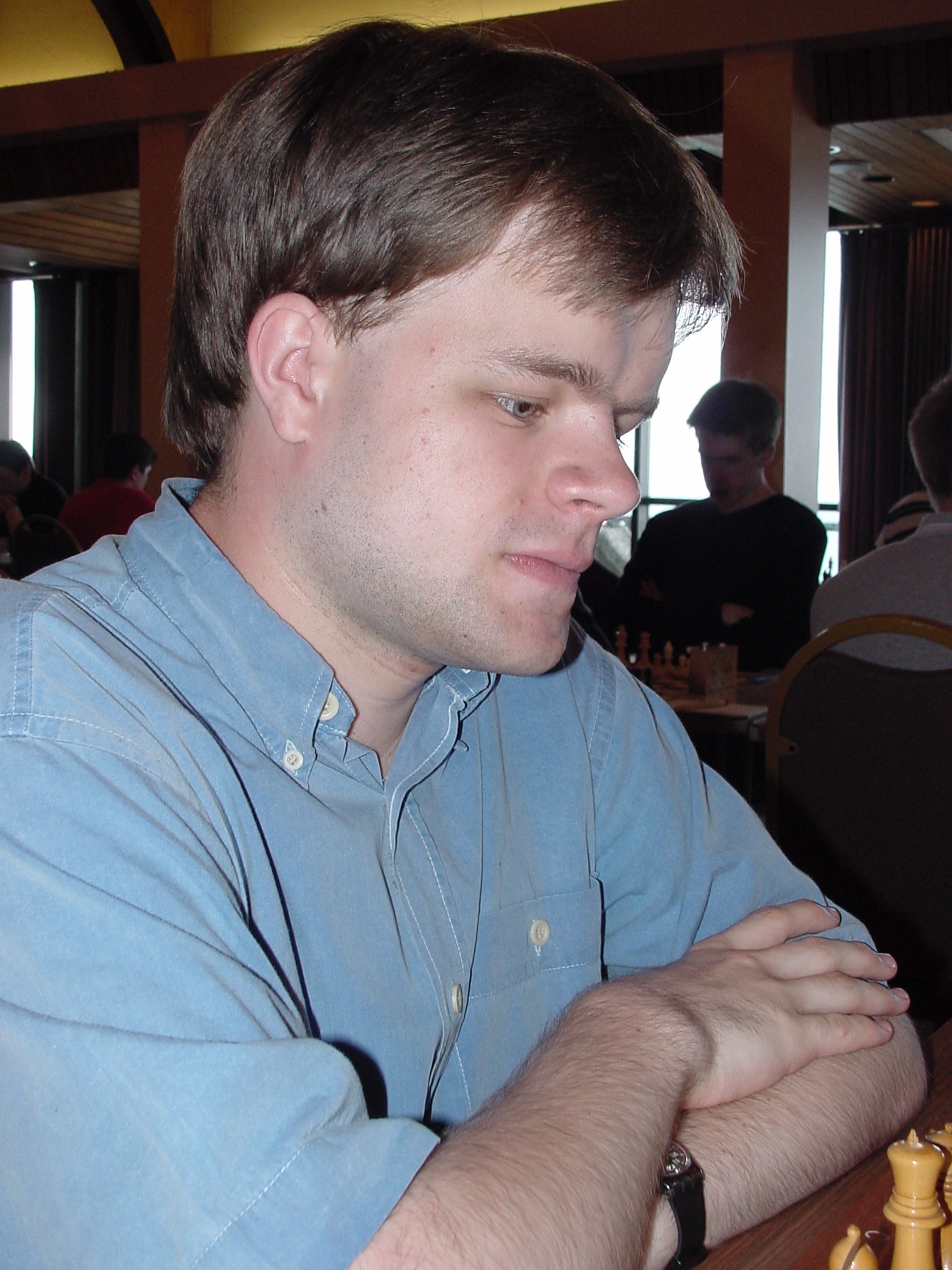
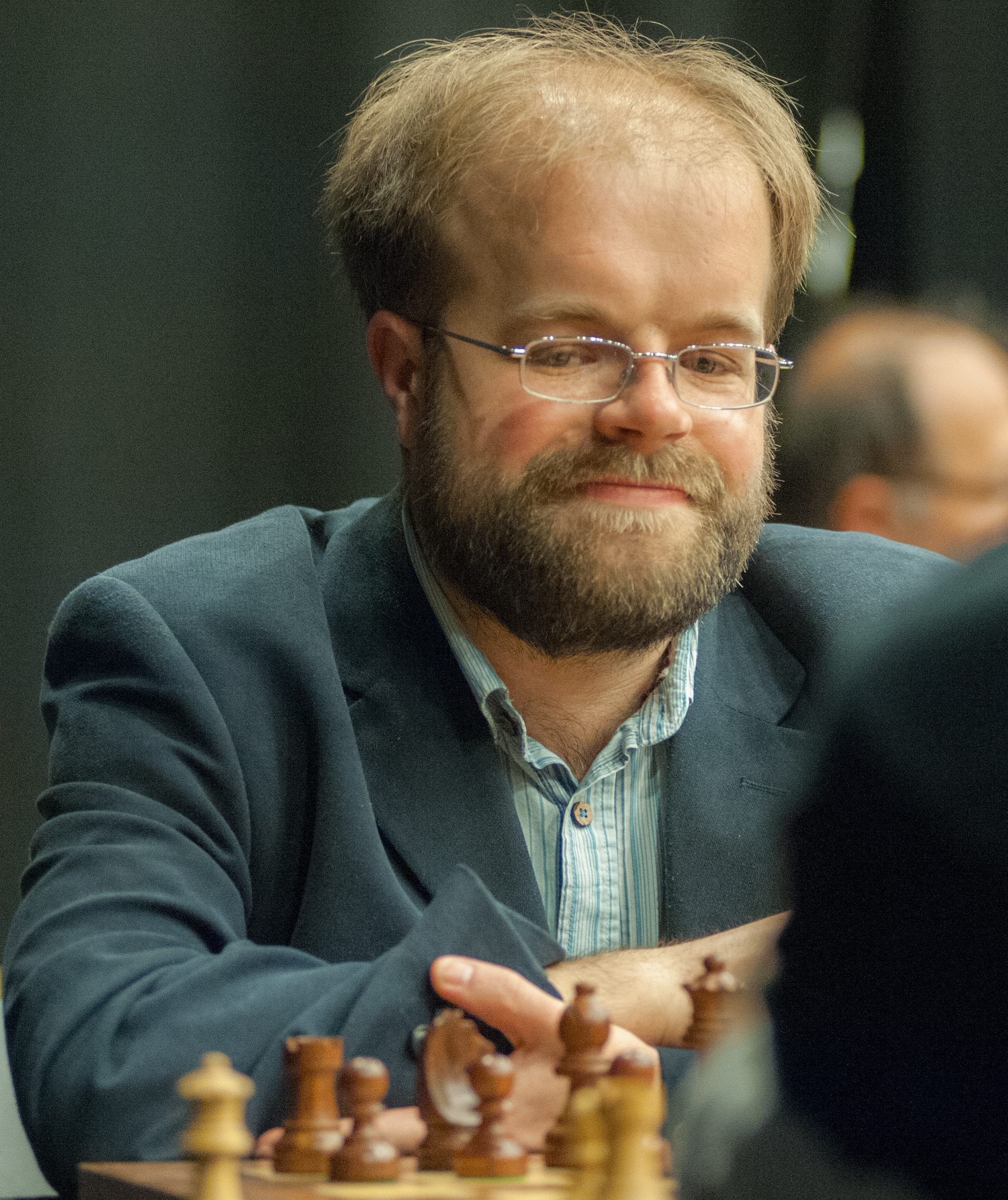
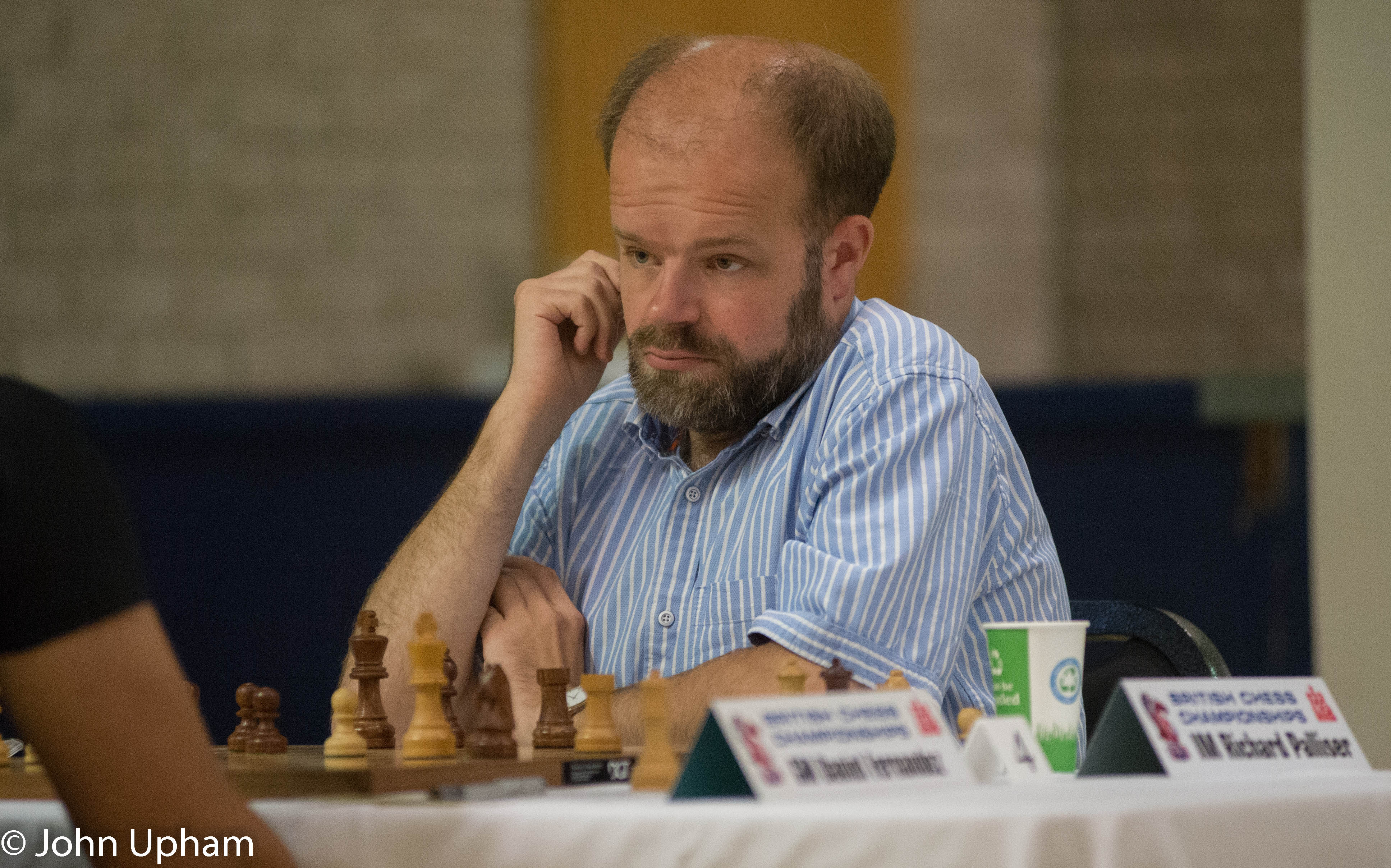
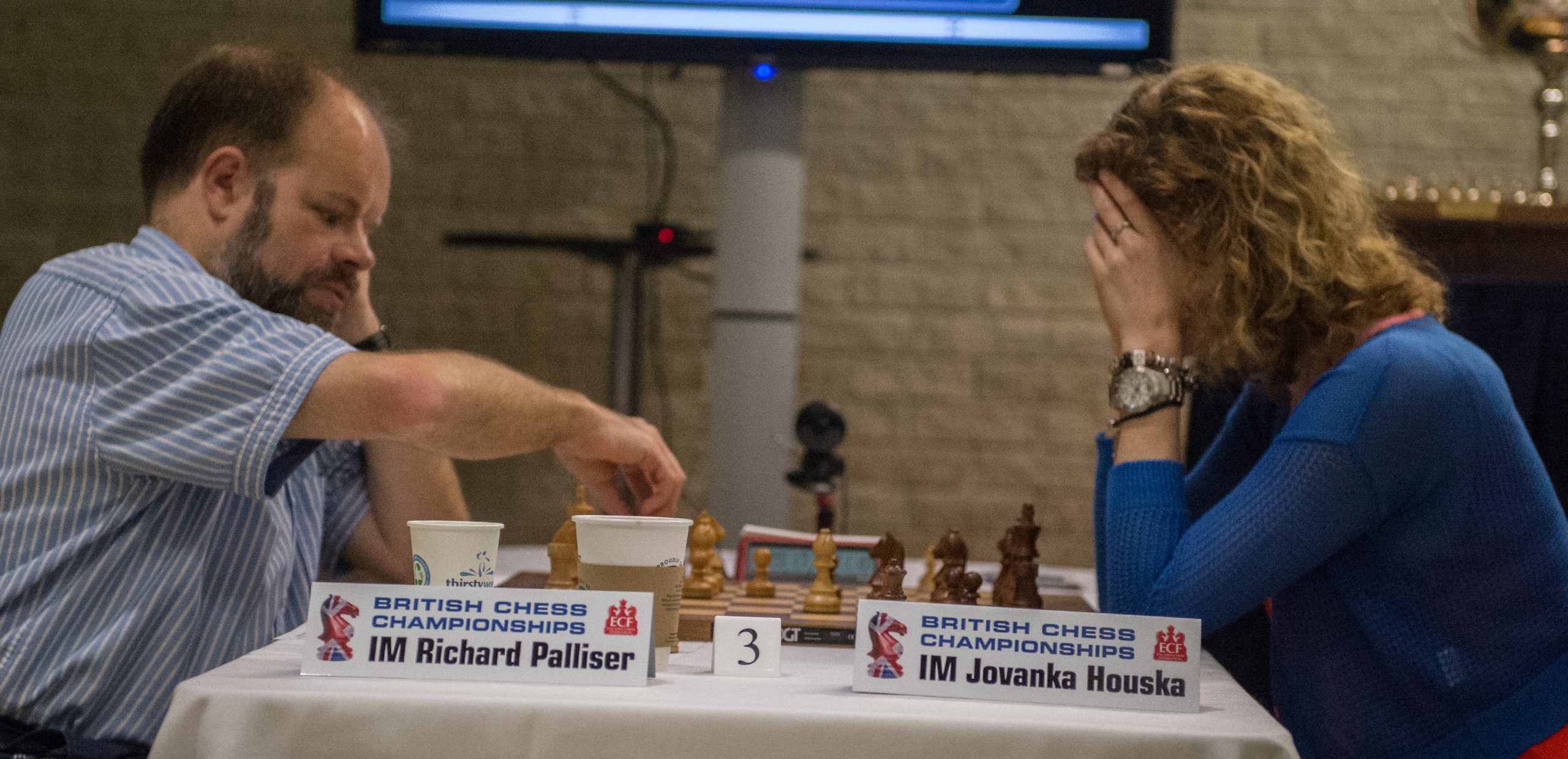
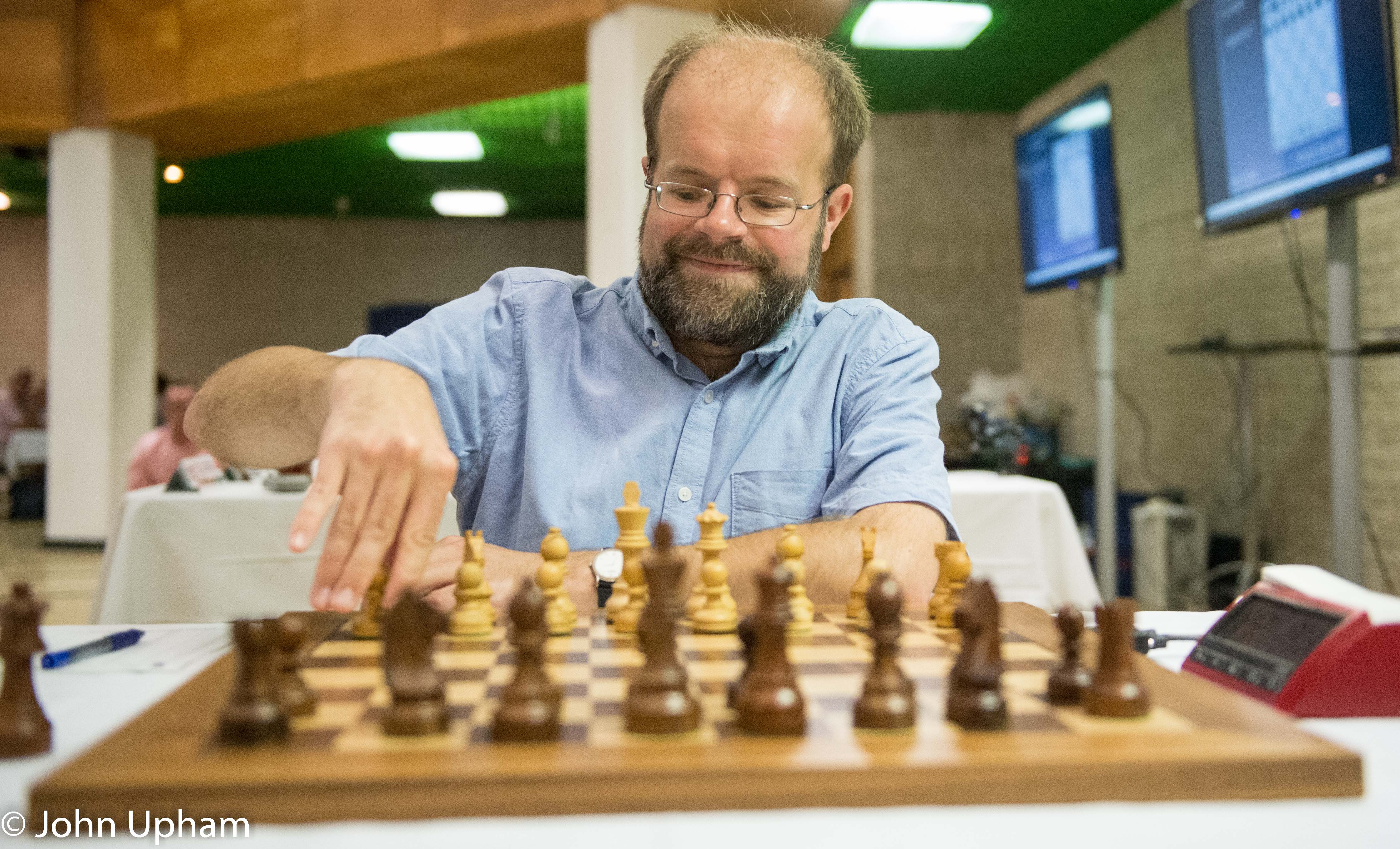
We wish IM Richard Palliser all the very best on his birthday
Richard Julian David Palliser was born September 18th in 1981 in Birmingham, West Midlands. His mother’s maiden name was Hyde.
He became a FIDE Master in 2000 and an International Master in 2001.
His peak FIDE rating (according to Felice and Megabase 2020) was 2482 in July 2012 at the age of 31.
In 1995 Richard was joint British U13 Champion together with David Hodge and Richard S. Jones.
Palliser was joint British Rapidplay Chess Champion in 2006. He writes regularly for ChessMoves and “Everyman Chess” who also employ him as an editor and advisor.
Richard represents in matches 4NCL White Rose, York RI, Yorkshire CA, and ‘Eagle and Child’
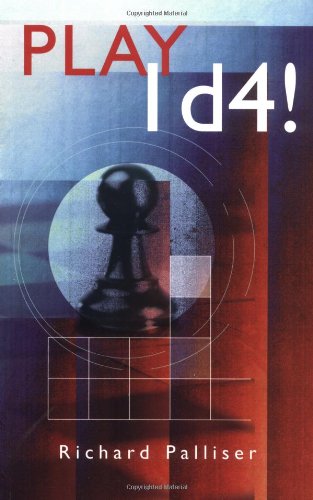
According to “Play 1.d4!” :
“is an international master and recipient of a special British Chess Federation young player’s award for achievement. In addition to being a very active tournament and match player he also writes regularly for CHESS magazine and other periodicals and is noted for his theoretical knowledge and analytical ability.”
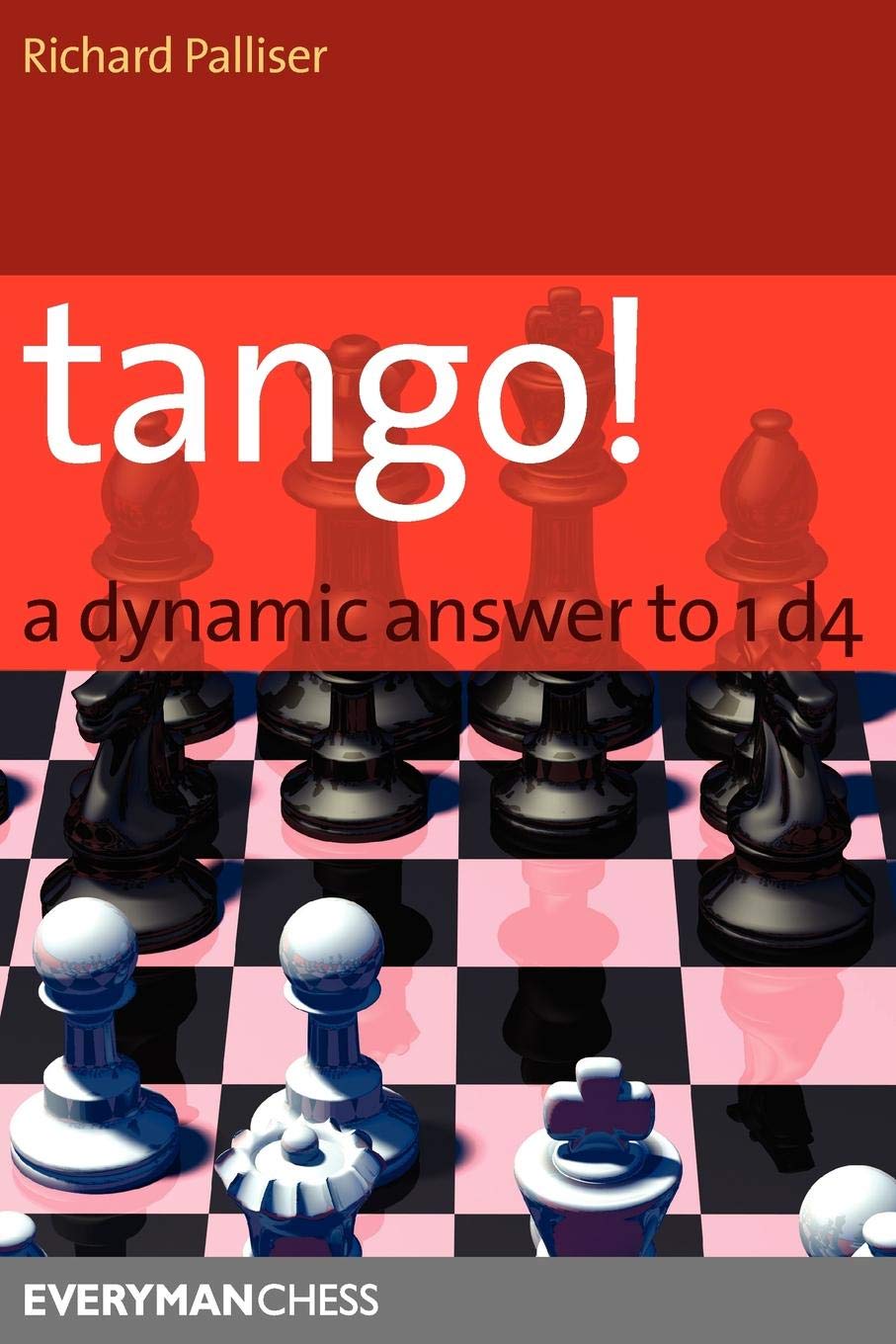
According to “tango!” :
“His debut book Play 1.d4! was very well received by critics and the chess public alike”
His handle on the Internet Chess Club is “worcester”.
With the White pieces Richard plays 1.d4(!) and the Queen’ Gambit, Exchange Variation is the main weapon of choice.
As the second player Richard plays the Sicilian Najdorf and the King’s Indian Defence.
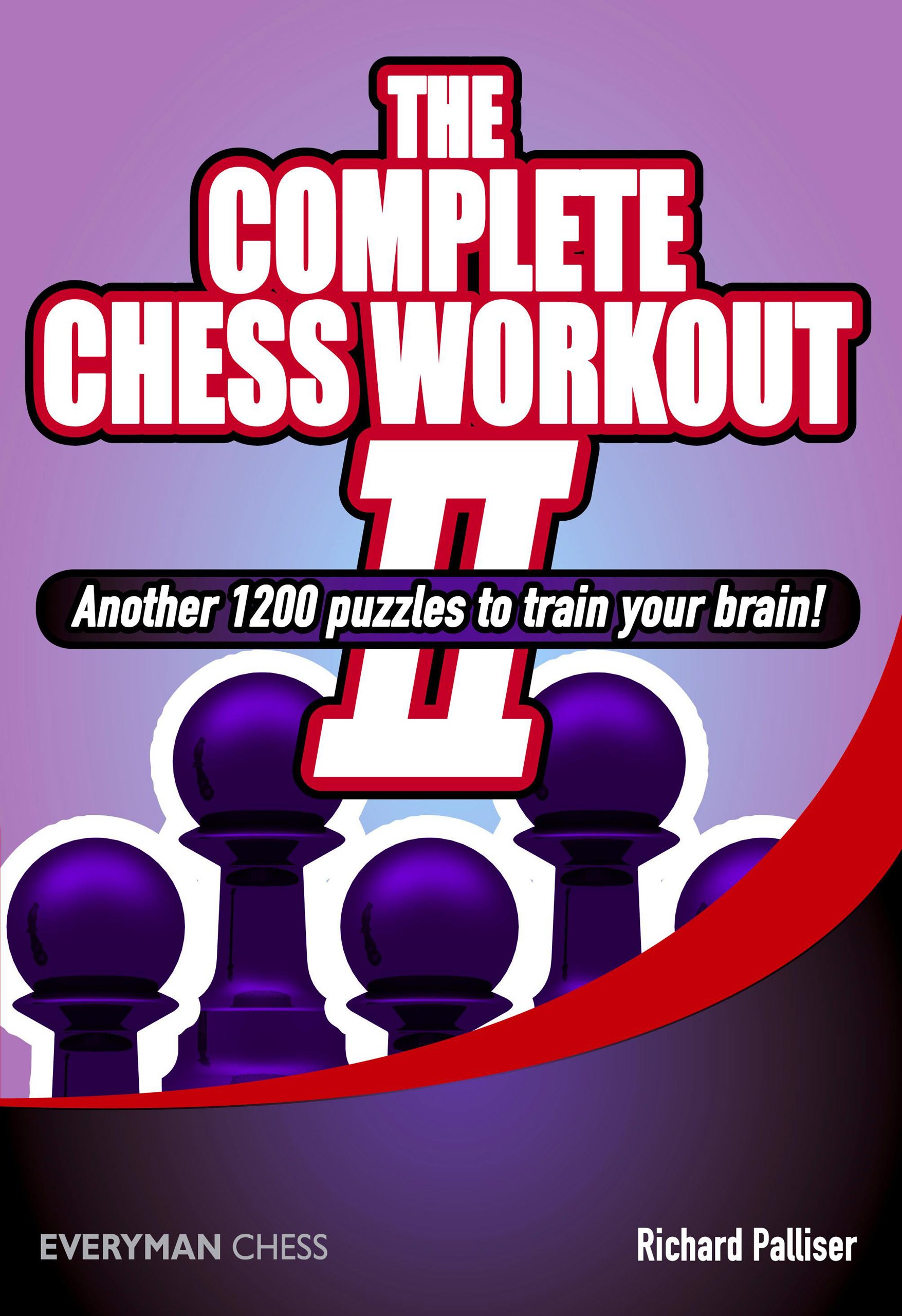
Richard is Editor of “CHESS” and has authored a number of publications :
Palliser, Richard (2005). Tango! A Dynamic Answer to 1 d4. Everyman Chess. ISBN 1-85744-388-8.
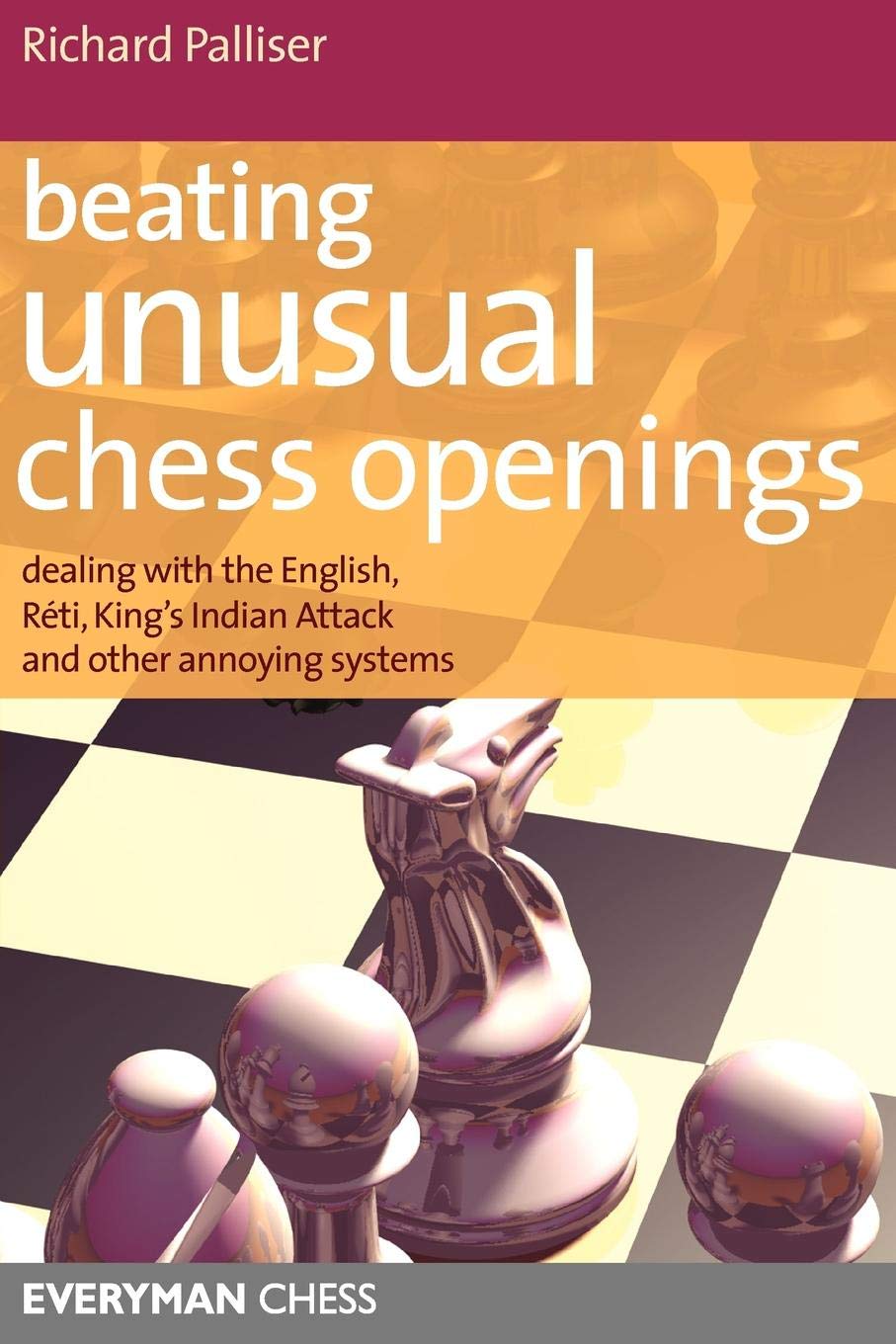
Palliser, Richard (2006). Beating Unusual Chess Openings. Everyman Chess. ISBN 1-85744-429-9.
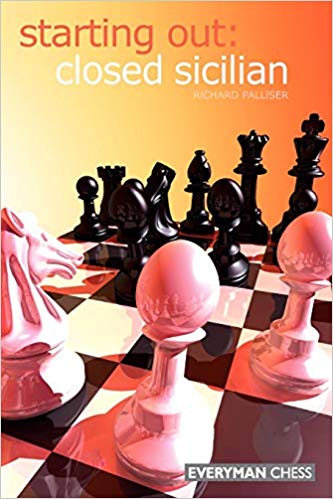
Palliser, Richard (2006). Starting Out: Closed Sicilian. Everyman Chess. ISBN 978-1-85744-414-8.
Palliser, Richard (2007). Starting Out: Scilian Najdorf. Everyman Chess. ISBN 978-1-85744-601-2.
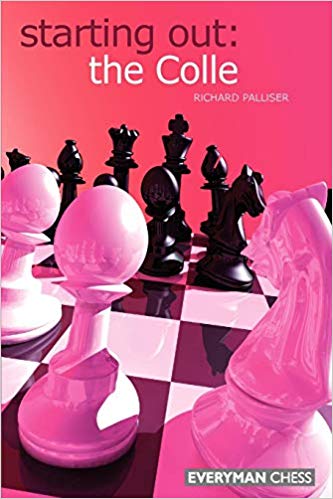
Palliser, Richard (2007). Starting out: the Colle. Everyman Chess. ISBN 978-1-85744-527-5.
Palliser, Richard; Kosten, Tony; Vigus, James (2008). Dangerous Weapons: Flank Openings. Everyman Chess. ISBN 978-1-85744-583-1.
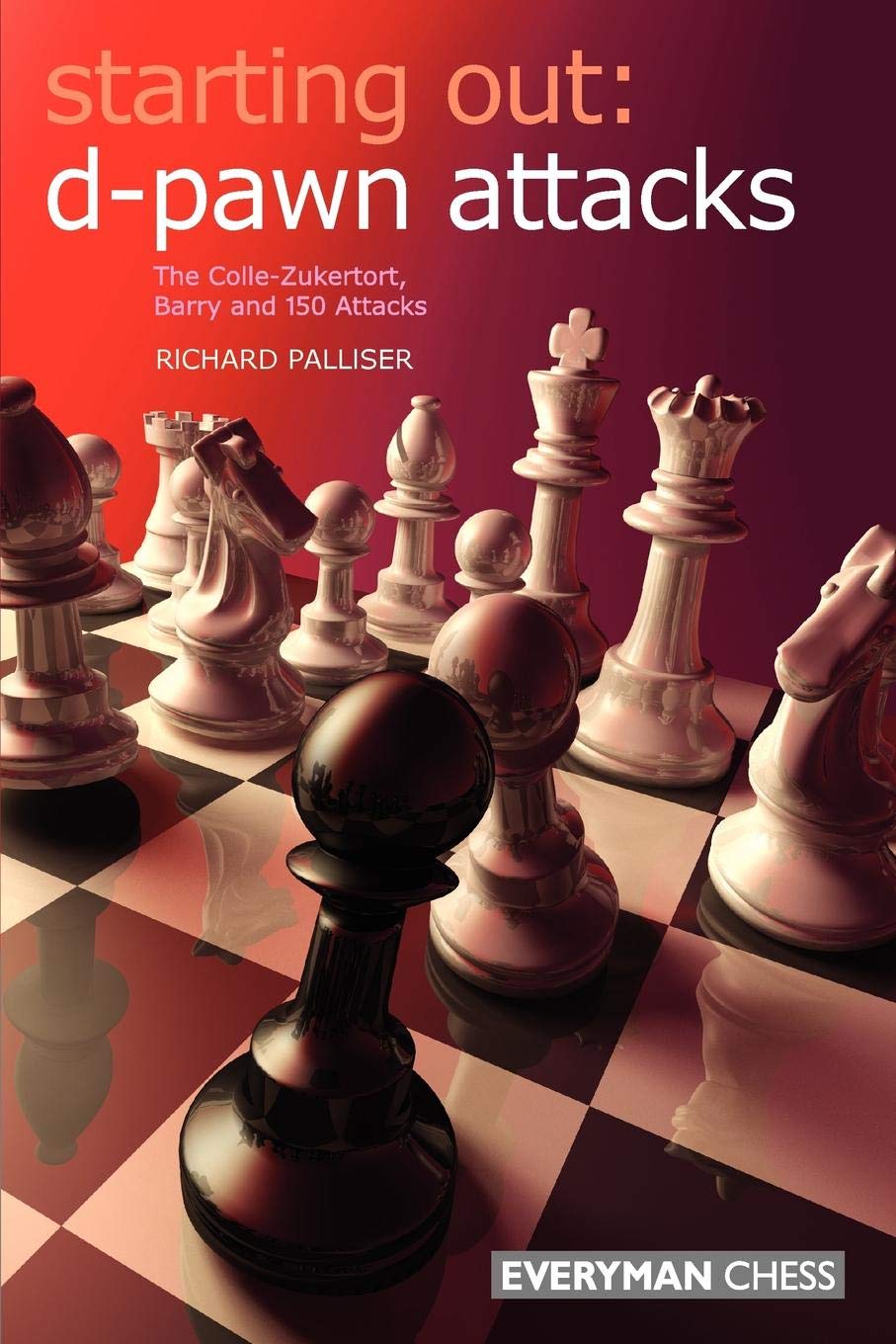
Palliser, Richard (2008). Starting out: d-pawn attacks. The Colle-Zukertort, Barry and 150 Attacks. Everyman Chess. ISBN 978-1-85744-578-7.
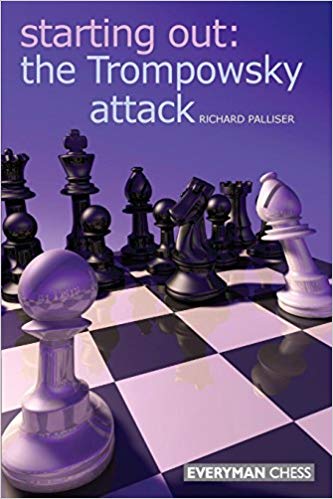
Palliser, Richard (2009). Starting Out: the Trompowsky Attack. Everyman Chess. ISBN 978-1-85744-562-6.
Palliser, Richard; Williams, Simon; Vigus, James (2010). Dangerous Weapons: The Dutch. Everyman Chess. ISBN 978-1-85744-624-1.
We wish IM Richard Palliser all the very best on his birthday
Richard Julian David Palliser was born September 18th in 1981 in Birmingham, West Midlands. His mother’s maiden name was Hyde.
He became a FIDE Master in 2000 and an International Master in 2001.
His peak FIDE rating (according to Felice and Megabase 2020) was 2482 in July 2012 at the age of 31.
In 1995 Richard was joint British U13 Champion together with David Hodge and Richard S. Jones.
Palliser was joint British Rapidplay Chess Champion in 2006. He writes regularly for ChessMoves and “Everyman Chess” who also employ him as an editor and advisor.
Richard represents in matches 4NCL White Rose, York RI, Yorkshire CA, and ‘Eagle and Child’
According to “Play 1.d4!” :
“is an international master and recipient of a special British Chess Federation young player’s award for achievement. In addition to being a very active tournament and match player he also writes regularly for CHESS magazine and other periodicals and is noted for his theoretical knowledge and analytical ability.”
According to “tango!” :
“His debut book Play 1.d4! was very well received by critics and the chess public alike”
His handle on the Internet Chess Club is “worcester”.
With the White pieces Richard plays 1.d4(!) and the Queen’ Gambit, Exchange Variation is the main weapon of choice.
As the second player Richard plays the Sicilian Najdorf and the King’s Indian Defence.
Richard is Editor of “CHESS” and has authored a number of publications :
Palliser, Richard (2005). Tango! A Dynamic Answer to 1 d4. Everyman Chess. ISBN 1-85744-388-8.
Palliser, Richard (2006). Beating Unusual Chess Openings. Everyman Chess. ISBN 1-85744-429-9.
Palliser, Richard (2006). Starting Out: Closed Sicilian. Everyman Chess. ISBN 978-1-85744-414-8.
Palliser, Richard (2007). Starting Out: Scilian Najdorf. Everyman Chess. ISBN 978-1-85744-601-2.
Palliser, Richard (2007). Starting out: the Colle. Everyman Chess. ISBN 978-1-85744-527-5.
Palliser, Richard; Kosten, Tony; Vigus, James (2008). Dangerous Weapons: Flank Openings. Everyman Chess. ISBN 978-1-85744-583-1.
Palliser, Richard (2008). Starting out: d-pawn attacks. The Colle-Zukertort, Barry and 150 Attacks. Everyman Chess. ISBN 978-1-85744-578-7.
Palliser, Richard (2009). Starting Out: the Trompowsky Attack. Everyman Chess. ISBN 978-1-85744-562-6.
Palliser, Richard; Williams, Simon; Vigus, James (2010). Dangerous Weapons: The Dutch. Everyman Chess. ISBN 978-1-85744-624-1.
We wish IM Richard Palliser all the very best on his birthday
Richard Julian David Palliser was born September 18th in 1981 in Birmingham, West Midlands. His mother’s maiden name was Hyde.
He became a FIDE Master in 2000 and an International Master in 2001.
His peak FIDE rating (according to Felice and Megabase 2020) was 2482 in July 2012 at the age of 31.
In 1995 Richard was joint British U13 Champion together with David Hodge and Richard S. Jones.
Palliser was joint British Rapidplay Chess Champion in 2006. He writes regularly for ChessMoves and “Everyman Chess” who also employ him as an editor and advisor.
Richard represents in matches 4NCL White Rose, York RI, Yorkshire CA, and ‘Eagle and Child’
According to “Play 1.d4!” :
“is an international master and recipient of a special British Chess Federation young player’s award for achievement. In addition to being a very active tournament and match player he also writes regularly for CHESS magazine and other periodicals and is noted for his theoretical knowledge and analytical ability.”
According to “tango!” :
“His debut book Play 1.d4! was very well received by critics and the chess public alike”
His handle on the Internet Chess Club is “worcester”.
With the White pieces Richard plays 1.d4(!) and the Queen’ Gambit, Exchange Variation is the main weapon of choice.
As the second player Richard plays the Sicilian Najdorf and the King’s Indian Defence.
Richard is Editor of “CHESS” and has authored a number of publications :
Palliser, Richard (2005). Tango! A Dynamic Answer to 1 d4. Everyman Chess. ISBN 1-85744-388-8.
Palliser, Richard (2006). Beating Unusual Chess Openings. Everyman Chess. ISBN 1-85744-429-9.
Palliser, Richard (2006). Starting Out: Closed Sicilian. Everyman Chess. ISBN 978-1-85744-414-8.
Palliser, Richard (2007). Starting Out: Scilian Najdorf. Everyman Chess. ISBN 978-1-85744-601-2.
Palliser, Richard (2007). Starting out: the Colle. Everyman Chess. ISBN 978-1-85744-527-5.
Palliser, Richard; Kosten, Tony; Vigus, James (2008). Dangerous Weapons: Flank Openings. Everyman Chess. ISBN 978-1-85744-583-1.
Palliser, Richard (2008). Starting out: d-pawn attacks. The Colle-Zukertort, Barry and 150 Attacks. Everyman Chess. ISBN 978-1-85744-578-7.
Palliser, Richard (2009). Starting Out: the Trompowsky Attack. Everyman Chess. ISBN 978-1-85744-562-6.
Palliser, Richard; Williams, Simon; Vigus, James (2010). Dangerous Weapons: The Dutch. Everyman Chess. ISBN 978-1-85744-624-1.
We wish IM Richard Palliser all the very best on his birthday
Richard Julian David Palliser was born September 18th in 1981 in Birmingham, West Midlands. His mother’s maiden name was Hyde.
He became a FIDE Master in 2000 and an International Master in 2001.
His peak FIDE rating (according to Felice and Megabase 2020) was 2482 in July 2012 at the age of 31.
In 1995 Richard was joint British U13 Champion together with David Hodge and Richard S. Jones.
Palliser was joint (with Danny Gormally) British Rapidplay Chess Champion in 2006. He writes regularly for ChessMoves and “Everyman Chess” who also employ him as an editor and advisor.
In recent times Richard has become the editor of “Popular Chess” and of CHESS Monthly.
Richard represents in matches 4NCL White Rose, York RI, Yorkshire CA, and ‘Eagle and Child’
According to “Play 1.d4!” :
“is an international master and recipient of a special British Chess Federation young player’s award for achievement. In addition to being a very active tournament and match player he also writes regularly for CHESS magazine and other periodicals and is noted for his theoretical knowledge and analytical ability.”
According to “tango!” :
“His debut book Play 1.d4! was very well received by critics and the chess public alike”
His handle on the Internet Chess Club is “worcester”.
With the White pieces Richard plays 1.d4(!) and the Queen’ Gambit, Exchange Variation is the main weapon of choice.
As the second player Richard plays the Sicilian Najdorf and the King’s Indian Defence.
Richard is Editor of “CHESS” and has authored a number of publications :
Palliser, Richard (2005). Tango! A Dynamic Answer to 1 d4. Everyman Chess. ISBN 1-85744-388-8.
Palliser, Richard (2006). Beating Unusual Chess Openings. Everyman Chess. ISBN 1-85744-429-9.
Palliser, Richard (2006). Starting Out: Closed Sicilian. Everyman Chess. ISBN 978-1-85744-414-8.
Palliser, Richard (2007). Starting Out: Scilian Najdorf. Everyman Chess. ISBN 978-1-85744-601-2.
Palliser, Richard (2007). Starting out: the Colle. Everyman Chess. ISBN 978-1-85744-527-5.
Palliser, Richard; Kosten, Tony; Vigus, James (2008). Dangerous Weapons: Flank Openings. Everyman Chess. ISBN 978-1-85744-583-1.
Palliser, Richard (2008). Starting out: d-pawn attacks. The Colle-Zukertort, Barry and 150 Attacks. Everyman Chess. ISBN 978-1-85744-578-7.
Palliser, Richard (2009). Starting Out: the Trompowsky Attack. Everyman Chess. ISBN 978-1-85744-562-6.
Palliser, Richard; Williams, Simon; Vigus, James (2010). Dangerous Weapons: The Dutch. Everyman Chess. ISBN 978-1-85744-624-1.
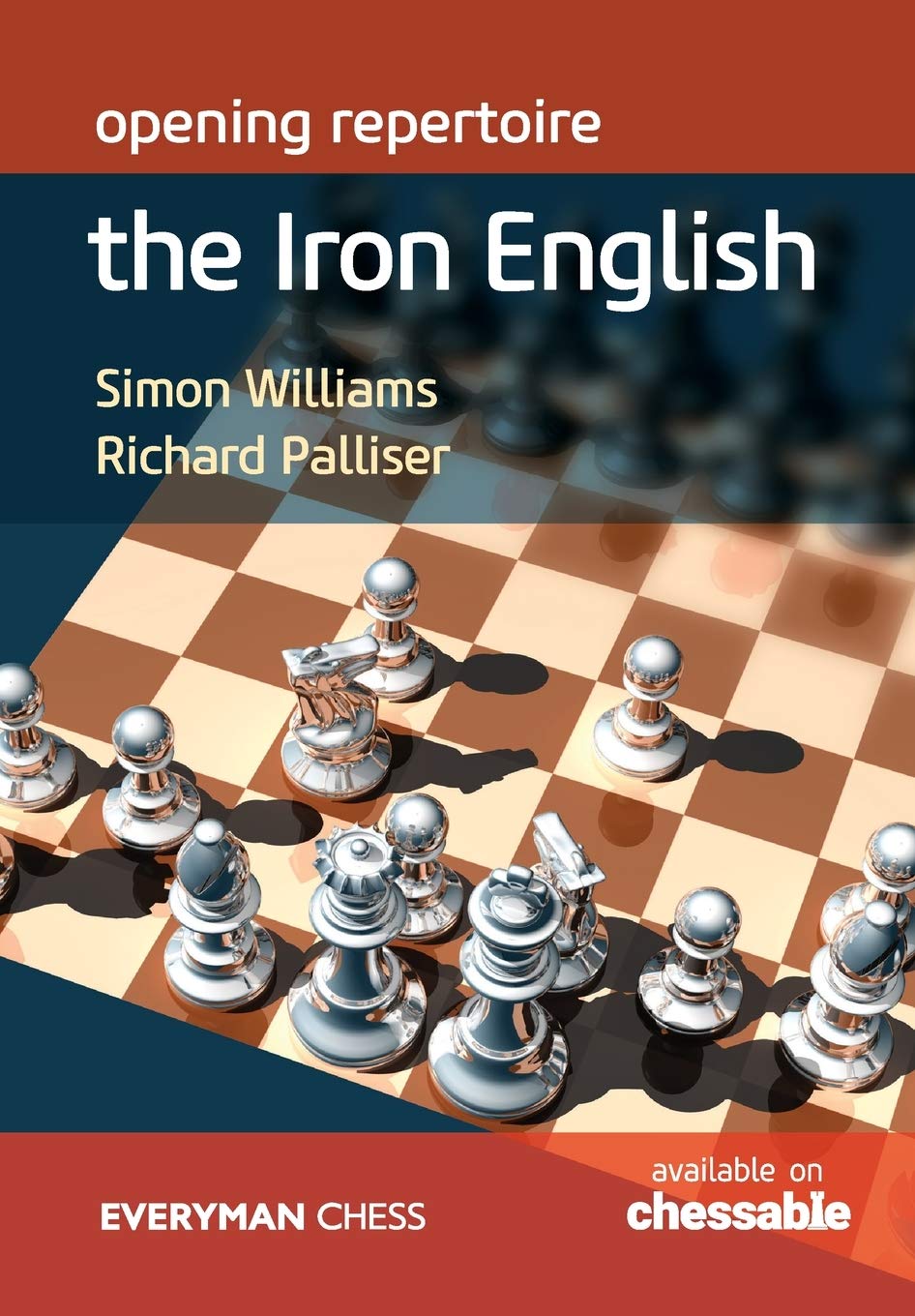
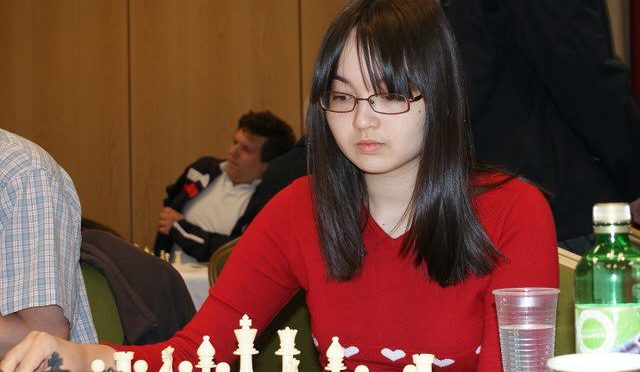
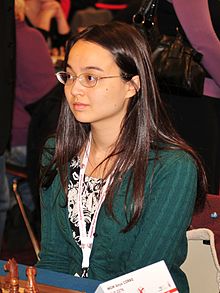
We wish happy birthday to WGM Anya Sun Corke on her birthday.
Anya Sun Corke was born in California, USA on Wednesday, September 12th 1990.
In 2013, Anya graduated from Wellesley College summa cum laude with a B.A. in Russian and Philosophy
She became a woman’s Grandmaster in 2004.
Her peak FIDE rating (according to Felice) was 2301 in October 2008.
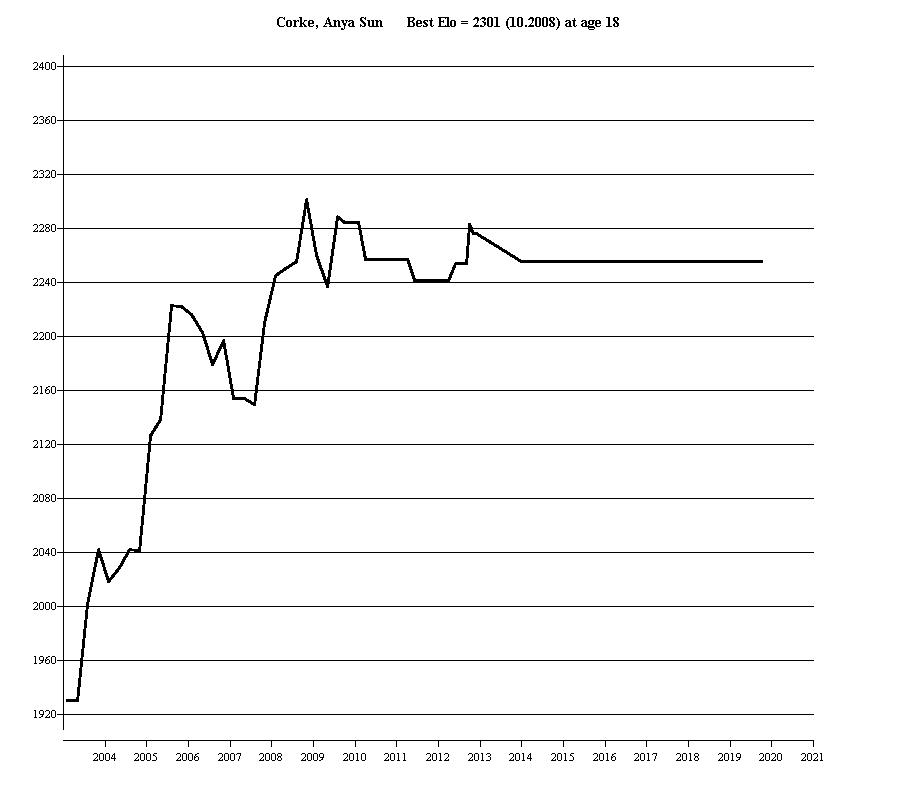
With the white pieces Anya played the Queen’s Gambit and Trompowski Attack
As the second player Anya played the Sicilian Kan, French Rozentalis (3.Nc3 Nc6) and the Grünfeld Defence.
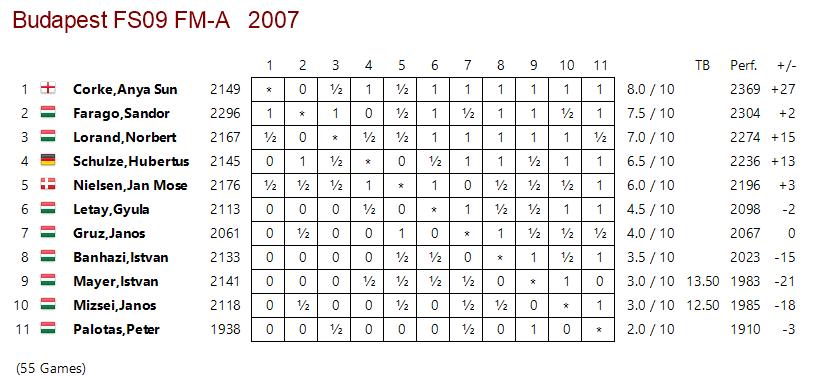
Anya won outright the 2007 Budapest First Saturday FM tournament :
She gave up competitive chess in 2014.
An almost miniature from the 2006 British Championship :
From Wikipedia :
“Anya Sun Corke (born 12 September 1990 in California, USA) is an English chess player holding the title of Woman Grandmaster (WGM). She played for Hong Kong, where she was the top ranked chess player, until 2009.[1]
Corke earned the WGM title with her performance in the 36th Chess Olympiad, playing for the Hong Kong men’s team.[2][3]
She was the 2004, 2005, 2006 and 2008 Hong Kong National Champion (for men and women), one of the youngest national champions ever at the age of 13 years and 9 months.
She was the British Junior Under-11 Champion in 2002[4] and the Under-12 Champion in 2003,[5] the first girl to win either of these age groups. In 2004, she became joint British U-14 Champion.[6]
In December 2004, she won the Asian Youth Girls U-14 Championship in Singapore.[7]
In August 2005, she jointly won with Alisa Melekhina and Abby Marshall the second annual Susan Polgar National Invitational for Girls under-19.[8]
Corke represented the England Women’s team at the 2012 Chess Olympiad in Istanbul, Turkey,[9][10] and the 2013 European Team Championship in Warsaw, Poland.[11]
In 2013, she graduated from Wellesley College summa cum laude with a B.A. in Russian and Philosophy.[12][13]
In 2014, she started a Ph.D. program in Slavic Languages and Literatures at Yale University.”
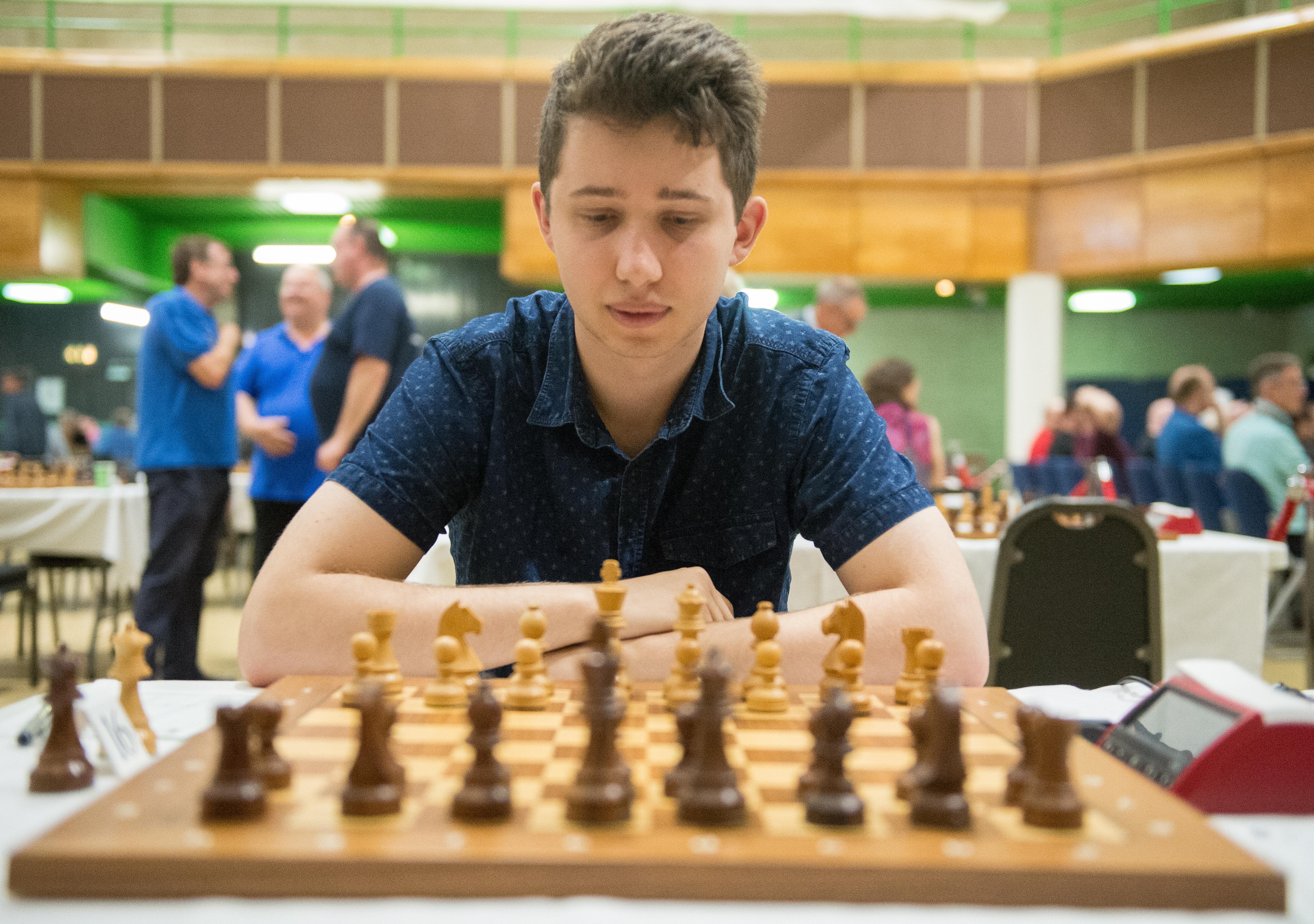
We wish FM William Claridge-Hansen all the best on his birthday.
William Joseph Claridge-Hansen was born on Saturday, September 11th in 1999 in Chesham in the registration district of Chiltern, Buckinghamshire.
“Mambo No 5 (A Little Bit of …)” by Lou Bega was top of the UK singles chart.
William learnt chess at the age of 5 and his father Hans-Peter, is a strong county player having been over 200ECF for a number of years.
William is a keen table-tennis player as is his chess playing brother, Douglas. His father Hans-Peter is also a strong chess player.
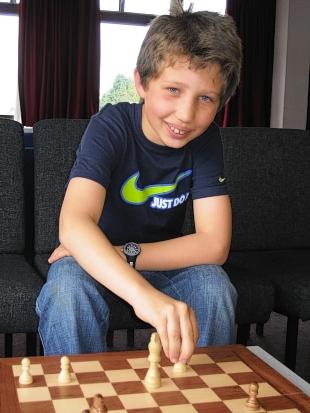
Whilst living in Chartridge William attended Great Missenden Church of England School and whilst there was selected for England:
William attends The University of Exeter and resides in London.
William plays for Exeter University, Buckinghamshire CCA and 4NCL Oxfordshire and has a current ECF grading for 230B and a FIDE rating of 2290 for standard play.
His first BCF / ECF grading was 63D in July 2008 aged 8.

His first title was to win the West of England Junior (U12 Challengers) in 2008 with 5.5/6 and followed by sharing the British U8 title with Mark Kenyon & Rohan Shiatis. In the following year William shared the British U10 title with future IM Matthew Wadsworth
He was rapidly recruited to the AMCA (Andrew Martin Chess Academy) 4NCL squad and quickly climbed the board order within the squad. The AMCA squad morphed into the BCM (British Chess Magazine) squad.
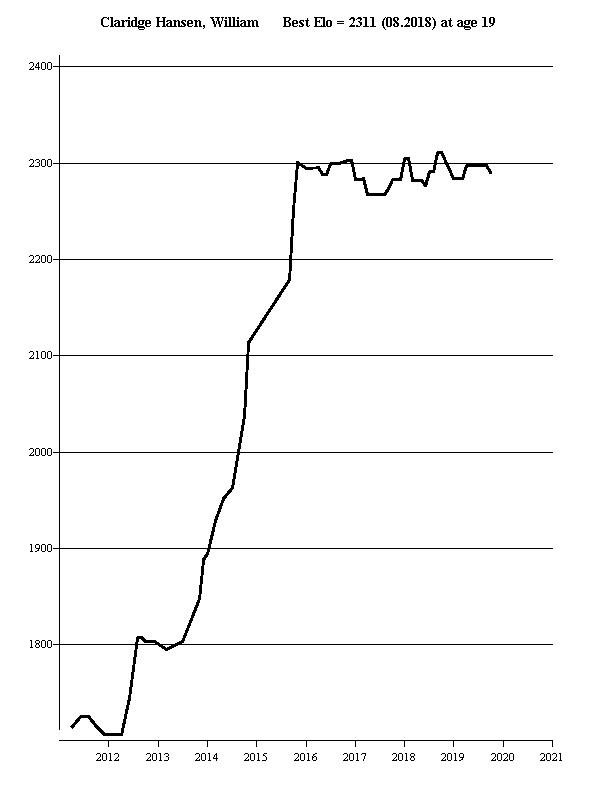
In 2013 William won (with 6/7) the British U-13 Championship in Torquay.
In 2015 William became a FIDE Master.
In 2016 William was British U-18 Champion and now had an ECF grading of 220. He scored 7/11 in the British Championship.
By now William was playing for Oxford in the Four Nations Chess League.
With the white pieces William plays the English Opening with an early king side fianchetto.
As the second player William plays the Hyper Accelerated Dragon and the Queen’s Indian Defence so clearly a student of the Hypermodern School of the 1920s!
In December 2021 William competed in the 2nd EJCOA Forest Hall Invitational event and gained his first FIDE International Master norm with a score of 6/9 and TPR of 2472.
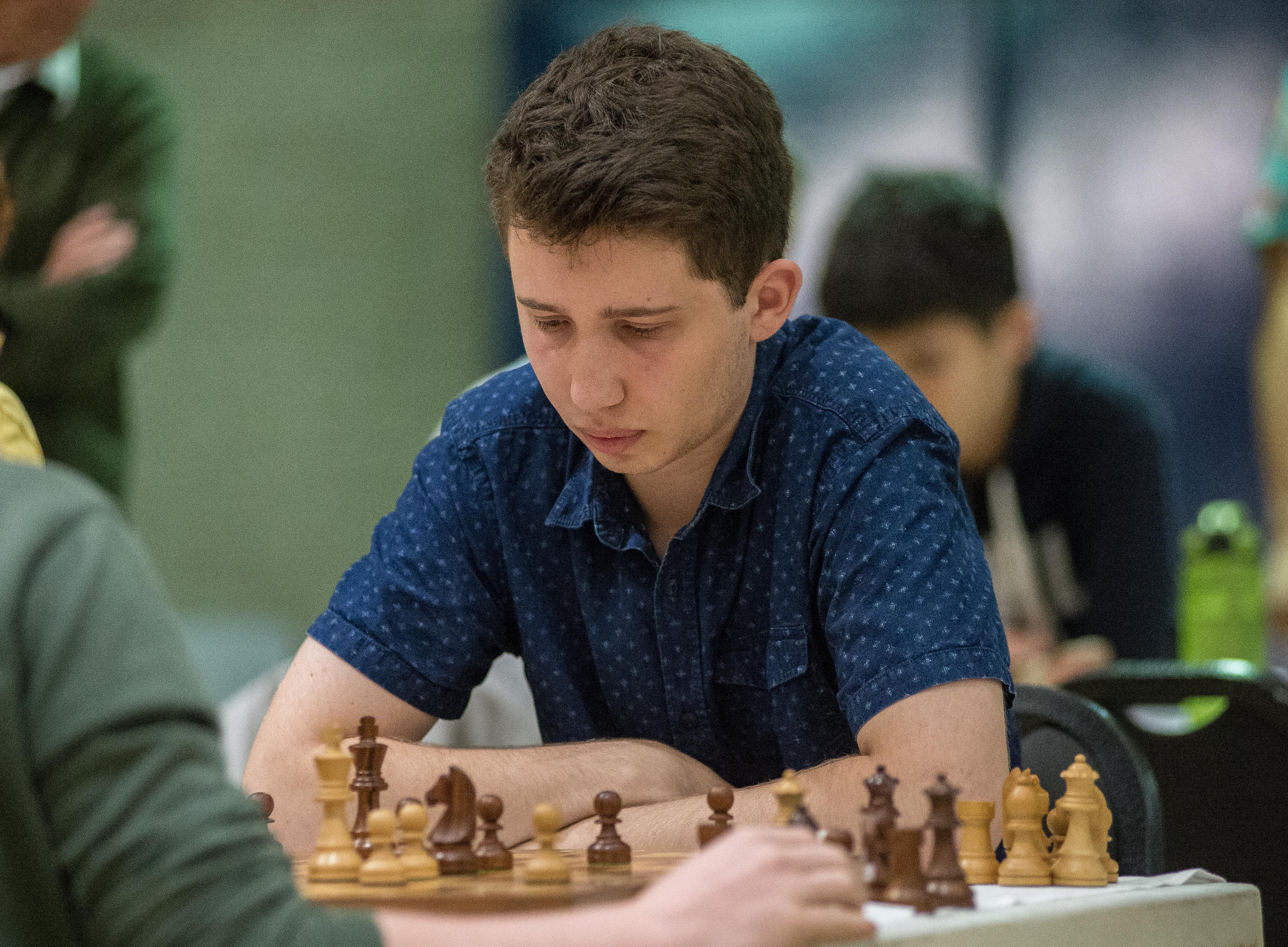
We send best wishes to IM Yang-Fan Zhou on his birthday.
Yang-Fan George Zhou was born on Thursday, September 8th, 1994 in Wandsworth, London. His mother’s maiden name was Yang. “Parklife” by Blur was number one in the UK Singles chart.
His brother, Yangjian Zhou, is also a strong player.
Yang-Fan attended Whitgift School, Croydon (founded by John Whitgift in 1596) and then Churchill College, The University of Cambridge where he studied Chemical Engineering (same subject as Malcolm Pein)
During his undergraduate years he worked as a punter for the Traditional Punting Company in Cambridge.
Yang-Fan works for The Hut Group and resides in Manchester.
Here is an article from the Guardian which included
“The Whitgift 13-year-old recently won the Coulsdon Premier with 8.5/9, gaining nearly 100 world rating points which will make him England’s highest ranked under-18 after Howell in the July FIDE list.”
He became a FIDE Master in 2009 and an International Master in 2011.
Yang-Fan claimed the title of UK Chess Challenge “Strat” in 2011 for winning the Terafinal outright. Only Mike Basman knows what “Strat” means.
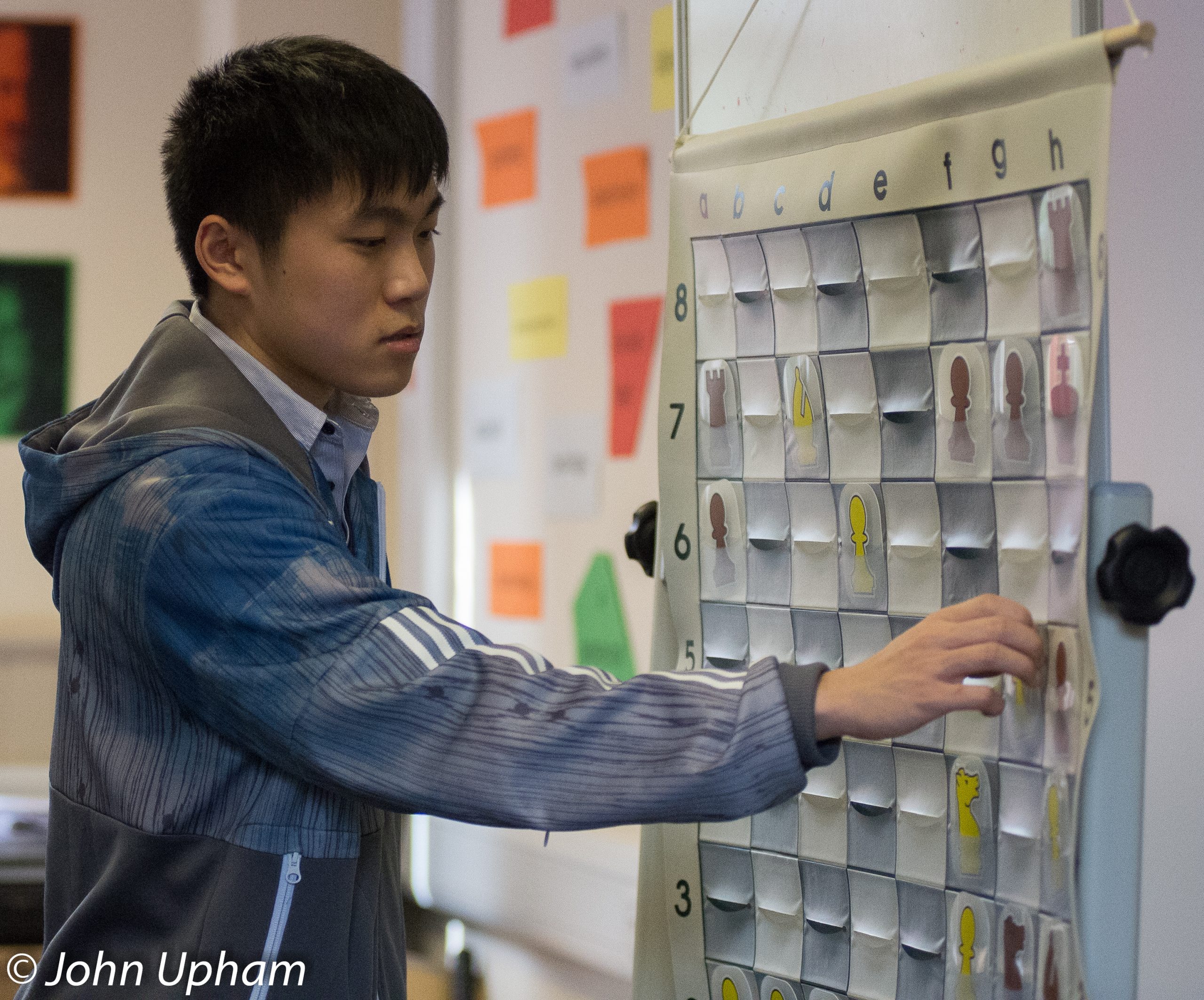
He scored 9/9 in the 2011 e2e4 Brighton Masters Closed tournament, including beating the two grandmasters (Keith Arkell and Alexander Cherniaev) in the tournament.
In 2012 he won the Hong Kong International Open
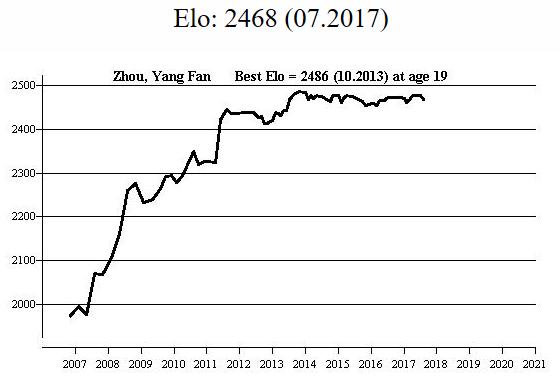
His peak FIDE rating was 2486 in October 2013 at the age of 19.
In 2014 Yang-Fan Zhou represented Cambridge in the annual Varsity match (the 132nd) and played on top board drawing with David Zakarian.
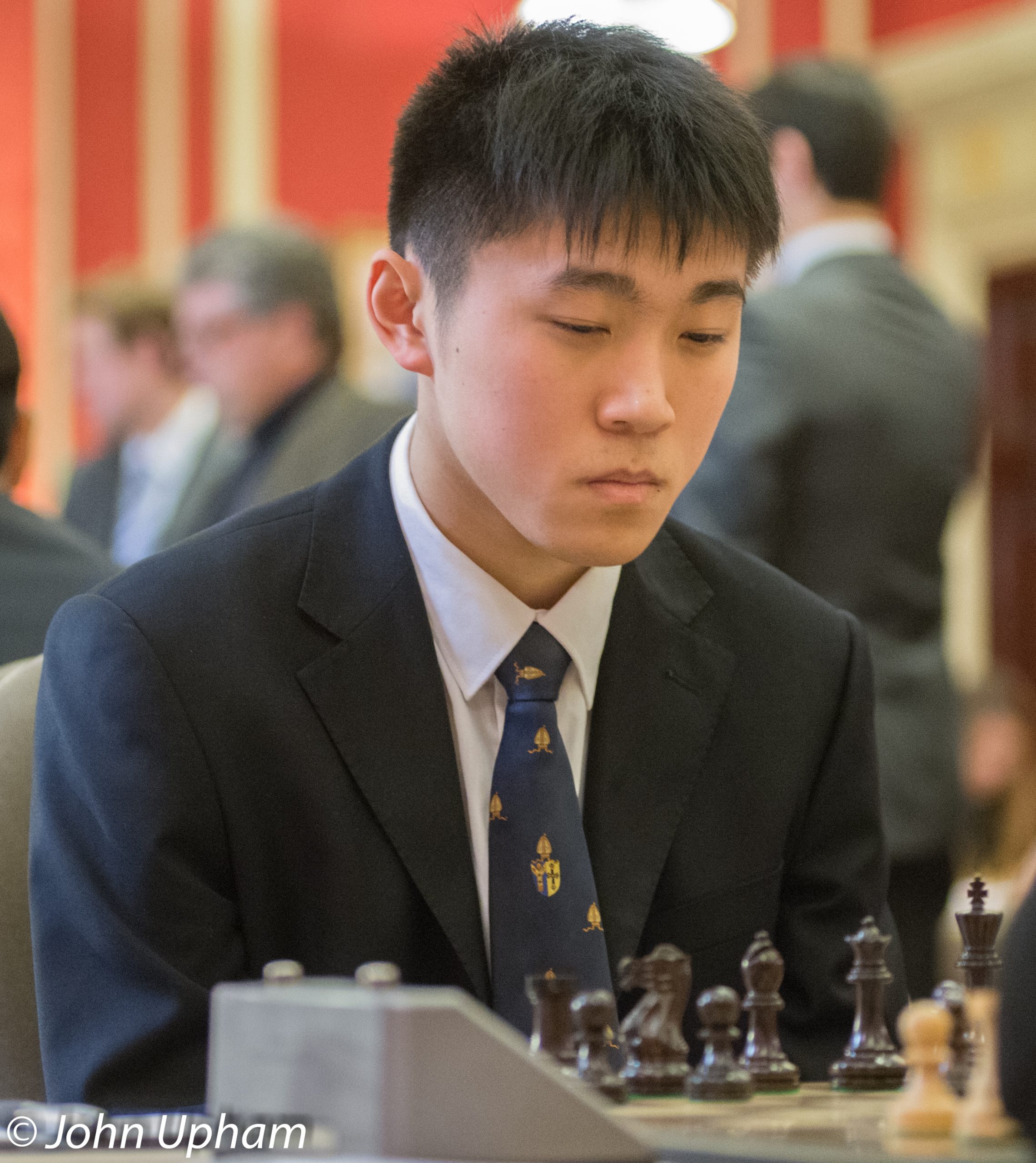
With the White pieces Yang-Fan is exclusively an e4 player using the Scotch Game as his main weapon playing open Sicilians and championing 6.h3 versus the Najdorf.
As the second player he employs the Sicilian Dragon and King’s Indian Defences.
and this article from Leonard Barden
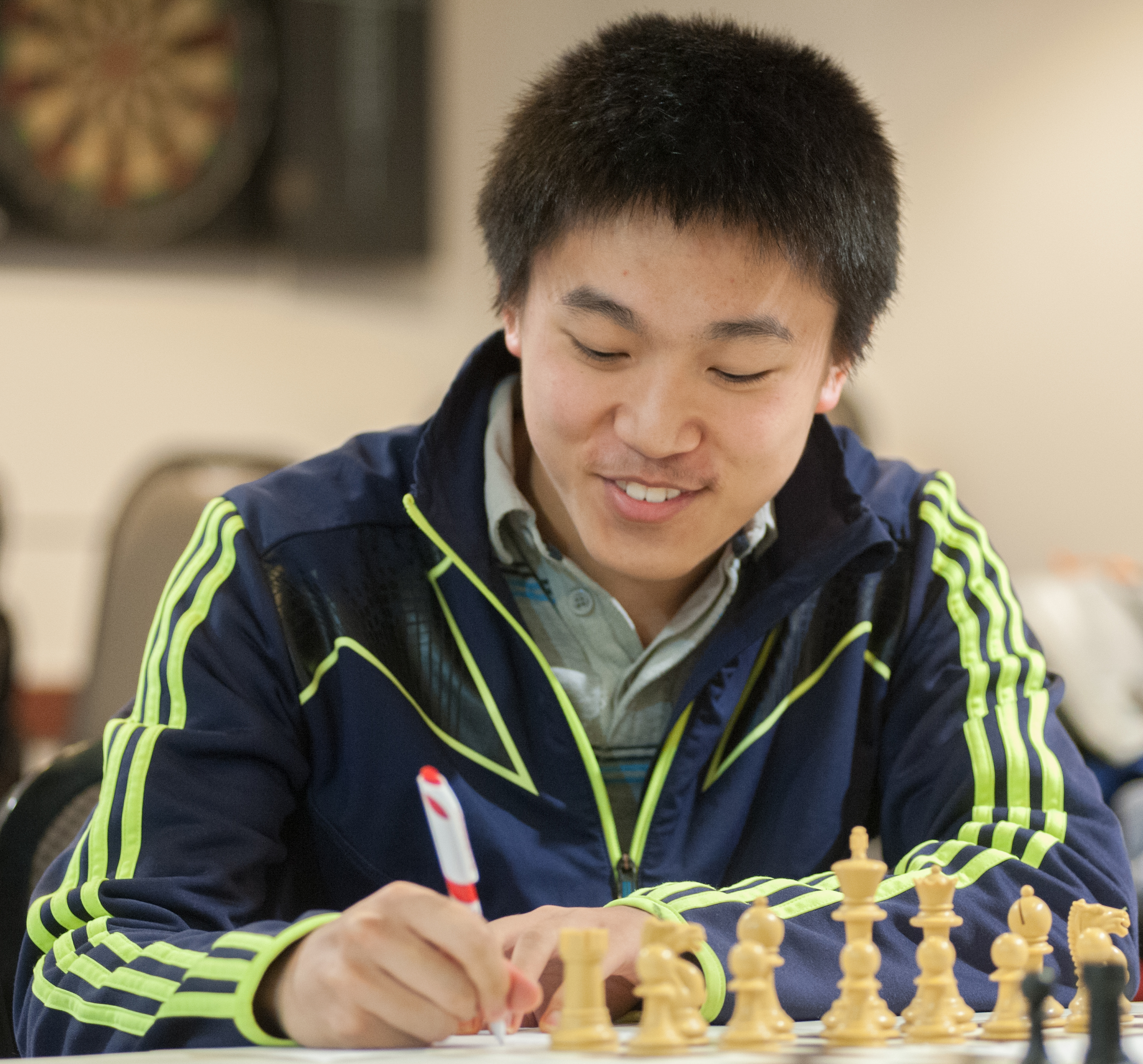
In 2026 Yang-Fan was in China coaching and teaching chess.
We wish Stephen Gordon all the best on his birthday, this day (September 4th) in 1986.
Stephen John Gordon was born on Thursday, September 4th 1986 in Oldham, Lancashire where he has lived since.
He attended The Blue Coat School in Oldham
He became a FIDE Master in 2004, an International Master in 2006 and a Grandmaster in 2009.
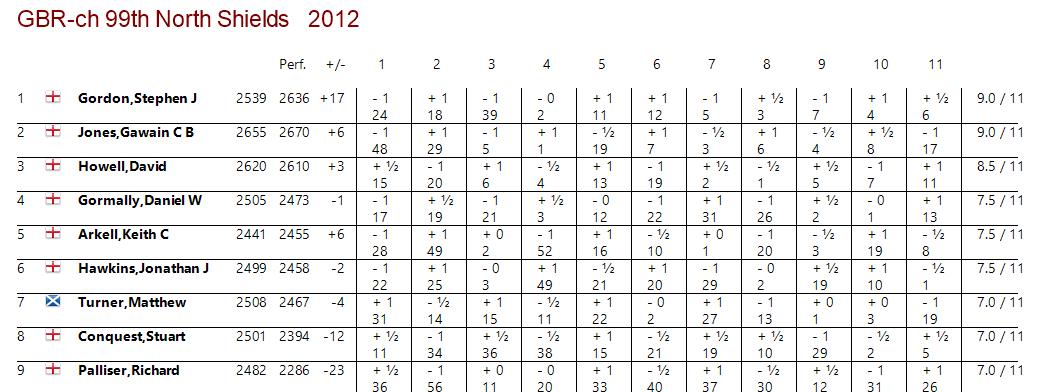
In 2012 he shared first place with Gawain Jones in the British Championships in North Shields.
According to Felice his peak FIDE rating was 2556 in September 2012 at the age of 26.
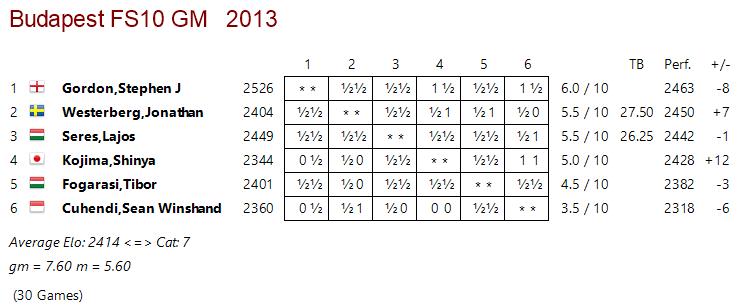
Stephen plays for 3Cs in the Manchester Chess League and for Wood Green in the London League and for 4NCL 3Cs in the Four Nations Chess League.
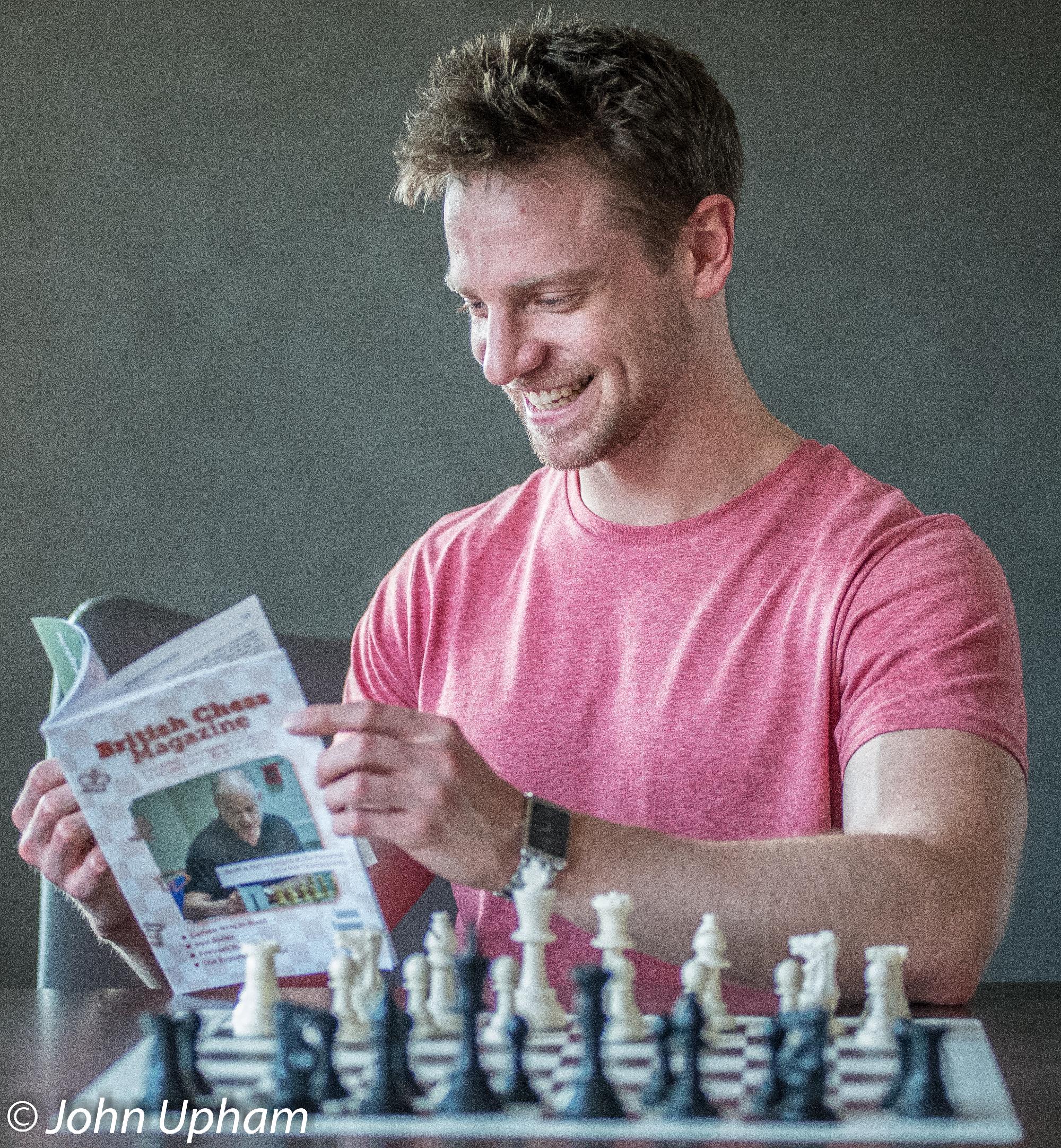
With the White pieces Stephen almost always plays 1.d4 aiming for a Queen’s Gambit and other main lines.
As the second player, Stephen plays the Sicilian Najdorf and the Nimzo-Indian Defence.
From Wikipedia :
“Stephen J. Gordon (born 4 September 1986) is an English chess grandmaster.
In September 2004 he took a break from his A-level studies at The Blue Coat School, Oldham to compete in the thirteenth Monarch Assurance Isle of Man International.
In 2005, while still a FIDE Master, he finished 6th in the British Championships ahead of a Grandmaster and several International Masters.
At the EU Individual Open Chess Championship held at Liverpool in 2006, he led the tournament after eight rounds and finished a very creditable (joint) second, a half point behind winner Nigel Short and level with Luke McShane among others.
Probably his best result to date however, was second place in the 2007 British Championship, narrowly losing his share of the lead in the final round. In previous rounds, he defeated both tournament victor Jacob Aagaard and previous champion Jonathan Rowson.
By 2008, his rating had reached grandmaster level, although the title itself had not yet been secured. At the British Championship in Liverpool, he almost repeated his performance of the previous year, by taking a share of third place. He was the British under-21 Champion each consecutive year between 2005 and 2008. He became a grandmaster on 1 August 2009.
He has been one of the co-presenters of the chess podcast The Full English Breakfast since its inaugural show in October 2010.”

For more see Wiki Entry for Stephen Gordon
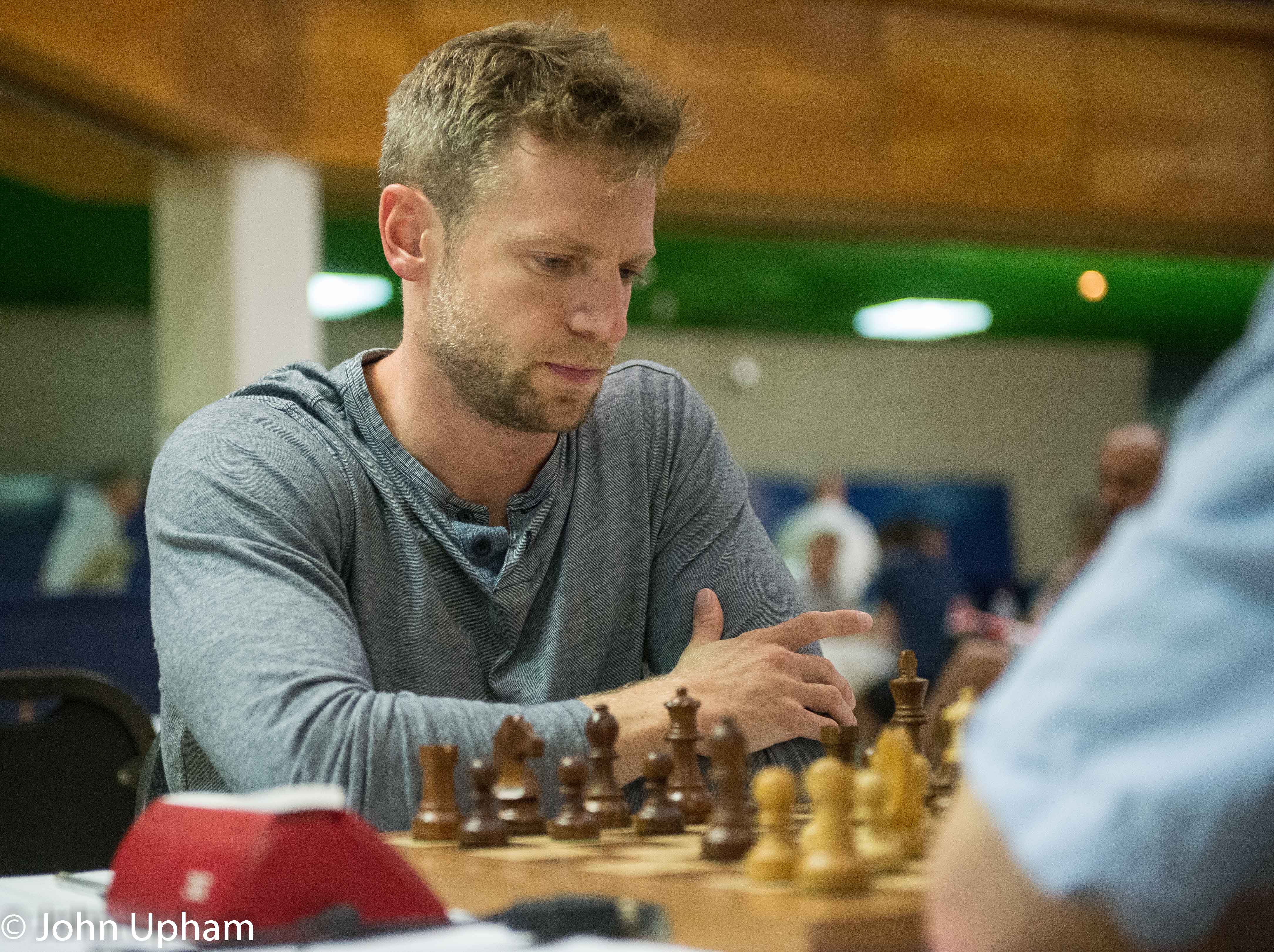
We send best wishes to GM Michael Stean on his birthday,
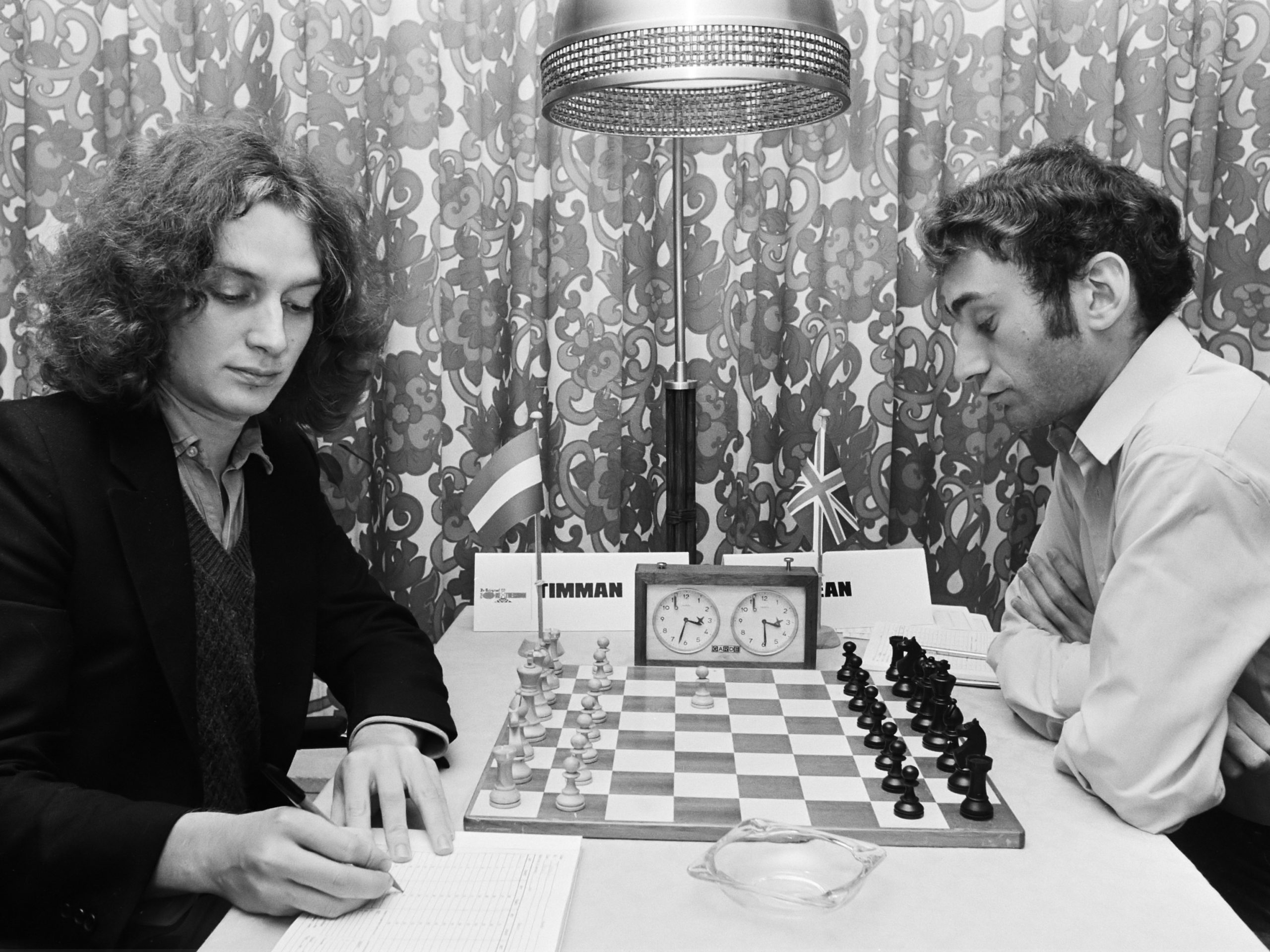
Michael Francis Stean was born Michael Francis (some say Frank) Stein on Friday, September 4th, 1953 in Pancras, London. His mother’s maiden name is / was Jean Feldman. Michael has a brother, Howard.
He attended Latymer Upper School and Cambridge University and his early chess days were spent at Richmond and Twickenham Chess Club.
He became an International Master in 1975 and England’s third (OTB) Grandmaster in 1977 winning £2,500 from the Jim Slater Foundation.
He was the chess correspondent of The Observer.
Some notable opponents that he has a plus score against include:
John Nunn: 3.5/5
Jonathan Speelman: 2.5/4
Gert Ligterink: 2.5/3
Robert Bellin: 2.5/3
Brian Eley: 2.5/3
Vladimir Liberzon: 2/3
and others.
With the white pieces Michael played 1.e4, 1.c4 and 1.Nf3 but rarely 1.d4 preferring the Ruy Lopez, Exchange Variation.
With the black pieces he played the Sicilian Najdorf (and was a leading expert), the Nimzo-Indian and the Queen’s Indian defences.
He has the dubious honour of being the first Grandmaster to lose a blitz game to a computer (Chess 4.6) in London, 1977. Stean exclaimed, “This computer is a genius!”
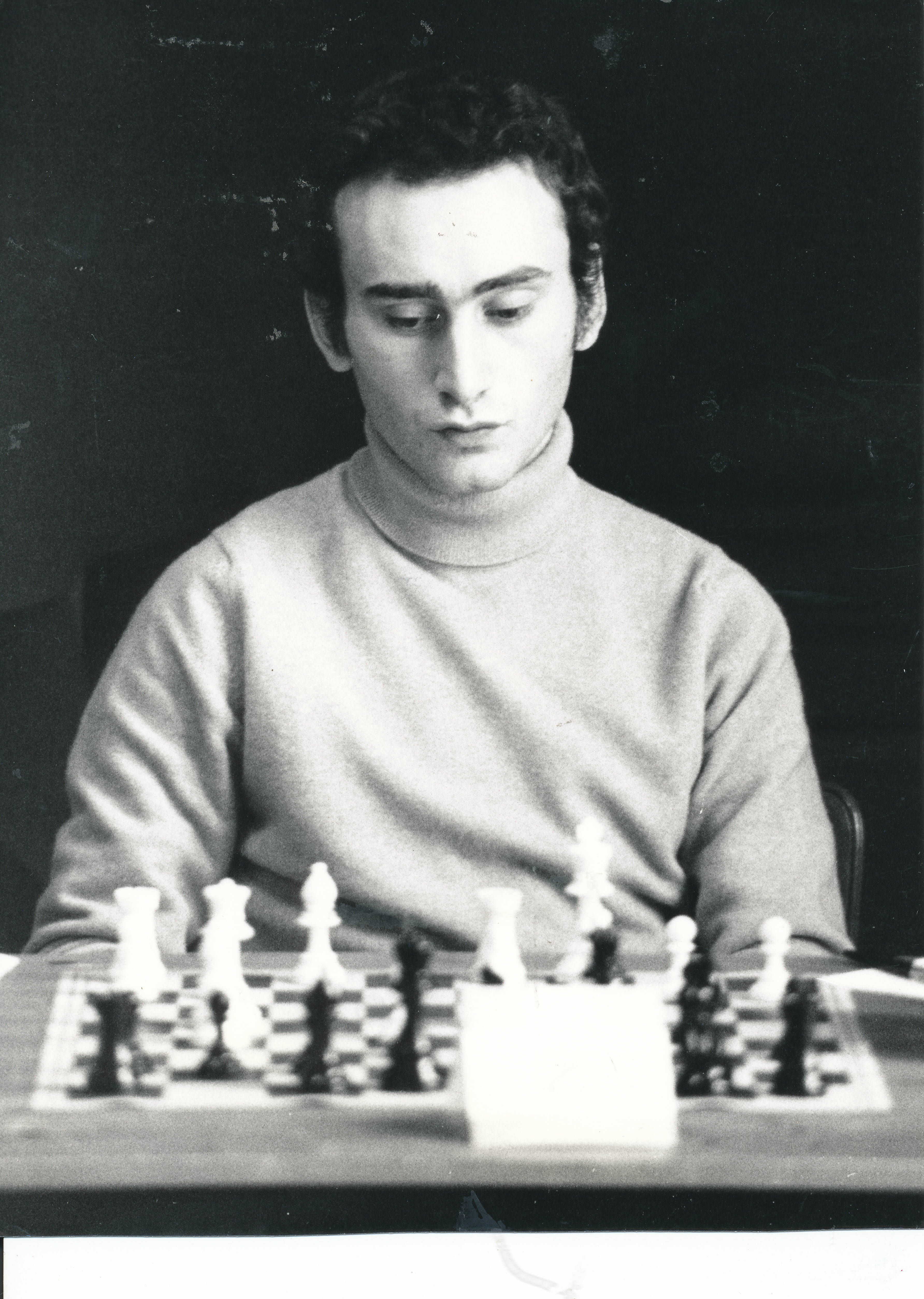
His peak FIDE rating was 2540 in January 1979.
His mother (Jean) presented a trophy to the Marlow Congress (now the Berks and Bucks Congress) which became the Mrs. Jean Stean Cup.
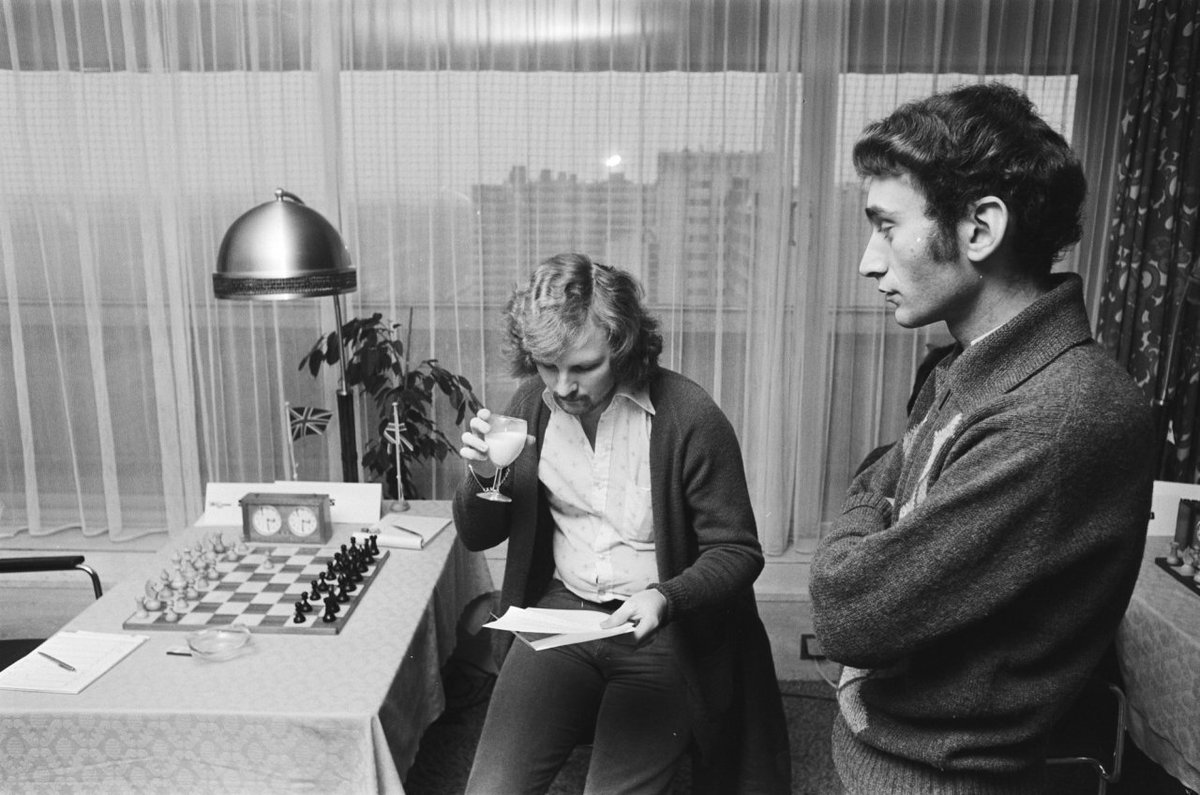
According to British Chess (Pergamon, 1983) by Botterill, Levy, Rice and Richardson :
“Stean was educated at Cambridge University, He was equal first in the British Championship, Clacton, 1974, although only 4th in the playoff. He has been an important member of Korchnoi’s team for the last 5 years, and this perhaps has been responsible more than anything for the rounding out and maturing of his style from the sharp tactical play of the early 1970s to the solid positional GM (especially with the White pieces) of today.

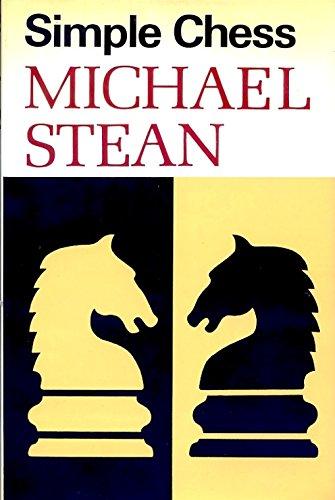
Stean is a fine author; Simple Chess and the Sicilian Najdorf are both excellent books.
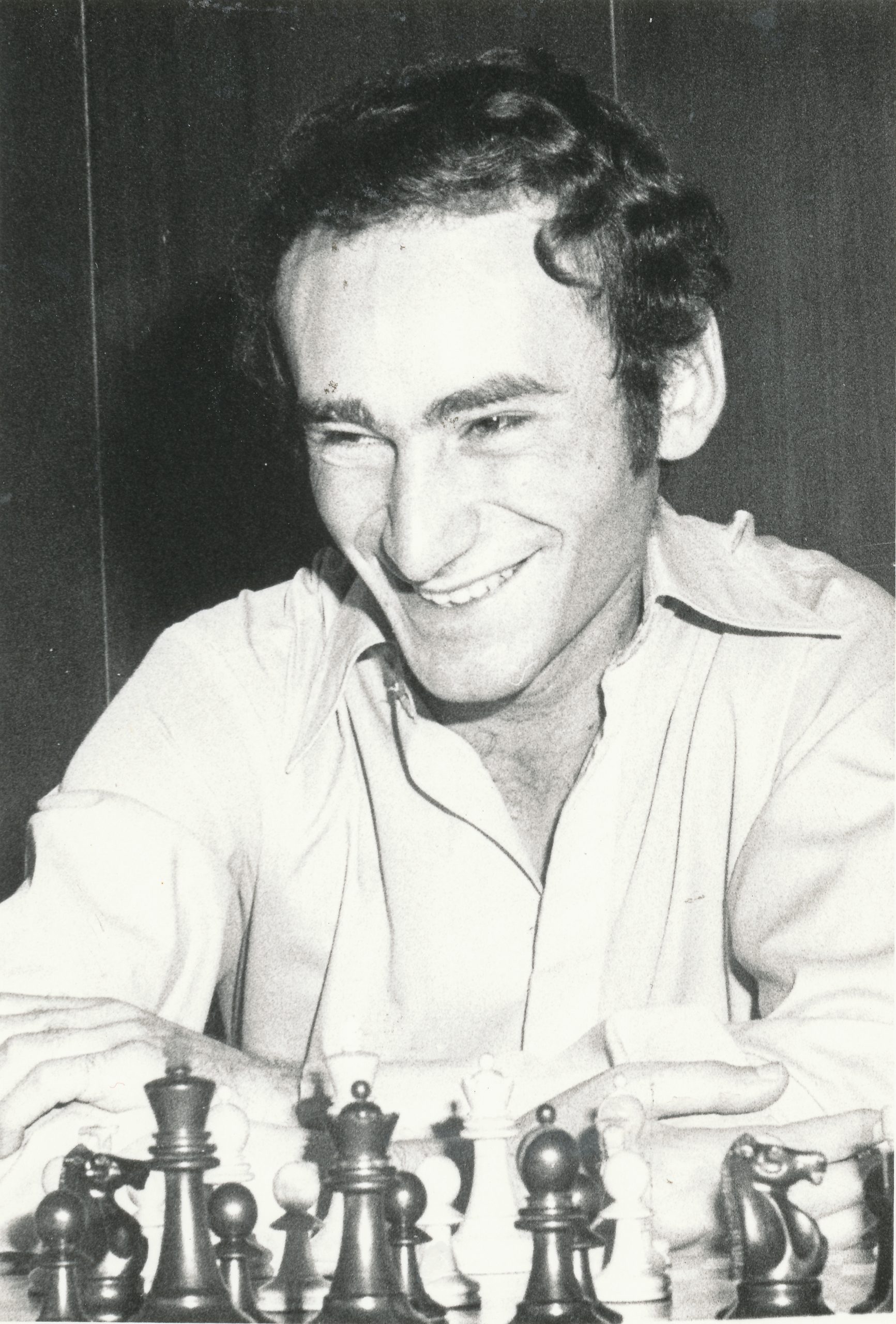
Temperamentally he is generally pleasant, good humoured and self confident, although he suffers from intermittent poor health which might help to explain his at times erratic results.”
According to Chessgames.com :
“Michael Francis Stean was born on the 4th of September 1953 in London, England. He finished 3rd at the 1973 World Junior Chess Championships behind Alexander Beliavsky and Tony Miles. Awarded the IM title in 1975 and the GM title in 1977 (The third Englishman to attain the title after Miles and Keene).
He finished 1st= in the 1974 British Championship but lost the play-off. He played on 5 English Olympiad teams from 1974 – 1983 and has won 1st prizes at Vrsac 1979, Smederevska Palanka 1980 and Beer Sheba 1982.
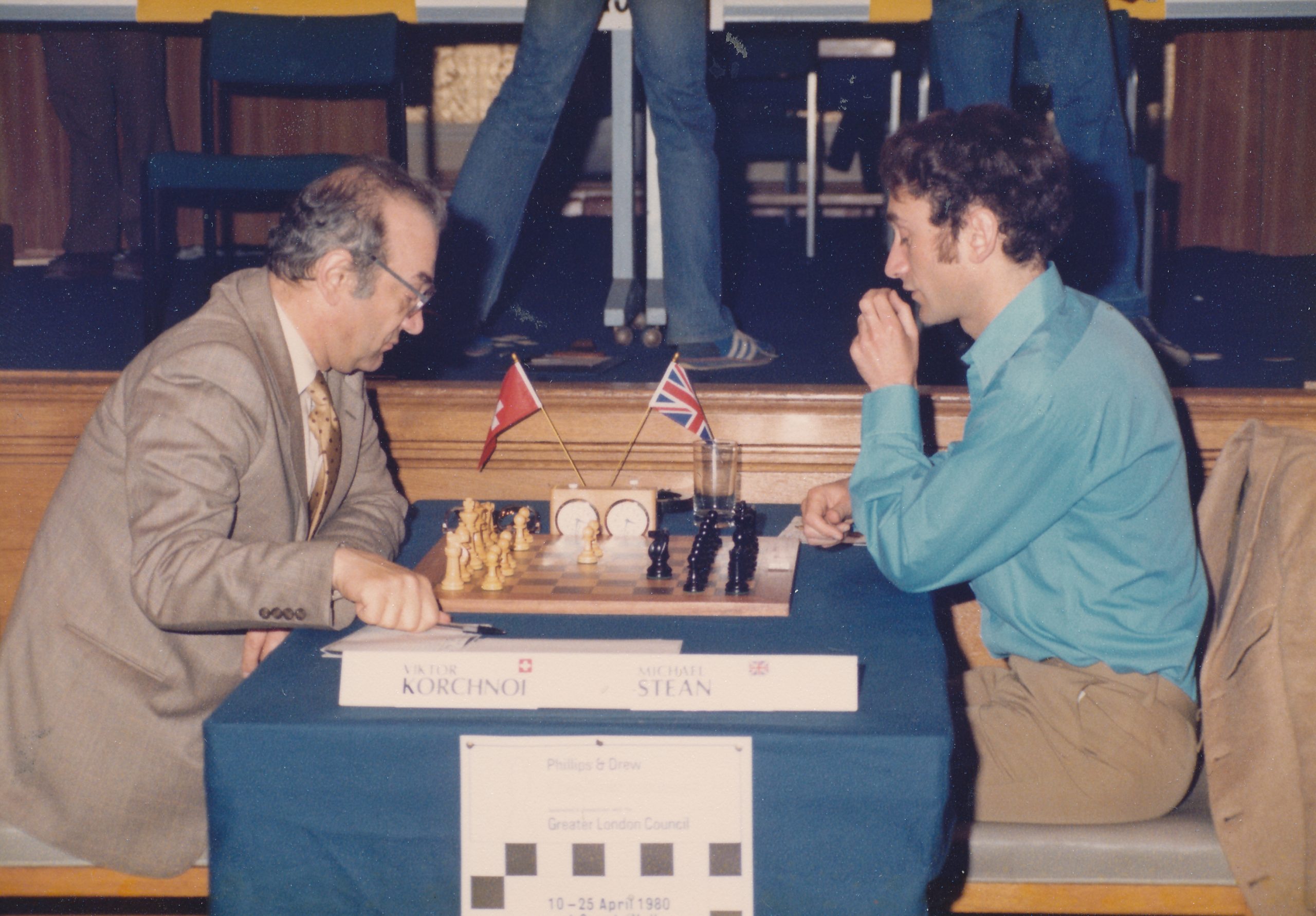
A specialist in Opening Theory he served as one of Viktor Korchnoi’s seconds in the 1977 – 1981 period. He is the author of Simple Chess, an introduction to chess strategy.”
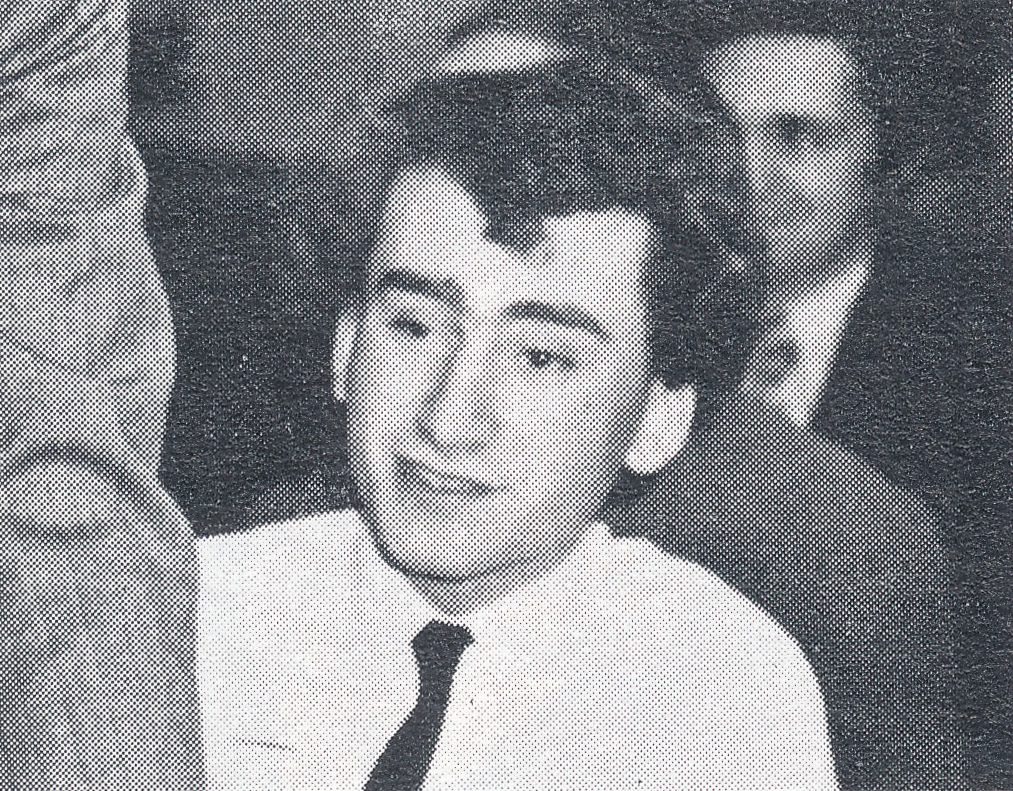
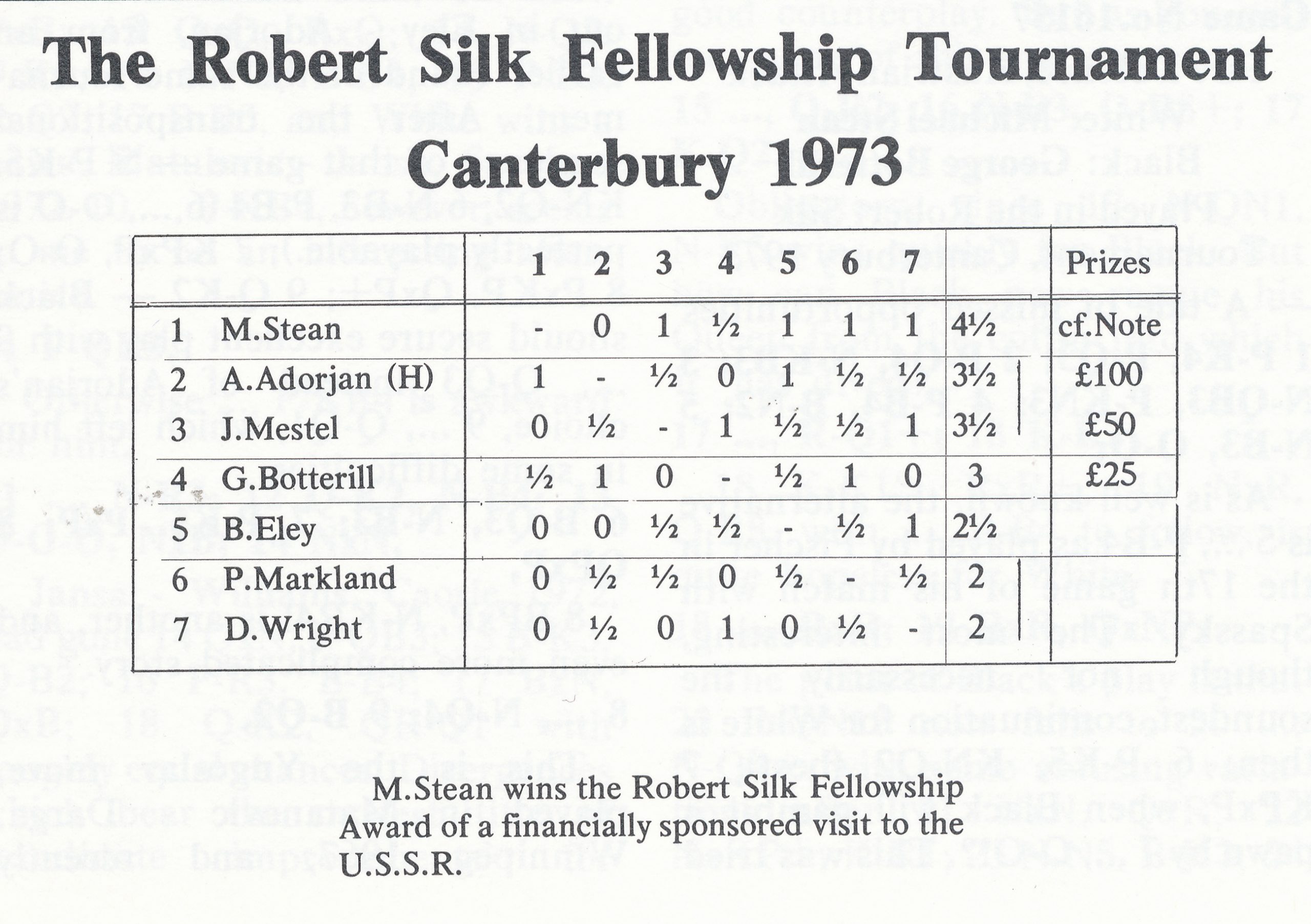
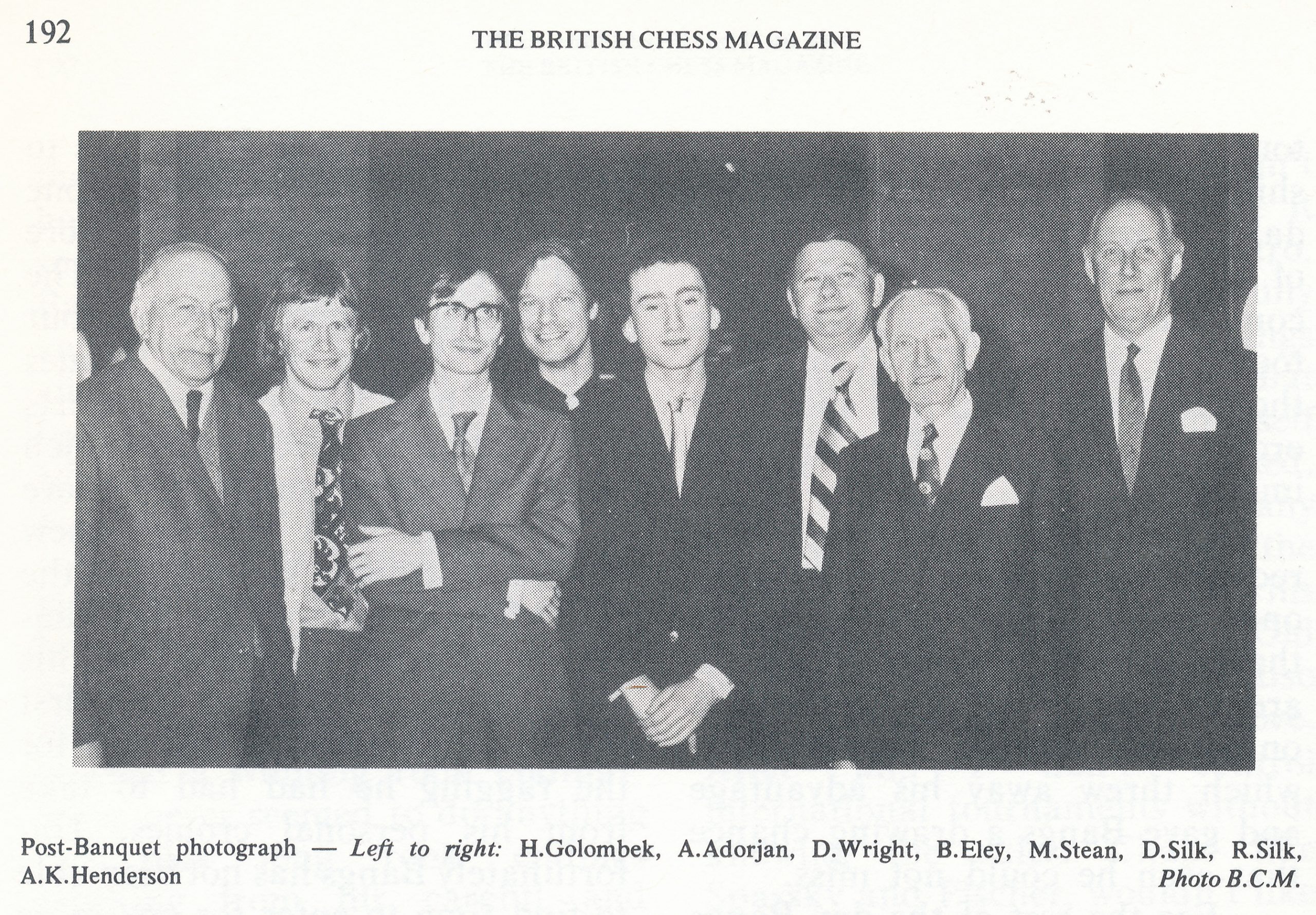
Harry Golombek wrote this about Michael in a 1980 Dataday chess diary :
“The fact that he has sprung up into second place among English players as regards Elo ratings demonstrates the considerable advance Michael Stean has made in the course of a year.
In the 1978 diary I wrote that it would not be long before he gained the grandmaster title since he already possessed one norm of the title. The forecast proved to be correct as he duly acquired the title a few months after I wrote the prophecy.
He had though to take two more bites at the cherry before he managed to gain the required norms since the tournaments in which he played were not long events. They were Montilla in August 1977 where he came third below Gligoric and Kavalek and the Lord John Cup Tournament in London in September 1977 where he was equal 2nd with Quinteros and Mestel, first place being occupied by the Czechoslovak grandmaster, Hort.
Before that he had assisted Keene in seconding Korchnoi in his candidates match versus Polugayevsky and had done this to such effect that Korchnoi asked him and Keene to act as his seconds at his final match in the Candidates at Belgrade and later on still at the World Championship match against Karpov in the Philippines.
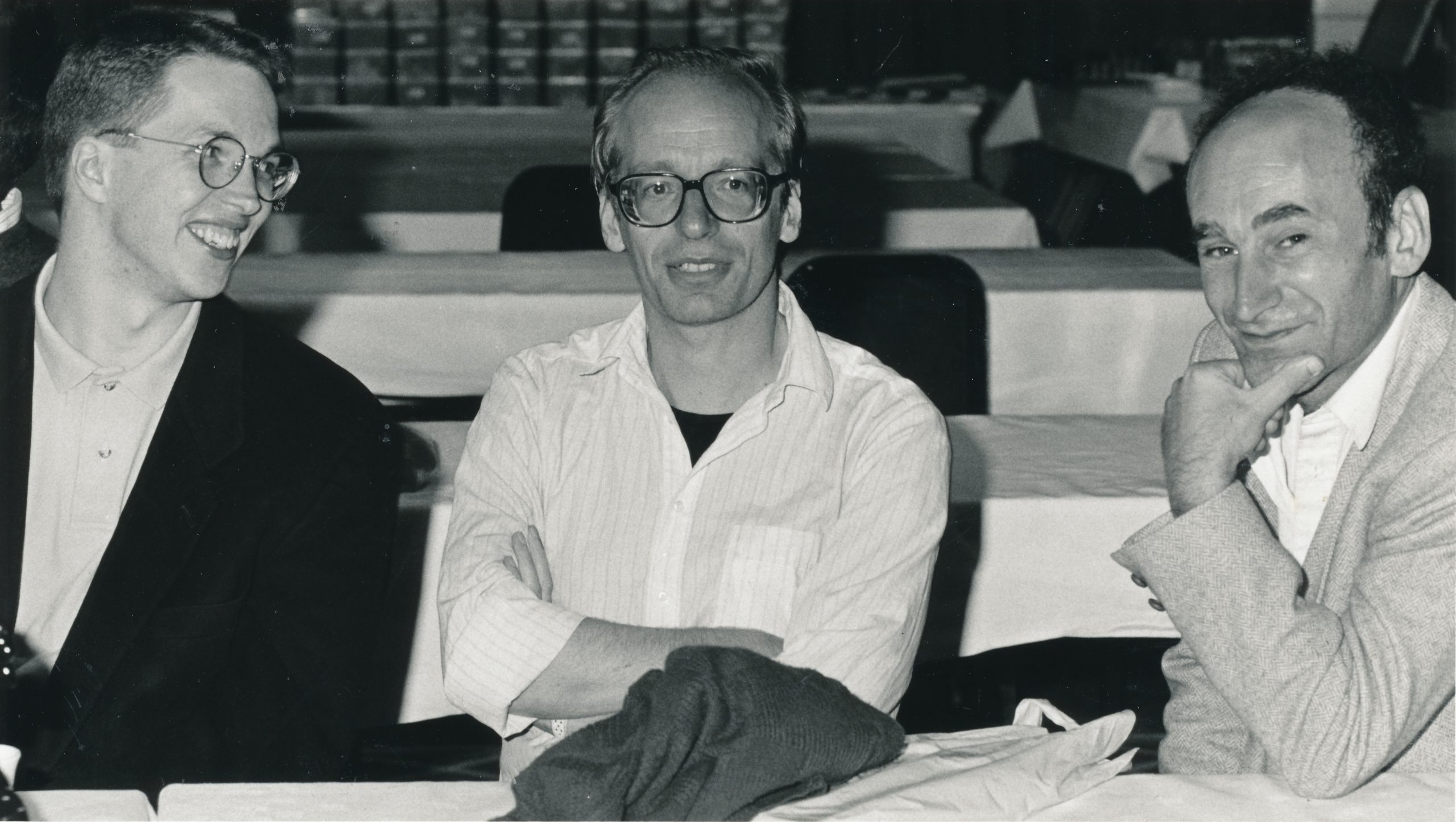
He also played successfully in Yugoslavia in 1977 (equal 2nd at Virovitica and equal 2nd at Bar). In 1978 he was 3rd at Beersheba below Korchnoi but head of Keene. Five points out of nine at the very strong Swiss System tournament at Lone Pine was followed by an excellent equal 4th with Miles at the tournament at Las Palmas. He has shown that he not only possesses the title of grandmaster but also plays like one.
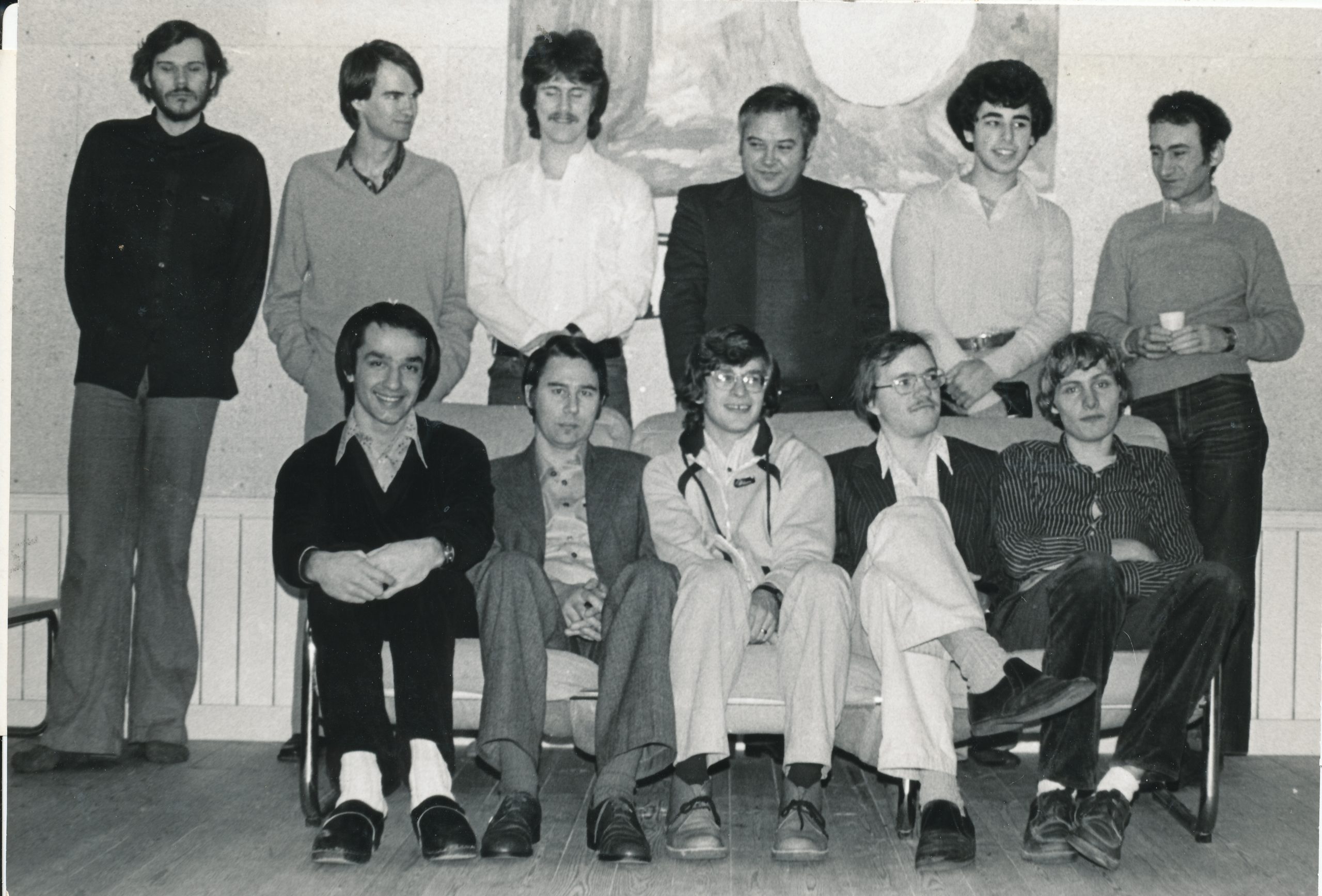
A good example in the following game (Stean-Sax) against one of the joint first prize winners at the Las Palmas event. It was awarded the prize for the best game :”
From The Oxford Companion to Chess (OUP, 1984) by Hooper & Whyld :
“English player, International Grandmaster (1977). At Nice 1974, in the first of his several Olympiads, he won the brilliancy prize for his game against Browne.
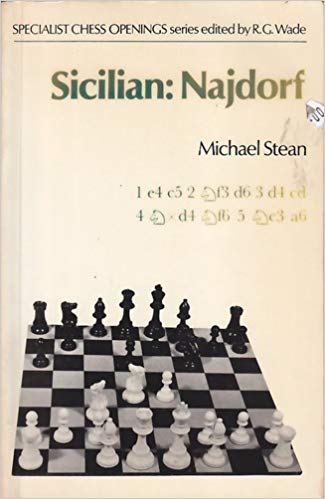
Since then he has had several good results: Montilia 1976, equal second with Kavalek and Ricardo Calvo (1943— ) after Karpov; Montilia 1977, third (-1-3 = 6)after Gligoric and Kavalek ahead of R. Byrne, Taimanov, and Andersson; London 1977. second (+4=4—1) equal with Mestel and Quinteros after Hort ; Vrsac 1979, first (+ 8=5—1); Smederevska Palanka 1980, first (+7-6); Beersheba 1982, first, Stean was one of Korchnoi’s seconds in the world championship cycles of 1977-8 and 1980-1, and the two became close friends.
In particular Stean provided help with the openings, a subject on which he specialises. He published a book on the Najdorf variation of the Sicilian defence in 1976, and Simple Chess, a guide to the understanding of positional ideas, in 1978.”
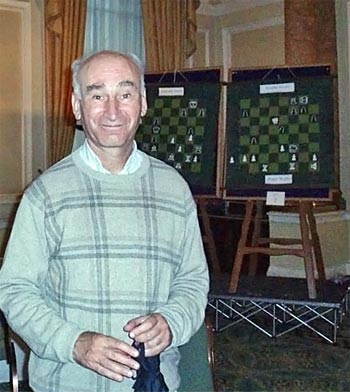
From Wikipedia :
“Michael Francis Stean (born 4 September 1953) is an English chess grandmaster, an author of chess books and a tax accountant.
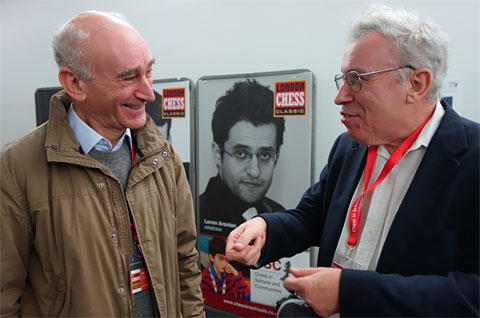
The game below (Stean-Browne) was the first winner of the World Brilliancy Prize established in 1974 by Isador Samuel Turover. The value of the prize was $1,000.”
See Michael Stean’s Wikipedia entry for more
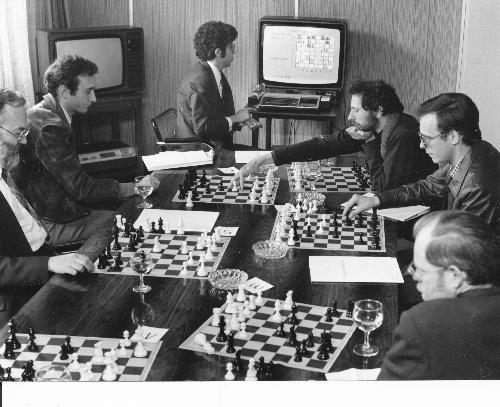
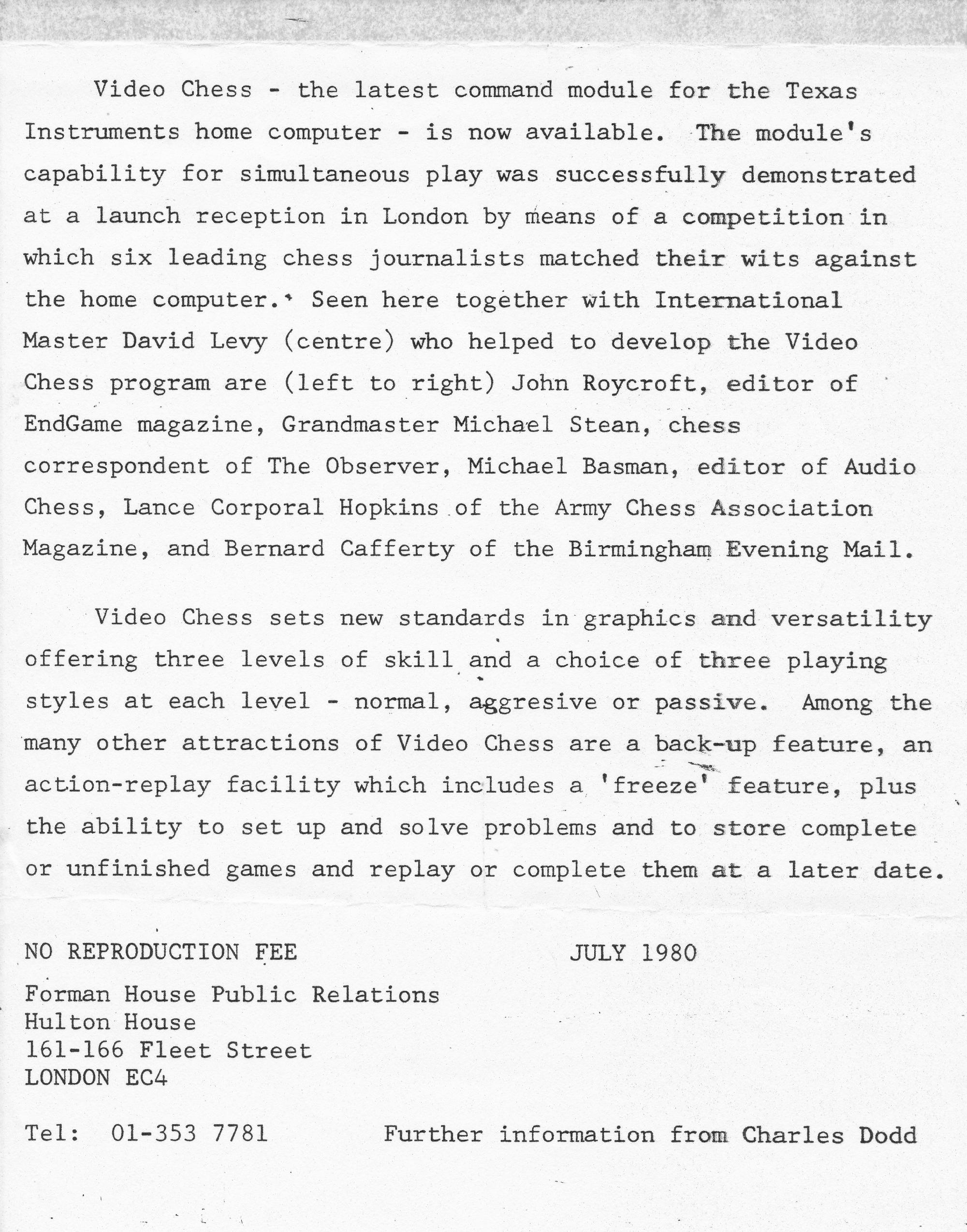
In 1983 at the height of his powers Michael left the chess work and became a tax accountant. He is now a senior partner at RSM UK.
Apparently :
“A cross disciplinary tax partner, Michael’s experience spans both corporate and non-corporate taxation for clients spanning a wide range of companies (listed and private) as well as high net worth individuals. Areas of activity include advice on transactions and structures, dealing with enquiries conducted by the tax authorities and forensic tax services in tax disputes.
As a member of the large business and international tax sub-committee of the tax faculty of the Institute of ICAEW, Michael was an active contributor to the consultation and development of the so-called ‘GAAR’ (general anti-abuse rule) law enacted in 2013.
Formerly a professional chess grandmaster, Michael brings an analytical approach to the field of tax.”