Tag Archives: Remembering

Remembering Reginald Broadbent (03-viii-1906 29-x-1988)

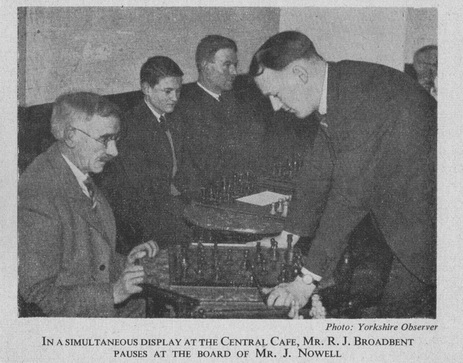
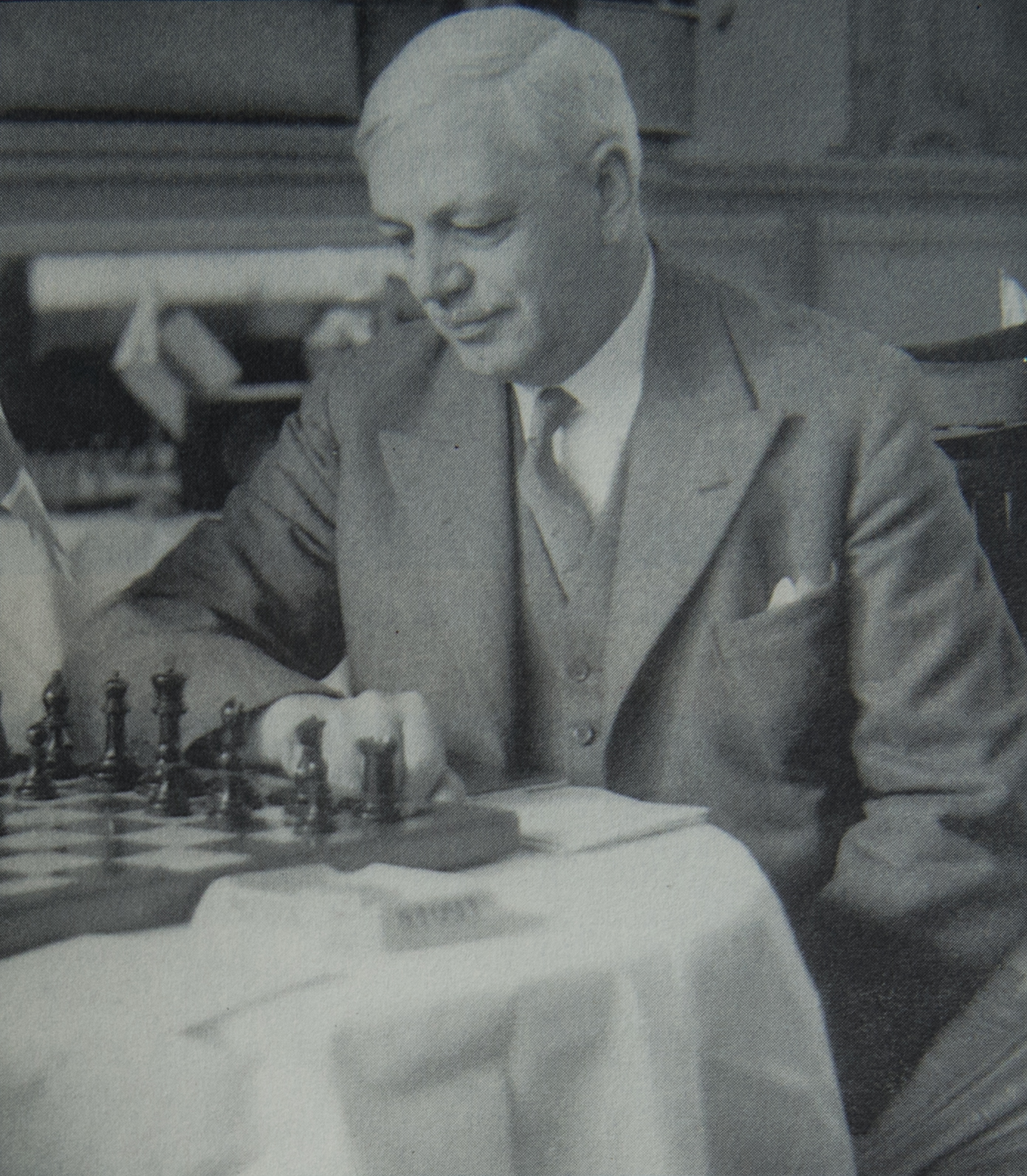
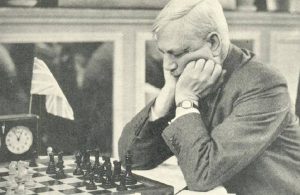
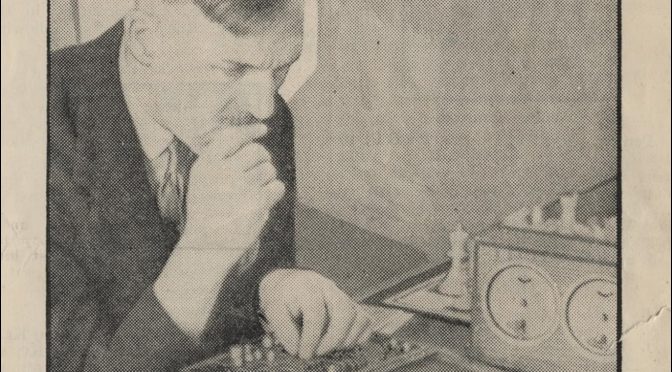
In simultaneous play at the central cafe, Mr. RJ Broadbent pauses at the board of Mr. J. Nowell, original source : The Yorkshire Observer

We remember Reginald Broadbent who passed away on October 29th 1988.

Reginald Joseph Broadbent was born on Friday, August 3rd 1906 (the year of the San Francisco earthquake) in Durban, South Africa. His father was Joseph Edward Broadbent (born 1879) who married Alice Cook on January 4th, 1903 in Durban.

According to the 1911 Isle of Man Census (FindMyPast, Richard James; thanks!) the Broadbent family (sans father) stayed at a guest house in Onchan on the night of February 2nd 1911. Reg (aged 4) was a boarder together with mother Alice (33), brother Roland (1) and sister Laura (4). Since Reg and Laura are both recorded as 4 years old it is reasonable to suppose that they were born as twins. We think that Reg had an additional sibling who had passed away and that the name is not recorded. Reassuringly Steve Mann agrees with this conclusion.

He married Catherine H Broadbent (née Crawford, born 19th September 1895) and were recorded as living (in 1939) in “Cheadle and Gately”, Cheshire. His profession was as a “Telephone Traffic Superintendent, Class II, Post Office Telephones” which was a a civil service occupation. Catherine carried out “unpaid domestic duties”.

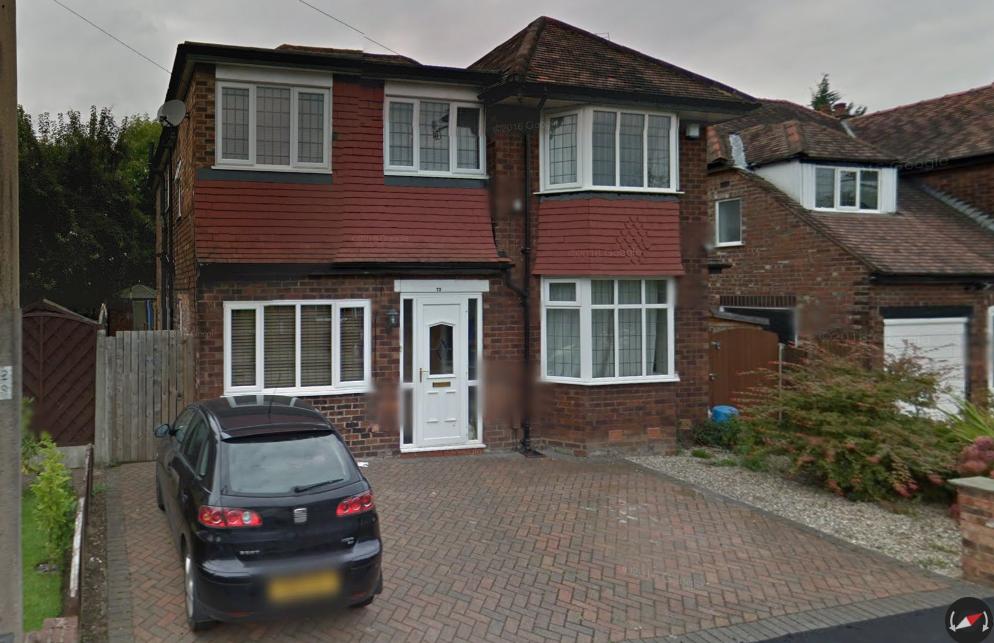
They resided at 72, South Park Road, Gatley, Cheshire :

72, South Park Road, Gatley, Cheshire. SK8 4AN

According to Steve Mann in his excellent Yorkshire Chess web site :

“At some time in 1946 or 1947, Broadbent moved down south to live in the general vicinity of East Grinstead, at Far End, Limes Estate, Felbridge, 2 miles NW of East Grinstead, and later at Southway, Priory Road, Forest Row, 3 miles SE of East Grinstead”

Reg was eight times Northern Counties Chess Union (NCCU) Champion in 1933, 1934, 1935, 1936. 1937, 1938, 1945 and 1946.

The British Chess Magazine, Volume CVIII (108, 1988), #12 (December), p. 553 records this brief death announcement :

“Reginald J. Broadbent, British Champion 1948 and 1950 died on October 29 at the age of 82. He was a member of Manchester and Bradford Chess Clubs in his day, and was famous for his remarkable record in Anglo-Dutch matches.

After he moved to London around 1950 he was less free to play due to his senior post with the Post Office. A fuller notice will appear next month.”

As advertised in the British Chess Magazine, Volume CIX (109, 1989), #1 (January), p. 27 we have :

“Reginald Broadbent (3 viii 1906-29x 1988) was born at Durban and was British Champion in 1948 and 1950. In the latter content he actually won his last six games in a row to reach a score of 8.5 points, ahead of Klein, Penrose and Milner-Barry. He was often spoken of as “playing himself into form” in the first half of a contest as his work as a civil servant (the GPO) did not allow him the chance to practise regularly against strong opposition.

He was a member of the Manchester and Bradford clubs before the war when he built up a fine record in Anglo-Dutch matches and Northern Counties champion on many occasions.

Brian Reilly recalls that Broadbent was selected for the BCF Olympiad side in 1954, but was forced to turn down the invitation due to the exacting nature of his work in London, and thereafter his main connection with the game was a chess column in a West of England newspaper (The Western Morning News*) . He was a subscriber to BCM right up to his death.”

*Thanks Gary Lane.

With the white pieces Broadbent was a die-hard 1.e4 player who allowed the Marshall Attack against the Ruy Lopez.

As the second player RJB defended the Nimzo-Indian Defence and played Open games.

In the March issue of CHESS for 1963, (Volume 28, Number 427, pp.147-155)  William Winter wrote this:

R. J. Broadbent’s one weakness

R. J. Broadbent I consider to be typical of the best type of English amateur the Atkins type. A civil servant by profession he wins the Championship title, then retires to his country home in Surrey where he happily spends his time in gardening till the next championship comes along. Occasionally he is dragged out to play in a County match but he takes a lot of dragging. As a player he has great natural attainments and a temperament for the game, but he handicaps himself by the paucity of his opening knowledge. This compels him to start thinking almost from the word ‘go’ and the result is that he invariably gets on bad terms with his clock.

One of his great assets is his endgame in which he is perhaps superior to any practising British player. His skill in this department has rescued him from many a grim position. If he had studied the openings, and played in more tournaments, he might have gone far. As it is he is, and I fear will remain, just a first class British amateur. Probably he prefers it that way.

Here is one of his best games :

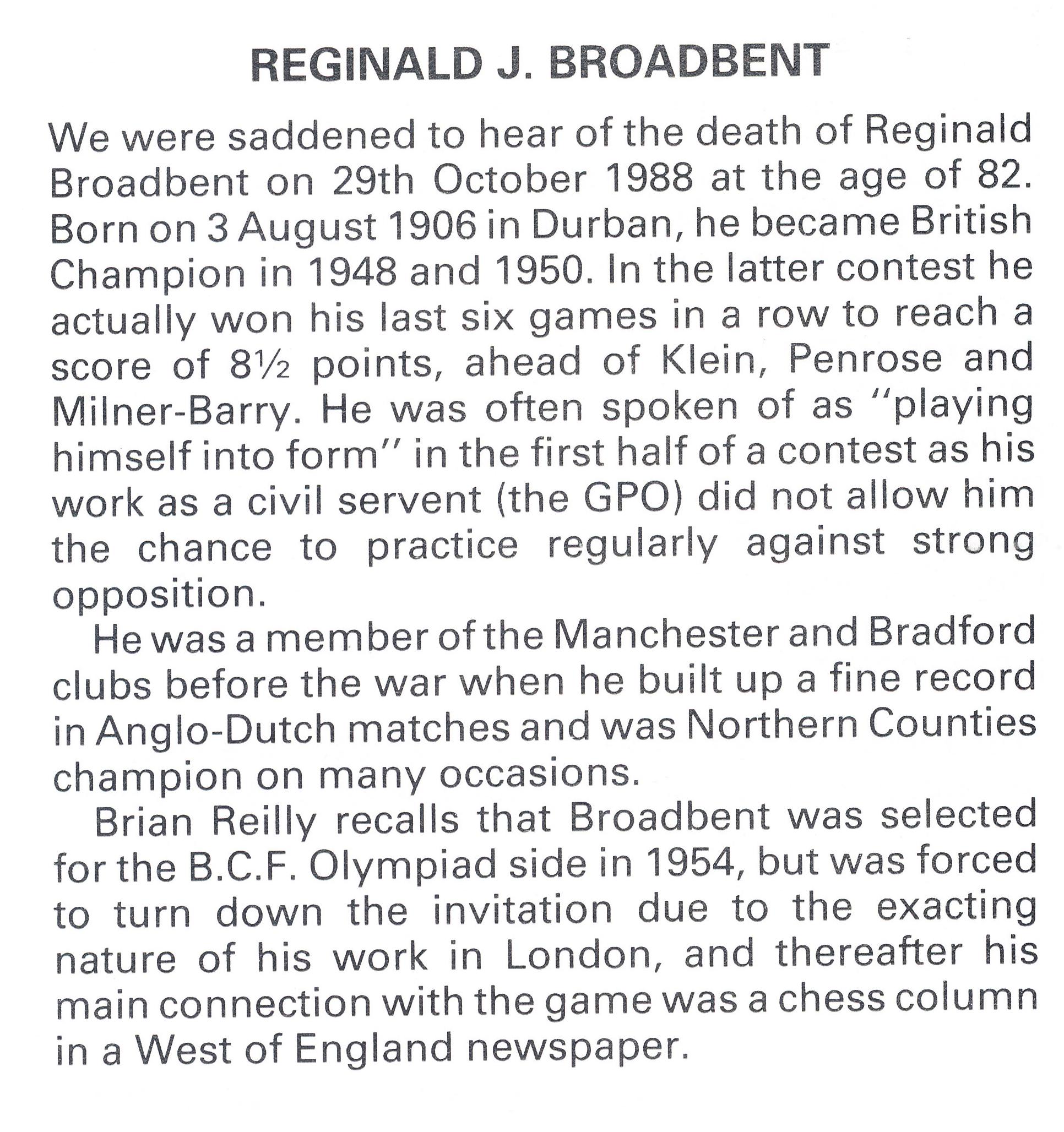
For an element of déjà vu here is RJBs obituary from the 1989 – 1990 BCF Yearbook, page 14 :

(The Yearbook editor was Brian Concannon and it would appear standard practise, at the time, not to credit or attribute sources for obituaries.)

BCF Yearbook, 1989-1990, page 14

A detailed biography (from Steve Mann)  may be found here

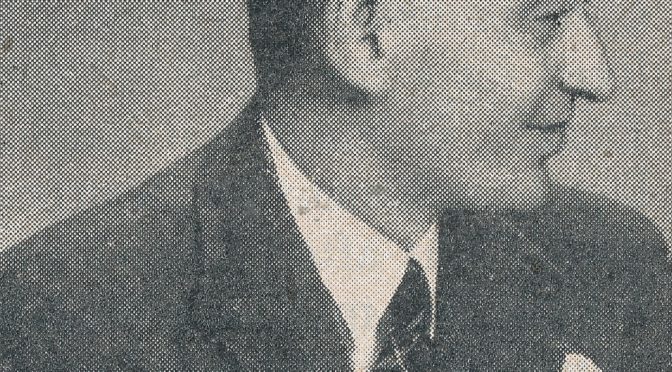
Remembering Philip Walsingham Sergeant (27-i-1872 20-x-1952)

Philip Walsingham Sergeant from A Century of British Chess from a photograph by F.A. Swaine Ltd. (1934)

BCN remembers Philip Walsingham Sergeant who passed away on Monday, October 20th 1952.

PWS was born in Kensington on Saturday, January 27th, 1872 to Lewis Sergeant and Emma Louisa Sergeant (née Robertson) and was baptised at All Saints Church, Notting Hill. According to PWS’s baptism record Lewis was an author.

According to PWS in A Century of British Chess :

“When I was seven years of age – about the period, by the way, in which my father began to teach me Greek – he began also to initiate me into chess. Not that he designed it  as a consolatory set-off to my application to Greek; for he loved the Classics well, though, going up to Cambridge with  small classical exhibition, he had turned to Mathematics, and therein took his degree. ”

According to the 1881 census PWS (aged 9) lived with his parents and numerous siblings : Dorothy (aged 7), Winifred (6), Hilda (5), Bernard (2), John (his grandfather aged 76) and Mary (his grandmother aged 75). They had staff, Elizabeth Fraser and Sarah Martin. They lived at 10, Addison Road, North, Kensington.

According to “Joseph Foster. Oxford Men and Their Colleges, 1880-1892. 2 vols. Oxford, England: James Parker and Co, 1893″ :

PWS attended St. Paul’s School and then Trinity College, Oxford to read Classics where he attained Honour Moderations.

and here is the record from the above publication :

Entry for Philip Walsingham Sergeant in Joseph Foster. <em>Oxford Men and Their Colleges</em>, 1880-1892. 2 vols. Oxford, England: James Parker and Co, 1893
Entry for Philip Walsingham Sergeant in Joseph Foster. Oxford Men and Their Colleges, 1880-1892. 2 vols. Oxford, England: James Parker and Co, 1893

We do not know if PWS played in the Varsity matches of 1892 – 1895 : Britbase does not (yet) include player details for these matches.

PWS married Minnie Boundford (born 27th February 1889) in 1909 in Hampstead and they lived at 5, Dukes Avenue, Chiswick where PWS was listed as an author and Minnie as someone who carried out “unpaid domestic duties”. Minnie was 17 years younger than PWS. Minnie’s father was a joiner and a carpenter.

They had two daughters Margaret (born 1910) and Kathleen (born 1911).

In October 1946 Minnie and PWS remarried. Presumably this was rather unusual in that day and age.

According to The Oxford Companion to Chess (OUP, 2nd edition, 1996) by Hooper and Whyld :

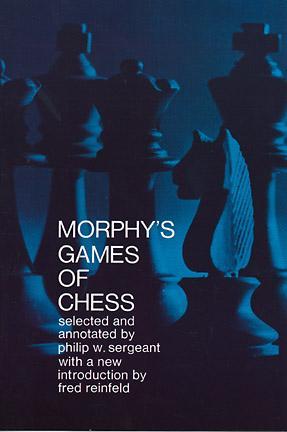
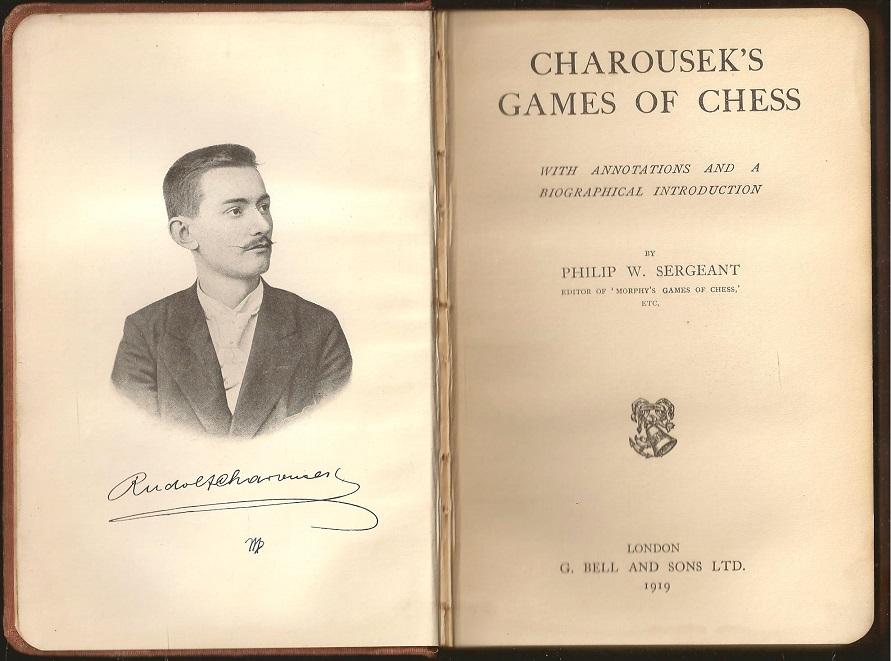
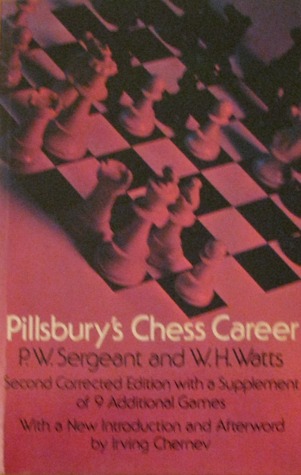
PWS was an English author of biographical games collections for Charousek, Morphy and Pillsbury as well as other works of importance such as A Century of British Chess (1943) and Championship Chess (1938).

From The Encyclopedia of Chess (BT Batsford, 1977) by Harry Golombek :

“A professional writer on chess and popular historical subjects. Without any pretentions to mastership, he represented Oxford University in the years 1892 – 5 and assisted RC Griffith in preparing three editions of Modern Chess Openings.

In chess he dealt with a number of important subjects : Morphy’s Games of Chess, London, 1916; Charousek’s Games of Chess, London, 1919; Pillsbury’s Chess Career (in collaboration with WH Watts), London, 1923; Championship Chess, London, 1938.

All these are lucidly and carefully written but suffer from the defect that, being neither a master player nor a professional annotator, he was not competent to deal with the annotational part of the work. Probably his best book on chess was A Century of British Chess, London, 1934.

From British Chess Magazine, Volume LXX11 (72), Number 11 (November), page 324 we have this rather brief obituary (presumably written by Brian Reilly):

“We regret to have to report the death, at the age of eighty-one of Philip W. Sergeant, the author of A Century of British Chess, which we imagine is in most chess libraries. He was the author of several well-known historical books – but we are only concerned here with his chess activities, which included representing Oxford University 1892-5; helping RC Griffith with two editions of Modern Chess Openings; playing for Middlesex, winning the chess championship of the authors’ club for several year, and latterly as an honoured member; and occasionally obtaining the championship of the Guildford Chess Club. Our sympathy with his widow and two daughters is sincere.”

He was a cousin of EG Sergeant.

From Wikipedia :

“Philip Walsingham Sergeant (27 January 1872, Notting Hill, London[1] – 20 October 1952)[2] was a British professional writer on chess and popular historical subjects.[3][4] He collaborated on the fifth (1933), sixth (1939), and seventh (1946) editions of Modern Chess Openings, an important reference work on the chess openings. He also wrote biographical game collections of Paul Morphy (Morphy’s Games of Chess (1916) and Morphy Gleanings), Rudolf Charousek (Charousek’s Games of Chess (1919)), and Harry Nelson Pillsbury (Pillsbury’s Chess Career, with W. H. Watts, 1922), and other important books such as A Century of British Chess (1934) and Championship Chess (1938).”

Harry Golombek writes that, “Without any pretensions to mastership, he represented Oxford University in the years 1892-5”.[3] Golombek considers A Century of British Chess probably Sergeant’s best chess book, but opines that although Sergeant’s chess books are lucidly written, they suffer from the defect that, as a non-master, he was not competent to deal with the annotational aspect of his work.

He was a second cousin of Edward Guthlac Sergeant.

Philip Walsingham Sergeant
Charousek's Games of Chess
Charousek’s Games of Chess
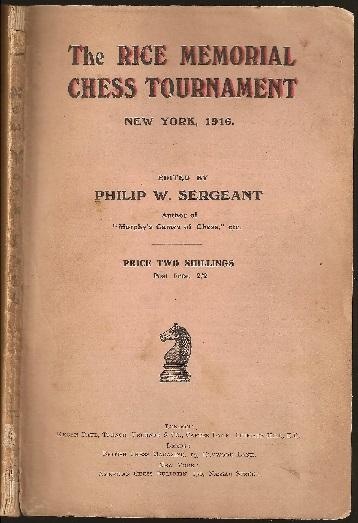
The Rice Memorial Chess Tournament, 1916
Pillsbury's Chess Career, London, 1923
Pillsbury’s Chess Career, London, 1923
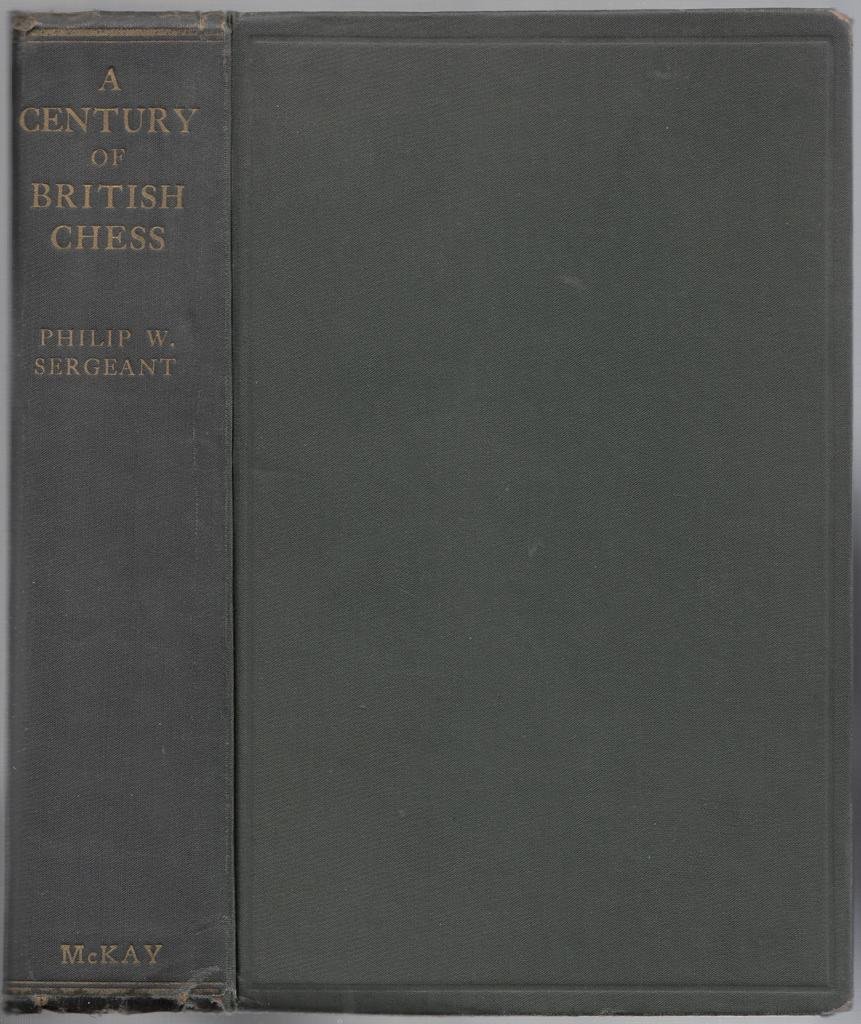
A Century of British Chess, London, 1934
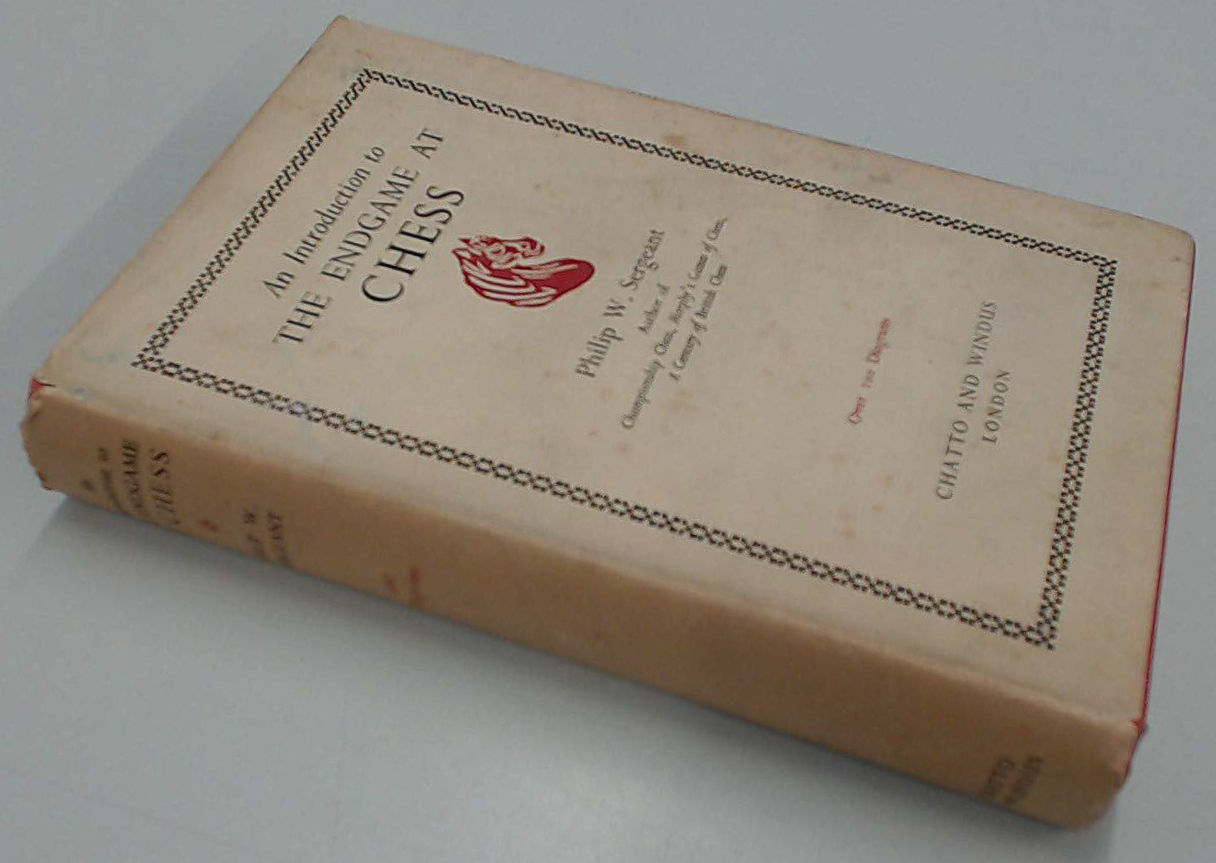
An Introduction to the Endgame at Chess

Remembering WIM Eileen Tranmer (05-v-1910 26-ix-1983)

We remember WIM Eileen Betsy Tranmer who passed away on September 26th, 1983.

Eileen Tranmer
Eileen Tranmer

She was the first English woman to be awarded by FIDE the Woman’s International Master title in 1950.

“From The Anglo-Soviet Radio Chess Match by Klein and Winter :

Miss E. Tranmer was born in Scarborough, North Yorkshire in 1910, and learned chess at the age of six. She did not take it up seriously, however, until 1936. Under the tuition of W. Winter she has made notable progress, and her performances include a second prize in the British Correspondence Championship 1944, as well as first prize in one of the subsidiary tournaments at Hastings, 1945.

By profession Miss Tranmer is a musician and has played principal clarinet in the Scottish and Sadler’s Wells Orchestras.”

From British Chess Magazine, Volume CIII (103, 1983), Number 11 (November), page 482-83 (presumably written by Bernard Cafferty) :

“Eileen Tranmer died in hospital at Ticehurst on September 26th after a long illness. Born in Scarborough, May 5th 1910, she was a professional clarinet player and played in a number of prominent British orchestras till forced to retire by deafness.

Mandatory Credit: Photo by ANL/Shutterstock (3880870a) Miss Eileen Tranmer The British Women's Chess Champion Pictured Here Playing A Clarinet In The Orchestra While Appearing At The Theatre Royal Glasgow.
Mandatory Credit: Photo by ANL/Shutterstock (3880870a)
Miss Eileen Tranmer The British Women’s Chess Champion Pictured Here Playing A Clarinet In The Orchestra While Appearing At The Theatre Royal Glasgow.

One of the leading British players in the two decades after the war, Eileen won the British Ladies Championship in 1947, 1949 (with a 100% score), 1953 and 1961, and played in the British Championship at Buxton, 1950. Her international record was sparse, as was the case with nearly all English players of that period. Nevertheless, she made her mark in the 1949-50 first post-war Women’s World Championship where she finished 5-7th in a field of 16, beating Bykova, again, and finished 7th in the field of 16.

37th Hastings International Chess Congress, 1962. USA Ladies champion Lisa Lane (L) playing against British Champion Eileen Tranmer

We are grateful to WCM Dinah Norman for sending us these memories :

“Eileen Tranmer was one of the best English chess lady players of her generation.

I only played her once at Oxford in an International Ladies Tournament held between 24 July and 1 August 1971. Eileen totally outplayed me and I lost the game.

Eileen was a member of Acton Chess Club where there were three active lady players at that time. They were Jean Rogers, Olive Chataway and Eileen. Eileen lived in Acton then.
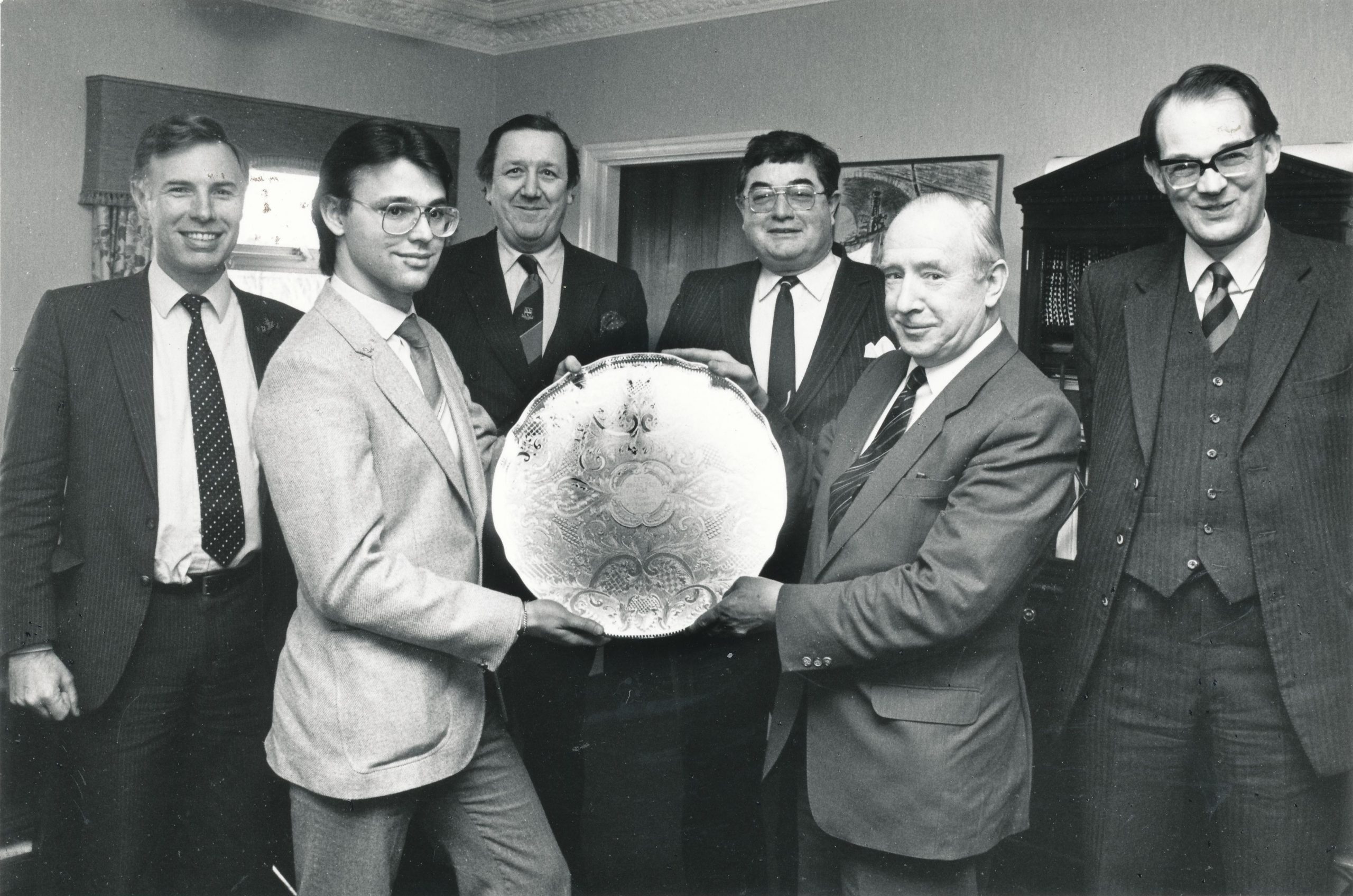
Miss Eileen Tranmer The British Women's Chess Champion.
Mandatory Credit: Photo by ANL/Shutterstock (3880957a)
Miss Eileen Tranmer The British Women’s Chess Champion.

Eileen was a professional musician and had to stop playing when she became deaf which was dreadful for her.

In 1969 Eileen, Rowena Bruce and I were selected to play in the Ladies Chess Olympiad Team in Lublin, Poland. Sadly Eileen was taken ill just before the event so Rowena and I had to play all 13 rounds without a break. I was on Board 1 and at the end Rowena and I were exhausted and I had to withdraw from a tournament in the Czech Republic without playing a game. The food in Poland was awful so we said never again!
 

Miss Eileen Tranmer The British Women's Champion Chess Player Pictured Playing Some Of The Glasgow Ladies Chess Club At The Green's Playhouse Cafe Glasgow.
Mandatory Credit: Photo by ANL/Shutterstock (3880958a)
Miss Eileen Tranmer The British Women’s Champion Chess Player Pictured Playing Some Of The Glasgow Ladies Chess Club At The Green’s Playhouse Cafe Glasgow.

Eileen was very friendly with Harry Golombek. The expectation among the lady chess players was that they would get married but she never did. Harry did not drive and Eileen was very kind driving Harry and his elderly mother around.

Very sadly Eileen’s brother was killed in a car crash and after that Eileen suffered mental problems. Eileen lived near John and Jean Rogers and John said Eileen would turn up at their home in the middle of the night wanting to play chess.

At Hastings 1959-1960 : Yugoslavia's red-haired Milanka Lazarevic and Britain's Eileen Tranmer ran away with the Premier Reserves (afternoon event).
At Hastings 1959-1960 : Yugoslavia’s red-haired Milanka Lazarevic and Britain’s Eileen Tranmer ran away with the Premier Reserves (afternoon event).

The last time I saw Eileen was at Paignton. Her friend Olive Chataway brought her to Paignton and Eileen played in the bottom tournament and did badly. Eileen did not recognise myself or Rowena which was very sad.


Mandatory Credit: Photo by ANL/Shutterstock (4745287a) Miss Eileen Tranmer 43-year-old British Women's Chess Champion. Box 556. Miss Eileen Tranmer 43-year-old British Women's Chess Champion. Box 556.
Mandatory Credit: Photo by ANL/Shutterstock (4745287a)
Miss Eileen Tranmer 43-year-old British Women’s Chess Champion. Box 556.

Eileen later left Acton and moved to Tring. Eileen was a pleasant and modest person and was well liked. She had a good sense of humour.”

From the obituary in The Times of London we learn that her last few years were over-shadowed by an illness that preyed on her mind.

We take the following game from the August 1944 issue of BCM. The game was played in the BCCA Championship, and curiously enough there was an enquiry about that event to the BCF only a short while ago – a Georgian journalist wishes to quote that wartime performance as an early example of success by a woman in male chess company! ”

Gerald Abrahams in Not only Chess, wrote about Eileen (Chapter 18 : What Achilles Saw Among Women) as follows :

“To revert to the British Ladies, they were joined in the late 1930s by a very able pupil of Miss Menchik, the Yorkshire Clarinettist Eileen Tranmer; a woman whose chess I have seen to express some admirable qualities of mind and character. I had the privilege of watching her is Moscow in 1949-50, when, handicapped by influenza of a particularly virulent kind – what the Russians call “grippe” – she won some five or six consecutive games, to finish in the prize list of the new official Women’s World Championship. There had been two championships before, which Vera has won easily. Since Vera had unhappily perished in the Blitz, they looked at Moscow for her successor.”

Here is her Wikipedia entry

WIM Eileen Betsy Tranmer & WIM Rowena Mary Bruce at the 1946 Anglo-Soviet Radio Match

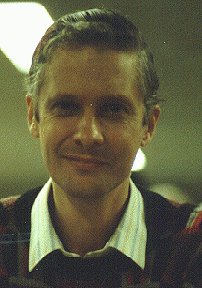
Remembering FM Max Fuller (28-i-1945 27-viii-2013)

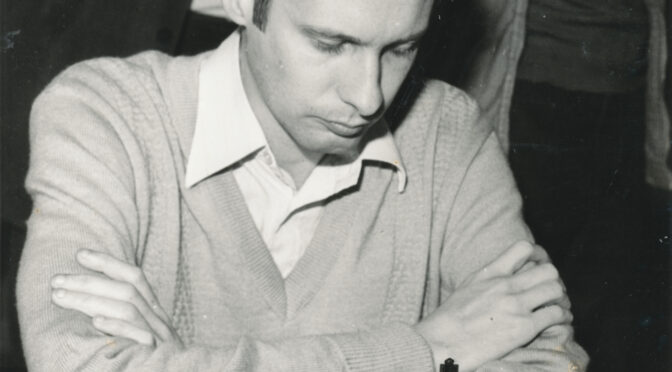
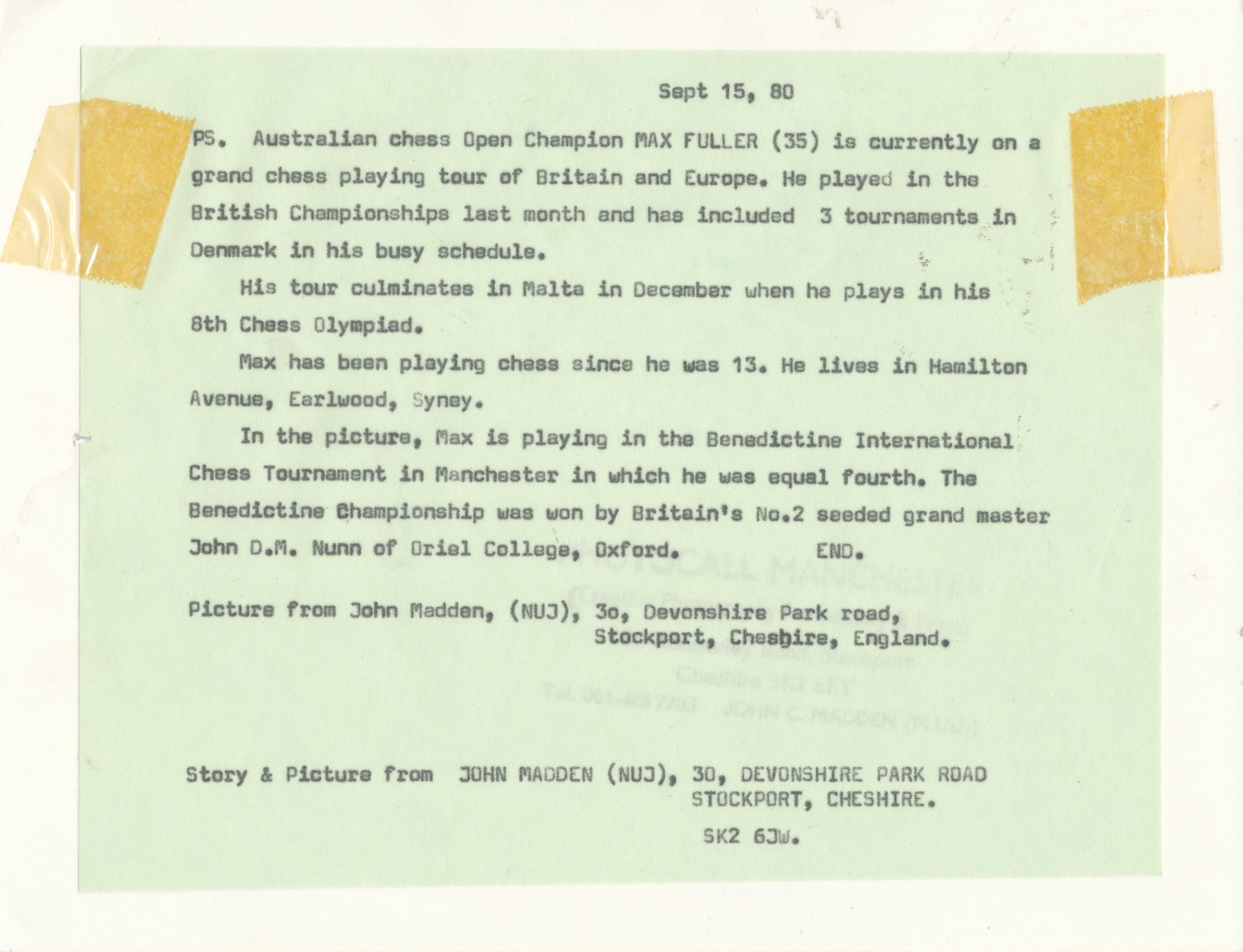
September 15th, 1980. Australian Open Chess Champion Max Fuller (35) is currently on a grand chess playing tour of Britain and Europe. He played in the British Championships last month and has included three tournaments in Denmark in his busy schedule. His tour culminates in Malta in December when he plays in his 8th chess Olympiad. Max has been playing chess since he was 13. He lives in Hamilton Avenue, Earlwood, Sydney. In the picture Max is playing in the Benedictine International Chess tournament in Manchester in which he was equal fourth. The Benedictine Championship was won by Britain's number 2 seeded Grandmaster John DM Nunn of Oriel College Oxford. Picture from John Madden (NUJ)
September 15th, 1980. Australian Open Chess Champion Max Fuller (35) is currently on a grand chess playing tour of Britain and Europe. He played in the British Championships last month and has included three tournaments in Denmark in his busy schedule.
His tour culminates in Malta in December when he plays in his 8th chess Olympiad.
Max has been playing chess since he was 13.
He lives in Hamilton Avenue, Earlwood, Sydney.
In the picture Max is playing in the Benedictine International Chess tournament in Manchester in which he was equal fourth.
The Benedictine Championship was won by Britain’s number 2 seeded Grandmaster John DM Nunn of Oriel College Oxford.
Picture from John Madden (NUJ)

BCN Remembers FM Max Fuller (28-i-1945 27-viii-2013)

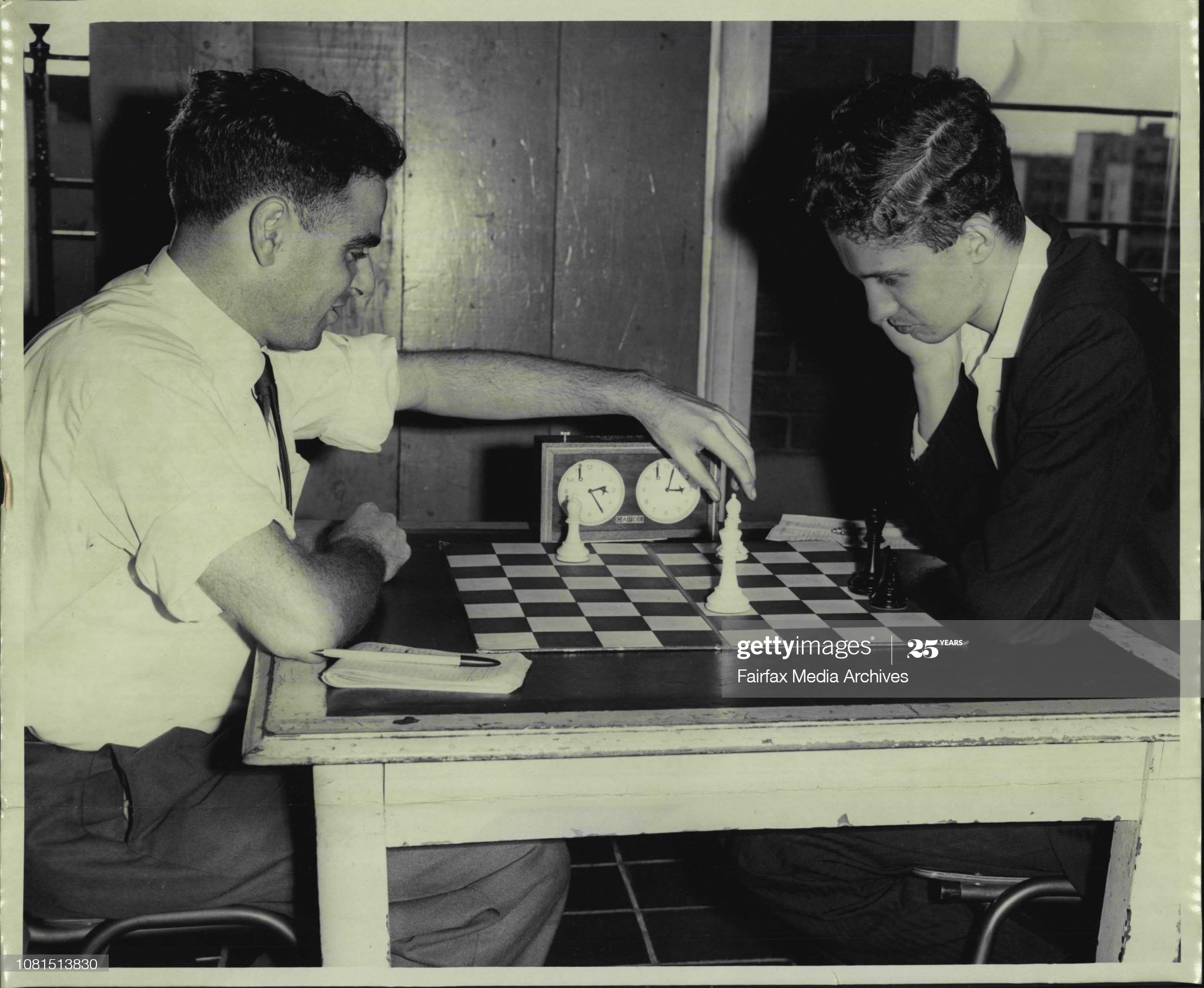
Tonight two Sydney ***** the N.S.W. Chess Championship at the Chess centre Liverpool St., City. They are Fred E Flatow, 28 of Belmore (left.) and Max Fuller, 21, of Kingsgrove (right). They have been playing for about 10 Hrs up till 6.15 p.m. and had move 121. The match will go on till move 144 at which stage a draw will be declared or until either man wins before then. February 23, 1966. (Photo by Richard John Pinfold/Fairfax Media via Getty Images).

Maxwell Leonard Fuller was born on Sunday, January 28th 1945 in Sydney, New South Wales. He was brought up by his mother and, according to Ian Rogers, his step-father with whom he did not get on.

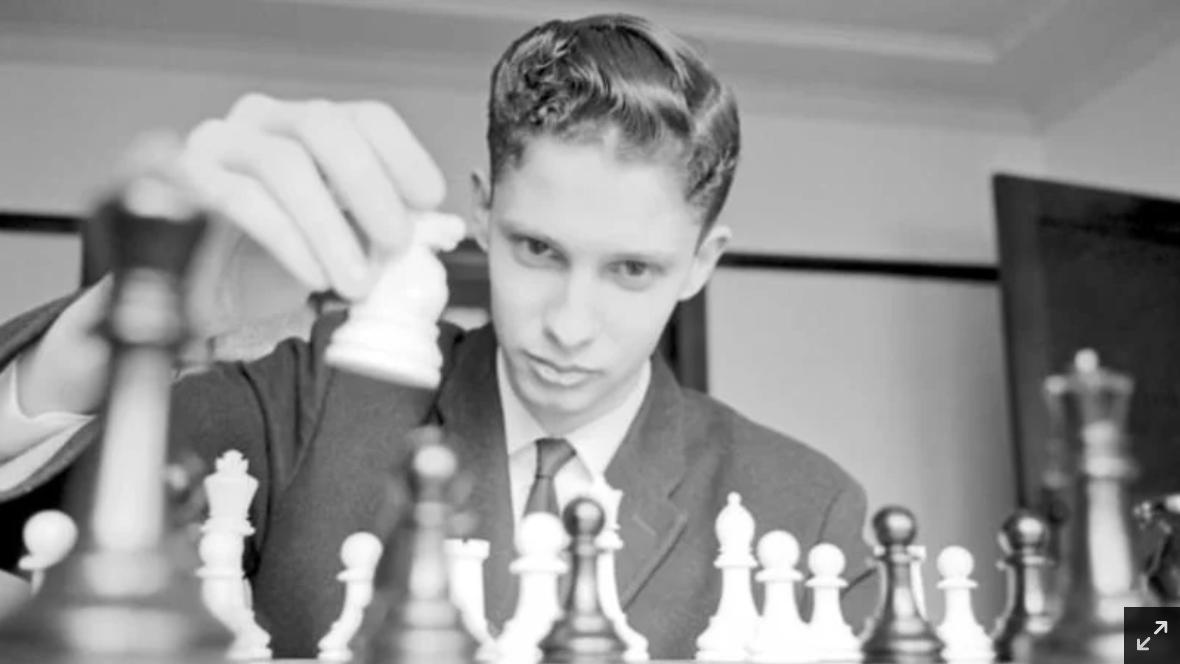
Knight moves: Max Fuller in 1964. He went on to become Australia's No.1 player and toured the world.CREDIT:STUART MACGLADRIE
Knight moves: Max Fuller in 1964. He went on to become Australia’s No.1 player and toured the world.CREDIT:STUART MACGLADRIE

He was Australian Junior Champion in 1962.

He won the New South Wales title in 1965 (and then in 1986 and 1988).

Max came to England in late 1968 to play at Hastings and then chose to settle here. He played for Lewisham chess club. He won the Whitby Open in 1969 (See BCM, Volume LXXXIX, Number 8, page 264).

In the 1970s be played board one for Australia whilst maintaining a FIDE rating of 2450, and, according to chessgames.com : “Fuller finished equal second in the British championship in 1970 and 1975, winner of the Doeberl Cup three times, winner of the Australian Open three times, Joint Australian Champion 1972 with Trevor Hay and competed in nine Olympiads for Australia from 1964-1990. In 1974, he won the 101st Athenaeum Chess Club Jubilee tournament, held in London.”

He became a FIDE Master in 1980

Fuller returned to chess in 2004 after an eight-year absence and finished equal second in the 2004 and 2005 NSW championships.

According to IM Gary Lane : “Max had a heart attack and died on the day he was attending the funeral of his pal Peter Parr”

With the white pieces Max essayed the Ruy Lopez with a penchant for the exchange variation but nonetheless he was flexible and varied.

As the second player against 1.e4 he was versatile with a broad range of defences and likewise facing 1.d4/1.Nf3 he was difficult to prepare for.

According to British Chess Magazine, Volume CXXXIII (2013), Number 9 (September), page 450 :

“From Australia the saddest of news, the passing Maxwell Leonard Fuller (28 i 1945 Sydney – 27 viii 2013 Sydney). FM Max Fuller played in seven BCF Championships, 1969 -80. He later claimed the scalps of Short, Miles and Chandler. He was the most determined player imaginable and had the broadest of opening repertoires. (James Pratt)”

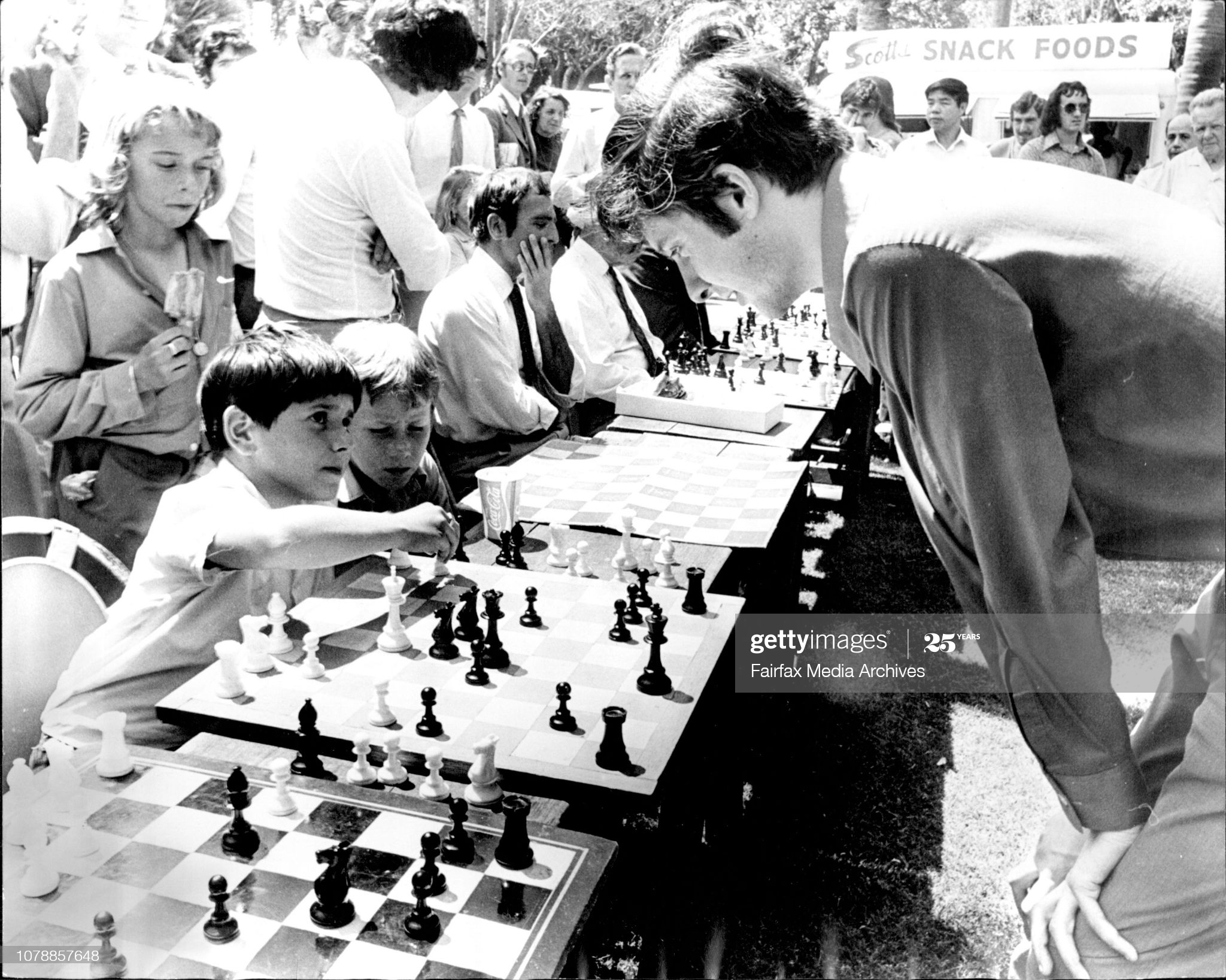
Aleandro Trimboli (10) of Leichhardt plays Mr Max Fuller of Newtown, Australian Open Chess Champion. As part of the Waratah Festival Celebrations the NSW Chess Association is conducting chess games with chess champions playing up to 30 players at once, in Hyde Park. October 17, 1973. (Photo by Golding/Fairfax Media via Getty Images).

In this obituary from Ray Keene, Ray very thoughtfully provides a game in which Max loses to Ray.

GM Ian Rogers wrote this detailed obituary

Greg Canfell posted this item

Max Fuller at the Doeberl Cup in 1985. Photo : William Anderson-Smith

Here is his Wikipedia article

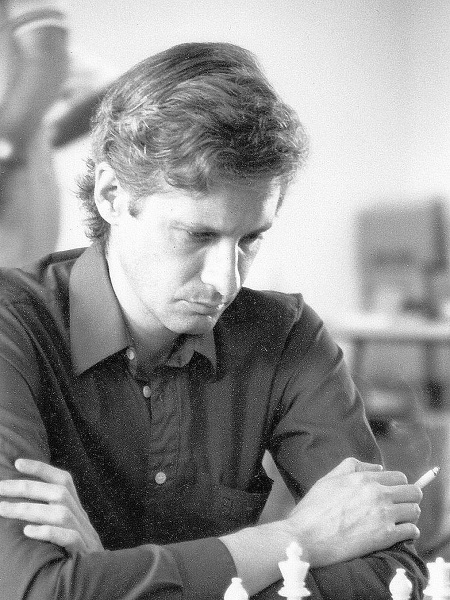
FM Max Fuller (28-i-1945 27-viii-2013) from around 1992
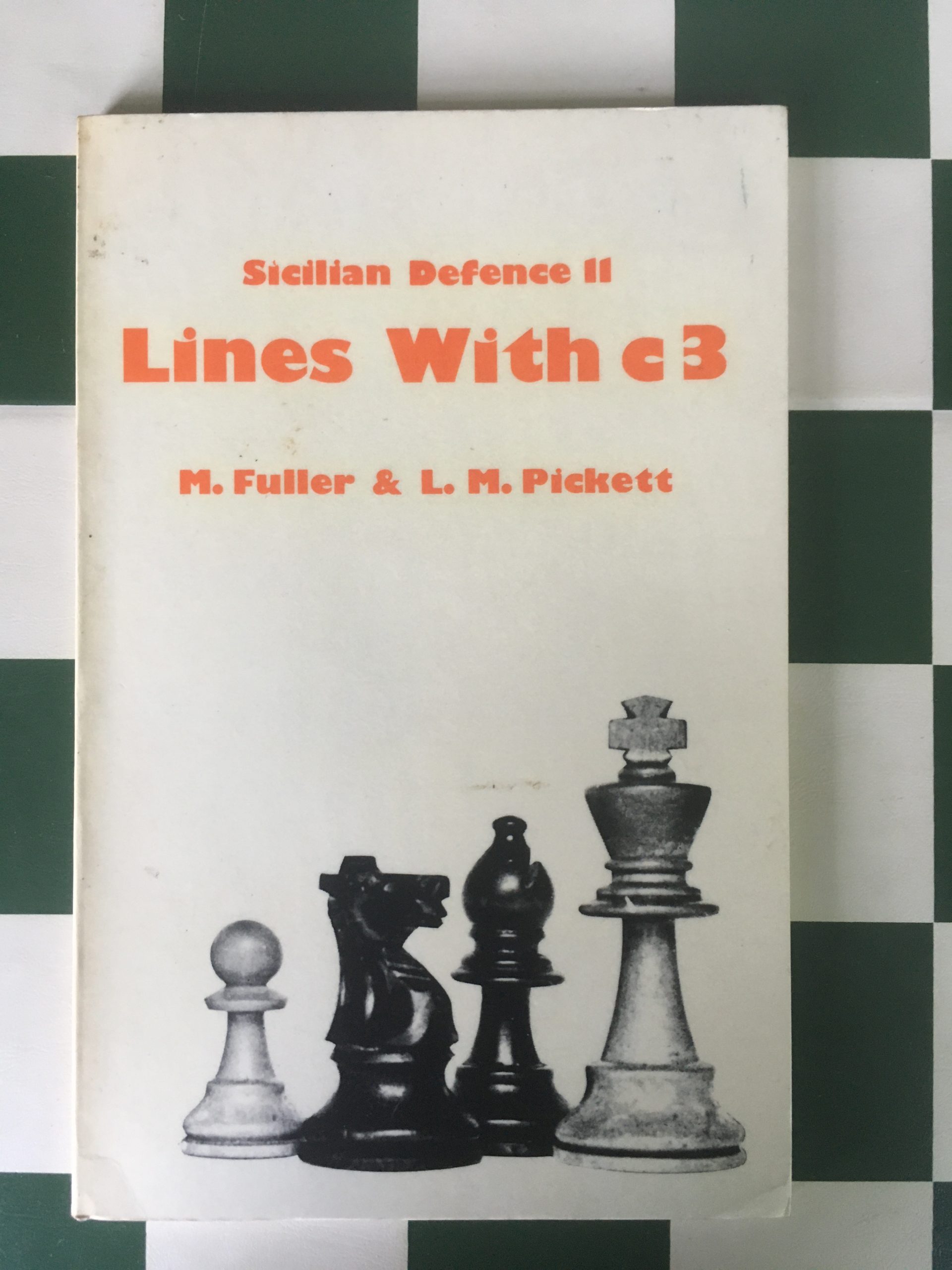
Sicilian Defence 11 Lines with c3, Max Fuller and Len Pickett, The Chess Player, 1977, ISBN ?


Remembering Ernst Klein (29-i-1910 22-viii-1990)

Remembering Ernst Klein (29-i-1910 22-viii-1990)

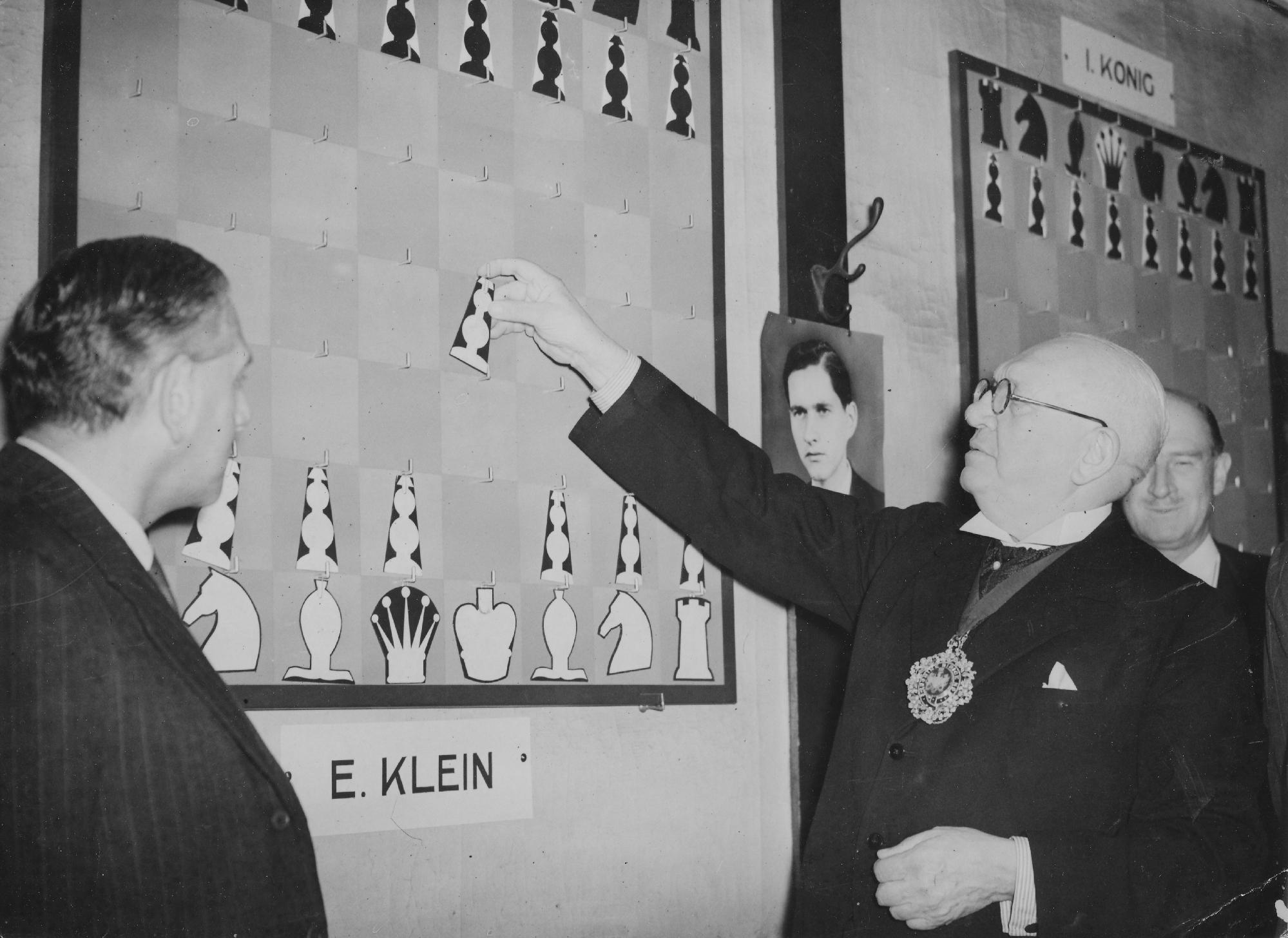
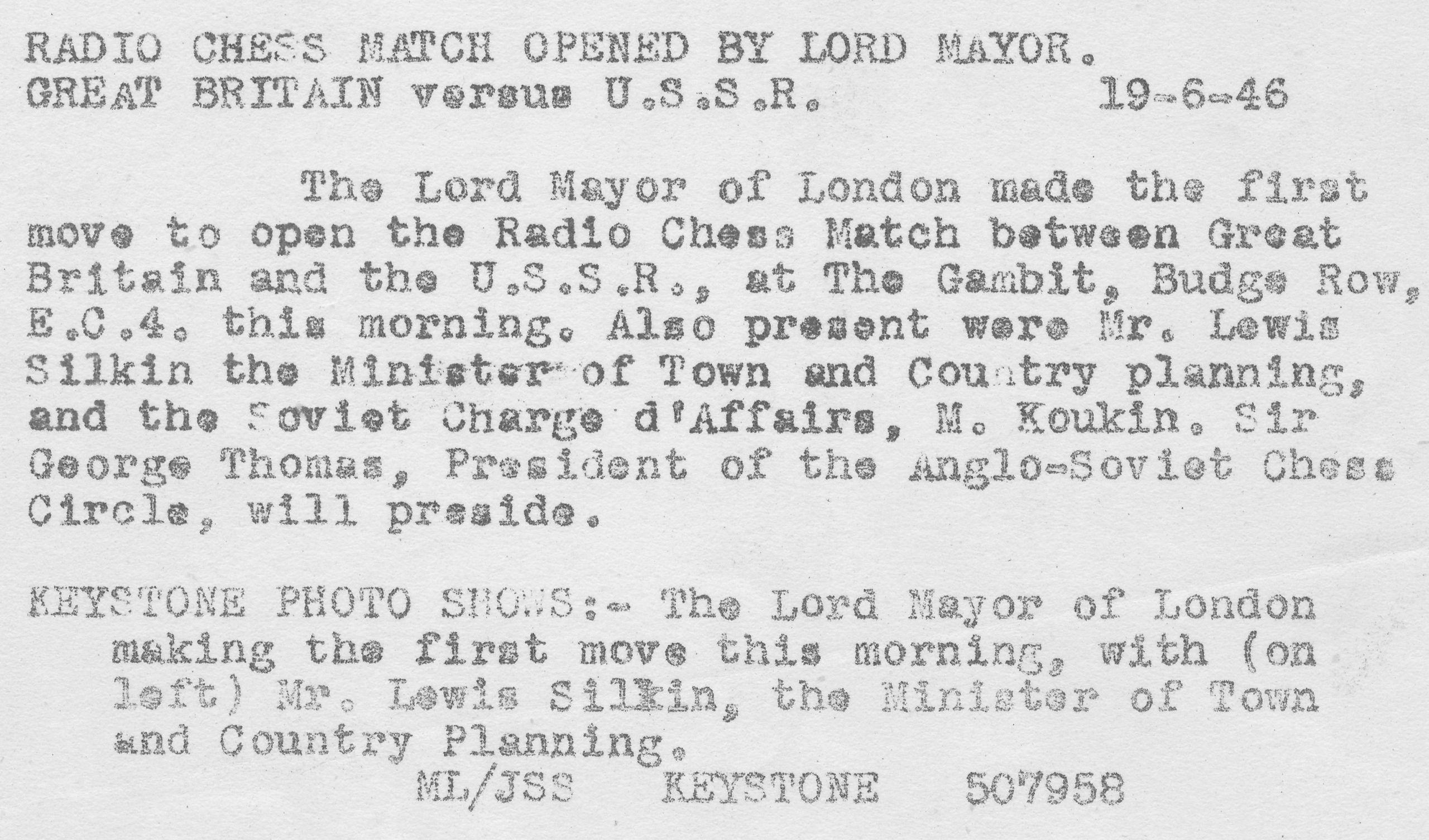
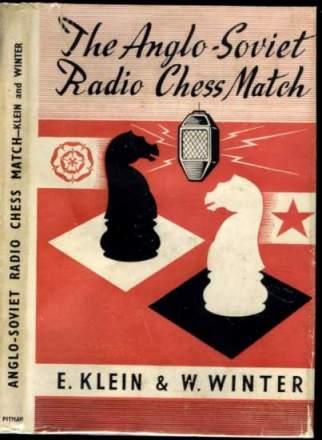
From CHESS, July 1946 (and also The Anglo-Soviet Radio Chess Match) :

Since Ernst Klein came to England in 1935 his play has earned our ungrudging admiration. Born in Vienna, 1910, he learned chess at the age of eleven. His grandmother taught him the moves, his father having died when he was eight. Steinitz was a frequent guest in his grandparents house. At eighteen, he shared first, second and third prizes in the Championship of Vienna. Before coming to England, he had lived for some years in Switzerland, France and Italy and his French, German and English are equally impeccable. In his last tournament at Bournemouth, in 1939, he finished equal with Flohr after Euwe ahead of König, Landau, Aitken and others. He met his wife, who is an Englishwoman, during the blitz. They were married in 1944. He holds a London University degree and teaches mathematics in Southend.

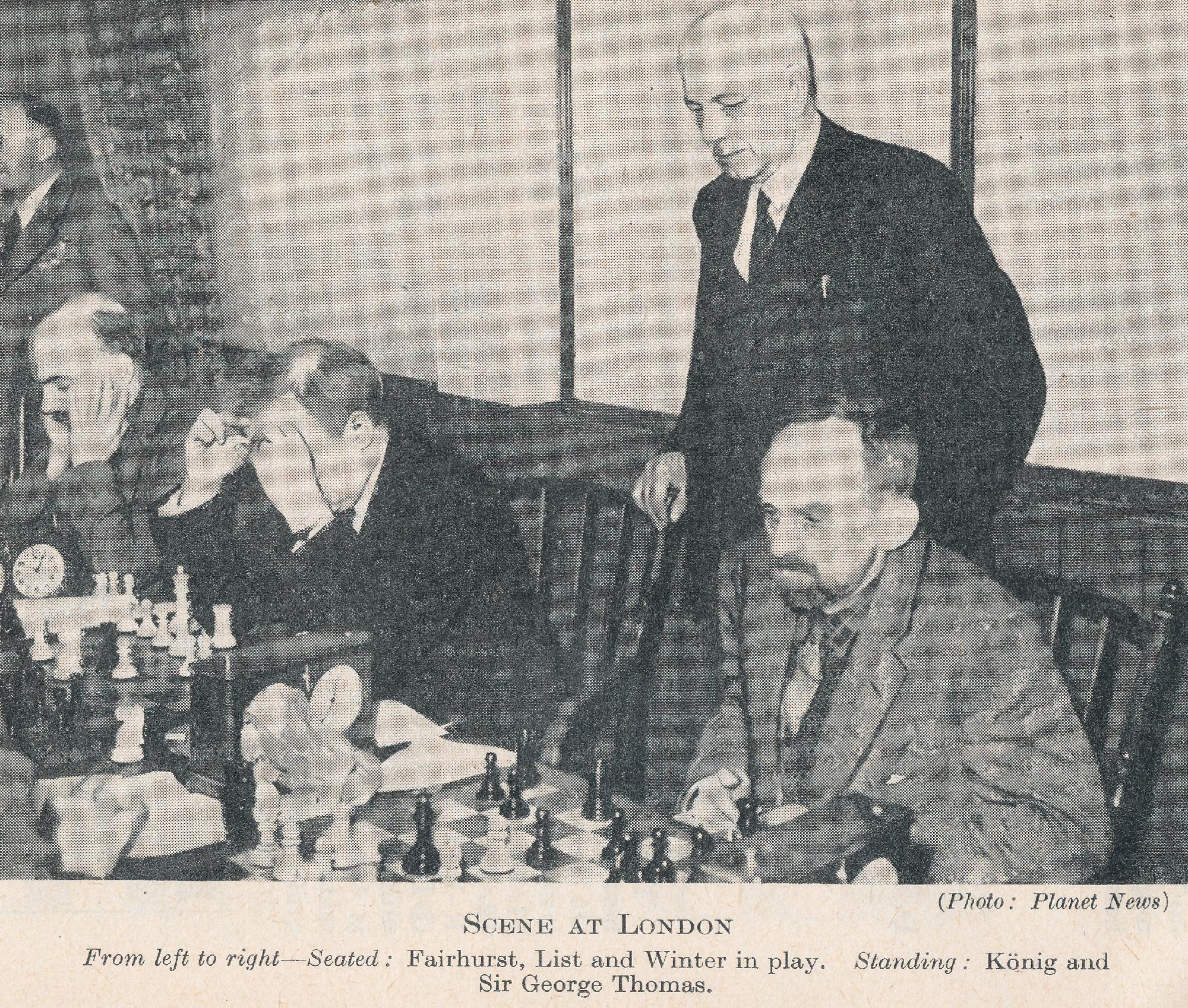
Scene at London. From left to right - Seated : Fairhurst, List and Winter in play. Standing König and Sir George Thomas
Scene at London. From left to right – Seated : Fairhurst, List and Winter in play. Standing König and Sir George Thomas

About 1940, he offered to give any opponent in Great Britain the odds of the draw.; his challenge was never taken up, no doubt owing to the conditions of the moment, but we imagine there would be many “takers” if it were repeated now.”

Later, Klein clarified matters by writing What I said was: “I am ready to accept the challenge of any player in this country and am prepared to give the odds of a draw in a contest at least twelve games if he so wishes. That is, I offered to concede victory on a score of 6 : 6 draws counting, which is the necessary and sufficient condition to justify my offer. It is still open.

See below photograph for caption
Caption for above photograph


Here is his Wikipedia entry

Edward Winter has written a detailed article here.

According to Edward Winter in Chess Notes Klein lived at 4 St George’s Drive, Westcliff-on-sea, Essex, England (The Times, 11 March 1978, page 13).

The Anglo-Soviet Radio Chess Match (1947, Pitman)

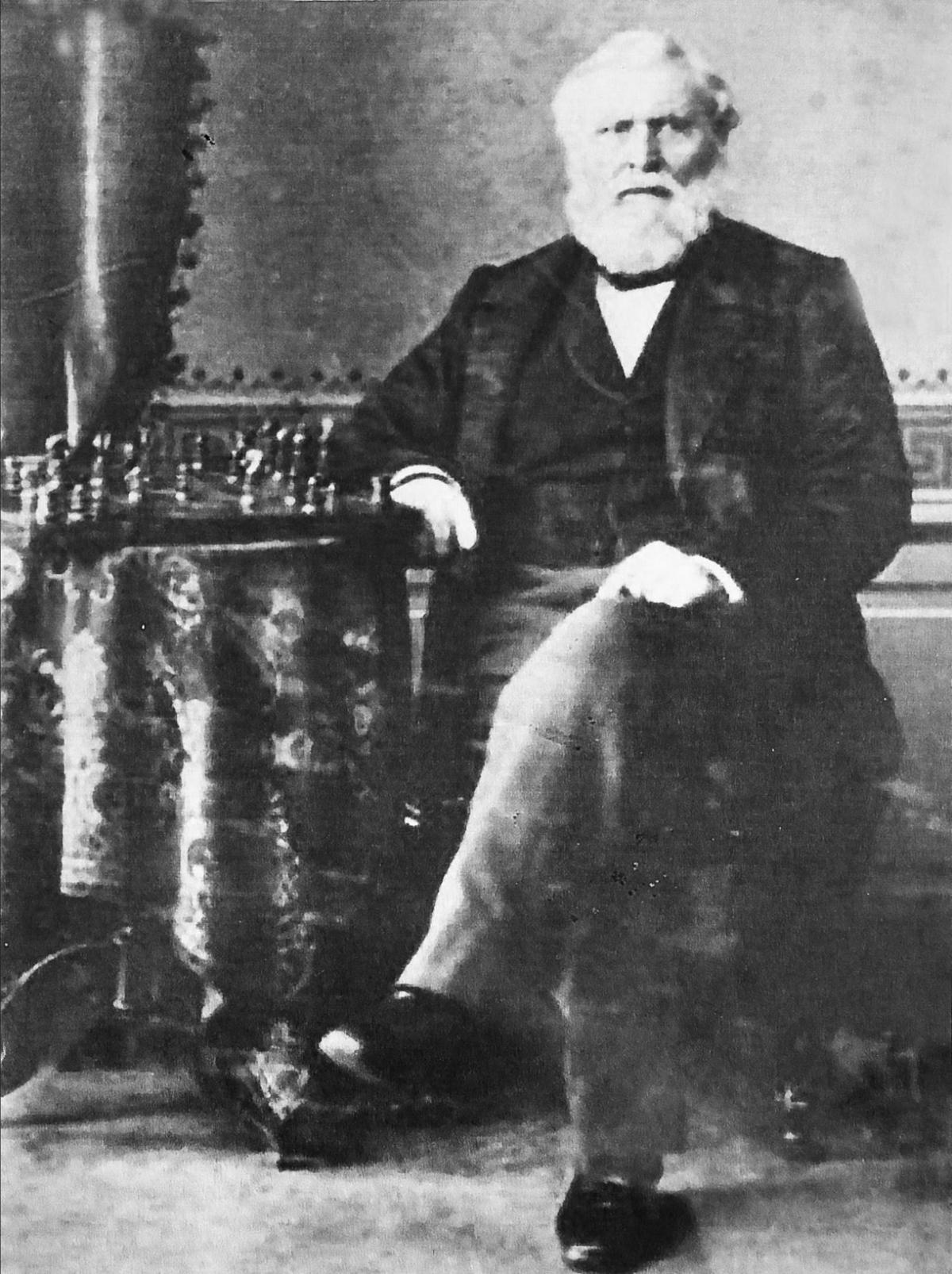
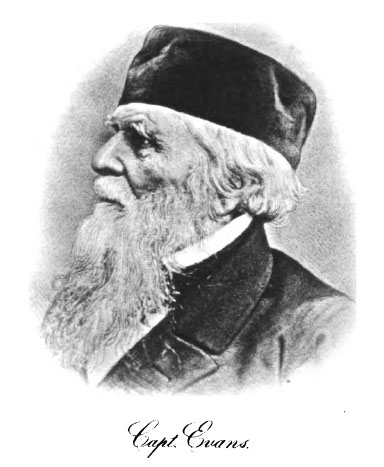
Remembering Captain William Davies Evans (27-i-1790 03-viii-1872)

Captain William Davies Evans (27-i-1790 03-viii-1872)

William Davies Evans was born on the 27th of January, 1790 at Musland Farm in the parish of Saint Dogwells, Haverfordwest, Pembrokeshire, SA62 5DT. His parents were John (a farmer by trade) and Mary Davies. William was baptised on September 21st 1814 in Steynton, Pembrokeshire. The service was conducted by WM Lloyd, Curate of Burton, Pembrokeshire.

It would appear from baptism records (Steynton) that WD had a younger brother Robert Joseph, baptised on the same day in September.

Captain William Davies Evans (27-i-1790 03-viii-1872)

From The Oxford Companion to Chess (OUP, 1984) by Hooper & Whyld :

“Inventor of the Evans gambit, for about half a century one of the most popular attacking weapons. He was born in (Musland Farm in the parish of Saint Dogwells,) Pembroke, Wales, went to sea at the age of 14, was employed by the Postal Department from about 1815, and rose to the rank of captain four years later. In 1824, soon after taking command of the first Royal Mail steam packet to sail from Milford Haven to Waterford, and while aboard, he invented his gambit.

Evans was a keen player. He gathered a small chess circle in Waterford, and when on leave in England played chess in London, notably in 1826 when he showed his gambit to Lewis and McDonnell, and in 1838 when he played a long series of games with Staunton at the Westminster Chess Club.

In Jan. 1840 he was pensioned off on account of ill-health. He went to Greece, became captain of a steamer that sailed the Mediterranean, and returned to London at the end of 1842. During the next 13 years there are several accounts of his presence in London, and then he settled abroad. He died and was buried in Ostend,

Evans claimed to have solved the three pawns problem (See below) , which, however, had already been solved by others.

His claim to the invention of tri-coloured lighting for ships has not been verified independently, although he is known to have investigated the subject. For this invention he states that the Tsar of Russia gave him a gold chronometer, and that he also received money. For a more detailed life of Captain Evans see British Chess Magazine, 1928, pp, 6-18.”

The Evans Gambit is a variation of the Giuoco Piano or Italian Game:

When Evans originally devised his gambit the move order was slightly different :

in which White sacrifices the b-pawn for increased central control and development viz :

From The Encyclopedia of Chess (Robert Hale, 1970 & 1976) by Anne Sunnucks :

“Inventor of the Evans Gambit, an opening described by a player in the last century as ‘A yellow fever attack : if you live through the initial stages and avoid any carelessness that may bring on a relapse, you will come out alright’.

Captain Evans discovered the gambit in about 1824. It was a favourite opening during the last century and was adopted by a number of leading players including La Bourdonnais and Morphy.

For some years Commander in H.M. Royal Mail Packet Service on the Milford and Waterford station, Captain Evans later became Commander in the P.& O. Company’s service and agent for the Royal Mail Steampacket Company, Port Grande. On retirement he lives for many years in Holland and Belgium.

The story is told of how, in 1870, the Grand Duke Nicholas of Russia, brother of the Tsar, was visiting Bruges when he heard that the inventor of the Evans Gambit was living in Ostend. Being a keen chess player he invited Evans to play a game. When Evans had won, the Grand Duke turned to his adversary and said : ‘I believe you invented the Evans Gambit ?’, ‘Yes’ replied Evans ‘and it’s not the only thing I’ve invented for which you have not paid me.’ ‘What’s the other?’ asked the Grand Duke.

Evans then explained that he was the inventor of the ship’s lights which were being used by the Russian Navy, in which the Grand Duke held the rank of Admiral. Several months later Evans was invited to the Russian Consulate in Ostend, where he was handed a letter from the Grand Duke, a gold chronometer, a gold chain and a draft of money, ostensibly in payment for the Russia’s rights to use the captain’s invention in her ships. ”

Enjoy this interesting article from “Introuble2” on chess.com

Evans analyzed the “Little Game of Chess” (an endgame composition involving only two kings with three pawns each)

to independently discover that it actually won for the player who moves first, not drawn as had been believed for over a hundred years.

From The Encyclopedia of Chess (Batsford, 1977) by Harry Golombek we have :

“After his retirement Evans went to live abroad and eventually found a haven in Ostend and there, ill, and almost blind and in very straightened circumstances, he dictated a letter on 22 March 1871, which was published in the Gentlemen’s Journal supplement for June 1872, along with an appeal for him organised by George Walker.

The letter gives the authentic facts of his life and is worth quoting in full, if only to refute various unfounded reports about a meeting with the Tsar’s brother, or according to that rich source of misinformation, the Rev GA MacDonnell, that the Evans Gambit was discovered off the coast of Africa by a middle-aged lieutenant in the Royal Navy -perhaps the reverend gentleman was confusing Waterford with the Canary Islands.

The letter runs :

Williams Davies Evans is a native of Pembrokeshire, South Wales, and was born on 27 January 1790. He commenced a naval career at the age of fourteen. He was about twenty-eight years of age when he first learnt the moves of the game of Chess. Having the advantage of frequent practise with Lieutenant H. Wilson, R.N., who was a player of some reputation in his time, beside corresponding on the subject of the game with the late Mr. W. Lewis, and also with George Walker, the able Chess Editor of Bell’s Life , he made a rapid progress in the game. Captain Evans received at first the odds of a Rook from Lieut. Wilson. After a continuance of play for some years, the odds were greatly reduced, until ultimately Captain Evans succeeded in defeating his formidable antagonist playing even.

About the year 1824, being then in command of a Government Mail Steamer, the passages between Milford Haven and Waterford were favourable to the study of the game of Chess and at this time he invented the Gambit, which bears his name. The idea occurred to him while studying a narration of Giuoco Piano in Sarratts’s Treatise on Chess.

Captain Evans was the first who gave to the world a true solution of that very difficult end game, the King and three Pawns unmoved against King and three Pawns also unmoved. This position was handed down to us through a period of some centuries as a drawn game, but Captain Evans proved that the first player can always win.

Captain Evans acquired some celebrity as “Inventor of the System of Tri-Coloured Lights for Ships to Prevent Collisions at Night”, which has been adopted by all nations possessing a marine. For this invention the English Government awarded him the sum of £1,500 , and the Czar of Russia a gold pocket chronometer, value £160, together with a donation of £200.

The subscription that amounted to over £200 was too late. He died in 1872 and was buried in Ostend where his grave bears the inscription :

To the sacred memory of William Davies Evans, formerly Commander in the Post Office and Peninsular and Oriental Steam Services, Superintendent In the Royal Mail Shipping Company, and inventor of the system of tri-coloured light for shipping. Also well known in the Chess World as the author of the Evans Gambit

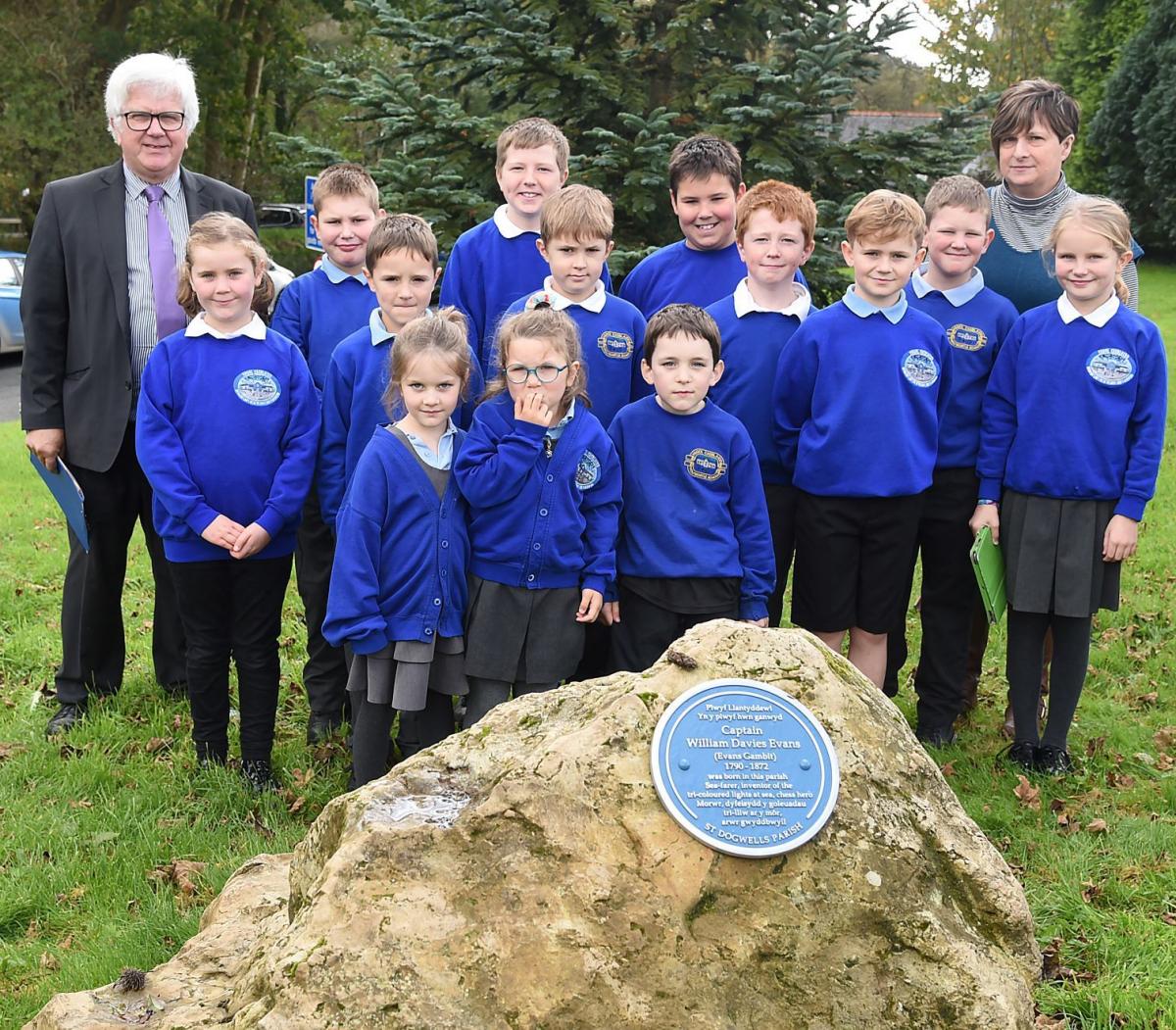
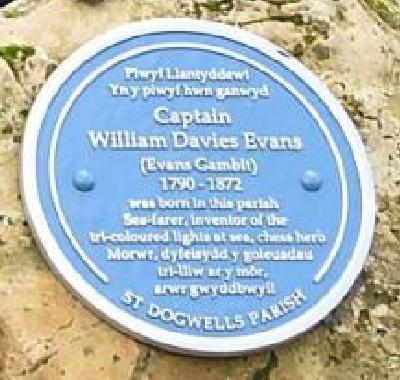
Blue Plaque for Captain WD Evans

Here is his Wikipedia entry.

Read here of the Plaque in Wolfscastle

Blue Plaque for Captain William Davies Evans (27-i-1790 03-viii-1872)
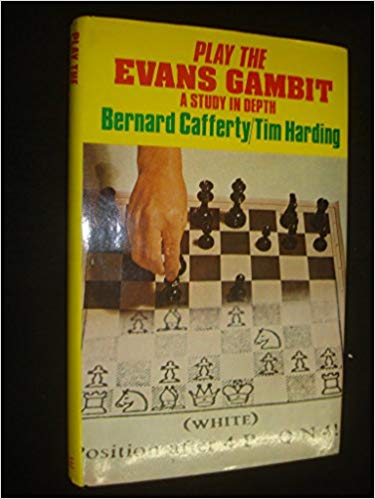
Play The Evans Gambit (co-author Tim Harding). Cadogan. ISBN 1-85744-119-2.

Remembering CM David Anderton OBE (02-viii-1941 01-iv-2022)

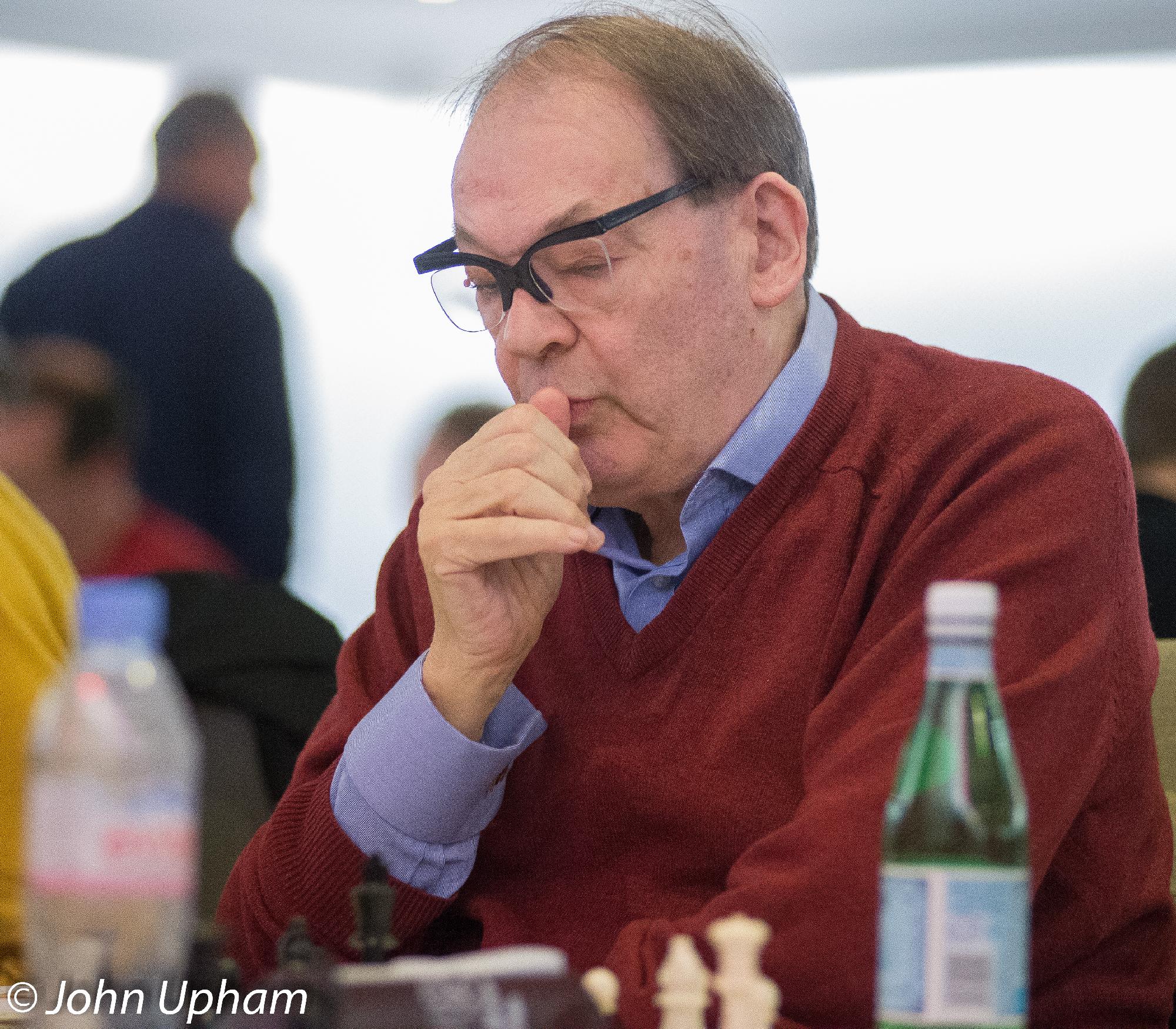
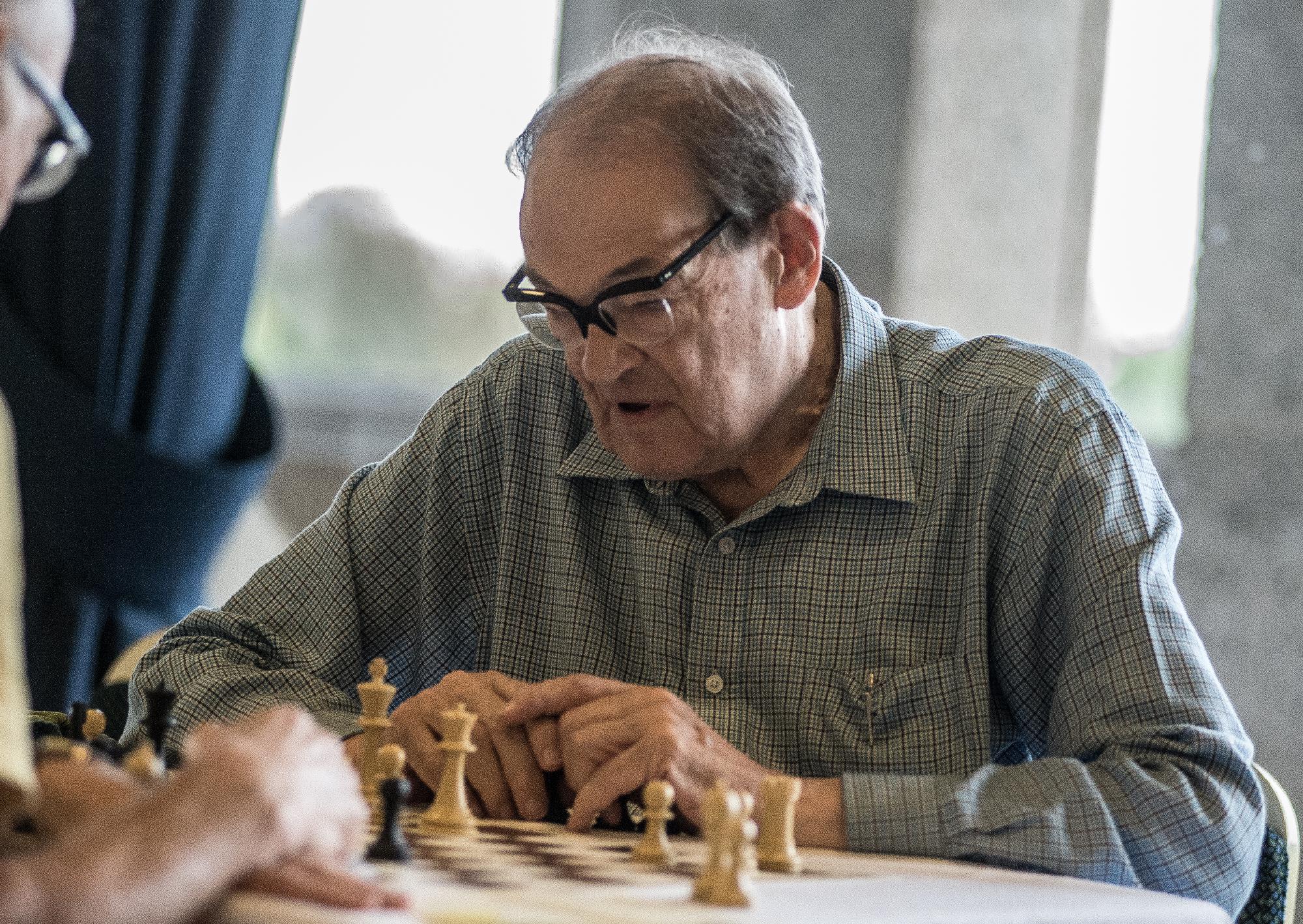
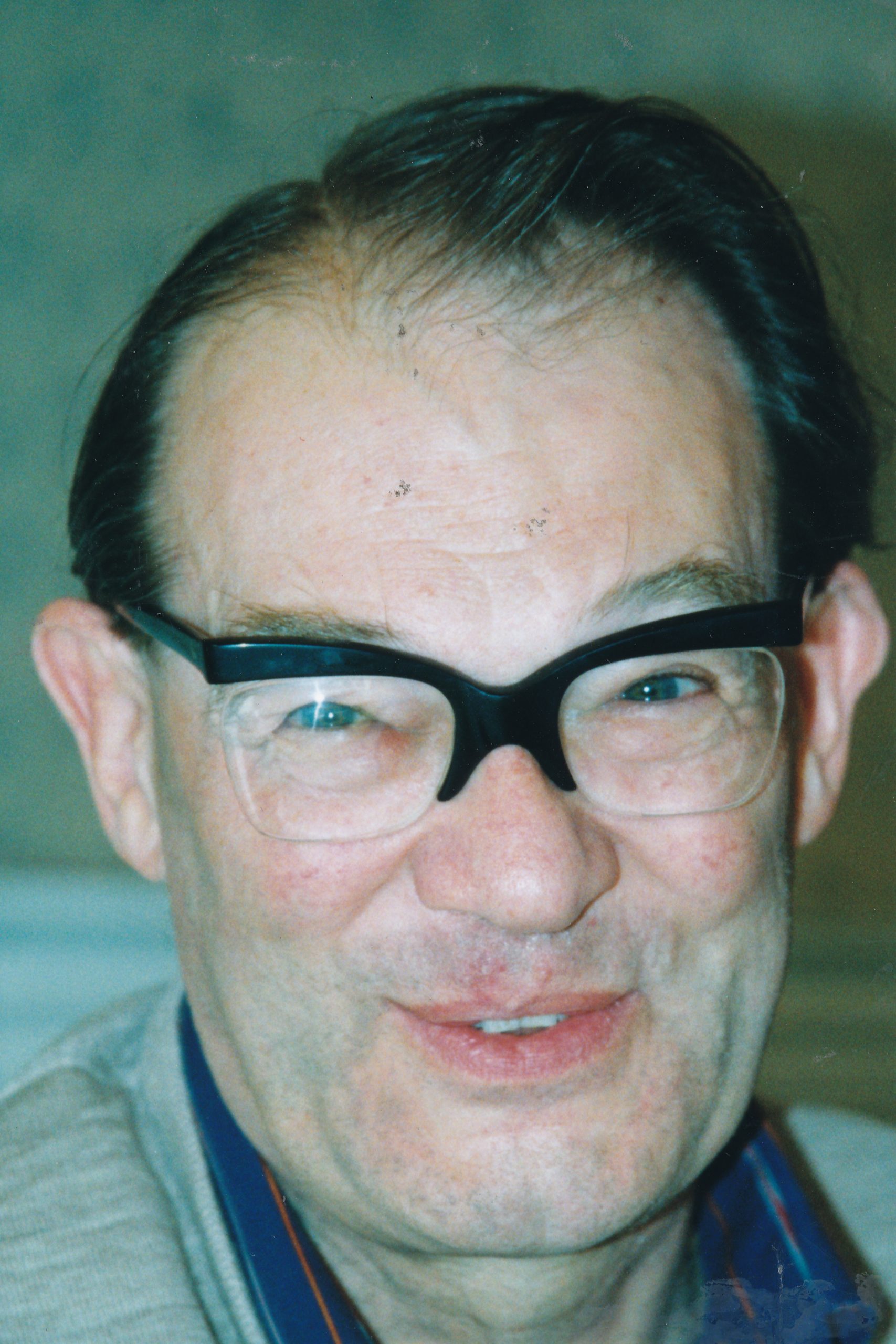
David Anderton OBE from the final 4NCL weekend of 2014, courtesy of John Upham Photography

BCN remembers CM David Anderton OBE who passed away on Friday, April 1st 2022.

In the 1977 New Years Honours List, Civil Division, David was awarded the OBE. The citation read simply : “For services to Chess”

David William Anderton was born in the district of Walsall, Staffordshire, West Midlands. His mother’s maiden name was Coltart and David resided in Walsall.

David was married to Doreen in 2005.

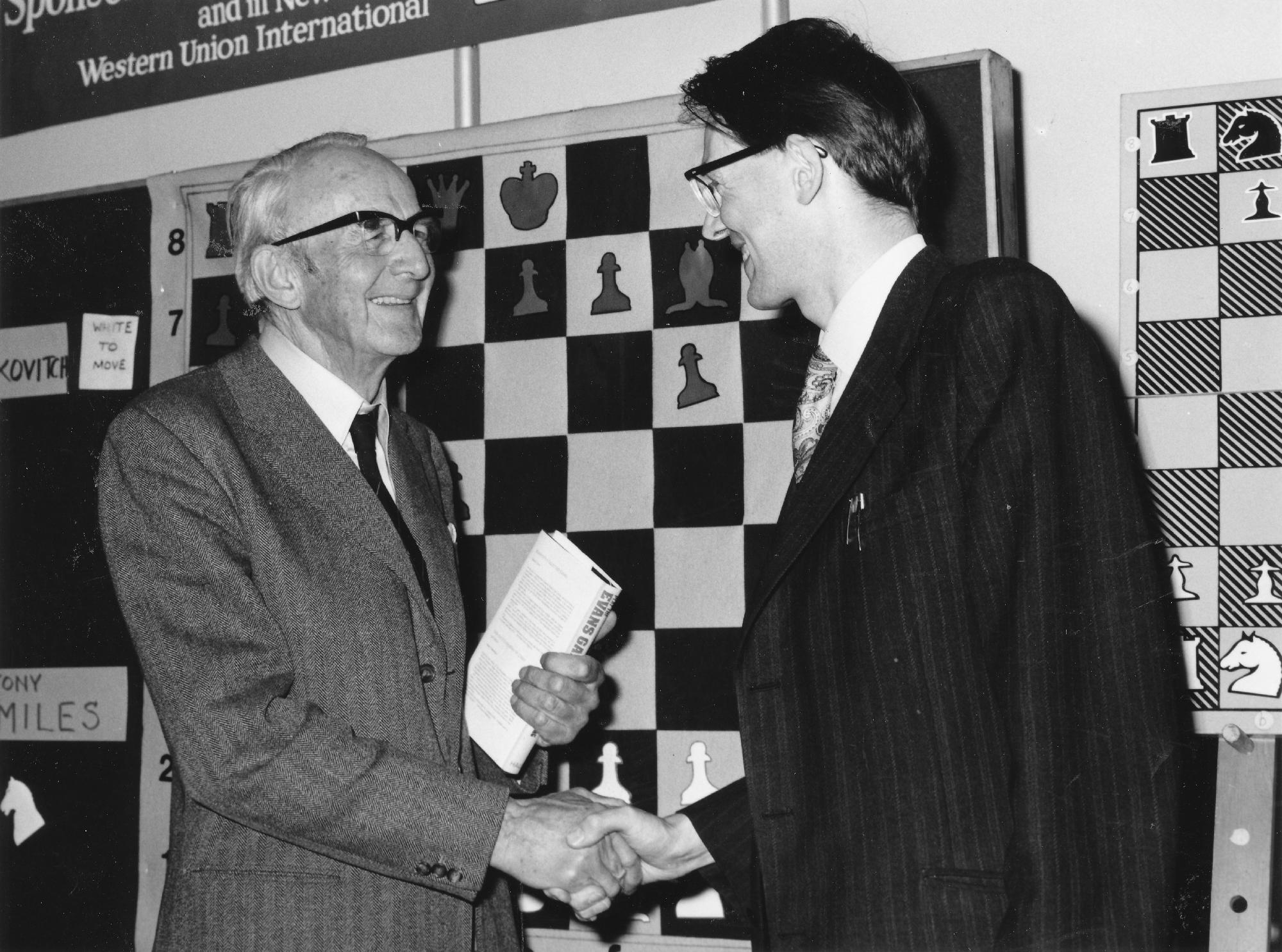
David Anderton (rhs) congratulates Sir Philip Stuart Milner-Barry for winning the "Board of Honour " game versus Edward Lasker at the 1976 Lloyds Bank Match by Telex, London - New York. From BCM, volume XCVI (96) Number 11 (August), Page 494. The venue was the Bloomsbury Hotel, London. Photo courtesy of Lloyds Bank
David Anderton (rhs) congratulates Sir Philip Stuart Milner-Barry for winning the “Board of Honour ” game versus Edward Lasker at the 1976 Lloyds Bank Match by Telex, London – New York. From BCM, volume XCVI (96) Number 11 (August), Page 494. The venue was the Bloomsbury Hotel, London. Photo courtesy of Lloyds Bank

David was an Honorary Life Vice-President of the English (formerly British) Chess Federation.

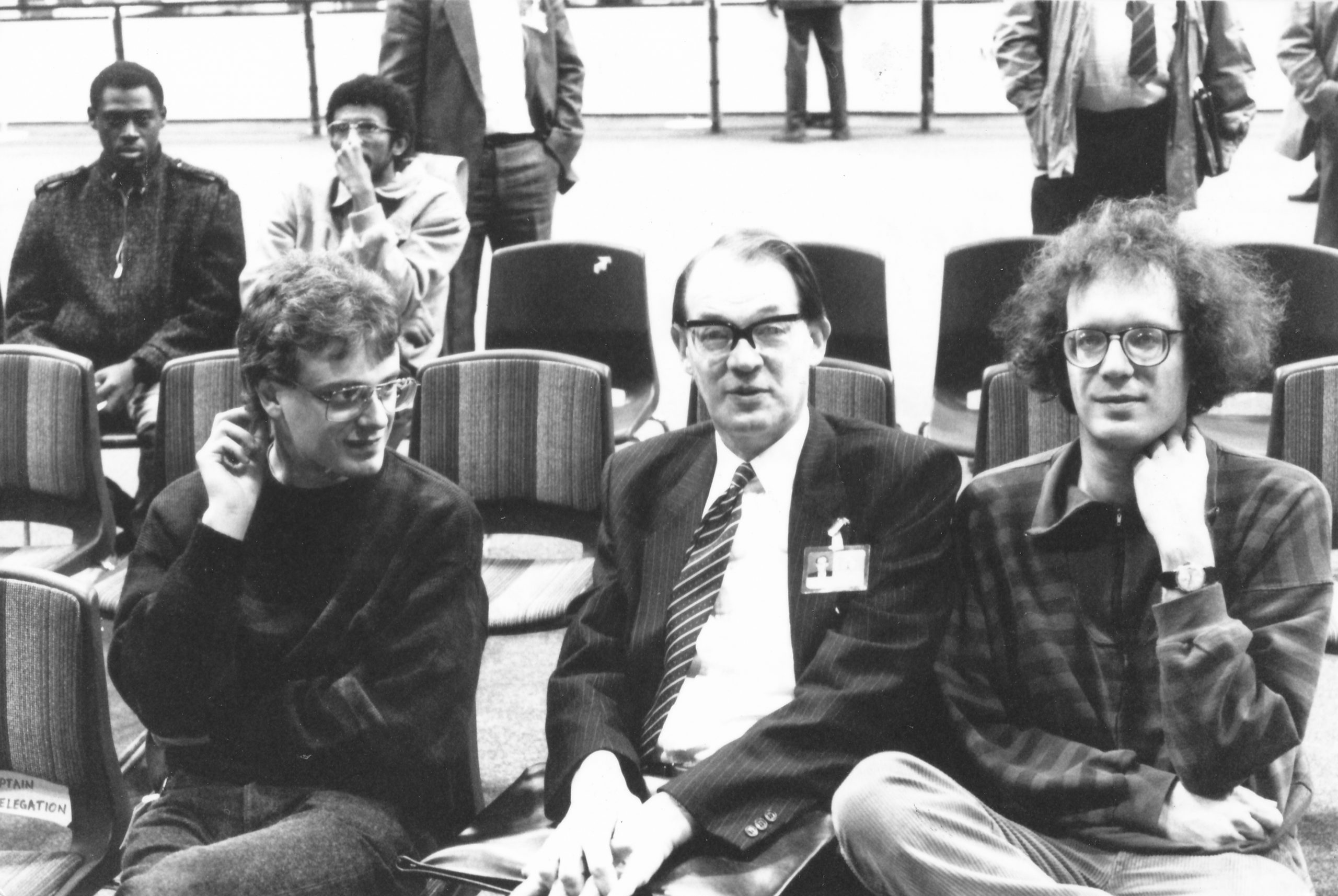
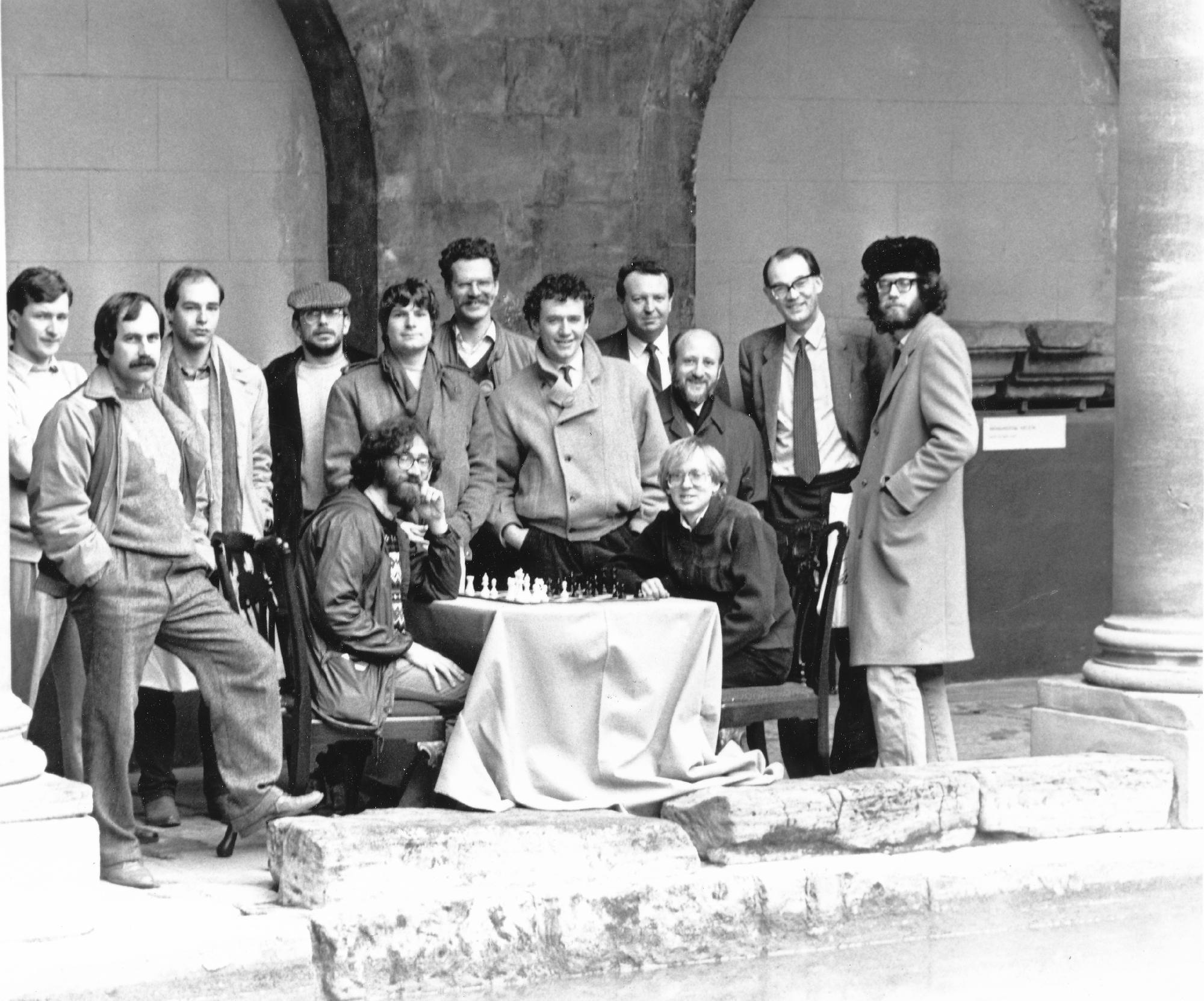
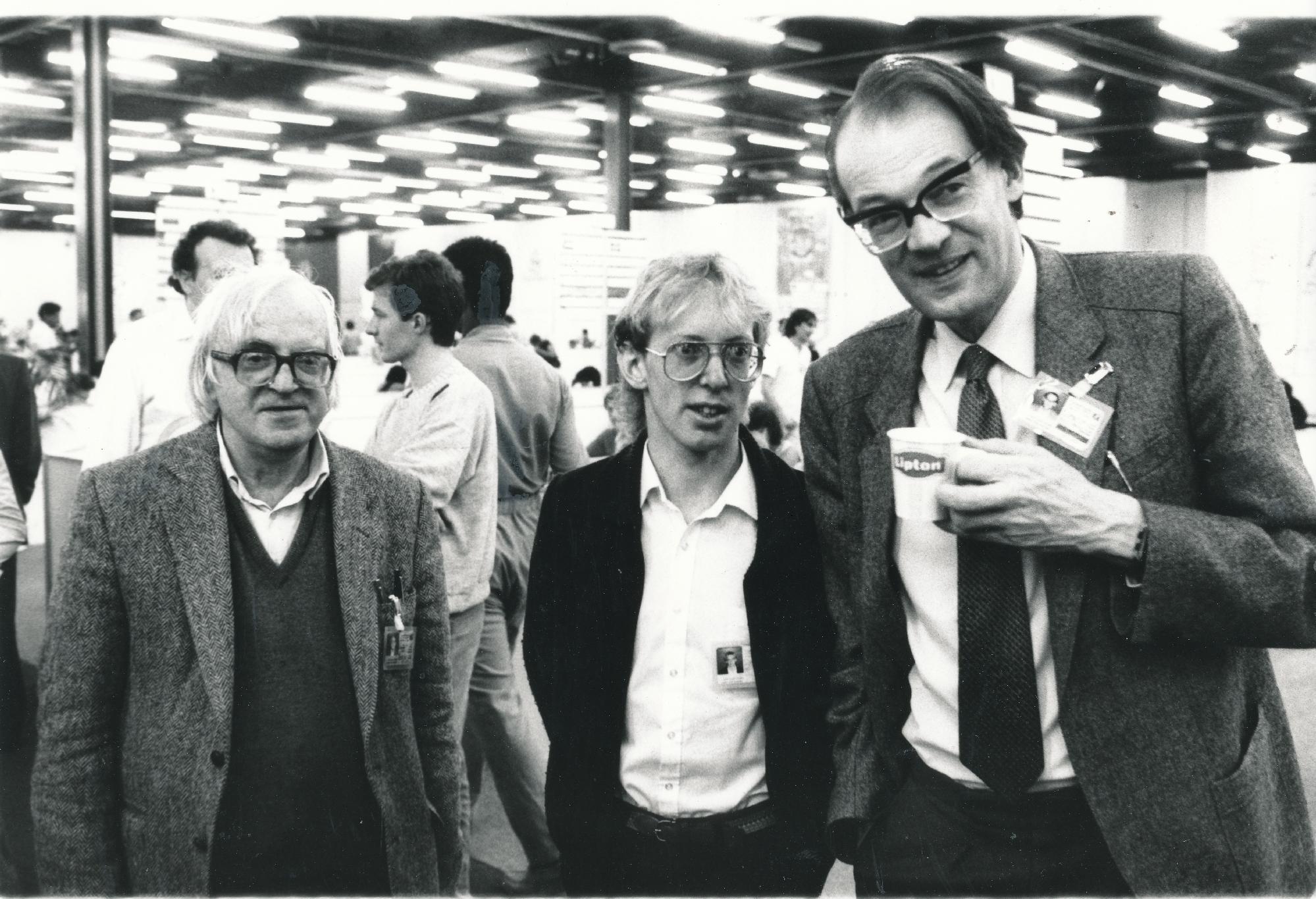
John Nunn, David Anderton and Jonathan Speelman

“David won the ECF President’s Award in 2009 following his stepping down as ECF legal expert. This is the citation from the 2010 ECF Yearbook :

“As this is Gerry Walsh’s last year as President it was considered appropriate that he be allowed to choose someone receive the award. Gerry has worked with David for all his time with BCF and ECF and has selected him due to his tireless and selfless devotion to both the BCF and ECF over many years.

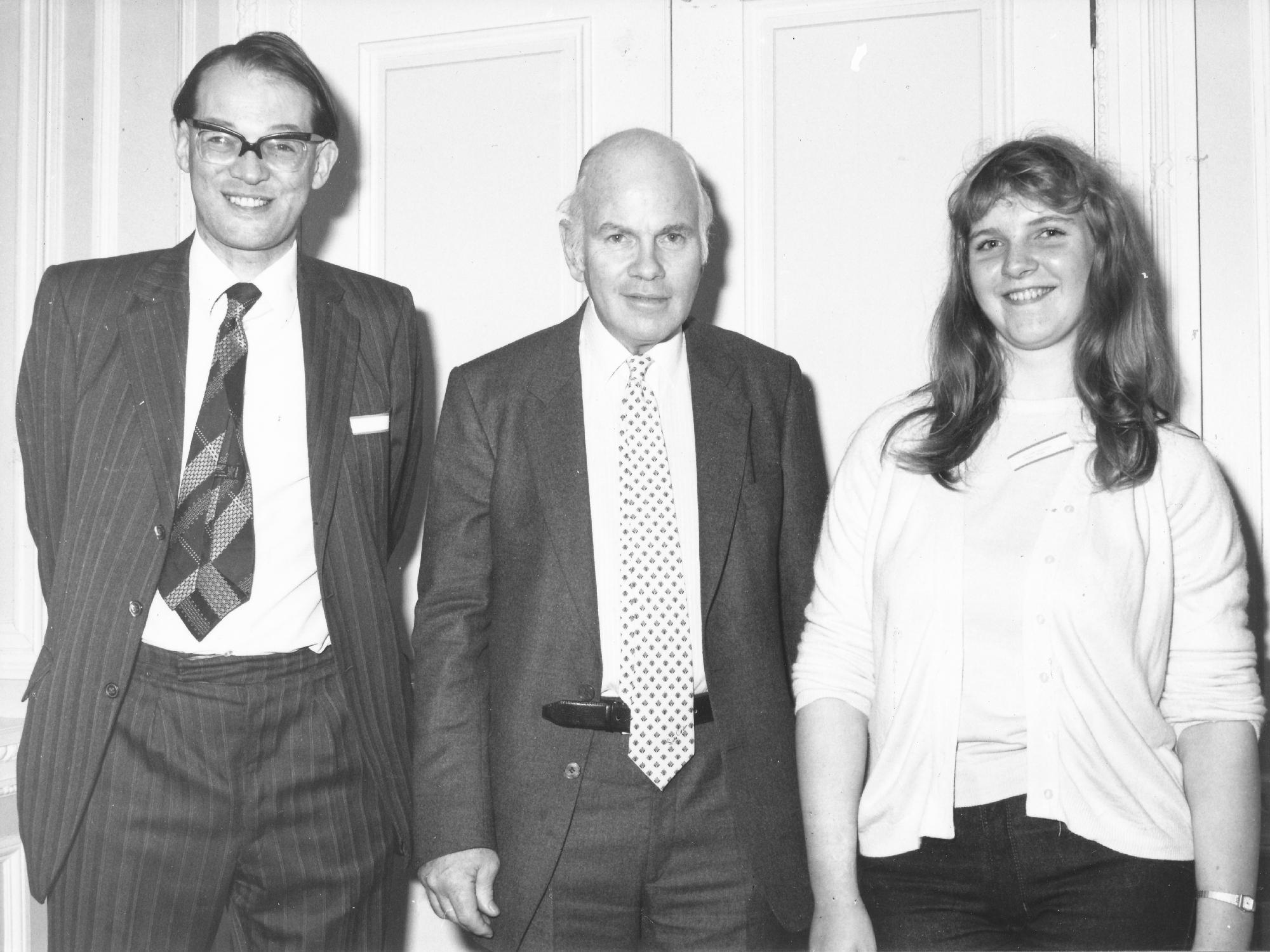
David Anderton OBE, ? and Teresa Needham

Most of you will know David and will agree that this is a well deserved award. It is fair to state that David’s assistance over the years has been invaluable and that without it many areas of the Federation would have found it difficult, if not impossible to operate.

Jim Plaskett with David Anderton OBE at the 1983 Benedictine International (Manchester)

Since my election David has been a constant friend and confidante. He has invariable given sound advice throughout my term of office. It was John Wickham who rang me and suggested that due to my length of tenure, a special award might be in order.

Jim accepts the 1981 Grand Prix shield from David Anderton OBE

After years of selfless and generous devotion serving as ECF President, International Director, Captain of the England Team and legal adviser, this seems to be a fitting tribute.

From the Praxis Bath Zonal Tournament of 1987. David Anderton OBE is second from right

David’s advice both legal and general, has been invaluable in such matters as the John Robinson legacy and the change of name from BCF to ECF Limited, and I certainly hope that this advice will continue.

Gerry Walsh”

Bob Wade OBE, Murray Chandler MNZM and David Anderton OBE

David is a FIDE Candidate Master.

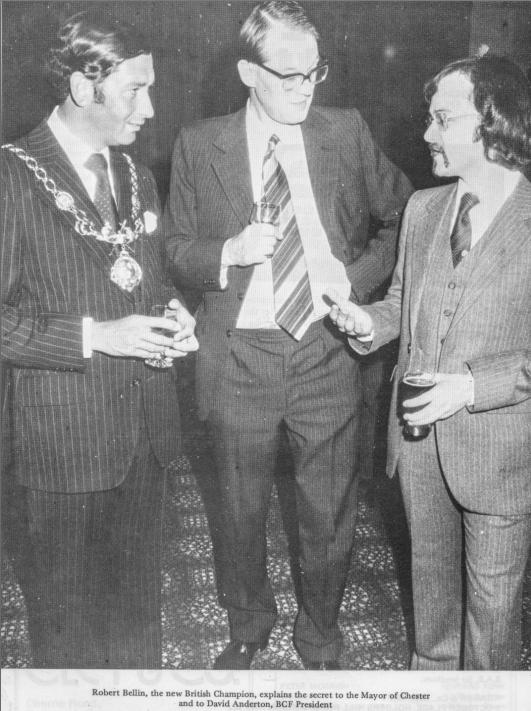
From the BCF 1979-90 Year Book of Chess : Robert Bellin, the new British Champion, explains the secret to the Mayor of Chester (?) and to David Anderton, BCF President
From the BCF 1979-80 Year Book of Chess : Robert Bellin, the new British Champion, explains the secret to the Mayor of Chester (?) and to David Anderton, BCF President

With the White pieces David exclusively plays 1.d4 aiming for a Queen’s Gambit and main lines.

With Black David plays the Winawer and the Classical French plus the Lenningrad Dutch.

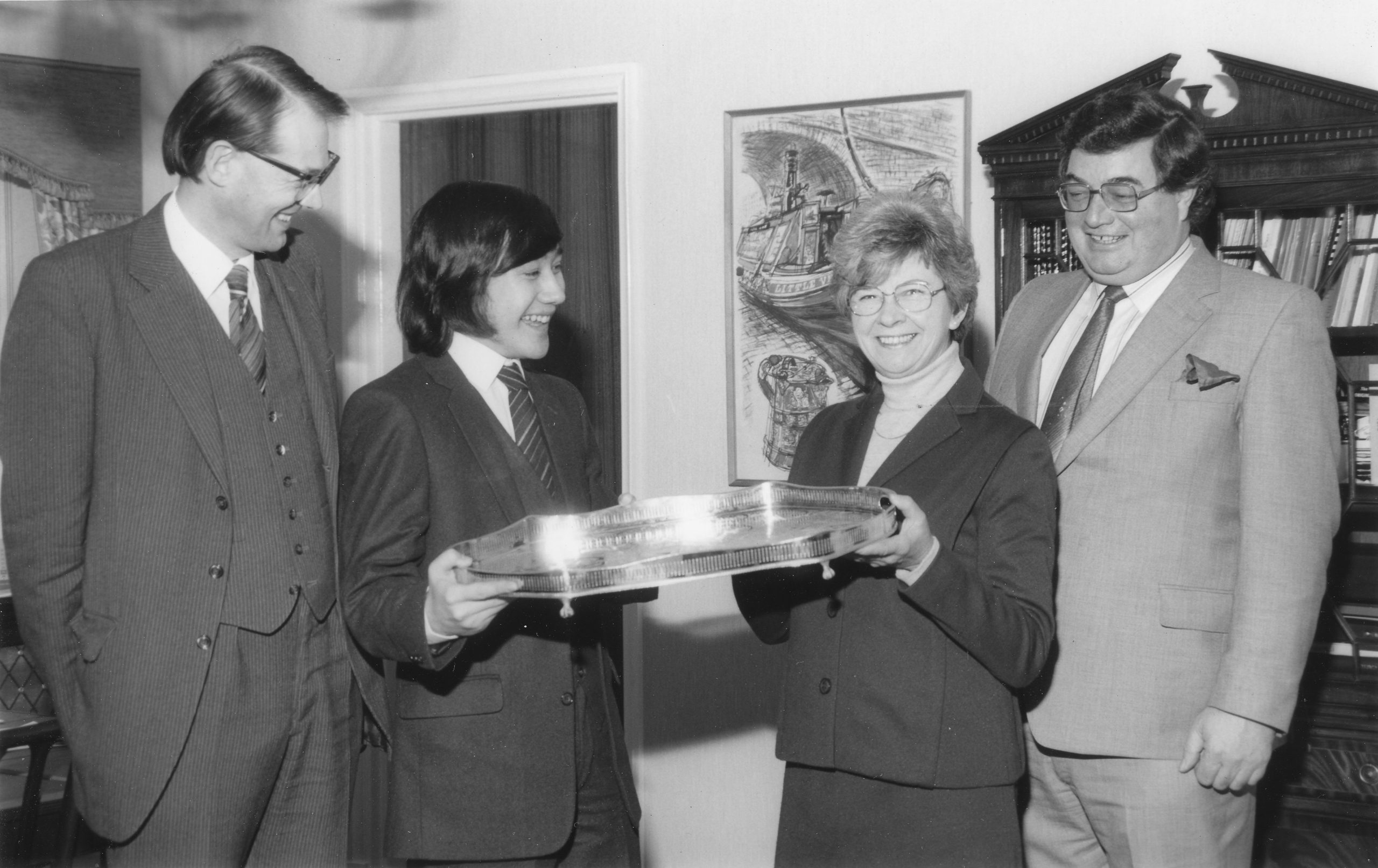
Mrs. Joan Agar; Chairman of Leigh Interests, presents the Leigh trophy (for 1981) to Mark Hebden. Left, David Anderton, BCF President; on the right Malcolm Wood, Leigh's Chief Executive. BCM, 1981, page 104
Mrs. Joan Agar; Chairman of Leigh Interests, presents the Leigh trophy (for 1981) to Mark Hebden. Left, David Anderton, BCF President; on the right Malcolm Wood, Leigh’s Chief Executive. BCM, 1981, page 104

Here are his games.

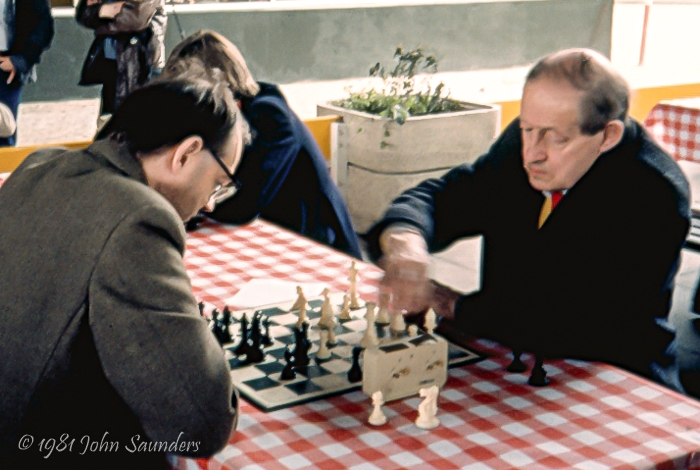
DW Anderton OBE plays BH Wood MBE in 1981 in a Blitz tournament outside of the National Film Theatre. Photograph courtesy of John Saunders

During 1989-93 David was an Executive Board Member of FIDE.

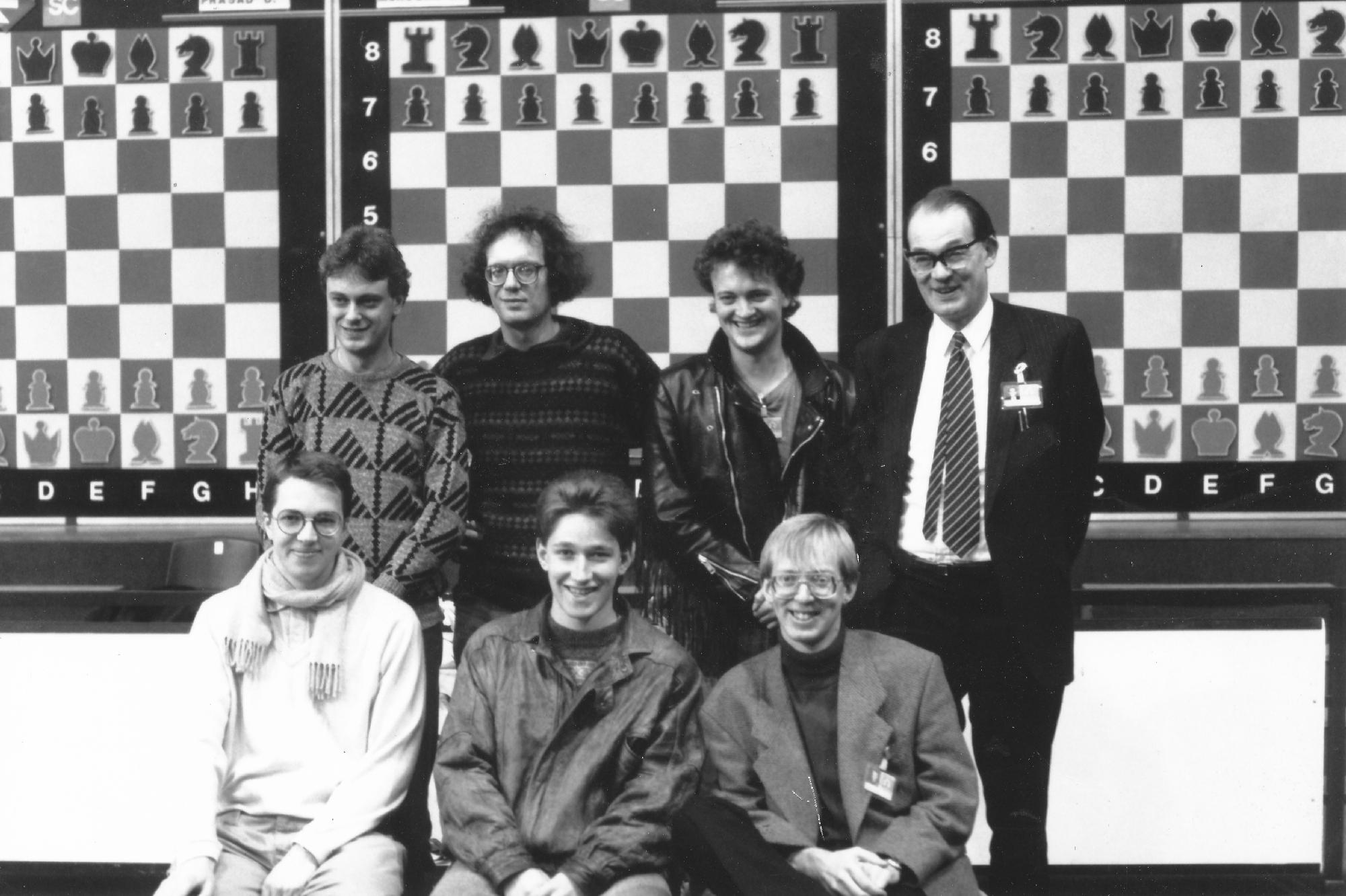
The England Team from the 1990 Novi Sad Olympiad : John Nunn, Jon Speelman, Julian Hodgson, David Anderton OBE (Captain), Nigel Short, Michael Adams and Murray Chandler

In 2002 David was awarded the title of International Master by the ICCF (correspondence chess)

In 2015 David stood down from all of his roles within the ECF.

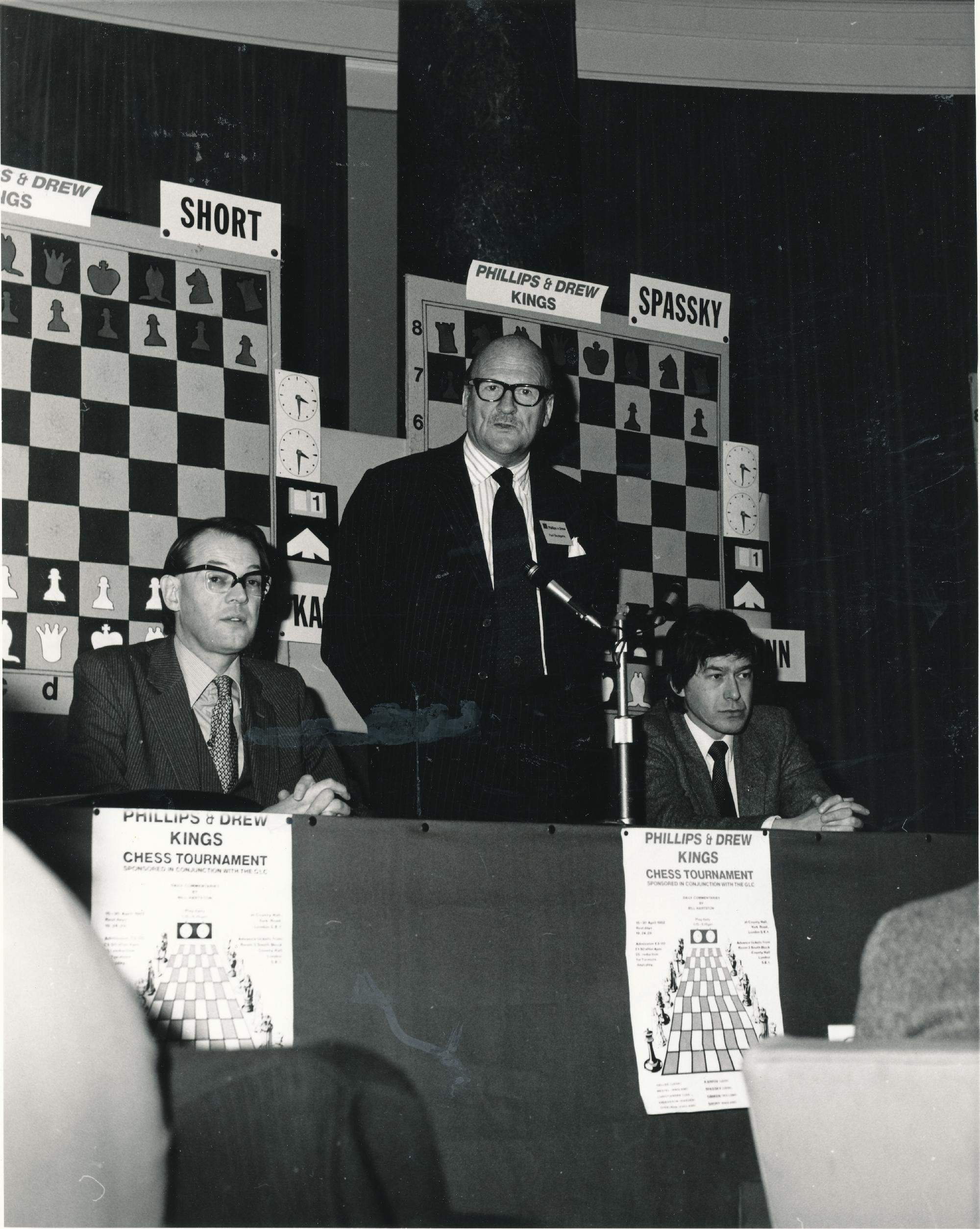
David Anderton OBE, Paul Bazalgette (Senior Partner at Philips & Drew) and Tony Banks (GLC Arts & Recreation Department) at the 1982 Philips and Drew Kings Tournament Opening Ceremony. Photograph by Clive Field

David has won the British Seniors Championship in 2003 (shared), 2005, 2007 (shared), 2009 (shared) and 2011.

Here is a potted biography from The Express and Star Newspaper

David Anderton OBE at the 2019 British Championships in Torquay
David Anderton OBE at the 2019 British Championships in Torquay, courtesy of John Upham Photography

David was Head of Regulatory Law at Anson’s Solicitors. He was also Secretary of the Erasmus Darwin Foundation (03270753) and Director of Unionist Buildings Ltd., Wallsall Conservative Investments Ltd. and Wallsall Unionist Holdings Ltd.

CM David William Anderton OBE

Remembering Sir George Thomas, 7th Baronet (14-vi-1881 23-vii-1972)

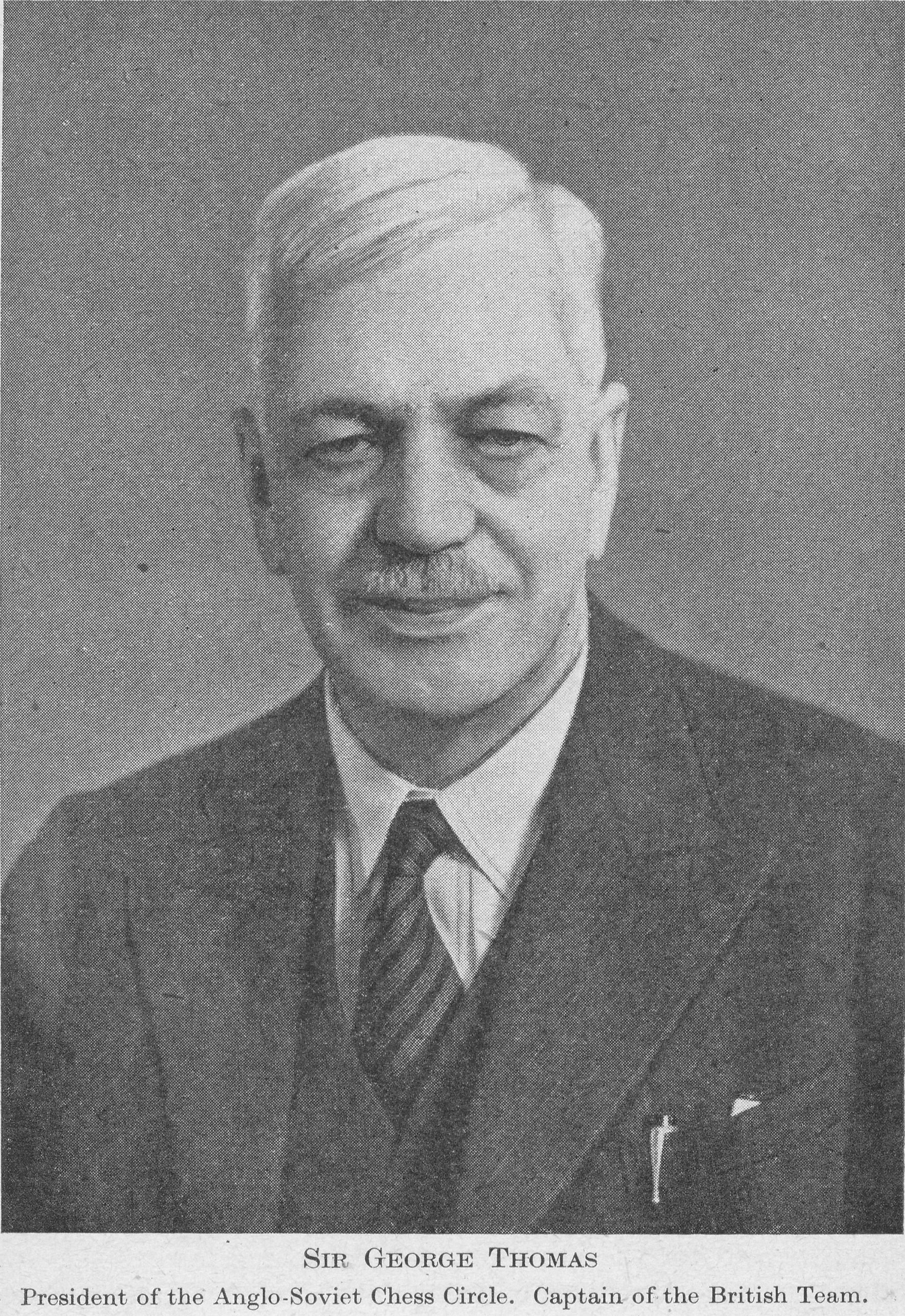
Sir George Thomas, President of the Anglo-Soviet Chess Circle. Captain of the British Team

We remember Sir George Alan Thomas who died on July 23rd, 1972

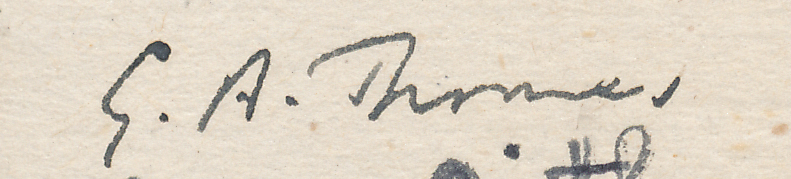
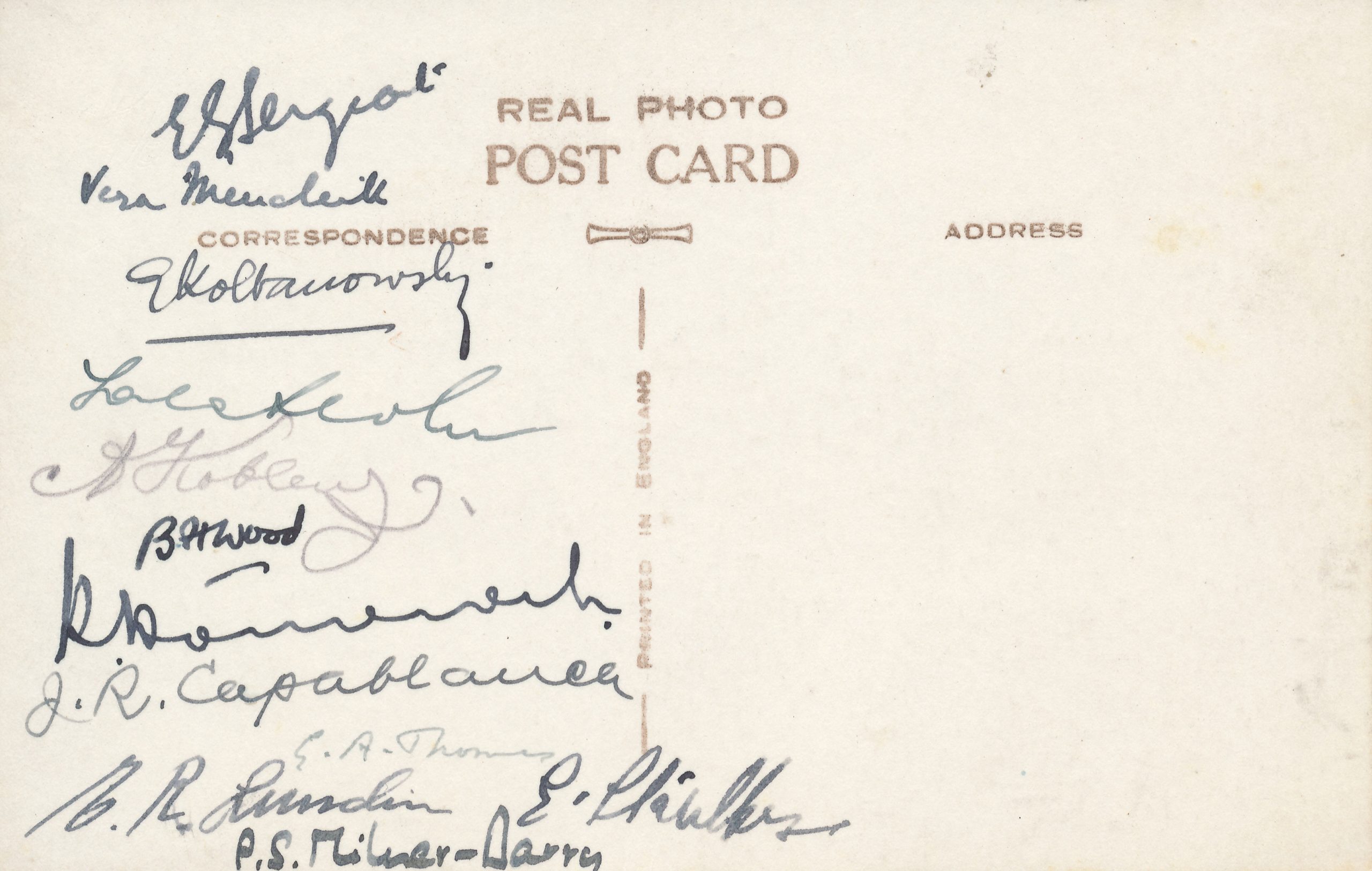
Signature of GA Thomas from a Brian Reilly "after dinner" postcard from Hastings Christmas Congress, 1945-1946
Signature of GA Thomas from a Brian Reilly “after dinner” postcard from Hastings Christmas Congress, 1945-1946

From The Encyclopedia of Chess (BT Batsford, 1977) by Harry Golombek :

“British international master, born in Constantinople (previously Byzantium and currently Istanbul : Ed.) His mother (Lady Edith Margaret Thomas : Ed) was one of the strongest English women players, winner of the first Ladies tournament at Hastings 1895.

(Ed : his father was Sir George Sydney Meade Thomas)

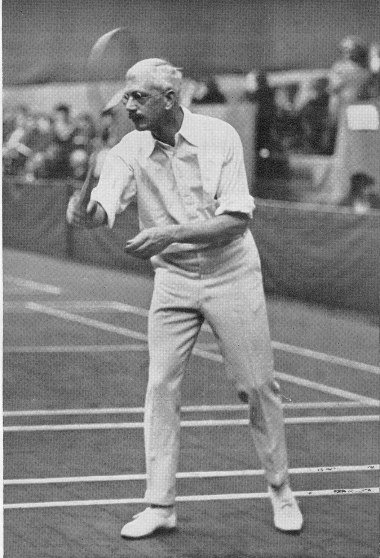
Thomas was an all-round athlete who excelled at tennis, hockey and badminton as well as chess. He captained the English badminton team and was All England Badminton Singles champion from 1920 to 1923.”

Sir George Alan Thomas : "During his playing career, he won 78 national titles in the United Kingdom and a further 12 French titles; he also competed in 29 out of 30 English internationals, winning 50 matches in the process."
Sir George Alan Thomas : “During his playing career, he won 78 national titles in the United Kingdom and a further 12 French titles; he also competed in 29 out of 30 English internationals, winning 50 matches in the process.”

Here is an excellent article (albeit stating GT was a Grandmaster and was president of the British Chest Federation!) from the National Badminton Museum.

“Thomas won the British chess championship twice, in 1923 and 1934 and represented England in the Olympiads of 1927 where he tied with Norman Hansen for the best score – 80% on board 3, 1930, 1931, 1935, 1937 and 1939.

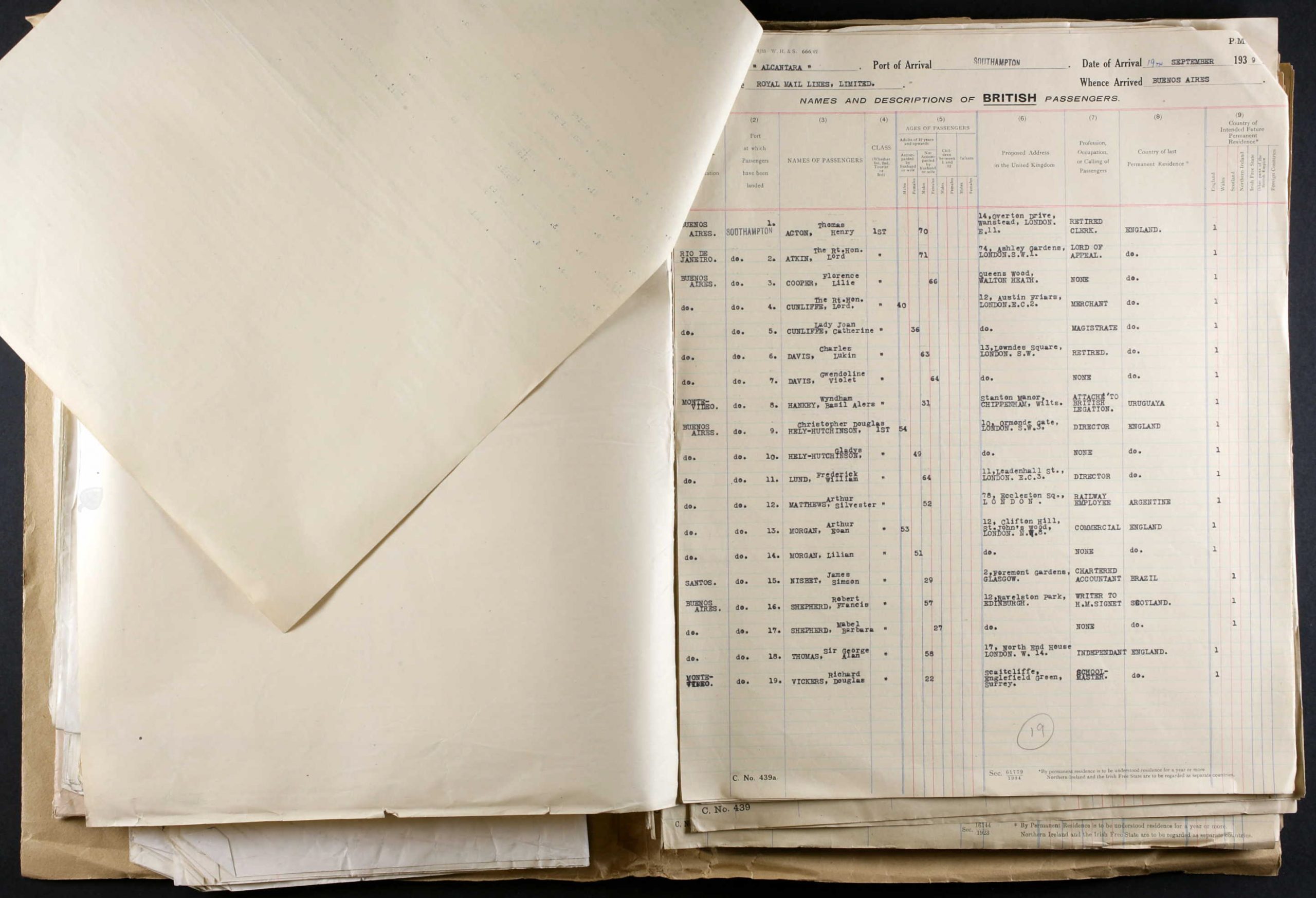
Passenger list from RMS Alacantra showing Sir George Thomas arriving at Buenos Aires on September 19th, 1939
Entry for Sir George Thomas from above image.

In international tournaments his greatest successes were 1st at Spa (ahead of Tartakower) and =1st at Hastings 1934/5 (tied with Euwe and Flohr, ahead of Capablanca and Botvinnik).

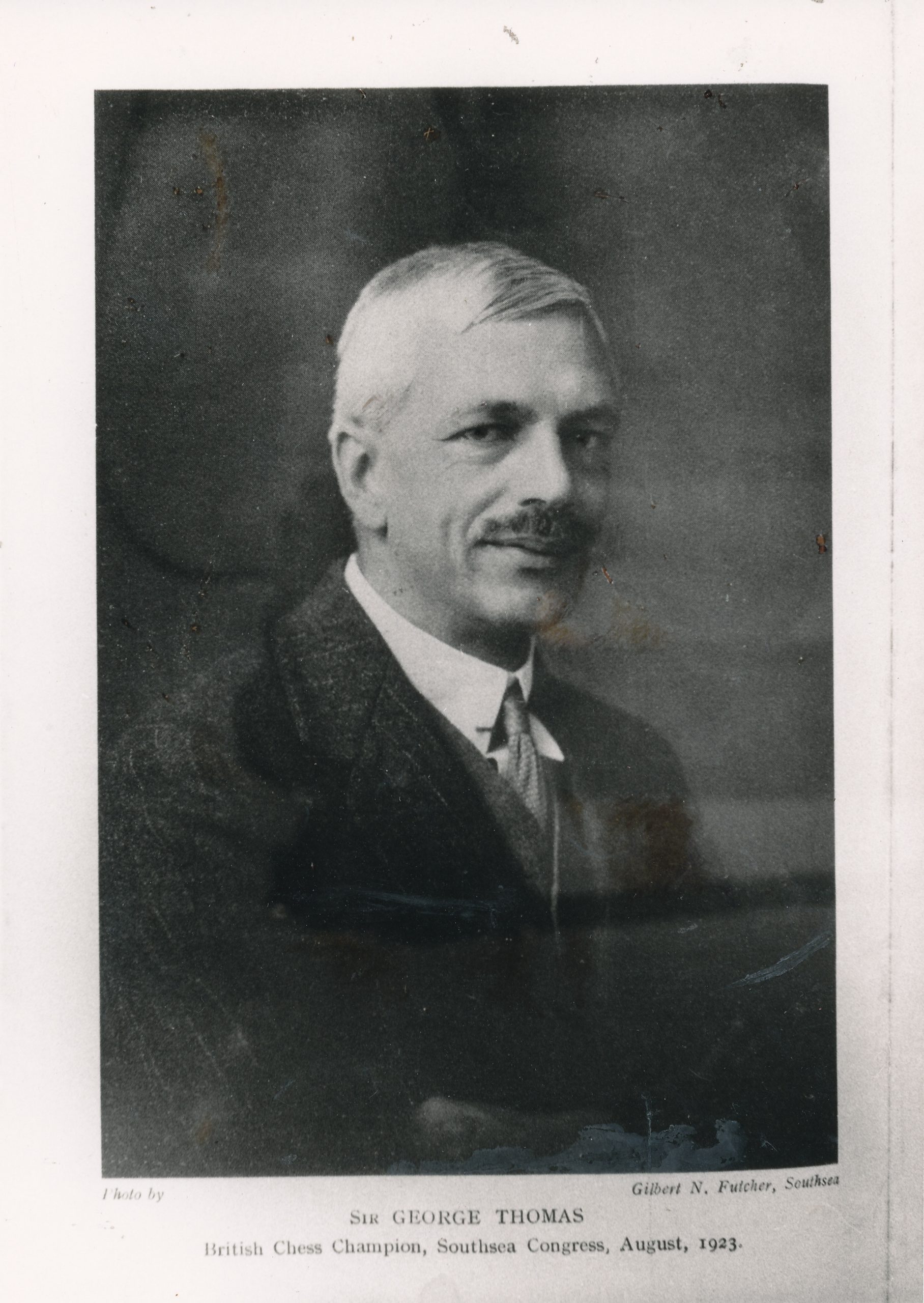
Sir George Thomas, British Chess Champion, Southsea Congress, 1923 Photograph by Gilbert N Fulcher, Southsea

He was known for his keen sense of sportsmanship and for his ability to encourage and inspire younger players. He served for many years on the BCF Junior selection committee and was for a time Games Editor of the British Chess Magazine. FIDE awarded him the titles of international master (1950) and International Judge (1952). (article by Ray Keene)”

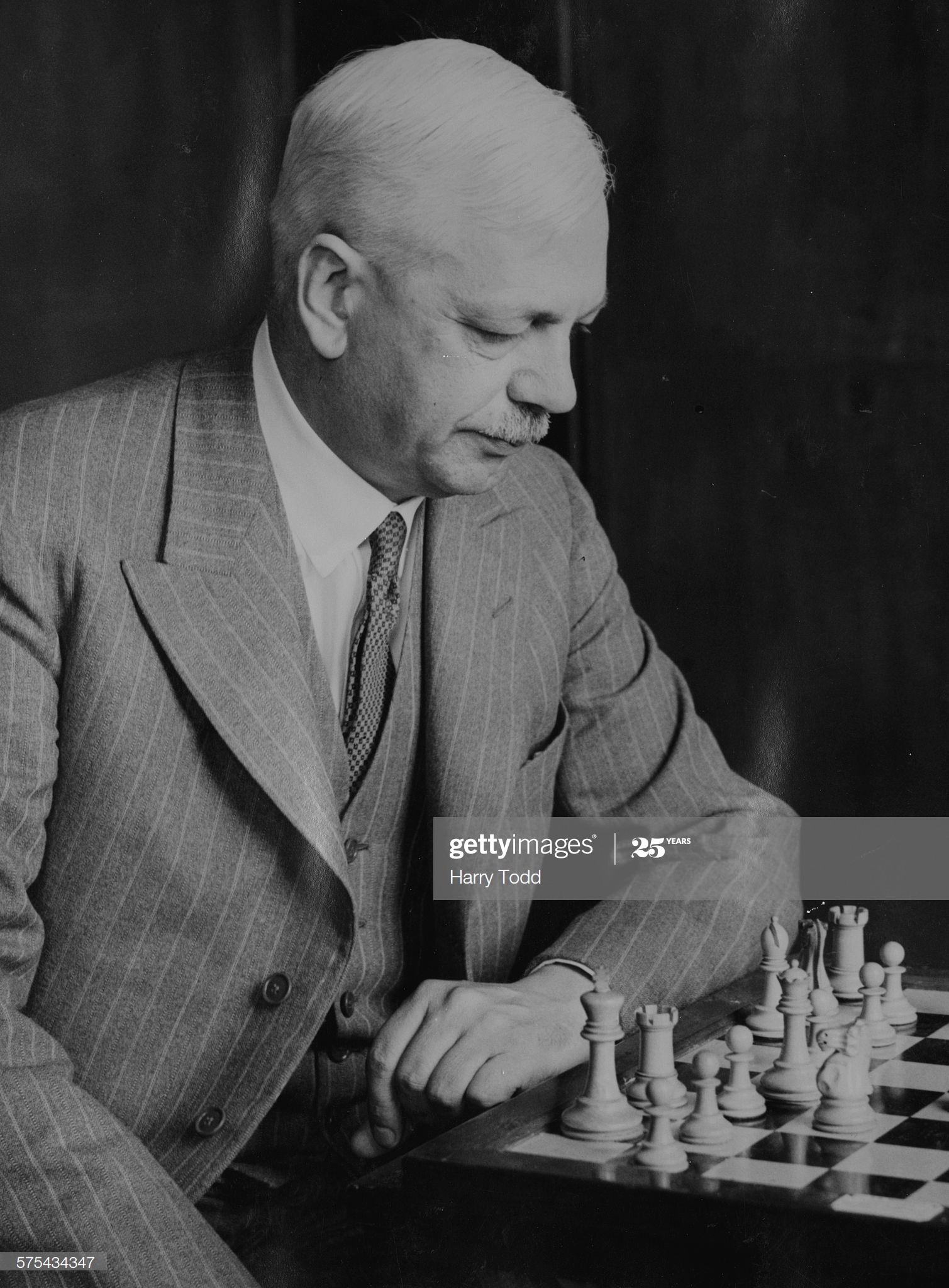
British chess champion Sir George Thomas playing at the Annual British Chess Federation Championship in Yarmouth, England, July 11th 1935. (Photo by Harry Todd/Fox Photos/Getty Images)

Thomas with the White pieces was predominantly a Ruy Lopez devotee.

With the Black pieces against 1.e4 he defended the Lopez and the Queen’s Gambit Declined was his favourite versus 1.d4

From The Encyclopedia of Chess (Robert Hale 1972 and 1976) by Anne Sunnucks :

“International Master (1950), International Judge (1952) and British Champion in 1923 and 1934. All England Badminton Singles Champion, All England Badminton Doubles Champion, Wimbledon tennis player and county hockey player.

Sir George Thomas was born in Constantinople on 14th June 1881. His mother, Lady Thomas, won the first ever ladies’ tournament, which was held in conjunction with the Hastings International Chess Tournament of 1895.

He learned the moves at the age of 4, and as a boy met many of the world’s leading players, including Steinitz, Lasker, Tchigorin and Pillsbury, in his mother’s drawing-room.

Scene at London. From left to right - Seated : Fairhurst, List and Winter in play. Standing König and Sir George Thomas
Scene at London. From left to right – Seated : Fairhurst, List and Winter in play. Standing König and Sir George Thomas

Apart from serving as a subaltern in the Army during the 1914-1918 war, Sir George has devoted his life to sport. He played tennis at Wimbledon, played hockey for Hampshire, captained the English Badminton team and was All England Badminton Singles Champion from 1920-1923 and doubles champion nine times.

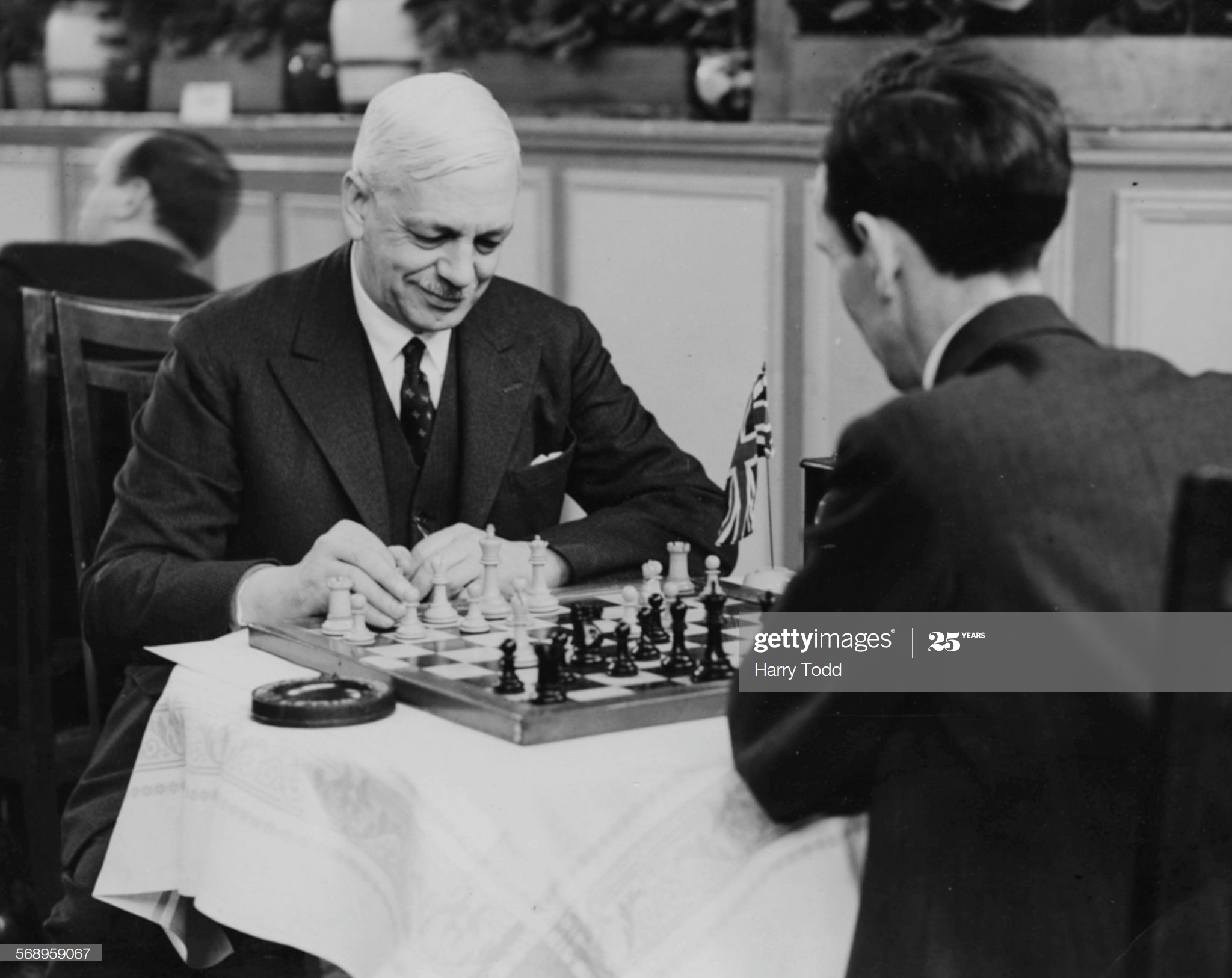
Sir George Thomas And Brian Reilly Sir George Thomas (left), leader of the British chess team, playing Irishman Brian Reilly at the Easter Chess Congress, Margate, April 24th 1935. (Photo by Harry Todd/Fox Photos/Getty Images)
Sir George Thomas And Brian Reilly
Sir George Thomas (left), leader of the British chess team, playing Irishman Brian Reilly at the Easter Chess Congress, Margate, April 24th 1935. (Photo by Harry Todd/Fox Photos/Getty Images)

Sir George played chess for England regularly from 1910 to 1939. He played for the British Chess Federation in the Chess Olympiads of 1927,1930, 1931, 1933, 1935, 1937 and 1939, and captained the team which withdrew from the Buenos Aires Olympiad in 1939 on the out-break of war.

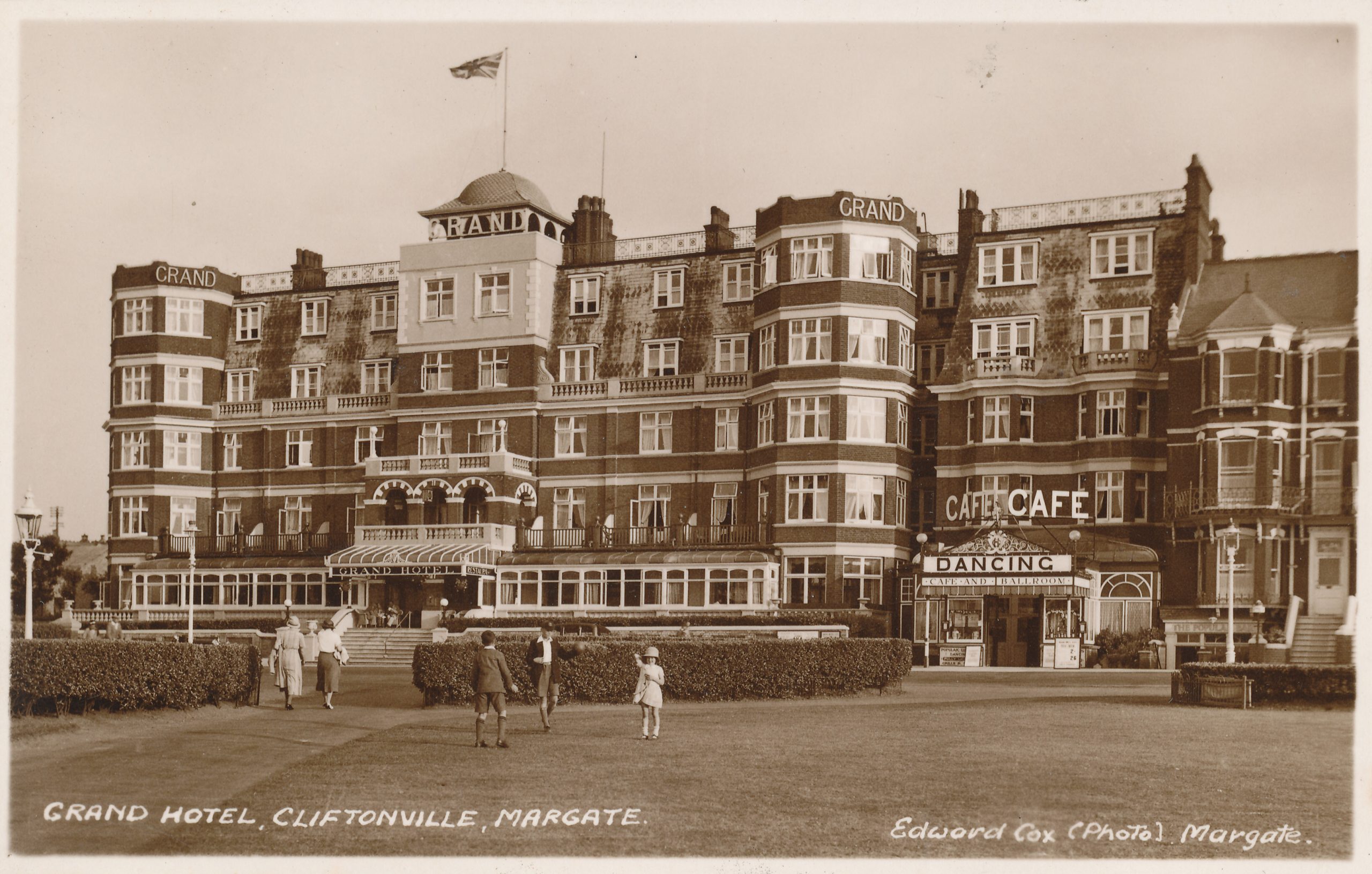
A Brian Reilly "after dinner" postcard from Margate 1936.
A Brian Reilly “after dinner” postcard from Margate 1936.
The Grand Hotel, Cliftonville, Margate. Venue for the Margate tournaments.

His first appearance in the British Championship was in he came 2nd. He also came 2nd in 192l and in 1923 won the first time, thus becoming British Chess Champion and Badminton Champion in the same year.

Sir George’s best performance was at Hastings 1934-1935, when he came =1st. In the last round he needed only a draw against R. P. Michell to come lst, ahead of Euwe, Capablanca, Flohr and Lilienthal, but he lost and had to be content with sharing lst prize with Euwe and Flohr.

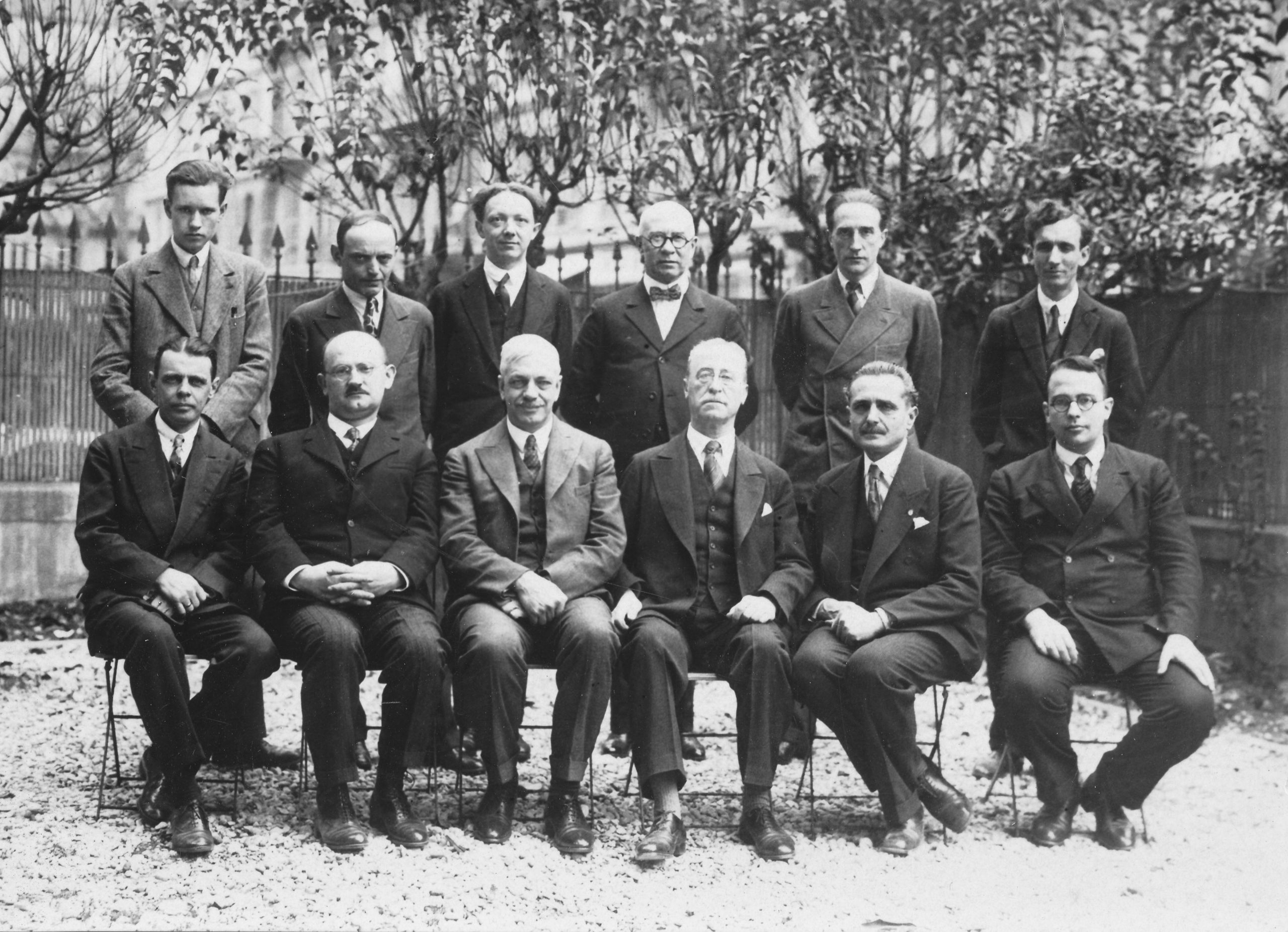
Nice Masters, 1931. Standing : Daniel Noteboom, Abraham Baratz, George Renaud (Organiser), John J O'Hanlon, Marcel Duchamp, Brian Reilly (winner), Seated : Eugene Znokso-Borovsky,, Arpad Vajda, Sir George Thomas, Jacques Mieses, Stefano Roselli del Turco, Jacob Adolf Seitz. British Chess Magazine, 1931, page 201
Nice Masters, 1931. Standing : Daniel Noteboom, Abraham Baratz, George Renaud (Organiser), John J O’Hanlon, Marcel Duchamp, Brian Reilly (winner), Seated : Eugene Znokso-Borovsky,, Arpad Vajda, Sir George Thomas, Jacques Mieses, Stefano Roselli del Turco, Jacob Adolf Seitz. British Chess Magazine, 1931, page 201

During his career he has beaten Capablanca, Botvinnik (in consecutive rounds at Hastings 1934-35), Flohr and and drawn with Nimzowitsch, Rubinstein and Capablanca. He been noted for his sportsmanship and for his interest in and encouragement of young players.

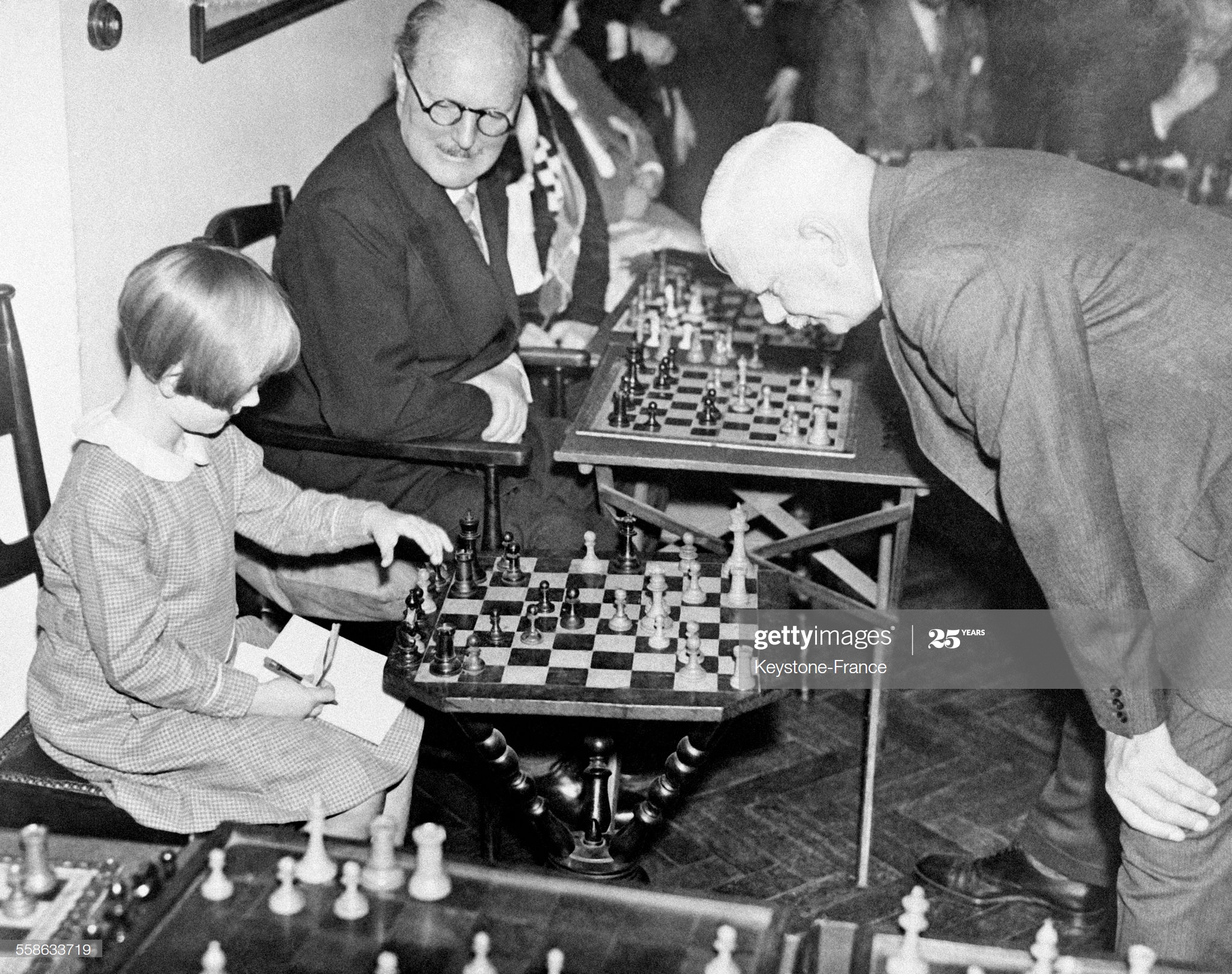
Partie d'échecs Sir Georges Thomas, le célèbre joueur d'échecs britannique, jouant contre sa plus jeune adversaire âgée de 8 ans, à Londres, Royaume-Uni le 24 octobre 1934. (Photo by Keystone-France\Gamma-Rapho via Getty Images)
Partie d’échecs
Sir Georges Thomas, le célèbre joueur d’échecs britannique, jouant contre sa plus jeune adversaire âgée de 8 ans, à Londres, Royaume-Uni le 24 octobre 1934. (Photo by Keystone-France\Gamma-Rapho via Getty Images)

Since his retirement until the last few years, Sir George continued to attend tournaments as a spectator.

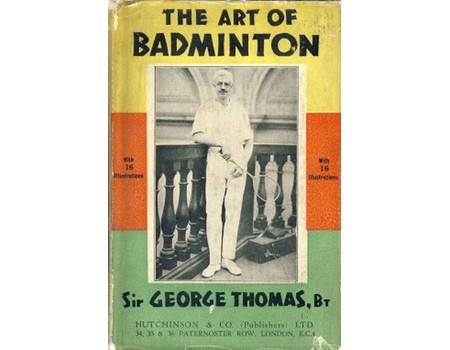
He is the author of The Art of Badminton, published in 1923.

The Art of Badminton

He died on 23rd July 1972 in a London nursing home.”

In the March issue of CHESS for 1963, (Volume 28, Number 427, pp.147-155)  William Winter wrote this:

Sir George Thomas

Another great figure of the period between the wars, Sir G. A. Thomas, is happily still with us, although he gave up competitive play some years ago. I think I must have played more games with him than with any other master and he was my principal rival in the battles for the British Championship which we each won twice.

Although he lacks Yates’ spark of genius he is a very fine player indeed and one of the few Englishmen who is a real master of the endgame. Both nationally and internationally he has an excellent record, probably the best of a number of performances being his tie with Euwe and Flohr for lst prize at Hastings 1934-5. Capablanca and Botvinnik were among the also-rans. Thomas beat both of them, a splendid performance when we consider the small number of games ever lost by either. He is the only native Englishman to have scored a win over Capablanca. He acted as captain of all the British teams of which I formed part and an excellent leader he made, firm when necessary, but always considerate to his men especially when they were doing badly.

Sir Thomas, as he was called, is much missed on the Continent where he was highly popular and did a great deal to increase the prestige of British chess.

Here is Part II of GM Matthew Sadler’s appreciation of Sir George.

Most interestingly we have this this splendid article from Neil Blackburn (SimaginFan) on chess.com

Here is his Wikipedia entry

Sir George Alan Thomas (14-vi-1881 23-vii-1972)

and here is Part III of Matthew Sadler’s article

Sir George Alan Thomas

From The Oxford Companion to Chess (OUP, 1984) by Hooper & Whyld :

“English player. International Master (1950), International Arbiter (1952), British champion 1923 and 1934. His mother, who taught him chess, was winner of one of the first women’s tournaments, Hastings 1895, He played in more than 80 tournaments and achieved his best result at Hastings 1934-5 (about category 9), when he scored +6-1—2 to share first prize with Euwe and Flohr ahead of Botvinnik and Capablanca. Thomas played in seven Olympiads from 1927 to 1939, and in the first the highest percentage score was made by him ( + 9=6) and the Dane Holgar Norman-Hansen (1899- ) (+11=2—2). A leading English player for more than 25 years, Thomas fought many battles at the famous City of London club, winning 16 of the annual championships from 1913-14 to 1938-9. In his sixty-ninth year he gave up competitive chess when, after a hard game, ‘the board and men began to swim before my eyes,’ He continued his active interest in junior events and his visits, now as a spectator, to chess events.

A man of few words, imperturbable, of fine manners. Sir George Thomas was respected throughout the chess world for his sportsmanship and impartiality, and his opinion was often sought when disputes arose between players. The inheritor of both a baronetcy and private means, he
devoted his life to games and sports. Besides his chess he was a keen hockey player, a competitor in international lawn tennis (reaching the last eight at Wimbledon on one occasion), and winner of about 90 badminton titles, notably the All-England men’s singles championship which he won four times, from 1920 to 1923.”

Bill Hartston wrote this in “On the Knight Shift”, Chapter 20 of the The Chess Player’s Bedside Book (Batsford, 1975) :

“In the days when chess was perhaps a more noble pastime, one of England’s leading players was the Baronet, Sir George Thomas. A true gentleman and sportsman, he considered it rather unprincipled to analyse adjourned games before their resumption and could only be persuaded to look at his own positions after being assured that his opponents were certainly taking full advantage of the adjournment in this manner.”