BCN wishes Happy Birthday to IM Byron Anthony Jacobs (25-vi-1963)
Byron originates from Sir John Betjeman’s favourite town (Slough) and attended Slough Grammar and then The University of Sussex (Falmer).
He was Standard London under-16 champion in 1979. He was 3rd= in the 1982 Danish U-18 International. He was 3rd= in the 1988 Guernsey Open. His last recorded event in Megabase 2020 was in 1998.
Byron became a FIDE Master in 1983 and an International Master and in 1988 achieved a peak rating of 2390 in July 1987 at the age of 24.
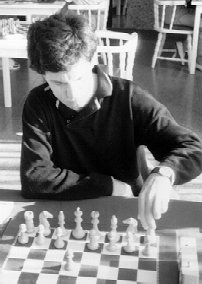
Byron Jacobs
Having given up competitive chess Byron became a successful poker player and commentator and has written on the subject.
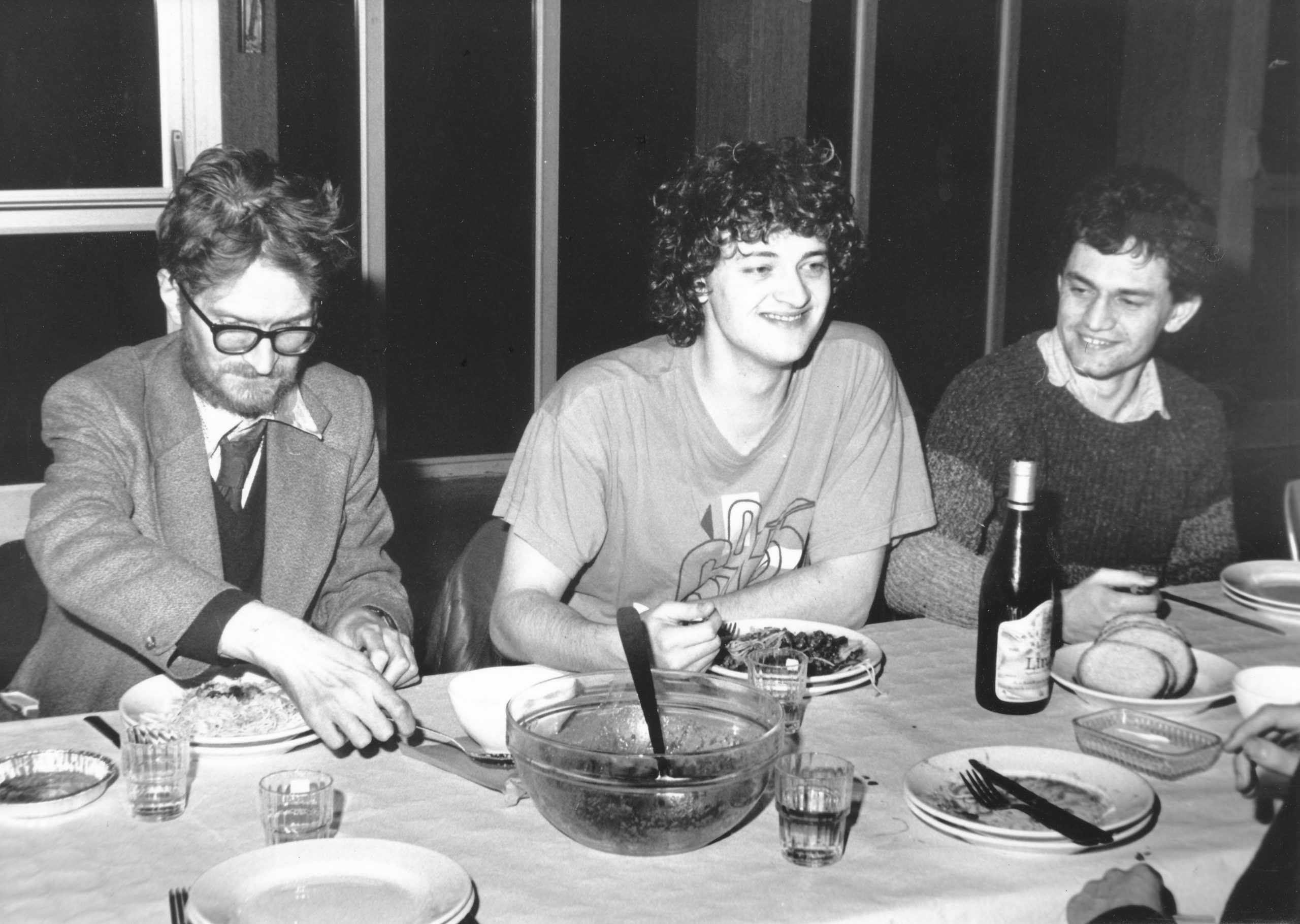
FM Andrew Whiteley, IM Julian Hodgson and FM Byron Jacobs at Cappelle Le Grand, 1988. Photograph by Caroline Winkler
Byron is a director of Brighton based First Rank Publishing and is a specialist chess typesetter and Chief Advisor for Everyman Publishing and others and was pivotal in Brighton based, Chess Press.
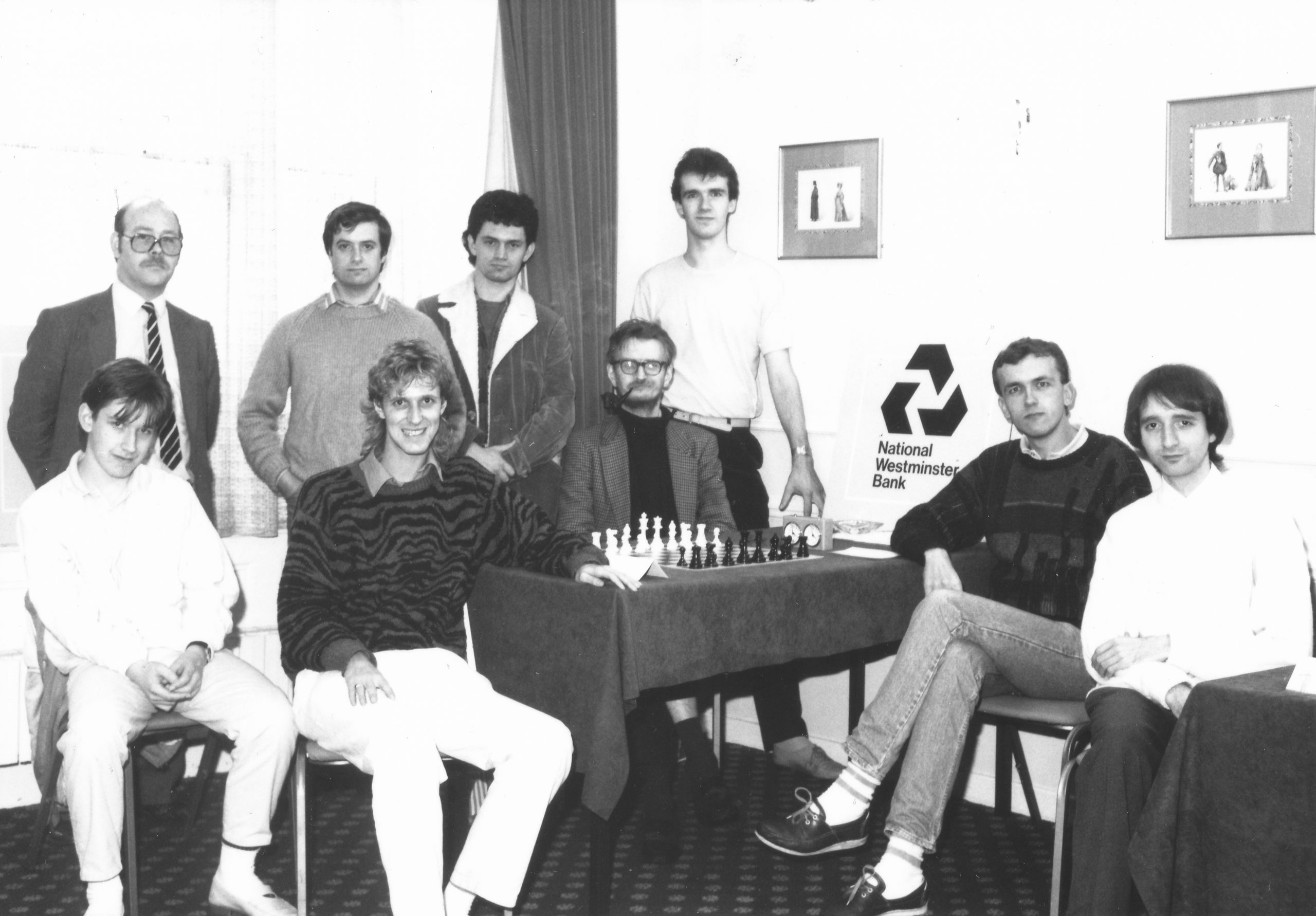
Byron and friends at the NatWest Bank Young Masters
Byron was the typesetter for British Chess Magazine from 2011 – 2012 and was Deputy Editor for CHESS during the time of Murray Chandler and Bernard Cafferty
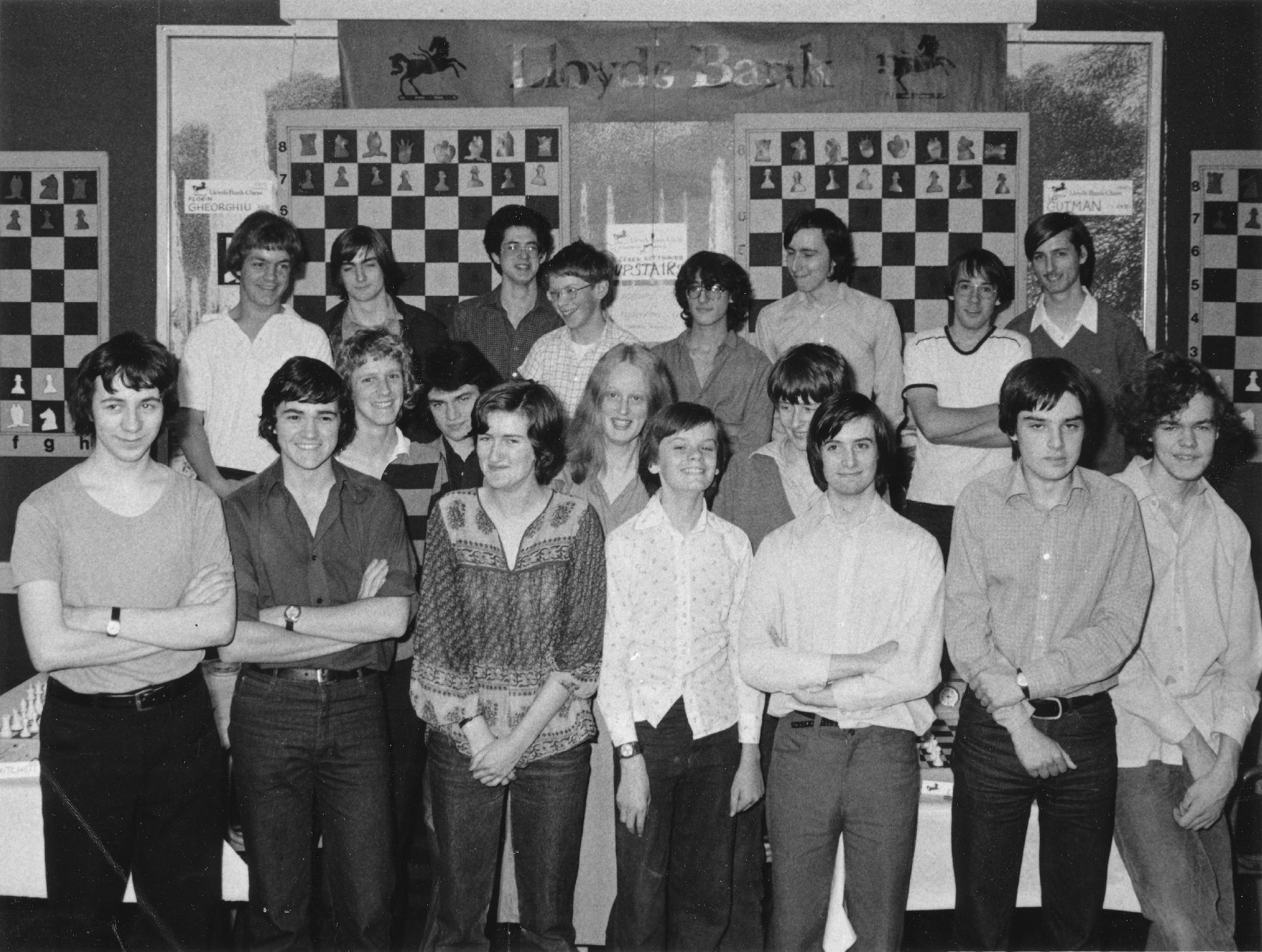
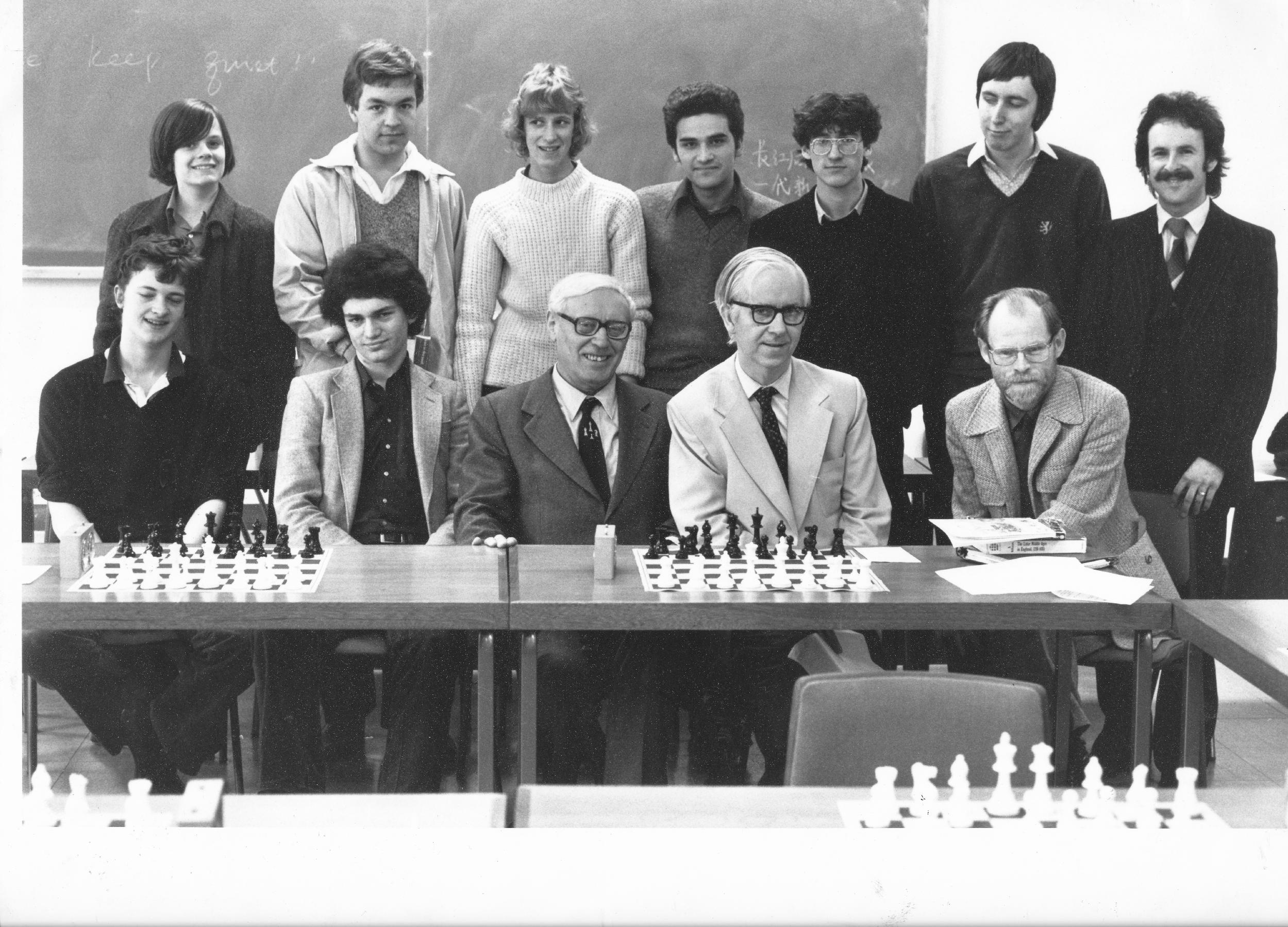
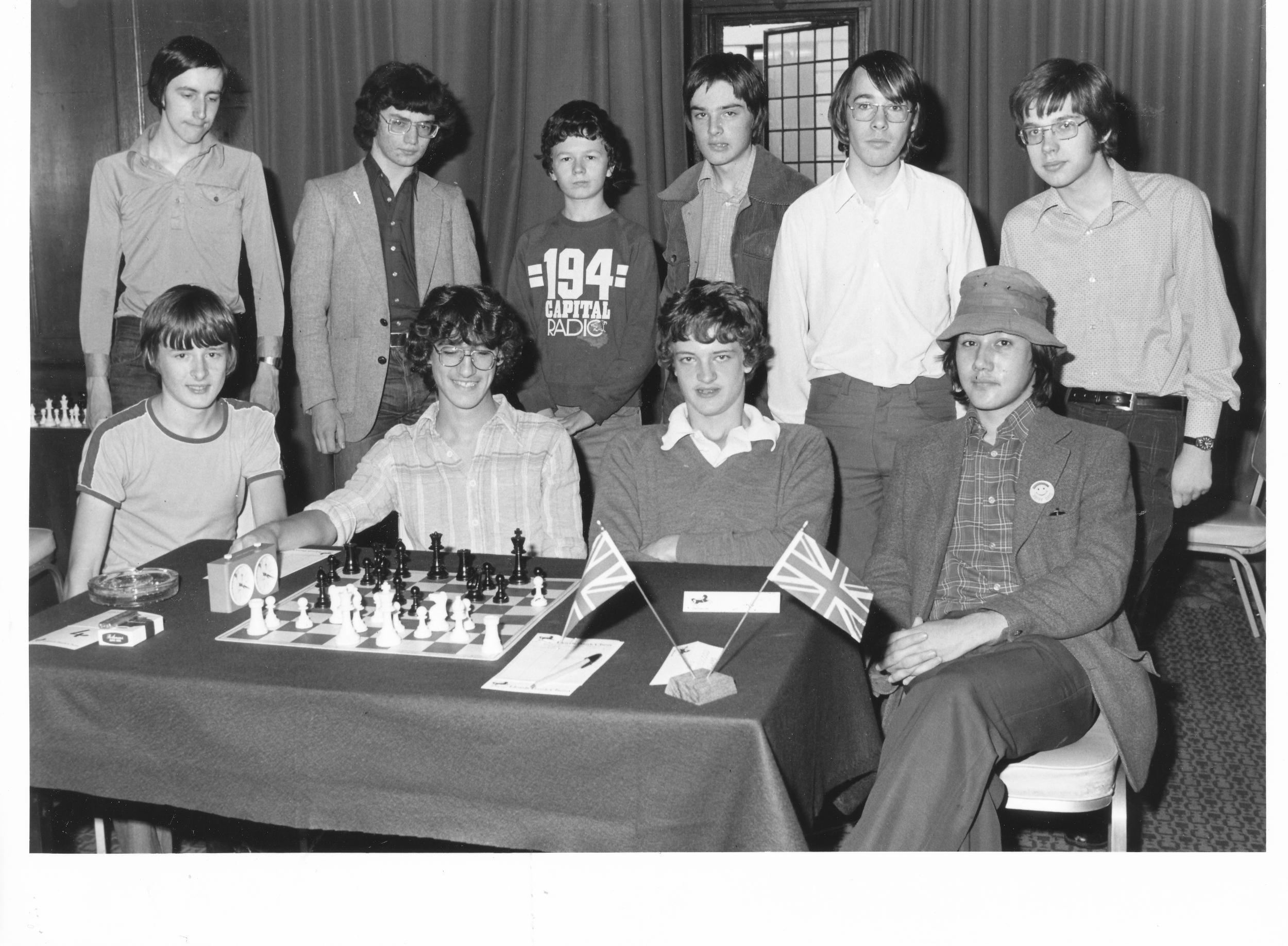
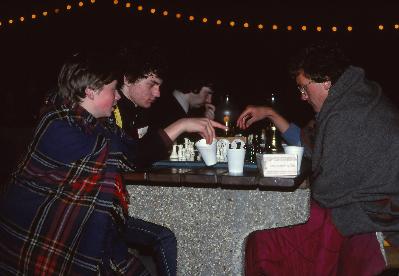
IM Byron Jacobs (front, fourth from left) at a Lloyds Bank eventIM Byron Jacobs (seated, second from left)IM Byron Jacobs (standing, second from left)) at a Lloyds Bank MastersByron Jacobs (second from left) at the National Film Theatre. Also present is Aaron B, Rose, JJ Ady and Andrew Martin. Photographer : John Upham
Byron is an accomplished chess author with many titles to his name :
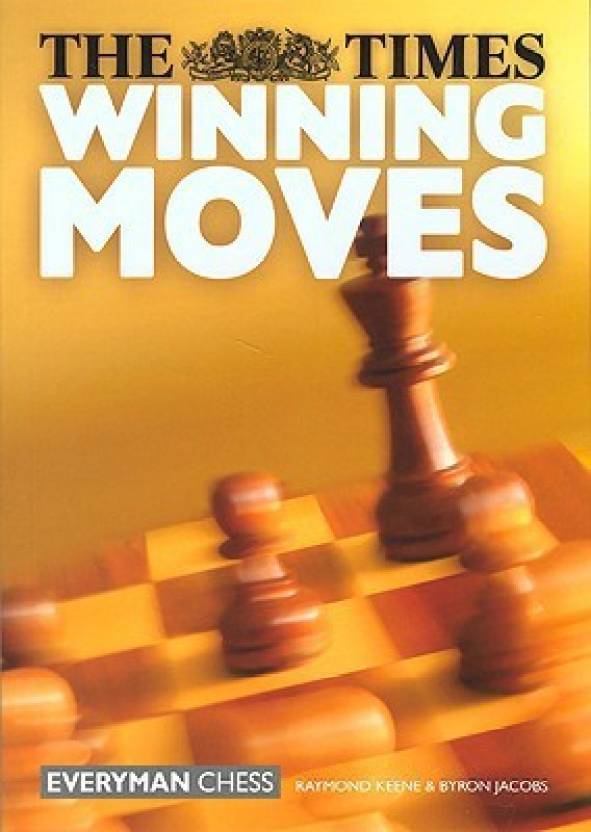
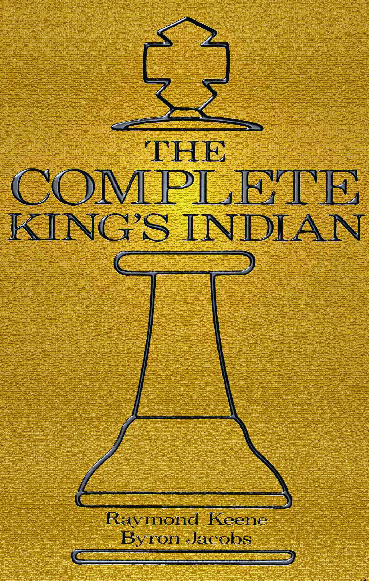
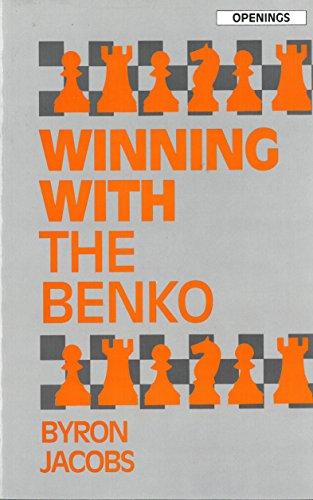
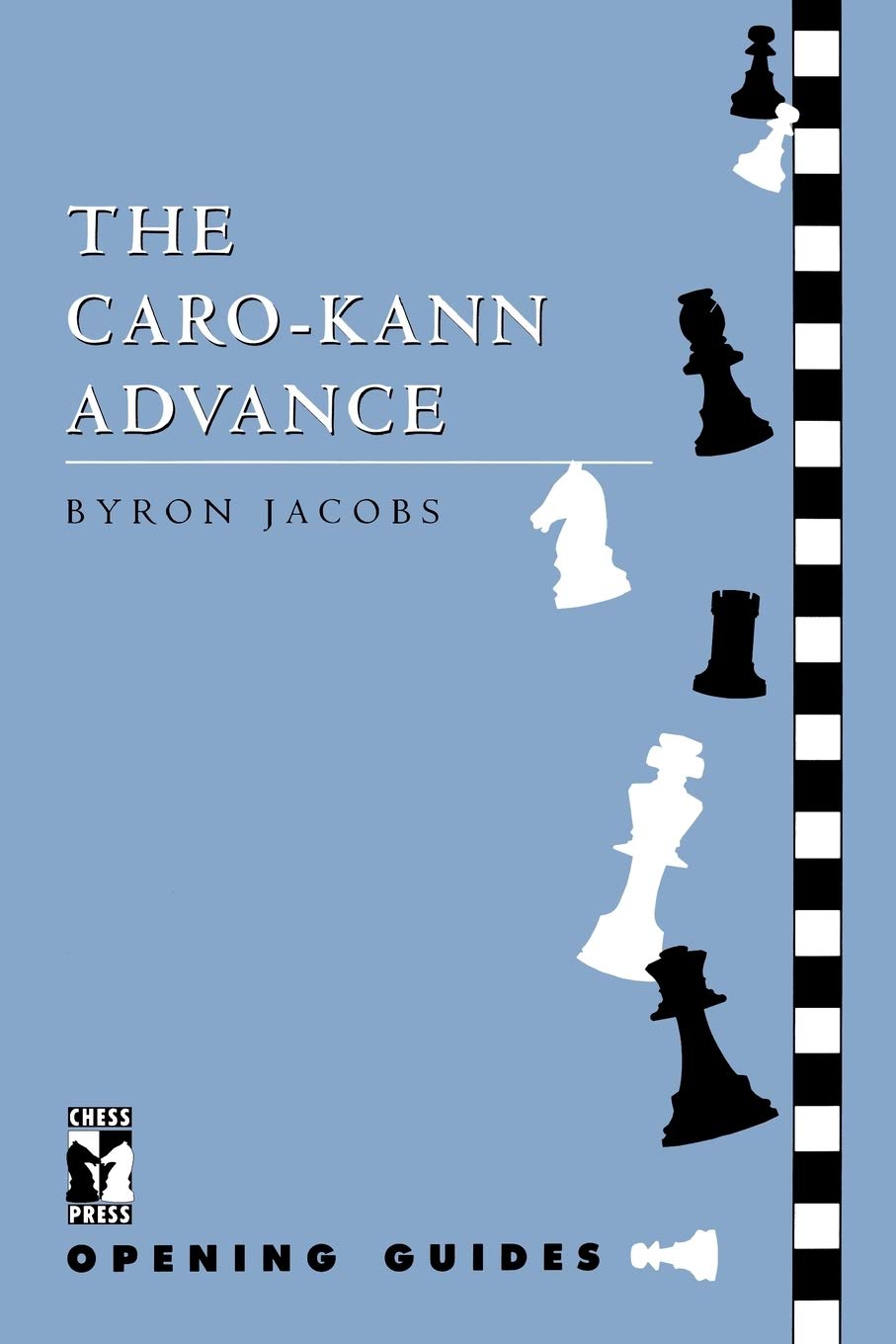
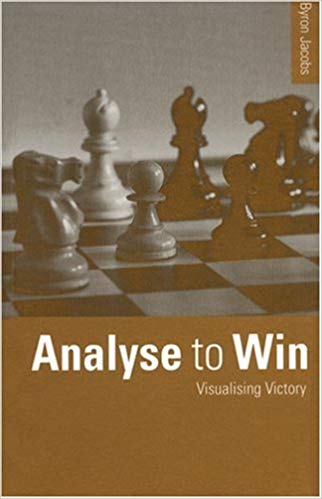
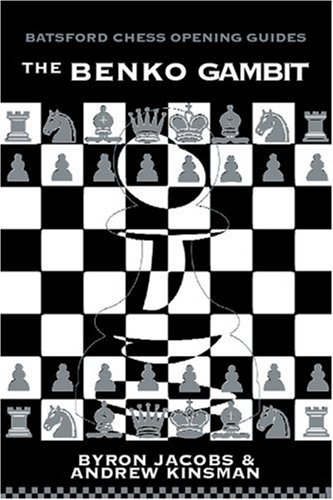
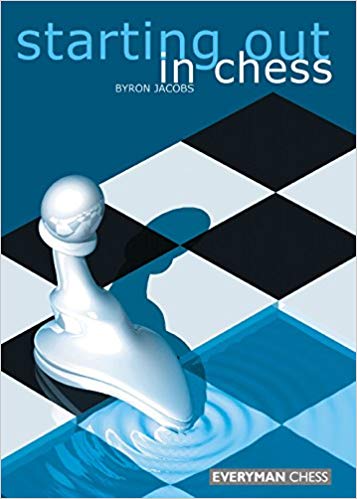
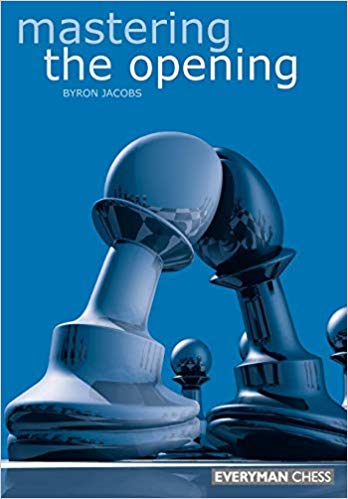
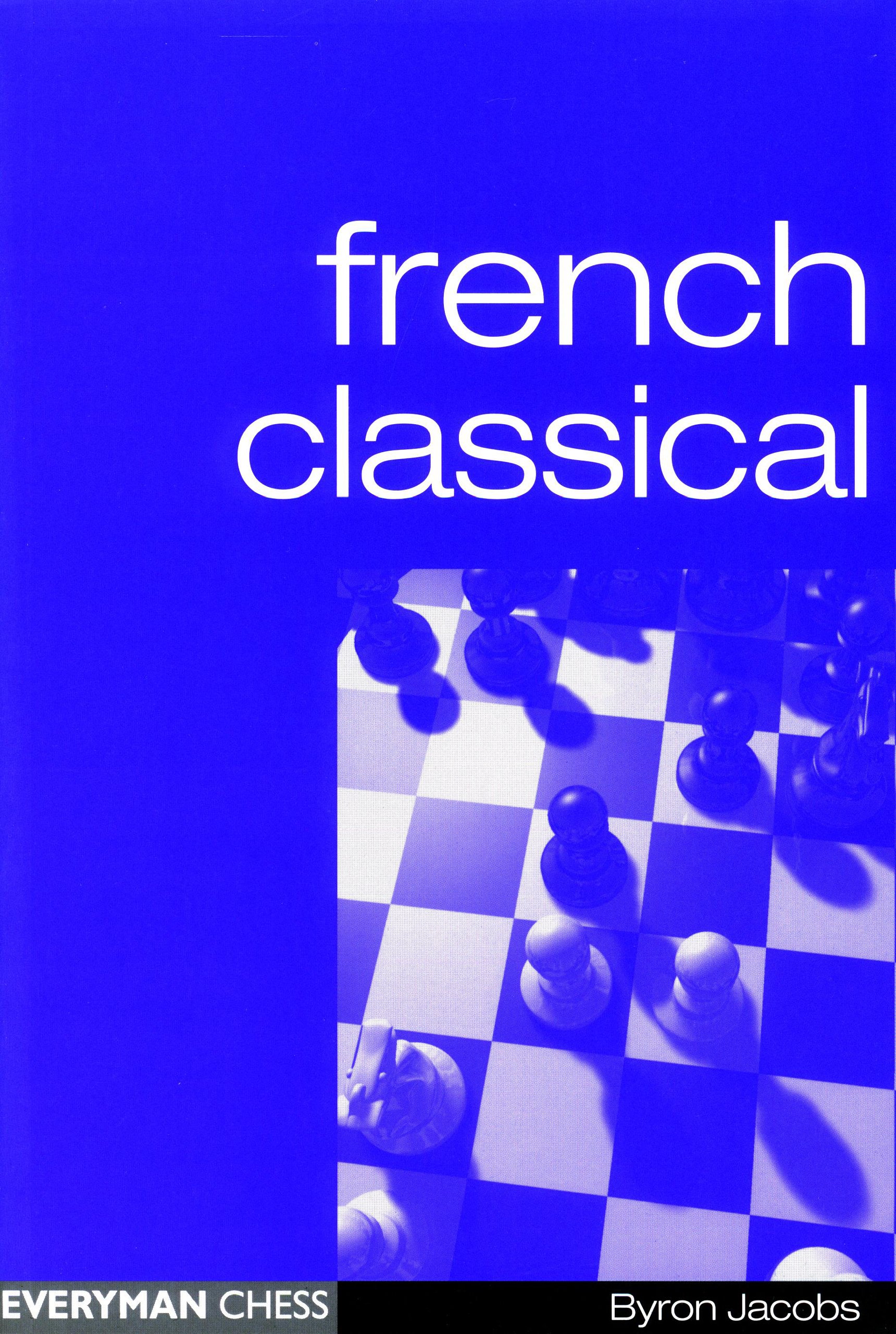
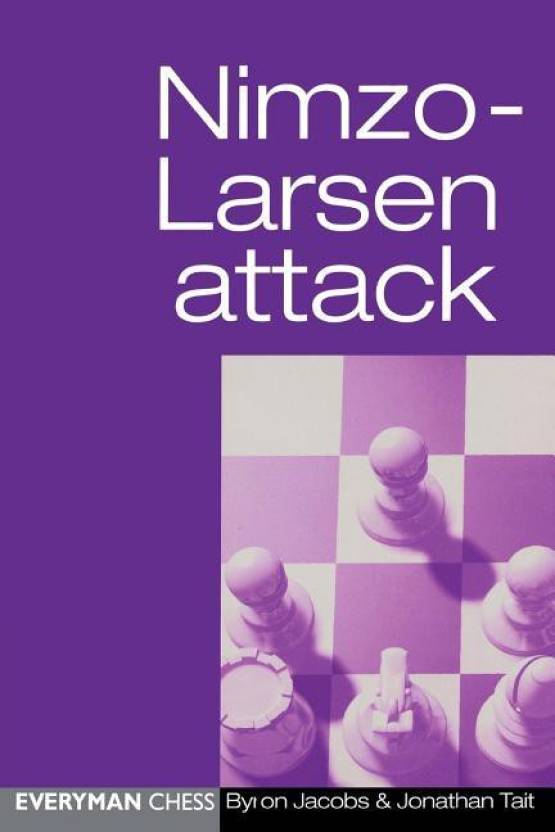
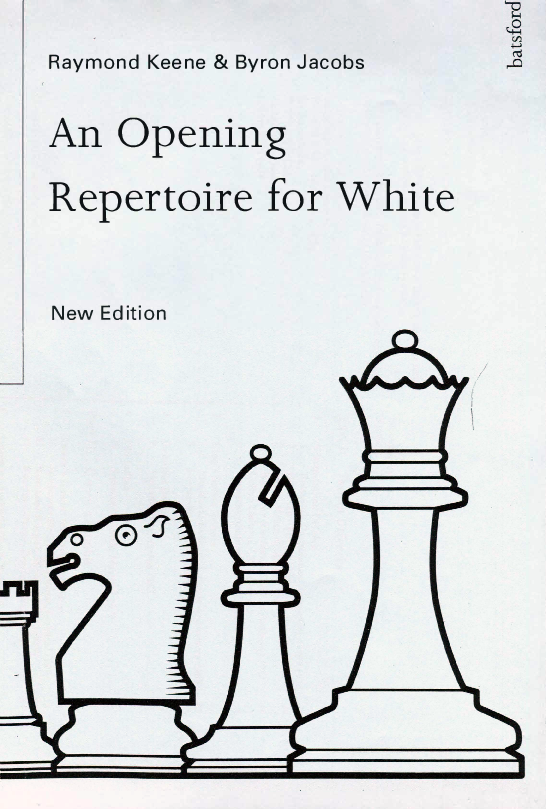
The Times Winning Moves (1991 with Ray Keene)The Complete King’s Indian (1992 with Ray Keene)Winning with the Benko (1995)The Caro-Kann Advance (1997)Analyse to Win (1997)The Benko Gambit by Andrew Kinsman & Byron Jacobs (1999)Starting Out in Chess (1999)Mastering the Opening (2001)French Classical (2001)Nimzo-Larsen Attack (2001)An Opening Repertoire for White (2003)
From The Oxford Companion to Chess by Hooper & Whyld :
He was winner of second prize in the first international tournament, London 1851. He developed his chess skill in the 1840s, meeting Dubois in Rome, Kieseritzky in Paris, and many players, including Buckle, in London, His style was that of the English school, and he understood well the positional ideas of the English opening and the Sicilian Defence. In 1847 he was elected Member of Parliament for Richmond, Yorkshire, a seat he held until 1868 except for a break of two years. The London 1851 tournament consisted of a series of knock-out matches. After defeating Williams (+4-3) in the third round and losing to Anderssen ( + 2=1-4) in
the fourth and final round, Wyvill was placed second. His score against Anderssen was better than that made by other players (Kieseritzky
“1—2, Szen +2—4, Staunton +1—4), Wyvill had
proved himself one of the leading players of his time. Although he played in no more tournaments he retained an interest in the game throughout his
life.
Regarded by Staunton as “one of the finest players in England”. Wyvill was primarily an enthusiastic amateur of chess, yet in his sole tournament appearance at London 1851 he took second prize behind Anderssen, but ahead of Williams, Staunton, Horwitz, Szen, etc.
In the course of this event Wyvill defeated Lowe by +2-0, Kennedy by +4-3=1 and Williams by +4-3. In the final he succumbed to Anderssen by the honourable score of +2-4=1. At the time of the tournament Wyvill was Member of Parliament for Richmond, Yorkshire.
An adherent of the same playing style as Staunton and Williams, Wyvill possessed a fine appreciation of the English Opening and the Sicilian Defence, both of which he employed to deadly effect in the London tournament.
Long after he had retired from competitive play he retained a great interest in the game and his name appears as one of the members of the General Committee in the book of the London 1883 tournament, together with his contribution to the tournament funds of the sum of £100. £100 in 1883 would be worth £2,500 today.
Here is an example of the Wyvill pawn formation :
The Wyvill formation is a name given by Tarrasch to a pawn formation with doubled pawns as shown above. This formation was not unfamiliar to Wyvill but could with more justification have
been named after Winawer who so frequently doubled his opponent’s c-pawns that this and similar formations became known as his trademark. The technique for attacking the Wyvill formation was also understood by Neumann and before him by Carl Hamppe (1814-76), the leading
Viennese player of the 1850s.
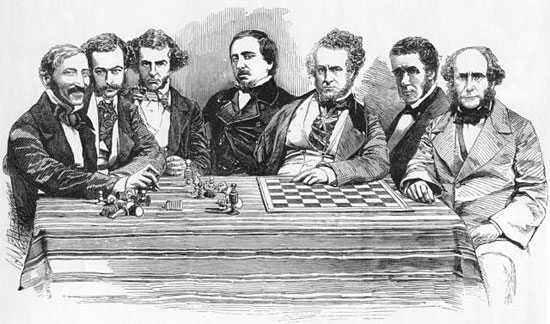
Marmaduke Wyvill at Leamington Spa, seated third from left.
We focus on the British Chess Scene Past & Present!
This website uses cookies to improve your experience. We'll assume you're ok with this, but you can opt-out if you wish. Cookie settingsACCEPT
Privacy & Cookies Policy
Privacy Overview
This website uses cookies to improve your experience while you navigate through the website. Out of these cookies, the cookies that are categorized as necessary are stored on your browser as they are as essential for the working of basic functionalities of the website. We also use third-party cookies that help us analyze and understand how you use this website. These cookies will be stored in your browser only with your consent. You also have the option to opt-out of these cookies. But opting out of some of these cookies may have an effect on your browsing experience.
Necessary cookies are absolutely essential for the website to function properly. This category only includes cookies that ensures basic functionalities and security features of the website. These cookies do not store any personal information.