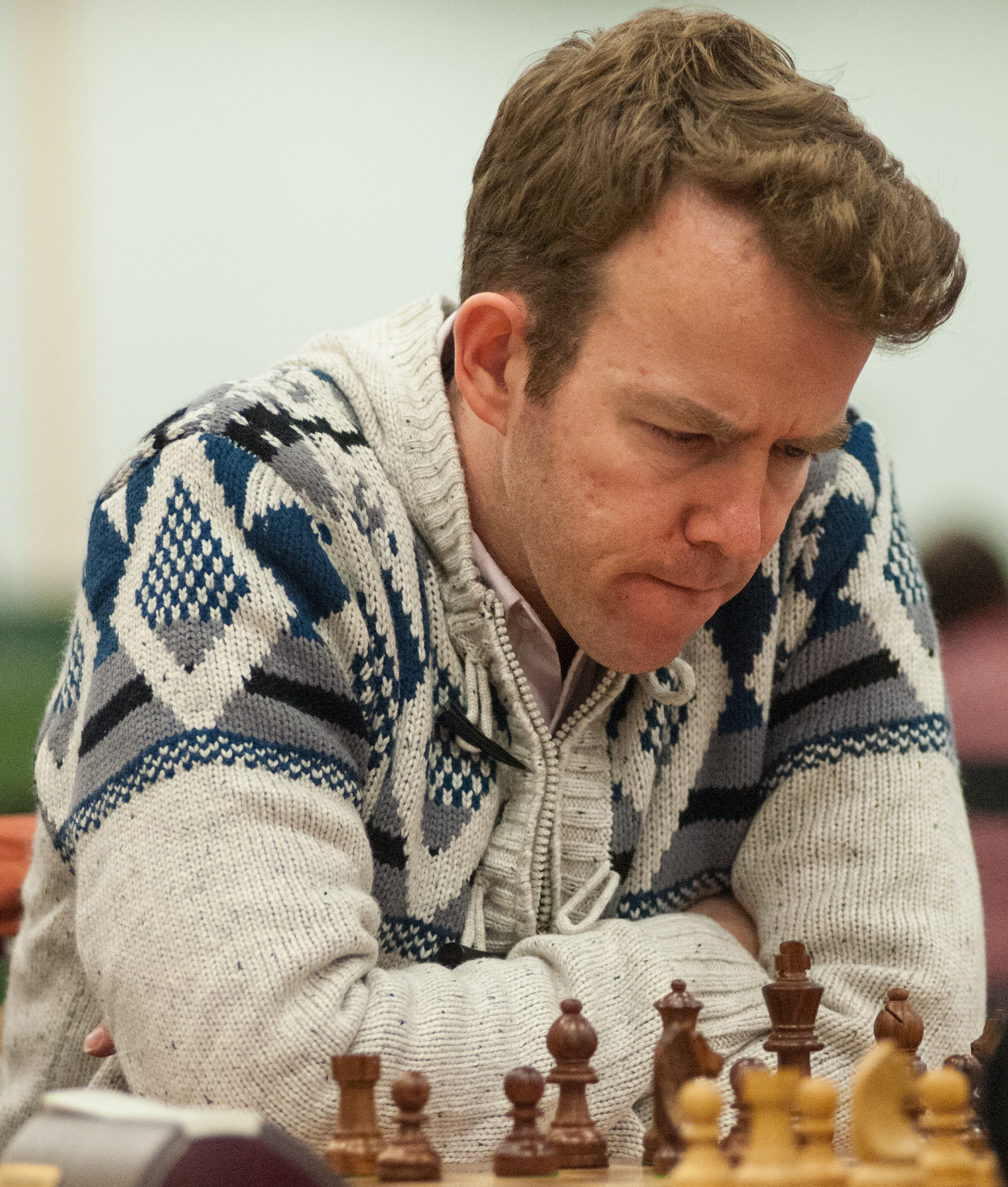
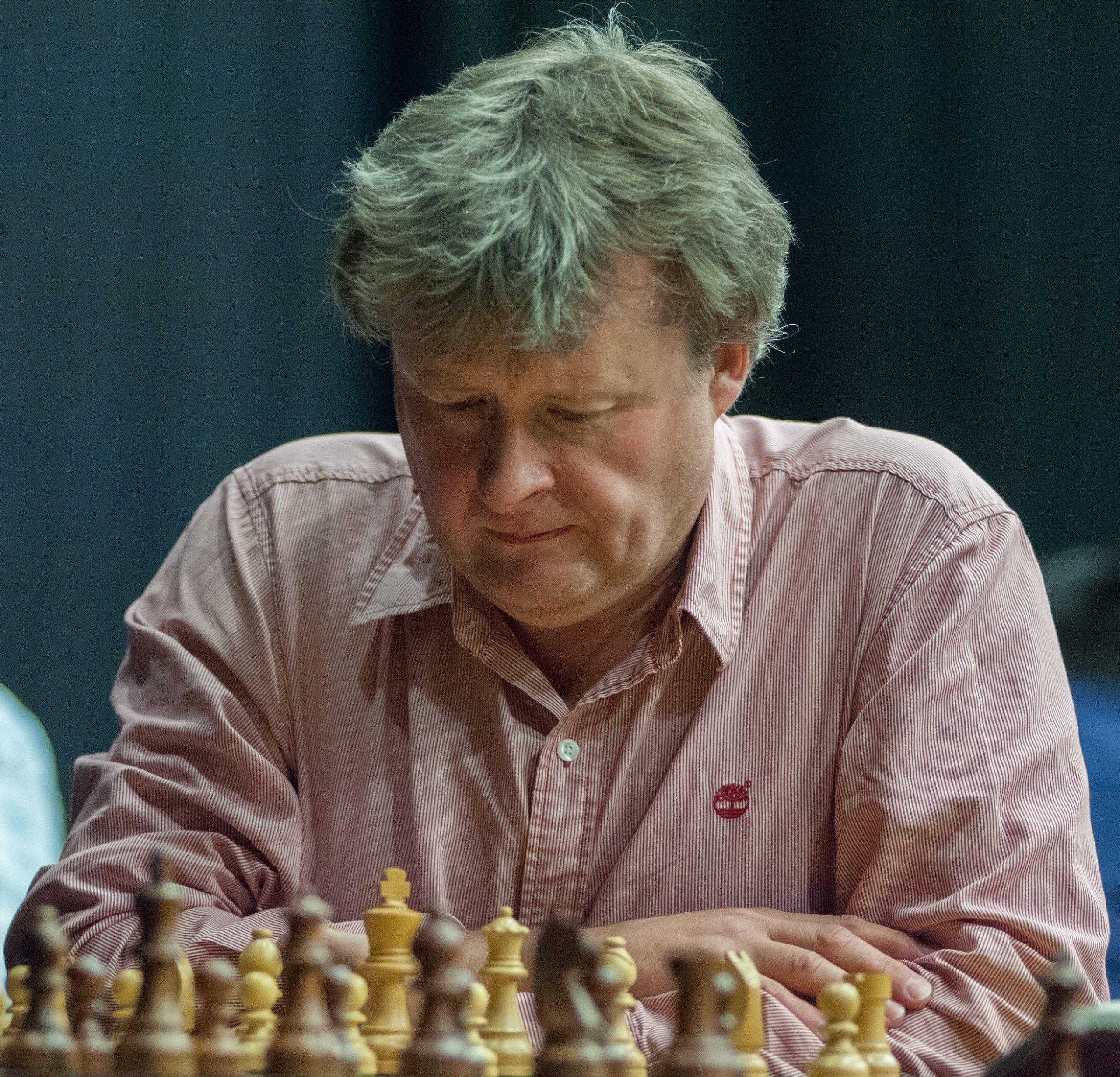
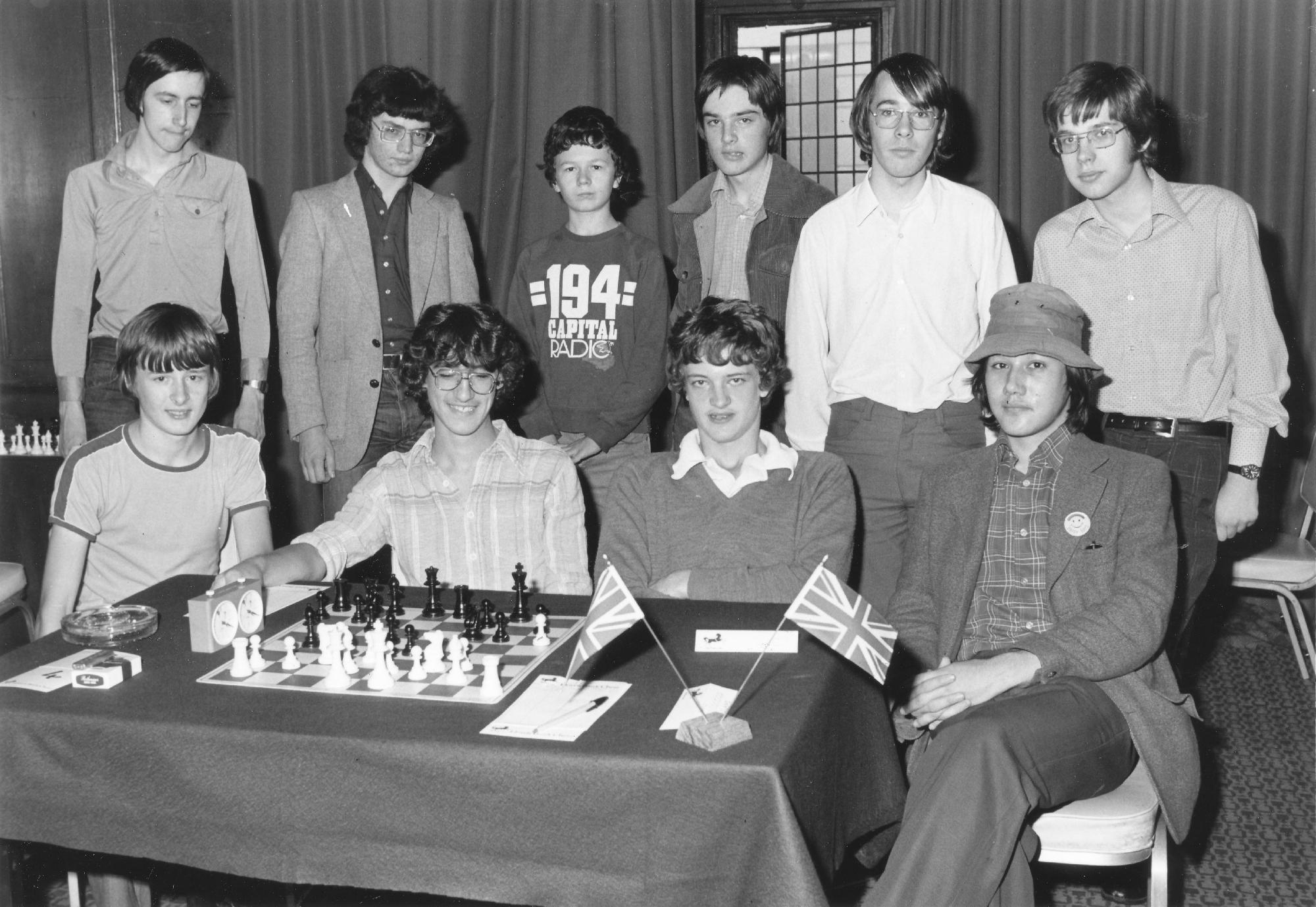
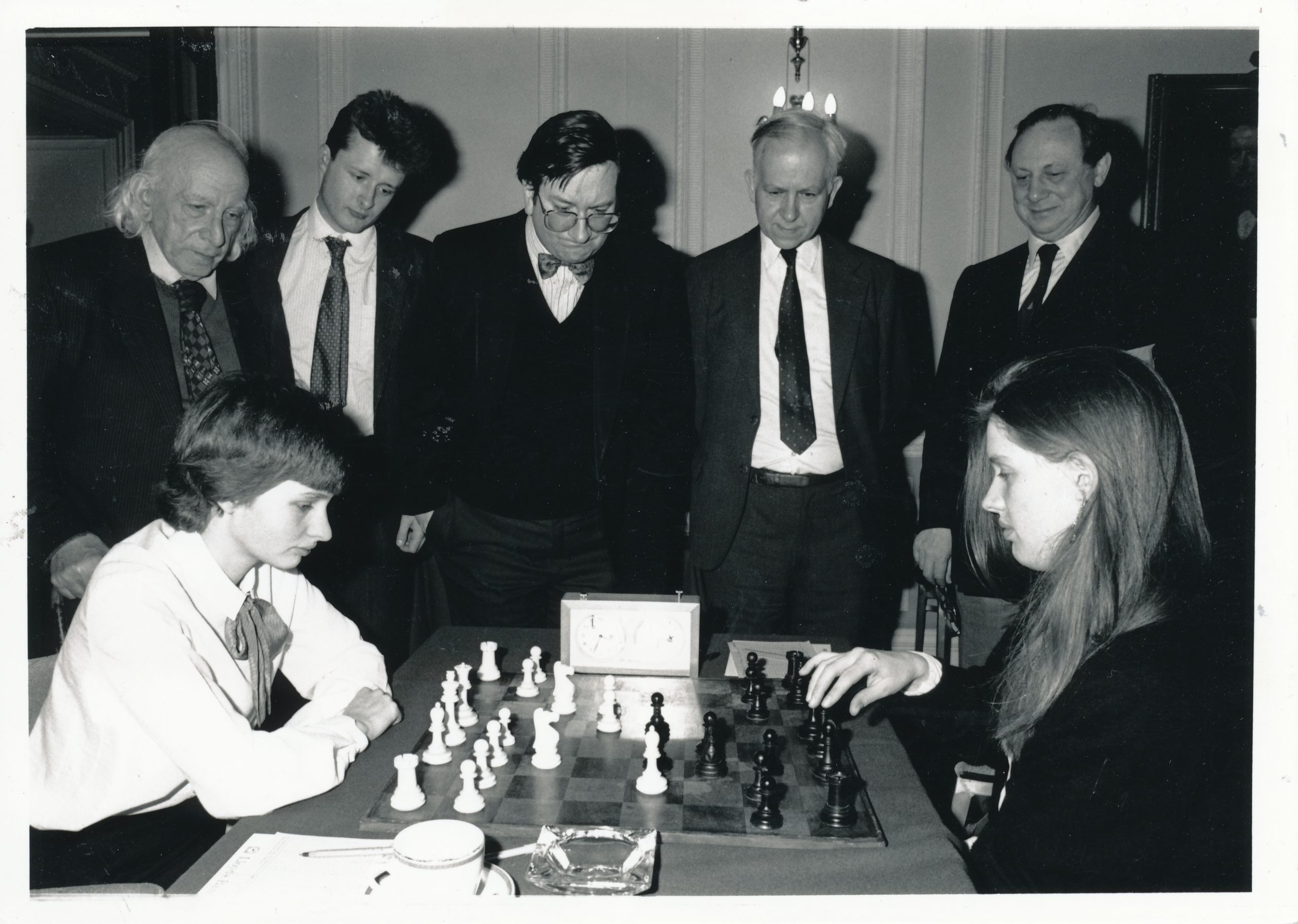
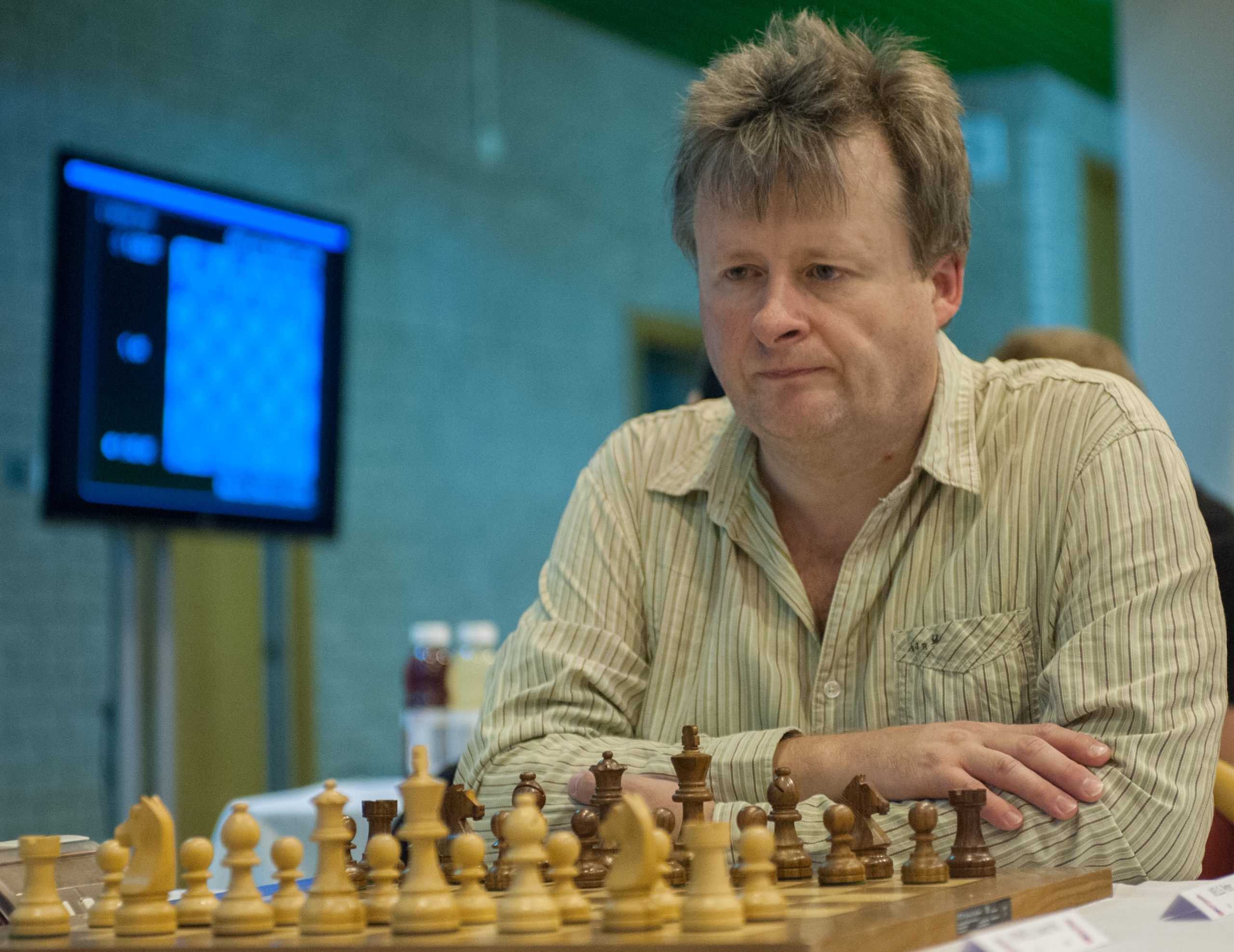
We wish Tony Kosten best wishes on his birthday, this day (July 24th) in 1958.
Tony was born in North Eastern Surrey, and eventually relocated to France where he now resides.
Tony is married to Gyongyver Kosten-Forintos, the daughter of Hungarian Grandmaster Győző Forintos.
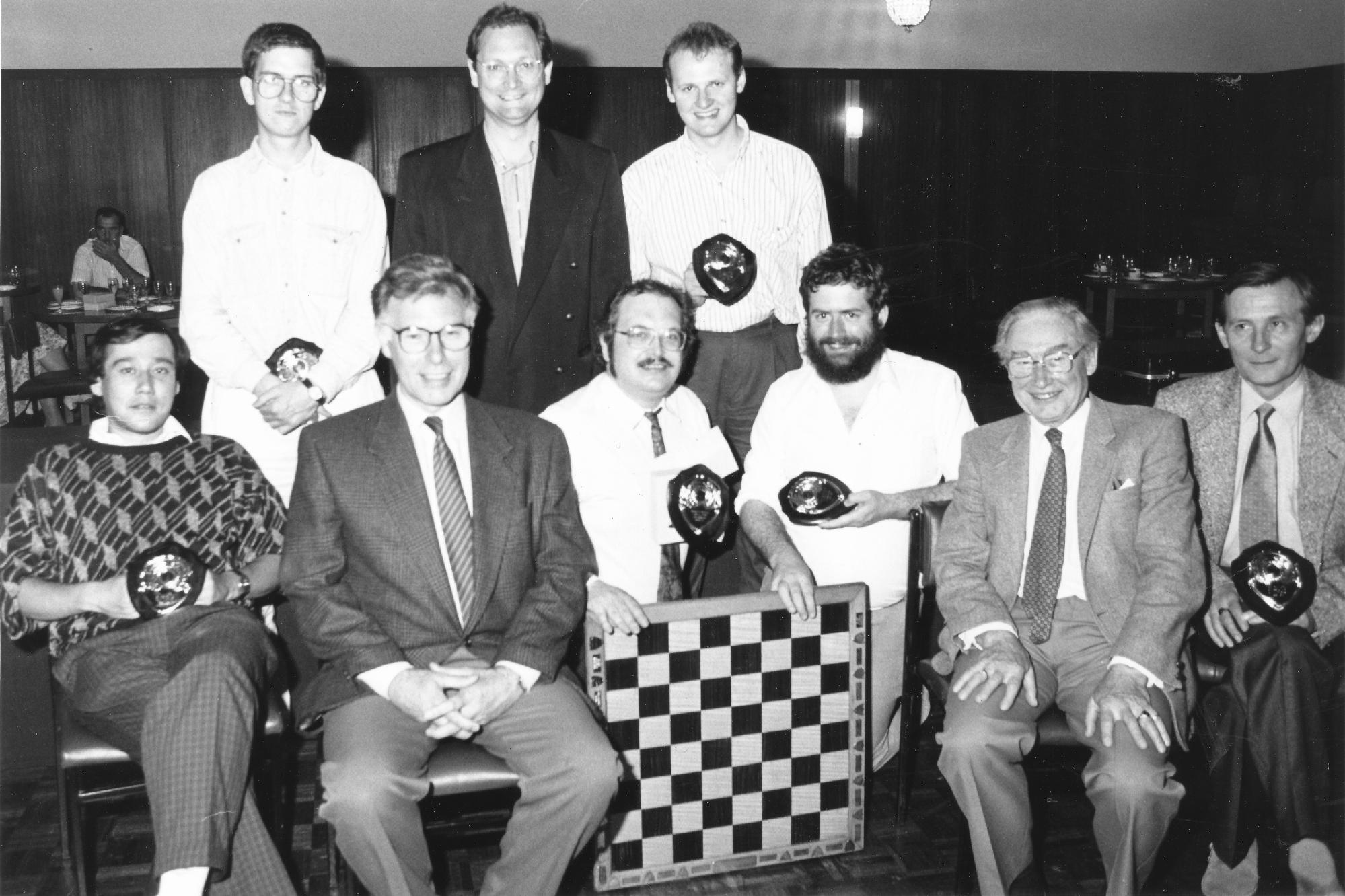
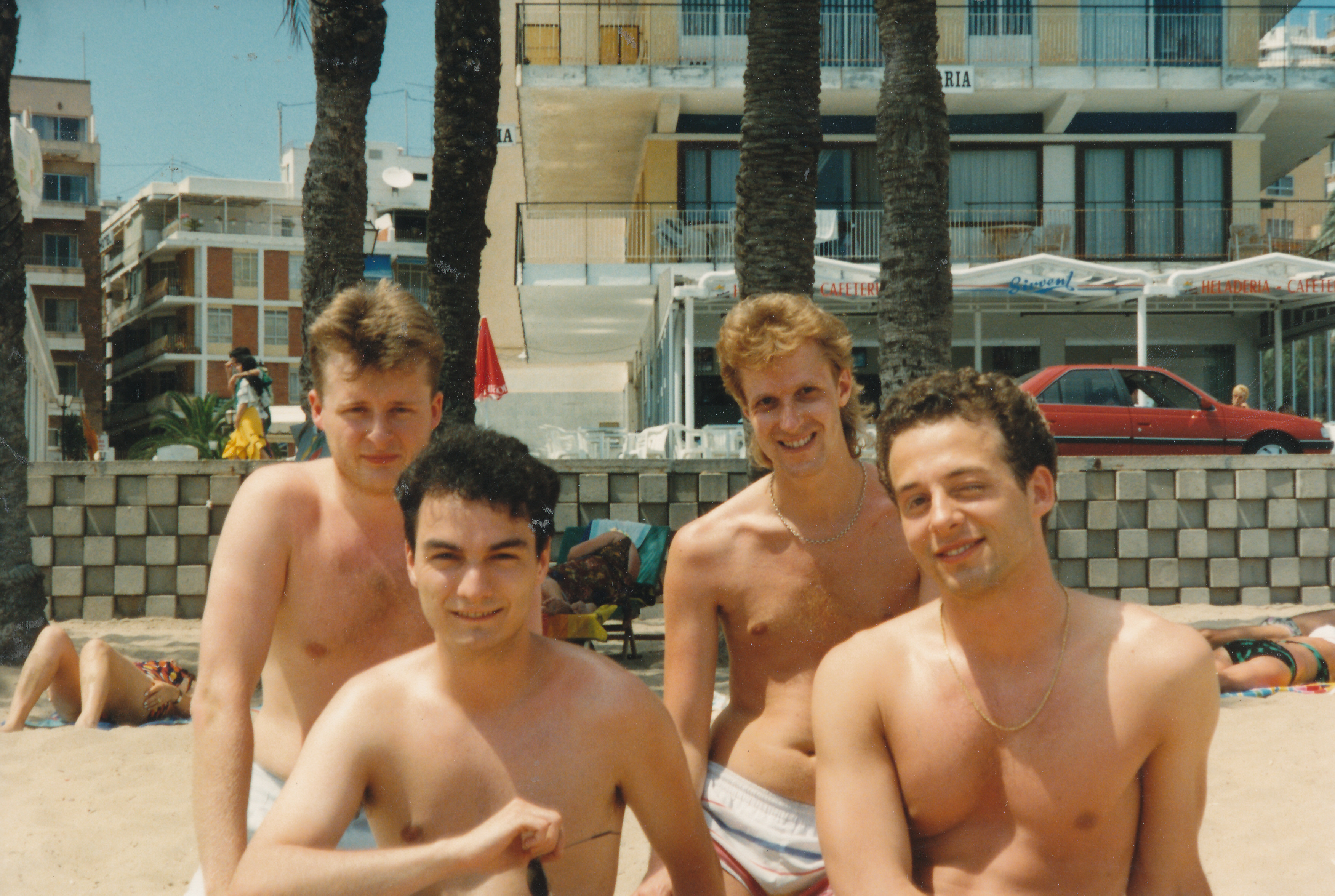
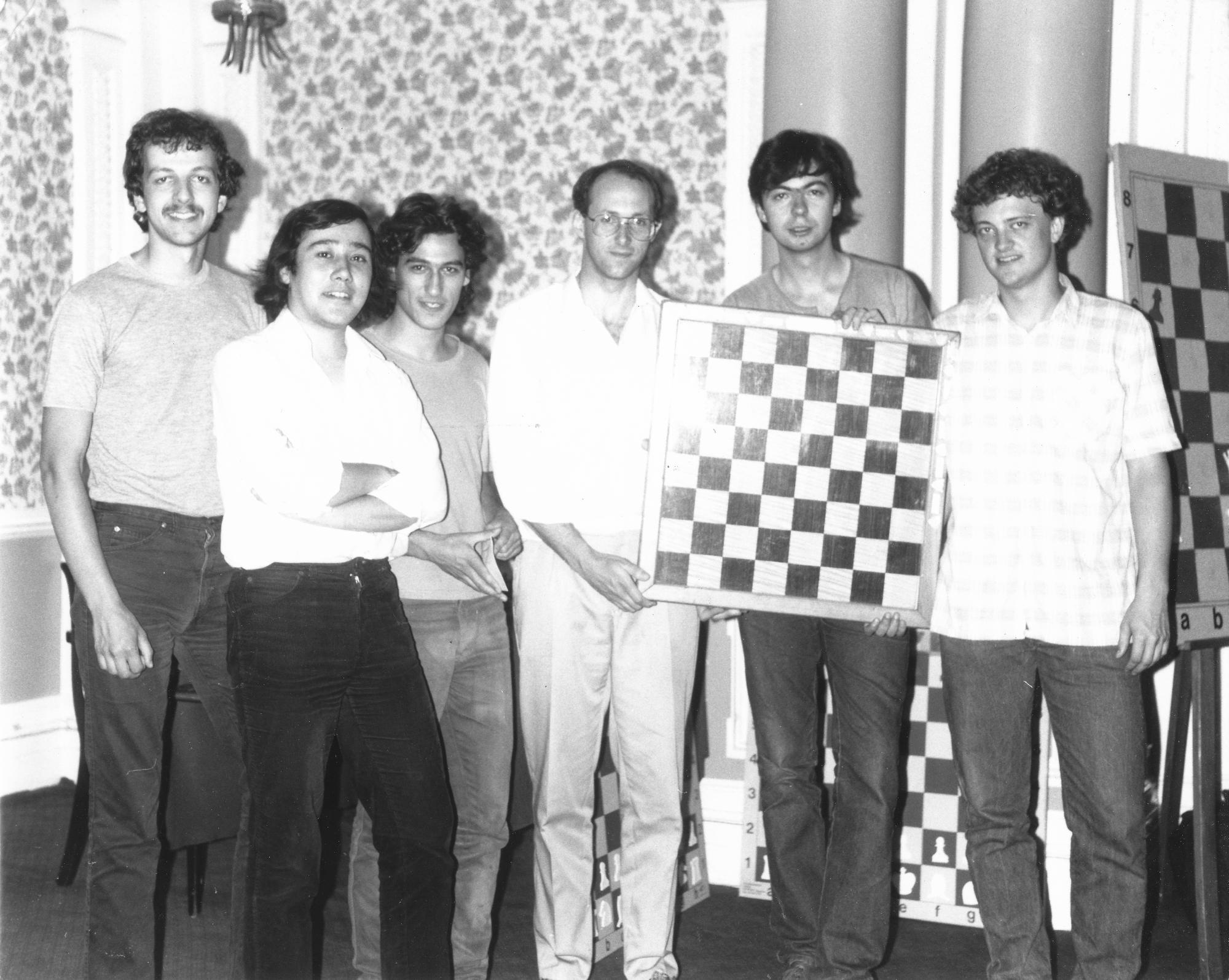
Streatham & Brixton becoming BCF National Club Champions in 1989. The team was Tony Kosten, Mark Hedben, Daniel King, Nigel Povah (Captain), Joe Gallagher and Julian Hodgson : quite a strong team
Tony played for Lower Earley Chess Club in the Berkshire League and for Streatham & Brixton in the National Club competition.
He was =3rd in the 1982 British Championship in Torquay (won by Tony Miles)
He was =2nd in the 1984 Robert Silk Young Masters.
He won the Berkshire Chess Association Quickplay title in 1985.
Tony was runner-up to Yuri Balashov at Minsk 1986.
He won Naujac 2000 with 7.5/9
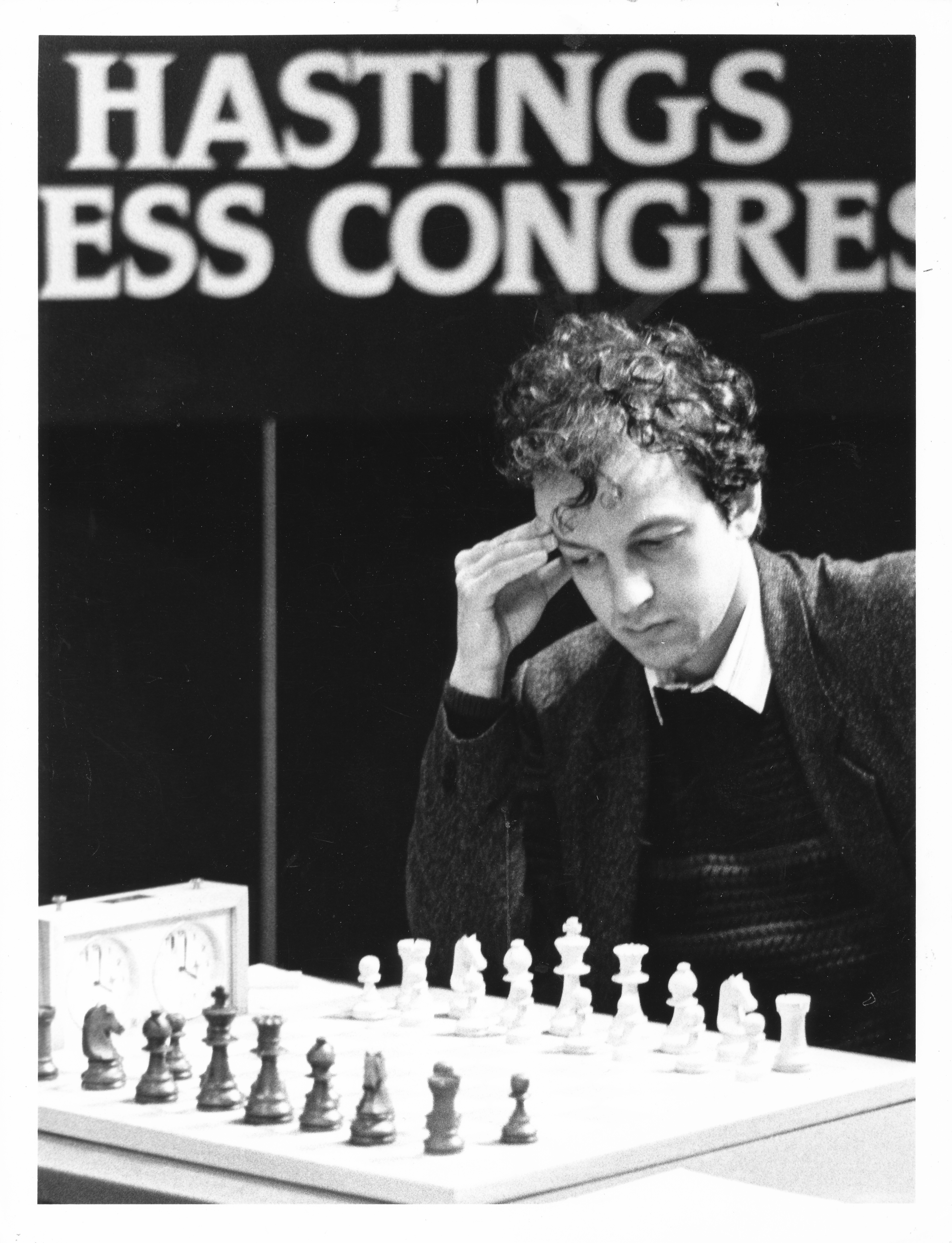
Tony won many other events : See his Wikipedia entry for details.
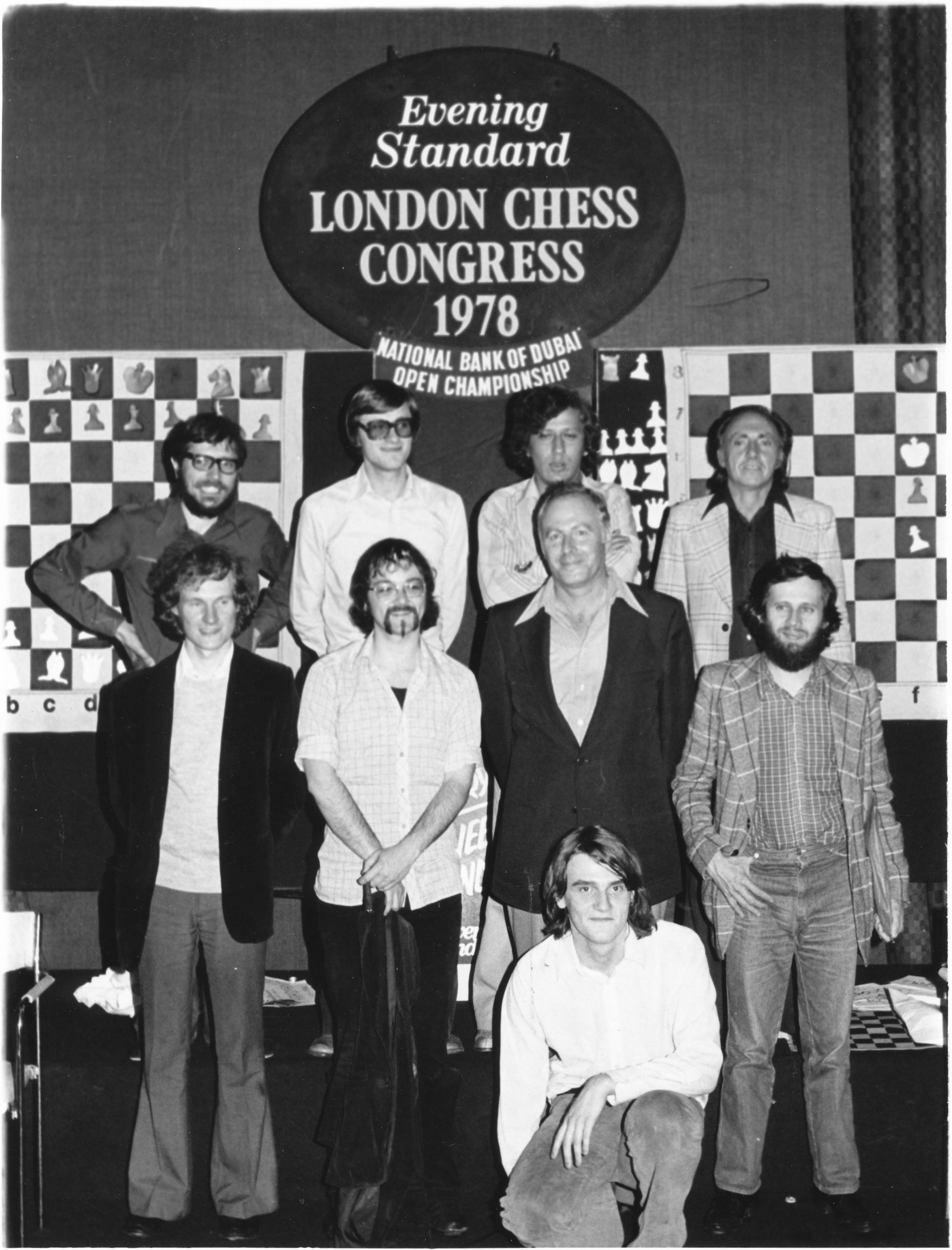
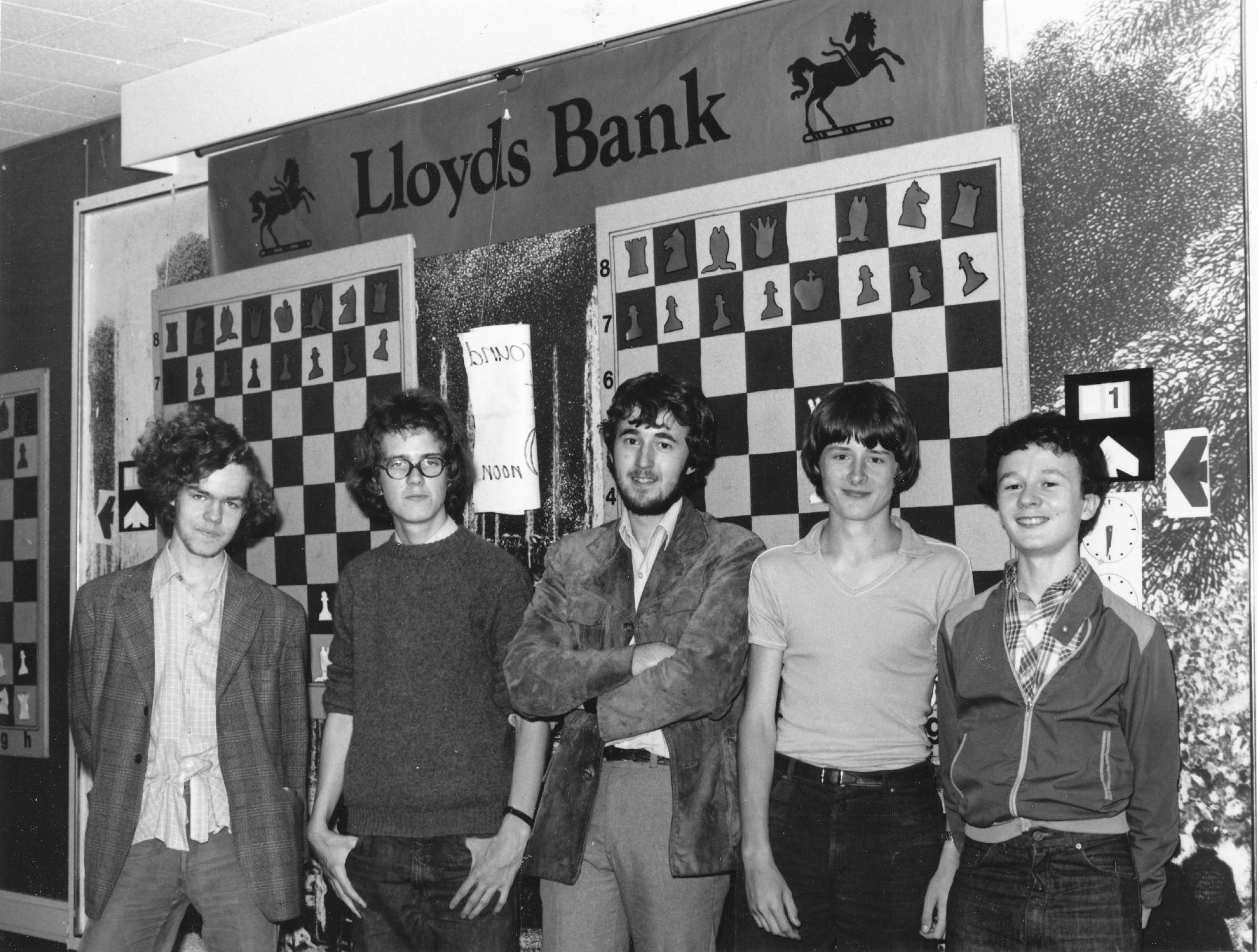
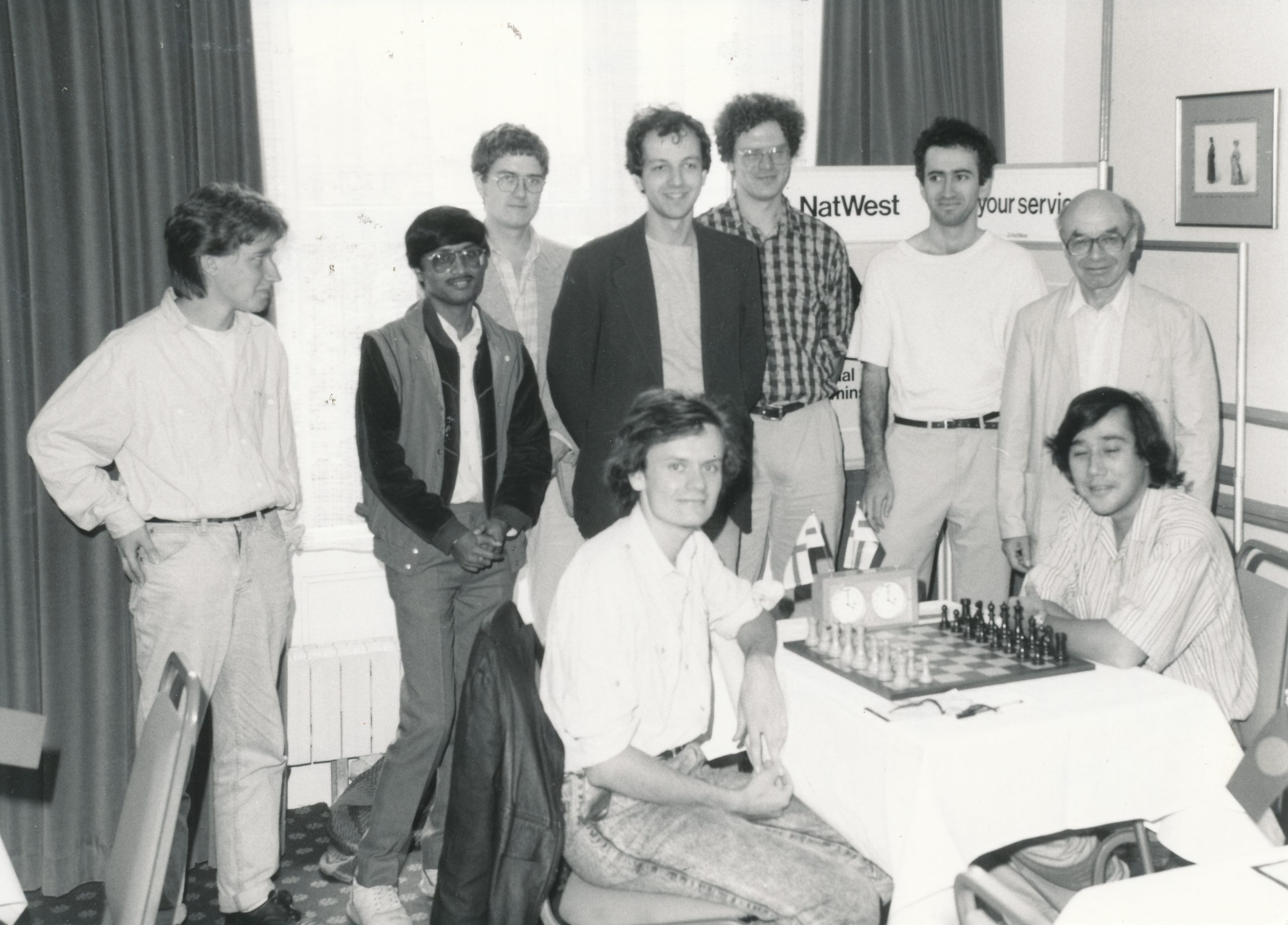
Tony Kosten (fourth from left) at a NatWest Bank sponsored event
Tony is the founder of chesspublishing.com, a subscription based web site specialising in cutting edge opening theory with many contributors.
He plays for Guildford in the Four Nations Chess League (4NCL) is registered as a member of the French federation. He also plays for Schott Mainz in the German Team Championship.
According to Megabase 2020 his highest FIDE rating was 2551 in July 2002 at the age of 44.
With the white pieces Tony prefers the Ruy Lopez and Giuoco Piano with the English coming a close second.
With black Tony defends the Lopez and the Nimzo-Indian defence.
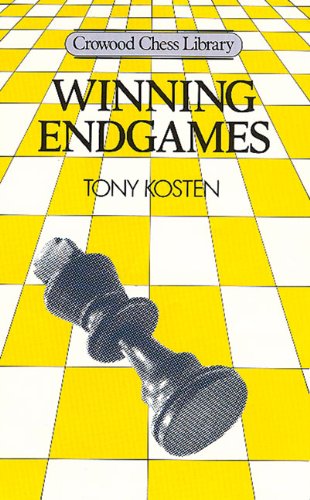
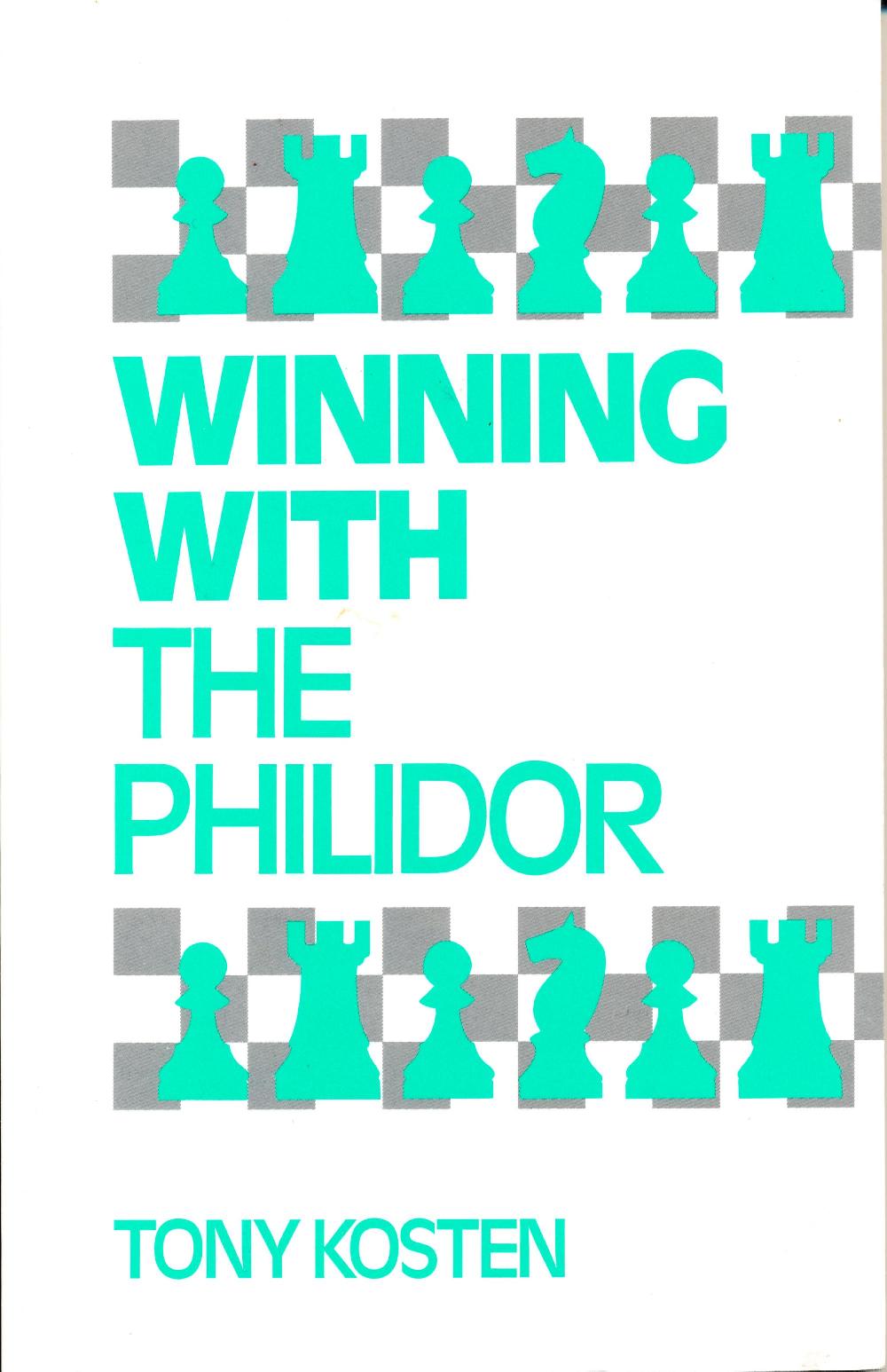
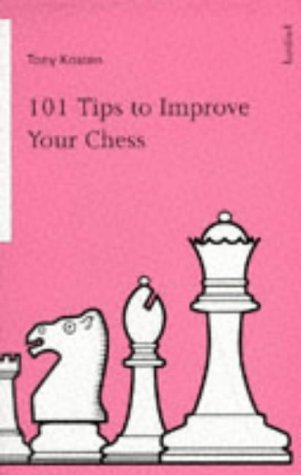
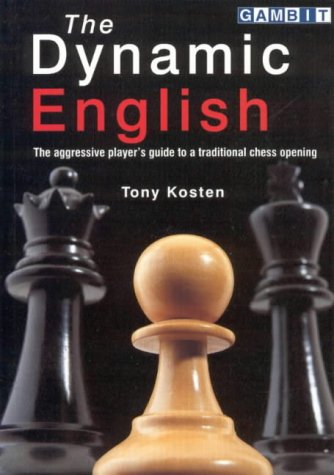
Tony KostenWinning Endgames, Crowood, 1987Winning with the Philidor, Batsford, 1992101 Tips to Improve your Chess, Batsford, 1996The Dynamic English, Gambit, 1999
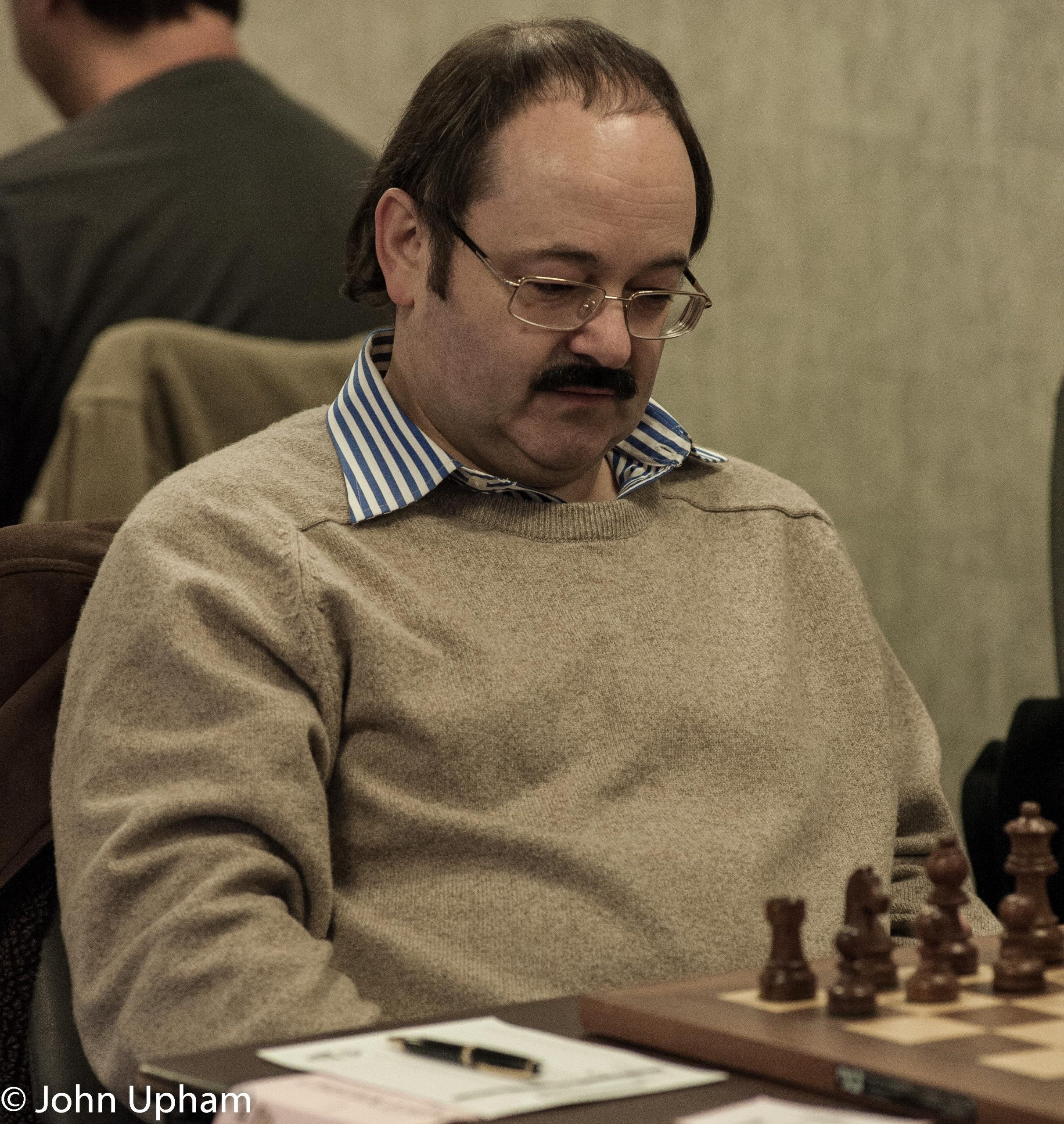
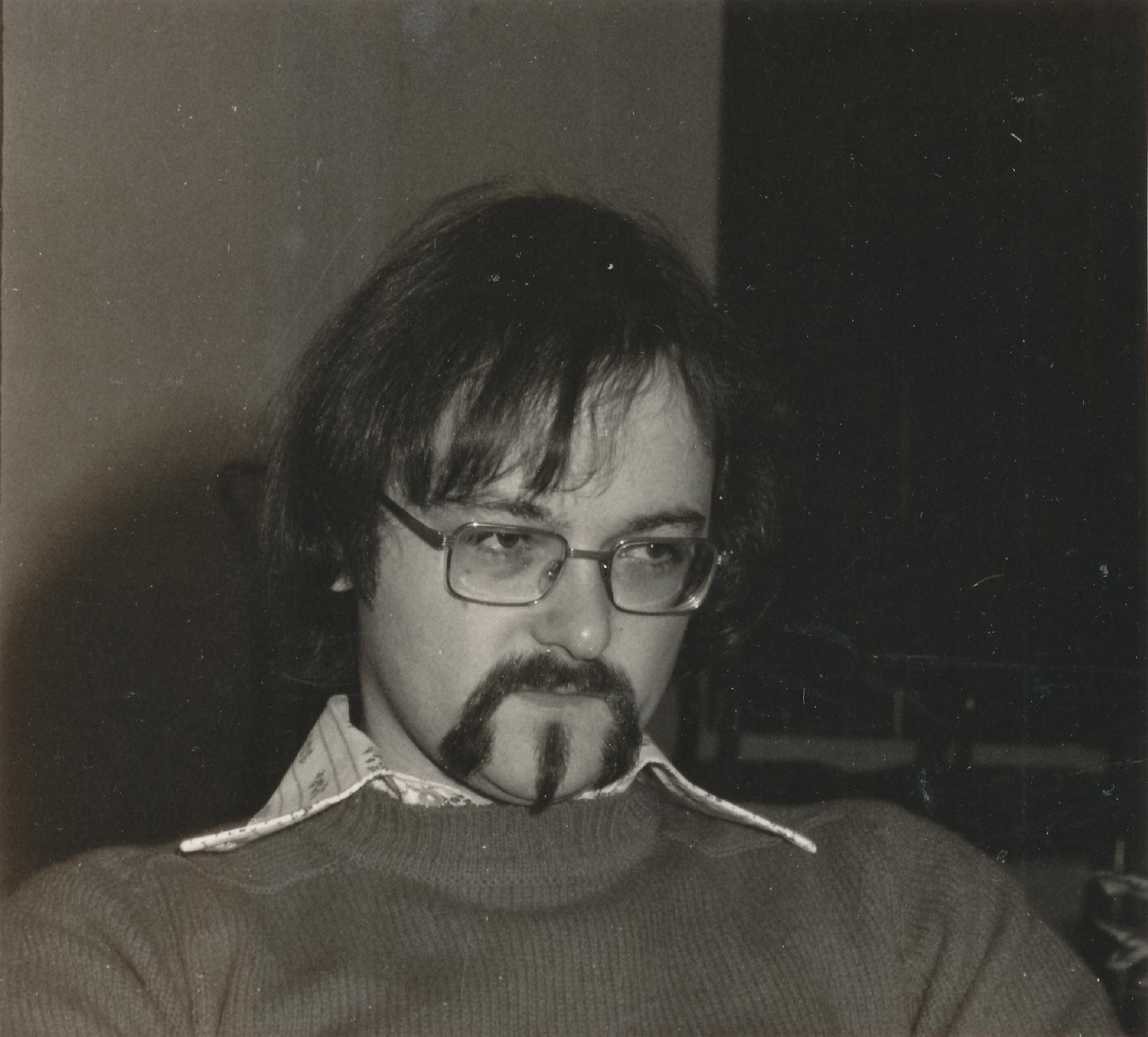
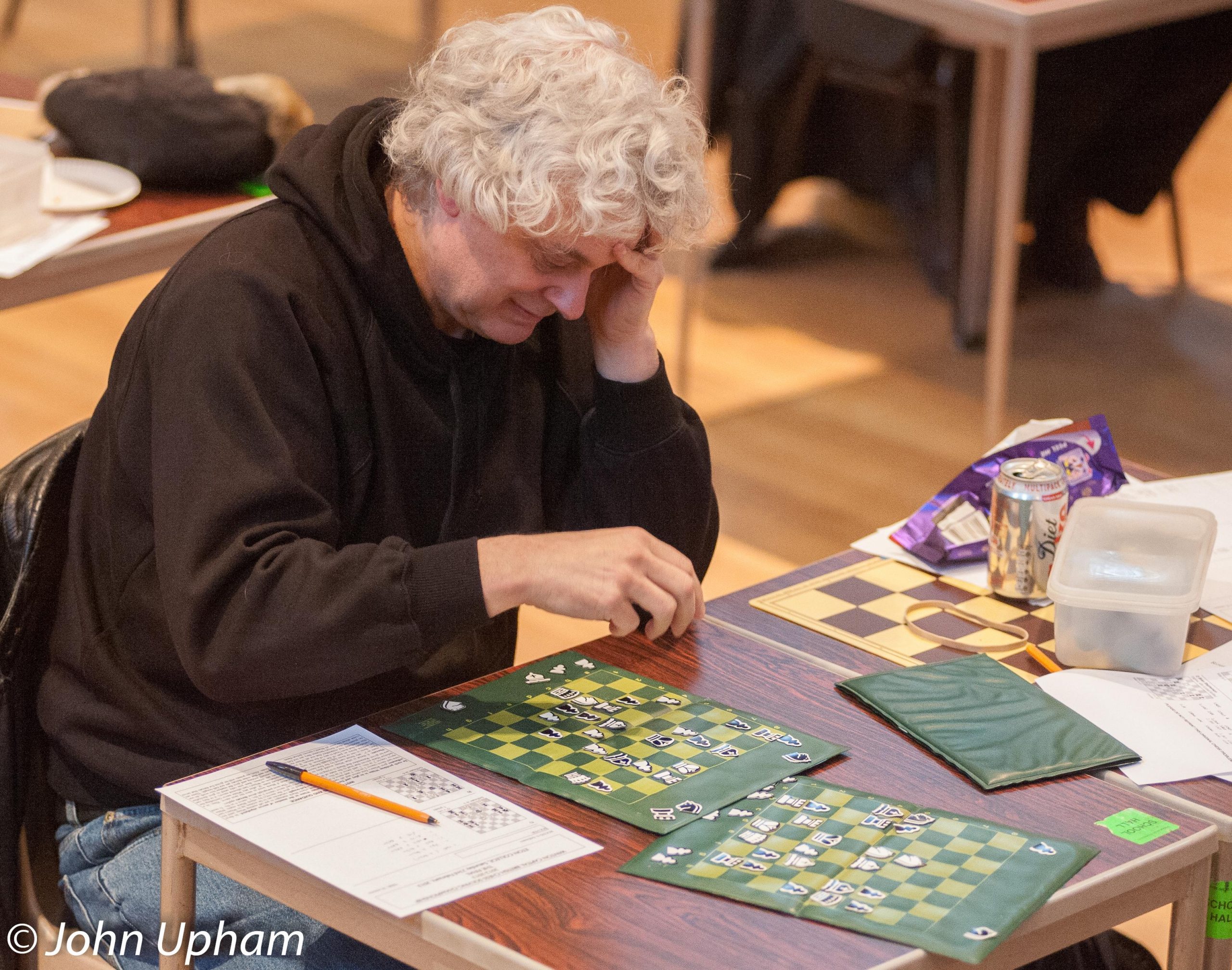
IM Robert Bellin, courtesy of John Upham Photography
BCN sends IM Robert Bellin best wishes on his birthday, this day (the 30th of June) in Great Yarmouth, Norfolk.
His first tournament that appears in MegaBase 2020 was the British Under-14 championship.
He was 1st= in the Islington U18 tournament in 1970 with Sergio Mariotti ahead of Michael Stean, John Nunn and a very young Tony Miles
Robert Bellin (middle row, second from left))
Robert was awarded the IM title in 1977. He was outright British Champion in 1979 in Chester having tied first equal (with six others) in 1974 in Clacton. The play-off was won by George Botterill.
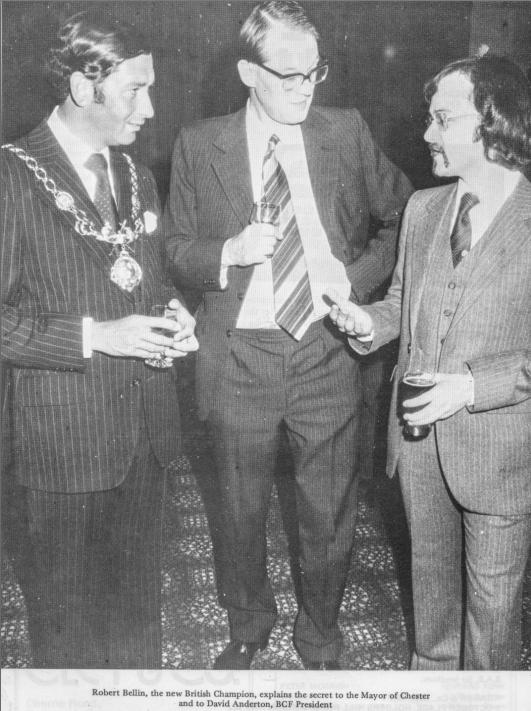
From the BCF 1979-80 Year Book of Chess : Robert Bellin, the new British Champion, explains the secret to the Mayor of Chester (?) and to David Anderton, BCF President
His best international success was in 1981 in Shanghai coming clear first overall.
His highest Elo rating of 2440 was achieved in 1980 at the age of 28.
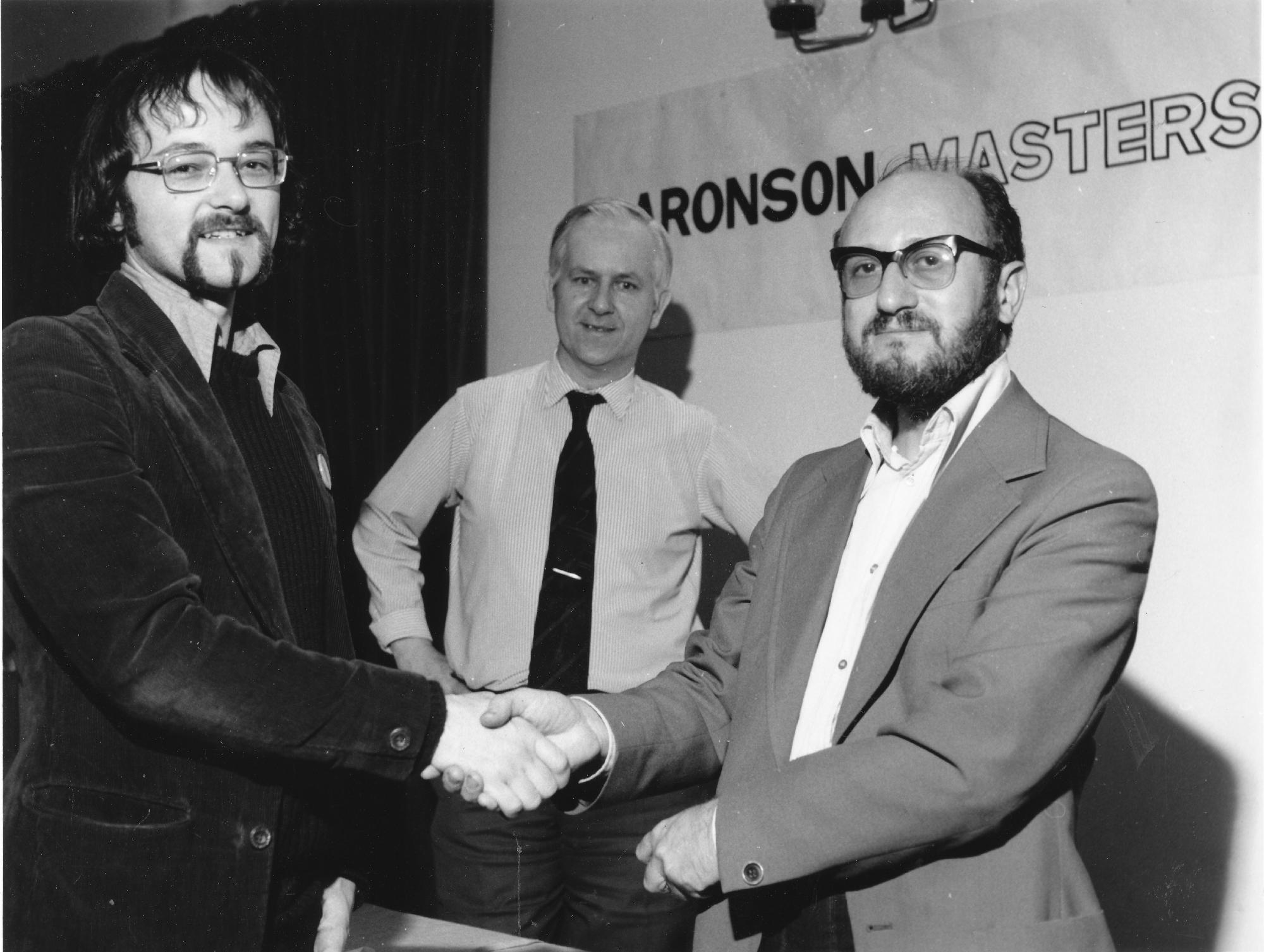
Robert Bellin with Leonard Barden and Stewart Reuben at the 1978 Aaronson Masters in London
Robert plays for 4NCL Cheddleton.
He was a member of the Under-65 seniors world championship winning team in 2019.
Robert is married to WGM Dr. Jana Bellin and they have two sons.
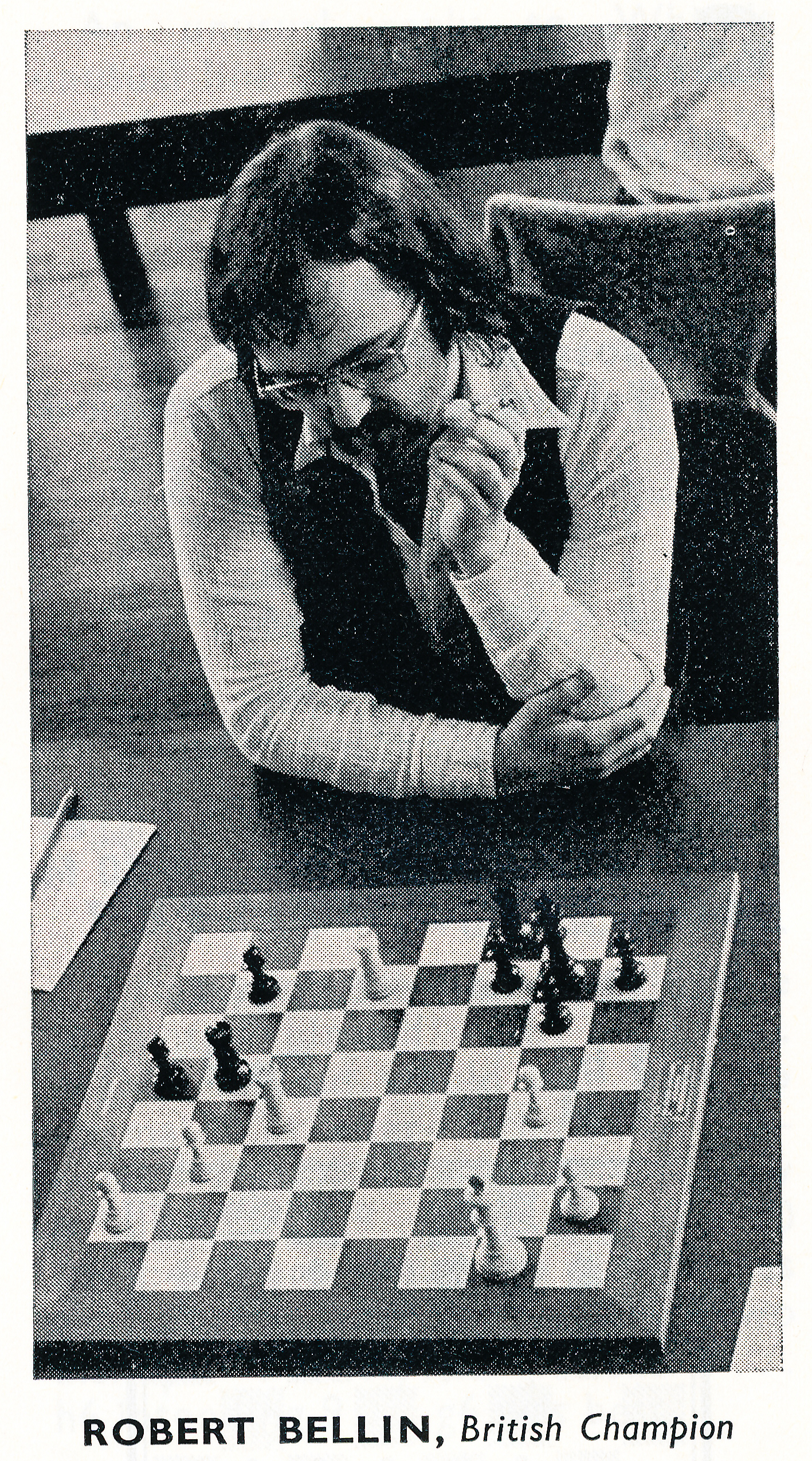
IM Robert BellinRobert Bellin, British Champion, CHESS, Volume 45, Numbers 827-28, page 27.
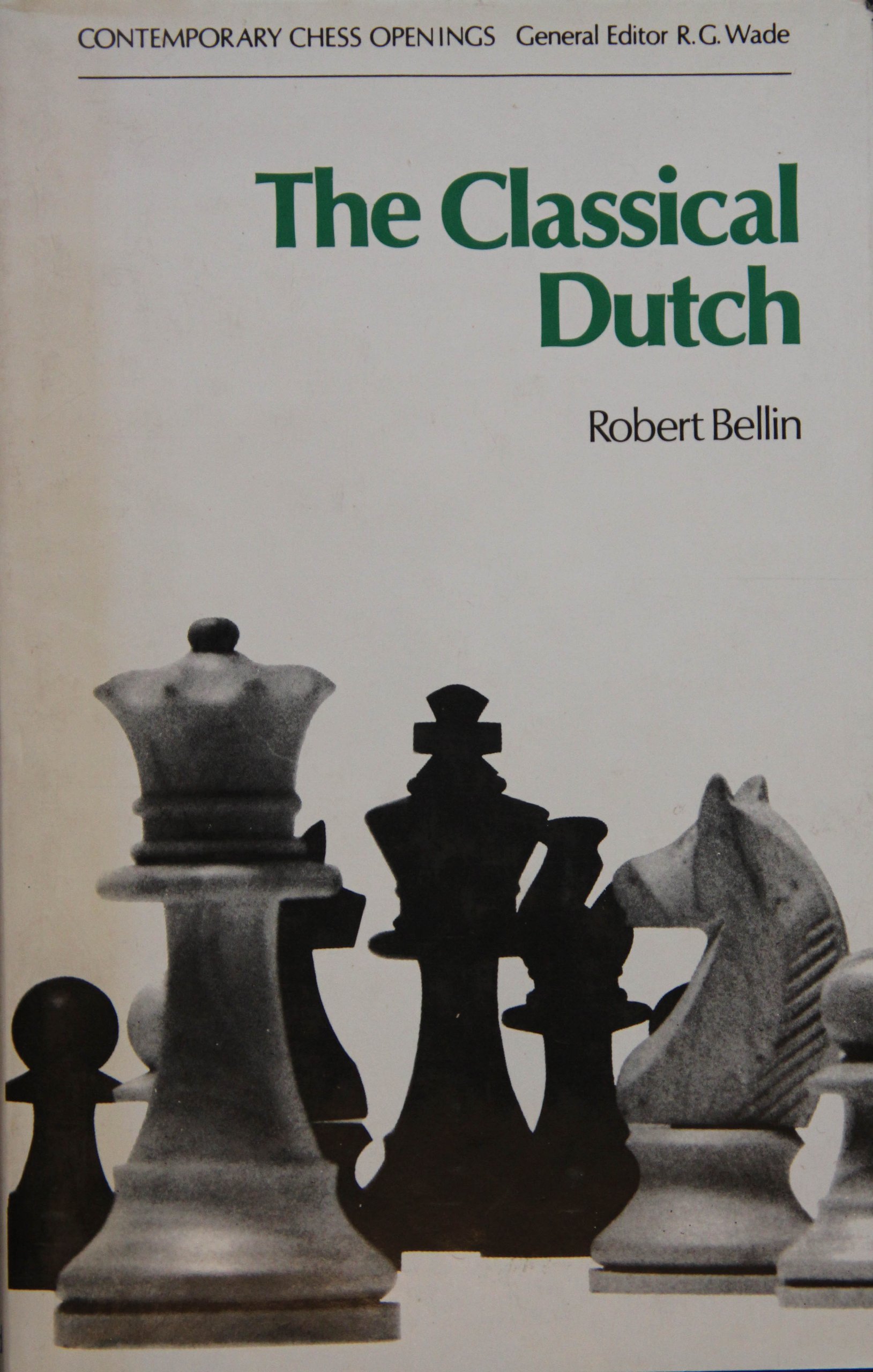
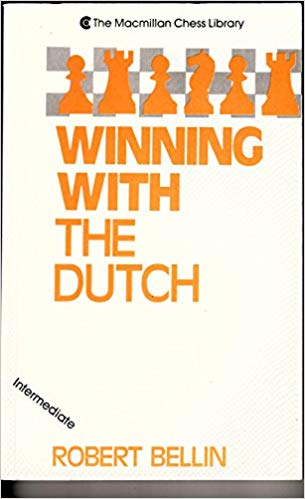
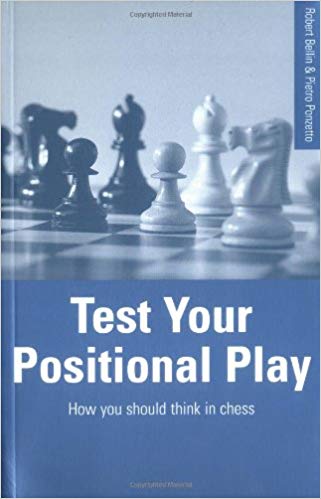
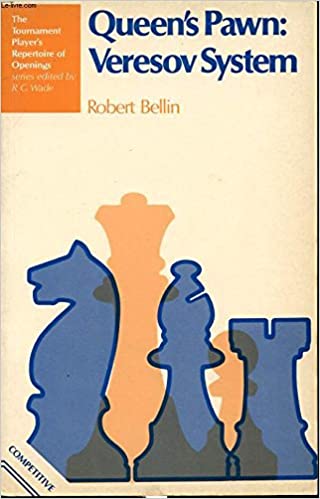
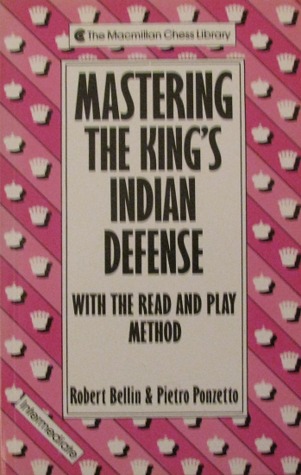
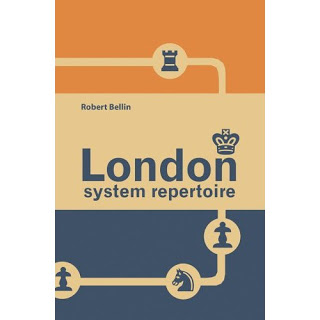
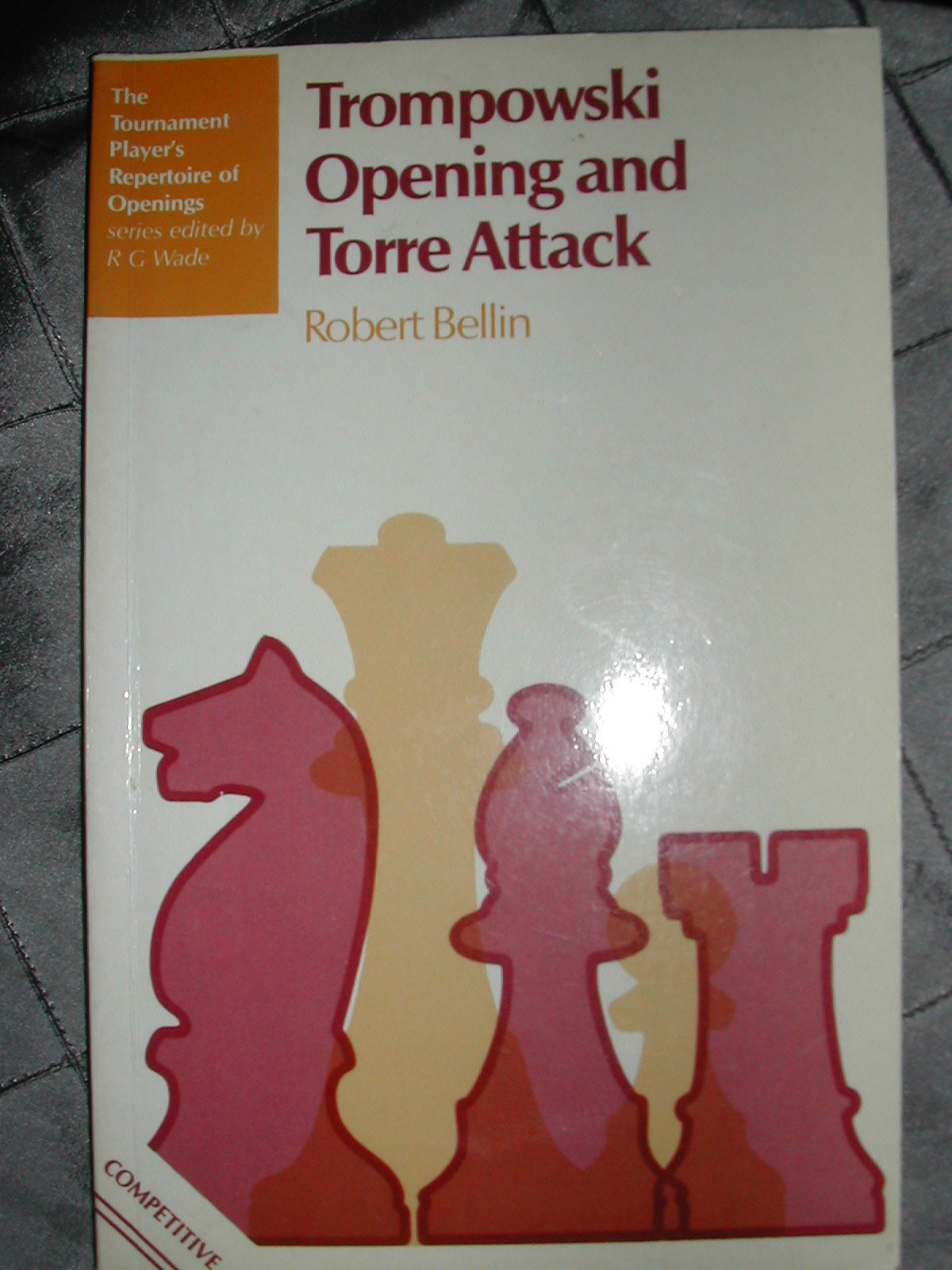
The Classical DutchWinning with the DutchTest Your Positional PlayQueen’s Pawn : Veresov SystemMastering the King’s Indian DefenceLondon System RepertoireTrompowski Opening and Torre Attack
BCN wishes GM Matthew Wadsworth Happy Birthday this day (June 27th).
Previously we reported:
IM Matthew Wadsworth, one of England’s most promising young players, has earned his first Grandmaster norm from his excellent performance in the Four Nations Chess League (4NCL). Matthew, who is twenty, has a current FIDE standard play rating of 2413 and is ranked 34th amongst the active players in England (by FIDE rating) earning his FM title in 2016 and IM title in 2019.
Matthew could leapfrog to Grandmaster status with further norms and by increasing his live rating to 2500. The IM title was ratified at the FIDE Congress, 2nd quarter PB 2019, 27-30 June, Baku, Azerbaijan when his live rating had topped 2400.
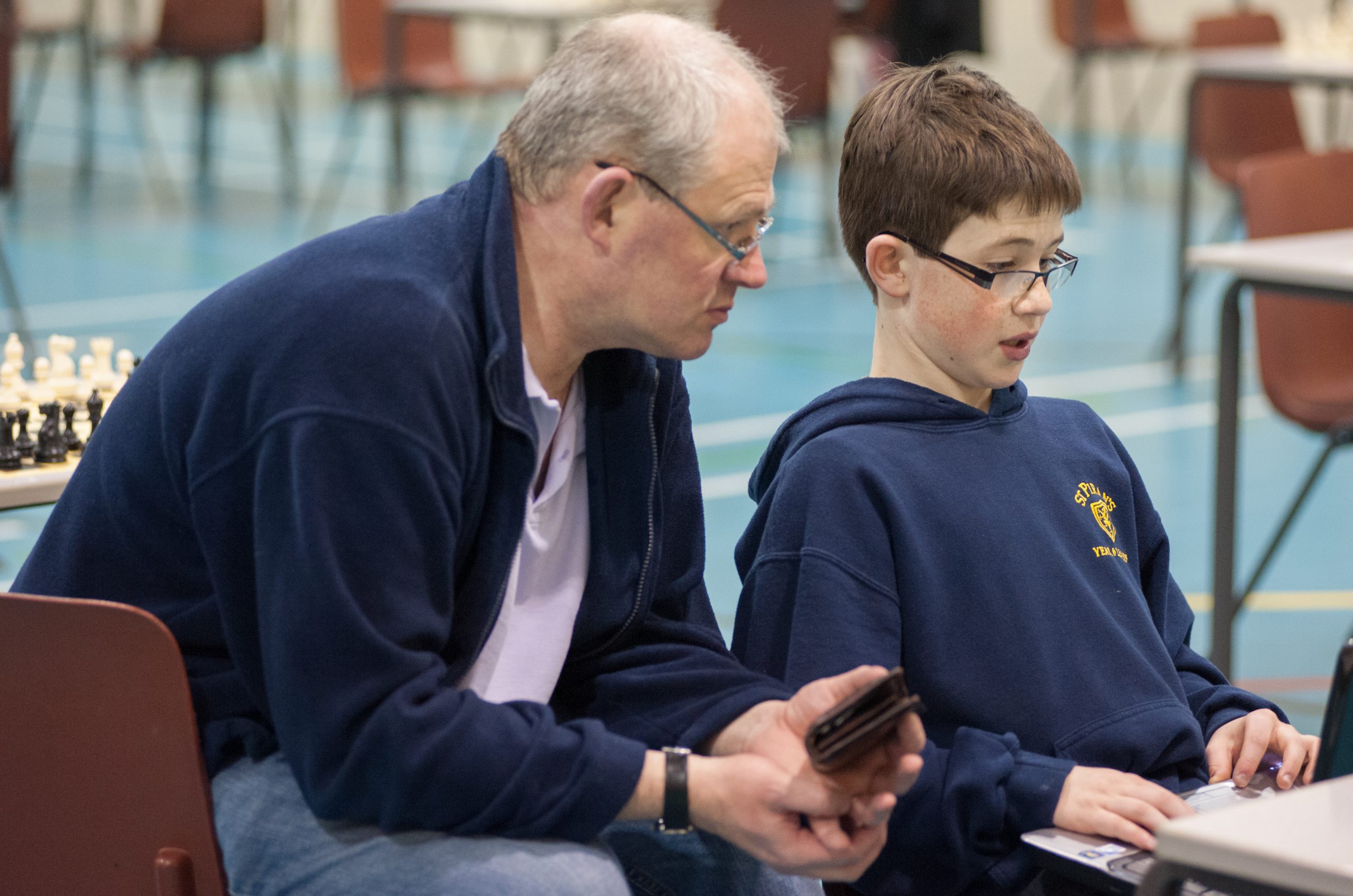
Matthew with father Jim at the 2012 Surrey Congress
Matthew’s first ECF grade was 66A in 2007 (aged 7) and he played for Maidenhead in local leagues, St. Pirans’s School and then Reading School.
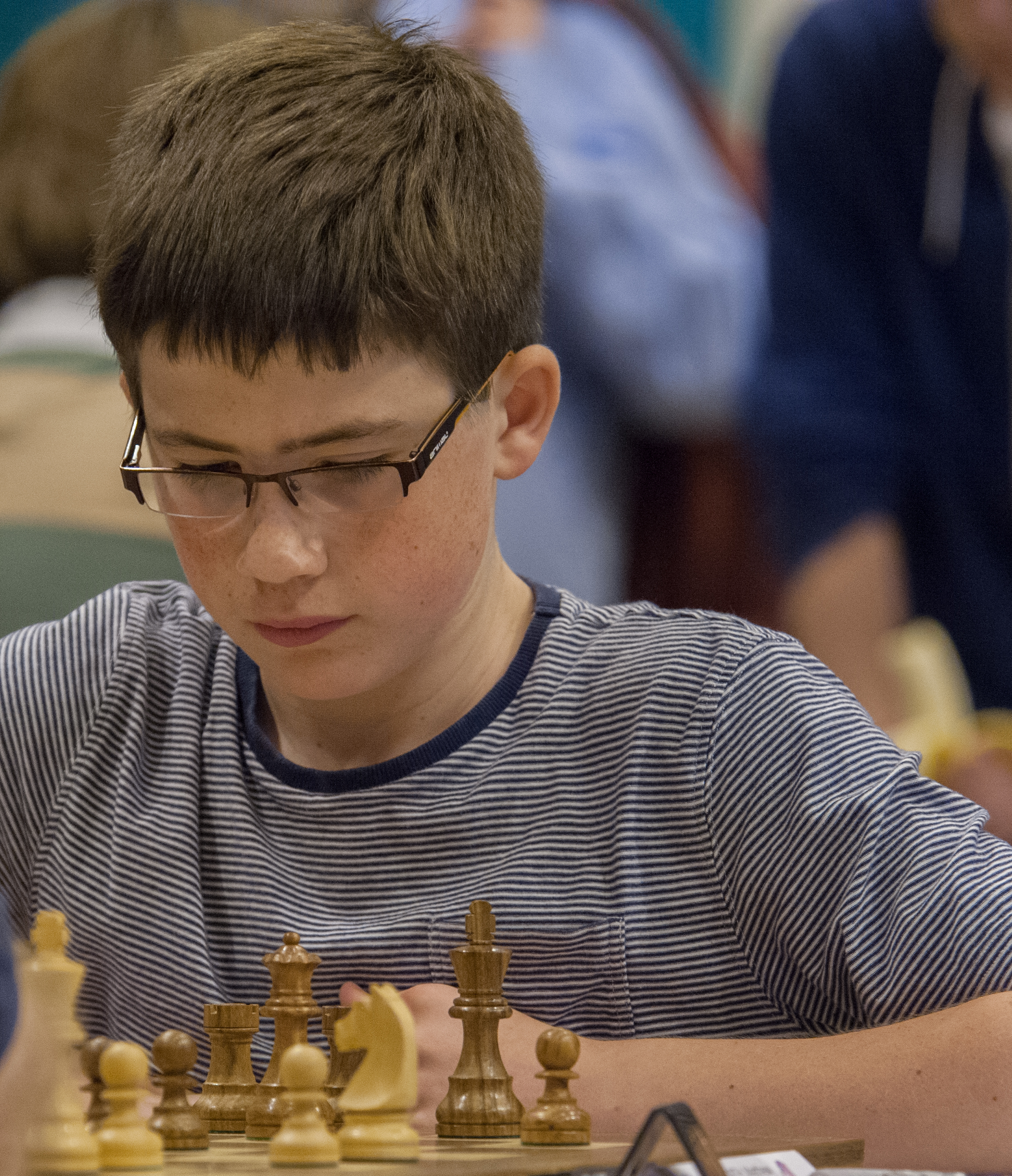
Matthew at the 2013 British Championships in Torquay
Matthew is reading Economics at Queen’s College, Cambridge and rows for the college team.
Matthew joined 4NCL at an early age and played for AMCA (Andrew Martin Chess Academy) soon rising the ranks to the AMCA first team and he currently represents the Guildford 2 team in Division One of the Four Nations Chess League (4NCL). Matthew’s 4NCL results for the 2018-19 season were :
1. Fodor, Tamas Jr, draw
2. Ashton, Adam G, win
3. Gonda, Laszlo, draw
4. Kulon, Klaudia, win
5. Holland, James P, win
6. Stewart, Ashley, win
7. Ledger, Andrew J, win
8. Plat, Vojtech, loss
9. no game
10. Jackson, James P, win
11. no game
giving a performance of 7/9
Matthew at the 2014 British Championships in Aberystwyth
One of the undoubted highlights of Matthews 2018 chess year was his draw with Oxford domiciled GM Hou Yifan, three times Women’s World Champion from China during the annual Varsity match, Matthew representing Cambridge.
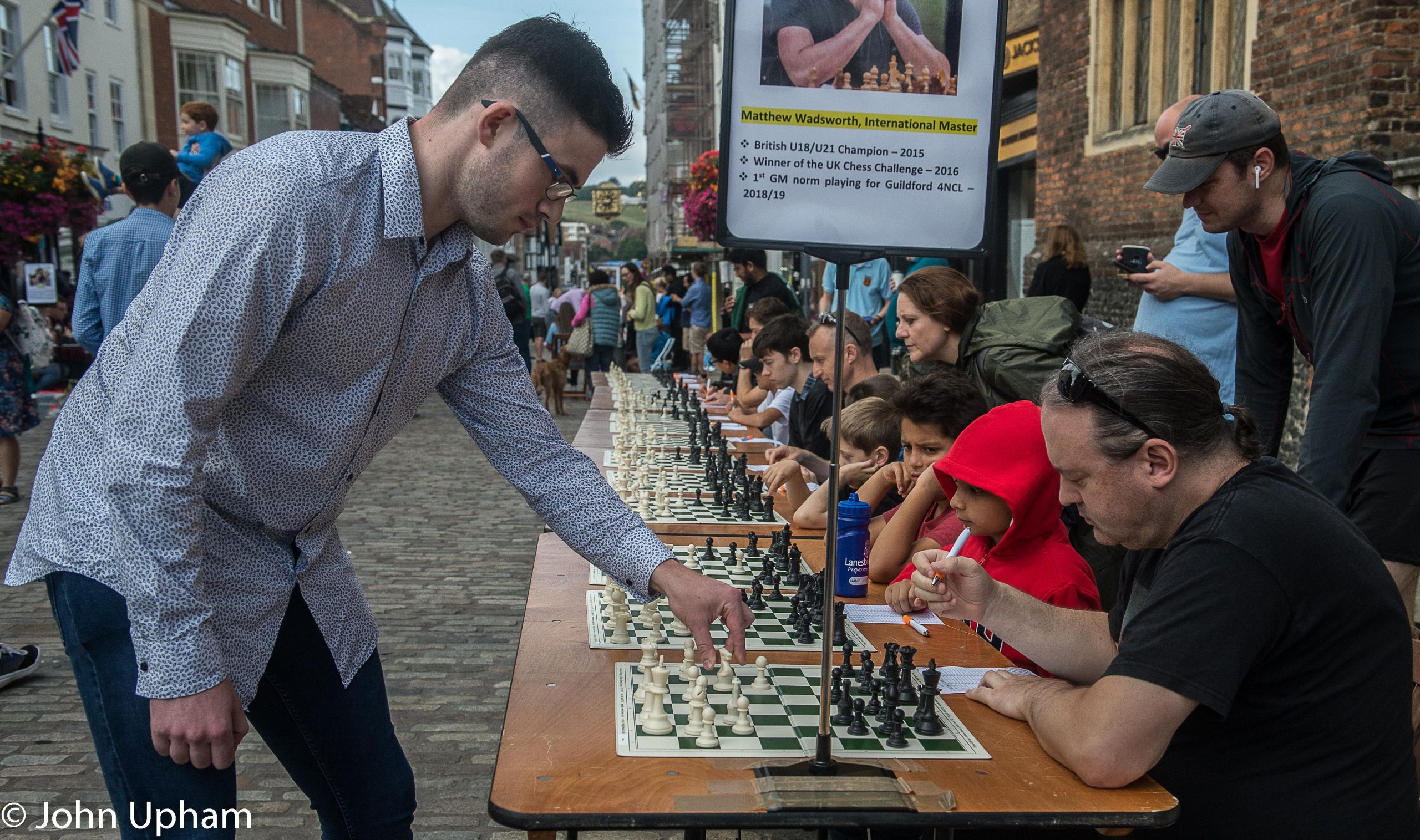
In 2021 Matthew supported Guildford Chess Club in its 125th Anniversary event by being part of the simultaneous display team:
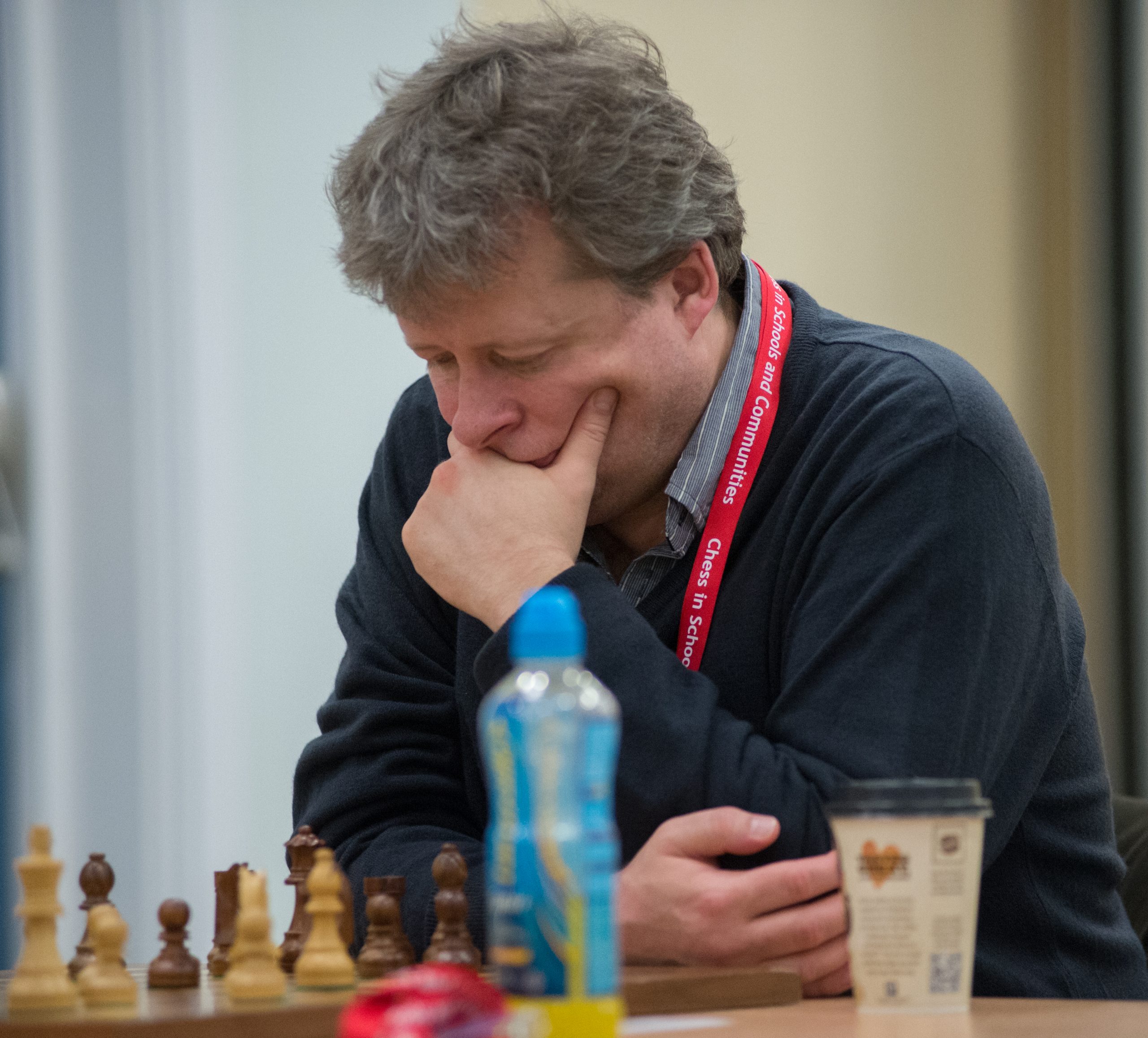
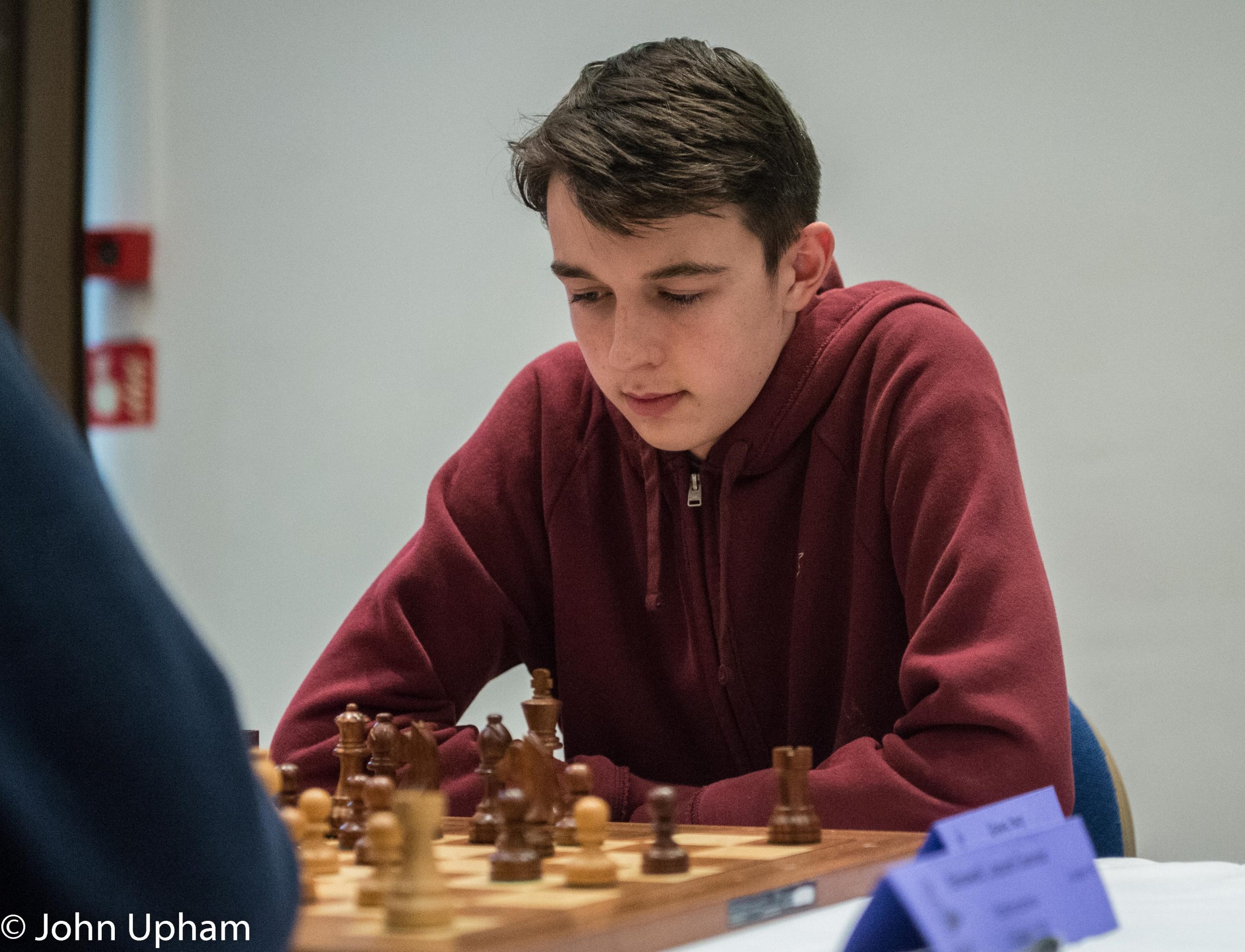
IM Matthew Wadsworth at the Guildford Chess Club 125th Anniversary event on September 11th, 2021. Courtesy of John Upham PhotographyIM Matthew Wadsworth at the Guildford Chess Club 125th Anniversary event on September 11th, 2021. Courtesy of John Upham Photography
Matthew’s GM title was finally confirmed on April 18th 2025 at the 2nd FIDE Council of that year.
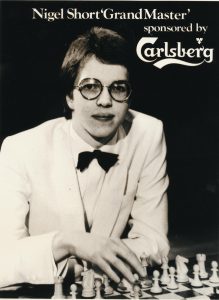
For the 1979 Spassky vs the BCF Junior Squad simultaneous display this was written : “Rating 213. World No.1, 13 year old. First Evening Standard under-10s, 1975. First under-14s, 1976. First under-21s, 1978.
British Men’s Lightning (10 seconds per move) champion 1978 – the youngest National Men’s Champion in chess history. Bronze medallist world under-17 championship 1979.
In simuls Nigel has beaten Korchnoi and Petrosian. World Nos. 2 and 4. Now he plays Spassky, World No.3.”
In 1978 Harry Golombek OBE wrote the following in the 1979 Dataday Chess Diary:
“The youngest and perhaps the one who will eventually make the most impression on the world of chess. Nigel Short, who at the age of 12 is London Under 21 champion, is the likeliest prospect for a world champion this country has ever seen. Certainly I cannot think of s single attribute that a prospective world champion should have that he has not got. Positional flair, steadiness of purpose, tactical ability, all these he has in profusion.
It is a blessing that he has not got a swollen head as might so easily have happened. Perhaps there is something about the game which acts as a steadying influence. At any rate, chess apart, he is just a pleasant little boy; but a pleasant little boy who can play the following game (in a county match, Lancashire v. Durham towards the end of October 1977) in a style reminiscent of Capablanca.”
Nigel had beaten the same opponent in 15 moves a year before in the same match:
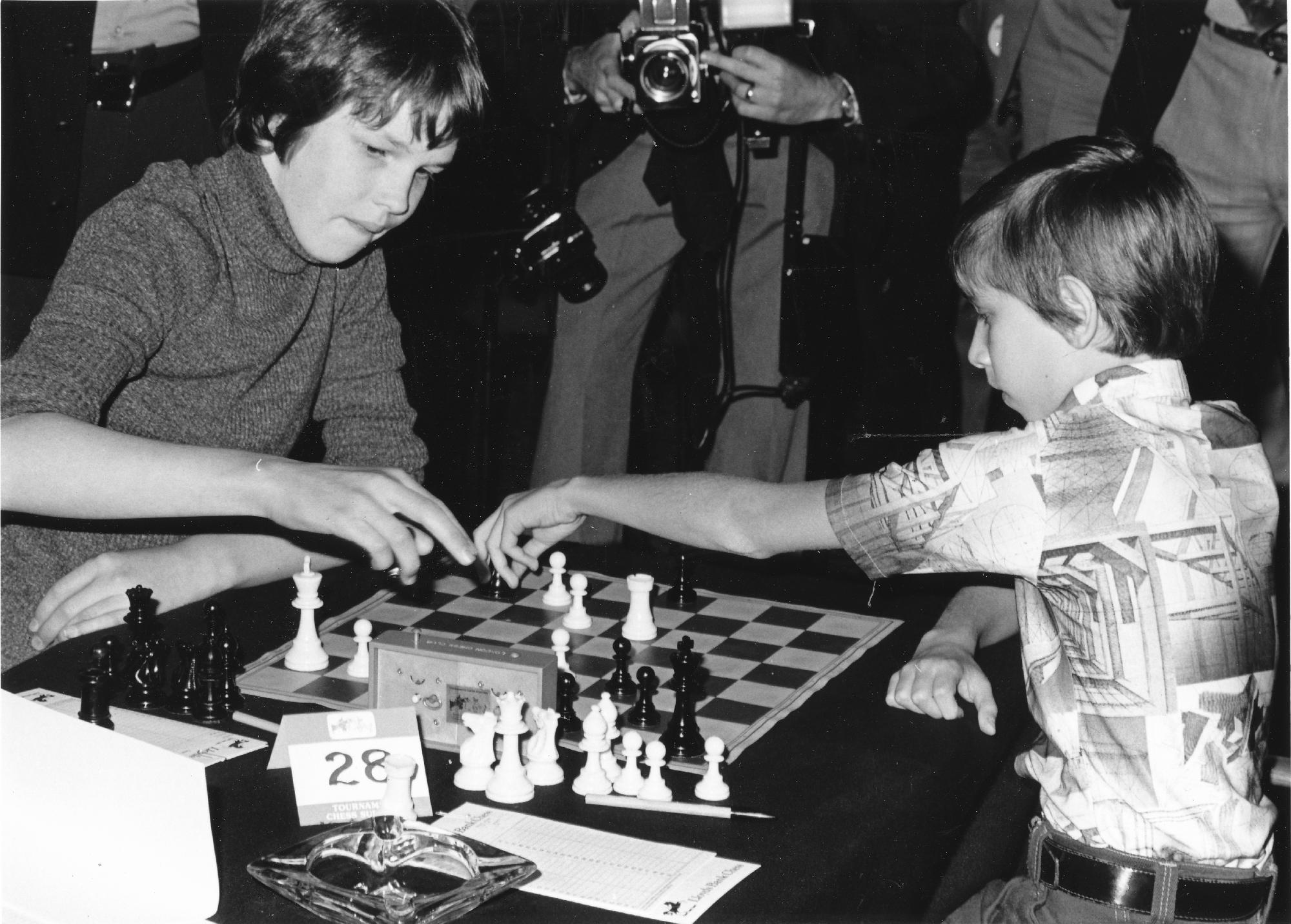
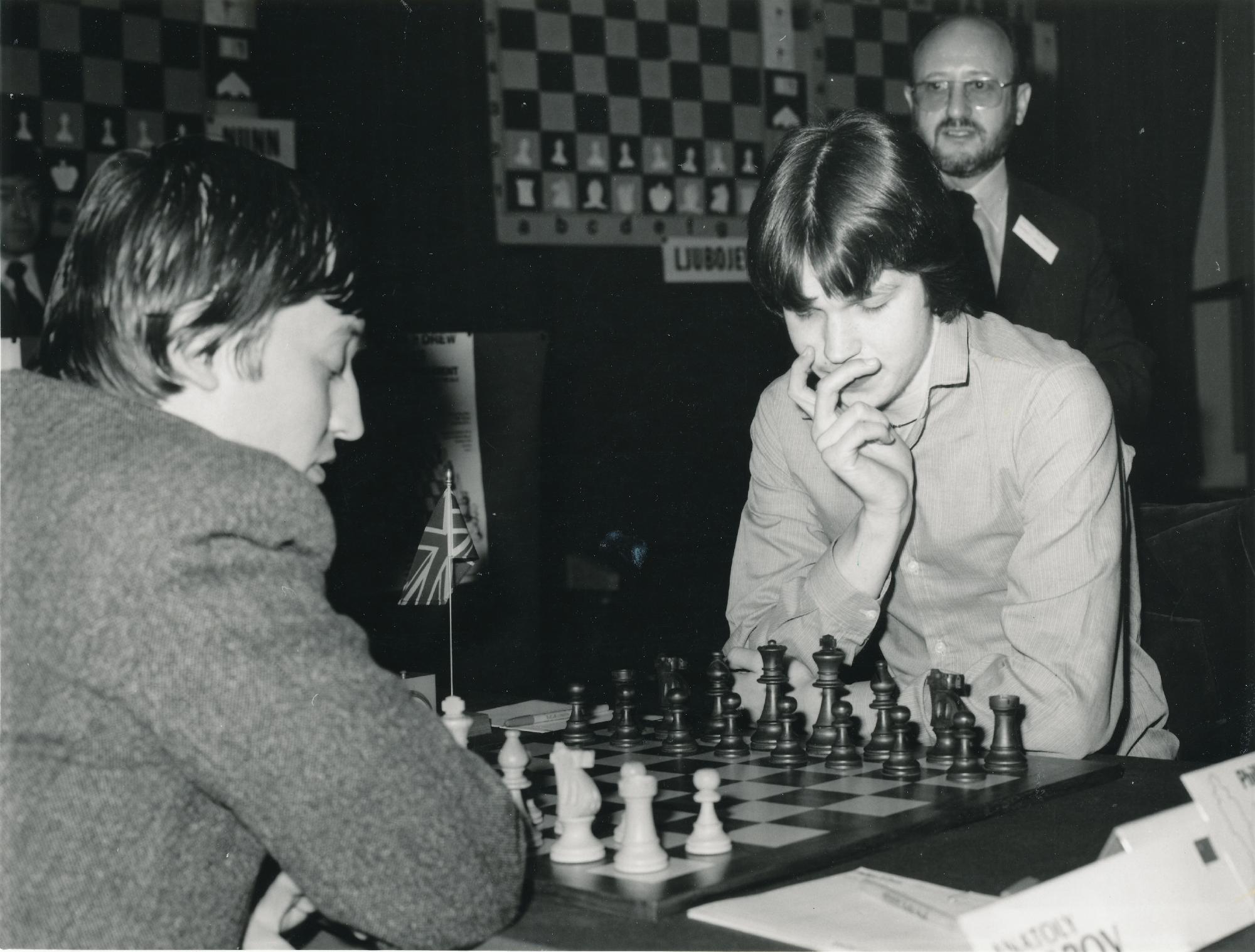
Nigel Short plays Joel Benjamin at Lloyd’s Bank, 1976. 1-0, Maroczy BindAnatoly Karpov plays Nigel Short, London, Philips & Drew, French Winawer, 1/2-1/2, Stewart Reuben looking on
Nigel ShortNigel analyses with Viktor Korchnoi, unknown date and venue
Nigel Short
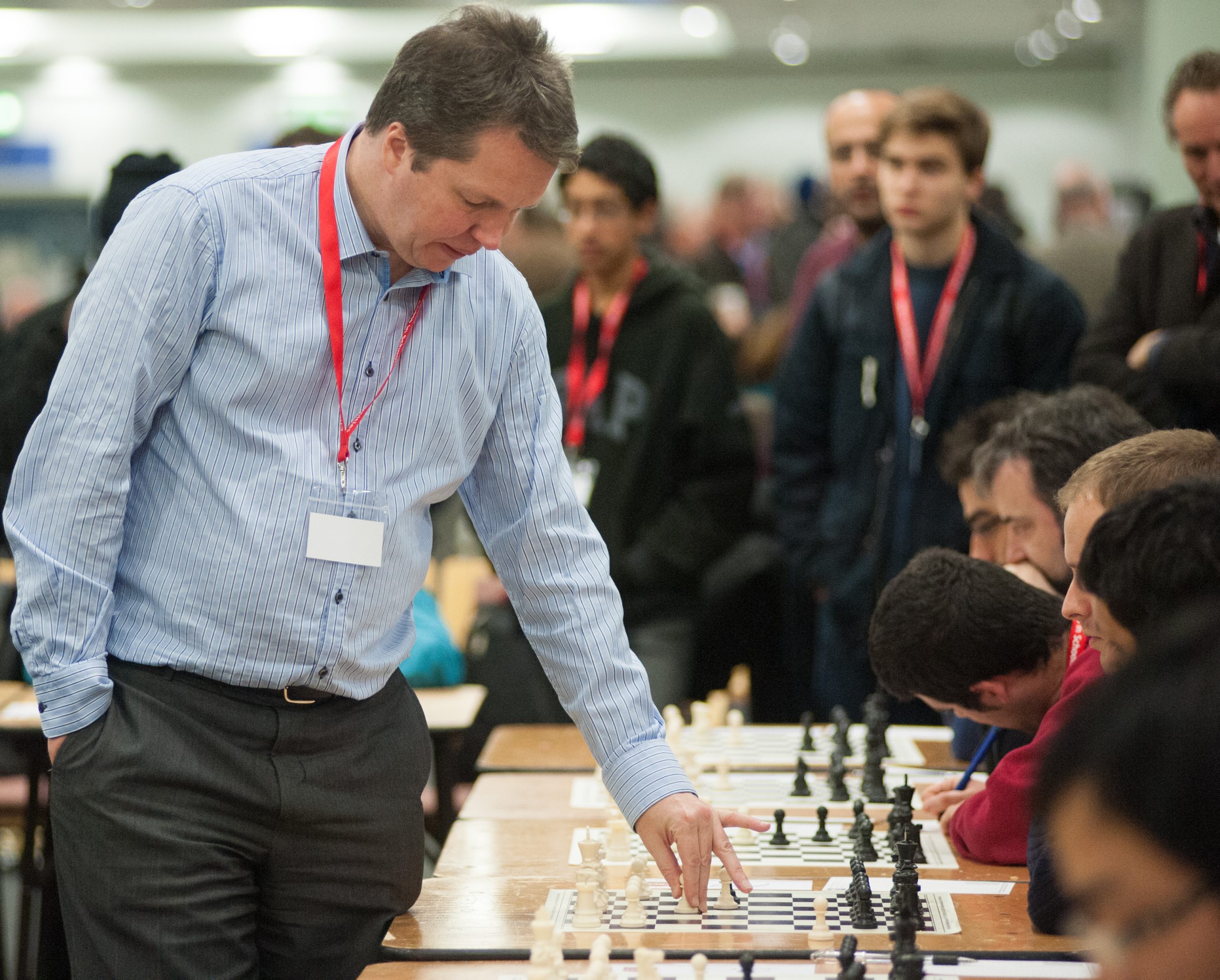
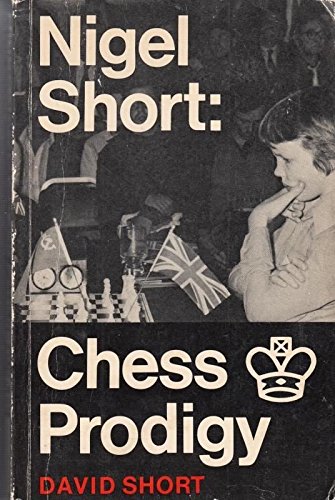
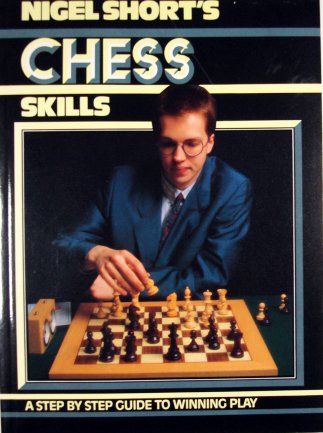
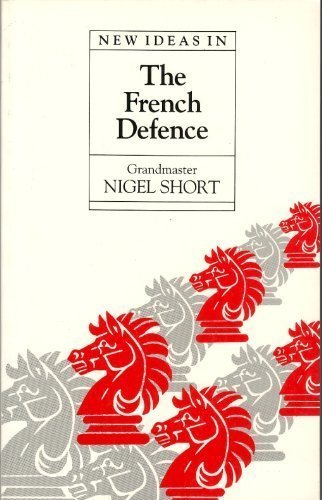
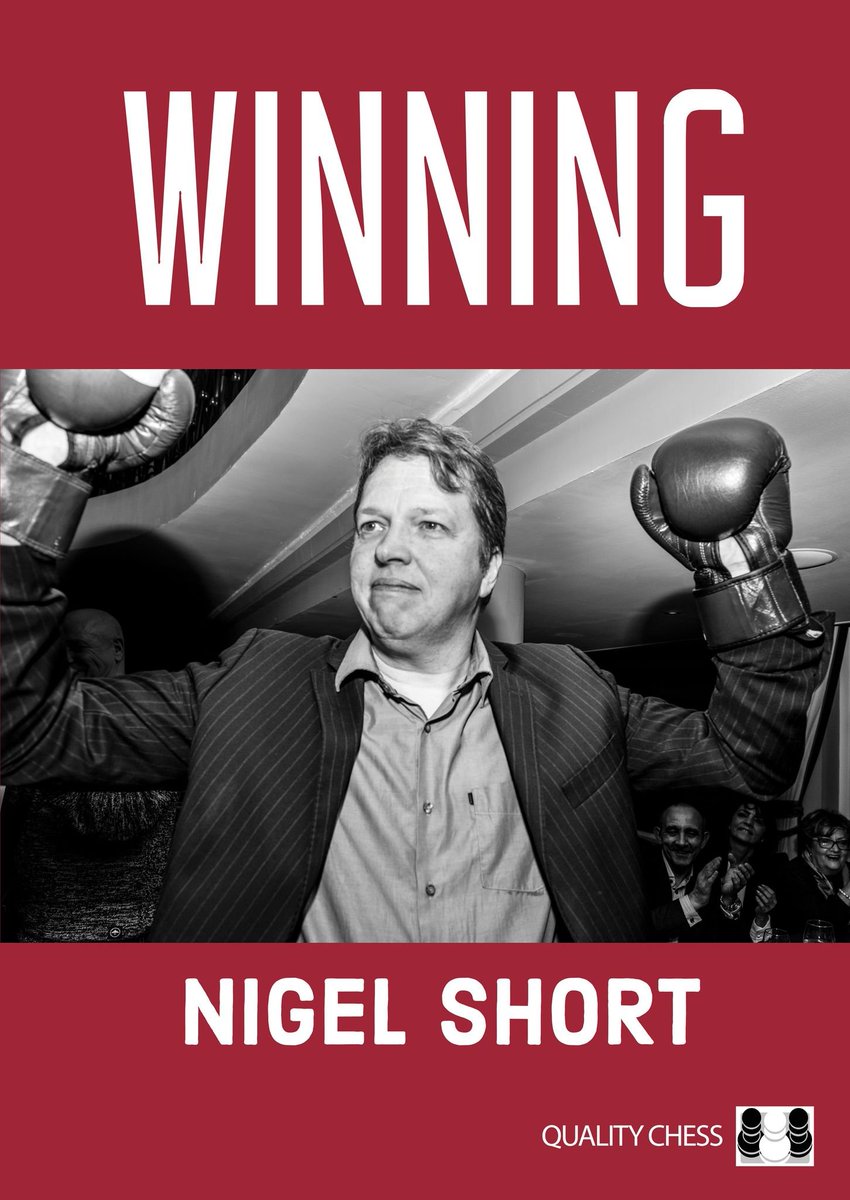
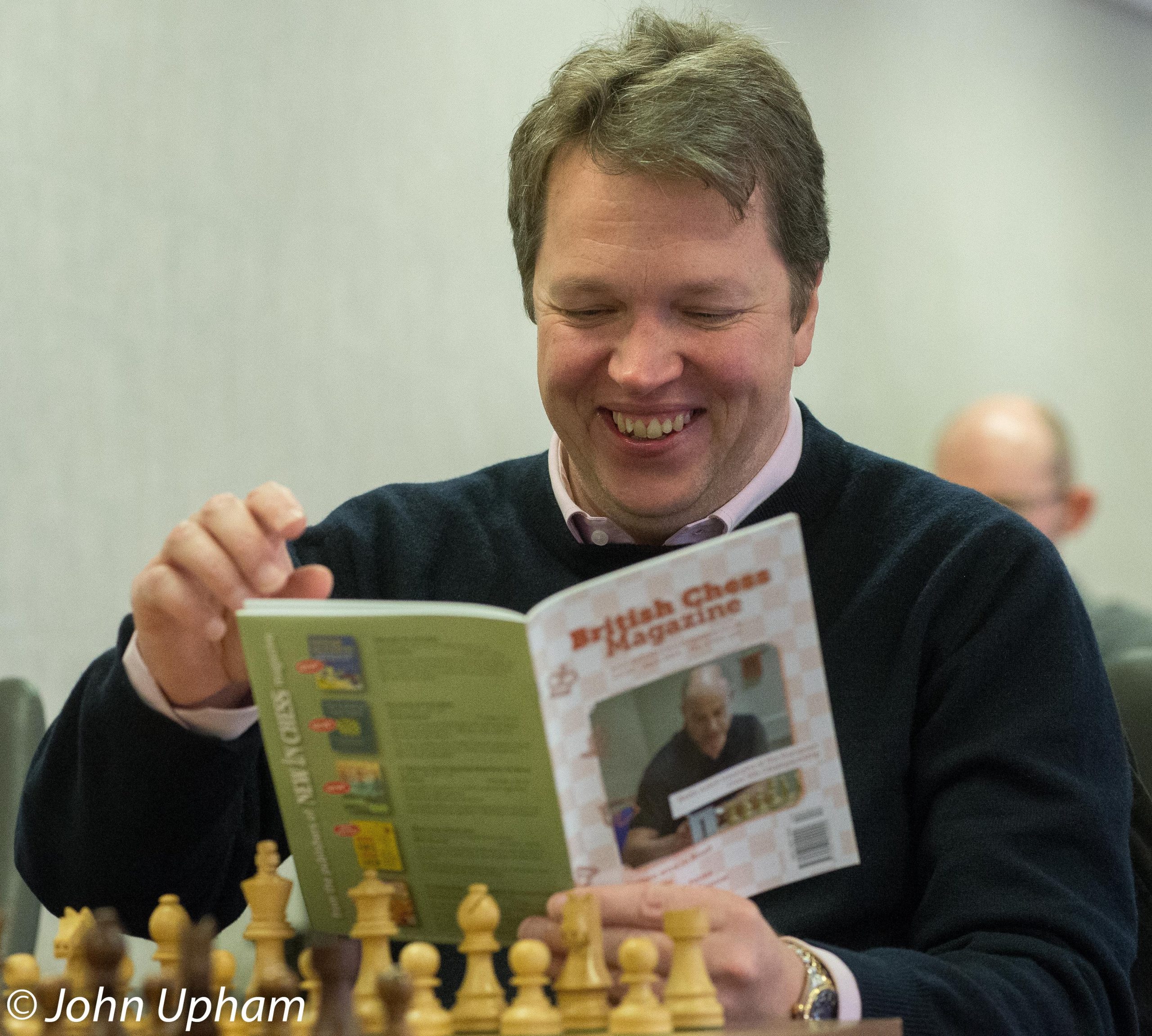
Nigel Short Simultaneous display at the 2012 London Chess Classic, courtesy of John Upham PhotographyNigel Short : Chess Prodigy (1981)Nigel Short’s Chess Skills (1989)New Ideas in the French Defence (1991)Winning, Nigel Short, Quality Chess, June 2021, ISBN: 978-1-78483-159-2
“John DM Nunn Britain’ Number 2 chess grandmaster and winner of the Benedictine International Chess Championship Tournament in Manchester pictured during the Benedictine Tournament. September 15th , 1980. Photograph by John C Madden”
BCN wishes GM John Nunn Happy Birthday (25-iv-1955). John resides in Bude, Cornwall with his wife Petra (née Fink) having previously resided in Chobham, Surrey. John became a director of Gambit Publications Ltd. on January 30th, 1997 along with Murray Chandler and Graham Burgess. WFM Petra Nunn is the German editor.
Harry Golombek OBE wrote the following (presumably in 1978) in the 1979 Dataday chess diary:
“Fortunate is the country which has a number six player as good and as effective as John Nunn. As I wrote last time, ‘The former European Junior champion is such a fine player and pursues the game with such energy when he does play that one is apt to forget he is an amateur with only a limited amount of time to spare for study of the game.’
He like Mestel, obtained a grandmaster norm at the Lord John tournament where he score 5.5 points coming just below Mestel but beating both Quinteros and Torre in the process.
At the Moscow Team tournament, already mentioned, he had a magnificent result scoring 3.5 out of 7 on board 4. Perhaps it was this performance that increased his Elo rating by 30 points and when I say board 4 it should be realised that opposition consisted of such players as the former world champion Tal and many other genuine grandmasters. I give the entertaining and fighting draw he had with Tal as Moscow.”
From British Chess (Pergamon Press, 1983), pp.201- 210:
“It is a difficult task to pick out three games from many hundreds played over the years. What criteria should be used in the selection? Brilliance, strength of opponent, importance of result – all these are reasons for a game to stand out in one’s memory. As this selection is autobiographical I have given prominence to the last criterion and so I will give one game from each of the tournaments in which I gained an International title, and one game from a team tournament.
The first of these tournaments was the European Junior Championships held over the new year 1974-5 in the Dutch town of Groningen. It was only by chance that I played in this event at all. Originally Jonathan Mestel was the English representative, but he was invited to play in concurrent Hastings Premier and so I travelled to Groningen instead.
The organisation of the Championship has changed over the years, but at that time a seven-round Swiss formed a preliminary event, with the top ten of the twenty-eight participants going on to an all-play-all final section. The score thought to be sufficient for qualification was 4.5/7 and the accepted method of reaching this target was to win one’s first two games and then draw all the others., facilitated by the fact that one’s opponents would also require draws to reach the magic figure 4.5. However tie-breaking in the final was decided firstly by the score in the preliminaries and secondly by the result of the individual game in the final, so it was clearly an advantage to outstrip one’s rivals in the Swiss. I started with the requisite two wins and then drew my next three games, but in round six with the white pieces I decided to play for the win against Manny Rayner of Wales. I felt slightly self-conscious playing amidst a row of boards on which peace has been concluded at an early stage, but I did gain the full point. The game stirred up a certain amount of comment and I even heard one player’s second declare
You can’t trust Nunn!
In such a short race there will inevitably be upsets and the unlucky man on this occasion was Alexander Ivanov, the Russian representative.
The final round started less smoothly for me and after five rounds the leading scores were Borokowski 4, Szekely 3.5 and van der Sterren and myself on 3. I had already beaten van der Sterren, who had tied with me in the preliminaries, so in view of the tie-break rules, I had effectively half-a-point advantage over the rest of the field. In round six I played Borkowski and a win for would leave the tournament wide open.
I scored well in the three rounds after this game and appeared to have a good chance of winning. However in the penultimate round I lost to Lars-Ake Schneider in only 18 moves so as the last round started the leading scores were Szekely 5.5 out of 8 with Schneider, Borkowski and myself on 5. Skekely was White against Borkowski while I had White against the Israeli Grunfeld. Schneider blundered quickly and lost, while to my surprise Skekely drew in only 14 moves. The way was now open to the title if only I could defeat my opponent. However after 4.5 hours play I had only a slight advantage. But then a curious thing happened. I made my 40th move with a minute or two left on my clock and Grunfeld, who had half an hour left, replied almost immediately. The game was played to a finish without adjournment and now, with an hour on my clock, I was able to see that his 40th move was a mistake allowing a decisive combination. This small event decided the result of the tournament and so I became European Junior Champion and an International Master.
The second game was played in the Finals of the European Team Championship held at Moscow 1977. This event which takes place every three years, is second in importance only to the biennial Olympiads. The twenty teams entering were divided into five preliminary groups to produce seven qualifiers for the final. The USSR, as previous winners, were admitted directly to the final to make up the total of eight countries represented at Moscow. England qualified ahead of Holland, the other teams in this preliminary group being Wales and France. Since the matches in the final take place over eight boards this event is much more test of strength in the depth than the four board Olympiads and so England was not expected to do well, especially in view of the absence of Tony Miles. Nevertheless the final result of bottom place was a disappointment. My individual performance of 50% against strong opposition was quite satisfactory, but it was the following game which made the tournament particularly enjoyable for me.
We now move ahead to the summer of 1978. At this time I had a 9-game grandmaster norm from the Lord John Cup held in London during September 1977 and so I needed a 15-game norm to actually gain the title. In July I played in an event at Lublin in Poland at which, however, there was no GM norm. My play showed evidence of lack of practice and my final position was rather low.
Then I went on to the annual Tungsram tournament held in Budapest during August. This was a much stronger event (category 10) and the GM norm was a formidable 10 out of 15. However my play was much better than in Poland and, after a first round loss, I began to score well. After 12 rounds the leading scores were Kuzmin 8, Nunn 7.5 and Csom, Jansa, Adorjan and Mednis 7. I could have had half a point more if I had not overlooked a combination two (!) moves deep winning Kuzmin’s queen, but, apart from this incident Kuzmin had played very well and seemed to be heading for first prize.
My sights were firmly set on scoring 2.5 from the last three games to reach the GM norm and my interest in winning the tournament was secondary. However, Kuzmin was destined to lose his next two games and so these two objectives became one and the same.
In these final games I was to be White against F. Portisch (Lajos’ brother), Black against GM Jansa and in the last round White against Hardicsay, the weakest player in the tournament. The plan was clear – I had to win both games with White and hold Jansa to a draw with the Black pieces. The execution, however, was more difficult.
While preparing for F. Portisch I noticed that he played either the French or the Sicilian Pelikan. Since I was playing only for the win I naturally hoped he would opt for the complications of the Pelikan. Two days before this game I had been given a copy of the latest issue of the Hungarian chess magazine, Magyar Sakkelet, containing a game Honfi – Piasetki in which Honfi had played 11.Bxb5!? and won with the aid of a novelty. This piece sacrifice seemed to be ideal for stirring up as much trouble as possible and so I decided to try it in the game, at the same time hoping that F. Portsich had not read his magazine!
The first obstacle had been surmounted, but two more remained. The opening went badly against Jansa, but I managed to restrict myself to a small disadvantage in the early middle game. To my good fortune the Czech Grandmaster was going through a bad patch, having started with 7/10 anf then scored only half a point from his next three games. With only two rounds to go his interest in the tournament had dissipated and rather try to exploit his edge he offered a draw. Of course I was only too pleased to accept.
Before the last round I was extremely nervous but bolstered my confidence with that thought that Hardicsay had only managed to score 3.5/14 , and indeed had accumulated only half a point from his last six games. In most cases this was due to his chronic addiction to time trouble. At first things went well. I accepted a pawn sacrifice and gradually seemed to be repelling my opponent’s threats. But at a crucial moment I chose a faulty bishop move and suddenly my difficulties were growing from move to move. Before long I was pawn down with an inferior position. My only hope lay in the fact that Hardicsay had only seconds to make the last eight moves of the time control. Exploiting this, I regained the pawn and even adjourned with a slight plus.
After a one hour break play was resumed and once again Hardicsay played well, almost completely neutralizing my advantage. I cunningly made some pass moves with my King until he was once again in time trouble and then tried my last winning attempt!
In the event my opponent made a mistake and a further session was not necessary. The two spectators who had stuck it out to the end dashed up to congratulate me and Hardicsay gave me a distinctly sour look (justifiably!)- I had become a Grandmaster!
From The Encyclopaedia of Chess (Batsford, 1977) by Harry Golombek OBE :
British International master and European Junior Champion, 1975. Born in London, Nunn learned chess at the age of four and soon revealed a great aptitude for the game.
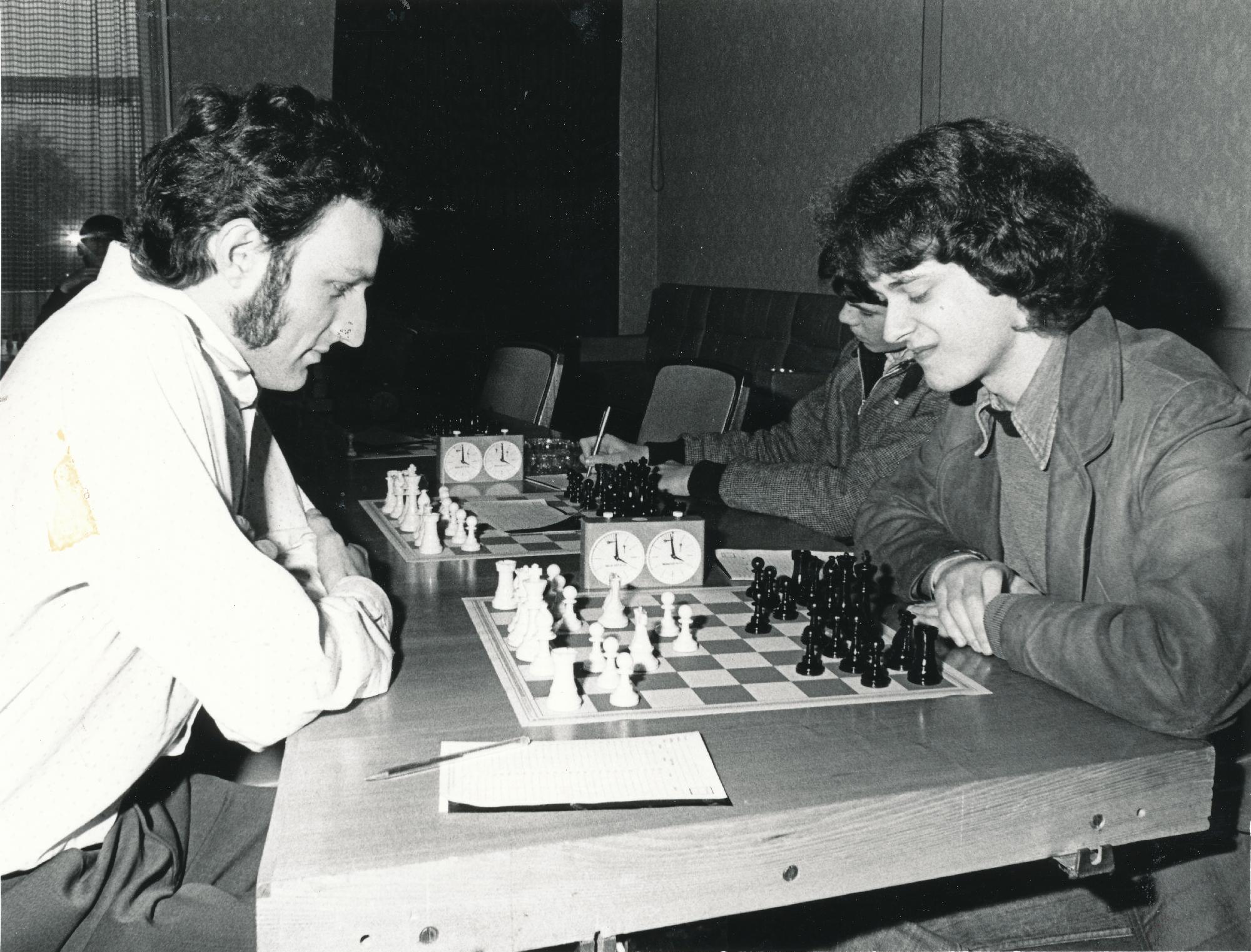
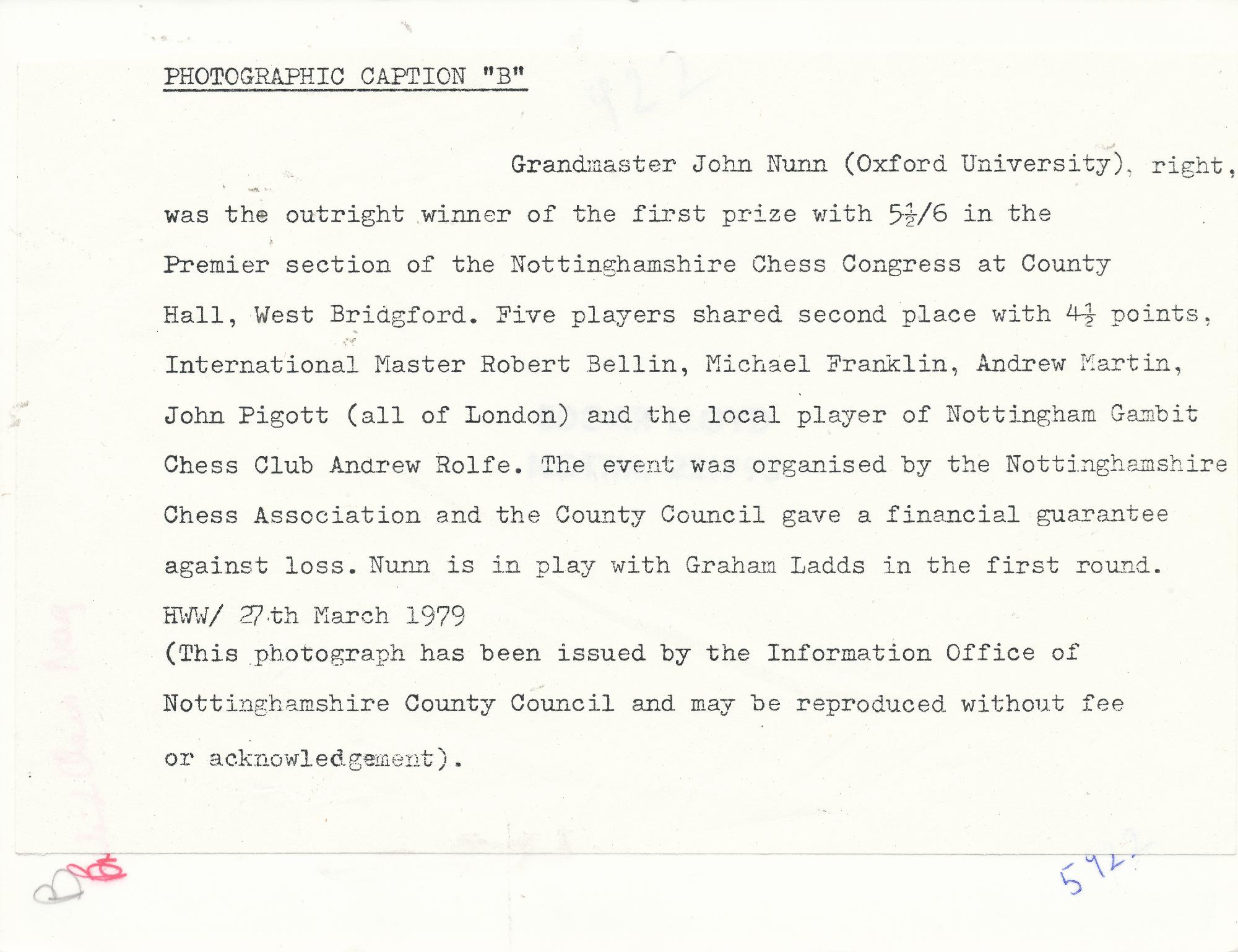
Graham Ladds and John Nunn. See full caption below.Supplied caption for above picture.
He came 6th in the Norwich Junior international tournament in 1970 and went up to Oxford University to take a mathematics degree at a very early age. He played on top board for the University from 1972-6 and is now preparing for a doctorate there.
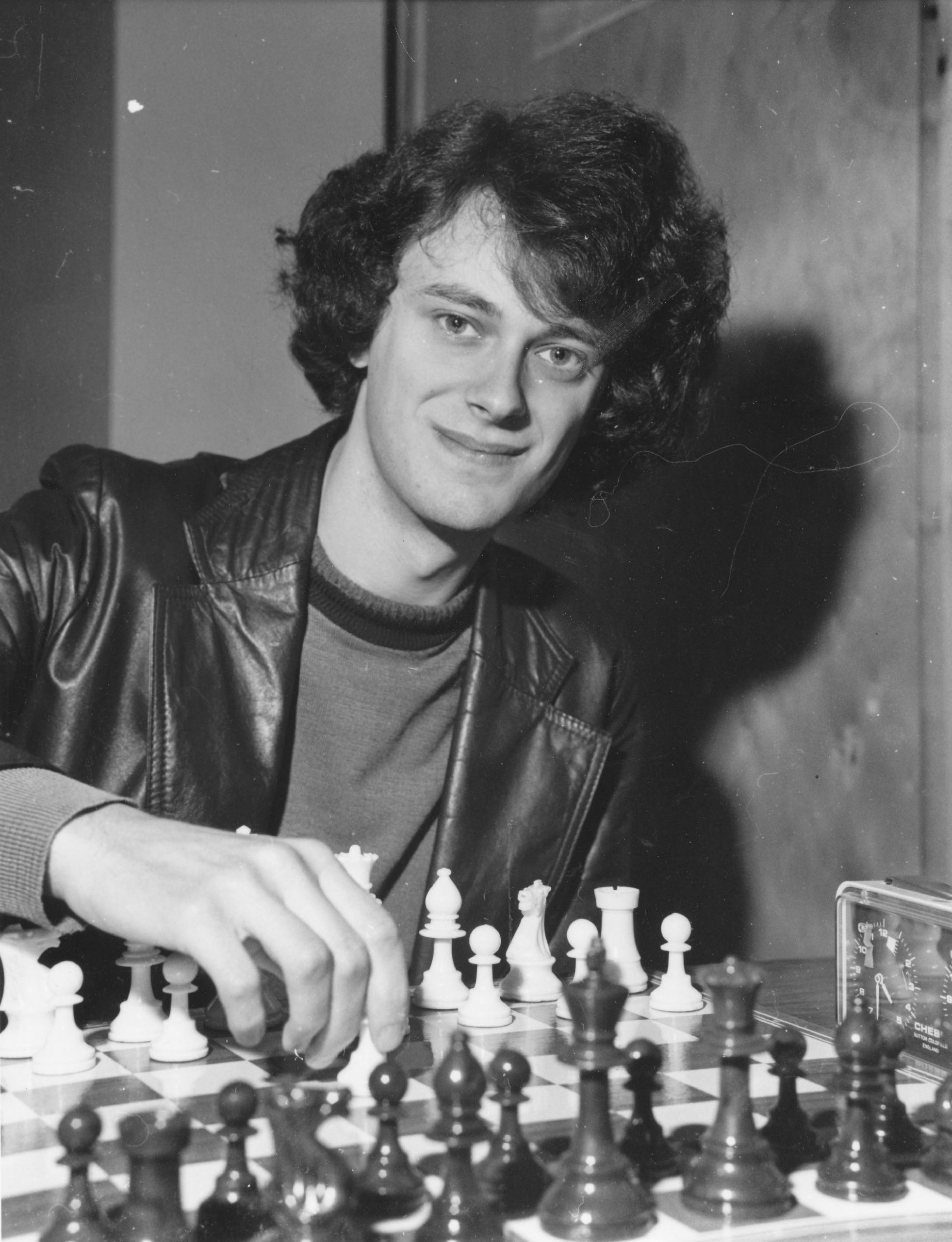
John DM Nunn
He won the European Junior Championship and with it the international master title in Groningen in 1975. In that year too he was equal first in the IBM Master tournament, and at London in 1975 he reached an international master norm coming 5th in the international tournament there. He played on bottom board at the Haifa Olympiad 1976 and scored 64.2%
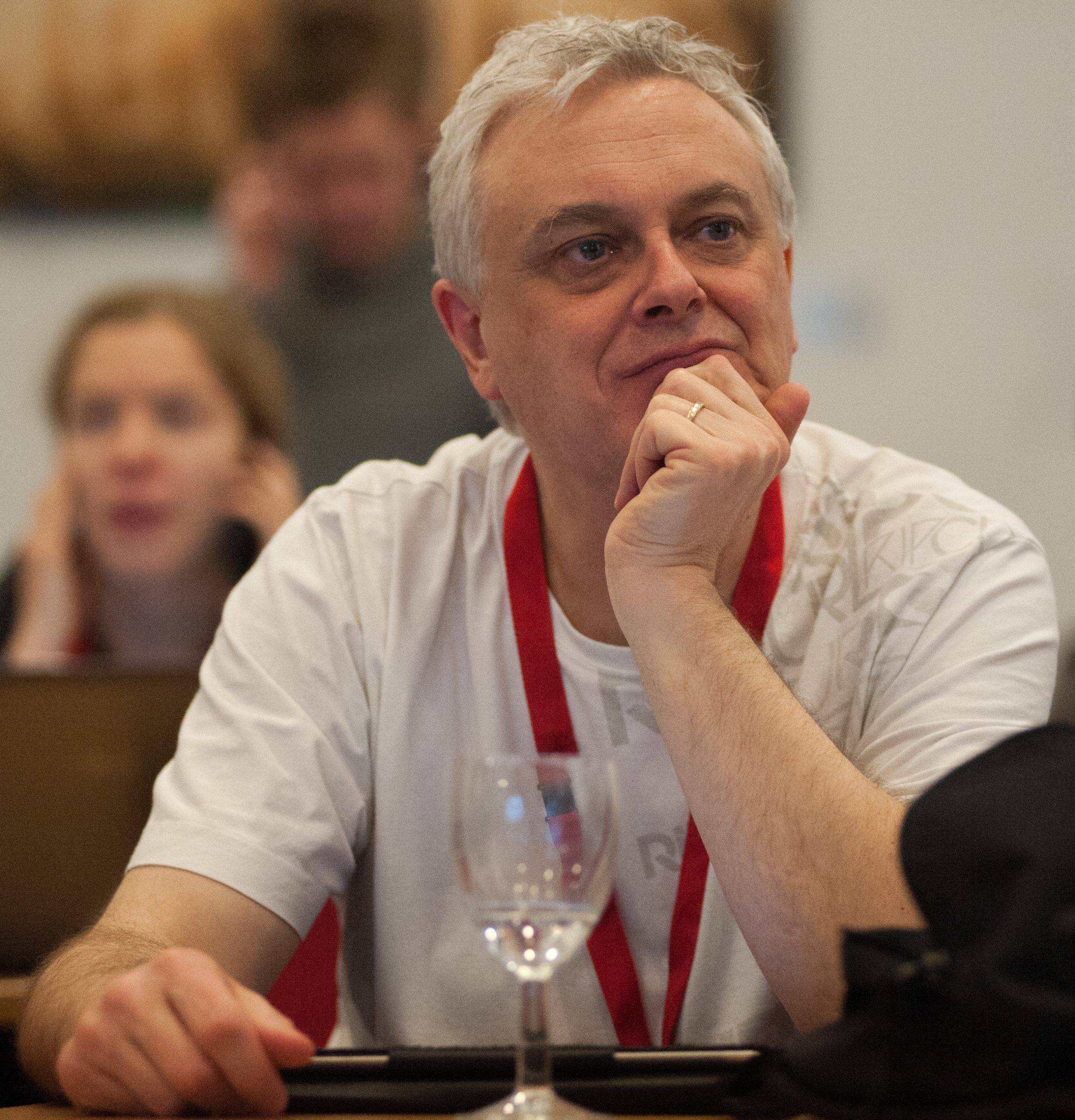
GM John Nunn
From The Oxford Companion to Chess by Hooper & Whyld :
English player. International Grandmaster (1978), British champion 1980. He went to Oxford at the unusually young age of 15, graduated in 1973. Gained his B.Sc. the following year and his
doctorate in 1978.
GM John Nunn
A Junior Research Fellow, he lectured in mathematics until 1981 when he became a professional player. By then he had already achieved several good results in international tournaments: Budapest 1978, first; Hastings 1979-80, first (4-5 = 10) equal with Andersson; Baden-bei-Wien 1980, category 12, third (+5=10) after Spassky and Belyavsky: Helsinki 1981, first (+5 = 6) equal with Matulovich; and Wiesbaden 1981, first (+6=3). In the category 12 Wijk aan Zee tournament 1982, Nunn came first ( + 5=7 — 1) equal with Balashov ahead of Tal, Hubner, and Timman and at Helsinki 1983 he came second (+5 = 6) after Karlsson.
Maia Chiburdanidze and John Nunn from Lloyds Bank, 1985
Possessing a remarkably quick sight of the board, Nunn is an expert solver: he made the second highest individual score in the world team solving championship, 1978, and won the solving championship of Great Britain in 1981.
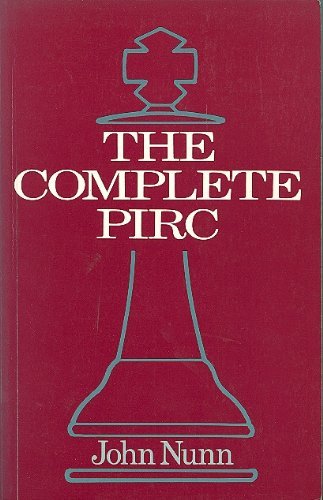
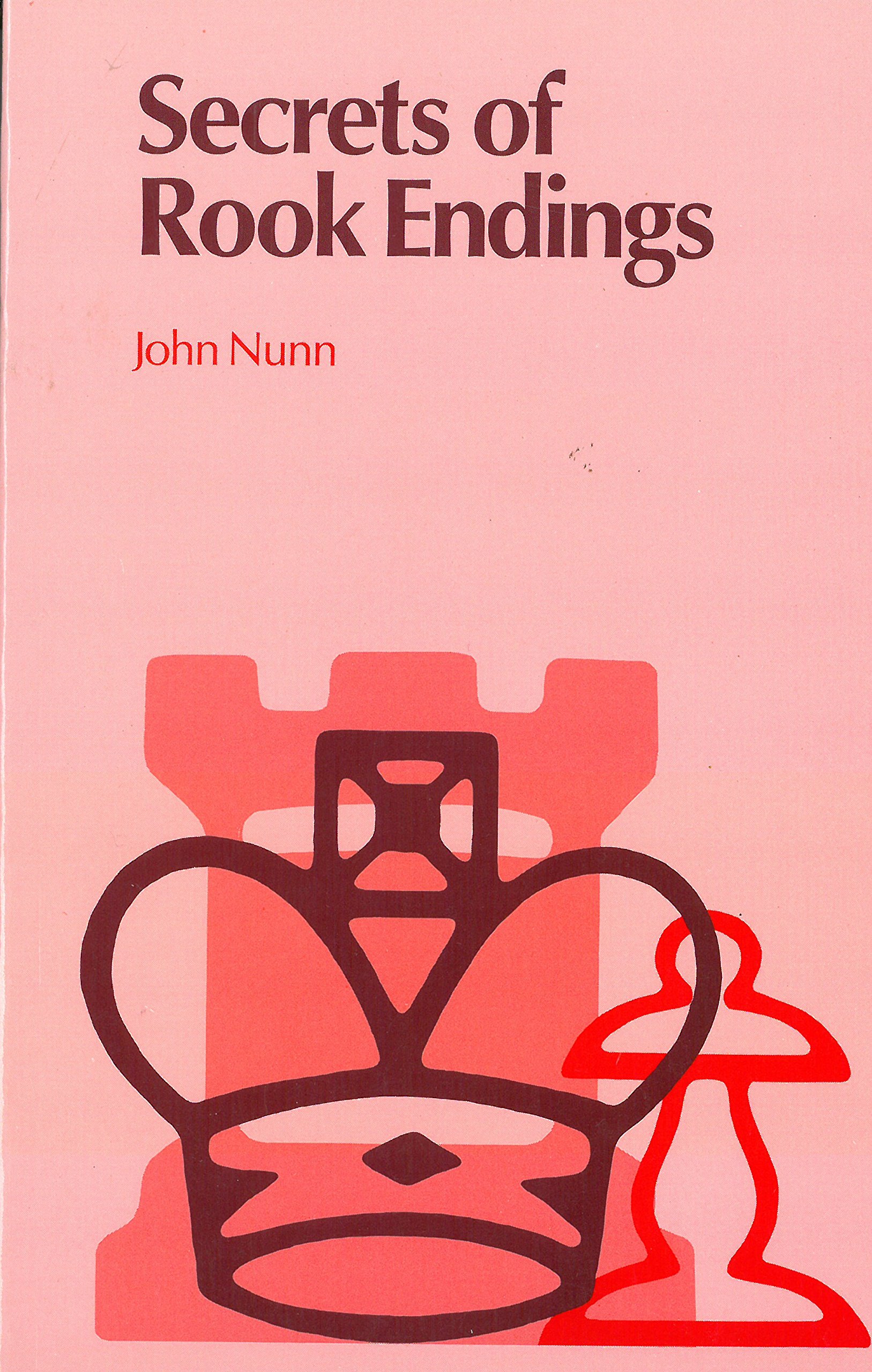
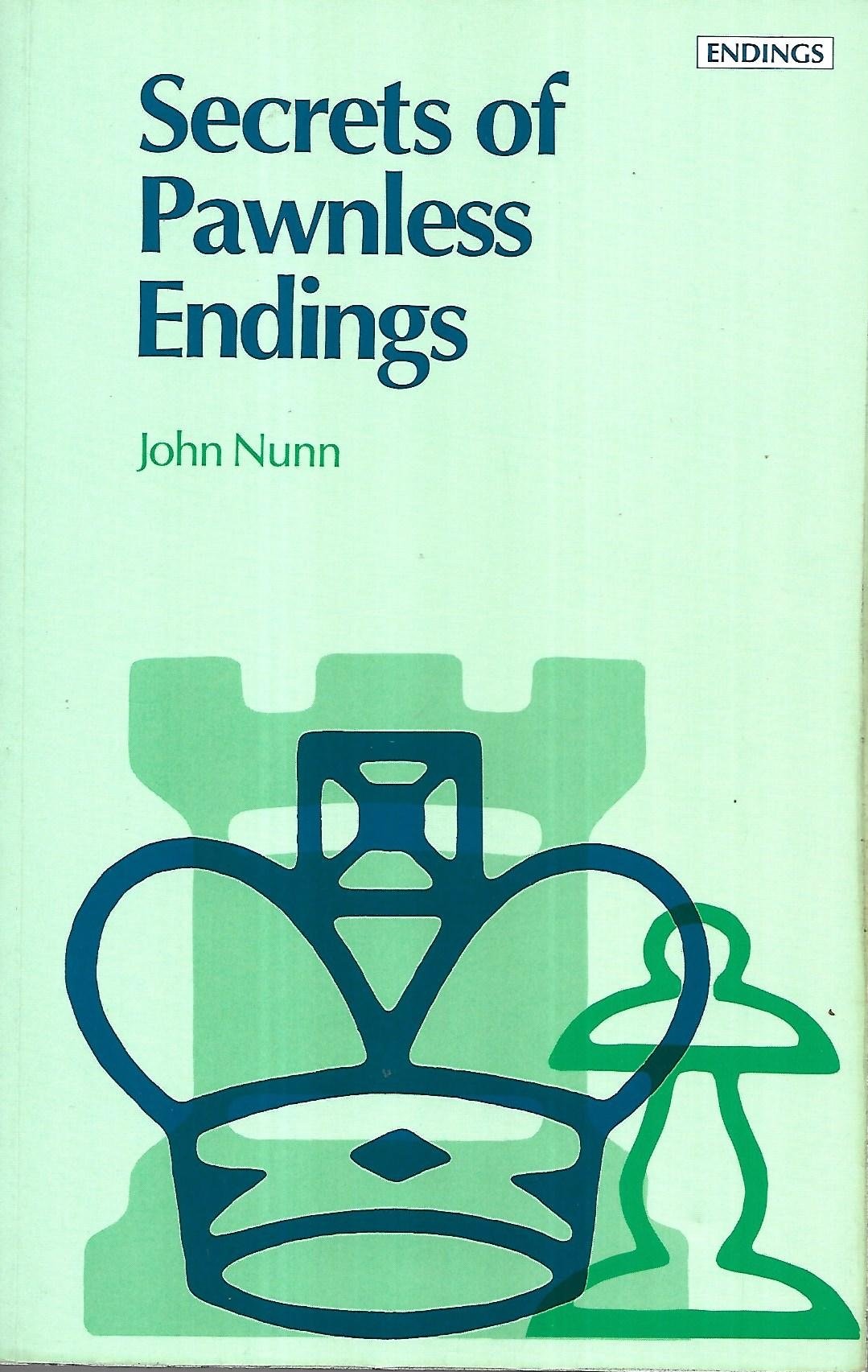
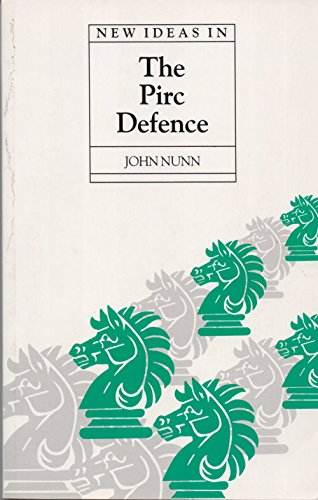
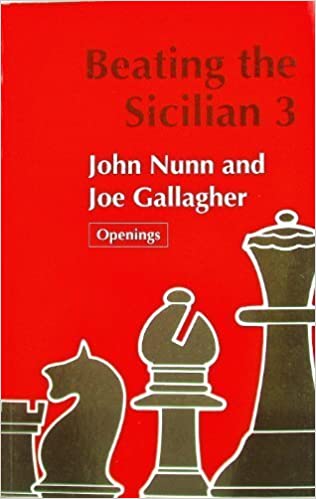
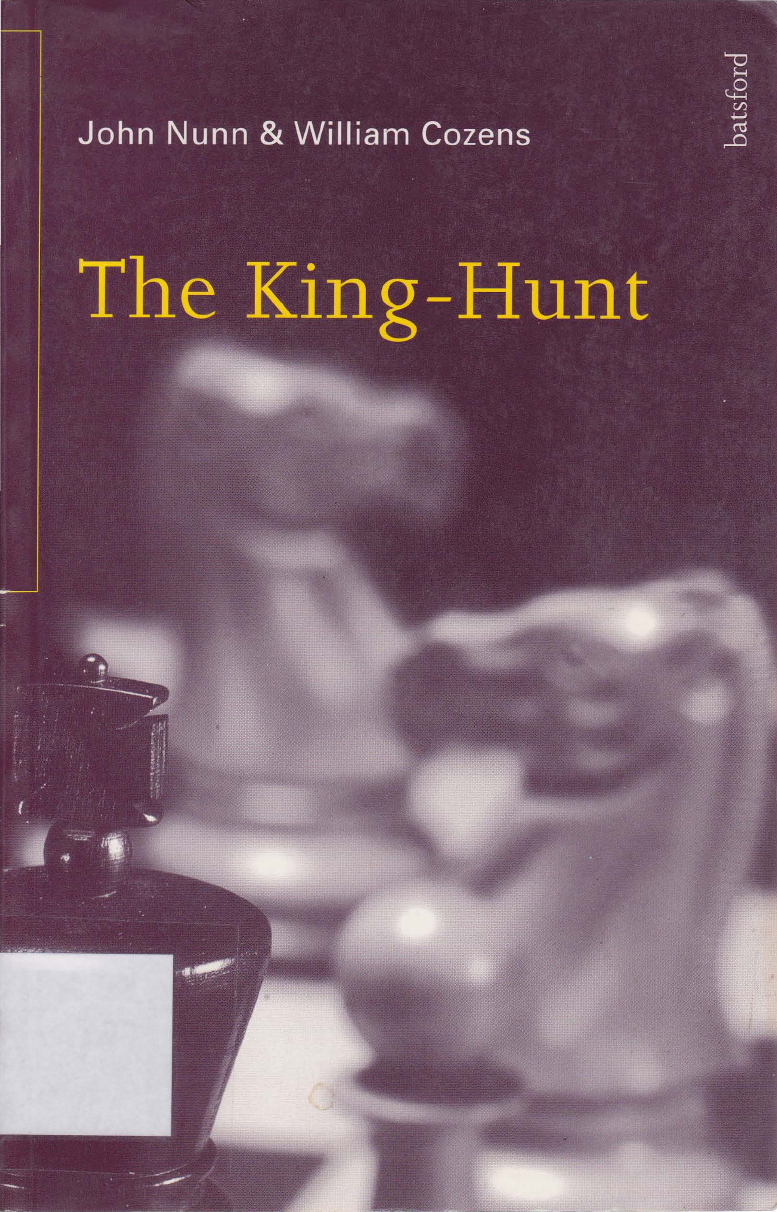
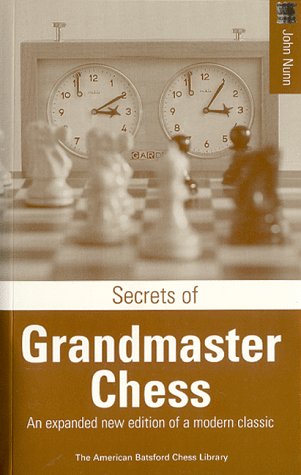
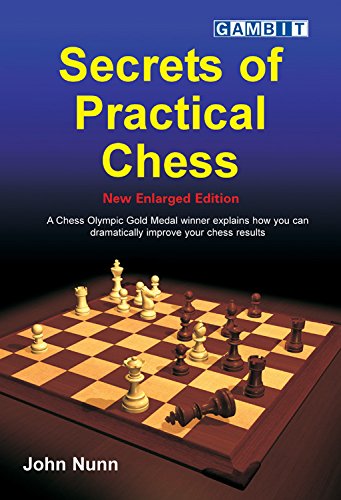
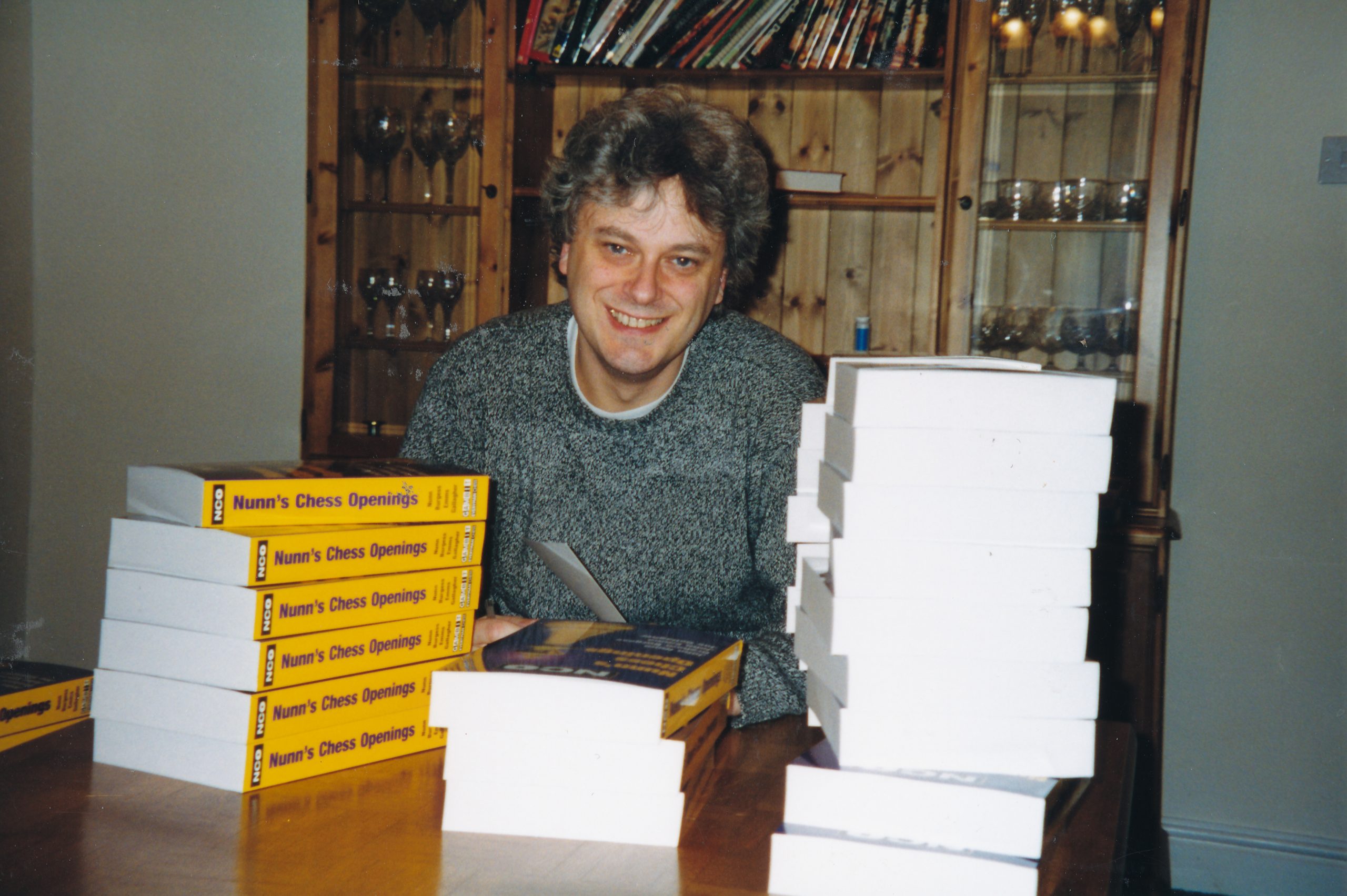
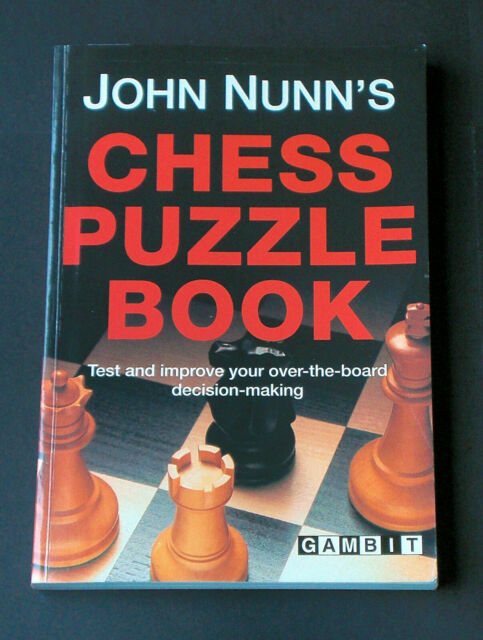
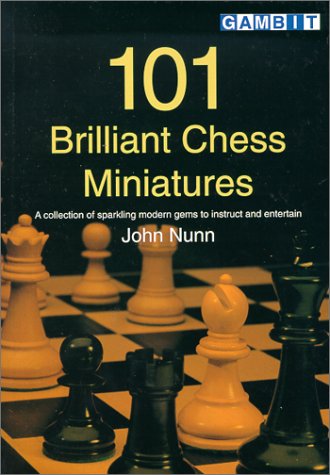
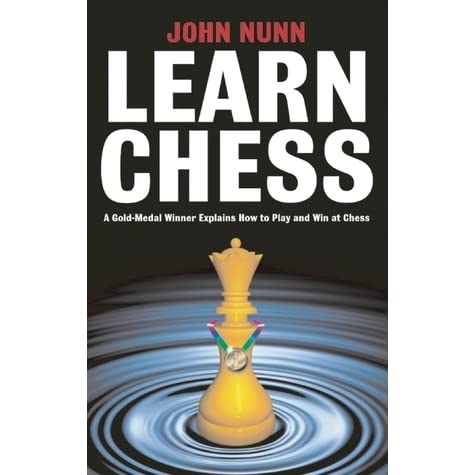
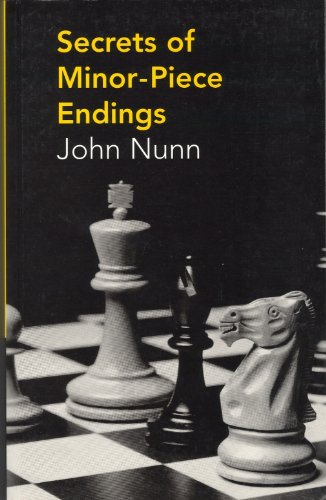
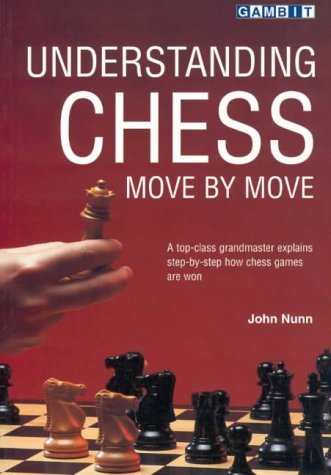
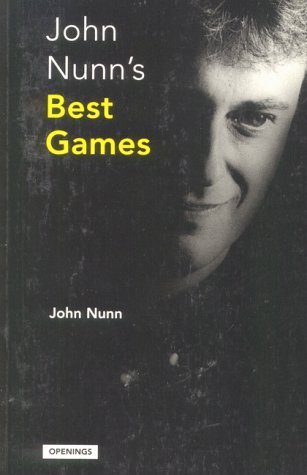
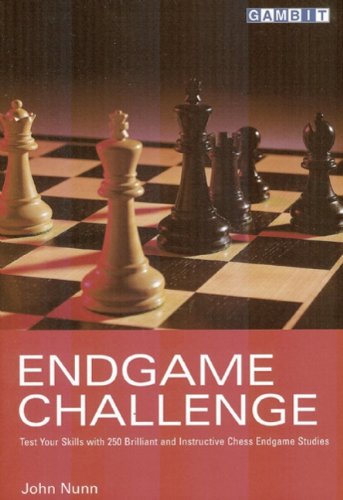
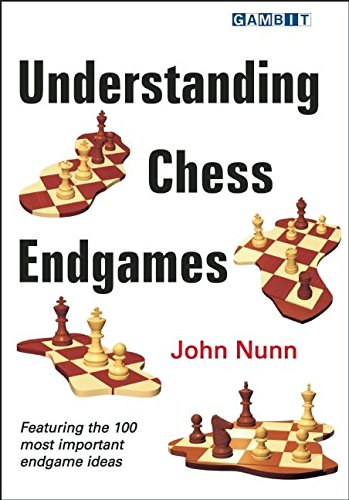
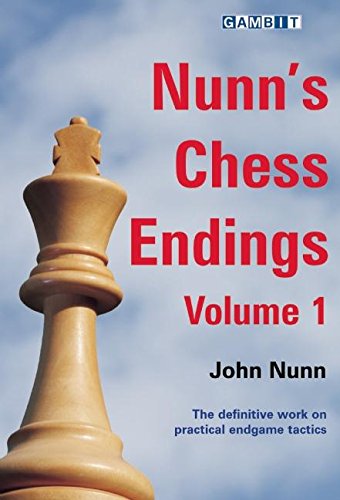
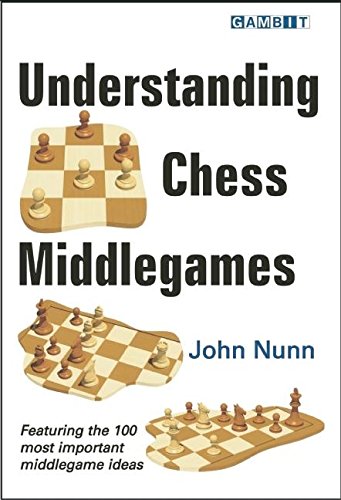
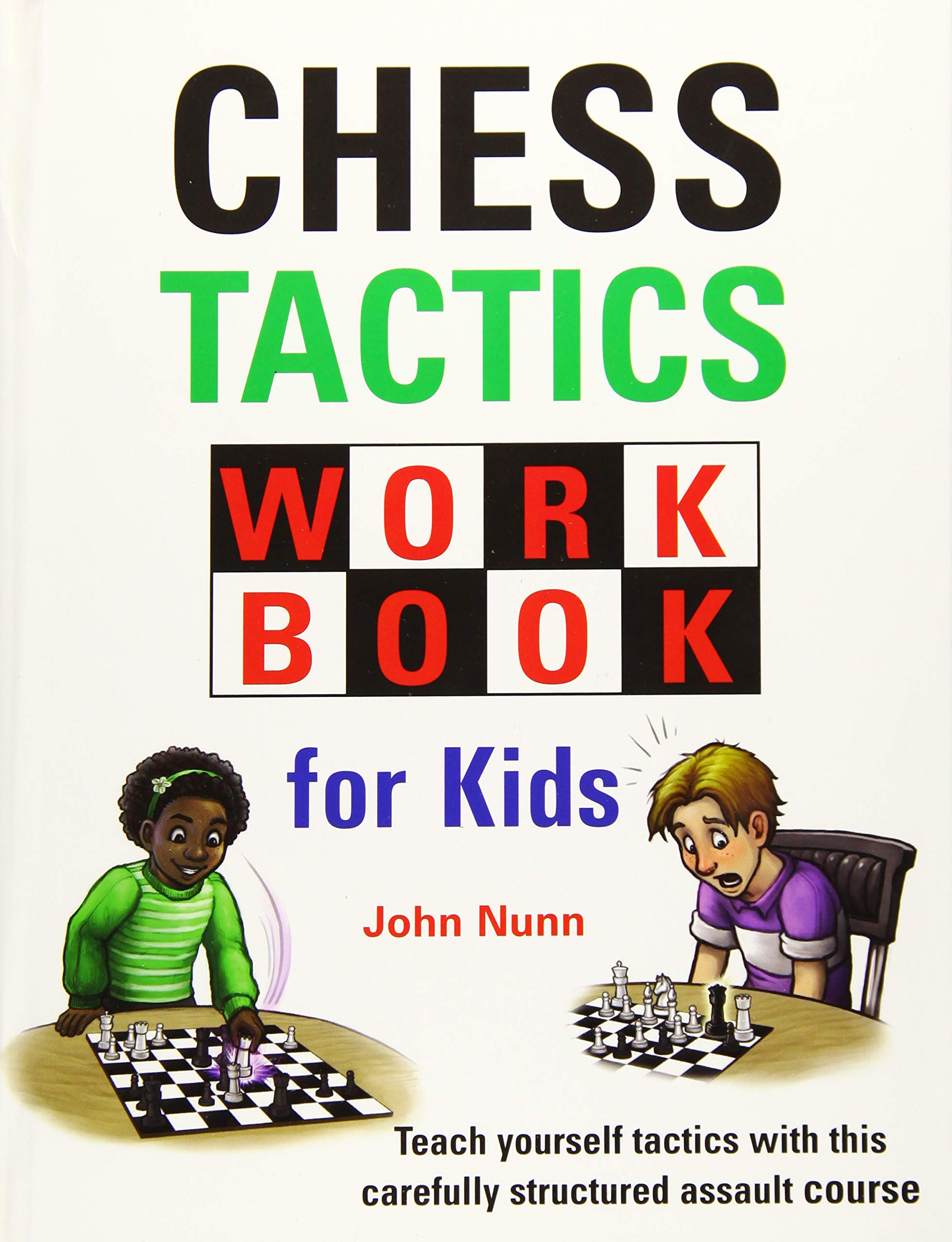
The Benoni for the Tournament PlayerSolving in StyleThe Complete PircSecrets of Rook EndingsSecrets of Pawnless EndingsNew Ideas in the Pirc DefenceBeating the Sicilian 3The King HuntSecrets of Grandmaster ChessSecrets of Practical ChessNunn’s Chess OpeningsJohn Nunn’s Chess Puzzle Book101 Brilliant Chess MiniaturesLearn ChessSecrets of Minor-Piece EndingsUnderstanding Chess Move by MoveJohn Nunn’s Best GamesEndgame ChallengeTactical Chess EndingsLearn Chess TacticsMammoth Book of the World’s Greatest Chess GamesGrandmaster Chess Move by MoveUnderstanding Chess EndgamesNunn’s Chess EndingsUnderstanding Chess MiddlegamesChess Tactics Workbook for Kids
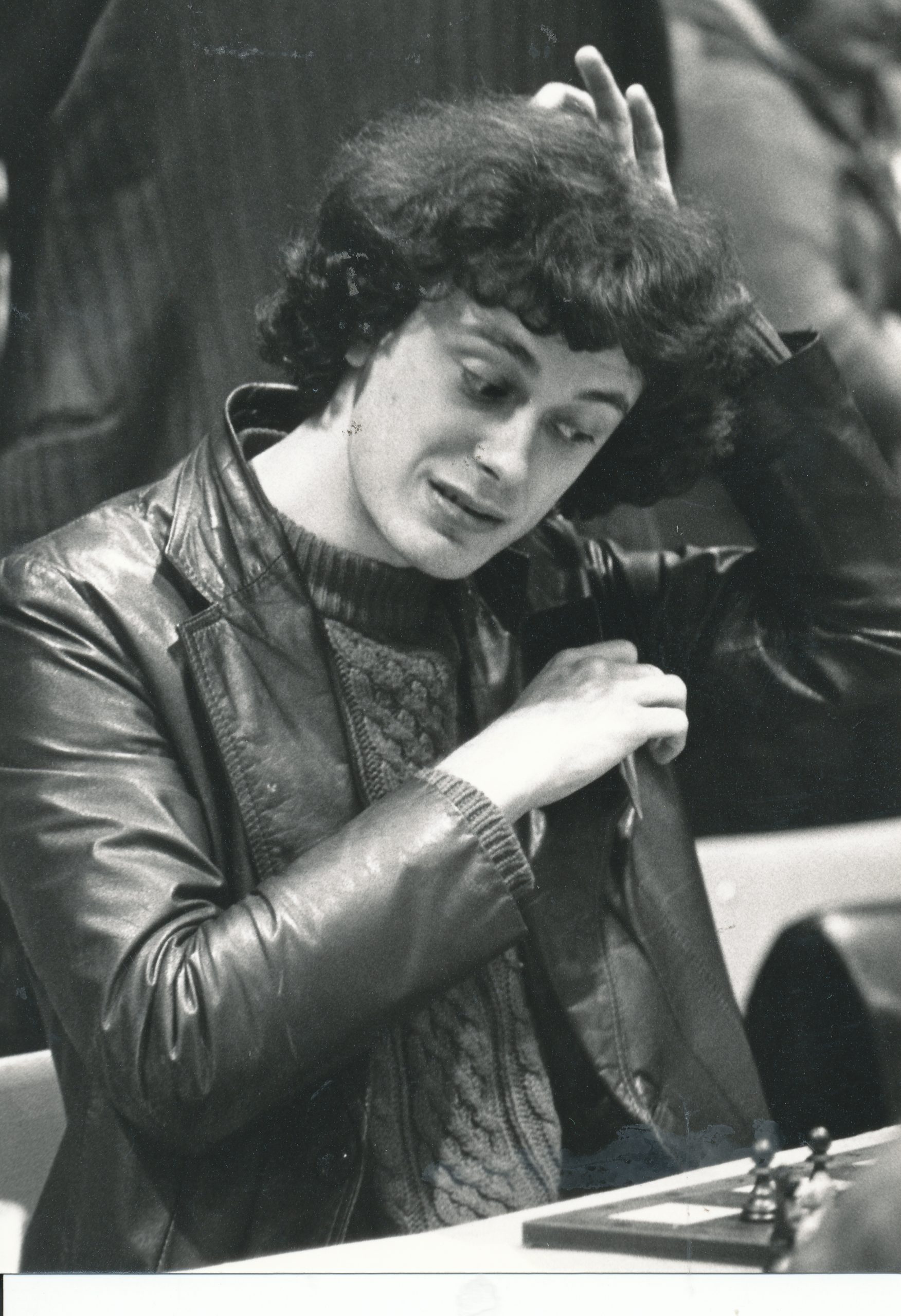
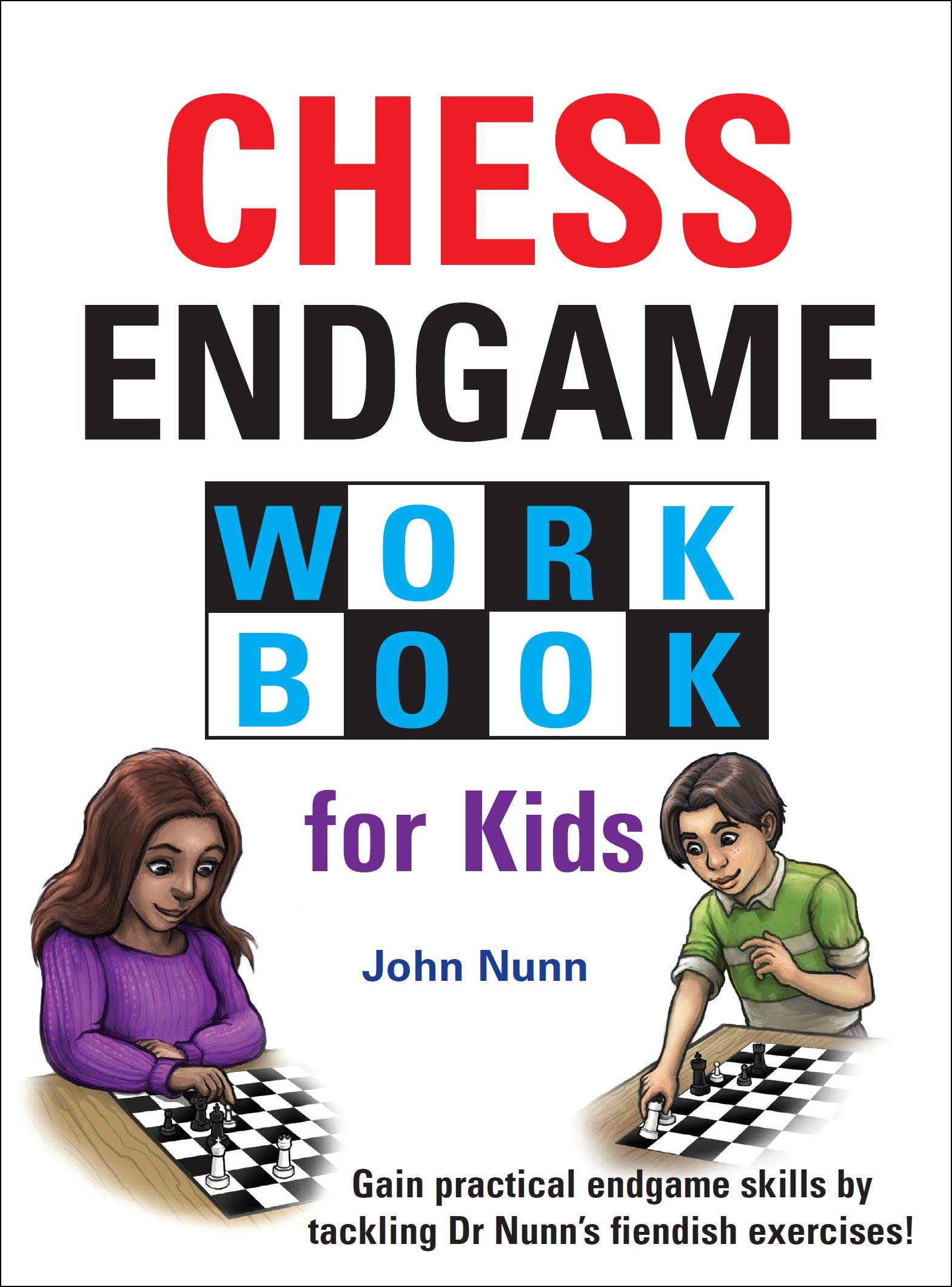
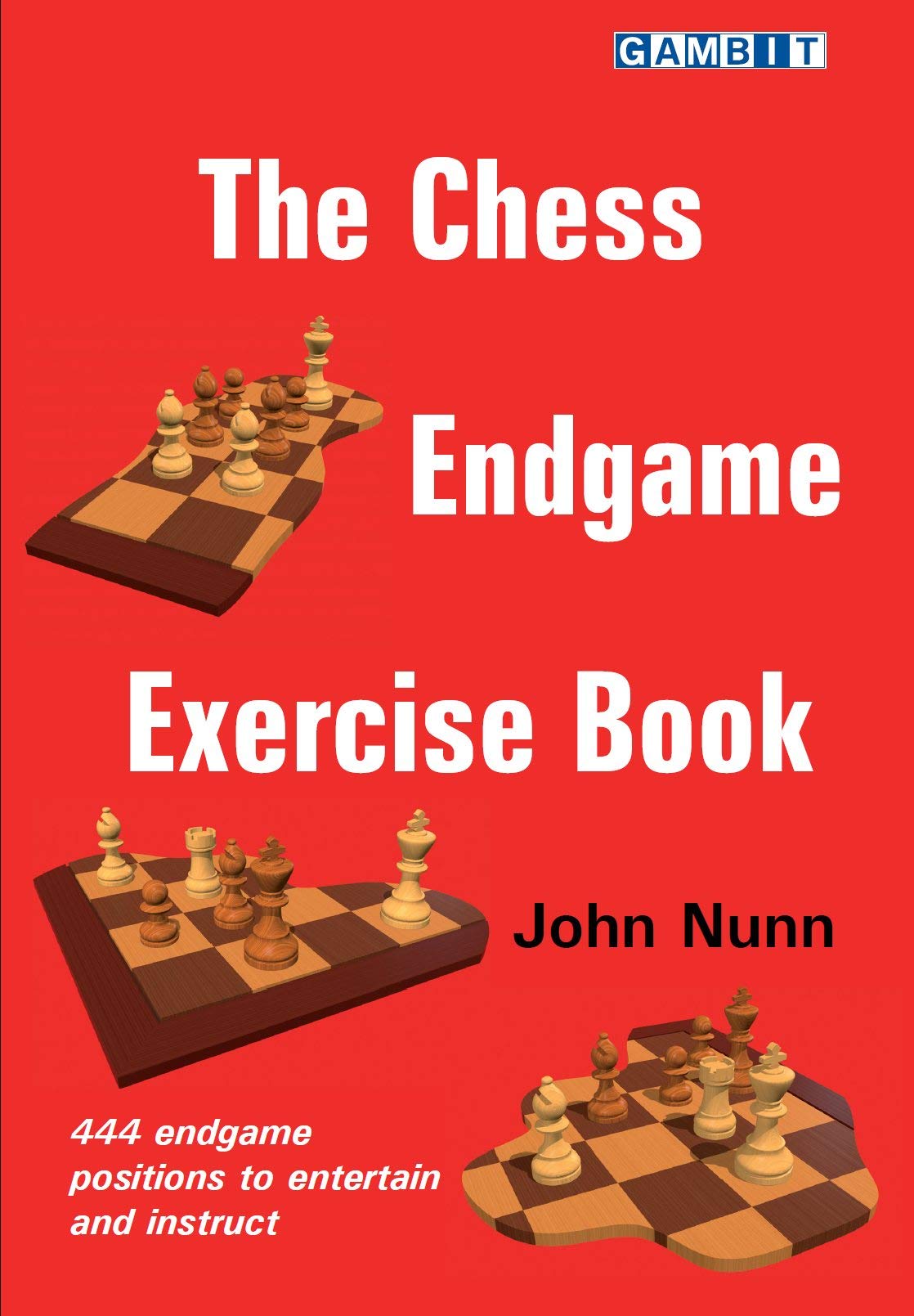
Chess Endgame Workbook for KidsThe Chess Endgame Exercise Book Paperback, JDM Nunn, Gambit Publications Ltd., 2020Desert Island Chess Puzzle Omnibus, Adams, Nunn, Burgess, So, Gambit Publications Ltd., 2021, ISBN-13 : 978-1911465652GM John Nunn
Gary was born in Bradford and became an FIDE Master in 2002 and achieved a peak rating of 2315 in July 1994.
In 1994 Gary represented London in a match with Paris over nine boards and has played from London Central YMCA (CentYMCA) and Barbican in the London Chess League and in the BCF National Club competition.
In 2003 he was runner-up (to Kidami Sundararajan) in the Ron Banwell Masters in Blackpool.
Gary has played for King’s Head in the Four Nations Chess League (4NCL) and now plays for Mindsports.
In 2019 Gary joined the England Chess Coaching Team. He founded Bletchley Junior Chess Club and Chess School.
He has been board 1 for Milton Keynes and Open University First team. He is board 1 for the Bedfordshire County Chess Team and has retained the Bedfordshire Individual County Chess Championship Title. In 2019/2020 he was board 1 for the Leighton Buzzard Chess Club.
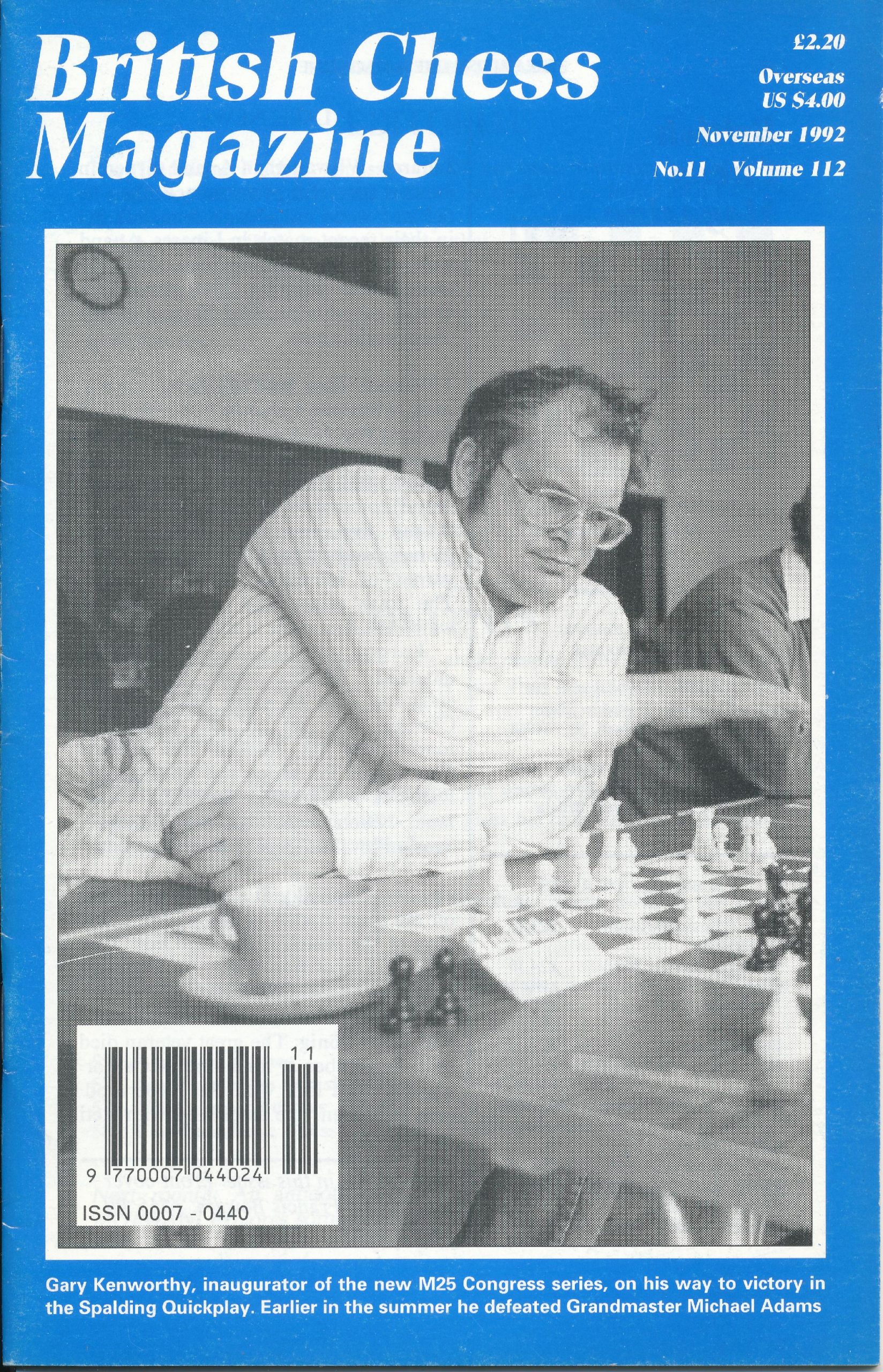
Gary Kenworthy, inaugurator of the new M25 Congress series, on his way to victory in the Spalding Quickplay. Earlier in the summer he defeated Grandmaster Michael Adams, photograph by Francis Bowers
Gary is a former Director of Chess Coaching for the (then) British Chess Federation (BCF).
Gary lives in Fenny Stratford, Milton Keynes and is an IT consultant and local councillor. He has been a former Director of the BCF.
Gary Kenworthy (holding board) at a BCF National Club Final (1992)
This was written about Peter aged 13 prior to the Spassky vs the BCF Junior Squad simultaneous display in 1979 :
” St John’s College and Portsmouth. Rating 174. British under-14 co-champion, 1978.”
and from chessgames.com :
“Peter Kenneth Wells was born in Portsmouth, England and became a FIDE Master in 1982, an IM in 1987, and a GM in 1994. He is also a FIDE Senior Trainer (2015).”
Peter Wells (between Harry Golombek and Ray Keene) takes part in the obligatory “Staring at the board” posed picture during the 1985 Varsity Match
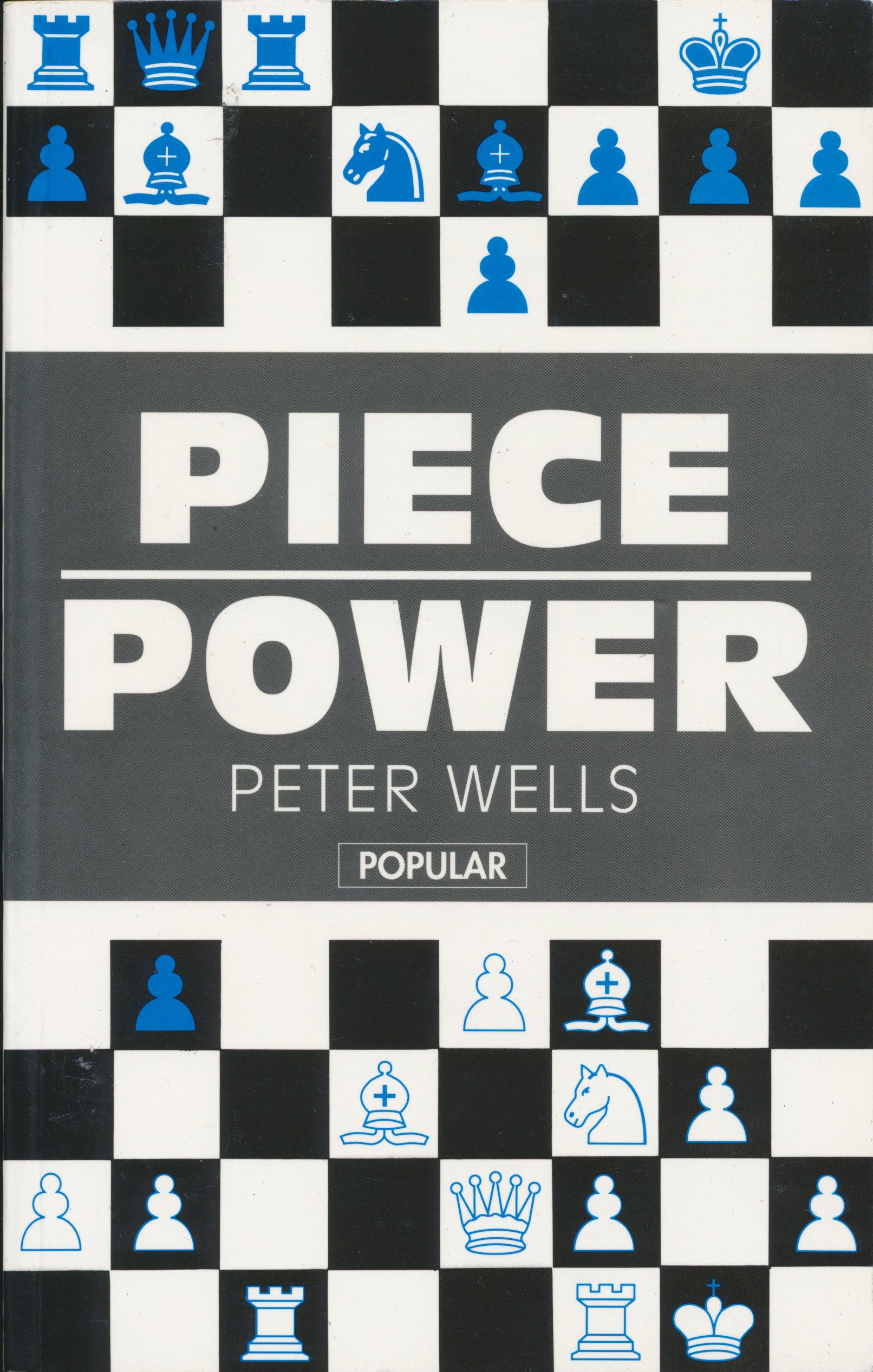
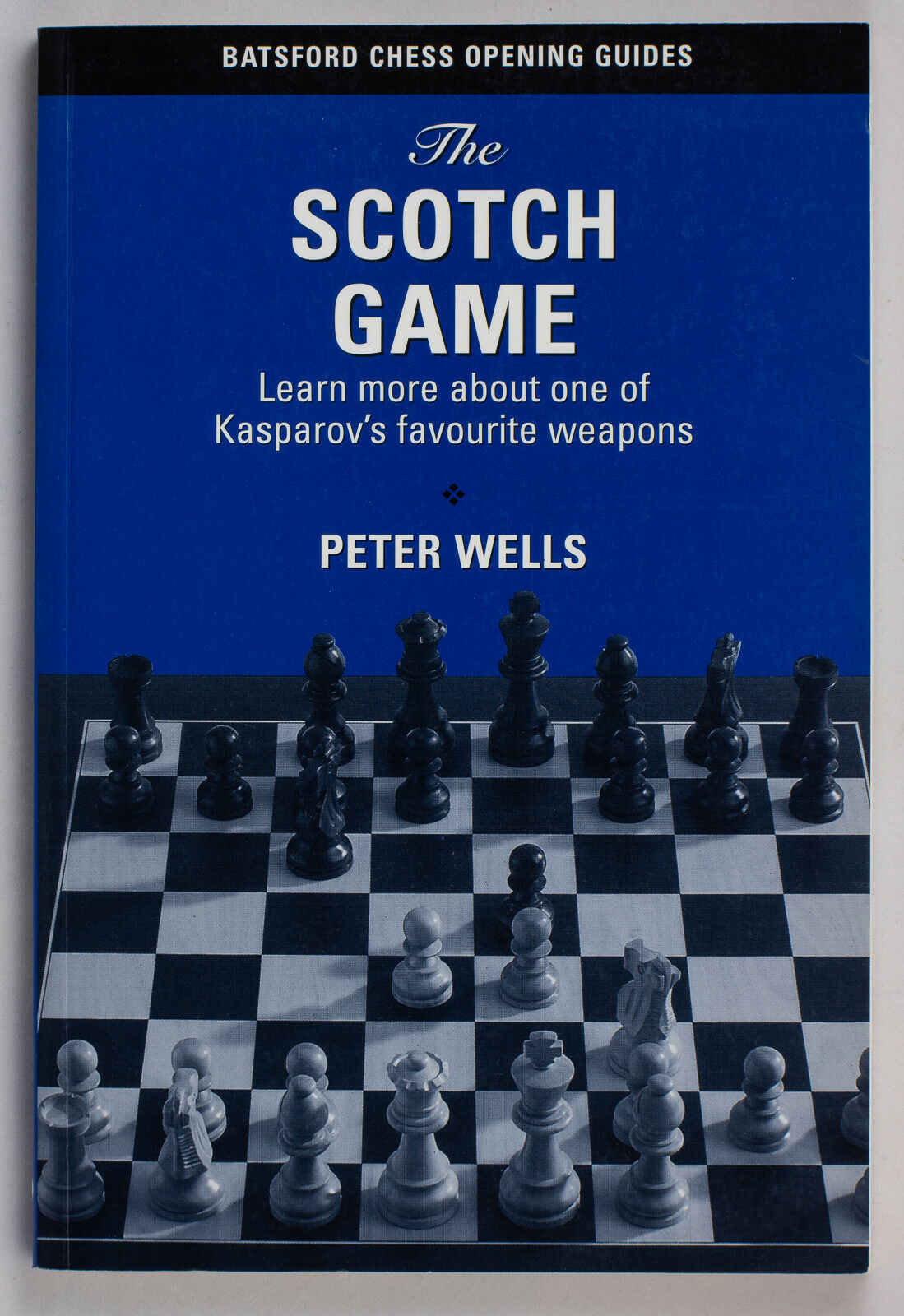
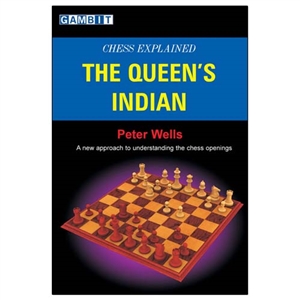
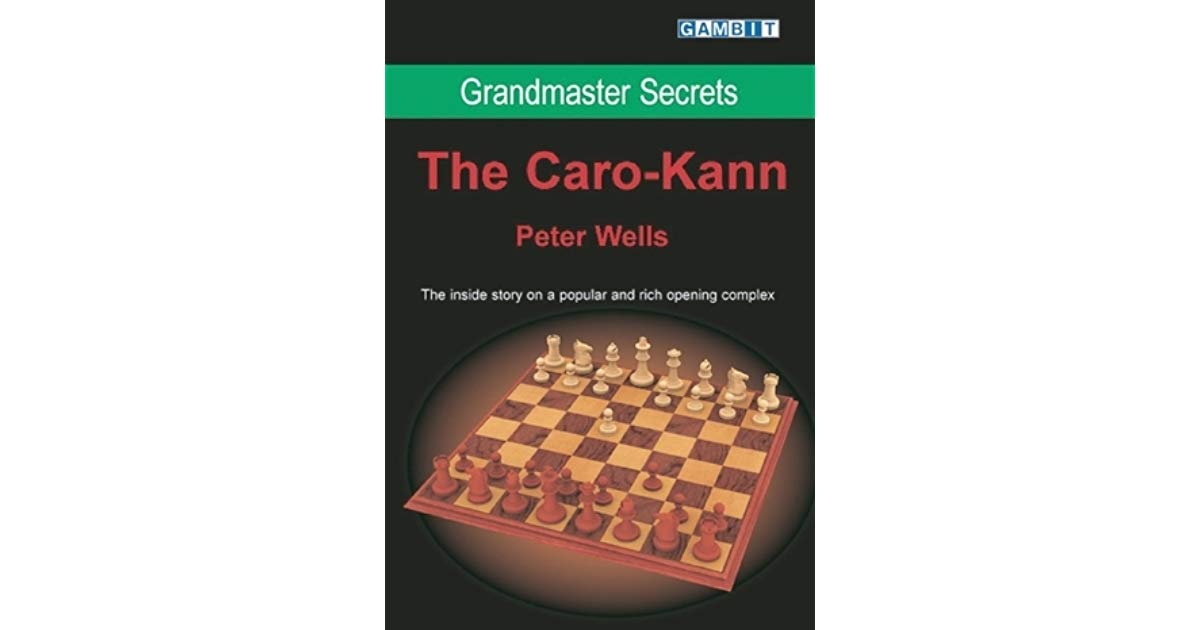
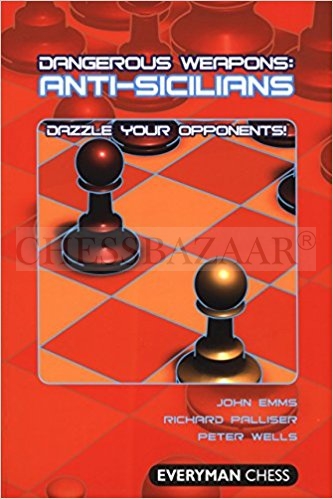
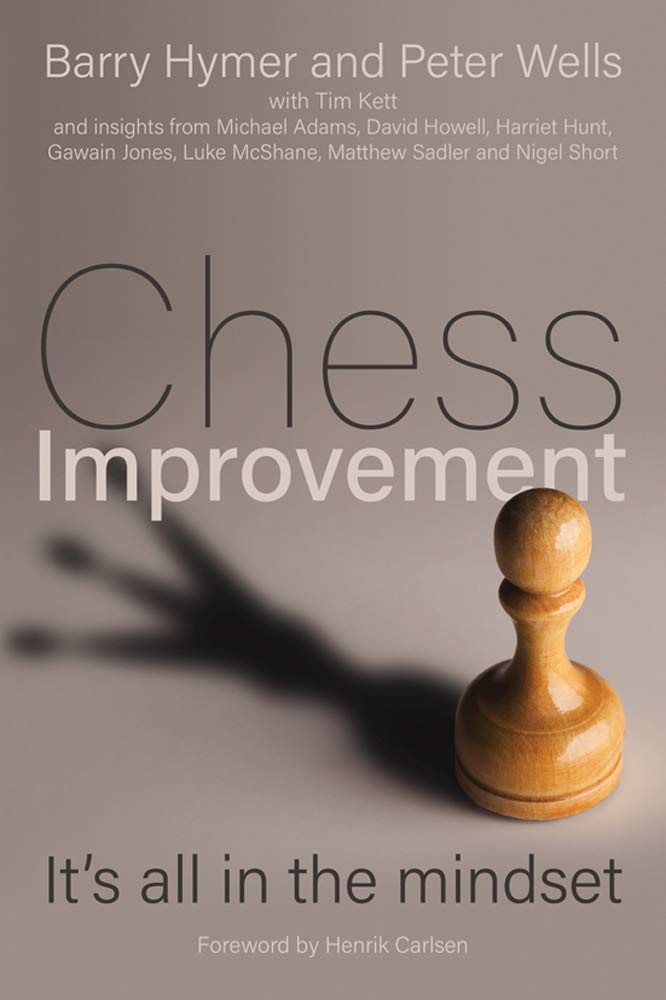
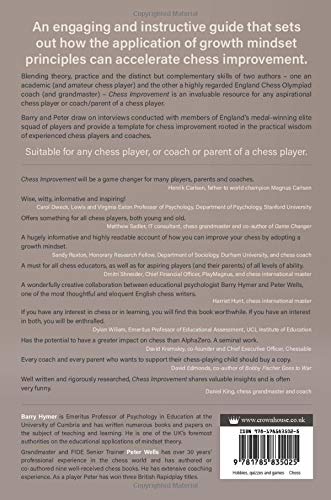
Peter Wells (second from right) at a Lloyds Bank event.GM Peter WellsPeter Wells, Gary Lane, John Emms and David NorwoodThe Complete Semi-SlavPiece PowerThe Complete Richter-RauzerThe Scotch GameWinning with the TrompowskyChess Explained : The Queen’s IndianGrandmaster Secrets : The Caro-KannDangerous Weapons : Anti-SiciliansChess Improvement: It’s all in the mindset, Barry Hymer and Peter Wells, Crown House Publishing, 2020Chess Improvement: It’s all in the mindset, Barry Hymer and Peter Wells, Crown House Publishing, 2020GM Peter Wells
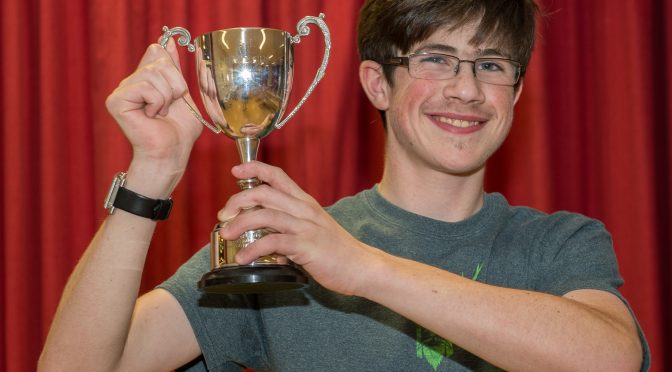
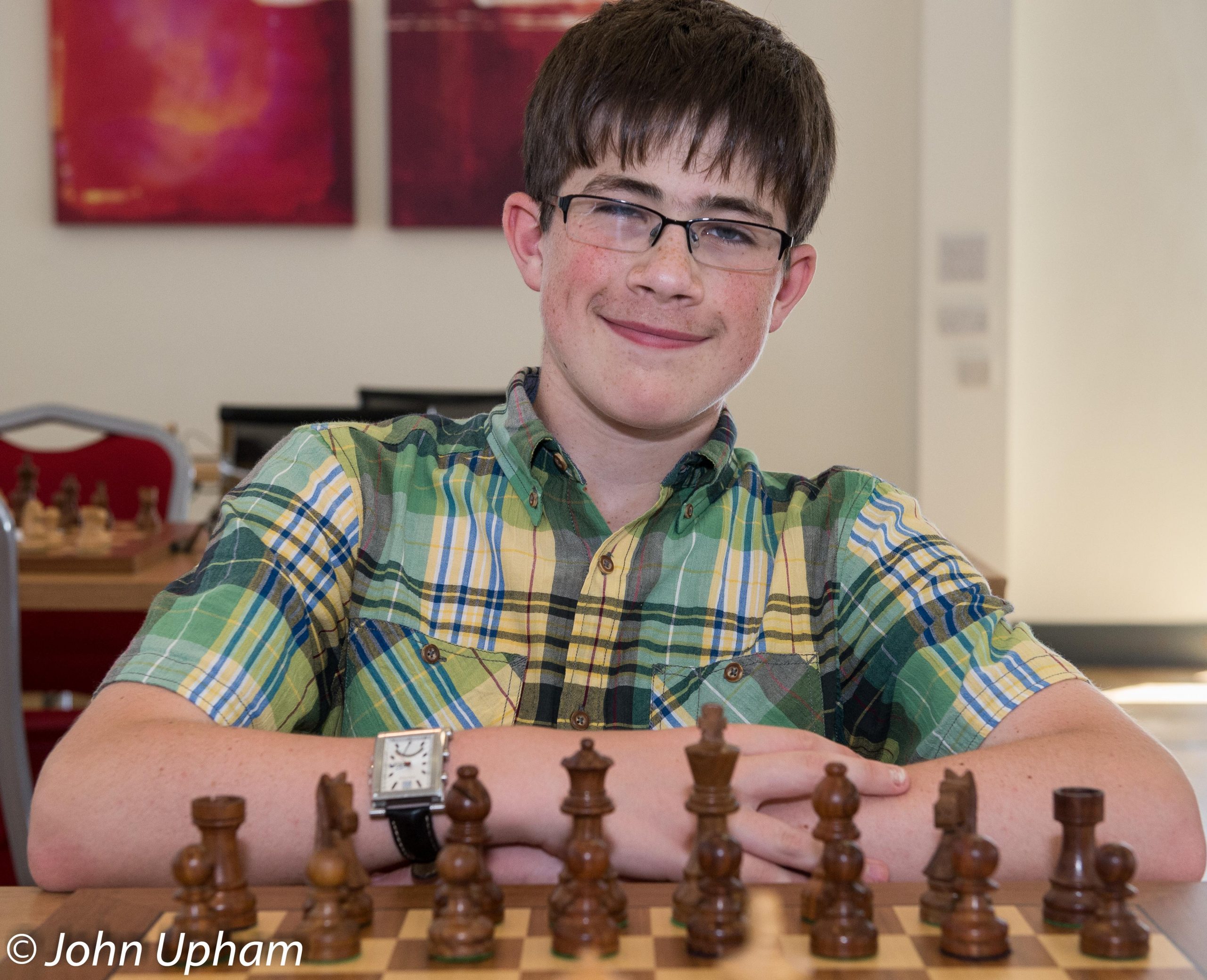
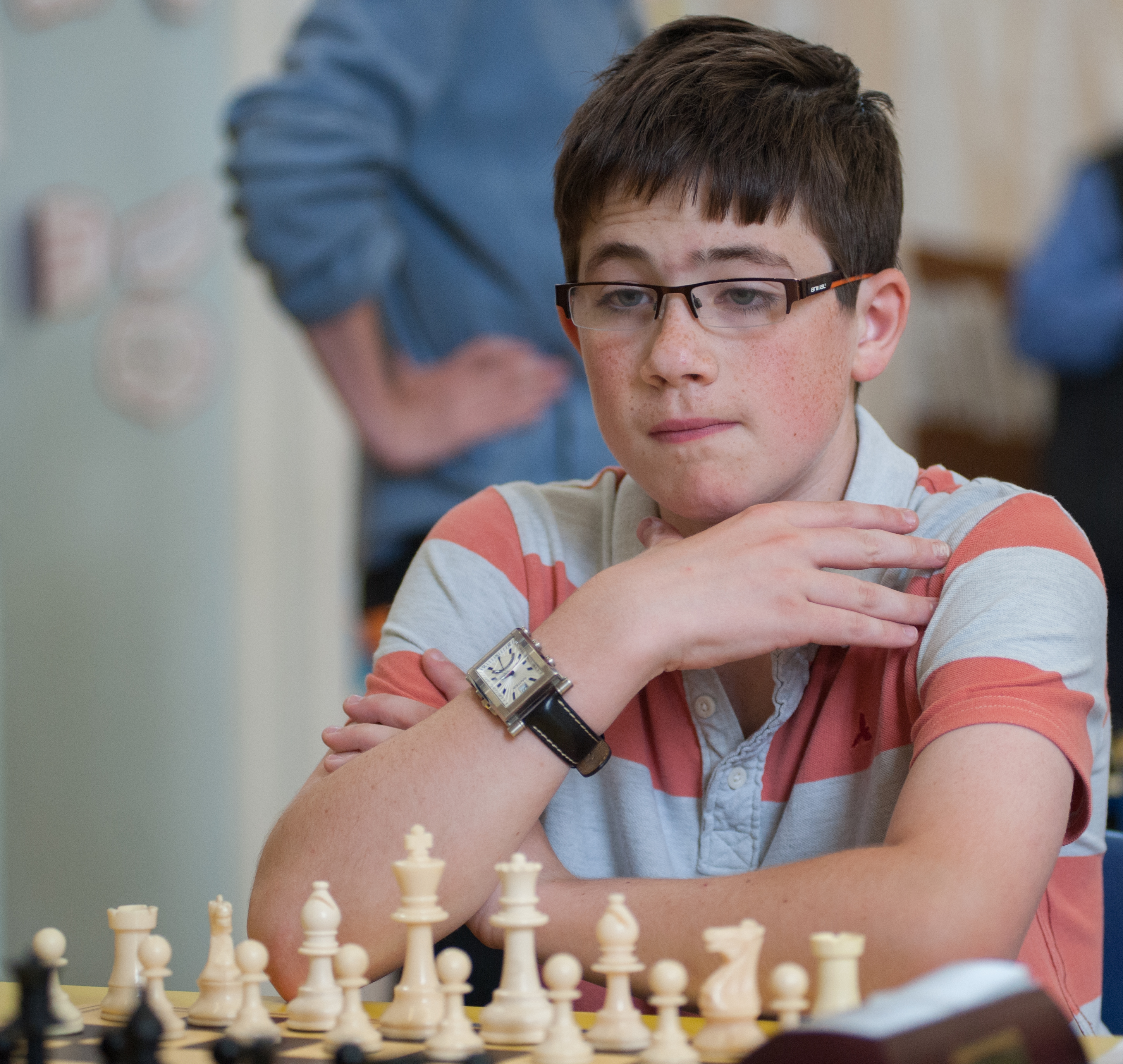
BCN wishes happy birthday to FM Harry James M Grieve (12-iv-2001).
He was born in Guildford and spent most of his childhood a resident of Fleet in Hampshire before moving to Camberley, Surrey.
Here is an article from Harry’s school, RGS Guildford.
Harry at the 2012 UKCC Terafina, Loughborough Grammar School
Harry is studying mathematics at St. Catherine’s College, Cambridge having previously been a pupil and member of the strong chess team of Royal Grammar School, Guildford with team mates such as Alex Golding.
He started his evening league chess in the Cody Sports and Social Club with Fleet & Farnborough Chess Club (same as Simon Williams) and then transferred his allegiance to the stronger Farnham chess club playing top board in many matches.
He was recruited to the AMCA 4NCL team by IM Andrew Martin and then played for the BCM 4NCL team and now plays for Guildford in 4NCL and Farnham in the Surrey Border League.
Round 5 of the Caplin Hastings International Chess Congress featured the board 10 clash between one of England’s stronger Grandmasters, Danny Gormally (2508) and FM Harry Grieve (2299).
Here is their game :
Following this game Harry needed 2.5/4 to obtain his first IM norm.
In January 2022 Harry travelled to Roquetas de Mar in Almeria, Spain for the 33rd Roquetas de Mar Open where he scored 7/9 and his first IM norm. Harry kindly agreed to annotate his best game from this event for BCN:
Here is hoping that further norms will be shortly forthcoming!
Harry Grieve, 2014 Terafinal
Save as PDF
We focus on the British Chess Scene Past & Present!
This website uses cookies to improve your experience. We'll assume you're ok with this, but you can opt-out if you wish. Cookie settingsACCEPT
Privacy & Cookies Policy
Privacy Overview
This website uses cookies to improve your experience while you navigate through the website. Out of these cookies, the cookies that are categorized as necessary are stored on your browser as they are as essential for the working of basic functionalities of the website. We also use third-party cookies that help us analyze and understand how you use this website. These cookies will be stored in your browser only with your consent. You also have the option to opt-out of these cookies. But opting out of some of these cookies may have an effect on your browsing experience.
Necessary cookies are absolutely essential for the website to function properly. This category only includes cookies that ensures basic functionalities and security features of the website. These cookies do not store any personal information.
 Save as PDF