
Category Archives: 2021

Happy 80th Birthday WCM Dinah Norman (21-viii-1946)

BCN wishes Happy Birthday to Dinah Norman on August 21st

Dinah Margaret Dobson was born on Wednesday, August 21st 1946 in Exeter, Devon. Her parents were Leslie and Barbara Dobson (née Hayward).

She was taught to play Chess by her late father at the age of 9. Started playing seriously when she attended Rickmansworth Grammar School and Watford Chess Club. Her first tournament was the London Girls Championship which she won in 1962. Dinah was coached by Leonard Barden and Bob Wade.

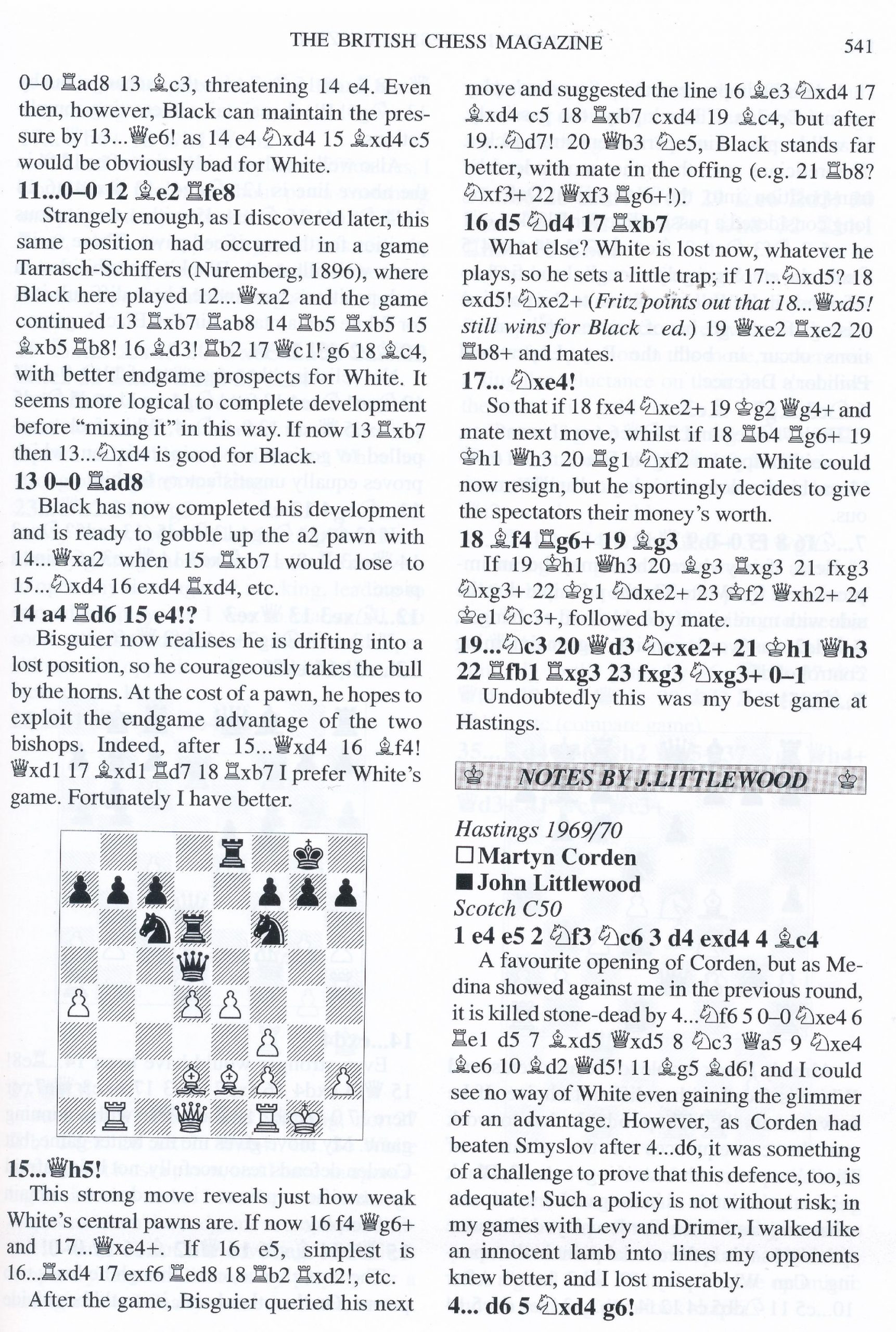
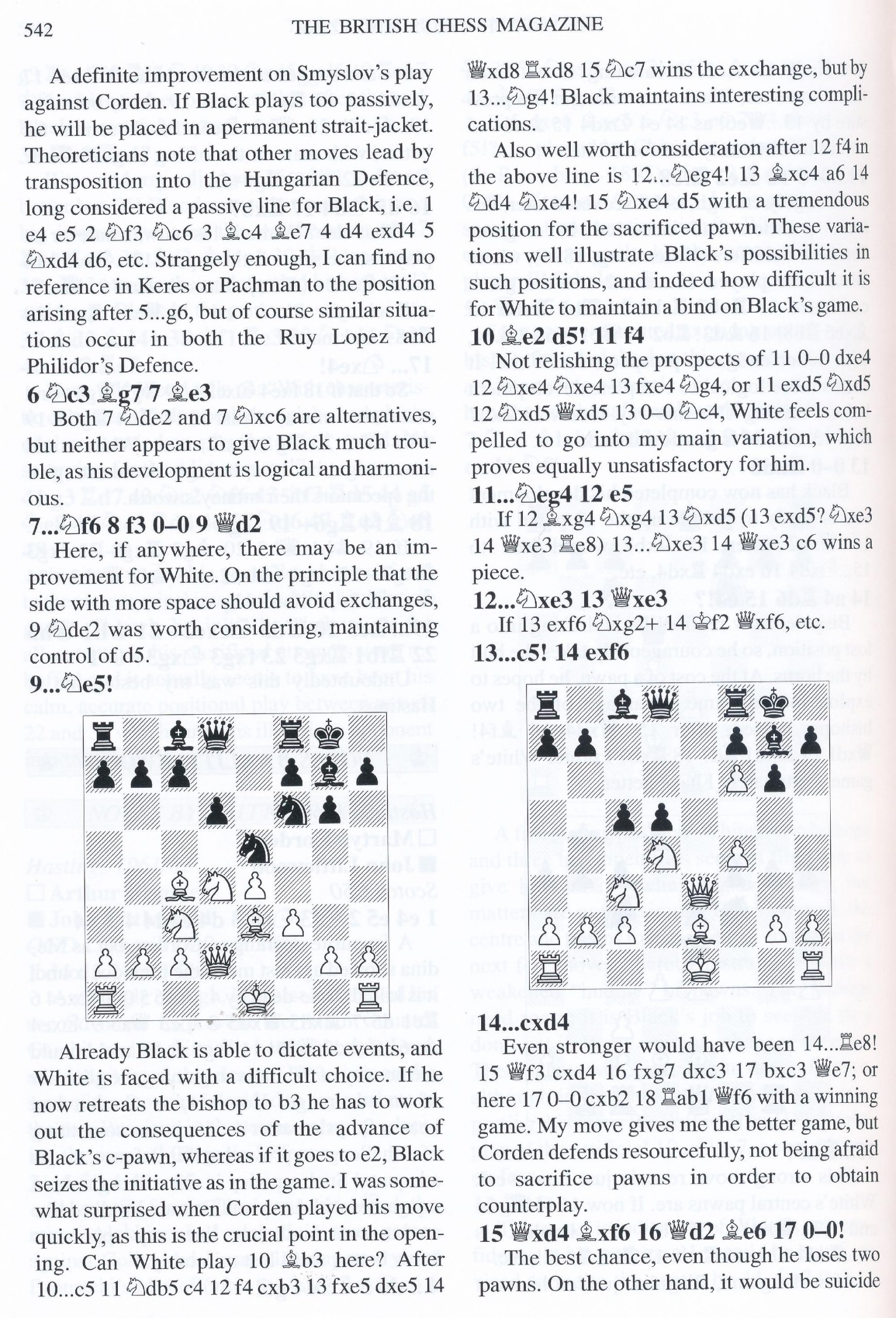
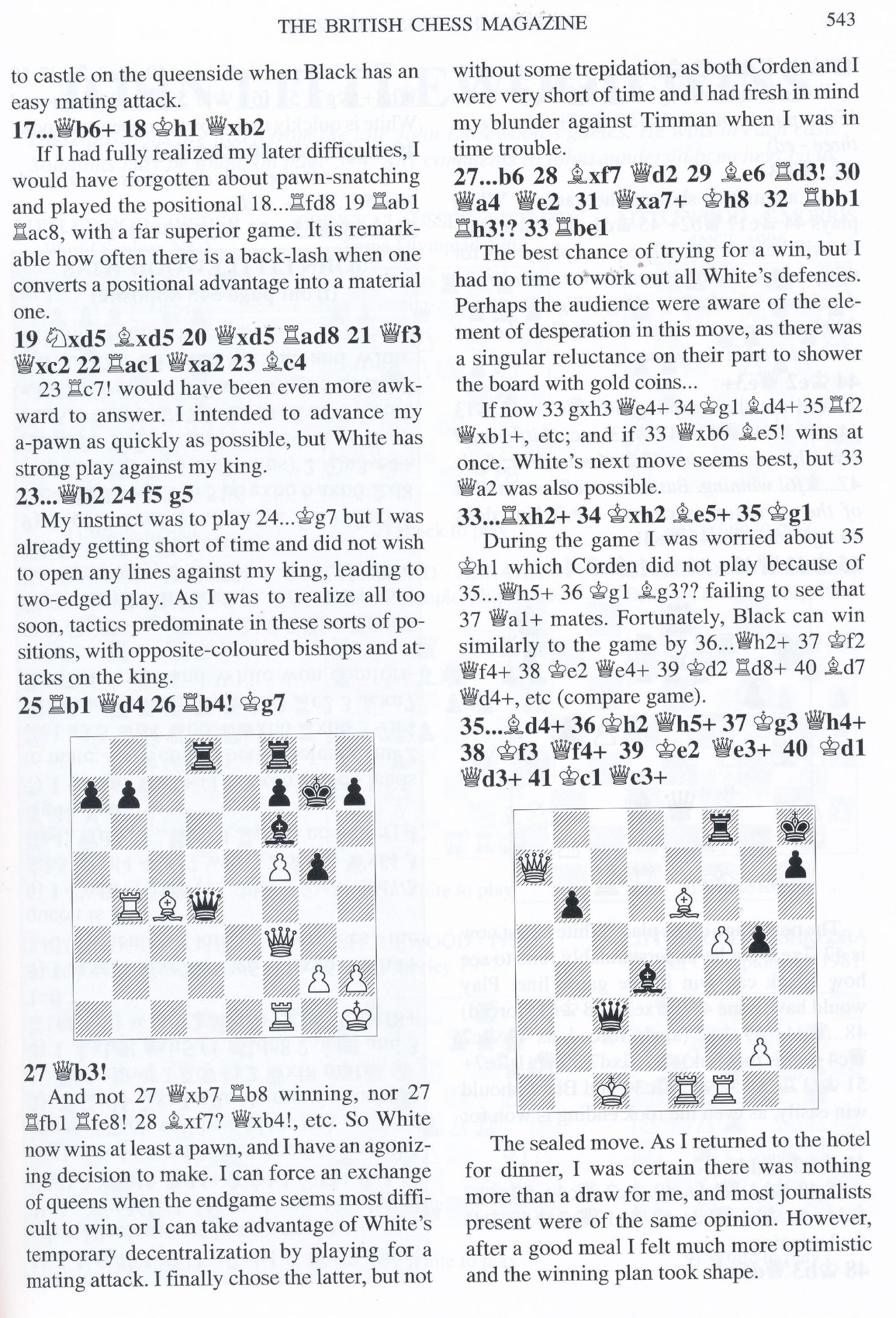
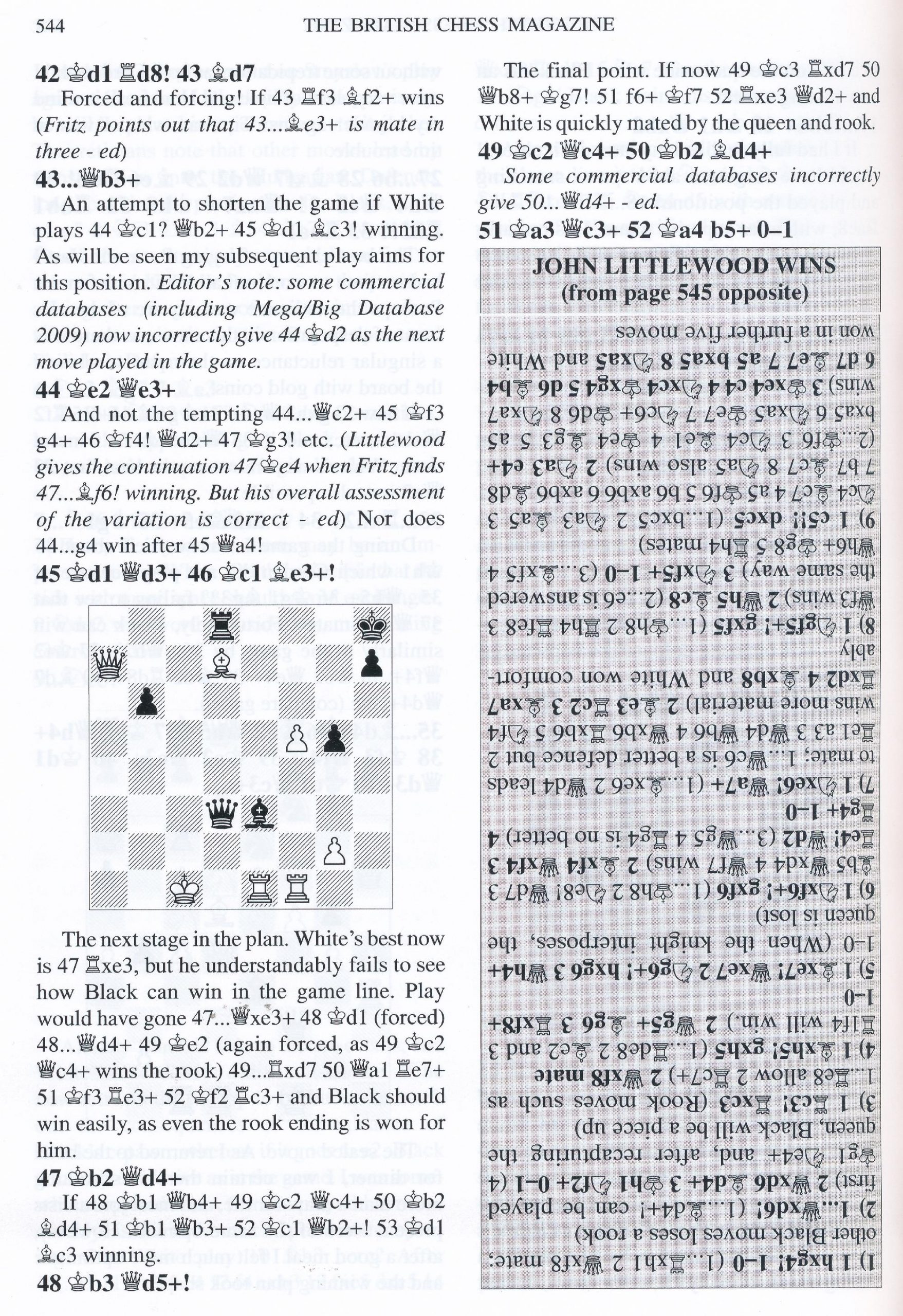
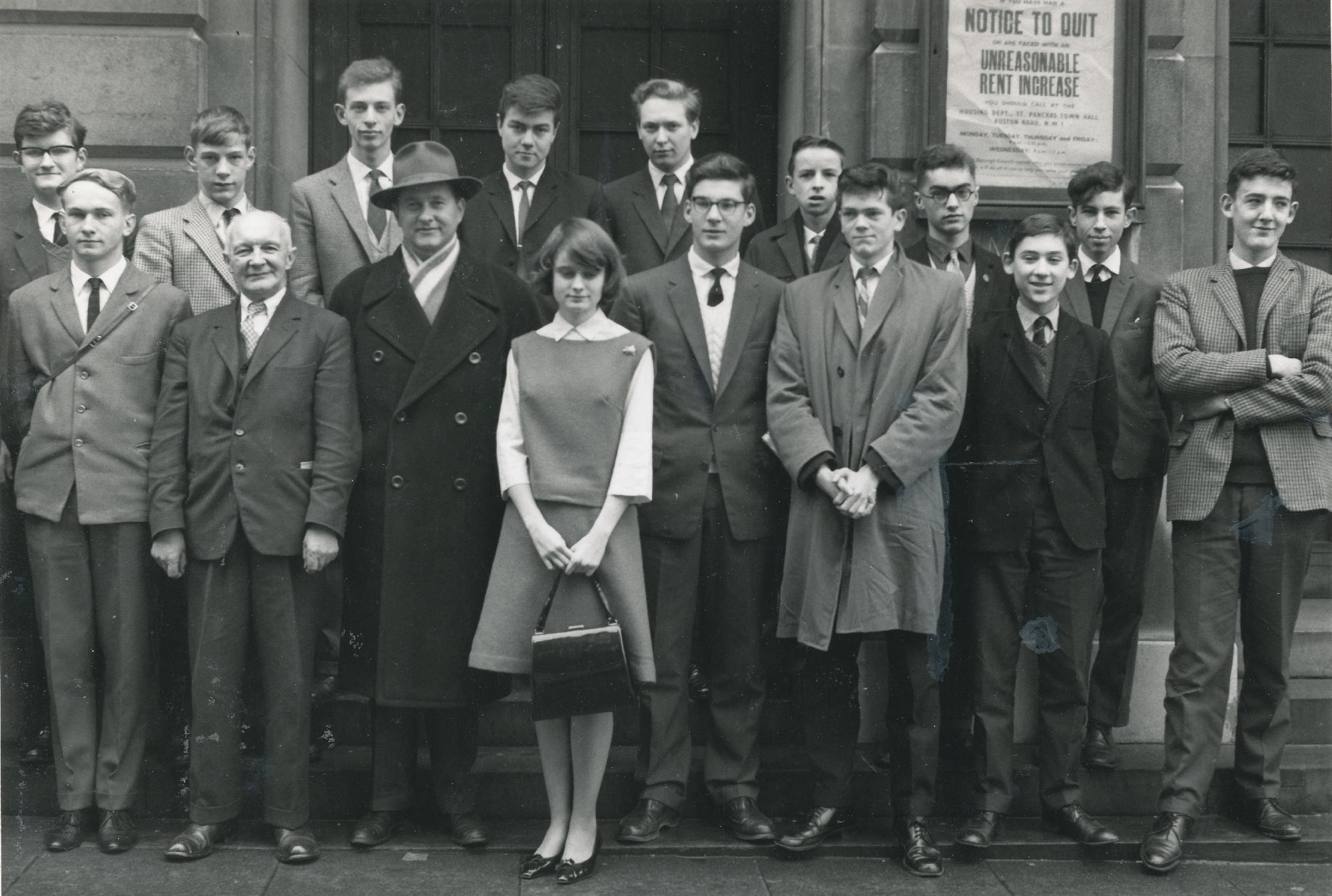
Some of the participants in the Paul Keres display on November 25th, 1962, at St Pancras Town Hall, London WC1. Back row : AJ. Whiteley, D. Floyer, PJ Collins, PJ Adams, RC Vaughan, KB Harman, D. Parr, DNL Levy, Front row : MV Lambshire, AE Hopkins (selector) Paul Keres, Miss D. Dobson, RE Hartley, BC Gillman, WR Hartston and PN Lee. Photograph by AM Reilly. Source : BCM, 1963, page 13

Dinah’s tournament successes were as follows :

1962 London Girls’ Champion
1963 Southern Counties (SCCU) Girls Champion
1963 Southern Counties (SCCU) Ladies’ Champion
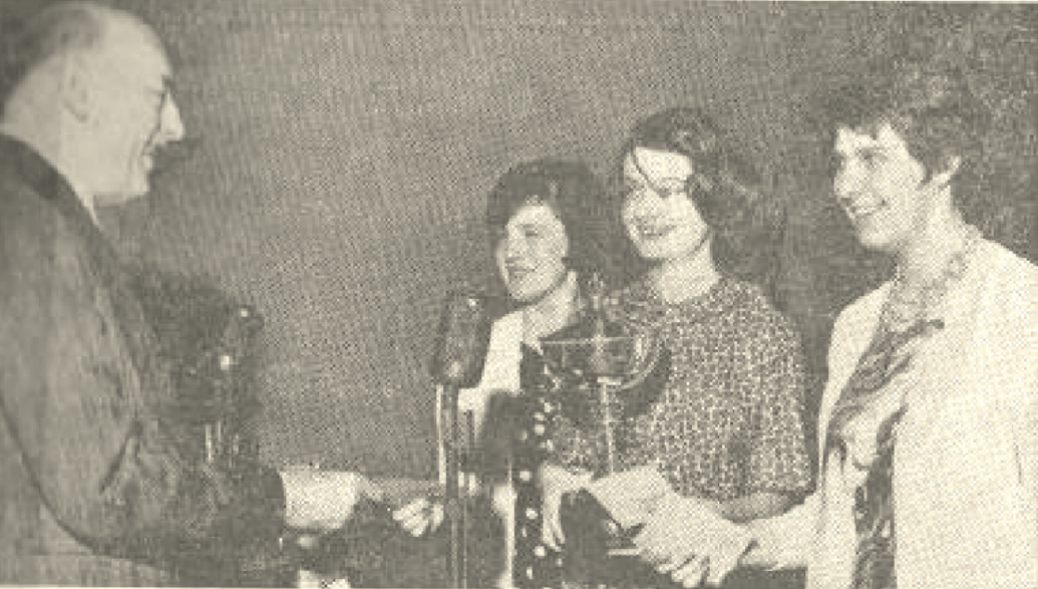
1964 Joint British Girls Champion (three way tie with Gillian Moore and Marcia Syme)

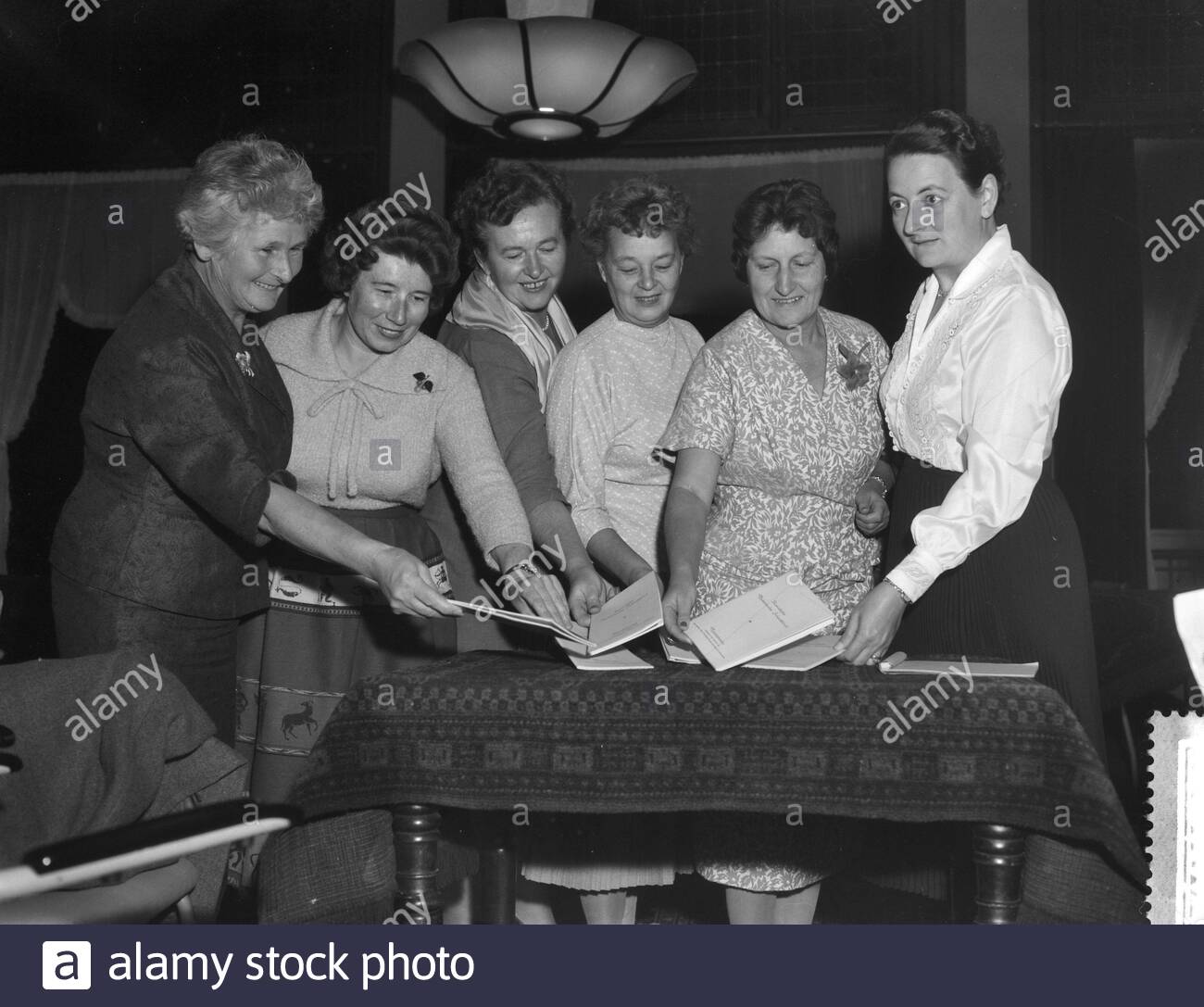
Marcia Syme, Dinah Dobson and Gillian Moore : 1964 joint British Girls's Champions
Marcia Syme, Dinah Dobson and Gillian Moore : 1964 joint British Girls’s Champions

Dinah played as 1st reserve for England in the third FIDE Women’s Olympiad in Oberhausen, Germany in 1966 and in 1969 she played board 1 in Lublin, Poland.

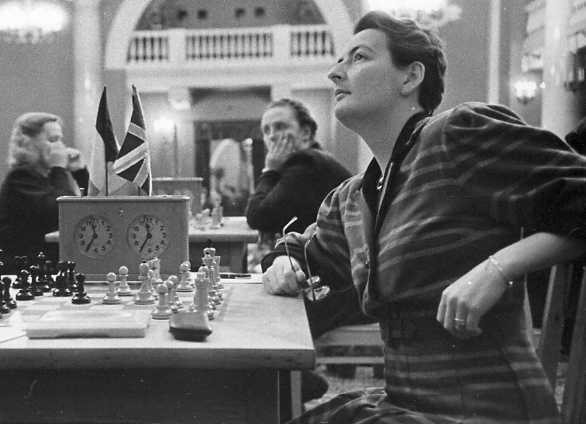
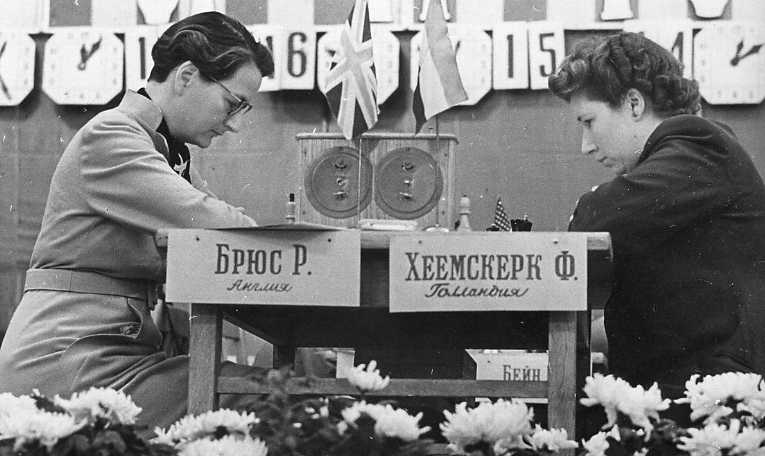
1967 and 1969 Joint British Lady Champion shared with Rowena Bruce after a 4 game playoff

1968 British Lady Champion
1970 American Open Ladies Champion
1975 Winner of first ever Female Grand Prix (as Dinah Wright)
1976 Winner of second Female Grand Prix
Dinah became a WCM in 2002.
She was 9th in the World Over 65 Ladies Championship held in Bled in November 2018.
She is current holder of the Gibraltar Cup.

According to chessgames.com : “Dinah Margaret Norman Dobson is a WCM. She was British champion (w) in 1967 (=Rowena Mary Bruce, Oxford), 1968 (Bristol) and 1969 (=Rowena Mary Bruce, Rhyl).”

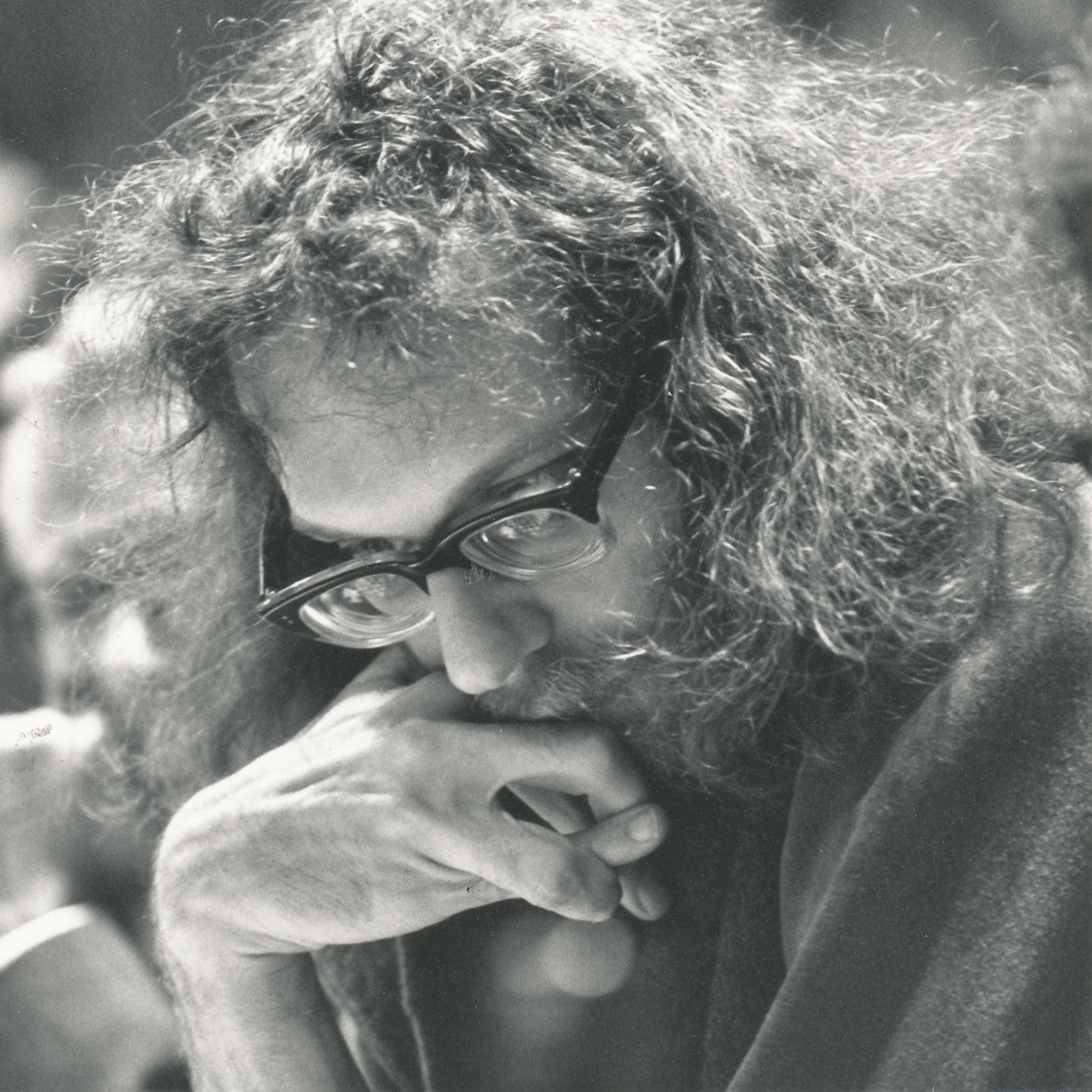
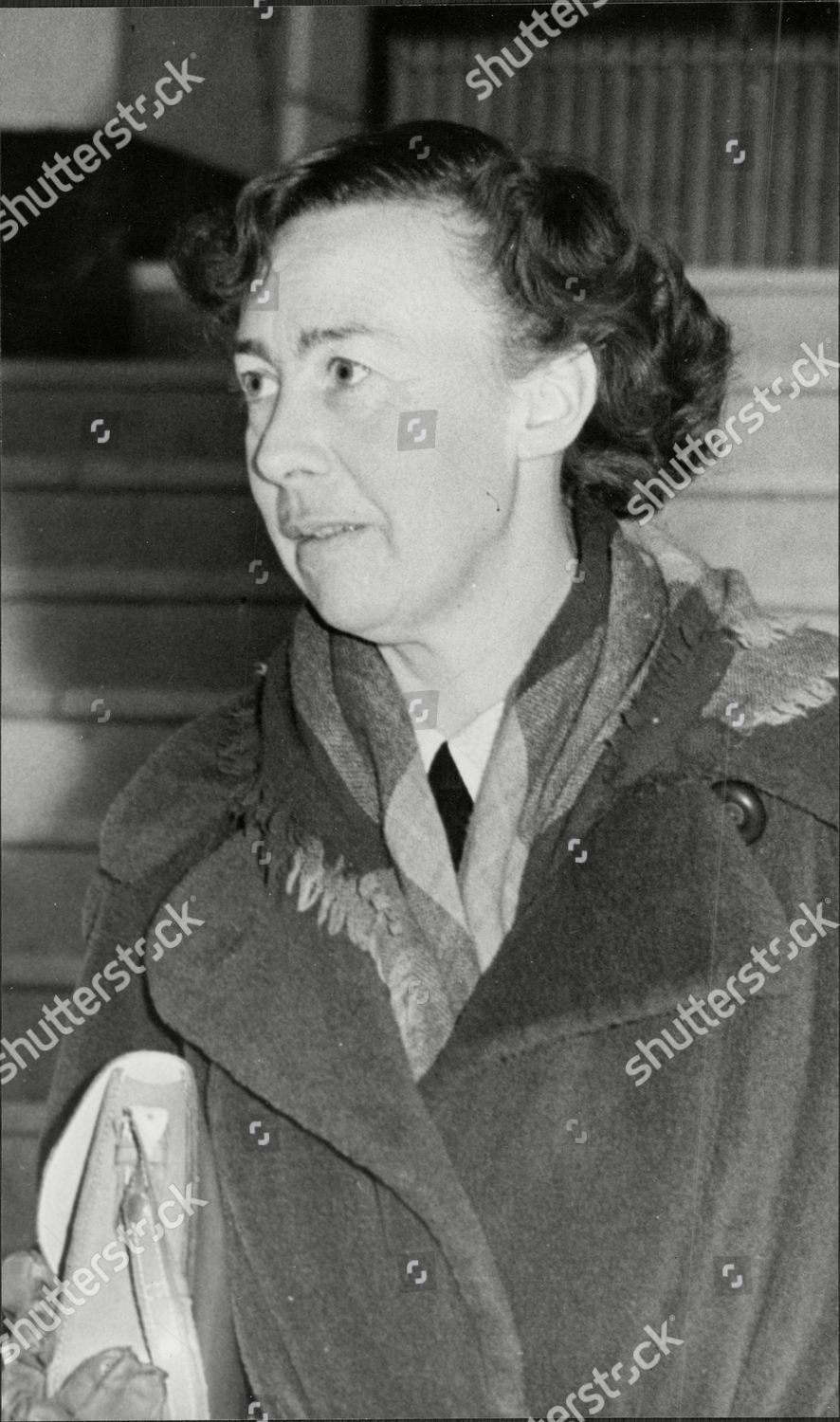
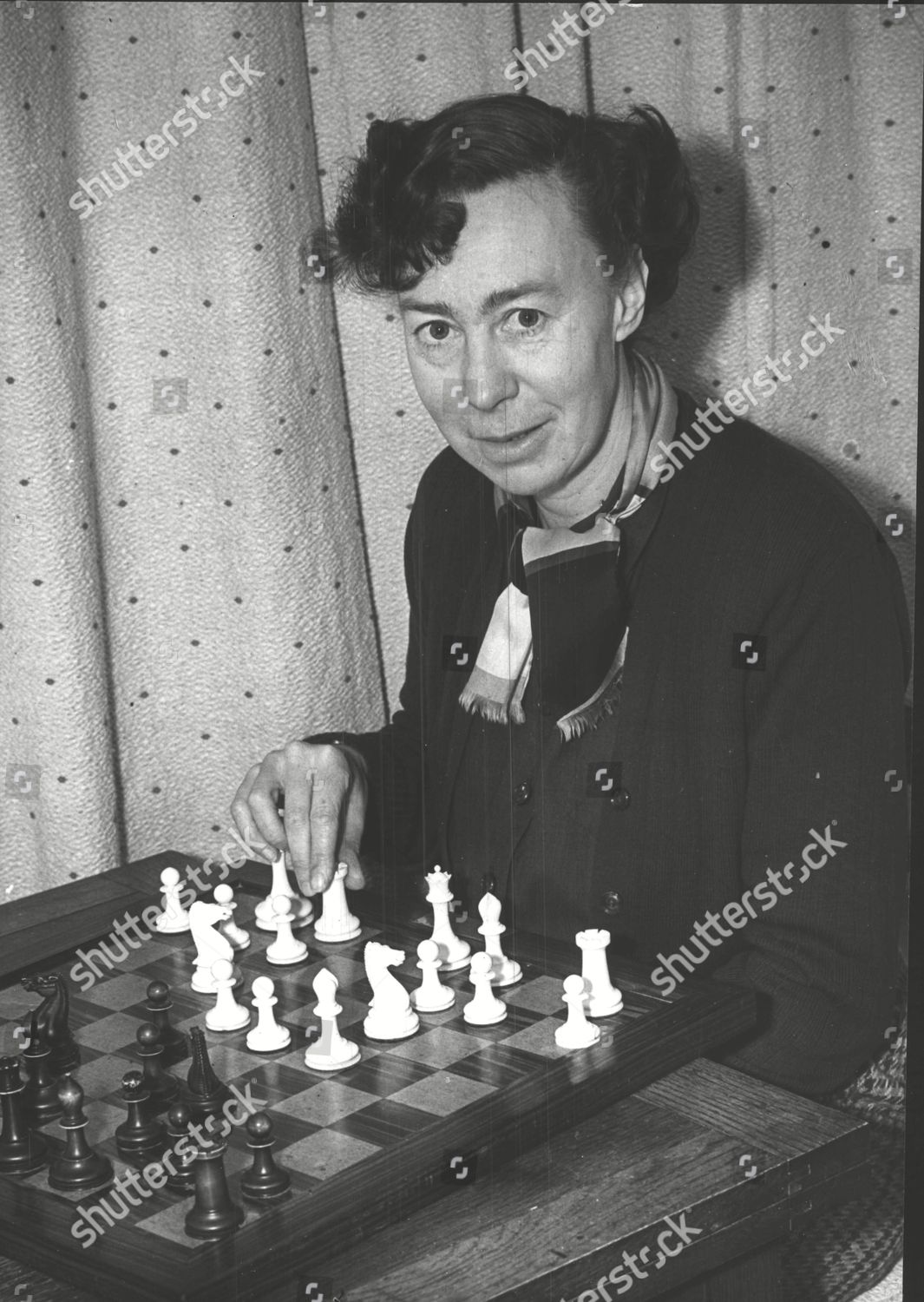
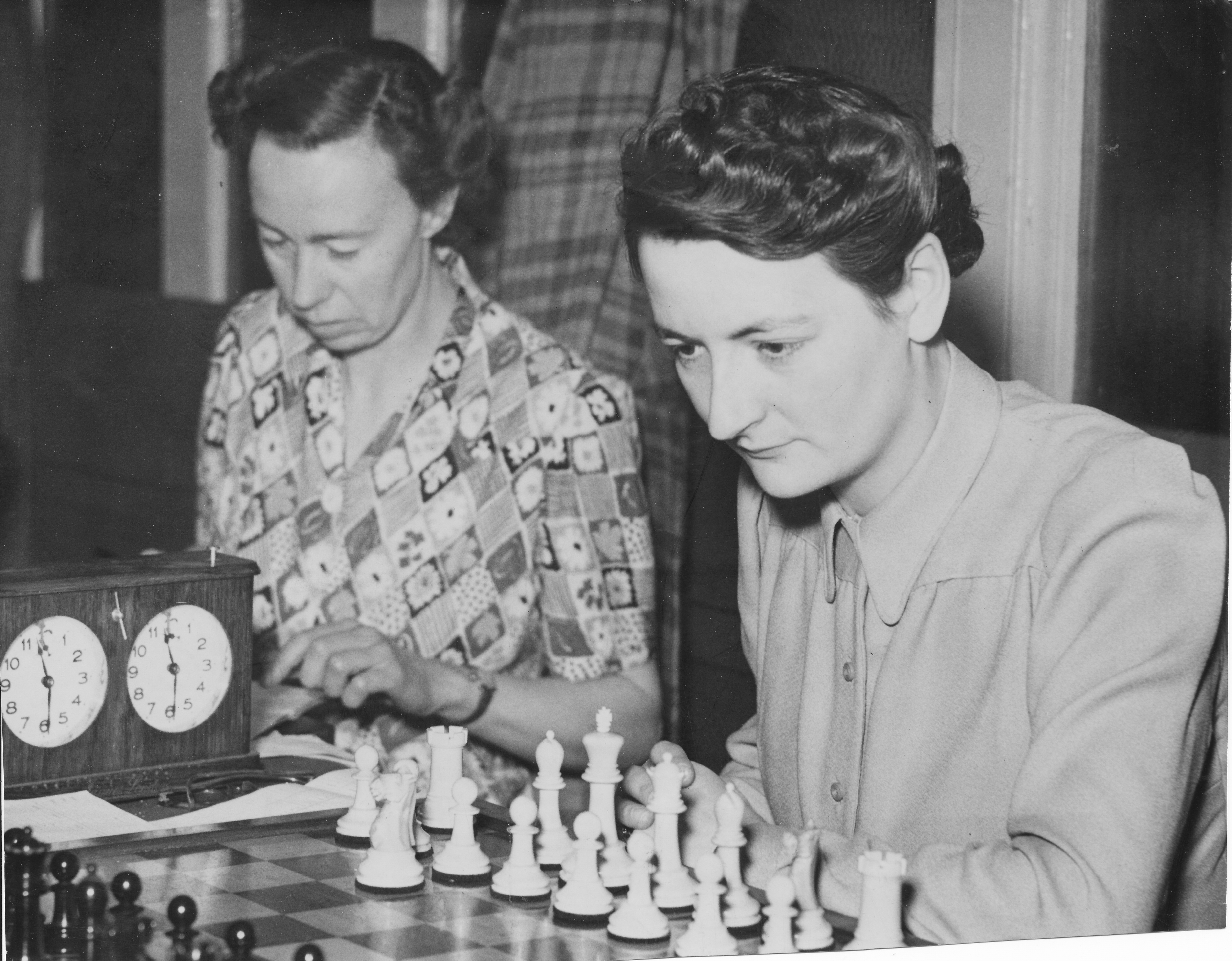
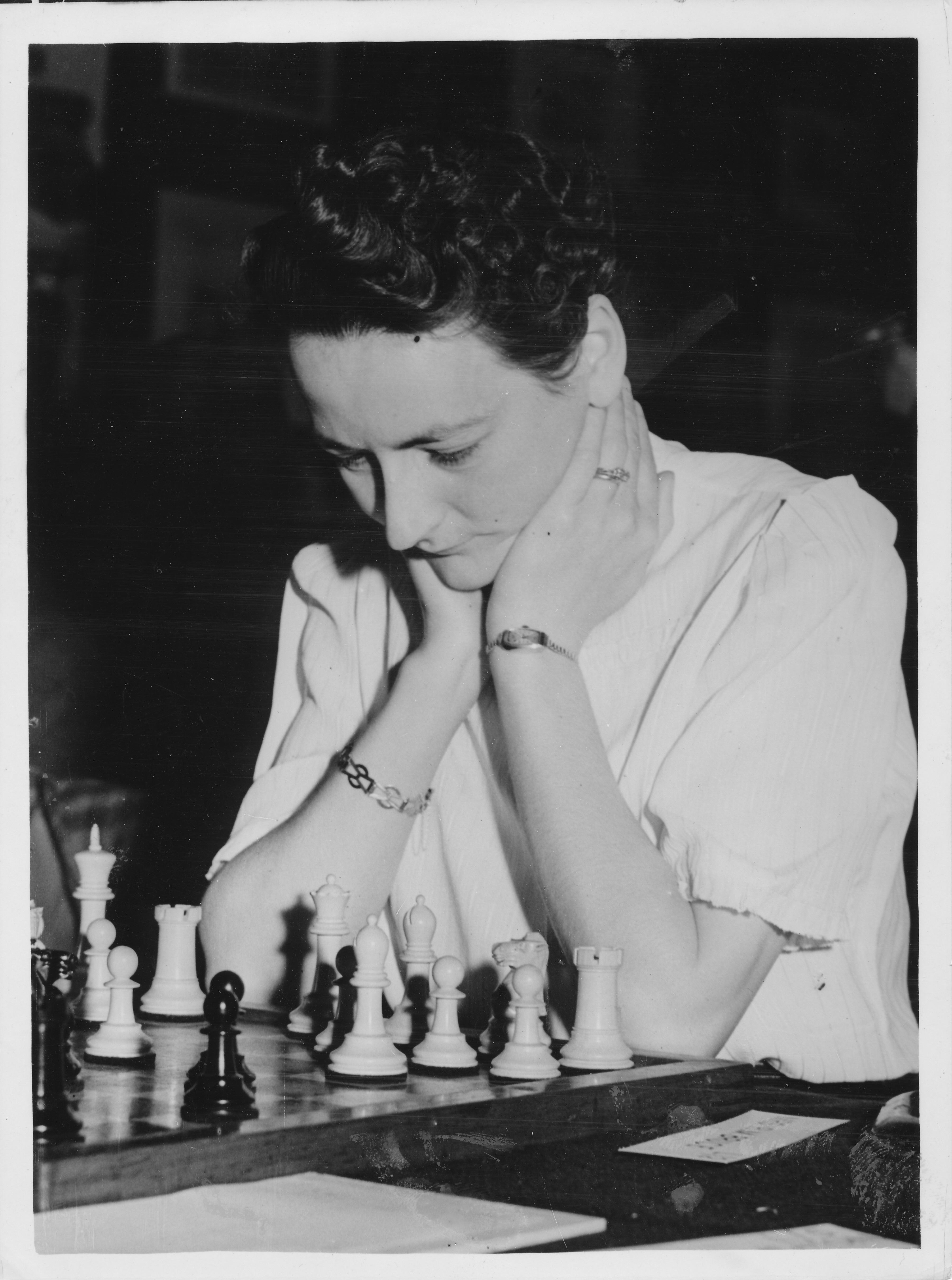
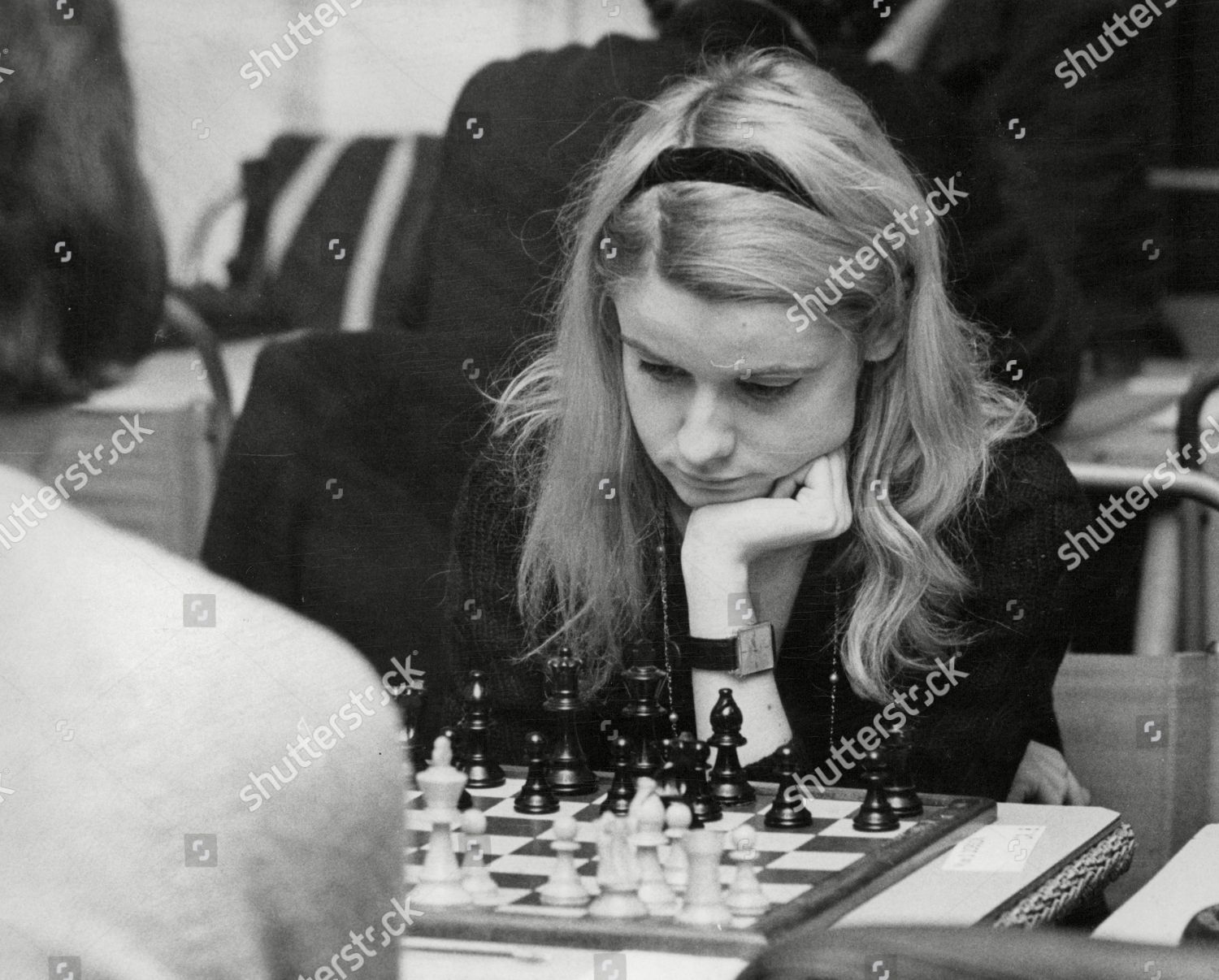
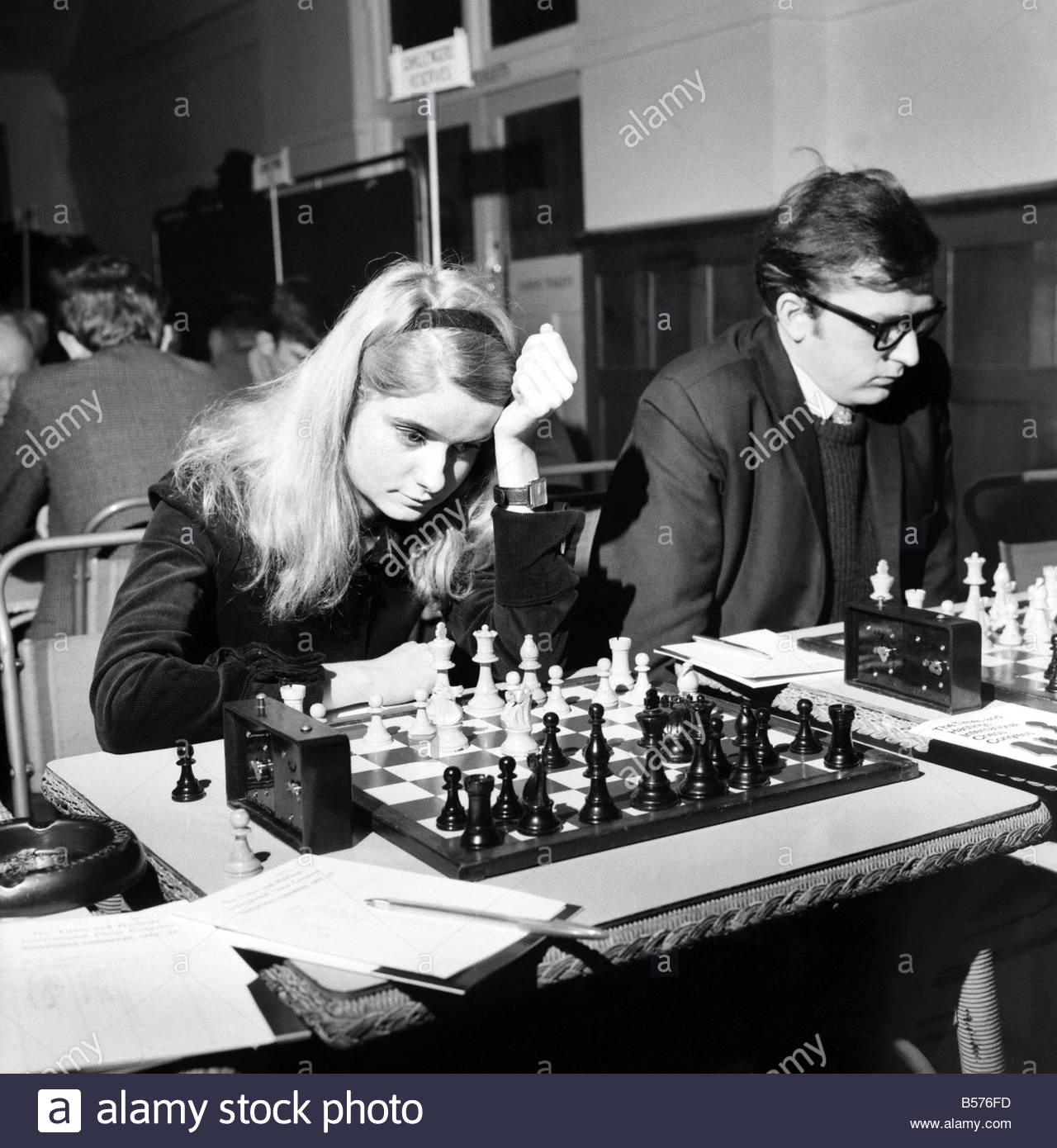
Dinah Dobson 22-year-old Champion British Chess Player Deep In Thought During Chess Competition In Hastings. Mandatory Credit: Photo by ANL/Shutterstock

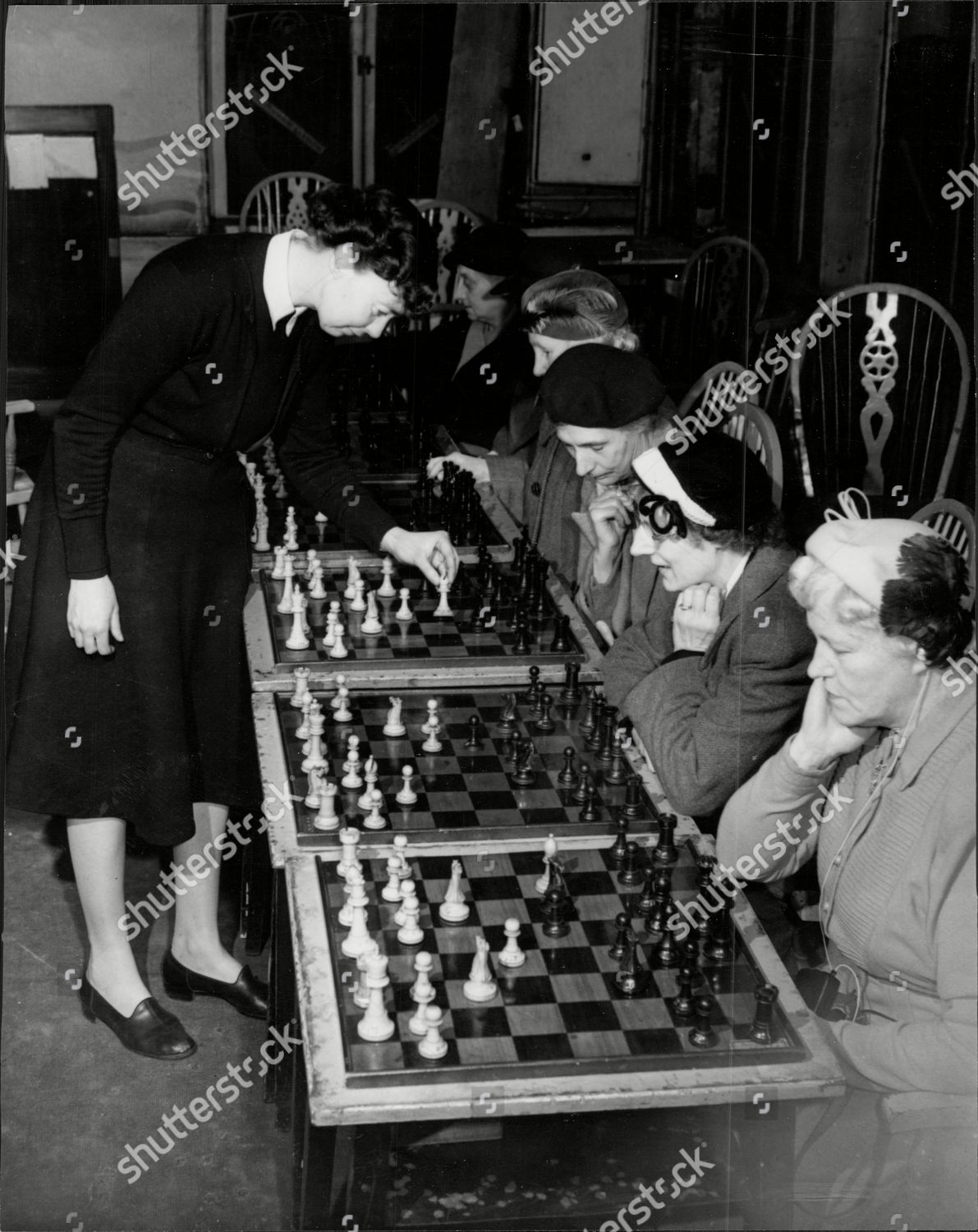
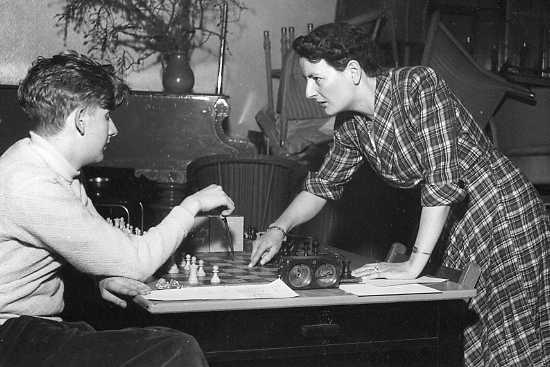
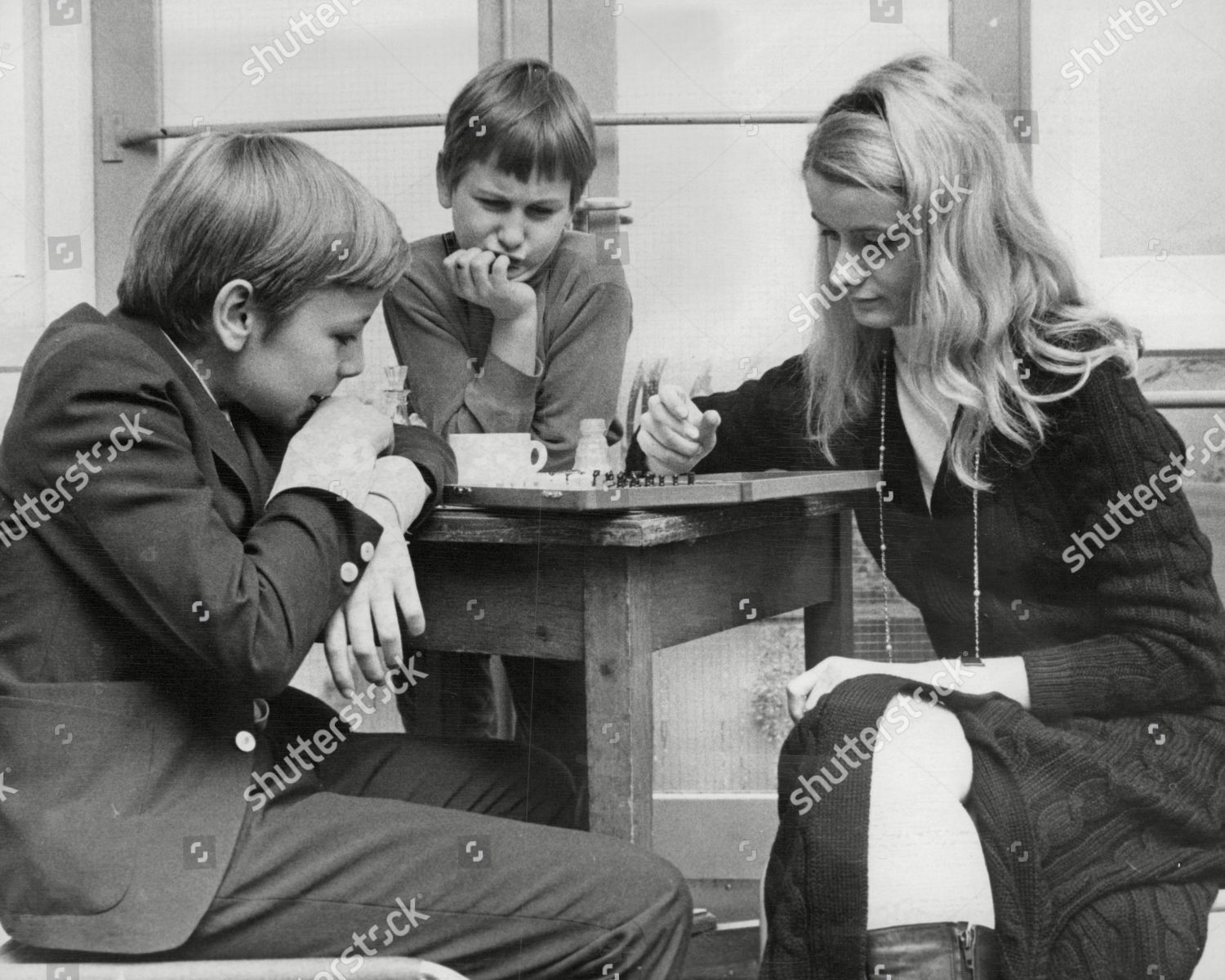
English Chess Champion Dinah Dobson Playing Against Two German Boys During Lunch-break At Chess Competition In Hastings. Box 658 221121512 A.jpg. English Chess Champion Dinah Dobson Playing Against Two German Boys During Lunch-break At Chess Competition In Hastings. Mandatory Credit: Photo by ANL/Shutterstock
English Chess Champion Dinah Dobson Playing Against Two German Boys During Lunch-break At Chess Competition In Hastings. Box 658 221121512 A.jpg.
English Chess Champion Dinah Dobson Playing Against Two German Boys During Lunch-break At Chess Competition In Hastings. Mandatory Credit: Photo by ANL/Shutterstock

She played in the 1968 Anglo-Dutch match on the Ladies board, which, at that time, did not count in the overall match result.

The Annual International Chess Championship opened today at Hasting. Dinah "Dobson," "23," of Northwood Middlesex. December 1969
The Annual International Chess Championship opened today at Hasting. Dinah “Dobson,” “23,” of Northwood Middlesex. December 1969

Now (1971) living in Northwood, Middlesex, she married Danny Wright in Westminster and in 1983 she married Ken Norman in Richmond.

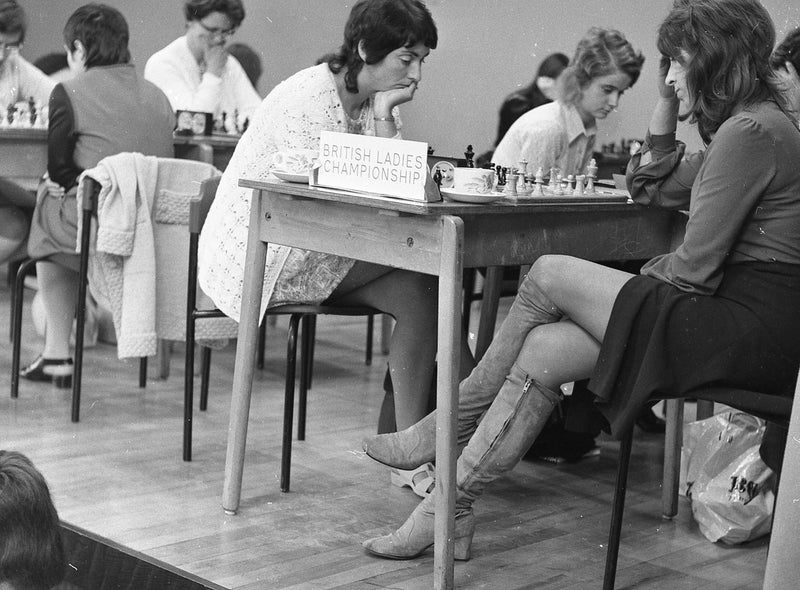
Dinah Wright (third from right) playing in the 1971 British Ladies Championship in Palatine School, Blackpool. Courtesy of Lancashire Evening Post.

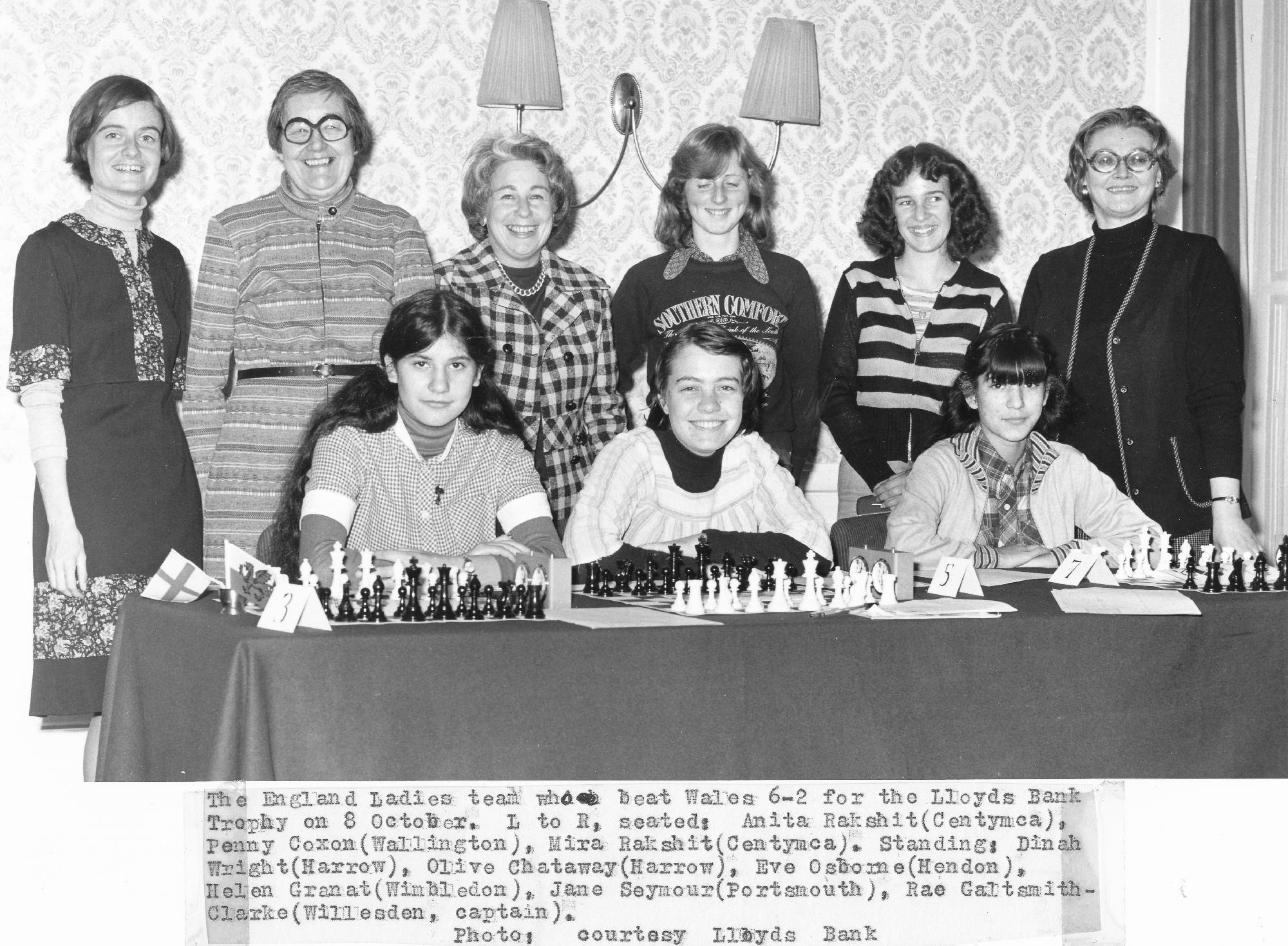
Dinah Wright (far left, standing) with her England team mates (see caption) for a Lloyds Bank sponsored match with Wales

Dinah has been a member of Crowthorne Chess Club and has played in the Berkshire League. She has represented 4NCL Iceni and Guildford in other competitions.

According to Megabase 2020 her highest FIDE rating was 2085 in July 1990 at the age of 44. However, it would have been higher than this in the late 1960s and 1970s had ratings been established then.

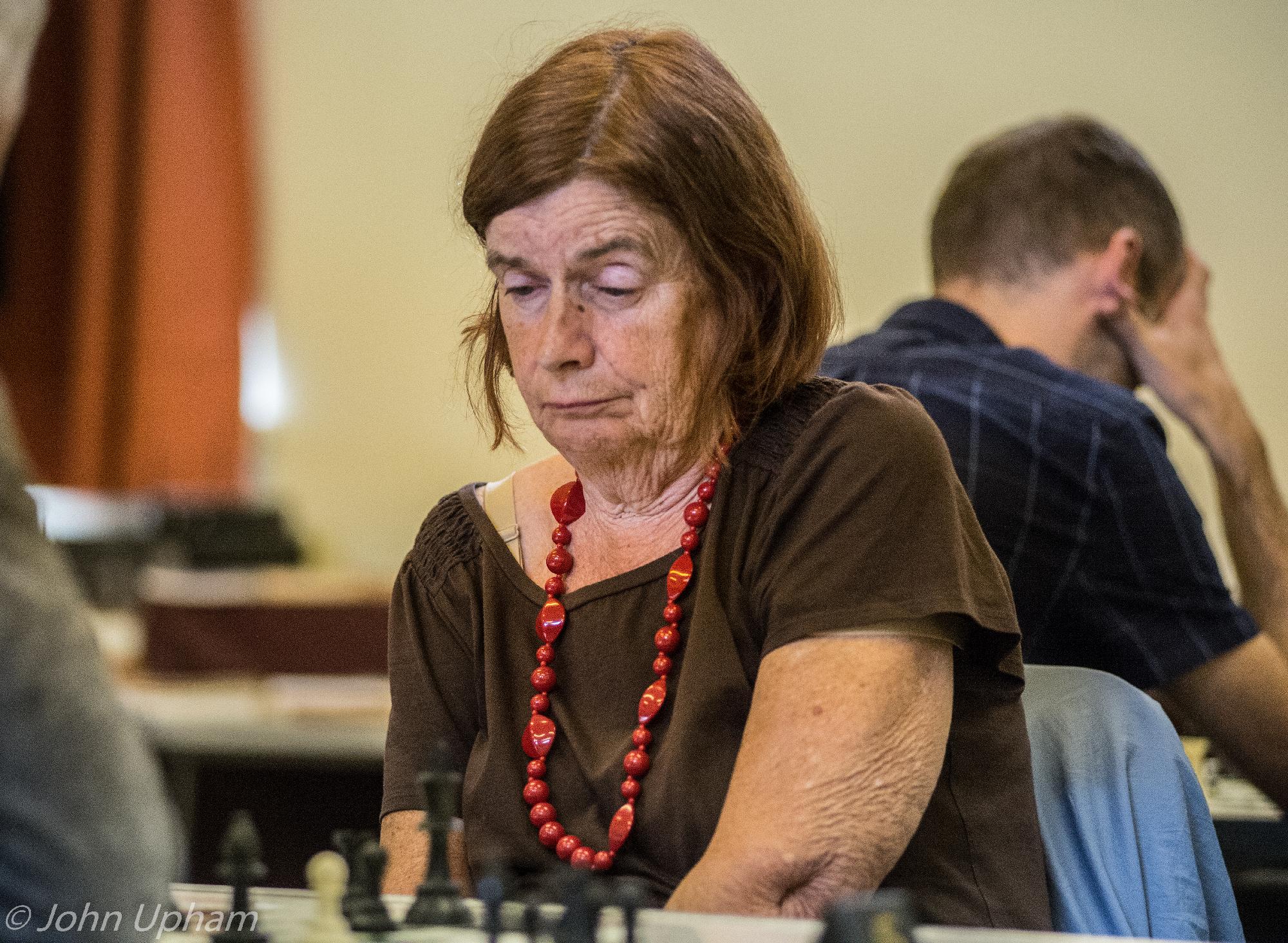
Dinah Norman at the 2017 Keith Richardson Memorial organised by Camberley Chess Club. Courtesy of John Upham Photographic

With the white pieces she has essayed the Colle-Koltanowki Opening for many years and as the second player she has played the Caro-Kann, Smyslov Variation and the Semi-Slav Defence.

Dinah Norman with Sandra Richardson at the 2017 Keith Richardson Memorial organised by Camberley Chess Club
 Save as PDF
Happy Birthday to FM Andrew Smith (15-viii-1959)

BCN wishes Happy Birthday to FM Andrew Smith (15-viii-1959)

Andrew Philip Smith became a FIDE Master in 1994 and is registered with the Irish Chess Union.

His highest FIDE rating was 2310 in July 1994 at the age of 35.

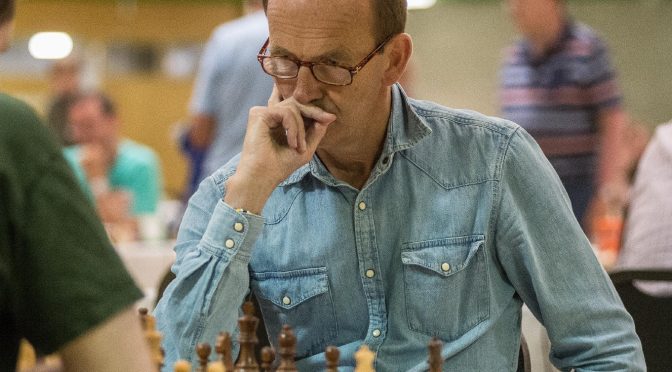
FM Andrew Smith, photographer unknown

He plays for Bourne End Chess Club in the Buckinghamshire League and in the Berkshire League.

Andrew also plays for 4NCL Barnet Knights (he has played for Atticus), Buckinghamshire CCA in the Chiltern League and Hon Members LCCL.

Andrew started his chess aged 6 when his Mother taught him and he joined Lewisham Chess Club aged 13 and then Slough Chess Club (Thames Valley League and 4NCL) in 1988.

He has won the Berks & Bucks Congress in 2018 and 2016 (joint) and he became Berkshire Individual Champion as a direct consequence winning the Cadogan Cup.

With the white pieces Andrew is (almost) exclusively a 1.e4 player favouring the Centre Game

and as the second player Andrew plays the Philidor Defence and the Benoni.

He is known to favour “enterprising” variations such as the Mason Variation of the Philidor, the Haldane Attack versus the French and other such exotica.

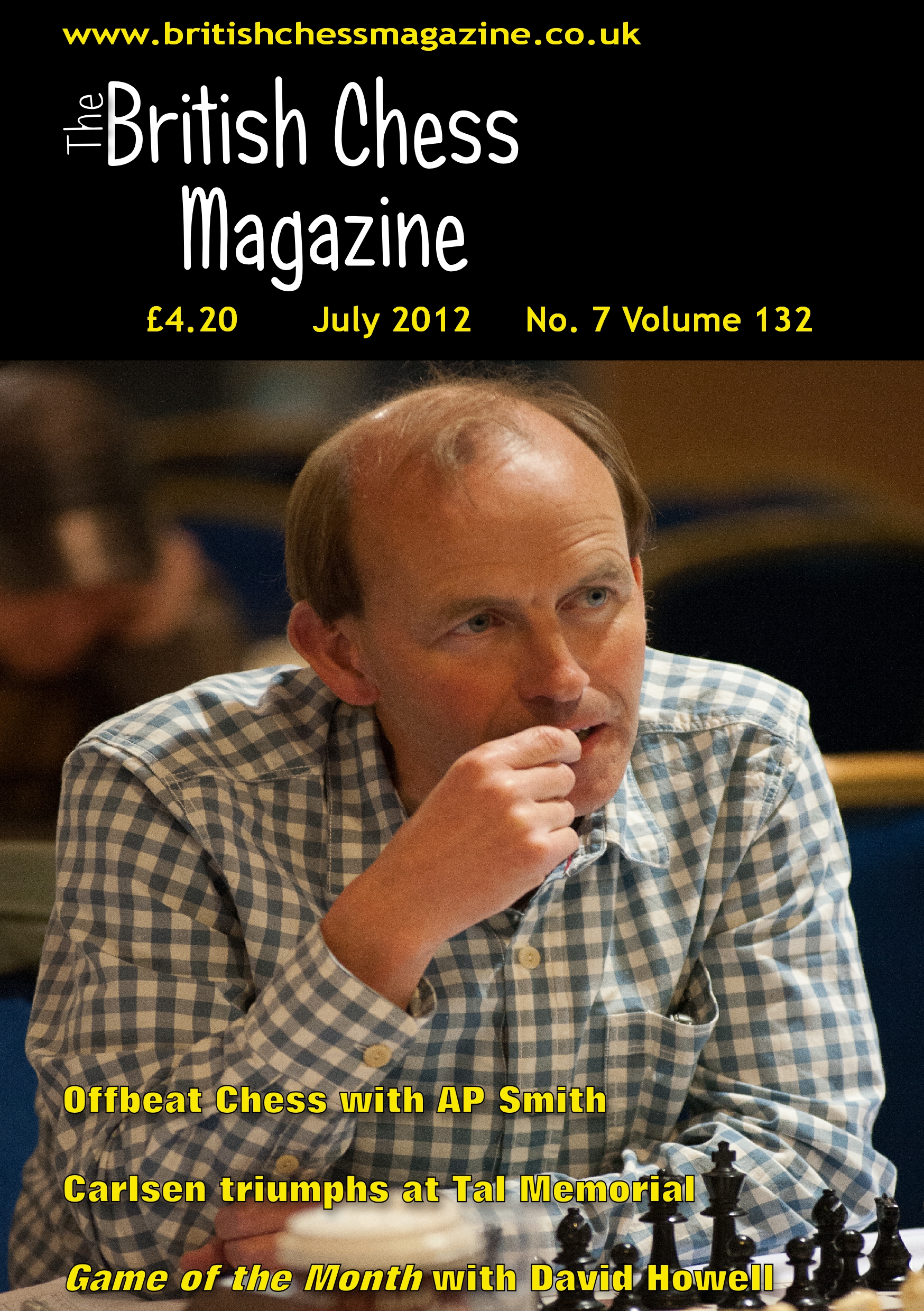
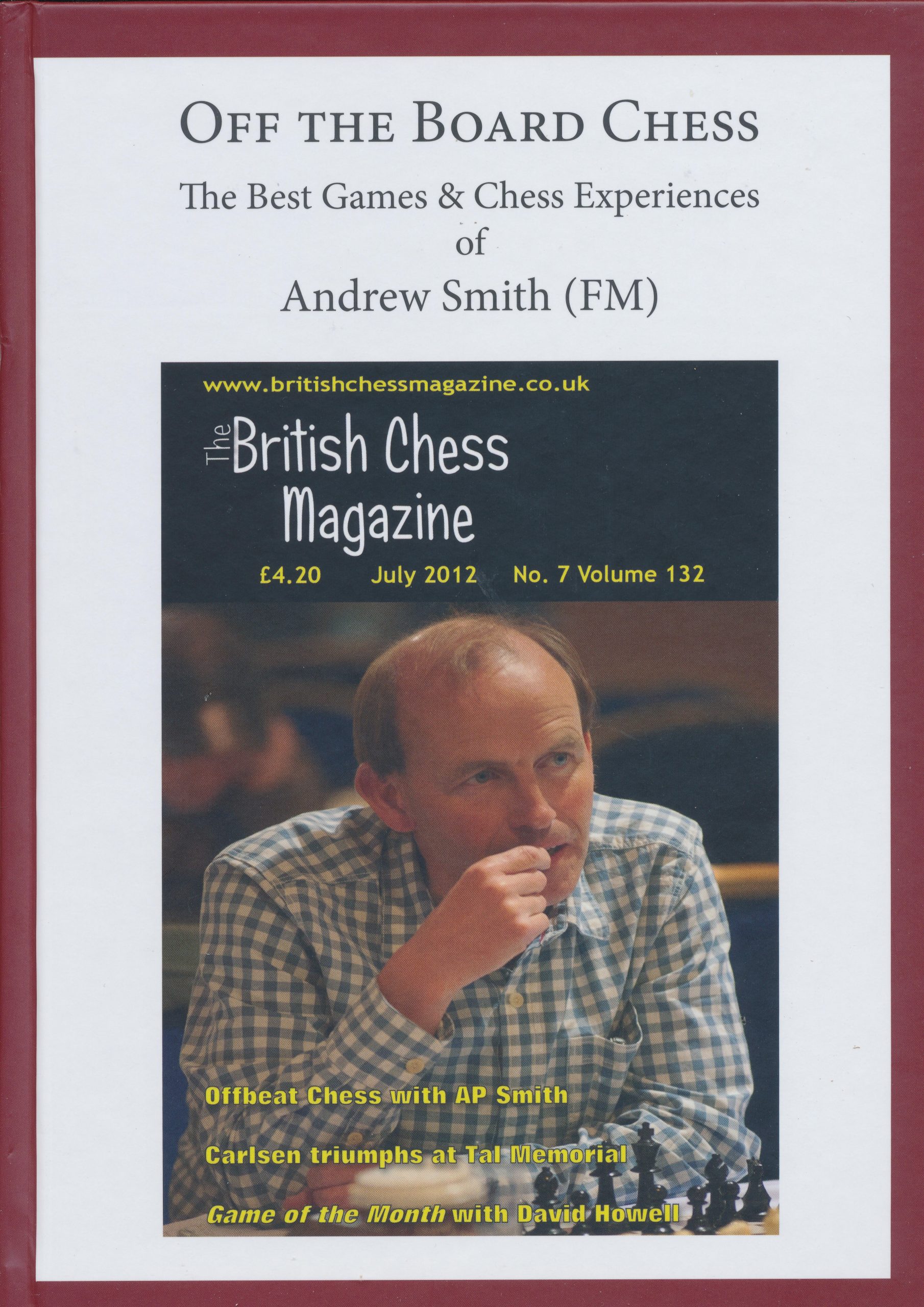
British Chess Magazine, Volume CXXXII (132), Number 7 (July) front cover features FM Andrew Smith from the final 4NCL weekend of the 2011-2012 season, courtesy of John Upham Photography

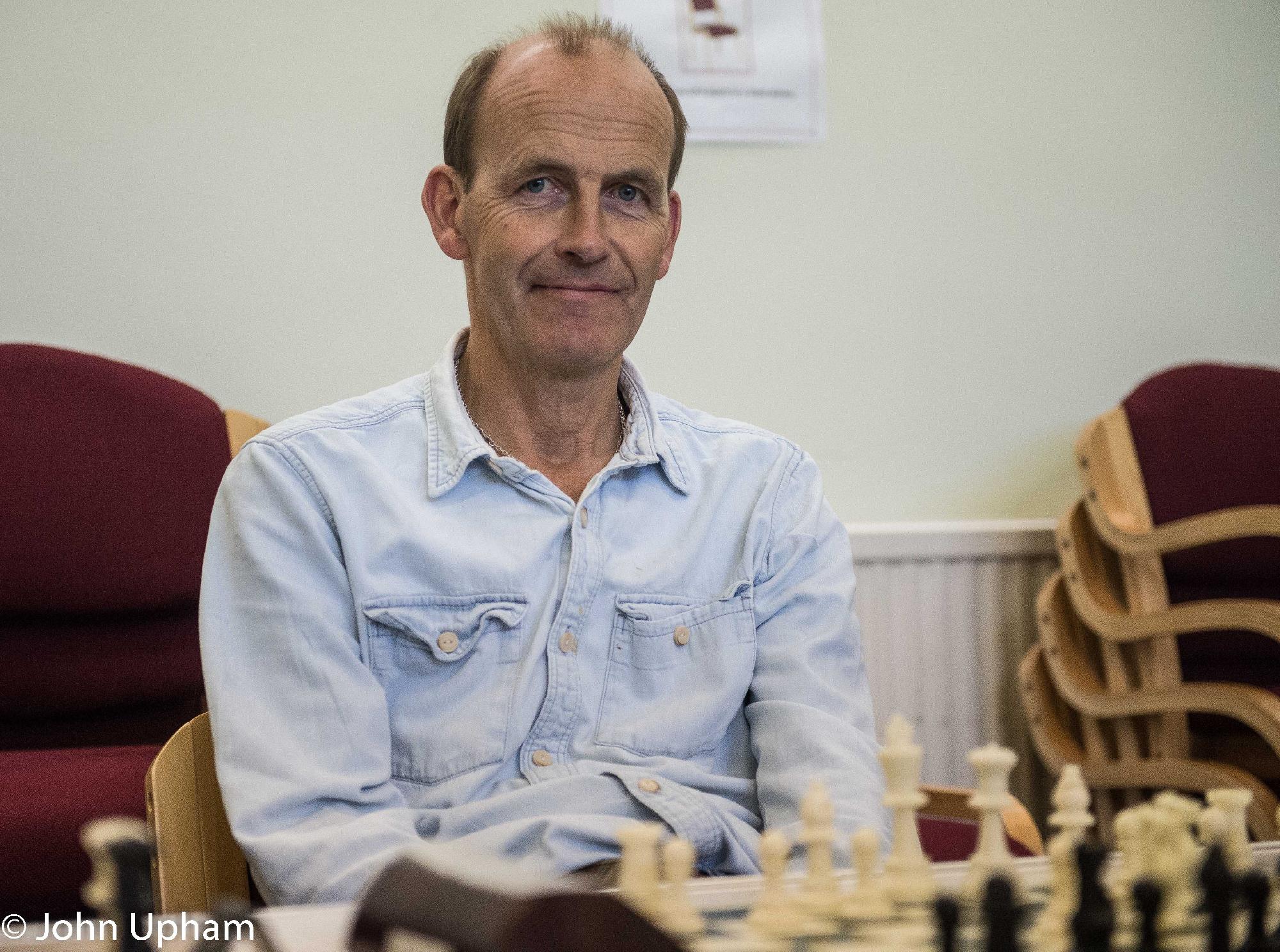
FM Andrew Smith at the 2019 Keith Richardson Memorial, courtesy of John Upham Photography

In 2021 Andrew self-published “Off the Board Chess, The Best Games and Chess Experiences of Andrew Smith (FM)” which has received popular acclaim.

Off the Board Chess, The Best Games and Chess Experiences of Andrew Smith (FM), FM Andrew Smith, Self published, 2021, ISBN 978-1-5272-8572-9
 Save as PDF
Happy Birthday IM Malcolm Pein (14-viii-1960)

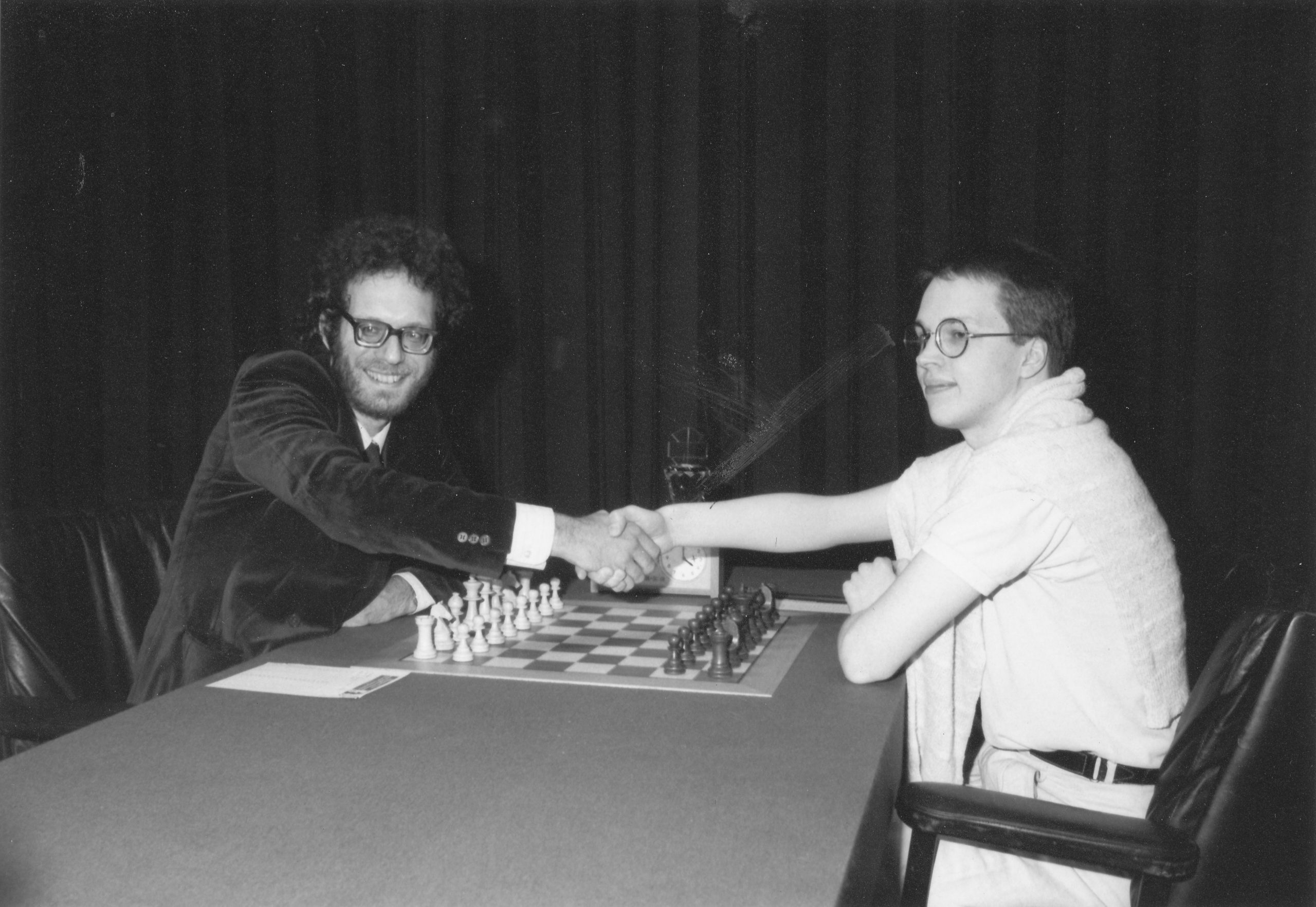
Malcolm Pein signature

BCN sends IM Malcolm Pein best wishes on his 61st birthday.

IM Malcolm Pein at the King's Place Rapidplay 2013, photograph courtesy of John Upham
IM Malcolm Pein at the King’s Place Rapidplay 2013, photograph courtesy of John Upham

Malcolm Bernard Pein was born in Liverpool (South). South Lancashire and his mother’s maiden name is Max. (Gaige, Felice and chessgames.com all incorrectly have Malcolm L. Pein).

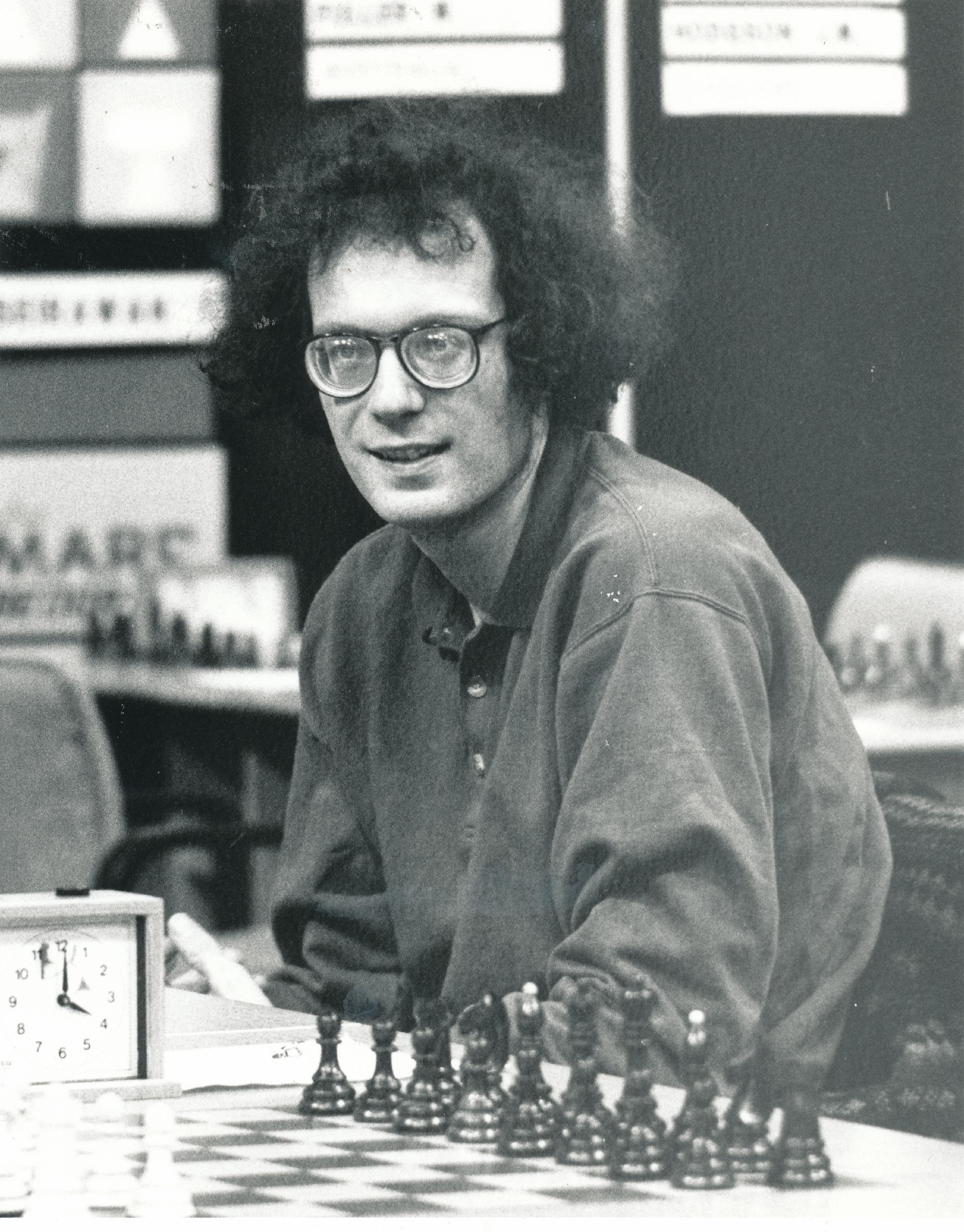
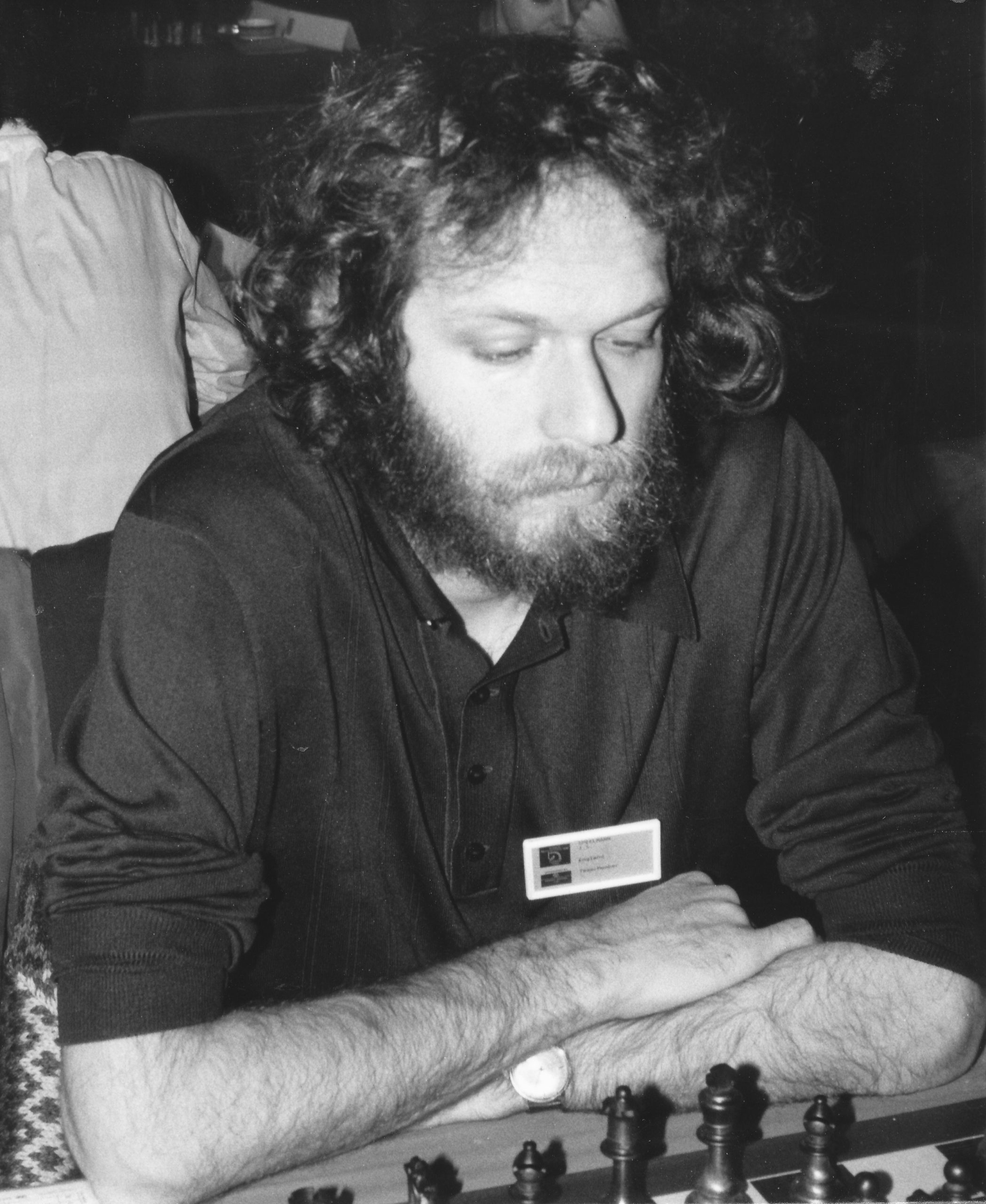
Malcolm Pein
Malcolm Pein

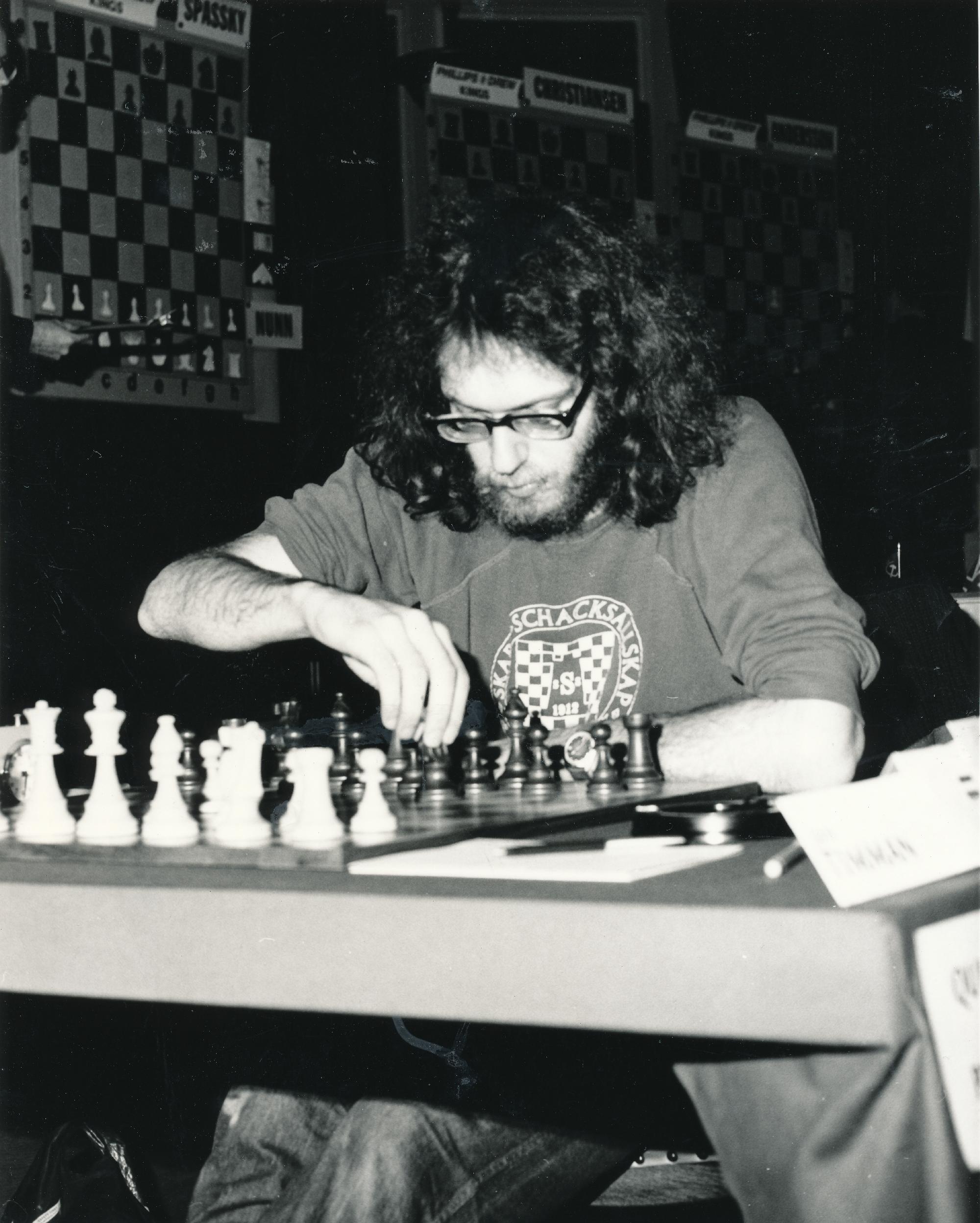
This was written about Malcolm aged 19 just prior to the 1979 Spassky vs the BCF Junior Squad simultaneous display :

” London University and Liverpool, Rating 199. British under-18 co-champion, 1977. Currently No.1 player for London University.”

Malcolm hard at work

Malcolm studied Chemical Engineering at University College, London entering in September 1978. He won The University of London championship in February 1979. The runner-up was John Upham also from UCL.

He became an International Master in 1986 and is a FIDE Delegate (for England) and an International Director.

Malcolm’s peak rating was 2450 in January 1992 at the age of 32.

Malcolm Pein (third from right) and a victorious Wood Green team. Trophy presented by Magnus Magnusson

With the white pieces Malcolm prefers the Queen’s Gambit almost exclusively with 1.e4 rarely seeing the light of day scoring 62%

As the second player, Malcolm champions the Pirc, Modern and Grunfeld defences scoring 49% which MegaBase 2020 claims is “above average”.

Malcolm plays for 4NCL Wood Green and Liverpool.

IM Malcolm Pein at the Bristol heat of the British Blitz Qualification event in 2019

In addition to his newspaper column and magazine editorial, Malcolm has written a number of chess books and booklets, including :

Grunfeld Defence (Batsford, 1981) – ISBN 978-0713435948
Blumenfeld Defence [with Jan Przewoznik] (Everyman, 1991) – ISBN 978-0080371337
Bobby Fischer: The $5,000,000 Comeback, Nigel Davies, Malcolm Pein & Jonathan Levitt, Cadogan Chess, 1992, ISBN 10: 1857440420
Daily Telegraph Guide to Chess (Batsford, 1995) – ISBN 978-0713478143

The Exchange Grunfeld [with Adrian Mikhalchishin] (Everyman, 1996) – ISBN 978-1857440560]

Nigel Short's Chess Skills (1989) (was ghost written by Malcolm)
Nigel Short’s Chess Skills (1989)(was ghost written by Malcolm)

Malcolm won the ECF President’s Award in 2017:

“Malcolm Pein’s contribution to English Chess is well known. He is CEO of Chess in Schools and Communities, has been largely involved in the organisation of the London Chess Classic and is currently the ECF’s Delegate to FIDE and International Director. On top of all that he is also an IM, writes the ‘Daily Telegraph’ Chess Column, and edits CHESS Magazine.”

IM Malcolm Pein at the London Chess Classic 2013, photograph courtesy of John Upham

Malcolm is also owner (and a director) of the London Chess Centre (a company incorporated on May 1st 1997) which has relocated to 44, Baker Street, former home of the British Chess Magazine retail premises. This was purchased from Stephen Lowe and Shaun Taulbut in 2010 when the leasehold on the Euston Road premises expired. Another director is Henry Gerald Mutkin who is the main organiser of the annual Varsity match.

Here is his Wikipedia entry

Malcolm has a son, Jonathan who is a strong player and he resides in London, NW7.

In 2021 Malcolm stood as an alternative to Mike Truran in the contested election for CEO. On October 9th 2021 following “detailed and amicable discussions”  with Mike a away forward was agreed and Malcolm agreed to remain as International Director of the ECF and Mike remained as CEO.

Here is his Developing Chess web site.

Jonathan and Malcolm Pein at the 2016 Michael Uriely Memorial Tournament
Malcolm Pein & Dominic Lawson
 Save as PDF
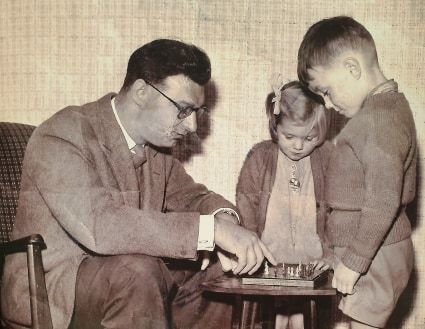
Remembering IMCC Barry Barnes (01-viii-1937 14-i-2025)

BCN remembers IMCC Barry Barnes who passed away on Tuesday, January 14th 2025 aged 87.Barry Peter Barnes was born in Brighton and his mother’s maiden name was Simpole. (Barry is a cousin of Julian Ivan Peter Simpole, who was a Brighton school teacher and who taught Edward Gerard Winter to play chess).

Barry most recently lived in Halling, Rochester, Kent with his wife Jean.

From The Encyclopedia of Chess (Robert Hale, 1970 & 1976) by Anne Sunnucks :

“International Master of FIDE for Chess Compositions (1967) and International Judge of FIDE for Chess Compositions (1967).

Born on 1st August 1937, Barnes works in transport advertising. He has composed about 250 two-move problems. With Lipton and Rice, he has contributed to the advance of the modern two-mover. Problem Editor of Two-Move and Twin sections of The Problemist. Co-author with M.Lipton and JM Rice of The Two-Move Chess Problem : Tradition and Development (Faber and Faber 1966).

Barry Peter Barnes
Barry Peter Barnes


BP Barnes
2nd Prize Problem T.T. 1964

White to play and mate in two moves

(a) Diagram
(b) With black pawn at KN2 (g7)

(a) Solution
1. B-R3!

(b) Solution 1. K-K2!

From British Chess (Pergamon Press, 1983) by GS Botterill, DNL Levy, JM Rice and MJ Richardson :

Barry wrote about himself as follows :

“A promising career as a county chess player came to an end when I was given Brian Harley’s classic book Mate in Two Moves in the belief that it would help my chess, but it had quite the opposite effect. My interest in competitive chess waned, and I was on the road to an an International Master title for problems!

Early influences in my problem career were the weekly chess problem solving competition in The Observer (my first problem published there was in 1955), a teenage friendship with J. M. Rice and M. Lipton (both now lnternational Masters), Herbert Grasemann’s book Problem Schach / with its near revolutionary post-war German problem ideas, and the expert British problemist, A. R. Gooderson who had I but known it only a few years earlier was the officiating master when my Hove Grammar School played Steyning Grammar at chess.

In the late 1950s and early 1960s, the genuinely original problems I was making in cooperation and in competition with Rice and Lipton were being published mostly abroad in such specialist problem magazines as Die Schwatbe (with its inspired two-move editor, Hermann Albrecht) where I gained the epithet the English prize-snatcher’! It was also written that the work of the avant-garde composers, Rice, Lipton and Barnes, was like a fresh two-move wind blowing from our island. It was sad but true at that time that the specialist magazine of the British Chess problem Society (founded 1918), The problemist, was unreceptive to change and our often bizarre ideas.

A milestone of sorts was reached when I won lst prize for problem I in 1958, a prize for the best new problem by a member of the British Commonwealth aged under 21. In 1966, I was invited by problemist Grandmaster Comins Mansfield, who was President of the FIDE Problem Commission, to act as Secretary at the Barcelona meeting. With Mr. Mansfield’s retirement, I became the British Member to the Commission, and at the Wiesbaden meeting, 1974, I was elected 2nd Vice-President. (1st Vice-President from 1982)

The FIDE Problem Commission meets annually to discuss matters relating to all branches of problem chess, to organize the World Chess Composing Tournament (WCCT), the World Chess Solving Competition (WCSC), and to publish FIDE Album anthologies of the best problems. It was on the strength of my success in these FIDE Albums that the Commission granted me the titles in 1967 of ‘lnternational Master of the FIDE for Chess Composition’ and ‘lnternational Judge of the FIDE for Chess Composition’. Since 1974, I have been Chairman of the Titles Sub-Committee of the Commission.

Since 1965, I have been the two-move editor of The Problemist and have served almost without break on the BCPS Committee. I have contributed to The Encyclopaedia of Chess by Anne Sunnucks (Robert Hale, 1970), I am co-author, with J. M. Rice and M. Lipton, of The Two-Move Chess Problem: Tradition & Development‘ (Faber A Faber, 1966), and I am the sole author of Comins Mansfield MBE: Chess Problems of a Grandmaster: (British Chess Problem Society, 1976) and Pick of the Best Chess Problems (Elliot Right Way Books, 1976)

To date I have made just over 300 two-movers and some helpmates.”

From The Encyclopaedia of Chess (Batsford, 1977), Harry Golombek OBE, John Rice writes:

“British problem composer, output about 400, nearly all modern style two-movers. Two-move sub-editor of The Problemist. Secretary of the FIDE Problem Commission during C. Mansfield’s Presidency. Co-author of The Two-Move Chess Problem: Tradition and Development (1966).”

The Two Move Chess Problem : Tradition and Development

Author of Pick of the Best Chess Problems (1976)

Pick of the best Chess Problems

Comins Mansfield MBE : Chess Problems of a Grandmaster (1976).

Comins Mansfield MBE: Chess Problems of a Grandmaster, BP Barnes, 1976

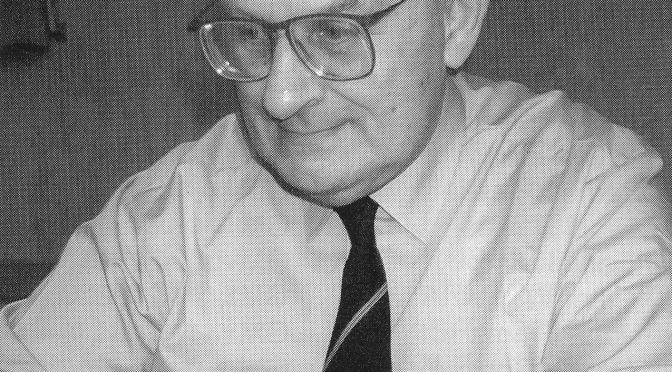
International Judge (1967); international master (1967).

Source: The Problemist, May 1996. Photo taken March 1996 at the Mansfield Centenary Meeting at Paisley, when Barry Barnes delivered a lecture on Comins Mansfield. Left to right: Geoffrey Mansfield (son of Comins), Robert Gray and Barry Barnes, International Master of Chess Composition.
 Save as PDF
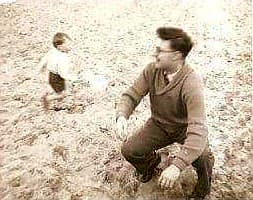
Remembering IMC Frank Boyd (16-ix-1935 ?-ix-2023)

He was British Correspondence Champion in 1972 and awarded the IMC title in 1981.

According to Kings Indian I Attacking Systems:

“British Correspondence Champions 1971/72. Placed second in an ICCF master tourney 1973/76. A member of the British team in the 9th Olympiad 1977/80. Gained the IMC title in the European Team Championship 1978/81.”

According to Chessbase Correspondence Database 2020 Frank achieved his highest (ICCF) rating in January 1991 of 2410.

Incomplete crosstable from the European Championship, 1973.

As White Frank would play the Queen’s Gambit via a 1.Nf3 move order. He did not play 1.e4

As the second player he would defend the closed Ruy Lopez and the Nimzo-Indian Defence.

King's Indian I by Frank Boyd, Chess Praxis, 1981
King’s Indian I by Frank Boyd, Chess Praxis, 1981
 Save as PDF
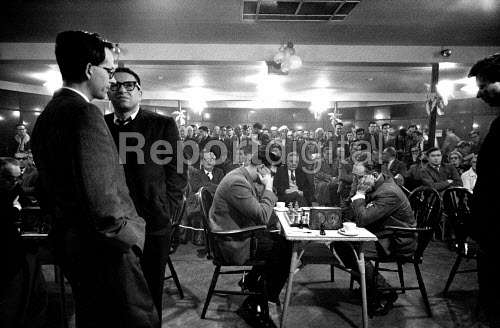
Kupreichik: The Maestro From Minsk

From the London Chess Centre Publishing web site:

Kupreichik: The Maestro from Minsk features tributes to the legendary attacker from those who regularly faced him at the board, including Alexander Beliavsky, Oleg Romanishin, Evgeny Sveshnikov and Vladimir Tukmakov. Kupreichik also inspired the next generation, as the contributions of Boris Gelfand, Garry Kasparov, Andrey Kovalev and Rauf Mamedov reveal.

Our picture of Viktor Kupreichik is completed by a series of pen portraits from his family, which make clear the kind and principled man this hero of Belarusian chess was, as well as his love for the 64 squares.

Translated by Ken Neat, this work is also a collection of Kupreichik’s best games, many annotated by the man himself. His wins over Tal and Zilbershtein are legendary examples of the power of a knight sacrifice on d5 in the Open Sicilian. Inside you will learn not just about handling Kupreichik’s favourite Classical Sicilian, Slav and King’s Indian, but attacking and sacrificial chess in general. Readers even have the chance to solve 26 positions and so play like Kupreichik!

Viktor Kupreichik (1949-2017) was a leading Soviet Grandmaster in the 1970s and 1980s, famed for his attacking prowess. He twice won a staggering five games in a row at the super-strong USSR Championship. A former world student champion, Kupreichik won many tournaments, including the Masters section at Wijk aan Zee in 1977 and the Hastings Premier of 1981/82.

with forewords by Anastasia Sorkina and Genna Sosonko”

If I asked you to guess who played this game you’d be forgiven for thinking Tal. (Click on any move in any game in this review for a pop-up window)

You’d be partly right: Tal was playing – the black pieces. Spoilsport Stockfish will tell you he should have won, but it’s not easy, even for a genius, to defend against that sort of attack over the board. It was played in Sochi i n 1970, in a match tournament between a team of young  layers and a team of grandmasters.

On the white side was the hero of this book, Viktor Davydovich Kupreichik (1949-2017). This book, unusually without a credited author, was compiled by his family and friends after his death and published in Russian in 2019 to celebrate what would have been his 70th birthday. Here we have an English translation from London Chess Centre Publishing.

Genna Sosonko wrote the foreword to the English edition:

A master of attack, he demonstrated play that you rarely see nowadays. Even today when playing over games by Minsk’s favourite, an expression of Tal’s comes to mind – “tasty chess”.

Memories of him have been written by world champions, trainers, colleagues, friends and Viktor’s pupils. They all remember not only a wonderful chess player, but also an extraordinary personality. Even in the world of Soviet chess, Viktor was distinguished by his independence.

Mikhail Tal, Viktor’s idol, once said that his favourite squares on the chess board were d5 and f5. Viktor, who was similar to Tal not only in his constant striving for the initiative, but also the incredible boldness of his play, repeatedly placed his pieces en prise too on these very squares. And his most brilliant firework display began with a knight sacrifice on d5 in a game with Tal himself.

If you’re a fan of Tal’s games, then (and who isn’t?), you’ll enjoy Kupreichik’s games as well. You might put him in the same category as other chess mavericks such as Nezhmetdinov and Planinc: a player who valued creativity, beauty and excitement above results.

One of the contributors, Boris Gelfand, recalls, as an 11-year-old in 1979, being deeply impressed by this game.

Kupreichik’s niece, Anastasia Sorokina, is President of the Belarus Chess Federation and a FIDE Vice-President. She wrote the foreword to the Russian edition.

The publication of this book is timed to coincide with the 70th birthday of an outstanding chess-player, the first Belarusian Grandmaster, a true friend and a wonderful person, Viktor Davydovich Kupreichik. Vitek – that’s what his friends and the fans called him.

In the distant 1980s the name of Kuprechik resounded throughout the country. He was recognised in the street, fans would queue up to watch him play, and largely thanks to him a chess boom began in the Republic.

and

A sensitive and tactful person, he did not like boasting and bravado, so when the idea of this book emerged I wanted to make it modest, like him, but at the same time show all the power of his chess talent and the charm of his human character.

The first half of the book, then, comprises tributes to Kupreichik from friends and colleagues, including Kasparov and Karpov, very often with annotated games.

His friend Andrey Kovalev describes this encounter as ‘one of the best King’s Indian games in the history of chess’.

See what you think.

Throughout his long career, lasting 55 years or so, Kupreichik remained loyal to his favourite openings. He preferred 1. e4 with White, replying to 1. e4 with the Sicilian, and to 1. d4 with the King’s Indian or the Slav. If you enjoy these openings yourself you’ll find a lot of inspiration from the games in this book.

The second major section of the book is a collection of games annotated by Kupreichik himself. Those he annotated for Chess Informant have had verbal explanations added by the editorial team.

Here’s a quick win against Nigel Short.

By now you might be wondering why Kupreichik isn’t better known, or why he never reached the heights these games would suggest he deserved (his highest rating was 2575). I guess he was one of those players who loved chess too much, who valued beauty above success.

You might also think there are many higher rated players who deserve to be the subject of a games collection. You may well be right, up to a point, but were their games as entertaining as Kupreichik’s?

Here’s one final example: another spectacular miniature.

At the end of the book you’ll find a puzzle section: 26 tactical puzzles based on his games, spaciously laid out with only two diagrams per page. Finally, and charmingly, we have short memoirs from his closest family: his sister, niece and daughter.

There are also 16 pages of photographs, on glossy paper. Here you’ll see pictures of Kupreichik throughout his life, from the young boy with his parents to playing in tournaments at the end of his life: sadly he was denied the pleasures of old age. You’ll see him playing chess – and also playing football and volleyball.

All in all, it’s a delightful book: 85 games brimming with exciting tactics and sacrifices as well as reminiscences of someone who was a much loved human being as well as a highly creative player.

It’s beautifully produced as well: a handsome hardback which will look good on your bookshelf. It’s refreshingly free from typos and the translation is, as you’d expect from Ken Neat, outstanding. I very much hope that the London Chess Centre plan to publish more books of this quality.

The one thing that’s missing, for me, is a career summary. I’d have appreciated a full list of Kupreichik’s tournament results and perhaps also his ratings over the years. We do, however, have indexes of openings and opponents.

While it might not be an essential purchase, many readers will enjoy this book. If it appeals to you it comes with a strong recommendation.

If you enjoy games collections you’ll want this book. If you enjoy the games of players like Tal, Nezhmetdinov and Planinc, you certainly won’t be disappointed in this book. If you play the Sicilian (with either colour), the King’s Indian or the Slav, or you’re an e4 player looking for new ideas, you’ll find this book inspirational.


Here are some sample pages in pdf format.

Richard James, Twickenham 6th March 2023

Richard James
Richard James

Book Details :

  • Hardback: 344 pages
  • Publisher: London Chess Centre Publishing; New edition (10 Sept. 2021)
  • Language: English
  • ISBN-10:0948443960
  • ISBN-13:978-0948443961
  • Product Dimensions: 15.24 x 3.49 x 23.5 cm

Kupreichik: The Maestro From Minsk, Translated by Ken Neat, London Chess Centre Publishing; New edition (10 Sept. 2021), ISBN-13 ‏ : ‎ 978-0948443961

Kupreichik: The Maestro From Minsk, Translated by Ken Neat, London Chess Centre Publishing; New edition (10 Sept. 2021), ISBN-13 ‏ : ‎ 978-0948443961

 Save as PDF
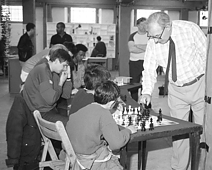
Chess Buccaneer: The Life and Games of Manuel Bosboom

Chess Buccaneer: The Life and Games of Manuel Bosboom, Merijn van Delft & Peter Boel, New in Chess, 31st December 2021, ISBN-13 ‏ : ‎ 978-9056919818

From the publisher:

“There aren’t many chess players who can say they’ve both beaten Garry Kasparov in an official blitz game and crushed Peter Leko in a classical game in 26 moves. And who regularly win blitz tournaments high on marihuana. But then Manuel Bosboom is not an ordinary chess player.

The Dutch International Master never made it to the top in chess, but over the course of his swashbuckling career he has produced an astonishing amount of brilliantly creative games. When Manuel Bosboom enters the room, a smile appears on every chess players face. Not only is he an exuberantly colourful player, he also leads an unconventional existence. His enthusiasm for the game and zest for life are highly contagious.

This book offers a captivating collection of games and it also describes the adventurous life of the Wizard from Zaanstad, who grew up and still lives in a picturesque shed next to a 17th century windmill on the famous Zaanse Schans. You will be treated to many a stunning chess move, a wealth of hilarious but also touching stories and a vivid impression of the Dutch chess scene in the late 20th and early 21st century.

Merijn van Delft is an International Master from the Netherlands. He has been a chess trainer for more than two decades and created instructional material both online and offline.

Peter Boel is a FIDE Master and a sports journalist who works as an editor with New In Chess. He is the author of two collections of short stories (in Dutch).”


My last review introduced you to a Chess Crusader. Now we have a Chess Buccaneer.

The Dutch IM Manuel Bosboom has been a cult figure in his native country for several decades, renowned for his bohemian lifestyle, adventurous and creative play, erratic results and brilliance at blitz. He came to the notice of a wider public recently when some of his games were featured in David Smerdon’s wonderful book The Complete Chess Swindler. Now we have a whole volume devoted to his life and games, written by two of his friends, Peter Boel, who was responsible for the biography, and Merijn van Delft, who provided the annotations.

Bosboom himself provides a foreword.

Meanwhile, I developed an affection for players like Alexander Alekhine, Mikhail Tal and Leonid Stein. My games became wilder, often leaving the opponent wondering: was this move a blunder or a sacrifice?! I didn’t mind! From my many blitz games I learned that you just had to keep going, regardless of the situation. A diehard attitude, quick board view and deft movements earned me a reputation in  blitz.

He concludes:

Follow your Heart and use your Mind. Play without Dogma!

You’re promised some entertaining games, then, and that’s exactly what you’ll get.

From the authors’ preface:

If Manuel Bosboom didn’t exist, he would have to be invented. His unique, fascinating personality is bound to enrapture every true chess fan.

The book features 66 amazing games, as well as a number of other striking fragments that have been gathered and annotated by Peter in the chapters ‘Swindles’ and ‘Curiouser’. And of course we couldn’t leave out a collection of 36 combinations that the reader can try his hand at solving, with three different levels of difficulty. 

We mixed this explosive material into a heady cocktail that we hope will get you pleasantly tipsy, and no hangover!

Chess is an adventure with many beautiful vistas. The great appeal of Manuel Bosboom is that he shows us that you can do things differently – in chess as well as in life. This is a marvellous gift for which we will never be able to thank him enough.

Chapter 1 takes us to the 1999 Wijk aan Zee blitz tournament, and demonstrates the game in which Bosboom beat none other than Garry Kasparov.

We then take a chronological journey through our subject’s life. Bosboom, born in 1963, comes from a Jewish socialist working-class family – the name was originally Nussbaum – and his father, Adriaan, is a talented, but commercially unsuccessful, painter.

Chapters 2 and 3 take him through his childhood and career up to 1990. At this time he favoured openings such as the King’s Gambit, so you’ll see a lot of romantic chess in these games, with brilliantly creative attacking play alongside mutual blunders.

Bosboom is famous for his early attacks with his g- and h-pawns, which sometimes result in sparkling miniatures such as this game. (Click on any move and a pop-up board will magically appear.)

Chapter 4, Manuel versus Computer, must be one of the shortest chapters ever to appear in a chess book. Just a four-move game. You’ll discover the reason later in the book.

Chapter 5 takes Bosboom through the 1990s, when he was perhaps, at the peak of his strength. He was now producing positional as well as tactical masterpieces.

I particularly enjoyed this game against Sofia Polgar.

Chapter 6 again interrupts the narration, this time for a short collection of swindles. Then Chapter 7 takes Bosboom from 2001 through to 2006.

We don’t just get Manuel Bosboom’s wins: there are draws and losses as well, such as this extraordinary game, played in the Dutch League. Bosboom was, as  he often is, broke at the time so couldn’t afford the bus to the tournament venue, only just managing to arrive before the default time.

Chapter 8 is the obligatory (for this publisher, it seems) Combinations chapter, and then Chapter 9 takes us up to the present day.

Finally, Chapter 10 is entitled ‘Curiouser’.

Here are some episodes from Manuel’s chess life that may be even curiouser than what you have seen so far. Since ‘correctness’ is not a very prevalent characteristic in this chapter, the comments have been done in a slightly more ‘enthusiastic’ style than elsewhere in this book!

This is from Bosboom – Dvoirys (Leeuwarden 1997).

(Dvoirys) seemed to know nothing but chess in his life and would only mumble an unintelligible reply every time you asked him something.

The game concluded: 35. Rf5! Rf7 36. Be4! Rgg7 37. Rxe5

Dvoirys sat aghast, staring at the ruins of his position. Then he started fumbling with a big chocolate bar he had put beside the board, and suddenly squeezed it to pieces. These then fell out of his hands and onto the floor, and Bosboom watched in amazement how Dvoirys knelt down and started crawling around to collect all the pieces of chocolate.

It seems almost de rigueur these days that every chess book should include Hilarious Anecdotes, and this book, as you might expect, is no exception. They’re more likely to involve alcohol or marijuana (or marihuana, as preferred by the back cover) than chocolate, though.

For someone like me, who leads a very sober and boring life, and plays very sober and boring chess, it comes as quite a shock to meet someone like Manuel Bosboom who is, in both respects, my polar opposite. He is, I suppose very much a product of the Dutch counter-culture in that respect.

It’s again fascinating, from the UK perspective, to learn about the difference between Dutch and British chess culture. Here chess is seen very much as a game played either by small children in primary schools or by old men in draughty church halls, but in the Netherlands it seems very different. It’s also interesting to learn that Bosboom makes much of his meagre income from winning cash prizes in blitz tournaments: something almost unknown here, although it’s good to see that some enterprising organisers are now running blitz events with substantial cash prizes.

This book is well structured, well written (the English is not always entirely idiomatic, but no matter) and well produced. Merijn van Delft is rapidly earning a reputation as one of the best chess writers around and his annotations here are excellent, pitched at just the right level to be accessible to all readers.

The world needs eccentrics, and the chess world benefits enormously from the presence of the likes of Manuel Bosboom. Playing through his games – his fiascos as well as his successes – will, if you follow his example, add creativity and excitement to your chess. Whether it will also improve your rating is, I suppose, another matter entirely.

I really enjoyed this book in every respect. Bosboom’s life and games are both enormously entertaining and often wildly funny. The authors have done a fine and important job in bringing his colourful personality and chess moves to our attention.

This book, then, is very highly recommended for players of all strengths. Even if you’ve never heard of Manuel Bosboom, do yourself a favour and give it a try.


Richard James, Twickenham 6 January 2022

Richard James
. Richard James

Book Details:

  • Softcover: 288 pages
  • Publisher: New In Chess (25 Oct 2021)
  • Language: English
  • ISBN-10:9056919814
  • ISBN-13:978-9056919818
  • Product Dimensions: ‎17.02 x 23.11 cm

Official web site of New in Chess

Chess Buccaneer: The Life and Games of Manuel Bosboom, Merijn van Delft & Peter Boel, New in Chess, 31st December 2021, ISBN-13 ‏ : ‎ 978-9056919818
 Save as PDF
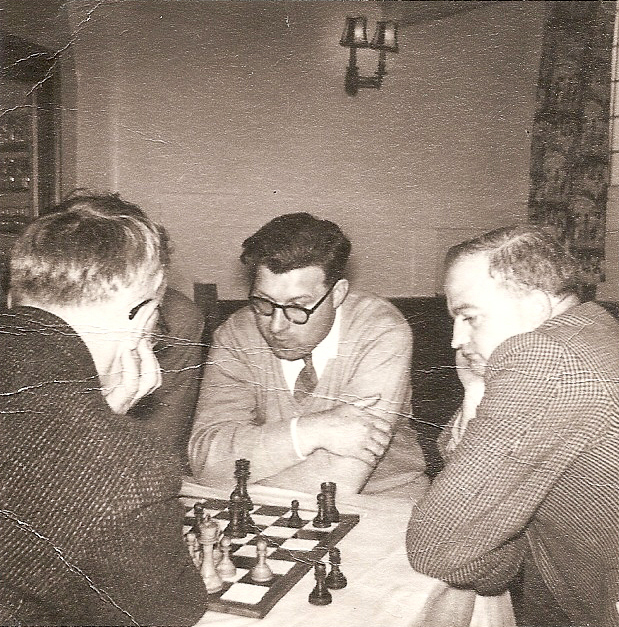
600 Modern Chess Puzzles

600 Modern Chess Puzzles : Martyn Kravtsiv

600 Modern Chess Puzzles, Martyn Kravtsiv, Gambit Publications Ltd., 16th September 2020, ISBN-13 ‏ : ‎ 978-1911465478

Blurb from the publisher:

“The easiest, quickest and most effective way to improve your overall game is to increase your tactical vision. Many good positions are lost because a key moment is passed by and a player misses the opportunity to win by a beautiful combination. This book is designed simply to help you improve your play by seeing tactics better.” – Martyn Kravtsiv

Written along similar lines to Gambit’s earlier Ultimate Chess Puzzle Book, this new work presents 600 puzzles, mostly from the last two years, that are chosen for instructive value and maximum training benefit. To ensure that few will be familiar to readers, Kravtsiv has deliberately chosen positions from obscure games or from analysis. If you find the right answers, it will be because you worked them out yourself!

The solutions feature plenty of verbal explanations of the key points, and cover most of the logical but incorrect answers. The book is completed with a set of ‘no clues’ tests, and an index of themes that will be useful to coaches and those looking to focus on specific aspects of tactics – or just seeking extra clues!”

GM Martyn Kravtsiv
GM Martyn Kravtsiv

From the rear cover:

“The author is an experienced grandmaster from Lviv, Ukraine. His tournament results include tied first places at Cappelle in 2012 and the 2015 Ukrainian Championship, as well as being blitz champion of the 2008 World Mind Sports Games (at age 17). He represented his country at the 2017 World Team Championship and was a coach for the team that won silver medals at the 2016 Olympiad.”

Gambit Publications have their own YouTube channel to promote and publicise their products. Here we have GM John Nunn introducing this book :

Before going further we suggest you make use of the Look Inside option. This will reveal the Table of Contents.

Also, you may download a pdf sample.

Just like “Snakes on a Plane” you might imagine, from the title, you know what this book is about without reading it: well let us see!

The first mystery to clear up is what does the author mean by “Puzzles”? Almost all 600 positions presented are taken from actual gameplay during 2018 and 2019 or from analysis derived from those games. Strangely, there is a tranche from 2012
mostly from the author’s own games.

If you do have a phobia of problems, fairies or endgame studies etc then have no fear here: there are none of these.

From the “Warming Up” Chapter we have position #36:

Theodor Kenneskog – Klavs Stabulnieks, 48th Rilton Cup, Stockholm, 2nd January 2019

Does Black have a way to get the upper hand?

*(We have added the previous move arrow and these are not shown in the book.)

71 warming up puzzles of multiple themes are followed by solutions with explanations which is the continuing pattern for each chapter.

Chapter 3 contains 29 forced mates and here is an example, #92:

Vahe Danielyan – Chinna Reddy Mehar, Novi Sad, 20th April 2019

Can you see White’s mating idea?

Rather pleasing!

Chapter 3, Your Choice, asks the solver to select between two plausible options more reminiscent of one’s thinking in a practical game situation when the clock is ticking. Here is an example (#106):

Marc Narciso Dublan – Kratvtsiv, Olivier Gonzalez Memorial, Madrid, 8th September 2012

Choose between 74…Ke4 and 74…Kg5

Chapter 4 (“Getting Tricky”) ups the ante and the difficulty is raised followed by 58 endgame puzzles graded into four levels.

Here is example #283:

Anthony Fred Saidy – Thomas Kung, Bay Area Open, Burlingame, 3rd January 2019

The game ended in a draw. Show how Black could have done better.

Tough Nuts is the title of Chapter 6 containing 43 challenging positions for example #313:

Jonathan Hawkins – Bogdan Lalic, Hastings 2018/19, 5th January 2019 (Analysis)

Black has a beautiful path to victory. Can you find it?

Chapter 7 is a tougher version of Chapter 3.

In Part 2 the book changes tack slightly in that the clue or clues for each position are not present. You are placed in a much more game like situation thinking for yourself. The Part is broken down into sections of Not Too Hard, Tricky Tasks, Endgame Challenges and finally Chapter 11 entitled Nightmare! including #562 featuring Hastings once more:

Thomas Villiers – PU Midhun, 98th Hastings Masters, 4th January 2019

Unfortunately, White did not find the killer blow and went on to lose.

The exercises are followed by an Index of Themes which is a clever touch removing this “clue” from the position as posed.

As is to be expected from a Gambit publication the explanations are crystal clear and instructive and expertly translated and edited by Graham Burgess. Petra Nunn does an excellent job of typesetting.

To have found 600 instructive puzzles from 2018, 2019 and 2012 is a real achievement and then to organise them for a range of students makes this book both enjoyable and hard work!

The author has produced another reliable publication from the Gambit stable and we are sure he will be asked to produce another in due course. We particularly liked the puzzles that created a  game-like feel to the task. Highly recommended.

John Upham, Cove, Hampshire, December 28th 2021

John Upham
John Upham

Book Details :

  • Hardcover :160 pages
  • Publisher:Gambit Publications Ltd (16 Sept. 2020)
  • Language: English
  • ISBN-10:1911465473
  • ISBN-13:978-1911465478
  • Product Dimensions: 17.15 x 1.65 x 24.77 cm

Official web site of Gambit Publications Ltd.

600 Modern Chess Puzzles, Martyn Kravtsiv, Gambit Publications Ltd., 16th September 2020, ISBN-13 ‏ : ‎ 978-1911465478
 Save as PDF
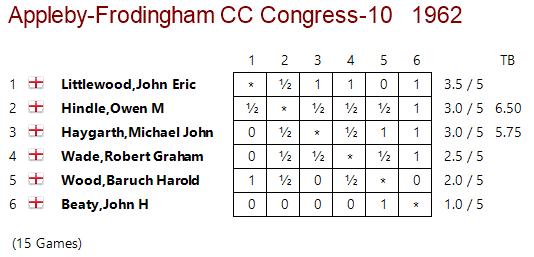
Minor Pieces 23: Cecil Alfred Lucas Bull Part 2

Last time we left Twickenham’s finest chess problemist, Cecil Alfred Lucas Bull, as he was about to emigrate to Durban in 1892.

Unfortunately, South African online records, both births, marriages and deaths, and newspaper archives, are few and far between, but we are able to provide a fairly comprehensive record of his chess career in the southern hemisphere, both as a player and as a problemist.

This problem, submitted to a London newspaper, dates from soon after his arrival in Durban.

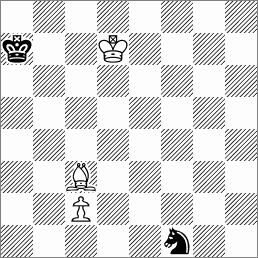
Problem 1. Mate in 3: 1st prize winner Hackney Mercury 1894

And here, continuing where we left off last time, is FR Gittins again.

The Chess Bouquet Frederick Richard Gittins 1897

We know from some useful information on the Durban Chess Club website that he was one of the founders of the club and was Durban champion five times, in 1901, 1903, 1904, 1906 and 1911

Lucas Bull was one of the founders of the Durban Chess Club in 1893 and the first person to win the Durban championship on five occasions, running out the winner in 1901, 1903, 1904, 1906 and 1911. He also participated in the South African championships on three occasions, finishing 9th in 1897, 7th in 1899, and 2nd on his final appearance in 1906.

Lucas Bull was born in Twickenham (part of London) in 1869, and came from a very large family, consisting of five sons (he was the third son) and four daughters. His father, Thomas Bull, was a surveyor and auctioneer, and must have had a profitable business, as the Bull family employed four servants at the time (source: 1881 census).

Bull arrived in Durban in 1892 and apparently chose South Africa, rather than the United States, as they don’t play cricket in the USA! He was already the champion of the Twickenham Chess Club, and was starting to get an international reputation as a problemist. From the date of his arrival, up until the time that he discontinued serious over the board play in 1907, he was almost certainly the strongest player in Natal.

Source: Durban Chess Club website http://www.durbanchessclub.co.za/bull.html

Further information about his appearances in the South African Championships (1897: Cape Town, 1899 Durban, 1906 Cape Town) can be found on Rod Edwards’ indispensable EdoChess site.

Two games from the 1899 tournament, played in the shadow of the 2nd Boer War, are extant. Click on any move and a pop-up board will magically appear, enabling you to play through the games.


The Bock game. which was awarded a brilliancy prize, was published, for example, in the Newcastle Courant (17 March 1900). The van Breda game comes, via South Africa chess historian Len Reitstein, from the Durban Chess Club website (link above).

His best result was his second place in 1906, giving him an estimated rating of 2130: a strong club player at the time he gave up serious over the board chess (the 1911 Durban championship must have been a very brief comeback). The winner in 1906, Bruno Edgar Siegheim (1875-1952) was born in Germany, played chess in New York (1899-1904), South Africa (1906-1912) and England (1921-1926) before returning to South Africa. His best result was finishing 2nd= with Réti at Hastings in 1923, just half a point behind the great Akiba Rubinstein, which suggests he was IM strength.

We know very little about his life outside chess. It seems like he had enough money not to work and was able to devote his time to his hobbies. I presume he continued to play cricket in Durban, although newspapers from that period aren’t available online. There’s no archival record of Cecil ever having played first-class cricket.

What we do have is a couple of passenger lists.

A 1903 passenger list for a ship sailing from London to Port Natal lists Mr C A Lucas Bull (35), Mrs Bull (32), Miss B Bull (3), Mr C Bull (28). This looks like Cecil and his family visiting England and returning with Clifford, who was going to live with them in Durban. Cecil appears to have a wife and young daughter, but we have no further information about them.

A 1909 passenger list, again from London to Natal, offers Cecil Slade (sic) Lucas Bull, Eunice Chillingworth Lucas Bull and Bessie Lucas Bull. I have no idea where the Slade came from but it looks like he was married to Eunice and Bessie was their daughter.

He was still composing prolifically: here’s one from 1912.

Problem 2. Mate in 3: 1st prize winner Saale-Zeitung 1912

Cecil Alfred Lucas Bull Durban 15 September 1913 Source, Cleveland Public Library Digital Gallery

Here’s a photograph of him from 1913.

He continued composing successfully up until 1932, mixing heavyweight prizewinners with more lightweight offerings for the Natal Mercury. He died in Durban on 19 July 1935, at the age of 66.

Problem 3 is another first prizewinning mate in 3 from the latter stages of his career: British Chess Magazine 1931.

In 1960 Cecil’s friend and occasional collaborator Donald Glenoe McIntyre published Sonatas in Chess, a collection of 136 of his best threemovers (South African Chessplayer). This is a rare book and second hand copies go for high prices. I saw a copy for sale back in the 1980s but didn’t buy it – I really should have done.

https://www.biblio.com/book/sonatas-chess-d-g-mcintyre/d/1377097913#gallery-2

I occasionally publish his more accessible problems on the Richmond & Twickenham Chess Club website: see here and here.

At present I have no idea about what happened to Eunice and Bessie. I can find no information about anyone with the forenames Eunice Chillingworth, and the 1927 London marriage of Bessie L Bull to Robert Douglas King-Harman isn’t the same person.

There’s a prominent South African businesswoman named Wendy Lucas-Bull, who is married to Clive Lucas-Bull, and whose father-in-law is, or was, Leslie Arthur Lucas-Bull. Any connection? If you have any further information about Eunice, Bessie or any other relation do let me know.

Cecil Alfred Lucas Bull, chess champion of Twickenham and Durban, and multiple prizewinning problemist, this was your life.

Join me again soon for another delve into the Twickenham Chess Club menagerie.

Sources and acknowledgements:

ancestry.co.uk

findmypast.co.uk

Problems and solutions from Yet Another Chess Problem Database

EdoChess (Rod Edwards)

Cleveland Public Library Digital Gallery

Durban Chess Club website

Richmond & Twickenham Chess Club website

Thanks to Dr Tim Harding for The Chess Bouquet by Frederick Richard Gittins

Problem solutions:

1.

1.♕a1! ~ 2.♕e5+ ♔d3 3.♘e1# 1…♔d5 2.♕×a8+ 2…♔d6 3.♗e7# 2…♔c5 3.♗e7# (Model mate) 1…♔f5 2.♕b1+ ♔g4 3.♕e4# 1…♔d3 2.♕b1+ ♔c3 3.♗d2# (Model mate) 1…♖×g5 2.♕d4+ ♔f5 3.♘h4# (Model mate) 1…♘g4 2.♕d4+ ♔f5 3.♕d3# (Model mate)

Model mates were much valued at the time.

From Wikipedia:

model mate is a type of pure mate checkmating position in chess in which not only is the checkmated king and all vacant squares in its field attacked only once, and squares in the king’s field occupied by friendly units are not also attacked by the mating side (unless such a unit is necessarily pinned to the king), but all units of the mating side (with the possible exception of the king and pawns) participate actively in forming the mating net.

2.

♗c8! ~ 2.♗×d7 ~ 3.♗e6# 1…♗b1 2.♕a1 A ~ 3.♘e7# B 2…d×c6 3.♗e6# 2…♔×c6 3.♗b7# 3.♕a8# 1…♗×b3 2.♘e7+ B 2…♔e5 3.♕a1# A 2…♔d4 3.♕e4# 2…♔c4 3.♕e4# 1…d×c6 2.♕×c6+! 2…♔d4 3.♕e4# 2…♔×c6 3.♗b7# 2…♔e5 3.♕d6# 3.♗c3# 1…♘f7 2.♘×d7 ~ 3.♘×b6# 3.♘f6# 2…♔e6 3.♘d4#

Some more model mates here, as well as sacrifices and corner-to-corner queen moves, something of which Bull was very fond.

3.

1.♕d8! ~ 2.h3+ ♔×h5 3.g4# 1…♖b4 2.♗×g6 ~ 3.h3# 1…♔×h5 2.♗d1+ ♘e2 3.♗×e2# 1…g5 2.♕d7+ 2…♔×h5 3.♕h3# 2…♔h4 3.♕h3# 2.♕c8+ 2…♔×h5 3.♕h3# 2…♔h4 3.♕h3# 1…g×h5 2.♕d4+ ♔g5 3.h4#

 Save as PDF
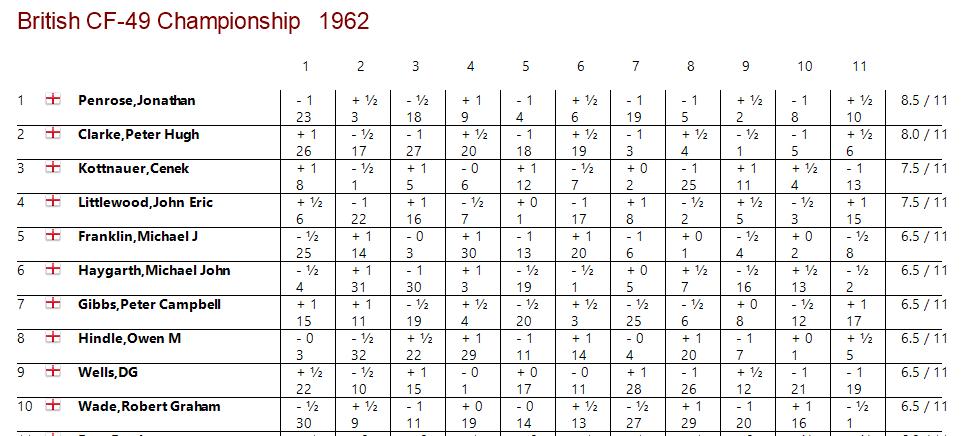
I Was a Victim of Bobby Fischer

I Was a Victim of Bobby Fischer, Mark Taimanov, Quality Chess, 29th November 2021, ISBN-13 ‏ : ‎ 978-1784831608

From the publisher:

“In 1971 Robert James Fischer defeated Mark Taimanov by the sensational score of 6-0 in Vancouver, but the match games were far more competitive and tension-filled than the final score would suggest.

Twenty years later Taimanov put pen to paper, reflecting on the experience. Exactly 50 years after the match, this is the first English translation of Taimanov’s original Russian text. Taimanov provides a richly detailed, honest and emotional account of the drama on and off the board. Despite the catastrophic match score, his love for the game of chess is evident throughout.

Taimanov also discusses his early acquaintance with Fischer from 1960, including detailed annotations of both of their pre-1971 games, as well as the personal consequences of the match result. With fascinating additional archive material and analytical contributions from some of the brightest young stars of the American chess scene today, I was a Victim of Bobby Fischer is the ultimate insight into one of the most famous matches in chess history.”

End of blurb…

Isaac Boleslavsky plays Mark Taimanov in round one of the 24th USSR Championship on January 21st 1957. Peace broke out after fifteen moves of a Nimzo-Indian Defence

Quality Chess live up to their name by being one of the few publishers who offer a hardback as well as softback version of all of their titles.

The production values are superb. You could save a few pence and opt for the paperback version but we would definitely treat ourselves with a Christmas / New Year present and savour the hardback. In addition, high quality paper is used and the printing is clear. The weight of this paper gives the book an even better feel to it as the pages are turned.

The book can easily be laid flat next to the board and does not require weights to prevent it from “self-closing”. Each diagram is clear and the instructional text is typeset in two column format, which, we find, enables the reader to readily maintain their place. Figurine algebraic notation is used and the diagrams are placed adjacent to the relevant text.

A small (and insignificant) quibble: the diagrams (except for Chapter 19, Interesting Positions) do not have a “to move” indicator (but they do have coordinates).

Before we take our first look at this book Quality Chess have provided a pdf excerpt.

Over the years there have been numerous books with Taimanov somewhere in the title but almost all are concerned with his famous variation of the Sicilian Defence:

We are aware of two English language books covering Taimanov’s career.  One is Taimanov’s Selected Games published in 1995 by Everyman Chess covering 60(!) games selected and annotated by MT.  The second is Smyslov, Bronstein, Geller, Taimanov and Averbakh: A Chess Multibiography (McFarland, 2021) with 220 Games by Andrew Soltis reviewed here.

This Quality Chess title helps to address this surprising shortfall.

The title is perhaps the first worthy discussion point and we learn the interesting reason for it. Is it clear from the outset just how in regard MT held Fischer when he wrote this manuscript in 1993.

You might think that the events of 1971 had left a bitter taste with MT, and degree of resentment,  especially when we read in Chapter 5 of his post match treatment by the Soviet authorities. The latter even restricted his career in music which was gratuitously cruel. There is no evidence of that here, in fact, quite the opposite. Taimanov stipulated in his will that should the book be published then “I Was a Victim of Bobby Fischer” must be its title.

Let us not forget that Taimanov jointly holds (and will always) a record with Efim Geller of twenty-three appearences in the Soviet Championships apart from his many other achievements on the chess board.

Taimanov played Fischer a total of eight times and their first meeting was on June 4th, 1960 in the good air of Buenos Aires.

This game was a monumental battle (drawn after eighty-seven moves) when Fischer was a mere seventeen and MT was a more plausible thirty-four.

Here is the game devoid of any notes simply because you really should treat yourself to the fourteen(!) pages of glorious annotations including 20 diagrams. What a struggle!

Much of the book is taken up with discussion of Fischer’s development and eventually his downfall (but nether MT nor Spike Milligan played any part) and this is particularly apposite on the eve of the Reykjavik match 50th anniversary.

Chapters 6-12 cover each game of the 1971 match (ten games were planned) in Vancouver. Each game is very much worthy of close study and a model of sporting attitude from the loser. It is painful to see how well Taimanov plays compared with the game results. At no point did he “do a Nepo” and collapse into a heap. His emotions and reactions to the match are rather revealing.

Chapter 13(!) discusses the causes of Fischer’s eventual reclusion comparing RJFs fate with players of the past with an update in Chapter 14 on more recent events.

You might predict “That must be the end of the book”. Well, not at all. Part IV contains the substantial Appendices which include additional deeply annotated games of Taimanov and of Fischer, a biography of MT and a fascinating interview of MT from 2016.

Almost last and by no means least we have Chapter 19 which presents a number of key positions from the previously discussed games and the reader is asked a pertinent question about each.

Here is an example (#10):


Lutikov – Taimanov, 37th USSR Championships, Moscow

After White’s rook lift on move 25:

“We will look at three positions from this complicated game, all of them very interesting. In the first, Black has a difficult strategic decision to make”

Chapter 20 (titled “Thoughts and Solutions”) takes the Chapter 19 positions and analyses them in detail courtesy of a team of strong players (Shankland, Liang, Xiong and Aagaard) providing their individual opinions of each position. This is really rather innovative and most welcome. Note that these “thoughts”  are not usurped by reams of unwelcome engine analysis.

In summary, this is a significant book quite unlike any other we have read. Beautifully produced it brings you into the mind of a great chessplayer and person who gave his all and was treated appallingly.

We commend to you this book without doubt: you will not be disappointed. One of our favourites of 2021.

John Upham, Cove, Hampshire, 23rd December, 2021

John Upham
John Upham

Book Details:

  • Paperback : 248 pages
  • Publisher: Quality Chess UK LLP (29 Nov. 2021)
  • Language: English
  • ISBN-10:1784831603
  • ISBN-13:978-1784831608
  • Product Dimensions: 17.2 x 1.22 x 24.18 cm

Official web site of Quality Chess

I Was a Victim of Bobby Fischer, Mark Taimanov, Quality Chess, 29th November 2021, ISBN-13 ‏ : ‎ 978-1784831608
 Save as PDF