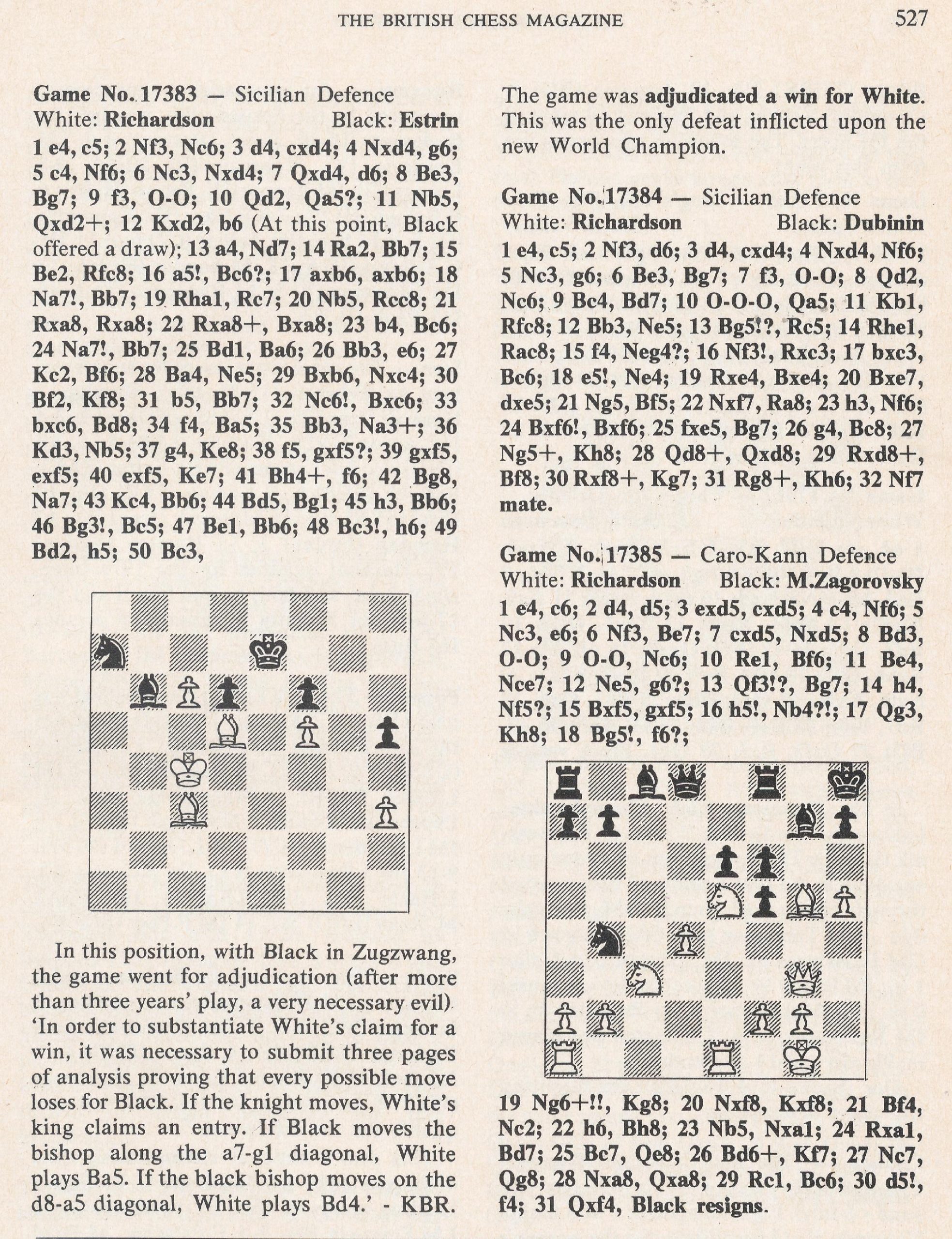
Tag Archives: Correspondence

Remembering GM Dr. Jonathan Penrose OBE (07-x-1933 30-xi-2021)

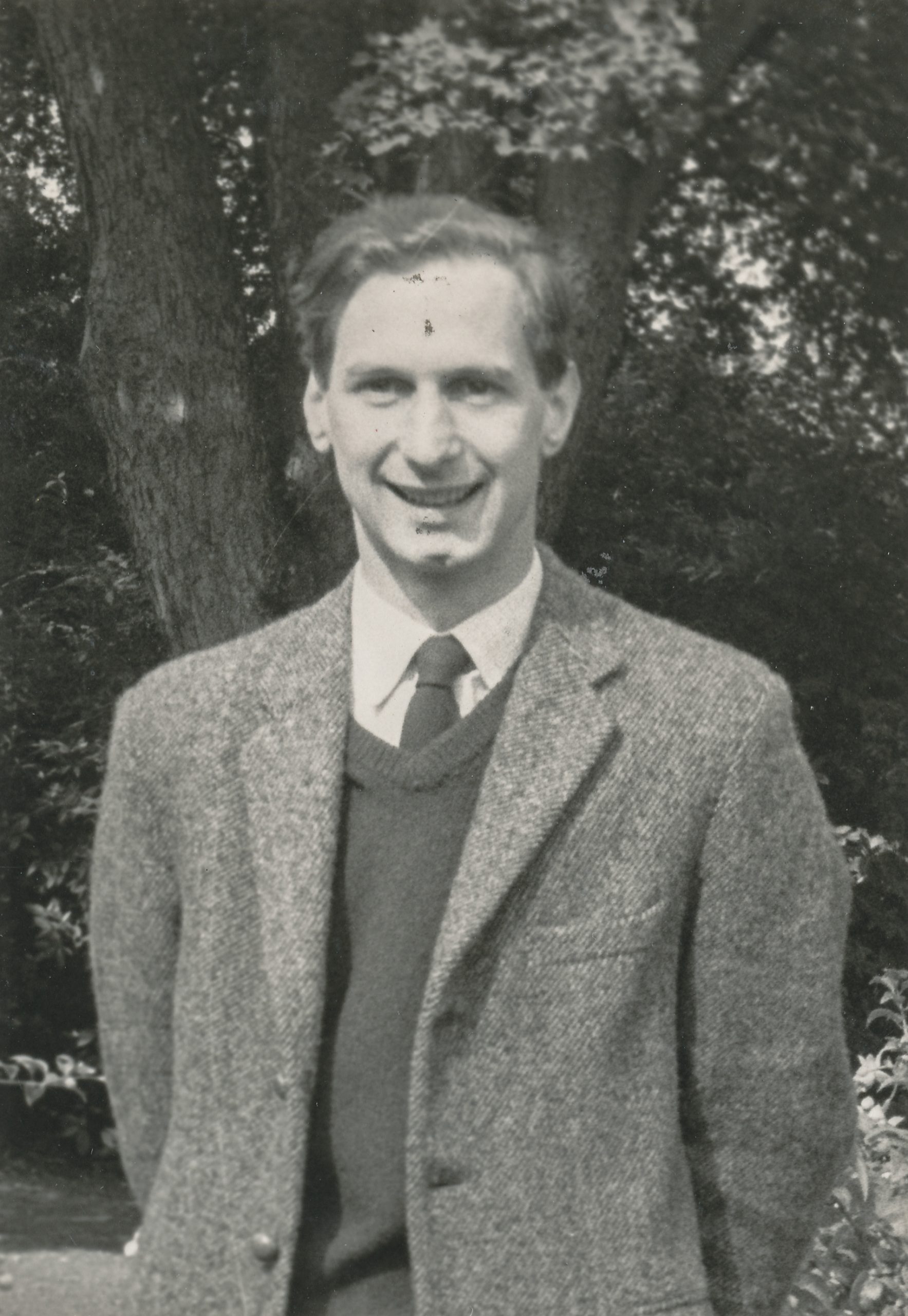
IM Dr. Jonathan Penrose OBE in the garden of Brian Reilly

BCN remembers GM Dr. Jonathan Penrose OBE who passed away on Tuesday, November 30th, 2021.

In the 1971 New Years Honours List Jonathan was made an Officer of the Order of the British Empire (OBE) The citation read “For services to Chess.”

In 1993 following representations by Bob Wade and Leonard Barden FIDE granted the title of Grandmaster to Jonathan. Here is a detailed discussion of that process. Note that this was not an Honorary title (as received by Jacques Mieses and Harry Golombek).

From British Chess (Pergamon Press, 1983) by Botterill, Levy, Rice and Richardson : (article by George Botterill)

“Penrose is one of the outstanding figures of British chess. Yet many who meet him may not realize this just because he is one of the quietest and most modest of men. Throughout the late 1950s and the whole of the 1960s he stood head and shoulders above any of his contemporaries.
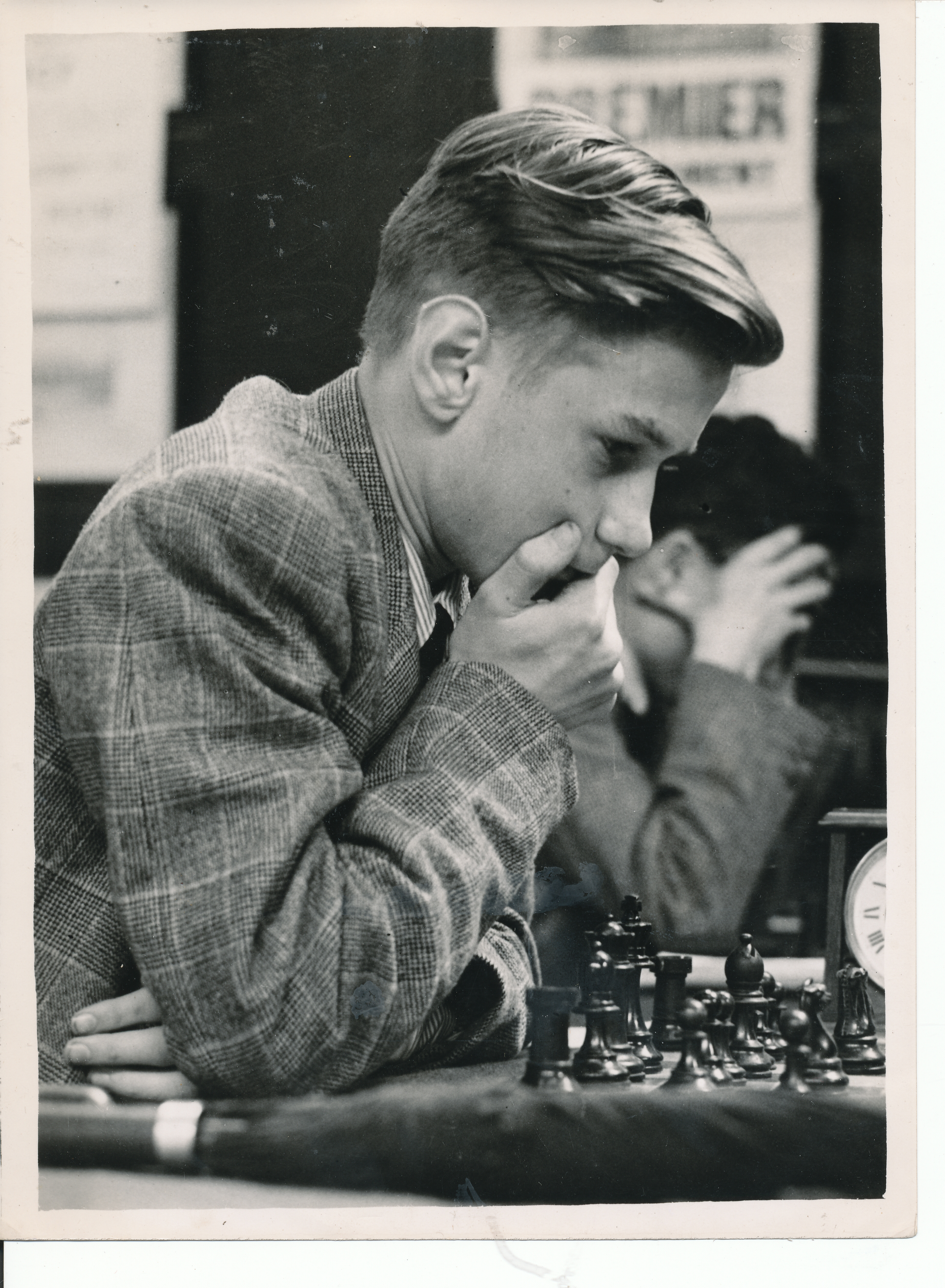
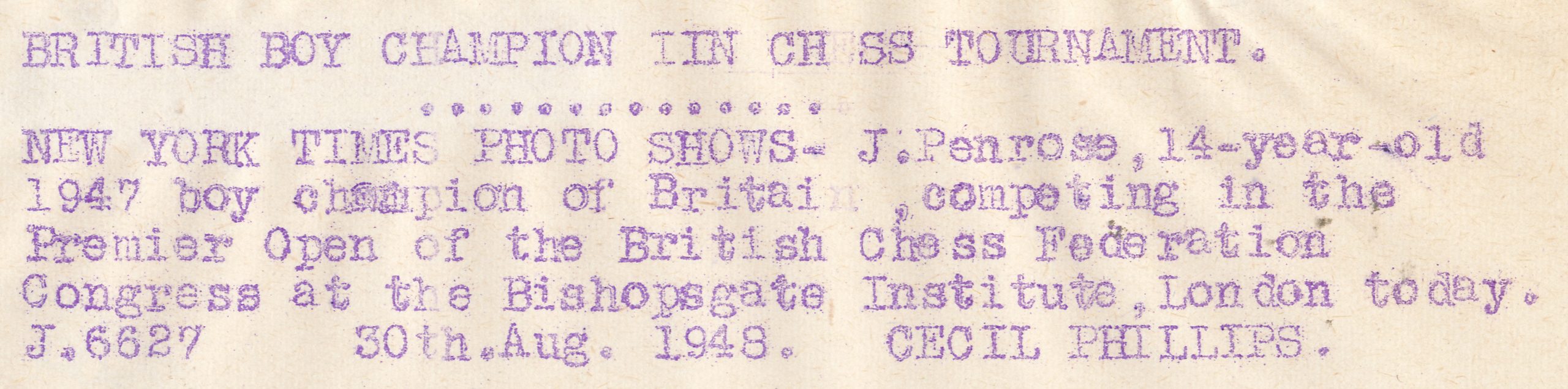
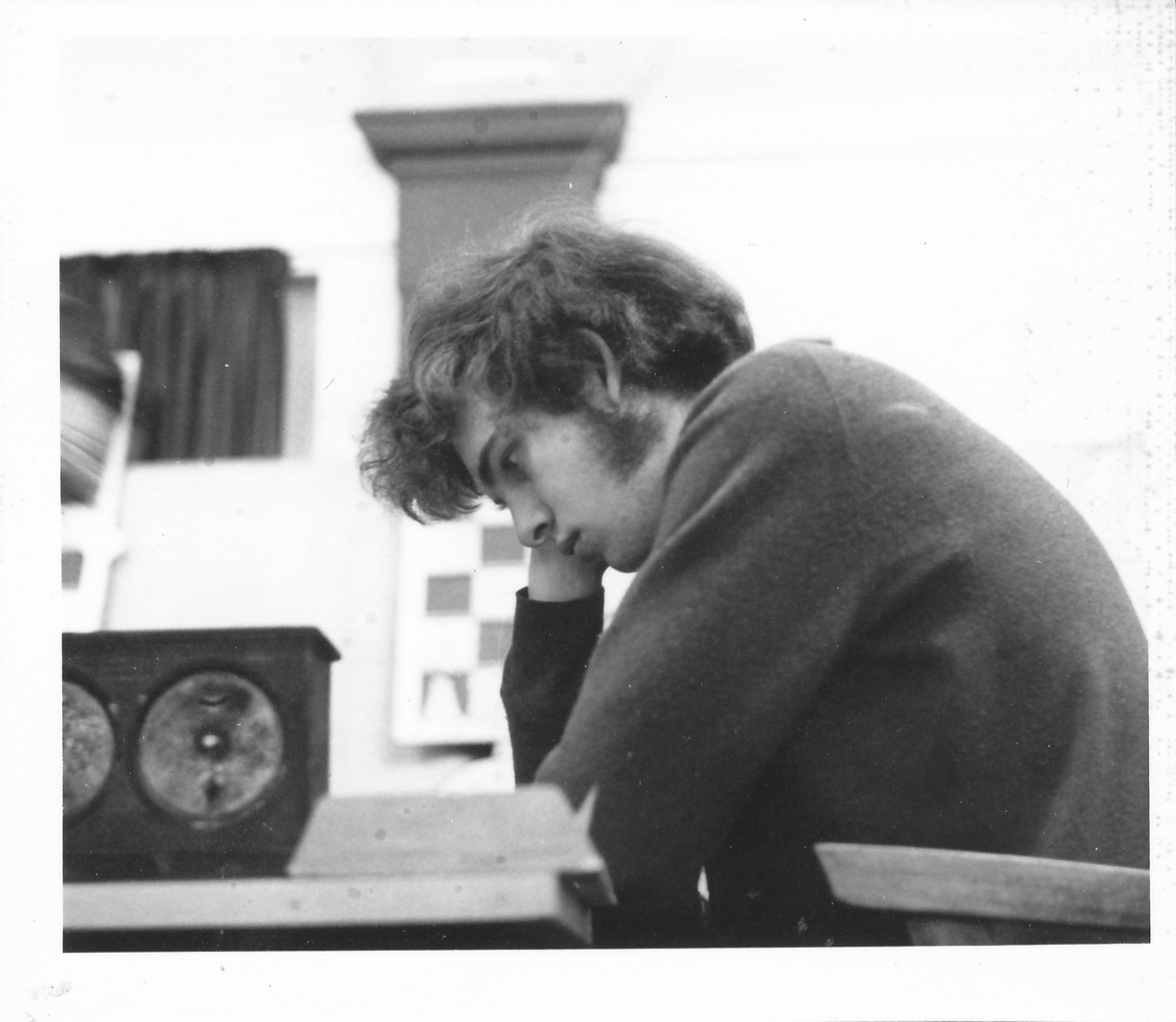
See caption below
See caption below
Press agency caption for photograph above

His extraordinary dominance is revealed by the fact that he won the British championship no less than ten times (1958-63 and 1966-69, inclusive), a record that nobody is likely to equal in the future.

At his best his play was lucid, positionally correct, energetic and tactically acute. None the less, there is a ‘Penrose problem’: was he a ‘Good Thing’ for British chess? The trouble was that whilst this highly talented player effectively crushed any opposition at home, he showed little initiative in flying the flag abroad. There is a wide-spread and justifiable conviction that only lack of ambition in the sphere of international chess can explain why he did not secure the GM title during his active over-the-board playing career.
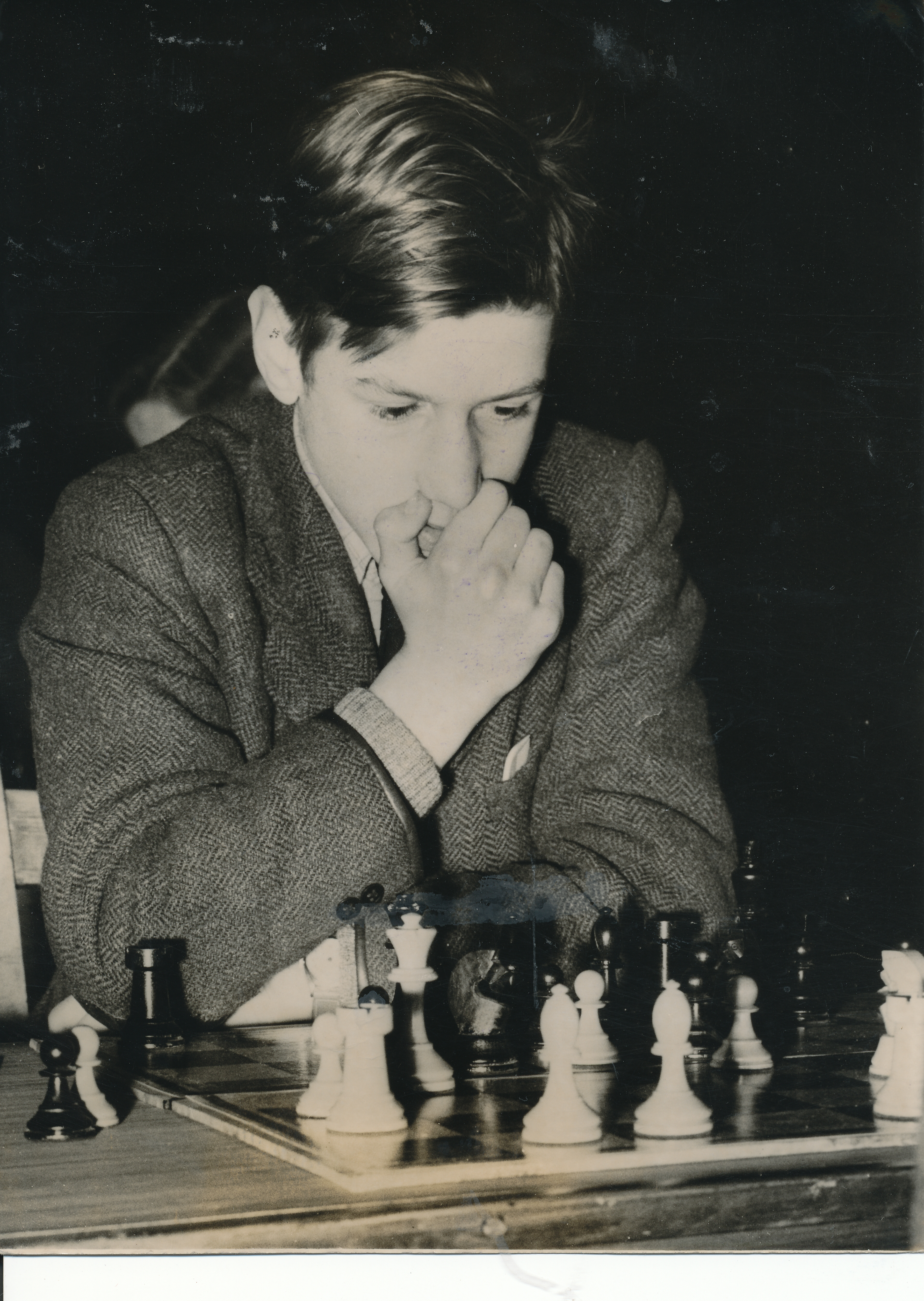
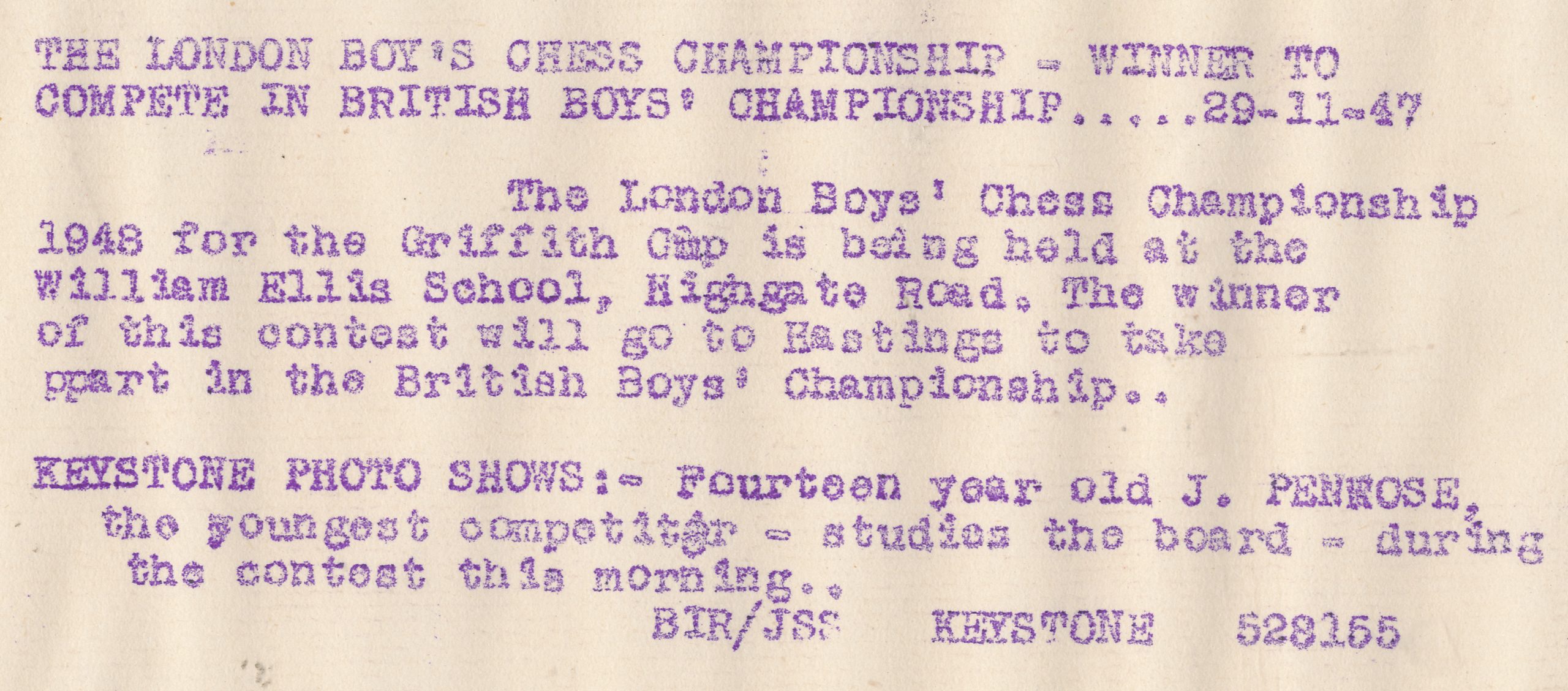
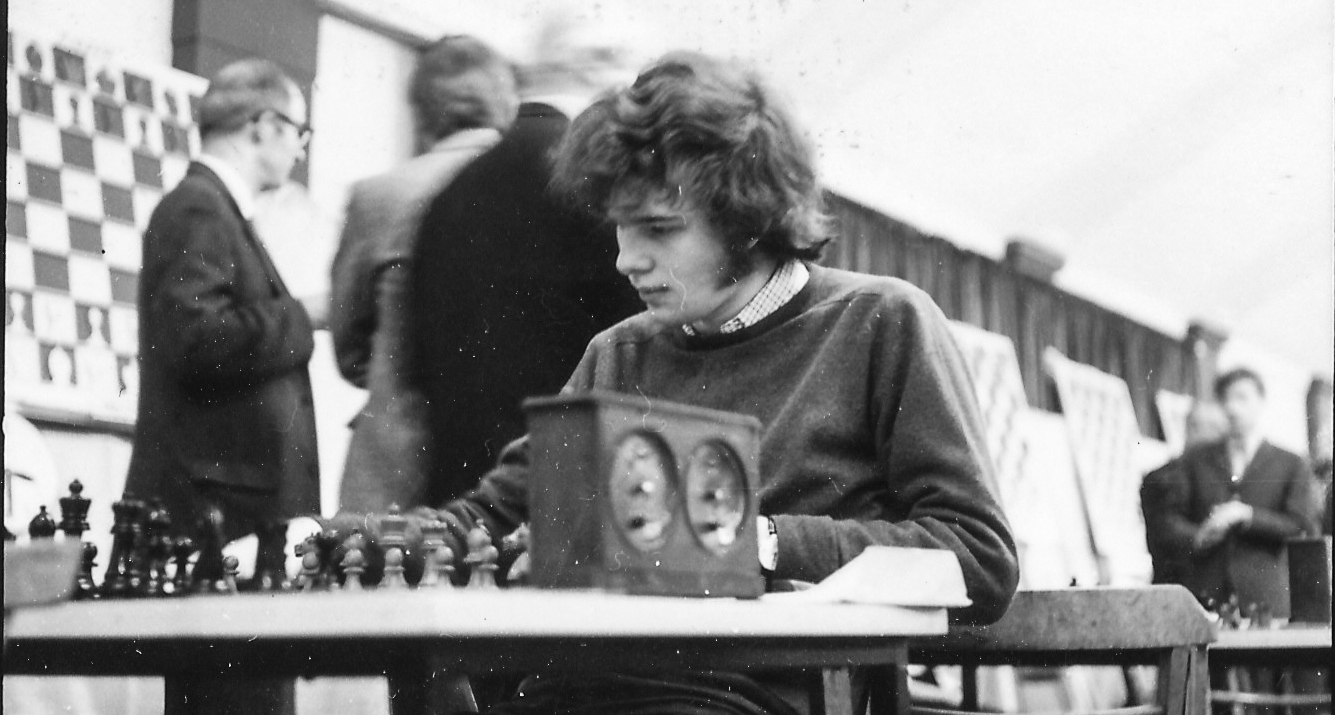
See caption below
See caption below
Press agency caption for above photograph

It would be unjust, however, to blame Penrose for any of this. The truth is simply that he was not a professional chessplayer, and indeed he flourished in
a period in which chess playing was not a viable profession in Britain. But even if the material awards available had been greater Penrose would almost certainly have chosen to remain an amateur. For he was cast in that special intellectual and ethical tradition of great British amateurs like H. E. Atkins, Sir George Thomas and Hugh Alexander before him.
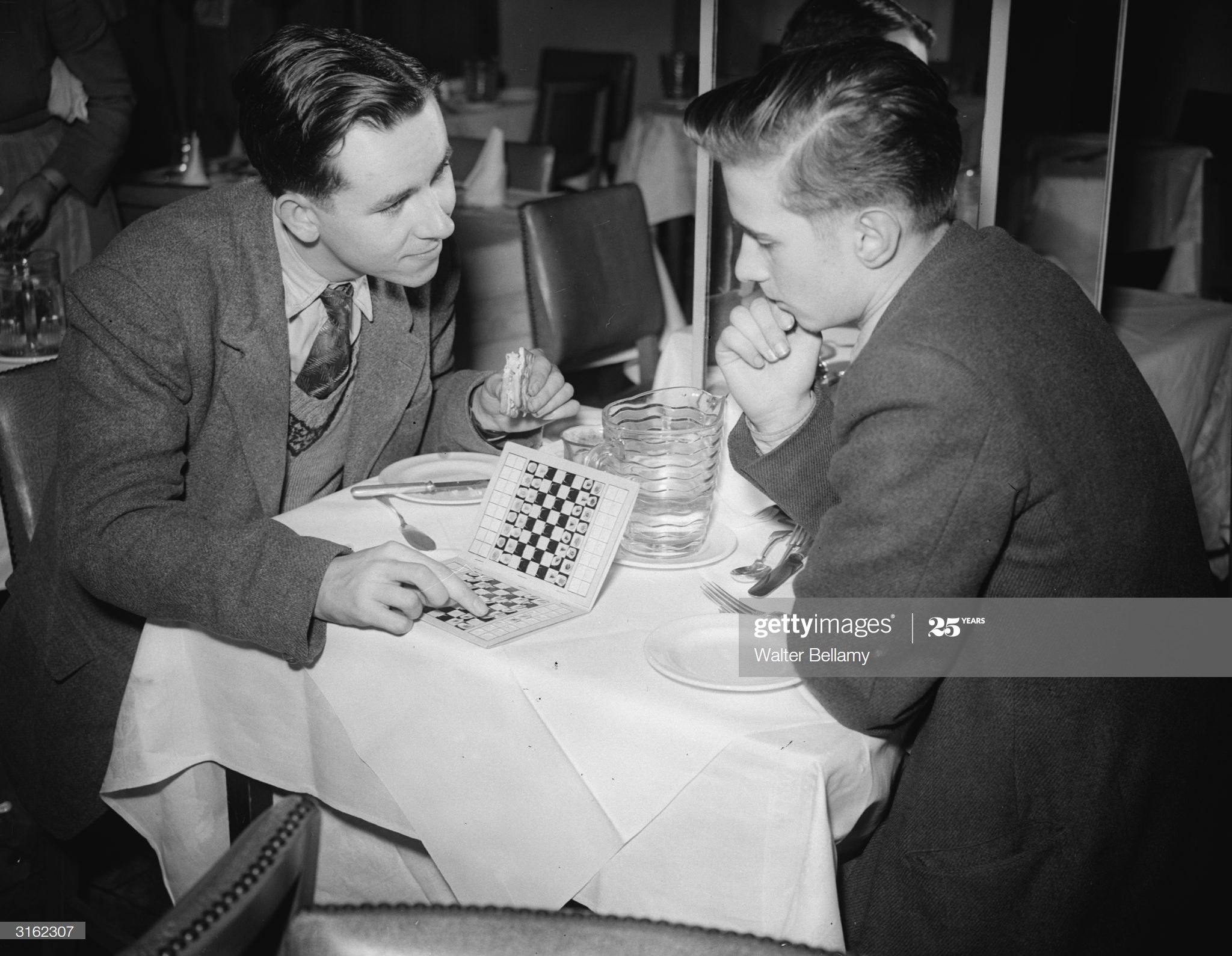
Travel Chess 2nd January 1951: British chess champions Jonathan Penrose and Leonard Barden ponder over a portable travel game in a restaurant. (Photo by Walter Bellamy/Express/Getty Images)
Travel Chess
2nd January 1951: British chess champions Jonathan Penrose and Leonard Barden ponder over a portable travel game in a restaurant. (Photo by Walter Bellamy/Express/Getty Images)

His family background indicates early academic inclinations in a cultural atmosphere in which chess was merely a game something at which one excelled through sheer ability, but not to be ranked alongside truly serious work. It is noteworthy that Penrose, unique in this respect amongst British chess masters, has never written at any length about the game. He has had other matters to concentrate on when away from the board, being a lecturer in psychology. (His father, Professor L. S. Penrose, was a distinguished geneticist.)
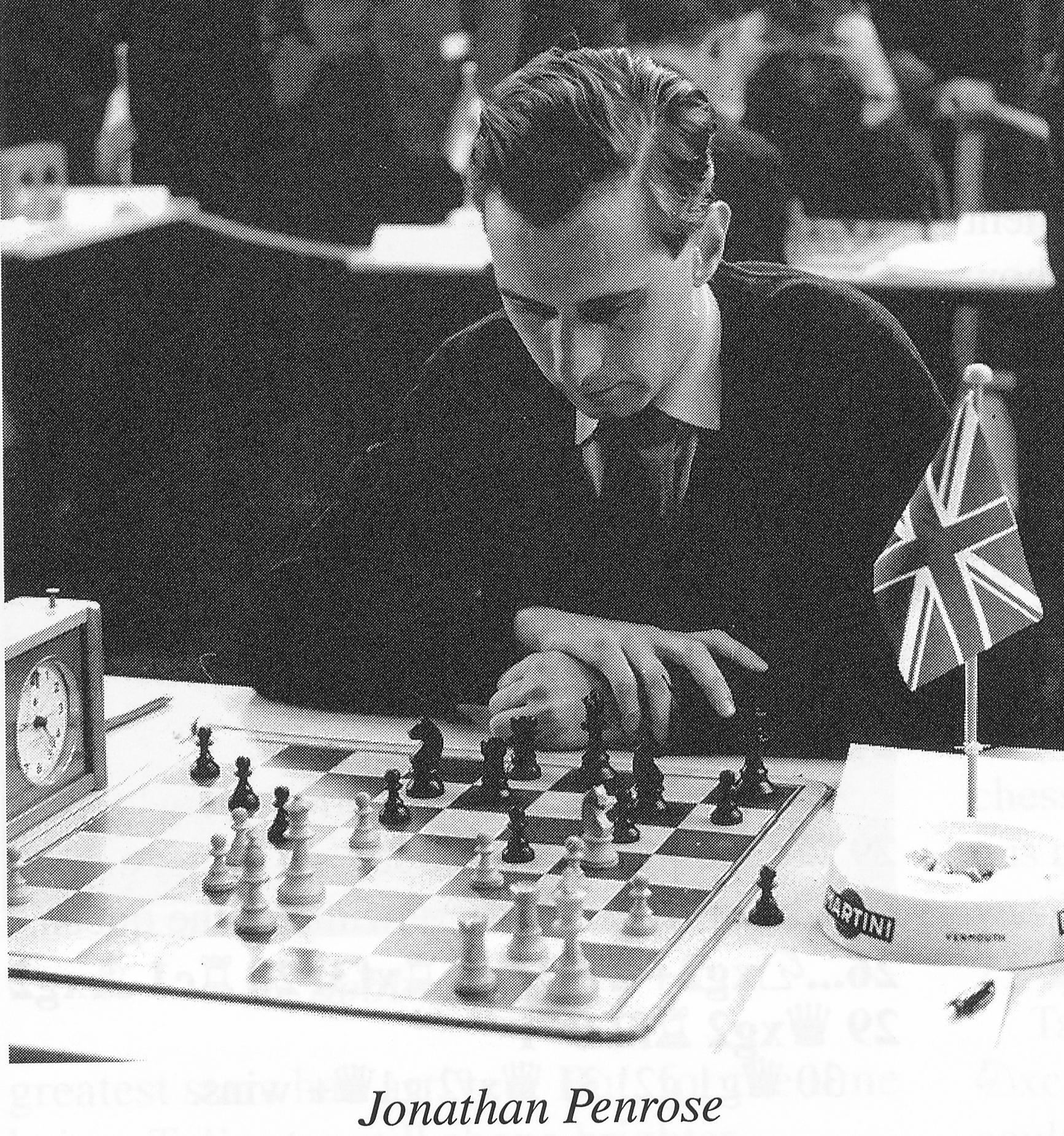
IM Dr. Jonathan Penrose OBE

Being of slight physique and the mildest and most amiable of characters, it is probably also true that Penrose lacked the toughness and ‘killer instinct’ required to reach the very top. Nervous tension finally struck him down in a dramatic way when he collapsed during play in the Siegen Olympiad of 1970. We can take that date as the end of the Penrose era.
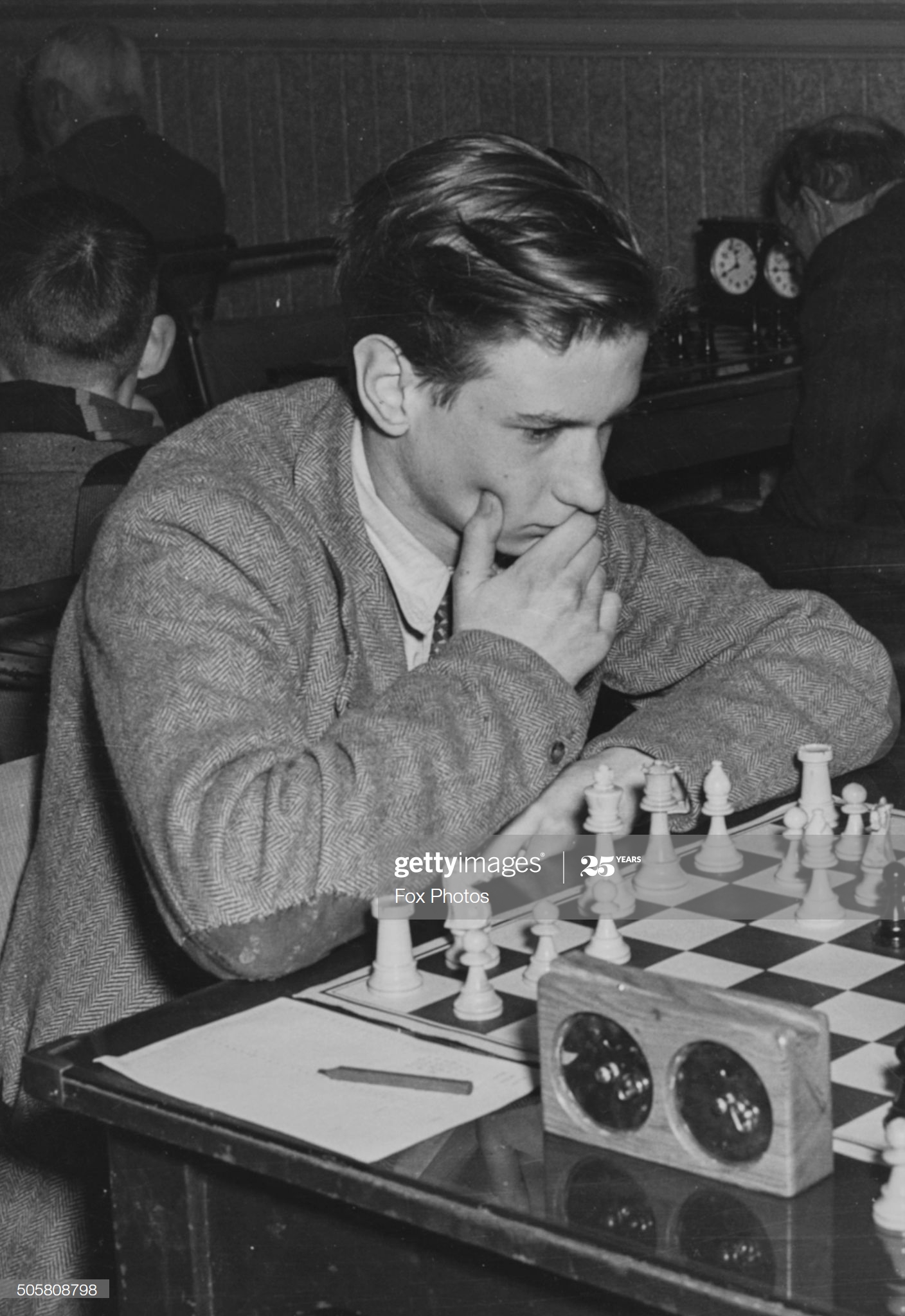
Jonathan Penrose Chess Grandmaster Jonathan Penrose pictured during a chess match, circa 1960. (Photo by Fox Photos/Hulton Archive/Getty Images)
Jonathan Penrose
Chess Grandmaster Jonathan Penrose pictured during a chess match, circa 1960. (Photo by Fox Photos/Hulton Archive/Getty Images))

Since, then though he has not by any means entirely given up, his involvement in the nerve-wracking competitions of over-the-board play has been greatly reduced. instead he has turned to correspondence chess, which is perhaps the ideal medium for his clear strategy and deep and subtle analysis. So Penrose’s career it not over. He has moved to another, less stressful province of the kingdom of chess.
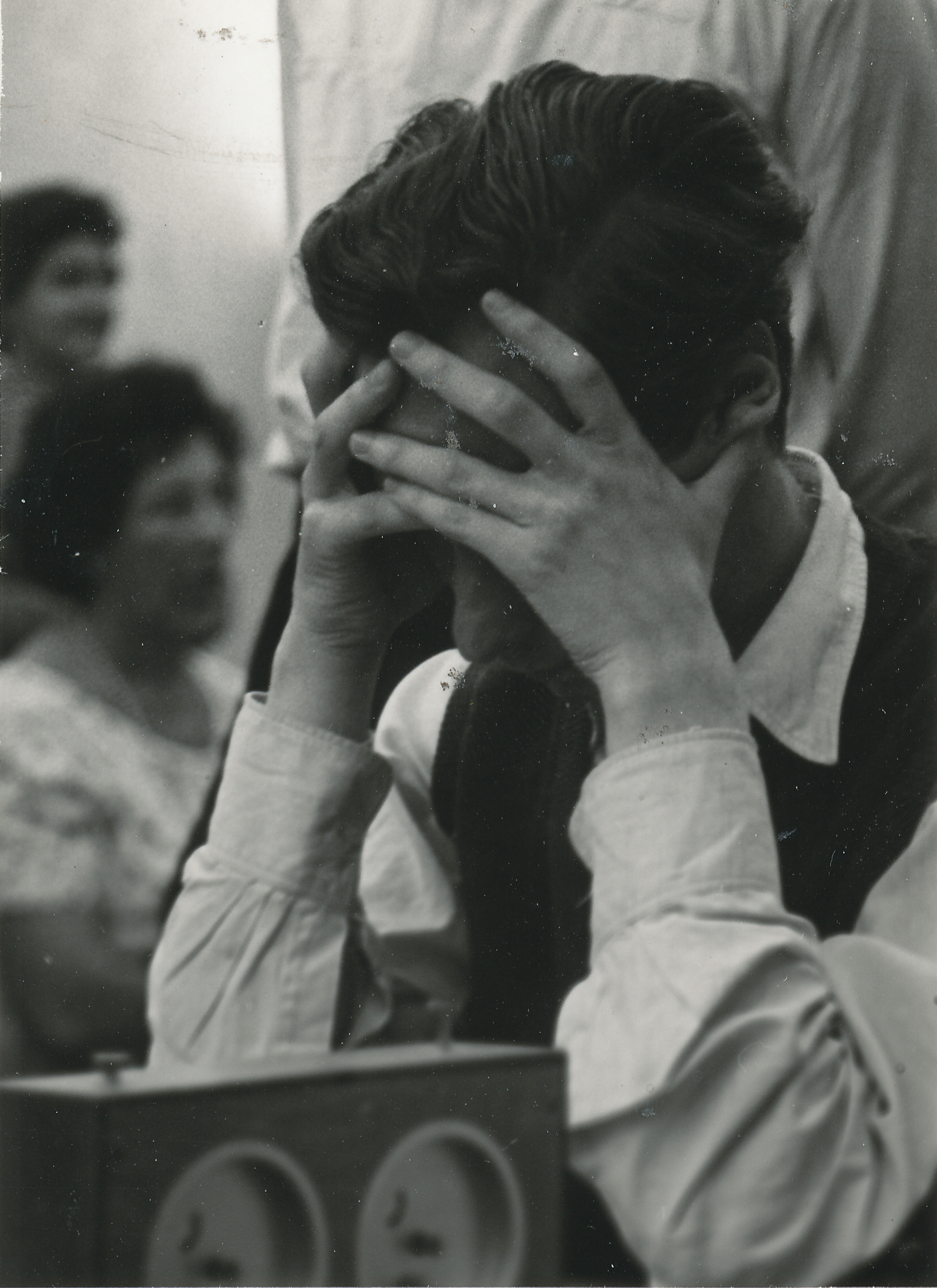
IM Dr. Jonathan Penrose OBE

For the first game, however, we shall turn the clock right back to 1950 and the see the Penrose in the role of youthful giant killer.

[pgn]
[Event “Southsea”]
[Site “Southsea”]
[Date “1950.??.??”]
[Round “3”]
[White “Penrose, Jonathan”]
[Black “Bogoljubow, Efim”]
[Result “1-0”]
[ECO “B56”]
[Annotator “George Botterill & BCN”]
[PlyCount “61”]
[EventDate “1950.??.??”]
[EventType “swiss”]
[EventRounds “10”]
[EventCountry “ENG”]
[SourceTitle “EXT 1999”]
[Source “ChessBase”]
[SourceDate “1998.11.16”]
[SourceVersion “1”]
[SourceVersionDate “1998.11.16”]
[SourceQuality “1”]

{[%evp 0,61,19,31,72,53,68,72,74,26,26,35,78,54,64,49,91,81,85,45,69,69,49,55,
46,30,64,74,93,97,132,124,124,98,152,152,152,76,65,59,51,64,64,64,20,20,38,14,
116,159,216,216,216,223,223,223,511,570,615,900,1224,2338,29993,29994]} {
Jonathan was 17 years old when this game was played.} 1. e4 c5 2. Nf3 d6 3. d4
cxd4 4. Nxd4 Nf6 5. Nc3 Nbd7 {A pretty rare continuation, not hitting White’s
centre but maybe aiming for c5 at some point.} 6. g3 a6 7. Bg2 e6 8. O-O Be7 9.
b3 (9. Be3) 9… Qc7 10. Bb2 O-O 11. Kh1 $146 {This was a novelty in 1950} (11.
a4 Rb8 12. a5 b5 13. axb6 Qxb6 14. g4 {was Dubov – Korobov, 2017.}) 11… Rd8
12. Qe2 $146 (12. f4 Nc5 {was Rayner – Arakhamia Grant, 2001, 0-1.}) 12… Nf8
$2 {“With a knight on f8 I cannot be mated”, as Larsen is fond of saying. But
here it is more important that Black loses control over e5.} (12… Bf8 {
to be followed by …Rb8, …b5 and …Bb7 seems a better scheme of
development. With the rooks on d8 and b8 Black must beware of White’s little
tactic e5 dxe5 Nc6 forking the rooks. But in most cases Black should get at
least one pawn and fair value for the exchange.}) 13. f4 $16 Rb8 14. Rad1 Bd7
15. e5 (15. g4 d5 16. e5) 15… Ne8 {[#]} 16. Nf5 $1 {A familiar trick in the
Sicilian} Ng6 ({if} 16… exf5 17. Nd5 $18) 17. Nxe7+ Nxe7 18. Ne4 d5 19. Nd6
$1 Qa5 $2 (19… Bc6) 20. Qh5 (20. g4) 20… Nxd6 21. exd6 Nf5 22. g4 Nxd6 {[#]
} ({Of course not} 22… Ne3 $4 23. Qe5 $18 {with a double attack on g7 and e3}
(23. Qg5 {is crushing also} g6 24. Qf6 d4 25. Bxd4 e5 26. fxe5 Nxg4 27. Qxf7+
Kh8 28. e6+ Ne5 29. Qf6+ Kg8 30. Bxe5 {and its mate in 6.})) 23. f5 $1 Qxa2 24.
Be5 (24. fxe6 Bxe6 25. Qe5) 24… Ne8 {Giving up the exchange does not help
much.} (24… Bb5 25. Rf2 {[%cal Gd1a1] threatening Ra1} Qa5 26. fxe6 {wins
quickly}) 25. fxe6 Bxe6 26. Bxb8 Rxb8 27. Qe5 $1 Rc8 28. Bxd5 Nf6 29. Bxe6 Re8
30. Bxf7+ Kxf7 31. Rxf6+ $1 1-0
[/pgn]

From The Encyclopedia of Chess (BT Batsford, 1977) by Harry Golombek :

“British international master and ten times British Champion, Penrose was born in Colchester and came from a chess-playing family.
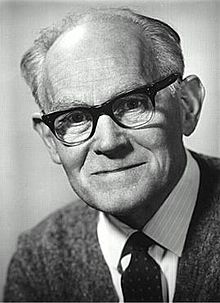
Lionel Sharples Penrose, FRS (11 June 1898 – 12 May 1972)

His father and mother (Margaret)  both played chess and his father, Professor Lionel Sharples Penrose, in addition to being a geneticist of world-wide fame, was a strong chess-player and a good endgame composer. Jonathan’s older brother Oliver, was also a fine player.
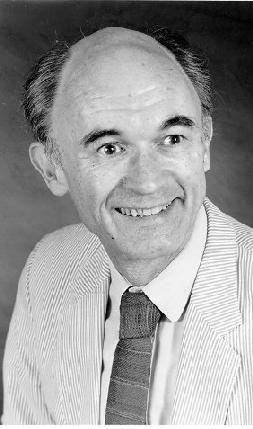
Oliver Penrose FRS FRSE (born 6 June 1929) is a British theoretical physicist

Roger Penrose won the Nobel prize for physics in 2020.
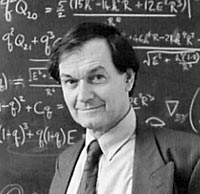
Roger Penrose. Nobel Laureate

Shirley Hodgson (née Penrose) is a high flying geneticist.
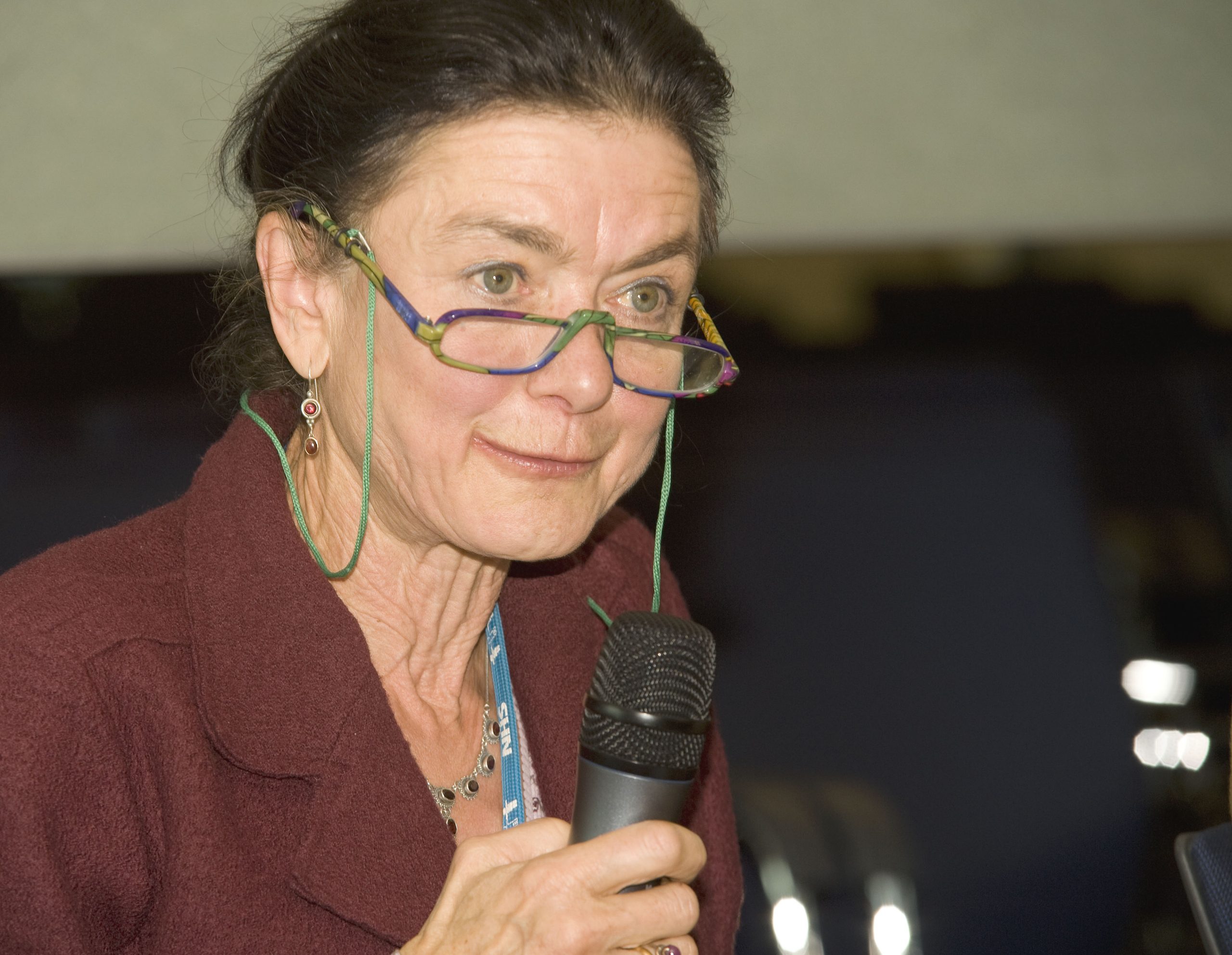
Prof. Shirley Hodgson

Jonathan learnt chess at the age of four, won the British Boys championship at thirteen and by the time he was fifteen was playing in the British Championship in Felixstowe in 1949.
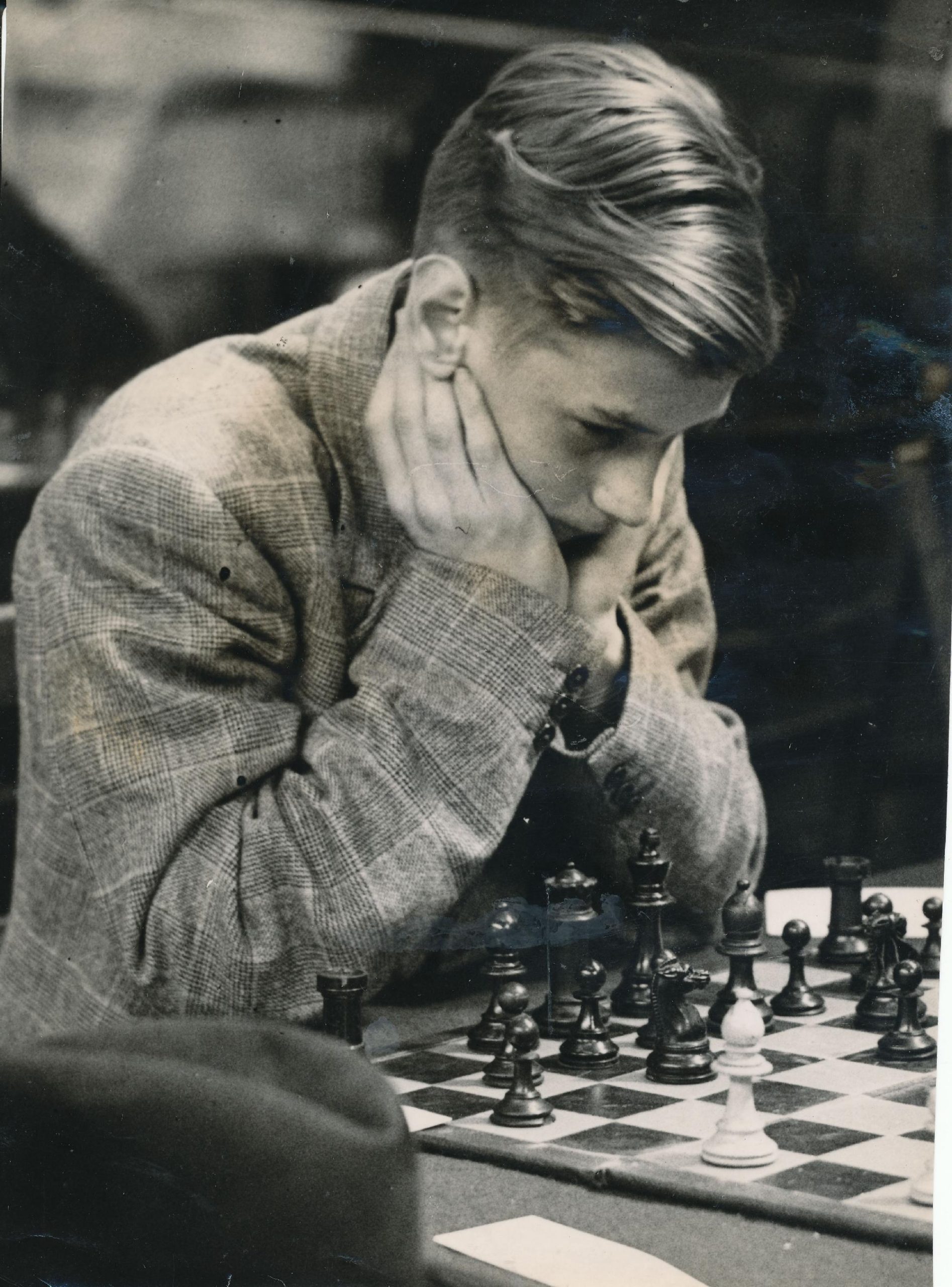
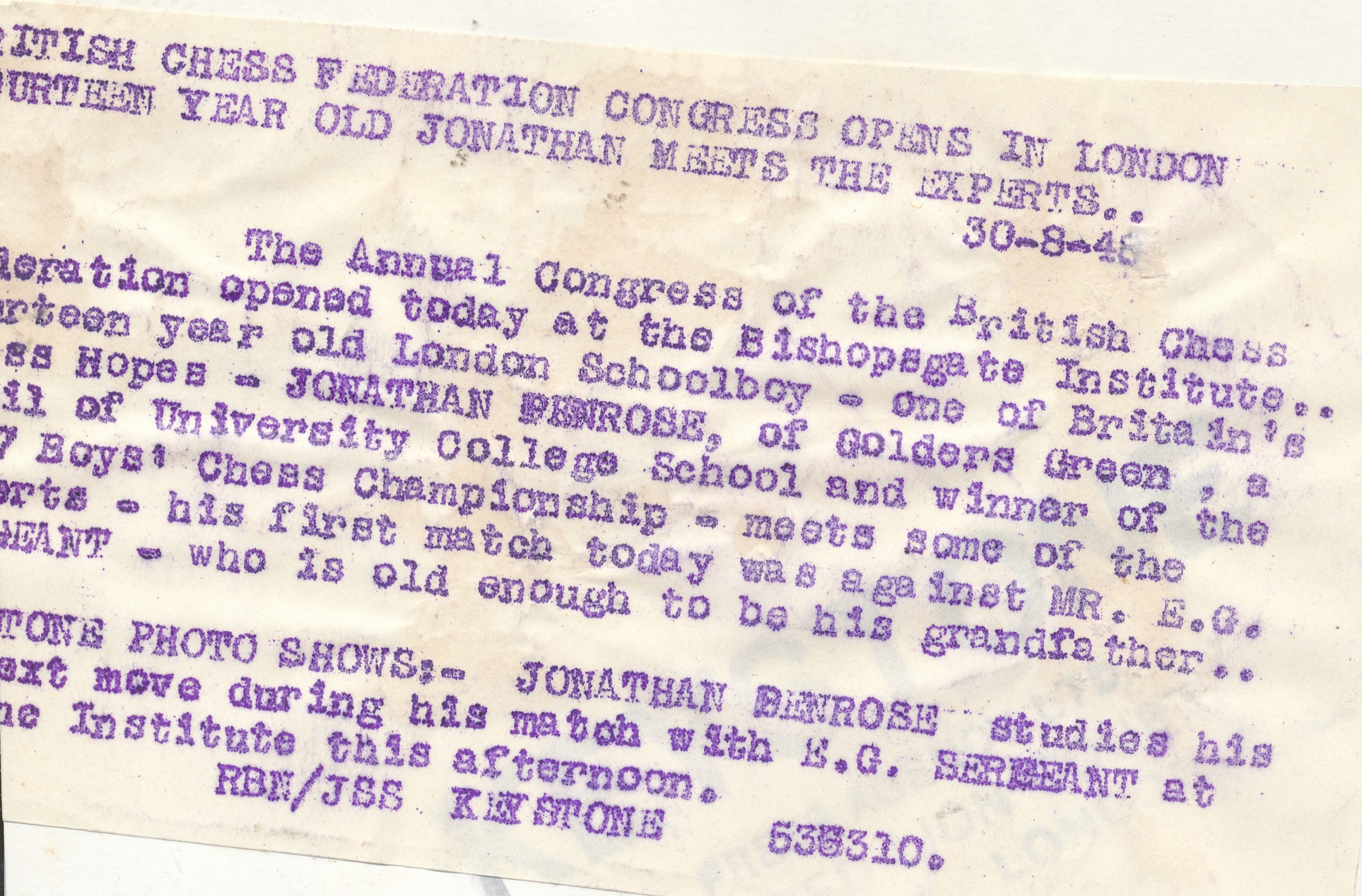
Press agency caption for photograph above

A little reluctant to participate in international tournaments abroad, he did best in the British Championship which he won a record number of times, once more than HE Atkins. He won the title consecutively from 1958 to 1963 and again from 1966 to 1969.
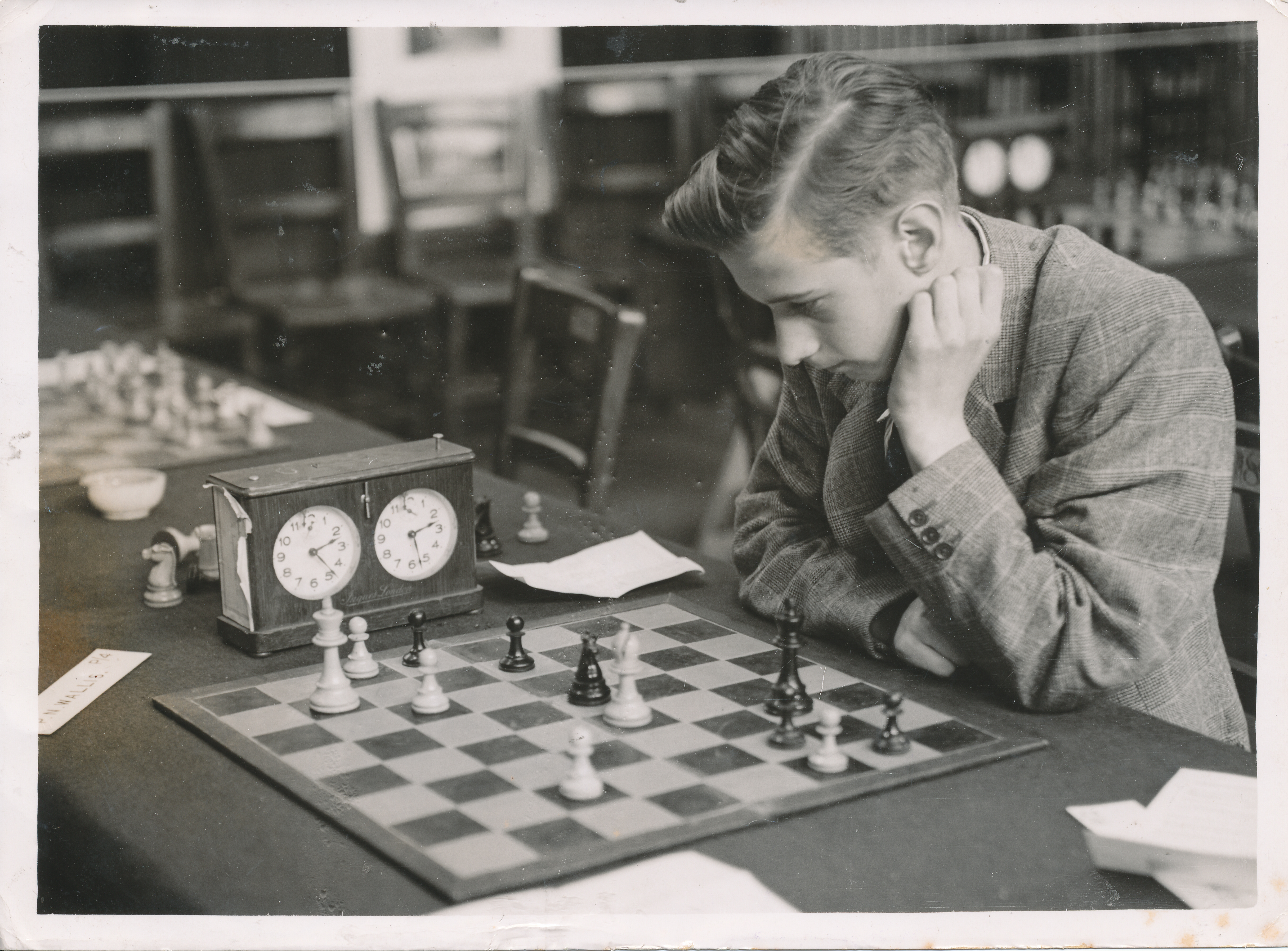
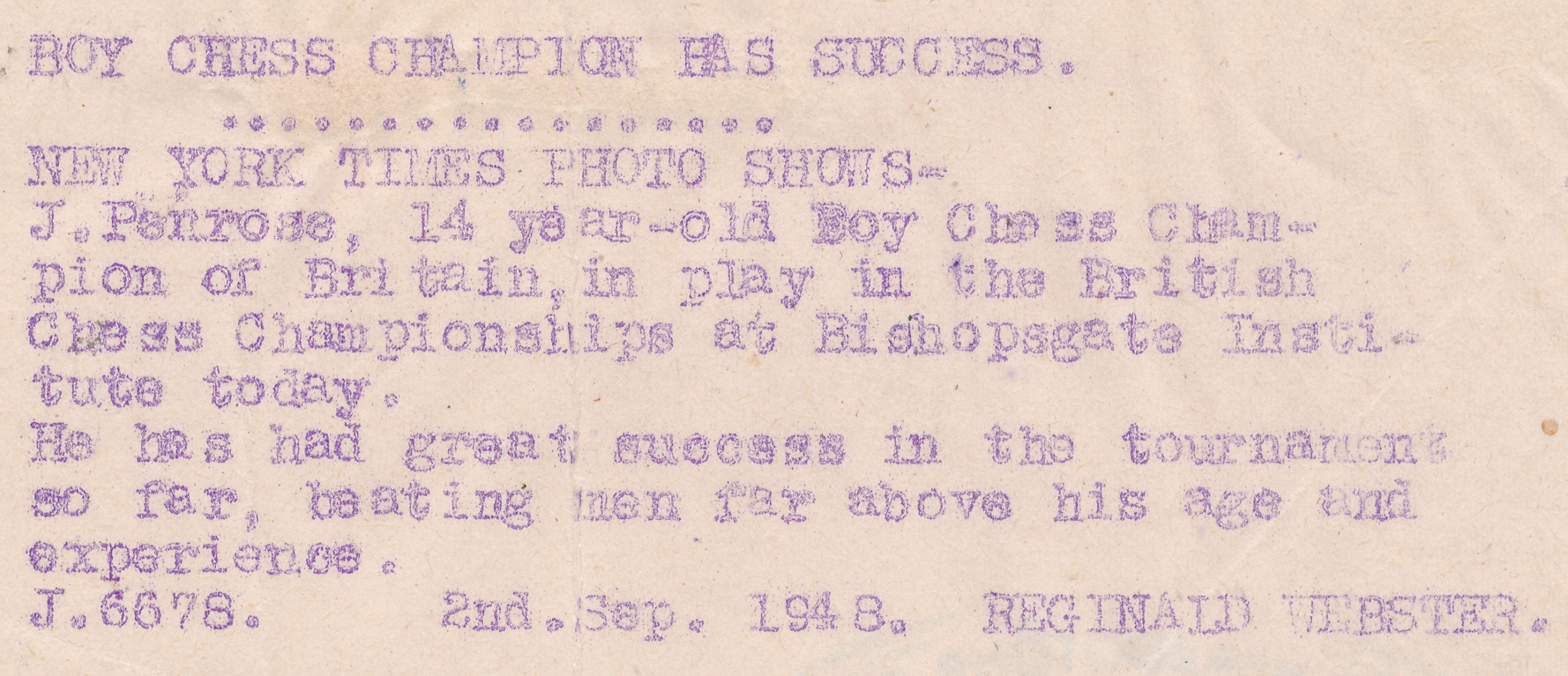
Boy Chess Champion. New York Times photo shows 14 year old J. Penrose 14 year old by chess champion of Britain, in play at the British Chess Championships at Bishopsgate Institute today. He has had great success in the tournament so far, beating men far above his age and experience. 2nd September 1948. Photograph by Reginald Webster
Press agency caption for photograph above

He also played with great effect in nine Olympiads. Playing on a high board for practically all the time, he showed himself the equal of the best grandmasters and indeed, at the Leipzig Olympiad he distinguished himself by beating Mikhail Tal, thereby becoming the first British player to defeat a reigning World Champion since Blackburne beat Lasker in 1899.
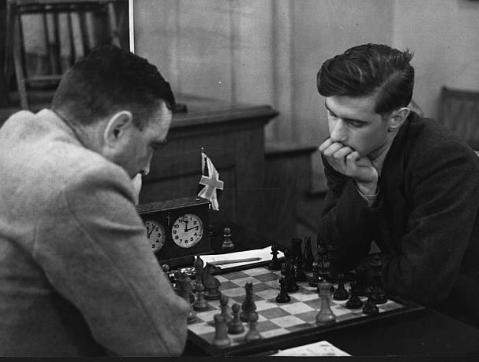
ARB Thomas and Jonathan Penrose at the Hastings Congress of 1950/1951

[pgn]
[Event “Olympiad-14 Final A”]
[Site “Leipzig”]
[Date “1960.11.08”]
[Round “11”]
[White “Penrose, Jonathan”]
[Black “Tal, Mikhail”]
[Result “1-0”]
[ECO “A65”]
[Annotator “Knaak,R”]
[PlyCount “77”]
[EventDate “1960.10.28”]
[EventType “team-tourn”]
[EventRounds “11”]
[EventCountry “DDR”]
[SourceTitle “EXT 1999”]
[Source “ChessBase”]
[SourceDate “1998.11.16”]
[SourceVersion “1”]
[SourceVersionDate “1998.11.16”]
[SourceQuality “1”]
[WhiteTeam “England”]
[BlackTeam “Soviet Union”]
[WhiteTeamCountry “ENG”]
[BlackTeamCountry “URS”]

{[%evp 0,77,14,29,8,5,0,0,58,58,90,90,99,98,98,98,92,41,71,54,67,47,50,50,60,
17,11,11,11,29,25,-24,26,32,78,97,133,100,113,100,96,82,124,87,113,107,150,179,
179,220,220,229,229,229,269,201,201,201,201,201,206,205,252,252,252,252,308,
319,432,402,479,480,534,549,866,881,888,888,895,895] Jonathan Penrose war
Jahre lang einer der führenden englischen Spieler. 1979 spielte er seine
letzten Partien, die auch von der Mega Datenbank erfasst sind; seine
Schachlaufbahn war damit aber noch lange nicht beendet, denn nun stieg er im
Fernschach zur absoluten Weltspitze auf. Doch im Nahschach wird sein Name wohl
für immer mit dieser einen Partie von der Schacholympiade in Leipzig verknüpft
sein. Die Sowjetunion war auf einem Triumpfmarsch sondergleichen – jedes
einzelnen Match wurde gewonnen und bis zur letzten Runde gab es auch keine
einzige Niederlage in einer Einzelpartie, bis eben zu dieser.} 1. d4 $1 {
Penrose war ein e4-Spieler und warf Tal nun aus der Vorbereitung.} Nf6 2. c4 e6
3. Nc3 c5 {Tal will den vollen Punkt. Objektiv ist Ben-Oni aber leider
minderwertig.} 4. d5 exd5 5. cxd5 g6 6. e4 d6 7. Bd3 Bg7 8. Nge2 O-O 9. O-O {
Ich spiele diesen Aufbau selbst und glaube an ihn. Weiß wird das Feld g4 mit
h2-h3 schützen und steht dann schon zu f2-f4 bereit. Schwarz krankt an seiner
Raumnot – ein Zug wie Bg4 steht hier nicht zur Verfügung.} a6 {Alternativen
wie Na6-c7 und erst dann a6 sowie auch 9…b6 gelten heute als
aussichtsreicher. RR: Diese aus schwarzer Sicht pessimistische Einschätzung
gilt seit dem Buch von John Watson über die Ben-Oni-Verteidigung nicht mehr.
Viel mehr scheint der Aufbau mit 9…a6 sogar am besten zu sein.} 10. a4 Qc7
11. h3 Nbd7 12. f4 Re8 13. Ng3 c4 14. Bc2 Nc5 (14… Rb8 $1 15. Be3 Nc5 {
ist die Hauptvariante.}) 15. Qf3 (15. Be3 Nfxe4 16. Ncxe4 Nxe4 17. Bxe4 f5 18.
Qe2 fxe4 19. f5 $13) 15… Nfd7 ({Schwarz sollte} 15… Rb8 {spielen, um
möglichst schnell b5 durchzusetzen. Nach} 16. e5 dxe5 (16… Nfd7 17. Nce4 Nxe4
18. Nxe4 dxe5 19. f5 $36) 17. fxe5 Rxe5 18. Bf4 Nfd7 {erhält Schwarz Spiel für
die Qualität.}) 16. Be3 b5 17. axb5 Rb8 18. Qf2 axb5 {Das nun folgende
Bauernopfer ist zum Standardverfahren für diesen Stellungstyp und die ganze
Variante mit Ld3 und Sge2 geworden.} 19. e5 $1 dxe5 20. f5 $1 (20. fxe5 Rf8 21.
d6 Qc6 22. Nce4 Bxe5 $13) 20… Bb7 21. Rad1 Ba8 $2 ({Es gibt eine Grundregel
bei dieser Bauernstruktur: Wenn Schwarz den “störenden” Bauern e5 zurückopfern
kann, sollte er es auch tun.} 21… e4 $1 {mit unklarer Stellung; Schwarz kann
z.B. nach Bf4 immer ganz gut die Qualität opfern, weil der Bg7 dann noch mehr
zum Riesen wird.}) 22. Nce4 $16 {Ein Traumfeld für jeden Springer.} Na4 $6 {
Verliert glatt.} 23. Bxa4 bxa4 24. fxg6 fxg6 25. Qf7+ Kh8 26. Nc5 Qa7 27. Qxd7
(27. Nge4 $1) (27. Rf2 $1 {droht Springerabzug}) 27… Qxd7 28. Nxd7 Rxb2 29.
Nb6 Rb3 30. Nxc4 Rd8 31. d6 Rc3 32. Rc1 Rxc1 33. Rxc1 Bd5 34. Nb6 Bb3 35. Ne4
h6 36. d7 Bf8 37. Rc8 Be7 38. Bc5 Bh4 39. g3 1-0
[/pgn]
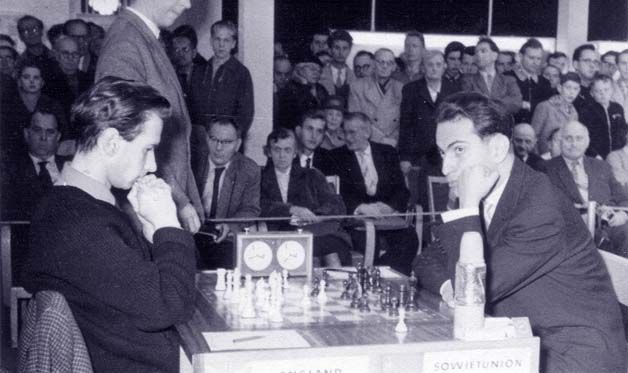
Jonathan Penrose vs Mikhail Tal, Leipzig Olympiad, 1960, 1-0, Modern Benoni

A deep strategist who could also hold his own tactically, he suffered from the defect of insufficient physical stamina and it was this that was to bring about a decline in his play and in his results. He collapsed during a game at the Ilford Chess Congress, and a year later, at the Siegen Olympiad of 1970, he had a more serious collapse that necessitated his withdrawal from the event after the preliminary groups had been played. The doctors found nothing vitally wrong with him that his physique could not sustain.

[embedyt] https://www.youtube.com/watch?v=r6mlebk_34c[/embedyt]

He continued to play but his results suffered from a lack of self-confidence and at the Nice Olympiad of 1974 he had a wretched result on board 3, winning only 1 game and losing 6 out of 15.
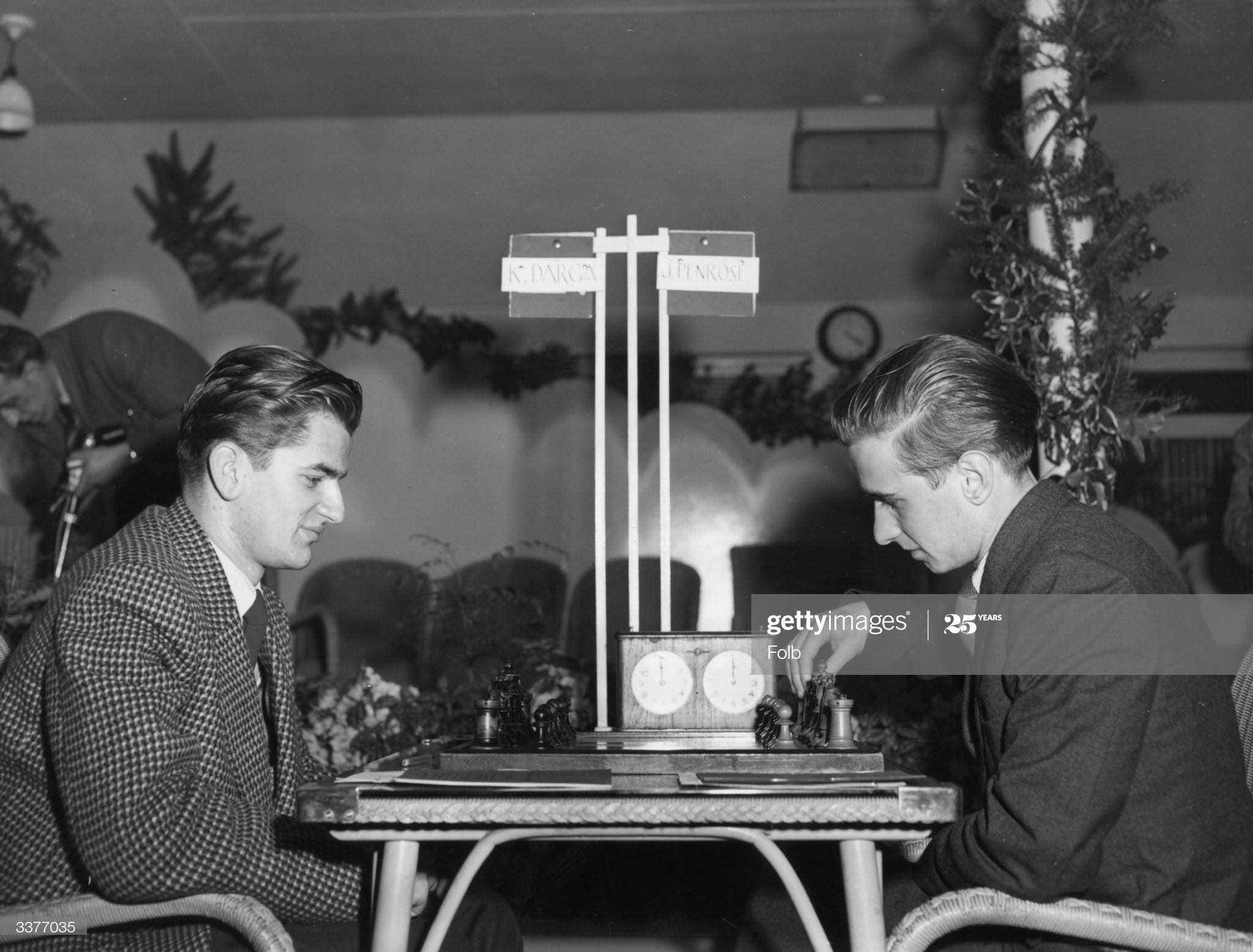
Darga V Penrose 29th December 1955: Klaus Darga of Germany in play against Britain's Jonathan Penrose during the International Chess Congress at Hastings. (Photo by Folb/Topical Press Agency/Getty Images)
Darga V Penrose
29th December 1955: Klaus Darga of Germany in play against Britain’s Jonathan Penrose during the International Chess Congress at Hastings. (Photo by Folb/Topical Press Agency/Getty Images)

Possibly too his profession (a lecturer in psychology) was also absorbing him more and more and too part less and less in international and national chess.
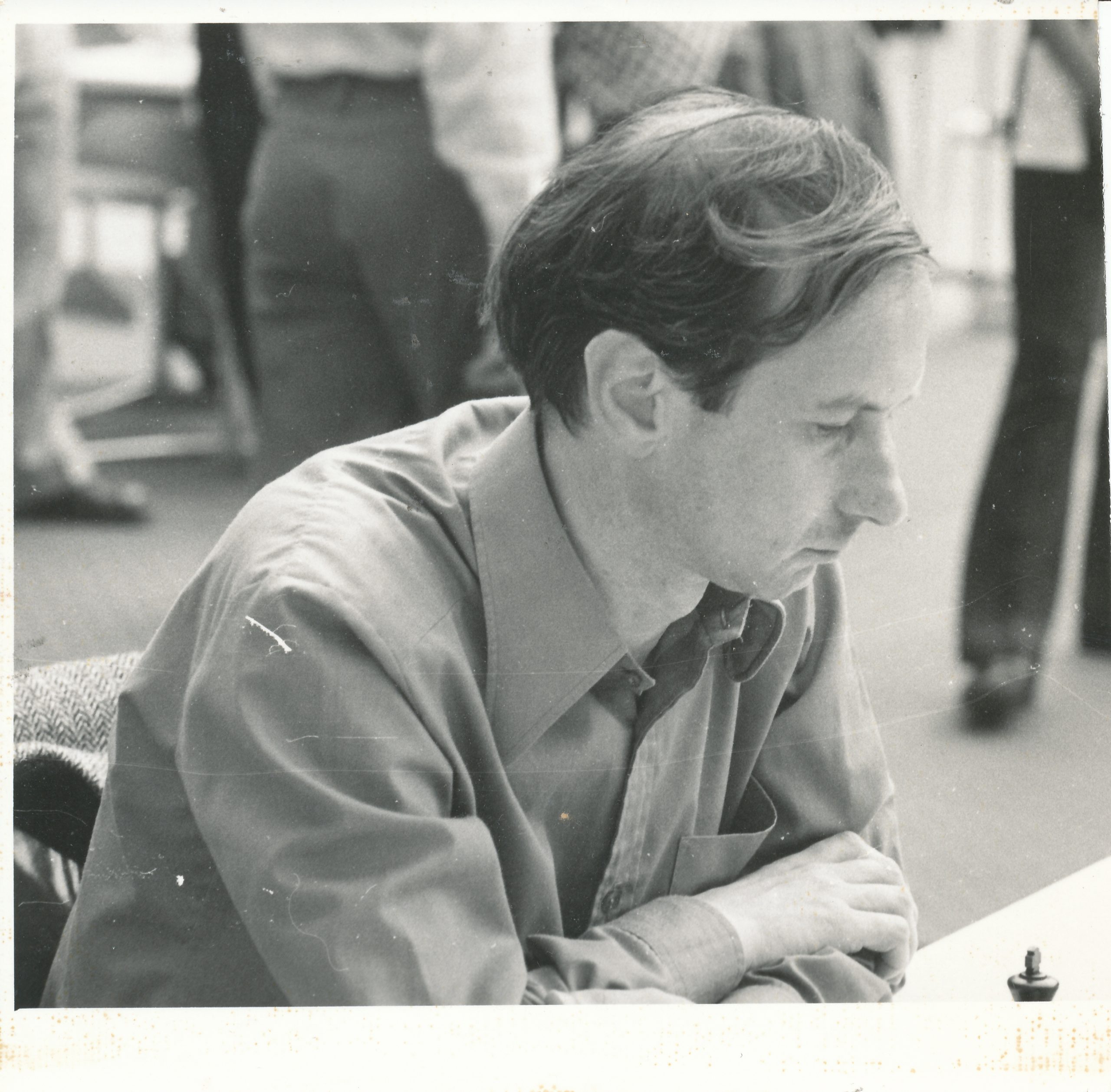
Jonathan Penrose
Jonathan Penrose

Yet, he had already done enough to show that he was the equal of the greatest British players in his command and understanding of the game and he ranks alongside Staunton, Blackburne, Atkins and CHO’D Alexander as a chess figure of world class.”

Here is his Wikipedia entry

From The Oxford Companion to Chess by Hooper & Whyld :

“The leading English player during the 1960s, International Master (1961), International Correspondence Chess Master (1980), lecturer in psychology. Early in his chess career Penrose decided to remain an amateur and as a consequence played in few international tournaments. He won the British Championship from 1958 to 1963 and from 1966 to 1969, ten times in all (a record); and he played in nine Olympiads from 1952 to 1974, notably scoring + 10=5 on first board at Lugano 1968, a result bettered only by the world champion Petrosyan.
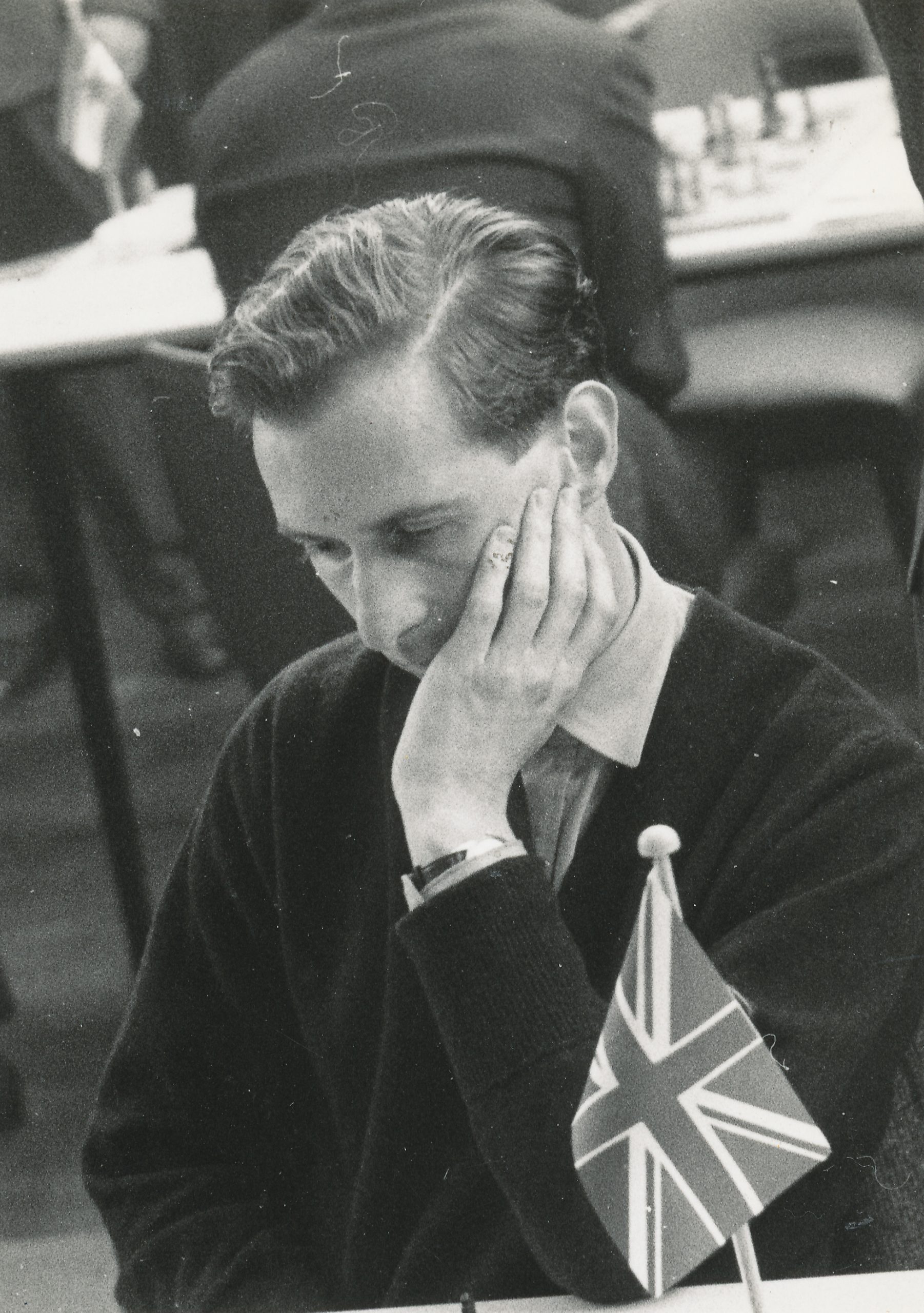
IM Dr. Jonathan Penrose OBE

In the early 1970s Penrose further restricted his chess because the stress of competitive play adversely affected his health.”

The second edition (1996) adds this :

“He turned to correspondence play, was the highest rated postal player in the world 1987-9, and led the British team to victory in the 9th Correspondence Olympiad.”

[pgn]
[Event “olm8 fin B4 corr”]
[Site “ICCF corr”]
[Date “1977.??.??”]
[Round “?”]
[White “Penrose, Jonathan”]
[Black “Tompa, Janos”]
[Result “1-0”]
[ECO “B48”]
[Annotator “Andrew Martin & BCN”]
[PlyCount “61”]
[EventDate “1977.??.??”]
[EventType “team (corr)”]
[EventRounds “12”]
[SourceTitle “Corr 2002”]
[Source “ChessBase”]
[SourceDate “2002.05.23”]
[SourceVersion “1”]
[SourceVersionDate “2002.05.23”]
[SourceQuality “1”]

{[%evp 0,59,19,38,40,41,41,32,50,22,81,63,88,56,68,60,55,48,91,78,64,64,36,62,
41,29,56,56,50,30,34,3,32,38,18,31,48,48,41,40,90,31,30,51,183,-72,-72,177,164,
164,160,310,262,262,275,253,253,299,726,726,29991,29992]} 1. e4 c5 2. Nf3 e6 3.
d4 cxd4 4. Nxd4 a6 {The Sicilian Kan or Paulsen} 5. Nc3 {It’s a matter of
taste between this} ({and} 5. c4 {although in correspondence play the more
lively alternative is generally preferred.}) 5… Qc7 6. Bd3 Nc6 7. Be3 Nf6 8.
O-O Ne5 ({Alternatives are} 8… Nxd4 9. Bxd4 Bc5) ({or} 8… b5) 9. Be2 $1 {
Perfectly justified by the fact that Black is wasting time with his knight.
White withdraws in order to kick back with f4.} ({9.Be2! is a clear
improvement on} 9. h3 {, which does rather weaken the king position for no
other reason than to prevent the illusory threat of Ng4.}) 9… b5 10. f4 Nc4
11. Bxc4 Qxc4 12. e5 {[#]} Nd5 ({Some thought must have been given to the
complicated alternative} 12… b4 {which gives White a dangerous attack but
nothing clear.} {A sample line illustrates the difficulty Black would face is}
13. Qf3 {[%cal Gf3a8]} (13. exf6 bxc3 14. b3 Qd5 15. fxg7 Bxg7) 13… Rb8 (
13… bxc3 $1 14. Qxa8 cxb2 15. Rab1 Nd5 16. Bf2 Bb4 17. Qb8) 14. exf6 bxc3 15.
b3 Qc7 16. f5 Bb7 17. Bf4 d6 18. Qe3 e5 19. fxg7 Bxg7 20. f6 $1 {Perhaps he
could survive such a position but the king would be trapped and uncomfortable
on his central perch.}) 13. Nxd5 Qxd5 14. Qe2 Bb7 15. Rad1 Qe4 {It is
essential for the black queen to remain in the centre to try and inhibit the
white attack by keeping active.} ({To that end grabbing material with} 15…
Qxa2 {would be equivalent to suicide; after} 16. b3 $1 {shutting off the white
square escape followed quickly by f5 White would have a winning attack.}) 16.
Qf2 Be7 17. f5 Bh4 $146 (17… O-O $2 18. f6 $18) (17… O-O-O 18. Rd3 {
[%cal Gd3c3]}) 18. Qd2 {[%cal Gf1f4] threatening Rf4 and a double capture on e6
} Qd5 19. c3 h5 {[%cal Gh5h3] attempting to get the pawn to h3. a very slow
procedure which is rapidly punished.} ({better was} 19… Bd8 20. a4 {keeping
the black king centralised.}) 20. a4 $1 {Stopping any thoughts of queenside
castling and weakening Black’s hold on the critical white squares.} Be7 21.
axb5 Qxe5 $2 {[#]} (21… axb5 22. fxe6 dxe6 23. Qf2 O-O-O $16) 22. Nc6 $1 dxc6
23. Qd7+ Kf8 24. Bd4 $18 Bc8 ({If} 24… Qb8 25. fxe6 f6 26. Bxf6 {wins}) 25.
Qxc6 Qb8 26. fxe6 f6 27. Bc5 $1 {[%cal Gd1d8]} Bxe6 28. Bxe7+ Kf7 ({If} 28…
Kxe7 29. Rfe1 Qc8 30. Rd6 $18 (30. Rxe6+ Qxe6 31. Qb7+ Kf8 32. Qxa8+ $18)) 29.
Bxf6 {An excellent final stroke.} gxf6 30. Rd7+ {and Black resigned.} {If} Bxd7
31. Qxf6+ {is a quick mate.} 1-0
[/pgn]

Here is a discussion about Jonathan on the English Chess Forum

From The Encyclopedia of Chess (Robert Hale, 1970 & 1976) by Anne Sunnucks :

“International Master (1961) and British Champion in 1958 1959, 1960, 1961, 1962, 1963, 1966, 1967, 1968 and 1969.

Jonathan Penrose was born in Colchester on 7th October 1933, the son of Professor LS Penrose, the well-known geneticist, who was also a strong player and composer of endgame studies.

The whole Penrose family plays chess and Jonathan learned the game when he was 4. At the age of 12 he joined Hampstead Chess Club and the following year played for Essex for the first time, won his first big tournament, the British Boys’ Championship, and represented England against Ireland in a boy’s match, which was the forerunner of the Glorney Cup competition, which came into being the following year.

By the time he was 17 Penrose was recognised as one of the big hopes of British Chess. Playing in the Hastings Premier Tournament for the first time in `1950 – 1951, he beat the French Champion Nicholas Rossolimo and at Southsea in 1950 he beat two International Grandmasters, Effim Bogoljubov and Savielly Tartakower.

Penrose played for the British Chess Federation in a number of Chess Olympiads since 1952. In 1960, at Leipzig, came one of the best performances of his career, when he beat the reigning World Champion, Mikhail Tal. He became the first British player to beat a reigning World Champion since JH Blackburne beat Emmanuel Lasker in 1899, and the first player to defeat Tal since he won the World Championship earlier that year. Penrose’s score in this Olympiad was only half-a-point short of the score required to qualify for the International Grandmaster title.
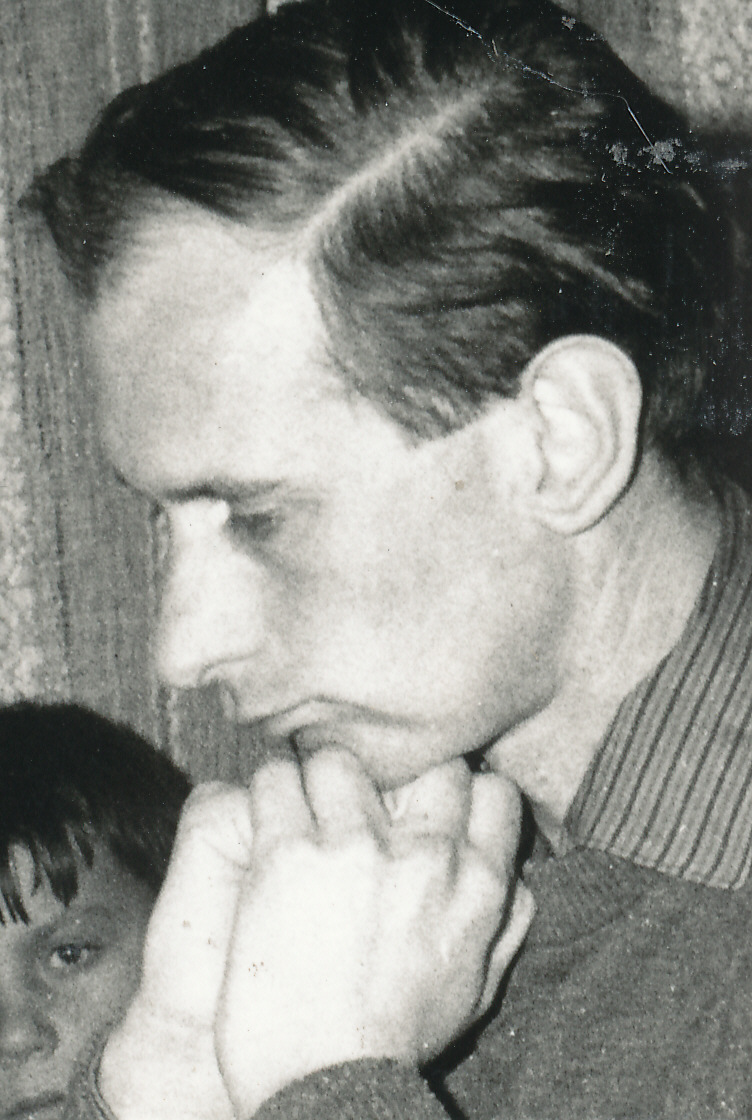
IM Dr. Jonathan Penrose OBE

His ninth victory in the British Championships in 1968 equalled the record held by HE Atkins, who has held the title more times than any other player.

Penrose is a lecturer in psychology at Enfield College of Technology and has never been in a position to devote a great deal of time to the game. He is married to a former contender in the British Girls Championship and British Ladies’s Championship, Margaret Wood, daughter of Frank Wood, Hon. Secretary of the Oxfordshire Chess Association.

Again from British Chess : “In updating this report we find striking evidence of Penrose’s prowess as a correspondence player. Playing on board 4 for Britain in the 8th Correspondence Chess Olympiad he was astonishingly severe on the opposition, letting slip just one draw in twelve games! Here is one of the eleven wins that must change the assessment of a sharp Sicilian Variation.”


[pgn]
[Event “olm8 corr7384”]
[Site “ICCF corr”]
[Date “1973.??.??”]
[Round “?”]
[White “Penrose, Jonathan”]
[Black “Krantz, Kjell Erik”]
[Result “1-0”]
[ECO “B33”]
[Annotator “George Botterill & Hugh Myers”]
[PlyCount “53”]
[EventDate “1973.??.??”]
[EventType “team (corr)”]
[EventRounds “10”]
[SourceTitle “Myers”]
[Source “Myers”]
[SourceDate “2012.11.12”]
[SourceVersion “1”]
[SourceVersionDate “2012.11.12”]
[SourceQuality “1”]
[WhiteTeam “England”]
[BlackTeam “Sweden”]
[WhiteTeamCountry “ENG”]
[BlackTeamCountry “SWE”]

{[%mdl 41472][%evp 0,53,38,17,41,46,37,22,21,42,22,35,30,61,21,-2,-6,-6,10,-7,
-7,-10,-16,-1,-14,3,6,-16,-5,-13,-11,6,-4,-4,-16,45,29,41,63,0,13,38,13,61,59,
67,84,97,94,299,291,294,294,308,300,294]} 1. e4 {Myers Botterill} c5 2. Nf3 e6
3. d4 cxd4 4. Nxd4 Nf6 5. Nc3 Nc6 6. Ndb5 d6 7. Bf4 e5 8. Bg5 a6 9. Na3 Be6 10.
Nc4 Rc8 11. Bxf6 gxf6 12. Ne3 Ne7 13. Bd3 Qb6 14. O-O Qxb2 {Larsen} (14… Bh6
15. Ned5 Nxd5 16. exd5 Bd7 17. Qh5 Bg7 18. Rab1 h6 19. Kh1 O-O 20. f4 Rc7 21.
Qf3 Bc8 22. Qg3 Kh8 23. Qf2 Qxf2 24. Rxf2 b5 25. a4 b4 26. Na2 a5 27. c3 bxc3
28. Nxc3 Rc5 29. Rd1 Bb7 30. Bb5 Kg8 31. g3 Rd8 32. Kg1 Kf8 33. Kf1 Ke7 {
1/2-1/2 Koch,H-Bergmann,H/corr 1989/}) (14… Rg8 15. Ncd5 Bxd5 16. Nxd5 Nxd5
17. exd5 h6 18. a4 (18. c3 Rc7 19. Rb1 Qa5 20. a4 Kd8 21. c4 f5 22. b4 Qb6 23.
Be2 f6 24. a5 Qa7 25. Re1 Rcg7 26. Bf1 f4 27. b5 axb5 28. Rxb5 Rc7 29. Qd3 Rg5
30. h4 Rgg7 31. Qf5 Rgf7 32. Be2 f3 33. Bxf3 Rxc4 34. Qe6 {1-0 Miettinen,
K-Pickett,C/corr ICCF 1995/}) 18… Rc7 19. Qf3 Qxb2 20. Qxf6 Qd4 21. Rad1 Qg4
22. g3 h5 23. Rde1 Be7 24. Qh6 Qg5 25. Qxg5 Bxg5 26. Rb1 Ke7 27. Rb2 a5 28.
Rfb1 Rb8 29. Ba6 Bd2 30. Bxb7 Rc4 31. Bc6 Rxb2 32. Rxb2 Rb4 33. Ra2 Bc3 34. Ra3
Bd4 35. Rd3 h4 36. Kg2 hxg3 37. hxg3 Bc5 38. Rb3 {1/2-1/2 Fishbein,A-Agdestein,
E/Stavanger 1989/}) (14… Qc6 15. a4 Kd8 16. Qf3 f5 17. Ned5 f4 18. a5 Rg8 19.
h3 f5 20. Nb6 Rc7 21. Kh1 Bf7 22. Qd1 Rg5 23. Rg1 h6 24. Qd2 Bh5 25. exf5 Nxf5
26. Be4 Qe8 27. Ncd5 Rcg7 28. Ra4 Nd4 29. Nxf4 Bf7 30. Bxb7 Qb5 31. Be4 Qxb2
32. Nfd5 Bxd5 33. Nxd5 Qb7 34. Rb4 Qc8 35. Rgb1 Nb5 36. c4 Na3 37. R1b3 Nxc4
38. Qc3 Nb6 39. Rxb6 Qxc3 40. Rxc3 Kd7 41. Rb8 {1-0 Conde,J-Jordaan,W/corr
2003/}) (14… Bg7 15. Ncd5 Bxd5 16. exd5 O-O 17. Qh5 Ng6 18. Nf5 Rc7 19. Rae1
Re8 20. Re3 Nf4 21. Qg4 Ng6 22. h4 Qxb2 23. h5 Qxa2 24. hxg6 fxg6 25. Nxd6 f5
26. Nxf5 gxf5 27. Qxf5 Qxd5 28. Be4 Qd6 29. Qxh7+ Kf8 30. Rf3+ Rf7 31. Rxf7+
Kxf7 32. Qh5+ Kf8 33. Rd1 Qe7 34. Rd3 Bf6 35. Rf3 Qg7 36. Rg3 Qh8 37. Qf5 Rd8
38. Rh3 Qg7 39. Rh7 Qg5 40. Rh8+ Ke7 41. Rh7+ Kf8 42. Qe6 Rd1+ 43. Kh2 Qf4+ 44.
g3 Qxf2+ 45. Kh3 Bg7 46. Qc8+ {1-0 Borngaesser,R-Gelzenleichter,S/Dortmund op
1987/}) 15. Ncd5 Bxd5 16. exd5 (16. Nxd5 $5 Nxd5 17. exd5 Qd4 (17… Rc7 18.
Qf3 Ke7 19. Qe3 h5 20. a4 Bh6 21. Qa7 Bd2 22. Rab1 Qd4 23. Qxd4 exd4 24. Rb3
Ba5 25. Rfb1 b6 26. Rd1 Rc5 27. Bxa6 Rxd5 28. Bc4 Re5 29. Rxd4 Re1+ 30. Bf1 Rc8
31. c4 Ra1 32. g3 Rc5 33. Rd5 Rxd5 34. cxd5 Rxa4 35. Re3+ Kf8 36. h4 Rd4 37.
Rd3 Rxd3 38. Bxd3 Kg7 39. f3 Be1 40. Kg2 Kh6 41. Kh3 {1/2-1/2 Dickl,E-Kammer,R/
Saarlouis op 1999/}) 18. Qf3 (18. c4 Bh6 19. Re1 Ke7 20. Re4 Qc3 21. Rb1 Rc7
22. Qf3 Bf4 23. Re2 h5 24. Rc2 Qd4 25. c5 Rxc5 26. Rxb7+ Kf8 27. Rxc5 Qxc5 28.
g3 Bg5 29. h4 Kg7 30. hxg5 Qc1+ 31. Kg2 Qxg5 32. Qf5 {1-0 Grabics,M-Gosztola,I/
HUN 1998/}) 18… Bg7 (18… Ke7 19. Rab1 Rc7 20. Rb3 Bh6 21. Rfb1 b5 22. Rb4
Qc5 23. a4 Bd2 24. Rh4 Bg5 25. Rg4 h5 26. Re4 Qxd5 27. axb5 axb5 28. h4 Bd2 29.
Rxb5 Qa8 30. Qe2 Bc3 31. Rc4 Rhc8 32. Rxc7+ Rxc7 33. Be4 Qa1+ 34. Kh2 Qe1 35.
Qxe1 Bxe1 36. Kg1 Rc4 37. Bf5 Rf4 38. Bh3 Bxf2+ 39. Kh2 Rxh4 40. g3 Rc4 41.
Rb7+ Kf8 42. Bf5 Rc3 43. Rb3 Bxg3+ 44. Kh3 Rxb3 45. cxb3 Be1 46. b4 Bxb4 47.
Kh4 d5 48. Kxh5 Ke7 49. Kg4 Kd6 50. Kf3 {0-1 Bely,M-Brinck Claussen,B/Hastings
ENG 1963/}) (18… h5 19. Rab1 b5 20. a4 Qg4 21. Qxg4 hxg4 22. axb5 axb5 23.
Rxb5 Rh5 24. Rb7 Be7 25. Ra1 e4 26. Bxe4 Re5 27. f3 f5 28. Bd3 gxf3 29. gxf3
Rxd5 30. Raa7 Re5 31. f4 Re1+ 32. Kf2 Bh4+ 33. Kg2 Re7 34. Bxf5 Rxb7 35. Rxb7
Rc4 36. Kf3 Be1 37. Bd3 Rb4 38. Ra7 Bd2 39. f5 Bc3 40. Be4 Be5 41. h4 Rb1 42.
h5 Rf1+ 43. Ke2 Rf4 44. Bc6+ Kf8 45. h6 Kg8 46. Bd5 Kh7 47. Rxf7+ Kxh6 48. c4
Kg5 49. Be6 Bd4 {1/2-1/2 Lakos,N-Horvath,S/HUN 1997/}) 19. a4 h5 20. Rfd1 Qc5
21. Rab1 Rc7 22. Rb3 Qa5 23. Qe4 Ke7 24. Rdb1 Rb8 25. Rb6 Qd2 26. g3 a5 27. h4
Bf8 28. Qf5 Qh6 29. R1b5 Qg6 30. Qxg6 fxg6 31. Bxg6 Bh6 32. Rxa5 Rg8 33. Bxh5
Rxg3+ 34. fxg3 Be3+ 35. Kg2 Bxb6 36. Rb5 Bc5 37. Bg6 b6 38. a5 bxa5 39. Rxa5
Kf8 40. Kf3 Kg7 41. Bd3 Rb7 42. Ra8 Rb1 43. Rd8 Ra1 44. Kg4 Ra7 45. Kf5 Re7 46.
Be4 {1-0 Lang,J-Wohlleben,M/corr 1998/}) (16. Rb1 Qd4 17. Nxd5 Nxd5 18. exd5
Rc7 19. Re1 Ke7 20. c4 Bh6 21. Qf3 b6 22. Re4 Qc5 23. Qh5 Bd2 24. Rg4 Be3 25.
Kh1 Qa3 26. Qf5 h5 27. Re4 Bc5 28. f4 Rh6 29. Ree1 Rg6 30. Rf1 Bd4 31. fxe5
dxe5 32. Rbd1 Qxa2 33. Qf3 Rh6 34. Rde1 Qd2 35. Bb1 Rxc4 36. d6+ Kxd6 37. Qb7
b5 38. Bf5 Qc3 39. Qxf7 Kc6 40. Qf8 Qd2 41. Rb1 h4 42. Qc8+ {1-0 Tsenkov,
L-Veloso Fargnoli,R/corr IECG 2006/}) 16… Qd4 (16… Rc7 17. a4 Qd4 18. Qf3
Qf4 19. Qe2 f5 20. g3 Rg8 21. Rfb1 Qg5 22. Bxa6 f4 23. Rxb7 Rxb7 24. Bxb7 Bh6
25. Nf1 Nf5 26. c3 Qh4 27. Rb1 Qh3 28. Bc6+ Ke7 29. Rb7+ Kf6 30. Bd7 Rg5 31.
Qe4 fxg3 32. hxg3 Rh5 33. a5 Bf4 34. Qg2 Qg4 35. gxf4 Qxf4 36. Bxf5 Rxf5 37.
Ng3 Rg5 38. Rb4 Qc1+ 39. Kh2 Kg7 40. Qf3 Kg6 41. Rg4 h6 42. a6 {1-0 Mainka,
R-Kammer,R/Saarlouis op 1998/}) 17. Rb1 $5 {[#] This seems to be much more
dangerous for Black} ({than the immediate} 17. Qf3 Qf4 18. Qh3 e4 (18… Qh6 $5
19. Qg4 Qf4 20. Qxf4 exf4 21. Nf5 Nxf5 22. Bxf5 Rc7 23. Rfe1+ $14) (18… Bg7
$5 19. Rab1 b5 20. a4 e4 {[%cal Gf6f5]} 21. Rb4 $1 $14 {Myers}) 19. g3 Qf3 20.
Nc4 exd3 21. Nxd6+ Kd8 22. Nxf7+ Ke8 23. Nd6+ Kd8 24. Nf7+ Ke8 25. Nxh8 Qf5 26.
g4 Qxd5 27. cxd3 Bg7 28. Qxh7 Kd7 29. Rfe1 Rg8 30. Rab1 b5 31. Ng6 Nc6 32. Nf4
Qf7 33. Qf5+ Kc7 34. Rbc1 Bf8 35. Rxc6+ Kxc6 36. Re6+ Kb7 37. Qd5+ Ka7 38.
Rxa6+ Kxa6 39. Qxf7 Rxg4+ 40. Kf1 Rxf4 41. Qxf8 {1-0 Lombardy,W-Markland,P/
Nice FRA 1974/}) (17. Qh5 $5 Rc7 (17… Nxd5 18. Qf3 Rc5 19. Rab1 b5 20. Nxd5
Qxd5 21. Qxd5 Rxd5 22. a4 bxa4 23. Rb8+ Ke7 24. Rb7+ Ke8 25. Rb8+ Ke7 26. Rb7+
Ke8 27. Rb8+ Kd7 28. Rfb1 Rd4 29. R1b7+ Kc6 30. Rxf7 a3 31. Ra8 Ra4 32. Rfa7 d5
33. Bxa6 Kc5 34. Rd7 a2 35. Rxd5+ Kb6 {0-1 Guzek,H-Roelens,R/corr 1995/}) (
17… Rg8 18. Rab1 Rc7 19. Rfd1 Qf4 20. g3 Qh6 21. Qe2 Qh3 22. Rb4 Qd7 23. Qf3
Bh6 24. Nf5 Bf8 25. Nxe7 Kxe7 26. Bf5 Qd8 27. Rdb1 Qa8 28. a4 Bh6 29. Qb3 Bd2
30. Rxb7 Ba5 31. Rxc7+ Bxc7 32. Qb7 Qb8 33. Rb3 Rd8 34. Qc6 {1-0 Brzeski,
M-Roszkowski,R/Grodzisk Mazowiecki POL 2007/}) 18. Rfd1 Qf4 19. g3 Qg5 20. Qf3
f5 (20… Qh6 21. Ng4 Qg5 22. Nxf6+ Kd8 23. Nxh7 Qh6 24. Qxf7 Bg7 25. Qe6 Ng8
26. Bg6 Nf6 27. Nxf6 {1-0 Roberts,A-Adair,D/corr 1993/}) 21. Nxf5 Nxf5 22. Bxf5
Bg7 23. Rab1 Qf6 (23… O-O 24. Rb6 Qe7 25. Rdb1 Re8 26. R1b4 h6 27. Bd3 Rd8
28. Qf5 Kf8 29. h4 Rdd7 30. Qh7 a5 31. Ra4 Rc5 32. Rg4 Qf6 33. Bf5 Rdc7 34.
Rxd6 {1-0 Nemeth,A-Hogye,I/corr 1990/}) 24. Kg2 b5 25. Rb4 O-O 26. a4 Rc5 27.
axb5 Rxb5 28. Rxb5 axb5 29. Rb1 Rb8 30. Rb4 Qd8 31. Bd3 h6 32. h4 Ra8 33. Rxb5
Rb8 34. c4 Qc7 35. Qe4 Kf8 36. Qe3 Ke7 37. Be4 Rxb5 38. cxb5 Qc4 39. b6 Qb4 40.
Kh2 Kd8 41. Kh3 Bf8 42. Kg4 Qd4 43. Kf5 Qa4 44. Kg4 f5+ 45. Kxf5 Qd7+ {1/2-1/2
Popovic,P-Matulovic,M/Vinkovci 1982/}) 17… Rc7 $1 ({The natural} 17… b5 {
would be countered by} 18. a4 $1 {(Botterill) breaking up the black queenside.}
Bh6 ({If then} 18… Qxa4 19. Ra1 {followed by Rxa6}) 19. Qf3 Qf4 20. Qh3 $16)
18. Qf3 (18. g3 Bh6 19. Qf3 Bxe3 20. fxe3 Qxd5 21. Qxf6 O-O 22. Rb4 e4 23. Bxe4
Qh5 24. Rxb7 Rxb7 25. Bxb7 Ng6 26. Qxd6 Qg5 27. Qd4 Rd8 28. Qe4 a5 29. c4 Kg7
30. Bd5 Rd7 31. Rf5 Qd8 32. Qd4+ f6 33. g4 h6 34. g5 hxg5 35. Rxg5 Rd6 36. Rg3
Qb8 37. Qe4 f5 38. Qxf5 Rf6 39. Qd3 Qb2 40. Rf3 Rxf3 41. Bxf3 Qa1+ 42. Qd1 Qxa2
43. Qd4+ Kh6 44. c5 a4 45. c6 a3 46. Be4 Qe6 47. Bd5 Qf5 48. e4 Qg4+ 49. Kf1
Qf3+ 50. Ke1 Qh1+ 51. Kd2 Qxh2+ 52. Kc1 a2 53. Qa1 Ne5 54. Qxa2 {1/2-1/2
Arnason,A-Jonasson,B/Reykjavik ISL 1984/}) (18. a3 Bh6 19. Rb4 Qc3 20. Rc4 Rxc4
21. Nxc4 Nc8 22. Qh5 b5 23. Qxh6 bxc4 24. Qxf6 Rf8 25. Bf5 Ne7 26. Rb1 Nxf5 27.
Qxf5 Kd8 28. Qf6+ Kd7 29. h4 Qxc2 30. Rb7+ Kc8 31. Qe7 Qc1+ {1/2-1/2 Roux,
O-Rouzaud,P/Montigny Le Bretonneux 2004/}) 18… Qf4 (18… Bg7 $1 19. Rb3 O-O
20. Nf5 Qf4 21. Qxf4 exf4 22. Nxd6 Rd8 23. Rxb7 Nxd5 24. Rxc7 Nxc7 25. Ne4 Nd5
26. Rb1 f5 27. Ng5 h6 28. Nh3 Nc3 29. Rb6 Nxa2 30. Nxf4 Nc1 31. Rxa6 Be5 32. g3
Bxf4 33. gxf4 Nxd3 34. cxd3 Kg7 35. Ra3 Rd4 36. Rc3 Rxf4 37. Rc4 Rg4+ 38. Rxg4+
fxg4 39. Kg2 Kf6 40. Kg3 Kg5 {1/2-1/2 Achilles,E-Schuster,P/corr 1996/}) (18…
f5 19. Nxf5 Nxf5 20. Bxf5 Bg7 21. Be4 b5 22. Qg4 Bf6 23. Qf5 Rg8 24. a4 b4 25.
Rfd1 Qc4 26. c3 Ke7 27. cxb4 Rb8 28. Bd3 Qa2 29. Ra1 Qb3 30. Bxa6 Rxb4 31. Rac1
Rc3 32. Bb5 {1/2-1/2 Geenen,M-Prasad,D/Novi Sad 1990/} Bh4) 19. Qe2 (19. Qxf4
exf4 20. Nc4 (20. Nf5 Nxd5 21. Be4 Nc3 22. Rxb7 Rxb7 23. Bxb7 a5 24. Bc6+ Kd8
25. Re1 Kc7 26. Be8 d5 27. Bxf7 Bc5 28. Ng7 Rb8 29. Ne8+ Kd8 30. Nxf6 Rb2 31.
Nxd5 Rxc2 32. Rf1 Ne2+ 33. Kh1 Bxf2 34. Rd1 Kc8 35. a4 Kb7 36. Bh5 Nc3 37. Nxc3
Rxc3 38. Bf3+ Kc7 39. Rf1 h6 40. Be2 Be3 41. g3 fxg3 {0-1 Jung,T-Mueller,B/
corr GER 1998/}) 20… Nxd5 21. Na5 Nc3 22. Rb6 Be7 23. Nxb7 O-O 24. Nxd6 Bxd6
25. Rxd6 Nxa2 26. Rxa6 Nb4 27. Rxf6 Nxd3 28. cxd3 Rd8 29. Rxf4 Rxd3 30. g3 Rd2
31. Ra1 Rd6 32. Kg2 Kg7 33. Ra8 h6 34. h4 Rb7 35. Rf5 Rc6 36. Rf4 Rd6 37. h5
Rd5 38. g4 f5 39. gxf5 Rf7 40. f6+ Kh7 41. Rh4 Rxf6 42. Ra7+ Kh8 43. f4 Rff5
44. Kf3 Rxh5 {1/2-1/2 De Groot,K-Noire,E/corr IECG 2003/}) 19… e4 $2 $146 {
[#]} (19… Nc8 20. c3 e4 21. Nd1 f5 22. f3 Qe5 23. fxe4 fxe4 24. Bxe4 Bg7 25.
Rf5 Qe7 26. Qg4 Be5 27. Bd3 h5 28. Qe4 Bg7 29. Qf3 Kd8 30. c4 Qe1+ 31. Bf1 Re7
32. Qd3 Qa5 33. Qc2 Bd4+ 34. Kh1 Rhe8 35. Nf2 Re1 36. Nd3 R8e2 37. Qb3 Rxb1 38.
Qxb1 Qxa2 39. Qxb7 Re7 40. Qb4 Qa1 41. c5 a5 42. Qb5 h4 43. Nf4 Bf6 44. cxd6
Nxd6 45. Qb8+ Nc8 {1/2-1/2 Bussmeyer,H-Zeltwanger,A/corr 1998/}) (19… Bh6 20.
Nc4 Nc8 21. Rb4 Qg5 22. Ne3 f5 23. Nxf5 Qd2 24. Nxd6+ Nxd6 25. Qxe5+ Kd7 26.
Rb6 Ne8 27. Qxh8 Be3 28. Bf5+ {1-0 Ghinda,M-Tseitlin,M/Pernik 1978/}) (19…
Bg7 $5) (19… Rg8 $5) (19… f5 $5) 20. Bxa6 $1 bxa6 21. Rb8+ $1 (21. Qxa6 $1
f5 22. Rb8+ Nc8 23. Rxc8+ Rxc8 24. Qxc8+ $18) 21… Nc8 {Botterill: It is easy
to see that the piece sacrifice is amply justified by the fact that Black’s
king’s rook and king’s bishop canot communicate with the other side of the
board.} (21… Rc8 22. Rxc8+ Nxc8 23. Qxa6 Kd8 24. Rb1 $18) 22. Qxa6 Kd8 23.
Rfb1 Qe5 {[%cal Ye5c3]} 24. Rxc8+ $1 Rxc8 25. Qa5+ Ke8 (25… Rc7 26. Rb8+ Kd7
27. Qb5+ Rc6 28. Qxc6+ Ke7 29. Qe8#) 26. Qa4+ Kd8 27. Rb7 (27. Rb7 Qe7 {
leading to a disastrous endgame.} ({If} 27… Rc7 28. Rb8+ Rc8 29. Qa5+ Kd7 30.
Rb7+ {and mates shortly.} Ke8 31. Qa4+ Kd8 32. Qd7#) (27… Qa1+ 28. Nf1 Rc7
29. Rb8+ Rc8 30. Qa5+ Kd7 31. Rb7+ Ke8 32. Qa4+ Kd8 33. Qd7#) 28. Rxe7 {
Botterill} Bxe7 29. Qxe4 Rb8 30. f3 Rb5 31. Nf5 Rb1+ 32. Kf2 Re8 33. Qa4 h6 34.
Qa5+ Kc8 35. Qa8+ Kd7 36. Qa7+ Kd8 37. Ng7 Rf8 38. Ne6+ fxe6 39. dxe6 Kc8 40.
Qxe7 $18 {Myers}) 1-0
[/pgn]

Penrose was awarded the O.B.E. for his services to chess in 1971.”

Penrose was Southern Counties Champion for 1949-50.

In 1983 Jonathan became England’s fifth Correspondence Grandmaster (CGM) following Keith Richardson, Adrian Hollis, Peter Clarke and Simon Webb.

Sadly, there is no existent book on the life and games of Jonathan Penrose : a serious omission in chess literature.
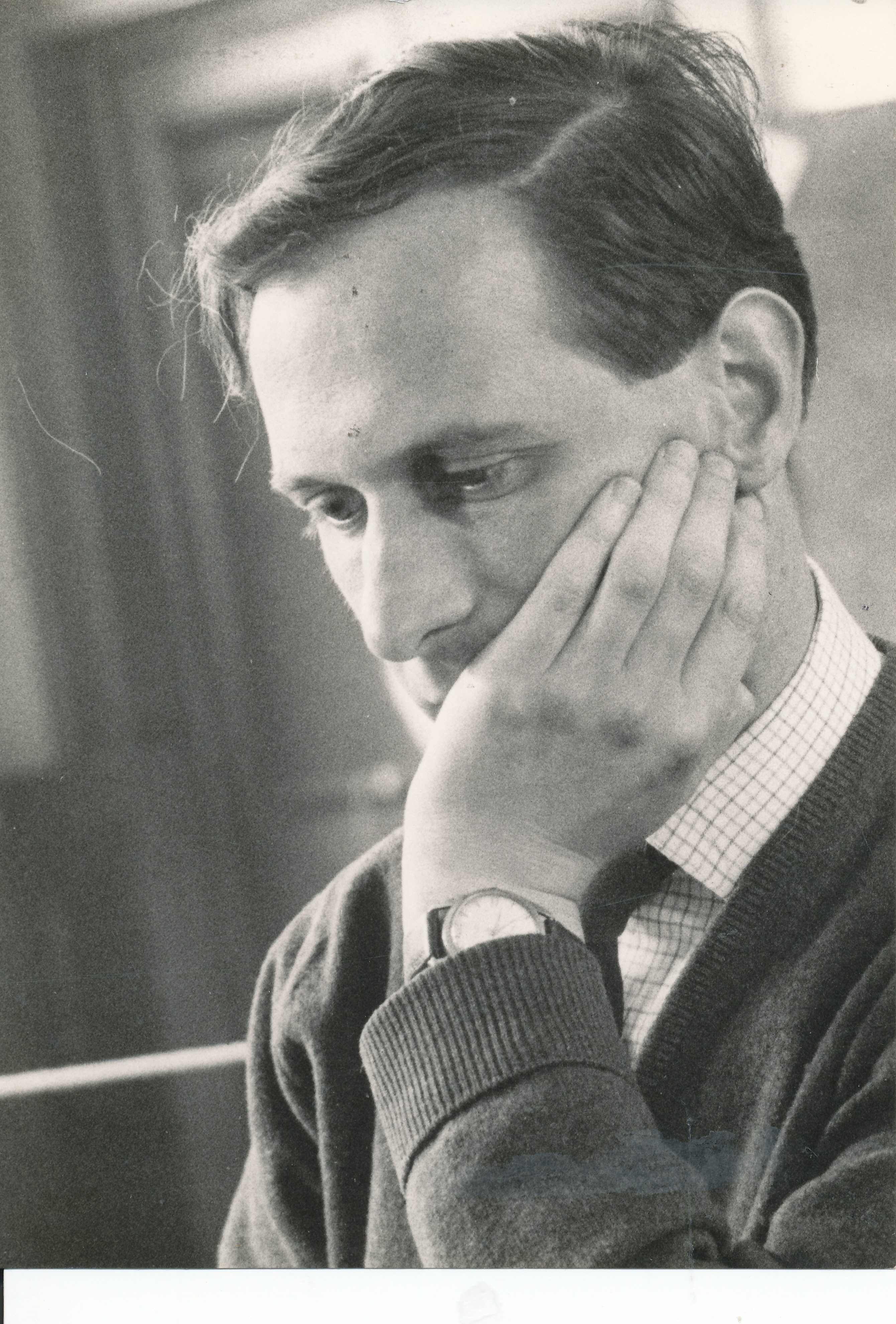
Dr. Jonathan Penrose OBE

Happy Birthday IM Nigel Povah (17-vii-1952)

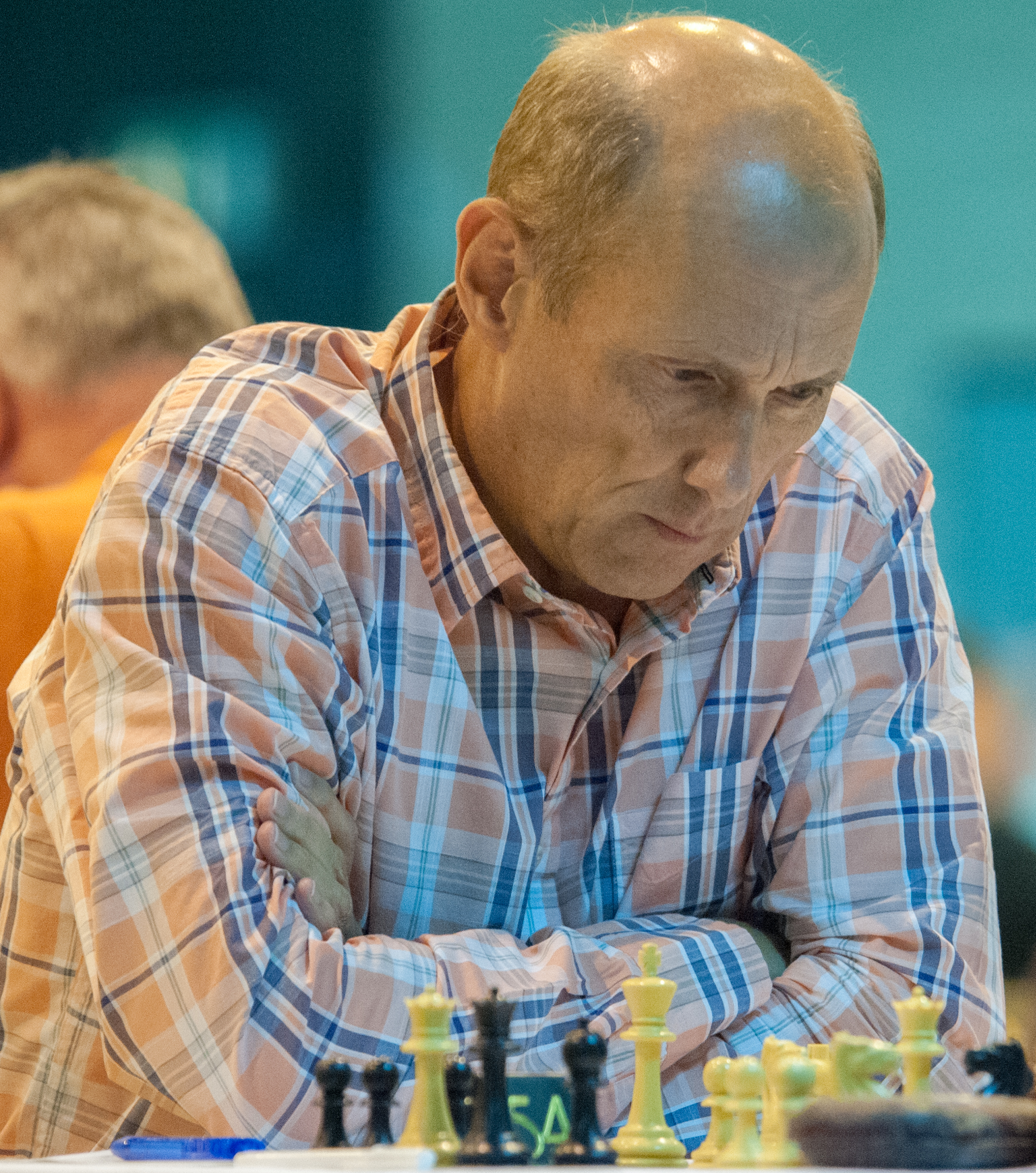
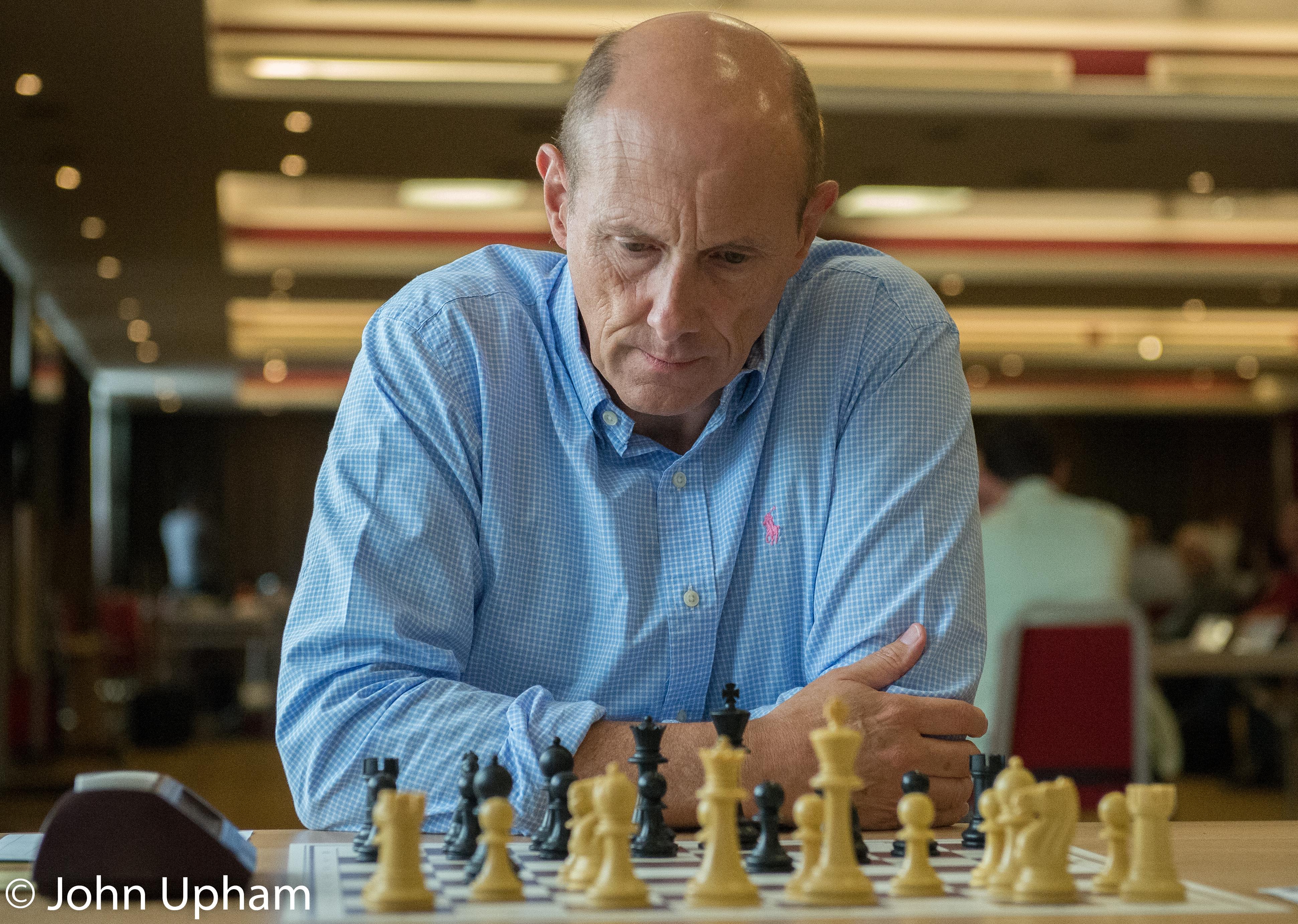
IM Nigel Povah, courtesy of John Upham Photography

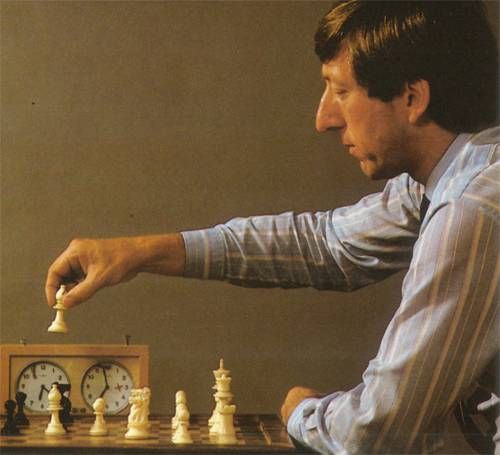
BCN wishes IM Nigel Edward Povah all the best on his birthday, July 17th in 1952.

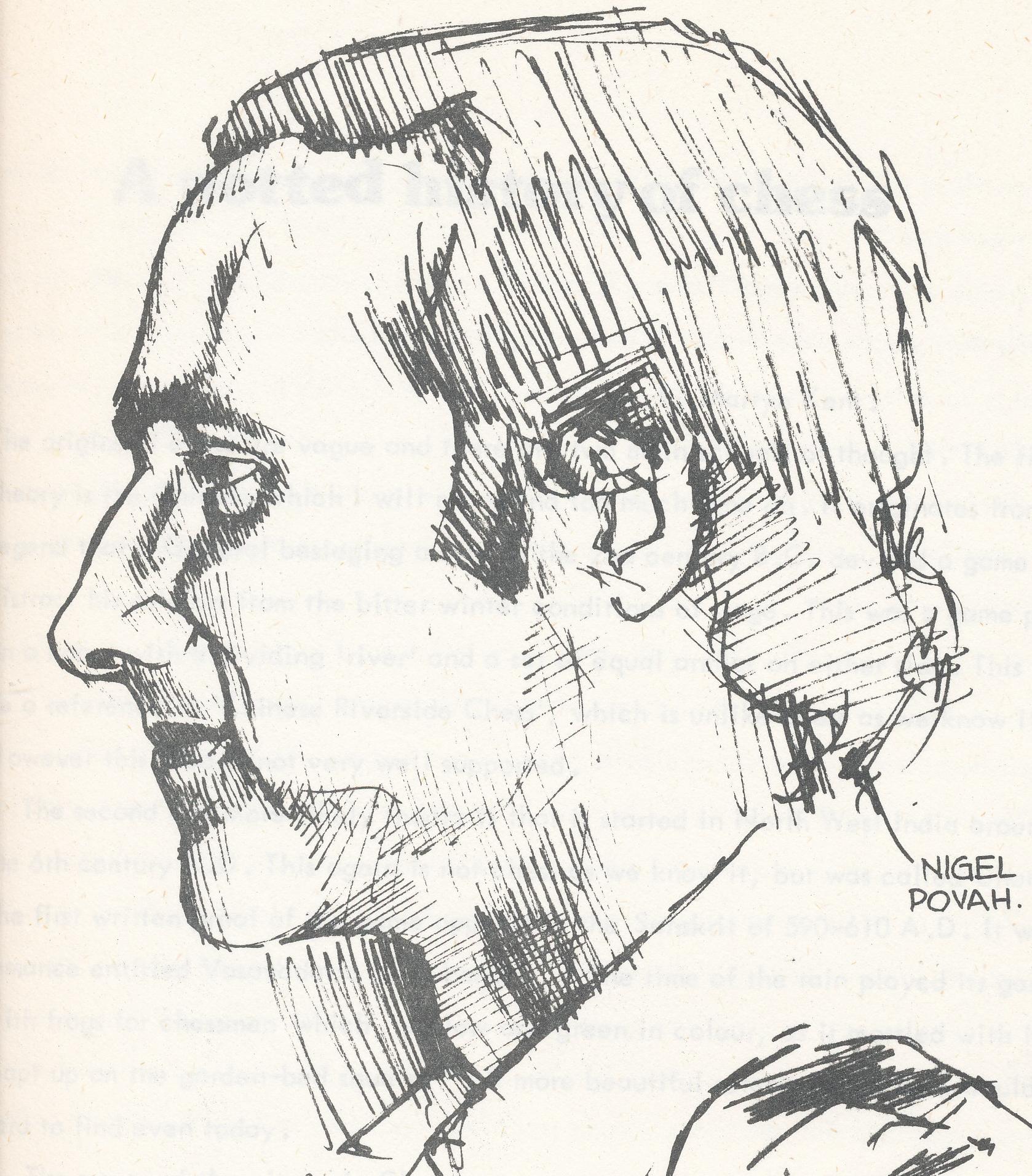
Nigel Povah, from Knightmare, Volume 2 (1976-77) drawn by Chris Jones.

Nigel was born in Wandsworth, London.

He became a FIDE Master in 1980, an International Master in 1983 and an International Correspondence Master in 1983. He became England’s 7th ICCF GM in 1989. His predecessors were :

210048 Markland, Peter Richard ENG GM 1984
210060 Penrose, Dr. Jonathan ENG GM 1983
210178 Webb, Simon ENG GM 1983
210011 Clarke, Peter Hugh ENG GM 1980
210029 Hollis, Adrian Swayne ENG GM 1976
210062 Richardson, Keith Bevin ENG GM 1975

Nigel has been Southern Counties (SCCU) champion for the 1974-75 and 1975-76 seasons.

Nigel Povah, circa 1979

Nigel has played for Streatham & Brixton Club (see the Andrew Martin video below) and was part of this very strong London club which developed many original opening ideas.

Nigel was a strong opening theoretician and developed ideas in the Sicilian Lasker-Pelikan, Sveshnikov and English Openings amongst others.

Knightmare magazines are a valuable source of information about the club and it’s members.

Below we have the game Berg-Povah, Wijk aan Zee, 1979 annotated by Streatham & Brixton team mate, IM Andrew Martin :

[embedyt] https://www.youtube.com/watch?v=BInpPM5r_qE[/embedyt]

and here is the game in full:

[pgn]
[Event “Wijk aan Zee”]
[Site “Wijk aan Zee”]
[Date “1979.??.??”]
[Round “?”]
[White “Berg, Klaus”]
[Black “Povah, Nigel Edward”]
[Result “0-1”]
[ECO “B33”]
[BlackElo “2325”]
[Annotator “British Chess News”]
[PlyCount “80”]
[EventDate “1979.??.??”]
[EventType “game”]
[EventRounds “1”]
[EventCountry “NED”]
[SourceTitle “EXT 2010”]
[Source “ChessBase”]
[SourceDate “2010.11.25”]
[SourceVersion “1”]
[SourceVersionDate “2010.11.25”]
[SourceQuality “1”]

{[%evp 0,80,19,38,72,45,56,-6,11,19,27,51,51,46,29,9,-7,2,2,-1,-1,5,7,13,6,-85,
-6,-45,91,51,79,-60,43,-29,13,-95,-107,-106,-158,-151,-150,-276,-302,-756,-877,
-877,-121,-117,-136,-122,-91,-105,-80,-141,-81,-199,-198,-161,0,-32,-68,-61,
-44,-22,-72,-80,-80,-76,-84,-86,-79,-44,-73,-97,-81,-145,-129,-135,-146,-29991,
-29992,-29993,-29994]} 1. e4 c5 2. Nf3 Nc6 3. d4 cxd4 4. Nxd4 Nf6 5. Nc3 e6 6.
Ndb5 d6 7. Bf4 e5 8. Bg5 a6 9. Na3 b5 10. Bxf6 gxf6 11. Nd5 f5 12. Bxb5 axb5
13. Nxb5 Qa5+ 14. c3 Qa4 {[#]} 15. Ndc7+ $146 ({Relevant:} 15. Nf6+ Kd8 16.
Nxd6 Qxd1+ 17. Rxd1 Bxd6 18. Rxd6+ Kc7 19. Rd2 Rxa2 20. O-O fxe4 21. Nxe4 Rd8 {
0-1 (20) Luchtmeijer,A-Povah,N (2320) Hastings 1977}) 15… Kd8 16. Qd5 Rb8 $11
17. Qxc6 $2 (17. O-O $11 Na7 18. Nxd6 Kxc7 19. Nxf7 $11) 17… Bd7 18. Ne6+
fxe6 19. Qc7+ Ke7 20. Qxd6+ (20. Nxd6 Bh6 21. Qc5 Kf6 $19) 20… Kf6 21. Qxb8
Qxe4+ 22. Kf1 Qd3+ (22… Bc6 $1 {[#]}) 23. Kg1 Bxb5 24. h3 Rg8 25. Kh2 Kf7 26.
Qb7+ Be7 27. Rhd1 Qc4 28. b3 Bc6 29. Qxe7+ Kxe7 30. bxc4 Rxg2+ 31. Kh1 Rxf2+
32. Kg1 Rg2+ 33. Kf1 Rh2 34. a4 e4 35. Kg1 Rxh3 36. Kg2 Rxc3 37. a5 e3+ 38. Kg1
Rxc4 39. a6 Rh4 40. Kf1 Bf3 0-1
[/pgn]

Nigel continues to play for Guildford in the Surrey League and in the Surrey Border League as well as Guildford in the Four Nations Chess League (4NCL).

Nigel started the highly successful 4NCL teams sponsored by his company Guildford A&DC (Assessment & Development Consultants) and the 4NCL team(s) are now run by Roger Emerson and Julien Shepley having taken a back seat since June 2017.

His peak rating was 2385 in January 1980 aged 28.

Nigel is married to Gill and has a daughter Lucy and a son, Jonathan.

In recent times Nigel has been playing more nationally and internationally and and has become a specialist in the Accelerated London System (with 2.Lf4) and is a regular on the International veterans circuit.

In 2021 Nigel is a leading light in the preparations for Guildford Chess Club’s 125th Anniversary celebrations.

[pgn]
[Event “British CF-66 Championship”]
[Site “Chester/ Cheshire”]
[Date “1979.08.09”]
[Round “4”]
[White “Povah, Nigel Edward”]
[Black “Horner, Jeff”]
[Result “1-0”]
[ECO “C61”]
[WhiteElo “2325”]
[BlackElo “2390”]
[Annotator “British Chess News”]
[PlyCount “67”]
[EventDate “1979.08.06”]
[EventType “swiss”]
[EventRounds “11”]
[EventCountry “GBR”]
[SourceTitle “MCD”]
[Source “ChessBase”]
[SourceDate “1999.07.01”]
[SourceVersion “1”]
[SourceVersionDate “1999.07.01”]
[SourceQuality “1”]

{[%evp 0,67,16,28,25,18,24,15,20,-15,10,34,21,37,22,6,60,55,77,50,53,38,67,64,
68,73,68,68,67,43,37,32,25,43,41,41,33,36,40,36,38,30,42,48,48,68,78,55,77,-61,
71,58,188,195,216,429,429,471,471,531,528,537,537,398,397,397,510,522,556,559]
} 1. e4 e5 2. Nf3 Nc6 3. Bb5 Nd4 4. Ba4 Nxf3+ 5. Qxf3 Qf6 6. Qg3 Bc5 7. O-O Ne7
8. d3 h6 9. Be3 (9. Nc3) 9… Bb6 10. c4 $146 Bxe3 $6 (10… c6 11. Nc3) 11.
fxe3 Qg5 12. Qxg5 hxg5 13. Nc3 c6 14. c5 b6 15. b4 bxc5 16. bxc5 Ba6 17. Bb3 f6
18. Rfd1 Ng6 19. d4 exd4 20. exd4 Nf4 21. Rd2 {[#]} O-O-O 22. g3 Ne6 23. Rb1
Rhe8 24. Rdb2 $16 d5 (24… Nxd4 25. Bc4 Bb5 26. a4 a6 27. axb5 axb5 28. Rd1
bxc4 29. Rxd4) 25. exd5 $18 cxd5 26. Ba4 Rf8 27. Nb5 Kd7 28. Nd6+ Ke7 29. Rb7+
Bxb7 30. Rxb7+ Nc7 31. Rxc7+ Ke6 32. Rxg7 a5 33. g4 Rg8 34. Bd7+ 1-0
[/pgn]

Here is an article written by Richard W. O’Brien from British Chess, Pergamon Press, 1983 :

“Nigel Povah was for the majority of the seventies a chess professional. He mixed playing with teaching in various schools and also coached individuals. He is a BCF qualified coach. Danny King (our second youngest international master) and the late Ian Wells were two who clearly benefited from his teachings.

On the playing front he won numerous congresses including Hammersmith 1970, Paignton 1974, LARA 1974, Evening Standard 1974, LARA(again) 1978 and Charlton 1979. In 1975 he won the SCCU Championship and again in 1976. He first played in international tournaments in 1973 when as one of the weaker players in the tournament he produced excellent annotations for the bulletin, even for the games he lost. These were the first signs of becoming a chess writer. To date he has shared first place in four international tournaments Robert Silk 1976, Malta 1976, Malta(again) 1979 and Wijk aan Zee Master Reserves 1979. It can be seen that 1979 was a good year. He also shared 4th place in the British Championship and represented
England at senior level against Denmark in the same year.

[pgn]
[Event “Islington Open”]
[Site “?”]
[Date “1974.??.??”]
[Round “?”]
[White “Povah, Nigel Edward”]
[Black “Hindle, Owen Mark”]
[Result “1-0”]
[ECO “B78”]
[Annotator “Nigel Povah”]
[PlyCount “53”]
[SourceTitle “British Chess, page 223”]

{[%evp 0,19,20,27,51,51,99,86,88,36,33,31,97,58,58,42,44,31,38,13,47,-1]} 1. e4
c5 2. Nf3 d6 3. d4 cxd4 4. Nxd4 Nf6 5. Nc3 g6 6. Be3 Bg7 7. f3 Nc6 8. Qd2 O-O
9. Bc4 Bd7 10. O-O-O Rc8 11. Bb3 Ne5 12. h4 h5 13. Nd5 $5 $146 {My own idea
against the then new 12…h5!? (Nigel’s idea does not appear in MegaBase 2020
until 1983 so he was way ahead of his time.)} ({The 2020 main line is} 13. Bg5
Rc5 14. Kb1 b5 15. g4 hxg4 16. h5 Nxh5 17. Nd5 Re8 18. Rxh5 gxh5 19. Qh2 Rxd5
20. Bxd5 Qb6 21. Nf5) 13… Nxd5 14. Bxd5 Nc4 $2 (14… e6 {is better}) 15.
Bxc4 Rxc4 16. g4 hxg4 17. h5 g5 $6 ({An alternatve is} 17… e5 $5) 18. h6 Be5
19. b3 Rc8 20. h7+ Kh8 21. Bxg5 gxf3 $2 (21… Qb6 $1 {was a better try.}) 22.
Bh6 f2 23. Qxf2 Qb6 {[#]} 24. Qg1 $1 f5 $1 {forced} ({(a passing move such as)
} 24… a6 {as White was threatening} 25. Qg8+ $3 Rxg8 26. hxg8=Q+ Kxg8 27.
Rdg1+) 25. Rd2 $1 Bxd4 26. Rg2 $3 Bb2+ 27. Kxb2 {and Black resigned and there
is no answer to 28. Rg8+ Rxg8 29. hxg8=Q+ Rxg8 30. Bg7#. Not surprisingly this
game collected a brilliancy prize.} 1-0
[/pgn]

His road to the lM title has been long and hard. On several occasions he got close to the norm requirement just to fail. At Lloyds Bank in 1978 and 1980 and Lewisham 1981 he got the necessary three norms. Had he then ceased playing (with an Elo of 23751 he would automatically have had the lM title confirmed at Lucerne in 1982. He however continued playing and became the victim of some complicated and, with respect, unfair FIDE regulations, and his title was delayed until 1983. Clearly had the General Assembly met between January 1982 and June 1982 he would have been awarded the title at least a year earlier!

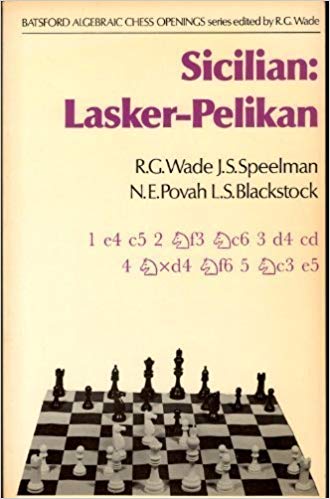
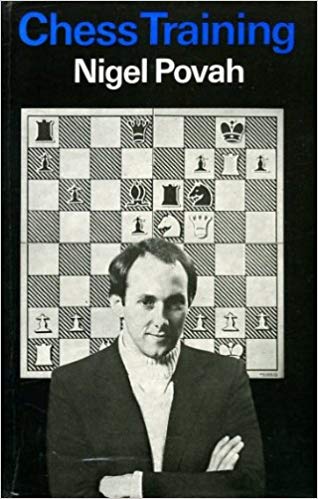
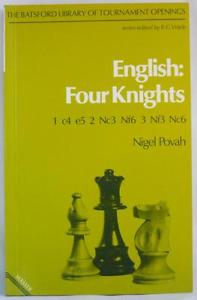
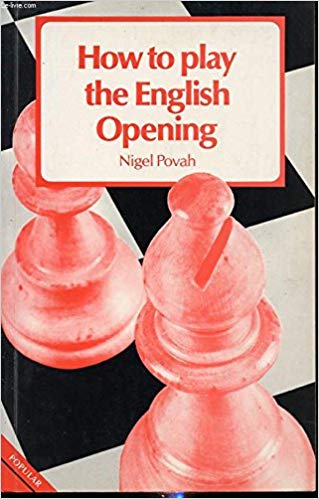
He has written several books-Chess Training published by Faber, English:Four Knights Batsford, How to Play the English Batsford and was co-author of Sicilian: Lasker-Pelikan Batsford. These last three Batsford publications indicate his interest in current theory. Two of the games which follow- v Berg (see 16…Rb8) and v Speelman (see 12 NgS)certainly confirm this. The Streatham and Brixton club owe much to Nigel Povah in becoming one of the strongest clubs in the country. At one time an average second division side (London league) they have since won the league and been in contention more than once. For several years he was one of the main three organisers at the club and even today still continues to play for them and is currently their National Club match-captain although he now lives some twenty miles away in Guildford.

In 1979 he organised the First Regency International at Ramsgate. In conjunction with Ian Josephs (sponsor) and Bob Wade (controller) this has become a highly successful annual event.

Now married, his wife Gill presented him with a daughter Lucy shortly after the completion of the Regency International in 1982.

He now works for ICL as training consultant and limits his over the board chess to club chess for Streatham.

He has recently taken up postal chess and in 1983 after competing in the BPCF Jubilee he became a correspondence International Master.

He has a BSc in Psychology and an MSc in Occupational Psychology.”

[pgn]
[Event “Westergate”]
[Site “?”]
[Date “1983.??.??”]
[Round “?”]
[White “Povah, Nigel Edward”]
[Black “Speelman, Jonathan Simon”]
[Result “1-0”]
[ECO “D37”]
[Annotator “Nigel Povah”]
[PlyCount “49”]
[SourceTitle “British Chess, page 221”]
[SourceDate “2020.07.16”]
[SourceVersionDate “2020.07.16”]

{[%evp 0,22,19,31,14,-14,-11,0,0,6,24,26,18,8,46,51,56,35,70,53,53,39,42,32,36]
} 1. d4 Nf6 2. c4 e6 3. Nf3 d5 4. Nc3 Be7 5. Bf4 O-O 6. e3 c5 7. dxc5 Bxc5 8.
cxd5 Nxd5 9. Nxd5 exd5 10. a3 Nc6 11. Bd3 Bb6 ({As Black plays Bc7 later maybe
} 11… Bd6 {is a better choice now.}) (11… h6 12. Bc2 {with Qd3 to follow
and White stands better.}) 12. Ng5 $1 ({White had threatened} 12. Bxh7+ Kxh7
13. Qc2+ {(with the bishop on c5)}) (12. O-O Bg4 13. h3 Bh5 14. b4 Re8 15. Rc1
a6 16. g4 Bg6 17. Bxg6 hxg6 18. Qd3 d4 19. e4 {Speelman – Geller, Philips &
Drew, London, 1982, 1/2-1/2.}) 12… h6 13. Qh5 Bc7 $6 {It looks obvious that
Black should seek to exchange bishops in order to rule out ideas such as Nh7
and Bxh6 etc.} ({He should try} 13… Qf6 $1 {with the idea of …Bf5 to
follow.} 14. Nh7 Ba5+ (14… Qxb2 15. O-O $16) 15. Kf1 Qxb2 16. Rd1 Re8 17.
Bxh6 gxh6 18. Qxh6 Bd8 19. Nf6+ Bxf6 20. Bh7+ Kh8 21. Bg6+) 14. g3 $1 Bxf4 $2 {
Opening the g-file} ({but if} 14… d4 15. Nxf7 Rxf7 16. Bc4 $16) ({or} 14…
Ne5 15. Bxe5 Bxe5 16. Nxf7 Qf6 17. Nxe5 Qxf2+ 18. Kd1 $16) 15. gxf4 d4 16.
O-O-O Qd5 17. Rhg1 Bd7 ({Not} 17… f6 $4 18. Ne6 $3 Qxh5 (18… Qxe6 19. Rxg7+
Kxg7 20. Qg6+ $16 Kh8 21. Qh7#) 19. Rxg7+ Kh8 20. Rh7+ Kg8 21. Rg1+ $16) 18.
Kb1 Rac8 19. e4 Qb3 20. e5 Nb4 $2 {Short of time and with Whte preparing to
sacrifice on g7, Black gets desperate.} (20… Ne7 {was better} {when} 21. Nf3
$1 {threatens Nxd4 and 22.Rxg7+ Kxg7 23.Rg1+ Ng6 24.Rxg6+}) 21. axb4 Bb5 22.
Qe2 $1 Bc6 23. Ne4 {Black lost on time but as his solitary threat of} Bd5 {
is answered by} 24. Nf6+ Kh8 {and} 25. Nxd5 {he is quite lost.} 1-0
[/pgn]

Streatham & Brixton becoming BCF National Club Champions in 1989. The team was Tony Kosten, Mark Hedben, Daniel King, Nigel Povah (Captain), Joe Gallagher and Julian Hodgson : quite a strong team !
Streatham & Brixton becoming BCF National Club Champions in 1989. The team was Tony Kosten, Mark Hedben, Daniel King, Nigel Povah (Captain), Joe Gallagher and Julian Hodgson : quite a strong team

According to Chess Training : “Two of his pupils were members of England’s victorious 4-man team in the World Under-16 team event.”

Here is his Wikipedia entry :

[pgn]
[Event “Malta International Tournament”]
[Site “Malta”]
[Date “1976.??.??”]
[Round “?”]
[White “Kotov, Alexander Alexandrov”]
[Black “Povah, Nigel Edward”]
[Result “0-1”]
[ECO “A46”]
[Annotator “Nigel Povah”]
[PlyCount “54”]
[EventDate “1976.??.??”]
[SourceTitle “British Chess, page 223”]

{[%evp 0,54,19,31,25,27,56,5,64,34,58,56,58,59,57,50,42,23,22,30,30,38,25,27,
39,-26,-38,-66,-83,-45,-39,-71,-18,-7,-9,4,24,26,46,48,30,59,101,85,68,-127,
-34,-204,-219,-380,-414,-414,-443,-443,-426,-672,-708]} 1. d4 Nf6 2. Nf3 c5 3.
c3 b6 $5 {It is customary to play 3…e6 before playig b6 in order to
recapture on c5 with the bishop.} ({i.e.} 3… e6 4. dxc5 Bxc5) 4. dxc5 bxc5 5.
e4 Bb7 ({Naturally not} 5… Nxe4 $2 6. Qd5 $18) 6. e5 Nd5 7. Bb5 {This
position resembles the c3 variation of the Sicilian Defence, where White’s
pawn on c3 would normally be on d4, and Black’s pawn c5 would be on b6; in
such circumstances the move Bb5 is not normally played since Black intends to
continue with e6 and not d6.} e6 8. O-O Be7 9. Nbd2 O-O 10. Ne4 f5 11. exf6
Nxf6 12. Neg5 ({If} 12. Nd6 $6 Bxf3 13. Qxf3 Bxd6 14. Qxa8 Qb6 {followed by
Nc6 wins}) 12… Qc7 $1 13. g3 (13. a3 $2 {Black threatened} h6 14. Nh3 Ng4 {
winning}) ({If} 13. Qe2 h6 14. Nxe6 dxe6 15. Qxe6+ Kh8 16. Nh4 Be4 $17) 13…
h6 14. Nh3 Nd5 {threatening 15…Nxc3 16.bxc3 Bxf3} ({If instead} 14… Ng4 15.
Nf4 g5 16. Nxg5 hxg5 ({or here} 16… Nxh2 17. Nfxe6 Nf3+ 18. Qxf3 $18) 17.
Qxg4 $16) (14… Nh5 15. Nh4 $1 $16) 15. Ne1 {[#]} c4 $5 {to prevent the
bishop retreating and to vacate the c5 square for Black’s pieces. however,
overlooking White’s reply.} 16. Qg4 Nb6 $1 {The c-pawn is more important than
the h-pawn.} 17. Bxh6 Rf7 18. Be3 ({If} 18. Ng5 Bxg5 19. Bxg5 a6 $19) 18… Qe5
({If} 18… a6 19. Bxb6 Qxb6 20. Bxc4) 19. a4 $2 (19. Bxb6 $142 Qxb5 20. Bd4
Qxb2 $13) 19… Qd5 20. f3 Bc5 21. Ng2 a6 22. a5 $5 (22. Ng5 axb5 (22… Rf5
23. Ne4 $1 $16) 23. Nxf7 Kxf7 {with obscure complications}) 22… axb5 23. axb6
{[#]} Rxf3 $1 (23… Rxa1 $143 24. Rxa1 Rxf3 25. Bxc5 Qxc5+ 26. Qd4 (26. Kh1))
24. Rxa8 (24. Rxf3 Rxa1+ 25. Kf2 Bxe3+ {wins the exchange}) 24… Rxf1+ 25.
Kxf1 Qxg2+ 26. Ke1 Bxa8 27. Bxc5 $2 ({White’s last hope was} 27. Qh5 Bf3 28.
Qe8+ Bf8 29. Nf4 Qh1+ {and Black just wins.}) 27… Bf3 0-1
[/pgn]

Sicilian Lasker-Pelikan
Chess Training : Nigel Povah
English : Four Knights
How to play the English Opening
Assessment Centres and Global Talent Management
IM Nigel Povah, courtesy of John Upham Photography

Happy Birthday FM Peter Markland (13-iv-1951)

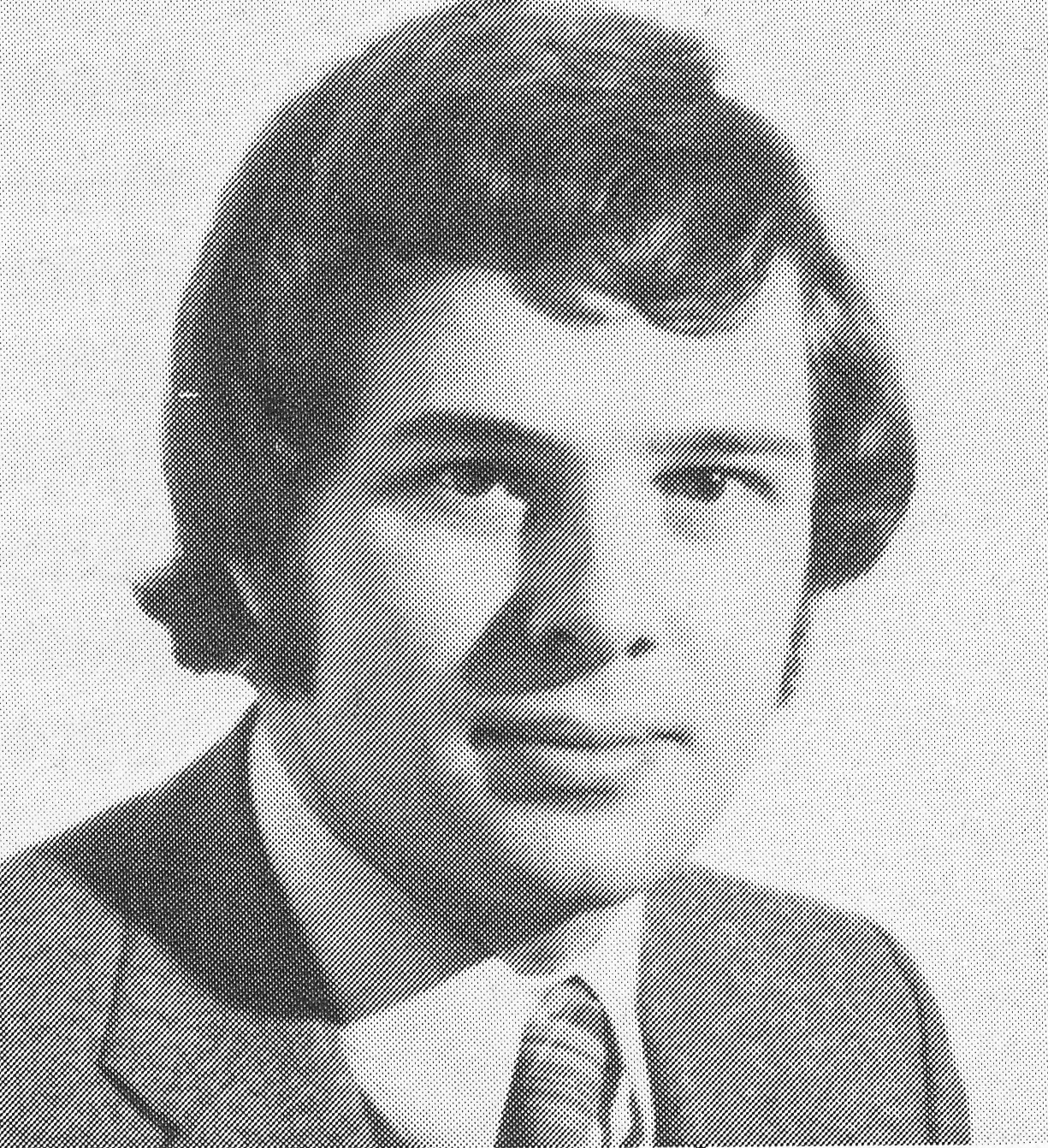
Peter Markland. Source: British Chess, Pergamon Press, 1983

BCN wishes a happy birthday to Peter Markland born on Friday, April 13th, 1951

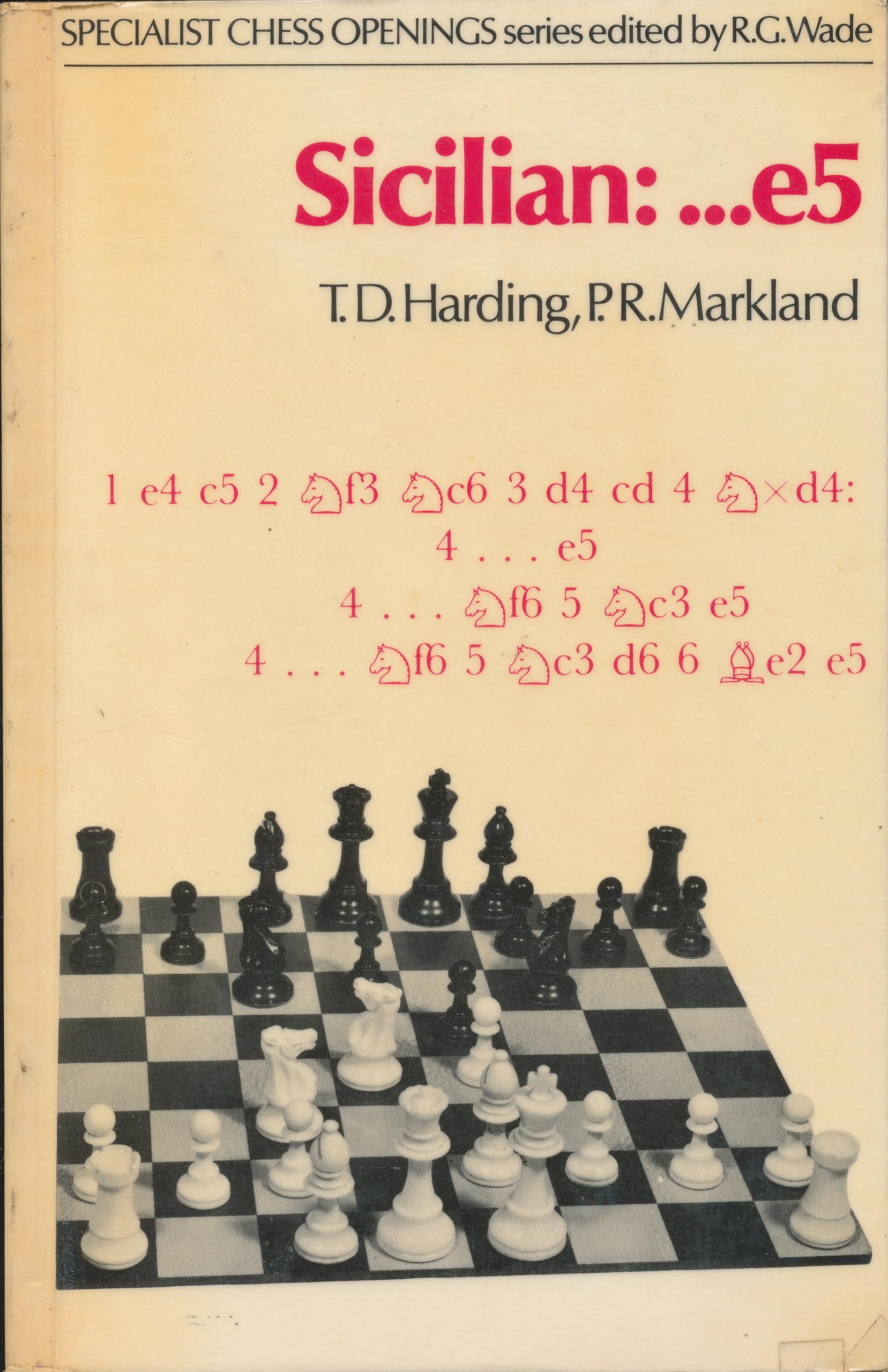
From the rear cover of “Sicilian:…e5 :

“P.R. Markland is a British Master, and a member of many English international teams, including those at the 1972 and 1974 Olympiads, and is also a British correspondence international”

Peter first qualified to the British Championship in 1967 (Oxford) and obtained an IM and GM norm at Hastings 1971.

In 1984 he became a Grandmaster for correspondence chess (GMC).

Peter became a banker and lives in Woodbridge, Suffolk, IP13.

Following excellent recent work by Paul McKeown, the English Chess Federation made a request to FIDE to grant Peter the much overdue title of FIDE Master. This was awarded in 2021.

From British Chess (Pergamon Press, 1983) we have this contribution from Peter himself:

“1951 seems to have been a vintage year for chessplayers and although I cannot claim to count myself in the company of Andersson, Karpov, Ribli and Sax we do all share the same year of birth.

Although I learned the moves at the age of 5, I only took any real interest in the game at 13 when I began to play schools chess. Compared with such as Nigel Short I was a very late starter!

I was educated at Bolton School and played for Bolton and Lancashire in my early years. This was fortunate in that all three of these teams enjoyed great success in the late 1960s. In all three teams I played along side Martyn Corden who was to precede my rise to international level himself by playing in the Siegen Olympiad team in 1970. In 1967, I qualified for the British Championship at my first attempt and I was pleased to score 5/11. The following year the school team won The Sunday Times tournament playing without Martyn Corden in the finals.

Up to this time I had concentrated chiefly on junior teams and had won the NCCU junior titles. Over Christmas and New Year of both 1966-7 and 1967-8 I travelled down to play at the Devon Junior Congress at Plymouth but in 1968 I decided to try my luck at Hastings. This proved to be one of the turning points of my career.

I was placed in the Challengers Reserves for 1968-9 and after the first round loss (to the eventual winner) my play gained momentum and I qualified for the Challengers the following year. The intervening year passed quietly with a trip to Ireland in the Glorney Cup. I went up to Balliol College, Oxford in October 1969.

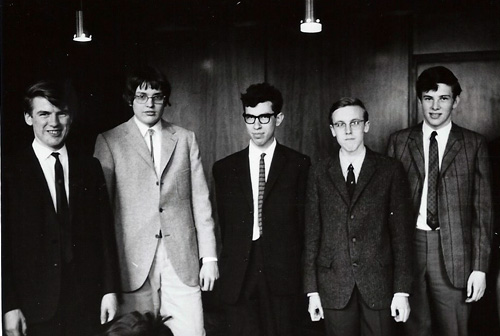
The Scottish Junior International, Glasgow, 1969. l-r: David Watt, Rene Borngässer, David Levy, Heinz Wirthensohn, Peter Markland. Courtesy of Chess Scotland

The Hastings Challengers tournament 1969-70 began when I met the same opponent as in the previous year in the first round. This time I managed to come out on top. By the time the last round came, I had played most of the leaders and had 6/8 including two pleasing wins with my favourite defence at the time – the Sicilian Pelikan variation.

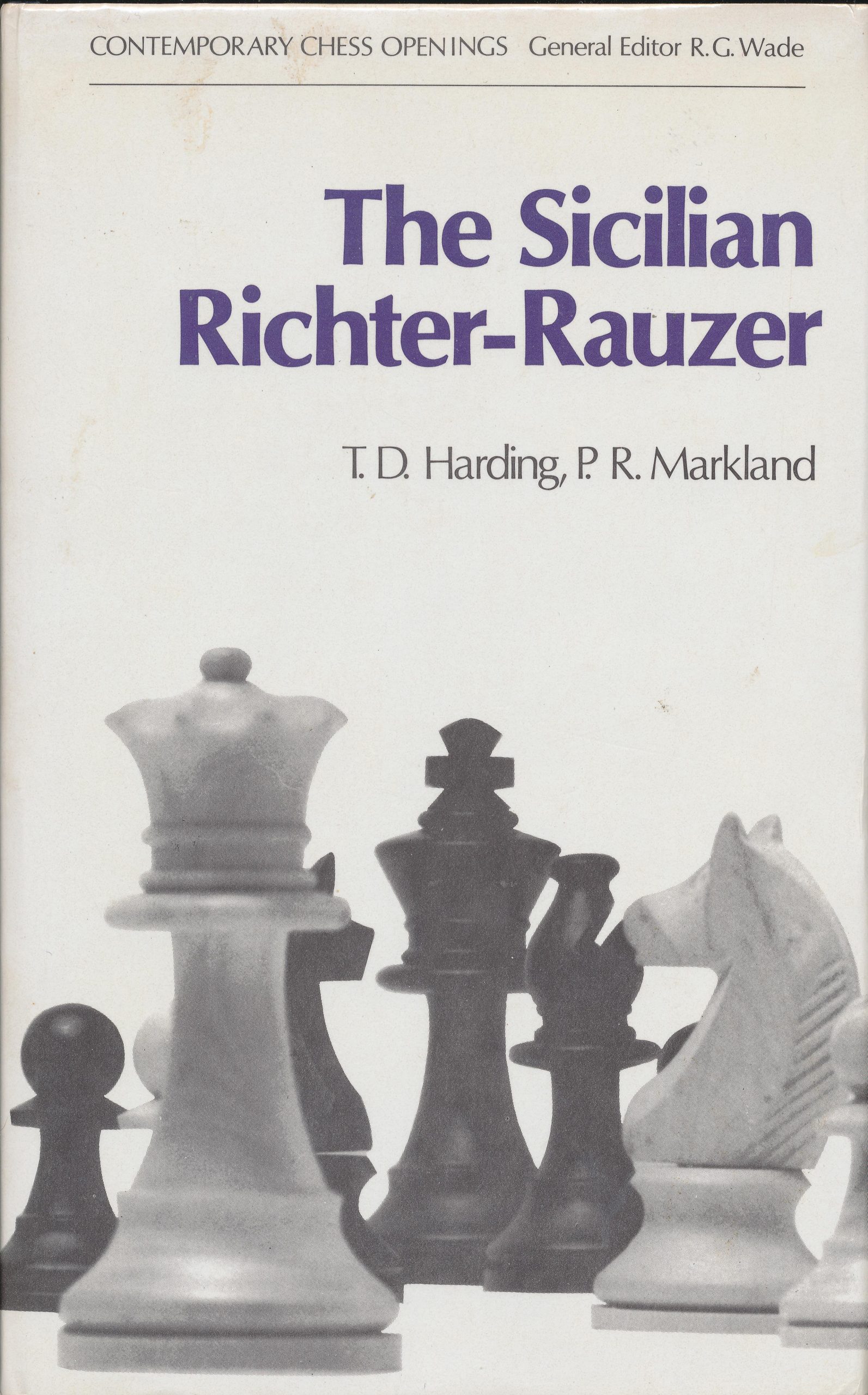
Sicilian:...e5 by TD Harding & PR Markland, Batsford, 1976, ISBN 0 7134 3209 8
Sicilian:…e5 by TD Harding & PR Markland, Batsford, 1976, ISBN 0 7134 3209 8

In the last round I was paired against de Veauce who had a reputation as a good strategist and whom I hoped to unsettle tactically. I had white and my plan failed. He outplayed me in the opening and middlegame and I sacrificed my isolated centre pawn to activate my pieces.

[pgn]
[Event “Christmas Congress 1969/70-Challenger”]
[Site “Hastings”]
[Date “1970.01.07”]
[Round “9”]
[White “Markland, Peter Richard”]
[Black “De Veauce, Louis”]
[Result “1-0”]
[ECO “C54”]
[Annotator “Peter Markland / British Chess News”]
[PlyCount “69”]
[EventDate “1969.12.29”]
[EventType “swiss”]
[EventRounds “9”]
[EventCountry “ENG”]
[SourceTitle “British Chess, page 158.”]
[Source “ChessBase”]
[SourceDate “2000.11.22”]
[SourceVersion “1”]
[SourceVersionDate “2000.11.22”]
[SourceQuality “1”]

{[%evp 0,69,19,28,23,19,22,4,4,2,-2,37,-6,-19,2,2,14,45,42,29,26,28,28,32,32,
23,60,33,67,43,37,30,11,6,84,13,13,-24,1,-3,3,13,0,0,0,-12,-14,-12,-19,-15,-21,
0,0,0,-55,-37,-23,-31,-8,-16,0,0,0,-41,0,-25,-46,0,29993,29994,29995,29996]} {
From British Chess (Pergamon Press, 1983), pp158: In the last round I was
paired against de Veauce who had a reputation as a good strategist and whom I
hoped to unsettle tactically. I had white and my plan failed. He outplayed me
in the opening and middlegame and I sacrificed my isolated centre pawn to
activate my pieces.} 1. e4 e5 2. Nf3 Nc6 3. Bc4 Bc5 4. c3 Nf6 5. d4 exd4 6.
cxd4 Bb4+ 7. Bd2 Bxd2+ 8. Nbxd2 d5 9. exd5 Nxd5 10. Qb3 Nce7 11. O-O O-O 12.
Rfe1 Nb6 13. Bd3 h6 (13… Bf5 14. Rxe7 Bxd3 15. Rae1 Bg6) 14. a4 $6 a5 {[#]}
15. h3 $146 Nc6 16. Rac1 Qd5 17. Qxd5 $6 (17. Be4) 17… Nxd5 18. Nb3 Ncb4 19.
Be4 b6 20. Na1 Bd7 21. Nc2 Ra7 22. Nxb4 Nxb4 $15 23. b3 Be6 24. Re3 Rc8 25. Ne5
Rd8 26. Rd1 c5 27. d5 Bxd5 28. Bxd5 Rxd5 29. Rxd5 Nxd5 30. Rd3 Nb4 31. Rd6 {[#]
} {In the diagrammed position it is clear that a draw should result although
perhaps white has some chances of advantage after the fall of black’s b-pawn.
Instead the game continued} Re7 32. f4 {[#]} f6 $2 33. Ng6 {Now white has a
clear edge.} Rb7 $4 34. Rd8+ Kf7 35. f5 {and Black resigned.} 1-0
[/pgn]

So I then had to wait had to wait to see the other results before I could confirm a somewhat lucky place in the Premier.

In 1970 I had the opportunity to travel with the student team to the Olympiad in Haifa. My score of 5.5/7 was reasonably pleasing but the standard of opposition was far from good.

Peter Markland at Hastings 1970-71

At the end of the year came the Hastings Premier – a tournament which I can only describe as the highlight of my career. I began nervously and lost a nondescript game to Uhlmann in the first round. My confidence grew with two comfortable draws with Portisch (the eventual winner) and Keene. In round four I met the surprise leader, Mestrovic (who had 3/3) and perhaps partly due to the fact that this game was played on 1st January I won convincingly in 18 moves.

Peter Markland during his game with Portisch on December 30th 1970

[pgn]
[Event “Christmas Congress 1970/71-46 Premier”]
[Site “Hastings”]
[Date “1971.01.01”]
[Round “4”]
[White “Markland, Peter Richard”]
[Black “Mestrovic, Zvonimir”]
[Result “1-0”]
[ECO “B00”]
[Annotator “British Chess News”]
[PlyCount “35”]
[EventDate “1970.12.29”]
[EventType “tourn”]
[EventRounds “9”]
[EventCountry “ENG”]
[SourceTitle “EXT 1999”]
[Source “ChessBase”]
[SourceDate “1998.11.16”]
[SourceVersion “1”]
[SourceVersionDate “1998.11.16”]
[SourceQuality “1”]

{[%evp 0,35,19,29,72,-9,56,41,67,53,31,46,46,24,40,-8,-1,0,49,19,91,70,307,341,
444,451,486,486,580,688,754,767,1527,598,633,633,633,622]} {Possibly this game
was influenced by the previous nights celebrations?} 1. e4 c5 2. c3 b6 3. d4 e6
4. Nf3 Bb7 5. Bd3 Nf6 $6 (5… Ne7 6. O-O Ng6 7. Bg5 Be7 8. Bxe7 Qxe7 9. Re1
O-O $10 {Florian-Haag, Gyula 1965}) 6. Nbd2 (6. Qe2 Be7 7. O-O Nc6 8. a3) 6…
d5 (6… Nc6) 7. exd5 {A rare choice} (7. e5) 7… Qxd5 8. O-O Bd6 $6 $146 (
8… Be7 $142 {0-0}) 9. Re1 Qh5 $2 {Black will regret this…} 10. dxc5 $16 {
[#]} (10. Qa4+ Nbd7) 10… Bxc5 $4 ({Not much better is} 10… Qxc5 11. Ne4
Nxe4 12. Rxe4 $1 Nd7 (12… Bxe4 $4 13. Bxe4 $18 Nc6 14. Be3 {and Black can
resign})) 11. Re5 $1 $18 g5 {desperation} (11… Qg4 12. h3 Qf4 13. Ne4 $18)
12. Rxg5 Qh6 13. Ne4 (13. Rxc5 $1 bxc5 14. Ne4) 13… Nxe4 14. Bxe4 Bxe4 {[#]}
15. Rxc5 $1 Qg7 16. Qa4+ (16. Rc8+ Ke7 17. Rc7+ Ke8 18. Qd6) 16… Nd7 17. Qxe4
Rd8 18. Rg5 {and the tournament leader resigned.} 1-0
[/pgn]

The next four rounds brought an uneventful draw with Wade and three exciting encounters with Byrne, Krogius and Gligoric all of which after several reversals of fortune ended in draws.

Peter Markland at Hastings 1970-71

In the last round I was to play Hort who needed to to win to gain a share of first prize. He played a horribly passive opening and by move 14 I was already well on top. To try to compensate he snatched a queenside pawn and gave me the chance to play the type of move one can only dream about!

[pgn]
[Event “Christmas Congress 1970/71-46 Premier”]
[Site “Hastings”]
[Date “1971.01.07”]
[Round “9”]
[White “Markland, Peter Richard”]
[Black “Hort, Vlastimil”]
[Result “1-0”]
[ECO “A24”]
[Annotator “Peter Markland / British Chess News”]
[PlyCount “59”]
[EventDate “1970.12.29”]
[EventType “tourn”]
[EventRounds “9”]
[EventCountry “ENG”]
[SourceTitle “British Chess, Pergamon P”]
[Source “ChessBase”]
[SourceDate “1998.11.16”]
[SourceVersion “1”]
[SourceVersionDate “1998.11.16”]
[SourceQuality “1”]

{[%evp 0,59,35,14,69,16,79,73,73,18,32,38,25,17,43,30,30,13,13,18,21,31,26,25,
66,55,79,54,99,70,93,58,82,75,141,147,149,144,153,103,106,106,85,130,100,-7,22,
-192,317,277,443,310,729,231,301,317,332,414,565,616,29993,29994]} 1. e4 c6 2.
c4 g6 3. Nc3 Bg7 4. g3 e5 5. Bg2 d6 6. Nge2 Nd7 7. O-O Ngf6 8. d3 O-O 9. h3 Nc5
10. Be3 {[#]} a5 (10… Ne6) 11. f4 exf4 $6 12. gxf4 Qe7 13. Qd2 Rb8 $146 14.
Rae1 $18 Ncd7 15. Ng3 Ne8 16. d4 $16 Nc7 17. e5 dxe5 18. fxe5 Qb4 (18… c5 19.
Bg5 Qe8 20. Nce4 $16) 19. Bh6 Qxc4 20. Bxg7 Kxg7 21. Re4 $1 Ne6 22. Rh4 {
Crude but effective!} h5 {[#] Now pause the video as the saying goes….} 23.
Bd5 $3 {PRM : I remember that as soon as I played this move Hort’s face fell.
There was an also an eerie silence in the spectators – no doubt some felt I
had taken leave of my senses. The move is basically a square clearance with
gain of tempo. The piece cannot be accepted. So, the queen is lost and with
it the game.} Qxf1+ ({The peice cannot be accepted as} 23… cxd5 {loses to}
24. Nxh5+ $1 gxh5 ({or} 24… Kh8 25. Nf6+ Kg7 26. Rh7#) ({or} 24… Kg8 25.
Qh6 $1 {wins} gxh5 26. Qxh5 $18) 25. Qg2+ Kh6 26. Rf5 $1 $18 (26. Qg4 $4 Qxd4+
$1 $19) 26… Ng7 27. Qxg7+ Kxg7 28. Rg5+ Kh8 29. Rhxh5# {so, the queen is
lost and with it the game.}) 24. Kxf1 cxd5 25. Nxd5 b6 26. Nf4 Nxf4 27. Qxf4
Ba6+ 28. Kg1 Bd3 29. Qg5 Kh8 30. Qh6+ {and Black resigned.} (30. Qh6+ Kg8 31.
Rxh5 $1 $18) 1-0
[/pgn]

This victory meant an equal second on 5/9 with Gligoric, Hort, Krogius and Uhlmann and both a GM and IM norm.

[embedyt] https://www.youtube.com/watch?v=5mZS5j-97hY[/embedyt]

As a result of this I became a regular member of the England side. During 1971 my results were erratic, possibly caused by too much play. I was pleased with my 3.5 score in my first Clare Benedict, although I lost my first game for England due to nervousness and I was first equal with George Botterill in the Slater Young Masters at Hastings (again). Here I declined a last round draw offer, blundered almost next move and lost to an up-and-coming junior by the name of Michael Stean! On the debit side my performances in the British Championship, The Oxford International Congress and the Robert Silk tournament left room for improvement.

Whilst playing with Bolton in the National Club Championship, we had never won the competition although we had reached the semi-finals many times. This year, 1971, playing for Oxford University, we won the tournament beating our old rivals Cambridge University in the final on board count.

The Hastings tournament of 1971-72 saw me firmly entrenched near the bottom. It is very difficult in this type of international tournament when one becomes marked as an out-of-form player. All the other players make extra efforts to beat you and this drains your strength further.

My main problem at Hastings was a lack of defence to 1.e4. I lost five games against this move. In the last round I had a very interesting struggle against Karpov who needed to win this game to tie first with Korchnoi who had beaten him in the previous round, but the strength of 1.e4 proved too much.

The summer of 1972 saw the advent of my University finals and thus I played very little for the first six months of the year – even I had to decline an invitation to the Teeside GM event. Later in the year I played in the student Olympiad in Graz and then in the Olympiad is Skopje.

In the preliminaries we had drawn Yugoslavia and Switzerland, who were the only other teams likely to qualify for the ‘A’ final. We missed qualification narrowly and I think that every team member had one poor result in the qualifying rounds – mine being a scraped draw against a Syrian team.

We won the ‘B’ final by beating the Israeli team in the last round and I felt pleased by my score of 11.5/16 with no losses. Indeed, in my last round game with Balshan I was quite rightly instructed to agree a draw in a winning position to secure the team’s first place.

I feel that this tournament from my point of view aptly demonstrates the difference in title norms in the early 1970s and today. I played five players who had no Elo ratings and only four titled players. Hence an IM norm would not have been available under any circumstances. The main reason for the lack of Elo ratings in 1972 was that the new system had only just been introduced and for many players this was their first Elo-rated tournament. In the last Elo list, all but one of the sixteen players are rated, there are now four GMs and five IMs amongst my opponents and the norm figures would be 10.5/16 and 12.5/16 for IM and GM respectively.

Here is my best game from the Olympiad. It is indicative of an early combination prevailing through into a winning ending.

[pgn]
[Event “Olympiad-20 Preliminaries B”]
[Site “Skopje”]
[Date “1972.09.22”]
[Round “4”]
[White “Markland, Peter Richard”]
[Black “Bhend, Edwin”]
[Result “1-0”]
[ECO “B10”]
[Annotator “Peter Markland”]
[PlyCount “133”]
[EventDate “1972.09.18”]
[EventType “team-tourn”]
[EventRounds “7”]
[EventCountry “YUG”]
[SourceTitle “EXT 2000”]
[Source “ChessBase”]
[SourceDate “1999.11.16”]
[SourceVersion “1”]
[SourceVersionDate “1999.11.16”]
[SourceQuality “1”]
[WhiteTeam “England”]
[BlackTeam “Switzerland”]
[WhiteTeamCountry “ENG”]
[BlackTeamCountry “SUI”]

{[%evp 0,133,14,14,69,26,20,13,40,7,7,-7,11,12,13,11,3,0,24,6,6,11,11,27,38,
-34,-41,-44,-40,11,45,-28,-34,-42,-50,-32,-29,53,53,137,150,144,122,148,131,
127,160,127,172,127,219,177,206,138,130,119,115,115,129,115,103,117,113,106,
102,95,109,80,66,66,65,-3,151,152,158,147,210,230,183,212,221,224,232,246,182,
182,188,166,176,178,174,176,176,176,126,120,154,248,248,248,0,0,0,0,0,0,0,0,0,
0,0,0,0,0,416,838,982,1012,1016,1002,1012,1022,1022,1032,1032,1032,1032,1032,
1032,1032,1687,1527,29971,1032,29993,29994]} 1. e4 c6 2. c4 d5 3. exd5 cxd5 4.
cxd5 Nf6 5. Nc3 Nxd5 6. Bc4 Nb6 7. Bb3 Nc6 8. Nf3 g6 9. a4 a5 10. d4 Bg7 11.
Be3 Nb4 12. d5 $1 $146 O-O 13. O-O Bf5 14. Bd4 Bh6 $6 15. Ne5 $1 N6xd5 16. Nxd5
Nxd5 17. Qf3 Nf6 {[#]} 18. Nxf7 $1 Qxd4 19. Nxh6+ Kh8 20. Nxf5 gxf5 21. Qxf5
Qxb2 22. Rab1 Qd2 23. Rfd1 Qh6 24. Be6 Ra6 25. Qe5 Qh4 26. Bd5 Qxa4 27. Qxe7
Re8 28. Qxb7 Rd6 29. Bb3 Rxd1+ 30. Rxd1 Qe4 31. Qxe4 Nxe4 32. Re1 Rc8 33. f3
Nc3 34. Re7 a4 35. Bc2 Nd5 36. Rxh7+ Kg8 37. Be4 Rc7 38. Rxc7 Nxc7 39. Bd3 a3
40. Bc4+ Kg7 41. Kf2 Nb5 42. g4 Nc3 43. h4 Kf6 44. Ke3 a2 45. Bxa2 Nxa2 46. Kf4
Nc3 47. g5+ Ke6 48. h5 Nd5+ 49. Ke4 Nc3+ 50. Kf4 Nd5+ 51. Kg4 Ne3+ 52. Kg3 Kf5
53. h6 Kg6 54. f4 Nf5+ {[#]} 55. Kf3 $1 Nd6 56. Kg4 Kh7 57. Kh5 Ne4 58. g6+ Kg8
59. f5 Nf6+ 60. Kg5 Ne4+ 61. Kf4 Nf6 62. h7+ Kg7 63. Ke5 Nd7+ 64. Ke6 Nf8+ 65.
Ke7 Kh8 66. g7+ Kxh7 67. Kxf8 1-0
[/pgn]

In 1973 I was once more plagued by too many invitations and played indifferently throughput the year. The only bright spots were my score of 3/7 on boards 3 and 4 of the European Team Finals and second place in the Woolacombe International.

1974 was once again an Olympiad year. The England team won the Clare Benedict for the first time in Menorca and I was able to contribute 5/6 winning both a board prize and the best score prize. I was drafted into the Olympiad team as a late replacement and although we qualified easily enough for the ‘A’ finals this was in no way due to my efforts as I had a 50% score in the preliminaries.

We had qualified for the ‘A’ final with one round to spare and our last group match against the USE (from which the score was to be carried forward) began the final matches. It had been decided, as a tactical measure and in our view of our differing styles, that I should take black whenever we had this colour on the fourth board, so that Whiteley and Stean could utilize a greater proportion of whites. This worked to a limited extent and indeed, Stean obtained an IM Norm. Also, as it worked out I played in matches against seven of the top eight teams (being rested against Yugoslavia) and only three teams below us. In the end, I was pleased with my +3 =1 -4 with black in the finals to give overall a 50& score.

During 1973 and 1974 I was co-author of two books in the Batsford opening series, both with Tim Harding on Sicilian Defence variations.

The Sicilian Richter-Rauzer, TD Hardign and PR Markland, Batsford, 975, ISBN 0 7134 2979 8
The Sicilian Richter-Rauzer, TD Harding and PR Markland, Batsford, 975, ISBN 0 7134 2979 8
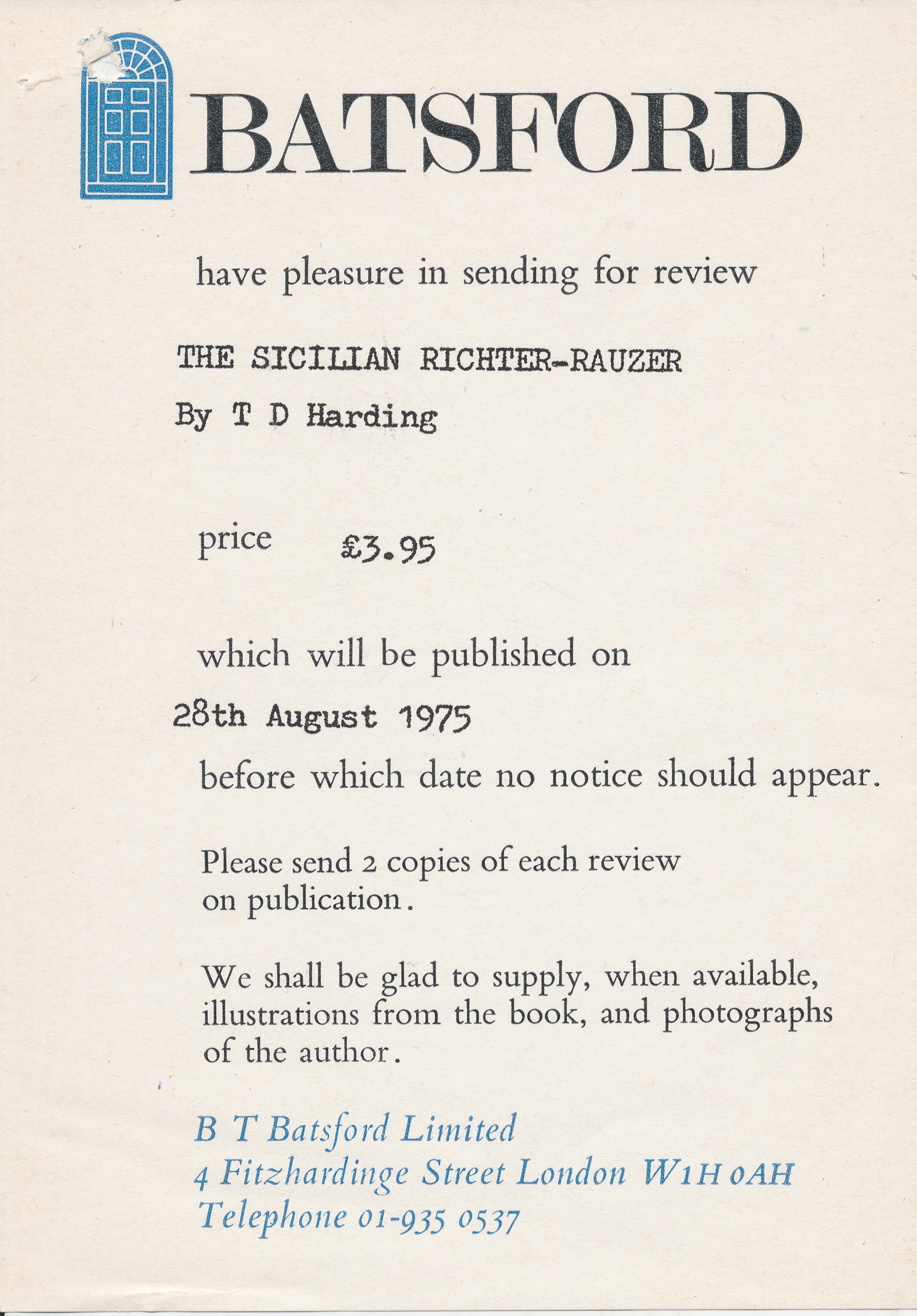
Review Notice for The Sicilian Richter-Rauzer, TD Hardign and PR Markland, Batsford, 975, ISBN 0 7134 2979 8
Review Notice for The Sicilian Richter-Rauzer, TD Harding and PR Markland, Batsford, 975, ISBN 0 7134 2979 8

I also wrote a best game collection of Karpov which was by far the most interesting of the three books to write.

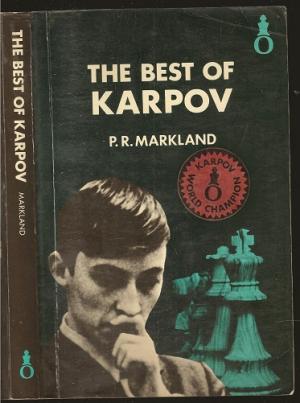
The Best of Karpov, PR Markland, Oxford University Press, 1975, ISBN 10: 0192175343

At about this time, I decided to embark upon a career in banking and to abandon that of a professional chessplayer. Since then I have concentrated on correspondence chess.

Having received  master certificate, I entered a European and World tournament in both of which I finished first. The second of these two results qualified me for the world Championship Semi-finals. But first attempt in the eleventh championship ended in failure to qualify.

As a result of an invitation received by the BPCF I played in the Eino Heilimo Memorial Grandmaster event. I have , however, qualified as a postal IM by scoring the required seven points and had an outside chance of trying for first place at one stage.

Here is my best game from this event.

[pgn]
[Event “Heilimo mem-B corr7782”]
[Site “Finland”]
[Date “1977.??.??”]
[Round “?”]
[White “Duenhaupt, Heinz Wilhelm”]
[Black “Markland, Peter Richard”]
[Result “0-1”]
[ECO “B25”]
[Annotator “Peter Markland”]
[PlyCount “80”]
[EventDate “1977.??.??”]
[EventType “tourn (corr)”]
[EventRounds “13”]
[EventCountry “FIN”]
[SourceTitle “Corr Nr. 1”]
[Source “ChessBase”]
[SourceDate “1997.09.01”]
[SourceVersion “2”]
[SourceVersionDate “2000.04.19”]
[SourceQuality “1”]

{[%evp 0,80,14,12,86,19,14,12,34,21,21,17,24,18,20,17,23,15,15,14,14,12,21,14,
34,58,52,48,65,0,38,9,0,-43,-72,-73,-24,-101,-84,-84,-24,-24,-52,-149,-153,
-153,-19,-127,-35,-52,-27,-27,-2,8,50,-167,-165,-202,-25,-20,-20,-7,-191,-252,
-244,-240,-252,-252,-262,-263,-279,-281,-279,-281,-288,-323,-315,-388,-422,
-421,-336,-309,-288]} 1. Nf3 g6 2. g3 Bg7 3. Bg2 c5 4. e4 Nc6 5. O-O e5 6. d3
Nge7 7. Nc3 O-O 8. Nd2 d6 9. Nc4 Be6 ({Doctor Dunhaupt used this set-up
against Shamkovich in the BdF Jubilee 1970-74, when Black preferred 9…Nd4?
with the result that after} 9… Nd4 $2 10. a4 Be6 11. Nd5 Qd7 12. c3 Ndc6 13.
a5 Rae8 14. Qa4 {White had a considerable advantage.}) 10. Nd5 f5 (10… Qd7 {
Playing Forintos in the Eino Heilimo White once again achieved a good game
after} 11. a4 Kh8 12. c3 Ng8 13. a5 Rae8 14. f4 Qc8 15. Be3) 11. c3 Qd7 12. a4
Rae8 13. a5 Kh8 14. Qa4 $2 {[#] In this position this move leaves the queen
exposed in the forthcoming attack. It is interesting to note that Doctor
Dunhaupt has had some success with this set-up.} f4 15. gxf4 {This capture is
forced to prevent 15…f3} (15. f3 {loses a pawn on d5}) ({If} 15. Nxe7 {
Black can prepare the doubling of rooks with} Rxe7 ({of transfer his queen to
the kingside after} 15… Qxe7)) 15… Bh3 16. f3 ({After} 16. Qd1 Bxg2 17.
Kxg2 exf4 18. Nxf4 d5 $1 {Black still has a strong attack.}) 16… Bxg2 17.
Kxg2 exf4 18. Nxf4 {[#]} d5 $1 {To capture this pawn would allow the black
rook on e8 access to the e2 square with fatal consequences for White.} 19. Na3
{The problem with the knight retreat is that both d2 and e3 are excluded
because of the hanging knight on f4 whilst the retreat chosen leaves the queen
cut off.} ({For example,} 19. exd5 Nxd5 20. Nxd5 Re2+ 21. Rf2 (21. Kh1 Qh3) (
21. Kg1 Qh3) 21… Qxd5) 19… g5 20. Nh5 Ng6 $1 {White must accept the second
pawn because otherwise the threat of 21…Nh4+ is too strong.} 21. Bxg5 h6 22.
Be3 $1 {The only chance. This bishop heads for g1 to defend the weak h2 square.
} d4 23. cxd4 cxd4 24. Bg1 ({A further point is that} 24. Bf2 {is met by} Rxf3
$1) 24… Nh4+ 25. Kh1 (25. Kg3 Be5+ 26. Kxh4 Rg8 {wins quickly.}) 25… Qh3
26. Qc2 Rxf3 27. Rf2 ({The alternative defence of} 27. Rfd1 {could be met by
either} Ref8 {threatening 28…Rf2} ({or} 27… Be5 {and 28…Rg8})) 27… Ref8
28. Raf1 {[#]} Qxf1 $1 {This temporary queen sacrifice wins by force.} 29. Rxf1
Rxf1 30. Qe2 {the best chance to prevent 30…Nf3} ({After} 30. Ng3 Re1 31. Nc4
Nf3 32. Ne2 Nxg1 33. Nxg1 Rff1) 30… Ne5 {preventing 31.Qg4. Now the threat
of 31…Rc1 and 32…Nef3 cannot be prevented even by White’s next move.} 31.
Nxg7 Rc1 $1 32. Nf5 Nhf3 {the most accurate.} 33. Qf2 ({If} 33. Kg2 Rxg1+ 34.
Kf2 Rh1 35. Kg3 Rg8+ {wins. The rest is easy.}) 33… Rg8 34. Ng3 Rxg1+ 35.
Qxg1 Nxg1 36. Kxg1 Nxd3 37. Nc4 Rc8 38. Nd6 Rc1+ 39. Kg2 Nxb2 40. e5 Nd3 {
and White resigned.} 0-1
[/pgn]

Here is his brief Wikipedia entry.

The English Chess Forum has discussed Peter.

Peter’s games are here.

[pgn]
[Event “Olympiad-21 Final A”]
[Site “Nice”]
[Date “1974.06.28”]
[Round “13”]
[White “Debarnot, Roberto Luis”]
[Black “Markland, Peter Richard”]
[Result “0-1”]
[ECO “B38”]
[Annotator “Keene,R”]
[PlyCount “42”]
[EventDate “1974.06.15”]
[EventType “team-tourn”]
[EventRounds “15”]
[EventCountry “FRA”]
[SourceTitle “EXT 2000”]
[Source “ChessBase”]
[SourceDate “1999.11.16”]
[SourceVersion “1”]
[SourceVersionDate “1999.11.16”]
[SourceQuality “1”]
[WhiteTeam “Argentina”]
[BlackTeam “England”]
[WhiteTeamCountry “ARG”]
[BlackTeamCountry “ENG”]

{[%evp 0,42,19,31,14,-14,43,-5,-20,-1,3,-6,41,32,20,23,23,19,28,32,39,39,47,32,
38,30,44,51,62,55,54,32,58,41,45,-95,-6,-169,-169,-162,-208,-233,-231,-280,
-285]} 1. d4 Nf6 2. c4 c5 3. Nf3 cxd4 4. Nxd4 Nc6 5. Nc3 g6 6. e4 d6 7. Be2 Bg7
8. Be3 O-O 9. O-O Nxd4 (9… Bd7) 10. Bxd4 Be6 11. Rc1 Qa5 12.
f4 Rfc8 13. b3 a6 14. f5 Bd7 (14… gxf5 $2 15. exf5 Bxf5 16. b4 $1 $16) 15.
Qe1 (15. Bxf6 Bxf6 16. Nd5 Bg5 17. f6 exf6 $1) 15… Bc6 16. Qh4 (16. fxg6 hxg6
17. Nd5 Qxe1 18. Nxe7+ Kf8 19. Nxg6+ fxg6 20. Rcxe1 Ke7 21. e5 $13) 16… b5
17. g4 $2 b4 18. g5 {[#]} Nxe4 $3 19. f6 (19. Bxg7 Qc5+ 20. Rf2 Qxf2+ $1) 19…
Qxg5+ 20. Qxg5 Nxg5 21. h4 Ne6 0-1
[/pgn]

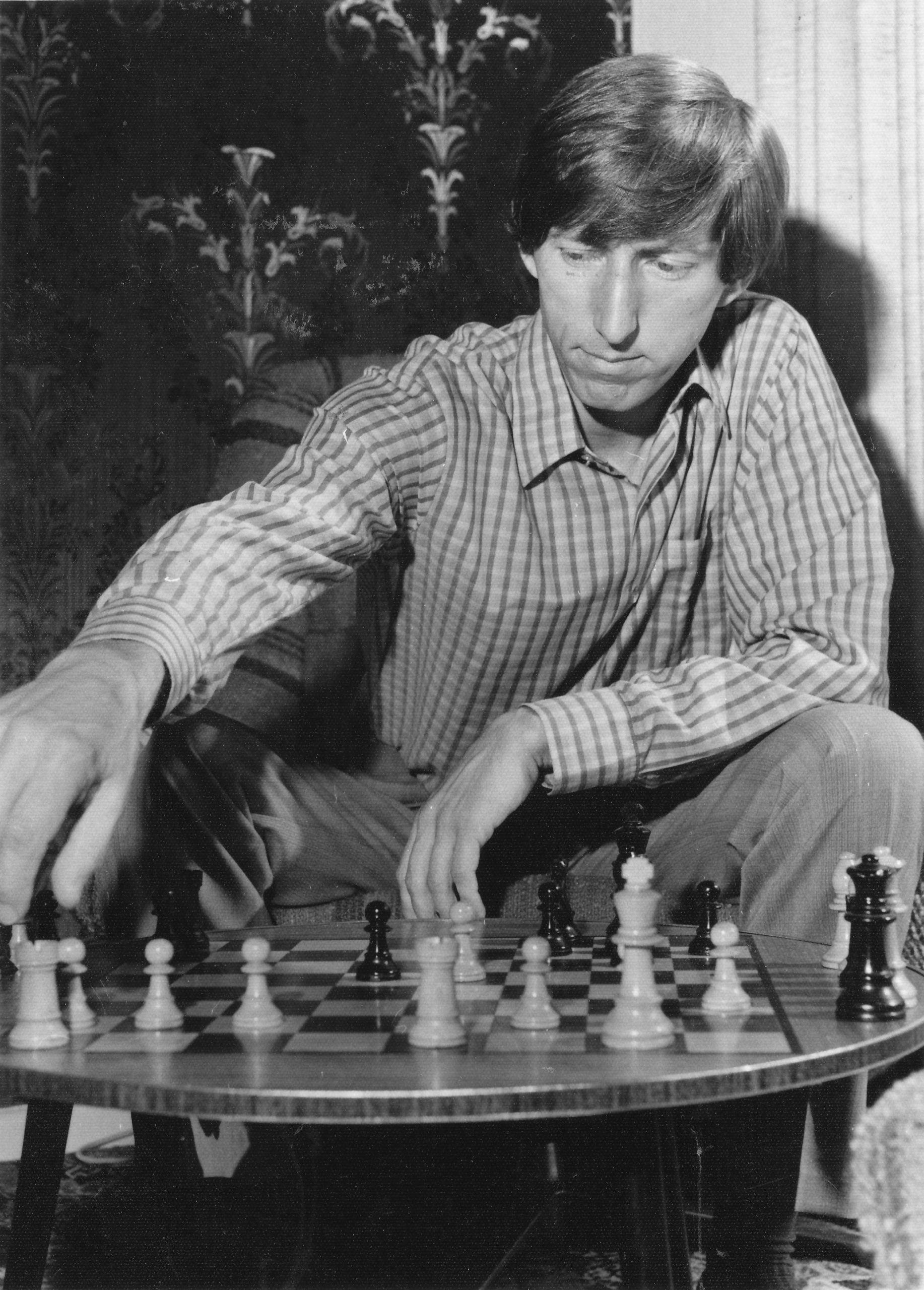
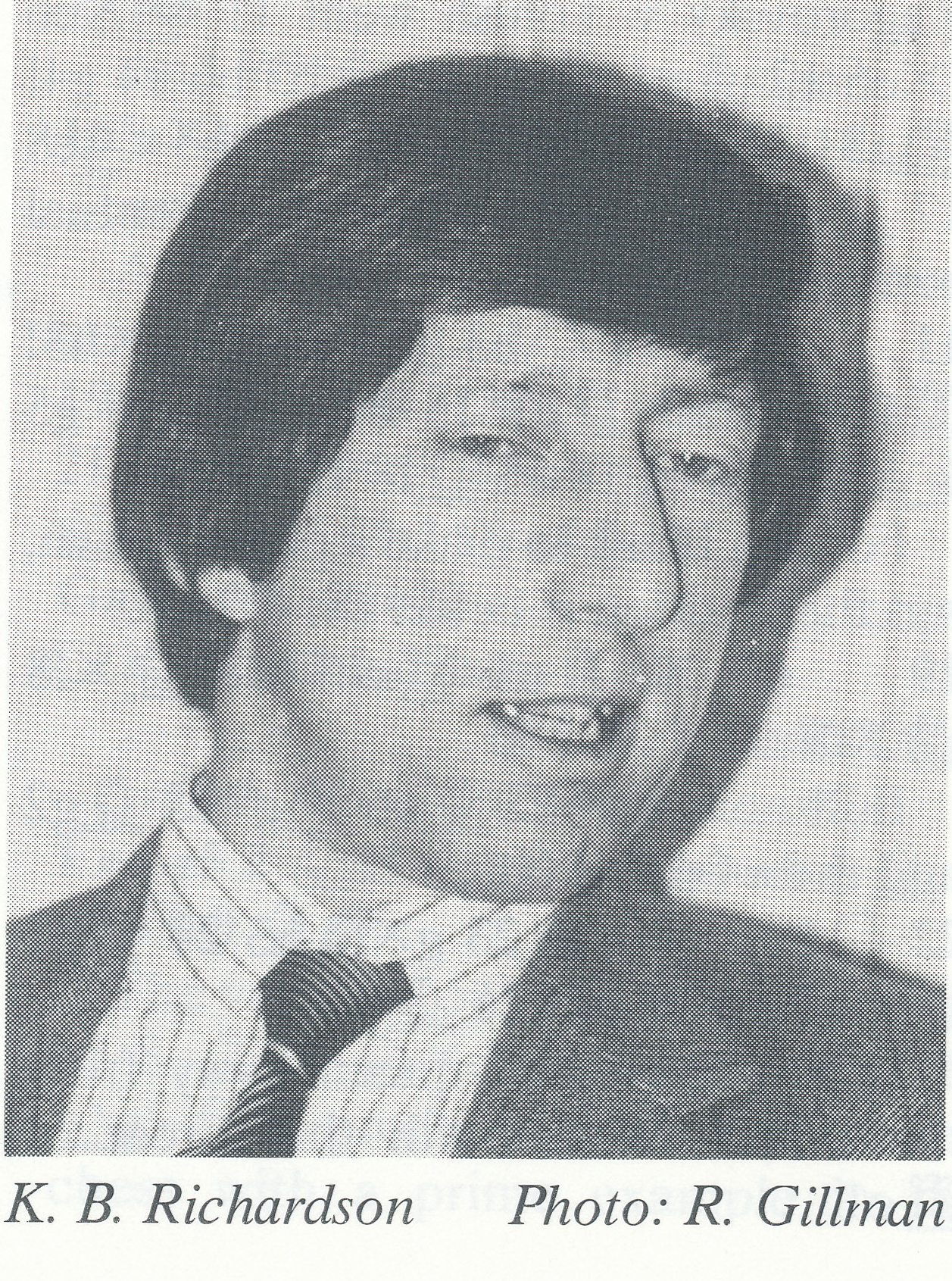
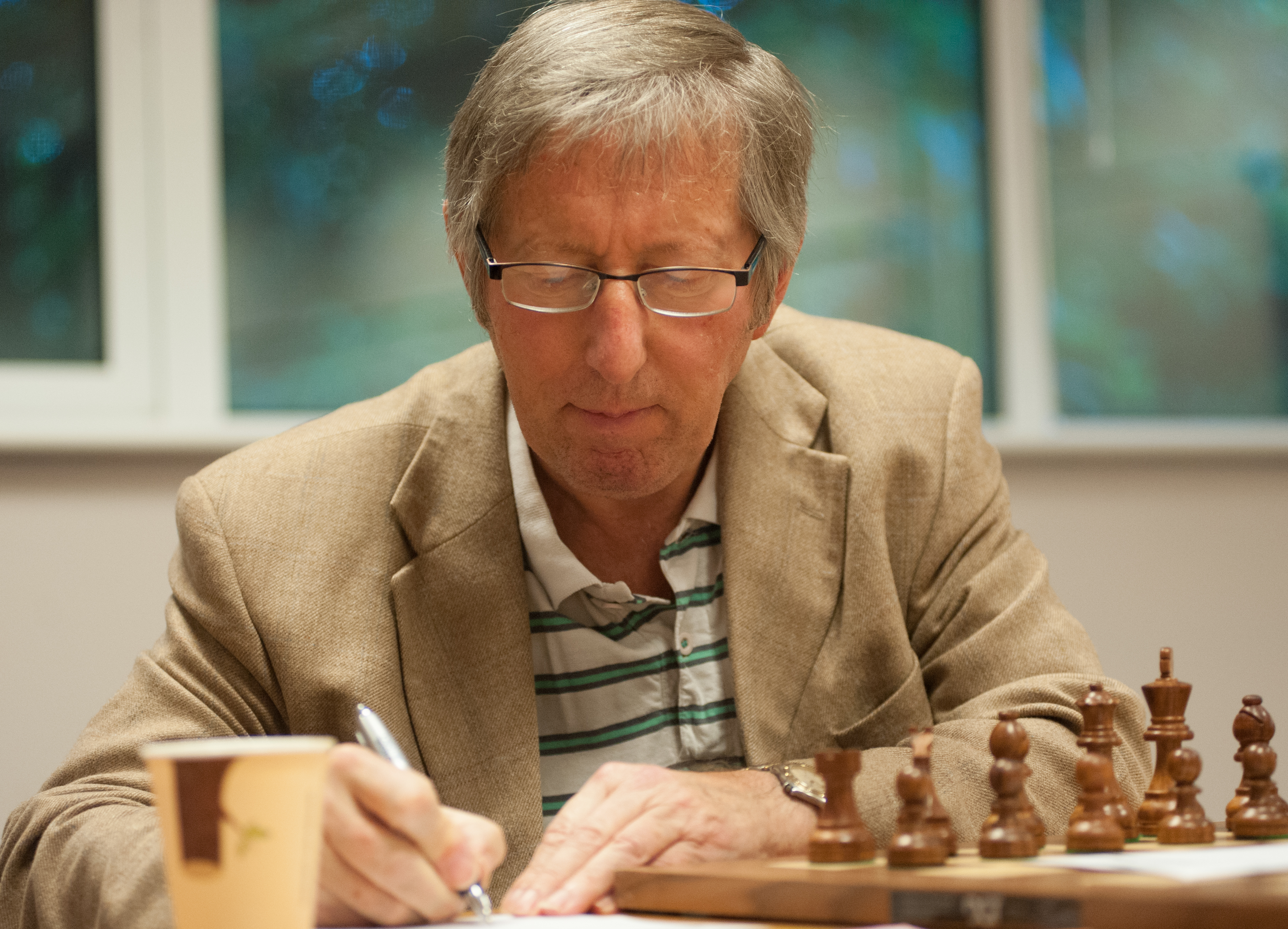
Remembering CGM Keith Richardson (02-iv-1942 10-iv-2017)

CGM Keith Richardson

BCN remembers CGM Keith Richardson who passed away on Monday, April 10th, 2017.

Keith Bevan Richardson was born in Nottingham, on Thursday ,April 2nd 1942. On this day : The comedy film My Favourite Blonde starring Bob Hope and Madeleine Carroll was released.

Keith’s parents were Arthur (30) and Hilda May (née Nicholls, 25). He married Sandra Sowter on the 11th of September 1971 in Sutton Coldfield, Warwickshire. They had two children, Neil and Ian. They lived at 19, The Ridings in Camberley, Surrey.

Sadly, Keith was diagnosed in the 1990s with Parkinson’s disease and became unwell whilst playing in a chess tournament in Cannes in April 2017 and passed away on the 10th of May 2017. Keith was 75. He continued to actively play chess into his final year.

CGM Keith Richardson

Keith was the Treasurer of the Friends of Chess during the period known the English Chess Explosion (late 1970s and 1980s).

Keith received the ECF President’s Award in 2015 for services to the management of the BCF Permanent Invested Fund (PIF) together with Dr. Julian Farrand and Ray Edwards.

[pgn]
[Date “2007.01.26”]
[Round “4”]
[White “Richardson, Keith Bevan”]
[Black “Stefanova, Antoaneta”]
[Result “1-0”]
[ECO “A12”]
[WhiteElo “2250”]
[BlackElo “2483”]
[Annotator “British Chess News”]
[PlyCount “103”]
[EventDate “2007.01.23”]
[EventType “swiss”]
[EventRounds “9”]
[EventCountry “ENG”]
[SourceTitle “CBM 116 Extra”]
[Source “ChessBase”]
[SourceDate “2007.03.07”]
[SourceVersion “1”]
[SourceVersionDate “2007.03.07”]
[SourceQuality “1”]

{[%evp 0,103,19,-12,34,32,20,7,-18,-16,-16,11,-15,-16,5,12,23,32,74,89,89,90,
42,24,13,18,101,-57,31,54,64,86,86,27,14,-107,0,26,11,0,123,25,53,42,55,0,5,11,
10,22,20,24,45,34,61,61,60,52,49,43,49,51,43,16,25,-14,-1,-24,-55,-19,14,4,100,
9,217,250,408,480,473,430,489,221,234,250,267,286,290,287,309,309,330,275,265,
259,253,4,6,6,567,567,817,809,29993,29994,29995,29996]} 1. c4 c6 2. Nf3 d5 3.
b3 dxc4 4. bxc4 e5 5. Nc3 Bd6 6. g3 f5 7. d3 Nf6 8. Bg2 e4 9. dxe4 fxe4 10. Ng5
Qa5 11. Qd2 Be5 12. Bb2 Bf5 13. O-O h6 14. f4 Qc5+ 15. e3 Bxc3 16. Bxc3 Nbd7
17. Rab1 b6 18. g4 hxg5 19. gxf5 g4 20. Bb4 Qxf5 21. Qd6 c5 22. Be1 Kf7 23. Bg3
Rac8 24. a4 Rhe8 25. a5 Re6 26. Qd2 Nf8 27. Ra1 Re7 28. Rfb1 Rd7 29. Qc2 Rd3
30. axb6 axb6 31. Rxb6 Rxe3 32. Raa6 Nh5 33. Ra7+ Kg8 34. Rbb7 Rd8 35. Re7 Rd4
36. Re5 Qg6 37. Bf2 Red3 38. Bxd4 Rxd4 39. Bxe4 Qb6 40. Rxh5 Qxa7 41. Bh7+ Kf7
42. Rf5+ Ke7 43. Qe2+ Ne6 44. Re5 Qd7 45. Qxg4 g6 46. Bxg6 Rxc4 47. Bf5 Qd4+
48. Kg2 Qb2+ 49. Re2 Qb7+ 50. Kf2 Qh1 51. Rxe6+ Kf8 52. Rf6+ 1-0
[/pgn]

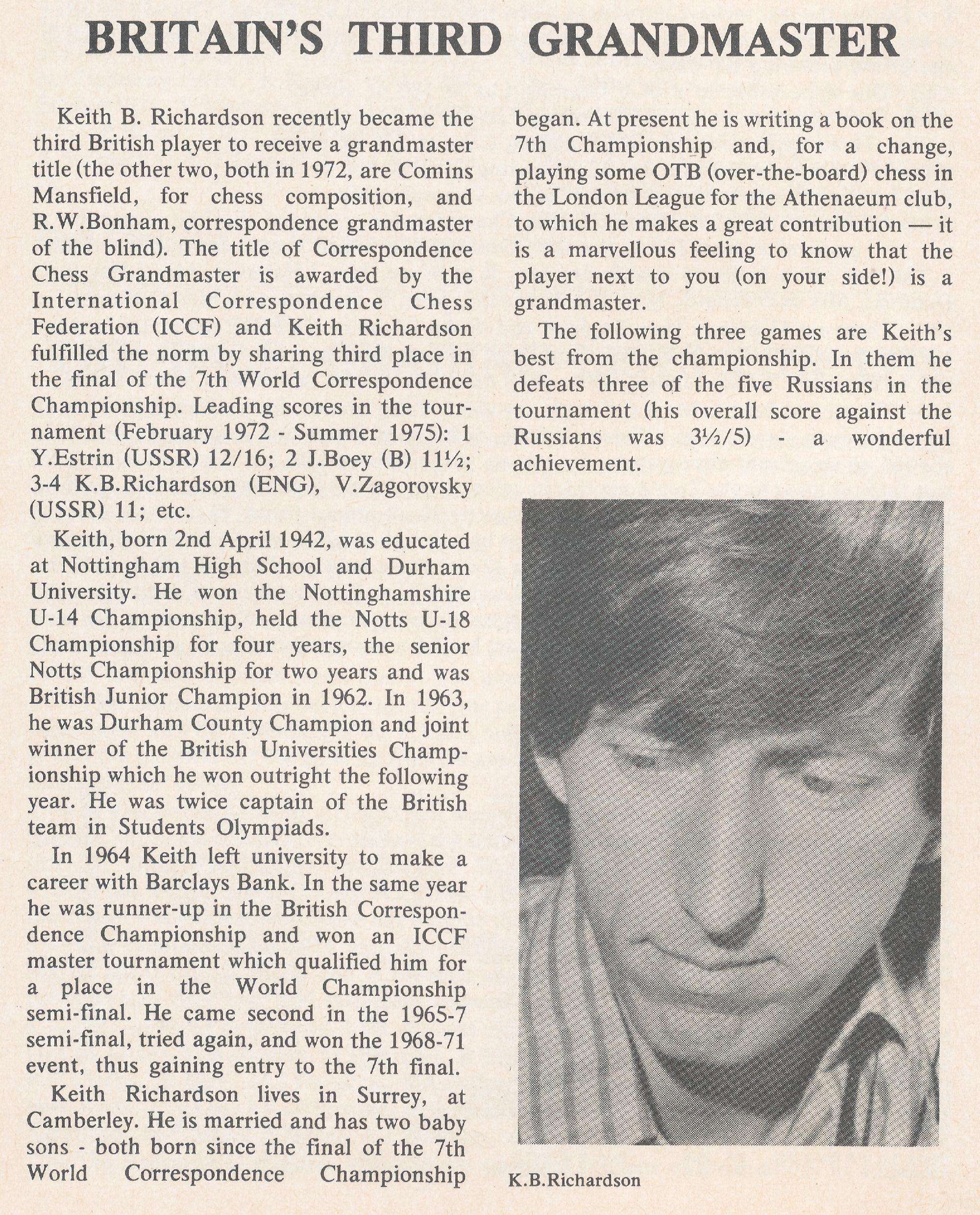
From CHESS, Volume 41 (1975), Numbers 729-730 (September), pp. 380 the news of Keith’s success was initially reported:

“BRITAINS’ FIRST CHESS GRAND MASTER

The first grand master title to be won by a British player has been achieved in the field of correspondence chess by Keith B. Richardson, aged 33, of Camberley.

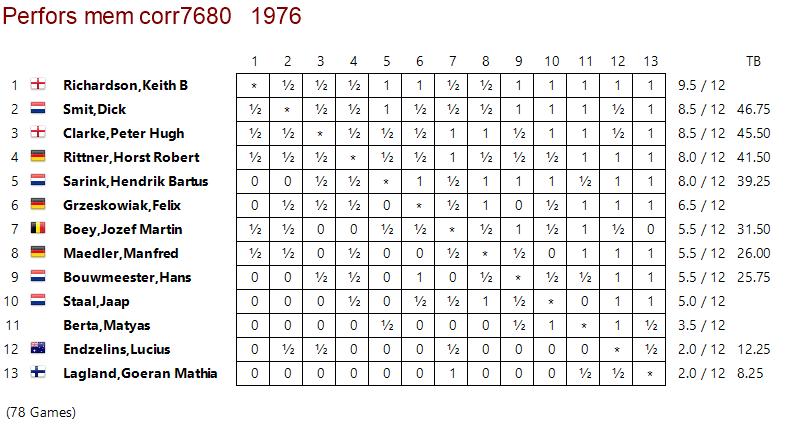
The title of Correspondence Chess grand master is awarded by the lnternational correspondence Chess Federation. Keith Richardson fulfilled the norm by sharing third place in the final of the 7th World Correspondence Chess Championship with a score of 11 points from 16 games. The tournament began in February 1972 and results of the last adjudicated games were recently announced making J. V. Estrin U.S.S.R. first with l2 points; J. Boey Belgium scored 11.5; K. B. Richardson G.B. and Dr. V. Zagorovski U.S.S.R. 11.

There are only 25 Correspondence Chess Grand masters throughout the world.”

This was followed in the next month’s issue by a correction and more depth in CHESS, Volume 41 (1975), Numbers 731-732 (October), pp. 30-31:

“K. B. Richardson, though the first Britain to become a grand master by play was preceded by Comins Mansfield as grandmaster of problem composition, a title he gained in 1972. Our report last month did not make this clear.

Keith B. Richardson was born 2 April 1942 and was educated at Nottingham High School. At 16, he passed Grade 8 in Royal
Schools of Music at pianoforte. At Durham University, he obtained a B.A. in French and German and was awarded the University Palatinate (equal to a ‘blue’) in cricket and fives. He could have become a professional cricketer or a concert pianist but
made his career instead with Barclays Bank which brought him to London and a home in Camberley, Surrey, where he has settled down with his wife, Sandra (from Sutton Coldfield!). They now have two baby sons, Neil aged three years and Ian who is only two months old – both born since the final of the 7th World Correspondence Chess Championship began.

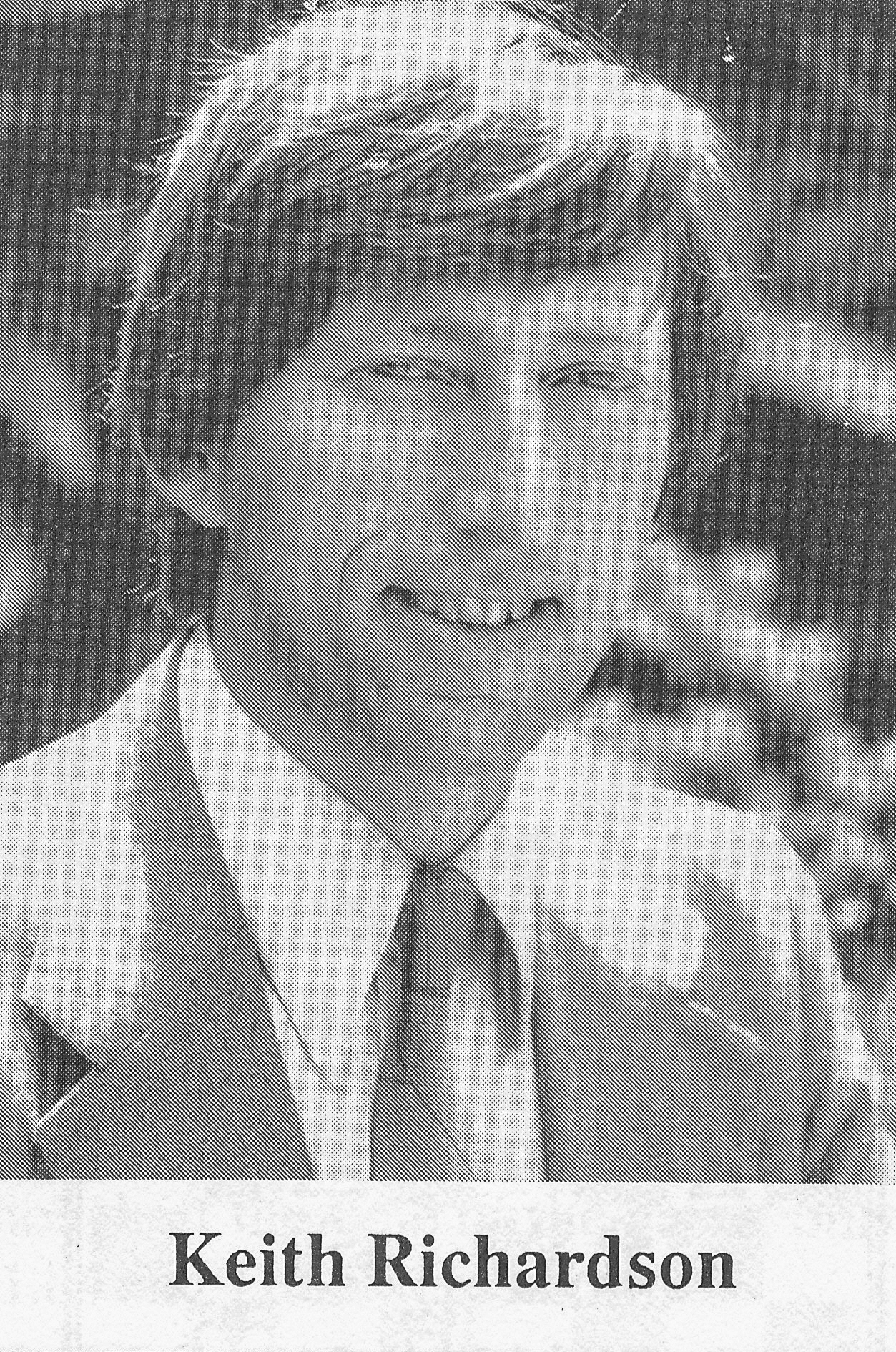
CGM Keith Richardson (from a Barclays Bank publicity article)
CGM Keith Bevan Richardson (from a Barclays publicity article)

Keith’s other interests include bridge and squash. He plays squash for his bank and is Secretary of the London Squash League. As a young chess player, Keith won the Notts. under l4 Championship, held the Notts. under l8 Championship for four years and the Notts. Championship for two years and was British Junior Champion in 1962. In 1963, he was Durham County Champion and joint winner of the British Universities’ Championship which he won outright the following year. He was twice captain of the British Universities Students’ Olympiad team. He held the Midlands Championship (Forrest Cup) for three years and was joint London Champion and London Banks’ Champion in 1970 but has been content to hold the latter title since then and concentrate on correspondence chess.

Keith Richardson at the 1963 Niemeyer Under-21 Tournament in Groningen. The forerunner of the European Junior Championship
Keith Richardson aged 20 at the 1963 Niemeyer Under-21 Tournament in Groningen. The forerunner of the European Junior Championship
Niemeyer Under-21 Tournament, Groningen 1963. The forerunner of the European Junior Championship.
Under the watchful eye of Mr. Niemeijer, Coen Zuidema and Keith Richardson play a quickie on the board, which served as an honorary prize. Source : Groningen 25 Jaar Europees Schaak Internationale Toernooien 1963 -1987, ISBN 90 9001 500 0

In 1964, Keith Richardson was runner up for the British Correspondence Chess Championship and at the same time won a Master Class tournament of the lnternational Correspondence Chess Federation (I.C.C.F.) which qualified for a place in the World C.C. Championship semi-final. He came second in the 1965-67 semi-final and tried again in the 1968-71 event which he won. At the same time, he was representing Great Britain on Board 5 in the 1965-67 I.C.C.F. Olympiad Preliminary and on Board 4 in the 1968-71 event. His score of 5 points from 7 games helped the British team to win its section in the 1968-71 Preliminary and qualify for a place in the I.C.C.F. Olympiad Final which started in 1972. When Keith began play in the World C.C. Championship Final involving l6 tames, he was also asked to take Board 3 in the Olympiad Final involving another 9 games.

He accepted – a mistake which might possibly have cost him the World C.C. Championship! His next assault on the World title will be in 1979 and in the meantime he plans to play in the next I.C.C.F. Olympiad Preliminary and write a book on the 7th World C.C. Championship.

[pgn]
[Event “W-ch07 corr7278”]
[Site “ICCF corr”]
[Date “1972.??.??”]
[Round “?”]
[White “Richardson, Keith Bevan”]
[Black “Estrin, Yakov Borisovich”]
[Result “1-0”]
[ECO “B36”]
[Annotator “British Chess News”]
[PlyCount “96”]
[EventDate “1972.??.??”]
[EventType “tourn (corr)”]
[EventRounds “16”]
[SourceTitle “Corr Nr. 1”]
[Source “ChessBase”]
[SourceDate “1997.09.01”]
[SourceVersion “2”]
[SourceVersionDate “2000.04.19”]
[SourceQuality “1”]

{[%evp 0,96,28,28,51,46,72,38,35,40,81,14,39,29,51,70,57,2,10,-24,3,15,14,-17,
-24,-15,-26,-18,-21,-36,-38,-36,-48,-46,5,-25,-4,-39,-42,-35,88,91,93,95,98,95,
95,94,94,50,52,53,50,48,73,48,41,30,46,64,74,84,77,97,98,109,109,95,95,91,124,
127,132,125,110,127,124,128,133,136,154,158,159,153,153,163,165,174,183,187,
199,191,191,202,217,219,220,220,209]} 1. e4 c5 2. Nf3 Nc6 3. d4 cxd4 4. Nxd4 g6
5. c4 Nf6 6. Nc3 Nxd4 7. Qxd4 d6 8. Be3 Bg7 9. f3 O-O 10. Qd2 Qa5 11. Nb5 Qxd2+
12. Kxd2 b6 13. a4 Nd7 14. Ra2 Bb7 15. Be2 Rfc8 16. a5 Bc6 17. axb6 axb6 18.
Na7 Bb7 19. Rha1 Rc7 20. Nb5 Rcc8 21. Rxa8 Rxa8 22. Rxa8+ Bxa8 23. b4 Bc6 24.
Na7 Bb7 25. Bd1 Ba6 26. Bb3 e6 27. Kc2 Bf6 28. Ba4 Ne5 29. Bxb6 Nxc4 30. Bf2
Kf8 31. b5 Bb7 32. Nc6 Bxc6 33. bxc6 Bd8 34. f4 Ba5 35. Bb3 Na3+ 36. Kd3 Nb5
37. g4 Ke8 38. f5 gxf5 39. gxf5 exf5 40. exf5 Ke7 41. Bh4+ f6 42. Bg8 Na7 43.
Kc4 Bb6 44. Bd5 Bg1 45. h3 Bb6 46. Bg3 Bc5 47. Be1 Bb6 48. Bc3 h6 49. Bd2 h5 50.Bc3 1-0 [/pgn]

In this position, with Black in Zugzwang, the game went for adjudication (after more than three years’ play, a very necessary evil):

“In order to substantiate White’s claim for a win, it was necessary to submit three pages of analysis proving that every possible move loses for Black. If the knight moves, White’s king claims an entry. If Black moves the bishop along the a7-g1 diagonal, White plays Ba5. If the Black bishop moves on the d8-a5 diagonal, White plays Bd4 : KBR”

The game was adjudicated a win for White. This was only defeat inflicted upon the new World Champion.

CGM Keith Richardson in 1975

This article was followed (with some glee no doubt) by an article in  British Chess Magazine, Volume LIXIV (95, 1975), Number 12 (December), page 526 as follows:

“Keith B. Richardson recently became the third British player to receive a grandmaster title (the other two both in 1972, are Comins Mansfield for chess composition’ and R.W. Bonham’ correspondence grandmaster of the blind). The title of Correspondence Chess Grandmaster is awarded by the International Correspondence  Chess Federation  (ICCF) and Keith Richardson fulfilled the norm by sharing third place in the final of the 7th World Correspondence Championship. Leading scores in the tournament (February 1972 – Summer 1975): 1. Y. Estrin (USSR) 12/16; J.Boey (B) 11.5; 3-4 K.B. Richardson (ENG), V. Zagorovsky (USSR) 11; etc.

Keith, born 2nd April1942, was educated at Nottingham High School and Durham University-. He won the Nottinghamshire U-14 Championship, held the Notts U-18 championship for four years, the senior Notts  Championship for two years and was British Junior Champion in 1962. In 1963, he was  Durham County Champion and joint winner of the British Universities Championship  which he won outright the following year. He was twice captain of the British team in Students Olympiads.

Keith Richardson from BCM, 1984, page 545

In 1964 Keith left university to make a career with Barclays Bank.  In the same year he was runner-up in the British Correspondence Championship and won an ICCF master tournament which qualified him for a place in the World Championship final. He came second in the 1965-7 semi-final, tried again, and won the 1968-71 event thus gaining entry to the 7th final.

Keith Richardson lives in Surrey at Camberley. He is married and has two baby sons – both born since the final of the 7th World Correspondence Championship began. At present he is writing a book on the 7th Championship and, for a change playing some OTB (over-the-board) chess in the London League for the Athenaeum club, to which he makes a great contribution – it is a marvellous feeling to know  that the player next to you (on your side!) is a grandmaster.

Keith Richardson playing for BCM Dragons in the Four Nations Chess League (4NCL, courtesy of John Upham Photography.

The following three games are – Keith’s best from  the -championship. In them he defeats three of the five Russians in the
tournament (his overall score against the Russians was 3.5/5 – a wonderful achievement.”

[pgn]
[Event “W-ch07 corr7278”]
[Site “ICCF corr”]
[Date “1972.??.??”]
[Round “?”]
[White “Richardson, Keith B”]
[Black “Dubinin, Piotr Vasilyevich”]
[Result “1-0”]
[ECO “B78”]
[Annotator “British Chess News”]
[PlyCount “63”]
[EventDate “1972.??.??”]
[EventType “tourn (corr)”]
[EventRounds “16”]
[SourceTitle “Corr Nr. 1”]
[Source “ChessBase”]
[SourceDate “1997.09.01”]
[SourceVersion “2”]
[SourceVersionDate “2000.04.19”]
[SourceQuality “1”]

{[%evp 0,63,19,38,40,41,66,77,66,55,55,20,70,53,40,34,30,13,22,26,44,-4,8,4,23,
-5,1,-4,25,-17,-8,15,87,96,103,80,142,32,40,40,82,91,281,262,318,344,443,459,
452,524,524,524,524,524,1106,1141,29991,29992,29993,29994,29995,29996,29997,
29998,29999,-30000]} 1. e4 c5 2. Nf3 d6 3. d4 cxd4 4. Nxd4 Nf6 5. Nc3 g6 6. Be3
Bg7 7. f3 O-O 8. Qd2 Nc6 9. Bc4 Bd7 10. O-O-O Qa5 11. Kb1 Rfc8 12. Bb3 Ne5 13.
Bg5 $5 Rc5 14. Rhe1 Rac8 15. f4 Neg4 $2 {[#]} 16. Nf3 $1 Rxc3 17. bxc3 Bc6 18.
e5 $1 Ne4 19. Rxe4 Bxe4 20. Bxe7 dxe5 21. Ng5 Bf5 22. Nxf7 Ra8 23. h3 Nf6 {[#]}
24. Bxf6 $1 Bxf6 25. fxe5 Bg7 26. g4 Bc8 27. Ng5+ Kh8 28. Qd8+ Qxd8 29. Rxd8+
Bf8 30. Rxf8+ Kg7 31. Rg8+ Kh6 32. Nf7# 1-0
[/pgn]

and here is the printed version of the above report:

British Chess Magazine, Volume LIXIV (95, 1975), Number 12 (December), page 526
British Chess Magazine, Volume LIXIV (95, 1975), Number 12 (December), page 527

[pgn]
[Event “W-ch07 corr7278”]
[Site “ICCF corr”]
[Date “1972.??.??”]
[Round “?”]
[White “Richardson, Keith B”]
[Black “Zagorovsky, Mikhail Pavlovich”]
[Result “1-0”]
[ECO “D42”]
[Annotator “British Chess News”]
[PlyCount “61”]
[EventDate “1972.??.??”]
[EventType “tourn (corr)”]
[EventRounds “16”]
[SourceTitle “Corr Nr. 1”]
[Source “ChessBase”]
[SourceDate “1997.09.01”]
[SourceVersion “2”]
[SourceVersionDate “2000.04.19”]
[SourceQuality “1”]

{[%evp 0,61,19,38,72,69,71,70,45,17,13,28,33,27,32,25,25,15,18,32,28,28,40,33,
59,47,56,55,17,-1,77,28,55,70,133,96,89,132,303,259,263,268,268,278,293,293,
293,308,368,291,372,389,493,504,511,520,532,535,572,592,765,797,802,877]} 1. e4
c6 2. d4 d5 3. exd5 cxd5 4. c4 Nf6 5. Nc3 e6 6. Nf3 Be7 7. cxd5 Nxd5 8. Bd3 O-O
9. O-O Nc6 10. Re1 Bf6 11. Be4 Nce7 12. Ne5 g6 $2 {[#]} 13. Qf3 $5 Bg7 14. h4
Nf5 15. Bxf5 gxf5 16. h5 Nb4 17. Qg3 Kh8 18. Bg5 f6 $2 {[#]} 19. Ng6+ $3 Kg8
20. Nxf8 Kxf8 21. Bf4 Nc2 22. h6 Bh8 23. Nb5 Nxa1 24. Rxa1 Bd7 25. Bc7 Qe8 26.
Bd6+ Kf7 27. Nc7 Qg8 28. Nxa8 Qxa8 29. Rc1 Bc6 30. d5 $1 f4 31. Qxf4 1-0
[/pgn]

From The Encyclopaedia of Chess by Hooper & Whyld :

“English player. International Correspondence Chess Grandmaster (1975), bank manager. Around 1961 Richardson decided that over-the- board play, which had brought him some successes as a. junior, would interfere with his professional career and he took to postal chess instead. His best performance in this field was his sharing of third place with Zagorovsky after Estrin and Boey in the 7th World Correspondence Championship, 1968-71. ”

In October 1984 Keith took part in the A. E. Axelson Memorial tournament organised by the Swedish CC Committee and with fifteen grandmasters was one of the strongest CC tournaments in history.  Keith finished in 11th place ahead of Boey.

In 1991 Jonathan Berry wrote a potted biography in  Diamond Dust, International Chess Enterprises, ISBN 1-879479-00-1 as follows :

“Camberley, Surrey, England. Born 2 April 1942. Married with two sons. Bank Manager.

He was British Under-21 Champion in 1962. At Groningen 1962/63, he was placed 2nd in the European Junior Championship. At Bristol 1967 he was equal 5th in the British Championship.

In CC, he gained the IMC in 1968, GMC in 1975. In CC WCh VII, he won the semi-final with 9.5/12, and placed =3rd in the final, 11/16. In CC WCh X, he again tied for third in the final with 10/15. Playing board 3 for Britain in OL-VIII, finals, 1972-76, he scored 7.5/9, the highest score on any board. He won the Prefors Memorial, 1976-1980, 9.5.12”

1976-1980 Prefors Memorial

Keith was a founding member of Camberley Chess Club in 1972.

[embedyt] https://www.youtube.com/watch?v=Opp68Jw4dlA[/embedyt]

A one-day tournament (The Keith Richardson Memorial) in memory of Keith was started in 2017 and has been held four times in total being played on-line for the first time in 2021.

Ken Coates presents Clive Frostick with the trophy for the 2019 Keith Richardson Memorial Tournament.

From Chessgames.com :

“Keith Bevan Richardson was born in Nottingham, England. Awarded the IMC title in 1968 and the GMC title in 1975, he finished 3rd= in the World Correspondence Championships of 1975 and 1984.”

Here are his games from chessgames.com

An obituary from Ray Edwards / ECF.

Here is an excellent biography by Peter Rust from the web site of the Hamilton Russell Cup

Barclay’s Bank pay tribute to Keith on the corporate site.

Here is an entry from the Belgian chess history web site.