Tag Archives: Author

Happy 97th Birthday Leonard Barden (20-viii-1929)

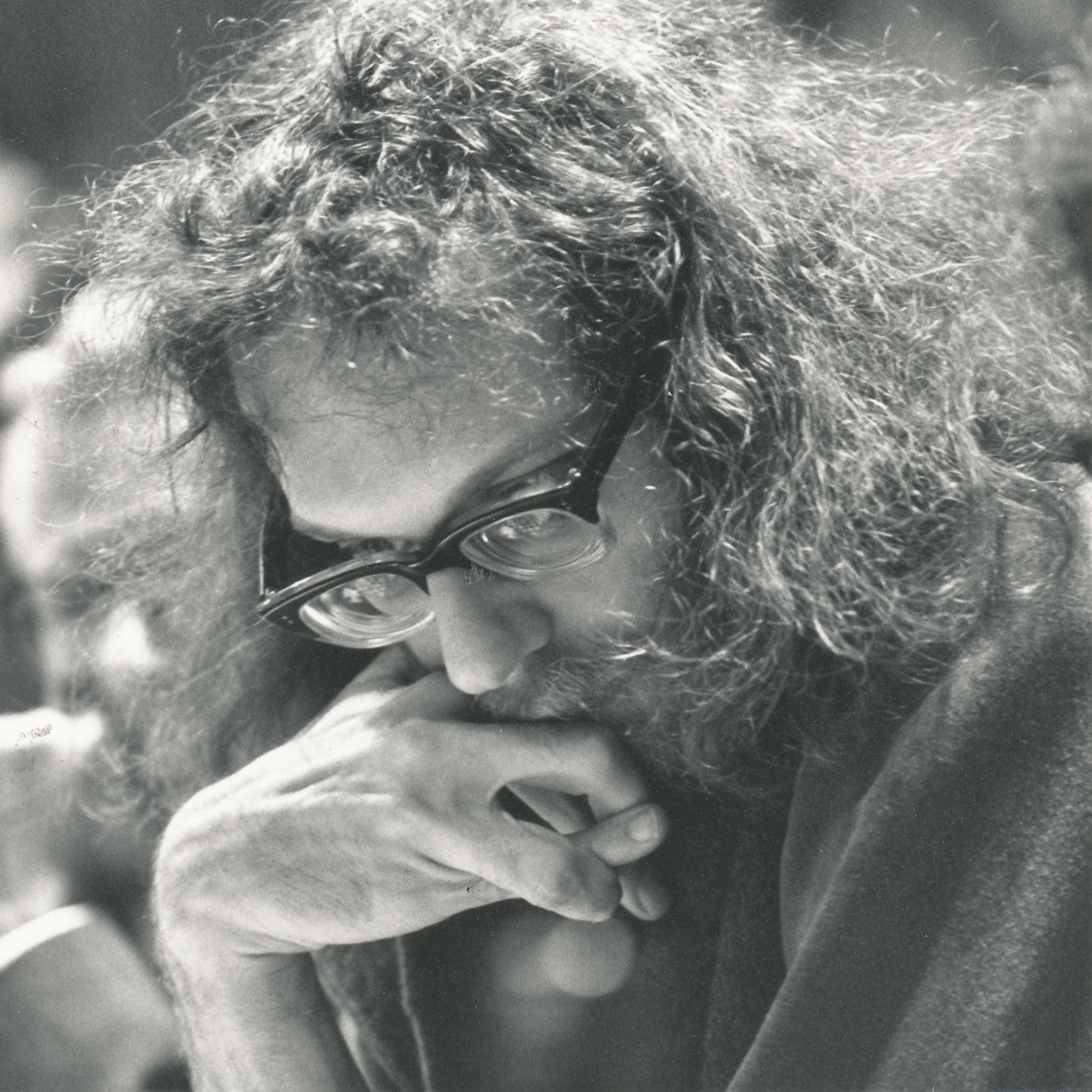
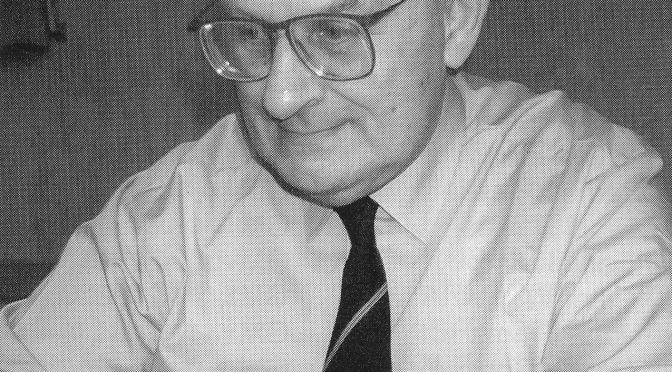
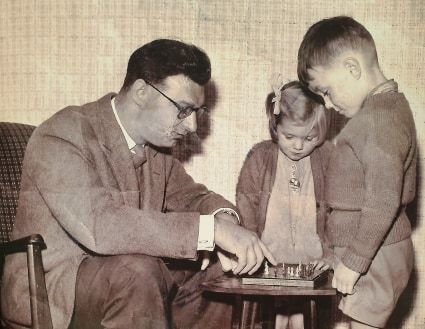
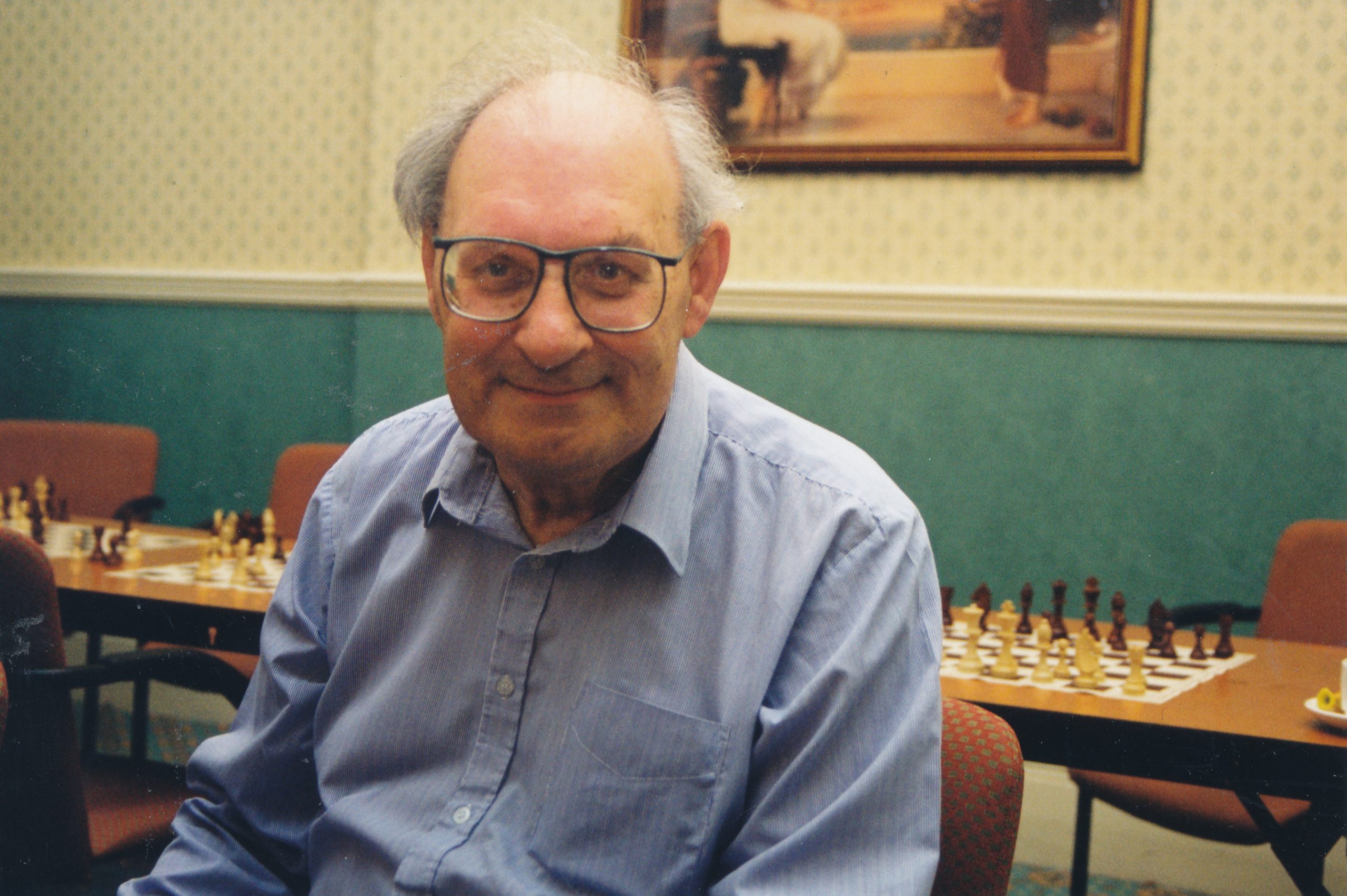
Ninety-seven today is Leonard William Barden, born Tuesday, August 20th, 1929.

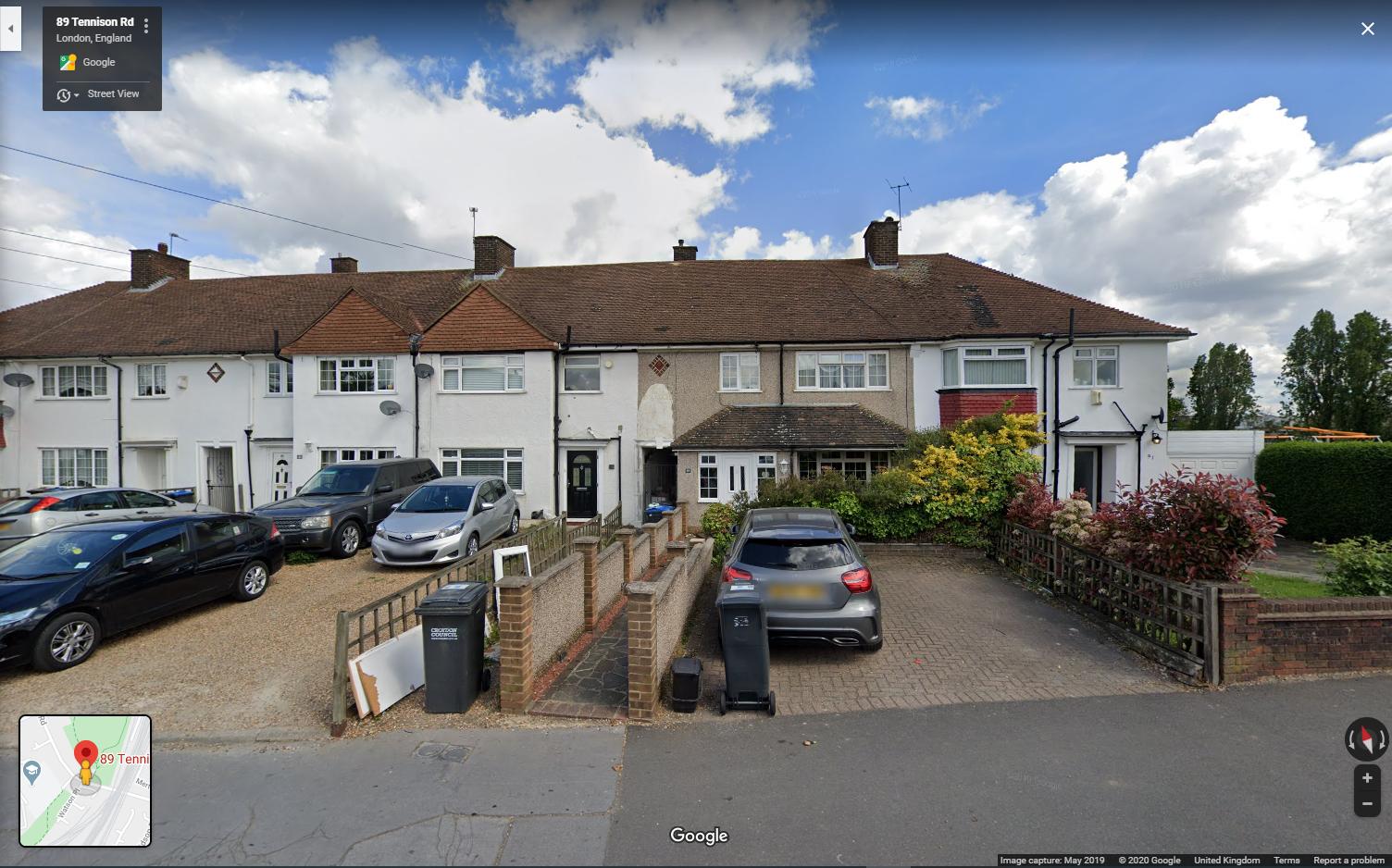
His mother’s maiden was Bartholomew and she became Elise EM Barden when she married Leonard’s father who was William C Barden (a dustman) and in 1939 they lived at 89, Tennison Road, Croydon.

89, Tennison Road, Croydon

From The Encyclopedia of Chess (Batsford, 1977) by Harry Golombek OBE:

“British Master and joint British Champion 1954. Barden was born in Croydon and learned to play at his school, Whitgift, which became a frequent producer of fine players.

In 1946 he tied for first place in the London Boys Championship and in the following year he tied with Jonathan Penrose for first place in the British Boys Championship, but lost the play-off.

In 1952 he came first at Paignton ahead of the Canadian Grandmaster Yanofsky and he reached his peak in 1954 when , after tieing for first place with the Belgian Grandmaster O’Kelly de Galway at Bognor, he tied for for first place in the British Championship at Nottingham with A. Phillips. The play-off was drawn and so the players became joint champions.

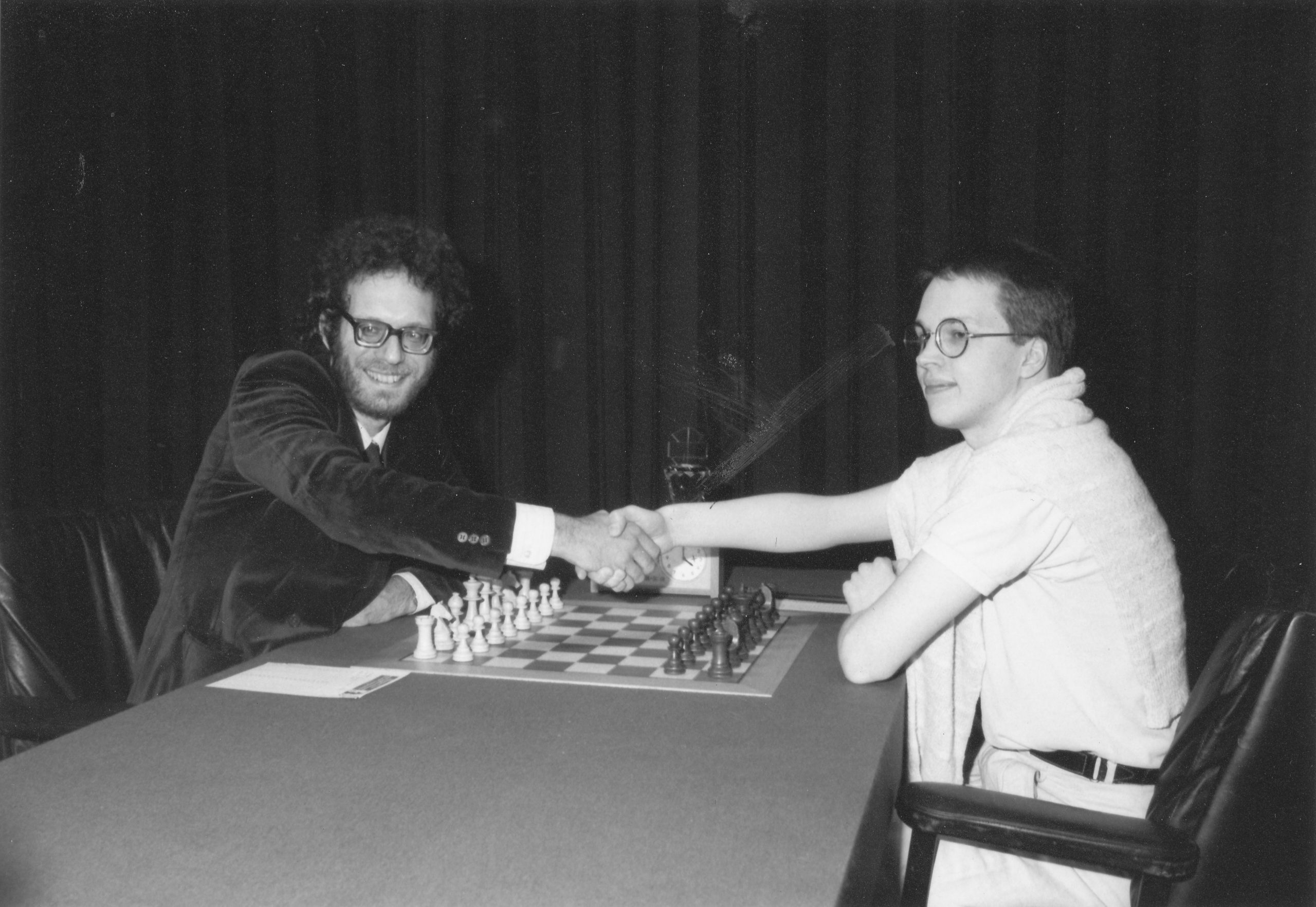
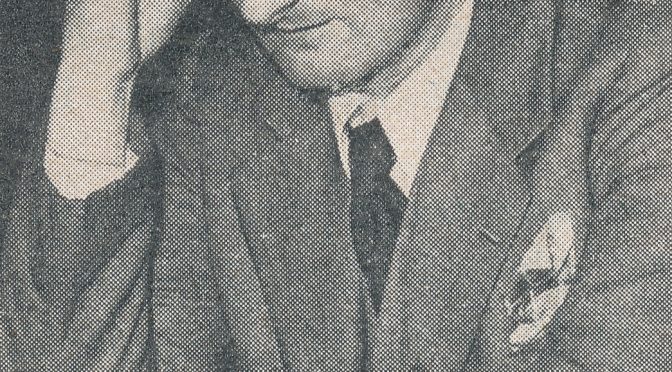
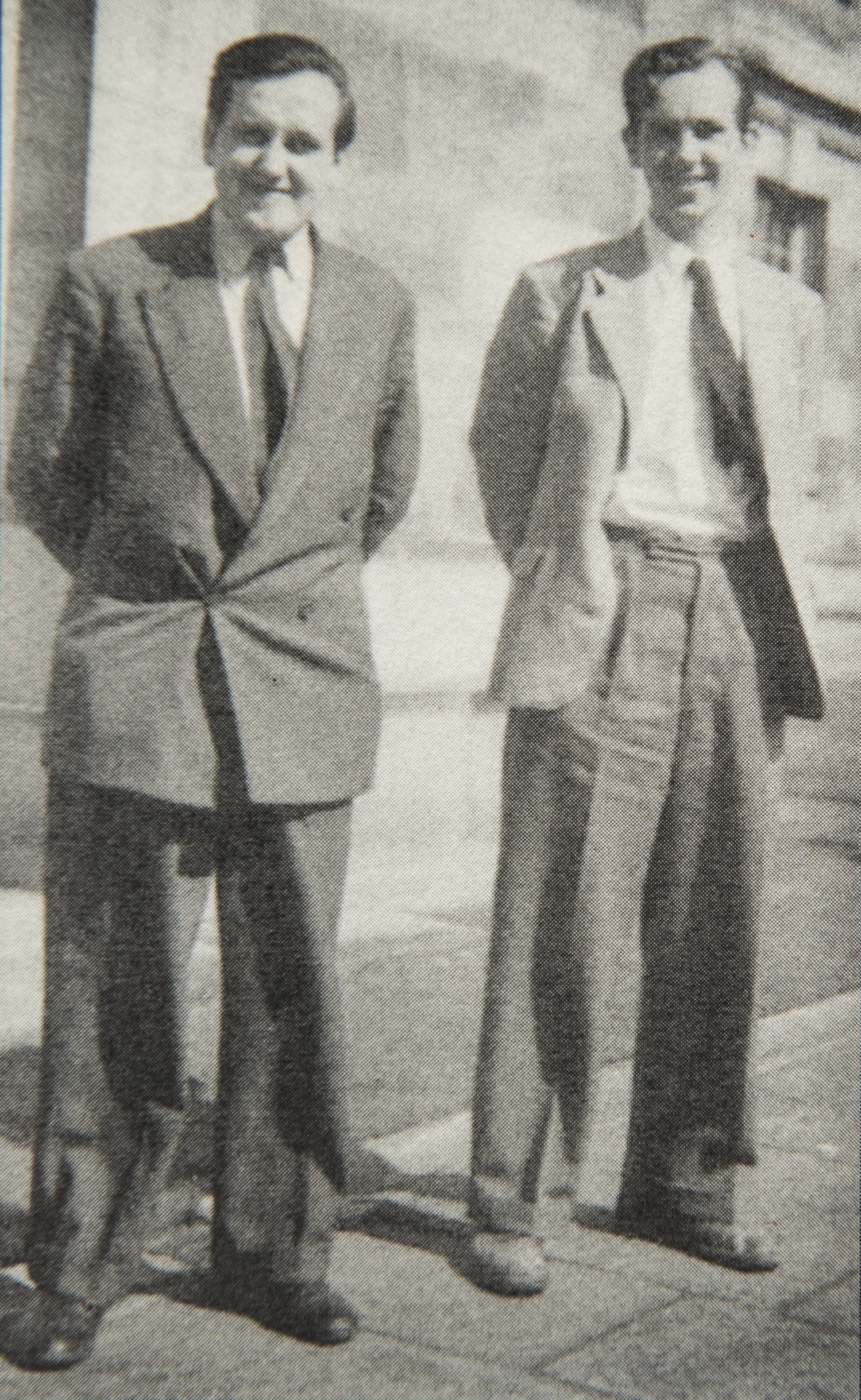
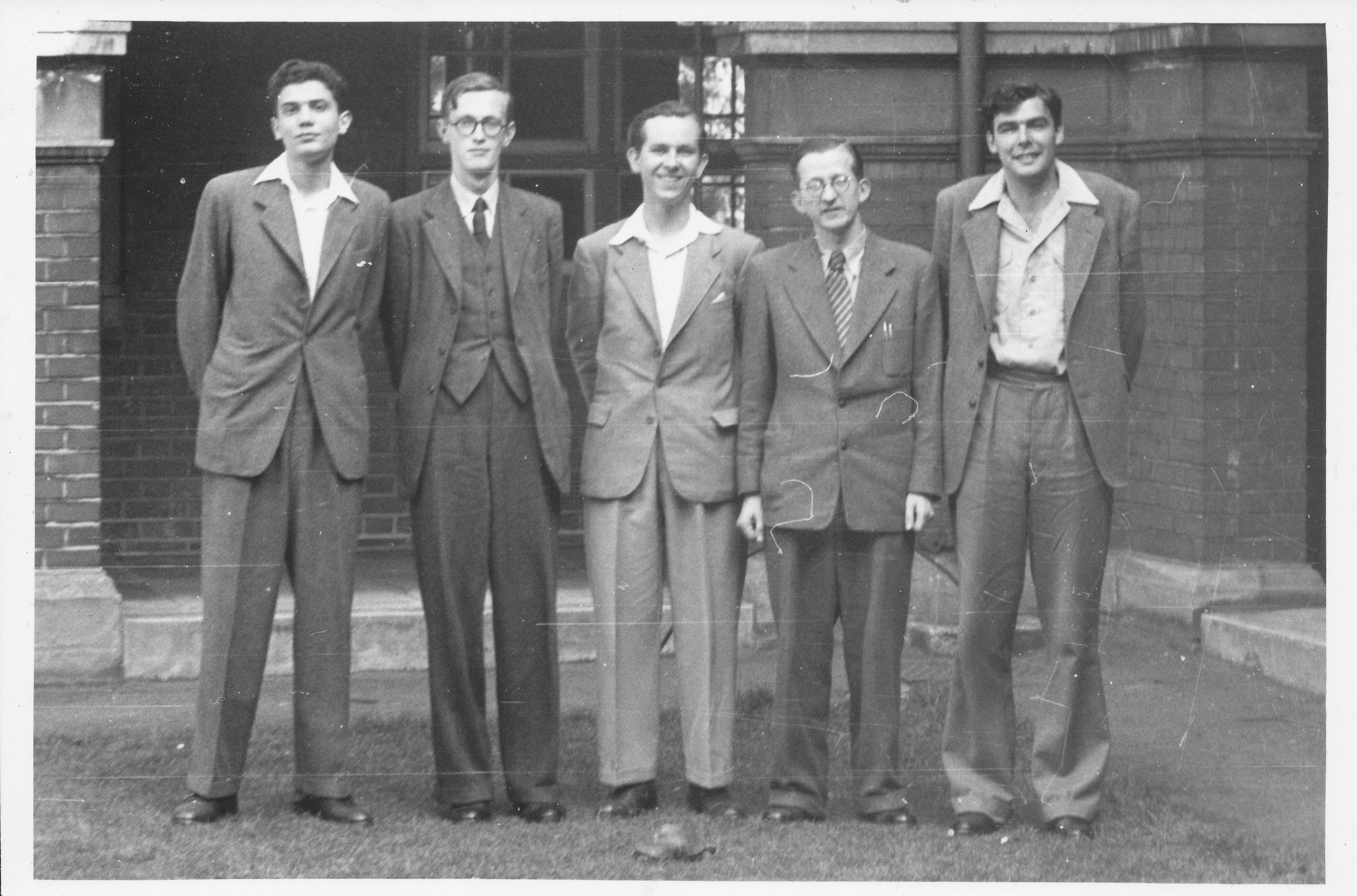
Alan Phillips and Leonard Barden are joint British Champions of 1954 in Nottingham, photographer unknown

He played for the BCF in four Olympiads from 1952 to 1962 and then abandoned competitive chess, applying all his energies to writing (he is chess correspondent of the Guardian, the Financial Times, the Evening Standard and the Field, and has written many books on the game.

He has also developed two special interests, in junior chess and in grading, working with utmost persistence and energy in both of these fields.

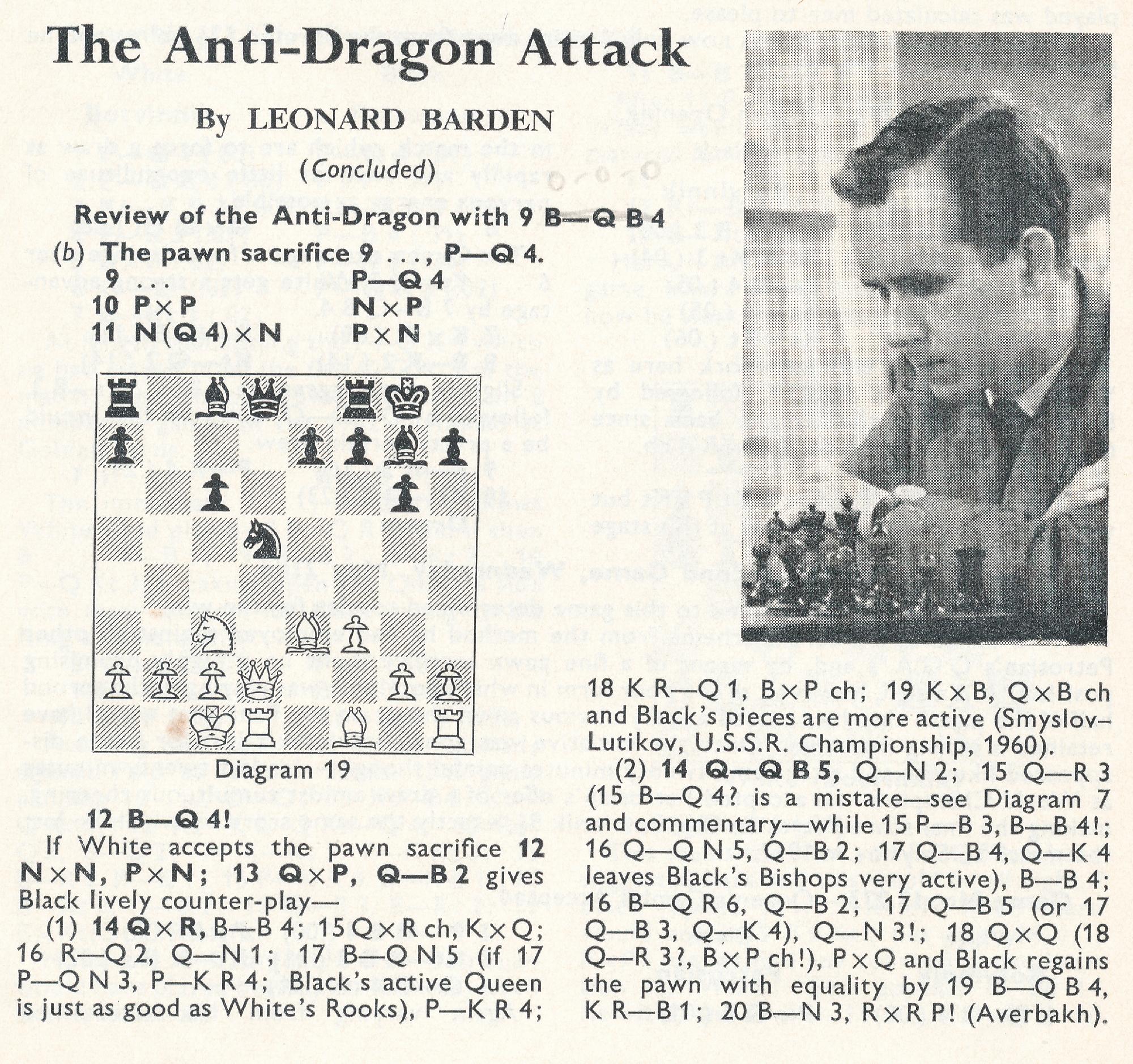
Leonard authored a series of articles on what was to become the Yugoslav Attack versus the Sicilian Dragon. Source : British Chess Magazine, Volume LXXXIII, Number 7 (July), page 208

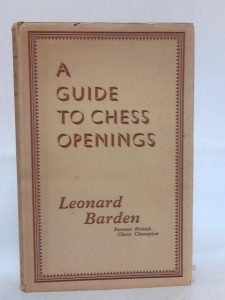
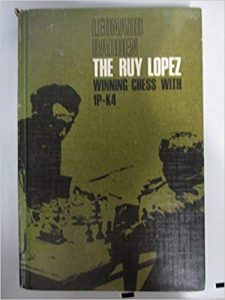
Amongst his best works are : a A Guide to Chess Openings, London, 1957; The Ruy Lopez, Oxford, 1963; The King’s Indian Defence, London, 1968.”

Disappointingly  Sunnucks Encyclopedia does not mention Barden at all and and surprisingly Hooper and Whyld’s usually excellent Oxford Companion only from a connection with Jim Slater.

Leonard Bardens’ Evening Standard column ends after 63 Years

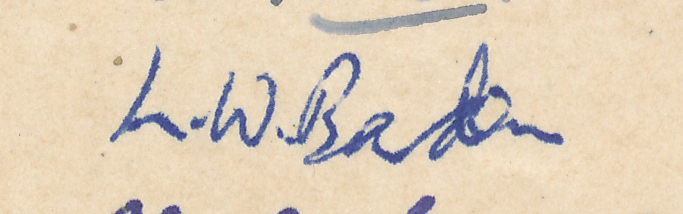
Signature of LW Barden from a Brian Reilly "after dinner" postcard from Southsea 1951.
Signature of LW Barden from a Brian Reilly “after dinner” postcard from Southsea 1951.
Here is an in-depth article from Edward Winter

Leonard Barden’s Blunder Theory from Kingpin Magazine

54-Year-Old Chess Record established in 2009

From Wikipedia :

“Leonard William Barden (born 20 August 1929, in Croydon, London) is an English chess master, writer, broadcaster, organizer and promoter. The son of a dustman, he was educated at Whitgift School, South Croydon, and Balliol College, Oxford, where he read Modern History.

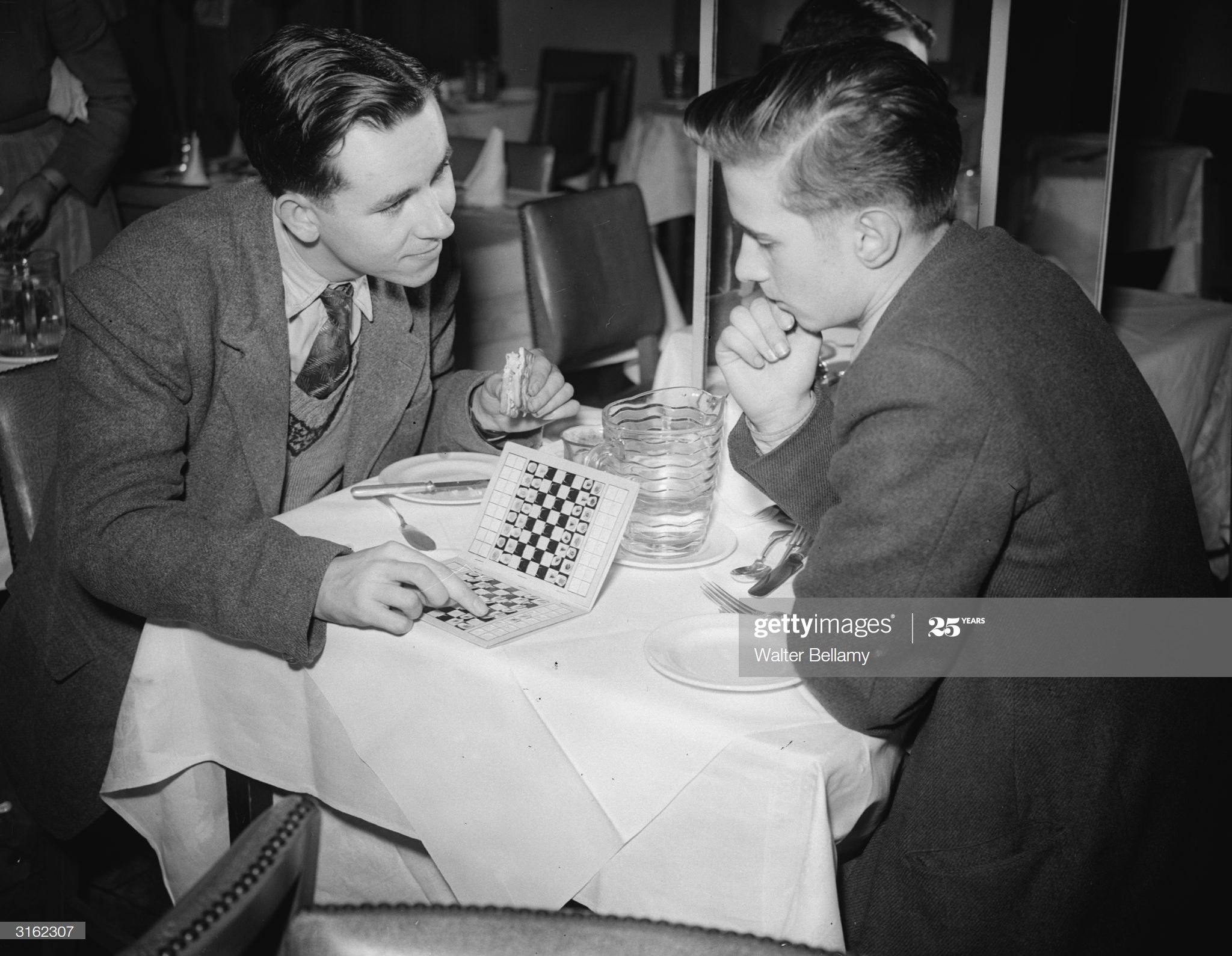
Travel Chess 2nd January 1951: British chess champions Jonathan Penrose and Leonard Barden ponder over a portable travel game in a restaurant. (Photo by Walter Bellamy/Express/Getty Images)
Travel Chess
2nd January 1951: British chess champions Jonathan Penrose and Leonard Barden prepare their openings over breakfast in the Yelton Hotel before the 9.30 am round start at Hastings 1950-51. (Photo by Walter Bellamy/Express/Getty Images)
He learned to play chess at age 13 while in a school shelter during a World War II German air raid. Within a few years he became one of the country’s leading juniors.[1] He represented England in four Chess Olympiads. Barden played a major role in the rise of English chess from the 1970s. As a chess columnist for various newspapers, his column in London’s Evening Standard is the world’s longest-standing chess column.
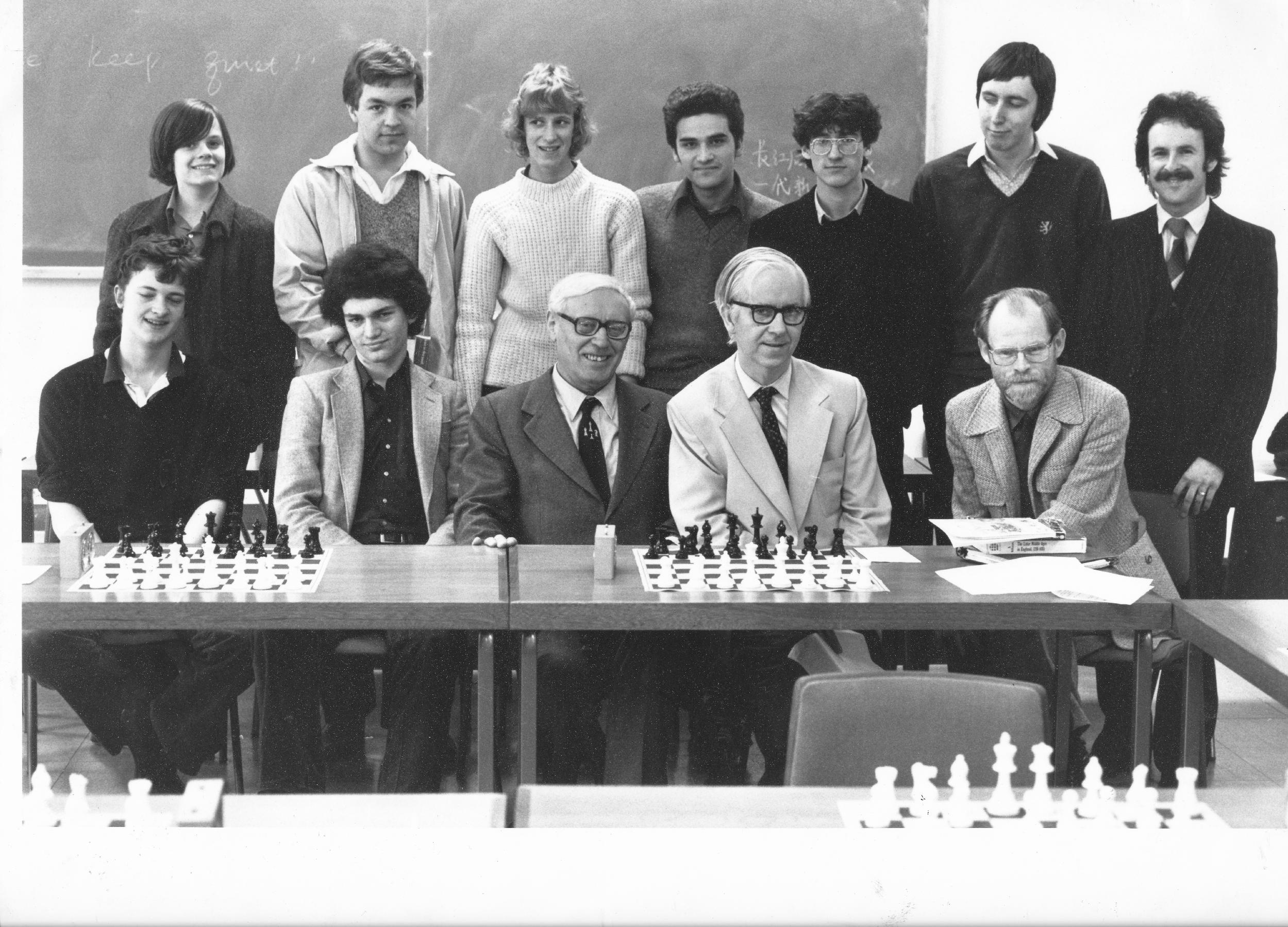
Leonard Barden (seated, second from right)
Leonard Barden (seated, second from right) Before Botvinnik’s 1981 Pergamon Press clock simul against England juniors, the final competitive event of the Patriarch’s career.
Standing: Stuart Conquest, Neil Dickenson. Gary Lane, Alan Byron,
Daniel King, John Hawksworth, Pergamon editor.
Seated: Julian Hodgson, Byron Jacobs, Mikhail Botvinnik, Leonard Barden, Bernard Cafferty.

In 1946, Barden won the British Junior Correspondence Chess Championship, and tied for first place in the London Boys’ Championship. The following year he tied for first with Jonathan Penrose in the British Boys’ Championship, but lost the playoff.

Barden finished fourth at Hastings in 1951–52. In 1952, he won the Paignton tournament ahead of the Canadian future grandmaster Daniel Yanofsky. He captained the Oxfordshire team which won the English Counties championship in 1951 and 1952.

Leonard William Barden (20-xiii-1929)
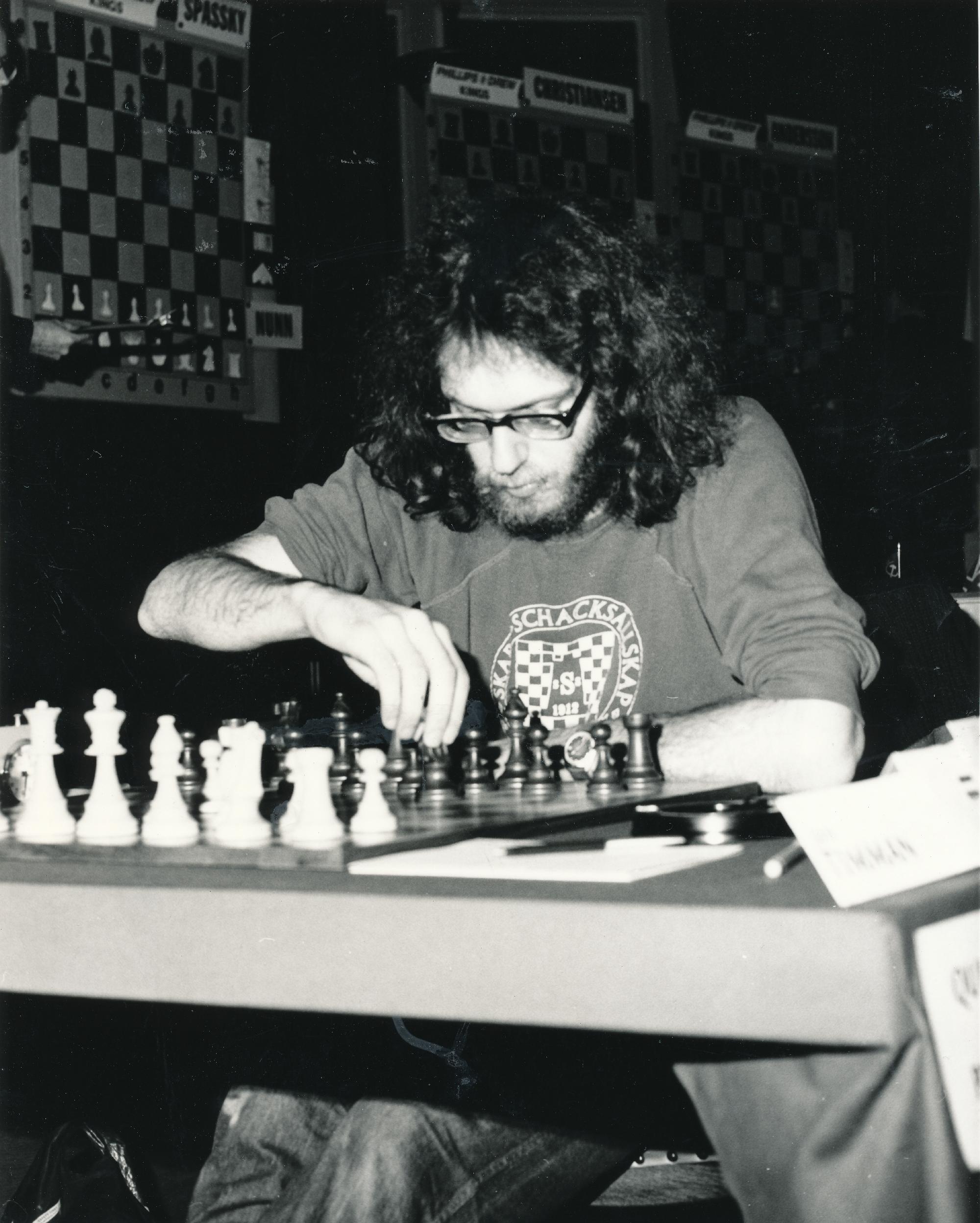
Barden making a move at Southend 1955.

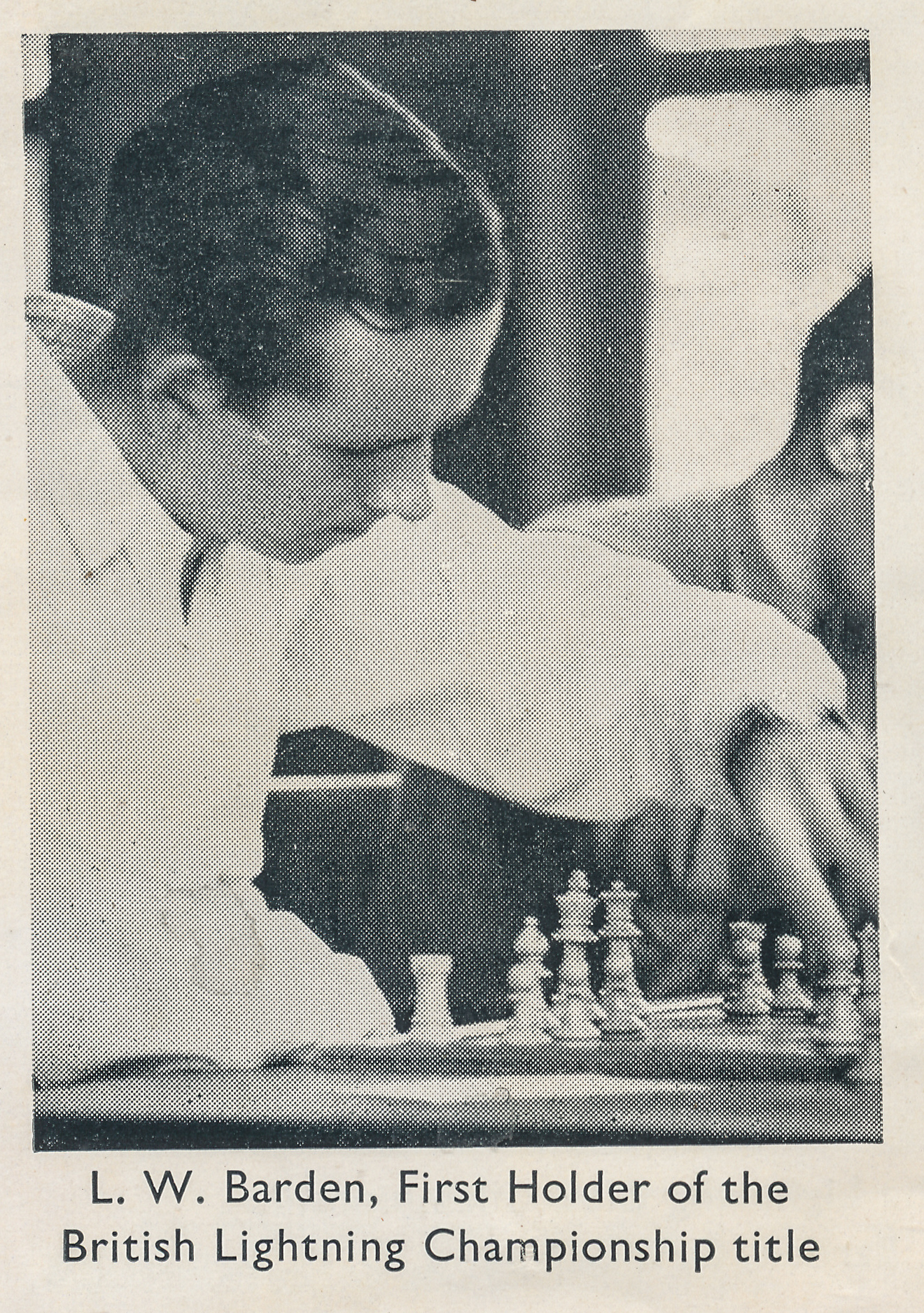
In the latter year he captained the University of Oxford team which won the National Club Championship, and he represented the university in the annual team match against the University of Cambridge during his years there. In 1953, he won the individual British Lightning Championship (ten seconds a move).

Leonard Barden, First Holder of the British Lightning Championship title played at the Ilford Congress between May 22nd and May 25th, 1953

(ed: the above event was “won” by Dr. PM List with 15.5/18 but he was not allowed the title. Leonard together with AY Green and KR Smith scored 13/18 and won the play-off).

The following year, he tied for first with the Belgian grandmaster Albéric O’Kelly de Galway at Bognor Regis, was joint British champion, with Alan Phillips, and won the Southern Counties Championship.

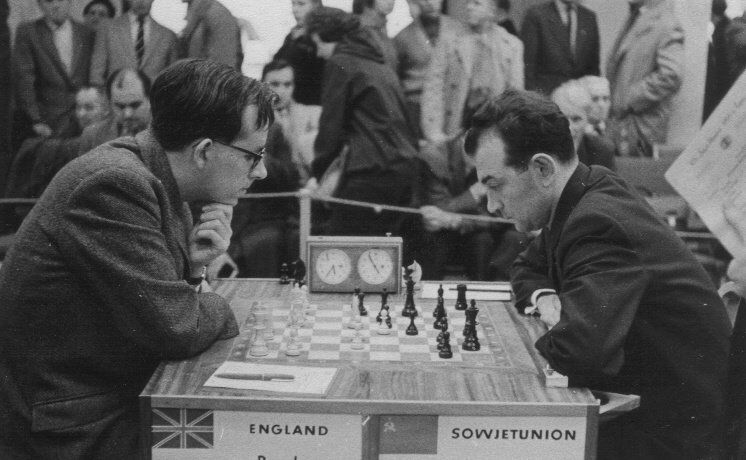
Leonard Barden vs Victor Korchnoi, Leipzig Olympiad, 1960

He finished fourth at Hastings 1957–58, ranked by chessmetrics as his best statistical performance. In the 1958 British Chess Championship, Barden again tied for first, but lost the playoff match to Penrose 1½–3½.

Leonard Barden (centre) with Raaphi Persitz, JB Sykes, OI Galvenius and DM Armstrong, Ilford, May, 1953

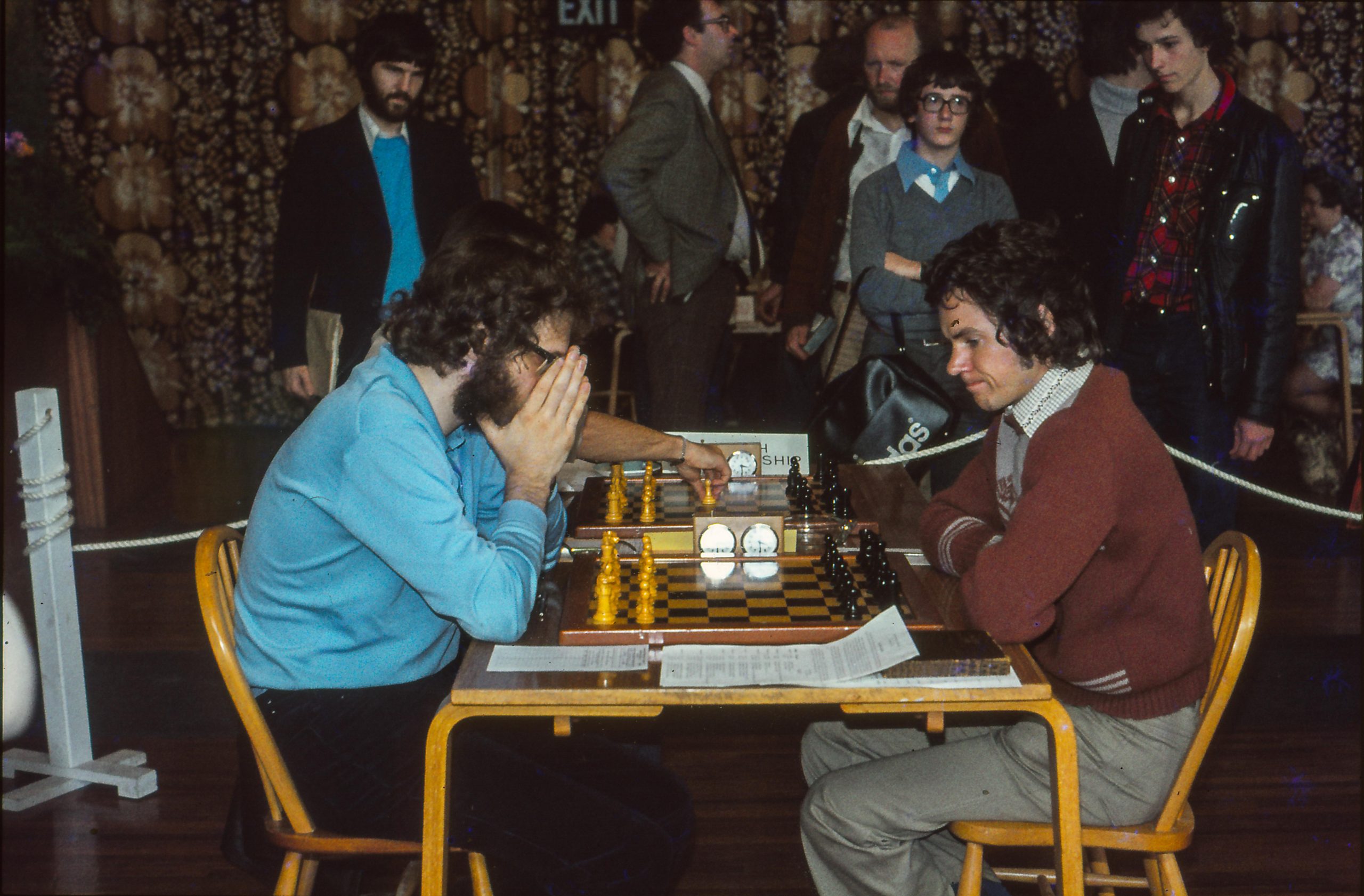
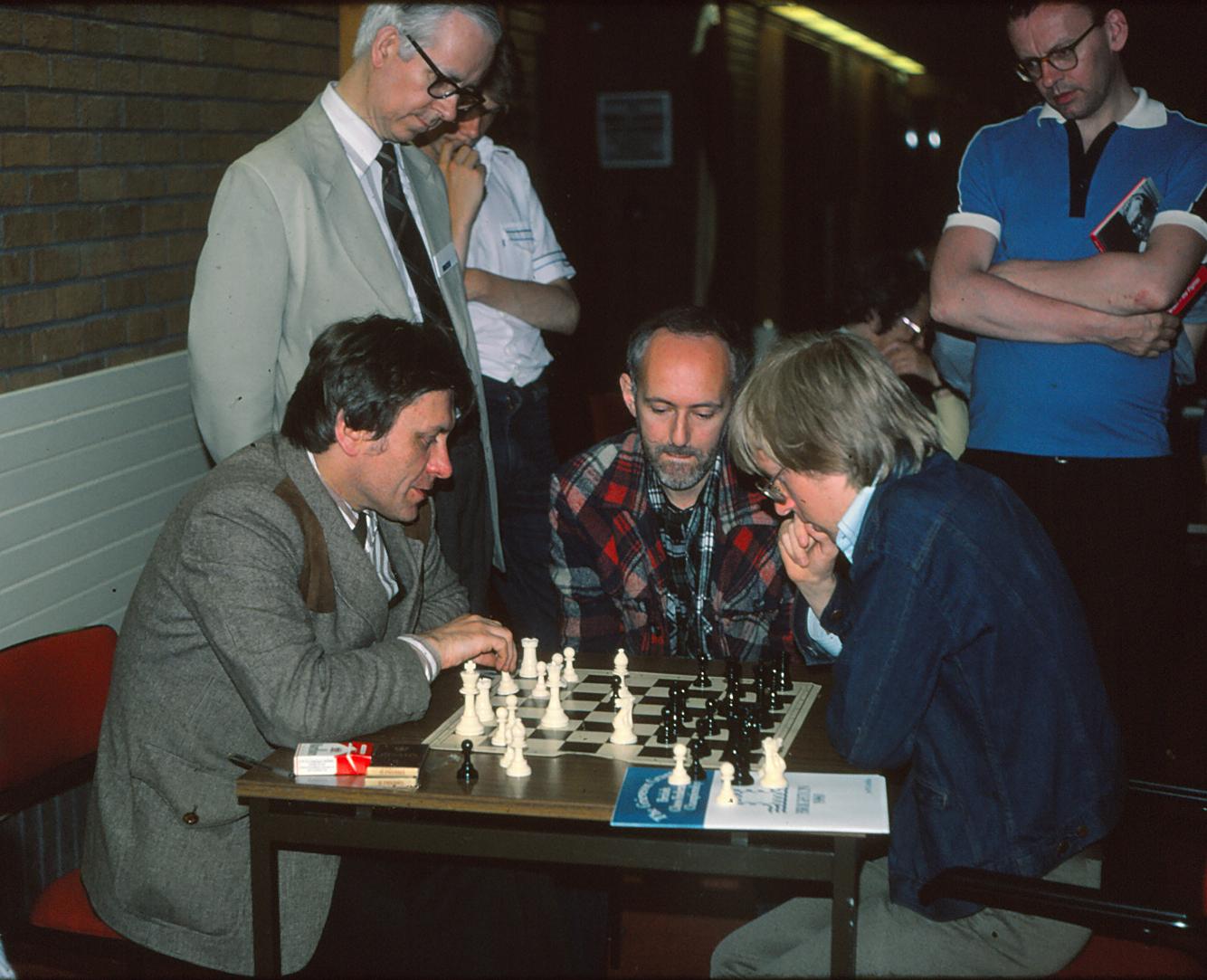
LWB observes analysis between David Rumens and Murray Chandler from Brighton 1980
LWB observes analysis between David Rumens and Murray Chandler from Brighton 1980. Photograph courtesy of John Upham.

He represented England in the Chess Olympiads at Helsinki 1952 (playing fourth board, scoring 2 wins, 5 draws, and 4 losses), Amsterdam 1954 (playing first reserve, scoring 1 win, 2 draws, and 4 losses), Leipzig 1960 (first reserve; 4 wins, 4 draws, 2 losses) and Varna 1962 (first reserve; 7 wins, 2 draws, 3 losses). The latter was his best performance by far.

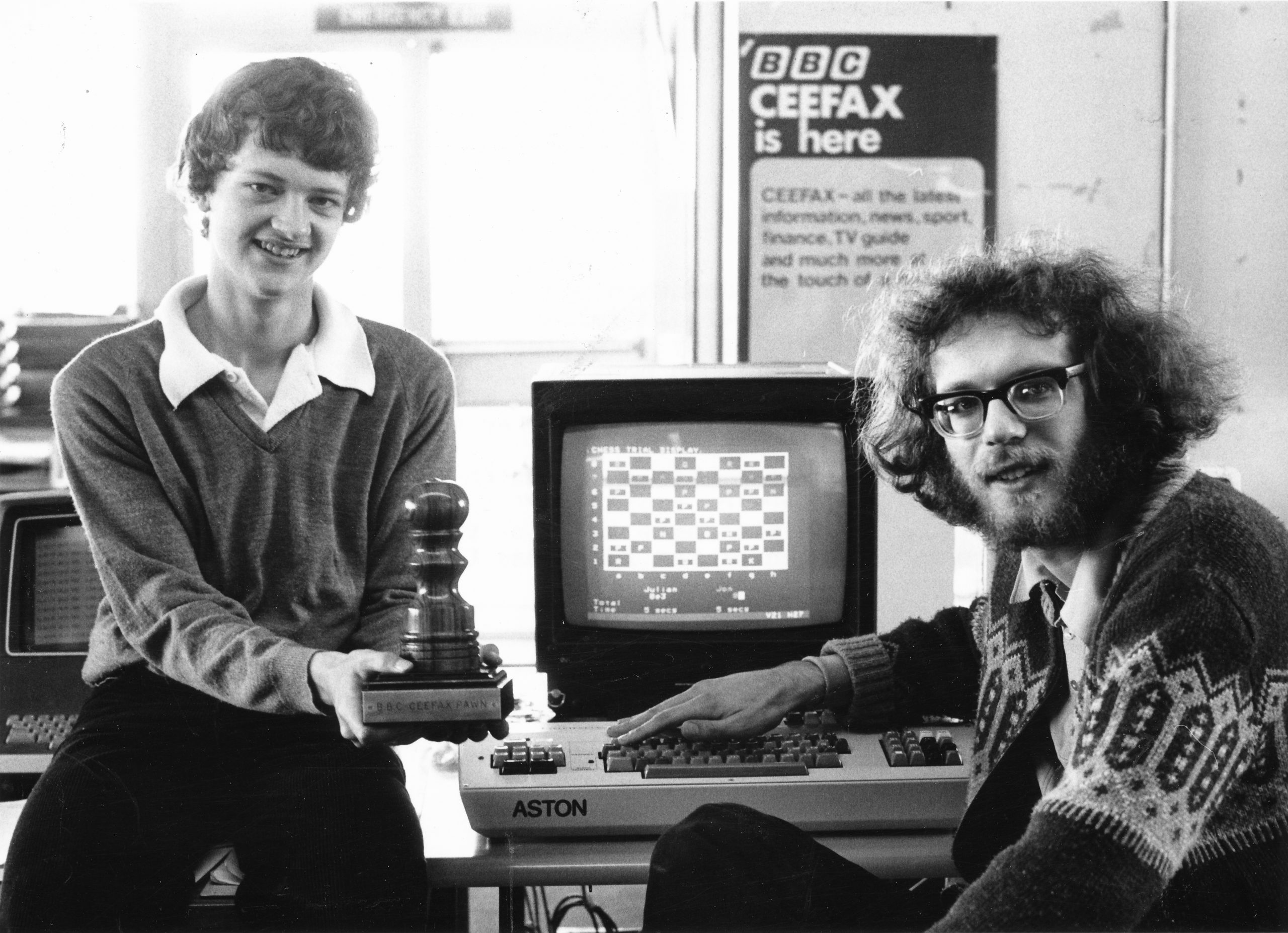
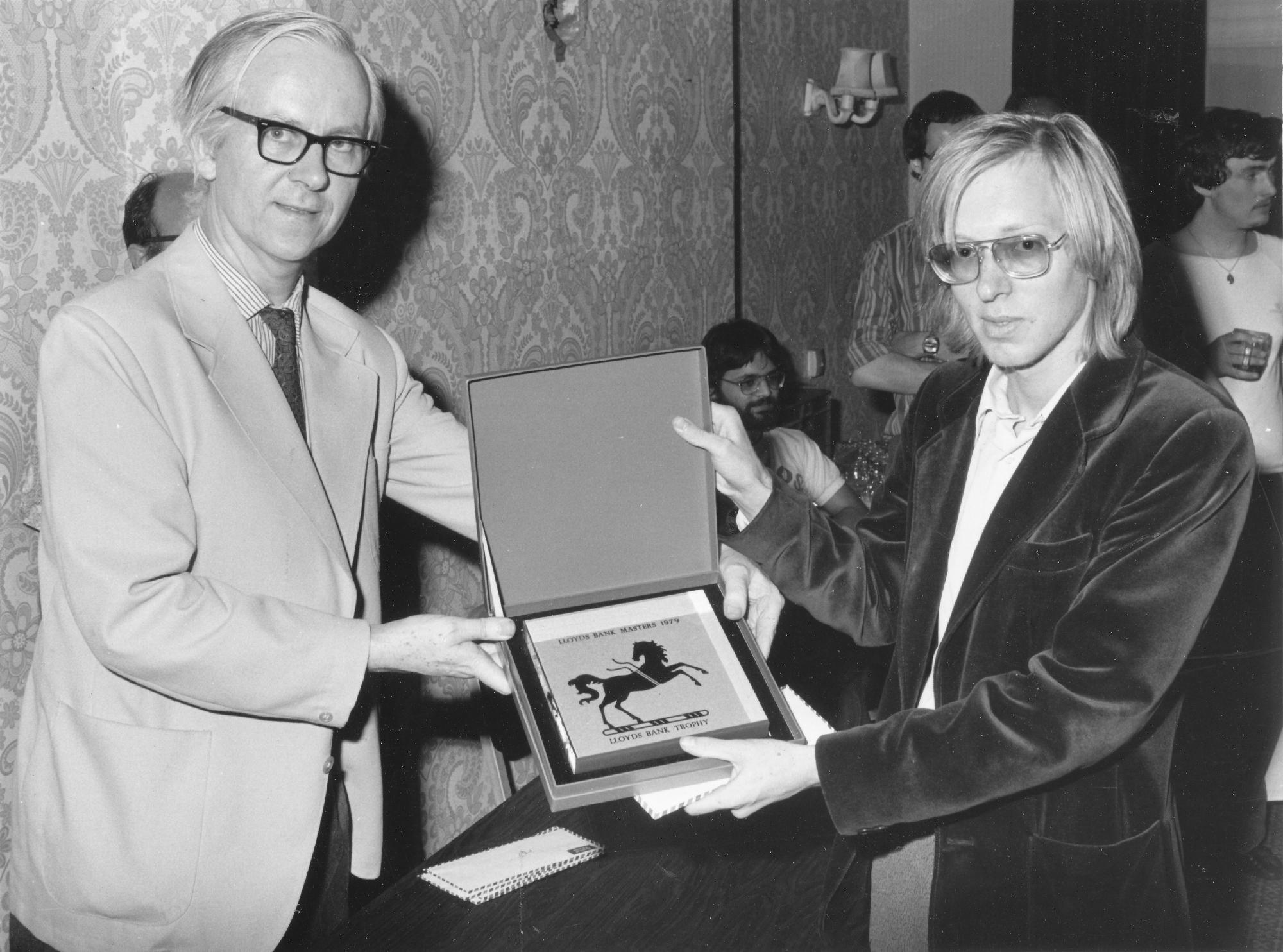
Leonard Barden (left) and Murray Chandler display the Lloyds Bank Trophy which the 19-year old New Zealander won ahead of 3 Grandmasters and 10 International Masters for his finest international success up to 1979. in the Lloyds Bank Masters

Barden has a Morphy number of 3, having drawn with Jacques Mieses in the Premier Reserves at Hastings 1948–49. Mieses drew with Henry Bird in the last round of Hastings 1895, and Bird played a number of games with Paul Morphy in 1858 and 1859.

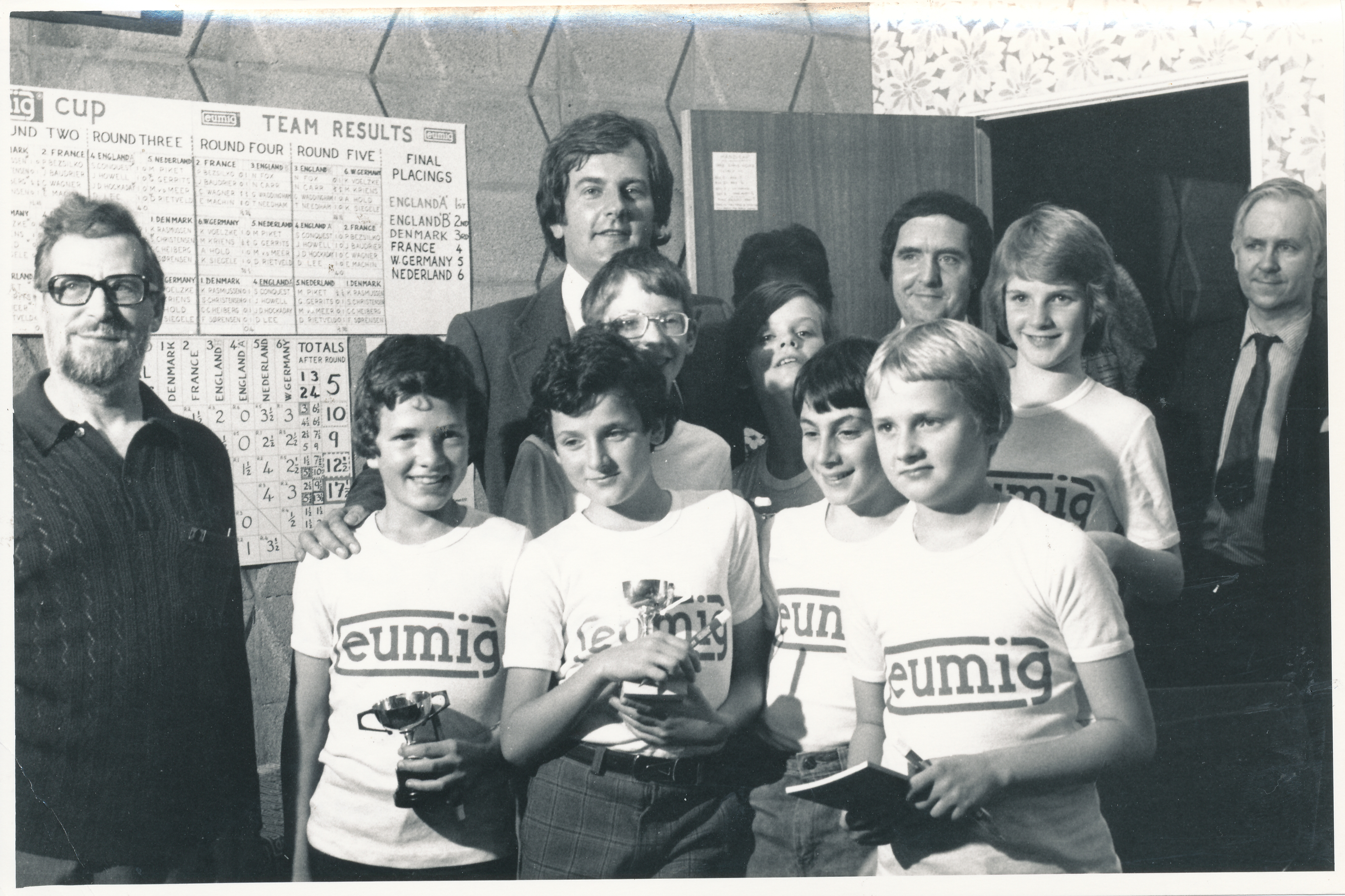
Neil Carr (front right)
England’s under-12 junior teams finished first and second in the international Eumig Cup, 1981.
Front row: Peter Morrish (organiser), Jimmy Hockaday, Darren Lee, Neil Fox, Neil Carr. Second row: James Howell, Stuart Conquest, Teresa Needham. Far right: LB.

In 1964, Barden gave up most competitive chess to devote his time to chess organisation, broadcasting, and writing about the game. He has made invaluable contributions to English chess as a populariser, writer, organiser, fundraiser, and broadcaster.

Leonard Barden
Leonard Barden at Bob Wade’s 80th birthday party, 2001.

He was controller of the British Chess Federation Grand Prix for many years, having found its first sponsor, Cutty Sark. He was a regular contributor to the BBC’s Network Three weekly radio chess programme from 1958 to 1963. His best-known contribution was a consultation game, recorded in 1960 and broadcast in 1961, where he partnered Bobby Fischer against the English masters Jonathan Penrose and Peter Clarke. This was the only recorded consultation game of Fischer’s career. The game, unfinished after eight hours of play, was adjudicated a draw by former world champion Max Euwe. Barden gave BBC television commentaries on all the games in the 1972 world championship. From 1973 to 1978 he was co-presenter of BBC2’s annual Master Game televised programme.

Julian and Nigel Short play Korchnoi in the Evening Standard 1976 simul. Leonard Barden observes.

As of 2021, his weekly columns have been published in The Guardian for 65 years and in The Financial Times for 46 years. A typical Barden column not only contains a readable tournament report, but is geared toward promoting the game. His London Evening Standard column, begun in summer 1956, is now the world’s longest running daily chess column by the same author, breaking the previous record set by George Koltanowski in the San Francisco Chronicle. Koltanowski’s column ran for 51 years, 9 months, and 18 days, including posthumous articles.”

Leonard Barden (Linda Nylind of the Guardian)

Leonard wrote this on the English Chess Forum in 2021 :

“I retired after Ilford 1964 when I finished a poor last in the England Olympiad team qualifier, returned at Hammersmith 1969 (equal 2nd behind Keene) and then played around 6-8 weekenders a year until 1972. My overall performance level between early 60s and early 70s dropped from around 225 to 215 BCF, so I wasn’t encouraged to pursue the comeback further.”

Leonard was Southern Counties (SCCU) champion in the 1953-54 season.

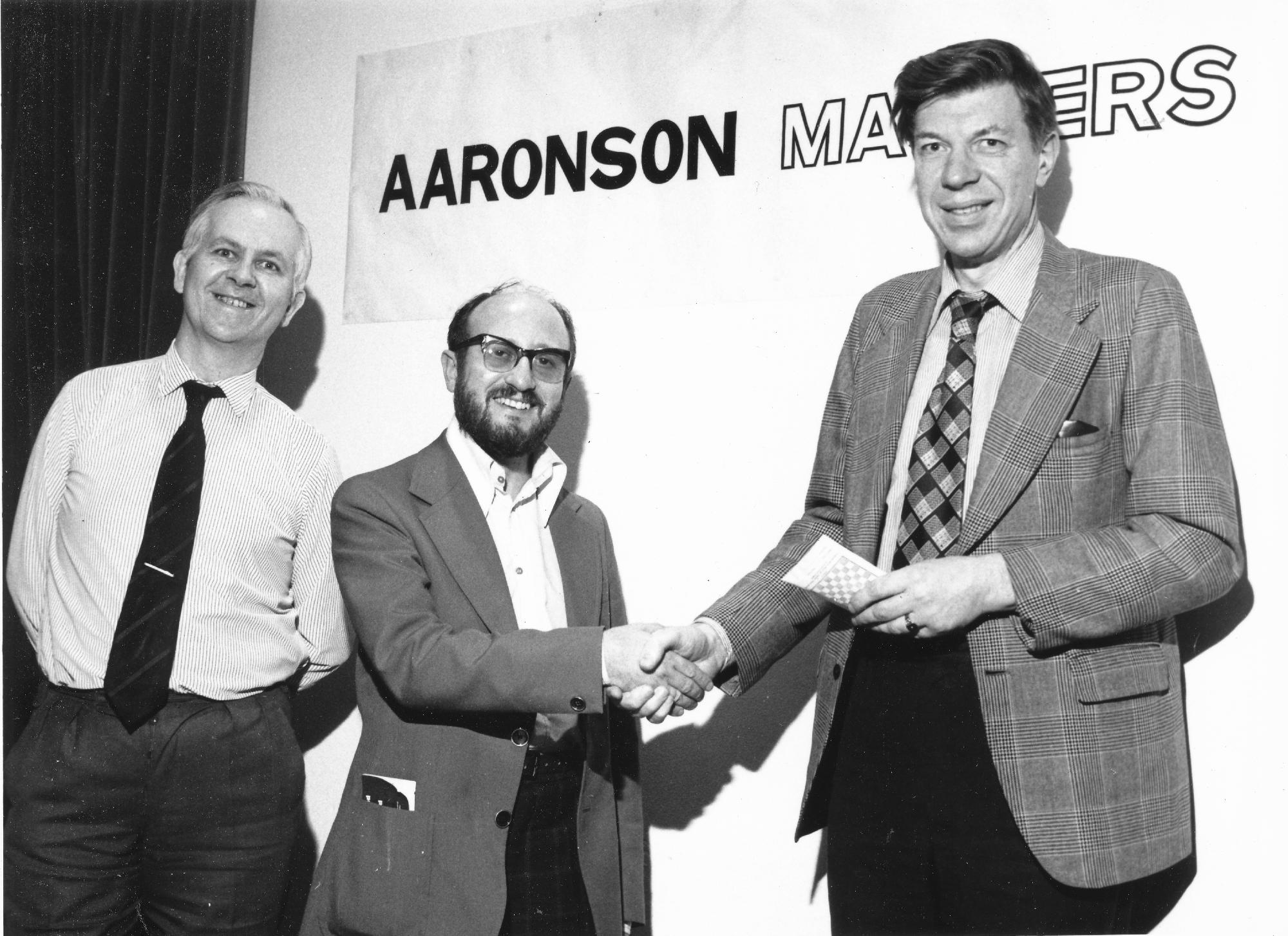
Leonard Barden, Stewart Reuben and Michael Franklin at the 1978 Aaronson Masters

Leonard reveals this as his best game :

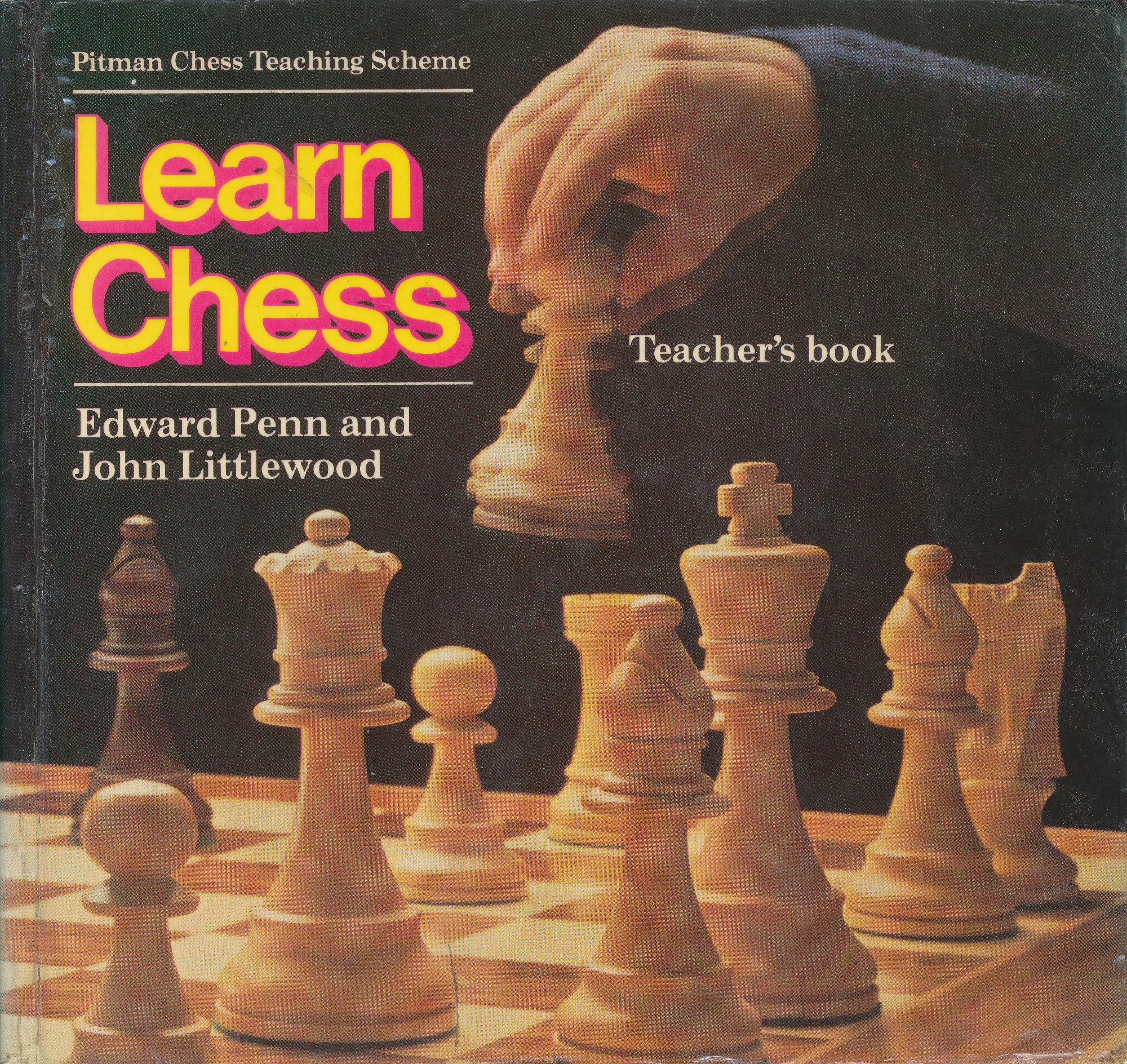
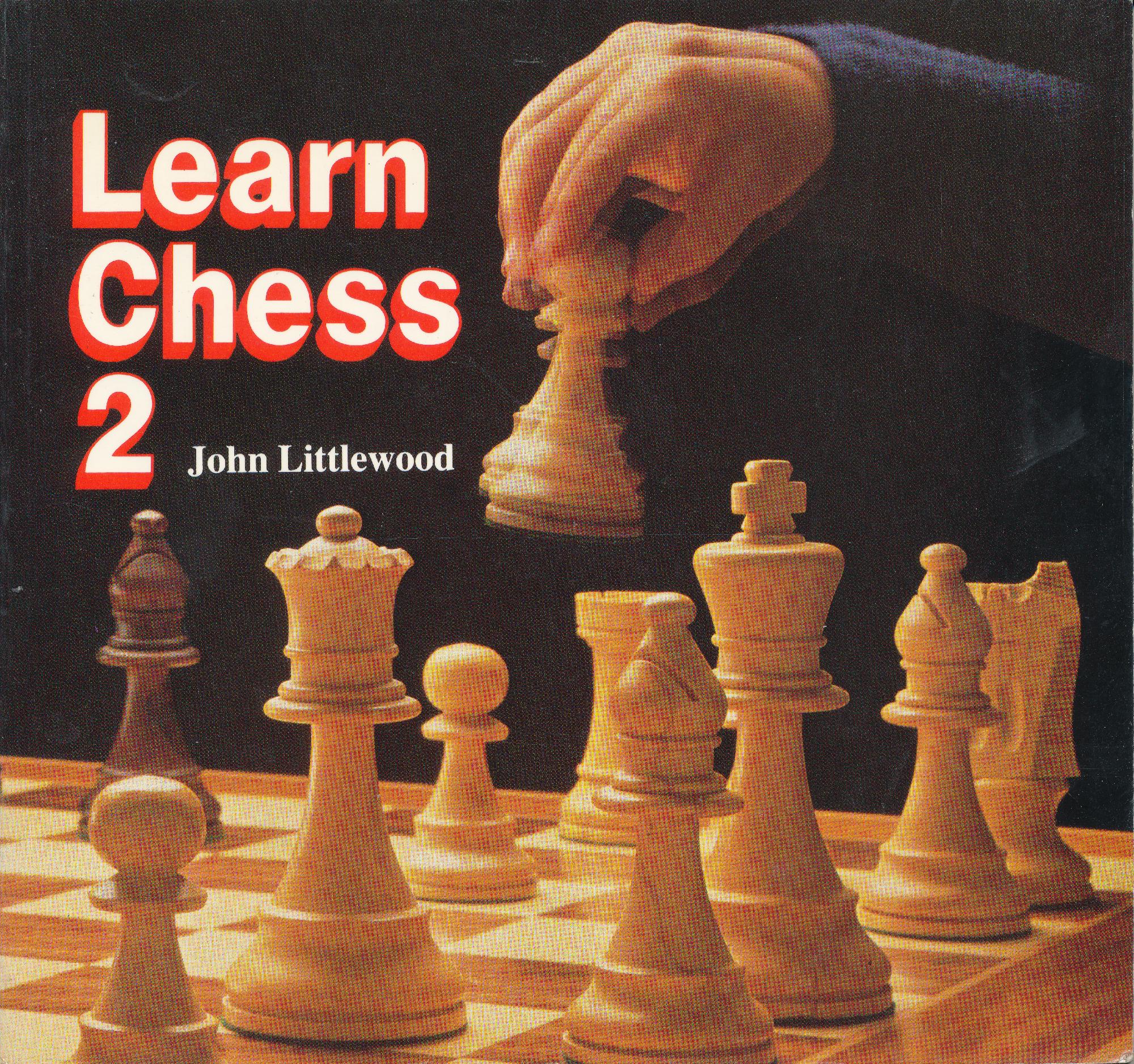
Leonard has authored or co-authored a number of highly regarded books, most of which are highly instructional to this day:

A Guide to Chess Openings (1957),

A Guide to Chess Openings

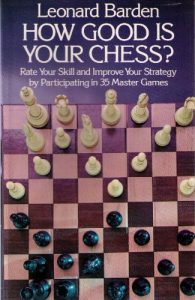
How Good Is Your Chess? (1957),

How Good is Your Chess ?

Chess (1959),
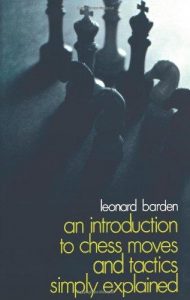
Introduction to Chess Moves and Tactics Simply Explained (1959),

An Introduction to Chess Moves and Tactics Simply Explained

Modern Chess Miniatures (with Wolfgang Heidenfeld, 1960),
Erevan 1962 (1963),
The Ruy Lopez (1963),

The Ruy Lopez
The Ruy Lopez

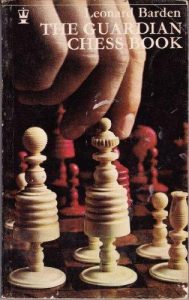
The Guardian Chess Book (1967),

The Guardian Chess Book

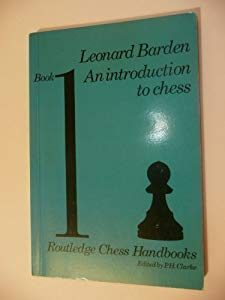
An Introduction to Chess (1967),

An Introduction to Chess

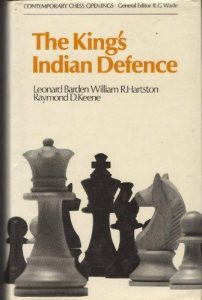
The King’s Indian Defence (1969),

The King's Indian Defence
The King’s Indian Defence

Chess: Master the Moves (1977),
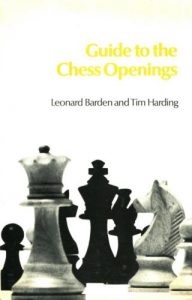
Guide to the Chess Openings (with Tim Harding, 1977),

Guide to the Chess Openings

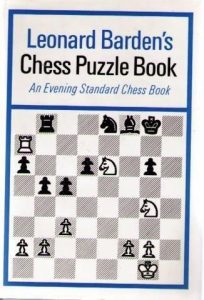
Leonard Barden’s Chess Puzzle Book (1977) (a collection of his Evening Standard columns),

Leonard Barden's Chess Puzzle Book
Leonard Barden’s Chess Puzzle Book

The Master Game (with Jeremy James, 1979),

The Master Game
The Master Game

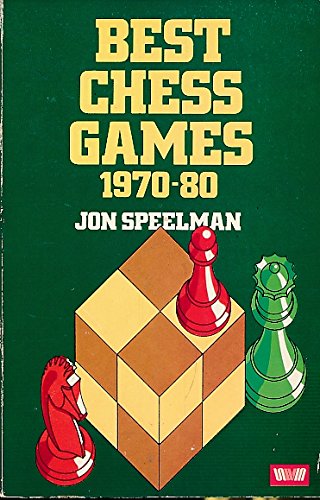
How to Play the Endgame in Chess (1979),

How to Play The Endgame in Chess

Play Better Chess (1980),

Play Better Chess
Play Better Chess

Batsford Chess Puzzles (2002),

Batsford Chess Puzzles

One Move and You’re Dead (with Erwin Brecher, 2007) : Can you supply an image?

Happy Birthday Peter Griffiths (15-viii-1946)

BCN sends Happy birthday wishes to Peter Griffiths

Peter Charles Griffiths was born on Thursday, August 15th, in 1946 in Birmingham, Warwickshire. His mother’s maiden name was Ward.

Peter was a strong player active from the 1960s until 1989. He played in the British Championships more than once and was a professional coach and writer. He wrote the column “Practical Chess Endings” which appeared in the British Chess Magazine. The column commenced in the December 1972 issue and columns became less frequent until around 1991.

Peter Griffiths (far left)

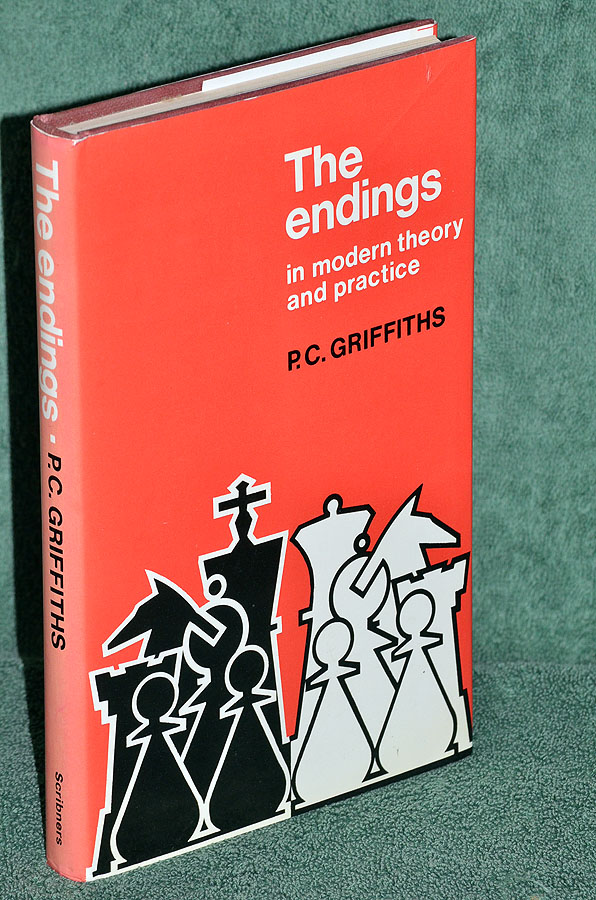
He wrote Exploring the Endgame

Exploring the Endgame

and

The Endings: In Modern Theory and Practice, PC Griffiths, G. Bell & Sons Ltd, 1976, ISBN 0 7135 1953 3
The Endings: In Modern Theory and Practice, PC Griffiths, G. Bell & Sons Ltd, 1976, ISBN 0 7135 1953  3

and co-authored Secrets of Grandmaster Play with John Nunn.

Secrets of Grandmaster Play

and wrote Improving Your Chess

Improving Your Chess

and Better Chess for Club Players

Better Chess for Club Players
Peter Griffiths (far left)

Happy Birthday to FM Andrew Smith (15-viii-1959)

BCN wishes Happy Birthday to FM Andrew Smith (15-viii-1959)

Andrew Philip Smith became a FIDE Master in 1994 and is registered with the Irish Chess Union.

His highest FIDE rating was 2310 in July 1994 at the age of 35.

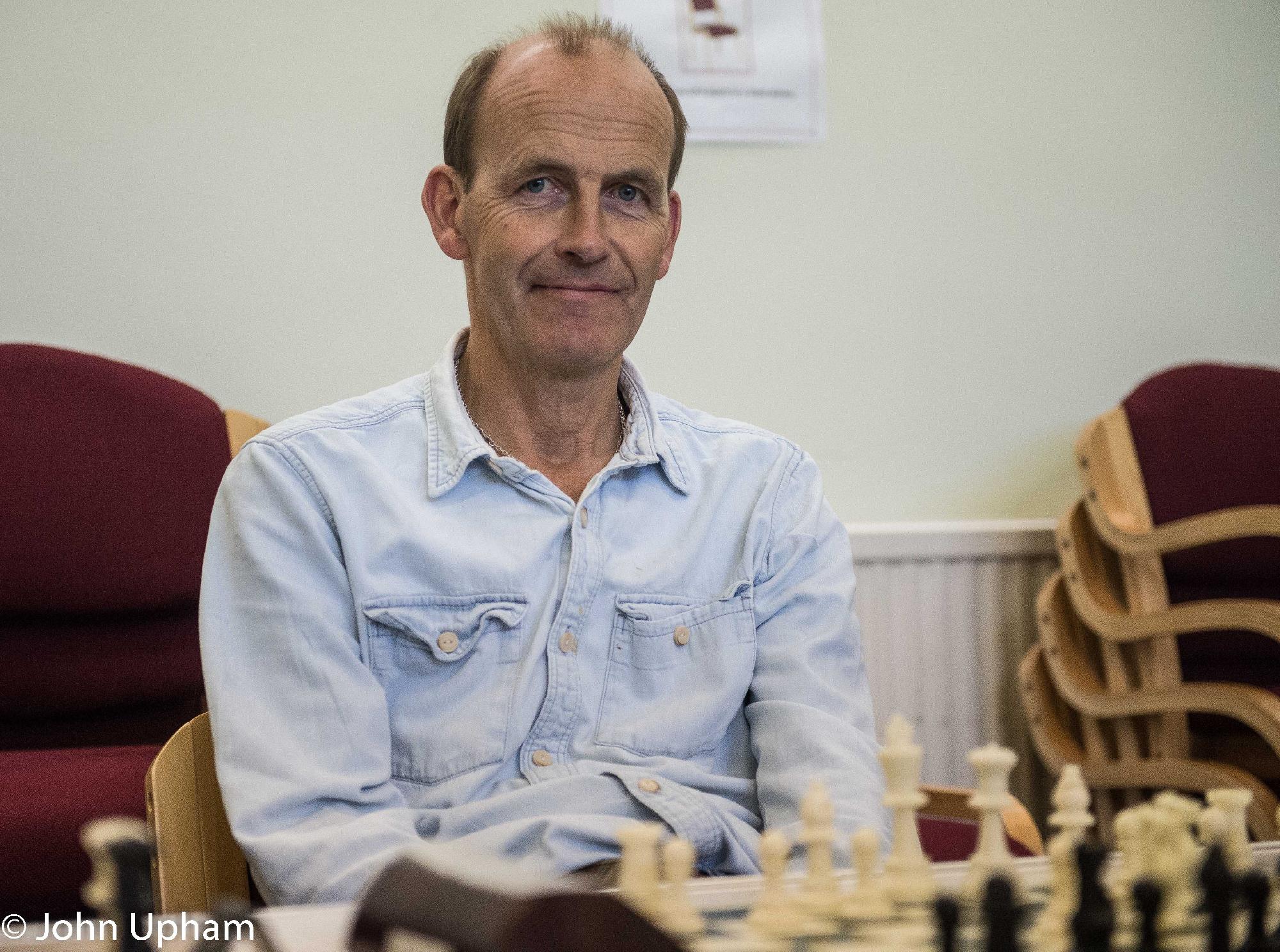
FM Andrew Smith, photographer unknown

He plays for Bourne End Chess Club in the Buckinghamshire League and in the Berkshire League.

Andrew also plays for 4NCL Barnet Knights (he has played for Atticus), Buckinghamshire CCA in the Chiltern League and Hon Members LCCL.

Andrew started his chess aged 6 when his Mother taught him and he joined Lewisham Chess Club aged 13 and then Slough Chess Club (Thames Valley League and 4NCL) in 1988.

He has won the Berks & Bucks Congress in 2018 and 2016 (joint) and he became Berkshire Individual Champion as a direct consequence winning the Cadogan Cup.

With the white pieces Andrew is (almost) exclusively a 1.e4 player favouring the Centre Game

and as the second player Andrew plays the Philidor Defence and the Benoni.

He is known to favour “enterprising” variations such as the Mason Variation of the Philidor, the Haldane Attack versus the French and other such exotica.

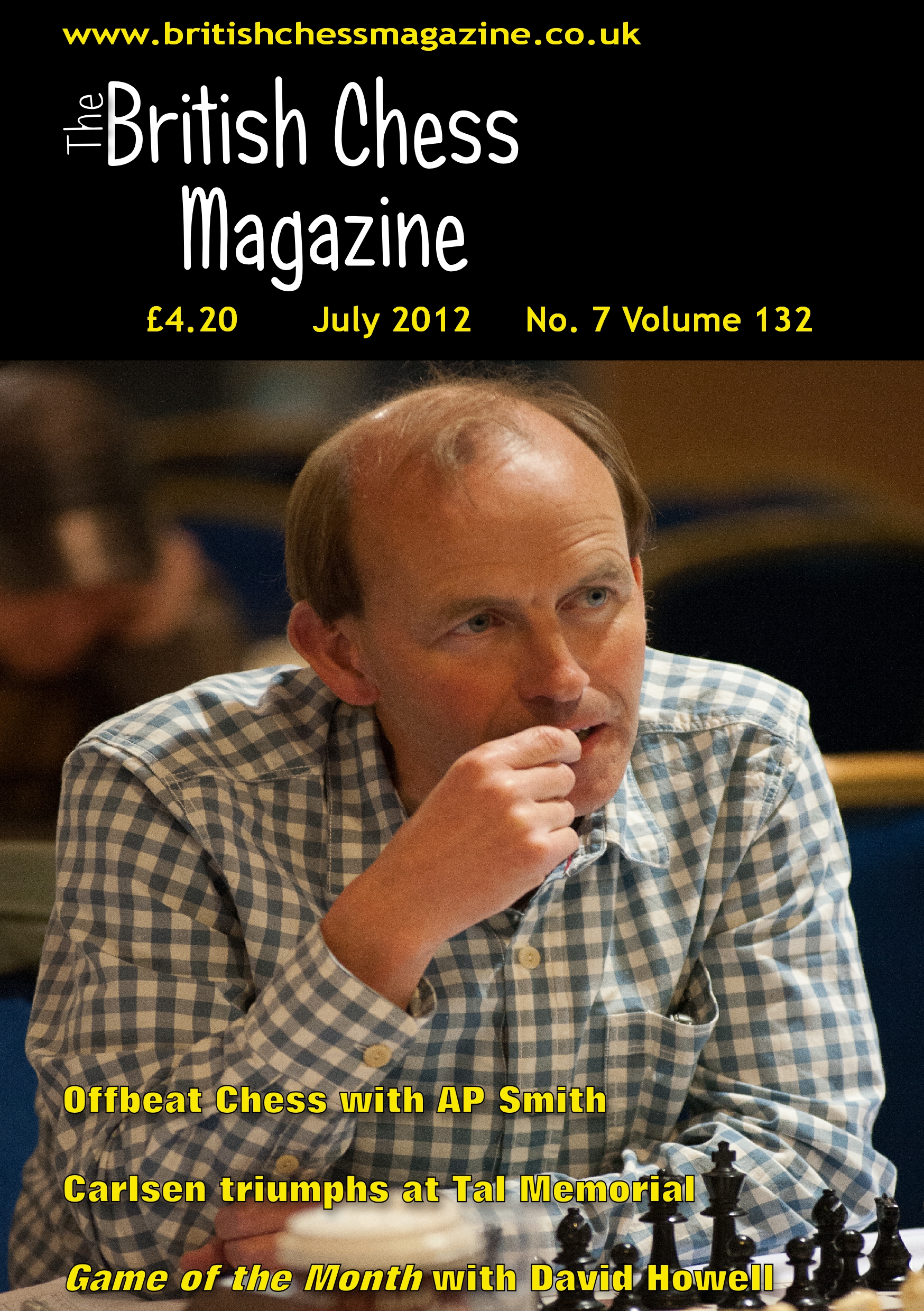
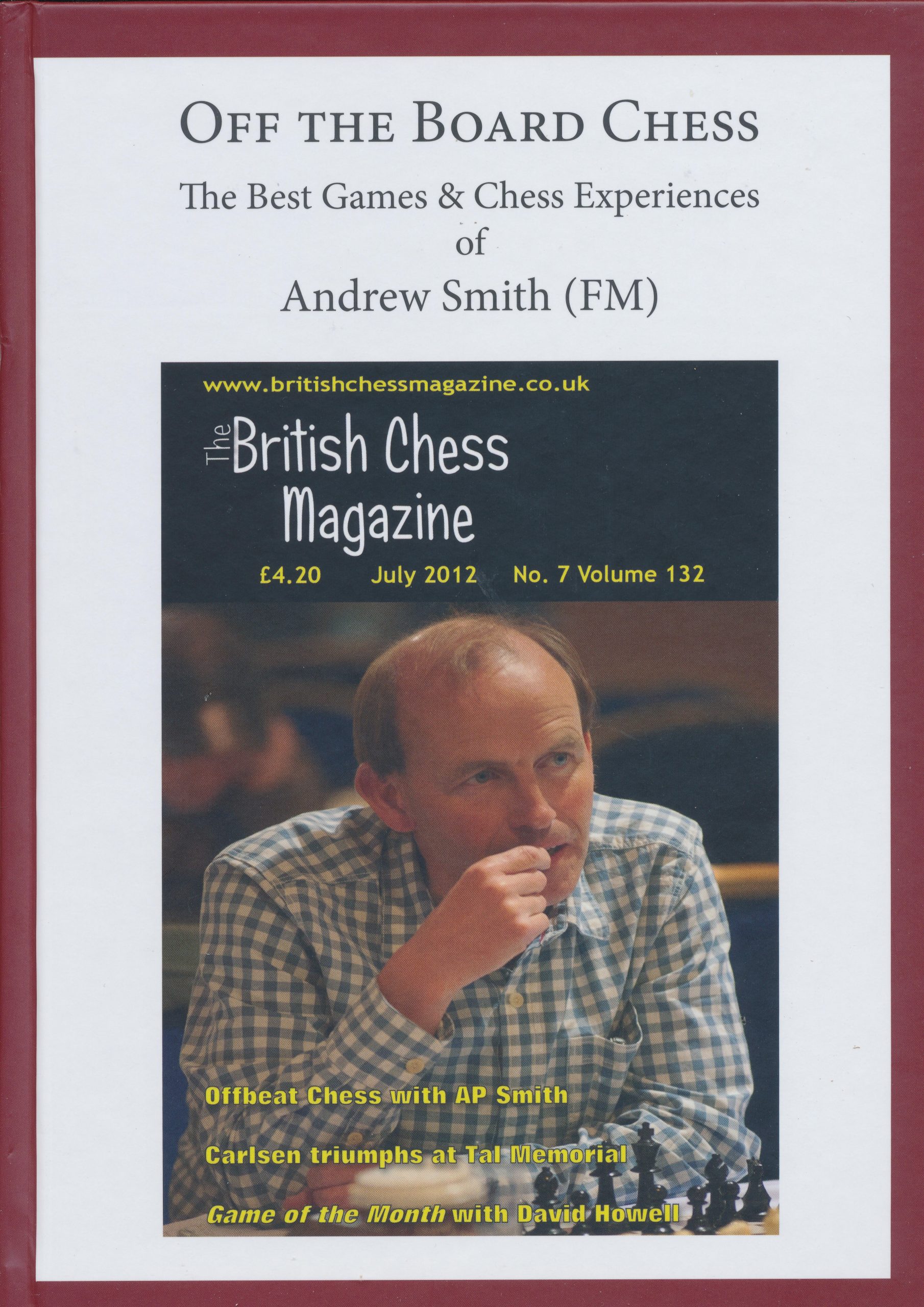
British Chess Magazine, Volume CXXXII (132), Number 7 (July) front cover features FM Andrew Smith from the final 4NCL weekend of the 2011-2012 season, courtesy of John Upham Photography

FM Andrew Smith at the 2019 Keith Richardson Memorial, courtesy of John Upham Photography

In 2021 Andrew self-published “Off the Board Chess, The Best Games and Chess Experiences of Andrew Smith (FM)” which has received popular acclaim.

Off the Board Chess, The Best Games and Chess Experiences of Andrew Smith (FM), FM Andrew Smith, Self published, 2021, ISBN 978-1-5272-8572-9

Remembering FM Jimmy Adams (07-ii-1947 06-viii-2026)

We remember FM Jimmy Adams who passed away on Saturday, June 6th 2026 in London. His funeral  was in Hoddesdon, Hertfordshire on 20th July.  Here is the online tribute page that you are welcome to contribute to.

James Bernard Adams was born on Friday, February 7th, 1947 to James Adams and Ivy F Soule in Islington, London. He attended Highbury County Grammar School for Boys.

Jimmy was married to Sharon and they have a daughter, Charlotte.

In 1958 Jimmy at the age of 11 joined his local Islington Chess Club (at the time Islington & North London Chess Club) and soon afterwards became a London Junior Champion. Following this Jimmy played little chess and was working for John Lewis (echoes of CHO’D Alexander and Leonard Barden). Following John Lewis Jimmy worked as a Health and Safety Officer for Islington Council.

At this time Islington Chess Club was one of the strongest in England and included such members as Kenny Harman, Ron Harman, Danny Wright, Stewart Reuben and others. Its most famous member was probably IM Simon Webb

The Spassky-Fischer match of 1972 re-kindled his lapsed interest and he won with a 100% score the London Amateur Championship.

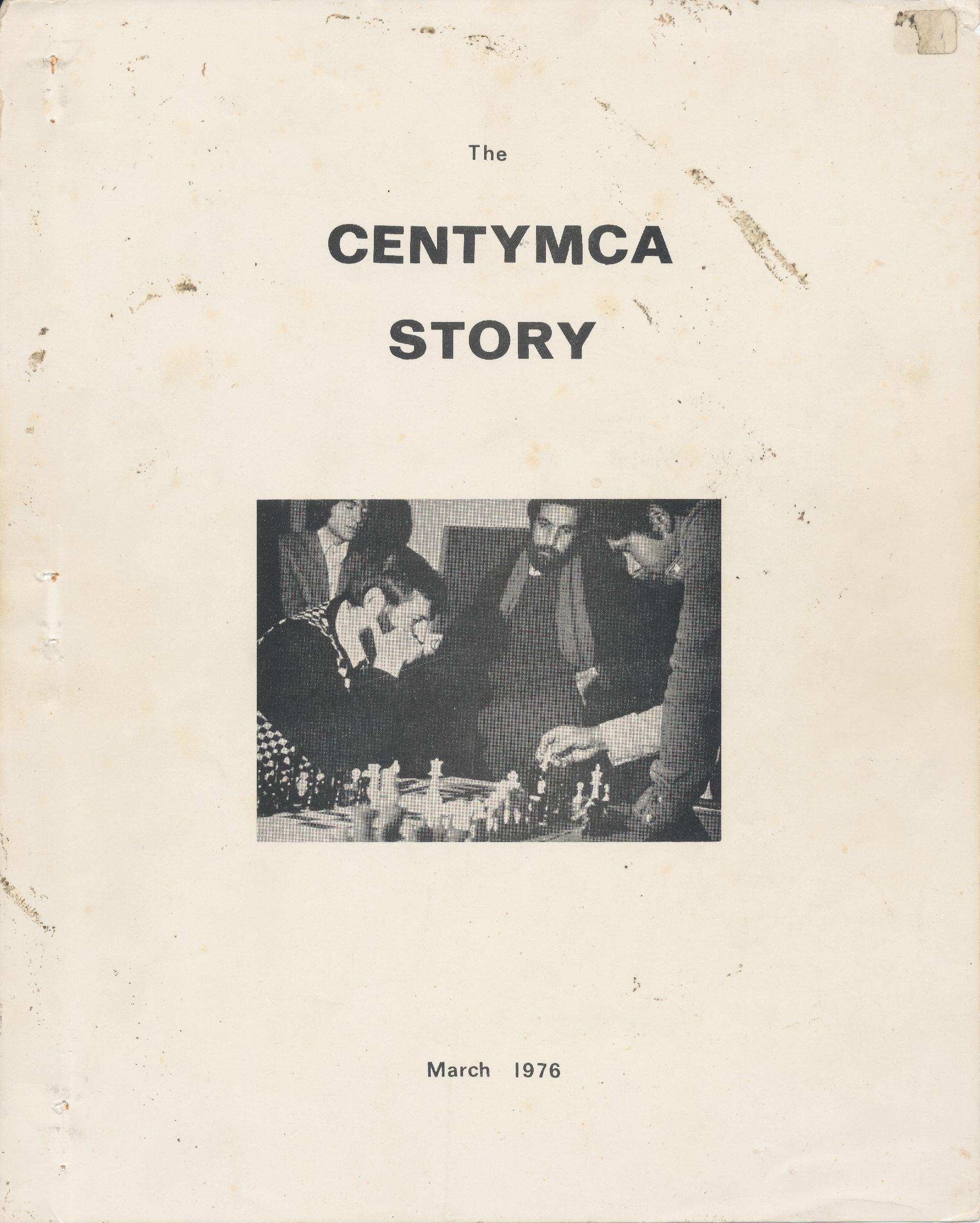
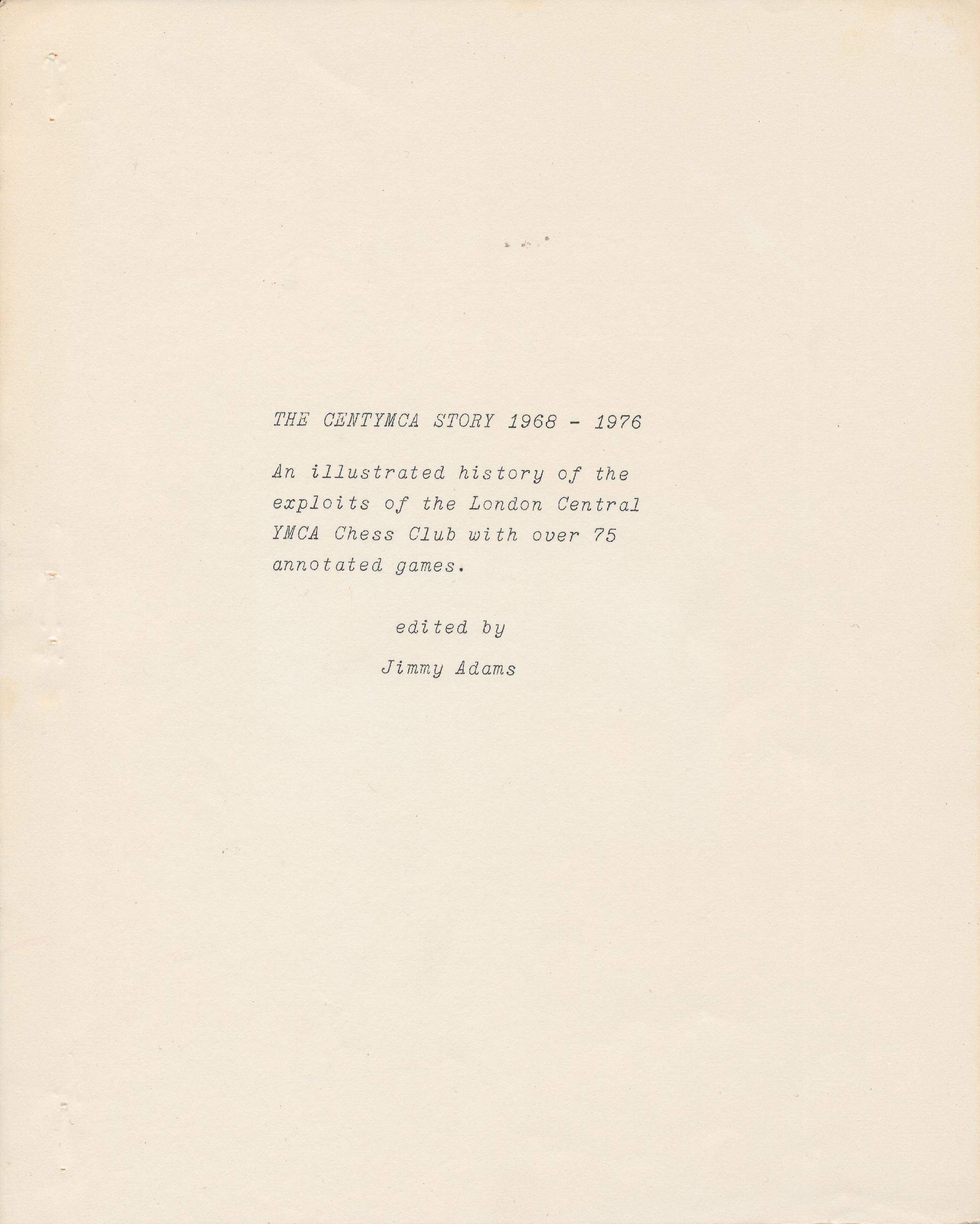
He joined and was a staunch member of London Central YMCA (CENTYMCA) chess club and he wrote a privately published history of the club entitled The CENTYMCA Story. This is now a much sought after publication. His membership continued during the 1970s until around 1979.

The CentYMCA Story by Jimmy Adams, 1976

During this period Jimmy was extremely active at the Endell Street premises.

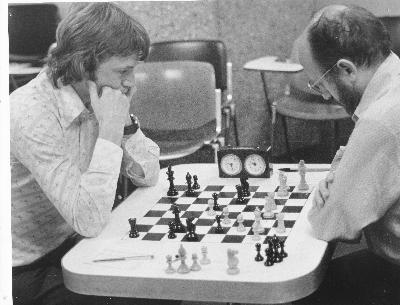
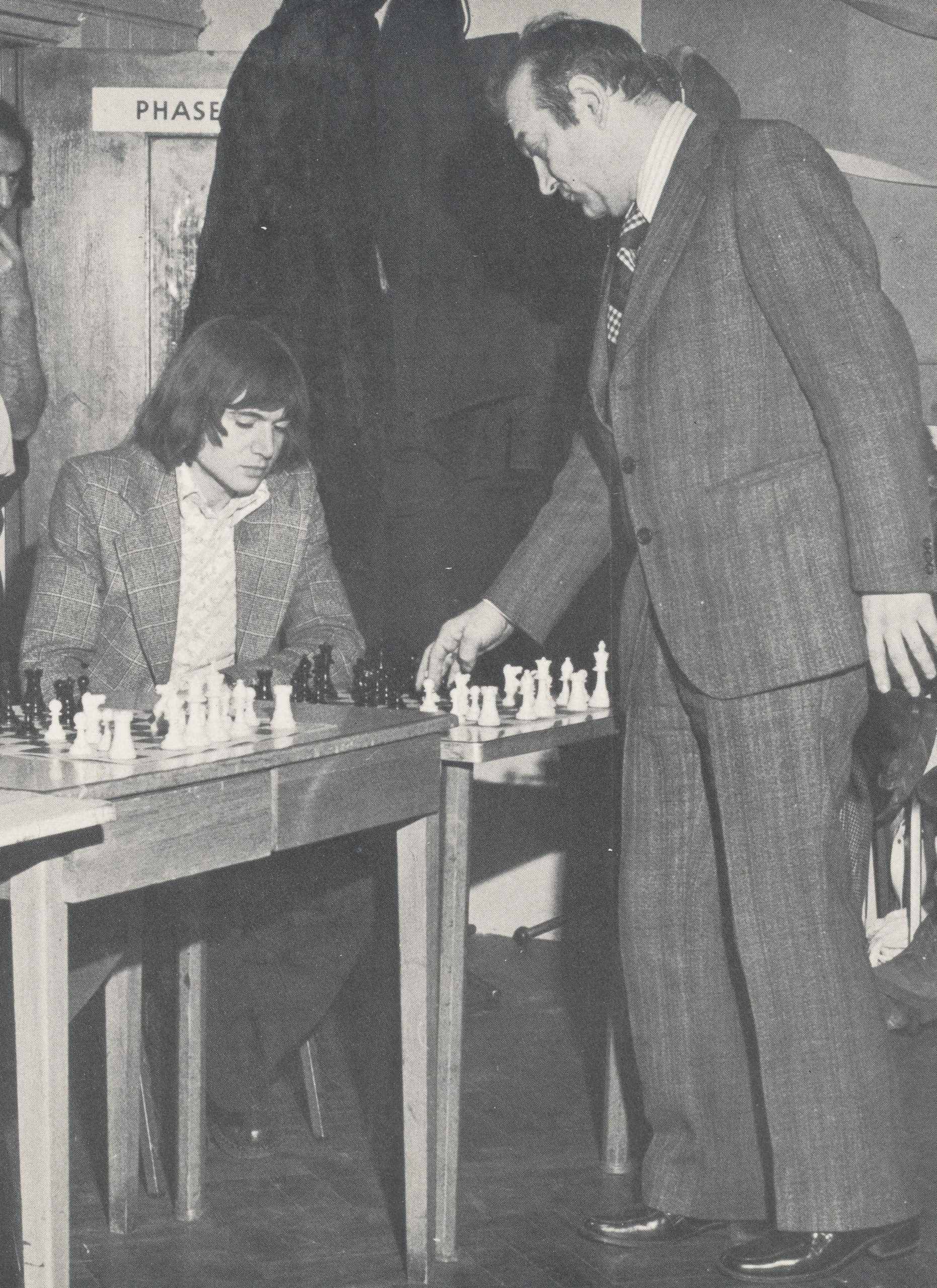
Here is Jimmy playing Viktor Korchnoi at Endell Street (in the Phase Two classrooms) :

Jimmy plays Viktor Korchnoi at the Endell Street premises of London Central YMCA on January 18th, 1976. Photographer potentially John Yeo

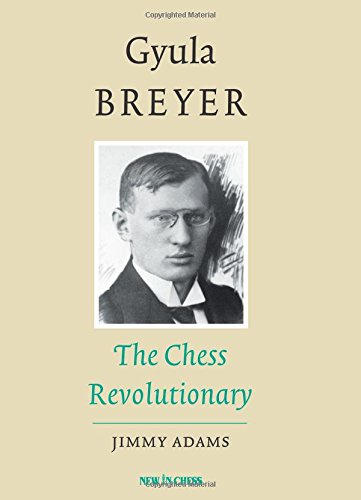
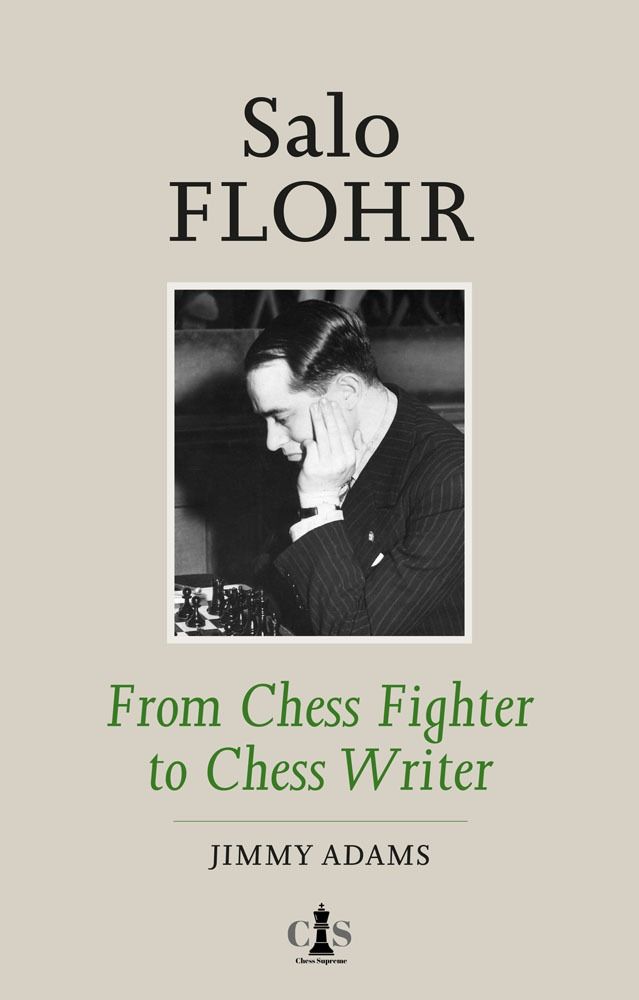
In 1974 Jimmy embarked on a highly successful career as a writer and journalist. He contributed articles to both CHESS and the British Chess Magazine and authored a number of acclaimed books for BatsfordThe Chess PlayerCaissa Books and latterly, New in Chess. He also self-published the first book on Bobby Fischer’s successor entitled K is for Karpov! His books on Chigorin, Zukertort and Breyer are universally regarded  as some of the finest chess biographies published.

In 1979 Jimmy joined Metropolitan Chess Club to play in the London League A Division. He played top board and scored very highly with many significant scalps.

Jimmy gained his FM title in 2014 (at the age of 67!). 67 must be one of the most advanced ages to acquire an FM title. According to Felice his peak rating was 2300 in January 1981 aged 34.

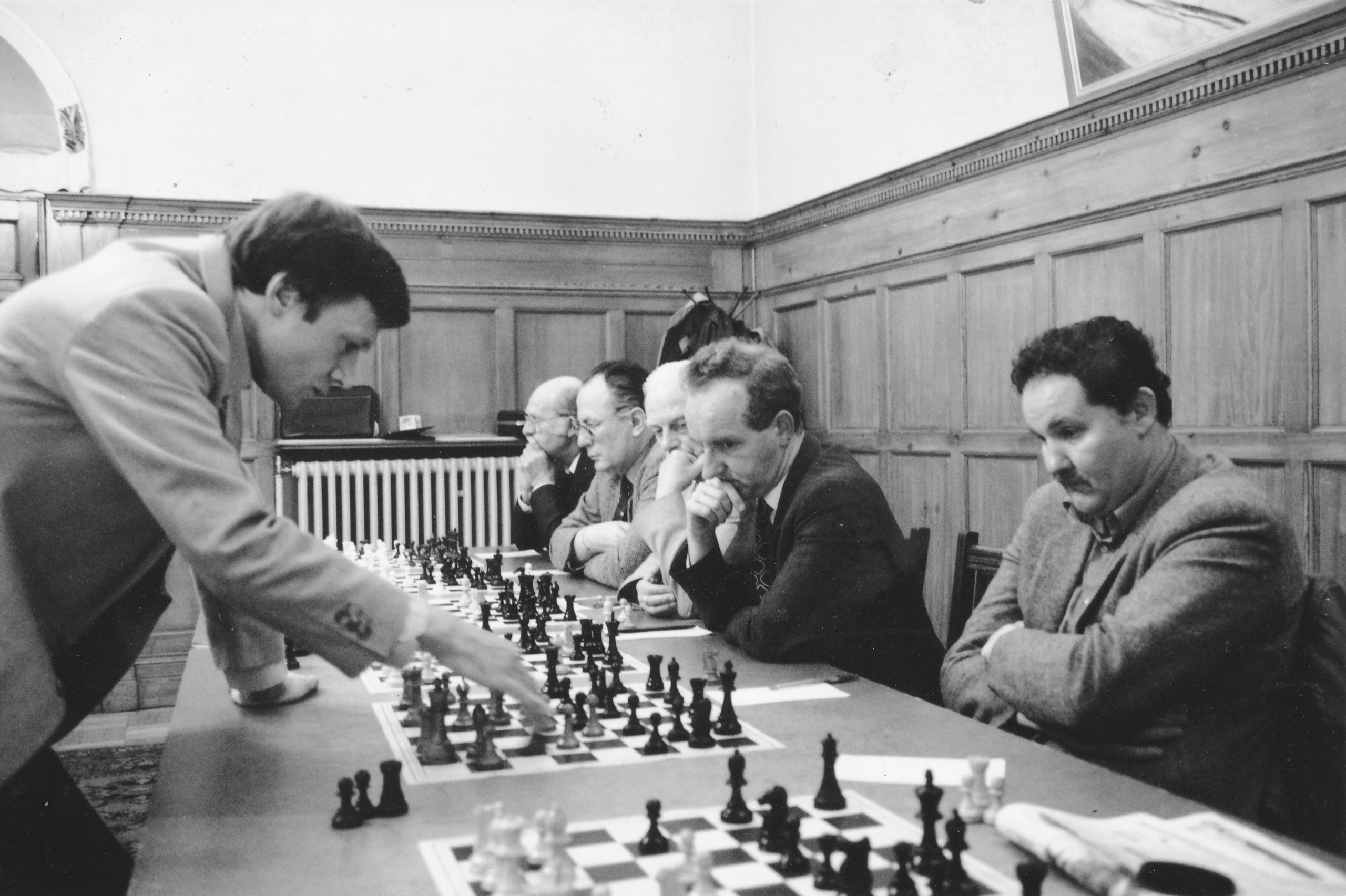
Jimmy giving a simultaneous display

He joined Metropolitan  Chess Club. He joined Barbican, as did many other CENTYMCA players, following the hiatus over their Tottenham Court Road venue loss.

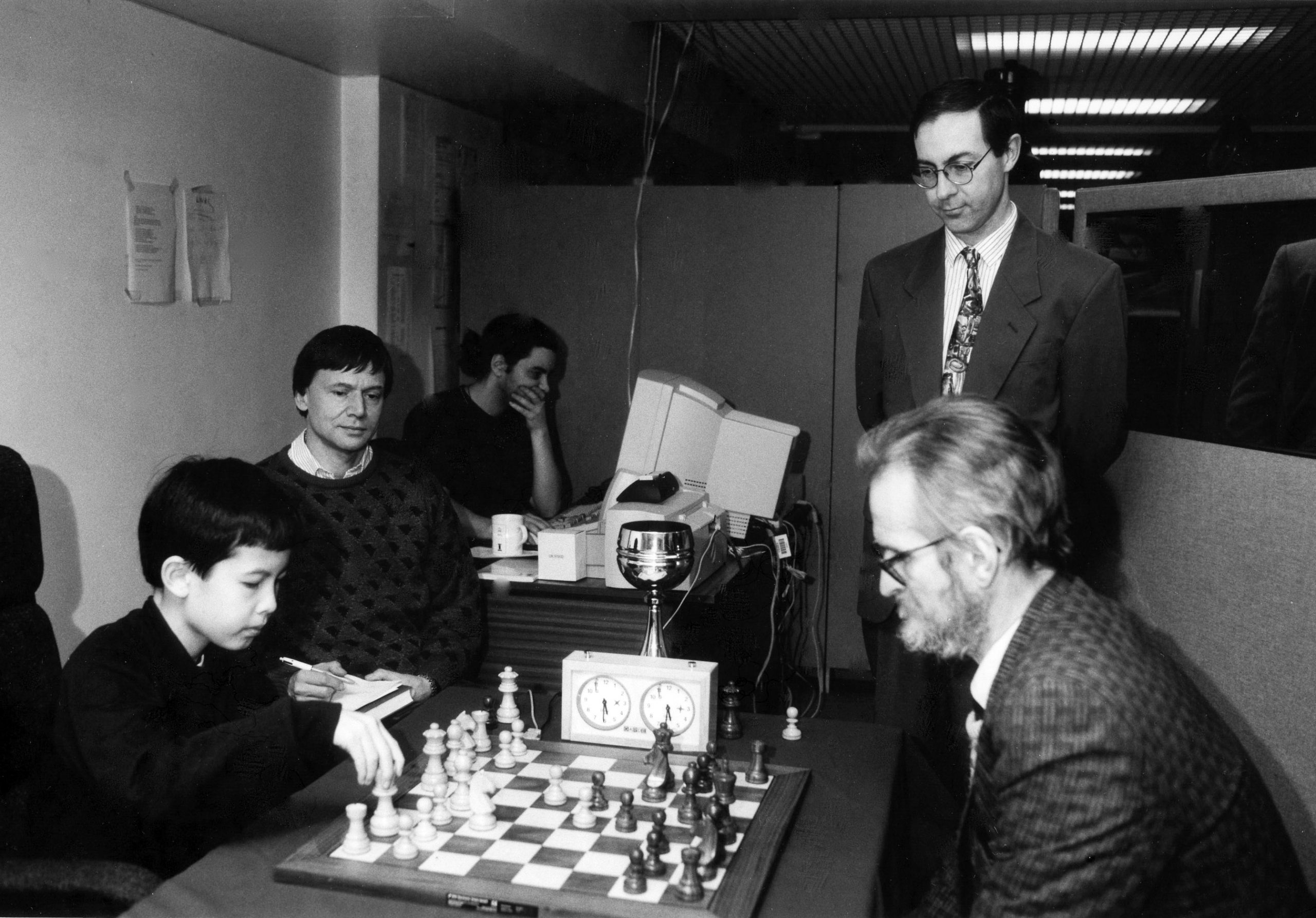
Jimmy records a game between David Howell and Andrew Whiteley in 2000.

In December 2009 Jimmy visited the London Chess Classic and was photographed with VIP guest Viktor Korchnoi :

Viktor Korchnoi in conversation with Jimmy Adams at the 2009 London Chess Classic. Photograph by Mark Huba

Jimmy was Editor of Middlesex Chessletter and Bayswater Chess in the early 1970s and produced major bulletins on the hugely successful Islington Congresses of the same period. He then worked for Pergamon Chess Books which led to his editorship of CHESS / CHESS Monthly magazine from until 2010 although his name remained on the masthead until February 2012.

In 2012 Jimmy and Ray Cannon attended a meeting of the Ken Whyld Association in Norwich :

Jimmy Adams and Michael Negele at the 2012 meeting of the Ken Whyld Association
Jimmy and Ray Cannon at a 2012 meeting in Norwich of the Ken Whyld Association

In January 2016 Jimmy (together with Josip Asik) became co-editors of British Chess Magazine taking over from James Pratt and John Upham.
Jimmy also jointly edited Chess Informants 109-132 up to 2017 before taking on the role of Deputy Editor of the newly created American Chess Magazine whilst continuing to work as editor for Batsford Chess which had changed ownership over the years and had now been taken under the umbrella of Pavillion Books.

In 2014 Jimmy and Ray attended an event organised by the father of Emma Bentley

Jimmy Adams and Ray Cannon at an event organised by Emma Bentley's father.
Jimmy Adams and Ray Cannon at an event organised by Emma Bentley’s father.

Here is an interview with Sarah Hurst from Kingpin Magazine

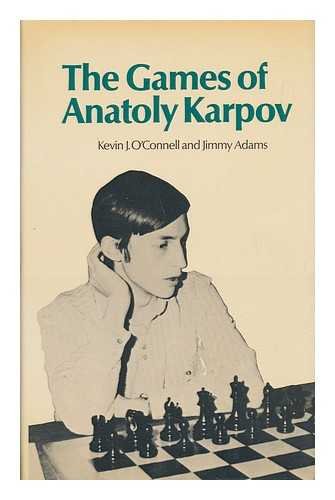
The Games of Anatoly Karpov, Batsford, Jimmy Adams, 1974
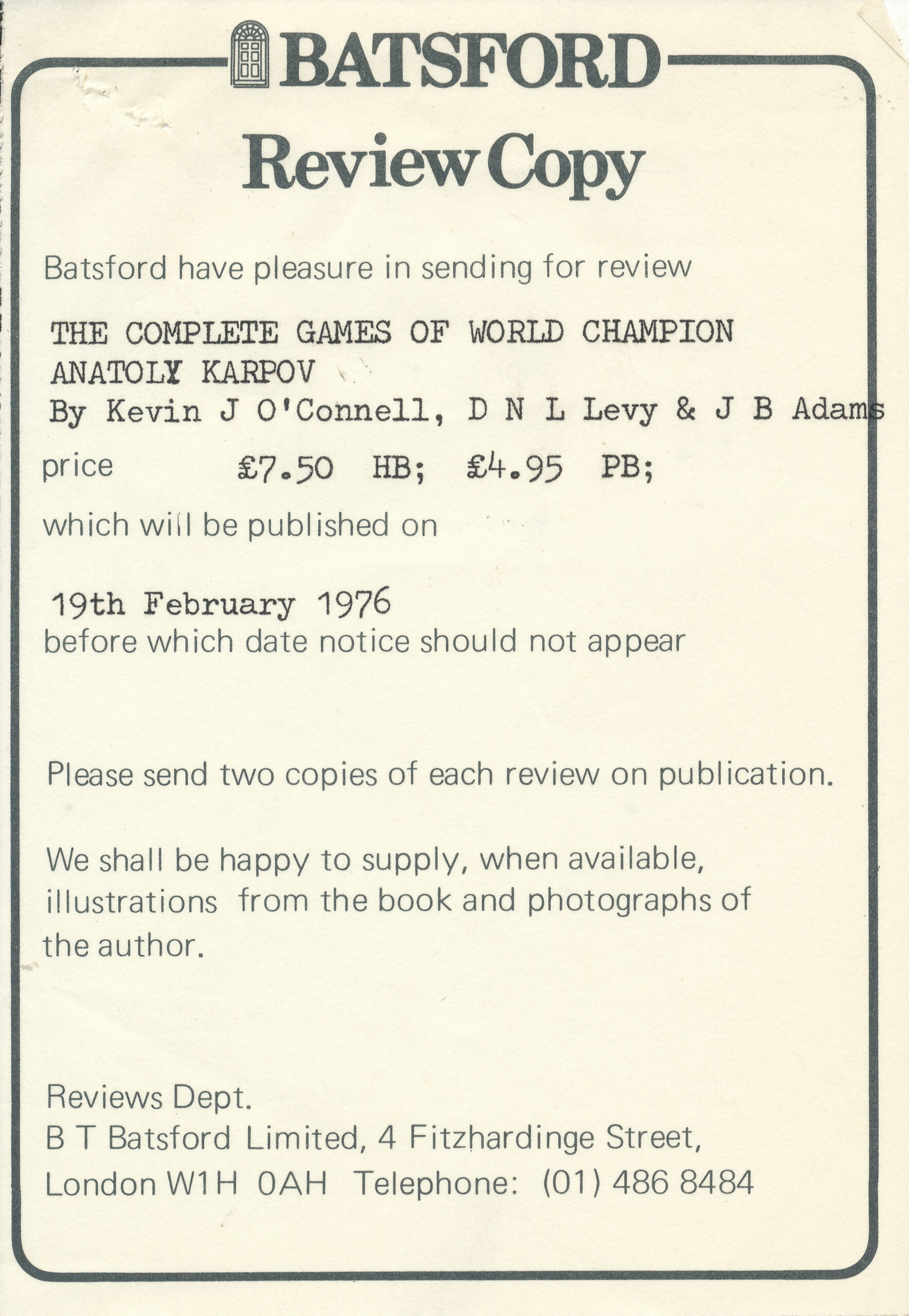
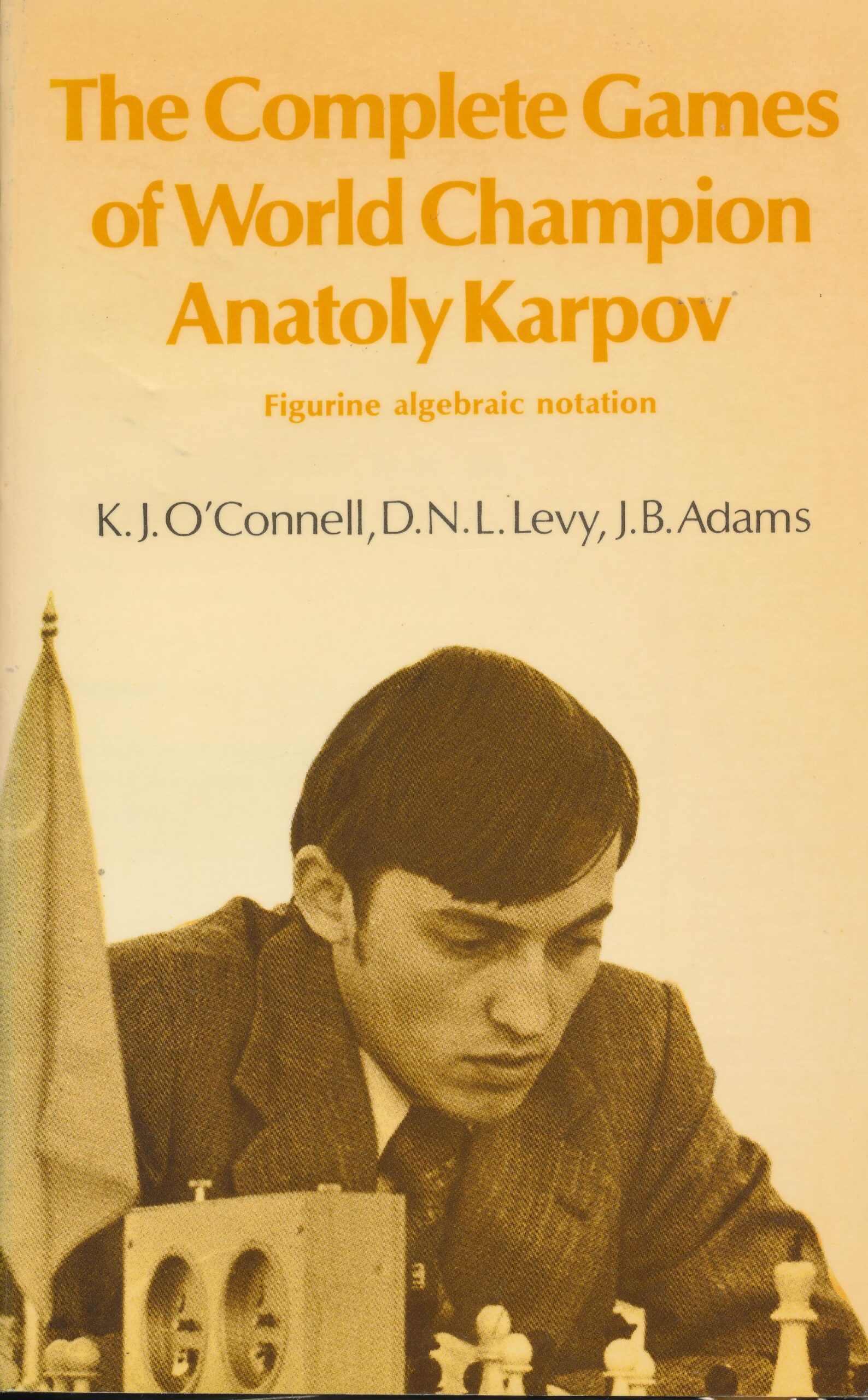
The Complete Games of World Champion Anatoly Karpov, Jimmy Adams, 1976
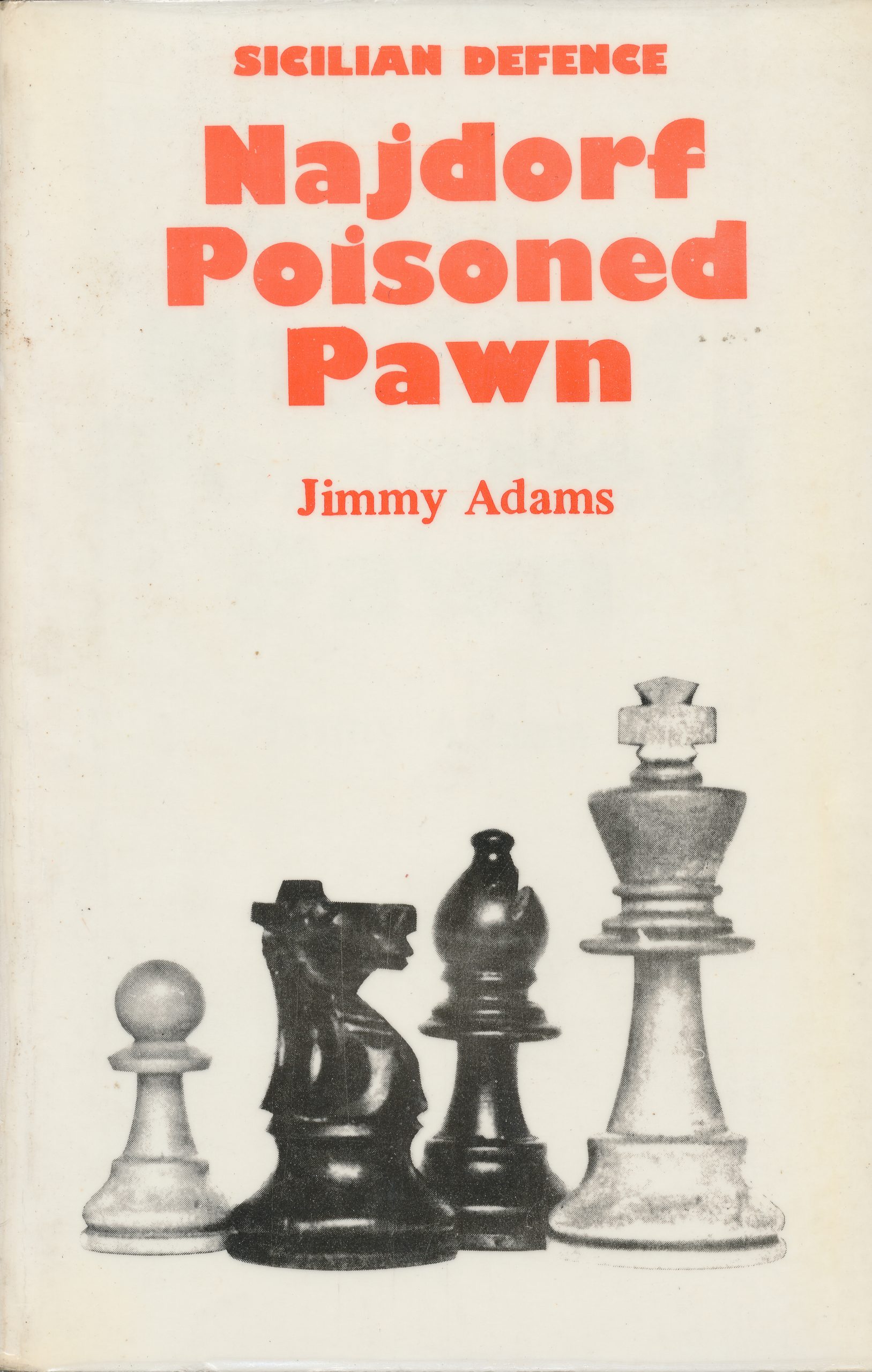
Sicilian Defence Najdorf Poisoned Pawn, Jimmy Adams, The Chess Player, 1977
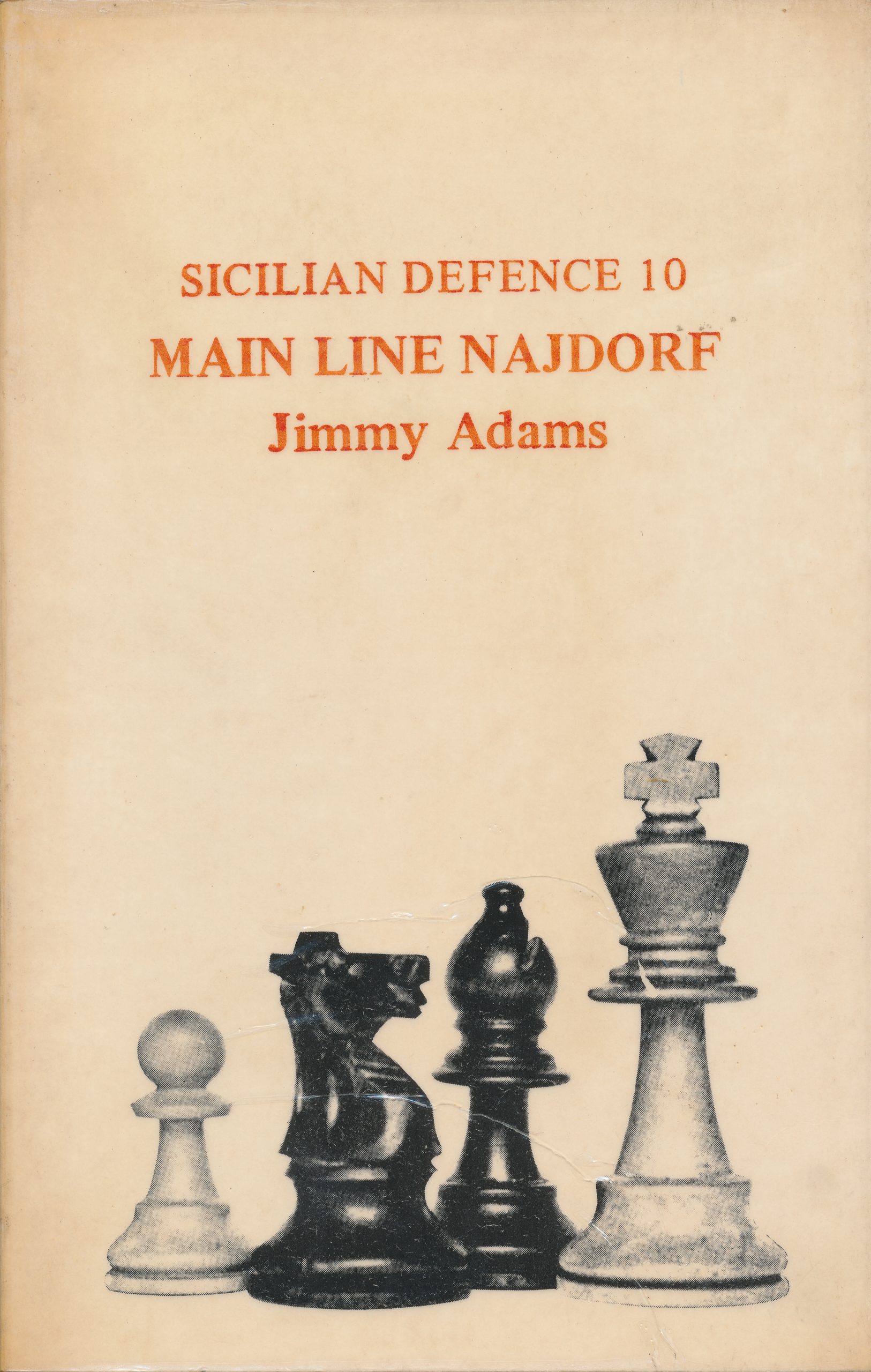
Sicilian Defence 10 : Main Line Najdorf, Jimmy Adams, The Chess Player, 1977
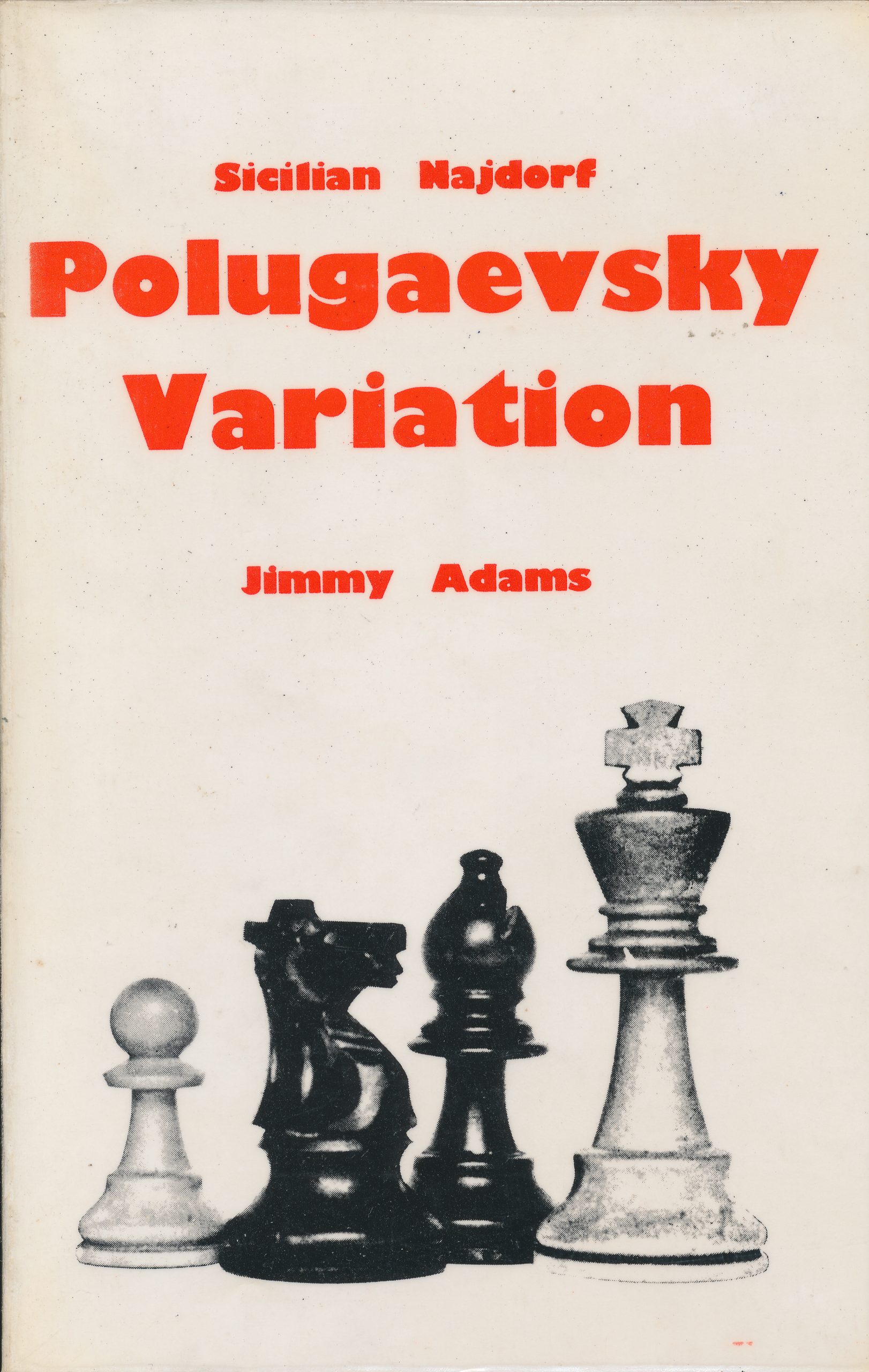
Sicilian Najdorf Polugaevsky Variation, Jimmy Adams, The Chess Player, 1978
The Richter Veresov System, The Chess Player, Jimmy Adams, 1978
Trompovsky Attack, The Chess Player, Jimmy Adams, 1979
Torre Attack, Jimmy Adams, The Chess Player, July 1981
Schliemann/Jaenisch Gambit, The Chess Player, Jimmy Adams, 1982
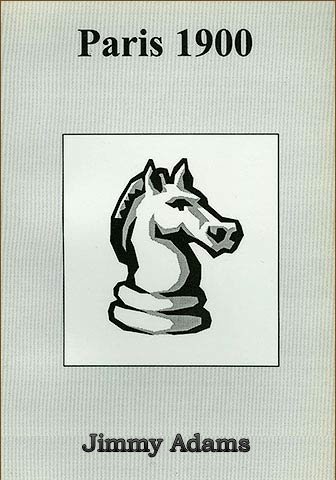
Paris 1900, The Chess Player, Jimmy Adams, 1986
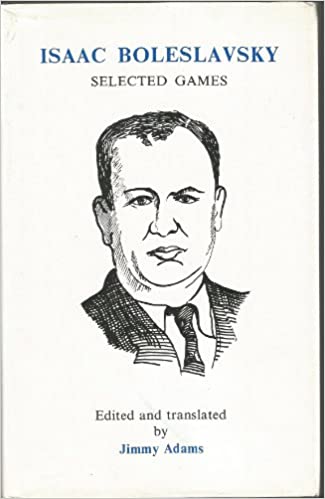
ISAAC BOLESLAVSKY Selected Games, Caissa Books, Jimmy Adams, 1988
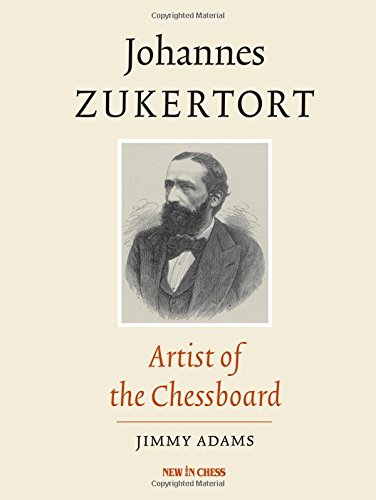
Johannes Zukertort: Artist of the Chessboard, New in Chess, Jimmy Adams, 2014
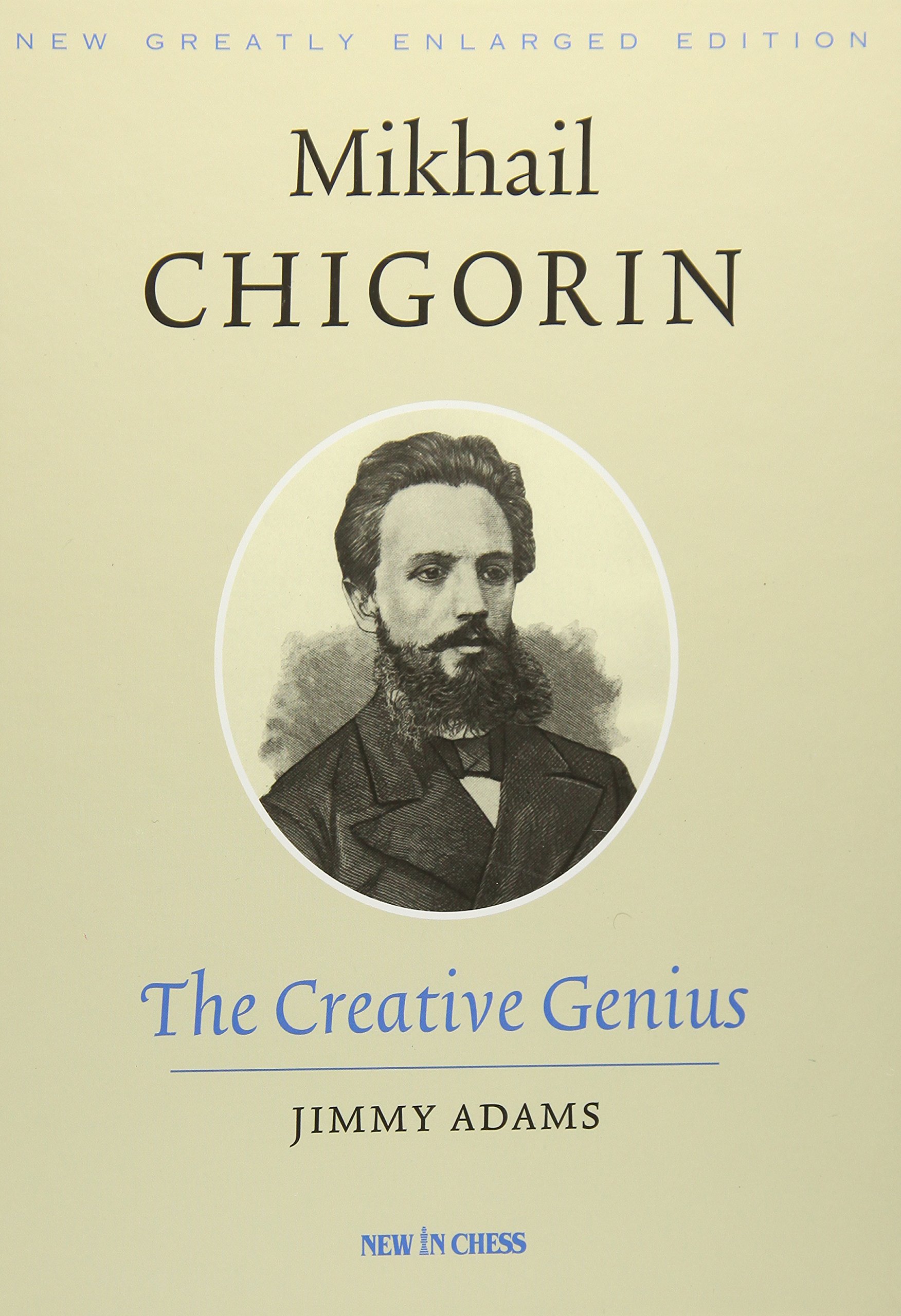
Mikhail Chigorin, the Creative Genius: New in Chess, Jimmy Adams, 2016
Gyula Breyer : The Chess Revolutionary, Jimmy Adams, New in Chess, 2017
Salo Flohr: From Chess Fighter to Chess Writer, Jimmy Adams, New in Chess, 2026

Remembering IMCC Barry Barnes (01-viii-1937 14-i-2025)

BCN remembers IMCC Barry Barnes who passed away on Tuesday, January 14th 2025 aged 87.Barry Peter Barnes was born in Brighton and his mother’s maiden name was Simpole. (Barry is a cousin of Julian Ivan Peter Simpole, who was a Brighton school teacher and who taught Edward Gerard Winter to play chess).

Barry most recently lived in Halling, Rochester, Kent with his wife Jean.

From The Encyclopedia of Chess (Robert Hale, 1970 & 1976) by Anne Sunnucks :

“International Master of FIDE for Chess Compositions (1967) and International Judge of FIDE for Chess Compositions (1967).

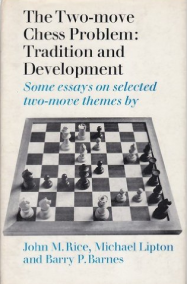
Born on 1st August 1937, Barnes works in transport advertising. He has composed about 250 two-move problems. With Lipton and Rice, he has contributed to the advance of the modern two-mover. Problem Editor of Two-Move and Twin sections of The Problemist. Co-author with M.Lipton and JM Rice of The Two-Move Chess Problem : Tradition and Development (Faber and Faber 1966).

Barry Peter Barnes
Barry Peter Barnes


BP Barnes
2nd Prize Problem T.T. 1964

White to play and mate in two moves

(a) Diagram
(b) With black pawn at KN2 (g7)

(a) Solution
1. B-R3!

(b) Solution 1. K-K2!

From British Chess (Pergamon Press, 1983) by GS Botterill, DNL Levy, JM Rice and MJ Richardson :

Barry wrote about himself as follows :

“A promising career as a county chess player came to an end when I was given Brian Harley’s classic book Mate in Two Moves in the belief that it would help my chess, but it had quite the opposite effect. My interest in competitive chess waned, and I was on the road to an an International Master title for problems!

Early influences in my problem career were the weekly chess problem solving competition in The Observer (my first problem published there was in 1955), a teenage friendship with J. M. Rice and M. Lipton (both now lnternational Masters), Herbert Grasemann’s book Problem Schach / with its near revolutionary post-war German problem ideas, and the expert British problemist, A. R. Gooderson who had I but known it only a few years earlier was the officiating master when my Hove Grammar School played Steyning Grammar at chess.

In the late 1950s and early 1960s, the genuinely original problems I was making in cooperation and in competition with Rice and Lipton were being published mostly abroad in such specialist problem magazines as Die Schwatbe (with its inspired two-move editor, Hermann Albrecht) where I gained the epithet the English prize-snatcher’! It was also written that the work of the avant-garde composers, Rice, Lipton and Barnes, was like a fresh two-move wind blowing from our island. It was sad but true at that time that the specialist magazine of the British Chess problem Society (founded 1918), The problemist, was unreceptive to change and our often bizarre ideas.

A milestone of sorts was reached when I won lst prize for problem I in 1958, a prize for the best new problem by a member of the British Commonwealth aged under 21. In 1966, I was invited by problemist Grandmaster Comins Mansfield, who was President of the FIDE Problem Commission, to act as Secretary at the Barcelona meeting. With Mr. Mansfield’s retirement, I became the British Member to the Commission, and at the Wiesbaden meeting, 1974, I was elected 2nd Vice-President. (1st Vice-President from 1982)

The FIDE Problem Commission meets annually to discuss matters relating to all branches of problem chess, to organize the World Chess Composing Tournament (WCCT), the World Chess Solving Competition (WCSC), and to publish FIDE Album anthologies of the best problems. It was on the strength of my success in these FIDE Albums that the Commission granted me the titles in 1967 of ‘lnternational Master of the FIDE for Chess Composition’ and ‘lnternational Judge of the FIDE for Chess Composition’. Since 1974, I have been Chairman of the Titles Sub-Committee of the Commission.

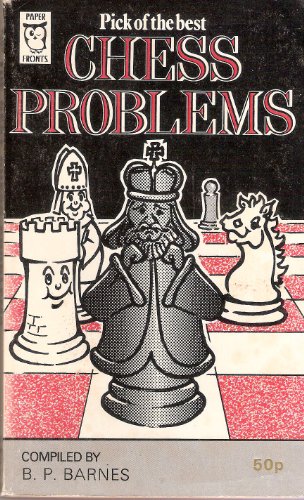
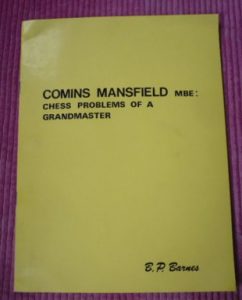
Since 1965, I have been the two-move editor of The Problemist and have served almost without break on the BCPS Committee. I have contributed to The Encyclopaedia of Chess by Anne Sunnucks (Robert Hale, 1970), I am co-author, with J. M. Rice and M. Lipton, of The Two-Move Chess Problem: Tradition & Development‘ (Faber A Faber, 1966), and I am the sole author of Comins Mansfield MBE: Chess Problems of a Grandmaster: (British Chess Problem Society, 1976) and Pick of the Best Chess Problems (Elliot Right Way Books, 1976)

To date I have made just over 300 two-movers and some helpmates.”

From The Encyclopaedia of Chess (Batsford, 1977), Harry Golombek OBE, John Rice writes:

“British problem composer, output about 400, nearly all modern style two-movers. Two-move sub-editor of The Problemist. Secretary of the FIDE Problem Commission during C. Mansfield’s Presidency. Co-author of The Two-Move Chess Problem: Tradition and Development (1966).”

The Two Move Chess Problem : Tradition and Development

Author of Pick of the Best Chess Problems (1976)

Pick of the best Chess Problems

Comins Mansfield MBE : Chess Problems of a Grandmaster (1976).

Comins Mansfield MBE: Chess Problems of a Grandmaster, BP Barnes, 1976

International Judge (1967); international master (1967).

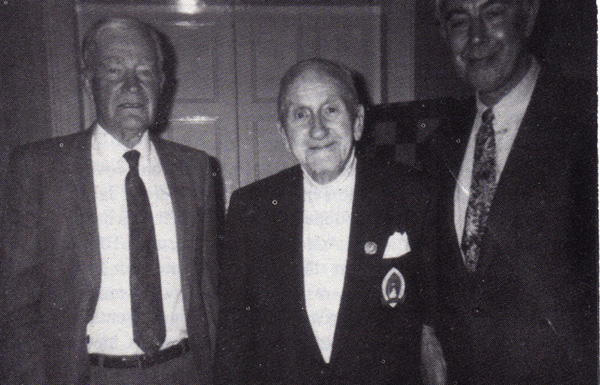
Source: The Problemist, May 1996. Photo taken March 1996 at the Mansfield Centenary Meeting at Paisley, when Barry Barnes delivered a lecture on Comins Mansfield. Left to right: Geoffrey Mansfield (son of Comins), Robert Gray and Barry Barnes, International Master of Chess Composition.

Remembering GM Jonathan Hawkins (01-v-1983 22-xii-2025)

We remember GM Jonathan Hawkins who passed away on December 22nd 2025.

Here is his Wikipedia entry

Jonathan was Southern Counties (SCCU) champion for the 2014-15 season sharing with Keith Arkell.

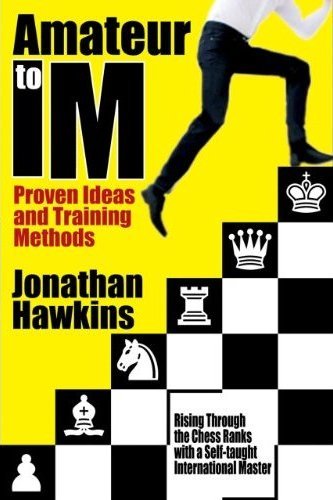
Amateur to IM
Amateur to IM
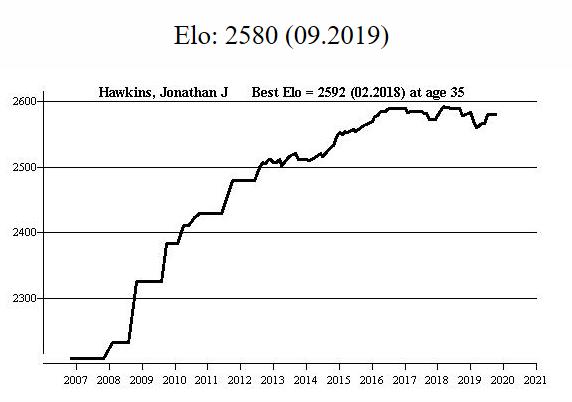
Jonathan Hawkin's FIDE rating over time
Jonathan Hawkin’s FIDE rating over time

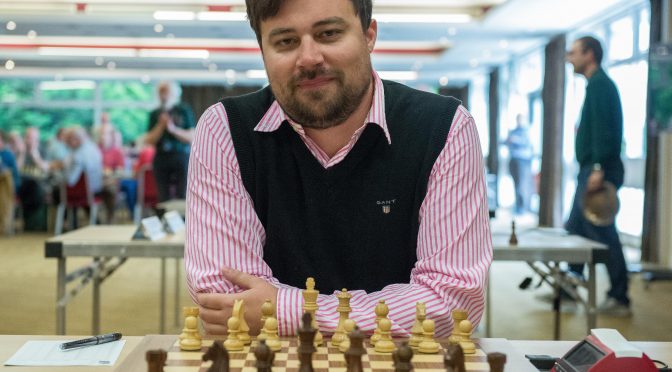
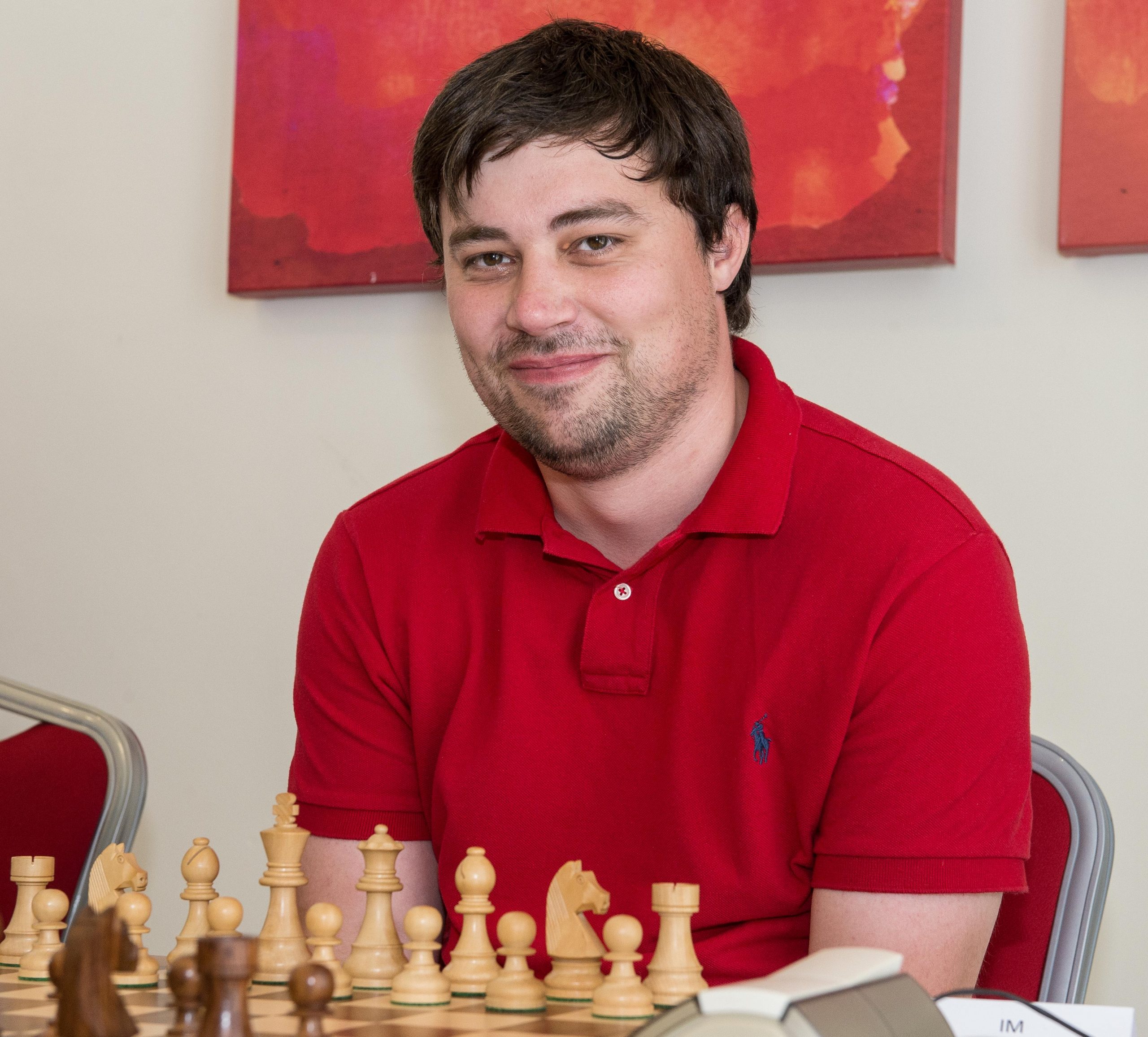
GM Jonathan Hawkins
GM Jonathan Hawkins

GM Jonathan Hawkins
GM Jonathan Hawkins

Remembering IMC Frank Boyd (16-ix-1935 ?-ix-2023)

He was British Correspondence Champion in 1972 and awarded the IMC title in 1981.

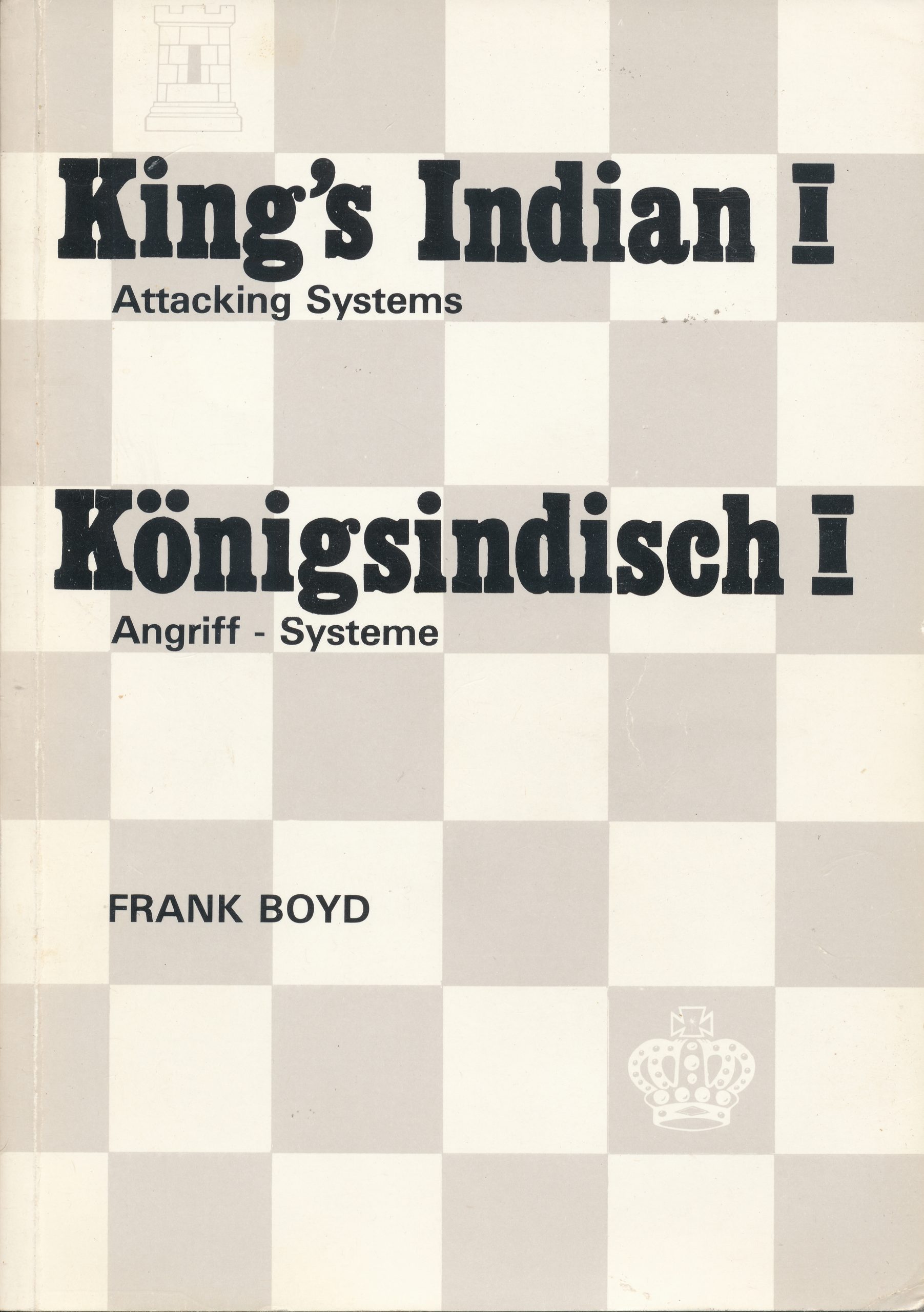
According to Kings Indian I Attacking Systems:

“British Correspondence Champions 1971/72. Placed second in an ICCF master tourney 1973/76. A member of the British team in the 9th Olympiad 1977/80. Gained the IMC title in the European Team Championship 1978/81.”

According to Chessbase Correspondence Database 2020 Frank achieved his highest (ICCF) rating in January 1991 of 2410.

Incomplete crosstable from the European Championship, 1973.

As White Frank would play the Queen’s Gambit via a 1.Nf3 move order. He did not play 1.e4

As the second player he would defend the closed Ruy Lopez and the Nimzo-Indian Defence.

King's Indian I by Frank Boyd, Chess Praxis, 1981
King’s Indian I by Frank Boyd, Chess Praxis, 1981

Birthday of GM Neil McDonald (21-i-1967)

We send birthday wishes to GM Neil McDonald born on this day (January 21st) in 1967.

Neil McDonald
Neil McDonald
Neil McDonald
Neil McDonald

From Wikipedia :

Neil McDonald (born 21 January 1967) is an English chess grandmaster and a player on the international chess circuit. He is an English Chess Federation coach,[1] who has trained many of the country’s strongest junior players. McDonald is a regular coach of the English junior team and was Head Coach of the English Chess Federation team at the Greece World Schools Championship in 2013.[2] He regularly escorts blind and partially sighted chess players to international World Championship events and is also a chess writer.

McDonald authored the French Defence monthly updates on chesspublishing.com from October 1999 until March 2009,[3] 1 e4 … updates from November 2009 until January 2010,[4] 1 e4 … from June 2014 until February 2015[5] and returned to 1 e4 … in March 2017 until January 2018.[6]

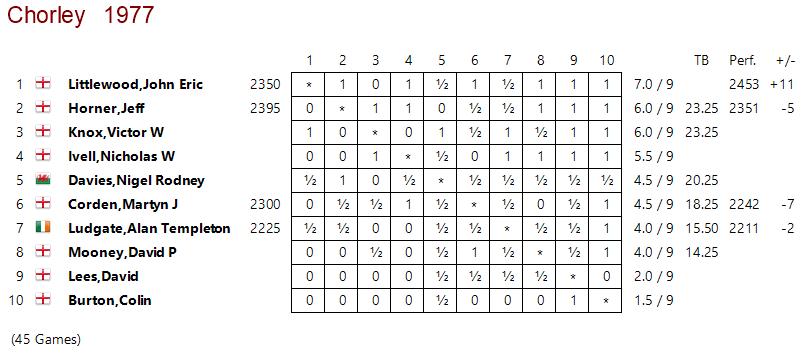
Neil shared first place in the 1986 GLC Masters with Jonathan Levitt, was outright first at the Elekes Memorial, 1995, first at The Leinster IM Tournament in Dublin, 1997, and other tournaments since. Neil plays for Wood Green in the Four Nations Chess League (4NCL).

He became an International Master in 1986 and was awarded the Grandmaster title in 1996.

McDonald obtained his FIDE Trainer qualification in 2016.[7]

Neil is a prolific and successful author, most recently with “Coach Yourself

Coach Yourself : A Complete Guide to Self Improvement at Chess

but also thirty eight titles for Chess Press, BT Batsford Ltd. and Everyman Chess Books.

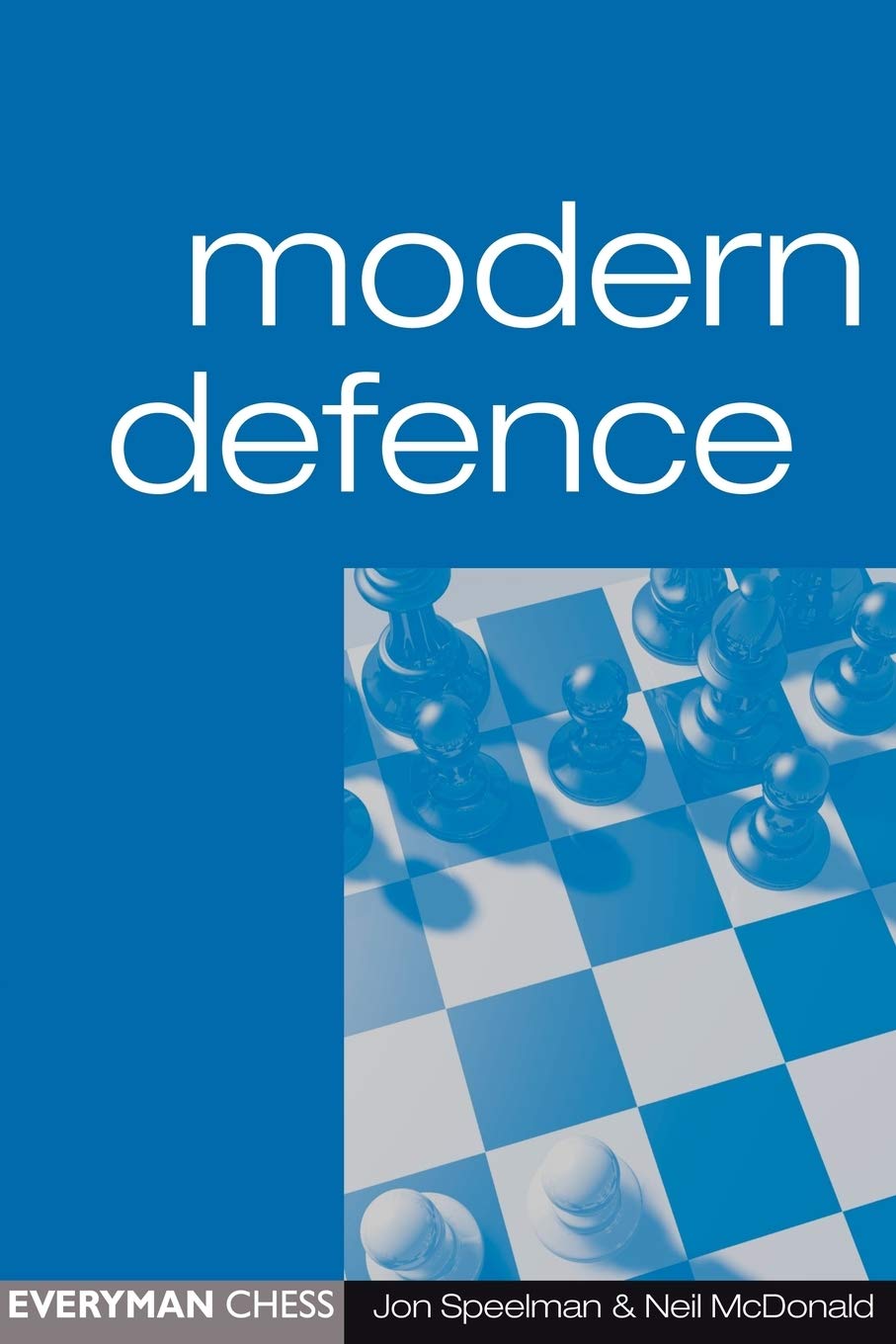
Modern Defence. Everyman, 2000
GM Neil McDonald
GM Neil McDonald

Birthday of IM Paul Littlewood (18-i-1956)

BCN wishes Happy Birthday to Paul Littlewood

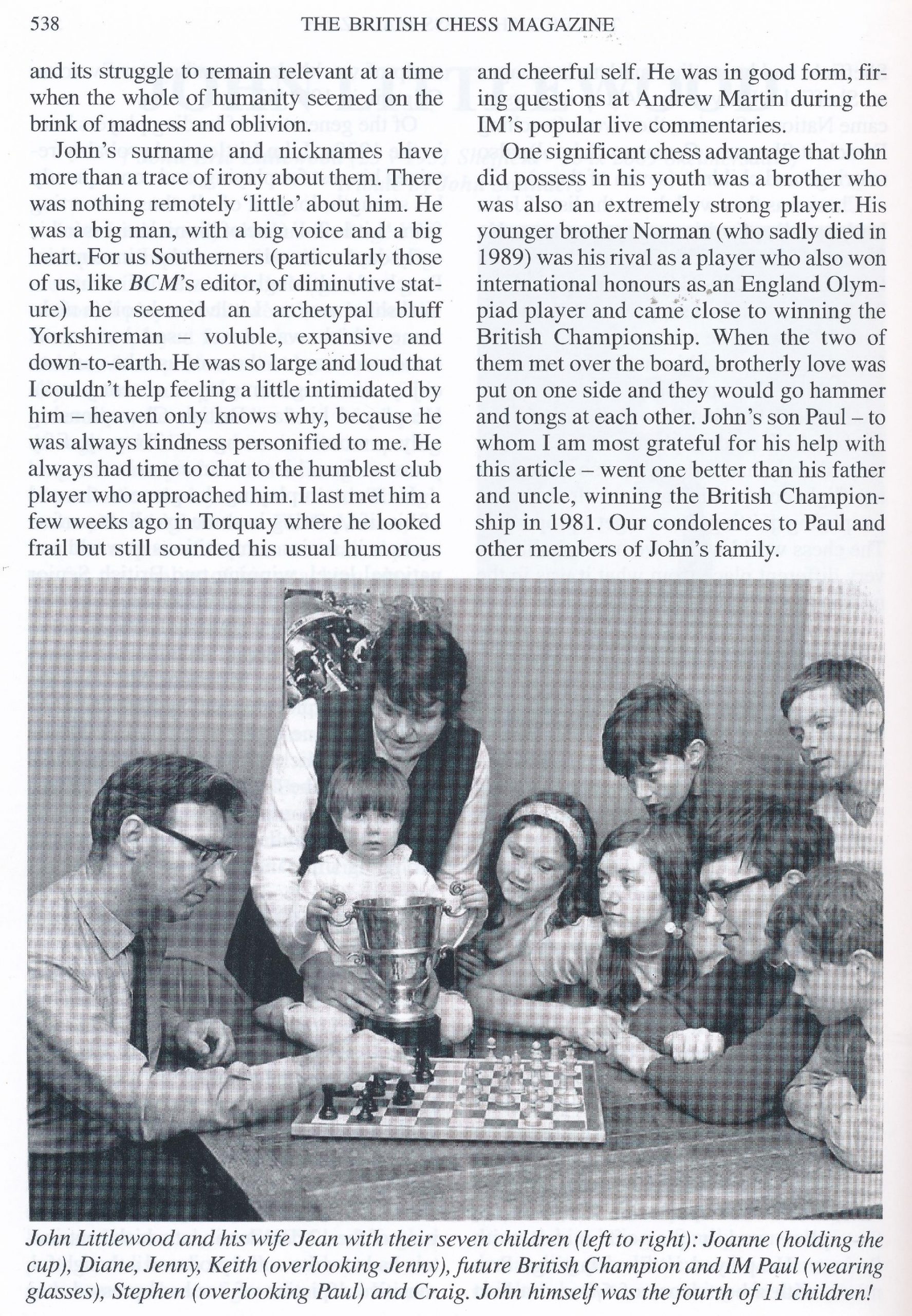
Paul Edwin Littlewood was born on Wednesday, January 18th, 1956 in Skegness, East Lindsey, Lincolnshire. His parents were John and Jean Littlewood (née) Hadwick. Paul’s chess playing uncle was Norman Littlewood.

John and Paul on Skegness beach circa 1958. Kindly supplied by Paul Littlewood. George and Ringo are out of shot !
John, Jenny and Paul Littlewood, circa 1962. Kindly supplied by Paul Littlewood.

Paul attended Glenburn Comprehensive School in Skelmersdale from 1967 and then read Natural Sciences at Christ’s College, Cambridge from 1974.

Paul played badminton for Lancashire and Cambridge and, in 1971, won the English Schools Mixed Championship when he was 15 years old.

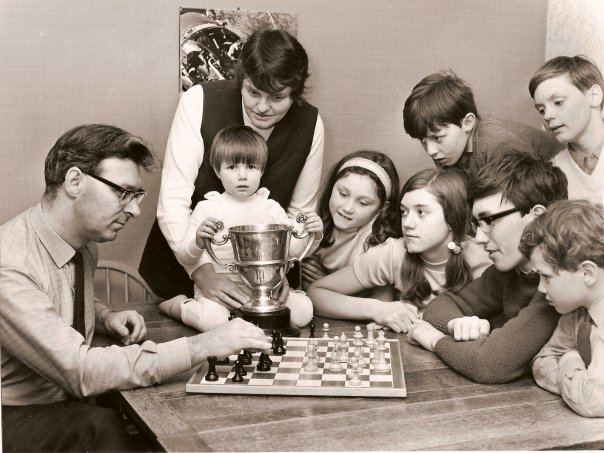
Paul and family receive a chess lesson from John following John's win in the 1972 Southport Open
Paul and family receive a chess lesson from John following John’s win in the 1972 Southport Open

On leaving University Paul taught science at Southbrook Comprehensive, Daventry. Four years later Paul became a dealer at Phillips & Drew and followed this as an Executive Director at Goldman Sachs. Stays at Lehman Brothers and JP Morgan were followed by a change of direction and since then Paul has been director of various food supply companies retiring in 2014.

Paul is married (3rd November 2006) to (his second wife) Fiona and lives in St. Albans, Hertfordshire.

PEL won the ECF President’s Award in 2007 and from the 2008 ECF Yearbook we have the following citation :

“International Master and accomplished bridge player. From British Chess champion (1981) Paul has presided over the 4NCL as chairman during its most successful period. When he became chairman over ten years ago the league consisted of two divisions and 32 teams. The league has now expanded to four divisions and a total of 72 teams. Most of England’s juniors play 4NCL. During this time 4NCL became one of the strongest leagues in Europe, at one time boasting a Division 1 rivalling the Bundesliga in strength in the top matches.

Paul has demonstrated the sound judgement of Solomon when dealing with league disputes and has drawn on his business acumen, honed during a successful career in the City with Goldman Sachs to make 4NCL the financially stable and expanding league it is today.”

Roll of Honour

  • British U18 Champion 1972
  • British U21 Champion 1975
  • British Champion 1981
  • As a junior represented England in Glorney Cup
  • International Master 1980

From British Chess (Pergamon Press, 1983) by Botterill, Levy. Rice and Richardson we have this article from Richard W. O’Brien :

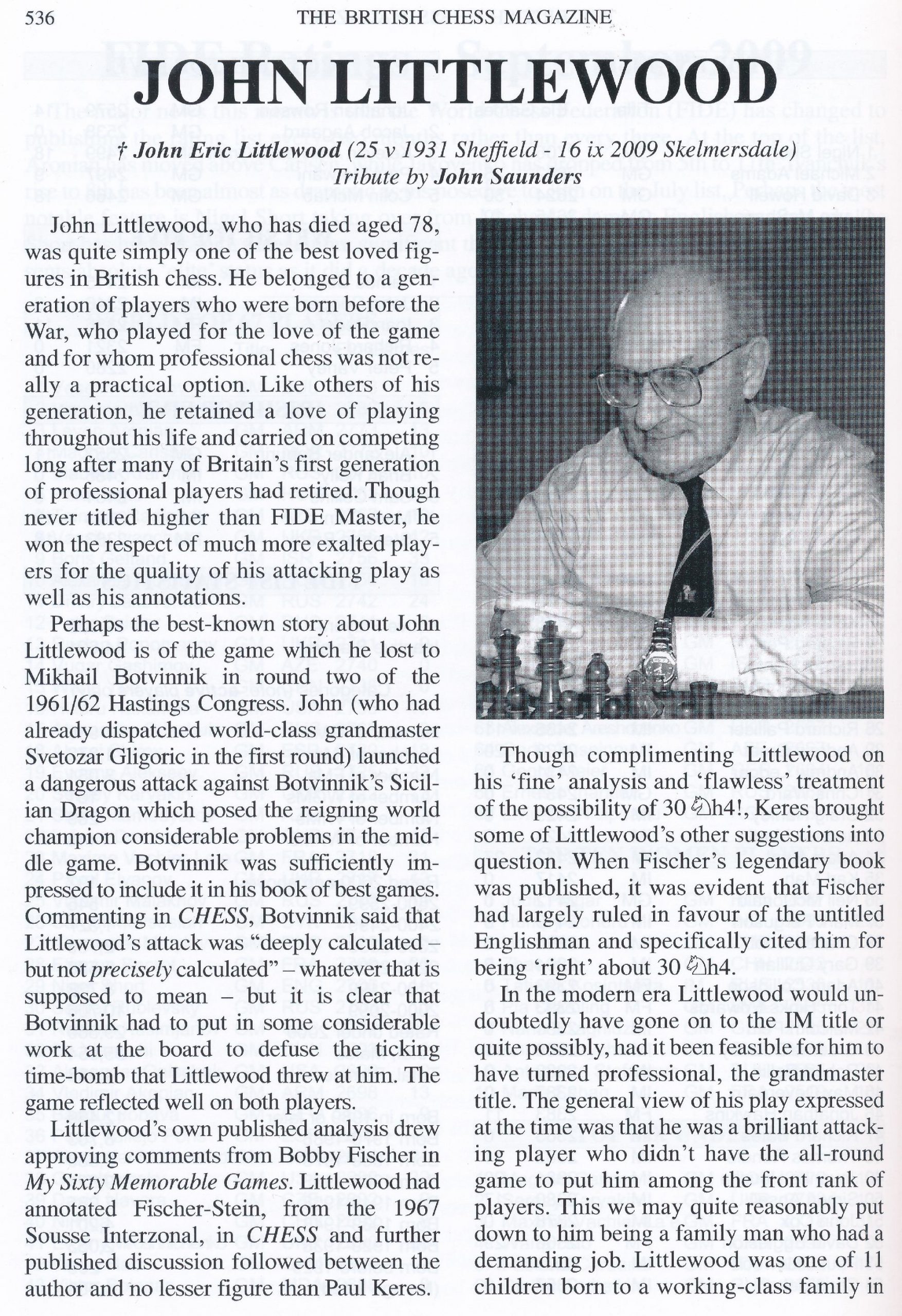
“Paul Littlewood was destined to become a strong player from birth. His father John was for some time one of the strongest players in the country and represented England on many occasions. His uncle Norman was for a few years not far behind. Paul, however, has surpassed them both and has become the first in the family to reach IM status. (Ed: JEL was very much worthy of the IM title but insufficient events of the right type held him back).

A. Howard Williams, Martyn J. Corden, Paul E. Littlewood and A. Jonathan Mestel

All three are essentially attacking players. There have been times in recent years when play at the Hastings Premier has become dull. However, Paul one of the English representatives at the last three tournaments, was certainly not to blame. (His game against Brito of Brazil which follows is a striking example of this).”

Coached by his father, Paul became British U18 champion in 1972 and three years later became British U21 champion.

Clearly more interested in an academic career he went up to Cambridge and then followed his father into the teaching profession. Opportunities to play in strong tournaments were thus very limited. These opportunities, however, were grasped in both hands. Three times in thirteen months between August 1978 and August 1979 he obtained an IM norm and thus the title.

Partial crosstable for the Lloyds Bank Open, 1978

The first caused a sensation as it was totally unexpected. He shared first place at Lloyds Bank ahead of several grandmasters including Shamkovich, who was the first grandmaster he ever defeated.

Leonid Shamkovich plays Paul Littlewood during the 1978 Lloyds Bank Masters. Paul won the game.

Eight months later Aaronson Masters was won and then came the final norm, also at Lloyds Bank.

Tournaments abroad were limited although he represented England students. He did play at Kringsja (2nd equal) in 1978 and Borovo where he scored 6.5.13 finishing ahead of 3 GMs.

In 1981 came his finest achievement – winning the British Championship with a massive 9/11.

Partial crosstable from the 1981 British Championship in Morecambe

His father who was also competing in the championship was as proud as could be and deservedly so (he also coached Sheila Jackson who retained her British Ladies Championship that year). His excellent all round play took him to the title and only once during the tournament did he stand worse. His endgame play was so good that CHESS even published an article solely on these endings.

Paul Littlewood and friends during the 1978 Lloyds Bank Masters

Duties at school in Daventry meant he was, in February 1982, unable to take part in the zonal at Marbella. This followed an excellent Hastings when as British Champion he made a plus score – a rare event indeed.

IM Paul Littlewood during filming for the "Trick of the Mind" series from Derren Brown
IM Paul Littlewood during filming for the “Trick of the Mind” series from Derren Brown

In the summer he gave up teaching and joined Phillips & Drew (stockbrokers). He now (ed : this was in 1983) lives with his (first) wife Sue and family in the wilds of Essex (Billericay).

IM Paul Littlewood, event and photographer unknown

Paul gives a simultaneous display in Letchworth.

Chess Tactics, Paul Littlewood, Crowood Chess Library, 1991

Birthday of IM Byron Anthony Jacobs (25-vi-1963)

IM Byron Jacobs
IM Byron Jacobs

BCN wishes Happy Birthday to IM Byron Anthony Jacobs (25-vi-1963)

Byron originates from Sir John Betjeman’s favourite town (Slough) and attended Slough Grammar and then The University of Sussex (Falmer).

He was Standard London under-16 champion in 1979. He was 3rd= in the 1982 Danish U-18 International. He was 3rd= in the 1988 Guernsey Open. His last recorded event in Megabase 2020 was in 1998.

Byron became a FIDE Master in 1983 and an International Master and in 1988 achieved a peak rating of 2390 in July 1987 at the age of 24.

Having given up competitive chess Byron became a successful poker player and commentator and has written on the subject.

Byron is a director of Brighton based First Rank Publishing and is specialist chess typesetter and Chief Advisor for Everyman Publishing and others and was pivotal in Brighton based, Chess Press.

Byron was the typesetter for British Chess Magazine from 2011 – 2012.

IM Byron Jacobs (front, fourth from left) at a Lloyds Bank event
IM Byron Jacobs (seated, second from left)
IM Byron Jacobs (standing, second from left)) at a Lloyds Bank Masters

Byron is an accomplished chess author with many titles to his name :

The Times Winning Moves (1991 with Ray Keene)
The Complete King's Indian (1992 with Ray Keene)
The Complete King’s Indian (1992 with Ray Keene)
Winning with the Benko (1995)
The Caro-Kann Advance (1997)
Analyse to Win (1997)
The Benko Gambit by Andrew Kinsman & Byron Jacobs (1999)
Starting Out in Chess (1999)
Mastering the Opening (2001)
French Classical (2001)
Nimzo-Larsen Attack (2001)
An Opening Repertoire for White (2003)