We remember Alexander McDonnell who died aged 37 on September 14th, 1835 in Tavistock Square, London.
Please note : We have referenced a number of secondary and tertiary sources on AM and they agree on heritage. However, following painstaking research of primary sources by James O’Fee and Tim Harding it has been demonstrated that the father of AM was not Dr. Alexander McDonnell but, in fact, Thomas McDonnell, a merchant.
Also, we do not have a primary source confirming the date of birth. 22-iv-1798 which was obtained from the family tree of a distant relative.
Hopefully we will be permitted to publish further details unearthed by James O’Fee
Alexander McDonnell was born on Tuesday, May 22nd 1798 in Belfast, Antrim, Northern Ireland to Dr Alexander McDonnell, age 34. His mother is unknown.
His (half-)brother Robert died (in a riding accident) on 19 July 1818 in Belfast, Antrim, when Alexander was 20 years old. He also had one sister, Eliza (Elizabeth)
From The Oxford Companion to Chess (OUP, 1983) by Hooper & Whyld :
The best player in England around 1830, Born in Belfast, the son of a doctor, he spent some years in the West Indies and later worked in London as
secretary of the Committee of West Indian Merchants. William Lewis, who taught McDonnell in the 1820s, soon found that he could not successfully offer odds of pawn and move to his pupil; but challenged to play even Lewis declined, fearing for his reputation.
From June to October 1834 McDonnell played six matches against La Bourdonnais; of the 85 games that were played McDonnell won 27, drew 13, and lost 45. McDonnell’s lack of experience against strong opponents was a serious handicap. On occasion his combinative play could be brilliant and imaginative, but his opening play (based on Lewis’s teachings) and his technique were inferior. He is described as ‘quiet, reserved, outwardly imperturbable’ with ‘an insular sense of’decorum’, quite different from his extrovert opponent.
Whereas La Bourdonnais played fast and with ease, McDonnell concentrated at length upon his moves and retired from a playing session exhausted, sometimes ‘walking his room the greater part of the night in a dreadful state of excitement’. His contemporaries believed that this long period of stress hastened his death from Bright’s disease. The games were regarded as the finest ever played. They were first published in England where they greatly stimulated interest in the game.
Unlike his great rival, McDonnell died wealthy; besides chess he was interested in political economy on which he wrote half a dozen books or
pamphlets.”
From The Encyclopedia of Chess (Robert Hale, 1970 & 1976) by Anne Sunnucks :
“The greatest player Ireland has ever (1976) produced, McDonnell is remembered mainly for his series of games against La Bourdonnais in 1834 which were described by Morphy as ‘beautiful models of chess strategy’.
The son of a Belfast doctor, McDonnell’s profession of Secretary to the Committee of West India Merchants brought him to London., where he took chess lessons from William Lewis and as a member of the West London Chess Club soon established the reputation of being the strongest amateur of his day. He was also a strong blindfold player.
In 1823 he lost some games against La Bourdonnais. These were probably played in Paris, since there is no record of the players meeting in England. In 1834 La Bourdonnais came to London, and a further contest was arranged. There are a number of conflicting reports on the sub-division of the games into matches,but a total of 84 games were played, of which McDonnell scored +27-44=13 before La Bourdonnais was recalled to Paris on business.
It was intended that the series should be continued, but before this could be arranged McDonnell fell ill with Bright’s disease and died on 14th September 1835.”
From The Encyclopedia of Chess (Batsford, 1983) by Harry Golombek :
“Britain’s leading player before Staunton. McDonnell was Irish born, the son of a Belfast doctor. He was secretary to the Committee of West India Merchants in London. After he studied chess with Lewis, he rose to the front rank of British players.
In 1834 he was engaged in a marathon series of matches with the visiting French champion La Bourdonnais. Five complete matches of varying lengths were played and a sixth was left unfinished, comprising a probable total of 85 games (there is some dispute among chess historians over the details of the final two matches), with the victory going to La Bourdonnais by 45 games to 27 with 13 draws. The standard of play was high and these contests did much to kindle interest in chess in both France and England. McDonnell died the following years of Bright’s disease.”
“Alexander McDonnell (1798–1835) was an Irish chess master, who contested a series of six matches with the world’s leading player Louis-Charles Mahé de La Bourdonnais in the summer of 1834.
In 1825 he became a pupil of William Lewis, who was then the leading player in Britain. But soon McDonnell had become so good that Lewis, fearing for his reputation, simply refused to play him anymore.
Around 1825–1826, McDonnell played Captain Evans, while the latter was on shore leave in London. McDonnell was beaten with what is now regarded in chess circles as the creation of the Evans Gambit (1.e4 e5 2.Nf3 Nc6 3.Bc4 Bc5 4.b4).[3]
La Bourdonnais matches
Main article: La Bourdonnais – McDonnell chess matches
At that time the world’s strongest player was the French aristocrat Louis-Charles Mahé de La Bourdonnais. Between June and October 1834 La Bourdonnais and McDonnell played a series of six matches, a total of eighty-five games, at the Westminster Chess Club in London. McDonnell won the second match, while La Bourdonnais won first, third, fourth and fifth. The sixth match was unfinished.
In the first game of the third match, McDonnell successfully introduced a new variation in the King’s Gambit (1.e4 e5 2.f4 exf4 3.Nf3 g5 4.Bc4 g4 5.Nc3) known today as the McDonnell Gambit.”
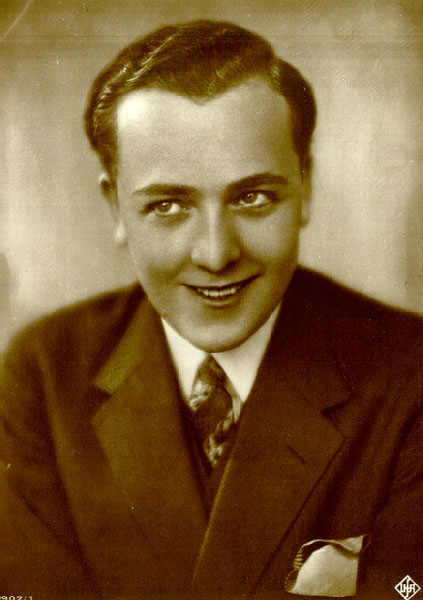
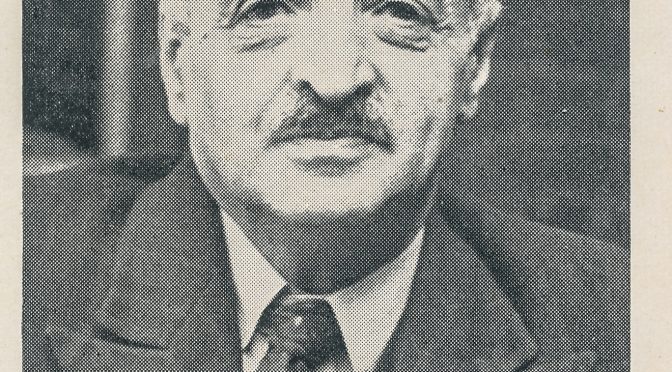
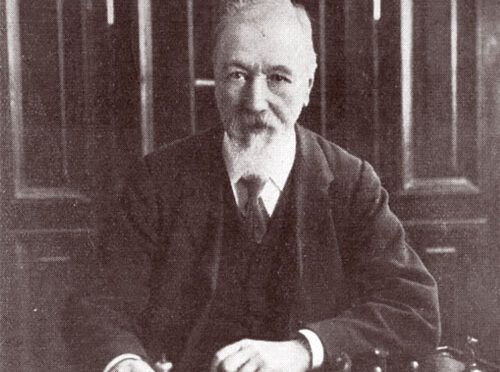
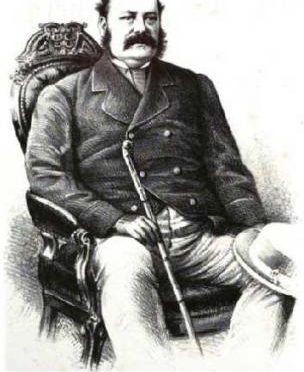
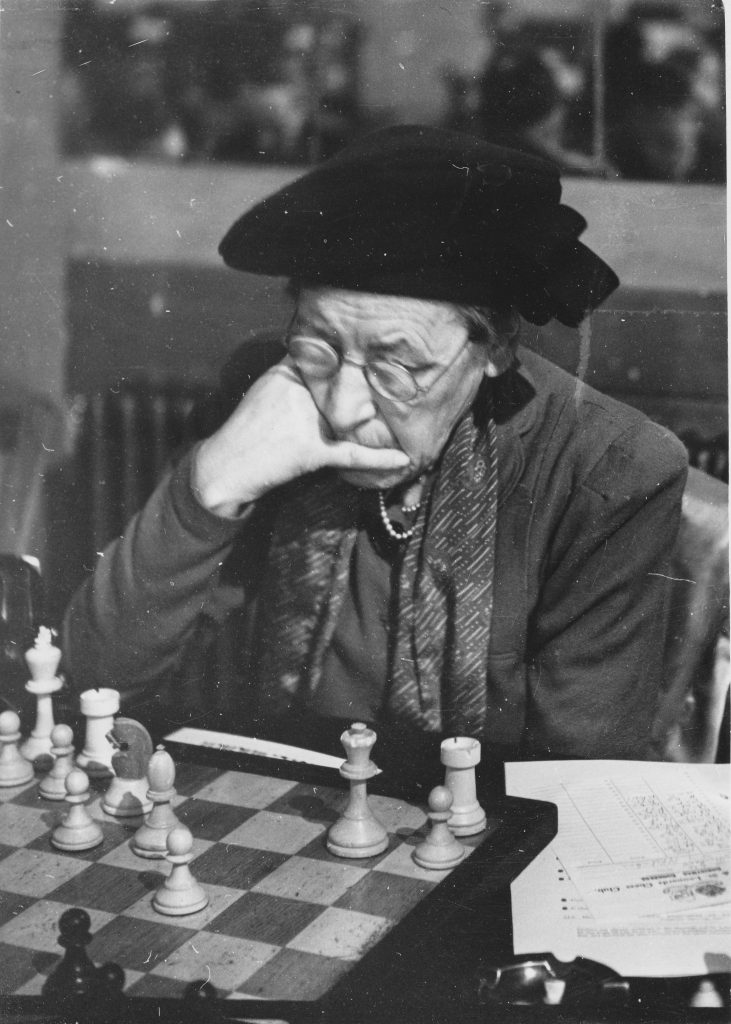
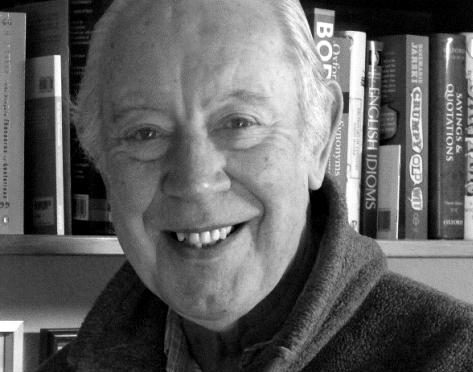
We are not convinced that the photograph above is of AM. We received this reply from Tim Harding :
“I don’t recall ever seeing ANY image that was definitely of him, but I have referred your enquiry to James O’Fee in Belfast who is probably the only person who might know of one.
It doesn’t help that he had in Belfast an almost exact contemporary of the same name (who came to work in Dublin and long outlived the chess player) and there is some issue about which one was the son of a doctor and which the son of a merchant. So even if you found an image online it’s more likely to be of the wrong man.
Unless I am wrong there was never any image of Alexander McDonnell in a chess context.
The main chance would perhaps be in connection with his lobbying for the Demerara planters.
We remember IM Imre (Mirko) König on the anniversary of his death, this day (September 9th) in 1992.
His “obituary” in British Chess Magazine, Volume 112 (1992), Number 11 (November), page 542 was disappointingly brief:
“RIP Imre König: The great veteran died on 9 September at his home in California. Our last link with the Hypermoderns is broken – he associated with Réti in the 1920s.” There was no detailed follow-up as you might expect. Can you imagine Brian Reilly publishing this?
From The Anglo-Soviet Radio Chess Match by E.Klein and W.Winter :
“Born in 1901 in Hungary when it still belonged to the old pre-World War I Austria, spent most of his life in Vienna, where he became a promising player at an early age. After World War I and the various geographical adjustments in the map of Europe, he became Yugoslav by nationality and represented that country three times in international team tournaments.
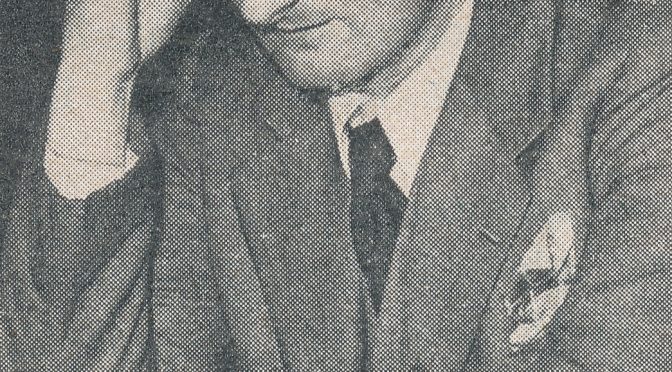
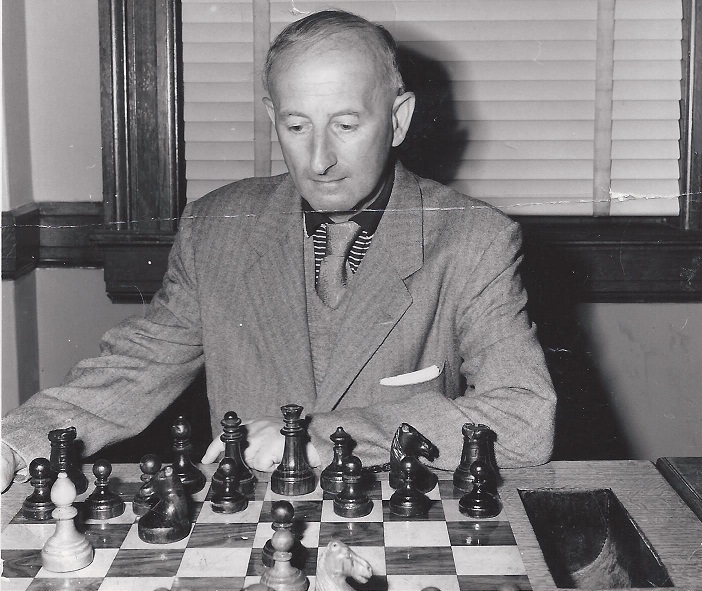
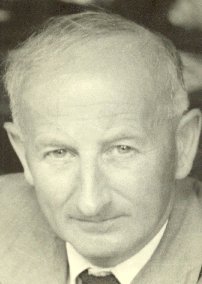
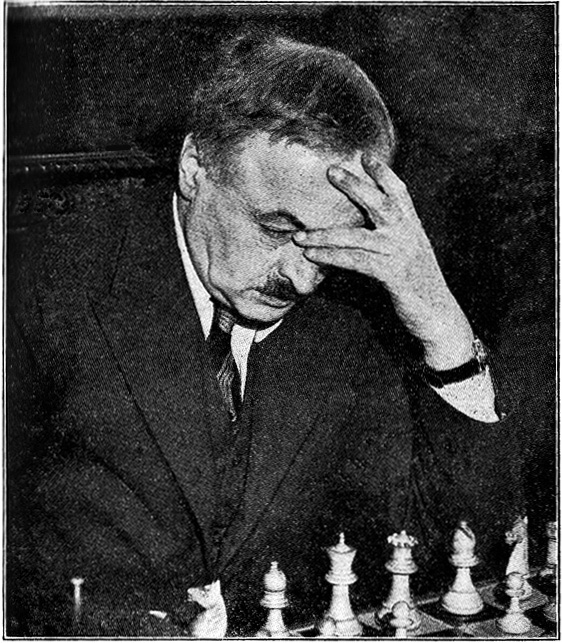
Imre Konig at the Mechanics’ Institute in the 1950s (Photo: Mechanics’ Chess Club Archives)
He has competed in a great number of international tournaments, some of them in this country, where he has lived since 1938. He won the Premier Reserves at Hastings, 1938, in a strong international field, finished fourth and fifth with the late Landau at Bournemouth, 1939, and shared first and second prizes with Milner-Barry in the National Chess Centre tournament, 1939. His last performance was in the London International Tournament, 1946, where he shared fourth, fifth and sixth places with Sir George Thomas and Gerald Abrahams. He is now a professional player.
König’s special strength lies in the openings, of which he has a deep knowledge.”
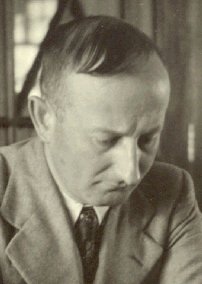
Imre König
From The Encyclopedia of Chess (Robert Hale, 1970 & 1976) by Anne Sunnucks :
“International Master (1951). Born in Kula, Hungary (now Serbia). König became a Yugoslav citizen when the territory in which he lived was ceded to Yugoslavia after the First World War. In 1938 he emigrated to England and became a naturalised British subject in 1949. He found that the English climate affected his health and in 1953 went to live in the USA.
König learnt to play chess when he was 10. In 1920, while studying at Vienna University, he met Spielmann, Tartakover and Réti, and became became interested in the hypermodern school of chess, which they represented.
IM Imre (Mirko) König (2-ix-1901 9-ix-1992)
He played for Yugoslavia in the chess Olympiads of 1931 and 1935 and came 2nd in the Yugoslav national tournament of 1922. His results in international tournaments include =4th at Bournemouth 1939; =4th at London 1946 and 2nd at Hastings 1948-49. These results do not do justice to his strength as a player. He was handicapped by a poor temperament for tournament chess, which prevented him from achieving greater success in the international field.
IM Imre (Mirko) König (2-ix-1901 9-ix-1992)
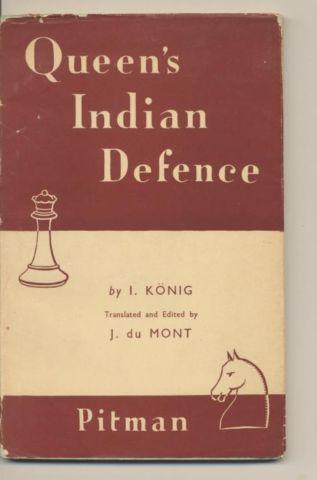
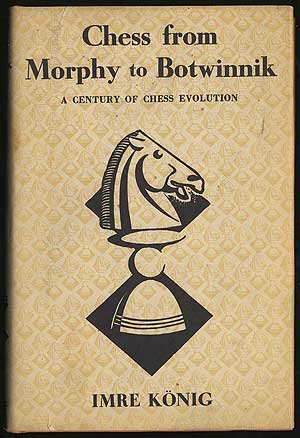
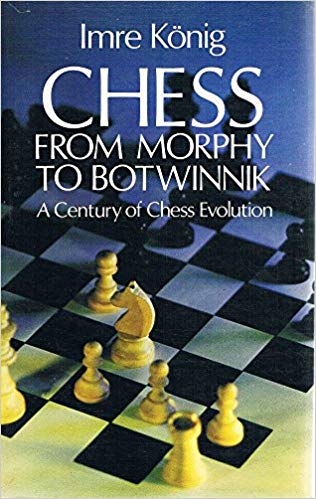
A chess professional, König was a first-class teacher of the game (Anne was a student of his), as well as being a leading theoretician. He is author of The Queen’s Indian Defence (Pitman, 1947) and Chess from Morphy to Botvinnik (Bell, 1951).”
From The Encyclopedia of Chess (Batsford, 1977) by Harry Golombek:
“An international master since 1951, born at Gyula in Austro-Hungary. After the first world war König became a Yugoslav citizen and represented that country in the Olympiads of 1931 and 1935. He emigrated to England in 1938 and was naturalised in 1949. Since 1953 he has resided in the USA. Tournament results include 2nd prize at Hastings 1948/9. His publications include a monograph on the Queen’s Indian Defence, London 1947, and a longer work, Chess from Morphy to Botvinnik, London, 1951 ”
Hooper & Whyld are silent on König for some strange reason.
From Wikipedia:
“Imre König (Koenig) aka Mirko Kenig (Sept 2, 1901, Gyula, Hungary – 1992, Santa Monica, California) was a Hungarian chess master.
He was born in Gyula, Hungary, and also lived in Austria, England and the USA during the troubled times between the two world wars.
In 1921, he took 2nd in Celje. In 1920s König played in several tournaments in Vienna; he was 3rd in 1921, 14th in 1922 (Akiba Rubinstein won), 3rd-4th in 1925, 4-5th in 1926 (Rudolf Spielmann won), and 3rd-5th in 1926. He took 12th in Rogaška Slatina (Rohitsch-Sauerbrunn) in 1929. The event was won by Rubinstein. In 1929/30, he took 7th in Vienna (Hans Kmoch and Spielmann won). In 1931, he took 4th in Vienna (Albert Becker won). In 1936, he tied for 6-7th in Novi Sad (Vasja Pirc won). In 1937, he tied for 2nd-4th in Belgrade (Vasilije Tomović won).
Mirko Kenig represented Yugoslavia in the 4th Chess Olympiad at Prague 1931 (+5 –1 =2), the 6th Chess Olympiad at Warsaw 1935 (+5 –2 =8),[2] and in 3rd unofficial Chess Olympiad at Munich 1936 (+7 –4 =7).”
“In 1938, Imre König emigrated to England. In 1939, he tied for 4-5th in Bournemouth (Max Euwe won), and shared 1st with Philip Stuart Milner-Barry in Hampstead. In 1946, he took 4th in London. In 1948/49, he took 2nd, behind Nicolas Rossolimo, in the Hastings International Chess Congress.
In 1949, he became a naturalized British citizen. However, in 1953 he moved to the United States.
König was awarded the International Master title in 1951.”
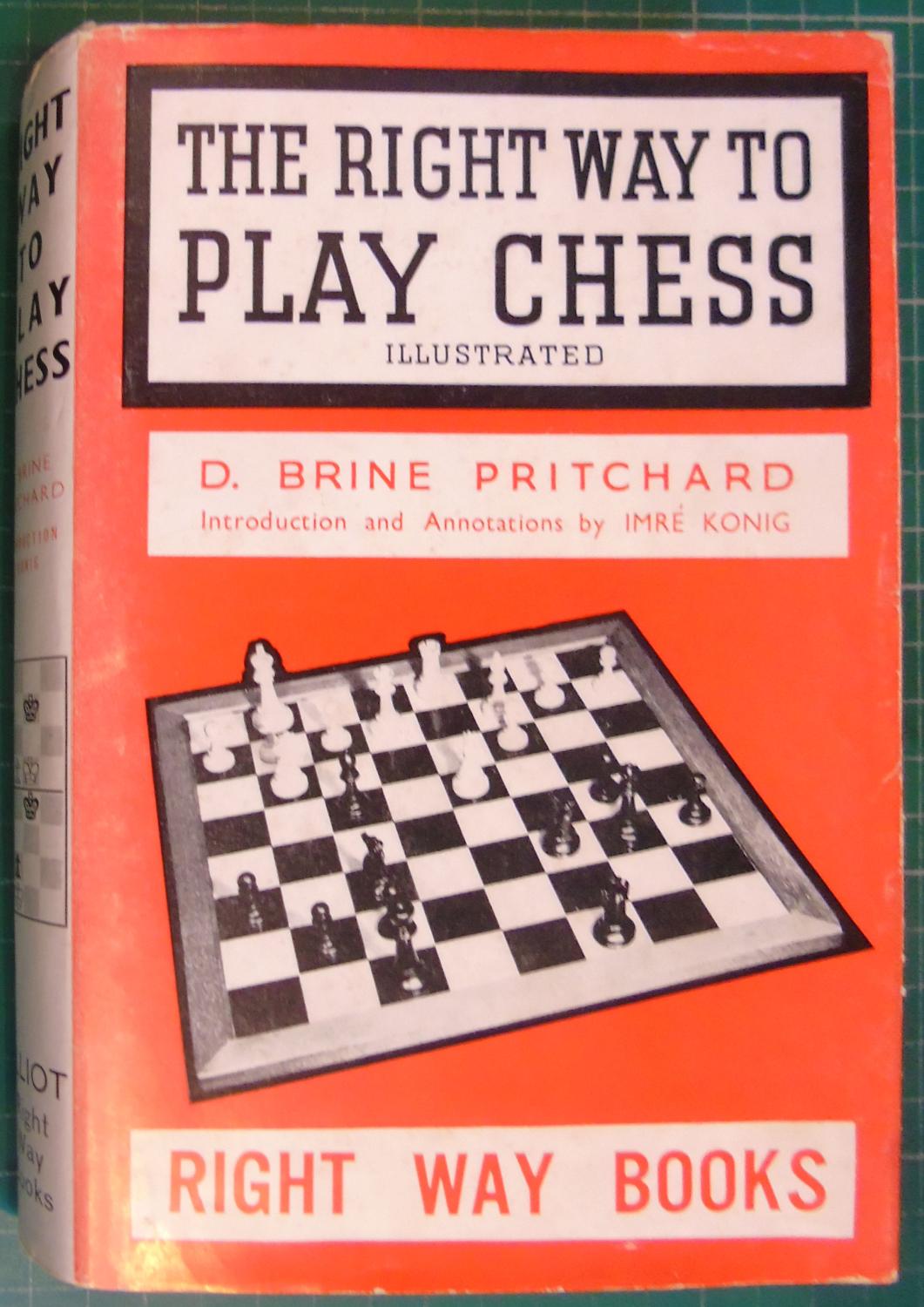
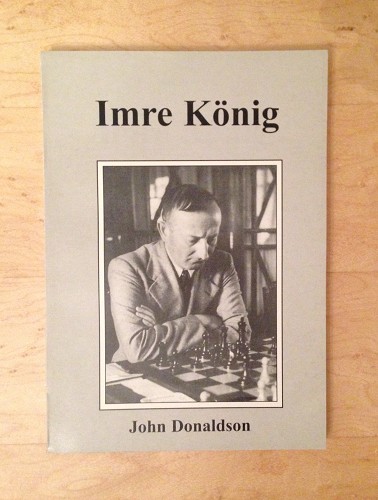
Queen’s Indian Defence, König, Pitman, 1947Chess from Morphy to Botwinnik by Imre KönigChess from Morphy to Botwinnik by Imre KönigThe Right Way to Play ChessImre König by John Donaldson
From The Anglo-Soviet Radio Chess Match by Klein and Winter :
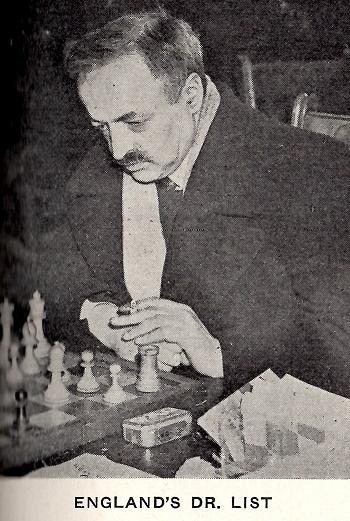
“Paul M List was born in Memel, Lithuania in 1887. After living in Berlin for many years, where he was manager of the bridge and chess rooms in a well-known café-restaurant, he came to this country in 1936.
Paul M List
He has competed in many tournaments, local and international. He, too, failed to get into the prize list in the recent London International Tournament, but he is a resourceful player, particularly in defensive positions.
His best performance was Berlin, 1925 where he came first, ahead of Richter. Since he came to this country he has become an art dealer, but chess is still one of his foremost activities.”
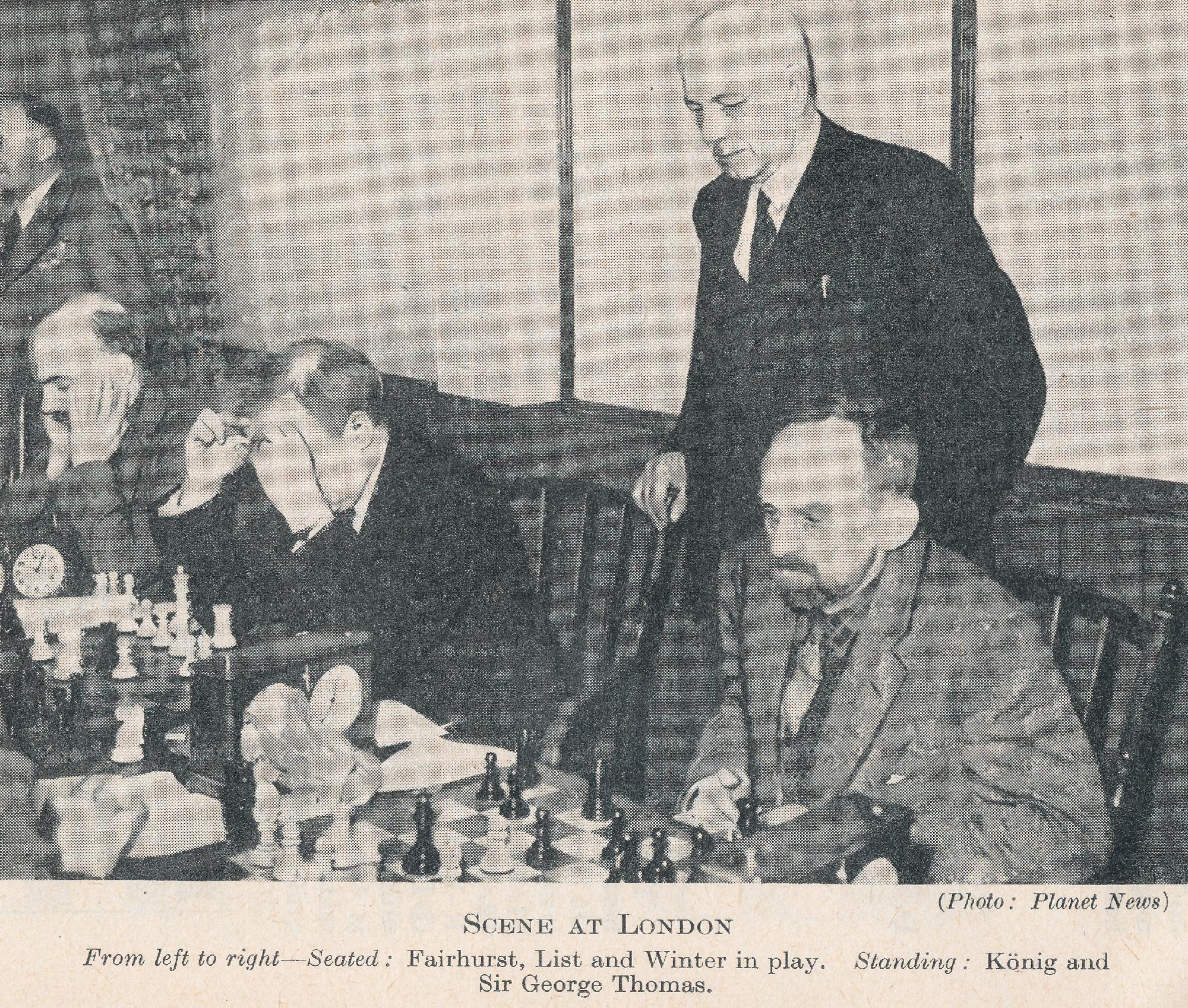
Scene at London. From left to right – Seated : Fairhurst, List and Winter in play. Standing König and Sir George Thomas
Here is an article by Matthew Sadler on the 1953 British Lightning Championship event won by List (but not the title)
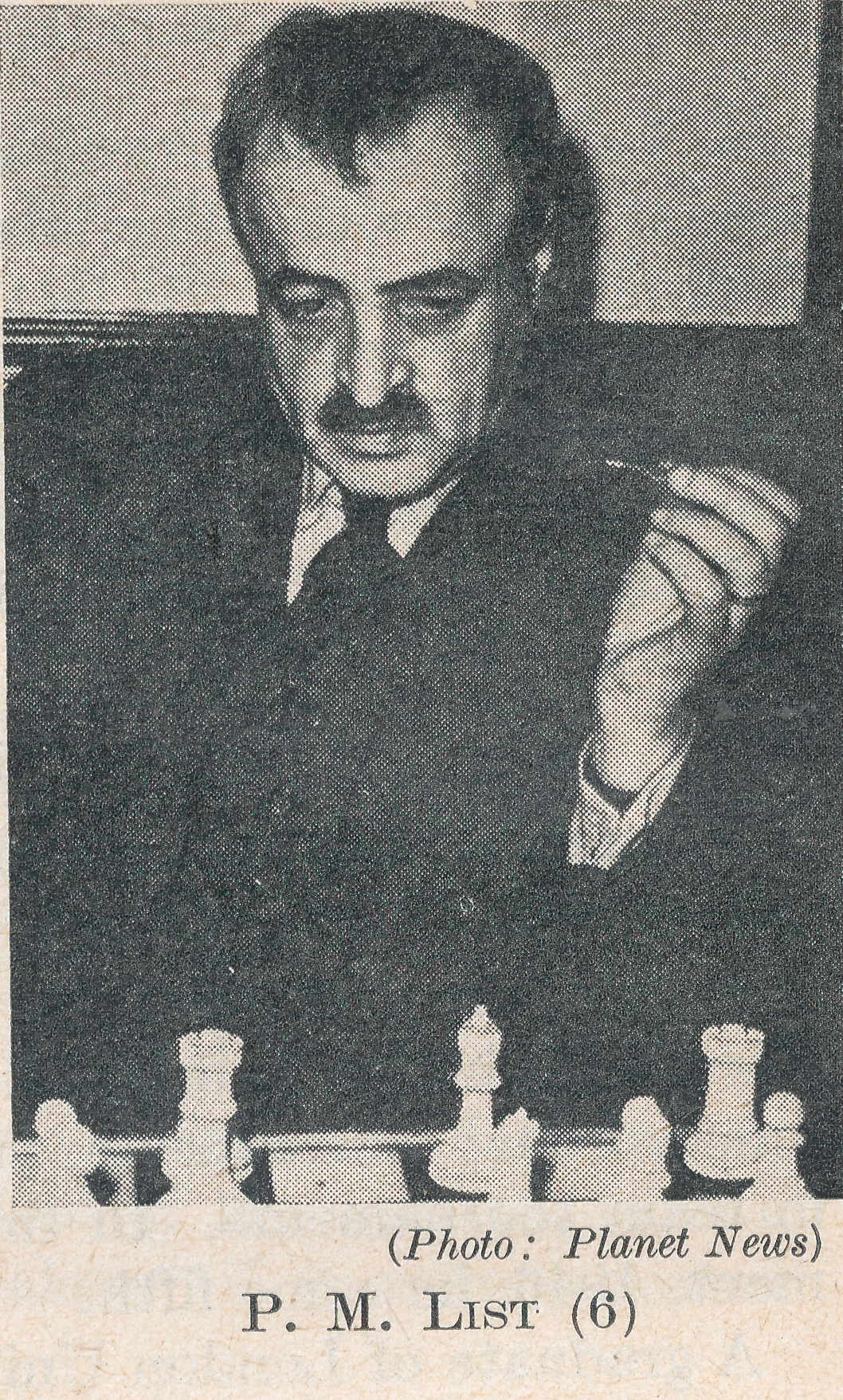
Dr. Paul List (09-ix-1887 09-ix-1954). Source : The Anglo-Soviet Radio Chess Match.
Here is his (surprisingly brief) obituary from British Chess Magazine, Volume LXXIV (1954), Number 10 (October), page 324 :
“Dr. Paul List, the British Lightning Championship winner a year ago (though he could not hold the title because he was not a naturalised Briton), died in London at the age of 66. A player of master strength, Dr. List left his native Russia for Germany in the 1920’s, and began on his second exile in 1938 when sought refuge in this country from Germany.”
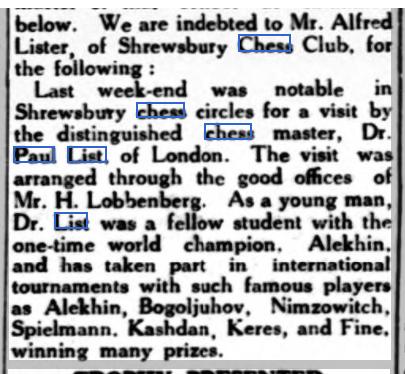
Item from Kington Times – Saturday 02 June 1951 regarding the visit of Dr. List
From The Illustrated London News in 1953 (by BH Wood) :
“Sixty-five-year-old Dr. (not of medicine) Paul List, the oldest competitor, who settled in Britain about 1937 and has been thinking of becoming naturalised ever since, finished with a marvellous fifteen-and-a-half points out of a possible eighteen”
Dr. Paul M. List. Source : https://www.kingpinchess.net/wp-content/uploads/2016/03/They-provided-their-own-heat1.jpg
We note today (September 8th) in 1854 marks the passing of Elijah Williams.
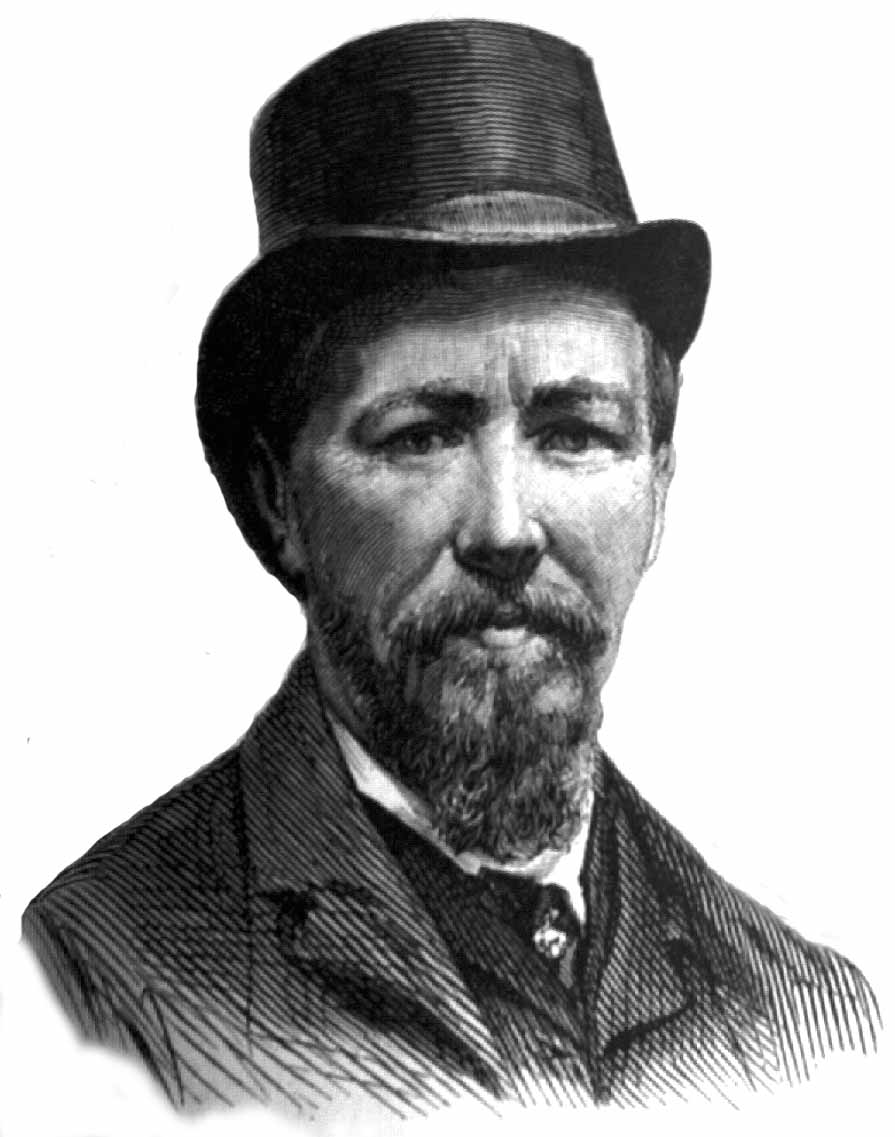
We are not aware of a verified image / likeness of Elijah Williams. Possibly the archives of Bristol based newspapers would help?
From The Complete Chess Addict (Faber & Faber, 1987, page 147-8) by Mike Fox and Richard James :
“The most boring games of all time? We turn to the London tournament of 1851, and the interminable encounters between Elijah (The Bristol Sloth) Williams and the deservedly unknown James Mucklow (‘a player from the country’ says the tournament book sniffily).
Elijah introduced the concept of Sitzkrieg into chess : he’d sit there, taking two and a half hours on a single move until his opponent dropped from boredom. The tournament book records games in excess of twenty hours (one was adjourned after a whole day, at the twenty-ninth move). Mucklow (a much worse player) was no swifter, and when they got together it must have been like watching an oil painting. (‘Both players nearly asleep,’ recorded a drowsy secretary midway through one mind-grinding marathon.)
Howard Staunton’s commentary says it all : ‘Each…exhibits the same want of depth and inventive powers in his combinations, and the same tiresome prolixity in manoeuvring his men. It need hardly be said that the games, from first to last, are remarkable only for their unvarying and unexampled dullness”
From The Oxford Companion to Chess (OUP, 1983) by Hooper and Whyld :
“English player. A native of Bristol, from where he edited one of the earliest newspaper columns (Bath and Cheltenham Gazette, 1840-6), Williams gave up his job as an apothecary in 1844, moved to London, and attempted to earn a living at chess. In the London international tournament of 1851, a knock-out event, Williams defeated Lowenthal in the first round (4-2—1) but lost to Wyvill in the third and penultimate round (+3-4), He was awarded third prize after defeating Staunton (+4=1 — 3), He admired Staunton’s play and like several of his contemporaries adopted the positional style of the English school; but after this match the master never forgave his pupil, Williams played matches against Lowenthal in 1851 (+5 = 4-7), Horwitz in 1852 ( + 5 = 9—3), and Harrwitz in 1852 ( = 3—7),
and he again lost to Harrwitz in 1853.
In 1851 Williams won a handicap match against Staunton, who conceded a three-game start; of the games actually played Williams won four, drew three, and
lost six. When cholera broke out in London he posted a notice on his door offering preventive medication free. Supplies had run out when, feeling unwell, he left home for the last time; seized with violent pain when in the Strand he entered Charing Cross Hospital where he died of the disease two days later, leaving his wife and children destitute.
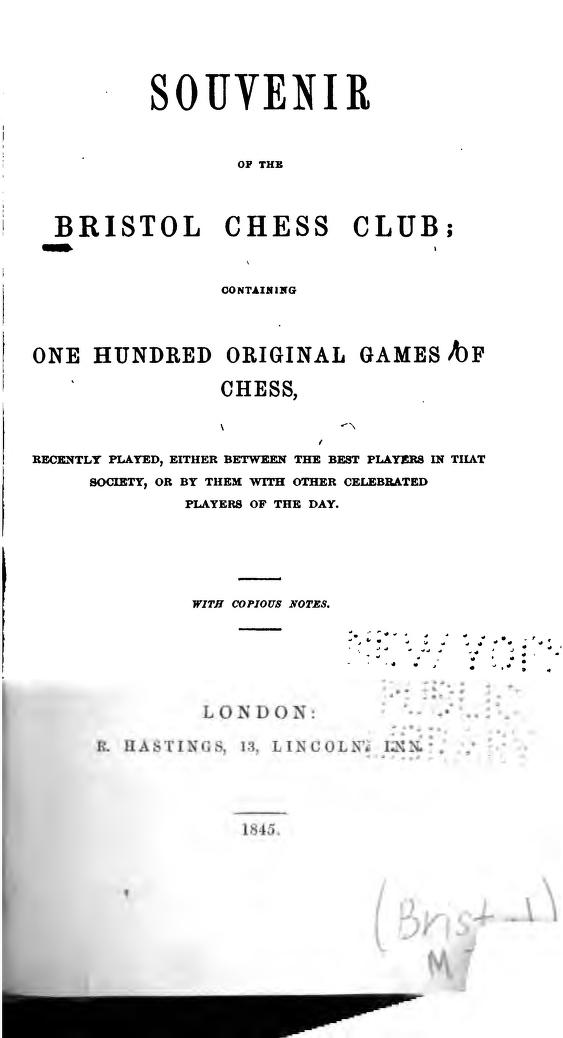
He wrote two books, Souvenir of the Bristol Chess Club (1846) and Horae Divanianae (1852). He also edited a chess column in The Field from Jan. 1853, when the magazine was founded, until his death.”
Souvenir of the Bristol Chess Club
From The Encyclopedia of Chess (Batsford, 1977) by Harry Golombek:
“A prominent British master of the mid-nineteenth century who was famed for the slowness of his play at a period when chess clocks for important competitions had not yet come into fashion. Williams was born in Bristol where he practised as an apothecary but soon became so attached to chess (he was president of the Bristol Chess Club and also conducted a chess-column in the Bath and Cheltenham Gazette (from 8 September 1840 to 21 October 1946) that he made the game his profession.
Abandoning Bristol for London where the life of a chess professional was considerably more profitable than in the provinces, he contested a number of matches with varying success; e.g. 1846 v. Kennedy (+4-2=0) and 1852 v. Horwitz (+5-3=9). In three matches v. Harrwitz he met with decisive reverses (a total of +2-17=8) but gained a curious triumph over Staunton in 1851. Although losing on games played by +4-6=3 Williams emerged a technical victor as the result of Staunton’s rash decision to offer starting odds of three games ! This match, however, produced much fine chess.
Williams also participated in the first international tournament at London 1851 where he took third prize behind Anderssen and Wyvill. An analysis of his games from the important events of 1851 reveals that Williams had developed a most sophisticated playing style, employing positional devices which were not to
become current for a further sixty years. While in London in 1852, Williams published a collection of games under the title of Horae Divanianae being a selection of 150 games by leading masters, most of which had been played at Simpson’s Divan. He wrote the chess-column for The Field, from 1853 to 1857.
He died in London at Charing cross Hospital of cholera on 8 September 1854. we emphasize this date since the usual date given is that of I September 1854. But we are indebted to Mr. Kenneth Whyld for the information about the correct date on the death certificate which also states he was forty-four when he died.
Up to now his date of birth was not known and was assumed to have been considerably earlier. (R.D.K.)”
Sunnucks is silent on EW for an unknown reason.
From Wikipedia :
“Elijah Williams (7 October 1809 – 8 September 1854) was an eminent British chess player of the mid-19th century. He was the first president of the Clifton Chess Club, and publisher of a book of games from the Divan Club. His most notable result was at the 1851 London tournament, in which he defeated the celebrated British player Howard Staunton in the play-off for third place.
He was accused by Staunton of taking an average of 2½ hours per move during some matches, a strategy thought to cause opponents to lose their focus on the match. According to Staunton, following a particularly dilatory performance by Williams in the London 1851 tournament, a 20-minute per turn time limit was adopted for standard play the next year. However other sources contradict this viewpoint and indeed it was not uncommon for Staunton to attribute his losses to the intolerable dilatory play of his opponents. Staunton is quoted as remarking while playing against Williams, ‘… Elijah, you’re not just supposed to sit there – you’re supposed to sit there and think!'”
Williams died in London, a victim of the 1854 Broad Street cholera outbreak.”
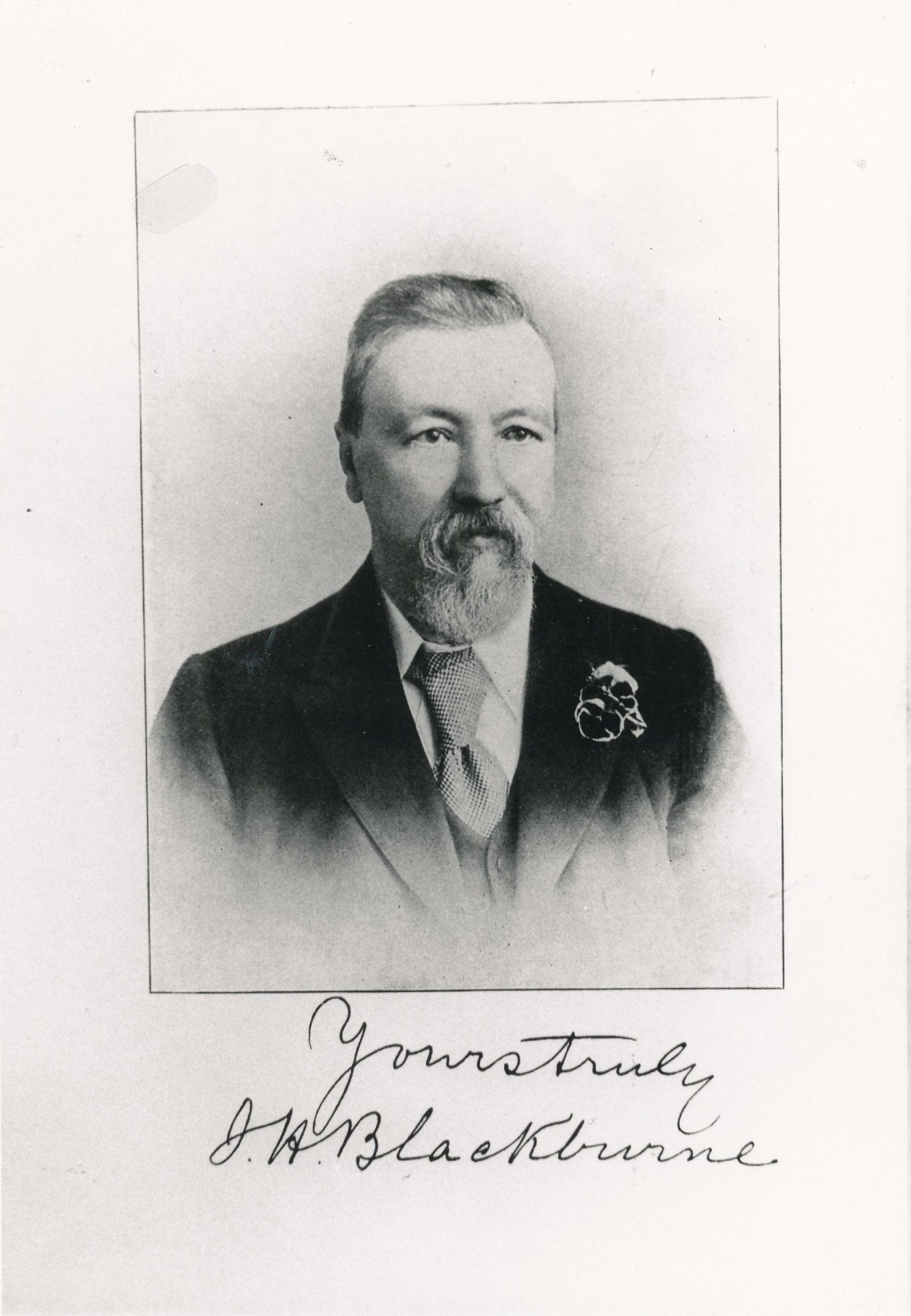
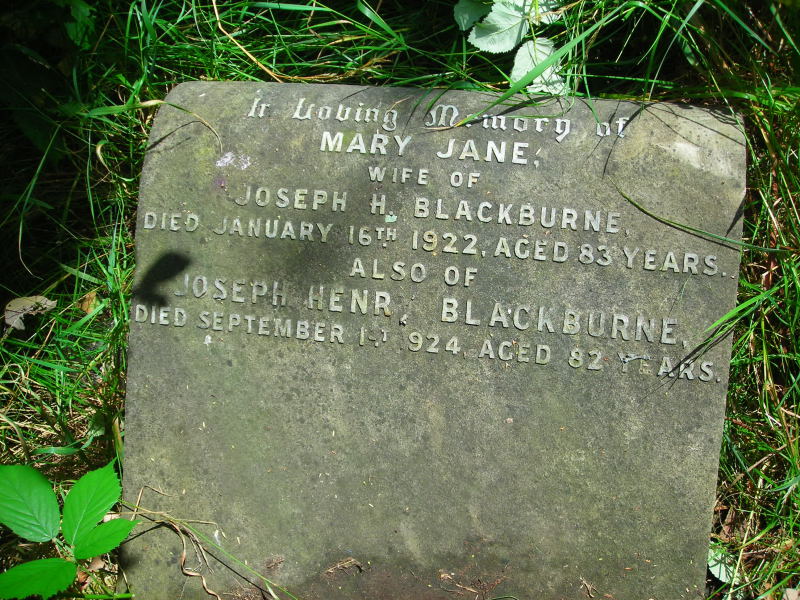
BCN remembers Joseph Blackburne (10-xii-1841 01-ix-1924)
The following (excerpts of) information were obtained via ancestry.co.uk / findmypast.co.uk:
Joseph Henry Blackburne was born on Friday, December 10th, 1841 in Chorlton, Manchester. His father was Joseph Blackburn (aged 23, a temperance reformer) and his mother was Ann Pritchard (aged 24).
His brother Frederick Pritchard Blackburn died on 11 October 1847 in Lancashire, Lancashire, when Joseph Henry was 5 years old.
His sister Clara was born on 4 November 1847 in Street, Lancashire, when Joseph Henry was 5 years old.
His mother Ann passed away on 26 November 1857 in Manchester, Lancashire, at the age of 40.
His half-brother William Thomas was born on 17 June 1865 when Joseph Henry was 23 years old.
Joseph Henry Blackburne married Eleanor Driscoll on 10 December 1865 when he was 24 years old.
Joseph Henry Blackburne married Beatrice Lapham on 3 October 1876 when he was 34 years old.
His wife Beatrice passed away in January 1880 in St Olave Southwark, London, at the age of 26. They had been married 3 years.
Joseph Henry Blackburne married Mary Jane Fox in St Olave Southwark, London, on 16 December 1880 when he was 39 years old.
Joseph Henry Blackburne lived in Everton, Lancashire, in 1891.
According to Edward Winter in Chess Notes JHB lived at the following addresses :
16 Lucey Road, London SE, England (The Chess Amateur, October 1924, page 32 (address in 1879) and the 1881 British census (C.N. 4756)*).
116 Barkworth Road, Camberwell, London, England (1891 British census (C.N. 4756)*).
7 Whitbread Road, Lewisham, London, England (1901 British census (C.N. 4756)*).
45 Sandrock Road, Lewisham, London SE, England (Ranneforths Schach-Kalender, 1915, page 56, and Hastings Chess Club address list, 1922*).
According to chessgames.com :
“Joseph Henry Blackburne was born in Chorlton, Manchester. He came to be known as “The Black Death”. He enjoyed a great deal of success giving blindfold and simultaneous exhibitions. Tournament highlights include first place with Wilhelm Steinitz at Vienna 1873, first at London 1876, and first at Berlin 1881 ahead of Johannes Zukertort. In matchplay he lost twice to Steinitz and once to Emanuel Lasker. He fared a little better with Zukertort (Blackburne – Zukertort (1881)) and Isidor Gunsberg, by splitting a pair of matches, and defeating Francis Joseph Lee, ( Blackburne – Lee (1890) ). One of the last successes of his career was at the age of 72, when he tied for first place with Fred Dewhirst Yates at the 1914 British Championship.
Joseph Blackburne (10-xii-1841 01-ix-1924)
In his later years, a subscription by British chess players provided an annuity of £100 (approximately £4,000 in 2015 value), and a gift of £250 on his 80th birthday.”
In 1923 he suffered a stroke, and the next year he died of a heart attack.”
Joseph Henry Blackburne (10-xii-1841 01-ix-1924)
From The Oxford Companion to Chess (OUP, 1984) by Hooper and Whyld :
“For more than 20 years one of the first six players in the world and for even longer the leading English born player. Draughts was the most popular indoor game in his home town, Manchester; he learned this game as a child and became expert in his youth.
He was about 18 when, inspired by Morphy’s exploits, he learned the moves of chess. In July 1861 he lost all live games of a match against the Manchester chess club champion Edward Pindar, but he improved so rapidly that he defeated Pindar three months later (-1-5=2—1), and in 1862 he became champion of the club ahead of Pindar and Horwitz.
Instructed by Horwitz, Blackburne became one of the leading endgame players of his time; and wishing to emulate the feats of L. Paulsen, who visited the club in November 1861, he developed exceptional skill at blindfold chess. He spent most of the 1860s developing his chess and toying with various occupations.
After winning the British championship, 1868-9, ahead of de vere, he became a full-time professional player.
Blackburne achieved excellent results in many tournaments: Baden-Baden 1870, third equal with Neumann after Anderssen and Steinitz; London 1872, second (+5-2) after Steinitz ahead of Zukertort; Vienna 1873, second to Steinitz after a play-off; Paris 1878, third after Winawer and Zukertort: Wiesbaden 1880, first equal with Englisch and Schwarz; Berlin 1881, first (+13=2 — 1), three points ahead of Zukertort, the second prize winner (Blackburne’s greatest achievement); London 1883, third after Zukertort and Steinitz; Hamburg 1885, second equal with Englisch, Mason, Tarrasch, and Weiss half a point after Gunsberg; Frankfurt 1887, second equal with Weiss after Mackenzie; Manchester 1890, second after Tarrasch; Belfast 1892, first equal with Mason; London 1892, second ( + 6-2) after Lasker; London 1893, first ( + 2=3).
He was in the British team in 11 of the Anglo-American cable matches, meeting Pillsbury on first board six times (+2-3 — 1), and he continued to play internationally until he was 72, long enough to meet the pioneer of the hypermodern movement Nimzowitsch, whom he defeated at St Petersburg 1914.
Blackburne had remarkable combinative powers and is remembered for his swingeing king’s side attacks, often well prepared but occasionally consisting of an ingenious swindle that would deceive even the greatest all his contemporaries. The tournament book of Vienna 1873 refers to him as ‘der schrwarze Tod [Black death] der Schachspieler’, a nickname that became popular.
His unflappable temperament also earned him the soubriquet “the man with the iron nerves’. Even so, neither his temperament nor his style was suited to set matches, in which he was rarely successful against world-class players. He had other chess talents: a problem composer, he was also a fast solver, allegedly capable of outpacing the great Sam Loyd. Blackburne earned his livelihood by means of simultaneous displays, for this purpose touring Britain twice-yearly, with a few breaks, for more than 50 years.
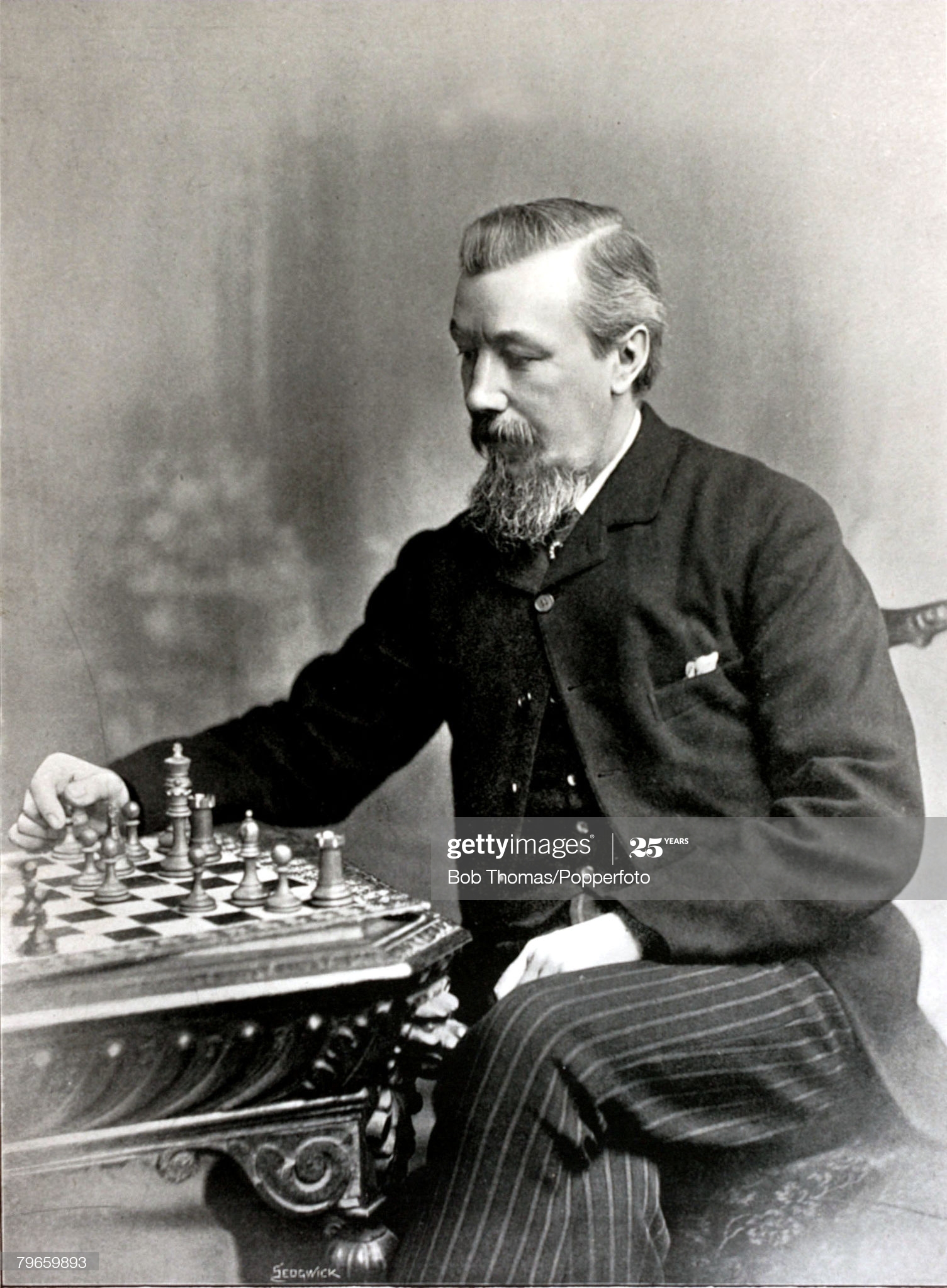
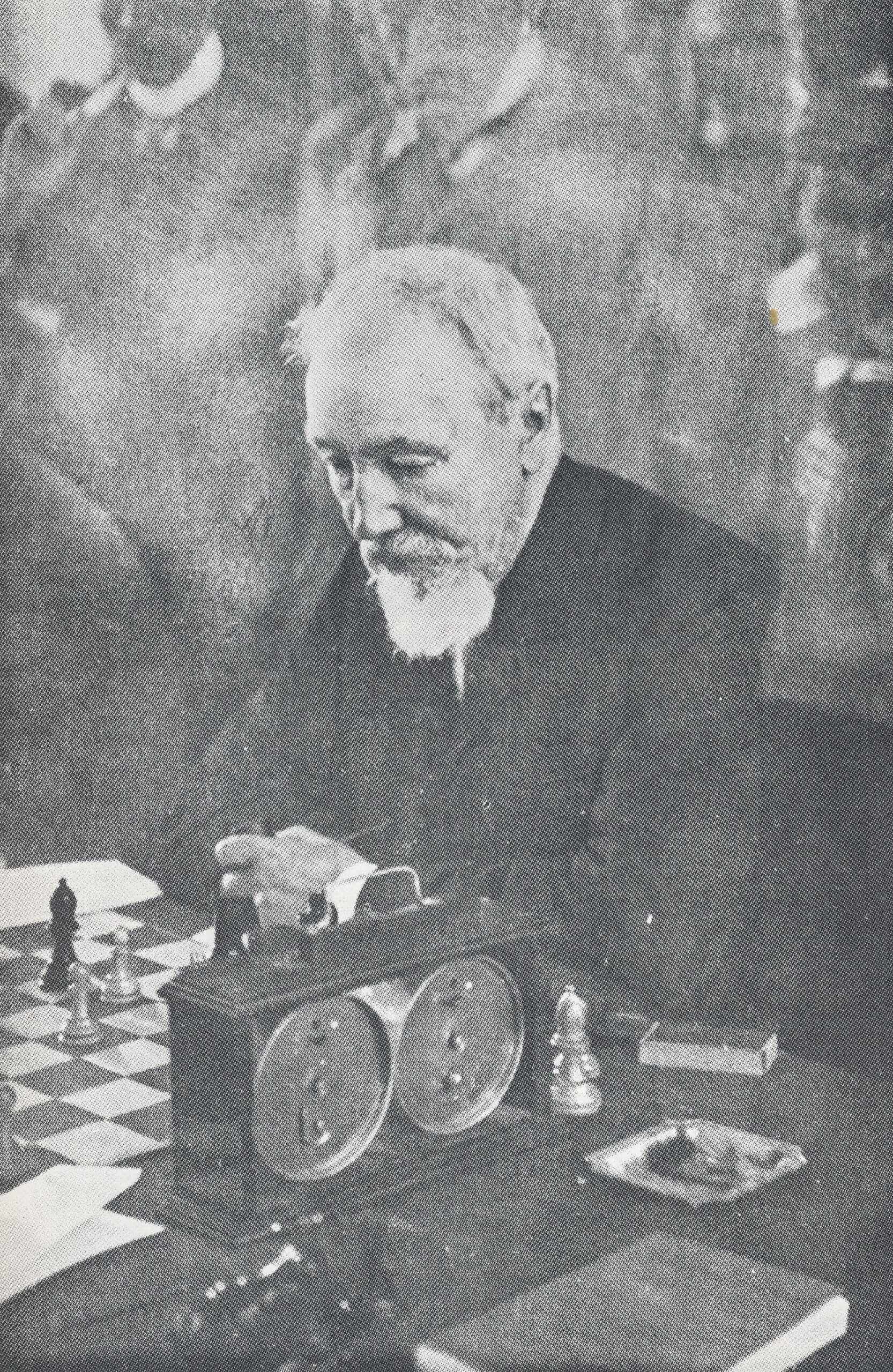
Chess, circa 1896, JH Blackburne, well known chess player, who had toured both on the Continent and America, able to make between 40 to 60 moves when blindfolded by sheer memory (Photo by Bob Thomas/Popperfoto via Getty Images/Getty Images)
Before this time such displays were solemn affairs; Lowenthal, who would appear in formal dress and play for several hours in silence, was shocked when Blackburne turned up in ordinary clothes, chatting and making jokes as he played, and refreshing him self with whisky, (Blackburne confessed, however, that when fully absorbed in a game he never noticed whether he was drinking water instead,) Once, walking round the boards, he drained his opponent’s glass, saying when rebuked He left it en prise and I took it en passant‘
The illustrator Julius Hess depicted Blackburne in a New Yorker Staats Zeitung evening edition as sitting at a chesstable and beckoning: “Waitah! A whiskey and limejuice!”
He played his blindfold displays quickly, and with little sign of the stress that besets most blindfold players. Probably the leading blindfold expert of his time, he challenged Zukertort, a close rival in this field, to a match of ten games, played simultaneously, both players blindfold; but Zukertort declined. Many who knew and liked Blackburne subscribed to a fund which sustained him in his last years.
Image Supplied by a reader of the book ‘Eminent Victorian Chess Players’ to Tim Harding
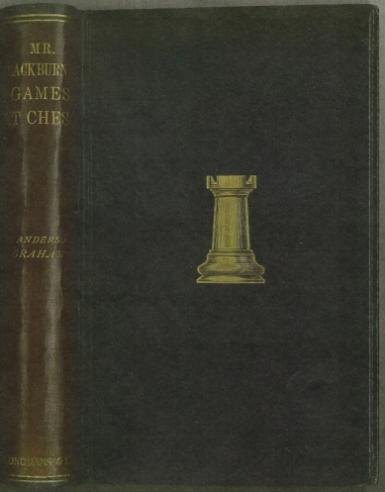
P. A. Graham, Mr Blackburne’s Games at Chess (1899) contains 407 games annotated by Blackburne and 28 three-movers composed by him.
Mr Blackburne’s Games at Chess by PA Graham
A reprint, styled Blackburne*s Chess Games (1979), has a new introduction and two more games.
One of Blackburne’s contributions was the suggestion of using chess clocks rather than the archaic hourglasses.
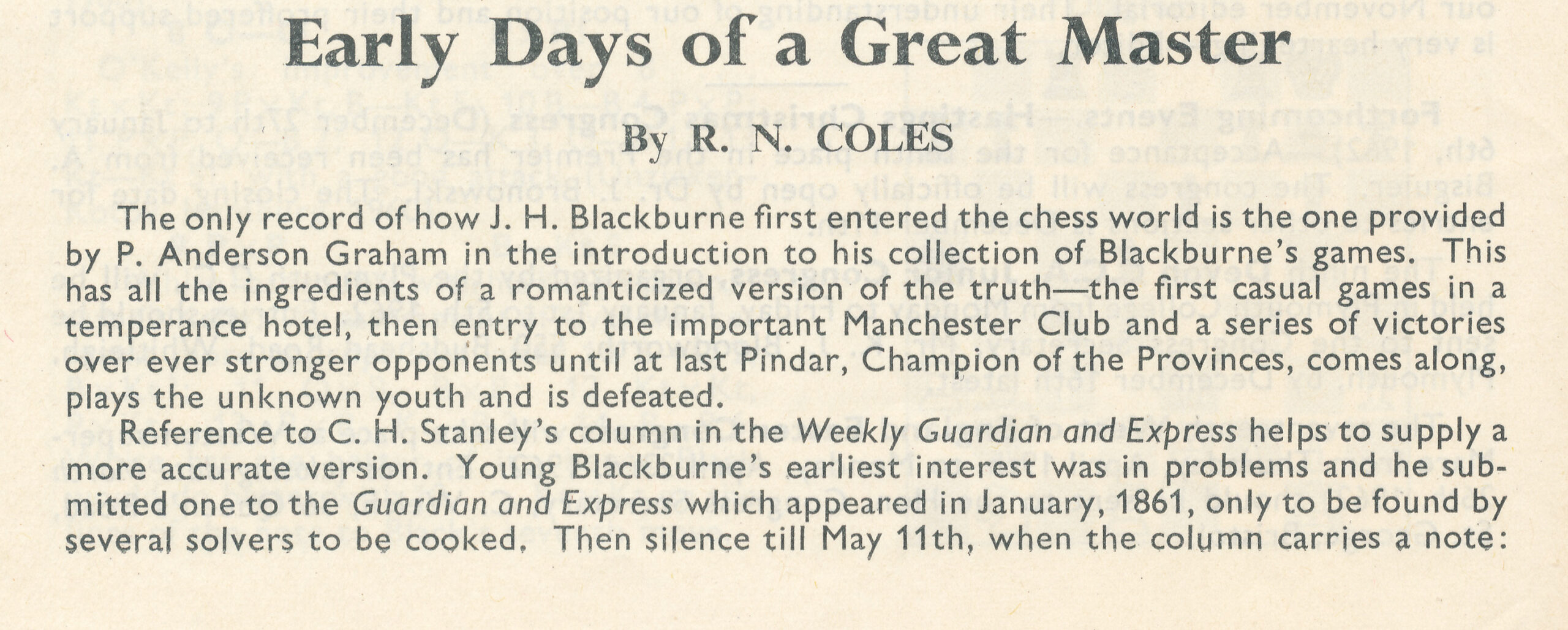
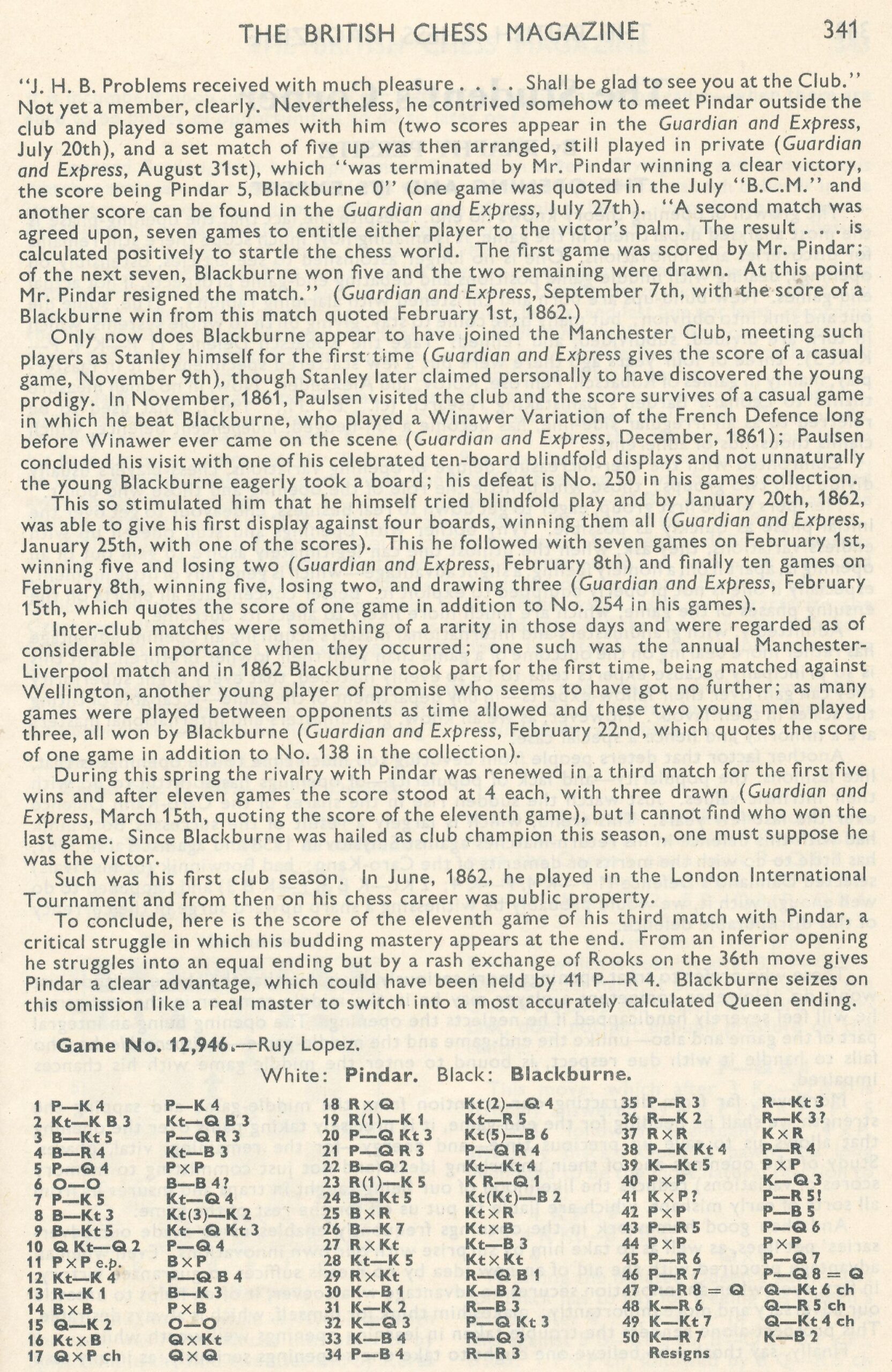
Here follows a reproduction of an article from British Chess Magazine, Volume LXXX1 (1961), Number 12 (December), page 340-342 written by RN Coles entitled “Early Days of a Great Master” :
“The only record of how J. H. Blackburne first, entered the chess world is the one provided by P. Anderson Graham in the introduction to his collection of Blackburne’s games. This has all the ingredients of a romanticized version of the truth-the first casual games in a temperance hotel, then entry to the important Manchester Club and a series of victories over ever stronger opponents until at last Pindar, Champion of the Provinces, comes along, plays the unknown youth and is defeated.
Reference to C. H. Stanley’s column in the Weekly Guardian and Express helps to supply a more accurate version. Young Blackburne’s earliest interest was in problems and he submitted one to the Guardian and Express which appeared in January, 1861, only to be found by several solvers to be cooked, Then silence till May 11th, when the column carries a note:
J. H. B. Problems received with much pleasure…Shall be glad to see you at the Club.”
Here are a couple of published problems. For a complete listing see below.
Manchester Express, 1861
#4. 6+4
The Field, 1893
#3, 7+6
Not yet a member, clearly. Nevertheless, he contrived somehow to meet Pindar outside the club and played some games-with him (two scores appear in the Guardian and Express, July 20th), and a set-match of five up was then arranged, still played in private (Guardian and Express, August 3lst), which “was terminated by Mr. Pindar winning a clear victory, the score being Pindar 5, Blackburne 0” (one game was quoted in the July “B.C.M.” and another score can be found in the Guardian and Express, July 27th.
“A second match was agreed upon, level games to entitle either player to the victor’s palm. The result … is calculated positively, to startle the chess world. The first game was scored by Mr. Pindar; of the next seven, Blackburne won five and the two remaining were drawn. ‘At this point Mr. Pindar resigned the match.” (Guardian and Express, September 7th, with the score of a Blackburne win from this match quoted February 1st, 1962.)
Only now does Blackburne appear to have joined the Manchester Club, meeting such players as Stanley himself for the first time (Guardian and Express gives the score of a casual game, November 9th), though Stanley later claimed personally to have discovered the young prodigy.
In November, 1861, Paulsen visited the club and the score survives of a casual game in which he beat Blackburne, who played a Winawer Variation of the French Defence long before Winawer ever came on the-scene (Guardian and Express, December,1861); Paulsen concluded his visit with one of his celebrated ten-board blindfold displays and not unnaturally the young Blackburne eagerly took a board; his defeat is No.25O in his games collection. This so stimulated him that he himself tried blindfold play and by January 20th, 1862, was able to give his first display against four boards, winning them all (Guardian and Express, January 25th, with one of the scores). This he followed with seven games on February 8th,
winning five and losing two. (Guardian and Express, February 8th) and finally ten games on February 8th, winning five, losing two, and drawing three (Guardian and Express,February 15th, which quotes the score of one game in addition to No. 254 in his games).
Inter-club matches were something of a rarity in those days and were regarded as of considerable importance when they occurred; one such was the annual Manchester-Liverpool match and in 1862 Blackburne took part for the first time, being matched against Wellington, another young player of promise who seems to have got no further; as many games were played between opponents as time allowed and these two young men played three, all won by Blackburne. (Guardian and Express, February 22nd, which quotes the score of one game in addition to No. 138 in the collection).
During this spring the rivalry with Pindar was renewed in a third match for the first five wins and after eleven games the score stood at 4 each, with three drawn (Guardian and Express, March 15th, quoting the score of the eleventh game), but I cannot find who won the last game. Since Blackburne was hailed as club champion this season, one must suppose he was the victor.
Such was his first club season. ln June, 1862, he played in the London lnternational Tournament and from then on his chess career was public property.
To conclude, here is the score of the eleventh game of his third match with Pindar, a critical struggle in which his budding mastery appears at the-end. From an inferior opening he struggles into an equal ending but by a rash exchange of Rooks on the 36th move gives Pindar a clear advantage, which could have been held by 41. P-R4. Blackburne seizes on this omission like a real master to switch into a most accurately calculated queen ending.
and here is the original article:
British Chess Magazine, Volume LXXX1 (1961), Number 12 (December), page 340British Chess Magazine, Volume LXXX1 (1961), Number 12 (December), page 341
Many juniors and beginners will know the Blackburne Shilling Gambit (or Kostić Gambit) in some circles known (named by Julian Hodgson) as the ‘Oh My God’:
There are variations named after Blackburne as follows :
The Blackburne Attack in the Four Knights is
and the Blackburne Variation of the Dutch defence is
and a popular line in the Queen’s Gambit
are attributed to Blackburne in the literature.
According to The Encyclopedia of Chess (Batsford, 1977) by Harry Golombek :
“British grandmaster and highly successful tournament player who was one of the most prominent masters of the nineteenth century. He did not learn to play chess until the age of nineteen, but his natural gifts soon brought him into the front rank of British players, and in 1868 he abandoned his business interests and adopted chess as a profession.
Blackburne’s international tournament career spans an impressive fifty-two years from London 1862 to St. Petersburg 1914 – a total of 53 events in which he played 814 games, scoring over 62%. Although he rarely won international events, he generally finished in the top half of the table and his fierce competitive spirit coupled with his great combinative ability earned the pleasant nickname of ‘the Black Death’.
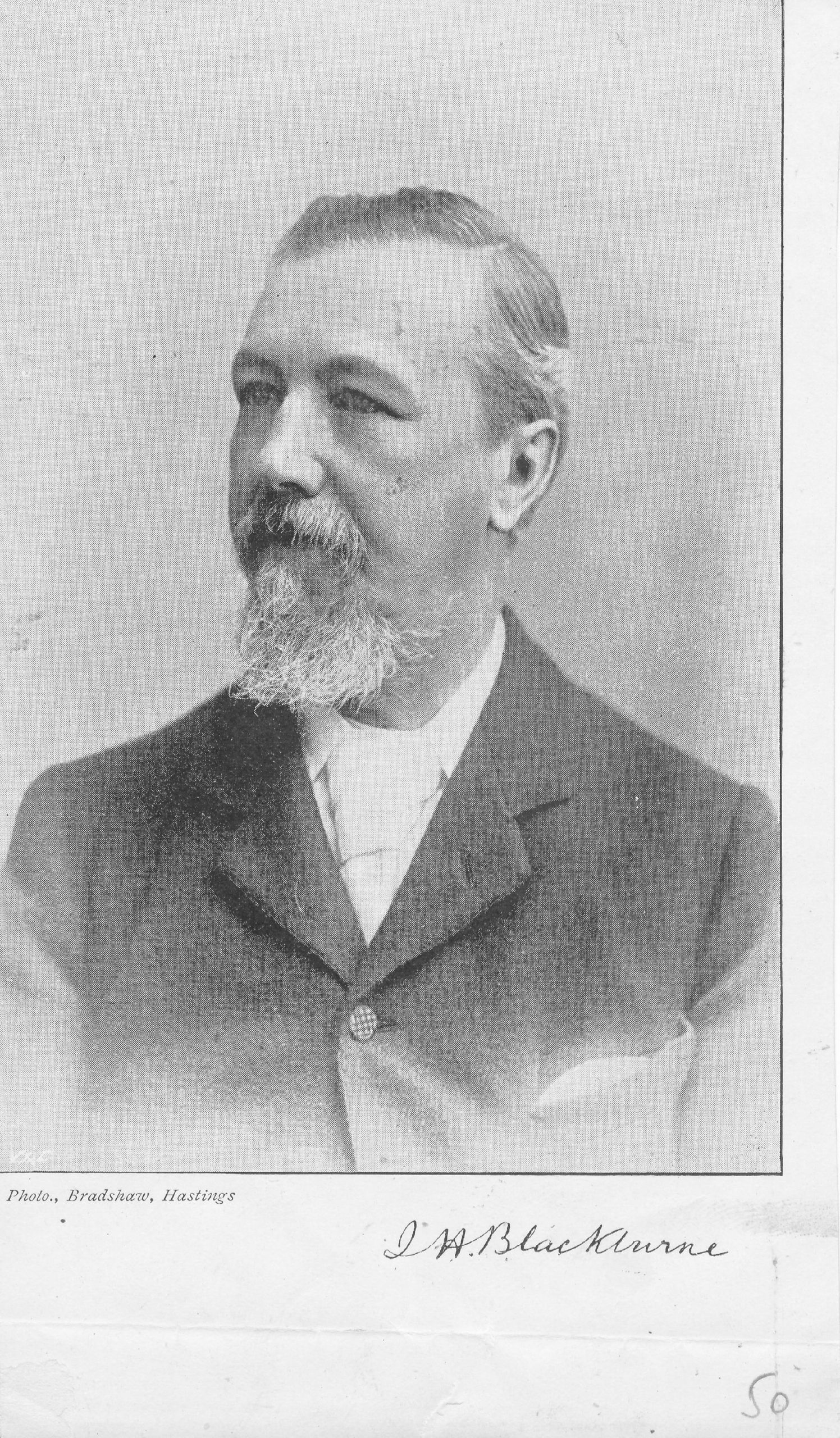
Joseph Blackburne (10-xii-1841 01-ix-1924). Photograph from The Encyclopedia of Chess by Harry Golombek
His most notable successes were =1st with Steinitz at Vienna 1873 (Blackburne lost the play-off match), 1st at Berlin 1881 ahead of Paulsen, Schallopp, Chigorin, Winawer and Zukertort, and 2nd to Tarrasch at Manchester 1890.
Blackburne won the BCA Championship in 1868 and for many years was ranked as Britain’s foremost player. In 1914 – at the age of 72 – he shared first place at the BCF congress in Chester.
In match play his success was mixed. He defeated Bird in 1888 (+4-1) and Gunsberg in 1881 (+7-4=3) but lost a second match to Gunsberg in 1886 (+2-5=6). He lost to Lasker (+0-6=4) in 1892 and was defeated heavily twice by Steinitz : in 1862/3 (+1-7=2) and in 1876 (+0-7=0), the latter of these matches being for the World Championship.
Blackburne excelled at blindfold play and in simultaneous exhibitions, which provided a major portion of his income. He died in Lewisham, a much respected veteran of eighty-three.”
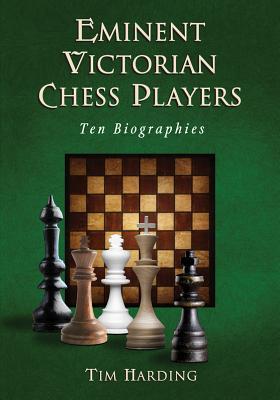
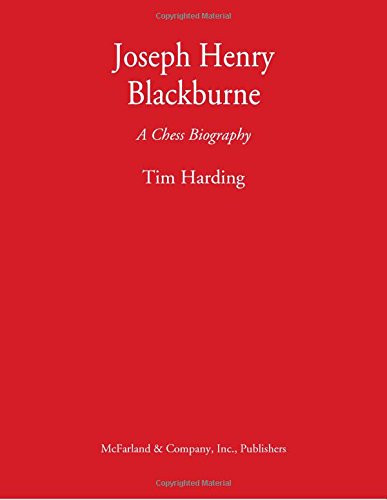
Eminent Victorian Chess Players, Tim Harding, McFarland & Co; 1st edition (20 April 2012), ISBN-13 : 978-0786465682Joseph Henry Blackburne: A Chess Biography, Tim Harding, McFarland & Co; Annotated edition (30 July 2015), ISBN-13 : 978-0786474738Blackburne : The Black Death in Spades by Bob Long
“One of the strongest English players during the 1850s, He made little impression in his one and only tournament, London 1862, but is remembered for having scored more wins than anyone else in friendly play against Morphy in 1858. He reduced his corpulence by 130 pounds in ten months and as a result died. ”
He is perhaps most well know for having a reasonable score against Paul Morphy of -19 +8 which was a lot better than most !
According to chessgames.com :
“Thomas Wilson Barnes was one of the strongest English players in the 1850s. His only tournament appearance was in London 1862 but he did not do himself justice. He’s best remembered for having more wins against Paul Morphy in friendly play than anyone else. Being overweight he decided to reduce his size, but the loss of 130 pounds in 10 months was more than his system could handle and resulted in his death in 1874.”
The Barnes Opening, was played by T. W. Barnes. This opening move has no particular merit but he liked to avoid book lines, to which end he
sometimes answered 1 e4 by 1…f6.
He died at 68, Cambridge Street, Pimlico.
His death was registered in the St George, Hanover Square district.
He was buried on August 25th, 1874 in Brompton Cemetery (plot number 76449). According to the burial records he had a “Private Grave” the plot of which measured 113.3 x 18.3 and “no extra depth” was required.
BCN sends Happy birthday wishes to Peter Griffiths
Peter Charles Griffiths was born on Thursday, August 15th, in 1946 in Birmingham, Warwickshire. His mother’s maiden name was Ward.
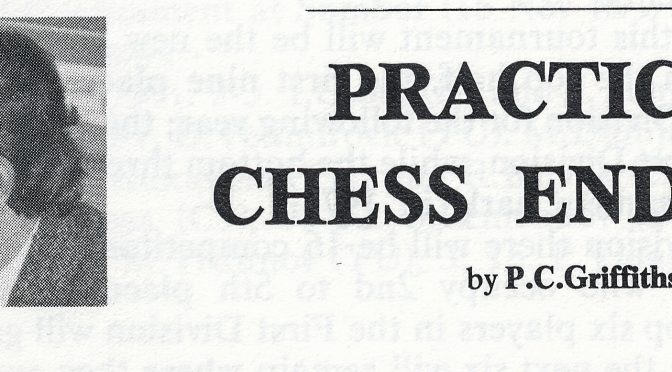
Peter was a strong player active from the 1960s until 1989. He played in the British Championships more than once and was a professional coach and writer. He wrote the column “Practical Chess Endings” which appeared in the British Chess Magazine. The column commenced in the December 1972 issue and columns became less frequent until around 1991.
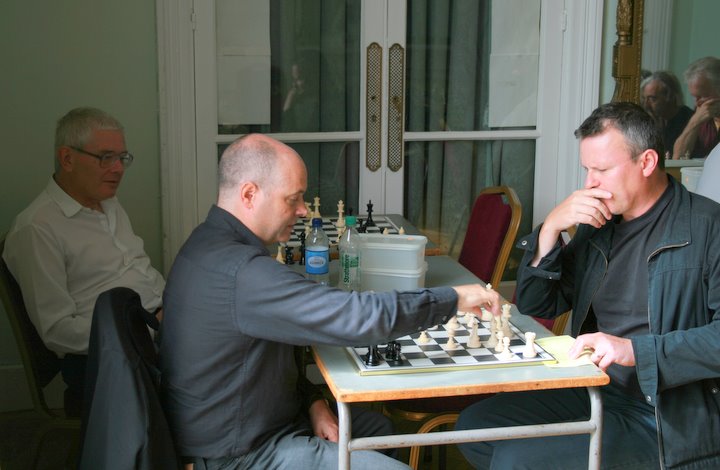
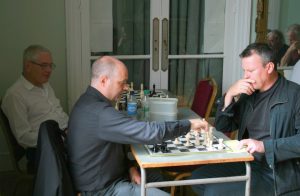
Peter Griffiths (far left)
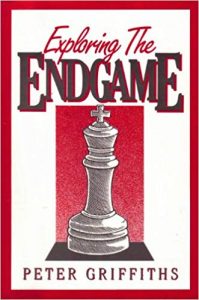
He wrote Exploring the Endgame
Exploring the Endgame
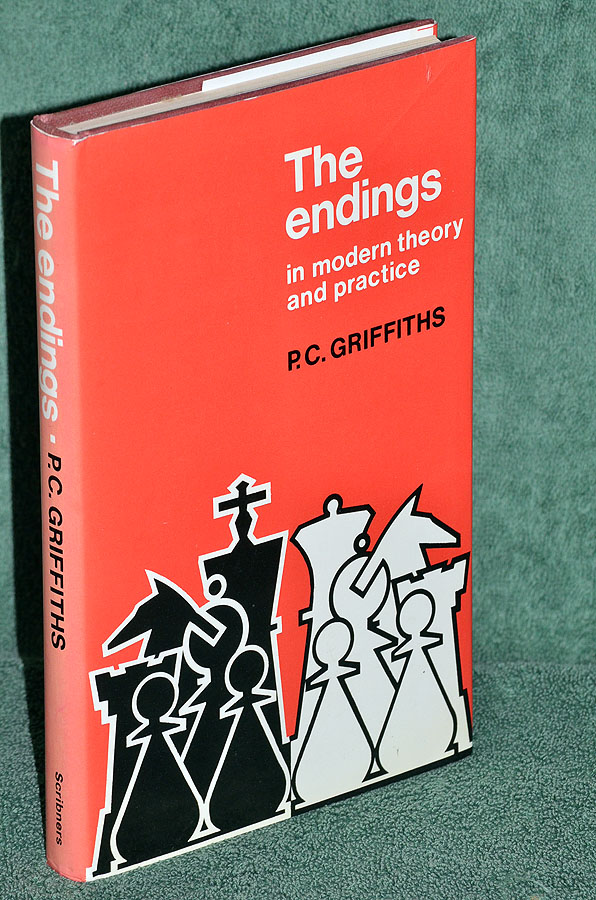
and
The Endings: In Modern Theory and Practice, PC Griffiths, G. Bell & Sons Ltd, 1976, ISBN 0 7135 1953 3
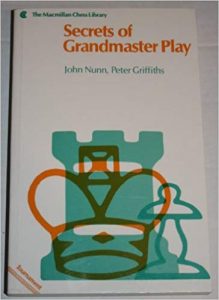
and co-authored Secrets of Grandmaster Play with John Nunn.
Secrets of Grandmaster Play
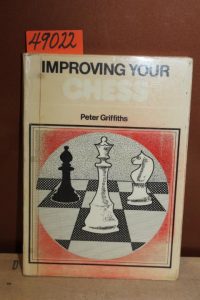
and wrote Improving Your Chess
Improving Your Chess
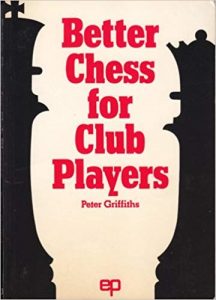
and Better Chess for Club Players
Better Chess for Club PlayersPeter Griffiths (far left)
I have a parochial interest in any book on Reginald Pryce Michell because he ended his playing career as a member of Kingston Chess Club of which I have the privilege to be President. His main career was in the first third of the twentieth century. Other notable contemporary club members from the 1930s include the legendary Pakistani player Mir Sultan Khan, the chess author Edward Guthlac Sergeant and Joseph Henry Blake against whom we show some Michell games below.
Updated and Expanded Edition
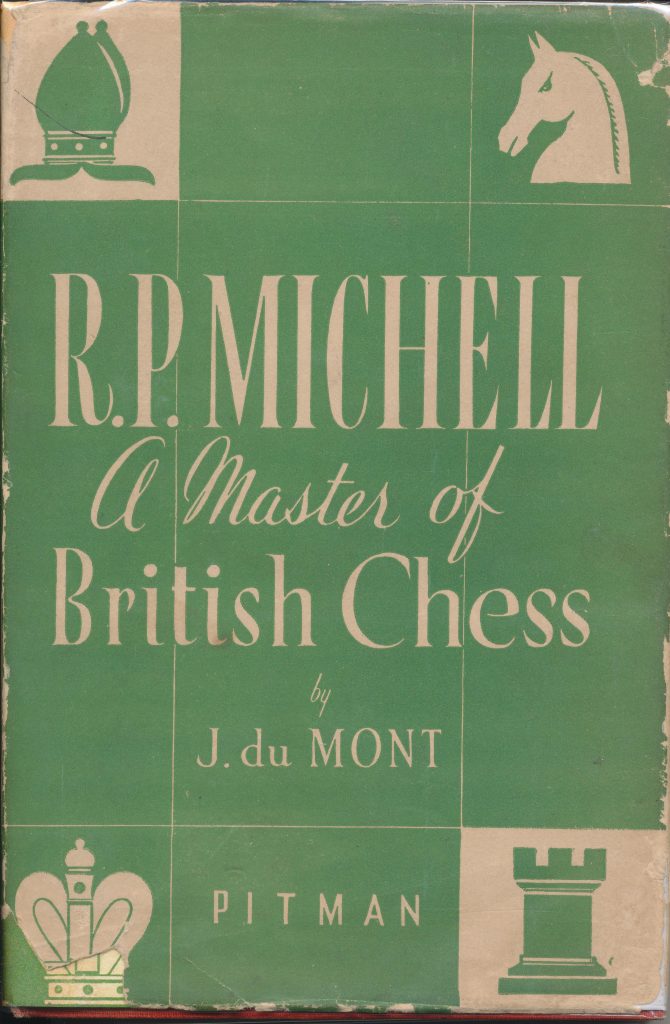
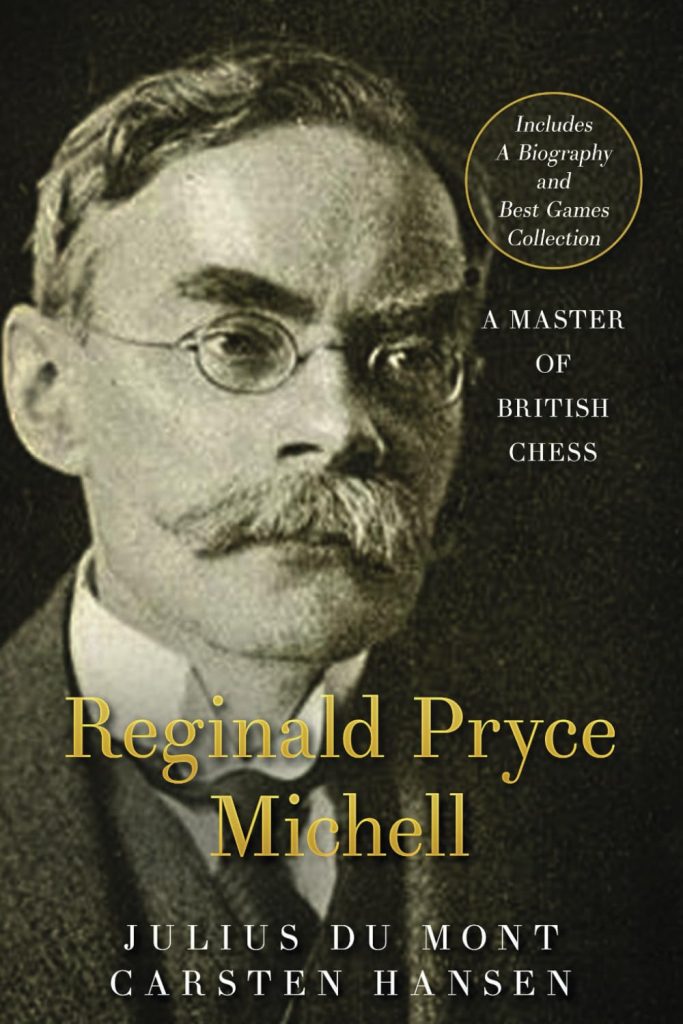
This new book from Carsten Hansen is a welcome addition to the coverage of an important player who represented England. It is an update and expansion of the book originally published in 1947 by Pitman, London and compiled by Julius du Mont, the former editor of British Chess Magazine.
Julius du Mont, Editor of British Chess Magazine from 1940 to 1949
The original book has long been out of print so the new book allows players to familiarise themselves with an almost-forgotten former luminary of English chess.
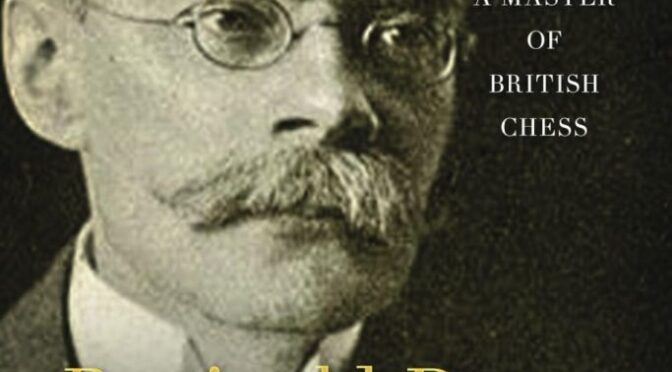
R.P. Michell: A Master of British Chess by J. du Mont, Pitman, 1947
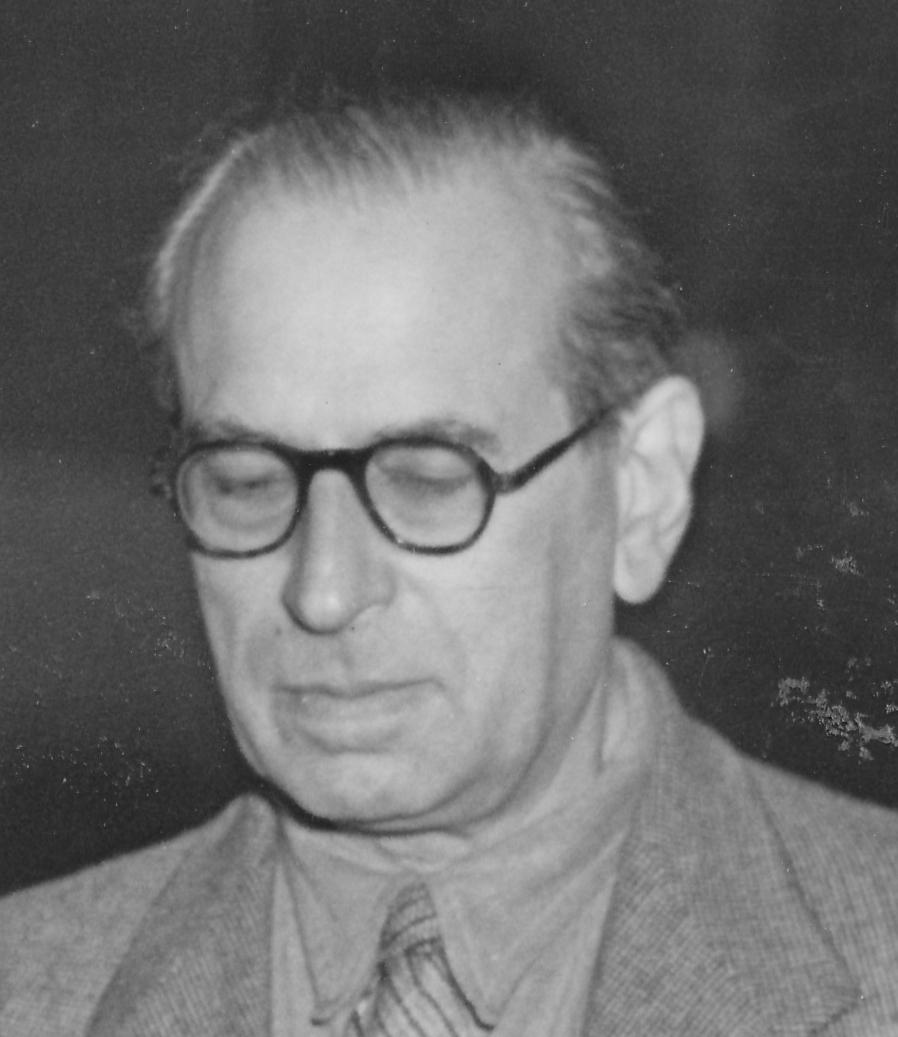
Reginald Pryce Michell
I share some background on R. P. Michell from my article on the history of Kingston Chess Club.
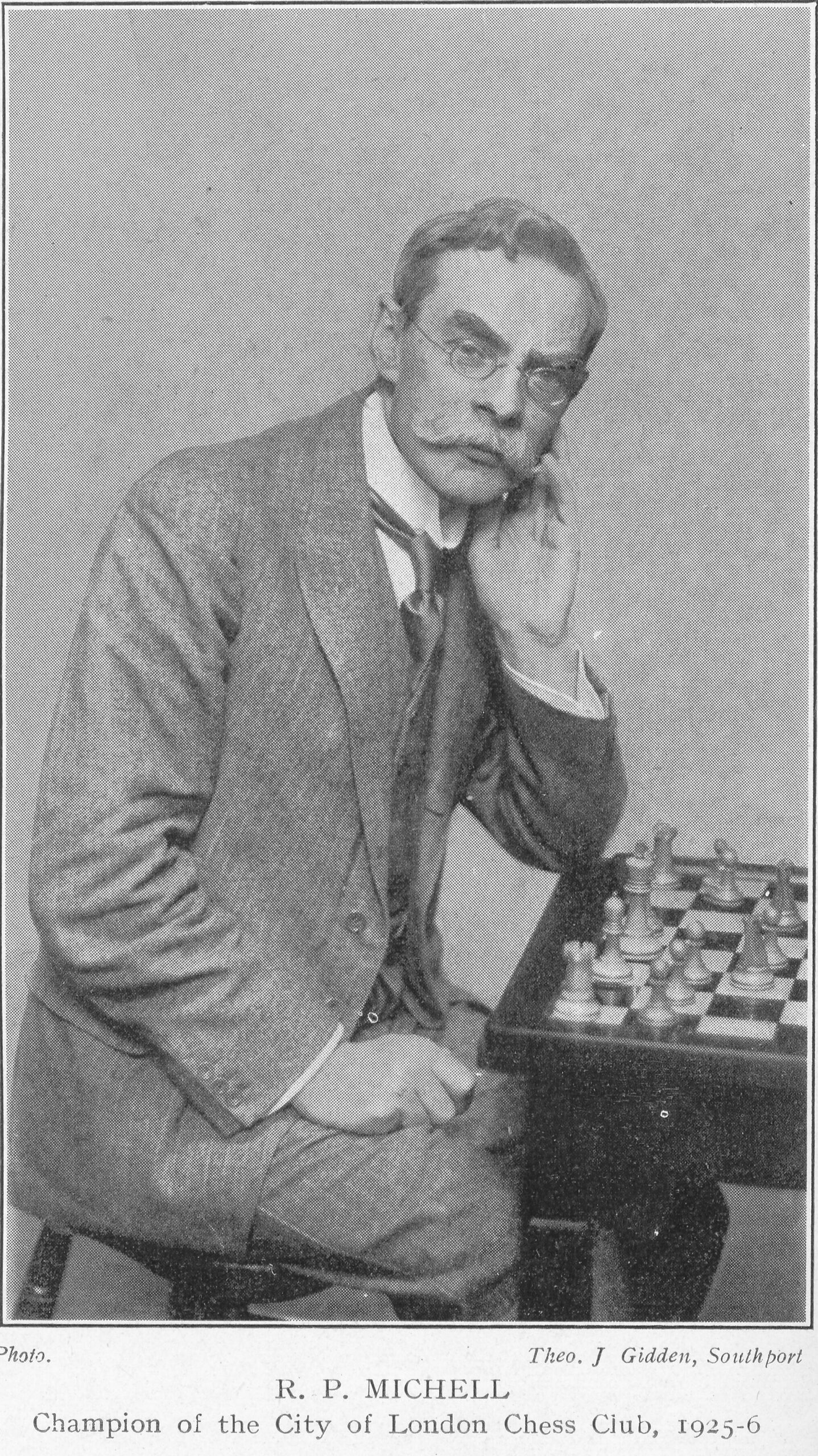
Reginald Pryce Michell, British Chess Magazine, Volume XLV1, April, 1926, photographer: Theo J. Gidden, Southport
Michell (1873-1938) was the British amateur chess champion in 1902 and played for Great Britain in the inaugural 1927 Olympiad in London and the 1933 Olympiad in Folkestone. He played in eight England v USA cable matches between 1901 and 1911. He participated in the Hastings Premier over 20 years, defeating both Sultan Khan and Vera Menchik in 1932/33. He finished second, third and fourth in the British championship (officially constituted in 1904), beating the multiple champion H.E. Atkins on several occasions. Modern estimates have placed him at the level of a strong international master.
Michell’s track record is all the more remarkable because he worked in a senior position at the Admiralty throughout his career which left him little time to study chess theory or enter competitions. He had a “wide knowledge of English and French literature, and a book of essays in either language was his standby for any unoccupied moment.” He died aged 65 which was the official retirement age at that time.
Michell excelled in the middle game and could hold his own in the endgame as attested by his draws against endgame maestros Capablanca and Rubinstein. In the only article he ever wrote about chess, he singled out books on the endgame as the most useful for practical purposes.
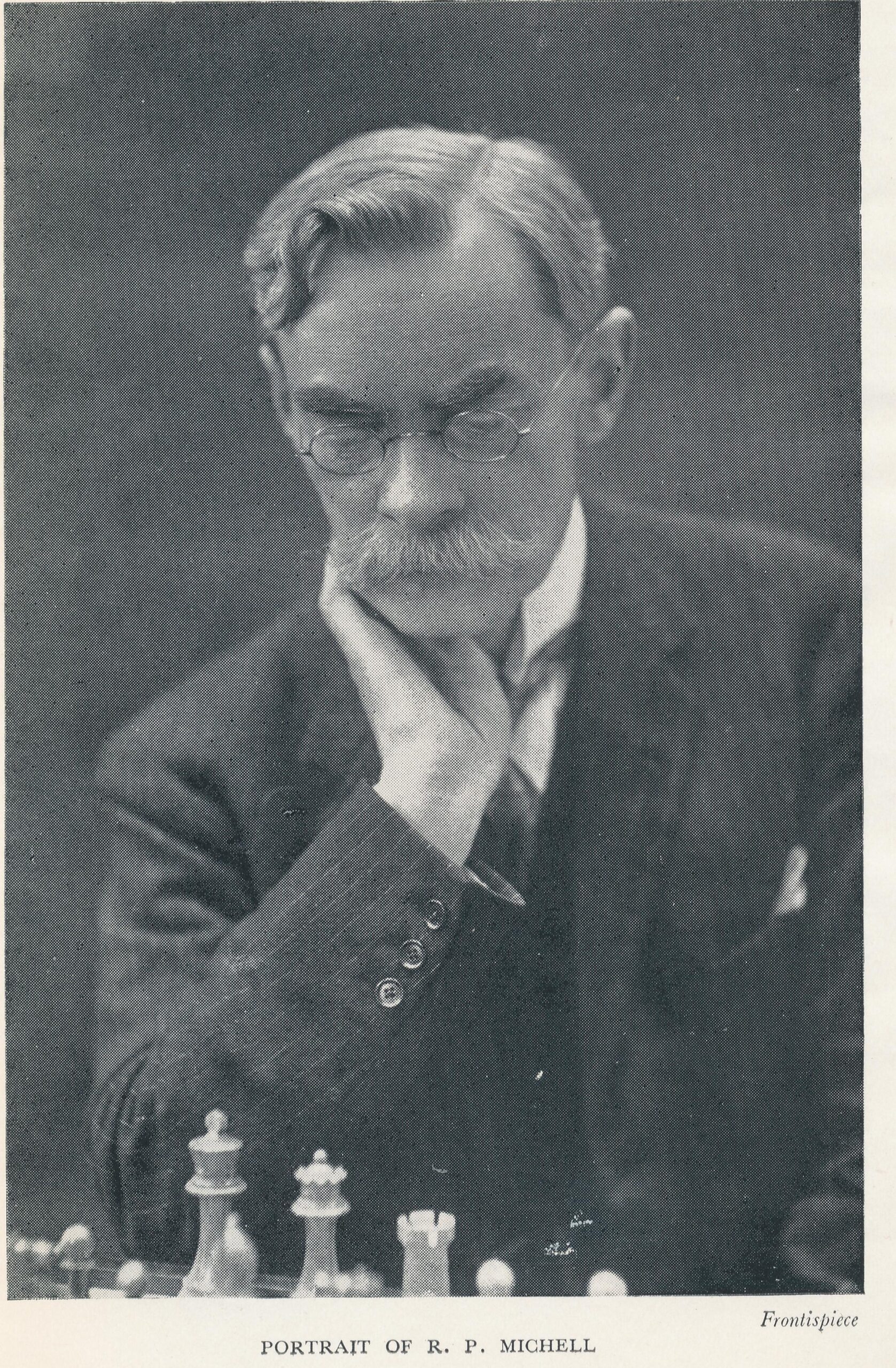
Portrait of R.P. Michell
E.G. Sergeant wrote of him: “Michell’s courtesy as a chess opponent was proverbial, and on the rare occasions when he lost he always took as much interest in playing the game over afterwards as when he had won, and never made excuses for losing. Of all my opponents, surely he was the most imperturbable. Onlookers might chatter, whisper, fall off chairs, make a noise of any kind, and it seemed not to disturb him; even when short of time, he just sat with his hands between his knees, thinking, thinking.”
Michell’s wife Edith (maiden name Edith Mary Ann Tapsell) was British women’s champion in 1931 (jointly), 1932 and 1935, and played alongside him for Kingston & Thames Valley chess club.
Edith Mary Ann Michell (née Tapsell)
A Master of British Chess – what’s new?
The original book covered 36 games; the new book has been expanded considerably to 67 games. Moreover, the additional games are against some of the most notable players of the era including several world champions. Chess historians should be grateful for the revival of the original game selection, which du Mont described as “characteristic games”, by the addition of another 31 “notable games”.
Self-published books are a labour of love because the subject lacks the mileage to justify the attention of a conventional publisher. The author lacks the quality assurance tasks typically carried out by a publisher such as proofreading and fact-checking. This is apparent in the first part of the book which reproduces the text from the original, presumably using a scanner which hiccoughed over some obscure passages. The spelling has been converted to American which grates for a book on a quintessentially English player.
A frustrating omission in the new book is a list of games to navigate the collection; the original book contained a list showing game numbers, players, event locations and dates. In mitigation, the new book does have a useful index of openings and ECO codes as well as an index of opponents. Hansen claims that the first book had 37 games whereas it had 36. Perhaps we can take comfort that later Amazon printings will correct these infelicities.
The new book has some significant improvements over the original. As one might expect, the moves are now in algebraic rather than the descriptive format with which most players under 50 are now unfamiliar. In the text, whilst d-pawn is the modern equivalent of the queen’s pawn, I still hanker after naming the pawn according to the name of the file; it would be a comforting continuity with descriptive notation. The openings are given their modern names with ECO classifications. Casual readers will appreciate the increased number of diagrams accompanying each game. For example, for the game Blake v Michell, Caterham 1926, the original book only had one diagram compared to a generous five for the new book. Many of the original games did not appear in any commercial database. No doubt this situation will be remedied in short order.
The most frequent opponents listed in the revised book include his strong English contemporaries: Sir George Thomas, William Winter and Fred Yates with four games apiece. Hansen added notable opponents who should have been included in the first book on account of their elevated status in the chess world including five world champions: Alekhine, Botvinnik, Capablanca (two games), Euwe, Menchik (woman world champion) as well as Maroczy, Marshall, Rubinstein and Sultan Khan who were posthumously recognised as grandmasters.
The Edited First Part
The first part of the book carries the concise game summaries of the original which were proofread by the precocious Leonard Barden whilst still at Whitgift School who lived a short cycle ride from du Mont in Thornton Heath. The book came out a year later in 1947 when Barden started his National Service.
The editor of Chess Magazine, Baruch Wood, was scathing in his book review:
“Britain is far from the top of the chess tree and there must be a hundred British players with better justification for the publication of a book of their games than Michell. Mr du Mont’s graceful pen has made the most of his subject. The price of the book (10/6 for 108pp, 36 games) is so extraordinarily high that one feels some appeal is being made to sentiment.”
No doubt the fact that du Mont was the editor of a rival magazine may have diluted Wood’s objectivity. England did not have a surfeit of players and Michell would have been in the first rank.
Hansen has added his comments as italicised notes in the text in the contemporary rather dry style redolent of engine and database analysis. Inevitably, he has identified some improvements and errors which were not noticed in the original. These include not only outright blunders but also the missed opportunities. The logic of this approach is harsh and sits somewhat uncomfortably with the convention that the chess public is more forgiving of a failure to play the best move than of making a blunder. Treating both these types of inaccuracy symmetrically makes the world feel less tolerant.
Misattribution
The most significant discovery by Hansen is that one of the games (game 27) had been misattributed regarding who played White. du Mont had Michell defeating Max Euwe (World Champion 1935-1937) at Hastings 1931 whereas Michell had lost.
Hansen surmises that the game intended for the collection was the game they played in the following year’s Hastings tournament when Michell had Euwe on the ropes but the game ended in a draw. We don’t know exactly how this error occurred but confusion sometimes arises when quoting games at Hastings. This famous long-running annual tournament traditionally takes place in the period between Christmas and the New Year and is described according to the year it starts and the year it ends. Michell lost the game played in 1930/31 but drew the game they played in 1931/32.
Biography Untouched
Carsten Hansen is a chess analyst rather than a professional biographer so it is perhaps wise that he has not attempted to update the biographical sketch provided by du Mont. When the chess analyst Daniel King wrote a book on Sultan Khan, he got into hot water regarding his contested account of the life of the grandmaster.
Modern Analysis Compared
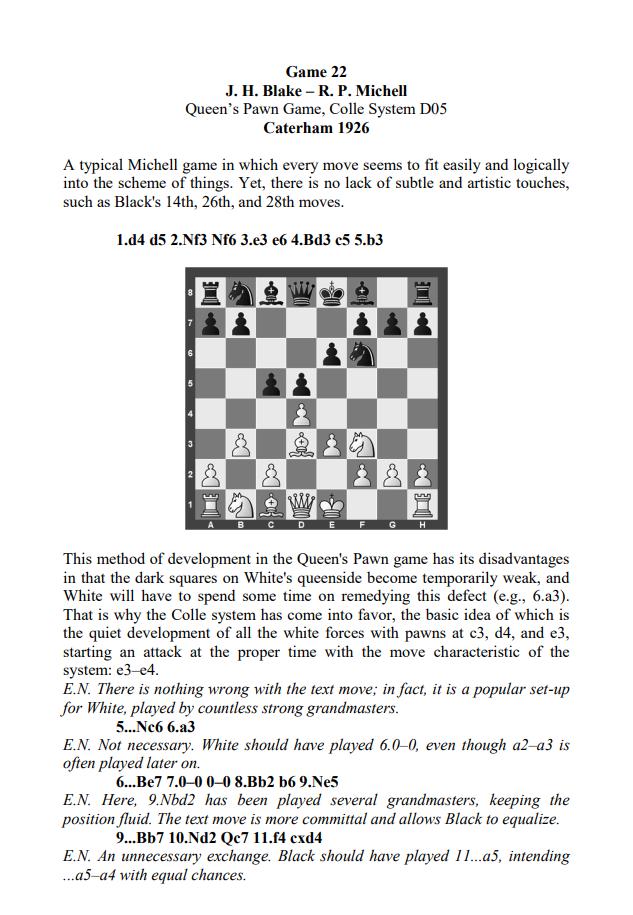
We may compare annotations between the original and the revised version of the book regarding the above-mentioned game. Here we have (courtesy of CH) an excerpt of the new book on the game Blake v Michell, Caterham, 1926. Blake, although half a generation older than Michell, was described by du Mont as “one of the brilliant band of British amateurs of which R. P. Michell was one.”
Excerpt of Game 22
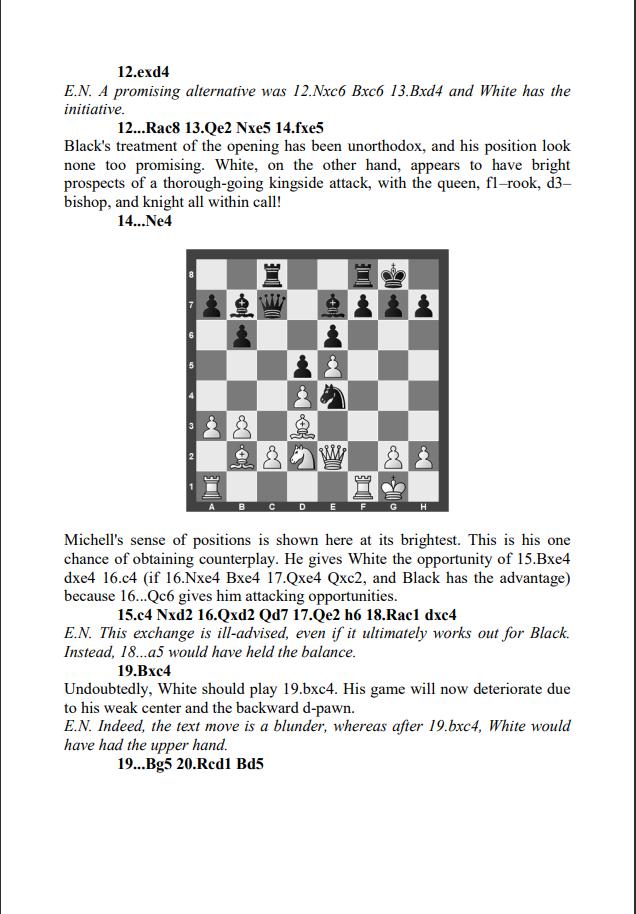
and
Excerpt of Game 22
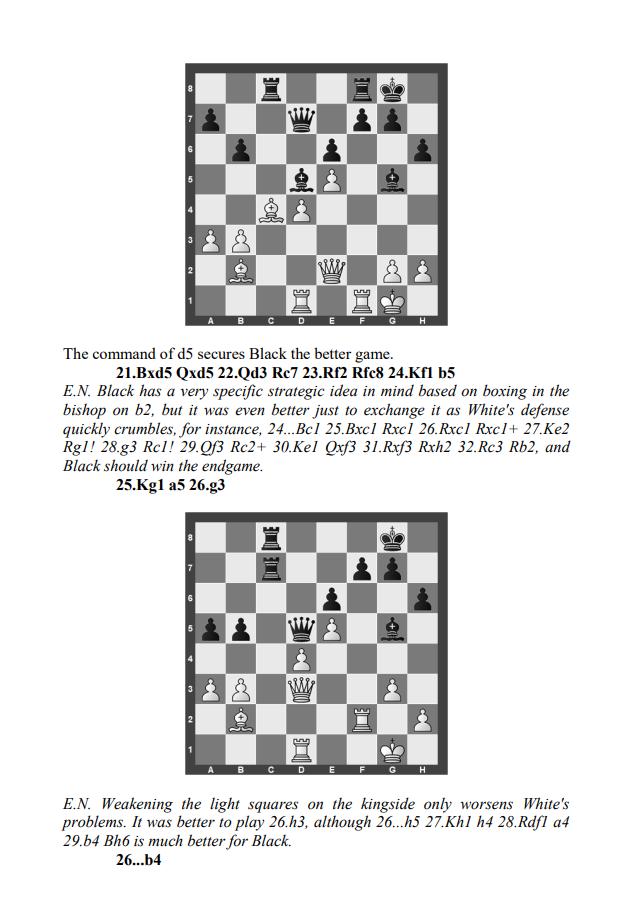
and
Excerpt of Game 22
and finally
Excerpt of Game 22
We may briefly examine the new analysis. The original text by du Mont / Barden criticises Blake’s choice of opening: “This method of development in the Queen’s Pawn game has its disadvantages in that the dark squares on White’s queenside become temporarily weak, and White will have to spend some time on remedying this defect (e.g., 6.a3). That is why the Colle system has come into favour, the basic idea of which is the quiet development of all the white forces with pawns at c3, d4, and e3, starting an attack at the proper time with the move characteristic of the system: e3-e4.”
Hansen gives short shrift to this perspective:
“There is nothing wrong with the text move; in fact, it is a popular set-up for White, played by countless strong grandmasters.”
This blunt contradiction is based upon a century of games played thereafter. However, the original comment may have seemed plausible in the era in which Colle popularised the system and it had yet to be fully proven.
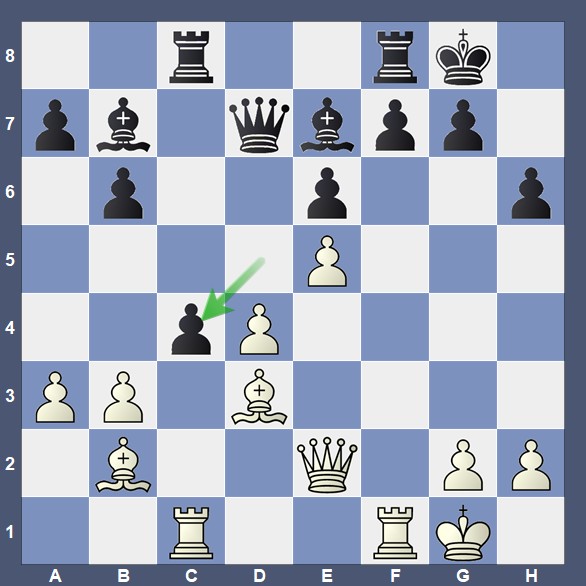
Blake – Michell, 1926 after 18…dxc4
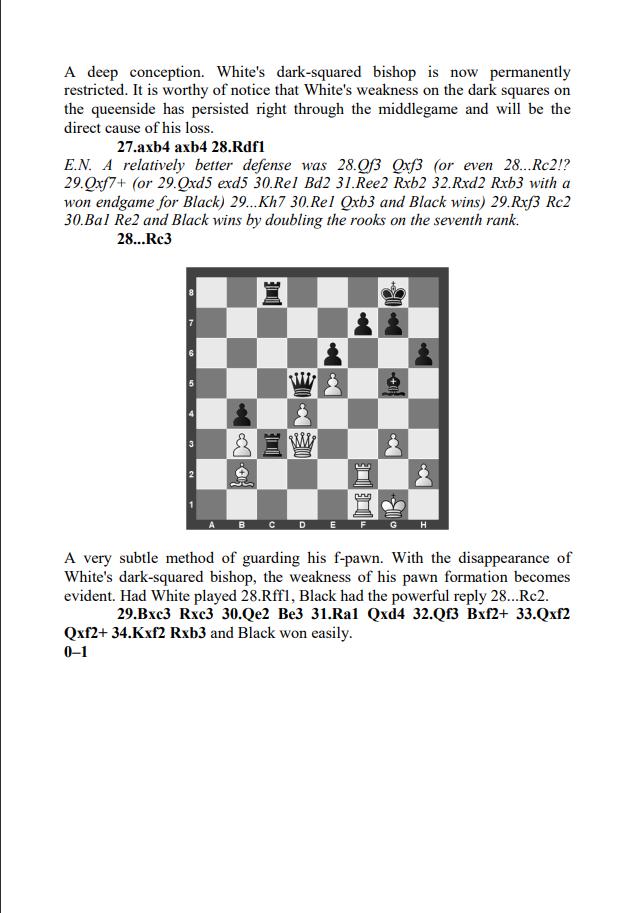
After black’s 18th move (diagram above), the original annotation prefers an alternative to the move played 19. Bxc4: “Undoubtedly, White should play 19. bxc4. His game will now deteriorate due to this weak centre and the backward d-pawn.”
Hansen is again blunt:
“Indeed, the text move is a blunder, whereas after 19. bxc4, White would have had the upper hand.”
According to Deep Hiarcs (running for one minute), the difference in evaluation between 19. bxc4 and 19. Bxc4 is the difference between +0.2 and -0.3. So at worst, this “blunder” puts Blake a third of a pawn behind instead of being a fifth of a pawn ahead. Whilst masters thrive on small measures, it seems an exaggeration to describe capture by the bishop as a blunder. The original narrative merely says that the pawn capture would have been preferable without overstating the difference. Perhaps there is a tendency when aided by an engine to lose sight of the natural uncertainties felt by chess players when ruminating on which piece to recapture with.
Drama at Hastings 1934-35
The foreword on the original book noted that the most dramatic moment of Michell’s career occurred at the annual Hastings Premier 1934-35. He was pitted in the last round against Sir George Thomas, who was then half a point ahead of Dr Euwe, having beaten Capablanca and Botvinnik. Some observers felt that the decent and patriotic course of action was to give Sir George an easy game.
As one later commentator remarked, “In almost any other country, at any other time, the result would have been foreordained: a friendly draw and Thomas finishes no worse than a tie for first. Indeed, many players had to be rooting for the universally beloved Thomas to win and come in sole first.” [1]
There had not been a home winner since Henry Ernest Atkins in 1921, the first year the annual tournament was held. Thomas and Michell were England teammates. However, Thomas slipped up and Michell pressed home his advantage. Thomas lost the game but tied for first place with Euwe and Flohr. Curiously, the original book did not include this crucial game. Hansen includes the game and praises Michell for his principled stance: “But there was a happy ending; Max Euwe, in a better position against tail-ender Norman, made a sporting gesture of his own by offering a draw unnecessarily and settling for a first-place tie with Thomas and Flohr.” [1]
The Second Part
Hansen annotates the games in the new second part of the book in a readable style and does not let Stockfish intrude too much. He even offers his thoughts on some moves rather than taking the engine recommendations. The prose is functional: the game introductions lack the charm of the original game summaries. Whilst sometimes providing some background information on the opponent, there is little attempt in the header to identify the key points from each game.
Hansen is consistent with the narrative style in the first part by avoiding long algebraic variations. Even if his move criticisms are sometimes anachronistic, he has been considerate in generally referring to older games when citing continuations. It must have been tempting to have referred to games played in the database era.
The original book held to the hagiographic compiler’s conceit of not showing any losses save for the aforementioned misattribution. The reader would perhaps have gained more of an understanding of the subject’s character if presented with some games in which he struggled or indeed blundered. For example, Michell was crushed in 21 moves by Atkins at Blackpool in 1937 when he was still in his prime, even if he died a year later.
Hansen does not resist presenting Michell’s loss to the great Capablanca at Hastings in the Victory Congress 1919. It was clear even then that Capablanca would be one of the next holders of the World Championship. The game’s introductory text is misleading: “You don’t often get chances to play the best players in the world, let alone take points from them, even if it is ‘just’ a draw.” The implication is that this game (No. 41) is drawn whereas it is a win for Capablanca. In total the book contains two losses, 14 draws and 51 wins for Michell.
In the majority of the games in the second part, Hansen focuses on blunders by Michell or his opponent. There is no doubt that the top players from a century ago were not as strong as the top players of today but it seems churlish to show so many games with blunders. Comparatively few moves have been awarded an exclamation mark. Perhaps the book should have been shorter with higher-quality games. However, on closer inspection, the “blunders” are treated in the modern sense as discussed above. They are not the traditional blunders, bad moves losing the game, that would have been described by a contemporary annotator. Rather, they are blunders in which the game evaluation has switched by a certain margin.
Michell, a follower of Nimzovich, focused on positional advantages; tactical skirmishes and sacrifices were few and far between. A slight exception to this style was found in the game Blake v Michell, Hastings, 29 December 1923:
Conclusion
R. P. Michell should be an inspiration to amateur players with a full-time career. He made a mark in the chess world using solid play, eschewing theoretical or sharp lines. He held his own against the strongest players in the world. Carsten Hansen has brought welcome attention to this forgotten English master. The new book nearly doubles the number of games covered and introduces modern engine analysis. The reader will find many examples of successful middle-game strategies. Above all, we learn that chess is a struggle: one should keep trying to improve the position and make things difficult for the opponent. I recommend this book, especially to club players looking for new chess ideas.
John Foley, Kingston-upon-Thames, 27th May 2024
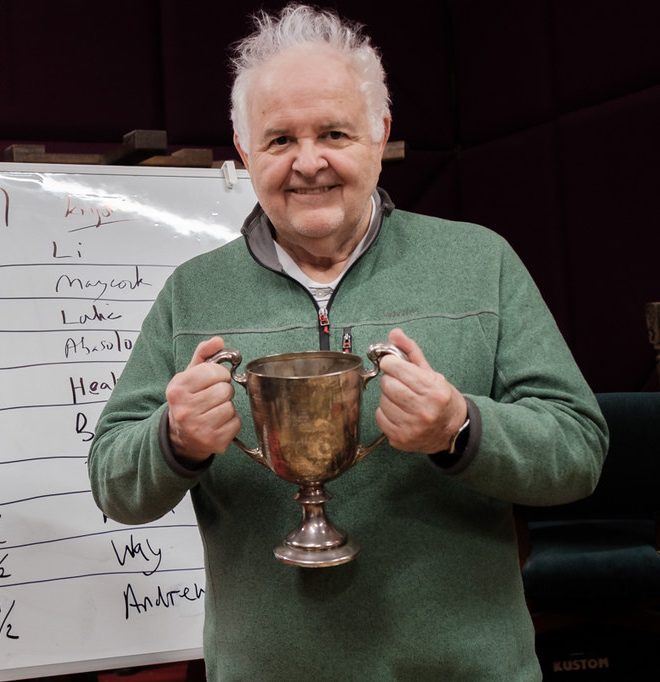
John Foley with the Alexander Cup won by Kingston in 2021/22 and 2022/23
Book Details :
Hardcover : 318 pages
Publisher: CarstenChess (16 Mar. 2024)
Language: English
ISBN-10:8793812884
ISBN-13:978-8793812888
Product Dimensions: 15.24 x 1.83 x 22.86 cm
FM Carsten Hansen
“Carsten Hansen, a Danish FIDE Master at Chess, was born in 1971. At age 14, he became the youngest master player at chess in Denmark at the time. In 1995, Carsten was contacted by Peter Heine Nielsen to co-author a chess book on the “Sicilian Accelerated Dragon”. Peter had been offered a contract but felt that he wouldn’t be able to write the book on his own and since Hansen had played the opening his entire life, it was a natural fit. The book was released in 1998 to high acclaim and near universal positive reviews. From 1999 to 2013, Hansen was a columnist for the very popular website, ChessCafe.com. He has been a contributor to Skakbladet, Chess Life, and New In Chess”. Hansen is based in New Jersey, and still enjoys playing and writing about chess. He has now authored over 40 chess books. He has made a speciality of reviving old books.
R. P. Michell – A Master of British Chess: A forgotten chess master, Carsten Hansen and Julius du Mont, Publisher : CarstenChess (16 Mar. 2024), ISBN-13 : 978-8793812888
[1] According to David Moody’s account in ChessGames.
We remember FM Jimmy Adams who passed away on Saturday, June 6th 2026 in London. His funeral was in Hoddesdon, Hertfordshire on 20th July. Here is the online tribute page that you are welcome to contribute to.
Jimmy was married to Sharon and they have a daughter, Charlotte.
In 1958 Jimmy at the age of 11 joined his local Islington Chess Club (at the time Islington & North London Chess Club) and soon afterwards became a London Junior Champion. Following this Jimmy played little chess and was working for John Lewis (echoes of CHO’D Alexander and Leonard Barden). Following John Lewis Jimmy worked as a Health and Safety Officer for Islington Council.
At this time Islington Chess Club was one of the strongest in England and included such members as Kenny Harman, Ron Harman, Danny Wright, Stewart Reuben and others. Its most famous member was probably IM Simon Webb
The Spassky-Fischer match of 1972 re-kindled his lapsed interest and he won with a 100% score the London Amateur Championship.
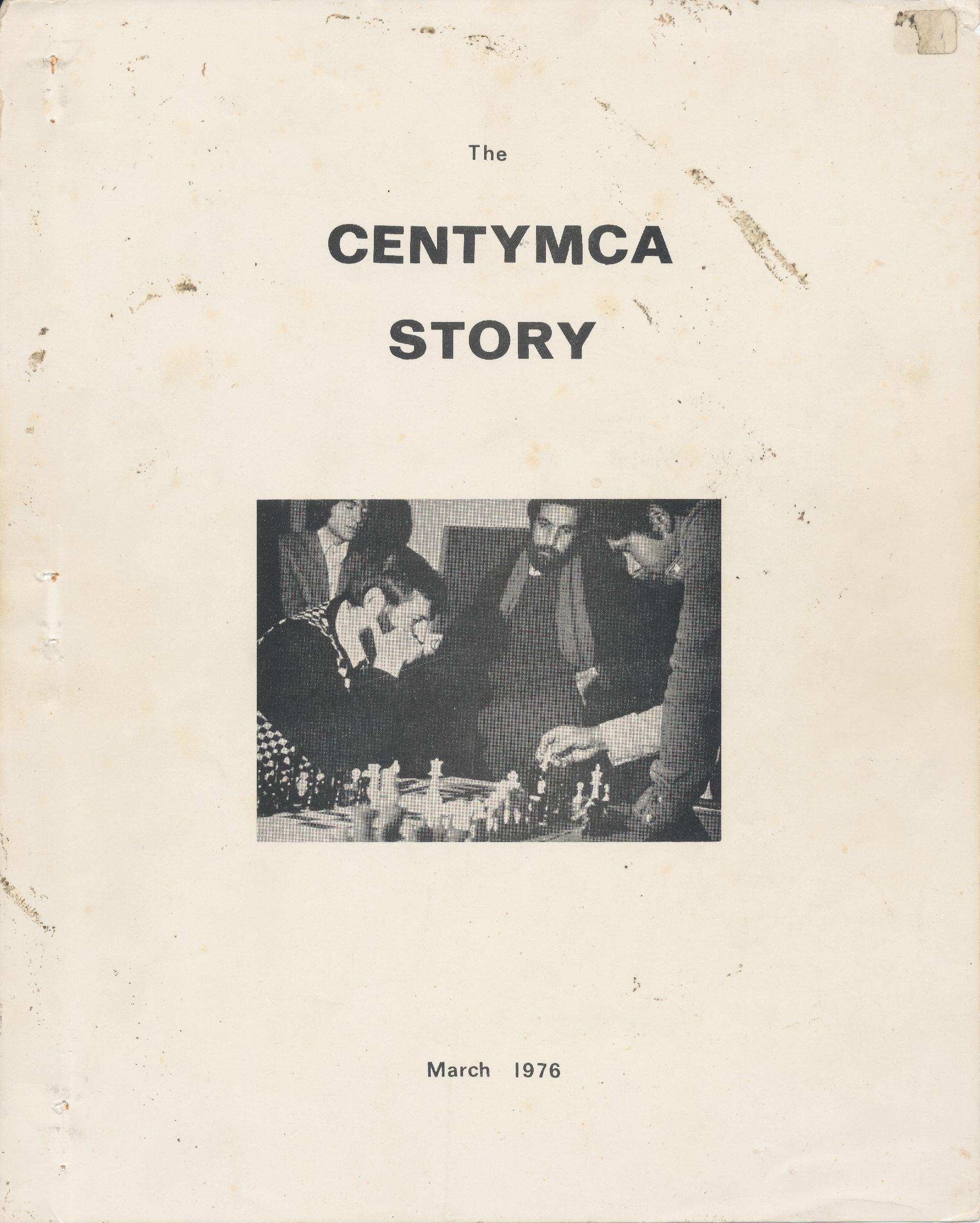
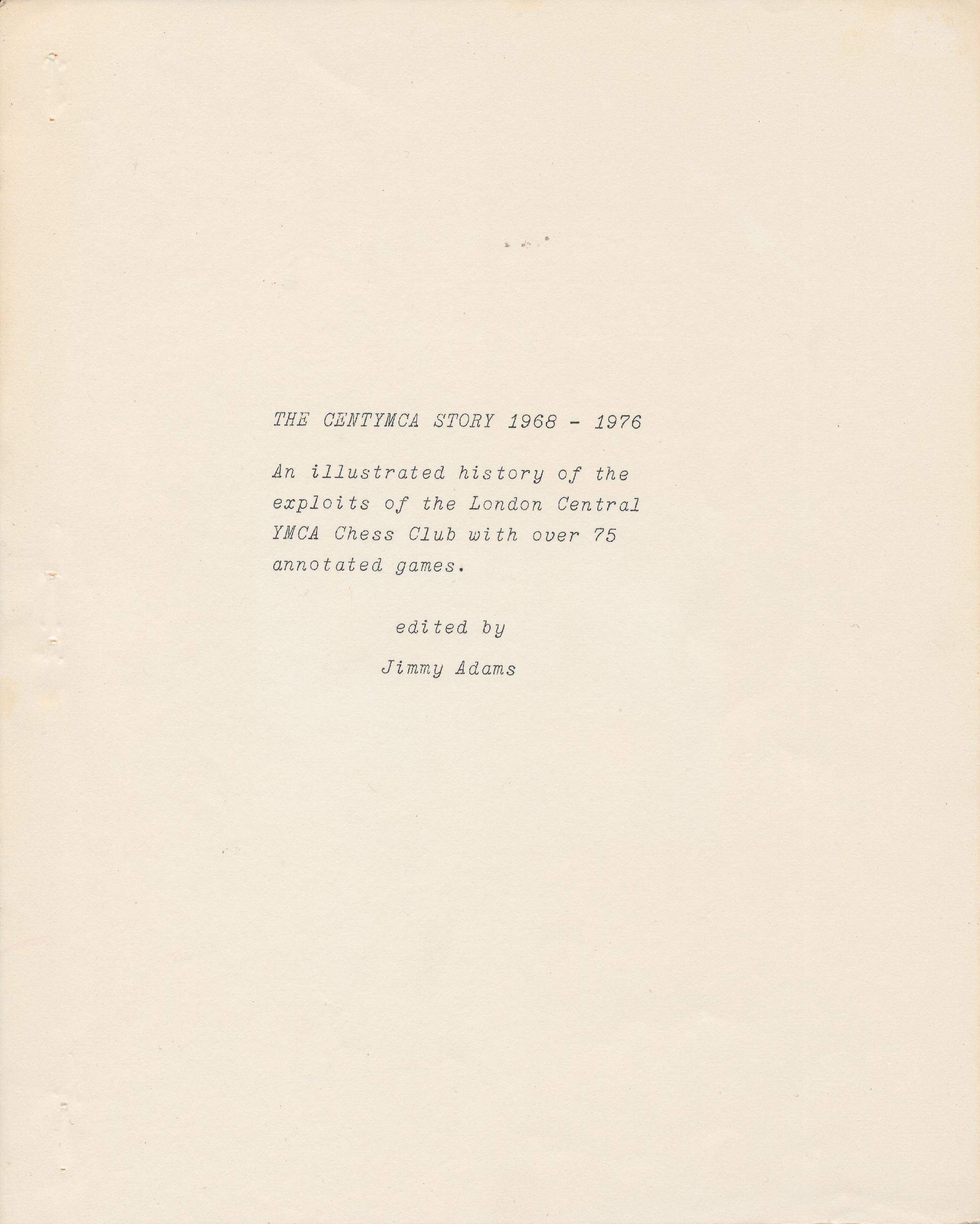
He joined and was a staunch member of London Central YMCA (CENTYMCA) chess club and he wrote a privately published history of the club entitled The CENTYMCA Story. This is now a much sought after publication. His membership continued during the 1970s until around 1979.
The CentYMCA Story by Jimmy Adams, 1976The CentYMCA Story by Jimmy Adams, 1976
During this period Jimmy was extremely active at the Endell Street premises.
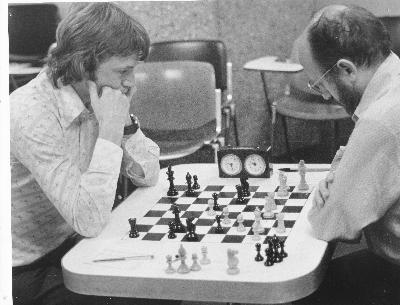
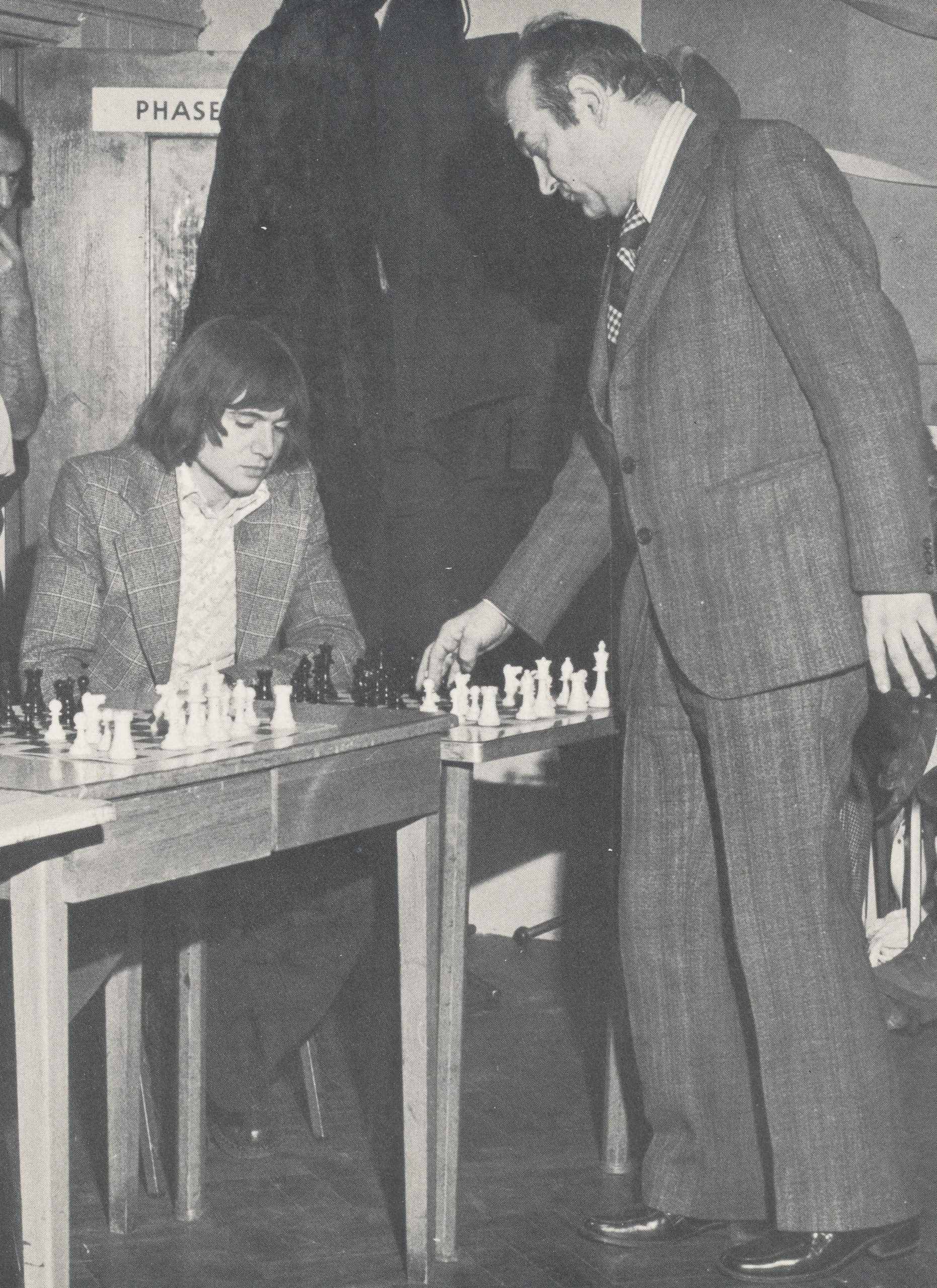
Here is Jimmy playing Viktor Korchnoi at Endell Street (in the Phase Two classrooms) :
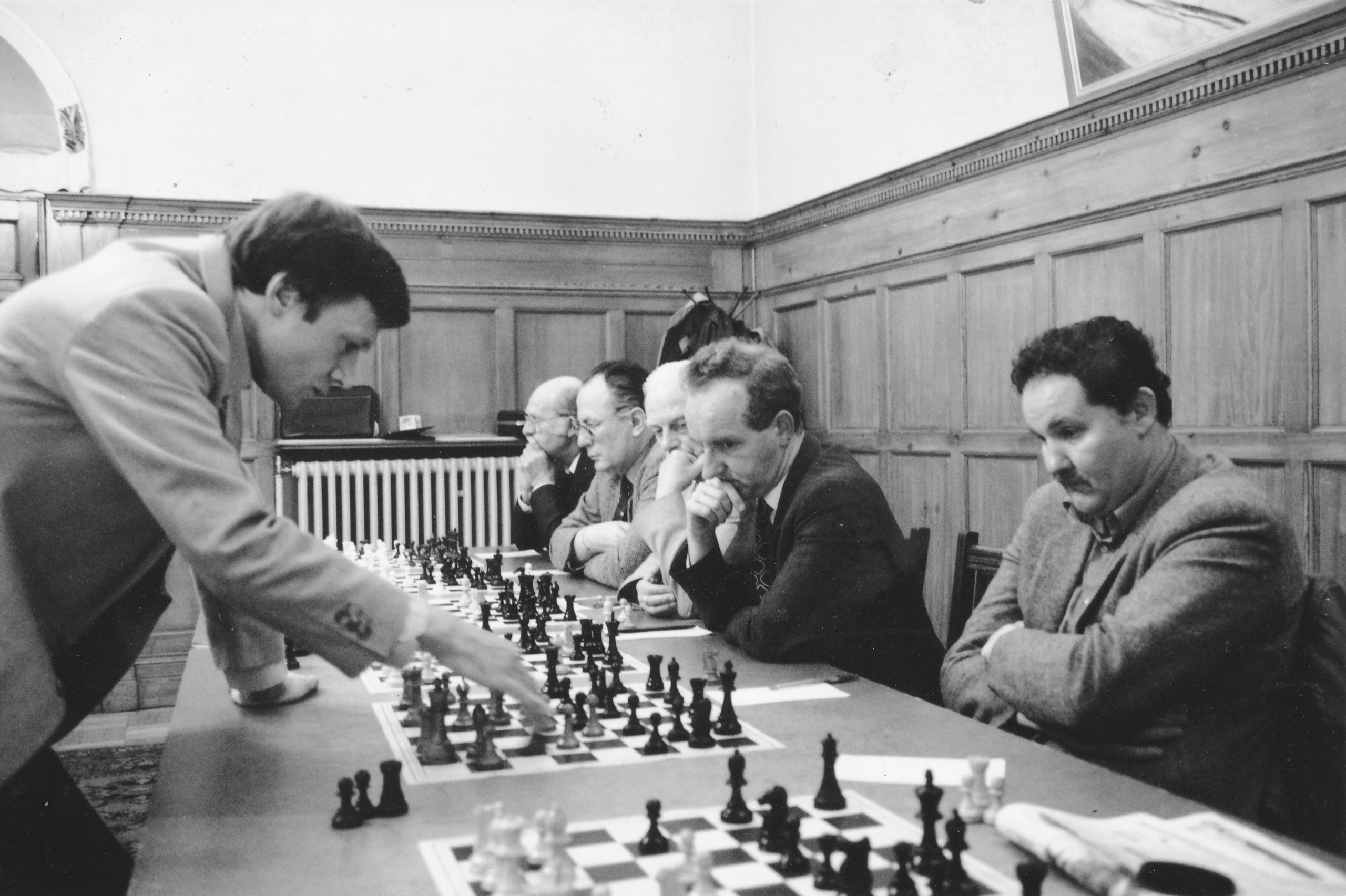
Jimmy plays Viktor Korchnoi at the Endell Street premises of London Central YMCA on January 18th, 1976. Photographer potentially John Yeo
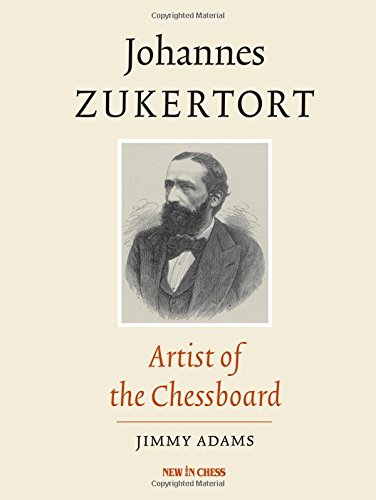
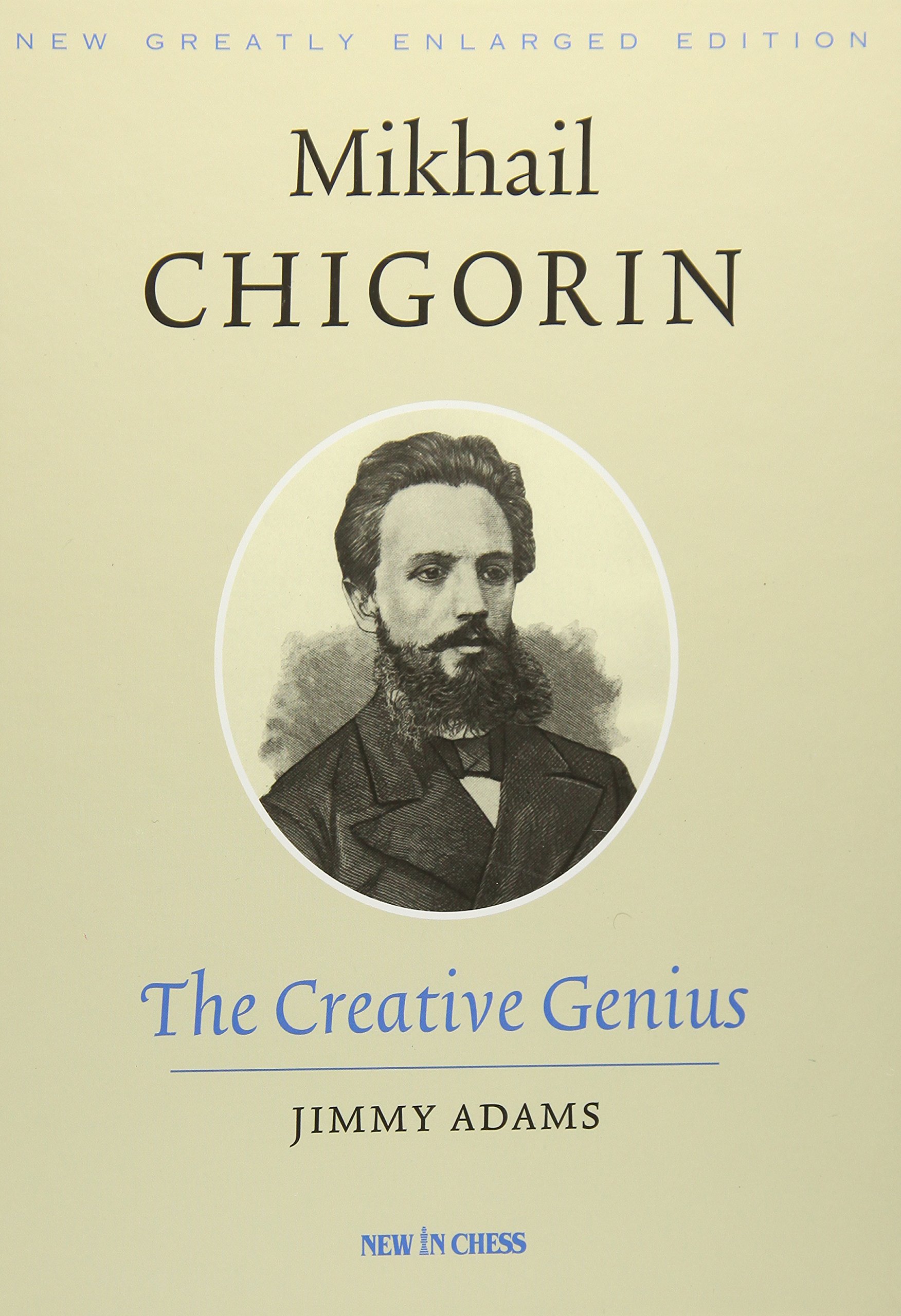
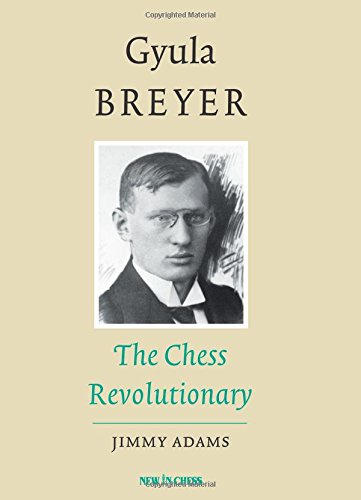
In 1974 Jimmy embarked on a highly successful career as a writer and journalist. He contributed articles to both CHESS and the British Chess Magazine and authored a number of acclaimed books for Batsford, The Chess Player, Caissa Books and latterly, New in Chess. He also self-published the first book on Bobby Fischer’s successor entitled K is for Karpov! His books on Chigorin, Zukertort and Breyer are universally regarded as some of the finest chess biographies published.
In 1979 Jimmy joined Metropolitan Chess Club to play in the London League A Division. He played top board and scored very highly with many significant scalps.
Jimmy gained his FM title in 2014 (at the age of 67!). 67 must be one of the most advanced ages to acquire an FM title. According to Felice his peak rating was 2300 in January 1981 aged 34.
Jimmy giving a simultaneous display
He joined Metropolitan Chess Club. He joined Barbican, as did many other CENTYMCA players, following the hiatus over their Tottenham Court Road venue loss.
Jimmy records a game between David Howell and Andrew Whiteley in 2000.
In December 2009 Jimmy visited the London Chess Classic and was photographed with VIP guest Viktor Korchnoi :
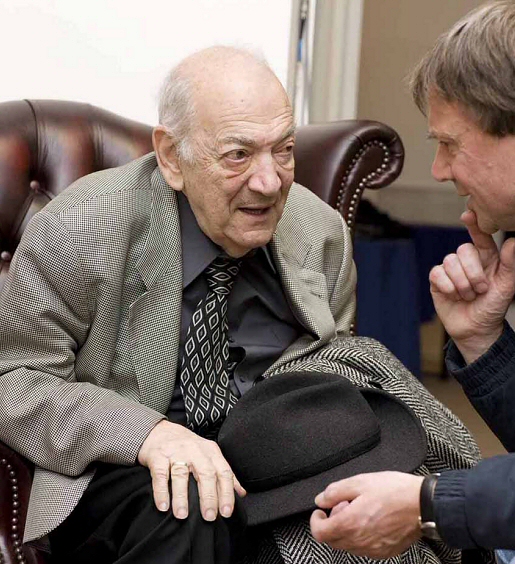
Viktor Korchnoi in conversation with Jimmy Adams at the 2009 London Chess Classic. Photograph by Mark Huba
Jimmy was Editor of Middlesex Chessletter and Bayswater Chess in the early 1970s and produced major bulletins on the hugely successful Islington Congresses of the same period. He then worked for Pergamon Chess Books which led to his editorship of CHESS / CHESS Monthly magazine from until 2010 although his name remained on the masthead until February 2012.
In 2012 Jimmy and Ray Cannon attended a meeting of the Ken Whyld Association in Norwich :
Jimmy Adams and Michael Negele at the 2012 meeting of the Ken Whyld AssociationJimmy and Ray Cannon at a 2012 meeting in Norwich of the Ken Whyld Association
In January 2016 Jimmy (together with Josip Asik) became co-editors of British Chess Magazine taking over from James Pratt and John Upham.
Jimmy also jointly edited Chess Informants 109-132 up to 2017 before taking on the role of Deputy Editor of the newly created American Chess Magazine whilst continuing to work as editor for Batsford Chess which had changed ownership over the years and had now been taken under the umbrella of Pavillion Books.
In 2014 Jimmy and Ray attended an event organised by the father of Emma Bentley
Jimmy Adams and Ray Cannon at an event organised by Emma Bentley’s father.
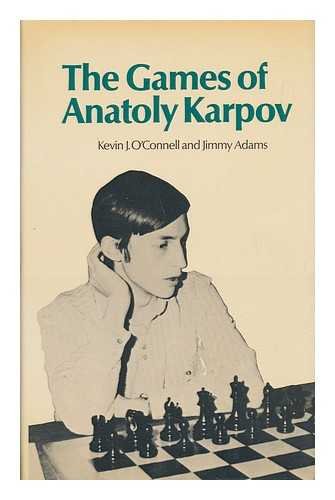
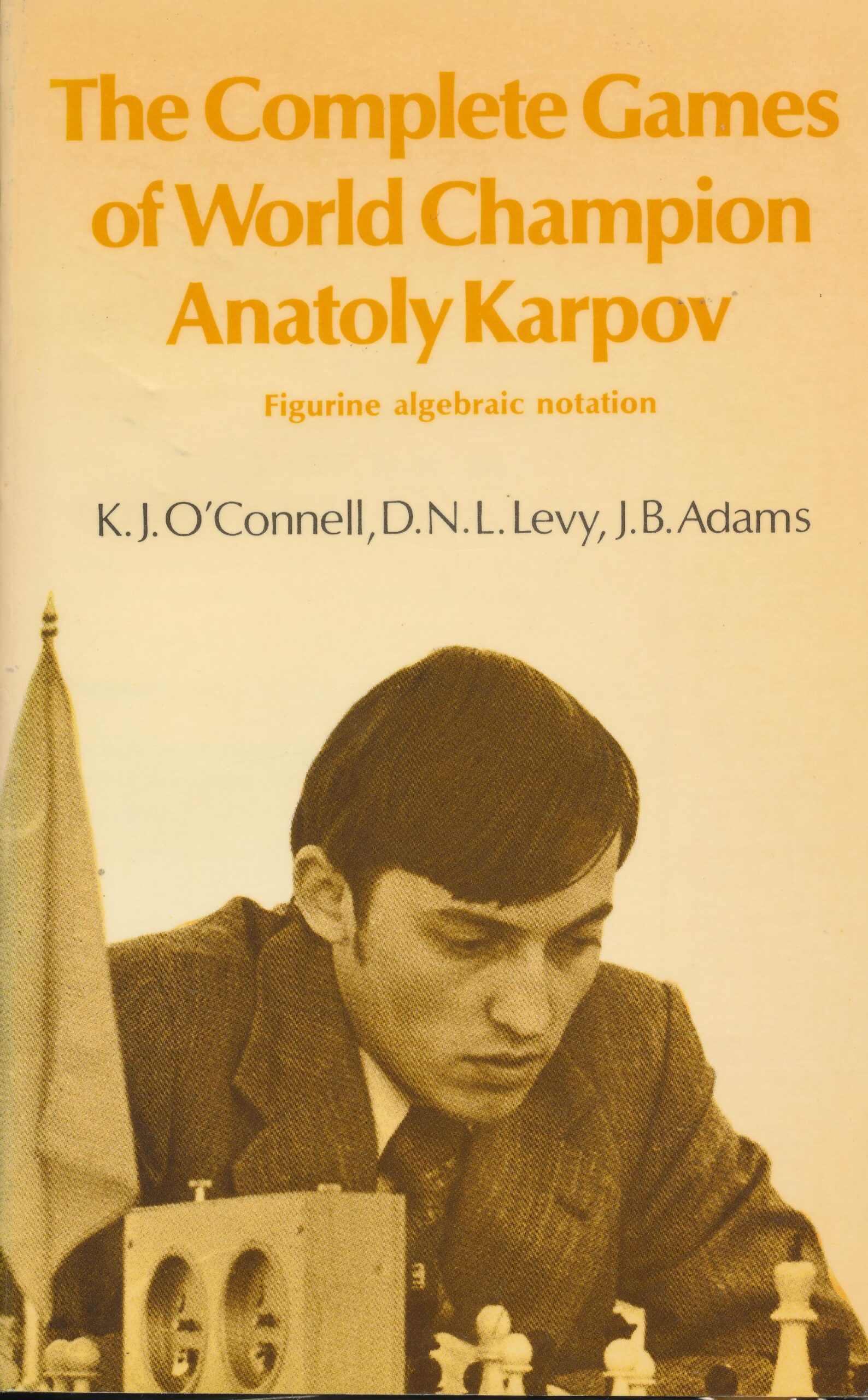
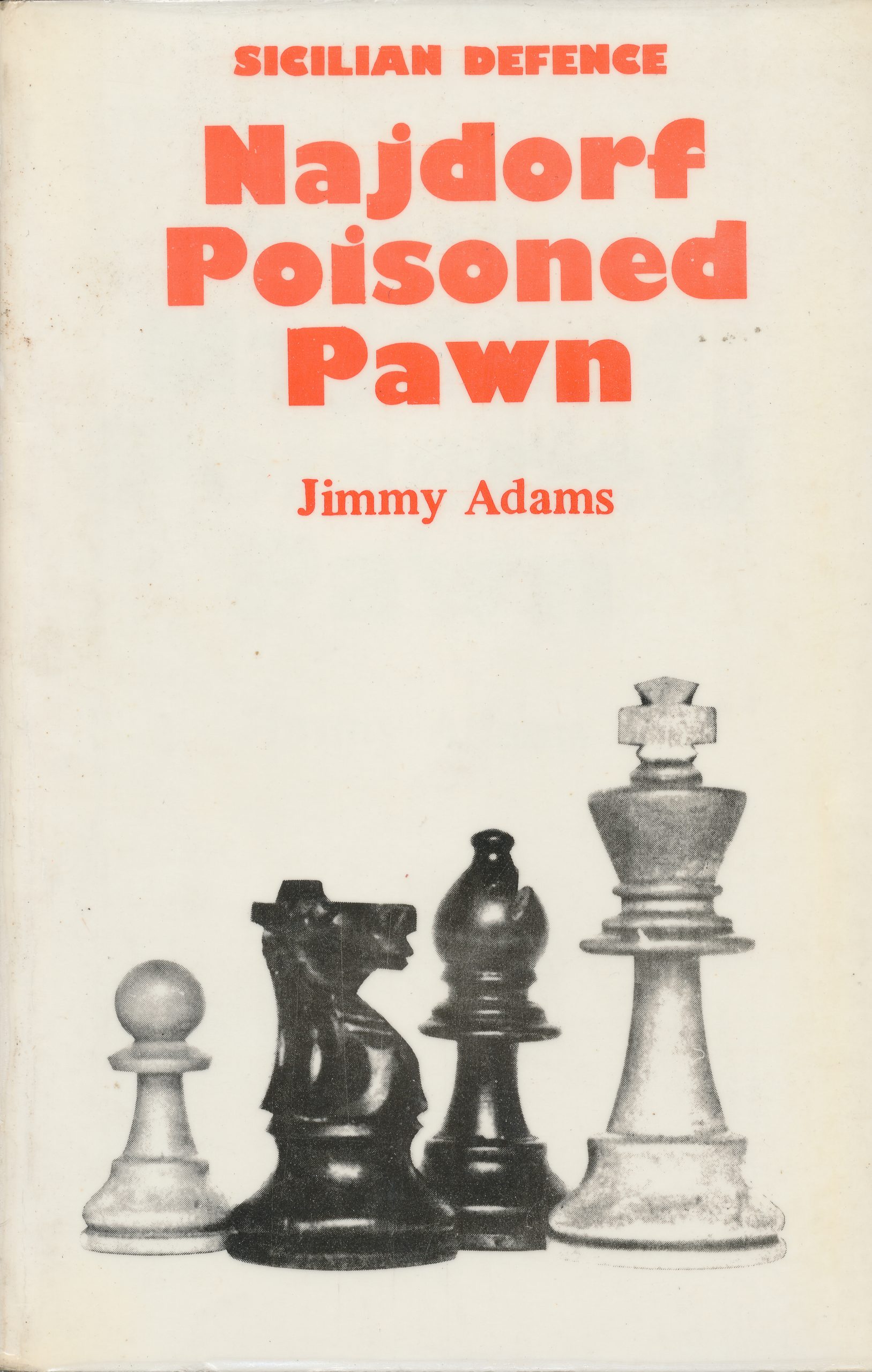
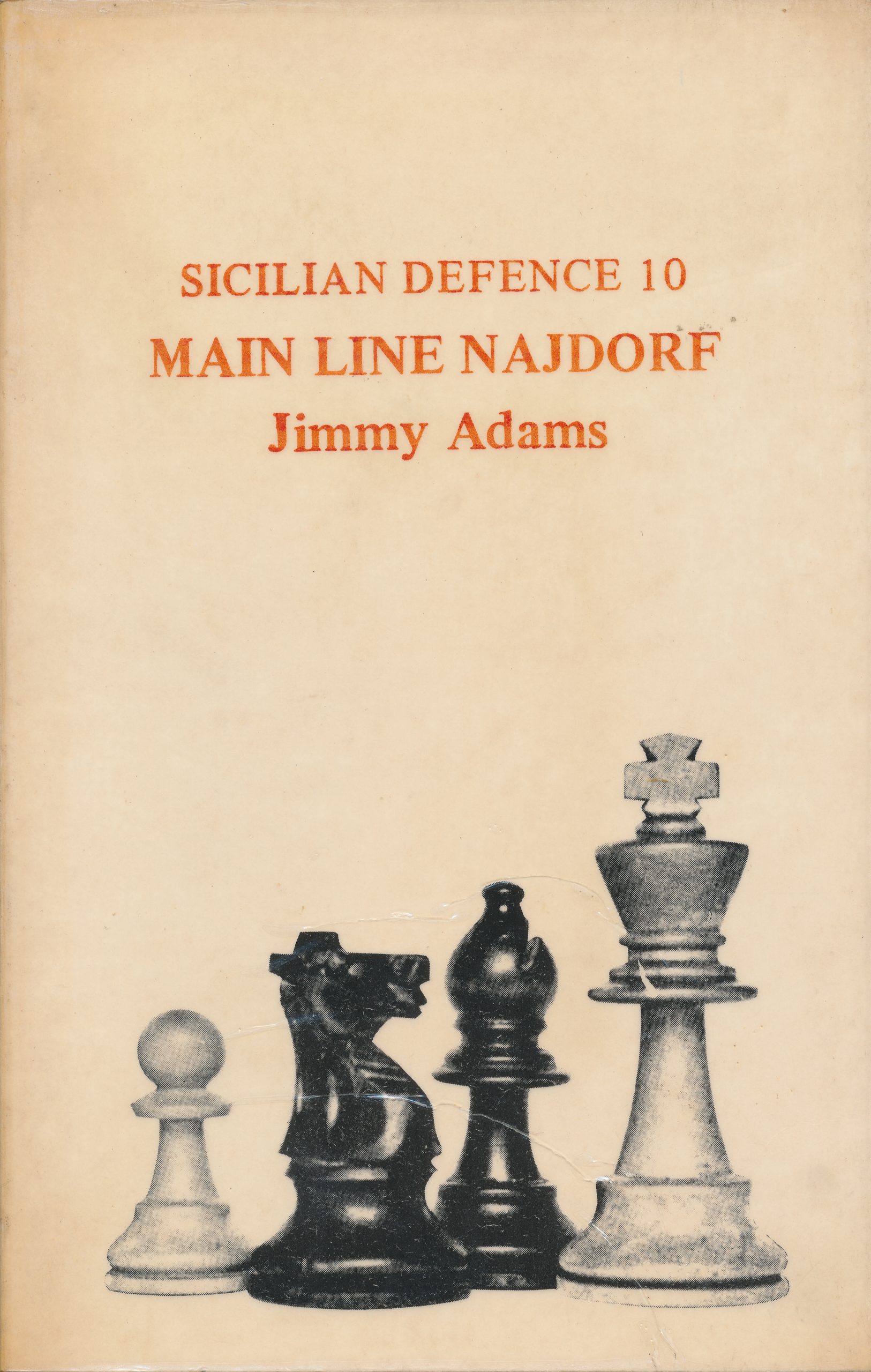
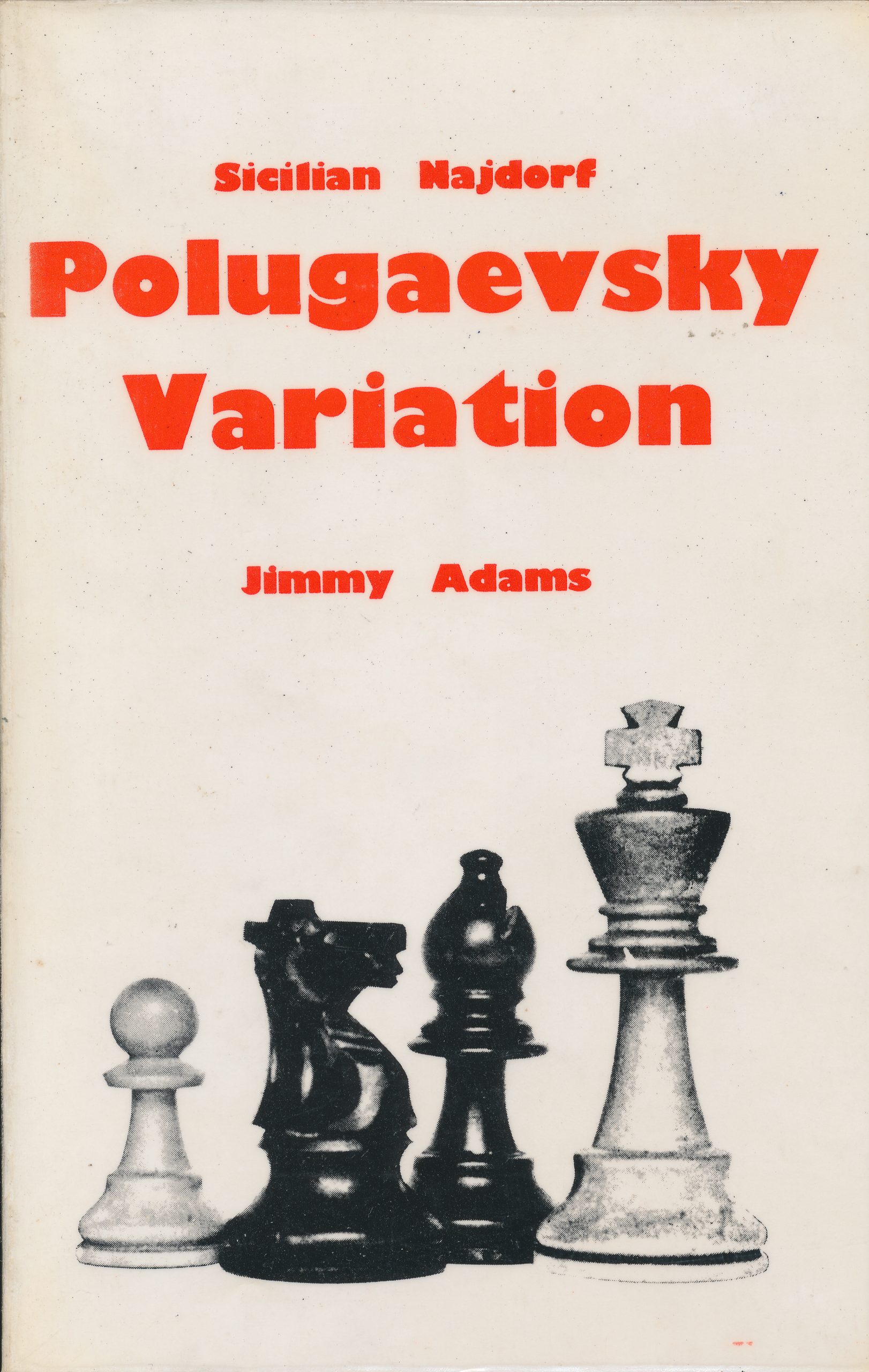
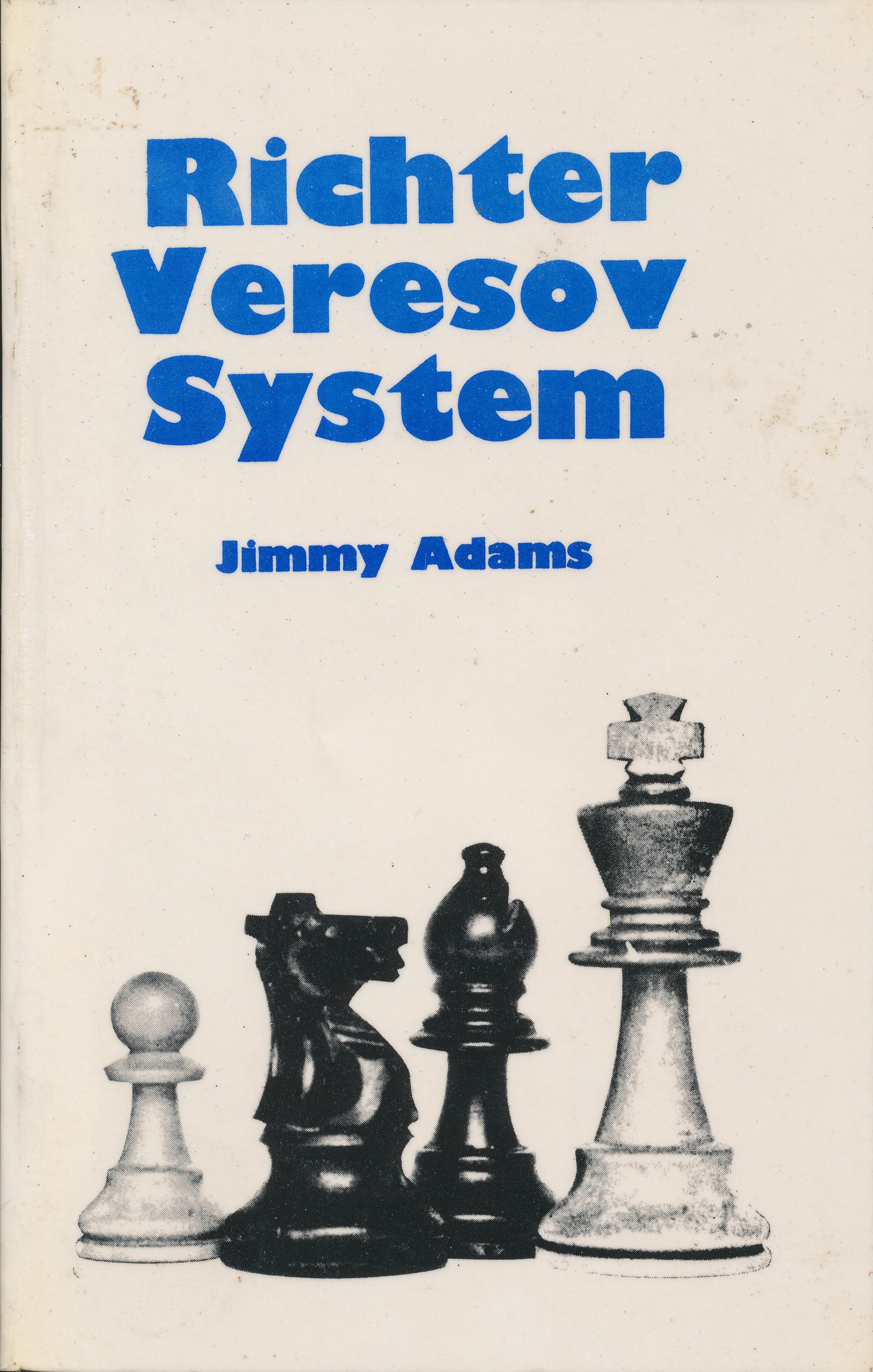
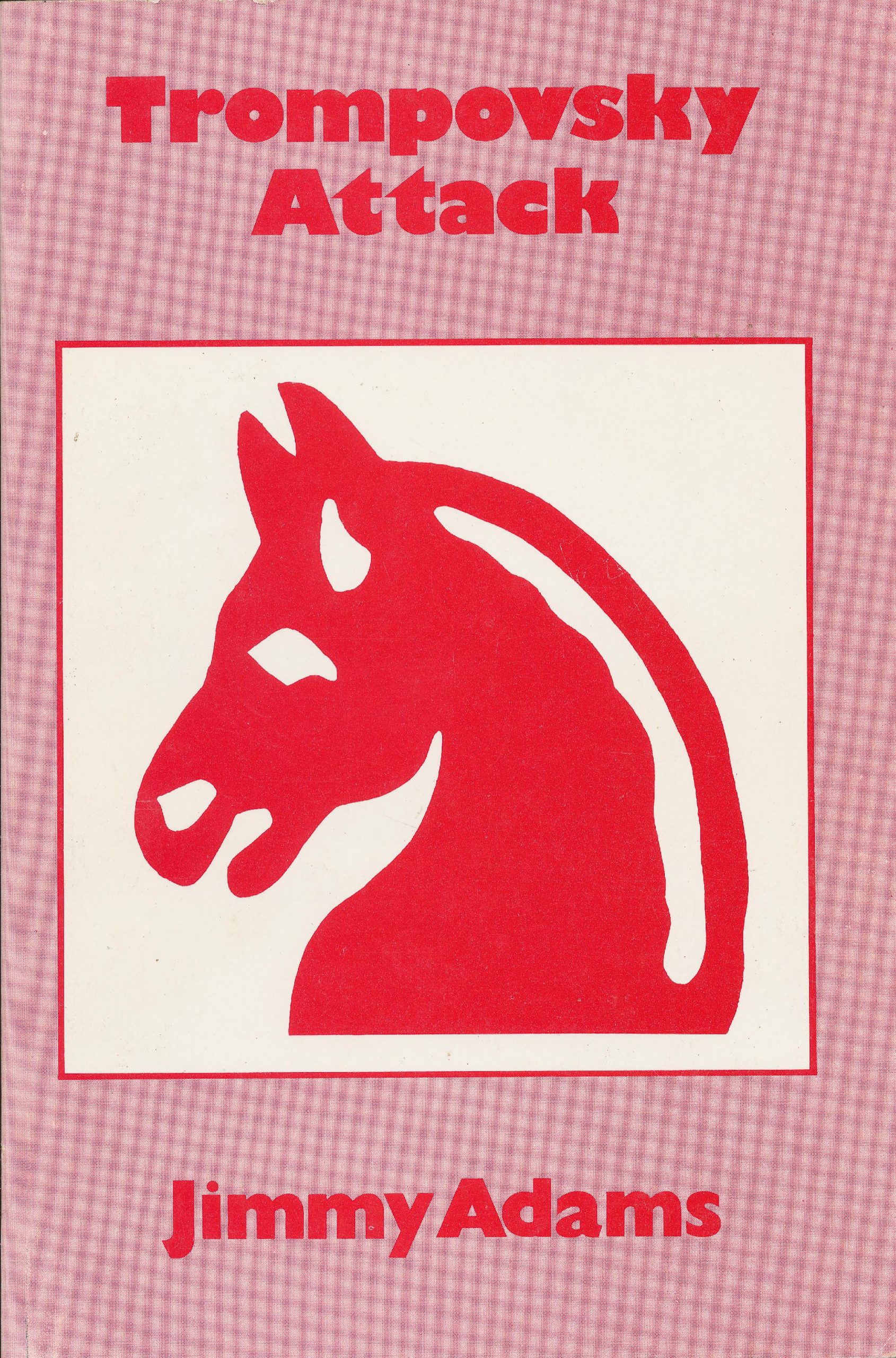
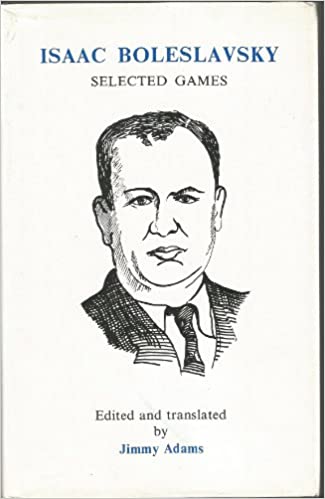
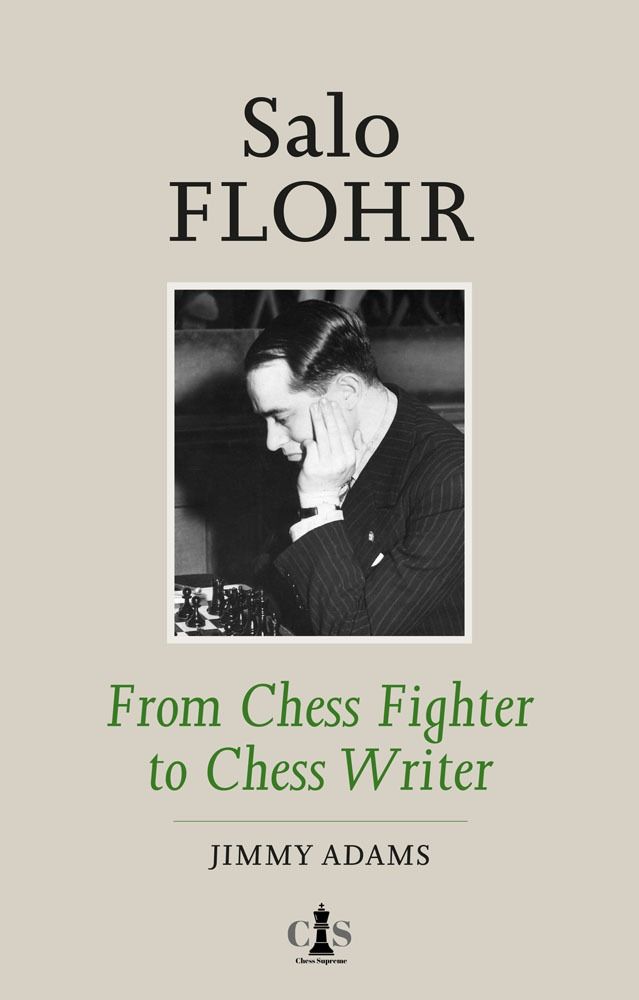
The Games of Anatoly Karpov, Batsford, Jimmy Adams, 1974The Complete Games of World Champion Anatoly Karpov, Jimmy Adams, 1976The Complete Games of World Champion Anatoly Karpov, Jimmy Adams, 1976Sicilian Defence Najdorf Poisoned Pawn, Jimmy Adams, The Chess Player, 1977Sicilian Defence 10 : Main Line Najdorf, Jimmy Adams, The Chess Player, 1977Sicilian Najdorf Polugaevsky Variation, Jimmy Adams, The Chess Player, 1978The Richter Veresov System, The Chess Player, Jimmy Adams, 1978Trompovsky Attack, The Chess Player, Jimmy Adams, 1979Torre Attack, Jimmy Adams, The Chess Player, July 1981Schliemann/Jaenisch Gambit, The Chess Player, Jimmy Adams, 1982Paris 1900, The Chess Player, Jimmy Adams, 1986ISAAC BOLESLAVSKY Selected Games, Caissa Books, Jimmy Adams, 1988Johannes Zukertort: Artist of the Chessboard, New in Chess, Jimmy Adams, 2014Mikhail Chigorin, the Creative Genius: New in Chess, Jimmy Adams, 2016Gyula Breyer : The Chess Revolutionary, Jimmy Adams, New in Chess, 2017Salo Flohr: From Chess Fighter to Chess Writer, Jimmy Adams, New in Chess, 2026
BCN remembers IMCC Barry Barnes who passed away on Tuesday, January 14th 2025 aged 87.Barry Peter Barnes was born in Brighton and his mother’s maiden name was Simpole. (Barry is a cousin of Julian Ivan Peter Simpole, who was a Brighton school teacher and who taught Edward Gerard Winter to play chess).
Barry most recently lived in Halling, Rochester, Kent with his wife Jean.
From The Encyclopedia of Chess (Robert Hale, 1970 & 1976) by Anne Sunnucks :
“International Master of FIDE for Chess Compositions (1967) and International Judge of FIDE for Chess Compositions (1967).
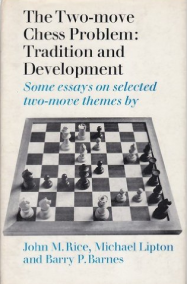
Born on 1st August 1937, Barnes works in transport advertising. He has composed about 250 two-move problems. With Lipton and Rice, he has contributed to the advance of the modern two-mover. Problem Editor of Two-Move and Twin sections of The Problemist. Co-author with M.Lipton and JM Rice of The Two-Move Chess Problem : Tradition and Development (Faber and Faber 1966).
“A promising career as a county chess player came to an end when I was given Brian Harley’s classic book Mate in Two Moves in the belief that it would help my chess, but it had quite the opposite effect. My interest in competitive chess waned, and I was on the road to an an International Master title for problems!
Early influences in my problem career were the weekly chess problem solving competition in The Observer (my first problem published there was in 1955), a teenage friendship with J. M. Rice and M. Lipton (both now lnternational Masters), Herbert Grasemann’s book Problem Schach / with its near revolutionary post-war German problem ideas, and the expert British problemist, A. R. Gooderson who had I but known it only a few years earlier was the officiating master when my Hove Grammar School played Steyning Grammar at chess.
In the late 1950s and early 1960s, the genuinely original problems I was making in cooperation and in competition with Rice and Lipton were being published mostly abroad in such specialist problem magazines as Die Schwatbe (with its inspired two-move editor, Hermann Albrecht) where I gained the epithet the English prize-snatcher’! It was also written that the work of the avant-garde composers, Rice, Lipton and Barnes, was like a fresh two-move wind blowing from our island. It was sad but true at that time that the specialist magazine of the British Chess problem Society (founded 1918), The problemist, was unreceptive to change and our often bizarre ideas.
A milestone of sorts was reached when I won lst prize for problem I in 1958, a prize for the best new problem by a member of the British Commonwealth aged under 21. In 1966, I was invited by problemist Grandmaster Comins Mansfield, who was President of the FIDE Problem Commission, to act as Secretary at the Barcelona meeting. With Mr. Mansfield’s retirement, I became the British Member to the Commission, and at the Wiesbaden meeting, 1974, I was elected 2nd Vice-President. (1st Vice-President from 1982)
The FIDE Problem Commission meets annually to discuss matters relating to all branches of problem chess, to organize the World Chess Composing Tournament (WCCT), the World Chess Solving Competition (WCSC), and to publish FIDE Album anthologies of the best problems. It was on the strength of my success in these FIDE Albums that the Commission granted me the titles in 1967 of ‘lnternational Master of the FIDE for Chess Composition’ and ‘lnternational Judge of the FIDE for Chess Composition’. Since 1974, I have been Chairman of the Titles Sub-Committee of the Commission.
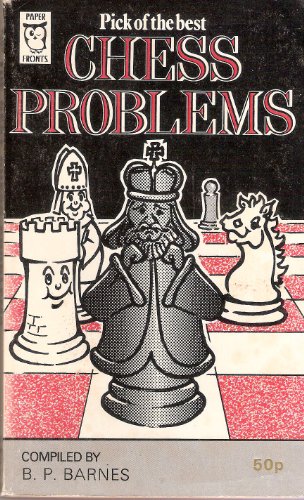
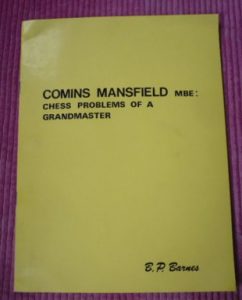
Since 1965, I have been the two-move editor of The Problemist and have served almost without break on the BCPS Committee. I have contributed to The Encyclopaedia of Chess by Anne Sunnucks (Robert Hale, 1970), I am co-author, with J. M. Rice and M. Lipton, of The Two-Move Chess Problem: Tradition & Development‘ (Faber A Faber, 1966), and I am the sole author of Comins Mansfield MBE: Chess Problems of a Grandmaster: (British Chess Problem Society, 1976) and Pick of the Best Chess Problems (Elliot Right Way Books, 1976)
To date I have made just over 300 two-movers and some helpmates.”
From The Encyclopaedia of Chess (Batsford, 1977), Harry Golombek OBE, John Rice writes:
“British problem composer, output about 400, nearly all modern style two-movers. Two-move sub-editor of The Problemist. Secretary of the FIDE Problem Commission during C. Mansfield’s Presidency. Co-author of The Two-Move Chess Problem: Tradition and Development (1966).”
The Two Move Chess Problem : Tradition and Development
Author of Pick of the Best Chess Problems (1976)
Pick of the best Chess Problems
Comins Mansfield MBE : Chess Problems of a Grandmaster (1976).
Comins Mansfield MBE: Chess Problems of a Grandmaster, BP Barnes, 1976
International Judge (1967); international master (1967).
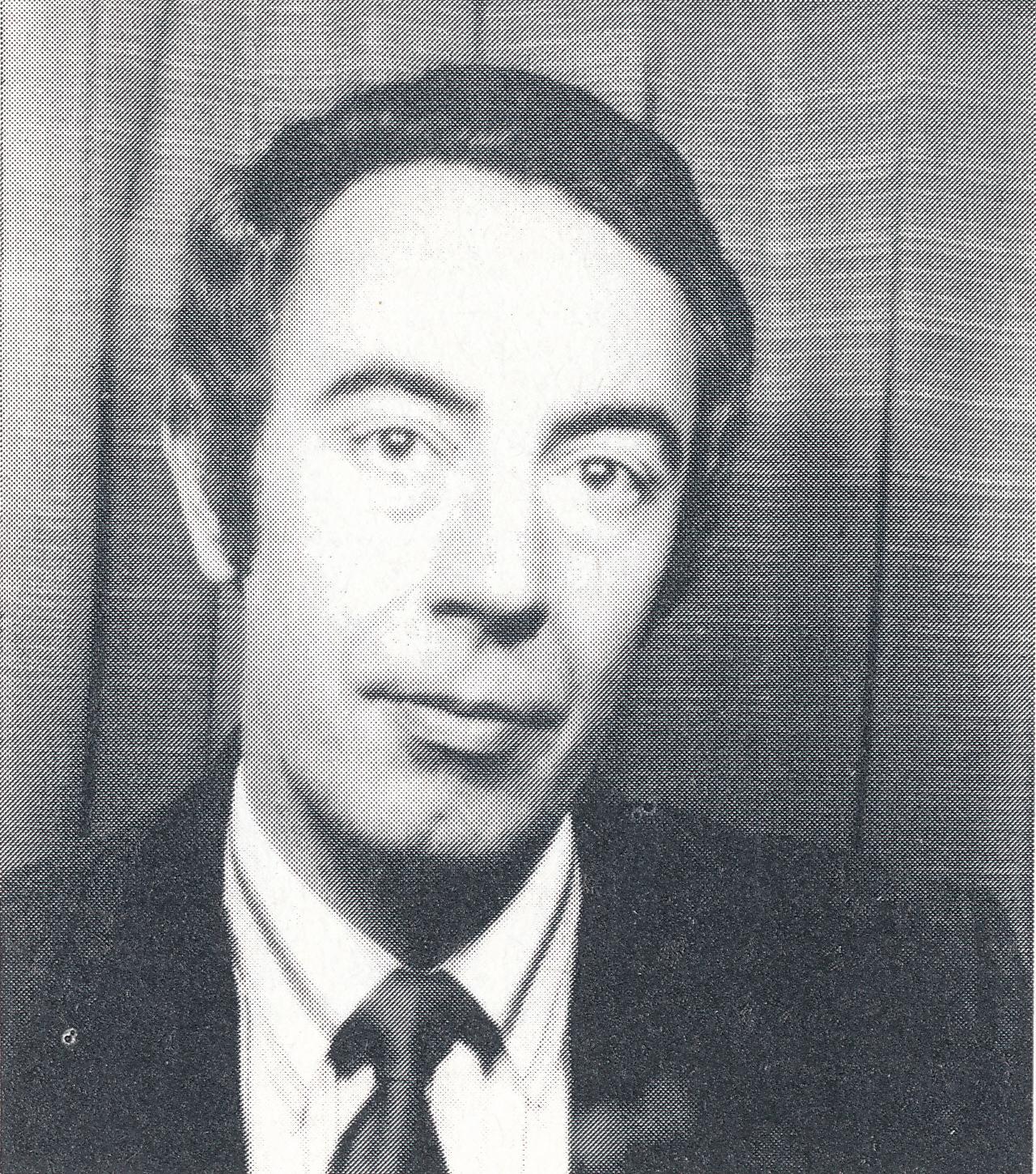
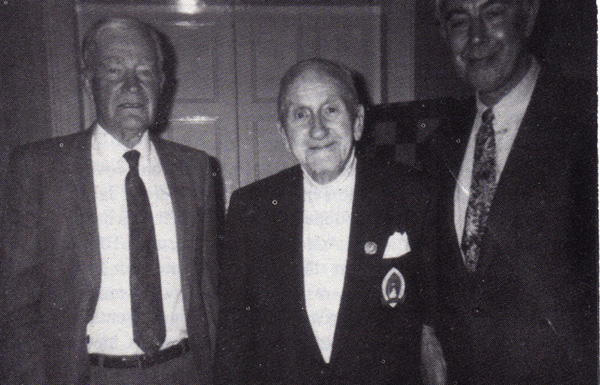
Source: The Problemist, May 1996. Photo taken March 1996 at the Mansfield Centenary Meeting at Paisley, when Barry Barnes delivered a lecture on Comins Mansfield. Left to right: Geoffrey Mansfield (son of Comins), Robert Gray and Barry Barnes, International Master of Chess Composition.
We focus on the British Chess Scene Past & Present!
This website uses cookies to improve your experience. We'll assume you're ok with this, but you can opt-out if you wish. Cookie settingsACCEPT
Privacy & Cookies Policy
Privacy Overview
This website uses cookies to improve your experience while you navigate through the website. Out of these cookies, the cookies that are categorized as necessary are stored on your browser as they are as essential for the working of basic functionalities of the website. We also use third-party cookies that help us analyze and understand how you use this website. These cookies will be stored in your browser only with your consent. You also have the option to opt-out of these cookies. But opting out of some of these cookies may have an effect on your browsing experience.
Necessary cookies are absolutely essential for the website to function properly. This category only includes cookies that ensures basic functionalities and security features of the website. These cookies do not store any personal information.