BCN remembers IM Andrew Jonathan Whiteley (09-vi-1947 07-vii-2014)
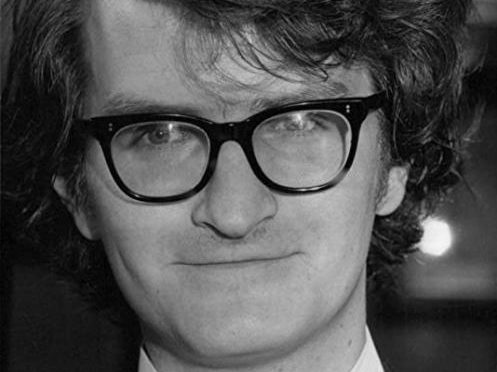
Andrew Whiteley
Andrew was born on Monday, June 9th, 1947 in Birmingham, West Midlands to Denys Edward Hugh Whiteley (1914 – 1987) and Muriel Sutton (1919 – 1967). Andrew had two siblings, Robert N (Birmingham, 1944) and Angela M (Oxford 1952).
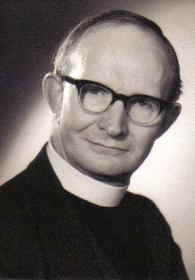
Denys Edward Hugh Whiteley (1914 – 1987, from Ancestry.co.uk
Andrew completed his education at Magdalen College School, Oxford and then in law at Pembroke College, Oxford.
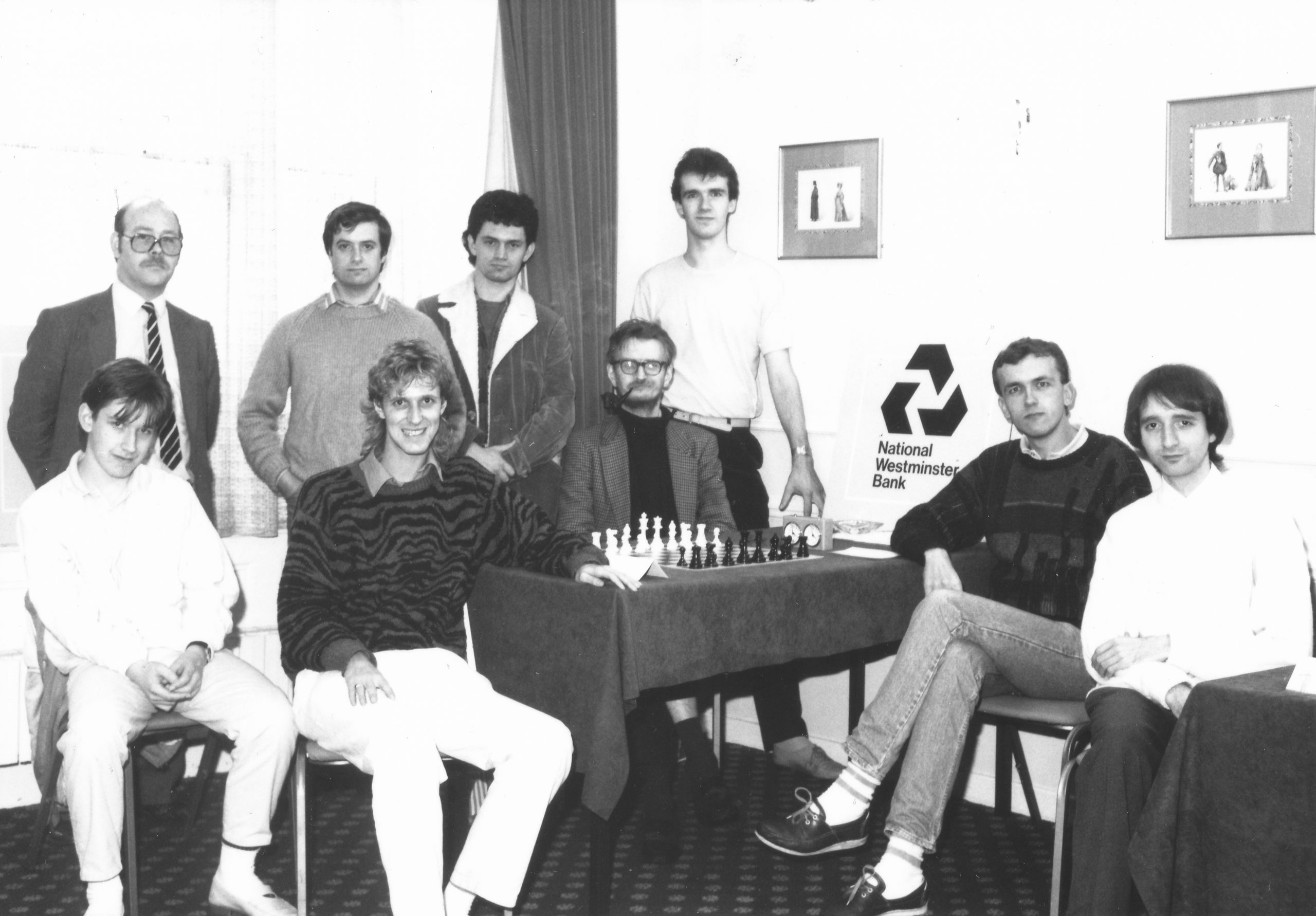
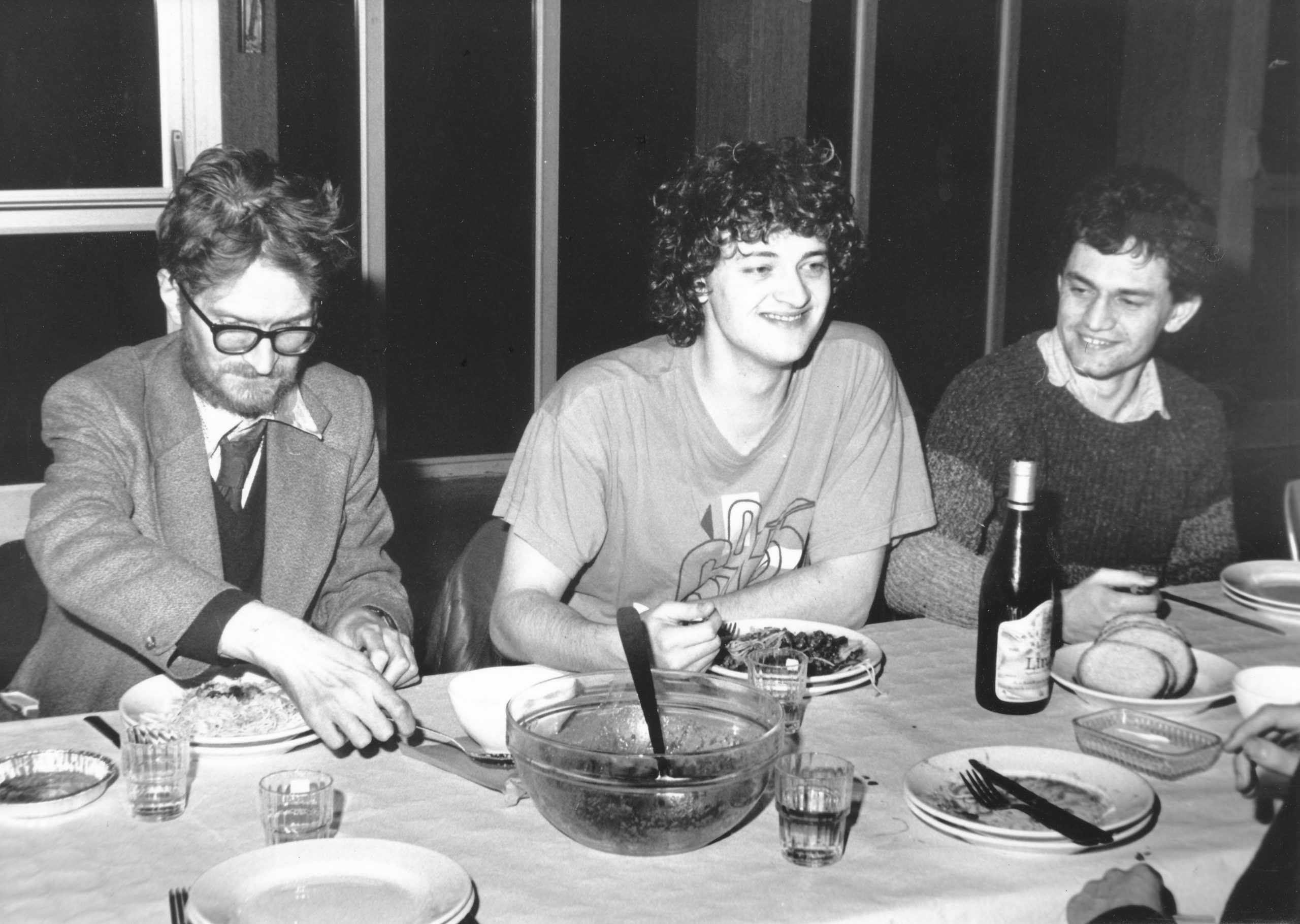
Andrew and friends at the NatWest Bank Young Masters
“Whiteley’s school chess record is an outstanding 63/65: Andrew Whiteley is captain and top board of a very strong U18 team of: A Whiteley, H Morphy, MN Crombie, MM Daube, A Hawkins and AH Smith.”
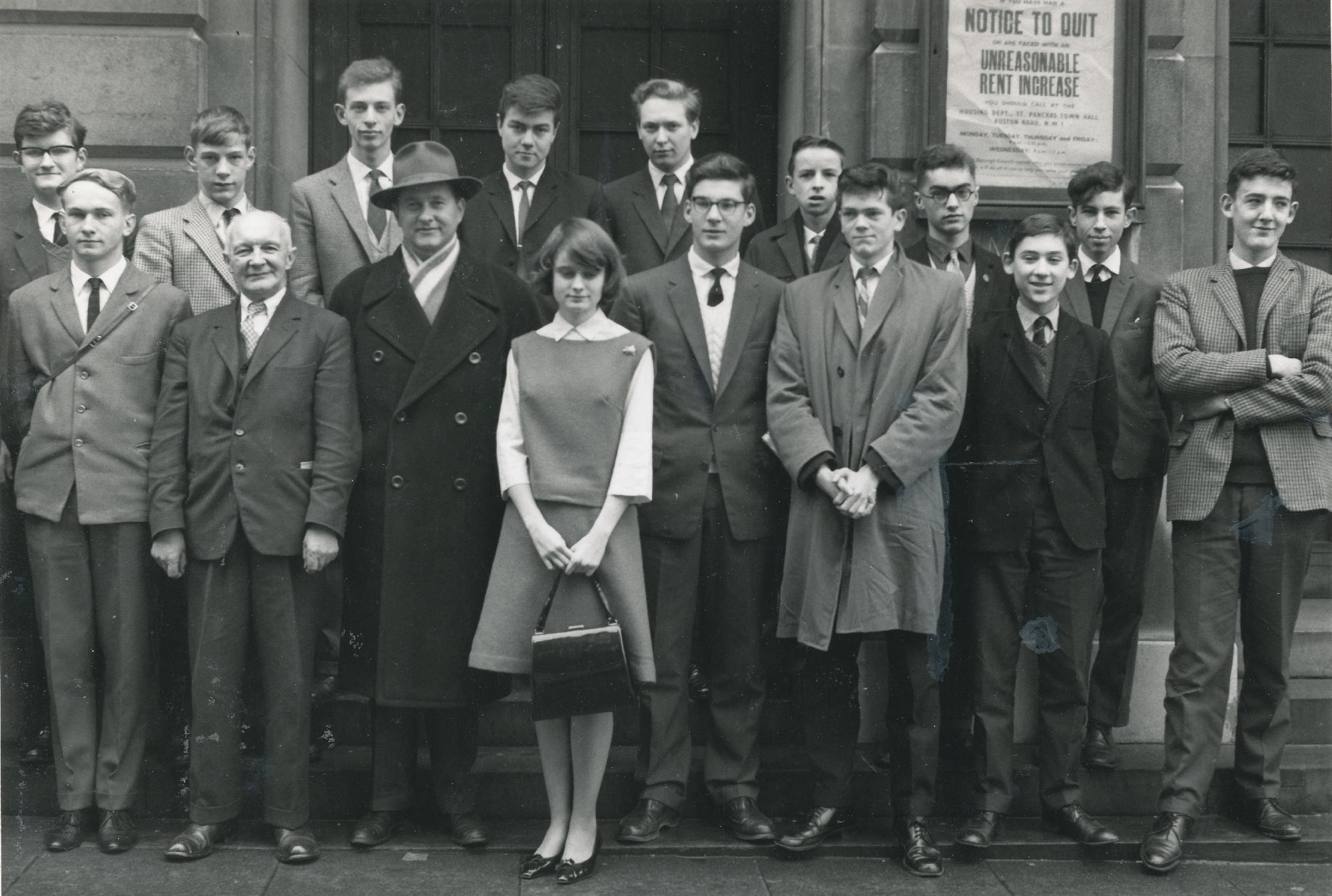
Some of the participants in the Paul Keres display on November 25th, 1962, at St Pancras Town Hall, London WC1. Back row : AJ. Whiteley, D, Floyer, PJ Collins, PJ Adams, RC Vaughan, KB Harman, D. Parr, DNL Levy, Front row : MV Lambshire, AE Hopkins (selector) Paul Keres, Miss D. Dobson, RE Hartley, BC Gillman, WR Hartston and PN Lee. Photograph by AM Reilly. Source : BCM, 1963, page 13
His highest Elo rating was 2395 in January 1977 at the age of 29 and played for King’s Head in the Four Nations Chess League (4NCL).
Andrew was former President of the Middlesex County Chess Association (1985-87) and Deputy (1984-85 & 1987-88).
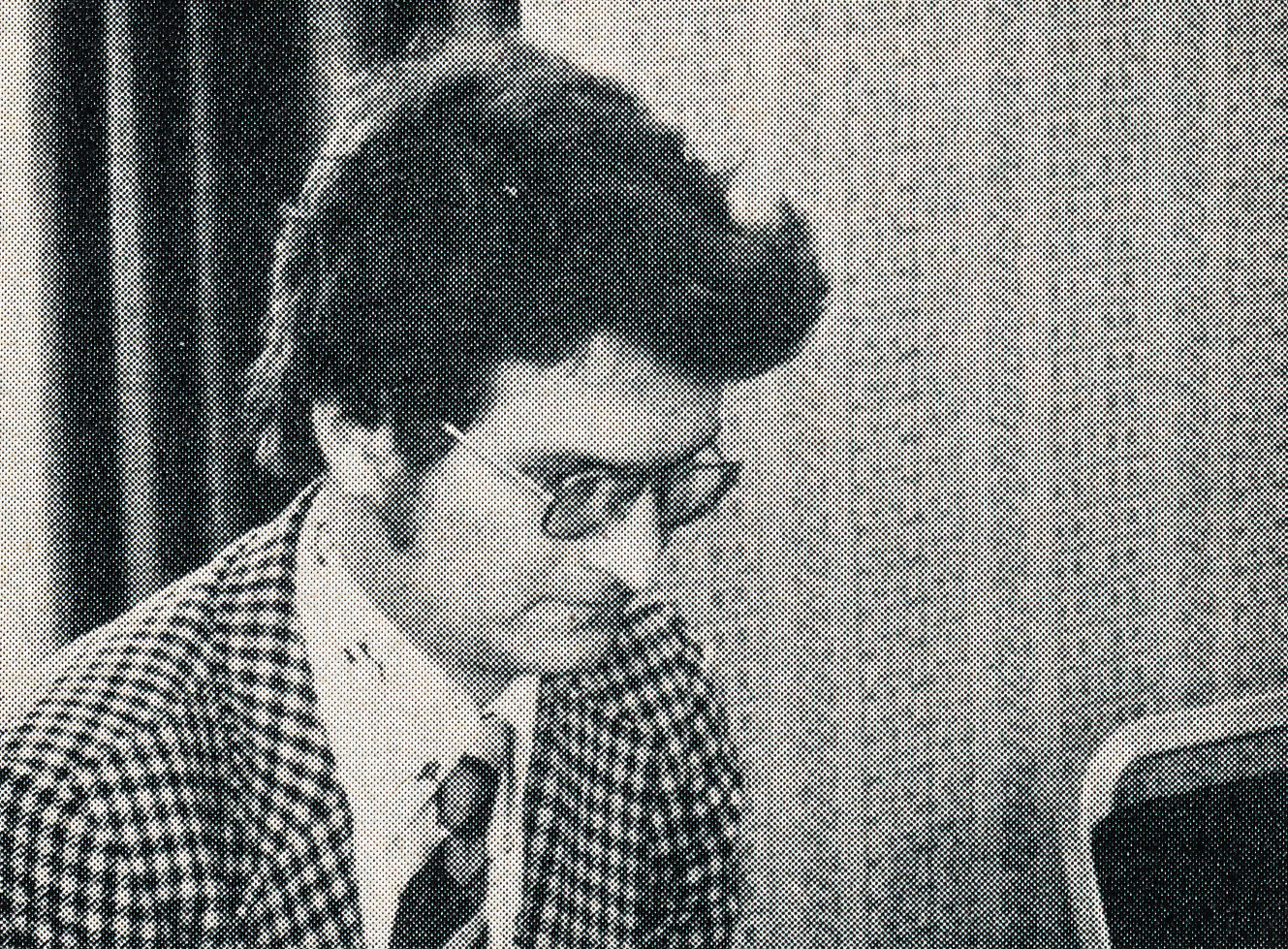
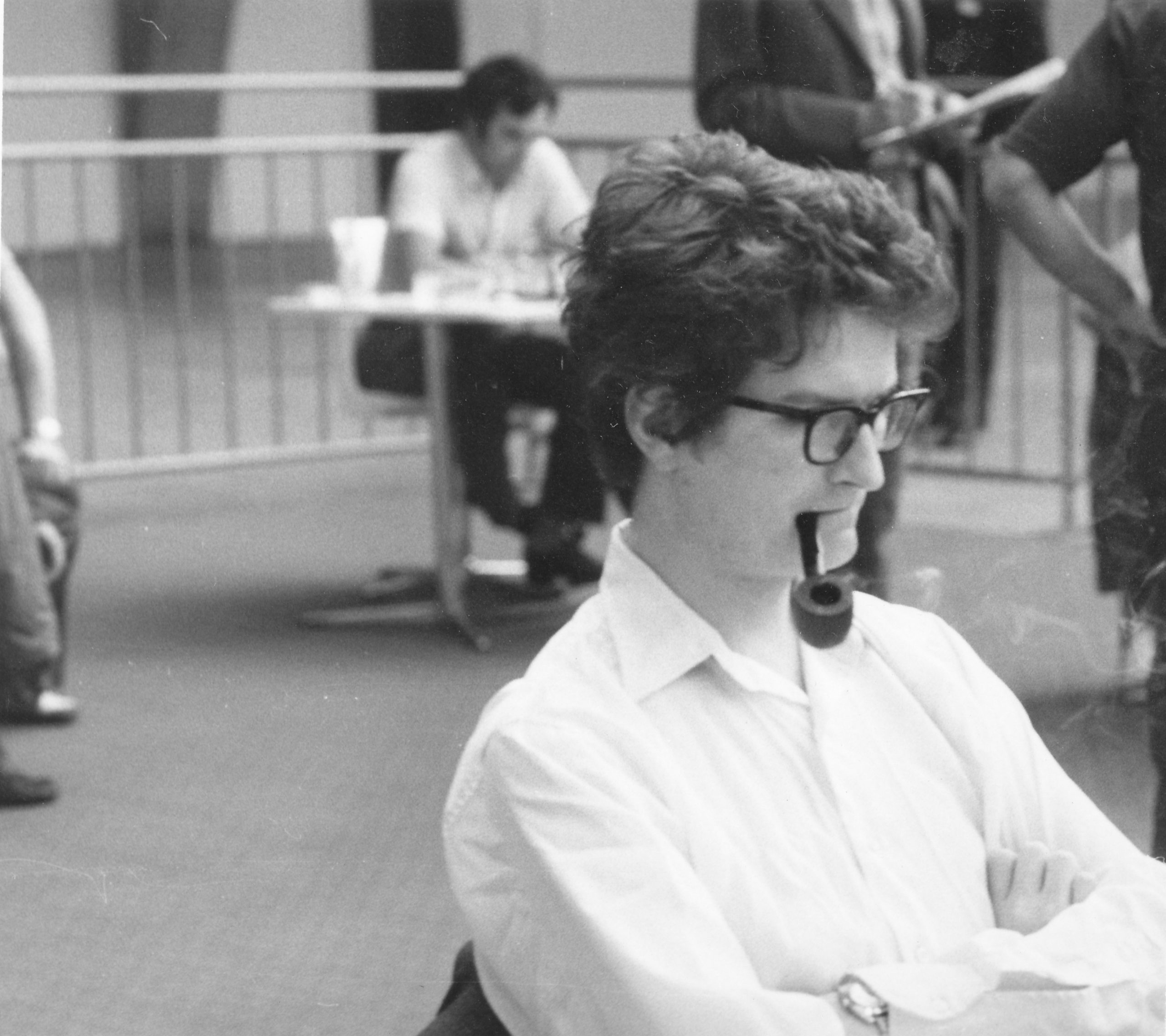
Andrew Whiteley playing board two in the London – Belgrade Telex Match on April 3rd, 1976 from the St. James Hotel, Buckingham Gate. Sourced from BCM, Volume XCVI (96), Number 5, page 192. Photographer probably Freddy Reilly.
He became a FIDE Master in 1980 at the age of 33. His last major tournament was Cappelle Le Grand in 1988 (see photograph below).
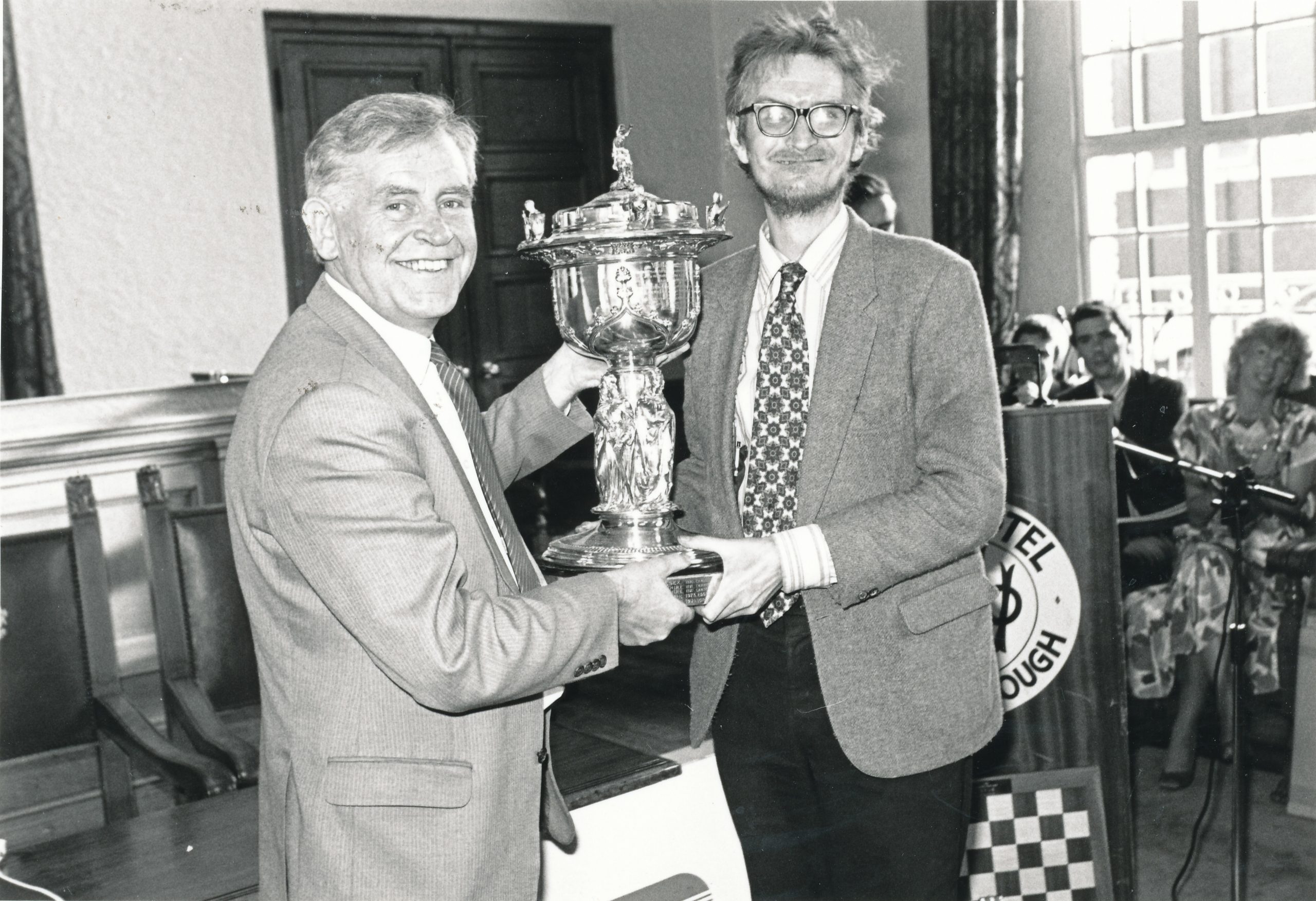
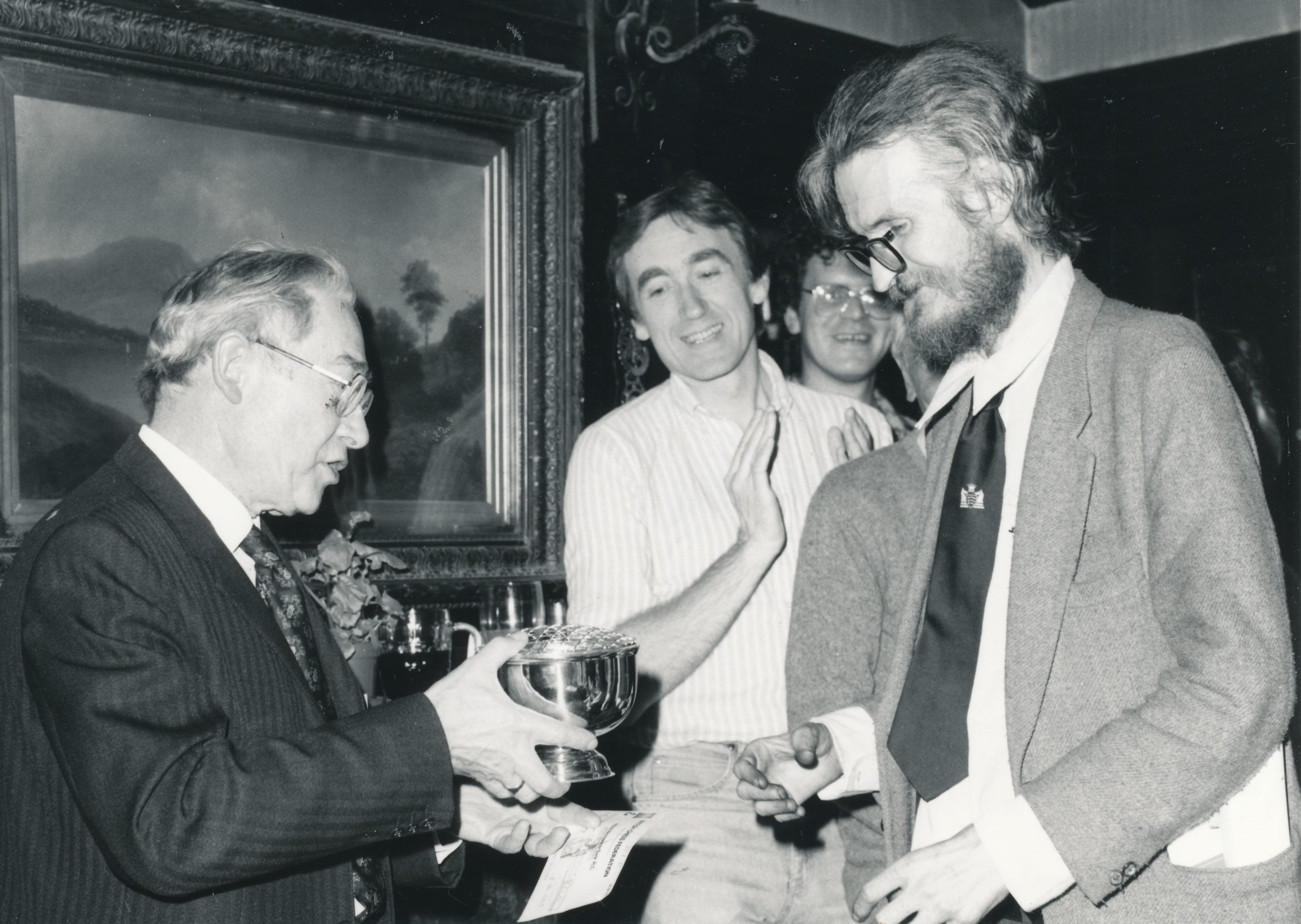
Magnus Magnusson presents Andrew Whiteley (right) with the BCF County Championship trophy as Captain of the Middlesex team in 1986.
Below was written by BCM editor James Pratt in Volume CXXXIV (134), Number 8 (August) page 417-8 :
“Unfailingly courteous, formally dressed, retired London solicitor, British Master, Andrew Jonathan Whiteley (9 vi 1946 Birmingham – 8 vii 2014) has died. The son of an Oxford professor, AJW was British U21 Champion of 1965. He tied, with Hans Ree, for first in the European Junior in 1965/6.
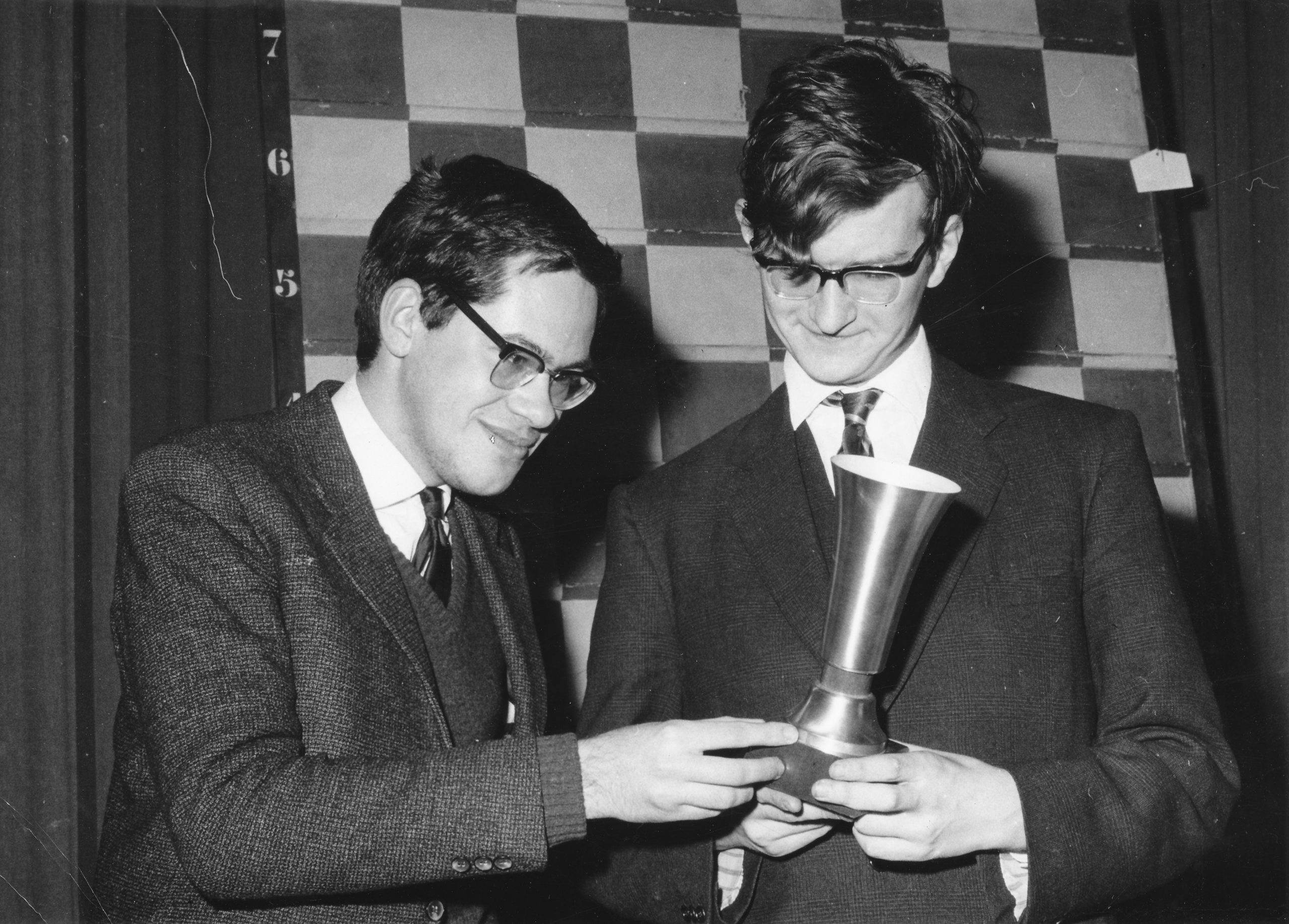
Hans Ree (left) and Andrew Whiteley (right) examine the European Junior Trophy for 1965/6 in which they tied for first.
The following game first appeared in the Games Department column of Harry Golombek in British Chess Magazine, Volume LXXXVI (1966), Number 3 (March), page 148. It was game #14,118.
He scooped the Silver medal at the British in 1971 and in 1976. Andrew often worked selflessly at his office in the mornings, commuting to key games after lunch. He rose to be No. 3 or 4 in England and, always a loyal team man, shone in Olympiads. Belatedly, having turned his back on the law, in 1988, he became an IM. He was also a BCF Arbiter and Middlesex County organiser. In 2008, he won the English Senior Championships aged 61.
BCN remembers IM Andrew Jonathan Whiteley (09-vi-1947 07-vii-2014)
Andrew Whiteley
Andrew was born on Monday, June 9th, 1947 in Birmingham, West Midlands to Denys Edward Hugh Whiteley (1914 – 1987) and Muriel Sutton (1919 – 1967). Andrew had two siblings, Robert N (Birmingham, 1944) and Angela M (Oxford 1952).
Denys Edward Hugh Whiteley (1914 – 1987, from Ancestry.co.uk
Andrew completed his education at Magdalen College School, Oxford and then in law at Pembroke College, Oxford.
Andrew and friends at the NatWest Bank Young Masters
“Whiteley’s school chess record is an outstanding 63/65: Andrew Whiteley is captain and top board of a very strong U18 team of: A Whiteley, H Morphy, MN Crombie, MM Daube, A Hawkins and AH Smith.”
Some of the participants in the Paul Keres display on November 25th, 1962, at St Pancras Town Hall, London WC1. Back row : AJ. Whiteley, D, Floyer, PJ Collins, PJ Adams, RC Vaughan, KB Harman, D. Parr, DNL Levy, Front row : MV Lambshire, AE Hopkins (selector) Paul Keres, Miss D. Dobson, RE Hartley, BC Gillman, WR Hartston and PN Lee. Photograph by AM Reilly. Source : BCM, 1963, page 13
His highest Elo rating was 2395 in January 1977 at the age of 29 and played for King’s Head in the Four Nations Chess League (4NCL).
Andrew was former President of the Middlesex County Chess Association (1985-87) and Deputy (1984-85 & 1987-88).
Andrew Whiteley playing board two in the London – Belgrade Telex Match on April 3rd, 1976 from the St. James Hotel, Buckingham Gate. Sourced from BCM, Volume XCVI (96), Number 5, page 192. Photographer probably Freddy Reilly.
He became a FIDE Master in 1980 at the age of 33. His last major tournament was Cappelle Le Grand in 1988 (see photograph below).
Magnus Magnusson presents Andrew Whiteley (right) with the BCF County Championship trophy as Captain of the Middlesex team in 1986.
Below was written by BCM editor James Pratt in Volume CXXXIV (134), Number 8 (August) page 417-8 :
“Unfailingly courteous, formally dressed, retired London solicitor, British Master, Andrew Jonathan Whiteley (9 vi 1946 Birmingham – 8 vii 2014) has died. The son of an Oxford professor, AJW was British U21 Champion of 1965. He tied, with Hans Ree, for first in the European Junior in 1965/6.
Hans Ree (left) and Andrew Whiteley (right) examine the European Junior Trophy for 1965/6 in which they tied for first.
The following game first appeared in the Games Department column of Harry Golombek in British Chess Magazine, Volume LXXXVI (1966), Number 3 (March), page 148. It was game #14,118.
He scooped the Silver medal at the British in 1971 and in 1976. Andrew often worked selflessly at his office in the mornings, commuting to key games after lunch. He rose to be No. 3 or 4 in England and, always a loyal team man, shone in Olympiads. Belatedly, having turned his back on the law, in 1988, he became an IM. He was also a BCF Arbiter and Middlesex County organiser. In 2008, he won the English Senior Championships aged 61.
BCN remembers IM Andrew Jonathan Whiteley (09-vi-1947 07-vii-2014)
Andrew Whiteley
Andrew was born on Monday, June 9th, 1947 in Birmingham, West Midlands to Denys Edward Hugh Whiteley (1914 – 1987) and Muriel Sutton (1919 – 1967). Andrew had two siblings, Robert N (Birmingham, 1944) and Angela M (Oxford 1952).
Denys Edward Hugh Whiteley (1914 – 1987, from Ancestry.co.uk
Andrew completed his education at Magdalen College School, Oxford and then in law at Pembroke College, Oxford.
Andrew and friends at the NatWest Bank Young Masters
“Whiteley’s school chess record is an outstanding 63/65: Andrew Whiteley is captain and top board of a very strong U18 team of: A Whiteley, H Morphy, MN Crombie, MM Daube, A Hawkins and AH Smith.”
Some of the participants in the Paul Keres display on November 25th, 1962, at St Pancras Town Hall, London WC1. Back row : AJ. Whiteley, D, Floyer, PJ Collins, PJ Adams, RC Vaughan, KB Harman, D. Parr, DNL Levy, Front row : MV Lambshire, AE Hopkins (selector) Paul Keres, Miss D. Dobson, RE Hartley, BC Gillman, WR Hartston and PN Lee. Photograph by AM Reilly. Source : BCM, 1963, page 13
His highest Elo rating was 2395 in January 1977 at the age of 29 and played for King’s Head in the Four Nations Chess League (4NCL).
Andrew was former President of the Middlesex County Chess Association (1985-87) and Deputy (1984-85 & 1987-88).
Andrew Whiteley playing board two in the London – Belgrade Telex Match on April 3rd, 1976 from the St. James Hotel, Buckingham Gate. Sourced from BCM, Volume XCVI (96), Number 5, page 192. Photographer probably Freddy Reilly.
He became a FIDE Master in 1980 at the age of 33. His last major tournament was Cappelle Le Grand in 1988 (see photograph below).
Magnus Magnusson presents Andrew Whiteley (right) with the BCF County Championship trophy as Captain of the Middlesex team in 1986.
Below was written by BCM editor James Pratt in Volume CXXXIV (134), Number 8 (August) page 417-8 :
“Unfailingly courteous, formally dressed, retired London solicitor, British Master, Andrew Jonathan Whiteley (9 vi 1946 Birmingham – 8 vii 2014) has died. The son of an Oxford professor, AJW was British U21 Champion of 1965. He tied, with Hans Ree, for first in the European Junior in 1965/6.
Hans Ree (left) and Andrew Whiteley (right) examine the European Junior Trophy for 1965/6 in which they tied for first.
The following game first appeared in the Games Department column of Harry Golombek in British Chess Magazine, Volume LXXXVI (1966), Number 3 (March), page 148. It was game #14,118.
He scooped the Silver medal at the British in 1971 and in 1976. Andrew often worked selflessly at his office in the mornings, commuting to key games after lunch. He rose to be No. 3 or 4 in England and, always a loyal team man, shone in Olympiads. Belatedly, having turned his back on the law, in 1988, he became an IM. He was also a BCF Arbiter and Middlesex County organiser. In 2008, he won the English Senior Championships aged 61.
Sixty-four (!) players entered the South-West qualifier for the British Blitz Championship 2019 held at Bristol Grammar School for a fifteen round tournament employing a 3′ + 2″ FIDE approved time control.
GM Keith Arkell (ENG)
The entry was headed by GM Matthew Turner (SCO) scoring 13.5/15 and gaining a mere 8.8 FIDE Blitz rating points drawing quickly with Keith Arkell and losing to FM Lewis Martin (ENG).
Paignton based “local” GM Keith Arkell (ENG) took runner-up spot with 12/15 losing 15 rating points having drawn with Lewis Martin but losing to in-form IM James Cobb (WLS) and IM Malcolm Pein (ENG). Malcolm’s son Jonathan elected to play in the much weaker Belfast qualifier which was probably a good move.
IM James Cobb
Highest placed lady player (and therefore qualifier) on 8.5/15 was University of Warwick student and reigning English Ladies Champion, WFM Louise Head (ENG) who was supported by her Crowthorne team mates FM Richard Webb, Colin Purdon and Mark Taylor.
WFM Louise Head
Surprise performance (perhaps?) was from FM Lewis Martin (title awarded in 2018) who beat Matthew Turner, Malcolm Pein, Richard Webb and Louise Head of the titled players to earn a 64.8 rating increase.
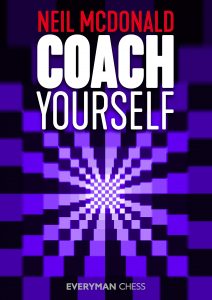
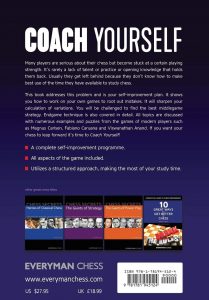
Coach Yourself : A Complete Guide to Self Improvement at Chess
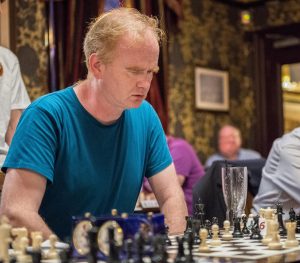
Neil McDonald is an English GM, an active player, a FIDE Trainer and a coach to the England junior teams. Neil has authored thirty-seven books for The Chess Press, Batsford and, most recently, Everyman Chess. One of his most recent works, The King’s Indian Attack : Move by Move, impressed considerably.
GM Neil McDonald
“Coach Yourself” is a new direction for the author whose previous titles have concentrated on specific openings and generic middlegame themes.
The Introduction reveals the book’s USP (Unique Selling Point) of enabling the reader to become their own personal coach in a wide range of sub-disciplines of the game. You might think “All chess books attempt to teach at least one aspect in detail surely?” So, does “Coach Yourself” achieve its ambitious aim ?
The author sets outs his course curriculum in thirteen precisely worded chapters as follows :
Immunizing Yourself Against Blunders
Training Your Tactical Imagination
Teaching Yourself to Calculate
Judging the Right Moment to Use a Combination
Supercharging Your Feel for the Initiative
Know Yourself : Diagnosing Positional Mistakes
Learn How to Shut a Piece out of the Game
Getting Full Value from Your King
Wearing Down the Opponent’s Pawn Structure
Practice Planning on a Grand Scale
Mastering Pawn Breakthroughs in Endgames
Understanding the Essentials of the Endgame
Making Good Opening Choices
Of these, probably half of them at least could almost be titles for books in their own right. “Teaching Yourself to Calculate” probably could turn into a 300 page book without any problem : indeed, such titles do exist. Similarly “Making Good Opening Choices” must have appeared in chess publishing history at some point. The order in which the chapters are presented is, in itself, quite logical and correctly emphasizes perhaps the weight that students should attach to each section. For example, the subjects of these chapters do attempt to correct the balance of study away from openings and towards the more challenging and time consuming middlegame.
This review would be really rather unwieldy if we attempted to work through each chapter so we will select a couple of chapters to measure their coverage and style.
The author kicks-off logically with “Immunizing Yourself Against Blunders” suggesting that blunders tend to disappear once a serious study is started. Most of the instruction is centered around the study of example games in which common types of blunder occur. The student is invited to get into the habit of playing though the entire or part of eleven games on a board and learn the common patterns and themes that lead to oversights and blunders.
Here is an extract of an example :
Above All, Look After Your Queen!
VI. Fedoseev-A.Ledger
European Cup, Porto Carras 2018
Here 12…Qxg2? would allow the queen to be trapped by 13.Bf3, so the best move might be 12…Qc2, forcing the exchange of queens, after which White would only have a small edge due to his space advantage. Instead, Black played the natural developing move 12…Be7?, when 13.Rc1! closed off the c2-square and left his queen suddenly trapped. The threat is 14.Nd2 Qxg2 15.Bf3, and 13…Bh7 14.Nd2 Qf5 15.g4! also does the business for White (what an ignominy for a queen to be trapped by a peasant!).
In the game Black good find nothing better than giving up the knight for two pawns with 13…Nxe5 14.dxe5 Qxe5. Fedoseev was remorseless in pressing home his advantage (one of the signs of a top player is that they don’t relax once they have gained material): 15.Qd4 Qxd4 16.cxd4 Bb4+ 17.Bd2 Bd6 18.g4 Bh7 19.Rh3 Kd7 20.Na5 Rab8 21.Rb3 Kc7
Question : Can you see the most precise finish for White?
The game concluded 22.Ba6! bxa6 23.Rxc6+ Kd7 24.Rxd6! 1-0, since 24…Kxd6 25.Bf4+ (skewering the black king against the b8-rook – there’s more on this theme in Chapter Two) 25..Kd7 26.Bxb8 is too much for Black to bear.
Fedoseev’s 22nd move, laying the foundations for the combination which followed, was inspired. Don’t worry if you didn’t see it. The purpose of the next chapter is to introduce you to various tactical themes so that you can start planning your own combinations.
So the 11 examples set one up for the more challenging content to follow.
Some chapter titles particularly intrigued us : “Getting Full Value from your King” was one example plus “Learn How to Shut a Piece Out of the Game”. For each and every chapter there is a consistent method of presenting the content : Many instructional examples each containing questions that the student is challenged to answer. Some are straightforward and many are tough. They will get you thinking in every case.
All the material is presented in a friendly style almost as if you are engaged in a coaching session with the author himself and he is asking the questions and you are answering (hopefully!). The examples span games from the last hundred years including losses by the author that presumably made their mark. One of the best aspects of this book is each chapter is more or less self contained and does not depend on previous ones or what comes afterwards. Just picking out the endgame chapters only would be highly beneficial (for example) and then pick out chapters from the rest when you have the time.
We particularly enjoyed the “Getting Full Value From Your King” and “Supercharging Your Feel for the Initiative” chapters as being novel. You will, no doubt, have your own favourites.
As with every recent Everyman Chess publication high quality paper is used and the printing is clear. Each diagram is clear as is the instructional text. Figurine algebraic notation is used throughout and the diagrams are placed adjacent to the relevant text.
A couple of small gripes with the production are : the diagrams do not have a “to move” indicator. secondly, some Everyman books (but not this one) have an extra folding part to the front and rear covers. These we find protect the book from damage and also can be used as an emergency book mark !
So, does the content bear out the title? The material includes novel and challenging content covered from new angles. However, the answer to this difficult question lies with the student and to their level of motivation. Neil has given the student much hard to obtain advice combined with a Q&A format that allow the student to measure their improvement in understanding.
There is no doubt that this book presents perhaps 100 hours of instruction and opportunities to improve: sadly, we have not had 100 hours available to spend on this review!
However, we very much enjoyed this book and if you are not afraid of the challenge then you will too!
Cartsen Hansen is a Danish FIDE Master, FIDE Trainer and author of twenty-eight chess books on all phases of the game. He is a columnist for American Chess Magazine and Shakbladet.
FM Carsten Hansen
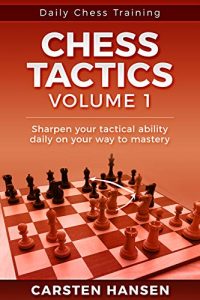
Chess Tactics is a volume in the series Daily Chess Training the content for which is largely drawn from the authors spaces on various social media platforms such as Facebook, Twitter and Instagram.
The book is self-published and our copy was printed by Amazon Fulfillment which we believe is a low cost method to get books printed with lower volume print runs than you might associate with a so-called main stream publisher. Being a paperback that is fairly thick compared with its other dimensions, it means weights are required to keep the book open hands-free style, unless you want to break the spine. Maybe no other review will mention this but the convenience of reading the book makes a difference for us. It should be noted that a Kindle version is also marketed for those who prefer an eBook format. The printing is fairly clear on off-white paper. What stood out to us immediately was the murkiness / clarity of the diagrams. To be fair to the author we did report this and he has taken this up with his printers.
The main content is divided into seven chapters which have the same rough format of sixteen sets of exercises with four exercises (on average) per set.
For each individual exercise there is a diagram of the starting position, a rating in the forms of asterisk symbols from 1 – 5 where * is straightforward (but not trivial) and ***** means “industrial strength” difficulty. Under the rating is an indicator of who is to move and finally a hint such as
hint : Surprising Consequences to a simple plan.
It is possible to cover up the hint with something handy such as a beer mat (!) should you chose to avoid it.
Following each group of say four exercises there is a solution which usually includes in-depth analysis plus details of the provenance of the game itself.
We could be wrong but every one of the 404 exercises appears to be from 2018 tournament, league or match practice. The author deserves to be congratulated for this aspect alone and this means is it not likely you will have remembered any of the exercises from elsewhere : respect ! Of course, 2018 was an olympiad year which must have helped enormously especially in terms of large disparity in playing strength of the two players.
The overall ethos of the chosen exercises appears to be tactics / combinations that occur in typical games played by mortals leading to winning or large edge positions. In other words they are very pragmatic choices of “meat & potatoes” strong moves rather than jaw-dropping moves that feature in tactics books time and time again.
The author makes it clear that he values feedback and he provides various ways to make contact via his email address and various social media locations. We received an answer to a query within the same day.
Let us examine some examples :
Set 49
Exercises to Set 49
49.1)
**
White to move
Hint : Making room for the right strike
and the solution is :
13.d5!
This clever move takes aim at a surprising piece. 13…Bxd5 14.Nxd6+!
Of course, not 14.Qxd5?? Bb4+. 14…Qxd6 15. Qe3+!
Yes, It is the rook on a7 that’s the target !
15…Kd7 16.Qxa7
Black could have resigned here but dragged the game on to move 20 against her much lower rated opponent.
16…Nc6 17.Qe3 Re8 18.Qd2 Bxf3 19.gxf3 Nd4 20.Qxd4 1-0
A.Avramidhou (2260) – V. Gunina (2528)
Chess Olympiad (women) (Batumi) 2018
and here is a one star problem :
10.3)
*
White to move
Hint : Exploit the many weaknesses in Black’s camp.
and he solution is
16.Bxe6! Nd5
Or 16…fx6 17.Qxe6+ Qe7 18. Qxc6+ Kf7 19.Ne5+ 17.Be5 Also 17.Ne5 wins. After 17.Be5 fxe6 18.Bxg7 Rh7 19.Qxe6+ Ne7 20.Qf6, Black is toast. 1-0 C. Bauer(2644) – M. Apicella (2501) Cannes (rapid) 2018.
and, finally an “industrial strength” exercise :
76.2)
*****
White to move
Hint : Pursuing your dreams often comes at the cost of squashing somebody else’s aspirations
and the solution is :
28.d5!
This threatens Bxg7 followed by Qe7+ and game over for Black. 28…Nc3 29.Ba2!!
Without this move White has nothing – did you see it? 29…Qxa2 30.Bxc3 e5
Or 30…Bxc3 31.Qh7+ Kf8 32. Qxb7 and White is winning. 31.Bxe5 Bxe5 32.Qh7+ Kf8 33.Nxe5 White is, of course, completely winning. 33…Bxd5+ 34.Kg1 Bf7 35.Qh8+ Ke7 36.Nc6+ 1-0
M. Parligras(2645) – S.Grigoriants (2543) Hungarian Team Ch. 2018.
There follows an Index of Players and two of these players (Stamy and Sindarov) have five games referenced each. The bulk of the players are not therefore super elite players but mortals.
In summary, this selection of 404 graded exercises covers all of the most common tactical themes plus some rarely encountered ones from modern practice. The commentary for each exercise is detailed enough. The exercises are not grouped according to any particular theme so you are not “expecting something” : you actually have to work it out from scratch in keeping with a real game.
We’d like to see clear diagrams but maybe our reviewer needs to visit Specsavers ! Overall this is good book, packed with original material delivered with a unique style. It will improve your chess ! We look forward to Volume 2….
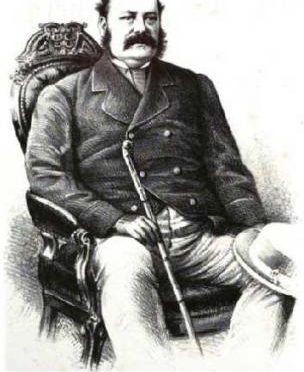
“One of the strongest English players during the 1850s, He made little impression in his one and only tournament, London 1862, but is remembered for having scored more wins than anyone else in friendly play against Morphy in 1858. He reduced his corpulence by 130 pounds in ten months and as a result died. ”
He is perhaps most well know for having a reasonable score against Paul Morphy of -19 +8 which was a lot better than most !
According to chessgames.com :
“Thomas Wilson Barnes was one of the strongest English players in the 1850s. His only tournament appearance was in London 1862 but he did not do himself justice. He’s best remembered for having more wins against Paul Morphy in friendly play than anyone else. Being overweight he decided to reduce his size, but the loss of 130 pounds in 10 months was more than his system could handle and resulted in his death in 1874.”
The Barnes Opening, was played by T. W. Barnes. This opening move has no particular merit but he liked to avoid book lines, to which end he
sometimes answered 1 e4 by 1…f6.
He died at 68, Cambridge Street, Pimlico.
His death was registered in the St George, Hanover Square district.
He was buried on August 25th, 1874 in Brompton Cemetery (plot number 76449). According to the burial records he had a “Private Grave” the plot of which had coordinates of 113.3 x 18.3 relative to the NE corner of the cemetery. Also “no extra depth” was required meaning his depth was 5ft whereas some are at 17 foot down with others above.
“One of the strongest English players during the 1850s, He made little impression in his one and only tournament, London 1862, but is remembered for having scored more wins than anyone else in friendly play against Morphy in 1858. He reduced his corpulence by 130 pounds in ten months and as a result died. ”
He is perhaps most well know for having a reasonable score against Paul Morphy of -19 +8 which was a lot better than most !
According to chessgames.com :
“Thomas Wilson Barnes was one of the strongest English players in the 1850s. His only tournament appearance was in London 1862 but he did not do himself justice. He’s best remembered for having more wins against Paul Morphy in friendly play than anyone else. Being overweight he decided to reduce his size, but the loss of 130 pounds in 10 months was more than his system could handle and resulted in his death in 1874.”
The Barnes Opening, was played by T. W. Barnes. This opening move has no particular merit but he liked to avoid book lines, to which end he
sometimes answered 1 e4 by 1…f6.
He died at 68, Cambridge Street, Pimlico.
His death was registered in the St George, Hanover Square district.
He was buried on August 25th, 1874 in Brompton Cemetery (plot number 76449). According to the burial records he had a “Private Grave” the plot of which had coordinates of 113.3 x 18.3 relative to the NE corner of the cemetery. Also “no extra depth” was required meaning his depth was 5ft whereas some are at 17 foot down with others above.
“One of the strongest English players during the 1850s, He made little impression in his one and only tournament, London 1862, but is remembered for having scored more wins than anyone else in friendly play against Morphy in 1858. He reduced his corpulence by 130 pounds in ten months and as a result died. ”
He is perhaps most well know for having a reasonable score against Paul Morphy of -19 +8 which was a lot better than most !
According to chessgames.com :
“Thomas Wilson Barnes was one of the strongest English players in the 1850s. His only tournament appearance was in London 1862 but he did not do himself justice. He’s best remembered for having more wins against Paul Morphy in friendly play than anyone else. Being overweight he decided to reduce his size, but the loss of 130 pounds in 10 months was more than his system could handle and resulted in his death in 1874.”
The Barnes Opening, was played by T. W. Barnes. This opening move has no particular merit but he liked to avoid book lines, to which end he
sometimes answered 1 e4 by 1…f6.
He died at 68, Cambridge Street, Pimlico.
His death was registered in the St George, Hanover Square district.
He was buried on August 25th, 1874 in Brompton Cemetery (plot number 76449). According to the burial records he had a “Private Grave” the plot of which had coordinates of 113.3 x 18.3 relative to the NE corner of the cemetery. Also “no extra depth” was required meaning his depth was 5ft whereas some are at 17 foot down with others above.
“One of the strongest English players during the 1850s, He made little impression in his one and only tournament, London 1862, but is remembered for having scored more wins than anyone else in friendly play against Morphy in 1858. He reduced his corpulence by 130 pounds in ten months and as a result died. ”
He is perhaps most well know for having a reasonable score against Paul Morphy of -19 +8 which was a lot better than most !
According to chessgames.com :
“Thomas Wilson Barnes was one of the strongest English players in the 1850s. His only tournament appearance was in London 1862 but he did not do himself justice. He’s best remembered for having more wins against Paul Morphy in friendly play than anyone else. Being overweight he decided to reduce his size, but the loss of 130 pounds in 10 months was more than his system could handle and resulted in his death in 1874.”
The Barnes Opening, was played by T. W. Barnes. This opening move has no particular merit but he liked to avoid book lines, to which end he
sometimes answered 1 e4 by 1…f6.
He died at 68, Cambridge Street, Pimlico.
His death was registered in the St George, Hanover Square district.
He was buried on August 25th, 1874 in Brompton Cemetery (plot number 76449). According to the burial records he had a “Private Grave” the plot of which had coordinates of 113.3 x 18.3 relative to the NE corner of the cemetery. Also “no extra depth” was required meaning his depth was 5ft whereas some are at 17 foot down with others above.
Save as PDF
We focus on the British Chess Scene Past & Present!
This website uses cookies to improve your experience. We'll assume you're ok with this, but you can opt-out if you wish. Cookie settingsACCEPT
Privacy & Cookies Policy
Privacy Overview
This website uses cookies to improve your experience while you navigate through the website. Out of these cookies, the cookies that are categorized as necessary are stored on your browser as they are as essential for the working of basic functionalities of the website. We also use third-party cookies that help us analyze and understand how you use this website. These cookies will be stored in your browser only with your consent. You also have the option to opt-out of these cookies. But opting out of some of these cookies may have an effect on your browsing experience.
Necessary cookies are absolutely essential for the website to function properly. This category only includes cookies that ensures basic functionalities and security features of the website. These cookies do not store any personal information.
 Save as PDF