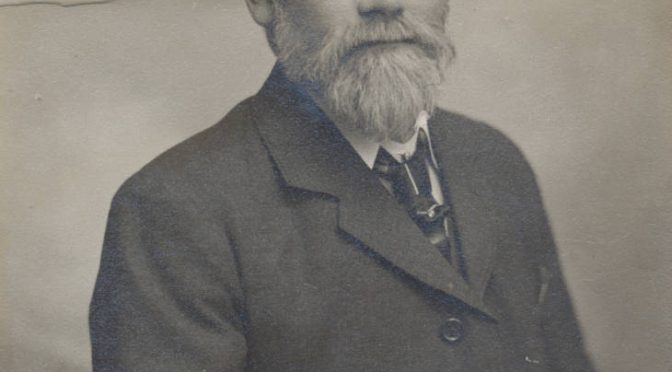
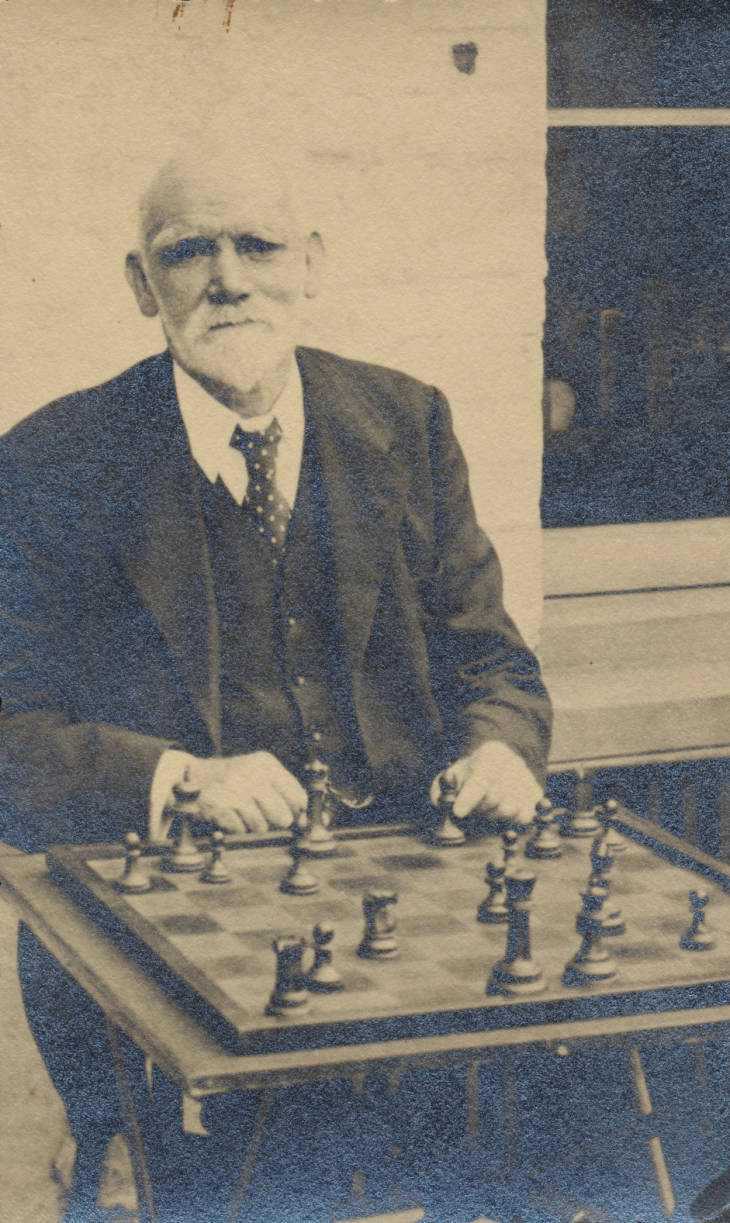
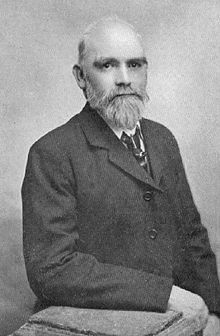
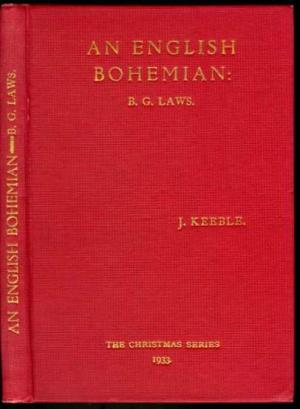
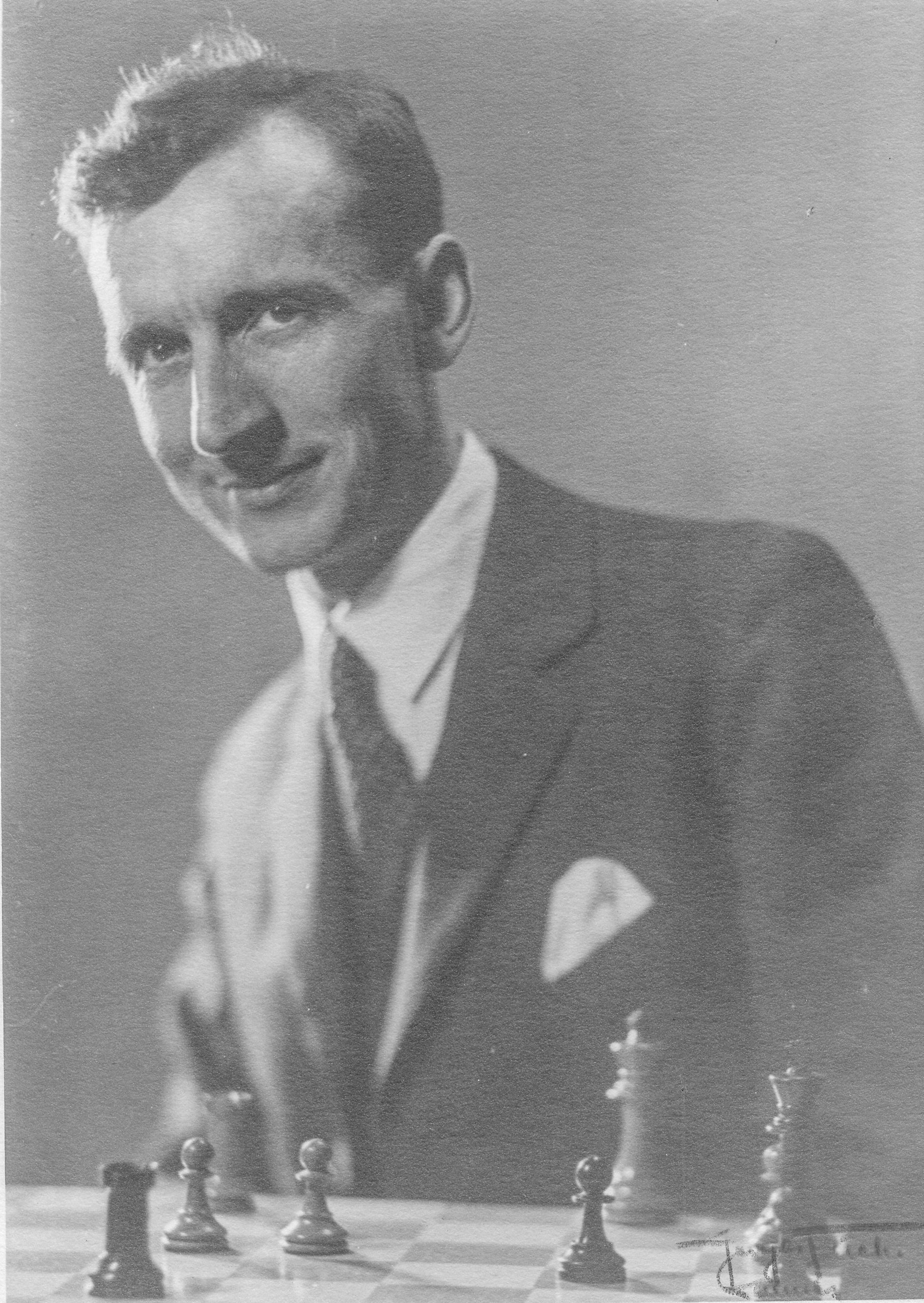
We remember John Frederick Keeble who passed away on February 19th 1939
From The Oxford Companion to Chess by Hooper & Whyld :
Problemist and chronicler who lived in Norwich all his life. He edited the chess column of the Norwich Mercury from 1902 lo 1912, contributed many significant articles elsewhere, investigated a number of chess questions, and established the burial place of several great players and arranged the tending of their graves. He lived at only two addresses for 73 years, worked for the railway company for 53 years, and was a member of the Norfolk and Norwich chess dub for 61 consecutive years. Winner of the club championship in 1884, he did not compete again until 1933 and then won it three years in succession.
Raymond Dennis Keene was born on Thursday, January 29th 1948 in Wandsworth, London to Dennis Arthur and Doris Anita Keene (née Leat). Dennis and Doris were married in 1943 in Camberwell. Doris was born on May 27th, 1921 in Lambeth and was a shorthand and invoice typist.
Dennis and Doris also had a daughter Jackie Keene who later married chess historian, RG Eales. Jackie is Emeritus Professor at The University of Kent in the Faculty of Arts and Humanities. Jackie played in the Glorney Cup.
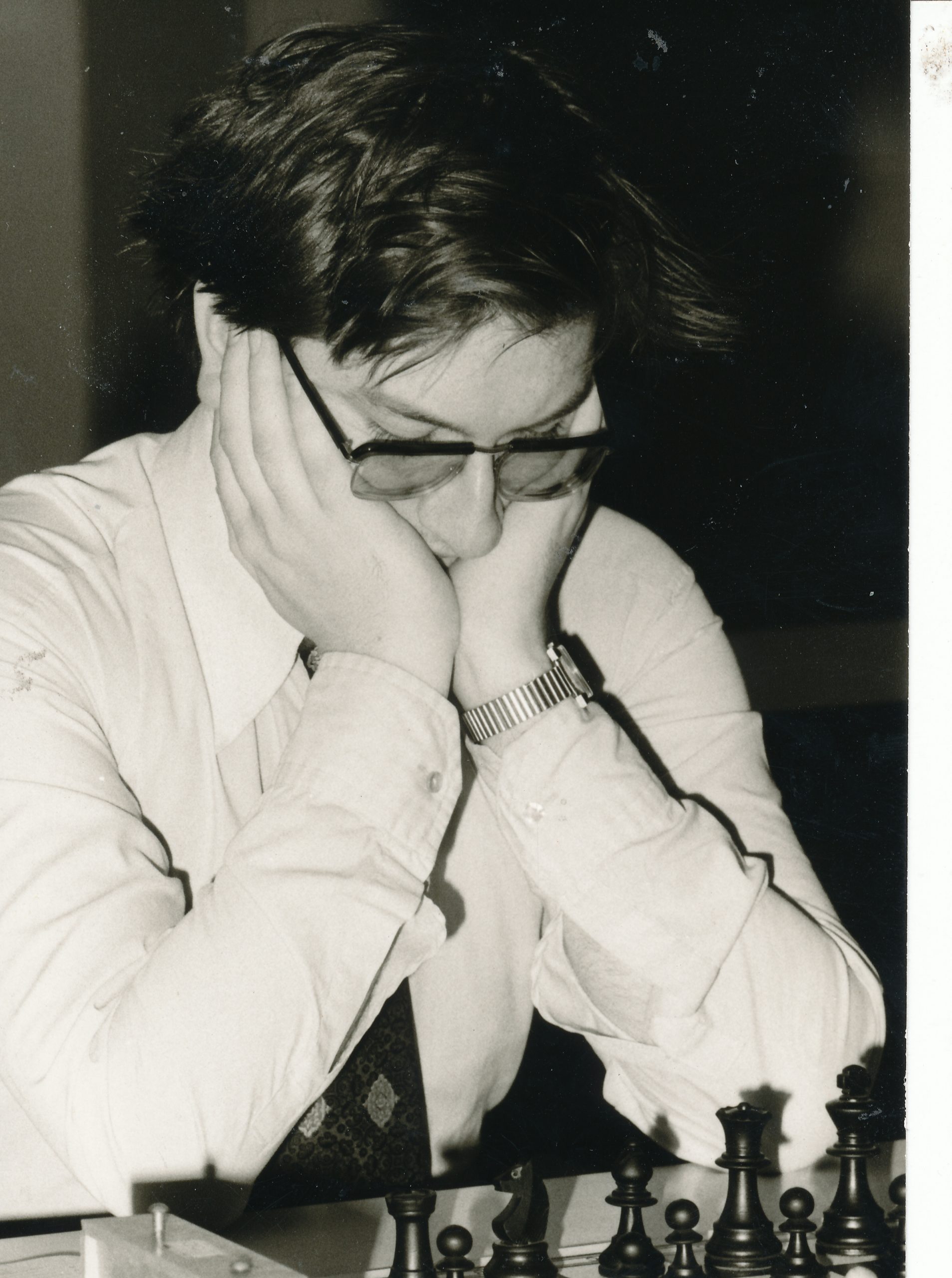
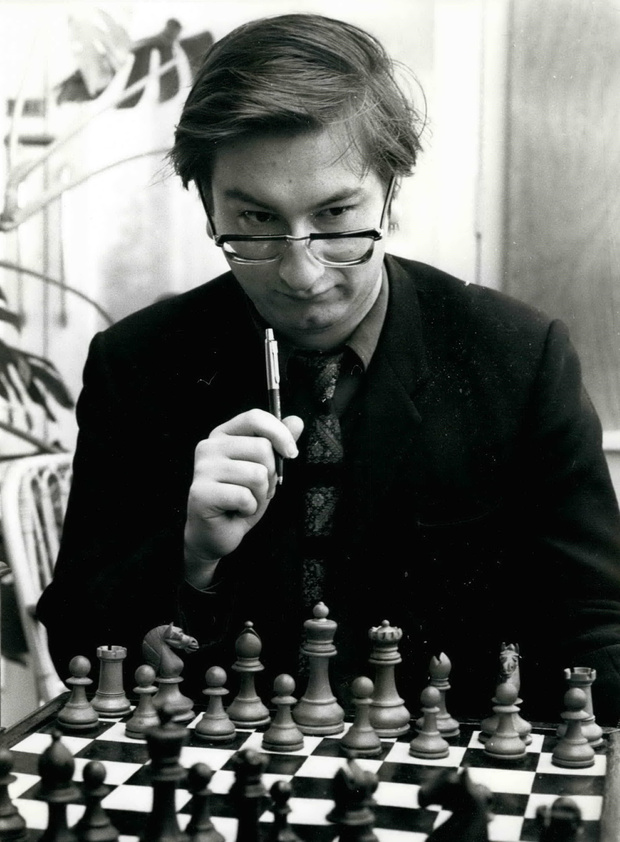
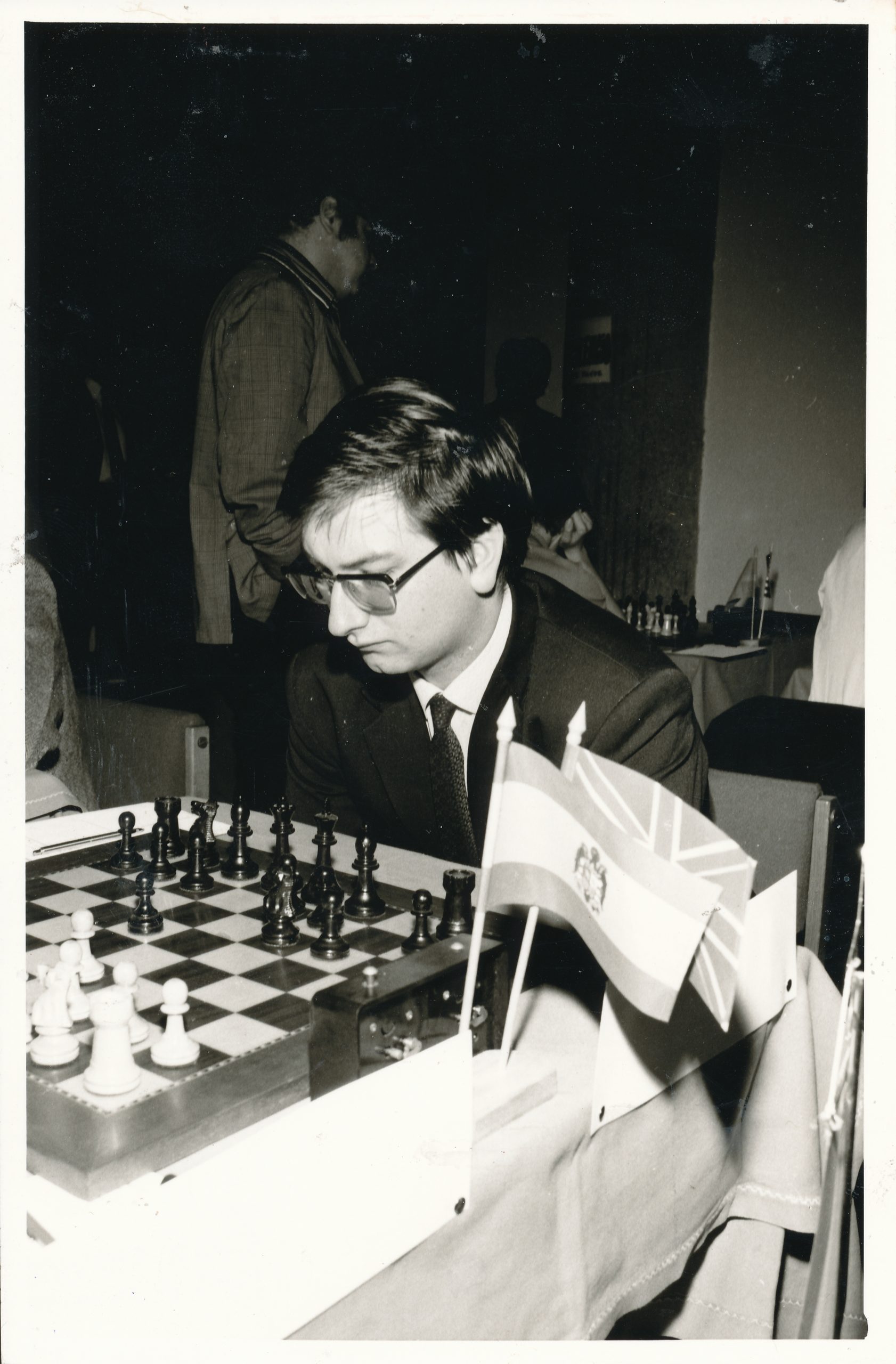
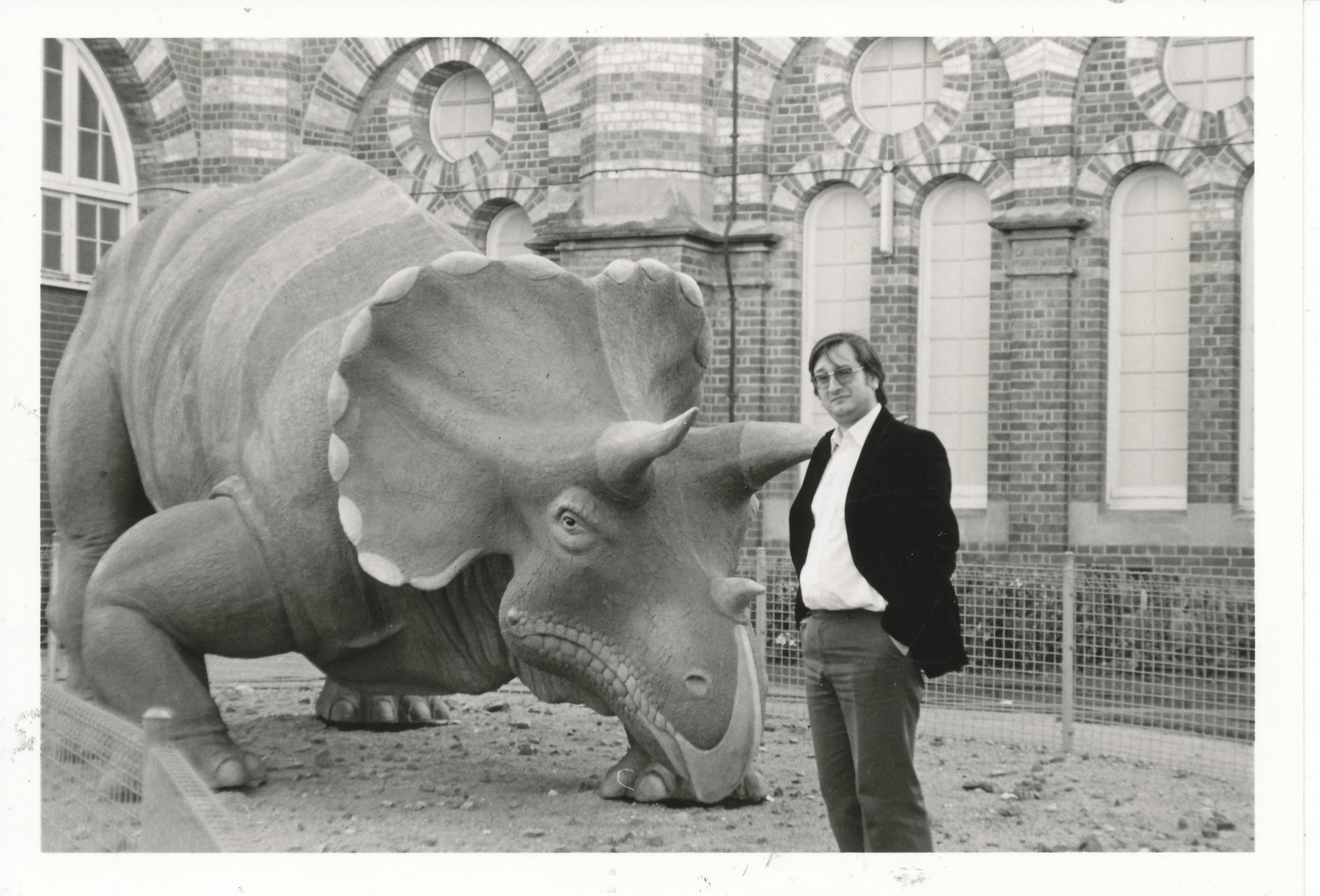
Raymond Keene
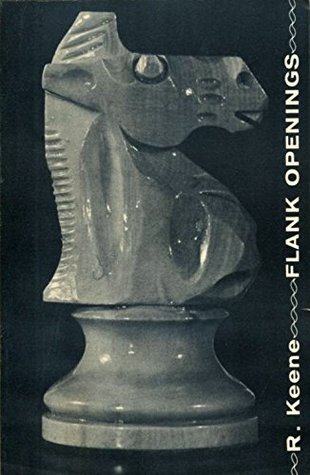
Ray was educated at Dulwich College between 1959 and 1966 thereby becoming an Old Alleynian. In 1967 Ray went up to Trinity College, Cambridge to study Modern Languages specialising in German and graduating with an MA. Amongst their Alumni are five spies including Blunt, Burgess and Philby. During the gap between Dulwich College and Cambridge Ray (aged 18) wrote his first (and one of his best) book : Flank Openings :
Flank Openings, Raymond Keene, British Chess Magazine, 1967.
Being published at the age of 19 this must be close to the earliest age an English player has had a chess book published that was not ghost written. (Leave a comment if you know differently!)
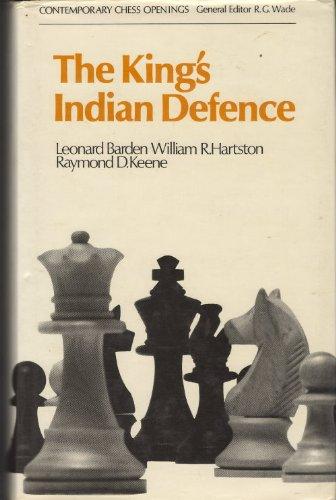
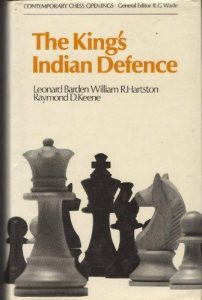
Following this legendary tome Ray collaborated with Leonard Barden and Bill Hartston on The King’s Indian Defence from BT Batsford Ltd:
The King’s Indian Defence, Barden, Keene and Hartston, BT Batsford, 1969.
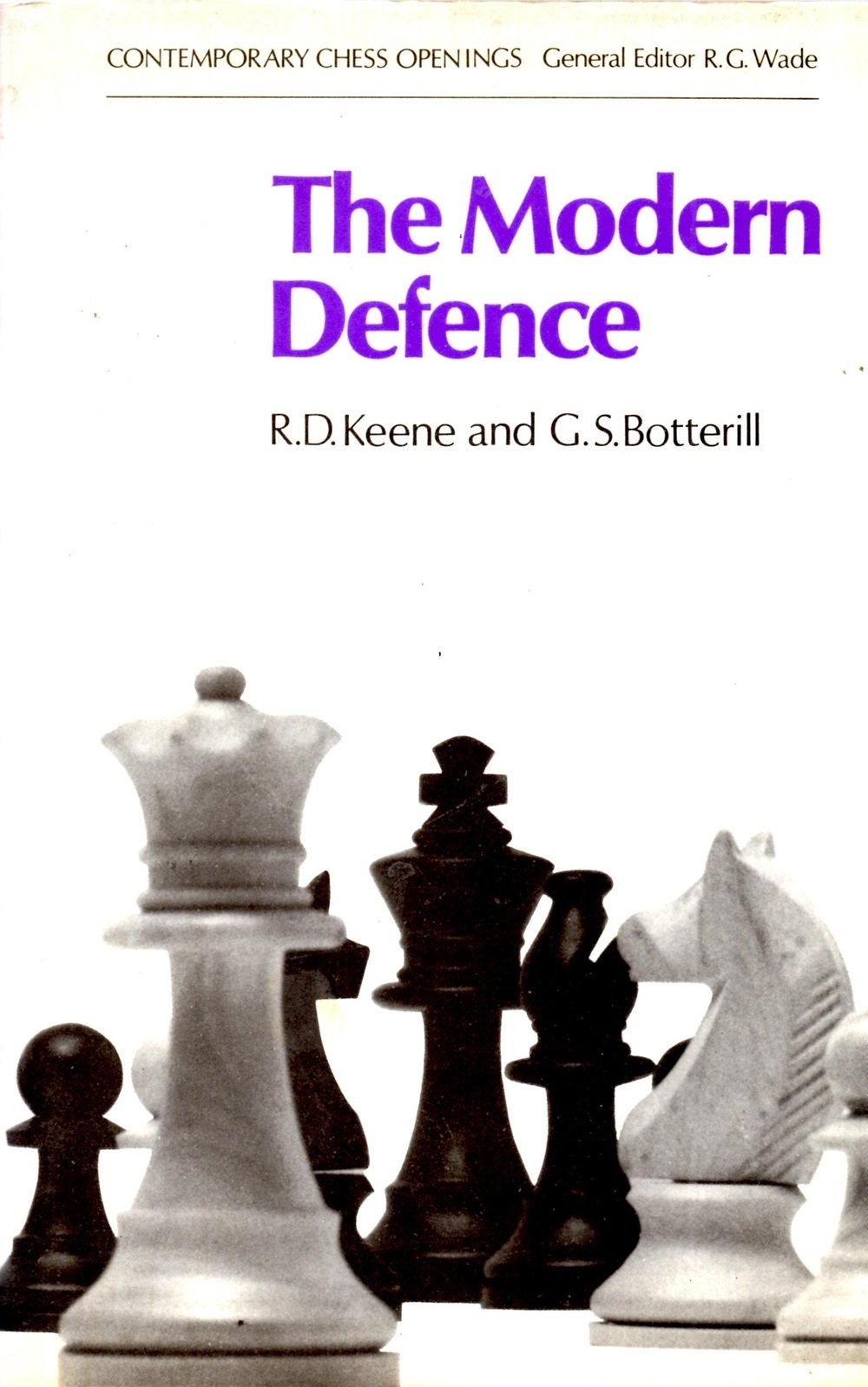
and in 1972 we have
The Modern Defence, BT Batsford, 1972, GS Botterill and RD Keene
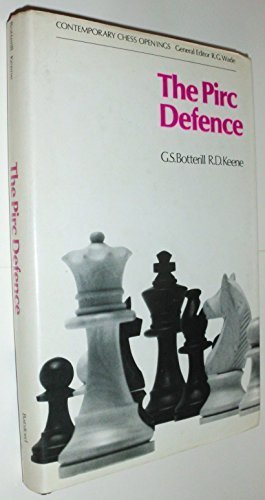
followed in 1973 by
The Pirc Defence, BT Batsford, 1973, GS Botterill and RD Keene
All of which were favourably received helping Batsford to establish a strong reputation.
In July 1974 Ray married ex-ballerina (and now Dance Teacher) Annette Sara Goodman in Brighton, East Sussex. Annette became a director of World Memory Championships International Limited on January 17th 2008 and resigned on April 9th 2008. They have one son, Alexander Phillip Simon Keene, born in 1991. Godfather to Alexander is Scottish International, IM David Levy.
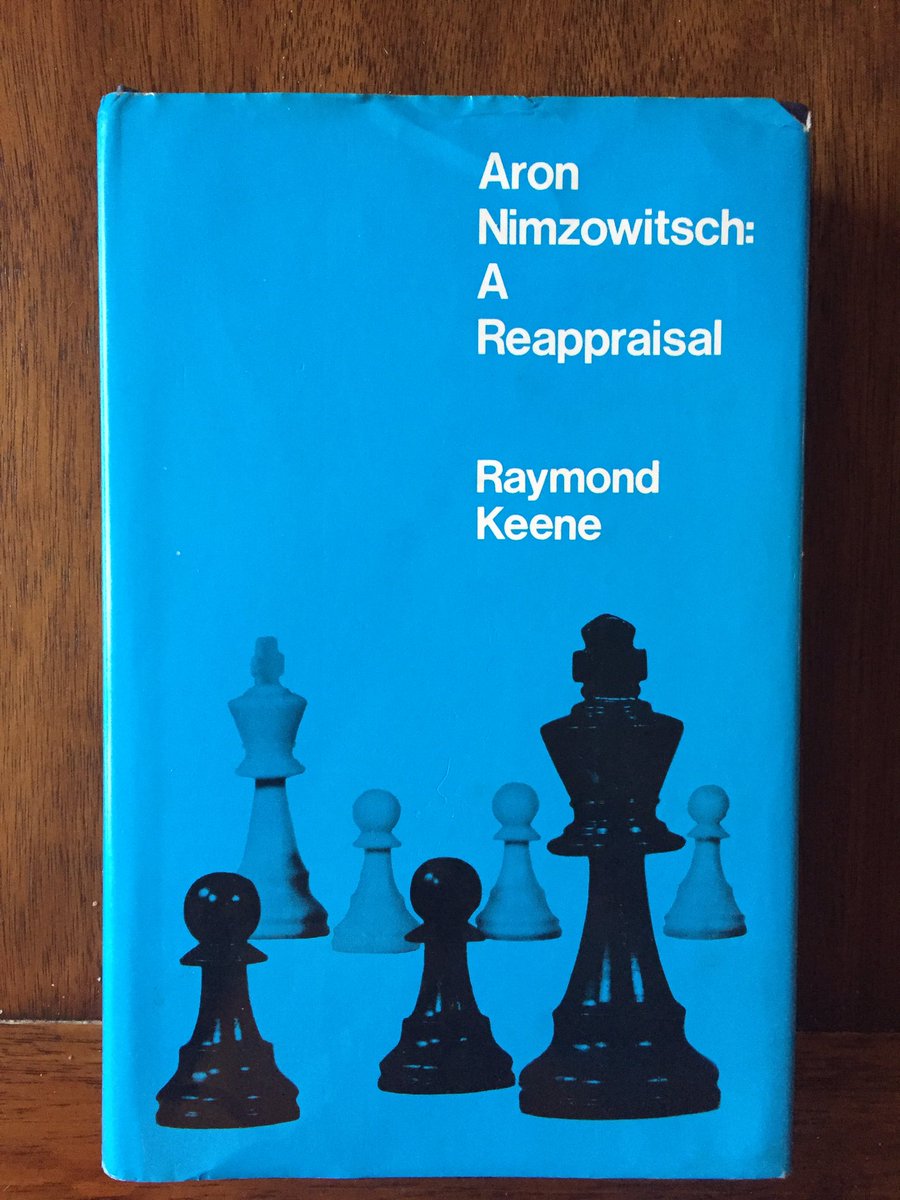
Also in 1974 George Bell & Sons published Ray’s most acclaimed work (and arguably his best) : Aron Nimzowitsch: A Reappraisal
Aron Nimzowitsch: A Reappraisal, RD Keene, George Bell & Sons, 1974
Alexander is currently the Company Secretary of the aforementioned company, Julian (a retired teacher from Brighton) is another active director.
In 1985 Ray became the sixth British chess player to be awarded the OBE when it was awarded in the Queen’s Birthday Honours List. The citation read “For Services to Chess”.
According to Companies House Ray has held a total of 30 directorships in various companies such as :
Brain Plan 2020
World Mind Mapping Championships
World Speed Reading Championships
Buzan International Technology
Buzan World
The World is My Oyster
World Memory Championships
Intelligent Resources and Services
Outside in Pathways
UK Primary Schools Memory Championships
UK Schools Memory Championships
The School Memory Championships
The Schools Memory Championship
Mental Literacy for All
Festival of the Mind
Festival of the Mind International
The Brain Trust
Impala (London)
Tony Buzan International
World Memory Championships International
World Peace and Prosperity Foundation
Zeticula
Mind Masters Management
Intellectual Leisure
Brain Sports Olympiad
Mind Sports Promotions
(Our particular favourite has to be the unpretentiously entitled “World Peace and Prosperity Foundation” although “The World is My Oyster” runs it a close second.)
Ray, Annette and Julian Simpole currently live in Clapham Common North Side, London, England.
English player and author, British champion 1971, From 1966 he played in several Olympiads and his performance in two of them, Nice 1974 ( + 7=6-2) and Haifa 1976 (+4=6), gained him the title of International Grandmaster (1976). His best tournament win was at Dortmund 1980 (category 8), He studied the games and teaching of Staunton and Nimzowitsch and revealed with unusual insight the strategy of the former and the stratagems of the latter in two books: Staunton : the English World Champion (1975) and Nimzowitsch: a Reappraisal (1974). He also wrote Flank Openings (3rd edn, 1979); these openings are the ones which he prefers to play, which he knows best, and which suit his solid positional style.
International Master (1972), British Champion in 1971 and a regular member of the British team since 1966 playing on top board on a number of occasions.
Ray Keene
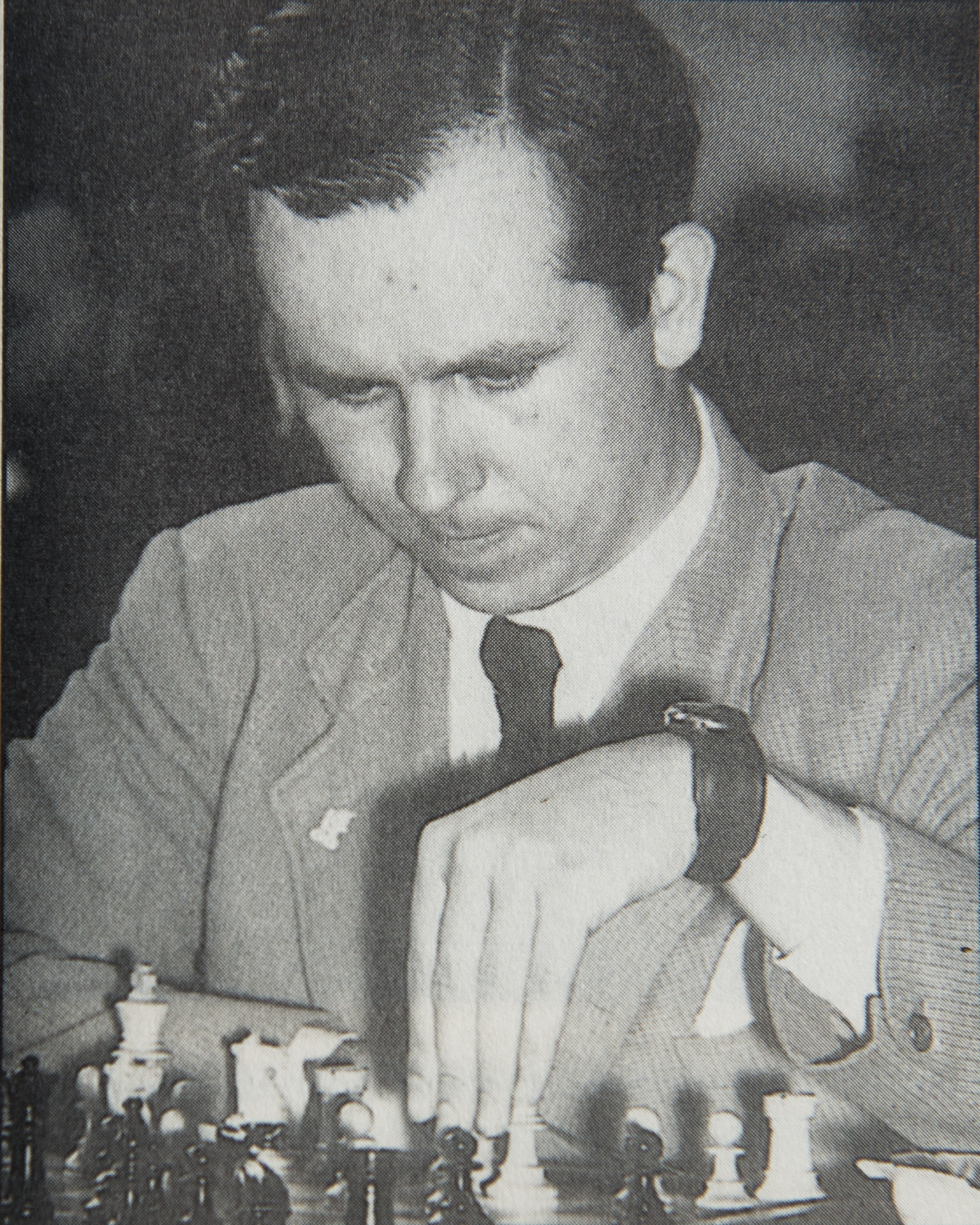
Raymond Keene was born on 29th January 1948 in London and learned to play chess at the age of six. He began to play seriously when he was thirteen. While at Dulwich College from 1959 -1966 he played top bard for the school team which won the Sunday Times National Schools’ Chess Tournament in 1965 and 1966.
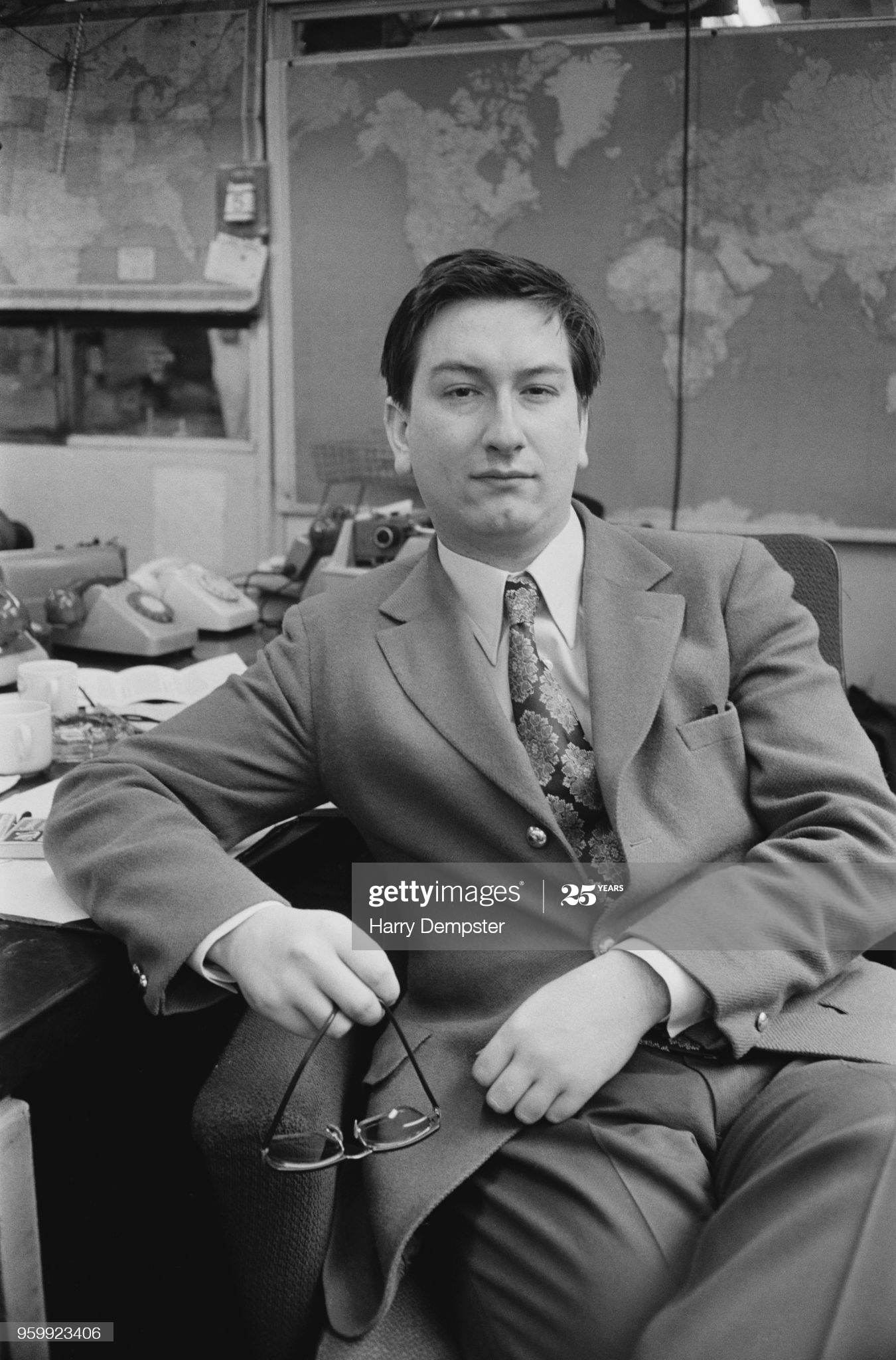
English chess player Raymond Keene, winner of the 1971 British Chess Championship, posed in London on 6th June 1972. Raymond Keene has been awarded the chess title International Master. (Photo by Harry Dempster/Daily Express/Hulton Archive/Getty Images)
In 1964, he won the London and British Boys’ Under 18 Championship (ed : In fact, the title was shared with Brian Denman) and the following year, at the age of seventeen, he became the youngest player to win the Surrey Championship. While at Cambridge he graduated in German Literature (B.A. Honours), he played top board for the university.
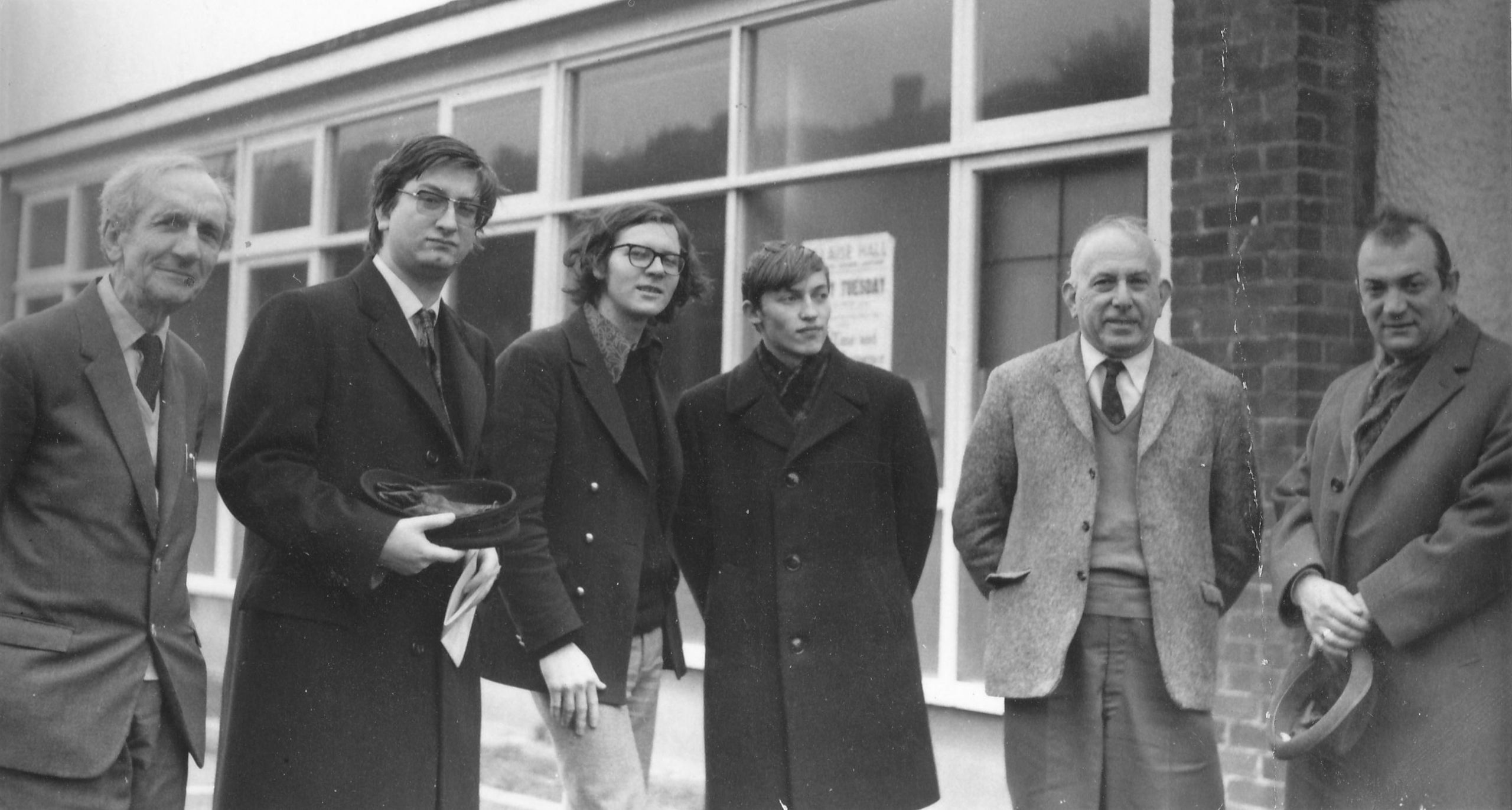
Brian Reilly, Ray Keene, George Botterill, Anatoly Karpov, Harry Golombek and Viktor Korchnoi
During his chess career, he has beaten both Botvinnik and Gligoric, In 1967, he came 2nd in the World Junior Championship and in 1968 he won the prize for the best score on board 4 in the Lugano Olympiad.
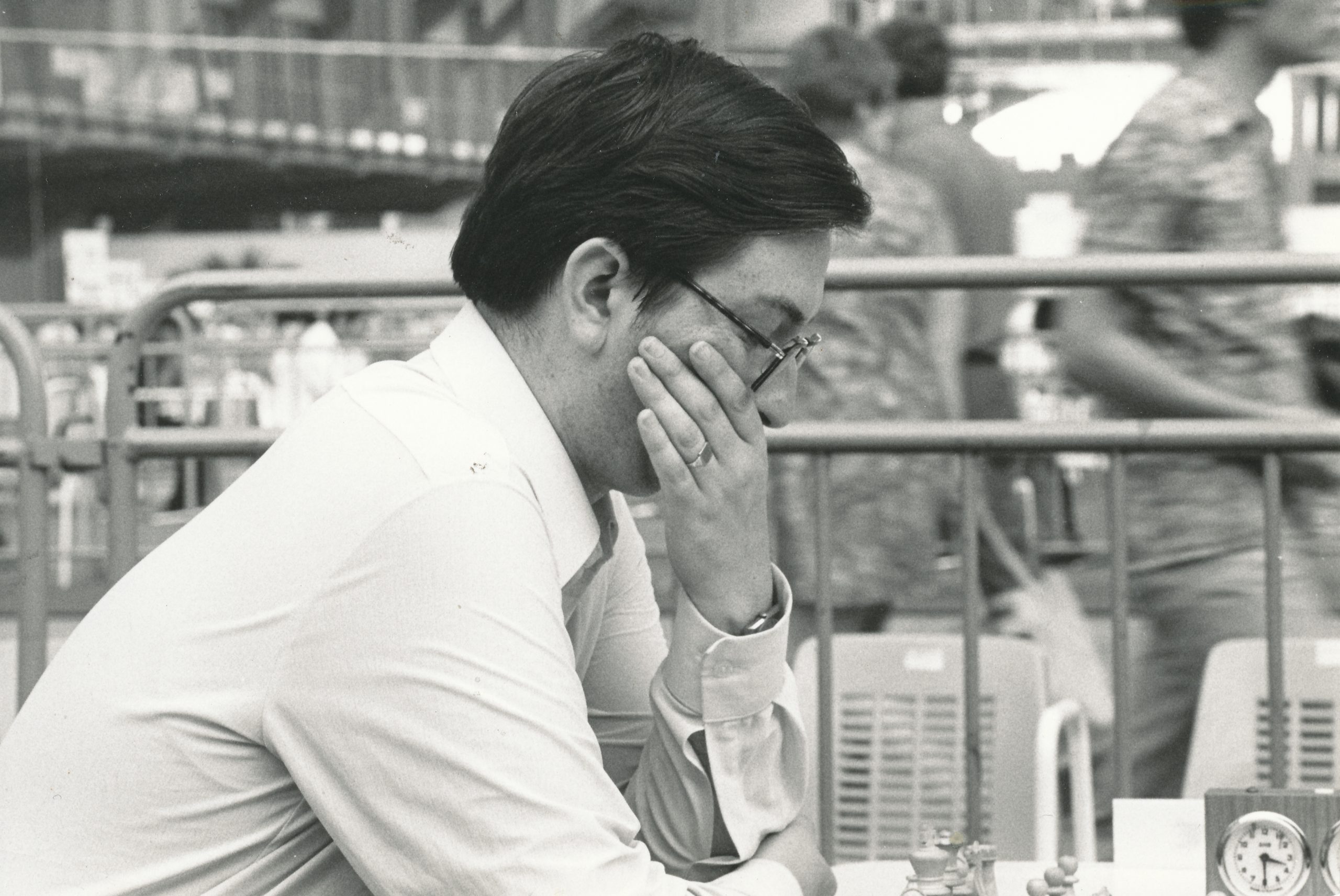
Raymond Keene
A difficult player to beat, Keene played in four British Championships without losing a game and also went through the Lugano and Siegen Olympiads unbeaten in 33 games.
At Oxford in 1973, Keene set up what he believes is an English speed record for simultaneous chess, scoring 100 wins, 5 draws and 1 loss in 4.5 hours.
“British Grandmaster, British Champion 1971, Keene was born in London and was both London Boy Champion and British Junior Champion in 1964 (ed : In fact, the title was shared with Brian Denman).
Educated at Dulwich College and Trinity College, Cambridge, he soon became recognised, along with Hartston, as one of the two leading younger players in England. His style of play was different from that of his rival, being more complicated and less direct; but, like Hartston, he became a most formidable opening theorist with a vast knowledge of opening theory.
His first Olympiad was at Havana 1966 where he was the youngest member of the side and scored 65% on board six. In 1968 at Lugano he obtained 76.5% on board four and in 1970 at Siegen, playing on board two in the preliminaries and board one in the finals he score 68.8%.
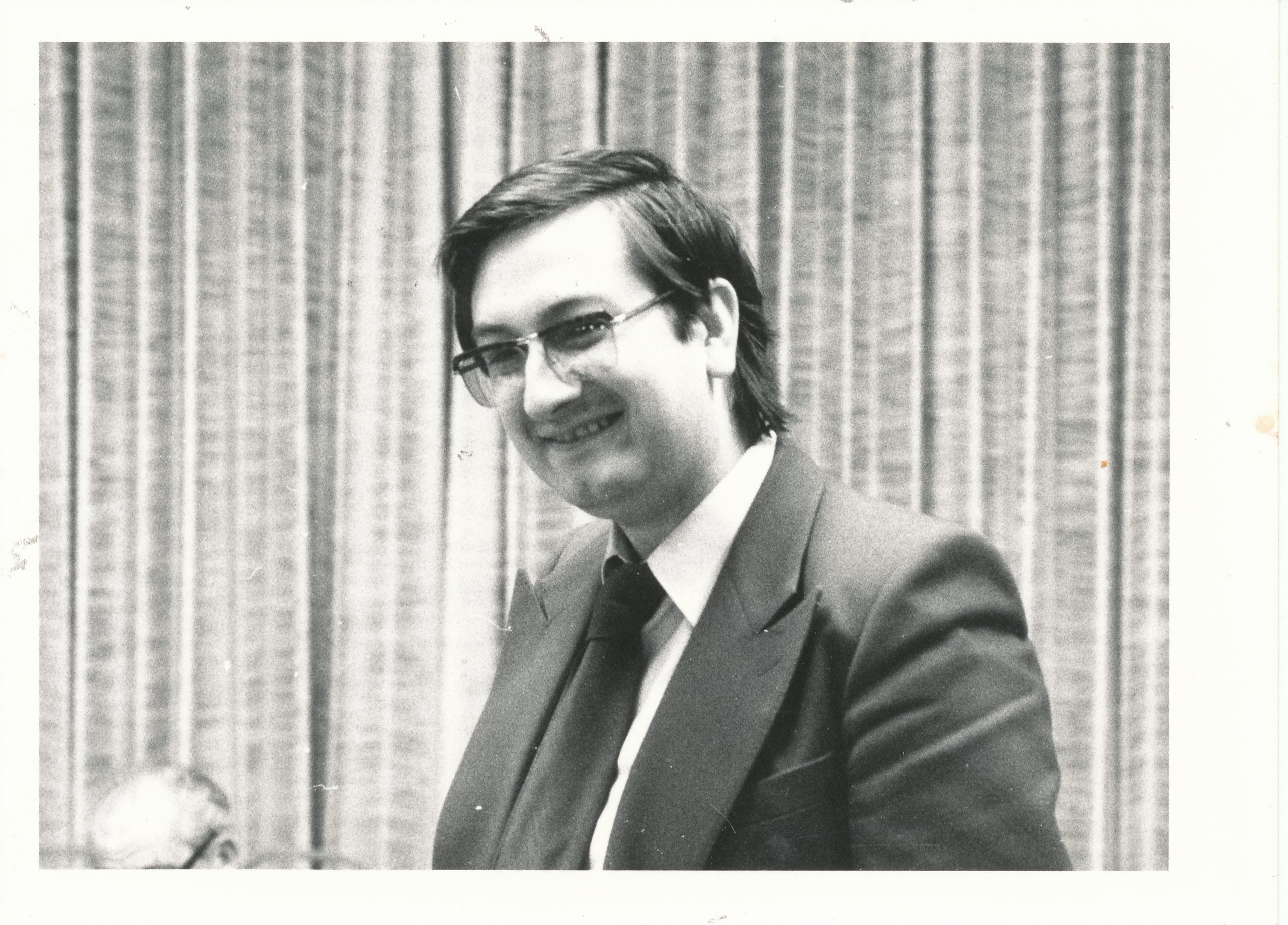
Raymond Keene
The year 1971 saw a double achievement, for in that year he won the British Championship at Blackpool and also secured the title of International Master.
Playing on top board in the 1972 Olympiad at Skopje, he scored 11.5 out of 20.
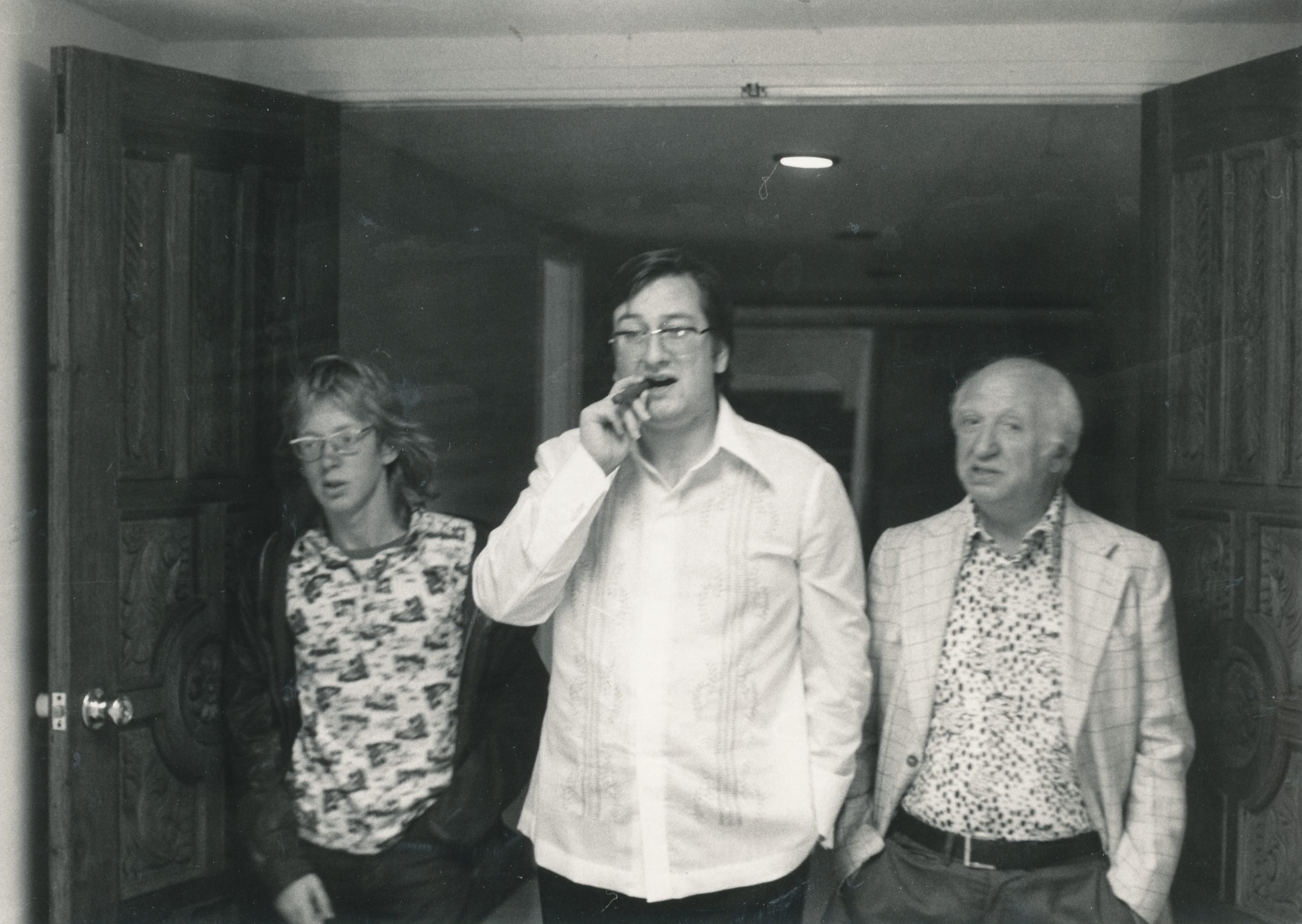
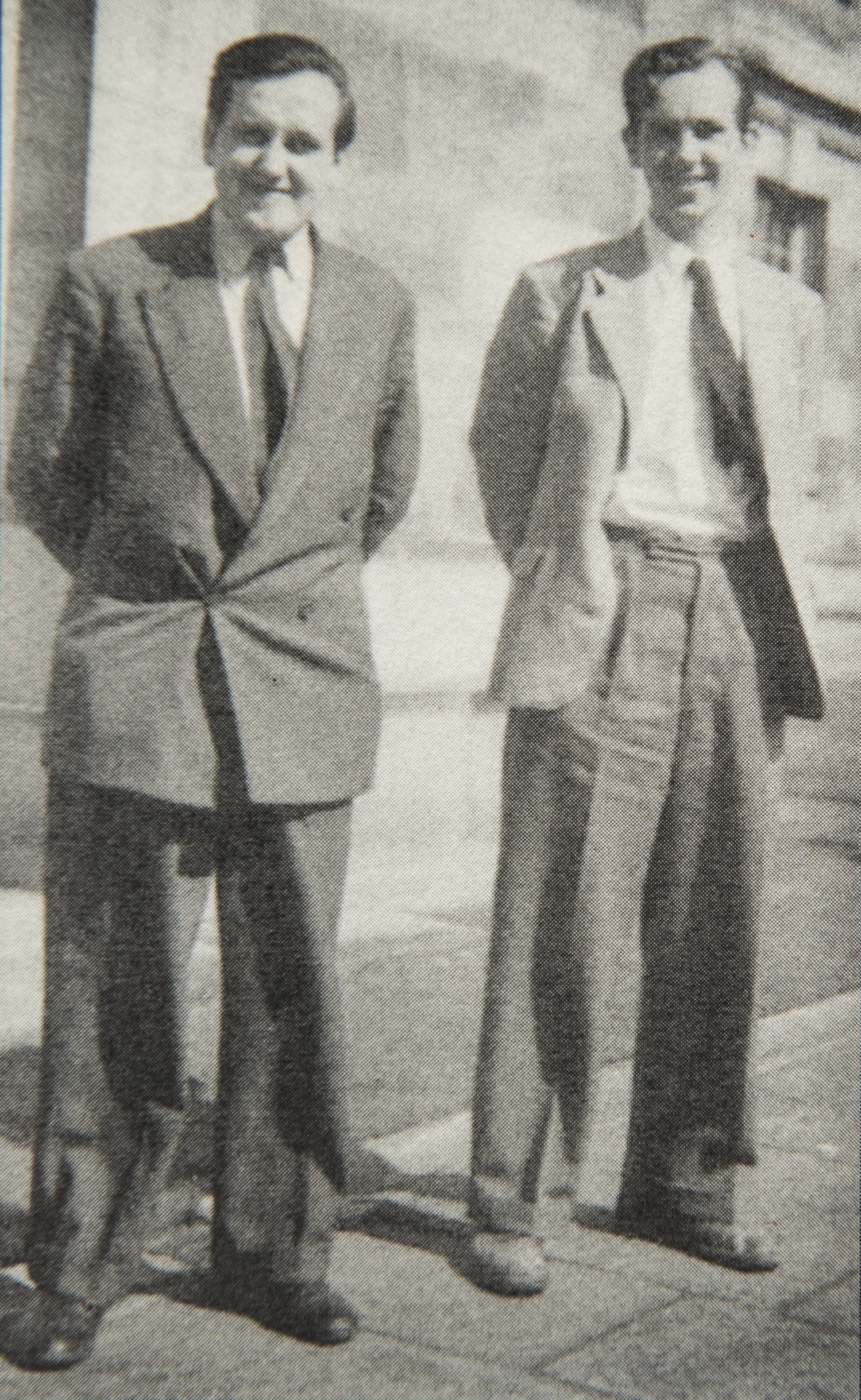
Ray & friend
In 1974 he came 6th in a very strong Hastings tournament and then won first prize in the Capablanca Memorial Masters in Cuba. At the Nice Olympiad he scored 66.66% on 2nd board, attaining the first leg of the grandmaster norm. At Mannheim 1975 he was 3rd in the German Open championship and in that year he also came 2nd at Alicante. In 1976 he was 2nd at the Aarhus tournament in Denmark. He finished a most successful year in international chess by fulfilling the second grandmaster norm on 2nd board in the Haifa Olympiad, thereby becoming England’s second international grandmaster (after Tony Miles). (Harry Golombek)”
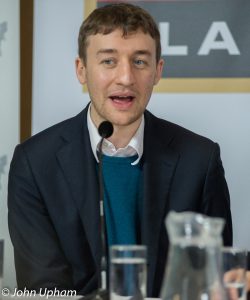
Luke McShane has made a welcome return to chess journalism as the columnist for The Spectator. At fifteen Luke provided a regular column for The Express on Sunday and, until recently, was a busy full-time trader at Goldman Sachs.
Luke McShane
The first chess columnist for The Spectator was Conel Hugh O’Donnell Alexander who was followed by Raymond Keene who “retired” in 2019.
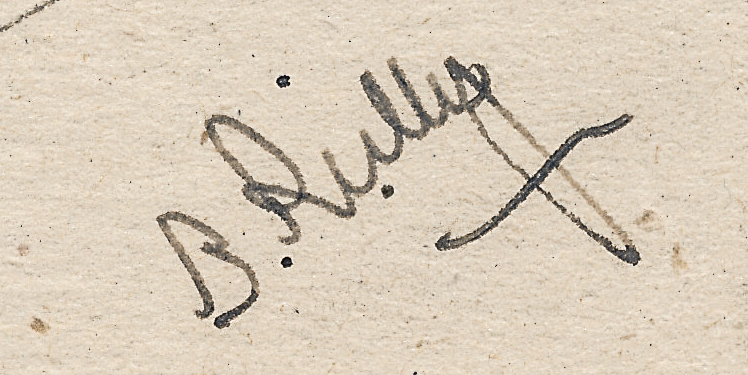
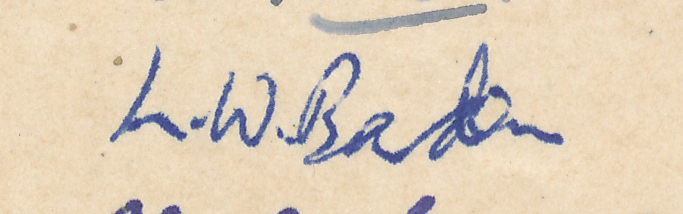
Signature of Brian Reilly from an after dinner post card from Hastings 1945-46
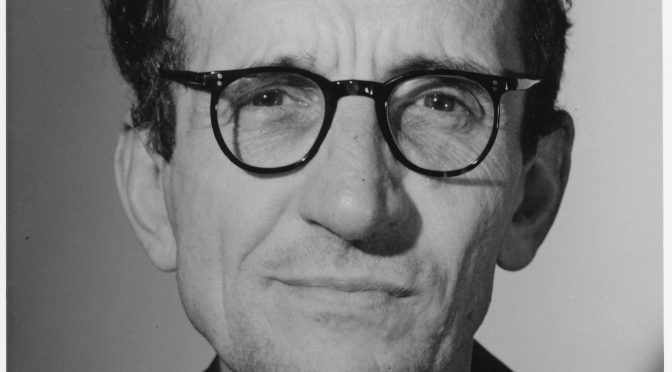
We remember Brian Patrick Reilly who passed away on December 29th, 1991.
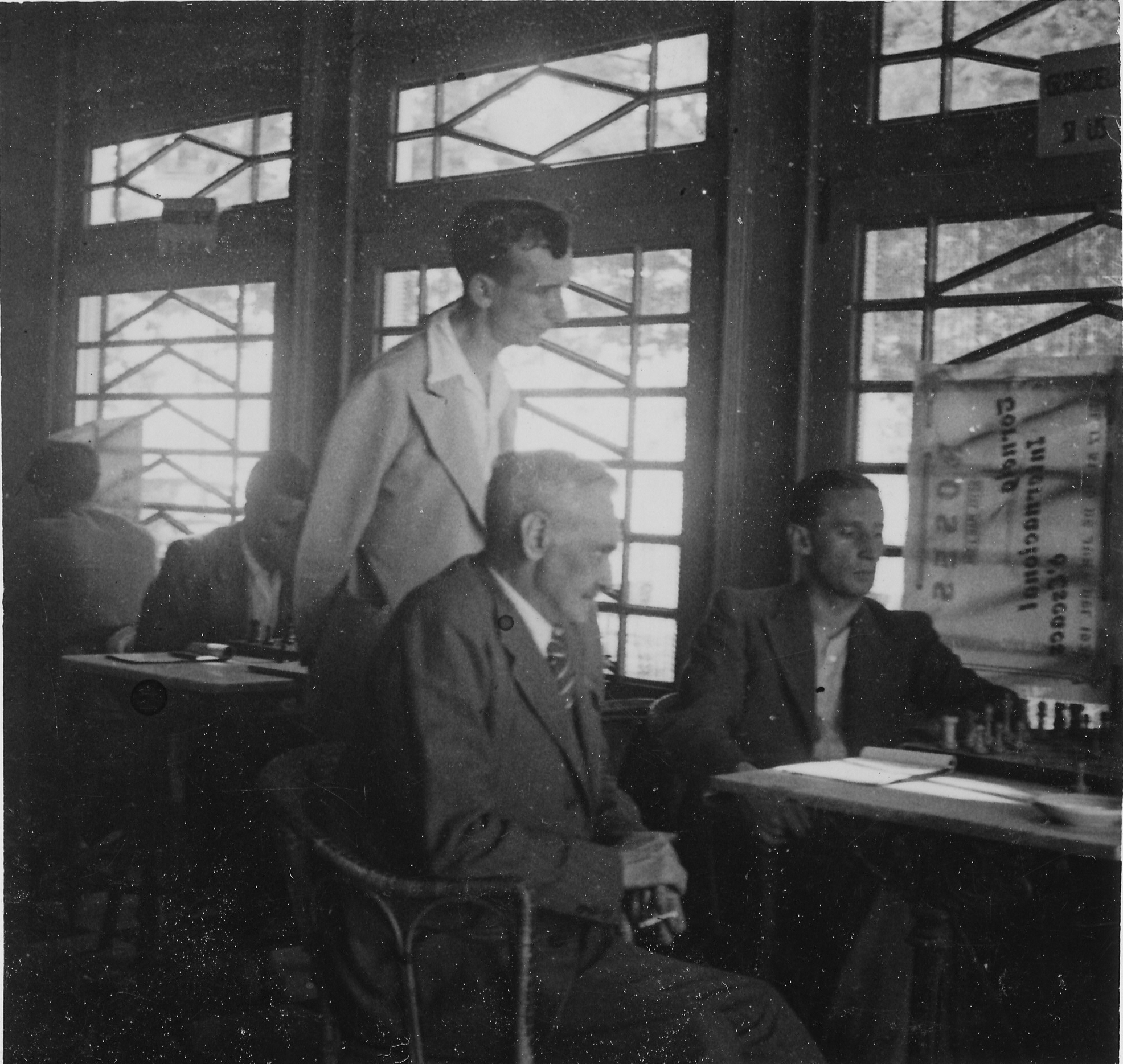
Brian Reilly probably sometime in the 1920s.
From The Encyclopaedia of Chess (Batsford, 1977), Harry Golombek OBE (written by Wolfgang Heidenfeld) :”Irish master born at Menton, of Irish descent, who has represented Ireland in nine Olympic team tournaments between 1935 and 1968; three times on top board.
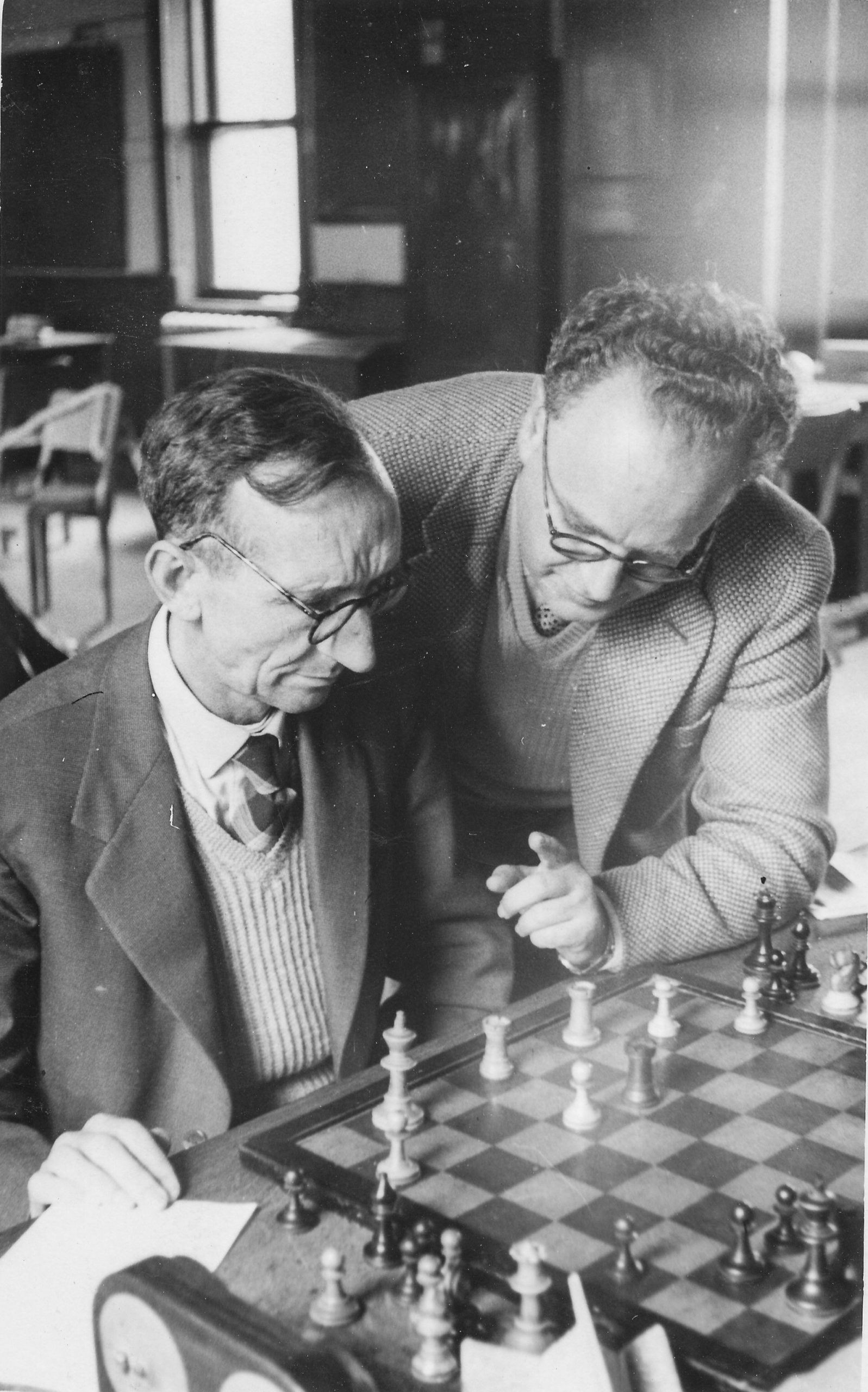
Brian observes a game during one of the early 1930s tournaments in Nice
He was also Irish representative at seven FIDE congresses. Reilly played in a number of small international tournaments, wining first prize at Nice 1931 and sharing fourth prize with Klein and EG Sergeant behind Reshevsky, Capablanca and Sir G. Thomas at Margate 1935.
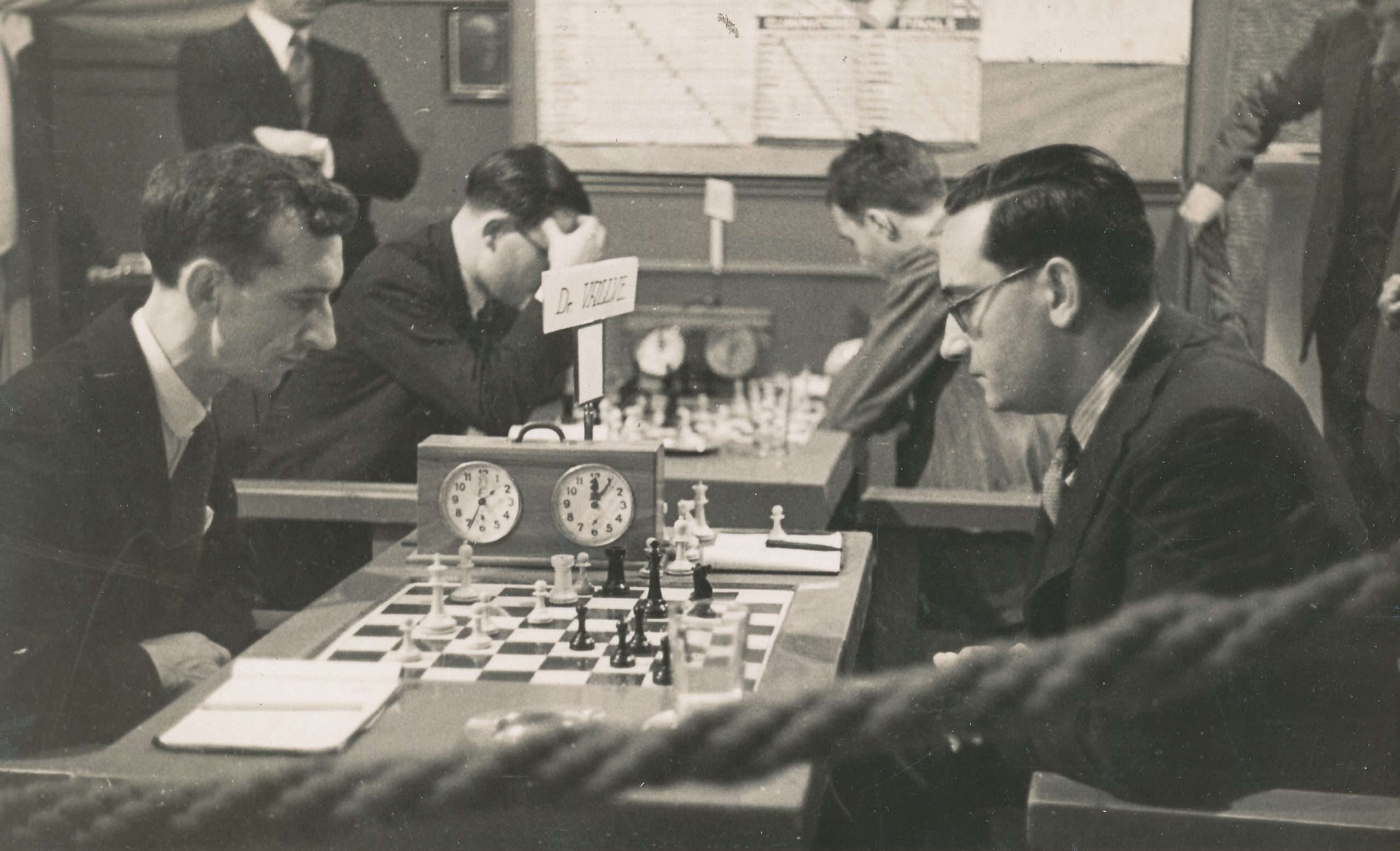
Brian Reilly playing Dr. Josep Vallve probably at Barcelona Chess Club in June 1935. Brian won in 61 moves.
Winner of Irish championship in 1959 and 1960. General Editor of British Chess Magazine since 1949.”
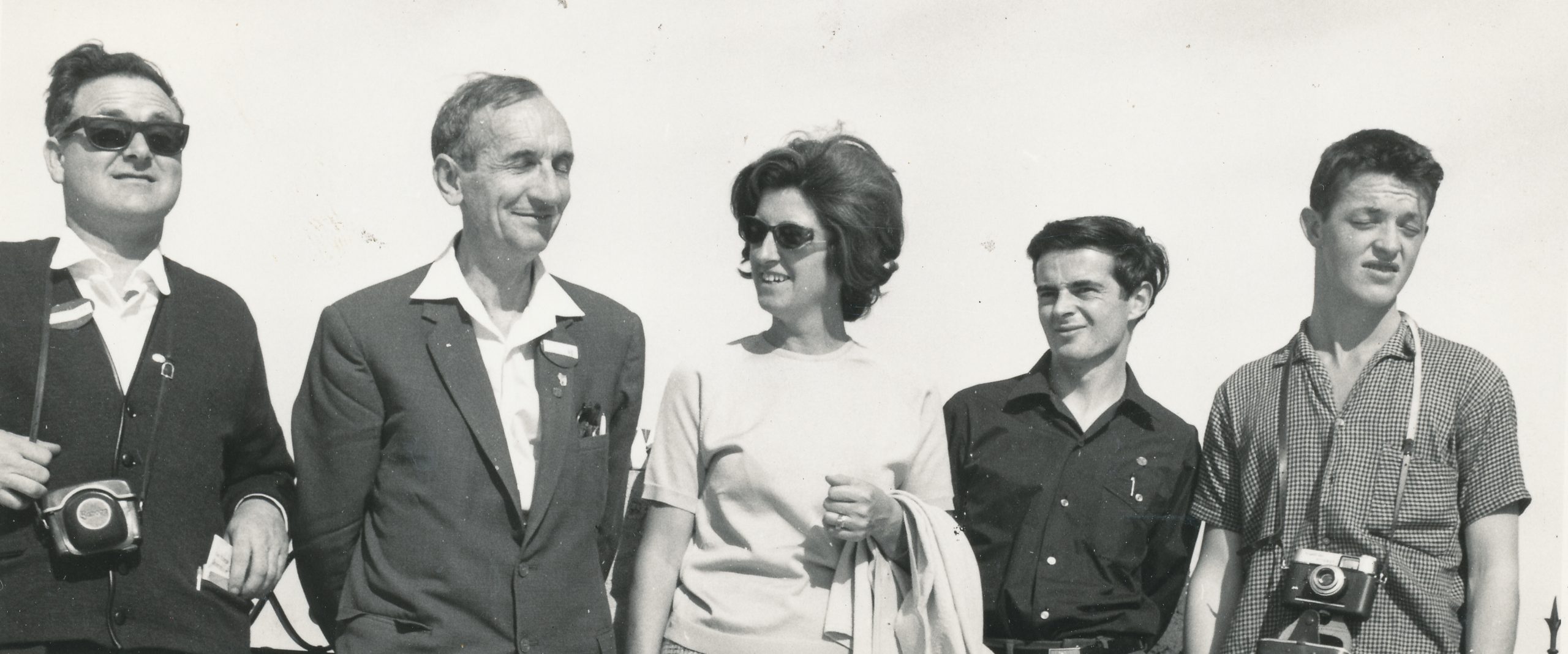
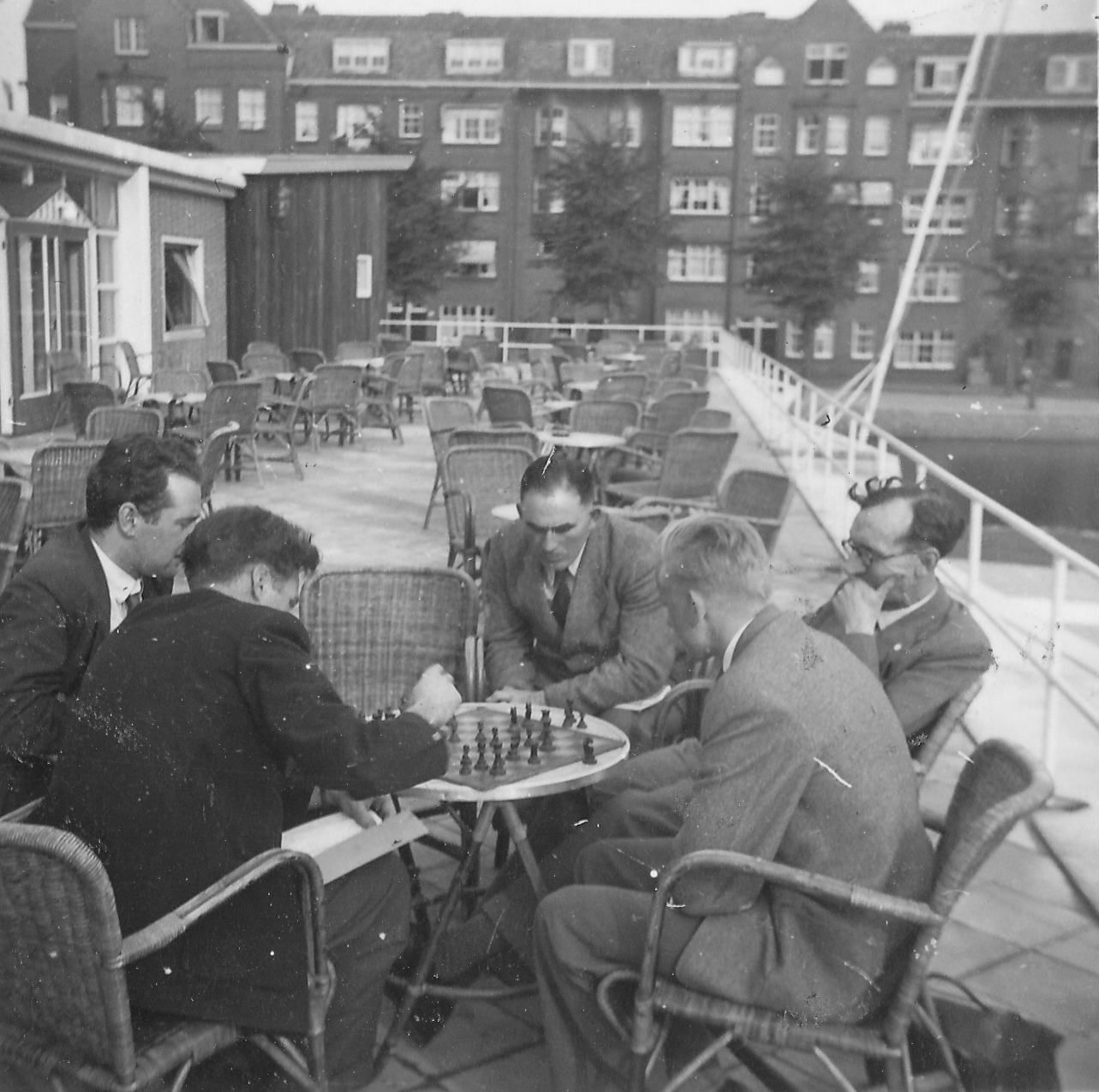
Brian Reilly and friends
His obituary in British Chess Magazine was written by Bernard Cafferty and appeared in Volume CXII (112, 1992), Number 2 (February), page 70:
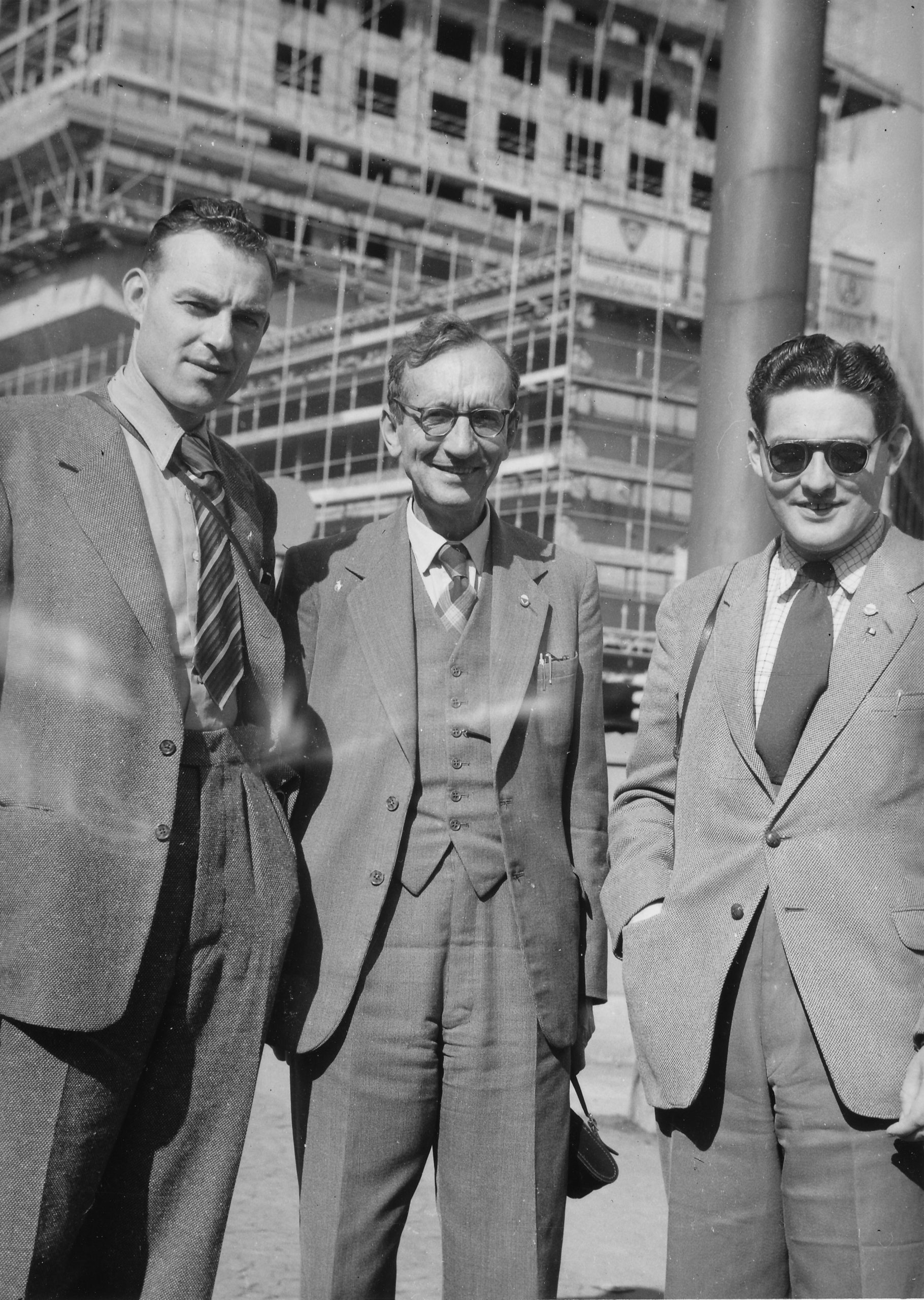
Brian with journalist colleagues.
“With great regret we have to report that Brian Patrick Reilly has, to use the older term, ‘joined the great majority’.
Brian analysing with Irish team mate, Wolfgang Heidenfeld
B. P. Reilly (Menton, 12 xii 1901-Hastings, 29 xii l99l) was born into an expatriate family on the French Riviera, and so was bilingual. He learned his chess in France where he had many friends and acquaintances. He knew Alekhine in the 1920s and 1930s and was a witness at Alekhine’s wedding.
Many years later he was to do extensive research on Alekhine’s life, and was the first to establish (though he did not publish the fact) that the Russian did not complete his doctorate studies at the Sorbonne, so that “Dr” Alekhine must be considered a purely honorary title.
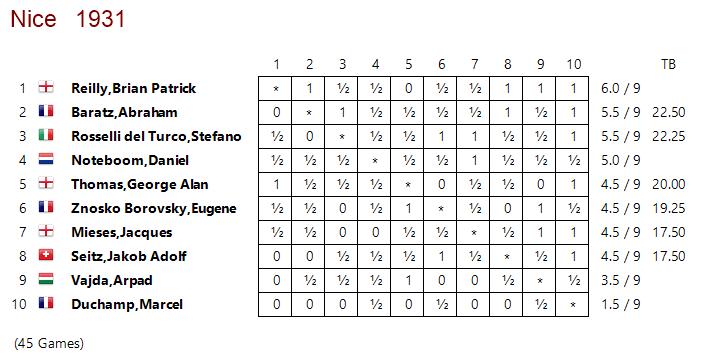
Brian won the Nice tournament of 1931, ahead of Noteboom, Mieses, . . . Sir George Thomas . . . Znosko-Borovsky. . . and played for Ireland at the 1935 Olympiad beating Fine.
Crosstable for Nice 1931 from Megabase 2020
These results, taken with his fourth place at Margate 1935, behind Reshevsky, Capablanca and Sir George Thomas, made it clear that he was of IM strength.
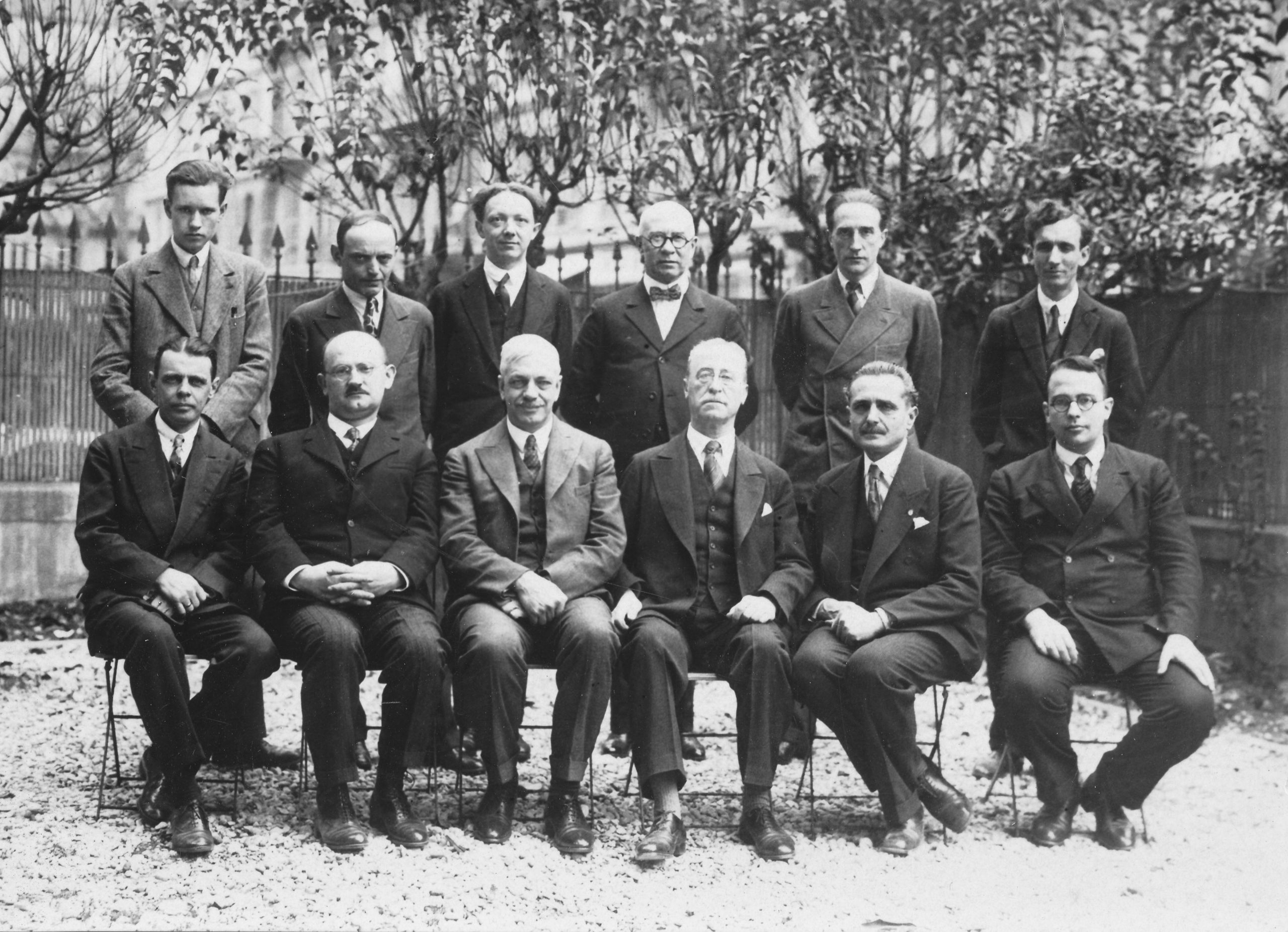
Nice Masters, 1931. Standing : Daniel Noteboom, Abraham Baratz, George Renaud (Organiser), John J O’Hanlon, Marcel Duchamp, Brian Reilly (winner), Seated : Eugene Znokso-Borovsky,, Arpad Vajda, Sir George Thomas, Jacques Mieses, Stefano Roselli del Turco, Jacob Adolf Seitz. British Chess Magazine, 1931, page 201
During the war Brian was interned in France as a British citizen, coming close to starvation for a time. He described all this in the very detailed account of his life in the September 1980 BCM, on which we have drawn, along with the many reminiscences Brian passed on to the present writer.
Brian analysing with the Irish team at an Olympiad
After working for the Sutton Coldfield magazine just after the war (he did not get on well with B. H. Wood, thinking him not very business-like – do we put this too diplomatically?) Brian was a freelance translator in the pharmaceutical industry before taking over BCM in 1949. At the time the magazine was technically bankrupt.
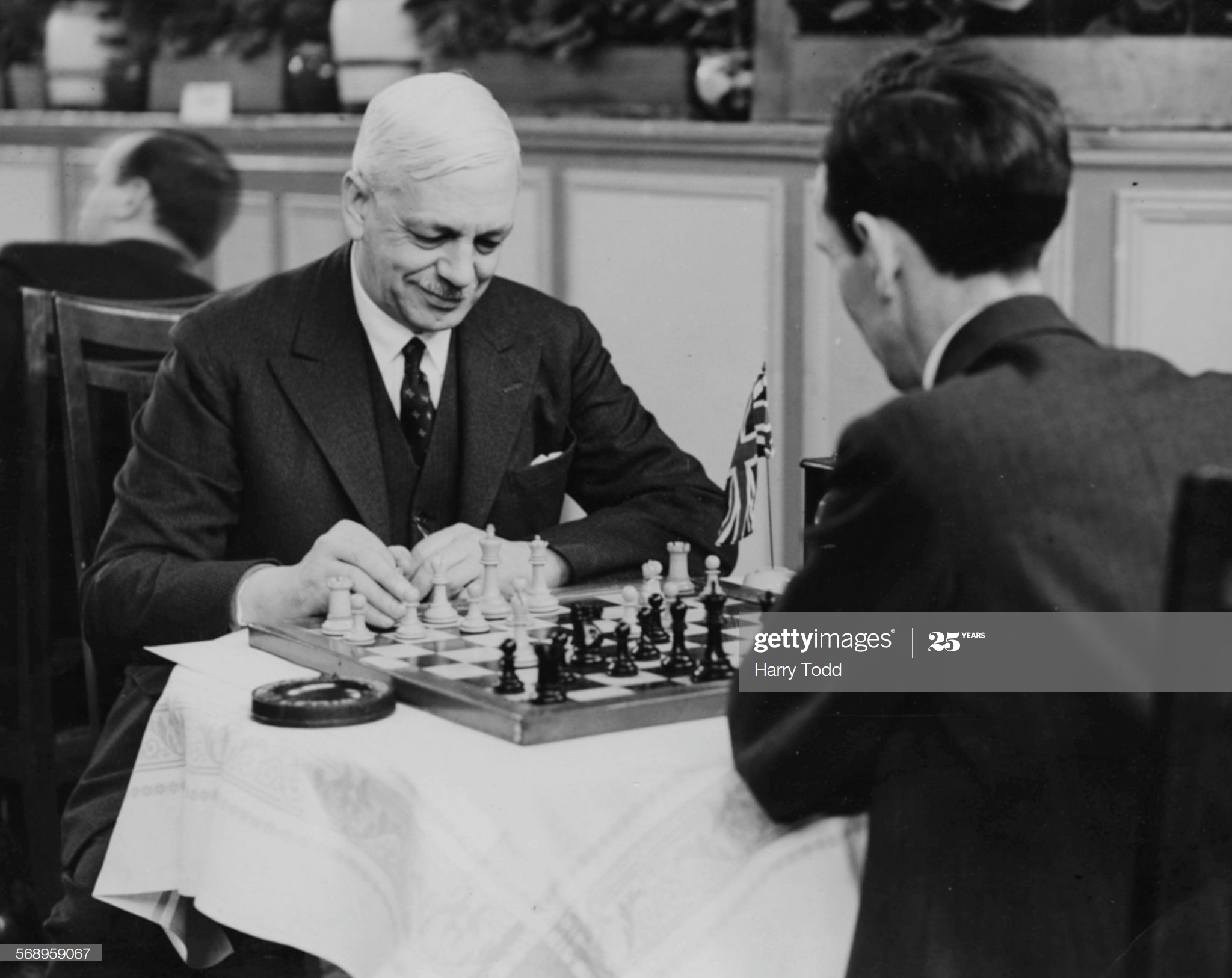
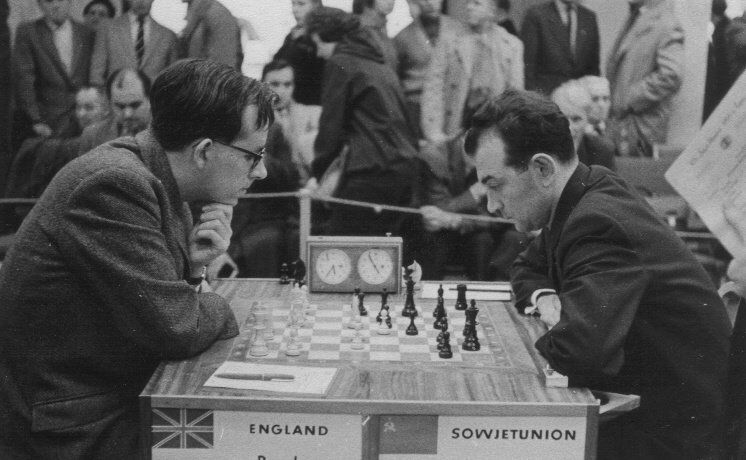
Sir George Thomas And Brian Reilly Sir George Thomas (left), leader of the British chess team, playing Irishman Brian Reilly at the Easter Chess Congress, Margate, April 24th 1935. (Photo by Harry Todd/Fox Photos/Getty Images)
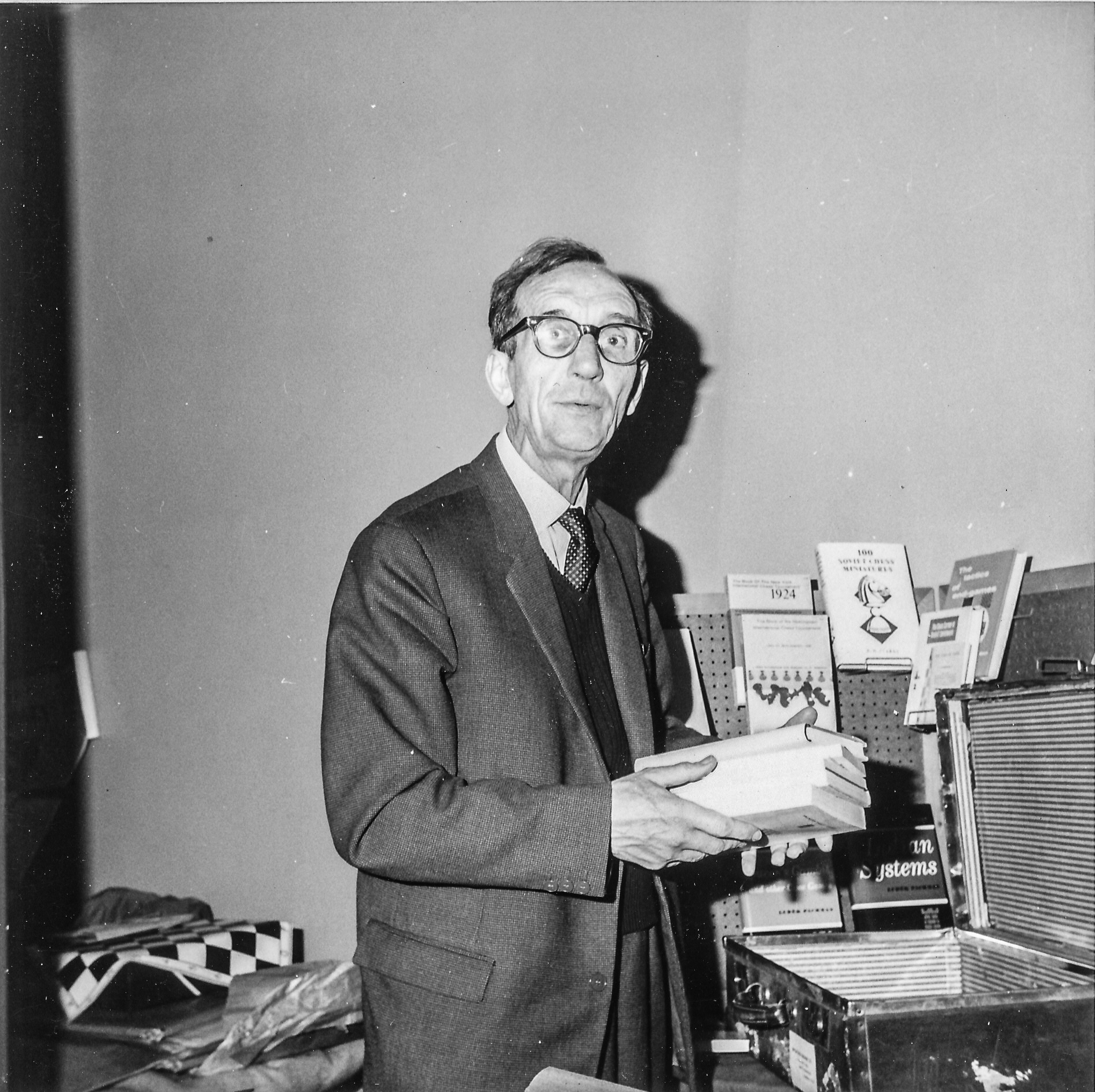
In 1964 he moved the office from London to St Leonards, showing his business acumen yet again. He ran the bookstall for many years at the Hastings Congress at the Sun Lounge and the Falaise Hall.
After the union troubles of 1970-71 and the Fischer boom he arranged for the magazine to be typeset by his son Freddy at the family home in West Norwood. This led to an expansion in the pagination after some teething troubles.
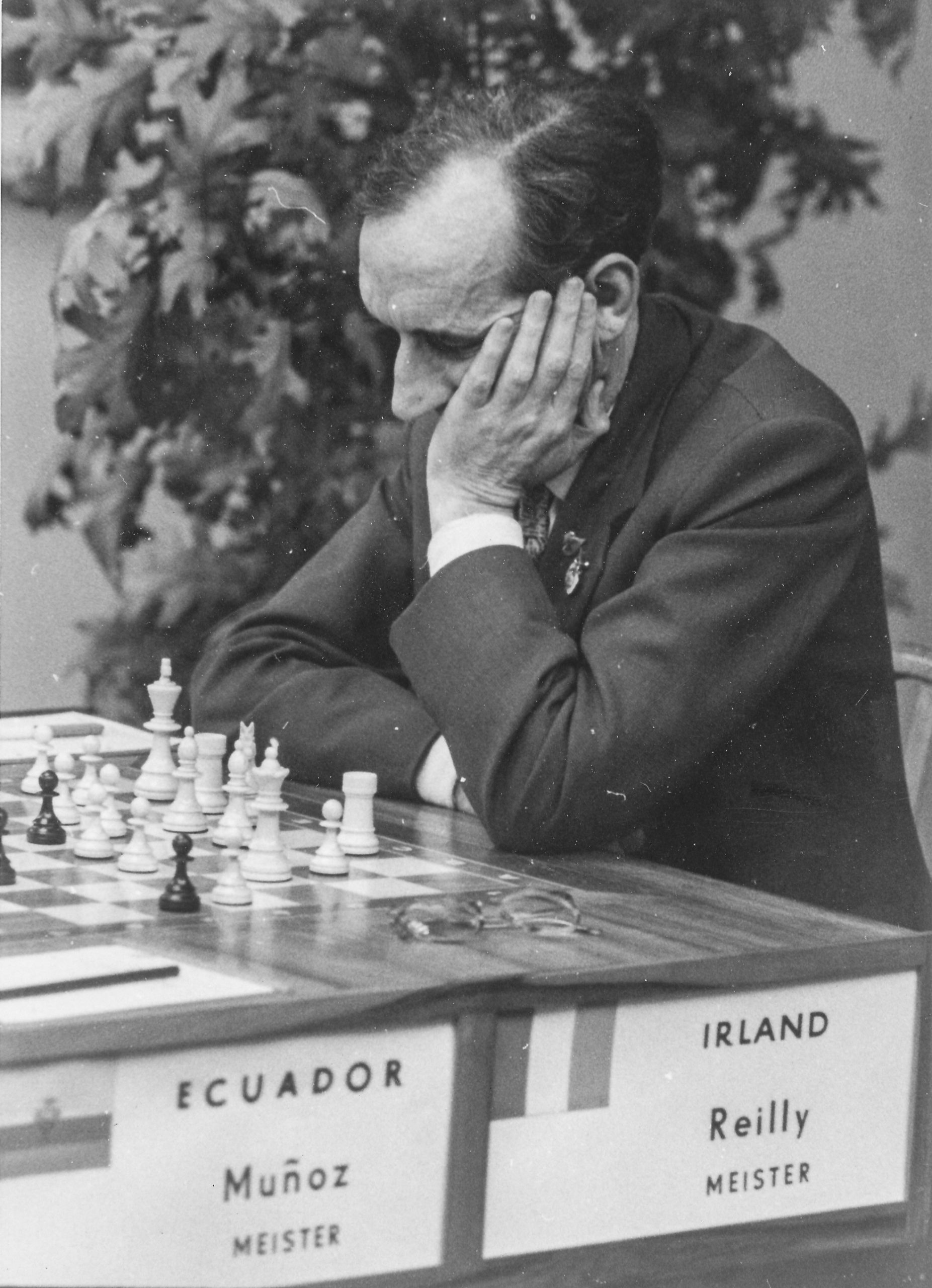
Brian Reilly playing Cesar Munoz (Ecuador) in round 8 of the Leipzig Olympiad played on 23rd October 1960. The game was drawn in 48 moves.
All this while, Brian was playing for Ireland in Olympiads, and attending to FIDE affairs as a FIDE delegate.
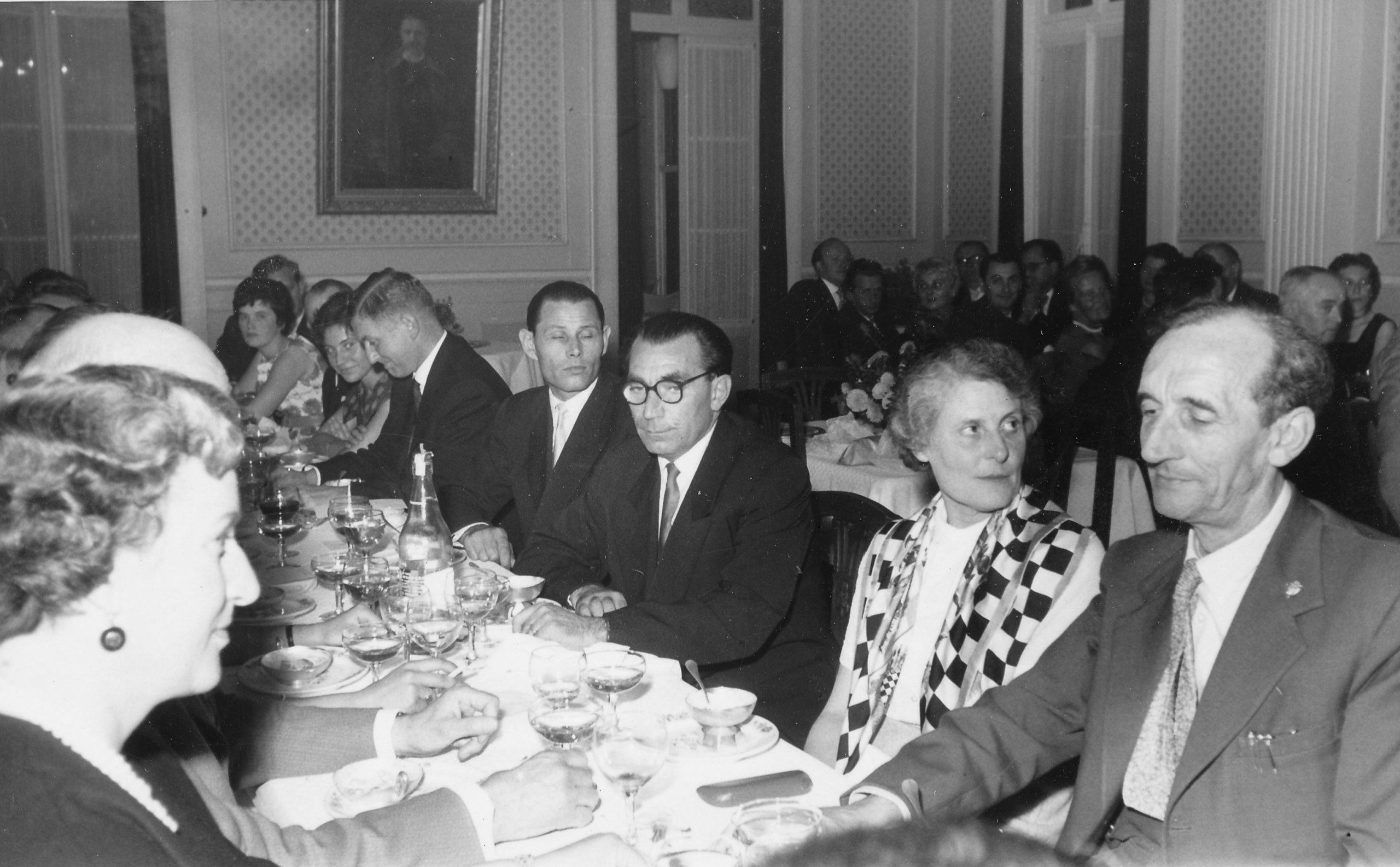
Brian relaxing during a FIDE Congress dinner
After the death of his son Freddy in 1980, the magazine was sold to the BCF and Brian retired as editor in September 1981, remaining as a consultant for nearly a decade.
Brian Reilly, Ray Keene, George Botterill, Anatoly Karpov, Harry Golombek and Viktor Korchnoi
His last years were spent in Hastings, where it was his wont to carry on with the long sea-front walks that he had practised since a breakdown in health due to overwork. He had strong views on correct diet and exercise which he could expound to anyone willing to listen. The fact that he could walk up to six miles a day in his late eighties and that his faculties, including his memory, only seemed to be weakening in his last two years, is proof enough of the validity of his theories.
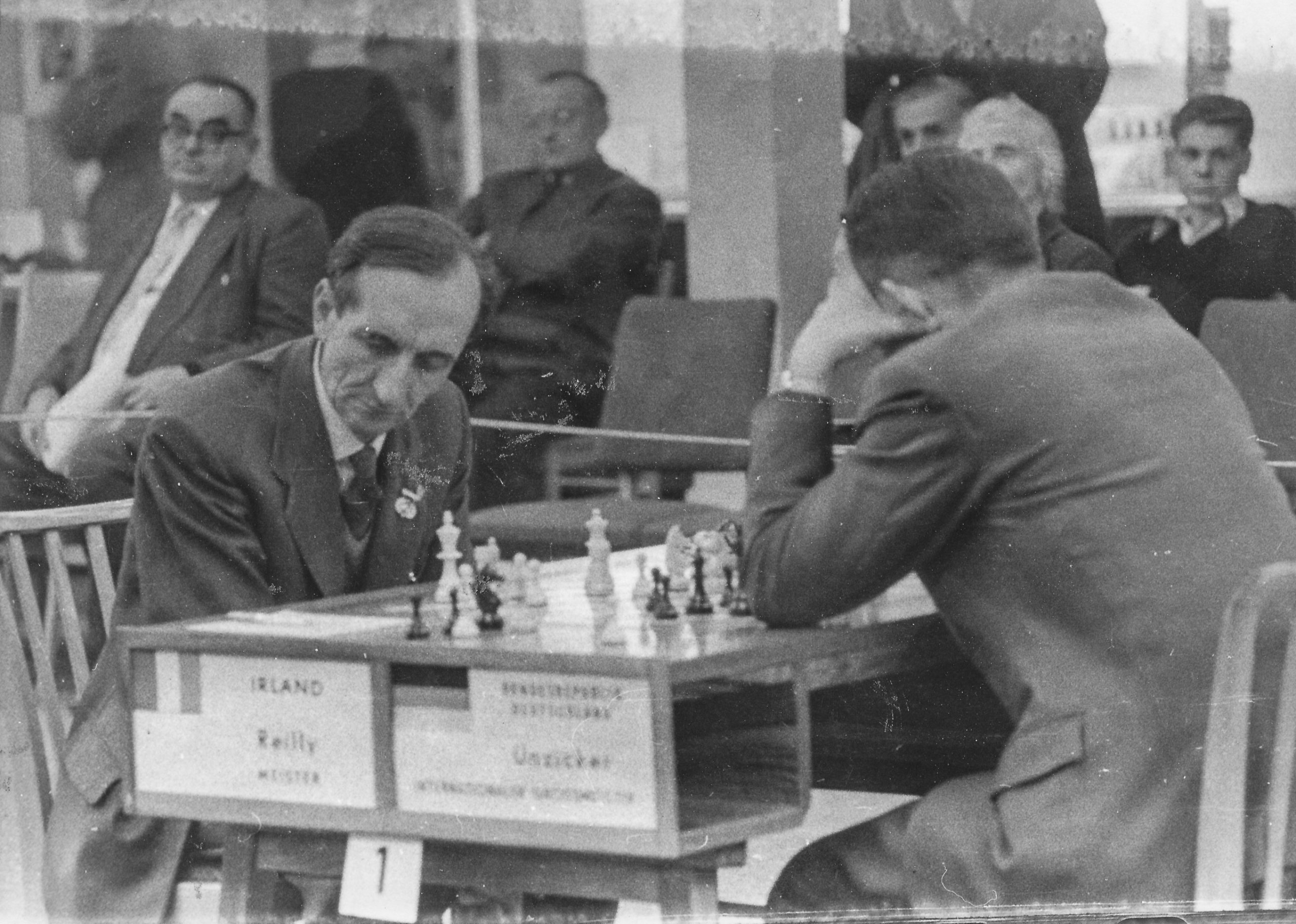
Brian Reilly playing Wolfgang Unzicker on board 1 during the preliminaries of the 1960 Leipzig Olympiad.
On his 90th birthday he attended the office and drank a glass of champagne to celebrate the occasion. We have the testimony of Mrs Arnold, who worked with him so long, that he was still talking of visiting the Hastings Congress. This was on Boxing Day, the day after he had been admitted to St Helen’s Hospital with a chest infection. He assured her he would be up and about again, but old friends such as Harry Golombek and Ritson Morry waited for him in vain as Hastings got under way. . .
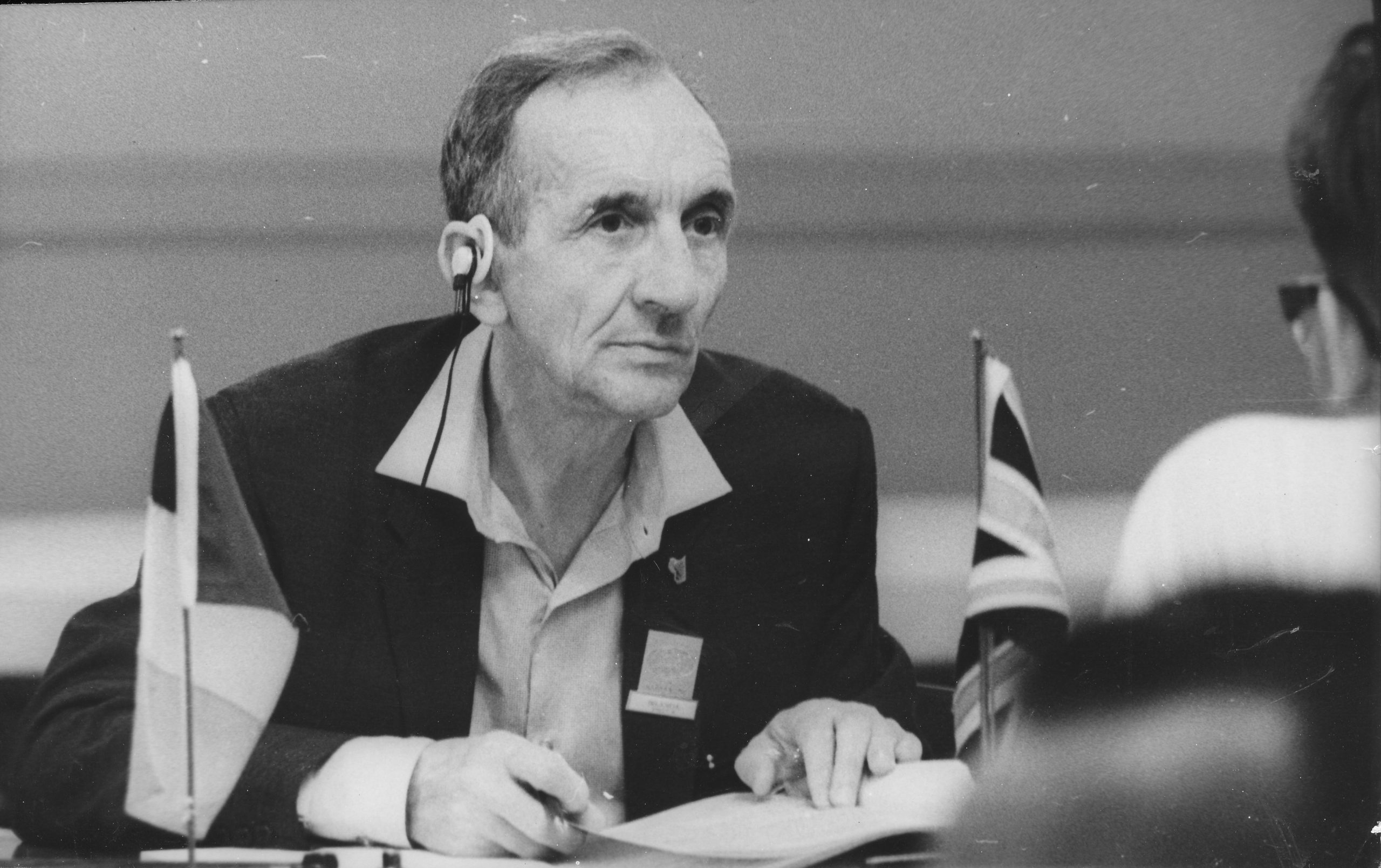
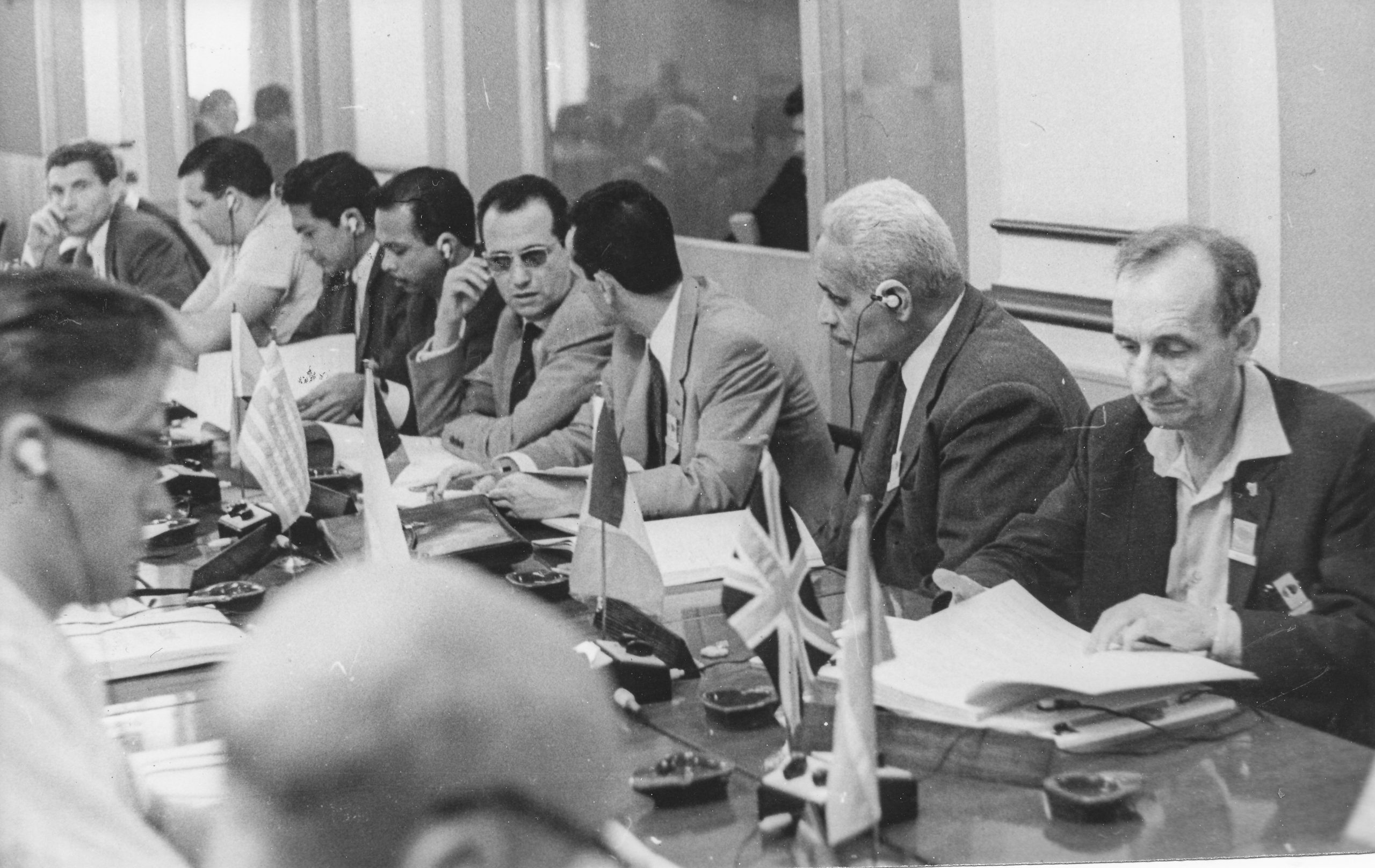
Brian Reilly at a FIDE Congress (possibly Nice 1974?)Brian Reilly at a FIDE Congress (possibly Nice 1974?)
BCM readers, too, must be counted amongst his old friends who will miss him. They should be aware that, but for Brian, and his decades of hard work. there would now be no BCM.”
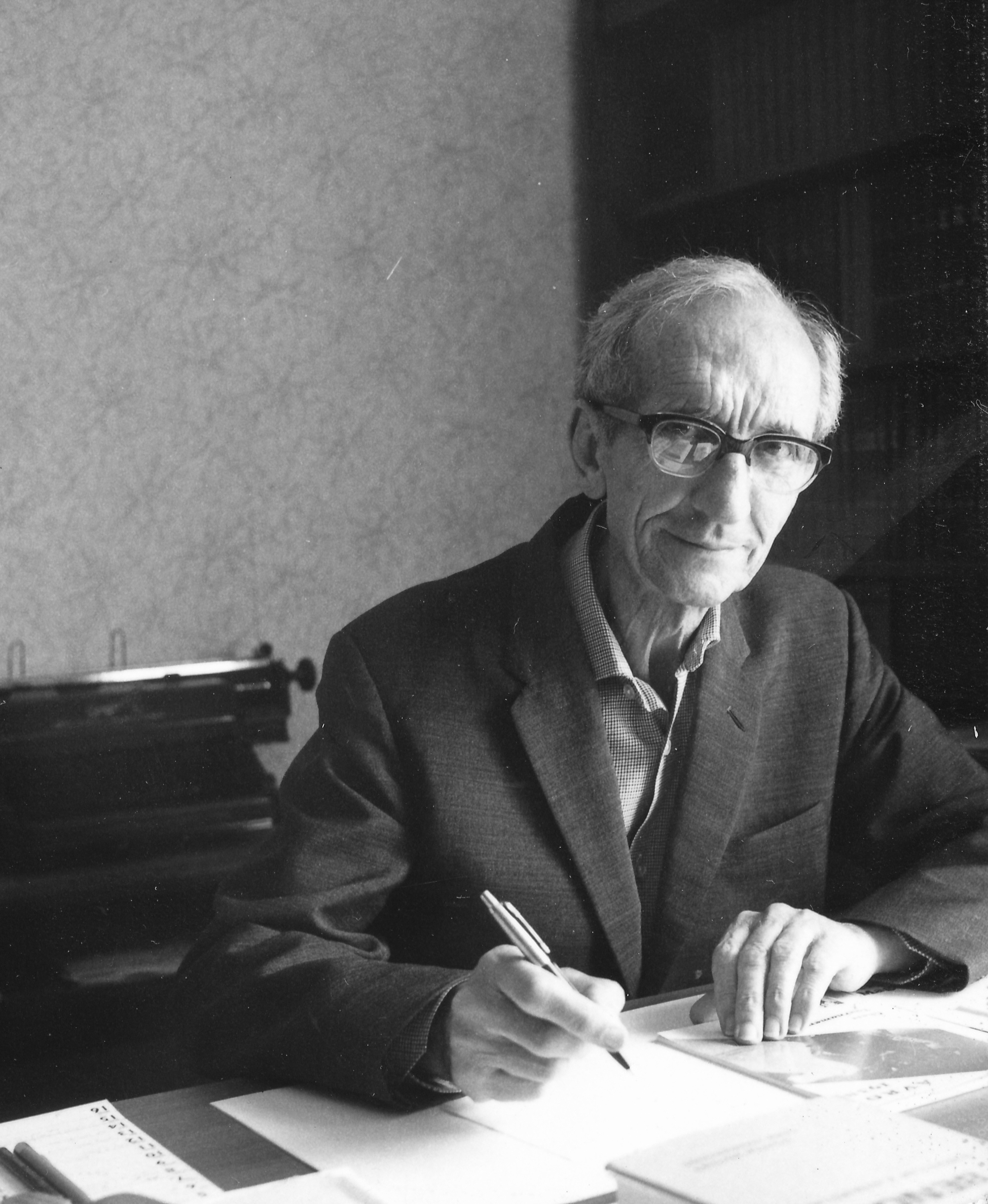
Brian Reilly in the BCM office. Photographed most likely by Freddy Reilly.
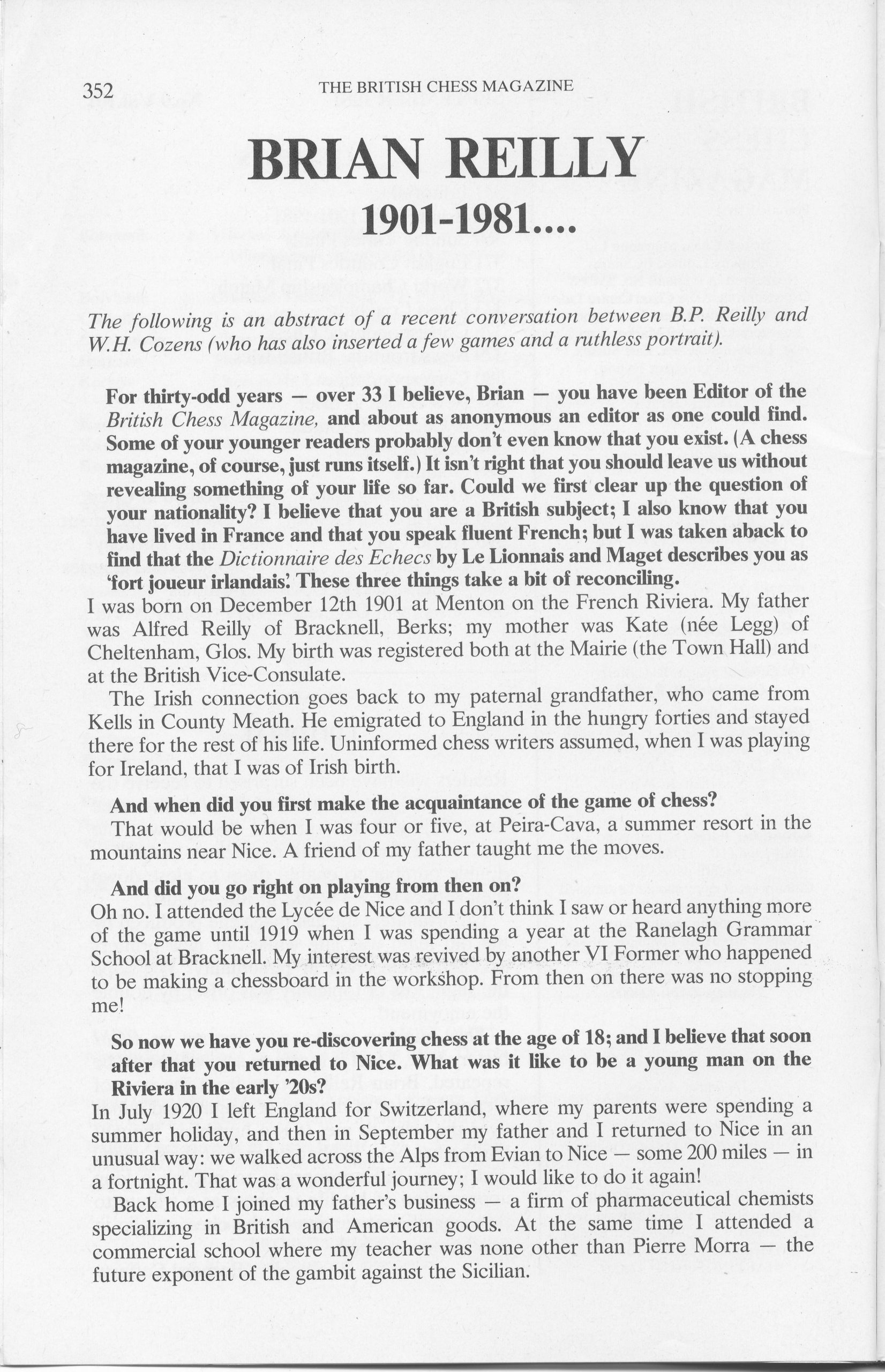
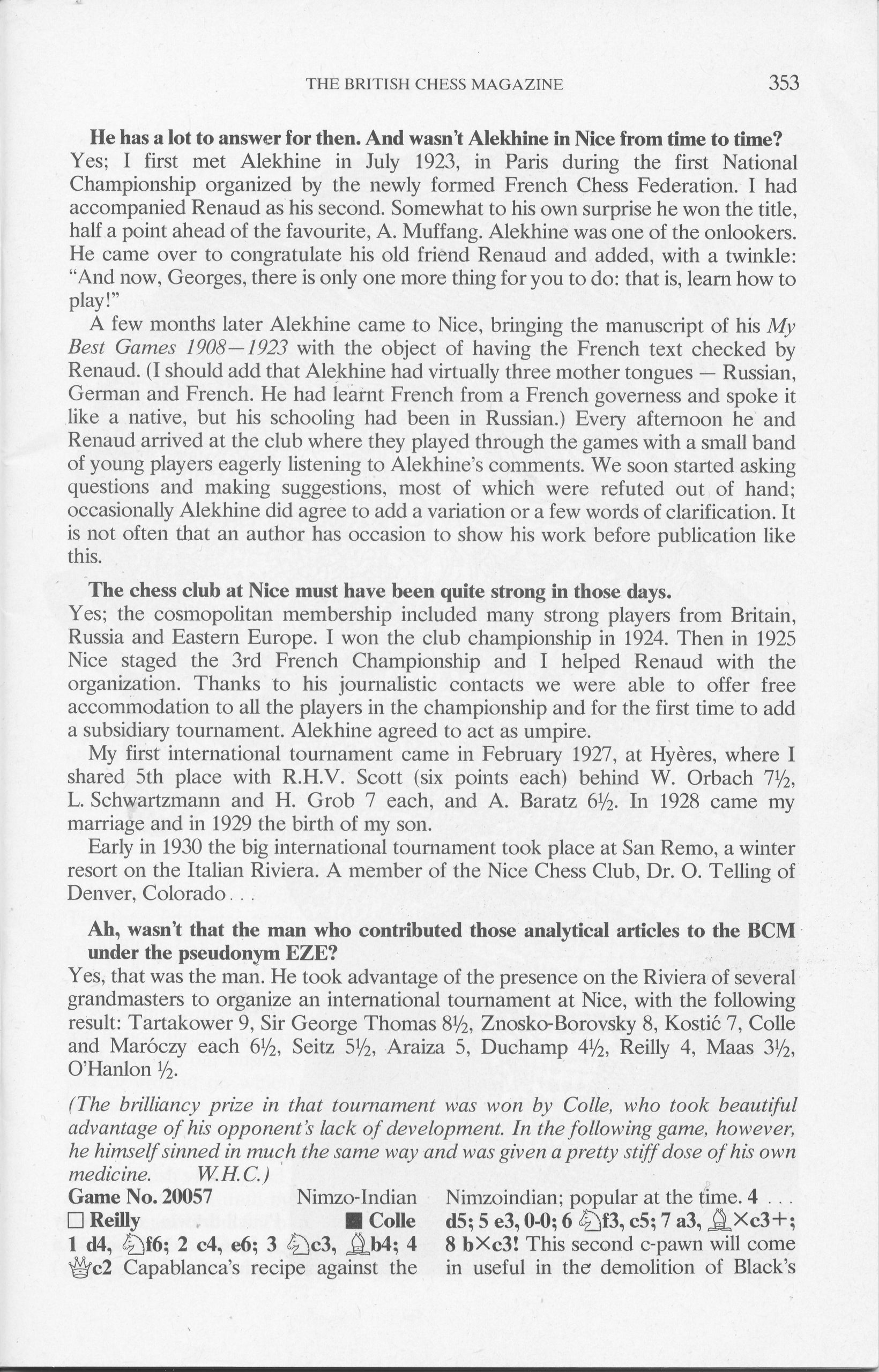
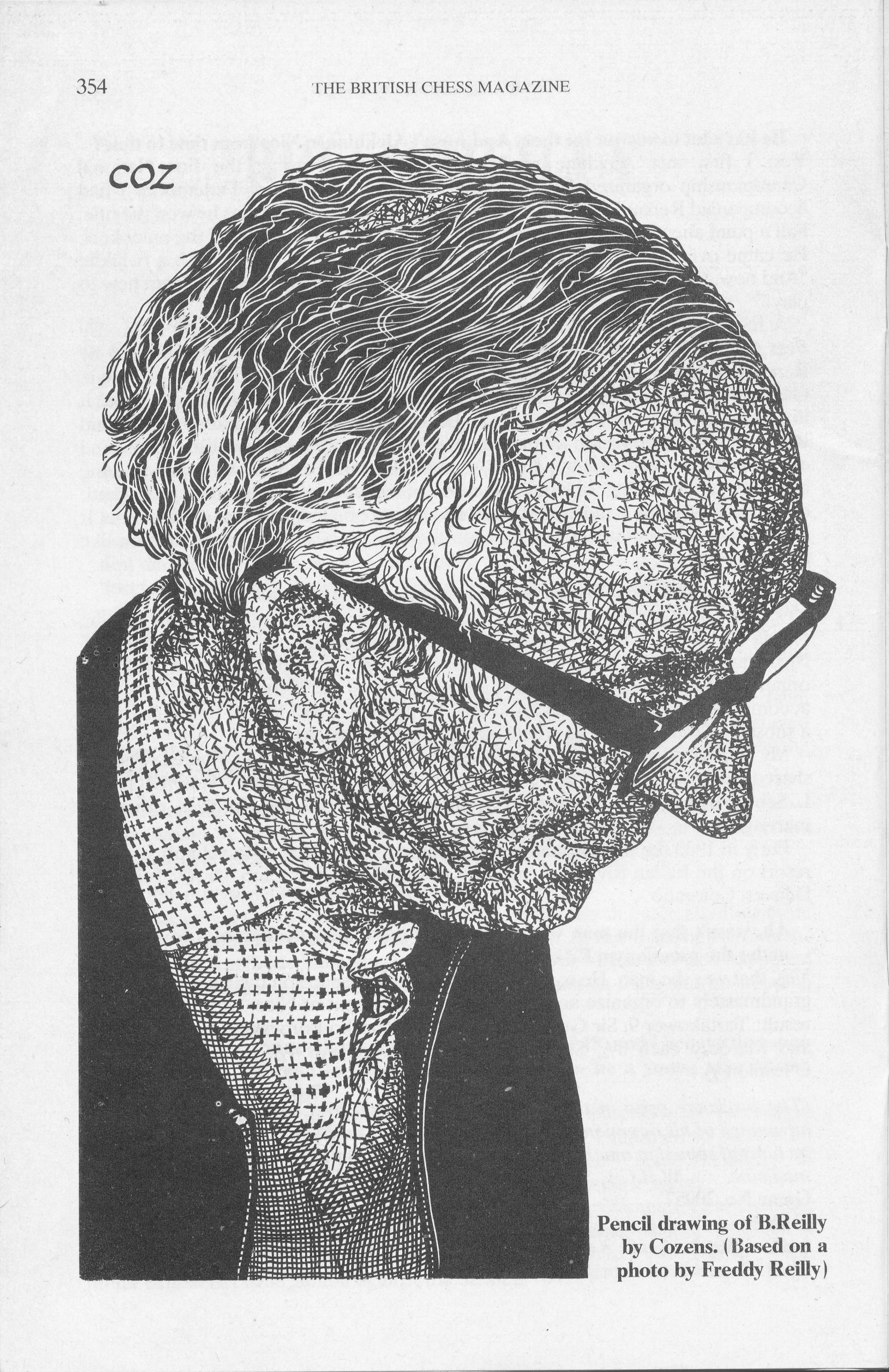
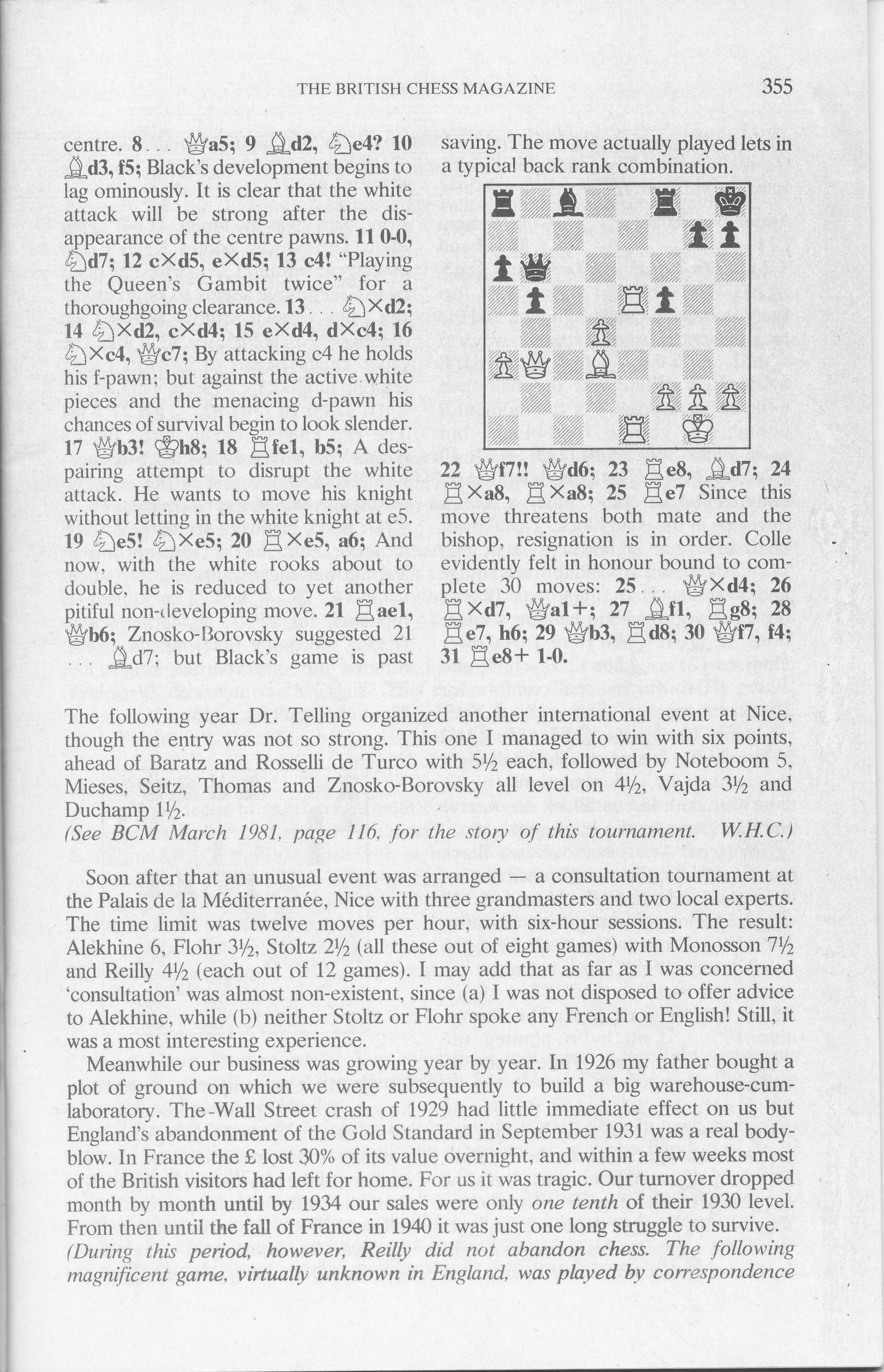
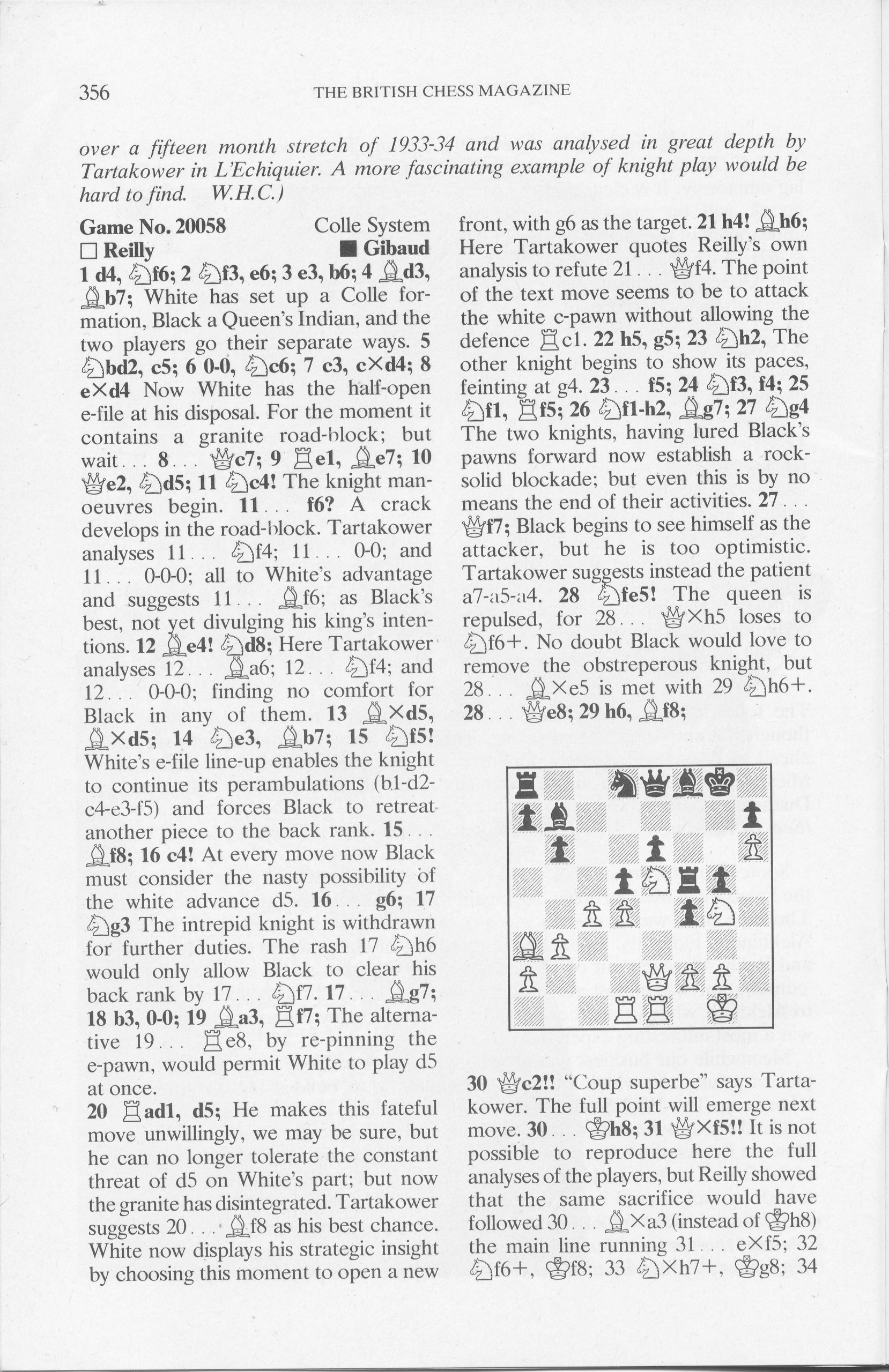
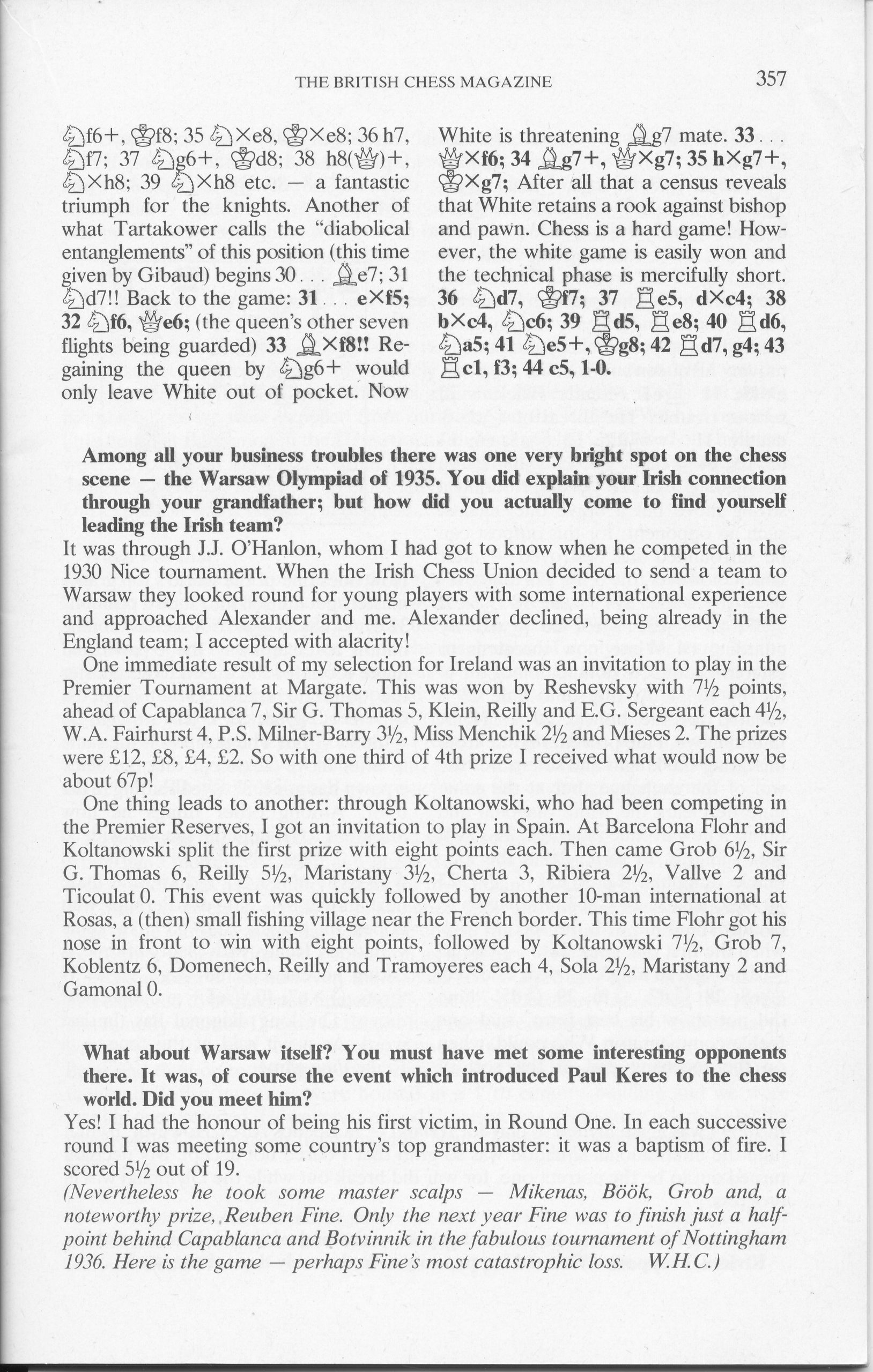
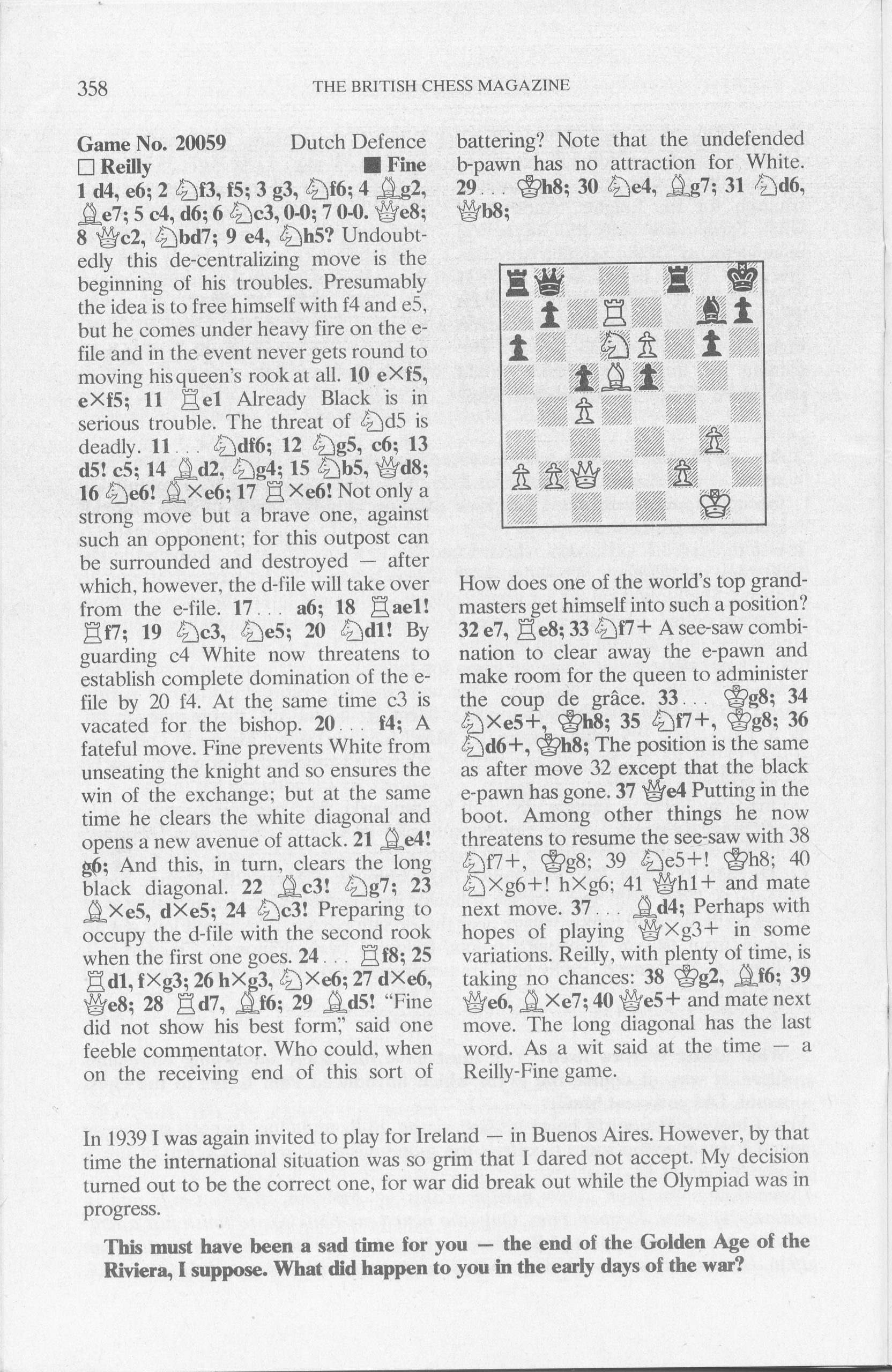
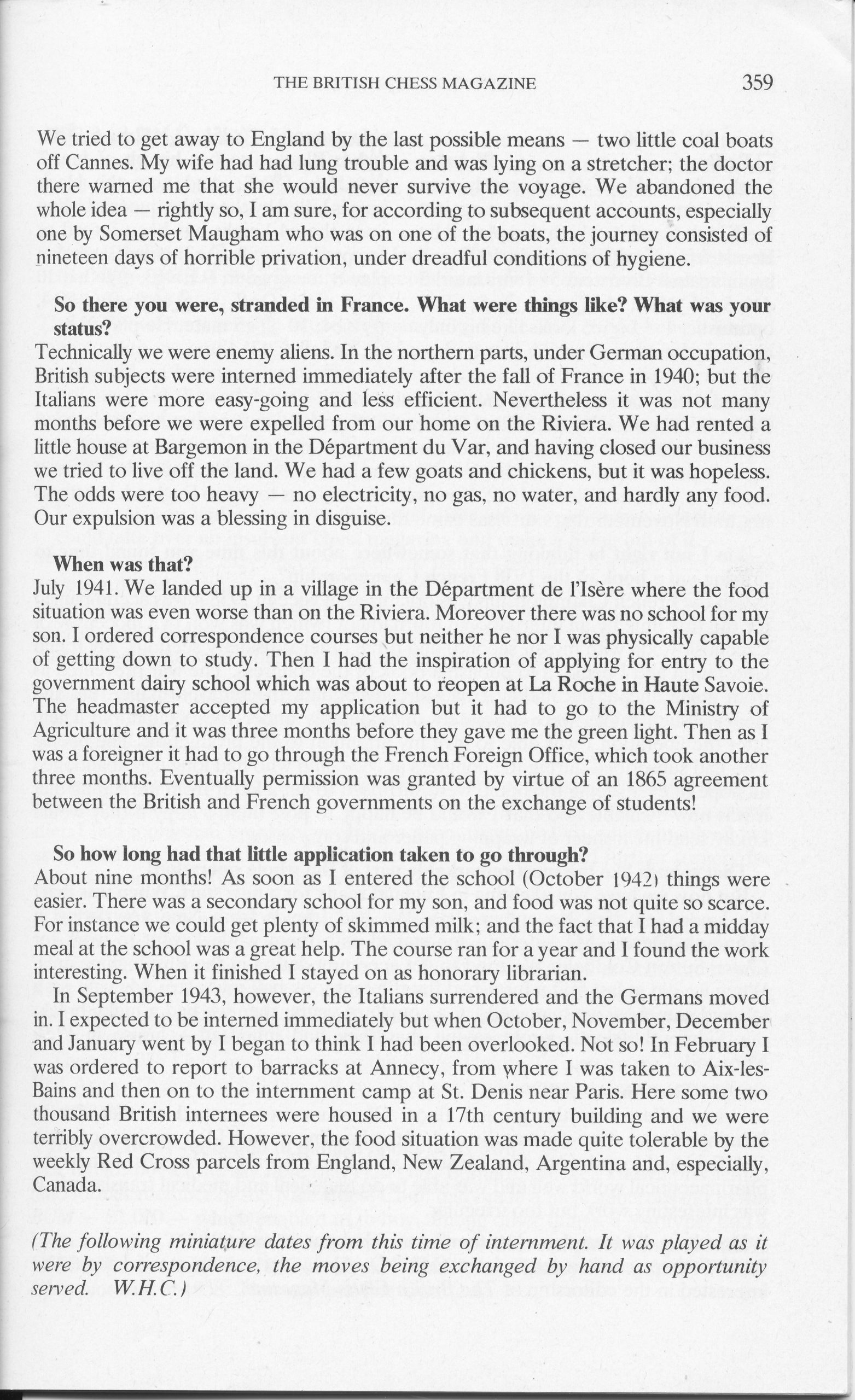
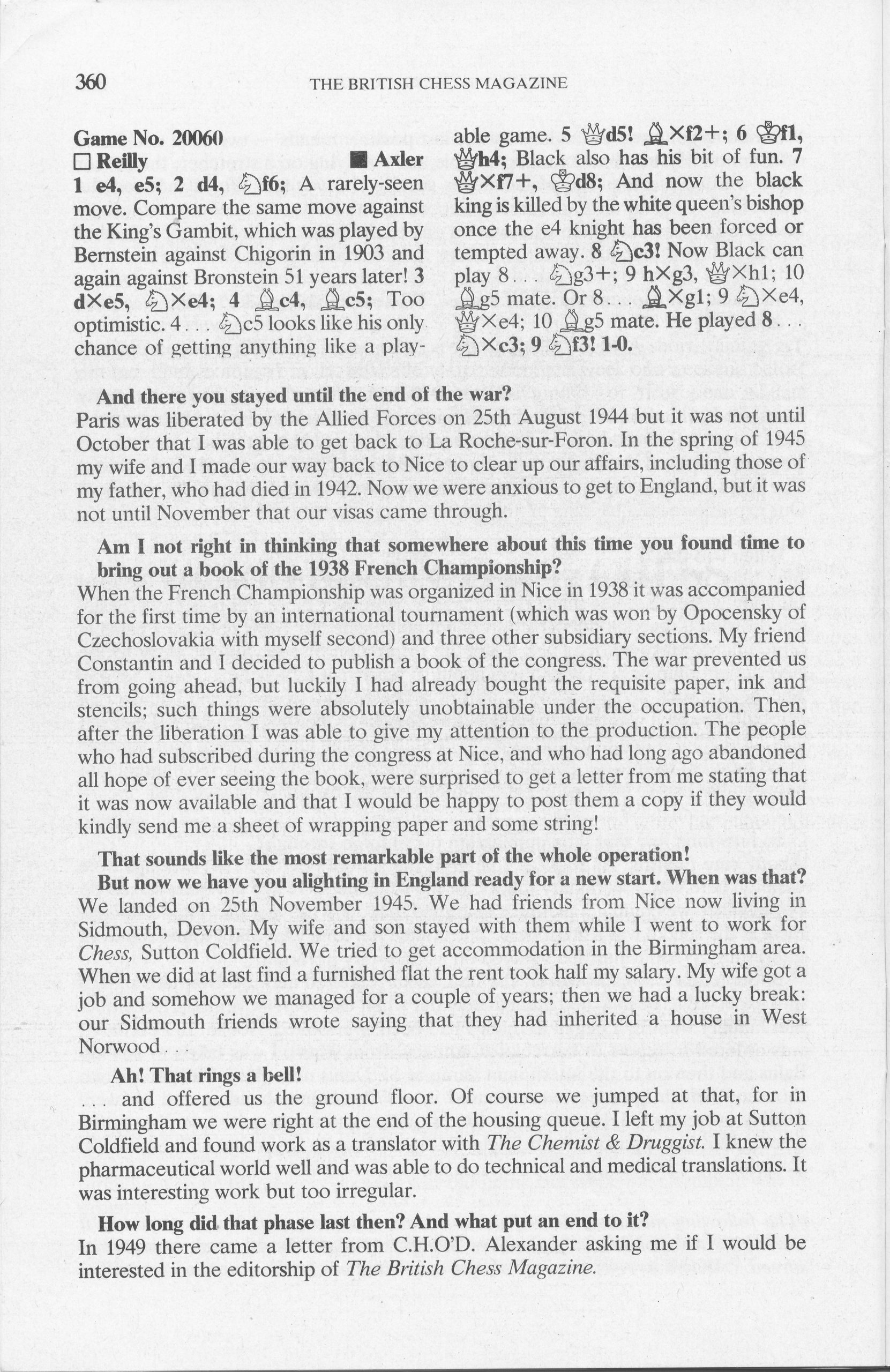
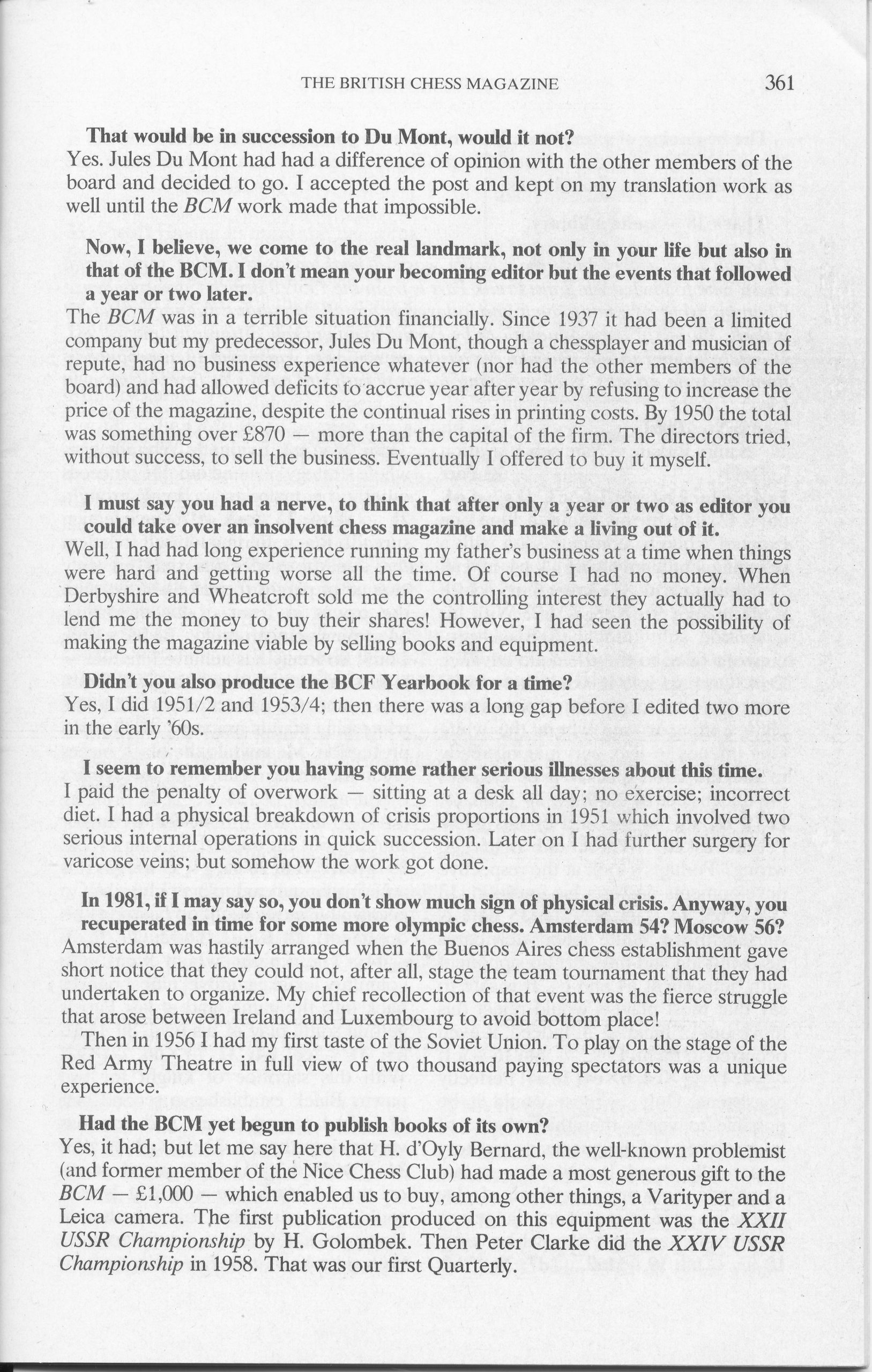
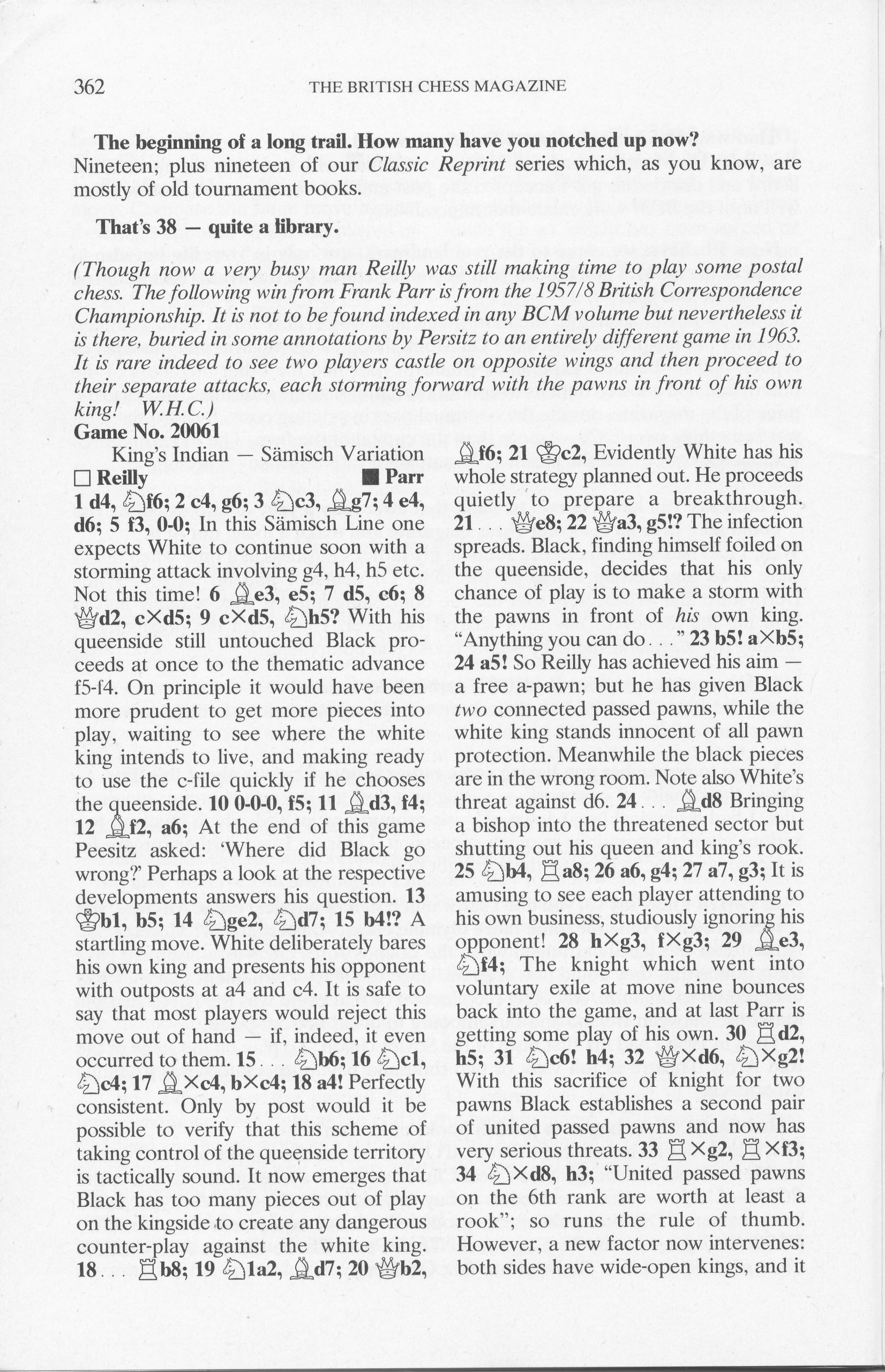
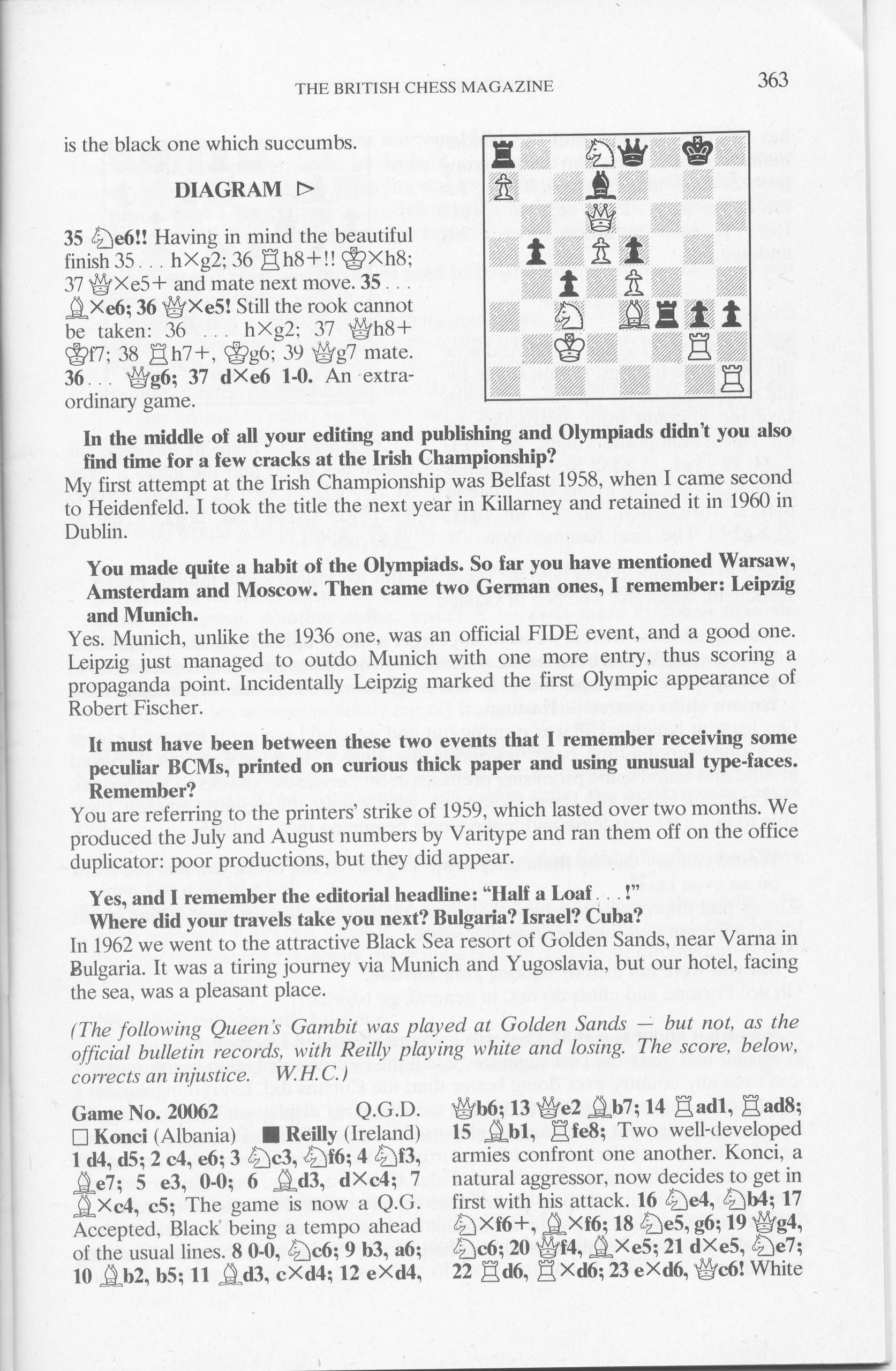
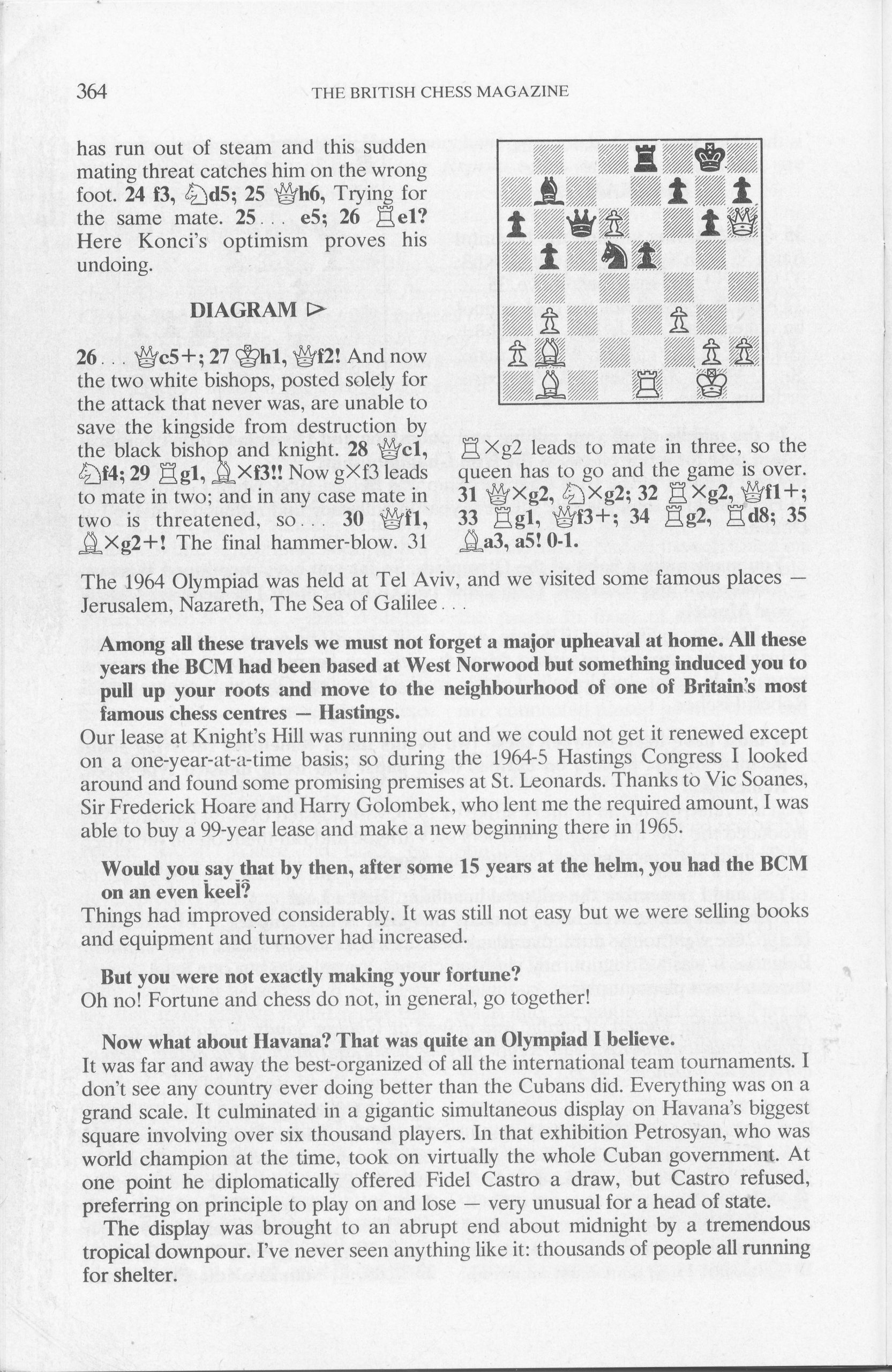
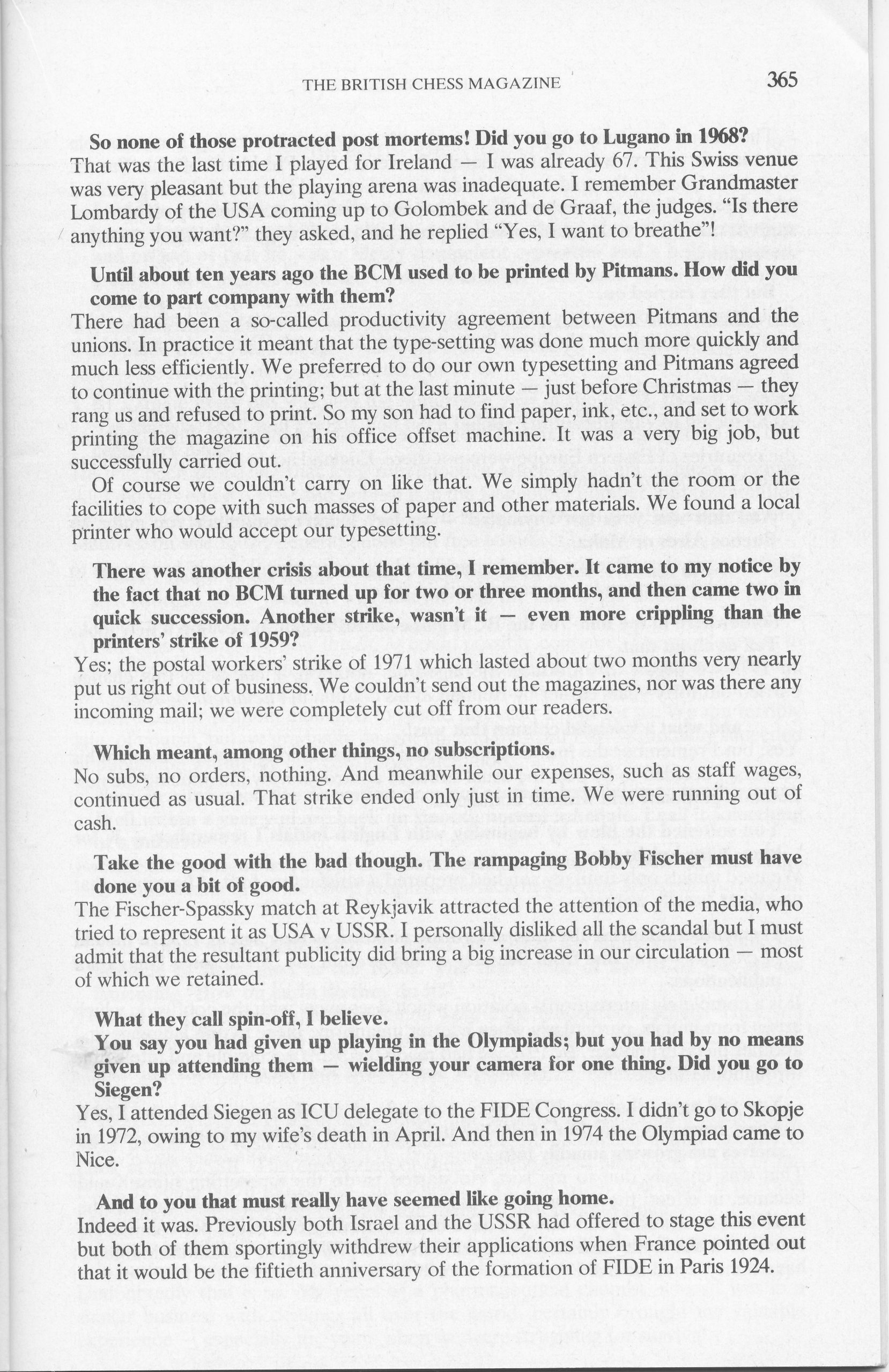
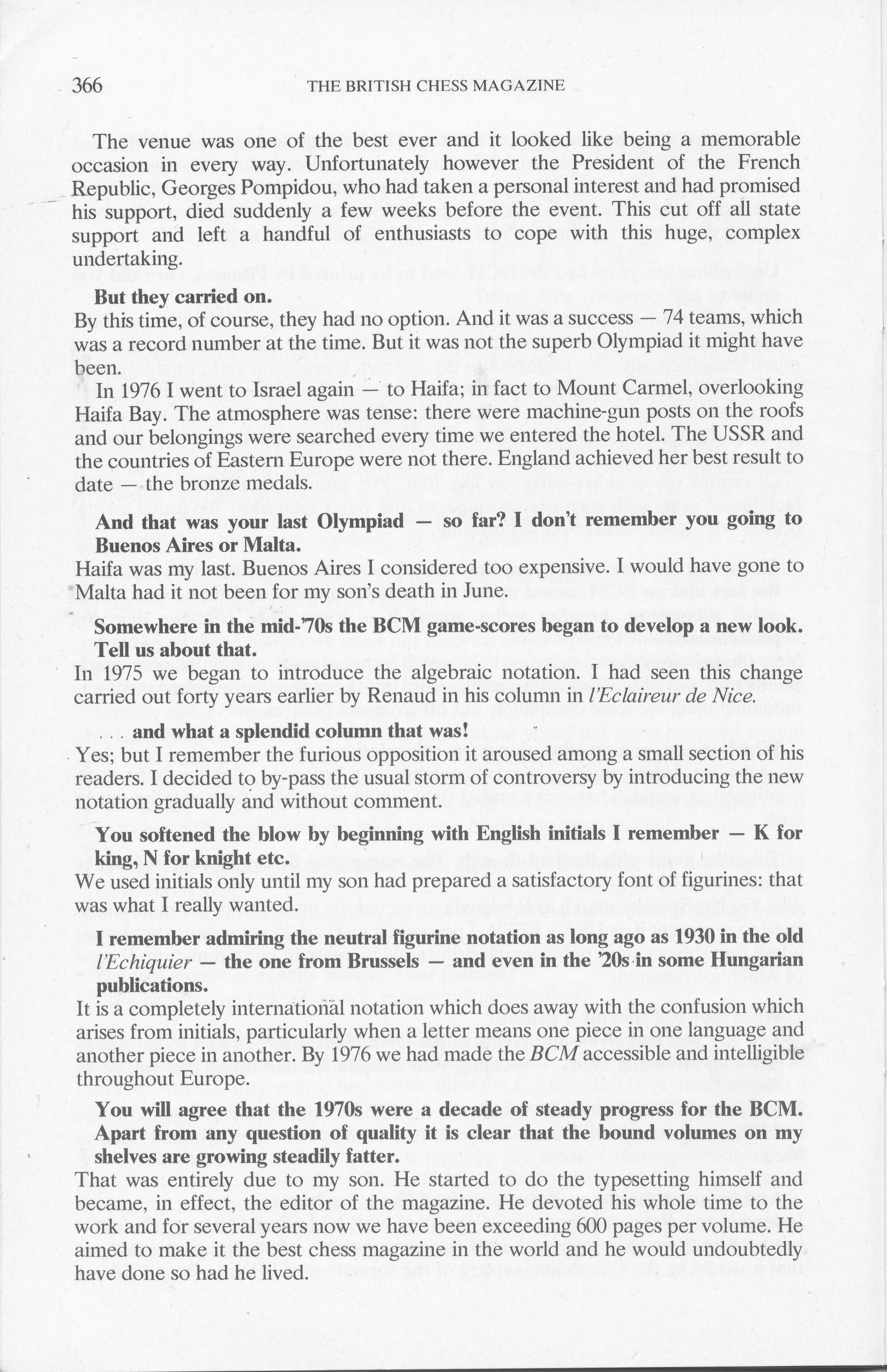
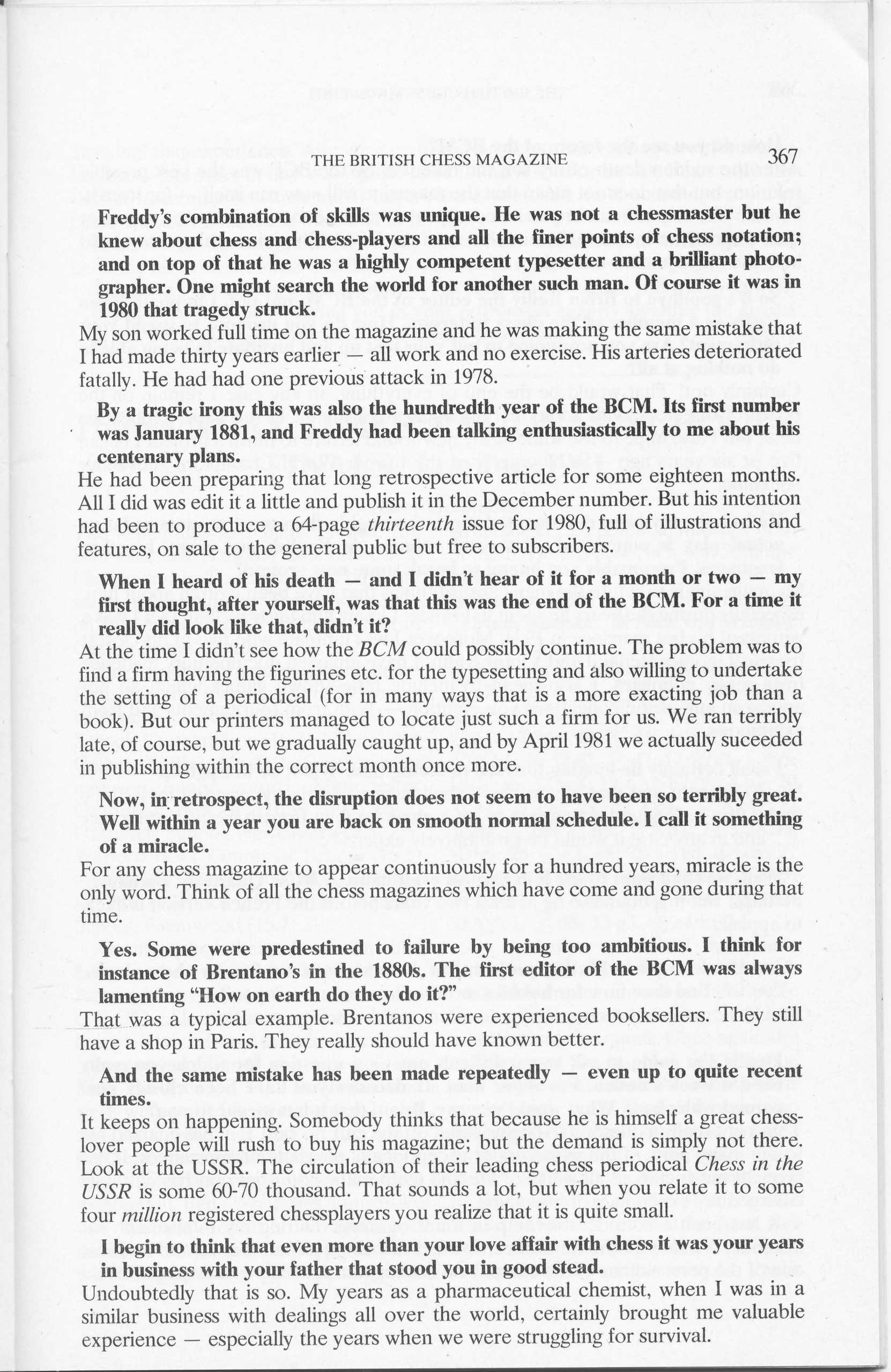
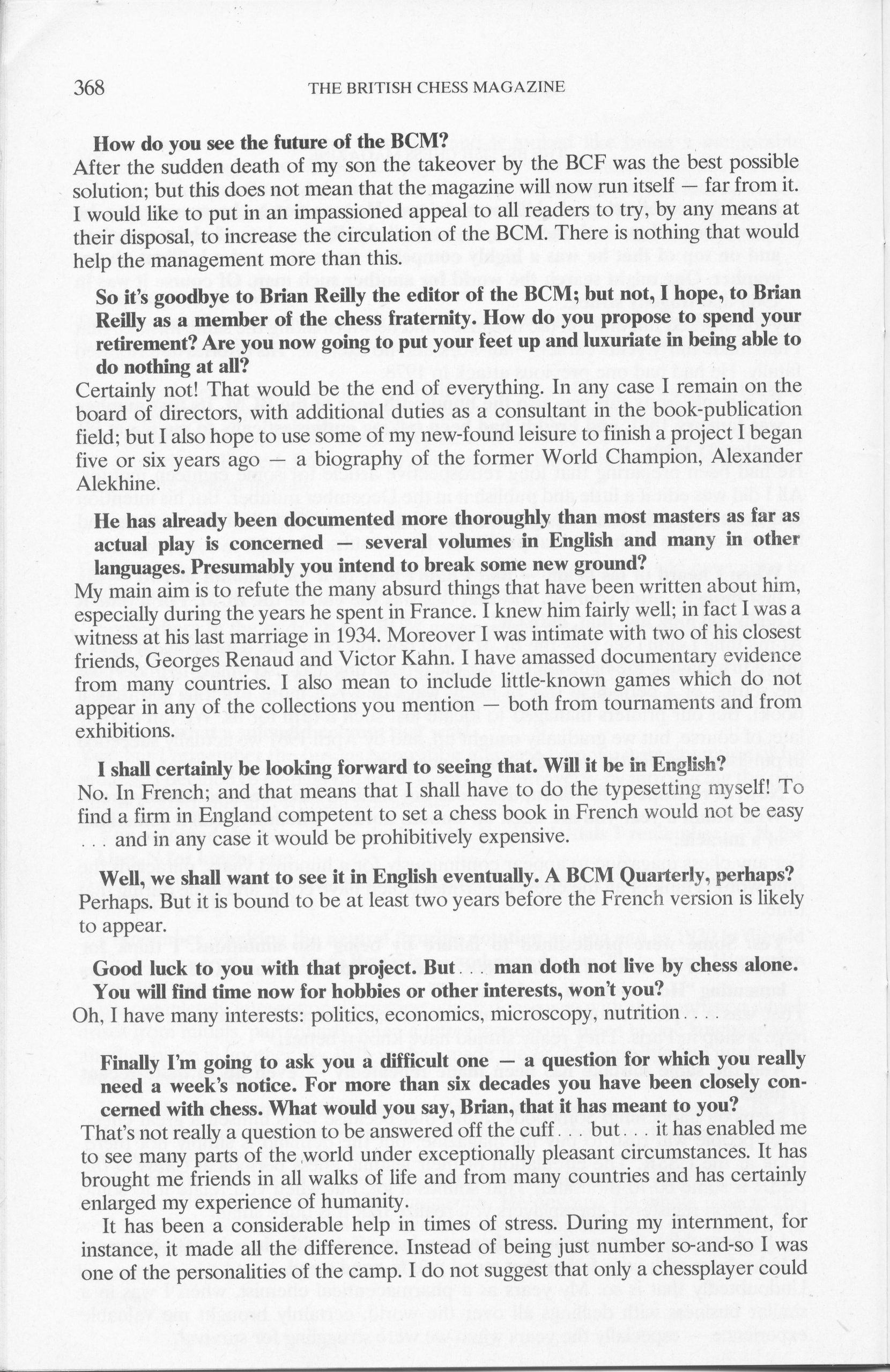
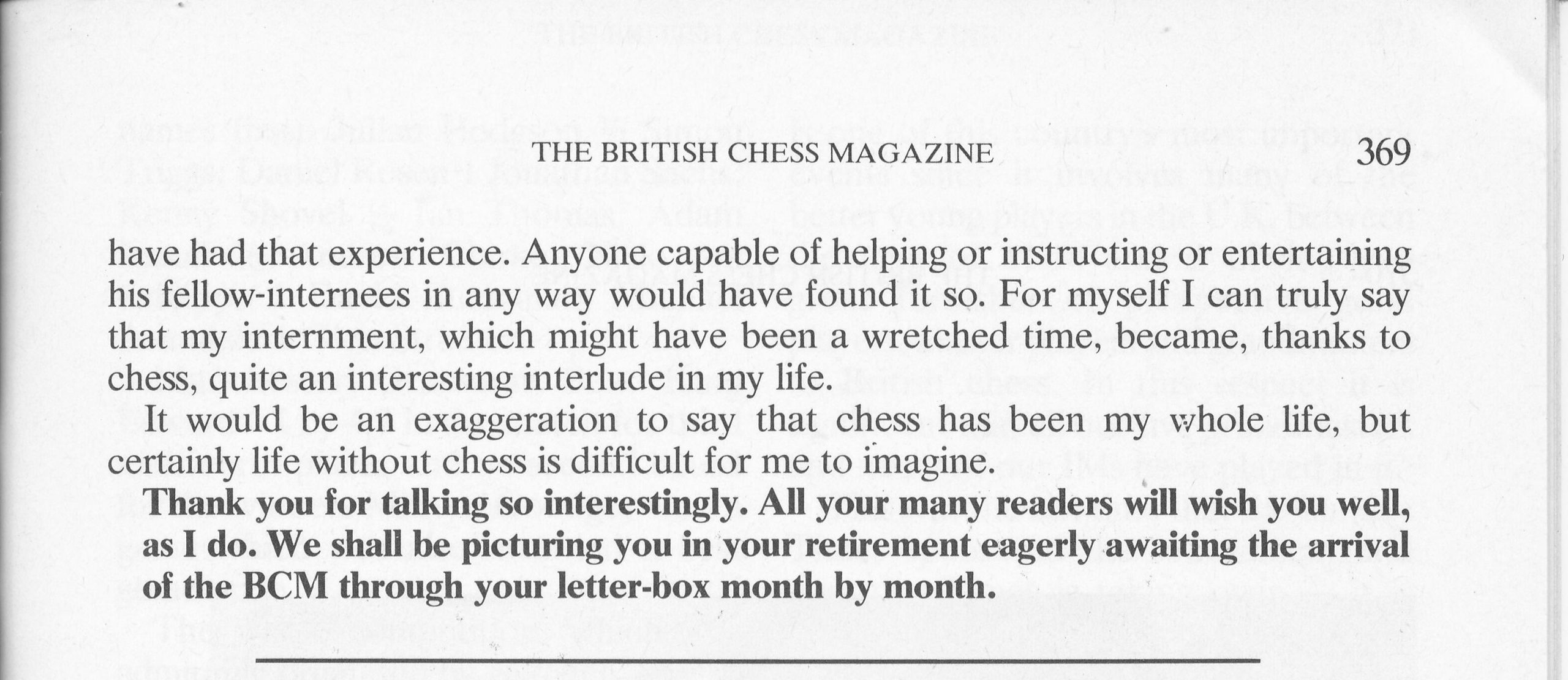
From British Chess Magazine, Volume CI (101), Number 8 (August), pp 352 – 369 a conversation between B.P. Reilly and W.H. Cozens :
Brian Reilly conversation with William Harold Cozens, part 1Brian Reilly conversation with William Harold Cozens, part 2Brian Reilly conversation with William Harold Cozens, part 3Brian Reilly conversation with William Harold Cozens, part 4Brian Reilly conversation with William Harold Cozens, part 5Brian Reilly conversation with William Harold Cozens, part 6Brian Reilly conversation with William Harold Cozens, part 7
Brian Reilly conversation with William Harold Cozens, part 8Brian Reilly conversation with William Harold Cozens, part 9Brian Reilly conversation with William Harold Cozens, part 10Brian Reilly conversation with William Harold Cozens, part 11Brian Reilly conversation with William Harold Cozens, part 12Brian Reilly conversation with William Harold Cozens, part 13Brian Reilly conversation with William Harold Cozens, part 14Brian Reilly conversation with William Harold Cozens, part 15Brian Reilly conversation with William Harold Cozens, part 16Brian Reilly conversation with William Harold Cozens, part 16Brian Reilly conversation with William Harold Cozens, part 1
Signature of Brian Reilly from an after dinner post card from Hastings 1945-46
We remember Brian Patrick Reilly who passed away on December 29th, 1991.
Brian Reilly probably sometime in the 1920s.
From The Encyclopaedia of Chess (Batsford, 1977), Harry Golombek OBE (written by Wolfgang Heidenfeld) :”Irish master born at Menton, of Irish descent, who has represented Ireland in nine Olympic team tournaments between 1935 and 1968; three times on top board.
Brian observes a game during one of the early 1930s tournaments in Nice
He was also Irish representative at seven FIDE congresses. Reilly played in a number of small international tournaments, wining first prize at Nice 1931 and sharing fourth prize with Klein and EG Sergeant behind Reshevsky, Capablanca and Sir G. Thomas at Margate 1935.
Brian Reilly playing Dr. Josep Vallve probably at Barcelona Chess Club in June 1935. Brian won in 61 moves.
Winner of Irish championship in 1959 and 1960. General Editor of British Chess Magazine since 1949.”
Brian Reilly and friends
His obituary in British Chess Magazine was written by Bernard Cafferty and appeared in Volume CXII (112, 1992), Number 2 (February), page 70:
Brian with journalist colleagues.
“With great regret we have to report that Brian Patrick Reilly has, to use the older term, ‘joined the great majority’.
Brian analysing with Irish team mate, Wolfgang Heidenfeld
B. P. Reilly (Menton, 12 xii 1901-Hastings, 29 xii l99l) was born into an expatriate family on the French Riviera, and so was bilingual. He learned his chess in France where he had many friends and acquaintances. He knew Alekhine in the 1920s and 1930s and was a witness at Alekhine’s wedding.
Many years later he was to do extensive research on Alekhine’s life, and was the first to establish (though he did not publish the fact) that the Russian did not complete his doctorate studies at the Sorbonne, so that “Dr” Alekhine must be considered a purely honorary title.
Brian won the Nice tournament of 1931, ahead of Noteboom, Mieses, . . . Sir George Thomas . . . Znosko-Borovsky. . . and played for Ireland at the 1935 Olympiad beating Fine.
Crosstable for Nice 1931 from Megabase 2020
These results, taken with his fourth place at Margate 1935, behind Reshevsky, Capablanca and Sir George Thomas, made it clear that he was of IM strength.
Nice Masters, 1931. Standing : Daniel Noteboom, Abraham Baratz, George Renaud (Organiser), John J O’Hanlon, Marcel Duchamp, Brian Reilly (winner), Seated : Eugene Znokso-Borovsky,, Arpad Vajda, Sir George Thomas, Jacques Mieses, Stefano Roselli del Turco, Jacob Adolf Seitz. British Chess Magazine, 1931, page 201
During the war Brian was interned in France as a British citizen, coming close to starvation for a time. He described all this in the very detailed account of his life in the September 1980 BCM, on which we have drawn, along with the many reminiscences Brian passed on to the present writer.
Brian analysing with the Irish team at an Olympiad
After working for the Sutton Coldfield magazine just after the war (he did not get on well with B. H. Wood, thinking him not very business-like – do we put this too diplomatically?) Brian was a freelance translator in the pharmaceutical industry before taking over BCM in 1949. At the time the magazine was technically bankrupt.
Sir George Thomas And Brian Reilly Sir George Thomas (left), leader of the British chess team, playing Irishman Brian Reilly at the Easter Chess Congress, Margate, April 24th 1935. (Photo by Harry Todd/Fox Photos/Getty Images)
In 1964 he moved the office from London to St Leonards, showing his business acumen yet again. He ran the bookstall for many years at the Hastings Congress at the Sun Lounge and the Falaise Hall.
After the union troubles of 1970-71 and the Fischer boom he arranged for the magazine to be typeset by his son Freddy at the family home in West Norwood. This led to an expansion in the pagination after some teething troubles.
Brian Reilly playing Cesar Munoz (Ecuador) in round 8 of the Leipzig Olympiad played on 23rd October 1960. The game was drawn in 48 moves.
All this while, Brian was playing for Ireland in Olympiads, and attending to FIDE affairs as a FIDE delegate.
Brian relaxing during a FIDE Congress dinner
After the death of his son Freddy in 1980, the magazine was sold to the BCF and Brian retired as editor in September 1981, remaining as a consultant for nearly a decade.
Brian Reilly, Ray Keene, George Botterill, Anatoly Karpov, Harry Golombek and Viktor Korchnoi
His last years were spent in Hastings, where it was his wont to carry on with the long sea-front walks that he had practised since a breakdown in health due to overwork. He had strong views on correct diet and exercise which he could expound to anyone willing to listen. The fact that he could walk up to six miles a day in his late eighties and that his faculties, including his memory, only seemed to be weakening in his last two years, is proof enough of the validity of his theories.
Brian Reilly playing Wolfgang Unzicker on board 1 during the preliminaries of the 1960 Leipzig Olympiad.
On his 90th birthday he attended the office and drank a glass of champagne to celebrate the occasion. We have the testimony of Mrs Arnold, who worked with him so long, that he was still talking of visiting the Hastings Congress. This was on Boxing Day, the day after he had been admitted to St Helen’s Hospital with a chest infection. He assured her he would be up and about again, but old friends such as Harry Golombek and Ritson Morry waited for him in vain as Hastings got under way. . .
Brian Reilly at a FIDE Congress (possibly Nice 1974?)Brian Reilly at a FIDE Congress (possibly Nice 1974?)
BCM readers, too, must be counted amongst his old friends who will miss him. They should be aware that, but for Brian, and his decades of hard work. there would now be no BCM.”
Brian Reilly in the BCM office. Photographed most likely by Freddy Reilly.
From British Chess Magazine, Volume CI (101), Number 8 (August), pp 352 – 369 a conversation between B.P. Reilly and W.H. Cozens :
Brian Reilly conversation with William Harold Cozens, part 1Brian Reilly conversation with William Harold Cozens, part 2Brian Reilly conversation with William Harold Cozens, part 3Brian Reilly conversation with William Harold Cozens, part 4Brian Reilly conversation with William Harold Cozens, part 5Brian Reilly conversation with William Harold Cozens, part 6Brian Reilly conversation with William Harold Cozens, part 7
Brian Reilly conversation with William Harold Cozens, part 8Brian Reilly conversation with William Harold Cozens, part 9Brian Reilly conversation with William Harold Cozens, part 10Brian Reilly conversation with William Harold Cozens, part 11Brian Reilly conversation with William Harold Cozens, part 12Brian Reilly conversation with William Harold Cozens, part 13Brian Reilly conversation with William Harold Cozens, part 14Brian Reilly conversation with William Harold Cozens, part 15Brian Reilly conversation with William Harold Cozens, part 16Brian Reilly conversation with William Harold Cozens, part 16Brian Reilly conversation with William Harold Cozens, part 1
Signature of Brian Reilly from an after dinner post card from Hastings 1945-46
We remember Brian Patrick Reilly who passed away on December 29th, 1991.
Brian Reilly probably sometime in the 1920s.
From The Encyclopaedia of Chess (Batsford, 1977), Harry Golombek OBE (written by Wolfgang Heidenfeld) :”Irish master born at Menton, of Irish descent, who has represented Ireland in nine Olympic team tournaments between 1935 and 1968; three times on top board.
Brian observes a game during one of the early 1930s tournaments in Nice
He was also Irish representative at seven FIDE congresses. Reilly played in a number of small international tournaments, wining first prize at Nice 1931 and sharing fourth prize with Klein and EG Sergeant behind Reshevsky, Capablanca and Sir G. Thomas at Margate 1935.
Brian Reilly playing Dr. Josep Vallve probably at Barcelona Chess Club in June 1935. Brian won in 61 moves.
Winner of Irish championship in 1959 and 1960. General Editor of British Chess Magazine since 1949.”
Brian Reilly and friends
His obituary in British Chess Magazine was written by Bernard Cafferty and appeared in Volume CXII (112, 1992), Number 2 (February), page 70:
Brian with journalist colleagues.
“With great regret we have to report that Brian Patrick Reilly has, to use the older term, ‘joined the great majority’.
Brian analysing with Irish team mate, Wolfgang Heidenfeld
B. P. Reilly (Menton, 12 xii 1901-Hastings, 29 xii l99l) was born into an expatriate family on the French Riviera, and so was bilingual. He learned his chess in France where he had many friends and acquaintances. He knew Alekhine in the 1920s and 1930s and was a witness at Alekhine’s wedding.
Many years later he was to do extensive research on Alekhine’s life, and was the first to establish (though he did not publish the fact) that the Russian did not complete his doctorate studies at the Sorbonne, so that “Dr” Alekhine must be considered a purely honorary title.
Brian won the Nice tournament of 1931, ahead of Noteboom, Mieses, . . . Sir George Thomas . . . Znosko-Borovsky. . . and played for Ireland at the 1935 Olympiad beating Fine.
Crosstable for Nice 1931 from Megabase 2020
These results, taken with his fourth place at Margate 1935, behind Reshevsky, Capablanca and Sir George Thomas, made it clear that he was of IM strength.
Nice Masters, 1931. Standing : Daniel Noteboom, Abraham Baratz, George Renaud (Organiser), John J O’Hanlon, Marcel Duchamp, Brian Reilly (winner), Seated : Eugene Znokso-Borovsky,, Arpad Vajda, Sir George Thomas, Jacques Mieses, Stefano Roselli del Turco, Jacob Adolf Seitz. British Chess Magazine, 1931, page 201
During the war Brian was interned in France as a British citizen, coming close to starvation for a time. He described all this in the very detailed account of his life in the September 1980 BCM, on which we have drawn, along with the many reminiscences Brian passed on to the present writer.
Brian analysing with the Irish team at an Olympiad
After working for the Sutton Coldfield magazine just after the war (he did not get on well with B. H. Wood, thinking him not very business-like – do we put this too diplomatically?) Brian was a freelance translator in the pharmaceutical industry before taking over BCM in 1949. At the time the magazine was technically bankrupt.
Sir George Thomas And Brian Reilly Sir George Thomas (left), leader of the British chess team, playing Irishman Brian Reilly at the Easter Chess Congress, Margate, April 24th 1935. (Photo by Harry Todd/Fox Photos/Getty Images)
In 1964 he moved the office from London to St Leonards, showing his business acumen yet again. He ran the bookstall for many years at the Hastings Congress at the Sun Lounge and the Falaise Hall.
After the union troubles of 1970-71 and the Fischer boom he arranged for the magazine to be typeset by his son Freddy at the family home in West Norwood. This led to an expansion in the pagination after some teething troubles.
Brian Reilly playing Cesar Munoz (Ecuador) in round 8 of the Leipzig Olympiad played on 23rd October 1960. The game was drawn in 48 moves.
All this while, Brian was playing for Ireland in Olympiads, and attending to FIDE affairs as a FIDE delegate.
Brian relaxing during a FIDE Congress dinner
After the death of his son Freddy in 1980, the magazine was sold to the BCF and Brian retired as editor in September 1981, remaining as a consultant for nearly a decade.
Brian Reilly, Ray Keene, George Botterill, Anatoly Karpov, Harry Golombek and Viktor Korchnoi
His last years were spent in Hastings, where it was his wont to carry on with the long sea-front walks that he had practised since a breakdown in health due to overwork. He had strong views on correct diet and exercise which he could expound to anyone willing to listen. The fact that he could walk up to six miles a day in his late eighties and that his faculties, including his memory, only seemed to be weakening in his last two years, is proof enough of the validity of his theories.
Brian Reilly playing Wolfgang Unzicker on board 1 during the preliminaries of the 1960 Leipzig Olympiad.
On his 90th birthday he attended the office and drank a glass of champagne to celebrate the occasion. We have the testimony of Mrs Arnold, who worked with him so long, that he was still talking of visiting the Hastings Congress. This was on Boxing Day, the day after he had been admitted to St Helen’s Hospital with a chest infection. He assured her he would be up and about again, but old friends such as Harry Golombek and Ritson Morry waited for him in vain as Hastings got under way. . .
Brian Reilly at a FIDE Congress (possibly Nice 1974?)Brian Reilly at a FIDE Congress (possibly Nice 1974?)
BCM readers, too, must be counted amongst his old friends who will miss him. They should be aware that, but for Brian, and his decades of hard work. there would now be no BCM.”
Brian Reilly in the BCM office. Photographed most likely by Freddy Reilly.
From British Chess Magazine, Volume CI (101), Number 8 (August), pp 352 – 369 a conversation between B.P. Reilly and W.H. Cozens :
Brian Reilly conversation with William Harold Cozens, part 1Brian Reilly conversation with William Harold Cozens, part 2Brian Reilly conversation with William Harold Cozens, part 3Brian Reilly conversation with William Harold Cozens, part 4Brian Reilly conversation with William Harold Cozens, part 5Brian Reilly conversation with William Harold Cozens, part 6Brian Reilly conversation with William Harold Cozens, part 7
Brian Reilly conversation with William Harold Cozens, part 8Brian Reilly conversation with William Harold Cozens, part 9Brian Reilly conversation with William Harold Cozens, part 10Brian Reilly conversation with William Harold Cozens, part 11Brian Reilly conversation with William Harold Cozens, part 12Brian Reilly conversation with William Harold Cozens, part 13Brian Reilly conversation with William Harold Cozens, part 14Brian Reilly conversation with William Harold Cozens, part 15Brian Reilly conversation with William Harold Cozens, part 16Brian Reilly conversation with William Harold Cozens, part 16Brian Reilly conversation with William Harold Cozens, part 1
Signature of Brian Reilly from an after dinner post card from Hastings 1945-46
We remember Brian Patrick Reilly who passed away on December 29th, 1991.
Brian Reilly probably sometime in the 1920s.
From The Encyclopaedia of Chess (Batsford, 1977), Harry Golombek OBE (written by Wolfgang Heidenfeld) :”Irish master born at Menton, of Irish descent, who has represented Ireland in nine Olympic team tournaments between 1935 and 1968; three times on top board.
Brian observes a game during one of the early 1930s tournaments in Nice
He was also Irish representative at seven FIDE congresses. Reilly played in a number of small international tournaments, wining first prize at Nice 1931 and sharing fourth prize with Klein and EG Sergeant behind Reshevsky, Capablanca and Sir G. Thomas at Margate 1935.
Brian Reilly playing Dr. Josep Vallve probably at Barcelona Chess Club in June 1935. Brian won in 61 moves.
Winner of Irish championship in 1959 and 1960. General Editor of British Chess Magazine since 1949.”
Brian Reilly and friends
His obituary in British Chess Magazine was written by Bernard Cafferty and appeared in Volume CXII (112, 1992), Number 2 (February), page 70:
Brian with journalist colleagues.
“With great regret we have to report that Brian Patrick Reilly has, to use the older term, ‘joined the great majority’.
Brian analysing with Irish team mate, Wolfgang Heidenfeld
B. P. Reilly (Menton, 12 xii 1901-Hastings, 29 xii l99l) was born into an expatriate family on the French Riviera, and so was bilingual. He learned his chess in France where he had many friends and acquaintances. He knew Alekhine in the 1920s and 1930s and was a witness at Alekhine’s wedding.
Many years later he was to do extensive research on Alekhine’s life, and was the first to establish (though he did not publish the fact) that the Russian did not complete his doctorate studies at the Sorbonne, so that “Dr” Alekhine must be considered a purely honorary title.
Brian won the Nice tournament of 1931, ahead of Noteboom, Mieses, . . . Sir George Thomas . . . Znosko-Borovsky. . . and played for Ireland at the 1935 Olympiad beating Fine.
Crosstable for Nice 1931 from Megabase 2020
These results, taken with his fourth place at Margate 1935, behind Reshevsky, Capablanca and Sir George Thomas, made it clear that he was of IM strength.
Nice Masters, 1931. Standing : Daniel Noteboom, Abraham Baratz, George Renaud (Organiser), John J O’Hanlon, Marcel Duchamp, Brian Reilly (winner), Seated : Eugene Znokso-Borovsky,, Arpad Vajda, Sir George Thomas, Jacques Mieses, Stefano Roselli del Turco, Jacob Adolf Seitz. British Chess Magazine, 1931, page 201
During the war Brian was interned in France as a British citizen, coming close to starvation for a time. He described all this in the very detailed account of his life in the September 1980 BCM, on which we have drawn, along with the many reminiscences Brian passed on to the present writer.
Brian analysing with the Irish team at an Olympiad
After working for the Sutton Coldfield magazine just after the war (he did not get on well with B. H. Wood, thinking him not very business-like – do we put this too diplomatically?) Brian was a freelance translator in the pharmaceutical industry before taking over BCM in 1949. At the time the magazine was technically bankrupt.
Sir George Thomas And Brian Reilly Sir George Thomas (left), leader of the British chess team, playing Irishman Brian Reilly at the Easter Chess Congress, Margate, April 24th 1935. (Photo by Harry Todd/Fox Photos/Getty Images)
In 1964 he moved the office from London to St Leonards, showing his business acumen yet again. He ran the bookstall for many years at the Hastings Congress at the Sun Lounge and the Falaise Hall.
After the union troubles of 1970-71 and the Fischer boom he arranged for the magazine to be typeset by his son Freddy at the family home in West Norwood. This led to an expansion in the pagination after some teething troubles.
Brian Reilly playing Cesar Munoz (Ecuador) in round 8 of the Leipzig Olympiad played on 23rd October 1960. The game was drawn in 48 moves.
All this while, Brian was playing for Ireland in Olympiads, and attending to FIDE affairs as a FIDE delegate.
Brian relaxing during a FIDE Congress dinner
After the death of his son Freddy in 1980, the magazine was sold to the BCF and Brian retired as editor in September 1981, remaining as a consultant for nearly a decade.
Brian Reilly, Ray Keene, George Botterill, Anatoly Karpov, Harry Golombek and Viktor Korchnoi
His last years were spent in Hastings, where it was his wont to carry on with the long sea-front walks that he had practised since a breakdown in health due to overwork. He had strong views on correct diet and exercise which he could expound to anyone willing to listen. The fact that he could walk up to six miles a day in his late eighties and that his faculties, including his memory, only seemed to be weakening in his last two years, is proof enough of the validity of his theories.
Brian Reilly playing Wolfgang Unzicker on board 1 during the preliminaries of the 1960 Leipzig Olympiad.
On his 90th birthday he attended the office and drank a glass of champagne to celebrate the occasion. We have the testimony of Mrs Arnold, who worked with him so long, that he was still talking of visiting the Hastings Congress. This was on Boxing Day, the day after he had been admitted to St Helen’s Hospital with a chest infection. He assured her he would be up and about again, but old friends such as Harry Golombek and Ritson Morry waited for him in vain as Hastings got under way. . .
Brian Reilly at a FIDE Congress (possibly Nice 1974?)Brian Reilly at a FIDE Congress (possibly Nice 1974?)
BCM readers, too, must be counted amongst his old friends who will miss him. They should be aware that, but for Brian, and his decades of hard work. there would now be no BCM.”
Brian Reilly in the BCM office. Photographed most likely by Freddy Reilly.
From British Chess Magazine, Volume CI (101), Number 8 (August), pp 352 – 369 a conversation between B.P. Reilly and W.H. Cozens :
Brian Reilly conversation with William Harold Cozens, part 1Brian Reilly conversation with William Harold Cozens, part 2Brian Reilly conversation with William Harold Cozens, part 3Brian Reilly conversation with William Harold Cozens, part 4Brian Reilly conversation with William Harold Cozens, part 5Brian Reilly conversation with William Harold Cozens, part 6Brian Reilly conversation with William Harold Cozens, part 7
Brian Reilly conversation with William Harold Cozens, part 8Brian Reilly conversation with William Harold Cozens, part 9Brian Reilly conversation with William Harold Cozens, part 10Brian Reilly conversation with William Harold Cozens, part 11Brian Reilly conversation with William Harold Cozens, part 12Brian Reilly conversation with William Harold Cozens, part 13Brian Reilly conversation with William Harold Cozens, part 14Brian Reilly conversation with William Harold Cozens, part 15Brian Reilly conversation with William Harold Cozens, part 16Brian Reilly conversation with William Harold Cozens, part 16Brian Reilly conversation with William Harold Cozens, part 1
Ninety-two today is Leonard Barden, born Tuesday, August 20th, 1929.
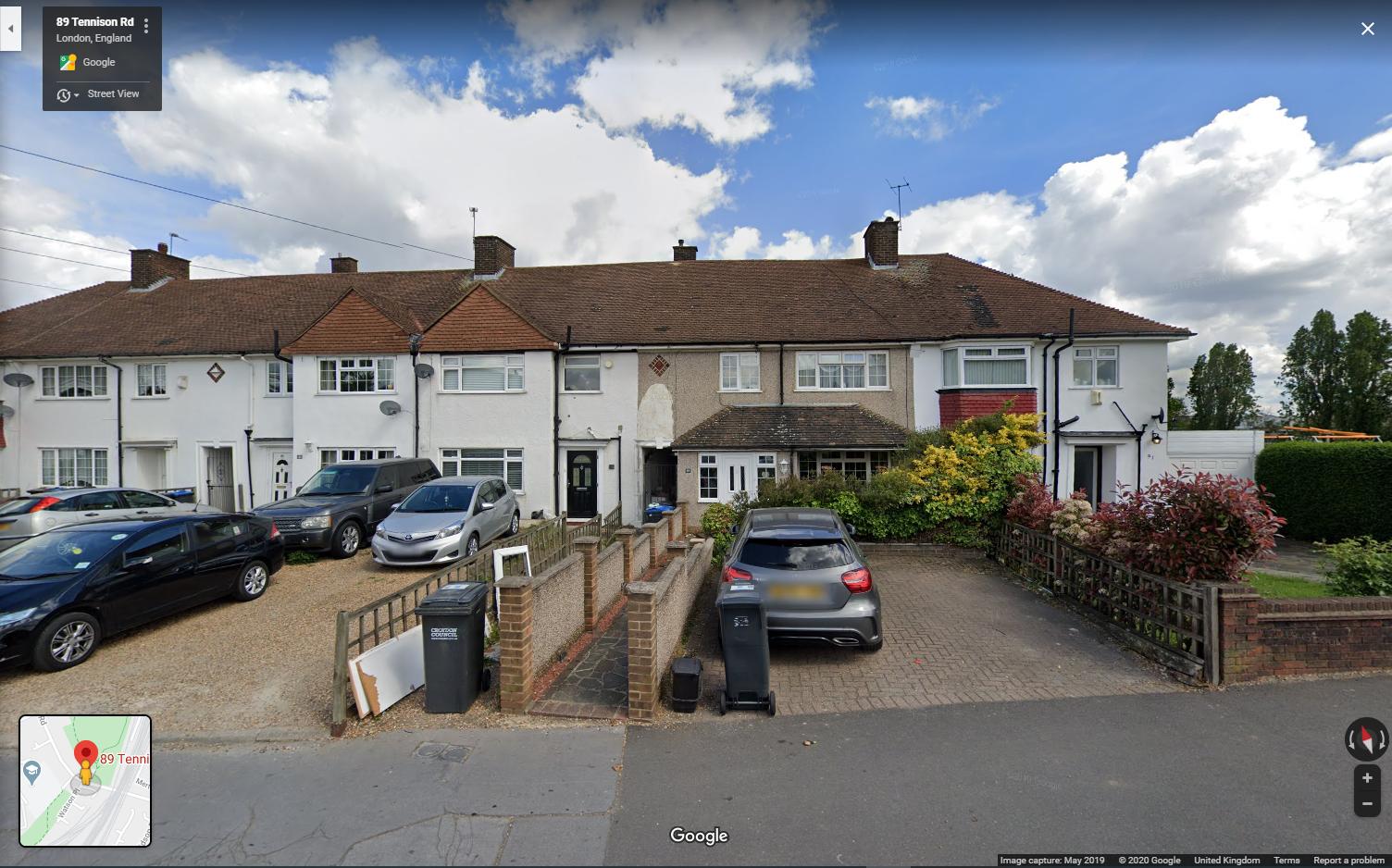
His mother’s maiden was Bartholomew and she became Elise EM Barden when she married Leonard’s father who was William C Barden and in 1939 they lived at 89, Tennison Road, Croydon.
89, Tennison Road, Croydon
From The Encyclopedia of Chess (Batsford, 1977) by Harry Golombek OBE:
“British Master and joint British Champion 1954. Barden was born in Croydon and learned to play at his school, Whitgift, which became a frequent producer of fine players.
In 1946 he tied for first place in the London Boys Championship and in the following year he tied with Jonathan Penrose for first place in the British Boys Championship, but lost the play-off.
In 1952 he came first at Paignton ahead of the Canadian Grandmaster Yanofsky and he reached his peak in 1954 when , after tieing for first place with the Belgian Grandmaster O’Kelly de Galway at Bognor, he tied for for first place in the British Championship at Nottingham with A. Phillips. The play-off was drawn and so the players became joint champions.
Alan Phillips and Leonard Barden are joint British Champions of 1954 in Nottingham, photographer unknown
He played for the BCF in four Olympiads from 1952 to 1962 and then abandoned competitive chess, applying all his energies to writing (he is chess correspondent of the Guardian, the Financial Times, the Evening Standard and the Field, and has written many books on the game.
He has also developed two special interests, in junior chess and in grading, working with utmost persistence and energy in both of these fields.
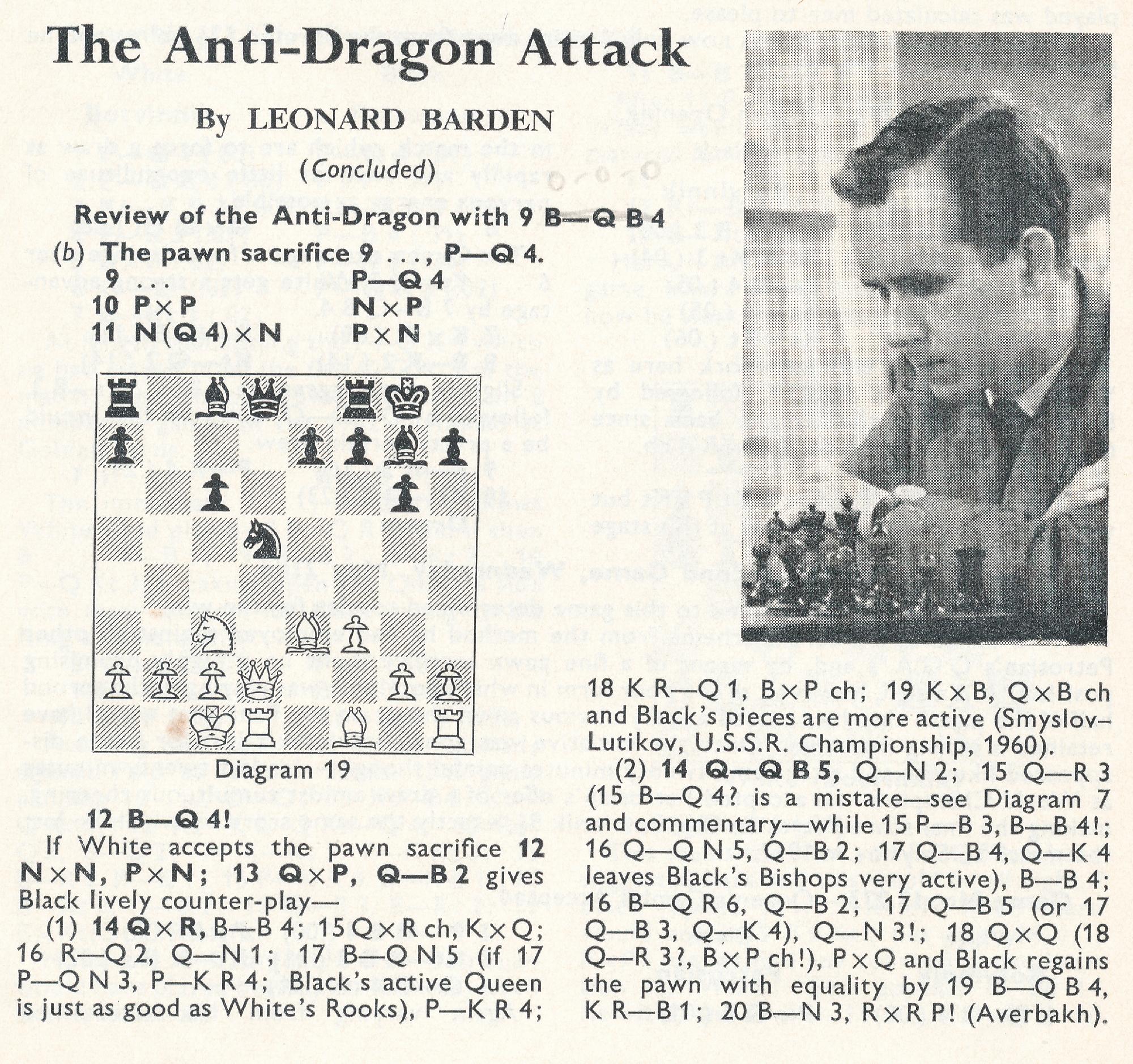
Leonard authored a series of articles on what was to become the Yugoslav Attack versus the Sicilian Dragon. Source : British Chess Magazine, Volume LXXXIII, Number 7 (July), page 208
Amongst his best works are : a A Guide to Chess Openings, London, 1957; The Ruy Lopez, Oxford, 1963; The King’s Indian Defence, London, 1968.”
Disappointingly Sunnucks Encyclopedia does not mention Barden at all and and surprisingly Hooper and Whyld’s usually excellent Oxford Companion only from a connection with Jim Slater.
“Leonard William Barden (born 20 August 1929, in Croydon, London) is an English chess master, writer, broadcaster, organizer and promoter. The son of a dustman, he was educated at Whitgift School, South Croydon, and Balliol College, Oxford, where he read Modern History.
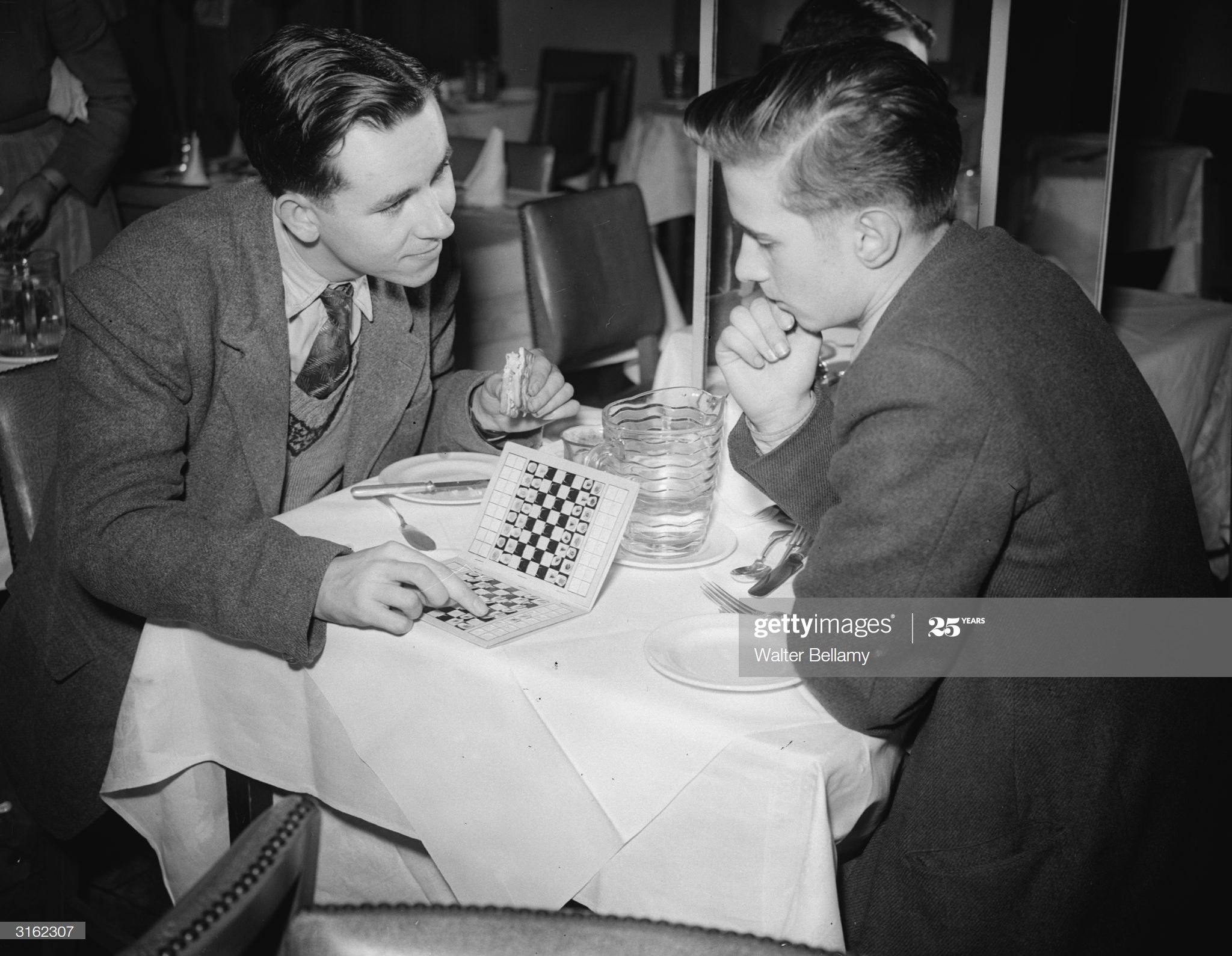
Travel Chess 2nd January 1951: British chess champions Jonathan Penrose and Leonard Barden prepare their openings over breakfast in the Yelton Hotel before the 9.30 am round start at Hastings 1950-51. (Photo by Walter Bellamy/Express/Getty Images)
He learned to play chess at age 13 while in a school shelter during a World War II German air raid. Within a few years he became one of the country’s leading juniors.[1] He represented England in four Chess Olympiads. Barden played a major role in the rise of English chess from the 1970s. As a chess columnist for various newspapers, his column in London’s Evening Standard is the world’s longest-standing chess column.
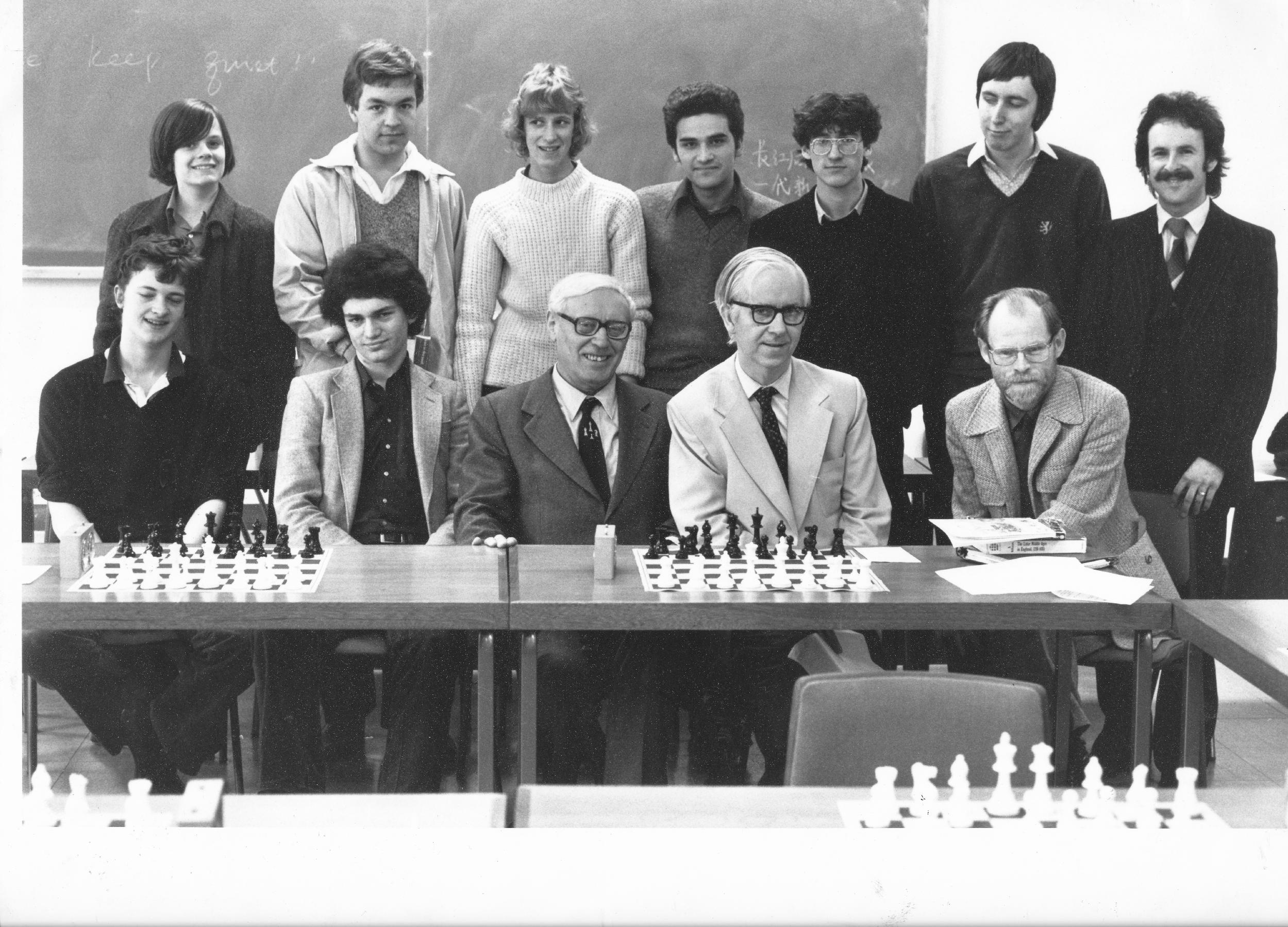
Leonard Barden (seated, second from right) Before Botvinnik’s 1981 Pergamon Press clock simul against England juniors, the final competitive event of the Patriarch’s career. Standing: Stuart Conquest, Neil Dickenson. Gary Lane, Alan Byron, Daniel King, John Hawksworth, Pergamon editor. Seated: Julian Hodgson, Byron Jacobs, Mikhail Botvinnik, Leonard Barden, Bernard Cafferty.
In 1946, Barden won the British Junior Correspondence Chess Championship, and tied for first place in the London Boys’ Championship. The following year he tied for first with Jonathan Penrose in the British Boys’ Championship, but lost the playoff.
Barden finished fourth at Hastings in 1951–52. In 1952, he won the Paignton tournament ahead of the Canadian future grandmaster Daniel Yanofsky. He captained the Oxfordshire team which won the English Counties championship in 1951 and 1952.
Barden making a move at Southend 1955.
In the latter year he captained the University of Oxford team which won the National Club Championship, and he represented the university in the annual team match against the University of Cambridge during his years there. In 1953, he won the individual British Lightning Championship (ten seconds a move).
The following year, he tied for first with the Belgian grandmaster Albéric O’Kelly de Galway at Bognor Regis, was joint British champion, with Alan Phillips, and won the Southern Counties Championship.
Leonard Barden vs Victor Korchnoi, Leipzig Olympiad, 1960
He finished fourth at Hastings 1957–58, ranked by chessmetrics as his best statistical performance. In the 1958 British Chess Championship, Barden again tied for first, but lost the playoff match to Penrose 1½–3½.
Leonard Barden (centre) with Raaphi Persitz, JB Sykes, OI Galvenius and DM Armstrong, Ilford, May, 1953
LWB observes analysis between David Rumens and Murray Chandler from Brighton 1980. Photograph courtesy of John Upham.
He represented England in the Chess Olympiads at Helsinki 1952 (playing fourth board, scoring 2 wins, 5 draws, and 4 losses), Amsterdam 1954 (playing first reserve, scoring 1 win, 2 draws, and 4 losses), Leipzig 1960 (first reserve; 4 wins, 4 draws, 2 losses) and Varna 1962 (first reserve; 7 wins, 2 draws, 3 losses). The latter was his best performance by far.
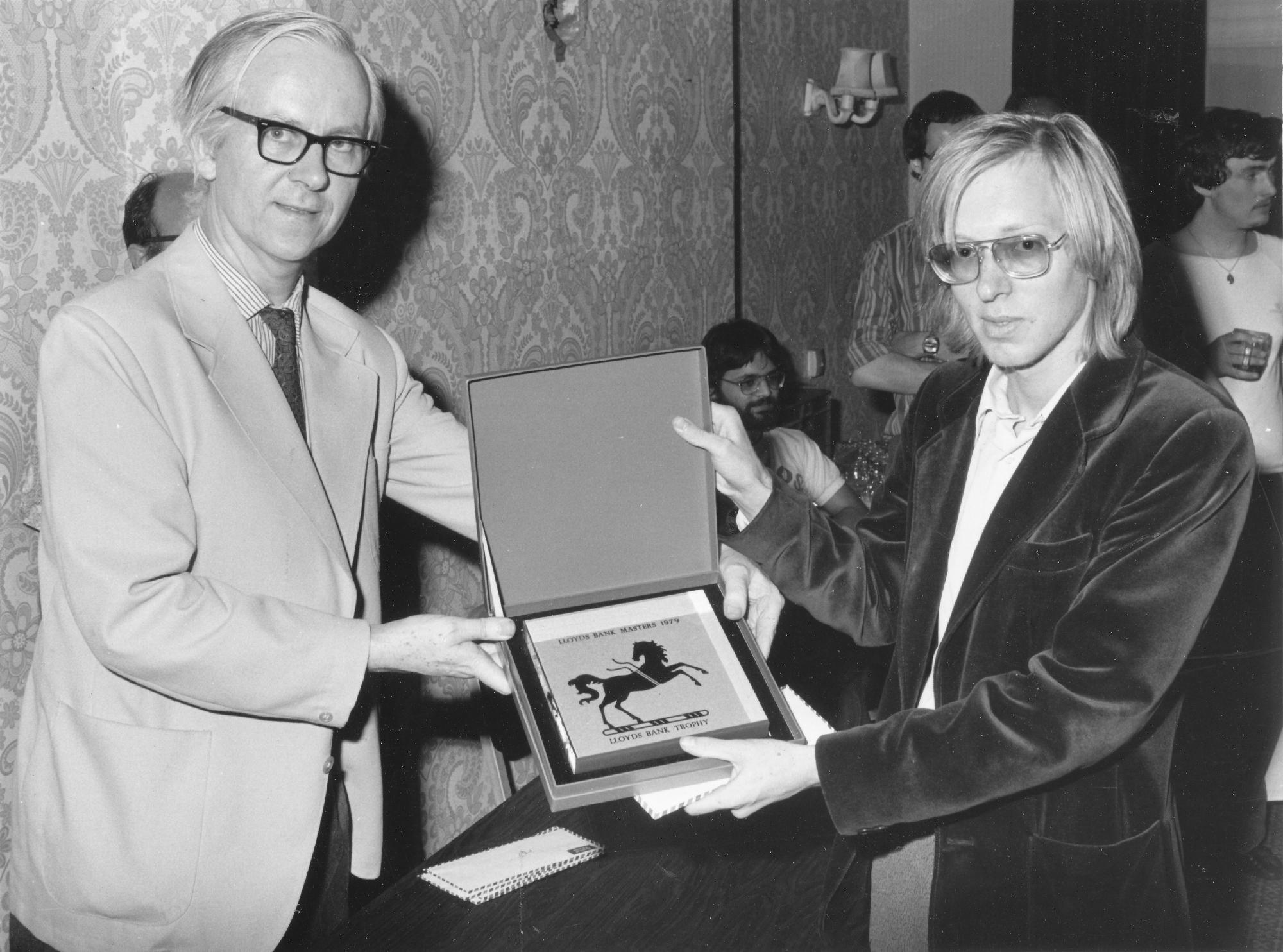
Leonard Barden (left) and Murray Chandler display the Lloyds Bank Trophy which the 19-year old New Zealander won ahead of 3 Grandmasters and 10 International Masters for his finest international success up to 1979. in the Lloyds Bank Masters
Barden has a Morphy number of 3, having drawn with Jacques Mieses in the Premier Reserves at Hastings 1948–49. Mieses drew with Henry Bird in the last round of Hastings 1895, and Bird played a number of games with Paul Morphy in 1858 and 1859.
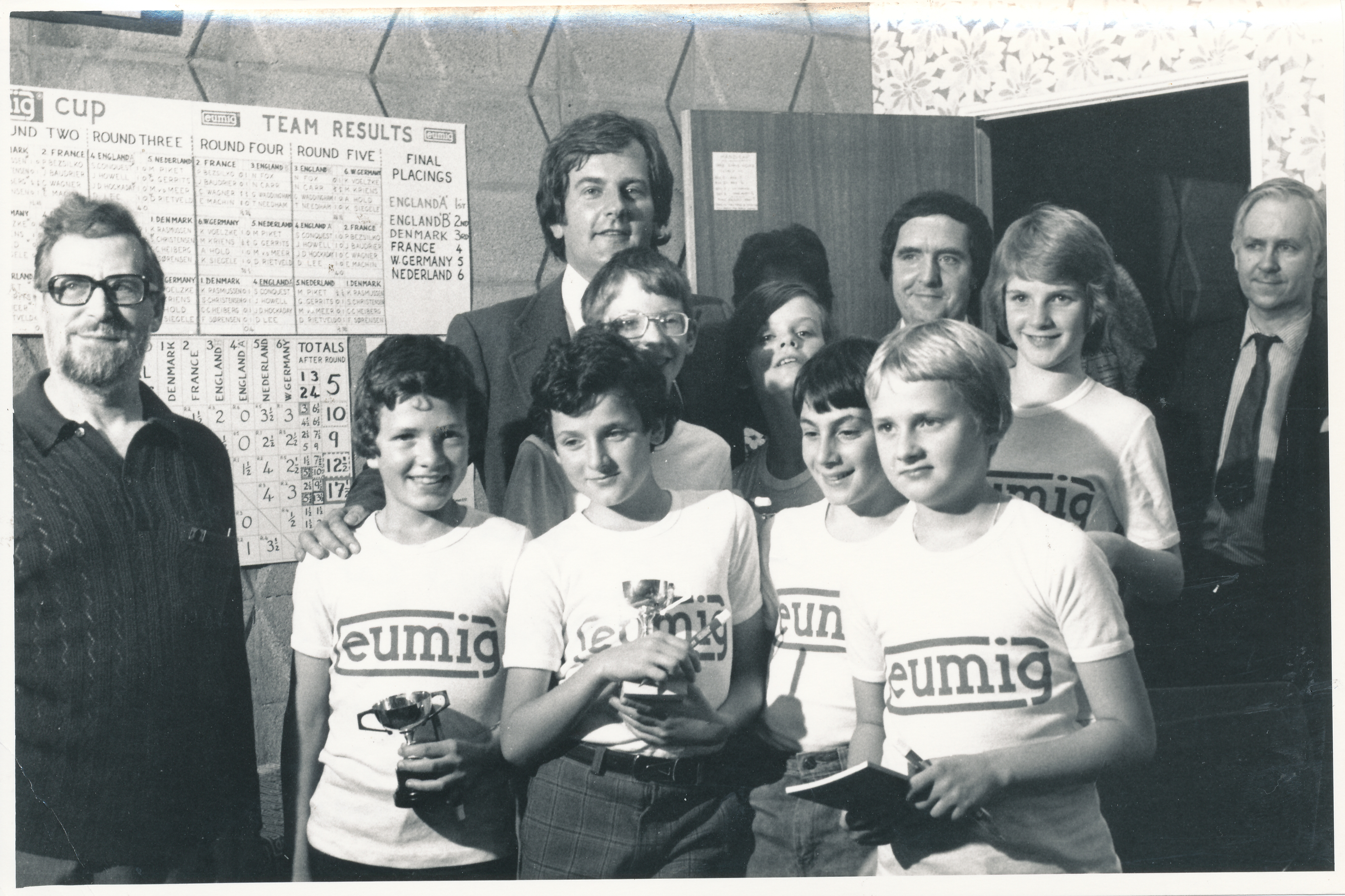
England’s under-12 junior teams finished first and second in the international Eumig Cup, 1981. Front row: Peter Morrish (organiser), Jimmy Hockaday, Darren Lee, Neil Fox, Neil Carr. Second row: James Howell, Stuart Conquest, Teresa Needham. Far right: LB.
In 1964, Barden gave up most competitive chess to devote his time to chess organisation, broadcasting, and writing about the game. He has made invaluable contributions to English chess as a populariser, writer, organiser, fundraiser, and broadcaster.
Leonard Barden at Bob Wade’s 80th birthday party, 2001.
He was controller of the British Chess Federation Grand Prix for many years, having found its first sponsor, Cutty Sark. He was a regular contributor to the BBC’s Network Three weekly radio chess programme from 1958 to 1963. His best-known contribution was a consultation game, recorded in 1960 and broadcast in 1961, where he partnered Bobby Fischer against the English masters Jonathan Penrose and Peter Clarke. This was the only recorded consultation game of Fischer’s career. The game, unfinished after eight hours of play, was adjudicated a draw by former world champion Max Euwe. Barden gave BBC television commentaries on all the games in the 1972 world championship. From 1973 to 1978 he was co-presenter of BBC2’s annual Master Game televised programme.
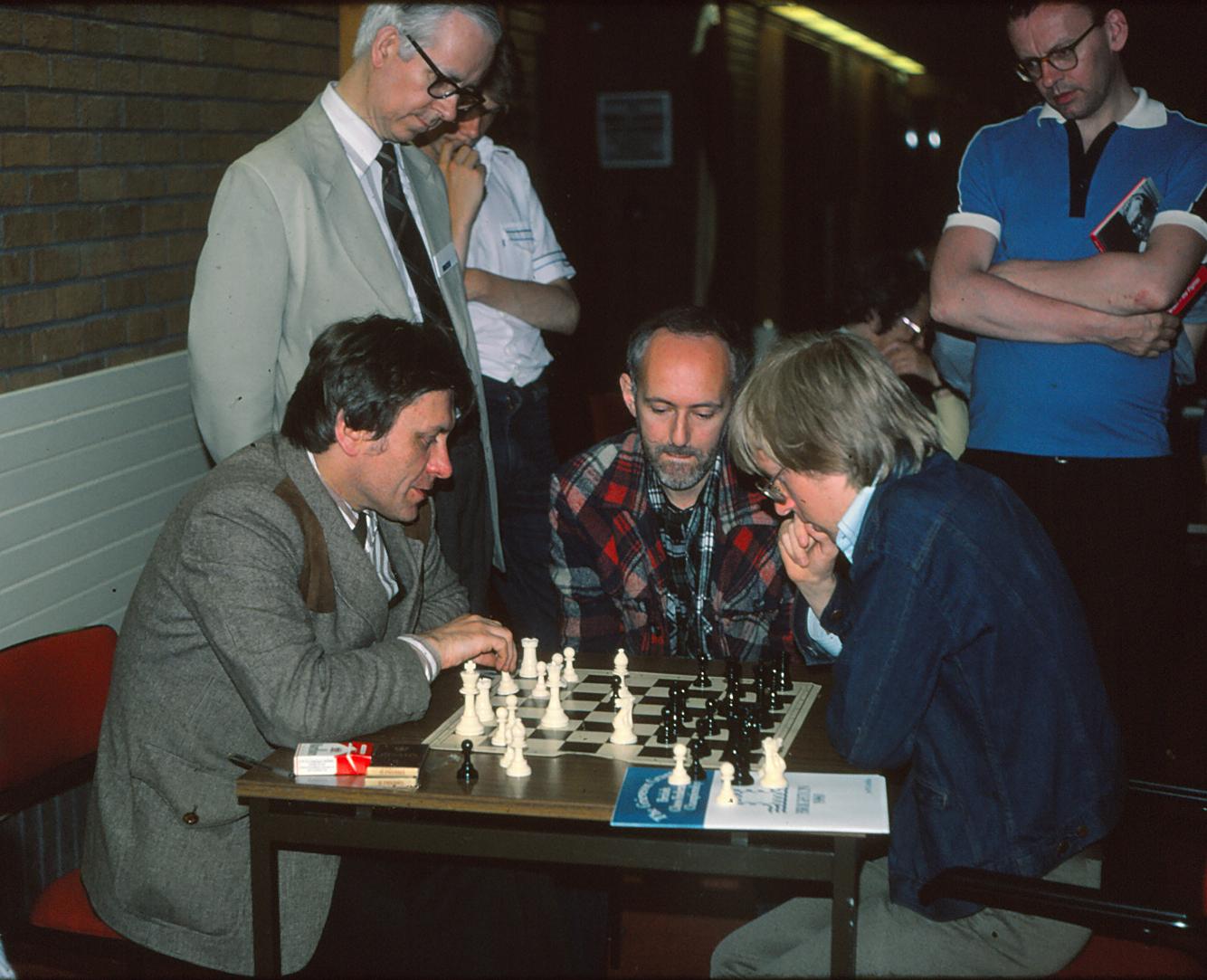
Julian and Nigel Short play Korchnoi in the Evening Standard 1976 simul. Leonard Barden observes.
As of 2021, his weekly columns have been published in The Guardian for 65 years and in The Financial Times for 46 years. A typical Barden column not only contains a readable tournament report, but is geared toward promoting the game. His London Evening Standard column, begun in summer 1956, is now the world’s longest running daily chess column by the same author, breaking the previous record set by George Koltanowski in the San Francisco Chronicle. Koltanowski’s column ran for 51 years, 9 months, and 18 days, including posthumous articles.”
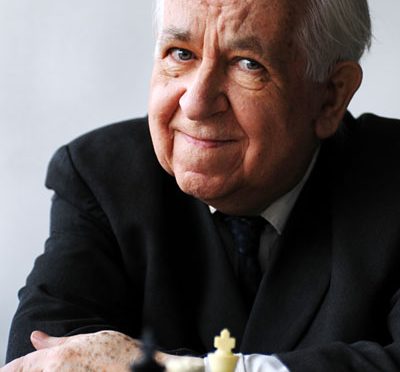
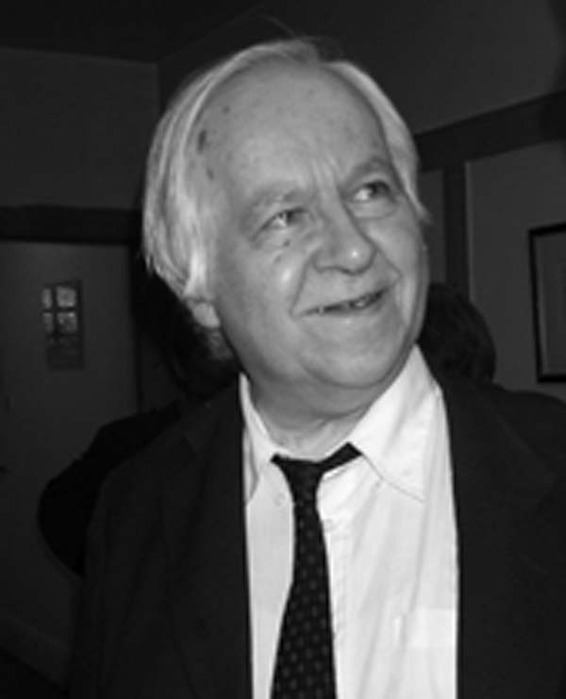
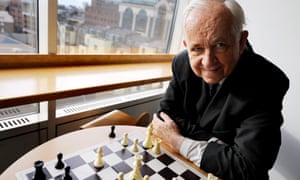
Leonard Barden (Linda Nylind of the Guardian)
Leonard wrote this on the English Chess Forum in 2021 :
“I retired after Ilford 1964 when I finished a poor last in the England Olympiad team qualifier, returned at Hammersmith 1969 (equal 2nd behind Keene) and then played around 6-8 weekenders a year until 1972. My overall performance level between early 60s and early 70s dropped from around 225 to 215 BCF, so I wasn’t encouraged to pursue the comeback further.”
Leonard was Southern Counties (SCCU) champion in the 1953-54 season.
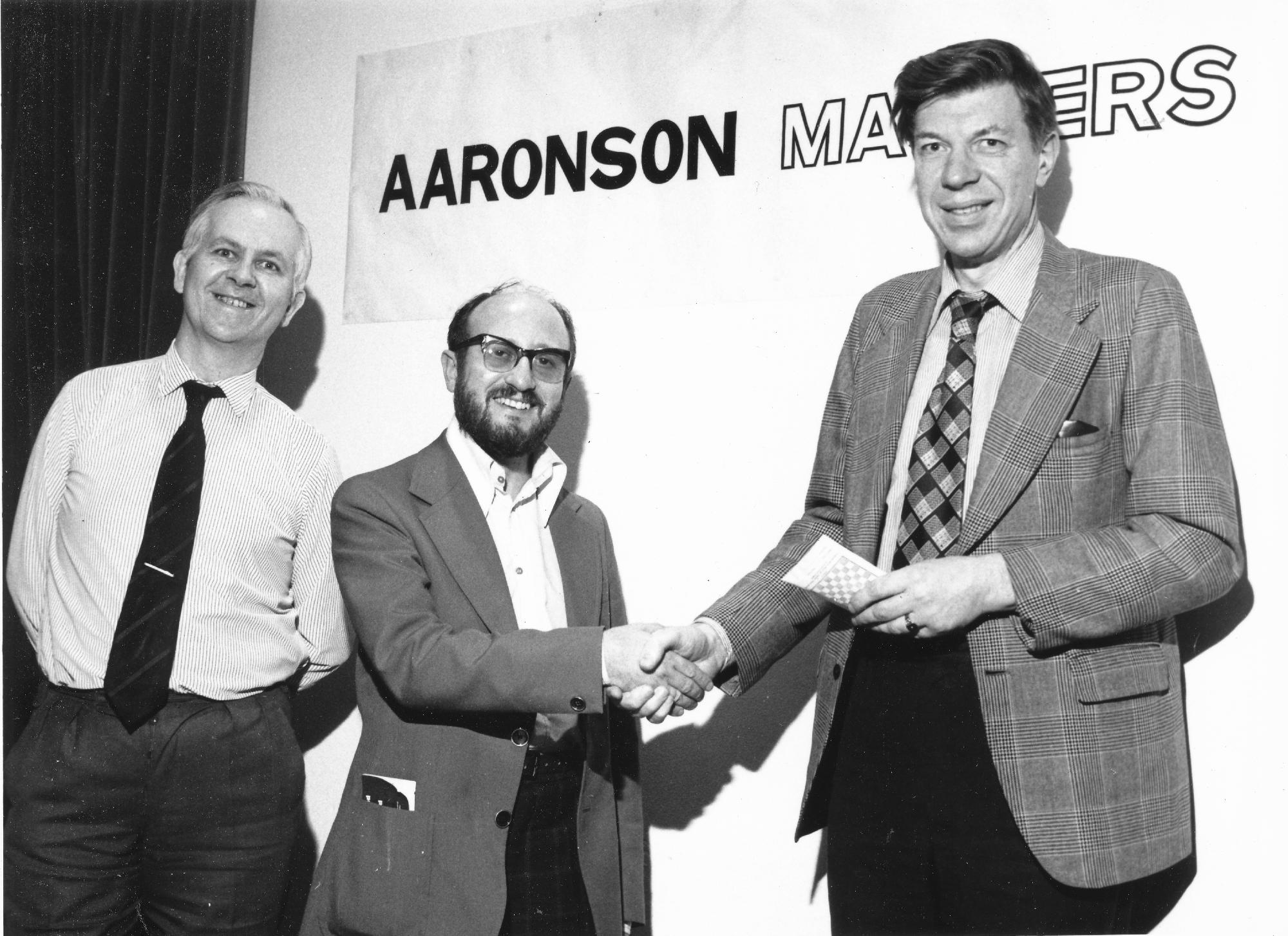
Leonard Barden, Stewart Reuben and Michael Franklin at the 1978 Aaronson Masters
Leonard reveals this as his best game :
Leonard has authored or co-authored a number of highly regarded books, most of which are highly instructional to this day:
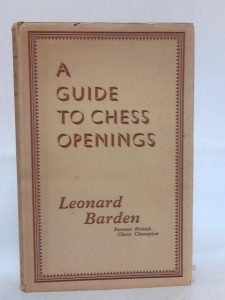
A Guide to Chess Openings (1957),
A Guide to Chess Openings
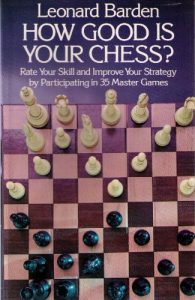
How Good Is Your Chess? (1957),
How Good is Your Chess ?
Chess (1959),
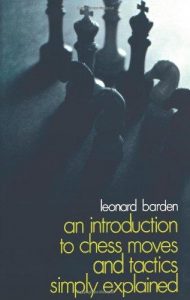
Introduction to Chess Moves and Tactics Simply Explained (1959),
An Introduction to Chess Moves and Tactics Simply Explained
Modern Chess Miniatures (with Wolfgang Heidenfeld, 1960),
Erevan 1962 (1963),
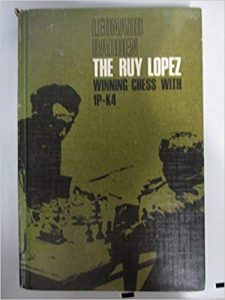
The Ruy Lopez (1963),
The Ruy Lopez
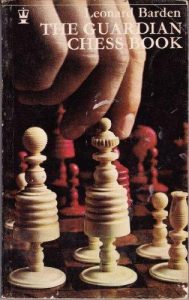
The Guardian Chess Book (1967),
The Guardian Chess Book
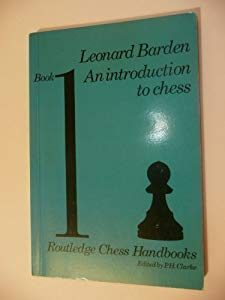
An Introduction to Chess (1967),
An Introduction to Chess
The King’s Indian Defence (1969),
The King’s Indian Defence
Chess: Master the Moves (1977),
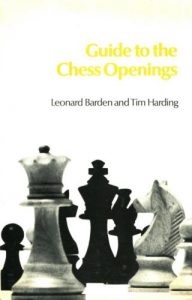
Guide to the Chess Openings (with Tim Harding, 1977),
Guide to the Chess Openings
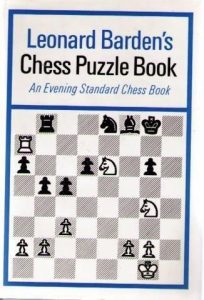
Leonard Barden’s Chess Puzzle Book (1977) (a collection of his Evening Standard columns),
Leonard Barden’s Chess Puzzle Book
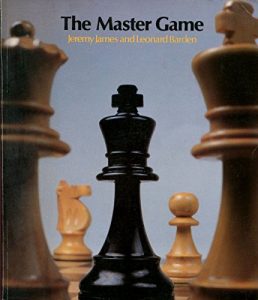
The Master Game (with Jeremy James, 1979),
The Master Game
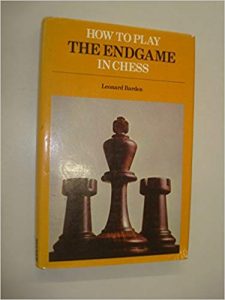
How to Play the Endgame in Chess (1979),
How to Play The Endgame in Chess
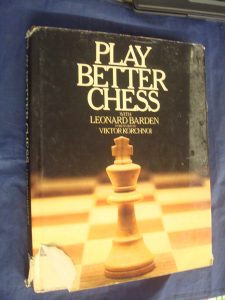
Play Better Chess (1980),
Play Better Chess
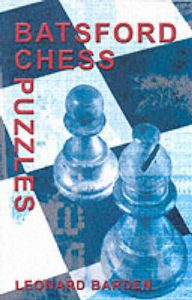
Batsford Chess Puzzles (2002),
Batsford Chess Puzzles
One Move and You’re Dead (with Erwin Brecher, 2007) : Can you supply an image?
Ninety-two today is Leonard Barden, born Tuesday, August 20th, 1929.
His mother’s maiden was Bartholomew and she became Elise EM Barden when she married Leonard’s father who was William C Barden and in 1939 they lived at 89, Tennison Road, Croydon.
89, Tennison Road, Croydon
From The Encyclopedia of Chess (Batsford, 1977) by Harry Golombek OBE:
“British Master and joint British Champion 1954. Barden was born in Croydon and learned to play at his school, Whitgift, which became a frequent producer of fine players.
In 1946 he tied for first place in the London Boys Championship and in the following year he tied with Jonathan Penrose for first place in the British Boys Championship, but lost the play-off.
In 1952 he came first at Paignton ahead of the Canadian Grandmaster Yanofsky and he reached his peak in 1954 when , after tieing for first place with the Belgian Grandmaster O’Kelly de Galway at Bognor, he tied for for first place in the British Championship at Nottingham with A. Phillips. The play-off was drawn and so the players became joint champions.
Alan Phillips and Leonard Barden are joint British Champions of 1954 in Nottingham, photographer unknown
He played for the BCF in four Olympiads from 1952 to 1962 and then abandoned competitive chess, applying all his energies to writing (he is chess correspondent of the Guardian, the Financial Times, the Evening Standard and the Field, and has written many books on the game.
He has also developed two special interests, in junior chess and in grading, working with utmost persistence and energy in both of these fields.
Leonard authored a series of articles on what was to become the Yugoslav Attack versus the Sicilian Dragon. Source : British Chess Magazine, Volume LXXXIII, Number 7 (July), page 208
Amongst his best works are : a A Guide to Chess Openings, London, 1957; The Ruy Lopez, Oxford, 1963; The King’s Indian Defence, London, 1968.”
Disappointingly Sunnucks Encyclopedia does not mention Barden at all and and surprisingly Hooper and Whyld’s usually excellent Oxford Companion only from a connection with Jim Slater.
“Leonard William Barden (born 20 August 1929, in Croydon, London) is an English chess master, writer, broadcaster, organizer and promoter. The son of a dustman, he was educated at Whitgift School, South Croydon, and Balliol College, Oxford, where he read Modern History.
Travel Chess 2nd January 1951: British chess champions Jonathan Penrose and Leonard Barden prepare their openings over breakfast in the Yelton Hotel before the 9.30 am round start at Hastings 1950-51. (Photo by Walter Bellamy/Express/Getty Images)
He learned to play chess at age 13 while in a school shelter during a World War II German air raid. Within a few years he became one of the country’s leading juniors.[1] He represented England in four Chess Olympiads. Barden played a major role in the rise of English chess from the 1970s. As a chess columnist for various newspapers, his column in London’s Evening Standard is the world’s longest-standing chess column.
Leonard Barden (seated, second from right) Before Botvinnik’s 1981 Pergamon Press clock simul against England juniors, the final competitive event of the Patriarch’s career. Standing: Stuart Conquest, Neil Dickenson. Gary Lane, Alan Byron, Daniel King, John Hawksworth, Pergamon editor. Seated: Julian Hodgson, Byron Jacobs, Mikhail Botvinnik, Leonard Barden, Bernard Cafferty.
In 1946, Barden won the British Junior Correspondence Chess Championship, and tied for first place in the London Boys’ Championship. The following year he tied for first with Jonathan Penrose in the British Boys’ Championship, but lost the playoff.
Barden finished fourth at Hastings in 1951–52. In 1952, he won the Paignton tournament ahead of the Canadian future grandmaster Daniel Yanofsky. He captained the Oxfordshire team which won the English Counties championship in 1951 and 1952.
Barden making a move at Southend 1955.
In the latter year he captained the University of Oxford team which won the National Club Championship, and he represented the university in the annual team match against the University of Cambridge during his years there. In 1953, he won the individual British Lightning Championship (ten seconds a move).
The following year, he tied for first with the Belgian grandmaster Albéric O’Kelly de Galway at Bognor Regis, was joint British champion, with Alan Phillips, and won the Southern Counties Championship.
Leonard Barden vs Victor Korchnoi, Leipzig Olympiad, 1960
He finished fourth at Hastings 1957–58, ranked by chessmetrics as his best statistical performance. In the 1958 British Chess Championship, Barden again tied for first, but lost the playoff match to Penrose 1½–3½.
Leonard Barden (centre) with Raaphi Persitz, JB Sykes, OI Galvenius and DM Armstrong, Ilford, May, 1953
LWB observes analysis between David Rumens and Murray Chandler from Brighton 1980. Photograph courtesy of John Upham.
He represented England in the Chess Olympiads at Helsinki 1952 (playing fourth board, scoring 2 wins, 5 draws, and 4 losses), Amsterdam 1954 (playing first reserve, scoring 1 win, 2 draws, and 4 losses), Leipzig 1960 (first reserve; 4 wins, 4 draws, 2 losses) and Varna 1962 (first reserve; 7 wins, 2 draws, 3 losses). The latter was his best performance by far.
Leonard Barden (left) and Murray Chandler display the Lloyds Bank Trophy which the 19-year old New Zealander won ahead of 3 Grandmasters and 10 International Masters for his finest international success up to 1979. in the Lloyds Bank Masters
Barden has a Morphy number of 3, having drawn with Jacques Mieses in the Premier Reserves at Hastings 1948–49. Mieses drew with Henry Bird in the last round of Hastings 1895, and Bird played a number of games with Paul Morphy in 1858 and 1859.
England’s under-12 junior teams finished first and second in the international Eumig Cup, 1981. Front row: Peter Morrish (organiser), Jimmy Hockaday, Darren Lee, Neil Fox, Neil Carr. Second row: James Howell, Stuart Conquest, Teresa Needham. Far right: LB.
In 1964, Barden gave up most competitive chess to devote his time to chess organisation, broadcasting, and writing about the game. He has made invaluable contributions to English chess as a populariser, writer, organiser, fundraiser, and broadcaster.
Leonard Barden at Bob Wade’s 80th birthday party, 2001.
He was controller of the British Chess Federation Grand Prix for many years, having found its first sponsor, Cutty Sark. He was a regular contributor to the BBC’s Network Three weekly radio chess programme from 1958 to 1963. His best-known contribution was a consultation game, recorded in 1960 and broadcast in 1961, where he partnered Bobby Fischer against the English masters Jonathan Penrose and Peter Clarke. This was the only recorded consultation game of Fischer’s career. The game, unfinished after eight hours of play, was adjudicated a draw by former world champion Max Euwe. Barden gave BBC television commentaries on all the games in the 1972 world championship. From 1973 to 1978 he was co-presenter of BBC2’s annual Master Game televised programme.
Julian and Nigel Short play Korchnoi in the Evening Standard 1976 simul. Leonard Barden observes.
As of 2021, his weekly columns have been published in The Guardian for 65 years and in The Financial Times for 46 years. A typical Barden column not only contains a readable tournament report, but is geared toward promoting the game. His London Evening Standard column, begun in summer 1956, is now the world’s longest running daily chess column by the same author, breaking the previous record set by George Koltanowski in the San Francisco Chronicle. Koltanowski’s column ran for 51 years, 9 months, and 18 days, including posthumous articles.”
Leonard Barden (Linda Nylind of the Guardian)
Leonard wrote this on the English Chess Forum in 2021 :
“I retired after Ilford 1964 when I finished a poor last in the England Olympiad team qualifier, returned at Hammersmith 1969 (equal 2nd behind Keene) and then played around 6-8 weekenders a year until 1972. My overall performance level between early 60s and early 70s dropped from around 225 to 215 BCF, so I wasn’t encouraged to pursue the comeback further.”
Leonard was Southern Counties (SCCU) champion in the 1953-54 season.
Leonard Barden, Stewart Reuben and Michael Franklin at the 1978 Aaronson Masters
Leonard reveals this as his best game :
Leonard has authored or co-authored a number of highly regarded books, most of which are highly instructional to this day:
A Guide to Chess Openings (1957),
A Guide to Chess Openings
How Good Is Your Chess? (1957),
How Good is Your Chess ?
Chess (1959),
Introduction to Chess Moves and Tactics Simply Explained (1959),
An Introduction to Chess Moves and Tactics Simply Explained
Modern Chess Miniatures (with Wolfgang Heidenfeld, 1960),
Erevan 1962 (1963),
The Ruy Lopez (1963),
The Ruy Lopez
The Guardian Chess Book (1967),
The Guardian Chess Book
An Introduction to Chess (1967),
An Introduction to Chess
The King’s Indian Defence (1969),
The King’s Indian Defence
Chess: Master the Moves (1977),
Guide to the Chess Openings (with Tim Harding, 1977),
Guide to the Chess Openings
Leonard Barden’s Chess Puzzle Book (1977) (a collection of his Evening Standard columns),
Leonard Barden’s Chess Puzzle Book
The Master Game (with Jeremy James, 1979),
The Master Game
How to Play the Endgame in Chess (1979),
How to Play The Endgame in Chess
Play Better Chess (1980),
Play Better Chess
Batsford Chess Puzzles (2002),
Batsford Chess Puzzles
One Move and You’re Dead (with Erwin Brecher, 2007) : Can you supply an image?
We focus on the British Chess Scene Past & Present!
This website uses cookies to improve your experience. We'll assume you're ok with this, but you can opt-out if you wish. Cookie settingsACCEPT
Privacy & Cookies Policy
Privacy Overview
This website uses cookies to improve your experience while you navigate through the website. Out of these cookies, the cookies that are categorized as necessary are stored on your browser as they are as essential for the working of basic functionalities of the website. We also use third-party cookies that help us analyze and understand how you use this website. These cookies will be stored in your browser only with your consent. You also have the option to opt-out of these cookies. But opting out of some of these cookies may have an effect on your browsing experience.
Necessary cookies are absolutely essential for the website to function properly. This category only includes cookies that ensures basic functionalities and security features of the website. These cookies do not store any personal information.