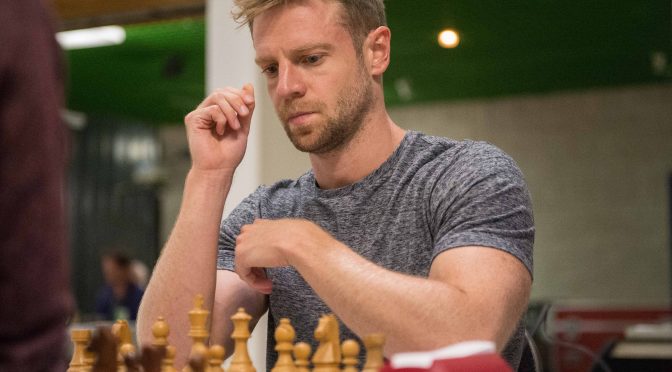
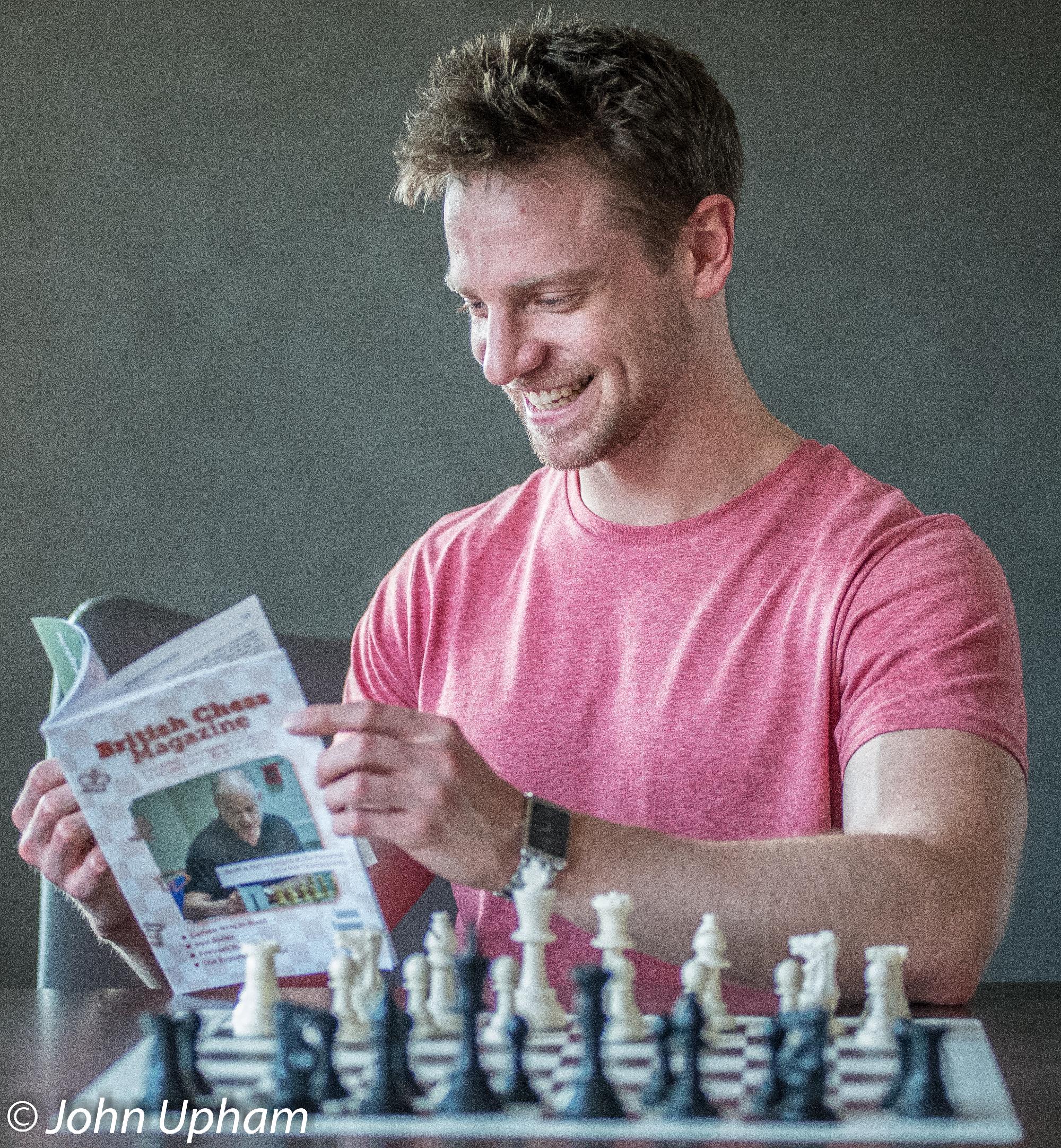
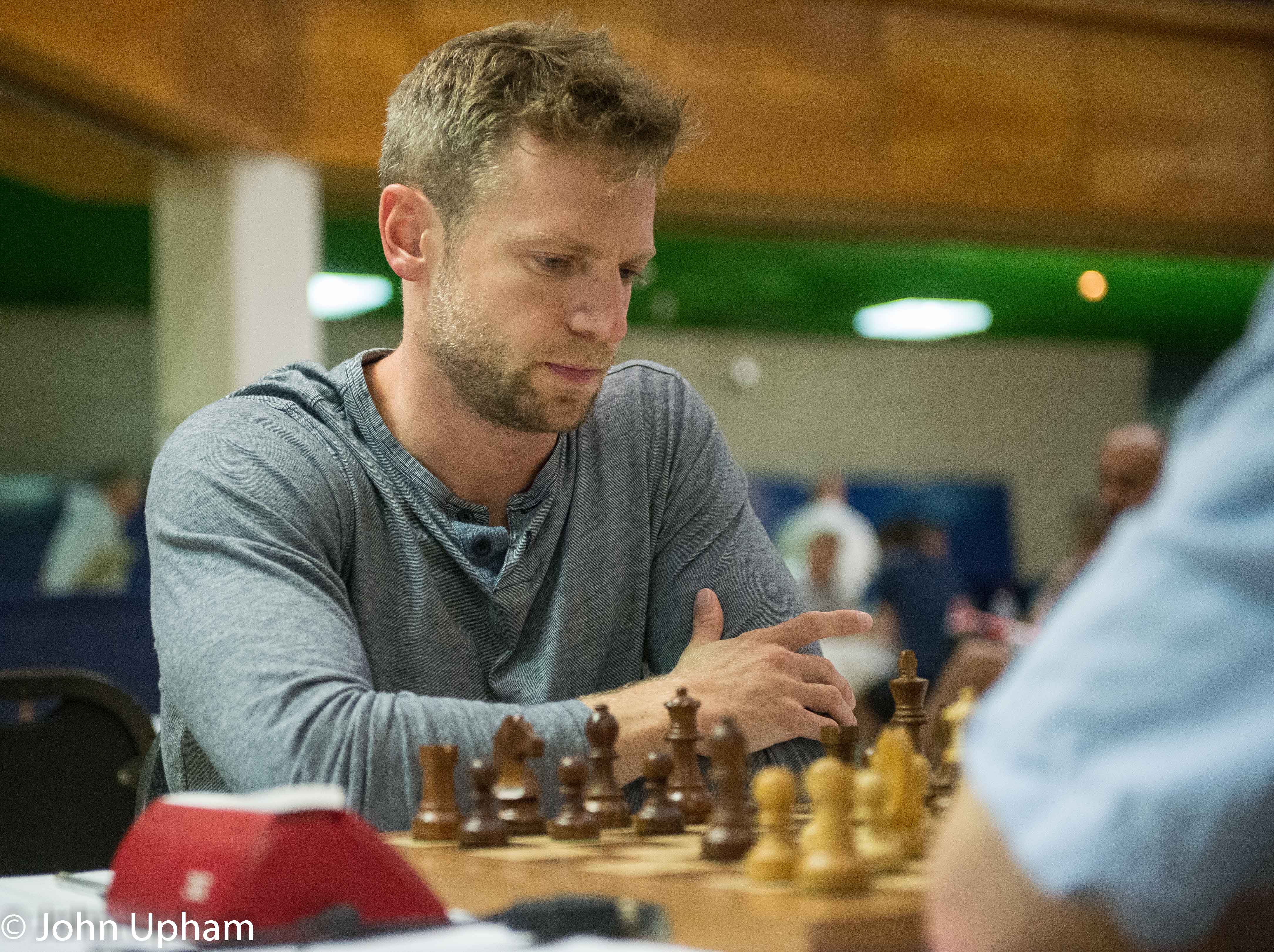
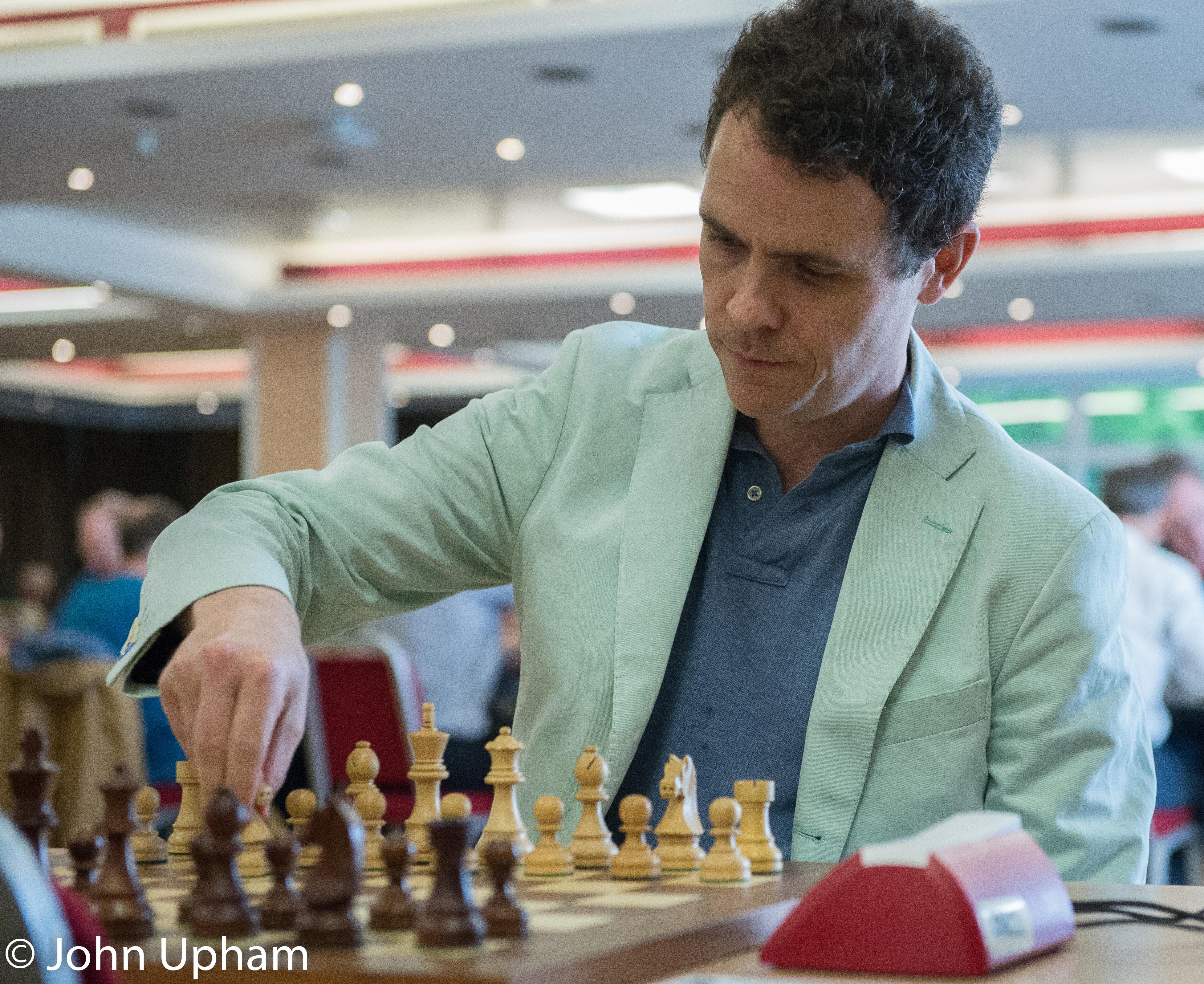
Stephen Gordon at the final 4NCL weekend in 2014. Courtesy of John Upham Photography
With the White pieces Stephen almost always plays 1.d4 aiming for a Queen’s Gambit and other main lines.
As the second player, Stephen plays the Sicilian Najdorf and the Nimzo-Indian Defence.
From Wikipedia :
“Stephen J. Gordon (born 4 September 1986) is an English chess grandmaster.
In September 2004 he took a break from his A-level studies at The Blue Coat School, Oldham to compete in the thirteenth Monarch Assurance Isle of Man International.
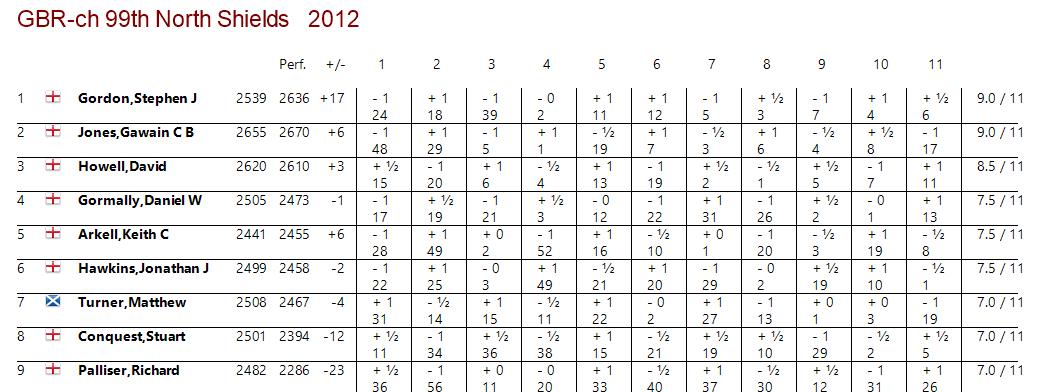
In 2005, while still a FIDE Master, he finished 6th in the British Championships ahead of a Grandmaster and several International Masters.
At the EU Individual Open Chess Championship held at Liverpool in 2006, he led the tournament after eight rounds and finished a very creditable (joint) second, a half point behind winner Nigel Short and level with Luke McShane among others.
Probably his best result to date however, was second place in the 2007 British Championship, narrowly losing his share of the lead in the final round. In previous rounds, he defeated both tournament victor Jacob Aagaard and previous champion Jonathan Rowson.
By 2008, his rating had reached grandmaster level, although the title itself had not yet been secured. At the British Championship in Liverpool, he almost repeated his performance of the previous year, by taking a share of third place. He was the British under-21 Champion each consecutive year between 2005 and 2008. He became a grandmaster on 1 August 2009.
He has been one of the co-presenters of the chess podcast The Full English Breakfast since its inaugural show in October 2010.”
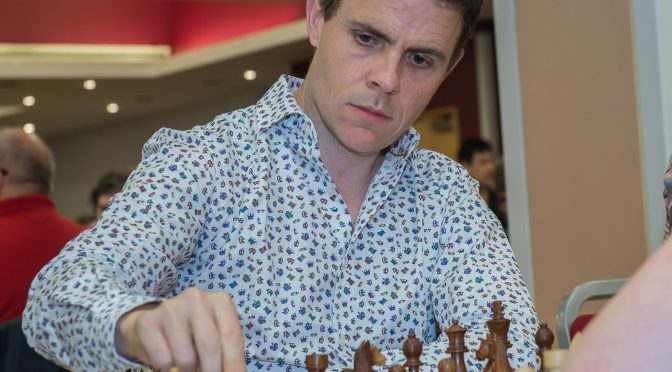
Stephen Gordon at The Plough Public House in 2014 for the annual Drunken Knights vs Wood Green London League match. Courtesy of John Upham Photography
Stephen Gordon at the final 4NCL weekend in 2014. Courtesy of John Upham Photography
With the White pieces Stephen almost always plays 1.d4 aiming for a Queen’s Gambit and other main lines.
As the second player, Stephen plays the Sicilian Najdorf and the Nimzo-Indian Defence.
From Wikipedia :
“Stephen J. Gordon (born 4 September 1986) is an English chess grandmaster.
In September 2004 he took a break from his A-level studies at The Blue Coat School, Oldham to compete in the thirteenth Monarch Assurance Isle of Man International.
In 2005, while still a FIDE Master, he finished 6th in the British Championships ahead of a Grandmaster and several International Masters.
At the EU Individual Open Chess Championship held at Liverpool in 2006, he led the tournament after eight rounds and finished a very creditable (joint) second, a half point behind winner Nigel Short and level with Luke McShane among others.
Probably his best result to date however, was second place in the 2007 British Championship, narrowly losing his share of the lead in the final round. In previous rounds, he defeated both tournament victor Jacob Aagaard and previous champion Jonathan Rowson.
By 2008, his rating had reached grandmaster level, although the title itself had not yet been secured. At the British Championship in Liverpool, he almost repeated his performance of the previous year, by taking a share of third place. He was the British under-21 Champion each consecutive year between 2005 and 2008. He became a grandmaster on 1 August 2009.
He has been one of the co-presenters of the chess podcast The Full English Breakfast since its inaugural show in October 2010.”
Stephen Gordon at The Plough Public House in 2014 for the annual Drunken Knights vs Wood Green London League match. Courtesy of John Upham Photography
Stephen Gordon at the final 4NCL weekend in 2014. Courtesy of John Upham Photography
With the White pieces Stephen almost always plays 1.d4 aiming for a Queen’s Gambit and other main lines.
As the second player, Stephen plays the Sicilian Najdorf and the Nimzo-Indian Defence.
From Wikipedia :
“Stephen J. Gordon (born 4 September 1986) is an English chess grandmaster.
In September 2004 he took a break from his A-level studies at The Blue Coat School, Oldham to compete in the thirteenth Monarch Assurance Isle of Man International.
In 2005, while still a FIDE Master, he finished 6th in the British Championships ahead of a Grandmaster and several International Masters.
At the EU Individual Open Chess Championship held at Liverpool in 2006, he led the tournament after eight rounds and finished a very creditable (joint) second, a half point behind winner Nigel Short and level with Luke McShane among others.
Probably his best result to date however, was second place in the 2007 British Championship, narrowly losing his share of the lead in the final round. In previous rounds, he defeated both tournament victor Jacob Aagaard and previous champion Jonathan Rowson.
By 2008, his rating had reached grandmaster level, although the title itself had not yet been secured. At the British Championship in Liverpool, he almost repeated his performance of the previous year, by taking a share of third place. He was the British under-21 Champion each consecutive year between 2005 and 2008. He became a grandmaster on 1 August 2009.
He has been one of the co-presenters of the chess podcast The Full English Breakfast since its inaugural show in October 2010.”
Stephen Gordon at The Plough Public House in 2014 for the annual Drunken Knights vs Wood Green London League match. Courtesy of John Upham Photography
Stephen Gordon at the final 4NCL weekend in 2014. Courtesy of John Upham Photography
With the White pieces Stephen almost always plays 1.d4 aiming for a Queen’s Gambit and other main lines.
As the second player, Stephen plays the Sicilian Najdorf and the Nimzo-Indian Defence.
From Wikipedia :
“Stephen J. Gordon (born 4 September 1986) is an English chess grandmaster.
In September 2004 he took a break from his A-level studies at The Blue Coat School, Oldham to compete in the thirteenth Monarch Assurance Isle of Man International.
In 2005, while still a FIDE Master, he finished 6th in the British Championships ahead of a Grandmaster and several International Masters.
At the EU Individual Open Chess Championship held at Liverpool in 2006, he led the tournament after eight rounds and finished a very creditable (joint) second, a half point behind winner Nigel Short and level with Luke McShane among others.
Probably his best result to date however, was second place in the 2007 British Championship, narrowly losing his share of the lead in the final round. In previous rounds, he defeated both tournament victor Jacob Aagaard and previous champion Jonathan Rowson.
By 2008, his rating had reached grandmaster level, although the title itself had not yet been secured. At the British Championship in Liverpool, he almost repeated his performance of the previous year, by taking a share of third place. He was the British under-21 Champion each consecutive year between 2005 and 2008. He became a grandmaster on 1 August 2009.
He has been one of the co-presenters of the chess podcast The Full English Breakfast since its inaugural show in October 2010.”
Stephen Gordon at The Plough Public House in 2014 for the annual Drunken Knights vs Wood Green London League match. Courtesy of John Upham Photography
BCN offers best wishes to Aaron Summerscale on his 52nd birthday.
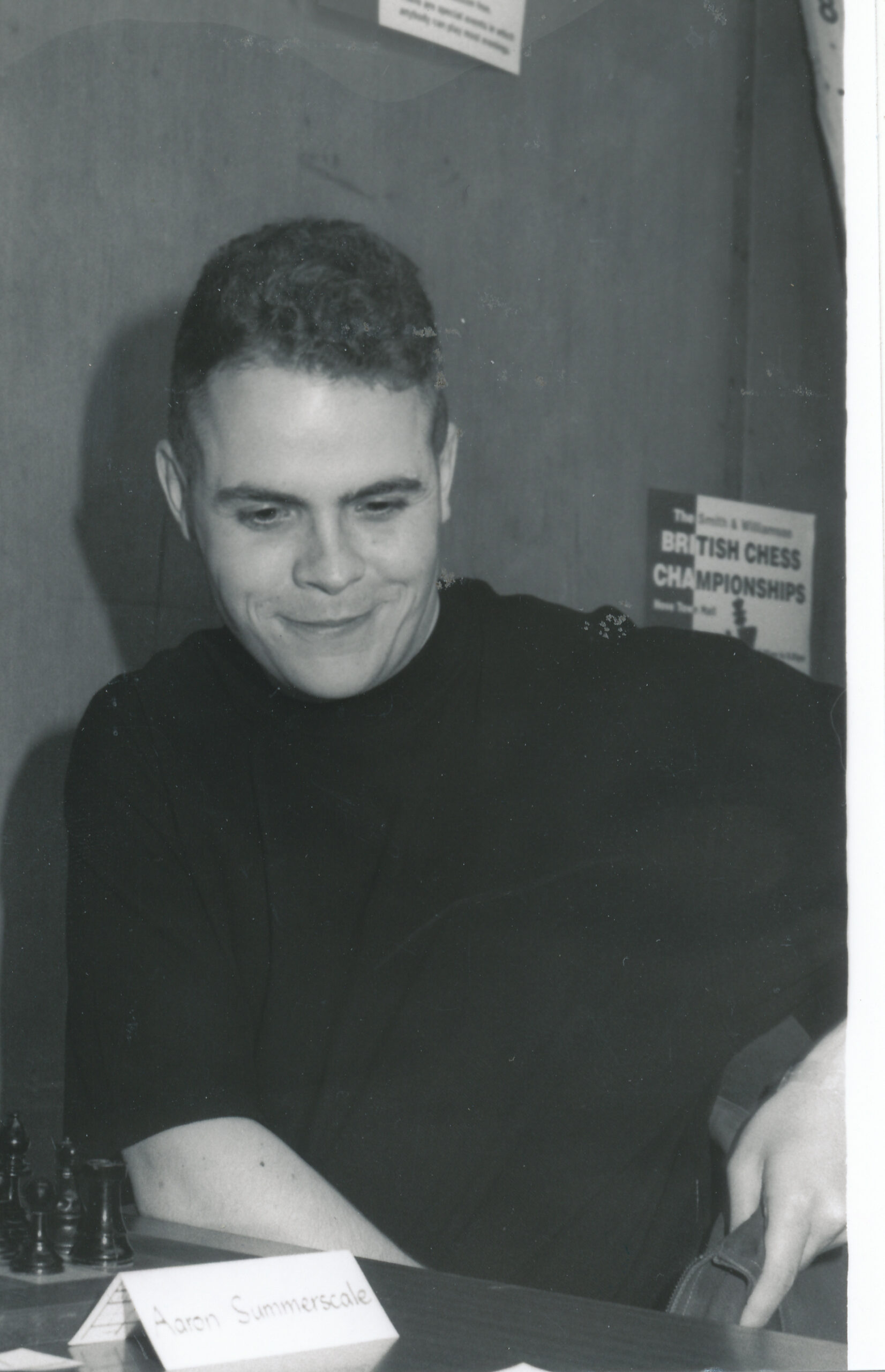
Aaron Piers Summerscale was born on Tuesday, August 26th 1969 in Westminster, Greater London. His mother’s maiden name is Mayall. Aaron lives in SW18 and teaches chess. He married Claire Lusher (Basingstoke) but they are now separated.
Aaron Summerscale
He became a FIDE Master in 1992, an International Master in 1994 and a Grandmaster in 1997.
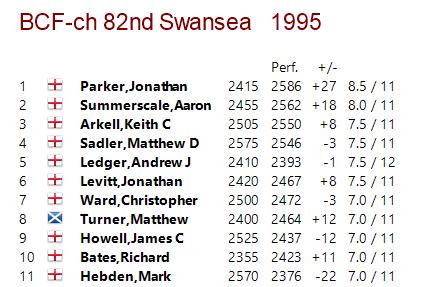
Aaron was runner-up (to Jonathan Parker) with 8/11 in the 1995 British Championship in Swansea.
British Championship (Swansea) 1995 Crosstable
His highest FIDE rating was 2513 in October 2000 and was joint (with Ameet Ghasi) British Rapidplay Chess Champion in the same year.
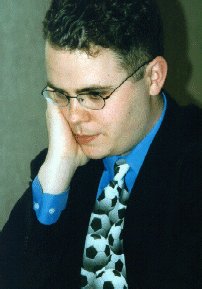
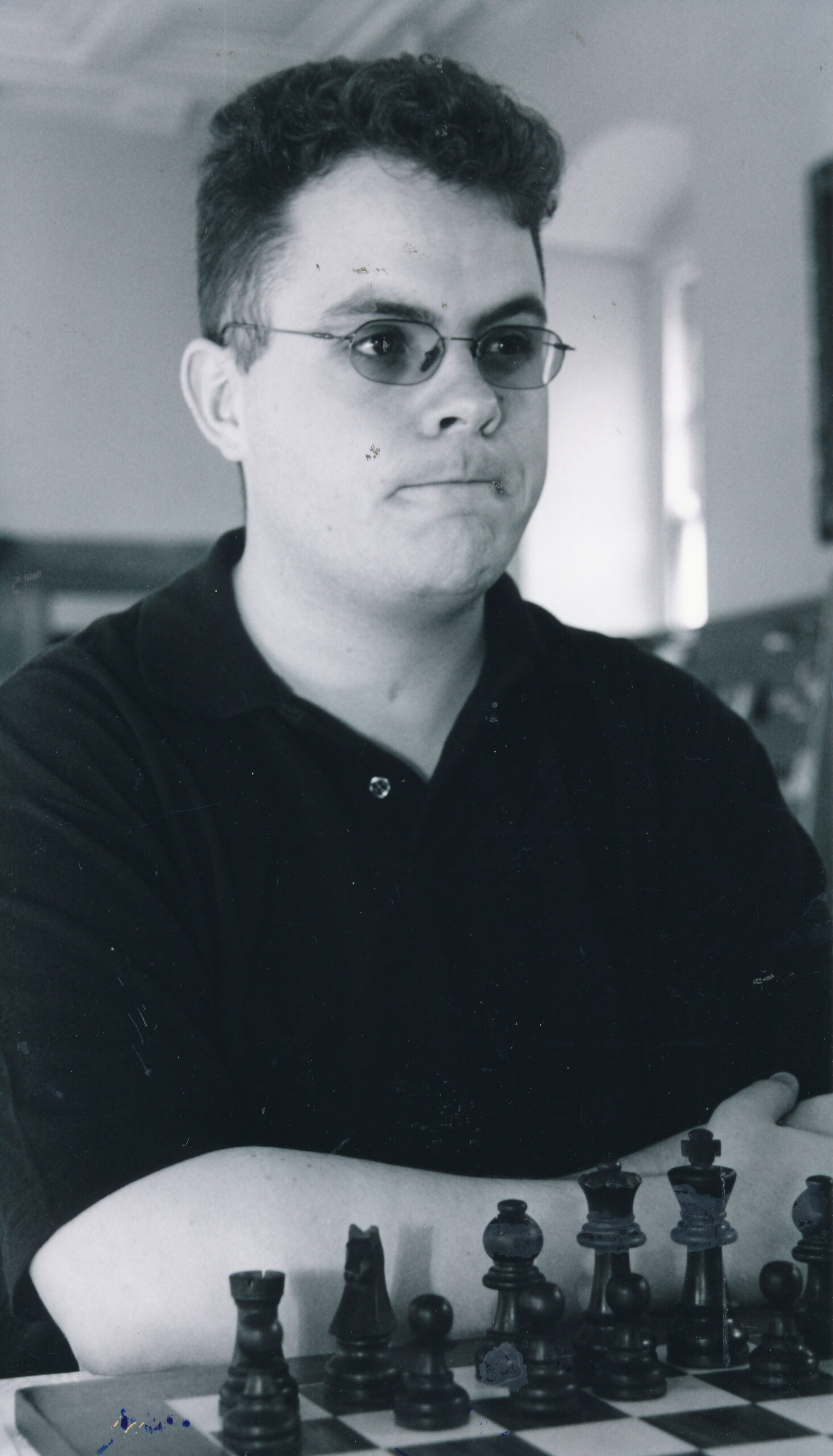
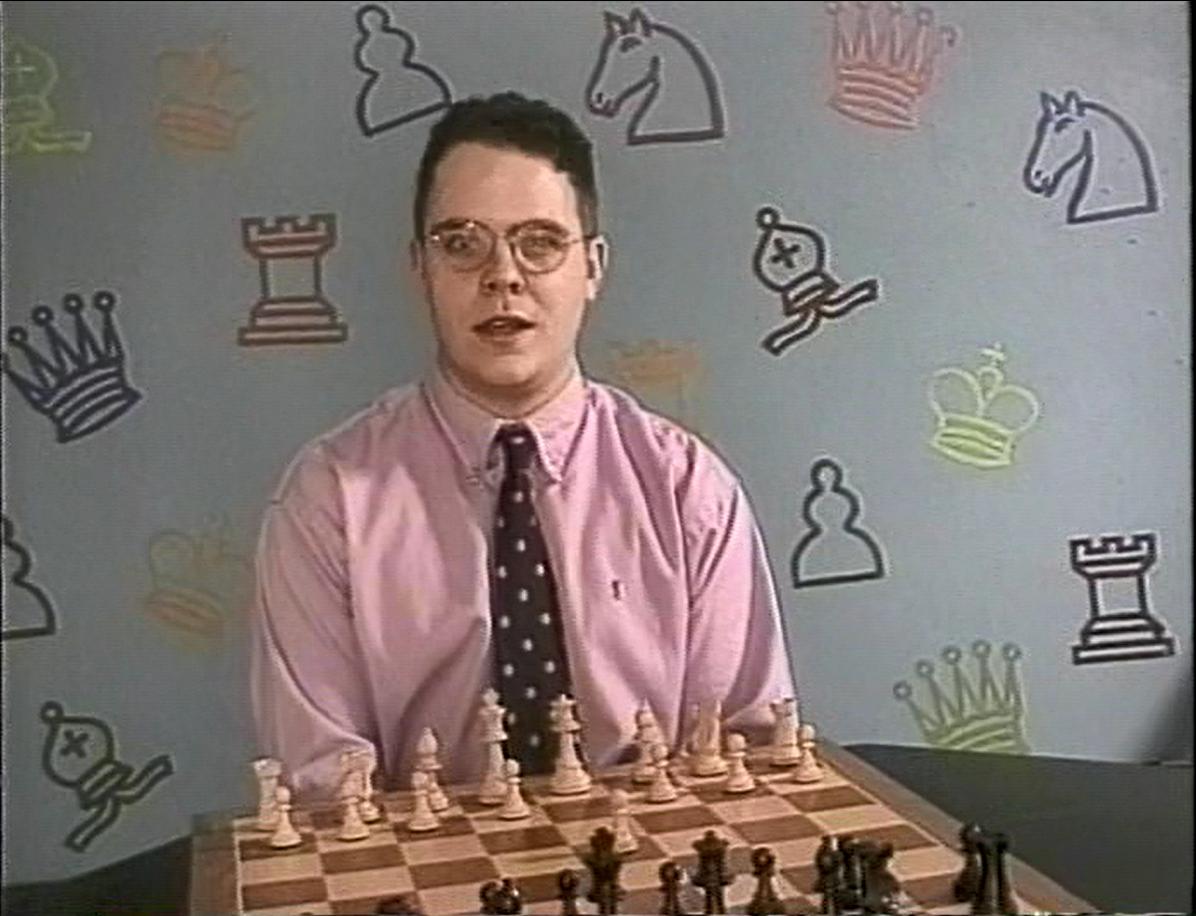
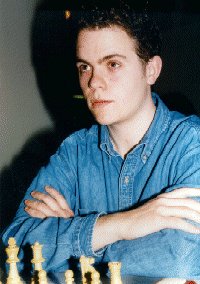
Aaron Summerscale courtesy of John Henderson
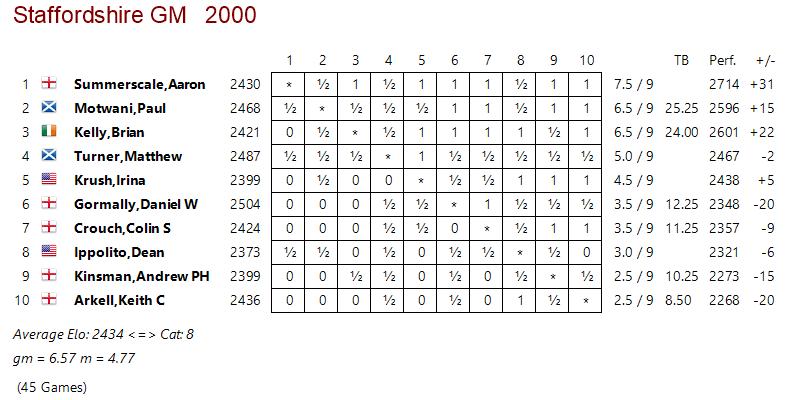
His highest ECF grading was 244A in 2001 and he won the Staffordshire GM tournament in the same year :
Staffordshire GM Tournament 2000 Crosstable
Aaron plays for Wood Green in the Four Nations Chess League (4NCL) and has played for Pride and Prejudice.
BCN offers best wishes to Aaron Summerscale on his 52nd birthday.
Aaron Piers Summerscale was born on Tuesday, August 26th 1969 in Westminster, Greater London. His mother’s maiden name is Mayall. Aaron lives in SW18 and teaches chess. He married Claire Lusher (Basingstoke) but they are now separated.
Aaron Summerscale
He became a FIDE Master in 1992, an International Master in 1994 and a Grandmaster in 1997.
Aaron was runner-up (to Jonathan Parker) with 8/11 in the 1995 British Championship in Swansea.
British Championship (Swansea) 1995 Crosstable
His highest FIDE rating was 2513 in October 2000 and was joint (with Ameet Ghasi) British Rapidplay Chess Champion in the same year.
Aaron Summerscale courtesy of John Henderson
His highest ECF grading was 244A in 2001 and he won the Staffordshire GM tournament in the same year :
Staffordshire GM Tournament 2000 Crosstable
Aaron plays for Wood Green in the Four Nations Chess League (4NCL) and has played for Pride and Prejudice.
BCN offers best wishes to Aaron Summerscale on his 52nd birthday.
Aaron Piers Summerscale was born on Tuesday, August 26th 1969 in Westminster, Greater London. His mother’s maiden name is Mayall. Aaron lives in SW18 and teaches chess. He married Claire Lusher (Basingstoke) but they are now separated.
Aaron Summerscale
He became a FIDE Master in 1992, an International Master in 1994 and a Grandmaster in 1997.
Aaron was runner-up (to Jonathan Parker) with 8/11 in the 1995 British Championship in Swansea.
British Championship (Swansea) 1995 Crosstable
His highest FIDE rating was 2513 in October 2000 and was joint (with Ameet Ghasi) British Rapidplay Chess Champion in the same year.
Aaron Summerscale courtesy of John Henderson
His highest ECF grading was 244A in 2001 and he won the Staffordshire GM tournament in the same year :
Staffordshire GM Tournament 2000 Crosstable
Aaron plays for Wood Green in the Four Nations Chess League (4NCL) and has played for Pride and Prejudice.
BCN offers best wishes to Aaron Summerscale on his 52nd birthday.
Aaron Piers Summerscale was born on Tuesday, August 26th 1969 in Westminster, Greater London. His mother’s maiden name is Mayall. Aaron lives in SW18 and teaches chess. He married Claire Lusher (Basingstoke) but they are now separated.
Aaron Summerscale
He became a FIDE Master in 1992, an International Master in 1994 and a Grandmaster in 1997.
Aaron was runner-up (to Jonathan Parker) with 8/11 in the 1995 British Championship in Swansea.
British Championship (Swansea) 1995 Crosstable
His highest FIDE rating was 2513 in October 2000 and was joint (with Ameet Ghasi) British Rapidplay Chess Champion in the same year.
Aaron Summerscale courtesy of John Henderson
His highest ECF grading was 244A in 2001 and he won the Staffordshire GM tournament in the same year :
Staffordshire GM Tournament 2000 Crosstable
Aaron plays for Wood Green in the Four Nations Chess League (4NCL) and has played for Pride and Prejudice.
BCN offers best wishes to Aaron Summerscale on his 52nd birthday.
Aaron Piers Summerscale was born on Tuesday, August 26th 1969 in Westminster, Greater London. His mother’s maiden name is Mayall. Aaron lives in SW18 and teaches chess. He married Claire Lusher (Basingstoke) but they are now separated.
Aaron Summerscale
He became a FIDE Master in 1992, an International Master in 1994 and a Grandmaster in 1997.
Aaron was runner-up (to Jonathan Parker) with 8/11 in the 1995 British Championship in Swansea.
British Championship (Swansea) 1995 Crosstable
His highest FIDE rating was 2513 in October 2000 and was joint (with Ameet Ghasi) British Rapidplay Chess Champion in the same year.
Aaron Summerscale courtesy of John Henderson
His highest ECF grading was 244A in 2001 and he won the Staffordshire GM tournament in the same year :
Staffordshire GM Tournament 2000 Crosstable
Aaron plays for Wood Green in the Four Nations Chess League (4NCL) and has played for Pride and Prejudice.
BCN remembers David Hooper who passed away in a Taunton (Somerset) nursing home on Sunday, May 3rd 1998. Probate (#9851310520) was granted in Brighton on June 24th 1998.
Prior to the nursing home David had been living at 33, Mansfield Road, Taunton, TA1 3NJ and before that at 5, Haimes Lane, Shaftesbury, Dorset, SP7 8AJ.
For most of the time between Reigate and Shaftesbury David lived in Whitchurch, Hampshire.
David Vincent Hooper was born on Tuesday, August 31st 1915 in Reigate, Surrey to Vincent Hooper and Edith Marjorie Winter who married in Reigate, Surrey in 1909. On this day the first French ace, Adolphe Pégoud, was killed in combat. He had scored six victories.
David was one of six children: Roger Garth (1910-?), Edwin Morris (1911-1942), Isobel Mary (12/01/1917-2009), Helene Edith (1916-1982) and Elizabeth Anne Oliver (1923-2000) were his siblings.
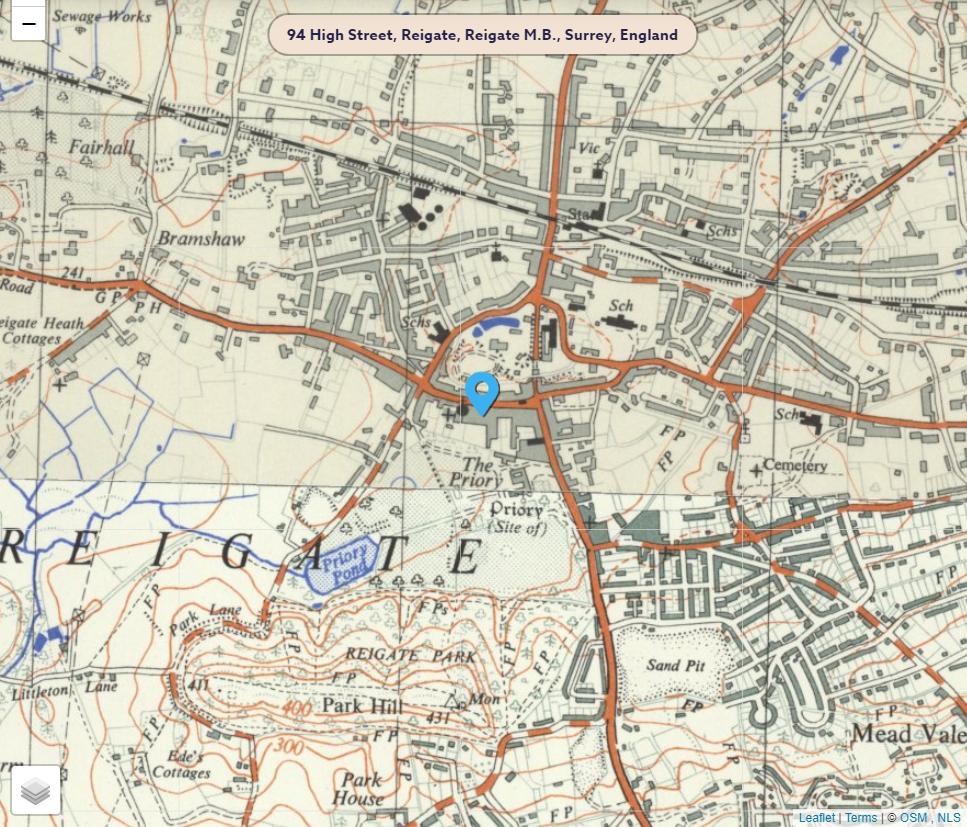
Recorded in the September 1939 register David was aged 24 and living at 94, High Street, Reigate, Surrey:
Historical Map showing 94, High Street, Reigate, Surrey
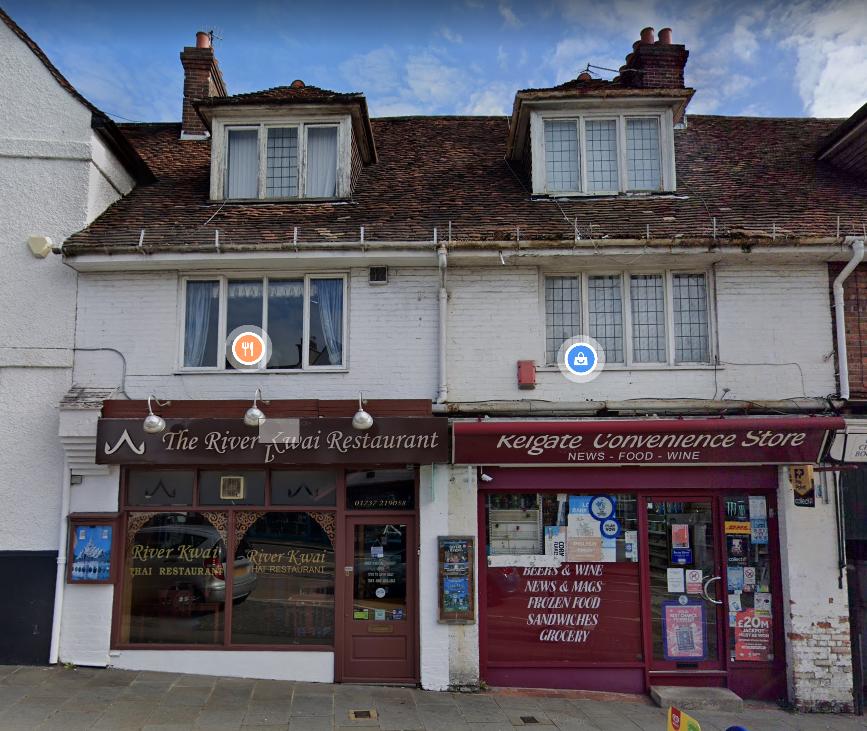
In 2021 this property appears to be a flat (rather than bridge) over the River Kwai Restaurant:
94, High Street, Reigate, Surrey, RH2 9AP
Living with David was his sister Isobel who was listed a “potential nurse”. David’s occupation at this time was listed as Architectural Assistant and he was single. We think that three others lived at this address at the time but they are not listed under the “100 year rule”. We know that David was also a surveyor and went on to attain professional membership of the Royal Institution of British Architects (RIBA).
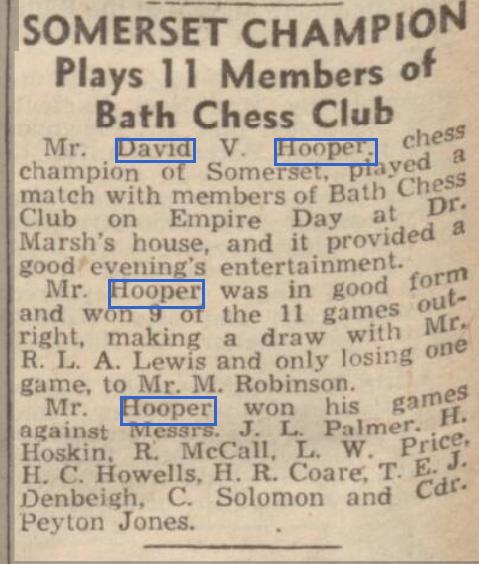
In the Bath Chronicle and Weekly Gazette May 27th 1944 there appeared this report of a simultaneous display on Empire Day (May 24th) at Dr. Marsh’s house:
Bath Chronicle and Weekly Gazette, May 27th 1944
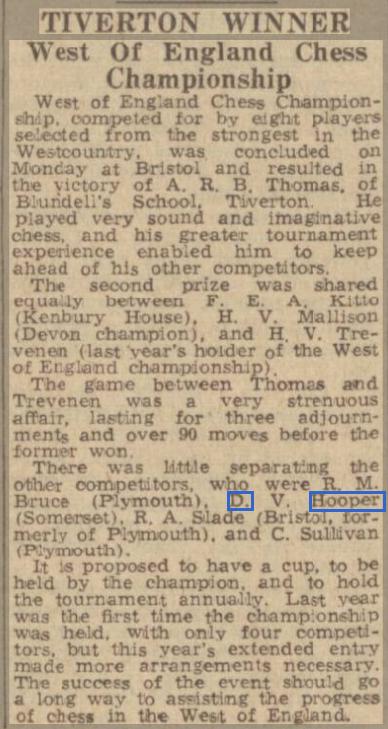
and from The Western Morning News, 9th April 1947 we have:
Western Morning News, 9th April 1947
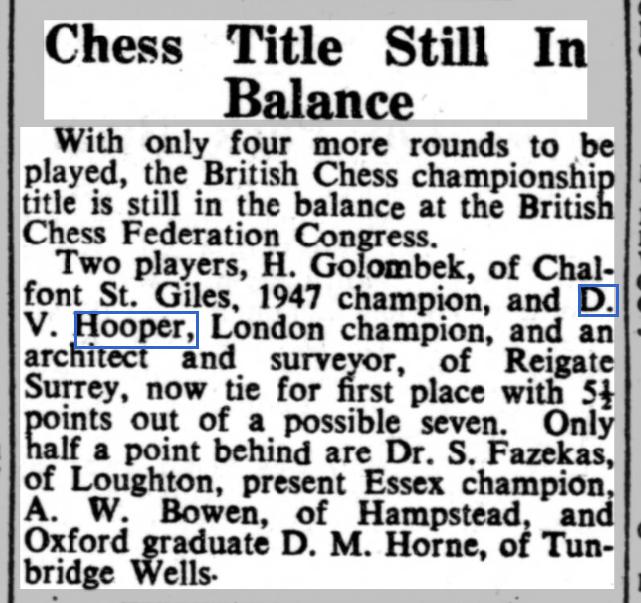
and then from The Nottingham Evening Post, 16th August 1949 we have:
Nottingham Evening Post, 16th August 1949
In 1950 aged 35 David married Joan M Higley (or Rose!) in the district of South Eastern Surrey.
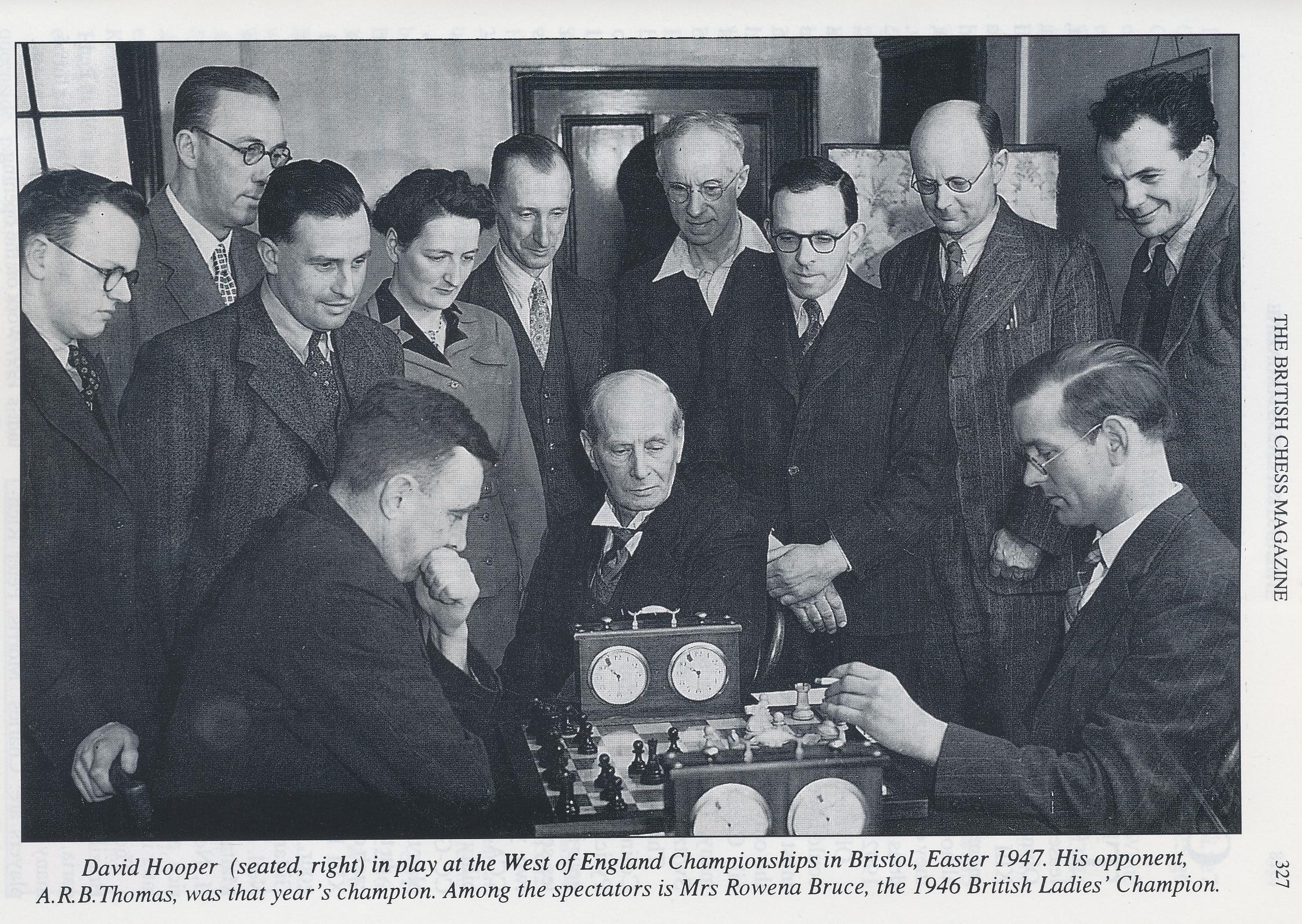
David Hooper (seated right) in play at the West of England Championships in Bristol, Easter, 1947. His opponent , ARB Thomas , was that year’s champion. Among the spectators is Mrs. Rowena Bruce, the 1946 British Ladies’ Champion. BCM, Volume 118, #6, p.327. The others in the photo are L – R: H. V. Trevenen; H. Wilson-Osborne (WECU President); R. A. (Ron) Slade; Rowena Bruce; Ron Bruce; H. V. (Harry) Mallison; Chris Sullivan; C. Welch (Controller); F. E. A. (Frank) Kitto.
Ken Whyld wrote an obituary which appeared in British Chess Magazine, Volume 118 (1998), Number 6, page 326 as follows :
DAVID VINCENT HOOPER died on 3rd May this year in a nursing home in Taunton. He had been in declining health for some months. Born in Reigate, 31st August 1915, his early chess years were with the Battersea CC and Surrey.
David Hooper (left) in conversation with Alan Phillips. Location and photographer unknown.
He won the (ed. Somerset) County Championship three times, and the London Championship in 1948. His generation was at its chess peak in the years when war curtailed opportunities, but he won the British Correspondence Championship in 1944.
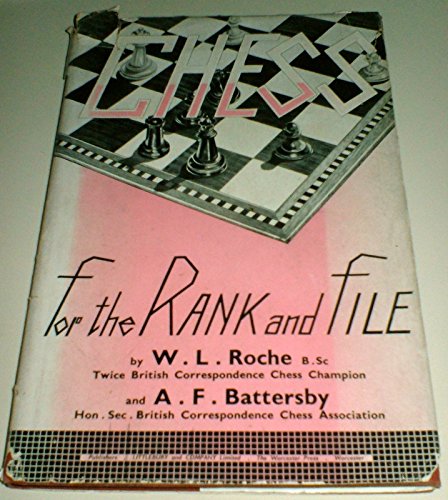
His games from that event are to be found in Chess for Rank and File by Roche and Battersby.
Chess for the Rank and File
Also at that time, he won the 1944 tournament at Blackpool, defeating veteran Grandmaster Jacques Mieses.
David was most active in the decade that followed, playing five times in the British Championship.
His highest place there was at Nottingham 1954, when, after leading in the early stages, he finished half a point behind the joint champions, Leonard Barden and Alan Phillips.
David was in the British Olympic team at Helsinki 1952, and in the same year accidentally played top board for England in one of the then traditional weekend matches against the Netherlands. British Champion Klein took offence at a Sunday Times report of his draw with former World Champion Dr. Euwe on the Saturday and refused to play on Sunday. Thus David was drafted in to meet Euwe, and acquitted himself admirably. Even though he lost, the game took pride of place in that month’s BCM.
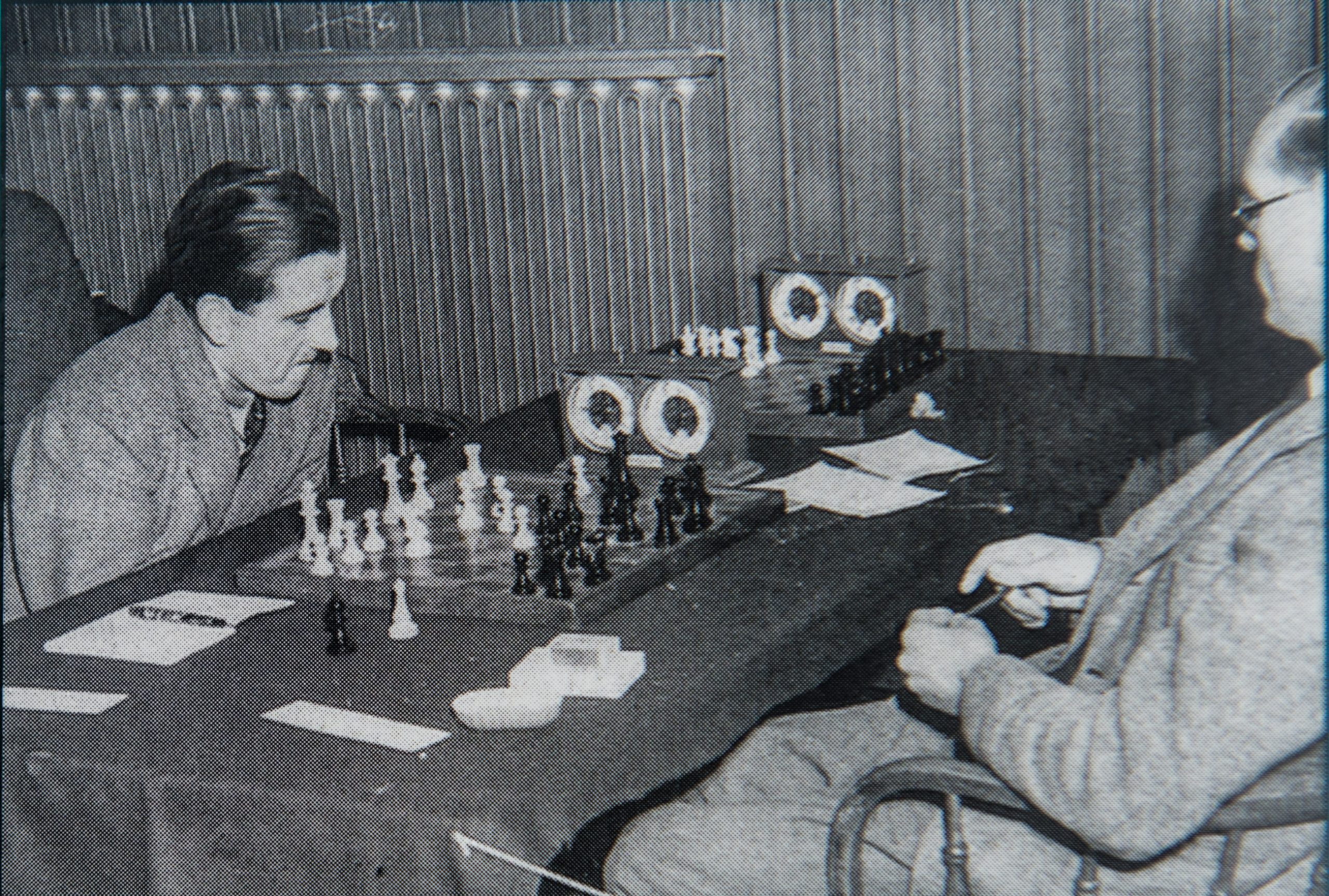
Alan Phillips plays David Hooper on August 20th 1954 in round five of the British Championships in Nottingham, photographer unknown
In the following game, played in the Hastings Premier l95l-2, he found an improvement on Botvinnik’s play against Bronstein in game 17 of their 1951 match, when 7.Ng3 was played because it was thought that after 7.Nf4 d5 it was necessary to play 8 Qb3.
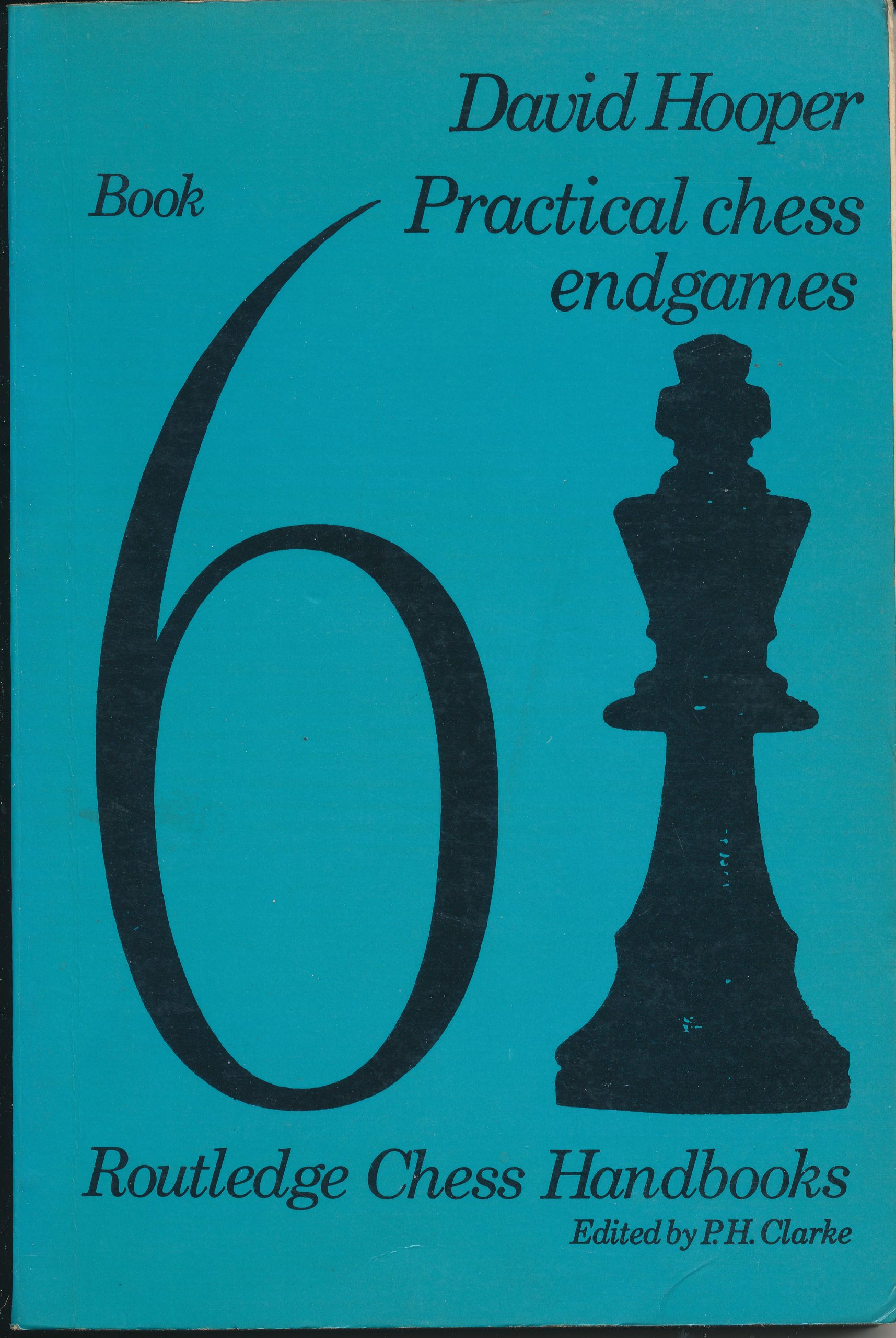
In his profession as architect David worked in the Middle East for some years from the mid-1950s, and when he returned to England he made his mark as a writer. His Practical Chess Endgames
Practical Chess Endgames (Chess Handbooks), David Hooper, Routledge & Kegan Paul, London, 1968, ISBN 0 7100 5226 X
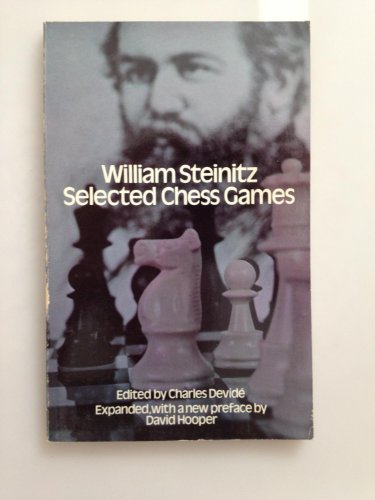
has an enduring appeal. Two of his books appeared in the Wildhagen biographical games series on Steinitz, and Capablanca. The last was written jointly with Gilchrist.
William Steinitz : Selected Chess Games, David Hooper
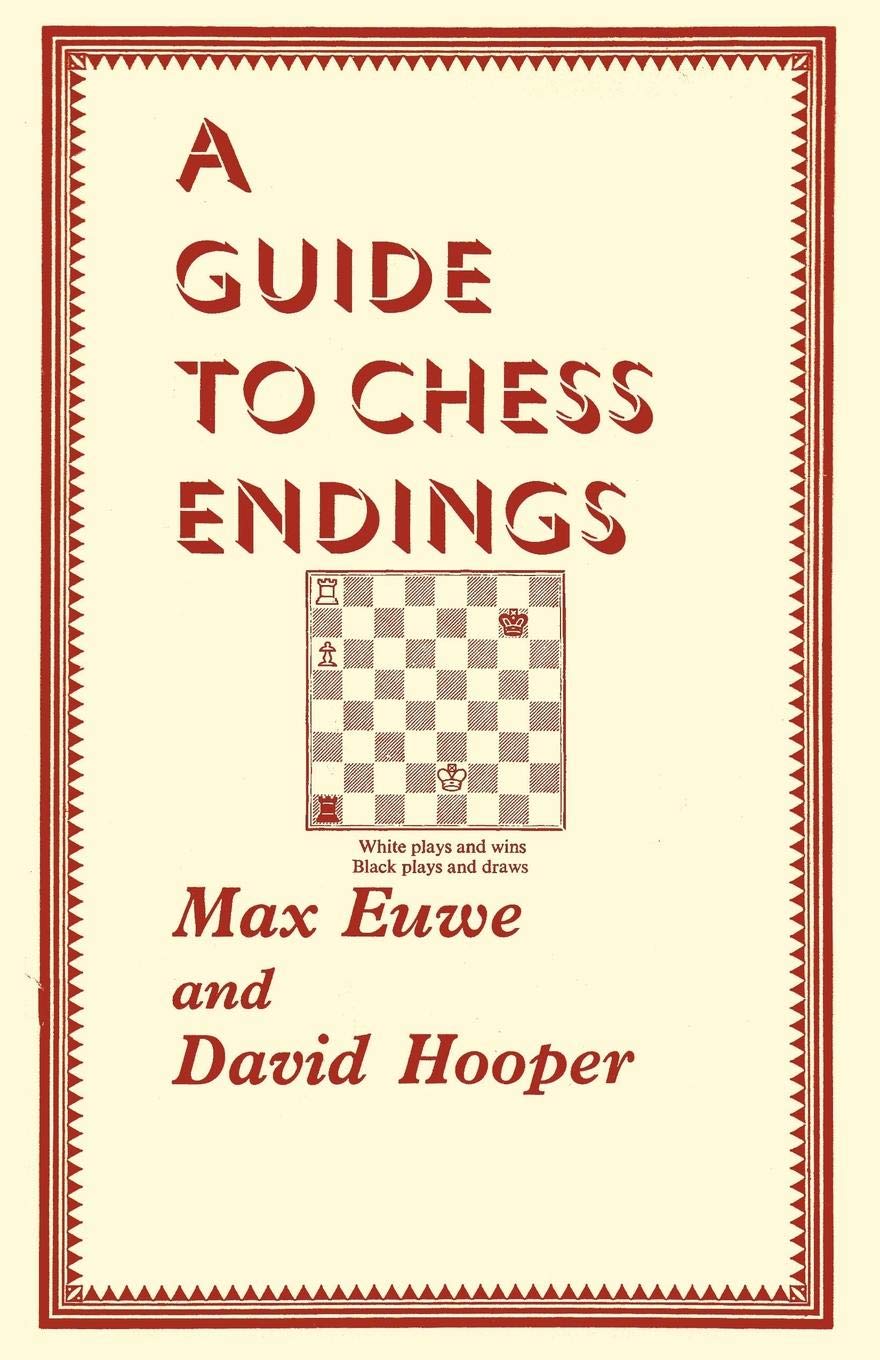
With Euwe he wrote A Guide to Chess Endings;
A Guide to Chess Endings, Dover (1976 reprint), ISBN 0-486-23332-4
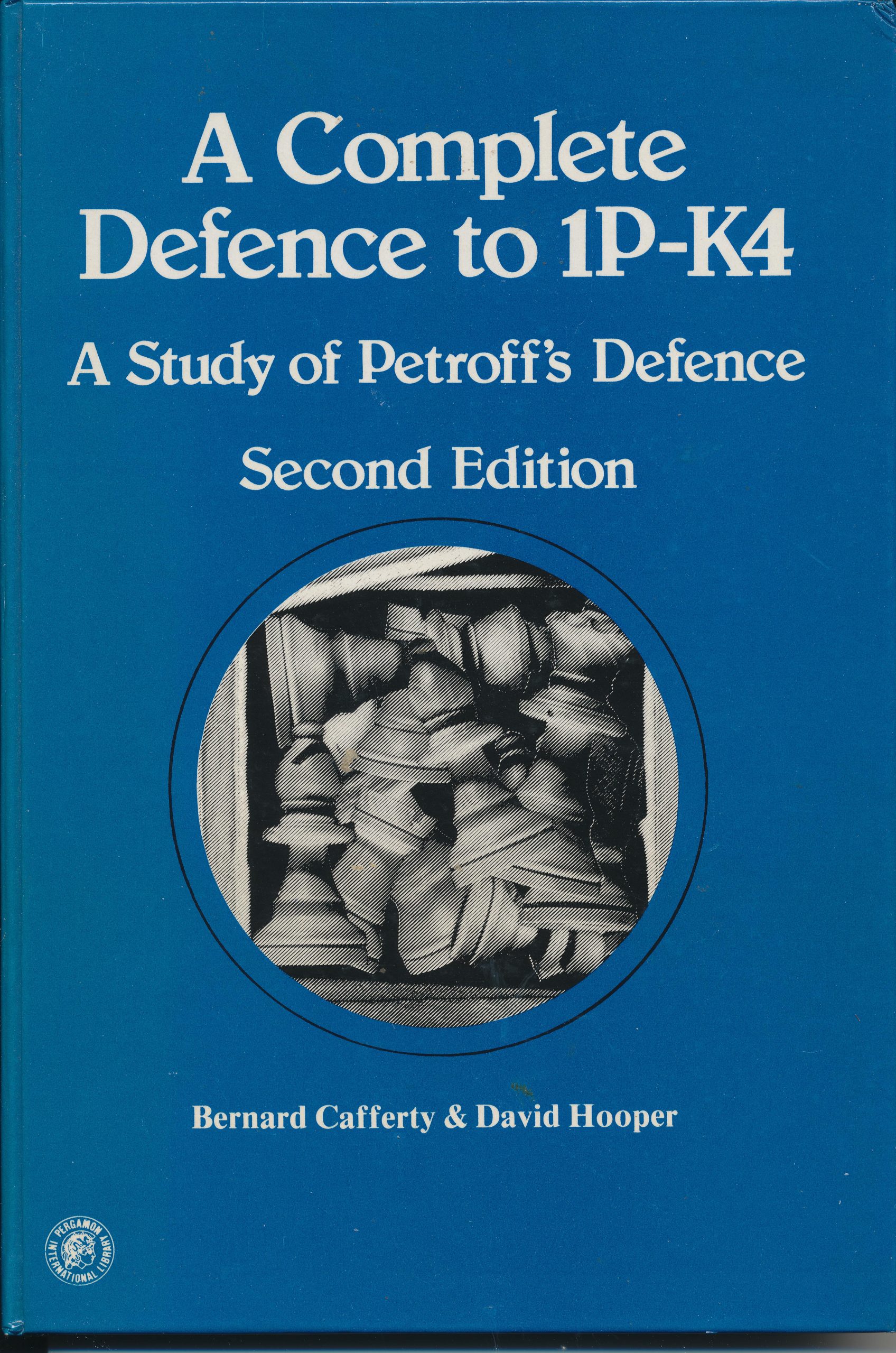
with Cafferty, A Complete Defence to 1.e4;
A Complete Defence to 1.P-K4 A Study of Petroff’s Defence, Bernard Cafferty & David Hooper, Pergamon Press, 1967, ISBN 0 08 024089 5
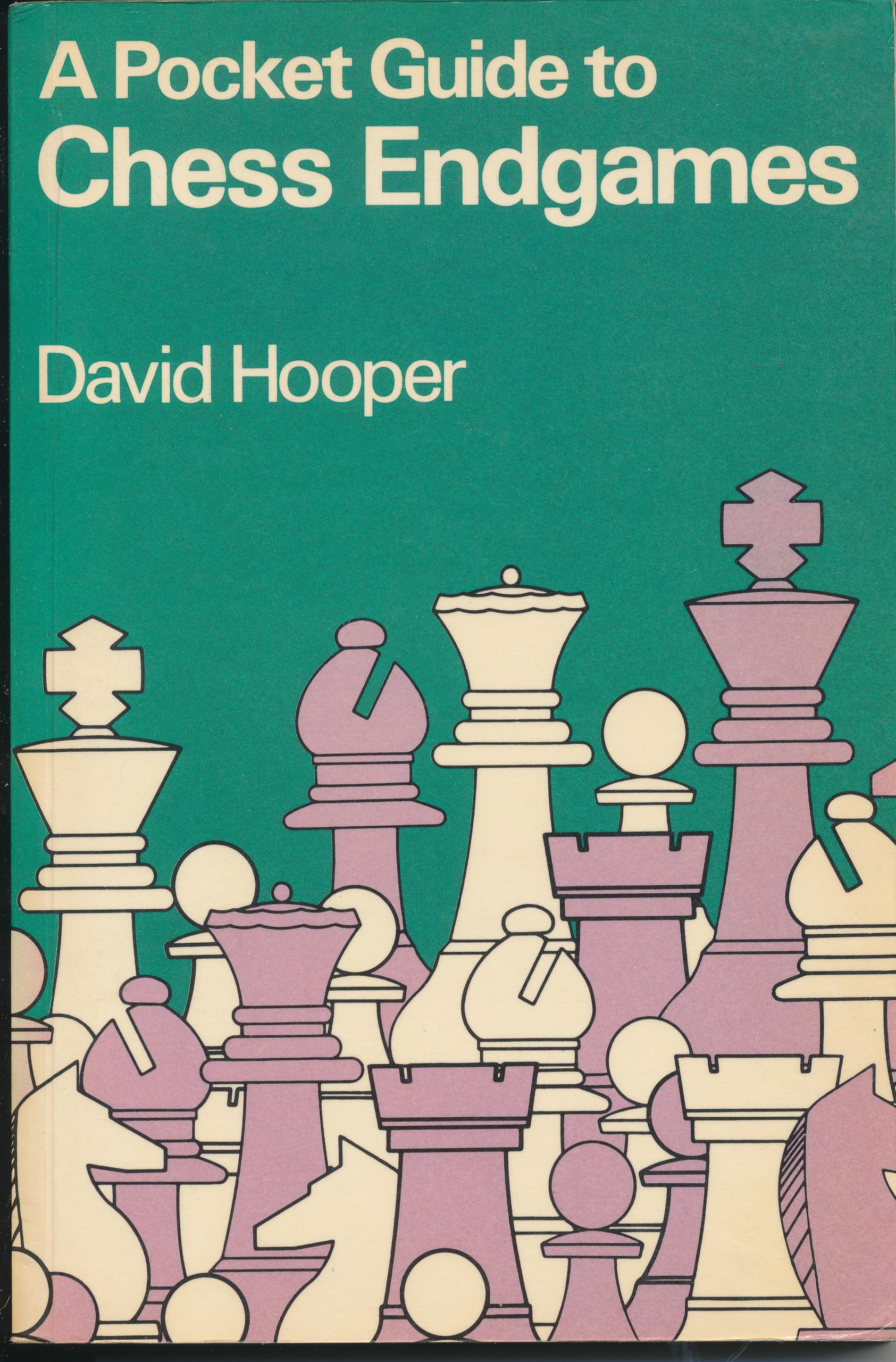
A Pocket Guide to Chess Endgames;
A Pocket Guide to Chess Endgames, David Hooper, Bell & Hyman Limited, London, 1970, ISBN 0 7135 1761 1
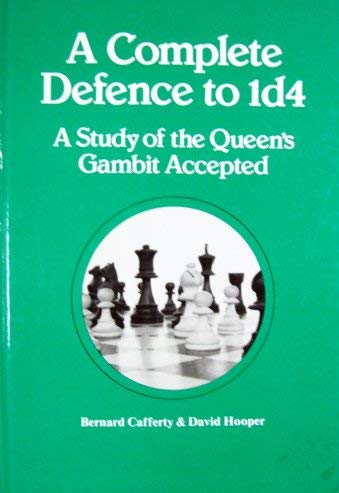
A Complete Defence to 1.d4;
A Complete Defence to 1d4: A Study of the Queen’s Gambit Accepted, Bernard Cafferty & David Hooper, Pergamon Press, ISBN 0-08-024102-6
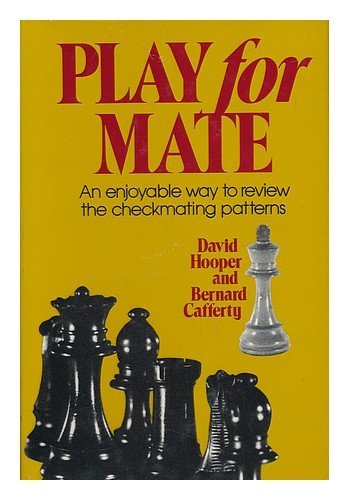
and Play for Mate;
Play for Mate (1990), DV Hooper and Bernard Cafferty, ISBN-13: 978-0713464740
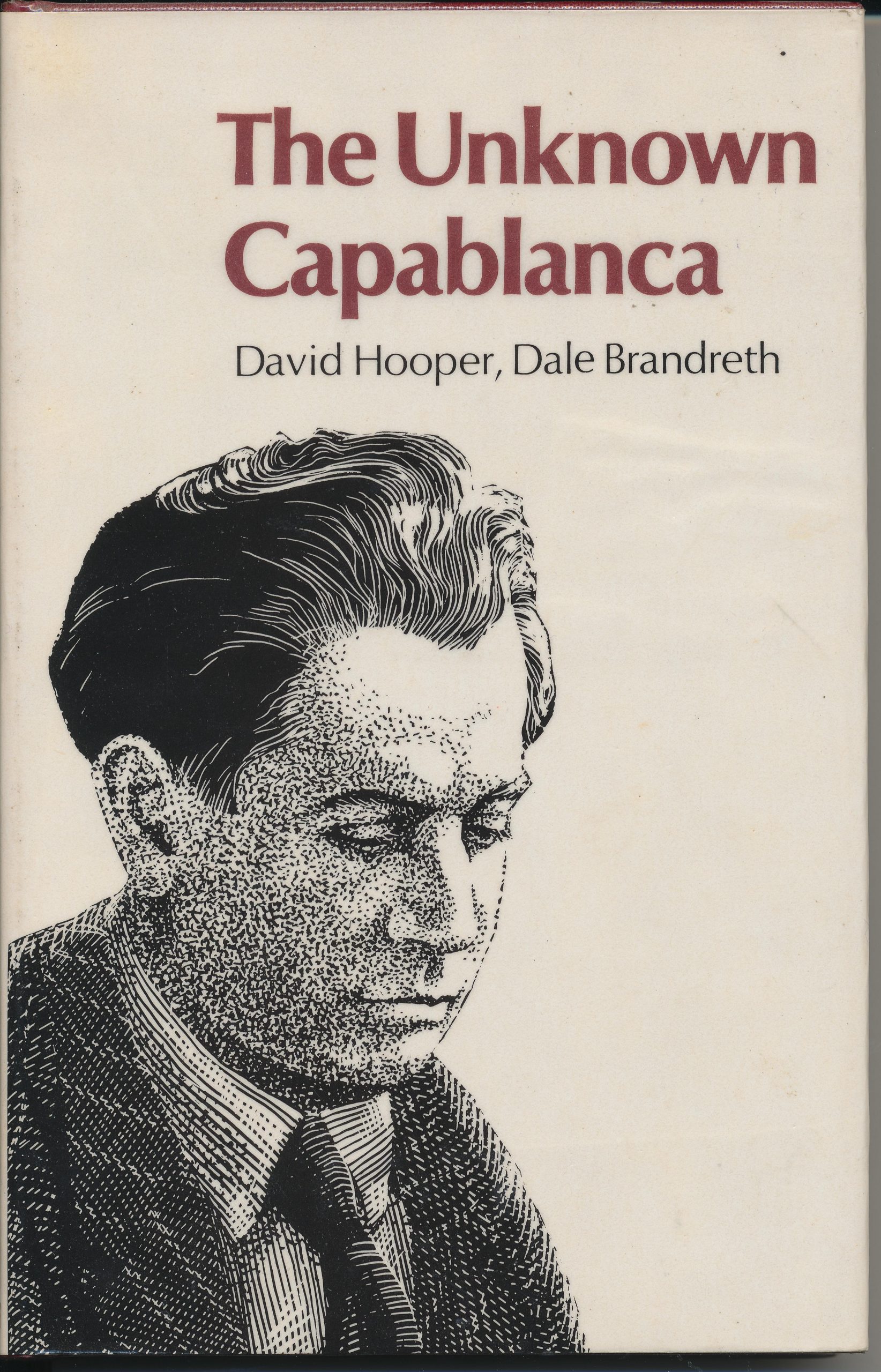
with Brandreth The Unknown Capablanca,
The Unknown Capablanca, David Hooper & Dale Brandreth, Batsford, London, 1975, ISBN, 0 7134 2964
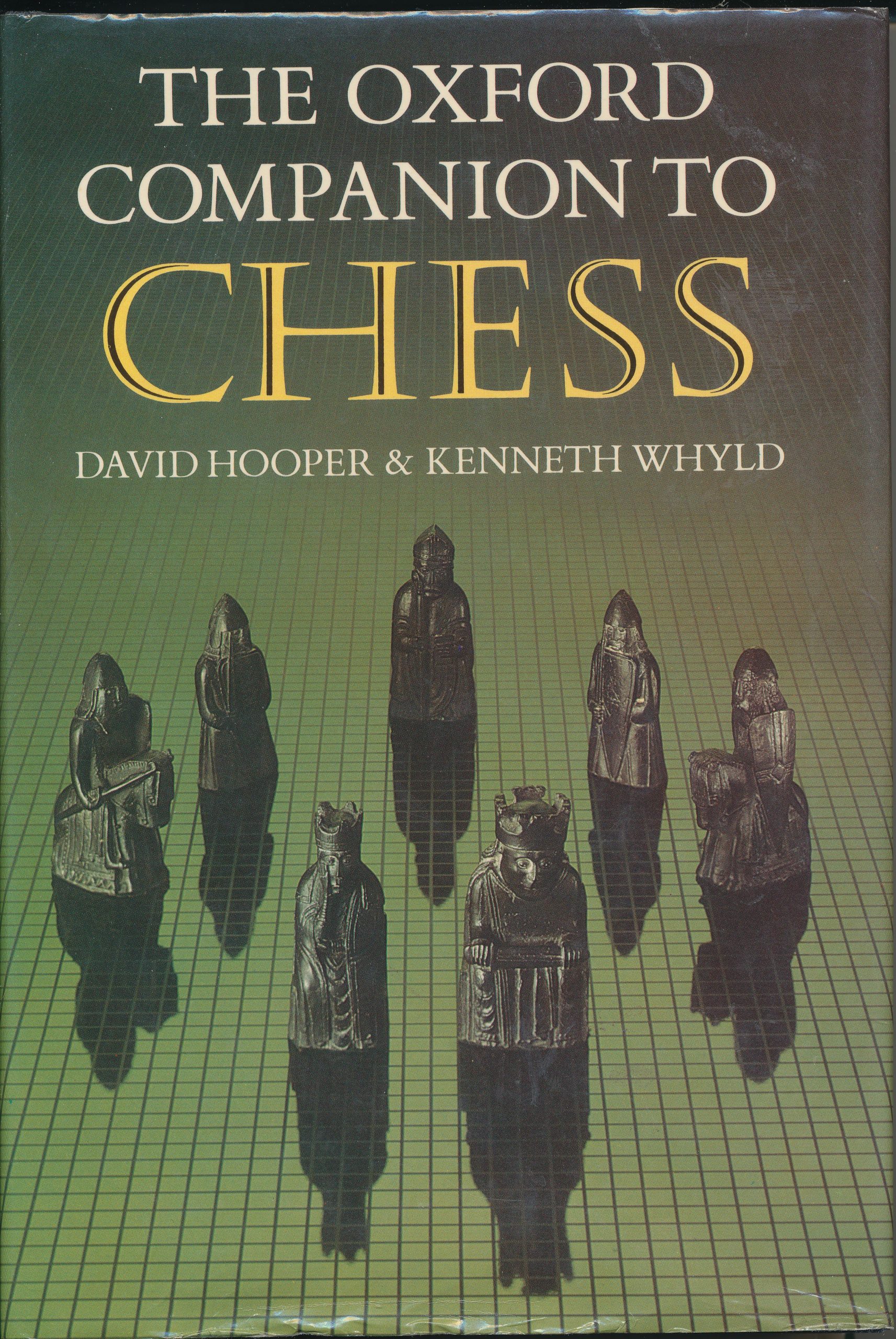
and with Ken Whyld, The Oxford Companion to Chess.
The Oxford Companion to Chess, 1st Edition, David Hooper & Ken Whyld, Oxford University Press, 1984, ISBN 0 19 217540 8
Ken Whyld
From The Encyclopaedia of Chess by Harry Golombek :
British amateur (an architect by profession) whose best result was =5 in the British Championship at Felixstowe 1949 along with, amongst others, Broadbent and Fairhurst.
Hooper abandoned playing for writing about chess and has become a specialist in two distinct areas. He is an expert on the endings and has a close knowledge of the history of chess in the nineteenth century.
His principal works : Steinitz (in German), Hamburg, 1968; A Pocket Guide to Chess Endgames, London 1970.
We focus on the British Chess Scene Past & Present!
This website uses cookies to improve your experience. We'll assume you're ok with this, but you can opt-out if you wish. Cookie settingsACCEPT
Privacy & Cookies Policy
Privacy Overview
This website uses cookies to improve your experience while you navigate through the website. Out of these cookies, the cookies that are categorized as necessary are stored on your browser as they are as essential for the working of basic functionalities of the website. We also use third-party cookies that help us analyze and understand how you use this website. These cookies will be stored in your browser only with your consent. You also have the option to opt-out of these cookies. But opting out of some of these cookies may have an effect on your browsing experience.
Necessary cookies are absolutely essential for the website to function properly. This category only includes cookies that ensures basic functionalities and security features of the website. These cookies do not store any personal information.