Tag Archives: Player

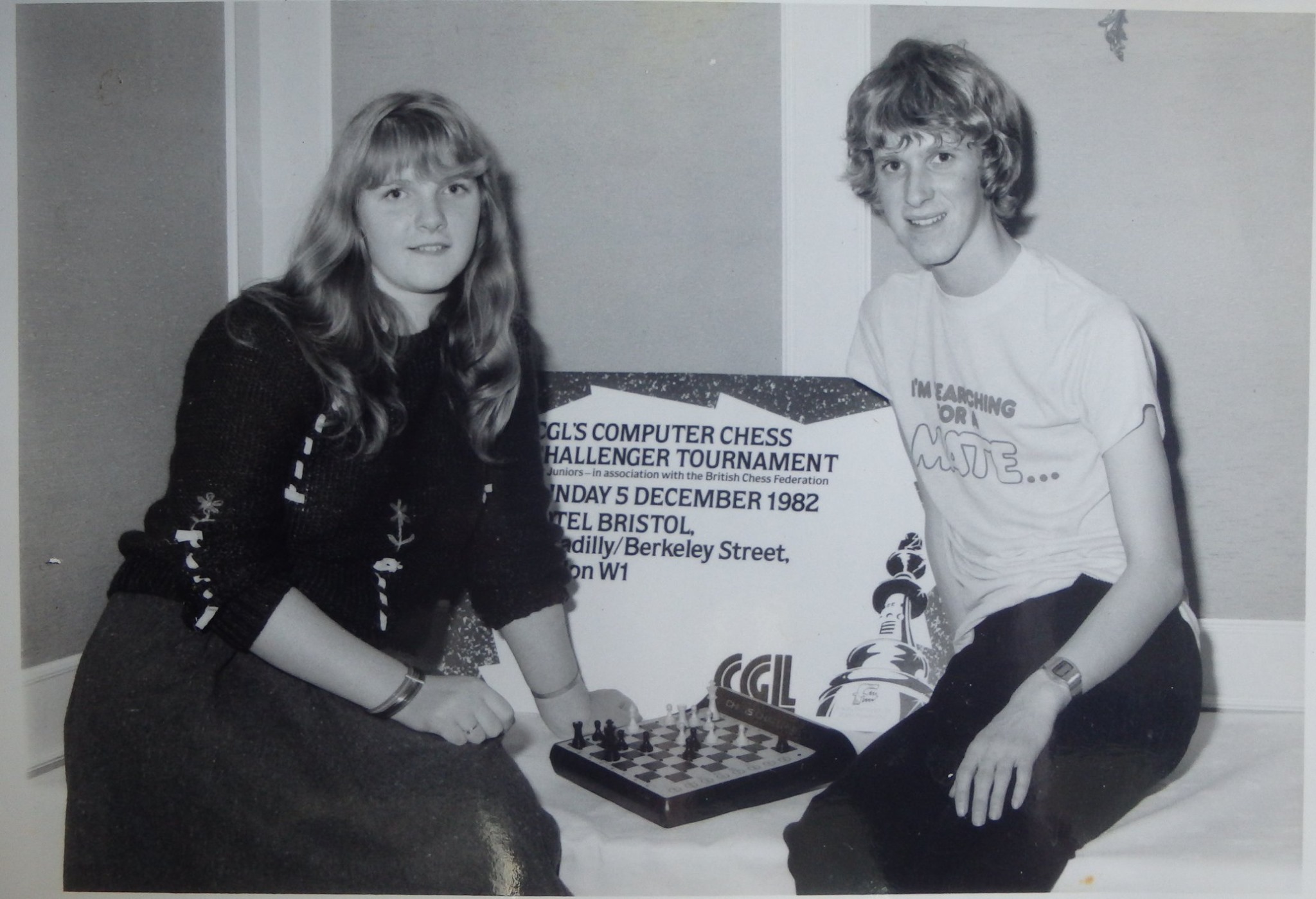
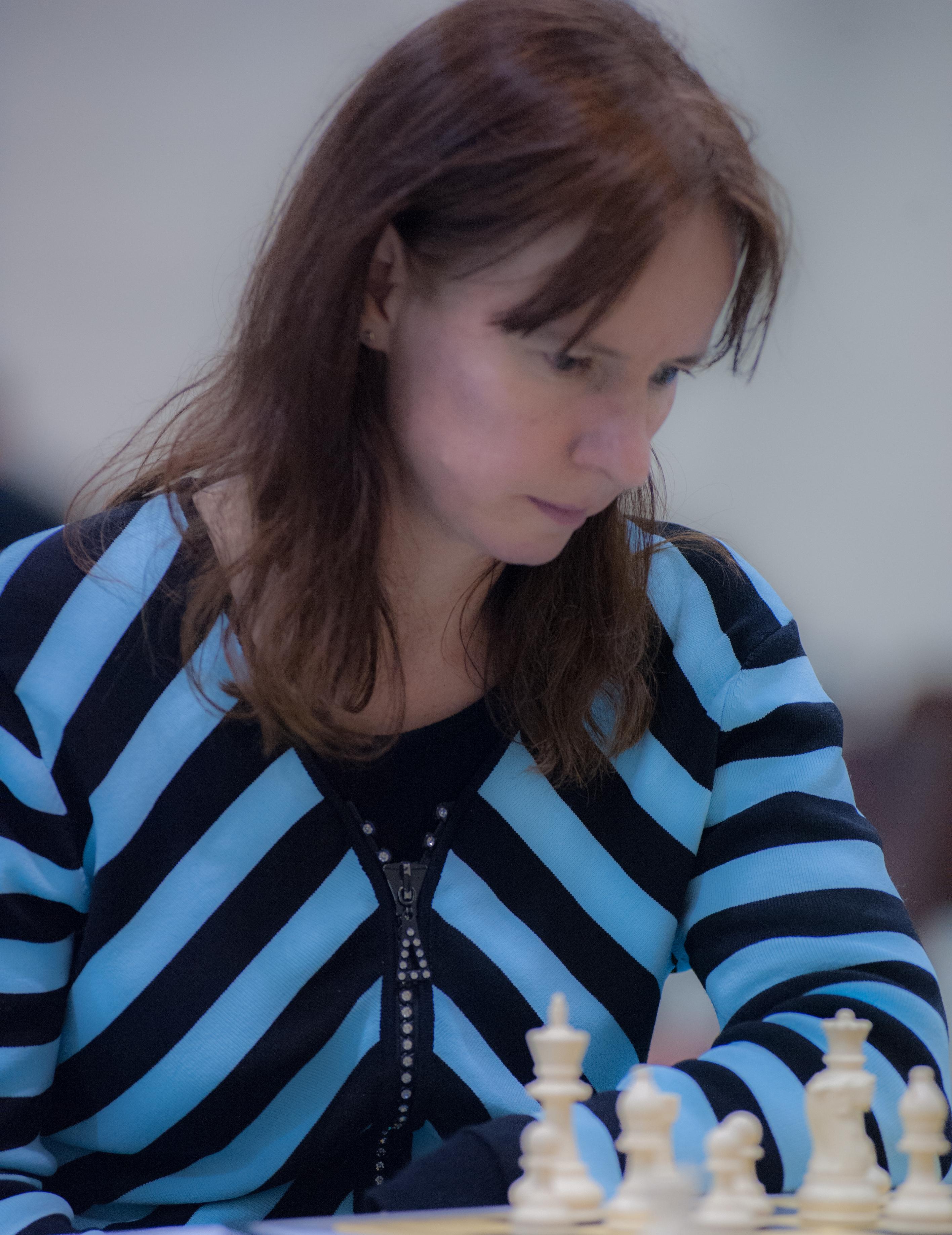
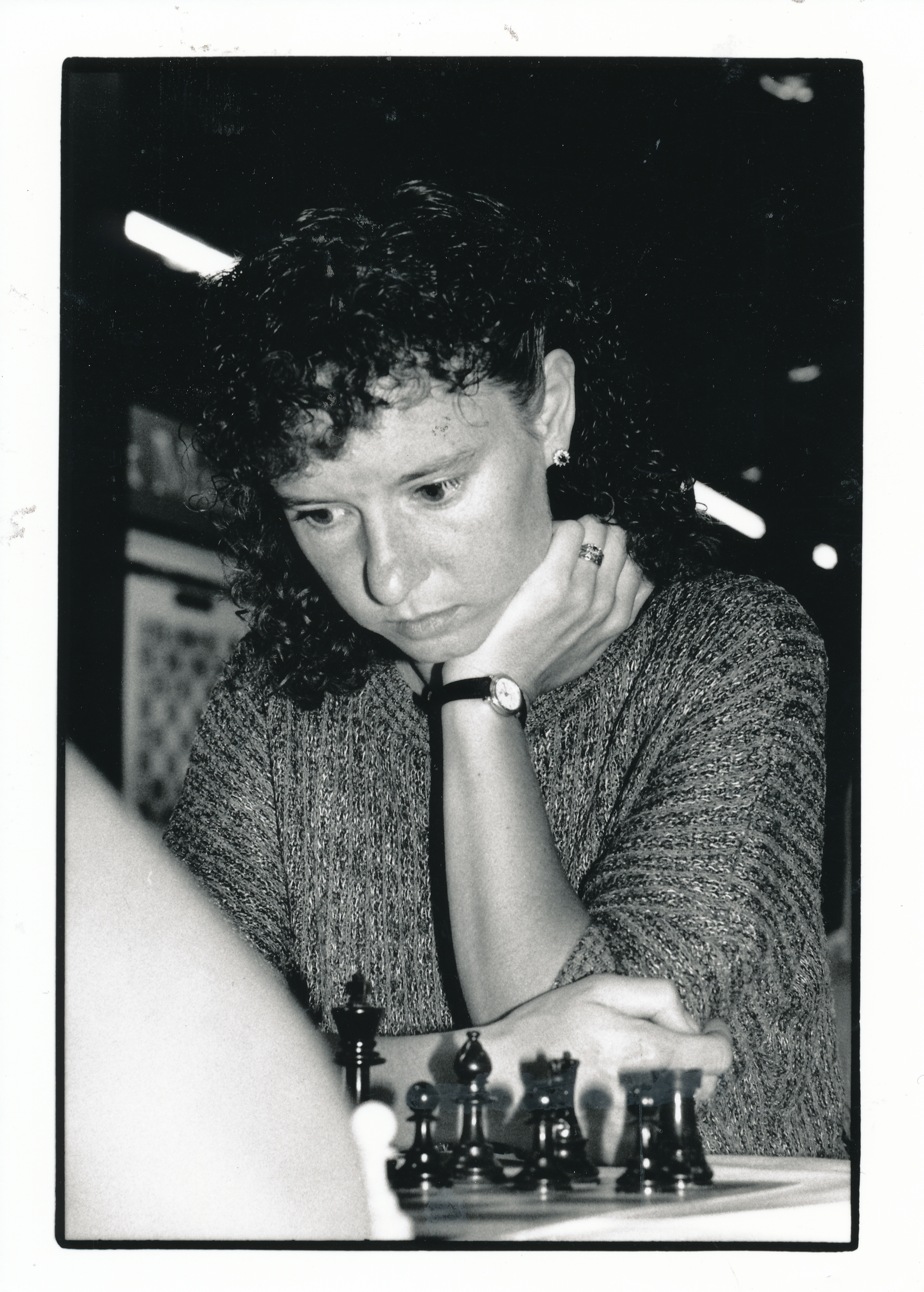
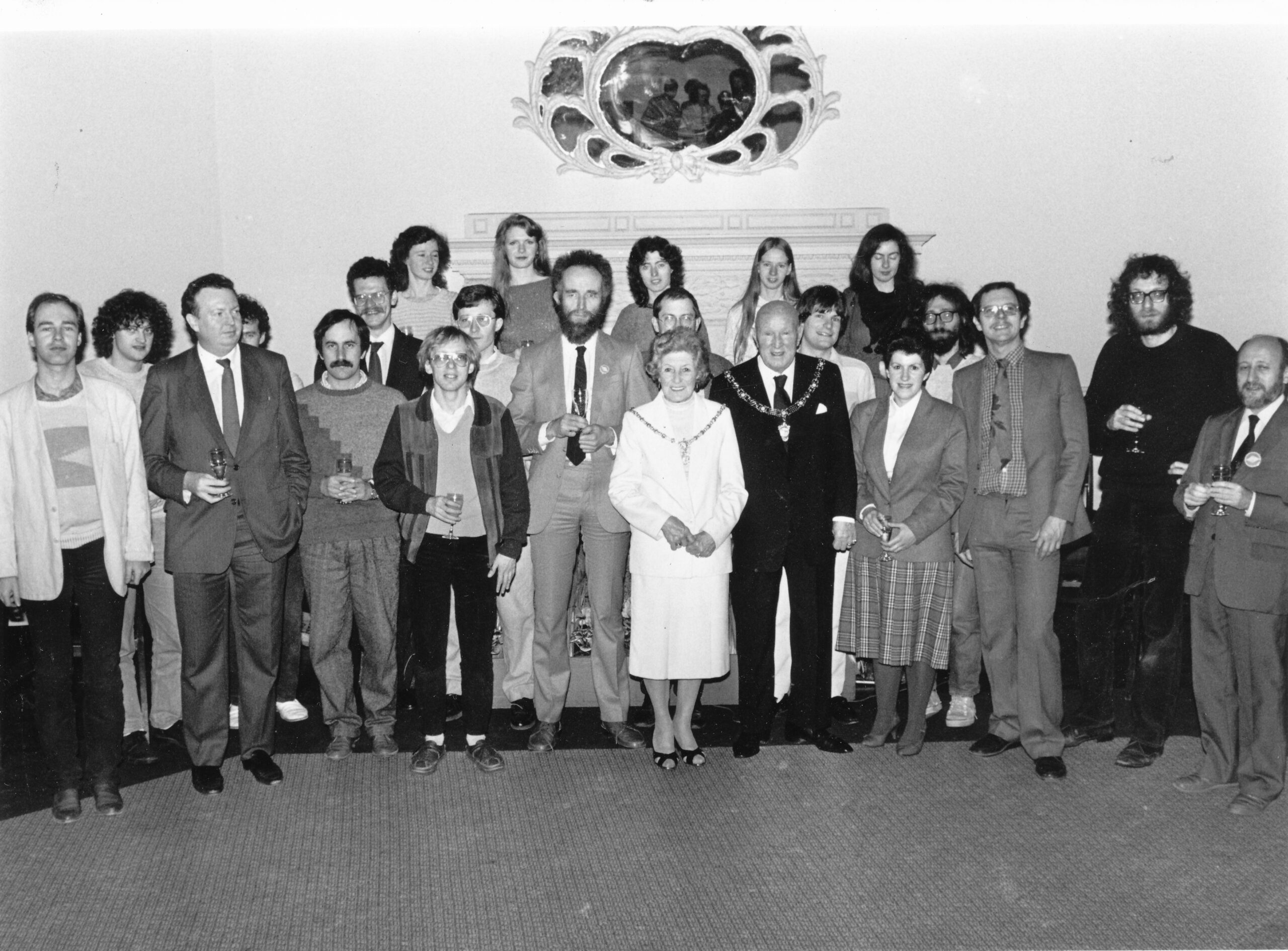
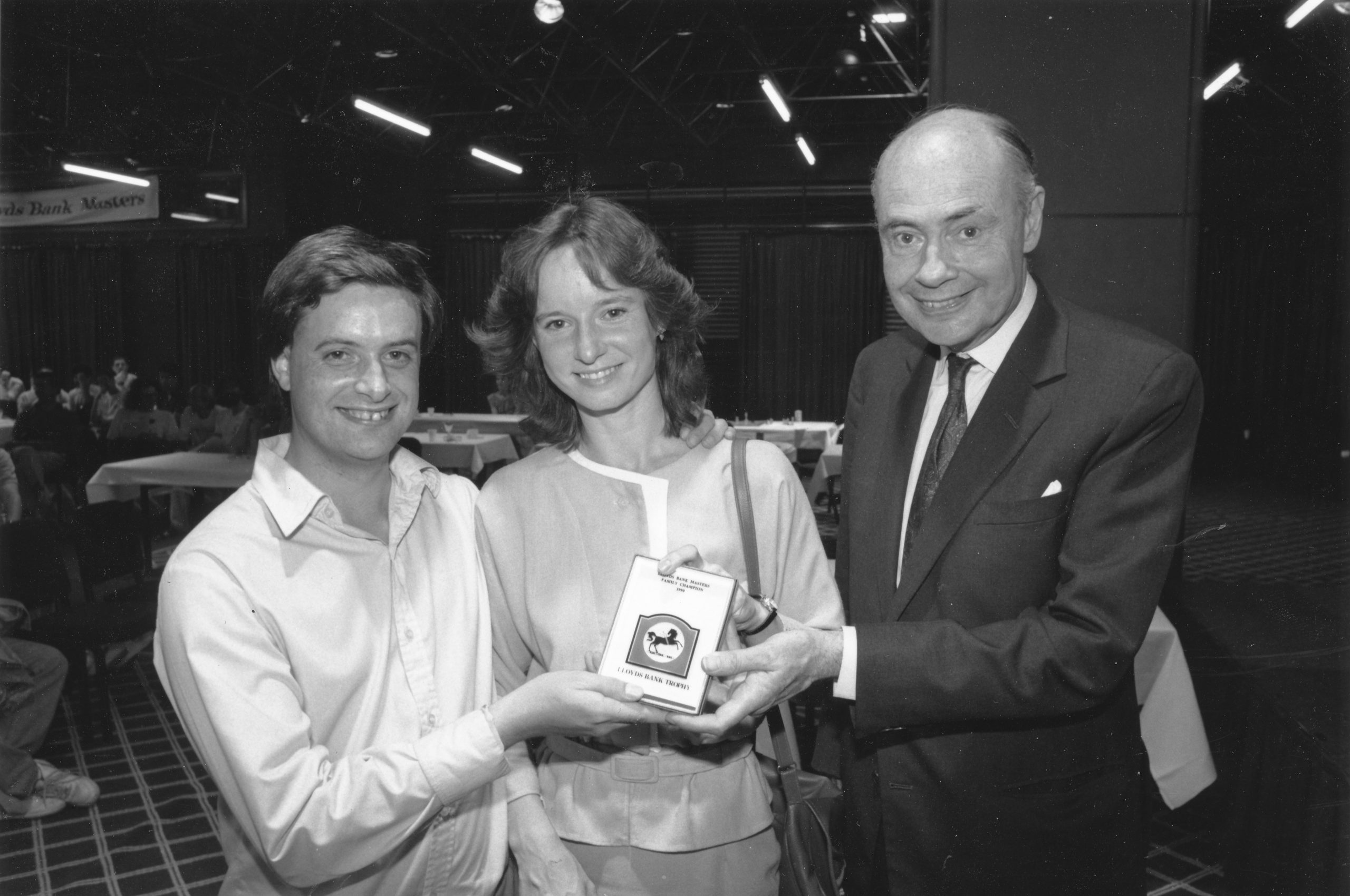
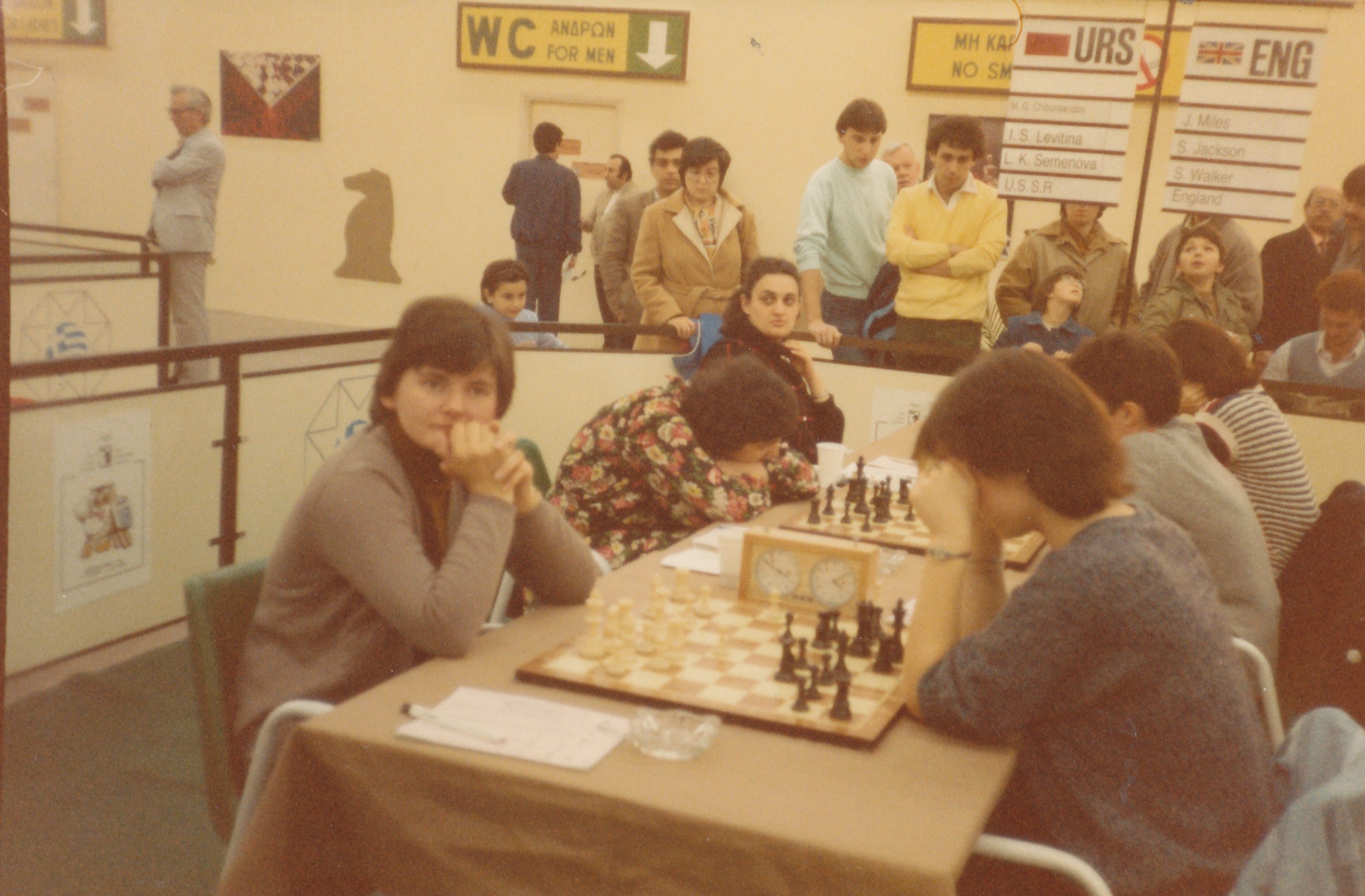
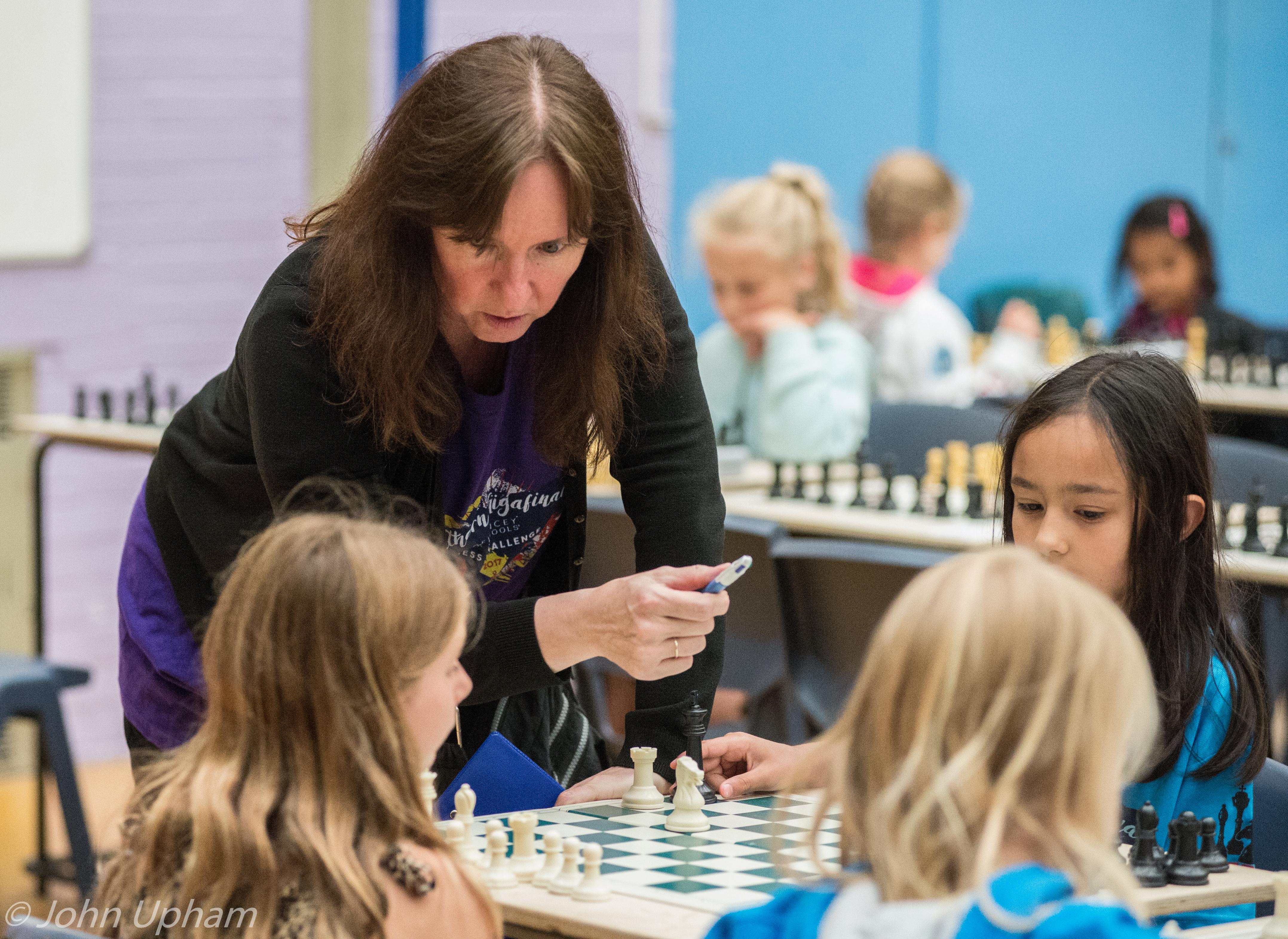
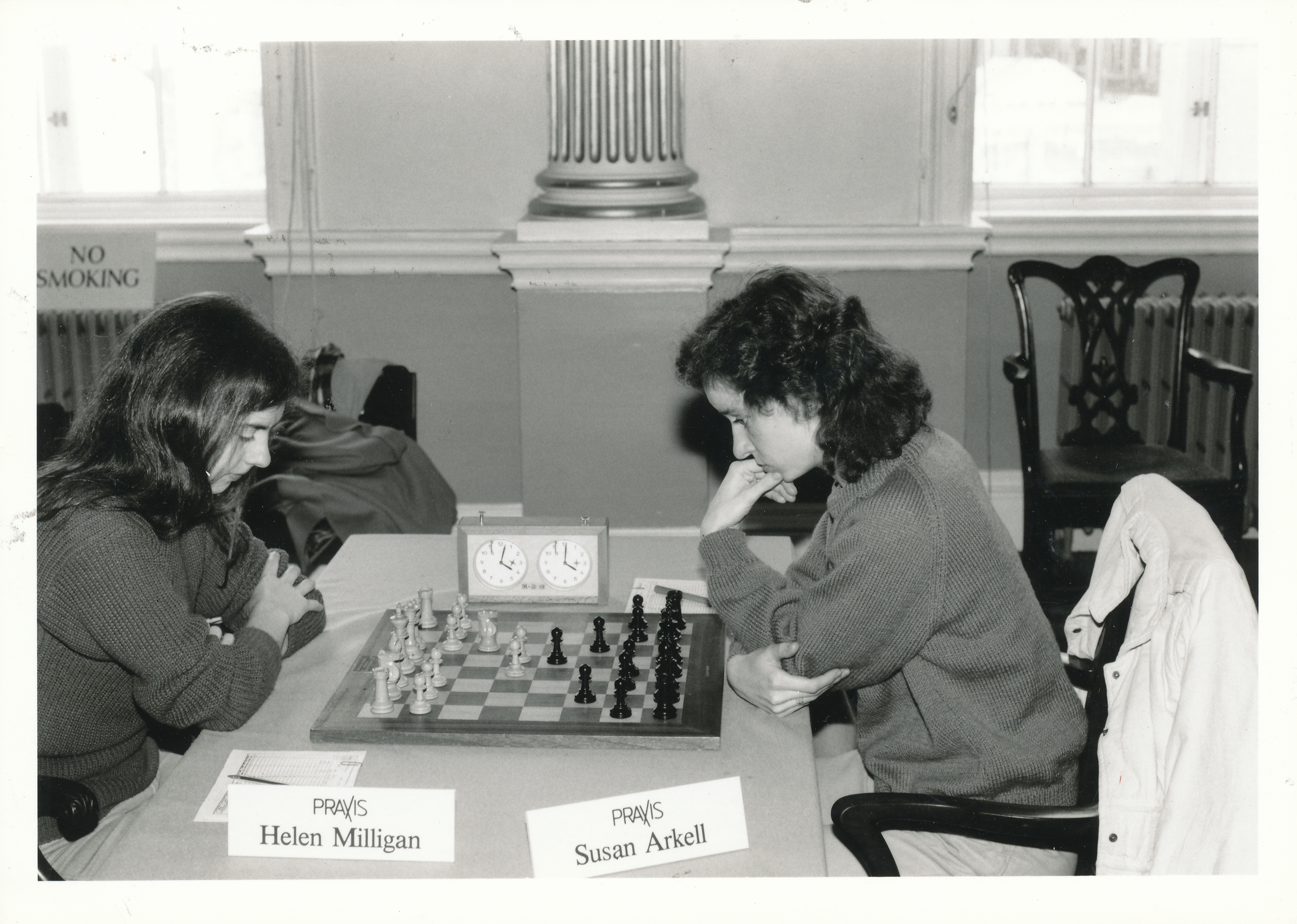
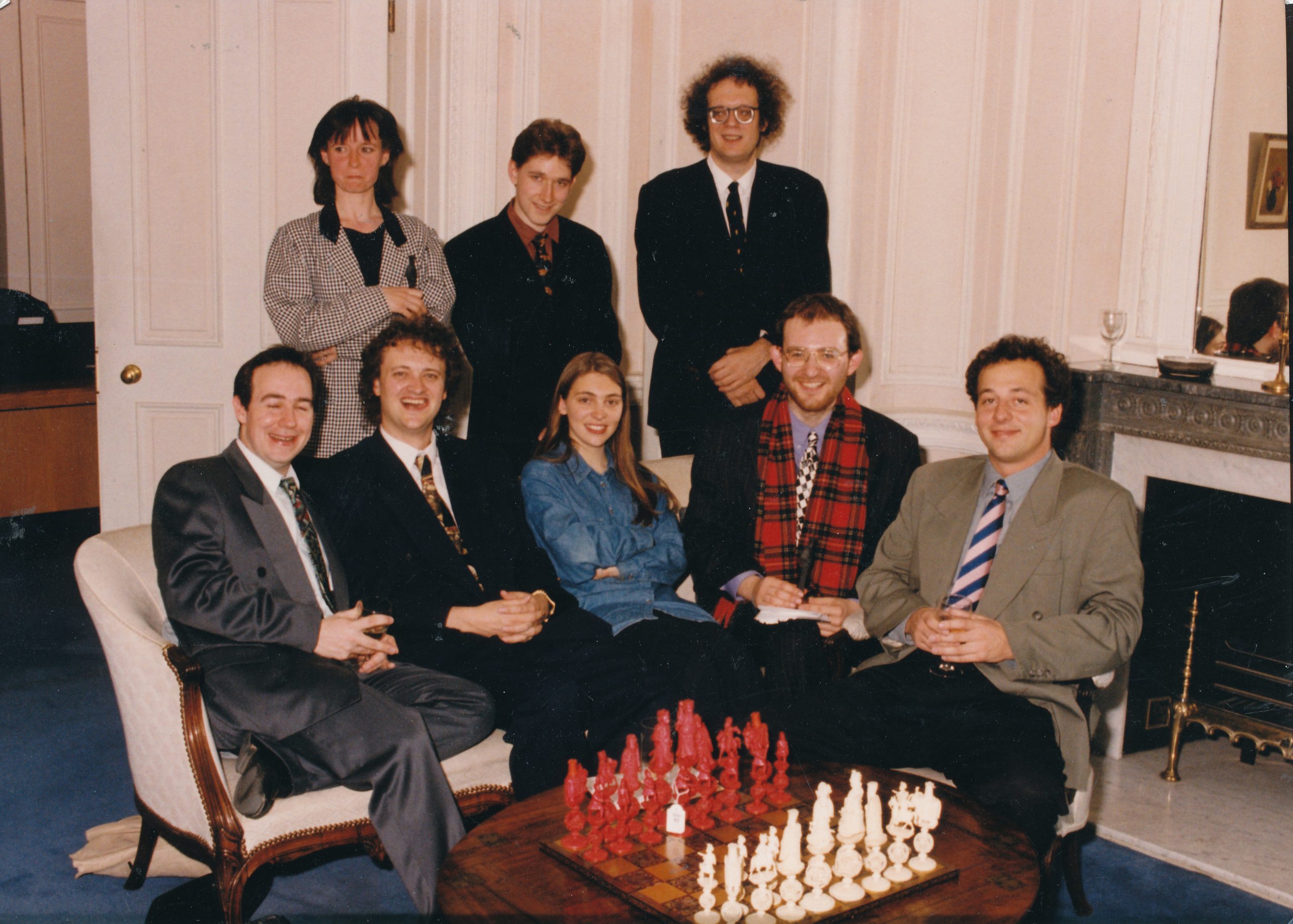
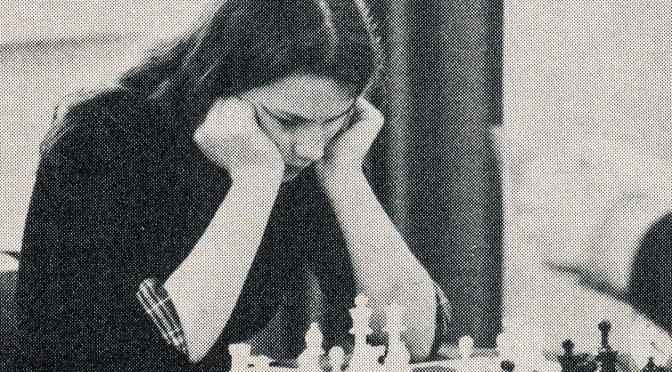
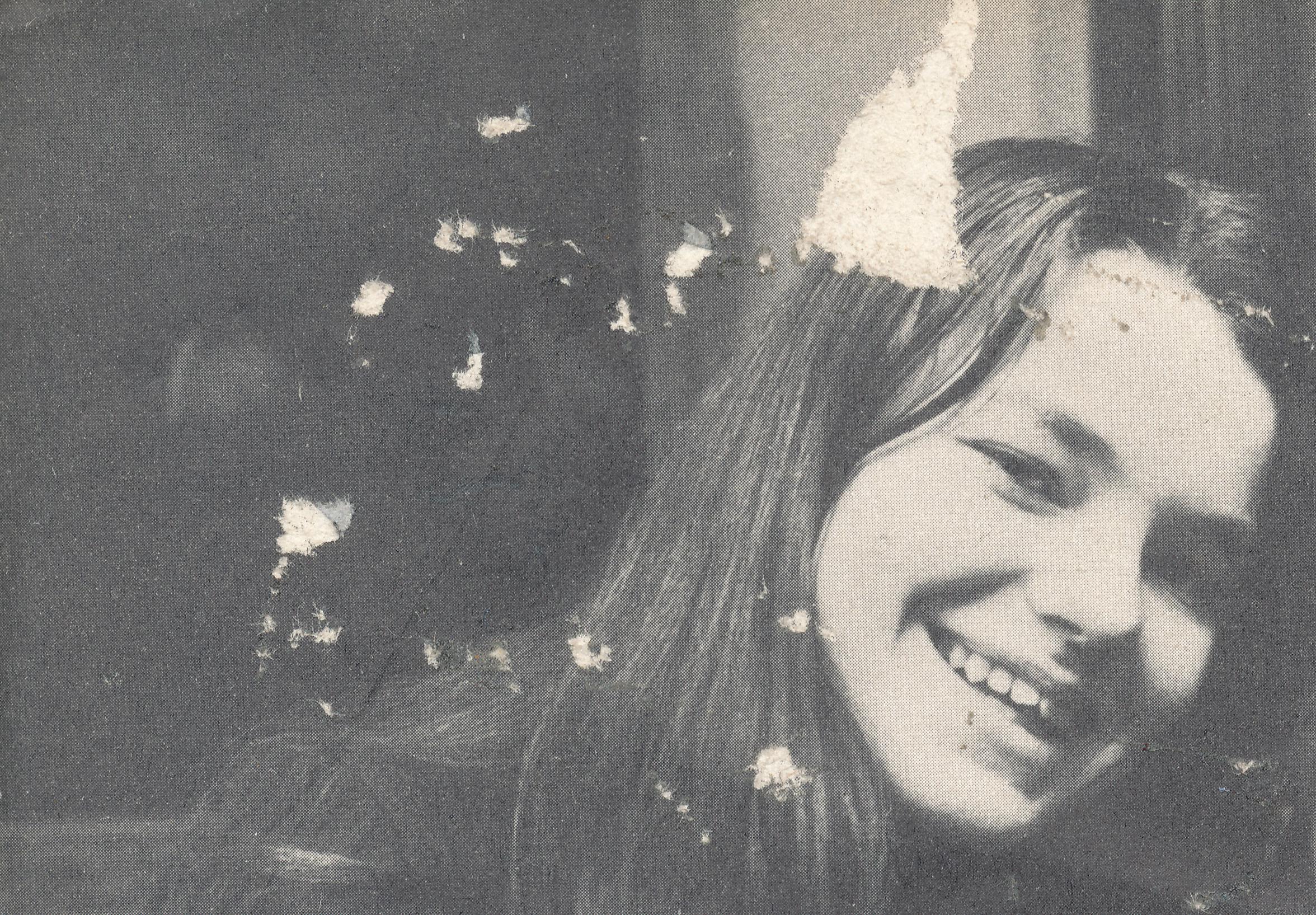
Happy Birthday Susan Caldwell (02-x-1958)

Susan Caldwell
Susan Caldwell

Happy Birthday Susan Linda Caldwell (02-x-1958)

Susan is / was a director of the Hallas Foundation Ltd. and Larkham Printers and Publishers Ltd. and is a partner to former Scottish international Les SF Blackstock.

A few (11) of her games may be found on chessgames.com

Susan Caldwell, from the CentYMCA Story by Jimmy Adams
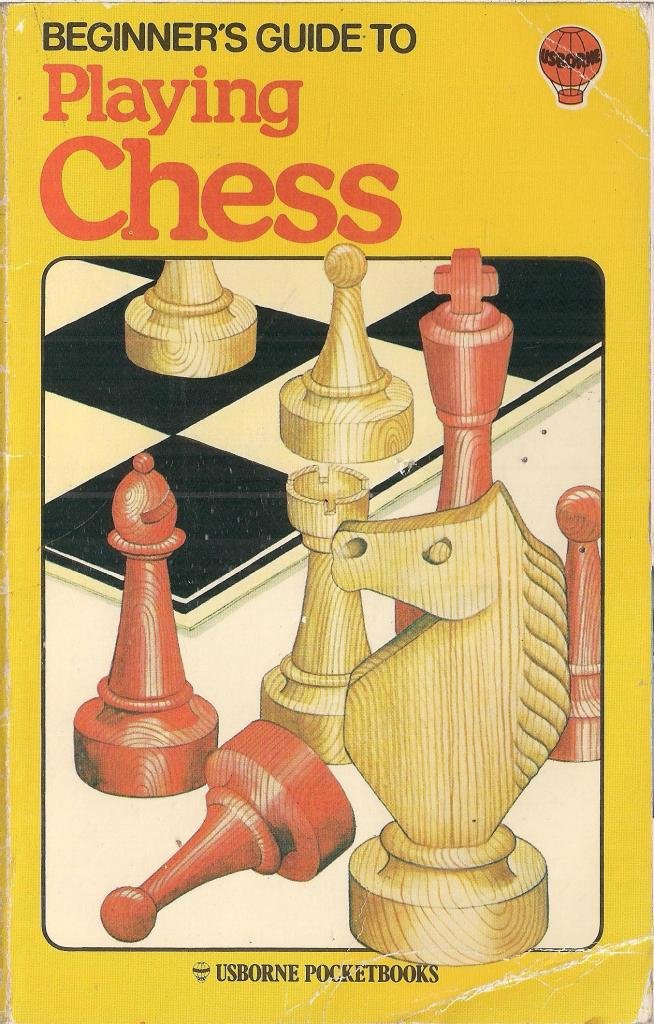
Beginners Guide to Playing Chess

Remembering FM John Littlewood (25-v-1931 16-ix-2009)

John Eric Littlewood was born in Sheffield on Monday, May 25th 1931. His mother’s maiden name was Wheeldon. He last resided in the WN8 postal area of Skelmersdale, West Lancashire.

He became a FIDE Master in 1989 at the age of 58. According to Felice (and ChessBase) his peak FIDE rating was 2395 in January 1980. However, it is certain that it would have been higher than that, in the 1960s and 1970s : more likely 2450 or possibly higher.

John, Jenny and Paul Littlewood, circa 1962. Kindly supplied by Paul Littlewood.

He coached his son Paul who became British Champion in 1981. His brother Norman was also a very strong player.

John and Paul on Skegness beach circa 1958. Kindly supplied by Paul Littlewood. George and Ringo are out of shot !

From “Chess Coaching” :

John Littlewood is a National Coach and the Director of Junior Chess to the British Chess Federation. He is a FIDE Master with national and international playing experience, and is an established chess writer, translator and journalist.

03-01-1962 37th Hastings International Chess Congress, 1962. World Champion Mikhail Botvinnik (R) playing against John Littlewood of England

From “Learn Chess 2

“A British Master, formerly Northern Counties Champion and currently (1984) a National Coach for the British Chess Federation. John Littlewood has played for England in several international tournaments, including two Olympiads”

John Littlewood giving a simultaneous display

John wrote the “Test Your Chess” column in British Chess Magazine under the editorship of Murray Chandler

John Was Northern Counties Chess Union (NCCU) Champion in 1971, 1972, 1977, 1978, 1979, 1980 and 1981 : a record seven times !

John with chess friends

John won the Appleby-Frodingham Chess Club tournament in 1962 with 3.5/5 :

Appleby-Frodingham Tournament of 1962 crosstable

and then, in the same year came 3= in the British Championships with 7.5/11 :

Truncated crosstable from the 1962 British Championship in Whitby

and in 1969 in Rhyl John was unfortunate not to share the title with Dr. Jonathan Penrose after losing to Frank Parr in the final round :

Truncated crosstable of the British Championships of Rhyl 1969
John Littlewood at Hastings 1963-4. Still taken from Pathe news reel footage
John Littlewood playing Wolfgang Unzicker in round one of the 1969-70 Hastings International Congress

John won the Southport Open in 1972 and the picture below was taken shortly afterwards :

John and family following winning the 1972 Southport Open. See the BCM article below for a full caption

John won the Chorley tournament of 1977 with 7/9

Chorley 1977 tournament crosstable

JEL won the British Chess Federation’s President’s Award in 2000.

FM John Littlewood at 4NCL courtesy of Helen Milligan

In 2006 John won the BCF Veterans / Seniors title for the first time repeating the feat in 2008 sharing with George Dickson.

With the White pieces John almost exclusively played 1.e4 favouring the Wormald Attack, Open Sicilians and the Rossolimo variation.

As the second player John played the Closed Ruy Lopez, the Sicilian Dragon and the Grünfeld defence.

In the following video IM Andrew Martin discusses the game Bisguier – Littlewood, 1962.

Rather than reinventing an already round wheel we reproduce the following ten page tribute in the October 2009 issue of British Chess Magazine. The tribute is by John Saunders :

British Chess Magazine, Volume CXXIV (129), 2009, Number 10, October, page 536
British Chess Magazine, Volume CXXIV (129), 2009, Number 10, October, page 537
British Chess Magazine, Volume CXXIV (129), 2009, Number 10, October, page 538
British Chess Magazine, Volume CXXIV (129), 2009, Number 10, October, page 539
British Chess Magazine, Volume CXXIV (129), 2009, Number 10, October, page 540
British Chess Magazine, Volume CXXIV (129), 2009, Number 10, October, page 541
British Chess Magazine, Volume CXXIV (129), 2009, Number 10, October, page 542
British Chess Magazine, Volume CXXIV (129), 2009, Number 10, October, page 543
British Chess Magazine, Volume CXXIV (129), 2009, Number 10, October, page 544
British Chess Magazine, Volume CXXIV (129), 2009, Number 10, October, page 545

A rather detailed article from Tartajubow on Chess II

Here is how news of his passing was received on the English Chess Forum

Here is an obituary from Leonard Barden in The Guardian

Here is an obituary published in The Times of London

Farewell to John Littlewood : The Lincolnshire Poacher

and, finally a history of JEL from the Yorkshire Chess Archives

FM John Littlewood (25-v-1931 16-ix-2009)

Here is John’s Wikipedia entry

How to Play the Middle Game in Chess by John Littlewood, Collins, 1974
Chess Coaching by John Littlewood, The Crowood Press, 1991
Learn Chess by Edward Penn and John Littlewood, Pitman House, 1980
Learn Chess : Teacher's Book, by Edward Penn & John Littlewood, Pitman House, 1980
Learn Chess : Teacher’s Book, by Edward Penn & John Littlewood, Pitman House, 1980
Learn Chess 2 by John Littlewood, Adam & Charles Black, 1984
FM John Littlewood (25-v-1931 16-ix-2009)

Remembering Alexander McDonnell (22-iv-1798 14-ix-1835)

We remember Alexander McDonnell who died aged 37 on September 14th, 1835 in Tavistock Square, London.

Please note : We have referenced a number of secondary and tertiary sources on AM and they agree on heritage. However, following painstaking research of primary sources by James O’Fee and Tim Harding it has been demonstrated that the father of AM was not Dr. Alexander McDonnell but, in fact, Thomas McDonnell, a merchant.

Also, we do not have a primary source confirming the date of birth. 22-iv-1798 which was obtained from the family tree of a distant relative.

Hopefully we will be permitted to publish further details unearthed by James O’Fee

Alexander McDonnell was born on Tuesday, May 22nd 1798 in Belfast, Antrim, Northern Ireland to Dr Alexander McDonnell, age 34. His mother is unknown.

His (half-)brother Robert died (in a riding accident) on 19 July 1818 in Belfast, Antrim, when Alexander was 20 years old. He also had one sister, Eliza (Elizabeth)

From The Oxford Companion to Chess (OUP, 1983) by Hooper & Whyld :

The best player in England around 1830, Born in Belfast, the son of a doctor, he spent some years in the West Indies and later worked in London as
secretary of the Committee of West Indian Merchants. William Lewis, who taught McDonnell in the 1820s, soon found that he could not successfully offer odds of pawn and move to his pupil; but challenged to play even Lewis declined, fearing for his reputation.

From June to October 1834 McDonnell played six matches against La Bourdonnais; of the 85 games that were played McDonnell won 27, drew 13, and lost 45. McDonnell’s lack of experience against strong opponents was a serious handicap. On occasion his combinative play could be brilliant and imaginative, but his opening play (based on Lewis’s teachings) and his technique were inferior. He is described as ‘quiet, reserved, outwardly imperturbable’ with ‘an insular sense of’decorum’, quite different from his extrovert opponent.

Whereas La Bourdonnais played fast and with ease, McDonnell concentrated at length upon his moves and retired from a playing session exhausted, sometimes ‘walking his room the greater part of the night in a dreadful state of excitement’. His contemporaries believed that this long period of stress hastened his death from Bright’s disease. The games were regarded as the finest ever played. They were first published in England where they greatly stimulated interest in the game.

Unlike his great rival, McDonnell died wealthy; besides chess he was interested in political economy on which he wrote half a dozen books or
pamphlets.”

From The Encyclopedia of Chess (Robert Hale, 1970 & 1976) by Anne Sunnucks :

“The greatest player Ireland has ever (1976) produced, McDonnell is remembered mainly for his series of games against La Bourdonnais in 1834 which were described by Morphy as ‘beautiful models of chess strategy’.

The son of a Belfast doctor, McDonnell’s profession of Secretary to the Committee of West India Merchants brought him to London., where he took chess lessons from William Lewis and as a member of the West London Chess Club soon established the reputation of being the strongest amateur of his day. He was also a strong blindfold player.

In 1823 he lost some games against La Bourdonnais. These were probably played in Paris, since there is no record of the players meeting in England. In 1834 La Bourdonnais came to London, and a further contest was arranged. There are a number of conflicting reports on the sub-division of the games into matches,but a total of 84 games were played, of which McDonnell scored +27-44=13 before La Bourdonnais was recalled to Paris on business.

It was intended that the series should be continued, but before this could be arranged McDonnell fell ill with Bright’s disease and died on 14th September 1835.”

From The Encyclopedia of Chess (Batsford, 1983) by Harry Golombek :

“Britain’s leading player before Staunton. McDonnell was Irish born, the son of a Belfast doctor. He was secretary to the Committee of West India Merchants in London. After he studied chess with Lewis, he rose to the front rank of British players.

In 1834 he was engaged in a marathon series of matches with the visiting French champion La Bourdonnais. Five complete matches of varying lengths were played and a sixth was left unfinished, comprising a probable total of 85 games (there is some dispute among chess historians over the details of the final two matches), with the victory going to La Bourdonnais by 45 games to 27 with 13 draws. The standard of play was high and these contests did much to kindle interest in chess in both France and England. McDonnell died the following years of Bright’s disease.”

Edward Winter in Chess Notes writes

From Wikipedia :

“Alexander McDonnell (1798–1835) was an Irish chess master, who contested a series of six matches with the world’s leading player Louis-Charles Mahé de La Bourdonnais in the summer of 1834.

In 1825 he became a pupil of William Lewis, who was then the leading player in Britain. But soon McDonnell had become so good that Lewis, fearing for his reputation, simply refused to play him anymore.

Around 1825–1826, McDonnell played Captain Evans, while the latter was on shore leave in London. McDonnell was beaten with what is now regarded in chess circles as the creation of the Evans Gambit (1.e4 e5 2.Nf3 Nc6 3.Bc4 Bc5 4.b4).[3]

La Bourdonnais matches
Main article: La Bourdonnais – McDonnell chess matches
At that time the world’s strongest player was the French aristocrat Louis-Charles Mahé de La Bourdonnais. Between June and October 1834 La Bourdonnais and McDonnell played a series of six matches, a total of eighty-five games, at the Westminster Chess Club in London. McDonnell won the second match, while La Bourdonnais won first, third, fourth and fifth. The sixth match was unfinished.

In the first game of the third match, McDonnell successfully introduced a new variation in the King’s Gambit (1.e4 e5 2.f4 exf4 3.Nf3 g5 4.Bc4 g4 5.Nc3) known today as the McDonnell Gambit.”

We are not convinced that the photograph above is of AM. We received this reply from Tim Harding :

“I don’t recall ever seeing ANY image that was definitely of him, but I have referred your enquiry to James O’Fee in Belfast who is probably the only person who might know of one.

It doesn’t help that he had in Belfast an almost exact contemporary of the same name (who came to work in Dublin and long outlived the chess player) and there is some issue about which one was the son of a doctor and which the son of a merchant. So even if you found an image online it’s more likely to be of the wrong man.

Unless I am wrong there was never any image of Alexander McDonnell in a chess context.
The main chance would perhaps be in connection with his lobbying for the Demerara planters.

Best wishes
Tim”

There is a darker side to AMs life

Happy Birthday WGM Anya Sun Corke (12-ix-1990)

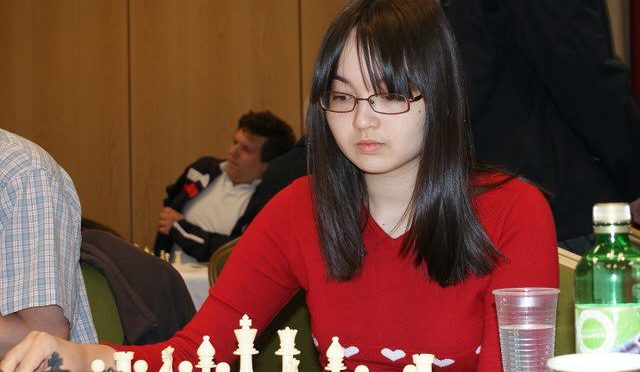
We wish happy birthday to WGM Anya Sun Corke on her birthday.

Anya Sun Corke was born in California, USA on Wednesday, September 12th 1990.

In 2013, Anya graduated from Wellesley College summa cum laude with a B.A. in Russian and Philosophy

She became a woman’s Grandmaster in 2004.

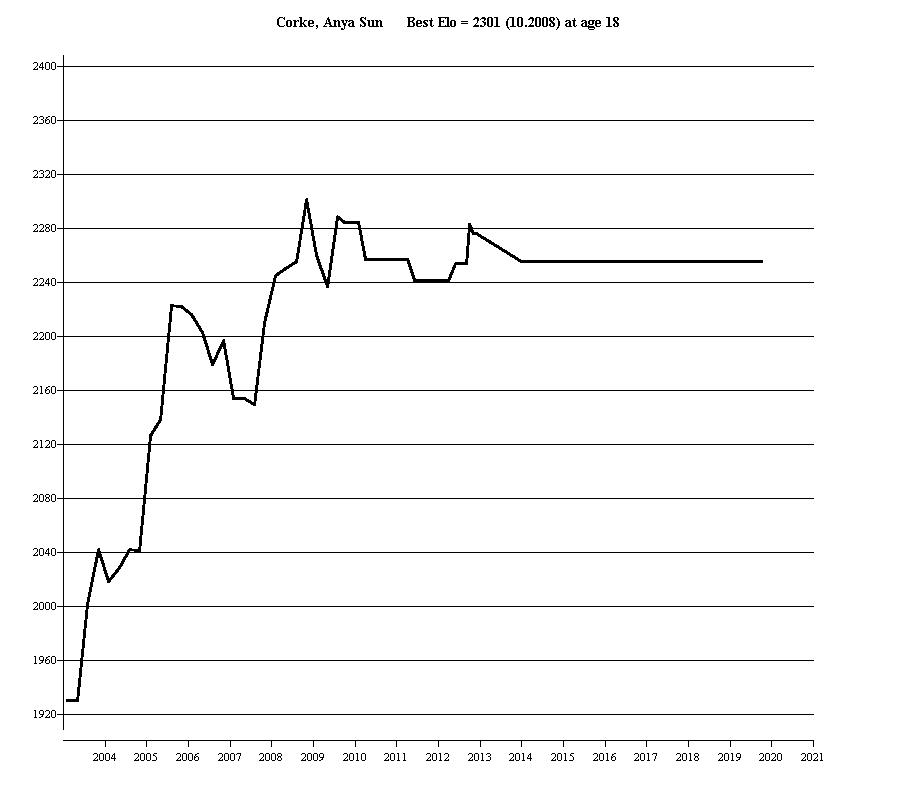
Her peak FIDE rating (according to Felice) was 2301 in October 2008.

FIDE rating profile of WGM Anya Sun Corke

With the white pieces Anya played the Queen’s Gambit and Trompowski Attack

As the second player Anya played the Sicilian Kan, French Rozentalis (3.Nc3 Nc6) and the Grünfeld Defence.

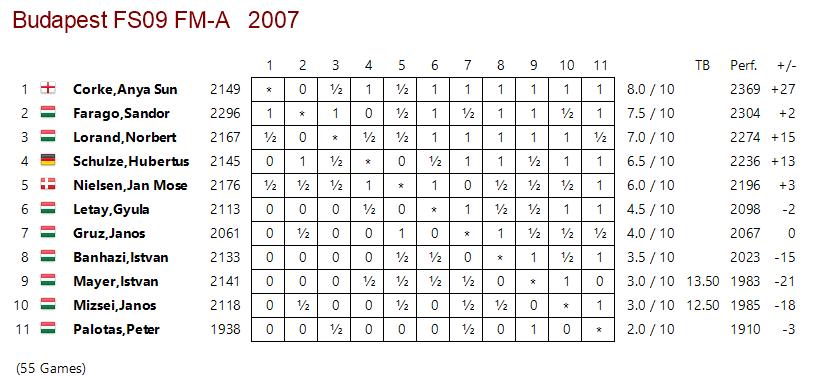
Anya won outright the 2007 Budapest First Saturday FM tournament :

Budapest First Saturday FM Tournament, 2007

She gave up competitive chess in 2014.

An almost miniature from the 2006 British Championship :

From Wikipedia :

“Anya Sun Corke (born 12 September 1990 in California, USA) is an English chess player holding the title of Woman Grandmaster (WGM). She played for Hong Kong, where she was the top ranked chess player, until 2009.[1]

Corke earned the WGM title with her performance in the 36th Chess Olympiad, playing for the Hong Kong men’s team.[2][3]

She was the 2004, 2005, 2006 and 2008 Hong Kong National Champion (for men and women), one of the youngest national champions ever at the age of 13 years and 9 months.

She was the British Junior Under-11 Champion in 2002[4] and the Under-12 Champion in 2003,[5] the first girl to win either of these age groups. In 2004, she became joint British U-14 Champion.[6]

In December 2004, she won the Asian Youth Girls U-14 Championship in Singapore.[7]

In August 2005, she jointly won with Alisa Melekhina and Abby Marshall the second annual Susan Polgar National Invitational for Girls under-19.[8]

Corke represented the England Women’s team at the 2012 Chess Olympiad in Istanbul, Turkey,[9][10] and the 2013 European Team Championship in Warsaw, Poland.[11]

In 2013, she graduated from Wellesley College summa cum laude with a B.A. in Russian and Philosophy.[12][13]

In 2014, she started a Ph.D. program in Slavic Languages and Literatures at Yale University.”

WGM Anya Sun Corke
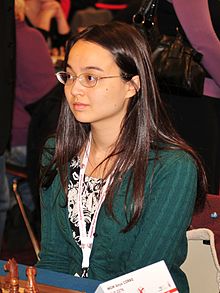
WGM Anya Sun Corke

Best Wishes FM William Claridge-Hansen (11-ix-1999)

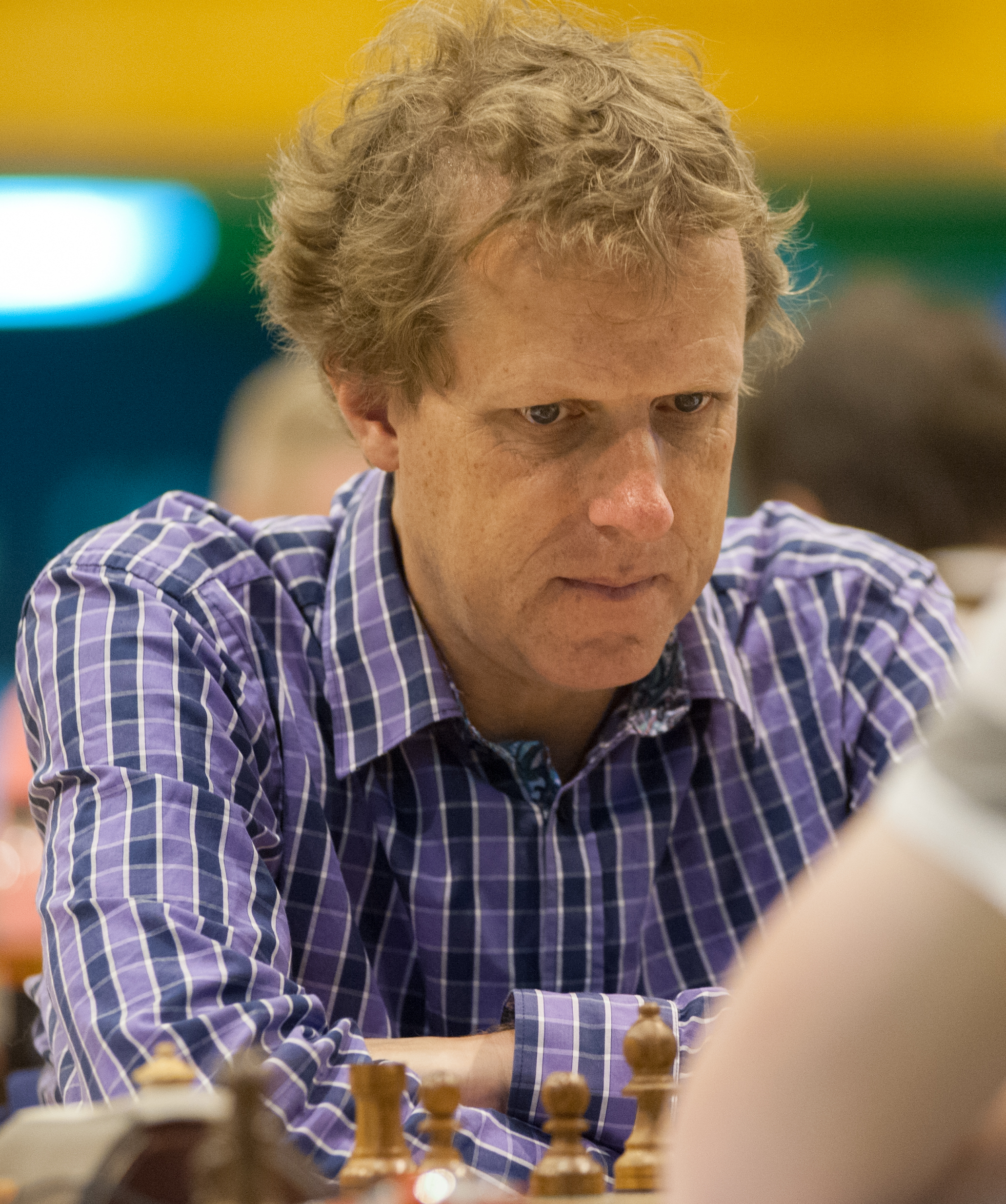
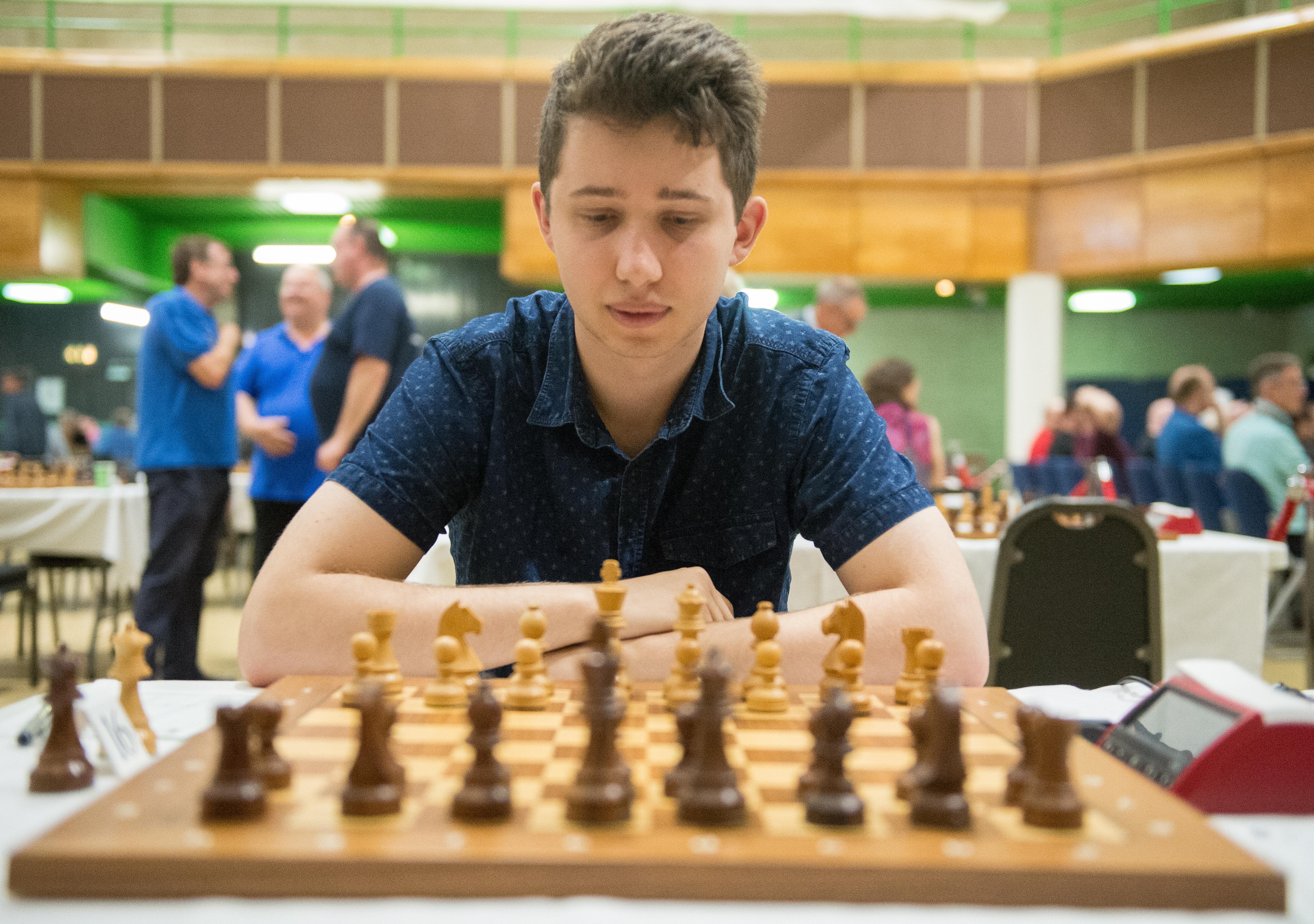
FM William Claridge-Hansen, British Championships 2019, courtesy of John Upham Photography

We wish FM William Claridge-Hansen all the best on his birthday.

William Joseph Claridge-Hansen was born on Saturday, September 11th in 1999 in Chesham in the registration district of Chiltern, Buckinghamshire.

“Mambo No 5 (A Little Bit of …)” by Lou Bega was top of the UK singles chart.

William learnt chess at the age of 5 and his father Hans-Peter, is a strong county player having been over 200ECF for a number of years.

William is a keen table-tennis player as is his chess playing brother, Douglas. His father Hans-Peter is also a strong chess player.

Whilst living in Chartridge William attended Great Missenden Church of England School and whilst there was selected for England:

William Claridge-Hansen. Source : Bucks Free Press

William attends The University of Exeter and resides in London.

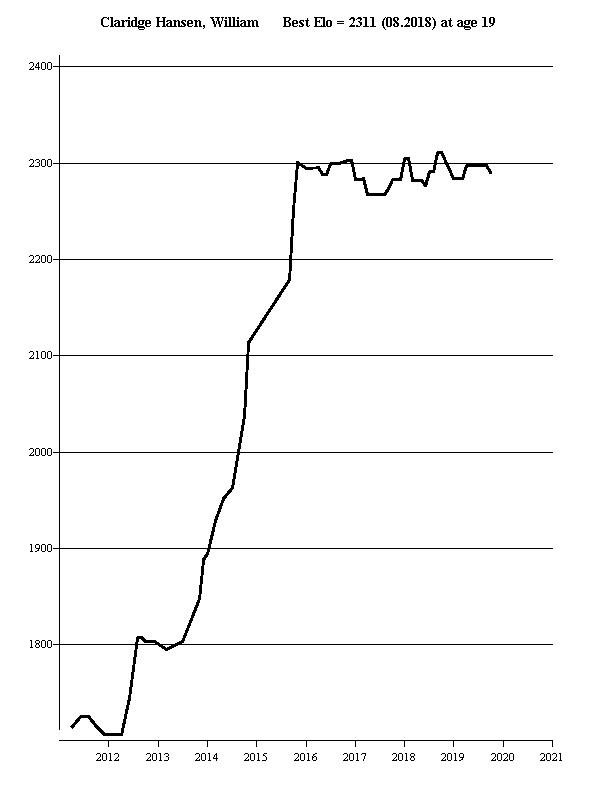
William plays for Exeter University, Buckinghamshire CCA and 4NCL Oxfordshire and has a current ECF grading for 230B and a FIDE rating of 2290 for standard play.

His first BCF / ECF grading was 63D in July 2008 aged 8.

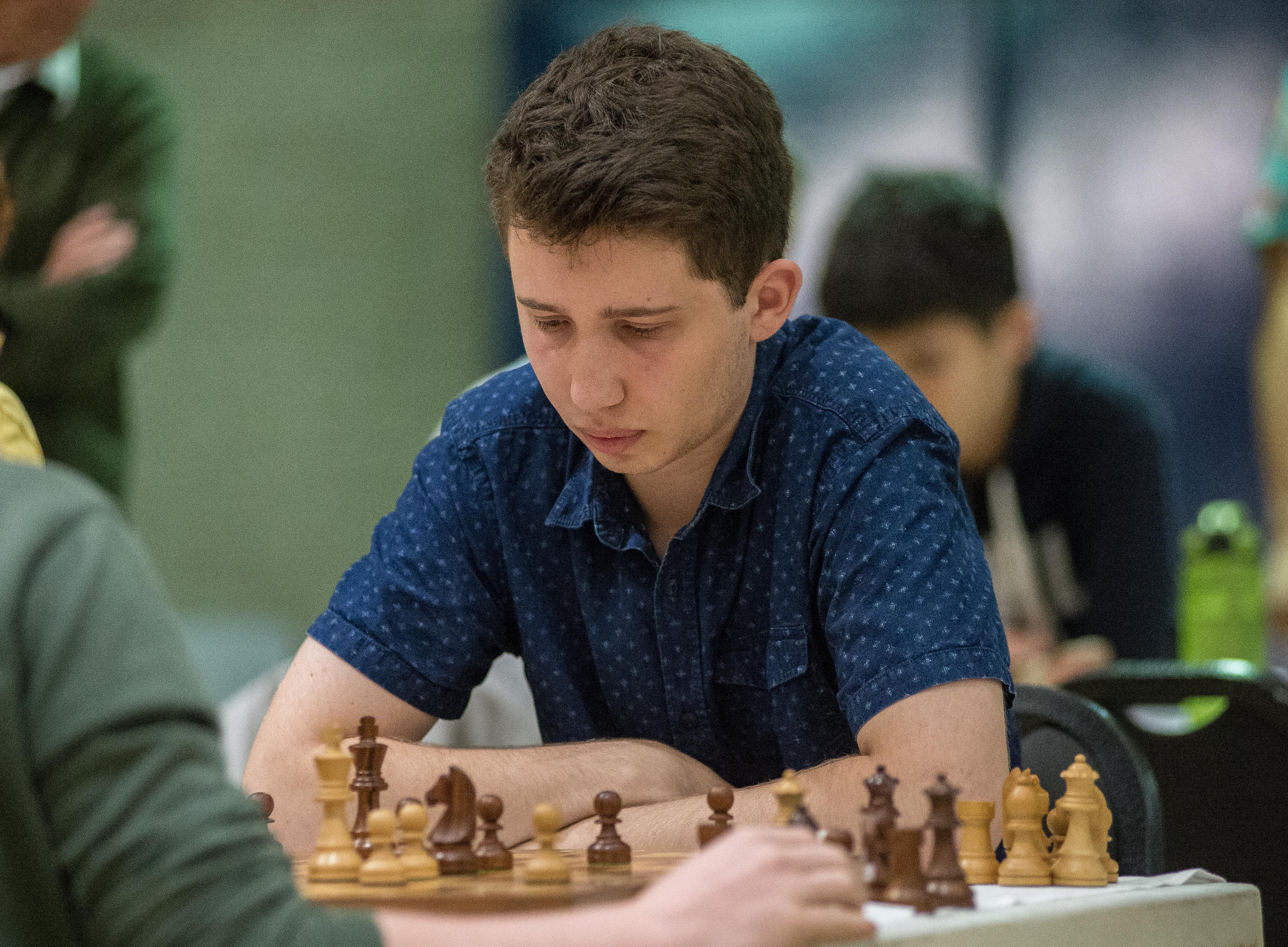
William Claridge-Hansen, Southern Gigafinal, 2012, courtesy of John Upham Photography

His first title was to win the West of England Junior (U12 Challengers) in 2008 with 5.5/6 and followed by sharing the British U8 title with Mark Kenyon & Rohan Shiatis. In the following year William shared the British U10 title with future IM Matthew Wadsworth

He was rapidly recruited to the AMCA (Andrew Martin Chess Academy) 4NCL squad and quickly climbed the board order within the squad. The AMCA squad morphed into the BCM (British Chess Magazine) squad.

FIDE rating profile for FM William Claridge-Hansen

In 2013 William won (with 6/7) the British U-13 Championship in Torquay.

In 2015 William became a FIDE Master.

In 2016 William was British U-18 Champion and now had an ECF grading of 220. He scored 7/11 in the British Championship.

By now William was playing for Oxford in the Four Nations Chess League.

With the white pieces William plays the English Opening with an early king side fianchetto.

As the second player William plays the Hyper Accelerated Dragon and the Queen’s Indian Defence so clearly a student of the Hypermodern School of the 1920s!

In December 2021 William competed in the 2nd EJCOA Forest Hall Invitational event and gained his first FIDE International Master norm with a score of 6/9 and TPR of 2472.

FM William Claridge-Hansen, British Championships 2019, courtesy of John Upham Photography

Remembering IM Imre (Mirko) König (2-ix-1901 9-ix-1992)

We remember IM Imre (Mirko) König on the anniversary of his death, this day (September 9th) in 1992.

His “obituary” in British Chess Magazine, Volume 112 (1992), Number 11 (November), page 542 was disappointingly brief:

“RIP Imre König: The great veteran died on 9 September at his home in California. Our last link with the Hypermoderns is broken – he associated with Réti in the 1920s.” There was no detailed follow-up as you might expect.  Can you imagine Brian Reilly publishing this?

From The Anglo-Soviet Radio Chess Match by E.Klein and W.Winter :

“Born in 1901 in Hungary when it still belonged to the old pre-World War I Austria, spent most of his life in Vienna, where he became a promising player at an early age. After World War I and the various geographical adjustments in the map of Europe, he became Yugoslav by nationality and represented that country three times in international team tournaments.

Imre Konig at the Mechanics’ Institute in the 1950s (Photo: Mechanics’ Chess Club Archives)

He has competed in a great number of international tournaments, some of them in this country, where he has lived since 1938. He won the Premier Reserves at Hastings, 1938, in a strong international field, finished fourth and fifth with the late Landau at Bournemouth, 1939, and shared first and second prizes with Milner-Barry in the National Chess Centre tournament, 1939. His last performance was in the London International Tournament, 1946, where he shared fourth, fifth and sixth places with Sir George Thomas and Gerald Abrahams. He is now a professional player.

König’s special strength lies in the openings, of which he has a deep knowledge.”

Imre König
Imre König

From The Encyclopedia of Chess (Robert Hale, 1970 & 1976) by Anne Sunnucks :

“International Master (1951). Born in Kula, Hungary (now Serbia). König became a Yugoslav citizen when the territory in which he lived was ceded to Yugoslavia after the First World War. In 1938 he emigrated to England and became a naturalised British subject in 1949. He found that the English climate affected his health and in 1953 went to live in the USA.

König learnt to play chess when he was 10. In 1920, while studying at Vienna University, he met Spielmann, Tartakover and Réti, and became became interested in the hypermodern school of chess, which they represented.

IM Imre (Mirko) König (2-ix-1901 9-ix-1992)

He played for Yugoslavia in the chess Olympiads of 1931 and 1935 and came 2nd in the Yugoslav national tournament of 1922. His results in international tournaments include =4th at Bournemouth 1939; =4th at London 1946 and 2nd at Hastings 1948-49. These results do not do justice to his strength as a player. He was handicapped by a poor temperament for tournament chess, which prevented him from achieving greater success in the international field.

IM Imre (Mirko) König (2-ix-1901 9-ix-1992)

A chess professional, König was a first-class teacher of the game (Anne was a student of his), as well as being a leading theoretician. He is author of The Queen’s Indian Defence (Pitman, 1947) and Chess from Morphy to Botvinnik (Bell, 1951).”

From The Encyclopedia of Chess (Batsford, 1977) by Harry Golombek:

“An international master since 1951, born at Gyula in Austro-Hungary. After the first world war König became a Yugoslav citizen and represented that country in the Olympiads of 1931 and 1935. He emigrated to England in 1938 and was naturalised in 1949. Since 1953 he has resided in the USA. Tournament results include 2nd prize at Hastings 1948/9. His publications include a monograph on the Queen’s Indian Defence, London 1947, and a longer work, Chess from Morphy to Botvinnik, London, 1951 ”

Hooper & Whyld are silent on König for some strange reason.

From Wikipedia:

“Imre König (Koenig) aka Mirko Kenig (Sept 2, 1901, Gyula, Hungary – 1992, Santa Monica, California) was a Hungarian chess master.

He was born in Gyula, Hungary, and also lived in Austria, England and the USA during the troubled times between the two world wars.

In 1921, he took 2nd in Celje. In 1920s König played in several tournaments in Vienna; he was 3rd in 1921, 14th in 1922 (Akiba Rubinstein won), 3rd-4th in 1925, 4-5th in 1926 (Rudolf Spielmann won), and 3rd-5th in 1926. He took 12th in Rogaška Slatina (Rohitsch-Sauerbrunn) in 1929. The event was won by Rubinstein. In 1929/30, he took 7th in Vienna (Hans Kmoch and Spielmann won). In 1931, he took 4th in Vienna (Albert Becker won). In 1936, he tied for 6-7th in Novi Sad (Vasja Pirc won). In 1937, he tied for 2nd-4th in Belgrade (Vasilije Tomović won).

Mirko Kenig represented Yugoslavia in the 4th Chess Olympiad at Prague 1931 (+5 –1 =2), the 6th Chess Olympiad at Warsaw 1935 (+5 –2 =8),[2] and in 3rd unofficial Chess Olympiad at Munich 1936 (+7 –4 =7).”

“In 1938, Imre König emigrated to England. In 1939, he tied for 4-5th in Bournemouth (Max Euwe won), and shared 1st with Philip Stuart Milner-Barry in Hampstead. In 1946, he took 4th in London. In 1948/49, he took 2nd, behind Nicolas Rossolimo, in the Hastings International Chess Congress.

In 1949, he became a naturalized British citizen. However, in 1953 he moved to the United States.

König was awarded the International Master title in 1951.”

Queen's Indian Defence, König, Pitman, 1947
Queen’s Indian Defence, König, Pitman, 1947
Chess from Morphy to Botwinnik by Imre König
The Right Way to Play Chess
Imre König by John Donaldson

Remembering Dr. Paul List (09-ix-1887 09-ix-1954)

Remembering Paul List (09-ix-1887 09-ix-1954)

From The Anglo-Soviet Radio Chess Match by Klein and Winter :

“Paul M List was born in Memel, Lithuania in 1887. After living in Berlin for many years, where he was manager of the bridge and chess rooms in a well-known café-restaurant, he came to this country in 1936.
Paul M List
Paul M List

He has competed in many tournaments, local and international. He, too, failed to get into the prize list in the recent London International Tournament, but he is a resourceful player, particularly in defensive positions.

His best performance was Berlin, 1925 where he came first, ahead of Richter. Since he came to this country he has become an art dealer, but chess is still one of his foremost activities.”

Scene at London. From left to right - Seated : Fairhurst, List and Winter in play. Standing König and Sir George Thomas
Scene at London. From left to right – Seated : Fairhurst, List and Winter in play. Standing König and Sir George Thomas

Here is an article by Matthew Sadler on the 1953 British Lightning Championship event won by List (but not the title)

Dr. Paul List (09-ix-1887 09-ix-1954). Source : The Anglo-Soviet Radio Chess Match.

Here is his (surprisingly brief) obituary from British Chess Magazine, Volume LXXIV (1954), Number 10 (October), page 324 :

“Dr. Paul List, the British Lightning Championship winner a year ago (though he could not hold the title because he was not a naturalised Briton), died in London at the age of 66. A player of master strength, Dr. List left his native Russia for Germany in the 1920’s, and began on his second exile in 1938 when sought refuge in this country from Germany.”

Item from Kington Times - Saturday 02 June 1951 regarding the visit of Dr. List
Item from Kington Times – Saturday 02 June 1951 regarding the visit of Dr. List

From The Illustrated London News in 1953 (by BH Wood) :

“Sixty-five-year-old Dr. (not of medicine) Paul List, the oldest competitor, who settled in Britain about 1937 and has been thinking of becoming naturalised ever since, finished with a marvellous fifteen-and-a-half points out of a possible eighteen”

Dr. Paul M. List. Source : https://www.kingpinchess.net/wp-content/uploads/2016/03/They-provided-their-own-heat1.jpg

Here is his Wikipedia entry

Happy Birthday IM Lorin D’Costa (05-ix-1984)

We wish Happy Birthday to IM Lorin D’Costa.

Lorin Alexander R D’Costa was born on Wednesday, September 5th 1984. “What’s Love Got To Do With It” by Tina Turner was number one in the UK singles chart. His mother’s maiden name was Antheunis. He studied Dutch and Management at University College, London. See here for an interview.

According to Wikipedia : “Lorin is a masculine given name. The meaning of Lorin derives from a bay or laurel plant; of Laurentum (wreathed/crowned with laurel). Laurentum, in turn is from laurus (laurel), from the place of laurel trees, laurel branch, laurel wreath. Laurentum was also a city in ancient Italy.”

Lorin was born in Lambeth, London and became a FIDE Master in 2004 and an International Master in 2008.

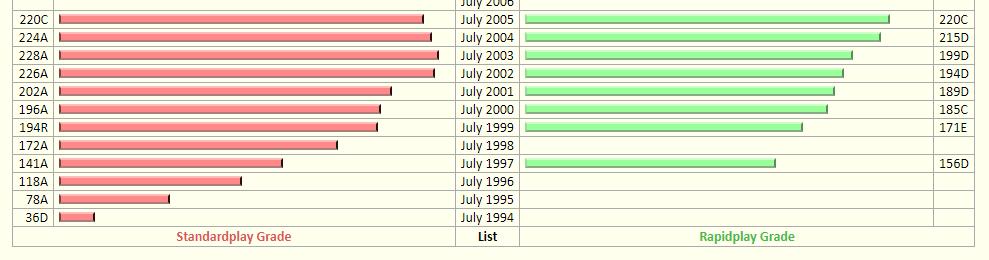
His first ever BCF/ECF grading was 36D in July 1994 aged 10 but his grading very quickly improved :

BCF/ECF Grading Profile

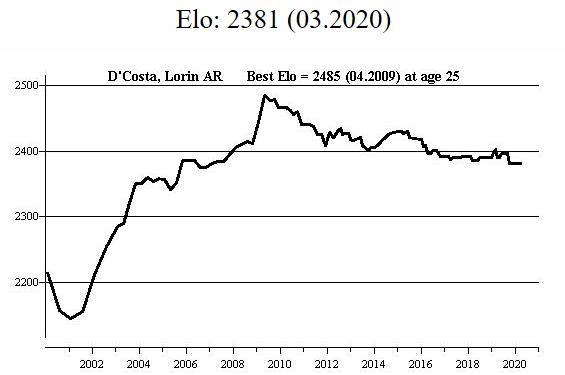
His peak FIDE rating was 2485 in April 2009.

Lorin's FIDE Rating Profile
Lorin’s FIDE Rating Profile

Lorin has the unique distinction of gaining the title of “Strat” four times for winning the UK Chess Challenge Terafinal in 2000, 2001, 2002 and 2003. Only four other players have won the title more than once : Peter Poobalasingam, Félix José Ynojosa Aponte, Marcus Harvey and Koby Kalavannan.

Lorin plays for Hendon in the London League and 4NCL Barbican in the Four Nations Chess League.

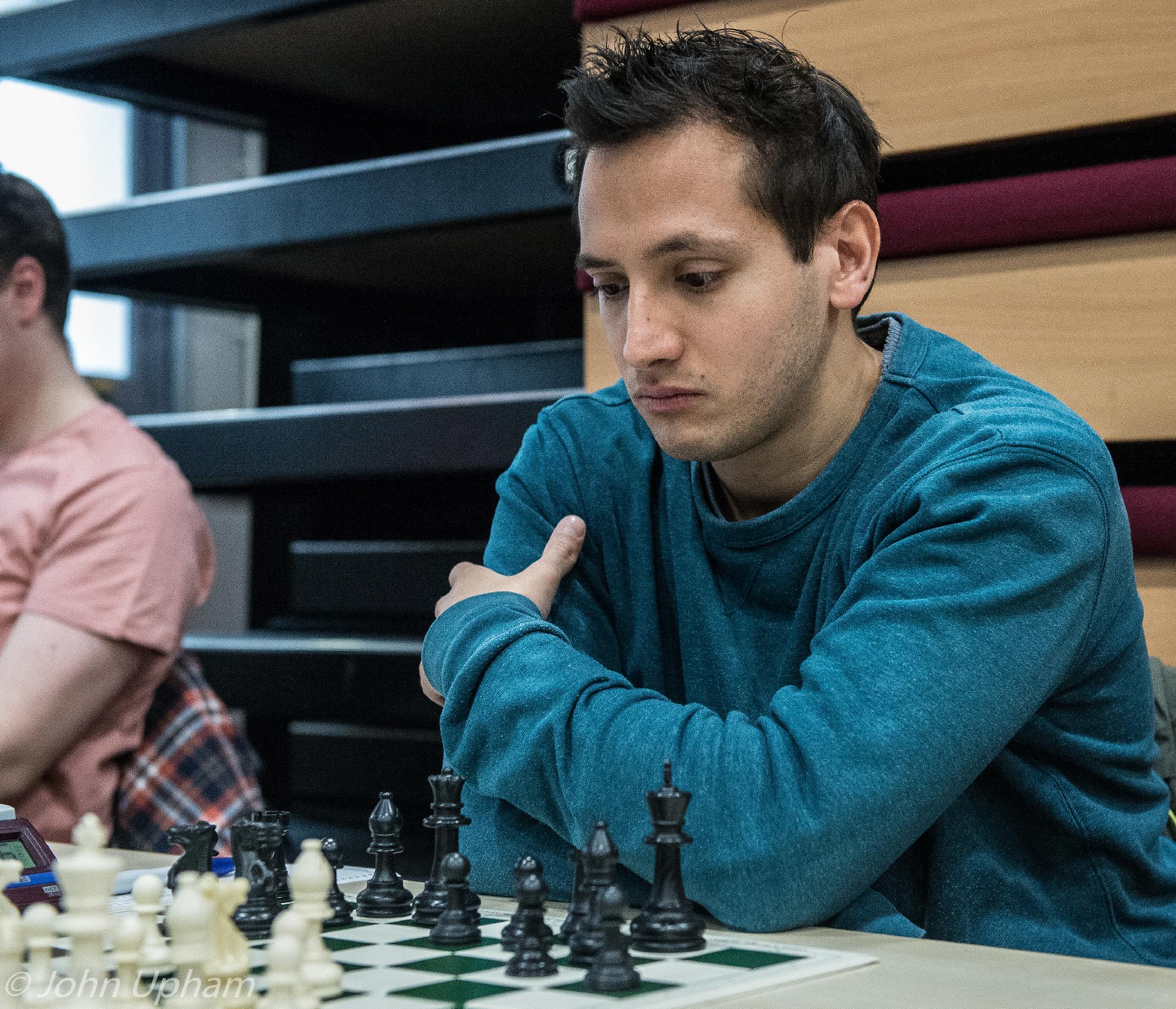
IM Lorin D'Costa at the 2017 Michael Uriely Memorial Tournament
IM Lorin D’Costa at the 2017 Michael Uriely Memorial Tournament

Lorin was Southern Counties (SCCU) champion for the 2008-09 season.

Lorin became a Director of Lorinchess Ltd in March 2020 and currently resides in Wembley, Middlesex. This has since been replaced by Eagleide Chess Consulting.

In April 2020 Lorin founded “She Plays to Win” which is dedicated to the furtherment of girls, women’s and ladies chess in England.

Lorin started his 4NCL career in 1999 with Barbican and has been loyal all the way to 2019.

With the white pieces Lorin prefers the Queen’s Gambit but does also play 1.e4, 1.c4 and 1.Nf3 so a fairly wide repertoire.

As the second player Lorin prefers the Sicilian Kan and the Nimzo-Indian Defence.

Here is a convincing win against Ian Nepomniachtchi from Budva, 2009 :

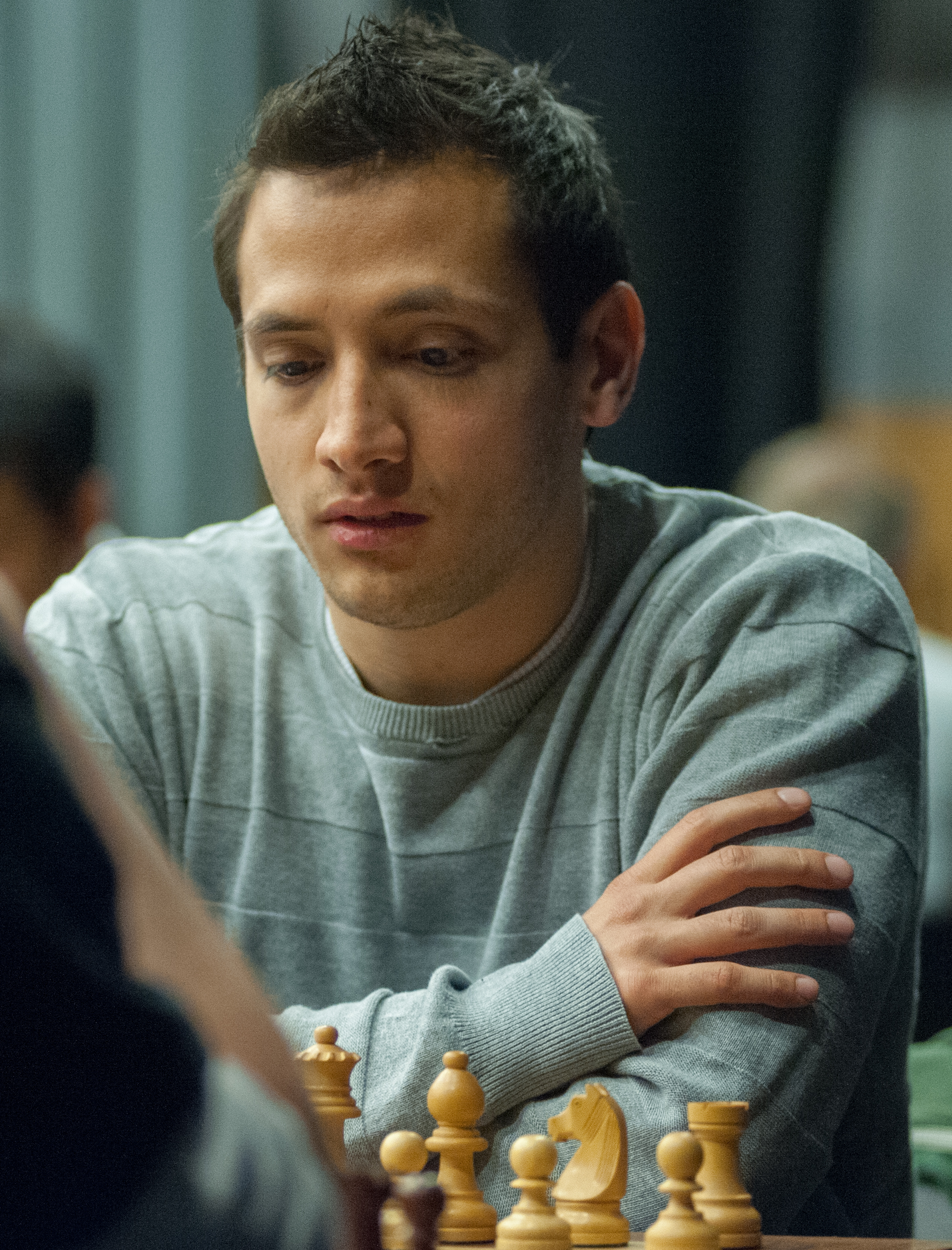
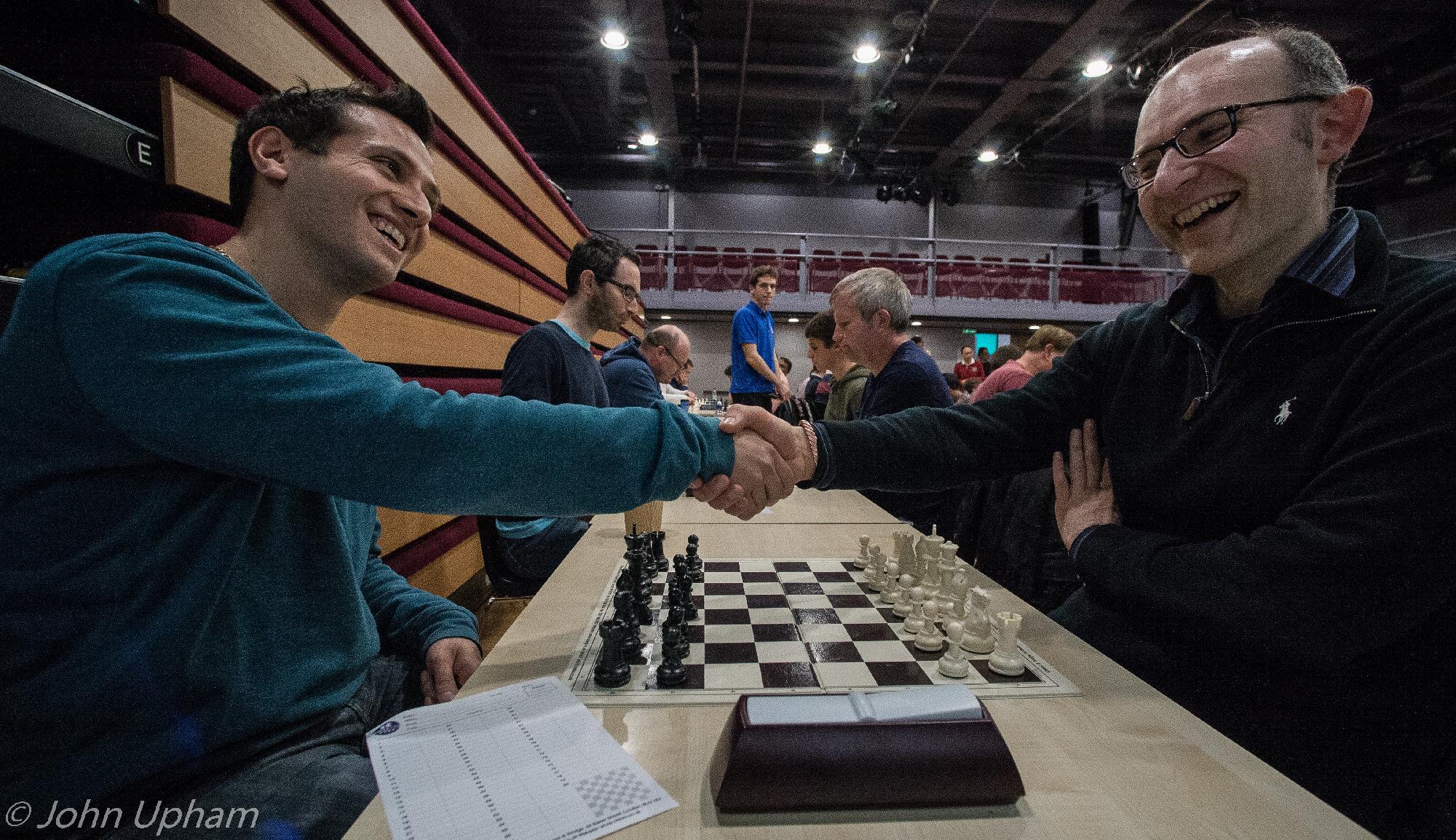
IM Lorin D'Costa at the 2013 King's Place Rapidplay, courtesy of John Upham Photography
IM Lorin D’Costa at the 2013 King’s Place Rapidplay, courtesy of John Upham Photography

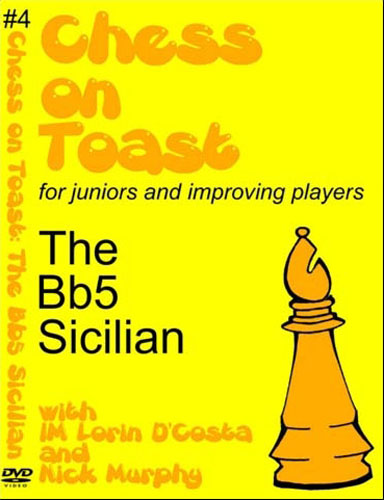
In 2012 Lorin and Nick Murphy created Chess on Toast and published a series of introductory DVDs including :

Chess On Toast
Chess On Toast

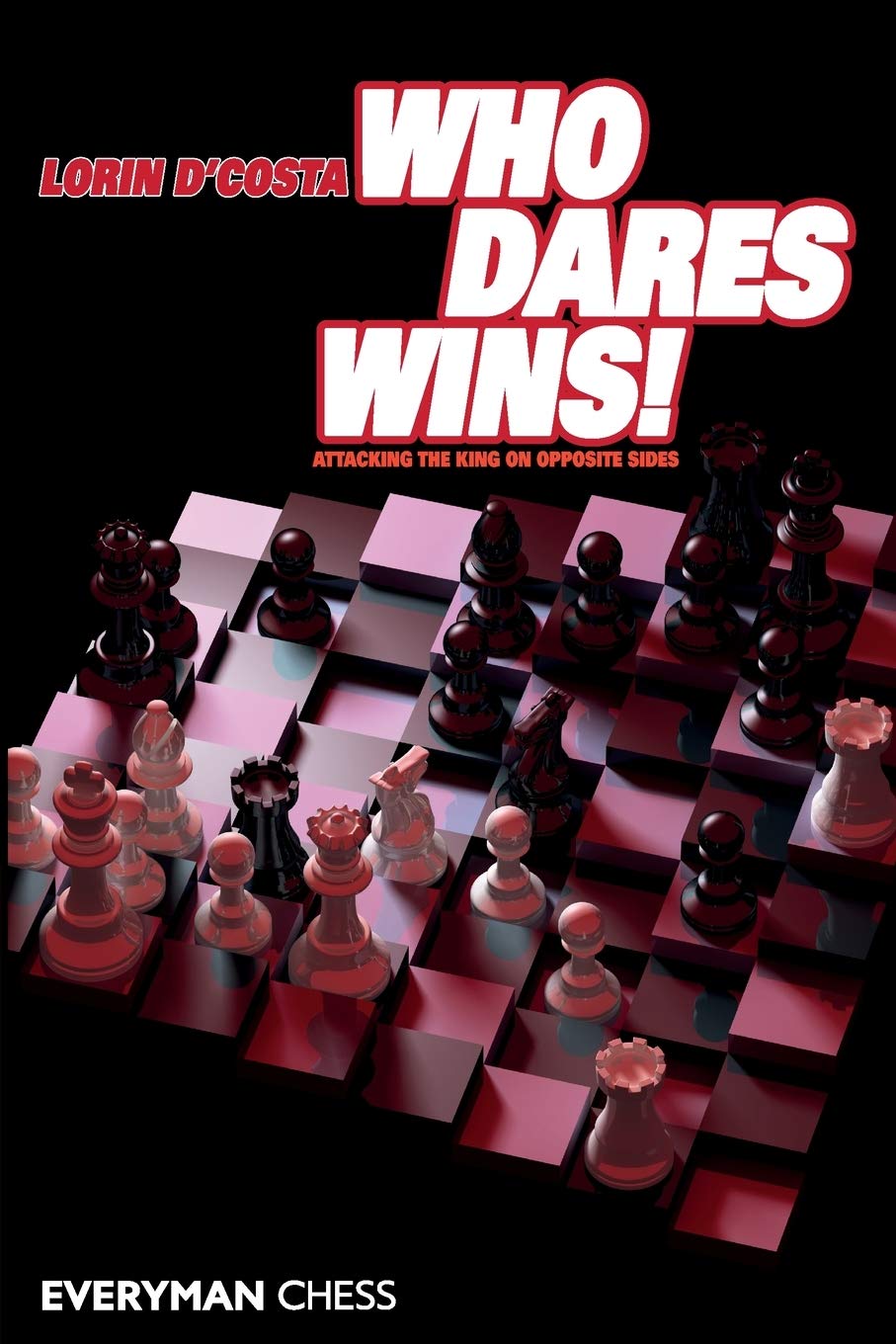
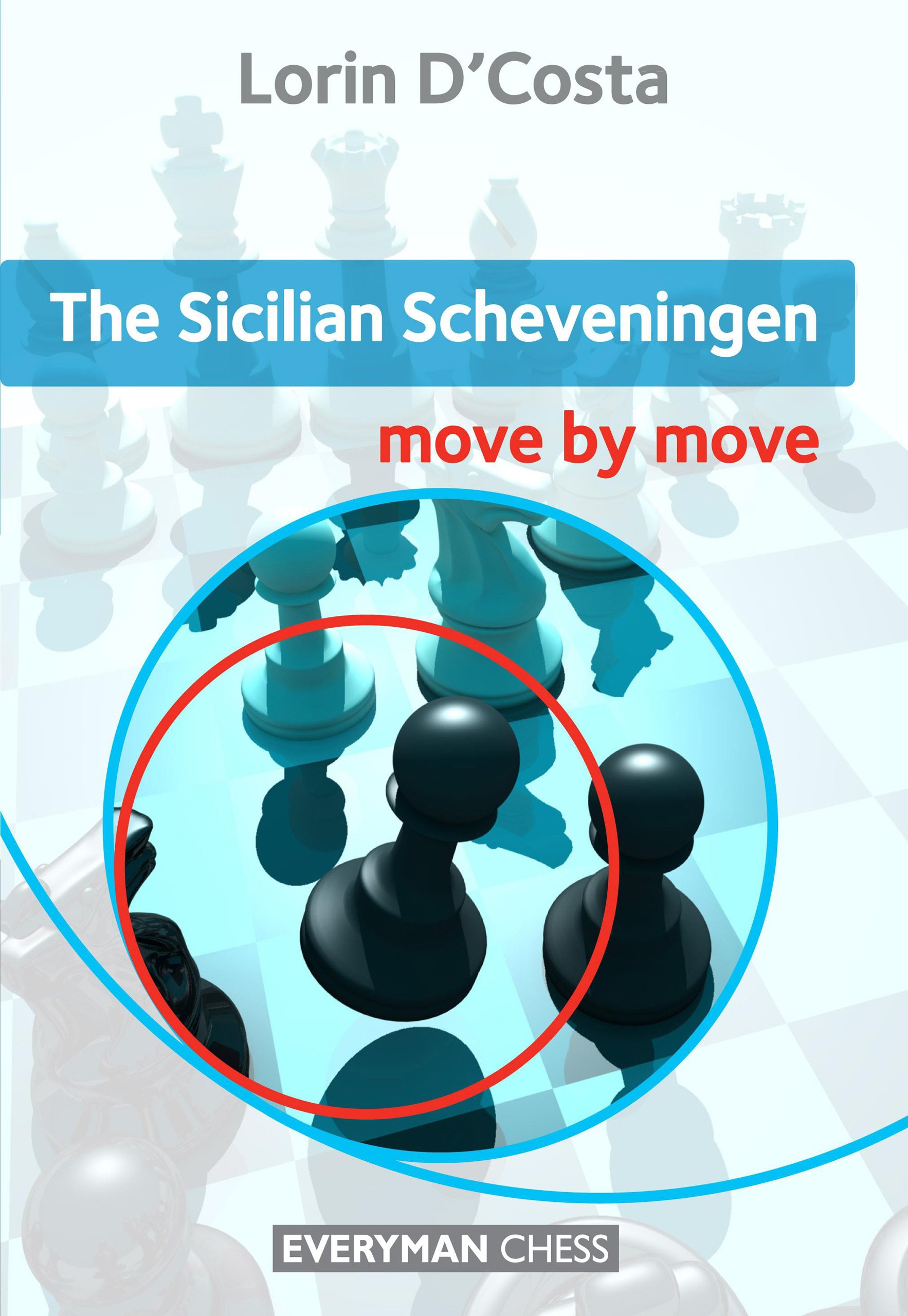
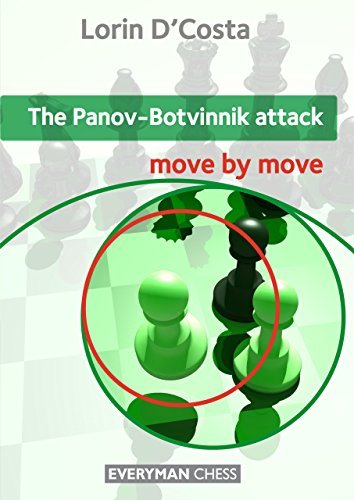
Lorin has authored several chess books and DVDs including :

Who Dares Wins!, Everyman, 2010
The Sicilian Scheveningen, Move by Move, Everyman, 2012
The Panov-Botvinnik Attack, Move by Move, Everyman, 2013
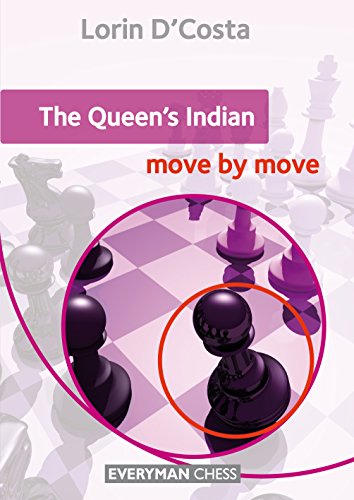
The Queen's Indian, Move by Move, Everyman, 2016
The Queen’s Indian, Move by Move, Everyman, 2016

and several Chessbase DVDs including :

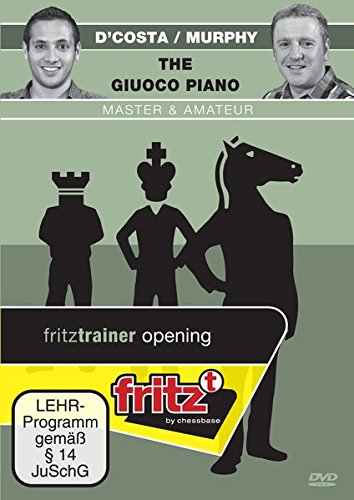
The Giuoco Piano, Chessbase, 2013
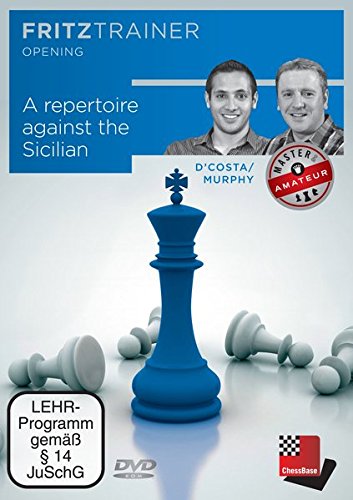
Fritz Trainer : A Repertoire Against the Sicilian, 2015
IM Lorin D'Costa at GM Matthew Sadler at the 2017 Michael Uriely Memorial Tournament, courtesy of John Upham Photography
IM Lorin D’Costa at GM Matthew Sadler at the 2017 Michael Uriely Memorial Tournament, courtesy of John Upham Photography

Happy Birthday IM Sam Collins (05-ix-1982)

BCN wishes Happy Birthday to IM Sam Collins (05-ix-1982)

Samuel E Collins was born on Sunday, September 5th, 1982 in Dublin, Republic of Ireland.

He attended Gonzaga College, Ranelagh, Dublin (founded in 1950) famously very active at chess and then studied at University College, Dublin (UCD).

Sam spent three years in London and one year in Japan where he found time to win their national championship.

Sam became a FIDE Master in 2003 and an International Master in 2004 and holds three GM norms.

His peak FIDE rating was 2495 in August 2014 at the age of 32.

According to chessgames.com :

“Collins won the Irish Championship twice, in 2002 and 2014, and the Japanese Championship in 2009.”

According to The Tarrasch Defence, move by move :

“Sam Collins is an International Master with tree Grandmaster norms, and a former Irish and Japanese Champion, He has represented Ireland at eight Olympiads, winning an individual gold medal at Bled 2002. He has a wealth of teaching and writing experience, and has produced many books, DVDs and magazine articles on chess.”

According to An Opening Repertoire for White :

“Sam Collins is a chess writer who regularly contributes to Chess, British Chess Magazine, Chess Mail and Chess Today. He is a former Irish Champion and Olympic gold medal winner.”

Crosstable for Dublin City, 2007
Crosstable from Budapest First Saturday GM Tournament 2008
The Irish Mail on Sunday, February 8th 2015

Sam is an accomplished writer with several titles to his name both on paper and on DVD. Some of these titles are listed below.

Sam started his 4NCL career with Barbican in 2001 through to 2019 moving to Gonzaga in 2020.

With the white pieces Sam essays 1.e4 and prefers a main line Ruy Lopez when possible along with open Sicilians.

As the second players Sam enjoys the black side of a main line Ruy Lopez and main line Slavs.

Firstly an aperitif :

and then the main course :

Sam is an active coach has this page on Lichess where he is known as The Chairman.

Sam has been the Games Editor at British Chess Magazine.

Here is his Wikipedia entry


IM Sam Collins at the fourth 4NCL weekend in 2012

Here is Sam talking about his Alapin Sicilian DVD from GingerGM

An attacking repertoire for White by Sam Collins, Batsford, 2005.
Chess explained: The c3 Sicilian by Sam Collins, Gambit Publications, 2007.
The French Advance
The French Advance
The King's Indian Defence, move by move
The King’s Indian Defence, move by move
Karpov, move by move
Understanding the Chess Openings
A Simple Chess Opening Repertoire for White
Know the Terrain Vol. 6
Gambit Busters, 2002
The Greatest Ever Chess Strategies


The Réti: Move by Move, Sam Collins, Everyman Chess, 30th September 2020, ISBN-13 ‏ : ‎ 978-1781944400