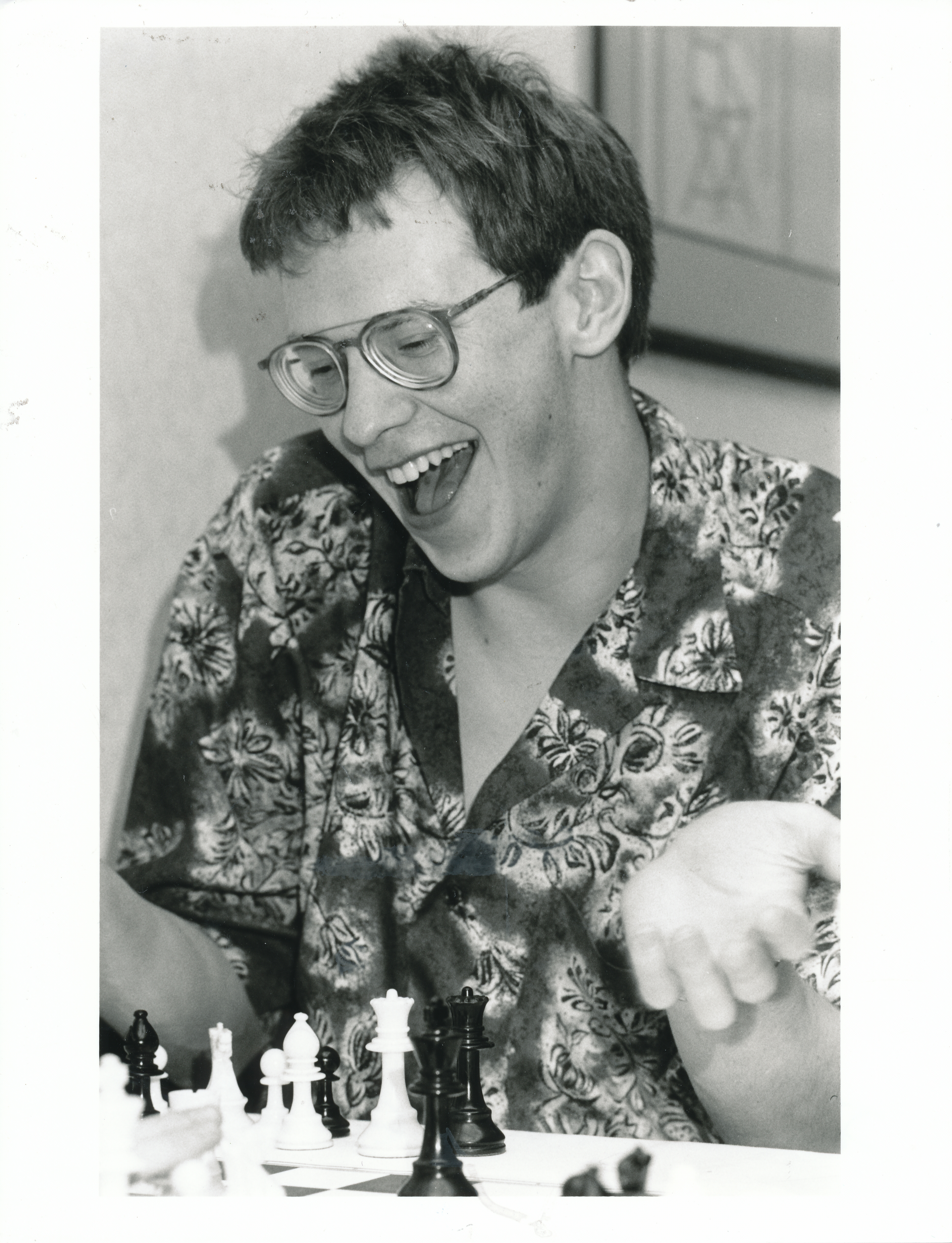
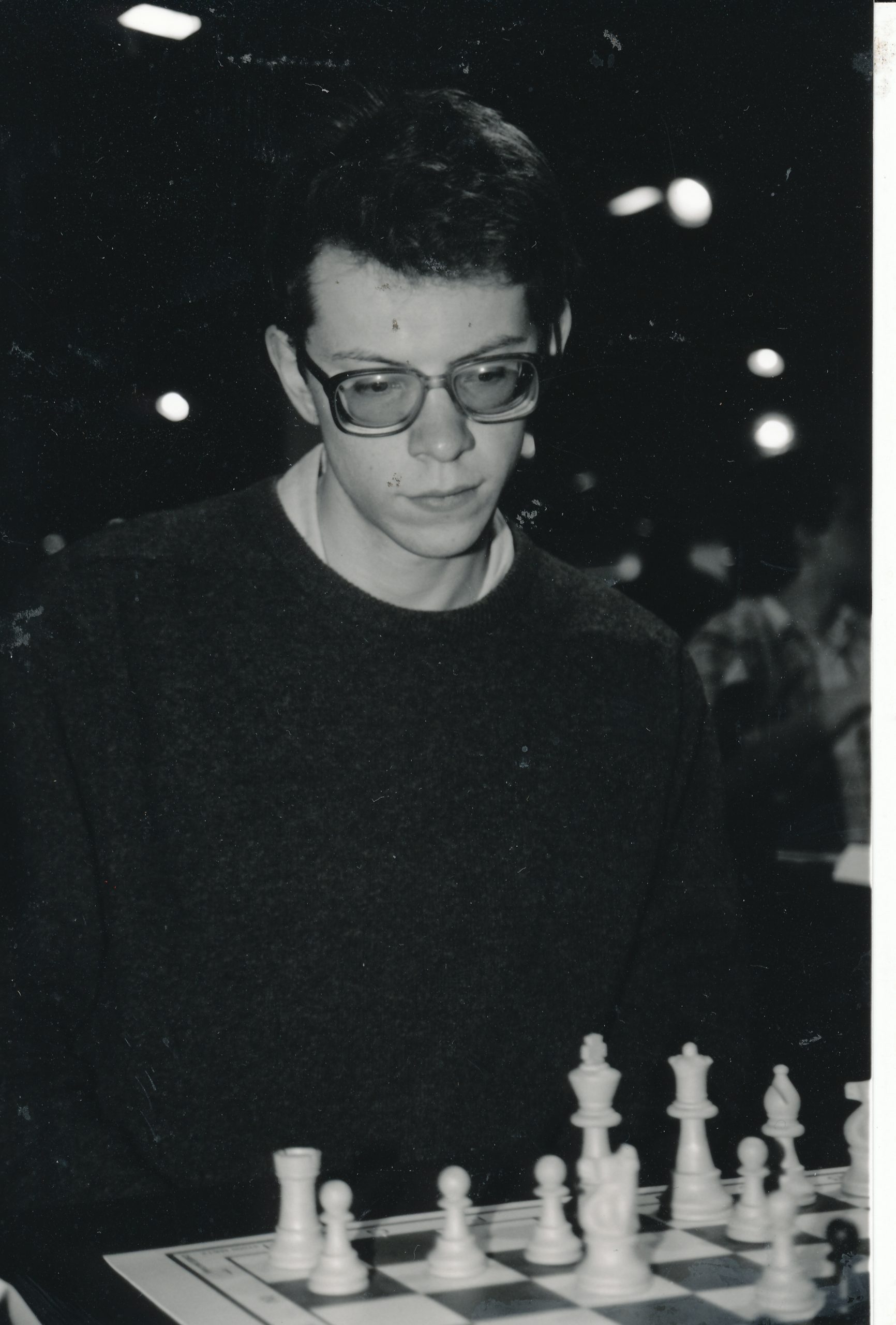
BCN wishes GM James Clifford Howell best wishes on his birthday, this day (May 17th) in 1967.
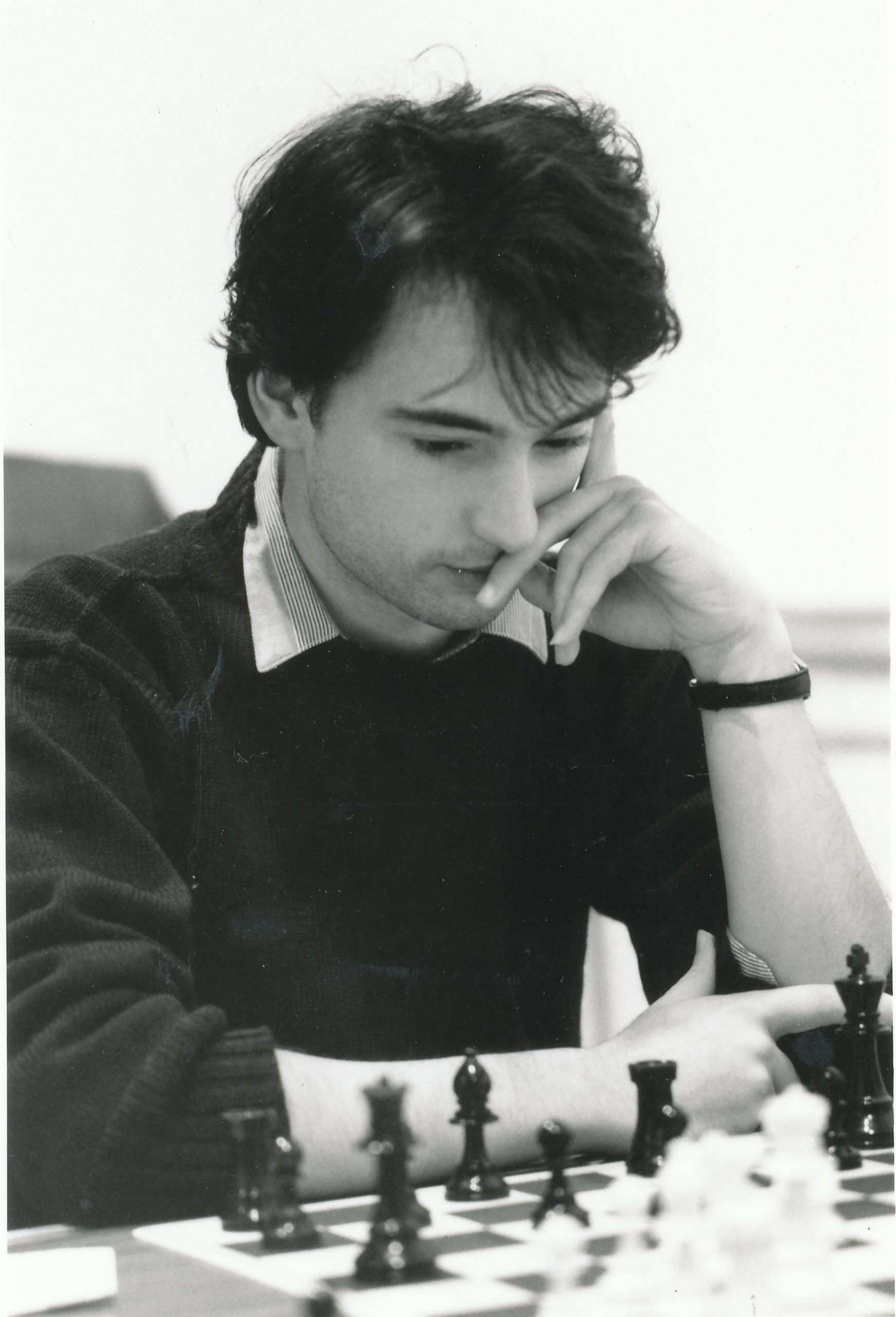
GM James Howell
From Wikipedia :
James Clifford Howell (born May 17, 1967) is an English chess grandmaster and author. He earned his international master title in 1985 and his grandmaster title ten years later, in 1995. He reached his peak rating in July 1995, at 2525.[1] He became inactive in 1996.
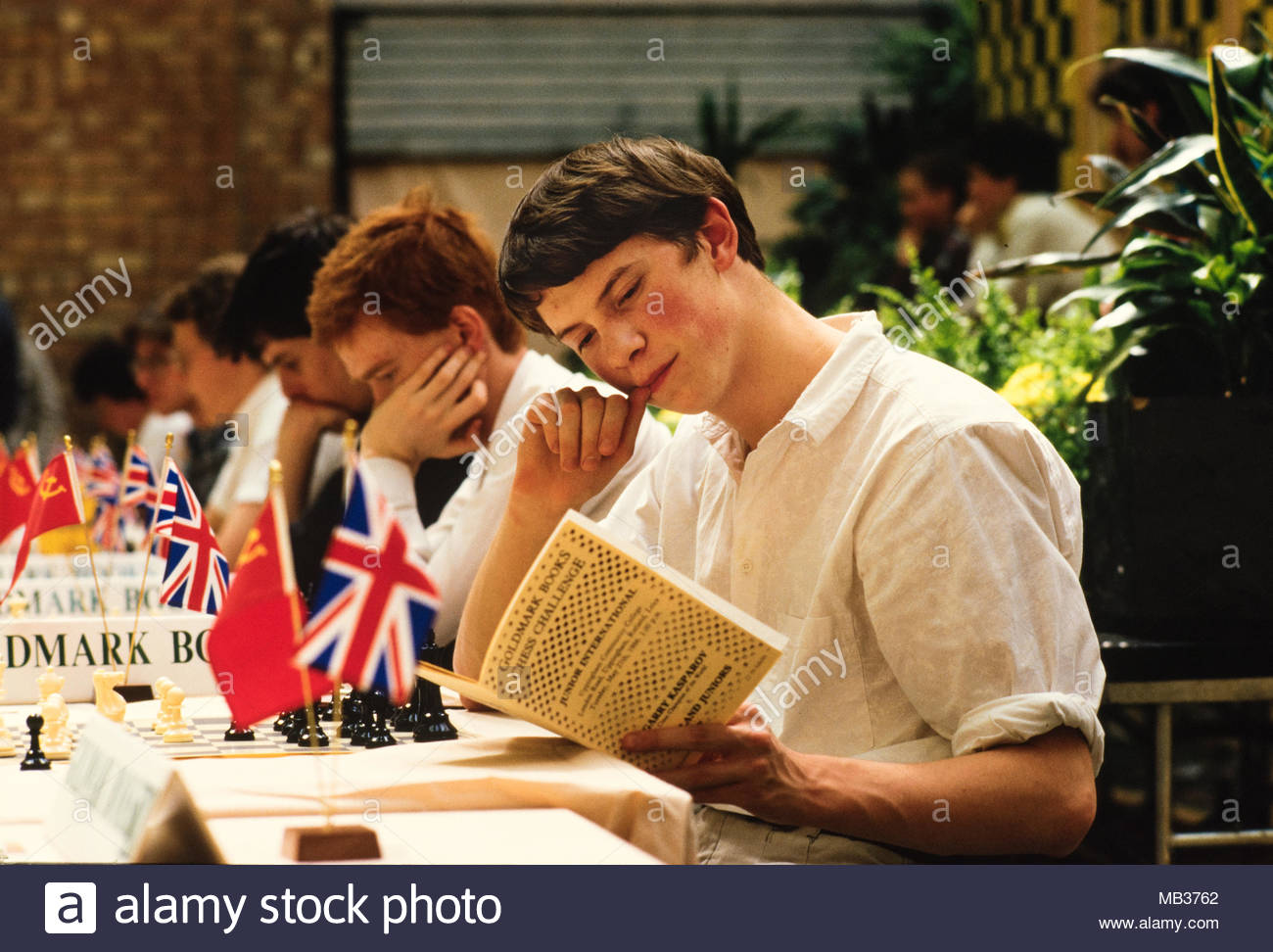
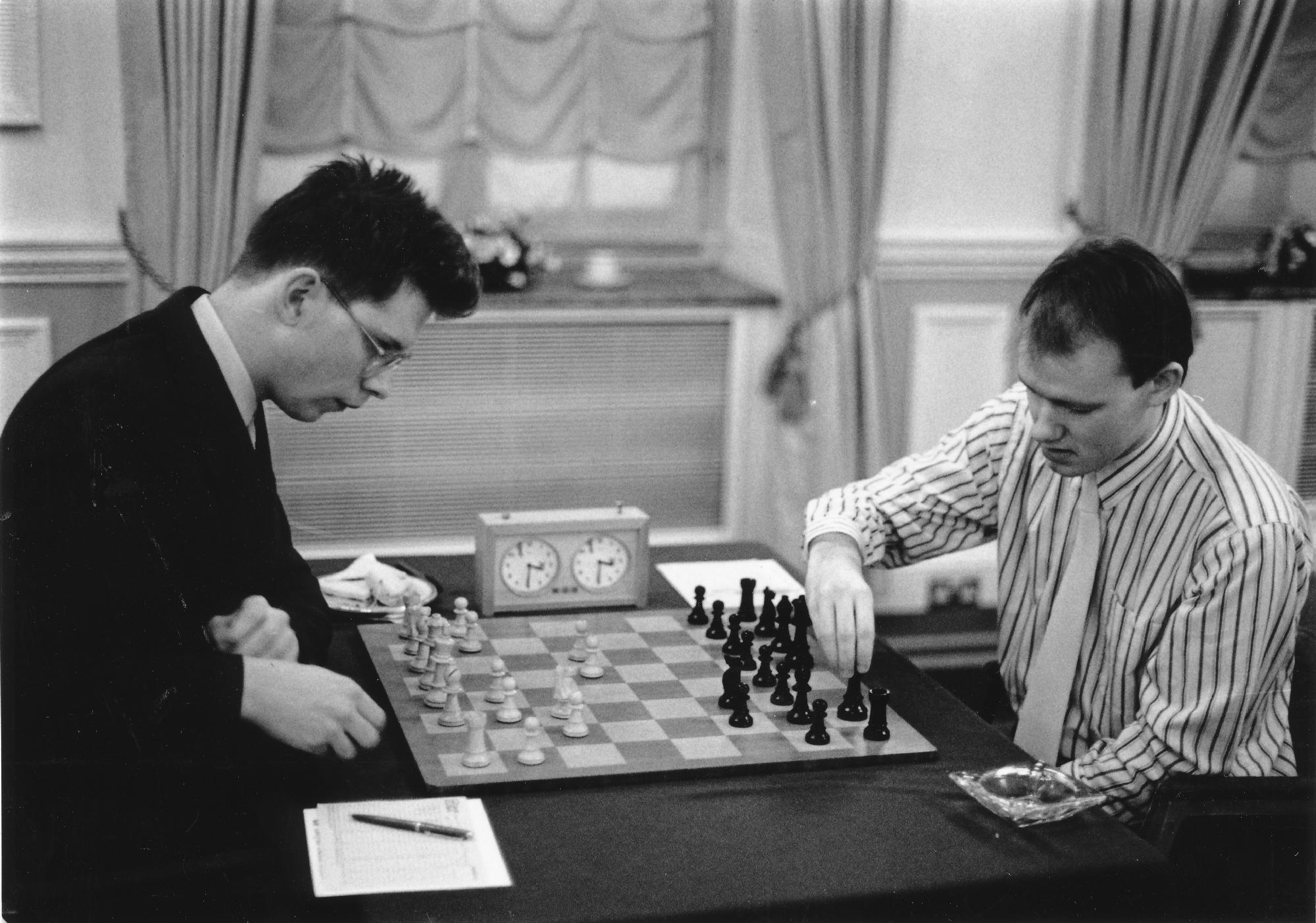
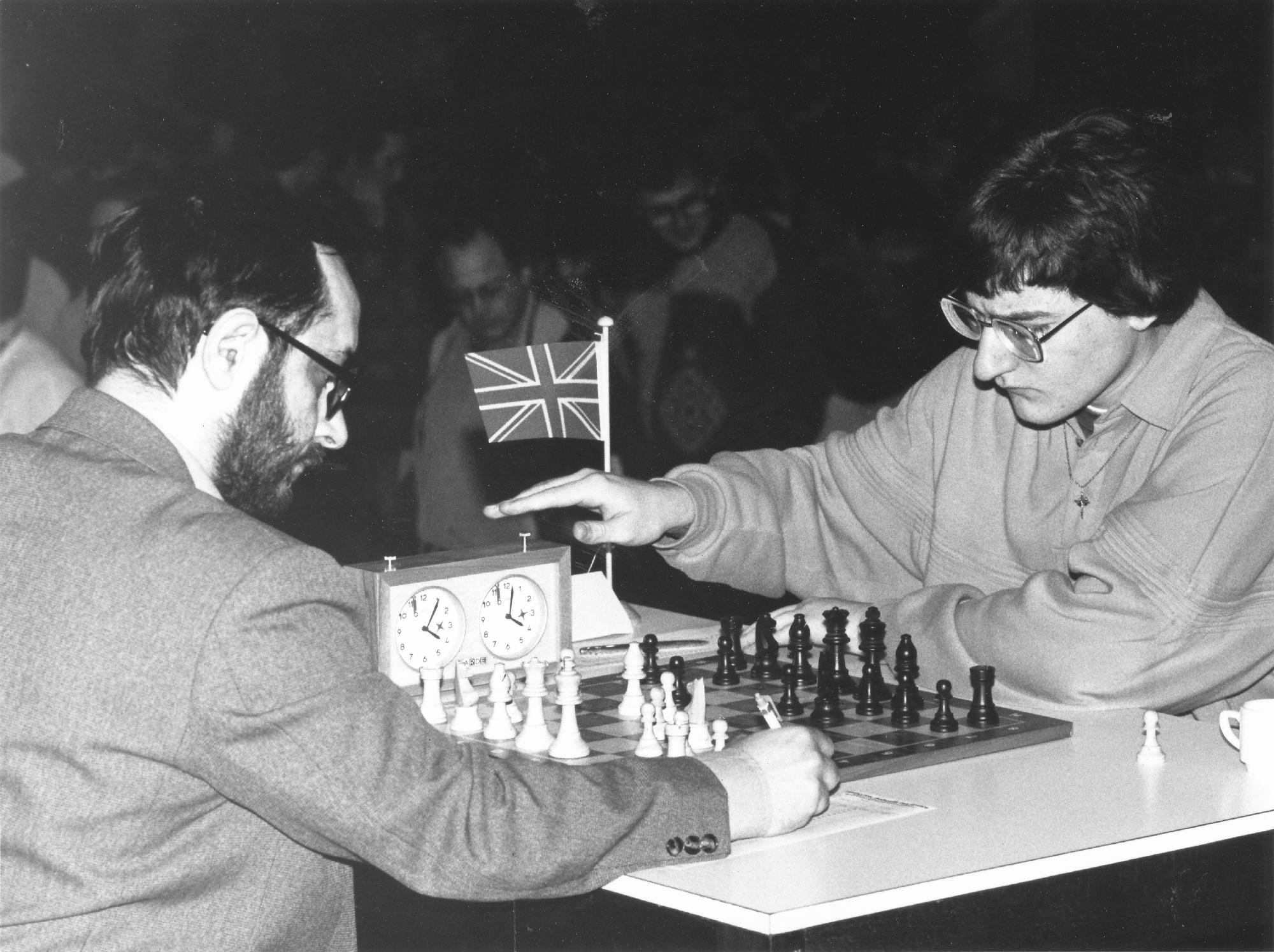
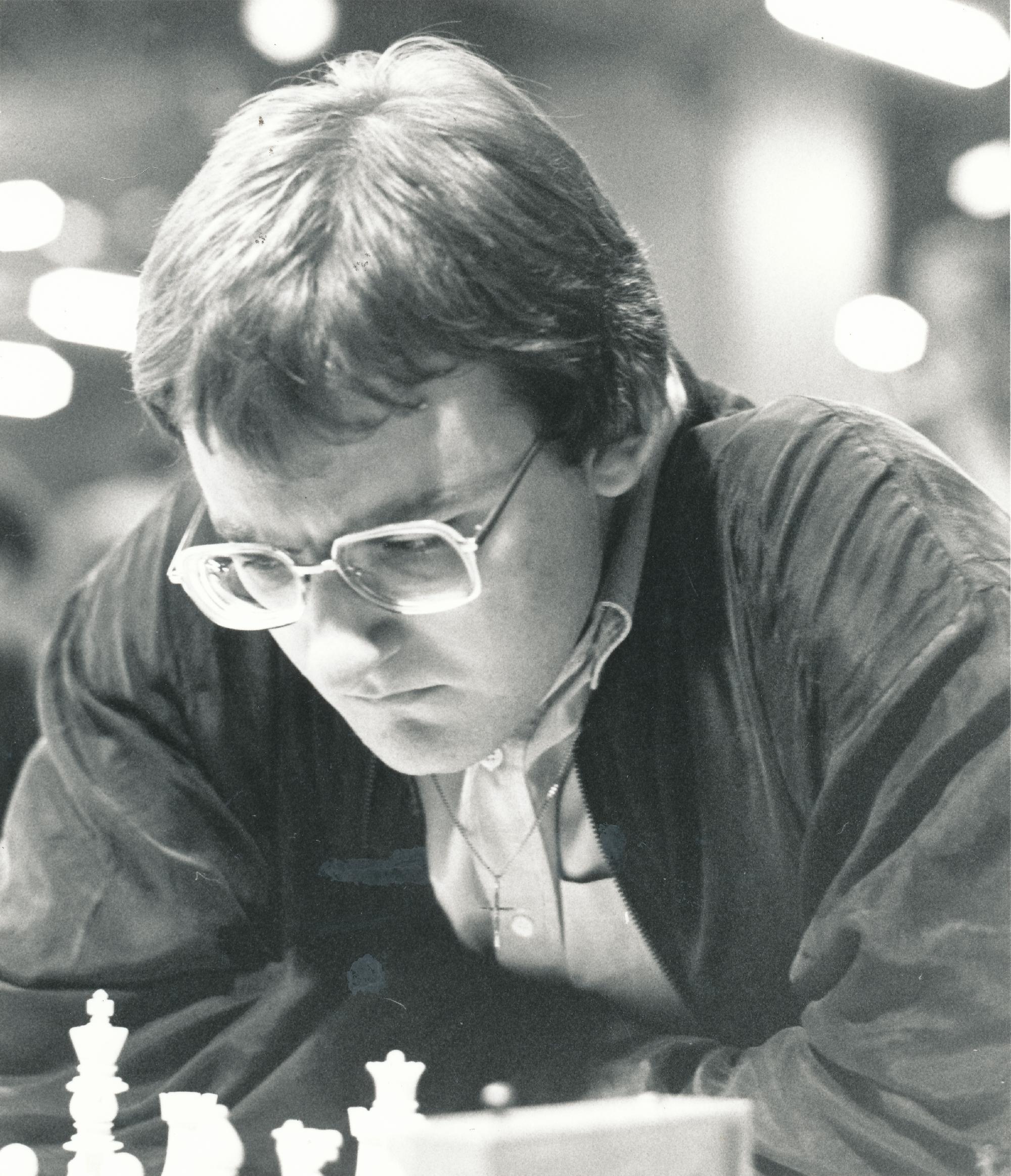
James Howell as Junior British Chess Captain at Goldmark Books Chess Challenge, London England 27 May 1986, Upingham Community College, Kasparov played the BCF Junior Squad. Photo from AlamyOxford’s IM James Howell (l) shapes up against Cambridge’s FM Graham Burgess on top board in the Lloyds Bank Varsity match which Cambridge won 5.5 – 2.5. The players reeled off 19 moves of Yugoslav King’s Indian theory before Howell established a dominant B vs N which won the Lloyds Bank trophy for the best Oxford game. Photograph by Lloyds Bank.
Here is a game from the European Junior Championship in 1985. The opponent was Mark R. Burgess :
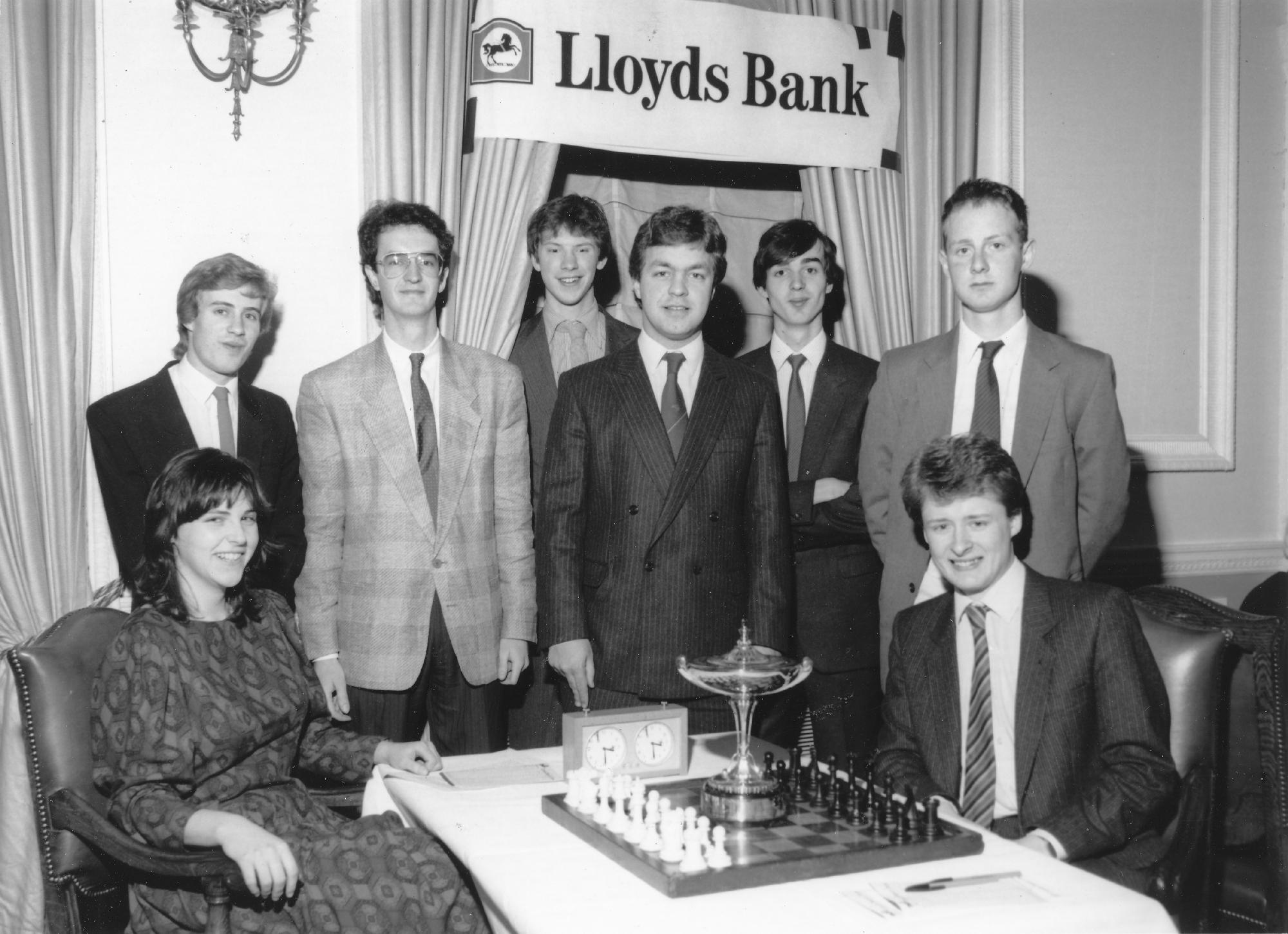
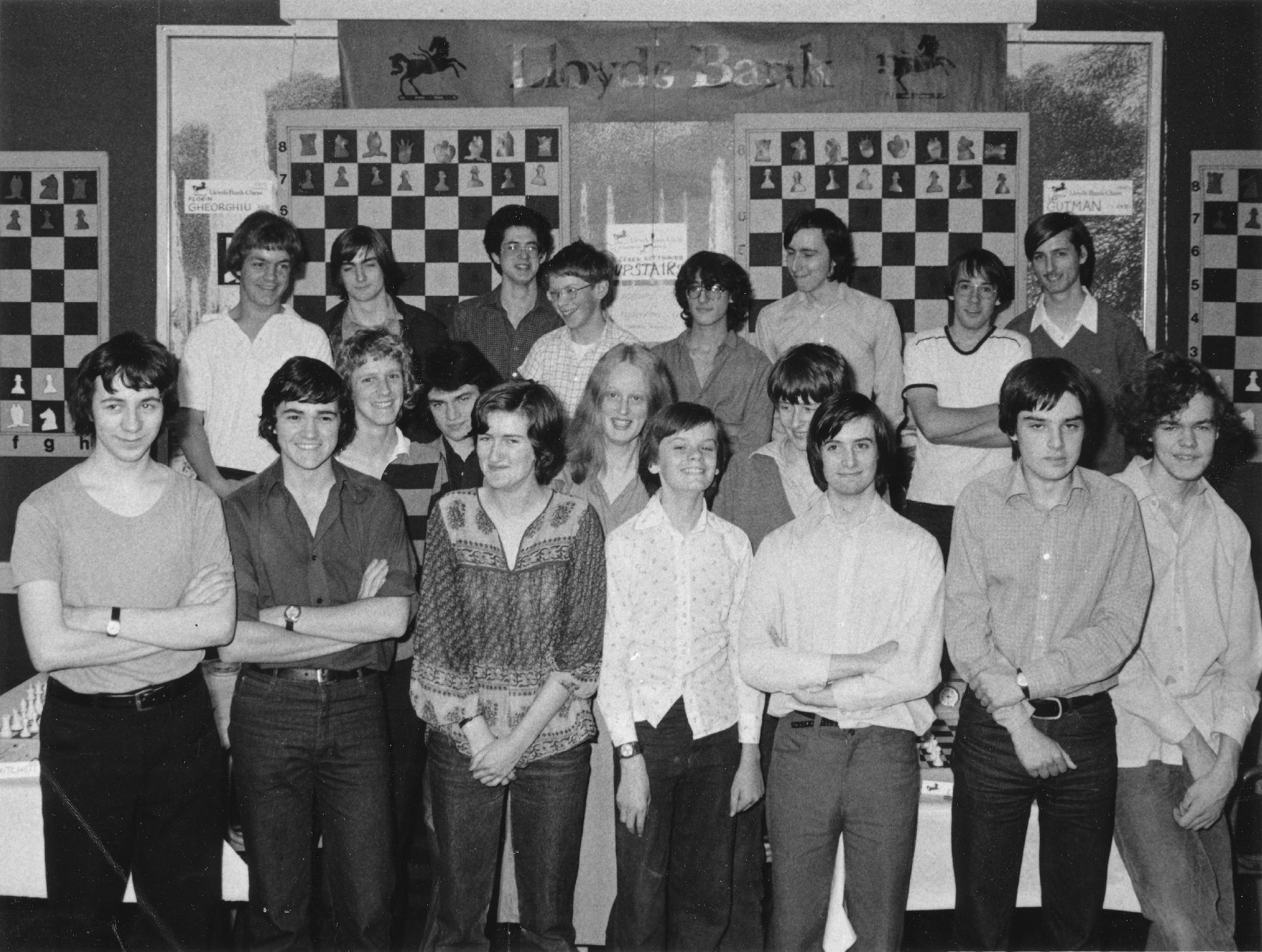
James Howell (fourth from left) in 1978 Varsity match winning Oxford Team. James was from Jesus College.James Clifford Howell (rear, fourth from left)at a Lloyds Bank eventEssential Chess Endings
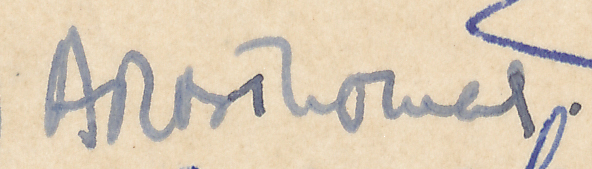
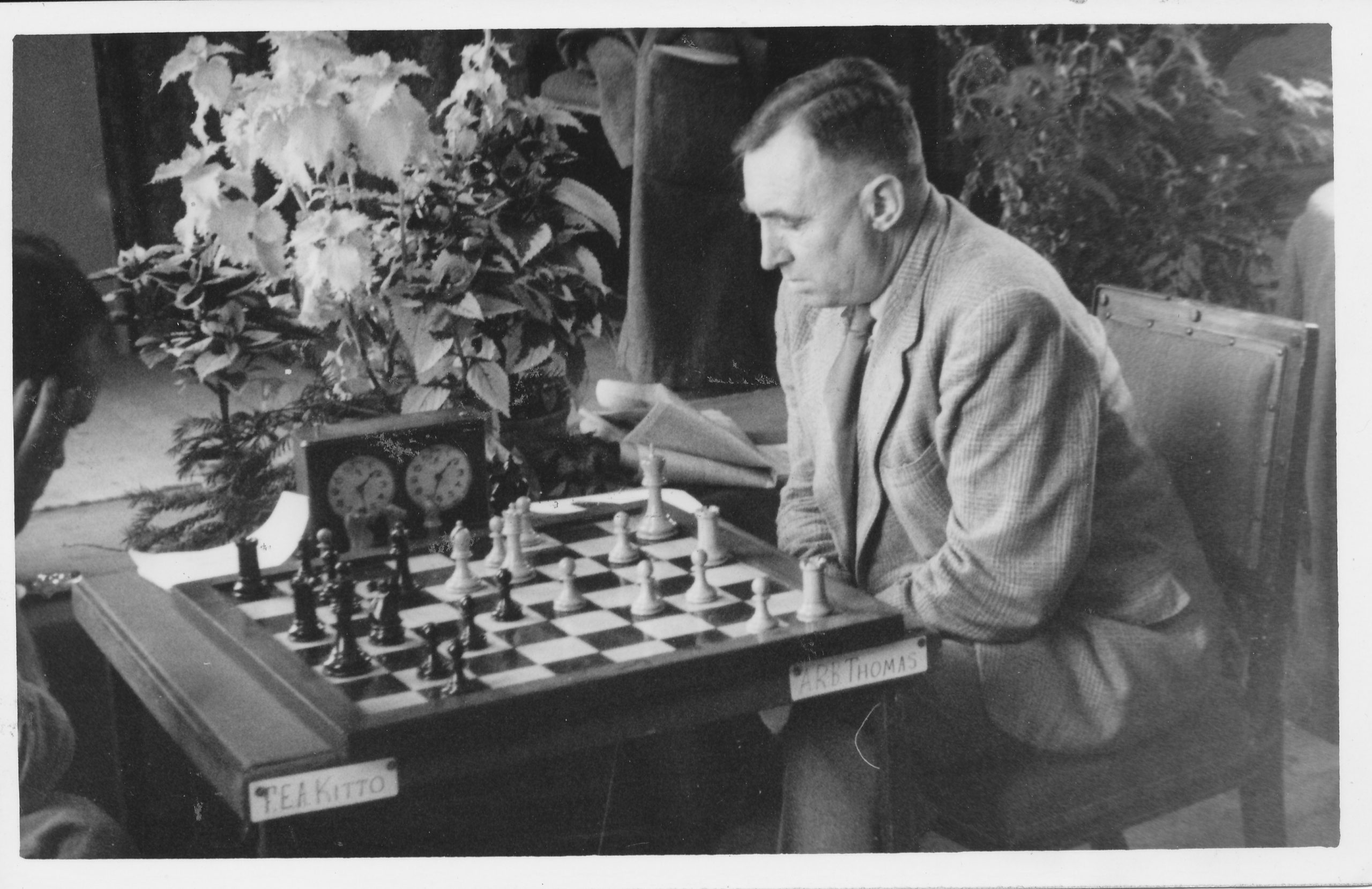
BCN remembers Andrew Rowland Benedick Thomas (11-x-1904 16-v-1985)
We cannot improve on this excellent article about ARBT on the Chess Devon web site
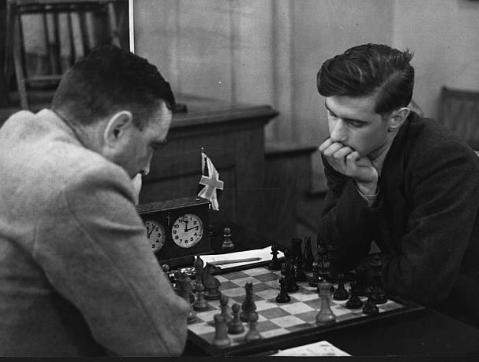
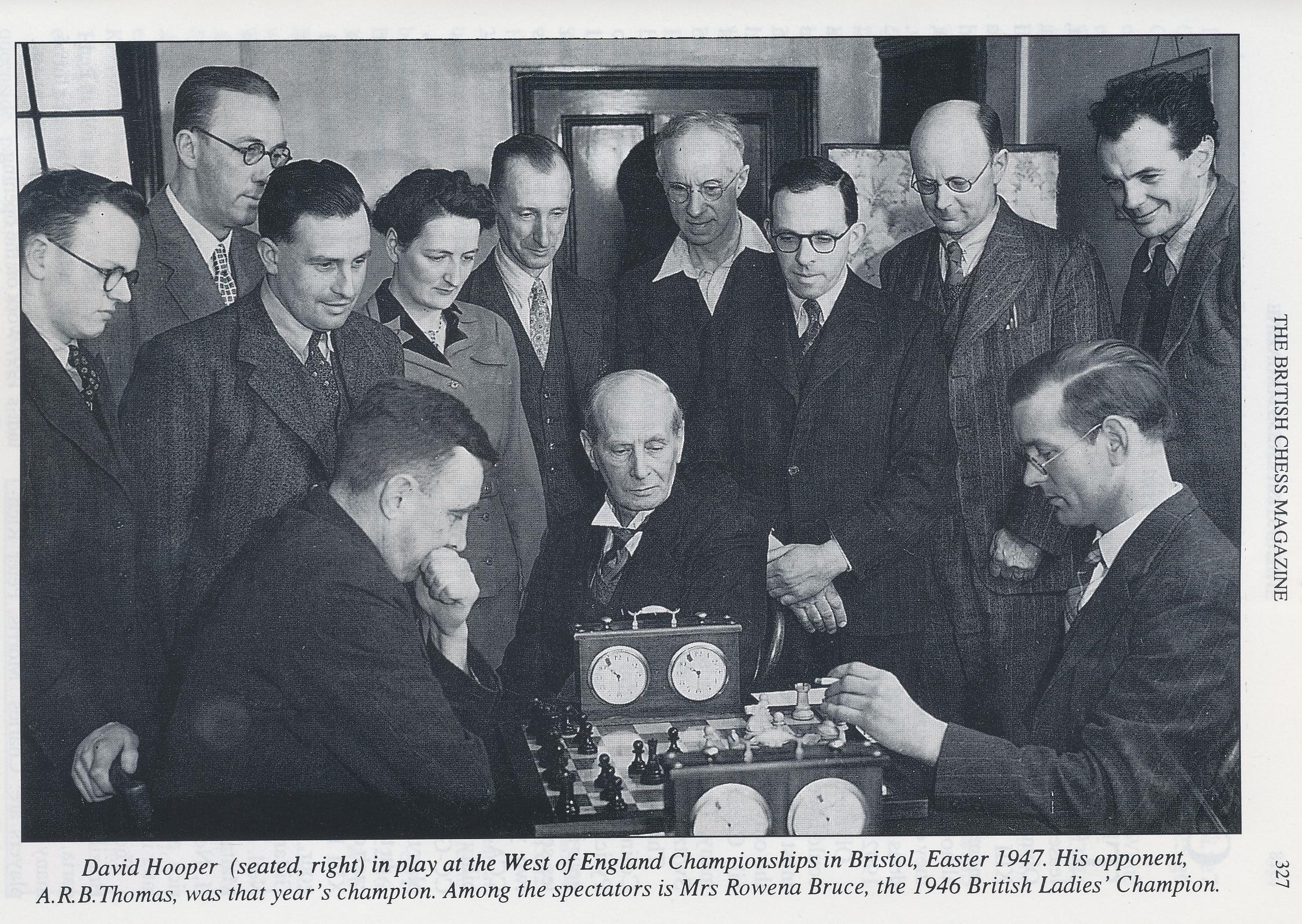
David Hooper (seated right) in play at the West of England Championships in Bristol, Easter, 1947. His opponent , ARB Thomas , was that year’s champion. Among the spectators is Mrs. Rowena Bruce, the 1946 British Ladies’ Champion. BCM, Volume 118, #6, p.327. The others in the photo are L – R: H. V. Trevenen; H. Wilson-Osborne (WECU President); R. A. (Ron) Slade; Rowena Bruce; Ron Bruce; H. V. (Harry) Mallison; Chris Sullivan; C. Welch (Controller); F. E. A. (Frank) Kitto.
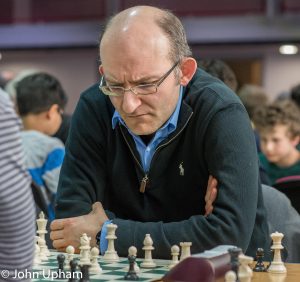
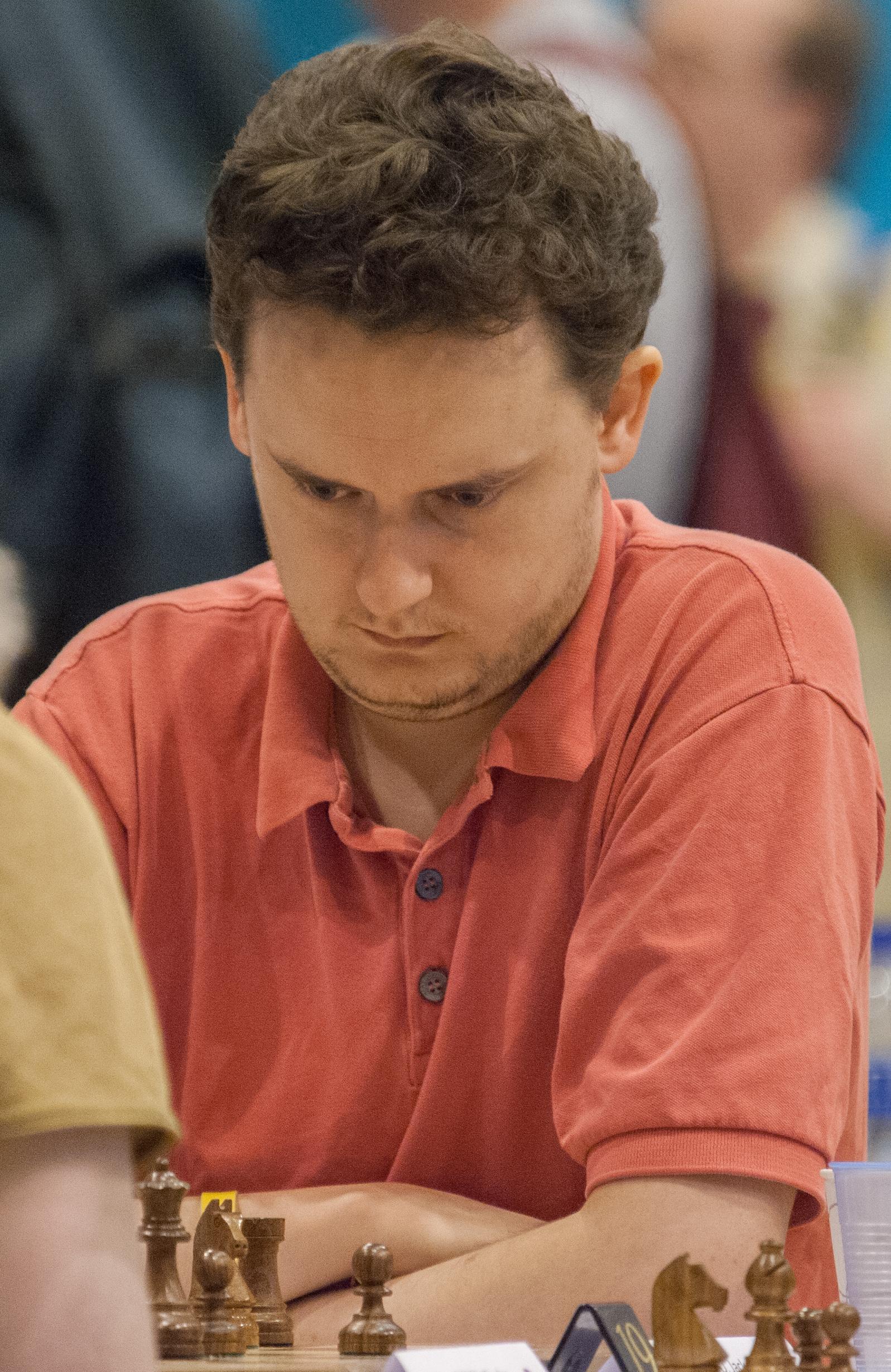
GM Matthew Sadler, photograph courtesy of John Upham Photography
BCN wishes GM Matthew Sadler all the best on his birthday, this day, in 1974.
From Wikipedia :
“
Sadler won the British Championship in 1995 at the age of 21 and again in 1997 (jointly with Michael Adams).[2] He represented England in the 1996 Chess Olympiad, scoring 10½/13 and winning a gold medal for the best score on board four (England finished fourth), and also played in 1998 scoring 7½/12. He made 7/9 on board four for England at the European Team Chess Championship in Pula in 1997.[3] His was the best individual score of the five-man English team and so contributed significantly to England’s first (and to date only) gold medal in a major competition.
Anatoli Vaisser vs Matthew Sadler, Cappelle-la-Grande, 1991
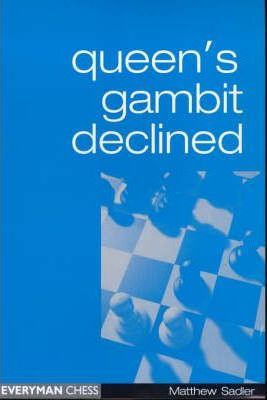
For several years, he was the book reviewer for New in Chess magazine and also wrote books and articles for other chess magazines. In 2000, his book Queen’s Gambit Declined (published by Everyman) was awarded the British Chess Federation’s book of the year award.[4]
. Queen’s Gambit Declined. Everyman. ISBN 978-1857442564.
Latterly a resident of Amersfoort, Sadler returned to chess in 2010 to play in a rapidplay tournament held in nearby Wageningen. He won the event with a perfect score of 7/7, finishing ahead of grandmasters Jan Timman, Friso Nijboer and Daniel Fridman. In August 2011, Sadler continued his resurgence by winning the XIII Open Internacional D’Escacs de Sants, scoring 8½/10, ahead of several grandmasters including Jan Smeets. Right thereafter, in October 2011, he went on to compete in the Oslo Chess International; participants included ten other grandmasters, among them Sergei Tiviakov, Jon Ludvig Hammer and Sergey Volkov, all being 2600+ rated. Sadler won convincingly, with 8/9 points and a performance rating of 2849. Going into 2012, the gain in rating points elevated him to fourth rank amongst active English players and also lifted him back into the World Top 100.”
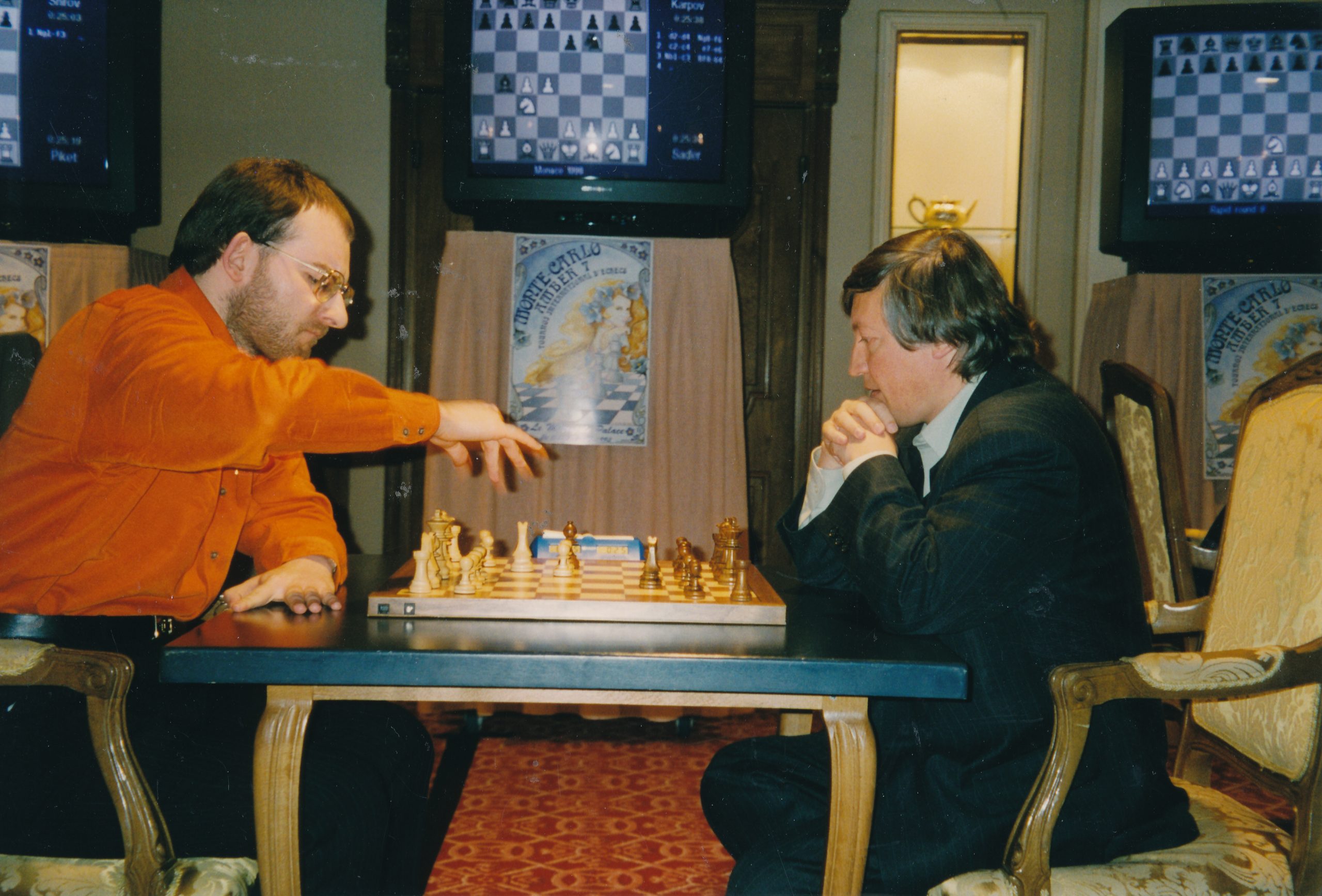
Matthew Sadler plays Anatoly Karpov at the Amber Rapid in 1998. The game was drawn.
Matthew was Southern Counties (SCCU) champion in the 1989-90 and 1993-94 seasons.
One of Matthew’s favourite games is this quick win against Ladislav Stratil Jr. from the Oakham Young Masters :
Matthew Sadler
In a January 2012 interview, Sadler stated that chess was now primarily a “hobby” for him.[5] While relishing his return to tournament play, Sadler noted that he was now an amateur, and would not be coming back as a professional. He contrasts his present lighthearted attitude with his demeanor during his time as a professional, when he was “working ten hours a day and incredibly intensively”.
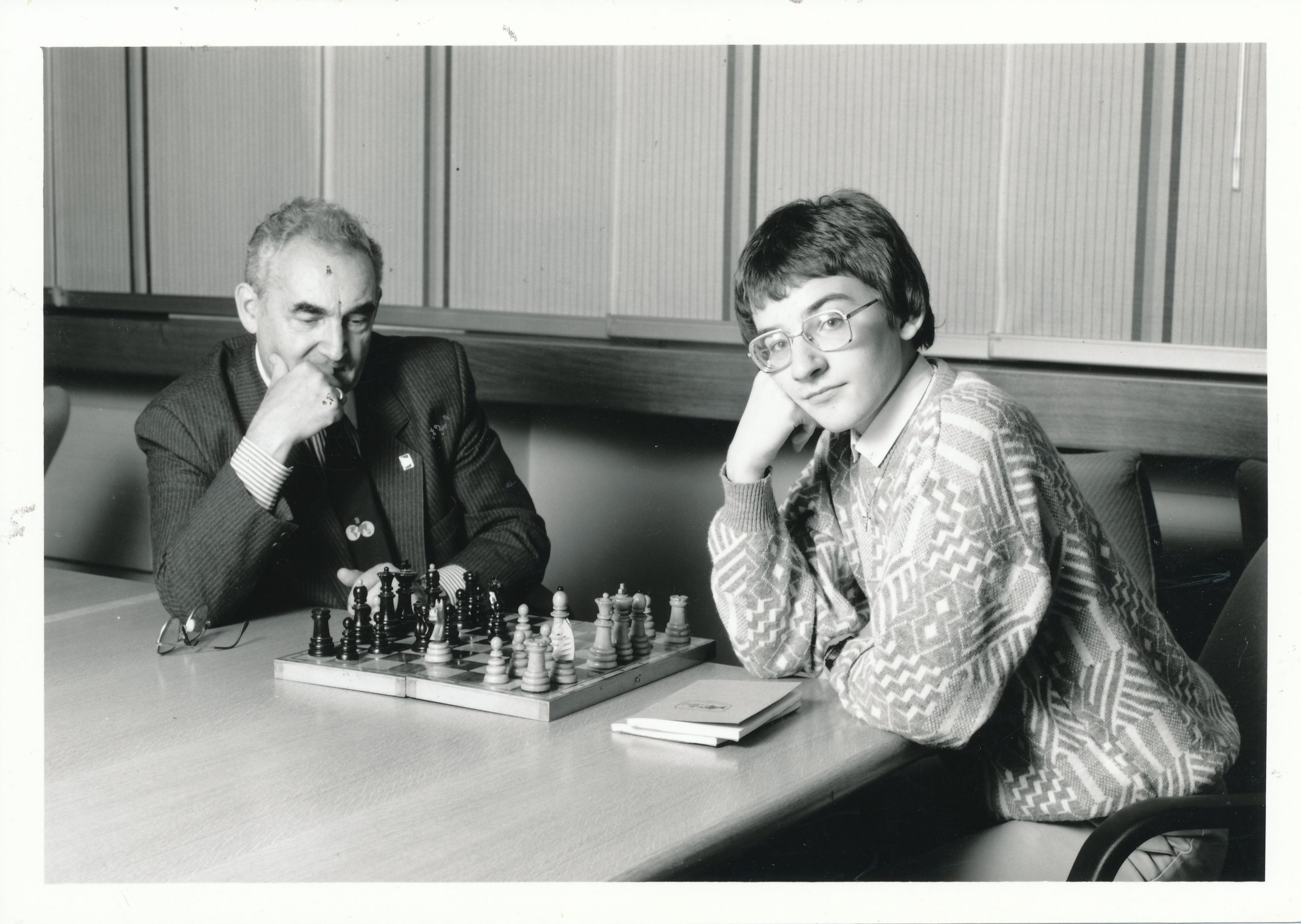
Mark Taimanov and Matthew Sadler
Here is a second favourite game of Matthew’s versus Eran Liss at Budapest, 1993 :
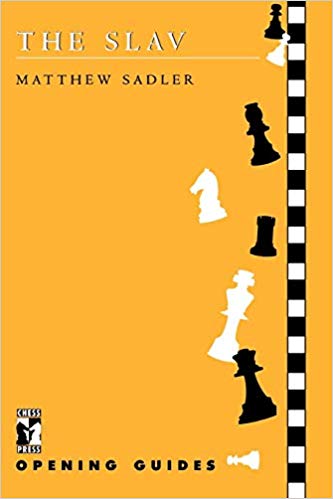
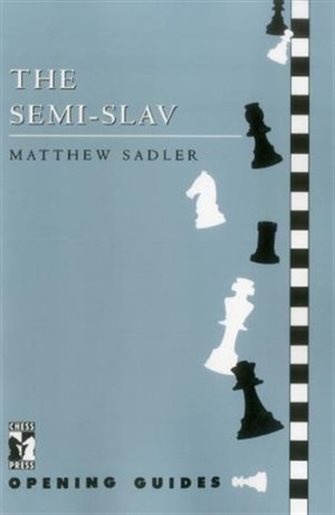
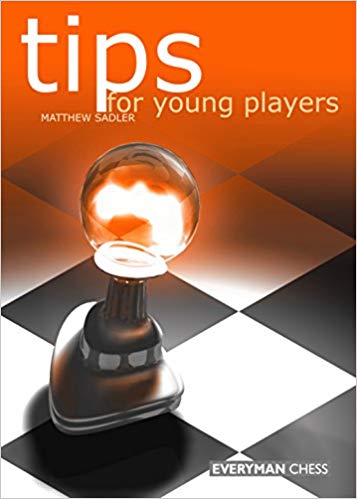
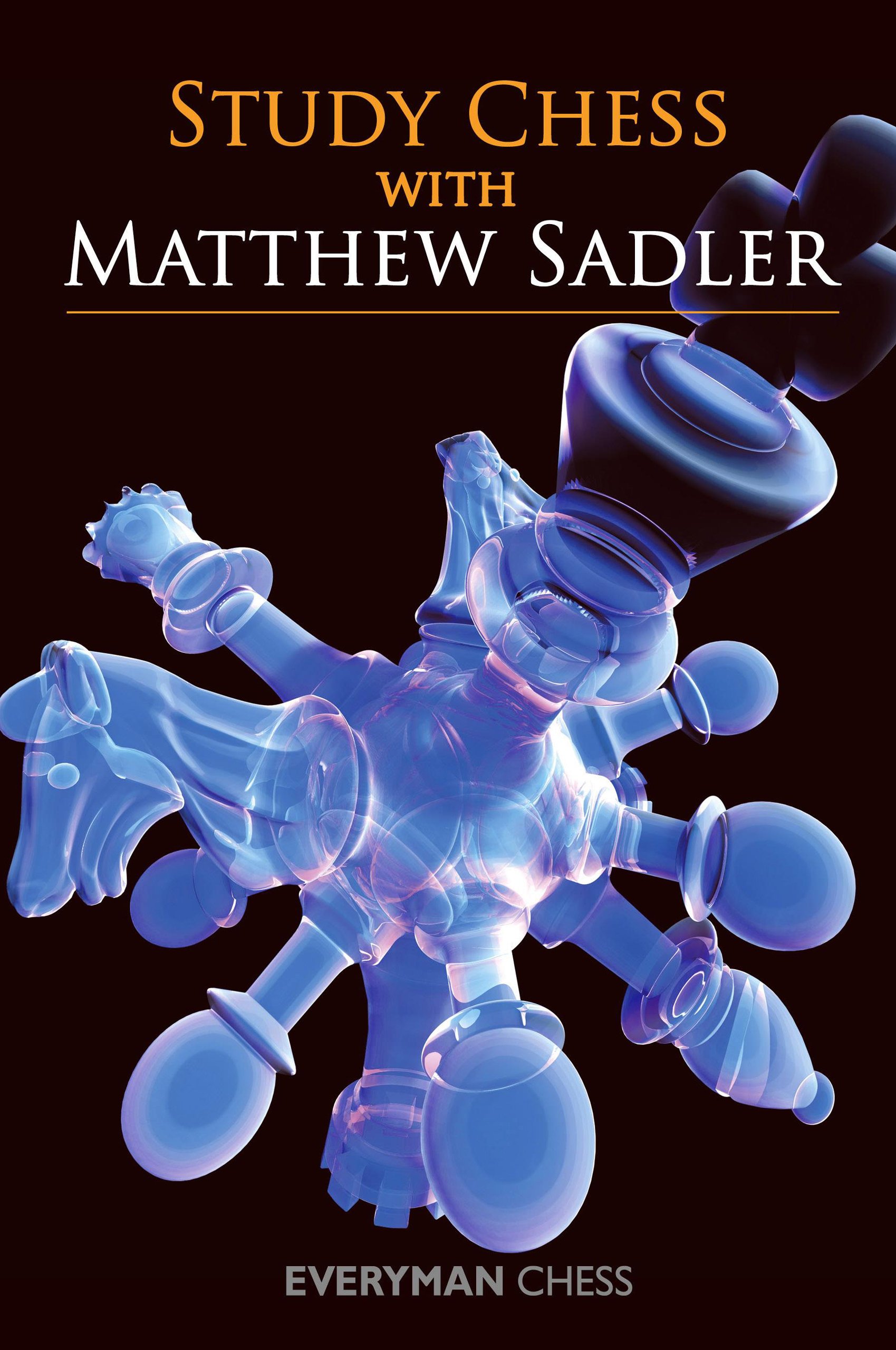
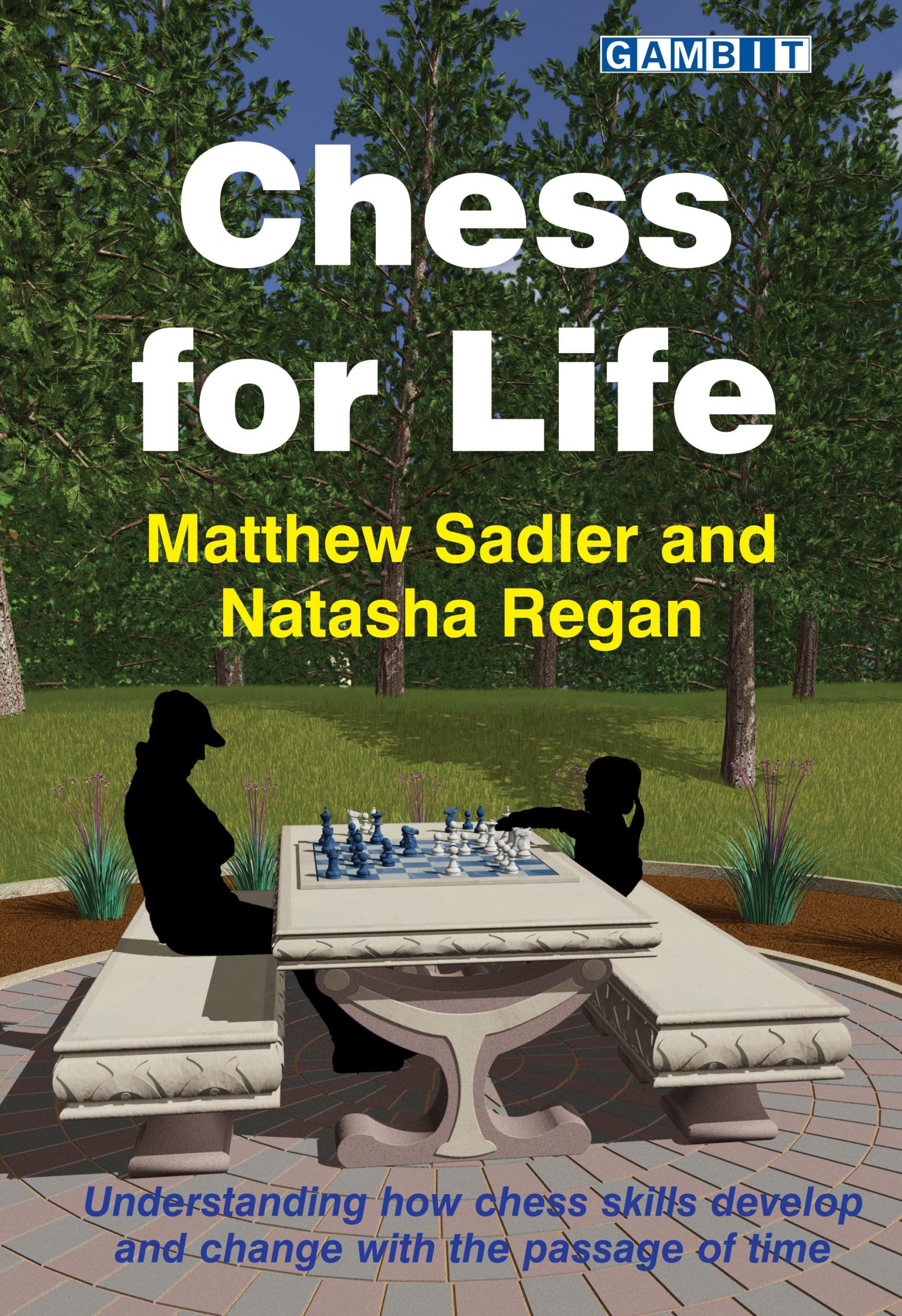
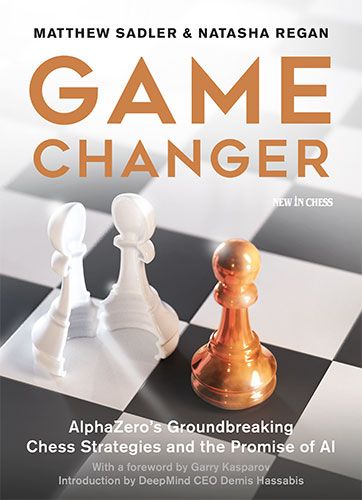
The Slav. Everyman. ISBN 978-1901259001.The Semi-Slav. Everyman. ISBN 978-1901259087.Tips For Young Players. Everyman. ISBN 978-1857442311.. Queen's Gambit Declined. Everyman. ISBN 978-1857442564.Study Chess With Matthew Sadler. Everyman. ISBN 978-1857449907.Chess For Life. Gambit. ISBN 978-1910093832.Game Changer. New In Chess. ISBN 978-9056918187.
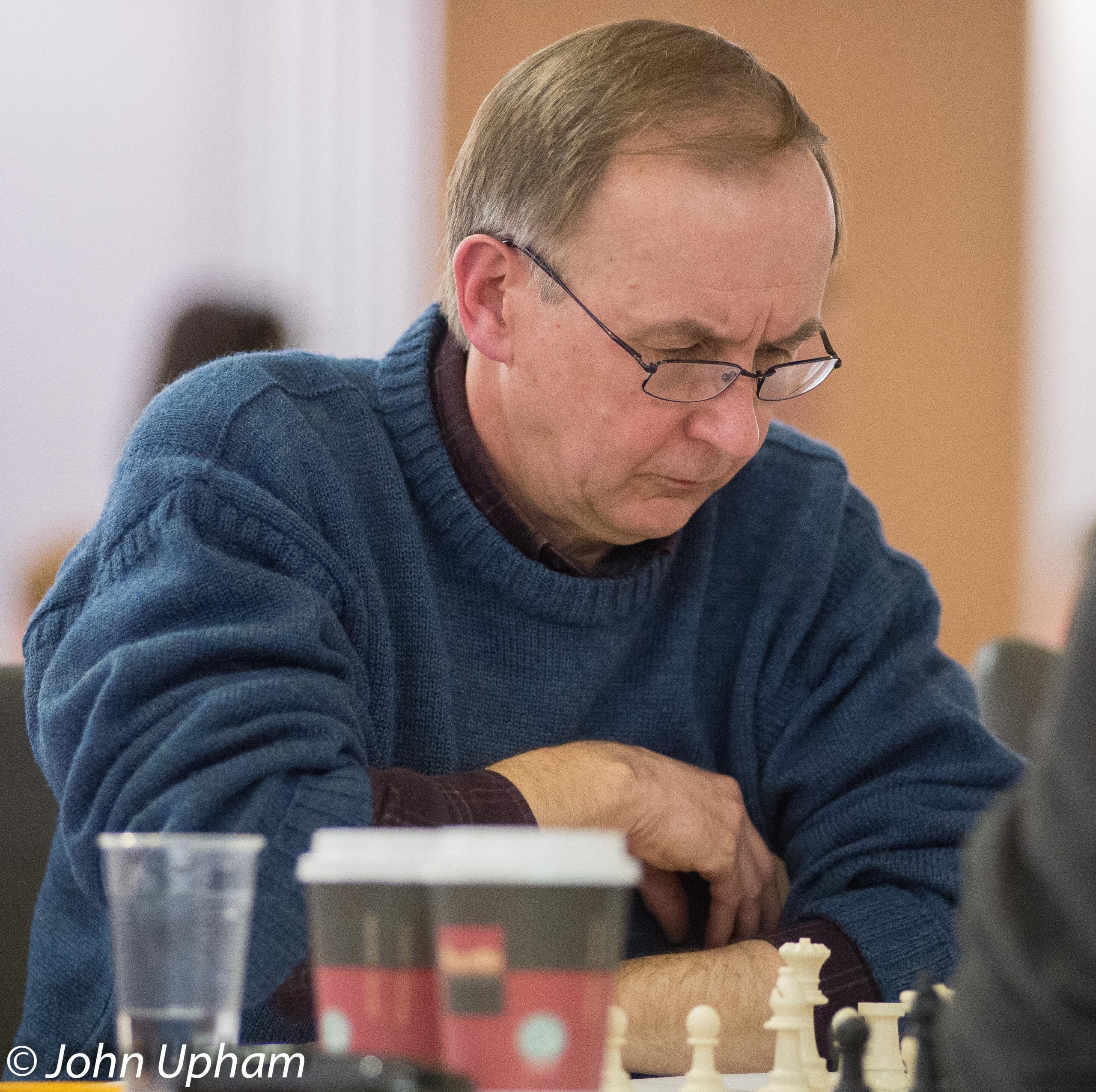
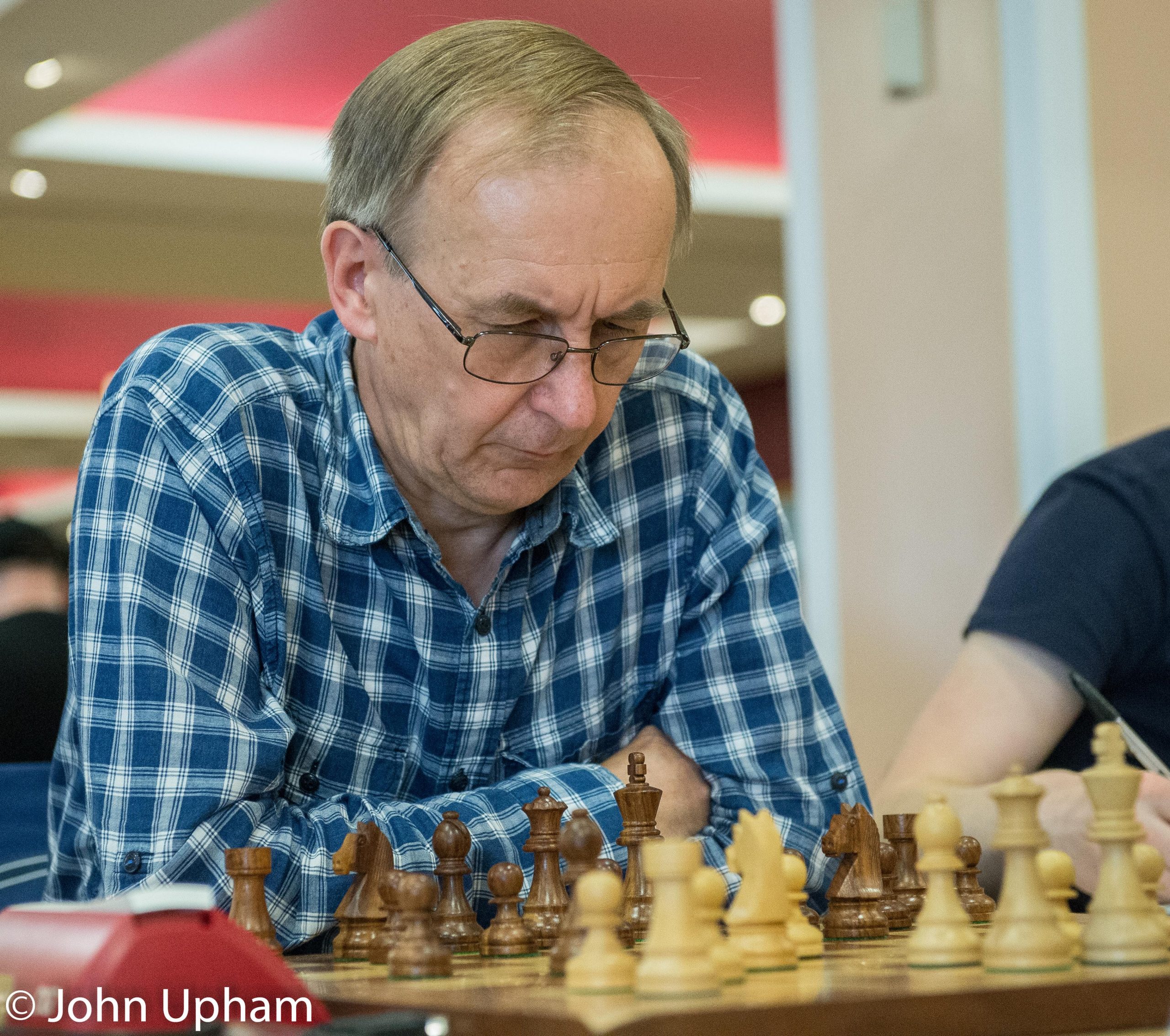
IM John Cooper, photograph courtesy of John Upham Photography
BCN wishes Happy Birthday to IM John Grantley Cooper (14-v-1954)
From chessgames.com :
“John Grantley Cooper was born in Cardiff, Wales. Awarded the IM title in 1984, he was Welsh champion in 1976 (jointly), 1978 (jointly), 1984, 1985, 1992 (jointly), 1993 (jointly), 1994, 1995 and 1996. He also played for Wales in ten Olympiads, from 1974 to 1992.”
His peak rating was 2395 in January 1985 at the age of 31.
IM John Cooper, photograph courtesy of John Upham Photography
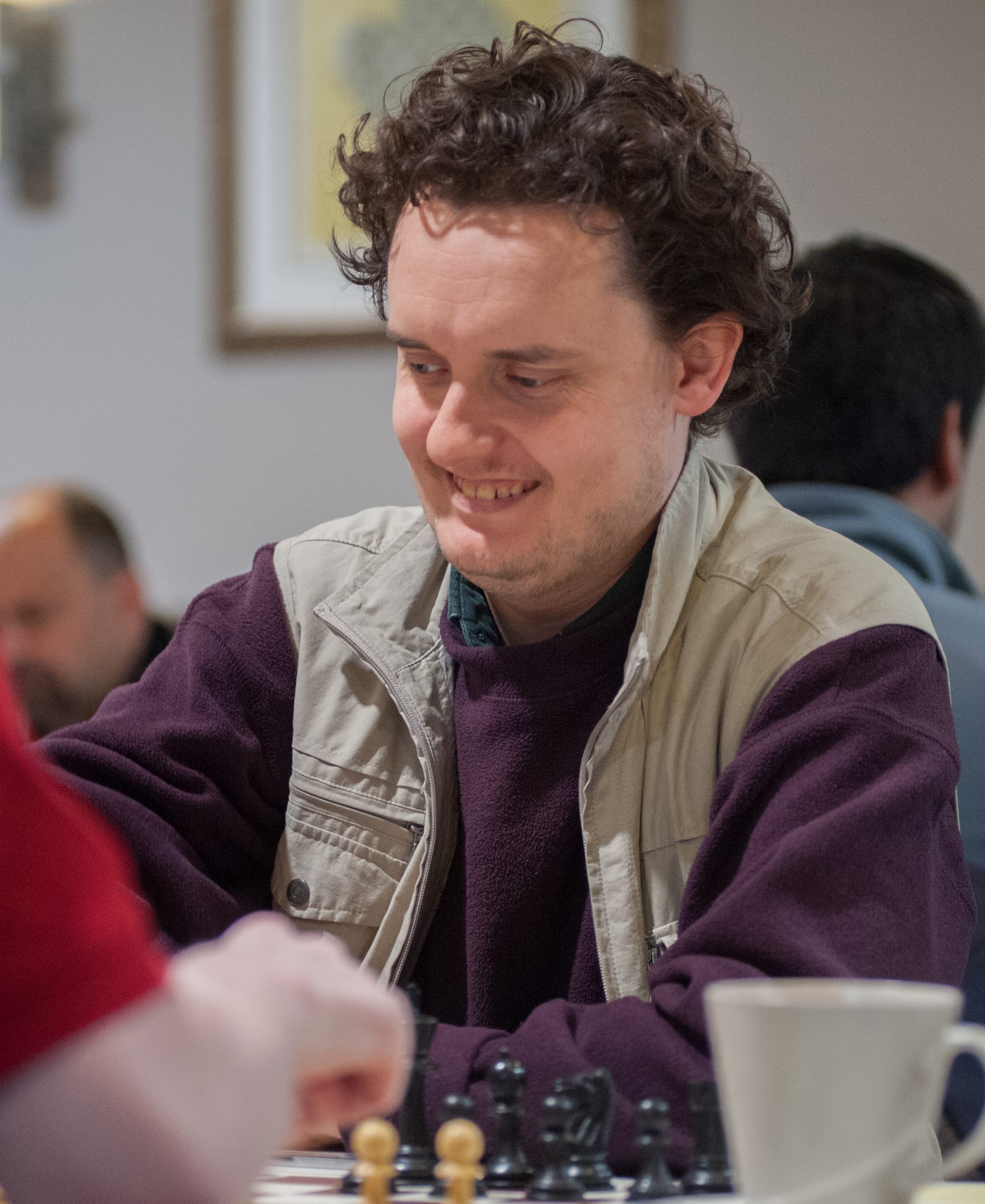
IM Jack Rudd, photograph courtesy of John Upham Photography
BCN wishes a Happy Birthday to IM Jack Rudd (13-v-1979)
Jack Timothy John Rudd was born in Scunthorpe and the family moved to the West Country in 1981/82. Jack became a FIDE Master in 2006 and an International Master in 2008 (confirmed in 2009). He became a FIDE Arbiter (FA) in 2012 and an International Arbiter (2014) in 2014.
Jack achieved his highest Elo rating of 2385 in April 2007 at the age of 28.
Jack plays for “West is Best” in the Four Nations Chess League (4NCL), Somerset Chess Association and Barnstaple in local leagues.
Jack has selected two of his favourite games as follows :
IM Jack Rudd, photograph courtesy of John Upham Photography
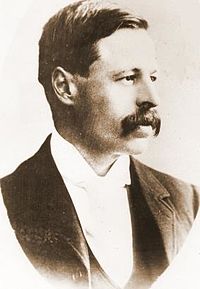
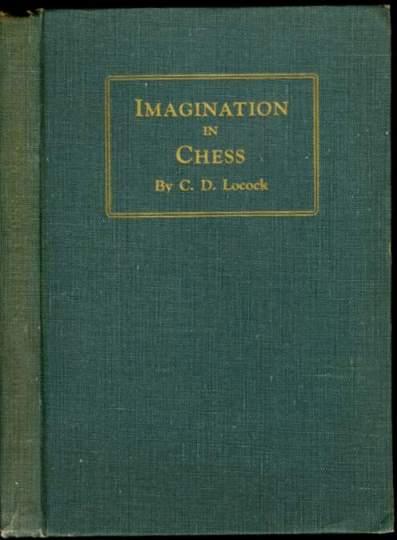
“Charles Dealtry Locock (1862 – 1946) was a British literary scholar, editor and translator, who wrote on a wide array of subjects, including chess, billiards and croquet.[1]”
From The Oxford Companion to Chess by Hooper & Whyld :
The Locock Gambit is in the Philidor Defence, named after the English player Charles Dealtry Locock (1862 – 1946). The gambit is probably sound; Black should play 4…Be7 instead of 4…h6
James Pratt informs BCN that CDL was an early trainer of Elaine Saunders. See here for more.
From The Chess Bouquet, (1897), page 212 : (taken from chessgames.com)
“Perhaps many players who are inclined to pooh, pooh the efficacy of problem training will be surprised to find that such an expert player, as Mr. Locock has proved himself to be, is equally at home in the sister art. Yet such is the case, and although his fame rests chiefly upon his many brilliant victories in cross-board encounters, the strategetic qualities of his compositions, and the ease and facility with which he penetrates the inmost recesses of problem, have secured him place in the foremost ranks of British problemists. Born in 1862, and educated at Winchester College and University College, Oxford, Mr. Locock early displayed fondness for chess, and for five years he played for Oxford v. Cambridge.
In 1887 he won the amateur championship tournament of the British Chess Association without losing game. In the Masters’ International Tournament, held at Bradford in 1888, he scored seven antl half games against very powerful array of talent. The Masters’ International Tournament, held at Manchester, in 1890, found him somewhat below par, but in 1801 he won the British Chess Club Handicap without losing game. In 1892 he tied with Bird for fourth prize in the National Masters’ Tournament. Emanuel Lasker (then rapidly forcing his way to the throne, so long and honourably held by Wilhelm Steinitz) won the first prize, with score of nine James Mason second, seven and half; Rudolph Loman third, seven and Messrs. Bird and Locock six and half each. Seven others competing.
During the past four years Mr. Locock has played some twenty-six match games without losing one. In team matches he has only lost one since 1886. These include the two telephone matches, British Chess Club v. Liverpool and also the cable match, British Chess Club v. Manhattan Club, 1895, when Mr. Locock, at board three, drew with Mr. A. B. Hodges; and the cable match, British Isles v. United States, March, 1896, when Mr. Locock again drew his game with Mr. E. mes on board five.
Partially owing to want of practice, Mr. Locock is gradually retiring from serious chess, although we trust many years will elapse ere he finally says good-bye to the scene of his triumphs. Life is generali) voted too short for chess, yet, in addition to the sterling work already alluded to, Mr. Locock has found time to edit the well-known excellent chess column in Knowledge, and enrich the already huge store ot problems with many stategetical positions. His “Miraculous Adjudicator” and Three Pawns ending, published in the B.C.M., having been greatly admired by connoisseurs.
Mr. Locock has favoured us with few humorous remarks on what he terms the vice of problemmaking,” and with these we conclude our sketch of perhaps the strongest living amateur player-problemist ”
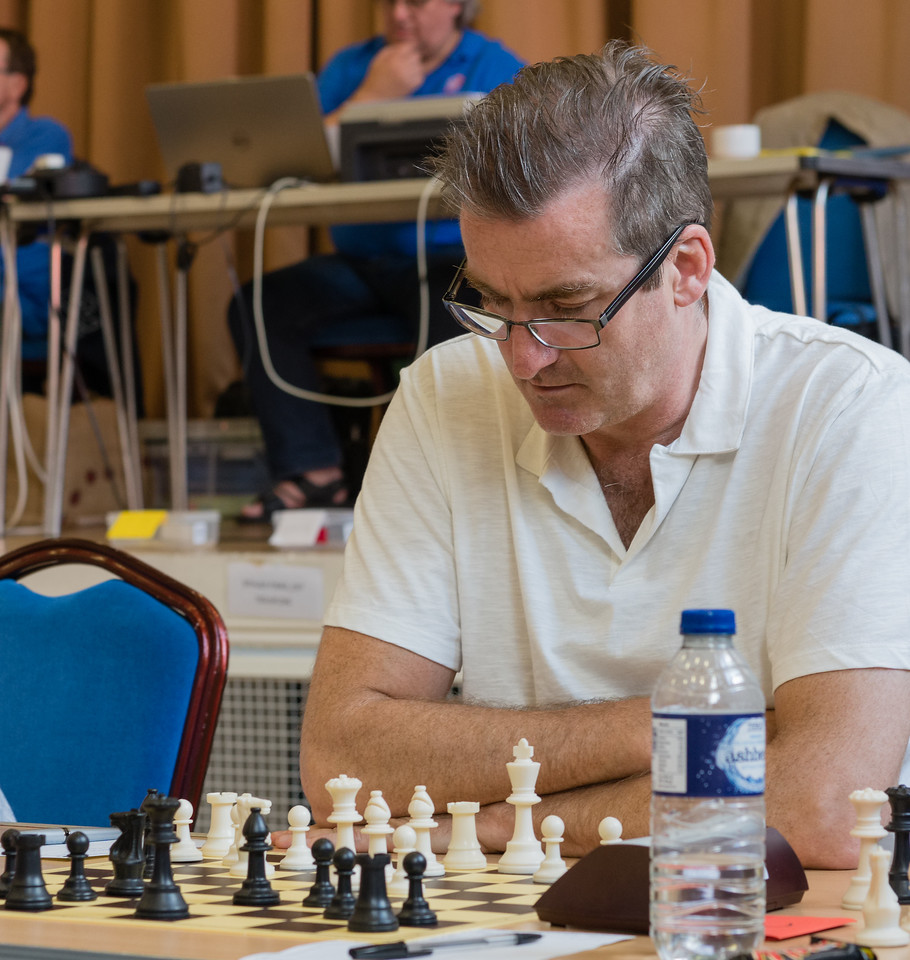
IM Neil H Bradbury, photograph by Brendan O’Gorman
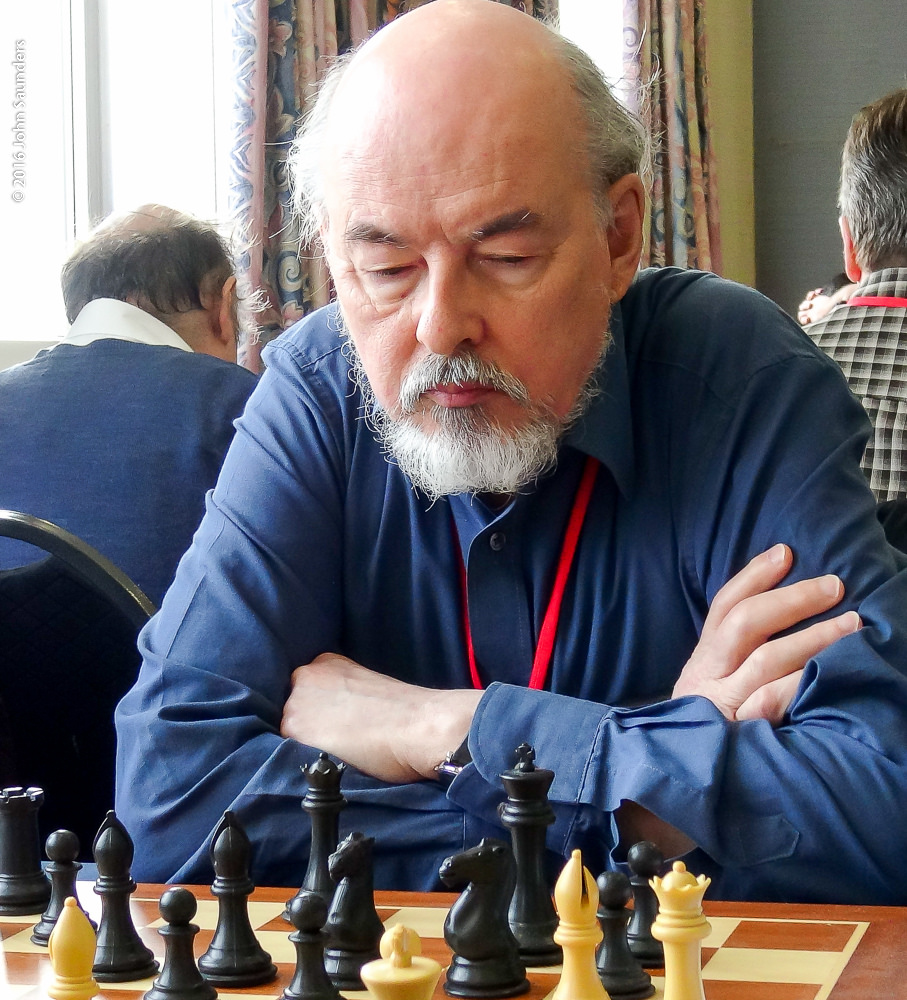
BCN wishes Happy Birthday to IM Neil H Bradbury (09-v-1964)
Neil became an International Master in 1988 ans achieved a peak rating at the age of 20 of 2395 in January of 1984.
Neil stopped playing in 1998 but in 2018 restarted with appearances in Gibraltar, The London Chess Classic and the British Championships in Hull and Torquay.
Neil has played in 4NCL for The ADs
Neil Bradbury (rear, second from left) at a Lloyds Bank event
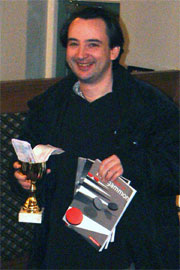
“Timothy David Harding was born in London. He has been playing both over-the-board and correspondence chess since the 1960s. Harding played on the Irish team at the 1984 FIDE Olympiad in Thessaloniki, scoring 50%. In 2002 he achieved the title of Senior International Master of Correspondence Chess. He is also a Candidate Master (2015).
As a chess historian, Harding has authored dozens of books on chess since 1973. He is also the author of the “The Kibitzer”, a popular chess column published at ChessCafe.com.
“Timothy David Harding (born 6 May 1948 in London)[1] is a chess player and author with particular expertise in correspondence chess. He published a correspondence chess magazine Chess Mail from 1996 to 2006[2] and authored “The Kibitzer”, a ChessCafe.com column from 1996 until 2015.[3] In 2002, he was awarded the title Senior International Master of Correspondence Chess by the International Correspondence Chess Federation. Harding has lived in Dublin since 1976,[2] writing a weekly column for The Sunday Press from then until 1995.
In 2009, Harding received a PhD degree in history from University of Dublin, with his thesis on correspondence chess in Britain and Ireland, 1824–1914.[4]
He is credited with coining the name Frankenstein–Dracula Variation in his 1975 Vienna Game book.”
Timothy David Harding (06-v-1948)
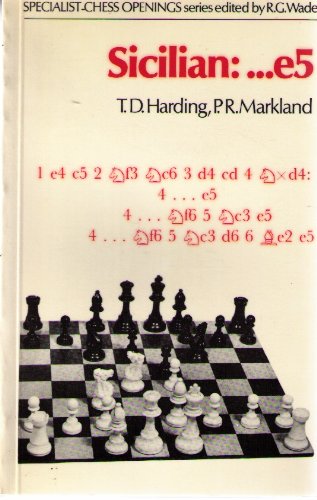
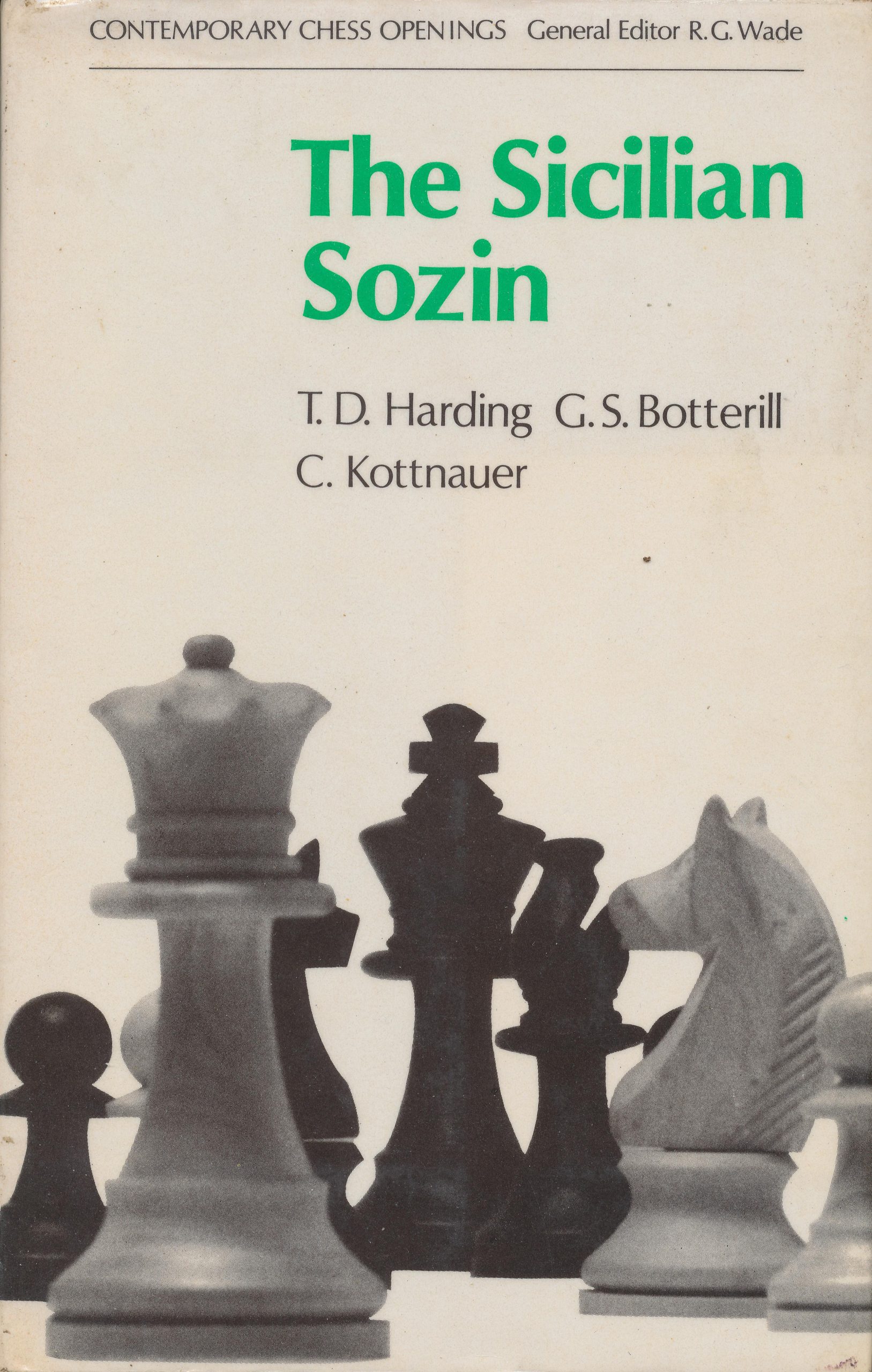
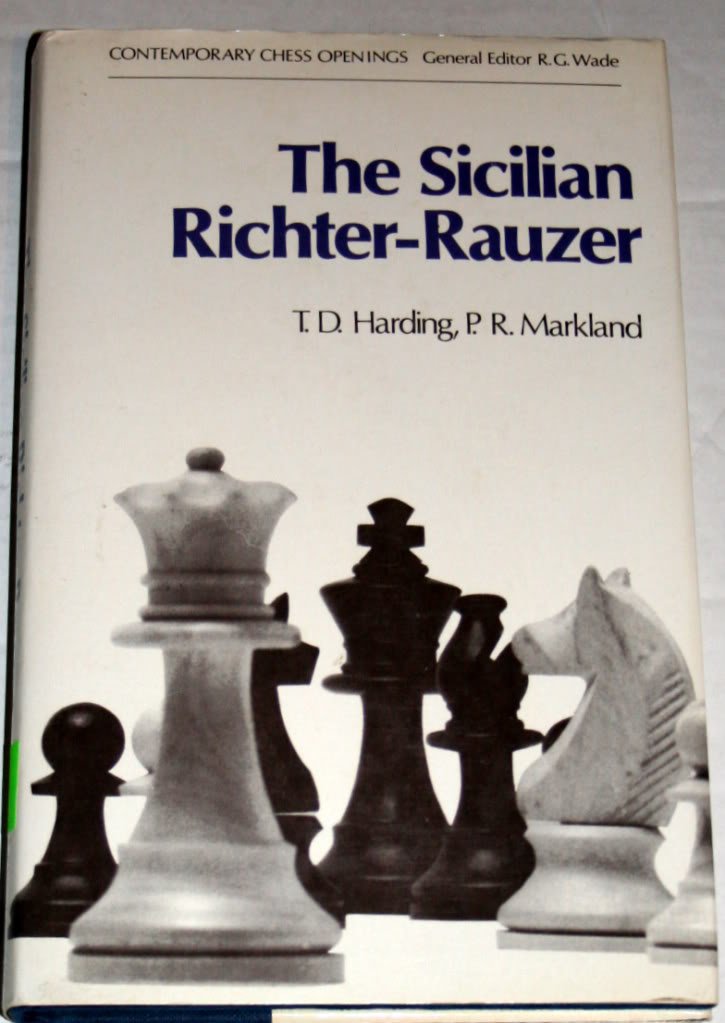
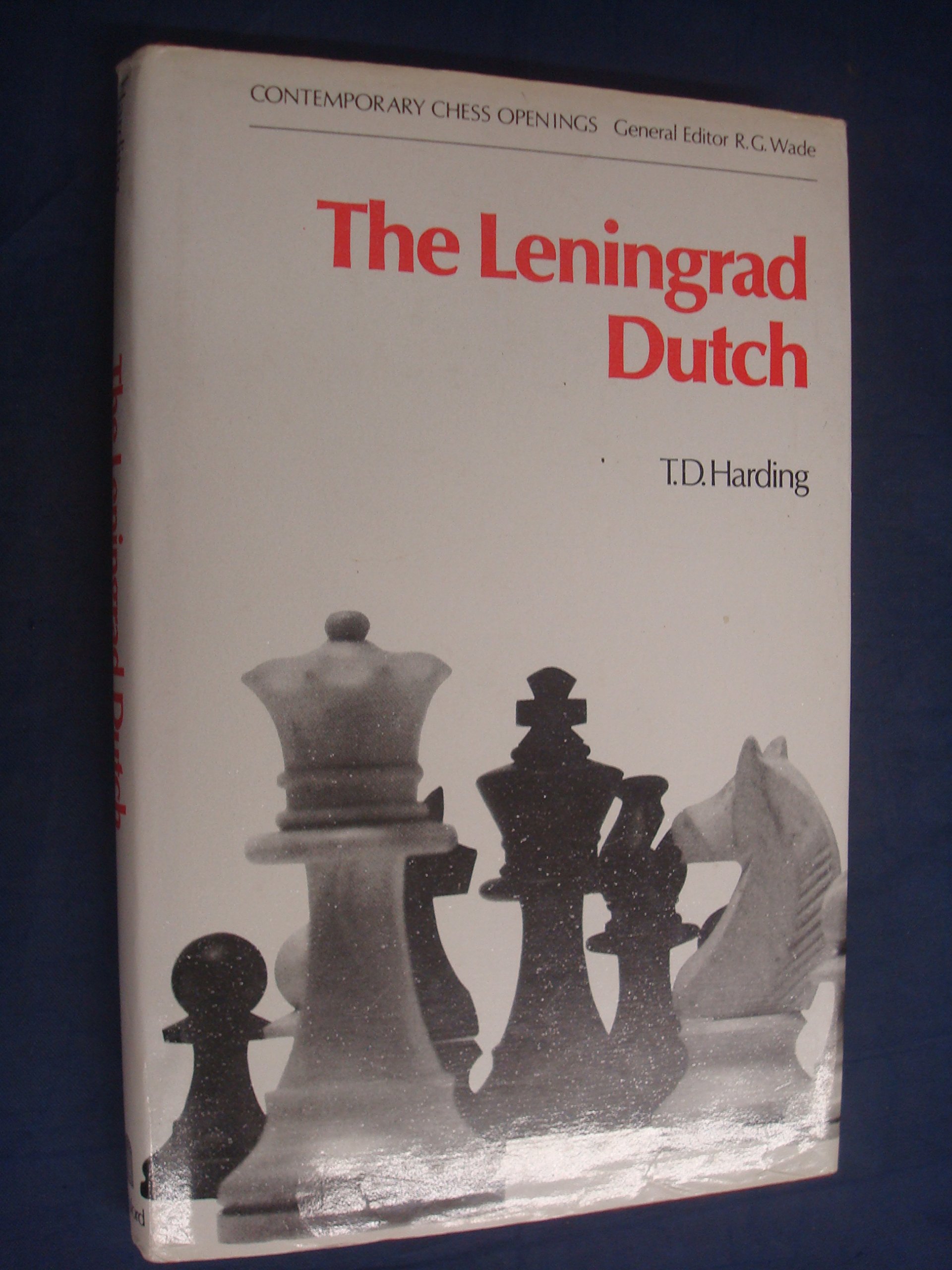
Tim has written / co-authored at least forty chess books and here is a selection :
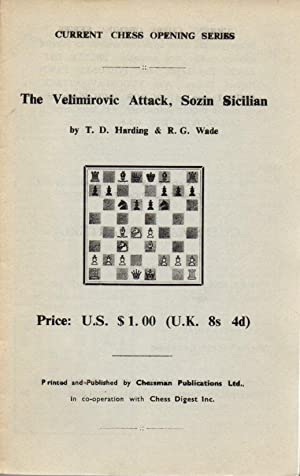
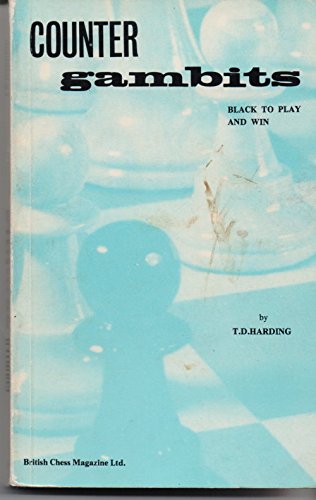
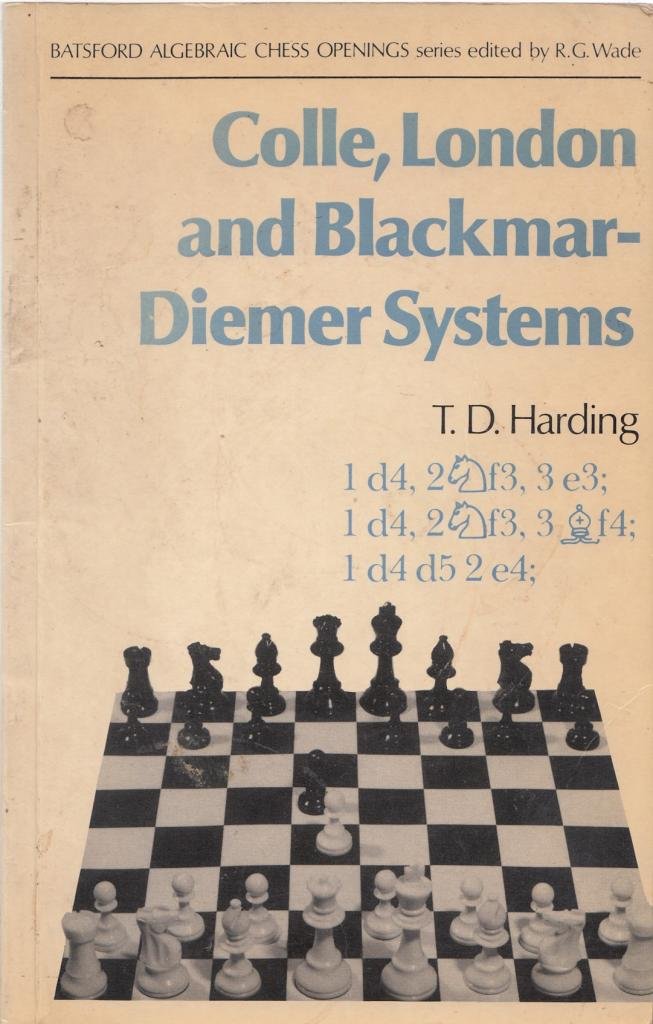
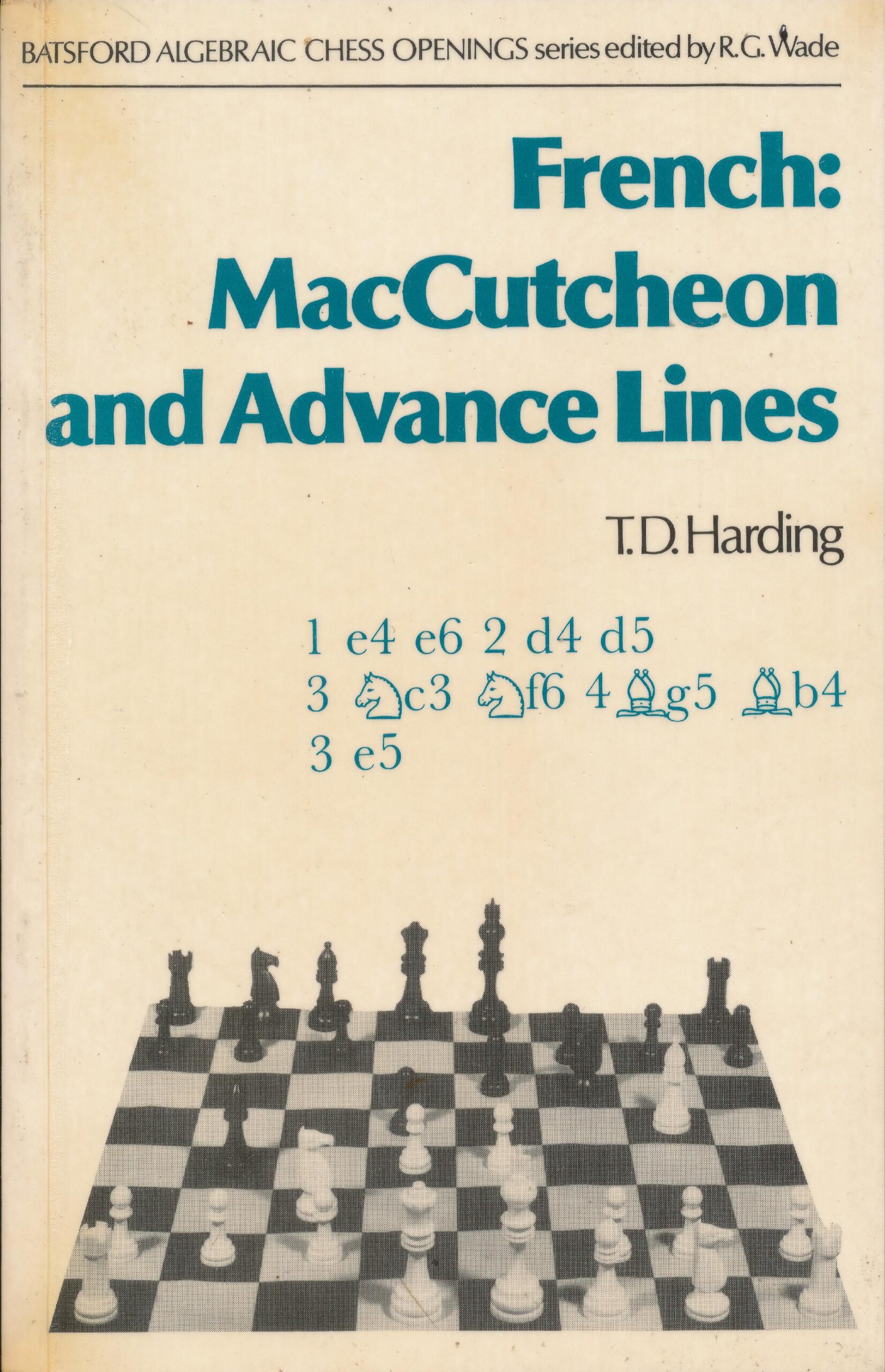
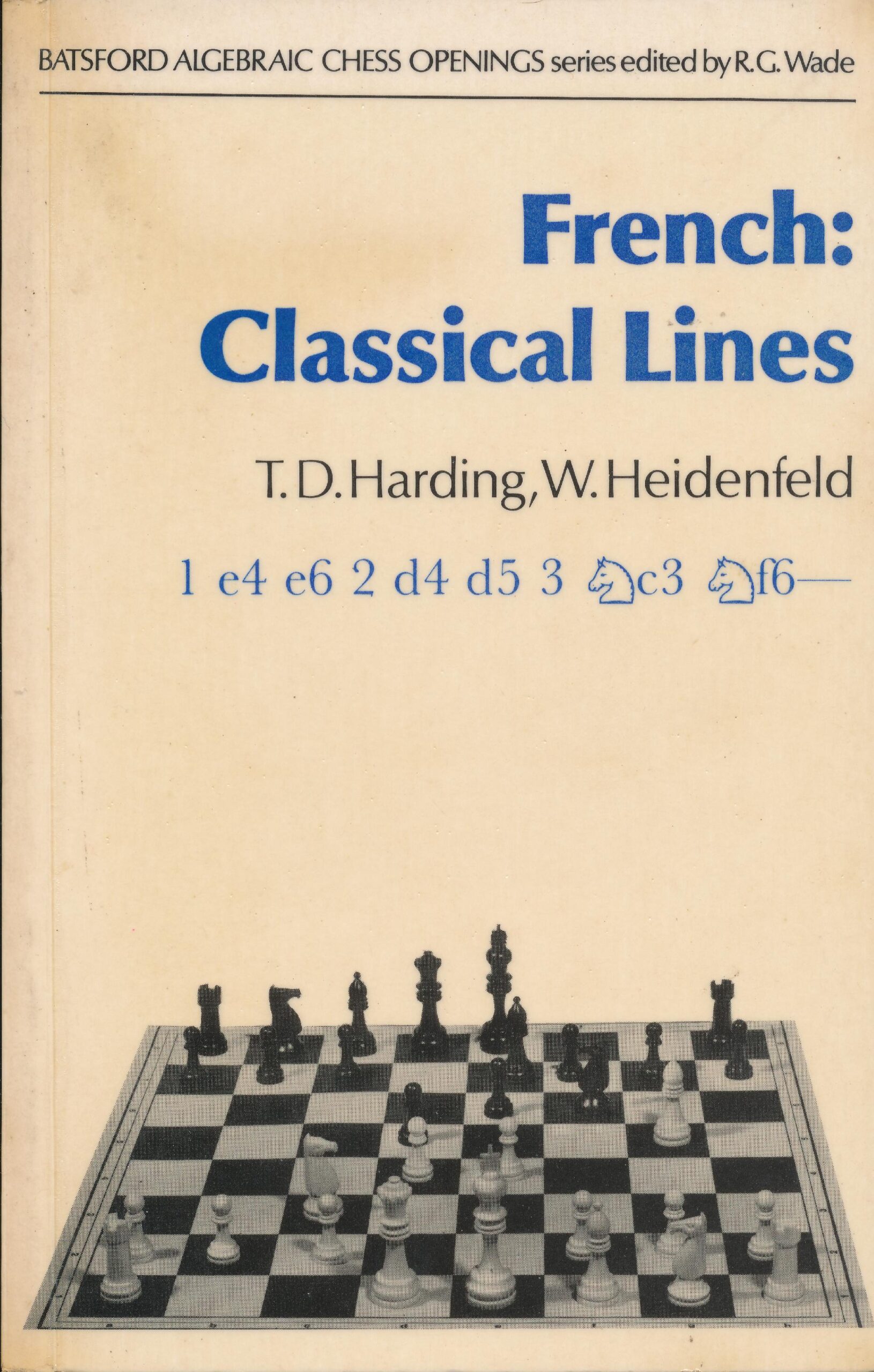
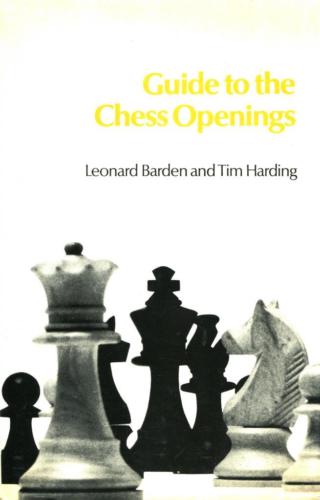
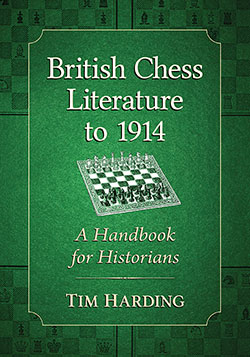
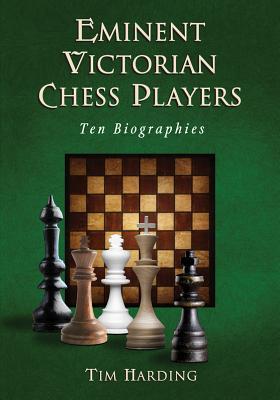
The Velimirovic Attack, Sozin Sicilian, TD Harding and RG Wade, Chessman Publications Ltd., 1969.Counter gambits by Timothy D. Harding (1974)Sicilian:…e5 by TD Harding & PR MarklandThe Sicilian Sozin, TD Harding, GS Botterill, C. Kottnauer, Batsford, 1974Sicilian Richter-RauzerThe Leningrad Dutch, BT Batsford, Tim Harding, 1976Colle, London and Blackmar-Diemer Systems, BT Batsford Ltd, Tim Harding, 1979French: MacCutcheon and Advance Lines, Batsford, 1979French: Classical Lines, Batsford, 1979Queen’s Gambit Declined : Semi-Slav, Tim Harding, BT Batsford Ltd., 1981Guide to the Chess OpeningsBritish Chess Literature to 1914 : A Handbook for HistoriansEminent Victorian Chess PlayersJoseph Henry Blackburne: A Chess Biography
Happy Birthday IM Max Devereaux (05-v-1976) now known as IM Maxim Barth Stamford of the Norwegian federation.
We focus on the British Chess Scene Past & Present!
This website uses cookies to improve your experience. We'll assume you're ok with this, but you can opt-out if you wish. Cookie settingsACCEPT
Privacy & Cookies Policy
Privacy Overview
This website uses cookies to improve your experience while you navigate through the website. Out of these cookies, the cookies that are categorized as necessary are stored on your browser as they are as essential for the working of basic functionalities of the website. We also use third-party cookies that help us analyze and understand how you use this website. These cookies will be stored in your browser only with your consent. You also have the option to opt-out of these cookies. But opting out of some of these cookies may have an effect on your browsing experience.
Necessary cookies are absolutely essential for the website to function properly. This category only includes cookies that ensures basic functionalities and security features of the website. These cookies do not store any personal information.