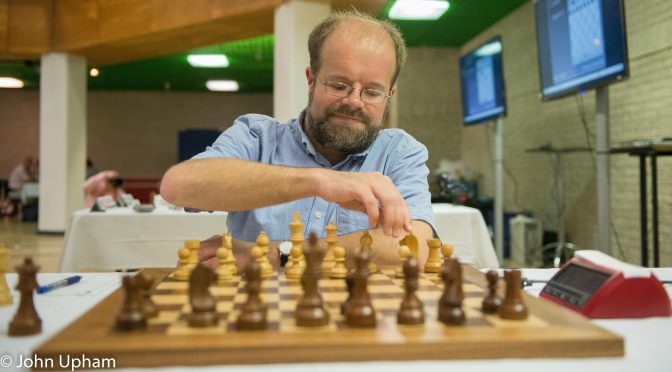
Happy Birthday IM Richard Palliser (18-ix-1981)

IM Richard Palliser
IM Richard Palliser

We wish IM Richard Palliser all the very best on his birthday

Richard Julian David Palliser was born September 18th in 1981 in Birmingham, West Midlands. His mother’s maiden name was Hyde.

He became a FIDE Master in 2000 and an International Master in 2001.
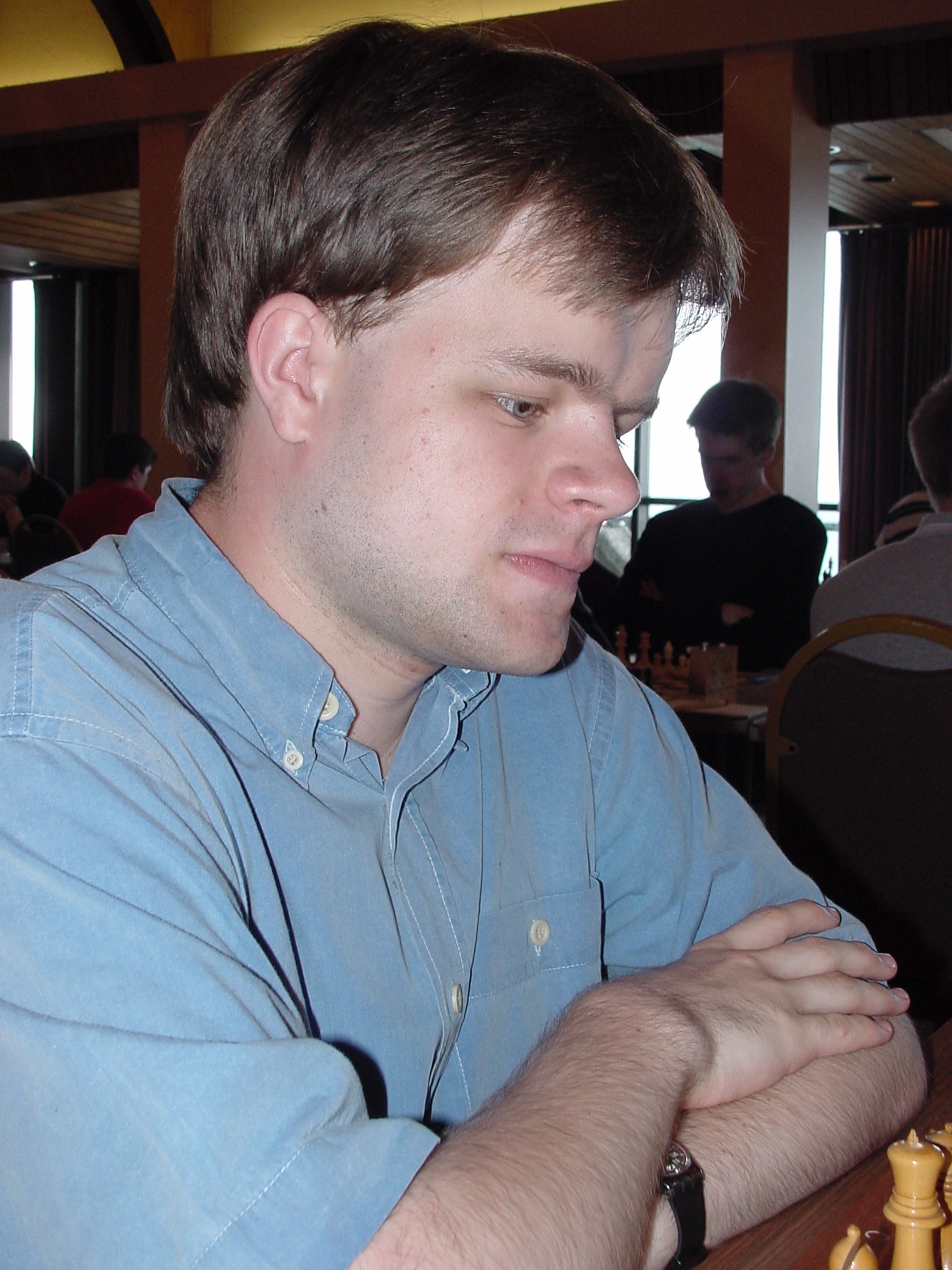
Richard Palliser
Richard Palliser

His peak FIDE rating (according to Felice and Megabase 2020) was 2482 in July 2012 at the age of 31.

In 1995 Richard was joint British U13 Champion together with David Hodge and Richard S. Jones.

Palliser was joint (with Danny Gormally) British Rapidplay Chess Champion in 2006. He writes regularly for ChessMoves and “Everyman Chess” who also employ him as an editor and advisor.

Richard represents in matches 4NCL White Rose, York RI, Yorkshire CA, and ‘Eagle and Child’

According to “Play 1.d4!” :

“is an international master and recipient of a special British Chess Federation young player’s award for achievement. In addition to being a very active tournament and match player he also writes regularly for CHESS magazine and other periodicals and is noted for his theoretical knowledge and analytical ability.”

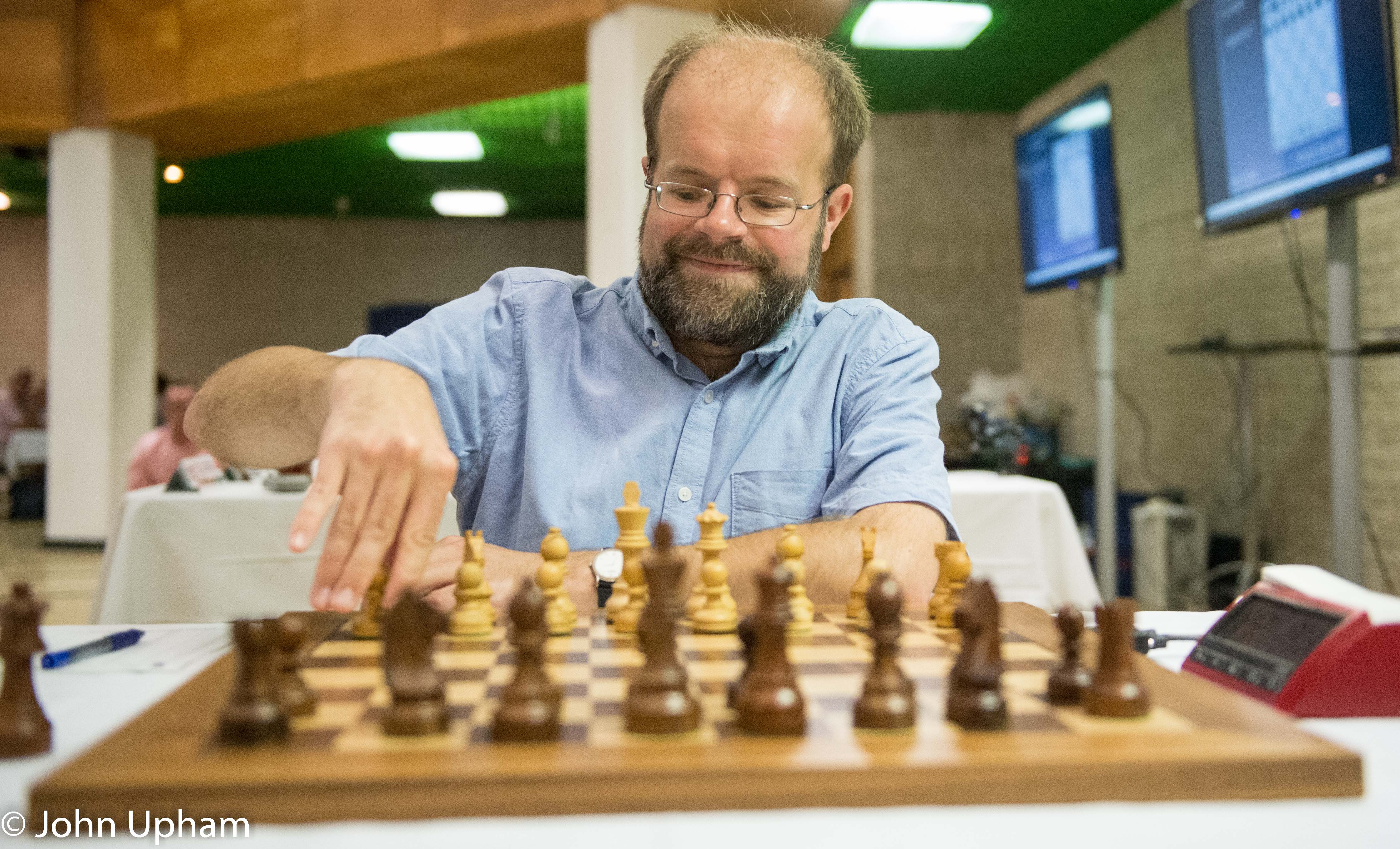
IM Richard Palliser at the King's Place  Rapidplay, 2013.
IM Richard Palliser at the King’s Place Rapidplay, 2013.

[pgn]
[Event “GBR-ch”]
[Site “Scarborough”]
[Date “2004.08.09”]
[Round “7”]
[White “Palliser, Richard J D”]
[Black “Rudd, Jack”]
[Result “1-0”]
[ECO “A45”]
[WhiteElo “2411”]
[BlackElo “2281”]
[Annotator “British Chess News”]
[PlyCount “51”]
[EventDate “2004.08.02”]
[EventType “swiss”]
[EventRounds “11”]
[EventCountry “ENG”]
[SourceTitle “CBM 101 Extra”]
[Source “ChessBase”]
[SourceDate “2004.09.01”]
[SourceVersion “2”]
[SourceVersionDate “2004.09.01”]
[SourceQuality “1”]

{[%evp 0,51,26,37,30,2,-3,5,29,36,34,26,30,40,34,37,32,36,43,30,35,36,33,16,26,
14,41,24,85,84,35,65,178,156,153,143,256,140,135,143,143,92,942,1002,1095,1150,
29991,29992,29993,29994,29997,29998,29999,-30000]} 1. d4 Nf6 2. Bg5 Ne4 3. Bf4
c5 4. f3 Qa5+ 5. c3 Nf6 6. d5 Qb6 7. b3 e6 8. e4 exd5 9. exd5 Bd6 10. Bg5 O-O
$6 ({better is} 10… Be7 11. Bc4 O-O 12. Ne2 $14) 11. Bxf6 Re8+ 12. Ne2 gxf6
13. Nd2 Qc7 ({better is} 13… Be7 14. Ne4 f5) 14. Ne4 Be5 15. Qd2 {[%cal
Gd2h6]} Kh8 (15… d6) 16. Qh6 $18 Qb6 {[%cal Gf6f5]} 17. d6 $1 c4 (17… Bxd6
$2 18. Nxf6) 18. Rc1 (18. O-O-O Rg8 19. N2g3 Qd8 20. Bxc4 Nc6 21. Nf5 Rg6 22.
Qd2) 18… cxb3 19. axb3 {[#]} Qxb3 $2 {Too ambitious : Black’s Queen is well
off-side and Black’s Queen side pieces are on their starting blocks.} (19…
Na6 {The queenside pieces need to come out to play.}) 20. f4 {[#]} (20. Nd4)
20… f5 $4 ({Better was} 20… Qc4 21. Nd4 Qd5 22. Bd3 Bxd4) (20… Qd5 21.
N4g3 Qe6) 21. fxe5 fxe4 22. Nd4 {[%cal Gd4b3,Gd4f5]} Qd5 (22… Qe6 {was the
best the engine could find !}) 23. Qf6+ Kg8 24. Nf5 Qxe5 25. Nh6+ Kf8 26. Qxf7#
1-0
[/pgn]

According to “tango!” :

“His debut book Play 1.d4! was very well received by critics and the chess public alike”

His handle on the Internet Chess Club is “worcester”.
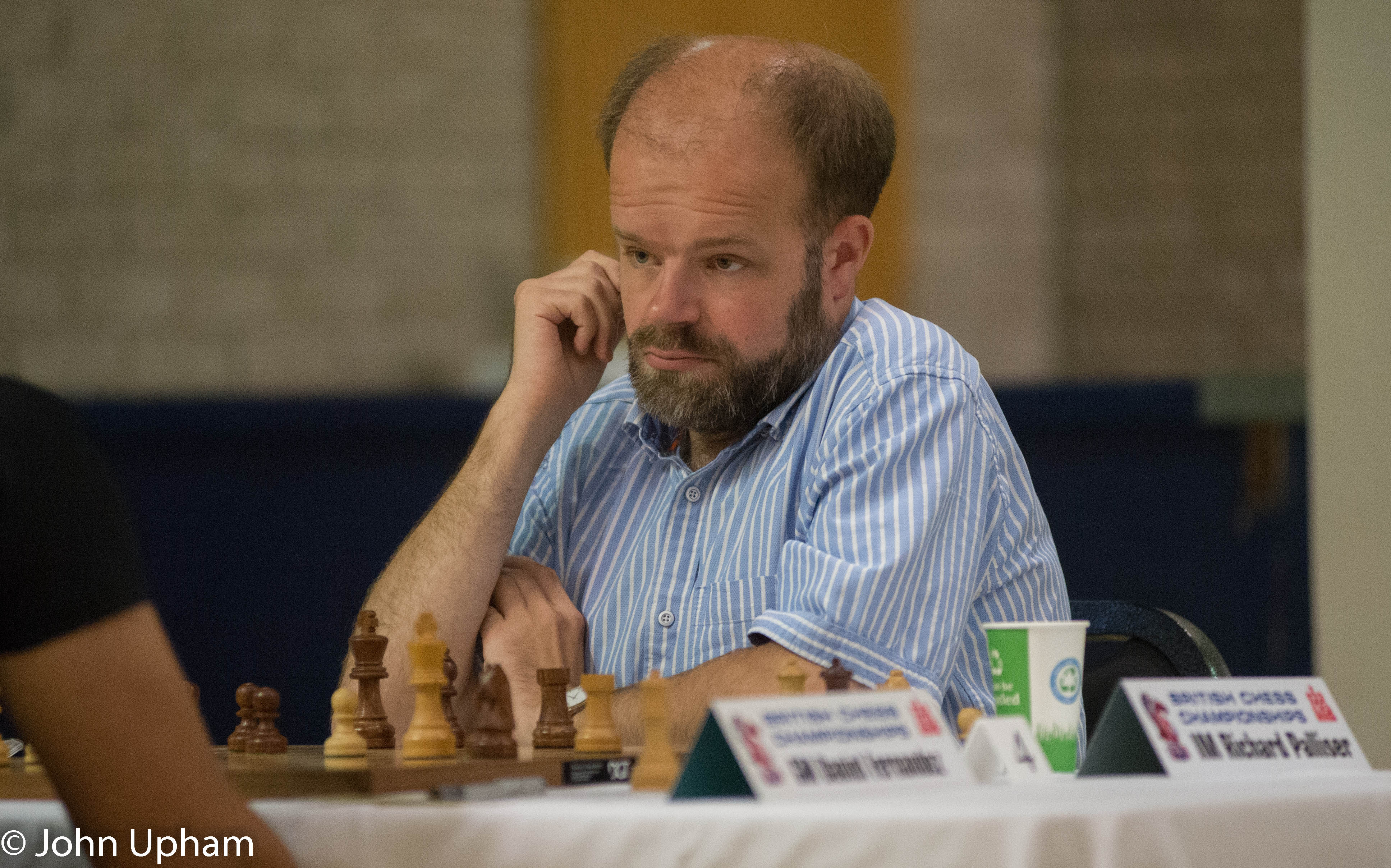
IM Richard Palliser
IM Richard Palliser

With the White pieces Richard plays 1.d4(!) and the Queen’ Gambit, Exchange Variation is the main weapon of choice.

As the second player Richard plays the Sicilian Najdorf and the King’s Indian Defence.
[pgn]
[Event “Guernsey op 21st”]
[Site “Guernsey”]
[Date “1995.10.16”]
[Round “2”]
[White “Palliser, Richard”]
[Black “Coathup, Roger”]
[Result “1-0”]
[ECO “E81”]
[Annotator “Palliser,Richard”]
[PlyCount “93”]
[EventDate “1995.10.15”]
[EventType “swiss”]
[EventRounds “7”]
[EventCountry “GCI”]
[SourceTitle “EXT 2005”]
[Source “ChessBase”]
[SourceDate “2004.11.15”]
[SourceVersion “1”]
[SourceVersionDate “2004.11.15”]
[SourceQuality “1”]

{[%evp 0,93,14,19,39,4,38,33,42,41,40,16,3,-16,-11,-7,23,-37,22,-56,8,9,16,16,
16,16,55,-2,-2,9,9,13,41,21,39,7,90,0,141,-90,-83,-52,78,85,85,103,224,202,202,
128,122,78,74,54,60,58,65,57,196,150,153,153,272,318,340,342,325,325,327,329,
456,481,481,270,399,425,433,428,1028,489,505,517,517,414,960,1064,1165,1272,
1378,1471,1471,1514,1533,1525,29961,29958]} 1. d4 Nf6 2. c4 g6 3. Nc3 Bg7 4. e4
d6 5. f3 {The sharp Samisch system.} O-O 6. Bg5 {This is more positional than
the main move} (6. Be3) 6… c5 7. d5 a6 8. a4 Qa5 9. Ra3 {White wants to play
Qd2 and if b5, axb5. However the a4 pawn would be pinned and so White moves
the rook.} e6 10. Qd2 exd5 11. cxd5 Re8 12. Be2 Qc7 13. Bh6 Nbd7 14. Bxg7 Kxg7
15. g4 {White now decides to go for a kingside attack.} h6 ({Possibly} 15… h5
{would have been a better defence.}) 16. h4 Ne5 17. Nh3 Rb8 18. h5 {White gets
on with attack, because b5 can no longer be prevented.} ({If} 18. a5 b5 19.
axb6 Rxb6 {Black will have counterplay down the c-file.}) 18… b5 19. Ra1 b4
20. Nd1 Nexg4 {Black decides to complicate the issue, unfortunately for him,
White can turn down the offer and still emerge with the better game.} 21. hxg6
fxg6 22. Nhf2 Nxf2 23. Qxh6+ Kf7 24. Nxf2 Qe7 25. Qf4 {This threatens 26.Rh7+,
Black decides to exchange before White brings more pieces into the attack.} Qe5
26. Qxe5 Rxe5 27. Kd2 a5 28. Bb5 g5 (28… Rg5 {was better, however White
still retains an edge}) 29. Rh8 g4 30. fxg4 Nxe4+ 31. Nxe4 Rxe4 32. Rf1+ Kg7
33. Rff8 {White is now winning.} Rd4+ 34. Ke3 Rxd5 35. Rhg8+ {This is a slight
innacuracy, because it drives the King towards the pawn. Black does however
return the error with 36…Re5.} Kh6 36. Rxc8 Re5+ 37. Kf4 Rxc8 38. Rxc8 Re1
39. g5+ Kg7 40. Rc7+ Kf8 41. g6 Rg1 42. Kf5 Rg2 43. Kf6 {White has lots of
ways to win, however because of time trouble, he does probably not choose the
quickest.} Rf2+ 44. Ke6 d5 45. g7+ Kg8 46. Kxd5 Rxb2 47. Kxc5 {Black never
really had enough counterplay and probably did not defend well enough on the
Kingside.} 1-0
[/pgn]

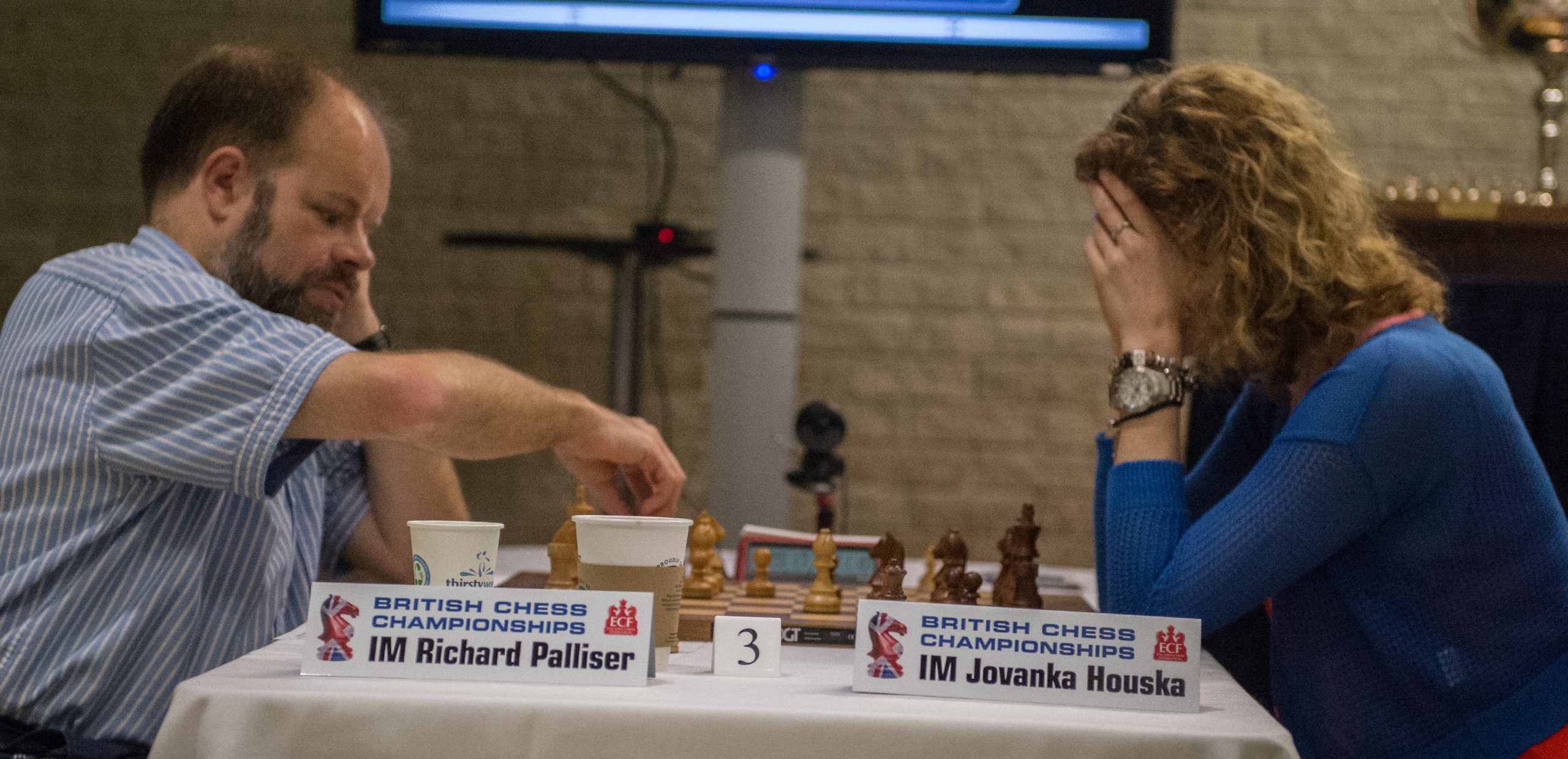
IM Richard Palliser and IM Jovanka Houska, British Championships, 2019

Richard is Editor of “CHESS” and has authored a number of publications :
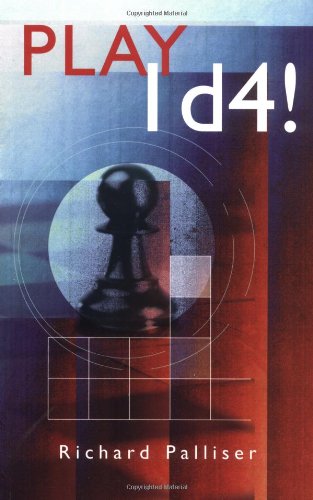
Play 1.d4 !, Batsford, 2003

Palliser, Richard (2005). Tango! A Dynamic Answer to 1 d4. Everyman Chess. ISBN 1-85744-388-8.
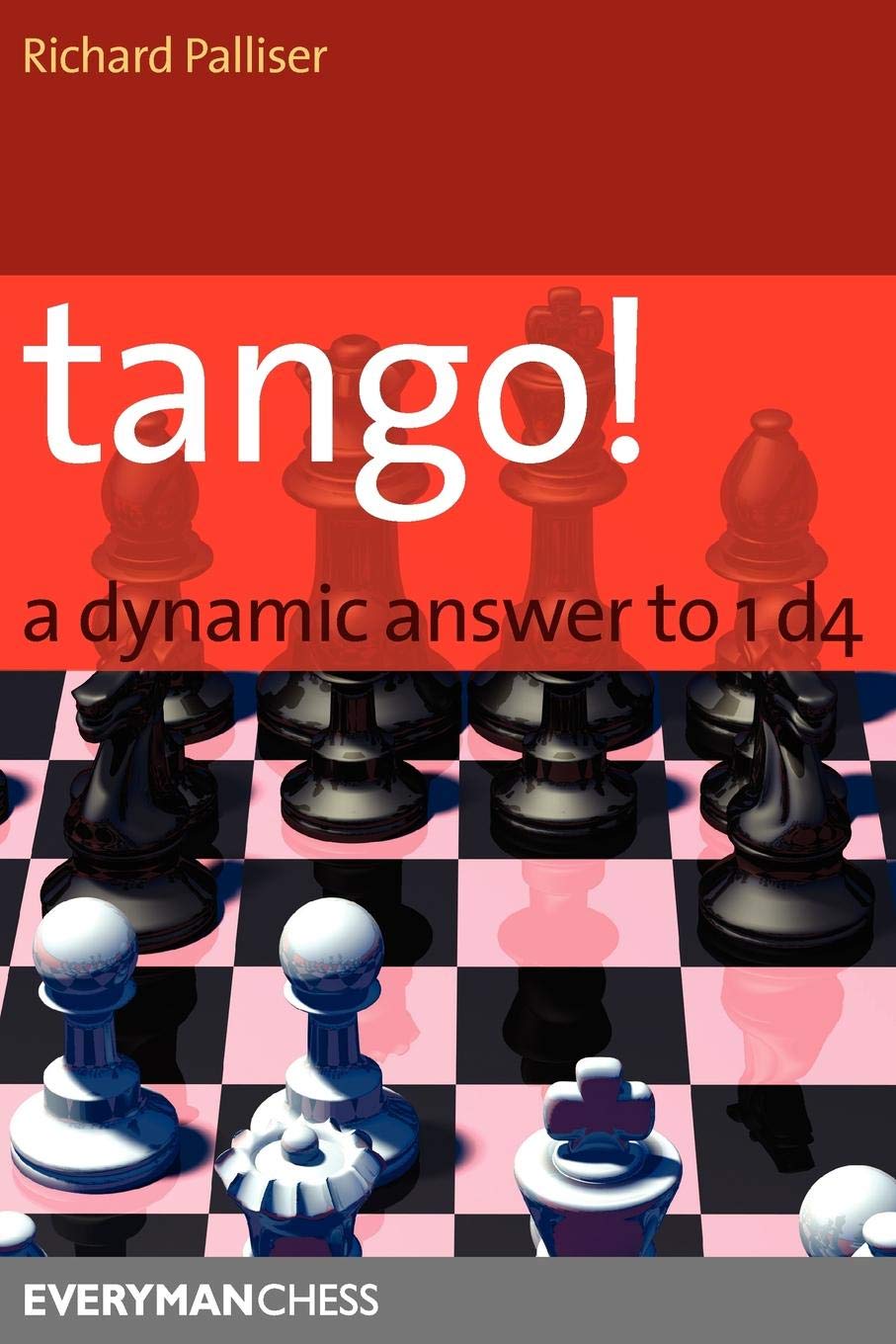
Tango! A Dynamic Answer to 1 d4

Palliser, Richard (2006). Beating Unusual Chess Openings. Everyman Chess. ISBN 1-85744-429-9.
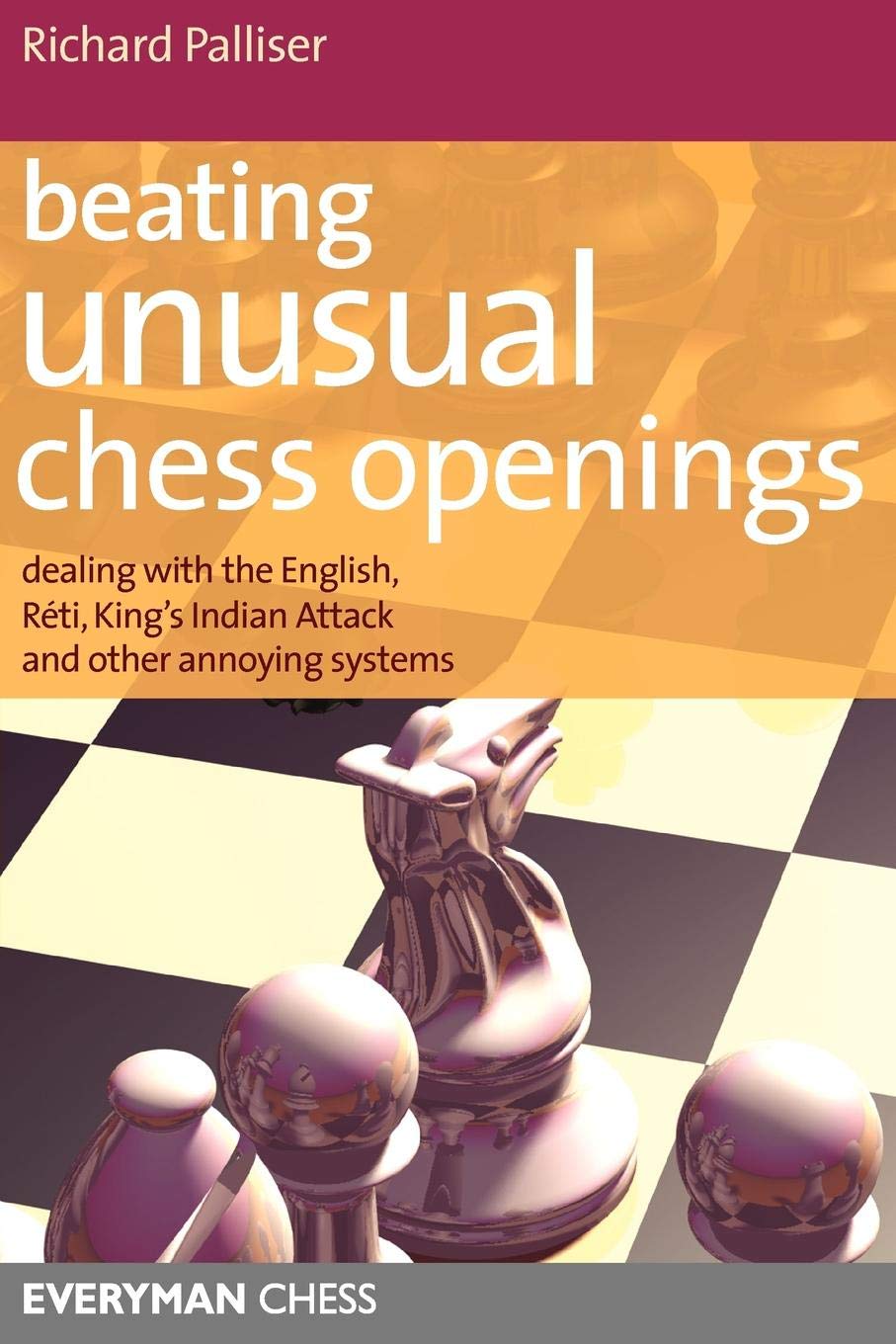
Beating Unusual Chess Openings

Palliser, Richard (2006). Starting Out: Closed Sicilian. Everyman Chess. ISBN 978-1-85744-414-8.
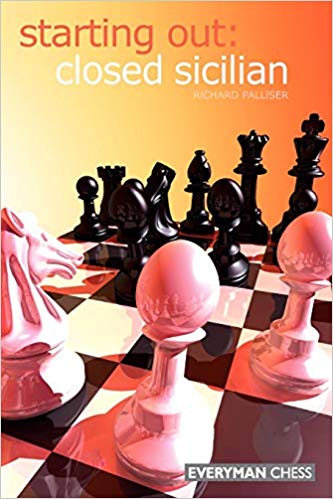
Starting Out: Closed Sicilian

Palliser, Richard (2007). Starting Out: Scilian Najdorf. Everyman Chess. ISBN 978-1-85744-601-2.
Starting Out: Scilian Najdorf

Palliser, Richard (2007). Starting out: the Colle. Everyman Chess. ISBN 978-1-85744-527-5.
Starting out: the Colle
The Complete Chess Workout, Everyman, 2007

Palliser, Richard; Kosten, Tony; Vigus, James (2008). Dangerous Weapons: Flank Openings. Everyman Chess. ISBN 978-1-85744-583-1.
Dangerous Weapons: Flank Openings

Palliser, Richard (2008). Starting out: d-pawn attacks. The Colle-Zukertort, Barry and 150 Attacks. Everyman Chess. ISBN 978-1-85744-578-7.
Starting out: d-pawn attacks

Palliser, Richard (2009). Starting Out: the Trompowsky Attack. Everyman Chess. ISBN 978-1-85744-562-6.
Starting Out: the Trompowsky Attack

Palliser, Richard; Williams, Simon; Vigus, James (2010). Dangerous Weapons: The Dutch. Everyman Chess. ISBN 978-1-85744-624-1.
Dangerous Weapons: The Dutch
Dangerous Weapons  : The Caro-Kann, Everyman, 2010
Dangerous Weapons : The Caro-Kann, Everyman, 2010
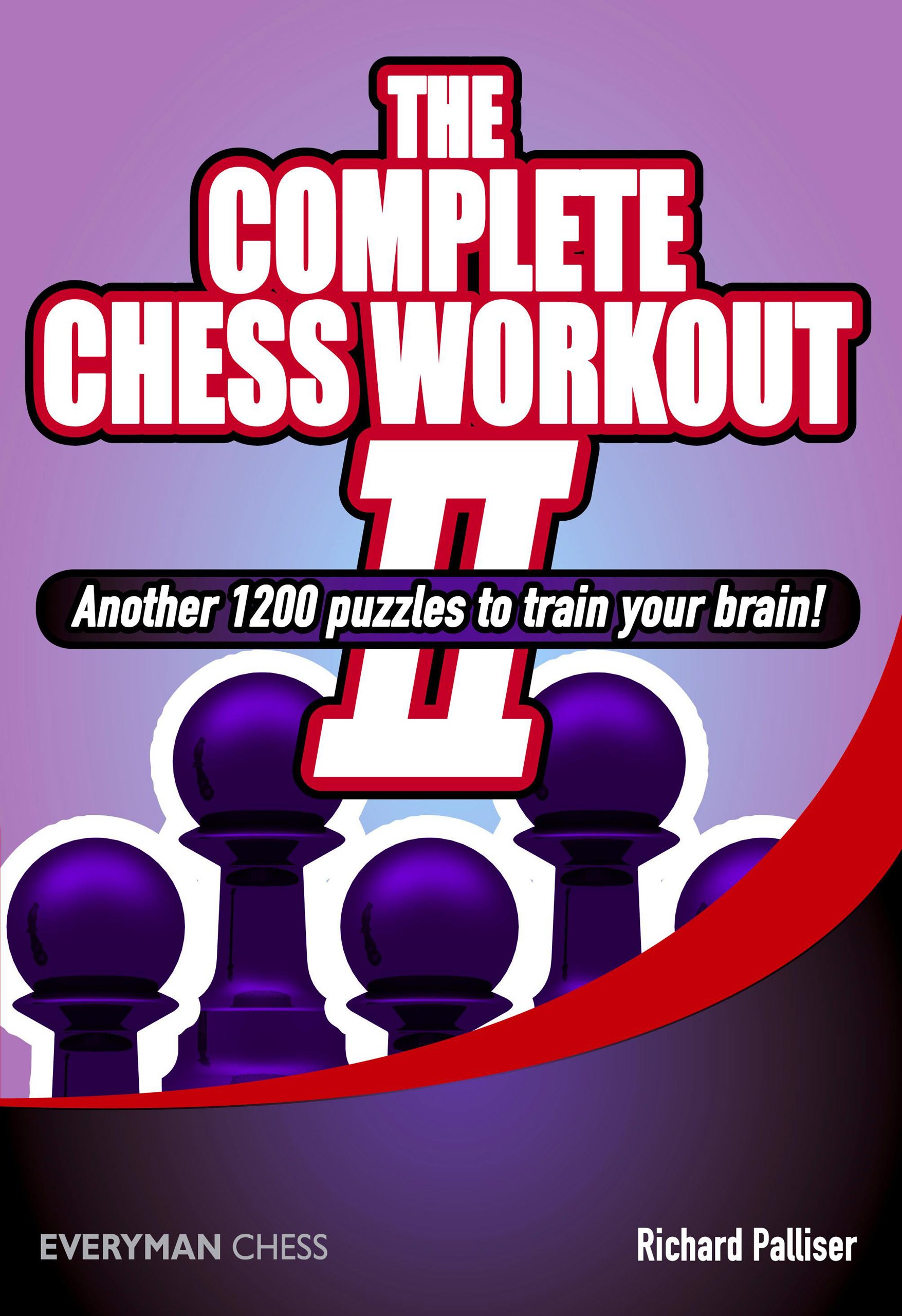
The Complete Chess Workout II, Everyman, 2012
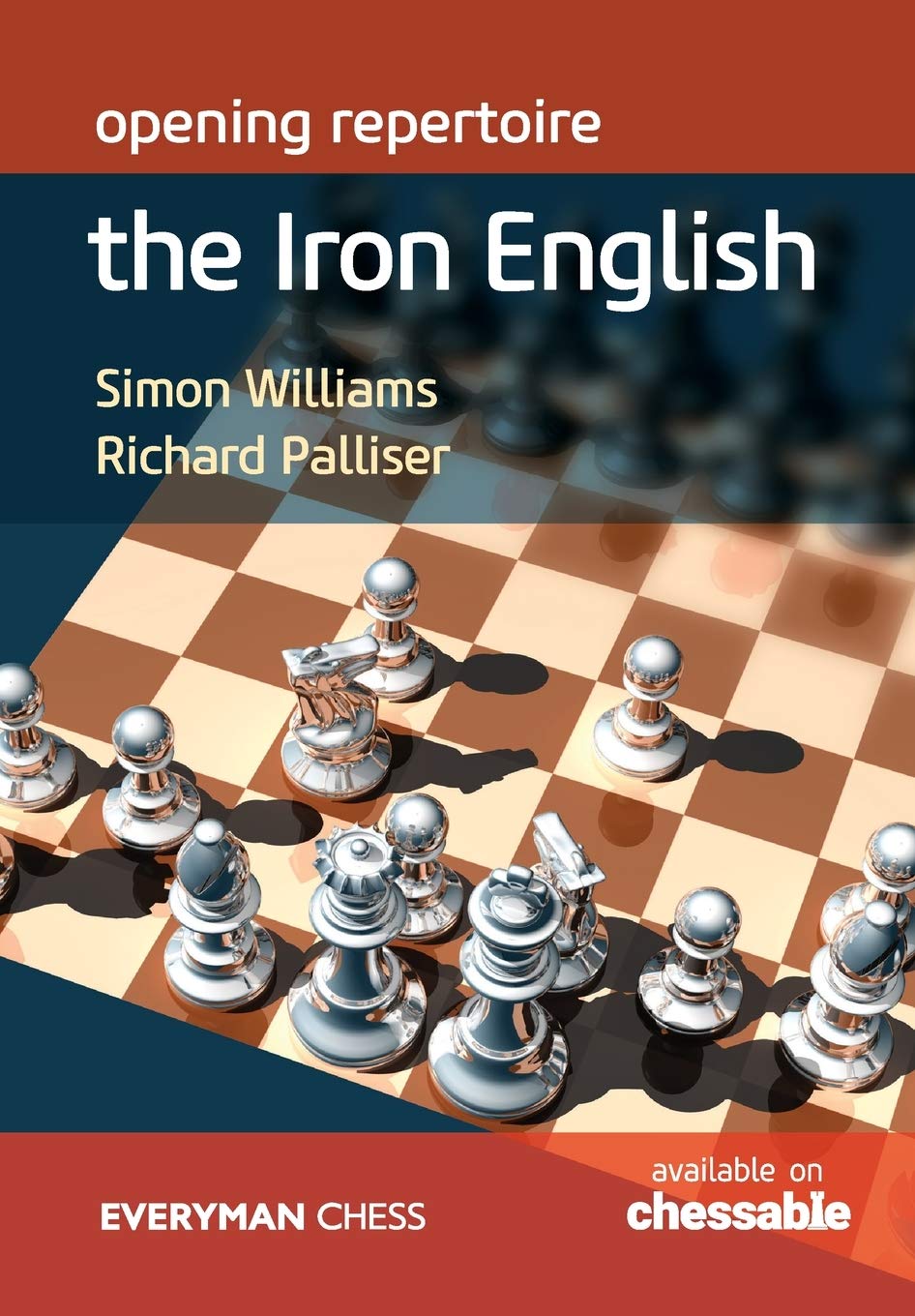
The Iron English, Richard Palliser & Simon Williams, Everyman Chess, 2020, ISBN-13 : 978-1781945803
IM Richard Palliser
IM Richard Palliser