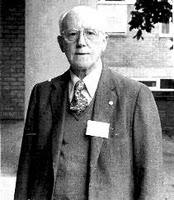
We remember Harold Lommer who passed away on December 17th, 1980.
Harold Maurice Lommer was born on Friday, November 18th 1904 in Islington, London to German parents. Curiously his birth entry was missing from the original record and has been inserted manually as an after-thought. Anyone know the reason for this?
He left England aged 4 in 1908 to live in Switzerland and returned to England in 1926.
In the 1939 Census Harold was a resident at 16a Gwendwr Road, Barons Court, Hammersmith, London.
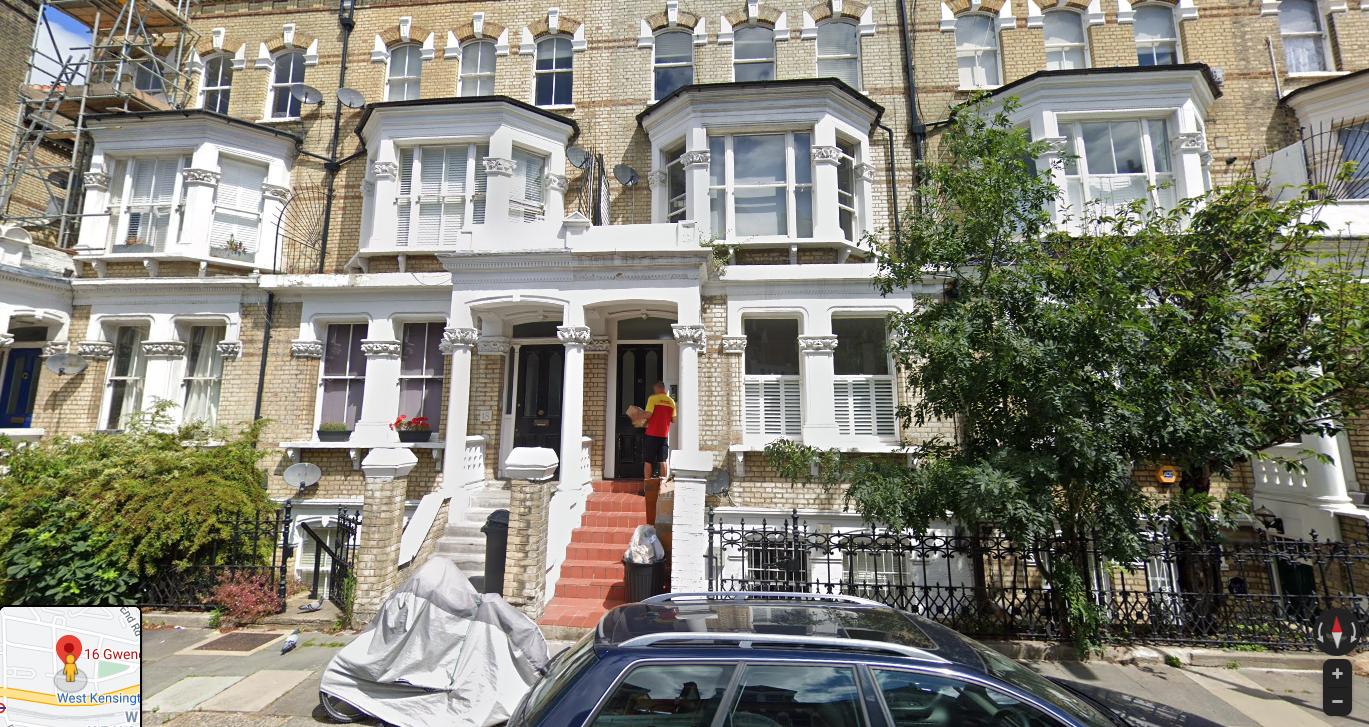
According to the census record HML was living in a household of three persons and his occupation was that of Foreign Correspondent.
In 1949 Harold married Valija S Linkuns in Fulham.
He died in Valencia, Provincia de València, Valenciana, Spain.

From The Oxford Companion to Chess by Hooper & Whyld :
“International Judge of Chess Compositions (1958), International Arbiter (1962), International Master for Chess Compositions (1974), the greatest British study composer. Born in Islington of German parentage, he moved to Switzerland when he was four and returned to England 18 years later.
Inspired in his youth by the Saavedra study, he became the leading specialist on promotion tasks, and in 1933 was the first to show allumwandlung in a study, which Rinck had declared was impossible. Lommer also showed in studies six consecutive promotions to rooks (1935) and a minimal with concurrent promotions to queen, bishop, and knight.
After the Second World War he became proprietor of a Soho club, where players and composers often met; in 1949 the club organized a small international tournament, won by Bernstein, Lommer retired in 1961 and went to live in Valencia, where he died.
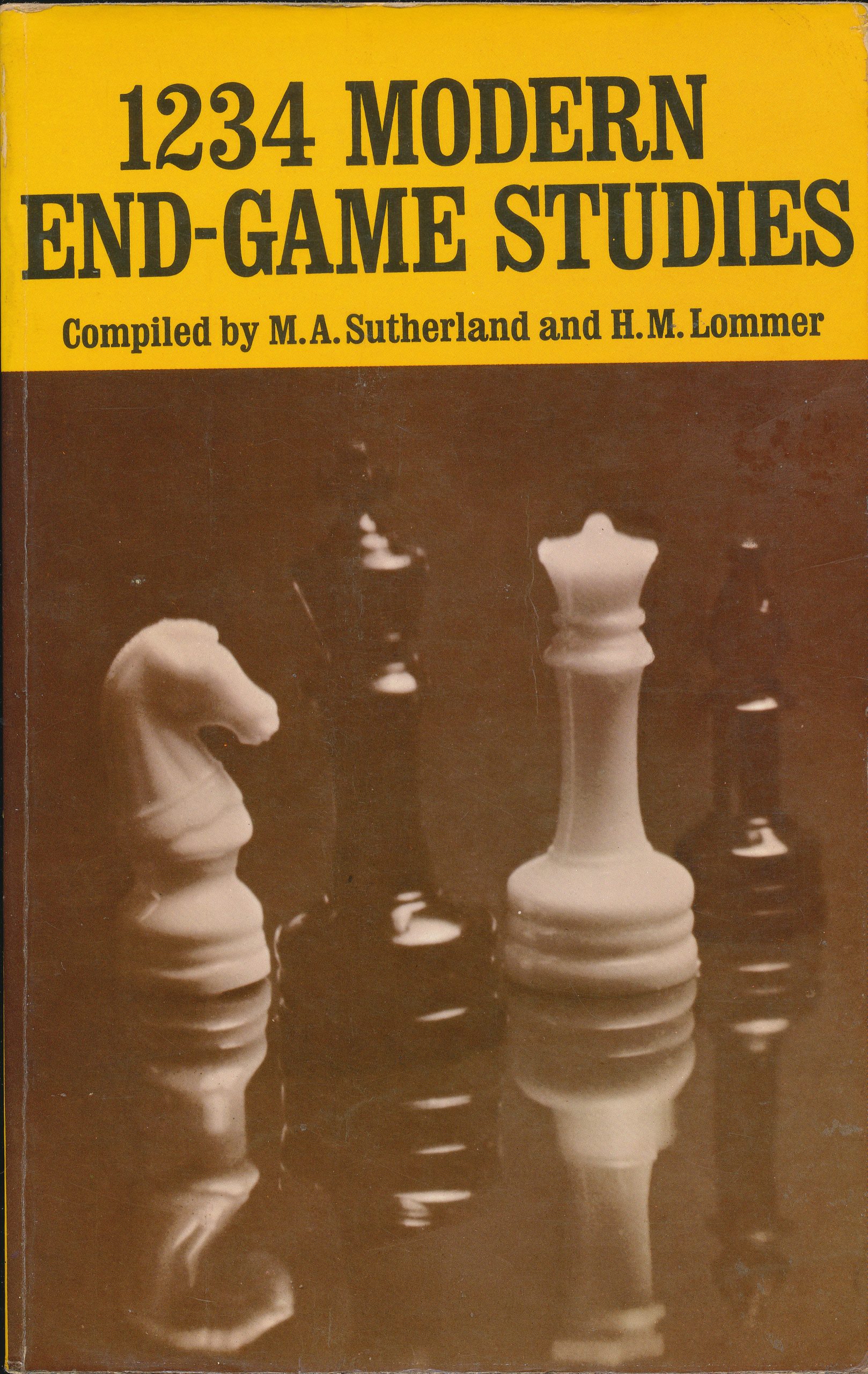
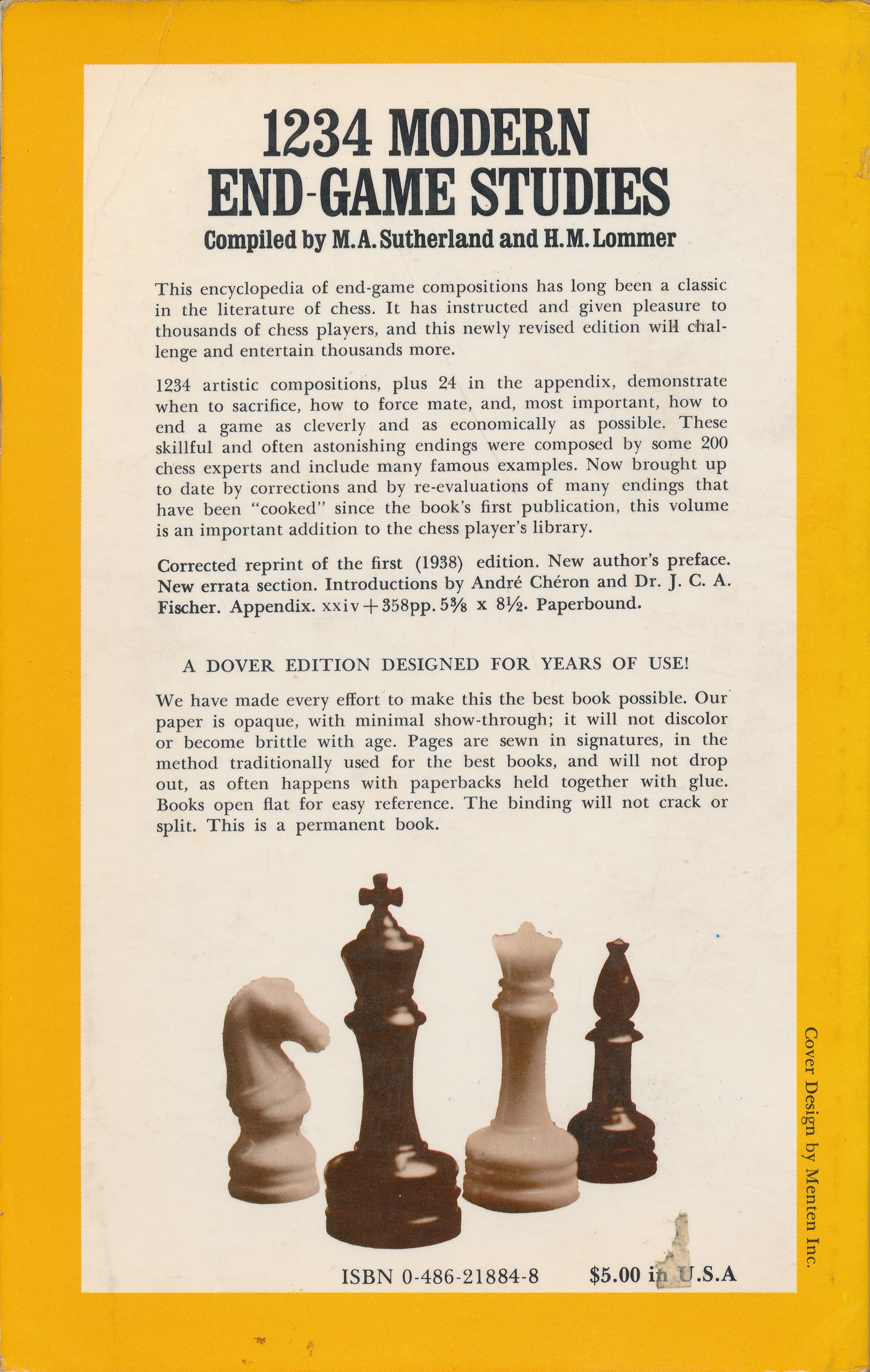
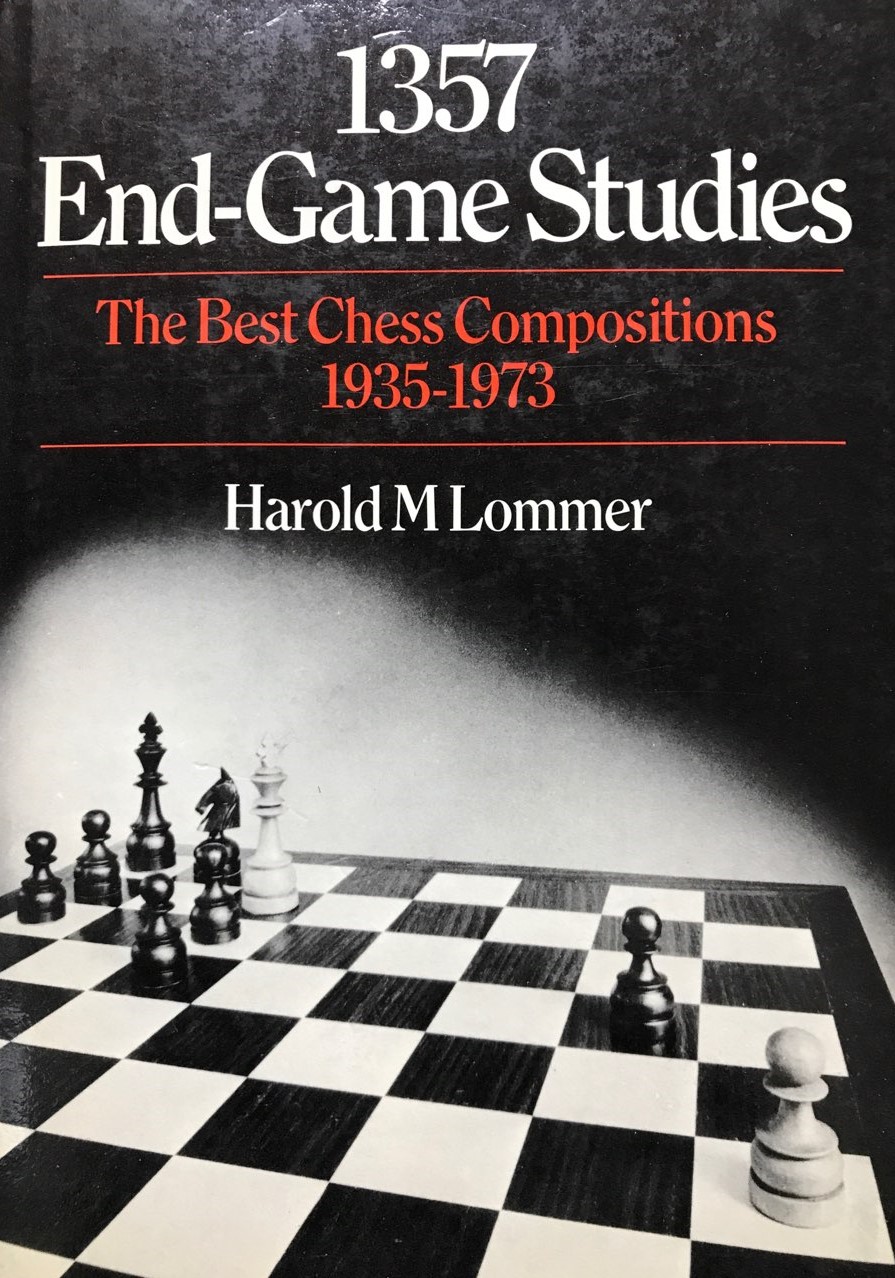
In 1939 Lommer and the English player Maurice A. Sutherland (d.1954), who backed the project, published 1,234 Modern End-game Studies. In 1975 Lommer compiled a sequel, 1,357 End-game Studies. These two collections, catholic in taste, made by a composer who was above all an artist, have become standard works. Besides his studies, the best of which are in these books, he composed fairy problems.”
From The Encyclopedia of Chess (Robert Hale 1970&1976), Anne Sunnucks :
“FIDE Judge of Endgame Studies since 1958. Born on 18th November 1904 in London, Harold Lommer’s parents were German and he was educated mainly in Switzerland. Since the late 1950s he has lived in Spain. He has composed about 1000 endgame studies and is joint author with MA Sutherland, of the anthology 1234 Modern End-Game Studies, published in 1938. He is particularly well-known for his under-promotion tasks, but would prefer to be known for his other work as well.
For some 10 years up to 1957, he was joint owner and manager of the Mandrake Club in Soho, London, used by many well-known chess players, journalists and theatre personalities.”
From British Chess Magazine, Volume CI (101, 1981), Number 3 (March), pp. 86-88 we have this obituary from CM Bent :
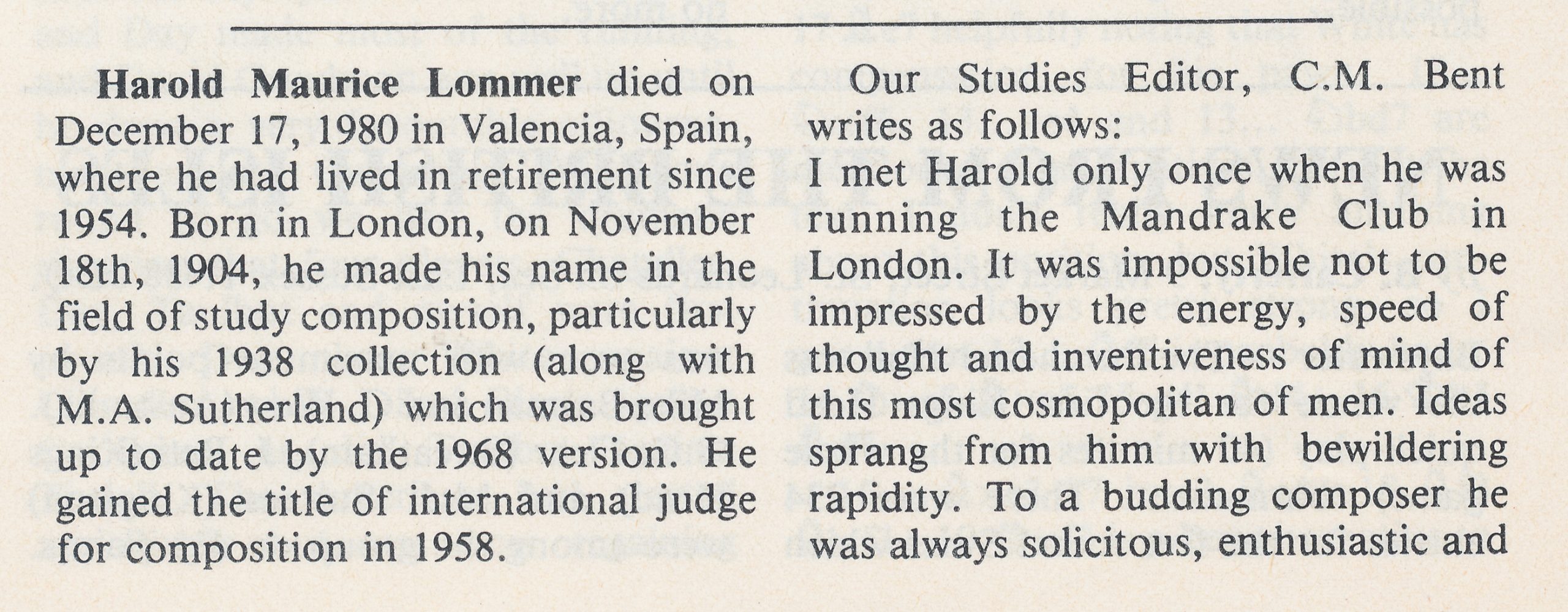
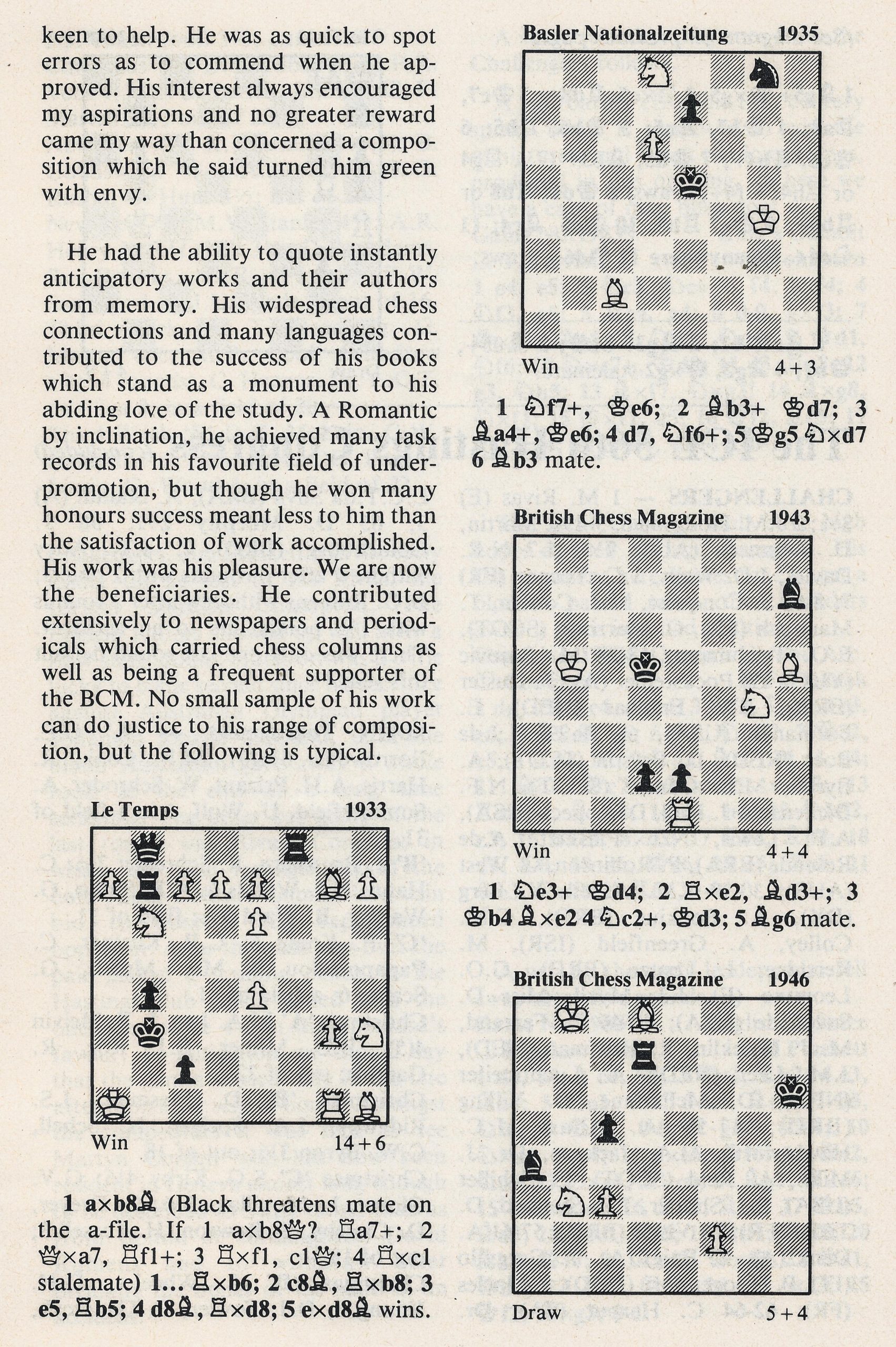
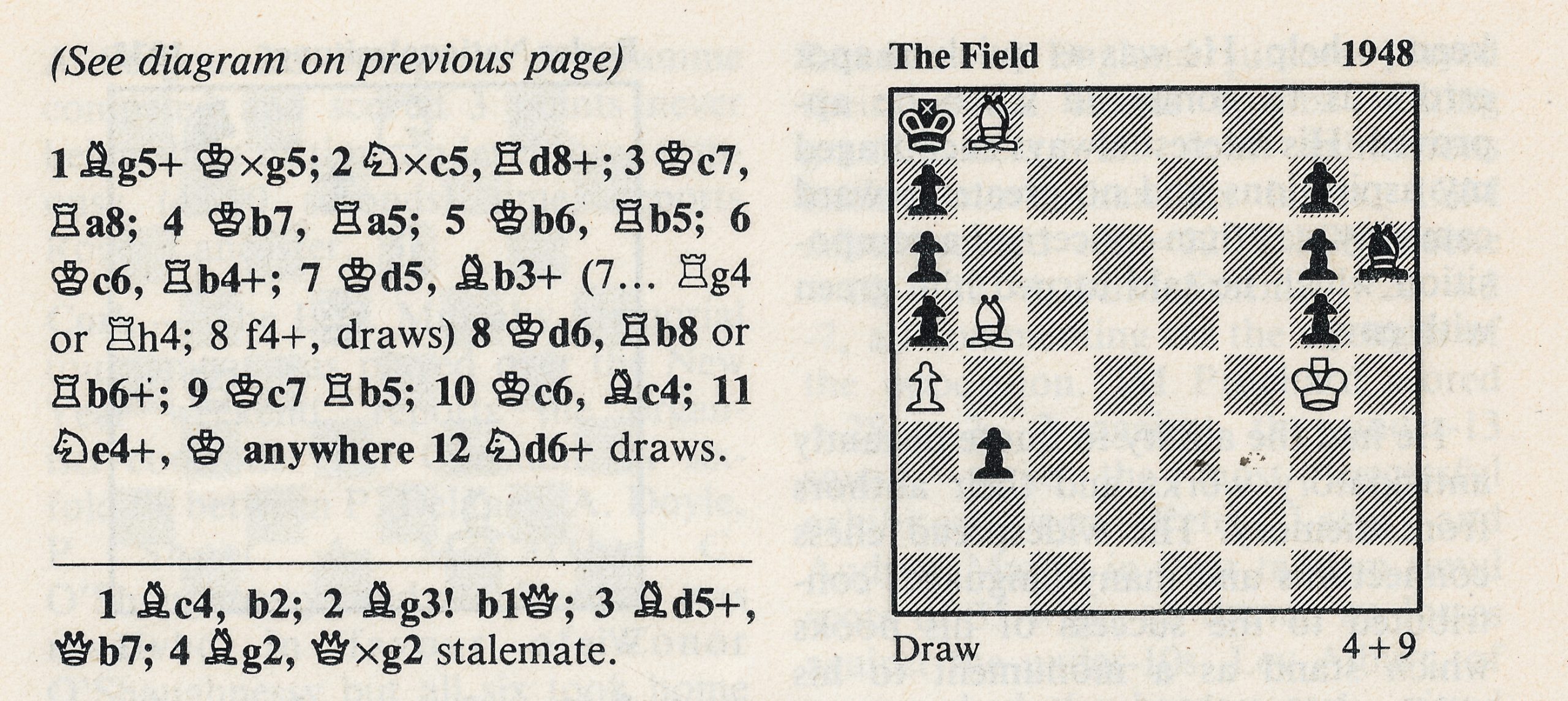
Harold Maurice Lommer (18-XI-1904, 17-XII-1980)