Last time we left George Edward Wainwright at the time of the 1921 census, when, approaching the age of 60, he’d recently retired from his senior post with the now defunct Local Government Board and moved to his wife’s home village of Box, not far from Bath.
Chess in London for him was now over: no more City of London Championships. But, as always, he’d wasted no time in joining his nearest chess club, in the City of Bath.
The first record we have for him there was the previous December where he defeated the celebrated problemist Comins Mansfield on top board in a match against Bristol & Clifton. (Bristol’s Board 10, intriguingly, was Agnes Augusta Talboys (née Snell), an artist famous for her paintings of Persian cats, sometimes playing chess.)
The 1921 British Championship Congress was held in Malvern, and it was here that George Edward Wainwright scored one of his best results, sharing third place with Reginald Pryce Michell, behind Fred Dewhirst Yates and Sir George Alan Thomas.
Here he is in play against Roland Henry Vaughan Scott.
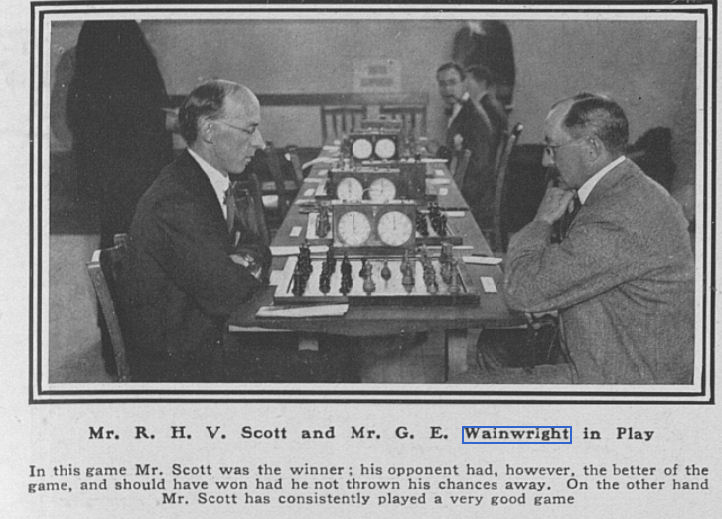
Stockfish 14 doesn’t agree that Wainwright should have won this game. Opening up the kingside left his own king the more exposed, and Scott found a rather unusual winning move.
Here’s the game. (Click on any move in any game in this article for a pop-up window.)
[pgn]
[Event “British CF-14 Championship”]
[Site “Malvern College/ Worcestershire”]
[Date “1921.08.15”]
[Round “7”]
[White “Wainwright, George Edward”]
[Black “Scott, Roland Henry Vaughan”]
[Result “0-1”]
[ECO “B13”]
[PlyCount “58”]
[EventDate “1921.08.08”]
[EventType “tourn”]
[EventRounds “11”]
[EventCountry “ENG”]
[SourceTitle “EXT 2017”]
[Source “ChessBase”]
[SourceDate “2016.10.25”]
[SourceVersion “1”]
[SourceVersionDate “2016.10.25”]
[SourceQuality “1”]
1. e4 c6 2. d4 d5 3. exd5 cxd5
4. Nf3 Nc6 5. c3 Nf6 6. Be2 $146 (6. Ne5 {keeps more tension.} Bf5 7. Bb5 Qc8
8. Qa4 a6 9. Bxc6+ bxc6 10. Nd2) ({Predecessor:} 6. Na3 e6 7. Nc2 Bd6 8. Bg5
Qc7 9. Bxf6 gxf6 10. Ne3 Bd7 11. Bd3 Be7 12. Qe2 Qf4 13. g3 Qd6 {1-0 (27)
Mahood,J-Hamond,F Cheltenham/ Gloucestershire 1913}) 6… Bf5 {B13: Caro-Kann:
Exchange Variation and Panov-Botvinnik Attack.} 7. Bf4 h6 8. Nbd2 g5 {White
has an edge.} 9. Bg3 Bg7 10. Qb3 Qc8 11. O-O O-O 12. Ne5 e6 13. f4 g4 14. Rae1
h5 15. Qd1 Qc7 (15… Ne4 {is interesting.} 16. Bf2 f6 17. Nxe4 Bxe4 18. Nd3 f5
) 16. h3 {[%cal Rh3g4]} gxh3 17. Bxh5 Nxh5 18. Qxh5 hxg2 19. Kxg2 {[#] Black
must now prevent Ndf3.} (19. Rf2 $5 {[%cal Rf2g2]}) 19… f6 {Dancing on a
razor blade.} 20. Nef3 Qf7 21. Qxf7+ Kxf7 ({Much worse is} 21… Rxf7 $6 22.
Nh4 $11) 22. Re3 Rh8 $36 {[%mdl 2048] Black is on the roll.} 23. Nh4 Bg4 24.
Ndf3 Ne7 25. Rfe1 Rh7 {Threatens to win with …Rg8.} 26. Nh2 Bf5 27. Nxf5 Nxf5
28. Rxe6 Rg8 {[#] …Bh6 is the strong threat.} 29. Ng4 {[%mdl 8192]} (29. Nf1
$17) 29… Bh8 {Source: BCM, Sept 1921, p327. Weighted Error Value: White=0.
66/Black=0.39} 0-1
[/pgn]
He had some luck in a couple of other games. Sir George Thomas, better known as a steady positional player, gave up material but misplayed the attack, erring on move 20.
[pgn]
[Event “British CF-14 Championship”]
[Site “Malvern College/ Worcestershi”]
[Date “1921.08.11”]
[Round “4”]
[White “Thomas, Sir George Alan”]
[Black “Wainwright, George Edward”]
[Result “0-1”]
[ECO “C84”]
[PlyCount “86”]
[EventDate “1921.08.08”]
[EventType “tourn”]
[EventRounds “11”]
[EventCountry “ENG”]
[SourceTitle “EXT 2017”]
[Source “ChessBase”]
[SourceDate “2016.10.25”]
[SourceVersion “1”]
[SourceVersionDate “2016.10.25”]
[SourceQuality “1”]
1. e4 e5 2. Nf3 Nc6 3. Bb5
a6 4. Ba4 Nf6 5. O-O Be7 6. Nc3 d6 7. d3 (7. Bxc6+ $5 bxc6 8. d4 $11) 7… O-O
{C84: Closed Ruy Lopez: Unusual White 6th moves.} (7… b5 $5 {[%cal Rb5a4]} 8.
Bb3 Na5 $11) (7… b5 8. Bb3 Bg4 9. Ne2 Bxf3 10. gxf3 Qd7 11. Kg2 Nh5 12. Bd5
Rd8 13. f4 exf4 14. Nxf4 Nxf4+ 15. Bxf4 Nd4 16. c3 Ne6 17. Bg3 c6 18. Bb3 O-O {
1/2-1/2 (44) Thomas,G-Wainwright,G Edinburgh 1920}) 8. h3 (8. Bxc6 $5 bxc6 9.
b3 $11) 8… Nd7 (8… b5 $5 {[%cal Rb5a4]} 9. Bb3 Na5 $11) 9. Be3 f5 {The
position is equal.} (9… b5 $5 {[%cal Rb5a4]} 10. Bb3 Na5 $11) 10. exf5 Rxf5
11. Bb3+ Kh8 12. Ne4 Qe8 $146 ({Predecessor:} 12… Nc5 13. Bxc5 dxc5 14. Ng3
Rf8 15. Re1 Bd6 16. Re4 Bd7 17. c3 Qf6 18. Nh5 Qh6 {1-0 (52) Fox,A-Barry,J
Cambridge Springs 1904}) 13. Nfg5 (13. Be6 $6 Rf8 $11) 13… Nd8 14. f4 (14.
Qd2 {keeps more tension.} a5 15. a4 Qg6 16. g4 Rf8 17. f4) 14… exf4 15. Bxf4
{Threatens to win with Qd2.} Bxg5 $2 (15… h6 $11 {and Black is okay.} 16. Ne6
Nxe6 17. Bxe6 Rf8) 16. Nxg5 $2 (16. Bxg5 $18 Ne5 17. d4) 16… Rxf4 {[%mdl
8192]} 17. Rxf4 $18 Qe3+ 18. Rf2 $1 {[%cal Od1e1,Bf4f2,Bf2e2,Be2e4][%mdl 32]
And now Qe1! would win.} Qxg5 19. Qe2 {White threatens Qe8+ and mate.} Qe5 {
Inhibits Qe8+.} 20. Qf3 $4 {[%mdl 8192]} (20. Re1 $18 {and all is fine.}) 20…
Nf6 $19 {Hoping for …Be6.} 21. Re2 Qd4+ 22. Kh1 {[%cal Oe2e8]} Bd7 {Prevents
Re8+.} 23. c3 Qh4 24. Re4 Qh6 {Strongly threatening …Bc6.} 25. Rae1 {[%cal
Oe4e8] White wants to mate with Re8+!} Nc6 (25… Bc6 $2 26. Re8+ $3 {[%mdl
512]} Bxe8 27. Rxe8+ $1 {[%mdl 512]} Nxe8 28. Qf8#) 26. R4e2 Rf8 (26… Bg4 {
gets mated.} 27. Re8+ $3 {[%mdl 512]}) 27. d4 Na5 ({But not} 27… Bg4 {[#]}
28. Re8 $3 {[%mdl 512]} g5 29. Rxf8+ Qxf8 30. Re8 $3 {[%mdl 512]} Bxf3 31.
Rxf8+ Kg7 32. Rf7+ Kg6 33. gxf3 $18) 28. Be6 Bxe6 29. Rxe6 {[%cal Oe6e8]} Nc6
30. b4 $2 (30. Re8 $17 g5 31. Rxf8+ Qxf8 32. Qf2) 30… Kg8 31. a4 Qh4 {
[%cal Oc6e5] aiming for …Ne5!} 32. b5 $2 (32. Rf1 {is more resistant.}) 32…
axb5 33. axb5 {[#]} Ne5 {[%cal Bc6e5,Be5g6,Bg6f4][%mdl 544]} 34. Qe2 (34. R1xe5
dxe5) 34… Ng6 35. Qc4 {Black must now prevent Rxf6+.} d5 ({Not} 35… Rf7 $2
36. Qb3 $19) 36. Qxc7 Ne4 37. Re3 Qf2 {( -> …Qf1+)} 38. R3xe4 (38. R6xe4 $142
dxe4 39. Qc4+ Qf7 40. Qxf7+ Kxf7 41. Rxe4) 38… dxe4 39. Rxe4 Nf4 40. Rxf4
Qxf4 41. Qxb7 Qg3 {[%cal Rf8f1]} 42. Qd5+ Kh8 {[%cal Rf8f1]} 43. Qc4 {Against
Rf1+} Re8 {Sources: Times Literary Supplement, 1 Sept 1921; Birmingham Post,
12 Aug 1921. What a bad dream for White. Weighted Error Value: White=1.10/
Black=0.73} 0-1
[/pgn]
Michell played a Maroczy Bind against Wainwright’s Sicilian Dragon, gained an overwhelming positional advantage but lost the thread, and, with the draw in hand, allowed transposition into a lost pawn ending.
[pgn]
[Event “British CF-14 Championship”]
[Site “Malvern College/ Worcestershi”]
[Date “1921.08.16”]
[Round “8”]
[White “Michell, Reginald Pryce”]
[Black “Wainwright, George Edward”]
[Result “0-1”]
[ECO “B38”]
[PlyCount “86”]
[EventDate “1921.08.08”]
[EventType “tourn”]
[EventRounds “11”]
[EventCountry “ENG”]
[SourceTitle “EXT 2017”]
[Source “ChessBase”]
[SourceDate “2016.10.25”]
[SourceVersion “1”]
[SourceVersionDate “2016.10.25”]
[SourceQuality “1”]
1. e4 c5 2. Nf3 Nc6 3. d4 cxd4 4. Nxd4 g6 5. c4
Bg7 6. Be3 Nf6 7. Nc3 d6 8. Be2 Bd7 9. O-O O-O 10. f3 a6 11. Qd2 Nxd4 12. Bxd4
Bc6 $146 ({Predecessor:} 12… Ne8 13. Be3 Nc7 14. Rad1 Bc6 15. Nd5 Nxd5 16.
exd5 Bd7 17. b4 a5 18. a3 axb4 19. axb4 b6 20. Bd3 {1-0 (44) Balla,Z-Saburov,P
Ostend 1906}) 13. b4 {B38: Sicilian: Maroczy Bind with 5…Bg7 and 7…0-0.}
Ne8 14. a4 {[%cal Ba2a4,Ba4a5][%mdl 32]} Nc7 $2 (14… Bxd4+ $16 {keeps
fighting.} 15. Qxd4 Ng7) 15. Bxg7 $18 {White has a decisive advantage.} Kxg7
16. a5 Bd7 17. Rfd1 Be6 18. e5 dxe5 19. Qe3 {[%csl LRd8,LRe5]} Qc8 (19… Qb8
20. Qxe5+ Kg8) 20. Qxe5+ f6 21. Qc5 {Strongly threatening Na4.} Kf7 22. Na4 {
[%cal Bc3a4,Ba4b6,Bb6d5][%mdl 32]} Ne8 23. Rab1 Rb8 24. Nb6 Qxc5+ 25. bxc5 Nc7
26. Nd5 Rfc8 27. Nb6 Rd8 28. Rxd8 Rxd8 29. Rb2 {Against Rd2} Ke8 (29… Bc8 $5)
30. Kf2 Bc8 31. Nxc8 Rxc8 32. Rxb7 $11 {[%mdl 4096] Endgame aiming for Rb6.
KRB-KRN} Ne6 33. Rb6 {[%csl LRa6,LRe6]} Nxc5 34. f4 {With the idea Ke3.} Kd7
35. Ke3 Rc6 {And now …Rxb6 would win.} 36. Bf3 $2 {[#]} (36. Rb8 $11 {
and White is okay.}) 36… Rd6 $2 (36… Rxb6 $1 $19 37. axb6 Kd6) 37. Be4 $2 {
[%mdl 8192]} (37. Rxd6+ $11 Kxd6 38. g3) 37… Rxb6 $19 {Black is clearly
winning.} 38. axb6 Nxe4 39. Kxe4 {KP-KP} Kc6 40. c5 a5 {[%cal Ba6a5,Ba5a4]
[%mdl 32]} 41. g4 a4 {Hoping for …a3.} 42. Kd3 {[#]} e5 $1 {[%cal Be7e5,
Be5e4][%mdl 32]} ({Not} 42… a3 43. Kc3 e6 44. Kb3 $11) 43. g5 e4+ $1 {
Source: Yorkshire Post, 18 Aug 1921. Contributed by Gerard Killoran. Weighted
Error Value: White=0.85/Black=0.28 (precise)} 0-1
[/pgn]
There was no competition for the British Championship in 1922: the congress itself, in London, featured an international tournament (1st Capablanca, 2nd Alekhine) as its top section. Wainwright didn’t take part but may well have visited as a spectator.
He was back again at Southsea in 1923, where he scored a creditable 6/11 (no draws: remarkably there were only eight drawn games out of 66), finishing in 5th place. Sir George Thomas took the title for the first time, with Yates just behind in second place. Sir George also won the Men’s Singles in the All England Open Badminton Championship in the same year, a feat which will surely never be repeated.
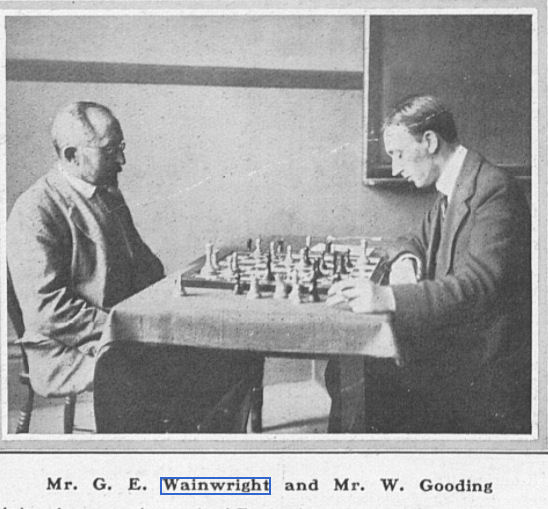
Wainwright was snapped again by The Sphere, this time in a game he won against tournament tail-ender William Gooding. Unfortunately, the moves of this game are unavailable.
Against the Scottish solicitor William Gibson, he built up a slow kingside attack, concluding with a queen sacrifice.
[pgn]
[Event “British CF-16 Championship”]
[Site “Portsmouth (Southsea)”]
[Date “1923.08.14”]
[Round “2”]
[White “Wainwright, George Edward Sr”]
[Black “Gibson, William”]
[Result “1-0”]
[ECO “C83”]
[PlyCount “95”]
[EventDate “1923.08.13”]
[EventType “tourn”]
[EventRounds “11”]
[EventCountry “ENG”]
[SourceTitle “EXT 2017”]
[Source “ChessBase”]
[SourceDate “2016.10.25”]
[SourceVersion “1”]
[SourceVersionDate “2016.10.25”]
[SourceQuality “1”]
1. e4 {Algemeen Handelsblad} e5 2. Nf3 Nc6 3. Bb5 a6 4. Ba4 Nf6 5. O-O
Nxe4 6. d4 b5 7. Bb3 d5 8. dxe5 Be6 9. c3 Be7 10. Re1 O-O 11. Be3 {C83: Open
Ruy Lopez: 9 c3 Be7.} Qd7 $146 ({Predecessor:} 11… Na5 12. Bc2 c5 13. Nbd2
Nxd2 14. Qxd2 Nc4 15. Qc1 Qc7 16. Bf4 Rfd8 17. b3 Nb6 18. Qe3 d4 19. cxd4 {
0-1 (50) Krueger,P-Van Trotsenburg,B Nijmegen 1914 EXT 2016 [Algemeen
Handelsblad]}) 12. Nbd2 Nc5 {[#] And now …Nd3 would win.} 13. Bc2 {Prevents
Nd3. White is better.} Rad8 14. Bxc5 Bxc5 15. Nb3 Be7 16. a4 $40 {[%mdl 128]
White has some attack.} ({Don’t take} 16. Qd3 $6 g6 $14) 16… b4 17. Qd3 {
[%csl Gc2,LRa6,LRh7][%cal Rd3h7]} g6 18. Qxa6 Ra8 19. Qd3 {White is more
active.} Rfb8 20. Nfd4 {Pair of Knights!} Nd8 21. Nxe6 Nxe6 22. c4 d4 23. Rad1
{aiming for a5.} c5 24. Nc1 $2 (24. a5 $18 {and the rest is easy.}) 24… Bf8
$2 (24… b3 $16 25. Bxb3 Bg5) 25. b3 $18 Bg7 (25… Bh6 {was called for.} 26.
Qe4 Bxc1) 26. Qg3 Re8 27. Be4 Ra6 28. Nd3 Qe7 29. f4 Nf8 30. Bd5 Kh8 31. Rd2 {
[%cal Bd1d2,Bd2e2,Be2h2][%mdl 32]} Nd7 32. Rde2 Nf8 {[%cal Bd7f8,Bf8e6,Be6g7,
Bg7f5,Bf5e3][%mdl 32]} 33. h4 Bh6 34. Qg4 Ne6 35. g3 {[%cal Bg2g3,Bg3g4,Bg4g5]
[%mdl 32]} Rg8 36. Rh2 Ng7 37. Kf2 Nf5 38. Qf3 Ne3 39. g4 Bf8 40. g5 Qd7 41.
Rg1 {Inhibits Ng4+.} Rg7 42. h5 Qc7 43. Bb7 Rb6 44. Be4 Qd7 45. Qh3 Qd8 46.
Rgh1 gxh5 47. Qxh5 h6 {[#]} 48. Qxh6+ $1 {[%mdl 512] Sources: Manchester
Guardian, 16 Aug 1923; BCM, Oct 1923, p385. Weighted Error Value: White=0.36/
Black=0.80} 1-0
[/pgn]
Wainwright also sacrificed his queen against the Australian Civil Servant Charles Gilbert Steele. (Steele would meet a premature death the following year, falling off a railway station platform in front of an oncoming train.) Despite Stockfish’s double exclamation mark for artistic merit it only turned a winning position (34… Kf8!) into a level position, but he was later able to force resignation by sacrificing one of his rooks.
[pgn]
[Event “British CF-16 Championship”]
[Site “Portsmouth (Southsea)”]
[Date “1923.08.13”]
[Round “1”]
[White “Steele, Charles Gilbert”]
[Black “Wainwright, George Edward”]
[Result “0-1”]
[ECO “A00”]
[PlyCount “112”]
[EventDate “1923.08.13”]
[EventType “tourn”]
[EventRounds “11”]
[EventCountry “ENG”]
[SourceTitle “EXT 2017”]
[Source “ChessBase”]
[SourceDate “2016.10.25”]
[SourceVersion “1”]
[SourceVersionDate “2016.10.25”]
[SourceQuality “1”]
1. Nc3 e5 2. d4 exd4 3. Qxd4 Nc6 $146 ({Predecessor:} 3…
Nf6 4. e4 Nc6 5. Qa4 Bc5 6. Nf3 O-O 7. Bg5 d6 8. O-O-O Bd7 9. Qc4 Re8 10. Nd5
Ne5 11. Nxe5 Rxe5 12. f4 Be6 13. fxe5 Bxd5 14. exd5 h6 15. Bxf6 gxf6 16. e6
fxe6 17. dxe6 {1-0 (17) Dodds,G-Moore,S Auckland 1914}) 4. Qa4 Nf6 5. Bg5 Be7
6. e4 {A00: Irregular Openings.} h6 7. Bh4 d6 8. O-O-O {[%cal Oe4e5] Black has
an edge.} Bd7 9. Be2 O-O 10. f4 a6 11. Bxf6 Bxf6 12. Nd5 Re8 13. Bd3 b5 $36 {
[%mdl 2048] White is under strong pressure.} 14. Qa3 Be6 15. Nxf6+ Qxf6 (15…
gxf6 16. Qc3 Bd7 17. Nf3 $14) 16. g3 Bg4 17. Re1 Nd4 {Threatens to win with …
a5. Black is much more active.} 18. h3 Bd7 {[%cal Bg4d7,Bd7c6,Bc6d5][%mdl 32] .
..c5 is the strong threat.} 19. c3 $2 {[#]} (19. Ne2) 19… Ne6 $2 (19… Nf5
$1 {[%mdl 512]} 20. Ne2 (20. Nf3 Nxg3) 20… Nxg3 $1 {[%mdl 512]} 21. Nxg3
Qxf4+ 22. Kb1 Qxg3) 20. Nf3 $19 Nc5 21. Bc2 Bc6 22. e5 {[#]} dxe5 23. fxe5 (23.
Qxc5 Bxf3) 23… Qe7 ({Stronger than} 23… Qxf3 24. Qxc5 Rad8 25. Rhf1 $11)
24. Rhf1 a5 $2 (24… Bd5 $19 {and Black stays clearly on top. And now …a5
would win.} 25. Kb1 Nd7) 25. Kb1 $2 (25. e6 $17 Nxe6 26. Qxe7 Rxe7 27. Nd4)
25… Bd5 {[%cal Ob5b4] aiming for …b4!} 26. b3 a4 27. b4 Nb3 28. Be4 $2 ({
Avoid the trap} 28. axb3 $2 axb3 29. Qc1 bxc2+ 30. Qxc2 Ra2 $19) (28. Rd1 Bxf3
29. Rxf3) 28… Bxe4+ 29. Rxe4 {[#]} Na5 (29… Qd8 $142 $1 {Hoping for …
Qd3+.} 30. Kc2 {[#]} (30. Ree1 Qd3+) 30… Qd5 $1) 30. Rg4 $2 {[#]} (30. e6 Nc4
31. Qc1) 30… Qd7 $1 31. Nd4 Nc4 32. Qc1 Nxe5 33. Rxg7+ Kxg7 34. Nf5+ {[#]}
Qxf5+ $3 {[%mdl 512]} 35. Rxf5 $11 {Black must now prevent Qf4.} Nd3 {Against
Qf4} 36. Qd2 Rad8 {Strongly threatening …Re1+.} 37. Rf1 {[%cal Oc3c4]
Inhibits Re1+.} ({But not} 37. Rxb5 Re1+ 38. Kc2 Rh1 $17) 37… Rd6 (37… Ne1
$5 {[%cal Rd8d2]} 38. Qc1 Ng2 $11) 38. c4 bxc4 39. Qc3+ Ne5 40. Re1 f6 (40…
Rd3 $5 {[%cal Rd3c3]} 41. Qc2 a3 $11) 41. Qc2 (41. Qa3 $5 {[%cal Ra3a4]}) 41…
a3 42. Qa4 {[%csl LRa3,LRe8]} Rb8 43. Qxa3 Rdb6 (43… Nc6 $5 {[%cal Rc6b4]})
44. Kc2 Rxb4 45. Kc3 {[%cal Oe1e5]} c5 46. Qa7+ Kg6 47. Rxe5 fxe5 48. Qxc5 $14
{[%mdl 4096] Endgame KQ-KRR} Kf5 49. Qf2+ {[%mdl 1024] White has compensation.}
Ke6 50. g4 R8b6 51. Qf5+ Kd5 52. h4 Rb1 (52… Rb7 $2 53. Qf3+ Kd6 54. Qf6+ Kd5
55. Qf3+ Kd6 56. Qf8+ Kd5 57. Qf3+ $16) 53. Qf3+ Ke6 {The board is on fire.}
54. Qf5+ Kd5 55. Qf3+ Ke6 56. g5 $2 {[%mdl 8192] [#]} (56. Qa8 $11) 56… R6b3+
$3 {[%mdl 512] Source: BCM, Jan 1924, p25. Weighted Error Value: White=0.74/
Black=0.54} 0-1
[/pgn]
This time round he beat Roland Scott in a fluctuating game, essaying the English Opening, which was just starting to become popular.
[pgn]
[Event “British CF-16 Championship”]
[Site “Portsmouth (Southsea)”]
[Date “1923.08.18”]
[Round “6”]
[White “Wainwright, George Edward Sr”]
[Black “Scott, Roland Henry”]
[Result “1-0”]
[ECO “A20”]
[PlyCount “75”]
[EventDate “1923.08.13”]
[EventType “tourn”]
[EventRounds “11”]
[EventCountry “ENG”]
[SourceTitle “EXT 2017”]
[Source “ChessBase”]
[SourceDate “2016.10.25”]
[SourceVersion “1”]
[SourceVersionDate “2016.10.25”]
[SourceQuality “1”]
1. c4 f5 2.
g3 e5 3. Bg2 Nf6 4. d3 $146 ({Predecessor:} 4. Nc3 Be7 5. d4 exd4 6. Qxd4 c6 7.
Nh3 Na6 8. a3 Nc5 9. Qd1 O-O 10. O-O Nce4 11. Qc2 d5 12. Rd1 Be6 {0-1 (44)
City Hyderabad-City Madras corr 1828}) 4… Bc5 5. Nc3 c6 6. Nf3 {A20: English
Opening: 1…e5.} d6 7. a3 Ng4 8. e3 {[%cal Be2e3,Be3d4][%mdl 32] White is
clearly better.} O-O 9. h3 Nf6 10. d4 exd4 11. exd4 (11. Nxd4 $6 Qe7 $14) 11…
Qe8+ 12. Be3 Bb6 13. O-O Nh5 14. Qd3 $2 (14. Re1 $18 {is more deadly.}) 14…
f4 $16 15. Bxf4 (15. Ng5 Bf5 16. Be4 Qg6 17. Bxf5 (17. gxf4 $2 h6 $19) 17…
Rxf5 $17) 15… Nxf4 16. gxf4 {And now Rae1 would win.} Rxf4 17. Rae1 (17. c5
dxc5 18. Rae1 Qf8 $14) 17… Qh5 18. Qe3 Rf8 19. Ne2 Qf7 (19… Bxh3 $2 20. Nf4
Rxf4 21. Qxf4 $18) 20. Nd2 d5 $2 (20… Na6 $11 {and Black has nothing to
worry.}) 21. cxd5 $18 cxd5 {[#]} 22. Ng3 $2 ({Don’t do} 22. Nc3 $6 Kh8 $16) (
22. Nf4 $1 $18 {[%mdl 512]} Kh8 23. Nxd5 (23. Bxd5 Qf6 $14)) 22… Nc6 $15 23.
Qg5 Rd8 24. Nf3 {[%cal Bd2f3,Bf3e5,Be5c6][%mdl 32]} h6 25. Qh4 Bf5 26. Re3 {
Prevents Bd3.} Rd6 {aiming for …g5.} 27. Qf4 Rf6 28. Ne5 {[#]} Bc7 $2 {
[%mdl 8192] This bishop pair is nice.} (28… Bg6 $1 $17 {[%mdl 512] stays on
course.} 29. Nxf7 Rxf4) 29. Bxd5 $2 {[%mdl 8192] White is more active.} Qxd5
$19 30. Nxf5 {[#] Black must now prevent Qg4.} Raf8 $2 (30… Qe6 $1 $19 31.
Nxc6 (31. Nxg7 $2 Kxg7 32. Qe4 Kh8 $19) 31… Bxf4 32. Rxe6 Rxe6 33. Nce7+ Kf7)
31. Nxc6 $15 Rg6+ $2 {[%mdl 8192]} ({Don’t play} 31… Bxf4 32. Nce7+ Kh7 33.
Nxd5 $14) (31… Qxc6 $15 {keeps the upper hand.} 32. Ne7+ Kh8) 32. Rg3 $1 $18
Rxg3+ (32… Bxf4 $142 33. Nce7+ Kh7 34. Nxd5 Bxg3 35. fxg3 Rd8) 33. fxg3 Qd7 {
[#]} 34. Nxh6+ $1 {White mates.} Kh7 35. Qe4+ Kxh6 36. Rxf8 bxc6 37. Rh8+ Kg5
38. h4+ {Sources: Glasgow Herald, 20 Oct 1923; BCM, Nov 1923. p420. Never
resign too early! Weighted Error Value: White=0.69/Black=0.97} 1-0
[/pgn]
In 1924 a chess festival was held in Weston-Super-Mare, with the participation of future world champion Max Euwe (1st) from the Netherlands, the Paris-based Russian master Eugene Znosko-Borovsky (3rd) and eight English amateurs led by Sir George Thomas (2nd). George Edward Wainwright was invited to take part, but only managed a disappointing 1½/9. He lost his first six games, drawing with Cyril Duffield of Bristol in round 7 and finally managing a win against local player Captain Percivale David Bolland in the final round. (Capt Bolland was a retired and disabled army officer who had served in the Welch Regiment and would later find employment as a Laundry Manager.)
Here’s his final tournament game in which he faced the dashing Max Lange Attack, winning when his opponent blundered on move 34.
[pgn]
[Event “Weston Super Mare”]
[Site “Weston”]
[Date “1924.04.25”]
[Round “9”]
[White “Bolland, Percivale David”]
[Black “Wainwright, George Edward”]
[Result “0-1”]
[ECO “C56”]
[PlyCount “70”]
[EventDate “1924.04.19”]
[EventType “tourn”]
[EventRounds “9”]
[EventCountry “ENG”]
[SourceTitle “EXT 1999”]
[Source “ChessBase”]
[SourceDate “1998.11.16”]
[SourceVersion “1”]
[SourceVersionDate “1998.11.16”]
[SourceQuality “1”]
1. e4 e5 2. Bc4 Nf6 3. d4 exd4 4. Nf3 Nc6
5. O-O Bc5 6. e5 d5 7. exf6 dxc4 8. Re1+ Be6 9. Ng5 Qd5 10. Nc3 Qf5 11. Nce4
O-O-O 12. Nxc5 Qxc5 13. Rxe6 $146 {C56: Two Knights: 4 d4 exd4 5 0-0 Nxe4.} (
13. Nxe6 fxe6 14. fxg7 Rhg8 $15) (13. fxg7 Rhg8 $11) ({Predecessor:} 13. Nxe6
fxe6 14. Rxe6 gxf6 15. Rxf6 Rhg8 16. Qf3 Nb4 17. Qe4 Qd5 18. Qxd5 Rxd5 19. Bd2
Nxc2 20. Rc1 d3 21. Re6 Nd4 {0-1 (21) Langborg,H-Spielmann,R Stockholm 1909})
13… fxe6 14. Nxe6 Qe5 15. Nxd8 {Black is better.} Kxd8 16. fxg7 (16. f7 Rf8
$15) 16… Qxg7 17. Qh5 {Black must now prevent Qd5+.} Qe5 {[%cal Re5e1]
Against Qd5+} 18. Bg5+ Kc8 19. Qg4+ (19. h4 $5 {[%cal Rh5f7]}) 19… Kb8 {
And now …Rg8 would win.} 20. Bf4 Qd5 {[#]} (20… Qf6 $11) 21. Bxc7+ $1 $16 {
[%mdl 512]} Ka8 {aiming for …Rg8.} 22. Bg3 Rg8 23. Qf4 a6 24. Rd1 Re8 25. f3
Re2 26. Bf2 $2 (26. Rd2 $18 Re8 27. h3) 26… Rxc2 $11 ({Don’t take} 26… Qg8
27. Rd2 Qe6 28. h3 $16) 27. Bxd4 {Qf8+ is the strong threat.} (27. Rxd4 $5 Nxd4
28. Bxd4 $15) 27… Nxd4 $40 {[%mdl 128] Black mounts an attack.} 28. Rxd4 {
[%mdl 4096] Endgame KQR-KQR} Qc5 29. Kf1 $2 {[%mdl 8192]} (29. h4 $11) 29…
Ka7 $2 (29… Rxb2 $19 30. Qe3 Ka7) 30. Rd2 $14 Rc1+ 31. Ke2 {Strongly
threatening Qd4.} Rg1 32. Qg4 Qe5+ 33. Qe4 Rxg2+ 34. Ke1 $2 {[%mdl 8192] [#]} (
34. Ke3 $17 Qc5+ 35. Qd4 Qxd4+ 36. Rxd4) 34… Rg1+ 35. Kf2 Qxh2+ {Never
resign too early! Weighted Error Value: White=0.77/Black=0.73} 0-1
[/pgn]
Perhaps discouraged by this result, Wainwright decided to retire from tournament chess, although he continued playing club chess until Spring 1926. One of his last games, which I may look at elsewhere, was again against Comins Mansfield, where he lost a winning rook ending two pawns up.
In January 1933 his friend Charles Dealtry Locock (another important but forgotten figure in British chess who deserves a Minor Piece or two) wrote about him in a memoir in the British Chess Magazine.
In 1881 I went to the University College, Oxford, and finding that the hon. secretary of the ‘Varsity Chess Club was at that college I at once left a card on him. A few hours later came a knock on my door, and entered a man, one year my senior, with a round bespectacled face, who announced himself as G. E. Wainwright. We did not guess then what hundreds of games we should play together, nor how often the rosy-fingered Dawn would surprise us still playing. On this occasion we had a trial game and Wainwright defeated me with a King’s Gambit.
George Edward Wainwright died on 31 August that year at the age of 71, his death being registered in Keynsham, near Bristol, a place a whole generation grew up knowing how to spell.
Another friend – and opponent in City of London Championships, Philip Walsingham Sergeant (Edward Guthlac’s second cousin and notable chronicler of British chess) wrote an obituary for the October 1933 issue of British Chess Magazine.
Though he had dropped out of chess for some years – practically since he retired from Government service and went to live at Box, Wiltshire – the death of G. E. Wainwright came as a painful shock to his very numerous friends of the past, to whom his bright and mercurial temperament was still a pleasant memory. His achievements at chess are also still vivid in the mind though not, of all, since many of them go back well into the past.
Born in Yorkshire on November 2, 1861, G. E. Wainwright went up to University College, Oxford, in 1880, and in the Michaelmas Term of the following year he was hon. secretary of the O.U.Ch.C. (see an article by his friend C. D. Locock in our January number of the present year), while in 1882 he became president. He played five times for Oxford, a record which he shared with Locock, W. M. Gattie, the Rev. E. H. Kinder, and R. W. (later Sir Richard) Barnett; for in those days there was no such limitation as there is to-day with regard to playing for one’s University. He was 6th board in 1881 and 2nd board in 1882-5, scoring in all 4 wins, 2 draws, and one loss. After leaving Oxford he quickly made his mark in metropolitan chess, indeed in English chess generally. In 1889 he won the Newnes Challenge Cup, which was equivalent to the Amateur Championship. In later days he competed in the B.C.F. tournaments for the British Championship in 1905 (when he was 6th), 1906 (equal 3rd), 1907 (eq. 2nd), 1909 (eq. 6th), 1910 (eq. 4th), 1920 (8th), 1921 (eq. 3rd), and 1923 (5th).
At the City of London Chess Club he was always to the fore, and won the championship twice, in 1907 and, after a triple tie, in 1918.
He played in the Anglo-American cable matches five times, in 1899, 1907, 1908, 1909, and 1910, his highest board being 4th in 1909.
Wainwright will be vividly remembered by all his opponents of old for his remarkably rapid play. Yet the present writer remembers one occasion on which Wainwright took three-quarters of an hour over a single move against him – duly apologising afterwards, though the position was exceedingly difficult. Three-quarters of an hour over a whole game was more like his usual style! He was a great springer of ‘wild-cats’ on his adversaries; and his attacks, even when unsound, were very difficult to meet, inspired as they were by a strong personality, very rapid sight of the board, and a healthy confidence. In addition, he had studied the game deeply, beginning in his University days, if not sooner.
George Edward Wainwright was an important, but mostly forgotten figure in English chess, of master standard at his best, with a highly attractive style of play. Apart from this obituary, there’s little about what he was like as a person, but his vivacious attacks and speed of play were often mentioned. It’s clear he was a lifelong chess addict, and if Sergeant’s obituary is anything to go by, a splendid chap as well. We can certainly see traits of loyalty – to his career-long job in the Local Government Service, and to his family, from caring for his elderly mother to retiring to his wife’s home village.
It remains to look at what happened to his children.
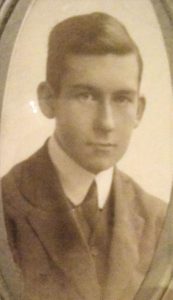
George Edward junior was, as we’ve already seen, also a chess player, but at a lower level, and, like his father worked in local government – in Ilkley, where his father grew up.
In 1916 he married Jane Savile, who had previously been married briefly to a Polish waiter, an ‘illegal alien’ who had moved to London and committed various criminal offences. They moved to Liverpool and later, it seems down to Surrey, where he died in 1950.
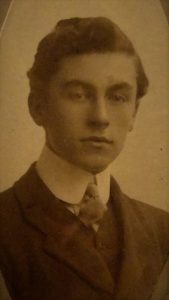
Philip Francis Wainwright worked in the photography business, but served as a paymaster in the Royal Navy in the First World War. For some reason he changed his surname to Pictor-Wayne – Pictor being his mother’s surname. In the 1920s his business hit financial problems and he was declared bankrupt. He lived in London, married and had a son, but later returned to the Bath area where he died in 1969.
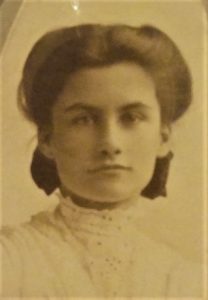
Constance Margaret Wainwright married a first cousin, Alan Newman Pictor, and had two daughters, the first born in Surbiton and the second, exotically, in Fiji. They moved to Bath, and, after the death of her husband, she retired to Wimbledon, where she died in 1982.
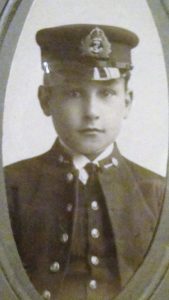
David had an eventful life. He served as an officer in the Royal Navy during World War One. In 1916 it was reported that he had been killed at the Battle of Jutland, but in fact he was a Prisoner of War. He later returned to duty and in 1919 was awarded the Albert Medal for gallantry in saving life at sea. On leaving the Royal Navy he joined the Palestine Police, where he married and had a son. Returning to England he took a job as a salesman, but then, in 1938, became an Observer in Czechoslovakia, in which role he was commended by Lord Halifax.
In March 1939 he was to meet a sudden and tragic end. Returning to England, in the Naval Reserve and with global conflict again on the horizon, he went on a refresher course at Portland, Dorset, walked out of his hotel, and later his body was found in the sea off Chesil Beach. For further information on David Wainwright see here.
Come back soon for some more Minor Pieces featuring chess players from Twickenham, Richmond and who knows where else.
Sources:
ancestry.co.uk
findmypast.co.uk
chessgames.com
BritBase
MegaBase 2022
EdoChess
British Chess Magazine 1933
Various other websites linked above.