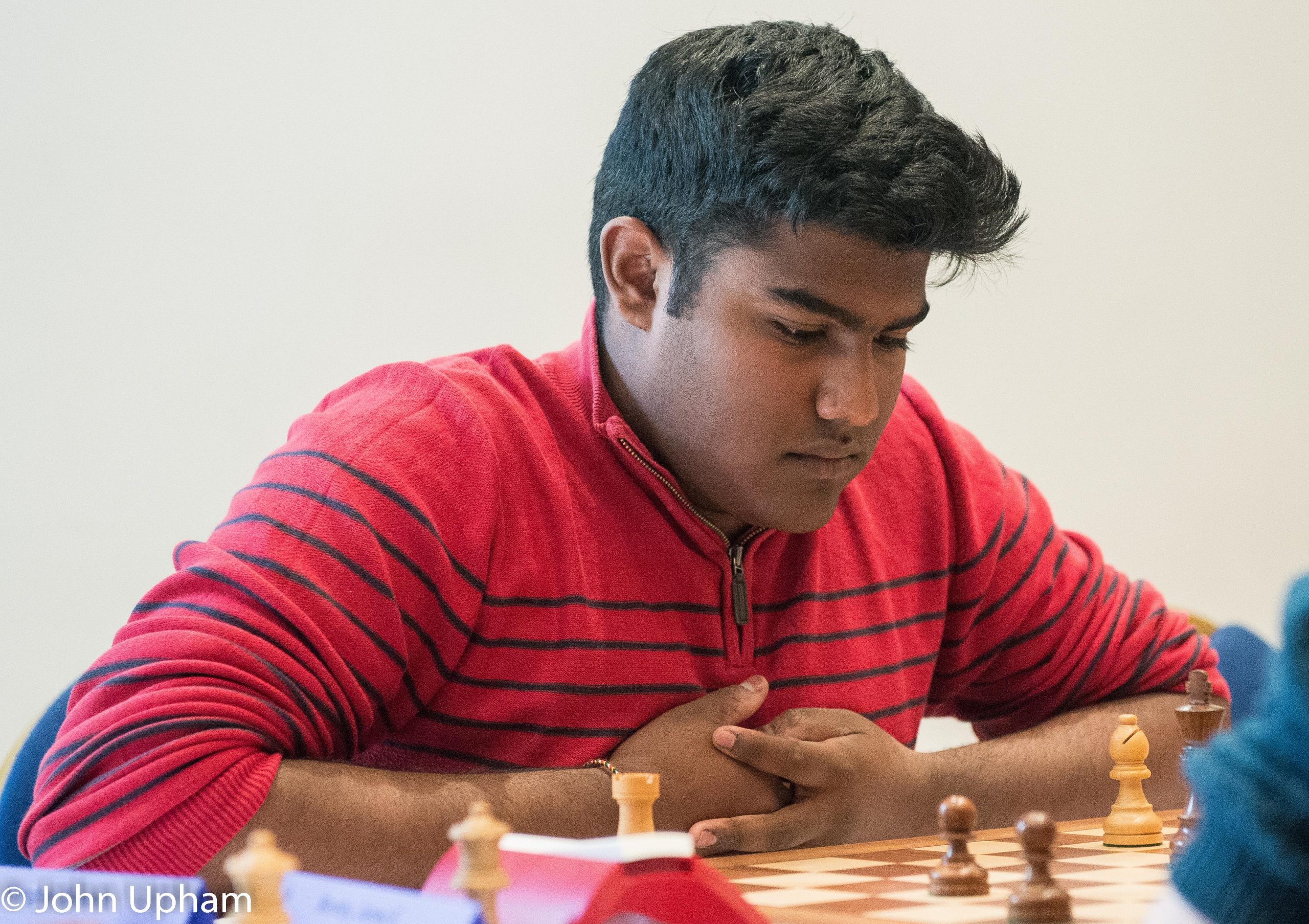
BCN wishes Happy Birthday to FM Koby Kalavannan (05-v-2002)
 Save as PDF

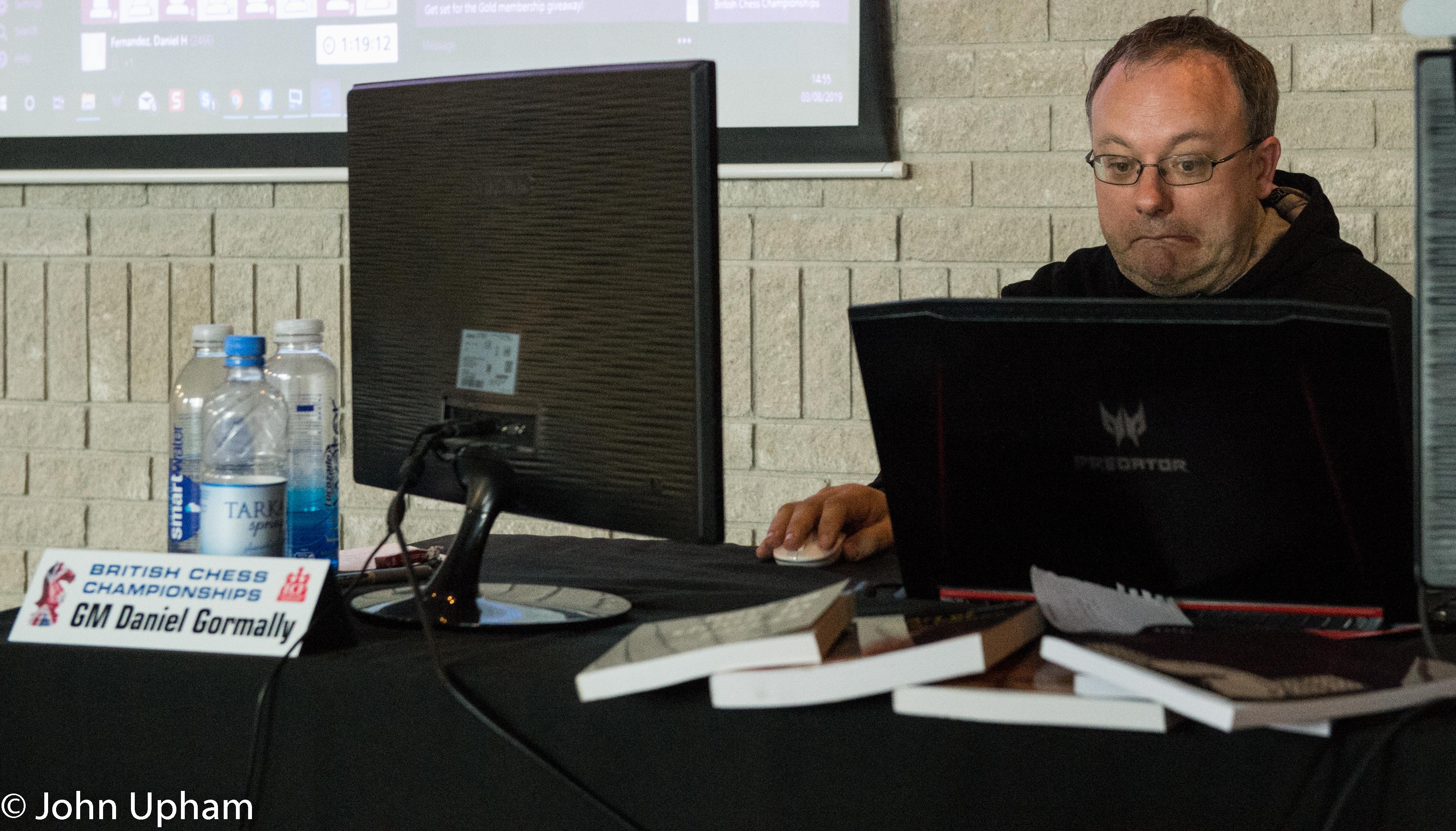
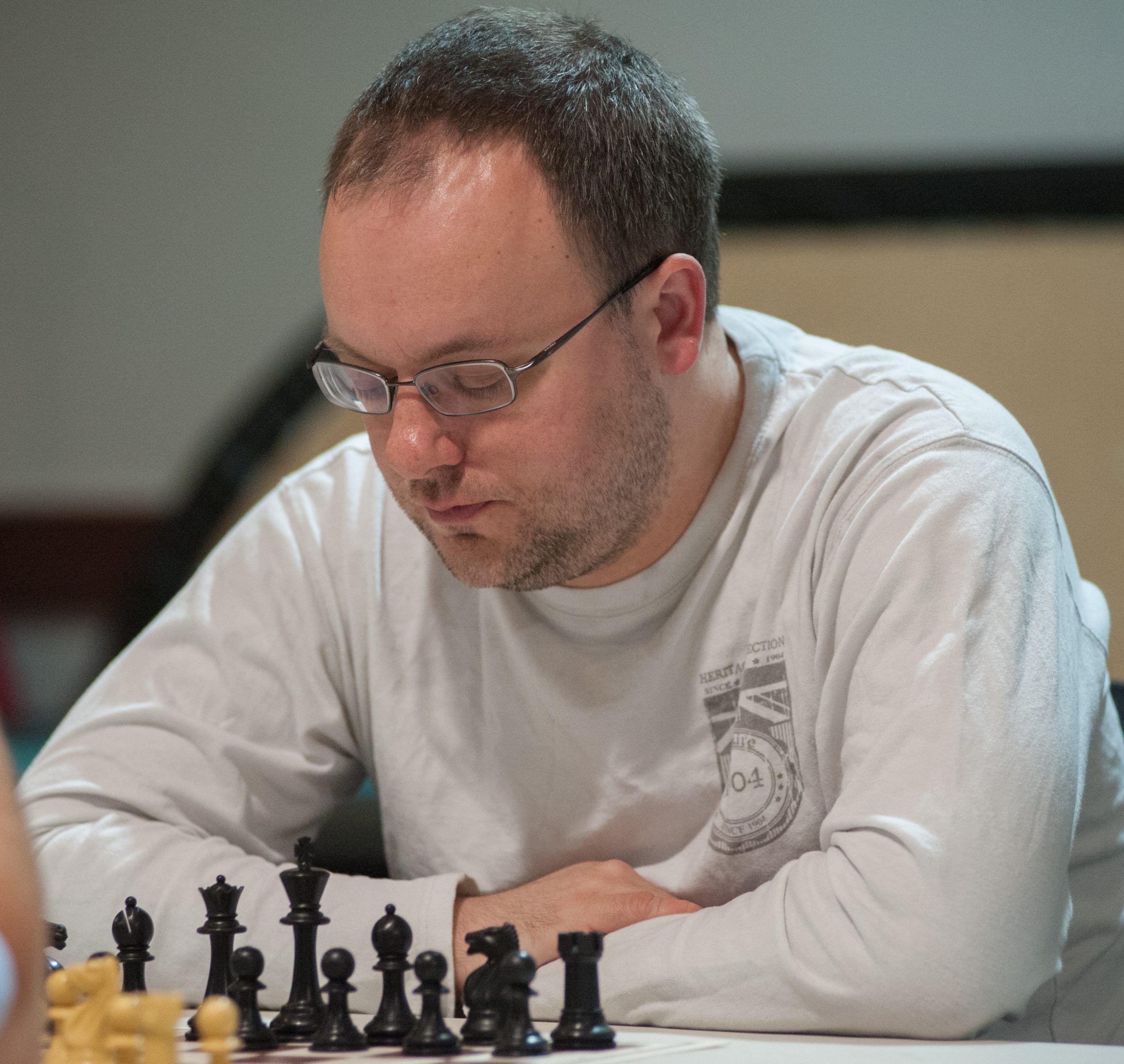
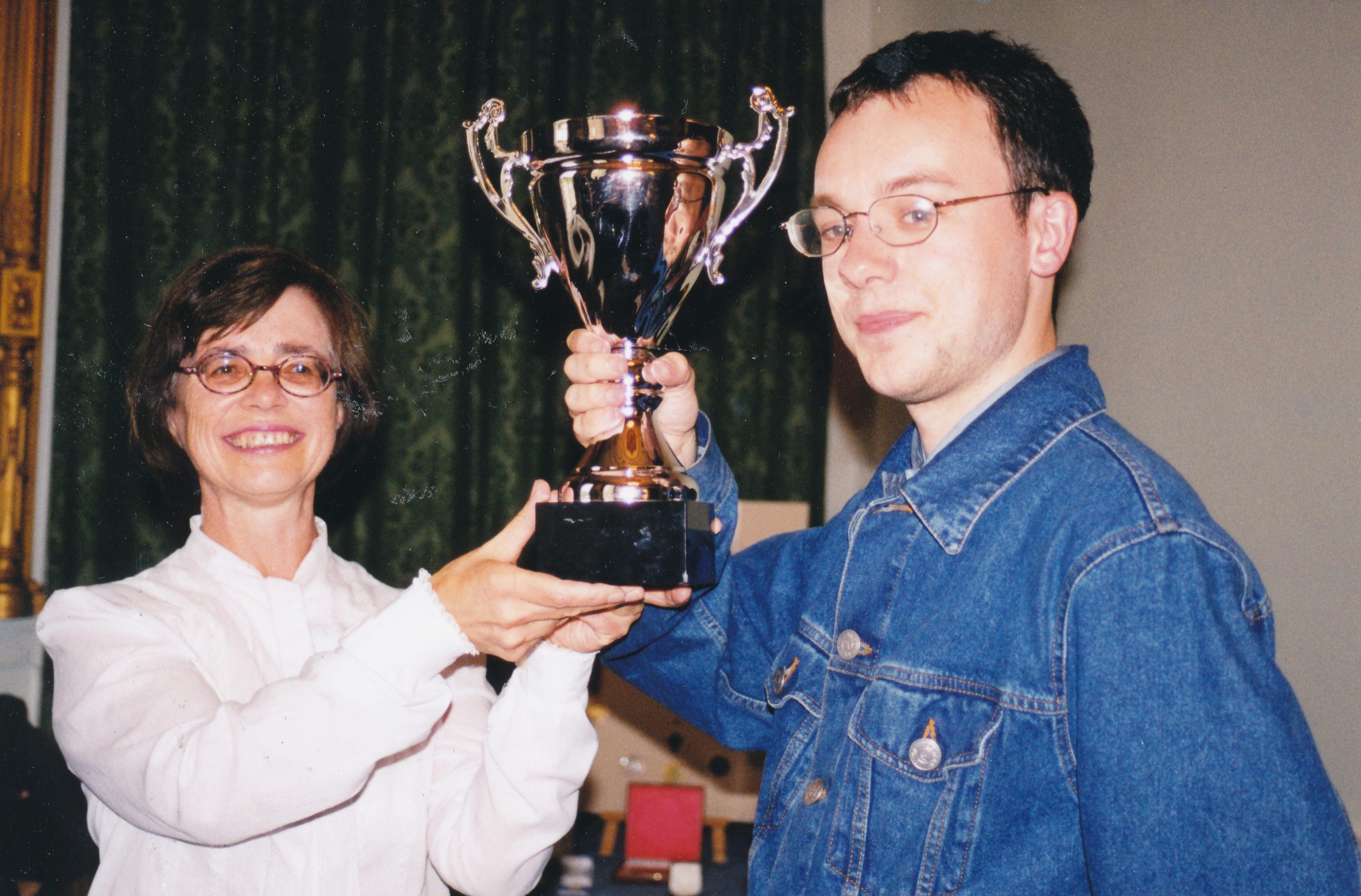
BCN wishes Happy Birthday to GM Daniel William Gormally (04-v-1976)
Danny won the Southern Counties (SCCU) championship in the 2002-03 and 2010-11 (sharing with David Howell) seasons.
Here is a ChessBase interview with Danny
and another interview from Chessbase
 Save as PDF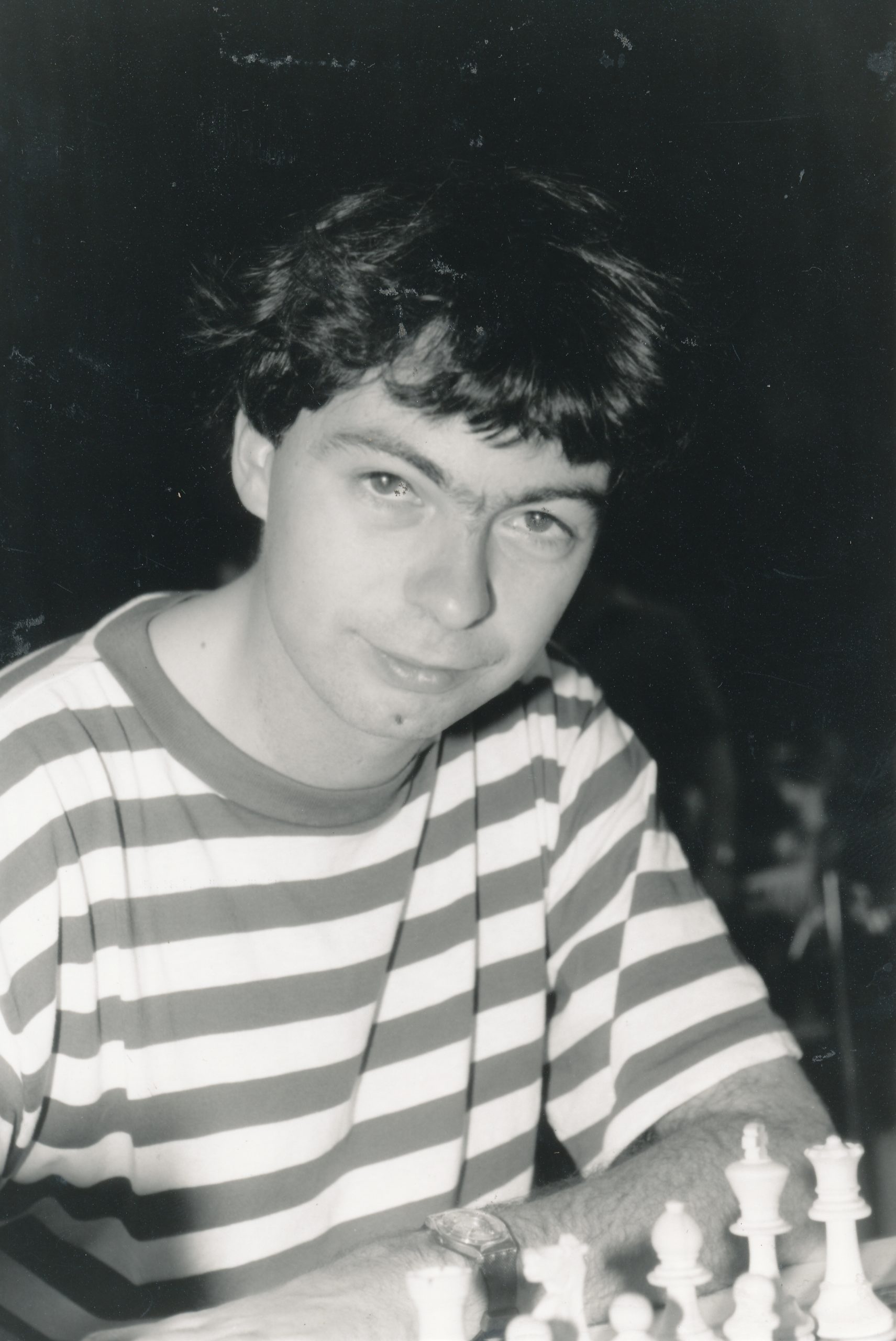
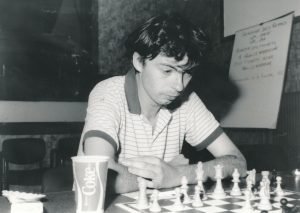
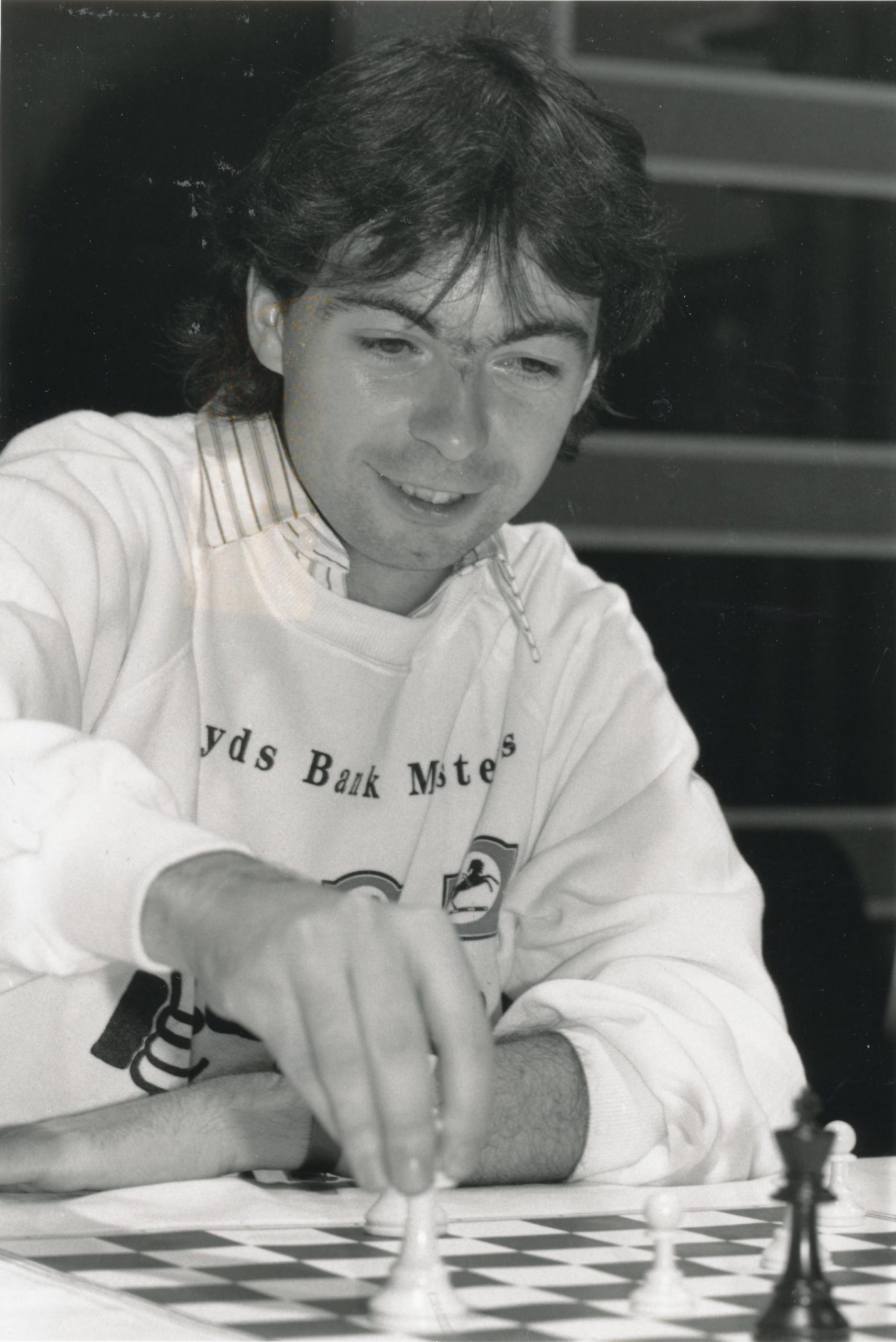
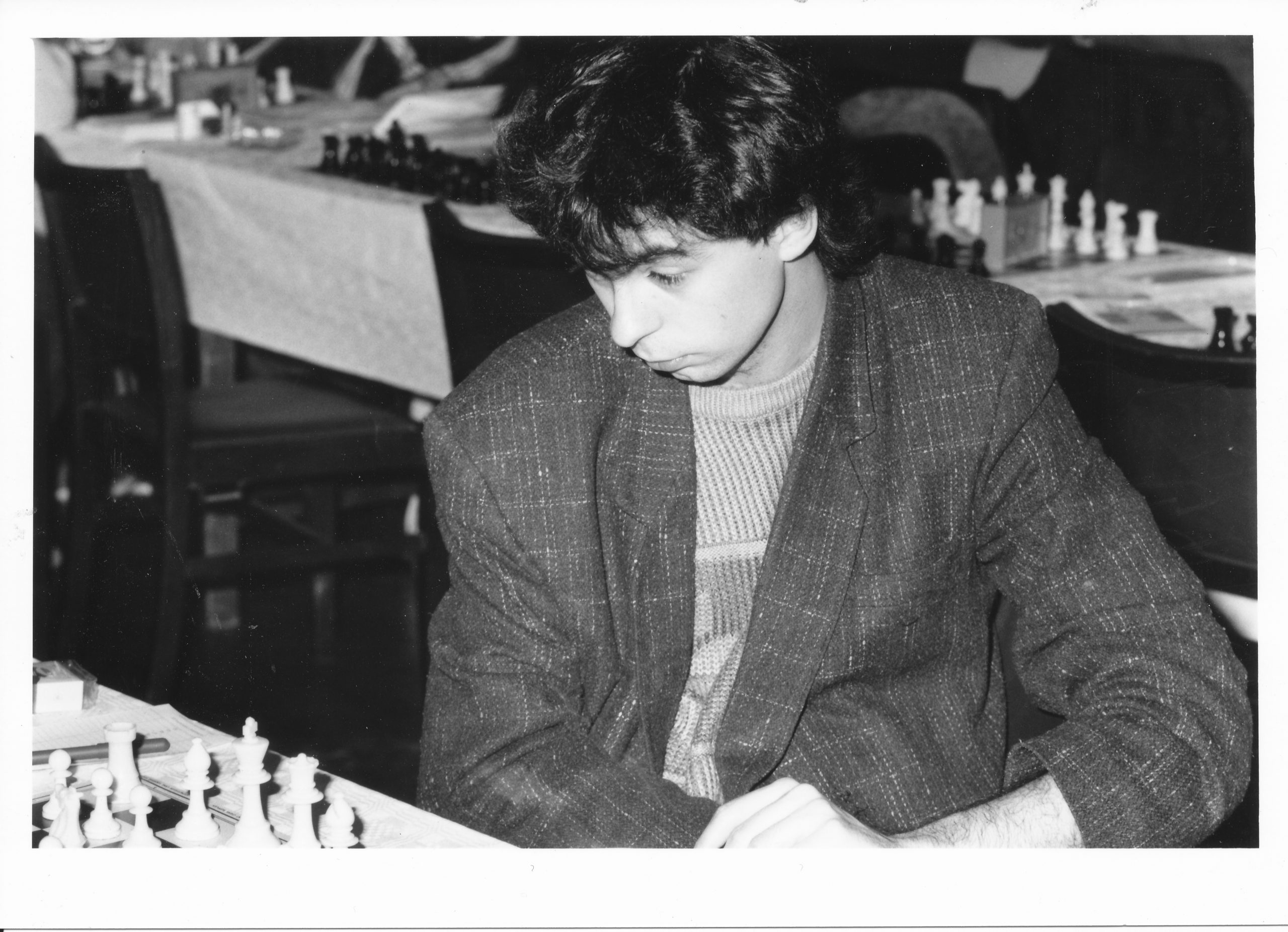
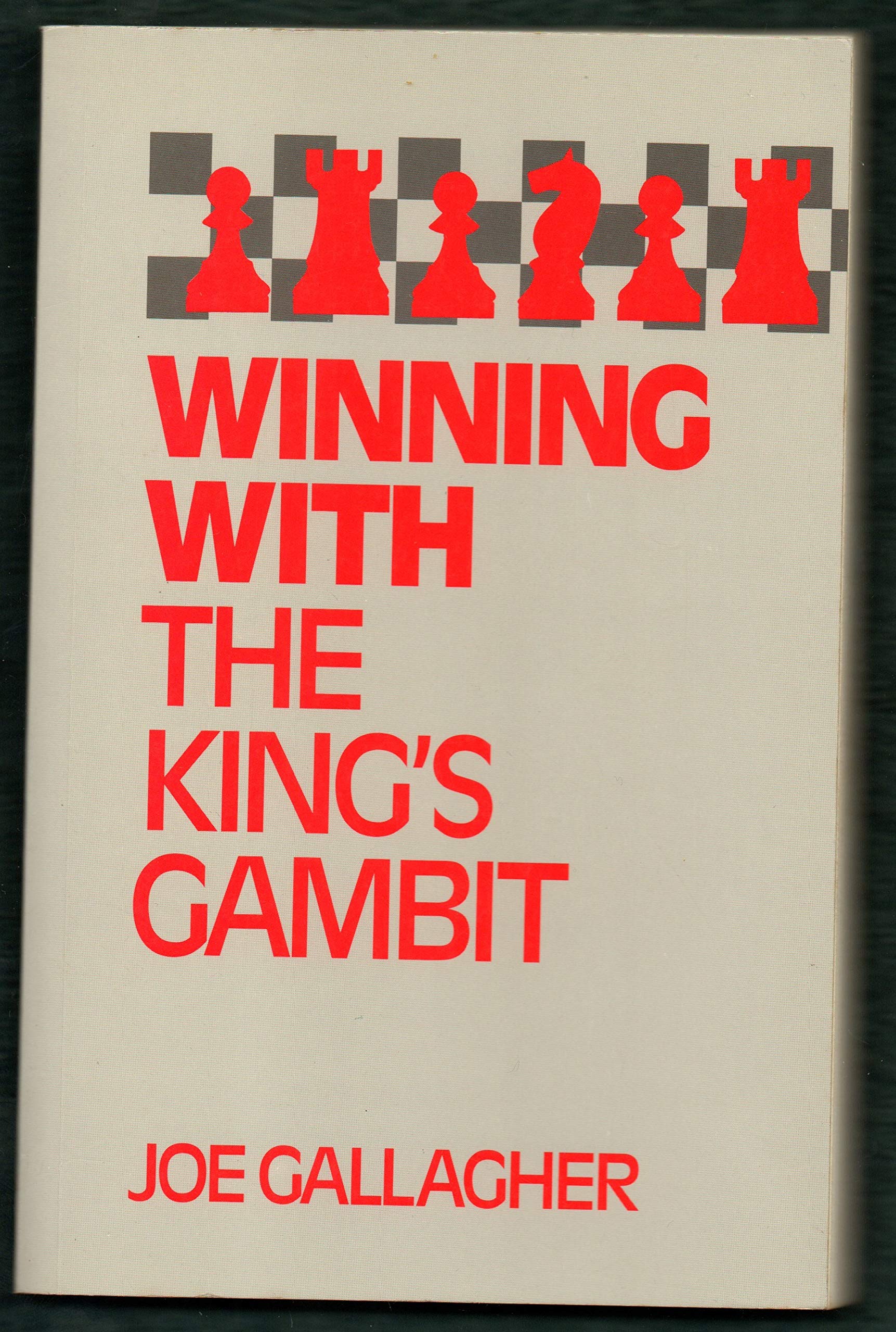
BCN wishes Happy Birthday to GM Joseph Gerald Gallagher (04-v-1964)
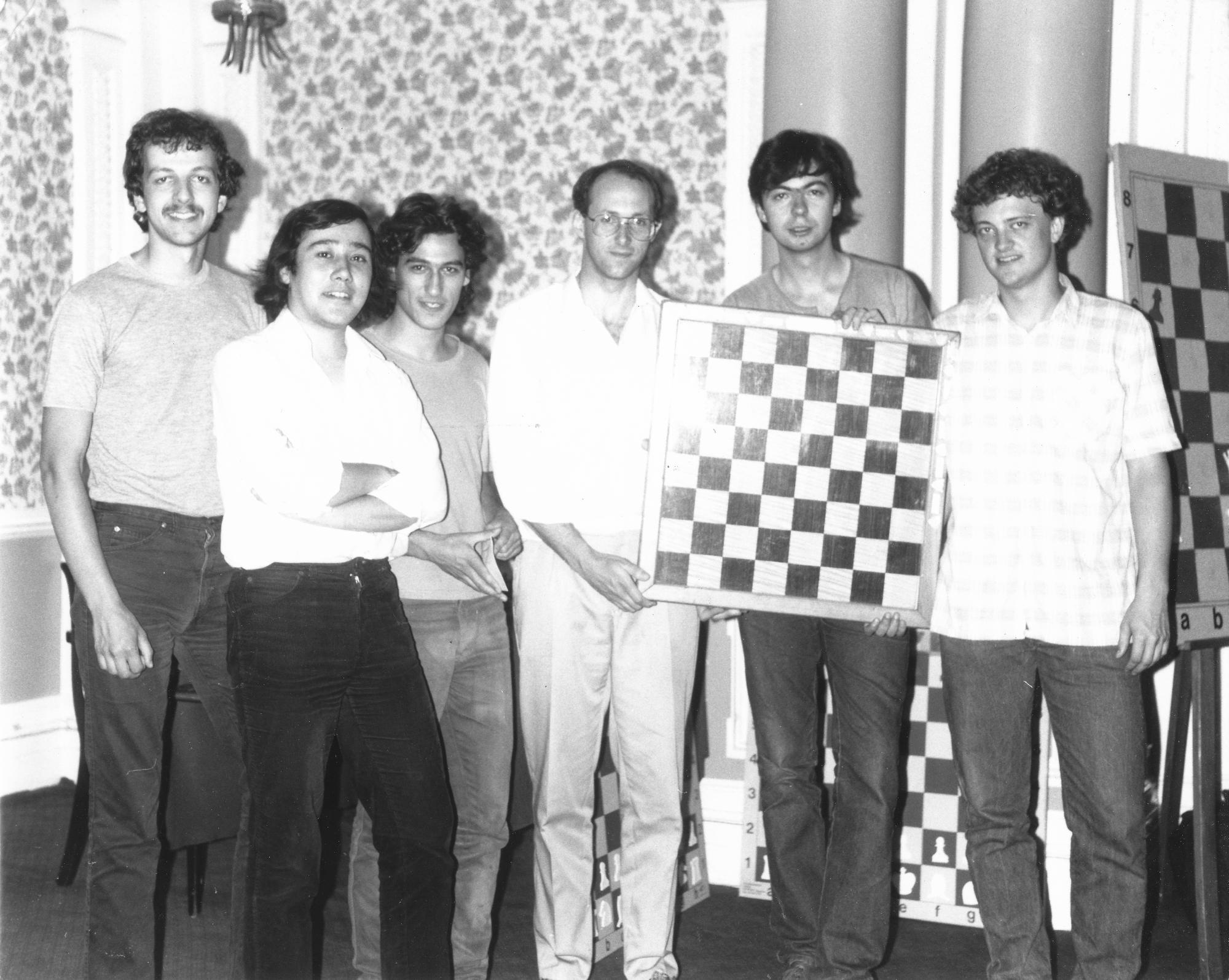
Here is his Wikipedia entry
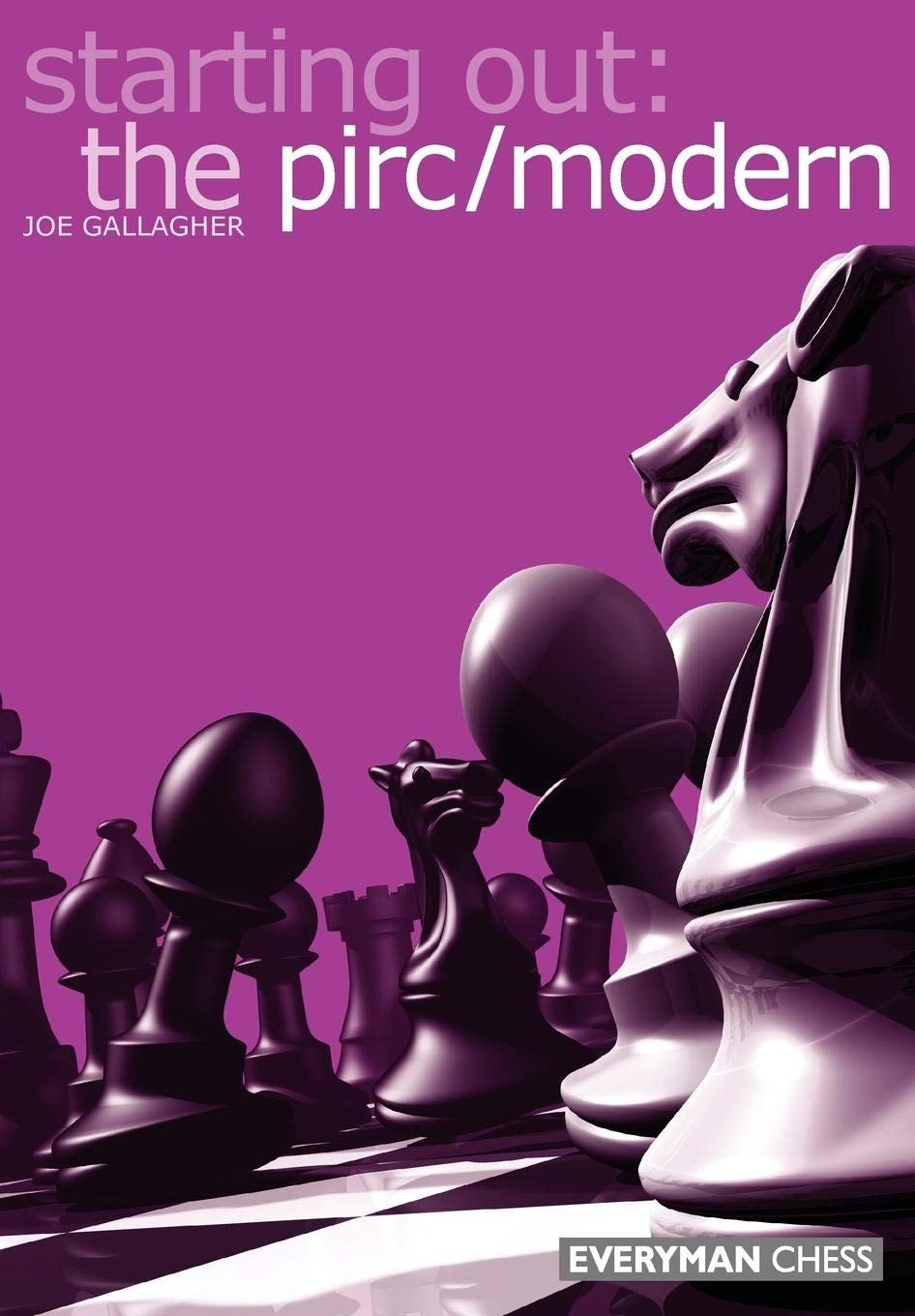
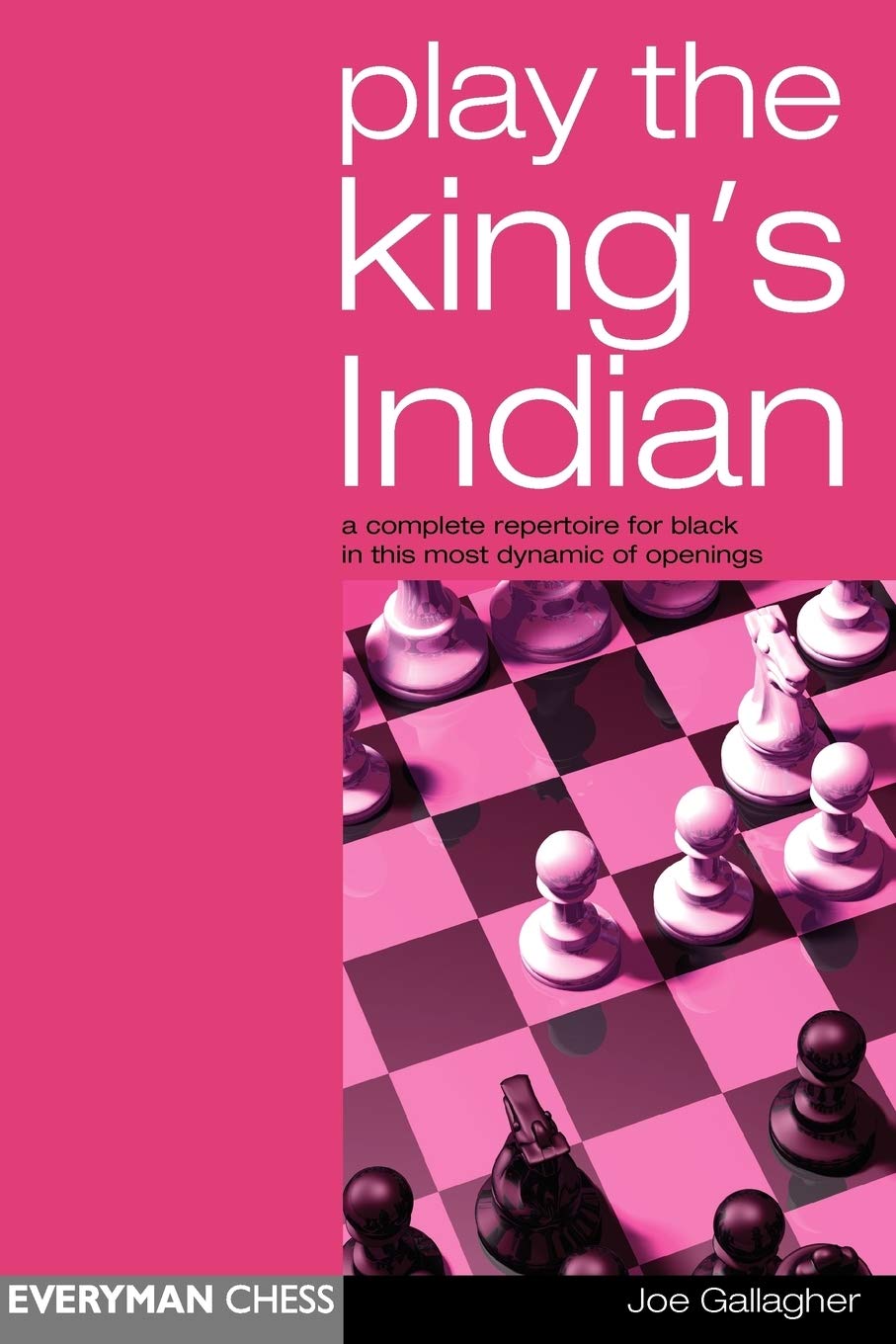 Save as PDF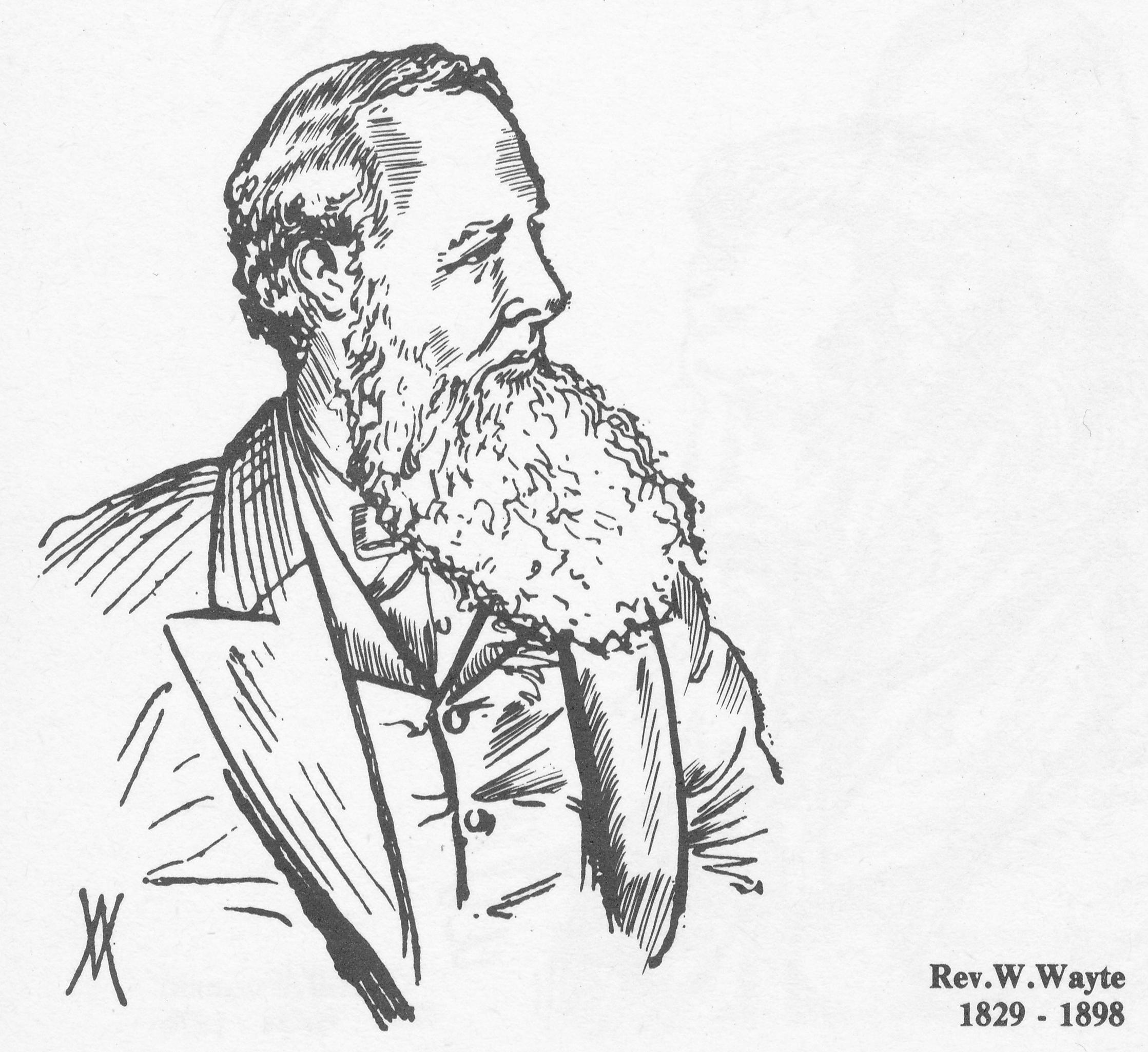
Remembering Reverend William Wayte (04-ix-1829 03-v-1898)
Here is his Wikipedia entry
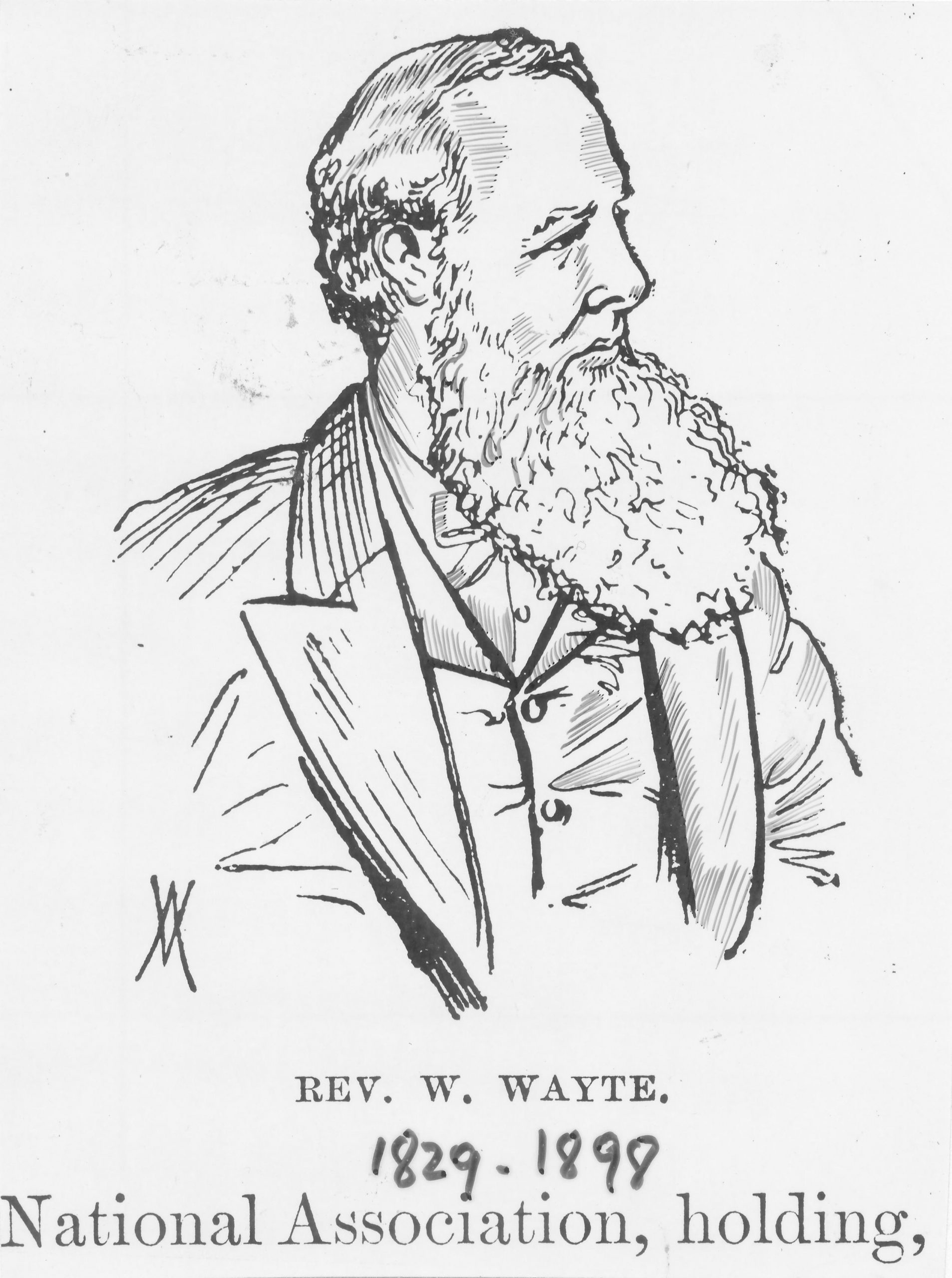
See article by JS Hilbert in the June 2012 BCM, page 296
Save as PDFAttacking with g2-g4 : Dmitry Kryakvin
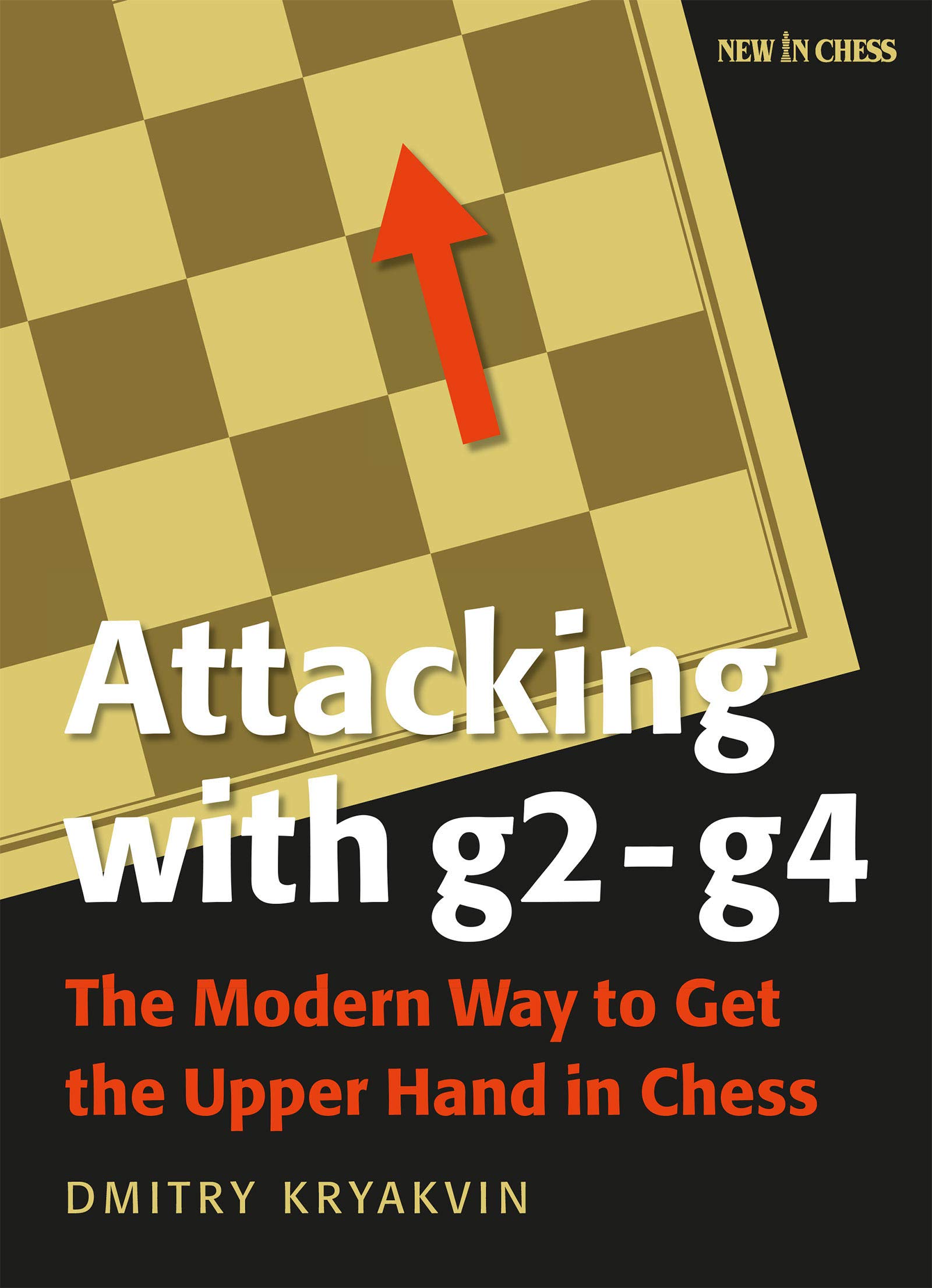
From the book’s rear cover :
“The secret of its success may be its anti-positional looks. The pawn thrust g2 – g4 is often so counter-intuitive that it’s a perfect way to confuse your opponents and disrupt their position. Ever since World Champion Mikhail Botvinnik started using it to defeat the elite grandmasters of his day, it has developed, on all levels of play, into an ever more popular and attractive way to fight for the initiative.
Grandmaster Dmitry Kryakvin owes a substantial part of his successes as a chess player to the g2 – g4 attack. In this book he shows how it can be used to defeat a number of important Closed Defences: the Dutch, the Queen’s Gambit, the Anti-Nimzo Indian, the King’s Indian and the Slav.
With lots of instructive examples Kryakvin explains the ins and outs of the attack on the g-file: the typical ways to gain tempi and keep the momentum, and the manoeuvres that will maximize your opponent’s problems. After working with this book you will be fully equipped to use this modern battering ram to define the battlefield. You will have fun and win games!”
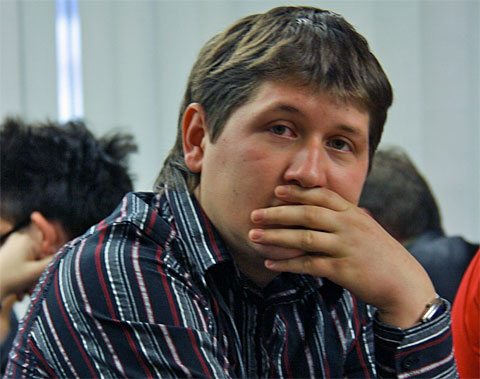
“Dmitry Kryakvin is an International Grandmaster from Russia and an experienced chess trainer and author.”
A first glance at the title and you might think The Grob / Borg has, as promised, returned (to assimilate everyone). Have no fear, this book suggests deploying g4 somewhat later than move one !
This interesting book has a constant theme : the use of x…g2-g4 as a “battering ram” type move by White in various positions arising from main stream Queen’s pawn openings. They range from as early as move two versus the Dutch Defence
to a number of moves later with varying degrees of surprise and effectiveness. The author’s inspiration for this theme comes, perhaps from a surprising but reliable source : the games of Mikhail Moiseyevich Botvinnik.
The author has divided up his content into eight parts (with further sub-chapters) as follows:
Each Part has a significant and interesting introduction establishing the historical context of the opening ideas espoused. For example, Chapter 5 (Attacking with a cast-iron alibi) discusses
an idea of Gerald Abrahams and includes an appreciation of Abrahams himself.This chapter is based around four high quality games analysed in detailing employing the Abrahams idea.
Maybe the most famous early g4 idea is the familiar Shabalov-Shirov Gambit in the Semi-Slav Defence, Meran Variation :
which the author covers in great detail with ten master games.
One of the more shocking ideas is that of Murey Attack vs the Grünfeld Indian Defence. This is
As with every recent New in Chess publication high quality paper is used and the printing is clear. The book can easily be laid flat next to the board and does not require weights to prevent it from “self-closing” (a particular bugbear of ours !). Each diagram is clear and the instructional text is (mostly !) typeset in two column format, which, we find, enables the reader to maintain their place easily. Figurine algebraic notation is used throughout and the diagrams are placed adjacent to the relevant text.
So, what we have here is a veritable potpourri of aggressive ideas to spice your White openings. This book is aimed at the player who perhaps plays main lines most of the time and would like a sort of “something for the weekend” addition to their repertoire for those “must win” situations. You will probably win more games with these lines but you might also lose more games. At any rate fewer draws are likely. The ideas are all “sound” at the level normal humans plays and probably all sound in the hands of Magnus Carlsen.
To take a look yourself try the “Look Inside” feature on Amazon. Of course, the book may be purchased from any good chess retailer !
The Kindle format version may be obtained from here
This book is probably not for the London, Torre, Stonewall, Colle system players who like a peaceful start to their games getting the pieces out in routine fashion.
For completeness players of the Black pieces might want to be prepared to face these aggressive lines that might become more fashionable following its publication.
John Upham, Cove, Hampshire, May 2nd 2020
Book Details :
Official web site of New in Chess
Save as PDF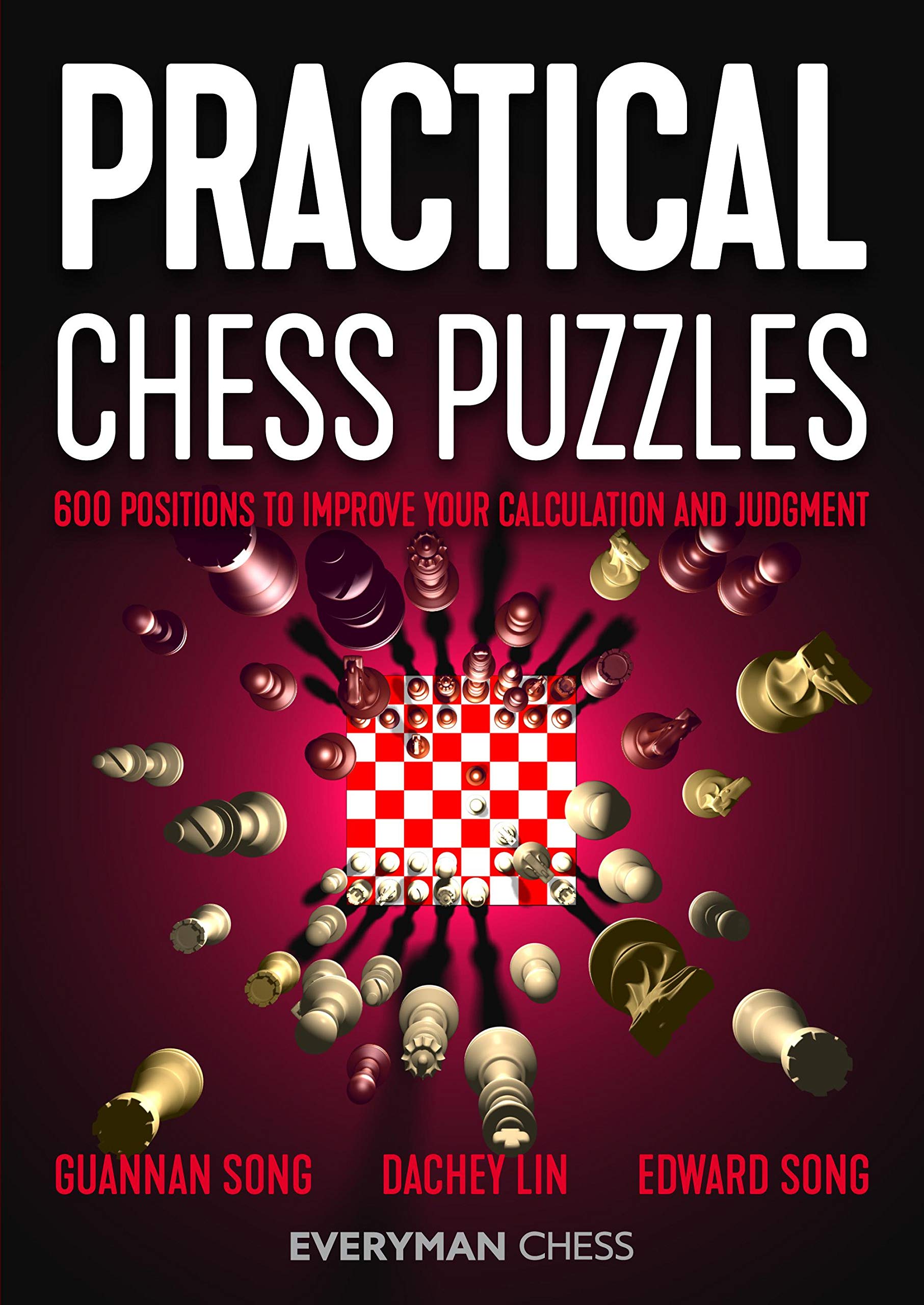
Here is the publishers blurb from the rear cover :
Chess puzzle books are undoubtedly popular – and with good reason. Solving chess puzzles helps to sharpen a player’s tactical and combinational skills. This ability is absolutely fundamental for chess development. You won’t get better at tennis until you can consistently hit the ball with accuracy and you won’t get better at chess until you improve your ability to calculate. It is that simple and there are no shortcuts.
Many puzzle books take a far too simplistic approach and offer endless positions where the solution is nearly always along the lines of: queen takes something check, king takes queen, check, check and a pretty mate. Aesthetically pleasing perhaps but of minimal use for actual improvement as the patterns are so familiar. Practical Chess Puzzles avoids this pitfall. The positions chosen are far more like those that actually appear on the board during the vast majority of games. Furthermore, at all stages, the puzzles are ranked, enabling the student to gauge progress and identify and correct weaknesses.
and about the authors :
Guannan Song is a FIDE Master with one International Master norm from Canada. He won the 2010 Canadian Youth Chess Championship and scored bronze at the 2015 North American Junior Chess Championships. He also played for Team Canada at the 2010 World Youth Chess Championship and the 2014 World Youth U16 Chess Olympiad. He represents Western University on board 1 of its Championship team and led his team to 2nd place at the 2019 Canadian University Chess Championship.
Dachey Lin is a FIDE Master from the United States, having achieved the title in 2016. He is a seven-time All American Team member and participated in three World Youth Chess Championship events, tying for ninth place in 2009. Though he is not as active as some of the other chess players, he enjoys following and helping other chess players and watching them grow and succeed.
Edward Song is an International Master from the United States. He won the 2014 US Cadet Championship, the 2017 Supernationals (tie), and the 2017 Denker Tournament of High School Champions (tie). He is also a four-time All American Team member and played two World Youth Chess Championships, achieving top ten both times. He is looking forward to making further progress towards grandmaster.
As with every recent Everyman Chess publication high quality paper is used and the printing is clear. Each diagram is clear as is the instructional text. Figurine algebraic notation is used throughout and the diagrams are placed adjacent to the relevant text.
The book consists of five chapters :
The first aspect that leaps out is that material is largely based on real games from the last ten years. Secondly, those games have largely not found themselves into databases such as MegaBase 2020. Thirdly, many of the games are from North American tournaments and a good number featured are from the authors own practise.
The model games are entirely practical : real games played by strong but not super strong players with flaws and blunders that human beings make. They set the scene for the main course.
The Combinations chapters provides 250 unthemed positions which range from simple tactics of all types to deep combinations of tactics. The variety is excellent and, much like the Carsten Hansen book we reviewed earlier the positions are real and “messy”. Therefore very much for the tournament player rather than sanitised positions for teaching children and beginners.
Here is an example (#25) from M. Kernighan-J.Lipoka, Winnipeg, 2010.
Potentially the most interesting is the Evaluation section. The student is asked to study and pick apart the positions inorder to assess the correct outcome. Part of that assessment includes finding the best continuation. The solutions to these exercises focus on the latter it has to be said : We would like to have seen more of the assessment angle !
Here is an example (#343) from A.Jayakumar-G.Garcia, Philadelphia, 2012 :
Finally (the solutions do not count !), combining all of the previous elements, is the Tests section. If you were only to work on one section (but why would you do that ?) then this would be the most rewarding.
Here is an example (#435) from R.Ulrich-A.Wang, St Louis, 2017
In summary, the content lives up to the title and any tournament player from say 1200 Elo to perhaps 2200 will derive much benefit from working through the content. It is good to find a whole tranche of new material and ideas from real games played by mostly amateur players.
A small gripe (but not important) with the production is : Some (so why not this one) Everyman books have an extra folding part to the front and rear covers. These we find protect the book from damage and also can be used as an emergency book mark !
John Upham, Cove, Hampshire, 28th April, 2020
Book Details :
Official web site of Everyman Chess
Save as PDF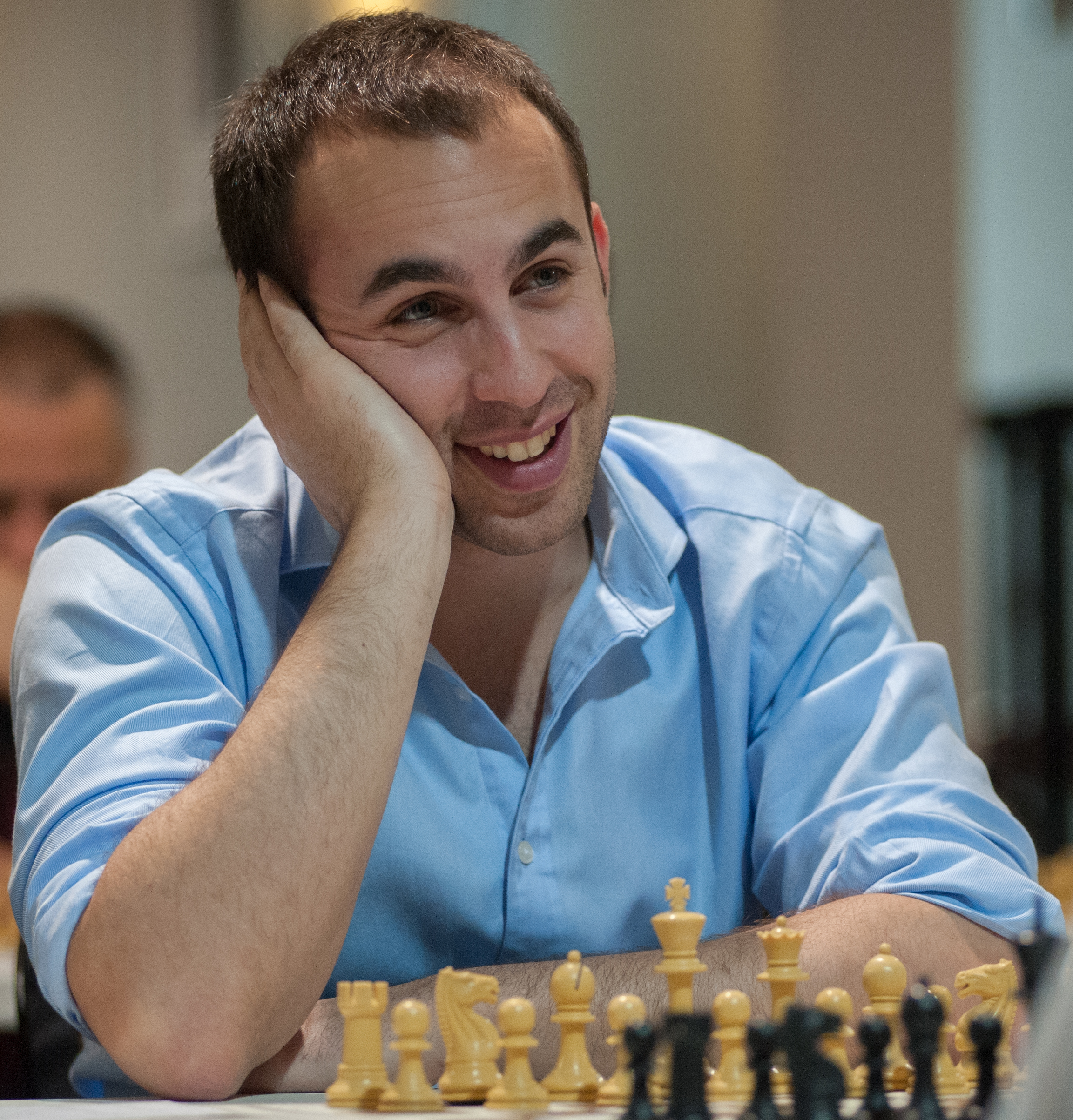
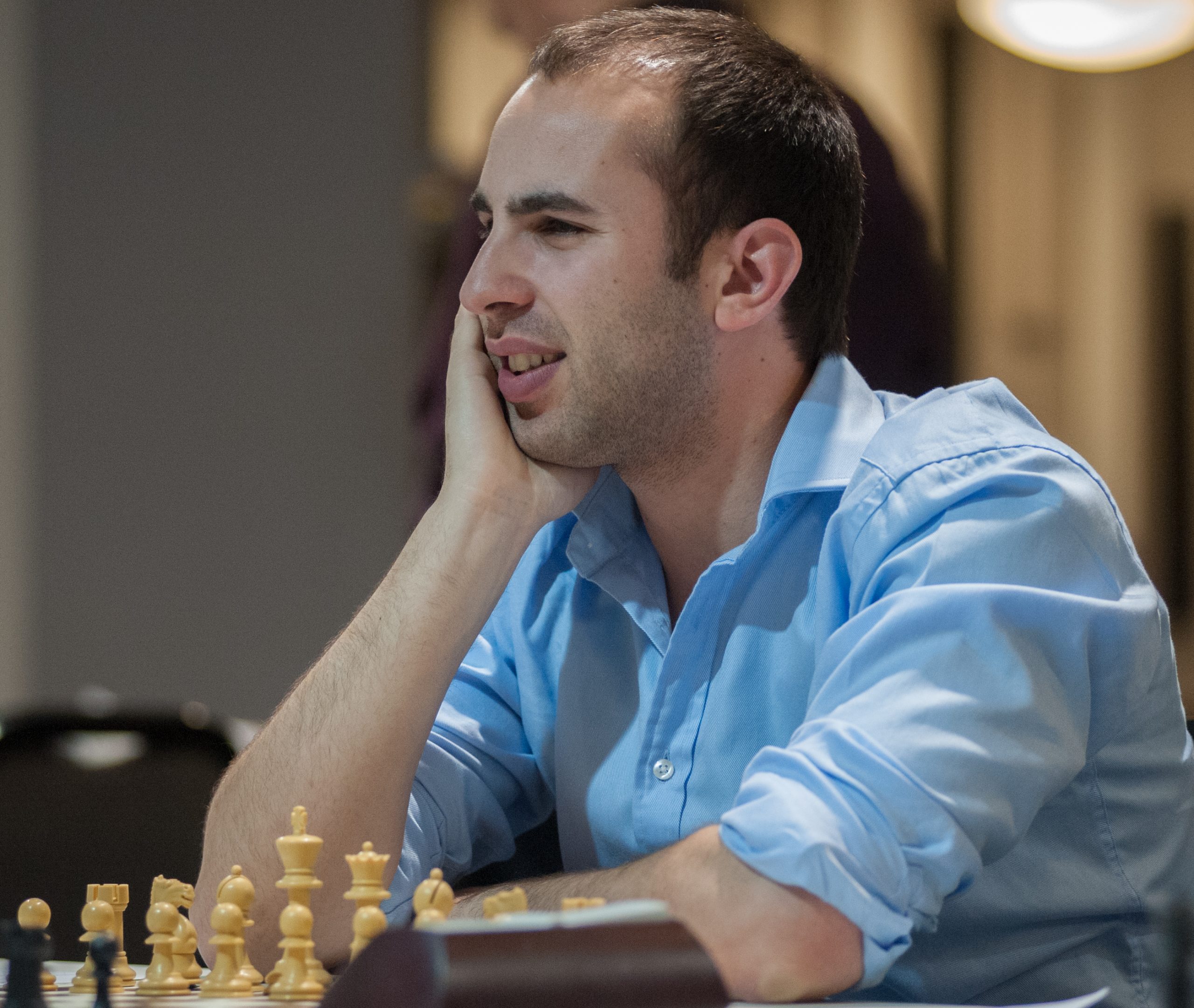
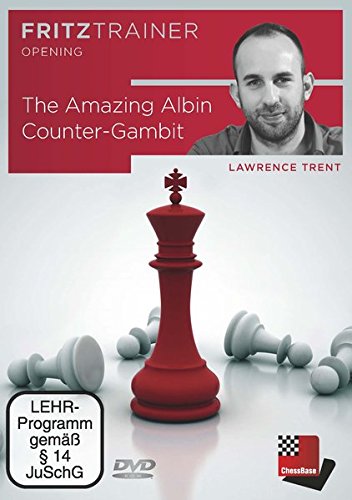
BCN wishes IM Lawrence Trent (28-iv-1986) Happy Birthday !
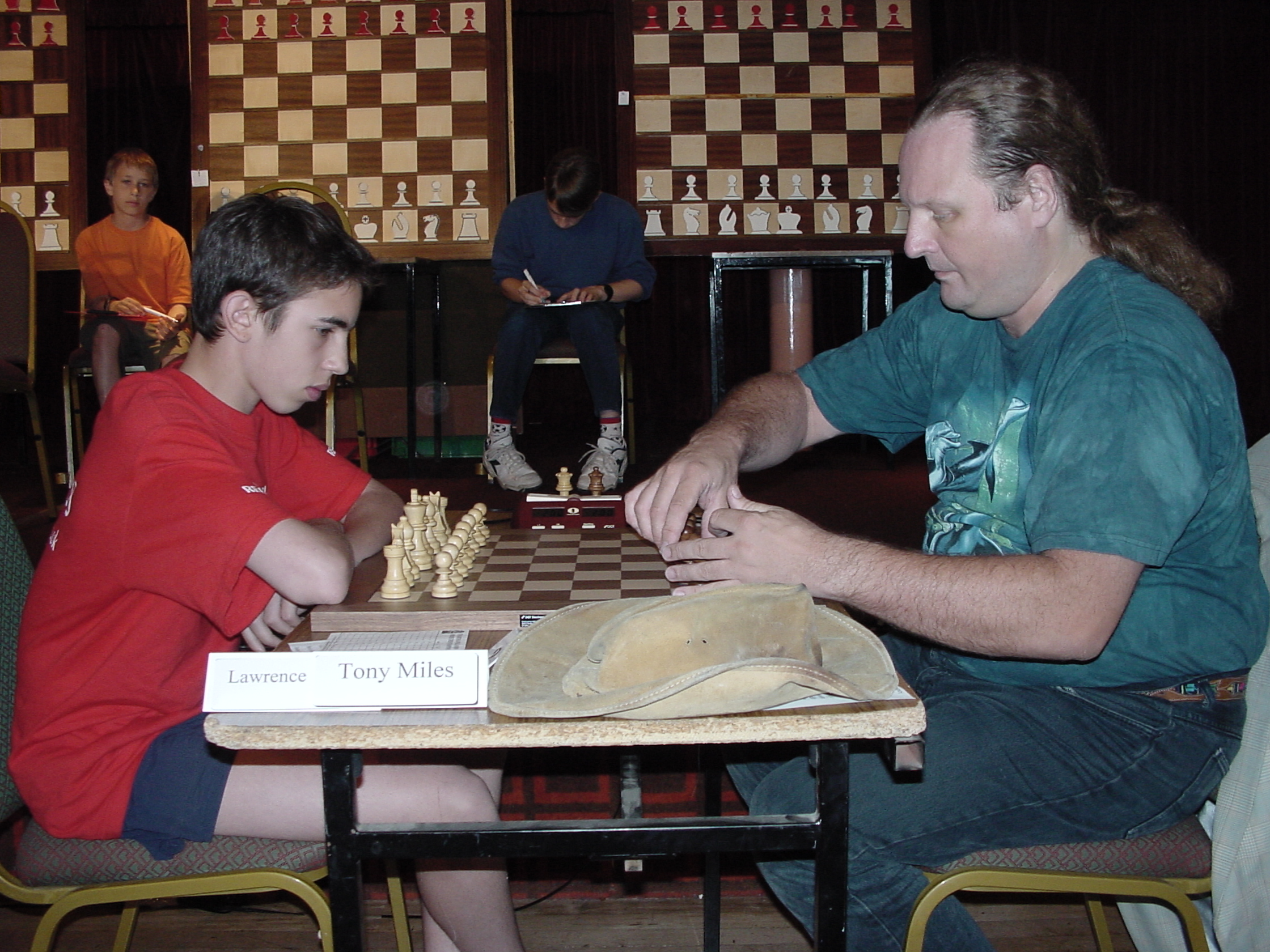
Here is his extensive Wikipedia entry


 Save as PDF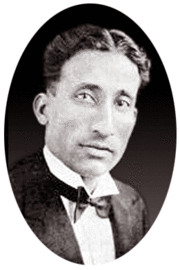
Death Anniversary of Malik Mir Sultan Khan (1905 25-iv-1966)
From The Oxford Companion to Chess by Hooper & Whyld:
Perhaps the greatest natural player of modern times. Born in the Punjab, he learned Indian chess when he was nine, was taken into the household of Sir Umar Hay at Khan, and learned the international game in 1926, Two years later he won the All-India Championship and in the spring of 1929 his patron and master took him to London. Within a few months he won the British Championship, returning to India shortly afterwards. In Europe in May 1930 he began a brief career that included defeats of many leading players.
A striking figure, of dark complexion, with a lean face and broad forehead, his black hair usually turban tied, he sat at the board impassively, showing no emotion in positions good or bad. He did not believe he possessed any special skill, rather that the player applying the greater concentration should win. In events of about category 10 Sultan Khan came second to Tartakower at Liege 1930, third (+5=2-2) after Euwe and Capablanca at Hastings 1930-1, and third ( + 6=3—2) equal with Kashdan after Alekhine and Flohr at London 1932, In events of about category 9 he came fourth or equal fourth at Scarborough 1930, Hastings 1931-2, and Berne 1932 ( + 10=2-3). Sultan Khan won the British Championship again in 1932 and 1933 and played first board for the British Chess Federation in the Olympiads of 1930, 1931, and 1933. In match play he defeated Tartakower (+4=5—3) in 1931 and lost to Flohr ( + 1=3—2) in 1932. At the end of 1933 he went back to India at the bidding of his master. When Sir Umar died Sultan Khan was left a small farmstead near his birthplace, and there he lived out his days. Apparently he had few regrets, A friend visiting him in 1958 found him sitting quietly under the shade of a tree smoking his hookah, chatting with neighbouring farmers while the womenfolk did the work.
In the Indian game of his time the pieces were moved as in international chess but the laws of promotion and stalemate were different, castling was not permitted, and a pawn could not he advanced two squares on its first move. The game opened slowly with emphasis on positional play rather than tactics, and not surprisingly Sultan Khan became a positional player. He had few peers in the middle-game and was among the world’s best two or three endgame players, but he never mastered the openings which, by nature empirical, cannot be learned by the application of common sense alone*
When Sultan Khan first travelled to Europe his English was so rudimentary that he needed an interpreter. He suffered from bouts of malaria and, in the English climate, from continual colds and throat infections, often turning up to play with his neck swathed in bandages. Unable to read or write, he never studied any hooks on the game, and he was mistakenly put in the hands of trainers who were also his rivals in play. Under these adverse circumstances, and having known the international game for a mere seven years, only half of which was spent in Europe, Sultan Khan nevertheless became one of the world’s best ten players. This achievement brought admiration from Capablanca who called him a genius, an accolade he rarely if ever bestowed on anyone else.
R. N. Coles, Mir Sultan Khan (rev, edn, 1977) contains 64 games.
In the March issue of CHESS for 1963, (Volume 28, Number 427, pp.147-155) William Winter wrote this:
The most colourful figure of my time was unquestionably Mir Sultan Khan who appeared in the chess firmament in 1929, blazed like a comet for nearly five years, and then disappeared as suddenly as he had come.
His origins like his end were wrapped in mystery. As far as I could gather he came of generations of Indian peasants who played the native form of chess under a tree in some remote village in the Punjab. Taken under the protection of Sir Umar Hyat Khan he learned the European game, and scored an overwhelming victory in the first Indian championship in which he played. When his patron, Sir Umar, was appointed to an official position in England, he brought Sultan in his train with the object of pitting him against the leading players of the world.
Yates and I were engaged to put him through his paces. I remember vividly my first meeting with the dark skinned man who spoke very little English and answered remarks that he did not understand with a sweet and gentle smile. One of the Alekhine v Bogolyubov matches was in a progress and I showed him a short game, without telling
him the contestants. “l think” he said, “that they both very weak players.” This was not conceit on his part. The vigorous style of the world championship contenders leading to rapid contact and a quick decision in the middle-game, was quite foreign to his conception of the Indian game in which the pawn moves only one square at a time.
Yates and I soon discovered that although he knew nothing of the theory of the openings, his middle-game strategy showed great profundity and his endings were of real master class. In a small double-round tournament for him at the Gambit Café, in which the other players were Yates, Conde, and myself, he did badly, but his Indian record was sufficient to gain him entry to the British Championship held that year at Ramsgate. Few thought that he had a chance of reaching the top half of the table, particularly when he lost in the first round to the Rev. F. E. Hamond. Then however he had an astonishing run of successes and confounded his critics by coming in first. It must be confessed that he was extremely lucky. Drewitt, usually one of the steadiest players, put his queen en prise to a pawn; I allowed him to force a stalemate in an ending in which I was two pawns ahead, and other competitors made similar queer blunders.
A wit suggested that he exercised some oriental hypnotic powers over his rivals, only Hamond, as a parson, being superior to the malign influence. I certainly never remember a championship with so many blunders – probably due to the excessive heat. Sultan created a sensation at Ramsgate in other ways than his chess. He always appeared in flowing white robes and was accompanied by two attendants similarly clad, one to write down his score and the other to supply him with the lemonade which he drank continuously. The latter had to be withdrawn after spilling a glass of the noxious beverage over the trousers of one of the competitors.
The tournament was played in August when Ramsgate was filled with holiday-makers and it may be imagined that Sultan and his retinue were one of the centres of attraction, particularly to the juvenile element. Every day he was accompanied to the congress by a horde of yelling children who, unless the door-keepers were very vigilant, did not stop at the entrance. The noise occasioned by their expulsion from the playing room may have had something to do with the blunders.
Sultan soon showed that this was no flash in the pan for at the Hastings congress (1930-1931) he beat Capablanca, the first game the almost invincible Cuban lost in this country. At the Team Tournament at Hamburg (1930) he also did extremely well on the top board against the best continental opposition though his apparent lack of any intelligible language annoyed some rivals. “What language does your champion speak?” shouted the Austrian, Kmoch, after his third offer of a draw had been met only with
Sultan’s gentle smile. “Chess” I replied, and so it proved, for in a few moves the Austrian champion had to resign. (See a letter to CHESS from Han Kmoch at the end of this article).
From this time onward Sultan went from strength to strength. He won two more British championships and was also highly successful in international events, both in Team Tournaments and individual contests. His greatest achievement was probably his successful match against Tartakover. He soon put off his native dress in favour of more normal apparel but apart from that he remained to the end the inscrutable Oriental. What ideas, if any lay behind that dark impassive face? It was impossible to say, for all the time I knew him he never spoke of any subject but chess. He gradually acquired a knowledge of English and finally spoke quite well. In order to study the chess magazines he also learned to read, but writing was beyond him. I often wrote his letters for him including some to a girl friend whose acquaintance he had made in Hyde Park. The lady seemed to like them.
By 1933, when he won the championship for the last time, he must have been one of the first half dozen or so best players in the world. The highest honours seemed open to him and then ! – just as suddenly as he appeared, he vanished. His patron, Sir Umar, relinquished his post and returned to India taking Sultan with him, and nothing has been since heard of him. He may be dead, but in that case I think the news would have leaked out. I fancy myself that he can still be seen sitting under a tree in some remote village in the Punjab playing the game of his forefathers. If this is so I wonder if he ever dreams of his five years in the West.
and here is a letter from Hans Kmoch following Winter’s memoirs:
Not that it matters, nor that I would cast any blame on the later William Winter whom I knew as a perfect gentleman. It is only for the sake of curiosity that I ask permission to comment on Winter’s story concerning my game against Sultan Khan.
I never asked Winter or anybody else what language Sultan Khan spoke. Nor did I shout (I never do). Sultan Khan and I had met before. What little conversation there was between us was done in English of which we both had a command sufficient for the purpose.
Winter, being not asked, had no opportunity to reply “Chess” or anything else.
I did not offer a draw three times, nor did Sultan Khan, who never smiled, meet my offers with a smile. Nor again did I resign a few moves later. And ! was not the Austrian Champion (contests have not been held at all in my active time).
Sultan Khan had White: we played a Giuoco Piano. After a small number of moves, probably 18 or so, a position was reached which I considered as fully satisfactory for Black.
I offered a draw so as to gain time for my work as a reporter. (I used to be very strict in never offering a draw to anybody unless my position, to the best of my understanding, was fully satisfactory).
Sultan Kahn accepted my offer outright. The game ending in a draw is a provable fact.
New York, 17th April 1963
Hans Kmoch
(we believe Mr. Kmoch! – Editor)
Sultan Khan-Flohr 3rd match game 1932 Caro-Kann
Defence, Exchange Variation
Here is his Wikipedia entry
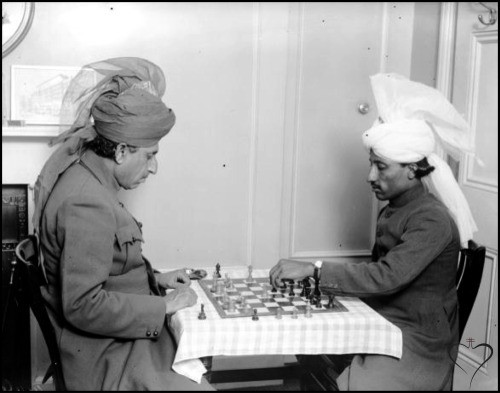
Here is an excellent article from chess.com
Save as PDF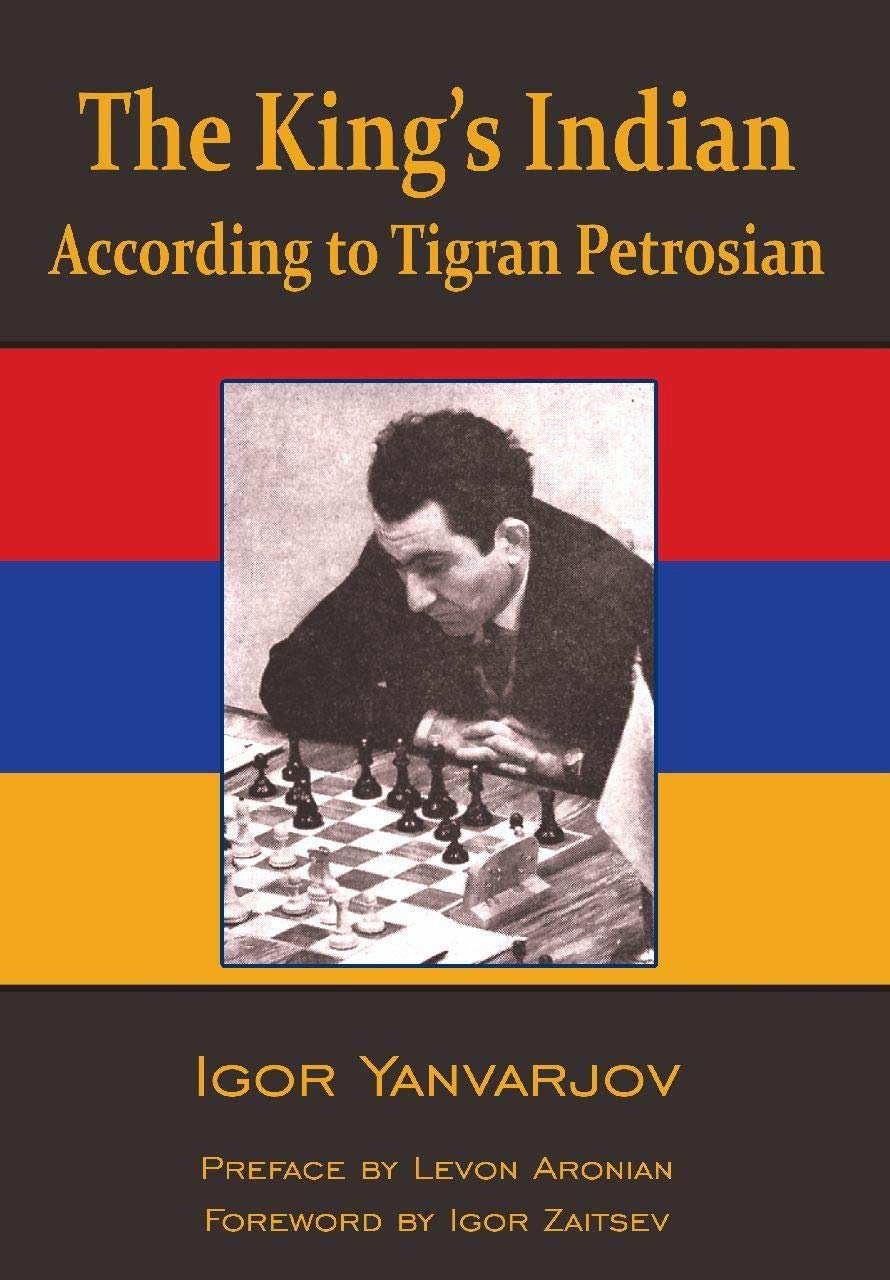
The King’s Indian According to Tigran Petrosian : Igor Yanvarjov
International Master Igor Yanvarjov is a professional chess coach. He has been a coach at the Moscow Chess Club “Spartak,” and has been on the coaching staff of a number of chess schools, including those of Petrosian, Geller, Karpov and Garry Kasparov. Grandmasters he has worked with include Lembit Oll, Rustem Dautov, Yury Piskov, among others. He currently teaches chess at the Anatoly Karpov Chess School in Moscow.
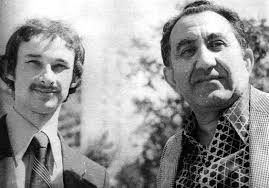
Tigran Petrosian, the ninth world chess champion was born to Armenian parents on June 17, 1929 in Tiflis Georgia. He was known as one of the deepest thinkers the chess world has ever seen. His handling of complex strategic positions was legendary. His play combined deft tactical awareness with an acute sense of prophylaxis, so that opponents had the greatest difficulty in laying a finger on him. For his own part, he often seemed content holding the margin of the draw rather than undertaking any heroics in pursuit of a win. In the analysis room, and in blitz games, Petrosian’s abundant tactical skills were apparent to everyone, but to the spectator of his tournament games, these were far from obvious, and he was regarded as dull. Petrosian responded to this criticisms by saying: “They say my games should be more ‘interesting’. I could be more ‘interesting’—and also lose.” Petrosian still remains one of the greatest players in the history of chess and if you were to consult the now defunct Chessmetrics Website, Tigran Petrosian was listed in the top 20 players of all time and was ranked at No 8 in the 20 year peak range category (1954 – 1973). He was an expert against the King’s Indian Defence and played the system that now bears his name (although he was far more successful with the Samisch variation).
This is the first book by Russian international master Igor Yanvarjov. He has put together a superb collection of virtually all the known games played by Tigran Petrosian – with both colours – in the King’s Indian Defence and other closely related Indian structures. He does this with the presentation of almost 300 deeply annotated, complete games. Although the material is organised by variations and tabias this is not an opening manual but it demonstrates the skill and nuanced handling of positions that Petrosian was known for. The author’s objective wasted reveal the richness of Petrosian’s chess world and to follow the strategic development of the King’s Indian Defence through the prism of Petrosian’s creative work.
The book is divided into three parts with each part being split into several chapters. preceded by a preface from Levon Aronian a forward from Igor Zaitsev and a note from the author.
They are as follows :
Part 1 Tabiyas (Tabia number in brackets)
Chapter 1 Classical Variation (A1 – A7)
Chapter 2 The Samisch System (B1 – B10)
Chapter 3 The Fianchetto Variation (C1 – C10)
Chapter 4 The Benoni (D1 – D10)
Chapter 5 Other Systems (E1- E10)
Part 2 Elements of Success
Chapter 6 Portrait of a Chess Player
Chapter 7 Lessons from Petrosian
Chapter 8 The Problem of the Exchange
Chapter 9 “Furman’s Bishop”
Chapter 10 “Pawns are the Soul of Chess”
Chapter 11 Playing by Analogy
Chapter 12 Manoeuvring Battle
Part III Experiments
Chapter 13 Realist or Romantic?
Chapter 14 The King’s Indian with Colours – and Flanks – Reversed
The bibliography in this book contains nearly 80 entries which will give the reader some idea of the amount of research that the author has carried out for the preparation of this book.
The games are all annotated to varying degrees of depth. Some have only light notes, whereas others have very detailed analytical variations. It is in this area Yanvarjov has done an excellent job. Many of the games contain quoted historical analysis or comments, whether by Tigran himself or his contemporaries. In addition the author goes into great analytical detail where it makes sense to do so. I also thought that IM Yanvarjov did an excellent job in getting the right balance between prose and variations to describe the action taking place within the positions. In some cases a verbal description is given which should be helpful to players of club level in particular.
The following game is considered to be one of Petrosian’s finest achievements
In my opinion this is a superb book, written as a labour of love to showcase the player who appears to have made the biggest impression on the author. It contains a splendid collection of annotated games that will have enormous appeal to King’s Indian players. Not only will it appeal to anyone who wishes to increase their strategic understanding of the game but also to anyone who wants a superb games collection from which any reader will derive a great deal of benefit and enjoyment.
Tony Williams, Newport, Isle of Wight, 17th April 2020
Book Details :
Official web site of Russell Enterprises
Save as PDF