Category Archives: 2020

The Caro-Kann Revisited : A Complete Repertoire for Black

The Caro-Kann Revisited : A Complete Repertoire for Black

From the rear cover we have :

“Francesco Rambaldi is an Italian Grandmaster who currently lives in St. Louis (USA) and plays for the Saint Louis University Chess Team. Shortly after graduating from high school, Francesco was awarded the Grandmaster title after winning the Wien International Open when he was 16 years old. Throughout his career, he found success at a national level both in youth championships, becoming Italian champion in the U10 (2009), U12 (2011) and U14 (2013) categories, and in open championships, becoming Italian Champion for Rapid and Blitz in 2016. Francesco also won numerous international opens including the previously mentioned Wien International Open (August 2015), the Bergamo International Open (July 2016), the Capo d’Orso International Chess Festival (June 2017) and the Panama Chess Rumble (November 2017).”

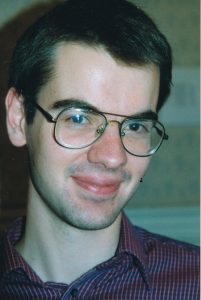
GM Francesco Rambaldi, photograph by David Lada

and also

“This book presents a comprehensive, ready-to-use, and high-quality repertoire for Black against 1.e4. With meticulous analysis and in-depth explanations, the author demonstrates how the Caro-Kann Defense can be used successfully by players of any level. He also draws on his experience and on his trove of novel ideas to present a new take on the Caro-Kann: one that emphasizes Black’s dynamic options while maintaining a solid and flexible setup.”

As with every recent Thinkers Publishing publication high quality paper is used and the printing is clear. We had got used to glossy paper in previous titles but this one reverts to matt. Bring back glossy!

The book can easily be laid flat next to the board and does not require weights to prevent it from “self-closing” (a particular bugbear of ours !). Each diagram is clear and the instructional text is typeset in two column format, which, we find, enables the reader to maintain their place easily. Figurine algebraic notation is used throughout and the diagrams are placed adjacent to the relevant text.

A welcome addition is a bibliography which is normally absent from TP publications.

However, there is no index which, unfortunately, is a standard omission of Thinkers Publishing books. Some readers will be disappointed.

This first book from GM Francesco Rambaldi provides a more or less complete repertoire for Black versus 1.e4

In the BCN office we have examined books on the Caro-Kann that use various adjectives in their title :

First Steps, Move by Move, Dangerous Weapons, Main Line, Classical, Novelties, Dynamic, Understanding, Easy Guide, Grandmaster Secrets, Training, In Black & White, Krusher, Play the, Starting Out, Grandmaster Repertoire, Beating, New Ideas and finally Modernised. Revisited is a welcome addition!

Previously from Thinkers Publishing we had “The Modernized Caro-Kann” from GM Daniel Fernandez which focused on the Smyslov variation.

The main content is divided into seventeen chapters distributed amongst six parts as follows :

  1. Advance Caro-Kann
  2. Open Caro-Kann
  3. Two Knights Caro-Kann
  4. Panov Variation
  5. Exchange Caro-Kann
  6. Miscellaneous

Each chapter’s content is treated in familiar Thinker’s Publishing style : variations are analysed in detail move by move with game references liberally sprinkled into the text. The explanations and discussion are detailed presenting the ideas in the position.

We kick-off with a thorough discussion of the third most popular line for White : the Advance variation.

Every Caro-Kann player should know that 3.e5 deserves much respect and accurate play from Black to avoid a painful experience : we quite agree that this should be the first chapter therefore. Rambaldi recommends the trendy 3…c5 which scores slightly better than the conventional 3…Bf5. There are 157 pages on 3…c5 alone with most emphasis on the critical 4. dxc5 including the very topical 5.a3 :

which is treated in great depth with new ideas for Black in a line that White in increasingly turning to.

We then turn to the main “meat and potatoes” of this book : the Korchnoi Variation. We have seen this line referred to as the Tartakower Variation in “Understanding the Caro-Kann Defence” by Keene, Soltis, Mednis, Peters and Kaplan (Pitman, 1980). Rambaldi dedicates 70 pages including more explanation of the ideas than for the other parts.

as the main line after

5…exf6 has hitherto largely been ignored in the Caro-Kann literature in favour of the Bronstein-Larsen variation, 5…gxf6, the Capablanca / Classical Variation of 4…Bf5 and Smyslov’s Variation of 4…Nd7. One might have to employ the Tardis and visit (from 1989) Jeremy Silman’s “The Dynamic Caro-Kann” to find any appreciable treatment. JS dubs 5…exf6 the Original Caro-Kann for those who are keen on labels. Rambaldi calls this the Open Caro-Kann, presumably after 3…dxe4.

The popular Two Knights Variation is treated with the reliable 3…Bg4 line and the Panov via Bg4 and Be6 ideas depending on White’s tries. Even the (in)famous double rook endgame (that rarely gets an outing these days at the highest levels) is given a detailed treatment. All of White’s ideas are covered in detail with appropriate recommendations for Black.

The so-called Pseudo-Panov

and the Fantasy Variations

are covered in adequate depth providing almost complete coverage from Black’s perspective.

The coverage of the King’s Indian Attack is disappointingly thin, almost superficial. OK, so 2.d3 is rather uncommon but, nonetheless, a better treatment would have been welcome.

In summary, we have roughly 400 pages of quality analysis with in-depth explanations and new ideas for Black. There is a fresh (and not before time) treatment of the Korchnoi Variation and excellent coverage of the Advance, Two Knights, Panov and Exchange Variations. Of course, these are the lines you will face day-to-day.

Rambaldi recommends the unusual 4…Nf6!? move order in the Exchange Variation :

rather than the more common 4…Nc6 (and 5…Qc7) with the idea to develop the c8 bishop more quickly : interesting!

Rambaldi is a welcome new writer with a friendly style. He is not afraid to disagree with previous authors and present his own ideas.

We would recommend this book as a stand-alone treatment of the Caro-Kann. If you have played 4…Bf5 and / or 4…Nd7 and want to freshen up repertoire then why not consider 4…Nf6 ? It is less drawish and more ambitious if you need to play for the full point with Black.

John Upham, Cove, Hampshire, 5th June, 2020

John Upham
John Upham

Book Details :

  • Hardcover : 406 pages
  • Publisher:Thinkers Publishing; 1 edition (14 July 2020)
  • Language: English
  • ISBN-10: 9492510766
  • ISBN-13: 978-9492510761
  • Product Dimensions: 17 x 23.5 cm

Official web site of Thinkers Publishing

The Caro-Kann Revisited A : A Complete Repertoire for Black

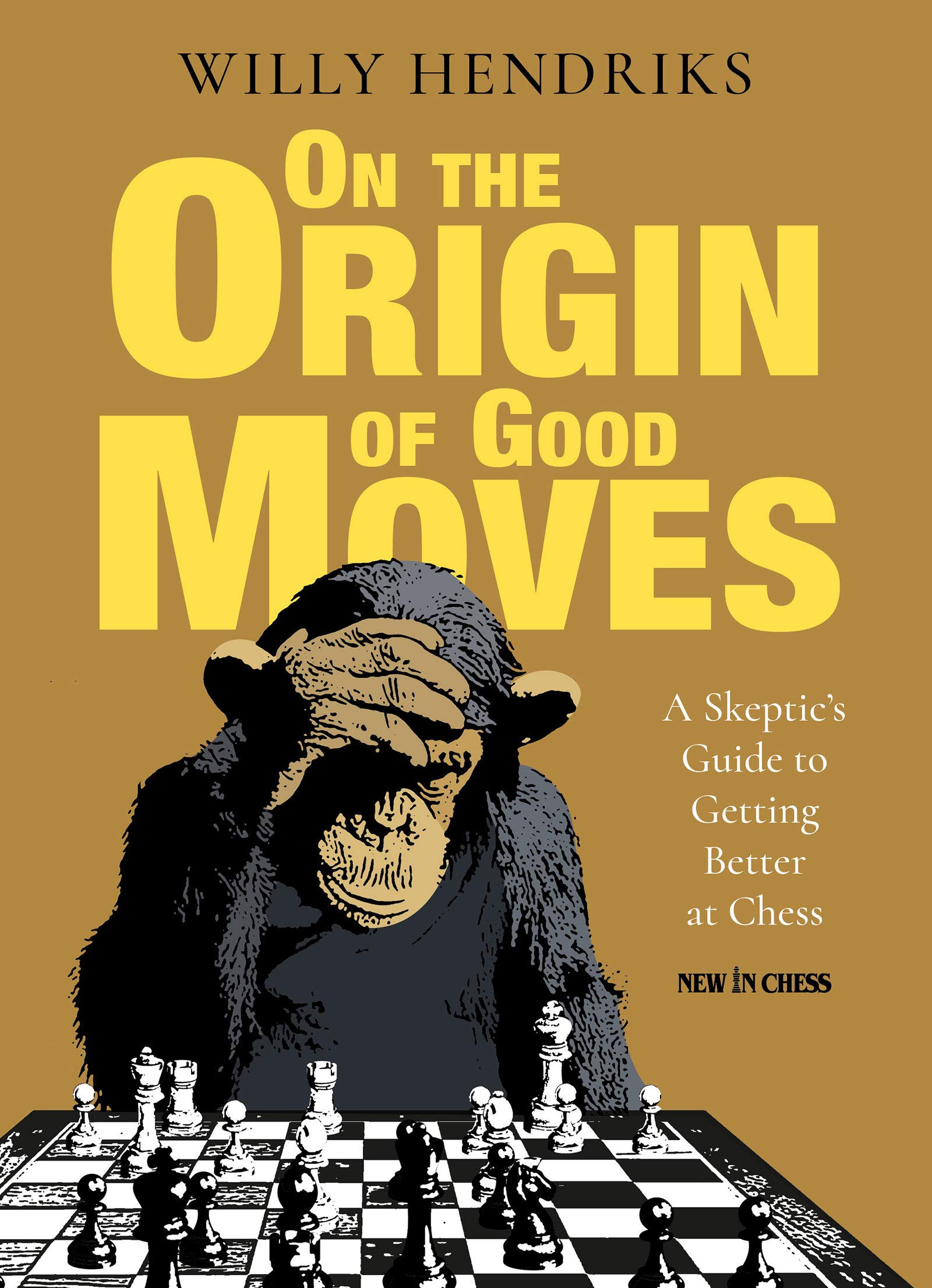
On the Origin of Good Moves: A Skeptic’s Guide at Getting Better at Chess

On the Origin of Good Moves

On the Origin of Good Moves: A Skeptic’s Guide at Getting Better at Chess : Willy Hendriks
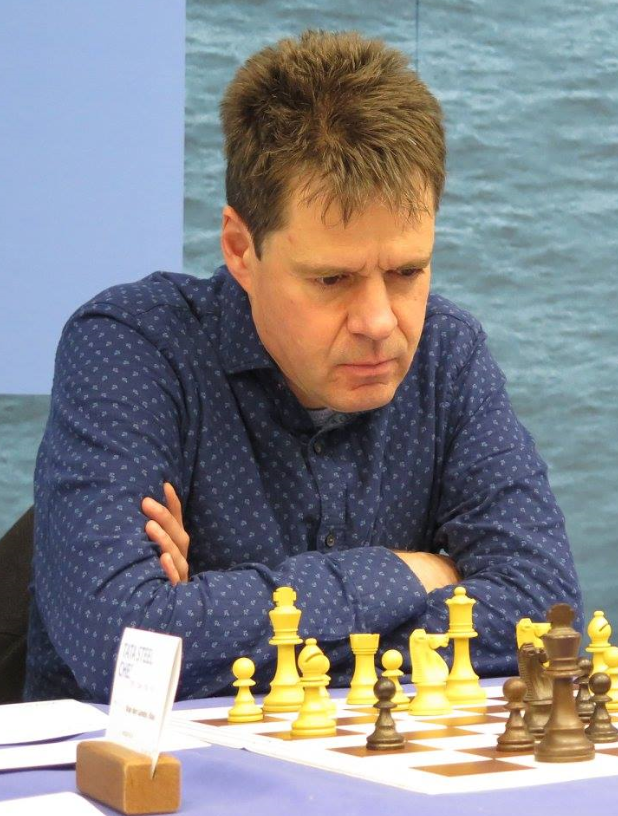
IM Willy Hendriks, Photo by Zhaoqin Peng

“Willy Hendriks (1966) is an International Master who has been working as a chess trainer for over 25 years. His acclaimed bestseller ‘Move First, Think Later’ won the English Chess Federation Book of the Year Award.”

From the rear cover :

“The way a beginner develops into a strong chess player closely resembles the progress of the game of chess itself. This popular idea is the reason why many renowned chess instructors such as former World Champions Garry Kasparov and Max Euwe, emphasize the importance of studying the history of chess.

Willy Hendriks agrees that there is much to be learned from the pioneers of our game. He challenges, however, the conventional view on what the stages in the advancement of chess actually have been. Among the various articles of faith that Hendriks questions is Wilhelm Steinitz’s reputation as the discoverer of the laws of positional chess.

In The Origin of Good Moves Hendriks undertakes a groundbreaking investigative journey into the history of chess. He explains what actually happened, creates fresh perspectives, finds new heroes, and reveals the real driving force behind improvement in chess: evolution.

This thought-provoking book is full of beautiful and instructive ‘new’ material from the old days. With plenty of exercises, the reader is invited to put themselves in the shoes of the old masters. Never before has the study of the history of chess been so entertaining and rewarding.”


What we have here is a hugely ambitious work covering the development of chess ideas over a period of almost 300 years, from roughly 1600 to 1900, from Greco to Tarrasch. Willy Hendriks considers the evolution of both tactical and positional concepts, as well as covering, to a lesser extent, opening theory.

A number of authors over the years, from Réti onwards, have attempted something similar but Hendriks takes the genre to a new level. His view is that previous authors, using a small sample of Famous Games, have presented a crude and misleading view of ‘the history of improvement in chess’. Chess, he believes, has evolved in very much the same way as species evolve.

Hendriks’ previous book, Move First, Think Later, (MFTL) proved controversial. It attracted the attention of the ECF Book of the Year panel, but there were others who considered it highly dangerous. A confrontational title and controversial, extremist views on how chess should be taught. My own views, are, as they are on most subjects, somewhere in the middle, but I still found it an entertaining read. You’ll find a typically well considered review by John Watson here.

Just as in MFTL, each of the 36 chapters is preceded by some exercises which readers might like to attempt before reading on.

Here’s one from Chapter 1:

Finding the answer won’t be difficult for any experienced player, but it was Greco who was the first to play, or at any rate publish, a Bxh7+ sacrifice. Ideas like this, and there are many, positional as well as tactical, throughout the book, gradually become better and better known until they become part of every serious player’s armoury, which is how standards improve. We’re all standing on the shoulders of giants, but it takes genius to be the first.

When we think of Greco we probably think of brilliant miniatures against opponents who either misplayed the opening or made tactical oversights, but Hendriks maintains there’s a lot more to him than that. “If you play over all the games by Greco you cannot but be amazed by the enormous strength of this player and by the importance and variety of his ideas.” In the first chapter we look at some of his tactical ideas, but in Chapter 2, where he is billed as the Nimzowitsch of the 17th century, we discover that Greco was also aware of some relatively sophisticated positional ideas.

The next few chapters continue Hendriks’ revisionist view of chess history. Philidor in Chapters 3 and 4, La Bourdonnais and McDonnell in Chapter 5, Staunton and Saint Amant in Chapter 6. Generally speaking, the book is free from mistakes, but here the magazine Le Palamède is sometimes awarded the wrong definite article. On p85 it’s both right and wrong within four lines.

In Chapter 7 we visit London in 1851 and look at some of the chess played in the first international tournament of modern times. The next two chapters then spin off to take a couple of detours.

Chapter 8 features a positional idea: the pawn formation labelled by Hans Kmoch (whose book Pawn Power in Chess Hendriks seems to admire, although it would have been helpful if the publishers had used the English title) the Wyvill Formation – doubled c-pawns such as White might acquire in the Nimzo-Indian. The English player Elijah Williams, a man ahead of his time, demonstrated how to fight against this in his games against the eponymous Marmaduke Wyvill and Howard Staunton.

In this rather modern  looking position Williams played Ba3 against Staunton (Hendriks points out that Na4 and Qf2 were also strong), winning the c5 pawn and, eventually, the game.

We then look at some much more recent examples of games featuring this formation.

Chapter 9 returns to London and riffs off in a tactical direction.

This is a position from another Elijah Williams game. Here, he was Black against Johann Löwenthal. White, to move, decided Black might be threatening Bxh3, so played Bf4 to prevent the sacrifice, later losing after a blunder. Staunton, writing in the tournament book, considered it a mistaken precaution. Hendriks demonstrates that the sacrifice would have been sound, and spends the rest of the chapter looking at precursors and more recent examples of the same tactical idea.

Chapter 10 is a brief visit to India in the company of John Cochrane, where opening theory developed very differently – an interesting topic in its own right.

We then move on to Paul Morphy, the hero of the next few chapters. Chapter 13, Anderssen versus Morphy, will raise a few eyebrows. We all know what to think, don’t we? Both men were tactical geniuses but Morphy was also a positional genius, while Anderssen, a representative of the romantic school of chess, was just a high class hacker. Hendriks, acknowledging Mihail Marin, who first made the point some years ago, explains that the opposite was closer to the truth. We all know Anderssen’s brilliant Immortal and Evergreen Games, but they were casual encounters where he could afford to take risks. In tournament games he sometimes experimented with more modern openings and ideas while Morphy stuck resolutely to 1. e4 e5. The difference between them was not that Morphy was a better positional player but that he was more accurate and efficient.

As we continue through the 19th century we meet Steinitz and reach what, in some ways, is the heart of the book. Because Morphy gave up serious chess before Steinitz achieved prominence, it’s easy to forget that the latter was a year older.

Very many writers over the years, from Lasker onwards, have portrayed Steinitz as the father of modern positional chess. Hendriks begs to differ. Steinitz never wrote down his principles: it was Lasker who did this, attaching Steinitz’s name to them.  Hendriks demonstrates that most of his ideas were generally known before his time. His only genuinely new idea was to do with using the king as a strong piece in the opening, and that didn’t stand the test of time. Chapter 25 deals with this.

The first exercise at the start of the chapter poses an intriguing question. “Your opponent in the coming World Championship match is prepared to play this position as Black at least four times against you. Do you accept?”

Well, you certainly should as, after Nb6, White is clearly much better, even though Steinitz stubbornly insisted that Black was fine.

Here is the infamous Steinitz Gambit after White’s 5th move. Steinitz played it a lot but, although White does quite well with it over the board, it really is as bad as it looks.

As we approach the end of the 19th century, it’s time for Hendriks to start drawing conclusions. Comparisons are often made between today’s players and those from the past. If Magnus Carlsen were to travel back in time, how would he fare against Lasker, Morphy or Philidor? Here’s Hendriks, in Chapter 28: “If I might venture a wild guess regarding the average strength of say the top five or top ten players throughout the (19th) century I would say it gradually went from about 2000 around the thirties to 2400 near the end of the century.”

This sounds about right to me, but even near the end of the century, top players were making horrendous blunders which would shame a 1400 player, let alone a 2400 player.

A famous example: Chigorin-Steinitz from the 23rd game of their 1892 World Championship match.

Rxb7, for example, wins for White, but Chigorin’s choice of Bb4 proved rather unsuccessful.

Chapters 31 and 32, in which Hendriks links his discoveries to his teaching methods outlined in MFTL, might prove controversial to some.  In Chapter 31 he explains why he believes that creating plans is overrated, and in Chapter 32 he tells you that, contrary to the recommendations of other teachers, you should spend a lot of time studying openings. Of course you might not agree, but it’s often worthwhile listening to those who have well thought out views which differ from yours.

Finally, we reach Chapter 36. Here’s how Hendriks concludes:

“The human history of chess, with all its theoretical struggles and its remarkable personalities, is a fascinating one. However, the general theories that supposedly unify and systematize all those pieces are in my opinion more the result than the cause of the progress made, and as a guide to finding the best moves they are of only limited use.

“As in nature, variety and complexity in chess aren’t the result of some sort of plan from above. It works the other way around, on all levels, even the individual one. As soon as you start looking at a position, all those basic bits of knowledge you gathered before start working. They come up with plans and moves to be played. You can almost sit by and wonder. And watch the good moves replicate.”

I’ve said before that we’re fortunate to be living in a golden age for chess literature, and On the Origin of Good Moves goes right in somewhere very near the top of my favourite chess books of all time. I found it well researched, endlessly fascinating, always thought provoking, often digressive, sometimes provocative and sometimes extremely funny. (Humour in chess books seems to be something of a Dutch speciality: think of Donner and Tim Krabbé.) It’s well produced, and enlivened by copious illustrations, some of only tangential relevance (soldiers in the Franco-Prussian War, a police telephone box, Charles Darwin). If you have any interest at all in the development of chess ideas this will be an essential purchase. If you want to improve your rating you’ll find a lot of inspiring suggestions, although you might not agree with all of them, a lot of great chess, much of which will probably be unfamiliar to you, and a lot of beautiful moves. You’ll find quite a lot of rather bad chess as well, but it all adds to the fun.

Five stars and a top recommendation from me. I do hope you enjoy it as much as I did. It’s certainly a book I’ll return to over and over again.

You can read some sample pages here.

Richard James, Twickenham 3rd June 2020
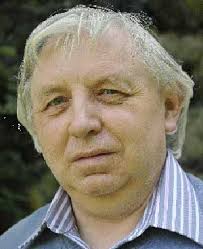
Richard James
. Richard James

Book Details :

  • Paperback : 432 pages
  • Publisher: New in Chess (10 April 2020)
  • Language: English
  • ISBN-10: 9056918796
  • ISBN-13: 978-9056918798
  • Product Dimensions: 17 x 23.1 cm

Official web site of New in Chess

On the Origin of Good Moves

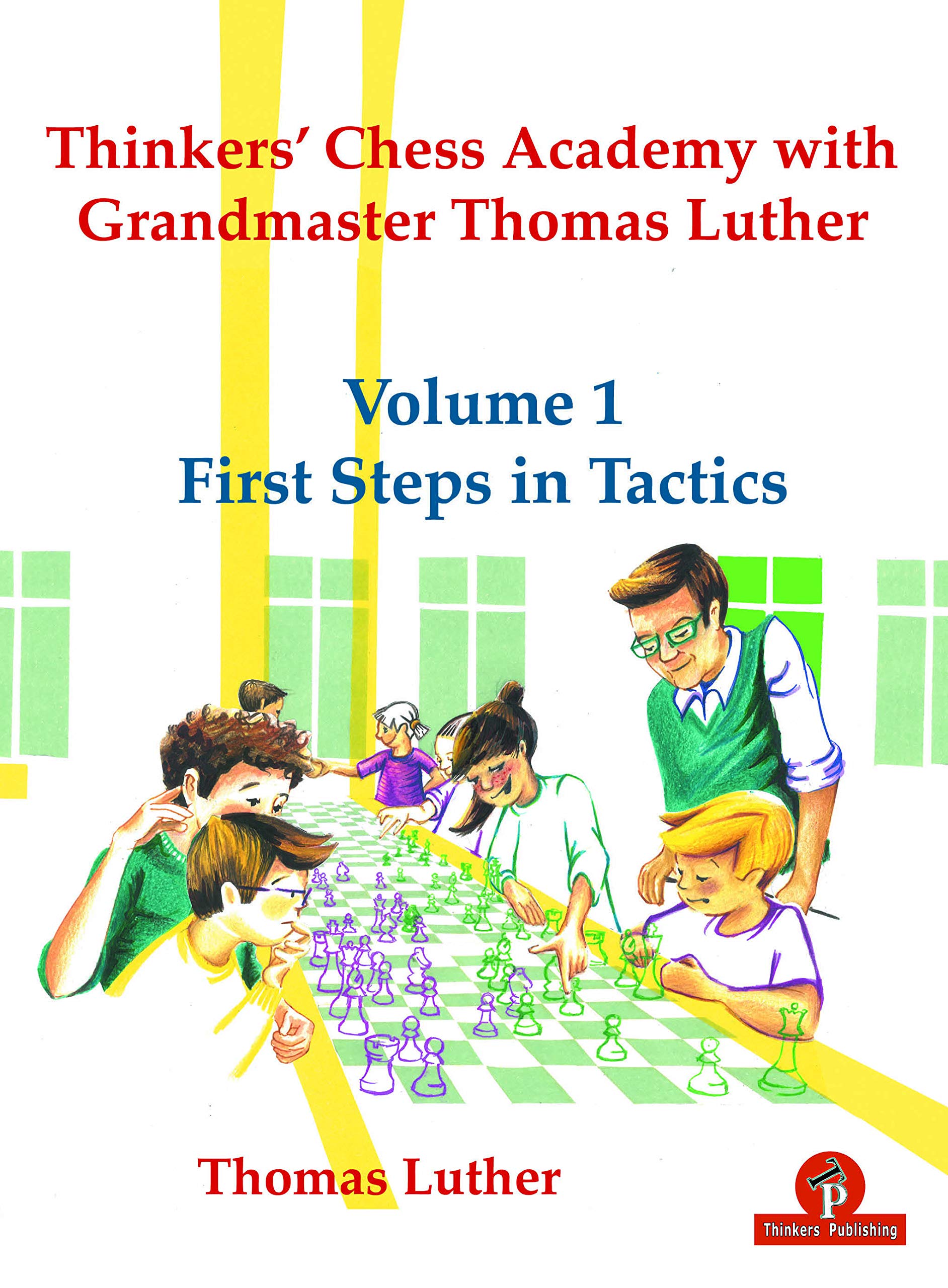
Thinker’s Chess Academy with Grandmaster Thomas Luther : First Steps in Tactics

Thinkers' Chess Academy with Grandmaster Thomas Luther - Volume 1 First Steps in Tactics
Thinkers’ Chess Academy with Grandmaster Thomas Luther – Volume 1 First Steps in Tactics

Grandmaster Thomas Luther, born in 1969, is the first player with a disability to have entered the FIDE Top 100 rating list. In 2001 he was ranked 80th in the world. He has won the German Championship three times and is well known as an experienced and successful coach. In 2014 his achievements were recognised by being granted the title of FIDE Senior Trainer. In his career to-date he has published several books and DVDs. This is his second book for Thinkers’ Publishing, after a co-production with Jugend Schach Verlag entitled “Chess Coaching for Kids – the U10 Project.”

GM Thomas Luther
GM Thomas Luther

As with every recent Thinkers Publishing publication high quality paper is used and the printing is clear. In fact, for this particular title we have been treated with pleasing glossy paper that gives the book a higher quality feel than usual.

The book can easily be laid flat next to the board and does not require weights to prevent it from “self-closing” (a particular bugbear of ours !). Each diagram is clear and the instructional text is typeset in two column format, which, we find, enables the reader to maintain their place easily. Figurine algebraic notation is used throughout and the diagrams are placed adjacent to the relevant text and each diagram has a “to move” indicator.

There is no index which, unfortunately, is a standard omission of Thinkers Publishing books. Also missing is a bibliography. However, for a tactics books these items are less crucial, of course. A biography or autobiography would miss these things.

The main content is divided into sixteen chapters :

  1. Notation
  2. Exercises & Mazes
  3. Little Games
  4. Checkmate & Advantage
  5. The Winning Move!
  6. Rules & Behaviour
  7. Find Checkmate in Two Moves!
  8. Tactical Motifs
  9. Double Attack / Fork
  10. The Knight and his Forks
  11. The Skewer
  12. The Pin
  13. How to Handle a Pin
  14. The Overload Motif
  15. Discovered Attack
  16. History of Chess & Checkmate

We have reviewed several tactics books in the last few months and this one from Thomas Luther is really rather interesting. It would appear to have at least two clear target audiences : improving and ambitious juniors and also club players perhaps less than 1900 Elo.

The chapters on Exercises and Mazes and Little Games appeal to myself as a chess teacher and coach since these ideas are rarely presented by GMs. For example :

The rook has to give check to the black King.

He cannot move to a square where he be captured.

He cannot capture pawns, even if they are unprotected.

Make a guess how many moves are needed?

The “Little” Games (most western coaches would refer to these as “Mini” Games) is refreshing and entertaining :

In this position the pawns can overwhelm the bishop!

Following these interesting chapters we move on to more conventional themed tactics problems designed to build-up patterns that are recognizable. Each position has solution text that is aimed at junior and improving players reinforcing what (hopefully) has been learnt.

Chapter 6 (Rules & Behaviour) is somewhat unusual. Etiquette and basic playing advice is rarely discussed but again the focus is improving players. This sort of advice is regularly handed out by teachers and coaches but rarely found in print.

One of the more innovative features of the book are positions in which there is a win depending on who it is to move. Chapter 7 (Find Checkmate in Two Moves!) kicks off this notion and here is an example (there should be both a White and Black to move indicator) :

Before you ask, yes, most of these positions are concocted but that is irrelevant to the teaching aims of the examples.

One pleasing aspect of the bulk of the “normal” tactics chapters is that diagrams are large enough not to need a board and that, as a consequence, one can get a rhythm going almost akin to a “Puzzle Rush” ! Using a stopwatch also is not so silly.

Chapter 16 (History of Chess & Checkmate) will be of interest to perhaps more mature players and takes positions and puts them into a real life context about players current and past.

Not all books that are reviewed are going to be read cover to cover, but we did enjoy working through the examples. We’d say that an improving junior maybe 10+ in years will take to this book and get a lot from it. We are pleased that this book is free of silly cartoons which tend to put off serious juniors. When will publishers realise that cartoons do not enhance a chess book? The presentation is excellent and the material is fun to work on ! Highly recommended : chess parents take note.

John Upham, Cove, Hampshire, 28th May, 2020

John Upham
John Upham

Book Details :

  • Hardcover : 325 pages
  • Publisher:Thinkers Publishing; 1 edition (19 May 2020)
  • Language: English
  • ISBN-10: 9492510723
  • ISBN-13: 978-9492510723
  • Product Dimensions: 16.8 x 1.5 x 23.1 cm

Official web site of Thinkers Publishing

Thinkers' Chess Academy with Grandmaster Thomas Luther - Volume 1 First Steps in Tactics
Thinkers’ Chess Academy with Grandmaster Thomas Luther – Volume 1 First Steps in Tactics

Happy Birthday IM Andrew Ledger (23-v-1969)

IM Andrew Ledger, Courtesy of John Upham Photography

BCN wishes Happy Birthday to IM Andrew J Ledger (23-v-1969)

Andrew plays for Blackthorne Russia in Four Nations Chess League (4NCL) plus Woodseats, Sheffield and Yorkshire CA in other leagues and the English Counties Championship.

Andrew has two chess playing brothers, FM David Ledger and Stephen Ledger.

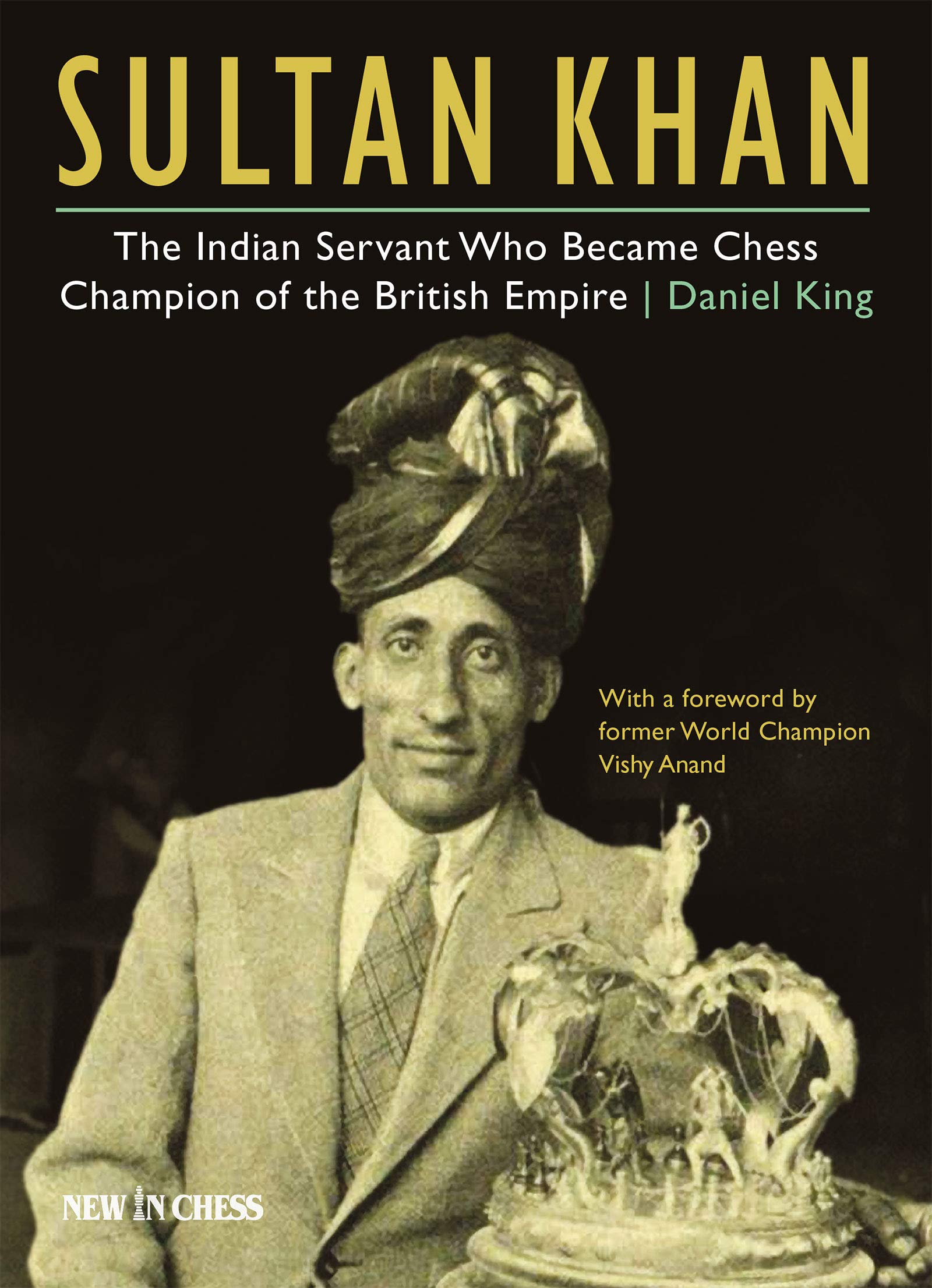
Sultan Khan : The Indian Servant Who Became Chess Champion of the British Empire

Sultan Khan: The Indian Servant Who Became Chess Champion of the British Empire

Sultan Khan : The Indian Servant Who Became Chess Champion of the British Empire : Daniel King

GM Daniel King
GM Daniel King

“Daniel King (1963) is an English grandmaster, coach, journalist and broadcaster. He has written 16 chess books on topics ranging from opening preparation to the self-tutoring How Good is your Chess? and Test Your Chess.”

From the rear cover :

“Sultan Khan arrived in London in 1929. A humble servant from a village in the Punjab, he created a sensation by becoming the British Empire champion. Sultan Khan competed in Europe with the leading chess players of the era. His unorthodox style often stunned his opponents, as Daniel King explains in his examination of the key tournaments in Khan’s career. King has uncovered a wealth of new facts about Khan, as well as dozens of previously unknown games. Now for the first time the full story can be told of how Khan was received in Europe, of his successes in the chess world and his return to obscurity after his departure for India in 1933.”

Daniel King, well known as a writer and broadcaster, here turns his hand to chess history, and one of the most fascinating stories our game has produced.

It would be remiss of me not to mention at the start that Sultan Khan’s family, whom the author chose not to consult,  are very unhappy about the book. You can read a review by Dr Atiyab Sultan, Sultan Khan’s granddaughter, here.

Dr Sultan and her father also write about Sultan Khan here.

I’ll leave that with you: you can decide for yourself whether or not it will deter you from buying the book. I have my views but prefer to concentrate on the chess.

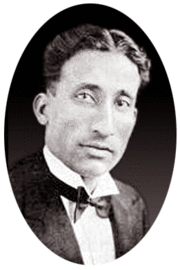
Malik Mir Sultan Khan

What we have is a collection of Sultan Khan’s most interesting games (in some cases only the opening or conclusion) with excellent annotations. It’s not a ‘Best Games’ collection: there are plenty of draws and losses. As you would expect from such an experienced commentator, King knows exactly what, and how much, to tell you. You’ll get clear and concise verbal explanations, with variations only when necessary: an approach entirely suited to Khan’s style of play.

Sultan Khan’s openings were sometimes very poor, even by the standards of the day, on occasion running into trouble by neglecting the essentials of development and king safety, and not always learning from his mistakes. You won’t find a lot of brilliant tactics and sacrifices in his games, either. But he excelled at manoeuvring, and was an outstanding endgame player, winning many points through sheer determination. It was these skills that enabled him to beat Capablanca, draw with Alekhine, and reach, according to Jeff Sonas, the world’s top ten.

Here’s his most famous game, which is treated to six pages of annotations in the book.

King offers a lot more than just the games, though. The descriptions of the events in which Sultan Khan participated are enlivened by contemporary reports from newspapers and magazines which portray a vivid picture of the chess world 90 years ago, and of how Khan was perceived within the chess community. Then as now, newspapers would sometimes send non-playing journalists to write a ‘let’s laugh at the weird chess players’ article. Here, for example, is a Daily Herald reporter visiting Hastings for the 1930-31 congress. “DRAWING THE LONG BROW AT HASTINGS”, chortled the headline. “Moving (sometimes) scenes at chess congress.” Yes, very droll.

Although Sultan Khan was a very popular member of the British chess community, much respected for his quiet and modest demeanour, remarks which would today be considered racist sometimes appeared in the press. The London Evening News on Hastings 1932-33: “Sultan Khan, the British Champion, of course, did well; but he is not English by birth, which makes a difference.”

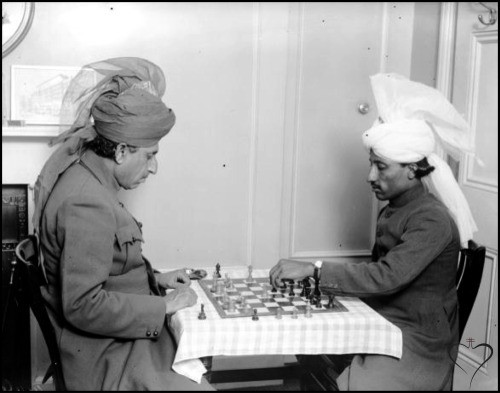
Malik Mir Sultan Khan (right)

King also sketches in the political background behind Sultan Khan’s time in England: the discussions concerning the future of the Indian subcontinent which would eventually lead to independence and the partition in 1947. Writing as someone with embarrassingly little knowledge of the subject, I thought these sections of the book were written with sensitivity and impartiality, but, as the partition is still highly emotive today, I quite understand why others might take a different view.

My main problem with the book is the lack of indexing. There’s an index of names, but I’d also expect indexes of games and openings: something I’d consider essential for a book of this nature. While it was interesting to read something of the history of Western chess in India, a section on John Cochrane would have been useful. I noticed a couple of errors in tournament crosstables (pp 22 and 309), and on p322, EM Jackson mysteriously becomes EM Mackenzie (his middle name).

What you don’t get is a definitive and complete biography and games collection such as McFarland might publish, but Daniel King knows his audience well, and, from the chess perspective, does a thoroughly professional job. If you don’t feel strongly about Sultan Khan’s family’s criticisms, then this book is highly recommended, telling a story full of chess, human and historical interest.

You can see some sample pages on the publisher’s website.

Some more links for anyone interested in finding out more about Sultan Khan:

An article by chess.com blogger simaginfan (Neil Blackburn)

Edward Winter’s feature article about Sultan Khan

A short documentary from 1990 about Sultan Khan and Miss Fatima

Richard James, Twickenham 22nd May 2020

Richard James
. Richard James

Book Details :

  • Paperback : 372 pages
  • Publisher: New In chess (1 Mar. 2020)
  • Language: English
  • ISBN-10: 9056918745
  • ISBN-13: 978-9056918743
  • Product Dimensions: 17 x 23.1 cm

Official web site of New in Chess

Sultan Khan: The Indian Servant Who Became Chess Champion of the British Empire

Happy Birthday IM John Cox (22-v-1962)

IM John Cox, courtesy John Upham Photography

BCN sends best wishes to IM John James Cox on his birthday, this day, in 1962.

John was born in Altrincham, Trafford, Greater Manchester and moved to Shropshire at the age of three.

John attended Eton College playing top board in the Sunday Times National Schools Competition during the 1977 – 1979 period.

John read classics at Corpus Christi College, Oxford and played in the 1982, 1983 and 1984 varsity matches for Oxford versus Cambridge.

He became a FIDE Master in 1982, an International Master in 2002 and obtained a peak rating of 2423 in January of 2006.

John is a solicitor, owning his own practice of 30 years.

He is an expert bridge player and an amateur rock climber / mountaineer.

John plays for Cavendish in the London League, Hackney in other leagues and Barbican in the Four Nations Chess League (4NCL).

From the excellent Shropshire Chess web site we have :

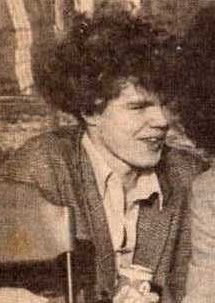
John Cox, aged 17, photographer unknown

“Probably the best home reared player to come out of the county, John Cox started to play at age 6 with his father Jeff (see above) joining Shrewsbury Chess Club at age 7. At age10 he became joint Shropshire lightning champion. He was 16 when he won the 1979 county championship though much of his early success was outside the county. He gained his first FM norm at the 1980 Lloyds Bank Masters where he became the first Shropshire player to beat a GM (see below), also drawing with IM’s Ligterink and Pytel. In 1981 he gained his third norm and the FM title at Ramsgate together with his first IM norm. Though now based in London, he is still a regular visitor to the local Wrekin Congress.”

Here is his Wikipedia entry

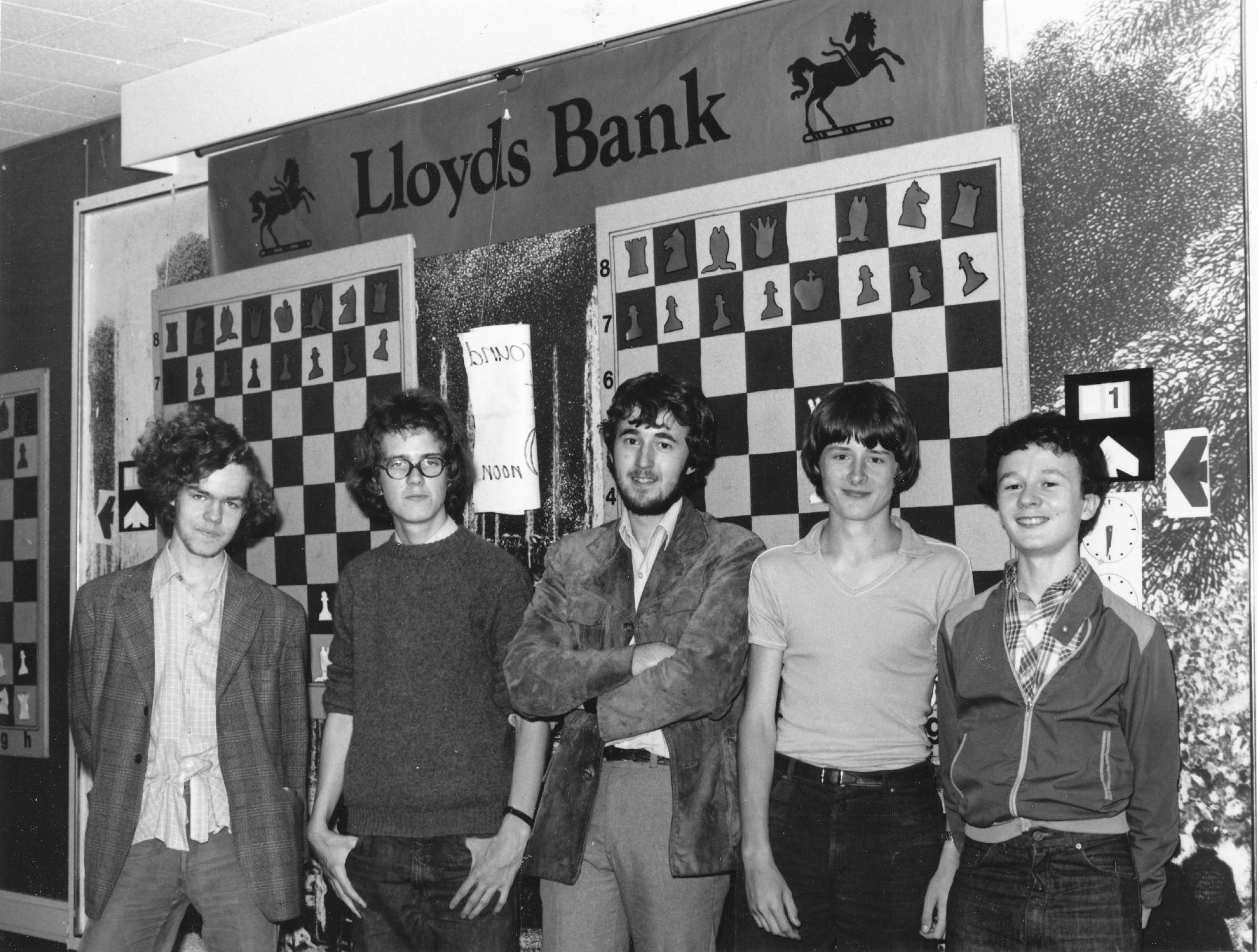
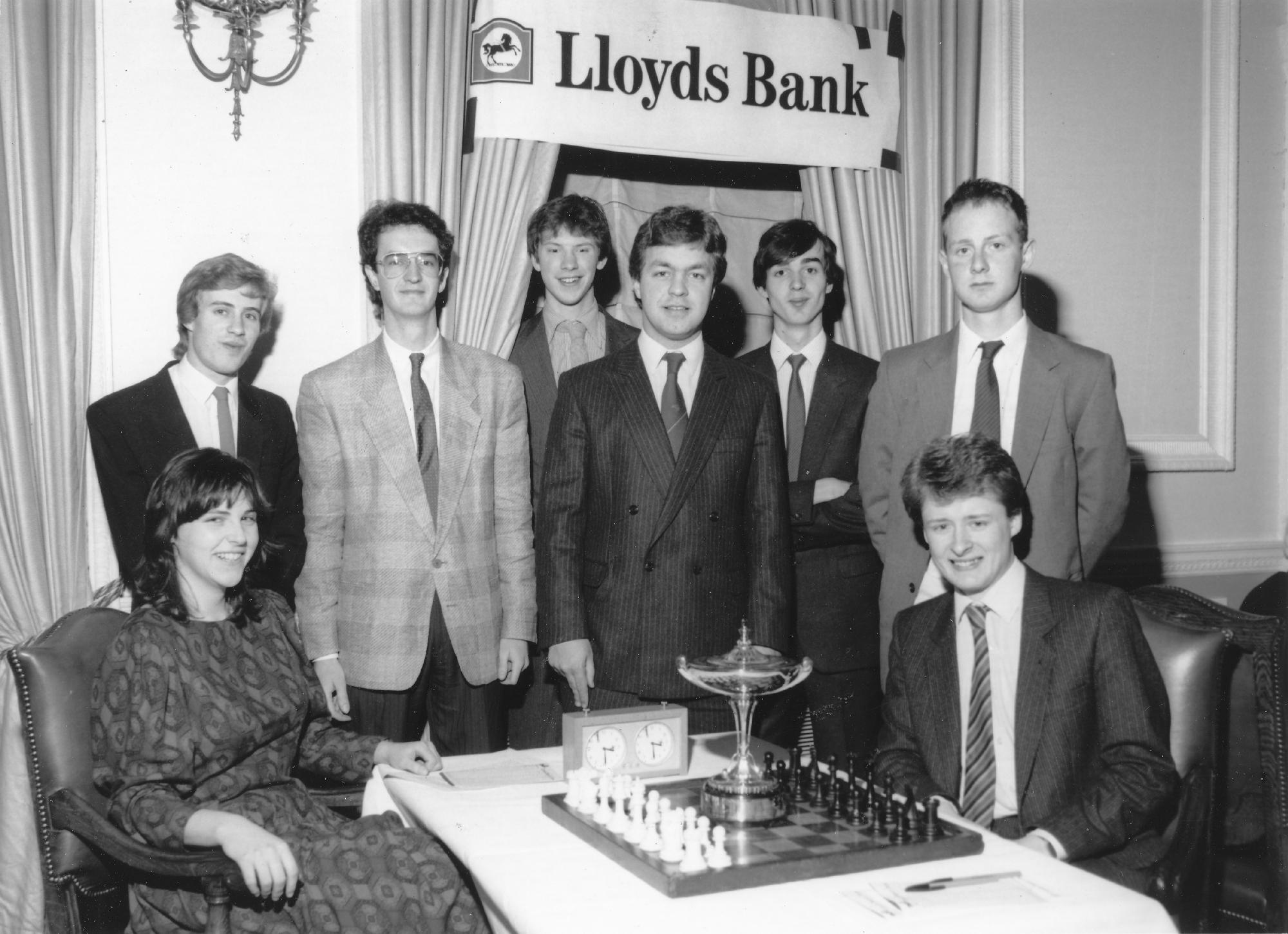
John Cox  (first from left) at a Lloyds Bank event.
John Cox (first from left) at a Lloyds Bank event.
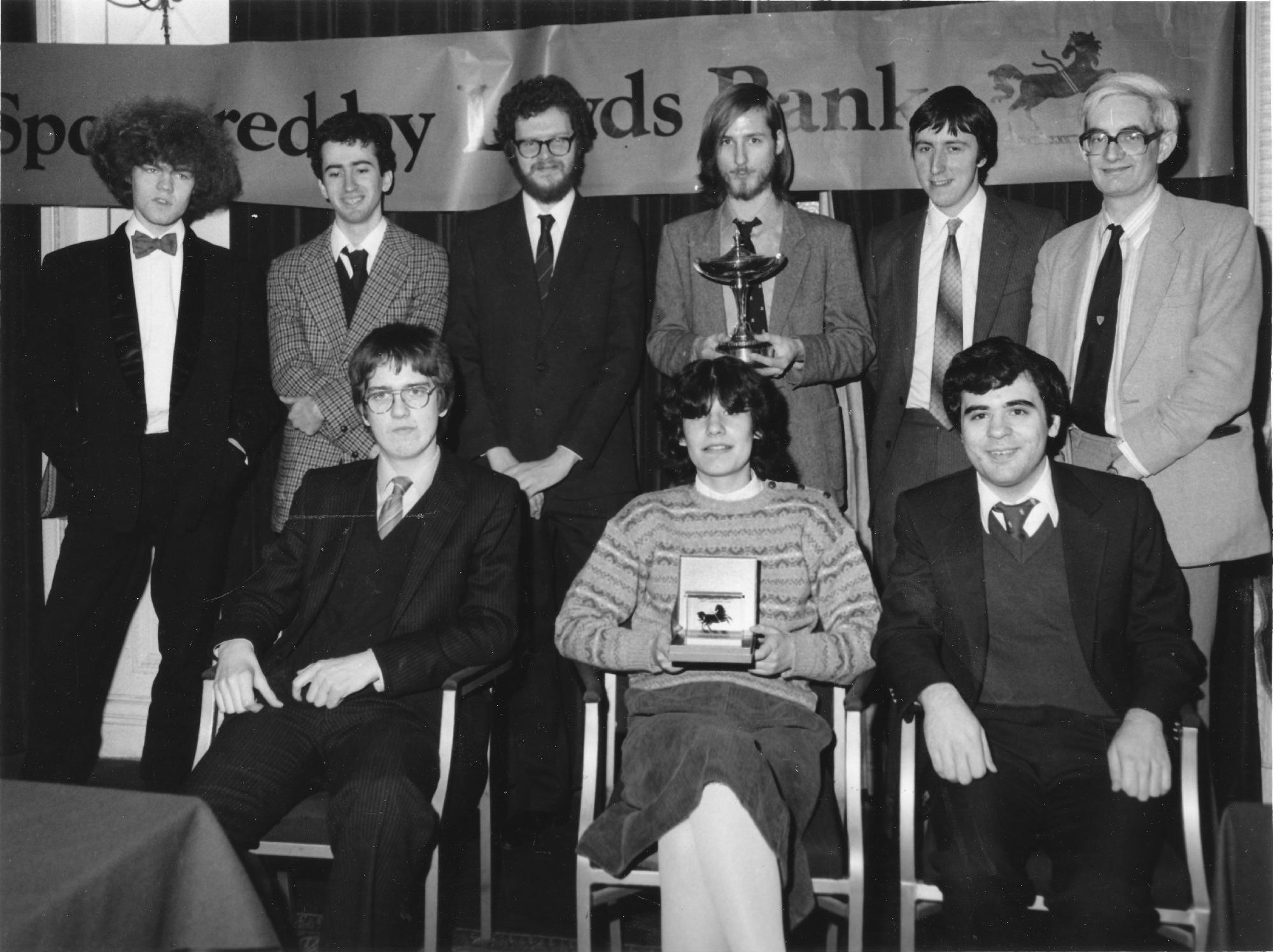
John Cox (left, rear)
John Cox (left, rear) at a Lloyds Bank Varsity match
IM John Cox, courtesy John Upham Photography
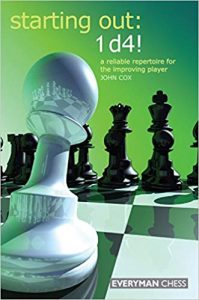
Starting out  1.d4 ! by John Cox
Starting out 1.d4 ! by John Cox
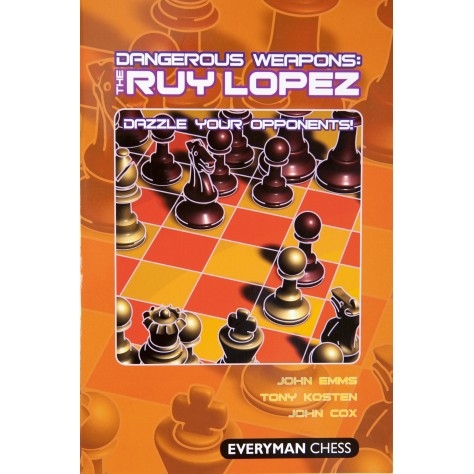
Dangerous Weapons : The Ruy Lopez
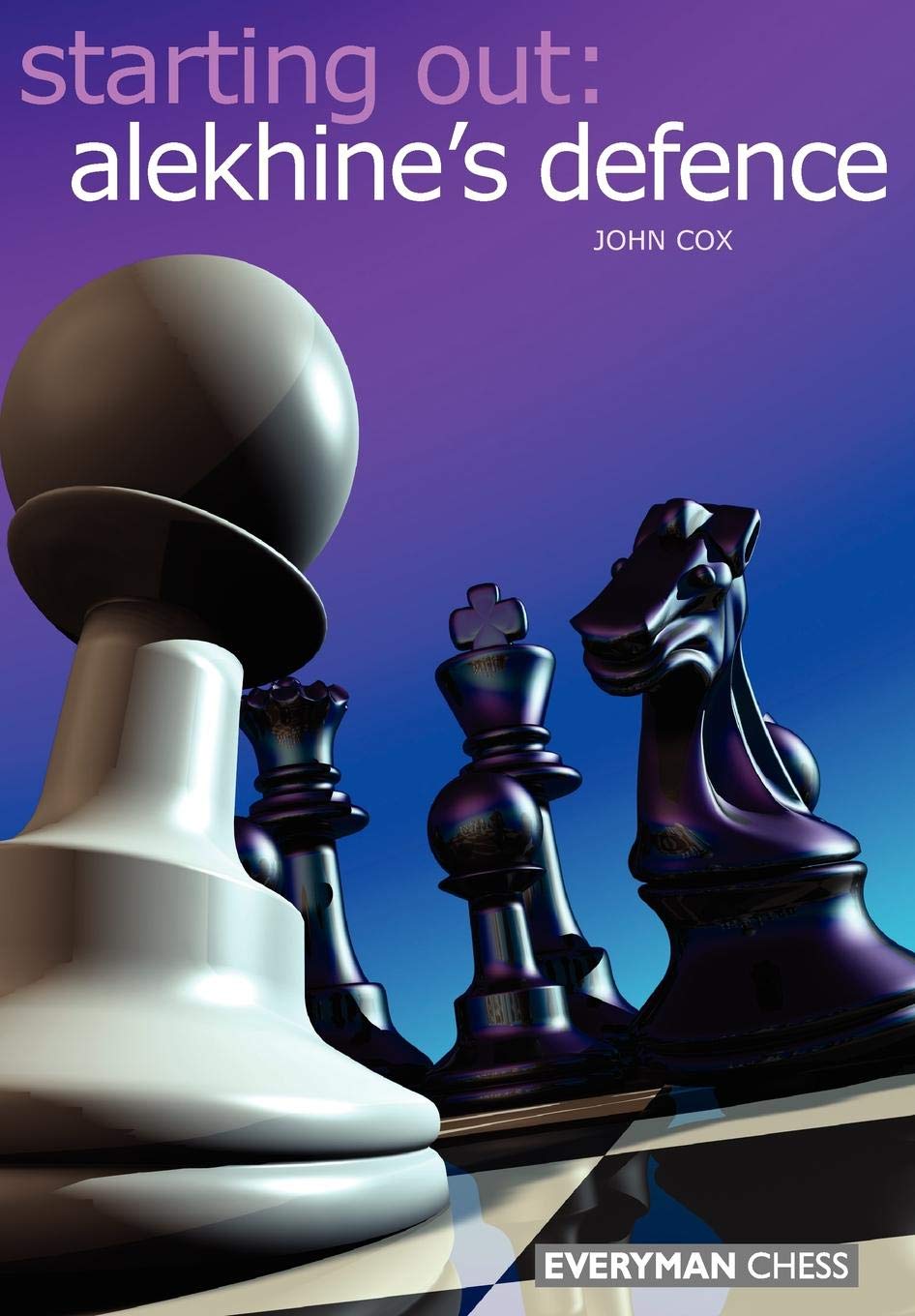
Starting Out : Alekhine's Defence
Starting Out : Alekhine’s Defence
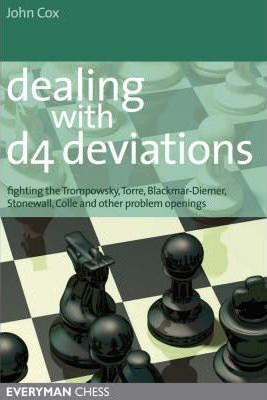
Dealing with d4 Deviations
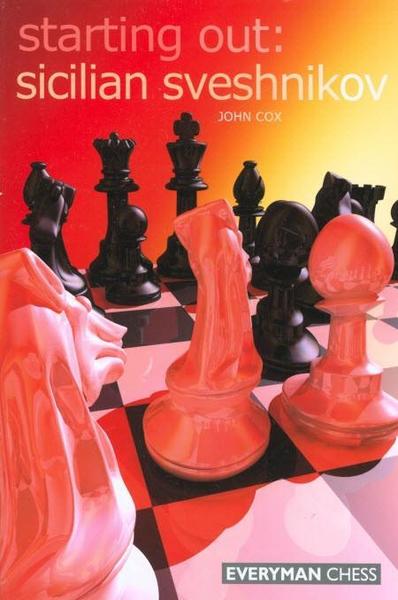
Starting Out : Sicilian Sveshnikov
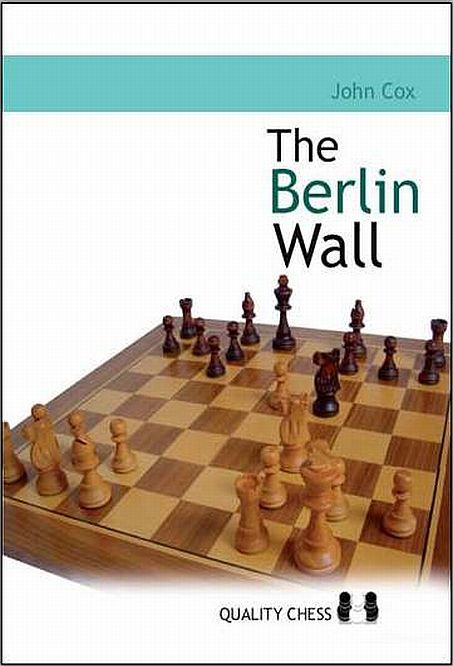
The Berlin Wall
The Berlin Wall

Many Happy Returns : GM Jonathan Parker (19-v-1976)

GM Jonathan Francis Parker, courtesy of John Upham Photography

BCN sends best wishes to GM Jonathan Francis Parker on his birthday, this day, in 1976.

Jonathan became a FIDE Master in 1991, and International Master in 1993 and a Grandmaster in 2001. His peak rating was 2570 in July 2002.

Jonathan plays for Cavendish in the London League and Barbican in the Four Nations Chess League (4NCL).

According to chessgames.com : “Grandmaster from England. Parker won the Berlin Summer Open in August 1998.”

Jonathan Parker
Jonathan Parker

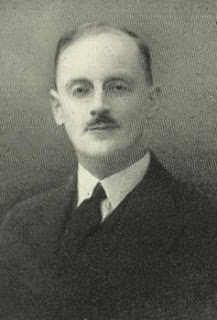
Remembering Brian Harley (27-10-1883 18-v-1955)

Brian Harley (27-10-1883 18-v-1955), from chesscomposers.com and Chess Notes

Death Anniversary of Brian Harley (27-10-1883 18-v-1955)

From chesscomposers.com :

“Brian Harley composed mostly two- or threemovers and wrote many books to make chess problems more popular: for instance his “Mate in Two Moves” inspired Geoff Foster’s first steps into problem dom.
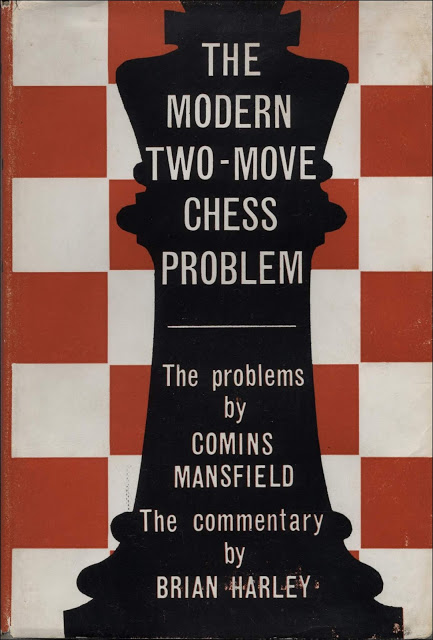
Harley’s “The Modern Two-move Chess Problem” written in collaboration with Comins Mansfield is probably the best known of his efforts.

Brian Harley was the inventor of the term “mutate” for the block problems with changed mates. He was the president of the British Chess Problem Society from 1947 until 1949. In his honour, each year the British magazine “The Problemist” awards the best twomover problem with the “Brian Harley” award.”

and Edward Winter writes about Brian Harley (scroll down a little).

Here is BHs obituary from British Chess Magazine, Volume LXXV, Number 9, pages 284 – 287 written by S. Sedgwick :

“With the death of Brian Harley on May 18th,1955, the chess problem is the poorer by an authoritative exponent, and a writer of unusual clarity and popular appeal. His sudden passing at his home at Bognor Regis will be mourned. by a very wide circle of friends; to his wife and son, with whom he enjoyed an enduring happiness, we extend our deep-felt sympathy.

Born at Saffron-Walden, Essex, on October 27th,1883, Harley was educated at Wellingborough and Haileybury. Qualifying as an actuary he entered the National Provident Institution, in whose employment, apart from War Service, he passed his professional life, until his retirement in 1947.

As a player he had initially a considerable reputation, above that enjoyed as a problemist. Two books, Chess and its Stars and Chess for the Fun of it, reflect this aspect of his chess work. When playing was eventually renounced for problems he still retained his love of annotation, bringing to this a wide knowledge, larded by the apt witticism and an approach that was neither superficial yet avoided the pitfalls of pedantry.

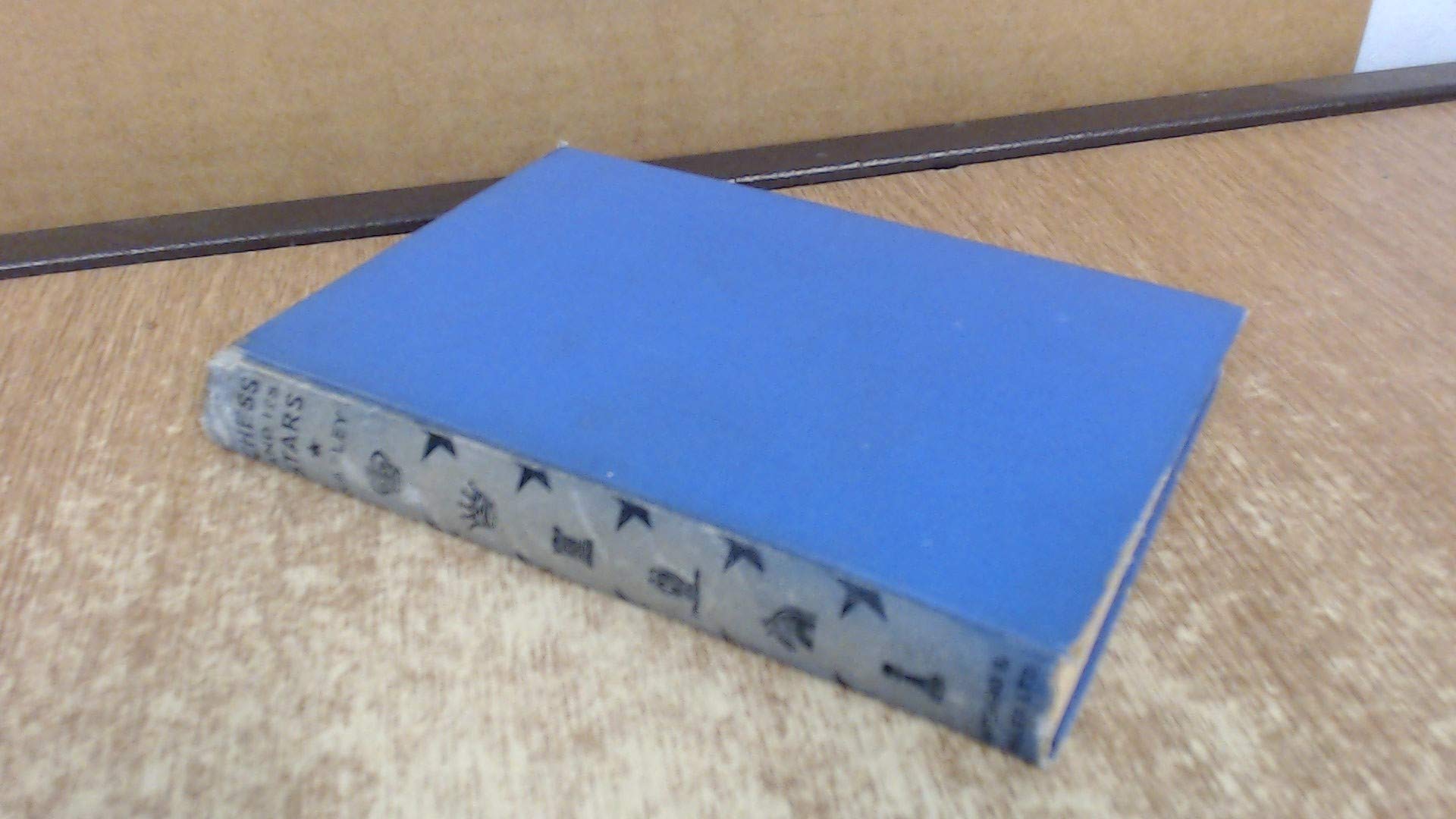
Chess and its Stars
Chess and its Stars

His first problem appeared at the age of fifteen, in 1898. Whilst Harley’s early period has some noteworthy items, it lacks the verve and distinction of his later output, following his awakening of interest in the mutate in 1916_and the fertile years following his appointment as Chess Editor of The Observer, London, in 1919. In England under the lead o[ Phillip Williams in the Chess Amateur, the mutate had sprung into popularity during and after the Great War, with Harley among its ardent exponents. He continued the cult in his Observer column, where he did much to popularize it. It is possibly symbolic that when Williams died in 1922 his travelling board and men should pass to Harley; it would be difficult to find a comparable instrument that has witnessed the genesis of so much concentrated chess devilry, implicit in all mutates, as this board used first by Williams and then by Harley.

In July, 1919, Harley published his system in the Good Companion folder. This paper, the outcome of much thought, attempted to evaluate the constituent parts of a chess problem on a semi-mathematical basis. Point values were set down for the elements in White keys, Black defences thereto, and the resultant White mates, the summation giving values for comparison with other works similarly treated. In an accompanying paper on the block-change it was here that Harley introduced the term “mutate,” the word passing, without cavil, into the current idiom. Under the evocative power of Harley’s work and pen his Observer feature from 1919 onwards has come to rank with the great columns of the past. No composer of substance was absent from its pages and the result is a collection of works and descriptive criticism that has enriched the chess literature of the world. Early on, Harley came to know the late Godfrey Heathcote, and the welcome presence of the great composers name in the column gave it a sublimity possessed by no other comparable English journal. Harley’s comments on his contributors work was one of the many attractive features of his column. He kept the popular approach very much in mind without unduly over-weighting it; this, blended with a brand of humour all his own (often literary in character), and a grasp of essentials drove home the salient points of a problem to the uninitiated solver with a peculiar vividness. He could ‘be incisive when wanted, technical when he pleased, his gentle rebuke for the inferior production or undetected flaw could not be other than well taken, authoritative without ostentation, his succinct criticisms are now legendary to be treasured and repeated when the occasion demands. An incorrigible faddist in his regard for the short threat in the three-mover, Harley seldom admitted this type to his pages, pleading aversion by solvers. He conducted over one hundred solving contests during his column’s life; these weekly battles of wits affording enormous pleasure to all concerned.

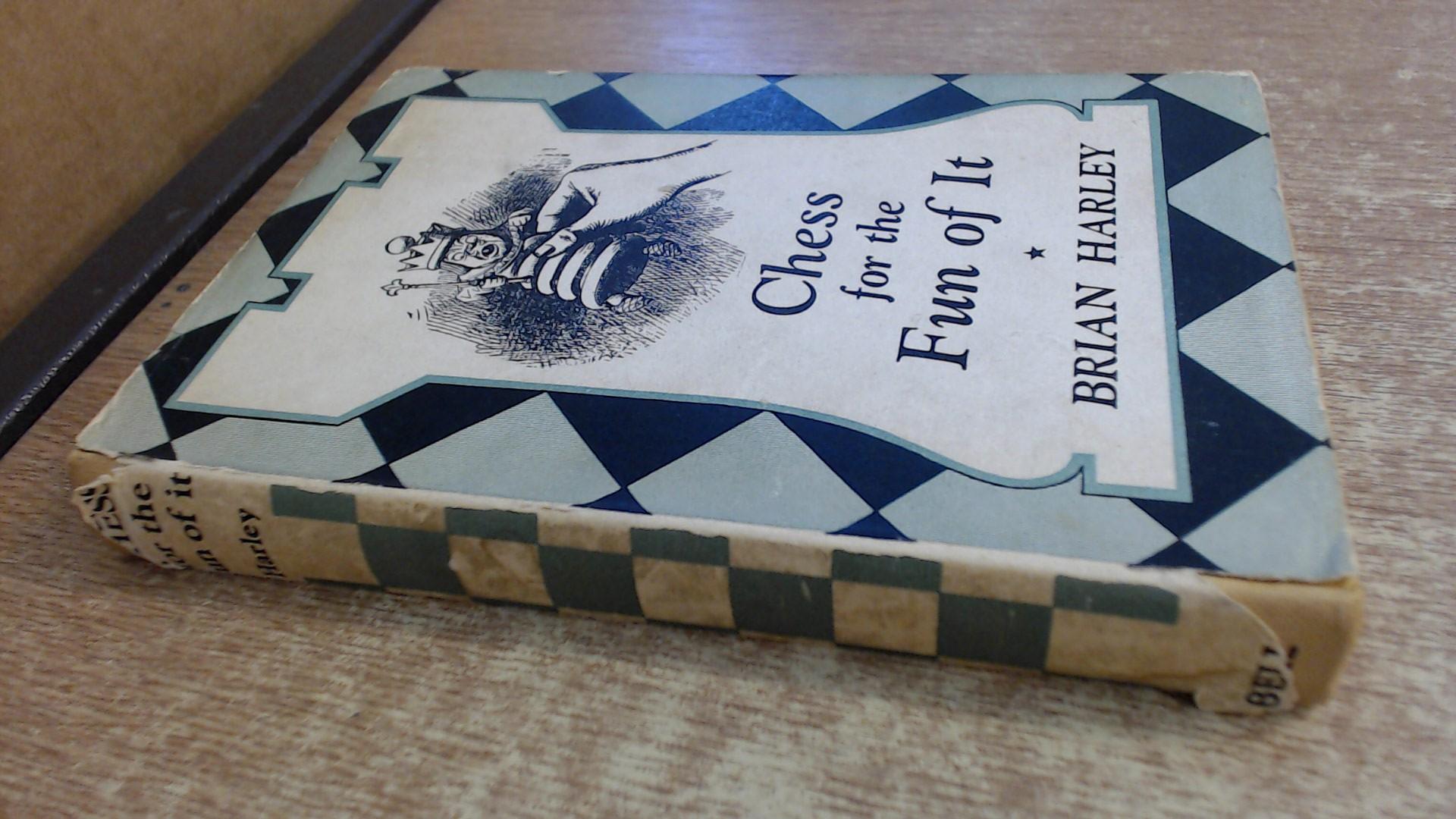
Chess for the Fun of It

To his column came the established composer and the hesitant, possibly young, beginner. To this last group Harley gave every encouragement and unreservedly of his advice and help. There must be few British composers who have not felt his benefit directly, through the medium of his wonderful letters, lit all the way through by the warm glow of an endearing personality.

Harley’s constructive powers brought him to the front rank of the world’s composers. His output of 450 includes long range work in four and five moves and in later years, sui-mates. In the chess-men he found a pliable medium for the realization of an unusual vision and creative gift. In the two-mover he gave to the mutate much substantial and classic work. He appears to have given to this type more specialized attention than any other in the two-move field. Elsewhere in this length his work covers a wide variety of themes with a strong liking for task renderings. A composer with few serious constructive foibles, his mode of expression, in consequence suffered little. His was not the temperament to linger with one theme and squeeze it dry. One or two renderings of the theme on hand and he would pass to the next. Hence the diversity of his work which imbues it with especial charm. To underline this point one could indicate, almost at random, Harley’s entries in the multimate tourney of the Cleveland Chess Bulletin. Certainty the theme had few attractions for him but his entries showed how superbly such problem ideas could be clothed.

In the three-mover Harley has graced both sides of the aesthetic fence, and that with distinction, giving equally to the strategic and model-mate genre. His friendship with Heathcote however influenced him considerably here and one is inclined to the view, that in this length, Harley held firmly to the eternal values in chess art. In both types Harley attained especially in task renderings, rare heights of complexity and construction. His lighter mood showed to the full-to the incipient solver much of the low cunning of which the three-mover is capable.

He came to the sui in the late forties. When Heathcote was convalescing in London, following an operation, Harley took some specimens with him when he visited his friend The ensuing discussion stimulated Harley to further experiments and the authentic touch of the great master of technique is evident in his work here also. Harley gave many of his works to his own “Observer” column but did not neglect the other sources of publication. To quote his own words his ideal problem was “a mixture of art, science, humour, and puzzlement.” His best work shows brilliantly his love for the integration of the beautiful and the true inner essence and spirit of chess.

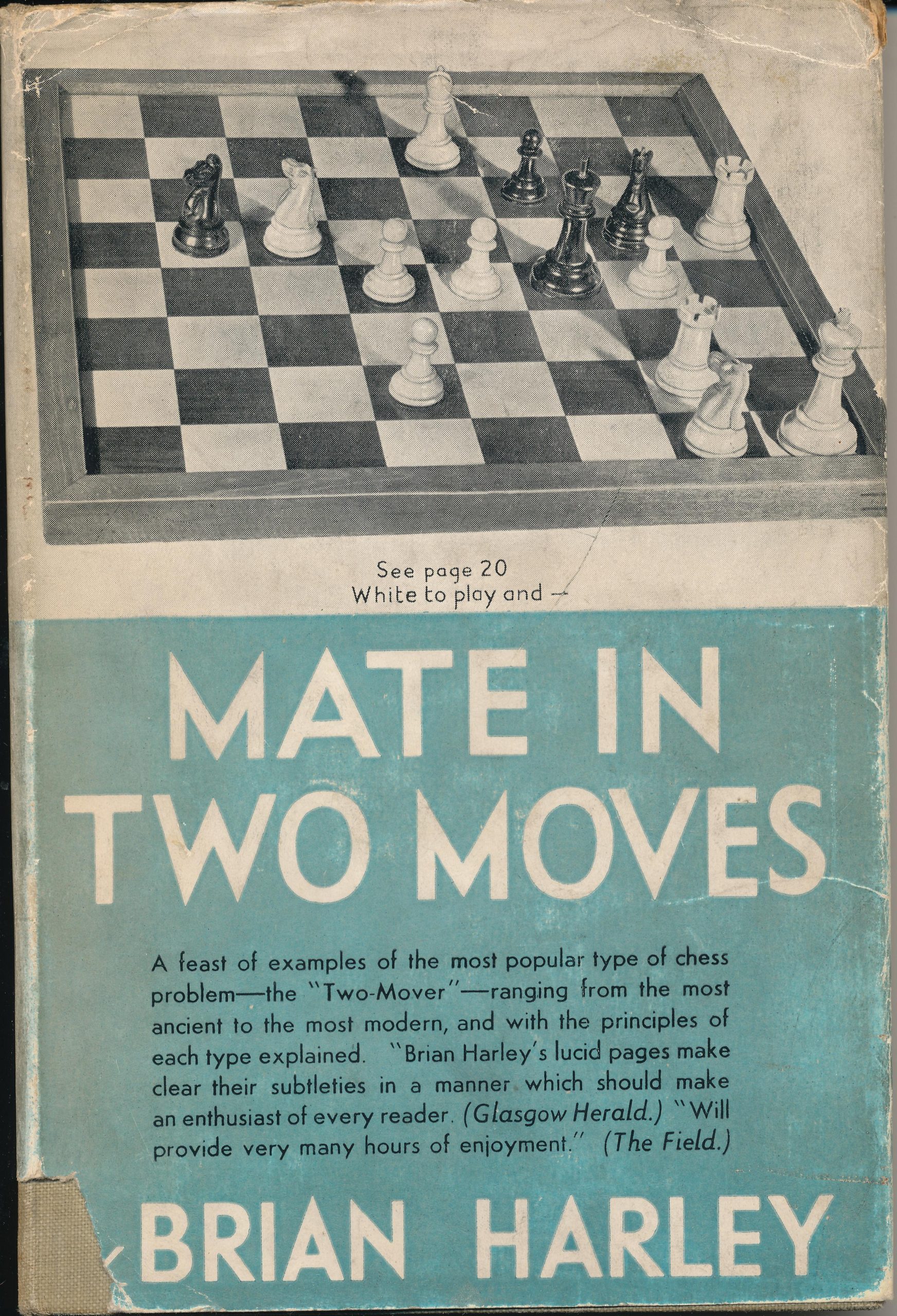
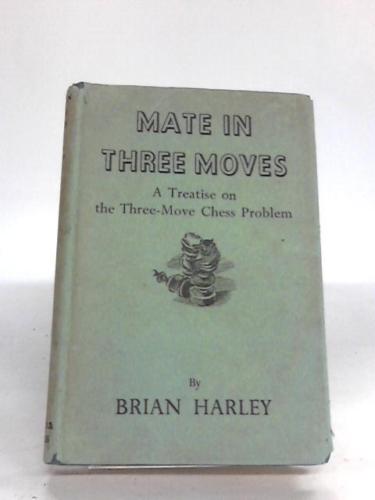
His contribution to the literary and technical side of chess problems outside his journalistic work is seen in his two books Mate in Two (1931) and Mate in Three (1943).
Mate in Two is stamped with all Harley’s inimitable style and remains a mine of information for all levels. Standing, as it does, mid-way between the old and the new, the book, apart from an absorbing chapter on changed play, reflects and even labours under the influence of the “Good Companion” period. Harley in later editions to a certain extent remedied this deficiency and the book, now long out of print, lies on our shelf, its fundamentals unimpaired, as one of the classic expositions in the art. Mate in Three, written from a’ narrower viewpoint, proved another successful publication. Here Harley entered more controversial ground, crossing swords. with hitherto established theory. The book, although not evoking absolute technical authority, gives a broad and eloquent outline, written from the artistic standpoint, of three-move work fundamentally, with few significant omissions. Made memorable by the inclusion of many works both by Harley and Heathcote, the book is that of a true artist, and is of great importance theoretically as the one modern work devoted to this length by an English author.

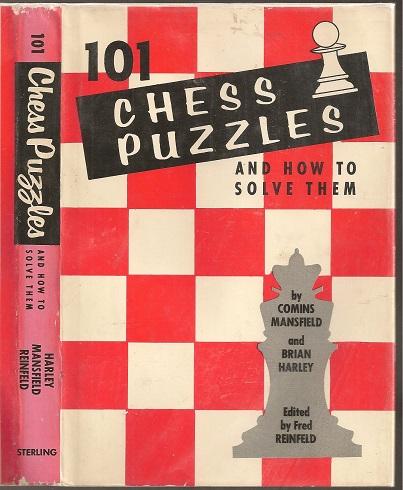
101 Chess Puzzles
101 Chess Puzzles

A further important contribution to chess problem theory was his thesis on “Black Correction” read before the British Chess Problem Society on November 29th, 1935. In the mid thirties, this thesis, more than anything else, was instrumental in precipitating a flood of work on correction and associated ideas. Readers of this magazine will recall this period, and I trust that this short recapitulation will still the tiresome arguments regarding the choice between “correction” and “continued defences.” Harley’s choice is at once apt and descriptive and it should not be forgotten that here, he touched upon White Correction, an esoteric aristocrat, greeted by ten years or so of utter silence before systematic investigation by the moderns.

Elected President of the British Chess Problem Society in 1947-1949 it so happened that I was its Secretary at the time. We exchanged hundreds of letters on problematic subjects, the scope of his knowledge always affording surprise. The Society benefited enormously from his advice and counsel, and during the somewhat delicate situation arising from the arbitration in the two-move section of the 1948 Olympic Tourney it was with alacrity that one turned to a mind of the calibre of Harley. Coming to the man he was widely read, a Latin scholar, and his knowledge of Dickens was above average; a keen bridge player, an instrumentalist (piano), all the varied facets of his character would come out at some time in his chess writings. His physical presence at any gathering gave it stature. Of medium height, lovable, somewhat dapper, the shrewd contemplative face of this chess Barrie with its ever present cigarette holder and fund of anecdote has enriched and enlivened many a dull Committee Meeting.

Mate in Two Moves
Mate in Two Moves

On the death of Anthony Guest in 1925, Harley succeeded as Problem Editor of the Morning Post until 1932. In addition he was Problem Editor of Empire Review, 1923-1926, and Time and Tide, from 1951 until his death. Lesser appointments included several technical journals where he acted under pseudonyms. Amusing were the anagrammatical pseudonyms used occasionally for composing in Hilary Bream and Harry Blaine.

Brian’s integrity and character endeared him to innumerable correspondents and solvers. Most of us nourish a characteristic Brian Harley story; one must suffice here. It concerns the time when Brian was introduced to the late Sir John Simon who made the delightful response “l need no introduction for I meet him every Sunday and for years hive wrestled with his problems, eventually solving them in the House of Commons.” For this weekly enrichment of our lives we have much to thank him for.

In middle life Brian married Ella Margaret Beddall; there is one son, Nigel. With his wife, Brian shared many problematic triumphs and it was to her that his various books were dedicated.

Mate in Three Moves
Mate in Three Moves

Before closing this brief review of Brian’s achievements a word should be said regarding the summary end of his work in the Observer and a tribute paid by one of his many solvers in this column. On the former it will be regarded with universal regret by all problemists that no arrangements have been made to continue Brian’s incomparable work in the journal he served with such distinction. Regarding the latter am very grateful to Halford W. L. Reddish, Esq., for an appreciation that admirably epitomizes the feelings of us all on this melancholy occasion.

Mr. Halford Reddish writes-

“l am one of thousands of solvers, from the expert to the merest tyro, who will miss our weekly battle with Brian Harley in the Observer. In the world of chess and chess problems his name and fame are secure. His characteristically titled Chess for the Fun of It is a delightful exposition of the game: his Mate in Two Moves and Mate in Three Moves are classics in their particular field.

To those of us who knew Brian personally his passing leaves an unfillable gap. I had known him and admired him and loved his witty, cheery, kindly personality for many years. He was one of those rare beings who became a close friend even before our first meeting-for we had corresponded for a long time before we first came face to face. And although chess and chess problems were our primary link he had many other interests which kept him young and keen in mind after his retirement from business and which enlarged and enriched his correspondence. It is typical of him that no letter came from him without some mention of his dear wife, who shared to the full his varied interests. To her and to his only son to the deep sympathy of his many friends.”

From The Encyclopaedia of Chess (Batsford, 1977), Harry Golombek OBE, John Rice writes:

“British problemist, known perhaps less for his problems (mainly two- and three-movers) than for his influential writing and editing. Chess correspondent of the Observer for over twenty years. Books include: Mate in Two Moves (1931), Mate in Three Moves (1943), and published posthumously) The Modern Two-Move Chess Problem, with problems by C. Mansfield (1958), President of the British Chess Problem Society 1947-9″

The Modern Two- Move Chess Problem, Brian Harley and Comins Mansfield, Museum Press, London, 1944 & 1958

Happy Birthday GM James Howell (17-v-1967)

GM James Clifford Howell

BCN wishes GM James Clifford Howell best wishes on his birthday, this day (May 17th) in 1967.

GM James Howell
GM James Howell

From Wikipedia :

James Clifford Howell (born May 17, 1967) is an English chess grandmaster and author. He earned his international master title in 1985 and his grandmaster title ten years later, in 1995. He reached his peak rating in July 1995, at 2525.[1] He became inactive in 1996.

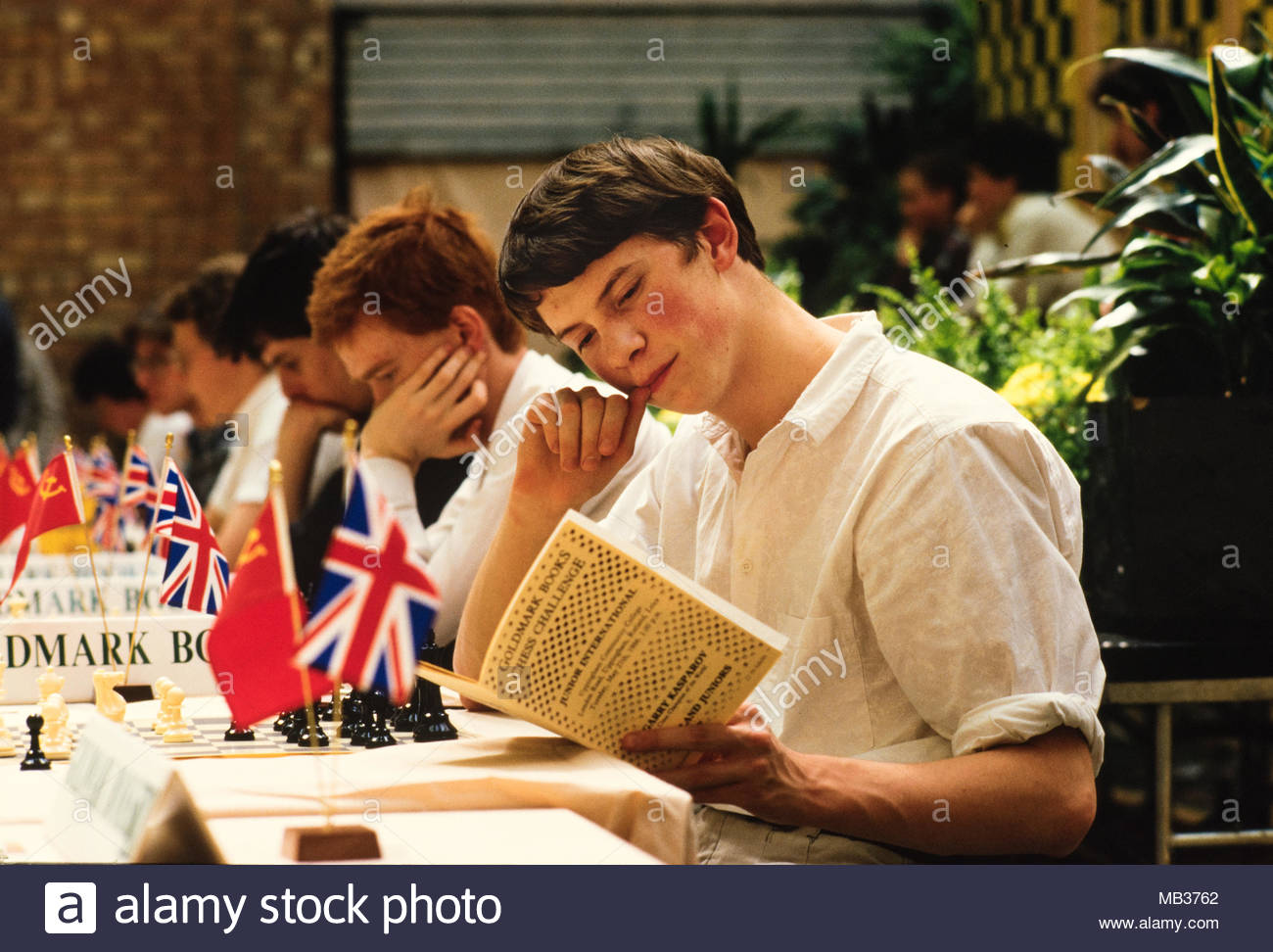
James Howell as Junior British Chess Captain at Goldmark Books Chess Challenge, London England 27 May 1986, Upingham Community College, Kasparov played the BCF Junior Squad.  Photo from Alamy
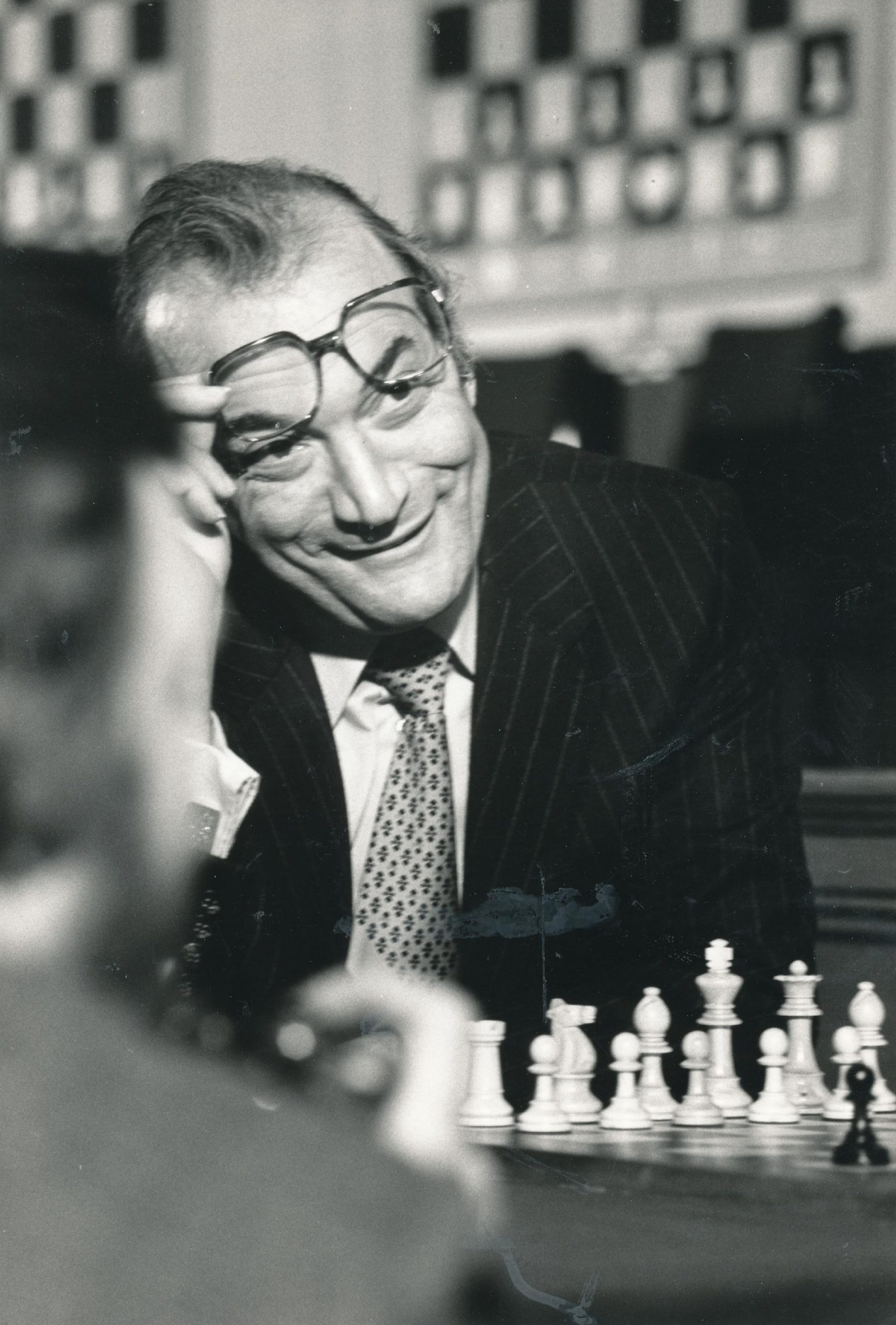
James Howell as Junior British Chess Captain at Goldmark Books Chess Challenge, London England 27 May 1986, Upingham Community College, Kasparov played the BCF Junior Squad. Photo from Alamy
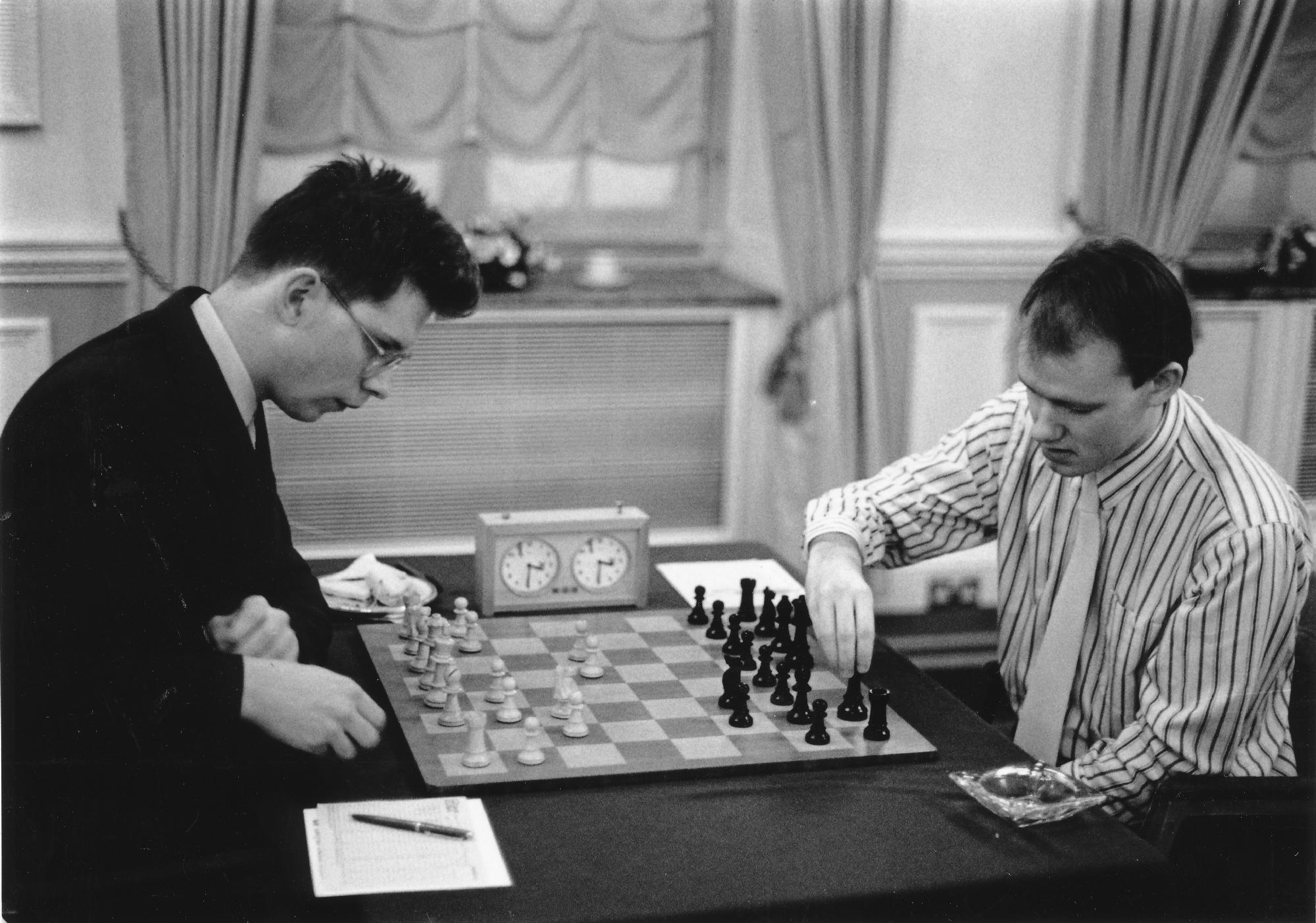
Oxford's IM James Howell (l) shapes up against Cambridge's FM Graham Burgess on top board in the Lloyds Bank Varsity match which Cambridge won 5.5 - 2.5. The players reeled off 19 moves of Yugoslav King's Indian theory before Howell established a dominant B vs N which won the Lloyds Bank trophy for the best Oxford game. Photograph by Lloyds Bank.
Oxford’s IM James Howell (l) shapes up against Cambridge’s FM Graham Burgess on top board in the Lloyds Bank Varsity match which Cambridge won 5.5 – 2.5. The players reeled off 19 moves of Yugoslav King’s Indian theory before Howell established a dominant B vs N which won the Lloyds Bank trophy for the best Oxford game. Photograph by Lloyds Bank.

Here is a game from the European Junior Championship in 1985. The opponent was Mark R. Burgess :

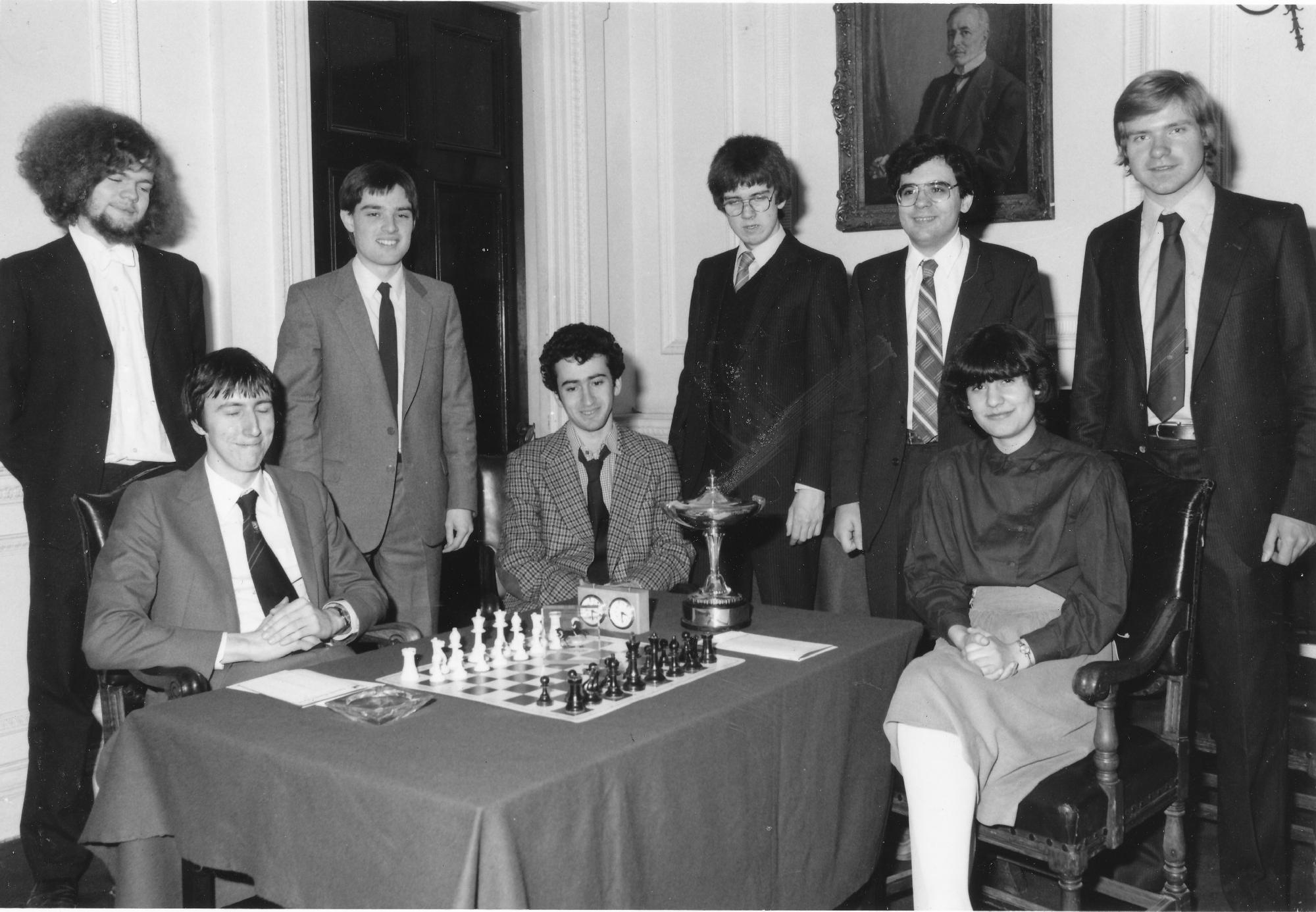
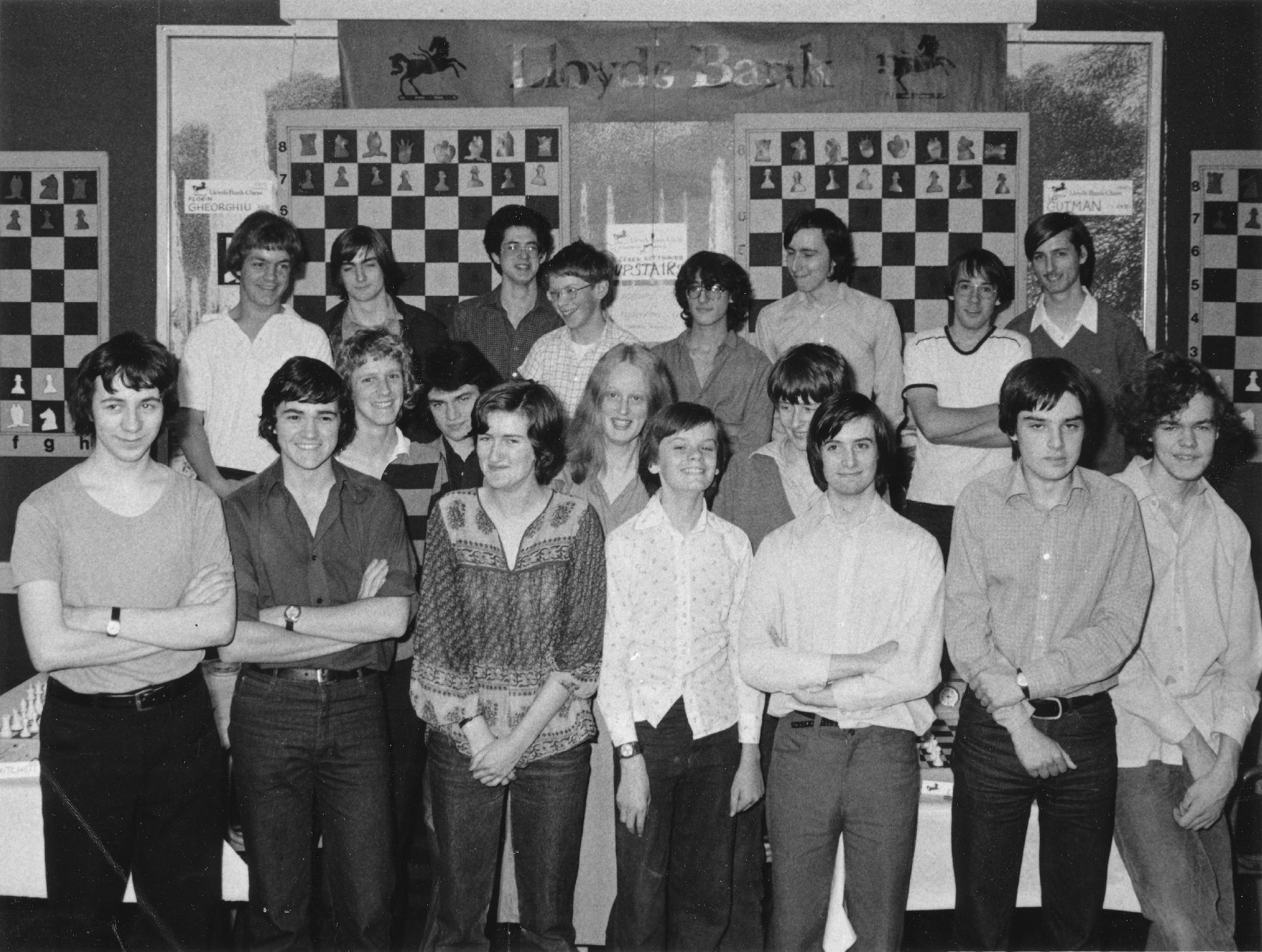
James Howell (fourth from left) in 1978 Varsity match winning Oxford Team. James was from Jesus College.
James Clifford Howell (rear, fourth from left)at a Lloyds Bank event
Essential Chess Endings

Happy Birthday Mark Crowther !

TWIC Founder, Mark Crowther

BCN wishes TWIC founder, Mark Crowther, all the best on his birthday, this day in 1966.

From Wikipedia :

The Week in Chess (TWIC) is one of the first, if not the first, Internet-based chess news services. It is based in the United Kingdom.

TWIC has been edited by Mark Crowther since its inception in 1994.[1] It began as a weekly Usenet posting, with “TWIC 1” being posted to Usenet group rec.games.chess on 17 September 1994.[2] Later it moved to Crowther’s personal web site, then to chesscenter.com in 1997,[3] and in 2012 it moved to theweekinchess.com.[4]

It contains both chess news, and all the game scores from major events.

TWIC quickly became popular with professional chess players, because it allowed them to quickly get results and game scores, where previously they had relied on print publications.[5]

TWIC still exists as a weekly newsletter, although for important events the TWIC website is updated daily. It remains a popular site for up-to-date chess news.[6]